



How to Jump-Start the


           Presented by: Bijoy E.V
 Venue: IBS bangalroe – eMBA IS-V workshop
   Ref: Mark W. Johnson Josh Suskewicz @ Hbr Nov 2009
About the Authors
• Mark W. Johnson (mjohnson@innosight.com) is the chairman
  of Innosight, a strategic innovation consulting and investing
  firm with offices in Boston, Singapore, and India.

• Josh Suskewicz (jsuskewicz@innosight.com) is a senior
  consultant at Innosight.
Concept Overview

Conventional approaches to renewable energy are falling short.
    The key is to shift the focus from developing individual
         technologies to creating whole new systems.

          by Mark W. Johnson and Josh Suskewicz
Global Green Tech initiatives!
• The Obama administration has pledged more than $100 billion
  for sustainable technologies
• China plans to spend $200 billion, and the G-20 industrialized
  nations some $400 billion
• VCs around the world have pumped $20 billion into clean-
  tech companies since 2005

    Transition from a fossil-fuel economy to a “clean-tech”
           economy powered by renewable energy?
Is it working out ?
• Sadly, history shows that this works rarely !

• May take many years enable clean technologies to supplant
  fossil fuels

• Required a deliberate shift in our energy infrastructure!!
Disruptive innovation
Many of the difficulties of clean-tech adoption can be traced to the
fundamental error of focusing on parts rather than on the whole.

 • Framework for thinking
    • Enabling technology
       • Hentry Ford: The real impact of these technologies was felt only after
         system shad evolved around them
       • Edison Bulb: Technological transformation of switch from kerosene to
         electricity.
    • Innovative business model
       • Google: Paired its advanced search technology with a fundamentally
         different business
    • Careful market-adoption strategy
       • Least possible investment in the smallest possible experiments to
         preserve the minimum scale needed to to demonstrate the concept.
    • Favourable government policy
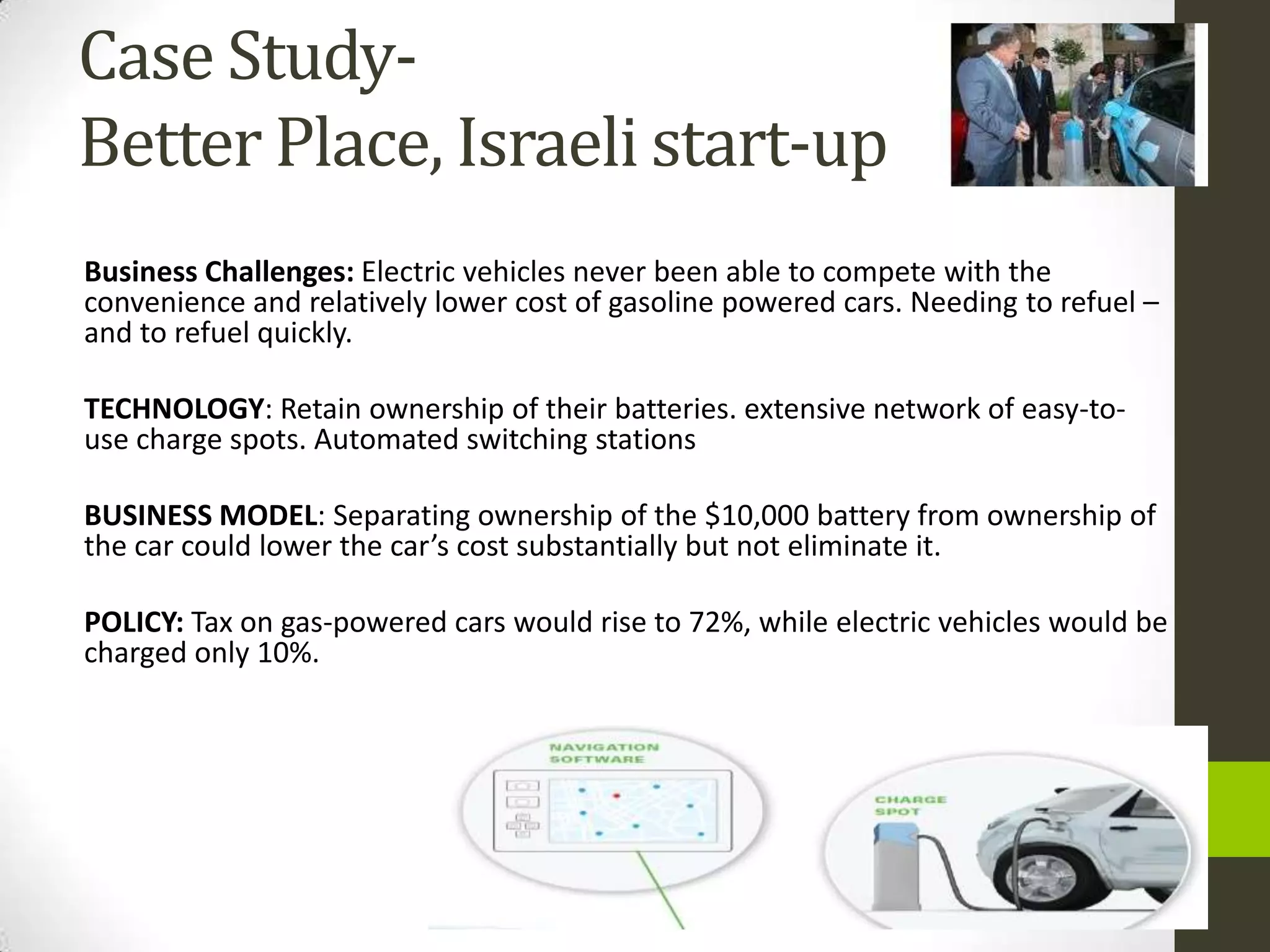
Case Study-
Better Place, Israeli start-up
Business Challenges: Electric vehicles never been able to compete with the
convenience and relatively lower cost of gasoline powered cars. Needing to refuel –
and to refuel quickly.

TECHNOLOGY: Retain ownership of their batteries. extensive network of easy-to-
use charge spots. Automated switching stations

BUSINESS MODEL: Separating ownership of the $10,000 battery from ownership of
the car could lower the car’s cost substantially but not eliminate it.

POLICY: Tax on gas-powered cars would rise to 72%, while electric vehicles would be
charged only 10%.
Better Place - Video
 • Click to see the Video
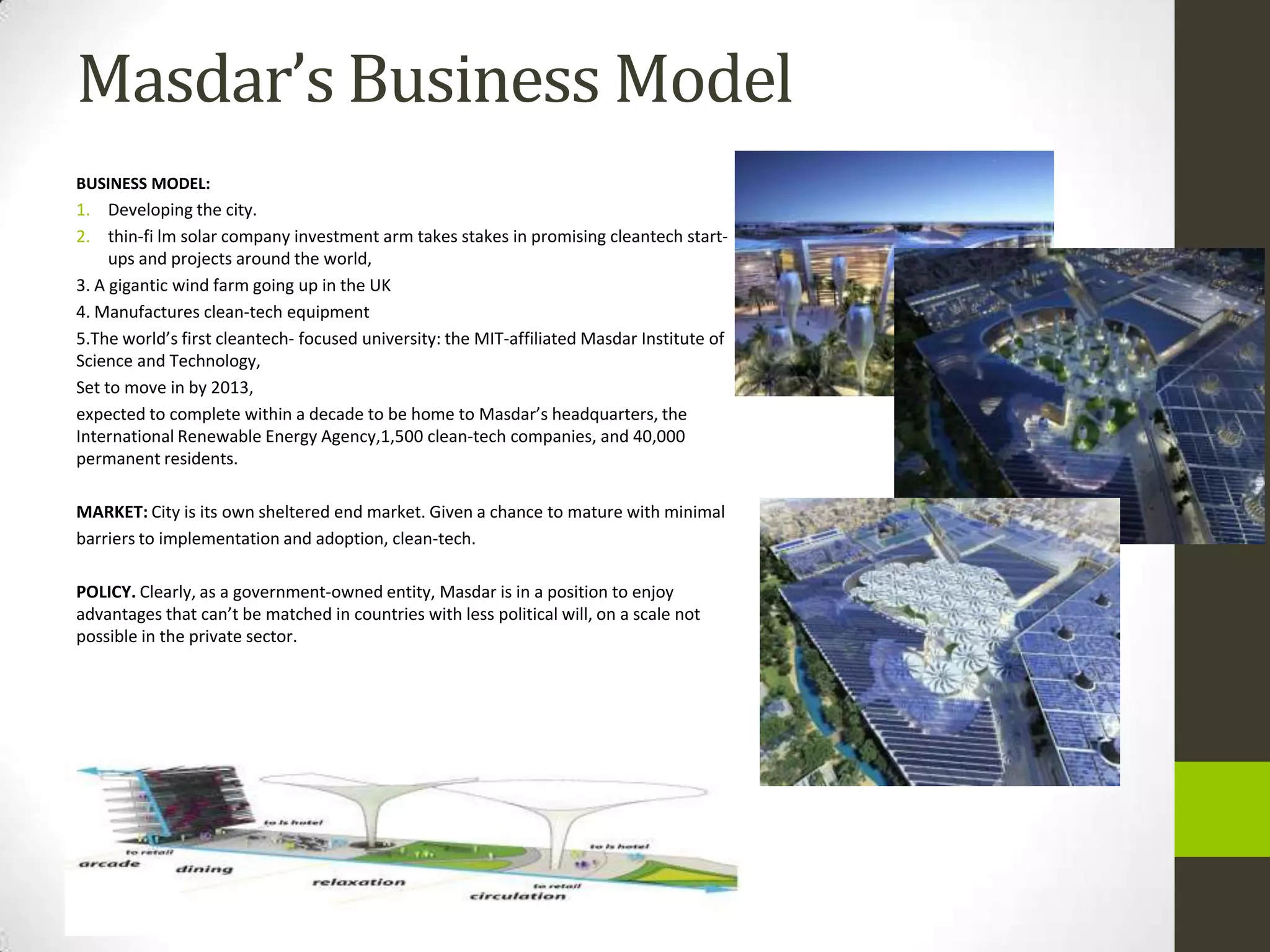
Masdar’s Business Model
BUSINESS MODEL:
1. Developing the city.
2. thin-fi lm solar company investment arm takes stakes in promising cleantech start-
     ups and projects around the world,
3. A gigantic wind farm going up in the UK
4. Manufactures clean-tech equipment
5.The world’s first cleantech- focused university: the MIT-affiliated Masdar Institute of
Science and Technology,
Set to move in by 2013,
expected to complete within a decade to be home to Masdar’s headquarters, the
International Renewable Energy Agency,1,500 clean-tech companies, and 40,000
permanent residents.

MARKET: City is its own sheltered end market. Given a chance to mature with minimal
barriers to implementation and adoption, clean-tech.

POLICY. Clearly, as a government-owned entity, Masdar is in a position to enjoy
advantages that can’t be matched in countries with less political will, on a scale not
possible in the private sector.
Masdar Citi -Video
• Click here for YouTube Video
Closing Note
• Competing head-on with fossil-fuel-based energy is
  exceptionally difficult.

• A century of investment and innovation has yielded a
  comprehensive network - more conveniently, efficiently, and
  cost-effectively than anything else right now.

• Government subsidies aimed at making not-good-enough
  options competitive have been applied

• In any event, no alternative will be viable over time if it can
  succeed only on an artificially created playing field
  maintained by permanent subsidies.
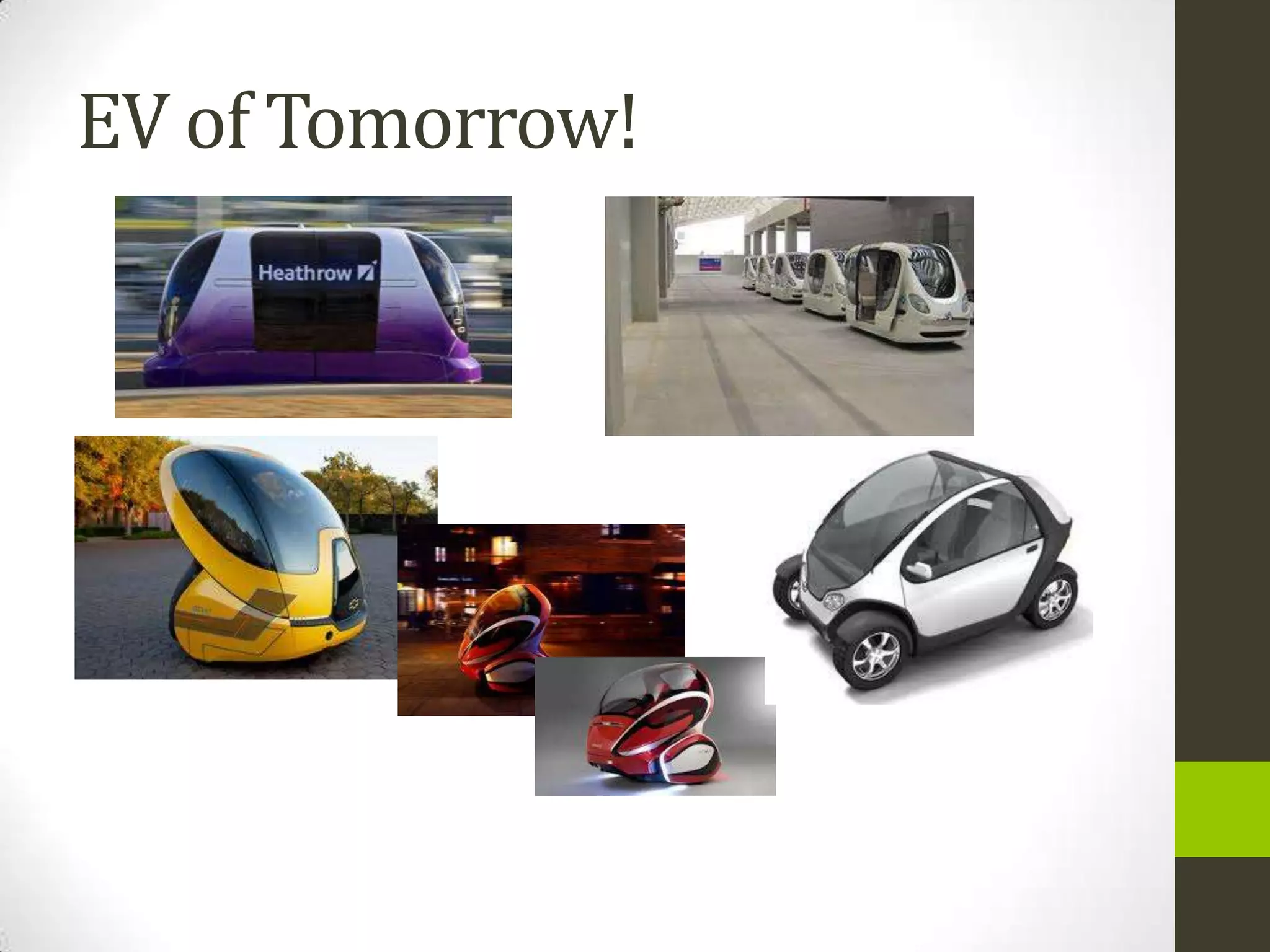
EV of Tomorrow!
Is it all about “Clean” ?


• Are we fundamentally right in the clean concept ?
• Are the “Clean Projects” really Clean ?
• Inventions on – Ready for turning points!
CO2 Problem ?!!
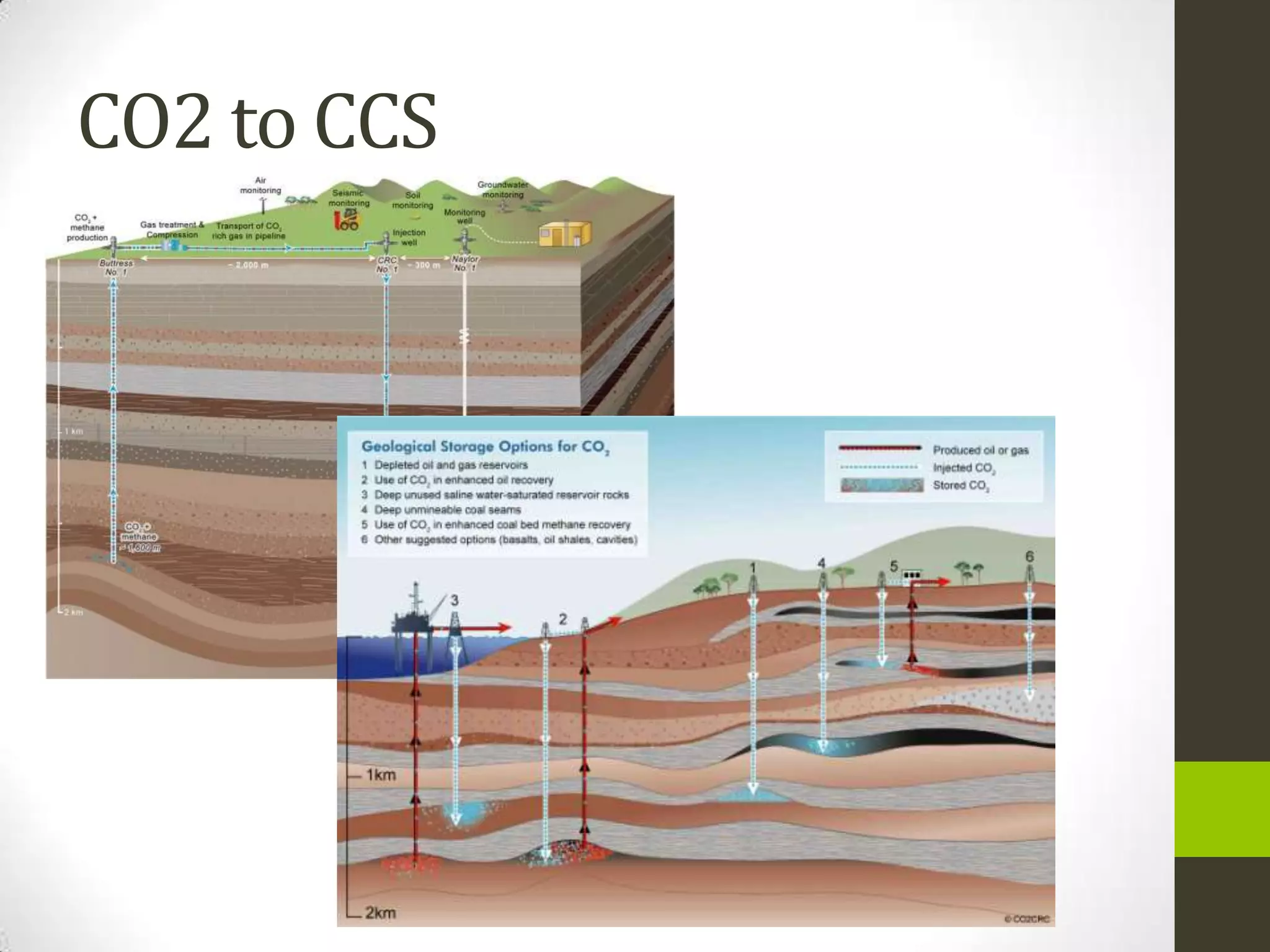
CO2CCS
• Capturing CO2 - Separating it from the other components of
  the exhaust from sources such as coal-or gas fired power
  plants.
• Compress the CO2 and transporting it by pipeline or ship to a
  suitable location where it can be stored deep underground in
  a variety of geological settings.
WHERE TO STORE CO2 ?
• There are several types of storage sites that are well suited for
  CO2 storage. The most important characteristics - presence of
  porous rock in which the CO2 can be stored (much like water
  is held in a sponge)
• Ref:
  • http://www.riscs-co2.eu/
  • http://www.worldcoal.org/resources/case-studies/otway-co2-storage-project/
CO2 to CCS
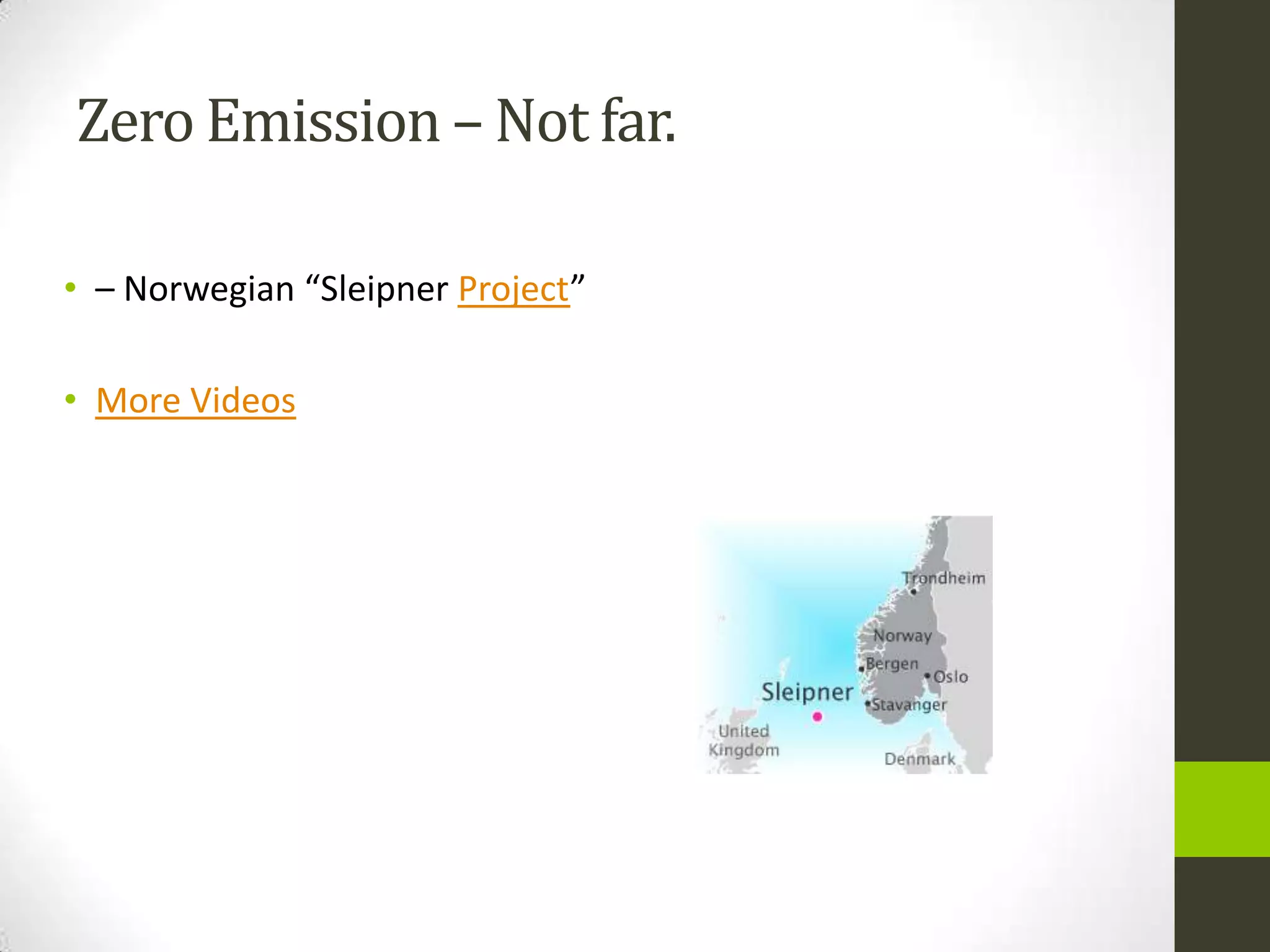
Zero Emission – Not far.

• – Norwegian “Sleipner Project”

• More Videos

How To Jump Start Clean Tech Links

  • 1.
    How to Jump-Startthe Presented by: Bijoy E.V Venue: IBS bangalroe – eMBA IS-V workshop Ref: Mark W. Johnson Josh Suskewicz @ Hbr Nov 2009
  • 2.
    About the Authors •Mark W. Johnson (mjohnson@innosight.com) is the chairman of Innosight, a strategic innovation consulting and investing firm with offices in Boston, Singapore, and India. • Josh Suskewicz (jsuskewicz@innosight.com) is a senior consultant at Innosight.
  • 3.
    Concept Overview Conventional approachesto renewable energy are falling short. The key is to shift the focus from developing individual technologies to creating whole new systems. by Mark W. Johnson and Josh Suskewicz
  • 4.
    Global Green Techinitiatives! • The Obama administration has pledged more than $100 billion for sustainable technologies • China plans to spend $200 billion, and the G-20 industrialized nations some $400 billion • VCs around the world have pumped $20 billion into clean- tech companies since 2005 Transition from a fossil-fuel economy to a “clean-tech” economy powered by renewable energy?
  • 5.
    Is it workingout ? • Sadly, history shows that this works rarely ! • May take many years enable clean technologies to supplant fossil fuels • Required a deliberate shift in our energy infrastructure!!
  • 6.
    Disruptive innovation Many ofthe difficulties of clean-tech adoption can be traced to the fundamental error of focusing on parts rather than on the whole. • Framework for thinking • Enabling technology • Hentry Ford: The real impact of these technologies was felt only after system shad evolved around them • Edison Bulb: Technological transformation of switch from kerosene to electricity. • Innovative business model • Google: Paired its advanced search technology with a fundamentally different business • Careful market-adoption strategy • Least possible investment in the smallest possible experiments to preserve the minimum scale needed to to demonstrate the concept. • Favourable government policy
  • 7.
    Case Study- Better Place,Israeli start-up Business Challenges: Electric vehicles never been able to compete with the convenience and relatively lower cost of gasoline powered cars. Needing to refuel – and to refuel quickly. TECHNOLOGY: Retain ownership of their batteries. extensive network of easy-to- use charge spots. Automated switching stations BUSINESS MODEL: Separating ownership of the $10,000 battery from ownership of the car could lower the car’s cost substantially but not eliminate it. POLICY: Tax on gas-powered cars would rise to 72%, while electric vehicles would be charged only 10%.
  • 8.
    Better Place -Video • Click to see the Video
  • 9.
    Masdar’s Business Model BUSINESSMODEL: 1. Developing the city. 2. thin-fi lm solar company investment arm takes stakes in promising cleantech start- ups and projects around the world, 3. A gigantic wind farm going up in the UK 4. Manufactures clean-tech equipment 5.The world’s first cleantech- focused university: the MIT-affiliated Masdar Institute of Science and Technology, Set to move in by 2013, expected to complete within a decade to be home to Masdar’s headquarters, the International Renewable Energy Agency,1,500 clean-tech companies, and 40,000 permanent residents. MARKET: City is its own sheltered end market. Given a chance to mature with minimal barriers to implementation and adoption, clean-tech. POLICY. Clearly, as a government-owned entity, Masdar is in a position to enjoy advantages that can’t be matched in countries with less political will, on a scale not possible in the private sector.
  • 10.
    Masdar Citi -Video •Click here for YouTube Video
  • 11.
    Closing Note • Competinghead-on with fossil-fuel-based energy is exceptionally difficult. • A century of investment and innovation has yielded a comprehensive network - more conveniently, efficiently, and cost-effectively than anything else right now. • Government subsidies aimed at making not-good-enough options competitive have been applied • In any event, no alternative will be viable over time if it can succeed only on an artificially created playing field maintained by permanent subsidies.
  • 12.
  • 13.
    Is it allabout “Clean” ? • Are we fundamentally right in the clean concept ? • Are the “Clean Projects” really Clean ? • Inventions on – Ready for turning points!
  • 14.
    CO2 Problem ?!! CO2CCS •Capturing CO2 - Separating it from the other components of the exhaust from sources such as coal-or gas fired power plants. • Compress the CO2 and transporting it by pipeline or ship to a suitable location where it can be stored deep underground in a variety of geological settings. WHERE TO STORE CO2 ? • There are several types of storage sites that are well suited for CO2 storage. The most important characteristics - presence of porous rock in which the CO2 can be stored (much like water is held in a sponge) • Ref: • http://www.riscs-co2.eu/ • http://www.worldcoal.org/resources/case-studies/otway-co2-storage-project/
  • 15.
  • 16.
    Zero Emission –Not far. • – Norwegian “Sleipner Project” • More Videos

Editor's Notes

  • #2 Mark W. Johnson (mjohnson@innosight.com) is the chairman of Innosight, a strategic innovation consulting and investing fi rm with offices in Boston, Singapore, and India. Josh Suskewicz (jsuskewicz@innosight.com) is a senior consultant at Innosight.
  • #8 Better Place, Shai Agassi’s start-up electric-vehicle services company in Israel, aims to make electric transport as easy, reliable,and affordable as gas-powered cars.Few of its residents drive more than 20 miles at a time, and cars seldom cross the border. “It’s a perfect transportation island,” Agassi likes to joke. “If your car has left the country, it’s been stolen.”
  • #10 First 92 students, from 22 nations