CUBAN government Website hacked

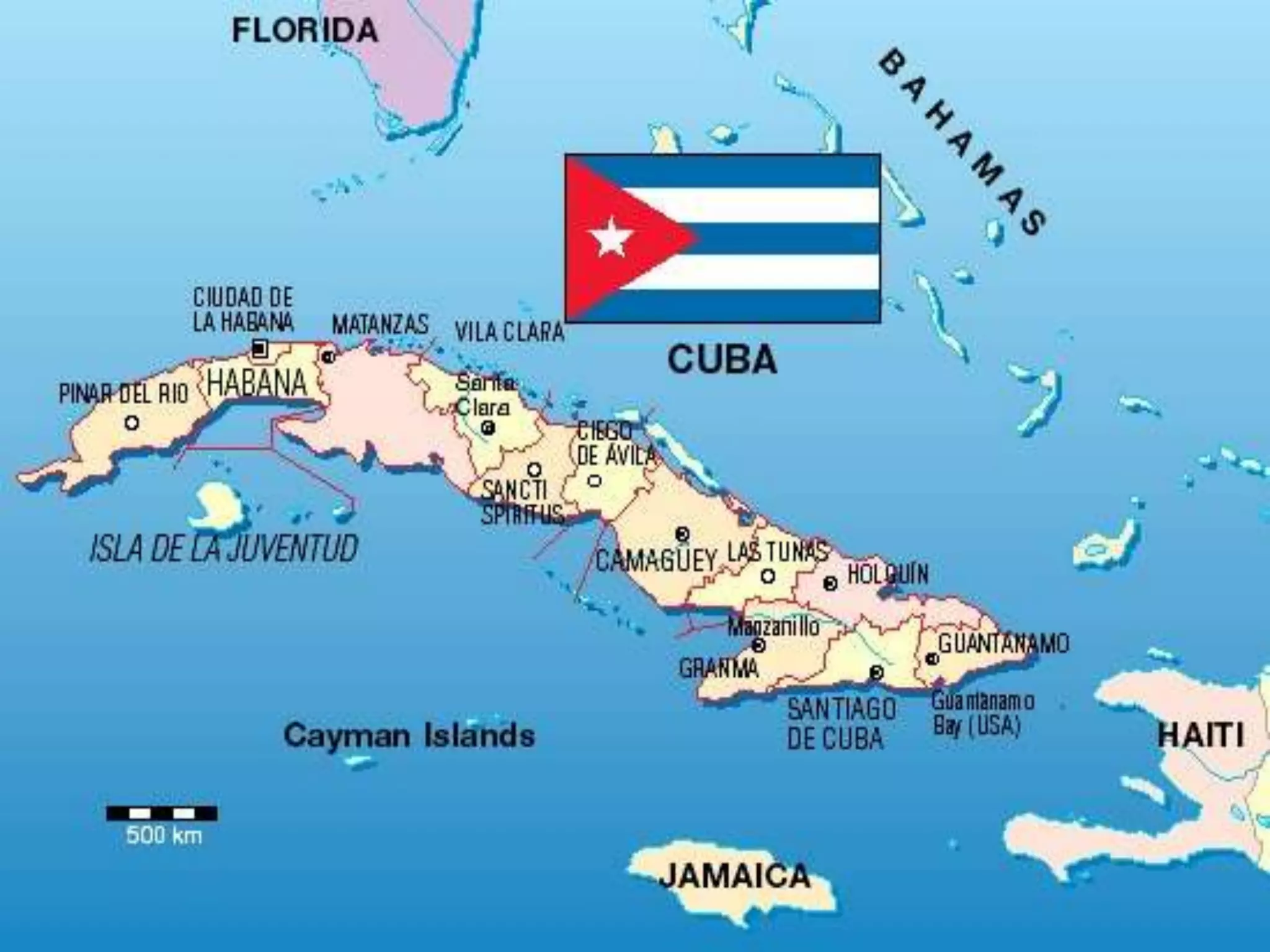
HAVANA, Cuba, March 9 (Perico Perez / www.cubanet.org) -
  Hackers recently entered a Cuban government Web site and
  posted a statement criticizing restrictions on access to the
  Internet by Cubans.
The statement, which appeared for two days on www.cubasi.cu,
  said in part: "The idea behind this hacking arose from
  government restrictions on Internet access using national
  currency. With this hacking, we're sending a message that we're
  alive, that we're Cubans, that policy doesn't matter to us and
  that we did this in order to learn more and study more every
  day."
Those aware of the hacking assumed it was done by students at
  the University of Informatics Sciences, established two years
  ago by Fidel Castro at the former Soviet espionage center. The
  idea behind the center was to produce software.
However, the hackers denied that they were students or graduates
  of the university.
HACKED PASSWORDS
   The students, officials added, also distributed hacked
    passwords belonging to authorized Internet users. A meager
    nine out of every 1,000 Cubans are estimated to be Internet
    users, most of them linked to the government.
   None of the suspended students' activities were political, but
    university officials cautioned that at any moment they could
    have taken a turn against the Cuban revolution.
   ''We have to be very careful of these semi-clandestine chats
    which are not official chats,'' university chancellor Melchor Gil
    Morell, former vice-minister of Information and
    Communications, said on the video.
   ``The majority wind up hurting the revolution and conducting
    illegal acts.''
   He said the government will revise its penal code to make
    illegal Internet access punishable by up to five years in prison.
   Among those leading the meeting on the video are student leader
    César Lage, the son of Cuban Vice President Carlos Lage, who urged
    students who have computers to use the Web to spread positive
    aspects of the government.
   The newly released video comes amid the Cuban government's
    complaints that the U.S. trade embargo prevents Cuba from riding the
    information highway. Cuban delegations have turned to international
    forums to argue that Cuba would offer the Internet more broadly, were
    it not for the fiber optic cable connections it lacks.
   ''The war the enemy has against the revolution takes place on many
    fronts, including the Internet,'' Gil said.
   The video, filmed Feb. 17, was shot two weeks after Cuban dissident
    journalist Guillermo Fariñas began a hunger strike to demand Internet
    access. His e-mail account was cut off by the government after Fariñas
    was quoted in a Miami Herald article.
   Fariñas has been fed intravenously for more than four months and is in
    critical condition, dissidents said.

                                 GİZEM ORUÇ & SEZEN GERÇEK
                                          MIS 404

Hacking in Cuba

  • 2.
    CUBAN government Websitehacked HAVANA, Cuba, March 9 (Perico Perez / www.cubanet.org) - Hackers recently entered a Cuban government Web site and posted a statement criticizing restrictions on access to the Internet by Cubans. The statement, which appeared for two days on www.cubasi.cu, said in part: "The idea behind this hacking arose from government restrictions on Internet access using national currency. With this hacking, we're sending a message that we're alive, that we're Cubans, that policy doesn't matter to us and that we did this in order to learn more and study more every day." Those aware of the hacking assumed it was done by students at the University of Informatics Sciences, established two years ago by Fidel Castro at the former Soviet espionage center. The idea behind the center was to produce software. However, the hackers denied that they were students or graduates of the university.
  • 3.
    HACKED PASSWORDS  The students, officials added, also distributed hacked passwords belonging to authorized Internet users. A meager nine out of every 1,000 Cubans are estimated to be Internet users, most of them linked to the government.  None of the suspended students' activities were political, but university officials cautioned that at any moment they could have taken a turn against the Cuban revolution.  ''We have to be very careful of these semi-clandestine chats which are not official chats,'' university chancellor Melchor Gil Morell, former vice-minister of Information and Communications, said on the video.  ``The majority wind up hurting the revolution and conducting illegal acts.''  He said the government will revise its penal code to make illegal Internet access punishable by up to five years in prison.
  • 4.
    Among those leading the meeting on the video are student leader César Lage, the son of Cuban Vice President Carlos Lage, who urged students who have computers to use the Web to spread positive aspects of the government.  The newly released video comes amid the Cuban government's complaints that the U.S. trade embargo prevents Cuba from riding the information highway. Cuban delegations have turned to international forums to argue that Cuba would offer the Internet more broadly, were it not for the fiber optic cable connections it lacks.  ''The war the enemy has against the revolution takes place on many fronts, including the Internet,'' Gil said.  The video, filmed Feb. 17, was shot two weeks after Cuban dissident journalist Guillermo Fariñas began a hunger strike to demand Internet access. His e-mail account was cut off by the government after Fariñas was quoted in a Miami Herald article.  Fariñas has been fed intravenously for more than four months and is in critical condition, dissidents said. GİZEM ORUÇ & SEZEN GERÇEK MIS 404