To protect their ownership and control over how their intellectual property is used. Requiring permission ensures they can determine appropriate and legal uses of their creative works.
In This Lesson,You Will Learn
Why copyrights are necessary
How to use technology ethically and
legally
How to cite online sources
3.
Ethics and Technology
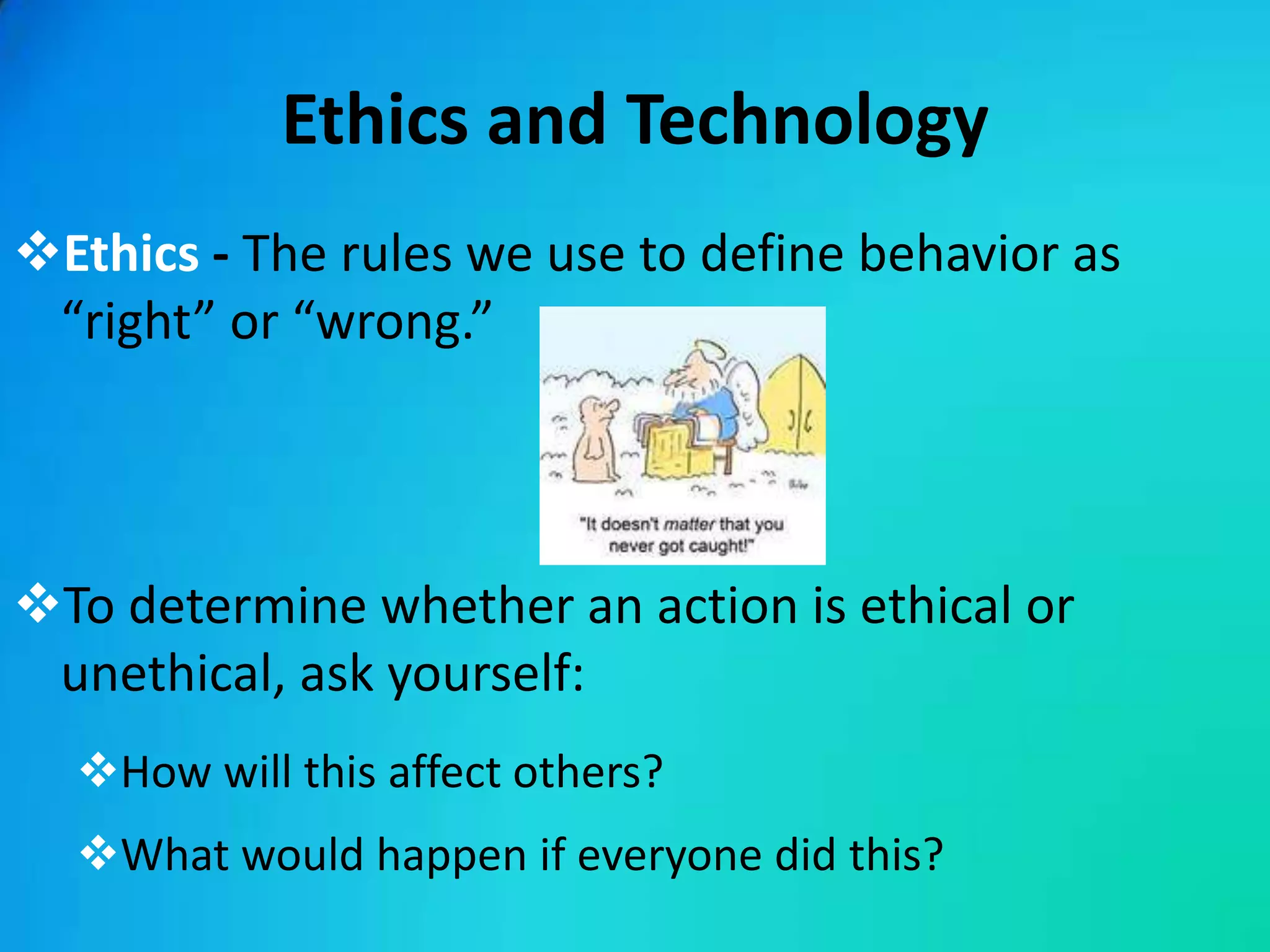
Ethics- The rules we use to define behavior as
“right” or “wrong.”
To determine whether an action is ethical or
unethical, ask yourself:
How will this affect others?
What would happen if everyone did this?
4.
What Is IntellectualProperty?
The law helps people act ethically by
protecting both physical property and
intellectual property.
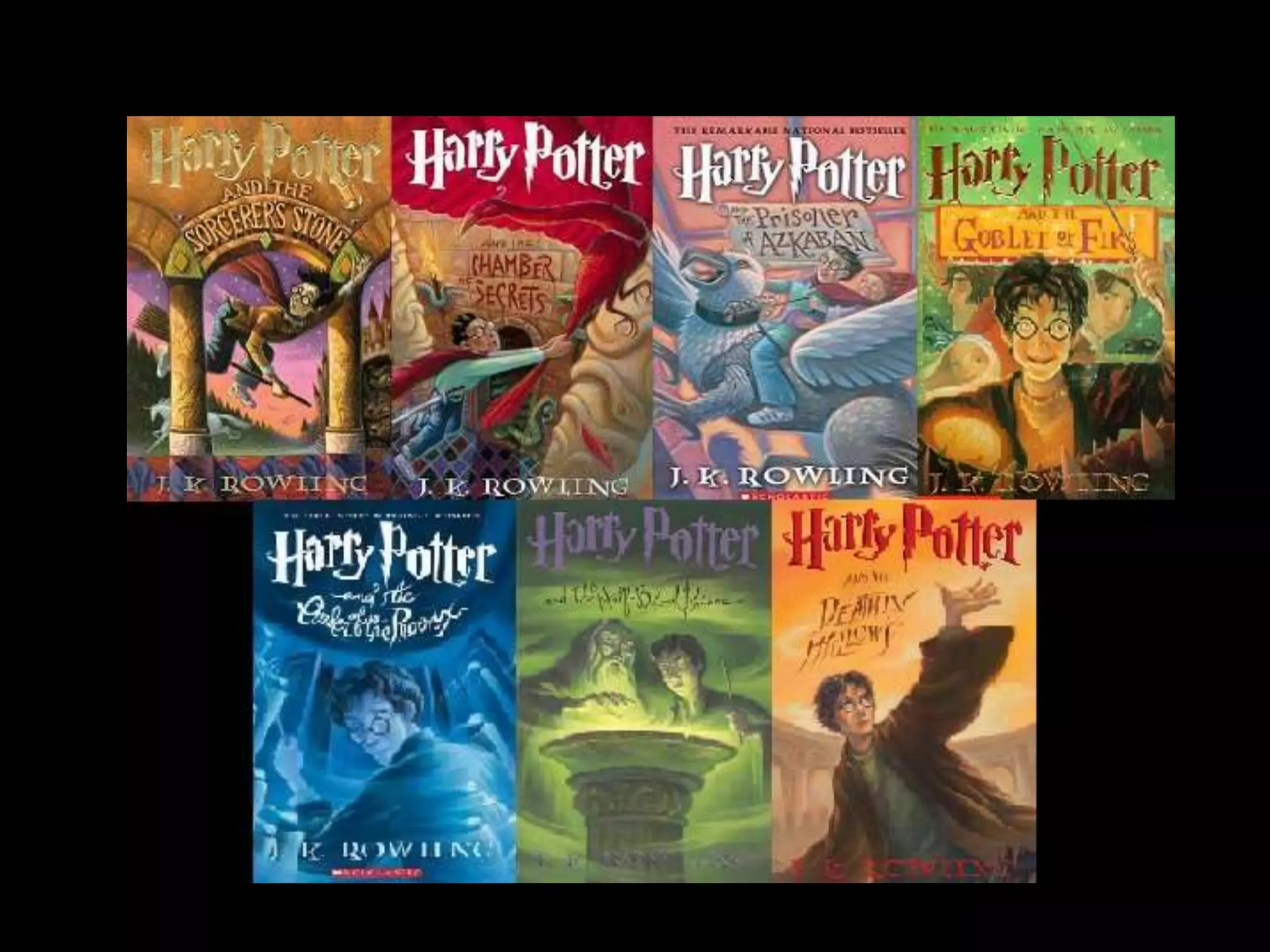
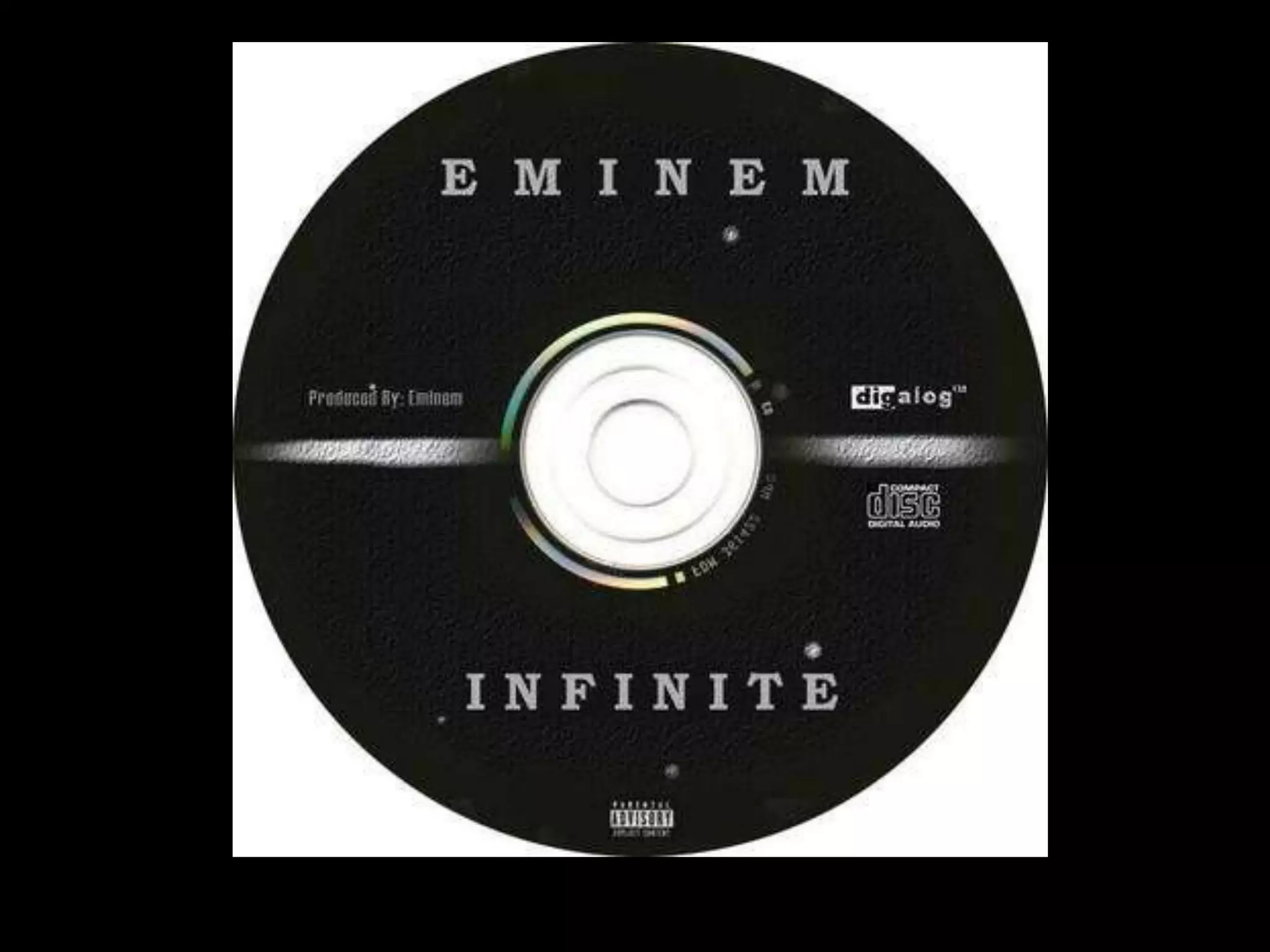
Intellectual Property - Ideas and concepts
created or owned by a person or company;
examples are
books, music, movies, software, and
inventions.
5.
Copyright
Individuals or companiescan apply for a
copyright to protect their intellectual
property.
Copyright - The legal protection for
intellectual property.
9.
Trademark
They can alsouse a trademark to protect a
specific name or image that identifies an
organization or its products.
Trademark - A name, symbol, or other feature
that identifies a product with a specific owner;
signified by ™ or ®.
28.
How Can ICopy Legally?
In general, permission is required to
reproduce copyrighted material.
Permission - Approval by the owner or creator of
a work to let someone else use the work in a way
that was not its original purpose.
What you can and cannot copy from a Web
site is usually addressed in the site’s Terms of
Use.
Terms of Use - A Web site’s rules regarding
permission.
29.
What is FairUse?
According to fair use, some copyrighted works may
be legal to use or copy without permission.
Fair Use - The right to use or copy a copyrighted
work without seeking permission.
• For example:
Teachers may copy a book page for a lesson.
Students may usually include copyrighted material in a school report.
You may listen to (but not copy) a friend’s music CD.
You may use TiVo® to record a TV show for private use.
30.
What is PublicDomain?
Public Domain - Describes material that people can
freely use without permission.
Materials within the public domain also do not
require permission.
Examples are:
Material on which the copyright has expired
Government-published information
Material offered free to the public by the creators
31.
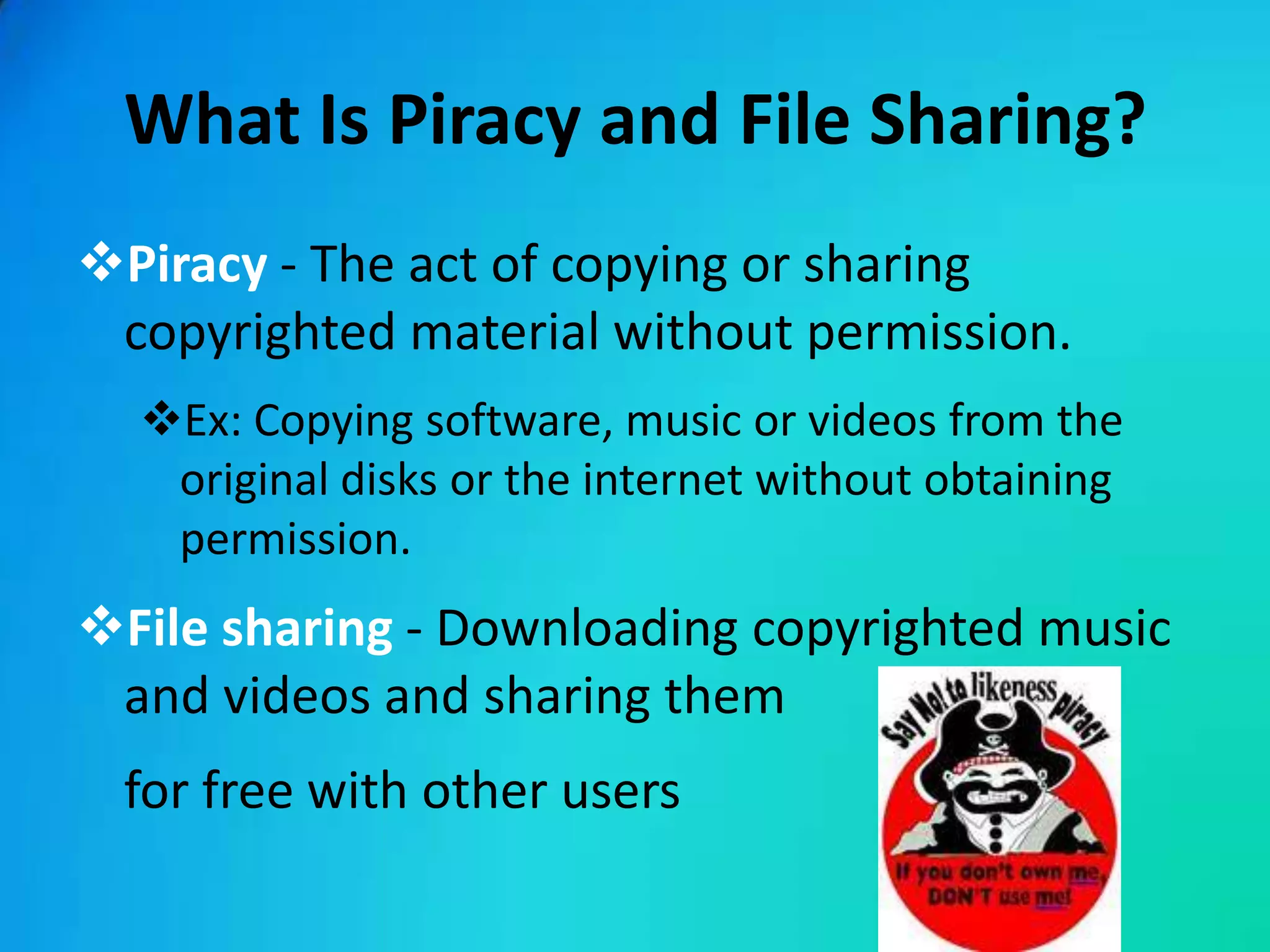
What Is Piracyand File Sharing?
Piracy - The act of copying or sharing
copyrighted material without permission.
Ex: Copying software, music or videos from the
original disks or the internet without obtaining
permission.
File sharing - Downloading copyrighted music
and videos and sharing them
for free with other users
32.
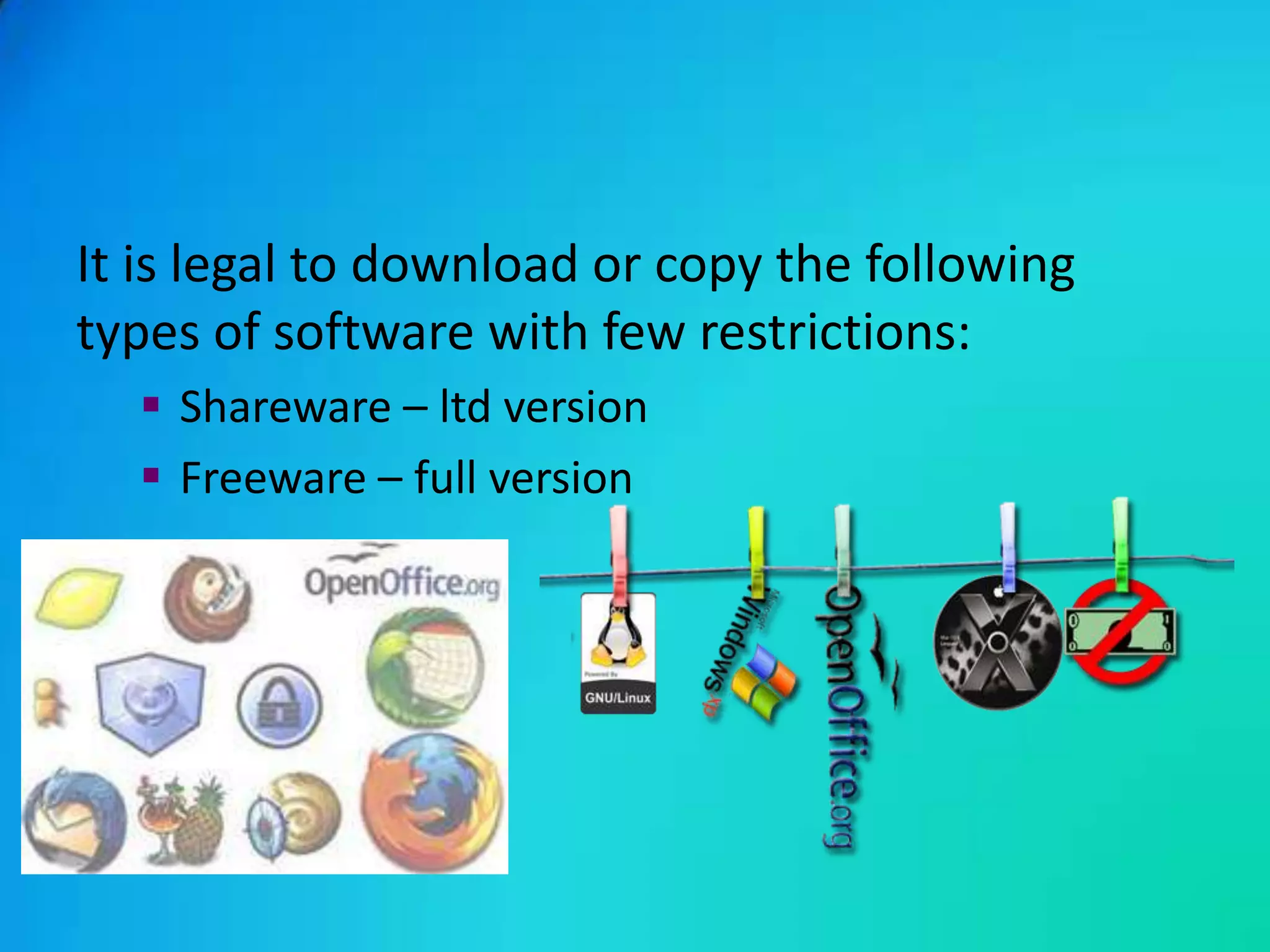
It is legalto download or copy the following
types of software with few restrictions:
Shareware – ltd version
Freeware – full version
33.
Draw Conclusions
Give onereason the owner of intellectual
property would require that you get permission
before using or copying material.
Editor's Notes
#4 When you use technology, you should apply the same ethics that you use in other areas of your life.
#31 Even when material falls under fair use or within the public domain, you should still credit the source.
#32 Breaking copyright laws is illegal and can cause great financial losses.
#34 To avoid losing money when people copy products rather than purchase themTo prevent use of the material in a way not originally intendedTo retain credit for his or her work




![Legal anf]d Ethical Use of Technology.pptx](https://cdn.slidesharecdn.com/ss_thumbnails/legalanfdethicaluseoftechnology-220911145529-a3e009b1-thumbnail.jpg?width=640&height=640&fit=bounds)


![Vibe Coding vs. Spec-Driven Development [Free Meetup]](https://cdn.slidesharecdn.com/ss_thumbnails/vibecodingvsspecdrivendevelopment-251209105622-43f455e7-thumbnail.jpg?width=640&height=640&fit=bounds)


