Digital Marketing
Trends
The world of digital marketing is constantly evolving, with new
trends emerging that are shaping the industry. From the rise of
influencer marketing to the increased use of AI, these trends are
transforming how businesses connect with their audiences.
by roshni Khanna
Rise of Influencer Marketing
Targeted Reach
Influencers have built loyal
followings in niche markets,
allowing brands to target
specific demographics.
Authenticity
Consumers are more likely to
trust recommendations from
influencers they see as
authentic and relatable.
Engagement
Influencer marketing
campaigns often generate
higher engagement rates
compared to traditional
advertising.
Personalization and
Targeted Advertising
1 Hyper-Personalized Content
Brands are using data to create highly personalized ads
and content that cater to individual preferences.
2 Targeted Messaging
Businesses are leveraging customer data to deliver tailored
messages that resonate with specific segments.
3 Improved Conversions
Personalized and targeted advertising often leads to higher
conversion rates and better return on investment.
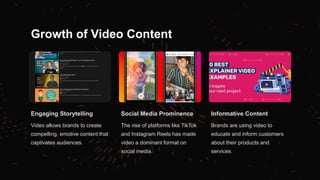
Growth of Video Content
Engaging Storytelling
Video allows brands to create
compelling, emotive content that
captivates audiences.
Social Media Prominence
The rise of platforms like TikTok
and Instagram Reels has made
video a dominant format on
social media.
Informative Content
Brands are using video to
educate and inform customers
about their products and
services.
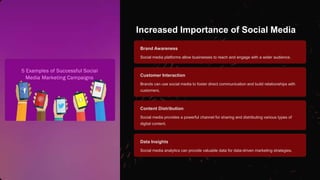
Increased Importance of Social Media
Brand Awareness
Social media platforms allow businesses to reach and engage with a wider audience.
Customer Interaction
Brands can use social media to foster direct communication and build relationships with
customers.
Content Distribution
Social media provides a powerful channel for sharing and distributing various types of
digital content.
Data Insights
Social media analytics can provide valuable data for data-driven marketing strategies.
Advancements in Artificial
Intelligence
Chatbots
AI-powered chatbots can provide 24/7 customer support
and personalized interactions.
Content Generation
AI can assist in creating tailored content, from social media
posts to product descriptions.
Predictive Analytics
AI algorithms can analyze data to predict consumer
behavior and optimize marketing strategies.
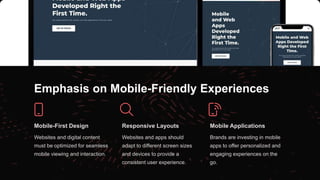
Emphasis on Mobile-Friendly Experiences
Mobile-First Design
Websites and digital content
must be optimized for seamless
mobile viewing and interaction.
Responsive Layouts
Websites and apps should
adapt to different screen sizes
and devices to provide a
consistent user experience.
Mobile Applications
Brands are investing in mobile
apps to offer personalized and
engaging experiences on the
go.
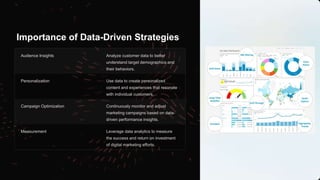
Importance of Data-Driven Strategies
Audience Insights Analyze customer data to better
understand target demographics and
their behaviors.
Personalization Use data to create personalized
content and experiences that resonate
with individual customers.
Campaign Optimization Continuously monitor and adjust
marketing campaigns based on data-
driven performance insights.
Measurement Leverage data analytics to measure
the success and return on investment
of digital marketing efforts.

Digital-Marketing-Trends - A Digital Bloom

  • 1.
    Digital Marketing Trends The worldof digital marketing is constantly evolving, with new trends emerging that are shaping the industry. From the rise of influencer marketing to the increased use of AI, these trends are transforming how businesses connect with their audiences. by roshni Khanna
  • 2.
    Rise of InfluencerMarketing Targeted Reach Influencers have built loyal followings in niche markets, allowing brands to target specific demographics. Authenticity Consumers are more likely to trust recommendations from influencers they see as authentic and relatable. Engagement Influencer marketing campaigns often generate higher engagement rates compared to traditional advertising.
  • 3.
    Personalization and Targeted Advertising 1Hyper-Personalized Content Brands are using data to create highly personalized ads and content that cater to individual preferences. 2 Targeted Messaging Businesses are leveraging customer data to deliver tailored messages that resonate with specific segments. 3 Improved Conversions Personalized and targeted advertising often leads to higher conversion rates and better return on investment.
  • 4.
    Growth of VideoContent Engaging Storytelling Video allows brands to create compelling, emotive content that captivates audiences. Social Media Prominence The rise of platforms like TikTok and Instagram Reels has made video a dominant format on social media. Informative Content Brands are using video to educate and inform customers about their products and services.
  • 5.
    Increased Importance ofSocial Media Brand Awareness Social media platforms allow businesses to reach and engage with a wider audience. Customer Interaction Brands can use social media to foster direct communication and build relationships with customers. Content Distribution Social media provides a powerful channel for sharing and distributing various types of digital content. Data Insights Social media analytics can provide valuable data for data-driven marketing strategies.
  • 6.
    Advancements in Artificial Intelligence Chatbots AI-poweredchatbots can provide 24/7 customer support and personalized interactions. Content Generation AI can assist in creating tailored content, from social media posts to product descriptions. Predictive Analytics AI algorithms can analyze data to predict consumer behavior and optimize marketing strategies.
  • 7.
    Emphasis on Mobile-FriendlyExperiences Mobile-First Design Websites and digital content must be optimized for seamless mobile viewing and interaction. Responsive Layouts Websites and apps should adapt to different screen sizes and devices to provide a consistent user experience. Mobile Applications Brands are investing in mobile apps to offer personalized and engaging experiences on the go.
  • 8.
    Importance of Data-DrivenStrategies Audience Insights Analyze customer data to better understand target demographics and their behaviors. Personalization Use data to create personalized content and experiences that resonate with individual customers. Campaign Optimization Continuously monitor and adjust marketing campaigns based on data- driven performance insights. Measurement Leverage data analytics to measure the success and return on investment of digital marketing efforts.