Creating Smart(er) Contracts
Contracts need trust and process
Sarah Fox
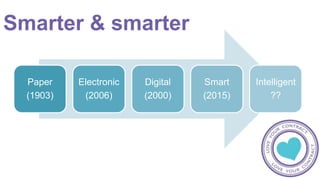
Smarter & smarter
Paper
(1903)
Electronic
(2006)
Digital
(2000)
Smart
(2015)
Intelligent
??
Creating Smart(er) Construction Contracts

Editor's Notes

  • #3 Own image
  • #4 Own image
  • #5 (cc) Source Unsplash
  • #6 Paper = hard copy. First produced under sanction of RIBA. First JCT in 1931. Electronic = editable online document (JCT Digital launched in 2006 says “The contract wizard intelligently creates a bespoke contract based on the results of a user question and answer session. Tailored contracts can then be saved for future use, emailed between users and edited electronically. Amendments are tracked and colour -coded so as to be easily identifiable, and printed contracts are clearly watermarked 'draft' until a final version is printed.) NEC Digital in Digital = contract completion, execution and archiving on trusted digital platform (eg Contract Express, owned since 2015 by Thomson Reuters) Smart = contract creation, execution and operation using logic systems Intelligent = contracts & works documents all smart; multi-party payments made remotely once conditions met
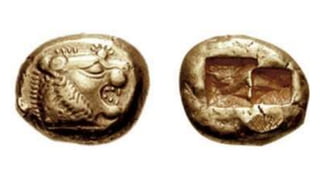
  • #7 (cc) Source https://en.wikipedia.org/wiki/Ancient_Greek_coinage#/media/File:BMC_06.jpg These are some of the world's first coins, produced in Lydia, western Turkey, over 2500 years ago. The lion on this coin is seen as a symbol of royalty. The two deep impressions were created by a hammer, used to punch the image of the lion and bull into the blank coin. Lydia was renowned for its wealth and its last king, Croesus, was immortalized in the saying 'as rich as Croesus.' Why did people invent money? Cities and empires managed without coins for over 2000 years. Electrum (gold and silver mixture) was used for the first coins, but coinage gained popularity when gold and silver coins were introduced. Coinage probably developed in Lydia because it was a trading centre and possessed large gold supplies. Before coins, payments were made with metal bullion or by barter. To establish its value metal was checked for purity and weighed. The Lydians minted coins of consistent weight and purity to speed up transactions.
  • #9 (cc) Source https://pixabay.com/en/credit-car-bank-card-payment-1197771/
  • #10 (cc) Source https://pixabay.com/en/bitcoin-digital-electronics-3d-1368256/
  • #12 (cc) Source Unsplash