Crafting an Argument
RHETORICAL STRATEGIES
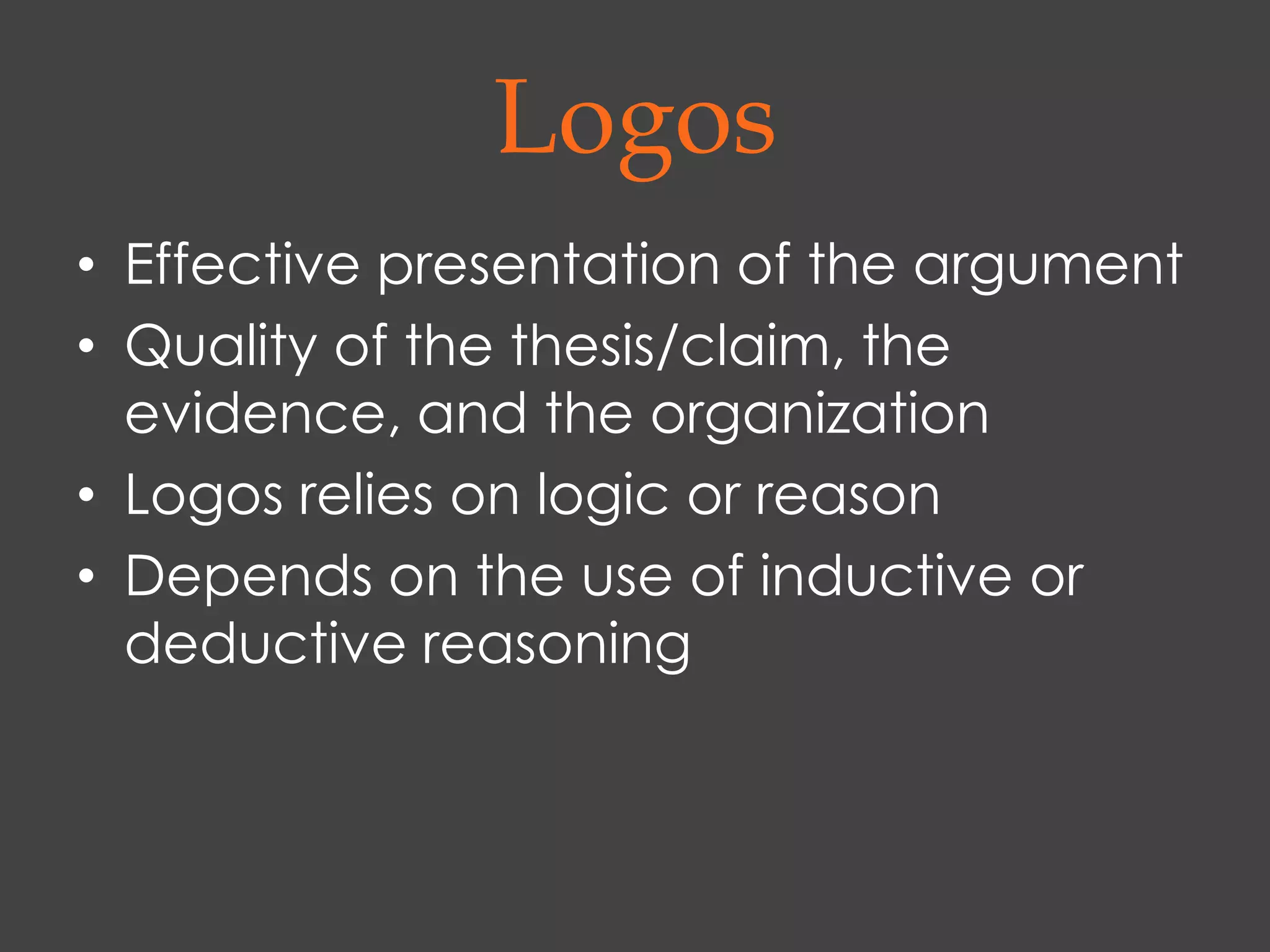
Logos
• Effective presentation of the argument
• Quality of the thesis/claim, the
  evidence, and the organization
• Logos relies on logic or reason
• Depends on the use of inductive or
  deductive reasoning
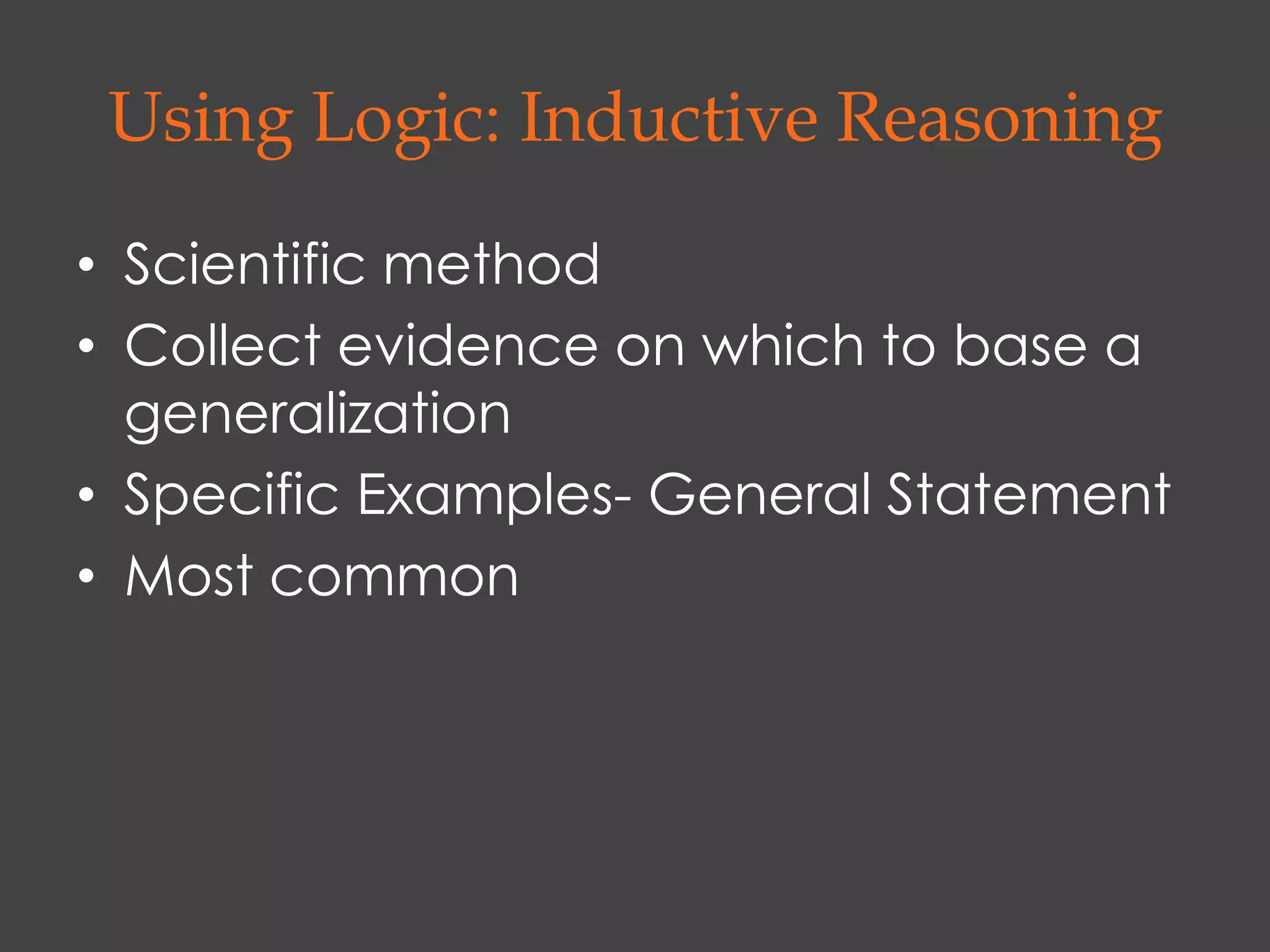
Using Logic: Inductive Reasoning

• Scientific method
• Collect evidence on which to base a
  generalization
• Specific Examples- General Statement
• Most common
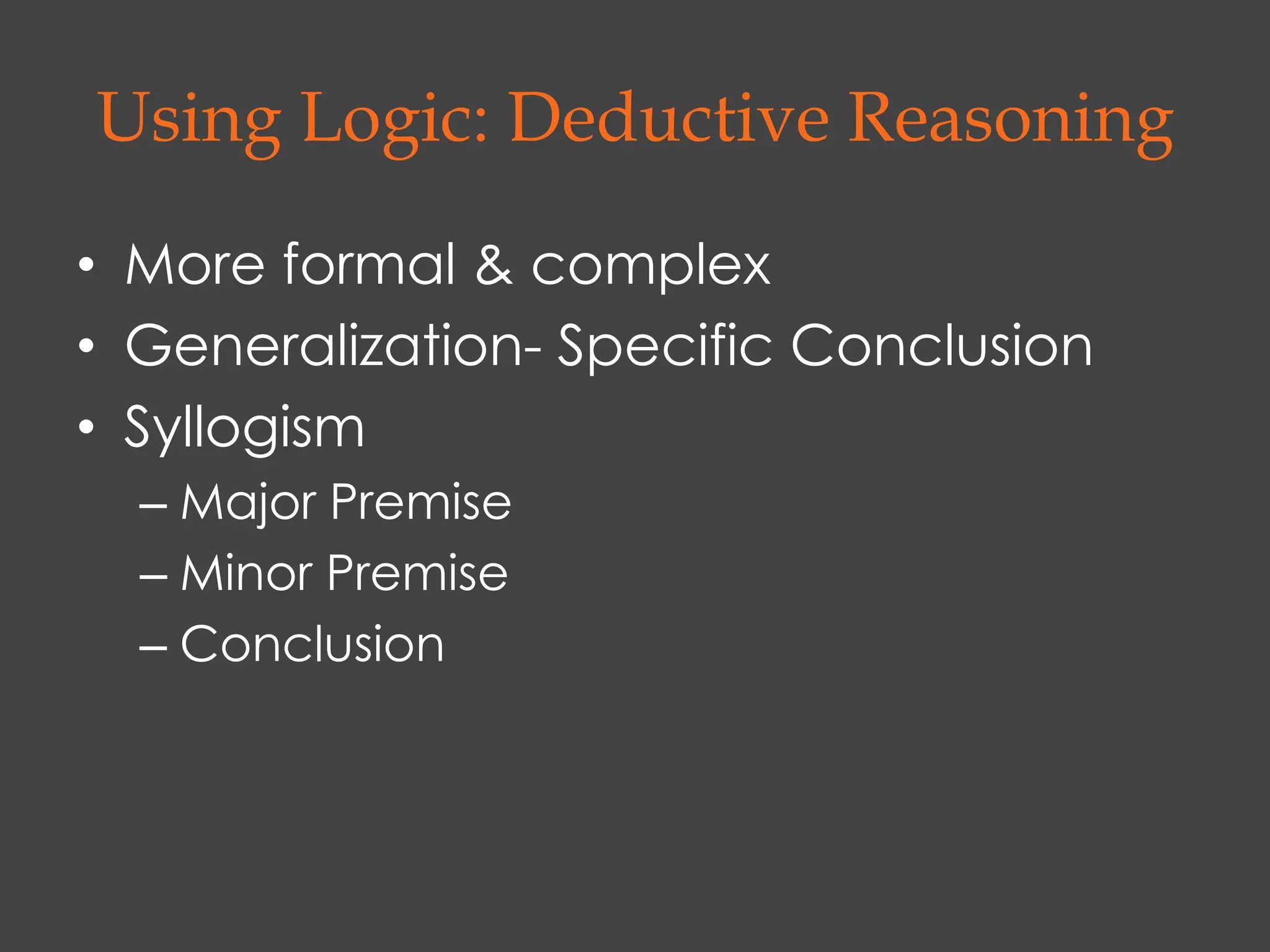
Using Logic: Deductive Reasoning

• More formal & complex
• Generalization- Specific Conclusion
• Syllogism
  – Major Premise
  – Minor Premise
  – Conclusion
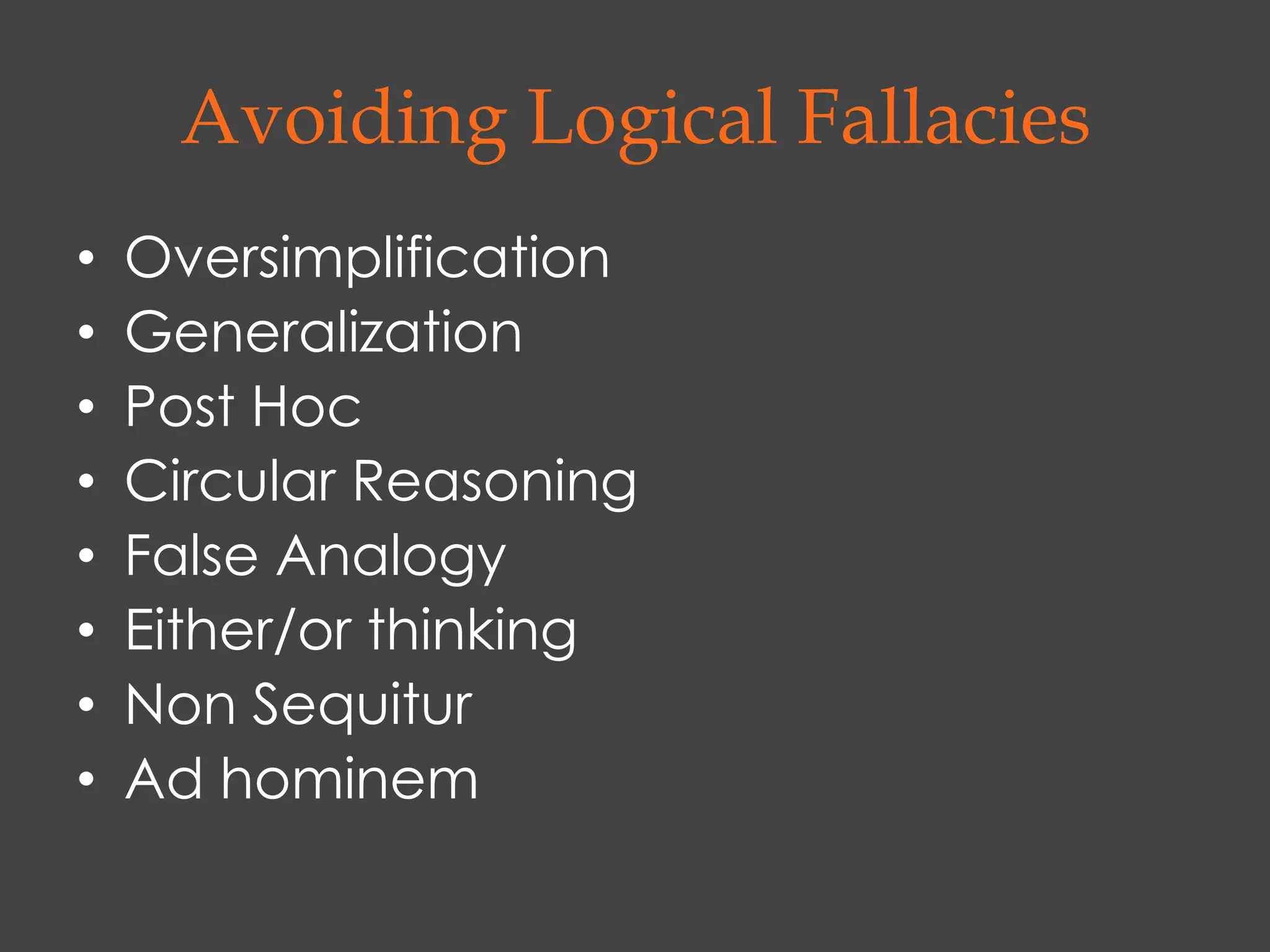
Avoiding Logical Fallacies
•   Oversimplification
•   Generalization
•   Post Hoc
•   Circular Reasoning
•   False Analogy
•   Either/or thinking
•   Non Sequitur
•   Ad hominem
NAME THE LOGICAL
FALLACY!
Maple got a shock right
 after she came home
  from the hair salon.
Therefore, Maple should
  never go to the hair
      salon again.
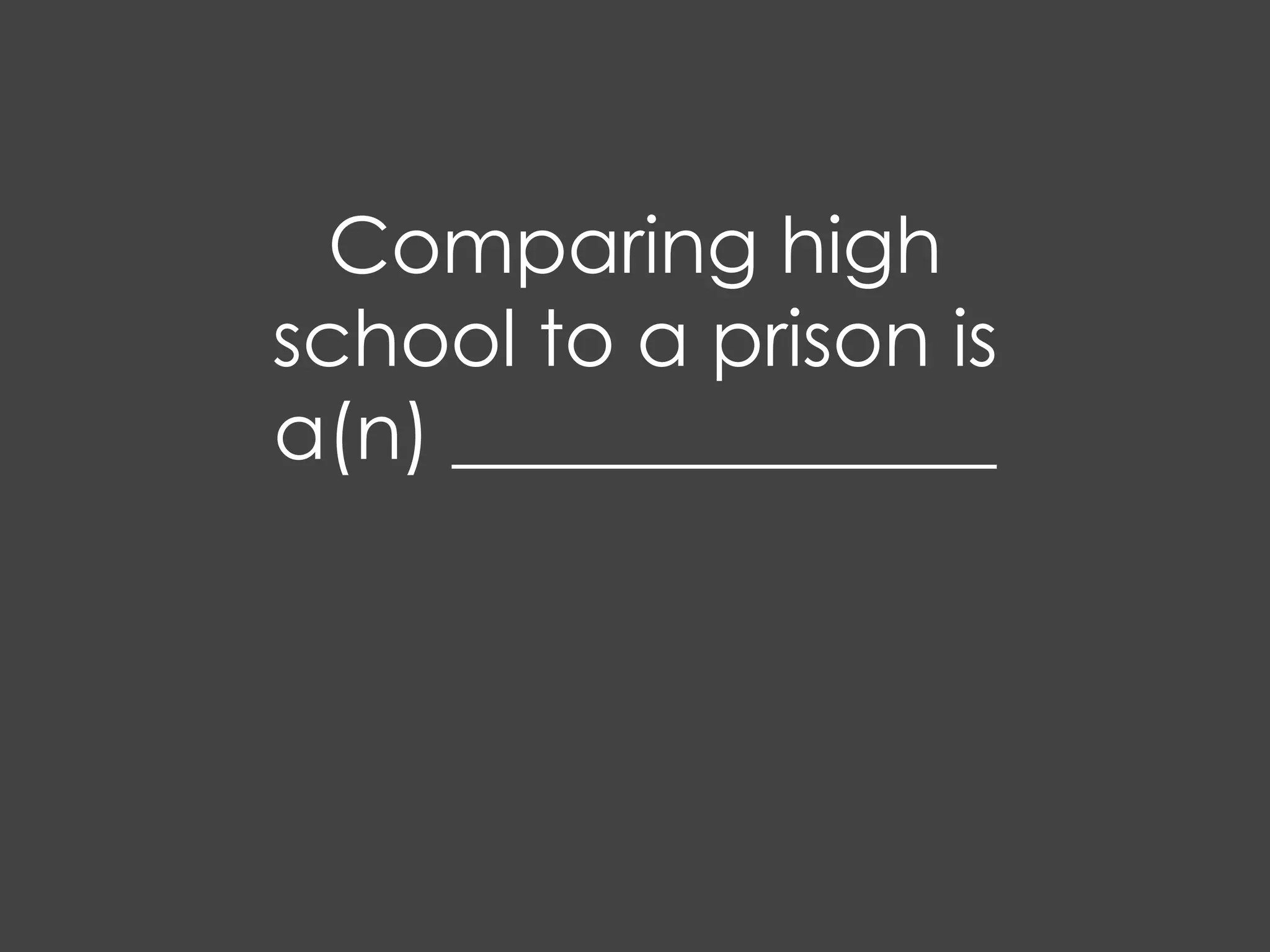
Comparing high
school to a prison is
a(n) ______________
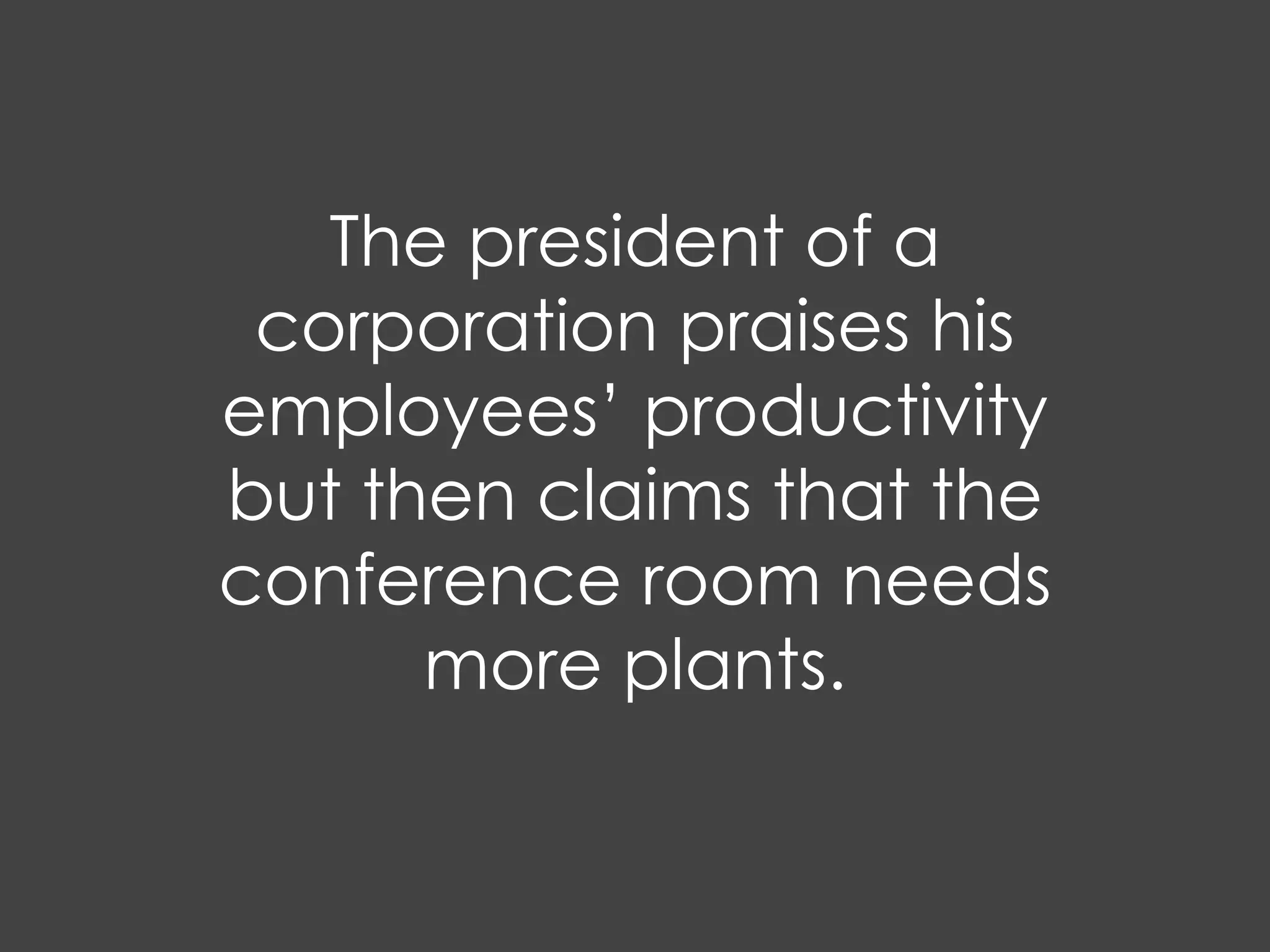
The president of a
 corporation praises his
employees’ productivity
but then claims that the
conference room needs
      more plants.
Romantic comedies are
 the best type of movie
   because romantic
  comedies are better
      than horror
 movies, dramas, other
       comedies,
    and foreign films.
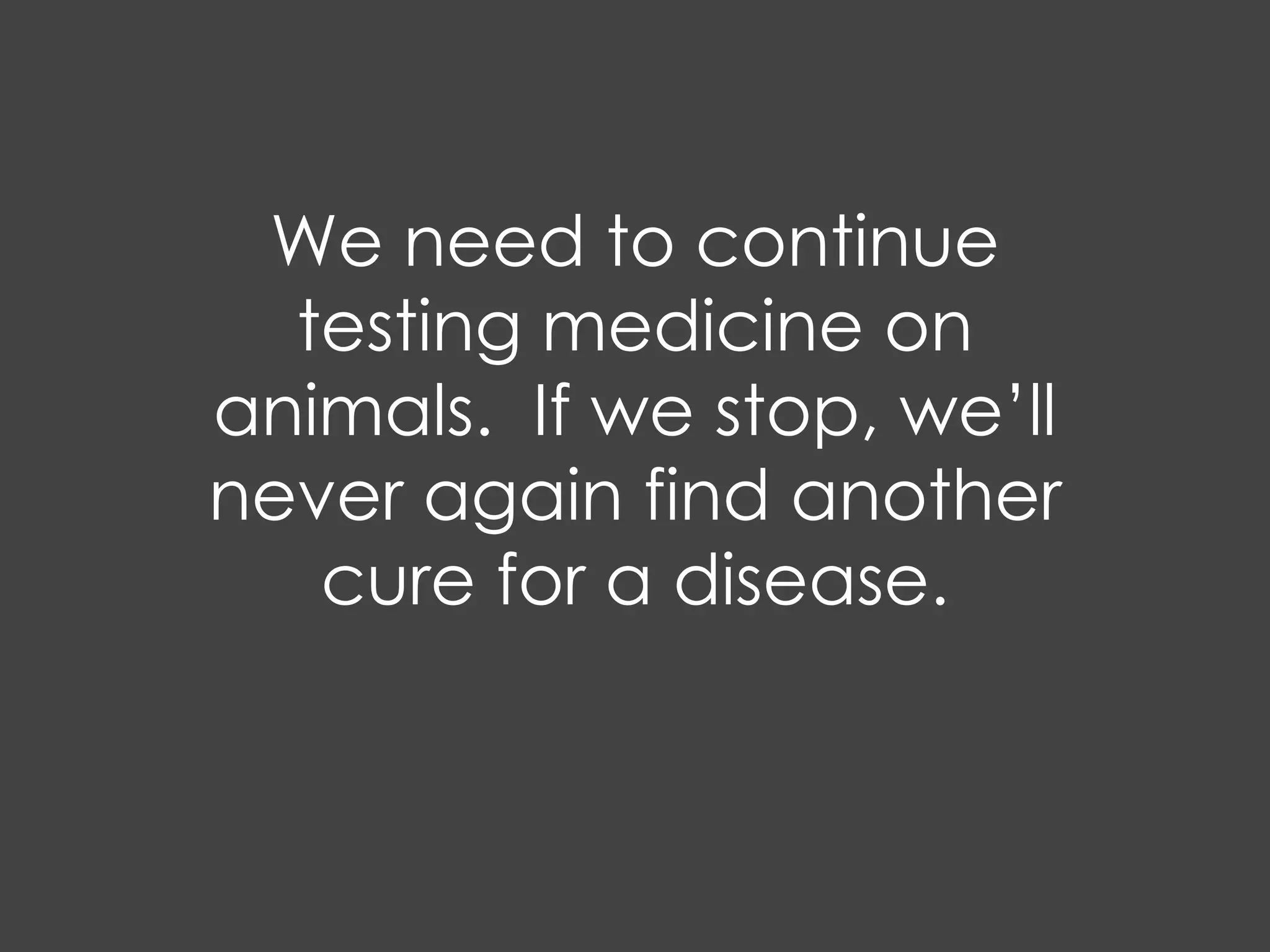
We need to continue
  testing medicine on
animals. If we stop, we’ll
never again find another
   cure for a disease.
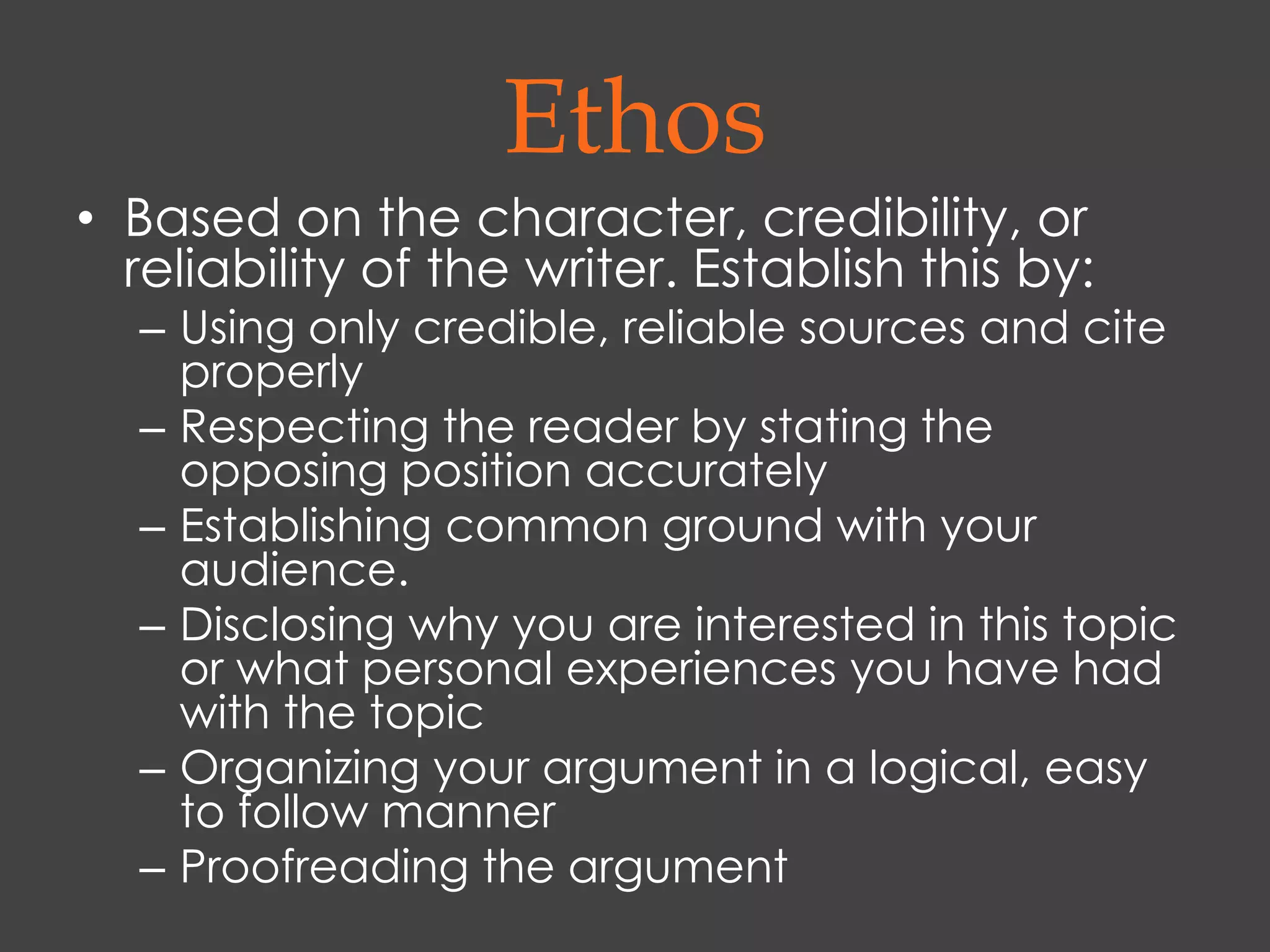
Ethos
• Based on the character, credibility, or
  reliability of the writer. Establish this by:
  – Using only credible, reliable sources and cite
    properly
  – Respecting the reader by stating the
    opposing position accurately
  – Establishing common ground with your
    audience.
  – Disclosing why you are interested in this topic
    or what personal experiences you have had
    with the topic
  – Organizing your argument in a logical, easy
    to follow manner
  – Proofreading the argument
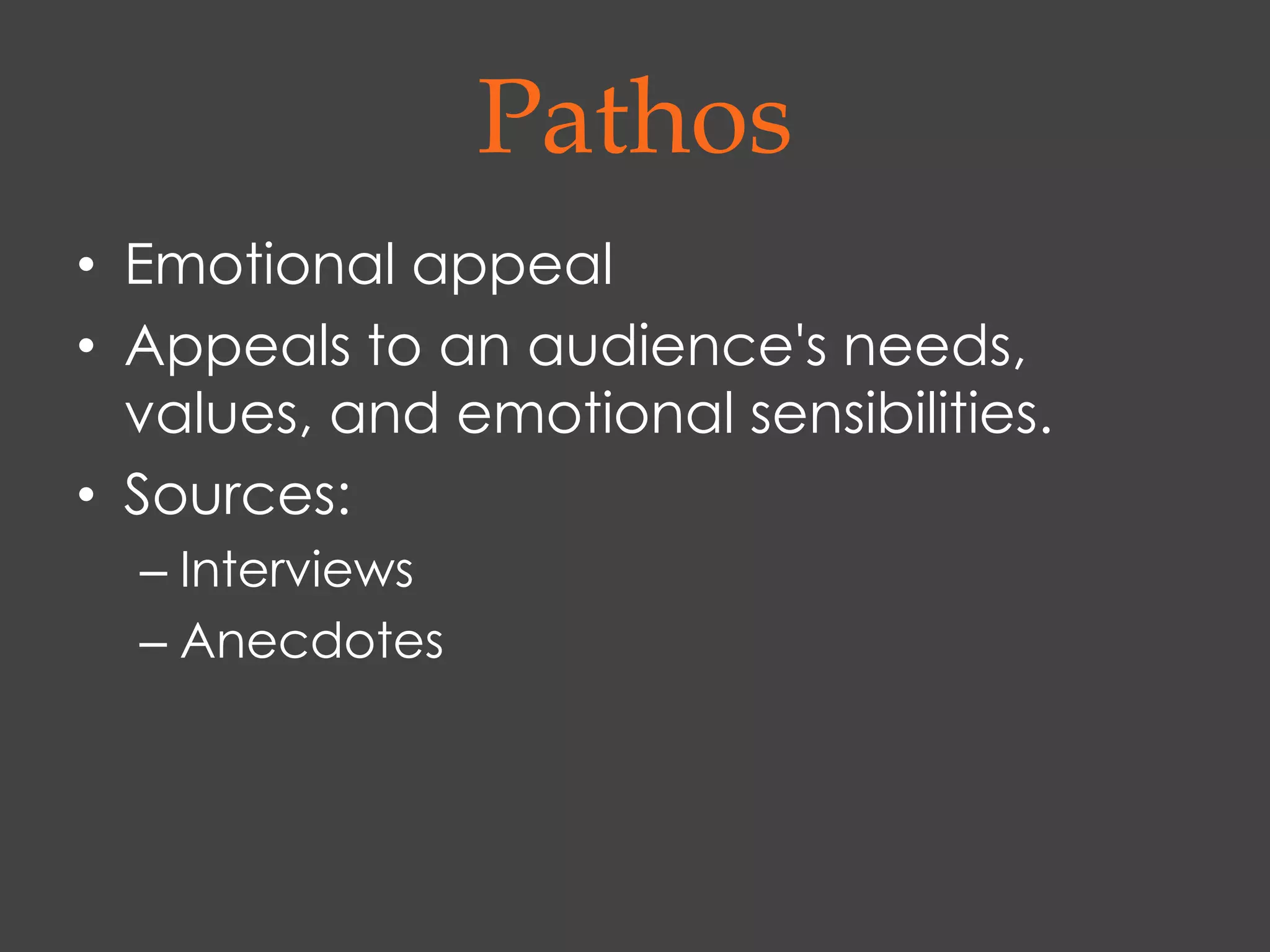
Pathos
• Emotional appeal
• Appeals to an audience's needs,
  values, and emotional sensibilities.
• Sources:
  – Interviews
  – Anecdotes
ELEMENTS OF AN
ARGUMENT
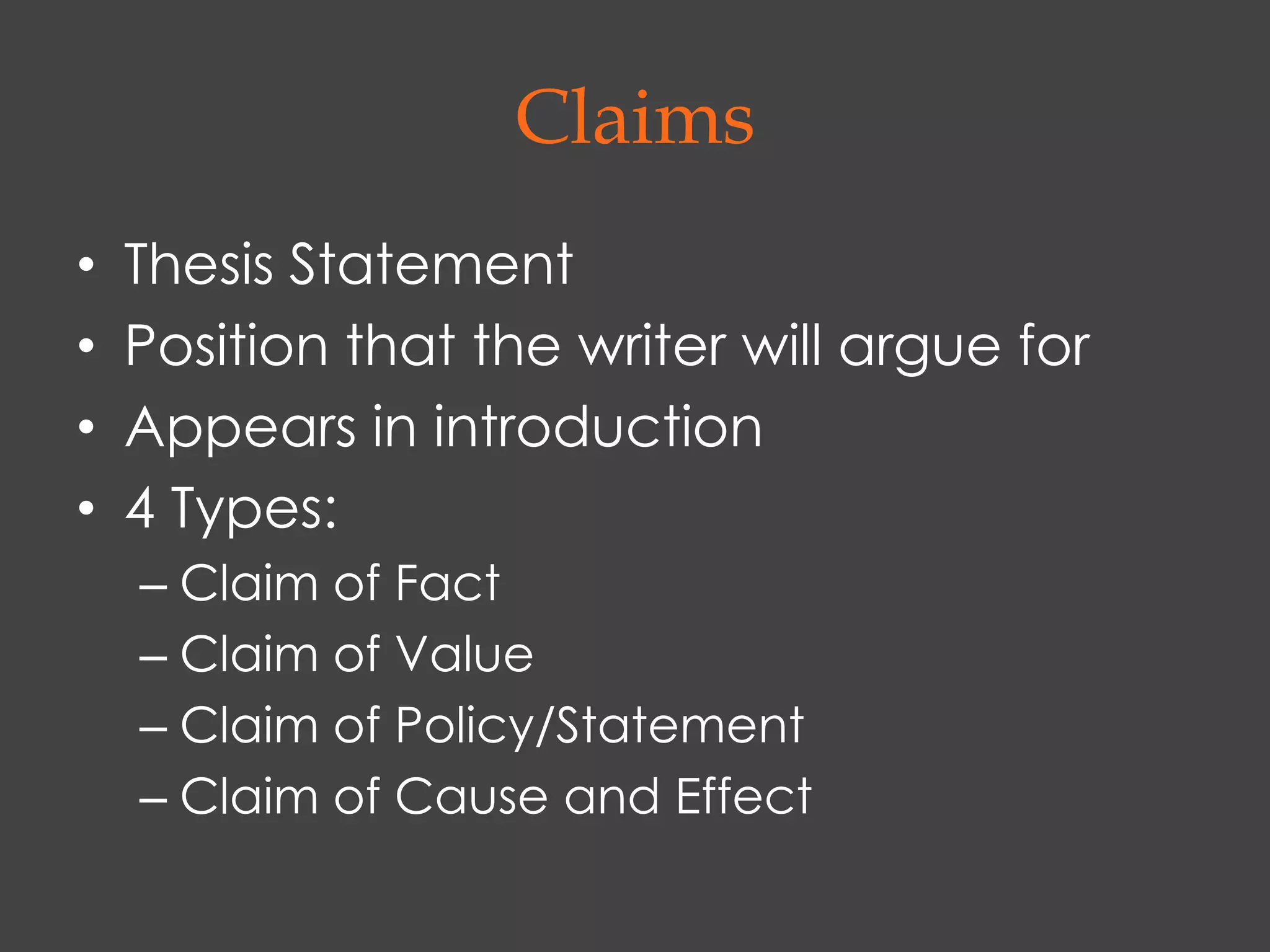
Claims
•   Thesis Statement
•   Position that the writer will argue for
•   Appears in introduction
•   4 Types:
    – Claim of Fact
    – Claim of Value
    – Claim of Policy/Statement
    – Claim of Cause and Effect
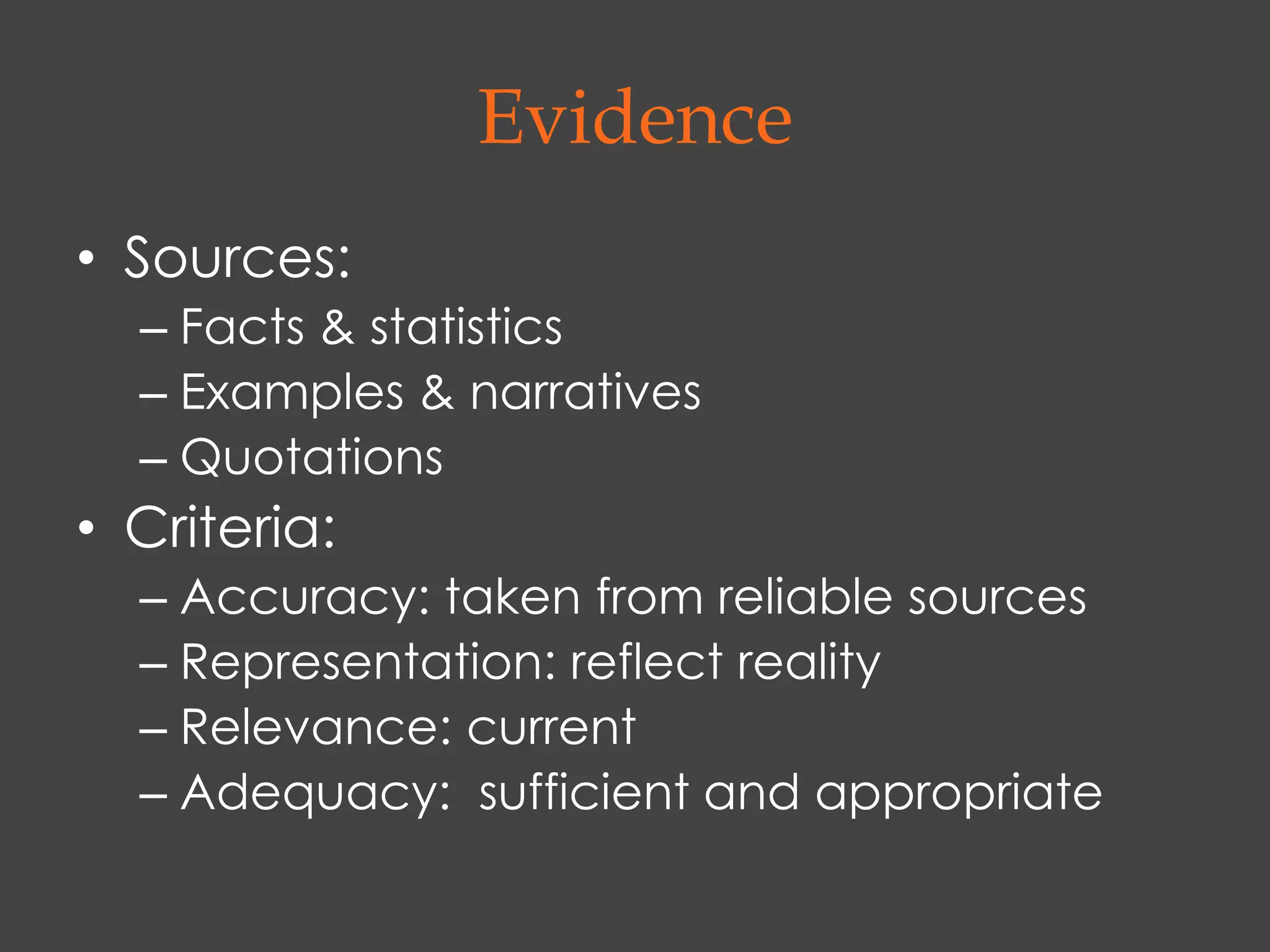
Evidence
• Sources:
  – Facts & statistics
  – Examples & narratives
  – Quotations
• Criteria:
  – Accuracy: taken from reliable sources
  – Representation: reflect reality
  – Relevance: current
  – Adequacy: sufficient and appropriate
Assumptions
• Warrants/Bridges
• Connection between the evidence
  and the claims
Counterclaims & Rebuttals
• Consider and acknowledge well-
  known opposing arguments. Why?
• Offer evidence that either negates,
  disagrees, or weakens the
  counterclaim. Why?
PROCESS
Choosing a Topic
• Ask yourself:
  – Does the topic interest you?
  – Is this idea generally accepted?
  – Have you considered both sides?
  – Is it appropriate in scope?
     • If not, include specific
       information, connections, and reasons. Try it
       with these:
        – American high schools do not adequately prepare
          students for college.
        – The drinking age should be changed.
Considering the Audience
     What are the interests and values of your
                    audience?
     Has your audience already established a
                     position?
      What evidence or reasons will they find
                   compelling?
    What is the temperament of your audience?

•   Establish tone
•   Establish common ground with your audience
•   State positions that you have in common
•   Designate areas of mutual
    agreement/possible compromise
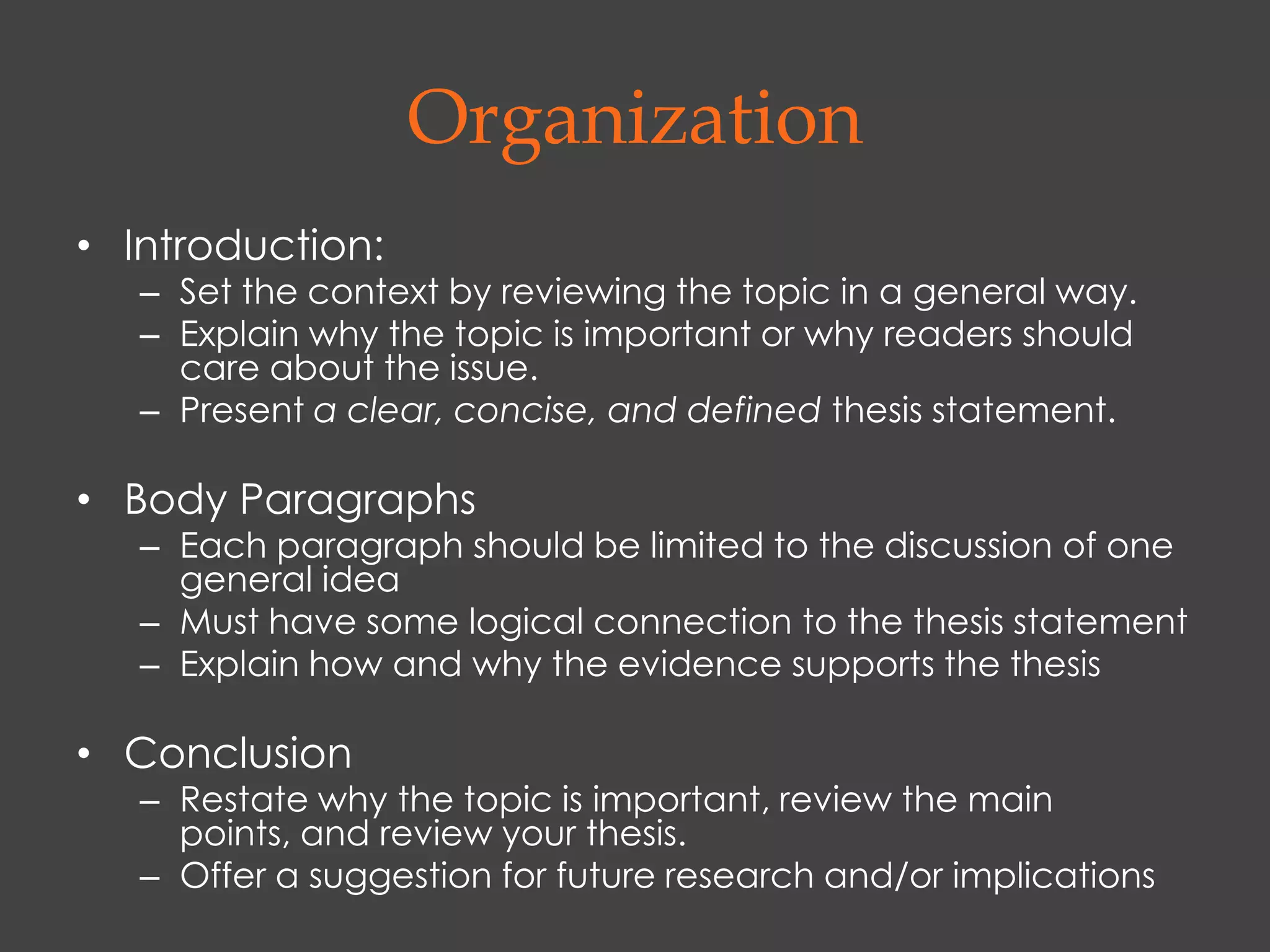
Organization
• Introduction:
   – Set the context by reviewing the topic in a general way.
   – Explain why the topic is important or why readers should
     care about the issue.
   – Present a clear, concise, and defined thesis statement.

• Body Paragraphs
   – Each paragraph should be limited to the discussion of one
     general idea
   – Must have some logical connection to the thesis statement
   – Explain how and why the evidence supports the thesis

• Conclusion
   – Restate why the topic is important, review the main
     points, and review your thesis.
   – Offer a suggestion for future research and/or implications

Crafting an argument

  • 1.
  • 2.
  • 3.
    Logos • Effective presentationof the argument • Quality of the thesis/claim, the evidence, and the organization • Logos relies on logic or reason • Depends on the use of inductive or deductive reasoning
  • 4.
    Using Logic: InductiveReasoning • Scientific method • Collect evidence on which to base a generalization • Specific Examples- General Statement • Most common
  • 5.
    Using Logic: DeductiveReasoning • More formal & complex • Generalization- Specific Conclusion • Syllogism – Major Premise – Minor Premise – Conclusion
  • 6.
    Avoiding Logical Fallacies • Oversimplification • Generalization • Post Hoc • Circular Reasoning • False Analogy • Either/or thinking • Non Sequitur • Ad hominem
  • 7.
  • 8.
    Maple got ashock right after she came home from the hair salon. Therefore, Maple should never go to the hair salon again.
  • 9.
    Comparing high school toa prison is a(n) ______________
  • 10.
    The president ofa corporation praises his employees’ productivity but then claims that the conference room needs more plants.
  • 11.
    Romantic comedies are the best type of movie because romantic comedies are better than horror movies, dramas, other comedies, and foreign films.
  • 12.
    We need tocontinue testing medicine on animals. If we stop, we’ll never again find another cure for a disease.
  • 13.
    Ethos • Based onthe character, credibility, or reliability of the writer. Establish this by: – Using only credible, reliable sources and cite properly – Respecting the reader by stating the opposing position accurately – Establishing common ground with your audience. – Disclosing why you are interested in this topic or what personal experiences you have had with the topic – Organizing your argument in a logical, easy to follow manner – Proofreading the argument
  • 14.
    Pathos • Emotional appeal •Appeals to an audience's needs, values, and emotional sensibilities. • Sources: – Interviews – Anecdotes
  • 15.
  • 16.
    Claims • Thesis Statement • Position that the writer will argue for • Appears in introduction • 4 Types: – Claim of Fact – Claim of Value – Claim of Policy/Statement – Claim of Cause and Effect
  • 17.
    Evidence • Sources: – Facts & statistics – Examples & narratives – Quotations • Criteria: – Accuracy: taken from reliable sources – Representation: reflect reality – Relevance: current – Adequacy: sufficient and appropriate
  • 18.
    Assumptions • Warrants/Bridges • Connectionbetween the evidence and the claims
  • 19.
    Counterclaims & Rebuttals •Consider and acknowledge well- known opposing arguments. Why? • Offer evidence that either negates, disagrees, or weakens the counterclaim. Why?
  • 20.
  • 21.
    Choosing a Topic •Ask yourself: – Does the topic interest you? – Is this idea generally accepted? – Have you considered both sides? – Is it appropriate in scope? • If not, include specific information, connections, and reasons. Try it with these: – American high schools do not adequately prepare students for college. – The drinking age should be changed.
  • 22.
    Considering the Audience What are the interests and values of your audience? Has your audience already established a position? What evidence or reasons will they find compelling? What is the temperament of your audience? • Establish tone • Establish common ground with your audience • State positions that you have in common • Designate areas of mutual agreement/possible compromise
  • 23.
    Organization • Introduction: – Set the context by reviewing the topic in a general way. – Explain why the topic is important or why readers should care about the issue. – Present a clear, concise, and defined thesis statement. • Body Paragraphs – Each paragraph should be limited to the discussion of one general idea – Must have some logical connection to the thesis statement – Explain how and why the evidence supports the thesis • Conclusion – Restate why the topic is important, review the main points, and review your thesis. – Offer a suggestion for future research and/or implications