An Expedition to
Mount Kilimanjaro
July 2018
Louise Atkinson, Matt
Atkinson, Tim Mather
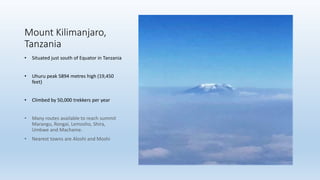
Mount Kilimanjaro,
Tanzania
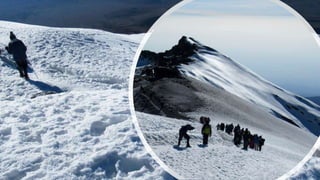
• Situated just south of Equator in Tanzania
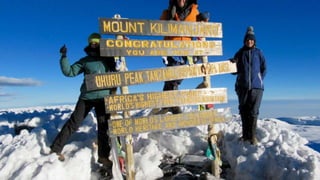
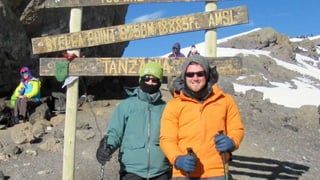
• Uhuru peak 5894 metres high (19,450
feet)
• Climbed by 50,000 trekkers per year
• Many routes available to reach summit
Marangu, Rongai, Lemosho, Shira,
Umbwe and Machame.
• Nearest towns are Aloshi and Moshi
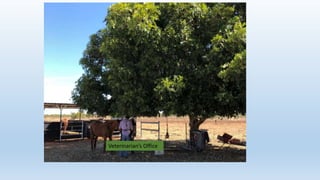
Veterinarian’s Office
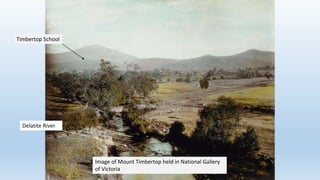
Image of Mount Timbertop held in National Gallery
of Victoria
Timbertop School
Delatite River
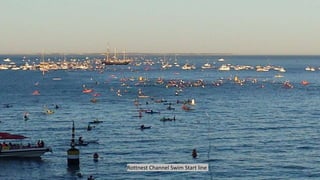
Rottnest Channel Swim Start line
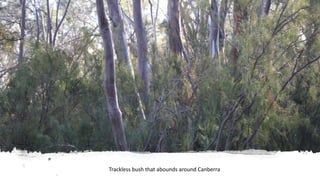
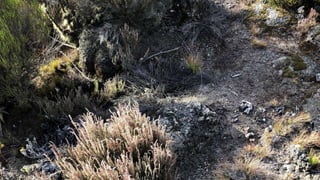
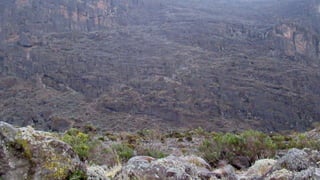
Trackless bush that abounds around Canberra
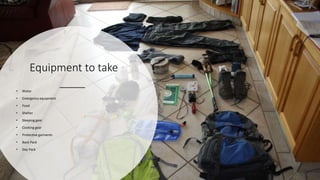
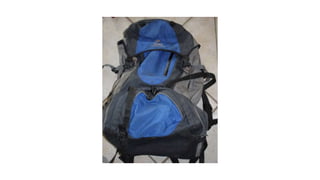
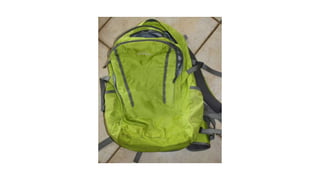
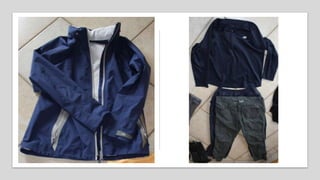
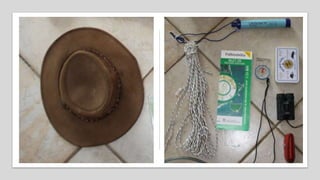
Equipment to take
• Water
• Emergency equipment
• Food
• Shelter
• Sleeping gear
• Cooking gear
• Protective garments
• Back Pack
• Day Pack
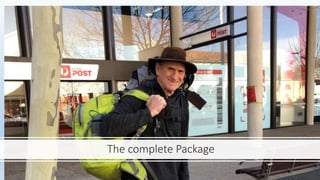
The complete Package
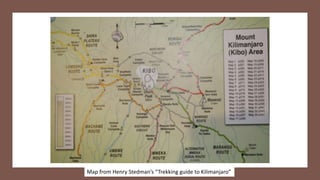
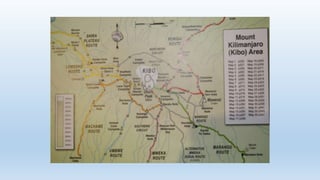
Map from Henry Stedman’s “Trekking guide to Kilimanjaro”
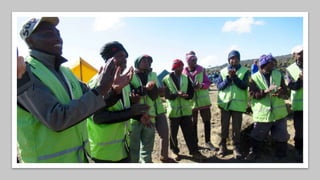
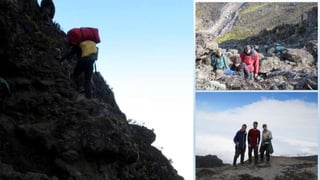
Weighing of the loads
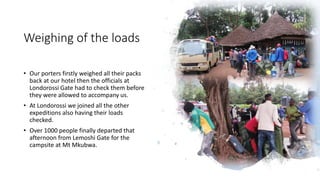
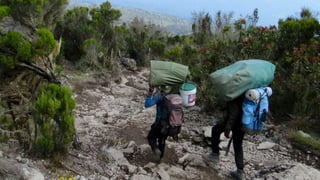
• Our porters firstly weighed all their packs
back at our hotel then the officials at
Londorossi Gate had to check them before
they were allowed to accompany us.
• At Londorossi we joined all the other
expeditions also having their loads
checked.
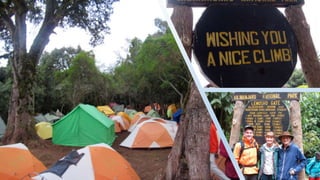
• Over 1000 people finally departed that
afternoon from Lemoshi Gate for the
campsite at Mt Mkubwa.
Thank You

Climbing Mt. Kilimanjaro

  • 1.
    An Expedition to MountKilimanjaro July 2018 Louise Atkinson, Matt Atkinson, Tim Mather
  • 3.
    Mount Kilimanjaro, Tanzania • Situatedjust south of Equator in Tanzania • Uhuru peak 5894 metres high (19,450 feet) • Climbed by 50,000 trekkers per year • Many routes available to reach summit Marangu, Rongai, Lemosho, Shira, Umbwe and Machame. • Nearest towns are Aloshi and Moshi
  • 4.
  • 5.
    Image of MountTimbertop held in National Gallery of Victoria Timbertop School Delatite River
  • 6.
  • 7.
    Trackless bush thatabounds around Canberra
  • 8.
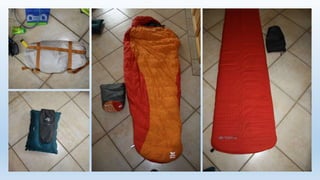
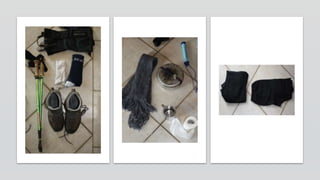
    Equipment to take •Water • Emergency equipment • Food • Shelter • Sleeping gear • Cooking gear • Protective garments • Back Pack • Day Pack
  • 15.
  • 16.
    Map from HenryStedman’s “Trekking guide to Kilimanjaro”
  • 17.
    Weighing of theloads • Our porters firstly weighed all their packs back at our hotel then the officials at Londorossi Gate had to check them before they were allowed to accompany us. • At Londorossi we joined all the other expeditions also having their loads checked. • Over 1000 people finally departed that afternoon from Lemoshi Gate for the campsite at Mt Mkubwa.
  • 62.

Editor's Notes

  • #5 Conversation in my office with horse client back in January 2016 . Louise Atkinson has history of adventurous holidays climbing to Everest base camp, hunting snow leopards in Nepal. Generously consented to allow me to join her on her proposed trip to Kebo in July 2017 which also included her son Matthew
  • #6 Way back in February 1960 I commenced my year at Timbertop a part of Geelong Grammar School and learned basic bushcraft skills. These included the advisability to ensure all food is packed away inside the tents before going to bed just in case it rains overnight. Also that walking through snow for several hours without wearing socks in your sandshoes makes for painful chilblains the next day. This grounding at school lead me to the Outward Bound Organisation where I attended one of their courses at Fisherman’s Point on the Hawkesbury River NSW . Over the next decades I have walked in all States of Australia, United Kingdom and Indonesia. These walks were usually of less than one days duration and no more than 4 days. To climb Kebo was going to take 8 days, so more endurance was going to be needed. Training for an endurance event took me into a completely different environment. Where mental stamina would in greater demand. That training took place across the country in Western Australia. River in foreground is probably Delatite river.
  • #7 Starting chaos for Rottnest Channel Swim WA I am a swimmer. I have swum from Cottesloe beach to Rottnest Island as a member of a team 4 times, as a duo member twice and solo twice. In 2003 I failed to reach Rottnest Island. In 2004 nothing was going to stop me swimming the distance of 19.7kms if you swim in a straight line. One hour into the swim my first leg muscle group cramped followed shortly after by a few more. For the next 7.5 hours one or more of the muscles in both legs were cramped until I reached Rottnest. The lesson I learnt in the water on that day is that no matter what the challenge, motivation is all that is needed to reach your goals. With the right motivation anything is possible. This exercise in mental control has dominated my thinking ever since. So, now that we have had the training and are knowledgeable about the bush the next step is to get fit.
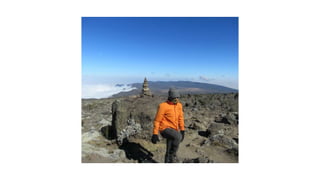
  • #8 If we are contemplating a long trek it is a good idea to do some training. Fortunately Canberra abounds in opportunities so I spent twelve months climbing Mount Taylor, Mount Majura and Mount Tennant lots of times. I also walk through trackless bush following creek beds and ridge lines on day walks through Namadgi and Tallaganda National parks. We really are so fortunate to live in the third best State for bush walking in Australia – Tasmania is best followed by Victoria! Where we beat them both is that the bush is right on our doorstep. So, what do we need to take into the bush to ensure a safe return?
  • #9 This is what I consider to be minimal kit. At outward Bound we were taught that all you need was water, snake bite first aid kit, map, compass and protective clothing. Nowadays I also include ability to light a fire .
  • #14 1 I use a sleeping bag that is rated to -16° C 2. It is placed on a air filled sleeping mat with a air filled pillow. 3. My standard tent is a one man low profile tent which can fit a sleeping mat and pack only. Boots stay outside! 4. You can see a bush master insect repellent and cigarette lighter for fire ignition purposes. Lighters cannot be taken on flights overseas so that did not go with me.
  • #15 Footwear is vitally important so you need a good pair of boots with wicking under socks and thick over socks. Walking poles are now standard especially for descending rough hillsides. In thick scrub I use gaiters. They are also good for protecting from snake bite if you step on a sleeping snake. 2. I use a trangier cooking stove but did not take it on this trip because all meals were to be supplied. A thick scarf and balaclava were taken to protect from the severe winds expected on the summit climb. The most important item is the toilet paper. I never travel anywhere without it! This roll fits very well into my stainless steel mug thereby saving space in the backpack. 3. My sleeping gear is long johns underwear– very warm and packs down tight. So now we are all equipped it was time to decide which route to take.
  • #16 Notice the location – outside a post office Notice also the bulging day pack. You can’t see the main pack but that was also bulging as I had to fit everything except food for sixteen days into these two packs. Before getting to departure date let me take you back a few decades to where my interest in bushwalking and climbing began. My ability to undertake such an expedition commenced over fifty years ago in Victoria
  • #17 As you can see there are a lot of trails to select from. We elected to take the long route because that gives us the greatest chance of our bodies acclimatising to the elevated altitudes we would be encountering. However before that we had to organise all the porters and guides.
  • #19 The first day was spent