Implementation of
                             multilingual teaching
BELEN ALVAREZ GARCIA         programmes using
Spanish Learning Leader in
an International Spanish        CLIL / AICLE
Academy.                         approaches
Calgary Board of Education
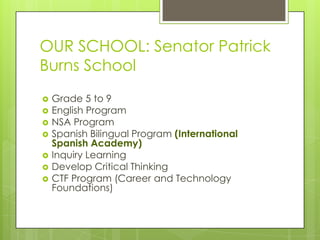
OUR SCHOOL: Senator Patrick
Burns School
   Grade 5 to 9
   English Program
   NSA Program
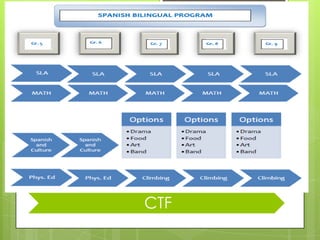
   Spanish Bilingual Program (International
    Spanish Academy)
   Inquiry Learning
   Develop Critical Thinking
   CTF Program (Career and Technology
    Foundations)
CTF
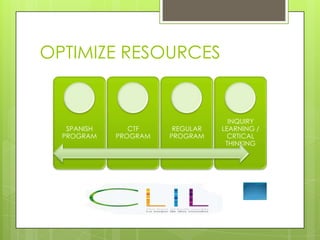
OPTIMIZE RESOURCES


                                    INQUIRY
   SPANISH      CTF     REGULAR   LEARNING /
  PROGRAM    PROGRAM   PROGRAM      CRTICAL
                                   THINKING
CLIL
   CLIL is not language teaching
   CLIL is not content teaching
   Content and Language Integrated Learning Is an
    approach to foreign language learning that requires
    the use of a second language to practice content.
   CLIL is flexible and there are many different models
    depending on a range of contextual factors.
   CLIL promotes learner progression in both language
    skills and knowledge construction
   CLIL helps to redefine the curriculum, sharpening the
    focus on the interconnections between cognition
    and      communication      –   between     language
    development and thinking skills.
CLIL Models
 Cross  curricular project (language
  teachers and subject teachers): Al-
  Andalus
 Language teachers developing a more
  content-type approach to a theme:
  Spanish Language Arts and Electricity
 A global project where identical topics
  are studied by learners in different
  countries and languages and then the
  results compared.
THE KEY WORD: FLEXIBILITY.
Content   Language
PLANNING A CLIL
LESSON


The CLIL TOOL
KIT
Do Coyle, Philip Hood, David
Marsh
CLIL: Content and Language
Integrated Learning, 2010
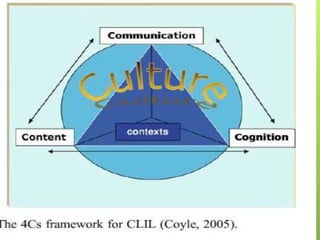
The 4Cs Framework
THEME: Heat and Temperature
A Career Inquiry

Big Question: What
knowledge of heat
and temperature is
necessary to carry
out the duties/tasks
involved   in   your
chosen career?
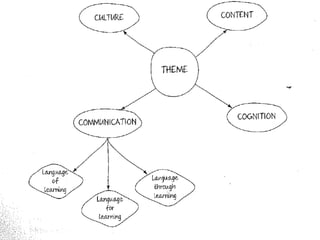
CONTENT
 t’s   the starting point

 CLIL provides learning contexts which are
  relevant to the needs and interests of
  learners

 CLIL  supports the integration of language
  into the broader curriculum
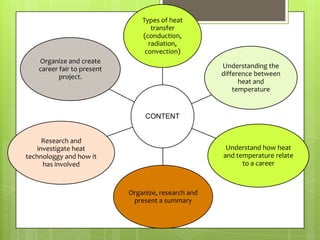
Types of heat
                                    transfer
                                 (conduction,
                                   radiation,
                                  convection)
    Organize and create
    career fair to present                            Understanding the
           project.                                   difference between
                                                            heat and
                                                          temperature


                                  CONTENT


      Research and
    investigate heat                                   Understand how heat
technologgy and how it                                and temperature relate
      has involved                                          to a career


                             Organize, research and
                              present a summary
COGNITION
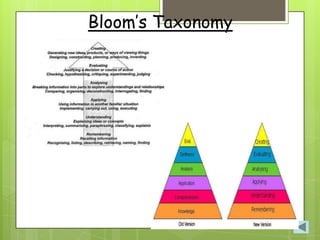
   It must challenge the learners to think and
    review and engage in higher order thinking
    skills.
   It’s not a transfer of knowledge
   It’s about allowing individuals to construct
    their own understanding and be challenged.
   Which tasks will we develop to encourage
    high order thinking?
   Use Bloom’s taxonomy as a checklist (for
    teachers and students).
Bloom’s Taxonomy
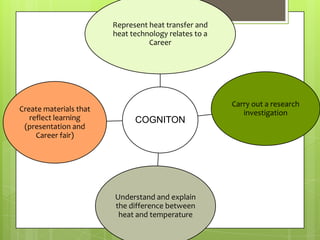
Represent heat transfer and
                        heat technology relates to a
                                  Career


                                                       Carry out a research
Create materials that                                     investigation
   reflect learning           COGNITON
 (presentation and
     Career fair)


                        Understand and explain
                        the difference between
                         heat and temperature
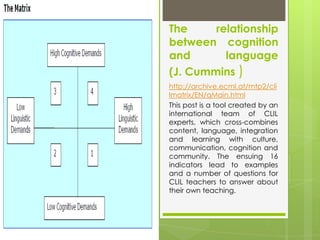
The     relationship
between cognition
and       language
(J. Cummins )
http://archive.ecml.at/mtp2/cli
lmatrix/EN/qMain.html
This post is a tool created by an
international team of CLIL
experts, which cross-combines
content, language, integration
and learning with culture,
communication, cognition and
community. The ensuing 16
indicators lead to examples
and a number of questions for
CLIL teachers to answer about
their own teaching.
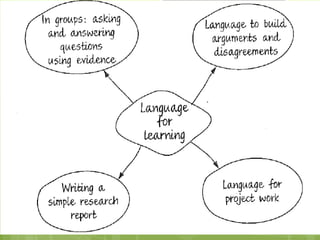
COMMUNICATION (Learning to
use language and use language to
learn)
 It involves learners in language situations
  in a way which is different from “language
  learning lessons”
 Interaction, language using to learn
 It goes beyond the grammar system
 Language to interact with teachers and
  peers (discussions, classroom activities,
  presentations)
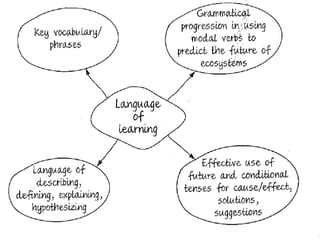
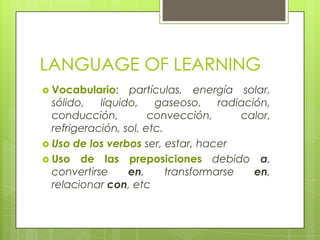
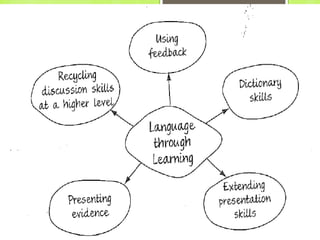
LANGUAGE OF LEARNING
 Vocabulario:    partículas, energía solar,
  sólido,   líquido,    gaseoso,     radiación,
  conducción,          convección,       calor,
  refrigeración, sol, etc.
 Uso de los verbos ser, estar, hacer
 Uso de las preposiciones debido a,
  convertirse     en,      transformarse    en,
  relacionar con, etc
 Complete   the daily self-assessment at the
  end of each class work period (see D2L)
 Have a minimum of 3 check-ins with the
  teacher to discuss your progress on the
  project.
 Your class presentation
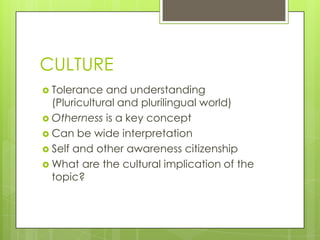
CULTURE
 Tolerance   and understanding
  (Pluricultural and plurilingual world)
 Otherness is a key concept
 Can be wide interpretation
 Self and other awareness citizenship
 What are the cultural implication of the
  topic?
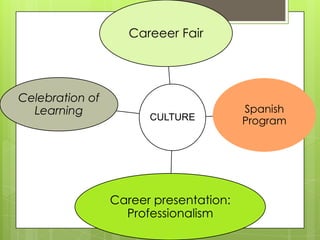
Careeer Fair


Celebration of
  Learning                              Spanish
                       CULTURE          Program


                 Career presentation:
                   Professionalism
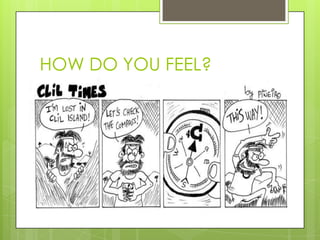
HOW DO YOU FEEL?

CLIL/ CTF project

  • 1.
    Implementation of multilingual teaching BELEN ALVAREZ GARCIA programmes using Spanish Learning Leader in an International Spanish CLIL / AICLE Academy. approaches Calgary Board of Education
  • 2.
    OUR SCHOOL: SenatorPatrick Burns School  Grade 5 to 9  English Program  NSA Program  Spanish Bilingual Program (International Spanish Academy)  Inquiry Learning  Develop Critical Thinking  CTF Program (Career and Technology Foundations)
  • 3.
  • 4.
    OPTIMIZE RESOURCES INQUIRY SPANISH CTF REGULAR LEARNING / PROGRAM PROGRAM PROGRAM CRTICAL THINKING
  • 6.
    CLIL  CLIL is not language teaching  CLIL is not content teaching  Content and Language Integrated Learning Is an approach to foreign language learning that requires the use of a second language to practice content.  CLIL is flexible and there are many different models depending on a range of contextual factors.  CLIL promotes learner progression in both language skills and knowledge construction  CLIL helps to redefine the curriculum, sharpening the focus on the interconnections between cognition and communication – between language development and thinking skills.
  • 7.
    CLIL Models  Cross curricular project (language teachers and subject teachers): Al- Andalus  Language teachers developing a more content-type approach to a theme: Spanish Language Arts and Electricity  A global project where identical topics are studied by learners in different countries and languages and then the results compared. THE KEY WORD: FLEXIBILITY.
  • 8.
    Content Language
  • 9.
    PLANNING A CLIL LESSON TheCLIL TOOL KIT Do Coyle, Philip Hood, David Marsh CLIL: Content and Language Integrated Learning, 2010
  • 10.
  • 13.
    THEME: Heat andTemperature A Career Inquiry Big Question: What knowledge of heat and temperature is necessary to carry out the duties/tasks involved in your chosen career?
  • 14.
    CONTENT  t’s the starting point  CLIL provides learning contexts which are relevant to the needs and interests of learners  CLIL supports the integration of language into the broader curriculum
  • 15.
    Types of heat transfer (conduction, radiation, convection) Organize and create career fair to present Understanding the project. difference between heat and temperature CONTENT Research and investigate heat Understand how heat technologgy and how it and temperature relate has involved to a career Organize, research and present a summary
  • 16.
    COGNITION  It must challenge the learners to think and review and engage in higher order thinking skills.  It’s not a transfer of knowledge  It’s about allowing individuals to construct their own understanding and be challenged.  Which tasks will we develop to encourage high order thinking?  Use Bloom’s taxonomy as a checklist (for teachers and students).
  • 17.
  • 18.
    Represent heat transferand heat technology relates to a Career Carry out a research Create materials that investigation reflect learning COGNITON (presentation and Career fair) Understand and explain the difference between heat and temperature
  • 19.
    The relationship between cognition and language (J. Cummins ) http://archive.ecml.at/mtp2/cli lmatrix/EN/qMain.html This post is a tool created by an international team of CLIL experts, which cross-combines content, language, integration and learning with culture, communication, cognition and community. The ensuing 16 indicators lead to examples and a number of questions for CLIL teachers to answer about their own teaching.
  • 20.
    COMMUNICATION (Learning to uselanguage and use language to learn)  It involves learners in language situations in a way which is different from “language learning lessons”  Interaction, language using to learn  It goes beyond the grammar system  Language to interact with teachers and peers (discussions, classroom activities, presentations)
  • 22.
    LANGUAGE OF LEARNING Vocabulario: partículas, energía solar, sólido, líquido, gaseoso, radiación, conducción, convección, calor, refrigeración, sol, etc.  Uso de los verbos ser, estar, hacer  Uso de las preposiciones debido a, convertirse en, transformarse en, relacionar con, etc
  • 24.
     Complete the daily self-assessment at the end of each class work period (see D2L)  Have a minimum of 3 check-ins with the teacher to discuss your progress on the project.  Your class presentation
  • 26.
    CULTURE  Tolerance and understanding (Pluricultural and plurilingual world)  Otherness is a key concept  Can be wide interpretation  Self and other awareness citizenship  What are the cultural implication of the topic?
  • 27.
    Careeer Fair Celebration of Learning Spanish CULTURE Program Career presentation: Professionalism
  • 28.