


Car Auction
ONLINE CAR AUCTION
Online car auction
It is unique service for Belarus, which allow
sellers and buyers of the car at the minimum
terms and with minimum costs, to find partners
for the trade and come to agreement about
selling the car with beneficial price for both sides.
2
For Whom?
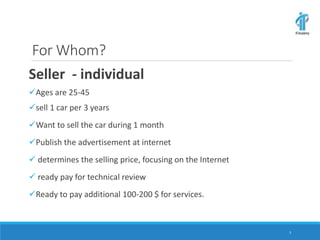
Seller - individual
Ages are 25-45
sell 1 car per 3 years
Want to sell the car during 1 month
Publish the advertisement at internet
 determines the selling price, focusing on the Internet
 ready pay for technical review
Ready to pay additional 100-200 $ for services.
3
For Whom?
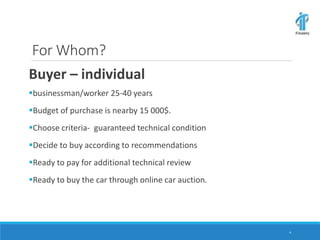
Buyer – individual
businessman/worker 25-40 years
Budget of purchase is nearby 15 000$.
Choose criteria- guaranteed technical condition
Decide to buy according to recommendations
Ready to pay for additional technical review
Ready to buy the car through online car auction.
4
For whom?
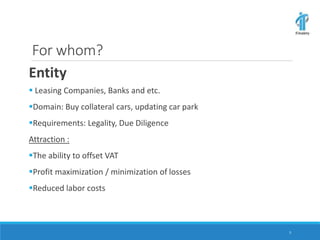
Entity
 Leasing Companies, Banks and etc.
Domain: Buy collateral cars, updating car park
Requirements: Legality, Due Diligence
Attraction :
The ability to offset VAT
Profit maximization / minimization of losses
Reduced labor costs
5
For Whom?
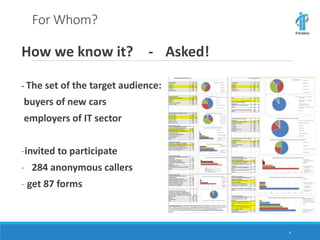
How we know it? - Asked!
- The set of the target audience:
buyers of new cars
employers of IT sector
-invited to participate
- 284 anonymous callers
- get 87 forms
6
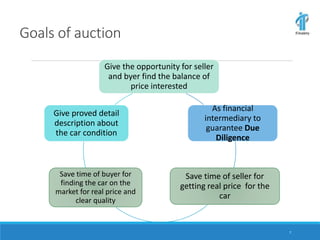
Goals of auction
Give the opportunity for seller
and byer find the balance of
price interested
As financial
intermediary to
guarantee Due
Diligence
Save time of seller for
getting real price for the
car
Save time of buyer for
finding the car on the
market for real price and
clear quality
Give proved detail
description about
the car condition
7
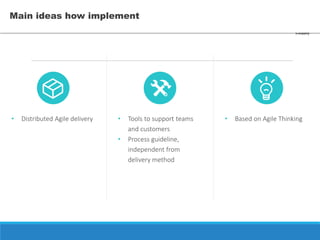
Main ideas how implement
• Distributed Agile delivery • Tools to support teams
and customers
• Process guideline,
independent from
delivery method
• Based on Agile Thinking
Team NTeam 1
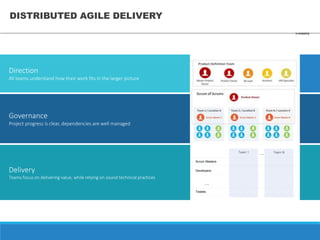
Delivery
Teams focus on delivering value, while relying on sound technical practices
Governance
Project progress is clear, dependencies are well managed
Direction
All teams understand how their work fits in the larger picture
...
...
DISTRIBUTED AGILE DELIVERY
Scrum Masters
Developers
Testets
Customer/3rd party
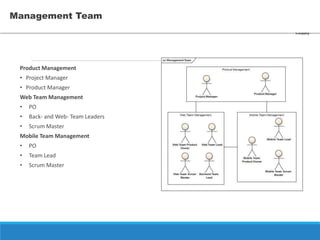
Management Team
Product Management
• Project Manager
• Product Manager
Web Team Management
• PO
• Back- and Web- Team Leaders
• Scrum Master
Mobile Team Management
• PO
• Team Lead
• Scrum Master
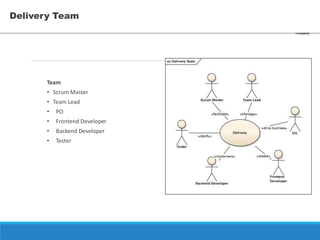
Delivery Team
Team
• Scrum Master
• Team Lead
• PO
• Frontend Developer
• Backend Developer
• Tester
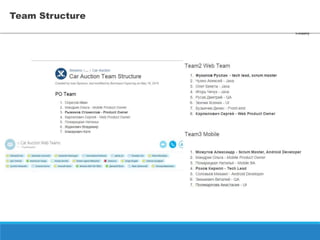
Team Structure
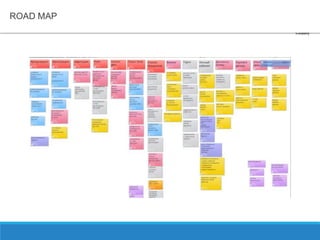
ROAD MAP
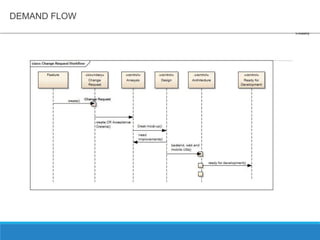
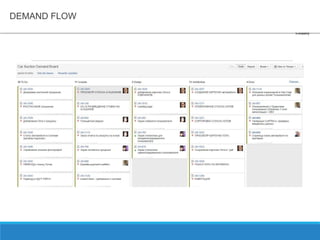
DEMAND FLOW
DEMAND FLOW
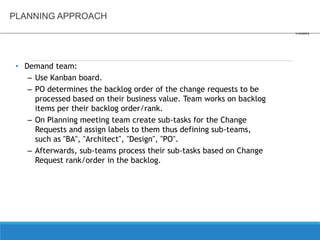
PLANNING APPROACH
• Demand team:
– Use Kanban board.
– PO determines the backlog order of the change requests to be
processed based on their business value. Team works on backlog
items per their backlog order/rank.
– On Planning meeting team create sub-tasks for the Change
Requests and assign labels to them thus defining sub-teams,
such as "BA", "Architect", "Design", "PO".
– Afterwards, sub-teams process their sub-tasks based on Change
Request rank/order in the backlog.
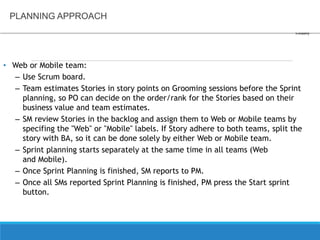
PLANNING APPROACH
• Web or Mobile team:
– Use Scrum board.
– Team estimates Stories in story points on Grooming sessions before the Sprint
planning, so PO can decide on the order/rank for the Stories based on their
business value and team estimates.
– SM review Stories in the backlog and assign them to Web or Mobile teams by
specifing the "Web" or "Mobile" labels. If Story adhere to both teams, split the
story with BA, so it can be done solely by either Web or Mobile team.
– Sprint planning starts separately at the same time in all teams (Web
and Mobile).
– Once Sprint Planning is finished, SM reports to PM.
– Once all SMs reported Sprint Planning is finished, PM press the Start sprint
button.
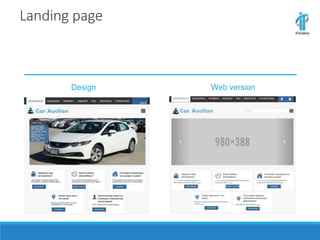
Design Web version
Landing page
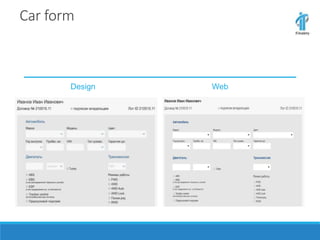
Design Web
Car form
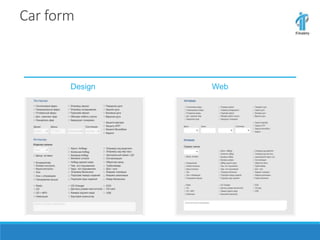
Car form
Design Web
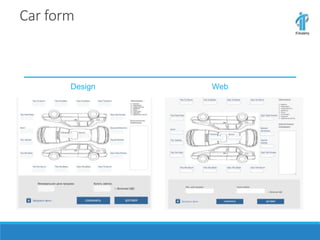
Car form
Design Web
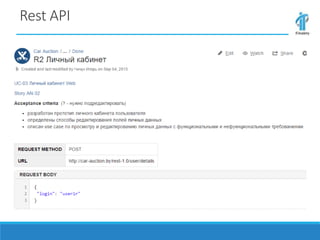
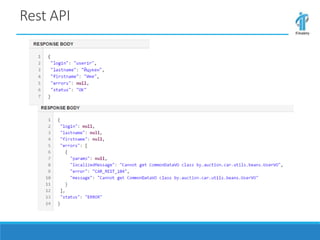
Rest API
Rest API
TOOLS & PRACTICES
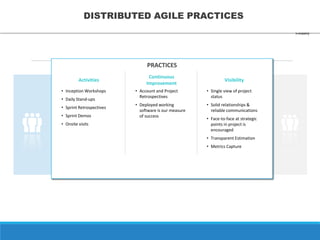
PRACTICES
• Inception Workshops
• Daily Stand-ups
• Sprint Retrospectives
• Sprint Demos
• Onsite visits
Visibility
• Single view of project
status
• Solid relationships &
reliable communications
• Face-to-face at strategic
points in project is
encouraged
• Transparent Estimation
• Metrics Capture
• Account and Project
Retrospectives
• Deployed working
software is our measure
of success
Continuous
Improvement
Activities
DISTRIBUTED AGILE PRACTICES
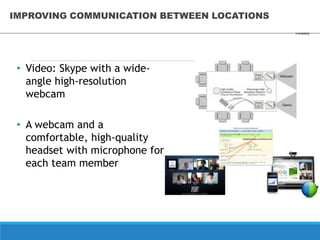
IMPROVING COMMUNICATION BETWEEN LOCATIONS
• Video: Skype with a wide-
angle high-resolution
webcam
• A webcam and a
comfortable, high-quality
headset with microphone for
each team member
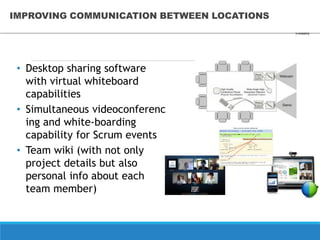
IMPROVING COMMUNICATION BETWEEN LOCATIONS
• Desktop sharing software
with virtual whiteboard
capabilities
• Simultaneous videoconferenc
ing and white-boarding
capability for Scrum events
• Team wiki (with not only
project details but also
personal info about each
team member)
IMPROVING COMMUNICATION BETWEEN LOCATIONS
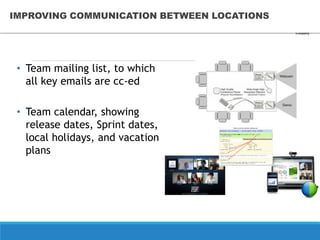
• Team mailing list, to which
all key emails are cc-ed
• Team calendar, showing
release dates, Sprint dates,
local holidays, and vacation
plans
BUILDING TRUST
• Foundation of trust between the Product Owner and the Team begins with
a human relationship between the two.
• In-person project kickoff, knowledge transfer, and relationship-build
improve the results of the project 30-50% or more.
• It is enormously helpful for the team to hear the context, business drivers
and vision of the project from the Product Owner and other important
stakeholders directly.
CONFIDENTIAL 28
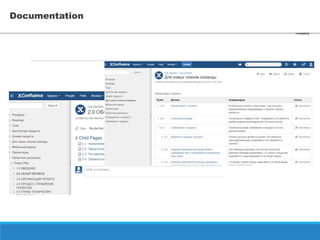
Documentation
Feel free to
ASK YOUR QUESTIONS

Car auction Project

  • 1.
  • 2.
    Online car auction Itis unique service for Belarus, which allow sellers and buyers of the car at the minimum terms and with minimum costs, to find partners for the trade and come to agreement about selling the car with beneficial price for both sides. 2
  • 3.
    For Whom? Seller -individual Ages are 25-45 sell 1 car per 3 years Want to sell the car during 1 month Publish the advertisement at internet  determines the selling price, focusing on the Internet  ready pay for technical review Ready to pay additional 100-200 $ for services. 3
  • 4.
    For Whom? Buyer –individual businessman/worker 25-40 years Budget of purchase is nearby 15 000$. Choose criteria- guaranteed technical condition Decide to buy according to recommendations Ready to pay for additional technical review Ready to buy the car through online car auction. 4
  • 5.
    For whom? Entity  LeasingCompanies, Banks and etc. Domain: Buy collateral cars, updating car park Requirements: Legality, Due Diligence Attraction : The ability to offset VAT Profit maximization / minimization of losses Reduced labor costs 5
  • 6.
    For Whom? How weknow it? - Asked! - The set of the target audience: buyers of new cars employers of IT sector -invited to participate - 284 anonymous callers - get 87 forms 6
  • 7.
    Goals of auction Givethe opportunity for seller and byer find the balance of price interested As financial intermediary to guarantee Due Diligence Save time of seller for getting real price for the car Save time of buyer for finding the car on the market for real price and clear quality Give proved detail description about the car condition 7
  • 8.
    Main ideas howimplement • Distributed Agile delivery • Tools to support teams and customers • Process guideline, independent from delivery method • Based on Agile Thinking
  • 9.
    Team NTeam 1 Delivery Teamsfocus on delivering value, while relying on sound technical practices Governance Project progress is clear, dependencies are well managed Direction All teams understand how their work fits in the larger picture ... ... DISTRIBUTED AGILE DELIVERY Scrum Masters Developers Testets Customer/3rd party
  • 10.
    Management Team Product Management •Project Manager • Product Manager Web Team Management • PO • Back- and Web- Team Leaders • Scrum Master Mobile Team Management • PO • Team Lead • Scrum Master
  • 11.
    Delivery Team Team • ScrumMaster • Team Lead • PO • Frontend Developer • Backend Developer • Tester
  • 12.
  • 13.
  • 14.
  • 15.
  • 16.
    PLANNING APPROACH • Demandteam: – Use Kanban board. – PO determines the backlog order of the change requests to be processed based on their business value. Team works on backlog items per their backlog order/rank. – On Planning meeting team create sub-tasks for the Change Requests and assign labels to them thus defining sub-teams, such as "BA", "Architect", "Design", "PO". – Afterwards, sub-teams process their sub-tasks based on Change Request rank/order in the backlog.
  • 17.
    PLANNING APPROACH • Webor Mobile team: – Use Scrum board. – Team estimates Stories in story points on Grooming sessions before the Sprint planning, so PO can decide on the order/rank for the Stories based on their business value and team estimates. – SM review Stories in the backlog and assign them to Web or Mobile teams by specifing the "Web" or "Mobile" labels. If Story adhere to both teams, split the story with BA, so it can be done solely by either Web or Mobile team. – Sprint planning starts separately at the same time in all teams (Web and Mobile). – Once Sprint Planning is finished, SM reports to PM. – Once all SMs reported Sprint Planning is finished, PM press the Start sprint button.
  • 18.
  • 19.
  • 20.
  • 21.
  • 22.
  • 23.
  • 24.
    TOOLS & PRACTICES PRACTICES •Inception Workshops • Daily Stand-ups • Sprint Retrospectives • Sprint Demos • Onsite visits Visibility • Single view of project status • Solid relationships & reliable communications • Face-to-face at strategic points in project is encouraged • Transparent Estimation • Metrics Capture • Account and Project Retrospectives • Deployed working software is our measure of success Continuous Improvement Activities DISTRIBUTED AGILE PRACTICES
  • 25.
    IMPROVING COMMUNICATION BETWEENLOCATIONS • Video: Skype with a wide- angle high-resolution webcam • A webcam and a comfortable, high-quality headset with microphone for each team member
  • 26.
    IMPROVING COMMUNICATION BETWEENLOCATIONS • Desktop sharing software with virtual whiteboard capabilities • Simultaneous videoconferenc ing and white-boarding capability for Scrum events • Team wiki (with not only project details but also personal info about each team member)
  • 27.
    IMPROVING COMMUNICATION BETWEENLOCATIONS • Team mailing list, to which all key emails are cc-ed • Team calendar, showing release dates, Sprint dates, local holidays, and vacation plans
  • 28.
    BUILDING TRUST • Foundationof trust between the Product Owner and the Team begins with a human relationship between the two. • In-person project kickoff, knowledge transfer, and relationship-build improve the results of the project 30-50% or more. • It is enormously helpful for the team to hear the context, business drivers and vision of the project from the Product Owner and other important stakeholders directly. CONFIDENTIAL 28
  • 29.
  • 30.
    Feel free to ASKYOUR QUESTIONS

Editor's Notes

  • #10  Shared project kickoff The entire project team is invited for end of iteration demos, which are recorded The product definition team, led by master product owner aligns on product vision Scope split in functional domains Individual components of MMF are planned and delivered together Product owner product backlog grooming meetings to align on functionality and priority Scrum of Scrum meetings to identify and tackle common obstacles (like dependencies, development infrastructure, training requirements, ...) All artifacts are stored in a shared repository, for everyone to access and/or improve Solution architecture and design is always up to date and available A CI/CD pipeline detects integration issues quickly Automated testing increases quality and design, while reducing delivery risk Communities of practice enable knowledge sharing of best practices and design decisions Collaboration tools enable team members to get in touch quickly
  • #14 Agile Project Manager was pioneered by DSDM community and it is widely used by the community for projects when scope should be delivered by more than one team.   The Project Manager role is focused on managing the working environment in which the solution is evolving and coordinates all aspects of management of the project at a high level. In line with concept of empowerment, the Project Manager is expected to leave the detailed planning of the actual delivery of the Product Increment to the members of the Scrum Team. Managing an empowered team requires a facilitative style rather than a command and control style. It is usual that the Project Manager takes responsibility throughout the duration of the project. This must include both business and technical delivery aspects of the project, from establishing the foundations of the project through to the deployment of the solution.   Responsibilities: Ensuring effective and timely communication with the senior stakeholders and project governance authorities with the agreed and appropriate level of frequency and formality Performing high level project planning and scheduling, but not Sprint planning. Monitoring progress against the baselined project and increment plans Managing risk and any issues as they arise, or are escalated from the Scrum Team(s), collaborating with senior business and/or technical roles as required to ensure resolution Motivating and ensuring empowerment of the Scrum Team(s) to meet their objectives Attending Scrum meetings, as an observer, to keep a current understanding of progress and issues To ensure that any important external issues that that the Scrum Team(s) need to be aware of are brought to their attention
  • #15 Agile Project Manager was pioneered by DSDM community and it is widely used by the community for projects when scope should be delivered by more than one team.   The Project Manager role is focused on managing the working environment in which the solution is evolving and coordinates all aspects of management of the project at a high level. In line with concept of empowerment, the Project Manager is expected to leave the detailed planning of the actual delivery of the Product Increment to the members of the Scrum Team. Managing an empowered team requires a facilitative style rather than a command and control style. It is usual that the Project Manager takes responsibility throughout the duration of the project. This must include both business and technical delivery aspects of the project, from establishing the foundations of the project through to the deployment of the solution.   Responsibilities: Ensuring effective and timely communication with the senior stakeholders and project governance authorities with the agreed and appropriate level of frequency and formality Performing high level project planning and scheduling, but not Sprint planning. Monitoring progress against the baselined project and increment plans Managing risk and any issues as they arise, or are escalated from the Scrum Team(s), collaborating with senior business and/or technical roles as required to ensure resolution Motivating and ensuring empowerment of the Scrum Team(s) to meet their objectives Attending Scrum meetings, as an observer, to keep a current understanding of progress and issues To ensure that any important external issues that that the Scrum Team(s) need to be aware of are brought to their attention
  • #29 The other key enabler – or constraint – for distributed projects is how much trust there is between the Product Owner and the team. In the course of day-to-day cooperation, miscommunication will happen, misunderstandings will occur, mistakes will be made, and other problems will come up. If there is a strong human relationship between the Product Owner and team, these issues can simply be taken at face value; they will remain routine misunderstandings or mistakes which can be overcome. However, if there is not a strong relationship, every interaction will be difficult and minimally productive, and significant time will be spent documenting interactions, negotiating and resolving conflicts rather than building software. Foundation of trust between the Product Owner and the team begins with a human relationship between the two. One of the most critical steps for the success of a distributed Scrum project is for the Product Owner and team to come together in person at the beginning and spend quality time sharing key project information and building a relationship with each other. This is particularly important at the beginning of a major project. In addition to starting the relationship, there is also a large amount of information that needs to be communicated:  Clear and comprehensive understanding of the overall vision, purpose and goals of the project; Discussing in details the features and functionality; Provide more “subtle” information and understanding about the values, attitudes, and mindset of the Product Owner and team members. The major objection to this is the cost of the trip in time and money. The expenses can be 1-5% of the total project cost. But in-person project kickoff, knowledge transfer, and relationship-build improve the results of the project 30-50% or more. Also, keep in mind that the cost of the project is not the value of the project. What is the business value this project is going to be producing? What is the cost to the business if this project fails? In addition, team-members who join the project at a later stage should also travel to the onshore location at the first opportunity; it is enormously helpful for them to hear the context, business drivers and vision of the project from the Product Owner and other important stakeholders directly.