© Copyright 2018 Pivotal Software, Inc. All rights Reserved.
Jerry Kuch - jkuch@pivotal.io
Wayne Lund - wlund@pivotal.io
12 Dec 2018
10 Things Every
Developer Using RabbitMQ Should Know
Introduction
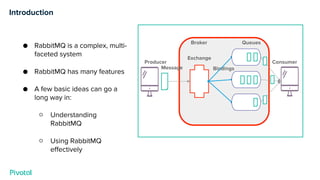
● RabbitMQ is a complex, multi-
faceted system
● RabbitMQ has many features
● A few basic ideas can go a
long way in:
○ Understanding
RabbitMQ
○ Using RabbitMQ
effectively
Broker
Producer
Message
Exchange
Bindings
Queues
Consumer
Agenda
●Ten Topics
●From Three Major Themes:
○ Guiding Principles
○ Messages and Their Handling
○ Resource Management
●Where to Go Next
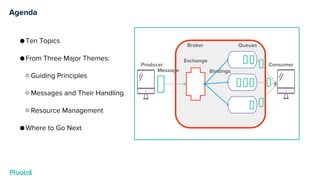
Broker
Producer
Message
Exchange
Bindings
Queues
Consumer
Guiding Principles
Ten Best Practices
● RabbitMQ is not a database
● Aim to keep queue lengths short in practice
○ Balancing ingress and egress rates is the
first, best idea
○ Know what a “normal” length for a given
queue is
● Problems with long queues:
○ Memory alarms, paging to disk, TCP back
pressure
● Mind message sizes
● Monitor!
Guiding Principles
Item 1: “A Happy Rabbit
is an Empty Rabbit"
● RabbitMQ is written in Erlang
● Erlang concurrency is based on lightweight processes
○ Rabbit is built of a collection of these communicating
processes
○ Each queue you create has its own queue process
○ Erlang processes are scheduled on a pool of OS
threads
○ Queues are thus natural concurrency bottlenecks
● Mechanical sympathy for your system helps you better
exploit it
● By contrast exchanges are not backed by their own
processes
Guiding Principles
Item 2: “The Queue is
Rabbit’s
Basic Unit of
Concurrency"
Messages and
Their Handling
Ten Best Practices
● What makes us think anything happened in a
distributed system?
● Transfer of Responsibility:
○ At any moment, know who is responsible for
the existence and integrity of a message
○ Maintain the responsibility and hand it off in
a disciplined way
● Consumer side: AMQP ACKs.
● Producer side: Publisher Confirms (also AMQP
transactions)
Messages and
Their Handling
Item 3: The “Transfer of
Responsibility” Notion
● Ways to consume: basic.get and basic.consume
● Most clients should favor basic.consume
● Prefetch (prefetch_count in basic.qos method):
○ How many messages a client is willing to
take at a time
○ Broker will deliver up to that many and wait
for ACK
● Small prefetches can inhibit throughput
● Large prefetch can result in one of many
consumers on a queue monopolizing queue’s
output
● Choose based on how fast consumer gets work
done before ACKing
Messages and
Their Handling
Item 4: Consumers
Should Eat Not Nibble
● Messages in many applications break into
natural tiers.
● Many RabbitMQ features impose non-trivial
costs:
○ Persistence
○ HA Mirroring of Queues
○ Clustering
○ Publisher Confirms and AMQP Transactions
○ Consumer ACKs vs noACK/autoACK
● Think about your traffic, the benefits of a feature
and spend accordingly!
Messages and
Their Handling
Item 5: Know Costs of
Guarantees and Don’t
Overpay Unnecessarily
Resource
Management
Ten Best Practices
● Some objects are more heavyweight than others
● CPU and RAM are limitations more often than
networking
● Management can impose overhead:
● Beware in large clusters of ‘detailed’ metrics
● Don’t hit the wall (and understand the padding in
front of it)!
● Padding: Memory and disk alarms, TCP back
pressure
● The Wall: Fatal resource exhaustion is fatal
Resource
Management
Item 6: Don’t Overtax
Your
System’s Resources
● Understand AMQP Connections vs. Channels
○ Connections are expensive
○ Channels try to amortize the expense via
multiplexing
● Don’t churn connections and mind your OS limits
● Don’t share channels between threads
● Consider separate connections for publishers
and consumers
Resource
Management
Item 7: Manage
Connections and
Channels Thoughtfully
● Auto-delete queues: delete when last subscriber
unsubscribes.
● Exclusive queues: exclusive to one connection,
deleted when connection closes.
● Queue length limit: as number of messages or
count of bytes;
● Per-Queue Message TTL
● Per-Message TTL
● Queue TTL: whole queue vanishes after TTL if no
consumers
Resource
Management
Item 8: Tips for Cleaning
Up Queues
● Consider virtual hosts—remember they’re only
namespaces.
● Beware noisy neighbors!
● Sometimes separate clusters can be best:
○ Keep noisy neighbors apart
○ Easier to debug, determine culpability, etc.
Resource
Management
Item 9: Think About
Isolation
● Monitoring! Web UI, management HTTP API, logs
○ Workloads:
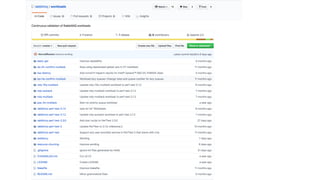
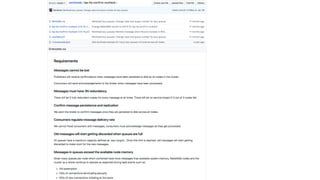
https://github.com/rabbitmq/workloadsBuilt-
in liveness check API
● Can wire API to Splunk, Nagios, etc.
● Monitor not just node health but also your
message fabric:
○ Its shape and typical parameters
● Management statistics collection: collection rate
configurable, beware heavy load
● Read, Learn, Experiment, Understand, Repeat.
Resource
Management
Item 10: Know What’s
Happening
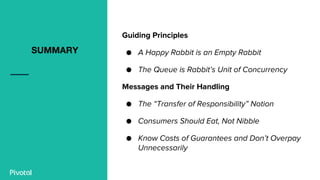
Guiding Principles
● A Happy Rabbit is an Empty Rabbit
● The Queue is Rabbit’s Unit of Concurrency
Messages and Their Handling
● The “Transfer of Responsibility” Notion
● Consumers Should Eat, Not Nibble
● Know Costs of Guarantees and Don’t Overpay
Unnecessarily
SUMMARY
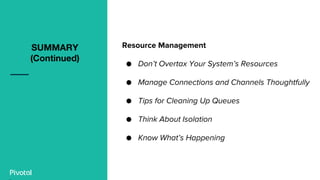
Resource Management
● Don’t Overtax Your System’s Resources
● Manage Connections and Channels Thoughtfully
● Tips for Cleaning Up Queues
● Think About Isolation
● Know What’s Happening
SUMMARY
(Continued)
● RabbitMQ Website: http://www.rabbitmq.com
● RabbitMQ in Action, Manning Publications
● RabbitMQ in Depth, Manning Publications
● Workloads: https://github.com/rabbitmq/workloads
● Marcial Rosales developer guide:
https://github.com/MarcialRosales/rabbitmq-developer-guide
● Jack Vanlightly Blogs: https://jack-vanlightly.com/
● CloudAMQP Best Practices:
https://www.cloudamqp.com/blog/index.html
Where to Learn More
Transforming How The World Builds Software
© Copyright 2018 Pivotal Software, Inc. All rights Reserved.

10 Things Every Developer Using RabbitMQ Should Know

  • 1.
    © Copyright 2018Pivotal Software, Inc. All rights Reserved. Jerry Kuch - jkuch@pivotal.io Wayne Lund - wlund@pivotal.io 12 Dec 2018 10 Things Every Developer Using RabbitMQ Should Know
  • 2.
    Introduction ● RabbitMQ isa complex, multi- faceted system ● RabbitMQ has many features ● A few basic ideas can go a long way in: ○ Understanding RabbitMQ ○ Using RabbitMQ effectively Broker Producer Message Exchange Bindings Queues Consumer
  • 3.
    Agenda ●Ten Topics ●From ThreeMajor Themes: ○ Guiding Principles ○ Messages and Their Handling ○ Resource Management ●Where to Go Next Broker Producer Message Exchange Bindings Queues Consumer
  • 4.
  • 5.
    ● RabbitMQ isnot a database ● Aim to keep queue lengths short in practice ○ Balancing ingress and egress rates is the first, best idea ○ Know what a “normal” length for a given queue is ● Problems with long queues: ○ Memory alarms, paging to disk, TCP back pressure ● Mind message sizes ● Monitor! Guiding Principles Item 1: “A Happy Rabbit is an Empty Rabbit"
  • 6.
    ● RabbitMQ iswritten in Erlang ● Erlang concurrency is based on lightweight processes ○ Rabbit is built of a collection of these communicating processes ○ Each queue you create has its own queue process ○ Erlang processes are scheduled on a pool of OS threads ○ Queues are thus natural concurrency bottlenecks ● Mechanical sympathy for your system helps you better exploit it ● By contrast exchanges are not backed by their own processes Guiding Principles Item 2: “The Queue is Rabbit’s Basic Unit of Concurrency"
  • 7.
  • 8.
    ● What makesus think anything happened in a distributed system? ● Transfer of Responsibility: ○ At any moment, know who is responsible for the existence and integrity of a message ○ Maintain the responsibility and hand it off in a disciplined way ● Consumer side: AMQP ACKs. ● Producer side: Publisher Confirms (also AMQP transactions) Messages and Their Handling Item 3: The “Transfer of Responsibility” Notion
  • 9.
    ● Ways toconsume: basic.get and basic.consume ● Most clients should favor basic.consume ● Prefetch (prefetch_count in basic.qos method): ○ How many messages a client is willing to take at a time ○ Broker will deliver up to that many and wait for ACK ● Small prefetches can inhibit throughput ● Large prefetch can result in one of many consumers on a queue monopolizing queue’s output ● Choose based on how fast consumer gets work done before ACKing Messages and Their Handling Item 4: Consumers Should Eat Not Nibble
  • 10.
    ● Messages inmany applications break into natural tiers. ● Many RabbitMQ features impose non-trivial costs: ○ Persistence ○ HA Mirroring of Queues ○ Clustering ○ Publisher Confirms and AMQP Transactions ○ Consumer ACKs vs noACK/autoACK ● Think about your traffic, the benefits of a feature and spend accordingly! Messages and Their Handling Item 5: Know Costs of Guarantees and Don’t Overpay Unnecessarily
  • 11.
  • 12.
    ● Some objectsare more heavyweight than others ● CPU and RAM are limitations more often than networking ● Management can impose overhead: ● Beware in large clusters of ‘detailed’ metrics ● Don’t hit the wall (and understand the padding in front of it)! ● Padding: Memory and disk alarms, TCP back pressure ● The Wall: Fatal resource exhaustion is fatal Resource Management Item 6: Don’t Overtax Your System’s Resources
  • 13.
    ● Understand AMQPConnections vs. Channels ○ Connections are expensive ○ Channels try to amortize the expense via multiplexing ● Don’t churn connections and mind your OS limits ● Don’t share channels between threads ● Consider separate connections for publishers and consumers Resource Management Item 7: Manage Connections and Channels Thoughtfully
  • 14.
    ● Auto-delete queues:delete when last subscriber unsubscribes. ● Exclusive queues: exclusive to one connection, deleted when connection closes. ● Queue length limit: as number of messages or count of bytes; ● Per-Queue Message TTL ● Per-Message TTL ● Queue TTL: whole queue vanishes after TTL if no consumers Resource Management Item 8: Tips for Cleaning Up Queues
  • 15.
    ● Consider virtualhosts—remember they’re only namespaces. ● Beware noisy neighbors! ● Sometimes separate clusters can be best: ○ Keep noisy neighbors apart ○ Easier to debug, determine culpability, etc. Resource Management Item 9: Think About Isolation
  • 16.
    ● Monitoring! WebUI, management HTTP API, logs ○ Workloads: https://github.com/rabbitmq/workloadsBuilt- in liveness check API ● Can wire API to Splunk, Nagios, etc. ● Monitor not just node health but also your message fabric: ○ Its shape and typical parameters ● Management statistics collection: collection rate configurable, beware heavy load ● Read, Learn, Experiment, Understand, Repeat. Resource Management Item 10: Know What’s Happening
  • 20.
    Guiding Principles ● AHappy Rabbit is an Empty Rabbit ● The Queue is Rabbit’s Unit of Concurrency Messages and Their Handling ● The “Transfer of Responsibility” Notion ● Consumers Should Eat, Not Nibble ● Know Costs of Guarantees and Don’t Overpay Unnecessarily SUMMARY
  • 21.
    Resource Management ● Don’tOvertax Your System’s Resources ● Manage Connections and Channels Thoughtfully ● Tips for Cleaning Up Queues ● Think About Isolation ● Know What’s Happening SUMMARY (Continued)
  • 22.
    ● RabbitMQ Website:http://www.rabbitmq.com ● RabbitMQ in Action, Manning Publications ● RabbitMQ in Depth, Manning Publications ● Workloads: https://github.com/rabbitmq/workloads ● Marcial Rosales developer guide: https://github.com/MarcialRosales/rabbitmq-developer-guide ● Jack Vanlightly Blogs: https://jack-vanlightly.com/ ● CloudAMQP Best Practices: https://www.cloudamqp.com/blog/index.html Where to Learn More
  • 23.
    Transforming How TheWorld Builds Software © Copyright 2018 Pivotal Software, Inc. All rights Reserved.