Introduction
PATH 201 General Pathology 4(3-2)
Professor Dr. Zafar Iqbal Chaudhary
Course Instructor
Course Contents
 Introduction and historical background
 Terminology
 Animal Cell
 Cell injury and cell death; mechanism and sequelae;
postmortem autolysis; gangrene
 Disturbances of growth (Aadaptive changes)
 Pigmentation and deposition of minerals in tissues
 Disturbances of circulation
 Inflammation, fever, and pyrexia
 Repair and healing of wounds and fractures
 Neoplasia
Books Recommended
 Robbins Basic Pathology 7th edition by
Kumar, V. ; Cotran, R.S.; Robbins, S.L.
 Veterinary Pathology by 6th edition by
Jones, T.C.; Hunt, R.D.; King, N.W.
What is Pathology?
 Study of derangement of molecules, cells,
tissues, and function in the living
organisms in response to injurious agents
and deprivations
Careers in Veterinary
Pathology
Veterinary pathologists are scientific
leaders making important human and
animal medical discoveries that have a
far reaching impact on our world.
Veterinary Diagnosis
 Veterinary pathologists scrutinize every
clue from an individual or group of
animals to determine the cause of disease.
Government
 Veterinary pathologists in the government
study infectious diseases and bioterrorism
and develop life saving vaccines.
Teaching and Research
 Veterinary pathology researchers and
educators advance medical science daily
and share knowledge with tomorrow's
leaders.
Pharmaceutical Industry
 Veterinary pathologists help ensure the
safety of the medicines, chemicals and
materials we depend on in our everyday
lives.
Environment and Wildlife
Conservation
 The veterinary pathologist makes
diagnoses and decisions that impact
captive animals, wild animal populations,
and humans.
Common Terms Used in Pathology
 Lesions (Gross, microscopic, chemical, molecular)
 Etiology
 Pathogenesis
 Symptoms
 Postmortem examination/autopsy/necropsy
 Biopsy
 Postmortem changes
History
 The first concept of disease  The demoniac concept of
disease- witch doctor (17 thousand years old-Paintings
in the caves of Pyrenees mountains)
 Theological concept of disease 4000 B.C.
(embalming)- disease due to divine displeasure- Priest
 Humoral concept of disease- Greece-Hippocrates
(460-377 B.C.)-
 Blood-warm and moist (air)
 Phlegmon- cold and moist (water)
 Yellow bile- warm and dry (fire)
 Black bile- cold and dry (earth)
Development of Anatomy,
Physiology, and Pathology
 Aristotle (384-322 B.C.) - modern anatomy
and physiology
 Claudius Galen (131-206 A.D.)- Father of
anatomy
First Textbook on Veterinary
Medicine
 Renatus Vegetius (450-500 A.D.) “Book of
the Veterinary Art” – father of veterinary
medicine
Century of Anatomy
 Antanio Benivieni (1440-1502)- postmortem
examination- father of Pathological anatomy
 Leonardo da Vinci (1452-1519)- Artist- Anatomy
of horse
 Andreas Vesaleus (1514-1564)- Belgian- At the
age of 24 became Professor of anatomy at
Padua, in Italy
Discovery of Blood Circulation
 William Harvey (1578-1657)- Englishman-
airtree
 Marcello Malpighi (1628-1694)- Italian-
capillaries and erythrocytes, and
microscopic description of kidney, lungs,
and spleen
Invention of Microscope
 Antony van Leeuwenhoek (1632-1723)-
Dutch draper- made 200 microscopes
First Text Book of Pathology
 Jean Fernet (1497-1558)-Frenchman
 Giovanni Battista Morgagni (1682-1771)-
modern Pathology- Seats and causes of
disease in 5 volumes- correlation of
lesions with the symptoms
Father of Histology
 Marei-Farancois Xavier Bichat (1771-
1802)- Frenchman – body composed of 21
tissues
Father of Immunology
 Edward Jenner (1749-1823)- Englishman-
discovered vaccination
 Material from cowpox lesions could be
used to protect small pox in humans
Establishment of First Veterinary
School
 Jacques Labessie De Solleysel (1617-
1680) – Complete book on veterinary
medicine
 Claude Bourgelat (1712-1779) – lawyer –
book on equine medicine
January 1, 1762 in Lyon, France
First Experimental Pathologist
 John Hunter (1728-1793) – Scotch- Blood,
inflammation, gunshot wounds,
monograph “Venereal Disease”- Syphilis
Treponema pallidum
Cellular Pathology
 Johannes Mueller (1801-1858)- German-
used microscope to study tissues
 Rudolph Virchow (1821-1902)- Book
“Cellular Pathology” . Father of Cellular
Pathology or Father of Modern Pathology.
Most of the terms used in pathology are
coined by him
Germ Theory of Disease
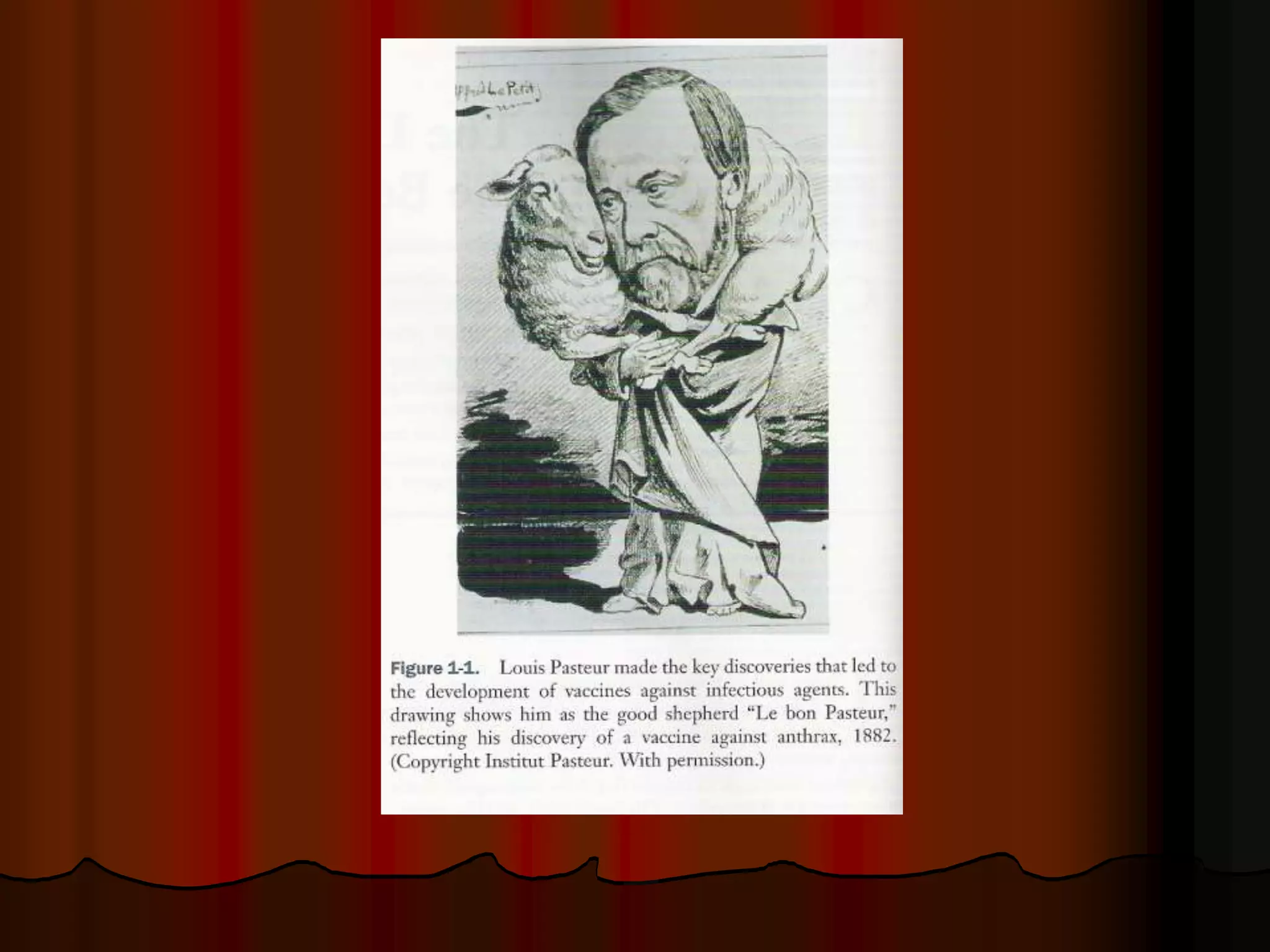
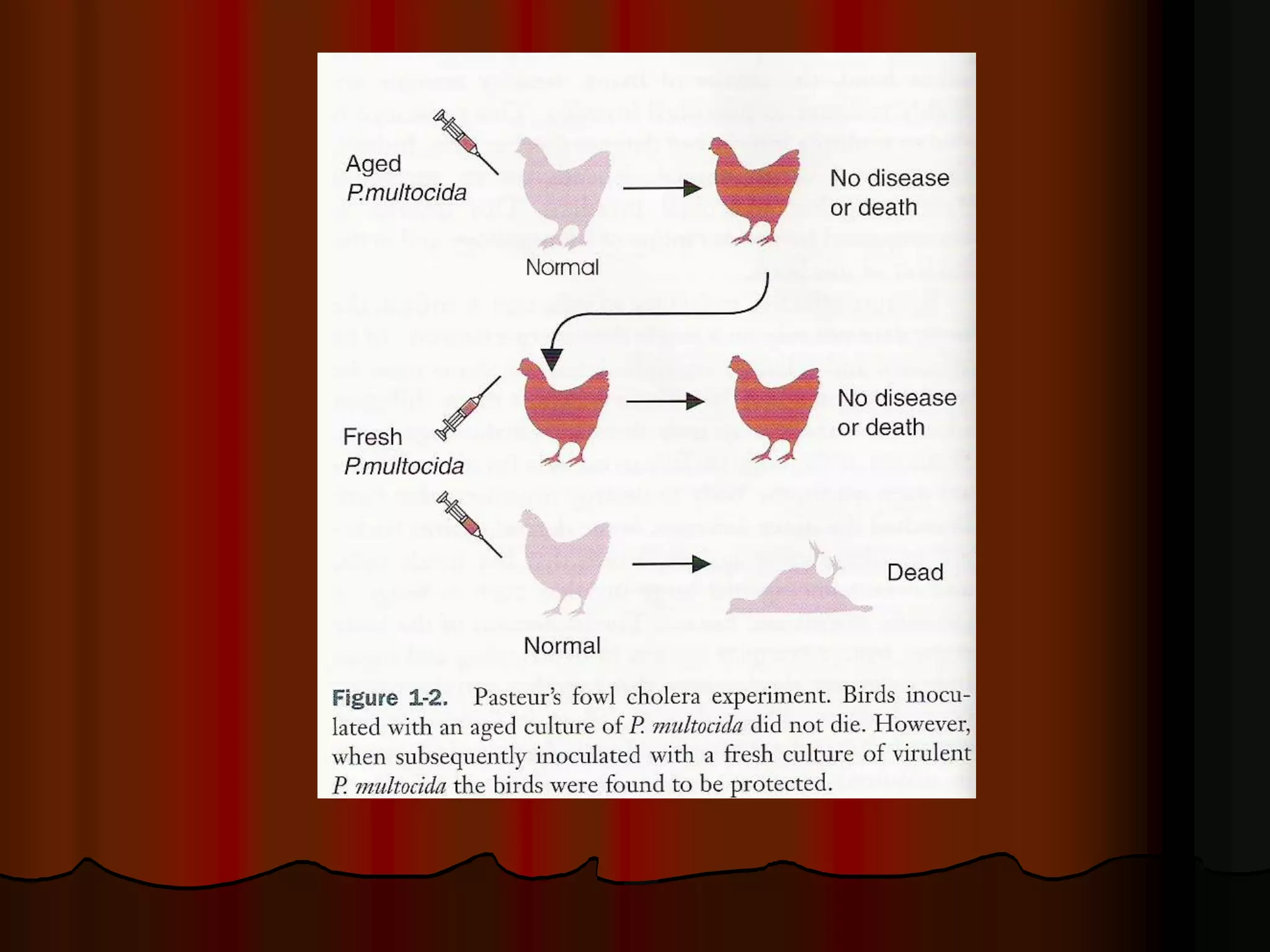
 Louis Pasteur (1822-1895) – France –
germ theory of disease
 Robert Koch (1843-1910)-
 Julius Cohnheim (1839-1884) – German -
Inflammation
Discovery of Phagocytosis
 Elie Metchnikoff (1845-1916) - Russian
Discovery of Lysosomes
 Christian de Duve (1955) in Belgium-
fractional centrifugation
 Novikoff
Molecular Biology

1. Introduction.ppt

  • 1.
  • 2.
    Professor Dr. ZafarIqbal Chaudhary Course Instructor
  • 3.
    Course Contents  Introductionand historical background  Terminology  Animal Cell  Cell injury and cell death; mechanism and sequelae; postmortem autolysis; gangrene  Disturbances of growth (Aadaptive changes)  Pigmentation and deposition of minerals in tissues  Disturbances of circulation  Inflammation, fever, and pyrexia  Repair and healing of wounds and fractures  Neoplasia
  • 4.
    Books Recommended  RobbinsBasic Pathology 7th edition by Kumar, V. ; Cotran, R.S.; Robbins, S.L.  Veterinary Pathology by 6th edition by Jones, T.C.; Hunt, R.D.; King, N.W.
  • 5.
    What is Pathology? Study of derangement of molecules, cells, tissues, and function in the living organisms in response to injurious agents and deprivations
  • 6.
    Careers in Veterinary Pathology Veterinarypathologists are scientific leaders making important human and animal medical discoveries that have a far reaching impact on our world.
  • 7.
    Veterinary Diagnosis  Veterinarypathologists scrutinize every clue from an individual or group of animals to determine the cause of disease.
  • 8.
    Government  Veterinary pathologistsin the government study infectious diseases and bioterrorism and develop life saving vaccines.
  • 9.
    Teaching and Research Veterinary pathology researchers and educators advance medical science daily and share knowledge with tomorrow's leaders.
  • 10.
    Pharmaceutical Industry  Veterinarypathologists help ensure the safety of the medicines, chemicals and materials we depend on in our everyday lives.
  • 11.
    Environment and Wildlife Conservation The veterinary pathologist makes diagnoses and decisions that impact captive animals, wild animal populations, and humans.
  • 12.
    Common Terms Usedin Pathology  Lesions (Gross, microscopic, chemical, molecular)  Etiology  Pathogenesis  Symptoms  Postmortem examination/autopsy/necropsy  Biopsy  Postmortem changes
  • 13.
    History  The firstconcept of disease  The demoniac concept of disease- witch doctor (17 thousand years old-Paintings in the caves of Pyrenees mountains)  Theological concept of disease 4000 B.C. (embalming)- disease due to divine displeasure- Priest  Humoral concept of disease- Greece-Hippocrates (460-377 B.C.)-  Blood-warm and moist (air)  Phlegmon- cold and moist (water)  Yellow bile- warm and dry (fire)  Black bile- cold and dry (earth)
  • 14.
    Development of Anatomy, Physiology,and Pathology  Aristotle (384-322 B.C.) - modern anatomy and physiology  Claudius Galen (131-206 A.D.)- Father of anatomy
  • 15.
    First Textbook onVeterinary Medicine  Renatus Vegetius (450-500 A.D.) “Book of the Veterinary Art” – father of veterinary medicine
  • 16.
    Century of Anatomy Antanio Benivieni (1440-1502)- postmortem examination- father of Pathological anatomy  Leonardo da Vinci (1452-1519)- Artist- Anatomy of horse  Andreas Vesaleus (1514-1564)- Belgian- At the age of 24 became Professor of anatomy at Padua, in Italy
  • 17.
    Discovery of BloodCirculation  William Harvey (1578-1657)- Englishman- airtree  Marcello Malpighi (1628-1694)- Italian- capillaries and erythrocytes, and microscopic description of kidney, lungs, and spleen
  • 18.
    Invention of Microscope Antony van Leeuwenhoek (1632-1723)- Dutch draper- made 200 microscopes
  • 19.
    First Text Bookof Pathology  Jean Fernet (1497-1558)-Frenchman  Giovanni Battista Morgagni (1682-1771)- modern Pathology- Seats and causes of disease in 5 volumes- correlation of lesions with the symptoms
  • 20.
    Father of Histology Marei-Farancois Xavier Bichat (1771- 1802)- Frenchman – body composed of 21 tissues
  • 21.
    Father of Immunology Edward Jenner (1749-1823)- Englishman- discovered vaccination  Material from cowpox lesions could be used to protect small pox in humans
  • 24.
    Establishment of FirstVeterinary School  Jacques Labessie De Solleysel (1617- 1680) – Complete book on veterinary medicine  Claude Bourgelat (1712-1779) – lawyer – book on equine medicine January 1, 1762 in Lyon, France
  • 25.
    First Experimental Pathologist John Hunter (1728-1793) – Scotch- Blood, inflammation, gunshot wounds, monograph “Venereal Disease”- Syphilis Treponema pallidum
  • 26.
    Cellular Pathology  JohannesMueller (1801-1858)- German- used microscope to study tissues  Rudolph Virchow (1821-1902)- Book “Cellular Pathology” . Father of Cellular Pathology or Father of Modern Pathology. Most of the terms used in pathology are coined by him
  • 27.
    Germ Theory ofDisease  Louis Pasteur (1822-1895) – France – germ theory of disease  Robert Koch (1843-1910)-
  • 28.
     Julius Cohnheim(1839-1884) – German - Inflammation
  • 29.
    Discovery of Phagocytosis Elie Metchnikoff (1845-1916) - Russian
  • 30.
    Discovery of Lysosomes Christian de Duve (1955) in Belgium- fractional centrifugation  Novikoff
  • 31.