Slides used at the University of Edinburgh Social Media community session February 2017 to highlight future development in EdWeb (Drupal CMS), and to establish priorities for future development.
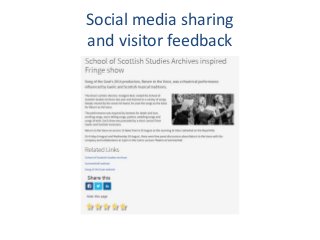
Social media sharingand visitor
feedback
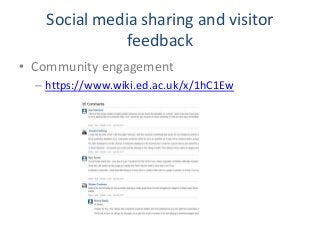
• Community engagement
– https://www.wiki.ed.ac.uk/x/1hC1Ew
4.
Social media sharingand visitor
feedback
• Timescale
– Still estimating and defining requirements
• Social media
– Work starting next week
– 3 development ‘iterations’
– Finishing work early May
– Deployment date tbc
5.
EdWeb Development
• Iterativedevelopment
– Short bursts of development
• Often funded in partnership
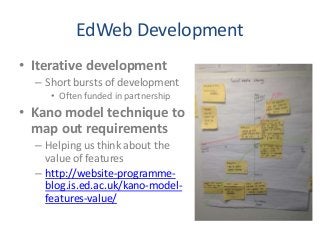
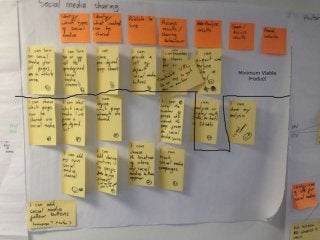
• Kano model technique to
map out requirements
– Helping us think about the
value of features
– http://website-programme-
blog.is.ed.ac.uk/kano-model-
features-value/
7.
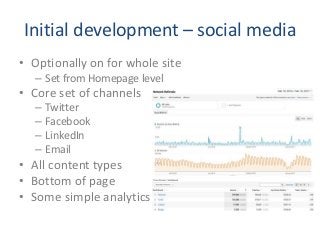
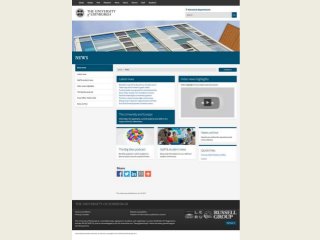
Initial development –social media
• Optionally on for whole site
– Set from Homepage level
• Core set of channels
– Twitter
– Facebook
– LinkedIn
– Email
• All content types
• Bottom of page
• Some simple analytics
9.
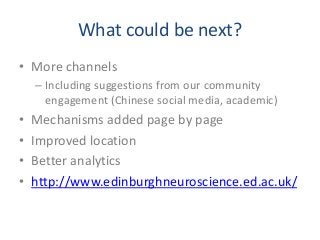
What could benext?
• More channels
– Including suggestions from our community
engagement (Chinese social media, academic)
• Mechanisms added page by page
• Improved location
• Better analytics
• http://www.edinburghneuroscience.ed.ac.uk/
10.
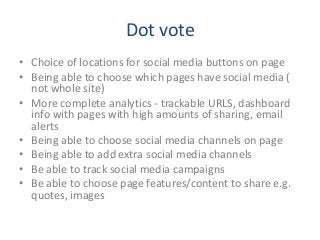
Dot vote
• Choiceof locations for social media buttons on page
• Being able to choose which pages have social media (
not whole site)
• More complete analytics - trackable URLS, dashboard
info with pages with high amounts of sharing, email
alerts
• Being able to choose social media channels on page
• Being able to add extra social media channels
• Be able to track social media campaigns
• Be able to choose page features/content to share e.g.
quotes, images
11.
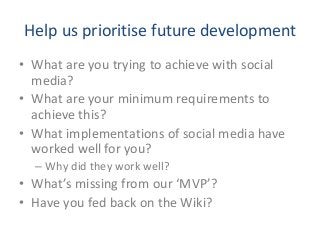
Help us prioritisefuture development
• What are you trying to achieve with social
media?
• What are your minimum requirements to
achieve this?
• What implementations of social media have
worked well for you?
– Why did they work well?
• What’s missing from our ‘MVP’?
• Have you fed back on the Wiki?


![Getting Started with Apache Spark: Big Data Made Simple [Free Meetup]](https://cdn.slidesharecdn.com/ss_thumbnails/apachesparkgettingstarted-260203175547-8361bcc3-thumbnail.jpg?width=640&height=640&fit=bounds)


