






Sketch You Can! (Agile 2013)

Editor's Notes

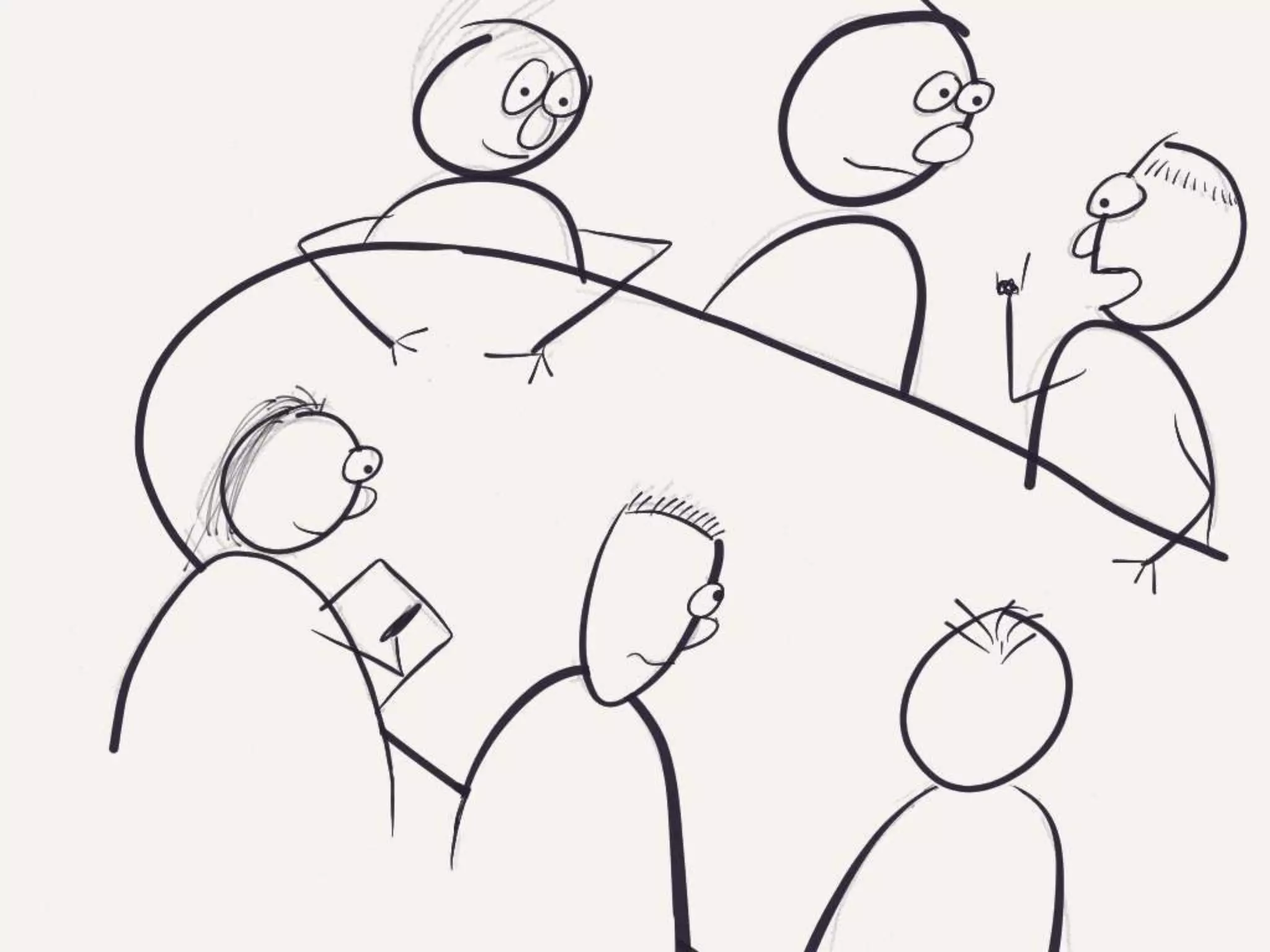
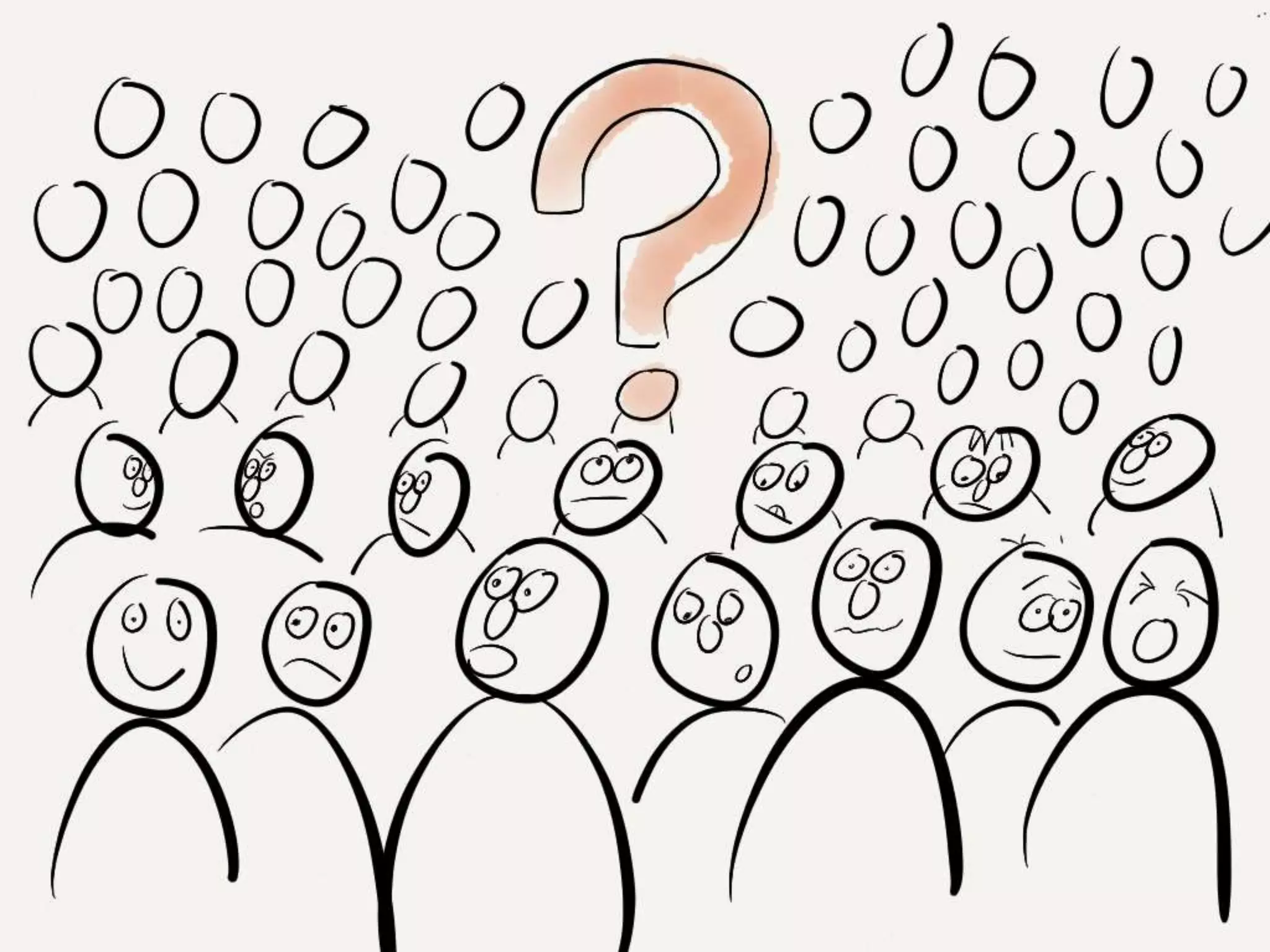
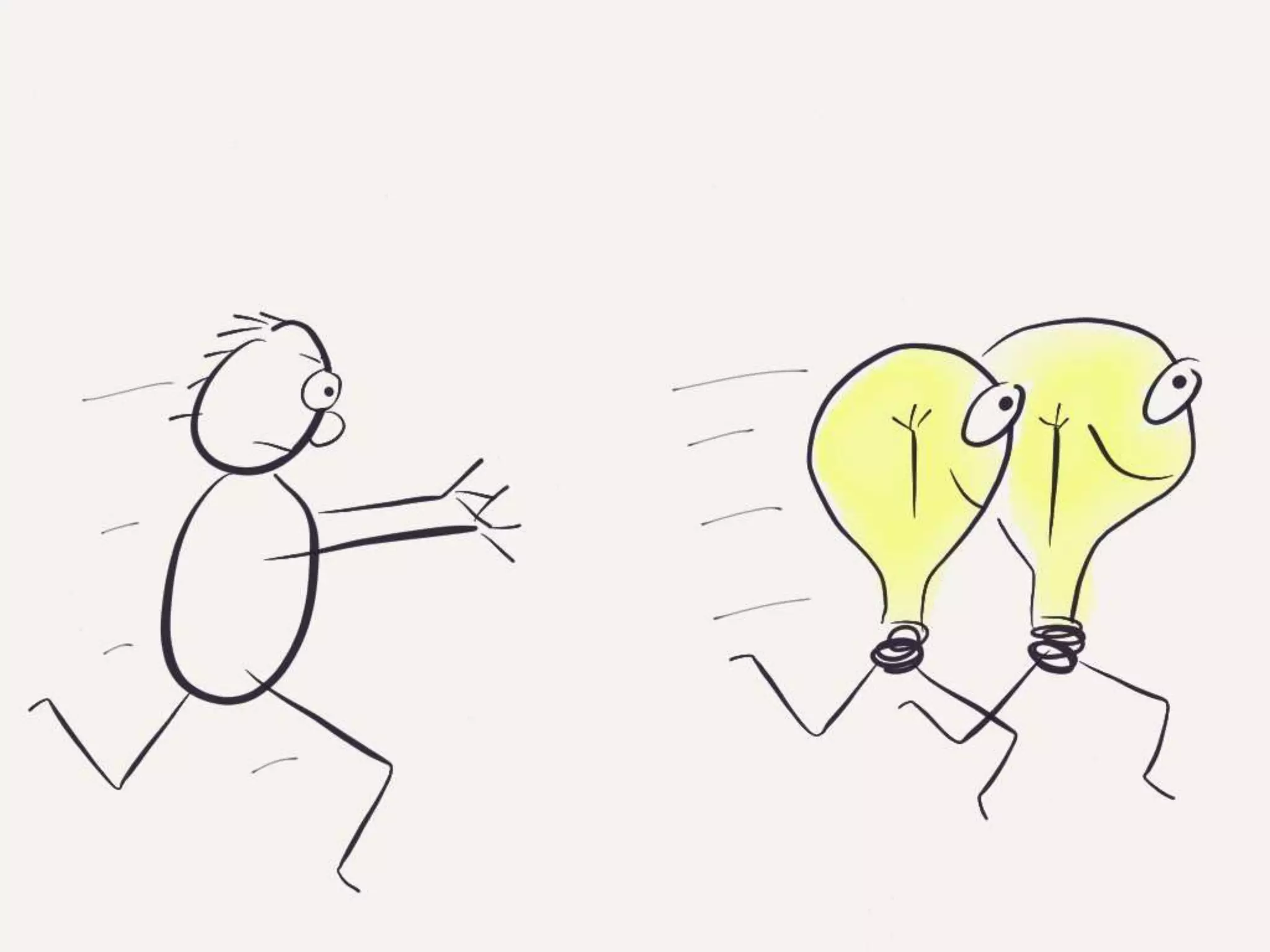
  • #4 You’re in a meeting talking about a new product orfeatureThe business owner starts explaining the business caseOne person dives into a technical aspect of one of the featuresAnother wants to talk about the bigger pictureA third person is concerned about the implications for his project
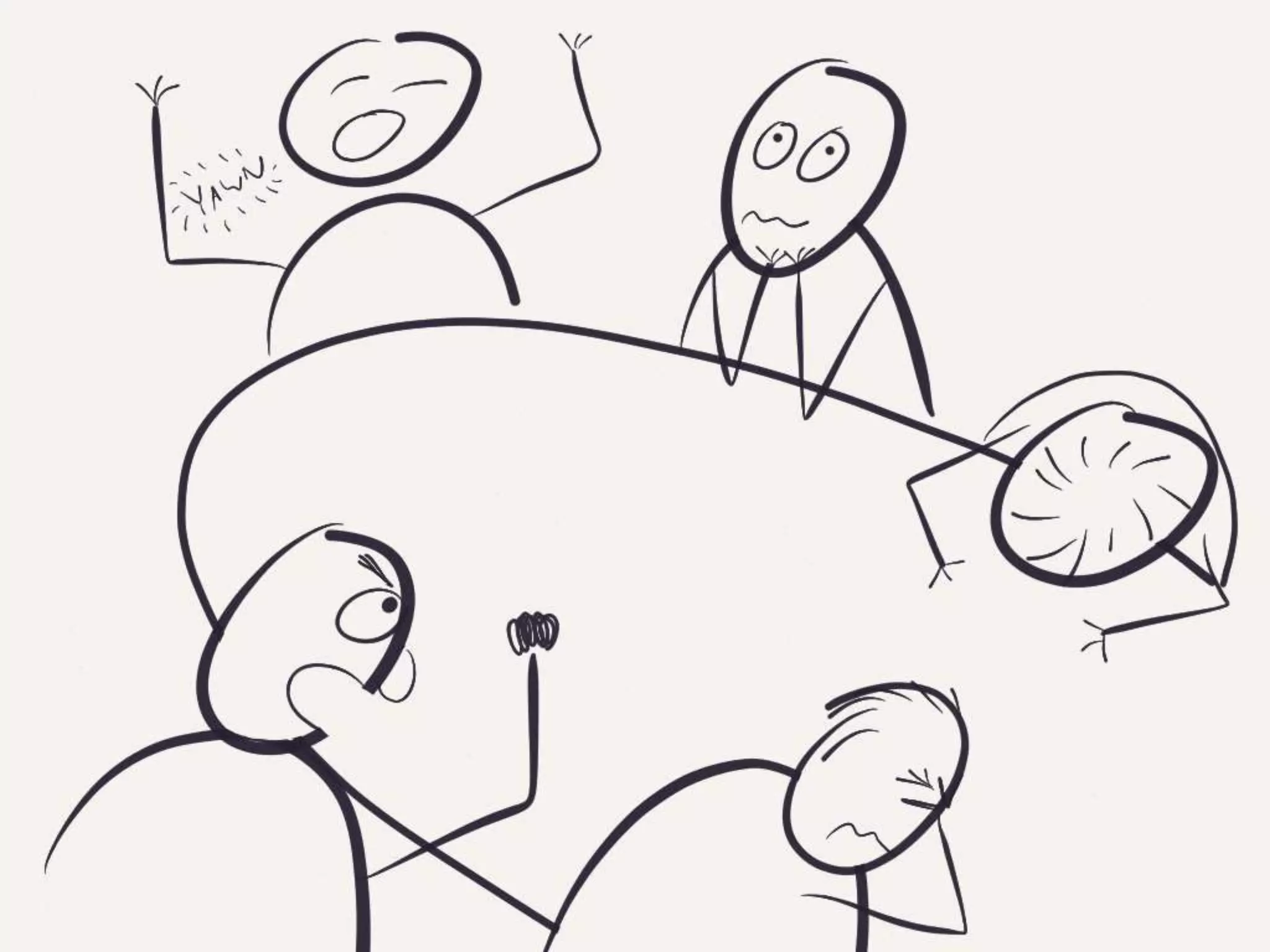
  • #5 Pretty soon, the meeting has devolved into a model of inefficiency
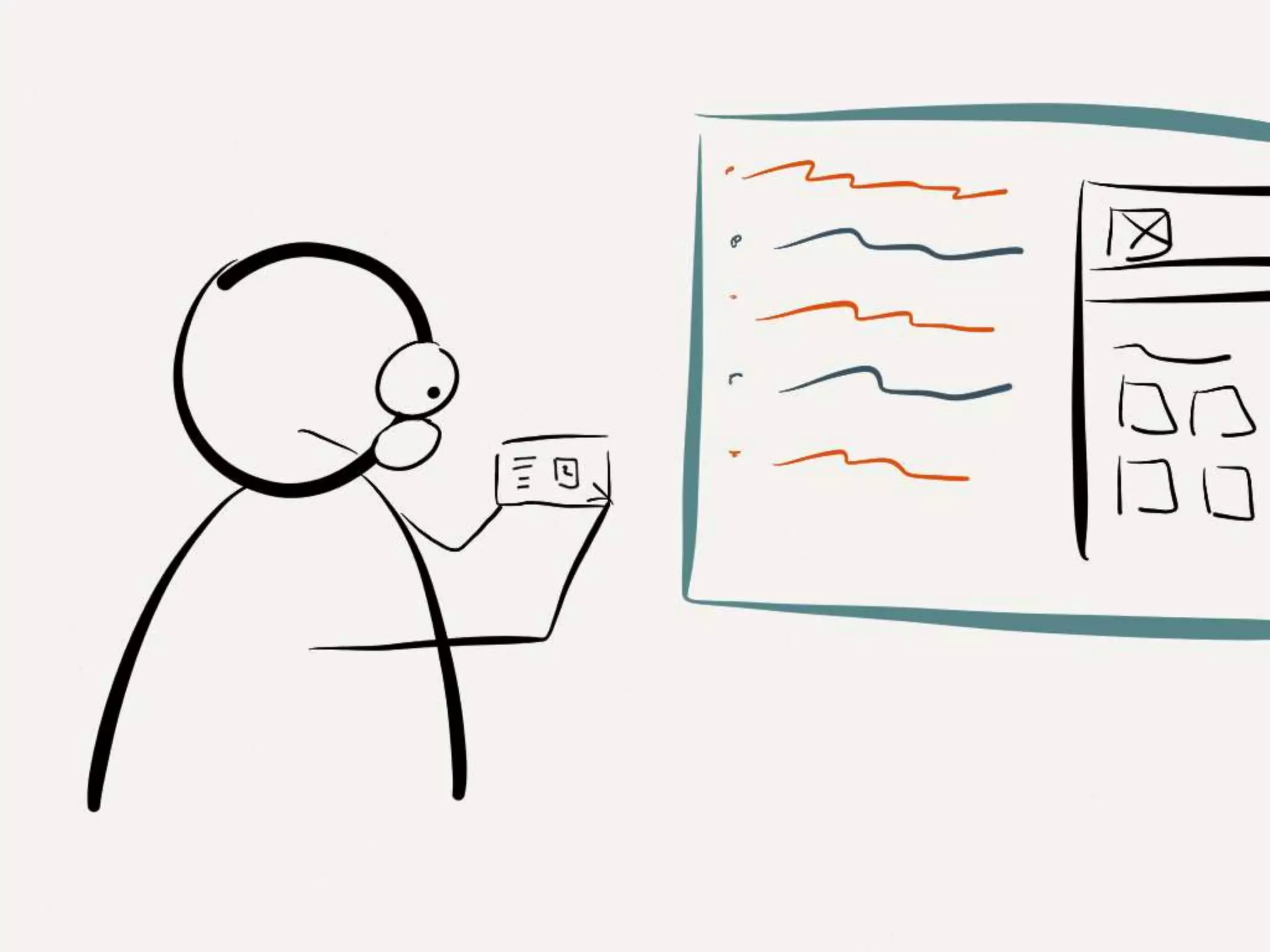
  • #11 You walk up to the white board, pick up a marker and start writing.Slowly people start paying attention. One of the business owners comments on something you write and a lively conversation ensues.Now more people are paying attention. You’re starting to see some nods of agreement.
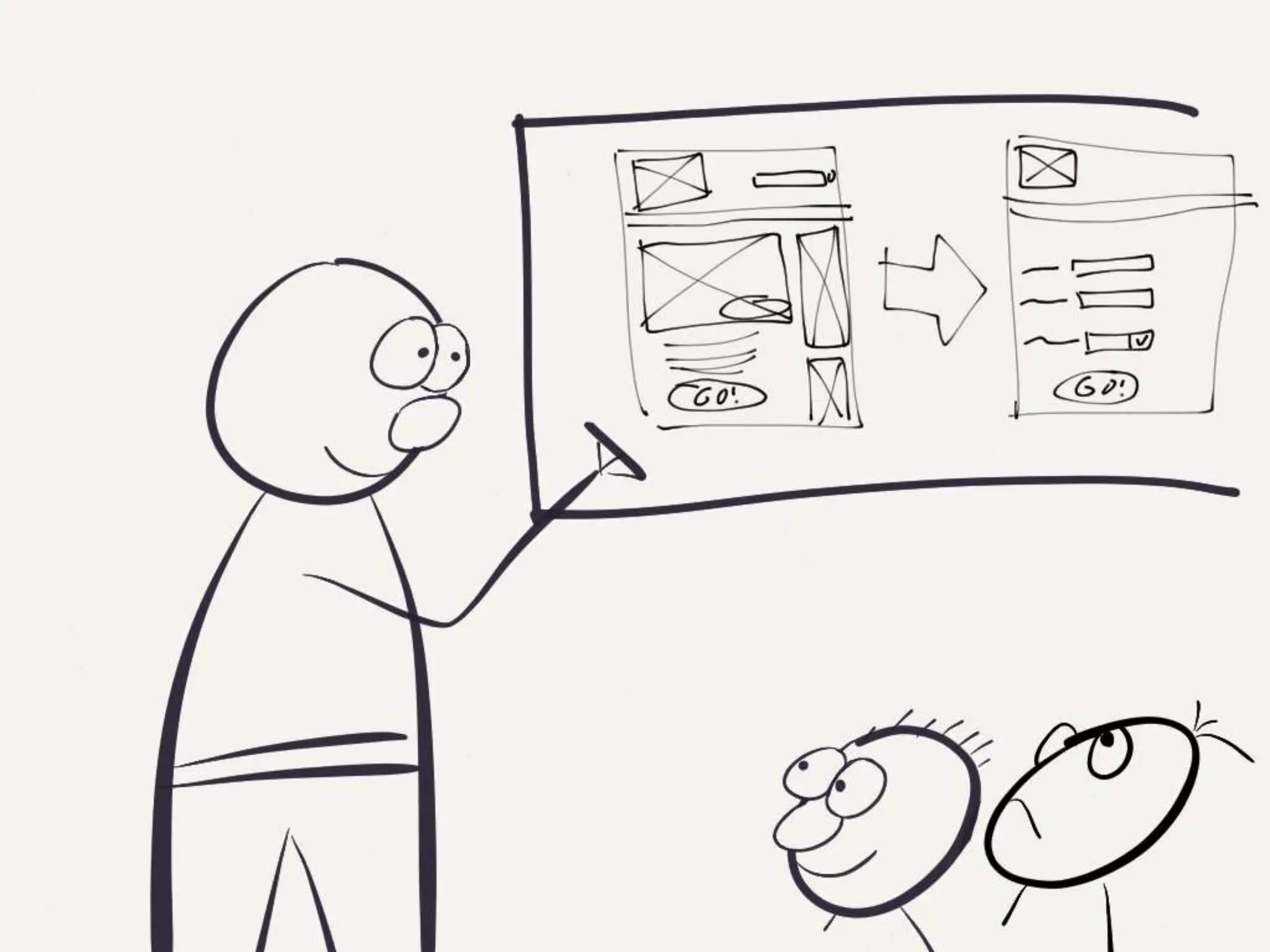
  • #12 Next you move on to sketching, drawing some rough boxes and squiggly lines, “Like this?” you ask.More heads nod.You draw, erase, and draw some more. Eventually, there is a picture on the wall that kinda represents what people were talking about.
  • #13 Now everyone seems to have finally alignedWhen people are walking out of the room, it feels, for the first time in a long time, that something got done.
  • #14 Serving a group by writing and drawing their conversation live and large to help them do their work – Brandy Agerbeck. The graphic facilitator’s guideUsing visuals to help people come to agreementLarge conferencesRSA Animate talksVery impressive. We are going to look at two simple techniques available to everyone.
  • #15 These two techniques require only a few basic skills and can significantly help guide conversations around software and web development
  • #16 There are many techniques if you want to plan for collaborative sketching, such as design studio.What I’m going to talk about today requires no advance planning. You can use it anytime it seems as if a meeting is going off the rails.
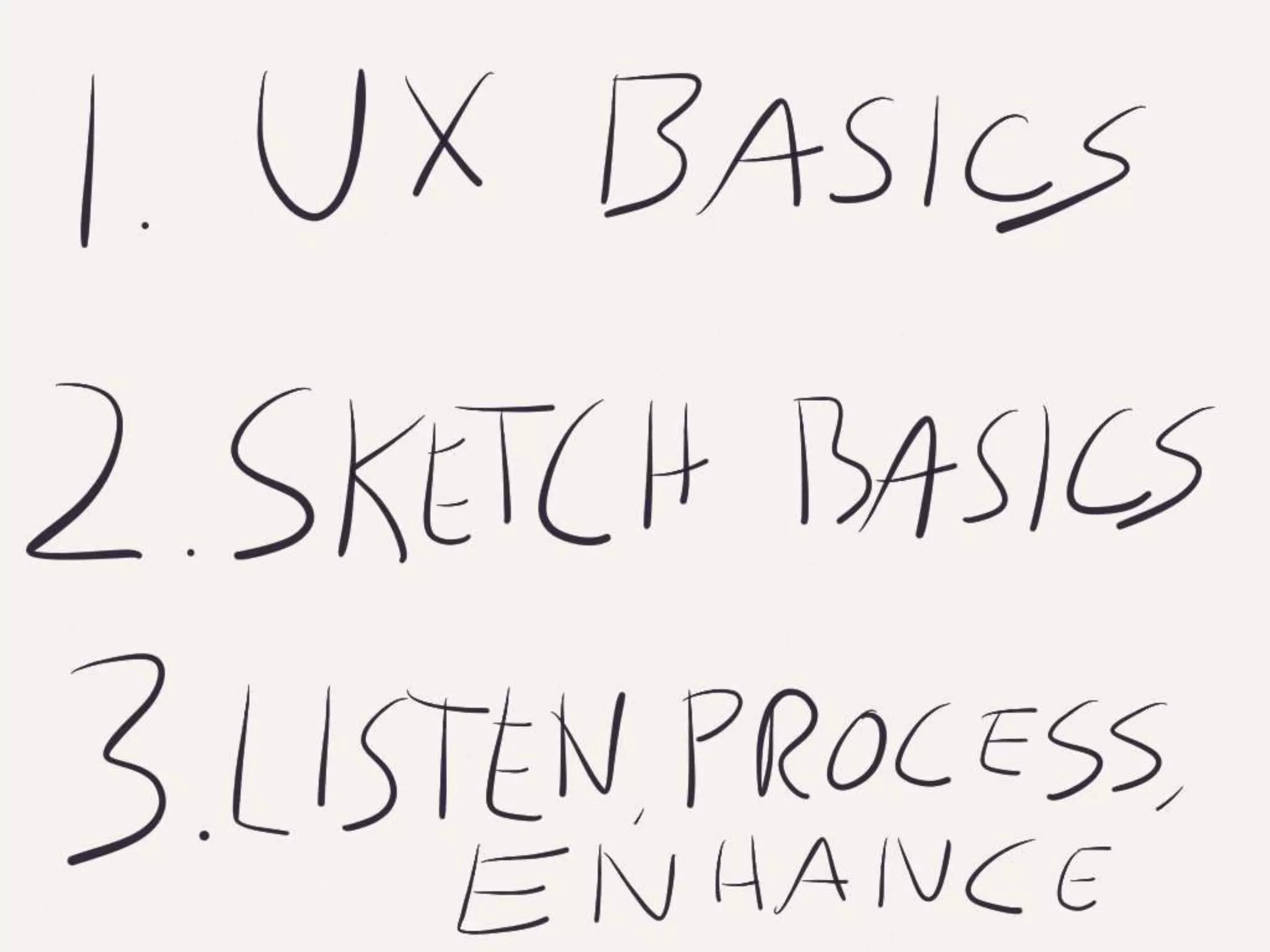
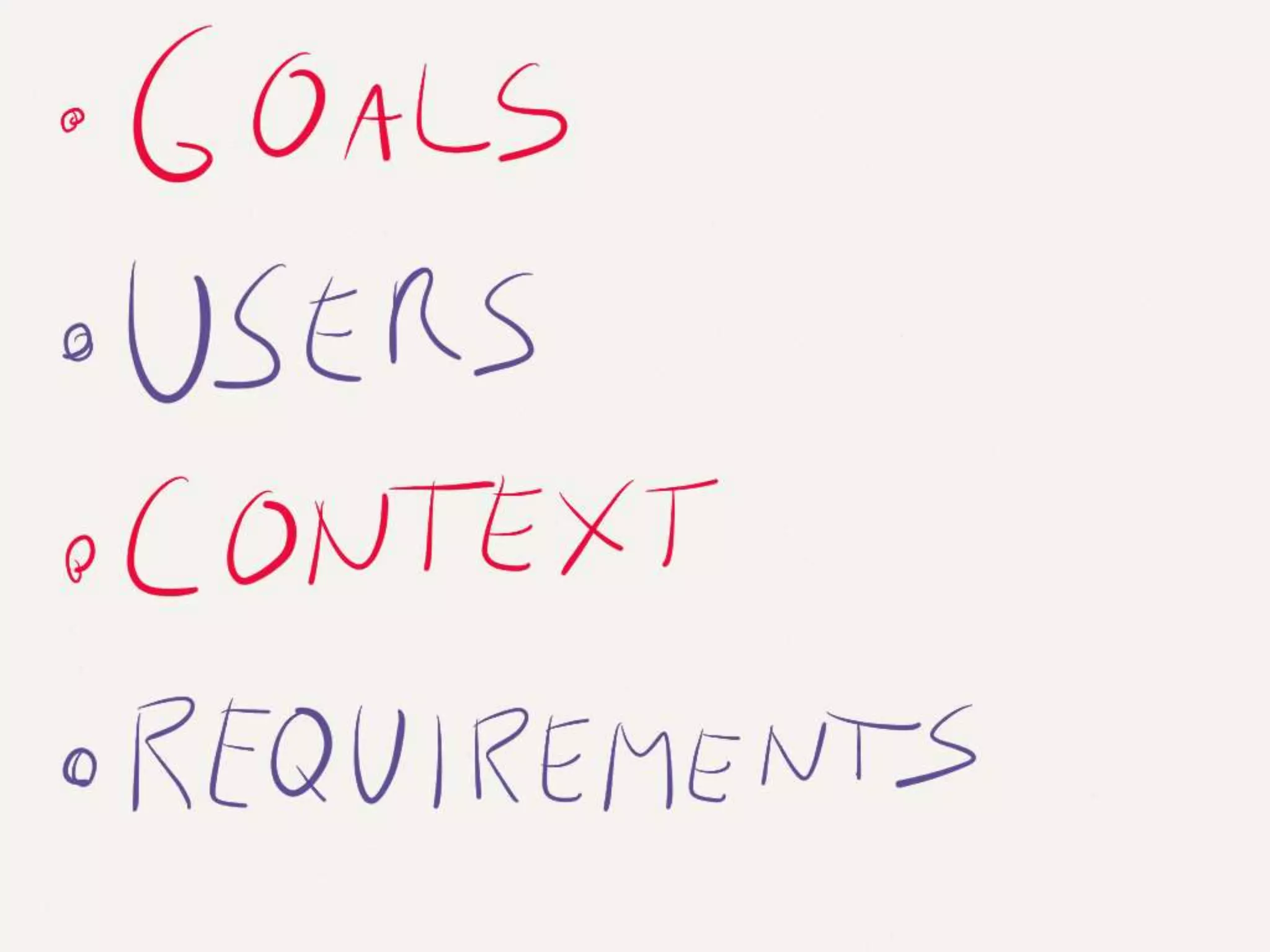
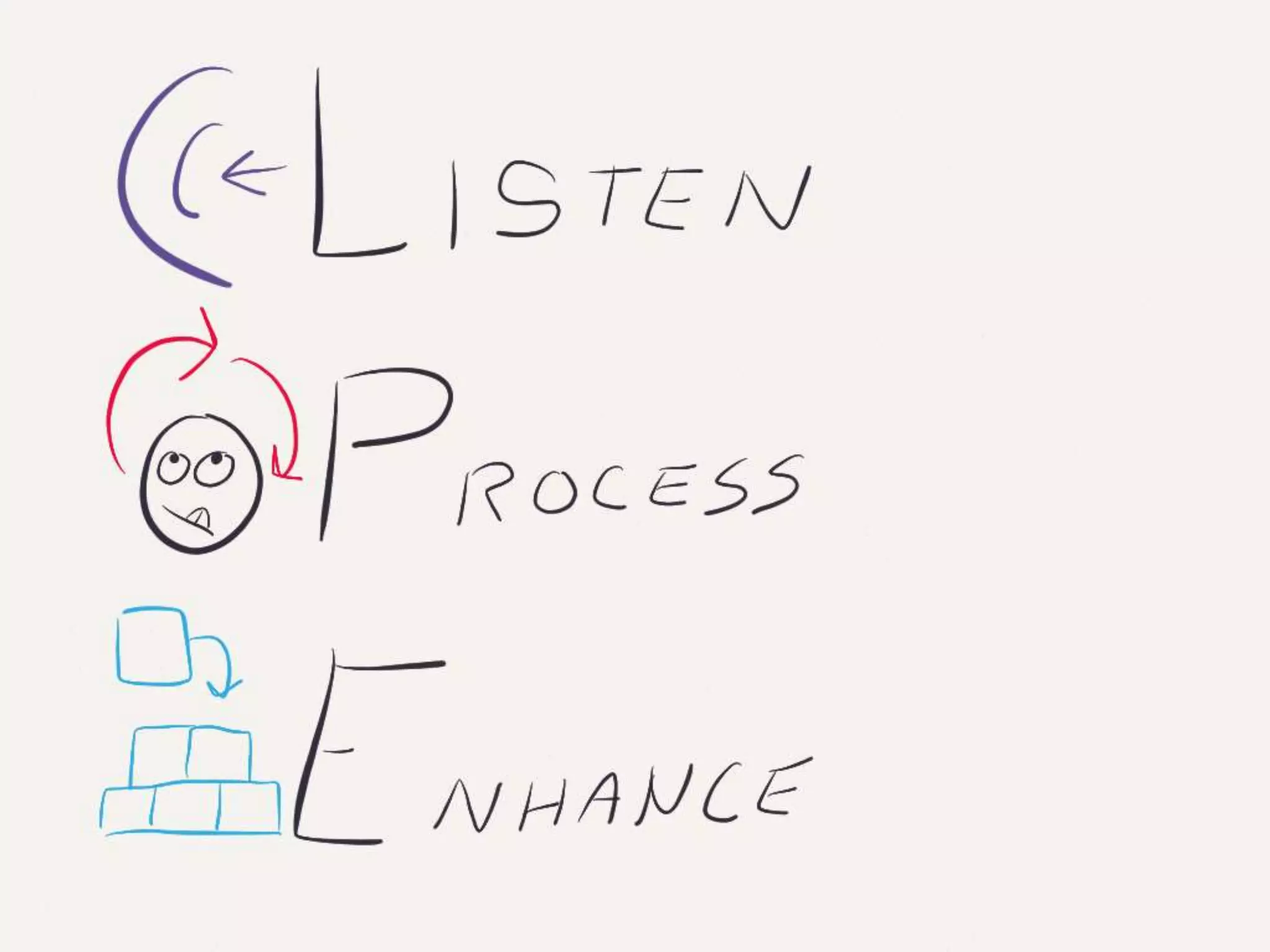
  • #17 In order to do this, you need three basic skills.
  • #18 Not going to go into much depth here. Most of you probably have a pretty mature practice, and there are plenty of other workshops here to help you deepen it. I will touch on a few things that you may already know, but I want to put them in a sketching context.
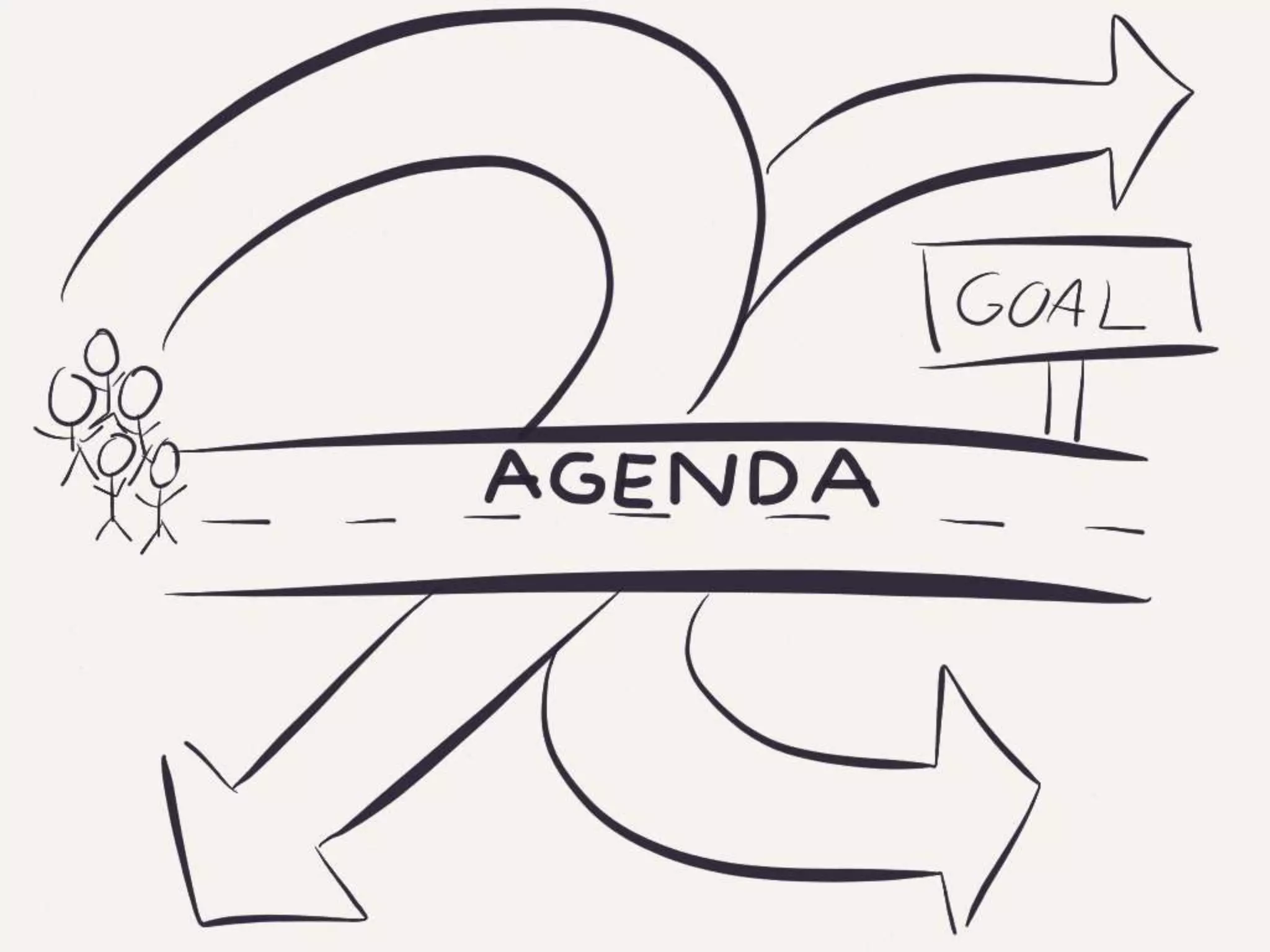
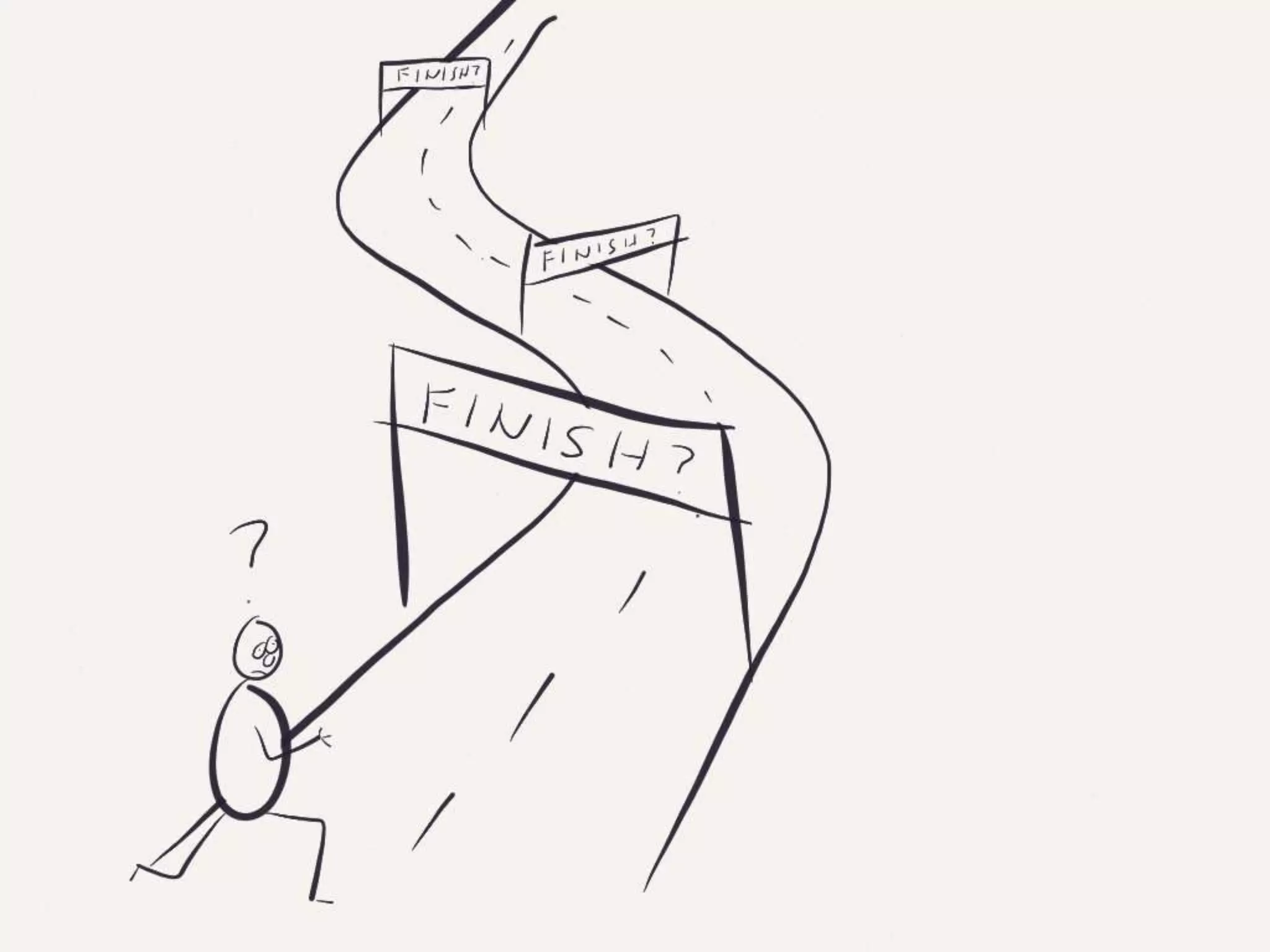
  • #31 Gives the conversation a focus (diversions become visible)Makes it feel real, formalizes the decisions
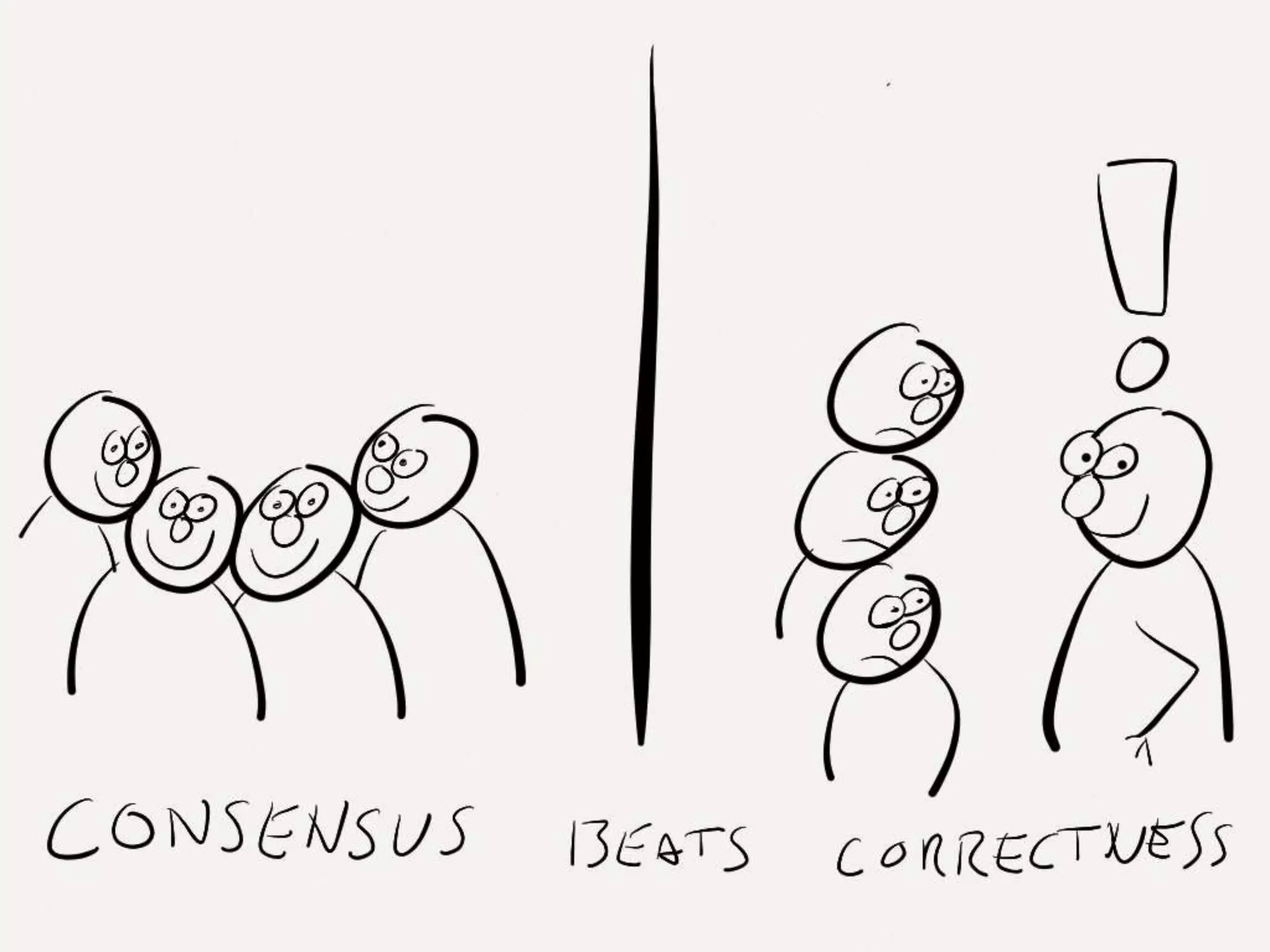
  • #32 Makes people feel heard, ask before translatingPower of the Pensilence does not equal consentBody language can signal disagreement,
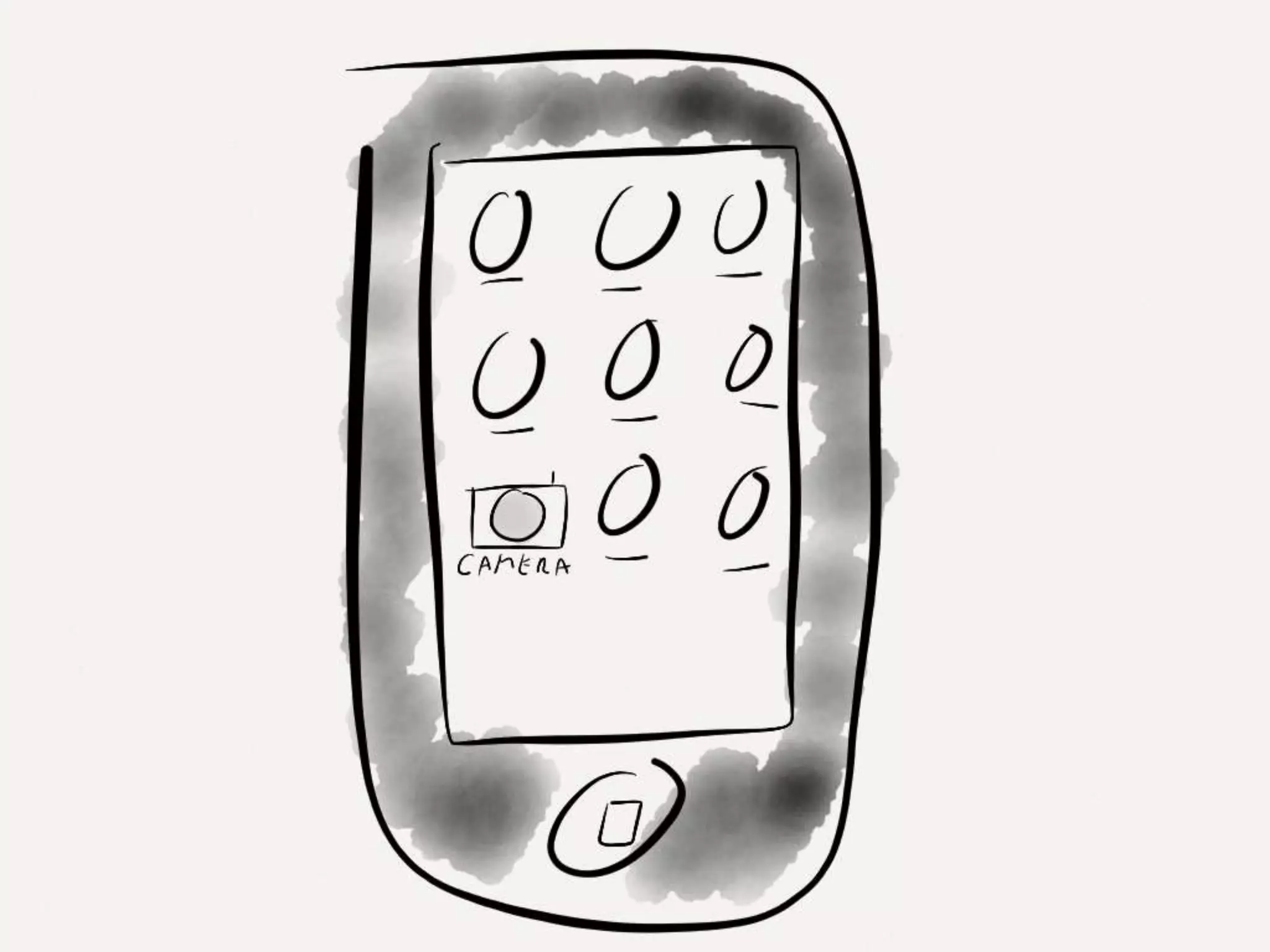
  • #33 Screens, software or web
  • #35 http://www.flickr.com/photos/rohdesign/3307873748/sizes/o/in/photostream/
  • #55 Working document, not a work of art
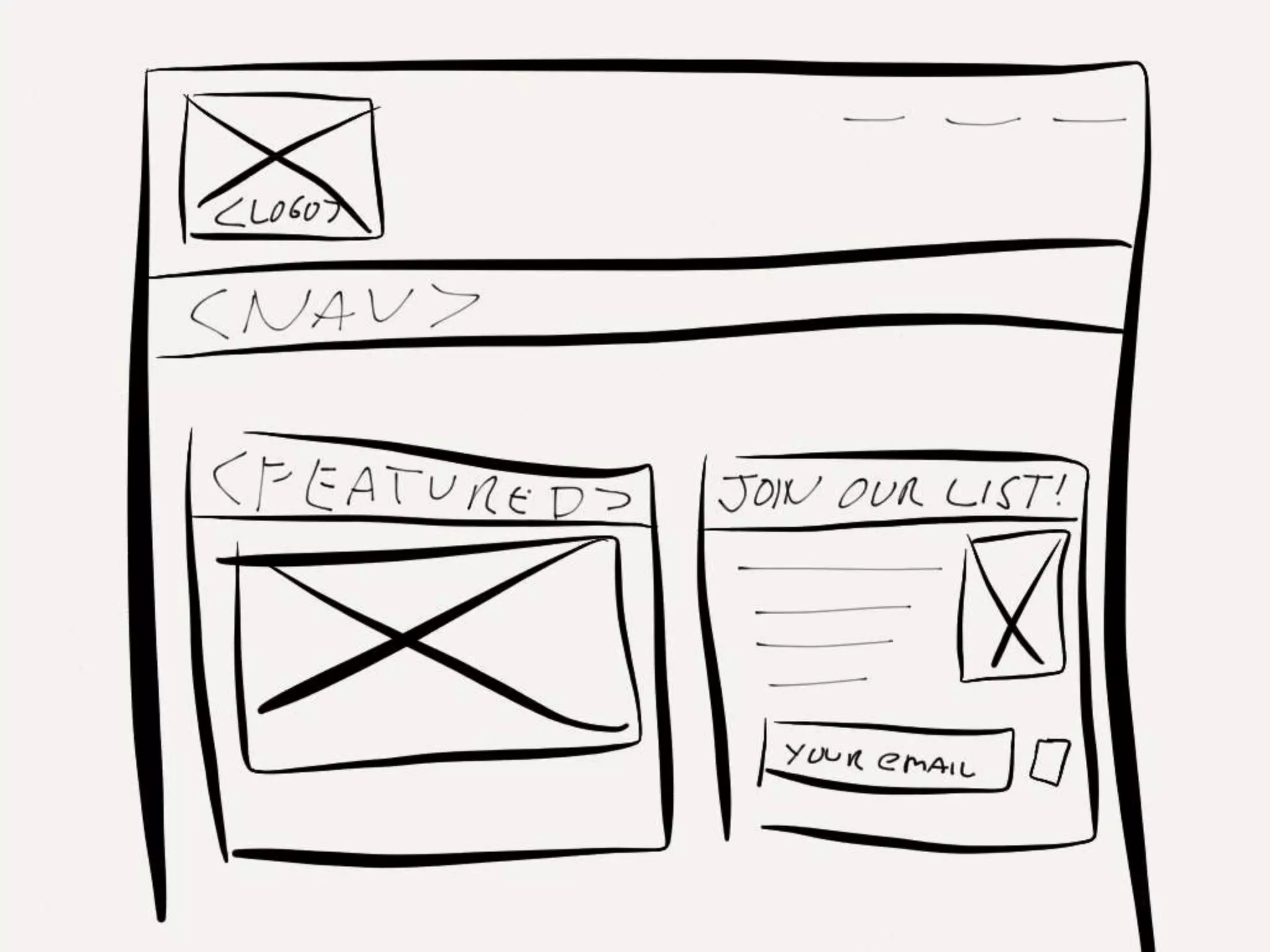
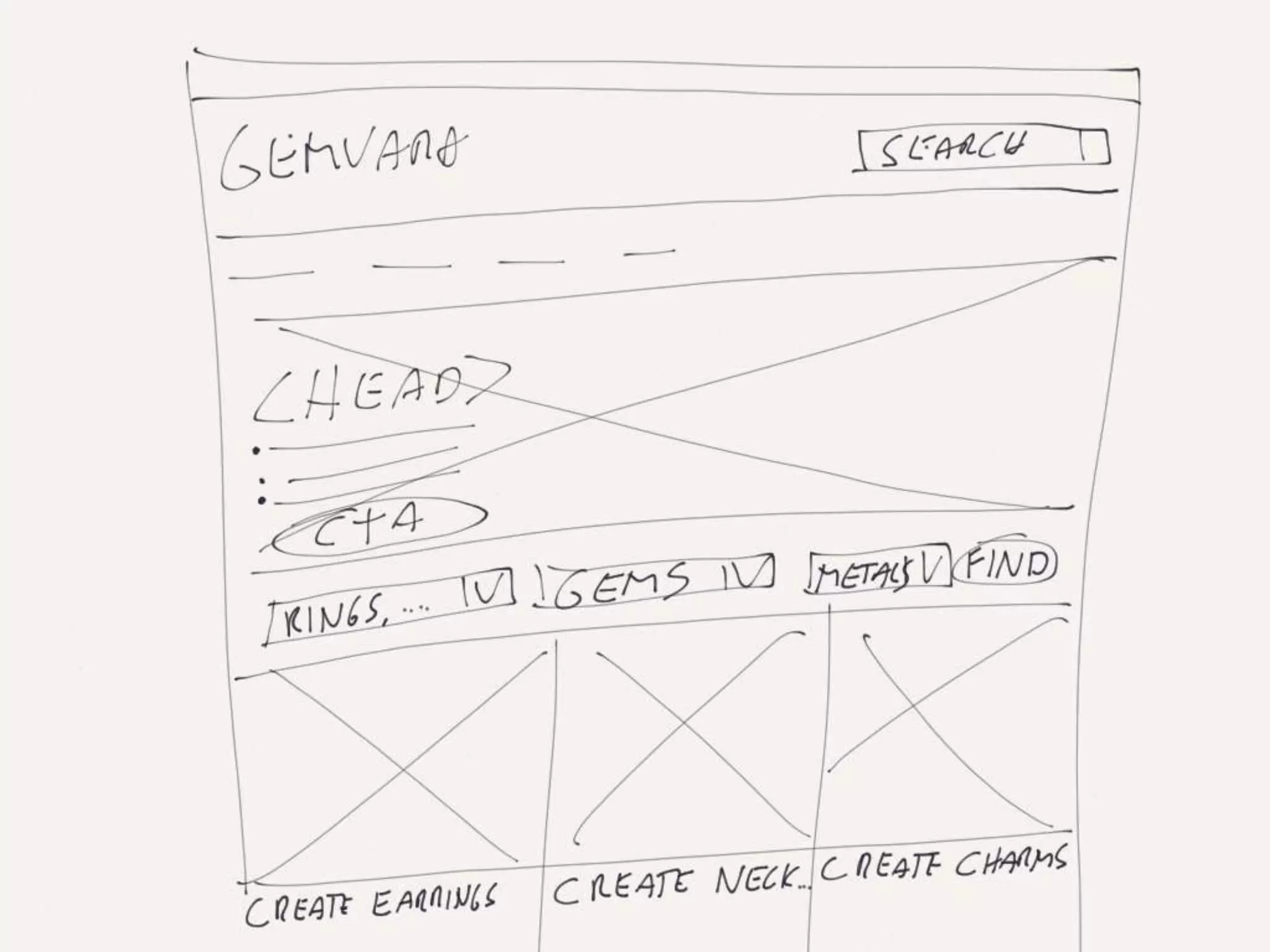
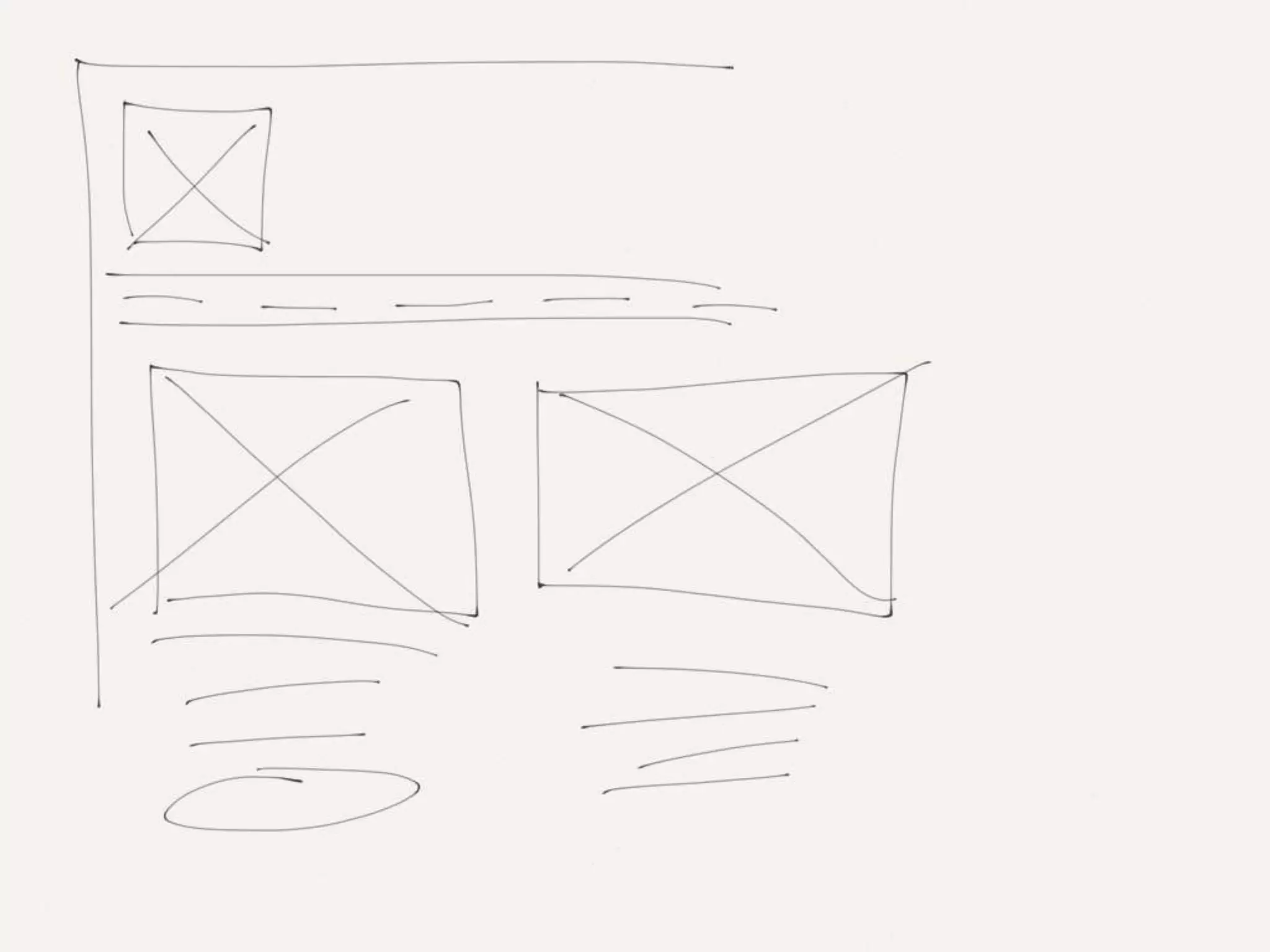
  • #63 Don’t use these in meetings, this was just to get those mental juices flowing again.
  • #64 Pair up with another person1 Person will sketch first, the other will drive as the stakeholder
  • #65 Do a shipping page, then switch roles and do a billing page. 90 secsIf you have time, can do a confirmation.
  • #68 If the thought of getting up and doing all of this with your team feels a bit scary,That’s ok.
  • #70 Amy Cuddyhttp://www.ted.com/talks/amy_cuddy_your_body_language_shapes_who_you_are.htmlPower poses affect not just perception,But also brain chemistryJust 2 minsGet small, “I’m a rock star”Get big, “I’m incompetent!”
  • #74 If anyone is interested in a longer version of this session with more activities, let me know. If there is enough interest, I’ll put it together.