Downloaded 101 times
- 1 / 24

- 2 / 24

- 3 / 24
 Most read
- 4 / 24
- 5 / 24

- 6 / 24
 Most read
- 7 / 24
 Most read
- 8 / 24

- 9 / 24
- 10 / 24

- 11 / 24

- 12 / 24
- 13 / 24

- 14 / 24

- 15 / 24

- 16 / 24
- 17 / 24
- 18 / 24
- 19 / 24

- 20 / 24
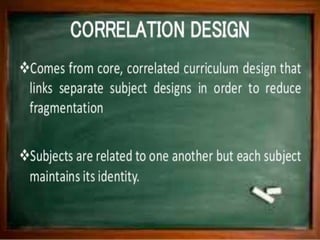
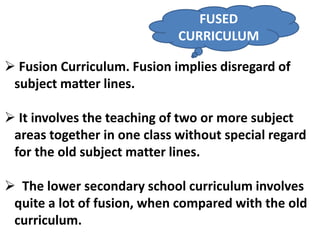


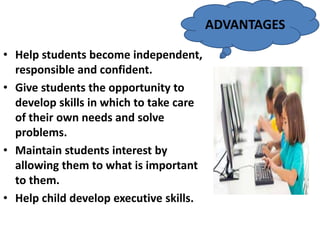
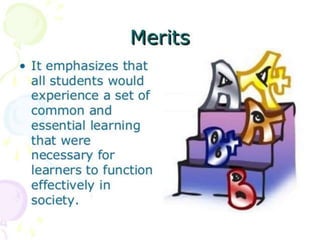
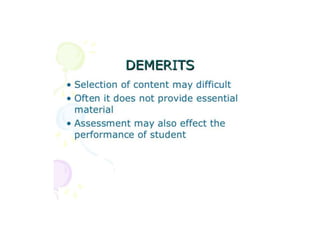
This document discusses different types of curriculum. It describes a student-centered curriculum where children take control of their own learning and teachers facilitate. It lists characteristics like a natural approach and active student role. Advantages are that it helps students become independent and maintain interest. Disadvantages are that school values may be ignored and activities can be difficult to select. The document also discusses a fused curriculum, where two or more subjects are taught together without regard to traditional subject lines.


