Rand Fishkin, Wizard of Moz | @randfish | rand@moz.com
SEO & UX: So Happy Together
How to combine the practices of user experience and SEO
for greater shared value, traffic, and visitor satisfaction
Bit.ly/seouxtogether
Once upon a time…
SEO and UX were enemies (sorta).
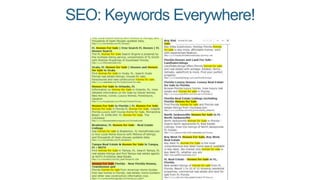
SEO: Keywords Everywhere!
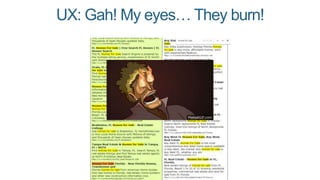
UX: Gah! My eyes… They burn!
SEO: Jam in the Links &
Text!
UX: Oh god…
It’s horrible!
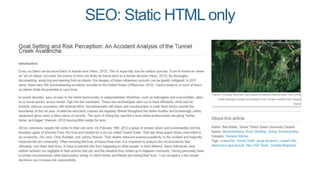
SEO: Static HTML only
UX: But, we could do so much more…
As search engines evolved,
UX & SEO converged
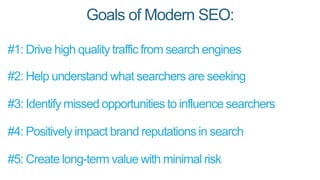
Goals of Modern SEO:
#1: Drive high quality traffic from search engines
#2: Help understand what searchers are seeking
#3: Identify missed opportunities to influence searchers
#4: Positively impact brand reputations in search
#5: Create long-term value with minimal risk
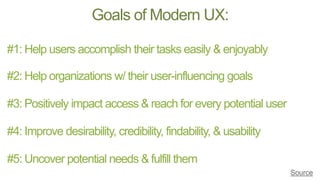
Goals of Modern UX:
#1: Help users accomplish their tasks easily & enjoyably
#2: Help organizations w/ their user-influencing goals
#3: Positively impact access & reach for every potential user
#4: Improve desirability, credibility, findability, & usability
#5: Uncover potential needs & fulfill them
Source
In 2017, Google’s ranking inputs bolster,
rather than compete with, UX priorities
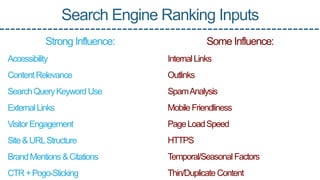
Search Engine Ranking Inputs
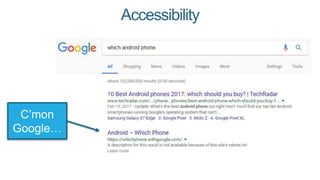
Accessibility
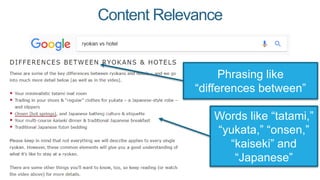
ContentRelevance
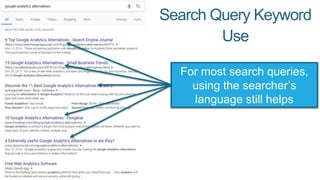
SearchQueryKeywordUse
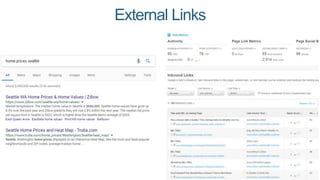
ExternalLinks
VisitorEngagement
Site&URLStructure
BrandMentions&Citations
CTR+Pogo-Sticking
InternalLinks
Outlinks
SpamAnalysis
MobileFriendliness
PageLoadSpeed
HTTPS
Temporal/SeasonalFactors
Thin/Duplicate Content
Strong Influence: Some Influence:
Accessibility
C’mon
Google…
Content Relevance
Phrasing like
“differences between”
Words like “tatami,”
“yukata,” “onsen,”
“kaiseki” and
“Japanese”
Search Query Keyword
Use
For most search queries,
using the searcher’s
language still helps
External Links
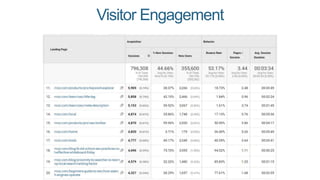
Visitor Engagement
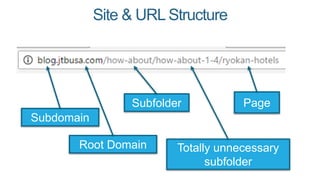
Site & URL Structure
Subdomain
Root Domain
Subfolder
Totally unnecessary
subfolder
Page
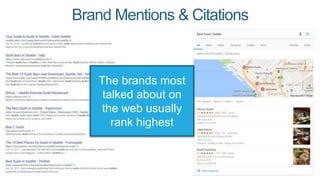
Brand Mentions & Citations
The brands most
talked about on
the web usually
rank highest
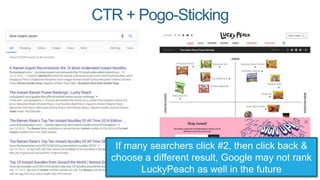
CTR + Pogo-Sticking
If many searchers click #2, then click back &
choose a different result, Google may not rank
LuckyPeach as well in the future
Internal Links
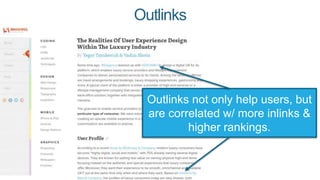
Outlinks
Outlinks not only help users, but
are correlated w/ more inlinks &
higher rankings.
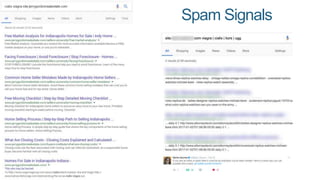
Spam Signals
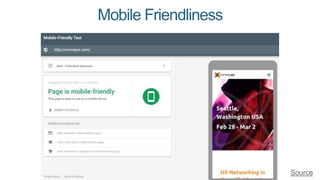
Mobile Friendliness
Source
Page Load Speed
Source
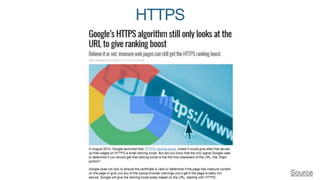
HTTPS
Source
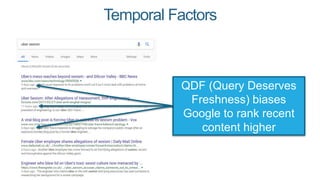
Temporal Factors
QDF (Query Deserves
Freshness) biases
Google to rank recent
content higher
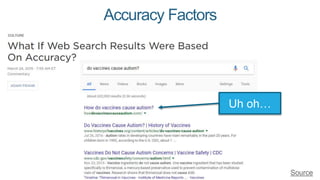
Accuracy Factors
Uh oh…
Source
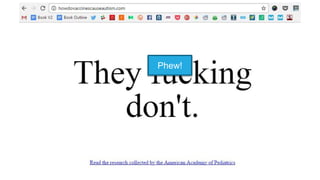
Phew!
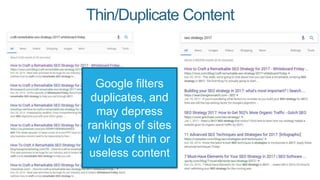
Thin/Duplicate Content
Google filters
duplicates, and
may depress
rankings of sites
w/ lots of thin or
useless content
How can UX professionals get
more value from SEO?
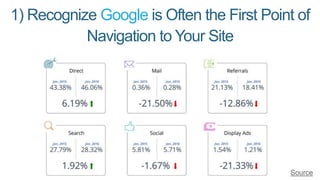
1) Recognize Google is Often the First Point of
Navigation to Your Site
Source
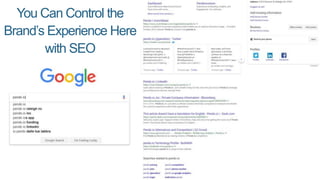
You Can Control the
Brand’s Experience Here
with SEO
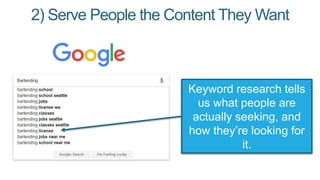
2) Serve People the Content They Want
Keyword research tells
us what people are
actually seeking, and
how they’re looking for
it.
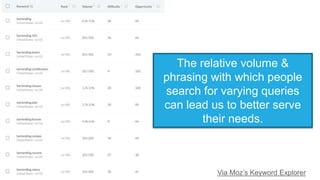
The relative volume &
phrasing with which people
search for varying queries
can lead us to better serve
their needs.
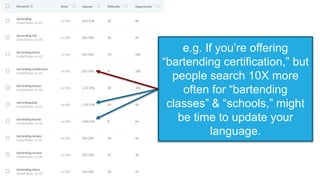
Via Moz’s Keyword Explorer
e.g. If you’re offering
“bartending certification,” but
people search 10X more
often for “bartending
classes” & “schools,” might
be time to update your
language.
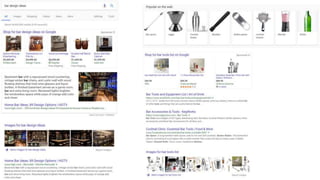
3) Serve Content in the Ways People Want
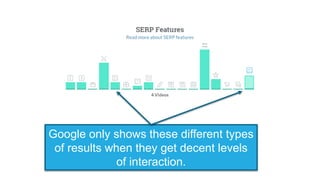
Google only shows these different types
of results when they get decent levels
of interaction.
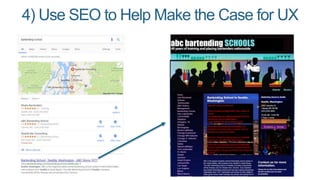
4) Use SEO to Help Make the Case for UX
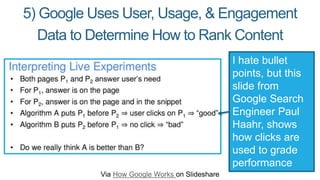
5) Google Uses User, Usage, & Engagement
Data to Determine How to Rank Content
I hate bullet
points, but this
slide from
Google Search
Engineer Paul
Haahr, shows
how clicks are
used to grade
performance
Via How Google Works on Slideshare
How can SEO professionals get
more value from UX?
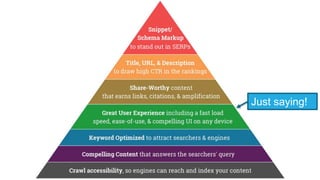
Just saying!
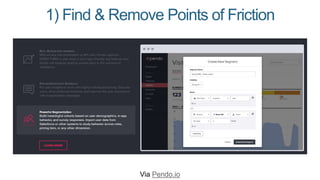
1) Find & Remove Points of Friction
Via Pendo.io
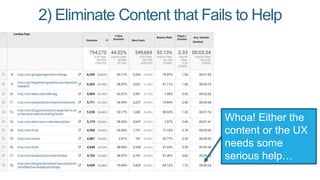
2) Eliminate Content that Fails to Help
Whoa! Either the
content or the UX
needs some
serious help…
Broad search Narrower search
Even narrower search
Website visit
Website visit Brand search
Social validation Highly-specific search
Type-in/direct visit Completion of Task
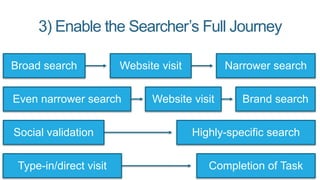
3) Enable the Searcher’s Full Journey
Broad search
All the sites (or answers) you probably would
have visited/sought along that path
Completion of Task
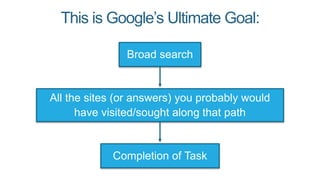
This is Google’s Ultimate Goal:
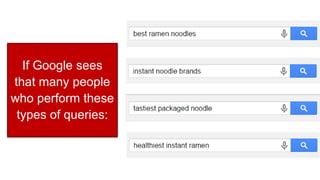
If Google sees
that many people
who perform these
types of queries:
Eventually end
their queries on
the topic after
visiting Ramen
Rater…
The Ramen Rater
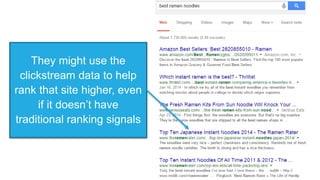
They might use the
clickstream data to help
rank that site higher, even
if it doesn’t have
traditional ranking signals
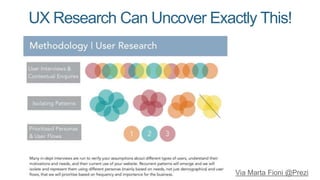
UX Research Can Uncover Exactly This!
Via Marta Fioni @Prezi
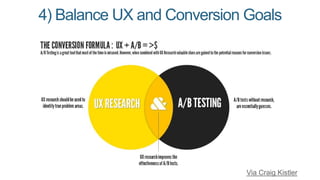
4) Balance UX and Conversion Goals
Via Craig Kistler
Managing Tensions & Tradeoffs
Between SEO & UX…
(thankfully, there aren’t very many)
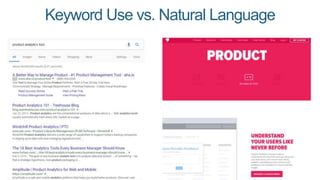
Keyword Use vs. Natural Language
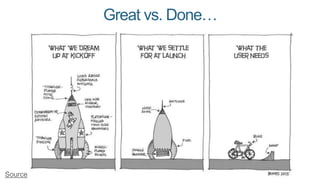
Great vs. Done…
Source
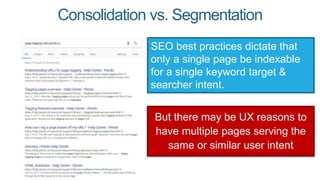
Consolidation vs. Segmentation
SEO best practices dictate that
only a single page be indexable
for a single keyword target &
searcher intent.
But there may be UX reasons to
have multiple pages serving the
same or similar user intent
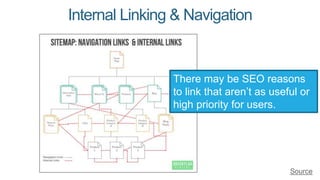
Internal Linking & Navigation
Source
There may be SEO reasons
to link that aren’t as useful or
high priority for users.
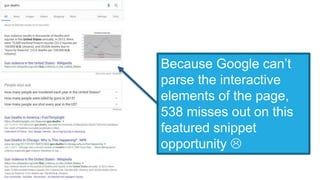
Search Engine-Parseable Content
Source
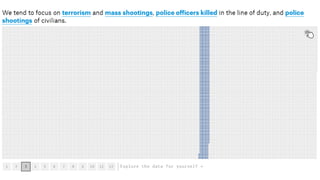
Because Google can’t
parse the interactive
elements of the page,
538 misses out on this
featured snippet
opportunity 
For every bit of tension,
there’s 10X more opportunity when
UX & SEO work together
So Happy Together!The only one for me is you…
And you for me…
So happy together!
Rand Fishkin, Wizard of Moz | @randfish | rand@moz.com
Bit.ly/seouxtogether