- 1 / 47

- 2 / 47

- 3 / 47

- 4 / 47
- 5 / 47
- 6 / 47
- 7 / 47
- 8 / 47
- 9 / 47
- 10 / 47
- 11 / 47
- 12 / 47
- 13 / 47
- 14 / 47
- 15 / 47
- 16 / 47
- 17 / 47
- 18 / 47
- 19 / 47
- 20 / 47
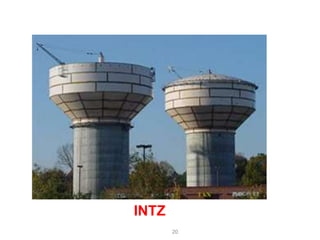
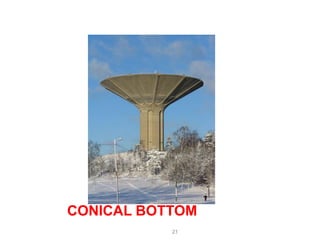
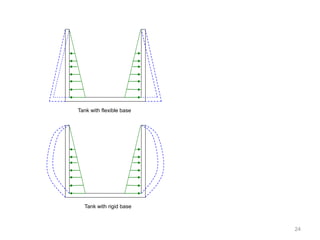
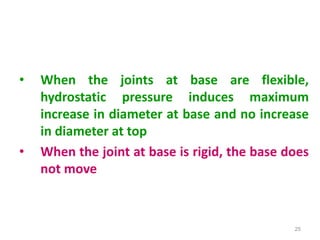

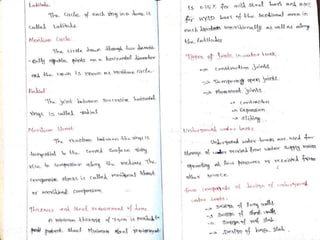
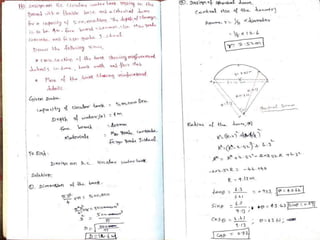
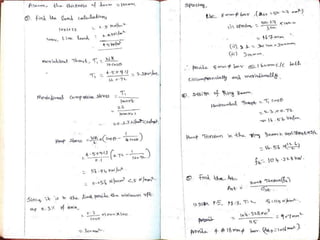
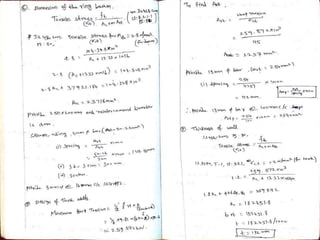

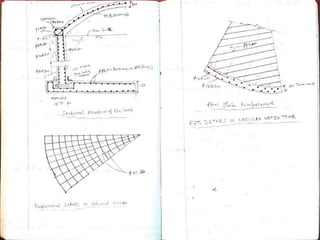
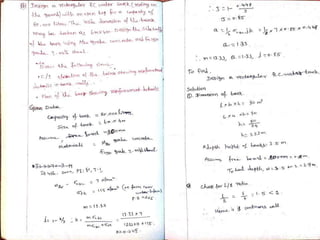
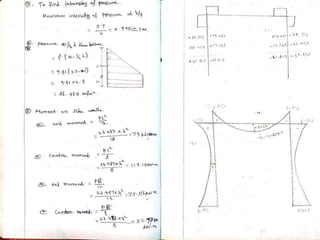
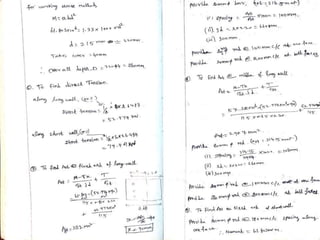
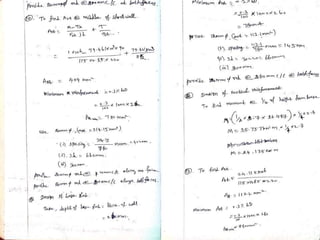
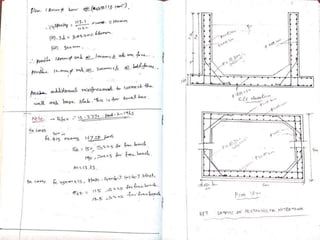
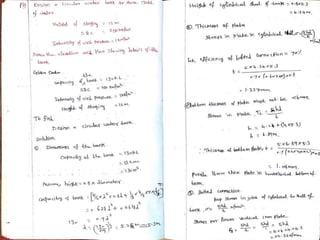
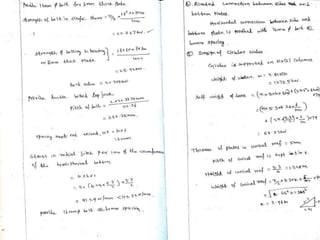
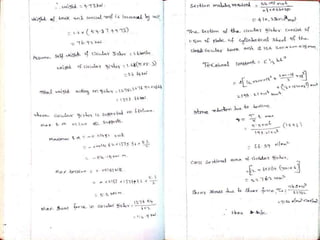
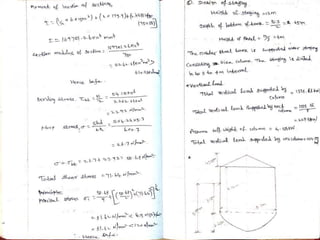
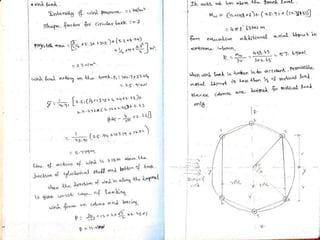
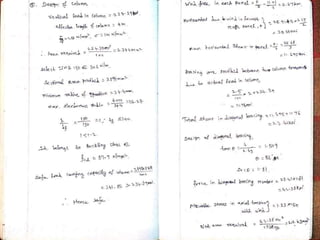
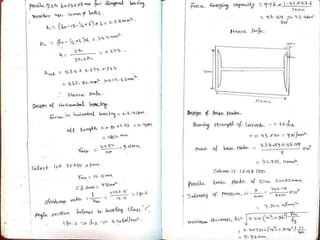
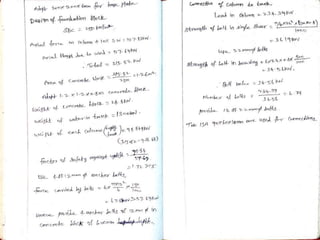

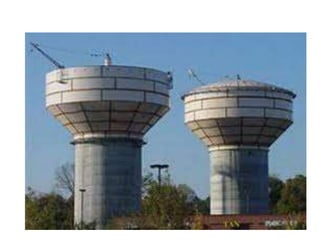
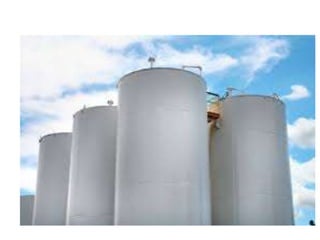
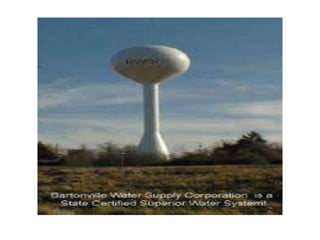
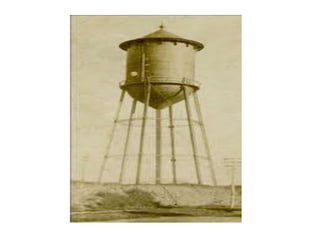
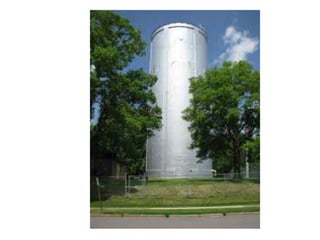
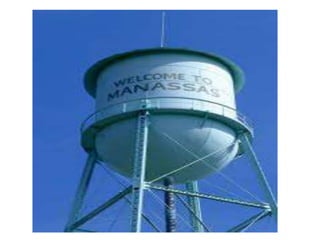
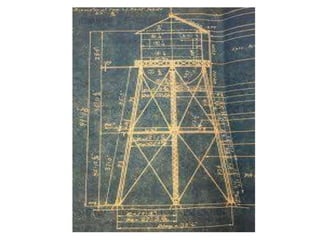
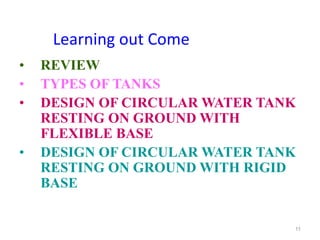
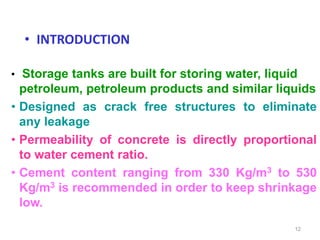
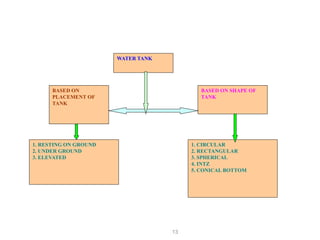
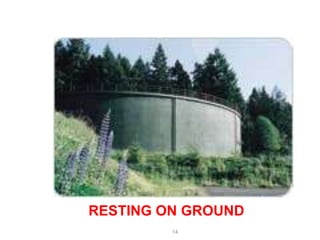
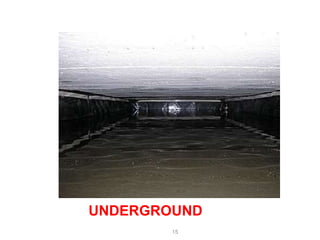
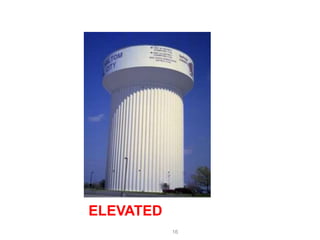
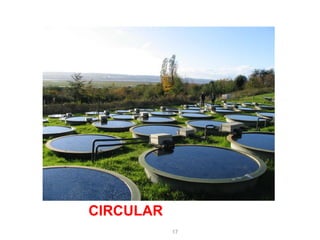
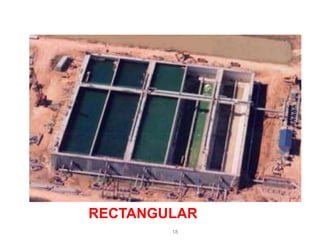
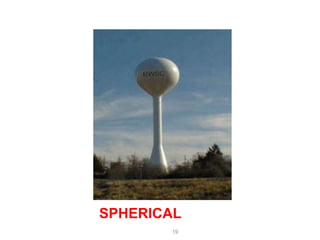
This document discusses different types of liquid storage structures or water tanks. It covers the following key points: - Water tanks can be categorized based on their placement (resting on ground, underground, or elevated) or shape (circular, rectangular, spherical, etc.). - Circular tanks resting on the ground are further divided based on whether the base is flexible or rigid. A flexible base allows the tank diameter to increase at the bottom due to hydrostatic pressure, while a rigid base prevents movement. - Proper cement content between 330-530 kg/m3 is recommended for water tanks to reduce shrinkage and ensure the structure is crack-free with no leakage.


