Occupational Dust Exposure and Cardiovascular Disease Biomarkers: Effects During Work and Post-Vacation Recovery
Study of occupational particle exposure in construction workers and its association with cardiovascular disease risk markers, including recovery effects after vacation.
1538 International Archivesof Occupational and Environmental Health (2022) 95:1537–1548
1 3
Particulate matter in ambient air is a risk factor both for
development and aggravation of CVD, (Leander et al. 2019;
Polichetti et al. 2009). There is strong evidence in support
for a causal relationship between exposure to ambient fine
particulate matter < 2.5 µm (PM 2.5) and adverse cardio-
vascular effects (Brook et al. 2010; Leander et al. 2019).
However, less is known about the associations between
particulate matter in occupational settings and CVDs, even
though exposure levels in occupational settings often are
considerably higher than in residential areas. There are sev-
eral dust-exposed occupations with increased risks of CVD,
for example miners (Chen et al. 2012; Weiner et al. 2007),
agricultural workers (Sjogren et al. 2003), chimney sweeps
(Gustavsson et al. 2013) with ischemic heart disease, and
manual workers with stroke (Sjogren et al. 2013). A system-
atic review of observational studies on occupational expo-
sure to particles and CVD concluded that particle exposure
may be associated with mortality from ischemic heart dis-
ease (IHD) and non-fatal myocardial infarction (MI), as well
as with decreased heart rate variability and systemic inflam-
mation (Fang et al. 2010). Also, studies on traffic enforcers
in the metro system suggest an association between low-
level exposure to cadmium-dust and ventricular arrythmias
(Regencia et al. 2022). However, causality remains to be
determined due to potential uncontrolled confounding in the
available studies. We also lack a clear understanding regard-
ing the dose–response relationships of different occupational
particle exposures and CVD (SBU 2017).
Mainly, three mechanistic pathways have been suggested
for the associations between inhalation of particulate mat-
ter and adverse cardiovascular effects (Franklin et al. 2015).
The first is a “spill-over” of mediators of oxidative stress and
inflammation that are generated in the lungs into the sys-
temic circulation. This systemic inflammatory response may
release for example acute phase proteins such as C-reactive
protein (CRP), serum amyloid A (SAA), and coagulation
marker fibrinogen (Arant et al. 2009; Franklin et al. 2015).
Negative effects include for example vascular oxidative
stress, atherosclerosis, or dysfunction of the endothelium.
The second pathway is an imbalance in the autonomic nerv-
ous system. This leads to (more) short-term effects such as
rapid changes in blood pressure or heart rate but may also
lead to long-term effects including development of diseases
such as hypertension (Franklin et al. 2015). The third path-
way involves the translocation of certain particles into the
circulation which affects cardiovascular tissues negatively
(Franklin et al. 2015). Particle composition, their chemical
characteristics, and sizes may activate different pathways
(Brook et al. 2010).
The inflammatory markers CRP, SAA and coagulation
marker fibrinogen are all established biomarkers of cardio-
vascular disease (Danesh et al. 1998; Danesh et al. 2005;
Danesh et al. 2000). Other markers commonly used to
indicate risk of CVD include lipid biomarkers cholesterol,
low-density lipoprotein (LDL), high-density lipoprotein
(HDL), and triglycerides (Gordon et al. 1977; Kannel et
al. 1961; Lewington et al. 2007) as well as the one-carbon
metabolism biomarker homocysteine (Eikelboom et al.
1999; Wald et al. 2002).
The aim of this study was to investigate if occupational
exposure to particles is associated with CVD risk markers.
Furthermore, the study also investigates if there is a recovery
effect after vacation.
Material and methods
Study design and study participants
To study exposure to respirable silica as well as respirable
dust and dust of other sizes in the occupational setting, active
construction workers were selected as the study population.
Workplaces and work tasks with different levels of exposure
to dust, including respirable silica, were identified in collab-
oration with representatives of the Construction Trade Union
(Svenska byggnadsarbetareförbundet), the Association for
Concrete/Stone drillers, Demolition and Decontamination
Workers (Branschföreningen för byggnadsberedning) and
large construction companies. Based on this information,
occupations among construction workers were classified into
high- and low-exposure to respirable dust, and study partici-
pants were recruited to ensure a high contrast in exposure
levels. The high-exposed group consisted of “concrete and
demolition workers”, including concrete/stone drillers, dem-
olition workers, concrete workers, plasterers and bricklayers.
The low-exposed group “carpenters” included construction
carpenters and plumbers. We restricted the study to men who
had not smoked for the past 6 months at the first measure-
ments at work, since sex and smoking are established risk
factors for CVD that can vary with exposure. The cut-off of
6 months was chosen to enable enough time for recovery
effects of recent smoking on the markers of cardiovascular
health and to avoid too few study participants since smoking
is rather common in this work sector. Furthermore, partici-
pants were to have had worked in the construction industry
for at least 6 months to enable the analysis of dose–response
relationships of chronic effects.
The workers were recruited during late Autumn 2018
and Spring 2019, in collaboration with the above-mentioned
association, trade union and large construction companies.
In total, 28 construction companies in Stockholm County
were contacted. Contact persons were asked to invite their
employees or subcontractors to participate in the study.
Each contact person and study participant received over-
all information about the study, an informed consent form
and a questionnaire. After the form and questionnaire had
3.
1539
International Archives ofOccupational and Environmental Health (2022) 95:1537–1548
1 3
been completed, personal measurements of exposure were
performed and biological samples were collected on the
worksites. Sampling was performed on Tuesdays to Thurs-
days when participants had worked at least one day after the
weekend and worked for a full day.
Biological sampling and exposure measurements
Exposure measurements were conducted once, and biologi-
cal sampling twice for each participant as follows: the first
occasion (measurements during work) took place at the
participants’ worksite during Spring (March–June 2019),
and the second occasion (measurements after vacation)
took place at the Clinic of Occupational and Environmental
Medicine, Stockholm County, directly after the participants’
summer vacation (July–September 2019) and before return-
ing to work.
Biological sampling
Biological sampling during work took place in the morn-
ing, before the participants started their working day. Height
and weight were measured, and samples of peripheral blood
(total volume 50 ml) were collected. After at least 5 min of
rest, blood pressure and pulse rate were measured 3 times
with 1–2 min in between when the participants were sitting
down (ABPM pulse rate monitor, model ABPM 50, GIMA
S.p.A., Italy). Biological sampling after vacation was per-
formed in the same way as during work and took place at the
clinic in the morning.
Analyses of biological samples
Peripheral whole blood samples were taken, and after
15 min serum and plasma were separated by centrifugation
for 10 min (fibrinogen for 20 min) and stored at − 20 °C.
In the end of the same week (mostly Thursdays), samples
were frozen at − 80 °C. Serum and plasma samples were
used to analyse (level of detection within parentheses)
CRP (0.3 mg/L), homocysteine (3 µmol/L), cholesterol
(0.1 mmol/L), HDL (0.08 mmol/L), LDL (0.1 mmol/L),
triglycerides (0.1 mmol/L), SAA (0.8 mg/L) and fibrinogen
(0.3 g/L), by routine methods at the Department of Clinical
Chemistry, Lund University Hospital. All samples were ana-
lysed in December 2019 (all but SAA) and February 2020
(SAA) in the same batch and randomised. Thus, the sam-
ples collected at measurements during work were stored for
6–9 months (all but SAA) and 8–11 months (SAA), and the
samples collected at the measurements at clinic were stored
fo 3–5 months (all but SAA) and 5–7 months (SAA).
Exposure measurements
Each participant had their average physical workload for the
whole working day assessed by an occupational hygienist
(Arbetsmiljöverket 2011). In addition, participants recorded
their main work tasks every 15 min in a diary. Respirable
silica and respirable dust concentrations (filter measure-
ments) and dust of 0.1—10 µm (PM 0.1–10) concentra-
tions (continuously logged data), were measured during
one working day at each participant’s worksite. The filters
(25 mm membrane) with preseperator aluminium cyclone
(SKC Inc, USA) were placed at the participant’s shoulder,
close to the breathing zone. Respirable silica and respirable
dust were collected on the filters using AirChek XR5000
sample pumps with a flow of 2.5 L/min. Airflow was meas-
ured using ChekMate flow meter model 375–07,550 (SKC
Inc, USA). The device DataRAM pDR-1000AN Monitor for
logging dust concentrations was placed on the participant’s
back. DataRAM pDR-1000AN Monitor measured dust of
PM 0.1–10-concentrations, which covers an air concentra-
tion range of 0.001–400 mg/m3
(size range 0.1–10 µm) using
pDR-COM software version 2.10 (ThermoFisher Scientific,
USA).
Analyses of exposure measurements
Respirable silica and respirable dust collected on membrane
filters were analysed at the accredited Analysis Laboratory,
University Hospital, Örebro, Sweden, using gravimetric
and x-ray diffraction analysis to determine the mass of res-
pirable dust and respirable silica, respectively, in mg (res-
pirable dust: SS-EN 481 1993, respirable silica: SS-ISO
16258-2:2015 Arbetsplatsluft—Bestämning av kristallin
kiseldioxid med röntgendiffraktion,). The level of detection
(LOD) for respirable silica was 0.002 mg/sample, and for
respirable dust 0.10 mg/sample. Samples with levels below
LOD were assigned the value 0 mg/m3
in the analyses. Then
sampled air volume was considered, and the results were
presented as mg/m3
.
The average concentration of dust of PM 0.1–10 in mg/
m3
during the workday was obtained from the DataRAM
instrument for each subject. This dust encompasses all types
of particles in the air, not only respirable silica and respir-
able dust.
For every participant, we recorded the use of respirator
masks and hearing protectors. When a mask or hearing pro-
tector was used, the type (filter or air-supplied mask, ear-
muffs or ear plugs, respectively) as well as duration of use
was noted.
Each participant's work period in years with exposure
above background level was determined in consensus by two
hygienists, based on information given in the questionnaires.
4.
1540 International Archivesof Occupational and Environmental Health (2022) 95:1537–1548
1 3
Questionnaire
There were two different questionnaires, one administered
during work and the other after vacation. During work, the
questionnaire asked about age (years), ever smoking (yes/
no), ever smoking (years of smoking), alcohol consumption
(<=4 or>4 times per week), diet (vegetables<5 or> =5
times per week), and exercise habits (<1 or> =1 time per
week of 30 min regular physical activity). Additionally, the
questionnaire covered current exposure to noise (yes/no),
whole-body vibration (yes/no), hand-arm vibration (yes/no),
working in cold temperature (yes/no), diesel fumes (yes/no),
chemical vapours/gases (yes/no), welding fumes (yes/no),
dust other than silica (yes/no)and physically demanding
work (yes/no), as well as years in profession (years). Moreo-
ver, the questionnaire included psychosocial work character-
istics such as mentally demanding work (yes/no), as well as
questions of exposure to respirable silica from hobbies (yes/
no). Other variables evaluated were prior CVD—including
myocardial infarction (MI), angina pectoris, hypertension,
stroke, thrombosis in arm/leg, other heart disease—(yes/no),
kidney/urinary disease, diabetes—(yes/no), family history of
MI (yes/no), family history of stroke (yes/no), family history
of hypertension (yes/no), prescribed medicine use (yes/no),
and non-prescribed medicine use (yes/no).
After the vacation, participants completed another short
questionnaire about vacation activities involving exposure to
silica, health status including prescribed medicine use and
tobacco use. The prescribed medication was further classi-
fied as CVD-related or not by a cardiologist (Petter Ljun-
gman). The questionnaires from both sampling occasions
included the question “Do you have an ongoing infection,
for example a common cold, inflammation, or flu?”.
Statistical analyses
To evaluate differences in characteristics between carpen-
ters’ and concrete and demolition workers’ groups and
between exposure categories’ 75th percentile concentration
levels of respirable silica, respirable dust and dust of PM
0.1–10 groups, two-sample t tests were performed for con-
tinuous variables and Fischer’s exact tests were performed
for categorical variables. Linear regression was performed
evaluating the associations between continuous variables of
the exposures (1) respirable silica, (2) respirable dust, and
(3) dust of PM 0.1–10, and the outcomes blood pressure,
resting pulse and biomarkers of CVD. Sensitivity analysis
with adjustments for age, body mass index (BMI), common
viral infections, CVD-related drugs at measurements during
work, alcohol consumption and physical activity was also
performed. Also, linear regression was performed to evalu-
ate associations between dichotomized variables according
to the 50th and 75th percentiles (the low group as reference)
of respirable silica, respirable dust and dust of PM 0.1–10,
respectively, and the risk markers.
According to the 75th percentile dichotomized exposure
groups (low and high) of respirable silica, respirable dust
and dust of PM 0.1–10, respectively, paired t tests were
performed to evaluate the change in blood pressure, rest-
ing pulse and biomarkers of cardiovascular disease before
and after vacation. Sensitivity analysis on subjects having
no common viral infection, not medicating with any CVD-
related drug at any of the two sampling occasions, or not
having worked prior to vacation measurement, was also
performed.
Association between duration of dust exposure (working
years) above background level, crude and adjusted for BMI,
and BMI and age (years), respectively, and blood pressure,
resting pulse and biomarkers was also calculated using linear
regression with continuous variables.
Correlations between different dusts were calculated
using Spearman rank tests.
Statistical analyses were performed with StataCorp LLC
STATA/SE version 16.1.
Results
The response rate for participation in the study for the com-
panies was 71% (20 out of 28). The response rate among
participants remains unknown since recruitments were
administered by the managers or a person responsible for
the work environment at each company.
In total, 65 male non-smoking construction workers were
included as follows: 29 were concrete and demolition work-
ers (ten concrete/stone drillers, ten demolition workers, six
concrete workers, two plasterers and one bricklayer), and
36 were carpenters (35 construction carpenters and one
plumber). Results are presented based on the measured
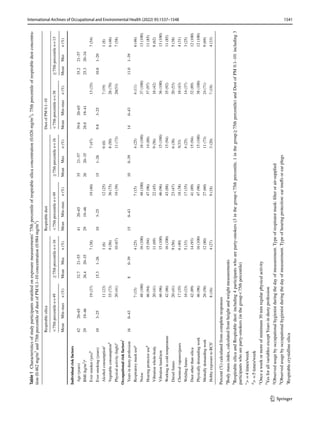
levels of exposure to the different dusts. Table 1 therefore,
shows individual and occupational risk factor characteristics
of all study participants based on the exposure to respirable
silica, respirable dustand dust of PM 0.1–10, respectively,
stratified on the 75th percentile. Workers with exposure
below ( <) and equal to or above (≥) the 75th percentile
did not differ significantly, except for alcohol consumption
and physical activity in the respirable dust analyses where
the high-exposed group (≥ 75th percentile) reported less
alcohol consumption (p=0.03) and more physical activity
(p=0.04). Furthermore, workers high-exposed to respirable
silica were younger (p=0.01) and reported having worked
for less years in dusty professions (p = 0.02) compared to
the low-exposed, and more workers high-exposed to dust
of PM 0.1–10 were observed during the day of measure-
ment to have used respiratory masks (p=0.01) compared to
the low- exposed. Albeit non-significant, participants in the
5.
1541
International Archives ofOccupational and Environmental Health (2022) 95:1537–1548
1 3
Table
1 Characteristics
of
study
participants
stratified
on
exposure
measurements’
75th
percentile
of
respirable
silica
concentration
(0.026
mg/m
3
),
75th
percentile
of
respirable
dust
concentra-
tion
(0.462
mg/m
3
and
75th
percentile
of
dust
of
PM
0.1–10
concentration
(0.984
mg/m
3
)
Percent
(%)
calculated
from
complete
responses
a
Body
mass
index,
calculated
from
height
and
weight
measurements
b
Respirable
silica
and
Respirable
dust:
including
4
participants
who
are
party-smokers
(3
in
the
group
<
75th
percentile,
1
in
the
group
≥
75th
percentile)
and
Dust
of
PM
0.1–10:
including
3
participants
who
are
party-smokers
(in
the
group
<
75th
percentile)
c
> =
4
times/week
d
> =
5
times/week
e
Once
a
week
or
more
of
minimum
30
min
regular
physical
activity
f
Yes
for
all
variables
except
Years
in
dusty
profession
g
Observed
usage
by
occupational
hygienist
during
the
day
of
measurement.
Type
of
respirator
mask:
filter
or
air-supplied
h
Observed
usage
by
occupational
hygienist
during
the
day
of
measurement.
Type
of
hearing
protection:
ear
muffs
or
ear
plugs
i
Respirable
crystalline
silica
Respirable
silica
Respirable
dust
Dust
of
PM
0.1–10
<
75th
percentile
n
=
49
≥
75th
percentile
n
=
16
<
75th
percentile
n
=
49
≥
75th
percentile
n
=
16
<
75th
percentile
n
=
38
≥
75th
percentile
n
=
13
Mean
Min–max
n
(%)
Mean
Max
n
(%)
Mean
Min–max
n
(%)
Mean
Max
n
(%)
Mean
Min–max
n
(%)
Mean
Max
n
(%)
Individual
risk
factors
Age
(years)
42
20–65
32.7
21–55
41
20–65
35
21–57
39.6
20–65
35.2
21–57
BMI
(kg/m
2
)
a
29
19–46
26.4
20–35
29
19–46
26
20–35
28.0
19–41
25.3
20–34
Ever
smoker
(yes)
b
19
(37)
7
(38)
19
(40)
7
(47)
13
(35)
7
(54)
Ever
smoking
(years)
10
3–25
15.3
1–26
10
3–25
15
1–26
9.8
3–25
10.8
1–20
Alcohol
c
onsumption
c
11
(23)
1
(6)
12
(25)
0
(0)
7
(19)
1
(8)
Vegetable
c
onsumption
d
35
(73)
9
(56)
36
(75)
8
(50)
26
(70)
6
(46)
Physical
activity
(high)
e
20
(41)
10
(67)
19
(39)
11
(73)
20(53)
7
(58)
Occupational
risk
factors
f
Years
in
dusty
profession
16
0–43
8
0–39
15
0–43
10
0–39
14
0–43
11.0
1–39
Respiratory
mask
u
se
g
7
(15)
4
(25)
7
(15)
4
(25)
4
(11)
6
(46)
Noise
48
(100)
16
(100)
48
(100)
16
(100)
37
(100)
13
(100)
Hearing
protector
u
se
h
46
(94)
15
(94)
47
(96)
14
(88)
37
(97)
11
(85)
Vibration
whole-body
20
(41)
11
(69)
22
(45)
9
(56)
16
(42)
8
(62)
Vibration
hand/arm
46
(96)
15
(100)
46
(96)
15
(100)
36
(100)
13
(100)
Working
in
cold
temperature
42
(86)
16
(100)
43
(88)
15
(94)
35
(92)
11
(85)
Diesel
fumes
20
(41)
9
(56)
23
(47)
6
(38)
20
(53)
5
(38)
Chemical
vapours/gases
17
(35)
6
(40)
18
(38)
5(33)
16
(43)
4
(31)
Welding
fumes
16
(33)
5
(33)
17
(35)
4
(25)
14
(37)
3
(25)
Dust
other
than
silica
42
(89)
14
(93)
41
(89)
15
(94)
32
(89)
12
(100)
Physically
demanding
work
46
(96)
16
(100)
47
(96)
15
(100)
38
(100)
12
(100)
Mentally
demanding
work
26
(58)
12
(80)
27
(60)
11
(73)
24
(71)
9
(69)
Hobby
exposure
to
R
CS
i
8
(16)
4
(27)
9
(18)
3
(20)
7
(18)
4
(33)
6.
1542 International Archivesof Occupational and Environmental Health (2022) 95:1537–1548
1 3
high-exposed respirable dust and dust of PM 0.1–10 groups
were younger and had a lower BMI than those in the low-
exposed groups. The high-exposed groups also worked less
years in their profession. The groups high-exposed to res-
pirable dust and dust of PM 0.1–10 had a higher proportion
of ever smokers, but the groups high- and low-exposed to
respirable silica had similar proportions of ever smokers,
although all high-exposed groups had smoked longer. There
were no significant differences in characteristics between the
two occupational groups, apart from use of mask (p<0.00)
and exposure to whole body vibration (p=0.05), where the
concrete and demolition workers reported a higher frequency
(Tables S1, S2).
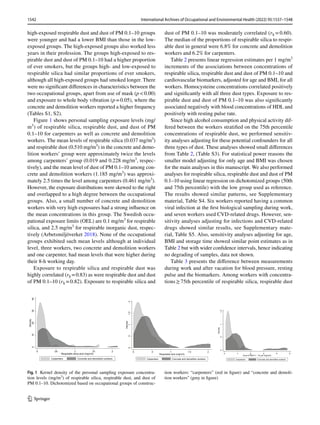
Figure 1 shows personal sampling exposure levels (mg/
m3
) of respirable silica, respirable dust, and dust of PM
0.1–10 for carpenters as well as concrete and demolition
workers. The mean levels of respirable silica (0.037 mg/m3
)
and respirable dust (0.510 mg/m3
) in the concrete and demo-
lition workers’ group were approximately twice the levels
among carpenters’ group (0.019 and 0.228 mg/m3
, respec-
tively), and the mean level of dust of PM 0.1–10 among con-
crete and demolition workers (1.185 mg/m3
) was approxi-
mately 2.5 times the level among carpenters (0.461 mg/m3
).
However, the exposure distributions were skewed to the right
and overlapped to a high degree between the occupational
groups. Also, a small number of concrete and demolition
workers with very high exposures had a strong influence on
the mean concentrations in this group. The Swedish occu-
pational exposure limits (OEL) are 0.1 mg/m3
for respirable
silica, and 2.5 mg/m3
for respirable inorganic dust, respec-
tively (Arbetsmiljöverket 2018). None of the occupational
groups exhibited such mean levels although at individual
level, three workers, two concrete and demolition workers
and one carpenter, had mean levels that were higher during
their 8-h working day.
Exposure to respirable silica and respirable dust was
highly correlated (rS =0.83) as were respirable dust and dust
of PM 0.1–10 (rS =0.82). Exposure to respirable silica and
dust of PM 0.1–10 was moderately correlated (rS = 0.60).
The median of the proportions of respirable silica to respir-
able dust in general were 6.8% for concrete and demolition
workers and 6.2% for carpenters.
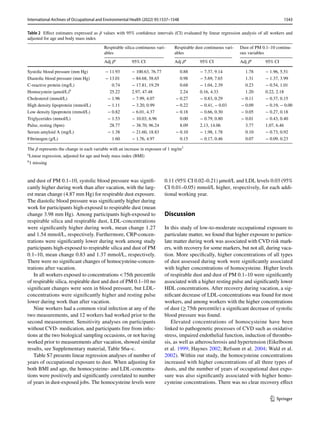
Table 2 presents linear regression estimates per 1 mg/m3
increments of the associations between concentrations of
respirable silica, respirable dust and dust of PM 0.1–10 and
cardiovascular biomarkers, adjusted for age and BMI, for all
workers. Homocysteine concentrations correlated positively
and significantly with all three dust types. Exposure to res-
pirable dust and dust of PM 0.1–10 was also significantly
associated negatively with blood concentrations of HDL and
positively with resting pulse rate.
Since high alcohol consumption and physical activity dif-
fered between the workers stratified on the 75th percentile
concentrations of respirable dust, we performed sensitiv-
ity analyses adjusting for these potential confounders for all
three types of dust. These analyses showed small differences
from Table 2, (Table S3). For statistical power reasons the
smaller model adjusting for only age and BMI was chosen
for the main analyses in this manuscript. We also performed
analyses for respirable silica, respirable dust and dust of PM
0.1–10 using linear regression on dichotomized groups (50th
and 75th percentile) with the low group used as reference.
The results showed similar patterns, see Supplementary
material, Table S4. Six workers reported having a common
viral infection at the first biological sampling during work,
and seven workers used CVD-related drugs. However, sen-
sitivity analyses adjusting for infections and CVD-related
drugs showed similar results, see Supplementary mate-
rial, Table S5. Also, sensitivity analyses adjusting for age,
BMI and storage time showed similar point estimates as in
Table 2 but with wider confidence intervals, hence indicating
no degrading of samples, data not shown.
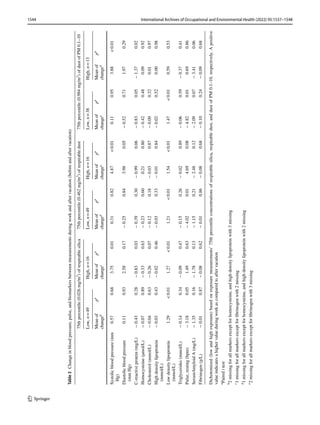
Table 3 presents the difference between measurements
during work and after vacation for blood pressure, resting
pulse and the biomarkers. Among workers with concentra-
tions ≥ 75th percentile of respirable silica, respirable dust
0
10
20
30
40
Density
0 .05 .1 .15 .2
Respirable silica dust (mg/m3)
Carpenters Concrete and demolition workers
0
.5
1
1.5
2
Density
0 .5 1 1.5 2
Respirable dust (mg/m3)
Carpenters Concrete and demolition workers
0
.5
1
1.5
Density
0 1 2 3 4 5
Dust of PM 0.1 - 10 µm (mg/m3)
Carpenters Concrete and demolition workers
Fig. 1 Kernel density of the personal sampling exposure concentra-
tion levels (mg/m3
) of respirable silica, respirable dust, and dust of
PM 0.1–10. Dichotomized based on occupational groups of construc-
tion workers: “carpenters” (red in figure) and “concrete and demoli-
tion workers” (grey in figure)
7.
1543
International Archives ofOccupational and Environmental Health (2022) 95:1537–1548
1 3
and dust of PM 0.1–10, systolic blood pressure was signifi-
cantly higher during work than after vacation, with the larg-
est mean change (4.87 mm Hg) for respirable dust exposure.
The diastolic blood pressure was significantly higher during
work for participants high-exposed to respirable dust (mean
change 3.98 mm Hg). Among participants high-exposed to
respirable silica and respirable dust, LDL-concentrations
were significantly higher during work, mean change 1.27
and 1.54 mmol/L, respectively. Furthermore, CRP-concen-
trations were significantly lower during work among study
participants high-exposed to respirable silica and dust of PM
0.1–10, mean change 0.83 and 1.37 mmol/L, respectively.
There were no significant changes of homocysteine-concen-
trations after vacation.
In all workers exposed to concentrations<75th percentile
of respirable silica, respirable dust and dust of PM 0.1–10 no
significant changes were seen in blood pressure, but LDL-
concentrations were significantly higher and resting pulse
lower during work than after vacation.
Nine workers had a common viral infection at any of the
two measurements, and 12 workers had worked prior to the
second measurement. Sensitivity analyses on participants
without CVD- medication, and participants free from infec-
tions at the two biological sampling occasions, or not having
worked prior to measurements after vacation, showed similar
results, see Supplementary material, Table S6a–c.
Table S7 presents linear regression analyses of number of
years of occupational exposure to dust. When adjusting for
both BMI and age, the homocysteine- and LDL-concentra-
tions were positively and significantly correlated to number
of years in dust-exposed jobs. The homocysteine levels were
0.11 (95% CI 0.02–0.21) µmol/L and LDL levels 0.03 (95%
CI 0.01–0.05) mmol/L higher, respectively, for each addi-
tional working year.
Discussion
In this study of low-to-moderate occupational exposure to
particulate matter, we found that higher exposure to particu-
late matter during work was associated with CVD risk mark-
ers, with recovery for some markers, but not all, during vaca-
tion. More specifically, higher concentrations of all types
of dust assessed during work were significantly associated
with higher concentrations of homocysteine. Higher levels
of respirable dust and dust of PM 0.1–10 were significantly
associated with a higher resting pulse and significantly lower
HDL concentrations. After recovery during vacation, a sig-
nificant decrease of LDL-concentrations was found for most
workers, and among workers with the higher concentrations
of dust (≥75th percentile) a significant decrease of systolic
blood pressure was found.
Elevated concentrations of homocysteine have been
linked to pathogenetic processes of CVD such as oxidative
stress, impaired endothelial function, induction of thrombo-
sis, as well as atherosclerosis and hypertension (Eikelboom
et al. 1999; Haynes 2002; Refsum et al. 2004; Wald et al.
2002). Within our study, the homocysteine concentrations
increased with higher concentrations of all three types of
dusts, and the number of years of occupational dust expo-
sure was also significantly associated with higher homo-
cysteine concentrations. There was no clear recovery effect
Table 2 Effect estimates expressed as β values with 95% confidence intervals (CI) evaluated by linear regression analysis of all workers and
adjusted for age and body mass index
The β represents the change in each variable with an increase in exposure of 1 mg/m3
a
Linear regression, adjusted for age and body mass index (BMI)
b
1 missing
Respirable silica continuous vari-
ables
Respirable dust continuous vari-
ables
Dust of PM 0.1–10 continu-
ous variables
Adj βa
95% CI Adj βa
95% CI Adj βa
95% CI
Systolic blood pressure (mm Hg) − 11.93 − 100.63, 76.77 0.88 − 7.37, 9.14 1.78 − 1.96, 5.51
Diastolic blood pressure (mm Hg) − 13.01 − 84.68, 58.65 0.98 − 5.69, 7.65 1.31 − 1.37, 3.99
C-reactive protein (mg/L) 0.74 − 17.81, 19.29 0.68 − 1.04, 2.39 0.23 − 0.54, 1.01
Homocystein (µmol/L)b
25.22 2.97, 47.48 2.24 0.16, 4.33 1.20 0.22, 2.18
Cholesterol (mmol/L) − 1.96 − 7.99, 4.07 − 0.27 − 0.83, 0.29 − 0.11 − 0.37, 0.15
High density lipoprotein (mmol/L) − 1.11 − 3.20, 0.99 − 0.22 − 0.41, − 0.03 − 0.09 − 0.19, − 0.00
Low density lipoprotein (mmol/L) − 0.82 − 6.01, 4.37 − 0.18 − 0.66, 0.30 − 0.05 − 0.27, 0.18
Triglycerides (mmol/L) − 1.53 − 10.03, 6.96 0.00 − 0.79, 0.80 − 0.01 − 0.43, 0.40
Pulse, resting (bpm) 28.77 − 38.70, 96.24 8.09 2.13, 14.06 3.77 1.07, 6.46
Serum amyloid A (mg/L) − 1.38 − 21.60, 18.83 − 0.10 − 1.98, 1.78 0.10 − 0.73, 0.92
Fibrinogen (g/L) 1.60 − 1.76, 4.97 0.15 − 0.17, 0.46 0.07 − 0.09, 0.23
8.
1544 International Archivesof Occupational and Environmental Health (2022) 95:1537–1548
1 3
Table
3 Change
in
blood
pressure,
pulse,
and
biomarkers
between
measurements
during
work
and
after
vacation
(before
and
after
vacation)
Dichotomized
(low
and
high
exposure)
based
on
exposure
measurements’
75th
percentile
concentrations
of
respirable
silica,
respirable
dust,
and
dust
of
PM
0.1–10,
respectively.
A
positive
value
indicates
a
higher
value
during
work
as
compared
to
after
vacation
a
Paired
t
test
b
2
missing
for
all
markers
except
for
homocysteine,
and
high
density
lipoprotein
with
3
missing
c
1
missing
for
all
markers
except
for
fibrinogen
with
2
missing
d
1
missing
for
all
markers
except
for
homocysteine,
and
high
density
lipoprotein
with
2
missing
e
2
missing
for
all
markers
except
for
fibrinogen
with
3
missing
75th
percentile
(0.026
mg/m
3
)
of
respirable
silica
75th
percentile
(0.462
mg/m
3
)
of
respirable
dust
75th
percentile
(0.984
mg/m
3
)
of
dust
of
PM
0.1–10
Low,
n
=
49
High,
n
=
16
Low,
n
=
49
High,
n
=
16
Low,
n
=
38
High,
n
=
13
Mean
of
c
hange
b
p
a
Mean
of
c
hange
c
p
a
Mean
of
c
hange
d
p
a
Mean
of
c
hange
e
p
a
Mean
of
c
hange
e
p
a
Mean
of
c
hange
d
p
a
Systolic
blood
pressure
(mm
Hg)
0.57
0.68
3.75
0.01
0.31
0.82
4.87
<
0.01
0.11
0.95
3.88
<
0.01
Diastolic
blood
pressure
(mm
Hg)
0.11
0.93
2.58
0.17
−
0.25
0.84
3.98
0.05
−
0.52
0.71
1.97
0.29
C-reactive
protein
(mg/L)
−
0.43
0.28
−
0.83
0.03
−
0.39
0.30
−
0.99
0.06
−
0.83
0.05
−
1.37
0.02
Homocysteine
(µmol/L)
−
0.07
0.89
−
0.33
0.63
−
0.23
0.60
0.21
0.80
−
0.42
0.48
0.09
0.92
Cholesterol
(mmol/L)
−
0.04
0.63
−
0.26
0.07
−
0.12
0.18
−
0.03
0.87
−
0.09
0.32
0.01
0.97
High
density
lipoprotein
(mmol/L)
−
0.03
0.43
−
0.02
0.46
−
0.03
0.33
−
0.01
0.84
−
0.02
0.52
0.00
0.98
Low
density
lipoprotein
(mmol/L)
1.29
<
0.01
1.27
<
0.01
1.21
<
0.01
1.54
<
0.01
1.47
<
0.01
0.59
0.53
Triglycerides
(mmol/L)
−
0.14
0.34
−
0.09
0.47
−
0.15
0.26
−
0.02
0.89
−
0.06
0.59
−
0.37
0.41
Pulse,
resting
(bpm)
−
3.18
0.05
1.49
0.63
−
4.02
0.01
4.69
0.08
−
4.82
0.01
0.69
0.86
SerumAmyloid
A
(mg/L)
−
1.35
0.16
−
1.78
0.13
−
1.15
0.21
−
2.48
0.12
−
2.09
0.07
−
3.41
0.06
Fibrinogen
(g/L)
−
0.01
0.87
−
0.08
0.62
−
0.01
0.86
−
0.08
0.68
−
0.10
0.24
−
0.09
0.68
9.
1545
International Archives ofOccupational and Environmental Health (2022) 95:1537–1548
1 3
after vacation. Taken together, this indicates that exposure
to dust may be associated with a long-lasting upregulation
of homocysteine concentrations. Physical activity (Silva and
da Mota 2014) and alcohol consumption (Sakuta and Suzuki
2005) could possibly affect the homocysteine levels, but sen-
sitivity analyses on all three types of dust adjusting for these
two potential confounders resulted in small effects on the
association between dust and homocysteine concentrations
(Table S3).
This study’s finding that occupational dust exposure is
associated with elevated concentrations of homocysteine
is in line with a recent review on ambient air pollution
and homocysteine, which reported a positive association
between higher concentrations of PM 2.5 and/or PM10 and
elevated homocysteine (Yang et al. 2020). However, our
finding is contradictory to a recent longitudinal study (not
included in the review above) on occupational exposure to
welding fumes, where increased concentration levels of res-
pirable dust were associated with decreased concentrations
of homocysteine (Taj et al. 2021). However, in this study
measurements of respirable dust and sampling of blood were
not conducted on the same day, which may have affected the
results. Welders have in earlier studies been associated with
having increased risks of cardiovascular diseases, such as
ischemic heart disease (Mocevic et al. 2015) and increased
blood pressure (Li et al. 2015).
HDL concentrations are inversely, and LDL concentra-
tions positively, associated with atherosclerosis and the
resulting CVD. LDL have been established via both clinical
and genetic studies to cause atherosclerosis (Ference et al.
2017). In tandem, HDL is necessary for preventing inflam-
matory process in atherosclerosis in the presence of high
concentrations of LDL (Navab et al. 2011). In this study, we
observed associations between higher exposure to respirable
dust and dust of PM 0.1–10 with lower HDL concentrations.
No increase in LDL concentrations was observed in relation
to dust concentrations during work. After recovery during
vacation, the HDL-concentrations did not differ markedly.
However, LDL concentrations were reduced after vacation
in all groups except those highly exposed to dust of PM
0.1–10 compared to LDL concentrations during work, indi-
cating an association between exposure to dust and LDL.
In addition, LDL concentrations were significantly higher
(0.03 mmol/L) for each year exposed to dust. Altogether,
these observations indicate that LDL-concentration is asso-
ciated with both short- and long-term responses in relation
to occupational exposure to dust. The overall increased LDL
concentration along with long-term unchanged HDL con-
centration suggest an increased CVD risk. Dietary habits
between the exposure groups were similar across expo-
sure levels, which indicate that the observed associations
with HDL and LDL are less likely to be confounded by
dietary differences. Physical activity (Gordon et al. 2014)
and alcohol consumption (Lamon-Fava 2002) could affect
these results as physical activity (higher in all high exposed
groups, Table 1) and moderate intake of alcohol (lower in all
high exposed groups, Table 1) increase HDL levels. How-
ever, sensitivity analyses for all three types of dust adjusting
for these two confounders showed minimal effects on the
association between dust and HDL and LDL, respectively.
There are few studies on the association between particu-
late matter in occupational settings and metabolic biomark-
ers. In an Iranian study on occupational exposure to mineral
dust and blood lipid parameters among workers in a ceramic
tile factory, concentrations of triglycerides and HDL were
found to be higher among the exposed as compared to the
unexposed workers (Roshanaee et al. 2018). This finding
is contradictory to our study’s results where higher expo-
sure to respirable dust and dust of PM 0.1–10 were asso-
ciated with lower HDL-levels. However, the Iranian study
included smokers (and adjusted for smoking) and assumed
similar dietary and lifestyle factors among both exposed
and non-exposed workers based on self-reported statements
on socio-economy; both factors could affect their results.
In line with our findings is a Chinese study of ambient air
pollution and blood lipids in adults, which found signifi-
cant associations between exposure to PM1 and PM2.5 and
higher concentrations of cholesterol, triglycerides and LDL,
as well as lower concentrations of HDL (Yang et al. 2018).
Also, another study of ambient air pollution in Taiwan and
blood lipids in the general population observed associations
between increased exposure to particulate matter< 10 µm
and decreased levels of HDL (Chuang et al. 2010).
Biomarkers of systemic inflammation such as CRP and
SAA are associated with risk of CVD (Danesh et al. 2000).
Elevated concentrations of both CRP and SAA have been
suggested to identify atherosclerosis and thus risk of CVD
(Schillinger et al. 2005). However, within our study, there
were no clear associations between exposure to respirable
silica, respirable dust, or dust of PM 0.1–10 and CRP or
SAA concentrations. This is not in line with a review that
reported associations between different occupational and
ambient particulate matter exposures and higher concentra-
tions of CRP (Li et al. 2012). Furthermore, a systematic
review and meta-analysis concluded that there is an associa-
tion between ambient airborne particle exposure and increas-
ing CRP-levels (Liu et al. 2019). One possible explanation
for our results is that participants in all exposure groups did
not report or even knew that they were having an ongoing
infection at the time of blood sampling, which in turn may
have blurred the associations with dust exposure.
Increases in particle exposure have previously been
associated with blood pressure (Brook and Rajagopalan
2009; Giorginia et al. 2016; Regencia et al. 2021, 2020).
Also, in our study, systolic blood pressure was significantly
10.
1546 International Archivesof Occupational and Environmental Health (2022) 95:1537–1548
1 3
higher during work when the participants were exposed as
compared to after vacation when they were non-exposed in
all three high-exposed groups. Also, diastolic blood pres-
sure was significantly elevated during work in the group
high-exposed to respirable dust, though increased tenden-
cies were seen also in workers high exposed to respirable
silica and dust of PM 0.1–10. The reduction after vacation
might also be due to participants having less stress during
their vacation and/or exercised more (Byrne and Espnes
2008; Cornelissen and Smart 2013; Stewart et al. 2020).
All low-exposed groups had a significantly lower rest-
ing pulse rate during work than after vacation, but an
opposite trend was seen in the high-exposed groups. It is
possible that the measuring of blood pressure and pulse
rate before vacation at the workplace vis-à-vis after vaca-
tion at the clinic could affect measurement due to white
coat syndrome (Pioli et al. 2018). The white coat syn-
drome is a clinical condition which occurs when a person’s
blood pressure levels are higher when measured by medi-
cal personnel compared to levels obtained by themselves.
Earlier studies have suggested that anxiety increases levels
of blood pressure and heart rate (Ogedegbe et al. 2008;
Pioli et al. 2018). Also, the effect of dust exposure on
the resting pulse rate could partly have diminished during
vacation with decreased exposure. Since the effect of dust
on resting pulse rate during work was strongest among
highly exposed, the effect might only have remained after
vacation in the high-exposed groups.
There is also a possibility of selection bias, that is, work-
ers who decided to participate in the study did so because
they suffered from health problems and potentially were
seeking an association with their occupational dust expo-
sure. However, the outcomes measured in this study (bio-
markers and blood pressure) are often not known to the
participants. We also asked about prior severe diseases and
saw no differences between groups. Therefore, we consider
these variables less likely to suffer from selection bias. Due
to the recruitment process, it was only possible to calculate
response rates among companies and not among workers.
Study strengths include performing state-of-the art,
6–8 h, individual sampling of several occupational expo-
sures, as well as biological sampling on the same day as the
exposure measurements. Furthermore, biological samples
were measured longitudinally, during work and after vaca-
tion, thus allowing the study of recovery effects during vaca-
tion. Serum and plasma samples were handled in a homoge-
neous way and randomized before analysis, which minimizes
bias due to batch effects or other technical errors. Also, we
applied inclusion criteria to minimize some of the most com-
mon confounders that is excluding current daily smokers
and restricting the sample to men only. Furthermore, we
assessed concurrent occupational exposures such as noise,
diesel fumes, or welding fumes, which did not significantly
differ between workers exposed to low and high levels of
dust. Thus, the occupational exposure that differed was the
particle exposure under study.
Limitations of the present study relate to the relatively
small sample size of 65 study participants which can affect
statistical power. Quantitative measurements enabled contin-
uous variables of both exposures and outcomes and thereby
setting cut-offs which included enough participants in both
the high- and low-exposed groups to maximize statistical
power while retaining a sufficient contrast in exposure.
Another limitation is that due to the inclusion criteria we
have not studied those who have left their jobs possibly due
to potential health aspects (healthy worker survivor effect)
(Arrighi and Hertzpicciotto 1994). However, this could lead
to lower associations between dust and the markers within
(especially) the high-exposed groups, and thus an under-
estimation of the association. A further limitation involves
exposure measurements being performed during one work-
ing day only. This means that the measures should be consid-
ered as crude indicators of average exposure levels for each
participant. Most study participants had remained within the
same worksite for several weeks, and it seems likely that the
exposure levels were similar in the weeks prior to exposure
measurements.
Conclusion
In conclusion, our study indicates that exposure to dust may
be associated with higher homocysteine concentrations,
lower HDL concentrations and higher resting pulse rate.
Homocysteine and LDL levels were also positively corre-
lated to number of years of dust exposure, but no clear recov-
ery effect after vacation was seen for homocysteine, indicat-
ing a long-term effect of exposure. Since effects were seen at
mean exposure levels below the Swedish OEL for respirable
silica (0.1 mg/m3
) and respirable inorganic dust (2.5 mg/m3
),
a reduction of these occupational exposures may decrease
the risk of cardiovascular diseases among exposed workers.
However, more research is needed to confirm these findings
in future studies.
Supplementary Information The online version contains supplemen-
tary material available at https://doi.org/10.1007/s00420-022-01900-5.
Acknowledgements The authors would like to thank all participants
and participating companies who provided the basis for this paper. Fur-
thermore, we wish to thank the nurses Eva Assarsson and Ann-Marie
Strömberg for collecting biological samples.
Author contributions Conceptualization: KB, JS, PG; Data curation:
KG; Formal analysis: KG; Funding acquisition: JS; Investigation: KG;
Methodology: KB, JS, PG, PW Project administration: JS; Supervision:
11.
1547
International Archives ofOccupational and Environmental Health (2022) 95:1537–1548
1 3
JS; Visualization: KG; Writing–original draft: KG; Writing–review and
editing: KB, PG, PL, PL, PW, MS, JS.
Funding Open access funding provided by Karolinska Institute. This
study was funded by AFA Insurance in Sweden (Grant number 160361)
and the Karolinska Institutet.
Data availability The datasets analyzed during the current study are
not publicly available due to reasons of sensitivity, e.g. human data,
but are available from the corresponding author on reasonable request.
Declarations
Conflict of interest The authors have no financial or non-financial con-
flicts of interest to declare that are relevant to the content of this article.
Ethical approval This study was performed in line with the principles
of the Declaration of Helsinki. Approval was granted by the Regional
Ethics Committee, Stockholm, Sweden (Ref. No. 2019-00208).
Consent to participate All participants volunteered participation in the
study and provided written informed consent prior to participation.
Open Access This article is licensed under a Creative Commons Attri-
bution 4.0 International License, which permits use, sharing, adapta-
tion, distribution and reproduction in any medium or format, as long
as you give appropriate credit to the original author(s) and the source,
provide a link to the Creative Commons licence, and indicate if changes
were made. The images or other third party material in this article are
included in the article's Creative Commons licence, unless indicated
otherwise in a credit line to the material. If material is not included in
the article's Creative Commons licence and your intended use is not
permitted by statutory regulation or exceeds the permitted use, you will
need to obtain permission directly from the copyright holder. To view a
copy of this licence, visit http://creativecommons.org/licenses/by/4.0/.
References
Arant CB et al (2009) Multimarker approach predicts adverse car-
diovascular events in women evaluated for suspected ischemia:
results from the national heart, lung, and blood institute-sponsored
women’s ischemia syndrome evaluation. Clin Cardiol 32(5):244–
250. https://doi.org/10.1002/clc.20454
Arbetsmiljöverket (2011) Kemiska arbetsmiljörisker. Arbetsmiljöver-
kets författningssamling (AFS 2011:19). Stockholm 2011
Arbetsmiljöverket (2018) Hygieniska gränsvärden. Arbetsmiljöverkets
författningssamling (AFS 2018:1). Stockholm 2018
Arrighi HM, Hertzpicciotto I (1994) The evolving concept of the
healthy worker survivor effect. Epidemiology 5(2):189–196.
https://doi.org/10.1097/00001648-199403000-00009
Brook RD, Rajagopalan S (2009) Particulate matter, air pollution, and
blood pressure. J Am Soc Hypertens 3(5):332–350. https://doi.
org/10.1016/j.jash.2009.08.005
Brook RD et al (2010) Particulate matter air pollution and cardiovascu-
lar disease: an update to the scientific statement from the american
heart association. Circulation 121(21):2331–2378. https://doi.org/
10.1161/CIR.0b013e3181dbece1
Byrne DG, Espnes GA (2008) Occupational stress and cardiovascular
disease. Stress Health 24(3):231–238. https://doi.org/10.1002/
smi.1203
Chen W et al (2012) Long-term exposure to silica dust and risk of
total and cause-specific mortality in Chinese workers: a cohort
study. PLoS Med 9(4):e1001206. https://doi.org/10.1371/journ
al.pmed.1001206
Chuang KJ, Yan YH, Cheng TJ (2010) Effect of air pollution on
blood pressure, blood lipids, and blood sugar: a population-based
approach. J Occup Environ Med 52(3):258–262. https://doi.org/
10.1097/JOM.0b013e3181ceff7a
Cornelissen VA, Smart NA (2013) Exercise training for blood pressure:
a systematic review and meta-analysis. J Am Heart Assoc. https://
doi.org/10.1161/jaha.112.004473
Danesh J, Collins R, Appleby P, Peto R (1998) Association of fibrino-
gen, C-reactive protein, albumin, or leukocyte count with coro-
nary heart disease—meta-analyses of prospective studies. Jama-J
Am Med Assoc 279(18):1477–1482. https://doi.org/10.1001/jama.
279.18.1477
Danesh J et al (2000) Low grade inflammation and coronary heart dis-
ease: prospective study and updated meta-analyses. Bmj-Br Med
J 321(7255):199–204. https://doi.org/10.1136/bmj.321.7255.199
Danesh J, Lewington S, Thompson SG, Lowe GDO, Collins R, Fibrino-
gen Studies C (2005) Plasma fibrinogen level and the risk of major
cardiovascular diseases and nonvascular mortality—an individual
participant meta-analysis. Jama-J Am Med Assoc 294(14):1799–
1809. https://doi.org/10.1001/jama.294.14.1799
Eikelboom JW, Lonn E, Genest J Jr, Hankey G, Yusuf S (1999)
Homocyst(e)ine and cardiovascular disease: a critical review of
the epidemiologic evidence. Ann Intern Med 131(5):363–375.
https://doi.org/10.7326/0003-4819-131-5-199909070-00008
Fang SC, Cassidy A, Christiani DC (2010) A Systematic review of
occupational exposure to particulate matter and cardiovascular
disease. Int J Environ Res Public Health 7(4):1773–1806. https://
doi.org/10.3390/ijerph7041773
Ference BA et al (2017) Low-density lipoproteins cause atherosclerotic
cardiovascular disease 1 evidence from genetic, epidemiologic,
and clinical studies a consensus statement from the European ath-
erosclerosis society consensus panel. Eur Heart J 38(32):2459–
2472. https://doi.org/10.1093/eurheartj/ehx144
Franklin BA, Brook R, Pope CA (2015) Air pollution and cardiovas-
cular disease. Curr Probl Cardiol 40(5):207–238. https://doi.org/
10.1016/j.cpcardiol.2015.01.003
Giorginia P, Di Giosia P, Grassi D, Rubenfire M, Brook RD, Ferri C
(2016) Air pollution exposure and blood pressure: an updated
review of the literature. Curr Pharm Des 22(1):28–51. https://doi.
org/10.2174/1381612822666151109111712
Gordon T, Castelli WP, Hjortland MC, Kannel WB, Dawber TR (1977)
High-density lipoprotein as a protective factor against coronary
heart-disease—framingham study. Am J Med 62(5):707–714.
https://doi.org/10.1016/0002-9343(77)90874-9
Gordon B, Chen S, Durstine JL (2014) The effects of exercise training
on the traditional lipid profile and beyond. Curr Sports Med Rep
13(4):253–259. https://doi.org/10.1249/jsr.0000000000000073
Gustavsson P, Jansson C, Hogstedt C (2013) Incidence of myocardial
infarction in Swedish chimney sweeps 1991–2005: a prospective
cohort study. Occup Environ Med 70(7):505–507. https://doi.org/
10.1136/oemed-2013-101371
Haynes WG (2002) Hyperhomocysteinemia, vascular function and
atherosclerosis: Effects of vitamins. Cardiovasc Drugs Ther
16(5):391–399. https://doi.org/10.1023/a:1022130217463
Kannel WB et al (1961) Factors of risk in the development of coronary
heart disease–six year follow-up experience. The Framingham
Study. Ann Intern Med 55:33–50
Kristensen TS (1989a) Cardiovascular-diseases and the work-environ-
ment—a critical-review of the epidemiologic literature on chemi-
cal factors. Scand J Work Environ Health 15(4):245–264. https://
doi.org/10.5271/sjweh.1854
12.
1548 International Archivesof Occupational and Environmental Health (2022) 95:1537–1548
1 3
Kristensen TS (1989b) Cardiovascular-diseases and the work-envi-
ronment—a critical-review of the epidemiologic literature on
nonchemical factors. Scand J Work Environ Health 15(3):165–
179. https://doi.org/10.5271/sjweh.1864
Lamon-Fava S (2002) High-density lipoproteins: effects of alcohol,
estrogen, and phytoestrogens. Nutr Rev 60(1):1–7. https://doi.org/
10.1301/002966402760240372
Leander K, Hallqvist J, Reuterwall C, Ahlbom A, de Faire U (2001)
Family history of coronary heart disease, a strong risk factor for
myocardial infarction interacting with other cardiovascular risk
factors: results from the stockholm heart epidemiology program
(SHEEP). Epidemiology 12(2):215–221. https://doi.org/10.1097/
00001648-200103000-00014
Leander K, et al. (2019) Environmental exposures and cardiovascu-
lar disease IMM-rapport nr 1/2019. vol IMM-rapport nr 1/2019.
Institue of Environmental Medicine (IMM)
Lewington S et al (2007) Blood cholesterol and vascular mortality by
age, sex, and blood pressure: a meta-analysis of individual data
from 61 prospective studies with 55000 vascular deaths. Lancet
370(9602):1829–1839
Li Y, Rittenhouse-Olson K, Scheider WL, Mu L (2012) Effect of par-
ticulate matter air pollution on C-reactive protein: a review of
epidemiologic studies. Rev Environ Health 27(2–3):133–149.
https://doi.org/10.1515/reveh-2012-0012
Li HQ et al (2015) A cross-sectional study of the cardiovascular effects
of welding fumes. PLoS ONE. https://doi.org/10.1371/journal.
pone.0131648
Liu QSJ et al (2019) Ambient particulate air pollution and circulating
C-reactive protein level: a systematic review and meta-analysis.
Int J Hyg Environ Health 222(5):756–764. https://doi.org/10.
1016/j.ijheh.2019.05.005
Lloyd-Jones DM et al (2004) Parental cardiovascular disease as a risk
factor for cardiovascular disease in middle-aged adults—a pro-
spective study of parents and offspring. Jama-J Am Med Assoc
291(18):2204–2211. https://doi.org/10.1001/jama.291.18.2204
Mocevic E, Kristiansen P, Bonde JP (2015) Risk of ischemic heart
disease following occupational exposure to welding fumes: a sys-
tematic review with meta-analysis. Int Arch Occup Environ Health
88(3):259–272. https://doi.org/10.1007/s00420-014-0965-2
Navab M, Reddy ST, Van Lenten BJ, Fogelman AM (2011) HDL and
cardiovascular disease: atherogenic and atheroprotective mecha-
nisms. Nat Rev Cardiol 8(4):222–232. https://doi.org/10.1038/
nrcardio.2010.222
Ogedegbe G et al (2008) The misdiagnosis of hypertension the role of
patient anxiety. Arch Intern Med 168(22):2459–2465. https://doi.
org/10.1001/archinte.168.22.2459
Pioli MR, Ritter AM, de Faria AP, Modolo R (2018) White coat syn-
drome and its variations: differences and clinical impact. Integr
Blood Press Control 11:73–79. https://doi.org/10.2147/IBPC.
S152761
Polichetti G, Cocco S, Spinali A, Trimarco V, Nunziata A (2009)
Effects of particulate matter (PM10, PM2.5 and PM1) on the car-
diovascular system. Toxicology 261(1–2):1–8. https://doi.org/10.
1016/j.tox.2009.04.035
Refsum H et al (2004) Facts and recommendations about total homo-
cysteine determinations: an expert opinion. Clin Chem 50(1):3–
32. https://doi.org/10.1373/clinchem.2003.021634
Regencia ZJG, Dalmacion GV, Quizon DB, Quizon KB, Duarte NEP,
Baja ES (2020) Airborne heavy metals and blood pressure: modi-
fication by sex and obesity in the MMDA traffic enforcers’ health
study. Atmos Pollut Res 11(12):2244–2250. https://doi.org/10.
1016/j.apr.2020.06.015
Regencia ZJG, Dalmacion GV, Ligsay AD, Baja ES (2021) Short-Term
cumulative exposure to ambient traffic-related black carbon and
blood pressure: MMDA traffic enforcers’ health study. Int J Env
Res Public Health. https://doi.org/10.3390/ijerph182212122
Regencia ZJG, Dalmacion GV, Baja ES (2022) Effect of heavy met-
als on ventricular repolarization and depolarization in the metro-
politan manila development authority (MMDA) traffic enforcers’
health study. Arch Environ Occup Health 77(2):87–95. https://doi.
org/10.1080/19338244.2020.1853017
Rodgers JL et al (2019) Cardiovascular risks associated with gender
and aging. J Cardiovasc Dev Dis. https://doi.org/10.3390/jcdd6
020019
Roshanaee A, Mihanpour H, Dehghani A, Barkhordari A, Davari
MH, Zare Sakhvidi MJ (2018) Association between occupational
exposure to mineral dust and blood lipid parameters. Arch Occup
Health 2(3):184–191
Sakuta H, Suzuki T (2005) Alcohol consumption and plasma homo-
cysteine. Alcohol 37(2):73–77. https://doi.org/10.1016/j.alcohol.
2005.12.005
SBU (2017) Arbetsmiljöns betydelse för hjärt-kärlsjukdom: Exponer-
ing för kemiska ämnen. SBU-rapport nr 261. vol SBU-rapport
nr 261. Stockholm: Statens beredning för medicinsk och social
utvärdering (SBU)
Schillinger M et al (2005) Inflammation and carotid artery—risk for
atherosclerosis study (ICARAS). Circulation 111(17):2203–2209.
https://doi.org/10.1161/01.Cir.0000163569.97918.C0
Silva ADE, da Mota MPG (2014) Effects of physical activity and train-
ing programs on plasma homocysteine levels: a systematic review.
Amino Acids 46(8):1795–1804
Sjogren B, Weiner J, Larsson K (2003) Ischaemic heart disease among
livestock and agricultural workers. Occup Env Med. https://doi.
org/10.1136/oem.60.8.e1
Sjogren B et al (2013) Occupational exposure to particles and inci-
dence of stroke. Scand J Work Environ Health 39(3):295–301.
https://doi.org/10.5271/sjweh.3271
Stewart J, Manmathan G, Wilkinson P (2017) Primary prevention of
cardiovascular disease: a review of contemporary guidance and
literature. JRSM Cardiovasc Dis 6:2048004016687211. https://
doi.org/10.1177/2048004016687211
Stewart J, Addy K, Campbell S, Wilkinson P (2020) Primary preven-
tion of cardiovascular disease: updated review of contemporary
guidance and literature. JRSM Cardiovasc Dis. https://doi.org/10.
1177/2048004020949326
Taj T et al (2021) Effect of welding fumes on the cardiovascular sys-
tem: a six-year longitudinal study. Scand J Work Environ Health
47(1):52–61. https://doi.org/10.5271/sjweh.3908
Wald DS, Law M, Morris JK (2002) Homocysteine and cardiovascu-
lar disease: evidence on causality from a meta-analysis. Bmj-Br
Med J 325(7374):1202-1206K. https://doi.org/10.1136/bmj.325.
7374.1202
Weiner J, Barlow L, Sjogren B (2007) Ischemic heart disease mortal-
ity among miners and other potentially silica-exposed workers.
Am J Ind Med 50(6):403–408. https://doi.org/10.1002/ajim.20466
WHO (2019) International statistical classification of diseases and
related health problems 10th revision, web-page https://icd.who.
int/browse10/2019/en#/IX Accessed 20 Sep 2021
WHO (2020) Global Health Estimates 2016, World Health Organi-
zation, web-page https://www.who.int/news-room/fact-
sheets/detail/the-top-10-causes-of-death Accessed 23 Nov
2021 In. https://www.who.int/news-room/fact-sheets/detail/
the-top-10-causes-of-death
Yang BY et al (2018) Exposure to ambient air pollution and blood
lipids in adults: the 33 communities chinese health study. Environ
Int 119:485–492. https://doi.org/10.1016/j.envint.2018.07.016
Yang BY et al (2020) Ambient air pollution and homocysteine: current
epidemiological evidence and a call for further research. Environ
Res. https://doi.org/10.1016/j.envres.2020.109679
Publisher's Note Springer Nature remains neutral with regard to
jurisdictional claims in published maps and institutional affiliations.