Download to read offline
- 1 / 47

- 2 / 47
- 3 / 47
- 4 / 47
- 5 / 47
- 6 / 47
- 7 / 47
- 8 / 47
- 9 / 47
- 10 / 47
- 11 / 47
- 12 / 47
- 13 / 47
- 14 / 47
- 15 / 47
- 16 / 47
- 17 / 47
- 18 / 47
- 19 / 47
- 20 / 47
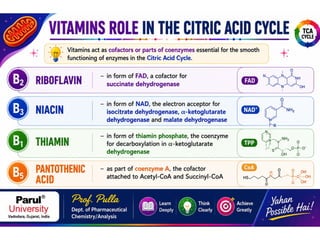
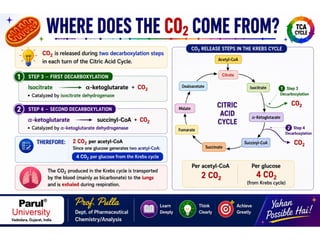
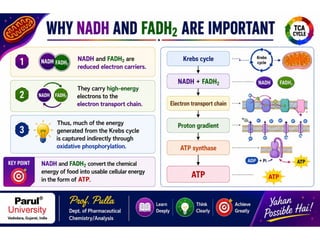
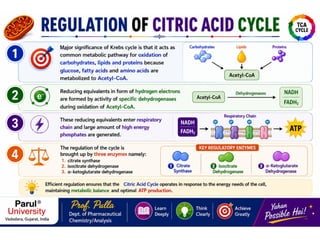
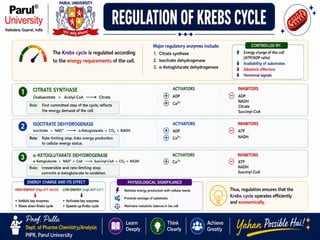
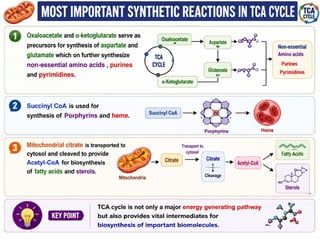
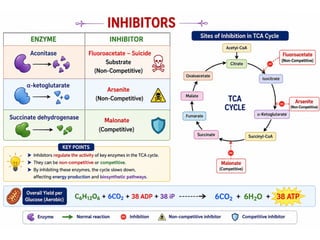
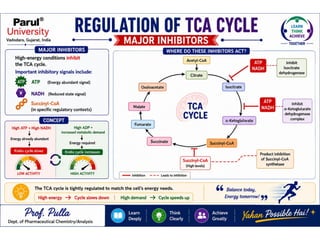
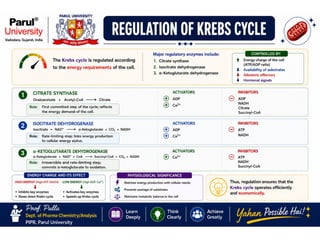
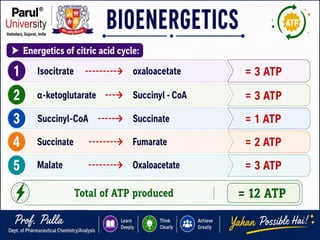
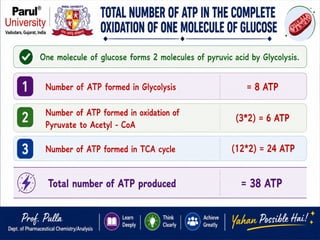
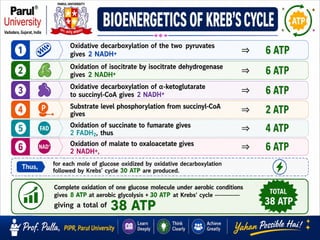
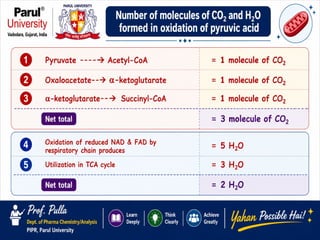
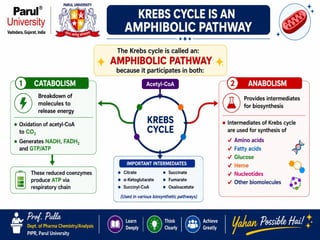
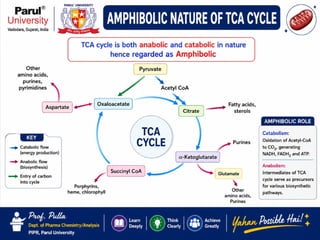
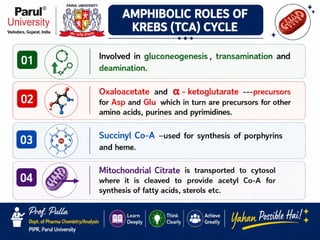
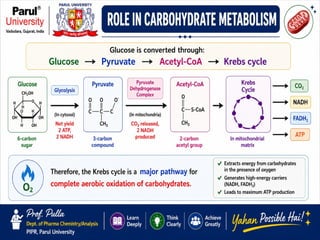
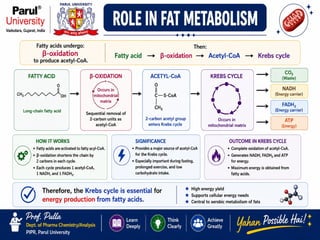
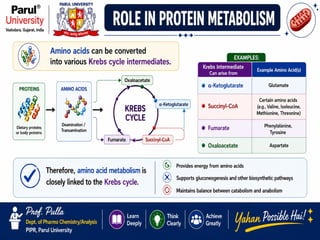
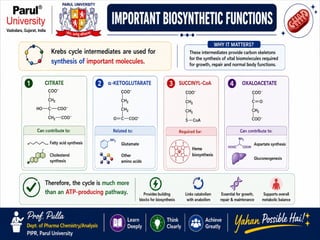
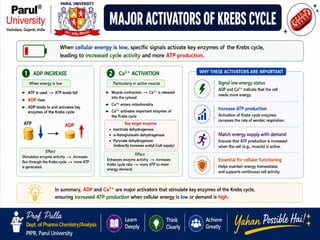
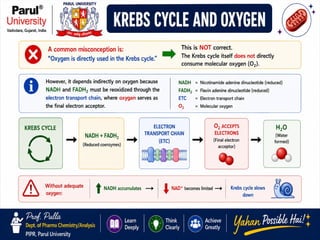
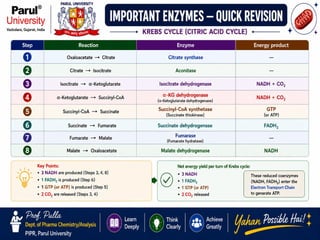
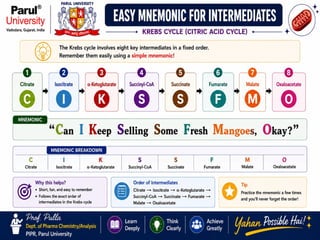
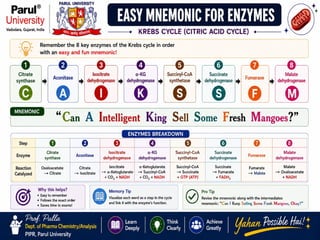
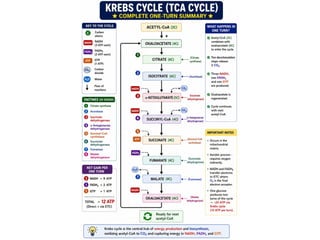
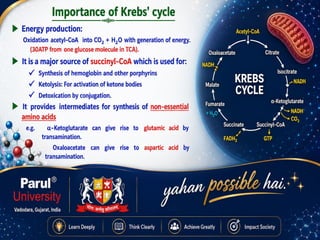

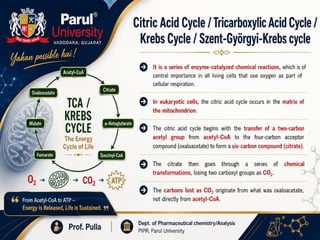
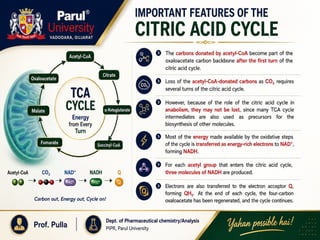
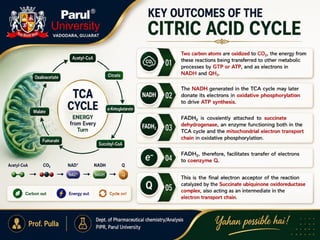
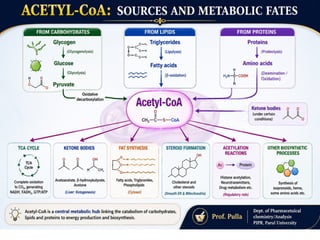
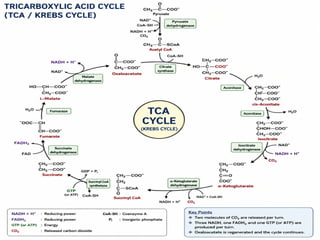
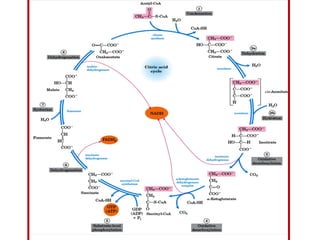
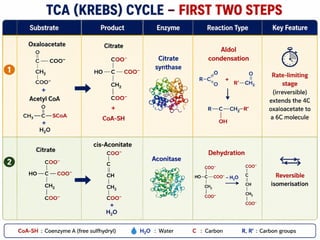
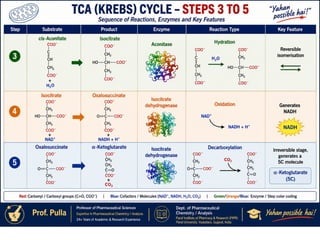
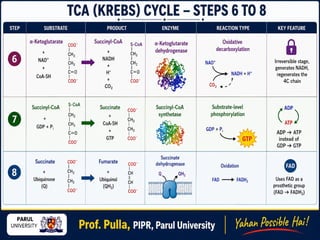
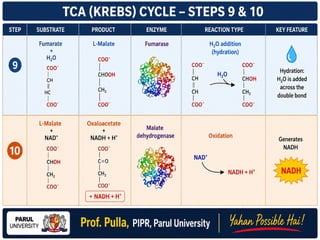
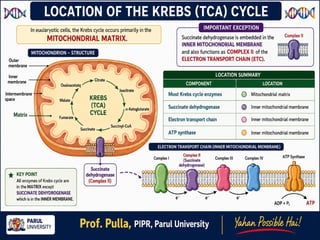
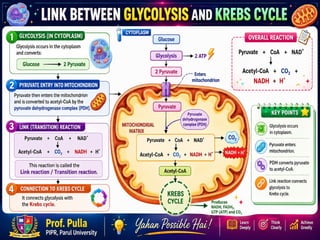
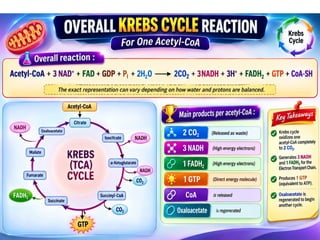
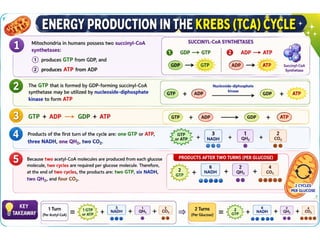
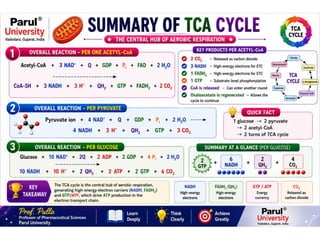
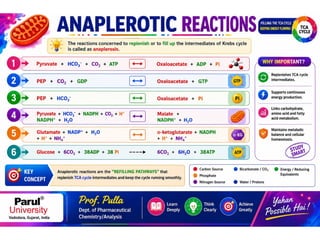
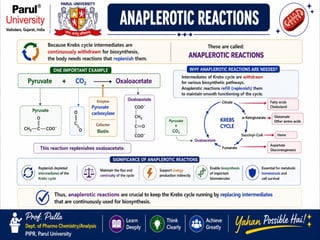
Krebs Cycle / TCA Cycle — Key Points The Krebs cycle (TCA cycle) is the central pathway of aerobic cellular respiration, occurring mainly in the mitochondrial matrix. Acetyl-CoA combines with oxaloacetate (OAA) to form citrate, initiating the cycle. Through a series of 8 enzyme-catalyzed reactions, citrate is ultimately converted back to OAA. During one turn, 2 CO₂, 3 NADH, 1 FADH₂ and 1 GTP (ATP equivalent) are produced. NADH and FADH₂ transfer high-energy electrons to the electron transport chain for ATP production. The cycle provides important intermediates for biosynthesis of amino acids, fatty acids, heme and other biomolecules. Because OAA is regenerated, the cycle can continuously accept new acetyl-CoA molecules. Overall: Acetyl-CoA → CO₂ + NADH + FADH₂ + GTP → energy production + metabolic intermediates.


