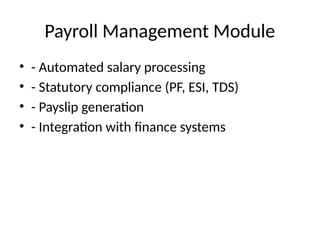
An HRIS is typically built on a database of employee information and is used to support core HR processes that are more linear and quantitative in structure, such as payroll processing or time and attendance management.
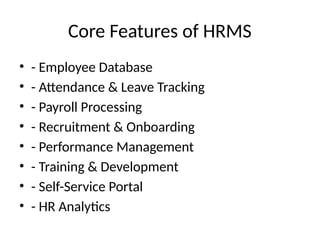
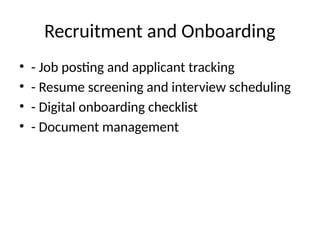
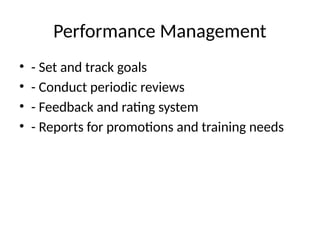
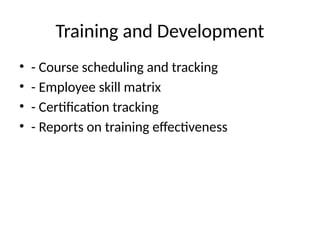
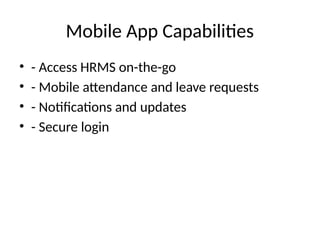
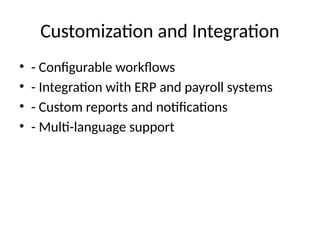
In comparison, an HRMS is a more all-encompassing system that contains all the data management structures of an HRIS but also incorporates more qualitative and complex functionality and talent management. The best HRMS solutions use smart technologies, such as AI, machine learning, and cloud connectivity, to help personalise and intelligently automate functions.
HCM is an umbrella term that’s used to describe the broad set of practices and software an organisation uses to manage its workforce – from recruitment through retirement. An HCM system is often referred to as a human resource management system (HRMS) and includes HRIS software. Due to technological advancements and connectivity, businesses are now able to get a clear end-to-end picture of the workforce from all angles. This has helped companies realise the measurable value of prioritising the employee experience and using a people-first approach to underpin the HR administrative functionality that surrounds it. This more holistic approach represents a change in the prioritisation and management of HR processes.