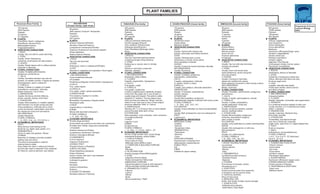
PLANT FAMILIES
100 Genera
2000 Species
Pakistan
29 Genera
213 Species
PLANTS:
Pyrus(Pear, Peach. crategeous,
Rosa(Rose), Almond,Pyrus
Malus(Apple0,Apricot,
Frageria(Strawberry
VEGETATIVE CHARACTERS
1. ROOT
Usually, Tap root with its usual branching.
2. STEM
Usually, Green herbaceous,
cylindrical, small spines are also present.
3. LEAVES
Usually, Simple leaves with or without petiole,
Opposite or alternate.
FLORAL CHARACTERS
Usually, Complete,actinomorphic,
perigynous, pentamerous.
1. CALYX
Usually, Sometime epicalyx may also be
present, of variable number, 5 sepals are present,
Gamosepalous, green, pubescent.
2. COROLLA
Usually, 5 petals or multiple of 5 petals,
polypetalous, aestivation, imbricate,
shape-rosaceous, full of colour.
3. ANDROCEIUM
Usually, Nomerous stamen,ditheous,
anther, enerted, extrose, dorsi fixed.
4. GYNOECIUM
Usually, Monocarpillary or multiple capillary
with formation of a single compound pistil.
Ovary perigynous, unilocular two or more
ovules are present, placentation axile when
the carpels are many and syncarpous
INFLORSCENCE
Usually Racemose
FLORAL FORMULA
+ , Q , K(5) , C(a) , Ax , G1/ (2-5) or x
ECONOMICAL IMPORTANCE
FRUIT:
Many famous fruits belong to this
family for e.g. Apple, pear, peach, e.t.c.
ORNAMENTALS
Grown in parks and gardens (Rosa).
OTHERS
Branches of crataegus provide excellent
walking stick and wood.
The wood of pyruspastia is used for
making tobacco pipes.
Rose petals are used in making Gul Khand
and are also used in extraction of an essential
oil, Rose oil, used as perfume, eye cleaner.
90 genera
2000 species (Tropical+ Temperate)
Pakistan:
14 genera
525 species
PLANTS:
Solanum tuberosum(Potato)
Nicotiana Tobacum(Tobacco)
Lycopersicum esculentum(Tomato)
Capsicum frutescens/C.annum(red pepper)
Atropa belladona
Datura,Cestrum,Petunia,
VEGETATIVE CHARACTERS
1-ROOT
Tap root and branched
2-STEM
Herbacious, erect or underground(Potato)
3-LEAF
Alternate in vegetative and opposite in floral region
FLORAL CHARCTERS
1-INFLORESCENCE
Cyme sometimes helicoids
2-FLOWER
Pentamerous,Regular, Actinomorphic, Hypogynous.
3-CALYX
Five, united sepals
4-COROLLA
Five petals, united, valvate aestivation
5-ANDROCIEUM
Five stamens, Inserted on Corolla
6-GYNOECIUM
Bicarpellary, Syncarpous (Carpels fused),
Placentaion axile.
7-FRUIT
Capsule Berry or Xanthium.
8-SEED
Minute with abundant endosperm.
FLORAL FORMULA
+ , O , K(5) , A5, C(5) ,
ECONOMIC IMPORTANCE
Provide drugs and food.
Some plants are poisonous and other are ornamental.
Provides food, fodder, drugs and ornamentals.
1-FOODER
Solanum tuberosum (Potato)
Lycopersicum esculentum (Tomato)
Solanum melongena (Brinjal)
2-CONDIMENTS
Fruit of capsicum
Capsicum frutenscens
3-EDIBLE FRUIT
Physalis (Cherry or Rasbhari)
4-DRUG YIELDING
Atropa belladonna (atropine)
Dotura (Daturine)
Used in severe cold and in eye diseases.
5-ORNAMENTAL
Cultivated in gardens
Petunaia
Nicotiana
Cestrum Schizanthus
Solanum
6-CIGARETTE MAKING
Nicotiania tobacum (Tobacco)
400 genera
9000 species
Pakistan
82 genera
587 species
PLANTS:
Lathyrus odoratus( Sweet pea)
Arachis hypogea (Peanut)
Ciecr arietinum (Chicken pea)
Dalbergia sisso(Shishum)
Gram.Pea,Beans,Medicago sativa,
Butea.
VEGETATIVE CHARACTERS
1-ROOTS
Tap root, branched bearing tubercle
containing nitrogen fixing bacteria.
2- STEM
Herbecious or woody, erect or climber.
3-LEAF
Simple or commonly compound
alternate, stipulate
FLORAL CHARACTERS
1- INFLORESCENCE
Racemose, rarely solitary.
2- FLOWER
irregular, zygomorphic, hypogynous.
3- CALYX
Five sepals, united
4- COROLLA
Five petals, usually free.
Corolla is papilionaceous (Butterfly shaped).
In this form the petals are 5, one of them is
usually large and clawed. This petal is called
standard or “Vexillum” The two lateral ones,
which are free are called as “Wings” and two
anterior inner most fuse to form a boat shaped
structure called the “Keel” or “Carina”.
5- ANDROCIEUM
Stamens (9) +1 i.e 9 fuse to form a round sheath
around the pistil while tenth is free.
6-GYNOECIUM
Monocarpellary, ovary unilocular, ovule numerous
on marginal placenta.
7-FRUIT
Legume or pod.
8-SEED
EX-albuminous.
FLORAL FORMULA
+ , Q , K(5) , C 1+2+(2) , A(9)+1 , G1
ECONOMIC IMPORTANCE
Source of high protein food, oil and forage
ornamental purposes, pulses (Dalls)
1- FOOD & FORAGE
Pisum sativum (Pea)
Medicago sativa alfalfa (Lusan)
2- FURNITURE & BUILDING PURPOSE
Butea
Dilburgia
3- OIL EXTRACTION
Arachis hypogea (Peanut/Moongphali)
4- DYES
Indigofera tinctoria (Neel)
Butea monosperma (Yellow dye)
5-MEDICINAL PURPOSE
Glycyrrhiza glabra (Cough & cold treatment)
Clitoria termatea (Snake bite treatment)
6- ORNAMENTAL PLANTS
Lathyrus
Lupinus
Clitoria
Butea
Abrus precatorious, “Ratti”.
152 genera
2300 species
Pkistan:
16 genra
60 species
PLANTS:
Tamarindus indica
Cassia fistula
Bauhinia verigeta
VEGETATIVE CHARACTERS
ROOT
Usually, Taproot with nodules and
primary, secondary and tertiary divisions.
STEM
Usually, Climbing stem or erect
herbaceous or woody, Some plants
show xerophytic character.
LEAVES
Usually, Compound leaves bipinnate, stipulate.
INFLORESCENCE
Usually, Racemose.
FLORAL CHARACTER
Usually, Complete, perigynous,
zygomorphic, pentamerous.
CALYX
5 sepals, polysepalous, imbricate
or valvate, Green in colour.
COROLLA
5 petals, poly petalous, imbricate aestivation.
ANDROECIUM
Usually, 10 stamens, polyanderous,
exerted, extrose.
GYNOECIUM
Usually Monocarpillary, perigynous,
placentational marginal, unilocular with many ovules.
FLORAL FORMULA
+ , Q , K(5) , C(5) , A10 , G1/
POLLINATION
Usually, Cross pollination by insects (entomophilly)
SEEDS
Usually, Both endospermic and non-endospermic.
FRUIT
Legume pod.
ECONOMICAL IMPORTANCE
MEDICINAL PLANS
Amaltas
Kachnar
Tamarindus Indica
ORNAMENTALS
Parkinsonia
Bauhinia
Cacia
DYES AND STAINING
Haemotoxylin is obtained from
haemotoxylon campechianom.
EDIBLE FRUIT:
Imli
FIBER:
Suitable for paper making
56 genra
2800 species
Pakistan:
11 genera
49 species
Native
4 genera
18 species
PLANTS:
Acacia nilotica
Albizzia lebbek
Mimosa pudica
Touch me not
Prosopis glandulosa
P.Cineraria
VEGETATIVE CHARACTERS
1. ROOT
Usually, Tap root with side branches,
nodules are present.
2. STEM
Usually, Erect and woody stem,
rarely herbacious, tannin and gums
may also present.
3. LEAVES
Usually, Compound, bipinnate,
stipule are modified into spines.
Show sleeping movement or after having a shock.
INFLORESCENCE
Mostly, racemose.
FLORAL CHARACTERS
Usually, Complete, actinomorphic, perigynous,
pentamerous.
1. CALYX
Usually, 5 sepals, gamosepalous, valvate.
2. COROLLA
Usually, 5 petals, polypetalous,
valvate aestivation, small size.
3. ANDROCEIUM
Usually, numerous stamens, exerted,
extrose, basifixed anther.
4. GYNOECIUM
Usually, Monocarpillary, perigynous,
unilocular, placentation marginal,
many ovules in locule.
POLLINATION
Usually, cross pollination by insects (entomophilly).
SEEDS
Usually, Non-endospermic or with very
little endosperm.
FRUIT
Usually, It is called legume.
FLORAL FORMULA
+ ,Q , K(5) , C(5) , Aa , G1/
ECONOMICAL IMPORTANCE
1.WOOD YIELDING PLANTS
e.g-prosopis
Acacia species
Albizzia
Xylia
2. ORNAMENTALS
e.g-Mimosa pudica (chuimoi)
Austratian Acacia
Neptunia
3. FOODER
From leaves of prosopis, Acacia
Dicrostachys e.t.c.
4. SOAP POPS
Acacia concinna pods have (soponim),
a substance can be used as Soap.
5. CATECHU (KATHA)
Piece of hard wood
6. MEDICINAL USE
Katha, Siah Kanta, Entada, Acacia senegal
7. GUMS & DYES
Katha(Accacia catechu)
Safed Babul, Sada Babul
600 genera
10000 species
Pakistan:
158 genera
492 species
PLANTS:
Triticum vulgare(wheat)
Zea mays(corn)
Avena sativa(oats)
Oryza sativa(Rice)
Bambusa
Saccharum officinaram(Sugar cane)
Hordeum vulgare(Barle)
Secale cereal (rye)
Penisitum typhodium
Sorgam valgare
Agarostis, Poa,Fescuta
Cymbopogon citratus (Lemon grass)
Saccharum munja(Rope)
VEGETATIVE CHARACTERS
1- ROOTS
Adventitious, fibrous or fascicled.
2- STEM
Cylindrical, Conspicuous nodes and
hollow, although solid stems are also
found as sugar cane.
3- LEAF
Legulate, alternate leaf sheath
mostly open sessile, lamina narrow
and ribbon shaped.
FLORAL CHARACTERS
1- INFLORESCENCE
Compound spikes.
2- FLOWER
Sessile, bracteate, incomplete, and zygomorphic.
3- PERIANTH
It is combined structure instead of calyx and
corolla. Number 2 or 3 membranous scales
called “ Lodicules”
4- ANDROECIUM
Usually 3 stamens, filaments long,
free anther versatile.
5- GYNOECIUM
Tricarpellary, syncarpous though
only one is functional, unilocular,
single ovule, style short 2-3, stigma feather like.
6- FRUIT
Grain or coryposis.
7- SEED
Endospermic, monocotyledonous.
FLORAL FORMULA
+ or O , O or O or O , P2 (lodicules) ,
A3 or 0 , G1 or 0
ECONOMIC IMPORTANCE
1- FODDER AND FOOD STUFF
Triticum indicum
Avena sativa
Zea mays
Oryza sativa
Hordeum vulgare
Pennisetum typhoideum
2- SUGAR MAKING
Saccharum officinarum (sugar cane)
3-PAPER MANUFACTURING
Certain species of Grasses
4- VEGETABLES & SOUP DISH
Sugar cane
Bamboo-shoots
Rosaceae (Rose Family) FABACEAE (Pea family)
SOLANACEAE
(Poatato family), night shade
CEASELPINIACEAE (Cassia family) MIMOSACEA (Accacia family) POACEAE (Grass family)
Prepared by Dr.Imran
Lecturer Biology
KIPS