Evidences of Evolution | Human Chromosome 2 Fusion | Endogenous Retroviruses | Tiktaalik | Whale Evolution | Vestigial Structure | Homologous Organs | Carl Sagan
1.
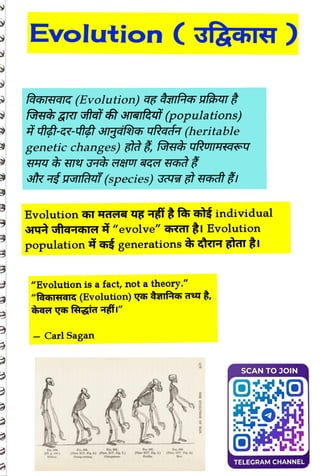
Evolution (sÍgchlH)
<br>
igi-qft qaflsykadT (heritable
<br>
geneticchanges) ald , forG yfUTHRA
<br>
Evolution aT Hdei 4G fi h individual
<br>
HUt t46TGI À "evolve" ahtGlT
IEvolution
<br>
generations
<br>
population
<br>
"Evolution is a fact, not a theory."
<br>
"facaTHAG (Evolution) y afts g
<br>
- Carl Sagan
<br>
Gb
<br>
(hate XIY. Pie 3) (ate XIV. Fg 1)
<br>
Orangostng. Chimpana
<br>
Faa,
,
<br>
(Tade XIVY.
e. 2) (Hate XY. rie 4)
<br>
Gorila.
<br>
H
HII
<br>
SCAN TO JOIN
<br>
TELEGRAM CHANNEL
<br>
2.
Evidences ofEvolution
<br>
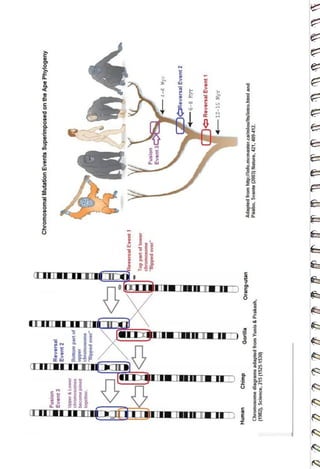
1. HumanChromosome 2
Fusion
<br>
A Genetic Signature of Common Ancestry
<br>
4qt gi 46 chromosomesataž, vafa gAR closest lIving
<br>
ape relatlves TT4G: 48 chromosomes atà
<br>
Human chromosome 2 molecular evidence fAdl
<br>
fah 48 <t ancestral chromosomes head-to-head fuslon
<br>
*qT TI5HT sequence ancestral fuslon afr ys
<br>
vestiglal/inactlvated centromere Hhd frdi
<br>
Chromosome 2 telomere sequences frert ,tt chromosome ends
<br>
HEAqof ara: Human chromosome 2 at y6 agT
fZI chimpanzee qs chromosome
<br>
è match Kat Ir rH eVOlution prediction grft:
<br>
Chimp chromosomeA + Chimp chromosome B Human chromosome 2
<br>
4í evidence at
TdT fa Ha aT chromosome 2, HT3r fiyisi
<br>
common ancestor ft rTI|-HT chromosomes s G
TI
<br>
aI< HAa lineaget ichromosomes HTG fuse sleR YE
<br>
chromosome - Human Chromosome 2 T
,
afer fuiuft lineage T f e-HT
<br>
chromosomes ygž Ruist à ga
4i chromosomes
<br>
Ha chromosome 2 HAT: HeT-34oT fR A match hà ži
<br>
DNA regions,
<br>
Endogenous Retroviruses
<br>
(34T DNAAncient Viral Fossils)
<br>
2.
<br>
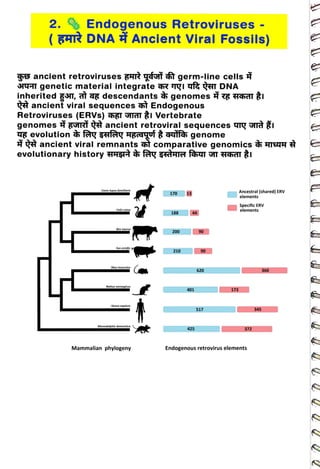
hs ancient retroviruses FHTR
Y â germ-line cells
<br>
H4T genetic materialintegrate h iq HT DNA
<br>
inherited z3T, at ag descendants genomes
<br>
#
ancient viral sequences t Endogenous
<br>
Retroviruses (ERVS)haI GIII Vertebrate
<br>
genomes zR ancient retroviral sequences Yry là I
<br>
u8 evolution fq afdy Hsyuf ifes genome
<br>
ancient viral remnants t comparative genomics
<br>
evolutionary history qngt fay gte fasar T
HTI I
<br>
Canis lupus familiaris
<br>
Felis catus
<br>
Ros tounus
<br>
Sus scrofa
<br>
Mus musculus
<br>
Rattus norvegicus
<br>
Homo sapiens
<br>
Monodelphis domestica
<br>
Mammalian phylogeny
<br>
170
<br>
188
<br>
200
<br>
210
<br>
13
<br>
401
<br>
425
<br>
90
<br>
90
<br>
G
HAhdl
l
<br>
620
<br>
517
<br>
173
<br>
Ancestral (shared) ERV
<br>
elements
<br>
Specific ERV
<br>
elements
<br>
372
<br>
Endogenous retrovirus elements
<br>
TH
<br>
345
<br>
360
<br>
5.
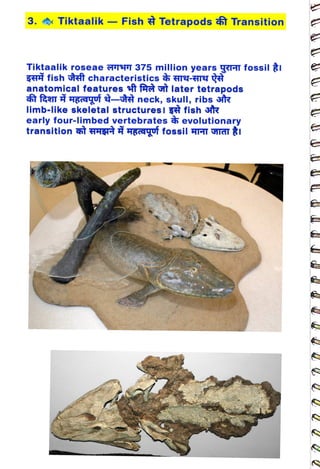
3. Tiktaalik –Fish Tetrapods â Transition
<br>
Tiktaalik roseae T
375 million years yrT fossil i
<br>
FH fish et characteristics r-GrY
<br>
anatomical features f frà t later tetrapods
<br>
fm Hgqof tt neck, skull, ribs tr
<br>
limb-like skeletal structuresI fishR
<br>
early four-limbed vertebrates evolutionary
<br>
transition HHt HHquf fossil GIAII
<br>
6.
4. Whale Evolution
<br>
FromLand Mammals to Aquatic Giants -
<br>
Whales UrHE Hg HAHT fi gi Fossil record
<br>
mammals rrd foâ anatomy terrestrial mammals sir
<br>
increasingly aquatic whales evolutionary transitions
<br>
3ei terrestrial mammal ancestry str Hhd aft :
<br>
Whales fish t AE gills Ti, afes lungs zarata t žI
<br>
Blowhole:
<br>
3Hâ TG feR 3h4R shift slr blowhole a T,
<br>
pelviss ir hind-limb bones vestigial
<br>
g, gafaà
<br>
Modern whales
<br>
remnants
<br>
3461 2Tr yt ag aquatic sftar far modified ,
<br>
Iaht mammalian skeletal features ft
ft yKI
<br>
DNA evidence:
<br>
t
<br>
Whales mammals 35T evolutionary relationship
<br>
terrestrial mammals TN genomic
<br>
Fossil evidence:
<br>
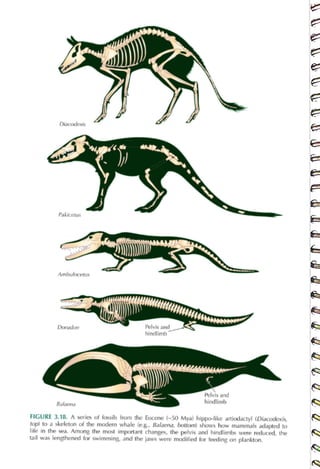
Pakicetus, Ambulocetus, Rodhocetus
<br>
fossils whale lineage land-dwelling
<br>
aquatic forms evolutionary history
<br>
extinct
<br>
r
Basilosaurus e
<br>
increasingly
<br>
H< hà
žI
<br>
5.
<br>
Example:
<br>
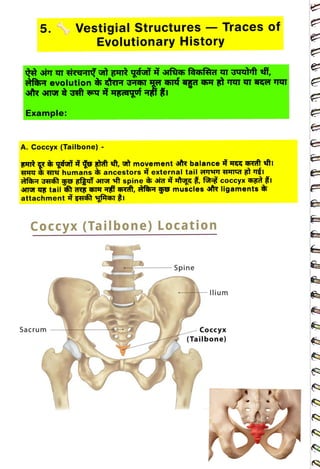
A. Coccyx (Tailbone)
-
<br>
VestigialStructures - Traces of
<br>
Evolutionary History
<br>
HH4 TY humans
<br>
TGT TE tail
<br>
attachment
<br>
ancestors external tail T
HHIA Bt TI
<br>
5TH
T Ht, fe gs muscles str ligaments
<br>
gât AT I
<br>
Sacrum
<br>
Coccyx (Tailbone) Location
<br>
Spine
<br>
Ilium
<br>
Coccyx
<br>
(Tailbone)
<br>
9.
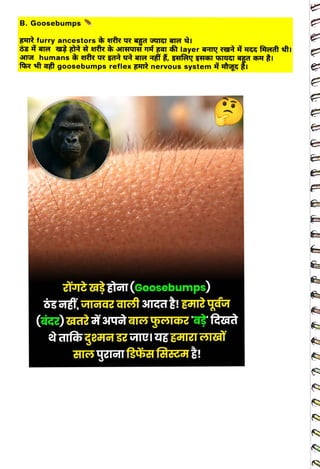
B. Goosebumps
<br>
FHTR furryancestors rtR R TgT GUIGI AIT AI
<br>
for ftaft goosebumps reflex gHR nervous system tg I
<br>
auÈ TGEar(Goosebumps)
<br>
10.
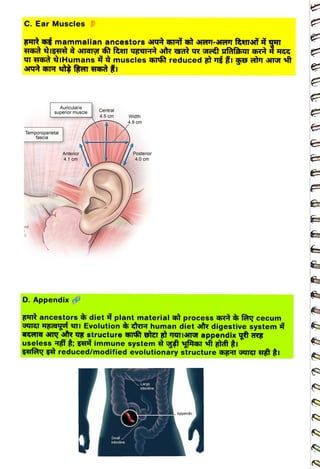
C. Ear Muscles
<br>
FHRH mammalian ancestors ru hr re-4T AT
<br>
T
HGd IHumans muscles reduced TI T
ft
<br>
nd
<br>
Auricularis
<br>
superior muscle
<br>
Temporoparietal
<br>
fascia
<br>
Anterior
<br>
4.1 cm
<br>
D. Appendix
<br>
Central
<br>
4.5 cm
<br>
Width
<br>
4.9 cm
<br>
Smal
<br>
intestine
<br>
Posterior
<br>
4.0 cm
<br>
FHTR ancestors diet plant materialt process t fay cecum
<br>
GI HBayuf TIEvolution human diet str digestive system
<br>
t
<br>
useless Himmune system t yft ft
gt t1
<br>
zefa gà reduced/modified evolutionary structure hg IGI H I
<br>
Large
<br>
irtestine
<br>
Appendix
<br>
11.
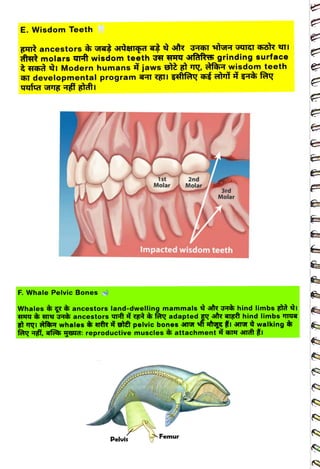
E. Wisdom Teeth
<br>
irrtmolars rt wisdom teeth 3 HHT Gfaftti grinding surface
<br>
¿ Hehà ti Modern humans jaws stt
<br>
F. Whale Pelvic Bones
<br>
1st
<br>
Molar
<br>
Pelvis
<br>
Tg, afari wisdom teeth
<br>
2nd
<br>
Molar
<br>
Femur
<br>
3rd
<br>
Molar
<br>
Impacted wisdom teeth
<br>
Whales g
ancestors land-dwelling mammals str TTthind limbs atà I
<br>
HHY TY T4h ancestors qTti t farg adapted g sir aigt hind limbs 4a
<br>
t Tqi whales erâr â pelvic bones TGT f tg ti aTGT walking
<br>
fary i, afees yerd: reproductive muscles attachment q nt žI
<br>
12.
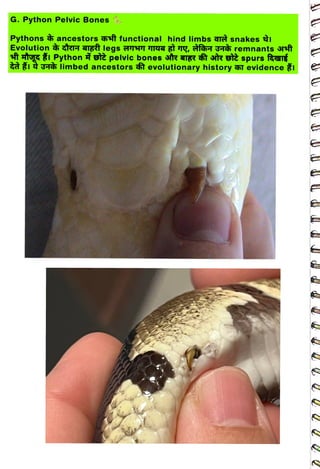
G. Python PelvicBones e
<br>
Pythons ancestors ft functional hind limbs are snakes
<br>
Evolution r agT legsTT IYT B Tg,
fah 3T remnants rft
<br>
sft ggI Python st pelvic bones atr ag tr sit spurs far
<br>
<t it limbed ancestors â evolutionary history i evidence
<br>
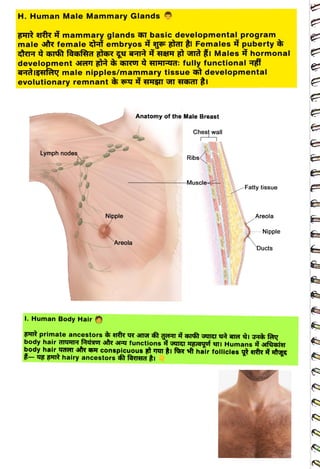
13.
H. Human MaleMammary Glands
<br>
FHIR TR mammary glands a basic developmental program
<br>
male r
female embryos s zlar l Females puberty
<br>
development HeT F hTRUT HTT-4A: fully functional
<br>
HdigHfey male nipples/mammary tissue t developmental
<br>
evolutionary remnant 4 H4T GT HhdT I
<br>
Lymph nodes
<br>
I. Human Body Hair
<br>
Nipple
<br>
Areola
<br>
Anatomy of the Male Breast
<br>
body hair arqHTT MuTr 4 functions
<br>
body hair qdetR A
Conspicuous Ta
<br>
-46FHTR hairy ancestors ât faeHd ŽI
<br>
Chest wall
<br>
Ribs
<br>
-Muscle
<br>
-Fatty tissue
<br>
Areola
<br>
Nipple
<br>
Ducts
<br>
IGT HEyuf eI Humans
<br>
f ft hair follicles rr gg
<br>
fdcaiT
<br>
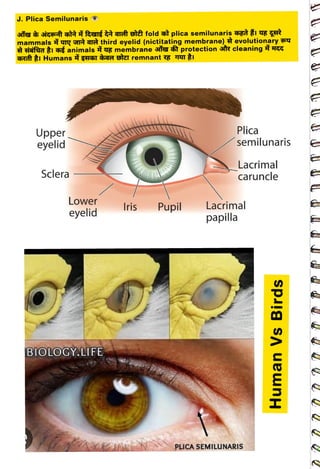
14.
J. Plica Semilunaris®
<br>
mammals š y
Grt ar
<br>
ifta ti a animals
<br>
Upper
<br>
eyelid
<br>
Sclera
<br>
Lower
<br>
eyelid
<br>
thirdeyelid (nictitating membrane) èevolutionaryu
<br>
g membrane sa f protection sr cleaning H4
<br>
BIOLOGY.LIFE
<br>
Iris
<br>
Pupil
<br>
Plica
<br>
semilunaris
<br>
papilla
<br>
Lacrimal
<br>
caruncle
<br>
Lacrimal
<br>
PLICA SEMILUNARIS
<br>
Human
Vs
Birds
<br>
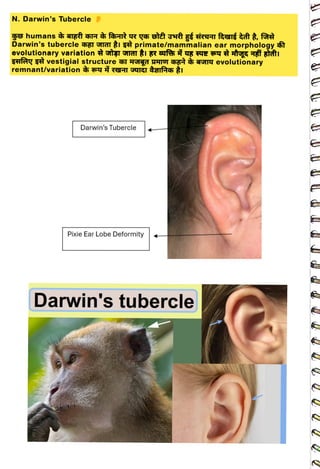
15.
N. Darwin's Tubercle
<br>
Darwin'stubercle hEI GIlGI Ià primate/mammalian ear morphology r
<br>
Fefa t vestigial structure Hg HTOT
HF aSITU evolutionary
<br>
Darwin's Tubercle
<br>
Pixie Ear Lobe Deformity
<br>
Darwin's tubercle
<br>
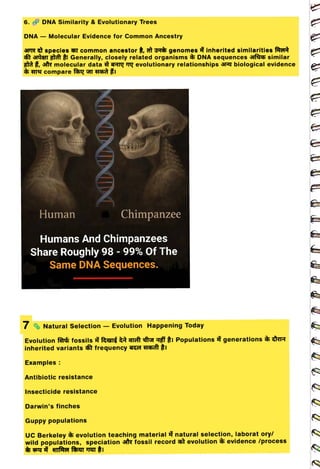
16.
6. DNA Similarity& Evolutionary Trees
<br>
DNA – Molecular Evidence for Common Ancestry
<br>
R
species common ancestor , t t genomes inherited similarities fAert
<br>
ràeT at
Generally, closely related organisms & DNA sequences fas similar
<br>
att ,str molecular data a T evolutionary relationships biological evidence
<br>
Human
<br>
Humans And Chimpanzees
<br>
Share Roughly 98 -
99% Of The
<br>
Same DNA Sequences.
<br>
7Natural Selection Evolution
<br>
Examples:
<br>
INDNINDN
<br>
Antibiotic resistance
<br>
Evolution Rrs fossils arf arftf Tit Populations generations à a
<br>
inherited variants frequency açe Hhcf
<br>
Chimpanzee
<br>
Insecticide resistance
<br>
Darwin's finches
<br>
Guppy populations
<br>
Happening Today
<br>
UC Berkeley evolution teaching material natural selection, laborat ory/
<br>
wild populations, speciation strfossil record t evolution evidence /process
<br>
17.
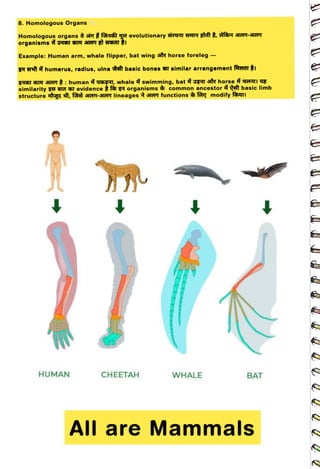
8. Homologous Organs
<br>
Homologousorgans str evolutionary eI ATT At t, far He-YGT
<br>
Example: Human arm, whale flipper, bat wing str horse foreleg -
<br>
g
FAhumerus,radius, ulna reft basic bones T similar arrangement freat
<br>
gAAT 5TH re :
human g, whale swimming, bat gT sR horse eTI 4E
<br>
similarity A I evidence fà A organisms common ancestor ft basic limb
<br>
structure tyg ft, frt e-HeT lineages HeT functions & fry modify faati
<br>
HUMAN
<br>
CHEETAH
<br>
WHALE
<br>
BAT
<br>
Allare Mammals
<br>
18.
9. FossilEvidence
<br>
Fossils yeTtorganisms preserved remains I 3Tt traces gà,
<br>
layers AeT-HET HY & organisms fAtd &, str a fossils yert
<br>
3R TÉ Characteristics combination f&eT I
<br>
Example:
<br>
Tiktaalik fish t features TY tetrapod ft features ft efi,
<br>
Gafea whale fossils terrestrialancestors aquatic whales
<br>
evolutionary transition f&H i gH aG fossils zi evolutionary
<br>
history aI chronological record t ir common ancestry
<br>
strong evidence HqIH GRd i
<br>
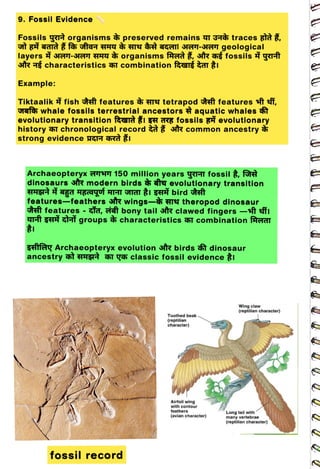
Archaeopteryx TT 150 million years yIHT fossil à, f
<br>
dinosaurs 3R modern birds f evolutionary transition
<br>
features-feathers sir wings-- r theropod dinosaur
<br>
et features - ¿a, tat bony tail str clawed fingers ft efii
<br>
Ut H
HÌgroups characteristics at combination fAGI
<br>
seife Archaeopteryx evolution îr birds ât dinosaur
<br>
ancestry t HH 1 ye classic fossil evidence I
<br>
fossilrecord
<br>
Toothed beak
<br>
(reptilian
<br>
character)
<br>
Airfoil wing
<br>
with contour
<br>
feathers
<br>
(avian character)
<br>
Wing claw
<br>
(reptilian character)
<br>
Long tail with
<br>
many vertebrae
<br>
(reptilian character)
<br>
19.
1. " WeAre Made of Star Stuff "
<br>
q HErt qt ot TEef Carl Sagan faart R
<br>
go Hydrogen atoms arr afse 34 a Hydrogen atoms yug aqEA HA -0, N, P, S,
<br>
Carl Sagan said
<br>
CARL SAGAN -
J4 aIR T YT I
<br>
If you lovespace, science and the mysteries of the
<br>
universe, Then this fb page 'Astro-cosmophile' is
<br>
specially for you. 4
<br>
Astro-cosmophile
<br>
Scan and Go to the Page
<br>