Contents
• Introduction
• History
•Physiology& biosynthesis
• HPA axis regulation
• Mechanism of action
• Pharmacological action of glucocorticoids
3.
Intorduction
• Corticosteroids arean important class of naturally occurring
endogenous steroid hormones produced from the adrenal
cortex as well as those synthetically produced for
pharmacotherapeutics.
• Conventionally, the term 'corticosteroid' or 'corticoid' includes
natural gluco- and mineralo-corticoids and their synthetic
analogues.
4.
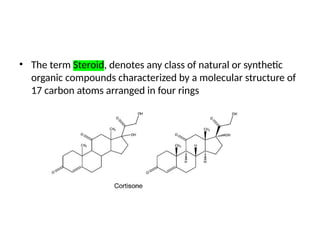
• The termSteroid, denotes any class of natural or synthetic
organic compounds characterized by a molecular structure of
17 carbon atoms arranged in four rings
5.
History of steroids
•1855 – Thomas Addison
• Described Addison’s disease, establishing the vital role of the adrenal glands.
• First clinical link between adrenal insufficiency and systemic illness.
• 1890s – Early Adrenal Research
• Experimental adrenalectomy showed fatal outcomes, highlighting adrenal
hormones’ importance.
• 1930s – Isolation of Adrenal Steroids
• Edward C. Kendall isolated several adrenal cortex compounds (Compound A–F).
• 1940s – Identification of Cortisone & Cortisol
• Cortisone and hydrocortisone identified as key glucocorticoids.
• Enabled understanding of anti-inflammatory and metabolic effects.
• 1948 – First Clinical Use
• Philip S. Hench used cortisone in patients with rheumatoid arthritis.
• Dramatic clinical improvement revolutionized inflammatory disease management.
6.
• 1950 –Nobel Prize
• Hench, Kendall, and Reichstein awarded the Nobel Prize in Physiology or Medicine
for discoveries related to adrenal cortex hormones.
• 1950s–1960s – Development of Synthetic Corticosteroids
• Introduction of prednisolone, prednisone, dexamethasone, betamethasone.
• 1970s – Recognition of Adverse Effects
• Long-term complications identified: adrenal suppression, osteoporosis, infections.
• Emphasis shifted to cautious use and tapering protocols.
• 1980s–1990s – Topical & Targeted Therapy
• Development of topical, inhaled, and intralesional corticosteroids.
• Reduced systemic toxicity while maintaining efficacy.
• 2000s–Present – Rational & Steroid-Sparing Use
• Focus on lowest effective dose, short-term therapy.
• Emergence of steroid-sparing immunomodulators and biologics.
7.
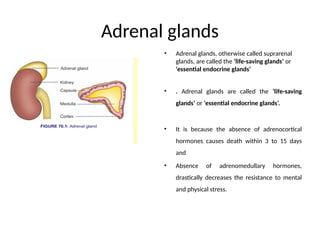
Adrenal glands
• Adrenalglands, otherwise called suprarenal
glands, are called the ‘life-saving glands’ or
‘essential endocrine glands’
• . Adrenal glands are called the ‘life-saving
glands’ or ‘essential endocrine glands’.
• It is because the absence of adrenocortical
hormones causes death within 3 to 15 days
and
• Absence of adrenomedullary hormones,
drastically decreases the resistance to mental
and physical stress.
8.
• General importance:
•Homeostasis of energy stores
• Control of fluid volume and extracellular environment of cells
• Supply of substrates for generation of ATP in the cells
• Regulation of intermediary metabolisms
• Control of immunological mechanisms
• Regulation of functions of various organ systems
9.
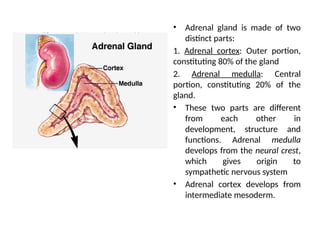
• Adrenal glandis made of two
distinct parts:
1. Adrenal cortex: Outer portion,
constituting 80% of the gland
2. Adrenal medulla: Central
portion, constituting 20% of the
gland.
• These two parts are different
from each other in
development, structure and
functions. Adrenal medulla
develops from the neural crest,
which gives origin to
sympathetic nervous system
• Adrenal cortex develops from
intermediate mesoderm.
10.
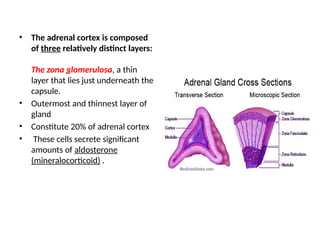
• The adrenalcortex is composed
of three relatively distinct layers:
The zona glomerulosa, a thin
layer that lies just underneath the
capsule.
• Outermost and thinnest layer of
gland
• Constitute 20% of adrenal cortex
• These cells secrete significant
amounts of aldosterone
(mineralocorticoid) .
11.
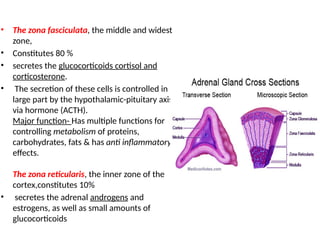
• The zonafasciculata, the middle and widest
zone,
• Constitutes 80 %
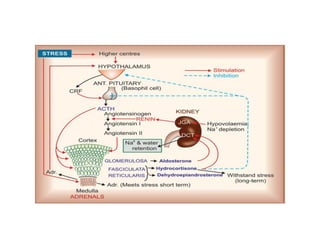
• secretes the glucocorticoids cortisol and
corticosterone.
• The secretion of these cells is controlled in
large part by the hypothalamic-pituitary axis
via hormone (ACTH).
Major function- Has multiple functions for
controlling metabolism of proteins,
carbohydrates, fats & has anti inflammatory
effects.
The zona reticularis, the inner zone of the
cortex,constitutes 10%
• secretes the adrenal androgens and
estrogens, as well as small amounts of
glucocorticoids
12.
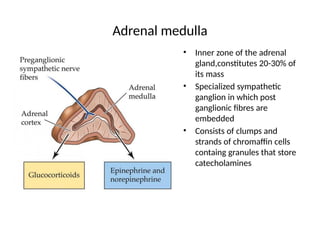
Adrenal medulla
• Innerzone of the adrenal
gland,constitutes 20-30% of
its mass
• Specialized sympathetic
ganglion in which post
ganglionic fibres are
embedded
• Consists of clumps and
strands of chromaffin cells
containg granules that store
catecholamines
13.
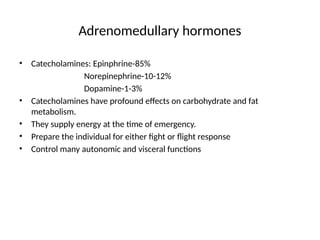
Adrenomedullary hormones
• Catecholamines:Epinphrine-85%
Norepinephrine-10-12%
Dopamine-1-3%
• Catecholamines have profound effects on carbohydrate and fat
metabolism.
• They supply energy at the time of emergency.
• Prepare the individual for either fight or flight response
• Control many autonomic and visceral functions
Circadian rhythm
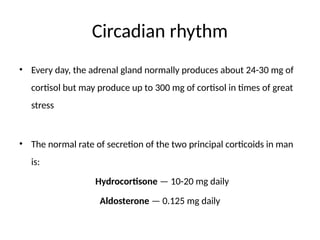
• Everyday, the adrenal gland normally produces about 24-30 mg of
cortisol but may produce up to 300 mg of cortisol in times of great
stress
• The normal rate of secretion of the two principal corticoids in man
is:
Hydrocortisone — 10-20 mg daily
Aldosterone — 0.125 mg daily
21.
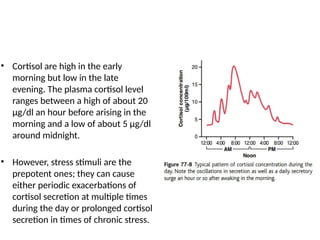
• Cortisol arehigh in the early
morning but low in the late
evening. The plasma cortisol level
ranges between a high of about 20
μg/dl an hour before arising in the
morning and a low of about 5 μg/dl
around midnight.
• However, stress stimuli are the
prepotent ones; they can cause
either periodic exacerbations of
cortisol secretion at multiple times
during the day or prolonged cortisol
secretion in times of chronic stress.
22.
Steroid therapy shouldnot be stopped abruptly
• Prolonged treatment causes atrophy of the adrenal cortex.
• Unresponsive to ACTH for about 6 months
• Pitutary secretes less ACTH
• Takes about 8-10 months for cortisol level to return to normal plasma level
• During this individual fails to cope with stress and may succumb to
stressful situations
• Dose should be tapered gradually over weeks before finally stopping
treatment.
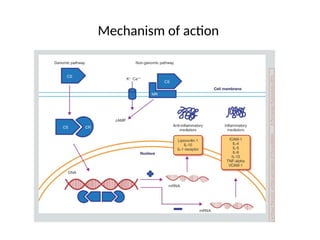
• Non-Genomic Mechanism(Rapid Action)
• High-dose corticosteroids
• ⬇
• Interaction with membrane-bound GR / cell membrane
• ⬇
• Altered ion transport & signal transduction
• ↓ Ca²⁺ influx
• Inhibition of MAPK pathways
• ⬇
• Rapid anti-inflammatory effects
(seconds to minutes)
25.
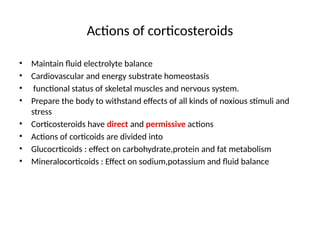
Actions of corticosteroids
•Maintain fluid electrolyte balance
• Cardiovascular and energy substrate homeostasis
• functional status of skeletal muscles and nervous system.
• Prepare the body to withstand effects of all kinds of noxious stimuli and
stress
• Corticosteroids have direct and permissive actions
• Actions of corticoids are divided into
• Glucocrticoids : effect on carbohydrate,protein and fat metabolism
• Mineralocorticoids : Effect on sodium,potassium and fluid balance
26.
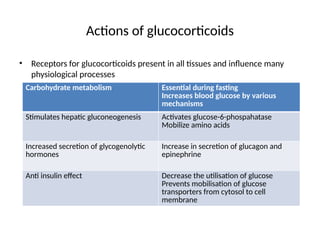
Actions of glucocorticoids
•Receptors for glucocorticoids present in all tissues and influence many
physiological processes
Carbohydrate metabolism Essential during fasting
Increases blood glucose by various
mechanisms
Stimulates hepatic gluconeogenesis Activates glucose-6-phospahatase
Mobilize amino acids
Increased secretion of glycogenolytic
hormones
Increase in secretion of glucagon and
epinephrine
Anti insulin effect Decrease the utilisation of glucose
Prevents mobilisation of glucose
transporters from cytosol to cell
membrane
27.
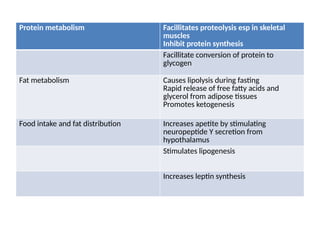
Protein metabolism Facillitatesproteolysis esp in skeletal
muscles
Inhibit protein synthesis
Facillitate conversion of protein to
glycogen
Fat metabolism Causes lipolysis during fasting
Rapid release of free fatty acids and
glycerol from adipose tissues
Promotes ketogenesis
Food intake and fat distribution Increases apetite by stimulating
neuropeptide Y secretion from
hypothalamus
Stimulates lipogenesis
Increases leptin synthesis
28.
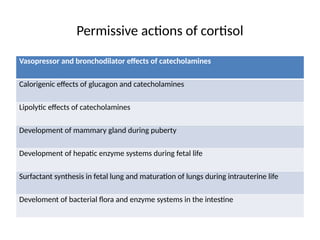
Permissive actions ofcortisol
Vasopressor and bronchodilator effects of catecholamines
Calorigenic effects of glucagon and catecholamines
Lipolytic effects of catecholamines
Development of mammary gland during puberty
Development of hepatic enzyme systems during fetal life
Surfactant synthesis in fetal lung and maturation of lungs during intrauterine life
Develoment of bacterial flora and enzyme systems in the intestine
29.
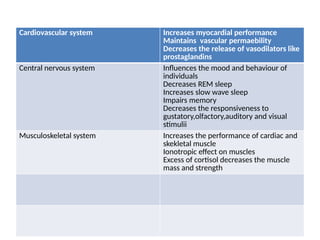
Cardiovascular system Increasesmyocardial performance
Maintains vascular permaebility
Decreases the release of vasodilators like
prostaglandins
Central nervous system Influences the mood and behaviour of
individuals
Decreases REM sleep
Increases slow wave sleep
Impairs memory
Decreases the responsiveness to
gustatory,olfactory,auditory and visual
stimulii
Musculoskeletal system Increases the performance of cardiac and
skekletal muscle
Ionotropic effect on muscles
Excess of cortisol decreases the muscle
mass and strength
30.
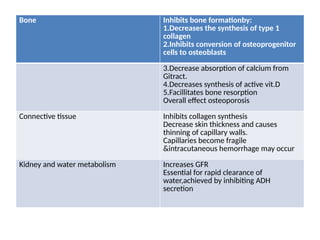
Bone Inhibits boneformationby:
1.Decreases the synthesis of type 1
collagen
2.Inhibits conversion of osteoprogenitor
cells to osteoblasts
3.Decrease absorption of calcium from
Gitract.
4.Decreases synthesis of active vit.D
5.Facillitates bone resorption
Overall effect osteoporosis
Connective tissue Inhibits collagen synthesis
Decrease skin thickness and causes
thinning of capillary walls.
Capillaries become fragile
&intracutaneous hemorrhage may occur
Kidney and water metabolism Increases GFR
Essential for rapid clearance of
water,achieved by inhibiting ADH
secretion
31.
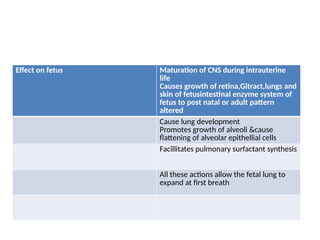
Effect on fetusMaturation of CNS during intrauterine
life
Causes growth of retina,Gitract,lungs and
skin of fetusintestinal enzyme system of
fetus to post natal or adult pattern
altered
Cause lung development
Promotes growth of alveoli &cause
flattening of alveolar epithellial cells
Facillitates pulmonary surfactant synthesis
All these actions allow the fetal lung to
expand at first breath
32.
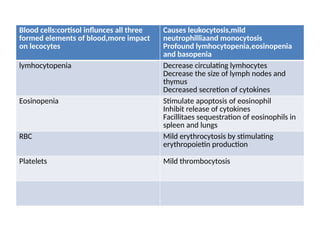
Blood cells:cortisol influncesall three
formed elements of blood,more impact
on lecocytes
Causes leukocytosis,mild
neutrophilliaand monocytosis
Profound lymhocytopenia,eosinopenia
and basopenia
lymhocytopenia Decrease circulating lymhocytes
Decrease the size of lymph nodes and
thymus
Decreased secretion of cytokines
Eosinopenia Stimulate apoptosis of eosinophil
Inhibit release of cytokines
Facillitaes sequestration of eosinophils in
spleen and lungs
RBC Mild erythrocytosis by stimulating
erythropoietin production
Platelets Mild thrombocytosis
Anti allergic action
•Cortisol inhibits degranulation of mast cells and therefore prevents release
of histamine
• Prevents growth of mast cells
• Effect on GI tract: stimulates HCL secrion causing hyperacidity and gastritis
• Decrease calcium absorption from GI tract
35.
Immunosuppresive effect
• Profoundeffect on cell mediated immunity
• Decrease circulating lymphocytes esp type 1 helper t cells ,stimulatimg
apoptosis
• Decrease the size of thymus and lymph nodes by destroying immature T
cells
• Inhibit cytotoxic effect of T cells
• Inhibit production of interleukins
• Inhibit lymphocyte proliferation
• Inhibit lymphocyte proliferation
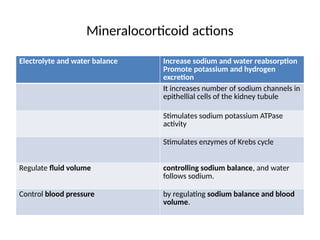
Mineralocorticoid actions
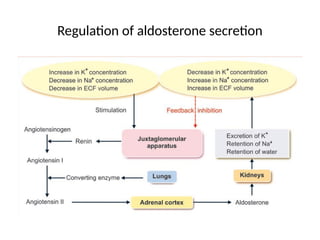
Electrolyte andwater balance Increase sodium and water reabsorption
Promote potassium and hydrogen
excretion
It increases number of sodium channels in
epithellial cells of the kidney tubule
Stimulates sodium potassium ATPase
activity
Stimulates enzymes of Krebs cycle
Regulate fluid volume controlling sodium balance, and water
follows sodium.
Control blood pressure by regulating sodium balance and blood
volume.
40.
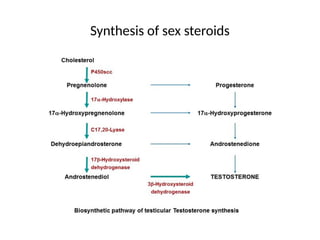
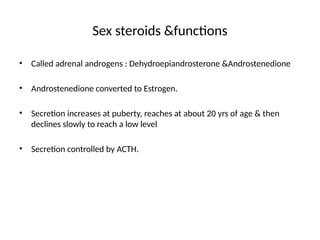
Sex steroids &functions
•Called adrenal androgens : Dehydroepiandrosterone &Androstenedione
• Androstenedione converted to Estrogen.
• Secretion increases at puberty, reaches at about 20 yrs of age & then
declines slowly to reach a low level
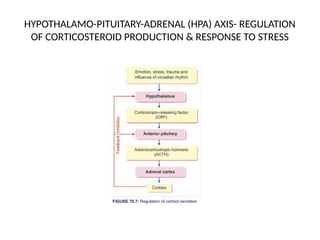
• Secretion controlled by ACTH.
41.
• Functions :
•Adrenarche – initiates the process of puberty
• Exert masculinizing effect
• Promotes protein synthesis(Ananbolic)
• Facillitate growth
• Adrenal androgens converted to estrogen in the peripheral tissue &serve
as major source of estrogen in males and postmenopausal females
Diagnosis and treatment
•Diagnosis
• Demostrating increased cortisol levels by dexamethasone suppression
test
• Treatment –sugical resection of respective tumour
• Medical adrenalectomy by admistrtion of high dose of
ketoconazole or metyrapone that inhibit cortisol synthesis
45.
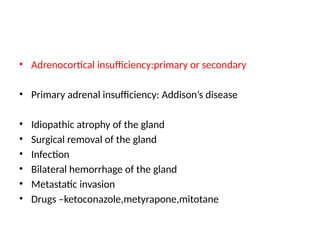
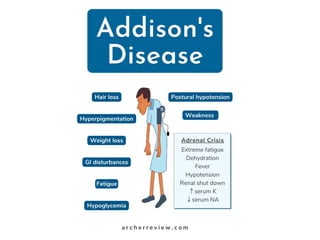
• Adrenocortical insufficiency:primaryor secondary
• Primary adrenal insufficiency: Addison’s disease
• Idiopathic atrophy of the gland
• Surgical removal of the gland
• Infection
• Bilateral hemorrhage of the gland
• Metastatic invasion
• Drugs –ketoconazole,metyrapone,mitotane
47.
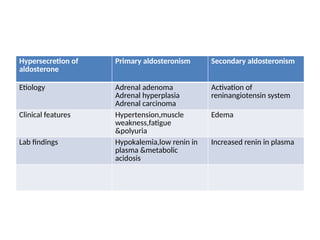
Hypersecretion of
aldosterone
Primary aldosteronismSecondary aldosteronism
Etiology Adrenal adenoma
Adrenal hyperplasia
Adrenal carcinoma
Activation of
reninangiotensin system
Clinical features Hypertension,muscle
weakness,fatigue
&polyuria
Edema
Lab findings Hypokalemia,low renin in
plasma &metabolic
acidosis
Increased renin in plasma
48.
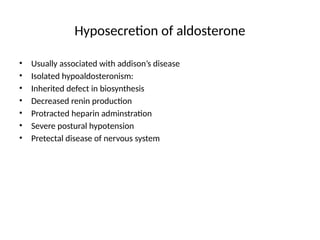
Hyposecretion of aldosterone
•Usually associated with addison’s disease
• Isolated hypoaldosteronism:
• Inherited defect in biosynthesis
• Decreased renin production
• Protracted heparin adminstration
• Severe postural hypotension
• Pretectal disease of nervous system
49.
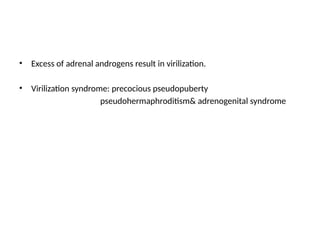
• Excess ofadrenal androgens result in virilization.
• Virilization syndrome: precocious pseudopuberty
pseudohermaphroditism& adrenogenital syndrome
50.
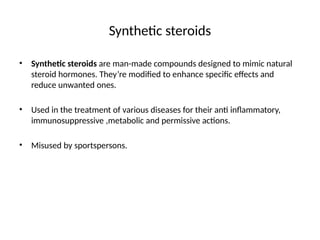
Synthetic steroids
• Syntheticsteroids are man-made compounds designed to mimic natural
steroid hormones. They’re modified to enhance specific effects and
reduce unwanted ones.
• Used in the treatment of various diseases for their anti inflammatory,
immunosuppressive ,metabolic and permissive actions.
• Misused by sportspersons.
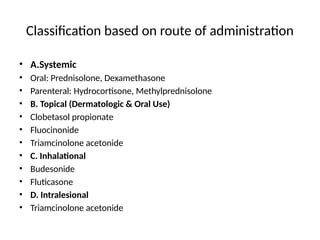
Classification based onroute of administration
• A.Systemic
• Oral: Prednisolone, Dexamethasone
• Parenteral: Hydrocortisone, Methylprednisolone
• B. Topical (Dermatologic & Oral Use)
• Clobetasol propionate
• Fluocinonide
• Triamcinolone acetonide
• C. Inhalational
• Budesonide
• Fluticasone
• D. Intralesional
• Triamcinolone acetonide
54.
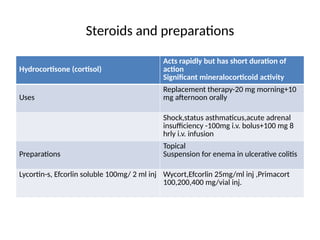
Steroids and preparations
Hydrocortisone(cortisol)
Acts rapidly but has short duration of
action
Significant mineralocorticoid activity
Uses
Replacement therapy-20 mg morning+10
mg afternoon orally
Shock,status asthmaticus,acute adrenal
insufficiency -100mg i.v. bolus+100 mg 8
hrly i.v. infusion
Preparations
Topical
Suspension for enema in ulcerative colitis
Lycortin-s, Efcorlin soluble 100mg/ 2 ml inj Wycort,Efcorlin 25mg/ml inj ,Primacort
100,200,400 mg/vial inj.
55.
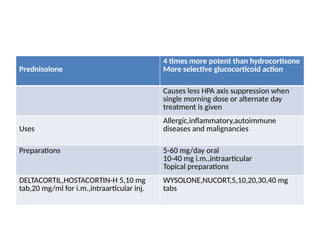
Prednisolone
4 times morepotent than hydrocortisone
More selective glucocorticoid action
Causes less HPA axis suppression when
single morning dose or alternate day
treatment is given
Uses
Allergic,inflammatory,autoimmune
diseases and malignancies
Preparations 5-60 mg/day oral
10-40 mg i.m.,intraarticular
Topical preparations
DELTACORTIL,HOSTACORTIN-H 5,10 mg
tab,20 mg/ml for i.m.,intraarticular inj.
WYSOLONE,NUCORT,5,10,20,30,40 mg
tabs
56.
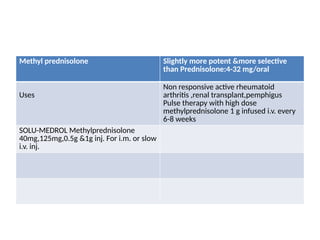
Methyl prednisolone Slightlymore potent &more selective
than Prednisolone:4-32 mg/oral
Uses
Non responsive active rheumatoid
arthritis ,renal transplant,pemphigus
Pulse therapy with high dose
methylprednisolone 1 g infused i.v. every
6-8 weeks
SOLU-MEDROL Methylprednisolone
40mg,125mg,0.5g &1g inj. For i.m. or slow
i.v. inj.
57.
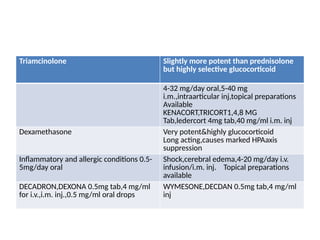
Triamcinolone Slightly morepotent than prednisolone
but highly selective glucocorticoid
4-32 mg/day oral,5-40 mg
i.m.,intraarticular inj,topical preparations
Available
KENACORT,TRICORT1,4,8 MG
Tab,ledercort 4mg tab,40 mg/ml i.m. inj
Dexamethasone Very potent&highly glucocorticoid
Long acting,causes marked HPAaxis
suppression
Inflammatory and allergic conditions 0.5-
5mg/day oral
Shock,cerebral edema,4-20 mg/day i.v.
infusion/i.m. inj. Topical preparations
available
DECADRON,DEXONA 0.5mg tab,4 mg/ml
for i.v.,i.m. inj.,0.5 mg/ml oral drops
WYMESONE,DECDAN 0.5mg tab,4 mg/ml
inj
58.
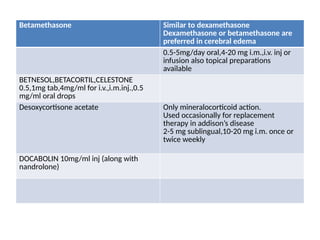
Betamethasone Similar todexamethasone
Dexamethasone or betamethasone are
preferred in cerebral edema
0.5-5mg/day oral,4-20 mg i.m.,i.v. inj or
infusion also topical preparations
available
BETNESOL,BETACORTIL,CELESTONE
0.5,1mg tab,4mg/ml for i.v.,i.m.inj.,0.5
mg/ml oral drops
Desoxycortisone acetate Only mineralocorticoid action.
Used occasionally for replacement
therapy in addison’s disease
2-5 mg sublingual,10-20 mg i.m. once or
twice weekly
DOCABOLIN 10mg/ml inj (along with
nandrolone)
59.
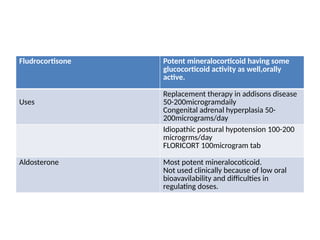
Fludrocortisone Potent mineralocorticoidhaving some
glucocorticoid activity as well,orally
active.
Uses
Replacement therapy in addisons disease
50-200microgramdaily
Congenital adrenal hyperplasia 50-
200micrograms/day
Idiopathic postural hypotension 100-200
microgrms/day
FLORICORT 100microgram tab
Aldosterone Most potent mineralocoticoid.
Not used clinically because of low oral
bioavavilability and difficulties in
regulating doses.
60.
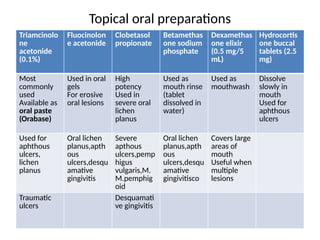
Topical oral preparations
Triamcinolo
ne
acetonide
(0.1%)
Fluocinolon
eacetonide
Clobetasol
propionate
Betamethas
one sodium
phosphate
Dexamethas
one elixir
(0.5 mg/5
mL)
Hydrocortis
one buccal
tablets (2.5
mg)
Most
commonly
used
Available as
oral paste
(Orabase)
Used in oral
gels
For erosive
oral lesions
High
potency
Used in
severe oral
lichen
planus
Used as
mouth rinse
(tablet
dissolved in
water)
Used as
mouthwash
Dissolve
slowly in
mouth
Used for
aphthous
ulcers
Used for
aphthous
ulcers,
lichen
planus
Oral lichen
planus,apth
ous
ulcers,desqu
amative
gingivitis
Severe
apthous
ulcers,pemp
higus
vulgaris,M.
M.pemphig
oid
Oral lichen
planus,apth
ous
ulcers,desqu
amative
gingivitisco
Covers large
areas of
mouth
Useful when
multiple
lesions
Traumatic
ulcers
Desquamati
ve gingivitis
Pharmacokinetics of steroids
•Well absorbed and effective by oral route.
• Water soluble esters, hydrocortisone hemisuccinate,dexamethasone can
be given i.v.or i.m.
• Act rapidly &achieve high concentrations in tissue fluids.
• Insoluble esters ,hydrocortisone acetate,triamcinolone can’t be injected
i.v. but slowly absorbed from i.m.site.
• High first pass metabolism
63.
• 90% boundto plasma protein,mostly to a specific cortisol binding globulin
• Metabolized primarily by hepatic enzymes
• Metabolites further conjugated with glucuronic acid or sulfate and
excreted in urine.
• Plasma t1/2 is 1.5 hrs ,biological t1/2 is longer because of action through
intracellular receptors & regulation of protein synthesis.
• Synthetic derivatives are more resistant and long acting
64.
Drug interactions
• Corticosteroids(such as Prednisone, Dexamethasone, Hydrocortisone, and
Methylprednisolone) have many clinically significant drug interactions.
• These vary depending on dose, duration, and whether the steroid is systemic
(oral/IV) or inhaled/topical.
• . Drugs That Increase Corticosteroid Levels (CYP3A4 Inhibitors)
• These can increase steroid concentration, raising the risk of side effects
(Cushingoid features, hyperglycemia, immunosuppression):
• Azole antifungals (e.g., ketoconazole)
• Macrolide antibiotics (e.g., erythromycin, clarithromycin)
• Protease inhibitors (e.g., ritonavir)
• Risk: adrenal suppression, fluid retention, mood changes, hypertension
65.
• Drugs ThatDecrease Corticosteroid Levels (CYP3A4 Inducers)
• These may reduce steroid effectiveness:
• Rifampin
• Phenytoin
• Carbamazepine
• Phenobarbital
• ⚠ Risk: poor control of inflammation, asthma, autoimmune disease
66.
• NSAIDs &Aspirin
• Examples:
• Ibuprofen
• Aspirin
• Increased risk of:
• Gastric ulcers
• GI bleeding
• Risk is higher in elderly patients or those with prior ulcer disease.
67.
• Anticoagulants
• Example:
•Warfarin
• Corticosteroids can:
• Increase or decrease INR unpredictably
• Increase bleeding risk (especially with GI irritation)
• Monitoring INR is essential.
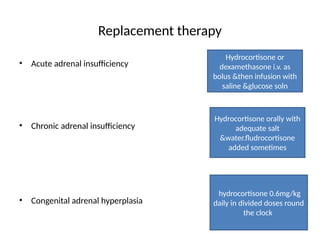
Replacement therapy
• Acuteadrenal insufficiency
• Chronic adrenal insufficiency
• Congenital adrenal hyperplasia
Hydrocortisone or
dexamethasone i.v. as
bolus &then infusion with
saline &glucose soln
Hydrocortisone orally with
adequate salt
&water.fludrocortisone
added sometimes
hydrocortisone 0.6mg/kg
daily in divided doses round
the clock
73.
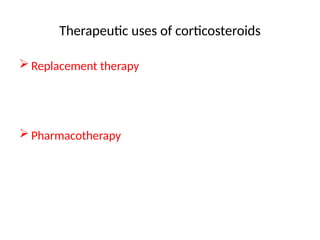
Pharmacotherapy
• Principles :
•A single dose is not harmful: can be used to tide over mortal crisis.
• Short courses are not likely to be harmful in the absence of contraindications.
• Long term use is potentially hazardous : keep duration of treatment &dose to
minimum which is found by trial and error.
• Initial dose depends on severity of the disease
• Start with a high dose in severe illness-reduce gradually as symptoms
subside,in mild cases start with lowest dose and titrate upwards to find the
correct dose.
• No abrupt withdrawal
• Infection, severe trauma or stress during corticoid therapy , increase the dose
• Use local therapy whenever possible
74.
Pharmacotherapy
• Pulse therapy:
•Pulse therapy of steroids is a treatment strategy where very high doses of
corticosteroids are given over a short period of time, usually
intravenously, to rapidly control severe inflammation or immune activity.
• Most commonly Methyl prednisolone i.v.150-300 mg
• Injected over ½ hr, once daily, for 3 consecutive days.
• Acute rejection of renal graft,Graves’exopthalmos,Multiple sclerosis
75.
• Intensive shortterm therapy
• Can save life and reduce morbidity in certain potentially lethal conditions
in which inflammatory or metabolic response of body itself threatens life.
• Prolonged,high dose,suppressive therapy
• Indicated in severe form of the disease.
• Started with initial high dose for 7-10 days
• Shifted to maintainance dose.
• Fear of adverse reaction utmost in this group
• Pt need close supervision
• Rapid reduction in dose can cause acute exacerbation of disease or
precipitate adrenocortical insufficiency
76.
• Topical therapy:
• Topical steroid therapy provides localized anti-inflammatory action with
fewer systemic effects, but improper or prolonged use can lead to
significant side effects.
• Valuable in many dermatological,ocular and external ear conditions
• Factors Affecting Absorption
• Thickness of skin (thin skin → more absorption)
• Area of application
• Duration of use
• Occlusion (bandaging increases absorption)
• Age (children absorb more)
77.
• Most commonside effects are
• Skin atrophy,striae,hypopigmentation
• Systemic side effects are rare but possible with prolonged use
Important Clinical Rules:
Use lowest effective potency
Avoid prolonged use on face and flexures
Do not stop abruptly after long-term high-
potency use
Follow the “fingertip unit” (FTU) method for
correct dosing
78.
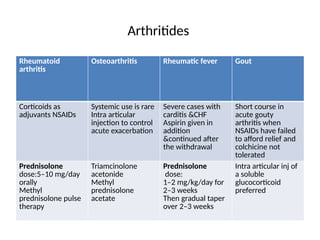
Arthritides
Rheumatoid
arthritis
Osteoarthritis Rheumatic feverGout
Corticoids as
adjuvants NSAIDs
Systemic use is rare
Intra articular
injection to control
acute exacerbation
Severe cases with
carditis &CHF
Aspirin given in
addition
&continued after
the withdrawal
Short course in
acute gouty
arthritis when
NSAIDs have failed
to afford relief and
colchicine not
tolerated
Prednisolone
dose:5–10 mg/day
orally
Methyl
prednisolone pulse
therapy
Triamcinolone
acetonide
Methyl
prednisolone
acetate
Prednisolone
dose:
1–2 mg/kg/day for
2–3 weeks
Then gradual taper
over 2–3 weeks
Intra articular inj of
a soluble
glucocorticoid
preferred
79.
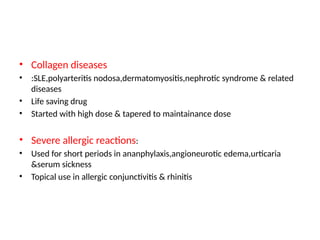
• Collagen diseases
•:SLE,polyarteritis nodosa,dermatomyositis,nephrotic syndrome & related
diseases
• Life saving drug
• Started with high dose & tapered to maintainance dose
• Severe allergic reactions:
• Used for short periods in ananphylaxis,angioneurotic edema,urticaria
&serum sickness
• Topical use in allergic conjunctivitis & rhinitis
80.
• Autoimmune diseases
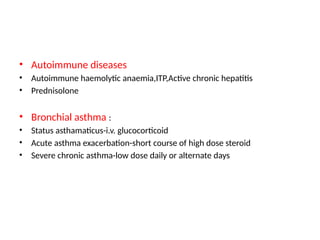
•Autoimmune haemolytic anaemia,ITP,Active chronic hepatitis
• Prednisolone
• Bronchial asthma :
• Status asthamaticus-i.v. glucocorticoid
• Acute asthma exacerbation-short course of high dose steroid
• Severe chronic asthma-low dose daily or alternate days
81.
• Lung diseases
•Aspiration pneumonia &pulmonary edema from drowning
• During late pregnancy accelerate lung maturation &surfactant production
in foetus and prevent distress syndrome at birth
• Infective diseases
• Severe forms of tuberculosis
• Severe lepra reaction
• Certain forms of bacterial meningitis
• Pneumonia with hypoxia in AIDS patients
82.
• Eye diseases:
•Disease of anterior chamber-allergic conjunctivitis iritis ,iridocyclitis, keratitis
• Posterior segment afflictions-retinitis, optic neuritis, uveitis
• Retrobulbar inj given to avoid systemic side effects
• Skin diseases
• Commonly given as topical application
• Systemic therapy in case of pemphigus vulgaris,exfoliative dermatitis,SJS
• Common Topical Steroids
• Hydrocortisone – low potency
• Mometasone furoate – moderate potency
• Betamethasone dipropionate – high potency
• Clobetasol propionate – very high potency
83.
• Intestinal diseases:
• Indicated in acute phase of ulcerative colitis, crohn’s disease, coeliac dis.
• Orally or as retention enema
• Hydrocortisone 100 mg enema
• Given once daily (usually at night)
• Patient retains for as long as possible (ideally overnight)
• Cerebral edema :
• Due to tumors, tubercular meningitis.
• Neurocysticercosis
• Malignancies :
• Essential component of chemotherapy of hodgkins & other lymhomas
• Acute lymphatic leukemia
84.
• Organ transplantationand skin allograft
• High dose steroids given along with immunosuppressants to prevent
rejection reaction followed by low maintainance dose
• Septic shock
• Hydrocortisone 100 mg TDS i.v. infusion for 5-7 days & vasopressor drug
despite adequate fluid replacement
• Thyroid storm
• Reduce peripheral T4 to T3 conversion
• Hydrocortisone 100 mg TDS
85.
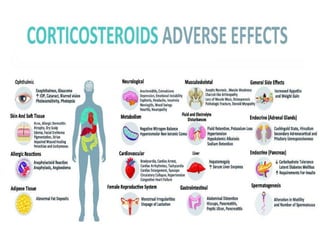
Adverse effects
Mineralocorticoid:
Sodium and water retention
Edema
Hypokalemic alkalosis
Progressive rise in BP
Gradual rise due to excess glucocorticoid action as well
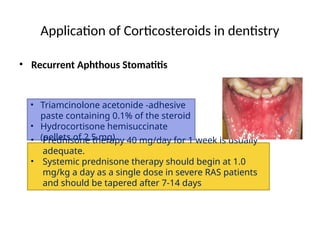
Application of Corticosteroidsin dentistry
• Recurrent Aphthous Stomatitis
• Triamcinolone acetonide -adhesive
paste containing 0.1% of the steroid
• Hydrocortisone hemisuccinate
(pellets of 2.5 mg)
• Prednisone therapy 40 mg/day for 1 week is usually
adequate.
• Systemic prednisone therapy should begin at 1.0
mg/kg a day as a single dose in severe RAS patients
and should be tapered after 7-14 days
89.
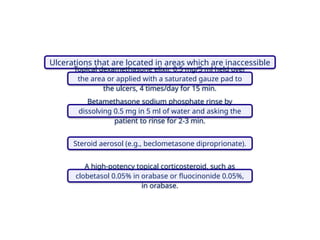
Ulcerations that arelocated in areas which are inaccessible
Topical dexamethasone elixir, 0.5 mg/5 ml held over
the area or applied with a saturated gauze pad to
the ulcers, 4 times/day for 15 min.
Betamethasone sodium phosphate rinse by
dissolving 0.5 mg in 5 ml of water and asking the
patient to rinse for 2-3 min.
Steroid aerosol (e.g., beclometasone diproprionate).
A high-potency topical corticosteroid, such as
clobetasol 0.05% in orabase or fluocinonide 0.05%,
in orabase.
90.
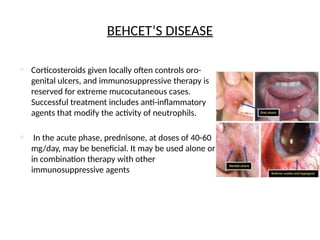
BEHCET’S DISEASE
• Corticosteroidsgiven locally often controls oro-
genital ulcers, and immunosuppressive therapy is
reserved for extreme mucocutaneous cases.
Successful treatment includes anti-inflammatory
agents that modify the activity of neutrophils.
• In the acute phase, prednisone, at doses of 40-60
mg/day, may be beneficial. It may be used alone or
in combination therapy with other
immunosuppressive agents
91.
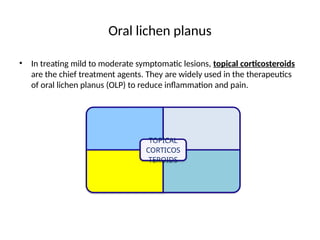
Oral lichen planus
•In treating mild to moderate symptomatic lesions, topical corticosteroids
are the chief treatment agents. They are widely used in the therapeutics
of oral lichen planus (OLP) to reduce inflammation and pain.
0
.
1
%
T
r
i
a
m
c
i
n
o
l
o
n
e
a
c
e
t
o
n
i
d
e
o
i
n
t
m
e
n
t
0
.
1
-
0
.
0
5
%
B
e
t
a
m
e
t
h
a
s
o
n
e
v
a
l
e
r
a
t
e
G
e
l
0
.
0
5
%
F
l
u
o
c
i
n
o
n
i
d
e
G
e
l
0
.
0
5
%
C
l
o
b
e
t
a
s
o
l
P
r
o
p
r
i
o
n
a
t
e
G
e
l
TOPICAL
CORTICOS
TEROIDS
92.
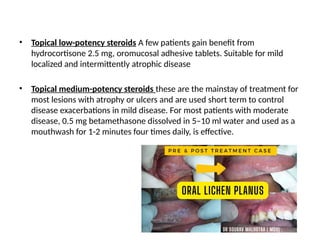
• Topical low-potencysteroids A few patients gain benefit from
hydrocortisone 2.5 mg, oromucosal adhesive tablets. Suitable for mild
localized and intermittently atrophic disease
• Topical medium-potency steroids these are the mainstay of treatment for
most lesions with atrophy or ulcers and are used short term to control
disease exacerbations in mild disease. For most patients with moderate
disease, 0.5 mg betamethasone dissolved in 5–10 ml water and used as a
mouthwash for 1-2 minutes four times daily, is effective.
93.
• Topical high-potencysteroids for more severe or generalized disease, a
mouthwash preparation is required to reach a wide area of mucosa. Patients
should hold the preparation in the mouth for a minute over the affected
mucosa and then spit it out to avoid systemic effects. Fluocinonide or
clobetasol are often used. Clobetasol cream can be mixed 1:1 with plain
orabase to make a topical preparation.
• Intralesional corticosteroid injection for recalcitrant or extensive lesions
involves the subcutaneous injection of 0.2-0.4 ml of a 10 mg/ml solution of
triamcinolone acetonide via a 1.0 ml 23- or a 25-gauge tuberculin syringe.
• Intralesional triamcinolone acetonide in doses of 0.5-1 ml of a 1 mg/ml
suspension in the form of bi-weekly injections, or even 3-4 times a week in
more severe cases can be used for the treatment of erosions.
94.
• Systemic corticosteroidsare used for recalcitrant erosive or erythematous
lichen planus where topical therapy has not been effective.
• The oral dose of prednisone is in the range of 10-20 mg/day for
moderately severe cases to as high as 35 mg/day for extreme cases.
95.
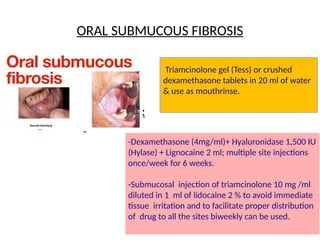
ORAL SUBMUCOUS FIBROSIS
Triamcinolonegel (Tess) or crushed
dexamethasone tablets in 20 ml of water
& use as mouthrinse.
Intralesional injections:
-Dexamethasone (4mg/ml)+ Hyaluronidase 1,500 IU
(Hylase) + Lignocaine 2 ml; multiple site injections
once/week for 6 weeks.
-Submucosal injection of triamcinolone 10 mg /ml
diluted in 1 ml of lidocaine 2 % to avoid immediate
tissue irritation and to facilitate proper distribution
of drug to all the sites biweekly can be used.
96.
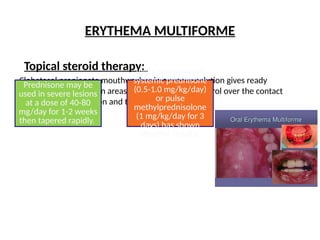
ERYTHEMA MULTIFORME
Topical steroidtherapy:
Clobetasol propionate mouthwashes in aqueous solution gives ready
accessibility to all lesion areas, and there is good control over the contact
time between the lesion and the drug.
Prednisone may be
used in severe lesions
at a dose of 40-80
mg/day for 1-2 weeks
then tapered rapidly.
Initial therapy with
systemic prednisone
(0.5-1.0 mg/kg/day)
or pulse
methylprednisolone
(1 mg/kg/day for 3
days) has shown
effective results.
97.
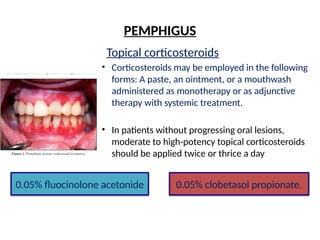
PEMPHIGUS
Topical corticosteroids
• Corticosteroidsmay be employed in the following
forms: A paste, an ointment, or a mouthwash
administered as monotherapy or as adjunctive
therapy with systemic treatment.
• In patients without progressing oral lesions,
moderate to high-potency topical corticosteroids
should be applied twice or thrice a day
0.05% fluocinolone acetonide 0.05% clobetasol propionate.
98.
• Systemic corticosteroidtherapy
• In patients with severe disease
and the spread of lesions is to
the dermal surfaces, the systemic
corticosteroid is the drug of
choice.
• The first drug used to treat this
disease is prednisolone 100-200
mg employed every day until
clinical signs abate. The dose can
be gradually reduced to a
maintenance level of 40-50 mg
daily
Intralesional corticosteroid therapy
• This accelerates the scarring process of a
lesion & may be used to treat persistent
lesions.
• Intralesional injections is given every 1-2
weeks; treatment is ceased after 3
injections if there is no improvement.
99.
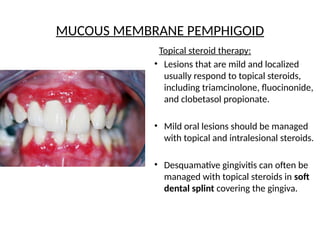
MUCOUS MEMBRANE PEMPHIGOID
Topicalsteroid therapy:
• Lesions that are mild and localized
usually respond to topical steroids,
including triamcinolone, fluocinonide,
and clobetasol propionate.
• Mild oral lesions should be managed
with topical and intralesional steroids.
• Desquamative gingivitis can often be
managed with topical steroids in soft
dental splint covering the gingiva.
100.
• Systemic steroidtherapy
• In patients with high risk, such as with multiple oral lesions, the
administration of prednisone 1-2 mg/kg/day, with gradual dose reduction,
and immune-suppressors such as cyclophosphamide (0.5-2 mg/kg/day),
or mycophenolate mofetil 2-2.5 g/day have shown good results
• Injectable steroids
• Dexamethasone phosphate injectable, 1 ampule (4 mg/mL), may be used in the
following manner. After the area is injected with lidocaine, 0.5 to 1 mL should be
injected around the margins of the ulcer with a 25-gauge needle, twice a week
until the ulcer heals.