Chapter 2 NATURAL^J MAN-MODIFIED^J AND MAN-MADE ENVIRONMENTS.pdf
1.
Chapter 2: NATURAL,MAN-
MODIFIED, AND MAN-MADE
ENVIRONMENTS Shellajean M. Omar
4.
Natural Environments
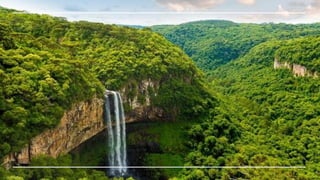
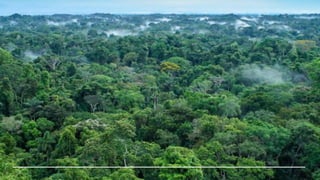
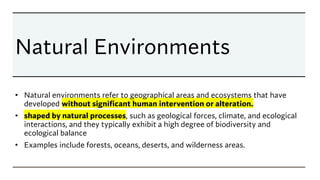
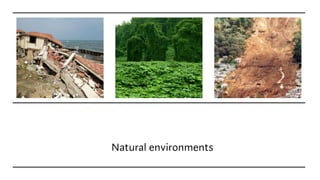
• Naturalenvironments refer to geographical areas and ecosystems that have
developed without significant human intervention or alteration.
• shaped by natural processes, such as geological forces, climate, and ecological
interactions, and they typically exhibit a high degree of biodiversity and
ecological balance
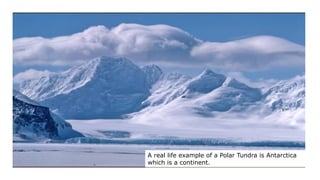
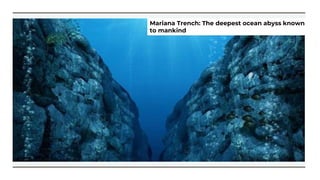
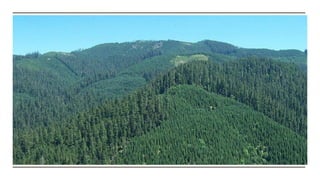
• Examples include forests, oceans, deserts, and wilderness areas.
5.
Characteristics of NaturalEnvironments
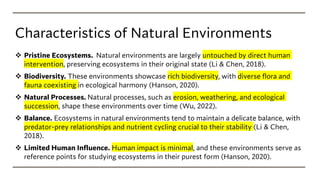
❖ Pristine Ecosystems. Natural environments are largely untouched by direct human
intervention, preserving ecosystems in their original state (Li & Chen, 2018).
❖ Biodiversity. These environments showcase rich biodiversity, with diverse flora and
fauna coexisting in ecological harmony (Hanson, 2020).
❖ Natural Processes. Natural processes, such as erosion, weathering, and ecological
succession, shape these environments over time (Wu, 2022).
❖ Balance. Ecosystems in natural environments tend to maintain a delicate balance, with
predator-prey relationships and nutrient cycling crucial to their stability (Li & Chen,
2018).
❖ Limited Human Influence. Human impact is minimal, and these environments serve as
reference points for studying ecosystems in their purest form (Hanson, 2020).
Man-Modified Environments
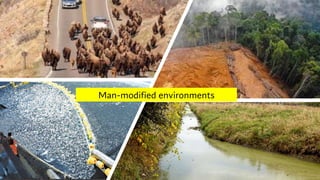
• Man-modifiedenvironments, also known as human-altered environments, are geographical
areas that have undergone deliberate changes or interventions by humans to serve specific
purposes (Williams et al., 2020).
• These modifications can include activities like agriculture, urbanization, forestry, and land
development.
• While they may still retain elements of their natural state, man-modified environments exhibit
noticeable human influence and often require ongoing management.
15.
Characteristics of Man-ModifiedEnvironments
❖ Human Intervention. Man-modified environments exhibit varying degrees of human
influence through activities like agriculture, forestry, and controlled land development
(Williams et al., 2020).
❖ Altered Landscapes. Natural landscapes are often altered to suit human needs,
resulting in changes to terrain, vegetation, and waterways (Hansen, 2023).
❖ Resource Utilization. These environments are frequently used for resource extraction,
farming, or housing, reflecting a utilitarian approach (Smith, 2021).
❖ Ecological Consequences. Human modifications can disrupt ecosystems, leading to
habitat loss, fragmentation, and changes in species composition (Chen & Li, 2019).
❖ Managed Systems. Man-modified environments often require management practices
to sustainably balance human utilization and environmental preservation (Hansen,
2023).
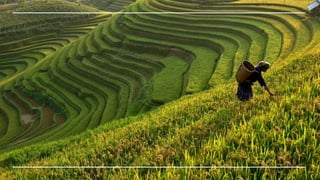
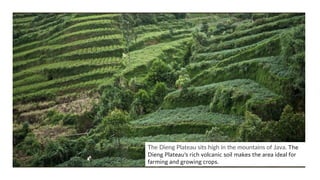
The Dieng Plateausits high in the mountains of Java. The
Dieng Plateau’s rich volcanic soil makes the area ideal for
farming and growing crops.
18.
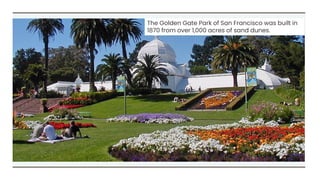
The Golden GatePark of San Francisco was built in
1870 from over 1,000 acres of sand dunes.
20.
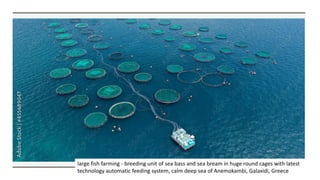
large fish farming- breeding unit of sea bass and sea bream in huge round cages with latest
technology automatic feeding system, calm deep sea of Anemokambi, Galaxidi, Greece
Man-Made Environments
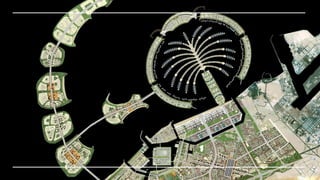
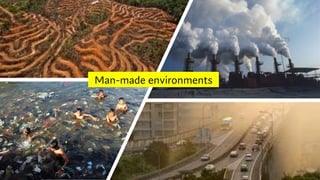
• Man-madeenvironments, also known as artificial environments or synthetic
environments, are entirely human-created spaces that do not exist naturally
in the world (Smith, 2021).
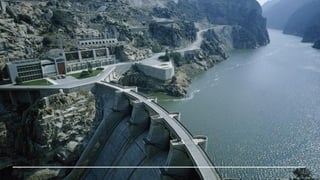
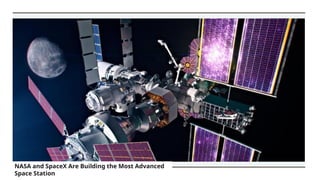
• These environments are the product of human engineering, design, and
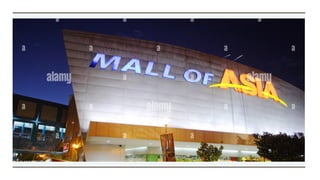
construction and are tailored for specific human purposes, such as commerce,
habitation, or entertainment.
25.
Characteristics of Man-MadeEnvironments
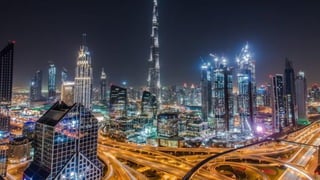
❖ Human-Created. Man-made environments are entirely crafted by human hands,
encompassing urban areas, infrastructure, and artificial constructs (Smith, 2021).
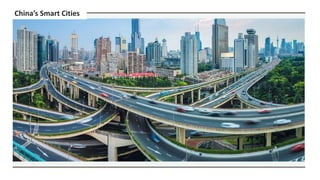
❖ Technological Influence. Advanced technology and engineering play a pivotal role in
shaping these environments, from skyscrapers to transportation networks (Chan,
2019).
❖ Human-Dominated. Human populations dominate man-made environments, leading
to high population density and cultural diversity (Nelson, 2022).
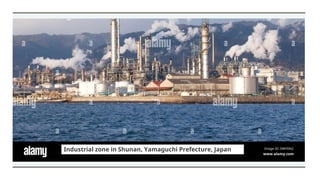
❖ Built for Functionality. These environments are designed for specific purposes, such
as commerce, residential living, or industrial production (Smith, 2021).
❖ Environmental Challenges. Managing environmental impact and sustainability is a
critical concern in man-made environments, with issues like pollution and resource
consumption requiring careful attention and mitigation (Chan, 2019).