ADA Compliance and Liability Issues of Taos Plaza Brick Steps
Analysis of ADA accessibility, visual safety measures, and municipal liability related to the brick steps at Taos Plaza, New Mexico, including legal considerations and incident history.
ADA Compliance and Liability Issues of Taos Plaza Brick Steps
1.
Taos Plaza BrickSteps
Summary of ADA, accessibility, and potential municipal liability issues
Scope
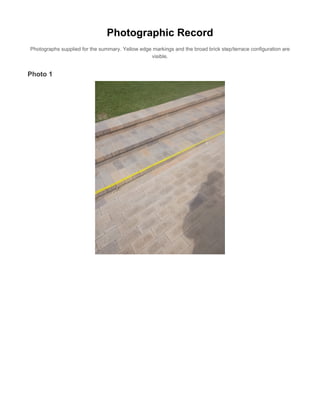
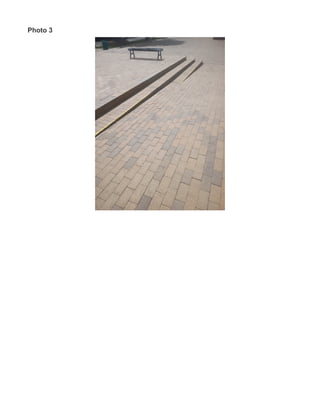
The photographs show broad, shallow brick steps or terraces in a public square in Taos, New Mexico. The
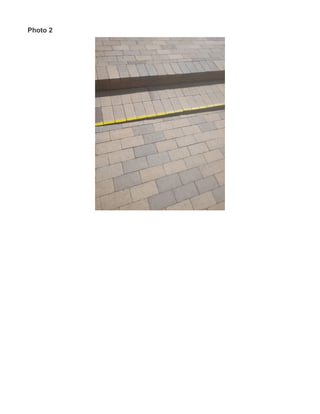
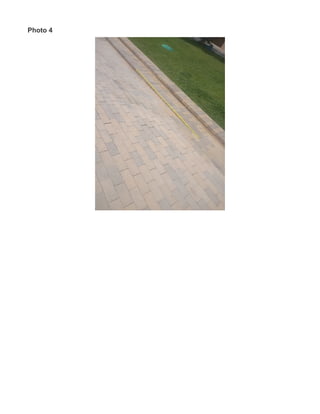
walking surfaces, stair treads, and risers use substantially similar pavers and colors. A yellow painted stripe has
been added along portions of a leading edge. The plaza reportedly has separate wheelchair-accessible routes,
and there have reportedly been multiple incidents in which elderly pedestrians misjudged the depth or elevation
change and fell.
ADA and Accessibility
The existence of a wheelchair ramp or other accessible route does not, by itself, establish that every stair or
elevation change in a public facility complies with applicable accessibility requirements. Depending on the
construction or alteration date and the function of these steps, relevant requirements can include the 2010 ADA
Standards for Accessible Design, New Mexico building requirements, and locally adopted building and
property-maintenance provisions.
For stairs governed by ADA Section 504, relevant criteria include uniform riser heights and tread depths,
minimum tread depth, permissible riser height, nosing configuration, and handrails complying with Section 505.
Whether these particular plaza steps fall within every one of those requirements cannot be determined from
photographs alone. Measurements, construction history, plans, and the applicable code provisions are
necessary for a definitive compliance determination.
The photographs nevertheless raise a visibility issue. The repeated use of nearly identical pavers across the
level walking surface, treads, and risers can reduce visual contrast at changes in elevation. This can be
particularly significant for pedestrians with low vision, reduced depth perception, or age-related visual limitations.
ADA guidance recognizes visual contrast at stair nosings and leading edges as a means of improving stair
visibility.
Yellow Edge Marking
Painting an edge yellow may improve visibility and may be evidence that a warning or visual cue was provided. It
does not automatically establish ADA compliance and does not automatically cure an otherwise unsafe or
noncompliant physical condition. The legal significance of the paint can depend on when it was installed, why it
was installed, the condition that existed at the time of a particular accident, and the other safety features present.
Potential Municipal Liability
ADA compliance and negligence liability are separate legal questions. Even if an accessible route exists, an
injury claim can involve whether the physical condition of the public property created an unreasonable risk,
whether the municipality knew or reasonably should have known of the condition, and whether its response was
reasonable.
New Mexico's Tort Claims Act, including Section 41-4-6, can permit claims in specified circumstances involving
negligence in the operation or maintenance of public buildings, parks, machinery, equipment, or furnishings.
Application of that statute to a particular Taos Plaza accident depends on the facts and the legal characterization
of the property and alleged dangerous condition.
2.
A history ofrepeated falls at the same location can be legally significant because it may bear on actual or
constructive notice of a recurring hazard. Complaints, incident reports, injury claims, maintenance records,
inspection records, and the timing of changes to the steps can therefore affect an assessment of municipal
knowledge and responsibility.
Effect of the Yellow Paint on Culpability
The yellow paint does not, by itself, relieve the Town of Taos of potential liability for an injury. It may support an
argument that an effort was made to make the elevation change conspicuous. Conversely, the circumstances
surrounding installation of the marking may be relevant to the history of the condition. Rules governing
subsequent remedial measures can limit the purposes for which later safety changes may be used as evidence
in litigation. The result in any individual claim would depend on the timing, evidence, applicable immunity
provisions, comparative fault, and other facts.
Overall Summary
The photographs alone are insufficient to establish an ADA violation. They do show an unusual terraced step
configuration with limited visual differentiation between horizontal walking surfaces and elevation changes, an
apparent absence of conventional handrails in the photographed area, and a later or existing yellow visual
marking along portions of a step edge. A separate accessible route does not necessarily resolve requirements
applicable to the stairs themselves. Likewise, yellow paint is a safety measure, not automatic legal immunity. If
repeated falls have occurred at the same location, that history can be important to questions of notice,
dangerous condition, maintenance, and municipal liability.
Legal references summarized: 2010 ADA Standards for Accessible Design, Sections 504 and 505; New Mexico Tort Claims Act,
NMSA 1978 Section 41-4-6; applicable New Mexico and Town of Taos building and property-maintenance requirements.
This document is an informational summary and is not a legal opinion or a definitive code-compliance determination.